| ABC
ABC Family Arquivos Brasileiros de Cardiologia International Journal of Cardiovascular Sciences ABC Heart Failure & Cardiomyopathy ABC Imagem Cardiovascular
Português English
ABC Family | ABC
Português English
  • About
    • About the Journal
    • Internal Regulation
    • Editors Section
    • Editorial Board
    • History
    • SBC Award
  • Instructions to Authors
    • Guidelines for Publication
    • Editorial Policy
    • Ethics Policy
    • Policy on the Use of Artificial Intelligence
    • Mandatory Publication Form
    • Publication Fee
  • Issues
  • SBC Guidelines
  • Abstracts
    • How to Publish an Abstract Supplement?
    • Supplements from the Brazilian Congress of Cardiology
  • About
    • About the Journal
    • Internal Regulation
    • Editors Section
    • Editorial Board
    • History
    • SBC Award
  • Instructions to Authors
    • Guidelines for Publication
    • Editorial Policy
    • Ethics Policy
    • Policy on the Use of Artificial Intelligence
    • Mandatory Publication Form
    • Publication Fee
  • Issues
  • SBC Guidelines
  • Abstracts
    • How to Publish an Abstract Supplement?
    • Supplements from the Brazilian Congress of Cardiology

ABC Family

  • ABC Family
  • Arquivos Brasileiros de Cardiologia
  • International Journal of Cardiovascular Sciences
  • ABC Heart Failure & Cardiomyopathy
  • ABC Imagem Cardiovascular
Search in

No content found.

Journals
Ordering
Article types
Others

  1. Home
  2. ABC
  3. Issues
  4. 2014, Volume 103, Number 1
Figure 1
Original Article

Mortality and Embolic Potential of Cardiac Tumors

Ricardo Ribeiro Dias et al. Fábio Fernandes Félix José Alvarez Ramires Charles Mady … Cícero Piva Albuquerque Fábio Biscegli Jatene

Background:

Cardiac tumors are rare, mostly benign with high embolic potential.

Objectives:

To correlate the histological type of cardiac masses with their embolic potential, implantation site and long term follow up in patients undergoing surgery.

Methods:

Between January 1986 and December 2011, we retrospectively analyzed 185 consecutive patients who underwent excision of intracardiac mass (119 females, mean age 48±20 years). In 145 patients, the left atrium was the origin site. 72% were asymptomatic and prior embolization was often observed (19.8%). The diagnosis was established by echocardiography, magnetic resonance and histological examination.

Results:

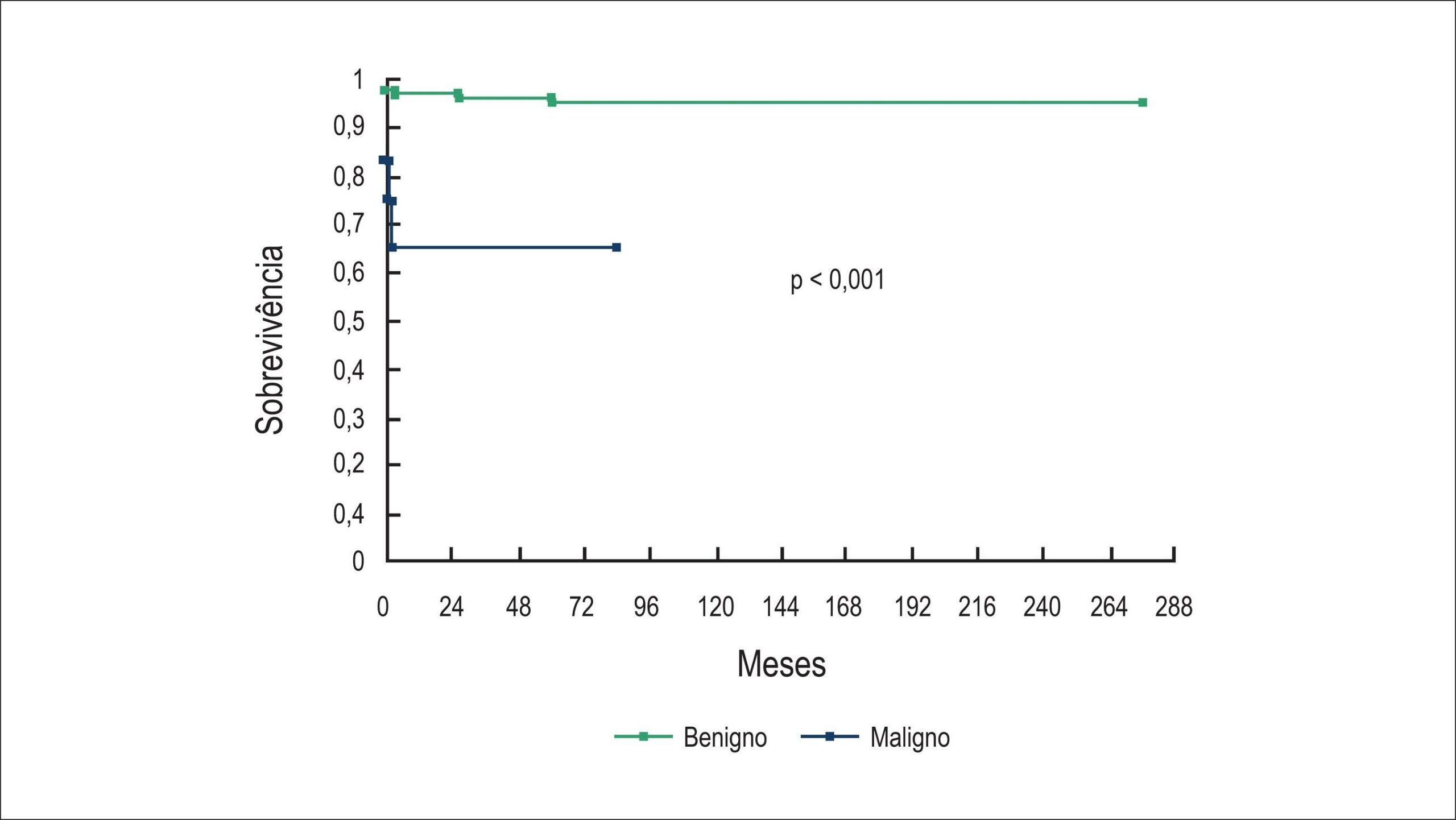
Most tumors were located in the left side of the heart. Myxoma was the most common (72.6%), followed by fibromas (6.9%), thrombi (6.4%) and sarcomas (6.4%). Ranging from 0.6cm to 15cm (mean 4.6 ± 2.5cm) 37 (19.8%) patients had prior embolization, stroke 10.2%, coronary 4.8%, peripheral 4.3% 5.4% of hospital death, with a predominance of malignant tumors (40% p < 0.0001). The histological type was a predictor of mortality (rhabdomyomas and sarcomas p = 0.002) and embolic event (sarcoma, lipoma and fibroelastoma p = 0.006), but not recurrence. Tumor size, atrial fibrillation, cavity and valve impairment were not associated with the embolic event. During follow-up (mean 80±63 months), there were 2 deaths (1.1%) and two recurrences 1 and 11 years after the operation, to the same cavity.

Conclusion:

Most tumors were located in the left side of the heart. The histological type was predictor of death and preoperative embolic event, while the implantation site carries no relation with mortality or to embolic event.
  • Embolism/complications
  • Heart n/ surgery
  • Heart Neoplasms / mortality
Read Full Article
Creative Commons Attribution (CC BY) Creative Commons license
15/07/2014 DOI: 10.5935/abc.20140096 Views 2
Figure 1
Original Article

Functional Vascular Study in Hypertensive Subjects with Type 2 Diabetes Using Losartan or Amlodipine

Cesar Romaro Pozzobon et al. Ronaldo A. O. C. Gismondi Ricardo Bedirian Marcia Cristina Ladeira … Mario Fritsch Neves Wille Oigman

Background:

Antihypertensive drugs are used to control blood pressure (BP) and reduce macro- and microvascular complications in hypertensive patients with diabetes.

Objectives:

The present study aimed to compare the functional vascular changes in hypertensive patients with type 2 diabetes mellitus after 6 weeks of treatment with amlodipine or losartan.

Methods:

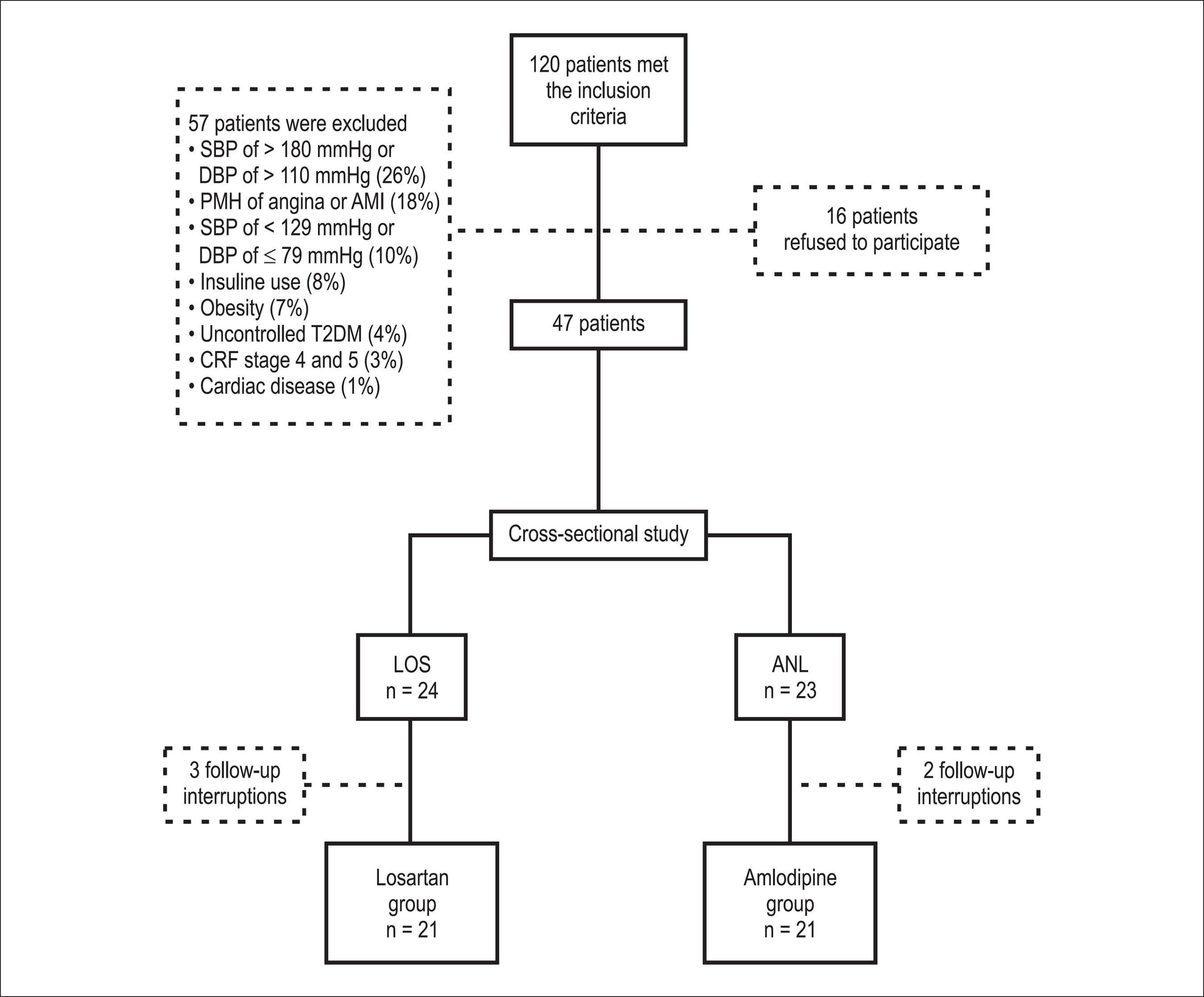
Patients with a previous diagnosis of hypertension and type 2 diabetes mellitus were randomly divided into 2 groups and evaluated after 6 weeks of treatment with amlodipine (5 mg/day) or losartan (100 mg/day). Patient evaluation included BP measurement, ambulatory BP monitoring, and assessment of vascular parameters using applanation tonometry, pulse wave velocity (PWV), and flow-mediated dilation (FMD) of the brachial artery.

Results:

A total of 42 patients were evaluated (21 in each group), with a predominance of women (71%) in both groups. The mean age of the patients in both groups was similar (amlodipine group: 54.9 ± 4.5 years; losartan group: 54.0 ± 6.9 years), with no significant difference in the mean BP [amlodipine group: 145 ± 14 mmHg (systolic) and 84 ± 8 mmHg (diastolic); losartan group: 153 ± 19 mmHg (systolic) and 90 ± 9 mmHg (diastolic)]. The augmentation index (30% ± 9% and 36% ± 8%, p = 0.025) and augmentation pressure (16 ± 6 mmHg and 20 ± 8 mmHg, p = 0.045) were lower in the amlodipine group when compared with the losartan group. PWV and FMD were similar in both groups.

Conclusions:

Hypertensive patients with type 2 diabetes mellitus treated with amlodipine exhibited an improved pattern of pulse wave reflection in comparison with those treated with losartan. However, the use of losartan may be associated with independent vascular reactivity to the pressor effect.

  • Amlodipine / therapeutic, use
  • Atherosclerosis
  • Diabetes Mellitus, Type 2 / complications
  • Endothelium / physiopathology
  • Hypertension/complications
  • Losartan/therapeutic use
Read Full Article
Creative Commons Attribution (CC BY) Creative Commons license
09/07/2014 DOI: 10.5935/abc.20140089 Views 2
Figure 1
Original Article

Effect of Pitavastatin on Vascular Reactivity in Hypercholesterolemic Rabbits

Eros Antonio de Almeida et al. Michiko Regina Ozaki

Background:

Pitavastatin is the newest statin available in Brazil and likely the one with fewer side effects. Thus, pitavastatin was evaluated in hypercholesterolemic rabbits in relation to its action on vascular reactivity.

Objective:

To assess the lowest dose of pitavastatin necessary to reduce plasma lipids, cholesterol and tissue lipid peroxidation, as well as endothelial function in hypercholesterolemic rabbits.

Methods:

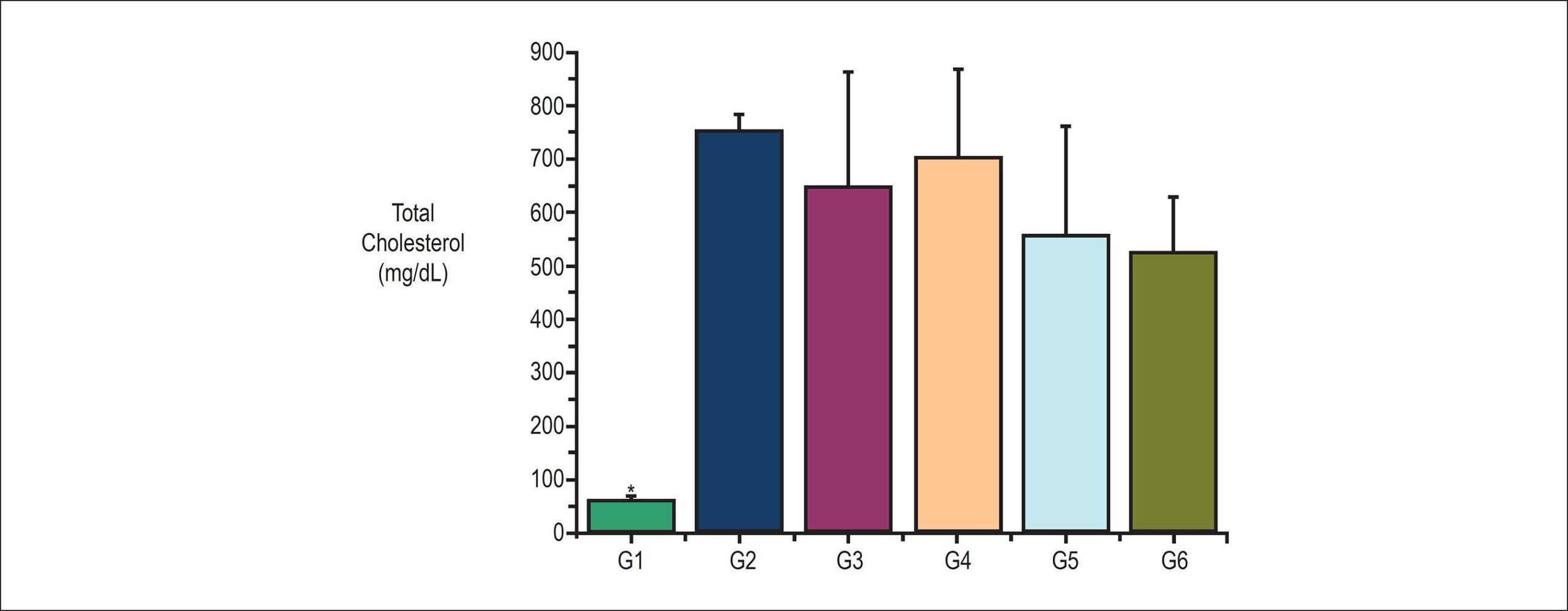
Thirty rabbits divided into six groups (n = 5): G1 – standard chow diet; G2 – hypercholesterolemic diet for 30 days; G3 – hypercholesterolemic diet and after the 16th day, diet supplemented with pitavastatin (0.1 mg); G4 – hypercholesterolemic diet supplemented with pitavastatin (0.25 mg); G5 – hypercholesterolemic diet supplemented with pitavastatin (0.5 mg); G6 – hypercholesterolemic diet supplemented with pitavastatin (1.0 mg). After 30 days, total cholesterol, HDL, triglycerides, glucose, creatine kinase (CK), aspartate aminotransferase (AST), alanine aminotransferase (ALT) were measured and LDL was calculated. In-depth anesthesia was performed with sodium thiopental and aortic segments were removed to study endothelial function, cholesterol and tissue lipid peroxidation. The significance level for statistical tests was 5%.

Results:

Total cholesterol and LDL were significantly elevated in relation to G1. HDL was significantly reduced in G4, G5 and G6 when compared to G2. Triglycerides, CK, AST, ALT, cholesterol and tissue lipid peroxidation showed no statistical difference between G2 and G3-G6. Significantly endothelial dysfunction reversion was observed in G5 and G6 when compared to G2.

Conclusion:

Pitavastatin starting at a 0.5 mg dose was effective in reverting endothelial dysfunction in hypercholesterolemic rabbits.

  • endothelial dysfunction
  • Hydroxymethylglutaryl-CoA Reductase Inhibitors
  • Hypercholesterolemia
  • Rabbits
Read Full Article
Creative Commons Attribution (CC BY) Creative Commons license
09/07/2014 DOI: 10.5935/abc.20140090 Views 2
Figure 1
Original Article

Resistance Training After Myocardial Infarction in Rats: Its Role on Cardiac and Autonomic Function

Camilla Figueiredo Grans et al. Daniele Jardim Feriani Marcos Elias Vergilino Abssamra Leandro Yanase Rocha … Nicolle Martins Carrozzi Cristiano Mostarda Diego Mendrot Figueroa Kátia De Angelis Maria Cláudia Irigoyen Bruno Rodrigues

Background:

Although resistance exercise training is part of cardiovascular rehabilitation programs, little is known about its role on the cardiac and autonomic function after myocardial infarction.

Objective:

To evaluate the effects of resistance exercise training, started early after myocardial infarction, on cardiac function, hemodynamic profile, and autonomic modulation in rats.

Methods:

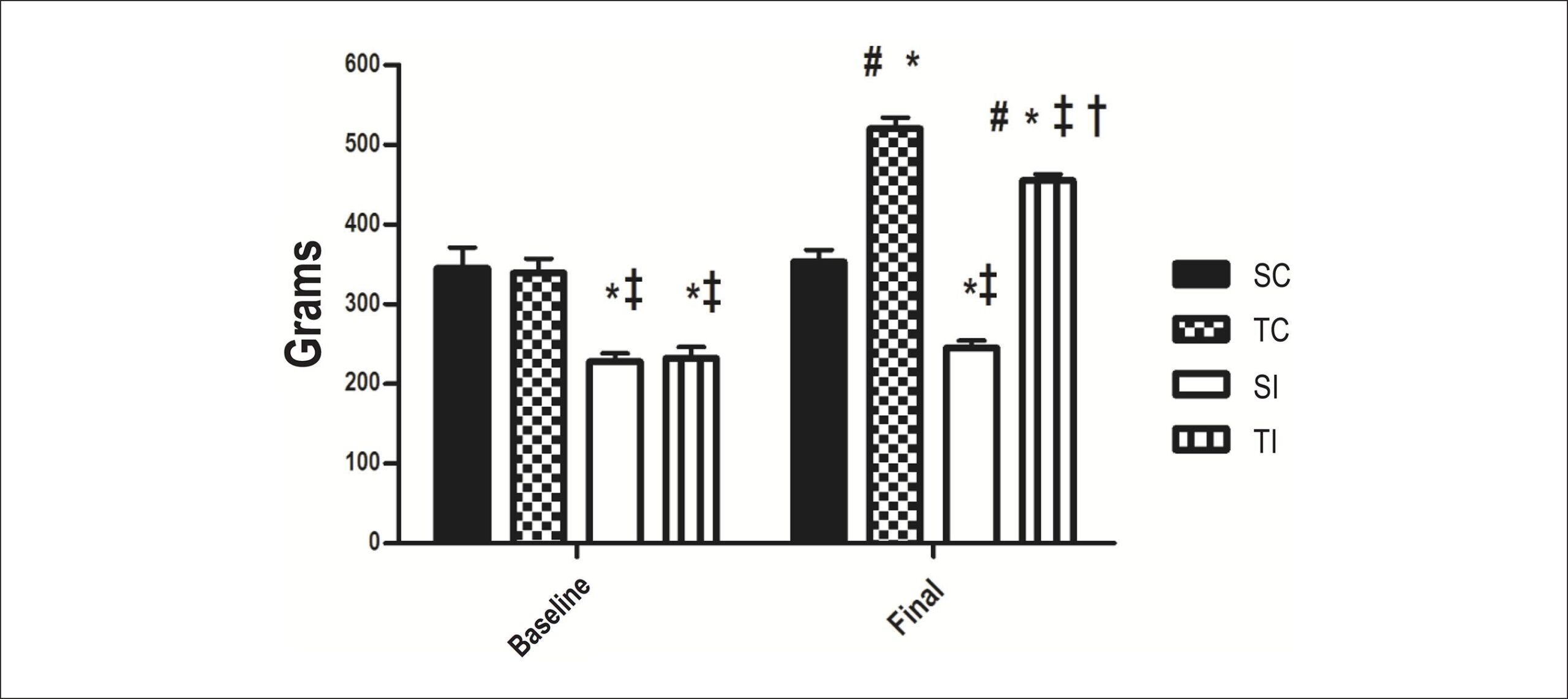
Male Wistar rats were divided into four groups: sedentary control, trained control, sedentary infarcted and trained infarcted rats. Each group with n = 9 rats. The animals underwent maximum load test and echocardiography at the beginning and at the end of the resistance exercise training (in an adapted ladder, 40% to 60% of the maximum load test, 3 months, 5 days/week). At the end, hemodynamic, baroreflex sensitivity and autonomic modulation assessments were made.

Results:

The maximum load test increased in groups trained control (+32%) and trained infarcted (+46%) in relation to groups sedentary control and sedentary infarcted. Although no change occurred regarding the myocardial infarction size and systolic function, the E/A ratio (-23%), myocardial performance index (-39%) and systolic blood pressure (+6%) improved with resistance exercise training in group trained infarcted. Concomitantly, the training provided additional benefits in the high frequency bands of the pulse interval (+45%), as well as in the low frequency band of systolic blood pressure (-46%) in rats from group trained infarcted in relation to group sedentary infarcted.

Conclusion:

Resistance exercise training alone may be an important and safe tool in the management of patients after myocardial infarction, considering that it does not lead to significant changes in the ventricular function, reduces the global cardiac stress, and significantly improves the vascular and cardiac autonomic modulation in infarcted rats.

  • Autonomic Nervous System
  • Exercise
  • Myocardial Infarction
  • Rats
  • Rehabilitation
  • Resistance Training
  • Ventricular Function
Read Full Article
Creative Commons Attribution (CC BY) Creative Commons license
09/07/2014 DOI: 10.5935/abc.20140093 Views 2
Review Article

Lipoprotein (a): Structure, Pathophysiology and Clinical Implications

Raul Cavalcante Maranhão et al. Priscila Oliveira Carvalho Celia Cassaro Strunz Fulvio Pileggi

The chemical structure of lipoprotein (a) is similar to that of LDL, from which it differs due to the presence of apolipoprotein (a) bound to apo B100 via one disulfide bridge. Lipoprotein (a) is synthesized in the liver and its plasma concentration, which can be determined by use of monoclonal antibody-based methods, ranges from 1,000 mg/dL. Lipoprotein (a) levels over 20-30 mg/dL are associated with a two-fold risk of developing coronary artery disease. Usually, black subjects have higher lipoprotein (a) levels that, differently from Caucasians and Orientals, are not related to coronary artery disease. However, the risk of black subjects must be considered. Sex and age have little influence on lipoprotein (a) levels. Lipoprotein (a) homology with plasminogen might lead to interference with the fibrinolytic cascade, accounting for an atherogenic mechanism of that lipoprotein. Nevertheless, direct deposition of lipoprotein (a) on arterial wall is also a possible mechanism, lipoprotein (a) being more prone to oxidation than LDL. Most prospective studies have confirmed lipoprotein (a) as a predisposing factor to atherosclerosis. Statin treatment does not lower lipoprotein (a) levels, differently from niacin and ezetimibe, which tend to reduce lipoprotein (a), although confirmation of ezetimibe effects is pending. The reduction in lipoprotein (a) concentrations has not been demonstrated to reduce the risk for coronary artery disease. Whenever higher lipoprotein (a) concentrations are found, and in the absence of more effective and well-tolerated drugs, a more strict and vigorous control of the other coronary artery disease risk factors should be sought.

  • Cardiovascular Diseases
  • Lipoprotein (a) / metabolism
  • Lipoproteins, LDL / ultrastructure
  • Risk Factors
Read Full Article
Creative Commons Attribution (CC BY) Creative Commons license
01/07/2014 DOI: 10.5935/abc.20140101 Views 2
Editorial

Regarding Hypertension Treatment are we following Worldwide Tendencies?

Paulo César B. Veiga Jardim

Between July 2012 and March 2014, the Department of Arterial Hypertension of the Brazilian Society of Cardiology prepared and published four documents addressing some specific aspects on hypertension care–. Similarly, between July 2013 and January 2014, major international institutions also produced documents updating their guidelines regarding hypertension–. Some of the Brazilian documents were published before the international ones, while others were published concurrently.

The first Brazilian document, published in 2012, addressed resistant arterial hypertension, and extensive review of the subject was performed based on evidence available at the time. In addition to definition, care with diagnosis and possible causes, there was a concern regarding that most cases are, in fact, pseudo-resistant cases, mainly caused by lack of adherence, while highlighting the importance of possible secondary hypertension. The document finally proposed treatment that included the classic and known – but almost always overlooked – nonpharmacological treatment and an objective indication of pharmacological treatment, which takes into account the use of full doses of drugs that inhibit the renin-angiotensin-aldosterone system (ACEI or ARB), of a calcium channel antagonist and long-acting, of a thiazide diuretic and, as a fourth drug, proposed the use of spironolactone. The following was the indication of a beta-blocker with vasodilating action or a drug with central action.

[…]

  • Antihypertensive drugs /diagnostic use
  • Drug Combinations
  • Hypertension/trends
Read Full Article
Creative Commons Attribution (CC BY) Creative Commons license
01/07/2014 DOI: 10.5935/abc.20140111 Views 1
Figure 1
Anatomopathological Session

Case 3/2014 – 81-Year-Old Patient Hospitalized for Decompensated Heart Failure

Bruna Affonso Madaloso et al. Paulo Sampaio Gutierrez

Clinical aspects

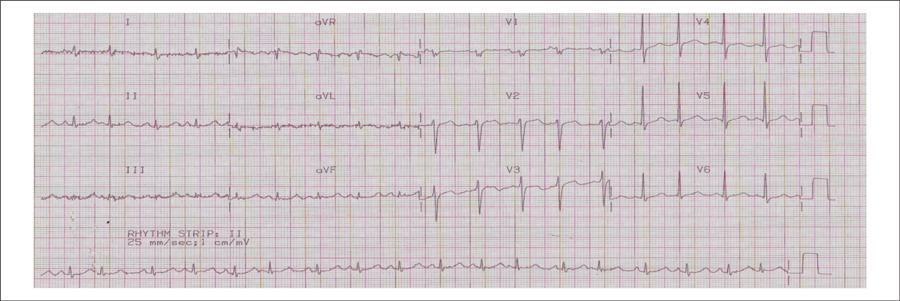
An 81-year-old man hospitalized for worsening dyspnea. The patient reported having systemic arterial hypertension for 10 years, with a history of electrical cardioversion for the treatment of cardiac arrhythmia and having been hospitalized in the past for decompensated heart failure.

During the penultimate hospitalization he had tachypnea and hypoxemia with the swelling of the right calf. Chest X-ray revealed opacification of the right lung base. On the basis of this data, the most probable diagnosis was pulmonary thromboembolism.

[…]

  • Amyloidosis / diagnosis
  • Heart Failure/complications
  • Multiple Myeloma
  • Pulmonary embolism
Read Full Article
Creative Commons Attribution (CC BY) Creative Commons license
01/07/2014 DOI: 10.5935/abc.20140102
Figure 1
Clinical Update

Insights of Optical Coherence Tomography in Renal Artery Fibromuscular Dysplasia in a Patient with Spontaneous Coronary Artery Dissection

Teresa Bastante et al. Fernando Alfonso

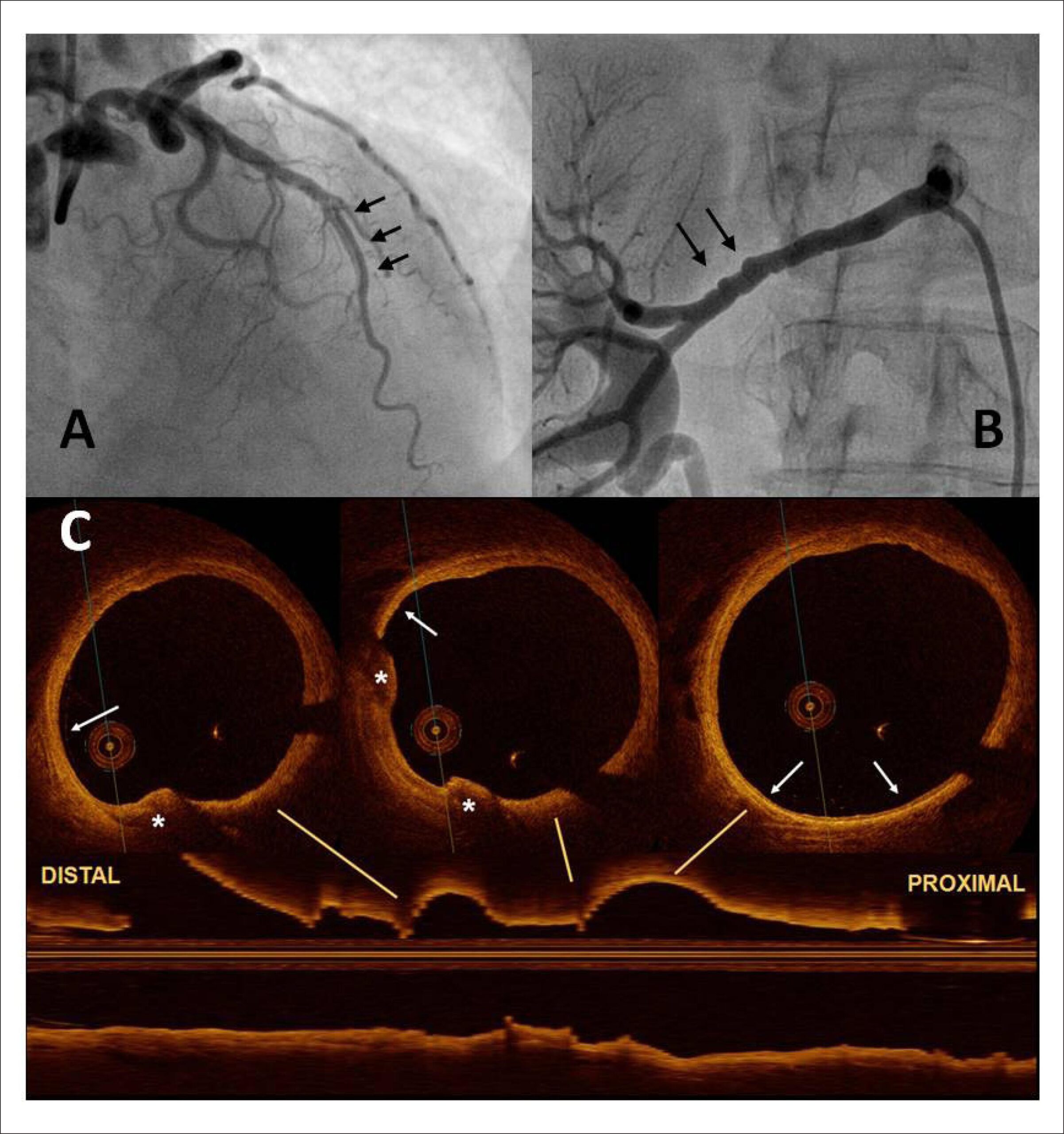
A 60-year-old woman was admitted for an acute coronary syndrome. Coronary angiography showed a spontaneous coronary artery dissection (SCAD) in the left anterior descending coronary artery (A). A typical image of fibromuscular dysplasia (FMD) was also observed in the right renal artery (B). Optical coherence tomography (OCT) (C) revealed alternating areas of thickening and thinning of the medial layer, corresponding to the typical image of “string of beads” readily identified in the longitudinal reconstruction of the OCT and also in angiography.

A very high prevalence of FMD in non-coronary arteries has been recently reported in patients with DCE. Our findings suggest that OCT may provide unique diagnostic clues in these challenging patients.

[…]

  • Optical Ccoherence Tomography
Read Full Article
Creative Commons Attribution (CC BY) Creative Commons license
01/07/2014 DOI: 10.5935/abc.20140100
Viewpoint

Valvular Heart Team

Max Grinberg

“An idealist is a person who helps other people to be prosperous.”

Henry Ford (1863 – 1947)

[…]

  • Aortic Valve Stenosis
  • Bioethics
  • Bioprosthesis
  • Cardiac Catheterization
  • Heart Valve Prosthesis Implantation/ methods
Read Full Article
Creative Commons Attribution (CC BY) Creative Commons license
01/07/2014 DOI: 10.5935/abc.20140099 Views 1
Figure 1
Case Report

Bioresorbable Vascular Scaffold Use in a Case of In-stent Restenosis

Julia Cadrin-Tourigny et al. Liang Dong Akiko Maehara Erick Schampaert Philippe Genereux

Introduction

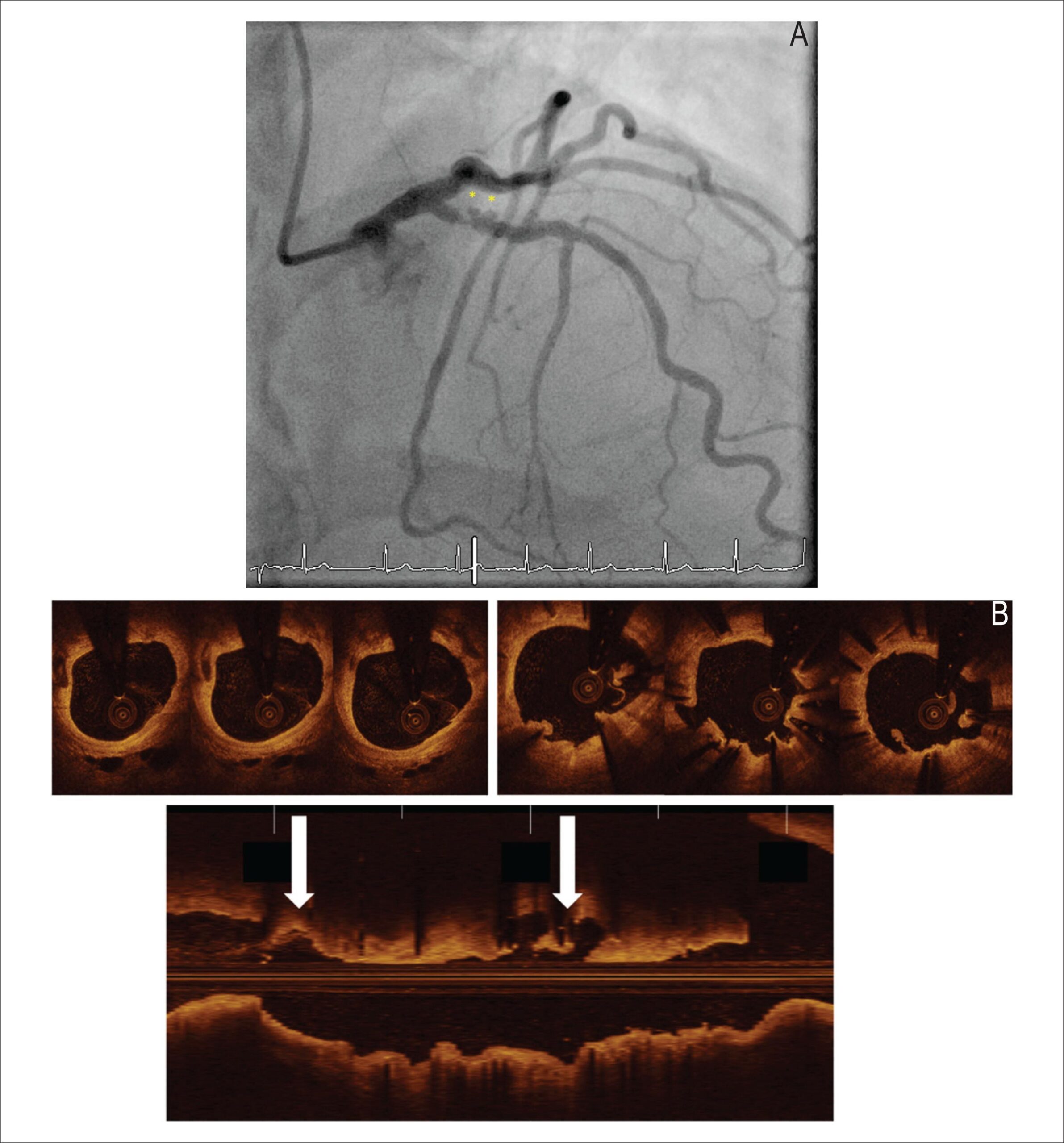
Bioresorbable vascular scaffolds (BVS) demonstrate favourable outcomes in patients with stable coronary disease with simple de novo coronary lesions, and are considered the “fourth revolution” in percutaneous coronary intervention (PCI) technology. BVS represent a promising alternative to drug-eluting stents (DES) while offering the same advantages. We present the first case of in-stent restenosis (ISR) successfully treated with an everolimus-eluting BVS (ABSORB; Abbott Vascular, Santa Clara, CA) and discuss its potential advantages in such lesion.

[…]

  • Bioresorbable Vascular Scaffold
  • Cardiac Catheterization
  • Coronary Artery Disease
  • Stents
Read Full Article
Creative Commons Attribution (CC BY) Creative Commons license
01/07/2014 DOI: 10.5935/abc.20140098 Views 2
Figure 1
Original Article

High-Sensitivity C-Reactive Protein as a Predictor of Cardiovascular Events after ST-Elevation Myocardial Infarction

Daniel Rios Pinto Ribeiro et al. Adriane Monserrat Ramos Pedro Lima Vieira Eduardo Menti … Odemir Luiz Bordin Jr. Priscilla Azambuja Lopes de Souza Alexandre Schaan de Quadros Vera Lúcia Portal

Background:

The association between high-sensitivity C-reactive protein and recurrent major adverse cardiovascular events (MACE) in patients with ST-elevation myocardial infarction who undergo primary percutaneous coronary intervention remains controversial.

Objective:

To investigate the potential association between high-sensitivity C-reactive protein and an increased risk of MACE such as death, heart failure, reinfarction, and new revascularization in patients with ST-elevation myocardial infarction treated with primary percutaneous coronary intervention.

Methods:

This prospective cohort study included 300 individuals aged >18 years who were diagnosed with ST-elevation myocardial infarction and underwent primary percutaneous coronary intervention at a tertiary health center. An instrument evaluating clinical variables and the Thrombolysis in Myocardial Infarction (TIMI) and Global Registry of Acute Coronary Events (GRACE) risk scores was used. High-sensitivity C-reactive protein was determined by nephelometry. The patients were followed-up during hospitalization and up to 30 days after infarction for the occurrence of MACE. Student’s t, Mann-Whitney, chi-square, and logistic regression tests were used for statistical analyses. P values of ≤0.05 were considered statistically significant.

Results:

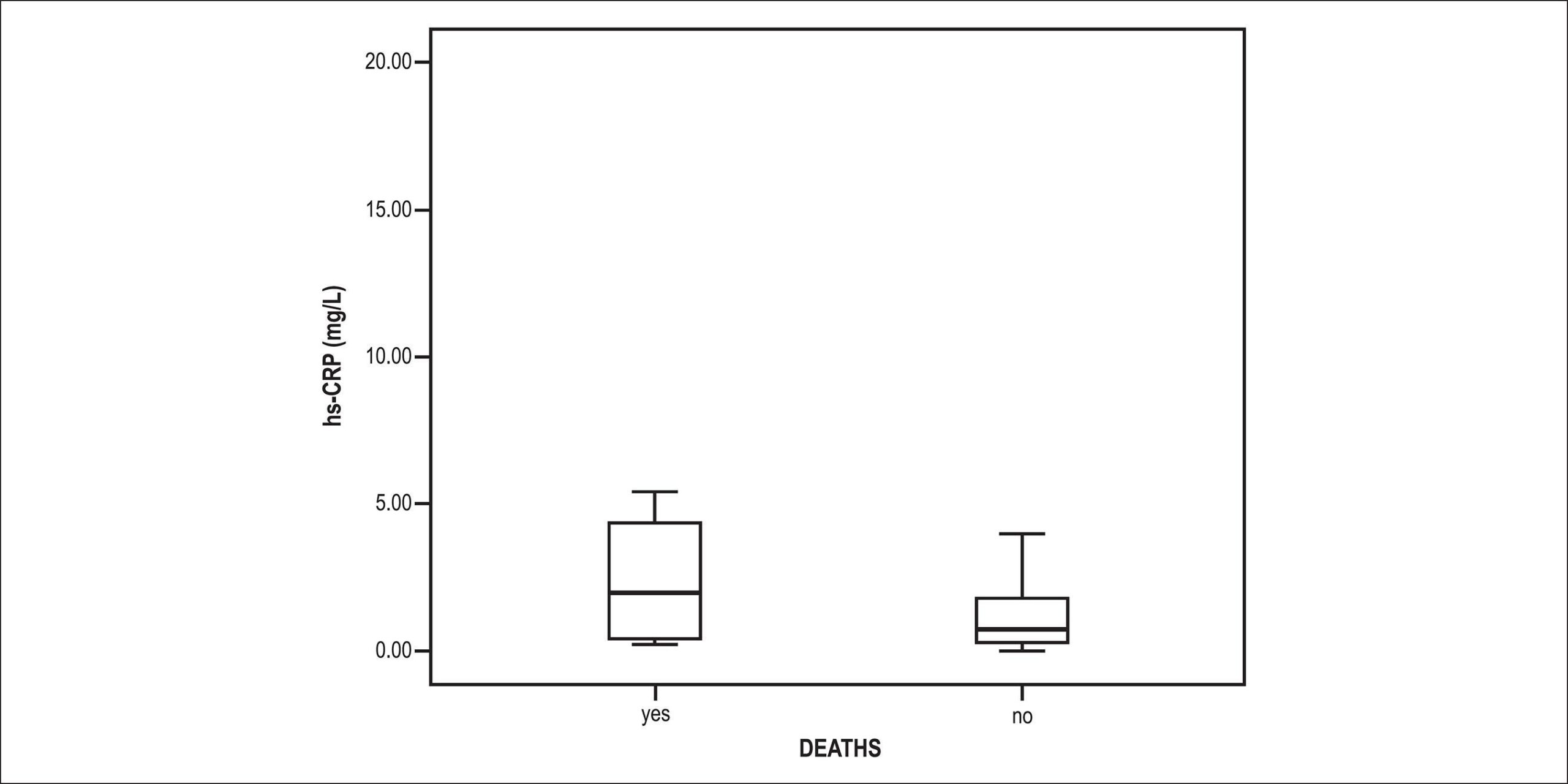
The mean age was 59.76 years, and 69.3% of patients were male. No statistically significant association was observed between high-sensitivity C-reactive protein and recurrent MACE (p = 0.11). However, high-sensitivity C-reactive protein was independently associated with 30-day mortality when adjusted for TIMI [odds ratio (OR), 1.27; 95% confidence interval (CI), 1.07-1.51; p = 0.005] and GRACE (OR, 1.26; 95% CI, 1.06-1.49; p = 0.007) risk scores.

Conclusion:

Although high-sensitivity C-reactive protein was not predictive of combined major cardiovascular events within 30 days after ST-elevation myocardial infarction in patients who underwent primary angioplasty and stent implantation, it was an independent predictor of 30-day mortality.

  • Diagnosis
  • Electrocardiography
  • Myocardial Infarction/mortality
  • Prognosis
  • Protein C
Read Full Article
Creative Commons Attribution (CC BY) Creative Commons license
27/06/2014 DOI: 10.5935/abc.20140086 Views 1
Figure 1
Original Article

Obesity does not Lead to Imbalance Between Myocardial Phospholamban Phosphorylation and Dephosphorylation

Paula Paccielli Freire et al. Carlos Augusto Barnabe Alves Adriana Fernandes de Deus Ana Paula Lima Leopoldo … André Soares Leopoldo Danielle Cristina Tomaz da Silva Loreta Casquel de Tomasi Dijon Henrique Salomé Campos Antonio Carlos Cicogna

Background:

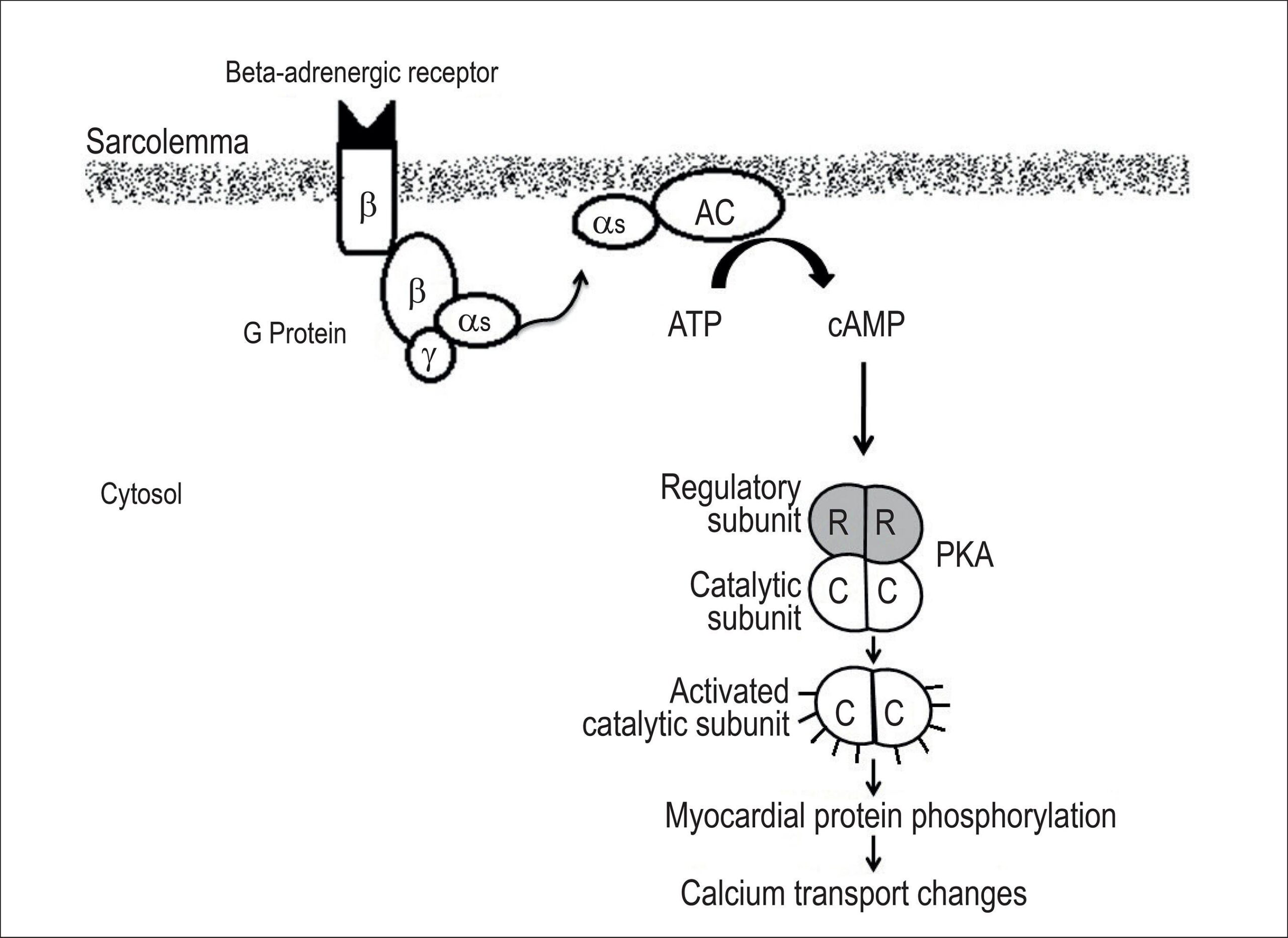
The activation of the beta-adrenergic system promotes G protein stimulation that, via cyclic adenosine monophosphate (cAMP), alters the structure of protein kinase A (PKA) and leads to phospholamban (PLB) phosphorylation. This protein participates in the system that controls intracellular calcium in muscle cells, and it is the primary regulator of sarcoplasmic reticulum calcium pump activity. In obesity, the beta-adrenergic system is activated by the influence of increased leptin, therefore, resulting in higher myocardial phospholamban phosphorylation via cAMP-PKA.

Objective:

To investigate the involvement of proteins which regulate the degree of PLB phosphorylation due to beta-adrenergic activation in obesity. In the present study, we hypothesized that there is an imbalance between phospholamban phosphorylation and dephosphorylation, with prevalence of protein phosphorylation.

Methods:

Male Wistar rats were randomly distributed into two groups: control (n = 14), fed with normocaloric diet; and obese (n = 13), fed with a cycle of four unsaturated high-fat diets. Obesity was determined by the adiposity index, and protein expressions of phosphatase 1 (PP-1), PKA, PLB, phosphorylated phospholamban at serine16 (PPLB-Ser16) were assessed by Western blot.

Results:

Obesity caused glucose intolerance, hyperinsulinemia, hypertriglyceridemia, hyperleptinemia and did not alter the protein expression of PKA, PP-1, PLB, PPLB-Ser16.

Conclusion:

Obesity does not promote an imbalance between myocardial PLB phosphorylation and dephosphorylation via beta-adrenergic system.

  • Adyposity
  • Leptin
  • Obesity
  • Phosphorylation
  • Rats
Read Full Article
Creative Commons Attribution (CC BY) Creative Commons license
27/06/2014 DOI: 10.5935/abc.20140083 Views 1
Figure 1
Original Article

Resistance Exercise Restores Endothelial Function and Reduces Blood Pressure in Type 1 Diabetic Rats

Marcelo Mendonça Mota et al. Tharciano Luiz Teixeira Braga da Silva Milene Tavares Fontes André Sales Barreto … João Eliakim dos Santos Araújo Antônio Cesar Cabral de Oliveira Rogério Brandão Wichi Márcio Roberto Viana Santos

Background:

Resistance exercise effects on cardiovascular parameters are not consistent.

Objectives:

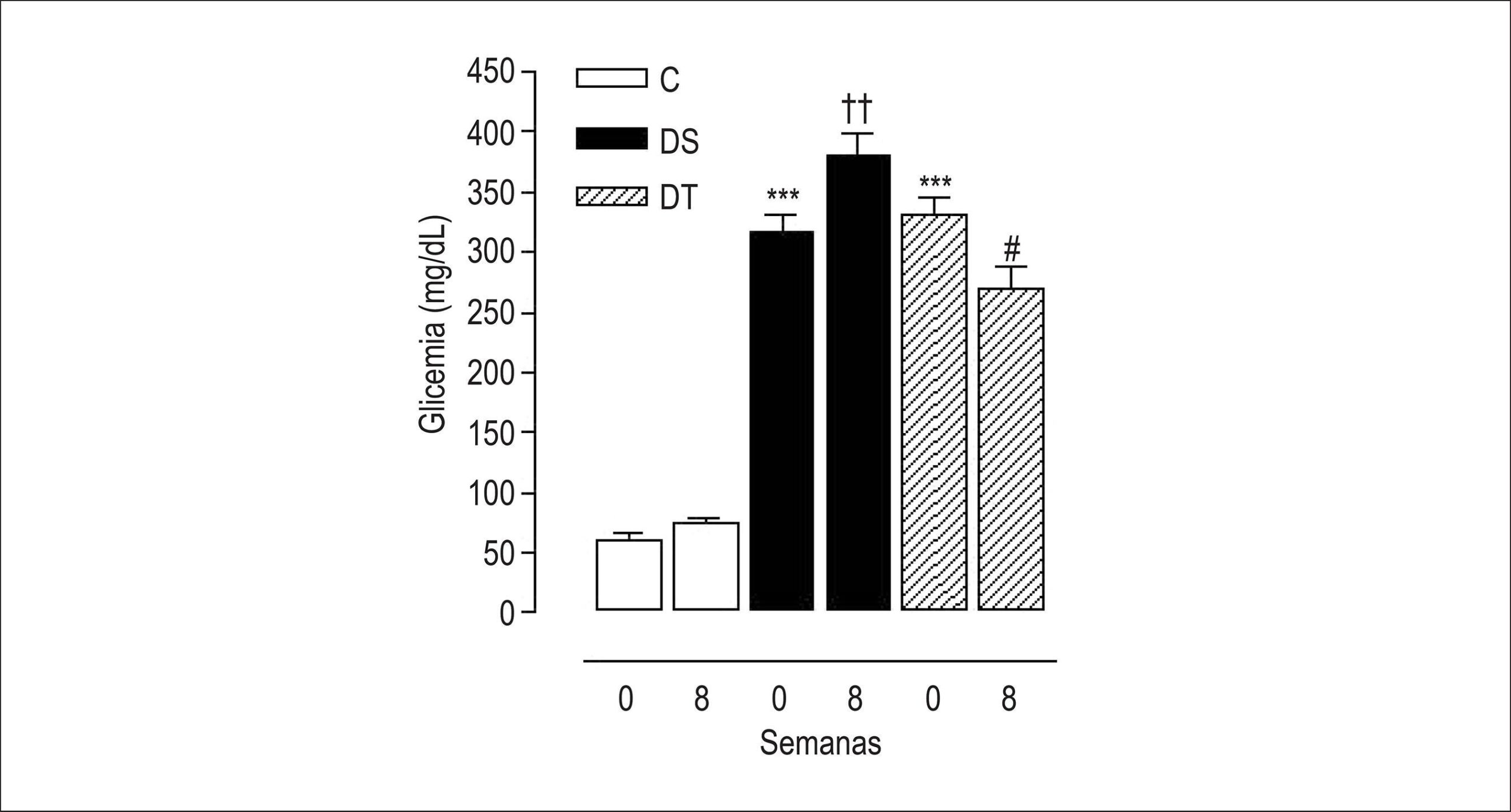
The effects of resistance exercise on changes in blood glucose, blood pressure and vascular reactivity were evaluated in diabetic rats.

Methods:

Wistar rats were divided into three groups: control group (n = 8); sedentary diabetic (n = 8); and trained diabetic (n = 8). Resistance exercise was carried out in a squat device for rats and consisted of three sets of ten repetitions with an intensity of 50%, three times per week, for eight weeks. Changes in vascular reactivity were evaluated in superior mesenteric artery rings.

Results:

A significant reduction in the maximum response of acetylcholine-induced relaxation was observed in the sedentary diabetic group (78.1 ± 2%) and an increase in the trained diabetic group (95 ± 3%) without changing potency. In the presence of NG-nitro-L-arginine methyl ester, the acetylcholine-induced relaxation was significantly reduced in the control and trained diabetic groups, but not in the sedentary diabetic group. Furthermore, a significant increase (p < 0.05) in mean arterial blood pressure was observed in the sedentary diabetic group (104.9 ± 5 to 126.7 ± 5 mmHg) as compared to that in the control group. However, the trained diabetic group showed a significant decrease (p < 0.05) in the mean arterial blood pressure levels (126.7 ± 5 to 105.1 ± 4 mmHg) as compared to the sedentary diabetic group.

Conclusions:

Resistance exercise could restore endothelial function and prevent an increase in arterial blood pressure in type 1 diabetic rats.

  • Arterial Pressure / physiology
  • diabetes
  • Endothelium, vascular / physiology
  • Exercise
  • Physical Endurance
  • Rats
Read Full Article
Creative Commons Attribution (CC BY) Creative Commons license
27/06/2014 DOI: 10.5935/abc.20140087
Original Article

Evaluation of Sexual Dimorphism in the Efficacy and Safety of Simvastatin/Atorvastatin Therapy in a Southern Brazilian Cohort

Lisiane Smiderle et al. Luciana O. Lima Mara Helena Hutz Cézar Roberto Van der Sand … Luiz Carlos Van der Sand Maria Elvira Wagner Ferreira Renan Canibal Pires Silvana Almeida Marilu Fiegenbaum

Background:

Dyslipidemia is the primary risk factor for cardiovascular disease, and statins have been effective in controlling lipid levels. Sex differences in the pharmacokinetics and pharmacodynamics of statins contribute to interindividual variations in drug efficacy and toxicity.

Objective:

To evaluate the presence of sexual dimorphism in the efficacy and safety of simvastatin/atorvastatin treatment.

Methods:

Lipid levels of 495 patients (331 women and 164 men) were measured at baseline and after 6 ± 3 months of simvastatin/atorvastatin treatment to assess the efficacy and safety profiles of both drugs.

Results:

Women had higher baseline levels of total cholesterol (TC), low-density lipoprotein cholesterol (LDL-C), and high-density lipoprotein cholesterol (HDL-C) compared with men (p < 0.0001). After treatment, women exhibited a greater decrease in plasma TC and LDL-C levels compared with men. After adjustment for covariates, baseline levels of TC and LDL-C influenced more than 30% of the efficacy of lipid-lowering therapy (p < 0.001), regardless of sex. Myalgia [with or without changes in creatine phosphokinase (CPK) levels] occurred more frequently in women (25.9%; p = 0.002), whereas an increase in CPK and/or abnormal liver function was more frequent in in men (17.9%; p = 0.017).

Conclusions:

Our results show that baseline TC and LDL-C levels are the main predictors of simvastatin/atorvastatin therapy efficacy, regardless of sex. In addition, they suggest the presence of sexual dimorphism in the safety of simvastatin/atorvastatin. The effect of sex differences on receptors, transporter proteins, and gene expression pathways needs to be better evaluated and characterized to confirm these observations.

  • Atorvastatin
  • Lipids
  • Sexual Dimorphism
  • simvastatin
Read Full Article
Creative Commons Attribution (CC BY) Creative Commons license
27/06/2014 DOI: 10.5935/abc.20140085 Views 2
Original Article

Impact of Different Obesity Assessment Methods after Acute Coronary Syndromes

Caroline N. M. Nunes et al. Marcos F. Minicucci Elaine Farah Daniéliso Fusco … Paula S. Azevedo Sergio A. R. Paiva Leonardo A. M. Zornoff

Background:

Abdominal obesity is an important cardiovascular risk factor. Therefore, identifying the best method for measuring waist circumference (WC) is a priority.

Objective:

To evaluate the eight methods of measuring WC in patients with acute coronary syndrome (ACS) as a predictor of cardiovascular complications during hospitalization.

Methods:

Prospective study of patients with ACS. The measurement of WC was performed by eight known methods: midpoint between the last rib and the iliac crest (1), point of minimum circumference (2); immediately above the iliac crest (3), umbilicus (4), one inch above the umbilicus (5), one centimeter above the umbilicus (6), smallest rib and (7) the point of greatest circumference around the waist (8). Complications included: angina, arrhythmia, heart failure, cardiogenic shock, hypotension, pericarditis and death. Logistic regression tests were used for predictive factors.

Results:

A total of 55 patients were evaluated. During the hospitalization period, which corresponded on average to seven days, 37 (67%) patients had complications, with the exception of death, which was not observed in any of the cases. Of these complications, the only one that was associated with WC was angina, and with every cm of WC increase, the risk for angina increased from 7.5 to 9.9%, depending on the measurement site. It is noteworthy the fact that there was no difference between the different methods of measuring WC as a predictor of angina.

Conclusion:

The eight methods of measuring WC are also predictors of recurrent angina after acute coronary syndromes.

  • abdominal circumference
  • Acute coronary syndrome
  • Evaluation
Read Full Article
Creative Commons Attribution (CC BY) Creative Commons license
13/06/2014 DOI: 10.5935/abc.20140073 Views 1

How to cite this article

EndNote RIS

Electronic Document Format (Vancouver)

Dias RR, Fernandes F, Ramires FJA, Mady C, Albuquerque CP, Jatene FB. Mortality and Embolic Potential of Cardiac Tumors. Arquivos Brasileiros de Cardiologia 2014;103(1):13-8.

Electronic Document Format (ABNT)

Dias, Ricardo Ribeiro; Fernandes, Fábio; Ramires, Félix José Alvarez; Mady, Charles; Albuquerque, Cícero Piva; Jatene, Fábio Biscegli. Mortality and Embolic Potential of Cardiac Tumors. Arquivos Brasileiros de Cardiologia, v. 103, n. 1, p. 13-18, Jul. 2014.

Electronic Document Format (APA)

Dias, R. R., Fernandes, F., Ramires, F. J. A., Mady, C., Albuquerque, C. P., & Jatene, F. B. (2014). Mortality and Embolic Potential of Cardiac Tumors. Arquivos Brasileiros de Cardiologia, 103(1), 13-18.

Electronic Document Format (ISO)

Dias, Ricardo Ribeiro and Fernandes, Fábio and Ramires, Félix José Alvarez and Mady, Charles and Albuquerque, Cícero Piva and Jatene, Fábio Biscegli. Mortality and Embolic Potential of Cardiac Tumors. Arquivos Brasileiros de Cardiologia [online]. 2014, vol. 103, n. 1, [cited 2026-10-14], pp. 13-18. Available from: <https://journals.cardiol.br/en/article/mortality-and-embolic-potential-of-cardiac-tumors/>. ISSN 0066-782X

EndNote RIS

Electronic Document Format (Vancouver)

Pozzobon CR, Gismondi RAOC, Bedirian R, Ladeira MC, Neves MF, Oigman W. Functional Vascular Study in Hypertensive Subjects with Type 2 Diabetes Using Losartan or Amlodipine. Arquivos Brasileiros de Cardiologia 2014;103(1):51-9.

Electronic Document Format (ABNT)

Pozzobon, Cesar Romaro; Gismondi, Ronaldo A. O. C.; Bedirian, Ricardo; Ladeira, Marcia Cristina; Neves, Mario Fritsch; Oigman, Wille. Functional Vascular Study in Hypertensive Subjects with Type 2 Diabetes Using Losartan or Amlodipine. Arquivos Brasileiros de Cardiologia, v. 103, n. 1, p. 51-59, Jul. 2014.

Electronic Document Format (APA)

Pozzobon, C. R., Gismondi, R. A. O. C., Bedirian, R., Ladeira, M. C., Neves, M. F., & Oigman, W. (2014). Functional Vascular Study in Hypertensive Subjects with Type 2 Diabetes Using Losartan or Amlodipine. Arquivos Brasileiros de Cardiologia, 103(1), 51-59.

Electronic Document Format (ISO)

Pozzobon, Cesar Romaro and Gismondi, Ronaldo A. O. C. and Bedirian, Ricardo and Ladeira, Marcia Cristina and Neves, Mario Fritsch and Oigman, Wille. Functional Vascular Study in Hypertensive Subjects with Type 2 Diabetes Using Losartan or Amlodipine. Arquivos Brasileiros de Cardiologia [online]. 2014, vol. 103, n. 1, [cited 2026-10-14], pp. 51-59. Available from: <https://journals.cardiol.br/en/article/functional-vascular-study-in-hypertensive-subjects-with-type-2-diabetes-using-losartan-or-amlodipine/>. ISSN 0066-782X

EndNote RIS

Electronic Document Format (Vancouver)

Almeida EA, Ozaki MR. Effect of Pitavastatin on Vascular Reactivity in Hypercholesterolemic Rabbits. Arquivos Brasileiros de Cardiologia 2014;103(1):4-12.

Electronic Document Format (ABNT)

Almeida, Eros Antonio de; Ozaki, Michiko Regina. Effect of Pitavastatin on Vascular Reactivity in Hypercholesterolemic Rabbits. Arquivos Brasileiros de Cardiologia, v. 103, n. 1, p. 4-12, Jul. 2014.

Electronic Document Format (APA)

Almeida, E. A. , & Ozaki, M. R. (2014). Effect of Pitavastatin on Vascular Reactivity in Hypercholesterolemic Rabbits. Arquivos Brasileiros de Cardiologia, 103(1), 4-12.

Electronic Document Format (ISO)

Almeida, Eros Antonio de and Ozaki, Michiko Regina. Effect of Pitavastatin on Vascular Reactivity in Hypercholesterolemic Rabbits. Arquivos Brasileiros de Cardiologia [online]. 2014, vol. 103, n. 1, [cited 2026-10-14], pp. 4-12. Available from: <https://journals.cardiol.br/en/article/effect-of-pitavastatin-on-vascular-reactivity-in-hypercholesterolemic-rabbits/>. ISSN 0066-782X

EndNote RIS

Electronic Document Format (Vancouver)

Grans CF, Feriani DJ, Abssamra MEV, Rocha LY, Carrozzi NM, Mostarda C, Figueroa DM, et al. Resistance Training After Myocardial Infarction in Rats: Its Role on Cardiac and Autonomic Function. Arquivos Brasileiros de Cardiologia 2014;103(1):60-8.

Electronic Document Format (ABNT)

Grans, Camilla Figueiredo; Feriani, Daniele Jardim; Abssamra, Marcos Elias Vergilino; Rocha, Leandro Yanase; Carrozzi, Nicolle Martins; Mostarda, Cristiano; Figueroa, Diego Mendrot; Angelis, Kátia De; Irigoyen, Maria Cláudia; Rodrigues, Bruno. Resistance Training After Myocardial Infarction in Rats: Its Role on Cardiac and Autonomic Function. Arquivos Brasileiros de Cardiologia, v. 103, n. 1, p. 60-68, Jul. 2014.

Electronic Document Format (APA)

Grans, C. F., Feriani, D. J., Abssamra, M. E. V., Rocha, L. Y., Carrozzi, N. M., Mostarda, C., Figueroa, D. M., Angelis, K. D., Irigoyen, M. C., & Rodrigues, B. (2014). Resistance Training After Myocardial Infarction in Rats: Its Role on Cardiac and Autonomic Function. Arquivos Brasileiros de Cardiologia, 103(1), 60-68.

Electronic Document Format (ISO)

Grans, Camilla Figueiredo and Feriani, Daniele Jardim and Abssamra, Marcos Elias Vergilino and Rocha, Leandro Yanase and Carrozzi, Nicolle Martins and Mostarda, Cristiano and Figueroa, Diego Mendrot and Angelis, Kátia De and Irigoyen, Maria Cláudia and Rodrigues, Bruno. Resistance Training After Myocardial Infarction in Rats: Its Role on Cardiac and Autonomic Function. Arquivos Brasileiros de Cardiologia [online]. 2014, vol. 103, n. 1, [cited 2026-10-14], pp. 60-68. Available from: <https://journals.cardiol.br/en/article/resistance-training-after-myocardial-infarction-in-rats-its-role-on-cardiac-and-autonomic-function/>. ISSN 0066-782X

EndNote RIS

Electronic Document Format (Vancouver)

Maranhão RC, Carvalho PO, Strunz CC, Pileggi F. Lipoprotein (a): Structure, Pathophysiology and Clinical Implications. Arquivos Brasileiros de Cardiologia 2014;103(1):76-84.

Electronic Document Format (ABNT)

Maranhão, Raul Cavalcante; Carvalho, Priscila Oliveira; Strunz, Celia Cassaro; Pileggi, Fulvio. Lipoprotein (a): Structure, Pathophysiology and Clinical Implications. Arquivos Brasileiros de Cardiologia, v. 103, n. 1, p. 76-84, Jun. 2014.

Electronic Document Format (APA)

Maranhão, R. C., Carvalho, P. O., Strunz, C. C., & Pileggi, F. (2014). Lipoprotein (a): Structure, Pathophysiology and Clinical Implications. Arquivos Brasileiros de Cardiologia, 103(1), 76-84.

Electronic Document Format (ISO)

Maranhão, Raul Cavalcante and Carvalho, Priscila Oliveira and Strunz, Celia Cassaro and Pileggi, Fulvio. Lipoprotein (a): Structure, Pathophysiology and Clinical Implications. Arquivos Brasileiros de Cardiologia [online]. 2014, vol. 103, n. 1, [cited 2026-10-14], pp. 76-84. Available from: <https://journals.cardiol.br/en/article/lipoprotein-a-structure-pathophysiology-and-clinical-implications/>. ISSN 0066-782X

EndNote RIS

Electronic Document Format (Vancouver)

Jardim PCBV. Regarding Hypertension Treatment are we following Worldwide Tendencies?. Arquivos Brasileiros de Cardiologia 2014;103(1):01-3.

Electronic Document Format (ABNT)

Jardim, Paulo César B. Veiga. Regarding Hypertension Treatment are we following Worldwide Tendencies?. Arquivos Brasileiros de Cardiologia, v. 103, n. 1, p. 01-03, Jun. 2014.

Electronic Document Format (APA)

Jardim, P. C. B. V. (2014). Regarding Hypertension Treatment are we following Worldwide Tendencies?. Arquivos Brasileiros de Cardiologia, 103(1), 01-03.

Electronic Document Format (ISO)

Jardim, Paulo César B. Veiga. Regarding Hypertension Treatment are we following Worldwide Tendencies?. Arquivos Brasileiros de Cardiologia [online]. 2014, vol. 103, n. 1, [cited 2026-10-14], pp. 01-03. Available from: <https://journals.cardiol.br/en/article/regarding-hypertension-treatment-are-we-following-worldwide-tendencies/>. ISSN 0066-782X

EndNote RIS

Electronic Document Format (Vancouver)

Madaloso BA, Gutierrez PS. Case 3/2014 – 81-Year-Old Patient Hospitalized for Decompensated Heart Failure. Arquivos Brasileiros de Cardiologia 2014;103(1):e1-e10.

Electronic Document Format (ABNT)

Madaloso, Bruna Affonso; Gutierrez, Paulo Sampaio. Case 3/2014 – 81-Year-Old Patient Hospitalized for Decompensated Heart Failure. Arquivos Brasileiros de Cardiologia, v. 103, n. 1, p. e1-e10, Jun. 2014.

Electronic Document Format (APA)

Madaloso, B. A., & Gutierrez, P. S. (2014). Case 3/2014 – 81-Year-Old Patient Hospitalized for Decompensated Heart Failure. Arquivos Brasileiros de Cardiologia, 103(1), e1-e10.

Electronic Document Format (ISO)

Madaloso, Bruna Affonso and Gutierrez, Paulo Sampaio. Case 3/2014 – 81-Year-Old Patient Hospitalized for Decompensated Heart Failure. Arquivos Brasileiros de Cardiologia [online]. 2014, vol. 103, n. 1, [cited 2026-10-14], pp. e1-e10. Available from: <https://journals.cardiol.br/en/article/case-3-2014-81-year-old-patient-hospitalized-for-decompensated-heart-failure/>. ISSN 0066-782X

EndNote RIS

Electronic Document Format (Vancouver)

Bastante T, Alfonso F. Insights of Optical Coherence Tomography in Renal Artery Fibromuscular Dysplasia in a Patient with Spontaneous Coronary Artery Dissection. Arquivos Brasileiros de Cardiologia 2014;103(1):e18.

Electronic Document Format (ABNT)

Bastante, Teresa; Alfonso, Fernando. Insights of Optical Coherence Tomography in Renal Artery Fibromuscular Dysplasia in a Patient with Spontaneous Coronary Artery Dissection. Arquivos Brasileiros de Cardiologia, v. 103, n. 1, p. e18-e18, Jun. 2014.

Electronic Document Format (APA)

Bastante, T., & Alfonso, F. (2014). Insights of Optical Coherence Tomography in Renal Artery Fibromuscular Dysplasia in a Patient with Spontaneous Coronary Artery Dissection. Arquivos Brasileiros de Cardiologia, 103(1), e18-e18.

Electronic Document Format (ISO)

Bastante, Teresa and Alfonso, Fernando. Insights of Optical Coherence Tomography in Renal Artery Fibromuscular Dysplasia in a Patient with Spontaneous Coronary Artery Dissection. Arquivos Brasileiros de Cardiologia [online]. 2014, vol. 103, n. 1, [cited 2026-10-14], pp. e18-e18. Available from: <https://journals.cardiol.br/en/article/insights-of-optical-coherence-tomography-in-renal-artery-fibromuscular-dysplasia-in-a-patient-with-spontaneous-coronary-artery-dissection/>. ISSN 0066-782X

EndNote RIS

Electronic Document Format (Vancouver)

Grinberg M. Valvular Heart Team. Arquivos Brasileiros de Cardiologia 2014;103(1):e15-7.

Electronic Document Format (ABNT)

Grinberg, Max. Valvular Heart Team. Arquivos Brasileiros de Cardiologia, v. 103, n. 1, p. e15-e17, Jun. 2014.

Electronic Document Format (APA)

Grinberg, M. (2014). Valvular Heart Team. Arquivos Brasileiros de Cardiologia, 103(1), e15-e17.

Electronic Document Format (ISO)

Grinberg, Max. Valvular Heart Team. Arquivos Brasileiros de Cardiologia [online]. 2014, vol. 103, n. 1, [cited 2026-10-14], pp. e15-e17. Available from: <https://journals.cardiol.br/en/article/valvular-heart-team/>. ISSN 0066-782X

EndNote RIS

Electronic Document Format (Vancouver)

Cadrin-Tourigny J, Dong L, Maehara A, Schampaert E, Genereux P. Bioresorbable Vascular Scaffold Use in a Case of In-stent Restenosis. Arquivos Brasileiros de Cardiologia 2014;103(1):e11-4.

Electronic Document Format (ABNT)

Cadrin-Tourigny, Julia; Dong, Liang; Maehara, Akiko; Schampaert, Erick; Genereux, Philippe. Bioresorbable Vascular Scaffold Use in a Case of In-stent Restenosis. Arquivos Brasileiros de Cardiologia, v. 103, n. 1, p. e11-e14, Jun. 2014.

Electronic Document Format (APA)

Cadrin-Tourigny, J., Dong, L., Maehara, A., Schampaert, E., & Genereux, P. (2014). Bioresorbable Vascular Scaffold Use in a Case of In-stent Restenosis. Arquivos Brasileiros de Cardiologia, 103(1), e11-e14.

Electronic Document Format (ISO)

Cadrin-Tourigny, Julia and Dong, Liang and Maehara, Akiko and Schampaert, Erick and Genereux, Philippe. Bioresorbable Vascular Scaffold Use in a Case of In-stent Restenosis. Arquivos Brasileiros de Cardiologia [online]. 2014, vol. 103, n. 1, [cited 2026-10-14], pp. e11-e14. Available from: <https://journals.cardiol.br/en/article/bioresorbable-vascular-scaffold-use-in-a-case-of-in-stent-restenosis/>. ISSN 0066-782X

EndNote RIS

Electronic Document Format (Vancouver)

Ribeiro DRP, Ramos AM, Vieira PL, Menti E, Bordin Jr. OL, Souza PAL, Quadros AS, et al. High-Sensitivity C-Reactive Protein as a Predictor of Cardiovascular Events after ST-Elevation Myocardial Infarction. Arquivos Brasileiros de Cardiologia 2014;103(1):69-75.

Electronic Document Format (ABNT)

Ribeiro, Daniel Rios Pinto; Ramos, Adriane Monserrat; Vieira, Pedro Lima; Menti, Eduardo; Bordin Jr., Odemir Luiz; Souza, Priscilla Azambuja Lopes de; Quadros, Alexandre Schaan de; Portal, Vera Lúcia. High-Sensitivity C-Reactive Protein as a Predictor of Cardiovascular Events after ST-Elevation Myocardial Infarction. Arquivos Brasileiros de Cardiologia, v. 103, n. 1, p. 69-75, Jun. 2014.

Electronic Document Format (APA)

Ribeiro, D. R. P., Ramos, A. M., Vieira, P. L., Menti, E., Bordin Jr., O. L., Souza, P. A. L. , Quadros, A. S. , & Portal, V. L. (2014). High-Sensitivity C-Reactive Protein as a Predictor of Cardiovascular Events after ST-Elevation Myocardial Infarction. Arquivos Brasileiros de Cardiologia, 103(1), 69-75.

Electronic Document Format (ISO)

Ribeiro, Daniel Rios Pinto and Ramos, Adriane Monserrat and Vieira, Pedro Lima and Menti, Eduardo and Bordin Jr., Odemir Luiz and Souza, Priscilla Azambuja Lopes de and Quadros, Alexandre Schaan de and Portal, Vera Lúcia. High-Sensitivity C-Reactive Protein as a Predictor of Cardiovascular Events after ST-Elevation Myocardial Infarction. Arquivos Brasileiros de Cardiologia [online]. 2014, vol. 103, n. 1, [cited 2026-10-14], pp. 69-75. Available from: <https://journals.cardiol.br/en/article/high-sensitivity-c-reactive-protein-as-a-predictor-of-cardiovascular-events-after-st-elevation-myocardial-infarction/>. ISSN 0066-782X

EndNote RIS

Electronic Document Format (Vancouver)

Freire PP, Alves CAB, Deus AF, Leopoldo APL, Leopoldo AS, Silva DCT, Tomasi LC, et al. Obesity does not Lead to Imbalance Between Myocardial Phospholamban Phosphorylation and Dephosphorylation. Arquivos Brasileiros de Cardiologia 2014;103(1):41-50.

Electronic Document Format (ABNT)

Freire, Paula Paccielli; Alves, Carlos Augusto Barnabe; Deus, Adriana Fernandes de; Leopoldo, Ana Paula Lima; Leopoldo, André Soares; Silva, Danielle Cristina Tomaz da; Tomasi, Loreta Casquel de; Campos, Dijon Henrique Salomé; Cicogna, Antonio Carlos. Obesity does not Lead to Imbalance Between Myocardial Phospholamban Phosphorylation and Dephosphorylation. Arquivos Brasileiros de Cardiologia, v. 103, n. 1, p. 41-50, Jun. 2014.

Electronic Document Format (APA)

Freire, P. P., Alves, C. A. B., Deus, A. F. , Leopoldo, A. P. L., Leopoldo, A. S., Silva, D. C. T. , Tomasi, L. C. , Campos, D. H. S., & Cicogna, A. C. (2014). Obesity does not Lead to Imbalance Between Myocardial Phospholamban Phosphorylation and Dephosphorylation. Arquivos Brasileiros de Cardiologia, 103(1), 41-50.

Electronic Document Format (ISO)

Freire, Paula Paccielli and Alves, Carlos Augusto Barnabe and Deus, Adriana Fernandes de and Leopoldo, Ana Paula Lima and Leopoldo, André Soares and Silva, Danielle Cristina Tomaz da and Tomasi, Loreta Casquel de and Campos, Dijon Henrique Salomé and Cicogna, Antonio Carlos. Obesity does not Lead to Imbalance Between Myocardial Phospholamban Phosphorylation and Dephosphorylation. Arquivos Brasileiros de Cardiologia [online]. 2014, vol. 103, n. 1, [cited 2026-10-14], pp. 41-50. Available from: <https://journals.cardiol.br/en/article/obesity-does-not-lead-to-imbalance-between-myocardial-phospholamban-phosphorylation-and-dephosphorylation/>. ISSN 0066-782X

EndNote RIS

Electronic Document Format (Vancouver)

Mota MM, Silva TLTB, Fontes MT, Barreto AS, Araújo JES, Oliveira ACC, Wichi RB, et al. Resistance Exercise Restores Endothelial Function and Reduces Blood Pressure in Type 1 Diabetic Rats. Arquivos Brasileiros de Cardiologia 2014;103(1):25-32.

Electronic Document Format (ABNT)

Mota, Marcelo Mendonça; Silva, Tharciano Luiz Teixeira Braga da; Fontes, Milene Tavares; Barreto, André Sales; Araújo, João Eliakim dos Santos; Oliveira, Antônio Cesar Cabral de; Wichi, Rogério Brandão; Santos, Márcio Roberto Viana. Resistance Exercise Restores Endothelial Function and Reduces Blood Pressure in Type 1 Diabetic Rats. Arquivos Brasileiros de Cardiologia, v. 103, n. 1, p. 25-32, Jun. 2014.

Electronic Document Format (APA)

Mota, M. M., Silva, T. L. T. B. , Fontes, M. T., Barreto, A. S., Araújo, J. E. S., Oliveira, A. C. C. , Wichi, R. B., & Santos, M. R. V. (2014). Resistance Exercise Restores Endothelial Function and Reduces Blood Pressure in Type 1 Diabetic Rats. Arquivos Brasileiros de Cardiologia, 103(1), 25-32.

Electronic Document Format (ISO)

Mota, Marcelo Mendonça and Silva, Tharciano Luiz Teixeira Braga da and Fontes, Milene Tavares and Barreto, André Sales and Araújo, João Eliakim dos Santos and Oliveira, Antônio Cesar Cabral de and Wichi, Rogério Brandão and Santos, Márcio Roberto Viana. Resistance Exercise Restores Endothelial Function and Reduces Blood Pressure in Type 1 Diabetic Rats. Arquivos Brasileiros de Cardiologia [online]. 2014, vol. 103, n. 1, [cited 2026-10-14], pp. 25-32. Available from: <https://journals.cardiol.br/en/article/resistance-exercise-restores-endothelial-function-and-reduces-blood-pressure-in-type-1-diabetic-rats/>. ISSN 0066-782X

EndNote RIS

Electronic Document Format (Vancouver)

Smiderle L, Lima LO, Hutz MH, Sand CRV, Sand LCV, Ferreira MEW, Pires RC, et al. Evaluation of Sexual Dimorphism in the Efficacy and Safety of Simvastatin/Atorvastatin Therapy in a Southern Brazilian Cohort. Arquivos Brasileiros de Cardiologia 2014;103(1):33-40.

Electronic Document Format (ABNT)

Smiderle, Lisiane; Lima, Luciana O.; Hutz, Mara Helena; Sand, Cézar Roberto Van der; Sand, Luiz Carlos Van der; Ferreira, Maria Elvira Wagner; Pires, Renan Canibal; Almeida, Silvana; Fiegenbaum, Marilu. Evaluation of Sexual Dimorphism in the Efficacy and Safety of Simvastatin/Atorvastatin Therapy in a Southern Brazilian Cohort. Arquivos Brasileiros de Cardiologia, v. 103, n. 1, p. 33-40, Jun. 2014.

Electronic Document Format (APA)

Smiderle, L., Lima, L. O., Hutz, M. H., Sand, C. R. V. , Sand, L. C. V. , Ferreira, M. E. W., Pires, R. C., Almeida, S., & Fiegenbaum, M. (2014). Evaluation of Sexual Dimorphism in the Efficacy and Safety of Simvastatin/Atorvastatin Therapy in a Southern Brazilian Cohort. Arquivos Brasileiros de Cardiologia, 103(1), 33-40.

Electronic Document Format (ISO)

Smiderle, Lisiane and Lima, Luciana O. and Hutz, Mara Helena and Sand, Cézar Roberto Van der and Sand, Luiz Carlos Van der and Ferreira, Maria Elvira Wagner and Pires, Renan Canibal and Almeida, Silvana and Fiegenbaum, Marilu. Evaluation of Sexual Dimorphism in the Efficacy and Safety of Simvastatin/Atorvastatin Therapy in a Southern Brazilian Cohort. Arquivos Brasileiros de Cardiologia [online]. 2014, vol. 103, n. 1, [cited 2026-10-14], pp. 33-40. Available from: <https://journals.cardiol.br/en/article/evaluation-of-sexual-dimorphism-in-the-efficacy-and-safety-of-simvastatin-atorvastatin-therapy-in-a-southern-brazilian-cohort/>. ISSN 0066-782X

EndNote RIS

Electronic Document Format (Vancouver)

Nunes CNM, Minicucci MF, Farah E, Fusco D, Azevedo PS, Paiva SAR, Zornoff LAM, et al. Impact of Different Obesity Assessment Methods after Acute Coronary Syndromes. Arquivos Brasileiros de Cardiologia 2014;103(1):19-24.

Electronic Document Format (ABNT)

Nunes, Caroline N. M.; Minicucci, Marcos F.; Farah, Elaine; Fusco, Daniéliso; Azevedo, Paula S.; Paiva, Sergio A. R.; Zornoff, Leonardo A. M.. Impact of Different Obesity Assessment Methods after Acute Coronary Syndromes. Arquivos Brasileiros de Cardiologia, v. 103, n. 1, p. 19-24, Jun. 2014.

Electronic Document Format (APA)

Nunes, C. N. M., Minicucci, M. F., Farah, E., Fusco, D., Azevedo, P. S., Paiva, S. A. R., & Zornoff, L. A. M. (2014). Impact of Different Obesity Assessment Methods after Acute Coronary Syndromes. Arquivos Brasileiros de Cardiologia, 103(1), 19-24.

Electronic Document Format (ISO)

Nunes, Caroline N. M. and Minicucci, Marcos F. and Farah, Elaine and Fusco, Daniéliso and Azevedo, Paula S. and Paiva, Sergio A. R. and Zornoff, Leonardo A. M.. Impact of Different Obesity Assessment Methods after Acute Coronary Syndromes. Arquivos Brasileiros de Cardiologia [online]. 2014, vol. 103, n. 1, [cited 2026-10-14], pp. 19-24. Available from: <https://journals.cardiol.br/en/article/impact-of-different-obesity-assessment-methods-after-acute-coronary-syndromes/>. ISSN 0066-782X

Sede – Rio de Janeiro
Av. Marechal Câmara, 160
3º andar – Sala: 330 – Centro
Rio de Janeiro – CEP: 20020-907
Tel.: (55 +21) 3478-2700
ou (21) 99386-3961
E-mail: revista@cardiol.br

Sede – São Paulo
Alameda Santos, 705 – 11º andar
Cerqueira César | São Paulo
CEP: 01419-001
Tel.: (55 +11) 3411-5500
E-mail: revista@cardiol.br

  • About the Journal
  • Internal Regulation
  • Editors Section
  • Editorial Board
  • History
  • SBC Award

  • Guidelines for Publication
  • Editorial Policy
  • Ethics Policy
  • Policy on the Use of Artificial Intelligence
  • Mandatory Publication Form
  • Publication Fee

Issues

SBC Guidelines

  • How to Publish an Abstract Supplement?
  • Supplements from the Brazilian Congress of Cardiology