| IJCS
ABC Family Arquivos Brasileiros de Cardiologia International Journal of Cardiovascular Sciences ABC Heart Failure & Cardiomyopathy ABC Imagem Cardiovascular
Português English
ABC Family | IJCS
Português English
  • About
    • About the Journal
    • Internal Regulation
    • Editors Section
    • Editorial Board
    • SBC Award
  • Instructions to Authors
    • Guidelines for Publication
    • Editorial Policy
    • Ethics Policy
    • Policy on the Use of Artificial Intelligence
    • Mandatory Publication Form
    • Publication Fee
  • Issues
  • SBC Guidelines
  • Abstracts
    • How to Publish an Abstract Supplement?
    • Published Supplements
  • About
    • About the Journal
    • Internal Regulation
    • Editors Section
    • Editorial Board
    • SBC Award
  • Instructions to Authors
    • Guidelines for Publication
    • Editorial Policy
    • Ethics Policy
    • Policy on the Use of Artificial Intelligence
    • Mandatory Publication Form
    • Publication Fee
  • Issues
  • SBC Guidelines
  • Abstracts
    • How to Publish an Abstract Supplement?
    • Published Supplements

ABC Family

  • ABC Family
  • Arquivos Brasileiros de Cardiologia
  • International Journal of Cardiovascular Sciences
  • ABC Heart Failure & Cardiomyopathy
  • ABC Imagem Cardiovascular
Search in

No content found.

Journals
Ordering
Article types
Others

  1. Home
  2. IJCS
  3. Issues
  4. 2019, Volume 32, Number 6
Figure 1
Review Article

New 2018 ACC/AHA Guidelines on Cholesterol Management: Key Changes and Implications

Marcio Bittencourt et al. Giuliano Generoso

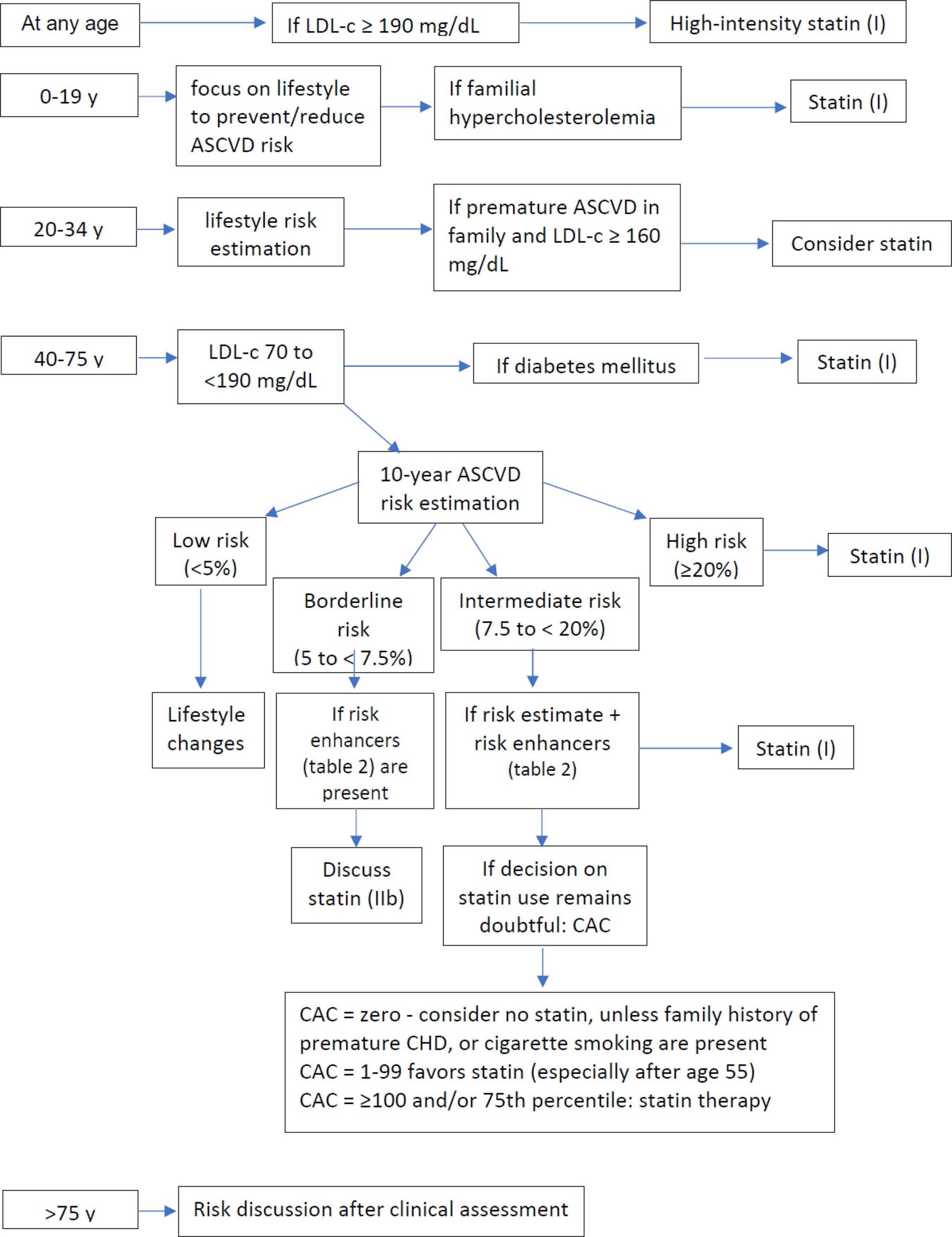
During the American Heart Association (AHA)’s scientific sessions held in November 2018, the new ultisociety Guideline on the Management of Blood Cholesterol was presented to the cardiology community emphasizing some previous key recommendations and new concepts in atherosclerotic cardiovascular disease (ASCVD) prevention. The main updates of these guidelines are:

[…]

  • Cardiovascular Diseases/prevention and control
  • Cholesterol, Dietary
  • Diet, Atherogenic
  • Lifestyle Physical, Activity
  • Weight Loss
Read Full Article
Creative Commons Attribution (CC BY) Creative Commons license
28/11/2019 DOI: 10.36660/ijcs.20190088 Views 2
Figure 1
Editorial

Blood Transfusion in Cardiac Surgery: Less is More?

Fernanda Azevedo-Silva

Blood transfusion is one of the most common medical procedures, and a major part of these are performed during cardiac surgeries. The incidence of perioperative transfusion in cardiac surgeries varies from 40 to 90%, according to the complexity of the procedure and the protocols adopted in each institution.

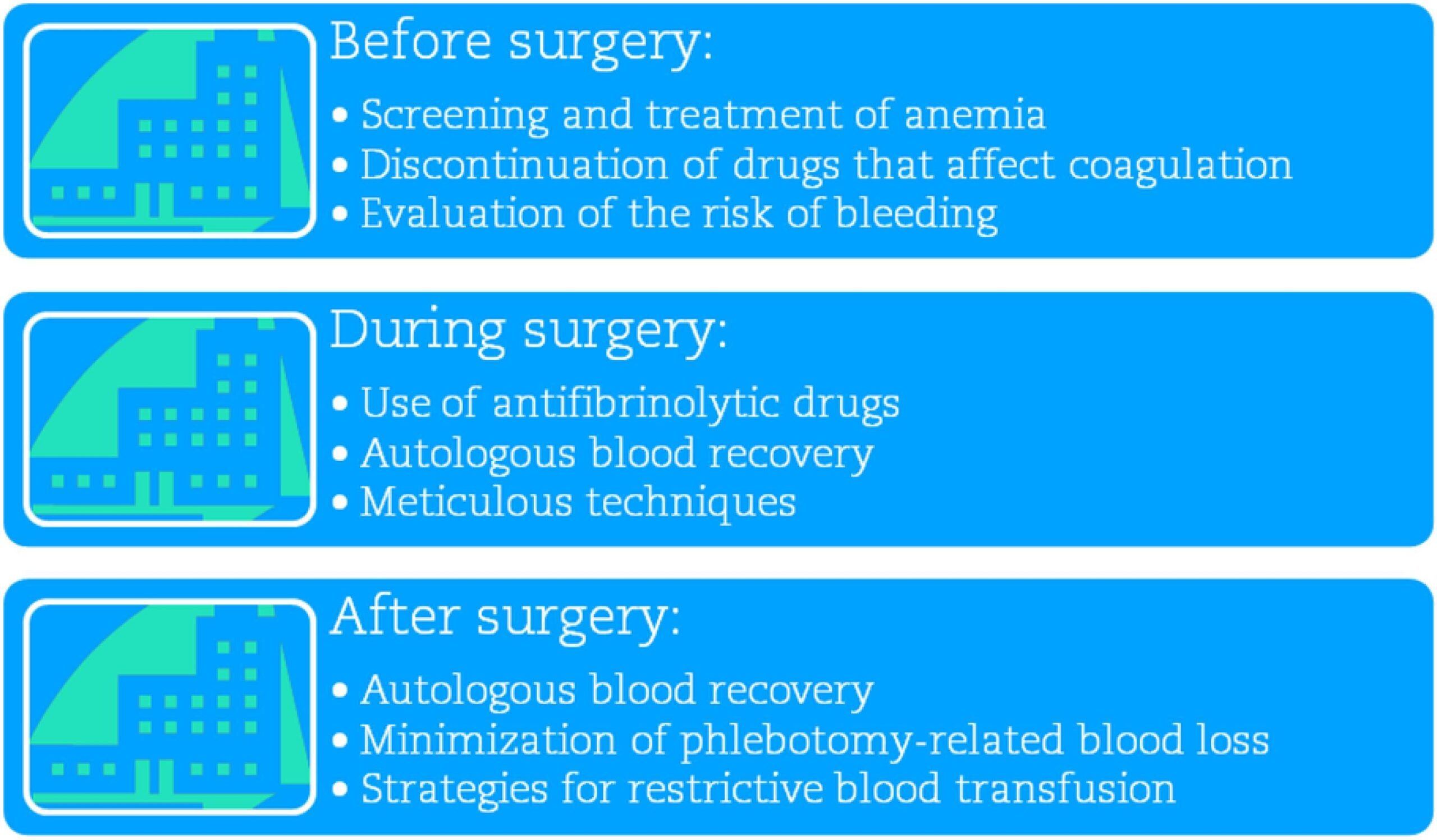
The study by Tagliari et al., published in the International Journal of Cardiovascular Sciences, analyzed the use of blood transfusion and postoperative outcomes within 30 days in patients undergoing cardiac surgery in a Brazilian tertiary hospital between 2015 and 2017. In this prospective cohort, subjects were divided into those who received transfusion and those who did not. Patients most likely to receive blood transfusion were patients with previous cardiac surgery, longer time of cardiopulmonary bypass, chronic kidney disease recent use of oral anticoagulants and antiplatelet agents, left ventricular ejection fraction less than or equal to 30%, lower preoperative hemoglobin levels, and changes in coagulation, urea and creatinine tests. Patients in the transfused group had more severe disease than those in the non-transfused group, with more patients reoperated and taking medications that could interfere with blood coagulation, both factors associated with increased bleeding and need for transfusion. However, blood transfusion was an independent risk factor for mortality in multivariate analysis when adjusted for major confounders. Transfused patients had higher mortality, higher rates of bronchopneumonia and acute kidney injury, longer hospital stay and mechanical ventilation. The authors concluded that blood transfusion should be reconsidered in cardiac surgery, because even transfusion of a blood component unit was associated with a worse postoperative outcome. Since transfusion is one of the few modifiable factors that may worsen the prognosis of surgery, strategies to prevent transfusion should be encouraged. The main criticism about this study is that, as an observational one, had no possibility of randomization, with high chance of bias, which made it difficult to establish a causal relationship.

[…]

Read Full Article
Creative Commons Attribution (CC BY) Creative Commons license
28/11/2019 DOI: 10.36660/ijcs.20190187
Editorial

Moderate Exercise Improves Depressive Symptoms and Pain in Elderly People

Leandro Franzoni et al. Ricardo Stein

By the year of 2050, it is estimated that approximately two billion people in the world will be older than 60 years. Aging directly affects individuals’ quality of life (QoL) due to reduced autonomy in daily life activities. In this context, psychological and physical aspects, such as depression and pain, impair the QoL of elderly individuals. Antidepressant medication is commonly used to treat depression, and physical exercise has been increasingly prescribed as therapeutic alternative to depression symptoms. In addition, this non-pharmacological measure may have an analgesic effect as it attenuates the physical pain caused by the pathological process of aging. In this regard, aerobic exercise, such as moderate-intensity walking seems to have a positive impact on anxiety/depression and on physical pain and has the potential to improve the QoL of elderly people according to an observational study conducted in South Korea.

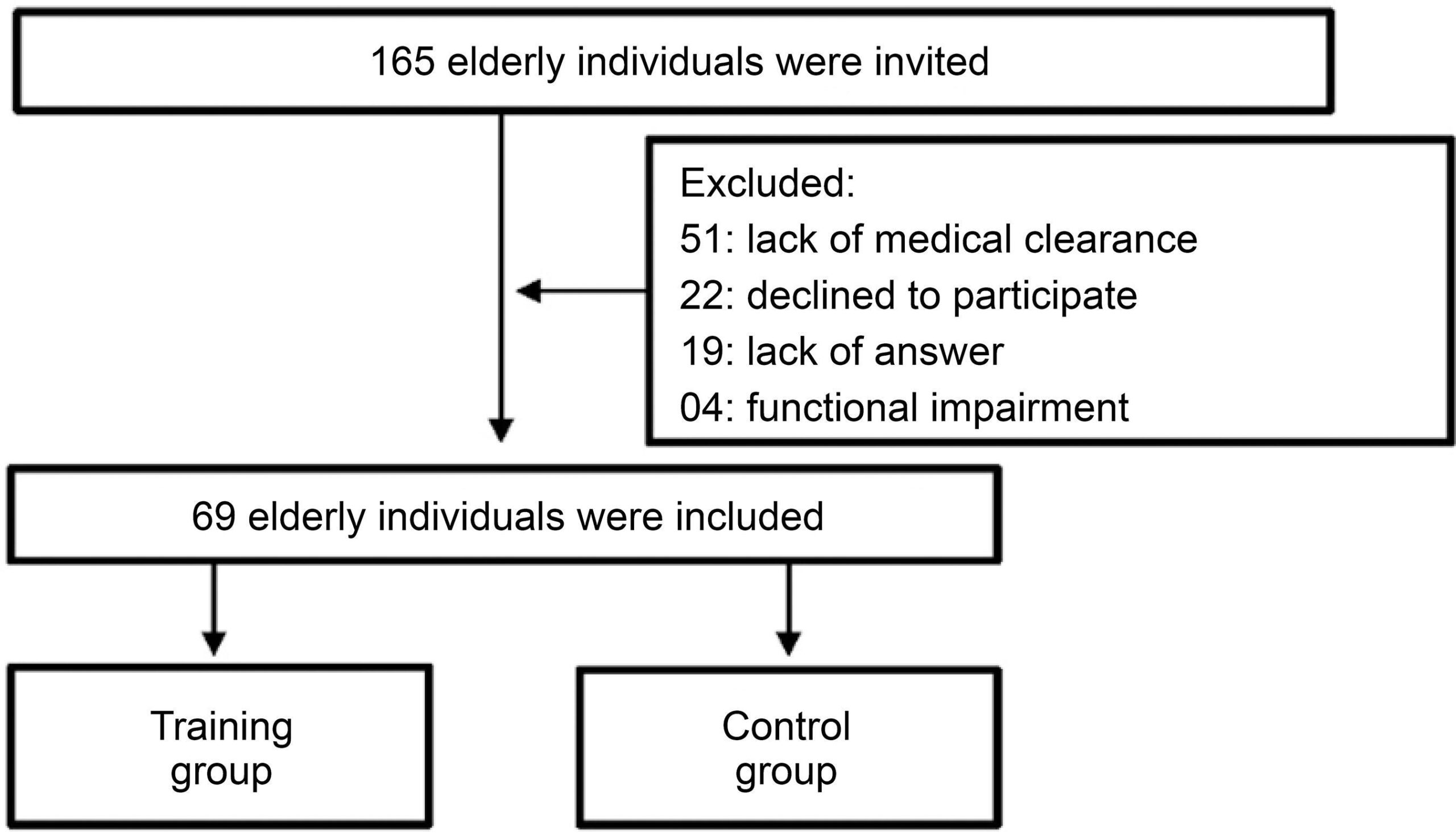
In the present issue of the International Journal of Cardiovascular Sciences, Alabarse et al., compare the effects of moderate-intensity walking on QoL, depressive symptoms, and physical pain in Brazilian elderly individuals. In this study, 69 individuals were recruited and allocated in two groups – training group (TG, n = 40) and CG, n = 29. The sample was composed of physically active individuals (> 150 minutes of physical activity per week), with a mean age of 68.2 ± 5.2 years and 65.3 ± 3.8 in the TG and in the CT, respectively (p = 0.57). Participants included in the TG performed moderate-intensity walking three times a week for 12 weeks. The CG was instructed to maintain their usual activities during the study period and were followed by telephone interview every 15 days. Exercise training protocol followed the American College of Sports and Medicine (ACSM) and the American Heart Association (AHA) guidelines and consisted of a five-minute warm-up using body movements, and 30 minutes of continuous, moderate-intensity walking. This was defined as 50-70% of the maximum heart rate (HRmax), established by the cardiopulmonary exercise testing (CPET). In the last five minutes, subjects performed low-intensity breathing and stretching exercises.

[…]

Read Full Article
Creative Commons Attribution (CC BY) Creative Commons license
28/11/2019 DOI: 10.5935/2359-4802.20190094
Editorial

The Burden of Heart Failure in Brazil: Are we Providing Better Care or Just more Expensive Care?

Fernando Luis Scolari et al. Andreia Biolo

Heart failure is one of the leading causes of cardiovascular morbidity and mortality and affects 0.5 to 2% of the population, with significant costs for the healthcare system. In 2012, heart failure accounted for over 270,000 hospitalizations in Brazil, corresponding to a cost of more than 170 million US dollars. The knowledge of the profile of heart failure patients and treatment outcomes is crucial for the development of health policies and interventions aimed at reducing costs, morbidity and mortality.

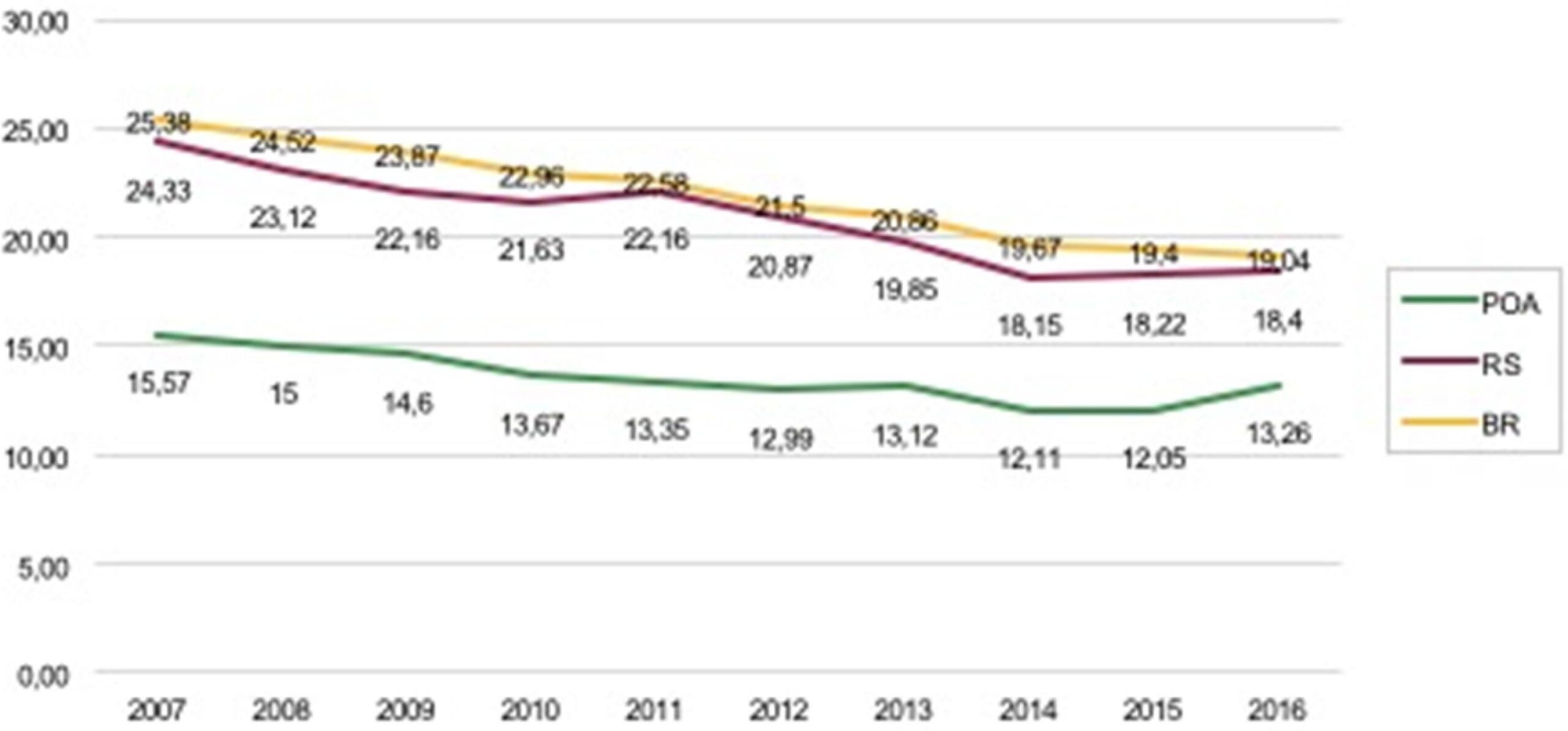
In this issue, Nicolao et al., published a retrospective analysis of data from the Brazilian public health system (DataSUS), evaluating morbidity, mortality, and costs related to heart failure in adult patients, considering three geographic dimensions: the state of Rio Grande do Sul, its capital Porto Alegre city, and Brazil. A ten-year period was selected, January 2007 to November 2017. Heart failure accounted for over one-quarter (25.38%) of the hospitalizations in the public health system in Brazil in 2007, with a reduction to 19.4% in 2017, with similar trends in Rio Grande do Sul state (18.4%) and Porto Alegre city (13%). Most patients were older than 40 years, with an increasing incidence of heart failure until the age of 79. There was an increase in the sex ratio, towards male, for patients admitted due to heart failure, mainly in Porto Alegre. Hospital length of stay increased in about one day, from 6.4 to 7.4 days in Brazil and from 6.7 to 7.5 in Rio Grande do Sul. However, in Porto Alegre, hospital length of stay differed from the other series, reaching 10.1 days in 2007, and with a slight increase to 10.6 days in 2017. The costs of heart failure hospitalization increased in all series, and it was more costly in Porto Alegre than in Brazil and Rio Grande do Sul state. Finally, mortality rate reduced over time from 2.67% to 2.17% in Brazil and from 2.86% to 2.16% in Rio Grande do Sul. Porto Alegre showed a greater reduction, from 2.02% to 0.79%. Taken together, these findings might reflect on more heart failure patients referrals to tertiary centers in Porto Alegre.

[…]

Read Full Article
Creative Commons Attribution (CC BY) Creative Commons license
28/11/2019 DOI: 10.36660/ijcs.20190160
Editorial

Postoperative Atrial Fibrillation: The Challenge of Risk Prediction

Luiz Eduardo Montenegro Camanho et al. Gustavo Vignoli dos Santos

Atrial fibrillation (AF) is the most common cardiac arrhythmia in clinical practice and is characterized by chaotic activation of the atrium, with f waves present on baseline electrocardiography. Postoperative atrial fibrillation (POAF) is a clinically important complication in patients who underwent heart surgery (coronary artery bypass grafting, or CABG surgery, or valvular surgery). The prevalence of POAF varies from 20 to 40%, with a peak incidence between days two and four after heart surgery., Studies suggest that patients undergoing CABG alone have lower incidence of POAF (10 to 40%) compared with those undergoing CABG combined with heart valve replacement (62%).

The most important risk factors associated with this condition are advanced age, heart failure, rheumatic heart disease, hypertension, previous history of AF, left atrial enlargement, chronic kidney failure, and chronic obstructive pulmonary disease (COPD).

[…]

  • Arrhytmias Cardiac/ complications
  • Atrial Fibrillation/physiopathology
  • Cardiac Surgery Procedures
  • postoperative complications
Read Full Article
Creative Commons Attribution (CC BY) Creative Commons license
24/10/2019 DOI: 10.5935/2359-4802.20190088
Editorial

Chocolate Consumption: Benefits in Cardiovascular Disease

Milena Barcza Stockler-Pinto

The major risk factors for cardiovascular diseases (CVDs) are directly related to endothelial dysfunction, reduced bioavailability of nitric oxide, vasoconstriction, oxidative stress, and inflammation. Several studies have been stimulating the use of non-pharmacological strategies to reduce these risk factors. In this sense, some nutrients and bioactive compounds in foods have demonstrated beneficial effects. Chocolate, for example, has gained attention for its content of cocoa, a polyphenols-rich food, and flavanols.

In the paper entitled “Association between chocolate consumption and severity of first infarction”, Duarte et al., found that patients with the first acute myocardial infarction (AMI) who consumed chocolate, showed a low Syntax index, indicating low complexity of coronary lesions. The authors also demonstrated a negative correlation between Syntax and the amount of chocolate consumed, and an association between chocolate consumption and absence of systemic arterial hypertension and diabetes. The cardioprotective effects of polyphenols present in chocolate have been studied, and a series of results supported the protective effects of cocoa and chocolate intake on CVDs. These protective effects are associated with vasodilation, improvement of endothelial function, platelet aggregation, increase in HDL and reduction in LDL levels.

[…]

  • Cardiovascular Diseases, mortality
  • Chocolate
  • Flavonoids
  • Myocardial Infarction/physiopathology
  • Polyphenols
Read Full Article
Creative Commons Attribution (CC BY) Creative Commons license
24/10/2019 DOI: 10.5935/2359-4802.20190091 Views 1
Chart 1
Original Article

Left Atrial Size Contribution to the Predictive Capacity of Two Scores for Atrial Fibrillation in the Postoperative Period of Cardiac Surgeries

Natália Aline da Silva et al. Rita de Cássia Gengo e Silva Butcher

Abstract

Background:

Postoperative atrial fibrillation (POAF) is a common complication associated with undesirable outcomes; hence, the provision of appropriate tools is important to help identify patients at risk.

Objectives:

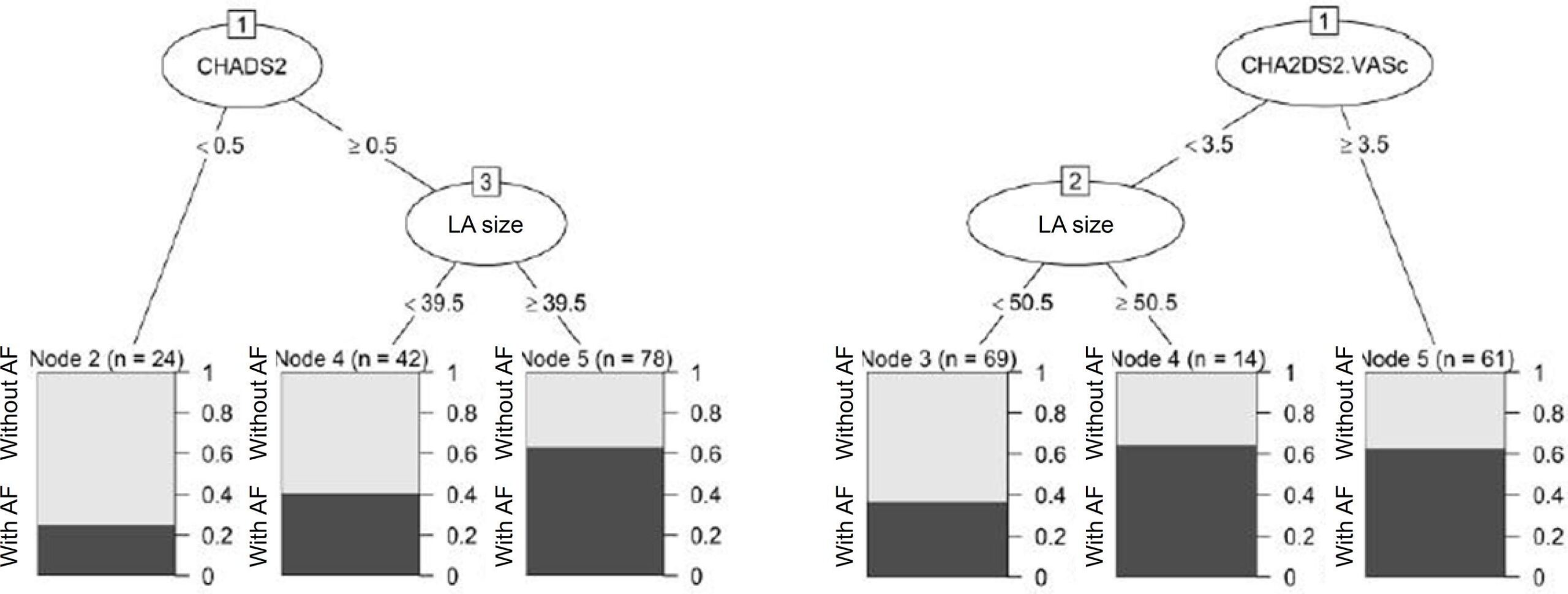
To evaluate the predictive capacity of the CHADS2 and CHA2DS2-VASc scores, alone and combined with left atrial (LA) size, for the onset of POAF in patients undergoing coronary artery bypass grafting and/or valvular surgery.

Methods:

We performed a retrospective cohort study on 144 patients. A decision tree was used to identify the cut-off values of the CHADS2 and CHA2DS2-VASc scores and LA size in order to calculate sensitivity, specificity, predictive-value positive (PVP), and predictive-value negative (PVN), in addition to regression models. The receiver operating characteristic (ROC) curve was used to estimate the accuracy of the models. The level of significance adopted was 5%.

Results:

Patients who developed POAF were older (p = 0.050), had reduced left ventricular ejection fraction (p = 0.045), longer hospital length of stay (p = 0,018), but their mean CHADS2 (p = 0.077) and CHA2DS2-VASc (p = 0.109) scores were similar to those of patients with no arrhythmia. LA size improved the predictive capacity of the CHADS2 score, in terms of specificity and PVP, and of the CHA2DS2-VASc score, in terms of sensitivity and PVN. However, the CHADS2 (OR = 1.198; CI95% = 0.859-1.156) and CHA2DS2-VASc (OR = 1.047; CI95% = 0.784-1.401) scores were not predictors of POAF, either alone or in combination with LA size (OR = 1.163; CI95% = 0.829-1.648 and OR = 1.065; CI95% = 0.795-1.433).

Conclusion:

The CHADS2 and CHA2DS2-VASc scores alone or in combination with LA size did not show good predictive capacity for POAF.

  • Arrhythmias, Cardiac/complications
  • Atrial Fibrillation
  • Cardiac Surgical Procedures
  • postoperative complications
Read Full Article
Creative Commons Attribution (CC BY) Creative Commons license
08/08/2019 DOI: 10.5935/2359-4802.20190042
Figure 1
Viewpoint

Challenges and Opportunities in the use of Ionizing Radiation for Cardiovascular Diseases

Fernando de Amorim Fernandes et al. Alair Augusto Sarmet Moreira Damas dos Santos Anderson de Oliveira Cláudio Tinoco Mesquita

Introduction

Cardiovascular diseases are the leading cause of global death, accounting for 31% of deaths in 2015 according to the World Health Organization (WHO). Three-quarters of these deaths occurred in low- and middle-income countries. In Brazil, in 2011, there were approximately 350,000 deaths of cardiovascular origin, becoming the most important cause of death since the epidemiological transition of the 60’s. The diagnosis in the early stages and the management of more severe cases are among the most important methods in the fight against cardiovascular diseases. Imaging procedures with ionizing radiation has a major role in this area.

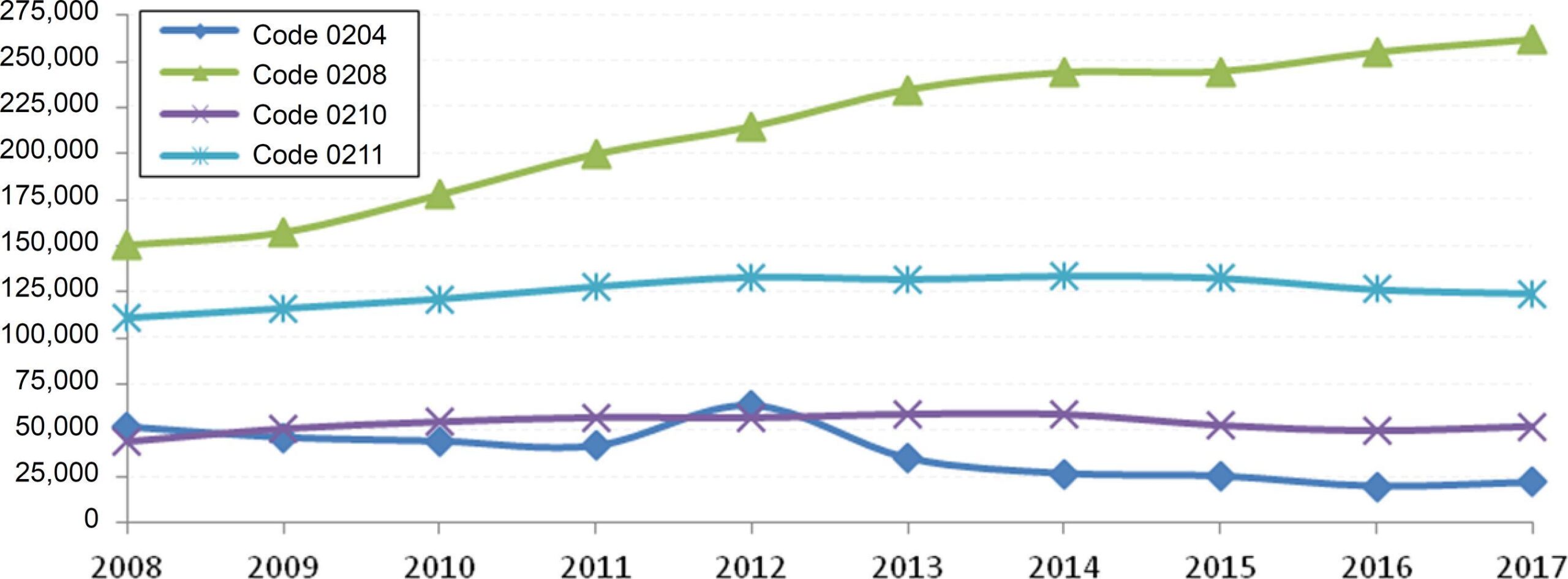
According to data from public outpatient health services of the Brazilian Unified Health System (SUS, Sistema Único de Saúde) (), in the last 10 years, the number of procedures performed for evaluation of cardiovascular diseases using ionizing radiation has increased (73% in nuclear medicine, 18% in interventional radiology and 12% in cardiac catheterization), except for conventional radiology, in which a decreased has been seen (-58%). These numbers, however, underestimate the number of tests performed with the general population, since diagnostic methods such as coronary angiotomography have not been incorporated into the SUS yet, and the time for inclusion of new techniques to public health care is much higher than to supplementary health care.

[…]

  • Air Ionization/radiation effects
  • Cardiovascular Diseases, mortality
  • Diagnostic Imaging/methods
  • Nuclear Energy
  • Nuclear Medicine
  • Radiation/protection
Read Full Article
Creative Commons Attribution (CC BY) Creative Commons license
08/08/2019 DOI: 10.5935/2359-4802.20190051
Figure 1
Original Article

Nutritional Status, Lifestyle and Lipid Profile in Vegetarians

Carolina Vieira de Mello Barros Pimentel et al. Sônia Tucunduva Philippi Viviane Lazari Simomura Elisabeth Teodorov

Abstract

Background:

Vegetarian diets have been linked to reduced risk of chronic noncommunicable diseases, since they positively modulate biochemical parameters, particularly those related with glycemic control and lipemia, and considered as potential strategy for weight control.

Objective:

To compare the nutritional status, lifestyle and lipid profile of adult vegetarians with omnivores in a sample of individuals in the city of São Paulo.

Methods:

This was a cross-sectional study. Anthropometric, biochemical and lifestyle variables were compared between vegetarians and omnivores. A significance level of 5% was considered for all analyses.

Results:

Vegetarians were more likely to practice physical activity (64.3% vs 42.5%, p = 0.056) and consuming dietary supplements (48.1% vs 20.5%, p = 0.012). There was no statistically significant difference for the variables: age, sex, triglycerides, total cholesterol and low-density lipoprotein between the two groups. Vegetarians had significantly lower weight [60.8 kg (56.7 – 69.4) vs 71.1 kg (58.0 – 75.4), p = 0.038], BMI [22.4 kg/m2 (20.9 – 23.8) vs 24.6 kg/m2 (21.7 – 26.1), p = 0.001], and waist circumference [(81.8 ± 8.2 vs 87.8 ± 10.9 cm, p = 0.003)], and higher high-density lipoprotein (54.88 ± 14.44 vs 47.30 ± 12.27 mg /dL p = 0.008) than omnivores.

Conclusion:

Compared with omnivores, vegetarians had a better nutritional status, with lower BMI and waist circumference, significantly higher levels of plasma lipoprotein high-density, and healthier lifestyle.

  • Body Weight and Measures
  • Chronic Disease
  • Diet, Vegetarian
  • Dyslipidemias
  • Epidemiology
  • ife Style
  • Lipoproteins
Read Full Article
Creative Commons Attribution (CC BY) Creative Commons license
08/08/2019 DOI: 10.5935/2359-4802.20190044 Views 1
Original Article

Adverse Events and Risk Factors of Blood Transfusion in Cardiovascular Surgery: A Prospective Cohort Study

Ana Paula Tagliari et al. Lucas Molinari Veloso da Silveira Adriano Nunes Kochi Anderson Castro de Souza … Marcelo Curcio Gib Tanara Martins de Freitas Cristiano Blaya Martins Leandro Totti Cavazzola Orlando Carlos Belmonte Wender

Abstract

Background:

Hemodilution, transoperative bleeding and cardiopulmonary bypass (CPB) are some of the factors associated with high transfusion rates in cardiac surgery.

Objective:

To analyze the incidence of blood transfusion and early postoperative outcomes in cardiac surgery patients.

Methods:

Cohort study of patients undergoing cardiac surgery in a university hospital, consecutively enrolled from May 2015 to February 2017. Data were prospectively collected and comparisons were made between two patients’ groups: transfused and not transfused. Student’s t-test, chi-square test, and logistic regression were used, and a p-value < 0.05 was considered significant.

Results:

Among the 271 patients evaluated, 100 (37%) required transfusion in the transoperative (32.1%) and/or postoperative periods (19.5%). The following predictors of transfusion were identified by multivariate analysis: EuroScore II (OR 1.2); chronic kidney disease (CKD) (OR 3.2); transoperative bleeding ≥ 500 mL (OR 6.7); baseline hemoglobin (Hb) ≤ 10 g/dL (OR 11.5); activated partial thromboplastin time (aPTT) (OR 1.1) and CPB duration (OR 1.03). Transfusion was associated with prolonged mechanical ventilation (≥ 24h) (2.4% vs. 23%), delirium (5.9% vs. 18%), bronchopneumonia (1.2% vs. 16%), acute renal failure (3.5% vs. 25%), acute on CKD (0.6% vs. 8%), stroke or transient ischemic attack (1.8% vs. 8%), intensive care unit stay ≥ 72 h (36% vs. 57%), longer hospital stay (8 ± 4 days vs. 16 ± 15 days), as well as increased early mortality (1.75% vs. 15%).

Conclusion:

EuroScore II, CKD, major transoperative bleeding, preoperative Hb and aPTT values and CPB time were independent predictors of transfusion, which was associated with a higher rate of adverse outcomes, including early mortality.

  • blood transfusion
  • Cardiac Surgical Procedures / mortality
  • Intraoperative Care/adverse effects
  • Postoperative Complications/prevention and control
  • Risk Assessment
Read Full Article
Creative Commons Attribution (CC BY) Creative Commons license
08/08/2019 DOI: 10.5935/2359-4802.20190040 Views 1
Figure 1
Original Article

The Influence of Seasonal Temperature Variation on Blood Pressure Behavior

Juliana Ribas Escosteguy et al. Murilo Beskow Cezar Roberto Van Der Sand

Abstract

Background:

Hypertension in Brazil affects 32.5% of the population, accounting for 50% of deaths due to cardiovascular disease. The correct measurement and interpretation of blood pressure are essential for attaining an adequate disease diagnosis and management.

Objective:

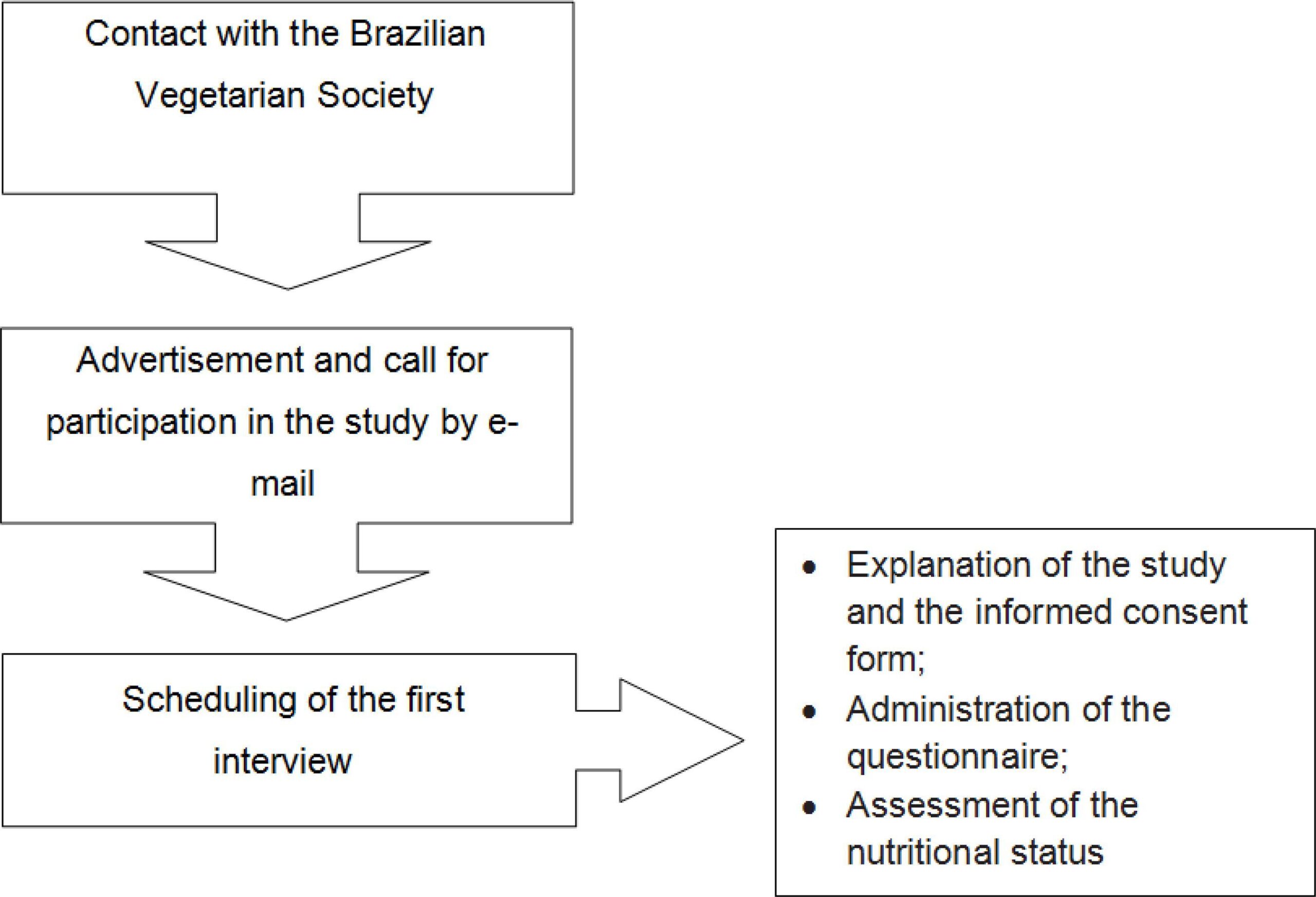
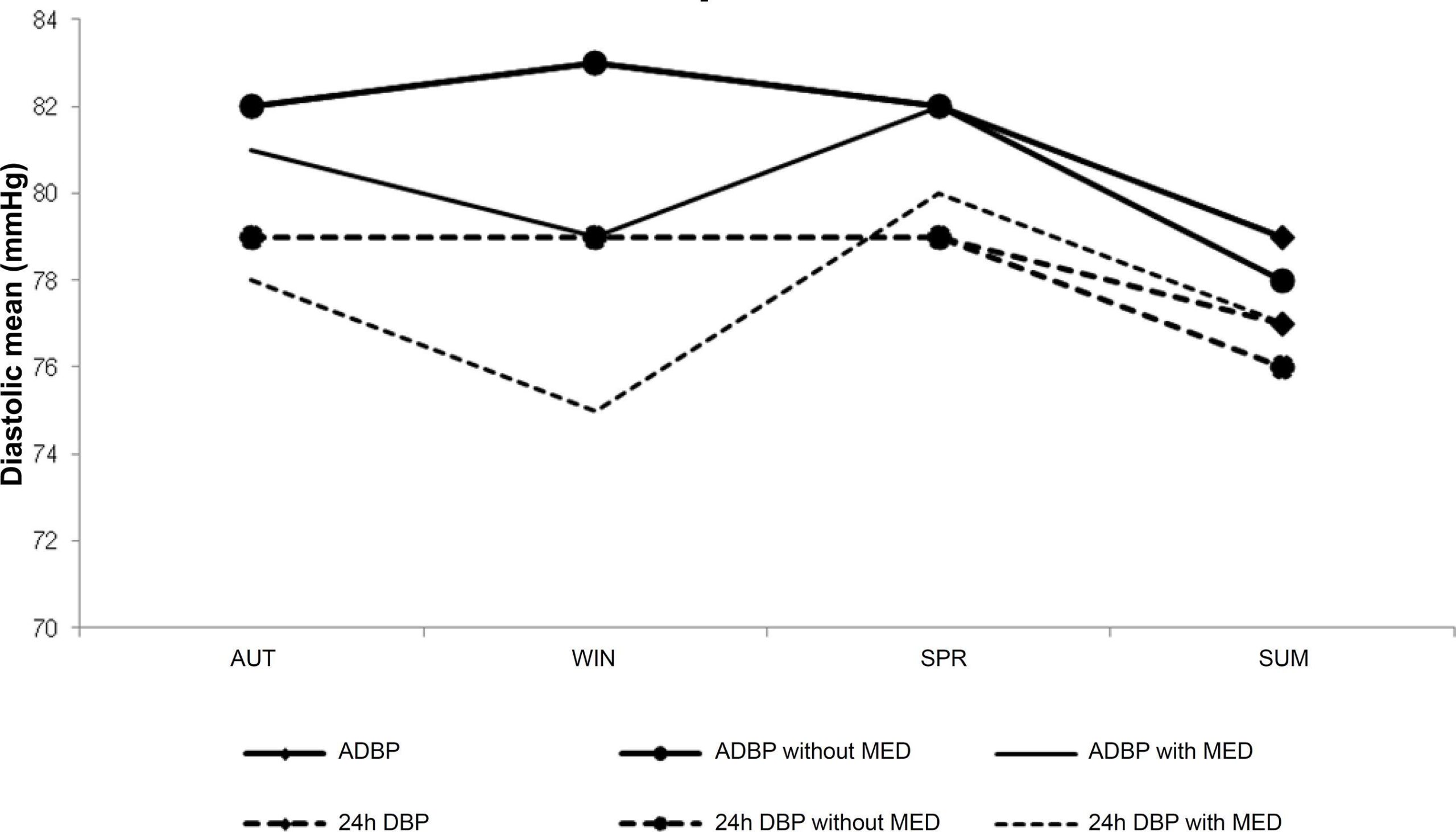
To verify the correlation between the seasonal temperature variation during 2016 and blood pressure variation in 902 patients of a private Cardiology Service in the city of Porto Alegre/RS.

Method:

A total of 902 ambulatory blood pressure monitoring (ABPM) results were analyzed in 2016. Pearson’s Correlation Coefficient was used to correlate blood pressure levels with the values of temperature and relative air humidity; the Kolmogorov-Smirnov and Shapiro-Wilk tests were adopted for significance values, assuming an alpha error < 0.05 and a 95% confidence interval. The Analysis of Variance compared the 902 ABPM results with the continuous variables obtained for this study.

Results:

No statistically significant differences were found when the blood pressure values obtained from the 902 ABPM results were correlated with the minimum, mean and maximum values of temperature and relative air humidity, and also when each of the continuous variables obtained for this study were compared with these same pressure measurements.

Conclusion:

Despite the great variation in temperature and relative air humidity throughout the year in the region, there was no significant influence on the systemic arterial pressure in the study population. New comparative studies in the same population with different thermal variations may provide further clarification on this subject.

  • Blood Pressure
  • Climate Change
  • Humidity
  • Risk Assessment
  • Risk Factors
  • seasons
Read Full Article
Creative Commons Attribution (CC BY) Creative Commons license
06/05/2019 DOI: 10.5935/2359-4802.20190038 Views 1
Original Article

Association Between Chocolate Consumption and Severity of First Infarction

Heloyse Martins Duarte et al. Milena Christy Rocha de Oliveira Ramona Jung Roberto Léo da Silva … Tammuz Fatah Daniel Medeiros Moreira

Abstract

Background:

Cardiovascular diseases, such as acute myocardial infarction, are the main causes of death in the world. The flavonoids present in chocolate can have benefits for people who have risk factors to the development of cardiovascular diseases and have a coadjuvant effect on known therapies.

Objective:

To analyze the association between chocolate consumption, severity of coronary lesions, risk factors and severity of the first infarction in patients attended at the Cardiology Institute of Santa Catarina and other hospitals in the State of Santa Catarina.

Methods:

Subanalysis of the Catarina Heart Study cohort, evaluated 350 patients with first myocardial infarction. We evaluated clinical, echocardiographic, hemodynamic laboratorial variables. We used chi square test to evaluate qualitative variables, t student test in the case of parametric variables and U Mann Whitney test in non-parametric variables. We considered significant p < 0,05.

Results:

Lower prevalence of hypertension (43.2% % vs. 62.3% p = 0.003), diabetes mellitus (13.5% vs. 25.7%, p = 0.027) and smoking (24.3% vs. 37.7%, p = 0.032) among those who consume chocolate. Higher use of alcohol (40.5% vs. 26.4%, p = 0.018) and drugs (9.5% vs. 3.3%, p = 0.023) among those who consumed chocolate. Among the patients who consumed chocolate, there was a negative correlation between amount consumed and Syntax (r = -0.296, p = 0.019).

Conclusion:

There was association between chocolate consumption and lower prevalence of hypertension, diabetes and smoking. There was no association between amount of chocolate consumed and post-infarction ventricular function and TIMI frame count. Higher prevalence of alcohol and drug use among those who consume chocolate. Negative correlation between Syntax and the amount of chocolate consumed.

  • Cacao
  • Cardiovascular Diseases, mortality
  • Flavonoids
  • Myocardial Infarction/physiopathology
  • Polyphenols
Read Full Article
Creative Commons Attribution (CC BY) Creative Commons license
06/05/2019 DOI: 10.5935/2359-4802.20190039 Views 2
Original Article

Effect of Hospital Accreditation Process in Outcomes of Patients with Acute Coronary Syndrome

Carolina de Deus Leite et al. Thiago Carvalho Pereira Matheus Pamponet Freitas Natália Lima Walsh Tinôco … Flávia Guimarães Pereira Roberta Vicente Leite Viana Menezes Milena Quadros Sampaio Andrade Samantha Pereira Rosa Vilas Boas Paulo José Bastos Barbosa Gilson Soares Feitosa-Filho

Abstract

Background:

Hospital accreditation has as goal the standardization of patient care, aiming quality improvement. On 2015, a cardiology reference hospital was evaluated and got level 3 from ONA in care given to Acute Coronary Syndrome (ACS) patients.

Objetive:

To compare length of stay (LOS) at Coronary Care Unit (CCU) and the total LOS at the hospital of ACS patients before and after ONA 3 accreditation. Other clinical outcomes were also analyzed.

Methods:

Systematic and prospective registry of admitted ACS patients at CCU, whose population was divided into pre-accreditation (period 1) and post-accreditation (period 2). Descriptive analysis was performed. For statistical analysis the Mann-Whitney test, chi-squared, Fisher’s exact test and Multiple Linear Regression were performed. P value was considered statistically significant when < 0,05.

Results:

372 patients were admitted with ACS, 186 in period 1, of which 47 (25,3%) with ST segment Elevation Myocardial Infarction (STEMI), and 186 in period 2, of which 70 (37,6%) with STEMI. The mean age was 65,9 years (± 12,2). About the CCU LOS, there was a reduction from 3 (IQR: 2-4) to 2,5 days (IQR: 2-4; p value = 0,088). Regarding the hospital LOS, there was also a reduction from 8 (IQR: 5-12,25) to 6 days (IQR:4-11; p value = 0,004). Analyzing the type of ACS, there was a significant reduction only at the hospital LOS in non-STEMI patients: 8 to 6 days (p value = 0,001). Other hospitalization length of stay and clinical outcomes did not present a significant reduction in the comparison.

Conclusion:

After the ONA 3 accreditation, there was a reduction of hospital LOS. There were no significant differences in the other outcomes analyzed.

  • Acute coronary syndrome
  • Consensus
  • Coronary Care Units
  • Data Interpretation, Statistical
  • Hospital Accreditation
Read Full Article
Creative Commons Attribution (CC BY) Creative Commons license
15/04/2019 DOI: 10.5935/2359-4802.20190034 Views 2
Figure 1
Original Article

Heart Failure: An Overview of Morbidity and Mortality in Rio Grande do Sul

Carolina Zenilda Nicolao et al. Juliana Bischoff Ferreira Adriana Aparecida Paz Graciele Fernanda da Costa Linch … Marciane Rover Emiliane Nogueira de Souza

Abstract

Background:

Heart failure (HF) is the final pathway of most cardiac diseases. Although the prevalence of HF has increased, due to the ageing of the population, more comprehensive data have shown a reduction in the percentage of HF hospital admissions over the last years.

Objective:

Assess the morbidity and mortality of HF patients in Brazil, Rio Grande do Sul and Porto Alegre.

Method:

The study is a retrospective analysis of data from the Brazilian Unified Health System’s (Sistema Único de Saúde [SUS]) Department of Informatics (DataSUS). We evaluated the incidence of HF hospital admissions, the average length of stay, hospital costs and sex ratio, during a ten-year period (2007 to 2016). Due to availability of the system, mortality rate and age range, the total duration of the study was nine years.

Results:

Within this period, the percentage of hospitalizations for HF decreased. On the other hand, the length of stay increased in all regions studied. Mortality rates were in decline in all regions. Hospital costs showed an increase of 110.8%. HF was more prevalent in patients between the seventh and eighth decades of life, with men being more affected than women, except in Rio Grande do Sul.

Conclusion:

We conclude that, in spite of the high costs of HF to healthcare providers, hospitalizations and mortality rates have shown a significant decline over the last years, which results from the advances in the treatment of this disease, through initiatives to improve patient education, engagement and planning in health care and self-care.

  • aging
  • Heart Failure/physiopathology
  • Hospitalization
  • Morbidity
  • Mortality
  • Plans Health
  • SUS- Unified Health System
Read Full Article
Creative Commons Attribution (CC BY) Creative Commons license
15/04/2019 DOI: 10.5935/2359-4802.20190032 Views 1
Figure 1
Case Report

Physical Exercise for Active Skin Ulceration Secondary to Peripheral Arterial Occlusive Disease

Jefferson Petto et al. Marvyn de Santana do Sacramento Fernanda Oliveira Baptista de Almeida Jorge Bomfim Frós de Farias Euvaldo de Almeida Rosa

Introduction

Peripheral arterial occlusive disease (PAOD) is a chronic, initially subclinical, and characteristically inflammatory disease that mainly affects the carotid arteries and lower limbs.,

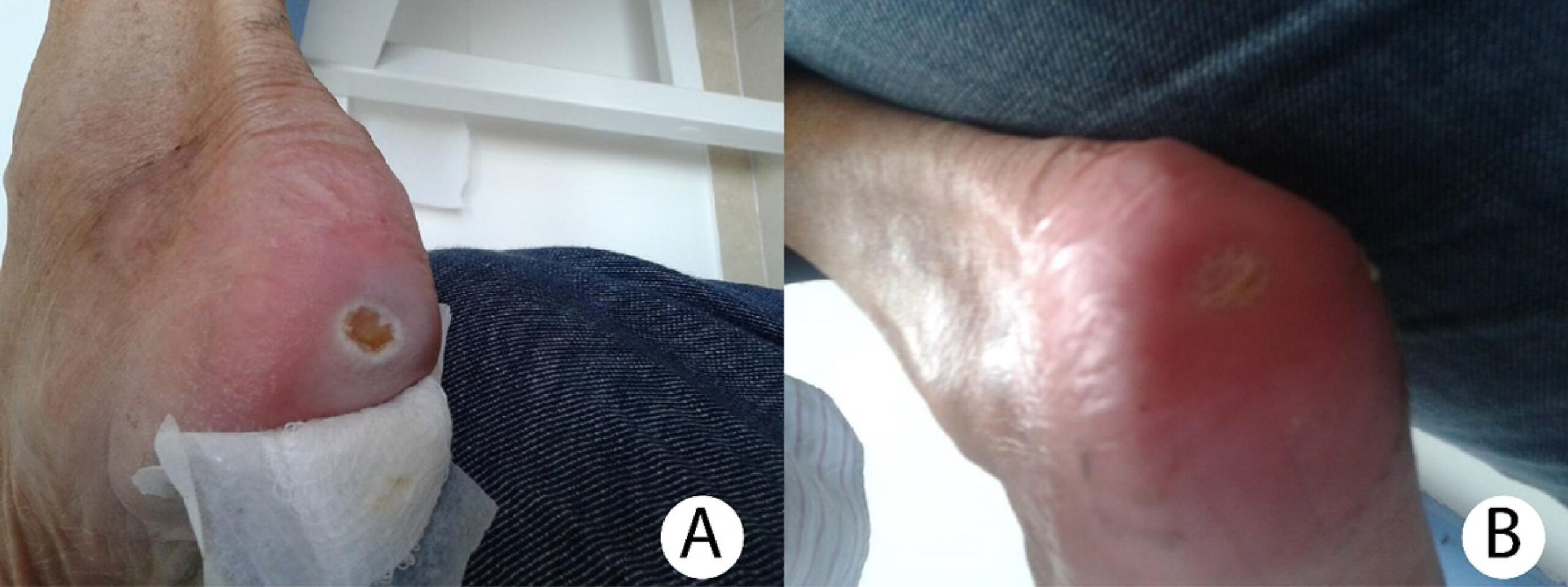
When in the lower limbs, it causes intermittent claudication, associated with a shortened leg gait, cyanotic extremities and decreased muscular force associated with sarcopenia below the obstruction site. At more advanced stages, it can cause ulcerations that are difficult to heal, due to the decrease in blood flow. The final stage of pathophysiology is completed with a trophic lesion and consequent amputation of the affected limb, leading to a decrease in the quality of life and to functional limitations in activities of daily living. This results in increased costs generated by the treatment and impaired productive capacity of these patients.,

[…]

  • Exercise
  • Intermittent Claudication
  • Peripheral Arterial Disease/complications
  • Risk Factors
  • Sarcopenia
  • Skin Ulcer/complications
Read Full Article
Creative Commons Attribution (CC BY) Creative Commons license
15/04/2019 DOI: 10.5935/2359-4802.20190021 Views 1
Figure 1
Original Article

Moderate-Intensity Walking Training Improves Depressive Symptoms and Pain in Older Adults with Good Quality of Life: A Controlled Randomized Trial

Silvio Lopes Alabarse et al. Hélio José Coelho Júnior Ricardo Yukio Asano Braulio Luna Filho … Wagner Correa Santos Japy Angelini Oliveira Filho

Abstract

Background:

Walking training can be an adequate choice to improve physical and psychological conditions in the elderly. Studies have reported positive changes in the quality of life, depressive symptoms and pain. However, baseline characteristics of volunteers have been controlled, and some of previous studies have not investigated these parameters concomitantly.

Objectives:

To assess the effects of moderate-intensity walking on quality of life, depressive symptoms and physical pain in physically active elderly individuals.

Methods:

Sixty-nine subjects were recruited and allocated into two groups: training group (n = 40) and control group (n = 29). All were evaluated for quality of life, depressive symptoms and pain. Training group underwent 40 minutes of walking (50-70% of maximum heart rate), 3 days a week for 12 weeks. For statistical analysis, we used the Kolmogorov-Smirnov test, Student’s t-test and Split-Plot ANOVA with Bonferroni post hoc, Pearson correlation. Significance level was set at 5%.

Results:

After 12 weeks of training, depressive symptoms and physical pain significantly reduced in the training group (2.7 ± 2.4 to 1.9 ± 1.8 and 4.3 ± 3.1 to 2.8 ± 2.9, respectively) compared with baseline values, and remained unchanged in the control group. There was a positive, moderate correlation between depressive symptoms and pain (r = 0.30).

Conclusion:

physically active elderly individuals with good quality of life show improved depressive symptoms after a short-term moderate-intensity walking training program.

  • Aged
  • Depression
  • pain
  • Quality of life
  • walking
  • Walking Speed
Read Full Article
Creative Commons Attribution (CC BY) Creative Commons license
01/04/2019 DOI: 10.5935/2359-4802.20190026 Views 1
Figure 1
Case Report

Fourteen Years’ Survival After Batista Operation: The Short History of a Long Journey

Gustavo Luiz Gouvêa de Almeida Junior et al. Waldir Jazbik Juliana Visconti Morgado Gustavo Luiz Gouvêa de Almeida

Abstract

A 41-year-old man with end-stage heart failure due to nonischemic dilated cardiomyopathy was submitted to the Batista procedure as an alternative to heart transplantation. With surgery, the patient showed progressive clinical amelioration, achieving long-term stable NYHA functional class II, despite gradual dilation of the heart chambers. Persistent atrial fibrillation appeared on the last year of life, his clinical condition deteriorated, and the patient died 14 years, four months, and 13 days after the operation. To the best of our knowledge this seems to be the longest reported survival for a patient submitted to Batista operation.

  • Cardiac Surgery
  • Cardiomyopathy, Dilated/surgery
  • Heart Failure/physiopathology
  • Partial Left ventriculectomy
  • Ventricular Dysfunction, Left/surgery
Read Full Article
Creative Commons Attribution (CC BY) Creative Commons license
01/04/2019 DOI: 10.5935/2359-4802.20190024

How to cite this article

EndNote RIS

Electronic Document Format (Vancouver)

Bittencourt M, Generoso G. New 2018 ACC/AHA Guidelines on Cholesterol Management: Key Changes and Implications. International Journal of Cardiovascular Sciences 2019;32(6):635-8.

Electronic Document Format (ABNT)

Bittencourt, Marcio; Generoso, Giuliano. New 2018 ACC/AHA Guidelines on Cholesterol Management: Key Changes and Implications. International Journal of Cardiovascular Sciences, v. 32, n. 6, p. 635-638, Nov. 2019.

Electronic Document Format (APA)

Bittencourt, M., & Generoso, G. (2019). New 2018 ACC/AHA Guidelines on Cholesterol Management: Key Changes and Implications. International Journal of Cardiovascular Sciences, 32(6), 635-638.

Electronic Document Format (ISO)

Bittencourt, Marcio and Generoso, Giuliano. New 2018 ACC/AHA Guidelines on Cholesterol Management: Key Changes and Implications. International Journal of Cardiovascular Sciences [online]. 2019, vol. 32, n. 6, [cited 2026-10-14], pp. 635-638. Available from: <https://journals.cardiol.br/en/article/new-2018-acc-aha-guidelines-on-cholesterol-management-key-changes-and-implications/>. ISSN 2359-4802

EndNote RIS

Electronic Document Format (Vancouver)

Azevedo-Silva F. Blood Transfusion in Cardiac Surgery: Less is More?. International Journal of Cardiovascular Sciences 2019;32(6):573-6.

Electronic Document Format (ABNT)

Azevedo-Silva, Fernanda. Blood Transfusion in Cardiac Surgery: Less is More?. International Journal of Cardiovascular Sciences, v. 32, n. 6, p. 573-576, Nov. 2019.

Electronic Document Format (APA)

Azevedo-Silva, F. (2019). Blood Transfusion in Cardiac Surgery: Less is More?. International Journal of Cardiovascular Sciences, 32(6), 573-576.

Electronic Document Format (ISO)

Azevedo-Silva, Fernanda. Blood Transfusion in Cardiac Surgery: Less is More?. International Journal of Cardiovascular Sciences [online]. 2019, vol. 32, n. 6, [cited 2026-10-14], pp. 573-576. Available from: <https://journals.cardiol.br/en/article/blood-transfusion-in-cardiac-surgery-less-is-more/>. ISSN 2359-4802

EndNote RIS

Electronic Document Format (Vancouver)

Franzoni L, Stein R. Moderate Exercise Improves Depressive Symptoms and Pain in Elderly People. International Journal of Cardiovascular Sciences 2019;32(6):563-4.

Electronic Document Format (ABNT)

Franzoni, Leandro; Stein, Ricardo. Moderate Exercise Improves Depressive Symptoms and Pain in Elderly People. International Journal of Cardiovascular Sciences, v. 32, n. 6, p. 563-564, Nov. 2019.

Electronic Document Format (APA)

Franzoni, L., & Stein, R. (2019). Moderate Exercise Improves Depressive Symptoms and Pain in Elderly People. International Journal of Cardiovascular Sciences, 32(6), 563-564.

Electronic Document Format (ISO)

Franzoni, Leandro and Stein, Ricardo. Moderate Exercise Improves Depressive Symptoms and Pain in Elderly People. International Journal of Cardiovascular Sciences [online]. 2019, vol. 32, n. 6, [cited 2026-10-14], pp. 563-564. Available from: <https://journals.cardiol.br/en/article/moderate-exercise-improves-depressive-symptoms-and-pain-in-elderly-people/>. ISSN 2359-4802

EndNote RIS

Electronic Document Format (Vancouver)

Scolari FL, Biolo A. The Burden of Heart Failure in Brazil: Are we Providing Better Care or Just more Expensive Care?. International Journal of Cardiovascular Sciences 2019;32(6):605.

Electronic Document Format (ABNT)

Scolari, Fernando Luis; Biolo, Andreia. The Burden of Heart Failure in Brazil: Are we Providing Better Care or Just more Expensive Care?. International Journal of Cardiovascular Sciences, v. 32, n. 6, p. 605-605, Nov. 2019.

Electronic Document Format (APA)

Scolari, F. L., & Biolo, A. (2019). The Burden of Heart Failure in Brazil: Are we Providing Better Care or Just more Expensive Care?. International Journal of Cardiovascular Sciences, 32(6), 605-605.

Electronic Document Format (ISO)

Scolari, Fernando Luis and Biolo, Andreia. The Burden of Heart Failure in Brazil: Are we Providing Better Care or Just more Expensive Care?. International Journal of Cardiovascular Sciences [online]. 2019, vol. 32, n. 6, [cited 2026-10-14], pp. 605-605. Available from: <https://journals.cardiol.br/en/article/the-burden-of-heart-failure-in-brazil-are-we-providing-better-care-or-just-more-expensive-care/>. ISSN 2359-4802

EndNote RIS

Electronic Document Format (Vancouver)

Camanho LEM, Santos GV. Postoperative Atrial Fibrillation: The Challenge of Risk Prediction. International Journal of Cardiovascular Sciences 2019;32(6):594-5.

Electronic Document Format (ABNT)

Camanho, Luiz Eduardo Montenegro; Santos, Gustavo Vignoli dos. Postoperative Atrial Fibrillation: The Challenge of Risk Prediction. International Journal of Cardiovascular Sciences, v. 32, n. 6, p. 594-595, Oct. 2019.

Electronic Document Format (APA)

Camanho, L. E. M., & Santos, G. V. (2019). Postoperative Atrial Fibrillation: The Challenge of Risk Prediction. International Journal of Cardiovascular Sciences, 32(6), 594-595.

Electronic Document Format (ISO)

Camanho, Luiz Eduardo Montenegro and Santos, Gustavo Vignoli dos. Postoperative Atrial Fibrillation: The Challenge of Risk Prediction. International Journal of Cardiovascular Sciences [online]. 2019, vol. 32, n. 6, [cited 2026-10-14], pp. 594-595. Available from: <https://journals.cardiol.br/en/article/postoperative-atrial-fibrillation-the-challenge-of-risk-prediction/>. ISSN 2359-4802

EndNote RIS

Electronic Document Format (Vancouver)

Stockler-Pinto MB. Chocolate Consumption: Benefits in Cardiovascular Disease. International Journal of Cardiovascular Sciences 2019;32(6):583-4.

Electronic Document Format (ABNT)

Stockler-Pinto, Milena Barcza. Chocolate Consumption: Benefits in Cardiovascular Disease. International Journal of Cardiovascular Sciences, v. 32, n. 6, p. 583-584, Oct. 2019.

Electronic Document Format (APA)

Stockler-Pinto, M. B. (2019). Chocolate Consumption: Benefits in Cardiovascular Disease. International Journal of Cardiovascular Sciences, 32(6), 583-584.

Electronic Document Format (ISO)

Stockler-Pinto, Milena Barcza. Chocolate Consumption: Benefits in Cardiovascular Disease. International Journal of Cardiovascular Sciences [online]. 2019, vol. 32, n. 6, [cited 2026-10-14], pp. 583-584. Available from: <https://journals.cardiol.br/en/article/chocolate-consumption-benefits-in-cardiovascular-disease/>. ISSN 2359-4802

EndNote RIS

Electronic Document Format (Vancouver)

Silva NA, Butcher RCGS. Left Atrial Size Contribution to the Predictive Capacity of Two Scores for Atrial Fibrillation in the Postoperative Period of Cardiac Surgeries. International Journal of Cardiovascular Sciences 2019;32(6):585-93.

Electronic Document Format (ABNT)

Silva, Natália Aline da; Butcher, Rita de Cássia Gengo e Silva. Left Atrial Size Contribution to the Predictive Capacity of Two Scores for Atrial Fibrillation in the Postoperative Period of Cardiac Surgeries. International Journal of Cardiovascular Sciences, v. 32, n. 6, p. 585-593, Aug. 2019.

Electronic Document Format (APA)

Silva, N. A. , & Butcher, R. C. G. S. (2019). Left Atrial Size Contribution to the Predictive Capacity of Two Scores for Atrial Fibrillation in the Postoperative Period of Cardiac Surgeries. International Journal of Cardiovascular Sciences, 32(6), 585-593.

Electronic Document Format (ISO)

Silva, Natália Aline da and Butcher, Rita de Cássia Gengo e Silva. Left Atrial Size Contribution to the Predictive Capacity of Two Scores for Atrial Fibrillation in the Postoperative Period of Cardiac Surgeries. International Journal of Cardiovascular Sciences [online]. 2019, vol. 32, n. 6, [cited 2026-10-14], pp. 585-593. Available from: <https://journals.cardiol.br/en/article/left-atrial-size-contribution-to-the-predictive-capacity-of-two-scores-for-atrial-fibrillation-in-the-postoperative-period-of-cardiac-surgeries/>. ISSN 2359-4802

EndNote RIS

Electronic Document Format (Vancouver)

Fernandes FA, Santos AASMD, Oliveira A, Mesquita CT. Challenges and Opportunities in the use of Ionizing Radiation for Cardiovascular Diseases. International Journal of Cardiovascular Sciences 2019;32(6):639-44.

Electronic Document Format (ABNT)

Fernandes, Fernando de Amorim; Santos, Alair Augusto Sarmet Moreira Damas dos; Oliveira, Anderson de; Mesquita, Cláudio Tinoco. Challenges and Opportunities in the use of Ionizing Radiation for Cardiovascular Diseases. International Journal of Cardiovascular Sciences, v. 32, n. 6, p. 639-644, Aug. 2019.

Electronic Document Format (APA)

Fernandes, F. A., Santos, A. A. S. M. D. , Oliveira, A. , & Mesquita, C. T. (2019). Challenges and Opportunities in the use of Ionizing Radiation for Cardiovascular Diseases. International Journal of Cardiovascular Sciences, 32(6), 639-644.

Electronic Document Format (ISO)

Fernandes, Fernando de Amorim and Santos, Alair Augusto Sarmet Moreira Damas dos and Oliveira, Anderson de and Mesquita, Cláudio Tinoco. Challenges and Opportunities in the use of Ionizing Radiation for Cardiovascular Diseases. International Journal of Cardiovascular Sciences [online]. 2019, vol. 32, n. 6, [cited 2026-10-14], pp. 639-644. Available from: <https://journals.cardiol.br/en/article/challenges-and-opportunities-in-the-use-of-ionizing-radiation-for-cardiovascular-diseases/>. ISSN 2359-4802

EndNote RIS

Electronic Document Format (Vancouver)

Pimentel CVMB, Philippi ST, Simomura VL, Teodorov E. Nutritional Status, Lifestyle and Lipid Profile in Vegetarians. International Journal of Cardiovascular Sciences 2019;32(6):623-34.

Electronic Document Format (ABNT)

Pimentel, Carolina Vieira de Mello Barros; Philippi, Sônia Tucunduva; Simomura, Viviane Lazari; Teodorov, Elisabeth. Nutritional Status, Lifestyle and Lipid Profile in Vegetarians. International Journal of Cardiovascular Sciences, v. 32, n. 6, p. 623-634, Aug. 2019.

Electronic Document Format (APA)

Pimentel, C. V. M. B., Philippi, S. T., Simomura, V. L., & Teodorov, E. (2019). Nutritional Status, Lifestyle and Lipid Profile in Vegetarians. International Journal of Cardiovascular Sciences, 32(6), 623-634.

Electronic Document Format (ISO)

Pimentel, Carolina Vieira de Mello Barros and Philippi, Sônia Tucunduva and Simomura, Viviane Lazari and Teodorov, Elisabeth. Nutritional Status, Lifestyle and Lipid Profile in Vegetarians. International Journal of Cardiovascular Sciences [online]. 2019, vol. 32, n. 6, [cited 2026-10-14], pp. 623-634. Available from: <https://journals.cardiol.br/en/article/nutritional-status-lifestyle-and-lipid-profile-in-vegetarians/>. ISSN 2359-4802

EndNote RIS

Electronic Document Format (Vancouver)

Tagliari AP, Silveira LMV, Kochi AN, Souza AC, Gib MC, Freitas TM, Martins CB, et al. Adverse Events and Risk Factors of Blood Transfusion in Cardiovascular Surgery: A Prospective Cohort Study. International Journal of Cardiovascular Sciences 2019;32(6):565-72.

Electronic Document Format (ABNT)

Tagliari, Ana Paula; Silveira, Lucas Molinari Veloso da; Kochi, Adriano Nunes; Souza, Anderson Castro de; Gib, Marcelo Curcio; Freitas, Tanara Martins de; Martins, Cristiano Blaya; Cavazzola, Leandro Totti; Wender, Orlando Carlos Belmonte. Adverse Events and Risk Factors of Blood Transfusion in Cardiovascular Surgery: A Prospective Cohort Study. International Journal of Cardiovascular Sciences, v. 32, n. 6, p. 565-572, Aug. 2019.

Electronic Document Format (APA)

Tagliari, A. P., Silveira, L. M. V. , Kochi, A. N., Souza, A. C. , Gib, M. C., Freitas, T. M. , Martins, C. B., Cavazzola, L. T., & Wender, O. C. B. (2019). Adverse Events and Risk Factors of Blood Transfusion in Cardiovascular Surgery: A Prospective Cohort Study. International Journal of Cardiovascular Sciences, 32(6), 565-572.

Electronic Document Format (ISO)

Tagliari, Ana Paula and Silveira, Lucas Molinari Veloso da and Kochi, Adriano Nunes and Souza, Anderson Castro de and Gib, Marcelo Curcio and Freitas, Tanara Martins de and Martins, Cristiano Blaya and Cavazzola, Leandro Totti and Wender, Orlando Carlos Belmonte. Adverse Events and Risk Factors of Blood Transfusion in Cardiovascular Surgery: A Prospective Cohort Study. International Journal of Cardiovascular Sciences [online]. 2019, vol. 32, n. 6, [cited 2026-10-14], pp. 565-572. Available from: <https://journals.cardiol.br/en/article/adverse-events-and-risk-factors-of-blood-transfusion-in-cardiovascular-surgery-a-prospective-cohort-study/>. ISSN 2359-4802

EndNote RIS

Electronic Document Format (Vancouver)

Escosteguy JR, Beskow M, Sand CRVD. The Influence of Seasonal Temperature Variation on Blood Pressure Behavior. International Journal of Cardiovascular Sciences 2019;32(6):615-22.

Electronic Document Format (ABNT)

Escosteguy, Juliana Ribas; Beskow, Murilo; Sand, Cezar Roberto Van Der. The Influence of Seasonal Temperature Variation on Blood Pressure Behavior. International Journal of Cardiovascular Sciences, v. 32, n. 6, p. 615-622, May. 2019.

Electronic Document Format (APA)

Escosteguy, J. R., Beskow, M., & Sand, C. R. V. D. (2019). The Influence of Seasonal Temperature Variation on Blood Pressure Behavior. International Journal of Cardiovascular Sciences, 32(6), 615-622.

Electronic Document Format (ISO)

Escosteguy, Juliana Ribas and Beskow, Murilo and Sand, Cezar Roberto Van Der. The Influence of Seasonal Temperature Variation on Blood Pressure Behavior. International Journal of Cardiovascular Sciences [online]. 2019, vol. 32, n. 6, [cited 2026-10-14], pp. 615-622. Available from: <https://journals.cardiol.br/en/article/the-influence-of-seasonal-temperature-variation-on-blood-pressure-behavior/>. ISSN 2359-4802

EndNote RIS

Electronic Document Format (Vancouver)

Duarte HM, Oliveira MCR, Jung R, Silva RL, Fatah T, Moreira DM. Association Between Chocolate Consumption and Severity of First Infarction. International Journal of Cardiovascular Sciences 2019;32(6):576-82.

Electronic Document Format (ABNT)

Duarte, Heloyse Martins; Oliveira, Milena Christy Rocha de; Jung, Ramona; Silva, Roberto Léo da; Fatah, Tammuz; Moreira, Daniel Medeiros. Association Between Chocolate Consumption and Severity of First Infarction. International Journal of Cardiovascular Sciences, v. 32, n. 6, p. 576-582, May. 2019.

Electronic Document Format (APA)

Duarte, H. M., Oliveira, M. C. R. , Jung, R., Silva, R. L. , Fatah, T., & Moreira, D. M. (2019). Association Between Chocolate Consumption and Severity of First Infarction. International Journal of Cardiovascular Sciences, 32(6), 576-582.

Electronic Document Format (ISO)

Duarte, Heloyse Martins and Oliveira, Milena Christy Rocha de and Jung, Ramona and Silva, Roberto Léo da and Fatah, Tammuz and Moreira, Daniel Medeiros. Association Between Chocolate Consumption and Severity of First Infarction. International Journal of Cardiovascular Sciences [online]. 2019, vol. 32, n. 6, [cited 2026-10-14], pp. 576-582. Available from: <https://journals.cardiol.br/en/article/association-between-chocolate-consumption-and-severity-of-first-infarction/>. ISSN 2359-4802

EndNote RIS

Electronic Document Format (Vancouver)

Leite CD, Pereira TC, Freitas MP, Tinôco NLW, Pereira FG, Menezes RVLV, Andrade MQS, et al. Effect of Hospital Accreditation Process in Outcomes of Patients with Acute Coronary Syndrome. International Journal of Cardiovascular Sciences 2019;32(6):607-14.

Electronic Document Format (ABNT)

Leite, Carolina de Deus; Pereira, Thiago Carvalho; Freitas, Matheus Pamponet; Tinôco, Natália Lima Walsh; Pereira, Flávia Guimarães; Menezes, Roberta Vicente Leite Viana; Andrade, Milena Quadros Sampaio; Boas, Samantha Pereira Rosa Vilas; Barbosa, Paulo José Bastos; Feitosa-Filho, Gilson Soares. Effect of Hospital Accreditation Process in Outcomes of Patients with Acute Coronary Syndrome. International Journal of Cardiovascular Sciences, v. 32, n. 6, p. 607-614, Apr. 2019.

Electronic Document Format (APA)

Leite, C. D., Pereira, T. C., Freitas, M. P., Tinôco, N. L. W., Pereira, F. G., Menezes, R. V. L. V., Andrade, M. Q. S., Boas, S. P. R. V., Barbosa, P. J. B., & Feitosa-Filho, G. S. (2019). Effect of Hospital Accreditation Process in Outcomes of Patients with Acute Coronary Syndrome. International Journal of Cardiovascular Sciences, 32(6), 607-614.

Electronic Document Format (ISO)

Leite, Carolina de Deus and Pereira, Thiago Carvalho and Freitas, Matheus Pamponet and Tinôco, Natália Lima Walsh and Pereira, Flávia Guimarães and Menezes, Roberta Vicente Leite Viana and Andrade, Milena Quadros Sampaio and Boas, Samantha Pereira Rosa Vilas and Barbosa, Paulo José Bastos and Feitosa-Filho, Gilson Soares. Effect of Hospital Accreditation Process in Outcomes of Patients with Acute Coronary Syndrome. International Journal of Cardiovascular Sciences [online]. 2019, vol. 32, n. 6, [cited 2026-10-14], pp. 607-614. Available from: <https://journals.cardiol.br/en/article/effect-of-hospital-accreditation-process-in-outcomes-of-patients-with-acute-coronary-syndrome/>. ISSN 2359-4802

EndNote RIS

Electronic Document Format (Vancouver)

Nicolao CZ, Ferreira JB, Paz AA, Linch GFC, Rover M, Souza EN. Heart Failure: An Overview of Morbidity and Mortality in Rio Grande do Sul. International Journal of Cardiovascular Sciences 2019;32(6):596-604.

Electronic Document Format (ABNT)

Nicolao, Carolina Zenilda; Ferreira, Juliana Bischoff; Paz, Adriana Aparecida; Linch, Graciele Fernanda da Costa; Rover, Marciane; Souza, Emiliane Nogueira de. Heart Failure: An Overview of Morbidity and Mortality in Rio Grande do Sul. International Journal of Cardiovascular Sciences, v. 32, n. 6, p. 596-604, Apr. 2019.

Electronic Document Format (APA)

Nicolao, C. Z., Ferreira, J. B., Paz, A. A., Linch, G. F. C., Rover, M., & Souza, E. N. (2019). Heart Failure: An Overview of Morbidity and Mortality in Rio Grande do Sul. International Journal of Cardiovascular Sciences, 32(6), 596-604.

Electronic Document Format (ISO)

Nicolao, Carolina Zenilda and Ferreira, Juliana Bischoff and Paz, Adriana Aparecida and Linch, Graciele Fernanda da Costa and Rover, Marciane and Souza, Emiliane Nogueira de. Heart Failure: An Overview of Morbidity and Mortality in Rio Grande do Sul. International Journal of Cardiovascular Sciences [online]. 2019, vol. 32, n. 6, [cited 2026-10-14], pp. 596-604. Available from: <https://journals.cardiol.br/en/article/heart-failure-an-overview-of-morbidity-and-mortality-in-rio-grande-do-sul/>. ISSN 2359-4802

EndNote RIS

Electronic Document Format (Vancouver)

Petto J, Sacramento MS, Almeida FOB, Farias JBF, Rosa EA. Physical Exercise for Active Skin Ulceration Secondary to Peripheral Arterial Occlusive Disease. International Journal of Cardiovascular Sciences 2019;32(6):645-9.

Electronic Document Format (ABNT)

Petto, Jefferson; Sacramento, Marvyn de Santana do; Almeida, Fernanda Oliveira Baptista de; Farias, Jorge Bomfim Frós de; Rosa, Euvaldo de Almeida. Physical Exercise for Active Skin Ulceration Secondary to Peripheral Arterial Occlusive Disease. International Journal of Cardiovascular Sciences, v. 32, n. 6, p. 645-649, Apr. 2019.

Electronic Document Format (APA)

Petto, J., Sacramento, M. S. , Almeida, F. O. B. , Farias, J. B. F. , & Rosa, E. A. (2019). Physical Exercise for Active Skin Ulceration Secondary to Peripheral Arterial Occlusive Disease. International Journal of Cardiovascular Sciences, 32(6), 645-649.

Electronic Document Format (ISO)

Petto, Jefferson and Sacramento, Marvyn de Santana do and Almeida, Fernanda Oliveira Baptista de and Farias, Jorge Bomfim Frós de and Rosa, Euvaldo de Almeida. Physical Exercise for Active Skin Ulceration Secondary to Peripheral Arterial Occlusive Disease. International Journal of Cardiovascular Sciences [online]. 2019, vol. 32, n. 6, [cited 2026-10-14], pp. 645-649. Available from: <https://journals.cardiol.br/en/article/physical-exercise-for-active-skin-ulceration-secondary-to-peripheral-arterial-occlusive-disease/>. ISSN 2359-4802

EndNote RIS

Electronic Document Format (Vancouver)

Alabarse SL, Coelho Júnior HJ, Asano RY, Luna Filho B, Santos WC, Oliveira Filho JA. Moderate-Intensity Walking Training Improves Depressive Symptoms and Pain in Older Adults with Good Quality of Life: A Controlled Randomized Trial. International Journal of Cardiovascular Sciences 2019;32(6):553-62.

Electronic Document Format (ABNT)

Alabarse, Silvio Lopes; Coelho Júnior, Hélio José; Asano, Ricardo Yukio; Luna Filho, Braulio; Santos, Wagner Correa; Oliveira Filho, Japy Angelini. Moderate-Intensity Walking Training Improves Depressive Symptoms and Pain in Older Adults with Good Quality of Life: A Controlled Randomized Trial. International Journal of Cardiovascular Sciences, v. 32, n. 6, p. 553-562, Mar. 2019.

Electronic Document Format (APA)

Alabarse, S. L., Coelho Júnior, H. J., Asano, R. Y., Luna Filho, B., Santos, W. C., & Oliveira Filho, J. A. (2019). Moderate-Intensity Walking Training Improves Depressive Symptoms and Pain in Older Adults with Good Quality of Life: A Controlled Randomized Trial. International Journal of Cardiovascular Sciences, 32(6), 553-562.

Electronic Document Format (ISO)

Alabarse, Silvio Lopes and Coelho Júnior, Hélio José and Asano, Ricardo Yukio and Luna Filho, Braulio and Santos, Wagner Correa and Oliveira Filho, Japy Angelini. Moderate-Intensity Walking Training Improves Depressive Symptoms and Pain in Older Adults with Good Quality of Life: A Controlled Randomized Trial. International Journal of Cardiovascular Sciences [online]. 2019, vol. 32, n. 6, [cited 2026-10-14], pp. 553-562. Available from: <https://journals.cardiol.br/en/article/moderate-intensity-walking-training-improves-depressive-symptoms-and-pain-in-older-adults-with-good-quality-of-life-a-controlled-randomized-trial/>. ISSN 2359-4802

EndNote RIS

Electronic Document Format (Vancouver)

Almeida Junior GLG, Jazbik W, Morgado JV, Almeida GLG. Fourteen Years’ Survival After Batista Operation: The Short History of a Long Journey. International Journal of Cardiovascular Sciences 2019;32(6):650-4.

Electronic Document Format (ABNT)

Almeida Junior, Gustavo Luiz Gouvêa de; Jazbik, Waldir; Morgado, Juliana Visconti; Almeida, Gustavo Luiz Gouvêa de. Fourteen Years’ Survival After Batista Operation: The Short History of a Long Journey. International Journal of Cardiovascular Sciences, v. 32, n. 6, p. 650-654, Mar. 2019.

Electronic Document Format (APA)

Almeida Junior, G. L. G. , Jazbik, W., Morgado, J. V., & Almeida, G. L. G. (2019). Fourteen Years’ Survival After Batista Operation: The Short History of a Long Journey. International Journal of Cardiovascular Sciences, 32(6), 650-654.

Electronic Document Format (ISO)

Almeida Junior, Gustavo Luiz Gouvêa de and Jazbik, Waldir and Morgado, Juliana Visconti and Almeida, Gustavo Luiz Gouvêa de. Fourteen Years’ Survival After Batista Operation: The Short History of a Long Journey. International Journal of Cardiovascular Sciences [online]. 2019, vol. 32, n. 6, [cited 2026-10-14], pp. 650-654. Available from: <https://journals.cardiol.br/en/article/fourteen-years-survival-after-batista-operation-the-short-history-of-a-long-journey/>. ISSN 2359-4802

Sede – Rio de Janeiro
Av. Marechal Câmara, 160
3º andar – Sala: 330 – Centro
Rio de Janeiro – CEP: 20020-907
Tel.: (55 +21) 3478-2700
ou (21) 99386-3961
E-mail: revista@cardiol.br

Sede – São Paulo
Alameda Santos, 705 – 11º andar
Cerqueira César | São Paulo
CEP: 01419-001
Tel.: (55 +11) 3411-5500
E-mail: revista@cardiol.br

  • About the Journal
  • Internal Regulation
  • Editors Section
  • Editorial Board
  • SBC Award

  • Guidelines for Publication
  • Editorial Policy
  • Ethics Policy
  • Policy on the Use of Artificial Intelligence
  • Mandatory Publication Form
  • Publication Fee

Issues

SBC Guidelines

  • How to Publish an Abstract Supplement?
  • Published Supplements