ABC Family Arquivos Brasileiros de Cardiologia International Journal of Cardiovascular Sciences ABC Heart Failure & Cardiomyopathy ABC Imagem Cardiovascular
Português English
ABC Family
Português English
  • About
    • About ABC Family
    • Internal Regulation
    • Editorial Board
    • Brazilian Society of Cardiology (SBC)
  • Issues
  • SBC Guidelines
  • Content
    • Videos
    • Podcasts
    • News
  • About
    • About ABC Family
    • Internal Regulation
    • Editorial Board
    • Brazilian Society of Cardiology (SBC)
  • Issues
  • SBC Guidelines
  • Content
    • Videos
    • Podcasts
    • News

ABC Family

  • ABC Family
  • Arquivos Brasileiros de Cardiologia
  • International Journal of Cardiovascular Sciences
  • ABC Heart Failure & Cardiomyopathy
  • ABC Imagem Cardiovascular
Search in

No content found.

Journals
Ordering
Article types
Others

  1. Home
  2. Keyword: Nuclear Medicine
Artificial intelligence for nuclear cardiology: Perspectives and challenges
IJCS
Review Article

Artificial intelligence for nuclear cardiology: Perspectives and challenges

Caitlyn Gilbert et al. Alec Chunta Robert Miller

Abstract

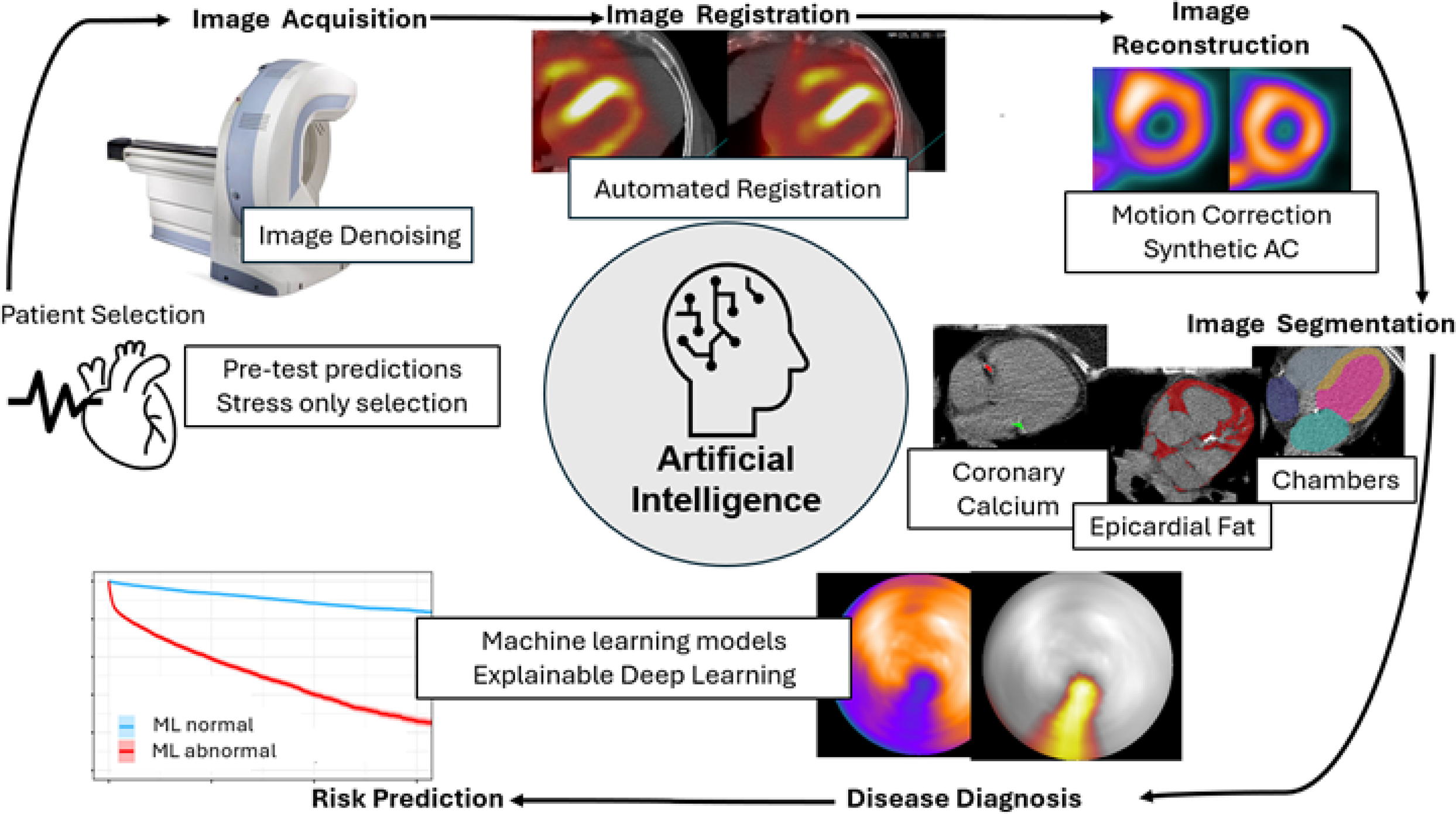
Recent advancements in artificial intelligence (AI) have significantly enhanced the efficiency and quality of nuclear cardiology imaging. AI algorithms, such as generative adversarial networks (GAN) and deep learning (DL) models, are improving image acquisition by reducing noise and correcting motion to minimize radiation exposure while maintaining diagnostic accuracy. AI has also demonstrated the potential to create synthetic attenuation correction (AC) imaging, accounting for soft-tissue attenuation without added computed tomography (CT) imaging. In patients with CT attenuation imaging, AI can automate the segmentation of coronary artery calcification (CAC), epicardial adipose tissue (EAT), and other structures to maximize the clinical information obtained from these added studies. Furthermore, machine learning (ML) models that combine clinical, imaging, and stress test data are advancing risk prediction for coronary artery disease (CAD) and ischemia, assisting clinicians in decision-making and improving patient outcomes. While many of these applications have been developed using myocardial perfusion imaging (MPI), they are increasingly applied to other nuclear cardiology studies. This review explores these AI applications and their impact on diagnostic accuracy, workflow efficiency, and risk stratification while also highlighting potential future directions and challenges.
  • Artificial Intelligence
  • Cardiac Imaging Techniques
  • Deep Learning
  • Machine Learning
  • Nuclear Medicine
Read Full Article
Creative Commons Attribution (CC BY) Creative Commons license
03/03/2025 DOI: 10.36660/ijcs.20240225 Views 1
Pyrophosphate Scintigraphy: Use in the Diagnosis and Monitoring of Cardiac Amyloidosis
IJCS
Review Article

Pyrophosphate Scintigraphy: Use in the Diagnosis and Monitoring of Cardiac Amyloidosis

Claudio Tinoco Mesquita et al. Davi Shunji Yahiro José Felipe Ramos dos Santos Luís Eduardo Machado … Jose Gregorio Valero Rodriguez Giovane Leal de Azevedo Junior Marcus Simões

Abstract

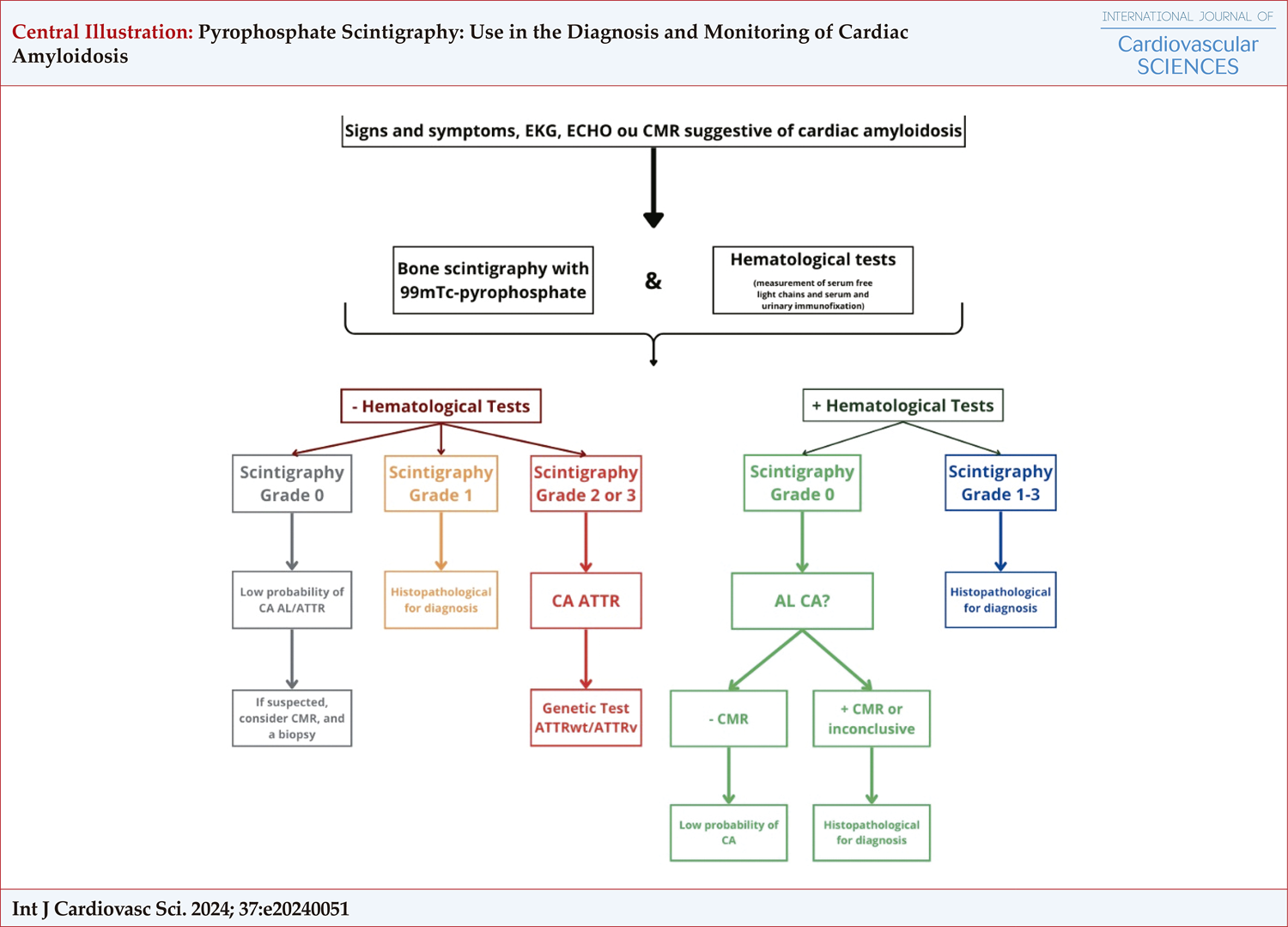
Cardiac amyloidosis (CA) is a progressive condition marked by the accumulation of amyloid fibrils in cardiac tissue, resulting in cardiac dysfunction and, ultimately, heart failure. Pyrophosphate scintigraphy has emerged as a promising tool for the early detection and monitoring of CA, providing valuable insights into the disease’s extent and severity. This review examines the current use of pyrophosphate scintigraphy in distinguishing between different types of amyloidosis, assessing risk levels, and monitoring patients with CA. It underscores the clinical significance and prospects of this imaging technique.

  • Amyloidosis
  • Diagnosis
  • Nuclear Medicine
  • Radionuclide Imaging
Read Full Article
Creative Commons Attribution (CC BY) Creative Commons license
19/08/2024 DOI: 10.36660/ijcs.20240051 Views 1
Figure 1
ABCIC
Review Article

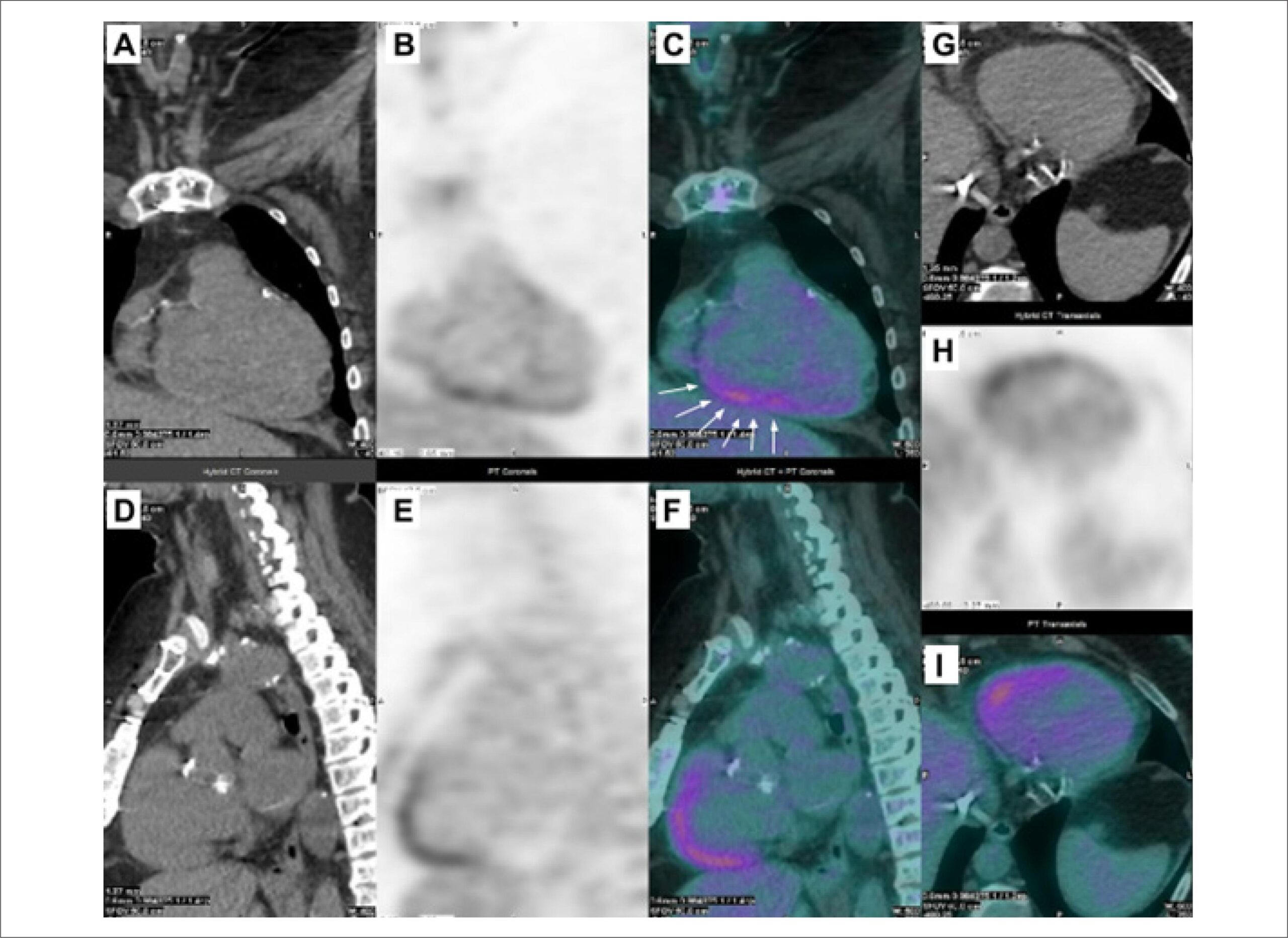
My Approach to Evaluation of Cardiac Masses Using FDG PET/CT

Simone Cristina Soares Brandão et al. João Marcelo Duarte Ribeiro Sobrinho Emanuel Davi Lima de Matos Leão Lara Cristiane Terra Ferreira Carreira Adriana Soares Xavier de Brito

Abstract

Cardiac masses represent solid formations of various origins, with accurate diagnosis being crucial, particularly for those of a malignant nature, which are typically associated with a worse prognosis. Given this diversity, a comprehensive approach often involves the integration of multiple imaging modalities. Conventional cardiovascular imaging techniques such as transthoracic echocardiography, magnetic resonance imaging (MRI), and cardiac tomography offer insights into anatomical features and hemodynamic implications associated with these masses. However, due to its limitations, greater precision in the etiological investigation of these masses can be achieved by combining Nuclear Medicine with complementary methods, notably positron emission tomography combined with computed tomography using fluorodeoxyglucose-Fluorine-18 (FDG PET/CT). This approach aids in effectively assessing cardiac masses’ metabolic activity, particularly when distinguishing between benign and malignant masses, guiding optimal biopsy site selection, and facilitating comprehensive staging. The Standardized Uptake Value (SUVmax) serves as a quantitative measure of FDG uptake by the mass, with elevated SUVmax values indicating malignancy. Clinical and conventional imaging data should complement the interpretation of FDG PET/CT findings for a more conclusive diagnosis. Thus, a multimodal strategy, particularly incorporating FDG PET/CT, enables a more precise differentiation between benign and malignant cardiac masses, ultimately optimizing patient management.

  • Fluorodeoxyglucose F18
  • Nuclear Medicine
  • Positron Emission Tomography-Computed Tomography
Read Full Article
Creative Commons Attribution (CC BY) Creative Commons license
28/06/2024 DOI: 10.36660/abcimg.20240040i Views 2
My Approach to Nuclear Medicine in the Assessment of Microvascular Disease in Women
ABCIC
Review Article

My Approach to Nuclear Medicine in the Assessment of Microvascular Disease in Women

Lara Cristiane Terra Ferreira Carreira et al. Lívia Carreira Adriana Soares Xavier de Brito

Abstract

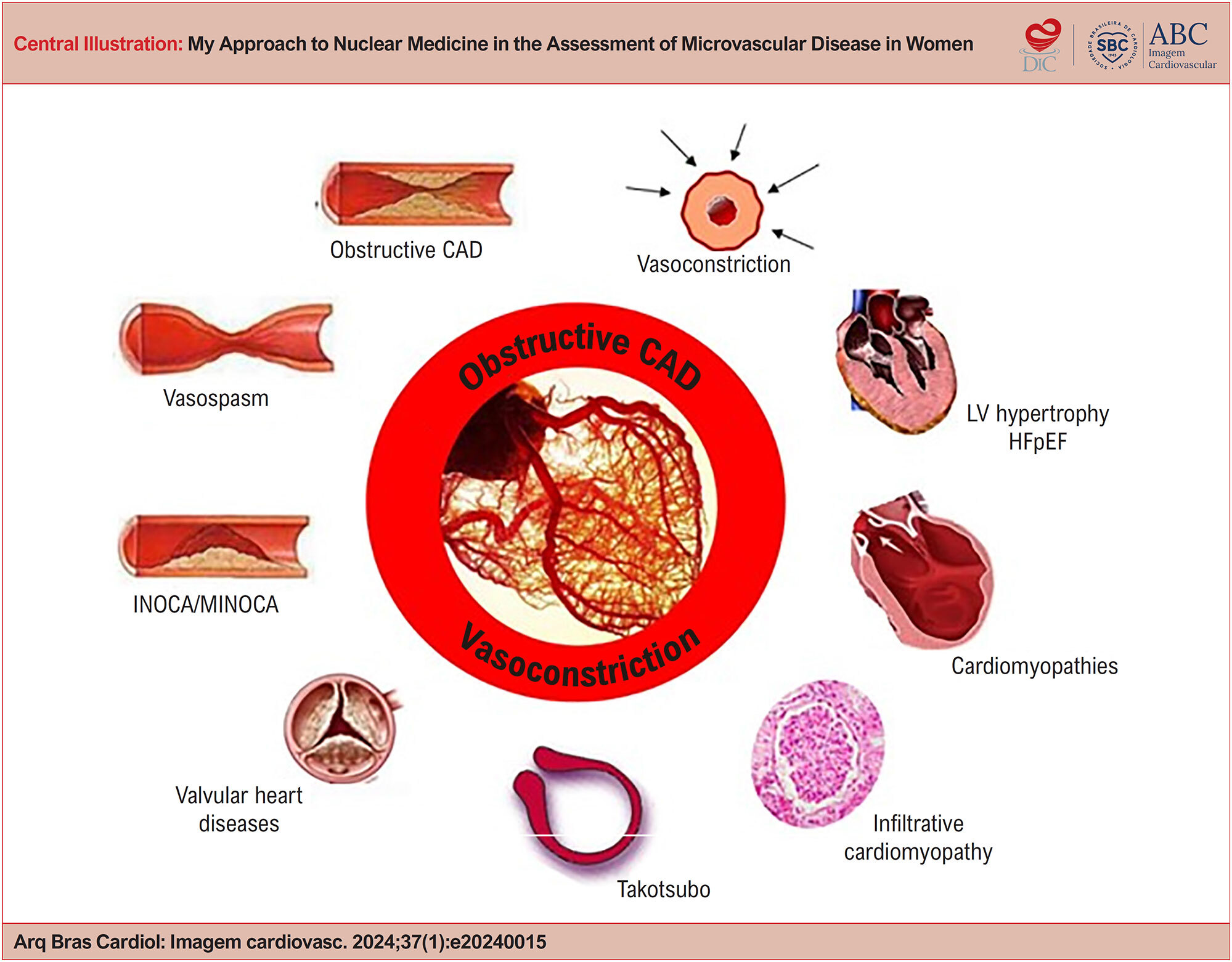
Coronary microvascular dysfunction (CMD) is a condition that has been increasingly recognized as a cause of angina, with prognostic importance in multiple cardiovascular processes, especially in women. It results from abnormalities in the structure and/or function of the coronary microcirculation. Even in the absence of obstructive coronary artery disease (CAD), CMD is associated with worse prognosis, greater morbidity, impaired quality of life, and recurrent hospitalizations due to angina and heart failure, posing a challenge for diagnosis and treatment. In this article, we briefly review CMD and how nuclear medicine can assist in its assessment.

  • Microvascular Angina
  • Myocardial Ischemia
  • Nuclear Medicine
Read Full Article
Creative Commons Attribution (CC BY) Creative Commons license
28/03/2024 DOI: 10.36660/abcimg.20240015i
Figure 1
IJCS
Editorial

Assessment of Cardiac Sympathetic Activity by Nuclear Medicine: Many Clinical Benefits but Weak Recommendation

Jéssica Leite et al. Simone Brandão

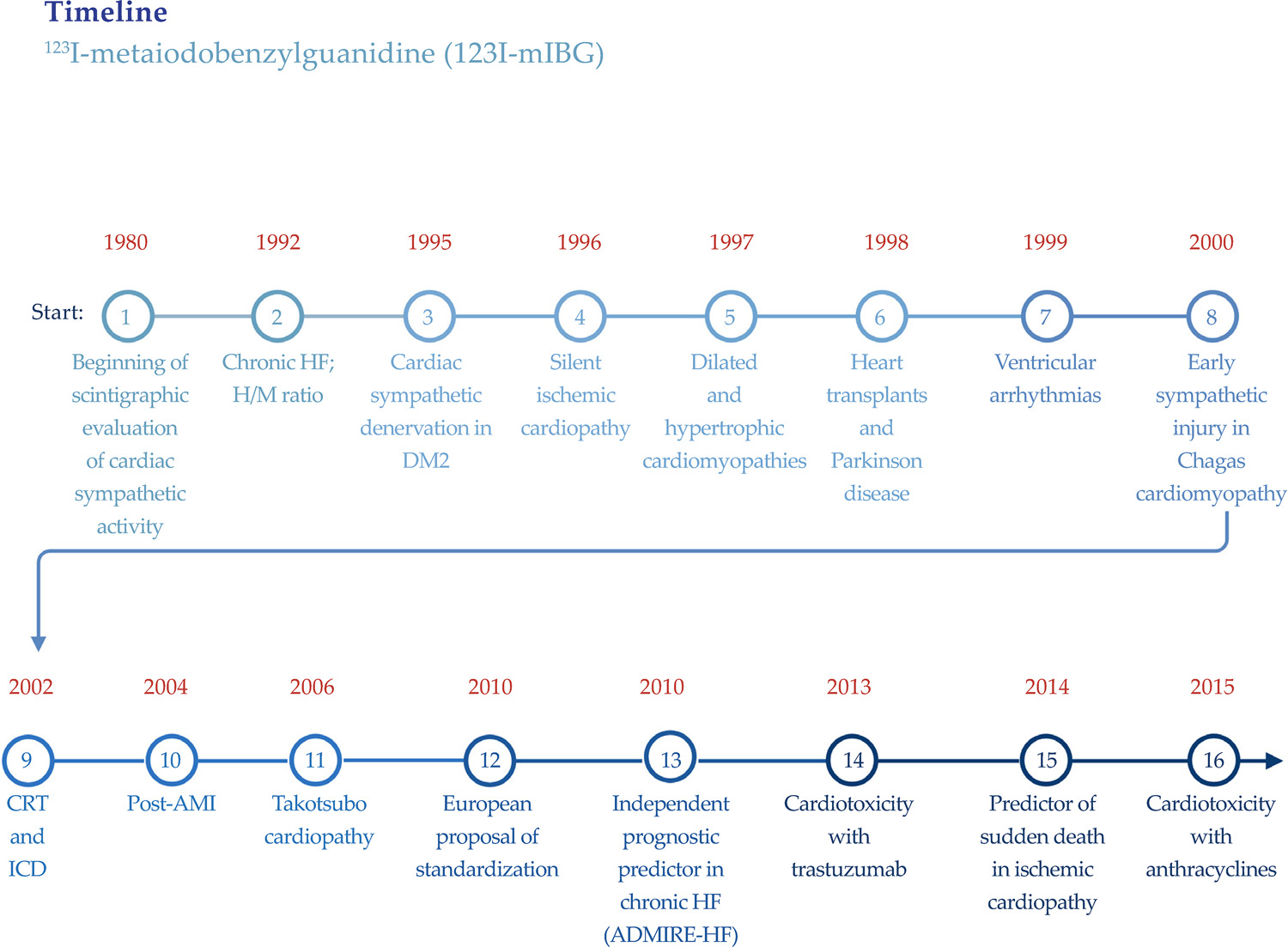
The autonomous nervous system (ANS) regulates important cardiac functions, including heart rate, ventricular contractility, QT interval and systemic vascular resistance. ANS dysfunction, known as dysautonomia, can lead to many clinical manifestations, some of them severe and debilitating. Dysautonomia is often underdiagnosed and detected at late stages, due to its wide phenotypic variability and the poor familiarity of the physicians with the disease, leading to higher cardiovascular mortality and morbidity.

The diagnostic and prognostic potential of nuclear cardiology in the assessment of the ANS has increased. In addition, there is growing evidence that the use of scintigraphy in the evaluation of cardiac innervation can help in cardiovascular risk stratification, therapy selection, and evaluation of potential benefits of new therapeutic approaches. , However, there is increasing need for physicians with experience with this method, and hence, scientific studies that synthesize and discuss its applications, advantages, and disadvantages would contribute to the effective implementation in clinical practice.

[…]

  • 123I-mIBG
  • Nuclear Medicine
  • Scintigraphy/methods
  • Single photon emission computed tomography/methods
Read Full Article
Creative Commons Attribution (CC BY) Creative Commons license
10/03/2023 DOI: 10.36660/ijcs.20210213 Views 1
Figure 1
ABCIC
Review Article

Assessing Myocardial Viability in Clinical Practice

Miriana Basso Gomes

Abstract

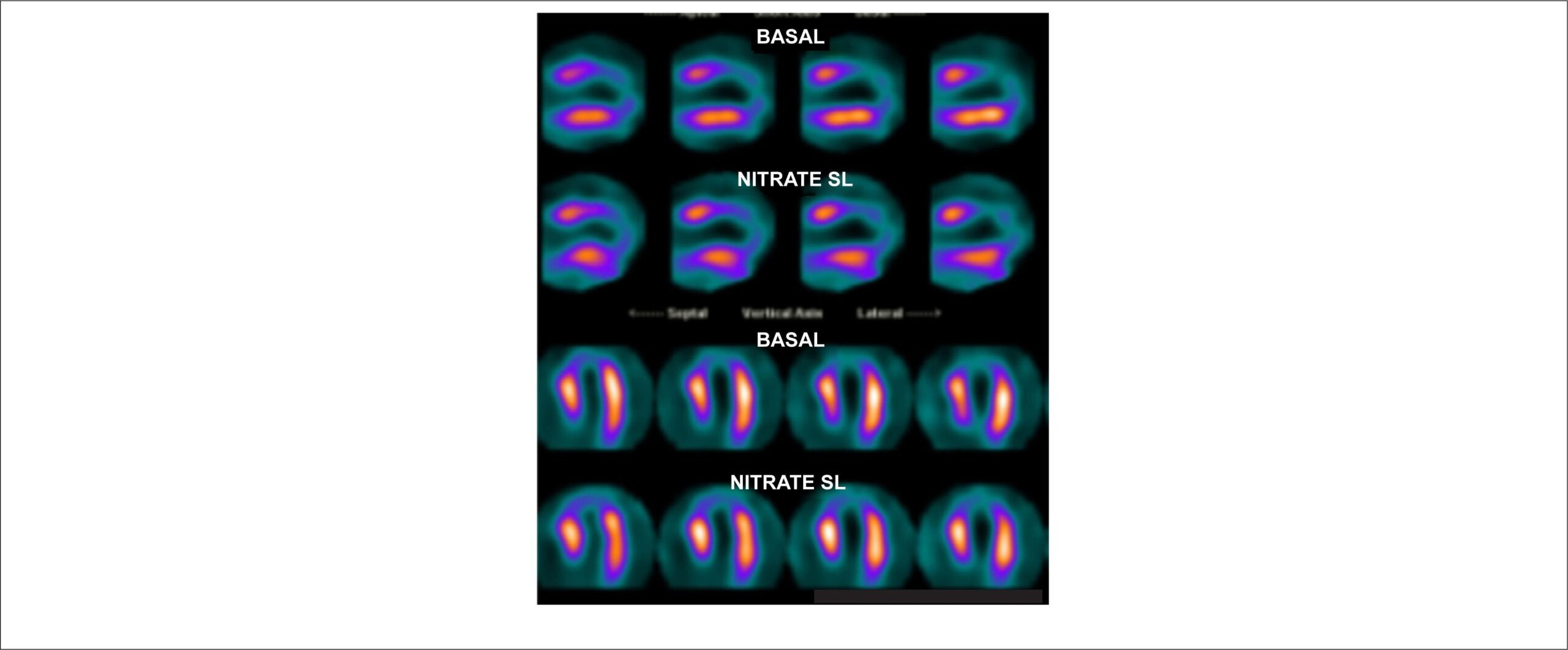
Although assessing myocardial viability is a common cardiology practice, many physicians question the results of diagnostic methods. Nuclear medicine plays an important role in viability studies, but the reports require interpretation in a clinical and pathophysiological context. this article was aimed at reviewing the origin and evolution of myocardial viability. Here we present diagnostic methods by emphasizing nuclear medicine and provide a functional explanation of each test type using example images. We also propose how to act in these cases based on clinic examination findings, the percentage of affected myocardium, and coronary lesion topography (proximal or distal).

  • Cardiology
  • Myocardial Infarction
  • Myocardial Viability
  • Nuclear Medicine
Read Full Article
Creative Commons Attribution (CC BY) Creative Commons license
13/06/2022 DOI: 10.47593/2675-312X/20223502eabc264 Views 2
Figure 1
ABCIC
Original Article

Appropriate Use of Myocardial Perfusion Scintigraphy Criteria for Assessing Asymptomatic Patients with High Cardiovascular Risk or Known Coronary Disease

Vinicius Silva Freire Alvarenga et al. Paola Emanuela Poggio Smanio

Abstract

Background:

The use of myocardial perfusion scintigraphy in asymptomatic patients remains restricted to very specific clinical situations, many of which are addressed in the appropriate use criteria (AUC) for myocardial perfusion scintigraphy.

Objective:

To critically analyze the application of these criteria in indicating the tests performed in asymptomatic patients of the Dante Pazzanese Institute of Cardiology, a population that is notably at high cardiovascular risk.

Methods:

The study selected asymptomatic patients undergoing myocardial perfusion scintigraphy to investigate ischemia. Indications for tests were classified as appropriate, inappropriate, or uncertain. A fixed low uptake, transient low uptake, or transient ischemic dilation were considered changed results. The statistical analysis assessed the correlation between the degree of recommendation of indications and the presence of changed test results.

Results:

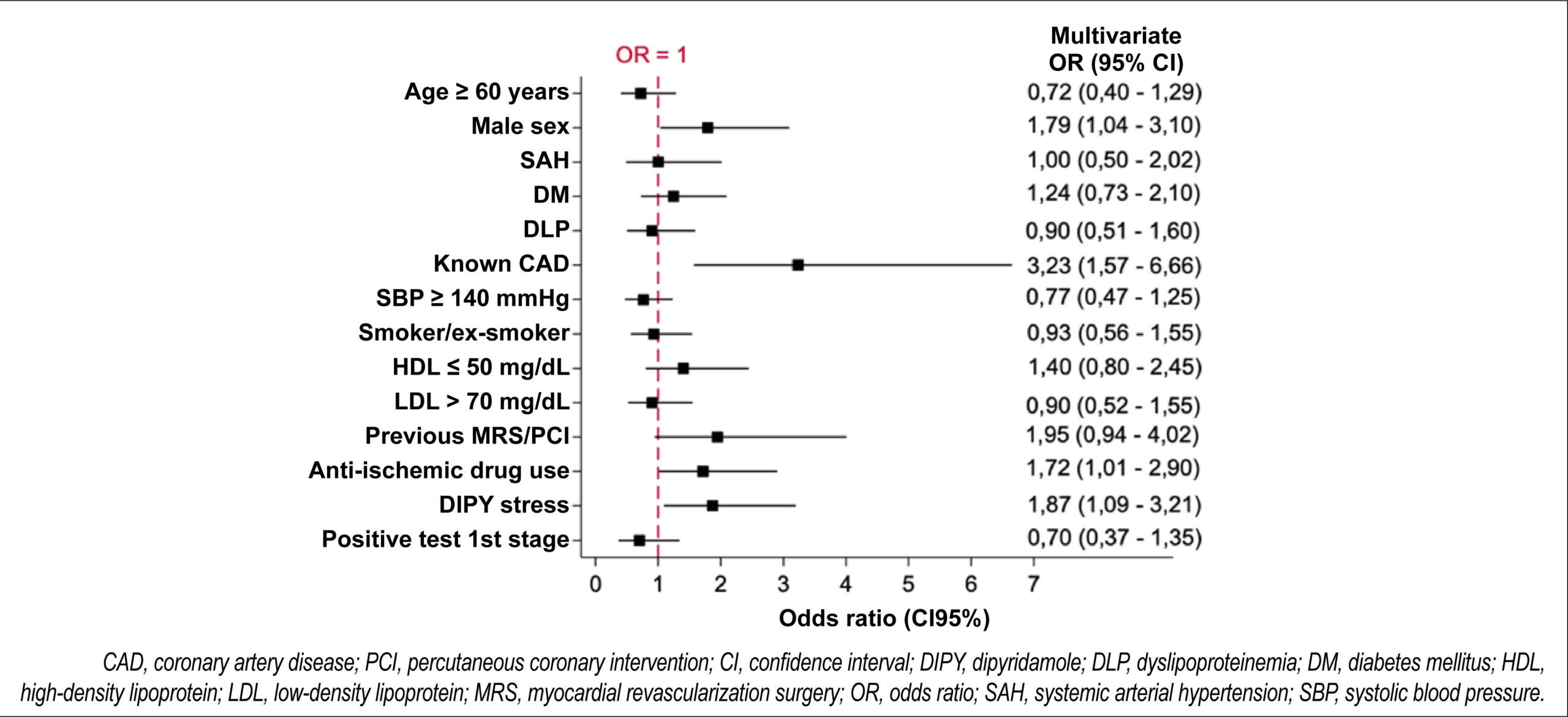
From an initial selection of 2,999 medical records, 490 were considered asymptomatic and included according to the previously established inclusion criteria. Only 9.8% of the indications were inappropriate, while 61.4% were appropriate and 28.8% were uncertain. Fixed low uptake of the radiopharmaceutical occurred in 43.5% of cases versus transient low uptake in 16.1%. An appropriate or uncertain test request was a predictor of a changed test result in this population.

Conclusion:

The use of AUC for myocardial perfusion scintigraphy proved effective at predicting abnormal test results in an asymptomatic population at high cardiovascular risk, especially patients with uncertain indications, which may mean that some of the indications considered uncertain may be appropriate for a population at high cardiovascular risk.

  • Cardiovascular risk
  • Diagnosis
  • Nuclear Medicine
Read Full Article
Creative Commons Attribution (CC BY) Creative Commons license
26/11/2021 DOI: 10.47593/2675-312X/20213403eabc189
ABC
Letter to the Editor

Cardiovascular Imaging in Patients with COVID-19

Gabriel Blacher Grossman et al. Ronaldo de Souza Leão Lima

Dear Editor,

In the latest issue of the Arquivos Brasileiros de Cardiologia, Costa et al. reviewed the role of cardiovascular imaging and interventional procedures in patients with novel coronavirus infection.

[…]

  • Computed Tomography
  • Coronavirus, Betacoronavirus
  • Image Cardiovascular
  • Nuclear Medicine
  • Pneumonia
Read Full Article
Creative Commons Attribution (CC BY) Creative Commons license
07/12/2020 DOI: 10.36660/abc.20200881 Views 1
Figure 1
IJCS
Viewpoint

Challenges and Opportunities in the use of Ionizing Radiation for Cardiovascular Diseases

Fernando de Amorim Fernandes et al. Alair Augusto Sarmet Moreira Damas dos Santos Anderson de Oliveira Cláudio Tinoco Mesquita

Introduction

Cardiovascular diseases are the leading cause of global death, accounting for 31% of deaths in 2015 according to the World Health Organization (WHO). Three-quarters of these deaths occurred in low- and middle-income countries. In Brazil, in 2011, there were approximately 350,000 deaths of cardiovascular origin, becoming the most important cause of death since the epidemiological transition of the 60’s. The diagnosis in the early stages and the management of more severe cases are among the most important methods in the fight against cardiovascular diseases. Imaging procedures with ionizing radiation has a major role in this area.

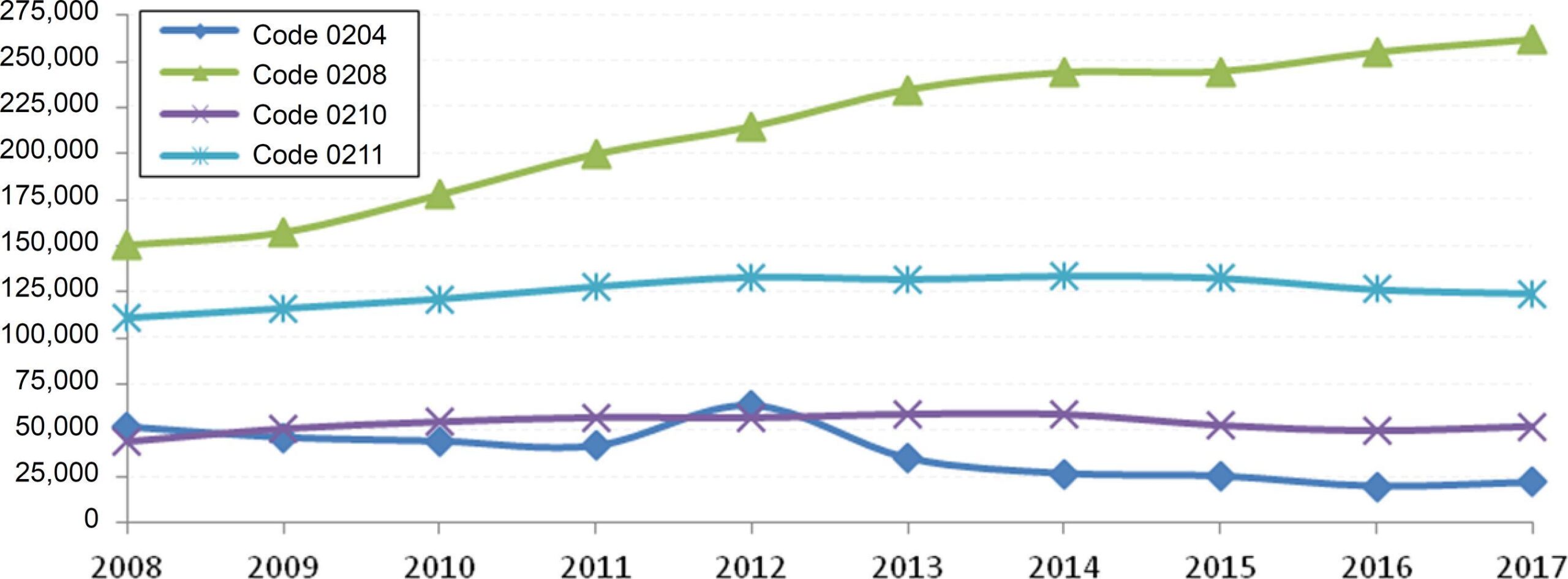
According to data from public outpatient health services of the Brazilian Unified Health System (SUS, Sistema Único de Saúde) (), in the last 10 years, the number of procedures performed for evaluation of cardiovascular diseases using ionizing radiation has increased (73% in nuclear medicine, 18% in interventional radiology and 12% in cardiac catheterization), except for conventional radiology, in which a decreased has been seen (-58%). These numbers, however, underestimate the number of tests performed with the general population, since diagnostic methods such as coronary angiotomography have not been incorporated into the SUS yet, and the time for inclusion of new techniques to public health care is much higher than to supplementary health care.

[…]

  • Air Ionization/radiation effects
  • Cardiovascular Diseases, mortality
  • Diagnostic Imaging/methods
  • Nuclear Energy
  • Nuclear Medicine
  • Radiation/protection
Read Full Article
Creative Commons Attribution (CC BY) Creative Commons license
08/08/2019 DOI: 10.5935/2359-4802.20190051
IJCS
Review Article

Improving Nuclear Medicine Practices in Cardiology in the Emerging Economies: Role of the International Atomic Energy Agency

Maurizio Dondi et al. Thomas Pascual Diana Paez

Abstract

Low- and middle-income countries (LMICs) are particularly affected by cardiovascular diseases (CVDs), as more than 75% of all CVD deaths occur in these countries. Global prognostic figures are alarming, as an estimated 23.6 million people will die each year due to CVDs by 2030. For this reason, one of the targets of the Sustainable Development Goals (SDGs) of the agenda of the United Nations (UN) aims at reducing premature mortality due to Non-Communicable Diseases (NCDs) by 30% by 2030.

Within the UN family, the International Atomic Energy Agency (IAEA) has the mandate to promote safe, secure and peaceful use of nuclear technologies. The IAEA is strongly committed to accomplish the 2030 UN Agenda and through its Human Health Division, contribute to the attainment of SDGs. One of the key objectives of the Human Health Division is to support Member States to tackle the burden of CVDs through its subprogram of Nuclear Medicine and Diagnostic Imaging. This is accomplished by supporting the establishment and strengthening of capabilities of Member States to provide appropriate and safe use of nuclear cardiology clinical applications. The support ranges from assisting countries in the planning and implementation stages, providing training, maintaining and improving quality of clinical practice, establishing quality management systems and advising on how to comply with international standards, as well as using the technology in an appropriate and safe manner. This review will cover the activities of the IAEA in promoting, implementing, and supporting nuclear applications in cardiology in LMICs.

  • Cardiovascular Diseases/diagnostic, imaging
  • International Agencies
  • Myocardium / radionuclide imaging
  • Nuclear Energy
  • Nuclear Medicine
Read Full Article
Creative Commons Attribution (CC BY) Creative Commons license
01/01/2018 DOI: 10.5935/2359-4802.20170096 Views 1
Erectile dysfunction: a marker for myocardial perfusion impairment?
ABC
Artigo Original

Erectile dysfunction: a marker for myocardial perfusion impairment?

Juarez Ortiz et al. Sergio Tranchesi Ortiz Claudia Gianini Monaco Cristina Harumi Yamashita … Miriam Cássia Mendes Moreira Carlos Alberto F. Monaco

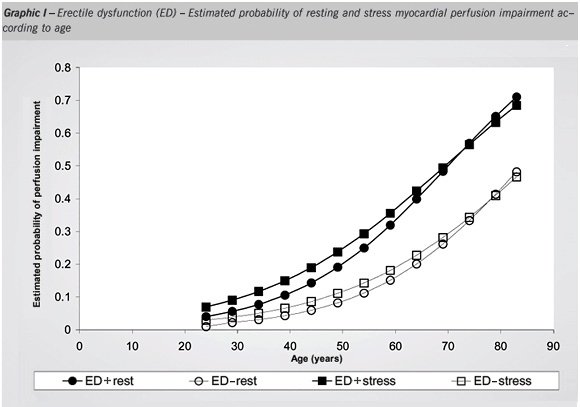
OBJECTIVE: To study the correlation between erectile dysfunction (ED) and myocardial perfusion impairment in men with suspected or diagnosed coronary artery disease (CAD). METHODS: In this prospective study a self-administered IIEF-5 questionnaire was answered by 287 patients that underwent myocardial perfusion imaging under both resting and stress condition with technetium-99m sestamibi, through gated SPECT nuclear scintigraphy technique, before and after physical or pharmacological stress. RESULTS: Some degree of erectile dysfunction (group ED+) was found in 137 (47.8%) patients and in these, age was significantly higher (60.60±9.84 vs 50.67±9.94 – p<0.001)) than in those without erectile dysfunction (group ED-). In the ED+ group, it was observed a higher prevalence of hypertension, diabetes, myocardial infarction (MI) and percutaneous coronary angioplasty (PCTA). Regardless of the age factor, ED+ patients also presented higher occurrence of myocardial perfusion impairment (necrosis and/or ischemia) and left ventricular systolic wall motion and thickening abnormalities. CONCLUSION: Patients with ED have higher estimated probability of presenting segmental myocardial perfusion and functional contraction impairment and, therefore, CAD, independent of the aging factor. The authors conclude that ED may be considered not only a marker for CAD but also a condition related to the occurrence of major coronary events such as MI and PCTA.

  • Atherosclerosis
  • Coronary Artery Disease
  • erectile dysfunction
  • myocardial perfusion
  • Nuclear Medicine
  • Risk Factors
Read Full Article
Creative Commons Attribution (CC BY) Creative Commons license
07/11/2005 DOI: 10.1590/S0066-782X2005001700003 Views 2

How to cite this article

EndNote RIS

Electronic Document Format (Vancouver)

Gilbert C, Chunta A, Miller R. Artificial intelligence for nuclear cardiology: Perspectives and challenges. International Journal of Cardiovascular Sciences 2025;38:e20240225.

Electronic Document Format (ABNT)

Gilbert, Caitlyn; Chunta, Alec; Miller, Robert. Artificial intelligence for nuclear cardiology: Perspectives and challenges. International Journal of Cardiovascular Sciences, v. 38, e20240225, Mar. 2025.

Electronic Document Format (APA)

Gilbert, C., Chunta, A., & Miller, R. (2025). Artificial intelligence for nuclear cardiology: Perspectives and challenges. International Journal of Cardiovascular Sciences, 38, e20240225.

Electronic Document Format (ISO)

Gilbert, Caitlyn and Chunta, Alec and Miller, Robert. Artificial intelligence for nuclear cardiology: Perspectives and challenges. International Journal of Cardiovascular Sciences [online]. 2025, vol. 38, [cited 2026-10-14], e20240225. Available from: <https://journals.cardiol.br/en/article/artificial-intelligence-for-nuclear-cardiology-perspectives-and-challenges/>. ISSN 2359-4802

EndNote RIS

Electronic Document Format (Vancouver)

Mesquita CT, Yahiro DS, Santos JFR, Machado LE, Rodriguez JGV, Azevedo Junior GL, Simões M, et al. Pyrophosphate Scintigraphy: Use in the Diagnosis and Monitoring of Cardiac Amyloidosis. International Journal of Cardiovascular Sciences 2024;37:e20240051.

Electronic Document Format (ABNT)

Mesquita, Claudio Tinoco; Yahiro, Davi Shunji; Santos, José Felipe Ramos dos; Machado, Luís Eduardo; Rodriguez, Jose Gregorio Valero; Azevedo Junior, Giovane Leal de; Simões, Marcus. Pyrophosphate Scintigraphy: Use in the Diagnosis and Monitoring of Cardiac Amyloidosis. International Journal of Cardiovascular Sciences, v. 37, e20240051, Aug. 2024.

Electronic Document Format (APA)

Mesquita, C. T., Yahiro, D. S., Santos, J. F. R. , Machado, L. E., Rodriguez, J. G. V., Azevedo Junior, G. L. , & Simões, M. (2024). Pyrophosphate Scintigraphy: Use in the Diagnosis and Monitoring of Cardiac Amyloidosis. International Journal of Cardiovascular Sciences, 37, e20240051.

Electronic Document Format (ISO)

Mesquita, Claudio Tinoco and Yahiro, Davi Shunji and Santos, José Felipe Ramos dos and Machado, Luís Eduardo and Rodriguez, Jose Gregorio Valero and Azevedo Junior, Giovane Leal de and Simões, Marcus. Pyrophosphate Scintigraphy: Use in the Diagnosis and Monitoring of Cardiac Amyloidosis. International Journal of Cardiovascular Sciences [online]. 2024, vol. 37, [cited 2026-10-14], e20240051. Available from: <https://journals.cardiol.br/en/article/pyrophosphate-scintigraphy-use-in-the-diagnosis-and-monitoring-of-cardiac-amyloidosis/>. ISSN 2359-4802

EndNote RIS

Electronic Document Format (Vancouver)

Brandão SCS, Sobrinho JMDR, Leão EDLM, Carreira LCTF, Brito ASX. My Approach to Evaluation of Cardiac Masses Using FDG PET/CT. ABC Imagem Cardiovascular 2024;37(2):e20240040.

Electronic Document Format (ABNT)

Brandão, Simone Cristina Soares; Sobrinho, João Marcelo Duarte Ribeiro; Leão, Emanuel Davi Lima de Matos; Carreira, Lara Cristiane Terra Ferreira; Brito, Adriana Soares Xavier de. My Approach to Evaluation of Cardiac Masses Using FDG PET/CT. ABC Imagem Cardiovascular, v. 37, n. 2, e20240040, Jun. 2024.

Electronic Document Format (APA)

Brandão, S. C. S., Sobrinho, J. M. D. R., Leão, E. D. L. M., Carreira, L. C. T. F., & Brito, A. S. X. (2024). My Approach to Evaluation of Cardiac Masses Using FDG PET/CT. ABC Imagem Cardiovascular, 37(2), e20240040.

Electronic Document Format (ISO)

Brandão, Simone Cristina Soares and Sobrinho, João Marcelo Duarte Ribeiro and Leão, Emanuel Davi Lima de Matos and Carreira, Lara Cristiane Terra Ferreira and Brito, Adriana Soares Xavier de. My Approach to Evaluation of Cardiac Masses Using FDG PET/CT. ABC Imagem Cardiovascular [online]. 2024, vol. 37, n. 2, [cited 2026-10-14], e20240040. Available from: <https://journals.cardiol.br/en/article/my-approach-to-evaluation-of-cardiac-masses-using-fdg-pet-ct/>. ISSN 2318-8219

EndNote RIS

Electronic Document Format (Vancouver)

Carreira LCTF, Carreira L, Brito ASX. My Approach to Nuclear Medicine in the Assessment of Microvascular Disease in Women. ABC Imagem Cardiovascular 2024;37(1):e20240015.

Electronic Document Format (ABNT)

Carreira, Lara Cristiane Terra Ferreira; Carreira, Lívia; Brito, Adriana Soares Xavier de. My Approach to Nuclear Medicine in the Assessment of Microvascular Disease in Women. ABC Imagem Cardiovascular, v. 37, n. 1, e20240015, Mar. 2024.

Electronic Document Format (APA)

Carreira, L. C. T. F., Carreira, L., & Brito, A. S. X. (2024). My Approach to Nuclear Medicine in the Assessment of Microvascular Disease in Women. ABC Imagem Cardiovascular, 37(1), e20240015.

Electronic Document Format (ISO)

Carreira, Lara Cristiane Terra Ferreira and Carreira, Lívia and Brito, Adriana Soares Xavier de. My Approach to Nuclear Medicine in the Assessment of Microvascular Disease in Women. ABC Imagem Cardiovascular [online]. 2024, vol. 37, n. 1, [cited 2026-10-14], e20240015. Available from: <https://journals.cardiol.br/en/article/my-approach-to-nuclear-medicine-in-the-assessment-of-microvascular-disease-in-women/>. ISSN 2318-8219

EndNote RIS

Electronic Document Format (Vancouver)

Leite J, Brandão S. Assessment of Cardiac Sympathetic Activity by Nuclear Medicine: Many Clinical Benefits but Weak Recommendation. International Journal of Cardiovascular Sciences 2023;34(6):714-6.

Electronic Document Format (ABNT)

Leite, Jéssica; Brandão, Simone. Assessment of Cardiac Sympathetic Activity by Nuclear Medicine: Many Clinical Benefits but Weak Recommendation. International Journal of Cardiovascular Sciences, v. 34, n. 6, p. 714-716, Mar. 2023.

Electronic Document Format (APA)

Leite, J., & Brandão, S. (2023). Assessment of Cardiac Sympathetic Activity by Nuclear Medicine: Many Clinical Benefits but Weak Recommendation. International Journal of Cardiovascular Sciences, 34(6), 714-716.

Electronic Document Format (ISO)

Leite, Jéssica and Brandão, Simone. Assessment of Cardiac Sympathetic Activity by Nuclear Medicine: Many Clinical Benefits but Weak Recommendation. International Journal of Cardiovascular Sciences [online]. 2023, vol. 34, n. 6, [cited 2026-10-14], pp. 714-716. Available from: <https://journals.cardiol.br/en/article/assessment-of-cardiac-sympathetic-activity-by-nuclear-medicine-many-clinical-benefits-but-weak-recommendation/>. ISSN 2359-4802

EndNote RIS

Electronic Document Format (Vancouver)

Gomes MB. Assessing Myocardial Viability in Clinical Practice. ABC Imagem Cardiovascular 2022;35(2):eabc264.

Electronic Document Format (ABNT)

Gomes, Miriana Basso. Assessing Myocardial Viability in Clinical Practice. ABC Imagem Cardiovascular, v. 35, n. 2, eabc264, Jun. 2022.

Electronic Document Format (APA)

Gomes, M. B. (2022). Assessing Myocardial Viability in Clinical Practice. ABC Imagem Cardiovascular, 35(2), eabc264.

Electronic Document Format (ISO)

Gomes, Miriana Basso. Assessing Myocardial Viability in Clinical Practice. ABC Imagem Cardiovascular [online]. 2022, vol. 35, n. 2, [cited 2026-10-14], eabc264. Available from: <https://journals.cardiol.br/en/article/assessing-myocardial-viability-in-clinical-practice/>. ISSN 2318-8219

EndNote RIS

Electronic Document Format (Vancouver)

Alvarenga VSF, Smanio PEP. Appropriate Use of Myocardial Perfusion Scintigraphy Criteria for Assessing Asymptomatic Patients with High Cardiovascular Risk or Known Coronary Disease. ABC Imagem Cardiovascular 2021;34(3):eabc189.

Electronic Document Format (ABNT)

Alvarenga, Vinicius Silva Freire; Smanio, Paola Emanuela Poggio. Appropriate Use of Myocardial Perfusion Scintigraphy Criteria for Assessing Asymptomatic Patients with High Cardiovascular Risk or Known Coronary Disease. ABC Imagem Cardiovascular, v. 34, n. 3, eabc189, Nov. 2021.

Electronic Document Format (APA)

Alvarenga, V. S. F., & Smanio, P. E. P. (2021). Appropriate Use of Myocardial Perfusion Scintigraphy Criteria for Assessing Asymptomatic Patients with High Cardiovascular Risk or Known Coronary Disease. ABC Imagem Cardiovascular, 34(3), eabc189.

Electronic Document Format (ISO)

Alvarenga, Vinicius Silva Freire and Smanio, Paola Emanuela Poggio. Appropriate Use of Myocardial Perfusion Scintigraphy Criteria for Assessing Asymptomatic Patients with High Cardiovascular Risk or Known Coronary Disease. ABC Imagem Cardiovascular [online]. 2021, vol. 34, n. 3, [cited 2026-10-14], eabc189. Available from: <https://journals.cardiol.br/en/article/appropriate-use-of-myocardial-perfusion-scintigraphy-criteria-for-assessing-asymptomatic-patients-with-high-cardiovascular-risk-or-known-coronary-disease/>. ISSN 2318-8219

EndNote RIS

Electronic Document Format (Vancouver)

Grossman GB, Lima RSL. Cardiovascular Imaging in Patients with COVID-19. Arquivos Brasileiros de Cardiologia 2020;115(5):973-4.

Electronic Document Format (ABNT)

Grossman, Gabriel Blacher; Lima, Ronaldo de Souza Leão. Cardiovascular Imaging in Patients with COVID-19. Arquivos Brasileiros de Cardiologia, v. 115, n. 5, p. 973-974, Dec. 2020.

Electronic Document Format (APA)

Grossman, G. B., & Lima, R. S. L. (2020). Cardiovascular Imaging in Patients with COVID-19. Arquivos Brasileiros de Cardiologia, 115(5), 973-974.

Electronic Document Format (ISO)

Grossman, Gabriel Blacher and Lima, Ronaldo de Souza Leão. Cardiovascular Imaging in Patients with COVID-19. Arquivos Brasileiros de Cardiologia [online]. 2020, vol. 115, n. 5, [cited 2026-10-14], pp. 973-974. Available from: <https://journals.cardiol.br/en/article/cardiovascular-imaging-in-patients-with-covid-19/>. ISSN 0066-782X

EndNote RIS

Electronic Document Format (Vancouver)

Fernandes FA, Santos AASMD, Oliveira A, Mesquita CT. Challenges and Opportunities in the use of Ionizing Radiation for Cardiovascular Diseases. International Journal of Cardiovascular Sciences 2019;32(6):639-44.

Electronic Document Format (ABNT)

Fernandes, Fernando de Amorim; Santos, Alair Augusto Sarmet Moreira Damas dos; Oliveira, Anderson de; Mesquita, Cláudio Tinoco. Challenges and Opportunities in the use of Ionizing Radiation for Cardiovascular Diseases. International Journal of Cardiovascular Sciences, v. 32, n. 6, p. 639-644, Aug. 2019.

Electronic Document Format (APA)

Fernandes, F. A., Santos, A. A. S. M. D. , Oliveira, A. , & Mesquita, C. T. (2019). Challenges and Opportunities in the use of Ionizing Radiation for Cardiovascular Diseases. International Journal of Cardiovascular Sciences, 32(6), 639-644.

Electronic Document Format (ISO)

Fernandes, Fernando de Amorim and Santos, Alair Augusto Sarmet Moreira Damas dos and Oliveira, Anderson de and Mesquita, Cláudio Tinoco. Challenges and Opportunities in the use of Ionizing Radiation for Cardiovascular Diseases. International Journal of Cardiovascular Sciences [online]. 2019, vol. 32, n. 6, [cited 2026-10-14], pp. 639-644. Available from: <https://journals.cardiol.br/en/article/challenges-and-opportunities-in-the-use-of-ionizing-radiation-for-cardiovascular-diseases/>. ISSN 2359-4802

EndNote RIS

Electronic Document Format (Vancouver)

Dondi M, Pascual T, Paez D. Improving Nuclear Medicine Practices in Cardiology in the Emerging Economies: Role of the International Atomic Energy Agency. International Journal of Cardiovascular Sciences 2018;31(1):71-8.

Electronic Document Format (ABNT)

Dondi, Maurizio; Pascual, Thomas; Paez, Diana. Improving Nuclear Medicine Practices in Cardiology in the Emerging Economies: Role of the International Atomic Energy Agency. International Journal of Cardiovascular Sciences, v. 31, n. 1, p. 71-78, Dec. 2017.

Electronic Document Format (APA)

Dondi, M., Pascual, T., & Paez, D. (2018). Improving Nuclear Medicine Practices in Cardiology in the Emerging Economies: Role of the International Atomic Energy Agency. International Journal of Cardiovascular Sciences, 31(1), 71-78.

Electronic Document Format (ISO)

Dondi, Maurizio and Pascual, Thomas and Paez, Diana. Improving Nuclear Medicine Practices in Cardiology in the Emerging Economies: Role of the International Atomic Energy Agency. International Journal of Cardiovascular Sciences [online]. 2018, vol. 31, n. 1, [cited 2026-10-14], pp. 71-78. Available from: <https://journals.cardiol.br/en/article/improving-nuclear-medicine-practices-in-cardiology-in-the-emerging-economies-role-of-the-international-atomic-energy-agency/>. ISSN 2359-4802

EndNote RIS

Electronic Document Format (Vancouver)

Ortiz J, Ortiz ST, Monaco CG, Yamashita CH, Moreira MCM, Monaco CAF. Erectile dysfunction: a marker for myocardial perfusion impairment?. Arquivos Brasileiros de Cardiologia 2005;85(4):241-6.

Electronic Document Format (ABNT)

Ortiz, Juarez; Ortiz, Sergio Tranchesi; Monaco, Claudia Gianini; Yamashita, Cristina Harumi; Moreira, Miriam Cássia Mendes; Monaco, Carlos Alberto F.. Erectile dysfunction: a marker for myocardial perfusion impairment?. Arquivos Brasileiros de Cardiologia, v. 85, n. 4, p. 241-246, Nov. 2005.

Electronic Document Format (APA)

Ortiz, J., Ortiz, S. T., Monaco, C. G., Yamashita, C. H., Moreira, M. C. M., & Monaco, C. A. F. (2005). Erectile dysfunction: a marker for myocardial perfusion impairment?. Arquivos Brasileiros de Cardiologia, 85(4), 241-246.

Electronic Document Format (ISO)

Ortiz, Juarez and Ortiz, Sergio Tranchesi and Monaco, Claudia Gianini and Yamashita, Cristina Harumi and Moreira, Miriam Cássia Mendes and Monaco, Carlos Alberto F.. Erectile dysfunction: a marker for myocardial perfusion impairment?. Arquivos Brasileiros de Cardiologia [online]. 2005, vol. 85, n. 4, [cited 2026-10-14], pp. 241-246. Available from: <https://journals.cardiol.br/en/article/erectile-dysfunction-a-marker-for-myocardial-perfusion-impairment/>. ISSN 0066-782X

  • About ABC Family
  • Internal Regulation
  • Editorial Board
  • Brazilian Society of Cardiology (SBC)

Issues

SBC Guidelines

  • Videos
  • Podcasts
  • News