National Network of Cardiovascular Genomics: Implementing Genetic Diagnosis in Cardiology in the Brazilian Unified Health System
Genetic diagnosis is important
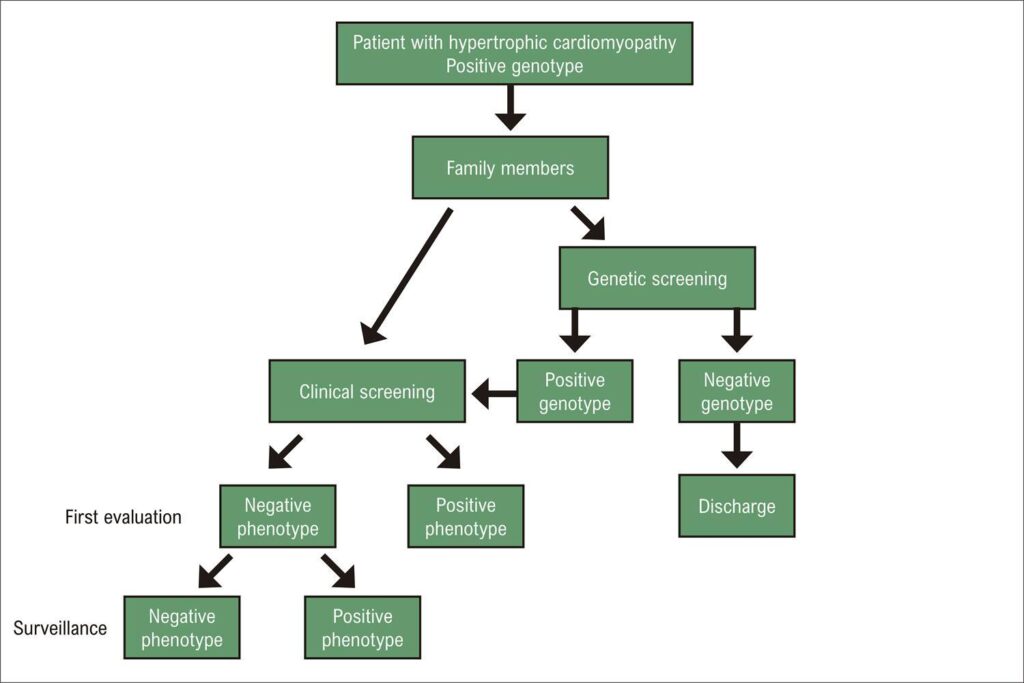
Hereditary cardiovascular diseases ( ) are the most frequent cause of sudden death in individuals under 35 years of age, and they remain an important cause of death up to 50 years of age. Although diagnosis of the proband, or index case, can be made clinically, it is only possible to screen family members who carry the gene variant that causes the disease by means of genetic diagnosis. This screening aims to institute measures that prevent sudden death and clinical surveillance in these family members, as well as reproductive counseling, when necessary. Several international guidelines recommend performing genetic diagnosis in different types of hereditary cardiovascular diseases. – In fact, hypertrophic cardiomyopathy guidelines consider genetic diagnosis a class I, level B-NR recommendation. Furthermore, genetic tests allow differential diagnosis with phenocopies of hypertrophic cardiomyopathy, such as Fabry disease, amyloidosis, PRKAG2 cardiomyopathy, among others. In pediatric patients, genetic testing may be even more important, as it allows the differential diagnosis with inborn errors of metabolism, for some of which there are therapeutic alternatives.
[…]
Images
Image gallery fullscreen viewer
Comments are moderated by the editorial team before publication. Discussions should be evidence-based and use scientific language. Conflicts of interest should be declared.