| ABC
ABC Family Arquivos Brasileiros de Cardiologia International Journal of Cardiovascular Sciences ABC Heart Failure & Cardiomyopathy ABC Imagem Cardiovascular
Português English
ABC Family | ABC
Português English
  • About
    • About the Journal
    • Internal Regulation
    • Editors Section
    • Editorial Board
    • History
    • SBC Award
  • Instructions to Authors
    • Guidelines for Publication
    • Editorial Policy
    • Ethics Policy
    • Policy on the Use of Artificial Intelligence
    • Mandatory Publication Form
    • Publication Fee
  • Issues
  • SBC Guidelines
  • Abstracts
    • How to Publish an Abstract Supplement?
    • Supplements from the Brazilian Congress of Cardiology
  • About
    • About the Journal
    • Internal Regulation
    • Editors Section
    • Editorial Board
    • History
    • SBC Award
  • Instructions to Authors
    • Guidelines for Publication
    • Editorial Policy
    • Ethics Policy
    • Policy on the Use of Artificial Intelligence
    • Mandatory Publication Form
    • Publication Fee
  • Issues
  • SBC Guidelines
  • Abstracts
    • How to Publish an Abstract Supplement?
    • Supplements from the Brazilian Congress of Cardiology

ABC Family

  • ABC Family
  • Arquivos Brasileiros de Cardiologia
  • International Journal of Cardiovascular Sciences
  • ABC Heart Failure & Cardiomyopathy
  • ABC Imagem Cardiovascular
Search in

No content found.

Journals
Ordering
Article types
Others

  1. Home
  2. ABC
  3. Issues
  4. 2016, Volume 106, Number 5
Chart 1
Review Article

Acute Effects of Exercise on Blood Pressure: A Meta-Analytic Investigation

Elizabeth Carpio-Rivera et al. José Moncada-Jiménez Walter Salazar-Rojas Andrea Solera-Herrera

Abstract

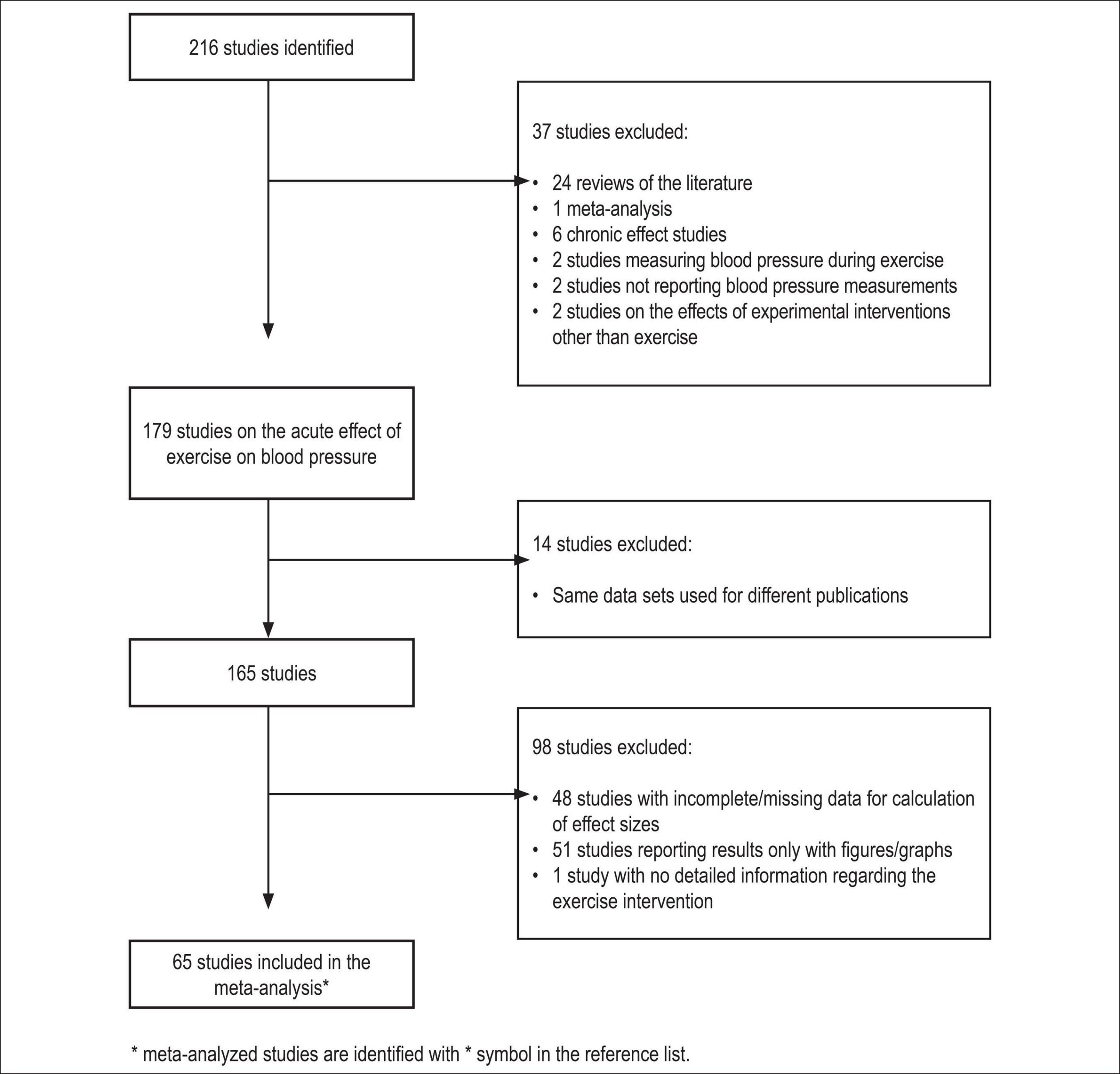
Hypertension affects 25% of the world’s population and is considered a risk factor for cardiovascular disorders and other diseases. The aim of this study was to examine the evidence regarding the acute effect of exercise on blood pressure (BP) using meta-analytic measures. Sixty-five studies were compared using effect sizes (ES), and heterogeneity and Z tests to determine whether the ES were different from zero. The mean corrected global ES for exercise conditions were -0.56 (-4.80 mmHg) for systolic BP (sBP) and -0.44 (-3.19 mmHg) for diastolic BP (dBP; z ≠ 0 for all; p < 0.05). The reduction in BP was significant regardless of the participant’s initial BP level, gender, physical activity level, antihypertensive drug intake, type of BP measurement, time of day in which the BP was measured, type of exercise performed, and exercise training program (p < 0.05 for all). ANOVA tests revealed that BP reductions were greater if participants were males, not receiving antihypertensive medication, physically active, and if the exercise performed was jogging. A significant inverse correlation was found between age and BP ES, body mass index (BMI) and sBP ES, duration of the exercise’s session and sBP ES, and between the number of sets performed in the resistance exercise program and sBP ES (p < 0.05). Regardless of the characteristics of the participants and exercise, there was a reduction in BP in the hours following an exercise session. However, the hypotensive effect was greater when the exercise was performed as a preventive strategy in those physically active and without antihypertensive medication.
  • Acute effect
  • Blood Pressure
  • Meta-Analysis
  • Physical activity
  • Post-Exercise Hypotension
  • Training
Read Full Article
Creative Commons Attribution (CC BY) Creative Commons license
06/05/2016 DOI: 10.5935/abc.20160064 Views 1
Editorial

Current Atrial Fibrillation Ablation: An Alert for the Prevention and Treatment of Esophageal Lesions

Mauricio Scanavacca

Atrial fibrillation (AF) is recognized as the most frequent cardiac arrhythmia in clinical practice, and is responsible for the highest number of hospital admissions. In the general population, its prevalence is lower than 0.1% in individuals younger than 50 years, but increases exponentially with age, affecting about 8% of elderly individuals older than 80 years. Therefore, with the increase in the population’s life expectancy, a growing number of patients is or will be exposed to the risks of AF in the coming years.,

The recent introduction of new anticoagulants has brought considerable advances in the prevention of cerebral embolism, the most severe complication of AF., However, the development of more effective antiarrhythmic drugs failed to show progress during this period. Therefore, a large number of patients still live with the limitations imposed by AF, including decreased quality of life due to symptoms such as palpitations, reduced functional capacity, or manifestations of cardiac insufficiency, in addition to the psychological problems proper of these conditions.,

[…]

  • Anti-Arrhythmia Agents
  • Anticoagulants
  • Arrhythmias
  • Atrial Fibrillation
  • cardiac
  • Catheter Ablation
Read Full Article
Creative Commons Attribution (CC BY) Creative Commons license
01/05/2016 DOI: 10.5935/abc.20160078
Figure 1
Anatomopathological Session

Case 2/2016 – 76-Year-Old Male with Hypertensive Heart Disease, Renal Tumor and Shock

Marcela Anhesini Benetti et al. Rafael Amorim Belo Nunes Luiz Alberto Benvenuti

Clinical aspects

The patient had multiple comorbidities, chest pain and dyspnea on exertion. During follow-up, cardiomyopathy installed with segmental impairment of left ventricular contractility and complex ventricular arrhythmia. Initially, he had arterial hypertension and sinus bradycardia, with no other significant changes. Later, the patient experienced clinical worsening and new comorbidities: hyperuricemia, smoking and obesity. The ECG showed a significant change over time, and RBBB appeared. The functional assessment of myocardial ischemia revealed no significant change during follow-up. The symptoms progressively worsened, and, at the age of 72 years, the patient was hospitalized due to sustained ventricular tachycardia with hemodynamic instability. He reported previous surgery to treat malignant urinary bladder neoplasm, and gastrectomy to treat peptic ulcer. In 2011, the patient received an ICD to prevent sudden death, the last assessment being in March 2012. In June 2012, he was hospitalized due to presumed septic shock and eventually died.

During follow-up, the patient developed progressive cardiomyopathy with segmental impairment of left ventricular contractility associated with complex ventricular arrhythmias, and no significant coronary artery disease.

[…]

  • Cardiomyopathies
  • Defibrillators, Implantable
  • Hypertension
  • Kidney Neoplasms
Read Full Article
Creative Commons Attribution (CC BY) Creative Commons license
01/05/2016 DOI: 10.5935/abc.20160067
Figure 1
Case Report

Type 1 Brugada Pattern Unmasked During the Recovery Period of an Exercise Stress Test

Daniel García-Fuertes et al. Elena Villanueva-Fernández Manuel Crespín-Crespín Alberto Puchol … Marta Pachón Miguel Angel Arias

Introduction

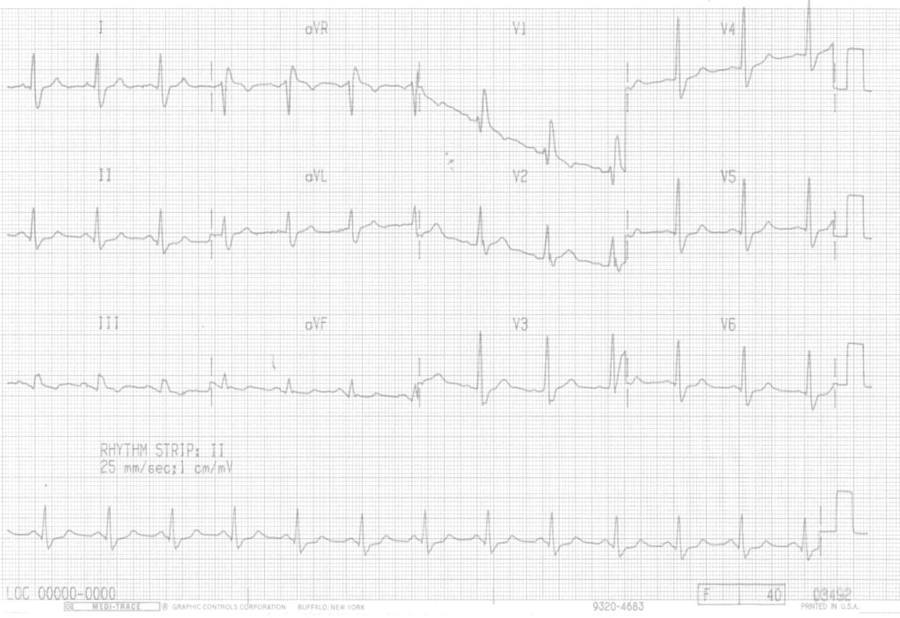
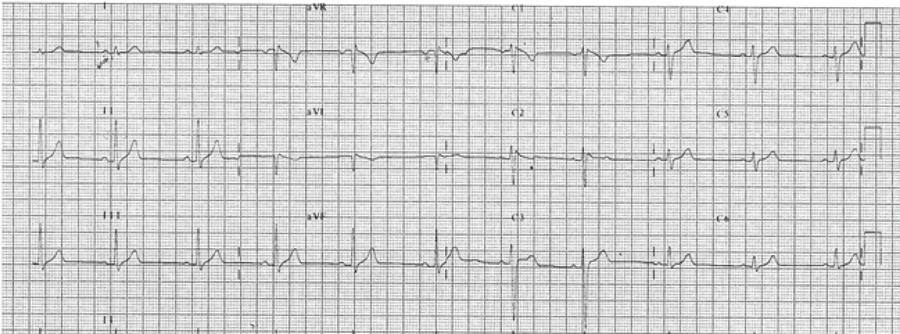
Brugada syndrome (BrS) is an autosomal dominant channelopathy considered to be responsible for 4% to 12% of all sudden cardiac deaths and up to 20% of sudden cardiac deaths that occur in normal hearts. It is characterized by specific electrocardiographic findings in the right precordial leads. Although three patterns have been described, BrS is only diagnosed in patients with ST-segment elevation with type 1 morphology > 2 mm in at least 1 lead among the right precordial leads (V1, V2) occurring either spontaneously or after provocative drug test with intravenous administration of Class I antiarrhythmic drugs.

Symptoms often occur during rest or sleep, during febrile state, or in vagotonic conditions, as the recovery period of an exercise test could be considered. In fact, attenuation of ST-segment elevation at the peak of exercise stress test followed by its appearance during the recovery phase is considered not only supportive for the diagnosis of BrS, but also as a possible predictor of adverse outcomes. These data have been obtained from series of patients previously diagnosed because of a spontaneous or pharmacologically-induced type 1 pattern, but cases without previous evidence of this pattern where the diagnosis was unmasked by exercise testing are scarce.

[…]

  • Cardiomyopathies
  • Defibrillators, Implantable
  • Hypertension
  • Kidney Neoplasms
Read Full Article
Creative Commons Attribution (CC BY) Creative Commons license
01/05/2016 DOI: 10.5935/abc.20160071
Figure 1
Image

A Very Complicated Inferior Myocardial Infarction: The Role of Multimodality Imaging Approach

Inês Cruz et al. Carlos Cotrim Luís Lopes Paula Fazendas Hélder Pereira

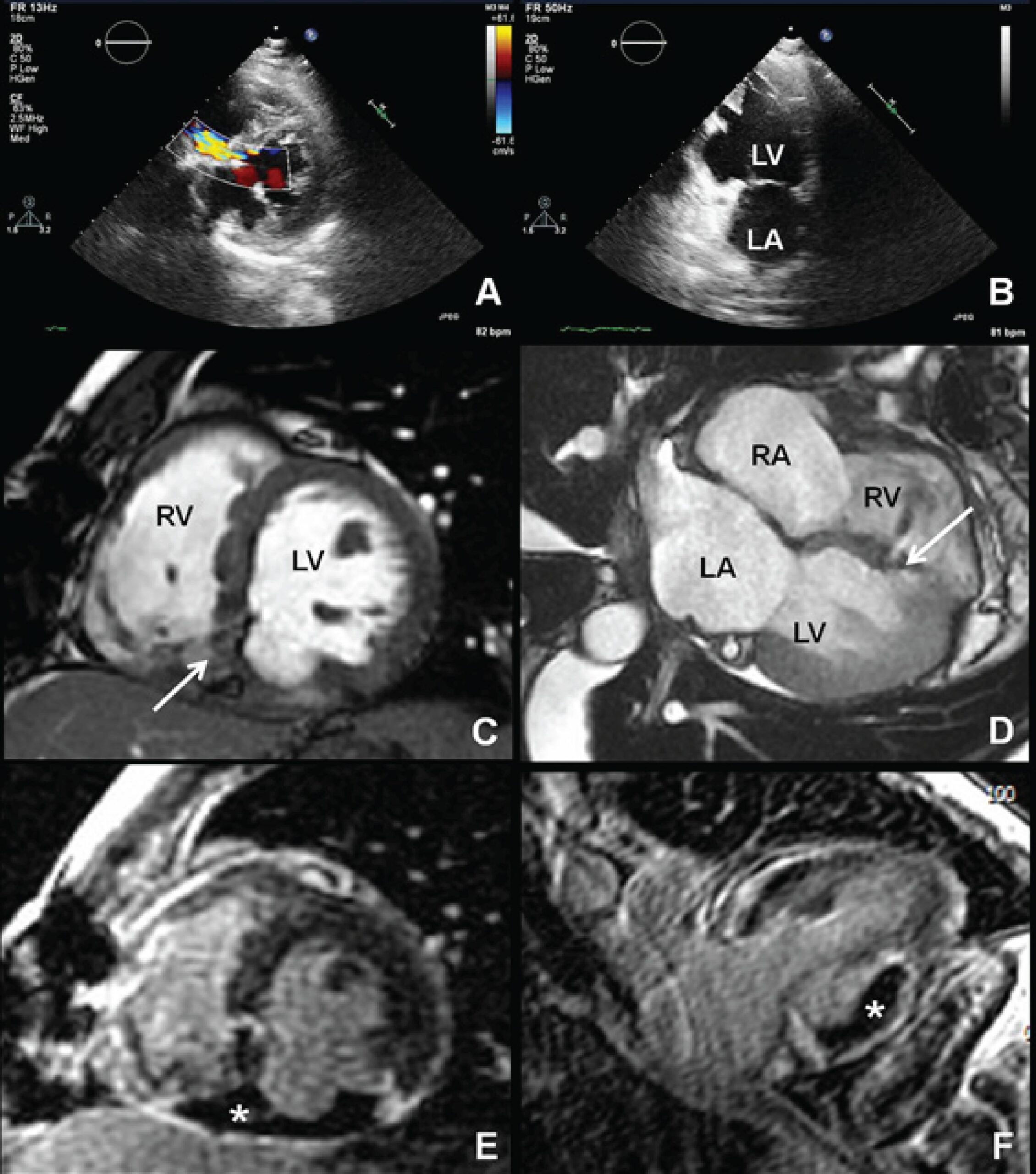
A 47-year-old male presented with a subacute inferior myocardial infarction (MI) complicated by inferobasal ventricular septal rupture (VSR) and underwent emergency surgical repair of VSR with a pericardial patch. In the postoperative period he remained hypotensive, with low exercise tolerance and a holosystolic murmur was present. Echocardiography showed persistence of VSR with left-right shunt () and revealed an aneurysmatic region at the inferobasal wall of the left ventricle (LV), suggestive of a true aneurysm due to its large “neck” and smooth transition from normal myocardium to the aneurysm ( and ). Cardiac magnetic resonance confirmed the VSR ( and ) with significant shunt (Qp/Qs of 2.3), showed transmural necrosis of the basal and mid segments of the inferior and free wall of the right ventricle with moderate systolic dysfunction and also revealed that the aneurysmatic inferobasal region of LV was actually a pseudoaneurysm, without myocardial tissue but with a sessile and adherent thrombus within it ( and ).

[…]

  • Aneurysm
  • Myocardial Infarction
  • Myocardial Revascularization
  • ventricular septal rupture
Read Full Article
Creative Commons Attribution (CC BY) Creative Commons license
01/05/2016 DOI: 10.5935/abc.20160073
Viewpoint

Genetics of Dyslipidemia

Diego García-Giustiniani et al. Ricardo Stein

Genes Associated with Alterations in LDL-C Levels

[…]

  • Dyslipidemias / diagnosis
  • Dyslipidemias/genetics
  • Hyperlipoproteinemia Type II
Read Full Article
Creative Commons Attribution (CC BY) Creative Commons license
01/05/2016 DOI: 10.5935/abc.20160074 Views 2
Figure 1
Original Article

Brazilian Cardiorespiratory Fitness Classification Based on Maximum Oxygen Consumption

Artur Haddad Herdy et al. Ananda Caixeta

Abstract

Background:

Cardiopulmonary exercise test (CPET) is the most complete tool available to assess functional aerobic capacity (FAC). Maximum oxygen consumption (VO2 max), an important biomarker, reflects the real FAC.

Objective:

To develop a cardiorespiratory fitness (CRF) classification based on VO2 max in a Brazilian sample of healthy and physically active individuals of both sexes.

Methods:

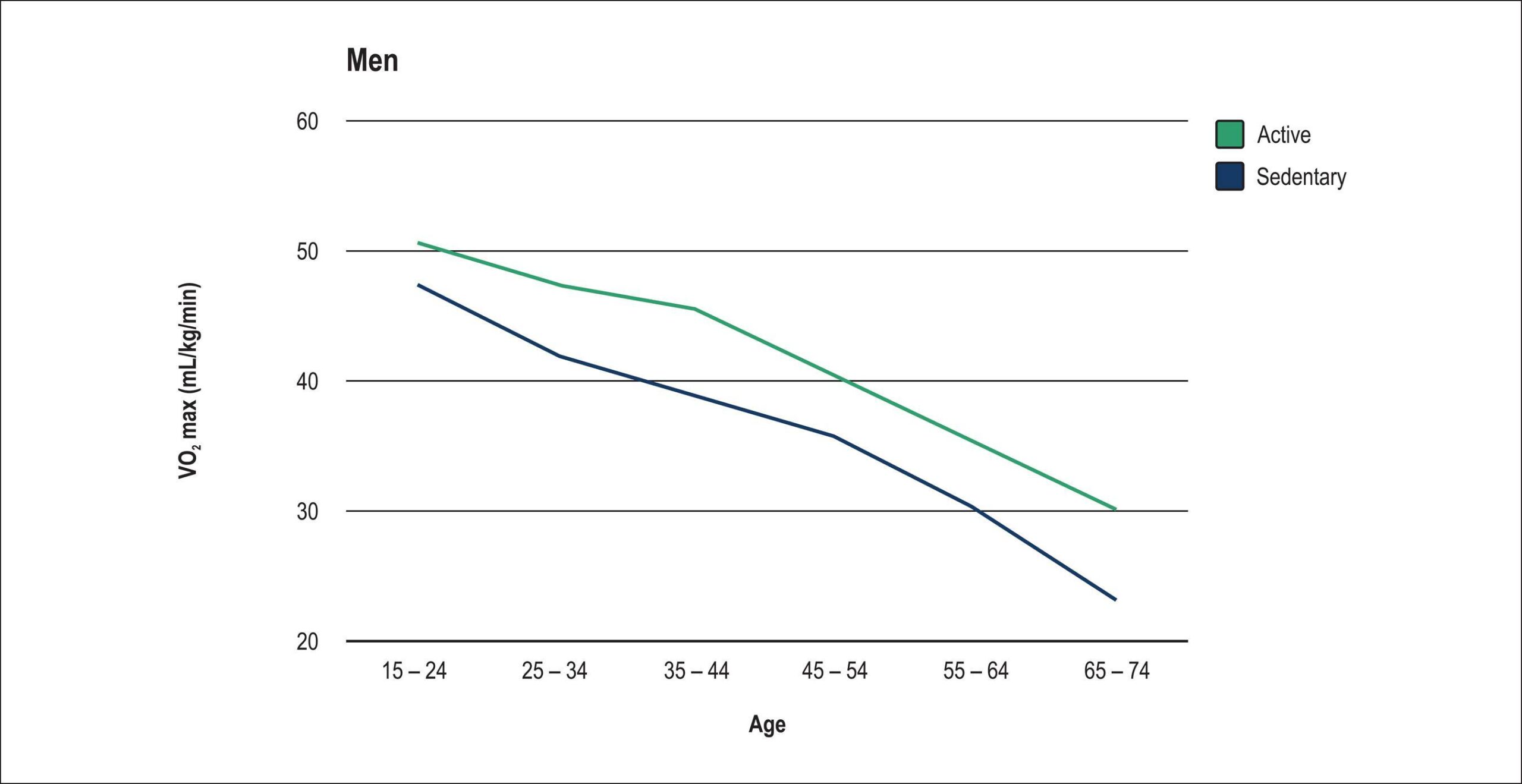
We selected 2837 CEPT from 2837 individuals aged 15 to 74 years, distributed as follows: G1 (15 to 24); G2 (25 to 34); G3 (35 to 44); G4 (45 to 54); G5 (55 to 64) and G6 (65 to 74). Good CRF was the mean VO2 max obtained for each group, generating the following subclassification: Very Low (VL): VO2 105%.

Results:

Conclusions:

This chart stratifies VO2 max measured on a treadmill in a robust Brazilian sample and can be used as an alternative for the real functional evaluation of physically and healthy individuals stratified by age and sex.

  • Exercise
  • Exercise Test
  • Oxygen Consumption
  • Respiratory Function Tests
Read Full Article
Creative Commons Attribution (CC BY) Creative Commons license
01/05/2016 DOI: 10.5935/abc.20160070 Views 1
Figure 1
Brief Communication

Impact of Neointimal Calcifications on Acute Stent Performance during the Treatment of In-Stent Restenosis

Emile Mehanna et al. Guilherme Ferragut Attizzani Daisuke Nakamura Setsu Nishino … Anas Fares Reem Aoun Marco Aurelio Costa Hiram Grando Bezerra

Abstract

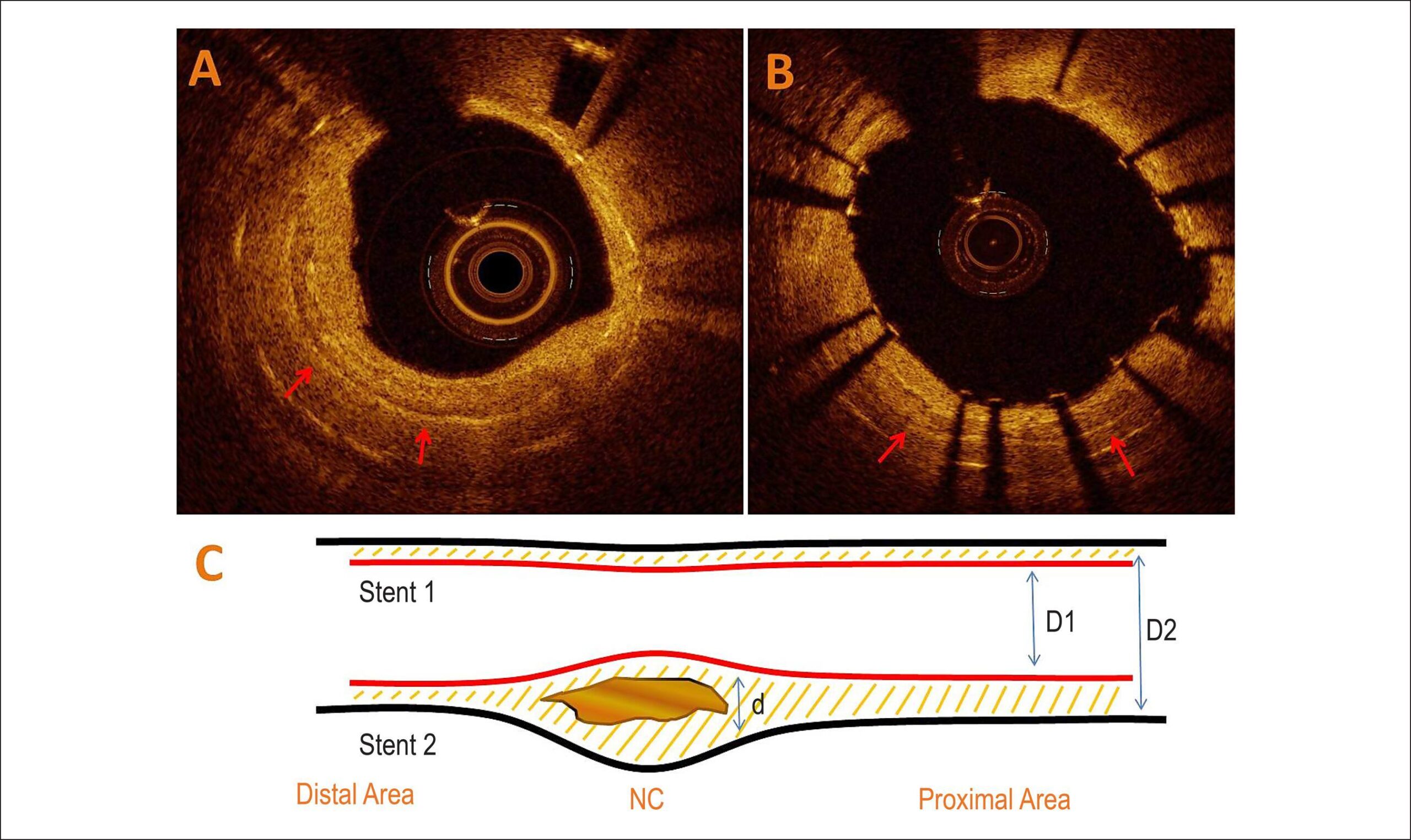
Optical coherence tomography (OCT) has become the invasive imaging modality of choice for coronary stent assessment due to its unmatched spatial resolution. Neointimal calcification (NC) is a rare finding, observed in 5-10% of in-stent restenosis (ISR) neointima. The impact of NC on percutaneous coronary intervention of ISR is unknown. We therefore present the outcome of six unique cases of ISR and NC in which OCT was used to evaluate the impact of NC on the quality of stent-in-stent deployment for the treatment of ISR. This series demonstrates for the first time the impact of NC on stent expansion, a finding which might help guiding percutaneous coronary intervention for ISR with NC.

  • Drug-Eluting Stents
  • in-stent restenosis
  • neointimal calcification
  • Optical coherence tomography
  • Percutaneous Coronary Intervention
Read Full Article
Creative Commons Attribution (CC BY) Creative Commons license
01/05/2016 DOI: 10.5935/abc.20160068
Erratum

Erratum

Issue of March 2016, vol. 106 (3), pp. 168-170

In the editorial “Prophylactic Left Internal Mammary Artery Graft In Mildly-Stenosed Coronary Lesions. Still An Open Discussion”, adjust the name of author André Schmidit to André Schmidt.

[…]

Read Full Article
Creative Commons Attribution (CC BY) Creative Commons license
01/05/2016 DOI: 10.5935/abc.20160075
Figure 1
Original Article

Pentoxifylline Attenuates Cardiac Remodeling Induced by Tobacco Smoke Exposure

Marcos Minicucci et al. Fernando Oliveira Priscila Santos Bertha Polegato … Meliza Roscani Ana Angelica Fernandes Beatriz Lustosa Sergio Paiva Leonardo Zornoff Paula Azevedo

Abstract

Background:

Tobacco smoke exposure is an important risk factor for cardiac remodeling. Under this condition, inflammation, oxidative stress, energy metabolism abnormalities, apoptosis, and hypertrophy are present. Pentoxifylline has anti‑inflammatory, anti-apoptotic, anti-thrombotic and anti-proliferative properties.

Objective:

The present study tested the hypothesis that pentoxifylline would attenuate cardiac remodeling induced by smoking.

Methods:

Wistar rats were distributed in four groups: Control (C), Pentoxifylline (PX), Tobacco Smoke (TS), and PX-TS. After two months, echocardiography, invasive blood pressure measurement, biochemical, and histological studies were performed. The groups were compared by two-way ANOVA with a significance level of 5%.

Results:

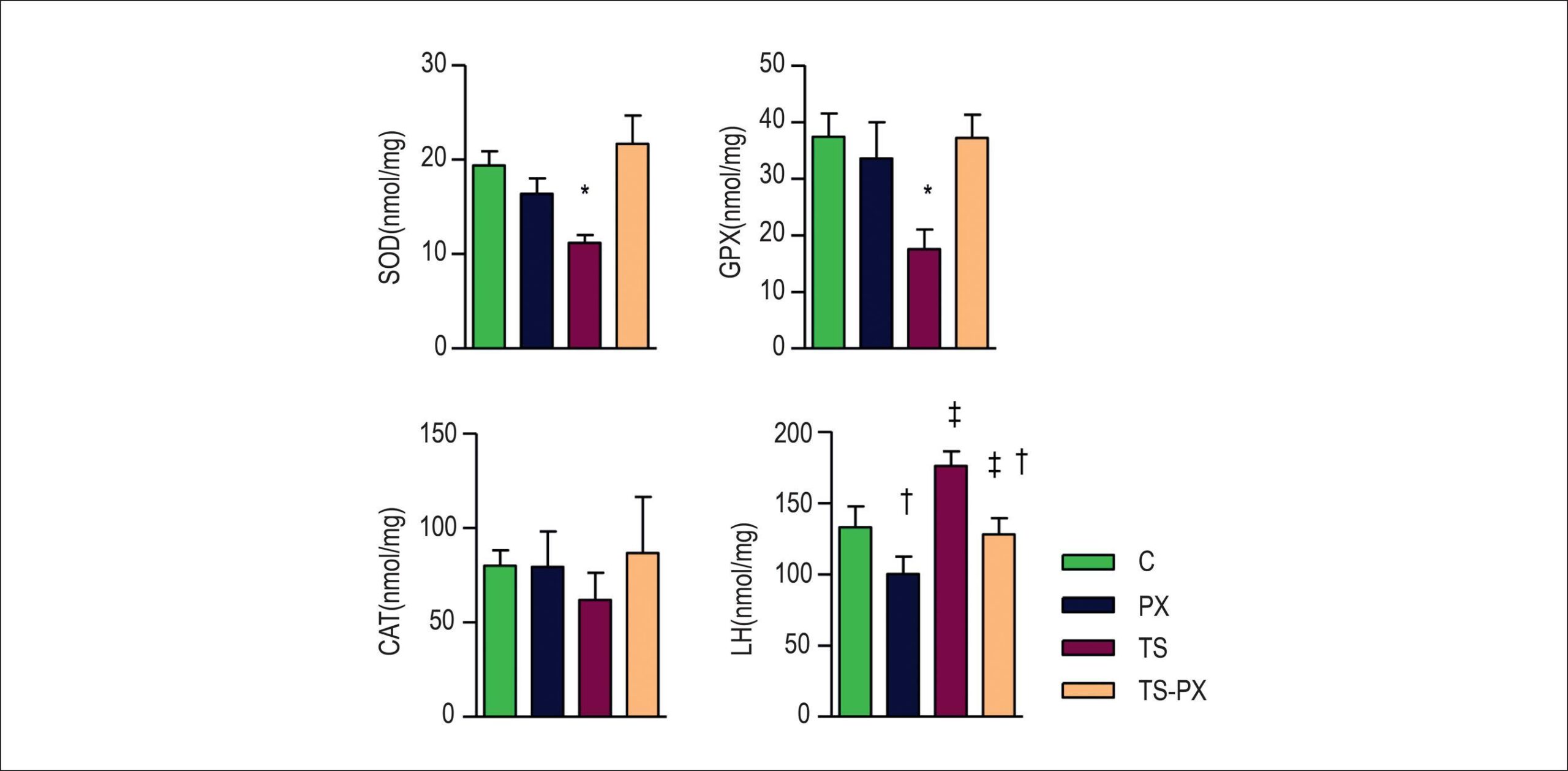
TS increased left atrium diameter and area, which was attenuated by PX. In the isolated heart study, TS lowered the positive derivate (+dp/dt), and this was attenuated by PX. The antioxidants enzyme superoxide dismutase and glutathione peroxidase were decreased in the TS group; PX recovered these activities. TS increased lactate dehydrogenase (LDH) and decreased 3-hydroxyacyl Coenzyme A dehydrogenases (OH-DHA) and citrate synthase (CS). PX attenuated LDH, 3-OH-DHA and CS alterations in TS-PX group. TS increased IL-10, ICAM-1, and caspase-3. PX did not influence these variables.

Conclusion:

TS induced cardiac remodeling, associated with increased inflammation, oxidative stress, apoptosis, and changed energy metabolism. PX attenuated cardiac remodeling by reducing oxidative stress and improving cardiac bioenergetics, but did not act upon cardiac cytokines and apoptosis.

  • Cardiomyopathies
  • Oxidative Stress
  • Pentoxifylline
  • Tobacco Smoke Pollution
  • Ventricular Remodeling
Read Full Article
Creative Commons Attribution (CC BY) Creative Commons license
19/04/2016 DOI: 10.5935/abc.20160057
Figure 1
Original Article

Lifetime Prevalence of Transient Loss of Consciousness in an Urban Russian Population

S Gudkova et al. N Cherepanova D Duplyakov G Golovina … S Khokhlunov E Surkova O Rotar A Konradi E Shlyakhto

Abstract

Background:

Most international studies on epidemiology of transient loss of consciousness (TLC) were performed many years ago. There are no data about the lifetime prevalence of TLC in Russia.

Objective:

To identify the lifetime prevalence and presumed mechanisms of TLC in an urban Russian population.

Methods:

1796 individuals (540 males [30.1%] and 1256 females [69.9%]) aged 20 to 69 years (mean age 45.8 ± 11.9 years) were randomly selected and interviewed within the framework of multicentre randomised observational trial.

Results:

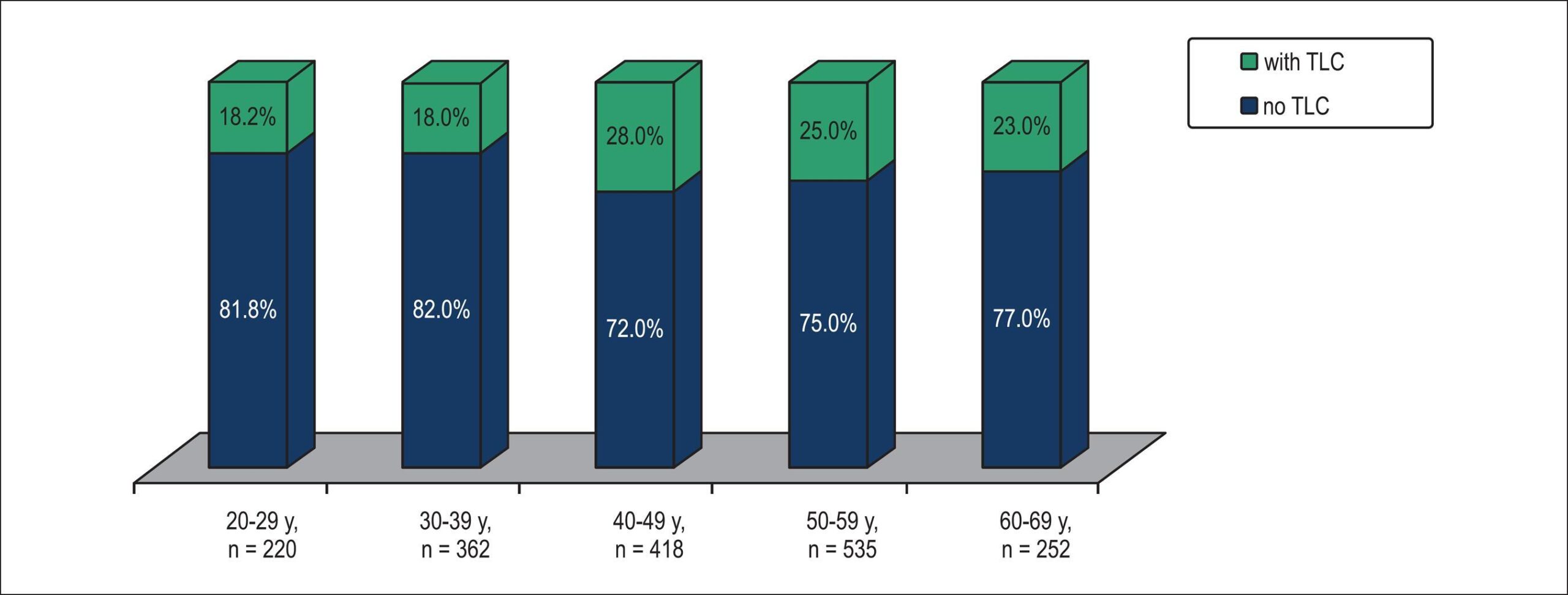
The overall prevalence of TLC in the studied population was 23.3% (418/1796), with the highest proportion (28%) seen in 40-49 year age group. TLC was significantly more common in women than in men (27.5% vs 13.5%). The mean age of patients at the time of the first event was 16 (11; 23) years, with 333 (85%) individuals experiencing the first episode of TLC under 30 years. The average time after the first episode of TLC was 27 (12; 47) years. The following mechanisms of TLC were determined using the questionnaire: neurally-mediated syncope (56.5%), arrhythmogenic onset of syncope (6.0%), nonsyncopal origin of TLC (1.4%), single episode during lifetime (2.1%). Reasons for TLC remained unidentified in 34% cases. 27 persons (6.5%) reported a family history of sudden death, mainly patients with presumably arrhythmogenic origin (24%).

Conclusion:

Our findings suggest that the overall prevalence of TLC in individuals aged 20-69 years is high. The most common cause of TLC is neurally-mediated syncope. These data about the epidemiology can help to develop cost-effective management approaches to TLC.

  • Cross-Sectional Studies
  • Syncope, Vasovagal
  • Unconsciousness / epidemiology
  • Urban Population
Read Full Article
Creative Commons Attribution (CC BY) Creative Commons license
15/04/2016 DOI: 10.5935/abc.20160056 Views 1
Figure 1
Original Article

Hypertensives' Knowledge About High-Sodium Foods and Their Behavior

Juliana de Fátima Teixeira et al. Maíra Ribas Goulart Fernanda Michielin Busnello Lucia Campos Pellanda

Abstract

Background:

In Brazil, the prevalence of systemic arterial hypertension (SAH) is approximately 30% of the total population. In 2010, SAH was the cause of death of about 9.4 million people worldwide. A healthy dietary pattern is important to maintain proper blood pressure levels and, consequently, disease control.

Objectives:

To describe the knowledge and practices of hypertensive patients cared for at a public hypertension outpatient clinic, and its relationship with high-sodium food.

Methods:

We applied a questionnaire to patients with questions related to sociodemographics, dietary pattern, frequency of ingestion of certain foods, and knowledge about their own disease.

Results:

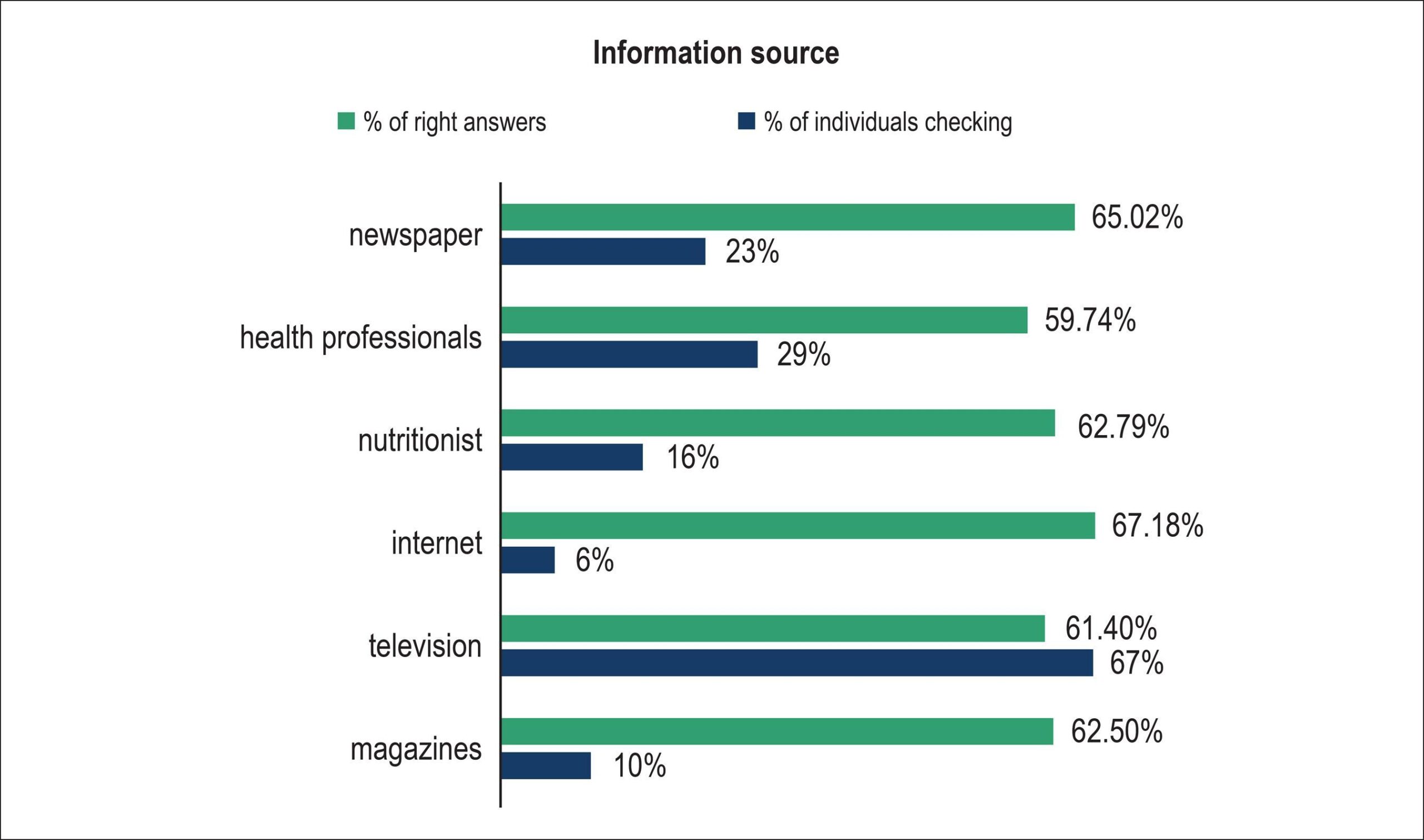
We studied 221 patients, 56.1% of whom were women, and 53.8% had only elementary education. Their mean age was 57.7 ±13.5 years, and 75.6% of them reported having high blood pressure, and 11.3%, diabetes mellitus. Regarding dietary pattern, 62% used ready-to-use seasonings, but 94.1% reported not adding extra salt to their ready meals. Regarding patients’ knowledge about high-sodium foods and SAH, only 8 patients had 100% of right answers, 37 patients had 73.8%, and 42 patients, 57% of right answers.

Conclusion:

Knowledge about SAH prevention and high-sodium foods was insufficient. Based on this study’s findings, more effective educational strategies targeted at this population can be developed.

  • Food habits
  • Hypertension / prevention & control
  • Hypertension/mortality
  • Sodium Chloride, Dietary
Read Full Article
Creative Commons Attribution (CC BY) Creative Commons license
15/04/2016 DOI: 10.5935/abc.20160049 Views 1
Figure 1
Original Article

Effect of Nebivolol on MIBG Parameters and Exercise in Heart Failure with Normal Ejection Fraction

Leandro Rocha Messias et al. Aryanne Guimarães Ferreira Sandra Marina Ribeiro de Miranda José Antônio Caldas Teixeira … Jader Cunha de Azevedo Ana Carolina Nader Vasconcelos Messias Elisabeth Maróstica Claudio Tinoco Mesquita

Abstract

Background:

More than 50% of the patients with heart failure have normal ejection fraction (HFNEF). Iodine-123 metaiodobenzylguanidine (123I-MIBG) scintigraphy and cardiopulmonary exercise test (CPET) are prognostic markers in HFNEF. Nebivolol is a beta-blocker with vasodilating properties.

Objectives:

To evaluate the impact of nebivolol therapy on CPET and123I-MIBG scintigraphic parameters in patients with HFNEF.

Methods:

Twenty-five patients underwent 123I-MIBG scintigraphy to determine the washout rate and early and late heart-to-mediastinum ratios. During the CPET, we analyzed the systolic blood pressure (SBP) response, heart rate (HR) during effort and recovery (HRR), and oxygen uptake (VO2). After the initial evaluation, we divided our cohort into control and intervention groups. We then started nebivolol and repeated the tests after 3 months.

Results:

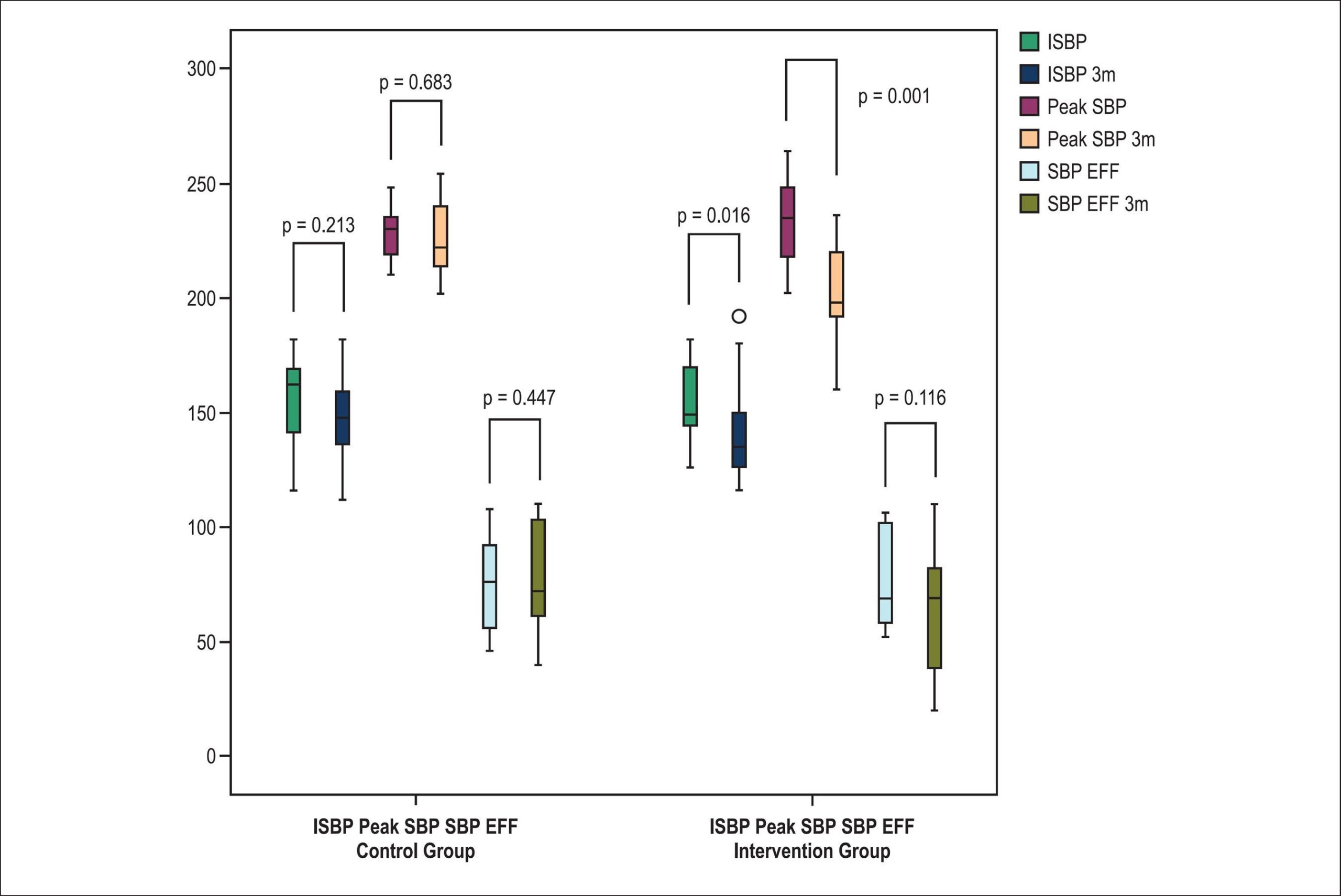
After treatment, the intervention group showed improvement in rest SBP (149 mmHg [143.5-171 mmHg] versus 135 mmHg [125-151 mmHg, p = 0.016]), rest HR (78 bpm [65.5-84 bpm] versus 64.5 bpm [57.5-75.5 bpm, p = 0.028]), peak SBP (235 mmHg [216.5-249 mmHg] versus 198 mmHg [191-220.5 mmHg], p = 0.001), peak HR (124.5 bpm [115-142 bpm] versus 115 bpm [103.7-124 bpm], p= 0.043), HRR on the 1st minute (6.5 bpm [4.75-12.75 bpm] versus 14.5 bpm [6.7-22 bpm], p = 0.025) and HRR on the 2nd minute (15.5 bpm [13-21.75 bpm] versus 23.5 bpm [16-31.7 bpm], p = 0.005), but no change in peak VO2 and 123I-MIBG scintigraphic parameters.

Conclusion:

Despite a better control in SBP, HR during rest and exercise, and improvement in HRR, nebivolol failed to show a positive effect on peak VO2 and 123I-MIBG scintigraphic parameters. The lack of effect on adrenergic activity may be the cause of the lack of effect on functional capacity.

  • exercise testing
  • Heart Failure
  • MIBG
  • nebivolol
Read Full Article
Creative Commons Attribution (CC BY) Creative Commons license
15/04/2016 DOI: 10.5935/abc.20160046
Figure 1
Original Article

Spectrum of cardiac lesions associated with Isolated Cleft Mitral Valve and their impact on therapeutic choices

Ayoub El hammiri et al. Abdenasser Drighil Sanaa Benhaourech

Abstract

Background:

Isolated cleft mitral valve (ICMV) may occur alone or in association with other congenital heart lesions. The aim of this study was to describe the profile of cardiac lesions associated with ICMV and their potential impact on therapeutic management.

Methods:

We conducted a descriptive study with data retrieved from the Congenital Heart Disease (CHD) single-center registry of our institution, including patients with ICMV registered between December 2008 and November 2014.

Results:

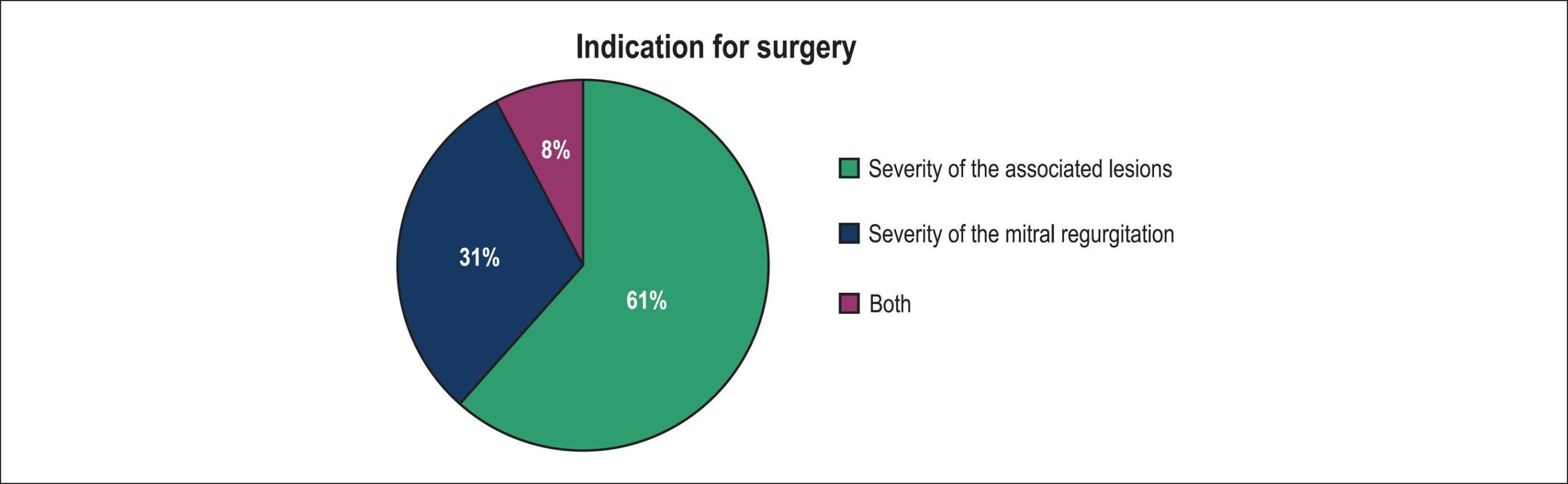
Among 2177 patients retrieved from the CHD registry, 22 (1%) had ICMV. Median age at diagnosis was 5 years (6 days to 36 years). Nine patients (40.9%) had Down syndrome. Seventeen patients (77.3%) had associated lesions, including 11 (64.7%) with accessory chordae in the left ventricular outflow tract (LVOT) with no obstruction, 15 (88.2%) had ventricular septal defect (VSD), three had secundum atrial septal defect, and four had patent ductus arteriosus. Thirteen patients (59.1%) required surgical repair. The decision to proceed with surgery was mainly based on the severity of the associated lesion in eight patients (61.5%) and on the severity of the mitral regurgitation in four patients (30.8%). In one patient, surgery was decided based on the severity of both the associated lesion and mitral regurgitation.

Conclusion:

Our study shows that ICMV is rare and strongly associated with Down syndrome. The most common associated cardiac abnormalities were VSD and accessory chordae in the LVOT. We conclude that cardiac lesions associated with ICMV are of major interest, since in this study patients with cardiac lesions were diagnosed earlier. The decision to operate on these patients must take into account the severity of both mitral regurgitation and associated cardiac lesions.

  • Heart Defects, Congenital / complications
  • Heart Valve Diseases/surgery
  • Mitral Valve Insufficiency / complications
Read Full Article
Creative Commons Attribution (CC BY) Creative Commons license
15/04/2016 DOI: 10.5935/abc.20160053
Figure 1
Original Article

First- Versus Second-Generation Drug-Eluting Stents in Acute Coronary Syndromes (Katowice-Zabrze Registry)

Damian Kawecki et al. Beata Morawiec Janusz Dola Wojciech Wanha … Grzegorz Smolka Aleksandra Pluta Kamil Marcinkiewicz Andrzej Ochała Ewa Nowalany-Kozielska Wojciech Wojakowski

Abstract

Background:

There are sparse data on the performance of different types of drug-eluting stents (DES) in acute and real-life setting.

Objective:

The aim of the study was to compare the safety and efficacy of first- versus second-generation DES in patients with acute coronary syndromes (ACS).

Methods:

This all-comer registry enrolled consecutive patients diagnosed with ACS and treated with percutaneous coronary intervention with the implantation of first- or second-generation DES in one-year follow-up. The primary efficacy endpoint was defined as major adverse cardiac and cerebrovascular event (MACCE), a composite of all-cause death, nonfatal myocardial infarction, target-vessel revascularization and stroke. The primary safety outcome was definite stent thrombosis (ST) at one year.

Results:

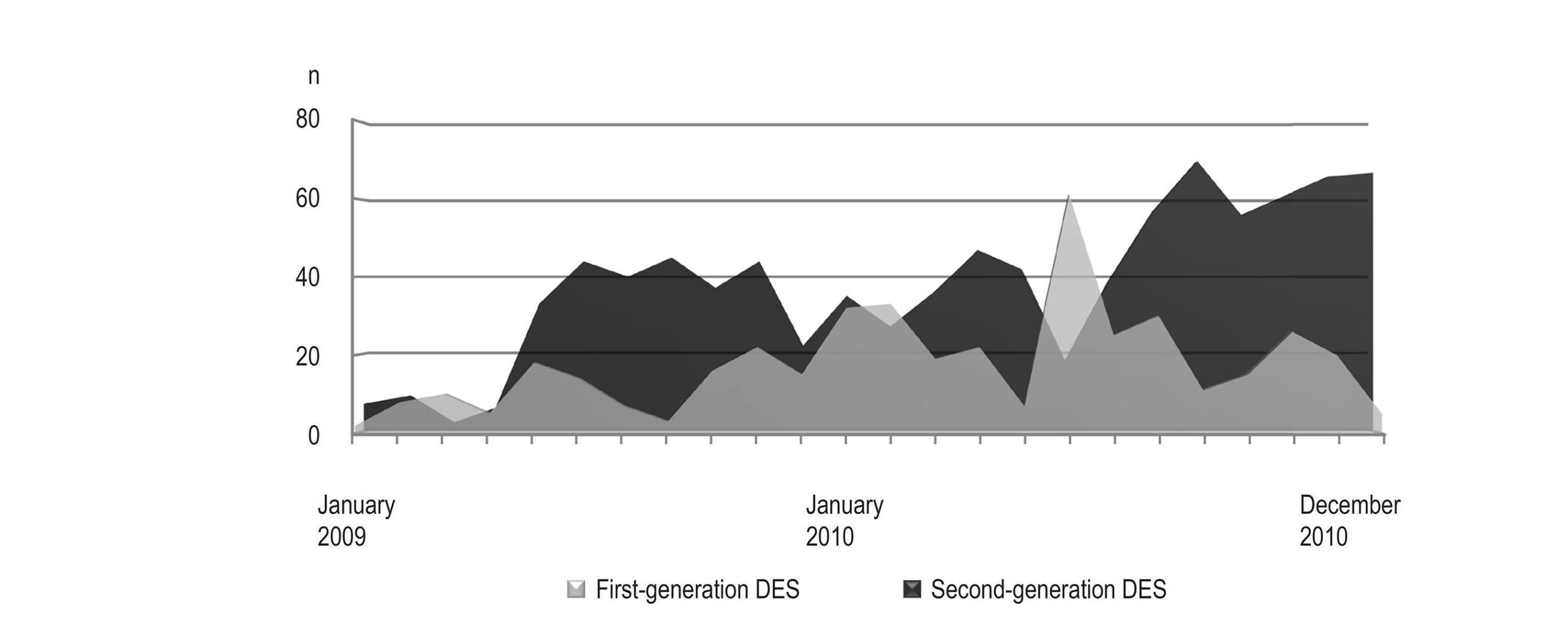
From the total of 1916 patients enrolled into the registry, 1328 patients were diagnosed with ACS. Of them, 426 were treated with first- and 902 with second-generation DES. There was no significant difference in the incidence of MACCE between two types of DES at one year. The rate of acute and subacute ST was higher in first- vs. second-generation DES (1.6% vs. 0.1%, p < 0.001, and 1.2% vs. 0.2%, p = 0.025, respectively), but there was no difference regarding late ST (0.7% vs. 0.2%, respectively, p = 0.18) and gastrointestinal bleeding (2.1% vs. 1.1%, p = 0.21). In Cox regression, first-generation DES was an independent predictor for cumulative ST (HR 3.29 [1.30-8.31], p = 0.01).

Conclusions:

In an all-comer registry of ACS, the one-year rate of MACCE was comparable in groups treated with first- and second-generation DES. The use of first-generation DES was associated with higher rates of acute and subacute ST and was an independent predictor of cumulative ST.

  • Acute coronary syndrome
  • Drug-Eluting Stents
  • Percutaneous Coronary Intervention
  • Thrombosis
Read Full Article
Creative Commons Attribution (CC BY) Creative Commons license
05/04/2016 DOI: 10.5935/abc.20160043
Original Article

High Blood Pressure in Adolescents of Curitiba: Prevalence and Associated Factors

Rodrigo Bozza et al. Wagner de Campos Valter Cordeiro Barbosa Filho Antonio Stabelini Neto … Michael Pereira da Silva Renato Silva Barbosa Maziero

Abstract

Background:

Arterial hypertension is a major public health problem and has increased considerably in young individuals in past years. Thus, identifying factors associated with this condition is important to guide intervention strategies in this population.

Objective:

To determine high blood pressure prevalence and its associated factors in adolescents.

Methods:

A random sample of 1,242 students enrolled in public schools of the city of Curitiba (PR) was selected. Self-administered questionnaires provided family history of hypertension, daily energy expenditure, smoking habit, daily fat intake, and socioeconomic status. Waist circumference was measured following standardized procedures, and blood pressure was measured with appropriate cuffs in 2 consecutive days to confirm high blood pressure. Relative frequency and confidence interval (95%CI) indicated high blood pressure prevalence. Bivariate and multivariate analyses assessed the association of risk factors with high blood pressure.

Results:

The high blood pressure prevalence was 18.2% (95%CI 15.2-21.6). Individuals whose both parents had hypertension [odds ratio (OR), 2.22; 95%CI 1.28-3.85] and those with high waist circumference (OR, 2.1; 95%CI 1.34-3.28) had higher chances to develop high blood pressure.

Conclusion:

Positive family history of hypertension and high waist circumference were associated with high blood pressure in adolescents. These factors are important to guide future interventions in this population.

  • Adolescent
  • arterial blood pressure
  • Hypertension/genetics
  • Risk Factors
  • Waist Circumference
Read Full Article
Creative Commons Attribution (CC BY) Creative Commons license
05/04/2016 DOI: 10.5935/abc.20160044

How to cite this article

EndNote RIS

Electronic Document Format (Vancouver)

Carpio-Rivera E, Moncada-Jiménez J, Salazar-Rojas W, Solera-Herrera A. Acute Effects of Exercise on Blood Pressure: A Meta-Analytic Investigation. Arquivos Brasileiros de Cardiologia 2016;106(5):422-33.

Electronic Document Format (ABNT)

Carpio-Rivera, Elizabeth; Moncada-Jiménez, José; Salazar-Rojas, Walter; Solera-Herrera, Andrea. Acute Effects of Exercise on Blood Pressure: A Meta-Analytic Investigation. Arquivos Brasileiros de Cardiologia, v. 106, n. 5, p. 422-433, May. 2016.

Electronic Document Format (APA)

Carpio-Rivera, E., Moncada-Jiménez, J., Salazar-Rojas, W., & Solera-Herrera, A. (2016). Acute Effects of Exercise on Blood Pressure: A Meta-Analytic Investigation. Arquivos Brasileiros de Cardiologia, 106(5), 422-433.

Electronic Document Format (ISO)

Carpio-Rivera, Elizabeth and Moncada-Jiménez, José and Salazar-Rojas, Walter and Solera-Herrera, Andrea. Acute Effects of Exercise on Blood Pressure: A Meta-Analytic Investigation. Arquivos Brasileiros de Cardiologia [online]. 2016, vol. 106, n. 5, [cited 2026-10-14], pp. 422-433. Available from: <https://journals.cardiol.br/en/article/acute-effects-of-exercise-on-blood-pressure-a-meta-analytic-investigation/>. ISSN 0066-782X

EndNote RIS

Electronic Document Format (Vancouver)

Scanavacca M. Current Atrial Fibrillation Ablation: An Alert for the Prevention and Treatment of Esophageal Lesions. Arquivos Brasileiros de Cardiologia 2016;106(5):354-7.

Electronic Document Format (ABNT)

Scanavacca, Mauricio. Current Atrial Fibrillation Ablation: An Alert for the Prevention and Treatment of Esophageal Lesions. Arquivos Brasileiros de Cardiologia, v. 106, n. 5, p. 354-357, Apr. 2016.

Electronic Document Format (APA)

Scanavacca, M. (2016). Current Atrial Fibrillation Ablation: An Alert for the Prevention and Treatment of Esophageal Lesions. Arquivos Brasileiros de Cardiologia, 106(5), 354-357.

Electronic Document Format (ISO)

Scanavacca, Mauricio. Current Atrial Fibrillation Ablation: An Alert for the Prevention and Treatment of Esophageal Lesions. Arquivos Brasileiros de Cardiologia [online]. 2016, vol. 106, n. 5, [cited 2026-10-14], pp. 354-357. Available from: <https://journals.cardiol.br/en/article/current-atrial-fibrillation-ablation-an-alert-for-the-prevention-and-treatment-of-esophageal-lesions/>. ISSN 0066-782X

EndNote RIS

Electronic Document Format (Vancouver)

Benetti MA, Nunes RAB, Benvenuti LA. Case 2/2016 – 76-Year-Old Male with Hypertensive Heart Disease, Renal Tumor and Shock. Arquivos Brasileiros de Cardiologia 2016;106(5):439-46.

Electronic Document Format (ABNT)

Benetti, Marcela Anhesini; Nunes, Rafael Amorim Belo; Benvenuti, Luiz Alberto. Case 2/2016 – 76-Year-Old Male with Hypertensive Heart Disease, Renal Tumor and Shock. Arquivos Brasileiros de Cardiologia, v. 106, n. 5, p. 439-446, Apr. 2016.

Electronic Document Format (APA)

Benetti, M. A., Nunes, R. A. B., & Benvenuti, L. A. (2016). Case 2/2016 – 76-Year-Old Male with Hypertensive Heart Disease, Renal Tumor and Shock. Arquivos Brasileiros de Cardiologia, 106(5), 439-446.

Electronic Document Format (ISO)

Benetti, Marcela Anhesini and Nunes, Rafael Amorim Belo and Benvenuti, Luiz Alberto. Case 2/2016 – 76-Year-Old Male with Hypertensive Heart Disease, Renal Tumor and Shock. Arquivos Brasileiros de Cardiologia [online]. 2016, vol. 106, n. 5, [cited 2026-10-14], pp. 439-446. Available from: <https://journals.cardiol.br/en/article/case-2-2016-76-year-old-male-with-hypertensive-heart-disease-renal-tumor-and-shock/>. ISSN 0066-782X

EndNote RIS

Electronic Document Format (Vancouver)

García-Fuertes D, Villanueva-Fernández E, Crespín-Crespín M, Puchol A, Pachón M, Arias MA. Type 1 Brugada Pattern Unmasked During the Recovery Period of an Exercise Stress Test. Arquivos Brasileiros de Cardiologia 2016;106(5):447-9.

Electronic Document Format (ABNT)

García-Fuertes, Daniel; Villanueva-Fernández, Elena; Crespín-Crespín, Manuel; Puchol, Alberto; Pachón, Marta; Arias, Miguel Angel. Type 1 Brugada Pattern Unmasked During the Recovery Period of an Exercise Stress Test. Arquivos Brasileiros de Cardiologia, v. 106, n. 5, p. 447-449, Apr. 2016.

Electronic Document Format (APA)

García-Fuertes, D., Villanueva-Fernández, E., Crespín-Crespín, M., Puchol, A., Pachón, M., & Arias, M. A. (2016). Type 1 Brugada Pattern Unmasked During the Recovery Period of an Exercise Stress Test. Arquivos Brasileiros de Cardiologia, 106(5), 447-449.

Electronic Document Format (ISO)

García-Fuertes, Daniel and Villanueva-Fernández, Elena and Crespín-Crespín, Manuel and Puchol, Alberto and Pachón, Marta and Arias, Miguel Angel. Type 1 Brugada Pattern Unmasked During the Recovery Period of an Exercise Stress Test. Arquivos Brasileiros de Cardiologia [online]. 2016, vol. 106, n. 5, [cited 2026-10-14], pp. 447-449. Available from: <https://journals.cardiol.br/en/article/type-1-brugada-pattern-unmasked-during-the-recovery-period-of-an-exercise-stress-test/>. ISSN 0066-782X

EndNote RIS

Electronic Document Format (Vancouver)

Cruz I, Cotrim C, Lopes L, Fazendas P, Pereira H. A Very Complicated Inferior Myocardial Infarction: The Role of Multimodality Imaging Approach. Arquivos Brasileiros de Cardiologia 2016;106(5):450-1.

Electronic Document Format (ABNT)

Cruz, Inês; Cotrim, Carlos; Lopes, Luís; Fazendas, Paula; Pereira, Hélder. A Very Complicated Inferior Myocardial Infarction: The Role of Multimodality Imaging Approach. Arquivos Brasileiros de Cardiologia, v. 106, n. 5, p. 450-451, Apr. 2016.

Electronic Document Format (APA)

Cruz, I., Cotrim, C., Lopes, L., Fazendas, P., & Pereira, H. (2016). A Very Complicated Inferior Myocardial Infarction: The Role of Multimodality Imaging Approach. Arquivos Brasileiros de Cardiologia, 106(5), 450-451.

Electronic Document Format (ISO)

Cruz, Inês and Cotrim, Carlos and Lopes, Luís and Fazendas, Paula and Pereira, Hélder. A Very Complicated Inferior Myocardial Infarction: The Role of Multimodality Imaging Approach. Arquivos Brasileiros de Cardiologia [online]. 2016, vol. 106, n. 5, [cited 2026-10-14], pp. 450-451. Available from: <https://journals.cardiol.br/en/article/a-very-complicated-inferior-myocardial-infarction-the-role-of-multimodality-imaging-approach/>. ISSN 0066-782X

EndNote RIS

Electronic Document Format (Vancouver)

García-Giustiniani D, Stein R. Genetics of Dyslipidemia. Arquivos Brasileiros de Cardiologia 2016;106(5):434-8.

Electronic Document Format (ABNT)

García-Giustiniani, Diego; Stein, Ricardo. Genetics of Dyslipidemia. Arquivos Brasileiros de Cardiologia, v. 106, n. 5, p. 434-438, Apr. 2016.

Electronic Document Format (APA)

García-Giustiniani, D., & Stein, R. (2016). Genetics of Dyslipidemia. Arquivos Brasileiros de Cardiologia, 106(5), 434-438.

Electronic Document Format (ISO)

García-Giustiniani, Diego and Stein, Ricardo. Genetics of Dyslipidemia. Arquivos Brasileiros de Cardiologia [online]. 2016, vol. 106, n. 5, [cited 2026-10-14], pp. 434-438. Available from: <https://journals.cardiol.br/en/article/genetics-of-dyslipidemia/>. ISSN 0066-782X

EndNote RIS

Electronic Document Format (Vancouver)

Herdy AH, Caixeta A. Brazilian Cardiorespiratory Fitness Classification Based on Maximum Oxygen Consumption. Arquivos Brasileiros de Cardiologia 2016;106(5):389-95.

Electronic Document Format (ABNT)

Herdy, Artur Haddad; Caixeta, Ananda. Brazilian Cardiorespiratory Fitness Classification Based on Maximum Oxygen Consumption. Arquivos Brasileiros de Cardiologia, v. 106, n. 5, p. 389-395, Apr. 2016.

Electronic Document Format (APA)

Herdy, A. H., & Caixeta, A. (2016). Brazilian Cardiorespiratory Fitness Classification Based on Maximum Oxygen Consumption. Arquivos Brasileiros de Cardiologia, 106(5), 389-395.

Electronic Document Format (ISO)

Herdy, Artur Haddad and Caixeta, Ananda. Brazilian Cardiorespiratory Fitness Classification Based on Maximum Oxygen Consumption. Arquivos Brasileiros de Cardiologia [online]. 2016, vol. 106, n. 5, [cited 2026-10-14], pp. 389-395. Available from: <https://journals.cardiol.br/en/article/brazilian-cardiorespiratory-fitness-classification-based-on-maximum-oxygen-consumption/>. ISSN 0066-782X

EndNote RIS

Electronic Document Format (Vancouver)

Mehanna E, Attizzani GF, Nakamura D, Nishino S, Fares A, Aoun R, Costa MA, et al. Impact of Neointimal Calcifications on Acute Stent Performance during the Treatment of In-Stent Restenosis. Arquivos Brasileiros de Cardiologia 2016;106(5):419-21.

Electronic Document Format (ABNT)

Mehanna, Emile; Attizzani, Guilherme Ferragut; Nakamura, Daisuke; Nishino, Setsu; Fares, Anas; Aoun, Reem; Costa, Marco Aurelio; Bezerra, Hiram Grando. Impact of Neointimal Calcifications on Acute Stent Performance during the Treatment of In-Stent Restenosis. Arquivos Brasileiros de Cardiologia, v. 106, n. 5, p. 419-421, Apr. 2016.

Electronic Document Format (APA)

Mehanna, E., Attizzani, G. F., Nakamura, D., Nishino, S., Fares, A., Aoun, R., Costa, M. A., & Bezerra, H. G. (2016). Impact of Neointimal Calcifications on Acute Stent Performance during the Treatment of In-Stent Restenosis. Arquivos Brasileiros de Cardiologia, 106(5), 419-421.

Electronic Document Format (ISO)

Mehanna, Emile and Attizzani, Guilherme Ferragut and Nakamura, Daisuke and Nishino, Setsu and Fares, Anas and Aoun, Reem and Costa, Marco Aurelio and Bezerra, Hiram Grando. Impact of Neointimal Calcifications on Acute Stent Performance during the Treatment of In-Stent Restenosis. Arquivos Brasileiros de Cardiologia [online]. 2016, vol. 106, n. 5, [cited 2026-10-14], pp. 419-421. Available from: <https://journals.cardiol.br/en/article/impact-of-neointimal-calcifications-on-acute-stent-performance-during-the-treatment-of-in-stent-restenosis/>. ISSN 0066-782X

EndNote RIS

Electronic Document Format (Vancouver)

. Erratum. Arquivos Brasileiros de Cardiologia 2016;106(5):452.

Electronic Document Format (ABNT)

. Erratum. Arquivos Brasileiros de Cardiologia, v. 106, n. 5, p. 452-452, Apr. 2016.

Electronic Document Format (APA)

(2016). Erratum. Arquivos Brasileiros de Cardiologia, 106(5), 452-452.

Electronic Document Format (ISO)

. Erratum. Arquivos Brasileiros de Cardiologia [online]. 2016, vol. 106, n. 5, [cited 2026-10-14], pp. 452-452. Available from: <https://journals.cardiol.br/en/article/erratum-33/>. ISSN 0066-782X

EndNote RIS

Electronic Document Format (Vancouver)

Minicucci M, Oliveira F, Santos P, Polegato B, Roscani M, Fernandes AA, Lustosa B, et al. Pentoxifylline Attenuates Cardiac Remodeling Induced by Tobacco Smoke Exposure. Arquivos Brasileiros de Cardiologia 2016;106(5):396-403.

Electronic Document Format (ABNT)

Minicucci, Marcos; Oliveira, Fernando; Santos, Priscila; Polegato, Bertha; Roscani, Meliza; Fernandes, Ana Angelica; Lustosa, Beatriz; Paiva, Sergio; Zornoff, Leonardo; Azevedo, Paula. Pentoxifylline Attenuates Cardiac Remodeling Induced by Tobacco Smoke Exposure. Arquivos Brasileiros de Cardiologia, v. 106, n. 5, p. 396-403, Apr. 2016.

Electronic Document Format (APA)

Minicucci, M., Oliveira, F., Santos, P., Polegato, B., Roscani, M., Fernandes, A. A., Lustosa, B., Paiva, S., Zornoff, L., & Azevedo, P. (2016). Pentoxifylline Attenuates Cardiac Remodeling Induced by Tobacco Smoke Exposure. Arquivos Brasileiros de Cardiologia, 106(5), 396-403.

Electronic Document Format (ISO)

Minicucci, Marcos and Oliveira, Fernando and Santos, Priscila and Polegato, Bertha and Roscani, Meliza and Fernandes, Ana Angelica and Lustosa, Beatriz and Paiva, Sergio and Zornoff, Leonardo and Azevedo, Paula. Pentoxifylline Attenuates Cardiac Remodeling Induced by Tobacco Smoke Exposure. Arquivos Brasileiros de Cardiologia [online]. 2016, vol. 106, n. 5, [cited 2026-10-14], pp. 396-403. Available from: <https://journals.cardiol.br/en/article/pentoxifylline-attenuates-cardiac-remodeling-induced-by-tobacco-smoke-exposure/>. ISSN 0066-782X

EndNote RIS

Electronic Document Format (Vancouver)

Gudkova S, Cherepanova N, Duplyakov D, Golovina G, Khokhlunov S, Surkova E, Rotar O, et al. Lifetime Prevalence of Transient Loss of Consciousness in an Urban Russian Population. Arquivos Brasileiros de Cardiologia 2016;106(5):382-8.

Electronic Document Format (ABNT)

Gudkova, S; Cherepanova, N; Duplyakov, D; Golovina, G; Khokhlunov, S; Surkova, E; Rotar, O; Konradi, A; Shlyakhto, E. Lifetime Prevalence of Transient Loss of Consciousness in an Urban Russian Population. Arquivos Brasileiros de Cardiologia, v. 106, n. 5, p. 382-388, Apr. 2016.

Electronic Document Format (APA)

Gudkova, S., Cherepanova, N., Duplyakov, D., Golovina, G., Khokhlunov, S., Surkova, E., Rotar, O., Konradi, A., & Shlyakhto, E. (2016). Lifetime Prevalence of Transient Loss of Consciousness in an Urban Russian Population. Arquivos Brasileiros de Cardiologia, 106(5), 382-388.

Electronic Document Format (ISO)

Gudkova, S and Cherepanova, N and Duplyakov, D and Golovina, G and Khokhlunov, S and Surkova, E and Rotar, O and Konradi, A and Shlyakhto, E. Lifetime Prevalence of Transient Loss of Consciousness in an Urban Russian Population. Arquivos Brasileiros de Cardiologia [online]. 2016, vol. 106, n. 5, [cited 2026-10-14], pp. 382-388. Available from: <https://journals.cardiol.br/en/article/lifetime-prevalence-of-transient-loss-of-consciousness-in-an-urban-russian-population/>. ISSN 0066-782X

EndNote RIS

Electronic Document Format (Vancouver)

Teixeira JF, Goulart MR, Busnello FM, Pellanda LC. Hypertensives’ Knowledge About High-Sodium Foods and Their Behavior. Arquivos Brasileiros de Cardiologia 2016;106(5):404-10.

Electronic Document Format (ABNT)

Teixeira, Juliana de Fátima; Goulart, Maíra Ribas; Busnello, Fernanda Michielin; Pellanda, Lucia Campos. Hypertensives’ Knowledge About High-Sodium Foods and Their Behavior. Arquivos Brasileiros de Cardiologia, v. 106, n. 5, p. 404-410, Apr. 2016.

Electronic Document Format (APA)

Teixeira, J. F., Goulart, M. R., Busnello, F. M., & Pellanda, L. C. (2016). Hypertensives’ Knowledge About High-Sodium Foods and Their Behavior. Arquivos Brasileiros de Cardiologia, 106(5), 404-410.

Electronic Document Format (ISO)

Teixeira, Juliana de Fátima and Goulart, Maíra Ribas and Busnello, Fernanda Michielin and Pellanda, Lucia Campos. Hypertensives’ Knowledge About High-Sodium Foods and Their Behavior. Arquivos Brasileiros de Cardiologia [online]. 2016, vol. 106, n. 5, [cited 2026-10-14], pp. 404-410. Available from: <https://journals.cardiol.br/en/article/hypertensives-knowledge-about-high-sodium-foods-and-their-behavior/>. ISSN 0066-782X

EndNote RIS

Electronic Document Format (Vancouver)

Messias LR, Ferreira AG, Miranda SMR, Teixeira JAC, Azevedo JC, Messias ACNV, Maróstica E, et al. Effect of Nebivolol on MIBG Parameters and Exercise in Heart Failure with Normal Ejection Fraction. Arquivos Brasileiros de Cardiologia 2016;106(5):358-66.

Electronic Document Format (ABNT)

Messias, Leandro Rocha; Ferreira, Aryanne Guimarães; Miranda, Sandra Marina Ribeiro de; Teixeira, José Antônio Caldas; Azevedo, Jader Cunha de; Messias, Ana Carolina Nader Vasconcelos; Maróstica, Elisabeth; Mesquita, Claudio Tinoco. Effect of Nebivolol on MIBG Parameters and Exercise in Heart Failure with Normal Ejection Fraction. Arquivos Brasileiros de Cardiologia, v. 106, n. 5, p. 358-366, Apr. 2016.

Electronic Document Format (APA)

Messias, L. R., Ferreira, A. G., Miranda, S. M. R. , Teixeira, J. A. C., Azevedo, J. C. , Messias, A. C. N. V., Maróstica, E., & Mesquita, C. T. (2016). Effect of Nebivolol on MIBG Parameters and Exercise in Heart Failure with Normal Ejection Fraction. Arquivos Brasileiros de Cardiologia, 106(5), 358-366.

Electronic Document Format (ISO)

Messias, Leandro Rocha and Ferreira, Aryanne Guimarães and Miranda, Sandra Marina Ribeiro de and Teixeira, José Antônio Caldas and Azevedo, Jader Cunha de and Messias, Ana Carolina Nader Vasconcelos and Maróstica, Elisabeth and Mesquita, Claudio Tinoco. Effect of Nebivolol on MIBG Parameters and Exercise in Heart Failure with Normal Ejection Fraction. Arquivos Brasileiros de Cardiologia [online]. 2016, vol. 106, n. 5, [cited 2026-10-14], pp. 358-366. Available from: <https://journals.cardiol.br/en/article/effect-of-nebivolol-on-mibg-parameters-and-exercise-in-heart-failure-with-normal-ejection-fraction/>. ISSN 0066-782X

EndNote RIS

Electronic Document Format (Vancouver)

hammiri AE, Drighil A, Benhaourech S. Spectrum of cardiac lesions associated with Isolated Cleft Mitral Valve and their impact on therapeutic choices. Arquivos Brasileiros de Cardiologia 2016;106(5):367-72.

Electronic Document Format (ABNT)

hammiri, Ayoub El; Drighil, Abdenasser; Benhaourech, Sanaa. Spectrum of cardiac lesions associated with Isolated Cleft Mitral Valve and their impact on therapeutic choices. Arquivos Brasileiros de Cardiologia, v. 106, n. 5, p. 367-372, Apr. 2016.

Electronic Document Format (APA)

hammiri, A. E., Drighil, A., & Benhaourech, S. (2016). Spectrum of cardiac lesions associated with Isolated Cleft Mitral Valve and their impact on therapeutic choices. Arquivos Brasileiros de Cardiologia, 106(5), 367-372.

Electronic Document Format (ISO)

hammiri, Ayoub El and Drighil, Abdenasser and Benhaourech, Sanaa. Spectrum of cardiac lesions associated with Isolated Cleft Mitral Valve and their impact on therapeutic choices. Arquivos Brasileiros de Cardiologia [online]. 2016, vol. 106, n. 5, [cited 2026-10-14], pp. 367-372. Available from: <https://journals.cardiol.br/en/article/spectrum-of-cardiac-lesions-associated-with-isolated-cleft-mitral-valve-and-their-impact-on-therapeutic-choices/>. ISSN 0066-782X

EndNote RIS

Electronic Document Format (Vancouver)

Kawecki D, Morawiec B, Dola J, Wanha W, Smolka G, Pluta A, Marcinkiewicz K, et al. First- Versus Second-Generation Drug-Eluting Stents in Acute Coronary Syndromes (Katowice-Zabrze Registry). Arquivos Brasileiros de Cardiologia 2016;106(5):373-81.

Electronic Document Format (ABNT)

Kawecki, Damian; Morawiec, Beata; Dola, Janusz; Wanha, Wojciech; Smolka, Grzegorz; Pluta, Aleksandra; Marcinkiewicz, Kamil; Ochała, Andrzej; Nowalany-Kozielska, Ewa; Wojakowski, Wojciech. First- Versus Second-Generation Drug-Eluting Stents in Acute Coronary Syndromes (Katowice-Zabrze Registry). Arquivos Brasileiros de Cardiologia, v. 106, n. 5, p. 373-381, Apr. 2016.

Electronic Document Format (APA)

Kawecki, D., Morawiec, B., Dola, J., Wanha, W., Smolka, G., Pluta, A., Marcinkiewicz, K., Ochała, A., Nowalany-Kozielska, E., & Wojakowski, W. (2016). First- Versus Second-Generation Drug-Eluting Stents in Acute Coronary Syndromes (Katowice-Zabrze Registry). Arquivos Brasileiros de Cardiologia, 106(5), 373-381.

Electronic Document Format (ISO)

Kawecki, Damian and Morawiec, Beata and Dola, Janusz and Wanha, Wojciech and Smolka, Grzegorz and Pluta, Aleksandra and Marcinkiewicz, Kamil and Ochała, Andrzej and Nowalany-Kozielska, Ewa and Wojakowski, Wojciech. First- Versus Second-Generation Drug-Eluting Stents in Acute Coronary Syndromes (Katowice-Zabrze Registry). Arquivos Brasileiros de Cardiologia [online]. 2016, vol. 106, n. 5, [cited 2026-10-14], pp. 373-381. Available from: <https://journals.cardiol.br/en/article/first-versus-second-generation-drug-eluting-stents-in-acute-coronary-syndromes-katowice-zabrze-registry/>. ISSN 0066-782X

EndNote RIS

Electronic Document Format (Vancouver)

Bozza R, Campos W, Barbosa Filho VC, Stabelini Neto A, Silva MP, Maziero RSB. High Blood Pressure in Adolescents of Curitiba: Prevalence and Associated Factors. Arquivos Brasileiros de Cardiologia 2016;106(5):411-8.

Electronic Document Format (ABNT)

Bozza, Rodrigo; Campos, Wagner de; Barbosa Filho, Valter Cordeiro; Stabelini Neto, Antonio; Silva, Michael Pereira da; Maziero, Renato Silva Barbosa. High Blood Pressure in Adolescents of Curitiba: Prevalence and Associated Factors. Arquivos Brasileiros de Cardiologia, v. 106, n. 5, p. 411-418, Apr. 2016.

Electronic Document Format (APA)

Bozza, R., Campos, W. , Barbosa Filho, V. C., Stabelini Neto, A., Silva, M. P. , & Maziero, R. S. B. (2016). High Blood Pressure in Adolescents of Curitiba: Prevalence and Associated Factors. Arquivos Brasileiros de Cardiologia, 106(5), 411-418.

Electronic Document Format (ISO)

Bozza, Rodrigo and Campos, Wagner de and Barbosa Filho, Valter Cordeiro and Stabelini Neto, Antonio and Silva, Michael Pereira da and Maziero, Renato Silva Barbosa. High Blood Pressure in Adolescents of Curitiba: Prevalence and Associated Factors. Arquivos Brasileiros de Cardiologia [online]. 2016, vol. 106, n. 5, [cited 2026-10-14], pp. 411-418. Available from: <https://journals.cardiol.br/en/article/high-blood-pressure-in-adolescents-of-curitiba-prevalence-and-associated-factors/>. ISSN 0066-782X

Sede – Rio de Janeiro
Av. Marechal Câmara, 160
3º andar – Sala: 330 – Centro
Rio de Janeiro – CEP: 20020-907
Tel.: (55 +21) 3478-2700
ou (21) 99386-3961
E-mail: revista@cardiol.br

Sede – São Paulo
Alameda Santos, 705 – 11º andar
Cerqueira César | São Paulo
CEP: 01419-001
Tel.: (55 +11) 3411-5500
E-mail: revista@cardiol.br

  • About the Journal
  • Internal Regulation
  • Editors Section
  • Editorial Board
  • History
  • SBC Award

  • Guidelines for Publication
  • Editorial Policy
  • Ethics Policy
  • Policy on the Use of Artificial Intelligence
  • Mandatory Publication Form
  • Publication Fee

Issues

SBC Guidelines

  • How to Publish an Abstract Supplement?
  • Supplements from the Brazilian Congress of Cardiology