| ABC
ABC Family Arquivos Brasileiros de Cardiologia International Journal of Cardiovascular Sciences ABC Heart Failure & Cardiomyopathy ABC Imagem Cardiovascular
Português English
ABC Family | ABC
Português English
  • About
    • About the Journal
    • Internal Regulation
    • Editors Section
    • Editorial Board
    • History
    • SBC Award
  • Instructions to Authors
    • Guidelines for Publication
    • Editorial Policy
    • Ethics Policy
    • Policy on the Use of Artificial Intelligence
    • Mandatory Publication Form
    • Publication Fee
  • Issues
  • SBC Guidelines
  • Abstracts
    • How to Publish an Abstract Supplement?
    • Supplements from the Brazilian Congress of Cardiology
  • About
    • About the Journal
    • Internal Regulation
    • Editors Section
    • Editorial Board
    • History
    • SBC Award
  • Instructions to Authors
    • Guidelines for Publication
    • Editorial Policy
    • Ethics Policy
    • Policy on the Use of Artificial Intelligence
    • Mandatory Publication Form
    • Publication Fee
  • Issues
  • SBC Guidelines
  • Abstracts
    • How to Publish an Abstract Supplement?
    • Supplements from the Brazilian Congress of Cardiology

ABC Family

  • ABC Family
  • Arquivos Brasileiros de Cardiologia
  • International Journal of Cardiovascular Sciences
  • ABC Heart Failure & Cardiomyopathy
  • ABC Imagem Cardiovascular
Search in

No content found.

Journals
Ordering
Article types
Others

  1. Home
  2. ABC
  3. Issues
  4. 2012, Volume 98, Number 5
Summary of the II Brazilian Guideline Update on Acute Heart Failure 2009/2011
Special Article

Summary of the II Brazilian Guideline Update on Acute Heart Failure 2009/2011

Marcelo Westerlund Montera et al. Sabrina Bernardez Pereira Alexandre Siciliano Colafranceschi Dirceu Rodrigues de Almeida … Evandro Mesquita Tinoco Ricardo Mourilhe Rocha Lídia Ana Zytynski Moura Álvaro Réa-Neto Sandrigo Mangini Fabiana Goulart Marcondes Braga Denilson Campos Albuquerque Edson Stefanini Eduardo Benchimol Saad Fábio Vilas-Boas

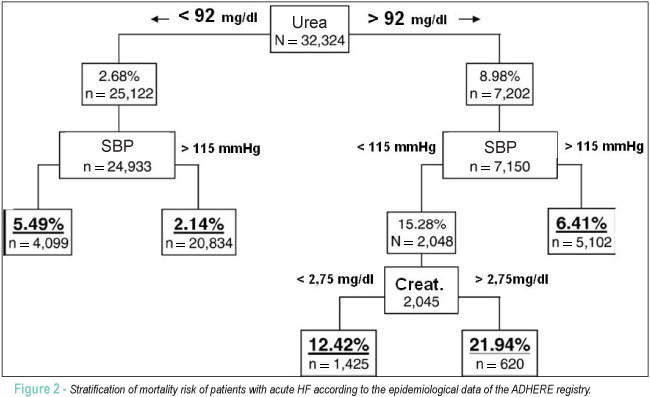
In the past two years we observed several changes in the diagnostic and therapeutic approach of patients with acute heart failure (acute HF), which led us to the need of performing a summary update of the II Brazilian Guidelines on Acute Heart Failure 2009. In the diagnostic evaluation, the diagnostic flowchart was simplified and the role of clinical assessment and echocardiography was enhanced. In the clinical-hemodynamic evaluation on admission, the hemodynamic echocardiography gained prominence as an aid to define this condition in patients with acute HF in the emergency room. In the prognostic evaluation, the role of biomarkers was better established and the criteria and prognostic value of the cardiorenal syndrome was better defined. The therapeutic approach flowcharts were revised, and are now simpler and more objective. Among the advances in drug therapy, the safety and importance of the maintenance or introduction of beta-blockers in the admission treatment are highlighted. Anticoagulation, according to new evidence, gained a wider range of indications. The presentation hemodynamic models of acute pulmonary edema were well established, with their different therapeutic approaches, as well as new levels of indication and evidence. In the surgical treatment of acute HF, CABG, the approach to mechanical lesions and heart transplantation were reviewed and updated. This update strengthens the II Brazilian Guidelines on Acute Heart Failure to keep it updated and refreshed. All clinical cardiologists who deal with patients with acute HF will find, in the guidelines and its summary, important tools to help them with the clinical practice for better diagnosis and treatment of their patients.
  • cardiac outpatient, low
  • Diagnosis
  • Heart Failure
  • Prognosis
  • Pulmonary Edema
  • Shock, Cardiogenic
Read Full Article
Creative Commons Attribution (CC BY) Creative Commons license
31/07/2012 DOI: 10.1590/S0066-782X2012000500001 Views 2
Case 4/2012: 25-year-old man with obstructive fibroma in right ventricular outflow tract
Clinicoradiological Session

Case 4/2012: 25-year-old man with obstructive fibroma in right ventricular outflow tract

Edmar Atik

CLINICORADIOLOGICAL SESSION

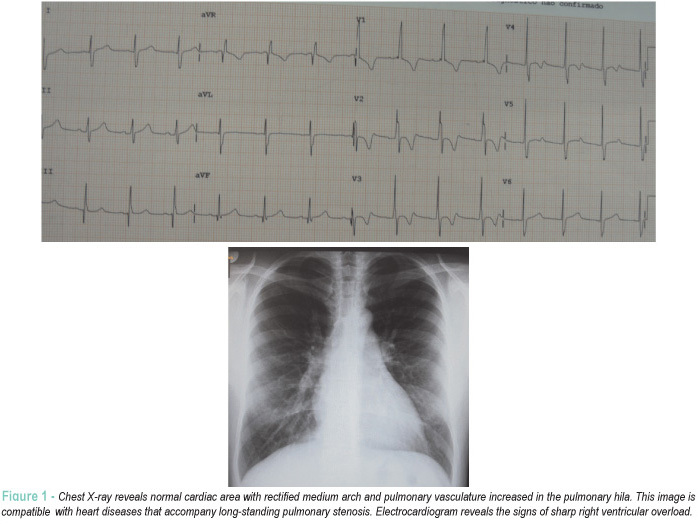
Case 4/2012 – 25-year-old man with obstructive fibroma in right ventricular outflow tract

[…]

Read Full Article
Creative Commons Attribution (CC BY) Creative Commons license
31/07/2012 DOI: 10.1590/S0066-782X2012000500015
Transient lymphadenopathy secondary to nephrotic syndrome
Case Report

Transient lymphadenopathy secondary to nephrotic syndrome

Olívia Meira Dias et al. André Nathan Costa Carlos Roberto Ribeiro Carvalho Ronaldo Adib Kairalla

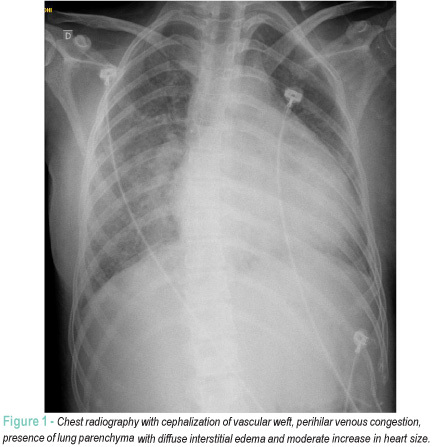
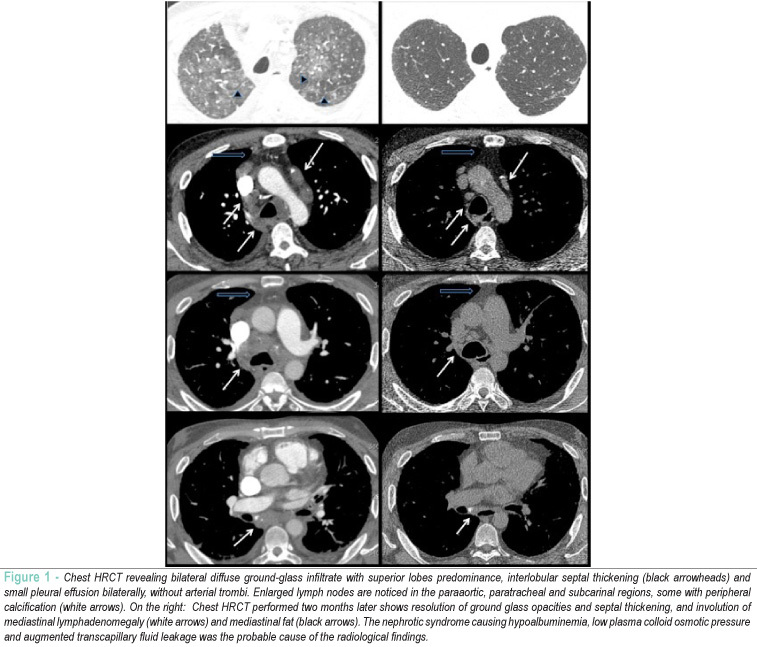
Mediastinal lymphadenomegaly secondary to hypervolemia is an underdiagnosed tomographic finding. Herein we describe, in a patient with normal cardiac function, findings of pulmonary congestion associated to lymph node enlargement. The nephrotic syndrome causing hypoalbuminemia, low plasma colloid osmotic pressure and augmented transcapillary fluid leakage was the probable cause of the radiological findings.

  • Lymphoma
  • mediastinum
  • nephrotic syndrome
  • Scleroderma, systemic
Read Full Article
Creative Commons Attribution (CC BY) Creative Commons license
31/07/2012 DOI: 10.1590/S0066-782X2012000500017 Views 1
Rare manifestation of acute pulmonary edema associated with acute lupus myocarditis
Case Report

Rare manifestation of acute pulmonary edema associated with acute lupus myocarditis

Alexandre de Matos Soeiro et al. Fabrício Sanchez Bergamin Maria Carolina Feres de Almeida Carlos Vicente Serrano Jr. … Breno Alencar de Araripe Falcão Fernando Ganem

Systemic Lupus Erythematosus (SLE) is the most common systemic autoimmune disease, occurring more frequently in women, usually aged between 16 and 55 years1,2. Although classically the kidneys are the organs most affected in SLE, cardiopulmonary circulation and the heart may also be affected significantly3. In this context, the occurrence of acute pulmonary edema associated with lupus myocarditis is rare and specific immunosuppressive therapy remains unclear.

  • Lupus Erythematosus
  • Myocarditis
  • Pulmonary Edema
  • Systemic
Read Full Article
Creative Commons Attribution (CC BY) Creative Commons license
31/07/2012 DOI: 10.1590/S0066-782X2012000500016
Letter to the Editor

Evaluation of noncompaction cardiomyopathy by modern echocardiographic methods

Attila Nemes et al. Tamás Forster

LETTER TO THE EDITOR

Evaluation of noncompaction cardiomyopathy by modern echocardiographic methods

[…]

Read Full Article
Creative Commons Attribution (CC BY) Creative Commons license
31/07/2012 DOI: 10.1590/S0066-782X2012000500013 Views 1
Letter to the Editor

Heart failure: the scenario is still worrying!

Edval Gomes dos Santos Júnior et al. Cintia Trindade Araújo

LETTER TO THE EDITOR

Heart failure: the scenario is still worrying!

[…]

Read Full Article
Creative Commons Attribution (CC BY) Creative Commons license
31/07/2012 DOI: 10.1590/S0066-782X2012000500014 Views 1
Physical exercise and microRNAs: new frontiers in heart failure
Review Article

Physical exercise and microRNAs: new frontiers in heart failure

Miguel Morita Fernandes-Silva et al. Vagner Oliveira Carvalho Guilherme Veiga Guimarães Fernando Bacal Edimar Alcides Bocchi

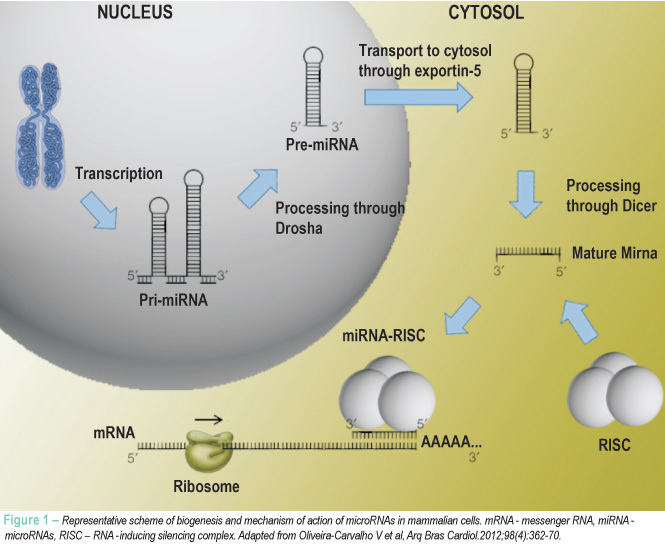
Although the impact of exercise on survival of patients with heart failure has been recently questioned, exercise training improves quality of life, functional capacity, inflammation, endothelial and autonomic function. In recent years, interest has increased regarding a group of small non-protein coding RNAs called microRNAs. Studies have shown that the expression of these molecules changes in several pathological conditions, such as myocardial infarction, myocardial ischemia and heart failure, and when clinical improvement occurs, they seem to normalize. With the potential for practical applicability, markers that may be useful in diagnostic and prognostic assessment of heart failure have been identified, such as miR-423-5p. In addition, results of experimental studies have indicated that there are potential therapeutic effects of microRNAs. MicroRNAs are involved in the regulation of gene expression during fetal development and in adult individuals, increasing or decreasing in the heart in response to physiological stress, injury or hemodynamic overload. Thus, the study of the behavior of these molecules in physical exercise has brought important information about the effects of this therapeutic modality and represents a new era in the understanding of heart failure. This review aims to integrate the evidence on microRNAs in heart failure with greater relevance in the study of physical exercise.

  • Exercise
  • Heart Rate
  • MicroRNAs
Read Full Article
Creative Commons Attribution (CC BY) Creative Commons license
31/07/2012 DOI: 10.1590/S0066-782X2012000500012 Views 2
Point of view

Risk scores in valvular heart disease interventions

Ricardo Casalino et al. Flávio Tarassoutchi

The risk scores used as assistance agents in valve diseases are validated worldwide; however, the data are not homogeneous. The epidemiological characteristics of each population require local validation of these risk tools. The percutaneous valve replacement, which is a reality in valvular diseases (especially aortic stenosis), is indicated for patients with high or prohibitive surgical risk. Studies with this new treatment strategy use risk scores as criteria for inclusion and there are few studies that use such tools as predictors of risk. The risk scores, after due validation in their relevant populations, are combined with clinical practice (individualization of conduct) in the definition of the conduct to be adopted in the clinical practice of valvular heart disease.

  • Aortic Valve Stenosis
  • Heart Valve Diseases
  • Risk Assessment
Read Full Article
Creative Commons Attribution (CC BY) Creative Commons license
31/07/2012 DOI: 10.1590/S0066-782X2012000500018
Effect of penicillin G every three weeks on oral microflora by penicillin resistant Viridans Streptococci
Artigo Original

Effect of penicillin G every three weeks on oral microflora by penicillin resistant Viridans Streptococci

André Andrade de Aguiar et al. Roney Orismar Sampaio Jorge Luiz de Mello Sampaio Guilherme Sobreira Spina … Ricardo Simões Neves Luiz Felipe Pinho Moreira Max Grinberg

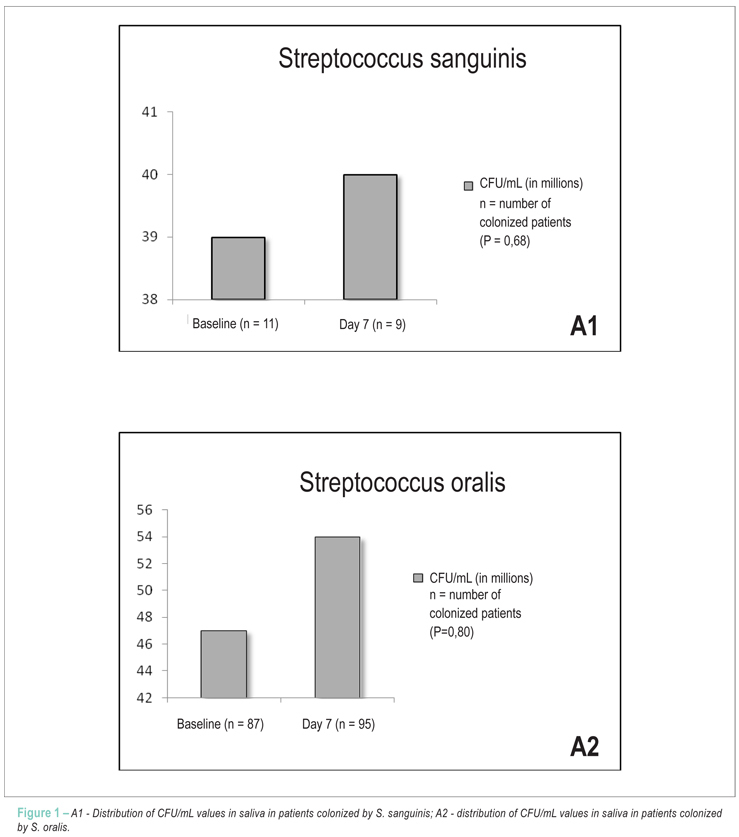
BACKGROUND: Benzathine penicillin G every 3 weeks is the standard protocol for secondary prophylaxis for recurrent rheumatic fever. OBJECTIVE: Assess the effect of Benzathine penicillin G on Streptococcus sanguinis and Streptococcus oralis in patients with cardiac valvular disease due to rheumatic fever receiving secondary prophylaxis. METHODS: Oral streptococci were evaluated before (baseline) and after 7 days (day 7) with Benzathine penicillin G in 100 patients receiving routine secondary rheumatic fever prophylaxis. Saliva samples were evaluated for colony count and presence of S. sanguinis and S. oralis. Chewing-stimulated saliva samples were serially diluted and plated onto both nonselective and selective 5% sheep blood agar containing penicillin G. The species were identified using conventional biochemical tests. Minimal inhibitory concentrations were determined with the Etest. RESULTS: No statistical differences were found in the presence of S. sanguinis comparing baseline and day 7 (p = 0.62). However, the existing number of positive cultures of S. oralis on day 7 after Benzathine penicillin G presented a significant increase compared to baseline (p = 0.04). No statistical difference was found between baseline and day 7 concerning the number of S. sanguinis or S. oralis CFU/mL and median minimal inhibitory concentrations. CONCLUSION: This study showed that Benzathine penicillin G every 3 weeks did not change the colonization by S. sanguinis, but increased colonization of S. oralis on day 7 of administration. Therefore, susceptibility of Streptococcus sanguinis and Streptococcus oralis to penicillin G was not modified during the penicillin G routine secondary rheumatic fever prophylaxis. (Arq Bras Cardiol. 2012; [online].ahead print, PP.0-0)

  • Heart Valve Diseases
  • mouth
  • Penicilin G benzathine
  • Rheumatic Fever
  • streptococcus oralis
  • verdidans streptococci
Read Full Article
Creative Commons Attribution (CC BY) Creative Commons license
19/04/2012 DOI: 10.1590/S0066-782X2012005000038 Views 2
Artigo Original

Clinical usefulness of coronary angiography in patients with left ventricular dysfunction

Rodrigo Morel Vieira de Melo et al. Eduardo França Pessoa de Melo Bruno Biselli Germano Emilio Conceição Souza Edimar Alcides Bocchi

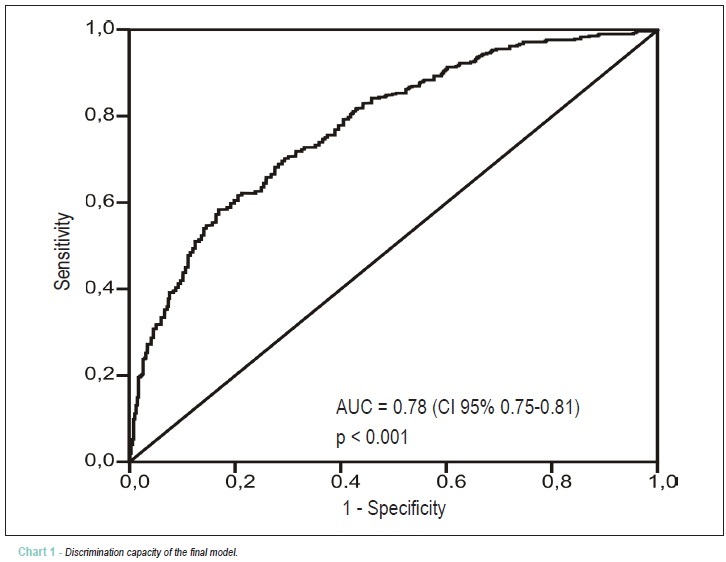
BACKGROUND: Performing a coronary angiography in patients with heart failure of unknown etiology is often justified by the diagnostic assessment of ischemic heart disease. However, the clinical benefit of this strategy is not known. OBJECTIVE: To evaluate the prevalence of ischemic heart disease by angiographic criteria in patients with heart failure and reduced ejection fraction of unknown etiology, as well as its impact on therapy decisions. METHODS: Consecutive outpatients with heart failure and systolic dysfunction, who had an indication for coronary angiography to clarify the etiology of heart disease were assessed from 1 January 2009 to December 31, 2010. Patients diagnosed with coronary artery disease, positive serology for Chagas disease, congenital heart disease, valve disease or patients undergoing cardiac transplantation were excluded from the analysis. The sample was divided into two groups according to the indication for catheterization. Group-1: Symptomatic due to angina or heart failure. Group-2: Presence of > 2 risk factors for coronary artery disease RESULTS: One hundred and seven patients were included in the analysis, with 51 (47.7%) patients in Group 1 and 56 (52.3%) in Group 2. The prevalence of ischemic heart disease was 9.3% (10 patients), and all belonged to Group 1 (p = 0.0001). During follow-up, only 4 (3.7%) were referred for CABG; 3 (2.8%) patients had procedure-related complications. CONCLUSION: In our study, coronary angiography in patients with heart failure and systolic dysfunction of unknown etiology, although supported by current guidelines, did not show benefits when performed only due to the presence of risk factors for coronary artery disease.

  • Coronary Angiography
  • Heart Failure
  • Myocardial Ischemia
  • Ventricular Dysfunction, Left
Read Full Article
Creative Commons Attribution (CC BY) Creative Commons license
12/04/2012 DOI: 10.1590/S0066-782X2012005000035 Views 1
Artigo Original

Beta1-adrenergic receptor polymorphisms associated with atrial fibrillation in systolic heart failure

Bruno Costa do Nascimento et al. Sabrina Bernardez Pereira Georgina Severo Ribeiro Evandro Tinoco Mesquita

BACKGROUND: The sympathetic nervous system is of great importance in the pathogenesis of atrial fibrillation in systolic heart failure. The identification of polymorphisms in the beta1-adrenergic receptor gene (ADBR1) represents an important step in understanding this pathogenesis. OBJECTIVE: This study assessed the association between the two functional polymorphisms of the beta1-adrenergic receptor gene (ADBR1), Ser49Gly and Arg389Gly, and the presence of atrial fibrillation in patients with systolic heart failure. METHODS: Case-control study with 144 patients with systolic heart failure, including 24 with atrial fibrillation (cases) and 120 without atrial fibrillation (controls). Genomic DNA was extracted from peripheral blood leukocytes and the genotypes of Ser49Gly and Arg389Gly polymorphisms were identified in all individuals by PCR/RFLP (polymerase chain reaction / restriction fragment length polymorphism). RESULTS: Mean age was 59 ± 13 years, 70% of patients were males, 42% had ischemic causes and 74% had hypertension. Genotypes Ser49Ser and Arg389Arg were significantly associated with atrial fibrillation (p = 0.005 and p = 0.01, respectively). After logistic regression, both adjusted for left atrial size and age, the significant association persisted (Arg389Arg – odds ratios: 2.78, 95% confidence interval = 1.02 to 7.56 and Ser49Ser – odds ratios: 8.02, 95% confidence interval = 1.02 to 63.82). CONCLUSION: Both genotypes were associated with atrial fibrillation in patients; however, only Ser49Gly polymorphism was is in Hardy-Weinberg equilibrium.

  • Atrial Fibrillation
  • Genotype
  • Heart Failure
  • Polymorphism, Genetic
Read Full Article
Creative Commons Attribution (CC BY) Creative Commons license
12/04/2012 DOI: 10.1590/S0066-782X2012005000037
Artigo Original

Morphology and contractility in cardiomyocytes of rats with low exercise performance

Judson Fonseca Quintão Júnior et al. Antônio José Natali Miguel Araújo Carneiro Júnior Cynthia Aparecida de Castro … Lucas Rios Drummond Victor Neiva Lavorato Leonardo Bonato Felix Jader dos Santos Cruz Thales Nicolau Prímola-Gomes

BACKGROUND: Aerobic capacity is essential to physical performance, and low aerobic capacity is related to the triggering of various cardiovascular diseases. OBJECTIVE: To compare the morphology and contractility of isolated rat cardiomyocytes with low performance and standard performance for exercise. METHODS: Wistar rats with 10 weeks of age underwent a protocol of treadmill running to fatigue, and were divided into two groups: Low Performance (LP) and Standard Performance (SP). Then, the animals were sacrificed, the heart was quickly removed and, by means of enzymatic dissociation, left ventricular cardiomyocytes were isolated. The cell and sarcomeres length and width of cardiomyocytes were measured using an edge detection system. The isolated cardiomyocytes were electrically stimulated at 1 and 3 Hz and cell contraction was measured by registering the change of their length. RESULTS: The cell length was shorter in the LP group (157.2 1.3µm; p < 0.05) compared to SP (161.4 1.3µm), and the same result was observed for the volume of cardiomyocytes (LP, 25.5 0.4. vs. SP, 26.8 ± 0.4 pL; p < 0.05). The time to peak contraction (LP, 116 1 vs. SP 111 2ms) and total relaxation (LP, 143 3 vs. SP 232 3ms) were higher in the LP group. CONCLUSION: We conclude that left ventricular myocytes of animals with low performance for exercise are smaller than animals with standard performance. In addition to that, they present losses in contractile capacity.

  • cardiac
  • Exercise
  • Fatigue
  • Myocardial Contraction
  • Myocytes
  • Physical Conditioning, Animal
  • Rats
Read Full Article
Creative Commons Attribution (CC BY) Creative Commons license
12/04/2012 DOI: 10.1590/S0066-782X2012005000036 Views 1
Artigo Original

Quality of life of hypertensive patients and comparison of two instruments of HRQOL measure

Michelle Adler Normando Carvalho et al. Isabela Bispo Santos Silva Sarah Brito Pinheiro Ramos Laura Fernandes Coelho … Isabela Dias Gonçalves José Albuquerque de Figueiredo Neto

BACKGROUND: Measuring health-related quality of life (QOL) helps evaluating the efficiency of a treatment and identifies problems with major impact on the patient’s QOL. However, these measures are safer if assessed by generic and specific instruments together, where it is necessary to check for compatibility between these and avoid repetitions and contradictions between the domains. OBJECTIVE: To describe the quality of life of hypertensive patients and to evaluate the compatibility of a specific instrument (MINICHAL) and a generic instrument (SF-36). METHODS: One hundred adult hypertensive under outpatient care were interviewed. The mean HRQOL as measured by MINICHAL was 6.64 (SD 6.04) in mental status and average of 5.03 (SD 4.11) in the state of somatic manifestations. The means for the instrument SF-36 were in ranking order: limitation due to physical aspects 47.3 (SD 42.9), vitality 57.4 (SD 19.7), limitation due to emotional aspects 58 (SD 44.7), functional capacity 58.7 (SD 27.8), pain 60.4 (SD 26.3), general health condition 60.7 (SD 22.7), mental health 66.8 (SD 22.1) and social aspects 78 (SD 26.1). RESULTS: The MINICHAL significantly correlated (p <0.001) with the SF-36 in all domains. CONCLUSION: The MINICHAL proved to be a useful tool in the assessment of HRQOL in patients with hypertension. (Arq Bras Cardiol. 2012; [online].ahead print, PP.0-0)

  • Hypertension
  • outpatients
  • Quality of life
  • questionnaires
Read Full Article
Creative Commons Attribution (CC BY) Creative Commons license
05/04/2012 DOI: 10.1590/S0066-782X2012005000032
Prognostic value of high-sensitivity troponin I versus troponin T in acute coronary syndromes
Artigo Original

Prognostic value of high-sensitivity troponin I versus troponin T in acute coronary syndromes

Luis Cláudio Lemos Correia et al. Fábio L. Sodré José C.C. Lima Michael Sabino … Mariana Brito Guilherme Garcia Mayara Maraux Alexandre C. Sousa Márcia Noya Rabelo J. Péricles Esteves

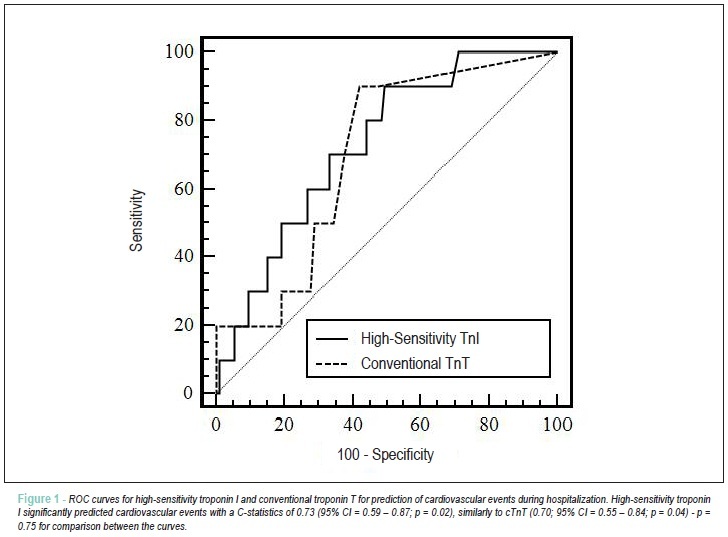
BACKGROUND: Despite superior diagnostic accuracy of high-sensitivity cardiac troponins, their prognostic value has not been validated against conventional cardiac troponins. OBJECTIVE: To test the prognostic value of high-sensitivity cardiac troponin I (hs-cTnI), compared with conventional cardiac troponin T (cTnT) in the setting of non-ST elevation acute coronary syndromes. METHODS: At hospital admission, a plasma sample was collected from 103 consecutive patients with unstable angina or non-ST elevation acute myocardial infarction. In this sample, troponin was measured both by hs-cTnI and cTnT methods. Their prognostic value was compared as to the occurrence of major cardiovascular events, defined as a combination of death, nonfatal acute myocardial infarction or refractory unstable angina during hospitalization. RESULTS: During median hospitalization of 8 days (interquartile range = 5 – 11), the incidence of cardiovascular events was 10% (5 deaths, 3 non-fatal myocardial infarctions and 2 non-fatal refractory anginas). High-sensitivity troponin I significantly predicted cardiovascular events, with a C-statistics of 0.73 (95% CI = 0.59 – 0.87), similarly to cTnT (0.70; 95% CI = 0.55 – 0.84) – P = 0.75. The definition of positive cardiac marker that provided the best prognostic accuracy was hs-cTnI > 0.055 µg/L and cTnT > 0.010 µg/L, with equal sensitivity of 90% and specificity of 52% for both assays. Positive hs-cTnI was associated with 17% incidence of events, compared with 2% in patients with negative hs-cTnI (P = 0.02). CONCLUSION: High-sensitivity troponin I predicts cardiovascular events similarly to conventional troponin T in the setting of non-ST-elevation ACS. (Arq Bras Cardiol. 2012; [online].ahead print, PP.0-0)

  • Acute coronary syndrome
  • Prognosis
  • Troponin
Read Full Article
Creative Commons Attribution (CC BY) Creative Commons license
05/04/2012 DOI: 10.1590/S0066-782X2012005000034 Views 1
Clinical and echocardiographic parameters associated with low chronotropic index in non-elderly patients
Artigo Original

Clinical and echocardiographic parameters associated with low chronotropic index in non-elderly patients

Paulo Fernando Carvalho Secundo et al. Bruno Fernandes de Oliveira Santos José Alves Secundo Júnior Joiciane Bárbara da Silva … Adriana Ribeiro de Souza Gustavo Baptista de Almeida Faro José Augusto Barreto- Filho Antônio Carlos Sobral Sousa Joselina Luzia Menezes Oliveira

BACKGROUND: Despite abundant evidence of increased morbidity and mortality, chronotropic incompetence (CI) is not a routine diagnosis well defined in protocols of cardiac evaluation and its clinical importance is still underestimated. OBJECTIVE: To evaluate the clinical and echocardiographic parameters associated with HF in non-elderly patients submitted to stress echocardiography (SE). METHODS: One thousand seven hundred ninety-eight patients with a mean age of 48.4 ± 7.5 years, who underwent SE between January/2000 and August/2009 were evaluated. Patients with chronotropic index smaller than 0.8 were considered chronotropic incompetent as compared to competent patients as to clinical and echocardiographic characteristics. RESULTS: The duration of the exercise was 9.3 ± 2.4 minutes on average. Two hundred and seventy (15%) patients were chronotropic incompetent. The chronotropic index of this group was 0.7 ± 0.1 vs. 1.0 ± 0.1 for competent patients. Multivariate logistic regression analysis identified the following parameters as independently associated with HF: dyspnea on examination [odds ratio (OR) = 4.27, p <0.0001], previous chest pain on medical history (OR = 1.51; p = 0.0111), higher left ventricular mass rate in incompetent patients (LVMI) (OR = 1.16, p = 0.0001), metabolic equivalents (METs) (OR = 0.70, p = 0 , 0001), ST segment depression (OR = 0.58, p = 0.0003) and high systolic blood pressure (ΔSBP) (OR = 0.87, p = 0.0011). Myocardial ischemia was not associated with HF. CONCLUSION: HF is associated with functional parameters, such as dyspnea on exertion, history of chest pain and lower METS. It is also associated with structural benchmark index of left ventricular mass. In addition, chronotropic incompetence does not appear to increase the chance of myocardial ischemia in non-elderly patients. (Arq Bras Cardiol. 2012; [online].ahead print, PP.0-0)

  • Echocardiography, Stress
  • Exercise Test
  • Exercise Tolerance
  • Heart Rate
  • Physical Exertion
Read Full Article
Creative Commons Attribution (CC BY) Creative Commons license
05/04/2012 DOI: 10.1590/S0066-782X2012005000033 Views 1
Delayed enhancement cardiac magnetic resonance Imaging can identify the risk for ventricular tachycardia in chronic Chagas' heart disease
Artigo Original

Delayed enhancement cardiac magnetic resonance Imaging can identify the risk for ventricular tachycardia in chronic Chagas' heart disease

Ronaldo Peixoto de Mello et al. Gilberto Szarf Paulo Roberto Schvartzman Edson Minoru Nakano … Mariano Martinez Espinosa Denis Szejnfeld Verônica Fernandes João A. C. Lima Claudio Cirenza Angelo A.V. De Paola

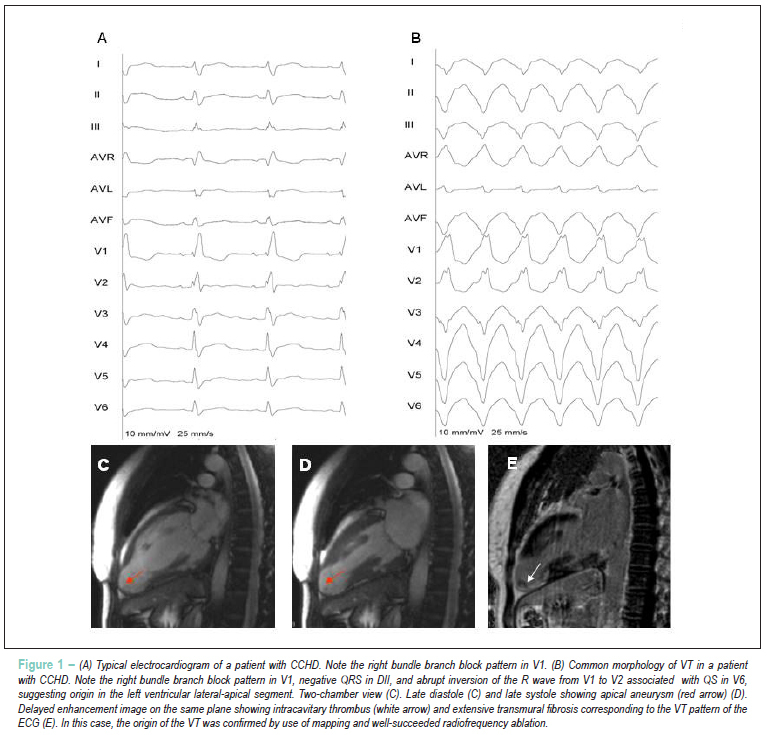
BACKGROUND: Invasive and non-invasive tests have been used to identify the risk of ventricular tachycardia (VT) in patients with chronic Chagas’ heart disease (CCHD). Cardiac magnetic resonance imaging (CMRI) using the delayed enhancement (DE) technique can be useful to select patients with global or segmentary ventricular dysfunction, with high degree of fibrosis and at higher risk for clinical VT. OBJECTIVE: To improve the identification of predictors of VT in patients with CCHD. METHOD: This study assessed 41 patients with CCHD [30 (72%) males; mean age, 55.1 ± 11.9 years]. Twenty-six patients had history of VT (VT group), and 15 had no VT (NVT group). All patients enrolled had DE and segmentary ventricular dysfunction. In each case, the following variables were determined: left ventricular volume; percentage of ventricular wall thickness impairment in each segment; and DE distribution. RESULTS: No statistical difference regarding the DE volume between both groups was observed: VT group = 30.0 ± 16.2%; NVT group = 21.7 ± 15.7%; p = 0.118. The probability of VT was greater in the presence of two or more contiguous transmural fibrosis areas, and that was a predictive factor of clinical VT (RR 4.1; p = 0,04). Agreement between observers was 100% regarding that criterion (p < 0.001). CONCLUSION: The identification of two or more segments of transmural DE by use of CMRI is associated with the occurrence of clinical VT in patients with CCHD. Thus, CMRI improved risk stratification in the population studied. (Arq Bras Cardiol. 2012; [online].ahead print, PP.0-0)

  • Chagas Cardiomyopathy
  • Magnetic Resonance
  • spectroscopy
  • Tachycardia
  • Ventricular
Read Full Article
Creative Commons Attribution (CC BY) Creative Commons license
29/03/2012 DOI: 10.1590/S0066-782X2012005000031
Evaluation of surgical treatment of congenital heart disease in patients aged above 16 years
Artigo Original

Evaluation of surgical treatment of congenital heart disease in patients aged above 16 years

Luiz Fernando Caneo et al. Marcelo B. Jatene Arlindo A. Riso Carla Tanamati … Juliano Penha Luiz Felipe Moreira Edmar Atik Evelinda Trindade Noedir A. G. Stolf

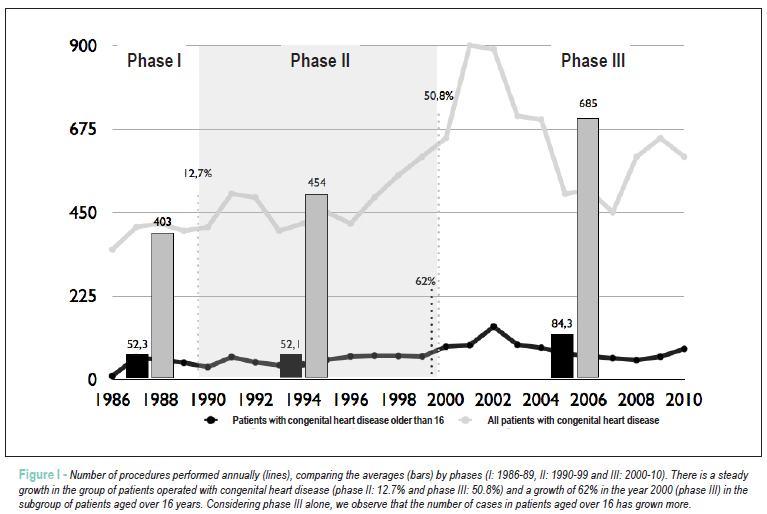
BACKGROUND: The increasing number of children with evolving congenital heart diseases demands greater preparation of professionals and institutions that handle them. OBJECTIVE: To describe the profile of patients aged over 16 years with congenital heart disease, who have undergone surgery, and analyze the risk factors that predict hospital mortality. METHOD: One thousand five hundred twenty patients (mean age 27 ± 13 years) were operated between January 1986 and December 2010. We performed a descriptive analysis of the epidemiological profile of the study population and analyzed risk factors for hospital mortality, considering the complexity score, the year in which surgery was performed, the procedure performed or not performed by the pediatric surgeon and reoperation. RESULTS: There was a significant increase in the number of cases from the year 2000. The average complexity score was 5.4 and the septal defects represented 45% of cases. Overall mortality was 7.7% and most procedures (973 or 61.9%) with greater complexity were performed by pediatric surgeons. Complexity (OR 1.5), reoperation (OR 2.17) and pediatric surgeon (OR 0.28) were independent risk factors influencing mortality. Multivariate analysis showed that the year in which the surgery was performed (OR 1.03), the complexity (OR 1.44) and the pediatric surgeon (OR 0.28) influenced the result. CONCLUSION: There is an increasing number of patients aged 16 years which, despite the large number of simple cases, the most complex ones were referred to pediatric surgeons, who had lower mortality, especially in recent years. (Arq Bras Cardiol. 2012; [online].ahead print, PP.0-0)

  • Adolescent
  • Heart Defects
  • Hospital Mortality
Read Full Article
Creative Commons Attribution (CC BY) Creative Commons license
29/03/2012 DOI: 10.1590/S0066-782X2012005000030 Views 1
Is abnormal adrenergic activation associated with abnormal Heart Rate Recovery?
Artigo Original

Is abnormal adrenergic activation associated with abnormal Heart Rate Recovery?

Leandro Rocha Messias et al. Maria Angela M. de Queiroz Carreira Sandra Marina Miranda Jader Cunha de Azevedo … Isabela Ambrósio Gava Ronaldo Campos Rodrigues Elisabeth Maróstica Claudio Tinoco Mesquita

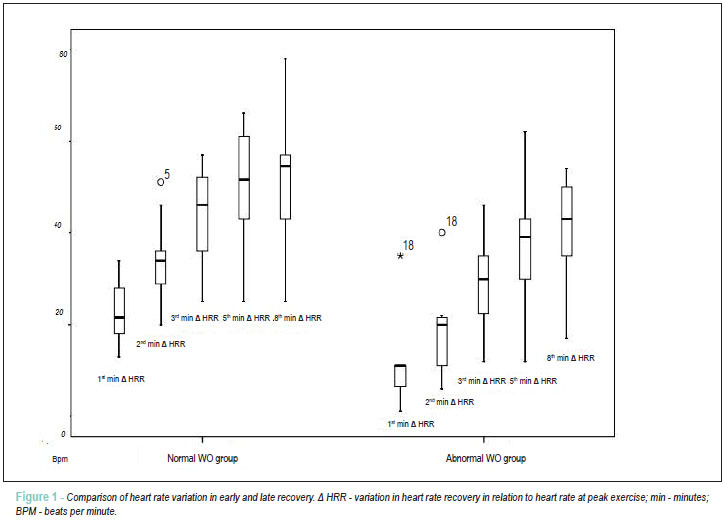
BACKGROUND: Heart Rate Recovery (HRR) reflects the capacity of the cardiovascular system to reverse the vagal withdrawal caused by exercise. Scintigraphy with metaiodobenzylguanidine (I¹23 MIBG) evaluates innervation and cardiac adrenergic activation. The association of these two methods is not well established. OBJECTIVE: To evaluate the association between HRR and washout rate (WO) of I¹²³ MIBG in patients with heart failure (HF). METHODS: wenty-five patients with ejection fraction < 45% underwent exercise testing, and analysis of the variation of HRR from the 1st to the 8th minute after exertion. Submitted to I¹²³ MIBG, they were separated into groups by WO: G1) 27%. For the statistical analysis Mann-Whitney’s U test and Spearman’s correlation coefficient were used. RESULTS: G2 showed a slower variation of HRR: 1st minute: G1: 21.5 (16.12 to 26.87) vs. G2: 11.00 (8.5 to 13.5) bpm, p = 0.001; 2nd minute: G1: 34 (29-39) vs. G2: 20 (14 – 26) bpm, p = 0.001; 3rd minute: G1: 46 (37.8 – 54.1) vs. G2: 30 (22 – 38) bpm, p = 0.005; 5th minute: G1: 51.5 (42 – 61) vs. G2: 39 (31.5 to 46.5) bpm, p = 0.013, and in the 8th minute: G1: 54.5 (46.5 – 62.5) vs. G2: 43 (34 – 52) bpm, p = 0.037. HRR in the 1st (r = -0.555, p = 0.004), and in the 2nd minute (r = -0.550, p = 0.004) were negatively correlated with WO. CONCLUSION: Patients with high HF and WO showed an abnormal HRR compared with patients with normal WO. These findings suggest that adrenergic activation may influence the HRR.

  • Heart
  • Heart Failure
  • Heart Rate
  • Stroke Volume
Read Full Article
Creative Commons Attribution (CC BY) Creative Commons license
27/03/2012 DOI: 10.1590/S0066-782X2012005000027

How to cite this article

EndNote RIS

Electronic Document Format (Vancouver)

Montera MW, Pereira SB, Colafranceschi AS, Almeida DR, Tinoco EM, Rocha RM, Moura LAZ, et al. Summary of the II Brazilian Guideline Update on Acute Heart Failure 2009/2011. Arquivos Brasileiros de Cardiologia 2012;98(5):375-83.

Electronic Document Format (ABNT)

Montera, Marcelo Westerlund; Pereira, Sabrina Bernardez; Colafranceschi, Alexandre Siciliano; Almeida, Dirceu Rodrigues de; Tinoco, Evandro Mesquita; Rocha, Ricardo Mourilhe; Moura, Lídia Ana Zytynski; Réa-Neto, Álvaro; Mangini, Sandrigo; Braga, Fabiana Goulart Marcondes; Albuquerque, Denilson Campos; Stefanini, Edson; Saad, Eduardo Benchimol; Vilas-Boas, Fábio. Summary of the II Brazilian Guideline Update on Acute Heart Failure 2009/2011. Arquivos Brasileiros de Cardiologia, v. 98, n. 5, p. 375-383, Jul. 2012.

Electronic Document Format (APA)

Montera, M. W., Pereira, S. B., Colafranceschi, A. S., Almeida, D. R. , Tinoco, E. M., Rocha, R. M., Moura, L. A. Z., Réa-Neto, , Mangini, S., Braga, F. G. M., Albuquerque, D. C., Stefanini, E., Saad, E. B., & Vilas-Boas, F. (2012). Summary of the II Brazilian Guideline Update on Acute Heart Failure 2009/2011. Arquivos Brasileiros de Cardiologia, 98(5), 375-383.

Electronic Document Format (ISO)

Montera, Marcelo Westerlund and Pereira, Sabrina Bernardez and Colafranceschi, Alexandre Siciliano and Almeida, Dirceu Rodrigues de and Tinoco, Evandro Mesquita and Rocha, Ricardo Mourilhe and Moura, Lídia Ana Zytynski and Réa-Neto, Álvaro and Mangini, Sandrigo and Braga, Fabiana Goulart Marcondes and Albuquerque, Denilson Campos and Stefanini, Edson and Saad, Eduardo Benchimol and Vilas-Boas, Fábio. Summary of the II Brazilian Guideline Update on Acute Heart Failure 2009/2011. Arquivos Brasileiros de Cardiologia [online]. 2012, vol. 98, n. 5, [cited 2026-10-15], pp. 375-383. Available from: <https://journals.cardiol.br/en/article/summary-of-the-ii-brazilian-guideline-update-on-acute-heart-failure-2009-2011/>. ISSN 0066-782X

EndNote RIS

Electronic Document Format (Vancouver)

Atik E. Case 4/2012: 25-year-old man with obstructive fibroma in right ventricular outflow tract. Arquivos Brasileiros de Cardiologia 2012;98(5):e76-7.

Electronic Document Format (ABNT)

Atik, Edmar. Case 4/2012: 25-year-old man with obstructive fibroma in right ventricular outflow tract. Arquivos Brasileiros de Cardiologia, v. 98, n. 5, p. e76-e77, Jul. 2012.

Electronic Document Format (APA)

Atik, E. (2012). Case 4/2012: 25-year-old man with obstructive fibroma in right ventricular outflow tract. Arquivos Brasileiros de Cardiologia, 98(5), e76-e77.

Electronic Document Format (ISO)

Atik, Edmar. Case 4/2012: 25-year-old man with obstructive fibroma in right ventricular outflow tract. Arquivos Brasileiros de Cardiologia [online]. 2012, vol. 98, n. 5, [cited 2026-10-15], pp. e76-e77. Available from: <https://journals.cardiol.br/en/article/case-4-2012-25-year-old-man-with-obstructive-fibroma-in-right-ventricular-outflow-tract/>. ISSN 0066-782X

EndNote RIS

Electronic Document Format (Vancouver)

Dias OM, Costa AN, Carvalho CRR, Kairalla RA. Transient lymphadenopathy secondary to nephrotic syndrome. Arquivos Brasileiros de Cardiologia 2012;98(5):e82-3.

Electronic Document Format (ABNT)

Dias, Olívia Meira; Costa, André Nathan; Carvalho, Carlos Roberto Ribeiro; Kairalla, Ronaldo Adib. Transient lymphadenopathy secondary to nephrotic syndrome. Arquivos Brasileiros de Cardiologia, v. 98, n. 5, p. e82-e83, Jul. 2012.

Electronic Document Format (APA)

Dias, O. M., Costa, A. N., Carvalho, C. R. R., & Kairalla, R. A. (2012). Transient lymphadenopathy secondary to nephrotic syndrome. Arquivos Brasileiros de Cardiologia, 98(5), e82-e83.

Electronic Document Format (ISO)

Dias, Olívia Meira and Costa, André Nathan and Carvalho, Carlos Roberto Ribeiro and Kairalla, Ronaldo Adib. Transient lymphadenopathy secondary to nephrotic syndrome. Arquivos Brasileiros de Cardiologia [online]. 2012, vol. 98, n. 5, [cited 2026-10-15], pp. e82-e83. Available from: <https://journals.cardiol.br/en/article/transient-lymphadenopathy-secondary-to-nephrotic-syndrome/>. ISSN 0066-782X

EndNote RIS

Electronic Document Format (Vancouver)

Soeiro AM, Bergamin FS, Almeida MCF, Serrano Jr. CV, Falcão BAA, Ganem F. Rare manifestation of acute pulmonary edema associated with acute lupus myocarditis. Arquivos Brasileiros de Cardiologia 2012;98(5):e78-81.

Electronic Document Format (ABNT)

Soeiro, Alexandre de Matos; Bergamin, Fabrício Sanchez; Almeida, Maria Carolina Feres de; Serrano Jr., Carlos Vicente; Falcão, Breno Alencar de Araripe; Ganem, Fernando. Rare manifestation of acute pulmonary edema associated with acute lupus myocarditis. Arquivos Brasileiros de Cardiologia, v. 98, n. 5, p. e78-e81, Jul. 2012.

Electronic Document Format (APA)

Soeiro, A. M., Bergamin, F. S., Almeida, M. C. F. , Serrano Jr., C. V., Falcão, B. A. A., & Ganem, F. (2012). Rare manifestation of acute pulmonary edema associated with acute lupus myocarditis. Arquivos Brasileiros de Cardiologia, 98(5), e78-e81.

Electronic Document Format (ISO)

Soeiro, Alexandre de Matos and Bergamin, Fabrício Sanchez and Almeida, Maria Carolina Feres de and Serrano Jr., Carlos Vicente and Falcão, Breno Alencar de Araripe and Ganem, Fernando. Rare manifestation of acute pulmonary edema associated with acute lupus myocarditis. Arquivos Brasileiros de Cardiologia [online]. 2012, vol. 98, n. 5, [cited 2026-10-15], pp. e78-e81. Available from: <https://journals.cardiol.br/en/article/rare-manifestation-of-acute-pulmonary-edema-associated-with-acute-lupus-myocarditis/>. ISSN 0066-782X

EndNote RIS

Electronic Document Format (Vancouver)

Nemes A, Forster T. Evaluation of noncompaction cardiomyopathy by modern echocardiographic methods. Arquivos Brasileiros de Cardiologia 2012;98(5):467.

Electronic Document Format (ABNT)

Nemes, Attila; Forster, Tamás. Evaluation of noncompaction cardiomyopathy by modern echocardiographic methods. Arquivos Brasileiros de Cardiologia, v. 98, n. 5, p. 467-467, Jul. 2012.

Electronic Document Format (APA)

Nemes, A., & Forster, T. (2012). Evaluation of noncompaction cardiomyopathy by modern echocardiographic methods. Arquivos Brasileiros de Cardiologia, 98(5), 467-467.

Electronic Document Format (ISO)

Nemes, Attila and Forster, Tamás. Evaluation of noncompaction cardiomyopathy by modern echocardiographic methods. Arquivos Brasileiros de Cardiologia [online]. 2012, vol. 98, n. 5, [cited 2026-10-15], pp. 467-467. Available from: <https://journals.cardiol.br/en/article/evaluation-of-noncompaction-cardiomyopathy-by-modern-echocardiographic-methods/>. ISSN 0066-782X

EndNote RIS

Electronic Document Format (Vancouver)

Santos Júnior EG, Araújo CT. Heart failure: the scenario is still worrying!. Arquivos Brasileiros de Cardiologia 2012;98(5):468.

Electronic Document Format (ABNT)

Santos Júnior, Edval Gomes dos; Araújo, Cintia Trindade. Heart failure: the scenario is still worrying!. Arquivos Brasileiros de Cardiologia, v. 98, n. 5, p. 468-468, Jul. 2012.

Electronic Document Format (APA)

Santos Júnior, E. G. , & Araújo, C. T. (2012). Heart failure: the scenario is still worrying!. Arquivos Brasileiros de Cardiologia, 98(5), 468-468.

Electronic Document Format (ISO)

Santos Júnior, Edval Gomes dos and Araújo, Cintia Trindade. Heart failure: the scenario is still worrying!. Arquivos Brasileiros de Cardiologia [online]. 2012, vol. 98, n. 5, [cited 2026-10-15], pp. 468-468. Available from: <https://journals.cardiol.br/en/article/heart-failure-the-scenario-is-still-worrying/>. ISSN 0066-782X

EndNote RIS

Electronic Document Format (Vancouver)

Fernandes-Silva MM, Carvalho VO, Guimarães GV, Bacal F, Bocchi EA. Physical exercise and microRNAs: new frontiers in heart failure. Arquivos Brasileiros de Cardiologia 2012;98(5):459-66.

Electronic Document Format (ABNT)

Fernandes-Silva, Miguel Morita; Carvalho, Vagner Oliveira; Guimarães, Guilherme Veiga; Bacal, Fernando; Bocchi, Edimar Alcides. Physical exercise and microRNAs: new frontiers in heart failure. Arquivos Brasileiros de Cardiologia, v. 98, n. 5, p. 459-466, Jul. 2012.

Electronic Document Format (APA)

Fernandes-Silva, M. M., Carvalho, V. O., Guimarães, G. V., Bacal, F., & Bocchi, E. A. (2012). Physical exercise and microRNAs: new frontiers in heart failure. Arquivos Brasileiros de Cardiologia, 98(5), 459-466.

Electronic Document Format (ISO)

Fernandes-Silva, Miguel Morita and Carvalho, Vagner Oliveira and Guimarães, Guilherme Veiga and Bacal, Fernando and Bocchi, Edimar Alcides. Physical exercise and microRNAs: new frontiers in heart failure. Arquivos Brasileiros de Cardiologia [online]. 2012, vol. 98, n. 5, [cited 2026-10-15], pp. 459-466. Available from: <https://journals.cardiol.br/en/article/physical-exercise-and-micrornas-new-frontiers-in-heart-failure/>. ISSN 0066-782X

EndNote RIS

Electronic Document Format (Vancouver)

Casalino R, Tarassoutchi F. Risk scores in valvular heart disease interventions. Arquivos Brasileiros de Cardiologia 2012;98(5):e84-6.

Electronic Document Format (ABNT)

Casalino, Ricardo; Tarassoutchi, Flávio. Risk scores in valvular heart disease interventions. Arquivos Brasileiros de Cardiologia, v. 98, n. 5, p. e84-e86, Jul. 2012.

Electronic Document Format (APA)

Casalino, R., & Tarassoutchi, F. (2012). Risk scores in valvular heart disease interventions. Arquivos Brasileiros de Cardiologia, 98(5), e84-e86.

Electronic Document Format (ISO)

Casalino, Ricardo and Tarassoutchi, Flávio. Risk scores in valvular heart disease interventions. Arquivos Brasileiros de Cardiologia [online]. 2012, vol. 98, n. 5, [cited 2026-10-15], pp. e84-e86. Available from: <https://journals.cardiol.br/en/article/risk-scores-in-valvular-heart-disease-interventions/>. ISSN 0066-782X

EndNote RIS

Electronic Document Format (Vancouver)

Aguiar AA, Sampaio RO, Sampaio JLM, Spina GS, Neves RS, Moreira LFP, Grinberg M, et al. Effect of penicillin G every three weeks on oral microflora by penicillin resistant Viridans Streptococci. Arquivos Brasileiros de Cardiologia 2012;98(5):452-8.

Electronic Document Format (ABNT)

Aguiar, André Andrade de; Sampaio, Roney Orismar; Sampaio, Jorge Luiz de Mello; Spina, Guilherme Sobreira; Neves, Ricardo Simões; Moreira, Luiz Felipe Pinho; Grinberg, Max. Effect of penicillin G every three weeks on oral microflora by penicillin resistant Viridans Streptococci. Arquivos Brasileiros de Cardiologia, v. 98, n. 5, p. 452-458, Apr. 2012.

Electronic Document Format (APA)

Aguiar, A. A. , Sampaio, R. O., Sampaio, J. L. M., Spina, G. S., Neves, R. S., Moreira, L. F. P., & Grinberg, M. (2012). Effect of penicillin G every three weeks on oral microflora by penicillin resistant Viridans Streptococci. Arquivos Brasileiros de Cardiologia, 98(5), 452-458.

Electronic Document Format (ISO)

Aguiar, André Andrade de and Sampaio, Roney Orismar and Sampaio, Jorge Luiz de Mello and Spina, Guilherme Sobreira and Neves, Ricardo Simões and Moreira, Luiz Felipe Pinho and Grinberg, Max. Effect of penicillin G every three weeks on oral microflora by penicillin resistant Viridans Streptococci. Arquivos Brasileiros de Cardiologia [online]. 2012, vol. 98, n. 5, [cited 2026-10-15], pp. 452-458. Available from: <https://journals.cardiol.br/en/article/effect-of-penicillin-g-every-three-weeks-on-oral-microflora-by-penicillin-resistant-viridans-streptococci/>. ISSN 0066-782X

EndNote RIS

Electronic Document Format (Vancouver)

Melo RMV, Melo EFP, Biselli B, Souza GEC, Bocchi EA. Clinical usefulness of coronary angiography in patients with left ventricular dysfunction. Arquivos Brasileiros de Cardiologia 2012;98(5):437-41.

Electronic Document Format (ABNT)

Melo, Rodrigo Morel Vieira de; Melo, Eduardo França Pessoa de; Biselli, Bruno; Souza, Germano Emilio Conceição; Bocchi, Edimar Alcides. Clinical usefulness of coronary angiography in patients with left ventricular dysfunction. Arquivos Brasileiros de Cardiologia, v. 98, n. 5, p. 437-441, Apr. 2012.

Electronic Document Format (APA)

Melo, R. M. V. , Melo, E. F. P. , Biselli, B., Souza, G. E. C., & Bocchi, E. A. (2012). Clinical usefulness of coronary angiography in patients with left ventricular dysfunction. Arquivos Brasileiros de Cardiologia, 98(5), 437-441.

Electronic Document Format (ISO)

Melo, Rodrigo Morel Vieira de and Melo, Eduardo França Pessoa de and Biselli, Bruno and Souza, Germano Emilio Conceição and Bocchi, Edimar Alcides. Clinical usefulness of coronary angiography in patients with left ventricular dysfunction. Arquivos Brasileiros de Cardiologia [online]. 2012, vol. 98, n. 5, [cited 2026-10-15], pp. 437-441. Available from: <https://journals.cardiol.br/en/article/clinical-usefulness-of-coronary-angiography-in-patients-with-left-ventricular-dysfunction/>. ISSN 0066-782X

EndNote RIS

Electronic Document Format (Vancouver)

Nascimento BC, Pereira SB, Ribeiro GS, Mesquita ET. Beta1-adrenergic receptor polymorphisms associated with atrial fibrillation in systolic heart failure. Arquivos Brasileiros de Cardiologia 2012;98(5):384-9.

Electronic Document Format (ABNT)

Nascimento, Bruno Costa do; Pereira, Sabrina Bernardez; Ribeiro, Georgina Severo; Mesquita, Evandro Tinoco. Beta1-adrenergic receptor polymorphisms associated with atrial fibrillation in systolic heart failure. Arquivos Brasileiros de Cardiologia, v. 98, n. 5, p. 384-389, Apr. 2012.

Electronic Document Format (APA)

Nascimento, B. C. , Pereira, S. B., Ribeiro, G. S., & Mesquita, E. T. (2012). Beta1-adrenergic receptor polymorphisms associated with atrial fibrillation in systolic heart failure. Arquivos Brasileiros de Cardiologia, 98(5), 384-389.

Electronic Document Format (ISO)

Nascimento, Bruno Costa do and Pereira, Sabrina Bernardez and Ribeiro, Georgina Severo and Mesquita, Evandro Tinoco. Beta1-adrenergic receptor polymorphisms associated with atrial fibrillation in systolic heart failure. Arquivos Brasileiros de Cardiologia [online]. 2012, vol. 98, n. 5, [cited 2026-10-15], pp. 384-389. Available from: <https://journals.cardiol.br/en/article/beta1-adrenergic-receptor-polymorphisms-associated-with-atrial-fibrillation-in-systolic-heart-failure/>. ISSN 0066-782X

EndNote RIS

Electronic Document Format (Vancouver)

Quintão Júnior JF, Natali AJ, Carneiro Júnior MA, Castro CA, Drummond LR, Lavorato VN, Felix LB, et al. Morphology and contractility in cardiomyocytes of rats with low exercise performance. Arquivos Brasileiros de Cardiologia 2012;98(5):431-6.

Electronic Document Format (ABNT)

Quintão Júnior, Judson Fonseca; Natali, Antônio José; Carneiro Júnior, Miguel Araújo; Castro, Cynthia Aparecida de; Drummond, Lucas Rios; Lavorato, Victor Neiva; Felix, Leonardo Bonato; Cruz, Jader dos Santos; Prímola-Gomes, Thales Nicolau. Morphology and contractility in cardiomyocytes of rats with low exercise performance. Arquivos Brasileiros de Cardiologia, v. 98, n. 5, p. 431-436, Apr. 2012.

Electronic Document Format (APA)

Quintão Júnior, J. F., Natali, A. J., Carneiro Júnior, M. A., Castro, C. A. , Drummond, L. R., Lavorato, V. N., Felix, L. B., Cruz, J. S., & Prímola-Gomes, T. N. (2012). Morphology and contractility in cardiomyocytes of rats with low exercise performance. Arquivos Brasileiros de Cardiologia, 98(5), 431-436.

Electronic Document Format (ISO)

Quintão Júnior, Judson Fonseca and Natali, Antônio José and Carneiro Júnior, Miguel Araújo and Castro, Cynthia Aparecida de and Drummond, Lucas Rios and Lavorato, Victor Neiva and Felix, Leonardo Bonato and Cruz, Jader dos Santos and Prímola-Gomes, Thales Nicolau. Morphology and contractility in cardiomyocytes of rats with low exercise performance. Arquivos Brasileiros de Cardiologia [online]. 2012, vol. 98, n. 5, [cited 2026-10-15], pp. 431-436. Available from: <https://journals.cardiol.br/en/article/morphology-and-contractility-in-cardiomyocytes-of-rats-with-low-exercise-performance/>. ISSN 0066-782X

EndNote RIS

Electronic Document Format (Vancouver)

Carvalho MAN, Silva IBS, Ramos SBP, Coelho LF, Gonçalves ID, Figueiredo Neto JA. Quality of life of hypertensive patients and comparison of two instruments of HRQOL measure. Arquivos Brasileiros de Cardiologia 2012;98(5):442-51.

Electronic Document Format (ABNT)

Carvalho, Michelle Adler Normando; Silva, Isabela Bispo Santos; Ramos, Sarah Brito Pinheiro; Coelho, Laura Fernandes; Gonçalves, Isabela Dias; Figueiredo Neto, José Albuquerque de. Quality of life of hypertensive patients and comparison of two instruments of HRQOL measure. Arquivos Brasileiros de Cardiologia, v. 98, n. 5, p. 442-451, Apr. 2012.

Electronic Document Format (APA)

Carvalho, M. A. N., Silva, I. B. S., Ramos, S. B. P., Coelho, L. F., Gonçalves, I. D., & Figueiredo Neto, J. A. (2012). Quality of life of hypertensive patients and comparison of two instruments of HRQOL measure. Arquivos Brasileiros de Cardiologia, 98(5), 442-451.

Electronic Document Format (ISO)

Carvalho, Michelle Adler Normando and Silva, Isabela Bispo Santos and Ramos, Sarah Brito Pinheiro and Coelho, Laura Fernandes and Gonçalves, Isabela Dias and Figueiredo Neto, José Albuquerque de. Quality of life of hypertensive patients and comparison of two instruments of HRQOL measure. Arquivos Brasileiros de Cardiologia [online]. 2012, vol. 98, n. 5, [cited 2026-10-15], pp. 442-451. Available from: <https://journals.cardiol.br/en/article/quality-of-life-of-hypertensive-patients-and-comparison-of-two-instruments-of-hrqol-measure/>. ISSN 0066-782X

EndNote RIS

Electronic Document Format (Vancouver)

Correia LCL, Sodré FL, Lima JC, Sabino M, Brito M, Garcia G, Maraux M, et al. Prognostic value of high-sensitivity troponin I versus troponin T in acute coronary syndromes. Arquivos Brasileiros de Cardiologia 2012;98(5):406-12.

Electronic Document Format (ABNT)

Correia, Luis Cláudio Lemos; Sodré, Fábio L.; Lima, José C.C.; Sabino, Michael; Brito, Mariana; Garcia, Guilherme; Maraux, Mayara; Sousa, Alexandre C.; Rabelo, Márcia Noya; Esteves, J. Péricles. Prognostic value of high-sensitivity troponin I versus troponin T in acute coronary syndromes. Arquivos Brasileiros de Cardiologia, v. 98, n. 5, p. 406-412, Apr. 2012.

Electronic Document Format (APA)

Correia, L. C. L., Sodré, F. L., Lima, J. C., Sabino, M., Brito, M., Garcia, G., Maraux, M., Sousa, A. C., Rabelo, M. N., & Esteves, J. P. (2012). Prognostic value of high-sensitivity troponin I versus troponin T in acute coronary syndromes. Arquivos Brasileiros de Cardiologia, 98(5), 406-412.

Electronic Document Format (ISO)

Correia, Luis Cláudio Lemos and Sodré, Fábio L. and Lima, José C.C. and Sabino, Michael and Brito, Mariana and Garcia, Guilherme and Maraux, Mayara and Sousa, Alexandre C. and Rabelo, Márcia Noya and Esteves, J. Péricles. Prognostic value of high-sensitivity troponin I versus troponin T in acute coronary syndromes. Arquivos Brasileiros de Cardiologia [online]. 2012, vol. 98, n. 5, [cited 2026-10-15], pp. 406-412. Available from: <https://journals.cardiol.br/en/article/prognostic-value-of-high-sensitivity-troponin-i-versus-troponin-t-in-acute-coronary-syndromes/>. ISSN 0066-782X

EndNote RIS

Electronic Document Format (Vancouver)

Secundo PFC, Santos BFO, Secundo Júnior JA, Silva JB, Souza AR, Faro GBA, Barreto- Filho JA, et al. Clinical and echocardiographic parameters associated with low chronotropic index in non-elderly patients. Arquivos Brasileiros de Cardiologia 2012;98(5):413-20.

Electronic Document Format (ABNT)

Secundo, Paulo Fernando Carvalho; Santos, Bruno Fernandes de Oliveira; Secundo Júnior, José Alves; Silva, Joiciane Bárbara da; Souza, Adriana Ribeiro de; Faro, Gustavo Baptista de Almeida; Barreto- Filho, José Augusto; Sousa, Antônio Carlos Sobral; Oliveira, Joselina Luzia Menezes. Clinical and echocardiographic parameters associated with low chronotropic index in non-elderly patients. Arquivos Brasileiros de Cardiologia, v. 98, n. 5, p. 413-420, Apr. 2012.

Electronic Document Format (APA)

Secundo, P. F. C., Santos, B. F. O., Secundo Júnior, J. A., Silva, J. B. , Souza, A. R. , Faro, G. B. A., Barreto- Filho, J. A., Sousa, A. C. S., & Oliveira, J. L. M. (2012). Clinical and echocardiographic parameters associated with low chronotropic index in non-elderly patients. Arquivos Brasileiros de Cardiologia, 98(5), 413-420.

Electronic Document Format (ISO)

Secundo, Paulo Fernando Carvalho and Santos, Bruno Fernandes de Oliveira and Secundo Júnior, José Alves and Silva, Joiciane Bárbara da and Souza, Adriana Ribeiro de and Faro, Gustavo Baptista de Almeida and Barreto- Filho, José Augusto and Sousa, Antônio Carlos Sobral and Oliveira, Joselina Luzia Menezes. Clinical and echocardiographic parameters associated with low chronotropic index in non-elderly patients. Arquivos Brasileiros de Cardiologia [online]. 2012, vol. 98, n. 5, [cited 2026-10-15], pp. 413-420. Available from: <https://journals.cardiol.br/en/article/clinical-and-echocardiographic-parameters-associated-with-low-chronotropic-index-in-non-elderly-patients/>. ISSN 0066-782X

EndNote RIS

Electronic Document Format (Vancouver)

Mello RP, Szarf G, Schvartzman PR, Nakano EM, Espinosa MM, Szejnfeld D, Fernandes V, et al. Delayed enhancement cardiac magnetic resonance Imaging can identify the risk for ventricular tachycardia in chronic Chagas’ heart disease. Arquivos Brasileiros de Cardiologia 2012;98(5):421-30.

Electronic Document Format (ABNT)

Mello, Ronaldo Peixoto de; Szarf, Gilberto; Schvartzman, Paulo Roberto; Nakano, Edson Minoru; Espinosa, Mariano Martinez; Szejnfeld, Denis; Fernandes, Verônica; Lima, João A. C.; Cirenza, Claudio; Paola, Angelo A.V. De. Delayed enhancement cardiac magnetic resonance Imaging can identify the risk for ventricular tachycardia in chronic Chagas’ heart disease. Arquivos Brasileiros de Cardiologia, v. 98, n. 5, p. 421-430, Mar. 2012.

Electronic Document Format (APA)

Mello, R. P. , Szarf, G., Schvartzman, P. R., Nakano, E. M., Espinosa, M. M., Szejnfeld, D., Fernandes, V., Lima, J. A. C., Cirenza, C., & Paola, A. A. D. (2012). Delayed enhancement cardiac magnetic resonance Imaging can identify the risk for ventricular tachycardia in chronic Chagas’ heart disease. Arquivos Brasileiros de Cardiologia, 98(5), 421-430.

Electronic Document Format (ISO)

Mello, Ronaldo Peixoto de and Szarf, Gilberto and Schvartzman, Paulo Roberto and Nakano, Edson Minoru and Espinosa, Mariano Martinez and Szejnfeld, Denis and Fernandes, Verônica and Lima, João A. C. and Cirenza, Claudio and Paola, Angelo A.V. De. Delayed enhancement cardiac magnetic resonance Imaging can identify the risk for ventricular tachycardia in chronic Chagas’ heart disease. Arquivos Brasileiros de Cardiologia [online]. 2012, vol. 98, n. 5, [cited 2026-10-15], pp. 421-430. Available from: <https://journals.cardiol.br/en/article/delayed-enhancement-cardiac-magnetic-resonance-imaging-can-identify-the-risk-for-ventricular-tachycardia-in-chronic-chagas-heart-disease/>. ISSN 0066-782X

EndNote RIS

Electronic Document Format (Vancouver)

Caneo LF, Jatene MB, Riso AA, Tanamati C, Penha J, Moreira LF, Atik E, et al. Evaluation of surgical treatment of congenital heart disease in patients aged above 16 years. Arquivos Brasileiros de Cardiologia 2012;98(5):390-7.

Electronic Document Format (ABNT)

Caneo, Luiz Fernando; Jatene, Marcelo B.; Riso, Arlindo A.; Tanamati, Carla; Penha, Juliano; Moreira, Luiz Felipe; Atik, Edmar; Trindade, Evelinda; Stolf, Noedir A. G.. Evaluation of surgical treatment of congenital heart disease in patients aged above 16 years. Arquivos Brasileiros de Cardiologia, v. 98, n. 5, p. 390-397, Mar. 2012.

Electronic Document Format (APA)

Caneo, L. F., Jatene, M. B., Riso, A. A., Tanamati, C., Penha, J., Moreira, L. F., Atik, E., Trindade, E., & Stolf, N. A. G. (2012). Evaluation of surgical treatment of congenital heart disease in patients aged above 16 years. Arquivos Brasileiros de Cardiologia, 98(5), 390-397.

Electronic Document Format (ISO)

Caneo, Luiz Fernando and Jatene, Marcelo B. and Riso, Arlindo A. and Tanamati, Carla and Penha, Juliano and Moreira, Luiz Felipe and Atik, Edmar and Trindade, Evelinda and Stolf, Noedir A. G.. Evaluation of surgical treatment of congenital heart disease in patients aged above 16 years. Arquivos Brasileiros de Cardiologia [online]. 2012, vol. 98, n. 5, [cited 2026-10-15], pp. 390-397. Available from: <https://journals.cardiol.br/en/article/evaluation-of-surgical-treatment-of-congenital-heart-disease-in-patients-aged-above-16-years/>. ISSN 0066-782X

EndNote RIS

Electronic Document Format (Vancouver)

Messias LR, Carreira MAMQ, Miranda SM, Azevedo JC, Gava IA, Rodrigues RC, Maróstica E, et al. Is abnormal adrenergic activation associated with abnormal Heart Rate Recovery?. Arquivos Brasileiros de Cardiologia 2012;98(5):398-405.

Electronic Document Format (ABNT)

Messias, Leandro Rocha; Carreira, Maria Angela M. de Queiroz; Miranda, Sandra Marina; Azevedo, Jader Cunha de; Gava, Isabela Ambrósio; Rodrigues, Ronaldo Campos; Maróstica, Elisabeth; Mesquita, Claudio Tinoco. Is abnormal adrenergic activation associated with abnormal Heart Rate Recovery?. Arquivos Brasileiros de Cardiologia, v. 98, n. 5, p. 398-405, Mar. 2012.

Electronic Document Format (APA)

Messias, L. R., Carreira, M. A. M. Q., Miranda, S. M., Azevedo, J. C. , Gava, I. A., Rodrigues, R. C., Maróstica, E., & Mesquita, C. T. (2012). Is abnormal adrenergic activation associated with abnormal Heart Rate Recovery?. Arquivos Brasileiros de Cardiologia, 98(5), 398-405.

Electronic Document Format (ISO)

Messias, Leandro Rocha and Carreira, Maria Angela M. de Queiroz and Miranda, Sandra Marina and Azevedo, Jader Cunha de and Gava, Isabela Ambrósio and Rodrigues, Ronaldo Campos and Maróstica, Elisabeth and Mesquita, Claudio Tinoco. Is abnormal adrenergic activation associated with abnormal Heart Rate Recovery?. Arquivos Brasileiros de Cardiologia [online]. 2012, vol. 98, n. 5, [cited 2026-10-15], pp. 398-405. Available from: <https://journals.cardiol.br/en/article/is-abnormal-adrenergic-activation-associated-with-abnormal-heart-rate-recovery/>. ISSN 0066-782X

Sede – Rio de Janeiro
Av. Marechal Câmara, 160
3º andar – Sala: 330 – Centro
Rio de Janeiro – CEP: 20020-907
Tel.: (55 +21) 3478-2700
ou (21) 99386-3961
E-mail: revista@cardiol.br

Sede – São Paulo
Alameda Santos, 705 – 11º andar
Cerqueira César | São Paulo
CEP: 01419-001
Tel.: (55 +11) 3411-5500
E-mail: revista@cardiol.br

  • About the Journal
  • Internal Regulation
  • Editors Section
  • Editorial Board
  • History
  • SBC Award

  • Guidelines for Publication
  • Editorial Policy
  • Ethics Policy
  • Policy on the Use of Artificial Intelligence
  • Mandatory Publication Form
  • Publication Fee

Issues

SBC Guidelines

  • How to Publish an Abstract Supplement?
  • Supplements from the Brazilian Congress of Cardiology