Coronary Vasoreactivity after Complete Bioresorption of Absorb BVS at 5-Year Follow-Up
Introduction
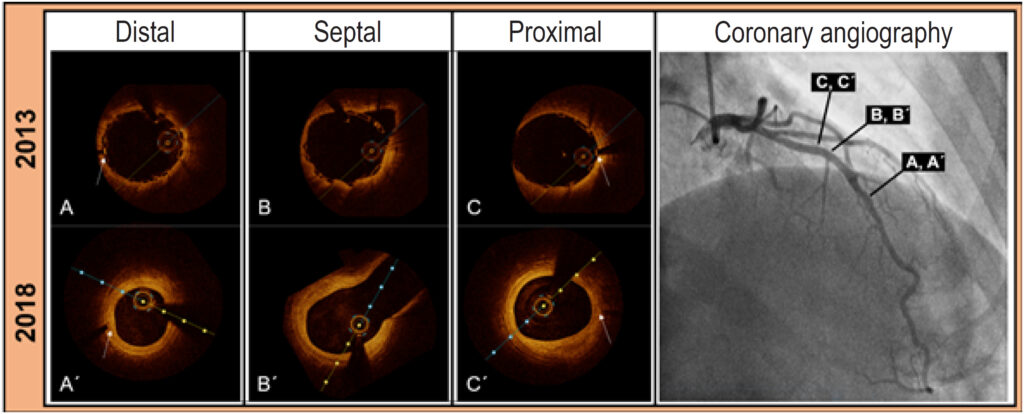
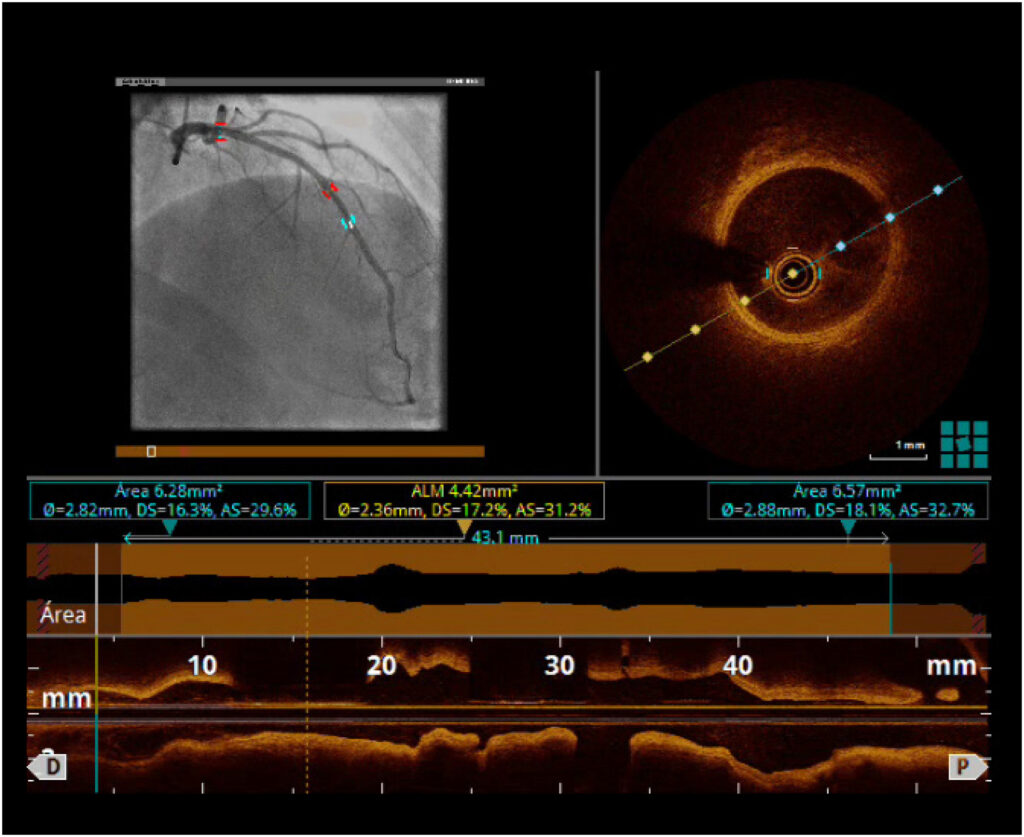
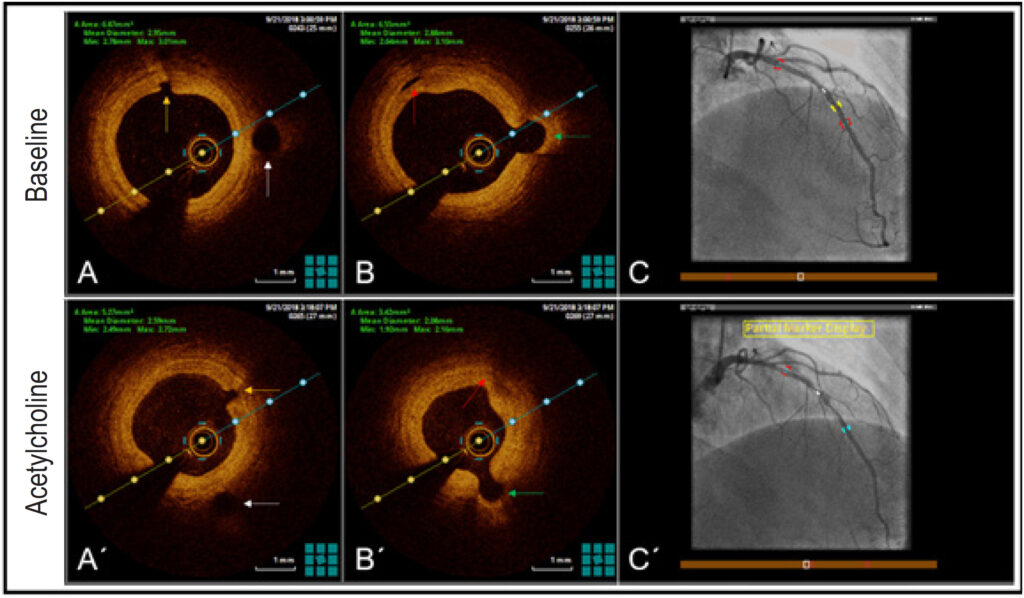
Bioresorbable coronary scaffolds have been designed to prevent long-term complications related to permanent implantation of metallic stents. Everolimus-eluting bioresorbable vascular scaffold (Absorb BVS; Abbott Vascular, Santa Clara, California) was one of the first bioresorbable vascular scaffolds (BVS) to be developed. Absorb BVS is a backbone of Poly-L-lactic acid coated with Poly-DL-lactic polymer, which elutes antiproliferative drug everolimus. BVS received CE Mark for the treatment of coronary artery disease in January 2011 and it was marketed in most European countries by 2012. Although good outcomes were initially described,, recent studies have questioned the safety of the device, suggesting a higher incidence of thrombosis and myocardial infarction., Beyond this, structural and functional recovery of scaffolded coronary segments after BVS resorption has not been systematically searched in a consecutive real-world series. We describe a case of a patient who was studied by coronary angiography, optical coherence tomography (OCT) and coronary vasoreactivity test 5-year after BVS implantation.
[…]
Images
Image gallery fullscreen viewer
Comments are moderated by the editorial team before publication. Discussions should be evidence-based and use scientific language. Conflicts of interest should be declared.