| ABC
ABC Family Arquivos Brasileiros de Cardiologia International Journal of Cardiovascular Sciences ABC Heart Failure & Cardiomyopathy ABC Imagem Cardiovascular
Português English
ABC Family | ABC
Português English
  • About
    • About the Journal
    • Internal Regulation
    • Editors Section
    • Editorial Board
    • History
    • SBC Award
  • Instructions to Authors
    • Guidelines for Publication
    • Editorial Policy
    • Ethics Policy
    • Policy on the Use of Artificial Intelligence
    • Mandatory Publication Form
    • Publication Fee
  • Issues
  • SBC Guidelines
  • Abstracts
    • How to Publish an Abstract Supplement?
    • Supplements from the Brazilian Congress of Cardiology
  • About
    • About the Journal
    • Internal Regulation
    • Editors Section
    • Editorial Board
    • History
    • SBC Award
  • Instructions to Authors
    • Guidelines for Publication
    • Editorial Policy
    • Ethics Policy
    • Policy on the Use of Artificial Intelligence
    • Mandatory Publication Form
    • Publication Fee
  • Issues
  • SBC Guidelines
  • Abstracts
    • How to Publish an Abstract Supplement?
    • Supplements from the Brazilian Congress of Cardiology

ABC Family

  • ABC Family
  • Arquivos Brasileiros de Cardiologia
  • International Journal of Cardiovascular Sciences
  • ABC Heart Failure & Cardiomyopathy
  • ABC Imagem Cardiovascular
Search in

No content found.

Journals
Ordering
Article types
Others

  1. Home
  2. ABC
  3. Issues
  4. 2016, Volume 107, Number 2
Letter to the Editor

The Relationship between GRACE Score and Epicardial Fat Thickness in non-STEMI Patients

Levent Cerit

To the Editor,

I have read the article entitled “The Relationship between GRACE Score and Epicardial Fat Thickness in non-STEMI Patients” by Gul et al. with great interest. The investigators reported that the GRACE score (GS) showed a positive correlation with end-systolic Epicardial Fat Thickness (EFT) and end-diastolic EFT, and also statistical evaluations demonstrated a better correlation between the GS and end-diastolic EFT compared to end-systolic EFT.

[…]

  • Acute coronary syndrome
  • Adipose Tissue
  • Echocardiography
  • Grace Score
  • Pericardium
Read Full Article
Creative Commons Attribution (CC BY) Creative Commons license
01/08/2016 DOI: 10.5935/abc.20160123
Figure 1
Anatomopathological Session

Case 4 – A 67 Year-Old Man with Aortic Regurgitation Who Presented Syncope Followed by Shock

Desiderio Favarato et al. Luiz Alberto Benvenuti

Clinical aspects

Patient with aortic insufficiency diagnosed at 57 years of age, presenting with several transient ischemic attacks simultaneous to atrial fibrillation. Presented with upper digestive bleeding and, finally, syncope followed by decreased consciousness and complex mixed shock with acute renal failure.

The patient showed normal aortic insufficiency clinical evolution, that is, progressive dilatation of the left ventricle with few cardiovascular symptoms. Generally, aortic insufficiency progression is slow and the left ventricle has time to dilate and handle high regurgitating volumes with normal filling pressure. This good compliance maintenance and low end-diastolic pressure has little repercussion on the left atrium and on the pulmonary venocapillary territory, thus there is no increase in liquid content in the lungs and dyspnea appears as a late symptom.

[…]

  • Aortic Valve Insufficiency
  • Atrial Fibrillation
  • Shock, Cardiogenic
  • Syncope
Read Full Article
Creative Commons Attribution (CC BY) Creative Commons license
01/08/2016 DOI: 10.5935/abc.20160125
Viewpoint

Recommendation of Early Surgery in Primary Mitral Regurgitation: Pros and Cons

Vitor Emer Egypto Rosa et al. João Ricardo Cordeiro Fernandes Antonio Sergio de Santis Andrade Lopes Tarso Augusto Duenhas Accorsi Flavio Tarasoutchi

Primary mitral valve regurgitation is the most frequent valvular pathology, affecting approximately 1.7% of the population, with prolapsed mitral as the highlighted etiology. In developing countries, such as Brazil, rheumatic fever is still widely prevalent (18.6/1000), and affects about 15.6 million people worldwide., Currently, the recommendation of mitral surgery for asymptomatic patients is very controversial, since the indication of valvular intervention for symptoms, left ventricular disfunction and dilatation, recent onset atrial fibrillation or pulmonary arterial hypertension is well consolidated in literature ().– One strand defends the concept of “watchful waiting“, highlighting operative risks and morbi-mortality in early implantation of a bioprosthesis, as well as the benign history of asymptomatic mitral regurgitation. On the other hand, a second group advocates for the indication of early surgery, showing, through literature, that mitral valve repair, in these conditions, reduces surgical mortality and increases survival for these patients.–

[…]

Read Full Article
Creative Commons Attribution (CC BY) Creative Commons license
01/08/2016 DOI: 10.5935/abc.20160107
Erratum

Erratum

Issue of April 2016, vol. 106 (4), Supl. 2, pp. 1-22

In “II Diretrizes Brasileiras de Fibrilação Atrial”, consider Kuniyoshi RR as the correct form for the name of the author Ricardo Ryoshim Kuniyoshi.

[…]

Read Full Article
Creative Commons Attribution (CC BY) Creative Commons license
01/08/2016 DOI: 10.5935/abc.20160121
Multiple Thrombi in the Inferior Vena Cava and Right Atrium – Recurrent Thromboembolism Due to Polycythemia Vera
Image

Multiple Thrombi in the Inferior Vena Cava and Right Atrium – Recurrent Thromboembolism Due to Polycythemia Vera

Kevin Domingues et al. Liliana Marta Marisa Peres Isabel Monteiro Margarida Leal

Thromboembolic events are a major cause of morbidity in patients with polycythemia vera (PV), accounting for a third of the deaths in this population. PV is a clonal disorder in which disturbed hematopoiesis leads to increased erythropoiesis, myelopoiesis, and/or megakaryopoiesis, characterizing this disorder as a prothrombotic state.

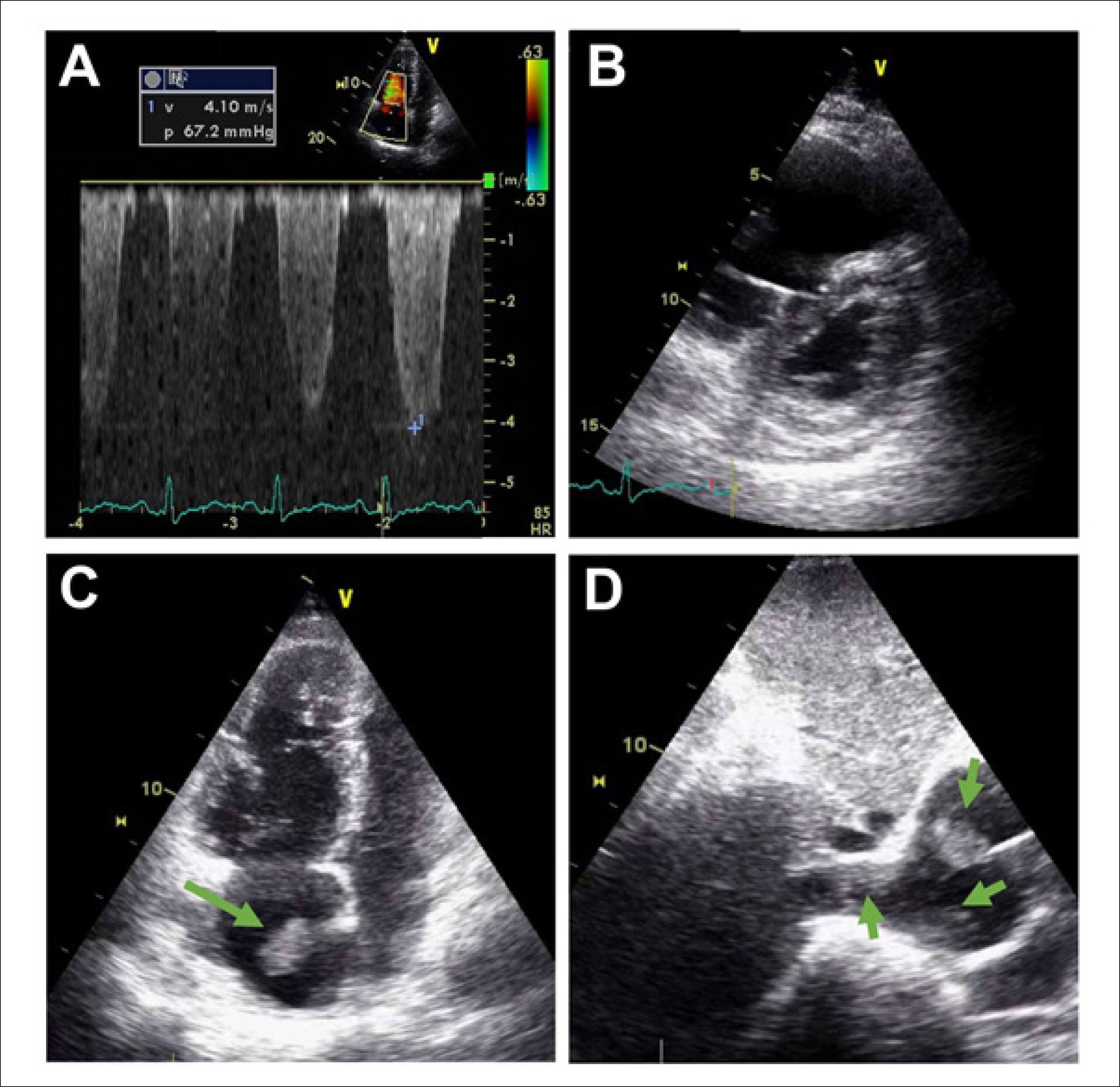
We report here the case of a 72-year-old man with a history of hypertension, type 2 diabetes mellitus, and implantation of a DDDR pacemaker 6 years before due to sick sinus syndrome. He also had an unclear, recent history of high hemoglobin levels and leukocytosis. He had been admitted three times in less than 1 year for acute pulmonary thromboembolism (PTE), despite being on anticoagulation therapy (one time on rivaroxaban, another on warfarin with adequate INR). A computed tomography scan revealed occlusive bilateral thrombi in the lower lobe arteries. Echocardiography was performed and showed enlargement of the right cavities, D-shaped left ventricle, severe pulmonary hypertension, and right ventricular dysfunction (tissue Doppler imaging = 8 cm/s). Multiple thrombi were present in the right atrium (some attached to the pacemaker lead) and in the inferior vena cava. Nevertheless, the patient was hemodynamically stable and comfortable with an oxygen mask.

[…]

  • Heart Atria
  • Polycythemia Vera
  • Pulmonary Embolism/mortality
  • Thrombosis
  • Tomography, X Ray Computed, Echocardiography
  • Vena cava, inferior
Read Full Article
Creative Commons Attribution (CC BY) Creative Commons license
01/08/2016 DOI: 10.5935/abc.20160088 Views 2
Figure 1
Original Article

Hypomethylation of Interleukin-6 Promoter is Associated with the Risk of Coronary Heart Disease

Hong-Peng Zuo et al. Ying-Yu Guo Lin Che Xian-Zheng Wu

Abstract

Background:

Interleukin-6 (IL-6) is implicated in the pathogenesis of coronary heart disease (CHD), and IL-6 expression has associated with reduced DNA methylation of its gene promoter. However, there are no data on IL-6 promoter methylation and the risk of CHD.

Objective:

To examine whether IL-6 promoter methylation measured in blood leukocyte DNA is associated with CHD risk.

Methods:

A total of 212 cases with CHD and 218 controls were enrolled. Methylation at two CpG sites in IL-6 promoter was measured by bisulfite pyrosequencing, and the mean IL-6 methylation was calculated by averaging the methylation measures of the two CpGs.

Results:

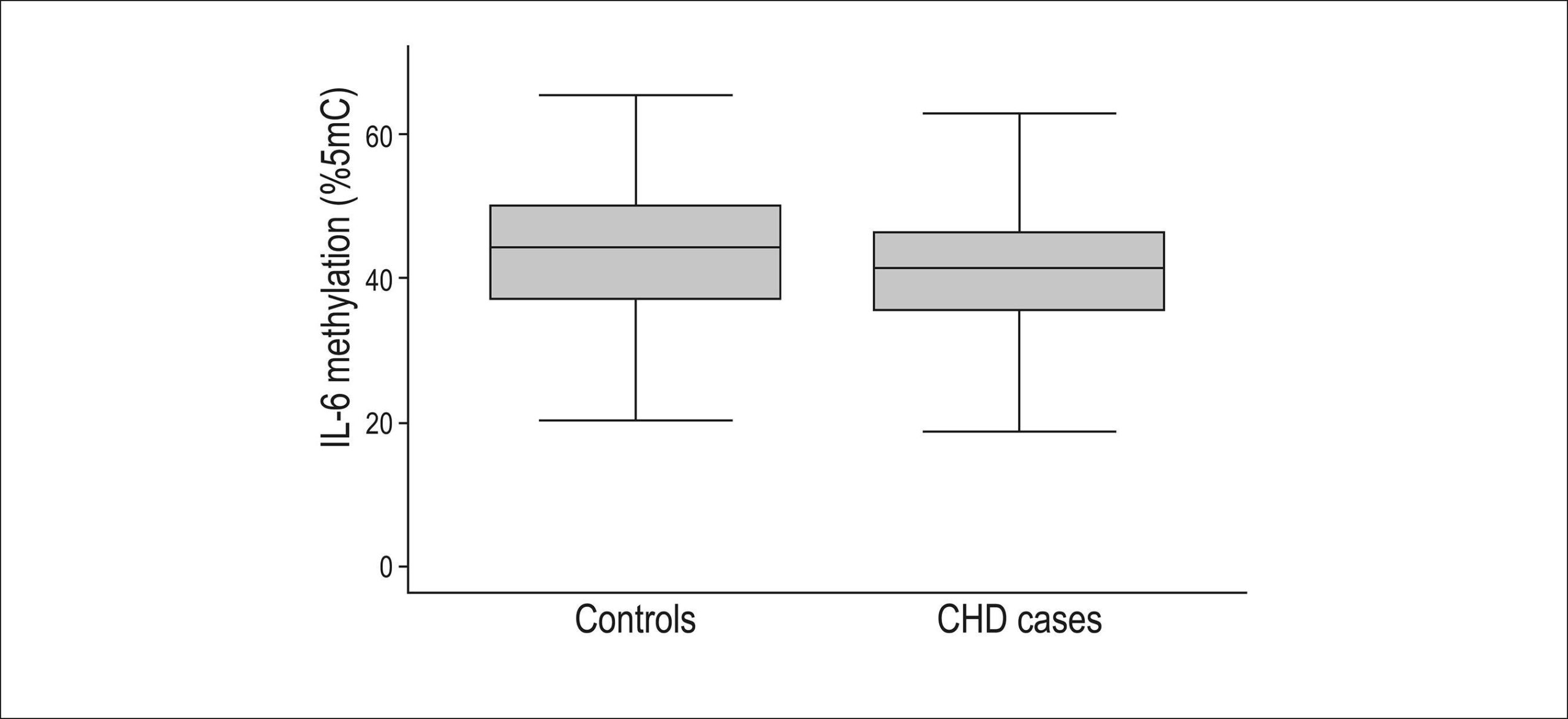
Mean methylation level in IL-6 promoter in CHD cases was significantly lower than that in controls (p = 0.023). Logistic regression analysis showed that IL-6 methylation was inversely associated with the risk of CHD. The odds ratios (ORs) of CHD for subjects in the second and first (lowest) tertile of IL-6 methylation were 1.87 (95% CI = 1.10‑3.20) and 2.01 (95% CI = 1.19-3.38) (ptrend = 0.013), respectively, compared to subjects in the third (highest) tertile. The IL-6 hypomethylation-related risk estimates tended to be stronger for acute myocardial infarction (ptrend = 0.006). CpG position-specific analysis showed that hypomethylation of position 1 conferred a more pronounced increase in CHD risk than that of position 2.

Conclusion:

These findings suggest that DNA hypomethylation of IL-6 promoter is associated with the increased risk for CHD, especially for acute myocardial infarction. The two distinct CpGs in IL-6 may contribute differently to the development of CHD.

  • Coronary Artery Disease
  • DNA Methylation
  • Epigenetic Repression
  • Interleukin-6
Read Full Article
Creative Commons Attribution (CC BY) Creative Commons license
01/08/2016 DOI: 10.5935/abc.20160124 Views 1
Special Article

I RBH – First Brazilian Hypertension Registry

Paulo César Brandão Veiga Jardim et al. Weimar Kunz Sebba Barroso de Souza Renato Delascio Lopes Andréa Araújo Brandão … Marcus V. Bolívar Malachias Marco Mota Gomes Heitor Moreno Júnior Eduardo Costa Duarte Barbosa Rui Manoel dos Santos Póvoa

Abstract

Background:

A registry assessing the care of hypertensive patients in daily clinical practice in public and private centers in various Brazilian regions has not been conducted to date. Such analysis is important to elucidate the effectiveness of this care.

Objective:

To document the current clinical practice for the treatment of hypertension with identification of the profile of requested tests, type of administered treatment, level of blood pressure (BP) control, and adherence to treatment.

Methods:

National, observational, prospective, and multicenter study that will include patients older than 18 years with hypertension for at least 4 weeks, following up in public and private centers and after signing a consent form. The study will exclude patients undergoing dialysis, hospitalized in the previous 30 days, with class III or IV heart failure, pregnant or nursing, with severe liver disease, stroke or acute myocardial infarction in the past 30 days, or with diseases with a survival prognosis < 1 year. Evaluations will be performed at baseline and after 1 year of follow-up. The parameters that will be evaluated include anthropometric data, lifestyle habits, BP levels, lipid profile, metabolic syndrome, and adherence to treatment. The primary outcomes will be hospitalization due to hypertensive crisis, cardiocirculatory events, and cardiovascular death, while secondary outcomes will be hospitalization for heart failure and requirement of dialysis. A subgroup analysis of 15% of the sample will include noninvasive central pressure evaluation at baseline and study end. The estimated sample size is 3,000 individuals for a prevalence of 5%, sample error of 2%, and 95% confidence interval.

Results:

The results will be presented after the final evaluation, which will occur at the end of a 1-year follow-up.

Conclusion:

The analysis of this registry will improve the knowledge and optimize the treatment of hypertension in Brazil, as a way of modifying the prognosis of cardiovascular disease in the country.

  • Epidemiology
  • Evidence-Based Practice
  • Hypertension
  • Multicenter Studies as Topic
  • Prevalence
  • Risk Factors
Read Full Article
Creative Commons Attribution (CC BY) Creative Commons license
01/08/2016 DOI: 10.5935/abc.20160120 Views 1
Figure 1
Case Report

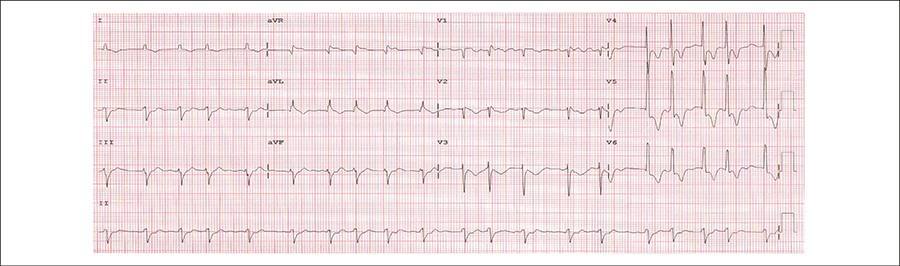
Chronic Heart Disease after Treatment of Oral Acute Chagas Disease

Andrei Fornanciari Antunes et al. Simão Gonçalves Maduro Bruna Valessa Moutinho Pereira Maria das Graças Vale Barbosa … Jorge Augusto de Oliveira Guerra João Marcos Bemfica Barbosa Ferreira

Abstract

We describe the recurrence of cardiac abnormalities in a patient treated during the acute phase of Chagas disease after outpatient follow-up of 5 years.

  • Chagas Cardiomyopathy
  • Chagas disease
  • Trypanosoma cruzi
Read Full Article
Creative Commons Attribution (CC BY) Creative Commons license
01/08/2016 DOI: 10.5935/abc.20160115 Views 1
Figure 1
Original Article

Mortality due to Cardiovascular Diseases in Women and Men in the Five Brazilian Regions, 1980-2012

Antonio de Padua Mansur et al. Desidério Favarato

Abstract

Background:

Studies have shown different mortalities due to cardiovascular diseases (CVD), ischemic heart disease (IHD) and cerebrovascular diseases (CbVD) in the five Brazilian regions. Socioeconomic conditions of those regions are frequently used to justify differences in mortality due to those diseases. In addition, studies have shown a reduction in the differences between the mortality rates of the five Brazilian regions.

Objective:

To update CVD mortality data in women and men in the five Brazilian regions.

Methods:

Mortality and population data were obtained from the Brazilian Institute of Geography and Statistics and Ministry of Health. Risk of death was adjusted by use of the direct method, with the 2000 world standard population as reference. We analyzed trends in mortality due to CVD, IHD and CbVD in women and men aged ≥ 30 years in the five Brazilian regions from 1980 to 2012.

Results:

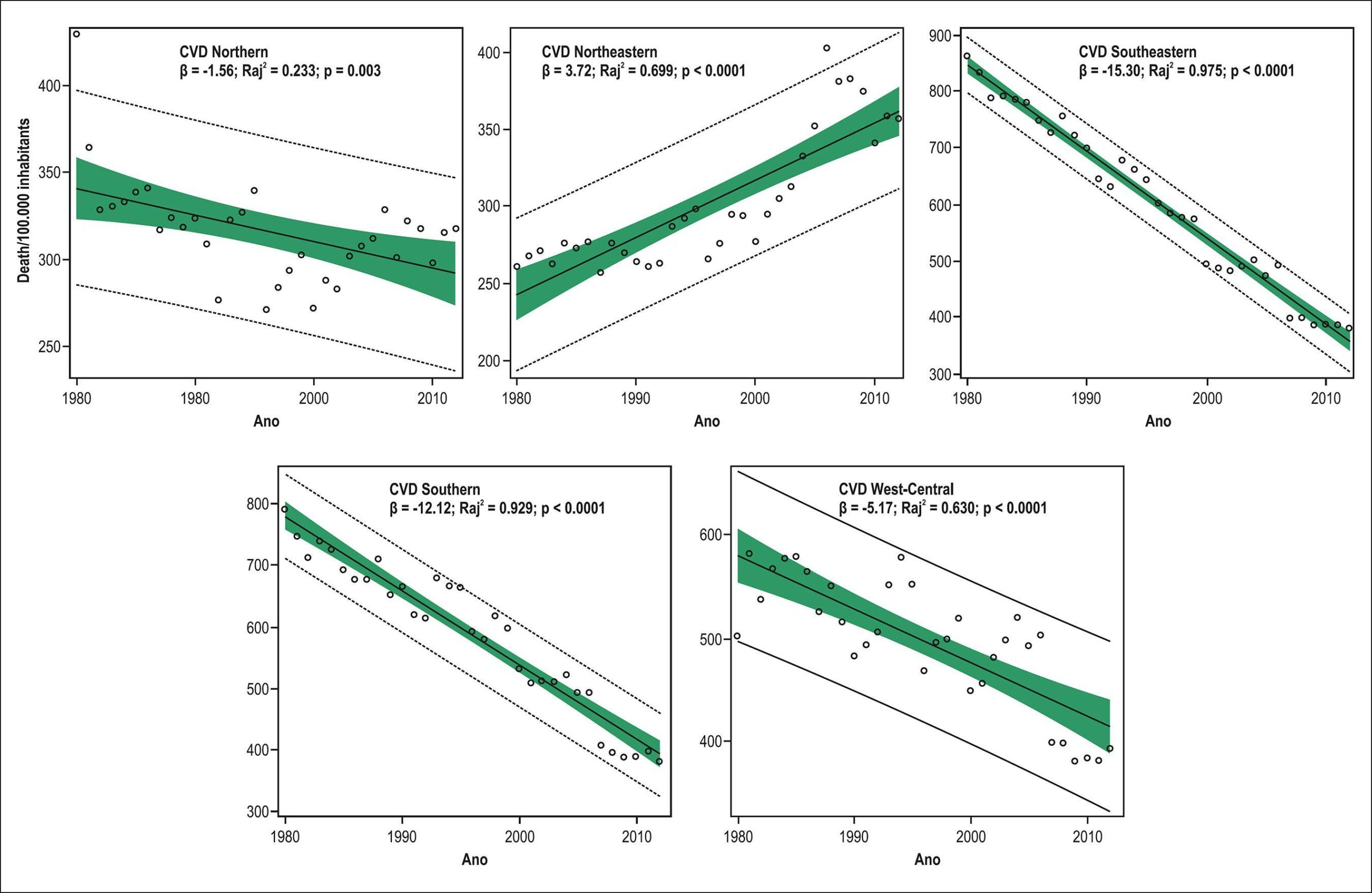
Mortality due to: 1) CVD: showed reduction in the Northern, West-Central, Southern and Southeastern regions; increase in the Northeastern region; 2) IHD: reduction in the Southeastern and Southern regions; increase in the Northeastern region; and unchanged in the Northern and West-Central regions; 3) CbVD: reduction in the Southern, Southeastern and West-Central regions; increase in the Northeastern region; and unchanged in Northern region. There was also a convergence in mortality trends due to CVD, IHD, and CbVD in the five regions.

Conclusion:

The West-Central, Northern and Northeastern regions had the worst trends in CVD mortality as compared to the Southeastern and Southern regions. (Arq Bras Cardiol. 2016; [online].ahead print, PP.0-0)

  • Brazil
  • Cardiovascular Diseases
  • Epidemiology
  • Mortality
  • Myocardial Ischemia
  • Stroke
Read Full Article
Creative Commons Attribution (CC BY) Creative Commons license
18/07/2016 DOI: 10.5935/abc.20160102 Views 1
Figure 1
Original Article

Effect of Fetal Hypothyroidism on Cardiac Myosin Heavy Chain Expression in Male Rats

Nasibeh Yousefzadeh et al. Sajad Jeddi Mohammad Reza Alipour

Abstract

Background:

Thyroid hormone deficiency during fetal life could affect the cardiac function in later life. The mechanism underlying this action in fetal hypothyroidism (FH) in rats has not been elucidated thus far.

Objective:

The aim of this study is to evaluation the effect of FH on cardiac function in male rats and to determine the contribution of α-myosin heavy chain (MHC) and β-MHC isoforms.

Methods:

Six pregnant female rats were randomly divided into two groups: The hypothyroid group received water containing 6-propyl-2-thiouracil during gestation and the controls consumed tap water. The offspring of the rats were tested in adulthood. Hearts from the FH and control rats were isolated and perfused with langendroff setup for measuring hemodynamic parameters; also, the heart mRNA expressions of α- MHC and β-MHC were measured by qPCR.

Results:

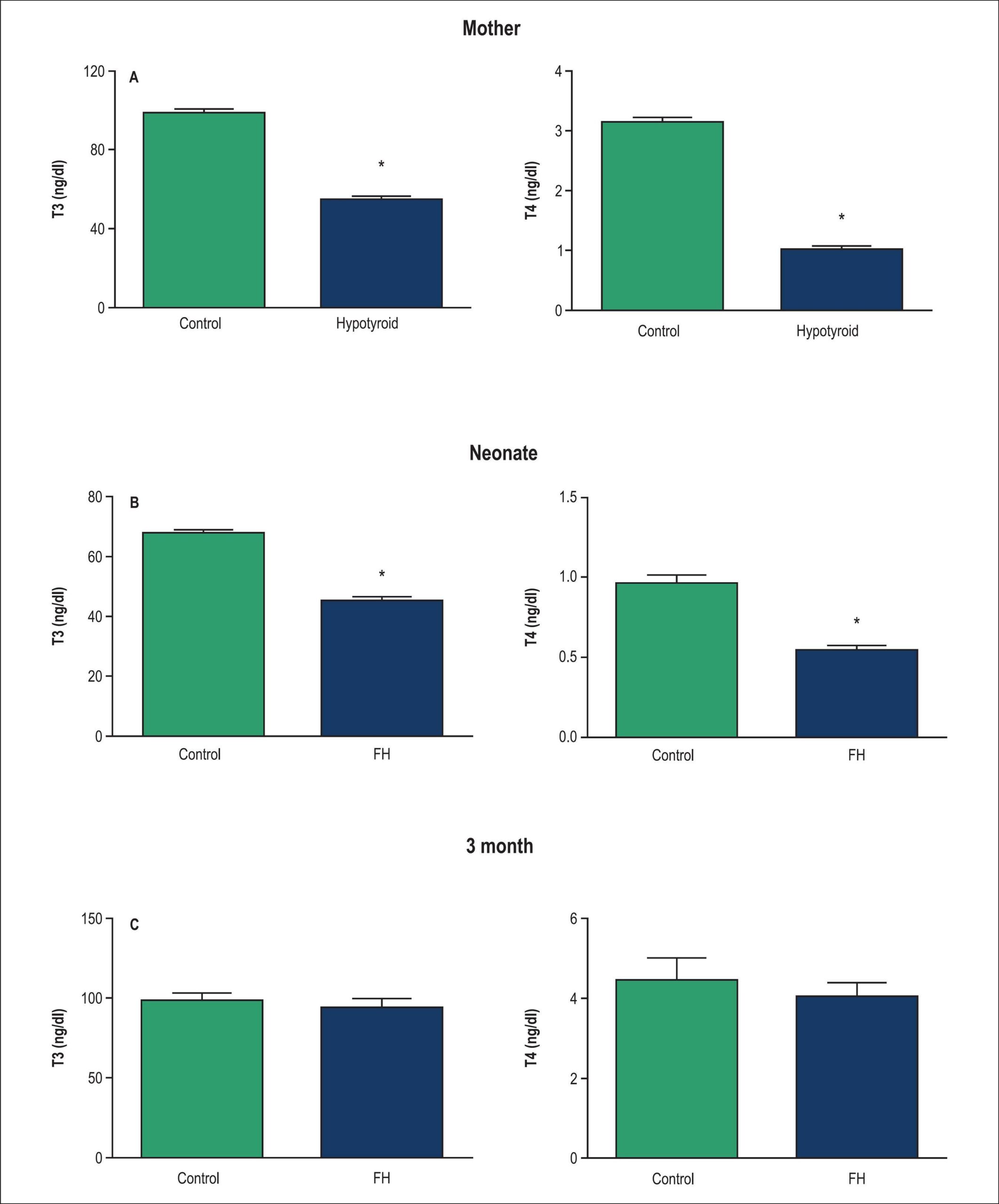
Baseline LVDP (74.0 ± 3.1 vs. 92.5 ± 3.2 mmHg, p < 0.05) and heart rate (217 ± 11 vs. 273 ± 6 beat/min, p < 0.05) were lower in the FH rats than controls. Also, these results showed the same significance in ±dp/dt. In the FH rats, β-MHC expression was higher (201%) and α- MHC expression was lower (47%) than control.

Conclusion:

Thyroid hormone deficiency during fetal life could attenuate normal cardiac functions in adult rats, an effect at least in part due to the increased expression of β-MHC to α- MHC ratio in the heart.

  • Cardiac Myosins
  • Fetus
  • Hypothyroidism
  • Myocardial Contraction
  • Rats
  • Thyroid Hormones
Read Full Article
Creative Commons Attribution (CC BY) Creative Commons license
11/07/2016 DOI: 10.5935/abc.20160099
Figure 1
Original Article

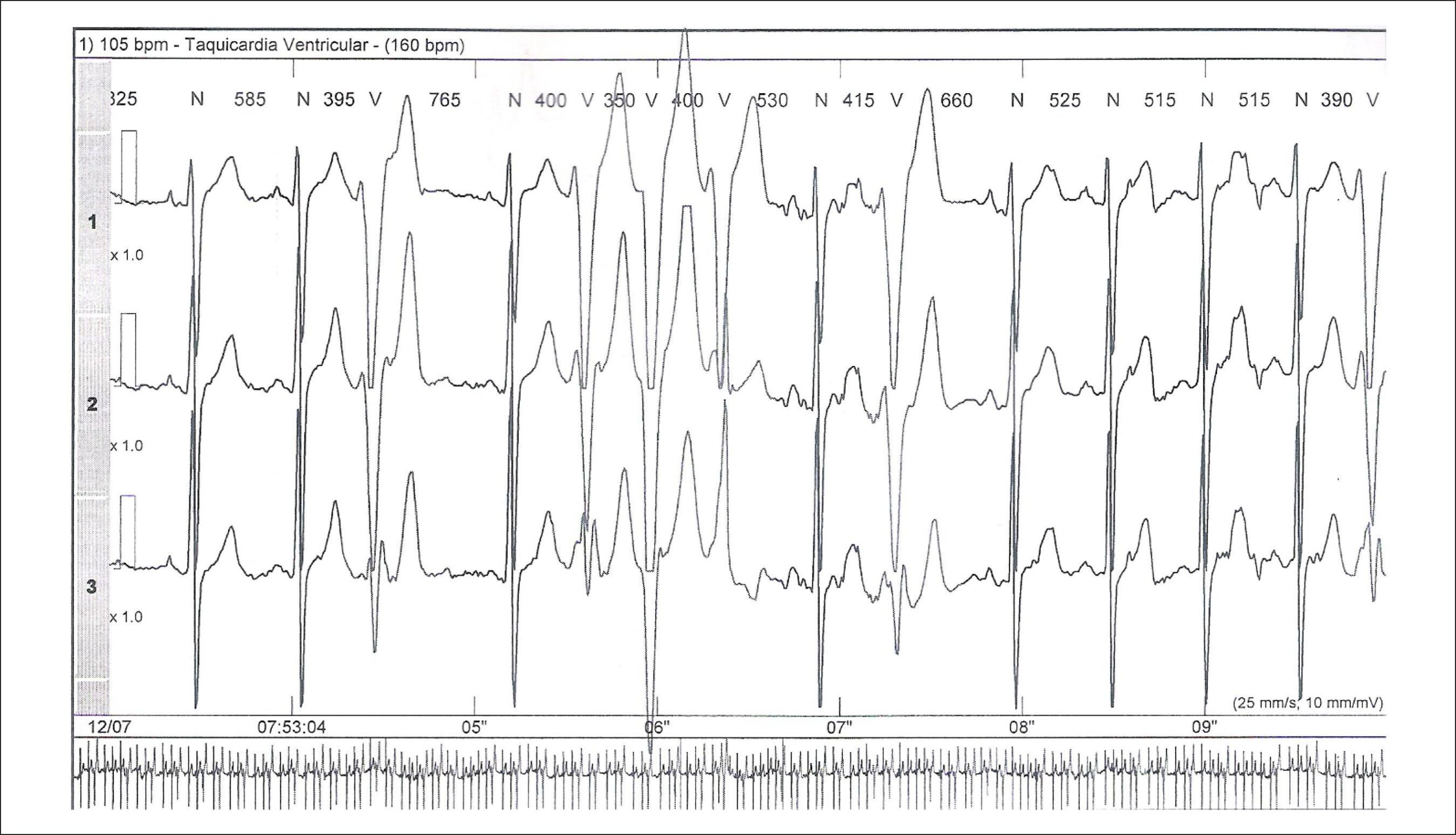
Clinical Course After Cardioverter-Defibrillator Implantation: Chagasic Versus Ischemic Patients

Francisca Tatiana Moreira Pereira et al. Eduardo Arrais Rocha Marcelo de Paula Martins Monteiro Neiberg de Alcantara Lima … Carlos Roberto Martins Rodrigues Sobrinho Roberto da Justa Pires Neto

Abstract

Background:

The outcome of Chagas disease patients after receiving implantable cardioverter defibrillator (ICD) is still controversial.

Objective:

To compare clinical outcomes after ICD implantation in patients with chronic Chagas cardiomyopathy (CCC) and ischemic heart disease (IHD).

Methods:

Prospective study of a population of 153 patients receiving ICD (65 with CCC and 88 with IHD). The devices were implanted between 2003 and 2011. Survival rates and event-free survival were compared.

Results:

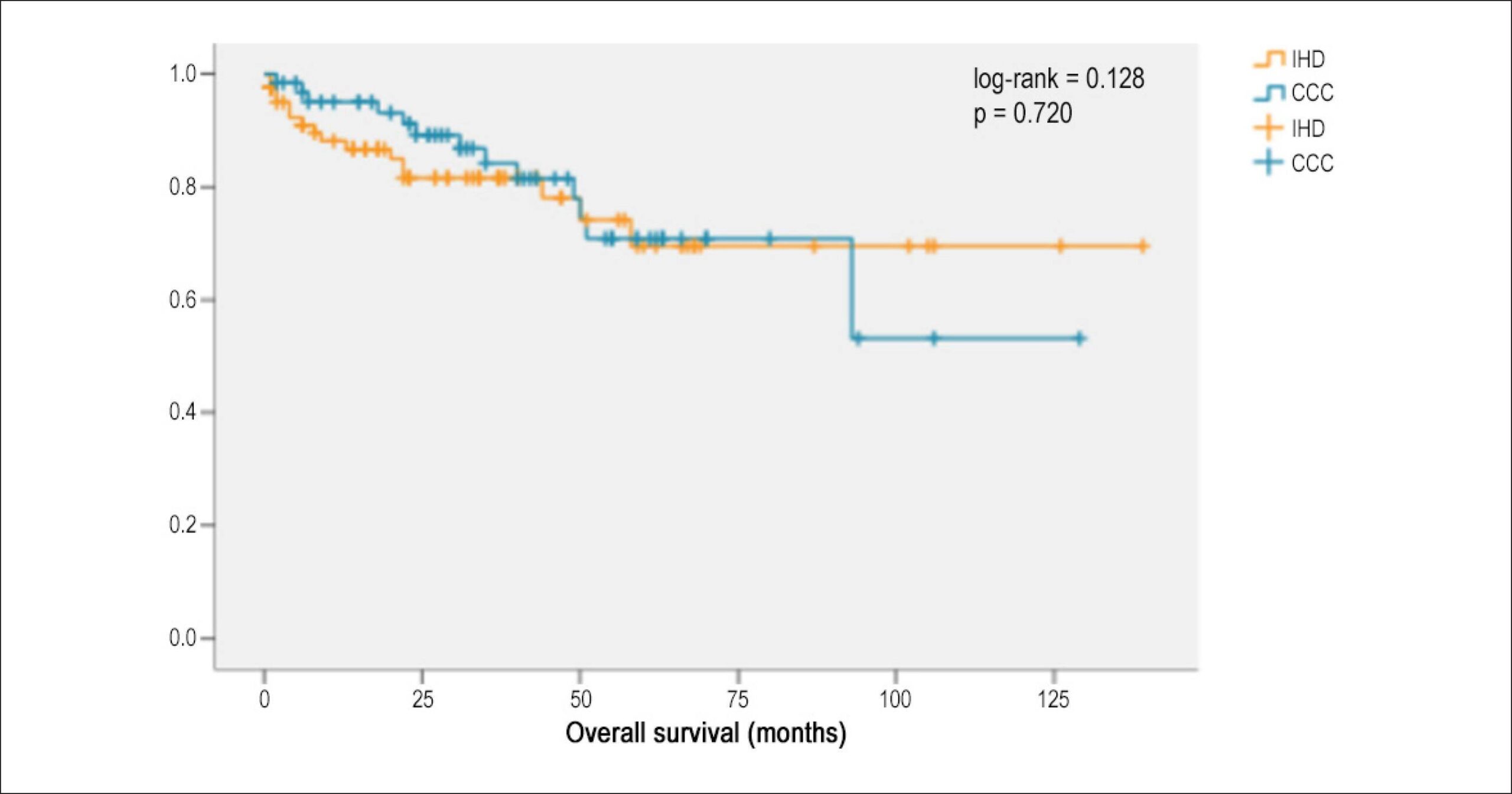
The groups were similar regarding sex, functional class and ejection fraction. Ischemic patients were, on average, 10 years older than CCC patients (p < 0.05). Patients with CCC had lower schooling and monthly income than IHD patients (p < 0.05). The number of appropriate therapies was 2.07 higher in CCC patients, who had a greater incidence of appropriate shock (p < 0.05). Annual mortality rate and electrical storm incidence were similar in both groups. There was no sudden death in CCC patients, and only one in IHD patients. Neither survival time (p = 0.720) nor event-free survival (p = 0.143) significantly differed between the groups.

Conclusion:

CCC doubles the risk of receiving appropriate therapies as compared to IHD, showing the greater complexity of arrhythmias in Chagas patients.

  • Chagas disease
  • Clinical Evolution
  • Defibrillators, Implantable
  • Myocardial Ischemia
Read Full Article
Creative Commons Attribution (CC BY) Creative Commons license
11/07/2016 DOI: 10.5935/abc.20160101 Views 1
Original Article

Association between Clinical and Doppler Echocardiographic Parameters with Sudden Death in Hemodialysis Patients

Silvio Henrique Barberato et al. Sérgio Gardano Elias Bucharles Marcia Ferreira Alves Barberato Roberto Pecoits-Filho

Abstract

Background:

Sudden cardiac death (SCD) is the leading cause of death in maintenance hemodialysis (HD) patients, but there is little information about underlying risk factors.

Objectives:

Evaluate the association between clinical and echocardiographic variables with SCD on HD patients.

Methods:

Retrospective nested case-control study on chronic HD patients who were prospectively followed. The primary endpoint was SCD. Variables were compared by Student t test, Mann-Whitney or Chi-Square, and independent predictors of SCD were evidenced by multivariate logistic regression.

Results:

We followed 153 patients (50 ± 15 years, 58% men) for 23 ± 14 months and observed 35 deaths, 17 of which were SCD events. When compared to the control group (matched for gender, age, and body mass index) there were no differences regarding time on dialysis, traditional biochemical parameters, blood pressure, smoking, use of cardiovascular protective drugs, ejection fraction, left ventricular dimensions, and diastolic function indices. On the other hand, in the SCD group, we found a higher prevalence of previous heart failure, acute myocardial infarction and diabetes, greater left ventricular mass index, greater left atrial size and lower global myocardial performance. After multivariate logistic regression analysis, diabetes (OR = 2.6; CI = 1.3-7.5; p = 0.023) and left ventricular mass index ≥ 101 g/m2.7 (OR = 1.04; CI = 1.01-1.08; p = 0.028) showed independent association with SCD events.

Conclusions:

HD patients with diabetes mellitus and left ventricular hypertrophy appear to have the highest risk of SCD. Preventive and therapeutic strategies should be encouraged in addressing these risk factors to minimize the occurrence of SCD in HD patients.

  • Death, Sudden, Cardiac
  • Echocardiography, Doppler
  • Hypertrophy Left Ventricular
  • renal dialysis
  • Risk Factors
Read Full Article
Creative Commons Attribution (CC BY) Creative Commons license
11/07/2016 DOI: 10.5935/abc.20160098 Views 1
Figure 1
Original Article

Is Local Nitric Oxide Availability Responsible for Myocardial Salvage after Remote Preconditioning?

Esbeidira Aranet Arroyo-Martínez et al. Alejandra Meaney Gabriela Gutiérrez-Salmeán Juan Miguel Rivera-Capello … Vidal González-Coronado Alejandro Alcocer-Chauvet Genaro Castillo Nayelli Nájera Guillermo Ceballos Eduardo Meaney

Abstract

Background:

Remote ischemic preconditioning (RIPC) represents an attractive therapy for myocardial protection, particularly when ischemic events can be anticipated. Although several hypothetic mechanisms have been proposed, no definite molecular pathways have been elucidated.

Objective:

We evaluated the effect of brachial circulation cuff occlusion on myocardial ischemic tolerance, necrosis, and nitric oxide (NO) in patients with ischemic heart disease undergoing elective percutaneous coronary interventions (PCI).

Methods:

46 patients were randomly allocated into two groups: control and RIPC before PCI procedures. Electrocardiographic analysis, serum concentrations of troponin I (cTn-I) were measured at baseline and 24 hours after PCI. A blood sample from the atherosclerotic plaque was drawn to determine nitrate and nitrites.

Results:

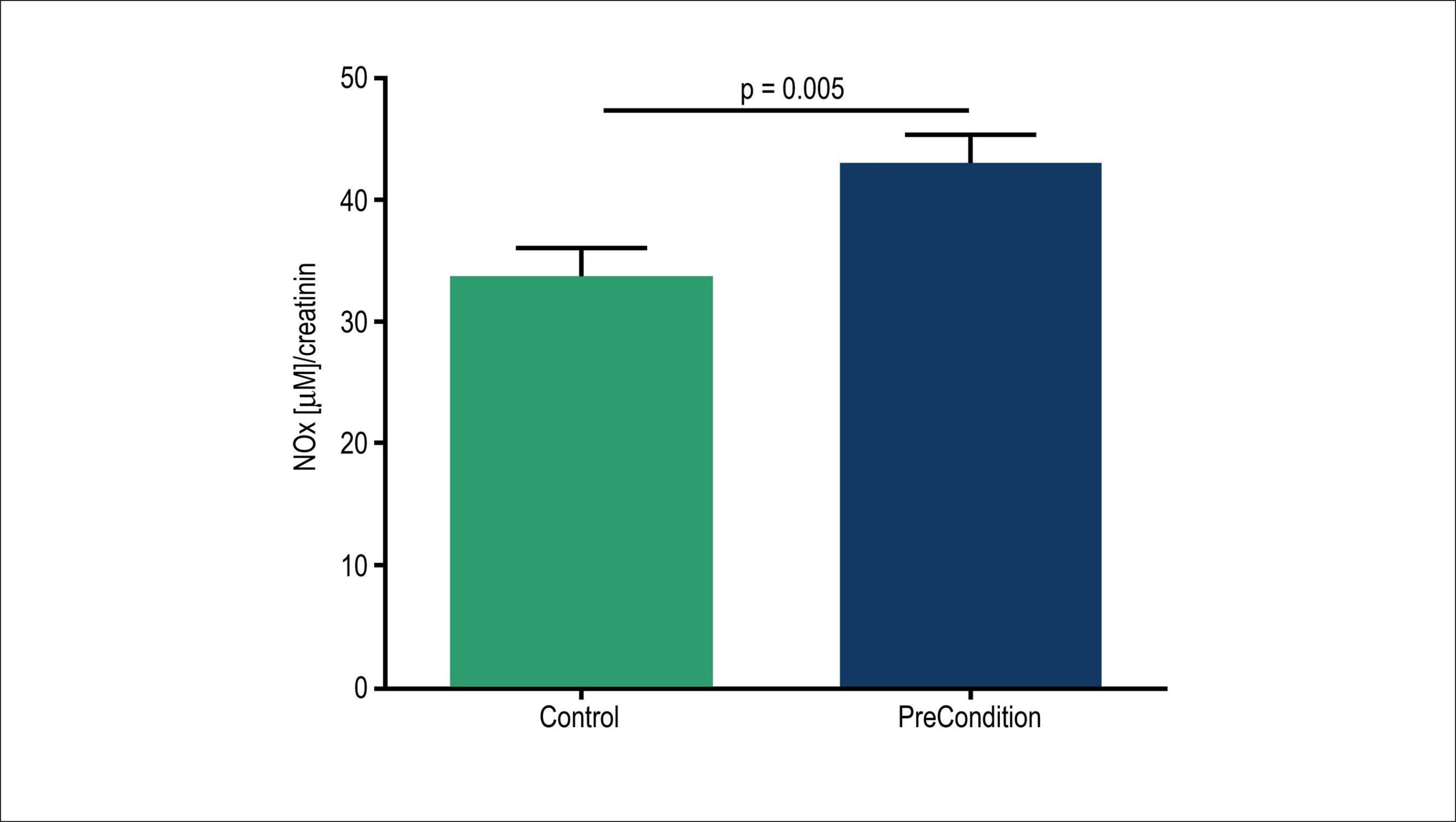
RIPC increased the availability of NO in the stented coronary artery. Control patients presented a small but significant increase in cTn-I, whilst it remained unchanged in preconditioned group. The preconditioning maneuver not only preserved but also enhanced the sum of R waves.

Conclusions:

RIPC induced an intracoronary increase of NO levels associated with a decrease in myocardial damage (measured as no increase in cTn-I) with electrocardiographic increases in the sum of R waves, suggesting an improved myocardium after elective PCI.

  • Ischemia
  • Ischemic Preconditioning Myocardial
  • Nitric Oxide
  • Reperfusion
Read Full Article
Creative Commons Attribution (CC BY) Creative Commons license
11/07/2016 DOI: 10.5935/abc.20160100 Views 1
Original Article

Low Prevalance of Major Events Adverse to Exercise Stress Echocardiography

Stephanie Macedo Andrade et al. Caio José Coutinho Leal Telino Antônio Carlos Sobral Sousa Enaldo Vieira de Melo … Carla Carolina Cardoso Teixeira Clarissa Karine Cardoso Teixeira Jaquiele Santos Santana Igor Larchert Mota Carlos José Oliveira de Matos Joselina Luzia Menezes Oliveira

Abstract

Background:

Stress echocardiography is well validated for diagnosis and risk stratification of coronary artery disease. Exercise stress echocardiography (ESE) has been shown to be the most physiological among the modalities of stress, but its safety is not well established.

Objective:

To study the complications related to ESE and clinical and echocardiographic variables most commonly associated with their occurrence.

Methods:

Cross-sectional study consisting of 10250 patients submitted to ESE for convenience, from January 2000 to June 2014. Cardiac Arrhythmias (CA) were the most frequent complications observed during the examination. The volunteers were divided into two groups according to the occurrence of CA during ESE: G1 group, composed of patients who have CA, and G2 formed by individuals who did not show such complication. Results: Group G1, consisting of 2843 patients (27.7%), and Group G2 consisting of 7407 patients (72.3%). There was no death, acute myocardial infarction, ventricular fibrillation or asystole. Predominant CAs were: supraventricular extrasystoles (13.7%), and ventricular extrasystoles (11.5%). G1 group had a higher mean age, higher frequency of hypertension and smoking, larger aortic roots and left atrium (LA) and lower ejection fraction than G2. G1 group also had more ischemic changes (p < 0.001). The predictor variables were age (RR 1.04; [CI] 95% from 1.038 to 1.049) and LA (RR 1.64; [CI] 95% from 1.448 to 1.872).

Conclusion:

ESE proved to be a safe modality of stress, with non-fatal complications only. Advanced age and enlargement of the left atrium are predictive of cardiac arrhythmias.

  • Coronary Artery Disease
  • Exercise Test
  • Exercise/physiology
  • Safety
Read Full Article
Creative Commons Attribution (CC BY) Creative Commons license
27/06/2016 DOI: 10.5935/abc.20160096 Views 2
Figure 1
Original Article

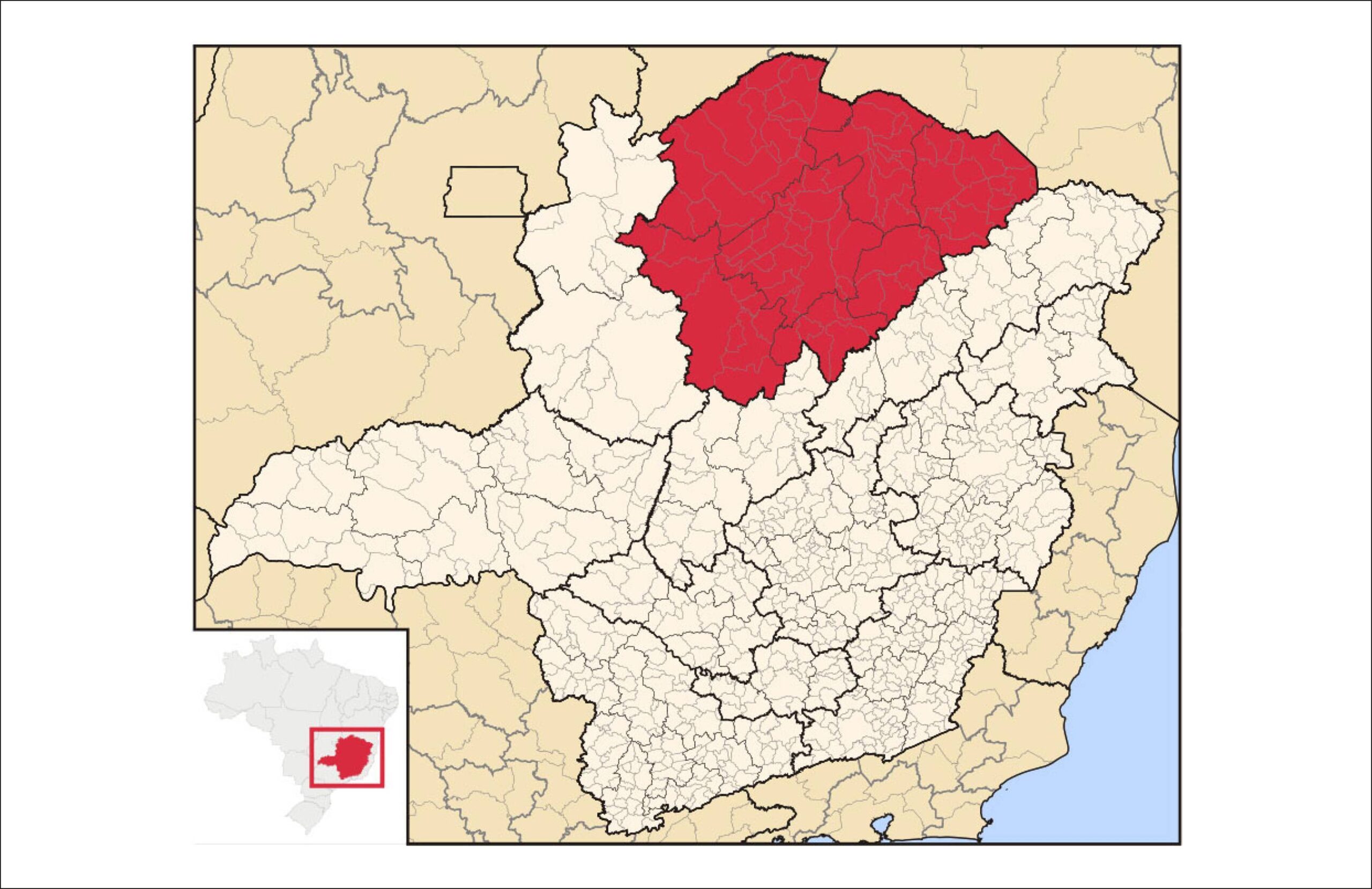
Epidemiological Profile and Quality Indicators in Patients with Acute Coronary Syndrome in Northern Minas Gerais – Minas Telecardio 2 Project

Bárbara Campos Abreu Marino et al. Milena Soriano Marcolino Rasível dos Santos Reis Júnior Ana Luiza Nunes França … Priscilla Fortes de Oliveira Passos Thais Ribeiro Lemos Izabella de Oliveira Antunes Camila Gonçalves Ferreira André Pires Antunes Antonio Luiz Pinho Ribeiro

Abstract

Background:

Coronary artery disease is the main cause of death in Brazil. In the Brazilian public health system, the in-hospital mortality associated with acute myocardial infarction is high. The Minas Telecardio 2 Project (Projeto Minas Telecardio 2) aims at implementing a myocardial infarction system of care in the Northern Region of Minas Gerais (MG) to decrease hospital morbidity and mortality. The aim of this study was to describe the profile of the patients with acute coronary syndrome (ACS) cared for in the period that preceded the implementation of the system of care.

Methods:

Observational, prospective study of patients with ACS admitted between June 2013 and March 2014 to six emergency departments in Montes Claros, MG, and followed up until hospital discharge.

Results:

During the study period, 593 patients were admitted with a diagnosis of ACS (mean age 63 ± 12 years, 67.6% men), including 306 (51.6%) cases of unstable angina, 214 (36.0%) of ST-elevation myocardial infarction (STEMI), and 73 (12.3%) of non-ST-elevation myocardial infarction (NSTEMI). The total STEMI mortality was 21%, and the in-hospital mortality was 17.2%. In the STEMI patients, 46,0% underwent reperfusion therapy, including primary angioplasty in 88 and thrombolysis in six. Overall, aspirin was administered to 95.1% of the patients within 24 hours and to 93.5% at discharge, a P2Y12 inhibitor was administered to 88.7% participants within 24 hours and to 75.1% at discharge. A total of 73.1% patients received heparin within 24 hours.

Conclusion:

We observed a low reperfusion rate in patients with STEMI and limited adherence to the recommended ACS treatment in the Northern Region of MG. These observations enable opportunities to improve health care.

  • Acute Coronary Syndrome/epidemiology
  • Health Profile
  • Quality Indicators, Health Care
  • Telemedicine
Read Full Article
Creative Commons Attribution (CC BY) Creative Commons license
23/06/2016 DOI: 10.5935/abc.20160095
Figure 1
Review Article

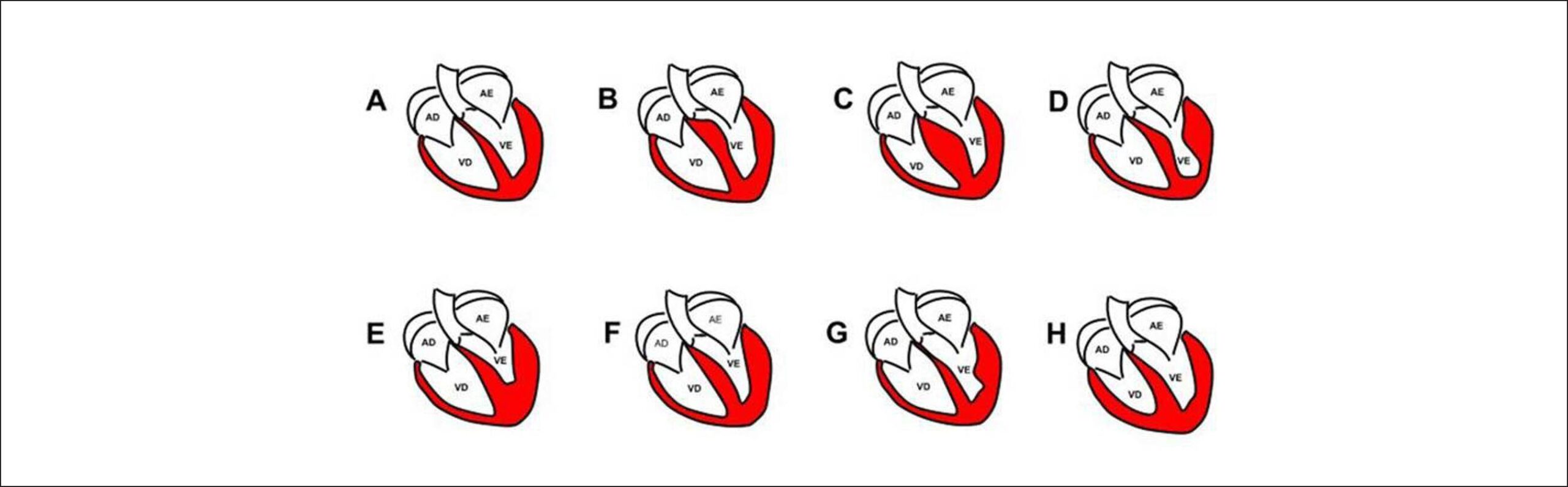
Cardiac Magnetic Resonance and Computed Tomography in Hypertrophic Cardiomyopathy: an Update

Diogo Costa Leandro de Oliveira et al. Fernanda Boldrini Assunção Alair Agusto Sarmet Moreira Damas dos Santos Marcelo Souto Nacif

Abstract

Hypertrophic cardiomyopathy (HCM) is the most common genetic cardiovascular disease and represents the main cause of sudden death in young patients. Cardiac magnetic resonance (CMR) and cardiac computed tomography (CCT) are noninvasive imaging methods with high sensitivity and specificity, useful for the establishment of diagnosis and prognosis of HCM, and for the screening of patients with subclinical phenotypes. The improvement of image analysis by CMR and CCT offers the potential to promote interventions aiming at stopping the natural course of the disease. This study aims to describe the role of RCM and CCT in the diagnosis and prognosis of HCM, and how these methods can be used in the management of these patients.

  • Cardiomiopatia Hipertrófica
  • Espectroscopia de Ressonância Magnética / uso diagnóstico
  • Tomografia Computadorizada por Raios X / métodos
  • Tomografia Computadorizada por Raios X / tendências
Read Full Article
Creative Commons Attribution (CC BY) Creative Commons license
10/06/2016 DOI: 10.5935/abc.20160081 Views 1

How to cite this article

EndNote RIS

Electronic Document Format (Vancouver)

Cerit L. The Relationship between GRACE Score and Epicardial Fat Thickness in non-STEMI Patients. Arquivos Brasileiros de Cardiologia 2016;107(2):189-90.

Electronic Document Format (ABNT)

Cerit, Levent. The Relationship between GRACE Score and Epicardial Fat Thickness in non-STEMI Patients. Arquivos Brasileiros de Cardiologia, v. 107, n. 2, p. 189-190, Jul. 2016.

Electronic Document Format (APA)

Cerit, L. (2016). The Relationship between GRACE Score and Epicardial Fat Thickness in non-STEMI Patients. Arquivos Brasileiros de Cardiologia, 107(2), 189-190.

Electronic Document Format (ISO)

Cerit, Levent. The Relationship between GRACE Score and Epicardial Fat Thickness in non-STEMI Patients. Arquivos Brasileiros de Cardiologia [online]. 2016, vol. 107, n. 2, [cited 2026-10-14], pp. 189-190. Available from: <https://journals.cardiol.br/en/article/the-relationship-between-grace-score-and-epicardial-fat-thickness-in-non-stemi-patients/>. ISSN 0066-782X

EndNote RIS

Electronic Document Format (Vancouver)

Favarato D, Benvenuti LA. Case 4 – A 67 Year-Old Man with Aortic Regurgitation Who Presented Syncope Followed by Shock. Arquivos Brasileiros de Cardiologia 2016;107(2):176-83.

Electronic Document Format (ABNT)

Favarato, Desiderio; Benvenuti, Luiz Alberto. Case 4 – A 67 Year-Old Man with Aortic Regurgitation Who Presented Syncope Followed by Shock. Arquivos Brasileiros de Cardiologia, v. 107, n. 2, p. 176-183, Jul. 2016.

Electronic Document Format (APA)

Favarato, D., & Benvenuti, L. A. (2016). Case 4 – A 67 Year-Old Man with Aortic Regurgitation Who Presented Syncope Followed by Shock. Arquivos Brasileiros de Cardiologia, 107(2), 176-183.

Electronic Document Format (ISO)

Favarato, Desiderio and Benvenuti, Luiz Alberto. Case 4 – A 67 Year-Old Man with Aortic Regurgitation Who Presented Syncope Followed by Shock. Arquivos Brasileiros de Cardiologia [online]. 2016, vol. 107, n. 2, [cited 2026-10-14], pp. 176-183. Available from: <https://journals.cardiol.br/en/article/case-4-a-67-year-old-man-with-aortic-regurgitation-who-presented-syncope-followed-by-shock/>. ISSN 0066-782X

EndNote RIS

Electronic Document Format (Vancouver)

Rosa VEE, Fernandes JRC, Lopes ASSA, Accorsi TAD, Tarasoutchi F. Recommendation of Early Surgery in Primary Mitral Regurgitation: Pros and Cons. Arquivos Brasileiros de Cardiologia 2016;107(2):173-5.

Electronic Document Format (ABNT)

Rosa, Vitor Emer Egypto; Fernandes, João Ricardo Cordeiro; Lopes, Antonio Sergio de Santis Andrade; Accorsi, Tarso Augusto Duenhas; Tarasoutchi, Flavio. Recommendation of Early Surgery in Primary Mitral Regurgitation: Pros and Cons. Arquivos Brasileiros de Cardiologia, v. 107, n. 2, p. 173-175, Jul. 2016.

Electronic Document Format (APA)

Rosa, V. E. E., Fernandes, J. R. C., Lopes, A. S. S. A., Accorsi, T. A. D., & Tarasoutchi, F. (2016). Recommendation of Early Surgery in Primary Mitral Regurgitation: Pros and Cons. Arquivos Brasileiros de Cardiologia, 107(2), 173-175.

Electronic Document Format (ISO)

Rosa, Vitor Emer Egypto and Fernandes, João Ricardo Cordeiro and Lopes, Antonio Sergio de Santis Andrade and Accorsi, Tarso Augusto Duenhas and Tarasoutchi, Flavio. Recommendation of Early Surgery in Primary Mitral Regurgitation: Pros and Cons. Arquivos Brasileiros de Cardiologia [online]. 2016, vol. 107, n. 2, [cited 2026-10-14], pp. 173-175. Available from: <https://journals.cardiol.br/en/article/recommendation-of-early-surgery-in-primary-mitral-regurgitation-pros-and-cons-2/>. ISSN 0066-782X

EndNote RIS

Electronic Document Format (Vancouver)

. Erratum. Arquivos Brasileiros de Cardiologia 2016;107(2):191.

Electronic Document Format (ABNT)

. Erratum. Arquivos Brasileiros de Cardiologia, v. 107, n. 2, p. 191-191, Jul. 2016.

Electronic Document Format (APA)

(2016). Erratum. Arquivos Brasileiros de Cardiologia, 107(2), 191-191.

Electronic Document Format (ISO)

. Erratum. Arquivos Brasileiros de Cardiologia [online]. 2016, vol. 107, n. 2, [cited 2026-10-14], pp. 191-191. Available from: <https://journals.cardiol.br/en/article/erratum-28/>. ISSN 0066-782X

EndNote RIS

Electronic Document Format (Vancouver)

Domingues K, Marta L, Peres M, Monteiro I, Leal M. Multiple Thrombi in the Inferior Vena Cava and Right Atrium – Recurrent Thromboembolism Due to Polycythemia Vera. Arquivos Brasileiros de Cardiologia 2016;107(2):187-8.

Electronic Document Format (ABNT)

Domingues, Kevin; Marta, Liliana; Peres, Marisa; Monteiro, Isabel; Leal, Margarida. Multiple Thrombi in the Inferior Vena Cava and Right Atrium – Recurrent Thromboembolism Due to Polycythemia Vera. Arquivos Brasileiros de Cardiologia, v. 107, n. 2, p. 187-188, Jul. 2016.

Electronic Document Format (APA)

Domingues, K., Marta, L., Peres, M., Monteiro, I., & Leal, M. (2016). Multiple Thrombi in the Inferior Vena Cava and Right Atrium – Recurrent Thromboembolism Due to Polycythemia Vera. Arquivos Brasileiros de Cardiologia, 107(2), 187-188.

Electronic Document Format (ISO)

Domingues, Kevin and Marta, Liliana and Peres, Marisa and Monteiro, Isabel and Leal, Margarida. Multiple Thrombi in the Inferior Vena Cava and Right Atrium – Recurrent Thromboembolism Due to Polycythemia Vera. Arquivos Brasileiros de Cardiologia [online]. 2016, vol. 107, n. 2, [cited 2026-10-14], pp. 187-188. Available from: <https://journals.cardiol.br/en/article/multiple-thrombi-in-the-inferior-vena-cava-and-right-atrium-recurrent-thromboembolism-due-to-polycythemia-vera/>. ISSN 0066-782X

EndNote RIS

Electronic Document Format (Vancouver)

Zuo H, Guo Y, Che L, Wu X. Hypomethylation of Interleukin-6 Promoter is Associated with the Risk of Coronary Heart Disease. Arquivos Brasileiros de Cardiologia 2016;107(2):131-6.

Electronic Document Format (ABNT)

Zuo, Hong-Peng; Guo, Ying-Yu; Che, Lin; Wu, Xian-Zheng. Hypomethylation of Interleukin-6 Promoter is Associated with the Risk of Coronary Heart Disease. Arquivos Brasileiros de Cardiologia, v. 107, n. 2, p. 131-136, Jul. 2016.

Electronic Document Format (APA)

Zuo, H., Guo, Y., Che, L., & Wu, X. (2016). Hypomethylation of Interleukin-6 Promoter is Associated with the Risk of Coronary Heart Disease. Arquivos Brasileiros de Cardiologia, 107(2), 131-136.

Electronic Document Format (ISO)

Zuo, Hong-Peng and Guo, Ying-Yu and Che, Lin and Wu, Xian-Zheng. Hypomethylation of Interleukin-6 Promoter is Associated with the Risk of Coronary Heart Disease. Arquivos Brasileiros de Cardiologia [online]. 2016, vol. 107, n. 2, [cited 2026-10-14], pp. 131-136. Available from: <https://journals.cardiol.br/en/article/hypomethylation-of-interleukin-6-promoter-is-associated-with-the-risk-of-coronary-heart-disease/>. ISSN 0066-782X

EndNote RIS

Electronic Document Format (Vancouver)

Jardim PCBV, Souza WKSB, Lopes RD, Brandão AA, Malachias MVB, Gomes MM, Moreno Júnior H, et al. I RBH – First Brazilian Hypertension Registry. Arquivos Brasileiros de Cardiologia 2016;107(2):93-8.

Electronic Document Format (ABNT)

Jardim, Paulo César Brandão Veiga; Souza, Weimar Kunz Sebba Barroso de; Lopes, Renato Delascio; Brandão, Andréa Araújo; Malachias, Marcus V. Bolívar; Gomes, Marco Mota; Moreno Júnior, Heitor; Barbosa, Eduardo Costa Duarte; Póvoa, Rui Manoel dos Santos. I RBH – First Brazilian Hypertension Registry. Arquivos Brasileiros de Cardiologia, v. 107, n. 2, p. 93-98, Jul. 2016.

Electronic Document Format (APA)

Jardim, P. C. B. V., Souza, W. K. S. B. , Lopes, R. D., Brandão, A. A., Malachias, M. V. B., Gomes, M. M., Moreno Júnior, H., Barbosa, E. C. D., & Póvoa, R. M. S. (2016). I RBH – First Brazilian Hypertension Registry. Arquivos Brasileiros de Cardiologia, 107(2), 93-98.

Electronic Document Format (ISO)

Jardim, Paulo César Brandão Veiga and Souza, Weimar Kunz Sebba Barroso de and Lopes, Renato Delascio and Brandão, Andréa Araújo and Malachias, Marcus V. Bolívar and Gomes, Marco Mota and Moreno Júnior, Heitor and Barbosa, Eduardo Costa Duarte and Póvoa, Rui Manoel dos Santos. I RBH – First Brazilian Hypertension Registry. Arquivos Brasileiros de Cardiologia [online]. 2016, vol. 107, n. 2, [cited 2026-10-14], pp. 93-98. Available from: <https://journals.cardiol.br/en/article/i-rbh-first-brazilian-hypertension-registry/>. ISSN 0066-782X

EndNote RIS

Electronic Document Format (Vancouver)

Antunes AF, Maduro SG, Pereira BVM, Barbosa MGV, Guerra JAO, Ferreira JMBB. Chronic Heart Disease after Treatment of Oral Acute Chagas Disease. Arquivos Brasileiros de Cardiologia 2016;107(2):184-6.

Electronic Document Format (ABNT)

Antunes, Andrei Fornanciari; Maduro, Simão Gonçalves; Pereira, Bruna Valessa Moutinho; Barbosa, Maria das Graças Vale; Guerra, Jorge Augusto de Oliveira; Ferreira, João Marcos Bemfica Barbosa. Chronic Heart Disease after Treatment of Oral Acute Chagas Disease. Arquivos Brasileiros de Cardiologia, v. 107, n. 2, p. 184-186, Jul. 2016.

Electronic Document Format (APA)

Antunes, A. F., Maduro, S. G., Pereira, B. V. M., Barbosa, M. G. V., Guerra, J. A. O., & Ferreira, J. M. B. B. (2016). Chronic Heart Disease after Treatment of Oral Acute Chagas Disease. Arquivos Brasileiros de Cardiologia, 107(2), 184-186.

Electronic Document Format (ISO)

Antunes, Andrei Fornanciari and Maduro, Simão Gonçalves and Pereira, Bruna Valessa Moutinho and Barbosa, Maria das Graças Vale and Guerra, Jorge Augusto de Oliveira and Ferreira, João Marcos Bemfica Barbosa. Chronic Heart Disease after Treatment of Oral Acute Chagas Disease. Arquivos Brasileiros de Cardiologia [online]. 2016, vol. 107, n. 2, [cited 2026-10-14], pp. 184-186. Available from: <https://journals.cardiol.br/en/article/chronic-heart-disease-after-treatment-of-oral-acute-chagas-disease/>. ISSN 0066-782X

EndNote RIS

Electronic Document Format (Vancouver)

Mansur AP, Favarato D. Mortality due to Cardiovascular Diseases in Women and Men in the Five Brazilian Regions, 1980-2012. Arquivos Brasileiros de Cardiologia 2016;107(2):137-46.

Electronic Document Format (ABNT)

Mansur, Antonio de Padua; Favarato, Desidério. Mortality due to Cardiovascular Diseases in Women and Men in the Five Brazilian Regions, 1980-2012. Arquivos Brasileiros de Cardiologia, v. 107, n. 2, p. 137-146, Jul. 2016.

Electronic Document Format (APA)

Mansur, A. P., & Favarato, D. (2016). Mortality due to Cardiovascular Diseases in Women and Men in the Five Brazilian Regions, 1980-2012. Arquivos Brasileiros de Cardiologia, 107(2), 137-146.

Electronic Document Format (ISO)

Mansur, Antonio de Padua and Favarato, Desidério. Mortality due to Cardiovascular Diseases in Women and Men in the Five Brazilian Regions, 1980-2012. Arquivos Brasileiros de Cardiologia [online]. 2016, vol. 107, n. 2, [cited 2026-10-14], pp. 137-146. Available from: <https://journals.cardiol.br/en/article/mortality-due-to-cardiovascular-diseases-in-women-and-men-in-the-five-brazilian-regions-1980-2012/>. ISSN 0066-782X

EndNote RIS

Electronic Document Format (Vancouver)

Yousefzadeh N, Jeddi S, Alipour MR. Effect of Fetal Hypothyroidism on Cardiac Myosin Heavy Chain Expression in Male Rats. Arquivos Brasileiros de Cardiologia 2016;107(2):147-53.

Electronic Document Format (ABNT)

Yousefzadeh, Nasibeh; Jeddi, Sajad; Alipour, Mohammad Reza. Effect of Fetal Hypothyroidism on Cardiac Myosin Heavy Chain Expression in Male Rats. Arquivos Brasileiros de Cardiologia, v. 107, n. 2, p. 147-153, Jul. 2016.

Electronic Document Format (APA)

Yousefzadeh, N., Jeddi, S., & Alipour, M. R. (2016). Effect of Fetal Hypothyroidism on Cardiac Myosin Heavy Chain Expression in Male Rats. Arquivos Brasileiros de Cardiologia, 107(2), 147-153.

Electronic Document Format (ISO)

Yousefzadeh, Nasibeh and Jeddi, Sajad and Alipour, Mohammad Reza. Effect of Fetal Hypothyroidism on Cardiac Myosin Heavy Chain Expression in Male Rats. Arquivos Brasileiros de Cardiologia [online]. 2016, vol. 107, n. 2, [cited 2026-10-14], pp. 147-153. Available from: <https://journals.cardiol.br/en/article/effect-of-fetal-hypothyroidism-on-cardiac-myosin-heavy-chain-expression-in-male-rats/>. ISSN 0066-782X

EndNote RIS

Electronic Document Format (Vancouver)

Pereira FTM, Rocha EA, Monteiro MPM, Lima NA, Sobrinho CRMR, Pires Neto RJ. Clinical Course After Cardioverter-Defibrillator Implantation: Chagasic Versus Ischemic Patients. Arquivos Brasileiros de Cardiologia 2016;107(2):99-100.

Electronic Document Format (ABNT)

Pereira, Francisca Tatiana Moreira; Rocha, Eduardo Arrais; Monteiro, Marcelo de Paula Martins; Lima, Neiberg de Alcantara; Sobrinho, Carlos Roberto Martins Rodrigues; Pires Neto, Roberto da Justa. Clinical Course After Cardioverter-Defibrillator Implantation: Chagasic Versus Ischemic Patients. Arquivos Brasileiros de Cardiologia, v. 107, n. 2, p. 99-100, Jul. 2016.

Electronic Document Format (APA)

Pereira, F. T. M., Rocha, E. A., Monteiro, M. P. M., Lima, N. A., Sobrinho, C. R. M. R., & Pires Neto, R. J. (2016). Clinical Course After Cardioverter-Defibrillator Implantation: Chagasic Versus Ischemic Patients. Arquivos Brasileiros de Cardiologia, 107(2), 99-100.

Electronic Document Format (ISO)

Pereira, Francisca Tatiana Moreira and Rocha, Eduardo Arrais and Monteiro, Marcelo de Paula Martins and Lima, Neiberg de Alcantara and Sobrinho, Carlos Roberto Martins Rodrigues and Pires Neto, Roberto da Justa. Clinical Course After Cardioverter-Defibrillator Implantation: Chagasic Versus Ischemic Patients. Arquivos Brasileiros de Cardiologia [online]. 2016, vol. 107, n. 2, [cited 2026-10-14], pp. 99-100. Available from: <https://journals.cardiol.br/en/article/clinical-course-after-cardioverter-defibrillator-implantation-chagasic-versus-ischemic-patients/>. ISSN 0066-782X

EndNote RIS

Electronic Document Format (Vancouver)

Barberato SH, Bucharles SGE, Barberato MFA, Pecoits-Filho R. Association between Clinical and Doppler Echocardiographic Parameters with Sudden Death in Hemodialysis Patients. Arquivos Brasileiros de Cardiologia 2016;107(2):124-30.

Electronic Document Format (ABNT)

Barberato, Silvio Henrique; Bucharles, Sérgio Gardano Elias; Barberato, Marcia Ferreira Alves; Pecoits-Filho, Roberto. Association between Clinical and Doppler Echocardiographic Parameters with Sudden Death in Hemodialysis Patients. Arquivos Brasileiros de Cardiologia, v. 107, n. 2, p. 124-130, Jul. 2016.

Electronic Document Format (APA)

Barberato, S. H., Bucharles, S. G. E., Barberato, M. F. A., & Pecoits-Filho, R. (2016). Association between Clinical and Doppler Echocardiographic Parameters with Sudden Death in Hemodialysis Patients. Arquivos Brasileiros de Cardiologia, 107(2), 124-130.

Electronic Document Format (ISO)

Barberato, Silvio Henrique and Bucharles, Sérgio Gardano Elias and Barberato, Marcia Ferreira Alves and Pecoits-Filho, Roberto. Association between Clinical and Doppler Echocardiographic Parameters with Sudden Death in Hemodialysis Patients. Arquivos Brasileiros de Cardiologia [online]. 2016, vol. 107, n. 2, [cited 2026-10-14], pp. 124-130. Available from: <https://journals.cardiol.br/en/article/association-between-clinical-and-doppler-echocardiographic-parameters-with-sudden-death-in-hemodialysis-patients/>. ISSN 0066-782X

EndNote RIS

Electronic Document Format (Vancouver)

Arroyo-Martínez EA, Meaney A, Gutiérrez-Salmeán G, Rivera-Capello JM, González-Coronado V, Alcocer-Chauvet A, Castillo G, et al. Is Local Nitric Oxide Availability Responsible for Myocardial Salvage after Remote Preconditioning?. Arquivos Brasileiros de Cardiologia 2016;107(2):154-62.

Electronic Document Format (ABNT)

Arroyo-Martínez, Esbeidira Aranet; Meaney, Alejandra; Gutiérrez-Salmeán, Gabriela; Rivera-Capello, Juan Miguel; González-Coronado, Vidal; Alcocer-Chauvet, Alejandro; Castillo, Genaro; Nájera, Nayelli; Ceballos, Guillermo; Meaney, Eduardo. Is Local Nitric Oxide Availability Responsible for Myocardial Salvage after Remote Preconditioning?. Arquivos Brasileiros de Cardiologia, v. 107, n. 2, p. 154-162, Jul. 2016.

Electronic Document Format (APA)

Arroyo-Martínez, E. A., Meaney, A., Gutiérrez-Salmeán, G., Rivera-Capello, J. M., González-Coronado, V., Alcocer-Chauvet, A., Castillo, G., Nájera, N., Ceballos, G., & Meaney, E. (2016). Is Local Nitric Oxide Availability Responsible for Myocardial Salvage after Remote Preconditioning?. Arquivos Brasileiros de Cardiologia, 107(2), 154-162.

Electronic Document Format (ISO)

Arroyo-Martínez, Esbeidira Aranet and Meaney, Alejandra and Gutiérrez-Salmeán, Gabriela and Rivera-Capello, Juan Miguel and González-Coronado, Vidal and Alcocer-Chauvet, Alejandro and Castillo, Genaro and Nájera, Nayelli and Ceballos, Guillermo and Meaney, Eduardo. Is Local Nitric Oxide Availability Responsible for Myocardial Salvage after Remote Preconditioning?. Arquivos Brasileiros de Cardiologia [online]. 2016, vol. 107, n. 2, [cited 2026-10-14], pp. 154-162. Available from: <https://journals.cardiol.br/en/article/is-local-nitric-oxide-availability-responsible-for-myocardial-salvage-after-remote-preconditioning/>. ISSN 0066-782X

EndNote RIS

Electronic Document Format (Vancouver)

Andrade SM, Telino CJCL, Sousa ACS, Melo EV, Teixeira CCC, Teixeira CKC, Santana JS, et al. Low Prevalance of Major Events Adverse to Exercise Stress Echocardiography. Arquivos Brasileiros de Cardiologia 2016;107(2):116-23.

Electronic Document Format (ABNT)

Andrade, Stephanie Macedo; Telino, Caio José Coutinho Leal; Sousa, Antônio Carlos Sobral; Melo, Enaldo Vieira de; Teixeira, Carla Carolina Cardoso; Teixeira, Clarissa Karine Cardoso; Santana, Jaquiele Santos; Mota, Igor Larchert; Matos, Carlos José Oliveira de; Oliveira, Joselina Luzia Menezes. Low Prevalance of Major Events Adverse to Exercise Stress Echocardiography. Arquivos Brasileiros de Cardiologia, v. 107, n. 2, p. 116-123, Jun. 2016.

Electronic Document Format (APA)

Andrade, S. M., Telino, C. J. C. L., Sousa, A. C. S., Melo, E. V. , Teixeira, C. C. C., Teixeira, C. K. C., Santana, J. S., Mota, I. L., Matos, C. J. O. , & Oliveira, J. L. M. (2016). Low Prevalance of Major Events Adverse to Exercise Stress Echocardiography. Arquivos Brasileiros de Cardiologia, 107(2), 116-123.

Electronic Document Format (ISO)

Andrade, Stephanie Macedo and Telino, Caio José Coutinho Leal and Sousa, Antônio Carlos Sobral and Melo, Enaldo Vieira de and Teixeira, Carla Carolina Cardoso and Teixeira, Clarissa Karine Cardoso and Santana, Jaquiele Santos and Mota, Igor Larchert and Matos, Carlos José Oliveira de and Oliveira, Joselina Luzia Menezes. Low Prevalance of Major Events Adverse to Exercise Stress Echocardiography. Arquivos Brasileiros de Cardiologia [online]. 2016, vol. 107, n. 2, [cited 2026-10-14], pp. 116-123. Available from: <https://journals.cardiol.br/en/article/low-prevalance-of-major-events-adverse-to-exercise-stress-echocardiography/>. ISSN 0066-782X

EndNote RIS

Electronic Document Format (Vancouver)

Marino BCA, Marcolino MS, Reis Júnior RS, França ALN, Passos PFO, Lemos TR, Antunes IO, et al. Epidemiological Profile and Quality Indicators in Patients with Acute Coronary Syndrome in Northern Minas Gerais – Minas Telecardio 2 Project. Arquivos Brasileiros de Cardiologia 2016;107(2):106-15.

Electronic Document Format (ABNT)

Marino, Bárbara Campos Abreu; Marcolino, Milena Soriano; Reis Júnior, Rasível dos Santos; França, Ana Luiza Nunes; Passos, Priscilla Fortes de Oliveira; Lemos, Thais Ribeiro; Antunes, Izabella de Oliveira; Ferreira, Camila Gonçalves; Antunes, André Pires; Ribeiro, Antonio Luiz Pinho. Epidemiological Profile and Quality Indicators in Patients with Acute Coronary Syndrome in Northern Minas Gerais – Minas Telecardio 2 Project. Arquivos Brasileiros de Cardiologia, v. 107, n. 2, p. 106-115, Jun. 2016.

Electronic Document Format (APA)

Marino, B. C. A., Marcolino, M. S., Reis Júnior, R. S., França, A. L. N., Passos, P. F. O., Lemos, T. R., Antunes, I. O., Ferreira, C. G., Antunes, A. P., & Ribeiro, A. L. P. (2016). Epidemiological Profile and Quality Indicators in Patients with Acute Coronary Syndrome in Northern Minas Gerais – Minas Telecardio 2 Project. Arquivos Brasileiros de Cardiologia, 107(2), 106-115.

Electronic Document Format (ISO)

Marino, Bárbara Campos Abreu and Marcolino, Milena Soriano and Reis Júnior, Rasível dos Santos and França, Ana Luiza Nunes and Passos, Priscilla Fortes de Oliveira and Lemos, Thais Ribeiro and Antunes, Izabella de Oliveira and Ferreira, Camila Gonçalves and Antunes, André Pires and Ribeiro, Antonio Luiz Pinho. Epidemiological Profile and Quality Indicators in Patients with Acute Coronary Syndrome in Northern Minas Gerais – Minas Telecardio 2 Project. Arquivos Brasileiros de Cardiologia [online]. 2016, vol. 107, n. 2, [cited 2026-10-14], pp. 106-115. Available from: <https://journals.cardiol.br/en/article/epidemiological-profile-and-quality-indicators-in-patients-with-acute-coronary-syndrome-in-northern-minas-gerais-minas-telecardio-2-project/>. ISSN 0066-782X

EndNote RIS

Electronic Document Format (Vancouver)

Oliveira DCL, Assunção FB, Santos AASMD, Nacif MS. Cardiac Magnetic Resonance and Computed Tomography in Hypertrophic Cardiomyopathy: an Update. Arquivos Brasileiros de Cardiologia 2016;107(2):163-72.

Electronic Document Format (ABNT)

Oliveira, Diogo Costa Leandro de; Assunção, Fernanda Boldrini; Santos, Alair Agusto Sarmet Moreira Damas dos; Nacif, Marcelo Souto. Cardiac Magnetic Resonance and Computed Tomography in Hypertrophic Cardiomyopathy: an Update. Arquivos Brasileiros de Cardiologia, v. 107, n. 2, p. 163-172, Jun. 2016.

Electronic Document Format (APA)

Oliveira, D. C. L. , Assunção, F. B., Santos, A. A. S. M. D. , & Nacif, M. S. (2016). Cardiac Magnetic Resonance and Computed Tomography in Hypertrophic Cardiomyopathy: an Update. Arquivos Brasileiros de Cardiologia, 107(2), 163-172.

Electronic Document Format (ISO)

Oliveira, Diogo Costa Leandro de and Assunção, Fernanda Boldrini and Santos, Alair Agusto Sarmet Moreira Damas dos and Nacif, Marcelo Souto. Cardiac Magnetic Resonance and Computed Tomography in Hypertrophic Cardiomyopathy: an Update. Arquivos Brasileiros de Cardiologia [online]. 2016, vol. 107, n. 2, [cited 2026-10-14], pp. 163-172. Available from: <https://journals.cardiol.br/en/article/cardiac-magnetic-resonance-and-computed-tomography-in-hypertrophic-cardiomyopathy-an-update/>. ISSN 0066-782X

Sede – Rio de Janeiro
Av. Marechal Câmara, 160
3º andar – Sala: 330 – Centro
Rio de Janeiro – CEP: 20020-907
Tel.: (55 +21) 3478-2700
ou (21) 99386-3961
E-mail: revista@cardiol.br

Sede – São Paulo
Alameda Santos, 705 – 11º andar
Cerqueira César | São Paulo
CEP: 01419-001
Tel.: (55 +11) 3411-5500
E-mail: revista@cardiol.br

  • About the Journal
  • Internal Regulation
  • Editors Section
  • Editorial Board
  • History
  • SBC Award

  • Guidelines for Publication
  • Editorial Policy
  • Ethics Policy
  • Policy on the Use of Artificial Intelligence
  • Mandatory Publication Form
  • Publication Fee

Issues

SBC Guidelines

  • How to Publish an Abstract Supplement?
  • Supplements from the Brazilian Congress of Cardiology