| ABC
ABC Family Arquivos Brasileiros de Cardiologia International Journal of Cardiovascular Sciences ABC Heart Failure & Cardiomyopathy ABC Imagem Cardiovascular
Português English
ABC Family | ABC
Português English
  • About
    • About the Journal
    • Internal Regulation
    • Editors Section
    • Editorial Board
    • History
    • SBC Award
  • Instructions to Authors
    • Guidelines for Publication
    • Editorial Policy
    • Ethics Policy
    • Policy on the Use of Artificial Intelligence
    • Mandatory Publication Form
    • Publication Fee
  • Issues
  • SBC Guidelines
  • Abstracts
    • How to Publish an Abstract Supplement?
    • Supplements from the Brazilian Congress of Cardiology
  • About
    • About the Journal
    • Internal Regulation
    • Editors Section
    • Editorial Board
    • History
    • SBC Award
  • Instructions to Authors
    • Guidelines for Publication
    • Editorial Policy
    • Ethics Policy
    • Policy on the Use of Artificial Intelligence
    • Mandatory Publication Form
    • Publication Fee
  • Issues
  • SBC Guidelines
  • Abstracts
    • How to Publish an Abstract Supplement?
    • Supplements from the Brazilian Congress of Cardiology

ABC Family

  • ABC Family
  • Arquivos Brasileiros de Cardiologia
  • International Journal of Cardiovascular Sciences
  • ABC Heart Failure & Cardiomyopathy
  • ABC Imagem Cardiovascular
Search in

No content found.

Journals
Ordering
Article types
Others

  1. Home
  2. ABC
  3. Issues
  4. 2016, Volume 106, Number 3
Figure 1
Case Report

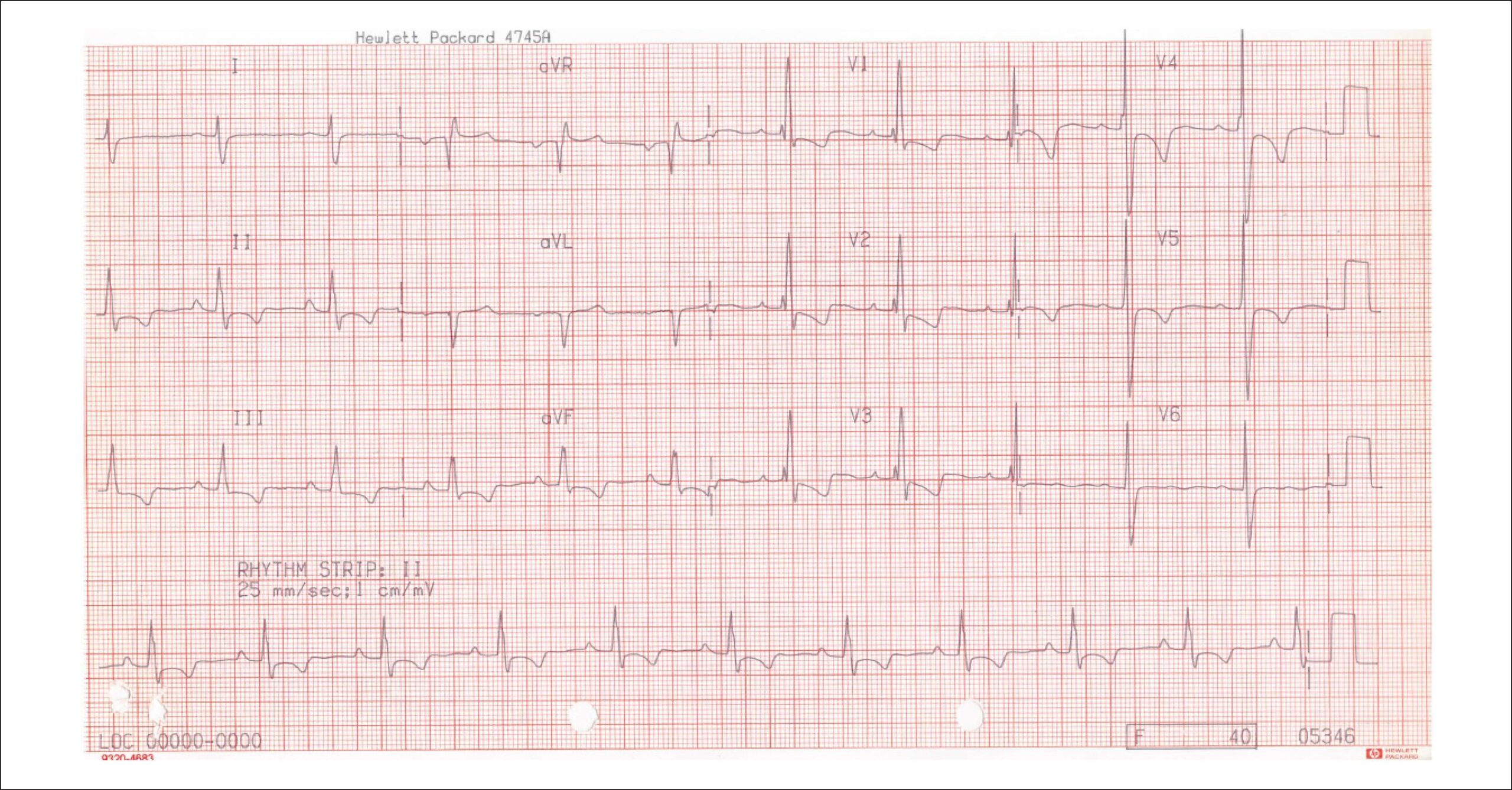
Giant and Calcified Post-Infarction True Left Ventricular Aneurysm: What to Do?

Alexandre Hideo Kajita et al. Marcos Danillo Peixoto Oliveira Fernando Reis Menezes Marcelo Franken … Luciano Moreira Baraciolli José Carlos Nicolau

Introduction

A calcified true left ventricular aneurysm (LVA) is a serious complication in the chronic phase post an acute myocardial infarction (MI); however, it is seldom observed in modern clinical practice¹. LVA may be asymptomatic; however, it can be the cause of refractory heart failure, sustained ventricular arrhythmias, and arterial embolism. The indications for left calcified ventricular aneurysmectomy remain controversial.– We report a case of a giant, true LVA that was reasonably managed clinically in an inoperable patient.

[…]

  • Diagnostic Imaging
  • Heart Aneurysm
  • Heart Failure
  • Myocardial Infarction/complications
  • Pulmonary Disease, Chronic Obstructive
Read Full Article
Creative Commons Attribution (CC BY) Creative Commons license
01/03/2016 DOI: 10.5935/abc.20150087
Original Article

Reproducibility and Reliability of the Quality of Life Questionnaire in Patients With Atrial Fibrillation

Rita Simone Lopes Moreira et al. Lucas Bassolli Enia Coutinho Paloma Ferrer … Érika Olivier Bragança Antonio Carlos Camargo Carvalho Angelo Amato de Paola Bráulio Luna Filho

Abstract

Background:

Studies have shown the impact of atrial fibrillation (AF) on the patients’ quality of life. Specific questionnaires enable the evaluation of relevant events. We previously developed a questionnaire to assess the quality of life of patients with AF (AFQLQ version 1), which was reviewed in this study, and new domains were added.

Objective:

To demonstrate the reproducibility of the AFQLQ version 2 (AFQLQ v.2), which included the domains of fatigue, illness perception and well-being.

Methods:

We applied 160 questionnaires (AFQLQ v.2 and SF-36) to 40 patients, at baseline and 15 days after, to measure inter- and intraobserver reproducibility. The analysis of quality of life stability was determined by test-retest, applying the Bartko intraclass correlation coefficient (ICC). Internal consistency was assessed by Cronbach’s alpha test.

Results:

The total score of the test-retest (n = 40) had an ICC of 0.98 in the AFQLQ v.2, and of 0.94 in the SF36. In assessing the intra- and interobserver reproducibility of the AFQLQ v.2, the ICC reliability was 0.98 and 0.97, respectively. The internal consistency had a Cronbach’s alpha coefficient of 0.82, compatible with good agreement of the AFQLQ v.2.

Conclusion:

The AFQLQ v.2 performed better than its previous version. Similarly, the domains added contributed to make it more comprehensive and robust to assess the quality of life of patients with AF.

  • Atrial Fibrillation/psychology
  • Quality of life
  • questionnaires
Read Full Article
Creative Commons Attribution (CC BY) Creative Commons license
01/03/2016 DOI: 10.5935/abc.20160026
Erratum

Erratum

Issue of December 2014, vol. 103 (6), Supl. 2, pp. 1-126

In “I Diretriz Brasileira de Insuficiência Cardíaca e Transplante Cardíaco, no Feto, na Criança e em Adultos com Cardiopatia Congênita, da Sociedade Brasileira de Cardiologia”, consider Santos VG as the correct form for the name of the author Valter Garcia Santos.

[…]

Read Full Article
Creative Commons Attribution (CC BY) Creative Commons license
01/03/2016 DOI: 10.5935/abc.20160034
Letter to the Editor

Neutrophil-to-Lymphocyte Ratio, Platelet-to-Lymphocyte Ratio and Heart Failure

Viroj Wiwanitkit

D

e

[…]

  • Heart Failure
  • Lymphocytes
  • Neutrophils
Read Full Article
Creative Commons Attribution (CC BY) Creative Commons license
01/03/2016 DOI: 10.5935/abc.20160037
Figure 1
Image

Three-dimensional Echocardiography for Percutaneous Occlusion of Patent Foramen Ovale

Robinson Poffo et al. Paola Keese Montanhesi Renato Bastos Pope Alisson Parrilha Toschi Marcelo Campos Vieira

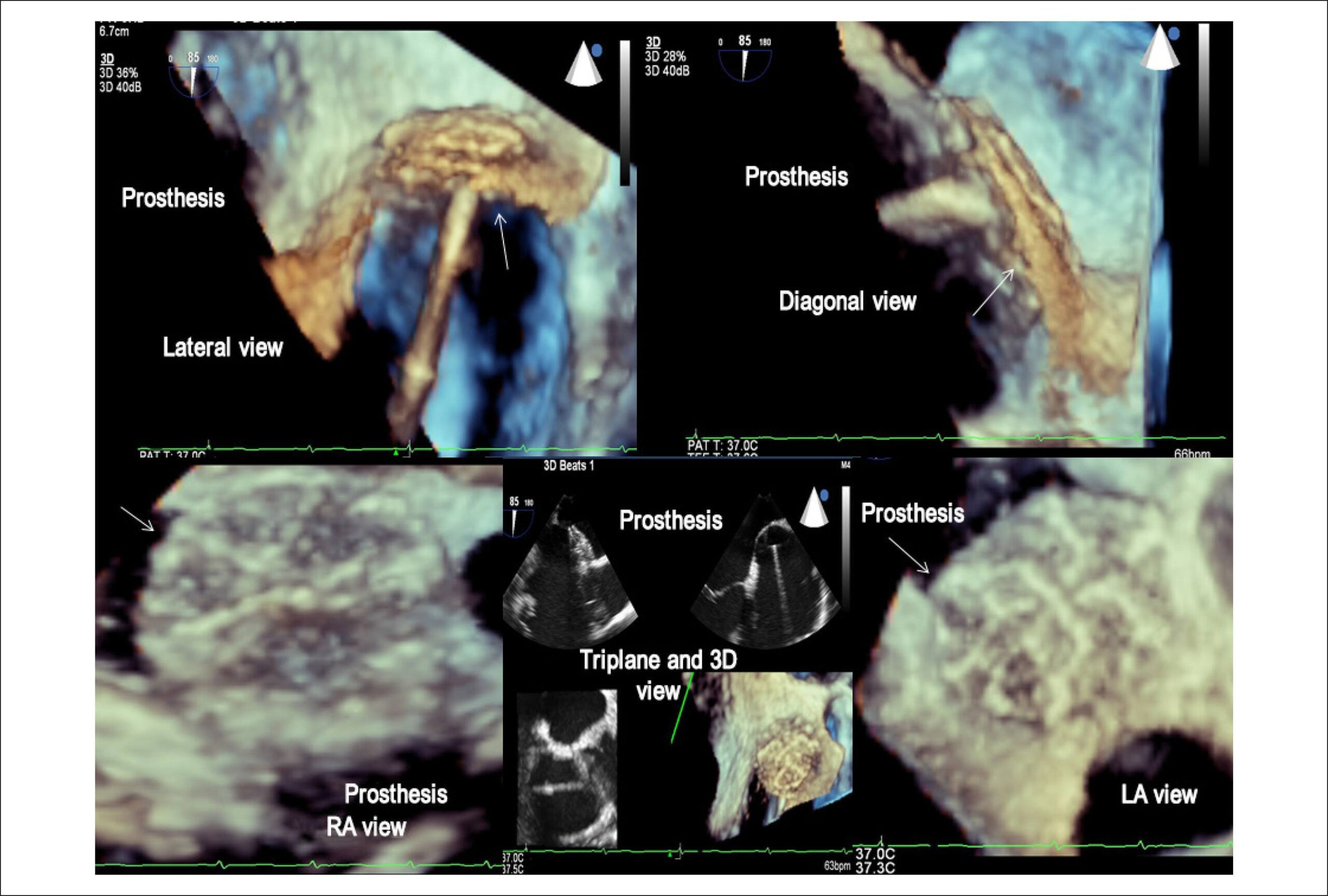
Female patient, 31 years old, with a history of ischemic stroke 7 years before, was referred for treatment of Patent Foramen Ovale (PFO). She only had a complaint of migraine with aura, with no focal neurological abnormalities.

On July 2, 2015, she was submitted to an uneventful percutaneous PFO occlusion using a Cardia IntraseptTM prosthesis (CARDIA, Inc., Burnsville, MN, USA). Intraoperative three-dimensional transesophageal echocardiography confirmed correct prosthesis positioning and absence of residual shunt through the bubble test. Current guidelines of the two most important international societies of echocardiography, the European Association of Cardiovascular Imaging and the American Society of Echocardiography, determine that the three-dimensional echocardiography is the echocardiographic modality of choice for monitoring, following and guiding percutaneous procedures performed in hemodynamics and hybrid rooms, as in this case.

[…]

  • Echocardiography, Three-Dimensional
  • Foramen Ovale, Patent / surgery
  • Minimally Invasive Surgical Procedures
Read Full Article
Creative Commons Attribution (CC BY) Creative Commons license
01/03/2016 DOI: 10.5935/abc.20160036
Figure 1
Original Article

Sex Differences in High Sensitivity C-Reactive Protein in Subjects with Risk Factors of Metabolic Syndrome

Vinicius Pacheco Garcia et al. Helena Naly Miguens Rocha Allan Robson Kluser Sales Natália Galito Rocha Antonio Claudio Lucas da Nóbrega

Abstract

Background:

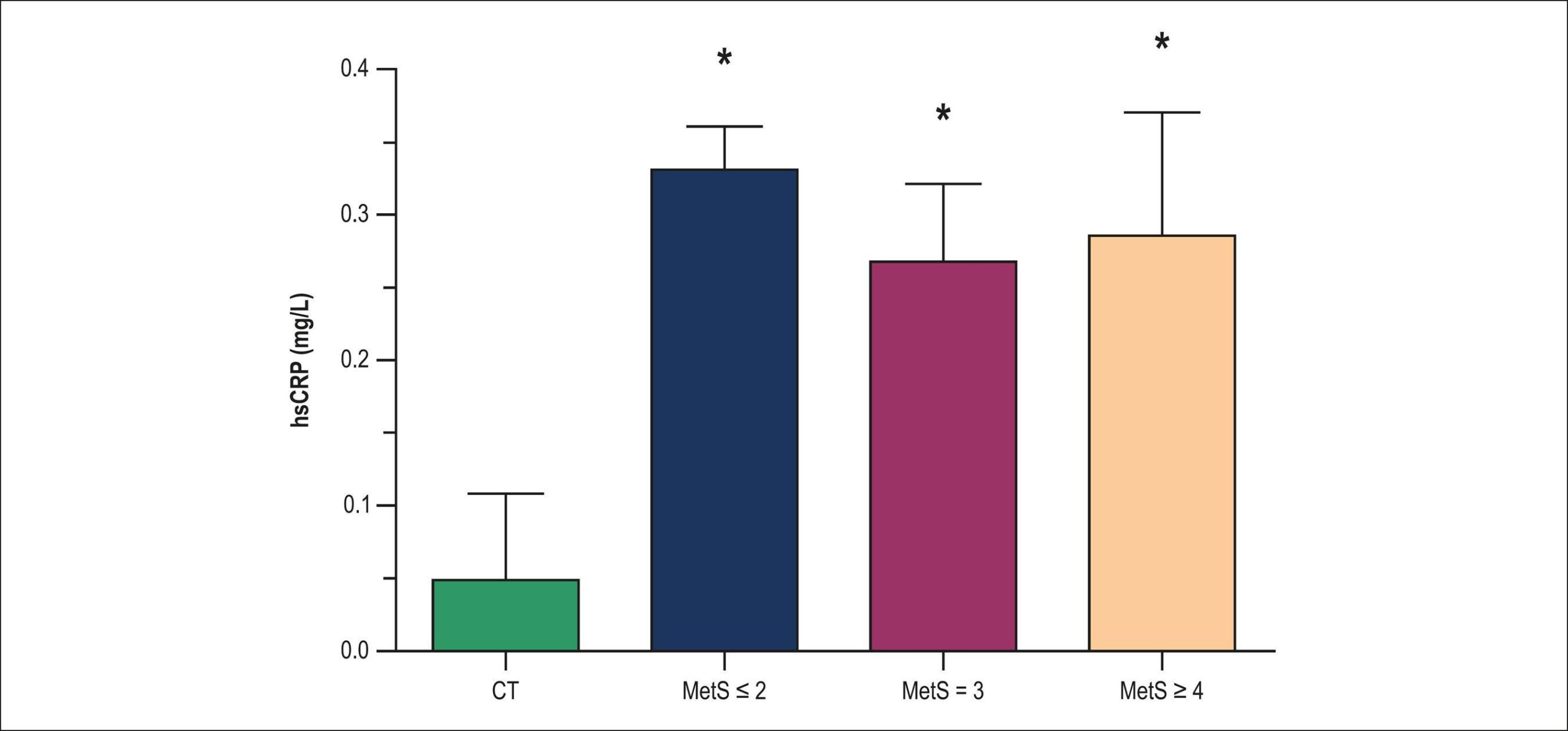
Metabolic syndrome (MetS) is associated with a higher risk of all-cause mortality. High-sensitivity C-reactive protein (hsCRP) is a prototypic marker of inflammation usually increased in MetS. Women with MetS-related diseases present higher hsCRP levels than men with MetS-related diseases, suggesting sex differences in inflammatory markers. However, it is unclear whether serum hsCRP levels are already increased in men and/or women with MetS risk factors and without overt diseases or under pharmacological treatment.

Objective:

To determine the impact of the number of MetS risk factors on serum hsCRP levels in women and men.

Methods

One hundred and eighteen subjects (70 men and 48 women; 36 ± 1 years) were divided into four groups according to the number of MetS risk factors: healthy group (CT; no risk factors), MetS ≤ 2, MetS = 3, and MetS ≥ 4. Blood was drawn after 12 hours of fasting for measurement of biochemical variables and hsCRP levels, which were determined by immunoturbidimetric assay.

Results:

The groups with MetS risk factors presented higher serum hsCRP levels when compared with the CT group (p 0.05). The best linear regression model to explain the association between MetS risk factors and hsCRP levels included waist circumference and HDL cholesterol (r = 0.40, p < 0.01). Women with MetS risk factors presented higher hsCRP levels when compared with men (psex < 0.01).

Conclusions:

Despite the absence of overt diseases and pharmacological treatment, subjects with MetS risk factors already presented increased hsCRP levels, which were significantly higher in women than men at similar conditions.

  • Metabolic Syndrome
  • Protein C
  • Risk Factors
  • Sex Characteristics
Read Full Article
Creative Commons Attribution (CC BY) Creative Commons license
01/03/2016 DOI: 10.5935/abc.20160027 Views 1
Viewpoint

Ezetimibe: Clinical and Scientific Meaning of the IMPROVE-IT Study

Luis C. L. Correia

Ezetimibe: Clinical and scientific meaning of the IMPROVE-IT study

After years of anxious wait, in June of the current year, the results of the clinical trial IMPROVE-IT were published in the New England Journal of Medicine. This was the first study to properly evaluate the clinical impact of adding ezetimibe to statin therapy. Until then, we had known that the combination of ezetimibe with statin enhanced the antihyperlipidemic effect of statins (surrogate endpoint). However, a positive surrogate marker does not necessarily have a guaranteed clinical impact on the therapy. Therefore, the IMPROVE-IT would fill a gap in the literature concerning the effect of ezetimibe on clinical outcomes.

The publication of the ENHANCE study in 2008 created uncertainty about the efficacy of the therapy with ezetimibe. In this randomized, clinical trial including patients with familial hypercholesterolemia, the therapy with ezetimibe added to 80 mg of simvastatin led to greater reductions in LDL cholesterol levels as compared with simvastatin alone. However, the effect was not accompanied by a greater reduction in atherosclerosis, measured by the carotid intima-media thickness (surrogate endpoint). At this point, it became evident that the industry was precipitate in promoting the use of a drug before its effects were demonstrated by clinical outcomes.

[…]

  • Cholesterol
  • Drug Combination
  • Ezetimibe
  • Hydroxymethylglutaryl CoA- Redutases
  • Hypolipidemic Agents
Read Full Article
Creative Commons Attribution (CC BY) Creative Commons license
01/03/2016 DOI: 10.5935/abc.20160033 Views 2
Figure 1
Anatomopathological Session

Case 1/2016 – 56-Year-Old Male with Atrial Septal Defect, Pulmonary Arterial Hypertension, Hospitalized Due to Eisenmenger Syndrome

Carolina Santana et al. Antonio Augusto B. Lopes Antonio Fernando Lins de Paiva Luiz Alberto Benvenuti

Postmortem examination

The heart was enlarged and globoid, weighing 832 g. On gross examination, the RV was prominent. The opening of the cavities evidenced eccentric hypertrophy of the four chambers, mainly the right ones, which showed marked dilation. A large ASD was identified in the fossa ovalis (ostium secundum type), measuring 3.5 x 3.0 cm (). The ventricular septum was intact, no other heart malformation being identified. The microscopic examination revealed hypertrophy of the cardiomyocytes and myocardial interstitial fibrosis in both ventricles, with no evidence of ischemic lesions (infarction). The pulmonary trunk was dilated (diameter of 4.0 cm) and showed complicated atherosclerosis, with calcified areas. The right pulmonary artery showed calcified atherosclerosis, organized partial thrombosis, and markedly dilation of its parenchymatous branches. The process was similar in the left lung, but the thrombosis was more extensive, affecting numerous arterial branches, in an occlusive way, including the pulmonary hilum (). The microscopic examination of the lungs confirmed the extensive organizing arterial thrombosis detected on gross examination, in addition to revealing: organized and rechanneled arteriolar thrombosis (); recent focal thrombosis of a small artery and small hemorrhagic infarction in the lower lobe of the right lung (); areas of alveolar hemorrhage; anthracosis; microscopic evidence of chronic bronchitis; and diffuse pulmonary emphysema. In addition, a small in situ adenocarcinoma was found in the right lung, measuring 9 mm. Moderate aorta atherosclerosis was identified, with calcified plaques. Neither pneumothorax nor bronchopneumonia were evidenced.

[…]

  • Eisenmenger Complex
  • Heart Defects, Congenital
  • Heart Septal Defects, Atrial
  • Hypertension Pulmonary
  • Lung Diseases, Obstructive
  • Pulmonary embolism
Read Full Article
Creative Commons Attribution (CC BY) Creative Commons license
01/03/2016 DOI: 10.5935/abc.20160035 Views 2
Figure 1
Review Article

When is the Best Time for the Second Antiplatelet Agent in Non-St Elevation Acute Coronary Syndrome?

Pedro Gabriel Melo de Barros e Silva et al. Henrique Barbosa Ribeiro Antônio Claudio do Amaral Baruzzi Expedito Eustáquio Ribeiro da Silva

Abstract

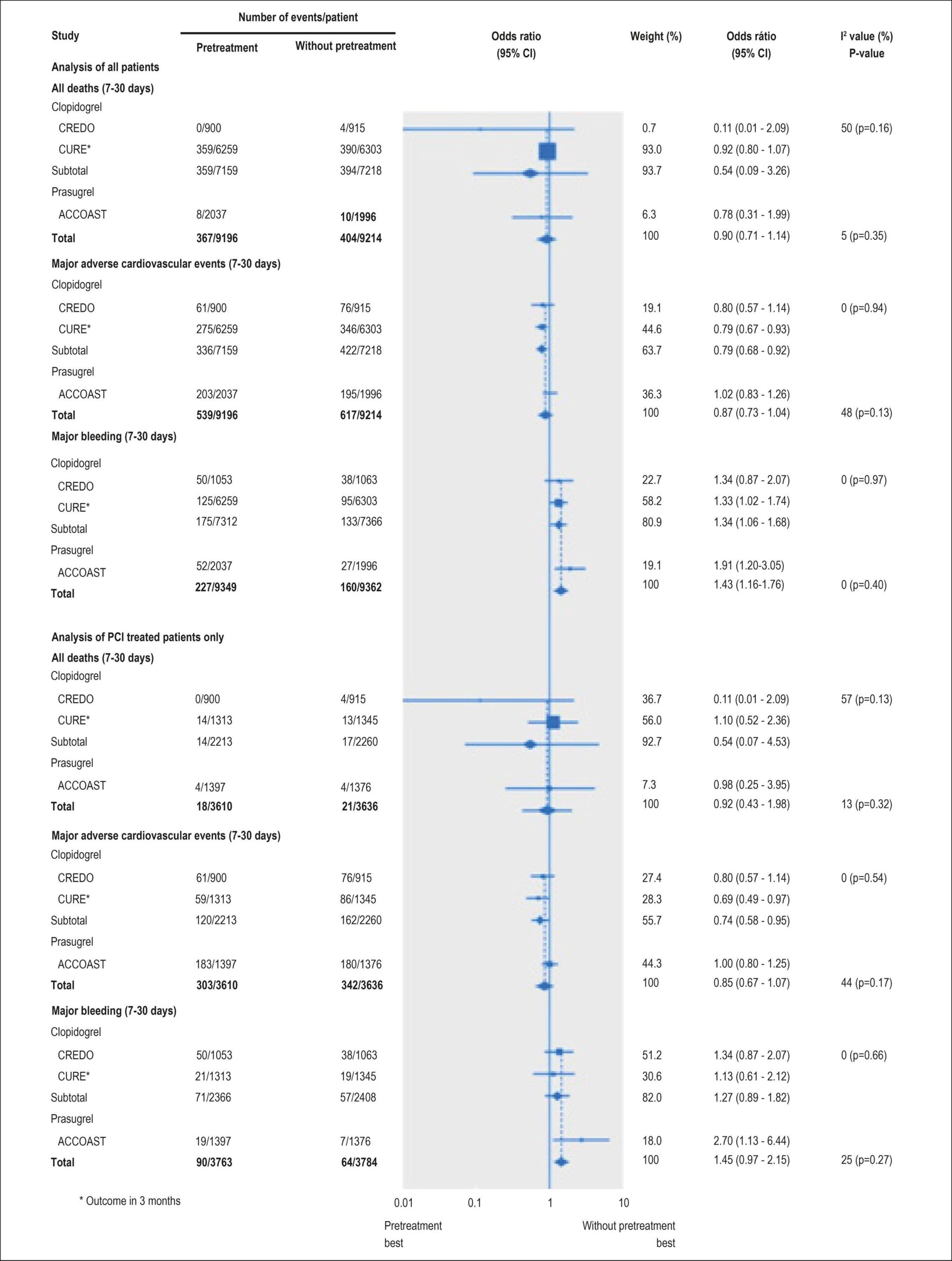
Dual antiplatelet therapy is a well-established treatment in patients with non-ST elevation acute coronary syndrome (NSTE-ACS), with class I of recommendation (level of evidence A) in current national and international guidelines. Nonetheless, these guidelines are not precise or consensual regarding the best time to start the second antiplatelet agent. The evidences are conflicting, and after more than a decade using clopidogrel in this scenario, benefits from the routine pretreatment, i.e. without knowing the coronary anatomy, with dual antiplatelet therapy remain uncertain. The recommendation for the upfront treatment with clopidogrel in NSTE-ACS is based on the reduction of non-fatal events in studies that used the conservative strategy with eventual invasive stratification, after many days of the acute event. This approach is different from the current management of these patients, considering the established benefits from the early invasive strategy, especially in moderate to high-risk patients. The only randomized study to date that specifically tested the pretreatment in NSTE-ACS in the context of early invasive strategy, used prasugrel, and it did not show any benefit in reducing ischemic events with pretreatment. On the contrary, its administration increased the risk of bleeding events. This study has brought the pretreatment again into discussion, and led to changes in recent guidelines of the American and European cardiology societies. In this paper, the authors review the main evidence of the pretreatment with dual antiplatelet therapy in NSTE-ACS.

  • Acute coronary syndrome/therapy
  • Aspirin / administration & dosage
  • Percutaneous Coronary Intervention
  • Platelet Aggregation Inhibitors / administration & dosage
Read Full Article
Creative Commons Attribution (CC BY) Creative Commons license
01/03/2016 DOI: 10.5935/abc.20160042
Editorial

Prophylactic Left Internal Mammary Artery Graft In Mildly-Stenosed Coronary Lesions. Still An Open Discussion

Paulo Roberto B. Evora et al. Livia Arcêncio André Schmidt Alfredo José Rodrigues

Introduction

The main advantages of CABG with the left internal mammary artery (LIMA) have been well established since the 80s and can be enumerated as follows.

It has been well established that coronary venous grafts in arteries with moderate atherosclerotic lesions (<70%) had early occlusion mainly due to flow competition with the native coronary circulation. Otherwise, to graft a moderately stenosed coronary vessel with LIMA remains debatable, keeping the question by Hayward and colleagues open: "Should all moderate coronary lesions be grafted during primary coronary bypass surgery?". However, controversy exists whether LIMAs should be used to bypass coronary arteries with noncritical stenoses.

[…]

  • Coronary Artery Disease
  • Coronary stenosis
  • Mammary Arteries/transplantation
Read Full Article
Creative Commons Attribution (CC BY) Creative Commons license
01/03/2016 DOI: 10.5935/abc.20160032 Views 1
Figure 1
Original Article

The Relationship between GRACE Score and Epicardial Fat Thickness in non-STEMI Patients

Ilker Gul et al. Mustafa Zungur Ahmet Cagri Aykan Teyyar Gokdeniz … Ezgi Kalaycioğlu Turhan Turan Engin Hatem Faruk Boyaci

Abstract

Background:

GRACE risk score (GS) is a scoring system which has a prognostic significance in patients with non-ST segment elevation myocardial infarction (non-STEMI).

Objective:

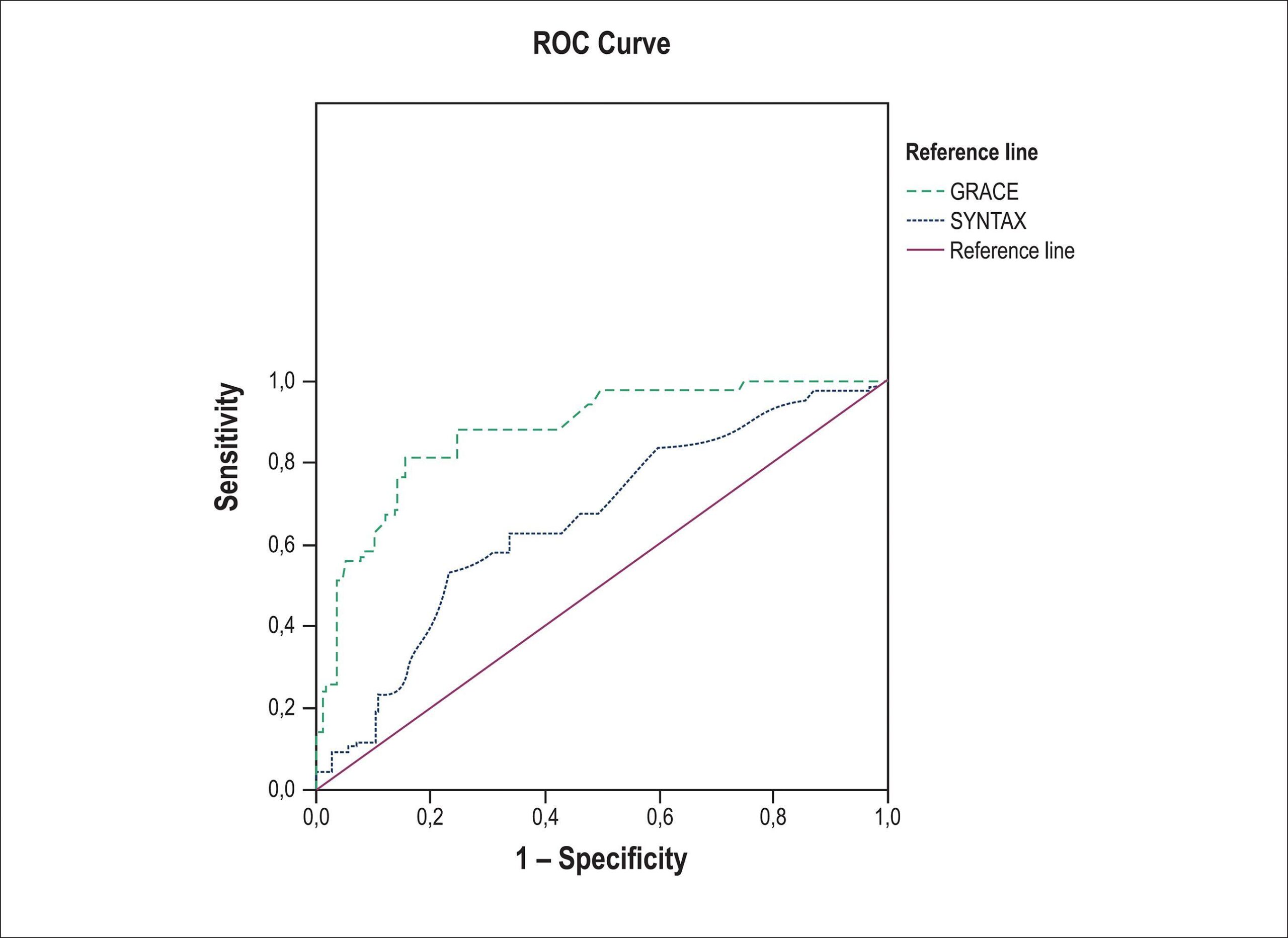
The present study aimed to determine whether end-systolic or end-diastolic epicardial fat thickness (EFT) is more closely associated with high-risk non-STEMI patients according to the GS.

Methods:

We evaluated 207 patients who had non-STEMI beginning from October 2012 to February 2013, and 162 of them were included in the study (115 males, mean age: 66.6 ± 12.8 years). End-systolic and end-diastolic EFTs were measured with echocardiographic methods. Patients with high in-hospital GS were categorized as the H-GS group (in hospital GS > 140), while other patients were categorized as the low-to-moderate risk group (LM-GS).

Results:

Systolic and diastolic blood pressures of H-GS patients were lower than those of LM-GS patients, and the average heart rate was higher in this group. End-systolic EFT and end-diastolic EFT were significantly higher in the H-GS group. The echocardiographic assessment of right and left ventricles showed significantly decreased ejection fraction in both ventricles in the H-GS group. The highest correlation was found between GS and end-diastolic EFT (r = 0.438).

Conclusion:

End-systolic and end-diastolic EFTs were found to be increased in the H-GS group. However, end-diastolic EFT and GS had better correlation than end-systolic EFT and GS.

  • Acute coronary syndrome
  • Adipose Tissue
  • Echocardiography
  • Myocardial Infarction
  • Pericardium
Read Full Article
Creative Commons Attribution (CC BY) Creative Commons license
16/02/2016 DOI: 10.5935/abc.20160024
Original Article

Dyslipidemia is Associated with Unfit and Overweight-Obese Children and Adolescents

Cézane Priscila Reuter et al. Priscila Tatiana da Silva Jane Dagmar Pollo Renner Elza Daniel de Mello … Andréia Rosane de Moura Valim Luiza Pasa Rafaela da Silva Miria Suzana Burgos

Abstract

Background:

Both poor aerobic fitness and obesity, separately, are associated with abnormal lipid profiles.

Objective:

To identify possible relationships of dyslipidemia with cardiorespiratory fitness and obesity, evaluated together, in children and adolescents.

Methods:

This cross-sectional study included 1,243 children and adolescents (563 males and 680 females) between 7 and 17 years of age from 19 schools. Obesity was assessed using body mass index (BMI) measurements, and cardiorespiratory fitness was determined via a 9-minute run/walk test. To analyze the lipid profile of each subject, the following markers were used: total cholesterol, cholesterol fractions (high-density lipoprotein and low-density lipoprotein) and triglycerides. Data were analyzed using SPSS v. 20.0, via prevalence ratio (PR), using the Poisson regression.

Results:

Dyslipidemia is more prevalent among unfit/overweight-obese children and adolescents compared with fit/underweight-normal weight boys (PR: 1.25; p = 0.007) and girls (PR: 1.30, p = 0.001).

Conclusions:

The prevalence of dyslipidemia is directly related to both obesity and lower levels of cardiorespiratory fitness.

  • Dyslipidemias
  • Obesity
  • Overweight
  • physical fitness
Read Full Article
Creative Commons Attribution (CC BY) Creative Commons license
16/02/2016 DOI: 10.5935/abc.20160025 Views 1
Figure 1
Original Article

Very Long-Term Prognostic Role of Admission BNP in Non-ST Segment Elevation Acute Coronary Syndrome

Fernando Bassan et al. Roberto Bassan Roberto Esporcatte Braulio Santos Bernardo Tura

Abstract

Background:

BNP has been extensively evaluated to determine short- and intermediate-term prognosis in patients with acute coronary syndrome, but its role in long-term mortality is not known.

Objective:

To determine the very long-term prognostic role of B-type natriuretic peptide (BNP) for all-cause mortality in patients with non-ST segment elevation acute coronary syndrome (NSTEACS).

Methods:

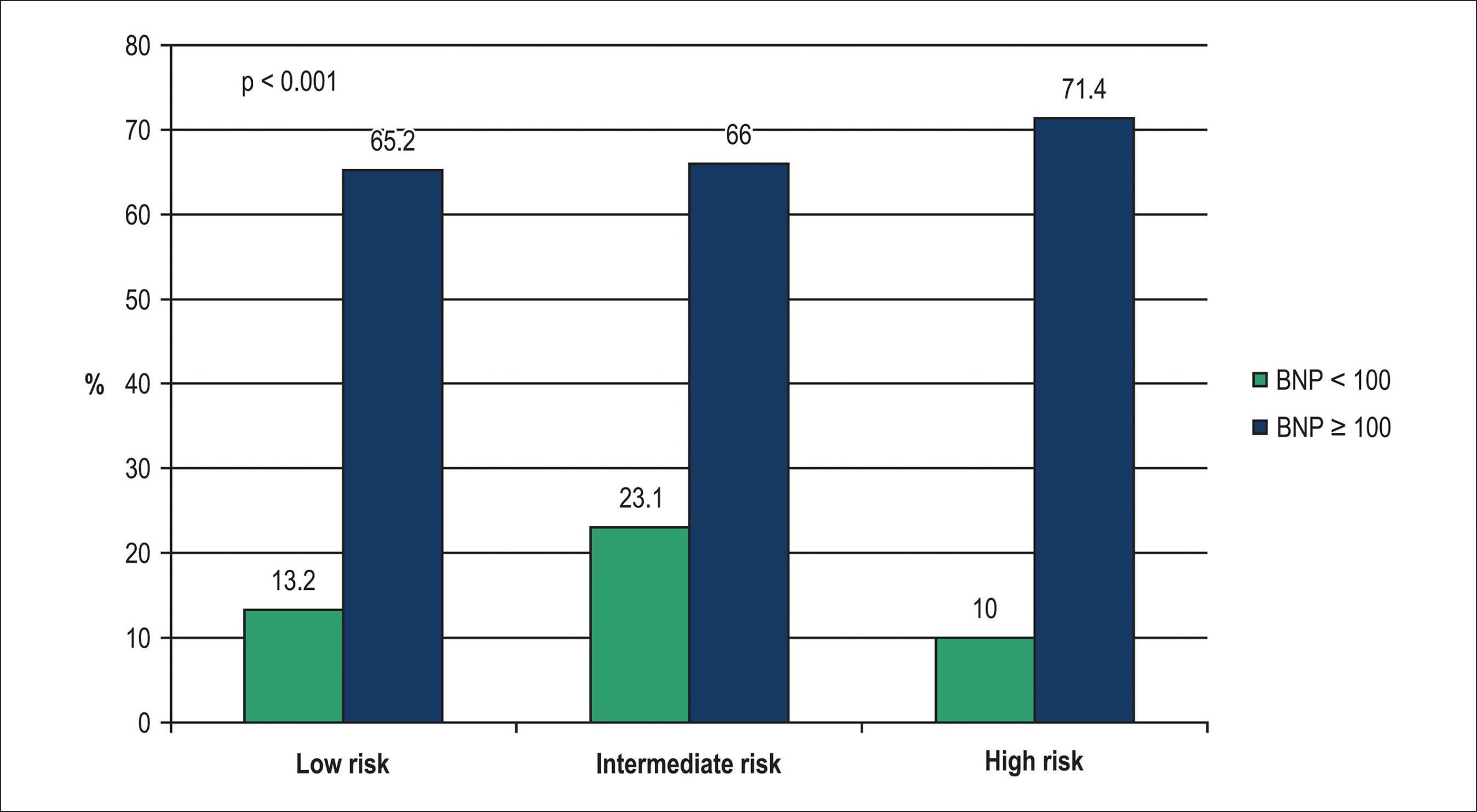
A cohort of 224 consecutive patients with NSTEACS, prospectively seen in the Emergency Department, had BNP measured on arrival to establish prognosis, and underwent a median 9.34-year follow-up for all-cause mortality.

Results:

Unstable angina was diagnosed in 52.2%, and non-ST segment elevation myocardial infarction, in 47.8%. Median admission BNP was 81.9 pg/mL (IQ range = 22.2; 225) and mortality rate was correlated with increasing BNP quartiles: 14.3; 16.1; 48.2; and 73.2% (p < 0.0001). ROC curve disclosed 100 pg/mL as the best BNP cut-off value for mortality prediction (area under the curve = 0.789, 95% CI= 0.723-0.854), being a strong predictor of late mortality: BNP < 100 = 17.3% vs. BNP ≥ 100 = 65.0%, RR = 3.76 (95% CI = 2.49-5.63, p 72 years (OR = 3.79, 95% CI = 1.62-8.86, p = 0.002), BNP ≥ 100 pg/mL (OR = 6.24, 95% CI = 2.95-13.23, p < 0.001) and estimated glomerular filtration rate (OR = 0.98, 95% CI = 0.97-0.99, p = 0.049) were independent late-mortality predictors.

Conclusions:

BNP measured at hospital admission in patients with NSTEACS is a strong, independent predictor of very long-term all-cause mortality. This study allows raising the hypothesis that BNP should be measured in all patients with NSTEACS at the index event for long-term risk stratification.
  • Acute coronary syndrome
  • Myocardial Ischemia
  • Natriuretic Peptide, B-Type / mortality
  • Prognosis
Read Full Article
Creative Commons Attribution (CC BY) Creative Commons license
02/02/2016 DOI: 10.5935/abc.20160021 Views 1
Figure 1
Original Article

Resistance Training in Spontaneously Hypertensive Rats with Severe Hypertension

Rodrigo Vanerson Passos Neves et al. Michel Kendy Souza Clévia Santos Passos Reury Frank Pereira Bacurau … Herbert Gustavo Simoes Jonato Prestes Mirian Aparecida Boim Niels Olsen Saraiva Câmara Maria do Carmo Pinho Franco Milton Rocha Moraes

Abstract

Background:

Resistance training (RT) has been recommended as a non-pharmacological treatment for moderate hypertension. In spite of the important role of exercise intensity on training prescription, there is still no data regarding the effects of RT intensity on severe hypertension (SH).

Objective:

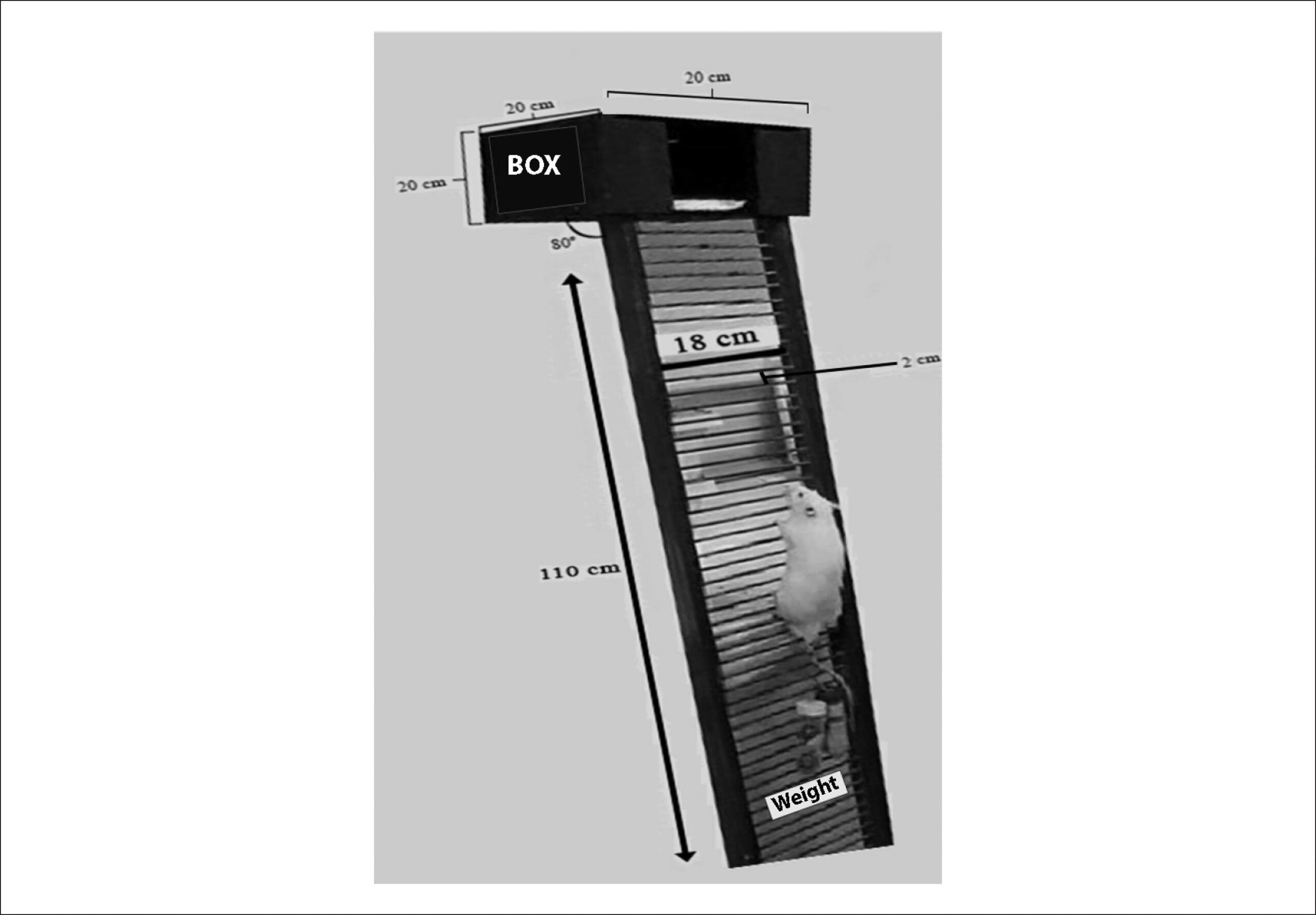
This study examined the effects of two RT protocols (vertical ladder climbing), performed at different overloads of maximal weight carried (MWC), on blood pressure (BP) and muscle strength of spontaneously hypertensive rats (SHR) with SH.

Methods:

Fifteen male SHR ENT#091;206 ± 10 mmHg of systolic BP (SBP)ENT#093; and five Wistar Kyoto rats (WKY; 119 ± 10 mmHg of SBP) were divided into 4 groups: sedentary (SED-WKY) and SHR (SED-SHR); RT1-SHR training relative to body weight (~40% of MWC); and RT2-SHR training relative to MWC test (~70% of MWC). Systolic BP and heart rate (HR) were measured weekly using the tail-cuff method. The progression of muscle strength was determined once every fifteen days. The RT consisted of 3 weekly sessions on non-consecutive days for 12-weeks.

Results:

Both RT protocols prevented the increase in SBP (delta – 5 and -7 mmHg, respectively; p > 0.05), whereas SBP of the SED-SHR group increased by 19 mmHg (p < 0.05). There was a decrease in HR only for the RT1 group (p < 0.05). There was a higher increase in strength in the RT2 (140%; p 0.05).

Conclusions:

Our data indicated that both RT protocols were effective in preventing chronic elevation of SBP in SH. Additionally, a higher RT overload induced a greater increase in muscle strength.

  • Animal model
  • Hypertension
  • Resistance Exercise
  • Strength Muscular
Read Full Article
Creative Commons Attribution (CC BY) Creative Commons license
02/02/2016 DOI: 10.5935/abc.20160019
Figure 1
Original Article

Prognostic Value of Pulmonary Vascular Resistance by Magnetic Resonance in Systolic Heart Failure

Óscar Fabregat-Andrés et al. Jordi Estornell-Erill Francisco Ridocci-Soriano José Leandro Pérez-Boscá … Pilar García-González Rafael Payá-Serrano Salvador Morell Julio Cortijo

Abstract

Background:

Pulmonary hypertension is associated with poor prognosis in heart failure. However, non-invasive diagnosis is still challenging in clinical practice.

Objective:

We sought to assess the prognostic utility of non-invasive estimation of pulmonary vascular resistances (PVR) by cardiovascular magnetic resonance to predict adverse cardiovascular outcomes in heart failure with reduced ejection fraction (HFrEF).

Methods:

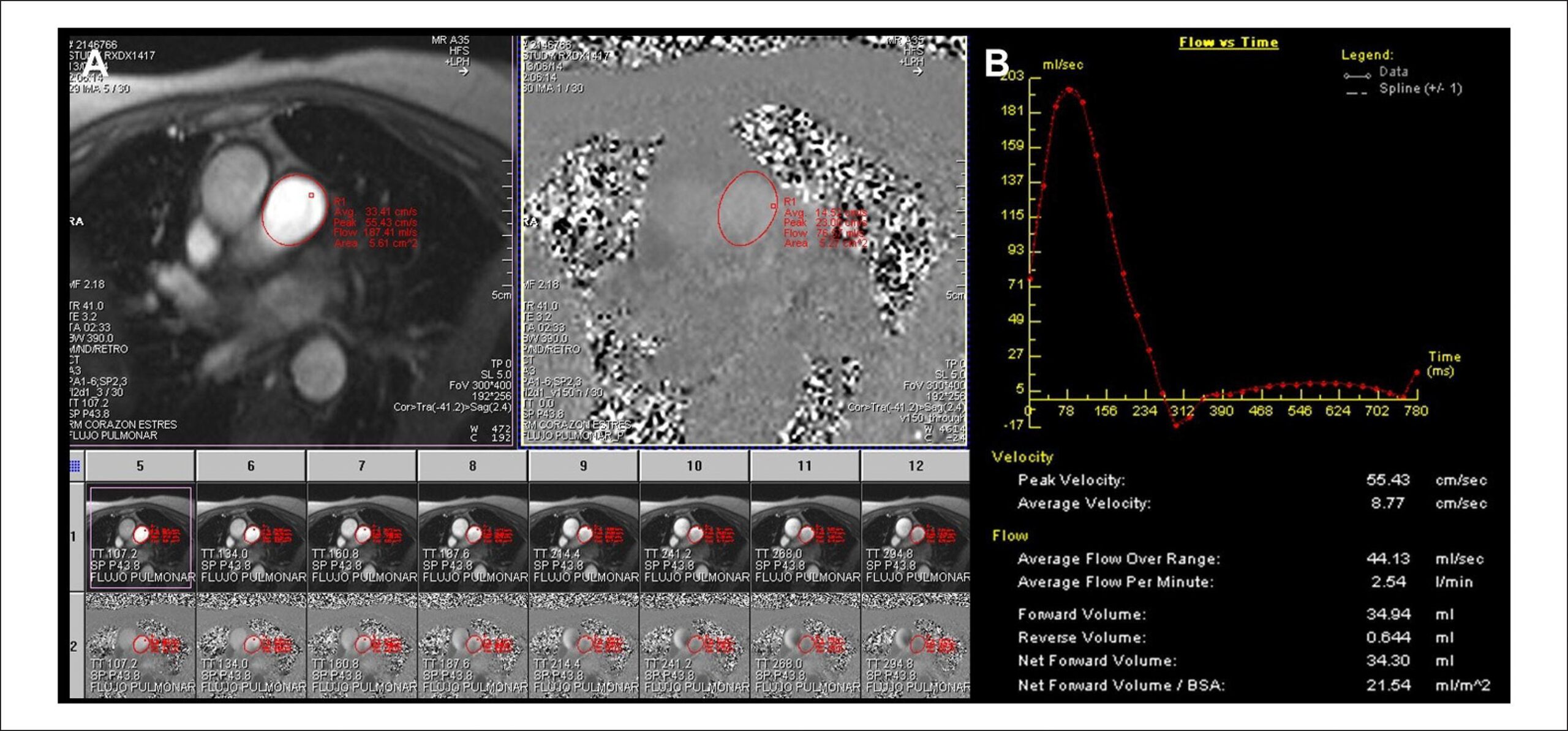
Prospective registry of patients with left ventricular ejection fraction (LVEF) < 40% and recently admitted for decompensated heart failure during three years. PVRwere calculated based on right ventricular ejection fraction and average velocity of the pulmonary artery estimated during cardiac magnetic resonance. Readmission for heart failure and all-cause mortality were considered as adverse events at follow-up.

Results:

105 patients (average LVEF 26.0 ±7.7%, ischemic etiology 43%) were included. Patients with adverse events at long-term follow-up had higher values of PVR (6.93 ± 1.9 vs. 4.6 ± 1.7estimated Wood Units (eWu), p < 0.001). In multivariate Cox regression analysis, PVR ≥ 5 eWu(cutoff value according to ROC curve) was independently associated with increased risk of adverse events at 9 months follow-up (HR2.98; 95% CI 1.12-7.88; p < 0.03).

Conclusions:

In patients with HFrEF, the presence of PVR ≥ 5.0 Wu is associated with significantly worse clinical outcome at follow-up. Non-invasive estimation of PVR by cardiac magnetic resonance might be useful for risk stratification in HFrEF, irrespective of etiology, presence of late gadolinium enhancement or LVEF.

  • Heart Failure
  • Hypertension Pulmonary
  • Magnetic Resonance Spectroscopy
  • Prognosis
  • Vascular Resistance
Read Full Article
Creative Commons Attribution (CC BY) Creative Commons license
02/02/2016 DOI: 10.5935/abc.20160020
Figure 1
Original Article

Analysis Treatment Guideline versus Clinical Practice Protocol in Patients Hospitalized due to Heart Failure

Alessandra da Graça Corrêa et al. Marcia Makdisse Marcelo Katz Thamires Campos Santana … Paula Kiyomi Onaga Yokota Tatiana de Fatima Gonçalves Galvão Fernando Bacal

Background:

Despite the availability of guidelines for treatment of heart failure (HF), only a few studies have assessed how hospitals adhere to the recommended therapies.

Objectives:

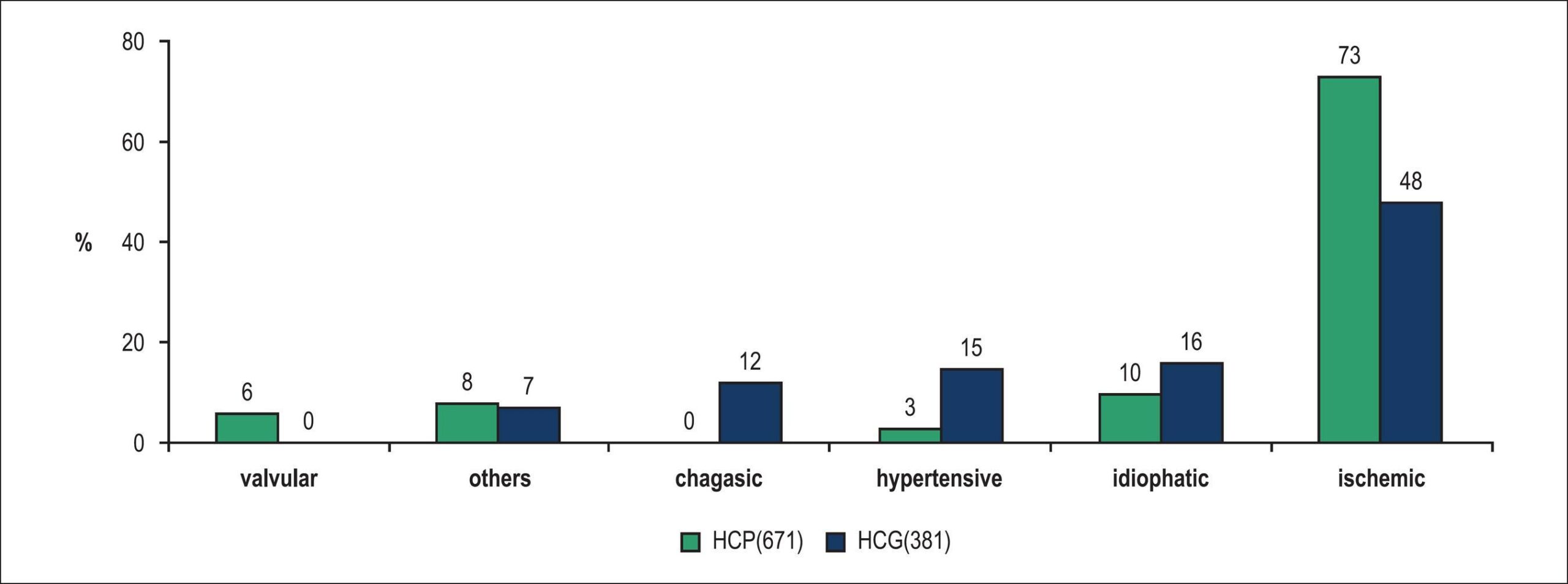
Compare the rates of adherence to the prescription of angiotensin-converting enzyme inhibitor or angiotensin II receptor blockers (ACEI/ARB) at hospital discharge, which is considered a quality indicator by the Joint Commission International, and to the prescription of beta-blockers at hospital discharge, which is recommended by national and international guidelines, in a hospital with a case management program to supervise the implementation of a clinical practice protocol (HCP) and another hospital that follows treatment guidelines (HCG).

Methods:

Prospective observational study that evaluated patients consecutively admitted to both hospitals due to decompensated HF between August 1st, 2006, and December 31st, 2008. We used as comparing parameters the prescription rates of beta-blockers and ACEI/ARB at hospital discharge and in-hospital mortality.

Results:

We analyzed 1,052 patients (30% female, mean age 70.6 ± 14.1 years), 381 (36%) of whom were seen at HCG and 781 (64%) at HCP. The prescription rates of beta-blockers at discharge at HCG and HCP were both 69% (p = 0.458), whereas those of ACEI/ARB were 83% and 86%, respectively (p = 0.162). In-hospital mortality rates were 16.5% at HCP and 27.8% at HCG (p < 0.001).

Conclusion:

There was no difference in prescription rates of beta-blocker and ACEI/ARB at hospital discharge between the institutions, but HCP had lower in-hospital mortality. This difference in mortality may be attributed to different clinical characteristics of the patients in both hospitals.

  • Heart Failure /therapy
  • Inpatients
  • Protocol
  • Quality Indicators, Health Care
Read Full Article
Creative Commons Attribution (CC BY) Creative Commons license
26/01/2016 DOI: 10.5935/abc.20160018

How to cite this article

EndNote RIS

Electronic Document Format (Vancouver)

Kajita AH, Oliveira MDP, Menezes FR, Franken M, Baraciolli LM, Nicolau JC. Giant and Calcified Post-Infarction True Left Ventricular Aneurysm: What to Do?. Arquivos Brasileiros de Cardiologia 2016;106(3):259-62.

Electronic Document Format (ABNT)

Kajita, Alexandre Hideo; Oliveira, Marcos Danillo Peixoto; Menezes, Fernando Reis; Franken, Marcelo; Baraciolli, Luciano Moreira; Nicolau, José Carlos. Giant and Calcified Post-Infarction True Left Ventricular Aneurysm: What to Do?. Arquivos Brasileiros de Cardiologia, v. 106, n. 3, p. 259-262, Feb. 2016.

Electronic Document Format (APA)

Kajita, A. H., Oliveira, M. D. P., Menezes, F. R., Franken, M., Baraciolli, L. M., & Nicolau, J. C. (2016). Giant and Calcified Post-Infarction True Left Ventricular Aneurysm: What to Do?. Arquivos Brasileiros de Cardiologia, 106(3), 259-262.

Electronic Document Format (ISO)

Kajita, Alexandre Hideo and Oliveira, Marcos Danillo Peixoto and Menezes, Fernando Reis and Franken, Marcelo and Baraciolli, Luciano Moreira and Nicolau, José Carlos. Giant and Calcified Post-Infarction True Left Ventricular Aneurysm: What to Do?. Arquivos Brasileiros de Cardiologia [online]. 2016, vol. 106, n. 3, [cited 2026-10-14], pp. 259-262. Available from: <https://journals.cardiol.br/en/article/giant-and-calcified-post-infarction-true-left-ventricular-aneurysm-what-to-do/>. ISSN 0066-782X

EndNote RIS

Electronic Document Format (Vancouver)

Moreira RSL, Bassolli L, Coutinho E, Ferrer P, Bragança O, Carvalho ACC, Paola AA, et al. Reproducibility and Reliability of the Quality of Life Questionnaire in Patients With Atrial Fibrillation. Arquivos Brasileiros de Cardiologia 2016;106(3):171-8.

Electronic Document Format (ABNT)

Moreira, Rita Simone Lopes; Bassolli, Lucas; Coutinho, Enia; Ferrer, Paloma; Bragança, Érika Olivier; Carvalho, Antonio Carlos Camargo; Paola, Angelo Amato de; Luna Filho, Bráulio. Reproducibility and Reliability of the Quality of Life Questionnaire in Patients With Atrial Fibrillation. Arquivos Brasileiros de Cardiologia, v. 106, n. 3, p. 171-181, Feb. 2016.

Electronic Document Format (APA)

Moreira, R. S. L., Bassolli, L., Coutinho, E., Ferrer, P., Bragança, O., Carvalho, A. C. C., Paola, A. A. , & Luna Filho, B. (2016). Reproducibility and Reliability of the Quality of Life Questionnaire in Patients With Atrial Fibrillation. Arquivos Brasileiros de Cardiologia, 106(3), 171-181.

Electronic Document Format (ISO)

Moreira, Rita Simone Lopes and Bassolli, Lucas and Coutinho, Enia and Ferrer, Paloma and Bragança, Érika Olivier and Carvalho, Antonio Carlos Camargo and Paola, Angelo Amato de and Luna Filho, Bráulio. Reproducibility and Reliability of the Quality of Life Questionnaire in Patients With Atrial Fibrillation. Arquivos Brasileiros de Cardiologia [online]. 2016, vol. 106, n. 3, [cited 2026-10-14], pp. 171-181. Available from: <https://journals.cardiol.br/en/article/reproducibility-and-reliability-of-the-quality-of-life-questionnaire-in-patients-with-atrial-fibrillation/>. ISSN 0066-782X

EndNote RIS

Electronic Document Format (Vancouver)

. Erratum. Arquivos Brasileiros de Cardiologia 2016;106(3):267.

Electronic Document Format (ABNT)

. Erratum. Arquivos Brasileiros de Cardiologia, v. 106, n. 3, p. 267-267, Feb. 2016.

Electronic Document Format (APA)

(2016). Erratum. Arquivos Brasileiros de Cardiologia, 106(3), 267-267.

Electronic Document Format (ISO)

. Erratum. Arquivos Brasileiros de Cardiologia [online]. 2016, vol. 106, n. 3, [cited 2026-10-14], pp. 267-267. Available from: <https://journals.cardiol.br/en/article/erratum-23/>. ISSN 0066-782X

EndNote RIS

Electronic Document Format (Vancouver)

Wiwanitkit V. Neutrophil-to-Lymphocyte Ratio, Platelet-to-Lymphocyte Ratio and Heart Failure. Arquivos Brasileiros de Cardiologia 2016;106(3):265-6.

Electronic Document Format (ABNT)

Wiwanitkit, Viroj. Neutrophil-to-Lymphocyte Ratio, Platelet-to-Lymphocyte Ratio and Heart Failure. Arquivos Brasileiros de Cardiologia, v. 106, n. 3, p. 265-266, Feb. 2016.

Electronic Document Format (APA)

Wiwanitkit, V. (2016). Neutrophil-to-Lymphocyte Ratio, Platelet-to-Lymphocyte Ratio and Heart Failure. Arquivos Brasileiros de Cardiologia, 106(3), 265-266.

Electronic Document Format (ISO)

Wiwanitkit, Viroj. Neutrophil-to-Lymphocyte Ratio, Platelet-to-Lymphocyte Ratio and Heart Failure. Arquivos Brasileiros de Cardiologia [online]. 2016, vol. 106, n. 3, [cited 2026-10-14], pp. 265-266. Available from: <https://journals.cardiol.br/en/article/neutrophil-to-lymphocyte-ratio-platelet-to-lymphocyte-ratio-and-heart-failure/>. ISSN 0066-782X

EndNote RIS

Electronic Document Format (Vancouver)

Poffo R, Montanhesi PK, Pope RB, Toschi AP, Vieira MC. Three-dimensional Echocardiography for Percutaneous Occlusion of Patent Foramen Ovale. Arquivos Brasileiros de Cardiologia 2016;106(3):263-4.

Electronic Document Format (ABNT)

Poffo, Robinson; Montanhesi, Paola Keese; Pope, Renato Bastos; Toschi, Alisson Parrilha; Vieira, Marcelo Campos. Three-dimensional Echocardiography for Percutaneous Occlusion of Patent Foramen Ovale. Arquivos Brasileiros de Cardiologia, v. 106, n. 3, p. 263-264, Feb. 2016.

Electronic Document Format (APA)

Poffo, R., Montanhesi, P. K., Pope, R. B., Toschi, A. P., & Vieira, M. C. (2016). Three-dimensional Echocardiography for Percutaneous Occlusion of Patent Foramen Ovale. Arquivos Brasileiros de Cardiologia, 106(3), 263-264.

Electronic Document Format (ISO)

Poffo, Robinson and Montanhesi, Paola Keese and Pope, Renato Bastos and Toschi, Alisson Parrilha and Vieira, Marcelo Campos. Three-dimensional Echocardiography for Percutaneous Occlusion of Patent Foramen Ovale. Arquivos Brasileiros de Cardiologia [online]. 2016, vol. 106, n. 3, [cited 2026-10-14], pp. 263-264. Available from: <https://journals.cardiol.br/en/article/three-dimensional-echocardiography-for-percutaneous-occlusion-of-patent-foramen-ovale/>. ISSN 0066-782X

EndNote RIS

Electronic Document Format (Vancouver)

Garcia VP, Rocha HNM, Sales ARK, Rocha NG, Nóbrega ACL. Sex Differences in High Sensitivity C-Reactive Protein in Subjects with Risk Factors of Metabolic Syndrome. Arquivos Brasileiros de Cardiologia 2016;106(3):182-7.

Electronic Document Format (ABNT)

Garcia, Vinicius Pacheco; Rocha, Helena Naly Miguens; Sales, Allan Robson Kluser; Rocha, Natália Galito; Nóbrega, Antonio Claudio Lucas da. Sex Differences in High Sensitivity C-Reactive Protein in Subjects with Risk Factors of Metabolic Syndrome. Arquivos Brasileiros de Cardiologia, v. 106, n. 3, p. 182-187, Feb. 2016.

Electronic Document Format (APA)

Garcia, V. P., Rocha, H. N. M., Sales, A. R. K., Rocha, N. G., & Nóbrega, A. C. L. (2016). Sex Differences in High Sensitivity C-Reactive Protein in Subjects with Risk Factors of Metabolic Syndrome. Arquivos Brasileiros de Cardiologia, 106(3), 182-187.

Electronic Document Format (ISO)

Garcia, Vinicius Pacheco and Rocha, Helena Naly Miguens and Sales, Allan Robson Kluser and Rocha, Natália Galito and Nóbrega, Antonio Claudio Lucas da. Sex Differences in High Sensitivity C-Reactive Protein in Subjects with Risk Factors of Metabolic Syndrome. Arquivos Brasileiros de Cardiologia [online]. 2016, vol. 106, n. 3, [cited 2026-10-14], pp. 182-187. Available from: <https://journals.cardiol.br/en/article/sex-differences-in-high-sensitivity-c-reactive-protein-in-subjects-with-risk-factors-of-metabolic-syndrome/>. ISSN 0066-782X

EndNote RIS

Electronic Document Format (Vancouver)

Correia LCL. Ezetimibe: Clinical and Scientific Meaning of the IMPROVE-IT Study. Arquivos Brasileiros de Cardiologia 2016;106(3):247-9.

Electronic Document Format (ABNT)

Correia, Luis C. L.. Ezetimibe: Clinical and Scientific Meaning of the IMPROVE-IT Study. Arquivos Brasileiros de Cardiologia, v. 106, n. 3, p. 247-249, Feb. 2016.

Electronic Document Format (APA)

Correia, L. C. L. (2016). Ezetimibe: Clinical and Scientific Meaning of the IMPROVE-IT Study. Arquivos Brasileiros de Cardiologia, 106(3), 247-249.

Electronic Document Format (ISO)

Correia, Luis C. L.. Ezetimibe: Clinical and Scientific Meaning of the IMPROVE-IT Study. Arquivos Brasileiros de Cardiologia [online]. 2016, vol. 106, n. 3, [cited 2026-10-14], pp. 247-249. Available from: <https://journals.cardiol.br/en/article/ezetimibe-clinical-and-scientific-meaning-of-the-improve-it-study/>. ISSN 0066-782X

EndNote RIS

Electronic Document Format (Vancouver)

Santana C, Lopes AAB, Paiva AFL, Benvenuti LA. Case 1/2016 – 56-Year-Old Male with Atrial Septal Defect, Pulmonary Arterial Hypertension, Hospitalized Due to Eisenmenger Syndrome. Arquivos Brasileiros de Cardiologia 2016;106(3):250-8.

Electronic Document Format (ABNT)

Santana, Carolina; Lopes, Antonio Augusto B.; Paiva, Antonio Fernando Lins de; Benvenuti, Luiz Alberto. Case 1/2016 – 56-Year-Old Male with Atrial Septal Defect, Pulmonary Arterial Hypertension, Hospitalized Due to Eisenmenger Syndrome. Arquivos Brasileiros de Cardiologia, v. 106, n. 3, p. 250-258, Feb. 2016.

Electronic Document Format (APA)

Santana, C., Lopes, A. A. B., Paiva, A. F. L. , & Benvenuti, L. A. (2016). Case 1/2016 – 56-Year-Old Male with Atrial Septal Defect, Pulmonary Arterial Hypertension, Hospitalized Due to Eisenmenger Syndrome. Arquivos Brasileiros de Cardiologia, 106(3), 250-258.

Electronic Document Format (ISO)

Santana, Carolina and Lopes, Antonio Augusto B. and Paiva, Antonio Fernando Lins de and Benvenuti, Luiz Alberto. Case 1/2016 – 56-Year-Old Male with Atrial Septal Defect, Pulmonary Arterial Hypertension, Hospitalized Due to Eisenmenger Syndrome. Arquivos Brasileiros de Cardiologia [online]. 2016, vol. 106, n. 3, [cited 2026-10-14], pp. 250-258. Available from: <https://journals.cardiol.br/en/article/case-1-2016-56-year-old-male-with-atrial-septal-defect-pulmonary-arterial-hypertension-hospitalized-due-to-eisenmenger-syndrome/>. ISSN 0066-782X

EndNote RIS

Electronic Document Format (Vancouver)

Silva PGMB, Ribeiro HB, Baruzzi ACA, Silva EER. When is the Best Time for the Second Antiplatelet Agent in Non-St Elevation Acute Coronary Syndrome?. Arquivos Brasileiros de Cardiologia 2016;106(3):236-4.

Electronic Document Format (ABNT)

Silva, Pedro Gabriel Melo de Barros e; Ribeiro, Henrique Barbosa; Baruzzi, Antônio Claudio do Amaral; Silva, Expedito Eustáquio Ribeiro da. When is the Best Time for the Second Antiplatelet Agent in Non-St Elevation Acute Coronary Syndrome?. Arquivos Brasileiros de Cardiologia, v. 106, n. 3, p. 236-246, Feb. 2016.

Electronic Document Format (APA)

Silva, P. G. M. B. , Ribeiro, H. B., Baruzzi, A. C. A., & Silva, E. E. R. (2016). When is the Best Time for the Second Antiplatelet Agent in Non-St Elevation Acute Coronary Syndrome?. Arquivos Brasileiros de Cardiologia, 106(3), 236-246.

Electronic Document Format (ISO)

Silva, Pedro Gabriel Melo de Barros e and Ribeiro, Henrique Barbosa and Baruzzi, Antônio Claudio do Amaral and Silva, Expedito Eustáquio Ribeiro da. When is the Best Time for the Second Antiplatelet Agent in Non-St Elevation Acute Coronary Syndrome?. Arquivos Brasileiros de Cardiologia [online]. 2016, vol. 106, n. 3, [cited 2026-10-14], pp. 236-246. Available from: <https://journals.cardiol.br/en/article/when-is-the-best-time-for-the-second-antiplatelet-agent-in-non-st-elevation-acute-coronary-syndrome/>. ISSN 0066-782X

EndNote RIS

Electronic Document Format (Vancouver)

Evora PRB, Arcêncio L, Schmidt A, Rodrigues AJ. Prophylactic Left Internal Mammary Artery Graft In Mildly-Stenosed Coronary Lesions. Still An Open Discussion. Arquivos Brasileiros de Cardiologia 2016;106(3):168-70.

Electronic Document Format (ABNT)

Evora, Paulo Roberto B.; Arcêncio, Livia; Schmidt, André; Rodrigues, Alfredo José. Prophylactic Left Internal Mammary Artery Graft In Mildly-Stenosed Coronary Lesions. Still An Open Discussion. Arquivos Brasileiros de Cardiologia, v. 106, n. 3, p. 168-170, Feb. 2016.

Electronic Document Format (APA)

Evora, P. R. B., Arcêncio, L., Schmidt, A., & Rodrigues, A. J. (2016). Prophylactic Left Internal Mammary Artery Graft In Mildly-Stenosed Coronary Lesions. Still An Open Discussion. Arquivos Brasileiros de Cardiologia, 106(3), 168-170.

Electronic Document Format (ISO)

Evora, Paulo Roberto B. and Arcêncio, Livia and Schmidt, André and Rodrigues, Alfredo José. Prophylactic Left Internal Mammary Artery Graft In Mildly-Stenosed Coronary Lesions. Still An Open Discussion. Arquivos Brasileiros de Cardiologia [online]. 2016, vol. 106, n. 3, [cited 2026-10-14], pp. 168-170. Available from: <https://journals.cardiol.br/en/article/prophylactic-left-internal-mammary-artery-graft-in-mildly-stenosed-coronary-lesions-still-an-open-discussion-2/>. ISSN 0066-782X

EndNote RIS

Electronic Document Format (Vancouver)

Gul I, Zungur M, Aykan AC, Gokdeniz T, Kalaycioğlu E, Turan T, Hatem E, et al. The Relationship between GRACE Score and Epicardial Fat Thickness in non-STEMI Patients. Arquivos Brasileiros de Cardiologia 2016;106(3):194-200.

Electronic Document Format (ABNT)

Gul, Ilker; Zungur, Mustafa; Aykan, Ahmet Cagri; Gokdeniz, Teyyar; Kalaycioğlu, Ezgi; Turan, Turhan; Hatem, Engin; Boyaci, Faruk. The Relationship between GRACE Score and Epicardial Fat Thickness in non-STEMI Patients. Arquivos Brasileiros de Cardiologia, v. 106, n. 3, p. 194-200, Feb. 2016.

Electronic Document Format (APA)

Gul, I., Zungur, M., Aykan, A. C., Gokdeniz, T., Kalaycioğlu, E., Turan, T., Hatem, E., & Boyaci, F. (2016). The Relationship between GRACE Score and Epicardial Fat Thickness in non-STEMI Patients. Arquivos Brasileiros de Cardiologia, 106(3), 194-200.

Electronic Document Format (ISO)

Gul, Ilker and Zungur, Mustafa and Aykan, Ahmet Cagri and Gokdeniz, Teyyar and Kalaycioğlu, Ezgi and Turan, Turhan and Hatem, Engin and Boyaci, Faruk. The Relationship between GRACE Score and Epicardial Fat Thickness in non-STEMI Patients. Arquivos Brasileiros de Cardiologia [online]. 2016, vol. 106, n. 3, [cited 2026-10-14], pp. 194-200. Available from: <https://journals.cardiol.br/en/article/the-relationship-between-grace-score-and-epicardial-fat-thickness-in-non-stemi-patients-2/>. ISSN 0066-782X

EndNote RIS

Electronic Document Format (Vancouver)

Reuter CP, Silva PT, Renner JDP, Mello ED, Valim ARM, Pasa L, Silva R, et al. Dyslipidemia is Associated with Unfit and Overweight-Obese Children and Adolescents. Arquivos Brasileiros de Cardiologia 2016;106(3):188-93.

Electronic Document Format (ABNT)

Reuter, Cézane Priscila; Silva, Priscila Tatiana da; Renner, Jane Dagmar Pollo; Mello, Elza Daniel de; Valim, Andréia Rosane de Moura; Pasa, Luiza; Silva, Rafaela da; Burgos, Miria Suzana. Dyslipidemia is Associated with Unfit and Overweight-Obese Children and Adolescents. Arquivos Brasileiros de Cardiologia, v. 106, n. 3, p. 188-193, Feb. 2016.

Electronic Document Format (APA)

Reuter, C. P., Silva, P. T. , Renner, J. D. P., Mello, E. D. , Valim, A. R. M., Pasa, L., Silva, R. , & Burgos, M. S. (2016). Dyslipidemia is Associated with Unfit and Overweight-Obese Children and Adolescents. Arquivos Brasileiros de Cardiologia, 106(3), 188-193.

Electronic Document Format (ISO)

Reuter, Cézane Priscila and Silva, Priscila Tatiana da and Renner, Jane Dagmar Pollo and Mello, Elza Daniel de and Valim, Andréia Rosane de Moura and Pasa, Luiza and Silva, Rafaela da and Burgos, Miria Suzana. Dyslipidemia is Associated with Unfit and Overweight-Obese Children and Adolescents. Arquivos Brasileiros de Cardiologia [online]. 2016, vol. 106, n. 3, [cited 2026-10-14], pp. 188-193. Available from: <https://journals.cardiol.br/en/article/dyslipidemia-is-associated-with-unfit-and-overweight-obese-children-and-adolescents/>. ISSN 0066-782X

EndNote RIS

Electronic Document Format (Vancouver)

Bassan F, Bassan R, Esporcatte R, Santos B, Tura B. Very Long-Term Prognostic Role of Admission BNP in Non-ST Segment Elevation Acute Coronary Syndrome. Arquivos Brasileiros de Cardiologia 2016;106(3):218-25.

Electronic Document Format (ABNT)

Bassan, Fernando; Bassan, Roberto; Esporcatte, Roberto; Santos, Braulio; Tura, Bernardo. Very Long-Term Prognostic Role of Admission BNP in Non-ST Segment Elevation Acute Coronary Syndrome. Arquivos Brasileiros de Cardiologia, v. 106, n. 3, p. 218-225, Feb. 2016.

Electronic Document Format (APA)

Bassan, F., Bassan, R., Esporcatte, R., Santos, B., & Tura, B. (2016). Very Long-Term Prognostic Role of Admission BNP in Non-ST Segment Elevation Acute Coronary Syndrome. Arquivos Brasileiros de Cardiologia, 106(3), 218-225.

Electronic Document Format (ISO)

Bassan, Fernando and Bassan, Roberto and Esporcatte, Roberto and Santos, Braulio and Tura, Bernardo. Very Long-Term Prognostic Role of Admission BNP in Non-ST Segment Elevation Acute Coronary Syndrome. Arquivos Brasileiros de Cardiologia [online]. 2016, vol. 106, n. 3, [cited 2026-10-14], pp. 218-225. Available from: <https://journals.cardiol.br/en/article/very-long-term-prognostic-role-of-admission-bnp-in-non-st-segment-elevation-acute-coronary-syndrome/>. ISSN 0066-782X

EndNote RIS

Electronic Document Format (Vancouver)

Neves RVP, Souza MK, Passos CS, Bacurau RFP, Simoes HG, Prestes J, Boim MA, et al. Resistance Training in Spontaneously Hypertensive Rats with Severe Hypertension. Arquivos Brasileiros de Cardiologia 2016;106(3):201-9.

Electronic Document Format (ABNT)

Neves, Rodrigo Vanerson Passos; Souza, Michel Kendy; Passos, Clévia Santos; Bacurau, Reury Frank Pereira; Simoes, Herbert Gustavo; Prestes, Jonato; Boim, Mirian Aparecida; Câmara, Niels Olsen Saraiva; Franco, Maria do Carmo Pinho; Moraes, Milton Rocha. Resistance Training in Spontaneously Hypertensive Rats with Severe Hypertension. Arquivos Brasileiros de Cardiologia, v. 106, n. 3, p. 201-209, Feb. 2016.

Electronic Document Format (APA)

Neves, R. V. P., Souza, M. K., Passos, C. S., Bacurau, R. F. P., Simoes, H. G., Prestes, J., Boim, M. A., Câmara, N. O. S., Franco, M. C. P., & Moraes, M. R. (2016). Resistance Training in Spontaneously Hypertensive Rats with Severe Hypertension. Arquivos Brasileiros de Cardiologia, 106(3), 201-209.

Electronic Document Format (ISO)

Neves, Rodrigo Vanerson Passos and Souza, Michel Kendy and Passos, Clévia Santos and Bacurau, Reury Frank Pereira and Simoes, Herbert Gustavo and Prestes, Jonato and Boim, Mirian Aparecida and Câmara, Niels Olsen Saraiva and Franco, Maria do Carmo Pinho and Moraes, Milton Rocha. Resistance Training in Spontaneously Hypertensive Rats with Severe Hypertension. Arquivos Brasileiros de Cardiologia [online]. 2016, vol. 106, n. 3, [cited 2026-10-14], pp. 201-209. Available from: <https://journals.cardiol.br/en/article/resistance-training-in-spontaneously-hypertensive-rats-with-severe-hypertension/>. ISSN 0066-782X

EndNote RIS

Electronic Document Format (Vancouver)

Fabregat-Andrés , Estornell-Erill J, Ridocci-Soriano F, Pérez-Boscá JL, García-González P, Payá-Serrano R, Morell S, et al. Prognostic Value of Pulmonary Vascular Resistance by Magnetic Resonance in Systolic Heart Failure. Arquivos Brasileiros de Cardiologia 2016;106(3):226-35.

Electronic Document Format (ABNT)

Fabregat-Andrés, Óscar; Estornell-Erill, Jordi; Ridocci-Soriano, Francisco; Pérez-Boscá, José Leandro; García-González, Pilar; Payá-Serrano, Rafael; Morell, Salvador; Cortijo, Julio. Prognostic Value of Pulmonary Vascular Resistance by Magnetic Resonance in Systolic Heart Failure. Arquivos Brasileiros de Cardiologia, v. 106, n. 3, p. 226-235, Feb. 2016.

Electronic Document Format (APA)

Fabregat-Andrés, , Estornell-Erill, J., Ridocci-Soriano, F., Pérez-Boscá, J. L., García-González, P., Payá-Serrano, R., Morell, S., & Cortijo, J. (2016). Prognostic Value of Pulmonary Vascular Resistance by Magnetic Resonance in Systolic Heart Failure. Arquivos Brasileiros de Cardiologia, 106(3), 226-235.

Electronic Document Format (ISO)

Fabregat-Andrés, Óscar and Estornell-Erill, Jordi and Ridocci-Soriano, Francisco and Pérez-Boscá, José Leandro and García-González, Pilar and Payá-Serrano, Rafael and Morell, Salvador and Cortijo, Julio. Prognostic Value of Pulmonary Vascular Resistance by Magnetic Resonance in Systolic Heart Failure. Arquivos Brasileiros de Cardiologia [online]. 2016, vol. 106, n. 3, [cited 2026-10-14], pp. 226-235. Available from: <https://journals.cardiol.br/en/article/prognostic-value-of-pulmonary-vascular-resistance-by-magnetic-resonance-in-systolic-heart-failure/>. ISSN 0066-782X

EndNote RIS

Electronic Document Format (Vancouver)

Corrêa AG, Makdisse M, Katz M, Santana TC, Yokota PKO, Galvão TFG, Bacal F, et al. Analysis Treatment Guideline versus Clinical Practice Protocol in Patients Hospitalized due to Heart Failure. Arquivos Brasileiros de Cardiologia 2016;106(3):210-7.

Electronic Document Format (ABNT)

Corrêa, Alessandra da Graça; Makdisse, Marcia; Katz, Marcelo; Santana, Thamires Campos; Yokota, Paula Kiyomi Onaga; Galvão, Tatiana de Fatima Gonçalves; Bacal, Fernando. Analysis Treatment Guideline versus Clinical Practice Protocol in Patients Hospitalized due to Heart Failure. Arquivos Brasileiros de Cardiologia, v. 106, n. 3, p. 210-217, Jan. 2016.

Electronic Document Format (APA)

Corrêa, A. G., Makdisse, M., Katz, M., Santana, T. C., Yokota, P. K. O., Galvão, T. F. G., & Bacal, F. (2016). Analysis Treatment Guideline versus Clinical Practice Protocol in Patients Hospitalized due to Heart Failure. Arquivos Brasileiros de Cardiologia, 106(3), 210-217.

Electronic Document Format (ISO)

Corrêa, Alessandra da Graça and Makdisse, Marcia and Katz, Marcelo and Santana, Thamires Campos and Yokota, Paula Kiyomi Onaga and Galvão, Tatiana de Fatima Gonçalves and Bacal, Fernando. Analysis Treatment Guideline versus Clinical Practice Protocol in Patients Hospitalized due to Heart Failure. Arquivos Brasileiros de Cardiologia [online]. 2016, vol. 106, n. 3, [cited 2026-10-14], pp. 210-217. Available from: <https://journals.cardiol.br/en/article/analysis-treatment-guideline-versus-clinical-practice-protocol-in-patients-hospitalized-due-to-heart-failure/>. ISSN 0066-782X

Sede – Rio de Janeiro
Av. Marechal Câmara, 160
3º andar – Sala: 330 – Centro
Rio de Janeiro – CEP: 20020-907
Tel.: (55 +21) 3478-2700
ou (21) 99386-3961
E-mail: revista@cardiol.br

Sede – São Paulo
Alameda Santos, 705 – 11º andar
Cerqueira César | São Paulo
CEP: 01419-001
Tel.: (55 +11) 3411-5500
E-mail: revista@cardiol.br

  • About the Journal
  • Internal Regulation
  • Editors Section
  • Editorial Board
  • History
  • SBC Award

  • Guidelines for Publication
  • Editorial Policy
  • Ethics Policy
  • Policy on the Use of Artificial Intelligence
  • Mandatory Publication Form
  • Publication Fee

Issues

SBC Guidelines

  • How to Publish an Abstract Supplement?
  • Supplements from the Brazilian Congress of Cardiology