| ABC
ABC Family Arquivos Brasileiros de Cardiologia International Journal of Cardiovascular Sciences ABC Heart Failure & Cardiomyopathy ABC Imagem Cardiovascular
Português English
ABC Family | ABC
Português English
  • About
    • About the Journal
    • Internal Regulation
    • Editors Section
    • Editorial Board
    • History
    • SBC Award
  • Instructions to Authors
    • Guidelines for Publication
    • Editorial Policy
    • Ethics Policy
    • Policy on the Use of Artificial Intelligence
    • Mandatory Publication Form
    • Publication Fee
  • Issues
  • SBC Guidelines
  • Abstracts
    • How to Publish an Abstract Supplement?
    • Supplements from the Brazilian Congress of Cardiology
  • About
    • About the Journal
    • Internal Regulation
    • Editors Section
    • Editorial Board
    • History
    • SBC Award
  • Instructions to Authors
    • Guidelines for Publication
    • Editorial Policy
    • Ethics Policy
    • Policy on the Use of Artificial Intelligence
    • Mandatory Publication Form
    • Publication Fee
  • Issues
  • SBC Guidelines
  • Abstracts
    • How to Publish an Abstract Supplement?
    • Supplements from the Brazilian Congress of Cardiology

ABC Family

  • ABC Family
  • Arquivos Brasileiros de Cardiologia
  • International Journal of Cardiovascular Sciences
  • ABC Heart Failure & Cardiomyopathy
  • ABC Imagem Cardiovascular
Search in

No content found.

Journals
Ordering
Article types
Others

  1. Home
  2. ABC
  3. Issues
  4. 2015, Volume 104, Number 6
Letter to the Editor

An Issue Waiting to be Clarified: Effects of the QT Prolonging Drugs on Tp-e Interval

Omer Yiginer et al. Mehmet Dogan Emrah Erdal

We read the article ‘Impact of Psychotropic Drugs on QT Interval Dispersion in Adult Patients’ by Claudio et al. with great interest. They investigated in this study the effects of psychotropic drugs on QT interval (QTI), corrected QT interval (QTc), and QT dispersion (QTd). They concluded that psychotropic drugs increased QTd and QTc interval.

QTd is the most frequently used non-invasive method to quantify electrical myocardial heterogeneity. However, there are variable results in studies related to QTI due to the technical limitations in measurements. It is well-known that the reproducibility of QTI measurements is low both in manual and automatic measurements. In this study, the measurements were performed digitally by four cardiologists using the Preview software with a magnification of 300%. We appreciated the method used in this study in order to obtain more accurate data. It is recommended that measurements be done digitally at least by two cardiologists.

[…]
  • Cardiovascular Diseases
  • Death, Sudden
  • Electrocardiography
  • Psychotropic /drugs therapeutic
  • Torsades de Pointes
  • Ventricular Fibrillation
Read Full Article
Creative Commons Attribution (CC BY) Creative Commons license
01/06/2015 DOI: 10.5935/abc.20150037 Views 1
Figure 1
Clinicoradiological Session

Case 5/2015 Late Outcome of Corrected Aortopulmonary Window in A 23-Year-Old Female Patient Who Underwent Surgery in Childhood

Edmar Atik

Laboratory tests

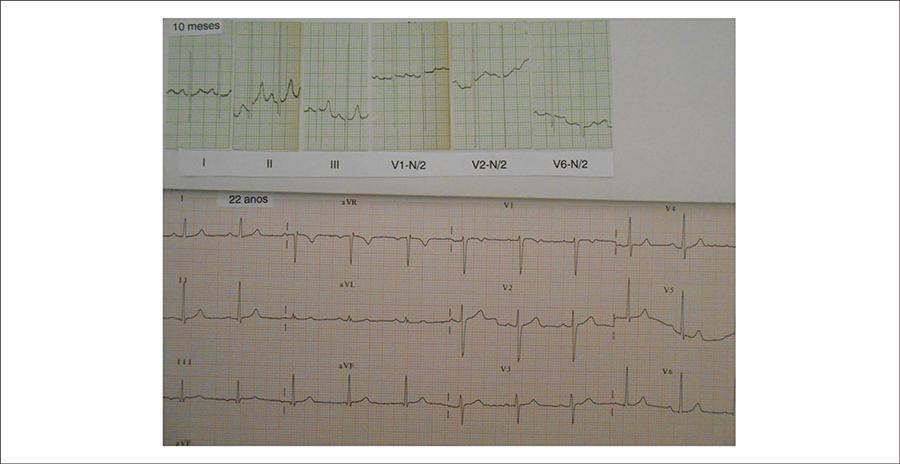
ECG () at 22 years of age showed normal sinus rhythm with no signs of overload, and normal ventricular repolarization. PA = +10º , QRSA = +50º , TA = +50º (lower tracing). ECG prior to operation, at 10 months of age (upper tracing), showed marked left ventricular overload, with QRSA = +70º , PA = +20º and TA = +80º ; RS morphology (amplitudes of 24 and 30 mm) from V1 to V3 and QRs (amplitudes of 10, 50 and 3 mm) from V4 to V6; Sokolow index of 90 mm; no ventricular repolarization abnormalities.

Chest radiograph showed normal cardiac silhouette (cardiothoracic ratio = 0.46) and pulmonary vasculature (). In the image prior to surgery, these parameters were markedly increased, with a cardiothoracic ratio of 0.85 ().

[…]

  • Aortopulmonary Window/surgery
  • Congenital/surgery
  • Heart Defects
  • Infant
Read Full Article
Creative Commons Attribution (CC BY) Creative Commons license
01/06/2015 DOI: 10.5935/abc.20150062 Views 1
Figure 1
Case Report

Acute Myocardial Infarction and Severe Prosthetic Dysfunction after Bentall Procedure

Viviane Tiemi Hotta et al. Pedro Gabriel de Melo Barros Paulo Sampaio Gutierrez Angela Cristina Pasiani Bolonhez … Wilson Mathias Ricardo Ribeiro Dias

Introduction

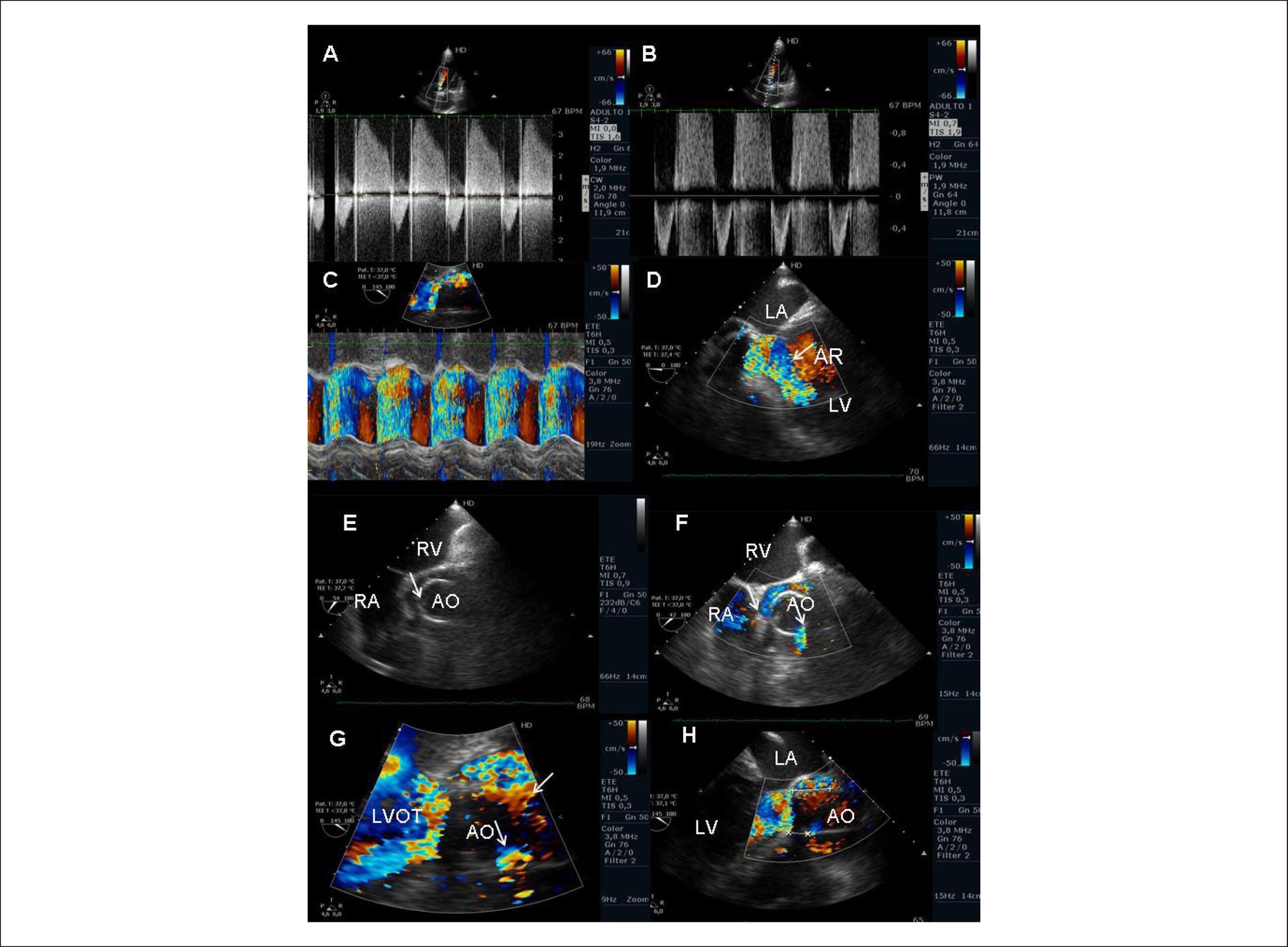
Coronary artery anastomotic dehiscence is a rare complication following aortic procedures. A 59-year-old male previously underwent replacement of the ascending aorta and aortic valve because of ascending aorta aneurysm and severe aortic regurgitation. Eight years after the procedure, he presented with acute myocardial infarction. Transesophageal echocardiography (TEE) and coronary angiography revealed coronary artery dehiscence. This finding rarely occurs after a Bentall procedure; however, if it does, it usually occurs in the early postoperative period and is associated with an infectious etiology. In this case, coronary dehiscence presented with myocardial infarction years after the procedure and was first suspected after TEE.

[…]

  • Bentall procedure
  • coronary ostium dehiscence
  • Myocardial Infarction
  • prosthetic aortic valve disfunction
Read Full Article
Creative Commons Attribution (CC BY) Creative Commons license
01/06/2015 DOI: 10.5935/abc.20140199
Editorial

Distance Psychotherapy – New Reality

Protásio L. da Luz et al. Mayra L. Gagliani Bellkiss W. Romano

High technology progresses fast in the medical area. The most recent advance is the “big data” study, in which multiple technologies are applied to populations in order to incorporate genetic data, biological markers and imaging, to assess risks and predict the occurrence of clinical phenomena. That is a global, multidisciplinary and multinational view, which supports and helps the implementation of preventive actions.

Psychology practice in Brazil, however, still resists to this modernity. Face-to-face psychotherapy is the only modality of treatment accepted by the Brazilian Federal Council of Psychology. However, distance counseling, via Internet or mobile phone, has been increasingly used in the USA, Europe and Oceania. Epstein et al. have reported the increasing use of “e-therapy”, as well as the exponential growth of related publications. In New Zealand, Gibson et al. have reported the experience of adolescents with mobile phone therapy. Eight aspects were identified by adolescents as advantageous: privacy, autonomy, control, anonymity, easy access, personalization, individualization of language, and connection.

[…]

  • Computer Communication Networks
  • Internet / trends
  • Internet / utilization
  • Psychotherapy
  • Social Networking
Read Full Article
Creative Commons Attribution (CC BY) Creative Commons license
01/06/2015 DOI: 10.5935/abc.20150067
Original Article

APOE and LDLR Gene Polymorphisms and Dyslipidemia Tracking. Rio de Janeiro Study

Rossana Ghessa Andrade de Freitas et al. Erika Maria Gonçalves Campana Roberto Pozzan Andréa Araujo Brandão … Ayrton Pires Brandão Maria Eliane Campos Magalhães Dayse Aparecida da Silva

Background:

Studies show an association between changes in apolipoprotein E (ApoE) and LDLR receptor with the occurrence of dyslipidemia.

Objectives:

To investigate the association between polymorphisms of the APOE (ε2, ε3, ε4) and LDLR (A370T) genes with the persistence of abnormal serum lipid levels in young individuals followed up for 17 years in the Rio de Janeiro Study.

Methods:

The study included 56 individuals (35 males) who underwent three assessments at different ages: A1 (mean age 13.30 ± 1.53 years), A2 (22.09 ± 1.91 years) and A3 (31.23 ± 1.99 years). Clinical evaluation with measurement of blood pressure (BP) and body mass index (BMI) was conducted at all three assessments. Measurement of waist circumference (WC) and serum lipids, and analysis of genetic polymorphisms by PCR-RFLP were performed at A2 and A3. Based on dyslipidemia tracking, three groups were established: 0 (no abnormal lipid value at A2 and A3), 1 (up to one abnormal lipid value at A2 or A3) and 2 (one or more abnormal lipid values at A2 and A3).

Results:

Compared with groups 0 and 1, group 2 presented higher mean values of BP, BMI, WC, LDL-c and TG (p < 0.01) and lower mean values of HDL-c (p = 0.001). Across the assessments, all individuals with APOE genotypes ε2/ε4 and ε4/ε4 maintained at least one abnormal lipid variable, whereas those with genotype ε2/ε3 did not show abnormal values (χ2 = 16.848, p = 0.032). For the LDLR genotypes, there was no significant difference among the groups.

Conclusions:

APOE gene polymorphisms were associated with dyslipidemia in young individuals followed up longitudinally from childhood.

  • Apolipoproteins E
  • Dyslipidemias
  • Epidemiology
  • Polymorphism, Genetic
  • Young Adult
Read Full Article
Creative Commons Attribution (CC BY) Creative Commons license
05/05/2015 DOI: 10.5935/abc.20150036 Views 1
Figure 1
Original Article

Circulatory and Ventilatory Power: Characterization in Patients with Coronary Artery Disease

Viviane Castello-Simões et al. Vinicius Minatel Marlus Karsten Rodrigo Polaquini Simões … Natália Maria Perseguini Juliana Cristina Milan Ross Arena Laura Maria Tomazi Neves Audrey Borghi-Silva Aparecida Maria Catai

Background:

Circulatory power (CP) and ventilatory power (VP) are indices that have been used for the clinical evaluation of patients with heart failure; however, no study has evaluated these indices in patients with coronary artery disease (CAD) without heart failure.

Objective:

To characterize both indices in patients with CAD compared with healthy controls.

Methods:

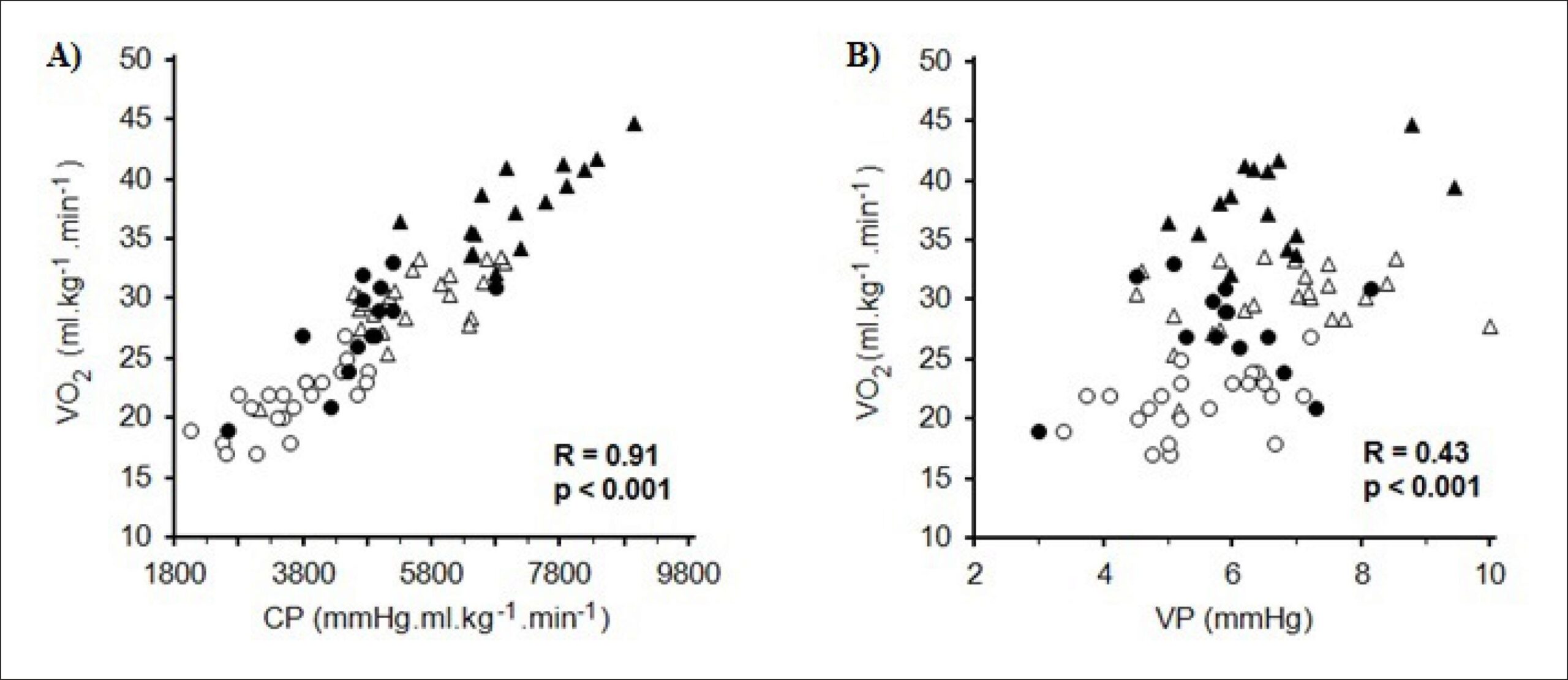
Eighty-seven men [CAD group = 42 subjects and healthy control group (CG) = 45 subjects] aged 40–65 years were included. Cardiopulmonary exercise testing was performed on a treadmill and the following parameters were measured: 1) peak oxygen consumption (VO2), 2) peak heart rate (HR), 3) peak blood pressure (BP), 4) peak rate-pressure product (peak systolic HR x peak BP), 5) peak oxygen pulse (peak VO2/peak HR), 6) oxygen uptake efficiency (OUES), 7) carbon dioxide production efficiency (minute ventilation/carbon dioxide production slope), 8) CP (peak VO2 x peak systolic BP) and 9) VP (peak systolic BP/carbon dioxide production efficiency).

Results:

The CAD group had significantly lower values for peak VO2 (p < 0.001), peak HR (p < 0.001), peak systolic BP (p < 0.001), peak rate-pressure product (p < 0.001), peak oxygen pulse (p = 0.008), OUES (p < 0.001), CP (p < 0.001), and VP (p < 0.001) and significantly higher values for peak diastolic BP (p = 0.004) and carbon dioxide production efficiency (p < 0.001) compared with CG. Stepwise regression analysis showed that CP was influenced by group (R2 = 0.44, p < 0.001) and VP was influenced by both group and number of vessels with stenosis after treatment (interaction effects: R2 = 0.46, p < 0.001).

Conclusion:

The indices CP and VP were lower in men with CAD than healthy controls.

  • Adults
  • Cardiopulmonary Exercise
  • Cardiovascular disease
  • Exercise
  • Oxygen Uptake
Read Full Article
Creative Commons Attribution (CC BY) Creative Commons license
05/05/2015 DOI: 10.5935/abc.20150035 Views 1
Figure 1
Original Article

Heart Rate Variability Correlates to Functional Aerobic Impairment in Hemodialysis Patients

Maria Angela Magalhães de Queiroz Carreira et al. André Barros Nogueira Felipe Montes Pena Marcio Galindo Kiuchi … Ronaldo Campos Rodrigues Rodrigo da Rocha Rodrigues Jorge Paulo Strogoff de Matos Jocemir Ronaldo Lugon

Background:

Autonomic dysfunction (AD) is highly prevalent in hemodialysis (HD) patients and has been implicated in their increased risk of cardiovascular mortality.

Objective:

To correlate heart rate variability (HRV) during exercise treadmill test (ETT) with the values obtained when measuring functional aerobic impairment (FAI) in HD patients and controls.

Methods:

Cross-sectional study involving HD patients and a control group. Clinical examination, blood sampling, transthoracic echocardiogram, 24-hour Holter, and ETT were performed. A symptom-limited ramp treadmill protocol with active recovery was employed. Heart rate variability was evaluated in time domain at exercise and recovery periods.

Results:

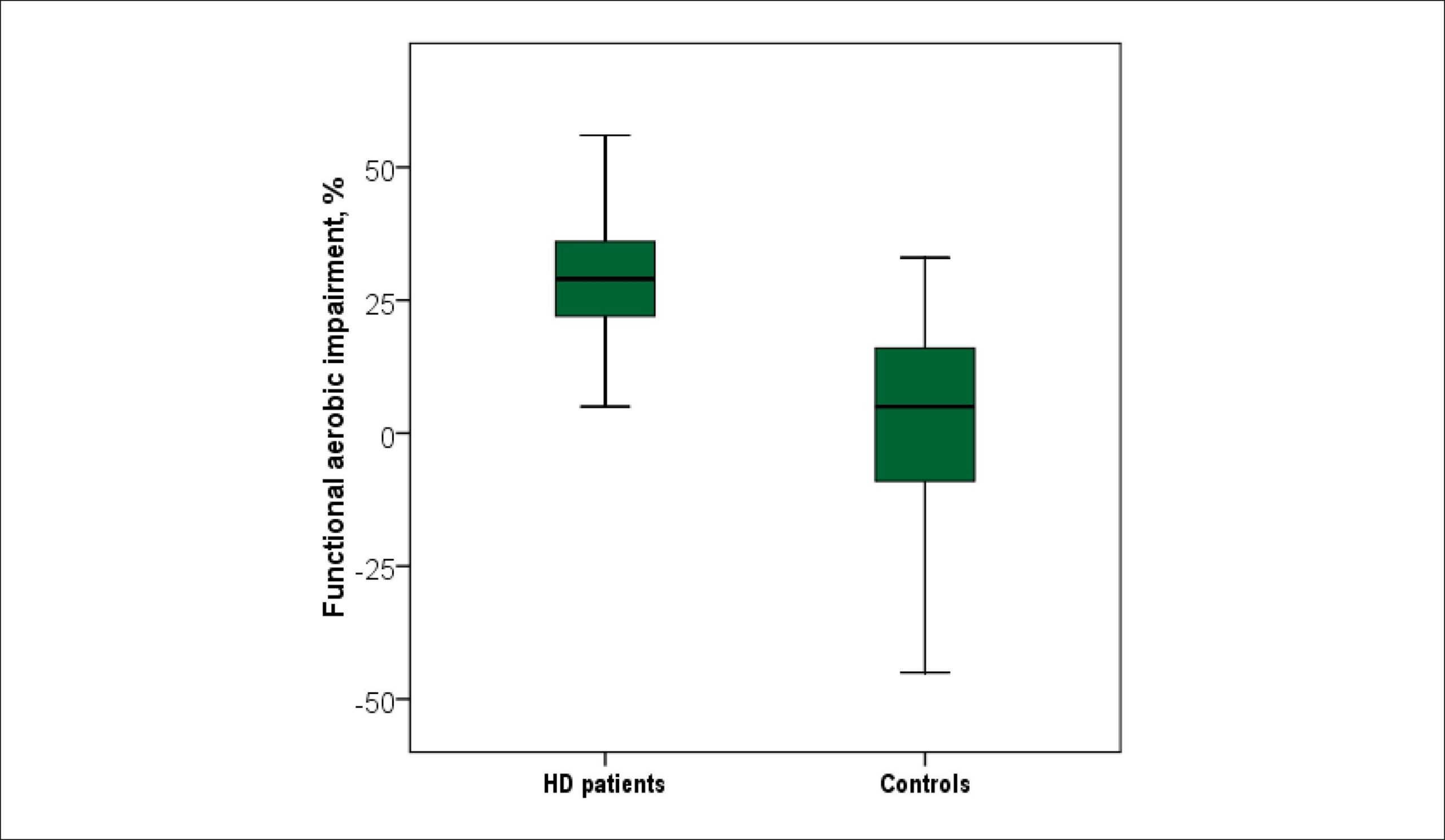
Forty-one HD patients and 41 controls concluded the study. HD patients had higher FAI and lower HRV than controls (p<0.001 for both). A correlation was found between exercise HRV (SDNN) and FAI in both groups. This association was independent of age, sex, smoking, body mass index, diabetes, and clonidine or beta-blocker use, but not of hemoglobin levels.

Conclusion:

No association was found between FAI and HRV on 24-hour Holter or at the recovery period of ETT. Of note, exercise HRV was inversely correlated with FAI in HD patients and controls. (Arq Bras Cardiol. 2015; [online]. ahead print, PP.0-0)

  • Exercise
  • Exercise Test
  • Mortality
  • renal dialysis
  • Sympathetic Nervous System / physiopathology
Read Full Article
Creative Commons Attribution (CC BY) Creative Commons license
05/05/2015 DOI: 10.5935/abc.20150039 Views 2
Figure 1
Original Article

Post-Acute Coronary Syndrome Alcohol Abuse: Prospective Evaluation in the ERICO Study

Abner Morilha et al. Samuel Karagulian Paulo A. Lotufo Itamar S. Santos … Isabela M. Benseñor Alessandra C. Goulart

Background:

Some studies have indicated alcohol abuse as one of the contributors to the development of cardiovascular disease, particularly coronary heart disease. However, this relationship is controversial.

Objective:

To investigate the relationship between post-acute coronary syndrome (ACS) alcohol abuse in the Acute Coronary Syndrome Registry Strategy (ERICO Study).

Methods:

146 participants from the ERICO Study answered structured questionnaires and underwent laboratory evaluations at baseline, 30 days and 180 days after ACS. The Alcohol Use Disorders Identification Test (AUDIT) was applied to assess harmful alcohol consumption in the 12 months preceding ACS (30 day-interview) and six months after that.

Results:

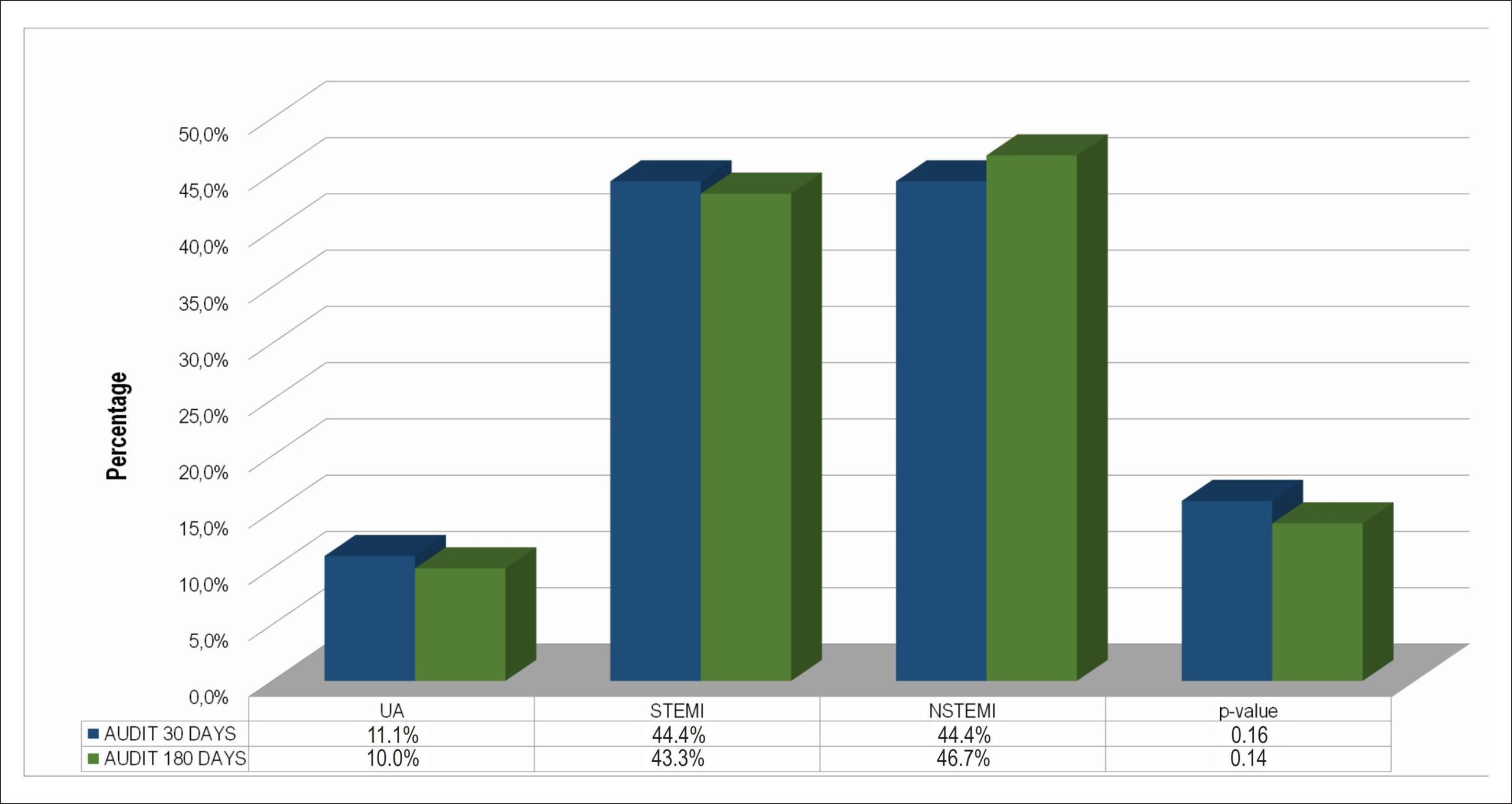
The frequencies of alcohol abuse were 24.7% and 21.1% in the 12 months preceding ACS and six months after that, respectively. The most significant cardiovascular risk factors associated with high-risk for alcohol abuse 30 days after the acute event were: male sex (88.9%), current smoking (52.8%) and hypertension (58.3%). Six months after the acute event, the most significant results were replicated in our logistic regression, for the association between alcohol abuse among younger individuals [35-44 year-old multivariate OR: 38.30 (95% CI: 1.44-1012.56) and 45-54 year-old multivariate OR: 10.10 (95% CI: 1.06-96.46)] and for smokers [current smokers multivariate OR: 51.09 (95% CI: 3.49-748.01) and past smokers multivariate OR: 40.29 (95% CI: 2.37-685.93)].

Conclusion:

Individuals younger than 54 years and smokers showed a significant relation with harmful alcohol consumption, regardless of the ACS subtype.

  • Acute coronary syndrome
  • Alcohol Drinking
  • Alcoholism
  • Myocardial Infarction
  • questionnaires
Read Full Article
Creative Commons Attribution (CC BY) Creative Commons license
05/05/2015 DOI: 10.5935/abc.20150038
Original Article

Depression as a Clinical Determinant of Dependence and Low Quality of Life in Elderly Patients with Cardiovascular Disease

Giselle Helena de Paula Rodrigues et al. Otavio Celso Eluf Gebara Catia Cilene da Silva Gerbi Humberto Pierri Mauricio Wajngarten

Background:

The aging process promotes a progressive increase in chronic-degenerative diseases. The effect of these diseases on the functional capacity has been well recognized. Another health parameter concerns “quality of life related to health”. Among the elderly population, cardiovascular diseases stand out due to the epidemiological and clinical impact. Usually, these diseases have been associated with others. This set of problems may compromise both independence and quality of life in elderly patients who seek cardiologic treatment. These health parameters have not been well contemplated by cardiologists.

Objective:

Evaluating, among the elderly population with cardiovascular disease, which are the most relevant clinical determinants regarding dependence and quality of life.

Methods:

This group was randomly and consecutively selected and four questionnaires were applied: HAQ, SF-36, PRIME-MD e Mini Mental State.

Results:

The study included 1,020 elderly patients, 63.3% women. The group had been between 60 and 97 years-old (mean: 75.56 ± 6.62 years-old). 61.4% were independent or mild dependence. The quality of life total score was high (HAQ: 88.66 ± 2.68). 87.8% of patients had a SF-36 total score > 66. In the multivariate analysis, the association between diagnoses and high degrees of dependence was significant only for previous stroke (p = 0.014), obesity (p < 0.001), lack of physical activity (p = 0.016), osteoarthritis (p < 0.001), cognitive impairment (p < 0.001), and major depression (p < 0.001). Analyzing the quality of life, major depression and physical illness for depression was significantly associated with all domains of the SF-36.

Conclusion:

Among an elderly outpatient cardiology population, dependence and quality of life clinical determinants are not cardiovascular comorbidities, especially the depression.

  • Aged
  • Cardiovascular Diseases
  • Depression
  • Frail Elderly
  • Quality of life
Read Full Article
Creative Commons Attribution (CC BY) Creative Commons license
14/04/2015 DOI: 10.5935/abc.20150034
Figure 1
Original Article

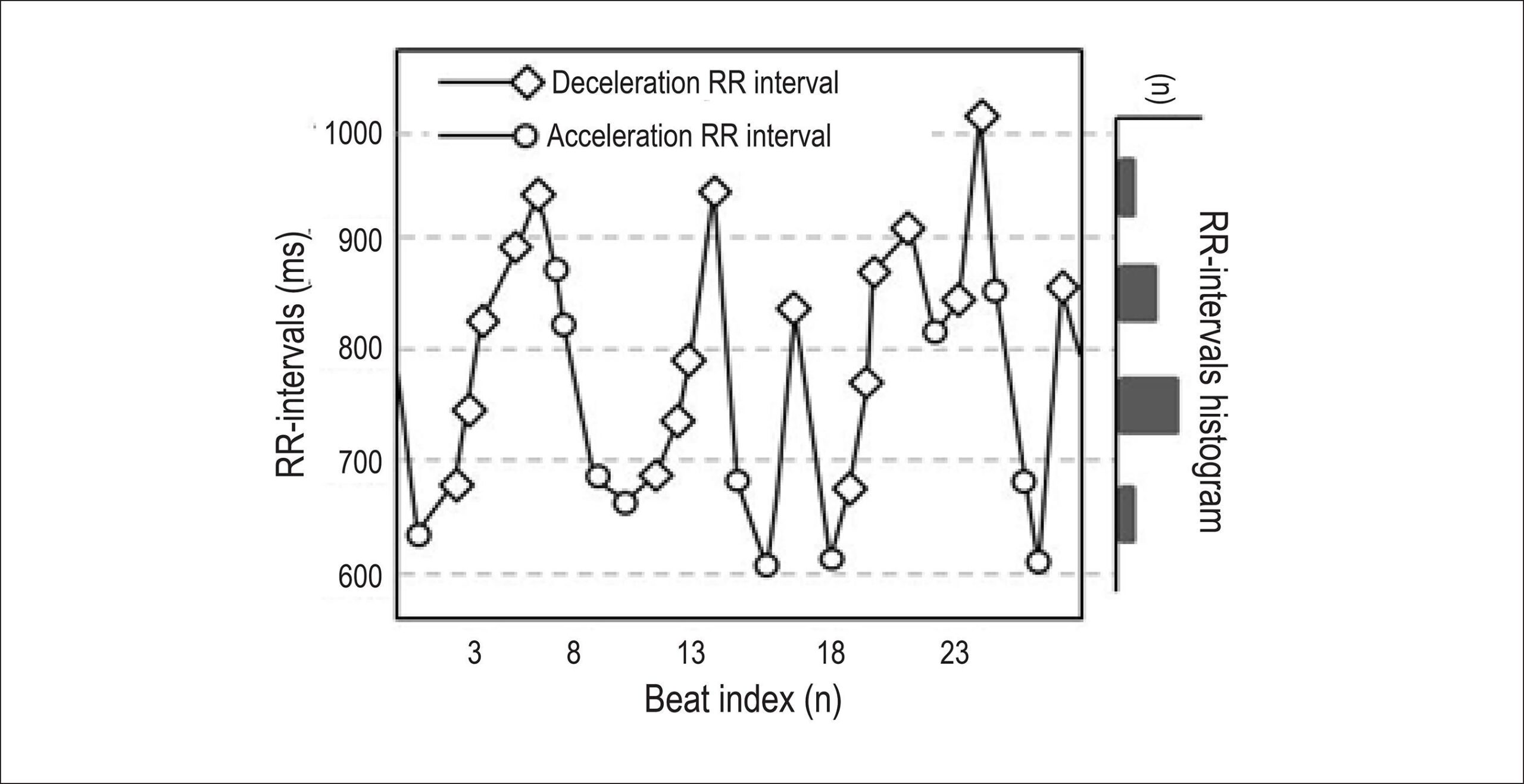
Assessment of Autonomic Function by Phase Rectification of RRInterval Histogram Analysis in Chagas Disease

Olivassé Nasari Junior et al. Paulo Roberto Benchimol-Barbosa Roberto Coury Pedrosa Jurandir Nadal

Background:

In chronic Chagas disease (ChD), impairment of cardiac autonomic function bears prognostic implications. Phase‑rectification of RR-interval series isolates the sympathetic, acceleration phase (AC) and parasympathetic, deceleration phase (DC) influences on cardiac autonomic modulation.

Objective:

This study investigated heart rate variability (HRV) as a function of RR-interval to assess autonomic function in healthy and ChD subjects.

Methods:

Control (n = 20) and ChD (n = 20) groups were studied. All underwent 60-min head-up tilt table test under ECG recording. Histogram of RR-interval series was calculated, with 100 ms class, ranging from 600–1100 ms. In each class, mean RR-intervals (MNN) and root-mean-squared difference (RMSNN) of consecutive normal RR-intervals that suited a particular class were calculated. Average of all RMSNN values in each class was analyzed as function of MNN, in the whole series (RMSNNT), and in AC (RMSNNAC) and DC (RMSNNDC) phases. Slopes of linear regression lines were compared between groups using Student t-test. Correlation coefficients were tested before comparisons. RMSNN was log-transformed. (α < 0.05).

Results:

Correlation coefficient was significant in all regressions (p < 0.05). In the control group, RMSNNT, RMSNNAC, and RMSNNDCsignificantly increased linearly with MNN (p < 0.05). In ChD, only RMSNNAC showed significant increase as a function of MNN, whereas RMSNNT and RMSNNDC did not.

Conclusion:

HRV increases in proportion with the RR-interval in healthy subjects. This behavior is lost in ChD, particularly in the DC phase, indicating cardiac vagal incompetence.

  • Chagas Cardiomyopathy
  • Chagas disease
  • Charts
  • Heart Rate
  • Organ Dysfunction Scores
  • Statistics as Topic
  • Sympathetic Nervous System
Read Full Article
Creative Commons Attribution (CC BY) Creative Commons license
14/04/2015 DOI: 10.5935/abc.20150032 Views 2
Original Article

Blood Pressure and Hemodynamic Adaptations after a Training Program in Young Individuals with Down Syndrome

Bruna Barboza Seron et al. Karla Fabiana Goessler Everaldo Lambert Modesto Eloise Werle Almeida Márcia Greguol

Background:

Cardiovascular diseases affect people worldwide. Individuals with Down Syndrome (DS) have an up to sixteen-time greater risk of mortality from cardiovascular diseases.

Objective:

To evaluate the effects of aerobic and resistance exercises on blood pressure and hemodynamic variables of young individuals with DS.

Methods:

A total of 29 young individuals with DS participated in the study. They were divided into two groups: aerobic training (AT) (n = 14), and resistance training (TR) (n = 15). Their mean age was 15.7 ± 2.82 years. The training program lasted 12 weeks, and had a frequency of three times a week for AT and twice a week for RT. AT was performed in treadmill/ bicycle ergometer, at an intensity between 50%-70% of the HR reserve. RT comprised nine exercises with three sets of 12 repetition-maximum. Systolic blood pressure (SBP), diastolic blood pressure (DBP), mean blood pressure (MBP) and hemodynamic variables were assessed beat-to-beat using the Finometer device before/after the training program. Descriptive analysis, the Shapiro-Wilk test to check the normality of data, and the two-way ANOVA for repeated measures were used to compare pre- and post-training variables. The Pearson’s correlation coefficient was calculated to correlate hemodynamic variables. The SPSS version 18.0 was used with the significance level set at p < 0.05.

Results:

After twelve weeks of aerobic and/or resistance training, significant reductions in variables SBP, DBP and MBP were observed.

Conclusion:

This study suggests a chronic hypotensive effect of moderate aerobic and resistance exercises on young individuals with DS.

  • Adolescent
  • Arterial Pressure / physiology
  • Down Syndrome
  • Heart Defects, Congenital
  • Hemodynamic / physiology
  • Resistance Training
Read Full Article
Creative Commons Attribution (CC BY) Creative Commons license
14/04/2015 DOI: 10.5935/abc.20150033 Views 1
Figure 1
Original Article

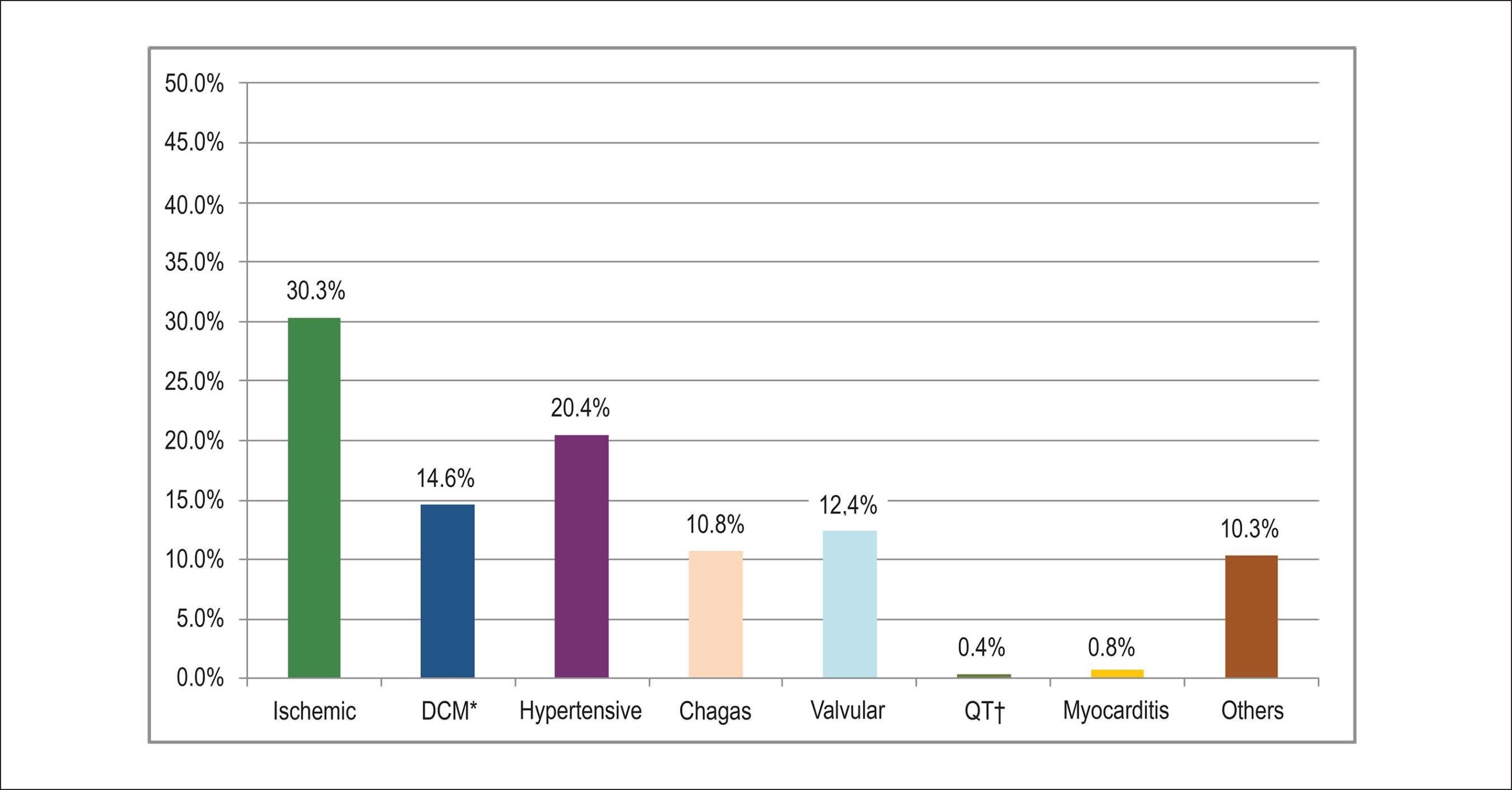
I Brazilian Registry of Heart Failure – Clinical Aspects, Care Quality and Hospitalization Outcomes

Denilson Campos de Albuquerque et al. João David de Souza Neto Fernando Bacal Luiz Eduardo Paim Rohde … Sabrina Bernardez-Pereira Otavio Berwanger Dirceu Rodrigues Almeida Investigadores Estudo BREATHE

Background:

Heart failure (HF) is one of the leading causes of hospitalization in adults in Brazil. However, most of the available data is limited to unicenter registries. The BREATHE registry is the first to include a large sample of hospitalized patients with decompensated HF from different regions in Brazil.

Objective:

Describe the clinical characteristics, treatment and prognosis of hospitalized patients admitted with acute HF.

Methods:

Observational registry study with longitudinal follow-up. The eligibility criteria included patients older than 18 years with a definitive diagnosis of HF, admitted to public or private hospitals. Assessed outcomes included the causes of decompensation, use of medications, care quality indicators, hemodynamic profile and intrahospital events.

Results:

A total of 1,263 patients (64±16 years, 60% women) were included from 51 centers from different regions in Brazil. The most common comorbidities were hypertension (70.8%), dyslipidemia (36.7%) and diabetes (34%). Around 40% of the patients had normal left ventricular systolic function and most were admitted with a wet-warm clinical-hemodynamic profile. Vasodilators and intravenous inotropes were used in less than 15% of the studied cohort. Care quality indicators based on hospital discharge recommendations were reached in less than 65% of the patients. Intrahospital mortality affected 12.6% of all patients included.

Conclusion:

The BREATHE study demonstrated the high intrahospital mortality of patients admitted with acute HF in Brazil, in addition to the low rate of prescription of drugs based on evidence.

  • Epidemiology
  • Heart Failure / mortality
  • Hospitalization
  • Inappropriate Prescribing
Read Full Article
Creative Commons Attribution (CC BY) Creative Commons license
03/04/2015 DOI: 10.5935/abc.20150031 Views 2
Figure 1
Review Article

Reverse Cardiac Remodeling: A Marker of Better Prognosis in Heart Failure

José Rosino de Araújo Rocha Reis Filho et al. Juliano Novaes Cardoso Cristina Martins dos Reis Cardoso Antonio Carlos Pereira-Barretto

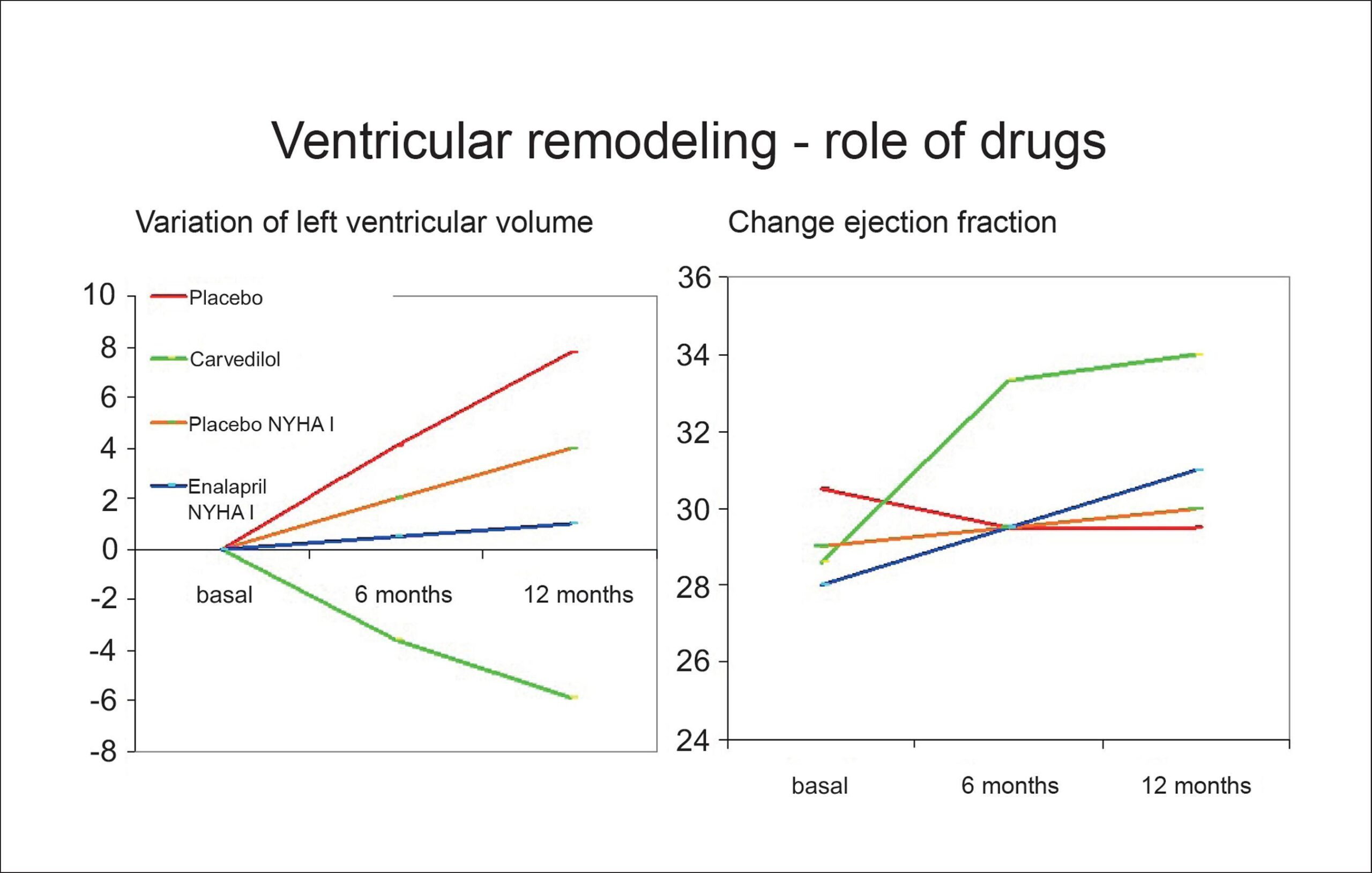
In heart failure syndrome, myocardial dysfunction causes an increase in neurohormonal activity, which is an adaptive and compensatory mechanism in response to the reduction in cardiac output. Neurohormonal activity is initially stimulated in an attempt to maintain compensation; however, when it remains increased, it contributes to the intensification of clinical manifestations and myocardial damage. Cardiac remodeling comprises changes in ventricular volume as well as the thickness and shape of the myocardial wall. With optimized treatment, such remodeling can be reversed, causing gradual improvement in cardiac function and consequently improved prognosis.

  • Heart Failure /therapy
  • Prognosis
  • Stroke Volume / physiology
  • Ventricular Remodeling
Read Full Article
Creative Commons Attribution (CC BY) Creative Commons license
27/03/2015 DOI: 10.5935/abc.20150025 Views 2

How to cite this article

EndNote RIS

Electronic Document Format (Vancouver)

Yiginer O, Dogan M, Erdal E. An Issue Waiting to be Clarified: Effects of the QT Prolonging Drugs on Tp-e Interval. Arquivos Brasileiros de Cardiologia 2015;104(6):507-8.

Electronic Document Format (ABNT)

Yiginer, Omer; Dogan, Mehmet; Erdal, Emrah. An Issue Waiting to be Clarified: Effects of the QT Prolonging Drugs on Tp-e Interval. Arquivos Brasileiros de Cardiologia, v. 104, n. 6, p. 507-508, May. 2015.

Electronic Document Format (APA)

Yiginer, O., Dogan, M., & Erdal, E. (2015). An Issue Waiting to be Clarified: Effects of the QT Prolonging Drugs on Tp-e Interval. Arquivos Brasileiros de Cardiologia, 104(6), 507-508.

Electronic Document Format (ISO)

Yiginer, Omer and Dogan, Mehmet and Erdal, Emrah. An Issue Waiting to be Clarified: Effects of the QT Prolonging Drugs on Tp-e Interval. Arquivos Brasileiros de Cardiologia [online]. 2015, vol. 104, n. 6, [cited 2026-10-14], pp. 507-508. Available from: <https://journals.cardiol.br/en/article/an-issue-waiting-to-be-clarified-effects-of-the-qt-prolonging-drugs-on-tp-e-interval/>. ISSN 0066-782X

EndNote RIS

Electronic Document Format (Vancouver)

Atik E. Case 5/2015 Late Outcome of Corrected Aortopulmonary Window in A 23-Year-Old Female Patient Who Underwent Surgery in Childhood. Arquivos Brasileiros de Cardiologia 2015;104(6):55-7.

Electronic Document Format (ABNT)

Atik, Edmar. Case 5/2015 Late Outcome of Corrected Aortopulmonary Window in A 23-Year-Old Female Patient Who Underwent Surgery in Childhood. Arquivos Brasileiros de Cardiologia, v. 104, n. 6, p. 55-57, May. 2015.

Electronic Document Format (APA)

Atik, E. (2015). Case 5/2015 Late Outcome of Corrected Aortopulmonary Window in A 23-Year-Old Female Patient Who Underwent Surgery in Childhood. Arquivos Brasileiros de Cardiologia, 104(6), 55-57.

Electronic Document Format (ISO)

Atik, Edmar. Case 5/2015 Late Outcome of Corrected Aortopulmonary Window in A 23-Year-Old Female Patient Who Underwent Surgery in Childhood. Arquivos Brasileiros de Cardiologia [online]. 2015, vol. 104, n. 6, [cited 2026-10-14], pp. 55-57. Available from: <https://journals.cardiol.br/en/article/case-5-2015-late-outcome-of-corrected-aortopulmonary-window-in-a-23-year-old-female-patient-who-underwent-surgery-in-childhood/>. ISSN 0066-782X

EndNote RIS

Electronic Document Format (Vancouver)

Hotta VT, Barros PGM, Gutierrez PS, Bolonhez ACP, Mathias W, Dias RR. Acute Myocardial Infarction and Severe Prosthetic Dysfunction after Bentall Procedure. Arquivos Brasileiros de Cardiologia 2015;104(6):58-60.

Electronic Document Format (ABNT)

Hotta, Viviane Tiemi; Barros, Pedro Gabriel de Melo; Gutierrez, Paulo Sampaio; Bolonhez, Angela Cristina Pasiani; Mathias, Wilson; Dias, Ricardo Ribeiro. Acute Myocardial Infarction and Severe Prosthetic Dysfunction after Bentall Procedure. Arquivos Brasileiros de Cardiologia, v. 104, n. 6, p. 58-60, May. 2015.

Electronic Document Format (APA)

Hotta, V. T., Barros, P. G. M., Gutierrez, P. S., Bolonhez, A. C. P., Mathias, W., & Dias, R. R. (2015). Acute Myocardial Infarction and Severe Prosthetic Dysfunction after Bentall Procedure. Arquivos Brasileiros de Cardiologia, 104(6), 58-60.

Electronic Document Format (ISO)

Hotta, Viviane Tiemi and Barros, Pedro Gabriel de Melo and Gutierrez, Paulo Sampaio and Bolonhez, Angela Cristina Pasiani and Mathias, Wilson and Dias, Ricardo Ribeiro. Acute Myocardial Infarction and Severe Prosthetic Dysfunction after Bentall Procedure. Arquivos Brasileiros de Cardiologia [online]. 2015, vol. 104, n. 6, [cited 2026-10-14], pp. 58-60. Available from: <https://journals.cardiol.br/en/article/acute-myocardial-infarction-and-severe-prosthetic-dysfunction-after-bentall-procedure/>. ISSN 0066-782X

EndNote RIS

Electronic Document Format (Vancouver)

Luz PL, Gagliani ML, Romano BW. Distance Psychotherapy – New Reality. Arquivos Brasileiros de Cardiologia 2015;104(6):431-2.

Electronic Document Format (ABNT)

Luz, Protásio L. da; Gagliani, Mayra L.; Romano, Bellkiss W.. Distance Psychotherapy – New Reality. Arquivos Brasileiros de Cardiologia, v. 104, n. 6, p. 431-432, May. 2015.

Electronic Document Format (APA)

Luz, P. L. , Gagliani, M. L., & Romano, B. W. (2015). Distance Psychotherapy – New Reality. Arquivos Brasileiros de Cardiologia, 104(6), 431-432.

Electronic Document Format (ISO)

Luz, Protásio L. da and Gagliani, Mayra L. and Romano, Bellkiss W.. Distance Psychotherapy – New Reality. Arquivos Brasileiros de Cardiologia [online]. 2015, vol. 104, n. 6, [cited 2026-10-14], pp. 431-432. Available from: <https://journals.cardiol.br/en/article/distance-psychotherapy-new-reality/>. ISSN 0066-782X

EndNote RIS

Electronic Document Format (Vancouver)

Freitas RGA, Campana EMG, Pozzan R, Brandão AA, Brandão AP, Magalhães MEC, Silva DA, et al. APOE and LDLR Gene Polymorphisms and Dyslipidemia Tracking. Rio de Janeiro Study. Arquivos Brasileiros de Cardiologia 2015;104(6):468-74.

Electronic Document Format (ABNT)

Freitas, Rossana Ghessa Andrade de; Campana, Erika Maria Gonçalves; Pozzan, Roberto; Brandão, Andréa Araujo; Brandão, Ayrton Pires; Magalhães, Maria Eliane Campos; Silva, Dayse Aparecida da. APOE and LDLR Gene Polymorphisms and Dyslipidemia Tracking. Rio de Janeiro Study. Arquivos Brasileiros de Cardiologia, v. 104, n. 6, p. 468-474, May. 2015.

Electronic Document Format (APA)

Freitas, R. G. A. , Campana, E. M. G., Pozzan, R., Brandão, A. A., Brandão, A. P., Magalhães, M. E. C., & Silva, D. A. (2015). APOE and LDLR Gene Polymorphisms and Dyslipidemia Tracking. Rio de Janeiro Study. Arquivos Brasileiros de Cardiologia, 104(6), 468-474.

Electronic Document Format (ISO)

Freitas, Rossana Ghessa Andrade de and Campana, Erika Maria Gonçalves and Pozzan, Roberto and Brandão, Andréa Araujo and Brandão, Ayrton Pires and Magalhães, Maria Eliane Campos and Silva, Dayse Aparecida da. APOE and LDLR Gene Polymorphisms and Dyslipidemia Tracking. Rio de Janeiro Study. Arquivos Brasileiros de Cardiologia [online]. 2015, vol. 104, n. 6, [cited 2026-10-14], pp. 468-474. Available from: <https://journals.cardiol.br/en/article/apoe-and-ldlr-gene-polymorphisms-and-dyslipidemia-tracking-rio-de-janeiro-study/>. ISSN 0066-782X

EndNote RIS

Electronic Document Format (Vancouver)

Castello-Simões V, Minatel V, Karsten M, Simões RP, Perseguini NM, Milan JC, Arena R, et al. Circulatory and Ventilatory Power: Characterization in Patients with Coronary Artery Disease. Arquivos Brasileiros de Cardiologia 2015;104(6):476-85.

Electronic Document Format (ABNT)

Castello-Simões, Viviane; Minatel, Vinicius; Karsten, Marlus; Simões, Rodrigo Polaquini; Perseguini, Natália Maria; Milan, Juliana Cristina; Arena, Ross; Neves, Laura Maria Tomazi; Borghi-Silva, Audrey; Catai, Aparecida Maria. Circulatory and Ventilatory Power: Characterization in Patients with Coronary Artery Disease. Arquivos Brasileiros de Cardiologia, v. 104, n. 6, p. 476-485, May. 2015.

Electronic Document Format (APA)

Castello-Simões, V., Minatel, V., Karsten, M., Simões, R. P., Perseguini, N. M., Milan, J. C., Arena, R., Neves, L. M. T., Borghi-Silva, A., & Catai, A. M. (2015). Circulatory and Ventilatory Power: Characterization in Patients with Coronary Artery Disease. Arquivos Brasileiros de Cardiologia, 104(6), 476-485.

Electronic Document Format (ISO)

Castello-Simões, Viviane and Minatel, Vinicius and Karsten, Marlus and Simões, Rodrigo Polaquini and Perseguini, Natália Maria and Milan, Juliana Cristina and Arena, Ross and Neves, Laura Maria Tomazi and Borghi-Silva, Audrey and Catai, Aparecida Maria. Circulatory and Ventilatory Power: Characterization in Patients with Coronary Artery Disease. Arquivos Brasileiros de Cardiologia [online]. 2015, vol. 104, n. 6, [cited 2026-10-14], pp. 476-485. Available from: <https://journals.cardiol.br/en/article/circulatory-and-ventilatory-power-characterization-in-patients-with-coronary-artery-disease/>. ISSN 0066-782X

EndNote RIS

Electronic Document Format (Vancouver)

Carreira MAMQ, Nogueira AB, Pena FM, Kiuchi MG, Rodrigues RC, Rodrigues RR, Matos JPS, et al. Heart Rate Variability Correlates to Functional Aerobic Impairment in Hemodialysis Patients. Arquivos Brasileiros de Cardiologia 2015;104(6):493-500.

Electronic Document Format (ABNT)

Carreira, Maria Angela Magalhães de Queiroz; Nogueira, André Barros; Pena, Felipe Montes; Kiuchi, Marcio Galindo; Rodrigues, Ronaldo Campos; Rodrigues, Rodrigo da Rocha; Matos, Jorge Paulo Strogoff de; Lugon, Jocemir Ronaldo. Heart Rate Variability Correlates to Functional Aerobic Impairment in Hemodialysis Patients. Arquivos Brasileiros de Cardiologia, v. 104, n. 6, p. 493-500, May. 2015.

Electronic Document Format (APA)

Carreira, M. A. M. Q., Nogueira, A. B., Pena, F. M., Kiuchi, M. G., Rodrigues, R. C., Rodrigues, R. R., Matos, J. P. S. , & Lugon, J. R. (2015). Heart Rate Variability Correlates to Functional Aerobic Impairment in Hemodialysis Patients. Arquivos Brasileiros de Cardiologia, 104(6), 493-500.

Electronic Document Format (ISO)

Carreira, Maria Angela Magalhães de Queiroz and Nogueira, André Barros and Pena, Felipe Montes and Kiuchi, Marcio Galindo and Rodrigues, Ronaldo Campos and Rodrigues, Rodrigo da Rocha and Matos, Jorge Paulo Strogoff de and Lugon, Jocemir Ronaldo. Heart Rate Variability Correlates to Functional Aerobic Impairment in Hemodialysis Patients. Arquivos Brasileiros de Cardiologia [online]. 2015, vol. 104, n. 6, [cited 2026-10-14], pp. 493-500. Available from: <https://journals.cardiol.br/en/article/heart-rate-variability-correlates-to-functional-aerobic-impairment-in-hemodialysis-patients/>. ISSN 0066-782X

EndNote RIS

Electronic Document Format (Vancouver)

Morilha A, Karagulian S, Lotufo PA, Santos IS, Benseñor IM, Goulart AC. Post-Acute Coronary Syndrome Alcohol Abuse: Prospective Evaluation in the ERICO Study. Arquivos Brasileiros de Cardiologia 2015;104(6):457-6.

Electronic Document Format (ABNT)

Morilha, Abner; Karagulian, Samuel; Lotufo, Paulo A.; Santos, Itamar S.; Benseñor, Isabela M.; Goulart, Alessandra C.. Post-Acute Coronary Syndrome Alcohol Abuse: Prospective Evaluation in the ERICO Study. Arquivos Brasileiros de Cardiologia, v. 104, n. 6, p. 457-467, May. 2015.

Electronic Document Format (APA)

Morilha, A., Karagulian, S., Lotufo, P. A., Santos, I. S., Benseñor, I. M., & Goulart, A. C. (2015). Post-Acute Coronary Syndrome Alcohol Abuse: Prospective Evaluation in the ERICO Study. Arquivos Brasileiros de Cardiologia, 104(6), 457-467.

Electronic Document Format (ISO)

Morilha, Abner and Karagulian, Samuel and Lotufo, Paulo A. and Santos, Itamar S. and Benseñor, Isabela M. and Goulart, Alessandra C.. Post-Acute Coronary Syndrome Alcohol Abuse: Prospective Evaluation in the ERICO Study. Arquivos Brasileiros de Cardiologia [online]. 2015, vol. 104, n. 6, [cited 2026-10-14], pp. 457-467. Available from: <https://journals.cardiol.br/en/article/post-acute-coronary-syndrome-alcohol-abuse-prospective-evaluation-in-the-erico-study/>. ISSN 0066-782X

EndNote RIS

Electronic Document Format (Vancouver)

Rodrigues GHP, Gebara OCE, Gerbi CCS, Pierri H, Wajngarten M. Depression as a Clinical Determinant of Dependence and Low Quality of Life in Elderly Patients with Cardiovascular Disease. Arquivos Brasileiros de Cardiologia 2015;104(6):443-9.

Electronic Document Format (ABNT)

Rodrigues, Giselle Helena de Paula; Gebara, Otavio Celso Eluf; Gerbi, Catia Cilene da Silva; Pierri, Humberto; Wajngarten, Mauricio. Depression as a Clinical Determinant of Dependence and Low Quality of Life in Elderly Patients with Cardiovascular Disease. Arquivos Brasileiros de Cardiologia, v. 104, n. 6, p. 443-449, Apr. 2015.

Electronic Document Format (APA)

Rodrigues, G. H. P., Gebara, O. C. E., Gerbi, C. C. S., Pierri, H., & Wajngarten, M. (2015). Depression as a Clinical Determinant of Dependence and Low Quality of Life in Elderly Patients with Cardiovascular Disease. Arquivos Brasileiros de Cardiologia, 104(6), 443-449.

Electronic Document Format (ISO)

Rodrigues, Giselle Helena de Paula and Gebara, Otavio Celso Eluf and Gerbi, Catia Cilene da Silva and Pierri, Humberto and Wajngarten, Mauricio. Depression as a Clinical Determinant of Dependence and Low Quality of Life in Elderly Patients with Cardiovascular Disease. Arquivos Brasileiros de Cardiologia [online]. 2015, vol. 104, n. 6, [cited 2026-10-14], pp. 443-449. Available from: <https://journals.cardiol.br/en/article/depression-as-a-clinical-determinant-of-dependence-and-low-quality-of-life-in-elderly-patients-with-cardiovascular-disease/>. ISSN 0066-782X

EndNote RIS

Electronic Document Format (Vancouver)

Nasari Junior O, Benchimol-Barbosa PR, Pedrosa RC, Nadal J. Assessment of Autonomic Function by Phase Rectification of RRInterval Histogram Analysis in Chagas Disease. Arquivos Brasileiros de Cardiologia 2015;104(6):450-5.

Electronic Document Format (ABNT)

Nasari Junior, Olivassé; Benchimol-Barbosa, Paulo Roberto; Pedrosa, Roberto Coury; Nadal, Jurandir. Assessment of Autonomic Function by Phase Rectification of RRInterval Histogram Analysis in Chagas Disease. Arquivos Brasileiros de Cardiologia, v. 104, n. 6, p. 450-455, Apr. 2015.

Electronic Document Format (APA)

Nasari Junior, O., Benchimol-Barbosa, P. R., Pedrosa, R. C., & Nadal, J. (2015). Assessment of Autonomic Function by Phase Rectification of RRInterval Histogram Analysis in Chagas Disease. Arquivos Brasileiros de Cardiologia, 104(6), 450-455.

Electronic Document Format (ISO)

Nasari Junior, Olivassé and Benchimol-Barbosa, Paulo Roberto and Pedrosa, Roberto Coury and Nadal, Jurandir. Assessment of Autonomic Function by Phase Rectification of RRInterval Histogram Analysis in Chagas Disease. Arquivos Brasileiros de Cardiologia [online]. 2015, vol. 104, n. 6, [cited 2026-10-14], pp. 450-455. Available from: <https://journals.cardiol.br/en/article/assessment-of-autonomic-function-by-phase-rectification-of-rrinterval-histogram-analysis-in-chagas-disease/>. ISSN 0066-782X

EndNote RIS

Electronic Document Format (Vancouver)

Seron BB, Goessler KF, Modesto EL, Almeida EW, Greguol M. Blood Pressure and Hemodynamic Adaptations after a Training Program in Young Individuals with Down Syndrome. Arquivos Brasileiros de Cardiologia 2015;104(6):487-91.

Electronic Document Format (ABNT)

Seron, Bruna Barboza; Goessler, Karla Fabiana; Modesto, Everaldo Lambert; Almeida, Eloise Werle; Greguol, Márcia. Blood Pressure and Hemodynamic Adaptations after a Training Program in Young Individuals with Down Syndrome. Arquivos Brasileiros de Cardiologia, v. 104, n. 6, p. 487-491, Apr. 2015.

Electronic Document Format (APA)

Seron, B. B., Goessler, K. F., Modesto, E. L., Almeida, E. W., & Greguol, M. (2015). Blood Pressure and Hemodynamic Adaptations after a Training Program in Young Individuals with Down Syndrome. Arquivos Brasileiros de Cardiologia, 104(6), 487-491.

Electronic Document Format (ISO)

Seron, Bruna Barboza and Goessler, Karla Fabiana and Modesto, Everaldo Lambert and Almeida, Eloise Werle and Greguol, Márcia. Blood Pressure and Hemodynamic Adaptations after a Training Program in Young Individuals with Down Syndrome. Arquivos Brasileiros de Cardiologia [online]. 2015, vol. 104, n. 6, [cited 2026-10-14], pp. 487-491. Available from: <https://journals.cardiol.br/en/article/blood-pressure-and-hemodynamic-adaptations-after-a-training-program-in-young-individuals-with-down-syndrome/>. ISSN 0066-782X

EndNote RIS

Electronic Document Format (Vancouver)

Albuquerque DC, Souza Neto JD, Bacal F, Rohde LEP, Bernardez-Pereira S, Berwanger O, Almeida DR, et al. I Brazilian Registry of Heart Failure – Clinical Aspects, Care Quality and Hospitalization Outcomes. Arquivos Brasileiros de Cardiologia 2015;104(6):433-42.

Electronic Document Format (ABNT)

Albuquerque, Denilson Campos de; Souza Neto, João David de; Bacal, Fernando; Rohde, Luiz Eduardo Paim; Bernardez-Pereira, Sabrina; Berwanger, Otavio; Almeida, Dirceu Rodrigues; BREATHE, Investigadores Estudo. I Brazilian Registry of Heart Failure – Clinical Aspects, Care Quality and Hospitalization Outcomes. Arquivos Brasileiros de Cardiologia, v. 104, n. 6, p. 433-442, Apr. 2015.

Electronic Document Format (APA)

Albuquerque, D. C. , Souza Neto, J. D. , Bacal, F., Rohde, L. E. P., Bernardez-Pereira, S., Berwanger, O., Almeida, D. R., & BREATHE, I. E. (2015). I Brazilian Registry of Heart Failure – Clinical Aspects, Care Quality and Hospitalization Outcomes. Arquivos Brasileiros de Cardiologia, 104(6), 433-442.

Electronic Document Format (ISO)

Albuquerque, Denilson Campos de and Souza Neto, João David de and Bacal, Fernando and Rohde, Luiz Eduardo Paim and Bernardez-Pereira, Sabrina and Berwanger, Otavio and Almeida, Dirceu Rodrigues and BREATHE, Investigadores Estudo. I Brazilian Registry of Heart Failure – Clinical Aspects, Care Quality and Hospitalization Outcomes. Arquivos Brasileiros de Cardiologia [online]. 2015, vol. 104, n. 6, [cited 2026-10-14], pp. 433-442. Available from: <https://journals.cardiol.br/en/article/i-brazilian-registry-of-heart-failure-clinical-aspects-care-quality-and-hospitalization-outcomes/>. ISSN 0066-782X

EndNote RIS

Electronic Document Format (Vancouver)

Reis Filho JRAR, Cardoso JN, Cardoso CMR, Pereira-Barretto AC. Reverse Cardiac Remodeling: A Marker of Better Prognosis in Heart Failure. Arquivos Brasileiros de Cardiologia 2015;104(6):502-6.

Electronic Document Format (ABNT)

Reis Filho, José Rosino de Araújo Rocha; Cardoso, Juliano Novaes; Cardoso, Cristina Martins dos Reis; Pereira-Barretto, Antonio Carlos. Reverse Cardiac Remodeling: A Marker of Better Prognosis in Heart Failure. Arquivos Brasileiros de Cardiologia, v. 104, n. 6, p. 502-506, Mar. 2015.

Electronic Document Format (APA)

Reis Filho, J. R. A. R., Cardoso, J. N., Cardoso, C. M. R., & Pereira-Barretto, A. C. (2015). Reverse Cardiac Remodeling: A Marker of Better Prognosis in Heart Failure. Arquivos Brasileiros de Cardiologia, 104(6), 502-506.

Electronic Document Format (ISO)

Reis Filho, José Rosino de Araújo Rocha and Cardoso, Juliano Novaes and Cardoso, Cristina Martins dos Reis and Pereira-Barretto, Antonio Carlos. Reverse Cardiac Remodeling: A Marker of Better Prognosis in Heart Failure. Arquivos Brasileiros de Cardiologia [online]. 2015, vol. 104, n. 6, [cited 2026-10-14], pp. 502-506. Available from: <https://journals.cardiol.br/en/article/reverse-cardiac-remodeling-a-marker-of-better-prognosis-in-heart-failure/>. ISSN 0066-782X

Sede – Rio de Janeiro
Av. Marechal Câmara, 160
3º andar – Sala: 330 – Centro
Rio de Janeiro – CEP: 20020-907
Tel.: (55 +21) 3478-2700
ou (21) 99386-3961
E-mail: revista@cardiol.br

Sede – São Paulo
Alameda Santos, 705 – 11º andar
Cerqueira César | São Paulo
CEP: 01419-001
Tel.: (55 +11) 3411-5500
E-mail: revista@cardiol.br

  • About the Journal
  • Internal Regulation
  • Editors Section
  • Editorial Board
  • History
  • SBC Award

  • Guidelines for Publication
  • Editorial Policy
  • Ethics Policy
  • Policy on the Use of Artificial Intelligence
  • Mandatory Publication Form
  • Publication Fee

Issues

SBC Guidelines

  • How to Publish an Abstract Supplement?
  • Supplements from the Brazilian Congress of Cardiology