ABC Family Arquivos Brasileiros de Cardiologia International Journal of Cardiovascular Sciences ABC Heart Failure & Cardiomyopathy ABC Imagem Cardiovascular
Português English
ABC Family
Português English
  • About
    • About ABC Family
    • Internal Regulation
    • Editorial Board
    • Brazilian Society of Cardiology (SBC)
  • Issues
  • SBC Guidelines
  • Content
    • Videos
    • Podcasts
    • News
  • About
    • About ABC Family
    • Internal Regulation
    • Editorial Board
    • Brazilian Society of Cardiology (SBC)
  • Issues
  • SBC Guidelines
  • Content
    • Videos
    • Podcasts
    • News

ABC Family

  • ABC Family
  • Arquivos Brasileiros de Cardiologia
  • International Journal of Cardiovascular Sciences
  • ABC Heart Failure & Cardiomyopathy
  • ABC Imagem Cardiovascular
Search in

No content found.

Journals
Ordering
Article types
Others

  1. Home
  2. Keyword: Adrenergic beta-Antagonists
Strategic Use of Intravenous Medications to Protect Target Organs in Hypertensive Emergencies
IJCS
Review Article

Strategic Use of Intravenous Medications to Protect Target Organs in Hypertensive Emergencies

Mariana Costa Silva et al. Rubens Carmo Costa Filho Vanessa Estato

Abstract

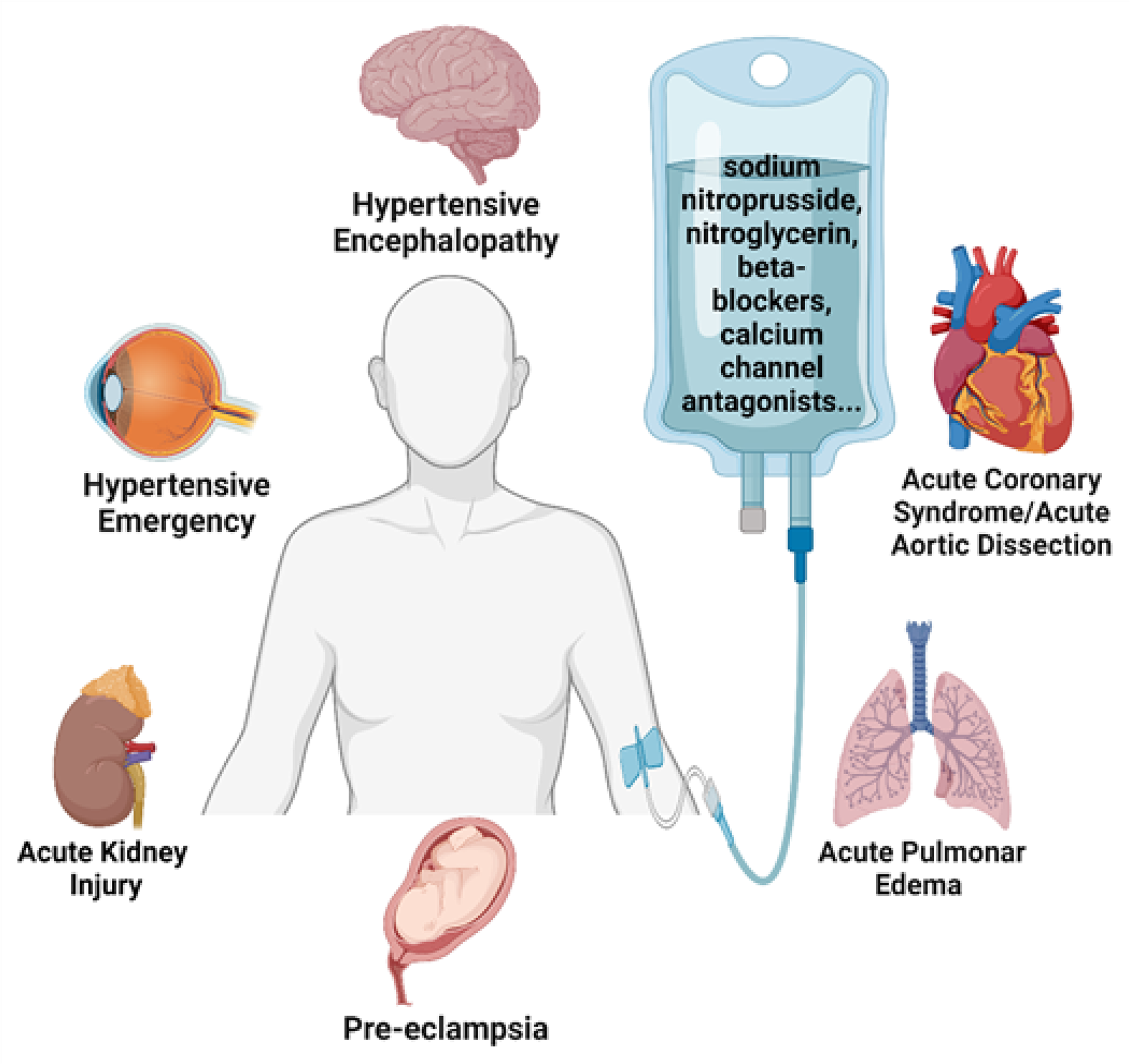
Hypertensive emergencies (HE) are life-threatening conditions triggered by sudden increases in blood pressure (BP) exceeding 180 mmHg systolic and/or 110 mmHg diastolic levels, often resulting in acute organ damage (AOD) and the risk of death. This article discusses contemporary practices in diagnosing and managing these episodes, emphasizing early recognition and immediate therapeutic intervention. It highlights the significance of a meticulous diagnostic assessment for appropriate clinical and therapeutic approaches, including detailed medical history, physical examination, and complementary investigations. Treatment focuses on the judicious use of intravenous antihypertensive agents such as sodium nitroprusside, nitroglycerin (NTG), beta-blockers, and calcium channel antagonists, stressing careful administration to prevent further harm. Individualization of treatment in HE is imperative and should be meticulously tailored to the patient’s clinical profile and main complications, notably hypertensive encephalopathy, acute pulmonary edema, acute coronary syndromes, acute aortic dissection, and preeclampsia. These conditions require differentiated approaches due to their severity. The article underscores the scarcity of randomized controlled clinical trials addressing all daily practice questions regarding managing HE. This is due to the complexity of available drugs, clinical conditions, adverse effects, and drug interactions in various scenarios. Consequently, clinical wisdom and careful observation remain pivotal in decision-making. It also addresses the complexity of accurately measuring BP in emergency settings, which can pose an additional diagnostic challenge. Finally, it emphasizes the need for new evidence to guide therapeutic practices in HE, aiming to improve patient care and clinical outcomes continuously.
  • Adrenergic beta-Antagonists
  • antihypertensive agents
  • calcium channel blockers
  • Cardiovascular Diseases
  • hypertensive crisis
Read Full Article
Creative Commons Attribution (CC BY) Creative Commons license
28/02/2025 DOI: 10.36660/ijcs.20240117
Figure 1
ABCHF
Viewpoint

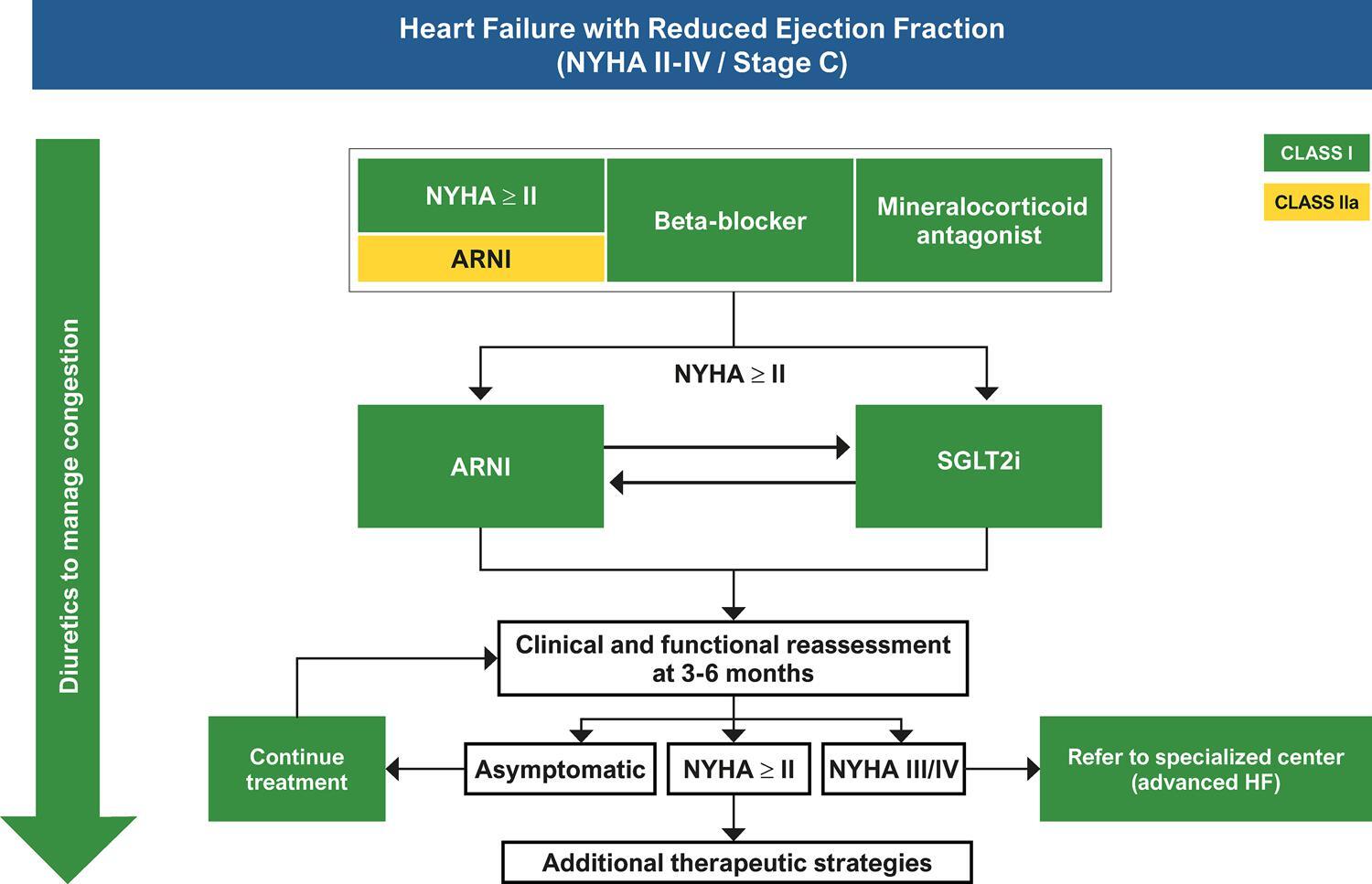
Sequencing of Pharmacotherapy for Heart Failure with Reduced Ejection Fraction: A Clinical Profile-Based Approach

Luís Beck-da-Silva

A Brief History of Heart Failure (HF) Treatment

Until 1987, HF treatment consisted in:

None of these recommendations was based on clinical or epidemiological evidence, instead relying on the pathophysiological knowledge of the disease at the time, the pharmacological effect of medications, and good sense.

[…]

  • Adrenergic beta-Antagonists
  • Mineralocorticoid Receptor Antagonists
  • Sodium-Glucose Transporter 2 Inhibitors
Read Full Article
Creative Commons Attribution (CC BY) Creative Commons license
12/04/2022 DOI: 10.36660/abchf.20220007 Views 1
Figure 1
ABCHF
Viewpoint

Rapid Sequencing of Foundational Treatment for HFrEF: The Innovative Proposal of John McMurray and Milton Packer

Bianca Lopes Cunha et al. Laura Leite da Escóssia Marinho Jefferson Luís Vieira

The treatment of heart failure with reduced ejection fraction (HFrEF) involves implementing preventive measures, delaying disease progression, relieving symptoms and, above all, prolonging survival. The effectiveness of the drug arsenal for the management of HFrEF has been well established by several randomized clinical trials and is based on 4 foundational pillars of treatment: (1) β-blockers; (2) renin-angiotensin system inhibitors, including angiotensin-converting enzyme inhibitors (ACEis), angiotensin receptor blockers (ARBs), and angiotensin receptor-neprilysin inhibitors (ARNIs); (3) sodium-glucose cotransporter 2 inhibitors (SGLT2is); and (4) mineralocorticoid receptor antagonists (MRAs).

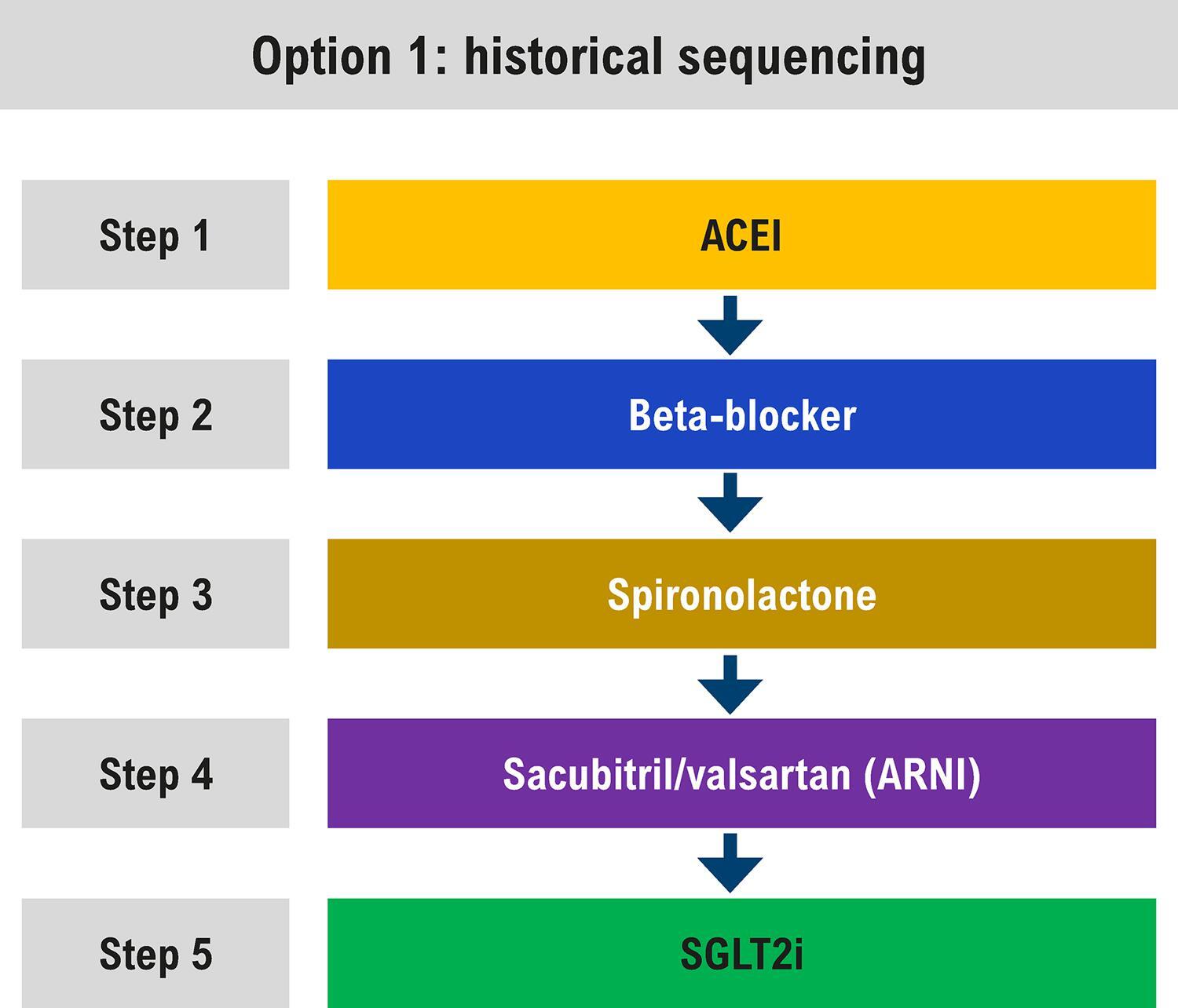
The conventional pharmacological approach presented by HFrEF treatment guidelines recommends sequential prescribing of the 4 foundational drug classes in the order in which they were tested in classic clinical trials. – Based on a 5-step protocol, physicians are instructed to initiate treatment with an ACEi/ARB, followed by a β-blocker and then an MRA. In step 4, replacement of the ACEi/ARB with an ARNI is considered and, finally, an SGLT2i can be added ( ). This approach advises prescribers to titrate the dose of each drug to the target dose used in large-scale trials before initiating the next recommended drug class ( ). In 2021, however, a perspective article written by John McMurray and Milton Packer, authors of most of the main trials in the field in the last decade, pointed out a series of limitations in the conventional approach and proposed a new sequence of pharmacological treatment for ambulatory HFrEF based on 3 steps ( ). According to the new proposal, the conventional approach presents an algorithm based on the historical order of publication of the clinical trials, wrongly assuming that the most effective and well-tolerated drugs were developed first. Another point observed by the authors is that the conventional approach prioritizes the achievement of the target dose of a given drug before initiating treatment with the next one, which can delay the achievement of optimal medical therapy by more than 6 months. Indeed, if we look at participants in large-scale clinical trials and surveys, we will see that a substantial percentage of them were not receiving recommended medications. , Even in recently completed trials, a meaningful proportion was not being treated with an MRA or an ARNI. In addition, proper sequencing of foundational drugs can improve safety and tolerability, as medications such as ARNIs can reduce the risk of renal insufficiency associated with ACEis/ARBs and both ARNIs and SGLT2is can mitigate the risk of hyperkalemia associated with the use of MRAs.

[…]

  • Adrenergic beta-Antagonists
  • Angiotensin-Converting Enzyme Inhibitors
  • Heart Failure
  • Mineralocorticoid Receptor Antagonists
  • Neprilysin
  • Sodium-Glucose Transporter 2 Inhibitors
Read Full Article
Creative Commons Attribution (CC BY) Creative Commons license
12/04/2022 DOI: 10.36660/abchf.20220005 Views 1
Figure 1
ABCHF
Viewpoint

Clinical Profile-Based Pharmacological Sequencing for Heart Failure with Preserved Ejection Fraction

Evandro Tinoco Mesquita et al. Eduardo Thadeu de Oliveira Correia Letícia Mara dos Santos Barbetta

Introduction

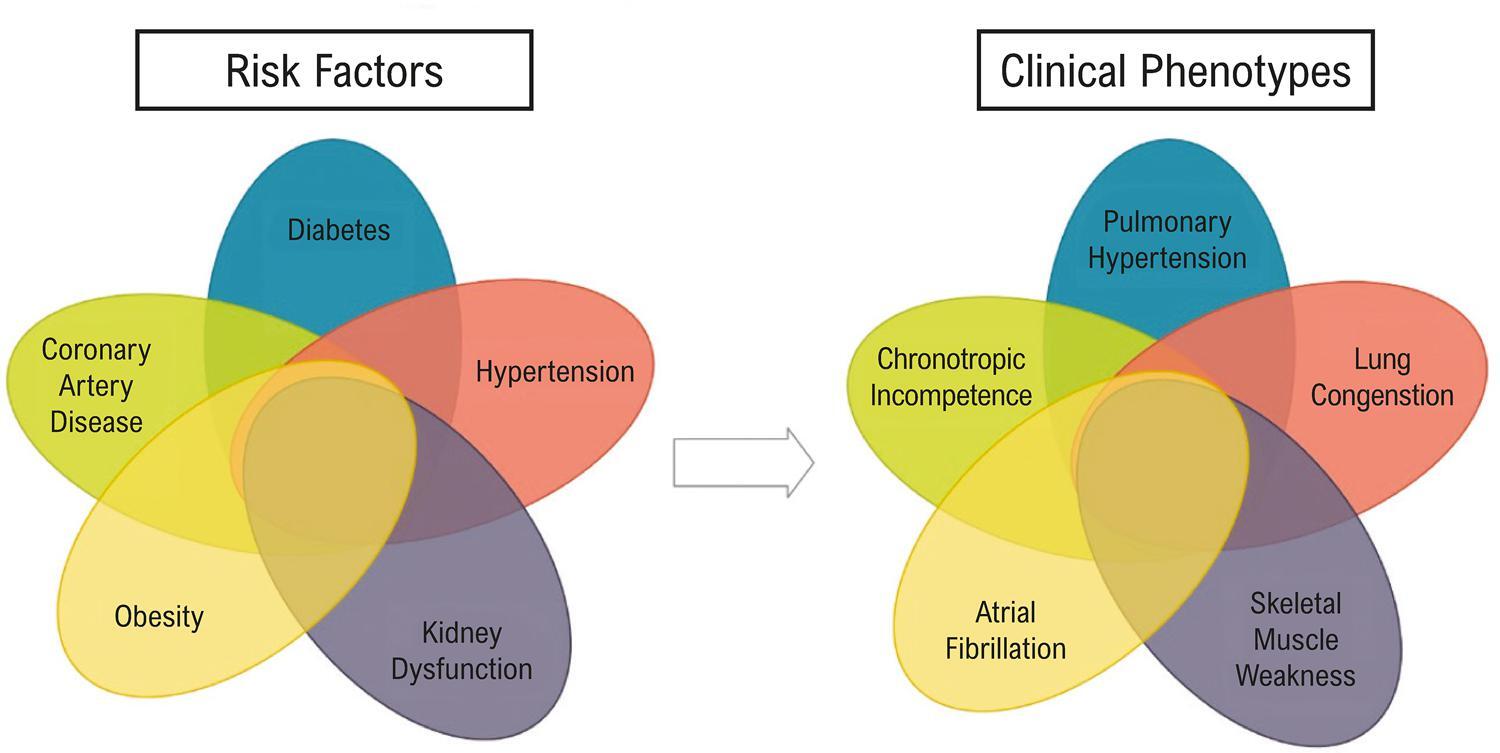
Heart failure (HF) is classically categorized into phenotypes according to left ventricular ejection fraction (EF), one of them being HF with preserved EF (HFpEF; EF ≥ 50%). In the past decades, a myriad of drug therapies that reduce mortality and hospitalization rates for HF with reduced EF have emerged. However, although HFpEF accounts for about 50% of HF cases, to this date, only empagliflozin was shown to reduce HF hospitalization, and no drug reduced the risk for cardiovascular death in randomized clinical trials (RCTs). One hypothesis that may explain the lack of therapies that reduce hard outcomes in HFpEF is the variety of phenotypes that constitute HFpEF as a syndrome. Thus, in this paper, we discuss evidence from RCTs and post-hoc analyses of RCTs that may help improve HFpEF outcomes, aid clinicians, and pave the way for future RCTs.

[…]

  • Adrenergic beta-Antagonists
  • Angiotensin-Converting Enzyme Inhibitors
  • Digoxin
  • Heart Failure
  • Mineralocorticoid Receptor Antagonists
Read Full Article
Creative Commons Attribution (CC BY) Creative Commons license
12/04/2022 DOI: 10.36660/abchf.20220014 Views 1
ABC
Artigo Original

Carvedilol enhances the antioxidant effect of vitamins E and C in chronic chagas heart disease

Patrícia Budni et al. Roberto Coury Pedrosa Eduardo Monguilhott Dalmarco Juliana Bastos Dalmarco … Tânia Sílvia Frode Danilo Wilhelm Filho

BACKGROUND: Chagas disease is still an important endemic disease in Brazil, and the cardiac involvement is its more severe manifestation. OBJECTIVE: To verify whether the concomitant use of carvedilol will enhance the antioxidant effect of vitamins E and C in reducing the systemic oxidative stress in chronic Chagas heart disease. METHODS: A total of 42 patients with Chagas heart disease were studied. They were divided into four groups according to the modified Los Andes classification: 10 patients in group IA (normal electrocardiogram and echocardiogram; no cardiac involvement); 20 patients in group IB (normal electrocardiogram and abnormal echocardiogram; mild cardiac involvement); eight patients in group II (abnormal electrocardiogram and echocardiogram; no heart failure; moderate cardiac involvement); and four patients in group III (abnormal electrocardiogram and echocardiogram with heart failure; severe cardiac involvement). Blood levels of markers of oxidative stress were determined before and after a six-month period of treatment with carvedilol, and six months after combined therapy of carvedilol with vitamins E and C. The markers analyzed were as follows: activities of superoxide dismutase, catalase, glutathione peroxidase, glutathione S-transferase and reductase, myeloperoxidade and adenosine deaminase; and the levels of reduced glutathione, thiobarbituric-acid reactive substances, protein carbonyls, vitamin E, and nitric oxide. RESULTS: After treatment with carvedilol, all groups showed significant decrease in protein carbonyls and reduced glutathione levels, whereas nitric oxide levels and adenosine activity increased significantly only in the less severely affected group (IA). In addition, the activity of most of the antioxidant enzymes was decreased in the less severely affected groups (IA and IB). By combining the vitamins with carvedilol, a reduction in protein damage, in glutathione levels, and in the activity of most of the antioxidant enzymes were observed. CONCLUSIONS: The decrease in oxidative stress levels observed by means of the markers tested was more significant when carvedilol was used in combination with the antioxidant vitamins. The findings suggest that both carvedilol alone and in combination with the vitamins were effective in attenuating the systemic oxidative stress in patients with Chagas heart disease, especially those less severely affected, thus suggesting the possibility of synergism between these compounds.

  • Adrenergic beta-Antagonists
  • Antioxidants
  • Chagas Cardiomyopathy
  • Vitamin C
  • Vitamin E
Read Full Article
Creative Commons Attribution (CC BY) Creative Commons license
06/09/2013 DOI: 10.5935/abc.20130184 Views 1
Reduction of central sleep apnea in heart failure patients with beta-blockers therapy
ABC
Artigo Original

Reduction of central sleep apnea in heart failure patients with beta-blockers therapy

Christiano Pereira Silva et al. Geraldo Lorenzi-Filho Bianca Marcondes Gilmar Osmundo Junior … Sandrigo Mangini Aguinaldo Figueiredo Freitas Junior Phillipe Vieira Pires Edimar Alcides Bocchi Fernando Bacal

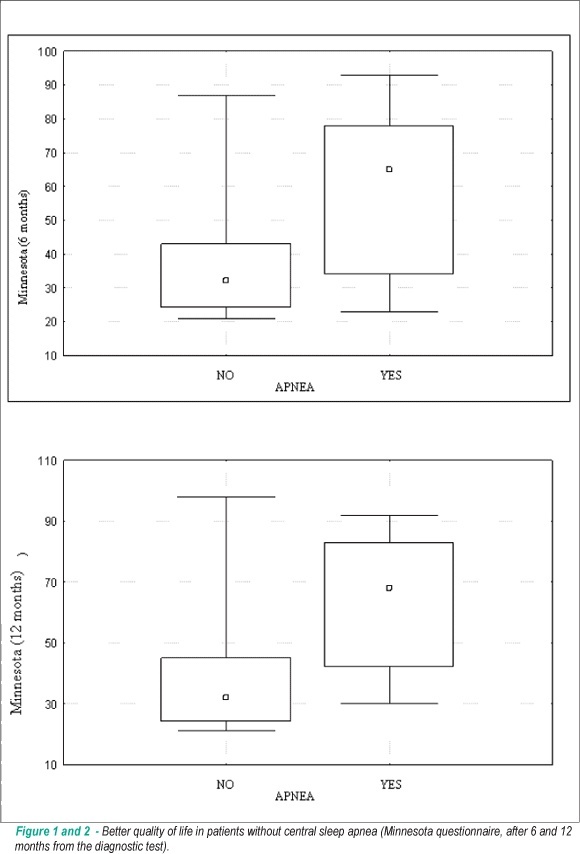
BACKGROUND: Sleep apneas are frequent in patients with heart failure (HF). Estimate of the pre-beta blocker age (BB) point out to 45% of central apneas in these patients. OBJECTIVE: Assess the influence of BB in central apneas and their interference in the quality of sleep and life of patients with heart failure. METHODS: 65 patients with heart failure underwent diagnostic polysomnography. Polysomnography have been assessed according to the use or not of BB. On the day of examination, the patients answered the Minessota questionnaire for quality of life with HF. After 6 and 12 months from the polysomnography date, all patients were contacted by phone, in order to repeat the Minessota questionnaire. RESULTS: The prevalence of sleep apnea (IAH > 15/h) hit 46.1% in the total population, however, central sleep apnea was identified in 18.4% of patients. The use of BB, in a multivariate analysis, was the only predictor of a minor index of central apnea and hypopnea (IAH) (p=0.002), greater saturation (p=0.02) and smaller average desaturation of oxygen (p=0.03). Additionally, the use of BB could predict a better quality of life after 6 and 12 months (p=0.002 and 0.001 respectively) and a smaller number admissions in these periods (p=0.001 and p=0.05 respectively). CONCLUSION: The use BB reduced the rate of central sleep apnea in total population, if we compare to literature data. Additionally, the BB improved parameters of quality of sleep and life of patients with heart failure.

  • Adrenergic beta-Antagonists
  • Heart Failure
  • Sleep apnea syndromes
Read Full Article
Creative Commons Attribution (CC BY) Creative Commons license
05/05/2010 DOI: 10.1590/S0066-782X2010000200016 Views 1
ABC
Artigo Original

Effects of the administration of beta-blockers on ventricular remodeling induced by cigarette smoking in rats

Daniella R. Duarte et al. Lucienne C. Oliveira Marcos F. Minicucci Paula S. Azevedo … Beatriz B. Matsubara Luiz S. Matsubara Álvaro O. Campana Sergio A. R. Paiva Leonardo A. M. Zornoff

BACKGROUND: The role of the adrenergic system on ventricular remodeling induced by cigarette smoking is unknown. OBJECTIVES: To investigate the influence of propranolol on ventricular remodeling induced by exposure to tobacco smoke. METHODS: Rats were divided into three groups: 1) C, n=10 – control group; 2) F, n=10 – animals exposed to tobacco smoke; 3) BB, n=10 – animals receiving propranolol and exposed to tobacco smoke (40 mg/kg/day). After 2 months, the animals underwent echocardiographic and morphometric analyses. One-way ANOVA (mean ± standard deviation) or the Kruskal-Wallis test (median and interquartile interval) was used. RESULTS: Group BB showed a lower heart rate than group F (C = 358 ± 74 bpm, F = 374 ± 53 bpm, BB = 297 ± 30; P = 0.02). Group F showed greater end-diastolic diameters (C = 18.6 ± 3.4 mm/kg, F = 22.8 ± 1.8 mm/kg, BB = 21.7 ± 1.8 mm/kg; P = 0.003) and left ventricular (LV) end-systolic diameters (C = 8.6 ± 2.1 mm/kg, F = 11.3 ± 1.3 mm/kg, BB = 9.9 ± 1.2 mm/kg; P = 0.004), adjusted for body weight (BW) and a tendency towards a lower ejection fraction (C = 0.90 ± 0.03, F = 0.87 ± 0.03, BB =0.90 ± 0.02; P = 0.07) than group C. Group BB showed a tendency towards a lower LV/BW ratio than group F (C = 1.94 (1.87 – 1.97), F = 2.03 (1.9-2.1) mg/g, BB = 1.89 (1.86-1.94); P = 0.09). CONCLUSION: Administration of propranolol attenuated some of the variables of ventricular remodeling induced by the exposure to tobacco smoke in rats.

  • Adrenergic beta-Antagonists
  • Rats
  • smoking
  • Ventricular Remodeling
Read Full Article
Creative Commons Attribution (CC BY) Creative Commons license
20/07/2009 DOI: 10.1590/S0066-782X2009000600011
ABC
Comunicação Breve

Topical betablocker use can result in inconclusive dobutamine stress echocardiography in patients with glaucoma

Adriana Cordovil et al. Fernando Q. Matos Orlando Campos Filho Augusto Paranhos Jr. … Ana Clara T. Rodrigues Márcia V. Albernaz Angelo A. V. de Paola Antonio Carlos C. Carvalho

Dobutamine stress echocardiography is a well-established method to assess coronary artery disease, of which sensitivity has been enhanced by adding atropine at the end of the protocol. Individuals with glaucoma, a disease with a high prevalence in patients with cardiac diseases older than 40 years, cannot benefit from the use of atropine as it is contraindicated for this group of patients. Additionally, these individuals are often treated with topical betablockers (eye drops), which can have systemic effects by decreasing cardiac frequency, blood pressure and pulmonary capacity. The aim of our study was to verify whether a possible systemic effect caused by the use of these eye drops, yielding a low chronotropic response, could result in inconclusive dobutamine stress echocardiography in patients with glaucoma.

  • Adrenergic beta-Antagonists
  • Dobutamine
  • Echocardiography
  • glaucoma
Read Full Article
Creative Commons Attribution (CC BY) Creative Commons license
28/08/2007 DOI: 10.1590/S0066-782X2007001300010 Views 2
ABC
Case Report

Use of beta-blockers in the post-operative period of Sano modification of the Norwood procedure with persistent cyanosis

Eli Szwarc et al. Maria H. S. Rodrigues Simone F. Pedra Marcelo B. Jatene … Edson R. Romano Carlos R. Ferreiro

Persistent cyanosis is a frequent complication in the post-operative period of Sano modification of the Norwood procedure. It may be explained by a dynamic proximal shunt stenosis of the synthetic conduit that links the right ventricle to the pulmonary artery, as detected by echo cardiographic study. The use of beta-blockers in the post-operative period has been recently described in order to improve the arterial oxygen saturation. In this report, we describe the use of propranolol in two patients undergoing Sano modification of the Norwood procedure, in whom a gradient reduction in the synthetic conduit, increase in the levels of arterial oxygen saturation, decrease in heart rate, and increase in blood pressure were observed, thus resulting in clinical improvement. We conclude that the use of beta-blockers in these cases was beneficial.

  • Adrenergic beta-Antagonists
  • beta-blockers
  • cyanosis
  • Heart Defects, Congenital
  • Norwood procedure
  • Thoracic Surgery
Read Full Article
Creative Commons Attribution (CC BY) Creative Commons license
23/07/2007 DOI: 10.1590/S0066-782X2007000600012 Views 1
Effects of bisoprolol on cardiac function and exercise in patients with heart failure
ABC
Artigo Original

Effects of bisoprolol on cardiac function and exercise in patients with heart failure

Victor Sarli Issa et al. Guilherme Vieira Guimarães Marcos Valério Coimbra Rezende Fátima das Dores Cruz … Silvia Moreira Ayub Ferreira Fernando Bacal Edimar Alcides Bocchi

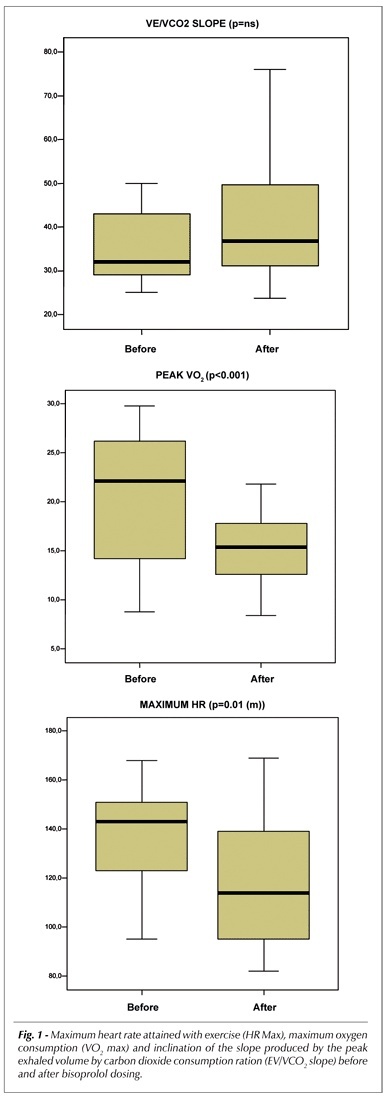
OBJECTIVE: To assess the effects of bisoprolol on exercise capacity and ventricular function in patients with heart failure. METHODS: Clinical and hemodynamic variables, ventricular function and remodeling, and ergospirometry of patients with heart failure of different etiologies were evaluated before and after the administration of bisoprolol. RESULTS: Twenty-two patients were analyzed; one patient did not tolerate medication and 14 patients reached the study goal. The group consisted of 9 men and 5 women, the mean age was 52 (36-64) years, and patients were followed during 551 days (238-1109). We observed an improvement in NYHA functional class, reduction in resting heart rate (78.8±8.7 vs 63±6.4 bpm, p <0.001), increase in left ventricular ejection fraction (31.3±8.5% vs 39±14.7%. p=0.043), and a tendency towards improved quality of life scores (31±20.6 vs 17.8±14.8. p=0.058). The maximum heart rate dropped during exercise (138.1±20.2 vs 116.7±27.1. p=0.01), as did peak oxygen consumption (20.9±6.8 vs 15.1±3.5. p<0.001); no change was observed on the EV/VCO2 slope. The effects were observed for all etiologies, including Chagas’ disease. CONCLUSION: Bisoprolol was safe and well tolerated in patients with heart failure. Bisoprolol therapy improved the symptoms, hemodynamic variables, as well as the cardiac function for all etiologies; however, it did not result in improved exercise capacity.

  • Adrenergic beta-Antagonists
  • Bisoprolol
  • cardiac output, low
  • Exercise
Read Full Article
Creative Commons Attribution (CC BY) Creative Commons license
21/05/2007 DOI: 10.1590/S0066-782X2007000300014 Views 1
ABC
Ensaios Terapêuticos

Effects of carvedilol (beta1,beta2,alpha1-blocker) on refractory congestive heart failure

Edimar Alcides Bocchi et al. Fernando Bacal Giovanni Bellotti Dirceu Carrara José Antonio Franchini Ramires

PURPOSE: The effects of beta-blockers on severe heart failure are not well known. We investigated the effects of carvedilol (b1,b2,a1-blocker) on symptoms, functional class (FC), and left ventricular function in patients with refractory heart failure. METHODS: We studied 21 patients, mean age 56±10 years, 9 in FC IV, e 12 in FC III (intermittently with class IV). The initial dosage was 6.25mg, and it was increased progressively as tolerated. The mean dose was 42±11mg. The patients were submitted to routine clinical evaluation, and electrocardiogram. We determined after 196±60 days of follow-up the left ventricular end diastolic dimension (by echocardiogram), and left ventricular ejection fraction (using MUGA). RESULTS: Carvedilol was well tolerated by 16 (76%) patients. One patient is in FC II during increment of the dosage. Eight patients were in FC I, and 7 in FC II at 196±60 days of follow-up. Heart rate decreased from 96±15 to 67±10bpm (p<0.0001), left ventricular end diastolic diameter from 73±13 to 66±12mm (p<0.009), and the left ventricular ejection fraction increased from 0.21±0.06 to 0.34±0.12 (p<0.0003). CONCLUSION: Carvedilol may have beneficial effects on cardiac function, remodeling process, and FC. If tolerated, it seems to be a potential alternative option in the medical treatment of refractory heart failure. However, investigations are still necessary to clarify the long-term effects of carvedilol on this specific subgroup of patients.

  • Adrenergic beta-Antagonists
  • congestive heart failure
  • Transplantation
Read Full Article
Creative Commons Attribution (CC BY) Creative Commons license
08/01/2002 DOI: 10.1590/S0066-782X1998000800014 Views 1

How to cite this article

EndNote RIS

Electronic Document Format (Vancouver)

Silva MC, Costa Filho RC, Estato V. Strategic Use of Intravenous Medications to Protect Target Organs in Hypertensive Emergencies. International Journal of Cardiovascular Sciences 2025;38:e20240117.

Electronic Document Format (ABNT)

Silva, Mariana Costa; Costa Filho, Rubens Carmo; Estato, Vanessa. Strategic Use of Intravenous Medications to Protect Target Organs in Hypertensive Emergencies. International Journal of Cardiovascular Sciences, v. 38, e20240117, Feb. 2025.

Electronic Document Format (APA)

Silva, M. C., Costa Filho, R. C., & Estato, V. (2025). Strategic Use of Intravenous Medications to Protect Target Organs in Hypertensive Emergencies. International Journal of Cardiovascular Sciences, 38, e20240117.

Electronic Document Format (ISO)

Silva, Mariana Costa and Costa Filho, Rubens Carmo and Estato, Vanessa. Strategic Use of Intravenous Medications to Protect Target Organs in Hypertensive Emergencies. International Journal of Cardiovascular Sciences [online]. 2025, vol. 38, [cited 2026-10-14], e20240117. Available from: <https://journals.cardiol.br/en/article/strategic-use-of-intravenous-medications-to-protect-target-organs-in-hypertensive-emergencies/>. ISSN 2359-4802

EndNote RIS

Electronic Document Format (Vancouver)

Beck-da-Silva L. Sequencing of Pharmacotherapy for Heart Failure with Reduced Ejection Fraction: A Clinical Profile-Based Approach. ABC Heart Fail Cardiomyop 2022;2(1):36-40.

Electronic Document Format (ABNT)

Beck-da-Silva, Luís. Sequencing of Pharmacotherapy for Heart Failure with Reduced Ejection Fraction: A Clinical Profile-Based Approach. ABC Heart Fail Cardiomyop, v. 2, n. 1, p. 36-40, Apr. 2022.

Electronic Document Format (APA)

Beck-da-Silva, L. (2022). Sequencing of Pharmacotherapy for Heart Failure with Reduced Ejection Fraction: A Clinical Profile-Based Approach. ABC Heart Fail Cardiomyop, 2(1), 36-40.

Electronic Document Format (ISO)

Beck-da-Silva, Luís. Sequencing of Pharmacotherapy for Heart Failure with Reduced Ejection Fraction: A Clinical Profile-Based Approach. ABC Heart Fail Cardiomyop [online]. 2022, vol. 2, n. 1, [cited 2026-10-14], pp. 36-40. Available from: <https://journals.cardiol.br/en/article/sequencing-of-pharmacotherapy-for-heart-failure-with-reduced-ejection-fraction-a-clinical-profile-based-approach/>

EndNote RIS

Electronic Document Format (Vancouver)

Cunha BL, Marinho LLE, Vieira JL. Rapid Sequencing of Foundational Treatment for HFrEF: The Innovative Proposal of John McMurray and Milton Packer. ABC Heart Fail Cardiomyop 2022;2(1):27-30.

Electronic Document Format (ABNT)

Cunha, Bianca Lopes; Marinho, Laura Leite da Escóssia; Vieira, Jefferson Luís. Rapid Sequencing of Foundational Treatment for HFrEF: The Innovative Proposal of John McMurray and Milton Packer. ABC Heart Fail Cardiomyop, v. 2, n. 1, p. 27-30, Apr. 2022.

Electronic Document Format (APA)

Cunha, B. L., Marinho, L. L. E., & Vieira, J. L. (2022). Rapid Sequencing of Foundational Treatment for HFrEF: The Innovative Proposal of John McMurray and Milton Packer. ABC Heart Fail Cardiomyop, 2(1), 27-30.

Electronic Document Format (ISO)

Cunha, Bianca Lopes and Marinho, Laura Leite da Escóssia and Vieira, Jefferson Luís. Rapid Sequencing of Foundational Treatment for HFrEF: The Innovative Proposal of John McMurray and Milton Packer. ABC Heart Fail Cardiomyop [online]. 2022, vol. 2, n. 1, [cited 2026-10-14], pp. 27-30. Available from: <https://journals.cardiol.br/en/article/rapid-sequencing-of-foundational-treatment-for-hfref-the-innovative-proposal-of-john-mcmurray-and-milton-packer/>

EndNote RIS

Electronic Document Format (Vancouver)

Mesquita ET, Correia ETO, Barbetta LMS. Clinical Profile-Based Pharmacological Sequencing for Heart Failure with Preserved Ejection Fraction. ABC Heart Fail Cardiomyop 2022;2(1):72-5.

Electronic Document Format (ABNT)

Mesquita, Evandro Tinoco; Correia, Eduardo Thadeu de Oliveira; Barbetta, Letícia Mara dos Santos. Clinical Profile-Based Pharmacological Sequencing for Heart Failure with Preserved Ejection Fraction. ABC Heart Fail Cardiomyop, v. 2, n. 1, p. 72-75, Apr. 2022.

Electronic Document Format (APA)

Mesquita, E. T., Correia, E. T. O., & Barbetta, L. M. S. (2022). Clinical Profile-Based Pharmacological Sequencing for Heart Failure with Preserved Ejection Fraction. ABC Heart Fail Cardiomyop, 2(1), 72-75.

Electronic Document Format (ISO)

Mesquita, Evandro Tinoco and Correia, Eduardo Thadeu de Oliveira and Barbetta, Letícia Mara dos Santos. Clinical Profile-Based Pharmacological Sequencing for Heart Failure with Preserved Ejection Fraction. ABC Heart Fail Cardiomyop [online]. 2022, vol. 2, n. 1, [cited 2026-10-14], pp. 72-75. Available from: <https://journals.cardiol.br/en/article/clinical-profile-based-pharmacological-sequencing-for-heart-failure-with-preserved-ejection-fraction/>

EndNote RIS

Electronic Document Format (Vancouver)

Budni P, Pedrosa RC, Dalmarco EM, Dalmarco JB, Frode TS, Wilhelm Filho D. Carvedilol enhances the antioxidant effect of vitamins E and C in chronic chagas heart disease. Arquivos Brasileiros de Cardiologia 2013;101(4):304-10.

Electronic Document Format (ABNT)

Budni, Patrícia; Pedrosa, Roberto Coury; Dalmarco, Eduardo Monguilhott; Dalmarco, Juliana Bastos; Frode, Tânia Sílvia; Wilhelm Filho, Danilo. Carvedilol enhances the antioxidant effect of vitamins E and C in chronic chagas heart disease. Arquivos Brasileiros de Cardiologia, v. 101, n. 4, p. 304-310, Sep. 2013.

Electronic Document Format (APA)

Budni, P., Pedrosa, R. C., Dalmarco, E. M., Dalmarco, J. B., Frode, T. S., & Wilhelm Filho, D. (2013). Carvedilol enhances the antioxidant effect of vitamins E and C in chronic chagas heart disease. Arquivos Brasileiros de Cardiologia, 101(4), 304-310.

Electronic Document Format (ISO)

Budni, Patrícia and Pedrosa, Roberto Coury and Dalmarco, Eduardo Monguilhott and Dalmarco, Juliana Bastos and Frode, Tânia Sílvia and Wilhelm Filho, Danilo. Carvedilol enhances the antioxidant effect of vitamins E and C in chronic chagas heart disease. Arquivos Brasileiros de Cardiologia [online]. 2013, vol. 101, n. 4, [cited 2026-10-14], pp. 304-310. Available from: <https://journals.cardiol.br/en/article/carvedilol-enhances-the-antioxidant-effect-of-vitamins-e-and-c-in-chronic-chagas-heart-disease/>. ISSN 0066-782X

EndNote RIS

Electronic Document Format (Vancouver)

Silva CP, Lorenzi-Filho G, Marcondes B, Osmundo Junior G, Mangini S, Freitas Junior AF, Pires PV, et al. Reduction of central sleep apnea in heart failure patients with beta-blockers therapy. Arquivos Brasileiros de Cardiologia 2010;94(2):239-45.

Electronic Document Format (ABNT)

Silva, Christiano Pereira; Lorenzi-Filho, Geraldo; Marcondes, Bianca; Osmundo Junior, Gilmar; Mangini, Sandrigo; Freitas Junior, Aguinaldo Figueiredo; Pires, Phillipe Vieira; Bocchi, Edimar Alcides; Bacal, Fernando. Reduction of central sleep apnea in heart failure patients with beta-blockers therapy. Arquivos Brasileiros de Cardiologia, v. 94, n. 2, p. 239-245, May. 2010.

Electronic Document Format (APA)

Silva, C. P., Lorenzi-Filho, G., Marcondes, B., Osmundo Junior, G., Mangini, S., Freitas Junior, A. F., Pires, P. V., Bocchi, E. A., & Bacal, F. (2010). Reduction of central sleep apnea in heart failure patients with beta-blockers therapy. Arquivos Brasileiros de Cardiologia, 94(2), 239-245.

Electronic Document Format (ISO)

Silva, Christiano Pereira and Lorenzi-Filho, Geraldo and Marcondes, Bianca and Osmundo Junior, Gilmar and Mangini, Sandrigo and Freitas Junior, Aguinaldo Figueiredo and Pires, Phillipe Vieira and Bocchi, Edimar Alcides and Bacal, Fernando. Reduction of central sleep apnea in heart failure patients with beta-blockers therapy. Arquivos Brasileiros de Cardiologia [online]. 2010, vol. 94, n. 2, [cited 2026-10-14], pp. 239-245. Available from: <https://journals.cardiol.br/en/article/reduction-of-central-sleep-apnea-in-heart-failure-patients-with-beta-blockers-therapy/>. ISSN 0066-782X

EndNote RIS

Electronic Document Format (Vancouver)

Duarte DR, Oliveira LC, Minicucci MF, Azevedo PS, Matsubara BB, Matsubara LS, Campana O, et al. Effects of the administration of beta-blockers on ventricular remodeling induced by cigarette smoking in rats. Arquivos Brasileiros de Cardiologia 2009;92(6):479-83.

Electronic Document Format (ABNT)

Duarte, Daniella R.; Oliveira, Lucienne C.; Minicucci, Marcos F.; Azevedo, Paula S.; Matsubara, Beatriz B.; Matsubara, Luiz S.; Campana, Álvaro O.; Paiva, Sergio A. R.; Zornoff, Leonardo A. M.. Effects of the administration of beta-blockers on ventricular remodeling induced by cigarette smoking in rats. Arquivos Brasileiros de Cardiologia, v. 92, n. 6, p. 479-483, Jul. 2009.

Electronic Document Format (APA)

Duarte, D. R., Oliveira, L. C., Minicucci, M. F., Azevedo, P. S., Matsubara, B. B., Matsubara, L. S., Campana, O., Paiva, S. A. R., & Zornoff, L. A. M. (2009). Effects of the administration of beta-blockers on ventricular remodeling induced by cigarette smoking in rats. Arquivos Brasileiros de Cardiologia, 92(6), 479-483.

Electronic Document Format (ISO)

Duarte, Daniella R. and Oliveira, Lucienne C. and Minicucci, Marcos F. and Azevedo, Paula S. and Matsubara, Beatriz B. and Matsubara, Luiz S. and Campana, Álvaro O. and Paiva, Sergio A. R. and Zornoff, Leonardo A. M.. Effects of the administration of beta-blockers on ventricular remodeling induced by cigarette smoking in rats. Arquivos Brasileiros de Cardiologia [online]. 2009, vol. 92, n. 6, [cited 2026-10-14], pp. 479-483. Available from: <https://journals.cardiol.br/en/article/effects-of-the-administration-of-beta-blockers-on-ventricular-remodeling-induced-by-cigarette-smoking-in-rats/>. ISSN 0066-782X

EndNote RIS

Electronic Document Format (Vancouver)

Cordovil A, Matos FQ, Campos Filho O, Paranhos Jr. A, Rodrigues ACT, Albernaz MV, Paola AAV, et al. Topical betablocker use can result in inconclusive dobutamine stress echocardiography in patients with glaucoma. Arquivos Brasileiros de Cardiologia 2007;89(1):60-3.

Electronic Document Format (ABNT)

Cordovil, Adriana; Matos, Fernando Q.; Campos Filho, Orlando; Paranhos Jr., Augusto; Rodrigues, Ana Clara T.; Albernaz, Márcia V.; Paola, Angelo A. V. de; Carvalho, Antonio Carlos C.. Topical betablocker use can result in inconclusive dobutamine stress echocardiography in patients with glaucoma. Arquivos Brasileiros de Cardiologia, v. 89, n. 1, p. 60-63, Aug. 2007.

Electronic Document Format (APA)

Cordovil, A., Matos, F. Q., Campos Filho, O., Paranhos Jr., A., Rodrigues, A. C. T., Albernaz, M. V., Paola, A. A. V. , & Carvalho, A. C. C. (2007). Topical betablocker use can result in inconclusive dobutamine stress echocardiography in patients with glaucoma. Arquivos Brasileiros de Cardiologia, 89(1), 60-63.

Electronic Document Format (ISO)

Cordovil, Adriana and Matos, Fernando Q. and Campos Filho, Orlando and Paranhos Jr., Augusto and Rodrigues, Ana Clara T. and Albernaz, Márcia V. and Paola, Angelo A. V. de and Carvalho, Antonio Carlos C.. Topical betablocker use can result in inconclusive dobutamine stress echocardiography in patients with glaucoma. Arquivos Brasileiros de Cardiologia [online]. 2007, vol. 89, n. 1, [cited 2026-10-14], pp. 60-63. Available from: <https://journals.cardiol.br/en/article/topical-betablocker-use-can-result-in-inconclusive-dobutamine-stress-echocardiography-in-patients-with-glaucoma/>. ISSN 0066-782X

EndNote RIS

Electronic Document Format (Vancouver)

Szwarc E, Rodrigues MHS, Pedra SF, Jatene MB, Romano ER, Ferreiro CR. Use of beta-blockers in the post-operative period of Sano modification of the Norwood procedure with persistent cyanosis. Arquivos Brasileiros de Cardiologia 2007;88(6):e182-4.

Electronic Document Format (ABNT)

Szwarc, Eli; Rodrigues, Maria H. S.; Pedra, Simone F.; Jatene, Marcelo B.; Romano, Edson R.; Ferreiro, Carlos R.. Use of beta-blockers in the post-operative period of Sano modification of the Norwood procedure with persistent cyanosis. Arquivos Brasileiros de Cardiologia, v. 88, n. 6, p. e182-e184, Jul. 2007.

Electronic Document Format (APA)

Szwarc, E., Rodrigues, M. H. S., Pedra, S. F., Jatene, M. B., Romano, E. R., & Ferreiro, C. R. (2007). Use of beta-blockers in the post-operative period of Sano modification of the Norwood procedure with persistent cyanosis. Arquivos Brasileiros de Cardiologia, 88(6), e182-e184.

Electronic Document Format (ISO)

Szwarc, Eli and Rodrigues, Maria H. S. and Pedra, Simone F. and Jatene, Marcelo B. and Romano, Edson R. and Ferreiro, Carlos R.. Use of beta-blockers in the post-operative period of Sano modification of the Norwood procedure with persistent cyanosis. Arquivos Brasileiros de Cardiologia [online]. 2007, vol. 88, n. 6, [cited 2026-10-14], pp. e182-e184. Available from: <https://journals.cardiol.br/en/article/use-of-beta-blockers-in-the-post-operative-period-of-sano-modification-of-the-norwood-procedure-with-persistent-cyanosis/>. ISSN 0066-782X

EndNote RIS

Electronic Document Format (Vancouver)

Issa VS, Guimarães GV, Rezende MVC, Cruz FD, Ferreira SMA, Bacal F, Bocchi EA, et al. Effects of bisoprolol on cardiac function and exercise in patients with heart failure. Arquivos Brasileiros de Cardiologia 2007;88(3):340-5.

Electronic Document Format (ABNT)

Issa, Victor Sarli; Guimarães, Guilherme Vieira; Rezende, Marcos Valério Coimbra; Cruz, Fátima das Dores; Ferreira, Silvia Moreira Ayub; Bacal, Fernando; Bocchi, Edimar Alcides. Effects of bisoprolol on cardiac function and exercise in patients with heart failure. Arquivos Brasileiros de Cardiologia, v. 88, n. 3, p. 340-345, May. 2007.

Electronic Document Format (APA)

Issa, V. S., Guimarães, G. V., Rezende, M. V. C., Cruz, F. D., Ferreira, S. M. A., Bacal, F., & Bocchi, E. A. (2007). Effects of bisoprolol on cardiac function and exercise in patients with heart failure. Arquivos Brasileiros de Cardiologia, 88(3), 340-345.

Electronic Document Format (ISO)

Issa, Victor Sarli and Guimarães, Guilherme Vieira and Rezende, Marcos Valério Coimbra and Cruz, Fátima das Dores and Ferreira, Silvia Moreira Ayub and Bacal, Fernando and Bocchi, Edimar Alcides. Effects of bisoprolol on cardiac function and exercise in patients with heart failure. Arquivos Brasileiros de Cardiologia [online]. 2007, vol. 88, n. 3, [cited 2026-10-14], pp. 340-345. Available from: <https://journals.cardiol.br/en/article/effects-of-bisoprolol-on-cardiac-function-and-exercise-in-patients-with-heart-failure/>. ISSN 0066-782X

EndNote RIS

Electronic Document Format (Vancouver)

Bocchi EA, Bacal F, Bellotti G, Carrara D, Ramires JAF. Effects of carvedilol (beta1,beta2,alpha1-blocker) on refractory congestive heart failure. Arquivos Brasileiros de Cardiologia 2002;71(2):169-73.

Electronic Document Format (ABNT)

Bocchi, Edimar Alcides; Bacal, Fernando; Bellotti, Giovanni; Carrara, Dirceu; Ramires, José Antonio Franchini. Effects of carvedilol (beta1,beta2,alpha1-blocker) on refractory congestive heart failure. Arquivos Brasileiros de Cardiologia, v. 71, n. 2, p. 169-173, Jan. 2002.

Electronic Document Format (APA)

Bocchi, E. A., Bacal, F., Bellotti, G., Carrara, D., & Ramires, J. A. F. (2002). Effects of carvedilol (beta1,beta2,alpha1-blocker) on refractory congestive heart failure. Arquivos Brasileiros de Cardiologia, 71(2), 169-173.

Electronic Document Format (ISO)

Bocchi, Edimar Alcides and Bacal, Fernando and Bellotti, Giovanni and Carrara, Dirceu and Ramires, José Antonio Franchini. Effects of carvedilol (beta1,beta2,alpha1-blocker) on refractory congestive heart failure. Arquivos Brasileiros de Cardiologia [online]. 2002, vol. 71, n. 2, [cited 2026-10-14], pp. 169-173. Available from: <https://journals.cardiol.br/en/article/effects-of-carvedilol-beta1beta2alpha1-blocker-on-refractory-congestive-heart-failure/>. ISSN 0066-782X

  • About ABC Family
  • Internal Regulation
  • Editorial Board
  • Brazilian Society of Cardiology (SBC)

Issues

SBC Guidelines

  • Videos
  • Podcasts
  • News