| ABC
ABC Family Arquivos Brasileiros de Cardiologia International Journal of Cardiovascular Sciences ABC Heart Failure & Cardiomyopathy ABC Imagem Cardiovascular
Português English
ABC Family | ABC
Português English
  • About
    • About the Journal
    • Internal Regulation
    • Editors Section
    • Editorial Board
    • History
    • SBC Award
  • Instructions to Authors
    • Guidelines for Publication
    • Editorial Policy
    • Ethics Policy
    • Policy on the Use of Artificial Intelligence
    • Mandatory Publication Form
    • Publication Fee
  • Issues
  • SBC Guidelines
  • Abstracts
    • How to Publish an Abstract Supplement?
    • Supplements from the Brazilian Congress of Cardiology
  • About
    • About the Journal
    • Internal Regulation
    • Editors Section
    • Editorial Board
    • History
    • SBC Award
  • Instructions to Authors
    • Guidelines for Publication
    • Editorial Policy
    • Ethics Policy
    • Policy on the Use of Artificial Intelligence
    • Mandatory Publication Form
    • Publication Fee
  • Issues
  • SBC Guidelines
  • Abstracts
    • How to Publish an Abstract Supplement?
    • Supplements from the Brazilian Congress of Cardiology

ABC Family

  • ABC Family
  • Arquivos Brasileiros de Cardiologia
  • International Journal of Cardiovascular Sciences
  • ABC Heart Failure & Cardiomyopathy
  • ABC Imagem Cardiovascular
Search in

No content found.

Journals
Ordering
Article types
Others

  1. Home
  2. ABC
  3. Issues
  4. 2015, Volume 105, Number 5
Editorial

Obesity: A Growing Multifaceted Problem

Paula S. Azevedo et al. Marcos F. Minicucci Leonardo A. M. Zornoff

Overweight and obesity are defined as body mass index (BMI) of 25-29.9 kg/m2 and ≥ 30 kg/m2, respectively. It is an alarming public health problem worldwide. Brazilian data show that 52.5% of Brazilians are overweight, and 17.9%, obese. In the USA, 35% of the adults are obese.

One major problem of obesity is its common association with arterial hypertension, dyslipidemia, insulin resistance and diabetes in the metabolic syndrome context,. The adipose tissue plays a relevant role in the secretion of inflammatory and humoral mediators, which can favor the increase in blood pressure and insulin resistance. This area has witnessed several advances, mainly related to epigenetic changes. Obese individuals, for example, show DNA hypermethylation in a specific region that encodes adiponectin, favoring lower secretion of that compound and exacerbating metabolic disease.

[…]
  • Dyslipidemias
  • Hypertension
  • Obesity/complications
  • Overweight / physiopathology
  • Public Health
Read Full Article
Creative Commons Attribution (CC BY) Creative Commons license
01/11/2015 DOI: 10.5935/abc.20150133
Arteriovenous and Intercoronary Fistulae Presenting as Heart Failure in an Adult
Image

Arteriovenous and Intercoronary Fistulae Presenting as Heart Failure in an Adult

Emmanouil Petrou et al. Chrysafios Girasis

A

[…]

  • Arteriovenous Fistula
  • Heart Failure
  • Heart Valve Diseases/surgery
Read Full Article
Creative Commons Attribution (CC BY) Creative Commons license
01/11/2015 DOI: 10.5935/abc.20150139
Figure 1
Anatomopathological Session

Case 5/2015 – 88-Year-Old Female with Chronic Coronary Artery Disease, Upper Limb Thrombosis, Atrial Fibrillation and Cardiac Arrest

Magaly Marçula et al. Vera Demarchi Aiello

Clinical aspects

The patient is an 88-year-old female, who, because of chest angina, underwent percutaneous angioplasty with stenting, remaining asymptomatic for 13 years. The angina reappeared, and, after a new percutaneous intervention, she died. She underwent seven coronary angiographies, three of which with angioplasty and stenting. The fifth and seventh procedures had complications.

The first point of interest is the indication of intervention therapy with stenting to an elderly patient with chest angina. Published studies support that indication. The results of intervention therapy in patients older than 80 years (n = 983) have shown a four-year survival of 71.6% for stent implantation (n = 289), better than that achieved with isolated drug treatment (n = 561, survival of 60.3%). The good results of the intervention therapy were later confirmed in 79/276 patients (52%) aged 80 ± 4 years, whose four-year survival was 72%. The clinical experience confirms those observations. Thus, in our patient, the percutaneous intervention therapy performed for the first time at the age of 74 years and followed by 13 asymptomatic years was again indicated, when she became symptomatic.

[…]

  • Aged
  • Atrial Fibrillation
  • Coronary Artery Disease
  • Heart Arrest
  • In-stent Stenosis
  • Upper Extremity Deep Vein Thrombosis
Read Full Article
Creative Commons Attribution (CC BY) Creative Commons license
01/11/2015 DOI: 10.5935/abc.20150143
Figure 1
Review Article

Atrial Fibrillation and Non-cardiovascular Diseases: A Systematic Review

Cátia Ferreira et al. Rui Providência Maria João Ferreira Lino Manuel Gonçalves

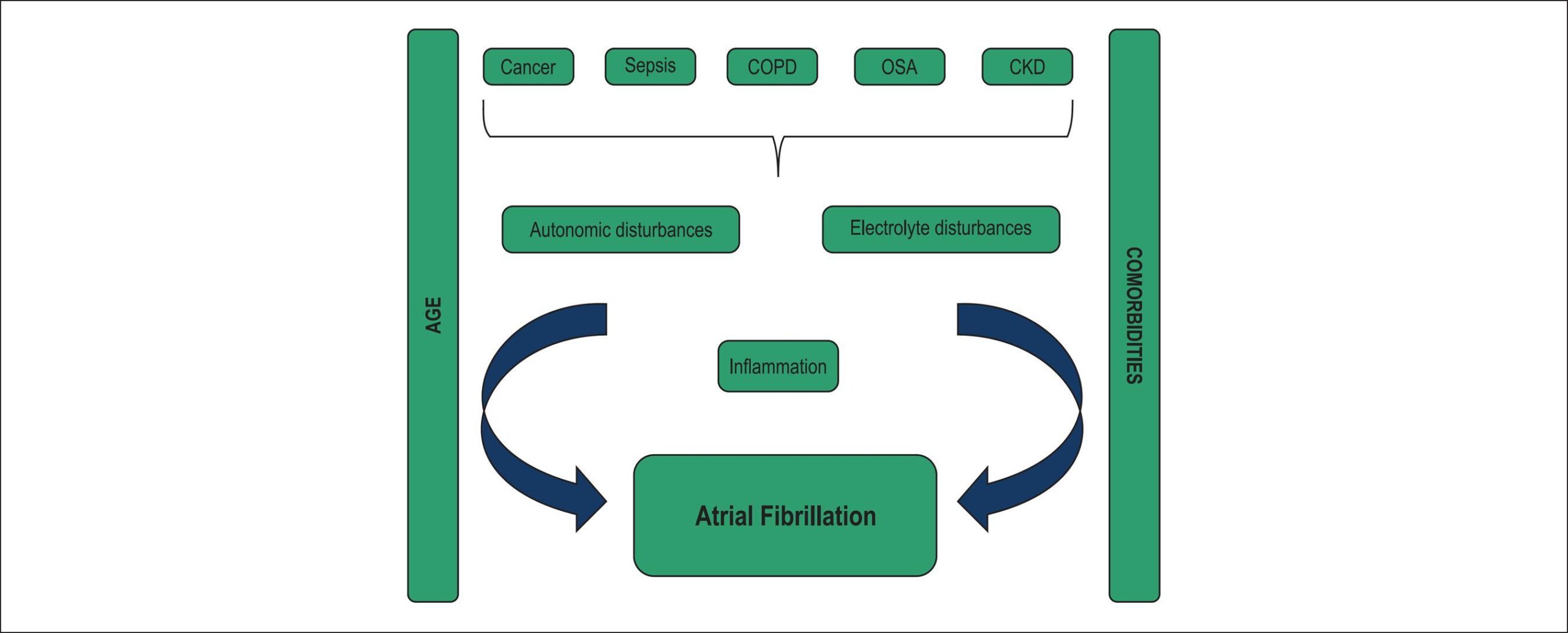
Atrial fibrillation (AF) is the most common cardiac arrhythmia and is associated with an unfavorable prognosis, increasing the risk of stroke and death. Although traditionally associated with cardiovascular diseases, there is increasing evidence of high incidence of AF in patients with highly prevalent noncardiovascular diseases, such as cancer, sepsis, chronic obstructive pulmonary disease, obstructive sleep apnea and chronic kidney disease. Therefore, considerable number of patients has been affected by these comorbidities, leading to an increased risk of adverse outcomes.

The authors performed a systematic review of the literature aiming to better elucidate the interaction between these conditions.

Several mechanisms seem to contribute to the concomitant presence of AF and noncardiovascular diseases. Comorbidities, advanced age, autonomic dysfunction, electrolyte disturbance and inflammation are common to these conditions and may predispose to AF.

The treatment of AF in these patients represents a clinical challenge, especially in terms of antithrombotic therapy, since the scores for stratification of thromboembolic risk, such as the CHADS2 and CHA2DS2VASc scores, and the scores for hemorrhagic risk, like the HAS-BLED score have limitations when applied in these conditions.

The evidence in this area is still scarce and further investigations to elucidate aspects like epidemiology, pathogenesis, prevention and treatment of AF in noncardiovascular diseases are still needed.

  • Arrhythmias / therapeutic use
  • Atrial Fibrillation / mortality
  • Heart Failure
  • Neoplasms
Read Full Article
Creative Commons Attribution (CC BY) Creative Commons license
01/11/2015 DOI: 10.5935/abc.20150142 Views 1
Figure 1
Viewpoint

Post-Hospital Syndrome: A New Challenge in Cardiovascular Practice

Evandro Tinoco Mesquita et al. Larissa Nascimento Cruz Bruna Melo Mariano Antonio José Lagoeiro Jorge

Abstract

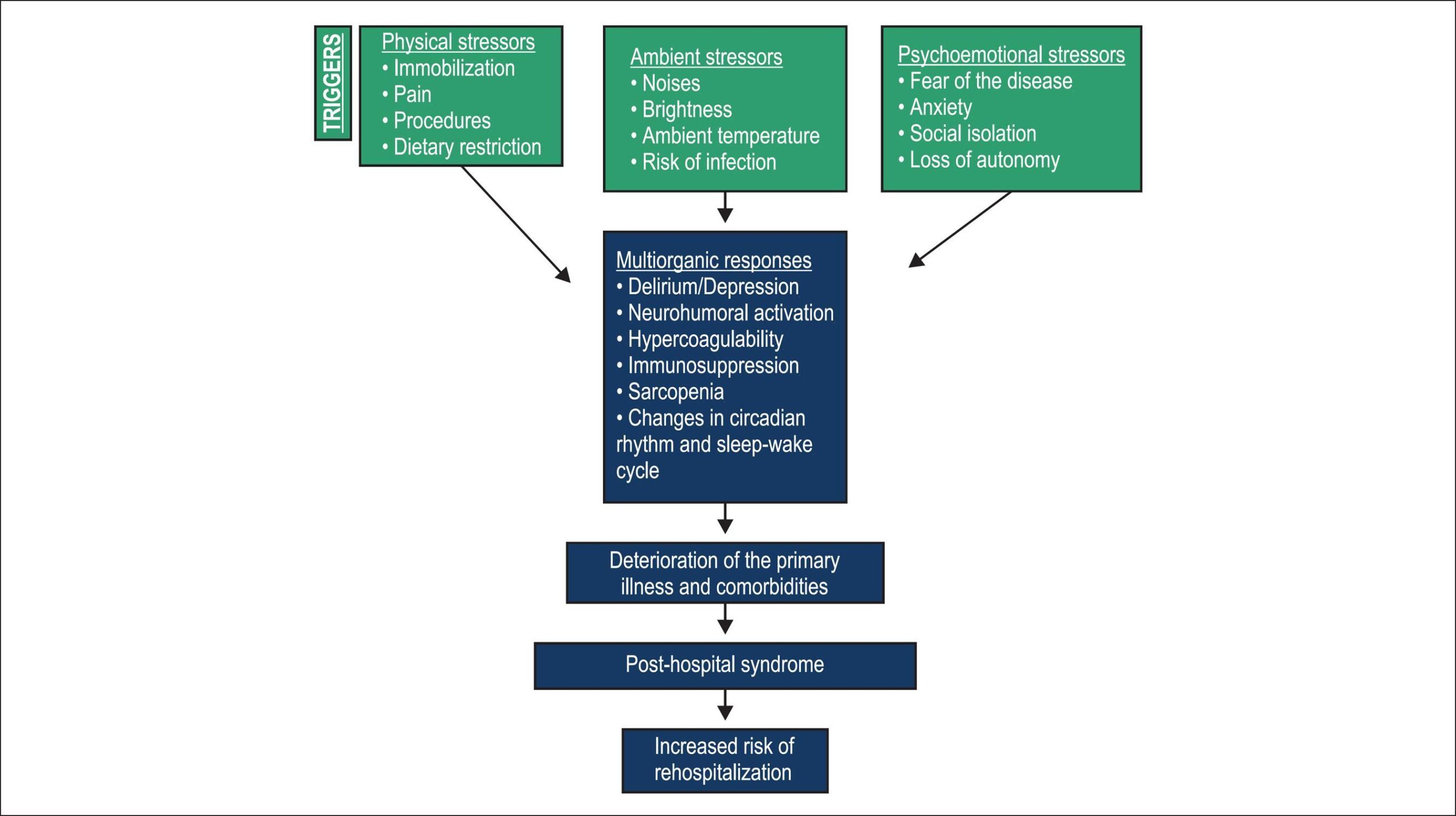
The image of the hospital representing the modern medicine and its diagnostic and therapeutic advances becomes more evident in the face of an aging population and patients with multiple comorbidities requiring highly complex care. However, recent studies have shown a growing number of hospital readmissions within 30 days after discharge. The post-hospital syndrome is a new clinical entity associated with multiple vulnerabilities that contribute to hospital readmissions. During hospitalization, the patient is exposed to different stressors of physical, environmental, and psychosocial natures that trigger pathophysiological and multisystemic responses and increase the risk of complications after hospital discharge. Patients with a cardiac disease have high rates of readmission within 30 days. Therefore, it is important for cardiologists to recognize the post-hospital syndrome since it may impact their daily practice. This review aims at discussing the current scientific evidence regarding predictors and stressors involved in the post-hospital syndrome and the measures that are currently being taken to minimize their effects.

  • Comorbidity / trends
  • Patient Discharge
  • Patient Readmission / trends
  • Stress, Physiological
Read Full Article
Creative Commons Attribution (CC BY) Creative Commons license
01/11/2015 DOI: 10.5935/abc.20150141
Figure 1
Case Report

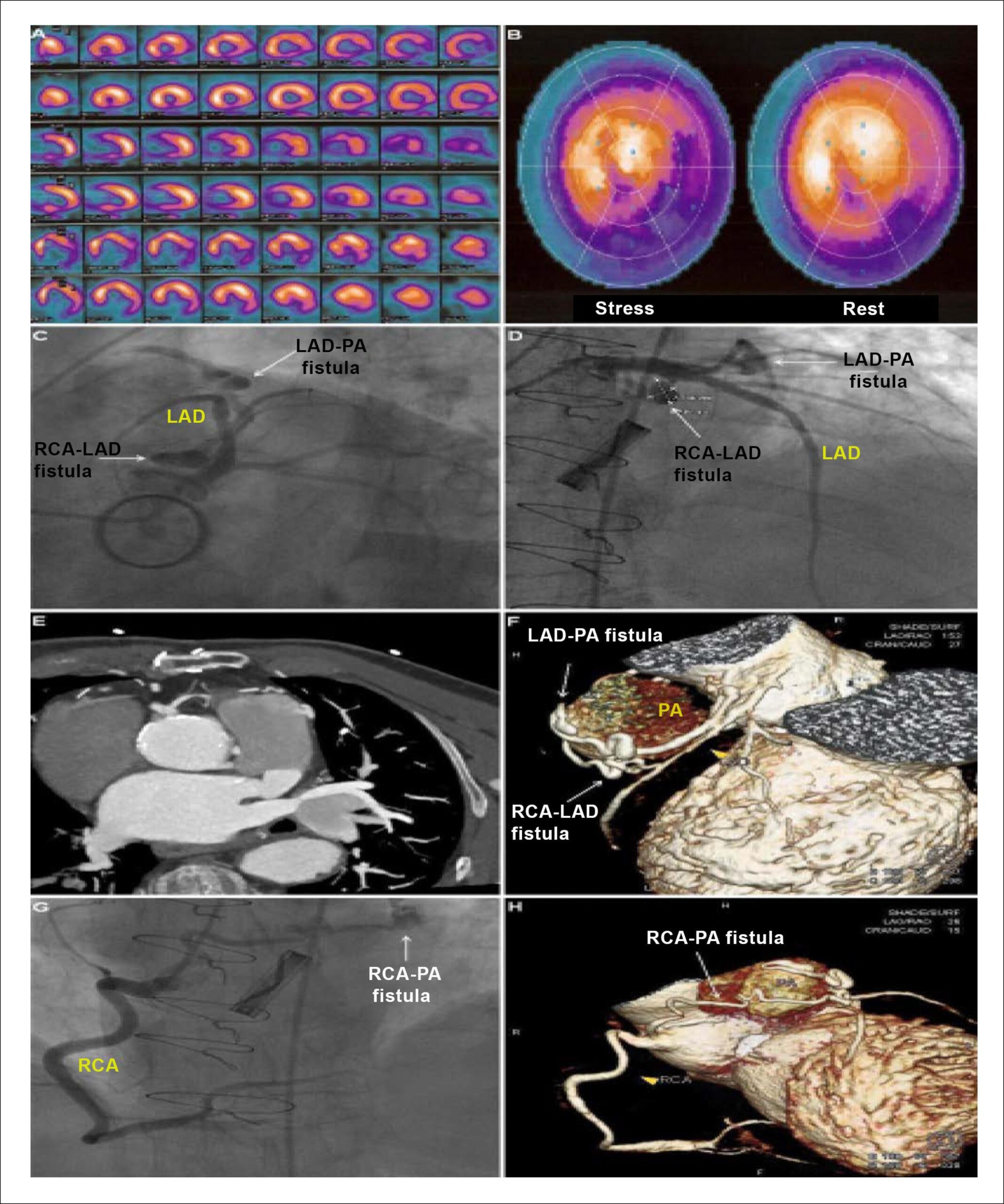
Coronary Fistulas in a Patient with a Novel Long QT Syndrome Mutation

Rui Plácido et al. Nuno Cortez-Dias Arminda Veiga Cláudia Jorge … Gábriel Miltenberger-Miltény Fausto Pinto

Introduction

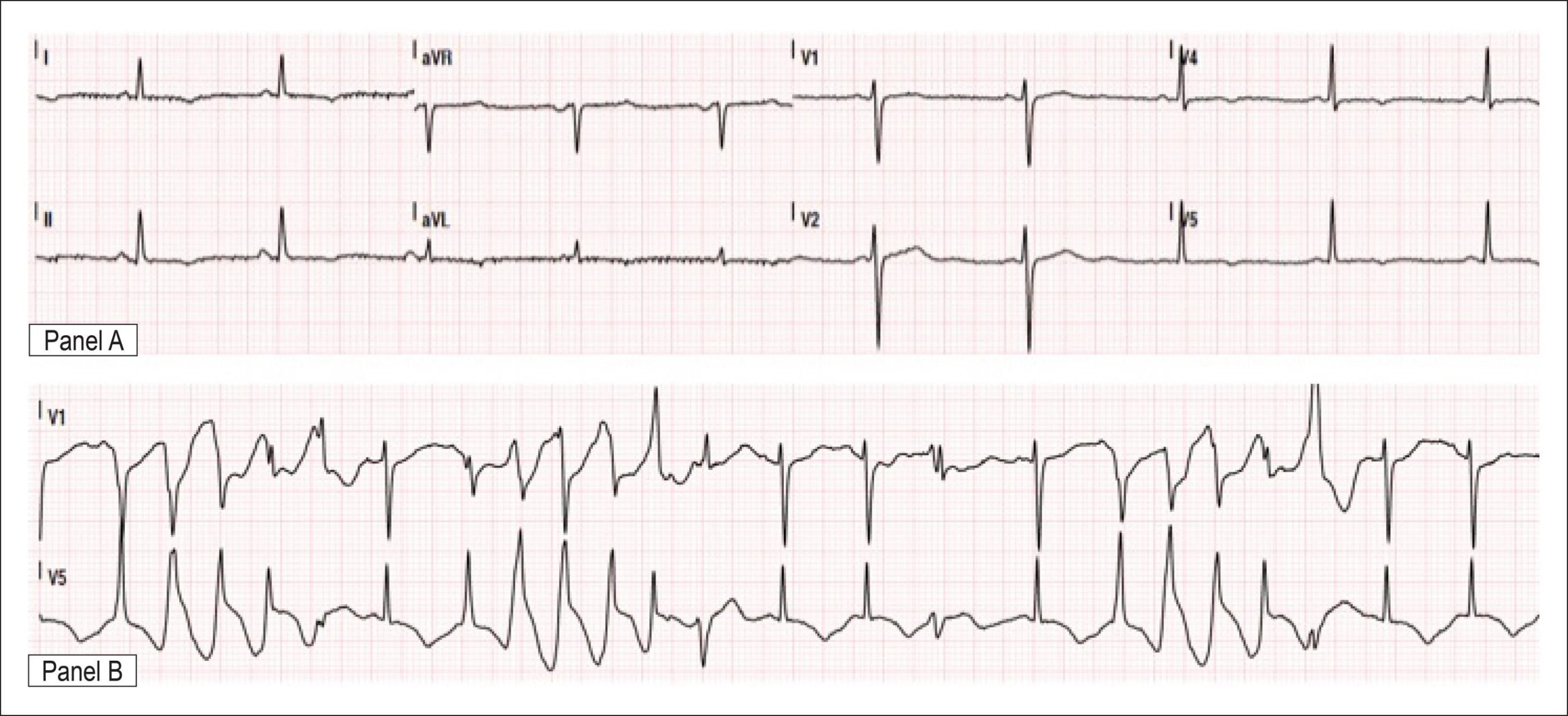
The congenital long QT syndrome (LQTS) is a genetic cardiac channelophathy with variable penetrance characterized by corrected QT (QTc) interval prolongation and predisposition to polymorphic ventricular tachycardia (PVT), which normally presents with syncope or sudden death. It can be caused by mutations in different ion channels, resulting in prolongation of the myocardial repolarization. The clinical course of LQTS throughout a patient’s lifetime is significantly influenced by the genotype and acquired factors that additionally compromise myocardial repolarization, including drug use, serum electrolyte abnormalities, autoimmune diseases, severe bradycardia, acute heart failure decompensation and myocardial ischemia.

This report presents the first description of PVT precipitated by myocardial ischemia secondary to multiple coronary fistulas in a patient with a novel LQTS-causing mutation.

[…]

  • Arteriovenous Fistula
  • Channelopathies
  • Coronary Vessel Anomalies
  • Long QT Syndrome
  • Tachycardia, Ventricular
  • Torsades de Pointes
Read Full Article
Creative Commons Attribution (CC BY) Creative Commons license
01/11/2015 DOI: 10.5935/abc.20150047 Views 1
Figure 1
Original Article

Incidence and Predictors of Cardiovascular Complications and Death after Vascular Surgery

Luciana Andrea Avena Smeili et al. Paulo Andrade Lotufo

Abstract

Background:

Patients undergoing arterial vascular surgery are considered at increased risk for post-operative complications.

Objective:

To assess the incidence and predictors of complications and death, as well as the performance of two models of risk stratification, in vascular surgery.

Methods:

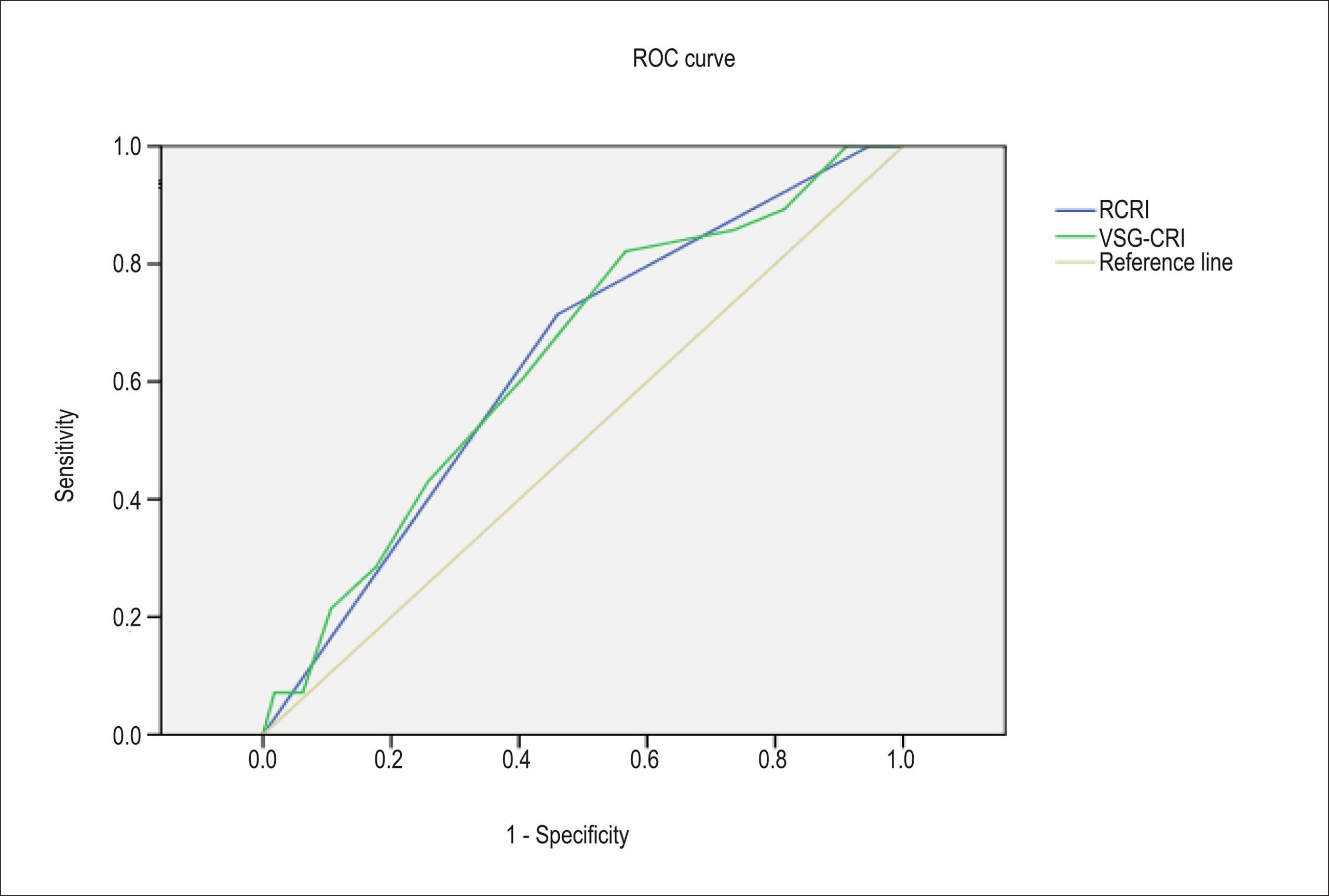
This study determined the incidence of cardiovascular complications and deaths within 30 days from surgery in adults. Univariate comparison and logistic regression assessed the risk factors associated with the outcomes, and the receiver operating characteristic (ROC) curve assessed the discriminatory capacity of the revised cardiac risk index (RCRI) and vascular study group of New England cardiac risk index (VSG-CRI).

Results:

141 patients (mean age, 66 years; 65% men) underwent the following surgeries: carotid (15); lower limbs (65); abdominal aorta (56); and others (5). Cardiovascular complications and death occurred within 30 days in 28 (19.9%) and 20 (14.2%) patients, respectively. The risk predictors were: age, obesity, stroke, poor functional capacity, altered scintigraphy, surgery of the aorta, and troponin change. The scores RCRI and VSG-CRI had area under the curve of 0.635 and 0.639 for early cardiovascular complications, and 0.562 and 0.610 for death in 30 days.

Conclusion:

In this small and selected group of patients undergoing arterial vascular surgery, the incidence of adverse events was elevated. The risk assessment indices RCRI and VSG-CRI did not perform well for complications within 30 days.

  • Cardiovascular Diseases/complications
  • Mortality
  • postoperative complications
  • Postoperative/mortality
  • Risk Assessment
  • Vascular Diseases/surgery
Read Full Article
Creative Commons Attribution (CC BY) Creative Commons license
25/09/2015 DOI: 10.5935/abc.20150113
Figure 1
Original Article

Frequency of Cardiovascular Involvement in Familial Amyloidotic Polyneuropathy in Brazilian Patients

Márcia Cavalcanti de Campos Queiroz et al. Roberto Coury Pedrosa Amanda Cardoso Berensztejn Basílio de Bragança Pereira … Emília Matos do Nascimento Martha Maria Turano Duarte Pedro Paulo Pereira-Junior Marcia Waddington Cruz

Background:

Familial amyloidotic polyneuropathy (FAP) is a rare disease diagnosed in Brazil and worldwide. The frequency of cardiovascular involvement in Brazilian FAP patients is unknown.

Objective:

Detect the frequency of cardiovascular involvement and correlate the cardiovascular findings with the modified polyneuropathy disability (PND) score.

Methods:

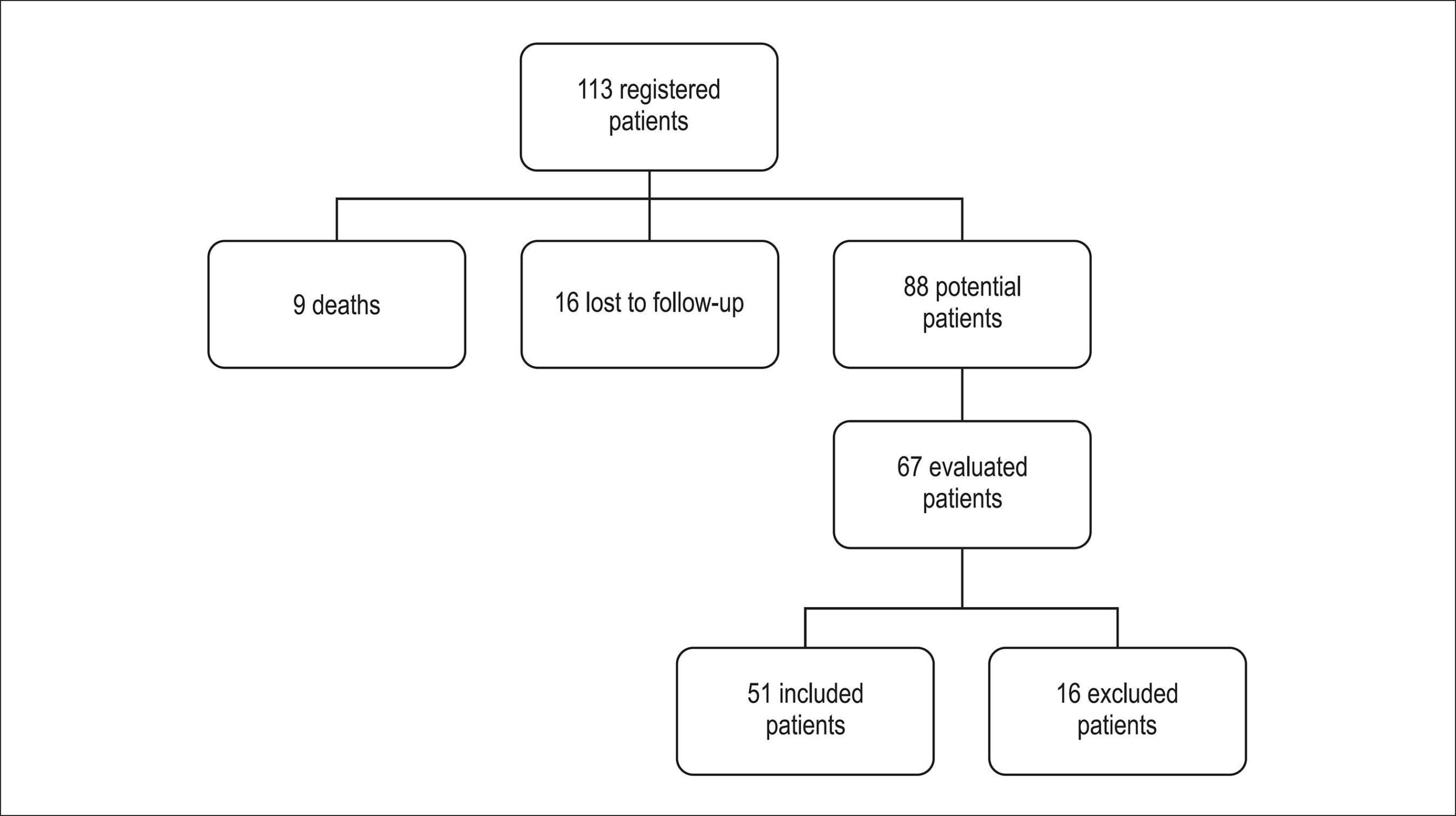
In a national reference center, 51 patients were evaluated with clinical examination, electrocardiography (ECG), echocardiography (ECHO), and 24-hour Holter. Patients were classified according to the modified PND score and divided into groups: PND 0, PND I, PND II, and PND > II (which included PND IIIa, IIIb, and IV). We chose the classification tree as the statistical method to analyze the association between findings in cardiac tests with the neurological classification (PND).

Results:

ECG abnormalities were present in almost 2/3 of the FAP patients, whereas ECHO abnormalities occurred in around 1/3 of them. All patients with abnormal ECHO also had abnormal ECG, but the opposite did not apply. The classification tree identified ECG and ECHO as relevant variables (p < 0.001 and p = 0.08, respectively). The probability of a patient to be allocated to the PND 0 group when having a normal ECG was over 80%. When both ECG and ECHO were abnormal, this probability was null.

Conclusions:

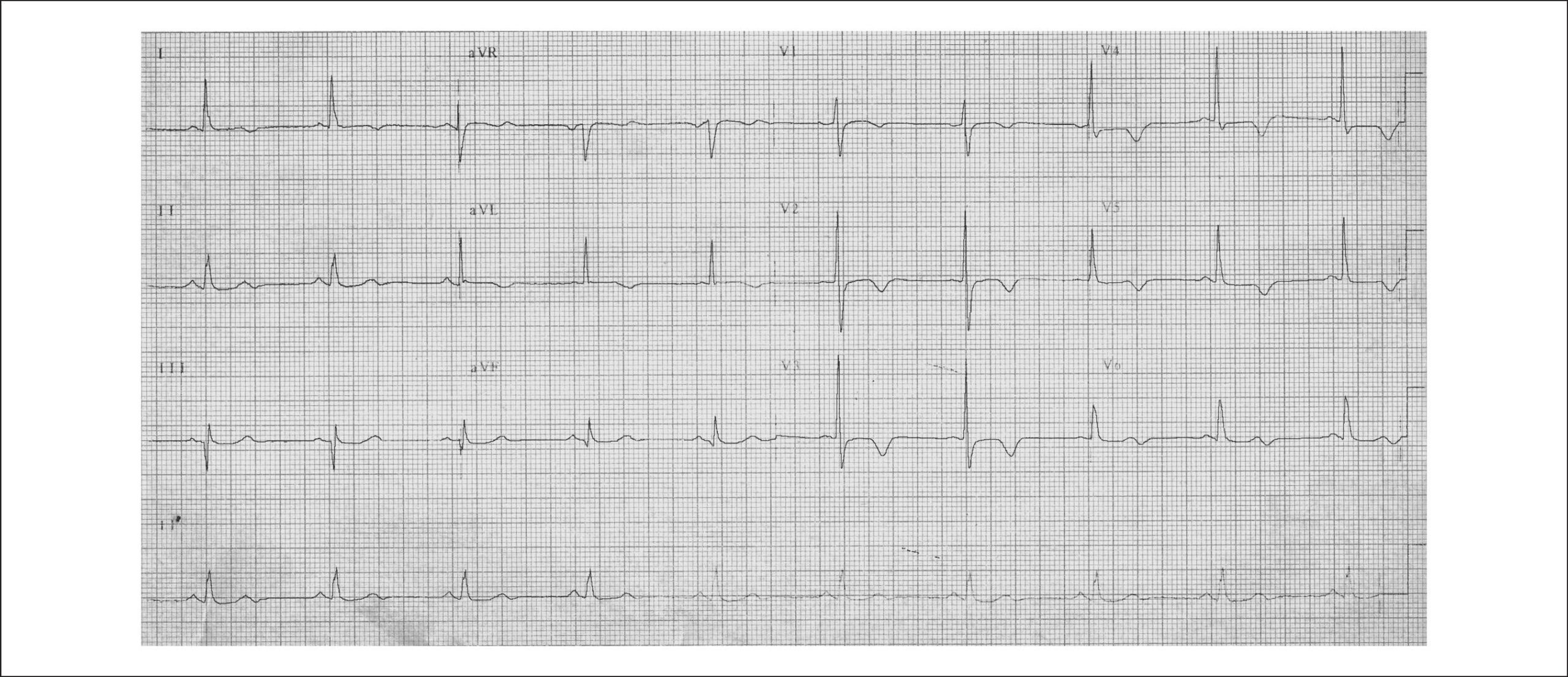
Brazilian patients with FAP have frequent ECG abnormalities. ECG is an appropriate test to discriminate asymptomatic carriers of the mutation from those who develop the disease, whereas ECHO contributes to this discrimination.

  • Amyloid Neuropathies
  • Cardiomyopathies
  • Eletrocardiography
  • Familial
  • Prealbumin
Read Full Article
Creative Commons Attribution (CC BY) Creative Commons license
08/09/2015 DOI: 10.5935/abc.20150112
Figure 1
Original Article

Does Ad Hoc Coronary Intervention Reduce Radiation Exposure? – Analysis of 568 Patients

Márcio A. M. Truffa et al. Gustavo M.P. Alves Fernando Bernardi Antonio Esteves Filho … Expedito Ribeiro Micheli Z. Galon André Spadaro Luiz J. Kajita Raul Arrieta Pedro A. Lemos

Background:

Advantages and disadvantages of ad hoc percutaneous coronary intervention have been described. However little is known about the radiation exposure of that procedure as compared with the staged intervention.

Objective:

To compare the radiation dose of the ad hoc percutaneous coronary intervention with that of the staged procedure

Methods:

The dose-area product and total Kerma were measured, and the doses of the diagnostic and therapeutic procedures were added. In addition, total fluoroscopic time and number of acquisitions were evaluated.

Results:

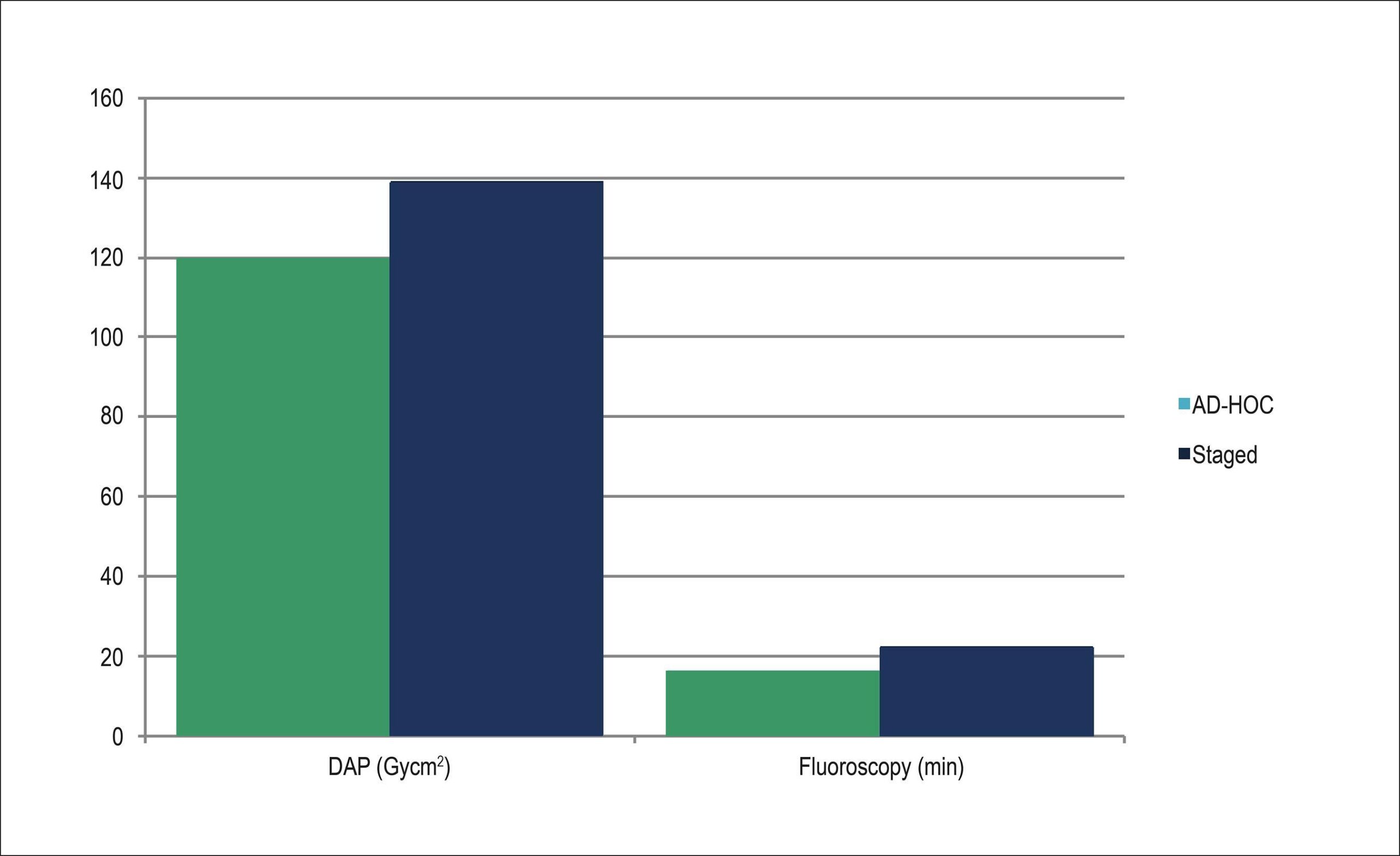
A total of 568 consecutive patients were treated with ad hoc percutaneous coronary intervention (n = 320) or staged percutaneous coronary intervention (n = 248). On admission, the ad hoc group had less hypertension (74.1% vs 81.9%; p = 0.035), dyslipidemia (57.8% vs. 67.7%; p = 0.02) and three-vessel disease (38.8% vs. 50.4%; p = 0.015). The ad hoc group was exposed to significantly lower radiation doses, even after baseline characteristic adjustment between both groups. The ad hoc group was exposed to a total dose-area product of 119.7 ± 70.7 Gycm2, while the staged group, to 139.2 ± 75.3 Gycm2 (p < 0.001).

Conclusion:

Ad hoc percutaneous coronary intervention reduced radiation exposure as compared with diagnostic and therapeutic procedures performed at two separate times.

  • Angioplasty
  • balloon
  • cardiac
  • Catheterization
  • coronary
  • Coronary Angiography
  • Fluoroscopy
  • Radiation Monitoring
Read Full Article
Creative Commons Attribution (CC BY) Creative Commons license
08/09/2015 DOI: 10.5935/abc.20150110
Figure 1
Original Article

Predictors of Arrhythmic Events Detected by Implantable Loop Recorders in Renal Transplant Candidates

Rodrigo Tavares Silva et al. Martino Martinelli Filho Giselle de Lima Peixoto José Jayme Galvão de Lima … Sérgio Freitas de Siqueira Roberto Costa Luís Henrique Wolff Gowdak Flávio Jota de Paula Roberto Kalil Filho José Antônio Franchini Ramires

Abstract

Background:

The recording of arrhythmic events (AE) in renal transplant candidates (RTCs) undergoing dialysis is limited by conventional electrocardiography. However, continuous cardiac rhythm monitoring seems to be more appropriate due to automatic detection of arrhythmia, but this method has not been used.

Objective:

We aimed to investigate the incidence and predictors of AE in RTCs using an implantable loop recorder (ILR).

Methods:

A prospective observational study conducted from June 2009 to January 2011 included 100 consecutive ambulatory RTCs who underwent ILR and were followed-up for at least 1 year. Multivariate logistic regression was applied to define predictors of AE.

Results:

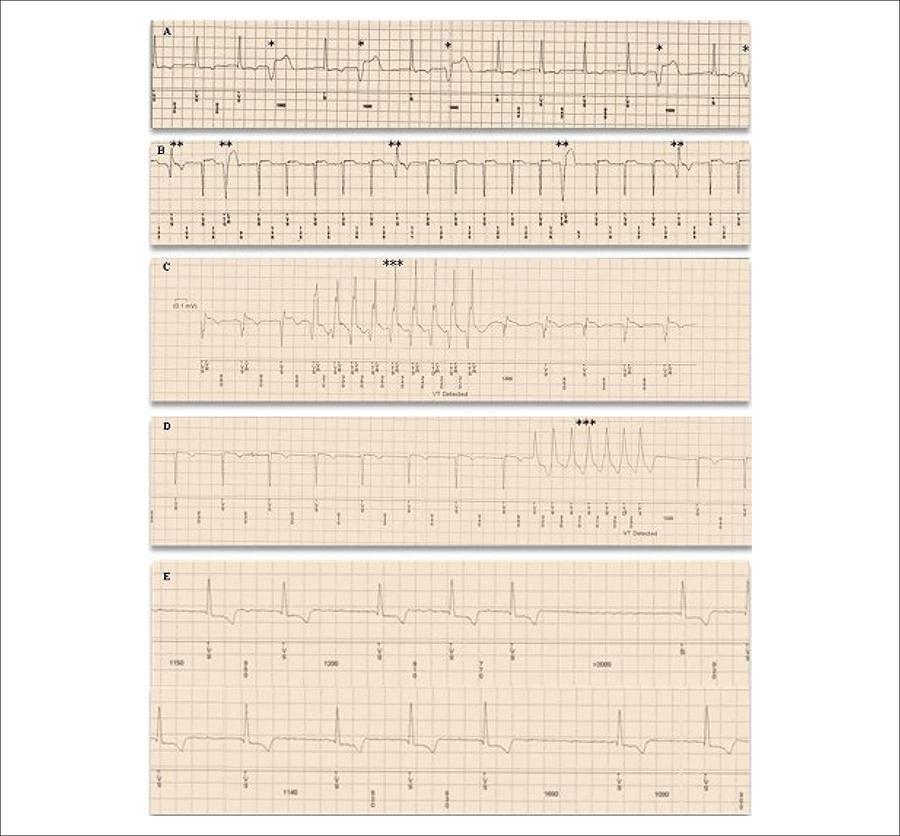
During a mean follow-up of 424 ± 127 days, AE could be detected in 98% of patients, and 92% had more than one type of arrhythmia, with most considered potentially not serious. Sustained atrial tachycardia and atrial fibrillation occurred in 7% and 13% of patients, respectively, and bradyarrhythmia and non-sustained or sustained ventricular tachycardia (VT) occurred in 25% and 57%, respectively. There were 18 deaths, of which 7 were sudden cardiac events: 3 bradyarrhythmias, 1 ventricular fibrillation, 1 myocardial infarction, and 2 undetermined. The presence of a long QTc (odds ratio [OR] = 7.28; 95% confidence interval [CI], 2.01–26.35; p = 0.002), and the duration of the PR interval (OR = 1.05; 95% CI, 1.02–1.08; p < 0.001) were independently associated with bradyarrhythmias. Left ventricular dilatation (LVD) was independently associated with non-sustained VT (OR = 2.83; 95% CI, 1.01–7.96; p = 0.041).

Conclusions:

In medium-term follow-up of RTCs, ILR helped detect a high incidence of AE, most of which did not have clinical relevance. The PR interval and presence of long QTc were predictive of bradyarrhythmias, whereas LVD was predictive of non-sustained VT.

  • Arrhythmias Cardiac
  • Difibrillators
  • Electric Countershock
  • Kidney Transplantation
  • Myocardial Contraction
Read Full Article
Creative Commons Attribution (CC BY) Creative Commons license
04/09/2015 DOI: 10.5935/abc.20150106 Views 2
Figure 1
Original Article

Human Tissue Kallikrein Activity in Angiographically Documented Chronic Stable Coronary Artery Disease

Estêvão Lanna Figueiredo et al. Carolina Antunes Magalhães Karlyse Claudino Belli Ari Mandil … José Carlos Faria Garcia Rosanã Aparecida Araújo Amintas Fabiano de Souza Figueiredo Lucia Campos Pellanda

Abstract

Background:

Human tissue kallikrein (hK1) is a key enzyme in the kallikrein–kinin system (KKS). hK1-specific amidase activity is reduced in urine samples from hypertensive and heart failure (HF) patients. The pathophysiologic role of hK1 in coronary artery disease (CAD) remains unclear.

Objective:

To evaluate hK1-specific amidase activity in the urine of CAD patients

Methods:

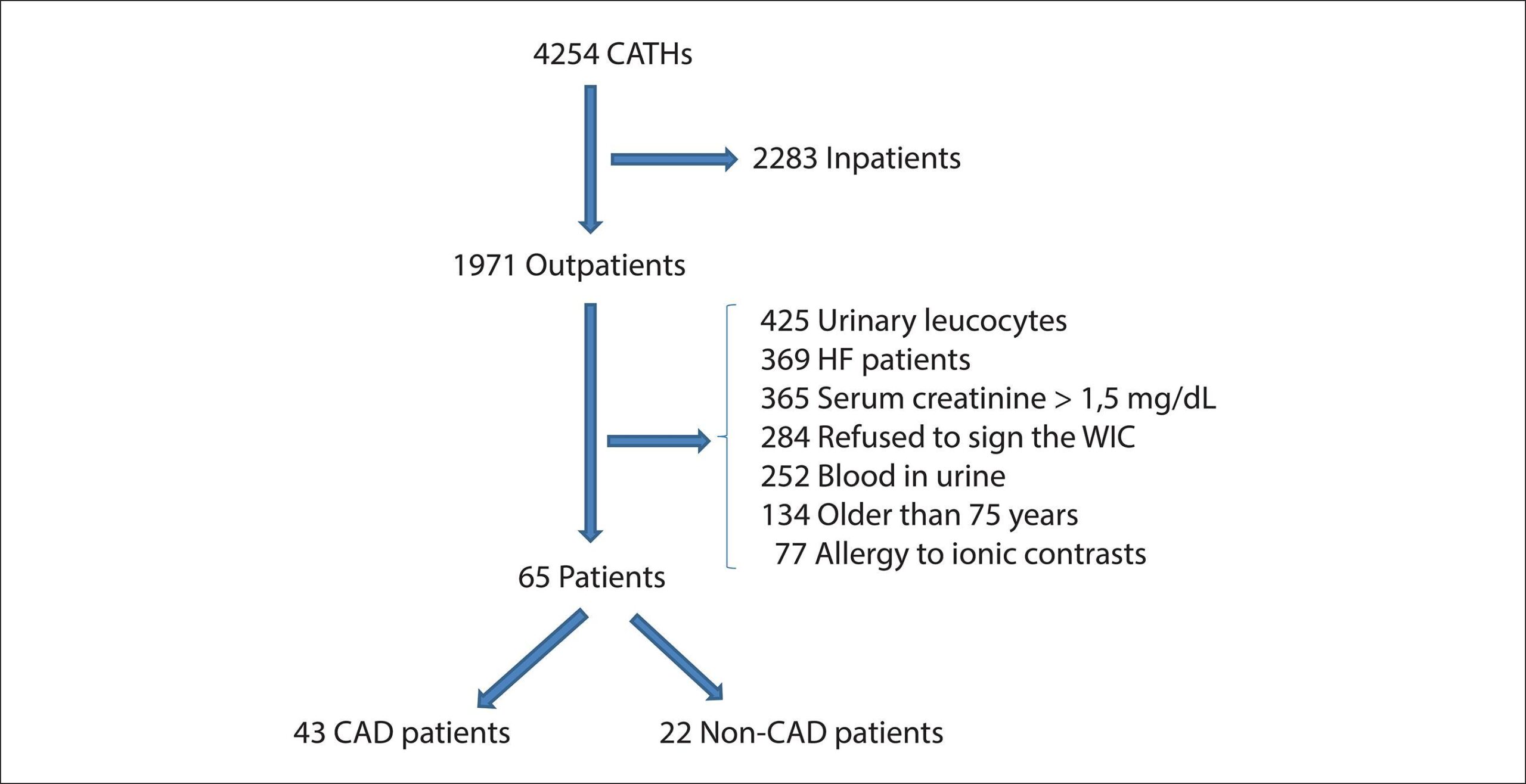
Sixty-five individuals (18–75 years) who underwent cardiac catheterism (CATH) were included. Random midstream urine samples were collected immediately before CATH. Patients were classified in two groups according to the presence of coronary lesions: CAD (43 patients) and non-CAD (22 patients). hK1 amidase activity was estimated using the chromogenic substrate D-Val-Leu-Arg-Nan. Creatinine was determined using Jaffé’s method. Urinary hK1-specific amidase activity was expressed as µM/(min · mg creatinine) to correct for differences in urine flow rates.

Results:

Urinary hK1-specific amidase activity levels were similar between CAD [0.146 µM/(min ·mg creatinine)] and non-CAD [0.189 µM/(min . mg creatinine)] patients (p = 0.803) and remained similar to values previously reported for hypertensive patients [0.210 µM/(min . mg creatinine)] and HF patients [0.104 µM/(min . mg creatinine)]. CAD severity and hypertension were not observed to significantly affect urinary hK1-specific amidase activity.

Conclusion:

CAD patients had low levels of urinary hK1-specific amidase activity, suggesting that renal KKS activity may be reduced in patients with this disease.

  • Coronary Artery Disease
  • Human Tissue Kallikrein
  • Kallikrein-Kinin System
  • Tissue Kallikrein
Read Full Article
Creative Commons Attribution (CC BY) Creative Commons license
04/09/2015 DOI: 10.5935/abc.20150109 Views 1
Figure 1
Original Article

Age, Creatinine and Ejection Fraction Score in Brazil: Comparison with InsCor and the EuroSCORE

Omar Asdrúbal Vilca Mejía et al. Bruna La Regina Matrangolo David Provenzale Titinger Leandro Batisti de Faria … Luís Roberto Palma Dallan Filomena Regina Barbosa Galas Luiz Augusto Ferreira Lisboa Luís Alberto Oliveira Dallan Fabio Biscegli Jatene

Abstract

Background:

Risk scores for cardiac surgery cannot continue to be neglected.

Objective:

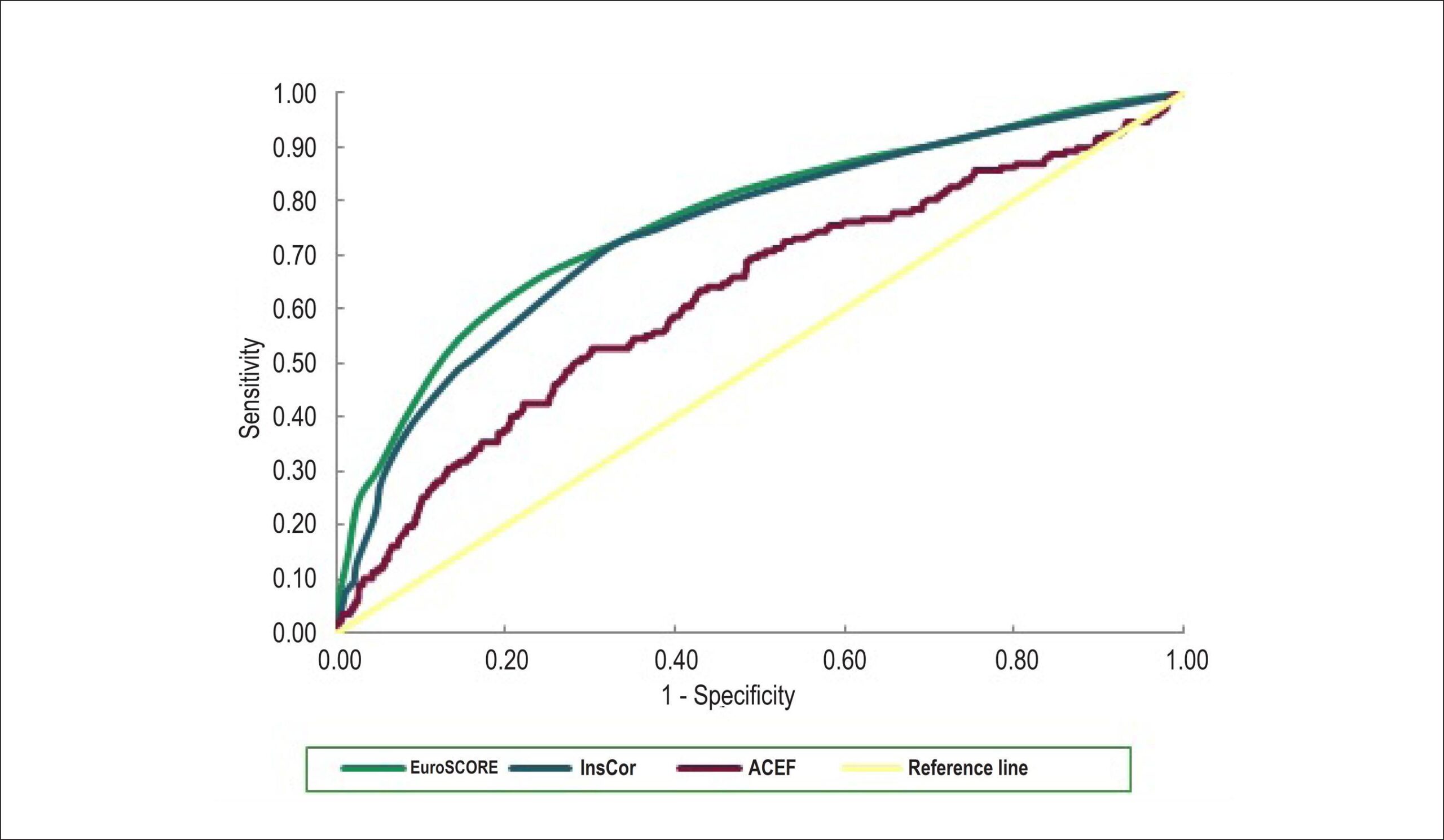
To assess the performance of “Age, Creatinine and Ejection Fraction Score” (ACEF Score) to predict mortality in patients submitted to elective coronary artery bypass graft and/or heart valve surgery, and to compare it to other scores.

Methods:

A prospective cohort study was carried out with the database of a Brazilian tertiary care center. A total of 2,565 patients submitted to elective surgeries between May 2007 and July 2009 were assessed. For a more detailed analysis, the ACEF Score performance was compared to the InsCor’s and EuroSCORE’s performance through correlation, calibration and discrimination tests.

Results:

Patients were stratified into mild, moderate and severe for all models. Calibration was inadequate for ACEF Score (p = 0.046) and adequate for InsCor (p = 0.460) and EuroSCORE (p = 0.750). As for discrimination, the area under the ROC curve was questionable for the ACEF Score (0.625) and adequate for InsCor (0.744) and EuroSCORE (0.763).

Conclusion:

Although simple to use and practical, the ACEF Score, unlike InsCor and EuroSCORE, was not accurate for predicting mortality in patients submitted to elective coronary artery bypass graft and/or heart valve surgery in a Brazilian tertiary care center. (Arq Bras Cardiol. 2015; [online].ahead print, PP.0-0)

  • Cardiac Surgical Procedures / mortality
  • Cohort Studies
  • Heart Valve Diseases/surgery
  • Myocardial Revascularization
  • Probability
Read Full Article
Creative Commons Attribution (CC BY) Creative Commons license
25/08/2015 DOI: 10.5935/abc.20150101
Original Article

Efficacy of Patient Selection for Diagnostic Coronary Angiography in Suspected Coronary Artery Disease

Francisco Flávio Costa Filho et al. Áurea Jacob Chaves Lourenço Teixeira Ligabó Eduardo Moreira dos Santos … Danillo Taiguara da Silva Marcelo Aguiar Puzzi Sérgio Luiz Braga Alexandre Abizaid Amanda GMR Sousa

Abstract

Background:

Guidelines recommend that in suspected stable coronary artery disease (CAD), a clinical (non-invasive) evaluation should be performed before coronary angiography.

Objective:

We assessed the efficacy of patient selection for coronary angiography in suspected stable CAD.

Methods:

We prospectively selected consecutive patients without known CAD, referred to a high-volume tertiary center. Demographic characteristics, risk factors, symptoms and non-invasive test results were correlated to the presence of obstructive CAD. We estimated the CAD probability based on available clinical data and the incremental diagnostic value of previous non-invasive tests.

Results:

A total of 830 patients were included; median age was 61 years, 49.3% were males, 81% had hypertension and 35.5% were diabetics. Non-invasive tests were performed in 64.8% of the patients. At coronary angiography, 23.8% of the patients had obstructive CAD. The independent predictors for obstructive CAD were: male gender (odds ratio [OR], 3.95; confidence interval [CI] 95%, 2.70 – 5.77), age (OR for 5 years increment, 1.15; CI 95%, 1.06 – 1.26), diabetes (OR, 2.01; CI 95%, 1.40 – 2.90), dyslipidemia (OR, 2.02; CI 95%, 1.32 – 3.07), typical angina (OR, 2.92; CI 95%, 1.77 – 4.83) and previous non-invasive test (OR 1.54; CI 95% 1.05 – 2.27).

Conclusions:

In this study, less than a quarter of the patients referred for coronary angiography with suspected CAD had the diagnosis confirmed. A better clinical and non-invasive assessment is necessary, to improve the efficacy of patient selection for coronary angiography.

  • Cardiac Catheterization
  • Coronary Artery Disease
  • Efficacy
  • Patient Selection
Read Full Article
Creative Commons Attribution (CC BY) Creative Commons license
25/08/2015 DOI: 10.5935/abc.20150099 Views 1
Figure 1
Original Article

Assessment of Galectin-3 Polymorphism in Subjects with Chronic Chagas Disease

Gabriela da Silva Cruz et al. Ana Luiza Dias Angelo Ticiana Ferreira Larocca Carolina Thé Macedo … Márcia Noya-Rabelo Luís Claudio Lemos Correia Jorge Andion Torreão Bruno Solano de Freitas Souza Ricardo Ribeiro dos Santos Milena Botelho Pereira Soares

Abstract

Background:

Galectin-3, a β-galactoside binding lectin, has been described as a mediator of cardiac fibrosis in experimental studies and as a risk factor associated with cardiovascular events in subjects with heart failure. Previous studies have evaluated the genetic susceptibility to Chagas disease in humans, including the polymorphisms of cytokine genes, demonstrating correlations between the genetic polymorphism and cardiomyopathy development in the chronic phase. However, the relationship between the galectin-3 single nucleotide polymorphism (SNP) and phenotypic variations in Chagas disease has not been evaluated.

Objective:

The present study aimed to determine whether genetic polymorphisms of galectin-3 may predispose to the development of cardiac forms of Chagas disease.

Methods:

Fifty-five subjects with Chagas disease were enrolled in this observational study. Real-time polymerase chain reaction (PCR) was used for genotyping the variants rs4644 and rs4652 of the galectin-3 gene.

Results:

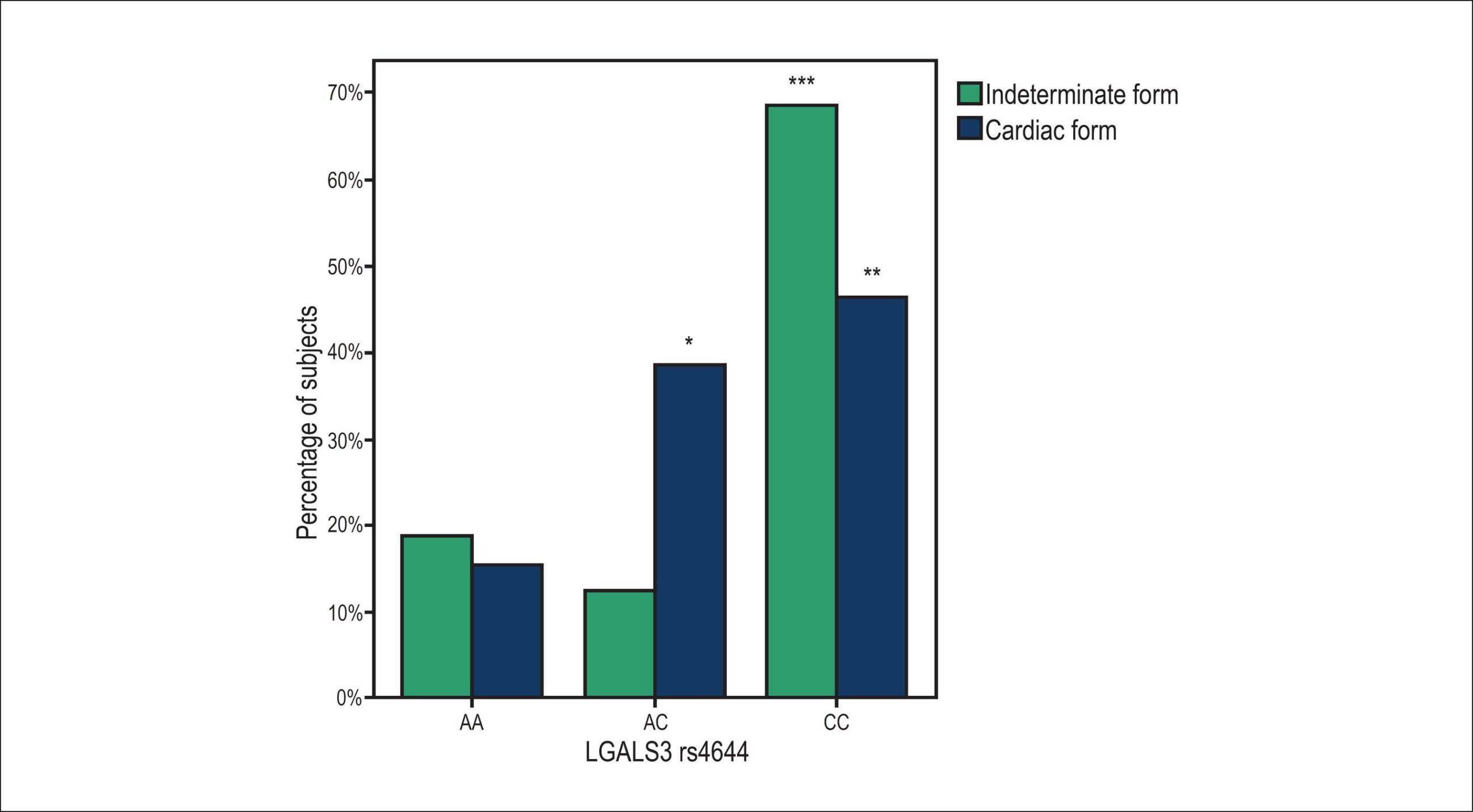
For the SNP rs4644, the relative risk for the cardiac form was not associated with the genotypes AA (OR = 0.79, p = 0.759), AC (OR = 4.38, p = 0.058), or CC (OR = 0.39, p = 0.127). Similarly, for the SNP rs4652, no association was found between the genotypes AA (OR = 0.64, p = 0.571), AC (OR = 2.85, p = 0.105), or CC (OR = 0.49, p = 0.227) and the cardiac form of the disease.

Conclusion:

Our results showed no association between the different genotypes for both SNPs of the galectin-3 gene and the cardiac form of Chagas disease. (Arq Bras Cardiol. 2015; [online].ahead print, PP.0-0)

  • Chagas Cardiomyopathy
  • Chagas disease
  • Galectin 3
  • Heart Failure
  • Polymorphism, Genetic
Read Full Article
Creative Commons Attribution (CC BY) Creative Commons license
25/08/2015 DOI: 10.5935/abc.20150105
Figure 1
Original Article

High-fat Diet Promotes Cardiac Remodeling in an Experimental Model of Obesity

Fernando Martins et al. Dijon Henrique Salomé Campos Luana Urbano Pagan Paula Felippe Martinez … Katashi Okoshi Marina Politi Okoshi Carlos Roberto Padovani Albert Schiaveto de Souza Antonio Carlos Cicogna Silvio Assis de Oliveira-Junior

Abstract

Background:

Although nutritional, metabolic and cardiovascular abnormalities are commonly seen in experimental studies of obesity, it is uncertain whether these effects result from the treatment or from body adiposity.

Objective:

To evaluate the influence of treatment and body composition on metabolic and cardiovascular aspects in rats receiving high saturated fat diet.

Methods:

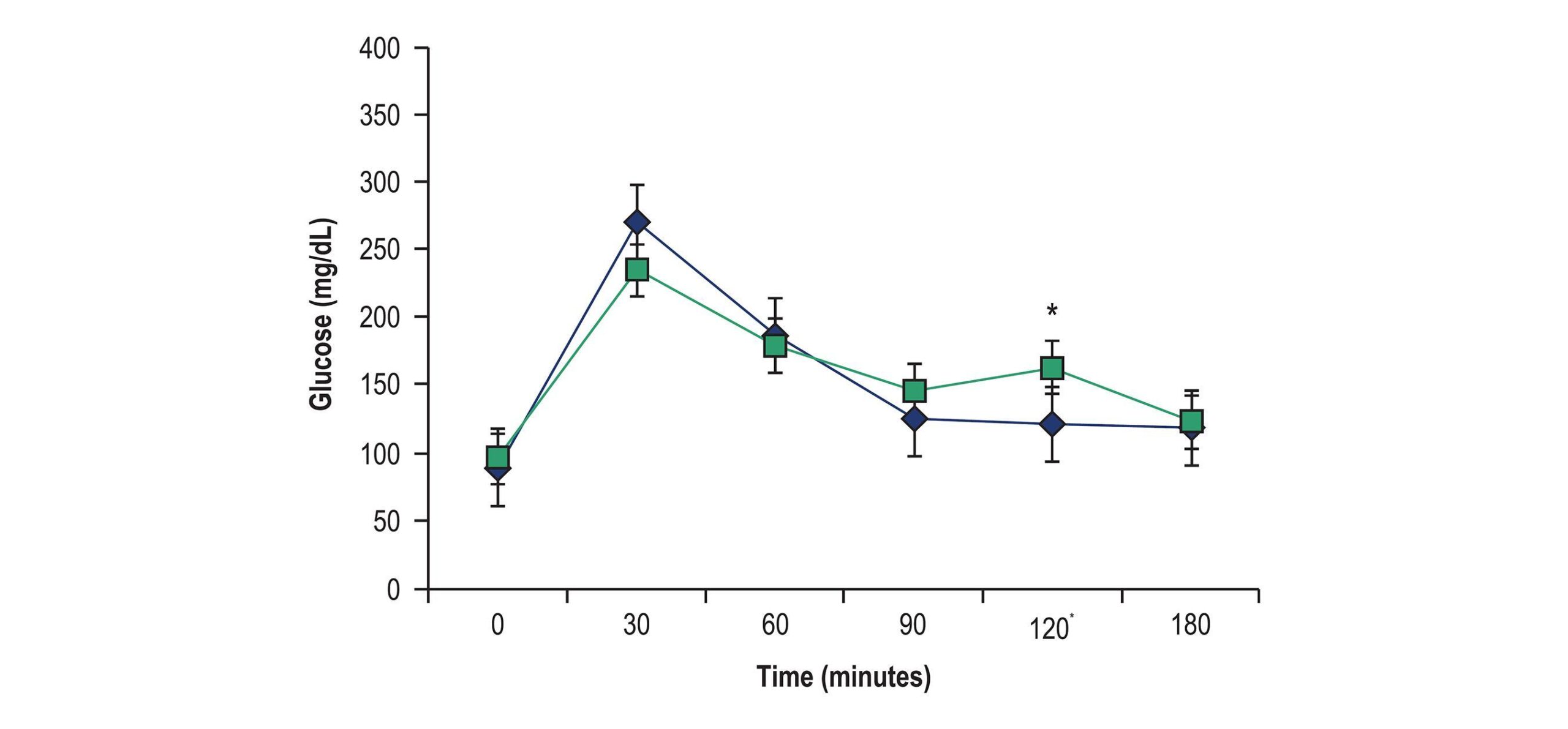
Sixteen Wistar rats were used, distributed into two groups, the control (C) group, treated with isocaloric diet (2.93 kcal/g) and an obese (OB) group, treated with high-fat diet (3.64 kcal/g). The study period was 20 weeks. Analyses of nutritional behavior, body composition, glycemia, cholesterolemia, lipemia, systolic arterial pressure, echocardiography, and cardiac histology were performed.

Results:

High-fat diet associates with manifestations of obesity, accompanied by changes in glycemia, cardiomyocyte hypertrophy, and myocardial interstitial fibrosis. After adjusting for adiposity, the metabolic effects were normalized, whereas differences in morphometric changes between groups were maintained.

Conclusion:

It was concluded that adiposity body composition has a stronger association with metabolic disturbances in obese rodents, whereas the high-fat dietary intervention is found to be more related to cardiac morphological changes in experimental models of diet-induced obesity.

  • Diet, High-fat
  • Epidemiology, Experimental
  • Obesity
  • Rats
  • Ventricular Remodeling
Read Full Article
Creative Commons Attribution (CC BY) Creative Commons license
18/08/2015 DOI: 10.5935/abc.20150095

How to cite this article

EndNote RIS

Electronic Document Format (Vancouver)

Azevedo PS, Minicucci MF, Zornoff LAM. Obesity: A Growing Multifaceted Problem. Arquivos Brasileiros de Cardiologia 2015;105(5):448-9.

Electronic Document Format (ABNT)

Azevedo, Paula S.; Minicucci, Marcos F.; Zornoff, Leonardo A. M.. Obesity: A Growing Multifaceted Problem. Arquivos Brasileiros de Cardiologia, v. 105, n. 5, p. 448-449, Oct. 2015.

Electronic Document Format (APA)

Azevedo, P. S., Minicucci, M. F., & Zornoff, L. A. M. (2015). Obesity: A Growing Multifaceted Problem. Arquivos Brasileiros de Cardiologia, 105(5), 448-449.

Electronic Document Format (ISO)

Azevedo, Paula S. and Minicucci, Marcos F. and Zornoff, Leonardo A. M.. Obesity: A Growing Multifaceted Problem. Arquivos Brasileiros de Cardiologia [online]. 2015, vol. 105, n. 5, [cited 2026-10-14], pp. 448-449. Available from: <https://journals.cardiol.br/en/article/obesity-a-growing-multifaceted-problem/>. ISSN 0066-782X

EndNote RIS

Electronic Document Format (Vancouver)

Petrou E, Girasis C. Arteriovenous and Intercoronary Fistulae Presenting as Heart Failure in an Adult. Arquivos Brasileiros de Cardiologia 2015;105(5):545-6.

Electronic Document Format (ABNT)

Petrou, Emmanouil; Girasis, Chrysafios. Arteriovenous and Intercoronary Fistulae Presenting as Heart Failure in an Adult. Arquivos Brasileiros de Cardiologia, v. 105, n. 5, p. 545-546, Oct. 2015.

Electronic Document Format (APA)

Petrou, E., & Girasis, C. (2015). Arteriovenous and Intercoronary Fistulae Presenting as Heart Failure in an Adult. Arquivos Brasileiros de Cardiologia, 105(5), 545-546.

Electronic Document Format (ISO)

Petrou, Emmanouil and Girasis, Chrysafios. Arteriovenous and Intercoronary Fistulae Presenting as Heart Failure in an Adult. Arquivos Brasileiros de Cardiologia [online]. 2015, vol. 105, n. 5, [cited 2026-10-14], pp. 545-546. Available from: <https://journals.cardiol.br/en/article/arteriovenous-and-intercoronary-fistulae-presenting-as-heart-failure-in-an-adult/>. ISSN 0066-782X

EndNote RIS

Electronic Document Format (Vancouver)

Marçula M, Aiello VD. Case 5/2015 – 88-Year-Old Female with Chronic Coronary Artery Disease, Upper Limb Thrombosis, Atrial Fibrillation and Cardiac Arrest. Arquivos Brasileiros de Cardiologia 2015;105(5):527-35.

Electronic Document Format (ABNT)

Marçula, Magaly; Aiello, Vera Demarchi. Case 5/2015 – 88-Year-Old Female with Chronic Coronary Artery Disease, Upper Limb Thrombosis, Atrial Fibrillation and Cardiac Arrest. Arquivos Brasileiros de Cardiologia, v. 105, n. 5, p. 527-535, Oct. 2015.

Electronic Document Format (APA)

Marçula, M., & Aiello, V. D. (2015). Case 5/2015 – 88-Year-Old Female with Chronic Coronary Artery Disease, Upper Limb Thrombosis, Atrial Fibrillation and Cardiac Arrest. Arquivos Brasileiros de Cardiologia, 105(5), 527-535.

Electronic Document Format (ISO)

Marçula, Magaly and Aiello, Vera Demarchi. Case 5/2015 – 88-Year-Old Female with Chronic Coronary Artery Disease, Upper Limb Thrombosis, Atrial Fibrillation and Cardiac Arrest. Arquivos Brasileiros de Cardiologia [online]. 2015, vol. 105, n. 5, [cited 2026-10-14], pp. 527-535. Available from: <https://journals.cardiol.br/en/article/case-5-2015-88-year-old-female-with-chronic-coronary-artery-disease-upper-limb-thrombosis-atrial-fibrillation-and-cardiac-arrest/>. ISSN 0066-782X

EndNote RIS

Electronic Document Format (Vancouver)

Ferreira C, Providência R, Ferreira MJ, Gonçalves LM. Atrial Fibrillation and Non-cardiovascular Diseases: A Systematic Review. Arquivos Brasileiros de Cardiologia 2015;105(5):519-26.

Electronic Document Format (ABNT)

Ferreira, Cátia; Providência, Rui; Ferreira, Maria João; Gonçalves, Lino Manuel. Atrial Fibrillation and Non-cardiovascular Diseases: A Systematic Review. Arquivos Brasileiros de Cardiologia, v. 105, n. 5, p. 519-526, Oct. 2015.

Electronic Document Format (APA)

Ferreira, C., Providência, R., Ferreira, M. J., & Gonçalves, L. M. (2015). Atrial Fibrillation and Non-cardiovascular Diseases: A Systematic Review. Arquivos Brasileiros de Cardiologia, 105(5), 519-526.

Electronic Document Format (ISO)

Ferreira, Cátia and Providência, Rui and Ferreira, Maria João and Gonçalves, Lino Manuel. Atrial Fibrillation and Non-cardiovascular Diseases: A Systematic Review. Arquivos Brasileiros de Cardiologia [online]. 2015, vol. 105, n. 5, [cited 2026-10-14], pp. 519-526. Available from: <https://journals.cardiol.br/en/article/atrial-fibrillation-and-non-cardiovascular-diseases-a-systematic-review/>. ISSN 0066-782X

EndNote RIS

Electronic Document Format (Vancouver)

Mesquita ET, Cruz LN, Mariano BM, Jorge AJL. Post-Hospital Syndrome: A New Challenge in Cardiovascular Practice. Arquivos Brasileiros de Cardiologia 2015;105(5):540-4.

Electronic Document Format (ABNT)

Mesquita, Evandro Tinoco; Cruz, Larissa Nascimento; Mariano, Bruna Melo; Jorge, Antonio José Lagoeiro. Post-Hospital Syndrome: A New Challenge in Cardiovascular Practice. Arquivos Brasileiros de Cardiologia, v. 105, n. 5, p. 540-544, Oct. 2015.

Electronic Document Format (APA)

Mesquita, E. T., Cruz, L. N., Mariano, B. M., & Jorge, A. J. L. (2015). Post-Hospital Syndrome: A New Challenge in Cardiovascular Practice. Arquivos Brasileiros de Cardiologia, 105(5), 540-544.

Electronic Document Format (ISO)

Mesquita, Evandro Tinoco and Cruz, Larissa Nascimento and Mariano, Bruna Melo and Jorge, Antonio José Lagoeiro. Post-Hospital Syndrome: A New Challenge in Cardiovascular Practice. Arquivos Brasileiros de Cardiologia [online]. 2015, vol. 105, n. 5, [cited 2026-10-14], pp. 540-544. Available from: <https://journals.cardiol.br/en/article/post-hospital-syndrome-a-new-challenge-in-cardiovascular-practice/>. ISSN 0066-782X

EndNote RIS

Electronic Document Format (Vancouver)

Plácido R, Cortez-Dias N, Veiga A, Jorge C, Miltenberger-Miltény G, Pinto F. Coronary Fistulas in a Patient with a Novel Long QT Syndrome Mutation. Arquivos Brasileiros de Cardiologia 2015;105(5):536-9.

Electronic Document Format (ABNT)

Plácido, Rui; Cortez-Dias, Nuno; Veiga, Arminda; Jorge, Cláudia; Miltenberger-Miltény, Gábriel; Pinto, Fausto. Coronary Fistulas in a Patient with a Novel Long QT Syndrome Mutation. Arquivos Brasileiros de Cardiologia, v. 105, n. 5, p. 536-539, Oct. 2015.

Electronic Document Format (APA)

Plácido, R., Cortez-Dias, N., Veiga, A., Jorge, C., Miltenberger-Miltény, G., & Pinto, F. (2015). Coronary Fistulas in a Patient with a Novel Long QT Syndrome Mutation. Arquivos Brasileiros de Cardiologia, 105(5), 536-539.

Electronic Document Format (ISO)

Plácido, Rui and Cortez-Dias, Nuno and Veiga, Arminda and Jorge, Cláudia and Miltenberger-Miltény, Gábriel and Pinto, Fausto. Coronary Fistulas in a Patient with a Novel Long QT Syndrome Mutation. Arquivos Brasileiros de Cardiologia [online]. 2015, vol. 105, n. 5, [cited 2026-10-14], pp. 536-539. Available from: <https://journals.cardiol.br/en/article/coronary-fistulas-in-a-patient-with-a-novel-long-qt-syndrome-mutation/>. ISSN 0066-782X

EndNote RIS

Electronic Document Format (Vancouver)

Smeili LAA, Lotufo PA. Incidence and Predictors of Cardiovascular Complications and Death after Vascular Surgery. Arquivos Brasileiros de Cardiologia 2015;105(5):510-8.

Electronic Document Format (ABNT)

Smeili, Luciana Andrea Avena; Lotufo, Paulo Andrade. Incidence and Predictors of Cardiovascular Complications and Death after Vascular Surgery. Arquivos Brasileiros de Cardiologia, v. 105, n. 5, p. 510-518, Sep. 2015.

Electronic Document Format (APA)

Smeili, L. A. A., & Lotufo, P. A. (2015). Incidence and Predictors of Cardiovascular Complications and Death after Vascular Surgery. Arquivos Brasileiros de Cardiologia, 105(5), 510-518.

Electronic Document Format (ISO)

Smeili, Luciana Andrea Avena and Lotufo, Paulo Andrade. Incidence and Predictors of Cardiovascular Complications and Death after Vascular Surgery. Arquivos Brasileiros de Cardiologia [online]. 2015, vol. 105, n. 5, [cited 2026-10-14], pp. 510-518. Available from: <https://journals.cardiol.br/en/article/incidence-and-predictors-of-cardiovascular-complications-and-death-after-vascular-surgery/>. ISSN 0066-782X

EndNote RIS

Electronic Document Format (Vancouver)

Queiroz MCC, Pedrosa RC, Berensztejn AC, Pereira BB, Nascimento EM, Duarte MMT, Pereira-Junior PP, et al. Frequency of Cardiovascular Involvement in Familial Amyloidotic Polyneuropathy in Brazilian Patients. Arquivos Brasileiros de Cardiologia 2015;105(5):503-9.

Electronic Document Format (ABNT)

Queiroz, Márcia Cavalcanti de Campos; Pedrosa, Roberto Coury; Berensztejn, Amanda Cardoso; Pereira, Basílio de Bragança; Nascimento, Emília Matos do; Duarte, Martha Maria Turano; Pereira-Junior, Pedro Paulo; Cruz, Marcia Waddington. Frequency of Cardiovascular Involvement in Familial Amyloidotic Polyneuropathy in Brazilian Patients. Arquivos Brasileiros de Cardiologia, v. 105, n. 5, p. 503-509, Sep. 2015.

Electronic Document Format (APA)

Queiroz, M. C. C., Pedrosa, R. C., Berensztejn, A. C., Pereira, B. B., Nascimento, E. M. , Duarte, M. M. T., Pereira-Junior, P. P., & Cruz, M. W. (2015). Frequency of Cardiovascular Involvement in Familial Amyloidotic Polyneuropathy in Brazilian Patients. Arquivos Brasileiros de Cardiologia, 105(5), 503-509.

Electronic Document Format (ISO)

Queiroz, Márcia Cavalcanti de Campos and Pedrosa, Roberto Coury and Berensztejn, Amanda Cardoso and Pereira, Basílio de Bragança and Nascimento, Emília Matos do and Duarte, Martha Maria Turano and Pereira-Junior, Pedro Paulo and Cruz, Marcia Waddington. Frequency of Cardiovascular Involvement in Familial Amyloidotic Polyneuropathy in Brazilian Patients. Arquivos Brasileiros de Cardiologia [online]. 2015, vol. 105, n. 5, [cited 2026-10-14], pp. 503-509. Available from: <https://journals.cardiol.br/en/article/frequency-of-cardiovascular-involvement-in-familial-amyloidotic-polyneuropathy-in-brazilian-patients/>. ISSN 0066-782X

EndNote RIS

Electronic Document Format (Vancouver)

Truffa MAM, Alves GM, Bernardi F, Esteves Filho A, Ribeiro E, Galon MZ, Spadaro A, et al. Does Ad Hoc Coronary Intervention Reduce Radiation Exposure? – Analysis of 568 Patients. Arquivos Brasileiros de Cardiologia 2015;105(5):487-92.

Electronic Document Format (ABNT)

Truffa, Márcio A. M.; Alves, Gustavo M.P.; Bernardi, Fernando; Esteves Filho, Antonio; Ribeiro, Expedito; Galon, Micheli Z.; Spadaro, André; Kajita, Luiz J.; Arrieta, Raul; Lemos, Pedro A.. Does Ad Hoc Coronary Intervention Reduce Radiation Exposure? – Analysis of 568 Patients. Arquivos Brasileiros de Cardiologia, v. 105, n. 5, p. 487-492, Sep. 2015.

Electronic Document Format (APA)

Truffa, M. A. M., Alves, G. M., Bernardi, F., Esteves Filho, A., Ribeiro, E., Galon, M. Z., Spadaro, A., Kajita, L. J., Arrieta, R., & Lemos, P. A. (2015). Does Ad Hoc Coronary Intervention Reduce Radiation Exposure? – Analysis of 568 Patients. Arquivos Brasileiros de Cardiologia, 105(5), 487-492.

Electronic Document Format (ISO)

Truffa, Márcio A. M. and Alves, Gustavo M.P. and Bernardi, Fernando and Esteves Filho, Antonio and Ribeiro, Expedito and Galon, Micheli Z. and Spadaro, André and Kajita, Luiz J. and Arrieta, Raul and Lemos, Pedro A.. Does Ad Hoc Coronary Intervention Reduce Radiation Exposure? – Analysis of 568 Patients. Arquivos Brasileiros de Cardiologia [online]. 2015, vol. 105, n. 5, [cited 2026-10-14], pp. 487-492. Available from: <https://journals.cardiol.br/en/article/does-ad-hoc-coronary-intervention-reduce-radiation-exposure-analysis-of-568-patients/>. ISSN 0066-782X

EndNote RIS

Electronic Document Format (Vancouver)

Silva RT, Martinelli Filho M, Peixoto GL, Lima JJG, Siqueira SF, Costa R, Gowdak LHW, et al. Predictors of Arrhythmic Events Detected by Implantable Loop Recorders in Renal Transplant Candidates. Arquivos Brasileiros de Cardiologia 2015;105(5):493-502.

Electronic Document Format (ABNT)

Silva, Rodrigo Tavares; Martinelli Filho, Martino; Peixoto, Giselle de Lima; Lima, José Jayme Galvão de; Siqueira, Sérgio Freitas de; Costa, Roberto; Gowdak, Luís Henrique Wolff; Paula, Flávio Jota de; Kalil Filho, Roberto; Ramires, José Antônio Franchini. Predictors of Arrhythmic Events Detected by Implantable Loop Recorders in Renal Transplant Candidates. Arquivos Brasileiros de Cardiologia, v. 105, n. 5, p. 493-502, Sep. 2015.

Electronic Document Format (APA)

Silva, R. T., Martinelli Filho, M., Peixoto, G. L., Lima, J. J. G. , Siqueira, S. F. , Costa, R., Gowdak, L. H. W., Paula, F. J. , Kalil Filho, R., & Ramires, J. A. F. (2015). Predictors of Arrhythmic Events Detected by Implantable Loop Recorders in Renal Transplant Candidates. Arquivos Brasileiros de Cardiologia, 105(5), 493-502.

Electronic Document Format (ISO)

Silva, Rodrigo Tavares and Martinelli Filho, Martino and Peixoto, Giselle de Lima and Lima, José Jayme Galvão de and Siqueira, Sérgio Freitas de and Costa, Roberto and Gowdak, Luís Henrique Wolff and Paula, Flávio Jota de and Kalil Filho, Roberto and Ramires, José Antônio Franchini. Predictors of Arrhythmic Events Detected by Implantable Loop Recorders in Renal Transplant Candidates. Arquivos Brasileiros de Cardiologia [online]. 2015, vol. 105, n. 5, [cited 2026-10-14], pp. 493-502. Available from: <https://journals.cardiol.br/en/article/predictors-of-arrhythmic-events-detected-by-implantable-loop-recorders-in-renal-transplant-candidates/>. ISSN 0066-782X

EndNote RIS

Electronic Document Format (Vancouver)

Figueiredo EL, Magalhães CA, Belli KC, Mandil A, Garcia JCF, Araújo RA, Figueiredo AFS, et al. Human Tissue Kallikrein Activity in Angiographically Documented Chronic Stable Coronary Artery Disease. Arquivos Brasileiros de Cardiologia 2015;105(5):457-565.

Electronic Document Format (ABNT)

Figueiredo, Estêvão Lanna; Magalhães, Carolina Antunes; Belli, Karlyse Claudino; Mandil, Ari; Garcia, José Carlos Faria; Araújo, Rosanã Aparecida; Figueiredo, Amintas Fabiano de Souza; Pellanda, Lucia Campos. Human Tissue Kallikrein Activity in Angiographically Documented Chronic Stable Coronary Artery Disease. Arquivos Brasileiros de Cardiologia, v. 105, n. 5, p. 457-565, Sep. 2015.

Electronic Document Format (APA)

Figueiredo, E. L., Magalhães, C. A., Belli, K. C., Mandil, A., Garcia, J. C. F., Araújo, R. A., Figueiredo, A. F. S., & Pellanda, L. C. (2015). Human Tissue Kallikrein Activity in Angiographically Documented Chronic Stable Coronary Artery Disease. Arquivos Brasileiros de Cardiologia, 105(5), 457-565.

Electronic Document Format (ISO)

Figueiredo, Estêvão Lanna and Magalhães, Carolina Antunes and Belli, Karlyse Claudino and Mandil, Ari and Garcia, José Carlos Faria and Araújo, Rosanã Aparecida and Figueiredo, Amintas Fabiano de Souza and Pellanda, Lucia Campos. Human Tissue Kallikrein Activity in Angiographically Documented Chronic Stable Coronary Artery Disease. Arquivos Brasileiros de Cardiologia [online]. 2015, vol. 105, n. 5, [cited 2026-10-14], pp. 457-565. Available from: <https://journals.cardiol.br/en/article/human-tissue-kallikrein-activity-in-angiographically-documented-chronic-stable-coronary-artery-disease/>. ISSN 0066-782X

EndNote RIS

Electronic Document Format (Vancouver)

Mejía OAV, Matrangolo BLR, Titinger DP, Faria LB, Dallan LRP, Galas FRB, Lisboa LAF, et al. Age, Creatinine and Ejection Fraction Score in Brazil: Comparison with InsCor and the EuroSCORE. Arquivos Brasileiros de Cardiologia 2015;105(5):450-6.

Electronic Document Format (ABNT)

Mejía, Omar Asdrúbal Vilca; Matrangolo, Bruna La Regina; Titinger, David Provenzale; Faria, Leandro Batisti de; Dallan, Luís Roberto Palma; Galas, Filomena Regina Barbosa; Lisboa, Luiz Augusto Ferreira; Dallan, Luís Alberto Oliveira; Jatene, Fabio Biscegli. Age, Creatinine and Ejection Fraction Score in Brazil: Comparison with InsCor and the EuroSCORE. Arquivos Brasileiros de Cardiologia, v. 105, n. 5, p. 450-456, Aug. 2015.

Electronic Document Format (APA)

Mejía, O. A. V., Matrangolo, B. L. R., Titinger, D. P., Faria, L. B. , Dallan, L. R. P., Galas, F. R. B., Lisboa, L. A. F., Dallan, L. A. O., & Jatene, F. B. (2015). Age, Creatinine and Ejection Fraction Score in Brazil: Comparison with InsCor and the EuroSCORE. Arquivos Brasileiros de Cardiologia, 105(5), 450-456.

Electronic Document Format (ISO)

Mejía, Omar Asdrúbal Vilca and Matrangolo, Bruna La Regina and Titinger, David Provenzale and Faria, Leandro Batisti de and Dallan, Luís Roberto Palma and Galas, Filomena Regina Barbosa and Lisboa, Luiz Augusto Ferreira and Dallan, Luís Alberto Oliveira and Jatene, Fabio Biscegli. Age, Creatinine and Ejection Fraction Score in Brazil: Comparison with InsCor and the EuroSCORE. Arquivos Brasileiros de Cardiologia [online]. 2015, vol. 105, n. 5, [cited 2026-10-14], pp. 450-456. Available from: <https://journals.cardiol.br/en/article/age-creatinine-and-ejection-fraction-score-in-brazil-comparison-with-inscor-and-the-euroscore/>. ISSN 0066-782X

EndNote RIS

Electronic Document Format (Vancouver)

Costa Filho FF, Chaves J, Ligabó LT, Santos EM, Silva DT, Puzzi MA, Braga SL, et al. Efficacy of Patient Selection for Diagnostic Coronary Angiography in Suspected Coronary Artery Disease. Arquivos Brasileiros de Cardiologia 2015;105(5):466-71.

Electronic Document Format (ABNT)

Costa Filho, Francisco Flávio; Chaves, Áurea Jacob; Ligabó, Lourenço Teixeira; Santos, Eduardo Moreira dos; Silva, Danillo Taiguara da; Puzzi, Marcelo Aguiar; Braga, Sérgio Luiz; Abizaid, Alexandre; Sousa, Amanda GMR. Efficacy of Patient Selection for Diagnostic Coronary Angiography in Suspected Coronary Artery Disease. Arquivos Brasileiros de Cardiologia, v. 105, n. 5, p. 466-471, Aug. 2015.

Electronic Document Format (APA)

Costa Filho, F. F., Chaves, J., Ligabó, L. T., Santos, E. M. , Silva, D. T. , Puzzi, M. A., Braga, S. L., Abizaid, A., & Sousa, A. G. (2015). Efficacy of Patient Selection for Diagnostic Coronary Angiography in Suspected Coronary Artery Disease. Arquivos Brasileiros de Cardiologia, 105(5), 466-471.

Electronic Document Format (ISO)

Costa Filho, Francisco Flávio and Chaves, Áurea Jacob and Ligabó, Lourenço Teixeira and Santos, Eduardo Moreira dos and Silva, Danillo Taiguara da and Puzzi, Marcelo Aguiar and Braga, Sérgio Luiz and Abizaid, Alexandre and Sousa, Amanda GMR. Efficacy of Patient Selection for Diagnostic Coronary Angiography in Suspected Coronary Artery Disease. Arquivos Brasileiros de Cardiologia [online]. 2015, vol. 105, n. 5, [cited 2026-10-14], pp. 466-471. Available from: <https://journals.cardiol.br/en/article/efficacy-of-patient-selection-for-diagnostic-coronary-angiography-in-suspected-coronary-artery-disease/>. ISSN 0066-782X

EndNote RIS

Electronic Document Format (Vancouver)

Cruz GS, Angelo ALD, Larocca TF, Macedo CT, Noya-Rabelo M, Correia LCL, Torreão JA, et al. Assessment of Galectin-3 Polymorphism in Subjects with Chronic Chagas Disease. Arquivos Brasileiros de Cardiologia 2015;105(5):472-8.

Electronic Document Format (ABNT)

Cruz, Gabriela da Silva; Angelo, Ana Luiza Dias; Larocca, Ticiana Ferreira; Macedo, Carolina Thé; Noya-Rabelo, Márcia; Correia, Luís Claudio Lemos; Torreão, Jorge Andion; Souza, Bruno Solano de Freitas; Santos, Ricardo Ribeiro dos; Soares, Milena Botelho Pereira. Assessment of Galectin-3 Polymorphism in Subjects with Chronic Chagas Disease. Arquivos Brasileiros de Cardiologia, v. 105, n. 5, p. 472-478, Aug. 2015.

Electronic Document Format (APA)

Cruz, G. S., Angelo, A. L. D., Larocca, T. F., Macedo, C. T., Noya-Rabelo, M., Correia, L. C. L., Torreão, J. A., Souza, B. S. F., Santos, R. R. , & Soares, M. B. P. (2015). Assessment of Galectin-3 Polymorphism in Subjects with Chronic Chagas Disease. Arquivos Brasileiros de Cardiologia, 105(5), 472-478.

Electronic Document Format (ISO)

Cruz, Gabriela da Silva and Angelo, Ana Luiza Dias and Larocca, Ticiana Ferreira and Macedo, Carolina Thé and Noya-Rabelo, Márcia and Correia, Luís Claudio Lemos and Torreão, Jorge Andion and Souza, Bruno Solano de Freitas and Santos, Ricardo Ribeiro dos and Soares, Milena Botelho Pereira. Assessment of Galectin-3 Polymorphism in Subjects with Chronic Chagas Disease. Arquivos Brasileiros de Cardiologia [online]. 2015, vol. 105, n. 5, [cited 2026-10-14], pp. 472-478. Available from: <https://journals.cardiol.br/en/article/assessment-of-galectin-3-polymorphism-in-subjects-with-chronic-chagas-disease/>. ISSN 0066-782X

EndNote RIS

Electronic Document Format (Vancouver)

Martins F, Campos DHS, Pagan LU, Martinez PF, Okoshi K, Okoshi MP, Padovani CR, et al. High-fat Diet Promotes Cardiac Remodeling in an Experimental Model of Obesity. Arquivos Brasileiros de Cardiologia 2015;105(5):479-86.

Electronic Document Format (ABNT)

Martins, Fernando; Campos, Dijon Henrique Salomé; Pagan, Luana Urbano; Martinez, Paula Felippe; Okoshi, Katashi; Okoshi, Marina Politi; Padovani, Carlos Roberto; Souza, Albert Schiaveto de; Cicogna, Antonio Carlos; Oliveira-Junior, Silvio Assis de. High-fat Diet Promotes Cardiac Remodeling in an Experimental Model of Obesity. Arquivos Brasileiros de Cardiologia, v. 105, n. 5, p. 479-486, Aug. 2015.

Electronic Document Format (APA)

Martins, F., Campos, D. H. S., Pagan, L. U., Martinez, P. F., Okoshi, K., Okoshi, M. P., Padovani, C. R., Souza, A. S. , Cicogna, A. C., & Oliveira-Junior, S. A. (2015). High-fat Diet Promotes Cardiac Remodeling in an Experimental Model of Obesity. Arquivos Brasileiros de Cardiologia, 105(5), 479-486.

Electronic Document Format (ISO)

Martins, Fernando and Campos, Dijon Henrique Salomé and Pagan, Luana Urbano and Martinez, Paula Felippe and Okoshi, Katashi and Okoshi, Marina Politi and Padovani, Carlos Roberto and Souza, Albert Schiaveto de and Cicogna, Antonio Carlos and Oliveira-Junior, Silvio Assis de. High-fat Diet Promotes Cardiac Remodeling in an Experimental Model of Obesity. Arquivos Brasileiros de Cardiologia [online]. 2015, vol. 105, n. 5, [cited 2026-10-14], pp. 479-486. Available from: <https://journals.cardiol.br/en/article/high-fat-diet-promotes-cardiac-remodeling-in-an-experimental-model-of-obesity/>. ISSN 0066-782X

Sede – Rio de Janeiro
Av. Marechal Câmara, 160
3º andar – Sala: 330 – Centro
Rio de Janeiro – CEP: 20020-907
Tel.: (55 +21) 3478-2700
ou (21) 99386-3961
E-mail: revista@cardiol.br

Sede – São Paulo
Alameda Santos, 705 – 11º andar
Cerqueira César | São Paulo
CEP: 01419-001
Tel.: (55 +11) 3411-5500
E-mail: revista@cardiol.br

  • About the Journal
  • Internal Regulation
  • Editors Section
  • Editorial Board
  • History
  • SBC Award

  • Guidelines for Publication
  • Editorial Policy
  • Ethics Policy
  • Policy on the Use of Artificial Intelligence
  • Mandatory Publication Form
  • Publication Fee

Issues

SBC Guidelines

  • How to Publish an Abstract Supplement?
  • Supplements from the Brazilian Congress of Cardiology