| ABC
ABC Family Arquivos Brasileiros de Cardiologia International Journal of Cardiovascular Sciences ABC Heart Failure & Cardiomyopathy ABC Imagem Cardiovascular
Português English
ABC Family | ABC
Português English
  • About
    • About the Journal
    • Internal Regulation
    • Editors Section
    • Editorial Board
    • History
    • SBC Award
  • Instructions to Authors
    • Guidelines for Publication
    • Editorial Policy
    • Ethics Policy
    • Policy on the Use of Artificial Intelligence
    • Mandatory Publication Form
    • Publication Fee
  • Issues
  • SBC Guidelines
  • Abstracts
    • How to Publish an Abstract Supplement?
    • Supplements from the Brazilian Congress of Cardiology
  • About
    • About the Journal
    • Internal Regulation
    • Editors Section
    • Editorial Board
    • History
    • SBC Award
  • Instructions to Authors
    • Guidelines for Publication
    • Editorial Policy
    • Ethics Policy
    • Policy on the Use of Artificial Intelligence
    • Mandatory Publication Form
    • Publication Fee
  • Issues
  • SBC Guidelines
  • Abstracts
    • How to Publish an Abstract Supplement?
    • Supplements from the Brazilian Congress of Cardiology

ABC Family

  • ABC Family
  • Arquivos Brasileiros de Cardiologia
  • International Journal of Cardiovascular Sciences
  • ABC Heart Failure & Cardiomyopathy
  • ABC Imagem Cardiovascular
Search in

No content found.

Journals
Ordering
Article types
Others

  1. Home
  2. ABC
  3. Issues
  4. 2022, Volume 118, Number 3
Figure 1
Research Letter

Medical Residency in Brazil in the Era of Chronic Diseases: The Need for Cardiometabolic Medicine Residency

Eduardo Thadeu de Oliveira Correia et al. Letícia Mara dos Santos Barbetta Mayara Gabriele Toledo Evandro Tinoco Mesquita Jeffrey I. Mechanick

Introduction

Cardiovascular diseases (CVD) are the leading cause of death in Brazil, significantly decreasing life expectancy, impairing quality of life, and causing a great impact on the Brazilian Unified Health System. However, it is important to highlight the enormous progress in cardiovascular research and in Brazilian cardiology over the past 6 decades, which have contributed to the increase in life expectancy from 54. years in 1960 to 75.6 years in 2018.

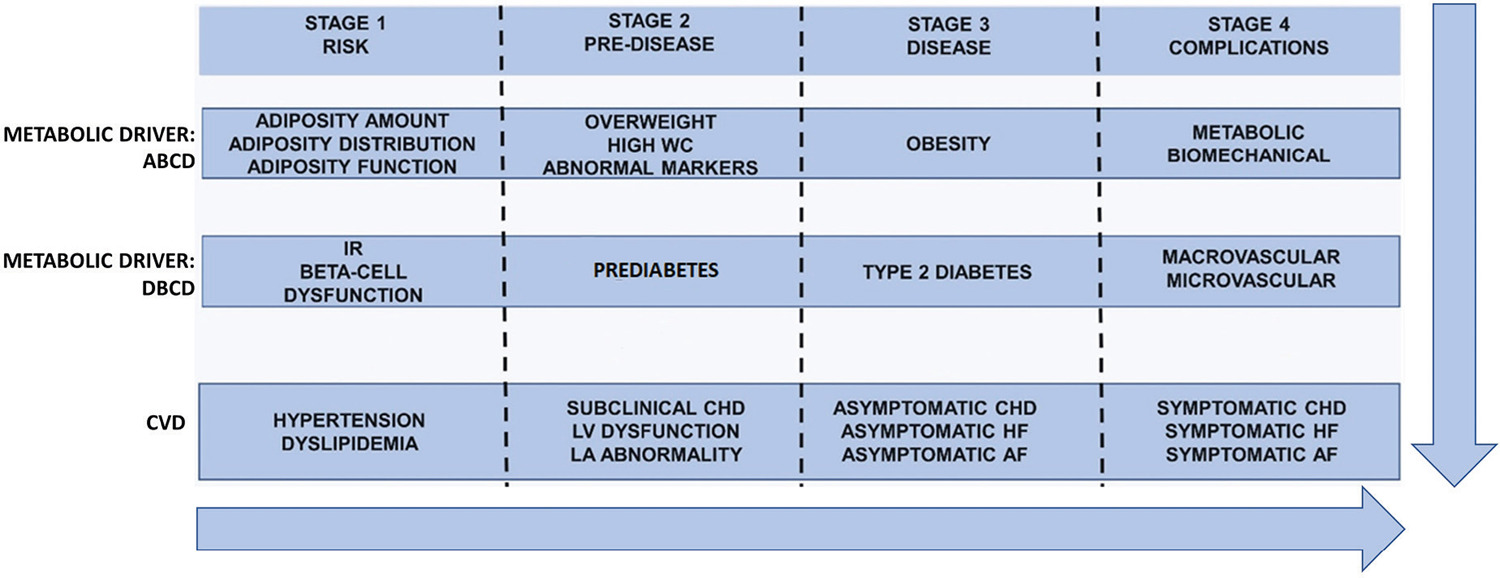
Whereas in the last century, cardiology waged a major battle against acute diseases, such as endocarditis and acute myocardial infarction, medical research has made breakthrough advancements in the management of these conditions. Nonetheless, at the same time, the era of chronic diseases emerged, in which primary drivers (e.g., genetics, environment, and behavior), metabolic drivers (e.g., obesity, diabetes, high cholesterol, and hypertension), co-morbidities (e.g., non-alcoholic fatty liver disease and chronic kidney disease [CKD]), and clinical endpoints (e.g., coronary heart disease, heart failure, and atrial fibrillation) were modeled to improve patient outcomes. As an effort to improve this concept, Mechanick et al. , introduced the Cardiometabolic-Based Chronic Disease (CMBCD) model, which focused on the impact of primary and metabolic drivers on the development of CVD, identifying key targets to reduce progression from risk (Stage 1 CMBCD) to pre-disease (Stage 2 CMBCD), disease (Stage 3 CMBCD), and complications (Stage 4 CMBCD). This classification is depicted in and marks a new era in the care of cardiometabolic diseases.

[…]
  • Diabetes Mellitus
  • Hypertension
  • Internship and Residency
  • Obesity
Read Full Article
Creative Commons Attribution (CC BY) Creative Commons license
18/03/2022 DOI: 10.36660/abc.20210339 Views 1
Figure 1
Original Article

Exercise Testing In Patients with Sickle Cell Disease: Safety, Feasibility and Potential Prognostic Implication

Christiano Gonçalves de Araújo et al. Maria Betânia Solis Resende Julia Teixeira Tupinambás Rebeca Coeli Teodoro Maciel Dias … Flávio Coelho Barros Maria Carmen Melo Vasconcelos José Nelio Januário Antonio Luiz Pinho Ribeiro Maria Carmo P. Nunes

Abstract

Background

Patients with sickle cell disease (SCD) are at increased risk for cardiovascular complications. Exercise testing is used as a prognostic marker in a variety of cardiovascular diseases. However, there is a lack of evidence on exercise in SCD patients, particularly regarding its safety, feasibility, and possible prognostic role.

Objectives

We used the maximal treadmill test to determine safety and feasibility of the exercise testing in SCD patients. Additionally, the factors associated with exercise duration, as well as the impact of exercise-induced changes on clinical outcome, were also assessed.

Methods

One-hundred thirteen patients with SCD, who underwent exercise testing, were prospectively enrolled. A comprehensive cardiovascular evaluation, including echocardiography and B-type natriuretic peptide (BNP) levels, were obtained. The long-term outcome was a composite endpoint of death, severe acute painful episodes, acute chest syndrome, or hospitalization for other SCD-related complications. Cox regression analysis was performed to identify the variables associated with the outcome. A p-value<0.05 was considered to be statistically significant.

Results

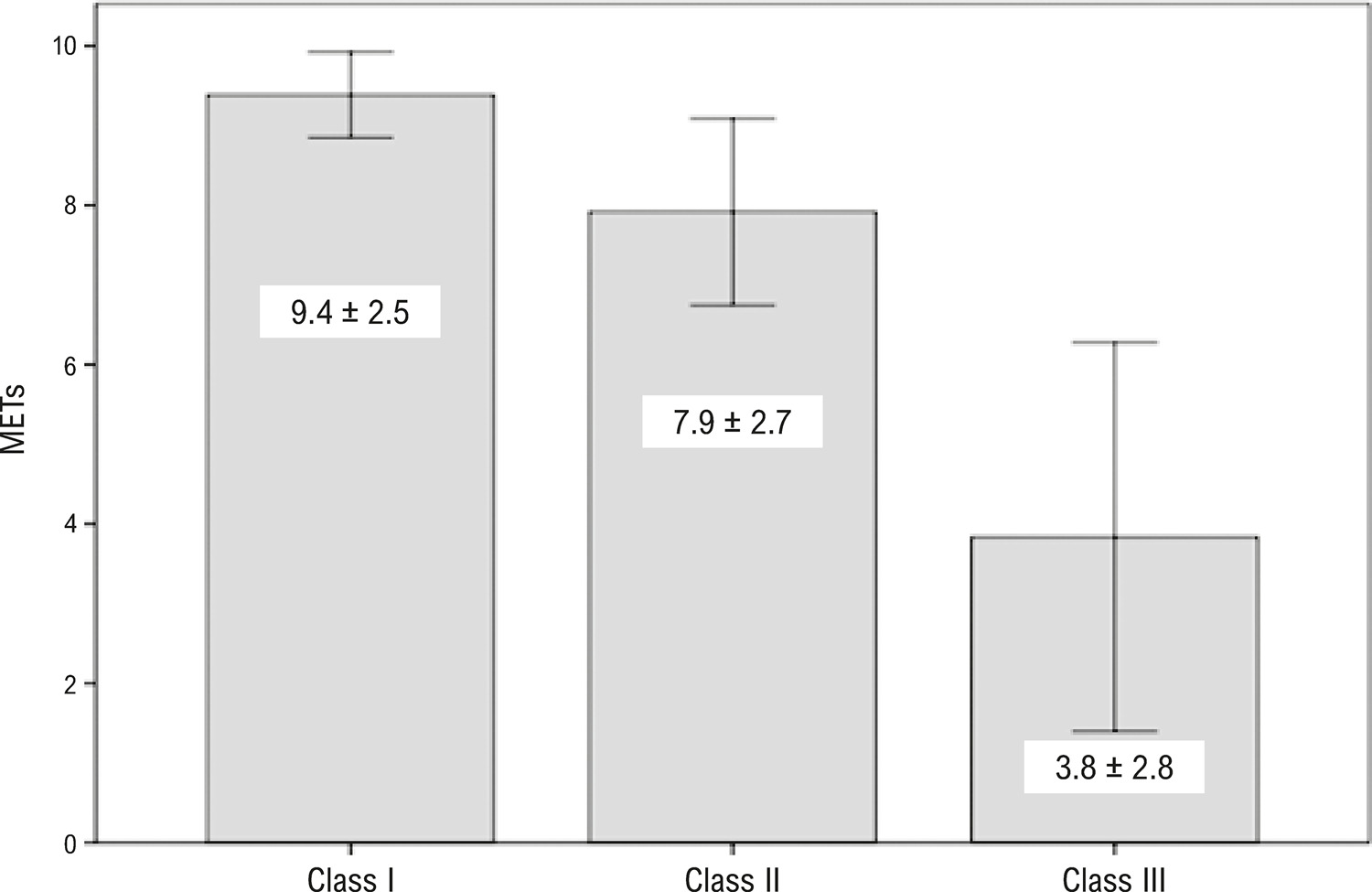
The mean age was 36 ± 12 years (range, 18-65 years), and 62 patients were women (52%). Ischemic electrocardiogram and abnormal blood pressure (BP) response to exercise were detected in 17% and 9%, respectively. Two patients experienced pain crises within 48 hours that required hospitalization. Factors associated with exercise duration were age, sex, tricuspid regurgitation (TR) maximal velocity, and E/e’ ratio, after adjustment for markers of disease severity. During the mean follow-up of 10.1 months (ranging from 1.2 to 26), the endpoint was reached in 27 patients (23%). Independent predictors of adverse events were hemoglobin concentration, late transmitral flow velocity (A wave), and BP response to exercise.

Conclusions

Exercise testing in SCD patients who were clinically stable is feasible. Exercise duration was associated with diastolic function and pulmonary artery pressure. Abnormal BP response was an independent predictor of adverse events.

  • Anemia, Sickle Cell
  • Exercise
  • Hemolysis
  • Hypertension
  • Prognosis
  • Vascular Occlusion
  • vasculitis
Read Full Article
Creative Commons Attribution (CC BY) Creative Commons license
18/03/2022 DOI: 10.36660/abc.20200437
Editorial

Can We Perform the Maximal Treadmill Test on Individuals with Sickle Cell Disease?

Mabel Marciela Ahner et al. Stephanie Bastos da Motta Leandro Franzoni

Sickle cell disease (SCD) may present a stable clinical condition with the advancement of pharmacological treatment and available technologies for early diagnosis. However, if not diagnosed and treated early, it may lead to progressive organ damage and even fatal complications. Therefore, it is important to develop different instruments to assess the SCD prognosis. The maximal treadmill test (MTT), widely used in different diseases, such as heart failure, can play an important role in the risk stratification of these patients, since they usually have chest pain associated with vessel occlusion, causing myocardial ischemia and, consequently, sudden death, something very common in these individuals. ,

However, patients with SCD need to exercise caution when performing physical exercises, especially at high-intensity, as these may lead to metabolic disorders that could favor erythrocyte sickling and promote vascular occlusions. This fact raised a discussion and a dilemma between recommending physical exercise for these patients or depriving them of the positive effects that physical exercise is capable of promoting. , Due to the association described above, between physical exercising and ischemia in SCD individuals, it is necessary to perform an exercise test. However, we get to the paradox of risk versus benefit. Can individuals with SCD safely perform a MTT to provide answers about the cardiovascular impact induced by exertion in the occurrence of clinical outcomes? This is what Araújo et al., Below we will describe the main study characteristics and its main results.

[…]

  • Exercise Test
  • Sickle Cell Anemias
Read Full Article
Creative Commons Attribution (CC BY) Creative Commons license
18/03/2022 DOI: 10.36660/abc.20220036
Figure 1
Review Article

Iron Deficiency in Heart Failure with Reduced Ejection Fraction: Pathophysiology, Diagnosis and Treatment

Guilherme Augusto Reissig Pereira et al. Luís Beck-da-Silva

Abstract

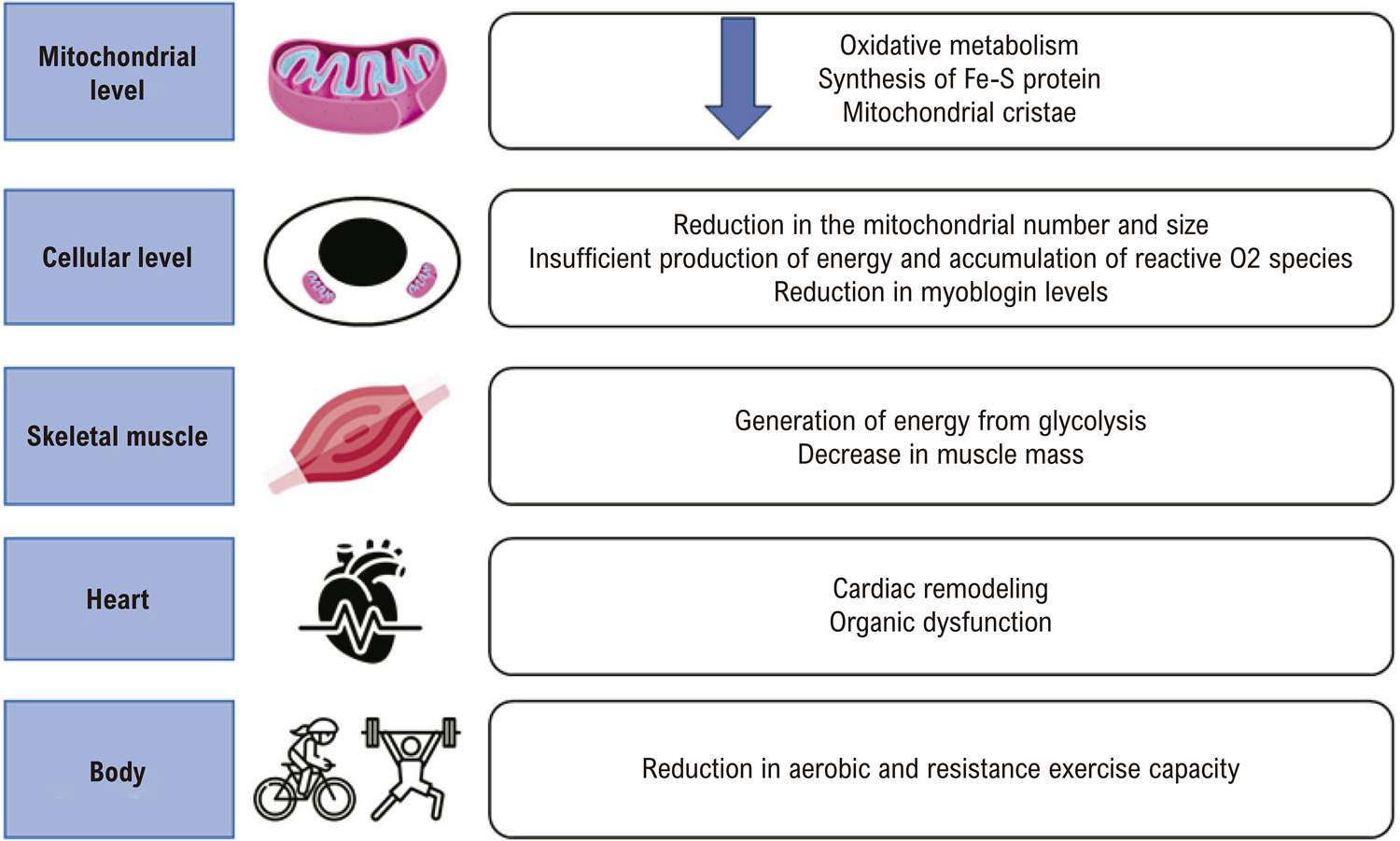
Iron deficiency (ID) is an important comorbidity in heart failure with reduced ejection (HFrEF) and is highly prevalent in both anemic and non-anemic patients. In HFrEF, iron deficiency should be investigated by measurements of transferrin saturation and ferritin. There are two types of ID: absolute deficiency, with depletion of iron stores; and functional ID, where iron supply is not sufficient despite normal stores. ID is associated with worse functional class and higher risk of death in patients with HFrEF, and scientific evidence has indicated improvement of symptoms and quality of life of these patients with treatment with parenteral iron in the form of ferric carboxymaltose. Iron plays vital roles such as oxygen transportation (hemoglobin) and storage (myoblogin), and is crucial for adequate functioning of mitochondria, which are composed of iron-based proteins and the place of energy generation by oxidative metabolism at the electron transport chain. An insufficient generation and abnormal uptake of iron by skeletal and cardiac muscle cells contribute to the pathophysiology of HF. The present review aims to increase the knowledge of the pathophysiology of ID in HFrEF, and to address available tools for its diagnosis and current scientific evidence on iron replacement therapy.

  • Heart failure, systolic
  • Iron
  • iron-deficiency
Read Full Article
Creative Commons Attribution (CC BY) Creative Commons license
18/03/2022 DOI: 10.36660/abc.20201257 Views 2
Figure 1
Research Letter

An Unusual Cause of Hypoxemia after Orthopedic Surgery on an Elderly Patient

Pedro Carvalho et al. Daniela Meireles José Luís Martins Marco Costa Ana Briosa Neves

Introduction

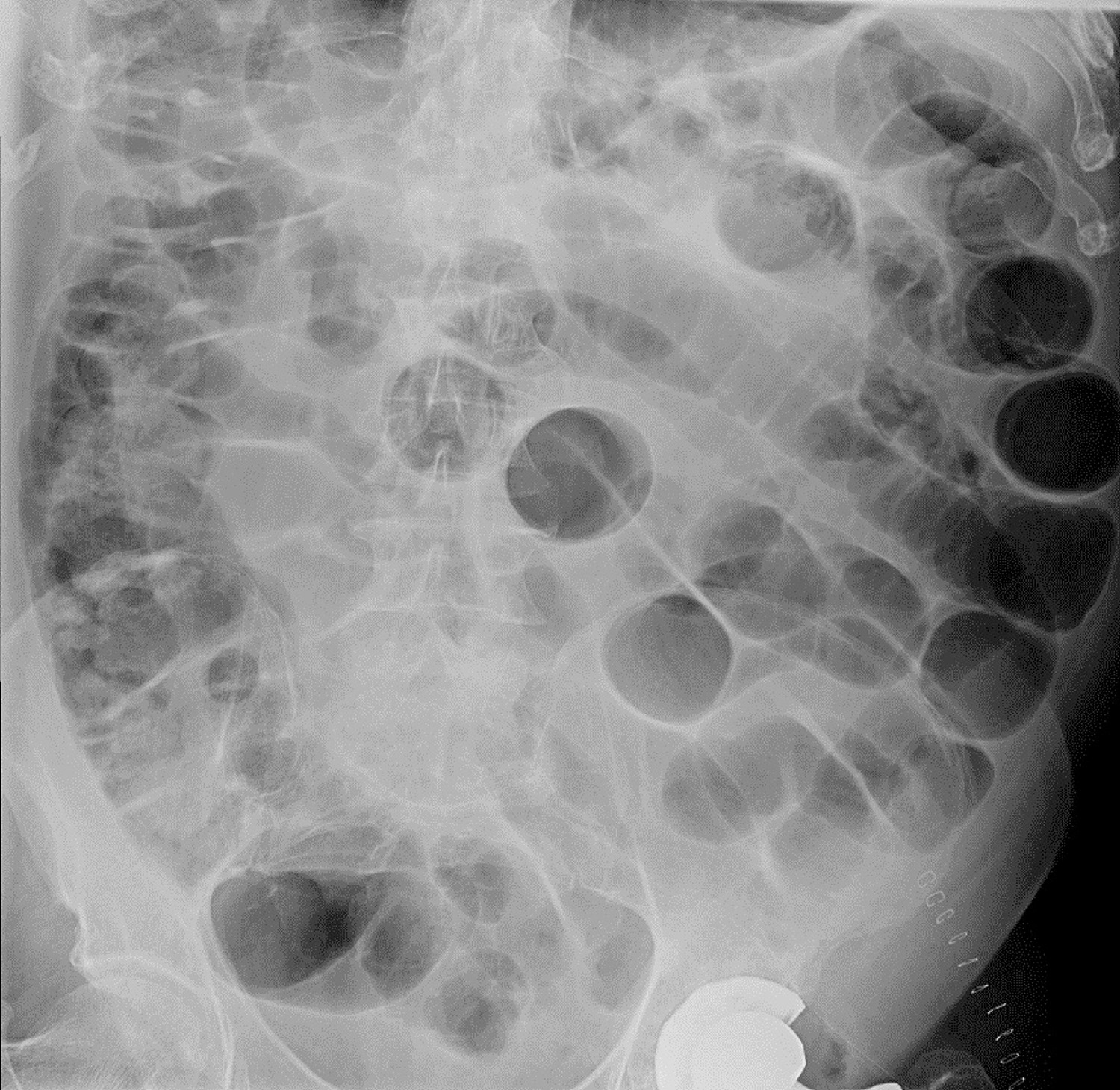
Various conditions can cause post-operative hypoxemia, especially in elderly patients. However, a new symptomatic cardiac shunt is a very rare and unexpected complication in this setting. This study presents a case of refractory hypoxemia after orthopedic surgery due to right-to-left (R-L) shunt via a patent foramen ovale (PFO).

[…]

  • Foramen Ovale, Patent
  • Hypoxia
  • Vascular Closure Devices
Read Full Article
Creative Commons Attribution (CC BY) Creative Commons license
18/03/2022 DOI: 10.36660/abc.20210409
Figure 1
Research Letter

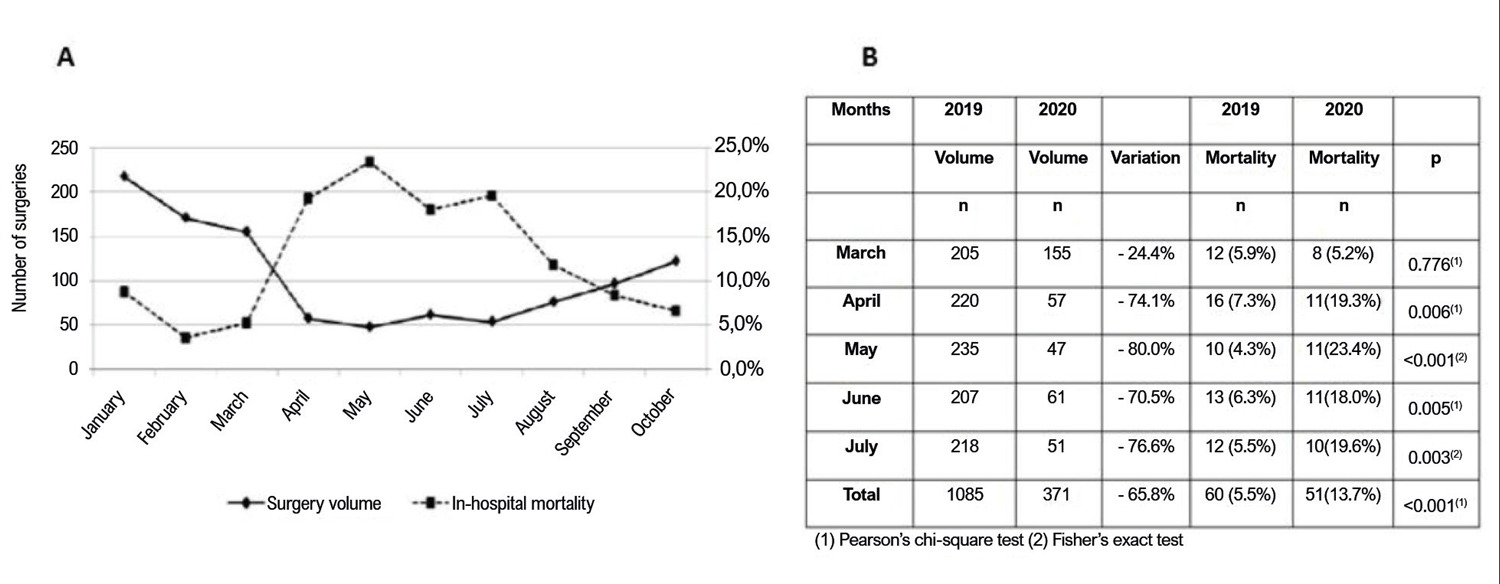
Impact of the First Wave of the COVID-19 Pandemic on Cardiovascular Surgery in Brazil: Analysis of a Tertiary Reference Center

Luiz Augusto Lisboa et al. Omar Asdrúbal Vilca Mejia Elisandra Trevisan Arita Gustavo Pampolha Guerreiro … Lucas Molinari Veloso da Silveira Carlos Manuel de Almeida Brandão Ricardo Ribeiro Dias Luís Roberto Palma Dallan Leonardo Miana Luiz F. Caneo Marcelo Biscegli Jatene Luís Alberto Oliveira Dallan Fabio Biscegli Jatene

Introduction

The novel viral respiratory infection caused by coronavirus disease 2019 (COVID-19), initially known as 2019-nCoV, emerged in late December 2019 in Wuhan, China and quickly spread throughout Asia, Europe, and USA, characterizing the situation as a pandemic. In May 2020, the World Health Organization declared Brazil a new epicenter of the coronavirus pandemic.

With the alarming levels of spread and severity of COVID-19, major disruptions in routine hospital services have occurred, as hospitals adjust in order to increase the capacity to care for patients with SARS-CoV-2. In this context, elective surgeries were postponed in order to optimize health resources and staffing issues and to protect patients from in-hospital viral transmission.

[…]

  • COVID-19
  • Elective Surgical Procedures
  • Heart Defects, Congenital/surgery
  • Hospitalization
  • Mortality
  • Pandemics
  • Tertiary Healthcare/trends
  • Thoracic Surgery
Read Full Article
Creative Commons Attribution (CC BY) Creative Commons license
18/03/2022 DOI: 10.36660/abc.20210235 Views 1
Editorial

Is There a Role for Telemonitoring in Heart Failure?

Mônica Samuel Avila et al. Deborah de Sá Pereira Belfort

Heart failure (HF) is the leading cause of cardiovascular hospitalization in the world. Mortality rate ranges from 5% to 15%, and up to 50% of patients are readmitted in the emergency department in 90 days after discharge. Different strategies have been implemented in recent years to avoid readmission, and telemedicine is a growing field in this scenario. The use of telecommunication technologies brings potential advantages when compared to in-person care, overcoming organizational and geographic barriers. However, divergent results in randomized trials evaluating the efficacy of telemedicine in reducing heart failure hospitalizations and mortality discouraged the routine use of digital resources in clinical practice until the COVID-19 pandemic.

In this issue of Arquivos Brasileiros de Cardiologia, retrospective observational research evaluated the impact of an advanced telemonitoring program in a heart failure population. Thirty-nine patients were included, and the researchers compared the number of hospitalizations one year before the program, with hospitalizations during the program. The program used vital signs and variables such as heart rate, blood pressure, weight variation, peripheral blood oxygenation, temperature, and a seminal 3-derivation electrocardiogram. Thirty-four patients were included in the final analysis. The authors reported a 66% reduction in emergency department admissions and a reduction of 68% in heart failure hospitalizations, considering the patients themselves as controls.

[…]

  • Emergency Services
  • Heart Failure/physiopathology
  • Hospitalization
  • Telemonitoring
Read Full Article
Creative Commons Attribution (CC BY) Creative Commons license
18/03/2022 DOI: 10.36660/abc.20220034
Original Article

Racial Differences in Blood Pressure Control from Users of Antihypertensive Monotherapy: Results from the ELSA-Brasil Study

Camila Tavares Sousa et al. Antonio Ribeiro Sandhi Maria Barreto Luana Giatti … Luisa Brant Paulo Lotufo Dora Chor Antônio Alberto Lopes Sotero Serrate Mengue André Oliveira Baldoni Roberta Carvalho Figueiredo

Abstract

Background

It seems that the worst response to some classes of antihypertensive drugs, especially angiotensin-converting enzyme inhibitors and angiotensin receptor blockers, on the part of the Black population, would at least partially explain the worse control of hypertension among these individuals. However, most of the evidence comes from American studies.

Objectives

This study aims to investigate the association between self-reported race/skin color and BP control in participants of the Longitudinal Study of Adult Health (ELSA-Brasil), using different classes of antihypertensive drugs in monotherapy.

Methods

The study involved a cross-sectional analysis, carried out with participants from the baseline of ELSA-Brasil. Blood pressure control was the response variable, participants with BP values ≥140/90 mmHg were considered out of control in relation to blood pressure levels. Race/skin color was self-reported (White, Brown, Black). All participants were asked about the continuous use of medication. Association between BP control and race/skin color was estimated through logistic regression. The level of significance adopted in this study was of 5%.

Results

Of the total of 1,795 users of antihypertensive drugs in monotherapy at baseline, 55.5% declared themselves White, 27.9% Brown, and 16.7% Black. Even after adjusting for confounding variables, Blacks using angiotensin converting enzyme inhibitors (ACEI), angiotensin receptor blocker (ARB), thiazide diuretics (thiazide DIU), and beta-blockers (BB) in monotherapy had worse blood pressure control compared to Whites.

Conclusions

Our results suggest that in this sample of Brazilian adults using antihypertensive drugs in monotherapy, the differences in blood pressure control between different racial groups are not explained by the possible lower effectiveness of ACEIs and ARBs in Black individuals.

  • antihypertensive agents
  • Continental Population Groups
  • Hypertension
Read Full Article
Creative Commons Attribution (CC BY) Creative Commons license
18/03/2022 DOI: 10.36660/abc.20201180 Views 1
Editorial

It is Time for Coronary Computed Tomography Angiography to be Incorporated into the SUS

Nilson Tavares Poppi

In the evaluation of patients with stable coronary artery disease (CAD), also called chronic coronary syndrome (CCS), complementary tests are used both for diagnostic and prognostic purposes. , Anatomical (coronary angiography and coronary CT angiography) and functional (exercise testing, stress echocardiography, rest and stress myocardial perfusion imaging by scintigraphy, magnetic resonance, and positron emission tomography) tests are available. Coronary angiography, the gold standard, is invasive and therefore, indicated for clinically more severe patients, or those with poor prognostic findings in non-invasive testing, when myocardial revascularization is considered or planned.

The choice for the most appropriate diagnostic test is an important and challenging issue for the cardiologist in the clinical evaluation of CCS. The first step in this decision-making process is the assessment of the pre-test probability (PTP) of CAD. As recommended by the current SCC guidelines, , patients classified as having high PTP should receive medical therapy and undergo testing for prognostic information. The patients with low PTP should be assessed for an alternative diagnosis more likely than CAD. Patients with PTP calculated between 15-85% are in the intermediate range, where the complementary tests are more useful and important for CAD diagnosis. In addition to diagnostic accuracy and PTP, the selection of a non-invasive test depends on the clinical characteristics of patients, local expertise, and the availability of tests. In Brazil, it is estimated that up to 80% of the population depends exclusively on medical care provided by the public health system (SUS). In this context of managing economic resources, physicians and health managers should focus on the most cost-effective options for the diagnosis of CAD.

[…]

  • Computed Tomography Angiography
  • Coronary Artery Disease
  • Cost-Benefit Analysis
  • Diagnostic Imaging/methods
  • Stable Angina
  • Unified Health System
Read Full Article
Creative Commons Attribution (CC BY) Creative Commons license
18/03/2022 DOI: 10.36660/abc.20220033 Views 1
Original Article

Factors That Impact the Decision to Perform Left Ventriculography in Coronary Artery Disease

Claudia de Castro Lima Santos et al. Ricardo Peixoto Oliveira Joberto Sena Adriano Dourado Oliveira … Marcelo Gottschald Ferreira Ademar Santos Filho Heitor Guissoni José Carlos Brito Gilson Soares Feitosa Gilson Soares Feitosa-Filho

Abstract

Background

Left ventriculography is an invasive method for assessment of left ventricular systolic function. Since the advent of noninvasive methods, its use has been questioned, as it carries some risk to the patient.

Objective

To assess which factors are independently associated with the decision to perform ventriculography in patients with coronary artery disease.

Methods

Analytical, retrospective, database review study of electronic medical records comparing 21 predefined variables of interest among patients undergoing coronary angiography. P-values <0.05 were considered significant.

Results

We evaluated 600 consecutive patients undergoing coronary angiography. Left ventriculography was performed in the majority of cases (54%). After multivariate analysis, patients with chronic coronary syndrome (OR 1.72; 95% CI: 1.20–2.46; p < 0.01) were more likely to undergo the procedure. Patients with known ventricular function (OR 0.58; 95% CI: 0.40–0.85; p < 0.01); those with a history of CABG (OR 0.31; 95% CI: 0.14–0.69; p < 0.01) or hypertension (OR 0.58; 95% CI: 0.36–0.94; p = 0.02); and those with higher creatinine levels (OR 0.42; 95% CI: 0.26–0.69; p < 0.01) had greater odds of not undergoing ventriculography.

Conclusions

In patients undergoing coronary angiography, a diagnosis of chronic coronary syndrome was independently associated with greater likelihood of left ventriculography, while having previously determined ventricular function, a history of hypertension or CABG, and higher creatinine levels were associated with a decreased likelihood of undergoing this procedure.

  • Cardiovascular Diseases
  • Coronary Angiography/methods
  • Coronary Artery Disease
  • Hypertension
  • Myocardial Revascularization/surgery
  • Ventricular Function, Left
  • Ventriculography/methods
Read Full Article
Creative Commons Attribution (CC BY) Creative Commons license
18/03/2022 DOI: 10.36660/abc.20200217 Views 2
Editorial

Influence of Racial Composition on Blood Pressure Control in the Brazilian Population: The Need for New Perspectives Beyond Drug Treatment

Weimar Kunz Sebba Barroso et al. Sandro Rodrigues Batista Priscila Valverde de Oliveira Vitorino Ana Luiza Lima Sousa

In the context of cardiovascular health, some racial characteristics have been frequently associated with worse blood pressure (BP) control. For example, Black adults have more severe resistant hypertension as compared with other ethnic groups. – A lot of this evidence has been gathered from populations where there had been little racial mixing and, for this reason, understanding the impact of specific racial characteristics of the Brazilian population on the occurrence, diagnosis, and control of hypertension is imperative. ,

The study by Sousa et al. provides a new perspective on the influence of race on the treatment and control of BP in Brazilian adults. Using a robust database of the Brazilian Longitudinal Study of Adult Health (ELSA-Brasil), the authors evaluated the association of self-reported race/skin color with BP control in individuals under different monotherapy antihypertensive regimens. This publication complements previous studies of the group on the influence of ethnicity on several aspects of hypertensive disease. ,

[…]

  • Chronic Disease
  • Ethnic Groups
  • Hypertension
Read Full Article
Creative Commons Attribution (CC BY) Creative Commons license
18/03/2022 DOI: 10.36660/abc.20220063 Views 2
Figure 1
Original Article

What Should be the First-line Treatment for the Closure of Hemodynamically Significant Patent Ductus Arteriosus in Premature Infants?

Ufuk Cakir et al. Cuneyt Tayman

Abstract

Background

It is important which medicine to use as a first-line treatment to close the duct.

Objectives

The aim of this study is to compare the effectiveness and side effects of intravenous (IV) forms of ibuprofen and paracetamol and to contribute to the literature investigating the first drug selected in the medical treatment of patent ductus arteriosus (PDA).

Methods

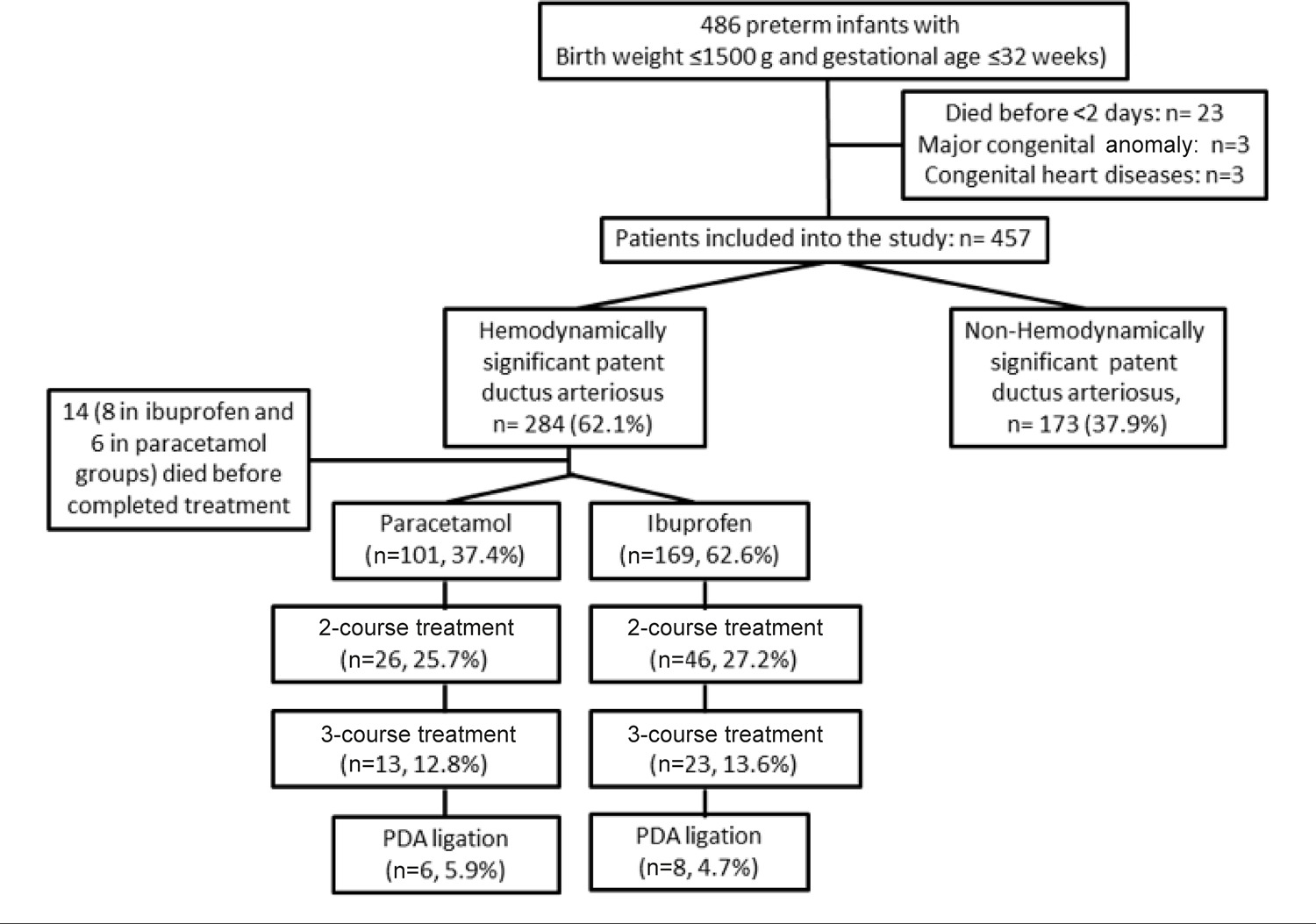
Our study was conducted between January 2017 and December 2019. Premature infants with birth weight (BW) ≤1500 g and gestational age (GA) ≤32 weeks were included in the study. In the study period, all infants with hemodynamically significant patent ductus arteriosus (hsPDA) were given rescue intravenous (IV) ibuprofen as a primary medical treatment or IV paracetamol treatment if there were contraindications for ibuprofen. The patients were divided into two groups: patients receiving IV ibuprofen and patients receiving IV paracetamol.

Results

Of these patients, 101 were given IV paracetamol and 169 were given IV ibuprofen. The success rate of PDA closure with first-course treatment was 74.3% in the IV paracetamol group and 72.8% in the IV ibuprofen group (p=0.212).

Conclusions

Our results show that IV paracetamol is as effective as IV ibuprofen in the first-line treatment of hsPDA, and can become the preferred treatment for the management of hsPDA.

  • Acetaminophen/therapeutic use
  • Ductus Arteriosus Patent/surgery
  • Ibuprofen/therapeutic use
  • Infant, low birth weight
  • Infant, premature
Read Full Article
Creative Commons Attribution (CC BY) Creative Commons license
18/03/2022 DOI: 10.36660/abc.20201361
Editorial

Clinical Profile and Outcomes in 30 Days of Patients with Bicuspid Aortic Valve Undergoing Aortic Valve and/or Aortic Surgery

Paulo Roberto B. Evora

This short editorial is motivated by the results presented and discussed in an excellent article carried out at INCOR. The authors emphasize a lack of Brazilian population, strengthening the relevance question since the bicuspid aortic valve (BAV) affects 0.5 to 2% of people and is associated with valve and aortic changes. The bicuspid aortic valve (BAV) is defective embryogenesis of the aortic valve that is not fully understood, even several theories about its origin. These theories include: ,

Arterial stiffness is an essential predictor of aortopathy and myocardial remodeling in 41 patients with a bicuspid aortic valve, and it might be increased in childhood. For this reason, there has been growing interest in the follow-up of patients with ABV since childhood. A recent article was published in the Brazilian Archives of Cardiology, a very well-written article by Pelin Kosger et al. To assess arterial stiffness and left ventricular myocardial function in forty-four children with a well-functioning bicuspid aortic valve. The investigation revealed that According to the oscillometric pulse wave analysis, the children with a well-functioning bicuspid aorta valve had similar arterial stiffness to that of their healthy peers. The ascending aorta diameter was established as an independent predictor of left ventricular myocardial function. Arterial stiffness may not be a severe risk factor in pediatric patients without marked ascending aorta dilation.

[…]

  • Bicuspid Aortic Valve
Read Full Article
Creative Commons Attribution (CC BY) Creative Commons license
18/03/2022 DOI: 10.36660/abc.20211018 Views 2
Original Article

Telemonitoring in Heart Failure – A Single Center Experience

Isabel O. Cruz et al. Susana Costa Rogério Teixeira Fátima Franco Lino Gonçalves

Abstract

Background

The natural history of heart failure is a progressive decline and recurrent hospital admissions. New strategies to timely detect decompensations are needed. The use of telemonitoring in heart failure is inconsistent.

Objectives

This study aimed to evaluate the impact of this telemonitoring program (TMP) in hospitalizations and emergency department admissions.

Methods

This is a retrospective observational study, that analyzed data of all the patients who enrolled in the TMP program from January 2018 to December 2019. Demographic, clinical, and TMP-related data were collected. The number of hospitalizations and emergency department admissions from the year before and after enrollment were compared, using the Wilcoxon test. A two-sided p<0.05 was considered significant.

Results

A total of 39 patients were enrolled, with a mean age of 62.1 ± 14 years and a male predominance (90%). The most common causes of heart failure were ischemic and dilated cardiomyopathy. The mean ejection fraction was 30% and the median time of disease duration was 84 months (IQR 33-144). Patients who were enrolled for less than one month were excluded, with a total of 34 patients analyzed. Patients were followed in the TMP for a median of 320 days. The number of emergency department admissions was reduced by 66% (p<0.001), and the number of hospitalizations for heart failure was reduced by 68% (p<0.001). The TMP had no impact on the number of hospitalizations for other causes.

Conclusions

This trial suggests that a TMP could reduce health service use in patients with heart failure.

  • Emergency Services
  • Heart Failure/physiopathology
  • Hospitalization
  • Telemonitoring
Read Full Article
Creative Commons Attribution (CC BY) Creative Commons license
07/02/2022 DOI: 10.36660/abc.20201264
Original Article

Subclinical Left Atrial and Ventricular Dysfunction in Acromegaly Patients: A Speckle Tracking Echocardiography Study

Hasan Koca et al. Mevlüt Koc Hilmi Erdem Sumbul Yahya Kemal Icen … Erdinc Gulumsek Fadime Koca Huseyin Ali Ozturk Ahmet Oytun Baykan Onur Kaypakli

Abstract

Background

Although it is known that the left ventricular (LV) ejection fraction (EF) measured by echocardiography is preserved in patients with acromegaly, there is not enough information about the LV and left atrial strain (LV-GLS and LAS).

Objective

This study aimed to evaluate the left ventricular (LV) and left atrial (LA) functions with strain echocardiography (SE) in patients with acromegaly.

Methods

This study included 50 acromegaly patients with active disease and 50 healthy controls with similar age, gender, and body surface area. In addition to routine echocardiography examinations, LV-GLS and LAS measurements were performed with SE.

Results

LAS and LV-GLS values were significantly lower in patients with acromegaly (p<0.05 for all). In bivariate analysis, systolic blood pressure, N-terminal prohormone of brain natriuretic peptide, Insulin-like growth factor-1, LA diastolic diameter, and LVMI levels were found to be positively correlated with both LAS and LV-GLS (p <0.05). IGF-1 level was strongly correlated with LAS and LV-GLS (p<0.001 and β=0.5 vs. p<0.001 and β=0.626, respectively); 48% of patients with acromegaly have reduced LV-GLS (<20%). Left ventricular mass-index (LVMI) independently determines the presence of reduced LV-GLS and each 1g/m2increase in LVMI level increases the likelihood of reduced LV-GLS by 6%.

Conclusion

Although LV ejection fraction is normal in patients with acromegaly, LAS and LV-GLS values were significantly reduced. Apart from LVMI increase, another finding of cardiac involvement may be LAS and LV-GLS decrease. Therefore, in addition to routine echocardiography, LAS and LV-GLS may be useful to evaluate early signs of cardiac involvement before the occurrence of irreversible cardiac changes.

  • Acromegaly
  • Cardiovascular Diseases
  • Diagnostic,Imaging
  • Echocardiography/methods
  • Myocardial Deformability
  • Stroke Volume
Read Full Article
Creative Commons Attribution (CC BY) Creative Commons license
07/02/2022 DOI: 10.36660/abc.20201174
Original Article

Reperfusion Therapy Optimization in Acute Myocardial Infarction with ST-Segment Elevation using WhatsApp®-Based Telemedicine

Alessandra Batista Teixeira et al. Leonardo Fiaschi Zancaner Fernando Fonseca de França Ribeiro José Paulo Pintyá … André Schmidt Benedito Carlos Maciel José Antônio Marin Neto Carlos Henrique Miranda

Abstract

Background

About 40% of patients with ST-segment elevation myocardial infarction (STEMI) in Brazil do not receive reperfusion therapy.

Objective

The use of a telemedicine network based on WhatsApp® could increase the percentage of patients receiving reperfusion therapy.

Methods

A cross-sectional study analyzed outcomes before and after the organization of a telemedicine network to send the electrocardiogram via WhatsApp® of patients suspected of STEMI from 25 municipalities that are members of the Regional Health Department of Ribeirão Preto (DRS−XIII) to a tertiary hospital, which could authorize immediate patient transfer using the same system. The analyzed outcomes included the percentage of patients who received reperfusion therapy and the in-hospital mortality rate. A p value < 0.05 was considered statistically significant.

Results

The study compared 82 patients before (February 1, 2016 to January 31, 2018) with 196 patients after this network implementation (February 1, 2018 to January 31, 2020). After implementing this network, there was a significant increase in the proportion of patients who received reperfusion therapy (60% vs. 92%), relative risk (RR): 1.594 [95% confidence interval (CI) 1.331 – 1.909], p < 0.0001 and decrease in the in-hospital mortality rate (13.4% vs. 5.6%), RR: 0.418 [95%CI 0.189 – 0.927], p = 0.028.

Conclusion

The use of WhatsApp®-based telemedicine has led to an increase in the percentage of patients with STEMI who received reperfusion therapy and a decrease in the in-hospital mortality rate.

  • Acute coronary syndrome
  • Reperfusion/therapy
  • ST Elevation Myocardial Infarction
  • Telemedicine/trends
Read Full Article
Creative Commons Attribution (CC BY) Creative Commons license
07/02/2022 DOI: 10.36660/abc.20201243

How to cite this article

EndNote RIS

Electronic Document Format (Vancouver)

Correia ETO, Barbetta LMS, Toledo MG, Mesquita ET, Mechanick JI. Medical Residency in Brazil in the Era of Chronic Diseases: The Need for Cardiometabolic Medicine Residency. Arquivos Brasileiros de Cardiologia 2022;118(3):655-8.

Electronic Document Format (ABNT)

Correia, Eduardo Thadeu de Oliveira; Barbetta, Letícia Mara dos Santos; Toledo, Mayara Gabriele; Mesquita, Evandro Tinoco; Mechanick, Jeffrey I.. Medical Residency in Brazil in the Era of Chronic Diseases: The Need for Cardiometabolic Medicine Residency. Arquivos Brasileiros de Cardiologia, v. 118, n. 3, p. 655-658, Mar. 2022.

Electronic Document Format (APA)

Correia, E. T. O., Barbetta, L. M. S., Toledo, M. G., Mesquita, E. T., & Mechanick, J. I. (2022). Medical Residency in Brazil in the Era of Chronic Diseases: The Need for Cardiometabolic Medicine Residency. Arquivos Brasileiros de Cardiologia, 118(3), 655-658.

Electronic Document Format (ISO)

Correia, Eduardo Thadeu de Oliveira and Barbetta, Letícia Mara dos Santos and Toledo, Mayara Gabriele and Mesquita, Evandro Tinoco and Mechanick, Jeffrey I.. Medical Residency in Brazil in the Era of Chronic Diseases: The Need for Cardiometabolic Medicine Residency. Arquivos Brasileiros de Cardiologia [online]. 2022, vol. 118, n. 3, [cited 2026-10-14], pp. 655-658. Available from: <https://journals.cardiol.br/en/article/medical-residency-in-brazil-in-the-era-of-chronic-diseases-the-need-for-cardiometabolic-medicine-residency/>. ISSN 0066-782X

EndNote RIS

Electronic Document Format (Vancouver)

Araújo CG, Resende MBS, Tupinambás JT, Dias RCTM, Barros FC, Vasconcelos MCM, Januário JN, et al. Exercise Testing In Patients with Sickle Cell Disease: Safety, Feasibility and Potential Prognostic Implication. Arquivos Brasileiros de Cardiologia 2022;118(3):565-7.

Electronic Document Format (ABNT)

Araújo, Christiano Gonçalves de; Resende, Maria Betânia Solis; Tupinambás, Julia Teixeira; Dias, Rebeca Coeli Teodoro Maciel; Barros, Flávio Coelho; Vasconcelos, Maria Carmen Melo; Januário, José Nelio; Ribeiro, Antonio Luiz Pinho; Nunes, Maria Carmo P.. Exercise Testing In Patients with Sickle Cell Disease: Safety, Feasibility and Potential Prognostic Implication. Arquivos Brasileiros de Cardiologia, v. 118, n. 3, p. 565-575, Mar. 2022.

Electronic Document Format (APA)

Araújo, C. G. , Resende, M. B. S., Tupinambás, J. T., Dias, R. C. T. M., Barros, F. C., Vasconcelos, M. C. M., Januário, J. N., Ribeiro, A. L. P., & Nunes, M. C. P. (2022). Exercise Testing In Patients with Sickle Cell Disease: Safety, Feasibility and Potential Prognostic Implication. Arquivos Brasileiros de Cardiologia, 118(3), 565-575.

Electronic Document Format (ISO)

Araújo, Christiano Gonçalves de and Resende, Maria Betânia Solis and Tupinambás, Julia Teixeira and Dias, Rebeca Coeli Teodoro Maciel and Barros, Flávio Coelho and Vasconcelos, Maria Carmen Melo and Januário, José Nelio and Ribeiro, Antonio Luiz Pinho and Nunes, Maria Carmo P.. Exercise Testing In Patients with Sickle Cell Disease: Safety, Feasibility and Potential Prognostic Implication. Arquivos Brasileiros de Cardiologia [online]. 2022, vol. 118, n. 3, [cited 2026-10-14], pp. 565-575. Available from: <https://journals.cardiol.br/en/article/exercise-testing-in-patients-with-sickle-cell-disease-safety-feasibility-and-potential-prognostic-implication/>. ISSN 0066-782X

EndNote RIS

Electronic Document Format (Vancouver)

Ahner MM, Motta SB, Franzoni L. Can We Perform the Maximal Treadmill Test on Individuals with Sickle Cell Disease?. Arquivos Brasileiros de Cardiologia 2022;118(3):576-7.

Electronic Document Format (ABNT)

Ahner, Mabel Marciela; Motta, Stephanie Bastos da; Franzoni, Leandro. Can We Perform the Maximal Treadmill Test on Individuals with Sickle Cell Disease?. Arquivos Brasileiros de Cardiologia, v. 118, n. 3, p. 576-577, Mar. 2022.

Electronic Document Format (APA)

Ahner, M. M., Motta, S. B. , & Franzoni, L. (2022). Can We Perform the Maximal Treadmill Test on Individuals with Sickle Cell Disease?. Arquivos Brasileiros de Cardiologia, 118(3), 576-577.

Electronic Document Format (ISO)

Ahner, Mabel Marciela and Motta, Stephanie Bastos da and Franzoni, Leandro. Can We Perform the Maximal Treadmill Test on Individuals with Sickle Cell Disease?. Arquivos Brasileiros de Cardiologia [online]. 2022, vol. 118, n. 3, [cited 2026-10-14], pp. 576-577. Available from: <https://journals.cardiol.br/en/article/can-we-perform-the-maximal-treadmill-test-on-individuals-with-sickle-cell-disease/>. ISSN 0066-782X

EndNote RIS

Electronic Document Format (Vancouver)

Pereira GAR, Beck-da-Silva L. Iron Deficiency in Heart Failure with Reduced Ejection Fraction: Pathophysiology, Diagnosis and Treatment. Arquivos Brasileiros de Cardiologia 2022;118(3):646-54.

Electronic Document Format (ABNT)

Pereira, Guilherme Augusto Reissig; Beck-da-Silva, Luís. Iron Deficiency in Heart Failure with Reduced Ejection Fraction: Pathophysiology, Diagnosis and Treatment. Arquivos Brasileiros de Cardiologia, v. 118, n. 3, p. 646-654, Mar. 2022.

Electronic Document Format (APA)

Pereira, G. A. R., & Beck-da-Silva, L. (2022). Iron Deficiency in Heart Failure with Reduced Ejection Fraction: Pathophysiology, Diagnosis and Treatment. Arquivos Brasileiros de Cardiologia, 118(3), 646-654.

Electronic Document Format (ISO)

Pereira, Guilherme Augusto Reissig and Beck-da-Silva, Luís. Iron Deficiency in Heart Failure with Reduced Ejection Fraction: Pathophysiology, Diagnosis and Treatment. Arquivos Brasileiros de Cardiologia [online]. 2022, vol. 118, n. 3, [cited 2026-10-14], pp. 646-654. Available from: <https://journals.cardiol.br/en/article/iron-deficiency-in-heart-failure-with-reduced-ejection-fraction-pathophysiology-diagnosis-and-treatment/>. ISSN 0066-782X

EndNote RIS

Electronic Document Format (Vancouver)

Carvalho P, Meireles D, Martins JL, Costa M, Neves AB. An Unusual Cause of Hypoxemia after Orthopedic Surgery on an Elderly Patient. Arquivos Brasileiros de Cardiologia 2022;118(3):659-62.

Electronic Document Format (ABNT)

Carvalho, Pedro; Meireles, Daniela; Martins, José Luís; Costa, Marco; Neves, Ana Briosa. An Unusual Cause of Hypoxemia after Orthopedic Surgery on an Elderly Patient. Arquivos Brasileiros de Cardiologia, v. 118, n. 3, p. 659-662, Mar. 2022.

Electronic Document Format (APA)

Carvalho, P., Meireles, D., Martins, J. L., Costa, M., & Neves, A. B. (2022). An Unusual Cause of Hypoxemia after Orthopedic Surgery on an Elderly Patient. Arquivos Brasileiros de Cardiologia, 118(3), 659-662.

Electronic Document Format (ISO)

Carvalho, Pedro and Meireles, Daniela and Martins, José Luís and Costa, Marco and Neves, Ana Briosa. An Unusual Cause of Hypoxemia after Orthopedic Surgery on an Elderly Patient. Arquivos Brasileiros de Cardiologia [online]. 2022, vol. 118, n. 3, [cited 2026-10-14], pp. 659-662. Available from: <https://journals.cardiol.br/en/article/an-unusual-cause-of-hypoxemia-after-orthopedic-surgery-on-an-elderly-patient/>. ISSN 0066-782X

EndNote RIS

Electronic Document Format (Vancouver)

Lisboa LA, Mejia OAV, Arita ET, Guerreiro GP, Silveira LMV, Brandão CMA, Dias RR, et al. Impact of the First Wave of the COVID-19 Pandemic on Cardiovascular Surgery in Brazil: Analysis of a Tertiary Reference Center. Arquivos Brasileiros de Cardiologia 2022;118(3):663-6.

Electronic Document Format (ABNT)

Lisboa, Luiz Augusto; Mejia, Omar Asdrúbal Vilca; Arita, Elisandra Trevisan; Guerreiro, Gustavo Pampolha; Silveira, Lucas Molinari Veloso da; Brandão, Carlos Manuel de Almeida; Dias, Ricardo Ribeiro; Dallan, Luís Roberto Palma; Miana, Leonardo; Caneo, Luiz F.; Jatene, Marcelo Biscegli; Dallan, Luís Alberto Oliveira; Jatene, Fabio Biscegli. Impact of the First Wave of the COVID-19 Pandemic on Cardiovascular Surgery in Brazil: Analysis of a Tertiary Reference Center. Arquivos Brasileiros de Cardiologia, v. 118, n. 3, p. 663-666, Mar. 2022.

Electronic Document Format (APA)

Lisboa, L. A., Mejia, O. A. V., Arita, E. T., Guerreiro, G. P., Silveira, L. M. V. , Brandão, C. M. A., Dias, R. R., Dallan, L. R. P., Miana, L., Caneo, L. F., Jatene, M. B., Dallan, L. A. O., & Jatene, F. B. (2022). Impact of the First Wave of the COVID-19 Pandemic on Cardiovascular Surgery in Brazil: Analysis of a Tertiary Reference Center. Arquivos Brasileiros de Cardiologia, 118(3), 663-666.

Electronic Document Format (ISO)

Lisboa, Luiz Augusto and Mejia, Omar Asdrúbal Vilca and Arita, Elisandra Trevisan and Guerreiro, Gustavo Pampolha and Silveira, Lucas Molinari Veloso da and Brandão, Carlos Manuel de Almeida and Dias, Ricardo Ribeiro and Dallan, Luís Roberto Palma and Miana, Leonardo and Caneo, Luiz F. and Jatene, Marcelo Biscegli and Dallan, Luís Alberto Oliveira and Jatene, Fabio Biscegli. Impact of the First Wave of the COVID-19 Pandemic on Cardiovascular Surgery in Brazil: Analysis of a Tertiary Reference Center. Arquivos Brasileiros de Cardiologia [online]. 2022, vol. 118, n. 3, [cited 2026-10-14], pp. 663-666. Available from: <https://journals.cardiol.br/en/article/impact-of-the-first-wave-of-the-covid-19-pandemic-on-cardiovascular-surgery-in-brazil-analysis-of-a-tertiary-reference-center/>. ISSN 0066-782X

EndNote RIS

Electronic Document Format (Vancouver)

Avila MS, Belfort DSP. Is There a Role for Telemonitoring in Heart Failure?. Arquivos Brasileiros de Cardiologia 2022;118(3):605-6.

Electronic Document Format (ABNT)

Avila, Mônica Samuel; Belfort, Deborah de Sá Pereira. Is There a Role for Telemonitoring in Heart Failure?. Arquivos Brasileiros de Cardiologia, v. 118, n. 3, p. 605-606, Mar. 2022.

Electronic Document Format (APA)

Avila, M. S., & Belfort, D. S. P. (2022). Is There a Role for Telemonitoring in Heart Failure?. Arquivos Brasileiros de Cardiologia, 118(3), 605-606.

Electronic Document Format (ISO)

Avila, Mônica Samuel and Belfort, Deborah de Sá Pereira. Is There a Role for Telemonitoring in Heart Failure?. Arquivos Brasileiros de Cardiologia [online]. 2022, vol. 118, n. 3, [cited 2026-10-14], pp. 605-606. Available from: <https://journals.cardiol.br/en/article/is-there-a-role-for-telemonitoring-in-heart-failure/>. ISSN 0066-782X

EndNote RIS

Electronic Document Format (Vancouver)

Sousa CT, Ribeiro A, Barreto SM, Giatti L, Brant L, Lotufo P, Chor D, et al. Racial Differences in Blood Pressure Control from Users of Antihypertensive Monotherapy: Results from the ELSA-Brasil Study. Arquivos Brasileiros de Cardiologia 2022;118(3):614-22.

Electronic Document Format (ABNT)

Sousa, Camila Tavares; Ribeiro, Antonio; Barreto, Sandhi Maria; Giatti, Luana; Brant, Luisa; Lotufo, Paulo; Chor, Dora; Lopes, Antônio Alberto; Mengue, Sotero Serrate; Baldoni, André Oliveira; Figueiredo, Roberta Carvalho. Racial Differences in Blood Pressure Control from Users of Antihypertensive Monotherapy: Results from the ELSA-Brasil Study. Arquivos Brasileiros de Cardiologia, v. 118, n. 3, p. 614-622, Mar. 2022.

Electronic Document Format (APA)

Sousa, C. T., Ribeiro, A., Barreto, S. M., Giatti, L., Brant, L., Lotufo, P., Chor, D., Lopes, A. A., Mengue, S. S., Baldoni, A. O., & Figueiredo, R. C. (2022). Racial Differences in Blood Pressure Control from Users of Antihypertensive Monotherapy: Results from the ELSA-Brasil Study. Arquivos Brasileiros de Cardiologia, 118(3), 614-622.

Electronic Document Format (ISO)

Sousa, Camila Tavares and Ribeiro, Antonio and Barreto, Sandhi Maria and Giatti, Luana and Brant, Luisa and Lotufo, Paulo and Chor, Dora and Lopes, Antônio Alberto and Mengue, Sotero Serrate and Baldoni, André Oliveira and Figueiredo, Roberta Carvalho. Racial Differences in Blood Pressure Control from Users of Antihypertensive Monotherapy: Results from the ELSA-Brasil Study. Arquivos Brasileiros de Cardiologia [online]. 2022, vol. 118, n. 3, [cited 2026-10-14], pp. 614-622. Available from: <https://journals.cardiol.br/en/article/racial-differences-in-blood-pressure-control-from-users-of-antihypertensive-monotherapy-results-from-the-elsa-brasil-study/>. ISSN 0066-782X

EndNote RIS

Electronic Document Format (Vancouver)

Poppi NT. It is Time for Coronary Computed Tomography Angiography to be Incorporated into the SUS. Arquivos Brasileiros de Cardiologia 2022;118(3):586-7.

Electronic Document Format (ABNT)

Poppi, Nilson Tavares. It is Time for Coronary Computed Tomography Angiography to be Incorporated into the SUS. Arquivos Brasileiros de Cardiologia, v. 118, n. 3, p. 586-587, Mar. 2022.

Electronic Document Format (APA)

Poppi, N. T. (2022). It is Time for Coronary Computed Tomography Angiography to be Incorporated into the SUS. Arquivos Brasileiros de Cardiologia, 118(3), 586-587.

Electronic Document Format (ISO)

Poppi, Nilson Tavares. It is Time for Coronary Computed Tomography Angiography to be Incorporated into the SUS. Arquivos Brasileiros de Cardiologia [online]. 2022, vol. 118, n. 3, [cited 2026-10-14], pp. 586-587. Available from: <https://journals.cardiol.br/en/article/it-is-time-for-coronary-computed-tomography-angiography-to-be-incorporated-into-the-sus/>. ISSN 0066-782X

EndNote RIS

Electronic Document Format (Vancouver)

Santos CCL, Oliveira RP, Sena J, Oliveira AD, Ferreira MG, Santos Filho A, Guissoni H, et al. Factors That Impact the Decision to Perform Left Ventriculography in Coronary Artery Disease. Arquivos Brasileiros de Cardiologia 2022;118(3):607-13.

Electronic Document Format (ABNT)

Santos, Claudia de Castro Lima; Oliveira, Ricardo Peixoto; Sena, Joberto; Oliveira, Adriano Dourado; Ferreira, Marcelo Gottschald; Santos Filho, Ademar; Guissoni, Heitor; Brito, José Carlos; Feitosa, Gilson Soares; Feitosa-Filho, Gilson Soares. Factors That Impact the Decision to Perform Left Ventriculography in Coronary Artery Disease. Arquivos Brasileiros de Cardiologia, v. 118, n. 3, p. 607-613, Mar. 2022.

Electronic Document Format (APA)

Santos, C. C. L., Oliveira, R. P., Sena, J., Oliveira, A. D., Ferreira, M. G., Santos Filho, A., Guissoni, H., Brito, J. C., Feitosa, G. S., & Feitosa-Filho, G. S. (2022). Factors That Impact the Decision to Perform Left Ventriculography in Coronary Artery Disease. Arquivos Brasileiros de Cardiologia, 118(3), 607-613.

Electronic Document Format (ISO)

Santos, Claudia de Castro Lima and Oliveira, Ricardo Peixoto and Sena, Joberto and Oliveira, Adriano Dourado and Ferreira, Marcelo Gottschald and Santos Filho, Ademar and Guissoni, Heitor and Brito, José Carlos and Feitosa, Gilson Soares and Feitosa-Filho, Gilson Soares. Factors That Impact the Decision to Perform Left Ventriculography in Coronary Artery Disease. Arquivos Brasileiros de Cardiologia [online]. 2022, vol. 118, n. 3, [cited 2026-10-14], pp. 607-613. Available from: <https://journals.cardiol.br/en/article/factors-that-impact-the-decision-to-perform-left-ventriculography-in-coronary-artery-disease/>. ISSN 0066-782X

EndNote RIS

Electronic Document Format (Vancouver)

Barroso WKS, Batista SR, Vitorino PVO, Sousa ALL. Influence of Racial Composition on Blood Pressure Control in the Brazilian Population: The Need for New Perspectives Beyond Drug Treatment. Arquivos Brasileiros de Cardiologia 2022;118(3):623-4.

Electronic Document Format (ABNT)

Barroso, Weimar Kunz Sebba; Batista, Sandro Rodrigues; Vitorino, Priscila Valverde de Oliveira; Sousa, Ana Luiza Lima. Influence of Racial Composition on Blood Pressure Control in the Brazilian Population: The Need for New Perspectives Beyond Drug Treatment. Arquivos Brasileiros de Cardiologia, v. 118, n. 3, p. 623-624, Mar. 2022.

Electronic Document Format (APA)

Barroso, W. K. S., Batista, S. R., Vitorino, P. V. O., & Sousa, A. L. L. (2022). Influence of Racial Composition on Blood Pressure Control in the Brazilian Population: The Need for New Perspectives Beyond Drug Treatment. Arquivos Brasileiros de Cardiologia, 118(3), 623-624.

Electronic Document Format (ISO)

Barroso, Weimar Kunz Sebba and Batista, Sandro Rodrigues and Vitorino, Priscila Valverde de Oliveira and Sousa, Ana Luiza Lima. Influence of Racial Composition on Blood Pressure Control in the Brazilian Population: The Need for New Perspectives Beyond Drug Treatment. Arquivos Brasileiros de Cardiologia [online]. 2022, vol. 118, n. 3, [cited 2026-10-14], pp. 623-624. Available from: <https://journals.cardiol.br/en/article/influence-of-racial-composition-on-blood-pressure-control-in-the-brazilian-population-the-need-for-new-perspectives-beyond-drug-treatment/>. ISSN 0066-782X

EndNote RIS

Electronic Document Format (Vancouver)

Cakir U, Tayman C. What Should be the First-line Treatment for the Closure of Hemodynamically Significant Patent Ductus Arteriosus in Premature Infants?. Arquivos Brasileiros de Cardiologia 2022;118(3):548-55.

Electronic Document Format (ABNT)

Cakir, Ufuk; Tayman, Cuneyt. What Should be the First-line Treatment for the Closure of Hemodynamically Significant Patent Ductus Arteriosus in Premature Infants?. Arquivos Brasileiros de Cardiologia, v. 118, n. 3, p. 548-555, Mar. 2022.

Electronic Document Format (APA)

Cakir, U., & Tayman, C. (2022). What Should be the First-line Treatment for the Closure of Hemodynamically Significant Patent Ductus Arteriosus in Premature Infants?. Arquivos Brasileiros de Cardiologia, 118(3), 548-555.

Electronic Document Format (ISO)

Cakir, Ufuk and Tayman, Cuneyt. What Should be the First-line Treatment for the Closure of Hemodynamically Significant Patent Ductus Arteriosus in Premature Infants?. Arquivos Brasileiros de Cardiologia [online]. 2022, vol. 118, n. 3, [cited 2026-10-14], pp. 548-555. Available from: <https://journals.cardiol.br/en/article/what-should-be-the-first-line-treatment-for-the-closure-of-hemodynamically-significant-patent-ductus-arteriosus-in-premature-infants/>. ISSN 0066-782X

EndNote RIS

Electronic Document Format (Vancouver)

Evora PRB. Clinical Profile and Outcomes in 30 Days of Patients with Bicuspid Aortic Valve Undergoing Aortic Valve and/or Aortic Surgery. Arquivos Brasileiros de Cardiologia 2022;118(3):597-8.

Electronic Document Format (ABNT)

Evora, Paulo Roberto B.. Clinical Profile and Outcomes in 30 Days of Patients with Bicuspid Aortic Valve Undergoing Aortic Valve and/or Aortic Surgery. Arquivos Brasileiros de Cardiologia, v. 118, n. 3, p. 597-598, Mar. 2022.

Electronic Document Format (APA)

Evora, P. R. B. (2022). Clinical Profile and Outcomes in 30 Days of Patients with Bicuspid Aortic Valve Undergoing Aortic Valve and/or Aortic Surgery. Arquivos Brasileiros de Cardiologia, 118(3), 597-598.

Electronic Document Format (ISO)

Evora, Paulo Roberto B.. Clinical Profile and Outcomes in 30 Days of Patients with Bicuspid Aortic Valve Undergoing Aortic Valve and/or Aortic Surgery. Arquivos Brasileiros de Cardiologia [online]. 2022, vol. 118, n. 3, [cited 2026-10-14], pp. 597-598. Available from: <https://journals.cardiol.br/en/article/clinical-profile-and-outcomes-in-30-days-of-patients-with-bicuspid-aortic-valve-undergoing-aortic-valve-and-or-aortic-surgery/>. ISSN 0066-782X

EndNote RIS

Electronic Document Format (Vancouver)

Cruz IO, Costa S, Teixeira R, Franco F, Gonçalves L. Telemonitoring in Heart Failure – A Single Center Experience. Arquivos Brasileiros de Cardiologia 2022;118(3):599-604.

Electronic Document Format (ABNT)

Cruz, Isabel O.; Costa, Susana; Teixeira, Rogério; Franco, Fátima; Gonçalves, Lino. Telemonitoring in Heart Failure – A Single Center Experience. Arquivos Brasileiros de Cardiologia, v. 118, n. 3, p. 599-604, Feb. 2022.

Electronic Document Format (APA)

Cruz, I. O., Costa, S., Teixeira, R., Franco, F., & Gonçalves, L. (2022). Telemonitoring in Heart Failure – A Single Center Experience. Arquivos Brasileiros de Cardiologia, 118(3), 599-604.

Electronic Document Format (ISO)

Cruz, Isabel O. and Costa, Susana and Teixeira, Rogério and Franco, Fátima and Gonçalves, Lino. Telemonitoring in Heart Failure – A Single Center Experience. Arquivos Brasileiros de Cardiologia [online]. 2022, vol. 118, n. 3, [cited 2026-10-14], pp. 599-604. Available from: <https://journals.cardiol.br/en/article/telemonitoring-in-heart-failure-a-single-center-experience/>. ISSN 0066-782X

EndNote RIS

Electronic Document Format (Vancouver)

Koca H, Koc M, Sumbul HE, Icen YK, Gulumsek E, Koca F, Ozturk HA, et al. Subclinical Left Atrial and Ventricular Dysfunction in Acromegaly Patients: A Speckle Tracking Echocardiography Study. Arquivos Brasileiros de Cardiologia 2022;118(3):634-45.

Electronic Document Format (ABNT)

Koca, Hasan; Koc, Mevlüt; Sumbul, Hilmi Erdem; Icen, Yahya Kemal; Gulumsek, Erdinc; Koca, Fadime; Ozturk, Huseyin Ali; Baykan, Ahmet Oytun; Kaypakli, Onur. Subclinical Left Atrial and Ventricular Dysfunction in Acromegaly Patients: A Speckle Tracking Echocardiography Study. Arquivos Brasileiros de Cardiologia, v. 118, n. 3, p. 634-645, Feb. 2022.

Electronic Document Format (APA)

Koca, H., Koc, M., Sumbul, H. E., Icen, Y. K., Gulumsek, E., Koca, F., Ozturk, H. A., Baykan, A. O., & Kaypakli, O. (2022). Subclinical Left Atrial and Ventricular Dysfunction in Acromegaly Patients: A Speckle Tracking Echocardiography Study. Arquivos Brasileiros de Cardiologia, 118(3), 634-645.

Electronic Document Format (ISO)

Koca, Hasan and Koc, Mevlüt and Sumbul, Hilmi Erdem and Icen, Yahya Kemal and Gulumsek, Erdinc and Koca, Fadime and Ozturk, Huseyin Ali and Baykan, Ahmet Oytun and Kaypakli, Onur. Subclinical Left Atrial and Ventricular Dysfunction in Acromegaly Patients: A Speckle Tracking Echocardiography Study. Arquivos Brasileiros de Cardiologia [online]. 2022, vol. 118, n. 3, [cited 2026-10-14], pp. 634-645. Available from: <https://journals.cardiol.br/en/article/subclinical-left-atrial-and-ventricular-dysfunction-in-acromegaly-patients-a-speckle-tracking-echocardiography-study/>. ISSN 0066-782X

EndNote RIS

Electronic Document Format (Vancouver)

Teixeira AB, Zancaner LF, Ribeiro FFF, Pintyá JP, Schmidt A, Maciel BC, Marin Neto JA, et al. Reperfusion Therapy Optimization in Acute Myocardial Infarction with ST-Segment Elevation using WhatsApp®-Based Telemedicine. Arquivos Brasileiros de Cardiologia 2022;118(3):556-64.

Electronic Document Format (ABNT)

Teixeira, Alessandra Batista; Zancaner, Leonardo Fiaschi; Ribeiro, Fernando Fonseca de França; Pintyá, José Paulo; Schmidt, André; Maciel, Benedito Carlos; Marin Neto, José Antônio; Miranda, Carlos Henrique. Reperfusion Therapy Optimization in Acute Myocardial Infarction with ST-Segment Elevation using WhatsApp®-Based Telemedicine. Arquivos Brasileiros de Cardiologia, v. 118, n. 3, p. 556-564, Feb. 2022.

Electronic Document Format (APA)

Teixeira, A. B., Zancaner, L. F., Ribeiro, F. F. F., Pintyá, J. P., Schmidt, A., Maciel, B. C., Marin Neto, J. A., & Miranda, C. H. (2022). Reperfusion Therapy Optimization in Acute Myocardial Infarction with ST-Segment Elevation using WhatsApp®-Based Telemedicine. Arquivos Brasileiros de Cardiologia, 118(3), 556-564.

Electronic Document Format (ISO)

Teixeira, Alessandra Batista and Zancaner, Leonardo Fiaschi and Ribeiro, Fernando Fonseca de França and Pintyá, José Paulo and Schmidt, André and Maciel, Benedito Carlos and Marin Neto, José Antônio and Miranda, Carlos Henrique. Reperfusion Therapy Optimization in Acute Myocardial Infarction with ST-Segment Elevation using WhatsApp®-Based Telemedicine. Arquivos Brasileiros de Cardiologia [online]. 2022, vol. 118, n. 3, [cited 2026-10-14], pp. 556-564. Available from: <https://journals.cardiol.br/en/article/reperfusion-therapy-optimization-in-acute-myocardial-infarction-with-st-segment-elevation-using-whatsapp-based-telemedicine/>. ISSN 0066-782X

Sede – Rio de Janeiro
Av. Marechal Câmara, 160
3º andar – Sala: 330 – Centro
Rio de Janeiro – CEP: 20020-907
Tel.: (55 +21) 3478-2700
ou (21) 99386-3961
E-mail: revista@cardiol.br

Sede – São Paulo
Alameda Santos, 705 – 11º andar
Cerqueira César | São Paulo
CEP: 01419-001
Tel.: (55 +11) 3411-5500
E-mail: revista@cardiol.br

  • About the Journal
  • Internal Regulation
  • Editors Section
  • Editorial Board
  • History
  • SBC Award

  • Guidelines for Publication
  • Editorial Policy
  • Ethics Policy
  • Policy on the Use of Artificial Intelligence
  • Mandatory Publication Form
  • Publication Fee

Issues

SBC Guidelines

  • How to Publish an Abstract Supplement?
  • Supplements from the Brazilian Congress of Cardiology