| ABC
ABC Family Arquivos Brasileiros de Cardiologia International Journal of Cardiovascular Sciences ABC Heart Failure & Cardiomyopathy ABC Imagem Cardiovascular
Português English
ABC Family | ABC
Português English
  • About
    • About the Journal
    • Internal Regulation
    • Editors Section
    • Editorial Board
    • History
    • SBC Award
  • Instructions to Authors
    • Guidelines for Publication
    • Editorial Policy
    • Ethics Policy
    • Policy on the Use of Artificial Intelligence
    • Mandatory Publication Form
    • Publication Fee
  • Issues
  • SBC Guidelines
  • Abstracts
    • How to Publish an Abstract Supplement?
    • Supplements from the Brazilian Congress of Cardiology
  • About
    • About the Journal
    • Internal Regulation
    • Editors Section
    • Editorial Board
    • History
    • SBC Award
  • Instructions to Authors
    • Guidelines for Publication
    • Editorial Policy
    • Ethics Policy
    • Policy on the Use of Artificial Intelligence
    • Mandatory Publication Form
    • Publication Fee
  • Issues
  • SBC Guidelines
  • Abstracts
    • How to Publish an Abstract Supplement?
    • Supplements from the Brazilian Congress of Cardiology

ABC Family

  • ABC Family
  • Arquivos Brasileiros de Cardiologia
  • International Journal of Cardiovascular Sciences
  • ABC Heart Failure & Cardiomyopathy
  • ABC Imagem Cardiovascular
Search in

No content found.

Journals
Ordering
Article types
Others

  1. Home
  2. ABC
  3. Issues
  4. 2017, Volume 109, Number 1
Figure 1
Image

Angiosarcoma Arising from the Main Pulmonary Artery Mimicking Pulmonary Thromboembolism

Joana Sofia Silva Moura Ferreira et al. Nádia Moreira Maria João Ferreira Manuel Antunes

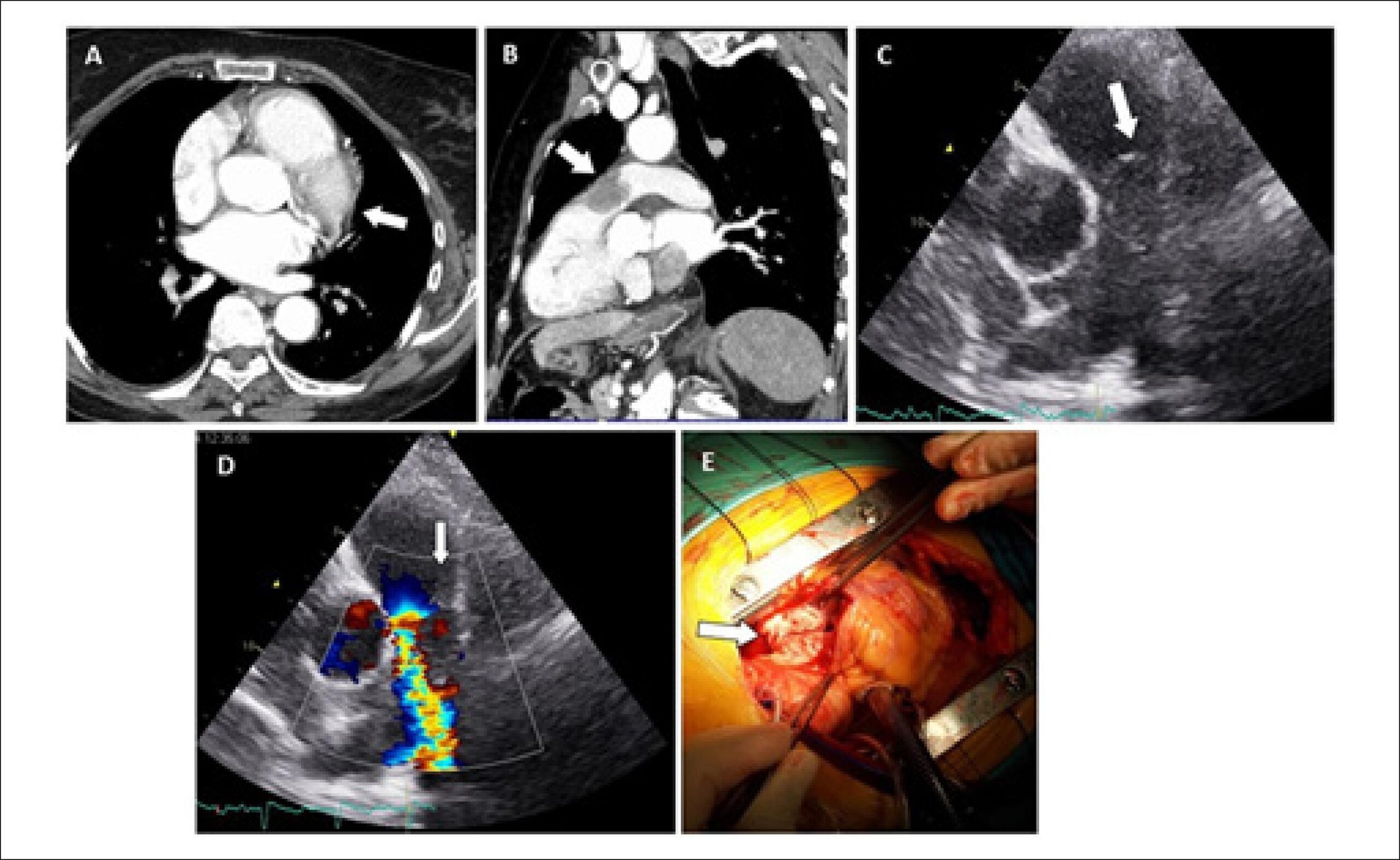
A 79-year-old female with no relevant past medical history was admitted in our emergency department for dyspnea on minimal exertion and chest discomfort over 2 weeks. Blood gas analysis showed severe hypoxemia and hypocapnia. Troponin was slightly positive. Despite a negative D-dimer assay, contrast-enhanced chest CT was performed to exclude pulmonary embolism. It showed a large filling defect centered in the pulmonary valve plane (Panels A and B). Bedside transthoracic echocardiogram showed a large echodense mass, apparently mobile, extending across the right ventricle outflow tract, pulmonary valve, and the main pulmonary artery, with dilatation of the right sided chambers and transtricuspid peak gradient of 70 mmHg (Panels C and D). Lower-limb venous compression ultrasound was negative for deep vein thrombosis. The patient remained stable, but required high oxygen inspiration fraction to maintain saturation above 90%. As pulmonary embolism was deemed unlikely given the clinical findings, the patient underwent cardiac surgery. Surgery revealed a pearly mass in the main pulmonary artery obliterating almost the entire lumen and with upstream extension to the pulmonary valve and right ventricle outflow tract (Panel E). The tumor was excised as much as possible and the pulmonary valve was replaced by a homograft. Pathological examination was compatible with angiosarcoma.

Pulmonary artery angiosarcoma is exceedingly rare and carries a very poor prognosis. It can be clinical and radiologically indistinguishable from acute or chronic pulmonary artery thromboembolism. Our clinical suspicion was heightened by a negative D-dimer assay and venous ultrasound and the apparent infiltration of pulmonary arterial walls on CT.

[…]
  • Echocardiography
  • Pulmonary embolism
  • Thoracic Surgery
Read Full Article
Creative Commons Attribution (CC BY) Creative Commons license
01/07/2017 DOI: 10.5935/abc.20170077 Views 1
Figure 1
Anatomopathological Session

Case 3/2017 – A 47-Year-Old Female with Refractory Heart Failure and Embolic Acute Myocardial Infarction

João Gabriel Batista Lage et al. Paulo Sampaio Gutierrez

Clinical aspects

This case can be approached in two ways: chronic disease and acute decompensation. Taking the chronic disease way, some possible etiologies of heart failure can be considered. With the negative Chagas serology and her known comorbidities, the major hypotheses to be considered for this patient are hypertensive heart disease (dilated phase), microcirculation disease due to diabetes mellitus, and idiopathic dilated cardiomyopathy.– The patient attended to only two medical consultations, being her complementary investigation unfinished. Now, taking the acute decompensation way, it was relatively clear at the beginning that the infectious hypothesis was the most plausible, being the elevation in the levels of myocardial necrosis markers probably related to sepsis and hemodynamic instability (type 2 acute myocardial infarction). However, after the results of the other complementary tests (echocardiography and coronary angiography), the hypothesis of acute myocardial infarction of embolic cause gained strength, mainly due to the finding of an intracavitary thrombus on the first exam. Therefore, we hypothesize that the significant left ventricular dysfunction determined the formation of the thrombus, whose fragment embolized to the coronary circulation, causing an acute myocardial infarction, culminating with dysfunction worsening, thus triggering the cascade that led to the patient’s death.

Some of the causes of coronary emboli are heart valvular disease, cardiomyopathy, coronary atherosclerosis and atrial fibrillation. In a postmortem study by Prizel et al., an intracavitary thrombus was present in 33% of the cases. Nevertheless, a superimposed infectious cause for decompensation cannot be ruled out. (João Gabriel Batista Lage, MD)

[…]

  • Heart Failure
  • Myocardial Infarction
  • Thromboembolism
Read Full Article
Creative Commons Attribution (CC BY) Creative Commons license
01/07/2017 DOI: 10.5935/abc.20170106 Views 1
Figure 1
Case Report

Symptomatic Exercise-induced Intraventricular Gradient in Competitive Athlete

Helder Dores et al. Lígia Mendes António Ferreira Jose Ferreira Santos

Case Report

We describe the case of a 17-year-old caucasian male tennis player, training a mean of 20-24h/week, refereed for evaluation in Sport’s Cardiology clinic due to symptoms of dizziness on strenuous exercise, relieving soon after decubitus. The athlete denied other concomitant complaints, namely thoracic pain, palpitations, syncope or decrease in physical performance. Although this is the most symptomatic episode, he revealed other prior episodes with similar presentation, but less intense and occurring in environments with high temperatures. Personal/family history was unremarkable and all pre-competitive evaluations were normal and without restrictions for competitive sport. Physical examination did not show significant findings – cardiac evaluation was normal, heart rate and blood pressure at rest were 52 bpm 121/64mmHg respectively.

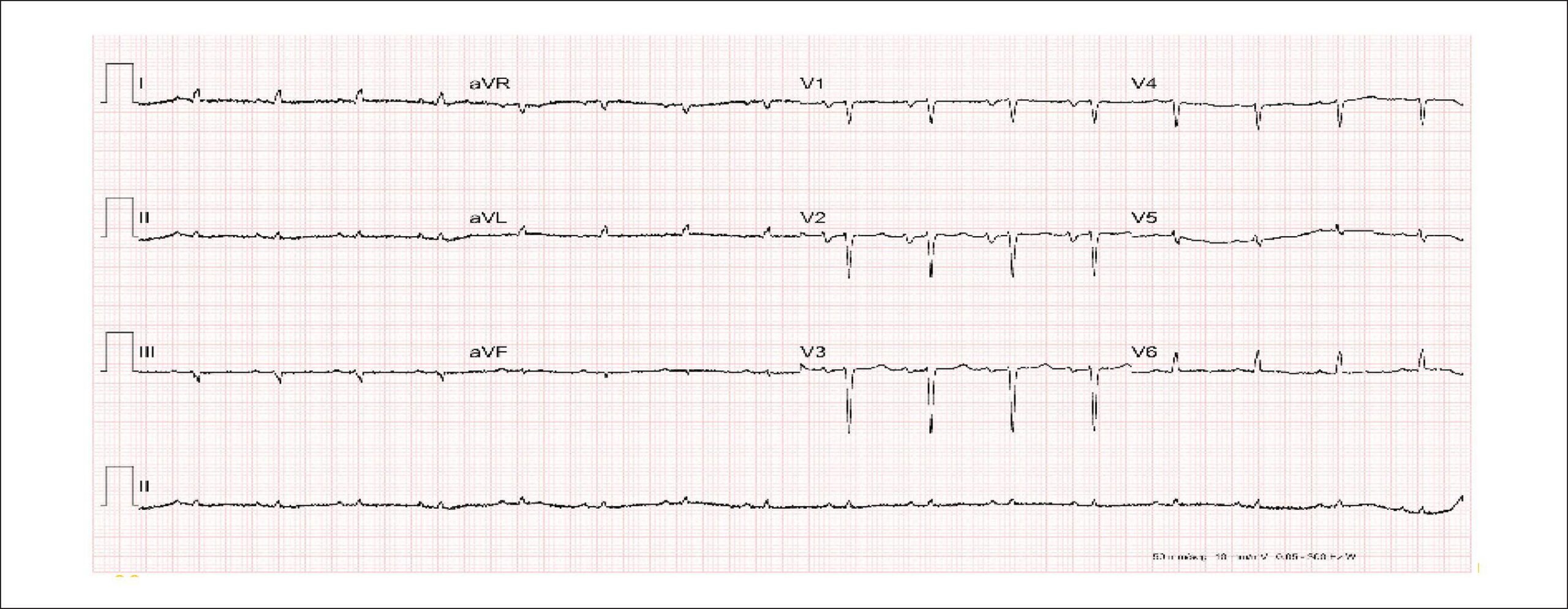
The 12-lead electrocardiogram and transthoracic echocardiogram did not show pathological findings, only cardiac physiological adaptations to exercise (). Subsequently the athlete underwent a treadmill exercise stress echocardiogram revealing an excellent functional capacity (19’09’’ of Bruce protocol, 19.3METs), but with reproduction of symptoms (dizziness) in the peak of exercise with simultaneous decrease in systolic blood pressure (185➔90mmHg) and detection of intraventricular gradient (IVG) – at least 69mmHg (). In the first minute of recovery the symptoms disappeared and blood pressure normalized.

[…]

  • Athletes
  • Echocardiography, Stress
  • Exercise Test/adverse effects
  • Heart Ventricles/physiopathology
  • Ventricular Dysfunction/etiology
Read Full Article
Creative Commons Attribution (CC BY) Creative Commons license
01/07/2017 DOI: 10.5935/abc.20170075
Figure 1
Editorial

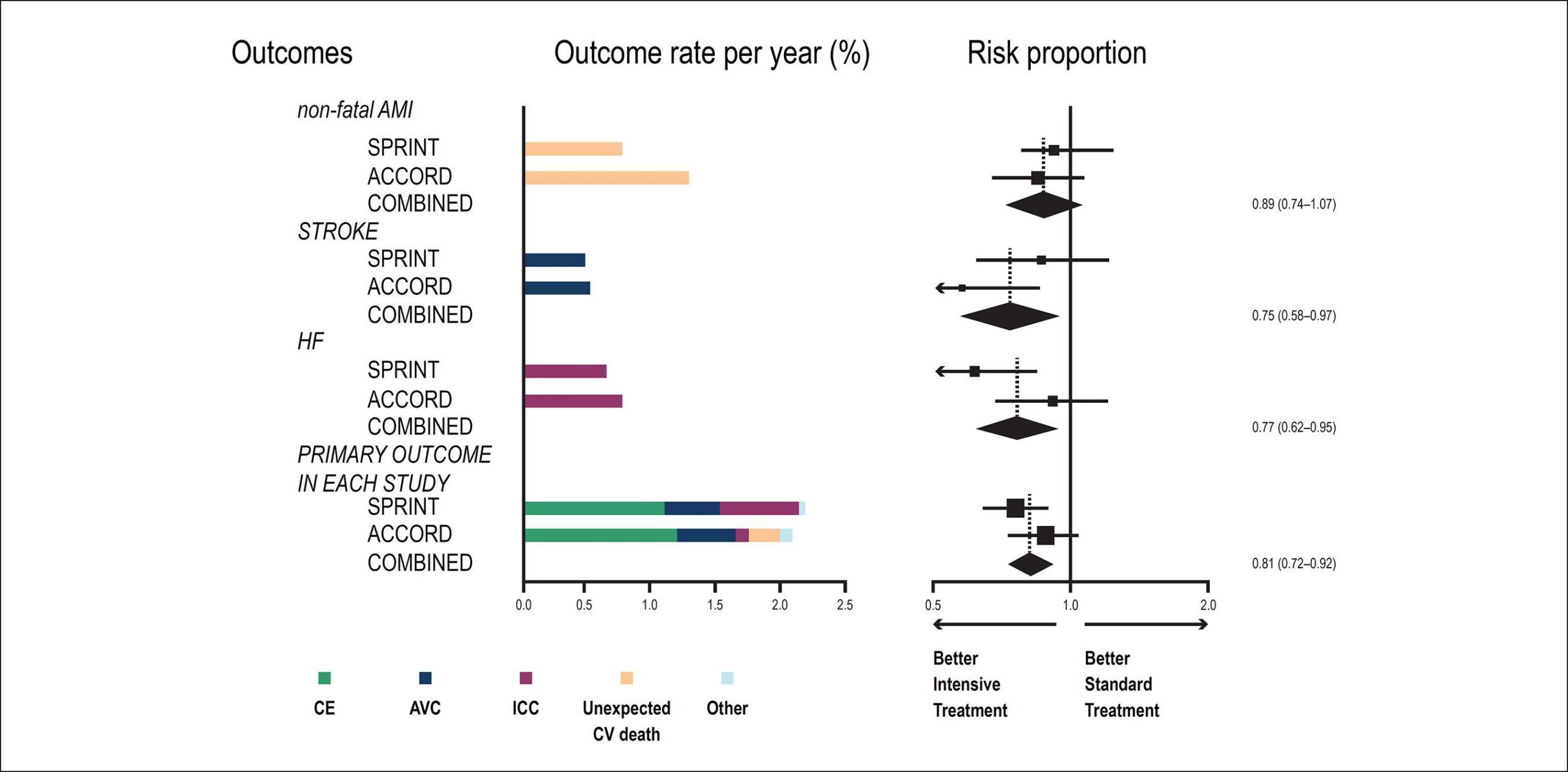
Blood Pressure Targets: Will We Reach Definite Figures? I Currently Have Mine

Paulo César B. Veiga Jardim

I was born before the era of evidence-based Medicine. When I was a student, arterial hypertension (AH) used to be diagnosed based on blood pressure (BP) readings greater than 160/95 mm Hg.

Can anyone imagine that now?

[…]

  • antihypertensive agents
  • Blood Pressure / physiology
  • Blood Pressure Targets
  • Diabetes Mellitus
  • Hypertension
Read Full Article
Creative Commons Attribution (CC BY) Creative Commons license
01/07/2017 DOI: 10.5935/abc.20170100
Figure 1
Review Article

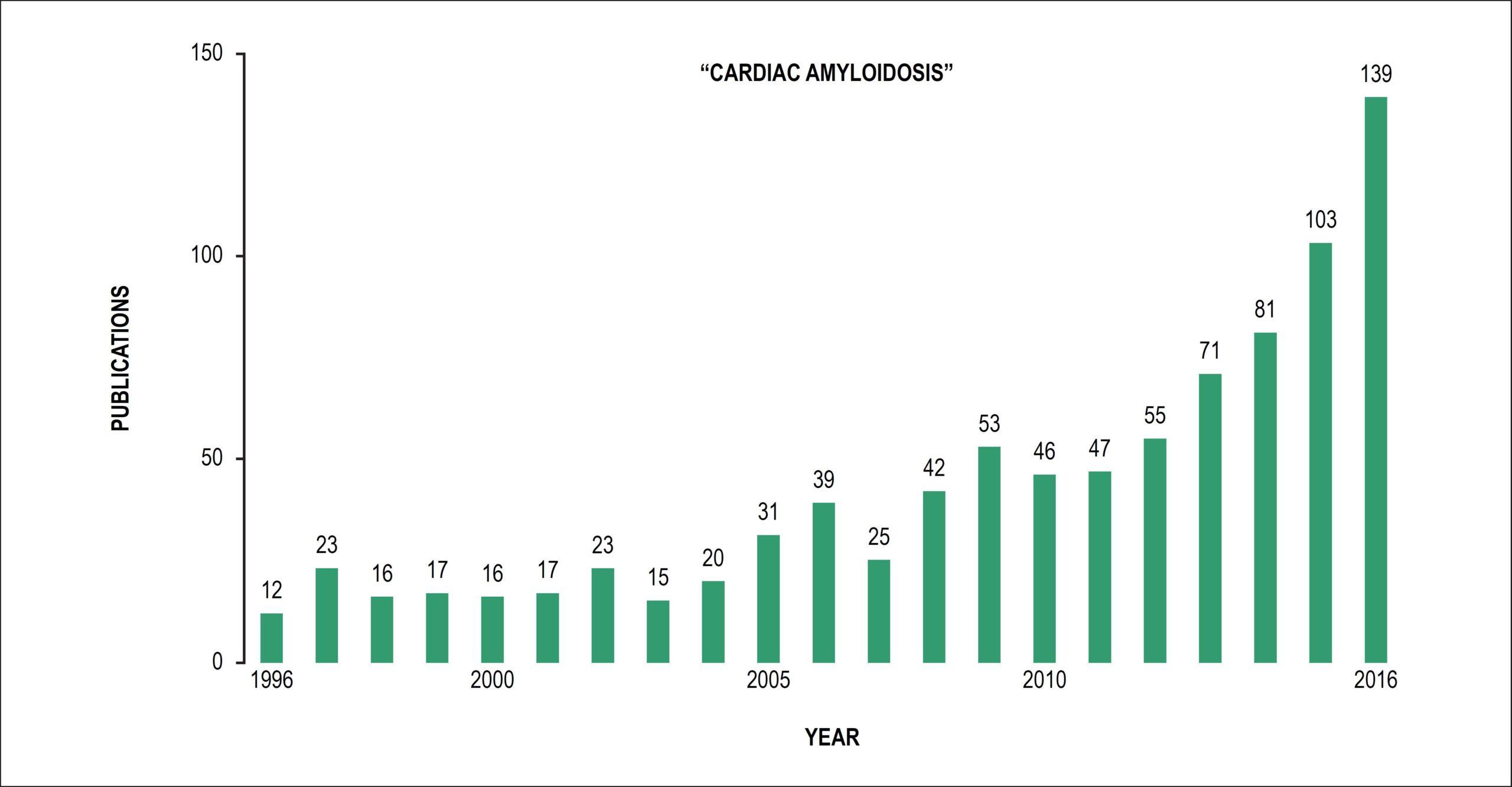
Cardiac Amyloidosis and its New Clinical Phenotype: Heart Failure with Preserved Ejection Fraction

Evandro Tinoco Mesquita et al. Antonio José Lagoeiro Jorge Celso Vale Souza Junior Thais Ribeiro de Andrade

Abstract

Heart failure with preserved ejection fraction (HFpEF) is now an emerging cardiovascular epidemic, being identified as the main phenotype observed in clinical practice. It is more associated with female gender, advanced age and comorbidities such as hypertension, diabetes, obesity and chronic kidney disease. Amyloidosis is a clinical disorder characterized by the deposition of aggregates of insoluble fibrils originating from proteins that exhibit anomalous folding. Recently, pictures of senile amyloidosis have been described in patients with HFpEF, demonstrating the need for clinical cardiologists to investigate this etiology in suspect cases. The clinical suspicion of amyloidosis should be increased in cases of HFPS where the cardio imaging methods are compatible with infiltrative cardiomyopathy. Advances in cardio imaging methods combined with the possibility of performing genetic tests and identification of the type of amyloid material allow the diagnosis to be made. The management of the diagnosed patients can be done in partnership with centers specialized in the study of amyloidosis, which, together with the new technologies, investigate the possibility of organ or bone marrow transplantation and also the involvement of patients in clinical studies that evaluate the action of the new emerging drugs.

  • Amyloidosis
  • Cardiomyopathy, Restrictive
  • Heart Failure, Diastolic
  • Risk Factors
  • Stroke Volume
Read Full Article
Creative Commons Attribution (CC BY) Creative Commons license
29/06/2017 DOI: 10.5935/abc.20170079 Views 2
Figure 1
Original Article

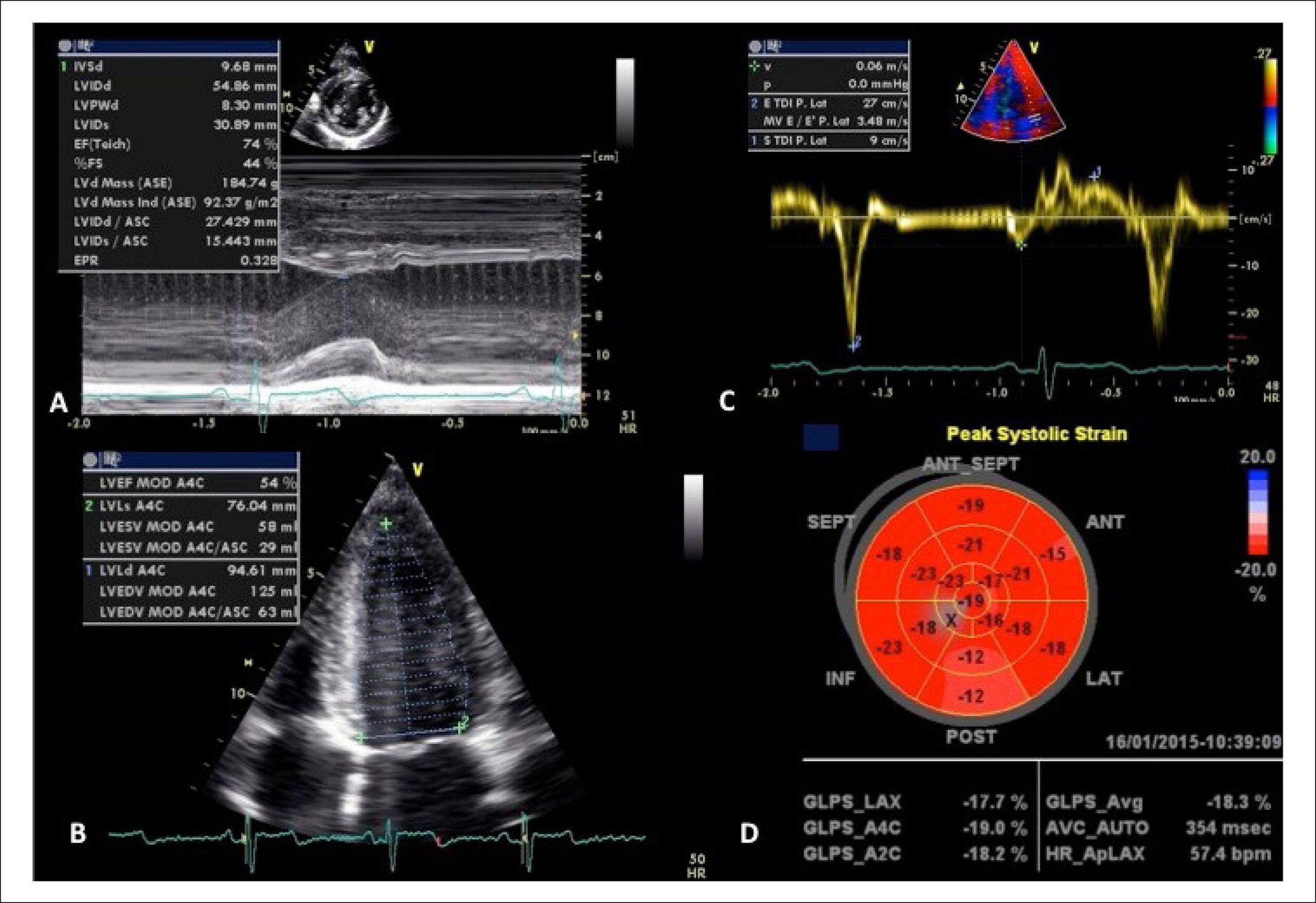
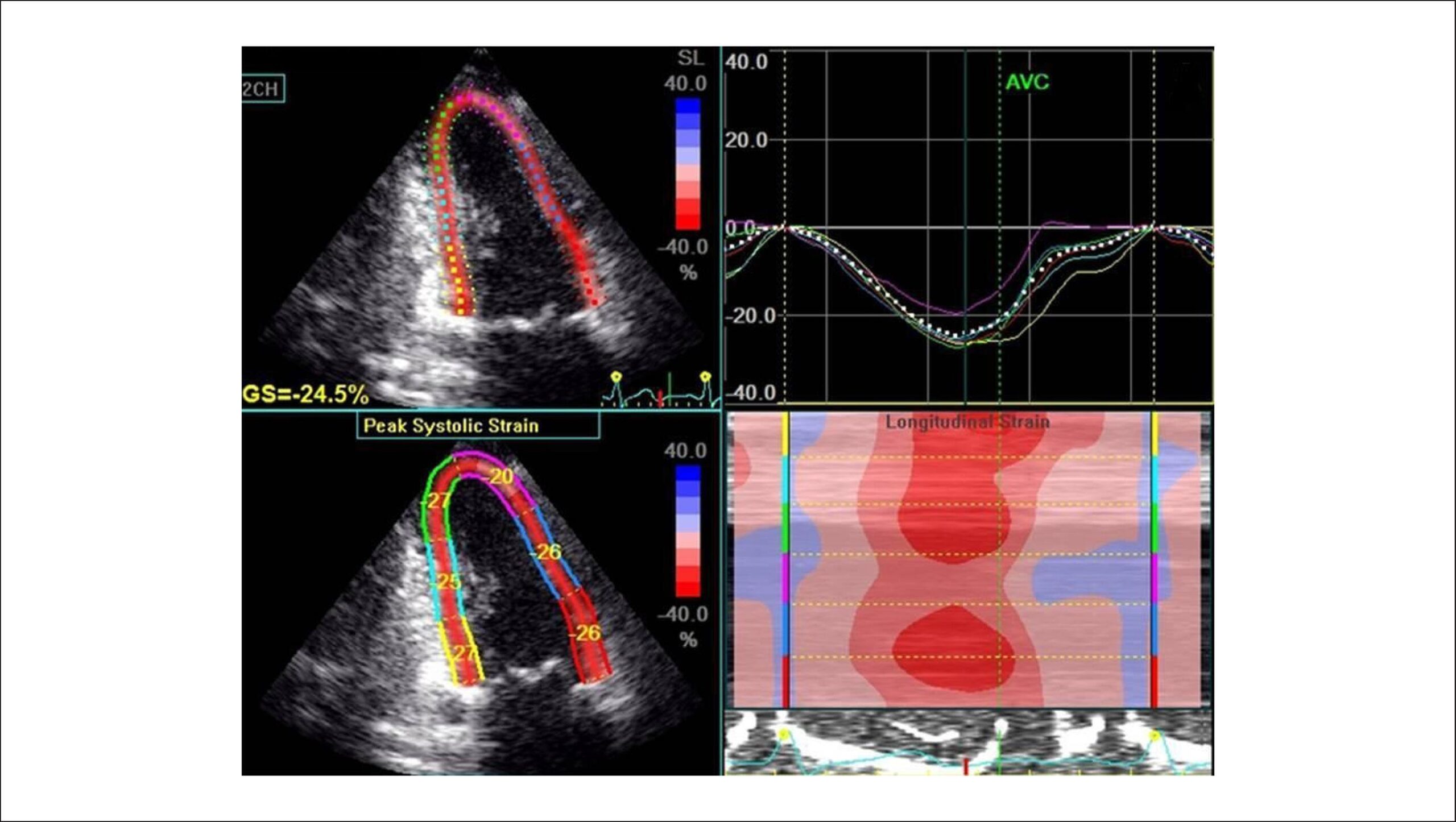
Global Longitudinal Strain or Left Ventricular Twist and Torsion? Which Correlates Best with Ejection Fraction?

Marcio Silva Miguel Lima et al. Hector R Villarraga Maria Cristina Donadio Abduch Marta Fernandes Lima … Cecilia Beatriz Bittencourt Viana Cruz João Cesar Nunes Sbano Mariana Callil Voos Wilson Mathias Junior Jeane Mike Tsutsui

Abstract

Background:

Estimative of left ventricular ejection fraction (LVEF) is a major indication for echocardiography. Speckle tracking echocardiography (STE) allows analysis of LV contraction mechanics which includes global longitudinal strain (GLS) and twist/torsion, both the most widely used. Direct comparison of correlations between these novel parameters and LVEF has never been done before.

Objective:

This study aims to check which one has the highest correlation with LVEF.

Methods:

Patients with normal LVEF (> 0,55) and systolic dysfunction (LVEF <0,55) were prospectively enrolled, and underwent echocardiogram with STE analysis. Correlation of variables was performed by linear regression analysis. In addition, correlation among levels of LV systolic impairment was also tested.

Results:

A total of 131 patients were included (mean age, 46 ± 14y; 43%, men). LVEF and GLS showed a strong correlation (r = 0.95; r2 = 0.89; p < 0.001), more evident in groups with LV systolic dysfunction than those with preserved LVEF. Good correlation was also found with global longitudinal strain rate (r = 0.85; r2 = 0.73; p < 0.001). Comparing to GLS, correlation of LVEF and torsional mechanics was weaker: twist (r = 0.78; r2 = 0.60; p < 0.001); torsion (r = 0.75; r2 = 0.56; p < 0.001).

Conclusion:

GLS of the left ventricle have highly strong positive correlation with the classical parameter of ejection fraction, especially in cases with LV systolic impairment. Longitudinal strain rate also demonstrated a good correlation. GLS increments analysis of LV systolic function. On the other hand, although being a cornerstone of LV mechanics, twist and torsion have a weaker correlation with LV ejection, comparing to GLS.

  • Echocardiography,Doppler
  • Strain
  • Stroke Volume
  • Torsion Abnormality
  • Torsion,Mechanical
  • Ventricular Dysfunction, Left
Read Full Article
Creative Commons Attribution (CC BY) Creative Commons license
29/06/2017 DOI: 10.5935/abc.20170085 Views 1
Original Article

Late Results of Cox Maze III Procedure in Patients with Atrial Fibrillation Associated with Structural Heart Disease

Gustavo Gir Gomes et al. Wagner Luis Gali Alvaro Valentim Lima Sarabanda Claudio Ribeiro da Cunha … Iruena Moraes Kessler Fernando Antibas Atik

Abstract

Background:

Cox-Maze III procedure is one of the surgical techniques used in the surgical treatment of atrial fibrillation (AF).

Objectives:

To determine late results of Cox-Maze III in terms of maintenance of sinus rhythm, and mortality and stroke rates.

Methods:

Between January 2006 and January 2013, 93 patients were submitted to the cut-and-sew Cox-Maze III procedure in combination with structural heart disease repair. Heart rhythm was determined by 24-hour Holter monitoring. Procedural success rates were determined by longitudinal methods and recurrence predictors by multivariate Cox regression models.

Results:

Thirteen patients that obtained hospital discharge alive were excluded due to lost follow-up. The remaining 80 patients were aged 49.9 ± 12 years and 47 (58.7%) of them were female. Involvement of mitral valve and rheumatic heart disease were found in 67 (83.7%) and 63 (78.7%) patients, respectively. Seventy patients (87.5%) had persistent or long-standing persistent AF. Mean follow-up with Holter monitoring was 27.5 months. There were no hospital deaths. Sinus rhythm maintenance rates were 88%, 85.1% and 80.6% at 6 months, 24 months and 36 months, respectively. Predictors of late recurrence of AF were female gender (HR 3.52; 95% CI 1.21-10.25; p = 0.02), coronary artery disease (HR 4.73 95% CI 1.37-16.36; p = 0.01) and greater left atrium diameter (HR 1.05; 95% CI 1.01-1.09; p = 0.02). Actuarial survival was 98.5% at 12, 24 and 48 months and actuarial freedom from stroke was 100%, 100% and 97.5% in the same time frames.

Conclusions:

The Cox-Maze III procedure, in our experience, is efficacious for sinus rhythm maintenance, with very low late mortality and stroke rates.

  • Arrhythmias,Cardiac
  • Atrial Fibrillation/surgery
  • Mitral Valve
  • Rheumatic Fever
Read Full Article
Creative Commons Attribution (CC BY) Creative Commons license
29/06/2017 DOI: 10.5935/abc.20170082 Views 2
Figure 1
Original Article

Gestational Protein Restriction Increases Cardiac Connexin 43 mRNA levels in male adult rat offspring

Kamila Fernanda Rossini et al. Camila Andrea de Oliveira Hércules Jonas Rebelato Marcelo Augusto Marreto Esquisatto Rosana Catisti

Abstract

Background:

The dietary limitation during pregnancy influences the growth and development of the fetus and offspring and their health into adult life. The mechanisms underlying the adverse effects of gestational protein restriction (GPR) in the development of the offspring hearts are not well understood.

Objectives:

The aim of this study was to evaluate the effects of GPR on cardiac structure in male rat offspring at day 60 after birth (d60).

Methods:

Pregnant Wistar rats were fed a normal-protein (NP, 17% casein) or low-protein (LP, 6% casein) diet. Blood pressure (BP) values from 60-day-old male offspring were measured by an indirect tail-cuff method using an electro sphygmomanometer. Hearts (d60) were collected for assessment of connexin 43 (Cx43) mRNA expression and morphological and morphometric analysis.

Results:

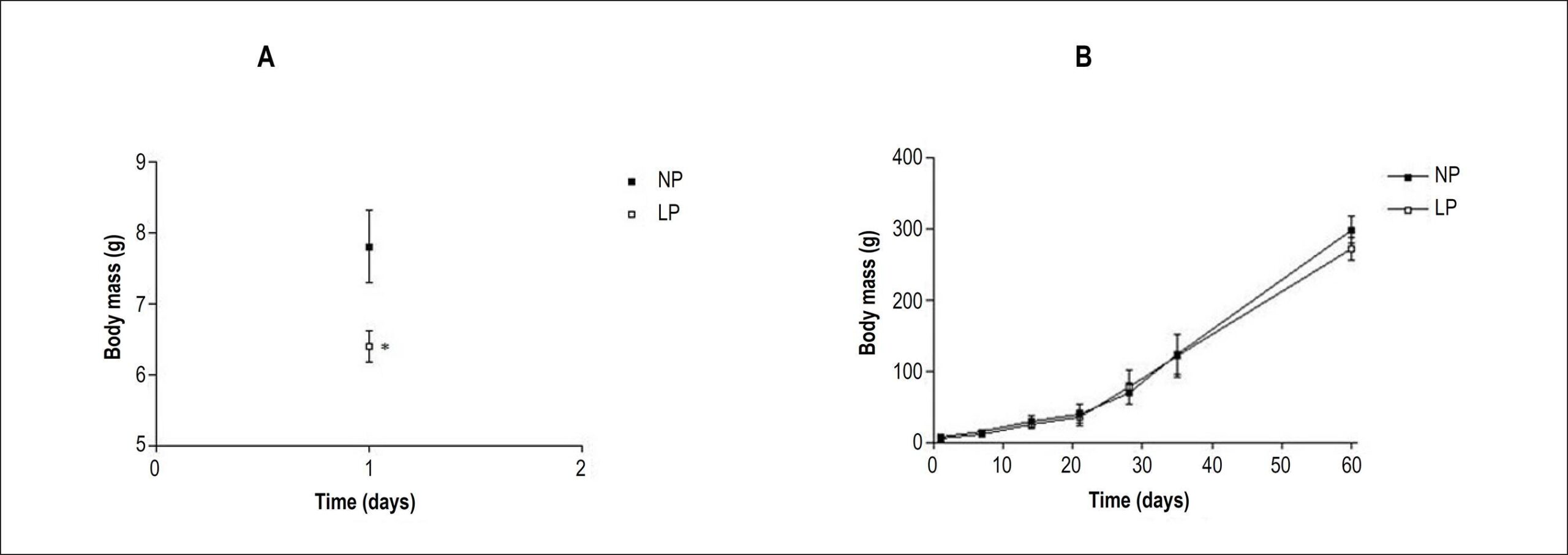
LP offspring showed no difference in body weight, although they were born lighter than NP offspring. BP levels were significantly higher in the LP group. We observed a significant increase in the area occupied by collagen fibers, a decrease in the number of cardiomyocytes by 104 µm2, and an increase in cardiomyocyte area associated with an increased Cx43 expression.

Conclusion:

GPR changes myocardial levels of Cx43 mRNA in male young adult rats, suggesting that this mechanism aims to compensate the fibrotic process by the accumulation of collagen fibers in the heart interstitium.

  • Connexin 43
  • Fetal Development
  • Metabolism
  • Pregnancy
Read Full Article
Creative Commons Attribution (CC BY) Creative Commons license
29/06/2017 DOI: 10.5935/abc.20170081
Figure 1
Original Article

Cardioprotective Effect of Crocin Combined with Voluntary Exercise in Rat: Role of Mir-126 and Mir-210 in Heart Angiogenesis

Vajihe Ghorbanzadeh et al. Mustafa Mohammadi Hassan Dariushnejad Alireza Abhari … Leila Chodari Gisou Mohaddes

Abstract

Background:

Crocin is reported to have a wide range of biological activities such as cardiovascular protection. Recent epidemiologic studies have shown that exercise reduces cardiovascular morbidity and mortality in the general population.

Objective:

The aim of this study was to evaluate the effect of crocin and voluntary exercise on miR-126 and miR-210 expression levels and angiogenesis in the heart tissue.

Methods:

Animals were divided into 4 groups: control, exercise, crocin, and exercise-crocin. Animals received oral administration of crocin (50 mg/kg) or performed voluntary exercise alone or together for 8 weeks. Akt, ERK1/2 protein levels, miR-126 and miR-210 expression were measured in the heart tissue. Immunohistochemical method was used to detect CD31 in the heart tissue.

Results:

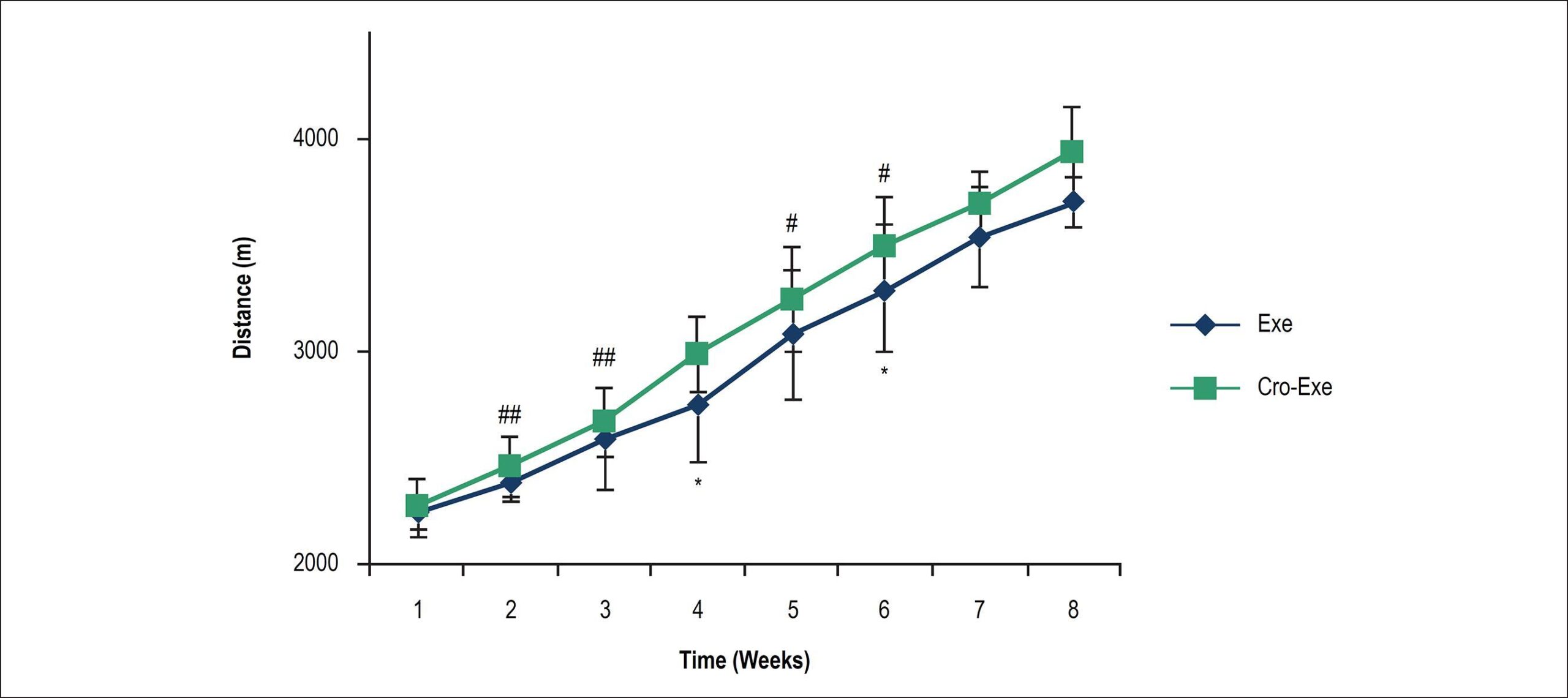
Akt and ERK1/2 levels of the heart tissue were higher in crocin treated group and voluntary exercise trained group after 8 weeks. Combination of crocin and exercise also significantly enhanced Akt and ERK1/2 levels in the heart tissue. MiR-126, miR-210 expression and CD31 in the heart increased in both crocin and voluntary exercise groups compared with control group. In addition, combination of exercise and crocin amplified their effect on miR-126 and miR-210 expression, and angiogenesis.

Conclusion:

Crocin and voluntary exercise improve heart angiogenesis possibly through enhancement of miR-126 and miR-210 expression. Voluntary exercise and diet supplementation with crocin could have beneficial effects in prevention of cardiovascular disease.

  • Angiogenesis Modulating Agents
  • Antioxidants
  • Crocus Sativus
  • Exercise
  • miR-126
  • miR-210
  • Rats
Read Full Article
Creative Commons Attribution (CC BY) Creative Commons license
29/06/2017 DOI: 10.5935/abc.20170087
Figure 1
Original Article

Analysis of the Economic Impact of Cardiovascular Diseases in the Last Five Years in Brazil

Alessandra de Sá Earp Siqueira et al. Aristarco Gonçalves de Siqueira-Filho Marcelo Gerardin Poirot Land

Abstract

Background:

There is growing concern about the economic impact of cardiovascular diseases (CVD) in Brazil and worldwide.

Objective:

To estimate the economic impact of CVD in Brazil in the last five years.

Methods:

The information to estimate CVD costs was taken from national databases, adding the direct costs with hospitalizations, outpatient visits and benefits granted by social security. Indirect costs were added to the calculation, such as loss of income caused by CVD morbidity or mortality.

Results:

CVD mortality accounts for 28% of all deaths in Brazil in the last five years and for 38% of deaths in the productive age range (18 to 65 years). The estimated costs of CVD were R$ 37.1 billion in 2015, a 17% increase in the period from 2010 to 2015. The estimated costs of premature death due to CVD represent 61% of the total cost of CVD, Direct costs with hospitalizations and consultations were 22%, and costs related to the loss of productivity related to the disease were 15% of the total. Health expenditures in Brazil are estimated at 9.5% of GDP and the average cost of CVD was estimated at 0.7% of GDP.

Conclusion:

CVD costs have increased significantly in the last five years. It is estimated that CVD costs increase as the Brazilian population ages and the prevalence of CVD increases.

  • Cadiovascular Diseases / mortality
  • Cardiovascular Diseases / economy
  • Costs and Cost Analysis
  • Hospitalization
Read Full Article
Creative Commons Attribution (CC BY) Creative Commons license
01/06/2017 DOI: 10.5935/abc.20170068
Figure 1
Original Article

Impact of the Use of Different Diagnostic Criteria in the Prevalence of Dyslipidemia in Pregnant Women

Alina Coutinho Rodrigues Feitosa et al. Luciana Tedgue Barreto Isabela Matos da Silva Felipe Freire da Silva Gilson Soares Feitosa Filho

Abstract

Background:

There is a physiologic elevation of total cholesterol (TC) and triglycerides (TG) during pregnancy. Some authors define dyslipidemia (DLP) in pregnant women when TC, LDL and TG concentrations are above the 95th percentile (p95%) and HDL concentration is below the 5th percentile (P5%) for gestational age (GA).

Objective:

To compare the prevalence of DLP in pregnant women using percentiles criteria with the V Brazilian Guidelines on Dyslipidemia and the association with maternal and fetal outcomes.

Results:

Pregnant women with high-risk conditions, aged 18-50 years, and at least one lipid profile during pregnancy was classified as the presence of DLP by two diagnostic criteria. Clinical and laboratorial data of mothers and newborns were evaluated.

Conclusion:

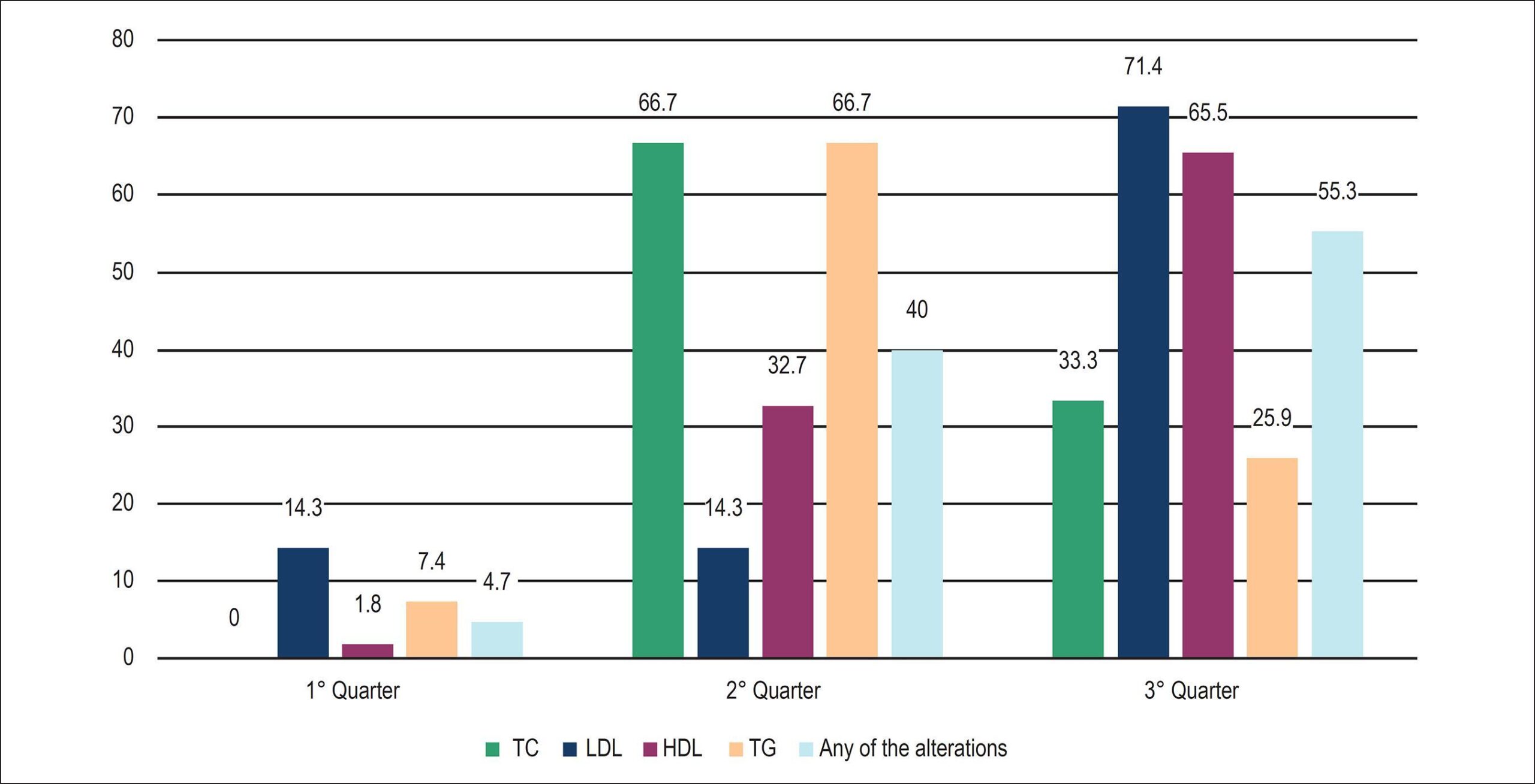
433 pregnant women aged 32.9 ± 6.5 years were studied. Most (54.6%) had lipid profile collected during third trimester. The prevalence of any lipid abnormalities according to the criteria of the National Guidelines was 83.8%: TC ≥ 200 mg/dL was found in 49.9%; LDL ≥ 160 mg/dL, in 14.3%, HDL ≤ 50 mg/dL in 44.4% and TG ≥ 150 mg/dL in 65.3%. Any changes of lipid according to percentiles criteria was found in 19.6%: elevation above the P95% for TC was found in 0.7%; for LDL, 1.7%; for TG 6.4% and HDL lower than the P5% in 13%. The frequency of comorbidity: hypertension, diabetes, smoking, obesity and preeclampsia was similar among pregnant women when DLP was compared by both criteria.

Conclusion:

The prevalence of DLP during pregnancy varies significantly depending on the criteria used, however none demonstrated superiority in association with comorbidities.

  • Dyslipidemias / diagnosis
  • Lipids
  • Pregnancy / high-risk
  • Pregnancy Complications
  • Prevalence
Read Full Article
Creative Commons Attribution (CC BY) Creative Commons license
01/06/2017 DOI: 10.5935/abc.20170070
Original Article

Hypertriglyceridemic Waist Phenotype and Changes in the Fasting Glycemia and Blood Pressure in Children and Adolescents Over One-Year Follow-Up Period

Priscila Ribas de Farias Costa et al. Ana Marlúcia Oliveira Assis Carla de Magalhães Cunha Emile Miranda Pereira … Gabriela dos Santos de Jesus Lais Eloy Machado da Silva Wilanne Pinheiro de Oliveira Alves

Abstract

Background:

The hypertriglyceridemic waist (HTW) phenotype is defined as the simultaneous presence of increased waist circumference (WC) and serum triglycerides (TG) levels and it has been associated with cardiometabolic risk in children and adolescents.

Objective:

The objective was to evaluate the influence of HTW phenotype in the fasting glycemia and blood pressure in children and adolescents over one-year follow-up period.

Methods:

It is a cohort study involving 492 children and adolescents from 7 to 15 years old, both genders, who were submitted to anthropometric, biochemical and clinical evaluation at the baseline, and also after 6 and 12 months of follow-up. Generalized Estimating Equation (GEE) models were calculated to evaluate the longitudinal influence of the HTW phenotype in the glycemia and blood pressure over one-year.

Results:

It was observed a prevalence of 10.6% (n = 52) of HTW phenotype in the students. The GEE models identified that students with HTW phenotype had an increase of 3.87 mg/dl in the fasting glycemia mean (CI: 1.68-6.05) and of 3.67mmHg in the systolic blood pressure (SBP) mean (CI: 1.55-6.08) over one-year follow-up, after adjusting for confounding variables.

Conclusions:

The results of this study suggest that HTW phenotype is a risk factor for longitudinal changes in glycemia and SBP in children and adolescents over one-year follow-up period.

  • Adolescent
  • Blood Pressure
  • Child
  • Cohort Studies
  • Fasting
  • Glycemic Index
  • Hypertriglyceridemic Waist, Phenotype
Read Full Article
Creative Commons Attribution (CC BY) Creative Commons license
25/05/2017 DOI: 10.5935/abc.20170067
Figure 1
Original Article

Thromboembolism and bleeding risk scores and predictors of cardiac death in a population with atrial fibrillation

Rose Mary Ferreira Lisboa da Silva et al. Pollyana Ardavicius e Silva Marcos Correia Lima Lívia Tanure Sant'Anna … Túlio Corrêa Silva Pedro Henrique Vilela Moreira Robert Moreira Gandra Túlio Ramos Cavalcanti Plínio Henrique Vaz Mourão

Abstract

Background:

Atrial fibrillation (AF) is a common arrhythmia, with risk of systemic embolism and death. It presents rheumatic etiology in up to 32% of developing countries, whose anticoagulation and evolution data are scarce.

Objectives:

to determine the predictors of cardiac death considering the clinical profile, thromboembolism and bleeding scores of patients with AF of a single center, with high prevalence of rheumatic heart disease.

Methods:

302 patients with AF were studied, mean age 58.1 years; 161 women; 96 pts with rheumatic etiology. Patients underwent clinical and laboratory evaluation, measurement of risk scores and the mean follow-up of 12.8 months.

Results:

174 were using warfarin. The averages of the HAS-BLED and ATRIA scores were 1.4 and 1.2, respectively. Percent time in therapeutic range of international normalized ratio was 45.8%. Thirty patients (9.9%) had cardiac death and 41 had some type of bleeding due to warfarin. By univariate analysis, there was statistical significance between cardiac death and permanent AF, blood pressure, systolic dysfunction, R2CHADS2, CCS, EHRA and HAS-BLED. There was no association with valvular AF. By multivariate analysis, systemic arterial and pulmonary artery pressures, classification CCS and systolic dysfunction showed statistical significance.

Conclusions:

There was no association between cardiac death and valvular AF. Independent predictors of cardiac death were low measures of blood pressure, higher score CCS classification and the presence of systolic ventricular dysfunction.

  • Atrial Fibrillation/complications
  • Cardiovascular Diseases, mortality
  • Hemorrhage
  • Thromboembolism/complications
Read Full Article
Creative Commons Attribution (CC BY) Creative Commons license
25/05/2017 DOI: 10.5935/abc.20170064

How to cite this article

EndNote RIS

Electronic Document Format (Vancouver)

Ferreira JSSM, Moreira N, Ferreira MJ, Antunes M. Angiosarcoma Arising from the Main Pulmonary Artery Mimicking Pulmonary Thromboembolism. Arquivos Brasileiros de Cardiologia 2017;109(1):90-1.

Electronic Document Format (ABNT)

Ferreira, Joana Sofia Silva Moura; Moreira, Nádia; Ferreira, Maria João; Antunes, Manuel. Angiosarcoma Arising from the Main Pulmonary Artery Mimicking Pulmonary Thromboembolism. Arquivos Brasileiros de Cardiologia, v. 109, n. 1, p. 90-91, Jun. 2017.

Electronic Document Format (APA)

Ferreira, J. S. S. M., Moreira, N., Ferreira, M. J., & Antunes, M. (2017). Angiosarcoma Arising from the Main Pulmonary Artery Mimicking Pulmonary Thromboembolism. Arquivos Brasileiros de Cardiologia, 109(1), 90-91.

Electronic Document Format (ISO)

Ferreira, Joana Sofia Silva Moura and Moreira, Nádia and Ferreira, Maria João and Antunes, Manuel. Angiosarcoma Arising from the Main Pulmonary Artery Mimicking Pulmonary Thromboembolism. Arquivos Brasileiros de Cardiologia [online]. 2017, vol. 109, n. 1, [cited 2026-10-14], pp. 90-91. Available from: <https://journals.cardiol.br/en/article/angiosarcoma-arising-from-the-main-pulmonary-artery-mimicking-pulmonary-thromboembolism/>. ISSN 0066-782X

EndNote RIS

Electronic Document Format (Vancouver)

Lage JGB, Gutierrez PS. Case 3/2017 – A 47-Year-Old Female with Refractory Heart Failure and Embolic Acute Myocardial Infarction. Arquivos Brasileiros de Cardiologia 2017;109(1):81-6.

Electronic Document Format (ABNT)

Lage, João Gabriel Batista; Gutierrez, Paulo Sampaio. Case 3/2017 – A 47-Year-Old Female with Refractory Heart Failure and Embolic Acute Myocardial Infarction. Arquivos Brasileiros de Cardiologia, v. 109, n. 1, p. 81-86, Jun. 2017.

Electronic Document Format (APA)

Lage, J. G. B., & Gutierrez, P. S. (2017). Case 3/2017 – A 47-Year-Old Female with Refractory Heart Failure and Embolic Acute Myocardial Infarction. Arquivos Brasileiros de Cardiologia, 109(1), 81-86.

Electronic Document Format (ISO)

Lage, João Gabriel Batista and Gutierrez, Paulo Sampaio. Case 3/2017 – A 47-Year-Old Female with Refractory Heart Failure and Embolic Acute Myocardial Infarction. Arquivos Brasileiros de Cardiologia [online]. 2017, vol. 109, n. 1, [cited 2026-10-14], pp. 81-86. Available from: <https://journals.cardiol.br/en/article/case-3-2017-a-47-year-old-female-with-refractory-heart-failure-and-embolic-acute-myocardial-infarction/>. ISSN 0066-782X

EndNote RIS

Electronic Document Format (Vancouver)

Dores H, Mendes L, Ferreira A, Santos JF. Symptomatic Exercise-induced Intraventricular Gradient in Competitive Athlete. Arquivos Brasileiros de Cardiologia 2017;109(1):87-9.

Electronic Document Format (ABNT)

Dores, Helder; Mendes, Lígia; Ferreira, António; Santos, Jose Ferreira. Symptomatic Exercise-induced Intraventricular Gradient in Competitive Athlete. Arquivos Brasileiros de Cardiologia, v. 109, n. 1, p. 87-89, Jun. 2017.

Electronic Document Format (APA)

Dores, H., Mendes, L., Ferreira, A., & Santos, J. F. (2017). Symptomatic Exercise-induced Intraventricular Gradient in Competitive Athlete. Arquivos Brasileiros de Cardiologia, 109(1), 87-89.

Electronic Document Format (ISO)

Dores, Helder and Mendes, Lígia and Ferreira, António and Santos, Jose Ferreira. Symptomatic Exercise-induced Intraventricular Gradient in Competitive Athlete. Arquivos Brasileiros de Cardiologia [online]. 2017, vol. 109, n. 1, [cited 2026-10-14], pp. 87-89. Available from: <https://journals.cardiol.br/en/article/symptomatic-exercise-induced-intraventricular-gradient-in-competitive-athlete/>. ISSN 0066-782X

EndNote RIS

Electronic Document Format (Vancouver)

Jardim PCBV. Blood Pressure Targets: Will We Reach Definite Figures? I Currently Have Mine. Arquivos Brasileiros de Cardiologia 2017;109(1):01-4.

Electronic Document Format (ABNT)

Jardim, Paulo César B. Veiga. Blood Pressure Targets: Will We Reach Definite Figures? I Currently Have Mine. Arquivos Brasileiros de Cardiologia, v. 109, n. 1, p. 01-04, Jun. 2017.

Electronic Document Format (APA)

Jardim, P. C. B. V. (2017). Blood Pressure Targets: Will We Reach Definite Figures? I Currently Have Mine. Arquivos Brasileiros de Cardiologia, 109(1), 01-04.

Electronic Document Format (ISO)

Jardim, Paulo César B. Veiga. Blood Pressure Targets: Will We Reach Definite Figures? I Currently Have Mine. Arquivos Brasileiros de Cardiologia [online]. 2017, vol. 109, n. 1, [cited 2026-10-14], pp. 01-04. Available from: <https://journals.cardiol.br/en/article/blood-pressure-targets-will-we-reach-definite-figures-i-currently-have-mine/>. ISSN 0066-782X

EndNote RIS

Electronic Document Format (Vancouver)

Mesquita ET, Jorge AJL, Souza Junior CV, Andrade TR. Cardiac Amyloidosis and its New Clinical Phenotype: Heart Failure with Preserved Ejection Fraction. Arquivos Brasileiros de Cardiologia 2017;109(1):71-80.

Electronic Document Format (ABNT)

Mesquita, Evandro Tinoco; Jorge, Antonio José Lagoeiro; Souza Junior, Celso Vale; Andrade, Thais Ribeiro de. Cardiac Amyloidosis and its New Clinical Phenotype: Heart Failure with Preserved Ejection Fraction. Arquivos Brasileiros de Cardiologia, v. 109, n. 1, p. 71-80, Jun. 2017.

Electronic Document Format (APA)

Mesquita, E. T., Jorge, A. J. L., Souza Junior, C. V., & Andrade, T. R. (2017). Cardiac Amyloidosis and its New Clinical Phenotype: Heart Failure with Preserved Ejection Fraction. Arquivos Brasileiros de Cardiologia, 109(1), 71-80.

Electronic Document Format (ISO)

Mesquita, Evandro Tinoco and Jorge, Antonio José Lagoeiro and Souza Junior, Celso Vale and Andrade, Thais Ribeiro de. Cardiac Amyloidosis and its New Clinical Phenotype: Heart Failure with Preserved Ejection Fraction. Arquivos Brasileiros de Cardiologia [online]. 2017, vol. 109, n. 1, [cited 2026-10-14], pp. 71-80. Available from: <https://journals.cardiol.br/en/article/cardiac-amyloidosis-and-its-new-clinical-phenotype-heart-failure-with-preserved-ejection-fraction/>. ISSN 0066-782X

EndNote RIS

Electronic Document Format (Vancouver)

Lima MSM, Villarraga HR, Abduch MCD, Lima MF, Cruz CBBV, Sbano JCN, Voos MC, et al. Global Longitudinal Strain or Left Ventricular Twist and Torsion? Which Correlates Best with Ejection Fraction?. Arquivos Brasileiros de Cardiologia 2017;109(1):23-9.

Electronic Document Format (ABNT)

Lima, Marcio Silva Miguel; Villarraga, Hector R; Abduch, Maria Cristina Donadio; Lima, Marta Fernandes; Cruz, Cecilia Beatriz Bittencourt Viana; Sbano, João Cesar Nunes; Voos, Mariana Callil; Mathias Junior, Wilson; Tsutsui, Jeane Mike. Global Longitudinal Strain or Left Ventricular Twist and Torsion? Which Correlates Best with Ejection Fraction?. Arquivos Brasileiros de Cardiologia, v. 109, n. 1, p. 23-29, Jun. 2017.

Electronic Document Format (APA)

Lima, M. S. M., Villarraga, H. R., Abduch, M. C. D., Lima, M. F., Cruz, C. B. B. V., Sbano, J. C. N., Voos, M. C., Mathias Junior, W., & Tsutsui, J. M. (2017). Global Longitudinal Strain or Left Ventricular Twist and Torsion? Which Correlates Best with Ejection Fraction?. Arquivos Brasileiros de Cardiologia, 109(1), 23-29.

Electronic Document Format (ISO)

Lima, Marcio Silva Miguel and Villarraga, Hector R and Abduch, Maria Cristina Donadio and Lima, Marta Fernandes and Cruz, Cecilia Beatriz Bittencourt Viana and Sbano, João Cesar Nunes and Voos, Mariana Callil and Mathias Junior, Wilson and Tsutsui, Jeane Mike. Global Longitudinal Strain or Left Ventricular Twist and Torsion? Which Correlates Best with Ejection Fraction?. Arquivos Brasileiros de Cardiologia [online]. 2017, vol. 109, n. 1, [cited 2026-10-14], pp. 23-29. Available from: <https://journals.cardiol.br/en/article/global-longitudinal-strain-or-left-ventricular-twist-and-torsion-which-correlates-best-with-ejection-fraction/>. ISSN 0066-782X

EndNote RIS

Electronic Document Format (Vancouver)

Gomes GG, Gali WL, Sarabanda AVL, Cunha CR, Kessler IM, Atik FA. Late Results of Cox Maze III Procedure in Patients with Atrial Fibrillation Associated with Structural Heart Disease. Arquivos Brasileiros de Cardiologia 2017;109(1):14-22.

Electronic Document Format (ABNT)

Gomes, Gustavo Gir; Gali, Wagner Luis; Sarabanda, Alvaro Valentim Lima; Cunha, Claudio Ribeiro da; Kessler, Iruena Moraes; Atik, Fernando Antibas. Late Results of Cox Maze III Procedure in Patients with Atrial Fibrillation Associated with Structural Heart Disease. Arquivos Brasileiros de Cardiologia, v. 109, n. 1, p. 14-22, Jun. 2017.

Electronic Document Format (APA)

Gomes, G. G., Gali, W. L., Sarabanda, A. V. L., Cunha, C. R. , Kessler, I. M., & Atik, F. A. (2017). Late Results of Cox Maze III Procedure in Patients with Atrial Fibrillation Associated with Structural Heart Disease. Arquivos Brasileiros de Cardiologia, 109(1), 14-22.

Electronic Document Format (ISO)

Gomes, Gustavo Gir and Gali, Wagner Luis and Sarabanda, Alvaro Valentim Lima and Cunha, Claudio Ribeiro da and Kessler, Iruena Moraes and Atik, Fernando Antibas. Late Results of Cox Maze III Procedure in Patients with Atrial Fibrillation Associated with Structural Heart Disease. Arquivos Brasileiros de Cardiologia [online]. 2017, vol. 109, n. 1, [cited 2026-10-14], pp. 14-22. Available from: <https://journals.cardiol.br/en/article/late-results-of-cox-maze-iii-procedure-in-patients-with-atrial-fibrillation-associated-with-structural-heart-disease/>. ISSN 0066-782X

EndNote RIS

Electronic Document Format (Vancouver)

Rossini KF, Oliveira CA, Rebelato HJ, Esquisatto MAM, Catisti R. Gestational Protein Restriction Increases Cardiac Connexin 43 mRNA levels in male adult rat offspring. Arquivos Brasileiros de Cardiologia 2017;109(1):63-70.

Electronic Document Format (ABNT)

Rossini, Kamila Fernanda; Oliveira, Camila Andrea de; Rebelato, Hércules Jonas; Esquisatto, Marcelo Augusto Marreto; Catisti, Rosana. Gestational Protein Restriction Increases Cardiac Connexin 43 mRNA levels in male adult rat offspring. Arquivos Brasileiros de Cardiologia, v. 109, n. 1, p. 63-70, Jun. 2017.

Electronic Document Format (APA)

Rossini, K. F., Oliveira, C. A. , Rebelato, H. J., Esquisatto, M. A. M., & Catisti, R. (2017). Gestational Protein Restriction Increases Cardiac Connexin 43 mRNA levels in male adult rat offspring. Arquivos Brasileiros de Cardiologia, 109(1), 63-70.

Electronic Document Format (ISO)

Rossini, Kamila Fernanda and Oliveira, Camila Andrea de and Rebelato, Hércules Jonas and Esquisatto, Marcelo Augusto Marreto and Catisti, Rosana. Gestational Protein Restriction Increases Cardiac Connexin 43 mRNA levels in male adult rat offspring. Arquivos Brasileiros de Cardiologia [online]. 2017, vol. 109, n. 1, [cited 2026-10-14], pp. 63-70. Available from: <https://journals.cardiol.br/en/article/gestational-protein-restriction-increases-cardiac-connexin-43-mrna-levels-in-male-adult-rat-offspring/>. ISSN 0066-782X

EndNote RIS

Electronic Document Format (Vancouver)

Ghorbanzadeh V, Mohammadi M, Dariushnejad H, Abhari A, Chodari L, Mohaddes G. Cardioprotective Effect of Crocin Combined with Voluntary Exercise in Rat: Role of Mir-126 and Mir-210 in Heart Angiogenesis. Arquivos Brasileiros de Cardiologia 2017;109(1):54-62.

Electronic Document Format (ABNT)

Ghorbanzadeh, Vajihe; Mohammadi, Mustafa; Dariushnejad, Hassan; Abhari, Alireza; Chodari, Leila; Mohaddes, Gisou. Cardioprotective Effect of Crocin Combined with Voluntary Exercise in Rat: Role of Mir-126 and Mir-210 in Heart Angiogenesis. Arquivos Brasileiros de Cardiologia, v. 109, n. 1, p. 54-62, Jun. 2017.

Electronic Document Format (APA)

Ghorbanzadeh, V., Mohammadi, M., Dariushnejad, H., Abhari, A., Chodari, L., & Mohaddes, G. (2017). Cardioprotective Effect of Crocin Combined with Voluntary Exercise in Rat: Role of Mir-126 and Mir-210 in Heart Angiogenesis. Arquivos Brasileiros de Cardiologia, 109(1), 54-62.

Electronic Document Format (ISO)

Ghorbanzadeh, Vajihe and Mohammadi, Mustafa and Dariushnejad, Hassan and Abhari, Alireza and Chodari, Leila and Mohaddes, Gisou. Cardioprotective Effect of Crocin Combined with Voluntary Exercise in Rat: Role of Mir-126 and Mir-210 in Heart Angiogenesis. Arquivos Brasileiros de Cardiologia [online]. 2017, vol. 109, n. 1, [cited 2026-10-14], pp. 54-62. Available from: <https://journals.cardiol.br/en/article/cardioprotective-effect-of-crocin-combined-with-voluntary-exercise-in-rat-role-of-mir-126-and-mir-210-in-heart-angiogenesis/>. ISSN 0066-782X

EndNote RIS

Electronic Document Format (Vancouver)

Siqueira ASE, Siqueira-Filho AG, Land MGP. Analysis of the Economic Impact of Cardiovascular Diseases in the Last Five Years in Brazil. Arquivos Brasileiros de Cardiologia 2017;109(1):39-46.

Electronic Document Format (ABNT)

Siqueira, Alessandra de Sá Earp; Siqueira-Filho, Aristarco Gonçalves de; Land, Marcelo Gerardin Poirot. Analysis of the Economic Impact of Cardiovascular Diseases in the Last Five Years in Brazil. Arquivos Brasileiros de Cardiologia, v. 109, n. 1, p. 39-46, May. 2017.

Electronic Document Format (APA)

Siqueira, A. S. E., Siqueira-Filho, A. G. , & Land, M. G. P. (2017). Analysis of the Economic Impact of Cardiovascular Diseases in the Last Five Years in Brazil. Arquivos Brasileiros de Cardiologia, 109(1), 39-46.

Electronic Document Format (ISO)

Siqueira, Alessandra de Sá Earp and Siqueira-Filho, Aristarco Gonçalves de and Land, Marcelo Gerardin Poirot. Analysis of the Economic Impact of Cardiovascular Diseases in the Last Five Years in Brazil. Arquivos Brasileiros de Cardiologia [online]. 2017, vol. 109, n. 1, [cited 2026-10-14], pp. 39-46. Available from: <https://journals.cardiol.br/en/article/analysis-of-the-economic-impact-of-cardiovascular-diseases-in-the-last-five-years-in-brazil/>. ISSN 0066-782X

EndNote RIS

Electronic Document Format (Vancouver)

Feitosa ACR, Barreto LT, Silva IM, Silva FF, Feitosa Filho GS. Impact of the Use of Different Diagnostic Criteria in the Prevalence of Dyslipidemia in Pregnant Women. Arquivos Brasileiros de Cardiologia 2017;109(1):30-8.

Electronic Document Format (ABNT)

Feitosa, Alina Coutinho Rodrigues; Barreto, Luciana Tedgue; Silva, Isabela Matos da; Silva, Felipe Freire da; Feitosa Filho, Gilson Soares. Impact of the Use of Different Diagnostic Criteria in the Prevalence of Dyslipidemia in Pregnant Women. Arquivos Brasileiros de Cardiologia, v. 109, n. 1, p. 30-38, May. 2017.

Electronic Document Format (APA)

Feitosa, A. C. R., Barreto, L. T., Silva, I. M. , Silva, F. F. , & Feitosa Filho, G. S. (2017). Impact of the Use of Different Diagnostic Criteria in the Prevalence of Dyslipidemia in Pregnant Women. Arquivos Brasileiros de Cardiologia, 109(1), 30-38.

Electronic Document Format (ISO)

Feitosa, Alina Coutinho Rodrigues and Barreto, Luciana Tedgue and Silva, Isabela Matos da and Silva, Felipe Freire da and Feitosa Filho, Gilson Soares. Impact of the Use of Different Diagnostic Criteria in the Prevalence of Dyslipidemia in Pregnant Women. Arquivos Brasileiros de Cardiologia [online]. 2017, vol. 109, n. 1, [cited 2026-10-14], pp. 30-38. Available from: <https://journals.cardiol.br/en/article/impact-of-the-use-of-different-diagnostic-criteria-in-the-prevalence-of-dyslipidemia-in-pregnant-women/>. ISSN 0066-782X

EndNote RIS

Electronic Document Format (Vancouver)

Costa PRF, Assis AMO, Cunha CM, Pereira EM, Jesus GS, Silva LEM, Alves WPO, et al. Hypertriglyceridemic Waist Phenotype and Changes in the Fasting Glycemia and Blood Pressure in Children and Adolescents Over One-Year Follow-Up Period. Arquivos Brasileiros de Cardiologia 2017;109(1):47-53.

Electronic Document Format (ABNT)

Costa, Priscila Ribas de Farias; Assis, Ana Marlúcia Oliveira; Cunha, Carla de Magalhães; Pereira, Emile Miranda; Jesus, Gabriela dos Santos de; Silva, Lais Eloy Machado da; Alves, Wilanne Pinheiro de Oliveira. Hypertriglyceridemic Waist Phenotype and Changes in the Fasting Glycemia and Blood Pressure in Children and Adolescents Over One-Year Follow-Up Period. Arquivos Brasileiros de Cardiologia, v. 109, n. 1, p. 47-53, May. 2017.

Electronic Document Format (APA)

Costa, P. R. F., Assis, A. M. O., Cunha, C. M., Pereira, E. M., Jesus, G. S. , Silva, L. E. M. , & Alves, W. P. O. (2017). Hypertriglyceridemic Waist Phenotype and Changes in the Fasting Glycemia and Blood Pressure in Children and Adolescents Over One-Year Follow-Up Period. Arquivos Brasileiros de Cardiologia, 109(1), 47-53.

Electronic Document Format (ISO)

Costa, Priscila Ribas de Farias and Assis, Ana Marlúcia Oliveira and Cunha, Carla de Magalhães and Pereira, Emile Miranda and Jesus, Gabriela dos Santos de and Silva, Lais Eloy Machado da and Alves, Wilanne Pinheiro de Oliveira. Hypertriglyceridemic Waist Phenotype and Changes in the Fasting Glycemia and Blood Pressure in Children and Adolescents Over One-Year Follow-Up Period. Arquivos Brasileiros de Cardiologia [online]. 2017, vol. 109, n. 1, [cited 2026-10-14], pp. 47-53. Available from: <https://journals.cardiol.br/en/article/hypertriglyceridemic-waist-phenotype-and-changes-in-the-fasting-glycemia-and-blood-pressure-in-children-and-adolescents-over-one-year-follow-up-period/>. ISSN 0066-782X

EndNote RIS

Electronic Document Format (Vancouver)

Silva RMFL, Silva PA, Lima MC, Sant’Anna LT, Silva TC, Moreira PHV, Gandra RM, et al. Thromboembolism and bleeding risk scores and predictors of cardiac death in a population with atrial fibrillation. Arquivos Brasileiros de Cardiologia 2017;109(1):05-13.

Electronic Document Format (ABNT)

Silva, Rose Mary Ferreira Lisboa da; Silva, Pollyana Ardavicius e; Lima, Marcos Correia; Sant’Anna, Lívia Tanure; Silva, Túlio Corrêa; Moreira, Pedro Henrique Vilela; Gandra, Robert Moreira; Cavalcanti, Túlio Ramos; Mourão, Plínio Henrique Vaz. Thromboembolism and bleeding risk scores and predictors of cardiac death in a population with atrial fibrillation. Arquivos Brasileiros de Cardiologia, v. 109, n. 1, p. 05-13, May. 2017.

Electronic Document Format (APA)

Silva, R. M. F. L. , Silva, P. A. , Lima, M. C., Sant’Anna, L. T., Silva, T. C., Moreira, P. H. V., Gandra, R. M., Cavalcanti, T. R., & Mourão, P. H. V. (2017). Thromboembolism and bleeding risk scores and predictors of cardiac death in a population with atrial fibrillation. Arquivos Brasileiros de Cardiologia, 109(1), 05-13.

Electronic Document Format (ISO)

Silva, Rose Mary Ferreira Lisboa da and Silva, Pollyana Ardavicius e and Lima, Marcos Correia and Sant’Anna, Lívia Tanure and Silva, Túlio Corrêa and Moreira, Pedro Henrique Vilela and Gandra, Robert Moreira and Cavalcanti, Túlio Ramos and Mourão, Plínio Henrique Vaz. Thromboembolism and bleeding risk scores and predictors of cardiac death in a population with atrial fibrillation. Arquivos Brasileiros de Cardiologia [online]. 2017, vol. 109, n. 1, [cited 2026-10-14], pp. 05-13. Available from: <https://journals.cardiol.br/en/article/thromboembolism-and-bleeding-risk-scores-and-predictors-of-cardiac-death-in-a-population-with-atrial-fibrillation/>. ISSN 0066-782X

Sede – Rio de Janeiro
Av. Marechal Câmara, 160
3º andar – Sala: 330 – Centro
Rio de Janeiro – CEP: 20020-907
Tel.: (55 +21) 3478-2700
ou (21) 99386-3961
E-mail: revista@cardiol.br

Sede – São Paulo
Alameda Santos, 705 – 11º andar
Cerqueira César | São Paulo
CEP: 01419-001
Tel.: (55 +11) 3411-5500
E-mail: revista@cardiol.br

  • About the Journal
  • Internal Regulation
  • Editors Section
  • Editorial Board
  • History
  • SBC Award

  • Guidelines for Publication
  • Editorial Policy
  • Ethics Policy
  • Policy on the Use of Artificial Intelligence
  • Mandatory Publication Form
  • Publication Fee

Issues

SBC Guidelines

  • How to Publish an Abstract Supplement?
  • Supplements from the Brazilian Congress of Cardiology