ABC Family Arquivos Brasileiros de Cardiologia International Journal of Cardiovascular Sciences ABC Heart Failure & Cardiomyopathy ABC Imagem Cardiovascular
Português English
ABC Family
Português English
  • About
    • About ABC Family
    • Internal Regulation
    • Editorial Board
    • Brazilian Society of Cardiology (SBC)
  • Issues
  • SBC Guidelines
  • Content
    • Videos
    • Podcasts
    • News
  • About
    • About ABC Family
    • Internal Regulation
    • Editorial Board
    • Brazilian Society of Cardiology (SBC)
  • Issues
  • SBC Guidelines
  • Content
    • Videos
    • Podcasts
    • News

ABC Family

  • ABC Family
  • Arquivos Brasileiros de Cardiologia
  • International Journal of Cardiovascular Sciences
  • ABC Heart Failure & Cardiomyopathy
  • ABC Imagem Cardiovascular
Search in

No content found.

Journals
Ordering
Article types
Others

  1. Home
  2. Keyword: Heart Failure, Diastolic
Figure 1
ABCIC
Original Article

Right Ventricle Diastolic Function: Correlation with Age

Arthur Nascimento de Moura et al. Ana Cristina Camarozano Cintia Rocha Fortes de Sá Daniela de Castro Carmo … Jerônimo Antonio Fortunato Rubens Zenóbio Darwich Liz Andréa Villela Baroncini

Abstract

Introduction

Right ventricle (RV) elasticity tends to decrease with aging and may alter its diastolic function.

Objective

To evaluate the correlation between echocardiographic changes in RV diastolic function and advancing age in individuals with normal biventricular systolic function.

Methods

This retrospective observational cohort study included 110 patients: 66 (60%) women (62 [SD, 13.7] years) and 44 (40%) men (60.6 [SD, 10.8] years). The transthoracic echocardiography data included: spectral Doppler of tricuspid inflow E wave, A wave, E/A ratio, and E wave deceleration time; tissue Doppler of lateral tricuspid annulus e’ wave, a’ wave, and E/e’ ratio. Correlations were calculated using Pearson’s and Spearman’s correlation coefficients.

Results

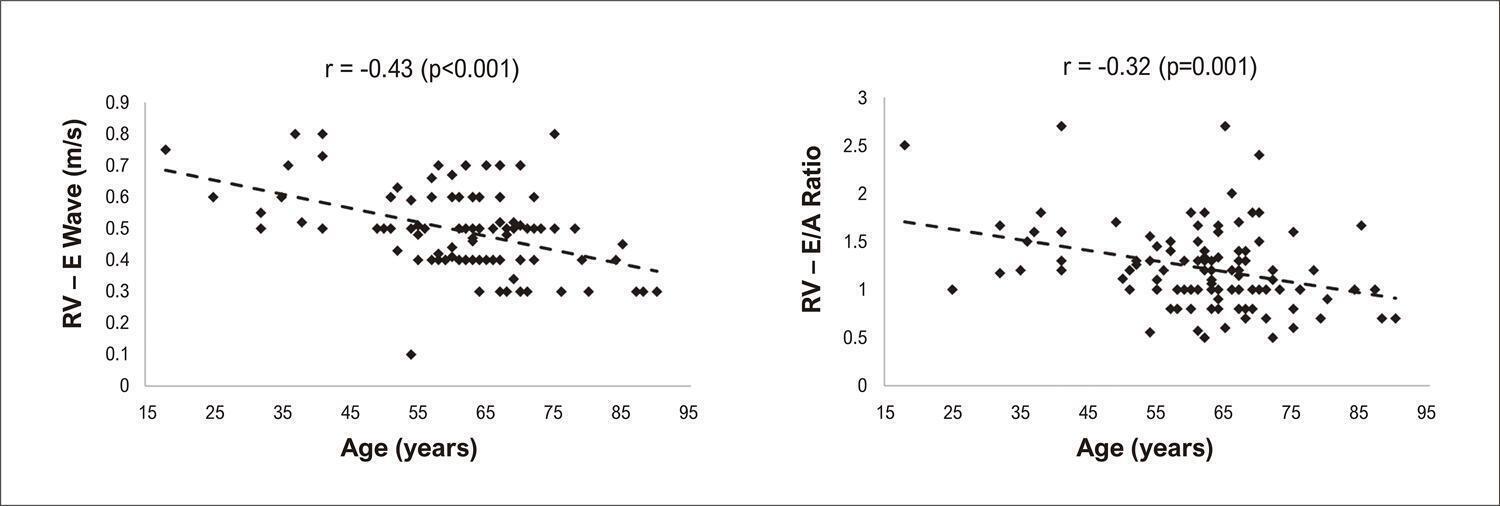
Only 35.2% of the sample had RV diastolic dysfunction. Of the evaluated echocardiographic variables, the E wave was negatively correlated with age in both women (r 0.473; p < 0.001) and men (r -0.37, p = 0.015). The E/A ratio was negatively correlated with age only in women (r -0.32; p = 0.001), and E wave deceleration time was positively correlated with age only in women (r 0.31; p = 0.014). The other variables were not significantly correlated with age in men or women.

Conclusions

We found a significant correlation between age and echocardiographic parameters for RV diastolic dysfunction, which was more evident in women.
  • Echocardiography
  • Heart Failure, Diastolic
  • Heart Ventricles
Read Full Article
Creative Commons Attribution (CC BY) Creative Commons license
27/06/2023 DOI: 10.36660/abcimg.2023333i Views 1
Figure 1
ABCHF
Review Article

Invasive Hemodynamic Monitoring in the Diagnosis of Heart Failure with Preserved Ejection Fraction

Dirceu Rodrigues Almeida et al. Fernanda Almeida Andrade

Introduction

Heart failure with preserved ejection fraction (HFpEF) is a complex clinical syndrome that has a negative impact on quality of life and life expectancy of patients, with high hospitalization and mortality rates. HFpEF is a highly prevalent disease, probably due to the increase in the prevalence of common risk factors, such as advanced age, female sex, arterial hypertension, diabetes, renal failure and obesity., It is estimated that nearly half of heart failure patients have preserved ejection fraction, defined as a left ventricular (LV) ejection fraction (LVEF) ≥50%. Despite the publication of numerous original articles, reviews, books and guidelines, there are still doubts and controversies regarding the real incidence, etiopathogenesis, pathophysiology, prognosis, and mainly the difficulties in the correct diagnosis of HFpEF by non-invasive methods. In this paper, we will describe the importance of the invasive hemodynamic monitoring (IHM) for the correct diagnosis of HFpEF.–

[…]

  • Diagnosis
  • Heart Failure
  • Heart Failure, Diastolic
Read Full Article
Creative Commons Attribution (CC BY) Creative Commons license
01/12/2022 DOI: 10.36660/abc.20220059 Views 1
Figure 1
ABCHF
Review Article

Left Atrial Cardiomyopathy as a Generator of Heart Failure with Preserved Ejection Fraction

Antonio José Lagoeiro Jorge et al. Wolney de Andrade Martins Evandro Tinoco Mesquita Marcio Roberto Moraes de Carvalho

Abstract

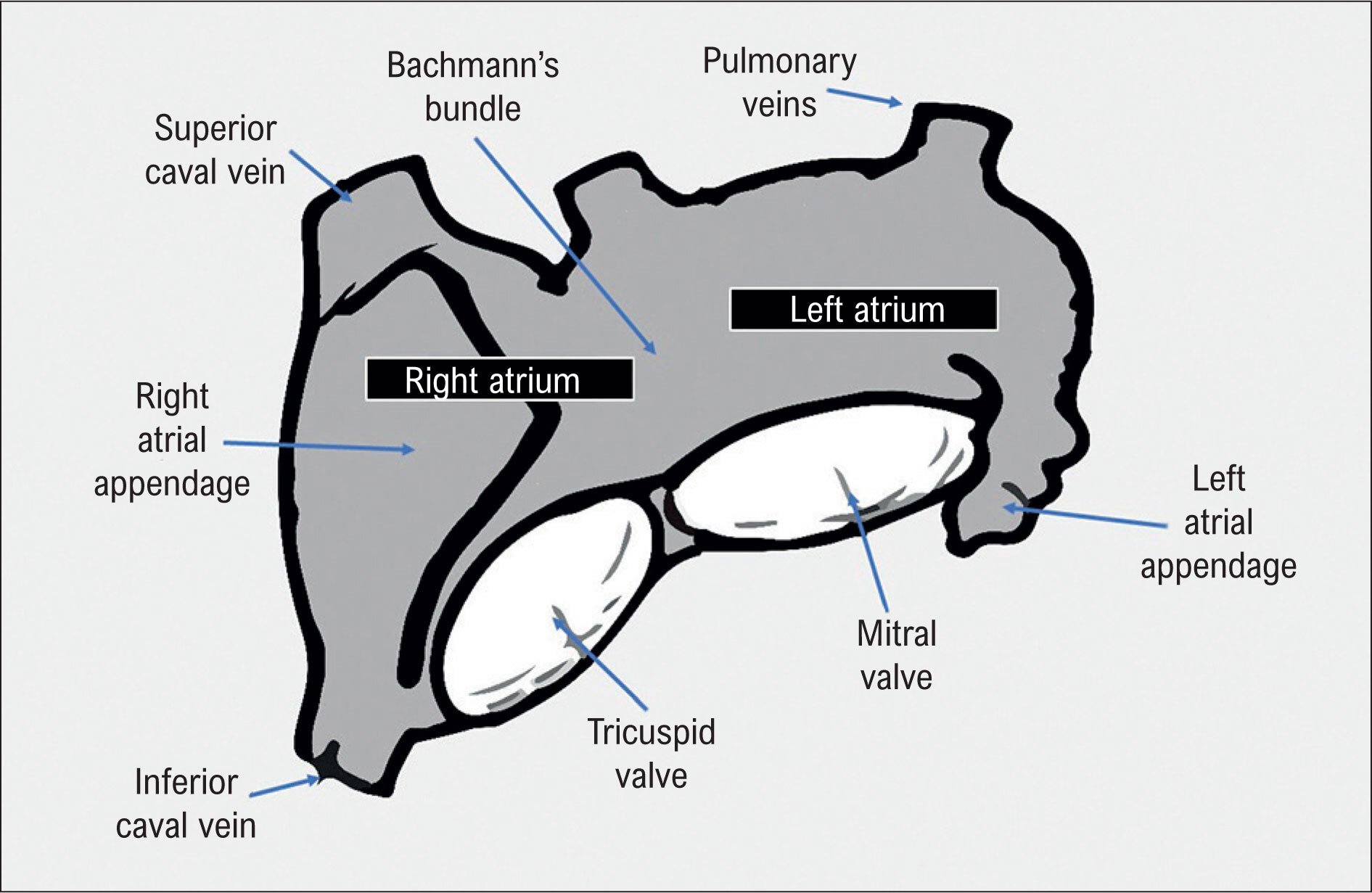
The left atrium is an anatomical structure relevant to the maintenance of the physiological hemodynamics of the cardiovascular system. Atrial cardiomyopathy (aCMP), defined as any change in the structure, architecture, contractility or electrophysiology of the atria, is associated with adverse clinical implications, and responsible for atrial fibrillation and stroke. Heart failure with preserved ejection fraction (HFpEF) with a predominance of atrial fibrillation (AF) is a unique clinical phenotype, characterized by mechanical dysfunction of the left atrium, congestive symptoms and poor prognosis. aCMP is a common condition among patients with HFpEF and AF. Due to the strong association between aCMP and HFpEF, the diagnosis of aCMP has clinical relevance in patients with HFpEF. The objective of this review is to help identify aCMP as a risk factor for the development of HFpEF.

  • Atrial Fibrillation
  • Atrial Function, Left
  • Heart Failure, Diastolic
Read Full Article
Creative Commons Attribution (CC BY) Creative Commons license
01/12/2022 DOI: 10.36660/abchf.20220055 Views 1
Figure 1
ABCHF
Viewpoint

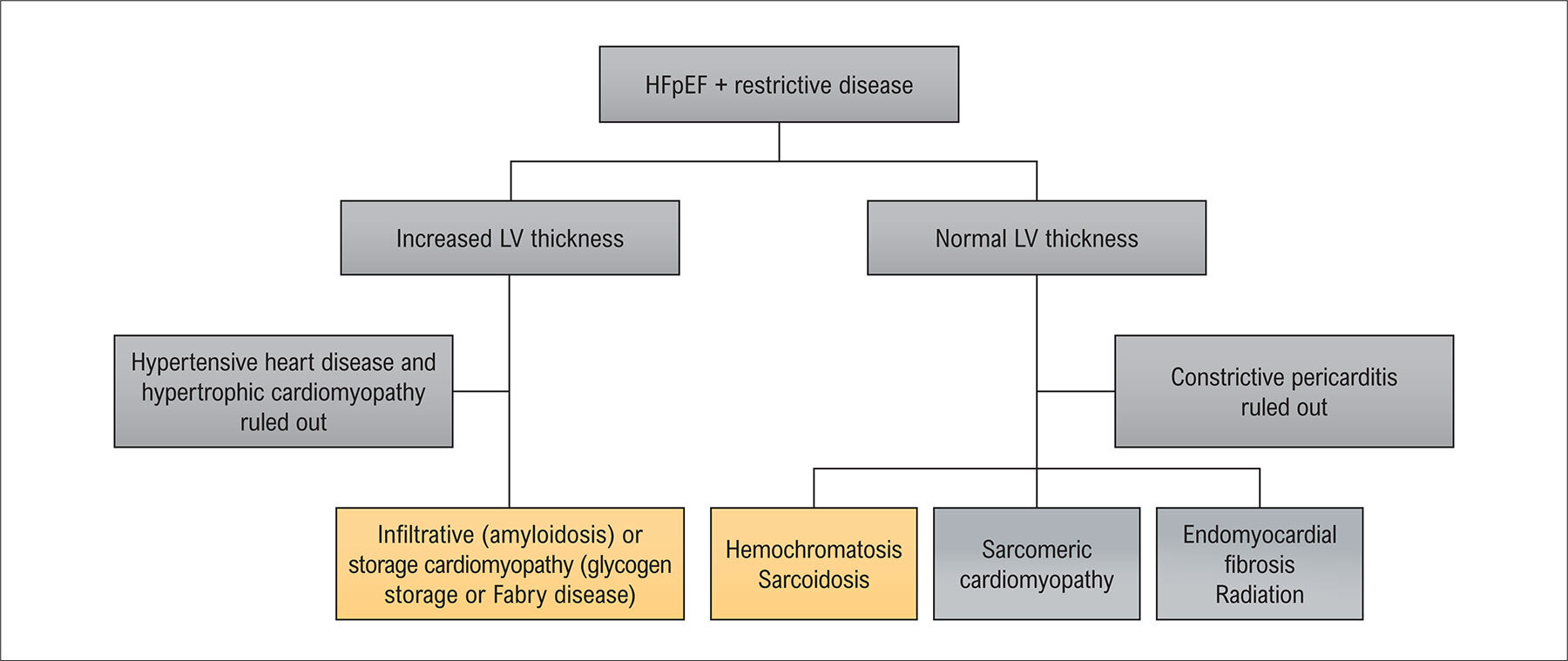
When to Suspect Infiltrative or Storage Cardiomyopathy in Patients with HFpEF?

Marcelo Imbroinise Bittencourt et al. Ricardo Mourilhe-Rocha

Heart failure with preserved ejection fraction (HFpEF) is a frequent clinical syndrome, and it has accounted for 40% to 50% of heart failure hospitalizations in several reports published in the literature., It is a distinctly heterogeneous syndrome, and, with this diversity of scenarios, patients with a restrictive cardiomyopathy phenotype have been increasingly identified, especially elderly patients with cardiac amyloidosis.

Restrictive cardiomyopathies are diseases of the heart muscle that can arise due to various etiologies, including genetic abnormalities, infiltrative diseases, and storage diseases. From a pathophysiological point of view, they have in common the fact that they cause an increase in ventricular rigidity. Their real prevalence is unknown, but they are considered the least common form of cardiomyopathies. The infiltrative and storage diseases that can cause HFpEF include diseases with very different characteristics and evolution, such as amyloidosis, sarcoidosis, hemochromatosis, lysosomal disorders, and glycogen storage disorders.

[…]

  • Cardiomyopathies
  • Diagnosis
  • Heart Failure, Diastolic
Read Full Article
Creative Commons Attribution (CC BY) Creative Commons license
01/12/2022 DOI: 10.36660/abchf.20220069 Views 1
Figure 1
ABC
Brief Communication

Heart Failure with Supra-normal Left Ventricular Ejection Fraction – State of the Art

Ziyin Huang et al. Yufeng Jiang Yafeng Zhou

Abstract

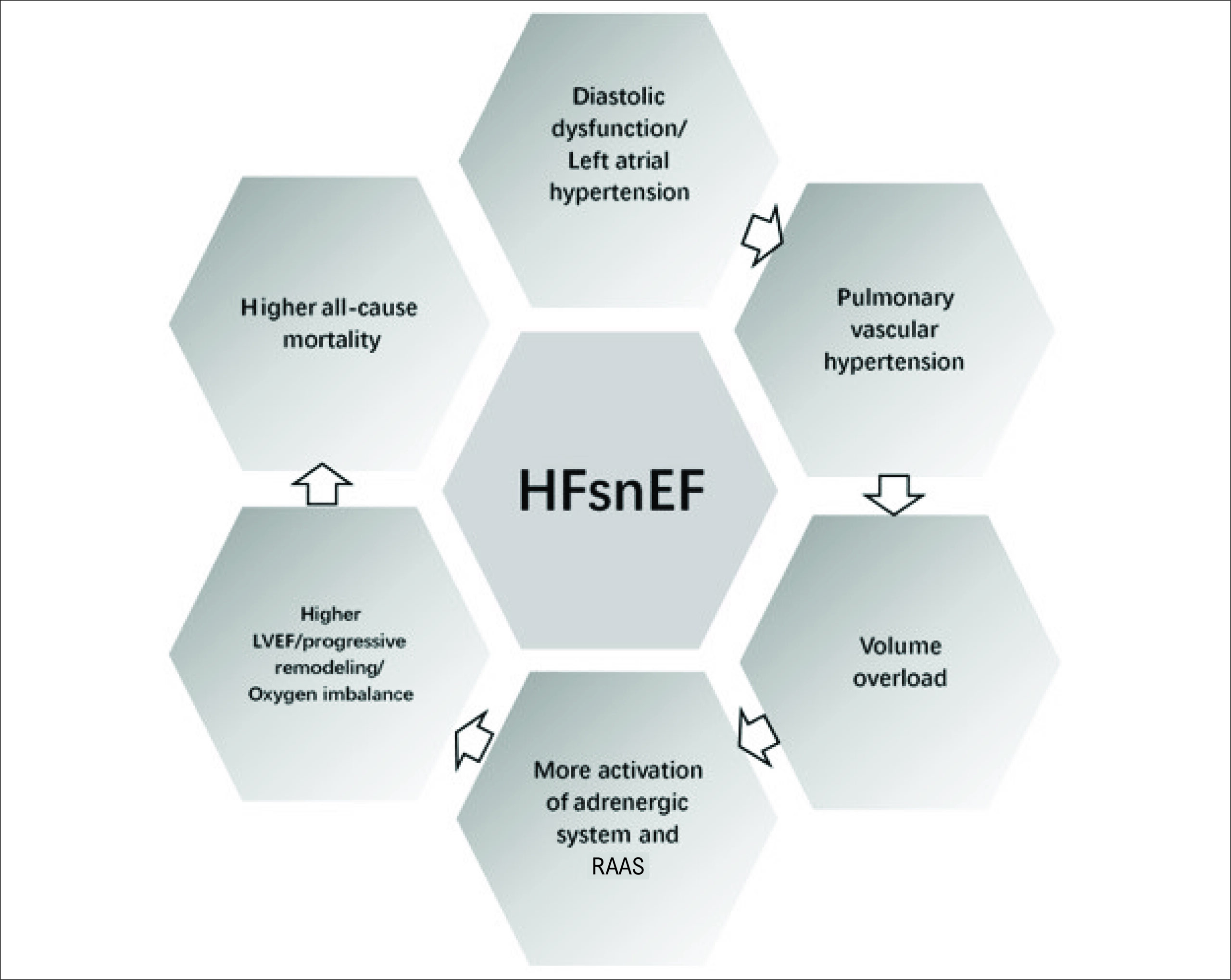
In 2019, an article published in the European Heart Journal recognized for the first time heart failure (HF) with left ventricular ejection fraction (LVEF)≥ 65% as a new HF phenotype, heart failure with supra-normal left ventricular ejection fraction (HFsnEF), with the main purpose of promoting research on this new category. They analyzed mortality in people with HF and found that there was a u-shaped relationship between mortality and LVEF. Accordingly, HFsnEF patients had a higher all-cause mortality compared with other patients diagnosed with HF with preserved ejection fraction (HFpEF). This article describes the current situation of HFsnEF and discusses future perspectives based on the preliminary results of our group. To better treat patients with HFsnEF, it is fundamental that cardiologists and physicians understand the differences and similarities of this new phenotype.

  • Cardiomegaly
  • Echocardiography/methods
  • Heart Failure
  • Heart Failure, Diastolic
  • Mortality
  • Prognosis
  • Stroke Volume
Read Full Article
Creative Commons Attribution (CC BY) Creative Commons license
17/05/2021 DOI: 10.36660/abc.20190835
Figure 1
ABC
Review Article

Cardiac Amyloidosis and its New Clinical Phenotype: Heart Failure with Preserved Ejection Fraction

Evandro Tinoco Mesquita et al. Antonio José Lagoeiro Jorge Celso Vale Souza Junior Thais Ribeiro de Andrade

Abstract

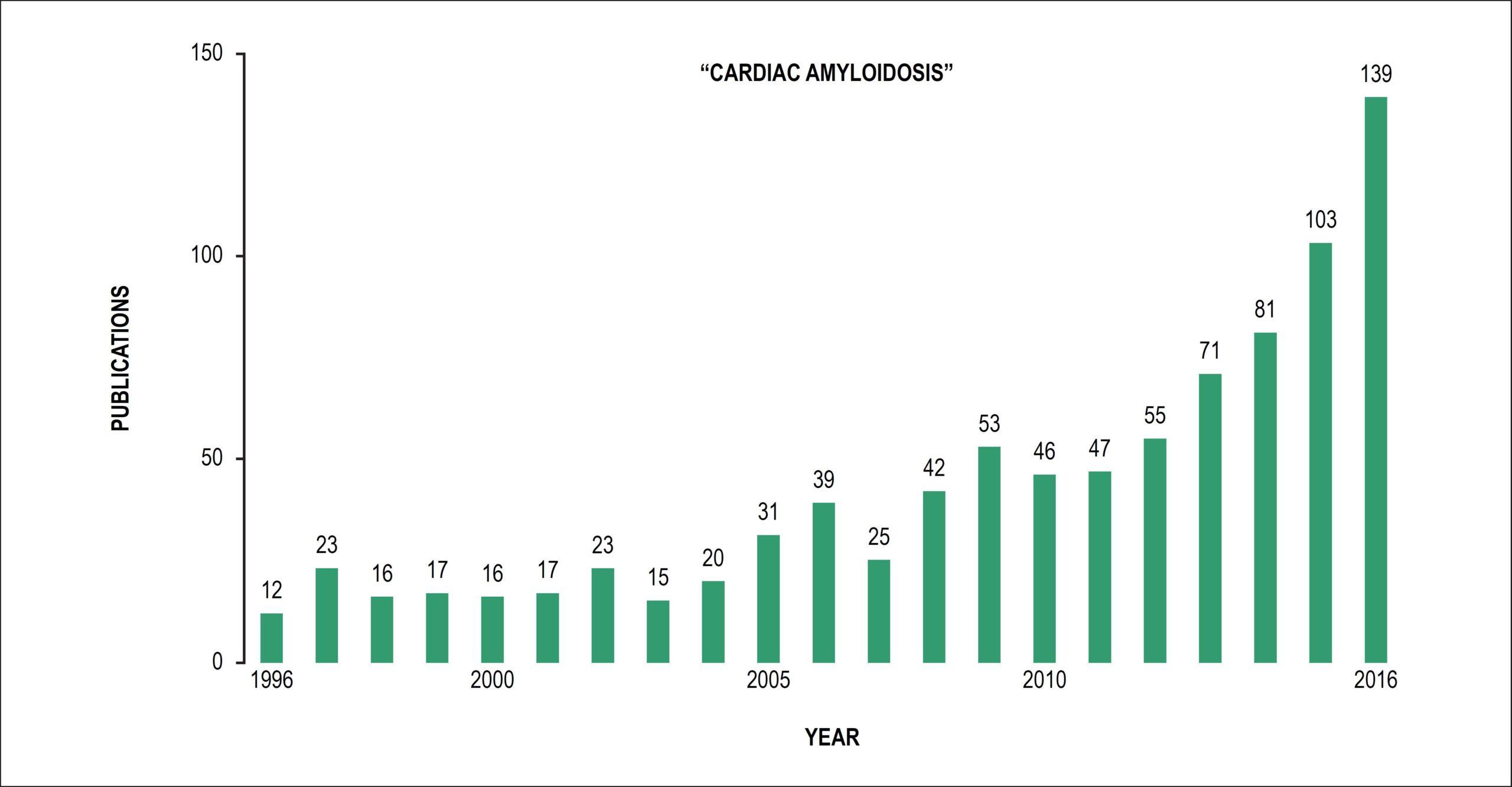
Heart failure with preserved ejection fraction (HFpEF) is now an emerging cardiovascular epidemic, being identified as the main phenotype observed in clinical practice. It is more associated with female gender, advanced age and comorbidities such as hypertension, diabetes, obesity and chronic kidney disease. Amyloidosis is a clinical disorder characterized by the deposition of aggregates of insoluble fibrils originating from proteins that exhibit anomalous folding. Recently, pictures of senile amyloidosis have been described in patients with HFpEF, demonstrating the need for clinical cardiologists to investigate this etiology in suspect cases. The clinical suspicion of amyloidosis should be increased in cases of HFPS where the cardio imaging methods are compatible with infiltrative cardiomyopathy. Advances in cardio imaging methods combined with the possibility of performing genetic tests and identification of the type of amyloid material allow the diagnosis to be made. The management of the diagnosed patients can be done in partnership with centers specialized in the study of amyloidosis, which, together with the new technologies, investigate the possibility of organ or bone marrow transplantation and also the involvement of patients in clinical studies that evaluate the action of the new emerging drugs.

  • Amyloidosis
  • Cardiomyopathy, Restrictive
  • Heart Failure, Diastolic
  • Risk Factors
  • Stroke Volume
Read Full Article
Creative Commons Attribution (CC BY) Creative Commons license
29/06/2017 DOI: 10.5935/abc.20170079 Views 2

How to cite this article

EndNote RIS

Electronic Document Format (Vancouver)

Moura AN, Camarozano AC, Sá CRF, Carmo DC, Fortunato JA, Darwich RZ, Baroncini LAV, et al. Right Ventricle Diastolic Function: Correlation with Age. ABC Imagem Cardiovascular 2023;36(2):e333.

Electronic Document Format (ABNT)

Moura, Arthur Nascimento de; Camarozano, Ana Cristina; Sá, Cintia Rocha Fortes de; Carmo, Daniela de Castro; Fortunato, Jerônimo Antonio; Darwich, Rubens Zenóbio; Baroncini, Liz Andréa Villela. Right Ventricle Diastolic Function: Correlation with Age. ABC Imagem Cardiovascular, v. 36, n. 2, e333, Jun. 2023.

Electronic Document Format (APA)

Moura, A. N. , Camarozano, A. C., Sá, C. R. F. , Carmo, D. C., Fortunato, J. A., Darwich, R. Z., & Baroncini, L. A. V. (2023). Right Ventricle Diastolic Function: Correlation with Age. ABC Imagem Cardiovascular, 36(2), e333.

Electronic Document Format (ISO)

Moura, Arthur Nascimento de and Camarozano, Ana Cristina and Sá, Cintia Rocha Fortes de and Carmo, Daniela de Castro and Fortunato, Jerônimo Antonio and Darwich, Rubens Zenóbio and Baroncini, Liz Andréa Villela. Right Ventricle Diastolic Function: Correlation with Age. ABC Imagem Cardiovascular [online]. 2023, vol. 36, n. 2, [cited 2026-10-14], e333. Available from: <https://journals.cardiol.br/en/article/right-ventricle-diastolic-function-correlation-with-age/>. ISSN 2318-8219

EndNote RIS

Electronic Document Format (Vancouver)

Almeida DR, Andrade FA. Invasive Hemodynamic Monitoring in the Diagnosis of Heart Failure with Preserved Ejection Fraction. ABC: Heart Failure & Cardiomyopathy 2022;2(3):290-5.

Electronic Document Format (ABNT)

Almeida, Dirceu Rodrigues; Andrade, Fernanda Almeida. Invasive Hemodynamic Monitoring in the Diagnosis of Heart Failure with Preserved Ejection Fraction. ABC: Heart Failure & Cardiomyopathy, v. 2, n. 3, p. 290-295, Nov. 2022.

Electronic Document Format (APA)

Almeida, D. R., & Andrade, F. A. (2022). Invasive Hemodynamic Monitoring in the Diagnosis of Heart Failure with Preserved Ejection Fraction. ABC: Heart Failure & Cardiomyopathy, 2(3), 290-295.

Electronic Document Format (ISO)

Almeida, Dirceu Rodrigues and Andrade, Fernanda Almeida. Invasive Hemodynamic Monitoring in the Diagnosis of Heart Failure with Preserved Ejection Fraction. ABC: Heart Failure & Cardiomyopathy [online]. 2022, vol. 2, n. 3, [cited 2026-10-14], pp. 290-295. Available from: <https://journals.cardiol.br/en/article/invasive-hemodynamic-monitoring-in-the-diagnosis-of-heart-failure-with-preserved-ejection-fraction/>

EndNote RIS

Electronic Document Format (Vancouver)

Jorge AJL, Martins WA, Mesquita ET, Carvalho MRM. Left Atrial Cardiomyopathy as a Generator of Heart Failure with Preserved Ejection Fraction. ABC: Heart Failure & Cardiomyopathy 2022;2(3):259-67.

Electronic Document Format (ABNT)

Jorge, Antonio José Lagoeiro; Martins, Wolney de Andrade; Mesquita, Evandro Tinoco; Carvalho, Marcio Roberto Moraes de. Left Atrial Cardiomyopathy as a Generator of Heart Failure with Preserved Ejection Fraction. ABC: Heart Failure & Cardiomyopathy, v. 2, n. 3, p. 259-267, Nov. 2022.

Electronic Document Format (APA)

Jorge, A. J. L., Martins, W. A., Mesquita, E. T., & Carvalho, M. R. M. (2022). Left Atrial Cardiomyopathy as a Generator of Heart Failure with Preserved Ejection Fraction. ABC: Heart Failure & Cardiomyopathy, 2(3), 259-267.

Electronic Document Format (ISO)

Jorge, Antonio José Lagoeiro and Martins, Wolney de Andrade and Mesquita, Evandro Tinoco and Carvalho, Marcio Roberto Moraes de. Left Atrial Cardiomyopathy as a Generator of Heart Failure with Preserved Ejection Fraction. ABC: Heart Failure & Cardiomyopathy [online]. 2022, vol. 2, n. 3, [cited 2026-10-14], pp. 259-267. Available from: <https://journals.cardiol.br/en/article/left-atrial-cardiomyopathy-as-a-generator-of-heart-failure-with-preserved-ejection-fraction/>

EndNote RIS

Electronic Document Format (Vancouver)

Bittencourt MI, Mourilhe-Rocha R. When to Suspect Infiltrative or Storage Cardiomyopathy in Patients with HFpEF?. ABC: Heart Failure & Cardiomyopathy 2022;2(3):319-21.

Electronic Document Format (ABNT)

Bittencourt, Marcelo Imbroinise; Mourilhe-Rocha, Ricardo. When to Suspect Infiltrative or Storage Cardiomyopathy in Patients with HFpEF?. ABC: Heart Failure & Cardiomyopathy, v. 2, n. 3, p. 319-321, Nov. 2022.

Electronic Document Format (APA)

Bittencourt, M. I., & Mourilhe-Rocha, R. (2022). When to Suspect Infiltrative or Storage Cardiomyopathy in Patients with HFpEF?. ABC: Heart Failure & Cardiomyopathy, 2(3), 319-321.

Electronic Document Format (ISO)

Bittencourt, Marcelo Imbroinise and Mourilhe-Rocha, Ricardo. When to Suspect Infiltrative or Storage Cardiomyopathy in Patients with HFpEF?. ABC: Heart Failure & Cardiomyopathy [online]. 2022, vol. 2, n. 3, [cited 2026-10-14], pp. 319-321. Available from: <https://journals.cardiol.br/en/article/when-to-suspect-infiltrative-or-storage-cardiomyopathy-in-patients-with-hfpef/>

EndNote RIS

Electronic Document Format (Vancouver)

Huang Z, Jiang Y, Zhou Y. Heart Failure with Supra-normal Left Ventricular Ejection Fraction – State of the Art. Arquivos Brasileiros de Cardiologia 2021;116(5):1019-22.

Electronic Document Format (ABNT)

Huang, Ziyin; Jiang, Yufeng; Zhou, Yafeng. Heart Failure with Supra-normal Left Ventricular Ejection Fraction – State of the Art. Arquivos Brasileiros de Cardiologia, v. 116, n. 5, p. 1019-1022, May. 2021.

Electronic Document Format (APA)

Huang, Z., Jiang, Y., & Zhou, Y. (2021). Heart Failure with Supra-normal Left Ventricular Ejection Fraction – State of the Art. Arquivos Brasileiros de Cardiologia, 116(5), 1019-1022.

Electronic Document Format (ISO)

Huang, Ziyin and Jiang, Yufeng and Zhou, Yafeng. Heart Failure with Supra-normal Left Ventricular Ejection Fraction – State of the Art. Arquivos Brasileiros de Cardiologia [online]. 2021, vol. 116, n. 5, [cited 2026-10-14], pp. 1019-1022. Available from: <https://journals.cardiol.br/en/article/heart-failure-with-supra-normal-left-ventricular-ejection-fraction-state-of-the-art/>. ISSN 0066-782X

EndNote RIS

Electronic Document Format (Vancouver)

Mesquita ET, Jorge AJL, Souza Junior CV, Andrade TR. Cardiac Amyloidosis and its New Clinical Phenotype: Heart Failure with Preserved Ejection Fraction. Arquivos Brasileiros de Cardiologia 2017;109(1):71-80.

Electronic Document Format (ABNT)

Mesquita, Evandro Tinoco; Jorge, Antonio José Lagoeiro; Souza Junior, Celso Vale; Andrade, Thais Ribeiro de. Cardiac Amyloidosis and its New Clinical Phenotype: Heart Failure with Preserved Ejection Fraction. Arquivos Brasileiros de Cardiologia, v. 109, n. 1, p. 71-80, Jun. 2017.

Electronic Document Format (APA)

Mesquita, E. T., Jorge, A. J. L., Souza Junior, C. V., & Andrade, T. R. (2017). Cardiac Amyloidosis and its New Clinical Phenotype: Heart Failure with Preserved Ejection Fraction. Arquivos Brasileiros de Cardiologia, 109(1), 71-80.

Electronic Document Format (ISO)

Mesquita, Evandro Tinoco and Jorge, Antonio José Lagoeiro and Souza Junior, Celso Vale and Andrade, Thais Ribeiro de. Cardiac Amyloidosis and its New Clinical Phenotype: Heart Failure with Preserved Ejection Fraction. Arquivos Brasileiros de Cardiologia [online]. 2017, vol. 109, n. 1, [cited 2026-10-14], pp. 71-80. Available from: <https://journals.cardiol.br/en/article/cardiac-amyloidosis-and-its-new-clinical-phenotype-heart-failure-with-preserved-ejection-fraction/>. ISSN 0066-782X

  • About ABC Family
  • Internal Regulation
  • Editorial Board
  • Brazilian Society of Cardiology (SBC)

Issues

SBC Guidelines

  • Videos
  • Podcasts
  • News