| ABC
ABC Family Arquivos Brasileiros de Cardiologia International Journal of Cardiovascular Sciences ABC Heart Failure & Cardiomyopathy ABC Imagem Cardiovascular
Português English
ABC Family | ABC
Português English
  • About
    • About the Journal
    • Internal Regulation
    • Editors Section
    • Editorial Board
    • History
    • SBC Award
  • Instructions to Authors
    • Guidelines for Publication
    • Editorial Policy
    • Ethics Policy
    • Policy on the Use of Artificial Intelligence
    • Mandatory Publication Form
    • Publication Fee
  • Issues
  • SBC Guidelines
  • Abstracts
    • How to Publish an Abstract Supplement?
    • Supplements from the Brazilian Congress of Cardiology
  • About
    • About the Journal
    • Internal Regulation
    • Editors Section
    • Editorial Board
    • History
    • SBC Award
  • Instructions to Authors
    • Guidelines for Publication
    • Editorial Policy
    • Ethics Policy
    • Policy on the Use of Artificial Intelligence
    • Mandatory Publication Form
    • Publication Fee
  • Issues
  • SBC Guidelines
  • Abstracts
    • How to Publish an Abstract Supplement?
    • Supplements from the Brazilian Congress of Cardiology

ABC Family

  • ABC Family
  • Arquivos Brasileiros de Cardiologia
  • International Journal of Cardiovascular Sciences
  • ABC Heart Failure & Cardiomyopathy
  • ABC Imagem Cardiovascular
Search in

No content found.

Journals
Ordering
Article types
Others

  1. Home
  2. ABC
  3. Issues
  4. 2016, Volume 107, Number 3
Figure 1
Image

ST Segment Elevation Myocardial Infarction in Coronary Arteries with Massive Ectasy

Ana Rita G. Francisco et al. José Duarte Miguel Nobre Menezes José Marques da Costa … Pedro Canas da Silva Fausto J. Pinto

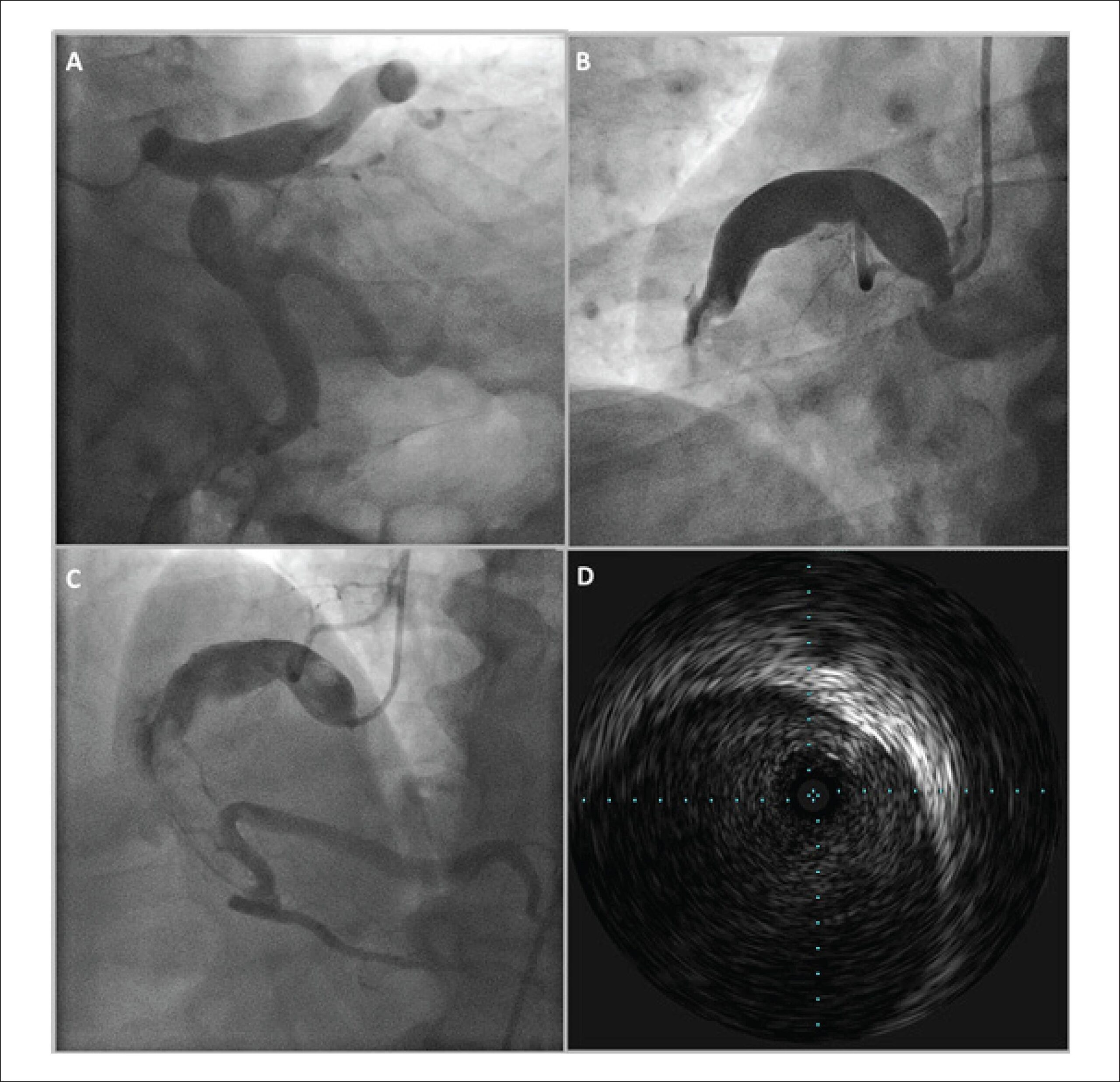
A 69-year-old caucasian male with a history of hypertension, dyslipidemia, obesity and tobacco use was admitted due to an inferior ST-segment elevation myocardial infarction with two hours evolution. He was treated with aspirin, clopidogrel and unfractioned heparin, and an emergent transradial coronary angiography was performed. Ectasic dilatation of left main, left anterior descending and circumflex arteries were documented, with distal TIMI 2 flow (). The dominant right coronary artery (RCA) was massively dilated proximally and occluded in the mid segment ().

[…]

  • Acute coronary syndrome
  • Coronary Aneurysm
  • Coronary Artery Disease
  • Thrombectomy
Read Full Article
Creative Commons Attribution (CC BY) Creative Commons license
01/09/2016 DOI: 10.5935/abc.20160093
Figure 1
Case Report

Complicated Sinus of Valsalva Aneurysm Initially Diagnosed as Atrial Myxoma

Rafael Plens Teixeira et al. Pedro Felipe Gomes Nicz Felipe Lourenço Fernandes Renner Augusto Raposo Pereira … Roney Orismar Sampaio Flavio Tarasoutchi

Introduction

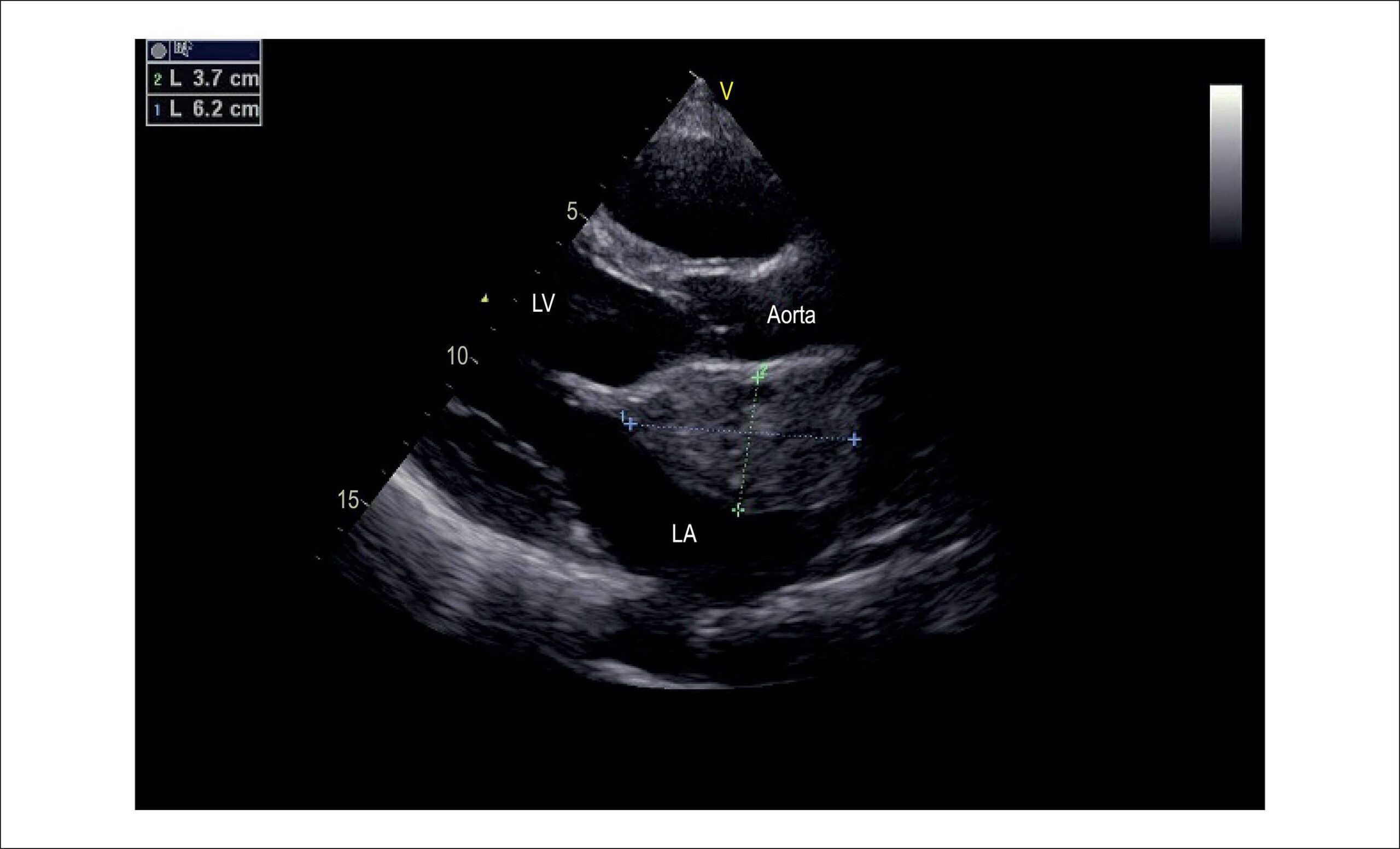
Atrial myxoma and sinus of Valsalva aneurysm (SVA) are rare conditions and possibly underdiagnosed in clinical practice. We report an unusual presentation of a left SVA after an episode of infective endocarditis (IE). The SVA extrinsically compressed the left main coronary artery (LMCA), which was initially diagnosed as a left atrial myxoma.

[…]

  • Aortic Aneurysm/surgery
  • Aortic Valve Insufficiency/surgery
  • Echocardiography, Transesophageal
  • Magnetic Resonance Spectroscopy
  • Mitral Valve Insufficiency / surgery
  • Sinus of Valsalva
Read Full Article
Creative Commons Attribution (CC BY) Creative Commons license
01/09/2016 DOI: 10.5935/abc.20160126 Views 1
Letter to the Editor

Heart Rate Recovery and Selective Serotonin Reuptake Inhibitors

Levent Cerit

To the Editor,

I have read, with great interest, the article entitled “Influence of Smoking Consumption and Nicotine Dependence Degree in Cardiac Autonomic Modulation” by Santos et al., recently published in Arquivos Brasileiros de Cardiologia 2016; 106: 510-8. The reseearchers reported that only the intensity of smoking consumption had influences over cardiac autonomic modulation of the evaluated smokers. Smokers with severe smoking consumption intensity presented worse autonomic modulation than moderate ones.

[…]

  • Antidepressive Agents
  • Heart Rate
  • Tobacco Use
Read Full Article
Creative Commons Attribution (CC BY) Creative Commons license
01/09/2016 DOI: 10.5935/abc.20160136 Views 1
Figure 1
Clinicoradiological Session

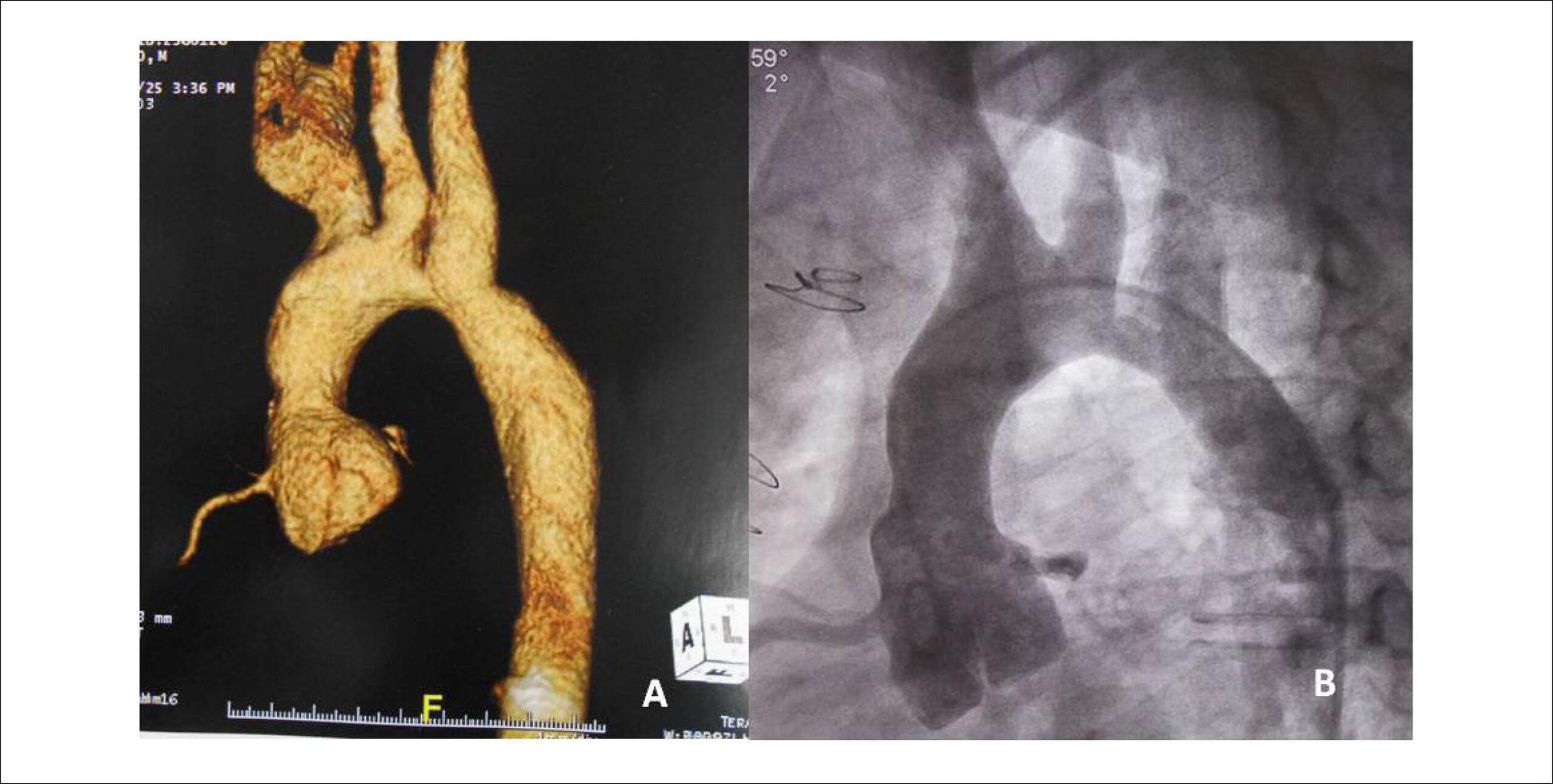
Case 5/2016 – Native Coarctation of the Aortic Arch, Relieved By Percutaneous Treatment in an Adult

Edmar Atik et al. Raul Arrieta

Complementary tests

Electrocardiogram showed sinus rhythm, signs of complete right bundle branch block wit QRS duration of 0.14”, and block of the anterior superior division of the left bundle branch (unchanged since neonatal aortic coarctation repair and interventricular communication). P axis: +20º, QRS axis: +250º, T axis: +35º.

Chest radiograph showed normal heart area and myocardial hypertrophy, and normal pulmonary vasculature.

[…]

  • Angioplasty
  • Aortic Disease
  • Aortic Disease/complications
  • Cardiac Hypertrophy
  • Hypertension
Read Full Article
Creative Commons Attribution (CC BY) Creative Commons license
01/09/2016 DOI: 10.5935/abc.20160130
Figure 1
Original Article

Prevalence and Phenotypic Expression of Mutations in the MYH7, MYBPC3 and TNNT2 Genes in Families with Hypertrophic Cardiomyopathy in the South of Brazil: A Cross-Sectional Study

Beatriz Piva e Mattos et al. Fernando Luís Scolari Marco Antonio Rodrigues Torres Laura Simon … Valéria Centeno de Freitas Roberto Giugliani Úrsula Matte

Abstract

Background:

Mutations in sarcomeric genes are found in 60-70% of individuals with familial forms of hypertrophic cardiomyopathy (HCM). However, this estimate refers to northern hemisphere populations. The molecular-genetic profile of HCM has been subject of few investigations in Brazil, particularly in the south of the country.

Objective:

To investigate mutations in the sarcomeric genes MYH7, MYBPC3 and TNNT2 in a cohort of HCM patients living in the extreme south of Brazil, and to evaluate genotype-phenotype associations.

Methods:

Direct DNA sequencing of all encoding regions of three sarcomeric genes was conducted in 43 consecutive individuals of ten unrelated families.

Results:

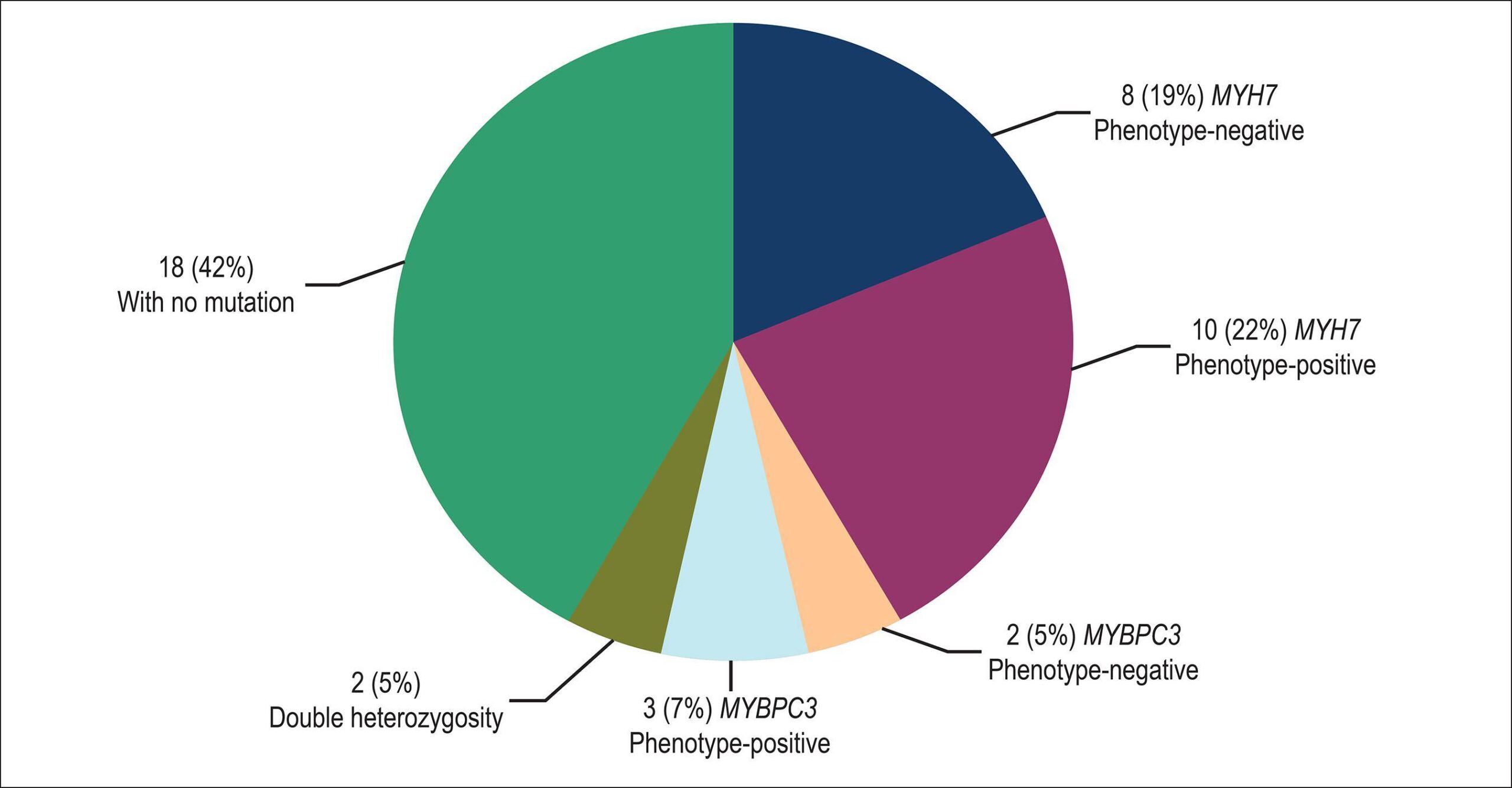
Mutations for CMH have been found in 25 (58%) patients of seven (70%) of the ten study families. Fourteen (56%) individuals were phenotype-positive. All mutations were missense, four (66%) in MYH7 and two (33%) in MYBPC3. We have not found mutations in the TNNT2 gene. Mutations in MYH7 were identified in 20 (47%) patients of six (60%) families. Two of them had not been previously described. Mutations in MYBPC3 were found in seven (16%) members of two (20%) families. Two (5%) patients showed double heterozygosis for both genes. The mutations affected different domains of encoded proteins and led to variable phenotypic expression. A family history of HCM was identified in all genotype-positive individuals.

Conclusions:

In this first genetic-molecular analysis carried out in the south of Brazil, we found mutations in the sarcomeric genes MYH7 and MYBPC3 in 58% of individuals. MYH7-related disease was identified in the majority of cases with mutation.

  • Cardiomyopathy, Hypertrophic
  • Epidemiology
  • Ethnicity and Health
  • Mutation / genetics
  • Sarcomeres
Read Full Article
Creative Commons Attribution (CC BY) Creative Commons license
01/09/2016 DOI: 10.5935/abc.20160133
Figure 1
Original Article

Fondaparinux versus Enoxaparin – Which is the Best Anticoagulant for Acute Coronary Syndrome? – Brazilian Registry Data

Alexandre de Matos Soeiro et al. Pedro Gabriel Melo de Barros e Silva Eduardo Alberto de Castro Roque Aline Siqueira Bossa … Maria Cristina César Sheila Aparecida Simões Mariana Yumi Okada Tatiana de Carvalho Andreucci Torres Leal Fátima Cristina Monteiro Pedroti Múcio Tavares de Oliveira Jr.

Abstract

Background:

Recent studies have shown fondaparinux’s superiority over enoxaparin in patients with non-ST elevation acute coronary syndrome (ACS), especially in relation to bleeding reduction. The description of this finding in a Brazilian registry has not yet been documented.

Objective:

To compare fondaparinux versus enoxaparin in in-hospital prognosis of non-ST elevation ACS.

Methods:

Multicenter retrospective observational study. A total of 2,282 patients were included (335 in the fondaparinux group, and 1,947 in the enoxaparin group) between May 2010 and May 2015. Demographic, medication intake and chosen coronary treatment data were obtained. Primary outcome was mortality from all causes. Secondary outcome was combined events (cardiogenic shock, reinfarction, death, stroke and bleeding). Comparison between the groups were done through Chi-Square test and T test. Multivariate analysis was done through logistic regression, with significance values defined as p < 0.05.

Results:

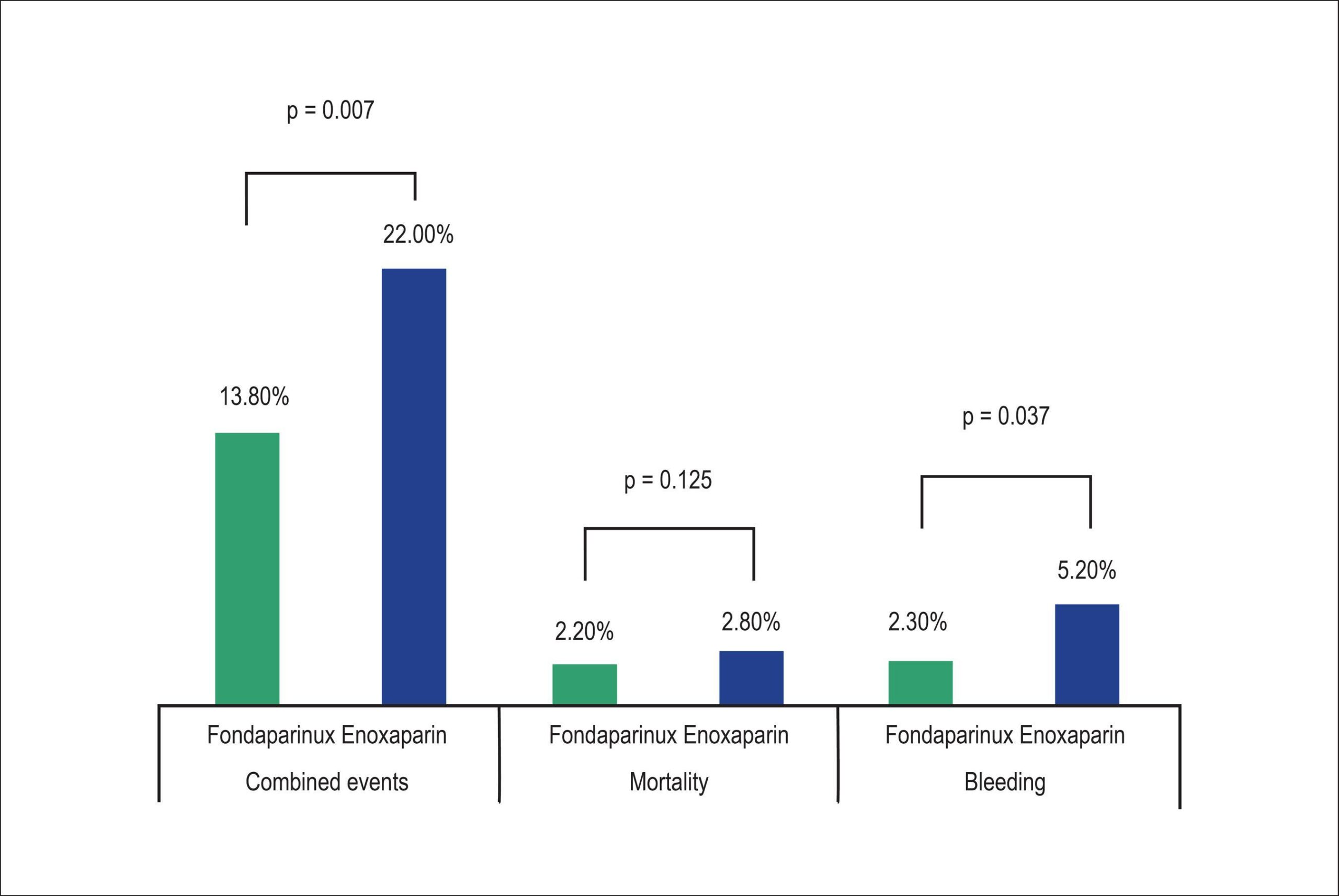
With regards to treatment, we observed the performance of a percutaneous coronary intervention in 40.2% in the fondaparinux group, and in 35.1% in the enoxaparin group (p = 0.13). In the multivariate analysis, we observed significant differences between fondaparinux and enoxaparin groups in relation to combined events (13.8% vs. 22%. OR = 2.93, p = 0.007) and bleeding (2.3% vs. 5.2%, OR = 4.55, p = 0.037), respectively.

Conclusion:

Similarly to recently published data in international literature, fondaparinux proved superior to enoxaparin for the Brazilian population, with significant reduction of combined events and bleeding.

  • Acute coronary syndrome
  • Anticoagulants / therapeutic use
  • Enoxaparin / therapeutic use
  • Hemorrhage
  • Myocardial Infarction
  • Percutaneous Coronary Intervention
Read Full Article
Creative Commons Attribution (CC BY) Creative Commons license
29/08/2016 DOI: 10.5935/abc.20160127
Figure 1
Original Article

Complications after Surgical Procedures in Patients with Cardiac Implantable Electronic Devices: Results of a Prospective Registry

Katia Regina da Silva et al. Caio Marcos de Moraes Albertini Elizabeth Sartori Crevelari Eduardo Infante Januzzi de Carvalho … Alfredo Inácio Fiorelli Martino Martinelli Filho Roberto Costa

Abstract

Background:

Complications after surgical procedures in patients with cardiac implantable electronic devices (CIED) are an emerging problem due to an increasing number of such procedures and aging of the population, which consequently increases the frequency of comorbidities.

Objective:

To identify the rates of postoperative complications, mortality, and hospital readmissions, and evaluate the risk factors for the occurrence of these events.

Methods:

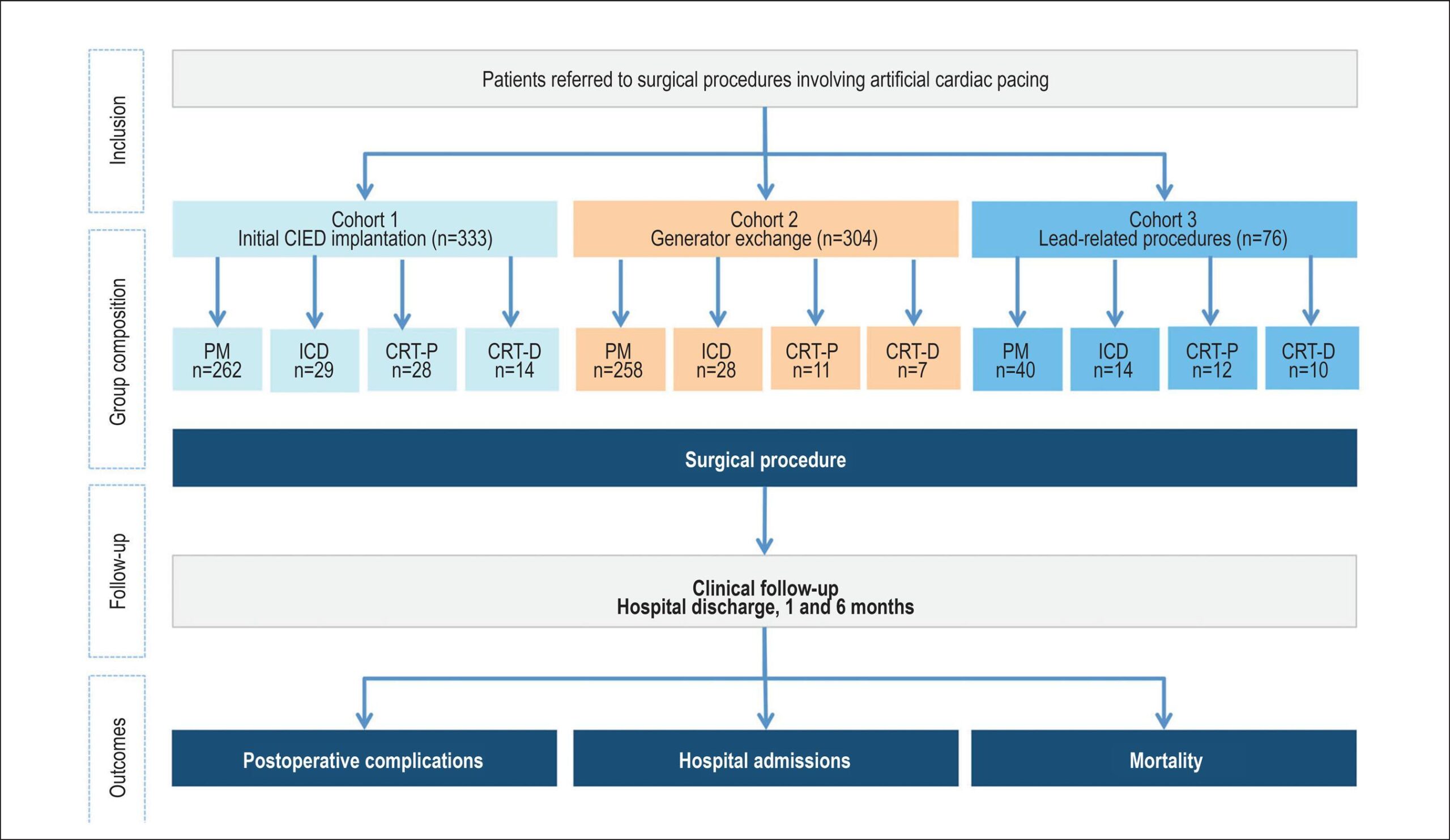
Prospective and unicentric study that included all individuals undergoing CIED surgical procedures from February to August 2011. The patients were distributed by type of procedure into the following groups: initial implantations (cohort 1), generator exchange (cohort 2), and lead-related procedures (cohort 3). The outcomes were evaluated by an independent committee. Univariate and multivariate analyses assessed the risk factors, and the Kaplan-Meier method was used for survival analysis.

Results:

A total of 713 patients were included in the study and distributed as follows: 333 in cohort 1, 304 in cohort 2, and 76 in cohort 3. Postoperative complications were detected in 7.5%, 1.6%, and 11.8% of the patients in cohorts 1, 2, and 3, respectively (p = 0.014). During a 6-month follow-up, there were 58 (8.1%) deaths and 75 (10.5%) hospital readmissions. Predictors of hospital readmission included the use of implantable cardioverter-defibrillators (odds ratio [OR] = 4.2), functional class III­-IV (OR = 1.8), and warfarin administration (OR = 1.9). Predictors of mortality included age over 80 years (OR = 2.4), ventricular dysfunction (OR = 2.2), functional class III-IV (OR = 3.3), and warfarin administration (OR = 2.3).

Conclusions:

Postoperative complications, hospital readmissions, and deaths occurred frequently and were strongly related to the type of procedure performed, type of CIED, and severity of the patient’s underlying heart disease.

  • Defibrillators, Implantable
  • Intraoperative Complications/mortality
  • Pacemaker, Artificial
  • Surgery/complications
Read Full Article
Creative Commons Attribution (CC BY) Creative Commons license
29/08/2016 DOI: 10.5935/abc.20160129
Figure 1
Original Article

Proportional Mortality due to Heart Failure and Ischemic Heart Diseases in the Brazilian Regions from 2004 to 2011

Eduardo Nagib Gaui et al. Carlos Henrique Klein Glaucia Maria Moraes de Oliveira

Abstract

Background:

Heart failure (HF) and ischemic heart diseases (IHD) are important causes of death in Brazil.

Objective:

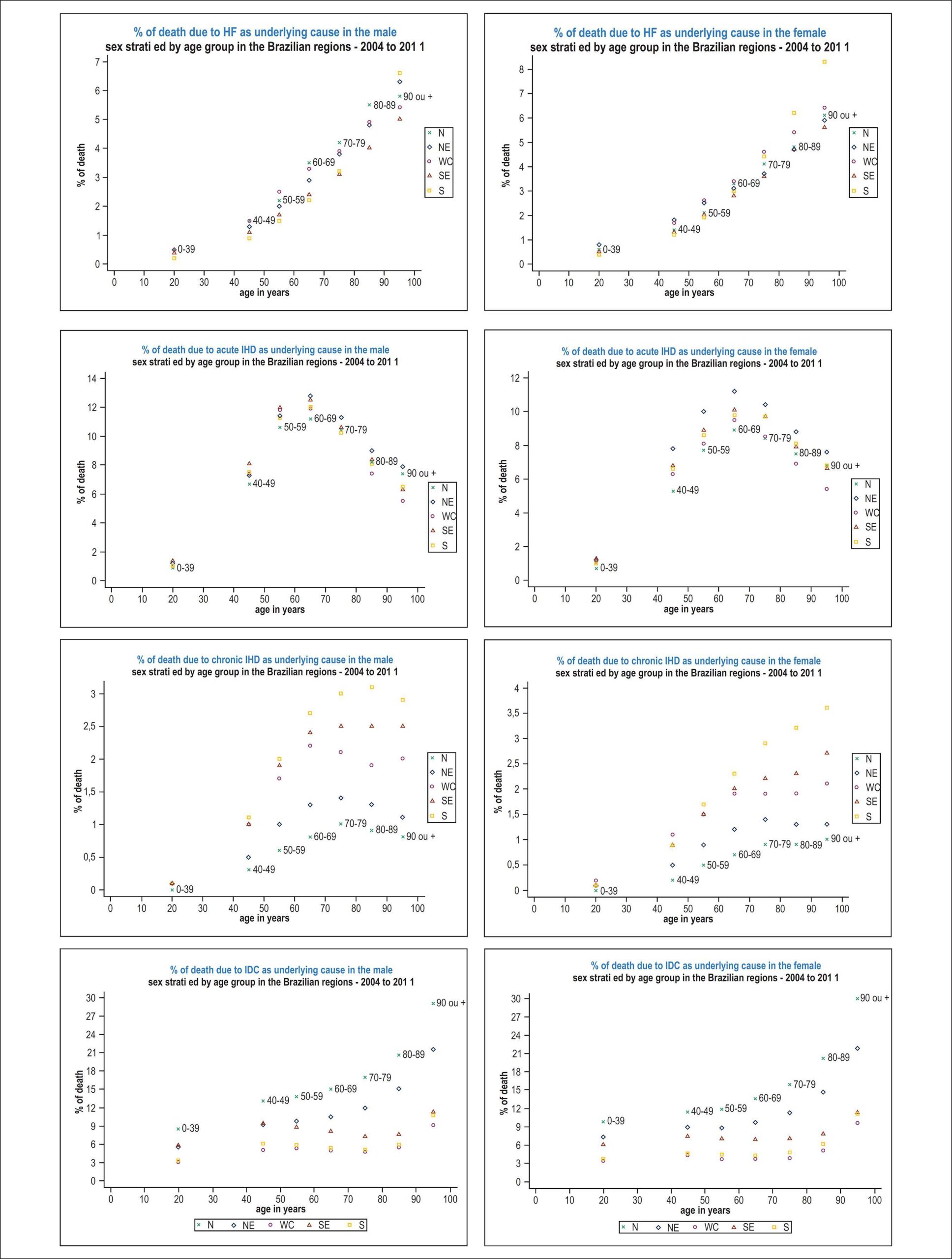
To assess proportional mortality (PM) due to HF and IHD as underlying causes stratified by sex and age groups in the Brazilian geoeconomic regions from 2004 to 2011.

Methods:

Data from death certificates were obtained in the DATASUS site under the following International Statistical Classification of Diseases and Related Health Problems codes, 10th Revision: 1) from chapter IX: I20 to I24 for acute IHD, I25 for chronic IHD, and I50 for HF; and 2) from chapter XVIII, for ill-defined causes (IDC).

Results:

Proportional mortality due to HF increased with age in both sexes and all regions, the highest percentages being found among elderly women. Among men, the highest percentages were observed in the West-Central region up to the ninth decade, but, among the eldest individuals, the highest percentages were identified in the Southern region. Among women, the regions did not differ up to the age group of 70-79 years, although the West-Central region took the lead from 50 to 79 years; however, from the age of 80 years on, the Southern region showed the highest PM due to HF. Proportional mortality due to acute IHD in all Brazilian regions and in both sexes increased up to the age group of 60-69 years, from which it decreased. Among men, the Southeastern region had the highest percentages in the age group of 50-59 years, while women had lower PM due to acute IHD than men in all regions. In both sexes, PM due to chronic IHD increased with age in the Southern and Southeastern regions, which did not happen in the others, while the Southern region had the highest rate of all regions for all age groups.

Conclusions:

Regional differences were more prominent at more advanced ages, especially when deaths due to IDC were excluded.

  • Brazil
  • Death Certificates
  • Epidemiology
  • Heart Failure / mortality
  • Myocardial Ischemia/mortaity
Read Full Article
Creative Commons Attribution (CC BY) Creative Commons license
11/08/2016 DOI: 10.5935/abc.20160119
Figure 1
Original Article

Effects of Air Pollutant Exposure on Acute Myocardial Infarction, According to Gender

Tássia Soldi Tuan et al. Taís Siqueira Venâncio Luiz Fernando Costa Nascimento

Abstract

Background:

There is evidence of the effects of air pollution on hospital admissions due to cardiovascular diseases, including myocardial infarction.

Objective:

To estimate the association between exposure to air pollutants and hospital admissions due to myocardial infarction according to gender, between January 1st 2012 and December 31st 2013, in São Jose dos Campos-SP.

Methods:

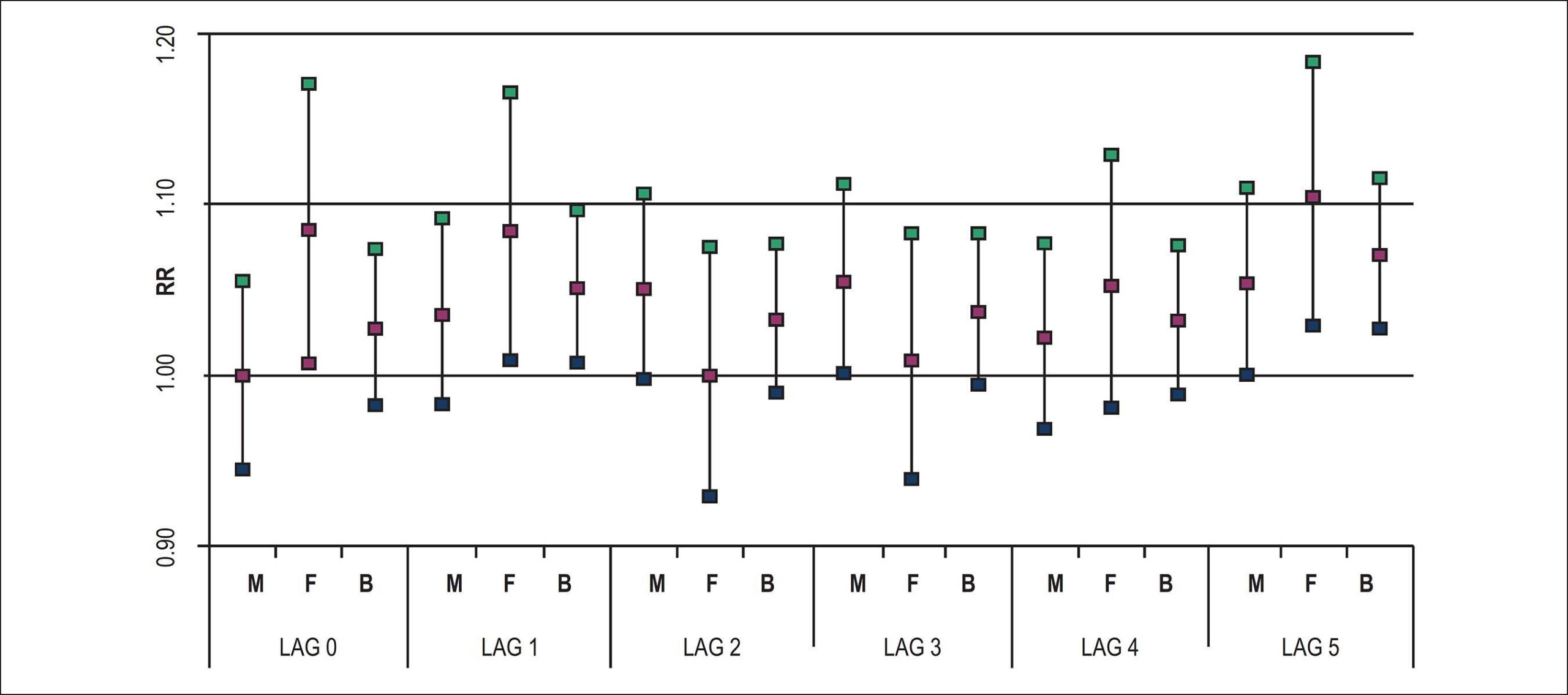
An ecological time series study was carried out with daily data of admissions due to AMI, pollutants CO, O3, PM10, SO2, and NO2, according to gender. We used the Poisson regression generalized linear model to estimate the relative risks of hospital admissions with lags of 0-5 days, adjusted for temperature, humidity, seasonality and days of the week.

Results:

There were 1837 admissions for ischemic heart diseases, with 636 women and 1201 men. For females, the risks were significant for CO in lag 0 (RR = 1,09), lag1 (RR = 1,08) and lag 5 (RR = 1,10) and SO2 in lag 0 (RR = 1,10) and 3 (RR = 1,09). For men there was significance of the CO in, lag 3 and lag 5 (RR = 1,05). There was significance, regardless of gender, for CO at lag 1 (RR = 1,05) and lag 5 (RR = 1,07) and lag 0 for SO2 (RR = 1,06).

Conclusion:

The data presented show the important role of CO and SO2 in the genesis of myocardial infarction admissions, and responses to pollutant exposure are different if analyzed by gender and together – hence the importance of a stratified analyses.
  • Carbon Monoxide
  • Environmental Pollutants
  • Gender Identity
  • Myocardial Infarction
  • Sulfur Dioxide
Read Full Article
Creative Commons Attribution (CC BY) Creative Commons license
11/08/2016 DOI: 10.5935/abc.20160117
Figure 1
Original Article

Jabuticaba-Induced Endothelium-Independent Vasodilating Effect on Isolated Arteries

Daniela Medeiros Lobo de Andrade et al. Leonardo Luis Borges Ieda Maria Sapateiro Torres Edemilson Cardoso da Conceição Matheus Lavorenti Rocha

Abstract

Background:

Despite the important biological effects of jabuticaba, its actions on the cardiovascular system have not been clarified.

Objectives:

To determine the effects of jabuticaba hydroalcoholic extract (JHE) on vascular smooth muscle (VSM) of isolated arteries.

Methods:

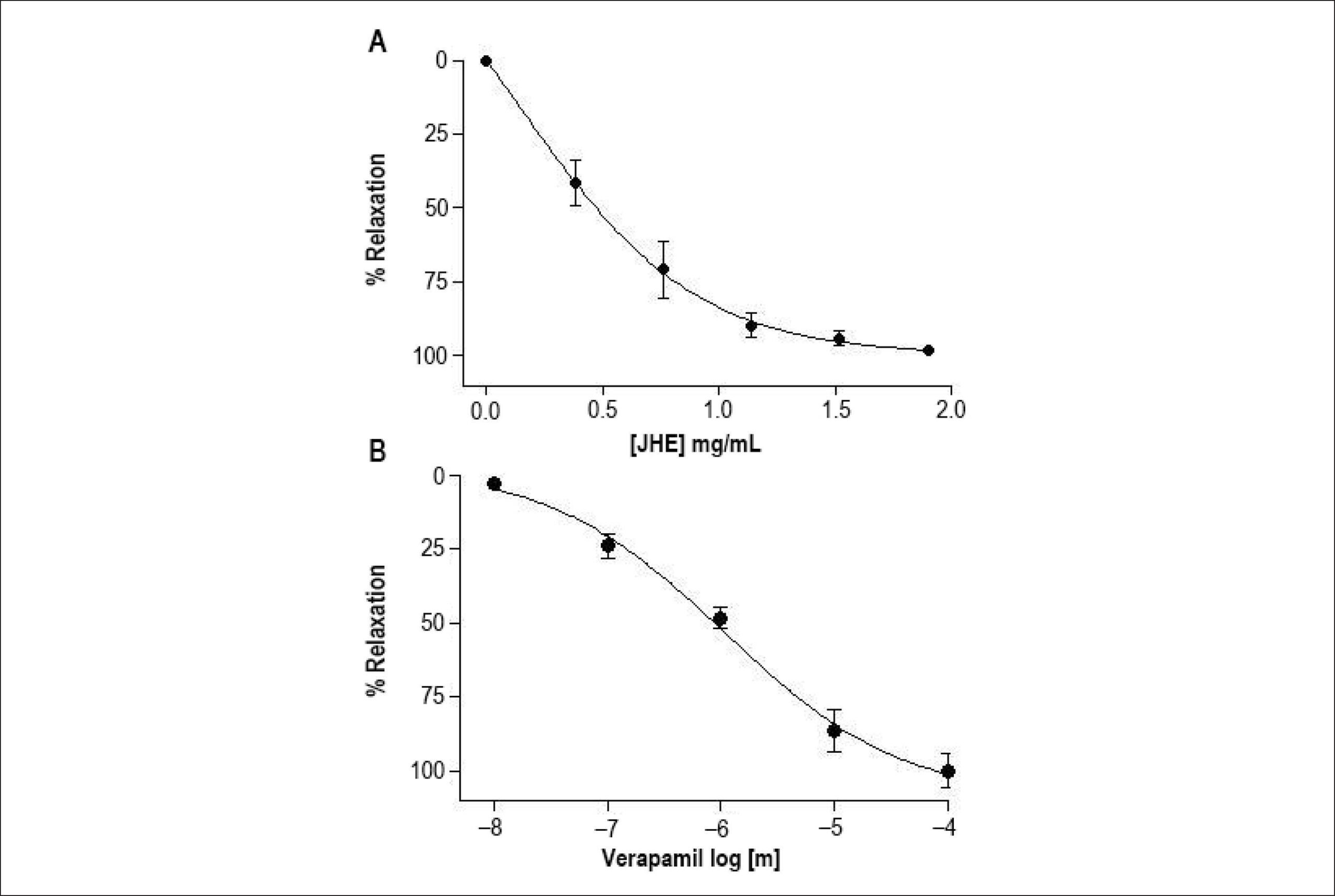
Endothelium-denuded aortic rings of rats were mounted in isolated organ bath to record isometric tension. The relaxant effect of JHE and the influence of K+ channels and Ca2+ intra- and extracellular sources on JHE-stimulated response were assessed.

Results:

Arteries pre-contracted with phenylephrine showed concentration-dependent relaxation (0.380 to 1.92 mg/mL). Treatment with K+ channel blockers (tetraethyl-ammonium, glibenclamide, 4-aminopyridine) hindered relaxation due to JHE. In addition, phenylephrine-stimulated contraction was hindered by previous treatment with JHE. Inhibition of sarcoplasmic reticulum Ca2+ ATPase did not change relaxation due to JHE. In addition, JHE inhibited the contraction caused by Ca2+ influx stimulated by phenylephrine and KCl (75 mM).

Conclusion:

JHE induces endothelium-independent vasodilation. Activation of K+ channels and inhibition of Ca2+ influx through the membrane are involved in the JHE relaxant effect.

  • Calcium Channels
  • Jabuticaba (Myrciaria Cauliflora)
  • Muscle, Smooth, Vascular
  • Trees
  • Vasodilatation
Read Full Article
Creative Commons Attribution (CC BY) Creative Commons license
11/08/2016 DOI: 10.5935/abc.20160118
Figure 1
Original Article

Syntax Score and Major Adverse Cardiac Events in Patients with Suspected Coronary Artery Disease: Results from a Cohort Study in a University-Affiliated Hospital in Southern Brazil

Felipe C. Fuchs et al. Jorge P. Ribeiro Flávio D. Fuchs Marco V. Wainstein … Luis C. Bergoli Rodrigo V. Wainstein Vanessa Zen Alessandra C. Kerkhoff Leila B. Moreira Sandra C. Fuchs

Abstract

Background:

The importance of coronary anatomy in predicting cardiovascular events is well known. The use of traditional anatomical scores in routine angiography, however, has not been incorporated to clinical practice. SYNTAX score (SXscore) is a scoring system that estimates the anatomical extent of coronary artery disease (CAD). Its ability to predict outcomes based on a baseline diagnostic angiography has not been tested to date.

Objective:

To evaluate the performance of the SXscore in predicting major adverse cardiac events (MACE) in patients referred for diagnostic angiography.

Methods:

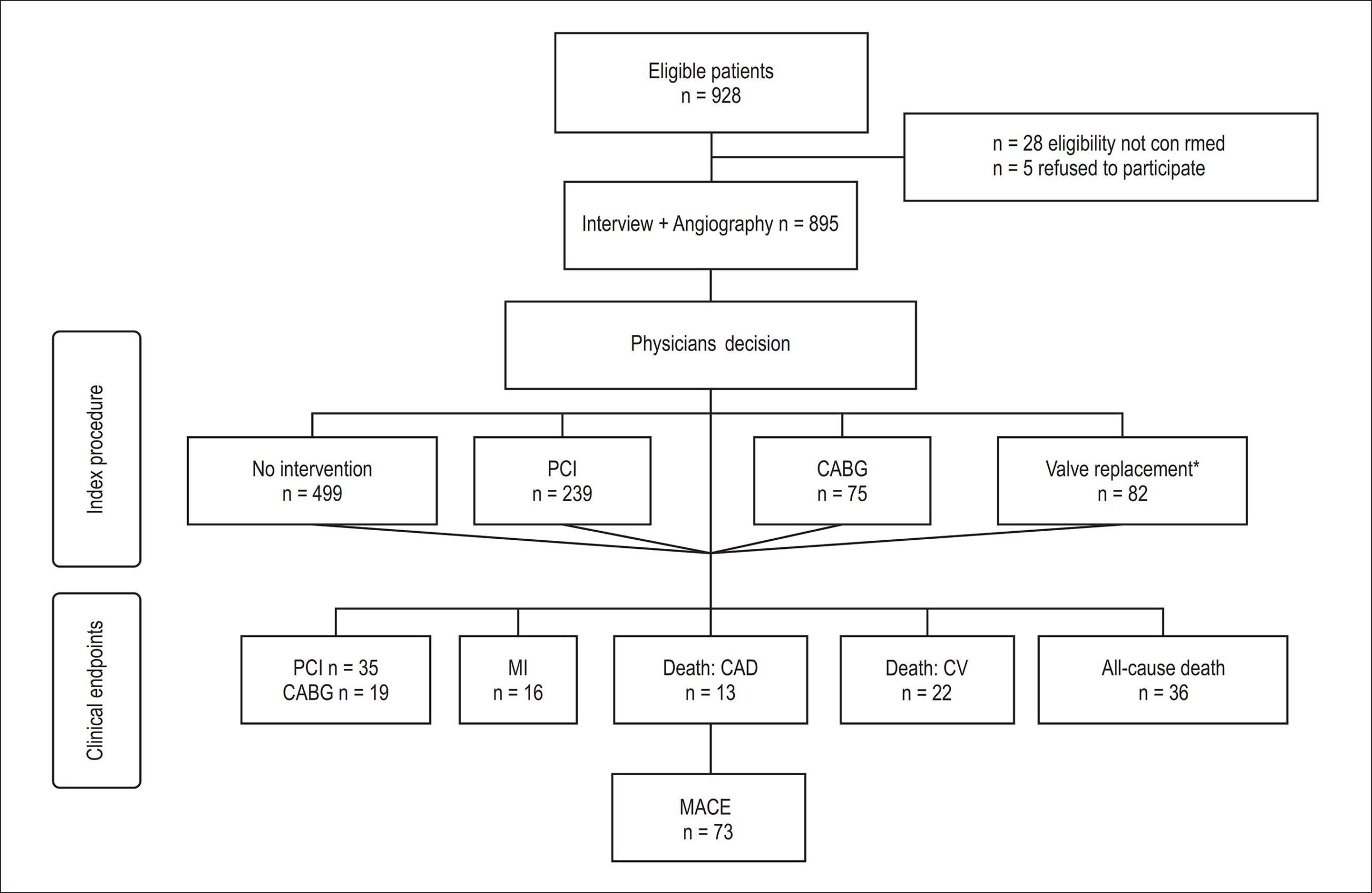
Prospective cohort of 895 patients with suspected CAD referred for elective diagnostic coronary angiography from 2008 to 2011, at a university-affiliated hospital in Brazil. They had their SXscores calculated and were stratified in three categories: no significant CAD (n = 495), SXscoreLOW-INTERMEDIATE: < 23 (n = 346), and SXscoreHIGH: ≥ 23 (n = 54). Primary outcome was a composite of cardiac death, myocardial infarction, and late revascularization. Secondary endpoints were the components of MACE and death from any cause.

Results:

On average, patients were followed up for 1.8 ± 1.4 years. The primary outcome occurred in 2.2%, 15.3%, and 20.4% in groups with no significant CAD, SXscoreLOW-INTERMEDIATE, and SXscoreHIGH, respectively (p < 0.001). All-cause death was significantly higher in the SXscoreHIGH compared with the ‘no significant CAD’ group, 16.7% and 3.8% (p < 0.001), respectively. After adjustment for confounding factors, all outcomes remained associated with the SXscore.

Conclusions:

SXscore independently predicts MACE in patients submitted to diagnostic coronary angiography. Its routine use in this setting could identify patients with worse prognosis.

  • Cineangiography
  • Cohort Studies
  • Coronary Artery Disease / epidemiology
  • Probability
  • SYNTAX score
Read Full Article
Creative Commons Attribution (CC BY) Creative Commons license
08/08/2016 DOI: 10.5935/abc.20160111 Views 1
Figure 1
Original Article

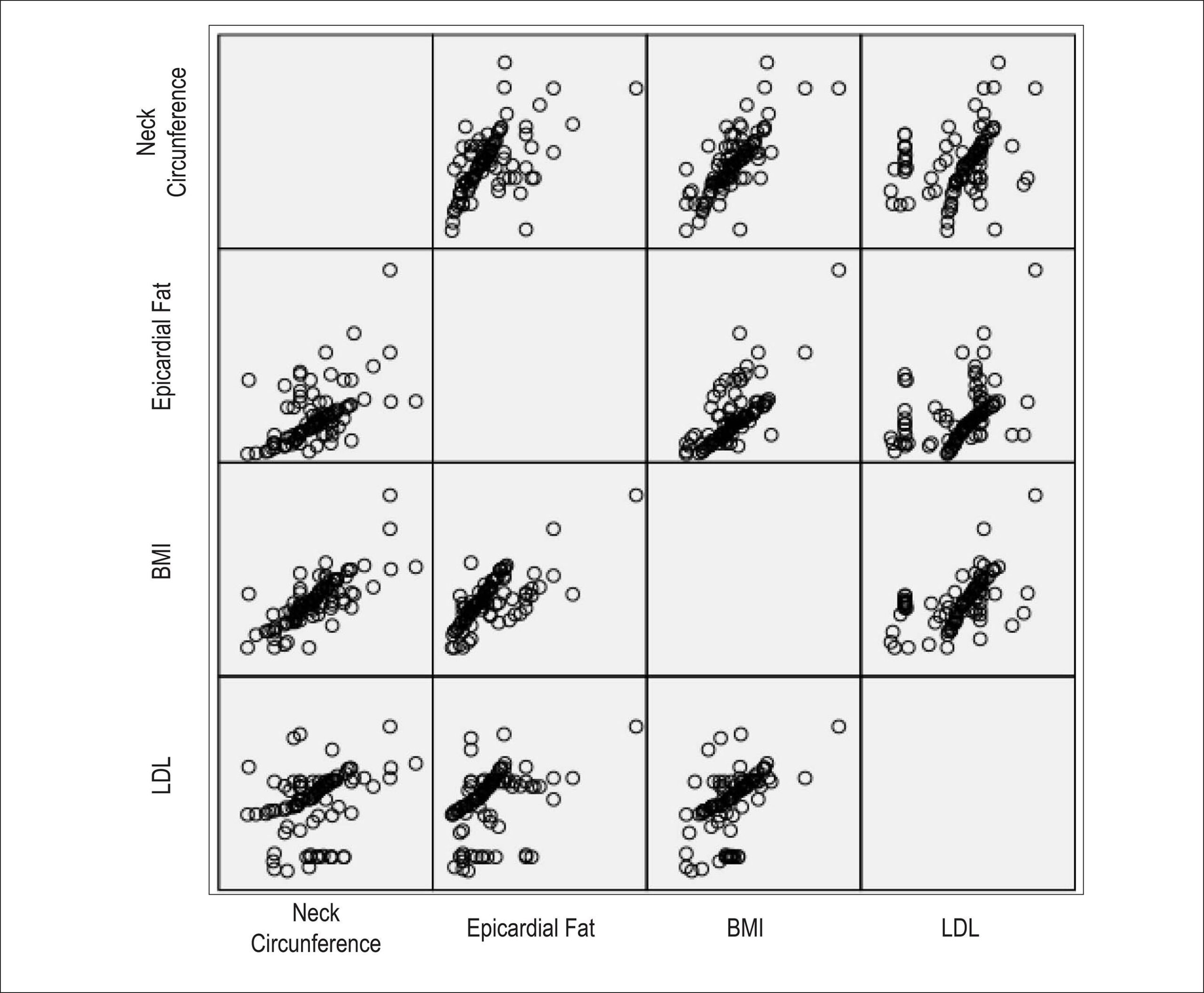
Relationship Between Neck Circumference and Epicardial Fat Thickness in a Healthy Male Population

Uğur Küçük et al. Hilal Olgun Küçük Ferhat Cüce Sevket Balta

Abstract

Background:

Epicardial fat is an upper body visceral fat depot that may play a significant role in the development of adverse metabolic and cardiovascular risk profiles. There is a significant direct relationship between the amount of epicardial fat and general body adiposity (body mass index, BMI), but data regarding subcutaneous adiposity is limited.

Objective:

We conducted a study to determine the association between neck circumference and epicardial fat thickness in healthy young male individuals, and assess their individual correlations with general body adiposity and cardiometabolic risk factors.

Methods:

One hundred consecutive male patients aged 18 years or older with no known major medical conditions were included in the study. All participants underwent detailed physical examination including measurement of blood pressure, weight, height, waist/hip ratio, and neck circumference. Blood was collected to determine fasting glucose and lipid parameters. A standard echocardiographic examination was performed with additional epicardial fat thickness determination.

Results:

Among 100 study participants, neck circumference correlated significantly with weight, waist circumference, BMI, blood glucose, serum total cholesterol, low-density (LDL)-cholesterol, and triglycerides levels. No significant correlation was found between neck circumference and high-density lipoprotein (HDL)-cholesterol levels. Neck circumference correlated moderately and positively with echocardiographic epicardial fat thickness.

Conclusion:

Among patients with low cardiometabolic risk, increased neck circumference was associated with increased epicardial fat thickness.

  • Blood Glucose
  • Blood Pressure
  • body mass index
  • Cardiovascular Diseases
  • Echocardiography, Diagnosis
  • Intra-Abdominal Fat
  • Neck
Read Full Article
Creative Commons Attribution (CC BY) Creative Commons license
08/08/2016 DOI: 10.5935/abc.20160112
Review Article

Cardiac Regeneration using Growth Factors: Advances and Challenges

Juliana de Souza Rebouças et al. Nereide Stela Santos-Magalhães Fabio Rocha Formiga

Abstract

Myocardial infarction is the most significant manifestation of ischemic heart disease and is associated with high morbidity and mortality. Novel strategies targeting at regenerating the injured myocardium have been investigated, including gene therapy, cell therapy, and the use of growth factors. Growth factor therapy has aroused interest in cardiovascular medicine because of the regeneration mechanisms induced by these biomolecules, including angiogenesis, extracellular matrix remodeling, cardiomyocyte proliferation, stem-cell recruitment, and others. Together, these mechanisms promote myocardial repair and improvement of the cardiac function. This review aims to address the strategic role of growth factor therapy in cardiac regeneration, considering its innovative and multifactorial character in myocardial repair after ischemic injury. Different issues will be discussed, with emphasis on the regeneration mechanisms as a potential therapeutic resource mediated by growth factors, and the challenges to make these proteins therapeutically viable in the field of cardiology and regenerative medicine.

  • Cell and Tissue-Based Therapy
  • Intercellular Signaling Peptides and Proteins
  • Myocardial Infarction
  • Myocardial Ischemia
  • Vascular Remodeling
Read Full Article
Creative Commons Attribution (CC BY) Creative Commons license
27/06/2016 DOI: 10.5935/abc.20160097

How to cite this article

EndNote RIS

Electronic Document Format (Vancouver)

Francisco ARG, Duarte J, Menezes MN, Costa JM, Silva PC, Pinto FJ. ST Segment Elevation Myocardial Infarction in Coronary Arteries with Massive Ectasy. Arquivos Brasileiros de Cardiologia 2016;107(3):282-4.

Electronic Document Format (ABNT)

Francisco, Ana Rita G.; Duarte, José; Menezes, Miguel Nobre; Costa, José Marques da; Silva, Pedro Canas da; Pinto, Fausto J.. ST Segment Elevation Myocardial Infarction in Coronary Arteries with Massive Ectasy. Arquivos Brasileiros de Cardiologia, v. 107, n. 3, p. 282-284, Aug. 2016.

Electronic Document Format (APA)

Francisco, A. R. G., Duarte, J., Menezes, M. N., Costa, J. M. , Silva, P. C. , & Pinto, F. J. (2016). ST Segment Elevation Myocardial Infarction in Coronary Arteries with Massive Ectasy. Arquivos Brasileiros de Cardiologia, 107(3), 282-284.

Electronic Document Format (ISO)

Francisco, Ana Rita G. and Duarte, José and Menezes, Miguel Nobre and Costa, José Marques da and Silva, Pedro Canas da and Pinto, Fausto J.. ST Segment Elevation Myocardial Infarction in Coronary Arteries with Massive Ectasy. Arquivos Brasileiros de Cardiologia [online]. 2016, vol. 107, n. 3, [cited 2026-10-14], pp. 282-284. Available from: <https://journals.cardiol.br/en/article/st-segment-elevation-myocardial-infarction-in-coronary-arteries-with-massive-ectasy/>. ISSN 0066-782X

EndNote RIS

Electronic Document Format (Vancouver)

Teixeira RP, Nicz PFG, Fernandes FL, Pereira RAR, Sampaio RO, Tarasoutchi F. Complicated Sinus of Valsalva Aneurysm Initially Diagnosed as Atrial Myxoma. Arquivos Brasileiros de Cardiologia 2016;107(3):279-81.

Electronic Document Format (ABNT)

Teixeira, Rafael Plens; Nicz, Pedro Felipe Gomes; Fernandes, Felipe Lourenço; Pereira, Renner Augusto Raposo; Sampaio, Roney Orismar; Tarasoutchi, Flavio. Complicated Sinus of Valsalva Aneurysm Initially Diagnosed as Atrial Myxoma. Arquivos Brasileiros de Cardiologia, v. 107, n. 3, p. 279-281, Aug. 2016.

Electronic Document Format (APA)

Teixeira, R. P., Nicz, P. F. G., Fernandes, F. L., Pereira, R. A. R., Sampaio, R. O., & Tarasoutchi, F. (2016). Complicated Sinus of Valsalva Aneurysm Initially Diagnosed as Atrial Myxoma. Arquivos Brasileiros de Cardiologia, 107(3), 279-281.

Electronic Document Format (ISO)

Teixeira, Rafael Plens and Nicz, Pedro Felipe Gomes and Fernandes, Felipe Lourenço and Pereira, Renner Augusto Raposo and Sampaio, Roney Orismar and Tarasoutchi, Flavio. Complicated Sinus of Valsalva Aneurysm Initially Diagnosed as Atrial Myxoma. Arquivos Brasileiros de Cardiologia [online]. 2016, vol. 107, n. 3, [cited 2026-10-14], pp. 279-281. Available from: <https://journals.cardiol.br/en/article/complicated-sinus-of-valsalva-aneurysm-initially-diagnosed-as-atrial-myxoma/>. ISSN 0066-782X

EndNote RIS

Electronic Document Format (Vancouver)

Cerit L. Heart Rate Recovery and Selective Serotonin Reuptake Inhibitors. Arquivos Brasileiros de Cardiologia 2016;107(3):285-6.

Electronic Document Format (ABNT)

Cerit, Levent. Heart Rate Recovery and Selective Serotonin Reuptake Inhibitors. Arquivos Brasileiros de Cardiologia, v. 107, n. 3, p. 285-286, Aug. 2016.

Electronic Document Format (APA)

Cerit, L. (2016). Heart Rate Recovery and Selective Serotonin Reuptake Inhibitors. Arquivos Brasileiros de Cardiologia, 107(3), 285-286.

Electronic Document Format (ISO)

Cerit, Levent. Heart Rate Recovery and Selective Serotonin Reuptake Inhibitors. Arquivos Brasileiros de Cardiologia [online]. 2016, vol. 107, n. 3, [cited 2026-10-14], pp. 285-286. Available from: <https://journals.cardiol.br/en/article/heart-rate-recovery-and-selective-serotonin-reuptake-inhibitors/>. ISSN 0066-782X

EndNote RIS

Electronic Document Format (Vancouver)

Atik E, Arrieta R. Case 5/2016 – Native Coarctation of the Aortic Arch, Relieved By Percutaneous Treatment in an Adult. Arquivos Brasileiros de Cardiologia 2016;107(3):276-8.

Electronic Document Format (ABNT)

Atik, Edmar; Arrieta, Raul. Case 5/2016 – Native Coarctation of the Aortic Arch, Relieved By Percutaneous Treatment in an Adult. Arquivos Brasileiros de Cardiologia, v. 107, n. 3, p. 276-278, Aug. 2016.

Electronic Document Format (APA)

Atik, E., & Arrieta, R. (2016). Case 5/2016 – Native Coarctation of the Aortic Arch, Relieved By Percutaneous Treatment in an Adult. Arquivos Brasileiros de Cardiologia, 107(3), 276-278.

Electronic Document Format (ISO)

Atik, Edmar and Arrieta, Raul. Case 5/2016 – Native Coarctation of the Aortic Arch, Relieved By Percutaneous Treatment in an Adult. Arquivos Brasileiros de Cardiologia [online]. 2016, vol. 107, n. 3, [cited 2026-10-14], pp. 276-278. Available from: <https://journals.cardiol.br/en/article/case-5-2016-native-coarctation-of-the-aortic-arch-relieved-by-percutaneous-treatment-in-an-adult/>. ISSN 0066-782X

EndNote RIS

Electronic Document Format (Vancouver)

Mattos BP, Scolari FL, Torres MAR, Simon L, Freitas VC, Giugliani R, Matte , et al. Prevalence and Phenotypic Expression of Mutations in the MYH7, MYBPC3 and TNNT2 Genes in Families with Hypertrophic Cardiomyopathy in the South of Brazil: A Cross-Sectional Study. Arquivos Brasileiros de Cardiologia 2016;107(3):257-65.

Electronic Document Format (ABNT)

Mattos, Beatriz Piva e; Scolari, Fernando Luís; Torres, Marco Antonio Rodrigues; Simon, Laura; Freitas, Valéria Centeno de; Giugliani, Roberto; Matte, Úrsula. Prevalence and Phenotypic Expression of Mutations in the MYH7, MYBPC3 and TNNT2 Genes in Families with Hypertrophic Cardiomyopathy in the South of Brazil: A Cross-Sectional Study. Arquivos Brasileiros de Cardiologia, v. 107, n. 3, p. 257-265, Aug. 2016.

Electronic Document Format (APA)

Mattos, B. P. , Scolari, F. L., Torres, M. A. R., Simon, L., Freitas, V. C. , Giugliani, R., & Matte, (2016). Prevalence and Phenotypic Expression of Mutations in the MYH7, MYBPC3 and TNNT2 Genes in Families with Hypertrophic Cardiomyopathy in the South of Brazil: A Cross-Sectional Study. Arquivos Brasileiros de Cardiologia, 107(3), 257-265.

Electronic Document Format (ISO)

Mattos, Beatriz Piva e and Scolari, Fernando Luís and Torres, Marco Antonio Rodrigues and Simon, Laura and Freitas, Valéria Centeno de and Giugliani, Roberto and Matte, Úrsula. Prevalence and Phenotypic Expression of Mutations in the MYH7, MYBPC3 and TNNT2 Genes in Families with Hypertrophic Cardiomyopathy in the South of Brazil: A Cross-Sectional Study. Arquivos Brasileiros de Cardiologia [online]. 2016, vol. 107, n. 3, [cited 2026-10-14], pp. 257-265. Available from: <https://journals.cardiol.br/en/article/prevalence-and-phenotypic-expression-of-mutations-in-the-myh7-mybpc3-and-tnnt2-genes-in-families-with-hypertrophic-cardiomyopathy-in-the-south-of-brazil-a-cross-sectional-study/>. ISSN 0066-782X

EndNote RIS

Electronic Document Format (Vancouver)

Soeiro AM, Silva PGMB, Roque EAC, Bossa AS, César MC, Simões SA, Okada MY, et al. Fondaparinux versus Enoxaparin – Which is the Best Anticoagulant for Acute Coronary Syndrome? – Brazilian Registry Data. Arquivos Brasileiros de Cardiologia 2016;107(3):239-44.

Electronic Document Format (ABNT)

Soeiro, Alexandre de Matos; Silva, Pedro Gabriel Melo de Barros e; Roque, Eduardo Alberto de Castro; Bossa, Aline Siqueira; César, Maria Cristina; Simões, Sheila Aparecida; Okada, Mariana Yumi; Leal, Tatiana de Carvalho Andreucci Torres; Pedroti, Fátima Cristina Monteiro; Oliveira Jr., Múcio Tavares de. Fondaparinux versus Enoxaparin – Which is the Best Anticoagulant for Acute Coronary Syndrome? – Brazilian Registry Data. Arquivos Brasileiros de Cardiologia, v. 107, n. 3, p. 239-244, Aug. 2016.

Electronic Document Format (APA)

Soeiro, A. M., Silva, P. G. M. B. , Roque, E. A. C., Bossa, A. S., César, M. C., Simões, S. A., Okada, M. Y., Leal, T. C. A. T., Pedroti, F. C. M., & Oliveira Jr., M. T. (2016). Fondaparinux versus Enoxaparin – Which is the Best Anticoagulant for Acute Coronary Syndrome? – Brazilian Registry Data. Arquivos Brasileiros de Cardiologia, 107(3), 239-244.

Electronic Document Format (ISO)

Soeiro, Alexandre de Matos and Silva, Pedro Gabriel Melo de Barros e and Roque, Eduardo Alberto de Castro and Bossa, Aline Siqueira and César, Maria Cristina and Simões, Sheila Aparecida and Okada, Mariana Yumi and Leal, Tatiana de Carvalho Andreucci Torres and Pedroti, Fátima Cristina Monteiro and Oliveira Jr., Múcio Tavares de. Fondaparinux versus Enoxaparin – Which is the Best Anticoagulant for Acute Coronary Syndrome? – Brazilian Registry Data. Arquivos Brasileiros de Cardiologia [online]. 2016, vol. 107, n. 3, [cited 2026-10-14], pp. 239-244. Available from: <https://journals.cardiol.br/en/article/fondaparinux-versus-enoxaparin-which-is-the-best-anticoagulant-for-acute-coronary-syndrome-brazilian-registry-data/>. ISSN 0066-782X

EndNote RIS

Electronic Document Format (Vancouver)

Silva KR, Albertini CMM, Crevelari ES, Carvalho EIJ, Fiorelli AI, Martinelli Filho M, Costa R, et al. Complications after Surgical Procedures in Patients with Cardiac Implantable Electronic Devices: Results of a Prospective Registry. Arquivos Brasileiros de Cardiologia 2016;107(3):245-56.

Electronic Document Format (ABNT)

Silva, Katia Regina da; Albertini, Caio Marcos de Moraes; Crevelari, Elizabeth Sartori; Carvalho, Eduardo Infante Januzzi de; Fiorelli, Alfredo Inácio; Martinelli Filho, Martino; Costa, Roberto. Complications after Surgical Procedures in Patients with Cardiac Implantable Electronic Devices: Results of a Prospective Registry. Arquivos Brasileiros de Cardiologia, v. 107, n. 3, p. 245-256, Aug. 2016.

Electronic Document Format (APA)

Silva, K. R. , Albertini, C. M. M., Crevelari, E. S., Carvalho, E. I. J. , Fiorelli, A. I., Martinelli Filho, M., & Costa, R. (2016). Complications after Surgical Procedures in Patients with Cardiac Implantable Electronic Devices: Results of a Prospective Registry. Arquivos Brasileiros de Cardiologia, 107(3), 245-256.

Electronic Document Format (ISO)

Silva, Katia Regina da and Albertini, Caio Marcos de Moraes and Crevelari, Elizabeth Sartori and Carvalho, Eduardo Infante Januzzi de and Fiorelli, Alfredo Inácio and Martinelli Filho, Martino and Costa, Roberto. Complications after Surgical Procedures in Patients with Cardiac Implantable Electronic Devices: Results of a Prospective Registry. Arquivos Brasileiros de Cardiologia [online]. 2016, vol. 107, n. 3, [cited 2026-10-14], pp. 245-256. Available from: <https://journals.cardiol.br/en/article/complications-after-surgical-procedures-in-patients-with-cardiac-implantable-electronic-devices-results-of-a-prospective-registry/>. ISSN 0066-782X

EndNote RIS

Electronic Document Format (Vancouver)

Gaui EN, Klein CH, Oliveira GMM. Proportional Mortality due to Heart Failure and Ischemic Heart Diseases in the Brazilian Regions from 2004 to 2011. Arquivos Brasileiros de Cardiologia 2016;107(3):230-8.

Electronic Document Format (ABNT)

Gaui, Eduardo Nagib; Klein, Carlos Henrique; Oliveira, Glaucia Maria Moraes de. Proportional Mortality due to Heart Failure and Ischemic Heart Diseases in the Brazilian Regions from 2004 to 2011. Arquivos Brasileiros de Cardiologia, v. 107, n. 3, p. 230-238, Aug. 2016.

Electronic Document Format (APA)

Gaui, E. N., Klein, C. H., & Oliveira, G. M. M. (2016). Proportional Mortality due to Heart Failure and Ischemic Heart Diseases in the Brazilian Regions from 2004 to 2011. Arquivos Brasileiros de Cardiologia, 107(3), 230-238.

Electronic Document Format (ISO)

Gaui, Eduardo Nagib and Klein, Carlos Henrique and Oliveira, Glaucia Maria Moraes de. Proportional Mortality due to Heart Failure and Ischemic Heart Diseases in the Brazilian Regions from 2004 to 2011. Arquivos Brasileiros de Cardiologia [online]. 2016, vol. 107, n. 3, [cited 2026-10-14], pp. 230-238. Available from: <https://journals.cardiol.br/en/article/proportional-mortality-due-to-heart-failure-and-ischemic-heart-diseases-in-the-brazilian-regions-from-2004-to-2011/>. ISSN 0066-782X

EndNote RIS

Electronic Document Format (Vancouver)

Tuan TS, Venâncio TS, Nascimento LFC. Effects of Air Pollutant Exposure on Acute Myocardial Infarction, According to Gender. Arquivos Brasileiros de Cardiologia 2016;107(3):216-22.

Electronic Document Format (ABNT)

Tuan, Tássia Soldi; Venâncio, Taís Siqueira; Nascimento, Luiz Fernando Costa. Effects of Air Pollutant Exposure on Acute Myocardial Infarction, According to Gender. Arquivos Brasileiros de Cardiologia, v. 107, n. 3, p. 216-222, Aug. 2016.

Electronic Document Format (APA)

Tuan, T. S., Venâncio, T. S., & Nascimento, L. F. C. (2016). Effects of Air Pollutant Exposure on Acute Myocardial Infarction, According to Gender. Arquivos Brasileiros de Cardiologia, 107(3), 216-222.

Electronic Document Format (ISO)

Tuan, Tássia Soldi and Venâncio, Taís Siqueira and Nascimento, Luiz Fernando Costa. Effects of Air Pollutant Exposure on Acute Myocardial Infarction, According to Gender. Arquivos Brasileiros de Cardiologia [online]. 2016, vol. 107, n. 3, [cited 2026-10-14], pp. 216-222. Available from: <https://journals.cardiol.br/en/article/effects-of-air-pollutant-exposure-on-acute-myocardial-infarction-according-to-gender/>. ISSN 0066-782X

EndNote RIS

Electronic Document Format (Vancouver)

Andrade DML, Borges LL, Torres IMS, Conceição EC, Rocha ML. Jabuticaba-Induced Endothelium-Independent Vasodilating Effect on Isolated Arteries. Arquivos Brasileiros de Cardiologia 2016;107(3):223-9.

Electronic Document Format (ABNT)

Andrade, Daniela Medeiros Lobo de; Borges, Leonardo Luis; Torres, Ieda Maria Sapateiro; Conceição, Edemilson Cardoso da; Rocha, Matheus Lavorenti. Jabuticaba-Induced Endothelium-Independent Vasodilating Effect on Isolated Arteries. Arquivos Brasileiros de Cardiologia, v. 107, n. 3, p. 223-229, Aug. 2016.

Electronic Document Format (APA)

Andrade, D. M. L. , Borges, L. L., Torres, I. M. S., Conceição, E. C. , & Rocha, M. L. (2016). Jabuticaba-Induced Endothelium-Independent Vasodilating Effect on Isolated Arteries. Arquivos Brasileiros de Cardiologia, 107(3), 223-229.

Electronic Document Format (ISO)

Andrade, Daniela Medeiros Lobo de and Borges, Leonardo Luis and Torres, Ieda Maria Sapateiro and Conceição, Edemilson Cardoso da and Rocha, Matheus Lavorenti. Jabuticaba-Induced Endothelium-Independent Vasodilating Effect on Isolated Arteries. Arquivos Brasileiros de Cardiologia [online]. 2016, vol. 107, n. 3, [cited 2026-10-14], pp. 223-229. Available from: <https://journals.cardiol.br/en/article/jabuticaba-induced-endothelium-independent-vasodilating-effect-on-isolated-arteries/>. ISSN 0066-782X

EndNote RIS

Electronic Document Format (Vancouver)

Fuchs FC, Ribeiro JP, Fuchs FD, Wainstein MV, Bergoli LC, Wainstein RV, Zen V, et al. Syntax Score and Major Adverse Cardiac Events in Patients with Suspected Coronary Artery Disease: Results from a Cohort Study in a University-Affiliated Hospital in Southern Brazil. Arquivos Brasileiros de Cardiologia 2016;107(3):207-15.

Electronic Document Format (ABNT)

Fuchs, Felipe C.; Ribeiro, Jorge P.; Fuchs, Flávio D.; Wainstein, Marco V.; Bergoli, Luis C.; Wainstein, Rodrigo V.; Zen, Vanessa; Kerkhoff, Alessandra C.; Moreira, Leila B.; Fuchs, Sandra C.. Syntax Score and Major Adverse Cardiac Events in Patients with Suspected Coronary Artery Disease: Results from a Cohort Study in a University-Affiliated Hospital in Southern Brazil. Arquivos Brasileiros de Cardiologia, v. 107, n. 3, p. 207-215, Aug. 2016.

Electronic Document Format (APA)

Fuchs, F. C., Ribeiro, J. P., Fuchs, F. D., Wainstein, M. V., Bergoli, L. C., Wainstein, R. V., Zen, V., Kerkhoff, A. C., Moreira, L. B., & Fuchs, S. C. (2016). Syntax Score and Major Adverse Cardiac Events in Patients with Suspected Coronary Artery Disease: Results from a Cohort Study in a University-Affiliated Hospital in Southern Brazil. Arquivos Brasileiros de Cardiologia, 107(3), 207-215.

Electronic Document Format (ISO)

Fuchs, Felipe C. and Ribeiro, Jorge P. and Fuchs, Flávio D. and Wainstein, Marco V. and Bergoli, Luis C. and Wainstein, Rodrigo V. and Zen, Vanessa and Kerkhoff, Alessandra C. and Moreira, Leila B. and Fuchs, Sandra C.. Syntax Score and Major Adverse Cardiac Events in Patients with Suspected Coronary Artery Disease: Results from a Cohort Study in a University-Affiliated Hospital in Southern Brazil. Arquivos Brasileiros de Cardiologia [online]. 2016, vol. 107, n. 3, [cited 2026-10-14], pp. 207-215. Available from: <https://journals.cardiol.br/en/article/syntax-score-and-major-adverse-cardiac-events-in-patients-with-suspected-coronary-artery-disease-results-from-a-cohort-study-in-a-university-affiliated-hospital-in-southern-brazil/>. ISSN 0066-782X

EndNote RIS

Electronic Document Format (Vancouver)

Küçük U, Küçük HO, Cüce F, Balta S. Relationship Between Neck Circumference and Epicardial Fat Thickness in a Healthy Male Population. Arquivos Brasileiros de Cardiologia 2016;107(3):266-70.

Electronic Document Format (ABNT)

Küçük, Uğur; Küçük, Hilal Olgun; Cüce, Ferhat; Balta, Sevket. Relationship Between Neck Circumference and Epicardial Fat Thickness in a Healthy Male Population. Arquivos Brasileiros de Cardiologia, v. 107, n. 3, p. 266-270, Aug. 2016.

Electronic Document Format (APA)

Küçük, U., Küçük, H. O., Cüce, F., & Balta, S. (2016). Relationship Between Neck Circumference and Epicardial Fat Thickness in a Healthy Male Population. Arquivos Brasileiros de Cardiologia, 107(3), 266-270.

Electronic Document Format (ISO)

Küçük, Uğur and Küçük, Hilal Olgun and Cüce, Ferhat and Balta, Sevket. Relationship Between Neck Circumference and Epicardial Fat Thickness in a Healthy Male Population. Arquivos Brasileiros de Cardiologia [online]. 2016, vol. 107, n. 3, [cited 2026-10-14], pp. 266-270. Available from: <https://journals.cardiol.br/en/article/relationship-between-neck-circumference-and-epicardial-fat-thickness-in-a-healthy-male-population/>. ISSN 0066-782X

EndNote RIS

Electronic Document Format (Vancouver)

Rebouças JS, Santos-Magalhães NS, Formiga FR. Cardiac Regeneration using Growth Factors: Advances and Challenges. Arquivos Brasileiros de Cardiologia 2016;107(3):271-5.

Electronic Document Format (ABNT)

Rebouças, Juliana de Souza; Santos-Magalhães, Nereide Stela; Formiga, Fabio Rocha. Cardiac Regeneration using Growth Factors: Advances and Challenges. Arquivos Brasileiros de Cardiologia, v. 107, n. 3, p. 271-275, Jun. 2016.

Electronic Document Format (APA)

Rebouças, J. S., Santos-Magalhães, N. S., & Formiga, F. R. (2016). Cardiac Regeneration using Growth Factors: Advances and Challenges. Arquivos Brasileiros de Cardiologia, 107(3), 271-275.

Electronic Document Format (ISO)

Rebouças, Juliana de Souza and Santos-Magalhães, Nereide Stela and Formiga, Fabio Rocha. Cardiac Regeneration using Growth Factors: Advances and Challenges. Arquivos Brasileiros de Cardiologia [online]. 2016, vol. 107, n. 3, [cited 2026-10-14], pp. 271-275. Available from: <https://journals.cardiol.br/en/article/cardiac-regeneration-using-growth-factors-advances-and-challenges/>. ISSN 0066-782X

Sede – Rio de Janeiro
Av. Marechal Câmara, 160
3º andar – Sala: 330 – Centro
Rio de Janeiro – CEP: 20020-907
Tel.: (55 +21) 3478-2700
ou (21) 99386-3961
E-mail: revista@cardiol.br

Sede – São Paulo
Alameda Santos, 705 – 11º andar
Cerqueira César | São Paulo
CEP: 01419-001
Tel.: (55 +11) 3411-5500
E-mail: revista@cardiol.br

  • About the Journal
  • Internal Regulation
  • Editors Section
  • Editorial Board
  • History
  • SBC Award

  • Guidelines for Publication
  • Editorial Policy
  • Ethics Policy
  • Policy on the Use of Artificial Intelligence
  • Mandatory Publication Form
  • Publication Fee

Issues

SBC Guidelines

  • How to Publish an Abstract Supplement?
  • Supplements from the Brazilian Congress of Cardiology