| ABC
ABC Family Arquivos Brasileiros de Cardiologia International Journal of Cardiovascular Sciences ABC Heart Failure & Cardiomyopathy ABC Imagem Cardiovascular
Português English
ABC Family | ABC
Português English
  • About
    • About the Journal
    • Internal Regulation
    • Editors Section
    • Editorial Board
    • History
    • SBC Award
  • Instructions to Authors
    • Guidelines for Publication
    • Editorial Policy
    • Ethics Policy
    • Policy on the Use of Artificial Intelligence
    • Mandatory Publication Form
    • Publication Fee
  • Issues
  • SBC Guidelines
  • Abstracts
    • How to Publish an Abstract Supplement?
    • Supplements from the Brazilian Congress of Cardiology
  • About
    • About the Journal
    • Internal Regulation
    • Editors Section
    • Editorial Board
    • History
    • SBC Award
  • Instructions to Authors
    • Guidelines for Publication
    • Editorial Policy
    • Ethics Policy
    • Policy on the Use of Artificial Intelligence
    • Mandatory Publication Form
    • Publication Fee
  • Issues
  • SBC Guidelines
  • Abstracts
    • How to Publish an Abstract Supplement?
    • Supplements from the Brazilian Congress of Cardiology

ABC Family

  • ABC Family
  • Arquivos Brasileiros de Cardiologia
  • International Journal of Cardiovascular Sciences
  • ABC Heart Failure & Cardiomyopathy
  • ABC Imagem Cardiovascular
Search in

No content found.

Journals
Ordering
Article types
Others

  1. Home
  2. ABC
  3. Issues
  4. 2015, Volume 105, Number 2
Figure 1
Original Article

Screening for Fabry Disease in Left Ventricular Hypertrophy: Documentation of a Novel Mutation

Ana Baptista et al. Pedro Magalhães Sílvia Leão Sofia Carvalho … Pedro Mateus Ilídio Moreira

Abstract

Background:

Fabry disease is a lysosomal storage disease caused by enzyme α-galactosidase A deficiency as a result of mutations in the GLA gene. Cardiac involvement is characterized by progressive left ventricular hypertrophy.

Objective:

To estimate the prevalence of Fabry disease in a population with left ventricular hypertrophy.

Methods:

The patients were assessed for the presence of left ventricular hypertrophy defined as a left ventricular mass index ≥ 96 g/m2 for women or ≥ 116 g/m2 for men. Severe aortic stenosis and arterial hypertension with mild left ventricular hypertrophy were exclusion criteria. All patients included were assessed for enzyme α-galactosidase A activity using dry spot testing. Genetic study was performed whenever the enzyme activity was decreased.

Results:

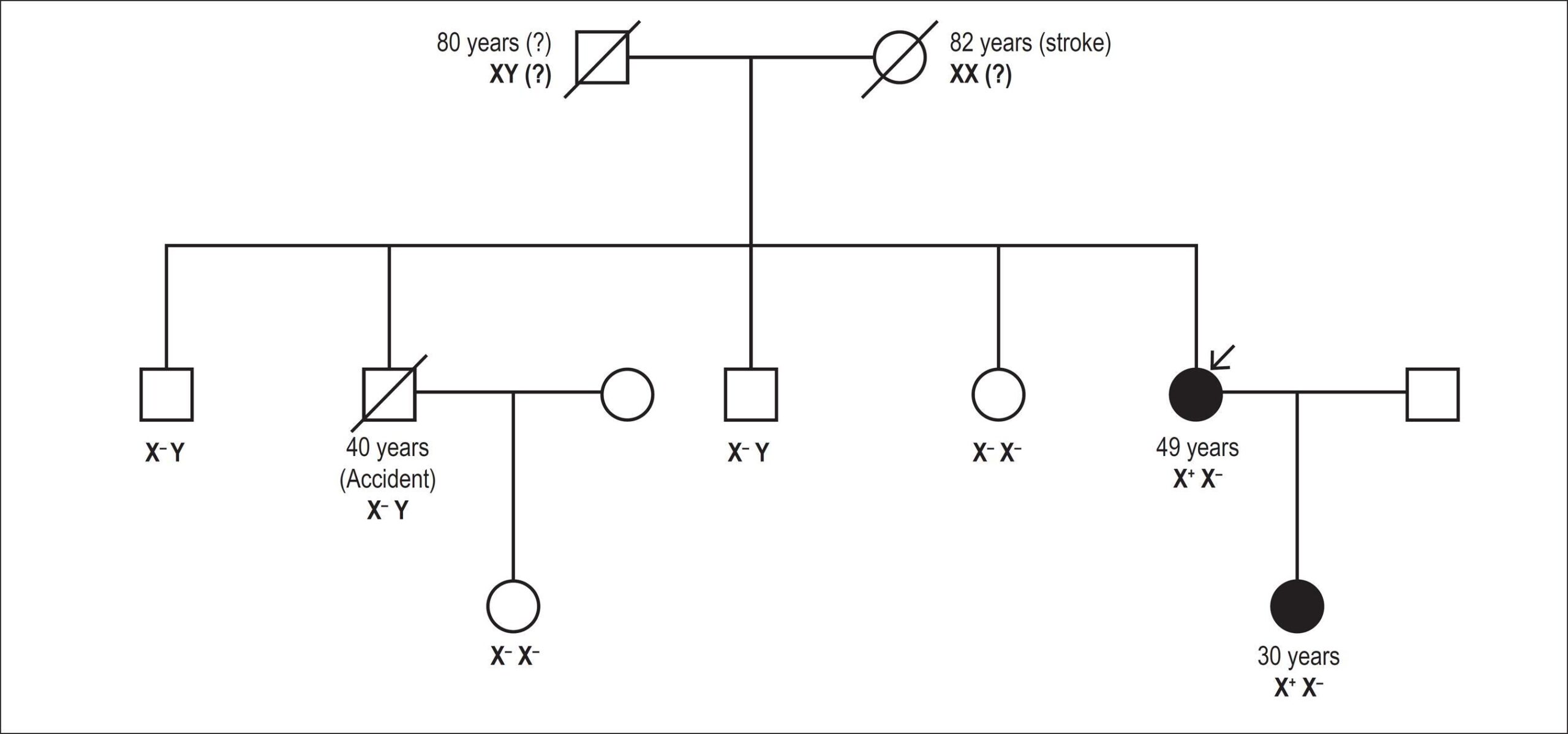
A total of 47 patients with a mean left ventricular mass index of 141.1 g/m2 (± 28.5; 99.2 to 228.5 g/m2] were included. Most of the patients were females (51.1%). Nine (19.1%) showed decreased α-galactosidase A activity, but only one positive genetic test − [GLA] c.785G>T; p.W262L (exon 5), a mutation not previously described in the literature. This clinical investigation was able to establish the association between the mutation and the clinical presentation.

Conclusion:

In a population of patients with left ventricular hypertrophy, we documented a Fabry disease prevalence of 2.1%. This novel case was defined in the sequence of a mutation of unknown meaning in the GLA gene with further pathogenicity study. Thus, this study permitted the definition of a novel causal mutation for Fabry disease – [GLA] c.785G>T; p.W262L (exon 5).
  • Alpha-Galactosidase / genetics
  • Fabry disease / complications
  • Hypertrophy Left Ventricular
Read Full Article
Creative Commons Attribution (CC BY) Creative Commons license
07/08/2015 DOI: 10.5935/abc.20150090 Views 1
Letter to the Editor

Subclinical Ventricular Dysfunction Detected by Speckle-Tracking Two Years after Use of Anthracycline

Aguinaldo Figueiredo Freitas Jr et al. Raquel Oliveira Santos Salvador Rassi

Dear Editor

We would like to congratulate the authors for the publication of their article “Subclinical Ventricular Dysfunction Detected by Speckle-Tracking Two Years after Use of Anthracycline”, considering the great practical applicability of the theme. Cardiotoxicity secondary to chemotherapy drugs is a reality that imposes, on cardiologists and oncologists, the challenge of prevention and/or early detection of this complication, which has high morbidity and mortality.

[…]

  • Anthracyclines/adverse effects
  • chocardiography
  • Heart Failure
  • Ventricular Dysfunction Left/chemically induced
Read Full Article
Creative Commons Attribution (CC BY) Creative Commons license
01/08/2015 DOI: 10.5935/abc.20150102
Editorial

Editorial Considerations on the New Clinical and Surgical Perspectives of Brazilian Cardiology

Paulo Roberto B. Evora et al. Alfredo J. Rodrigues

The Arquivos Brasileiros de Cardiologia (ABC) has been the official publication of the Brazilian Society of Cardiology for more than 60 years, and has proved to be one of the most prestigious scientific journals in Latin America, approaching all aspects of cardiology, including the surgical ones. In August 1986, the Revista Brasileira de Cirurgia Cardiovascular (RBCCV), specifically directed to the surgical aspects of heart diseases, began to be published. Thus, the editorial policy of the ABC has progressively privileged publications focused on the clinical treatment of cardiovascular diseases over surgical publications of common interest to cardiologists and cardiac surgeons. Despite the substantial changes in the treatment of heart diseases, deriving from the appearance of new drugs and percutaneous devices, cardiac surgeries are still the treatment of choice to a substantial number of heart diseases, mainly the congenital, valvular and even coronary ones, whose onus of surgery indication is invariably on cardiologists. Thus, those specialists should be aware of several aspects of cardiac surgery, mainly those concerning their risks and results, so that they can base their indications on evidence.

The great majority of cardiologists might know that the use of bilateral internal thoracic arteries (BITA) for coronary artery bypass grafting improves survival as compared to the use of only one single internal thoracic artery (ITA). Thus, the optimization of arterial grafts has been widespread with the use of the radial artery (RA) and composite grafts. However, only few professionals are aware of the controversies involving risky situations, possible limitations to the use of BITA, the patency index of RA grafts and their influencing factors. The RA was the second arterial graft introduced in the clinical practice for coronary artery bypass grafting, and has drawn the interest of Brazilian surgeons since the 1990s. Skeletonization of the left ITA (LITA) can favorably change the flow capacity of the graft, leading to the assumption that the behavior of the RA, as a coronary graft, is similar to that of the skeletonized LITA. Considering the potential role of the RA as a second option of coronary grafting and the concept of complete coronary artery bypass grafting with the exclusive use of arterial grafts, Bonini et al have carried out a prospective randomized study comparing 40 patients distributed into two groups. In group I, skeletonized RA was used in 20 patients, and, in group II, RA with adjacent tissues was used in 20 patients. After the surgical procedure, flow velocity was measured. The results showed that the morphological and pathological characteristics, as well as the hemodynamic performance of the free RA grafts, regardless of being skeletonized or having adjacent tissues, were similar. However, a larger number of non-obstructive lesions was observed in the group with the RA graft preserving the adjacent tissues.

[…]

  • Cardiology/trends
  • Cardiovascular Surgical Procedures/trends
  • Case-Control Studies
  • Evidence Based Practice/trends
Read Full Article
Creative Commons Attribution (CC BY) Creative Commons license
01/08/2015 DOI: 10.5935/abc.20150094 Views 1
Figure 1
Brief Communication

Diastolic Function in Paced Children with Cardiac Defects: Septum vs Apex

Michel Cabrera Ortega et al. Adel Eladio Gonzalez Morejon Giselle Ricardo Serrano Dunia Barbara Benitez Ramos

Abstract

In children with structural congenital heart disease (CHD), the effects of chronic ventricular pacing on diastolic function are not well known. On the other hand, the beneficial effect of septal pacing over apical pacing is still controversial.

The aim of this study was to evaluate the influence of different right ventricular (RV) pacing site on left ventricular (LV) diastolic function in children with cardiac defects.

Twenty-nine pediatric patients with complete atrioventricular block (CAVB) and CHD undergoing permanent pacing were prospectively studied. Pacing sites were RV apex (n = 16) and RV septum (n = 13). Echocardiographic assessment was performed before pacemaker implantation and after it, during a mean follow‑up of 4.9 years.

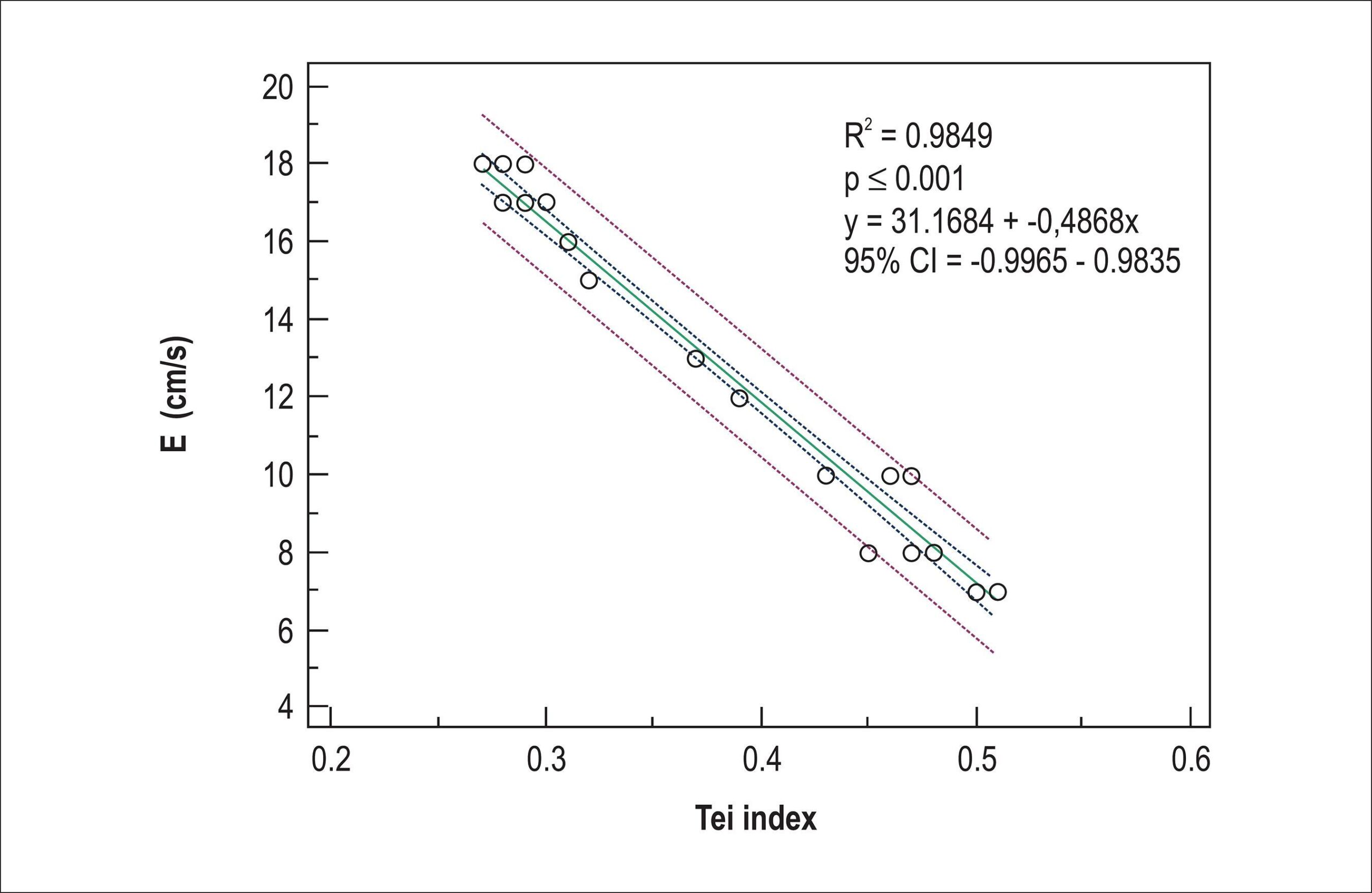
Compared to RV septum, transmitral E-wave was significantly affected in RV apical pacing (95.38 ± 9.19 vs 83 ± 18.75, p = 0.038). Likewise, parameters at the lateral annular tissue Doppler imaging (TDI) were significantly affected in children paced at the RV apex. The E´ wave correlated inversely with TDI lateral myocardial performance index (Tei index) (R2= 0.9849, p ≤ 0.001). RV apex pacing (Odds ratio, 0.648; confidence interval, 0.067-0.652; p = 0.003) and TDI lateral Tei index (Odds ratio, 31.21; confidence interval, 54.6-177.4; p = 0.025) predicted significantly decreased LV diastolic function.

Of the two sites studied, RV septum prevents pacing-induced reduction of LV diastolic function.

  • Child
  • Heart Defects, Congenital
  • Pacemaker, Artificial
  • Ventricular Function, Left
  • Ventricular Function, Right
Read Full Article
Creative Commons Attribution (CC BY) Creative Commons license
01/08/2015 DOI: 10.5935/abc.20150077 Views 1
Figure 1
Image

Giant Right Atrial Mass Following Surgical Aortic Valve Replacement

Teresa Bastante et al. Fernando Alfonso

A

[…]

  • aortic valve surgery
  • Heart Atria/abnormalities
  • Pericardial Effusion
Read Full Article
Creative Commons Attribution (CC BY) Creative Commons license
01/08/2015 DOI: 10.5935/abc.20150066
Figure 1
Case Report

Profound Sustained Hypotension Following Renal Denervation: A Dramatic Success?

Ganiga Srinivasaiah Sridhar et al. Timothy Watson Chee Kok Han Wan Azman Wan Ahmad

Introduction

A 67-year-old woman with drug-refractory essential hypertension was admitted for renal sympathetic denervation (RDN). The secondary causes of hypertension were fully investigated in this patient. A 24-h ambulatory blood pressure (BP) monitor documented a mean daytime BP of 172/101 mmHg, a mean nighttime BP of 151/84 mmHg, and an overall mean BP of 167/97 mmHg despite compliance with metoprolol (50 mg twice daily), amlodipine (10 mg once daily), lisinopril (20 mg once daily), prazosin (2 mg thrice daily), and hydrochlorothiazide (50 mg once daily).

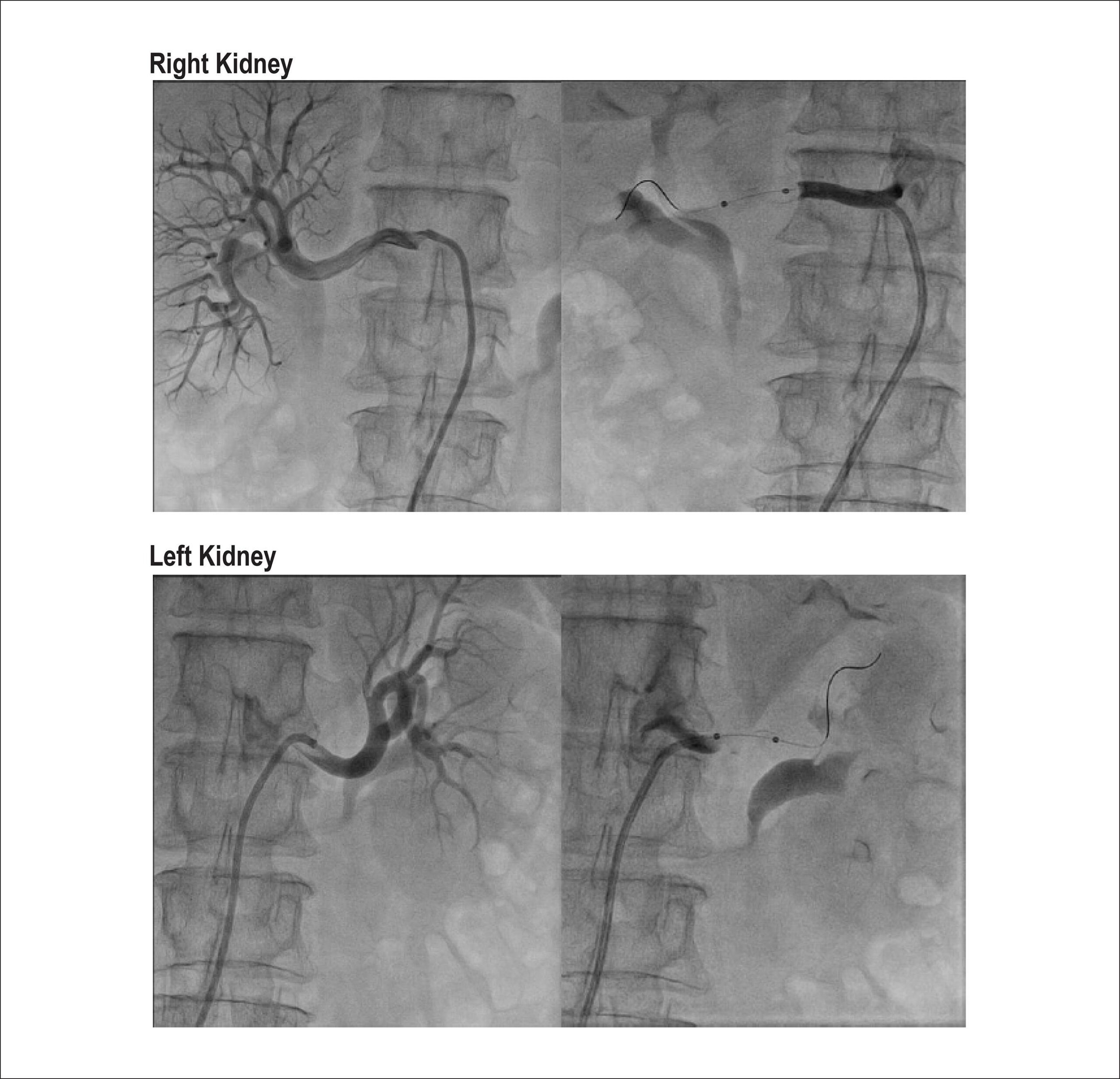
The patient was fasted for 4 h. Her usual antihypertensive drug therapy was continued. After the administration of 5,000 international units of heparin and 100 μg of fentanyl, a 7-F Renal Double Curve guide catheter (Cordis Corporation, Fremont, CA ,USA) was inserted into the right renal artery (no accessory vessel). A 0.014-in Runthrough floppy guide wire (Terumo Medical Corporation, Somerset, NJ, USA) was advanced into place. A 6-mm ONESHOTTM (Covidien, Mansfield, MA, USA) irrigated RDN balloon was advanced into place (), and a single ablation was performed. The procedure was then repeated on the other side. The patient remained hemodynamically stable throughout and at the completion of the procedure with a BP of 150/80 mmHg. Hemostasis was achieved with the Perclose ProGlide Suture-Mediated Closure System (Abbott Vascular, Santa Clara, CA, USA), and the patient was then returned to our ward for monitoring.

[…]

  • Hypertension
  • Hypotension
  • Management
  • Medication Therapy
  • Sympatectomy
Read Full Article
Creative Commons Attribution (CC BY) Creative Commons license
01/08/2015 DOI: 10.5935/abc.20150100
Figure 1
Clinicoradiological Session

Case 6 / 2015 – A 27-Year-Old Male Patient with Double Aortic and Pulmonary Valve Lesion after Double Valvotomy in Childhood

Edmar Atik

Laboratory tests:

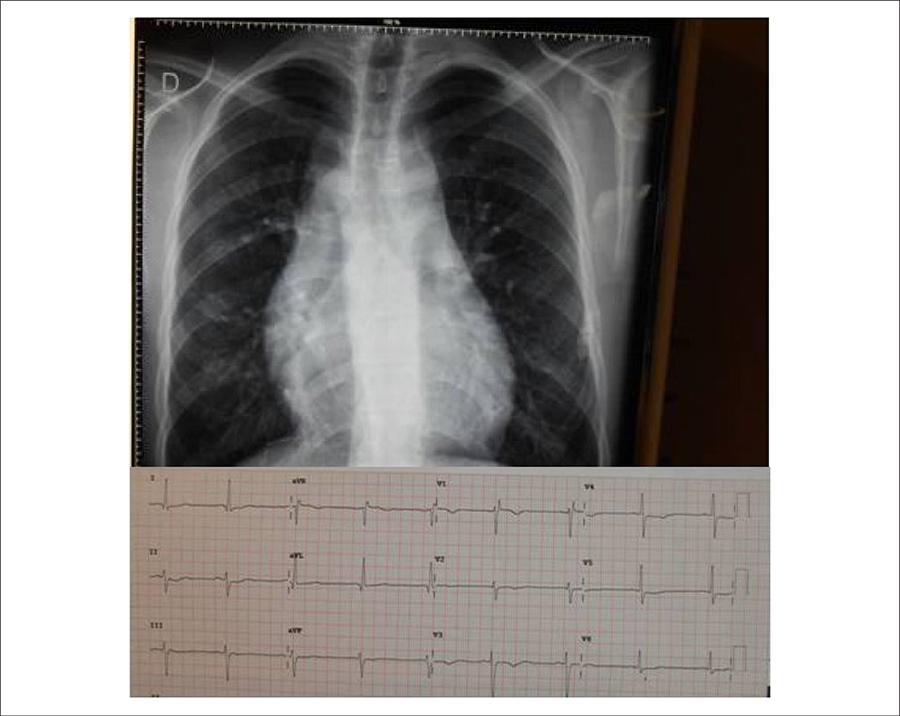
Electrocardiogram showed normal sinus rhythm and signs of left anterior hemiblock, with no chamber overload, and normal ventricular repolarization. PA: +20º, QRSA: -60º, TA: +40º. QRS complex duration was 0.11″, PR = 0.16″ and QTc = 0.45″ ().

Chest radiograph showed moderately enlarged cardiac silhouette due to enlarged atrial and ventricular arches; the pulmonary vascular network was normal. Cardiomegaly progressed since the surgical correction, and the current cardiothoracic ratio was 0.58 ().

[…]

  • Aortic Valve Stenosis
  • Balloon Valvoplasty
  • Heart Defects, Congenital
  • Pulmonary Valve Stenosis
Read Full Article
Creative Commons Attribution (CC BY) Creative Commons license
01/08/2015 DOI: 10.5935/abc.20140214
Viewpoint

Sudden Death in Brazil: Epilepsy Should be in Horizon

Fulvio Scorza et al. Paulo José Ferreira Tucci

To date, a considerable amount of valuable information about the problem of sudden cardiac death (SCD) has been described. The incidence of SCD in the United States ranges between 180000-400000 cases per year. Martinelli et al demonstrated an incidence of 21270 cases of SCD per year in the Metropolitan Area of São Paulo. Recently, Braggion-Santos et al. described the characteristics of SCD in Ribeirão Preto, Brazil, according to autopsy reports. Revising 4501 autopsies, they identified 899 cases of SCD (20%); the rate was 30/100000 residents/year. The vast majority of SCD cases involved coronary artery disease (64%). Based on available scientific knowledge related to SCD, it is extremely important to identify new areas of research that might improve understanding of this problem and to establish effective preventive measures to minimize or even control the occurrence of SCD.

Although studies have shown that the increase in the number of SCD caused by a combination of factors,, an equally important risk factor for SCD which is not reported and not explored in cardiologic research is epilepsy. Indeed, a series of data could be put forward to explain it.

[…]

  • Coronary Artery Disease / mortality
  • Death, Sudden / prevention & control
  • Death, Sudden, Cardiac
  • Epilepsy / mortality
Read Full Article
Creative Commons Attribution (CC BY) Creative Commons license
01/08/2015 DOI: 10.5935/abc.20150072
Erratum

Erratum

December issue of 2014, vol. 103 (6), pages. e73-e80

In the Original Article “Case 6/2014 – A Case of a 61-Year-old Woman with Diastolic Heart Failure”, pages e73-e80, by authors Fabio Grunspun Pitta, Natalia Quintella Sangiorgi Olivetti, Diego Simões Peniche, Andrea Maria Dercht, Paulo Sampaio Gutierrez, Luiz Alberto Benvenuti, please be aware that the correct spelling for to Andrea Maria Bercht is Andrea Maria Dercht.

[…]

Read Full Article
Creative Commons Attribution (CC BY) Creative Commons license
01/08/2015 DOI: 10.5935/abc.20150103
Figure 1
Special Article

Executive Summary – Guideline on Telecardiology in the Care of Patients with Acute Coronary Syndrome and Other Cardiac Diseases

Mucio Tavares de Oliveira Jr. et al. Leonardo Jorge Cordeiro de Paula Milena Soriano Marcolino Manoel Fernandes Canesin

Basic concepts

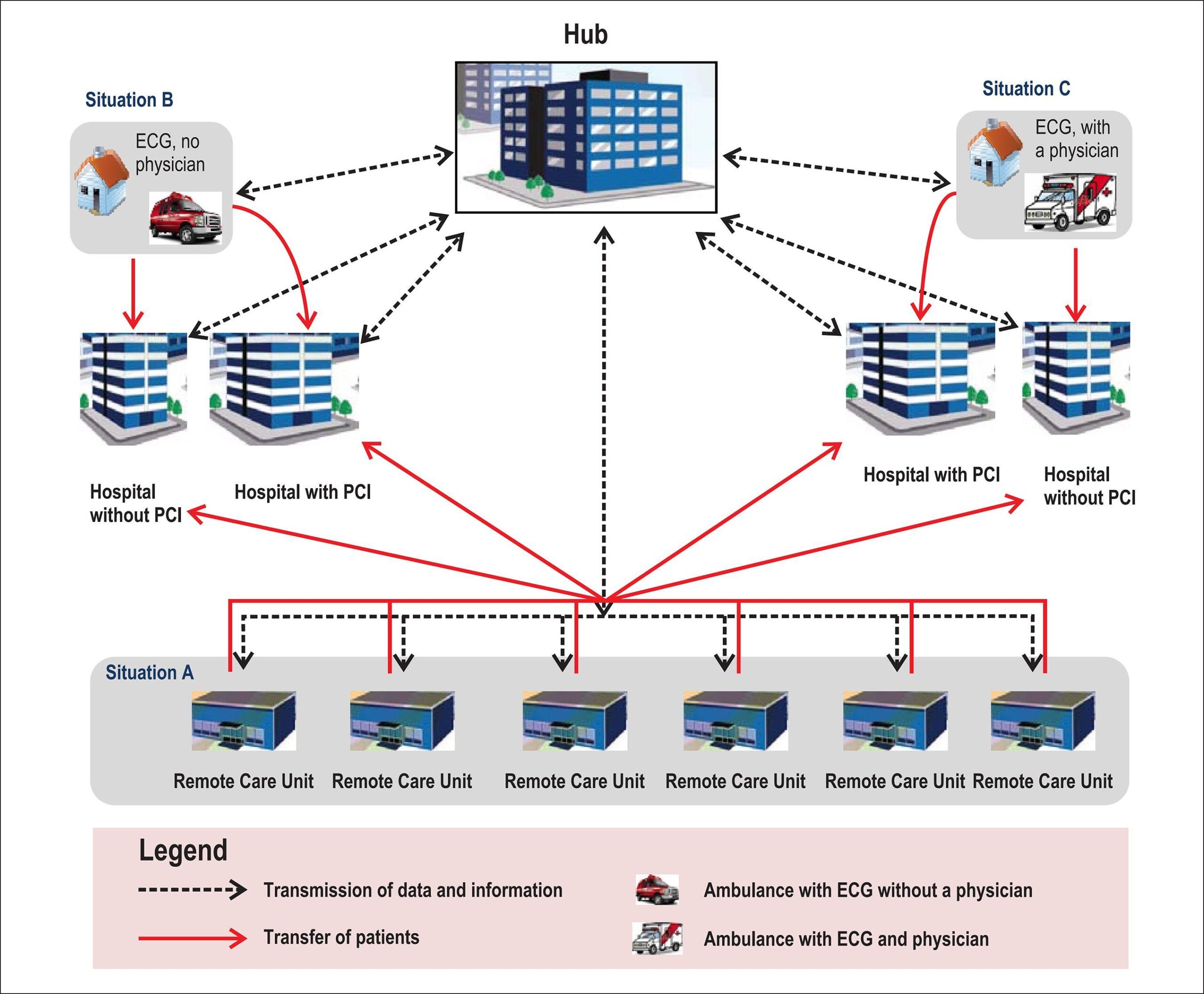
In a health system geographically distributed like the Brazilian system, in which Basic Health Units (Unidades Básicas de Saúde, UBSs), Emergency Care Units (Unidades de Pronto Atendimento, UPAs), secondary hospitals, and ambulances are scattered throughout the country (often in remote locations), and specialized centers are located in advanced care units in large cities (such as tertiary hospitals), telemedicine offers the opportunity to improve the treatment of emergencies. The clinical ability of specialists in tertiary hospitals may be used to improve the care in Remote Care Units (Unidades Remotas de Atendimento, URAs), offering support for early diagnosis and therapy guidance for non‑specialist medical practitioners providing medical care to patients in URAs,.

Communication channels in telemedicine include telephone lines for voice communication and connection to the internet, and for transmission of test results, ECG tracings, and images. Optionally, a video link may be used for visualization of the patient.

[…]

  • Electrocardiography
  • Heart Failure / mortality
  • Mobile Health Units
  • Myocardial Infarction/mortality
  • Telemedicine / utilization
Read Full Article
Creative Commons Attribution (CC BY) Creative Commons license
01/08/2015 DOI: 10.5935/abc.20150104 Views 2
Figure 1
Original Article

Myocardial Scintigraphy in the Evaluation of Cardiac Events in Patients without Typical Symptoms

Paola Emanuela Poggio Smanio et al. Juliana Horie Silva João Vitor Holtz Leandro Ueda … Marilia Abreu Carlindo Marques Leonardo Machado

Abstract

Background:

Cardiovascular disease is a leading cause of death in the world and in Brazil. Myocardial scintigraphy is an important noninvasive method for detecting ischemia in symptomatic patients, but its use in asymptomatic ones or those with atypical symptoms is yet to be defined.

Objective:

To verify the presence of major cardiac events in asymptomatic patients or those with atypical symptoms (atypical chest pain or dyspnea) that underwent myocardial scintigraphy (MS), over a period of 8 years. Secondary objectives were to identify cardiac risk factors associated with myocardial scintigraphy abnormalities and possible predictors for major cardiac events in this group.

Methods:

This was a retrospective, observational study using the medical records of 892 patients that underwent myocardial scintigraphy between 2005 and 2011 and who were followed until 2013 for assessment of major cardiac events and risk factors associated with myocardial scintigraphy abnormalities. Statistical analysis was performed by Fisher’s exact test, logistic regression and Kaplan-Meyer survival curves, with statistical significance being set at p ≤ 0.05.

Results:

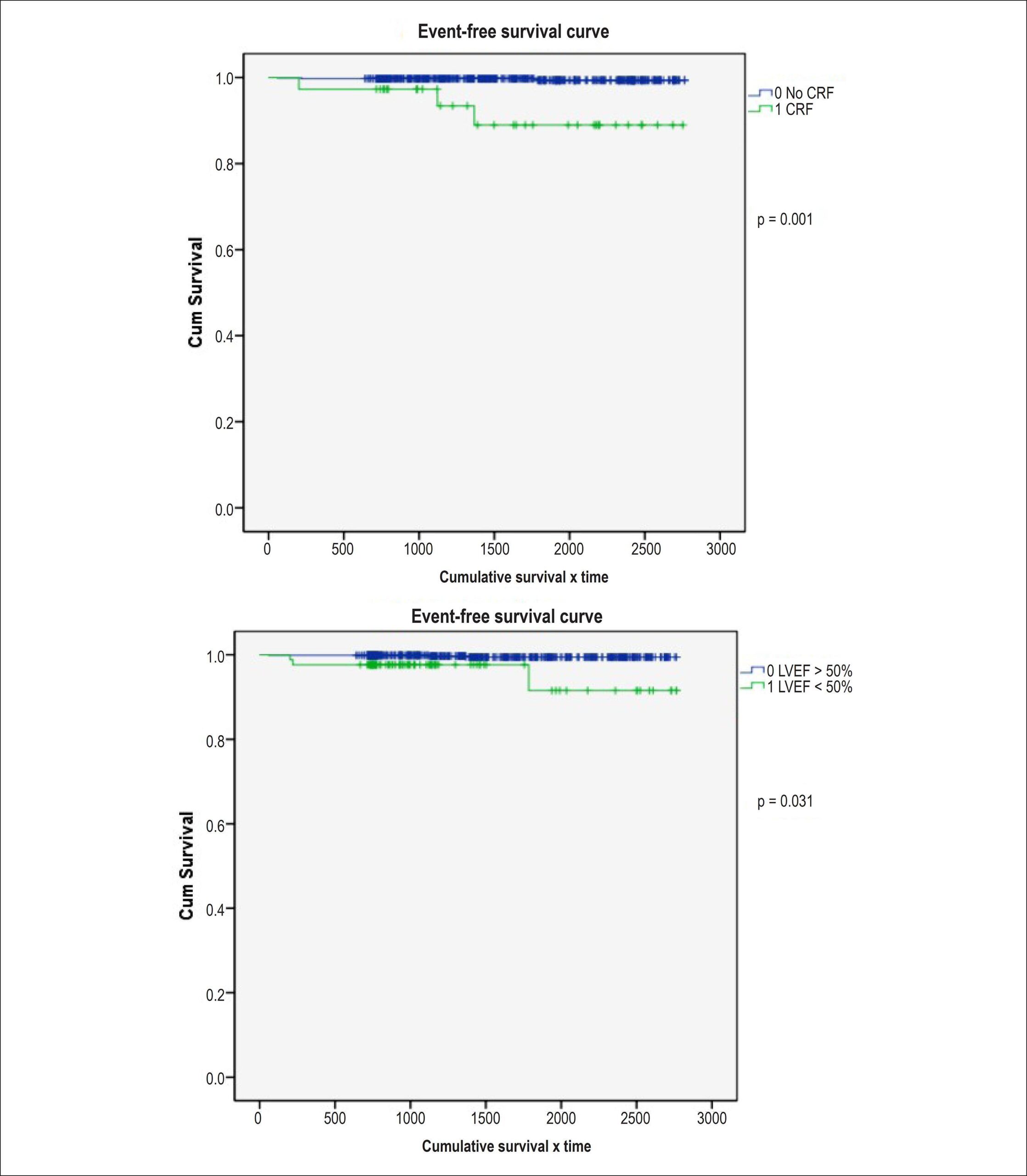
Of the total sample, 52.1% were men, 86.9% were hypertensive, 72.4% had hyperlipidemia, 33.6% were diabetic, and 12.2% were smokers; 44.5% had known coronary artery disease; and 70% had high Framingham score, 21.8% had moderate and 8% had low risk. Of the myocardial scintigraphies, 58.6% were normal, 26.1% suggestive of fibrosis and 15.3% suggestive of ischemia. At evolution, 13 patients (1.5%) had non-fatal myocardial infarction and six individuals (0.7%) died. The group with normal myocardial scintigraphy showed longer period of time free of major cardiac events, non-fatal myocardial infarction (p = 0.036) and death. Fibrosis in the myocardial scintigraphy determined a 2.4-fold increased risk of non-fatal myocardial infarction and five-fold higher risk of death (odds ratio: 2.4 and 5.7, respectively; p = 0.043).

Conclusion:

The occurrence of major cardiac events in 8 years was small. Patients with fibrosis at MS had more major events, whereas patients with normal MS result had fewer major cardiac events, with higher survival.

  • Atypical Symptoms
  • Hard events
  • Ischemia
  • myocardial scintigraphy
Read Full Article
Creative Commons Attribution (CC BY) Creative Commons license
03/07/2015 DOI: 10.5935/abc.20150074 Views 2
Graph 1
Original Article

Reduced Progression of Cardiac Allograft Vasculopathy with Routine Use of Induction Therapy with Basiliximab

Ricardo Wang et al. Lidia Ana Zytynski Moura, Sergio Veiga Lopes Francisco Diniz Affonso da Costa … Newton Fernando Stadler Souza Filho Tiago Luiz Fernandes Natália Boing Salvatti José Rocha Faria-Neto

Abstract

Introduction:

Cardiac allograft vasculopathy (CAV) is a major limitation for long-term survival of patients undergoing heart transplantation (HT). Some immunosuppressants can reduce the risk of CAV.

Objectives:

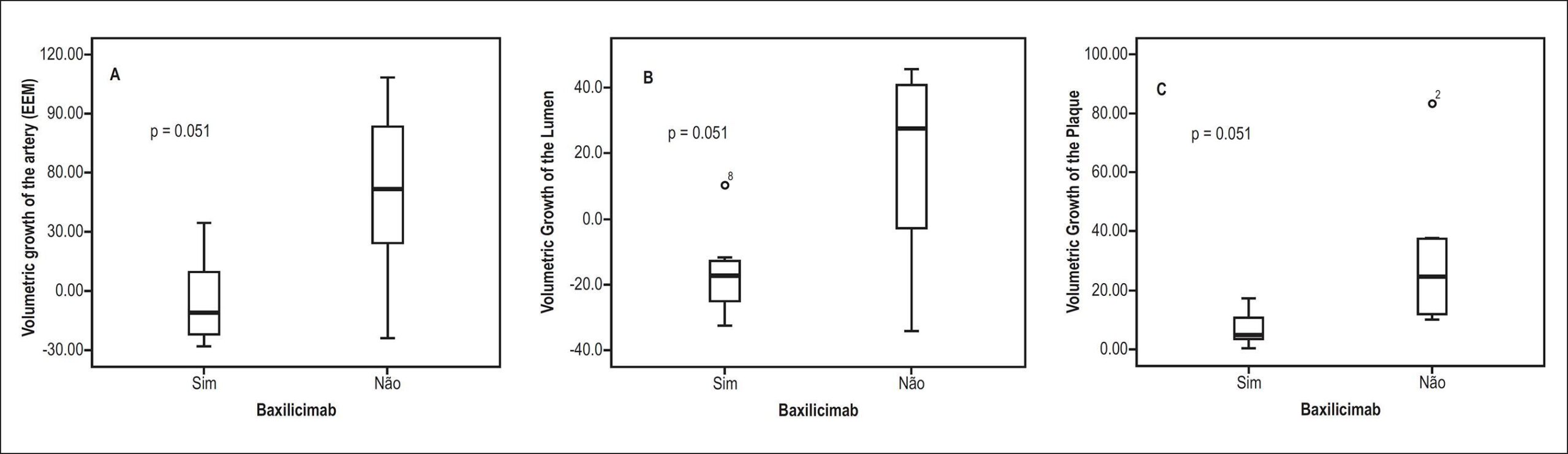
The primary objective was to evaluate the variation in the volumetric growth of the intimal layer measured by intracoronary ultrasound (IVUS) after 1 year in patients who received basiliximab compared with that in a control group.

Methods:

Thirteen patients treated at a single center between 2007 and 2009 were analyzed retrospectively. Evaluations were performed with IVUS, measuring the volume of a coronary segment within the first 30 days and 1 year after HT. Vasculopathy was characterized by the volume of the intima of the vessel.

Results:

Thirteen patients included (7 in the basiliximab group and 6 in the control group). On IVUS assessment, the control group was found to have greater vessel volume (120–185.43 mm3 vs. 127.77–131.32 mm3; p = 0.051). Intimal layer growth (i.e., CAV) was also higher in the control group (27.30–49.15 mm3 [∆80%] vs. 20.23–26.69 mm3 [∆33%]; p = 0.015). Univariate regression analysis revealed that plaque volume and prior atherosclerosis of the donor were not related to intima growth (r = 0.15, p = 0.96), whereas positive remodeling was directly proportional to the volumetric growth of the intima (r = 0.85, p < 0.001).

Conclusion:

Routine induction therapy with basiliximab was associated with reduced growth of the intima of the vessel during the first year after HT.

  • Antibodies, Monoclonal, Murine-Derived / admininstration & dosage
  • Heart Transplantation
  • Immunosuppressive Agents
  • Vascular Diseases / physiopathology
Read Full Article
Creative Commons Attribution (CC BY) Creative Commons license
23/06/2015 DOI: 10.5935/abc.20150063 Views 1
Figure 1
Original Article

Effects of One Resistance Exercise Session on Vascular Smooth Muscle of Hypertensive Rats

Tharciano Luiz Teixeira Braga da Silva et al. Marcelo Mendonça Mota Milene Tavares Fontes João Eliakim dos Santos Araújo … Vitor Oliveira Carvalho Leonardo Rigoldi Bonjardim Márcio Roberto Viana Santos

Abstract

Background:

Hypertension is a public health problem and increases the incidence of cardiovascular diseases.

Objective:

To evaluate the effects of a resistance exercise session on the contractile and relaxing mechanisms of vascular smooth muscle in mesenteric arteries of NG-nitro L-arginine methyl ester (L-NAME)-induced hypertensive rats.

Methods:

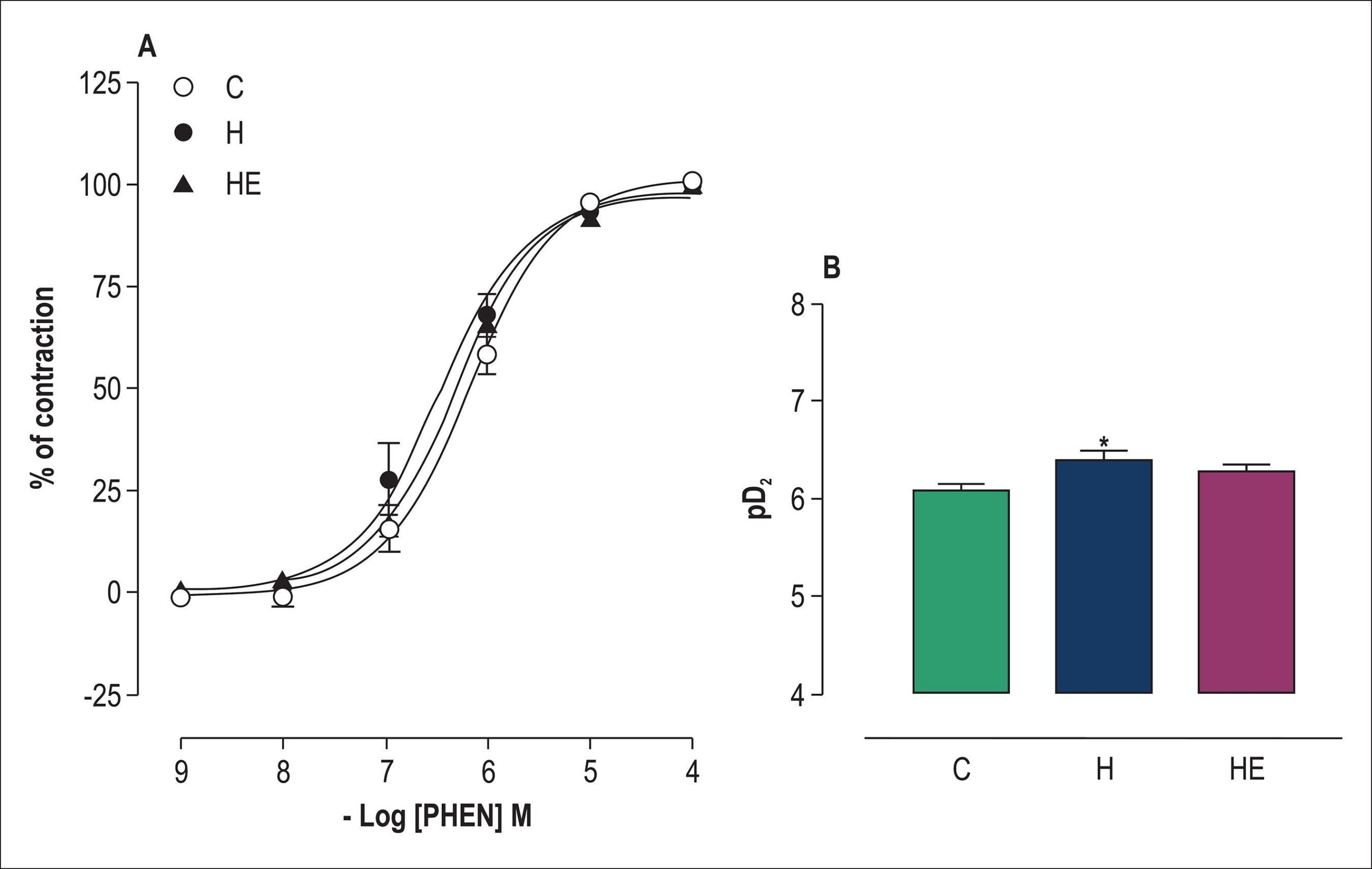
Wistar rats were divided into three groups: control (C), hypertensive (H), and exercised hypertensive (EH). Hypertension was induced by administration of 20 mg/kg of L-NAME for 7 days prior to experimental protocols. The resistance exercise protocol consisted of 10 sets of 10 repetitions and intensity of 40% of one repetition maximum. The reactivity of vascular smooth muscle was evaluated by concentration‑response curves to phenylephrine (PHEN), potassium chloride (KCl) and sodium nitroprusside (SNP).

Results:

Rats treated with L-NAME showed an increase (p < 0.001) in systolic blood pressure (SBP), diastolic blood pressure (DBP) and mean arterial pressure (MAP) compared to the initial period of induction. No difference in PHEN sensitivity was observed between groups H and EH. Acute resistance exercise reduced (p < 0.001) the contractile response induced by KCl at concentrations of 40 and 60 mM in group EH. Greater (p < 0.01) smooth muscle sensitivity to NPS was observed in group EH as compared to group H.

Conclusion:

One resistance exercise session reduces the contractile response induced by KCl in addition to increasing the sensitivity of smooth muscle to NO in mesenteric arteries of hypertensive rats.

  • Exercise
  • Hypertension
  • Mesenteric, Artery
  • Muscle, Smooth
  • Rats
  • Vasodilatation
Read Full Article
Creative Commons Attribution (CC BY) Creative Commons license
23/06/2015 DOI: 10.5935/abc.20150070 Views 1
Figure 1
Original Article

Cardiac Surgery Costs According to the Preoperative Risk in the Brazilian Public Health System

David Provenzale Titinger et al. Luiz Augusto Ferreira Lisboa Bruna La Regina Matrangolo Luis Roberto Palma Dallan … Luis Alberto Oliveira Dallan Evelinda Marramon Trindade Ivone Eckl Roberto Kalil Filho Omar Asdrúbal Vilca Mejía Fabio Biscegli Jatene

Abstract

Background:

Heart surgery has developed with increasing patient complexity.

Objective:

To assess the use of resources and real costs stratified by risk factors of patients submitted to surgical cardiac procedures and to compare them with the values reimbursed by the Brazilian Unified Health System (SUS).

Method:

All cardiac surgery procedures performed between January and July 2013 in a tertiary referral center were analyzed. Demographic and clinical data allowed the calculation of the value reimbursed by the Brazilian SUS. Patients were stratified as low, intermediate and high-risk categories according to the EuroSCORE. Clinical outcomes, use of resources and costs (real costs versus SUS) were compared between established risk groups.

Results:

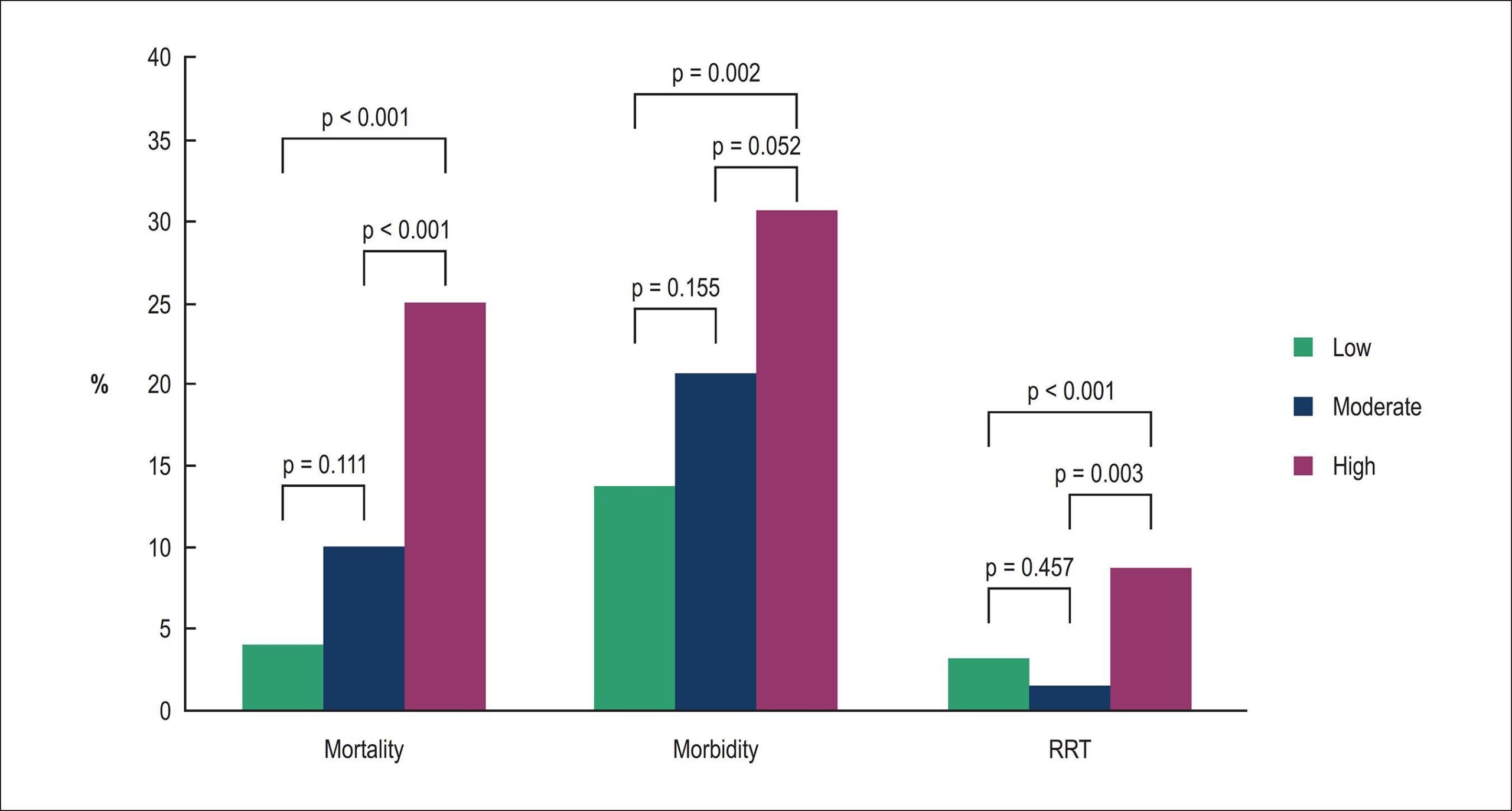
Postoperative mortality rates of low, intermediate and high-risk EuroSCORE risk strata showed a significant linear positive correlation (EuroSCORE: 3.8%, 10%, and 25%; p < 0.0001), as well as occurrence of any postoperative complication EuroSCORE: 13.7%, 20.7%, and 30.8%, respectively; p = 0.006). Accordingly, length-of-stay increased from 20.9 days to 24.8 and 29.2 days (p < 0.001). The real cost was parallel to increased resource use according to EuroSCORE risk strata (R$ 27.116,00 ± R$ 13.928,00 versus R$ 34.854,00 ± R$ 27.814,00 versus R$ 43.234,00 ± R$ 26.009,00, respectively; p < 0.001). SUS reimbursement also increased (R$ 14.306,00 ± R$ 4.571,00 versus R$ 16.217,00 ± R$ 7.298,00 versus R$ 19.548,00 ± R$935,00; p < 0.001). However, as the EuroSCORE increased, there was significant difference (p < 0.0001) between the real cost increasing slope and the SUS reimbursement elevation per EuroSCORE risk strata.

Conclusion:

Higher EuroSCORE was related to higher postoperative mortality, complications, length of stay, and costs. Although SUS reimbursement increased according to risk, it was not proportional to real costs.

  • Cardiac Surgical Procedures / economics
  • Hospital Costs
  • Hospital Mortality
  • Morbidity
  • Preoperative Care
  • Risk Groups
  • Unified Health System
Read Full Article
Creative Commons Attribution (CC BY) Creative Commons license
23/06/2015 DOI: 10.5935/abc.20150068 Views 1
Figure 1
Original Article

Tramadol Alleviates Myocardial Injury Induced by Acute Hindlimb Ischemia Reperfusion in Rats

Hamed Ashrafzadeh Takhtfooladi et al. Adel Haghighi Khiabanian Asl Mehran Shahzamani Mohammad Ashrafzadeh Takhtfooladi … Amin Allahverdi Mohammadreza Khansari

Abstract

Background:

Organ injury occurs not only during periods of ischemia but also during reperfusion. It is known that ischemia reperfusion (IR) causes both remote organ and local injuries.

Objective:

This study evaluated the effects of tramadol on the heart as a remote organ after acute hindlimb IR.

Methods:

Thirty healthy mature male Wistar rats were allocated randomly into three groups: Group I (sham), Group II (IR), and Group III (IR + tramadol). Ischemia was induced in anesthetized rats by left femoral artery clamping for 3 h, followed by 3 h of reperfusion. Tramadol (20 mg/kg, intravenous) was administered immediately prior to reperfusion. At the end of the reperfusion, animals were euthanized, and hearts were harvested for histological and biochemical examination.

Results:

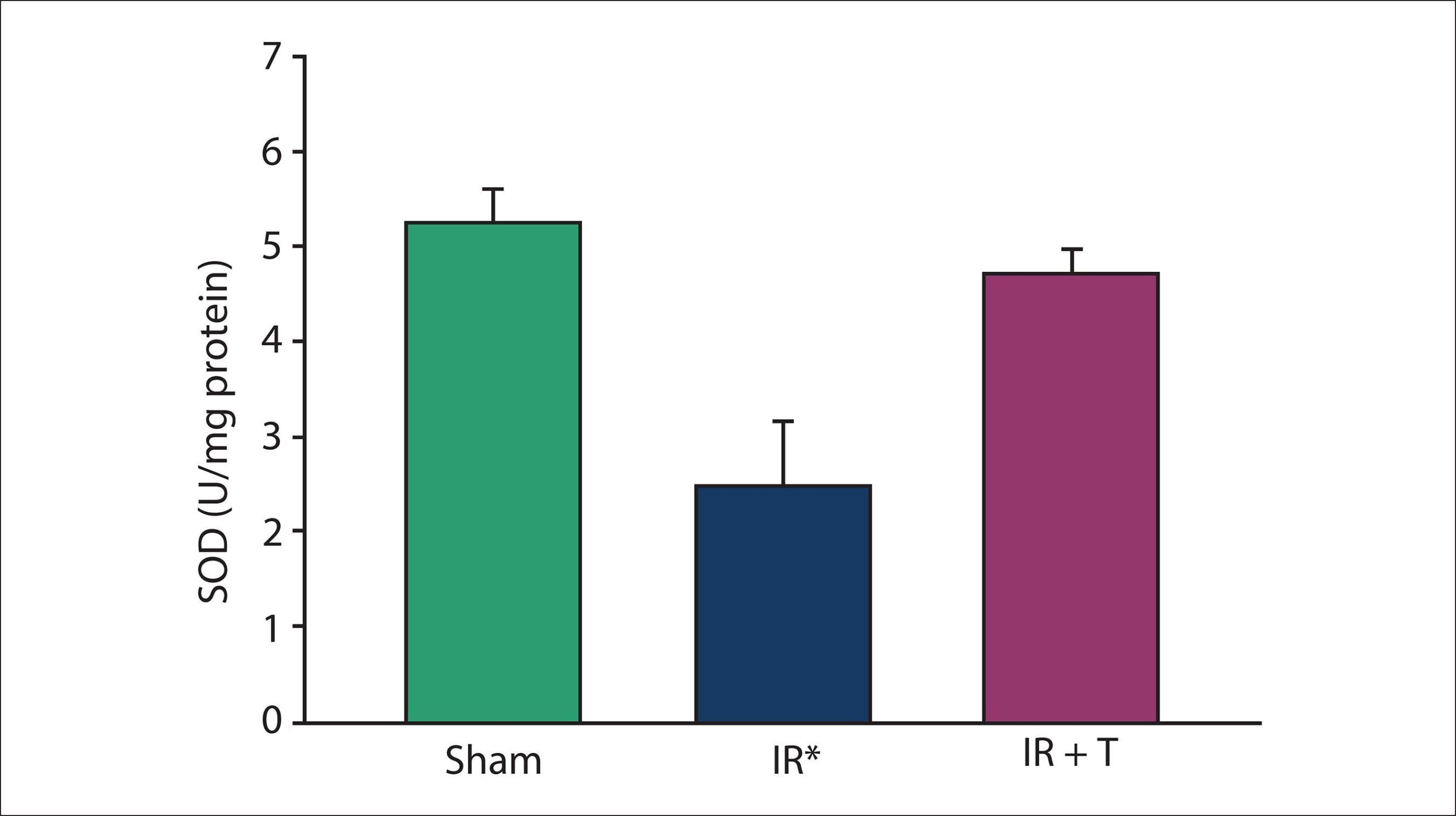
The levels of superoxide dismutase (SOD), catalase (CAT), and glutathione peroxidase (GPx) were higher in Groups I and III than those in Group II (p < 0.05). In comparison with other groups, tissue malondialdehyde (MDA) levels in Group II were significantly increased (p < 0.05), and this increase was prevented by tramadol. Histopathological changes, including microscopic bleeding, edema, neutrophil infiltration, and necrosis, were scored. The total injuryscore in Group III was significantly decreased (p < 0.05) compared with Group II.

Conclusion:

From the histological and biochemical perspectives, treatment with tramadol alleviated the myocardial injuries induced by skeletal muscle IR in this experimental model.

  • Heart Injuries
  • Heart/physiopathology
  • Rats
  • Reperfusion Injury
  • Tramadol/ therapeutic use
Read Full Article
Creative Commons Attribution (CC BY) Creative Commons license
02/06/2015 DOI: 10.5935/abc.20150059 Views 1
Original Article

Role Of MMP-2 and MMP-9 in Resistance to Drug Therapy in Patients with Resistant Hypertension

Leandro Lacerda et al. Ana Paula de Faria Vanessa Fontana Heitor Moreno Valéria Sandrim

Abstract

Background:

Despite the increased evidence of the important role of matrix metalloproteinases (MMP-9 and MMP‑2) in the pathophysiology of hypertension, the profile of these molecules in resistant hypertension (RHTN) remains unknown.

Objectives:

To compare the plasma levels of MMP-9 and MMP-2 and of their tissue inhibitors (TIMP-1 and TIMP-2, respectively), as well as their MMP-9/TIMP-1 and MMP-2/TIMP-2 ratios, between patients with controlled RHTN (CRHTN, n=41) and uncontrolled RHTN (UCRHTN, n=35). In addition, the association of those parameters with clinical characteristics, office blood pressure (BP) and arterial stiffness (determined by pulse wave velocity) was evaluate in those subgroups.

Methods:

This study included 76 individuals diagnosed with RHTN and submitted to physical examination, electrocardiogram, and laboratory tests to assess biochemical parameters.

Results:

Similar values of MMP-9, MMP-2, TIMP-1, TIMP-2, and MMP-9/TIMP-1 and MMP-2/TIMP-2 ratios were found in the UCRHTN and CRHTN subgroups (P>0.05). A significant correlation was found between diastolic BP (DBP) and MMP-9/TIMP-1 ratio (r=0.37; P=0.02) and DPB and MMP-2 (r=-0.40; P=0.02) in the UCRHTN subgroup. On the other hand, no correlation was observed in the CRHTN subgroup. Logistic regression models demonstrated that MMP-9, MMP-2, TIMP-1, TIMP-2 and their ratios were not associated with the lack of BP control.

Conclusion:

These findings suggest that neither MMP-2 nor MMP-9 affect BP control in RHTN subjects.

  • Endopeptidases
  • Hyperaldosteronism/ physiopathology
  • Hypertension/physiopathology
  • Matrix Metalllooproteinases
Read Full Article
Creative Commons Attribution (CC BY) Creative Commons license
02/06/2015 DOI: 10.5935/abc.20150060
Figure 1
Original Article

New Exercise-Dipyridamole Combined Test for Nuclear Cardiology in Insufficient Effort: Appropriate Diagnostic Sensitivity Keeping Exercise Prognosis

Inés Vidal et al. Mario Beretta Omar Alonso Fernando Mut

Abstract

Background:

Myocardial perfusion scintigraphy (MPS) in patients not reaching 85% of the maximum predicted heart rate (MPHR) has reduced sensitivity.

Objectives:

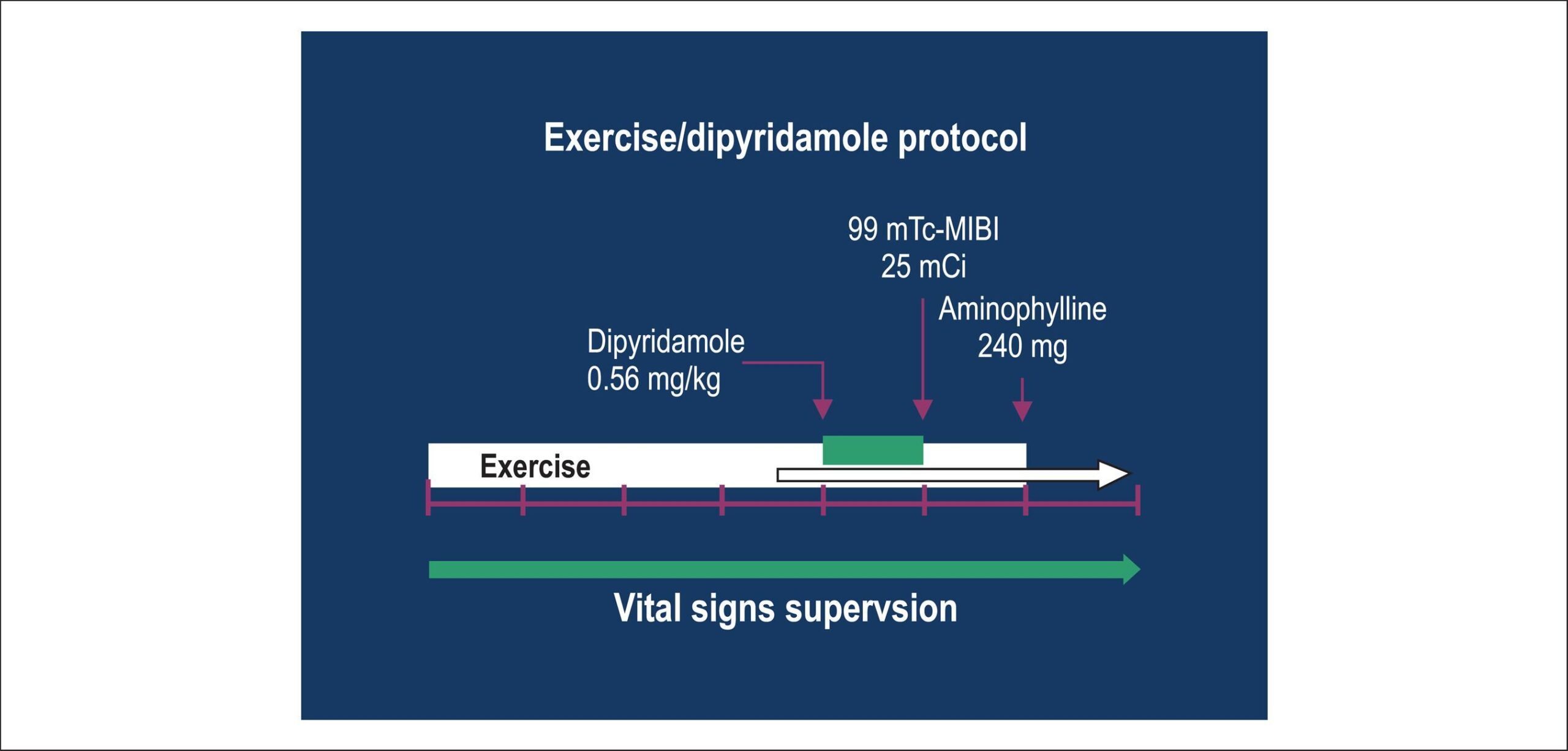
In an attempt to maintain diagnostic sensitivity without losing functional exercise data, a new exercise and dipyridamole combined protocol (EDCP) was developed. Our aim was to evaluate the feasibility and safety of this protocol and to compare its diagnostic sensitivity against standard exercise and dipyridamole protocols.

Methods:

In patients not reaching a sufficient exercise (SE) test and with no contraindications, 0.56 mg/kg of dipyridamole were IV administered over 1 minute simultaneously with exercise, followed by 99mTc-MIBI injection.

Results:

Of 155 patients, 41 had MPS with EDCP, 47 had a SE test (≥ 85% MPHR) and 67 underwent the dipyridamole alone test (DIP). They all underwent coronary angiography within 3 months. The three stress methods for diagnosis of coronary lesions had their sensitivity compared. For stenosis ≥ 70%, EDCP yielded 97% sensitivity, SE 90% and DIP 95% (p = 0.43). For lesions ≥ 50%, the sensitivities were 94%, 88% and 95%, respectively (p = 0.35). Side effects of EDCP were present in only 12% of the patients, significantly less than with DIP (p < 0.001).

Conclusions:

The proposed combined protocol is a valid and safe method that yields adequate diagnostic sensitivity, keeping exercise prognostic information in patients unable to reach target heart rate, with fewer side effects than the DIP.

  • Coronary Artery Disease
  • Dipyridamole / diagnostic use
  • Exercise Test
  • Myocardial Perfusion Imaging/methods
Read Full Article
Creative Commons Attribution (CC BY) Creative Commons license
29/05/2015 DOI: 10.5935/abc.20150051
Original Article

Heart Failure with Preserved Left Ventricular Ejection Fraction in Patients with Acute Myocardial Infarction

Lucas Antonelli et al. Marcelo Katz Fernando Bacal Marcia Regina Pinho Makdisse … Alessandra Graça Correa Carolina Pereira Marcelo Franken Anderson Nunes Fava Carlos Vicente Serrano Junior Antonio Eduardo Pereira Pesaro

Abstract

Background:

The prevalence and clinical outcomes of heart failure with preserved left ventricular ejection fraction after acute myocardial infarction have not been well elucidated.

Objective:

To analyze the prevalence of heart failure with preserved left ventricular ejection fraction in acute myocardial infarction and its association with mortality.

Methods:

Patients with acute myocardial infarction (n = 1,474) were prospectively included. Patients without heart failure (Killip score = 1), with heart failure with preserved left ventricular ejection fraction (Killip score > 1 and left ventricle ejection fraction ≥ 50%), and with systolic dysfunction (Killip score > 1 and left ventricle ejection fraction < 50%) on admission were compared. The association between systolic dysfunction with preserved left ventricular ejection fraction and in-hospital mortality was tested in adjusted models.

Results:

Among the patients included, 1,256 (85.2%) were admitted without heart failure (72% men, 67 ± 15 years), 78 (5.3%) with heart failure with preserved left ventricular ejection fraction (59% men, 76 ± 14 years), and 140 (9.5%) with systolic dysfunction (69% men, 76 ± 14 years), with mortality rates of 4.3%, 17.9%, and 27.1%, respectively (p < 0.001). Logistic regression (adjusted for sex, age, troponin, diabetes, and body mass index) demonstrated that heart failure with preserved left ventricular ejection fraction (OR 2.91; 95% CI 1.35–6.27; p = 0.006) and systolic dysfunction (OR 5.38; 95% CI 3.10 to 9.32; p < 0.001) were associated with in-hospital mortality.

Conclusion:

One-third of patients with acute myocardial infarction admitted with heart failure had preserved left ventricular ejection fraction. Although this subgroup exhibited more favorable outcomes than those with systolic dysfunction, this condition presented a three-fold higher risk of death than the group without heart failure. Patients with acute myocardial infarction and heart failure with preserved left ventricular ejection fraction encounter elevated short-term risk and require special attention and monitoring during hospitalization.

  • Heart Failure
  • Myocardial Infarction
  • Prevalence
  • Stroke Volume
Read Full Article
Creative Commons Attribution (CC BY) Creative Commons license
29/05/2015 DOI: 10.5935/abc.20150055
Figure 1
Review Article

Nobel Prizes: Contributions to Cardiology

Evandro Tinoco Mesquita et al. Luana de Decco Marchese Danielle Warol Dias Andressa Brasil Barbeito … Jonathan Costa Gomes Maria Clara Soares Muradas Pedro Gemal Lanzieri Ronaldo Altenburg Gismondi

The Nobel Prize was created by Alfred Nobel. The first prize was awarded in 1901 and Emil Adolf von Behring was the first laureate in medicine due to his research in diphtheria serum. Regarding cardiology, Nobel Prize’s history permits a global comprehension of progress in pathophysiology, diagnosis and therapeutics of various cardiac diseases in last 120 years. The objective of this study was to review the major scientific discoveries contemplated by Nobel Prizes that contributed to cardiology. In addition, we also hypothesized why Carlos Chagas, one of our most important scientists, did not win the prize in two occasions. We carried out a non-systematic review of Nobel Prize winners, selecting the main studies relevant to heart diseaseamong the laureates. In the period between 1901 and 2013, 204 researches and 104 prizes were awarded in Nobel Prize, of which 16 (15%) studies were important for cardiovascular area. There were 33 (16%) laureates, and two (6%) were women. Fourteen (42%) were American, 15 (45%) Europeans and four (13%) were from other countries. There was only one winner born in Brazil, Peter Medawar, whose career was all in England. Reviewing the history of the Nobel Prize in physiology or medicine area made possible to identify which researchers and studies had contributed to advances in the diagnosis, prevention and treatment of cardiovascular diseases. Most winners were North Americans and Europeans, and male.

  • Cardiology
  • Cardiovascular Diseases / trends
  • History
  • Nobel Prize
Read Full Article
Creative Commons Attribution (CC BY) Creative Commons license
05/05/2015 DOI: 10.5935/abc.20150041

How to cite this article

EndNote RIS

Electronic Document Format (Vancouver)

Baptista A, Magalhães P, Leão S, Carvalho S, Mateus P, Moreira I. Screening for Fabry Disease in Left Ventricular Hypertrophy: Documentation of a Novel Mutation. Arquivos Brasileiros de Cardiologia 2015;105(2):139-44.

Electronic Document Format (ABNT)

Baptista, Ana; Magalhães, Pedro; Leão, Sílvia; Carvalho, Sofia; Mateus, Pedro; Moreira, Ilídio. Screening for Fabry Disease in Left Ventricular Hypertrophy: Documentation of a Novel Mutation. Arquivos Brasileiros de Cardiologia, v. 105, n. 2, p. 139-144, Aug. 2015.

Electronic Document Format (APA)

Baptista, A., Magalhães, P., Leão, S., Carvalho, S., Mateus, P., & Moreira, I. (2015). Screening for Fabry Disease in Left Ventricular Hypertrophy: Documentation of a Novel Mutation. Arquivos Brasileiros de Cardiologia, 105(2), 139-144.

Electronic Document Format (ISO)

Baptista, Ana and Magalhães, Pedro and Leão, Sílvia and Carvalho, Sofia and Mateus, Pedro and Moreira, Ilídio. Screening for Fabry Disease in Left Ventricular Hypertrophy: Documentation of a Novel Mutation. Arquivos Brasileiros de Cardiologia [online]. 2015, vol. 105, n. 2, [cited 2026-10-14], pp. 139-144. Available from: <https://journals.cardiol.br/en/article/screening-for-fabry-disease-in-left-ventricular-hypertrophy-documentation-of-a-novel-mutation/>. ISSN 0066-782X

EndNote RIS

Electronic Document Format (Vancouver)

Freitas Jr AF, Santos RO, Rassi S. Subclinical Ventricular Dysfunction Detected by Speckle-Tracking Two Years after Use of Anthracycline. Arquivos Brasileiros de Cardiologia 2015;105(2):206-7.

Electronic Document Format (ABNT)

Freitas Jr, Aguinaldo Figueiredo; Santos, Raquel Oliveira; Rassi, Salvador. Subclinical Ventricular Dysfunction Detected by Speckle-Tracking Two Years after Use of Anthracycline. Arquivos Brasileiros de Cardiologia, v. 105, n. 2, p. 206-207, Jul. 2015.

Electronic Document Format (APA)

Freitas Jr, A. F., Santos, R. O., & Rassi, S. (2015). Subclinical Ventricular Dysfunction Detected by Speckle-Tracking Two Years after Use of Anthracycline. Arquivos Brasileiros de Cardiologia, 105(2), 206-207.

Electronic Document Format (ISO)

Freitas Jr, Aguinaldo Figueiredo and Santos, Raquel Oliveira and Rassi, Salvador. Subclinical Ventricular Dysfunction Detected by Speckle-Tracking Two Years after Use of Anthracycline. Arquivos Brasileiros de Cardiologia [online]. 2015, vol. 105, n. 2, [cited 2026-10-14], pp. 206-207. Available from: <https://journals.cardiol.br/en/article/subclinical-ventricular-dysfunction-detected-by-speckle-tracking-two-years-after-use-of-anthracycline/>. ISSN 0066-782X

EndNote RIS

Electronic Document Format (Vancouver)

Evora PRB, Rodrigues AJ. Editorial Considerations on the New Clinical and Surgical Perspectives of Brazilian Cardiology. Arquivos Brasileiros de Cardiologia 2015;105(2):103-4.

Electronic Document Format (ABNT)

Evora, Paulo Roberto B.; Rodrigues, Alfredo J.. Editorial Considerations on the New Clinical and Surgical Perspectives of Brazilian Cardiology. Arquivos Brasileiros de Cardiologia, v. 105, n. 2, p. 103-104, Jul. 2015.

Electronic Document Format (APA)

Evora, P. R. B., & Rodrigues, A. J. (2015). Editorial Considerations on the New Clinical and Surgical Perspectives of Brazilian Cardiology. Arquivos Brasileiros de Cardiologia, 105(2), 103-104.

Electronic Document Format (ISO)

Evora, Paulo Roberto B. and Rodrigues, Alfredo J.. Editorial Considerations on the New Clinical and Surgical Perspectives of Brazilian Cardiology. Arquivos Brasileiros de Cardiologia [online]. 2015, vol. 105, n. 2, [cited 2026-10-14], pp. 103-104. Available from: <https://journals.cardiol.br/en/article/editorial-considerations-on-the-new-clinical-and-surgical-perspectives-of-brazilian-cardiology/>. ISSN 0066-782X

EndNote RIS

Electronic Document Format (Vancouver)

Ortega MC, Morejon AEG, Serrano GR, Ramos DBB. Diastolic Function in Paced Children with Cardiac Defects: Septum vs Apex. Arquivos Brasileiros de Cardiologia 2015;105(2):184-7.

Electronic Document Format (ABNT)

Ortega, Michel Cabrera; Morejon, Adel Eladio Gonzalez; Serrano, Giselle Ricardo; Ramos, Dunia Barbara Benitez. Diastolic Function in Paced Children with Cardiac Defects: Septum vs Apex. Arquivos Brasileiros de Cardiologia, v. 105, n. 2, p. 184-187, Jul. 2015.

Electronic Document Format (APA)

Ortega, M. C., Morejon, A. E. G., Serrano, G. R., & Ramos, D. B. B. (2015). Diastolic Function in Paced Children with Cardiac Defects: Septum vs Apex. Arquivos Brasileiros de Cardiologia, 105(2), 184-187.

Electronic Document Format (ISO)

Ortega, Michel Cabrera and Morejon, Adel Eladio Gonzalez and Serrano, Giselle Ricardo and Ramos, Dunia Barbara Benitez. Diastolic Function in Paced Children with Cardiac Defects: Septum vs Apex. Arquivos Brasileiros de Cardiologia [online]. 2015, vol. 105, n. 2, [cited 2026-10-14], pp. 184-187. Available from: <https://journals.cardiol.br/en/article/diastolic-function-in-paced-children-with-cardiac-defects-septum-vs-apex/>. ISSN 0066-782X

EndNote RIS

Electronic Document Format (Vancouver)

Bastante T, Alfonso F. Giant Right Atrial Mass Following Surgical Aortic Valve Replacement. Arquivos Brasileiros de Cardiologia 2015;105(2):205.

Electronic Document Format (ABNT)

Bastante, Teresa; Alfonso, Fernando. Giant Right Atrial Mass Following Surgical Aortic Valve Replacement. Arquivos Brasileiros de Cardiologia, v. 105, n. 2, p. 205-205, Jul. 2015.

Electronic Document Format (APA)

Bastante, T., & Alfonso, F. (2015). Giant Right Atrial Mass Following Surgical Aortic Valve Replacement. Arquivos Brasileiros de Cardiologia, 105(2), 205-205.

Electronic Document Format (ISO)

Bastante, Teresa and Alfonso, Fernando. Giant Right Atrial Mass Following Surgical Aortic Valve Replacement. Arquivos Brasileiros de Cardiologia [online]. 2015, vol. 105, n. 2, [cited 2026-10-14], pp. 205-205. Available from: <https://journals.cardiol.br/en/article/giant-right-atrial-mass-following-surgical-aortic-valve-replacement/>. ISSN 0066-782X

EndNote RIS

Electronic Document Format (Vancouver)

Sridhar GS, Watson T, Han CK, Ahmad WAW. Profound Sustained Hypotension Following Renal Denervation: A Dramatic Success?. Arquivos Brasileiros de Cardiologia 2015;105(2):202-4.

Electronic Document Format (ABNT)

Sridhar, Ganiga Srinivasaiah; Watson, Timothy; Han, Chee Kok; Ahmad, Wan Azman Wan. Profound Sustained Hypotension Following Renal Denervation: A Dramatic Success?. Arquivos Brasileiros de Cardiologia, v. 105, n. 2, p. 202-204, Jul. 2015.

Electronic Document Format (APA)

Sridhar, G. S., Watson, T., Han, C. K., & Ahmad, W. A. W. (2015). Profound Sustained Hypotension Following Renal Denervation: A Dramatic Success?. Arquivos Brasileiros de Cardiologia, 105(2), 202-204.

Electronic Document Format (ISO)

Sridhar, Ganiga Srinivasaiah and Watson, Timothy and Han, Chee Kok and Ahmad, Wan Azman Wan. Profound Sustained Hypotension Following Renal Denervation: A Dramatic Success?. Arquivos Brasileiros de Cardiologia [online]. 2015, vol. 105, n. 2, [cited 2026-10-14], pp. 202-204. Available from: <https://journals.cardiol.br/en/article/profound-sustained-hypotension-following-renal-denervation-a-dramatic-success/>. ISSN 0066-782X

EndNote RIS

Electronic Document Format (Vancouver)

Atik E. Case 6 / 2015 – A 27-Year-Old Male Patient with Double Aortic and Pulmonary Valve Lesion after Double Valvotomy in Childhood. Arquivos Brasileiros de Cardiologia 2015;105(2):199-201.

Electronic Document Format (ABNT)

Atik, Edmar. Case 6 / 2015 – A 27-Year-Old Male Patient with Double Aortic and Pulmonary Valve Lesion after Double Valvotomy in Childhood. Arquivos Brasileiros de Cardiologia, v. 105, n. 2, p. 199-201, Jul. 2015.

Electronic Document Format (APA)

Atik, E. (2015). Case 6 / 2015 – A 27-Year-Old Male Patient with Double Aortic and Pulmonary Valve Lesion after Double Valvotomy in Childhood. Arquivos Brasileiros de Cardiologia, 105(2), 199-201.

Electronic Document Format (ISO)

Atik, Edmar. Case 6 / 2015 – A 27-Year-Old Male Patient with Double Aortic and Pulmonary Valve Lesion after Double Valvotomy in Childhood. Arquivos Brasileiros de Cardiologia [online]. 2015, vol. 105, n. 2, [cited 2026-10-14], pp. 199-201. Available from: <https://journals.cardiol.br/en/article/case-6-2015-a-27-year-old-male-patient-with-double-aortic-and-pulmonary-valve-lesion-after-double-valvotomy-in-childhood/>. ISSN 0066-782X

EndNote RIS

Electronic Document Format (Vancouver)

Scorza F, Tucci PJF. Sudden Death in Brazil: Epilepsy Should be in Horizon. Arquivos Brasileiros de Cardiologia 2015;105(2):197-8.

Electronic Document Format (ABNT)

Scorza, Fulvio; Tucci, Paulo José Ferreira. Sudden Death in Brazil: Epilepsy Should be in Horizon. Arquivos Brasileiros de Cardiologia, v. 105, n. 2, p. 197-198, Jul. 2015.

Electronic Document Format (APA)

Scorza, F., & Tucci, P. J. F. (2015). Sudden Death in Brazil: Epilepsy Should be in Horizon. Arquivos Brasileiros de Cardiologia, 105(2), 197-198.

Electronic Document Format (ISO)

Scorza, Fulvio and Tucci, Paulo José Ferreira. Sudden Death in Brazil: Epilepsy Should be in Horizon. Arquivos Brasileiros de Cardiologia [online]. 2015, vol. 105, n. 2, [cited 2026-10-14], pp. 197-198. Available from: <https://journals.cardiol.br/en/article/sudden-death-in-brazil-epilepsy-should-be-in-horizon/>. ISSN 0066-782X

EndNote RIS

Electronic Document Format (Vancouver)

. Erratum. Arquivos Brasileiros de Cardiologia 2015;105(2):208.

Electronic Document Format (ABNT)

. Erratum. Arquivos Brasileiros de Cardiologia, v. 105, n. 2, p. 208-208, Jul. 2015.

Electronic Document Format (APA)

(2015). Erratum. Arquivos Brasileiros de Cardiologia, 105(2), 208-208.

Electronic Document Format (ISO)

. Erratum. Arquivos Brasileiros de Cardiologia [online]. 2015, vol. 105, n. 2, [cited 2026-10-14], pp. 208-208. Available from: <https://journals.cardiol.br/en/article/erratum-26/>. ISSN 0066-782X

EndNote RIS

Electronic Document Format (Vancouver)

Oliveira Jr. MT, Paula LJC, Marcolino MS, Canesin MF. Executive Summary – Guideline on Telecardiology in the Care of Patients with Acute Coronary Syndrome and Other Cardiac Diseases. Arquivos Brasileiros de Cardiologia 2015;105(2):105-11.

Electronic Document Format (ABNT)

Oliveira Jr., Mucio Tavares de; Paula, Leonardo Jorge Cordeiro de; Marcolino, Milena Soriano; Canesin, Manoel Fernandes. Executive Summary – Guideline on Telecardiology in the Care of Patients with Acute Coronary Syndrome and Other Cardiac Diseases. Arquivos Brasileiros de Cardiologia, v. 105, n. 2, p. 105-111, Jul. 2015.

Electronic Document Format (APA)

Oliveira Jr., M. T. , Paula, L. J. C. , Marcolino, M. S., & Canesin, M. F. (2015). Executive Summary – Guideline on Telecardiology in the Care of Patients with Acute Coronary Syndrome and Other Cardiac Diseases. Arquivos Brasileiros de Cardiologia, 105(2), 105-111.

Electronic Document Format (ISO)

Oliveira Jr., Mucio Tavares de and Paula, Leonardo Jorge Cordeiro de and Marcolino, Milena Soriano and Canesin, Manoel Fernandes. Executive Summary – Guideline on Telecardiology in the Care of Patients with Acute Coronary Syndrome and Other Cardiac Diseases. Arquivos Brasileiros de Cardiologia [online]. 2015, vol. 105, n. 2, [cited 2026-10-14], pp. 105-111. Available from: <https://journals.cardiol.br/en/article/executive-summary-guideline-on-telecardiology-in-the-care-of-patients-with-acute-coronary-syndrome-and-other-cardiac-diseases/>. ISSN 0066-782X

EndNote RIS

Electronic Document Format (Vancouver)

Smanio PEP, Silva JH, Holtz JV, Ueda L, Abreu M, Marques C, Machado L, et al. Myocardial Scintigraphy in the Evaluation of Cardiac Events in Patients without Typical Symptoms. Arquivos Brasileiros de Cardiologia 2015;105(2):112-2.

Electronic Document Format (ABNT)

Smanio, Paola Emanuela Poggio; Silva, Juliana Horie; Holtz, João Vitor; Ueda, Leandro; Abreu, Marilia; Marques, Carlindo; Machado, Leonardo. Myocardial Scintigraphy in the Evaluation of Cardiac Events in Patients without Typical Symptoms. Arquivos Brasileiros de Cardiologia, v. 105, n. 2, p. 112-122, Jul. 2015.

Electronic Document Format (APA)

Smanio, P. E. P., Silva, J. H., Holtz, J. V., Ueda, L., Abreu, M., Marques, C., & Machado, L. (2015). Myocardial Scintigraphy in the Evaluation of Cardiac Events in Patients without Typical Symptoms. Arquivos Brasileiros de Cardiologia, 105(2), 112-122.

Electronic Document Format (ISO)

Smanio, Paola Emanuela Poggio and Silva, Juliana Horie and Holtz, João Vitor and Ueda, Leandro and Abreu, Marilia and Marques, Carlindo and Machado, Leonardo. Myocardial Scintigraphy in the Evaluation of Cardiac Events in Patients without Typical Symptoms. Arquivos Brasileiros de Cardiologia [online]. 2015, vol. 105, n. 2, [cited 2026-10-14], pp. 112-122. Available from: <https://journals.cardiol.br/en/article/myocardial-scintigraphy-in-the-evaluation-of-cardiac-events-in-patients-without-typical-symptoms/>. ISSN 0066-782X

EndNote RIS

Electronic Document Format (Vancouver)

Wang R, Moura LAZ, Lopes SV, Costa FDA, Souza Filho NFS, Fernandes TL, Salvatti NB, et al. Reduced Progression of Cardiac Allograft Vasculopathy with Routine Use of Induction Therapy with Basiliximab. Arquivos Brasileiros de Cardiologia 2015;105(2):176-83.

Electronic Document Format (ABNT)

Wang, Ricardo; Moura, Lidia Ana Zytynski; Lopes, Sergio Veiga; Costa, Francisco Diniz Affonso da; Souza Filho, Newton Fernando Stadler; Fernandes, Tiago Luiz; Salvatti, Natália Boing; Faria-Neto, José Rocha. Reduced Progression of Cardiac Allograft Vasculopathy with Routine Use of Induction Therapy with Basiliximab. Arquivos Brasileiros de Cardiologia, v. 105, n. 2, p. 176-183, Jun. 2015.

Electronic Document Format (APA)

Wang, R., Moura, L. A. Z., Lopes, S. V., Costa, F. D. A. , Souza Filho, N. F. S., Fernandes, T. L., Salvatti, N. B., & Faria-Neto, J. R. (2015). Reduced Progression of Cardiac Allograft Vasculopathy with Routine Use of Induction Therapy with Basiliximab. Arquivos Brasileiros de Cardiologia, 105(2), 176-183.

Electronic Document Format (ISO)

Wang, Ricardo and Moura, Lidia Ana Zytynski and Lopes, Sergio Veiga and Costa, Francisco Diniz Affonso da and Souza Filho, Newton Fernando Stadler and Fernandes, Tiago Luiz and Salvatti, Natália Boing and Faria-Neto, José Rocha. Reduced Progression of Cardiac Allograft Vasculopathy with Routine Use of Induction Therapy with Basiliximab. Arquivos Brasileiros de Cardiologia [online]. 2015, vol. 105, n. 2, [cited 2026-10-14], pp. 176-183. Available from: <https://journals.cardiol.br/en/article/reduced-progression-of-cardiac-allograft-vasculopathy-with-routine-use-of-induction-therapy-with-basiliximab/>. ISSN 0066-782X

EndNote RIS

Electronic Document Format (Vancouver)

Silva TLTB, Mota MM, Fontes MT, Araújo JES, Carvalho VO, Bonjardim LR, Santos MRV, et al. Effects of One Resistance Exercise Session on Vascular Smooth Muscle of Hypertensive Rats. Arquivos Brasileiros de Cardiologia 2015;105(2):160-7.

Electronic Document Format (ABNT)

Silva, Tharciano Luiz Teixeira Braga da; Mota, Marcelo Mendonça; Fontes, Milene Tavares; Araújo, João Eliakim dos Santos; Carvalho, Vitor Oliveira; Bonjardim, Leonardo Rigoldi; Santos, Márcio Roberto Viana. Effects of One Resistance Exercise Session on Vascular Smooth Muscle of Hypertensive Rats. Arquivos Brasileiros de Cardiologia, v. 105, n. 2, p. 160-167, Jun. 2015.

Electronic Document Format (APA)

Silva, T. L. T. B. , Mota, M. M., Fontes, M. T., Araújo, J. E. S., Carvalho, V. O., Bonjardim, L. R., & Santos, M. R. V. (2015). Effects of One Resistance Exercise Session on Vascular Smooth Muscle of Hypertensive Rats. Arquivos Brasileiros de Cardiologia, 105(2), 160-167.

Electronic Document Format (ISO)

Silva, Tharciano Luiz Teixeira Braga da and Mota, Marcelo Mendonça and Fontes, Milene Tavares and Araújo, João Eliakim dos Santos and Carvalho, Vitor Oliveira and Bonjardim, Leonardo Rigoldi and Santos, Márcio Roberto Viana. Effects of One Resistance Exercise Session on Vascular Smooth Muscle of Hypertensive Rats. Arquivos Brasileiros de Cardiologia [online]. 2015, vol. 105, n. 2, [cited 2026-10-14], pp. 160-167. Available from: <https://journals.cardiol.br/en/article/effects-of-one-resistance-exercise-session-on-vascular-smooth-muscle-of-hypertensive-rats/>. ISSN 0066-782X

EndNote RIS

Electronic Document Format (Vancouver)

Titinger DP, Lisboa LAF, Matrangolo BLR, Dallan LRP, Dallan LAO, Trindade EM, Eckl I, et al. Cardiac Surgery Costs According to the Preoperative Risk in the Brazilian Public Health System. Arquivos Brasileiros de Cardiologia 2015;105(2):130-8.

Electronic Document Format (ABNT)

Titinger, David Provenzale; Lisboa, Luiz Augusto Ferreira; Matrangolo, Bruna La Regina; Dallan, Luis Roberto Palma; Dallan, Luis Alberto Oliveira; Trindade, Evelinda Marramon; Eckl, Ivone; Kalil Filho, Roberto; Mejía, Omar Asdrúbal Vilca; Jatene, Fabio Biscegli. Cardiac Surgery Costs According to the Preoperative Risk in the Brazilian Public Health System. Arquivos Brasileiros de Cardiologia, v. 105, n. 2, p. 130-138, Jun. 2015.

Electronic Document Format (APA)

Titinger, D. P., Lisboa, L. A. F., Matrangolo, B. L. R., Dallan, L. R. P., Dallan, L. A. O., Trindade, E. M., Eckl, I., Kalil Filho, R., Mejía, O. A. V., & Jatene, F. B. (2015). Cardiac Surgery Costs According to the Preoperative Risk in the Brazilian Public Health System. Arquivos Brasileiros de Cardiologia, 105(2), 130-138.

Electronic Document Format (ISO)

Titinger, David Provenzale and Lisboa, Luiz Augusto Ferreira and Matrangolo, Bruna La Regina and Dallan, Luis Roberto Palma and Dallan, Luis Alberto Oliveira and Trindade, Evelinda Marramon and Eckl, Ivone and Kalil Filho, Roberto and Mejía, Omar Asdrúbal Vilca and Jatene, Fabio Biscegli. Cardiac Surgery Costs According to the Preoperative Risk in the Brazilian Public Health System. Arquivos Brasileiros de Cardiologia [online]. 2015, vol. 105, n. 2, [cited 2026-10-14], pp. 130-138. Available from: <https://journals.cardiol.br/en/article/cardiac-surgery-costs-according-to-the-preoperative-risk-in-the-brazilian-public-health-system/>. ISSN 0066-782X

EndNote RIS

Electronic Document Format (Vancouver)

Takhtfooladi HA, Asl AHK, Shahzamani M, Takhtfooladi MA, Allahverdi A, Khansari M. Tramadol Alleviates Myocardial Injury Induced by Acute Hindlimb Ischemia Reperfusion in Rats. Arquivos Brasileiros de Cardiologia 2015;105(2):151-9.

Electronic Document Format (ABNT)

Takhtfooladi, Hamed Ashrafzadeh; Asl, Adel Haghighi Khiabanian; Shahzamani, Mehran; Takhtfooladi, Mohammad Ashrafzadeh; Allahverdi, Amin; Khansari, Mohammadreza. Tramadol Alleviates Myocardial Injury Induced by Acute Hindlimb Ischemia Reperfusion in Rats. Arquivos Brasileiros de Cardiologia, v. 105, n. 2, p. 151-159, Jun. 2015.

Electronic Document Format (APA)

Takhtfooladi, H. A., Asl, A. H. K., Shahzamani, M., Takhtfooladi, M. A., Allahverdi, A., & Khansari, M. (2015). Tramadol Alleviates Myocardial Injury Induced by Acute Hindlimb Ischemia Reperfusion in Rats. Arquivos Brasileiros de Cardiologia, 105(2), 151-159.

Electronic Document Format (ISO)

Takhtfooladi, Hamed Ashrafzadeh and Asl, Adel Haghighi Khiabanian and Shahzamani, Mehran and Takhtfooladi, Mohammad Ashrafzadeh and Allahverdi, Amin and Khansari, Mohammadreza. Tramadol Alleviates Myocardial Injury Induced by Acute Hindlimb Ischemia Reperfusion in Rats. Arquivos Brasileiros de Cardiologia [online]. 2015, vol. 105, n. 2, [cited 2026-10-14], pp. 151-159. Available from: <https://journals.cardiol.br/en/article/tramadol-alleviates-myocardial-injury-induced-by-acute-hindlimb-ischemia-reperfusion-in-rats/>. ISSN 0066-782X

EndNote RIS

Electronic Document Format (Vancouver)

Lacerda L, Faria AP, Fontana V, Moreno H, Sandrim V. Role Of MMP-2 and MMP-9 in Resistance to Drug Therapy in Patients with Resistant Hypertension. Arquivos Brasileiros de Cardiologia 2015;105(2):168-75.

Electronic Document Format (ABNT)

Lacerda, Leandro; Faria, Ana Paula de; Fontana, Vanessa; Moreno, Heitor; Sandrim, Valéria. Role Of MMP-2 and MMP-9 in Resistance to Drug Therapy in Patients with Resistant Hypertension. Arquivos Brasileiros de Cardiologia, v. 105, n. 2, p. 168-175, Jun. 2015.

Electronic Document Format (APA)

Lacerda, L., Faria, A. P. , Fontana, V., Moreno, H., & Sandrim, V. (2015). Role Of MMP-2 and MMP-9 in Resistance to Drug Therapy in Patients with Resistant Hypertension. Arquivos Brasileiros de Cardiologia, 105(2), 168-175.

Electronic Document Format (ISO)

Lacerda, Leandro and Faria, Ana Paula de and Fontana, Vanessa and Moreno, Heitor and Sandrim, Valéria. Role Of MMP-2 and MMP-9 in Resistance to Drug Therapy in Patients with Resistant Hypertension. Arquivos Brasileiros de Cardiologia [online]. 2015, vol. 105, n. 2, [cited 2026-10-14], pp. 168-175. Available from: <https://journals.cardiol.br/en/article/role-of-mmp-2-and-mmp-9-in-resistance-to-drug-therapy-in-patients-with-resistant-hypertension/>. ISSN 0066-782X

EndNote RIS

Electronic Document Format (Vancouver)

Vidal I, Beretta M, Alonso O, Mut F. New Exercise-Dipyridamole Combined Test for Nuclear Cardiology in Insufficient Effort: Appropriate Diagnostic Sensitivity Keeping Exercise Prognosis. Arquivos Brasileiros de Cardiologia 2015;105(2):123-9.

Electronic Document Format (ABNT)

Vidal, Inés; Beretta, Mario; Alonso, Omar; Mut, Fernando. New Exercise-Dipyridamole Combined Test for Nuclear Cardiology in Insufficient Effort: Appropriate Diagnostic Sensitivity Keeping Exercise Prognosis. Arquivos Brasileiros de Cardiologia, v. 105, n. 2, p. 123-129, May. 2015.

Electronic Document Format (APA)

Vidal, I., Beretta, M., Alonso, O., & Mut, F. (2015). New Exercise-Dipyridamole Combined Test for Nuclear Cardiology in Insufficient Effort: Appropriate Diagnostic Sensitivity Keeping Exercise Prognosis. Arquivos Brasileiros de Cardiologia, 105(2), 123-129.

Electronic Document Format (ISO)

Vidal, Inés and Beretta, Mario and Alonso, Omar and Mut, Fernando. New Exercise-Dipyridamole Combined Test for Nuclear Cardiology in Insufficient Effort: Appropriate Diagnostic Sensitivity Keeping Exercise Prognosis. Arquivos Brasileiros de Cardiologia [online]. 2015, vol. 105, n. 2, [cited 2026-10-14], pp. 123-129. Available from: <https://journals.cardiol.br/en/article/new-exercise-dipyridamole-combined-test-for-nuclear-cardiology-in-insufficient-effort-appropriate-diagnostic-sensitivity-keeping-exercise-prognosis/>. ISSN 0066-782X

EndNote RIS

Electronic Document Format (Vancouver)

Antonelli L, Katz M, Bacal F, Makdisse MRP, Correa AG, Pereira C, Franken M, et al. Heart Failure with Preserved Left Ventricular Ejection Fraction in Patients with Acute Myocardial Infarction. Arquivos Brasileiros de Cardiologia 2015;105(2):145-50.

Electronic Document Format (ABNT)

Antonelli, Lucas; Katz, Marcelo; Bacal, Fernando; Makdisse, Marcia Regina Pinho; Correa, Alessandra Graça; Pereira, Carolina; Franken, Marcelo; Fava, Anderson Nunes; Serrano Junior, Carlos Vicente; Pesaro, Antonio Eduardo Pereira. Heart Failure with Preserved Left Ventricular Ejection Fraction in Patients with Acute Myocardial Infarction. Arquivos Brasileiros de Cardiologia, v. 105, n. 2, p. 145-150, May. 2015.

Electronic Document Format (APA)

Antonelli, L., Katz, M., Bacal, F., Makdisse, M. R. P., Correa, A. G., Pereira, C., Franken, M., Fava, A. N., Serrano Junior, C. V., & Pesaro, A. E. P. (2015). Heart Failure with Preserved Left Ventricular Ejection Fraction in Patients with Acute Myocardial Infarction. Arquivos Brasileiros de Cardiologia, 105(2), 145-150.

Electronic Document Format (ISO)

Antonelli, Lucas and Katz, Marcelo and Bacal, Fernando and Makdisse, Marcia Regina Pinho and Correa, Alessandra Graça and Pereira, Carolina and Franken, Marcelo and Fava, Anderson Nunes and Serrano Junior, Carlos Vicente and Pesaro, Antonio Eduardo Pereira. Heart Failure with Preserved Left Ventricular Ejection Fraction in Patients with Acute Myocardial Infarction. Arquivos Brasileiros de Cardiologia [online]. 2015, vol. 105, n. 2, [cited 2026-10-14], pp. 145-150. Available from: <https://journals.cardiol.br/en/article/heart-failure-with-preserved-left-ventricular-ejection-fraction-in-patients-with-acute-myocardial-infarction/>. ISSN 0066-782X

EndNote RIS

Electronic Document Format (Vancouver)

Mesquita ET, Marchese LD, Dias DW, Barbeito AB, Gomes JC, Muradas MCS, Lanzieri PG, et al. Nobel Prizes: Contributions to Cardiology. Arquivos Brasileiros de Cardiologia 2015;105(2):188-96.

Electronic Document Format (ABNT)

Mesquita, Evandro Tinoco; Marchese, Luana de Decco; Dias, Danielle Warol; Barbeito, Andressa Brasil; Gomes, Jonathan Costa; Muradas, Maria Clara Soares; Lanzieri, Pedro Gemal; Gismondi, Ronaldo Altenburg. Nobel Prizes: Contributions to Cardiology. Arquivos Brasileiros de Cardiologia, v. 105, n. 2, p. 188-196, May. 2015.

Electronic Document Format (APA)

Mesquita, E. T., Marchese, L. D., Dias, D. W., Barbeito, A. B., Gomes, J. C., Muradas, M. C. S., Lanzieri, P. G., & Gismondi, R. A. (2015). Nobel Prizes: Contributions to Cardiology. Arquivos Brasileiros de Cardiologia, 105(2), 188-196.

Electronic Document Format (ISO)

Mesquita, Evandro Tinoco and Marchese, Luana de Decco and Dias, Danielle Warol and Barbeito, Andressa Brasil and Gomes, Jonathan Costa and Muradas, Maria Clara Soares and Lanzieri, Pedro Gemal and Gismondi, Ronaldo Altenburg. Nobel Prizes: Contributions to Cardiology. Arquivos Brasileiros de Cardiologia [online]. 2015, vol. 105, n. 2, [cited 2026-10-14], pp. 188-196. Available from: <https://journals.cardiol.br/en/article/nobel-prizes-contributions-to-cardiology/>. ISSN 0066-782X

Sede – Rio de Janeiro
Av. Marechal Câmara, 160
3º andar – Sala: 330 – Centro
Rio de Janeiro – CEP: 20020-907
Tel.: (55 +21) 3478-2700
ou (21) 99386-3961
E-mail: revista@cardiol.br

Sede – São Paulo
Alameda Santos, 705 – 11º andar
Cerqueira César | São Paulo
CEP: 01419-001
Tel.: (55 +11) 3411-5500
E-mail: revista@cardiol.br

  • About the Journal
  • Internal Regulation
  • Editors Section
  • Editorial Board
  • History
  • SBC Award

  • Guidelines for Publication
  • Editorial Policy
  • Ethics Policy
  • Policy on the Use of Artificial Intelligence
  • Mandatory Publication Form
  • Publication Fee

Issues

SBC Guidelines

  • How to Publish an Abstract Supplement?
  • Supplements from the Brazilian Congress of Cardiology