| ABC
ABC Family Arquivos Brasileiros de Cardiologia International Journal of Cardiovascular Sciences ABC Heart Failure & Cardiomyopathy ABC Imagem Cardiovascular
Português English
ABC Family | ABC
Português English
  • About
    • About the Journal
    • Internal Regulation
    • Editors Section
    • Editorial Board
    • History
    • SBC Award
  • Instructions to Authors
    • Guidelines for Publication
    • Editorial Policy
    • Ethics Policy
    • Policy on the Use of Artificial Intelligence
    • Mandatory Publication Form
    • Publication Fee
  • Issues
  • SBC Guidelines
  • Abstracts
    • How to Publish an Abstract Supplement?
    • Supplements from the Brazilian Congress of Cardiology
  • About
    • About the Journal
    • Internal Regulation
    • Editors Section
    • Editorial Board
    • History
    • SBC Award
  • Instructions to Authors
    • Guidelines for Publication
    • Editorial Policy
    • Ethics Policy
    • Policy on the Use of Artificial Intelligence
    • Mandatory Publication Form
    • Publication Fee
  • Issues
  • SBC Guidelines
  • Abstracts
    • How to Publish an Abstract Supplement?
    • Supplements from the Brazilian Congress of Cardiology

ABC Family

  • ABC Family
  • Arquivos Brasileiros de Cardiologia
  • International Journal of Cardiovascular Sciences
  • ABC Heart Failure & Cardiomyopathy
  • ABC Imagem Cardiovascular
Search in

No content found.

Journals
Ordering
Article types
Others

  1. Home
  2. ABC
  3. Issues
  4. 2015, Volume 104, Number 1
Editorial

Behavioral Cardiology: Cardiology’s New Frontier of Action

Marcelo Katz et al. Mauricio Wajngarten

Cardiovascular diseases are the leading cause of morbidity and mortality around the world, and particularly in Brazil, despite advances in their diagnosis and treatment. It is speculated that these adverse events are due in part to the lack of patients’ adherence to medical (pharmacological and non-pharmacological) recommendations,. In this regard, the evaluation of adherence and, eventually, the identification of the causes of failure in adherence are recommended to be part of the cardiovascular anamnesis. In the study published by Oliveira-Filho et al in the Arquivos Brasileiros de Cardiologia entitled “Improving Post‑Discharge Medication Adherence in Patients with CVD: A Pilot Randomized Trial”, the topic of adherence is approached in a randomized clinical study conducted by the authors. In this study, 61 patients diagnosed with cardiovascular disease were, upon discharge from the hospital, randomized to receive an intervention focused on education and information, including dosage simplification, and based on a 4-item adherence scale versus standard treatment. The authors compared adherence outcomes at 1 and 12 months of follow up, as well as clinical outcomes (hospital readmission and death) in the follow-up period. The adherence rate was assessed with the 8-item therapeutic adherence scale by Morisky,. At 1-month follow-up, the adherence rate was significantly higher in the intervention group (83.3% versus 48.4%). During long-term follow-up, the adherence rate declined to a statistically non-significant difference between groups, but remained around 61% in the intervention group. As for readmissions and deaths, there was no significant difference between groups, although the study was not designed primarily to analyze these outcomes. However, we emphasize that taking into consideration the adherent patients regardless of allocation group, the rate of clinical outcomes was lower when compared with non-adherent patients. In a recent study, Castellano et al evaluated the polypill versus standard treatment in patients after acute myocardial infarction and observed an improvement in adherence rate, but not in cardiovascular outcomes. Dosage simplification, which was common to both studies, appears to be effective and may be a trend.

Methodologically well-planned and executed, the study by Oliveira-Filho et al provides lessons applicable to clinical practice and to the way physicians and health professionals interact with their patients. Patient education and simplification of dosage must be part of the strategy to improve patients’ adherence. In addition, the background of this study ultimately refers to behavior. In recent years, the term “behavioral cardiology” has been used to define a new frontier of action in cardiology and currently encompasses the relationship between mental and cardiovascular health, the influence of psychosocial factors on the incidence of cardiovascular diseases, and finally, behavioral aspects of the patients that determine higher or lower adherence to medical recommendations,. Several behavioral theories complement each other and seek to explore the different domains that govern the behavior of a patient before a risk factor or a disease. Similarly, there are several examples in the literature demonstrating that health interventions, at an individual or population level, have a higher chance of success when based on a combination of behavioral theories, with emphasis on the health belief model, the stages of change, social cognitive theory, self-efficacy and positive reinforcement. In all these theories, the issues of information and patient education are central.

[…]
  • Cardiovascular Diseases / trends
  • Indicators of Morbidity and Mortality
  • medication adherence
  • Treatment Outcome
Read Full Article
Creative Commons Attribution (CC BY) Creative Commons license
01/01/2015 DOI: 10.5935/abc.20150002 Views 1
Figure 1
Special Article

Cardiovascular Research Publications from Latin America between 1999 and 2008. A Bibliometric Study

Lisandro D. Colantonio et al. Abigail S. Baldridge Mark D. Huffman Gerald S. Bloomfield Dorairaj Prabhakaran

Background:

Cardiovascular research publications seem to be increasing in Latin America overall.

Objective:

To analyze trends in cardiovascular publications and their citations from countries in Latin America between 1999 and 2008, and to compare them with those from the rest of the countries.

Methods:

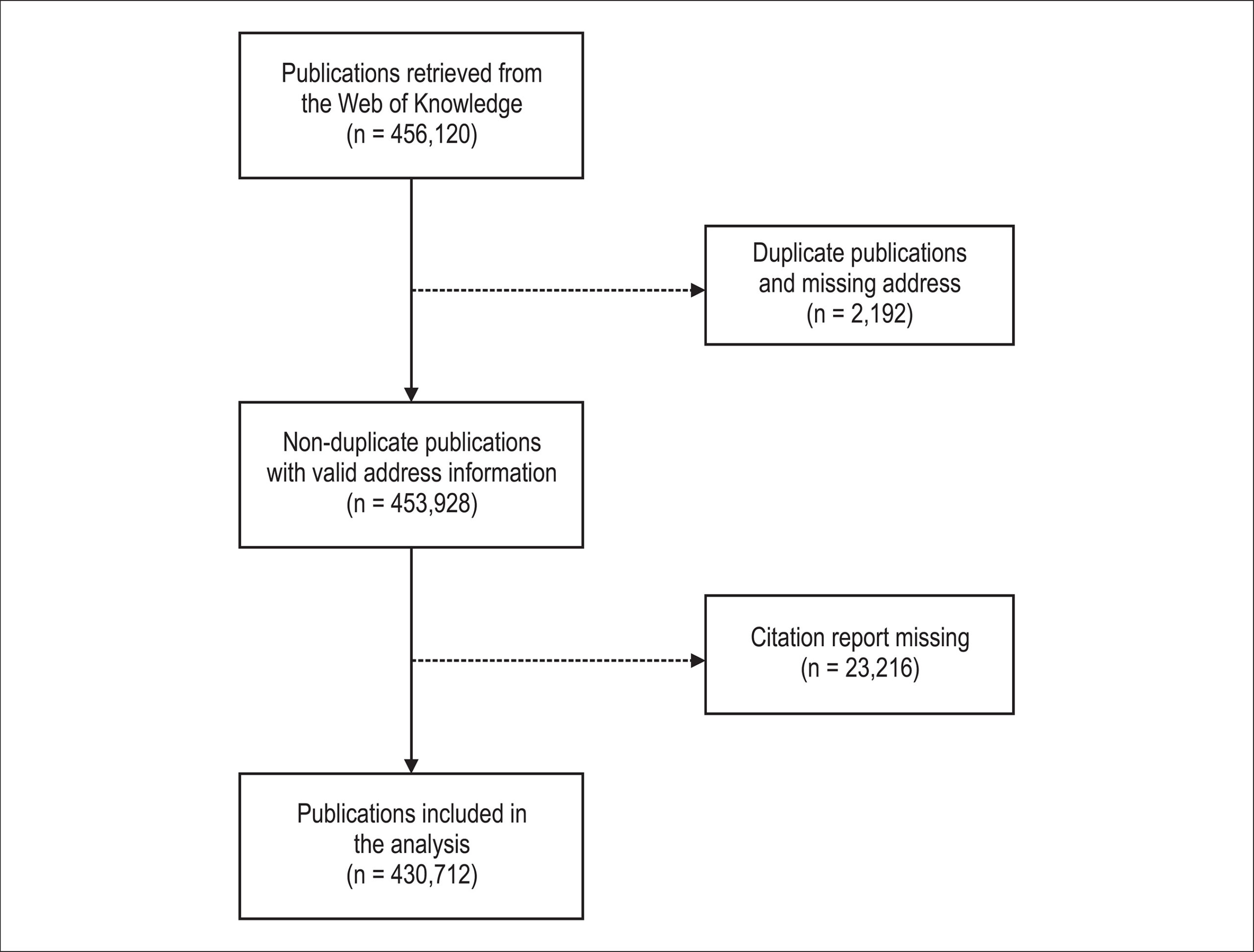
We retrieved references of cardiovascular publications between 1999 and 2008 and their five-year post-publication citations from the Web of Knowledge database. For countries in Latin America, we calculated the total number of publications and their citation indices (total citations divided by number of publications) by year. We analyzed trends on publications and citation indices over time using Poisson regression models. The analysis was repeated for Latin America as a region, and compared with that for the rest of the countries grouped according to economic development.

Results:

Brazil (n = 6,132) had the highest number of publications in1999-2008, followed by Argentina (n = 1,686), Mexico (n = 1,368) and Chile (n = 874). Most countries showed an increase in publications over time, leaded by Guatemala (36.5% annually [95%CI: 16.7%-59.7%]), Colombia (22.1% [16.3%-28.2%]), Costa Rica (18.1% [8.1%-28.9%]) and Brazil (17.9% [16.9%-19.1%]). However, trends on citation indices varied widely (from -33.8% to 28.4%). From 1999 to 2008, cardiovascular publications of Latin America increased by 12.9% (12.1%-13.5%) annually. However, the citation indices of Latin America increased 1.5% (1.3%-1.7%) annually, a lower increase than those of all other country groups analyzed.

Conclusions:

Although the number of cardiovascular publications of Latin America increased from 1999 to 2008, trends on citation indices suggest they may have had a relatively low impact on the research field, stressing the importance of considering quality and dissemination on local research policies.

  • Bibliometrics Citation Databases
  • Epidemiology
  • Publications / statistics & numerical data
  • System for Evaluation of Publications
Read Full Article
Creative Commons Attribution (CC BY) Creative Commons license
01/01/2015 DOI: 10.5935/abc.20140213 Views 2
Figure 1
Clinicoradiological Session

Case 1/2015 A 76-year-old Male Patient with Ebstein Anomaly in Natural Course

Atik Edmar

Laboratory tests

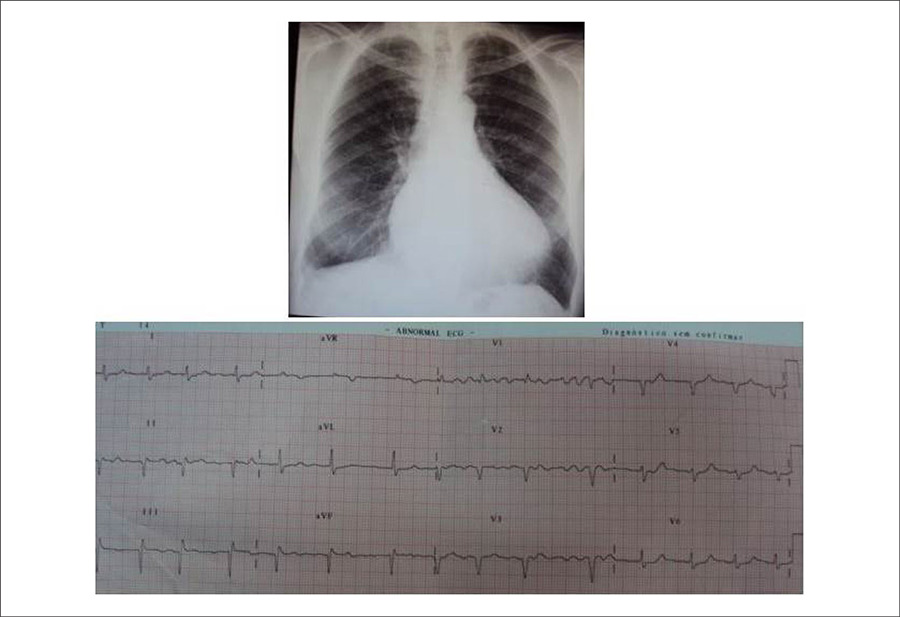
Electrocardiogram (ECG) showed atrial fibrillation, signs of right ventricular (RV) diastolic overload, and left anterior superior hemiblock. Low-voltage QRS complex with qr morphology in V1; RS in V6, with final conduction disturbance in the right bundle branch. QRSA: – 70º, TA: + 30° ().

Chest radiograph showed moderately enlarged cardiac silhouette (cardiothoracic ratio: 0.61), resulting from enlarged right chambers. The pulmonary vascular network was slightly decreased, the arch of the pulmonary artery was concave, and the aortic knob was prominent. ().

[…]

  • Ebstein Anomaly
  • Heart Defects, Congenital
Read Full Article
Creative Commons Attribution (CC BY) Creative Commons license
01/01/2015 DOI: 10.5935/abc.20150004 Views 1
Editorial

Perspectives and Evolution of Research in Cardiology and Cardiovascular Sciences in Latin America

Luiz Felipe P. Moreira

Publications on cardiovascular research have significantly increased in Brazil and in most of Latin American countries over the past decade. According to the bibliometric study by Colantonio et al. published as a special article in this issue of the Brazilian Archives of Cardiology, this increase occurred at a mean percentage of 12.9% per year from 1999 to 2008. In the last five years, the number of publications in Cardiovascular Sciences has significantly increased in the same countries, reaching approximately 1,500 publications in this area of knowledge in 2013, according to data from the main international indexing systems such as Thompson-Reuters’ Web of Science and Elsevier’s Scopus-Scimago. These figures, however, still account for less than 3% of articles published in international journals indexed in the area of Cardiology and Cardiovascular Sciences.

The bibliometric analysis regarding publications on cardiovascular research in Latin America further demonstrates there is a close association between the Human Development Index (HDI) and the per capita Gross Domestic Product (GDP) of the analyzed countries and the total number of studies published during the assessed period. This association was significant, with the sole exception of Brazil, which showed a much more significant participation in the number of scientific publications produced in the country than that expected by its level of development, accounting for more than 60% of all assessed publications. The growing increase in the number and quality of publications in Cardiology in our country is explained by the better qualification of Brazilian researchers as a result from the training provided by the Stricto sensu graduate programs and incentive programs aimed at scientific formation and production sponsored by the Brazilian National Research Council (CNPq) and national medical societies.

[…]

  • Cardiovascular Diseases
  • Latin America, Bibliometrics
  • Periodicals as Topic
Read Full Article
Creative Commons Attribution (CC BY) Creative Commons license
01/01/2015 DOI: 10.5935/abc.20150008 Views 1
Figure 1
Case Report

Pseudo-pulmonary Embolism – A Case of Hypoxemia Associated with Right-to-left Shunt

Mariana Faustino et al. Ana Oliveira Soares Fernando Rodrigues Rui Anjos … António Freitas Victor M. Gil

Introduction

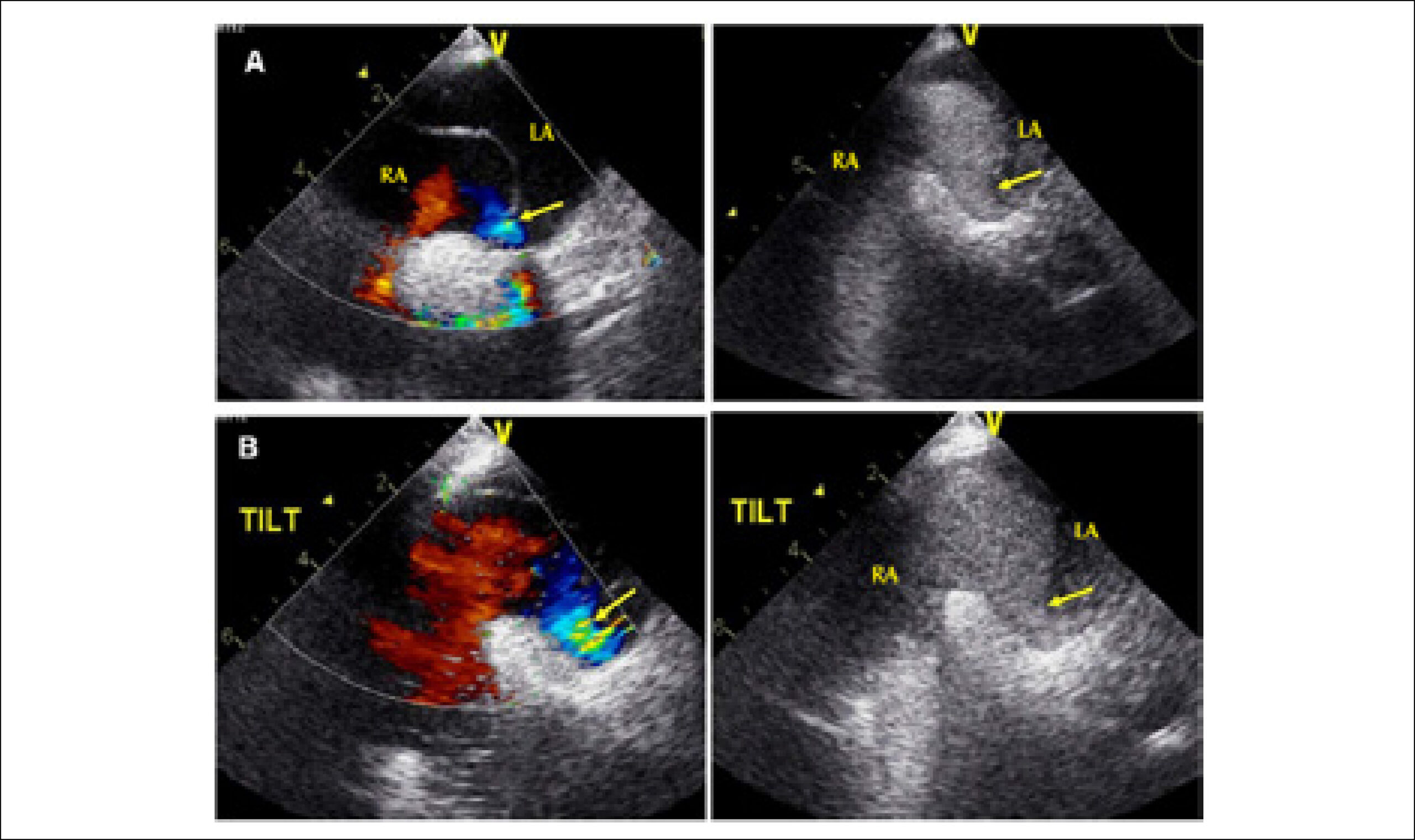
Platypnea orthodeoxia is a rare syndrome characterized by dyspnea and decreased arterial oxygen saturation when passing from the dorsal decubitus position to the sitting or upright position. It usually results from an intracardiac right-to-left shunt; however, the pathophysiological mechanism responsible for the positional nature of the shunt has not been clarified,. We report a case of dyspnea and orthostatic hypoxemia, which was attributed to a right-to-left shunt due to atrial septal defect (ASD).

[…]

  • atrial
  • Dyspnea
  • Echocardiography
  • Heart septal defects
  • Transesophageal
Read Full Article
Creative Commons Attribution (CC BY) Creative Commons license
01/01/2015 DOI: 10.5935/abc.20140208
Figure 1
Image

Left Ventricular Diverticulum of the Interventricular Septum

Silvio Henrique Barberato et al. Marcia Ferreira Alves Barberato

I

n

[…]

  • Cardiac ventricles
  • Echocardiography
Read Full Article
Creative Commons Attribution (CC BY) Creative Commons license
01/01/2015 DOI: 10.5935/abc.20140170
Letter to the Editor

Heart Rate Variability and Chagas Heart Disease

Marcos Antonio Almeida-Santos et al. Antonio Carlos Sobral Sousa

We believe that the present study is relevant, which investigated the effect of exercise training on heart rate variability (HRV) in patients with Chagas heart disease. However, there are some issues in this study, which should be further discussed.

The use of amiodarone in approximately 80% of patients may have decreased their autonomic response, affecting the validity of HRV parameters.

[…]

  • Chagas Cardiomyopathy, Amiodarone/Therapeutic Use
  • Heart Rate
  • Ventricular Dysfunction
Read Full Article
Creative Commons Attribution (CC BY) Creative Commons license
01/01/2015 DOI: 10.5935/abc.20150003
Figure 1
Original Article

BNP was Associated with Ischemic Myocardial Scintigraphy and Death in Patients at Chest Pain Unit

Jader Cunha de Azevedo et al. Bruno Cezario Costa Reis Nathalia Monerat P.B. Barreto Diogenes S. F. Junior … Lais S. Prezotti Victor Rebelo Procaci Vivian Werneck Octaviano Andre Volschan Evandro Tinoco Mesquita Claudio Tinoco Mesquita

Background:

Recent studies have suggested that B-type Natriuretic Peptide (BNP) is an important predictor of ischemia and death in patients with suspected acute coronary syndrome. Increased levels of BNP are seen after episodes of myocardial ischemia and may be related to future adverse events.

Objectives:

To determine the prognostic value of BNP for major cardiac events and to evaluate its association with ischemic myocardial perfusion scintigraphy (MPS).

Methods:

This study included retrospectively 125 patients admitted to the chest pain unit between 2002 and 2006, who had their BNP levels measured on admission and underwent CPM for risk stratification. BNP values were compared with the results of the MPS. The chi-square test was used for qualitative variables and the Student t test, for quantitative variables. Survival curves were adjusted using the Kaplan-Meier method and analyzed by using Cox regression. The significance level was 5%.

Results:

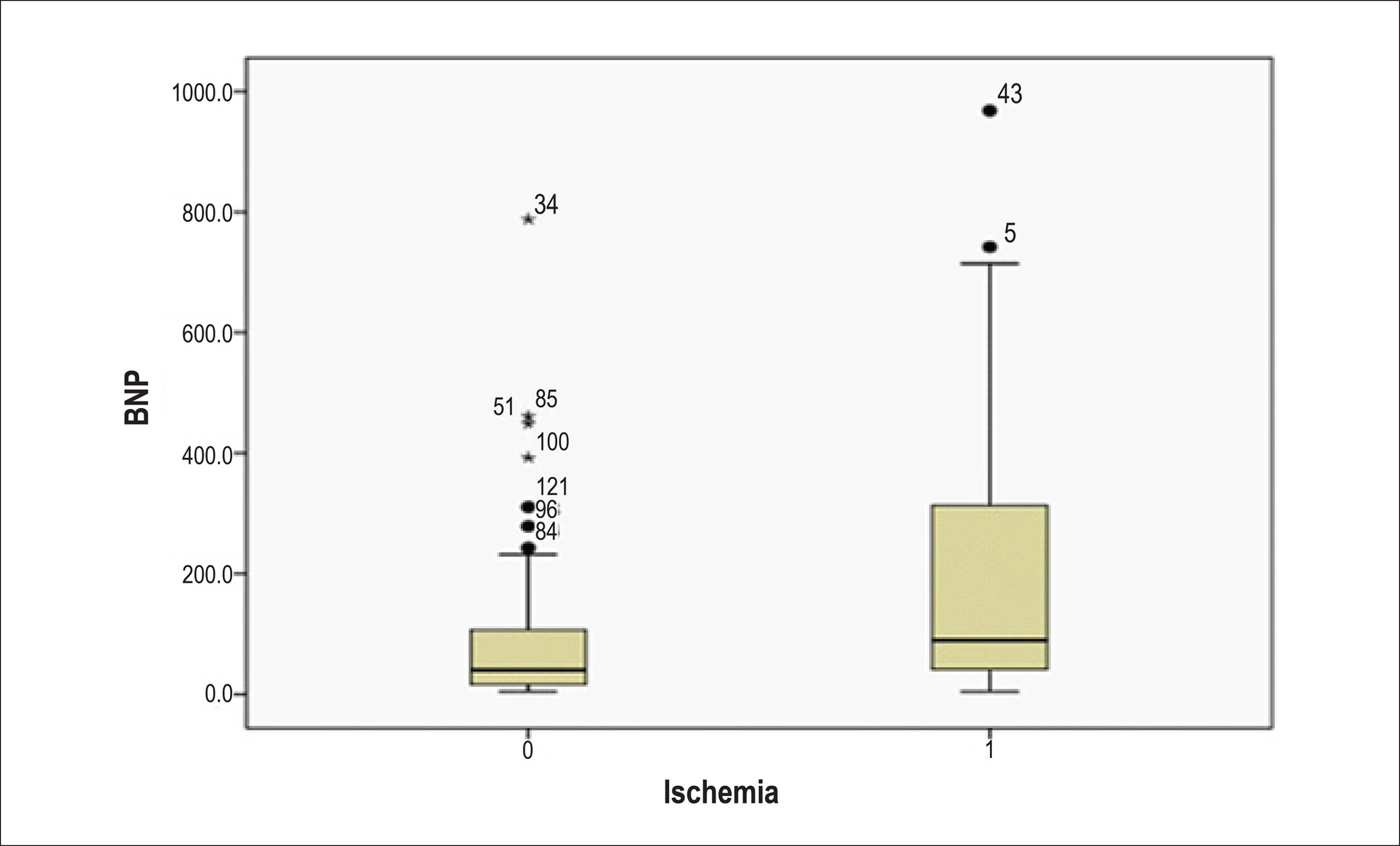
The mean age was 63.9 ± 13.8 years, and the male sex represented 51.2% of the sample. Ischemia was found in 44% of the MPS. The mean BNP level was higher in patients with ischemia compared to patients with non-ischemic MPS (188.3 ± 208.7 versus 131.8 ± 88.6; p = 0.003). A BNP level greater than 80 pg/mL was the strongest predictor of ischemia on MPS (sensitivity = 60%, specificity = 70%, accuracy = 66%, PPV = 61%, NPV = 70%), and could predict medium-term mortality (RR = 7.29, 95% CI: 0.90-58.6; p = 0.045) independently of the presence of ischemia.

Conclusions:

BNP levels are associated with ischemic MPS findings and adverse prognosis in patients presenting with acute chest pain to the emergency room, thus, providing important prognostic information for an unfavorable clinical outcome.

  • Brain
  • Heart Failure
  • Myocardial Ischemia
  • Myocardial Perfusion Imaging
  • Natriuretic Peptide
Read Full Article
Creative Commons Attribution (CC BY) Creative Commons license
18/11/2014 DOI: 10.5935/abc.20140175
Figure 1
Original Article

Cost-Effectiveness of High, Moderate and Low-Dose Statins in the Prevention of Vascular Events in the Brazilian Public Health System

Rodrigo Antonini Ribeiro et al. Bruce Bartholow Duncan Patricia Klarmann Ziegelmann Steffan Frosi Stella … Jose Luiz da Costa Vieira Luciane Maria Fabian Restelatto Carisi Anne Polanczyk

Background:

Statins have proven efficacy in the reduction of cardiovascular events, but the financial impact of its widespread use can be substantial.

Objective:

To conduct a cost-effectiveness analysis of three statin dosing schemes in the Brazilian Unified National Health System (SUS) perspective.

Methods:

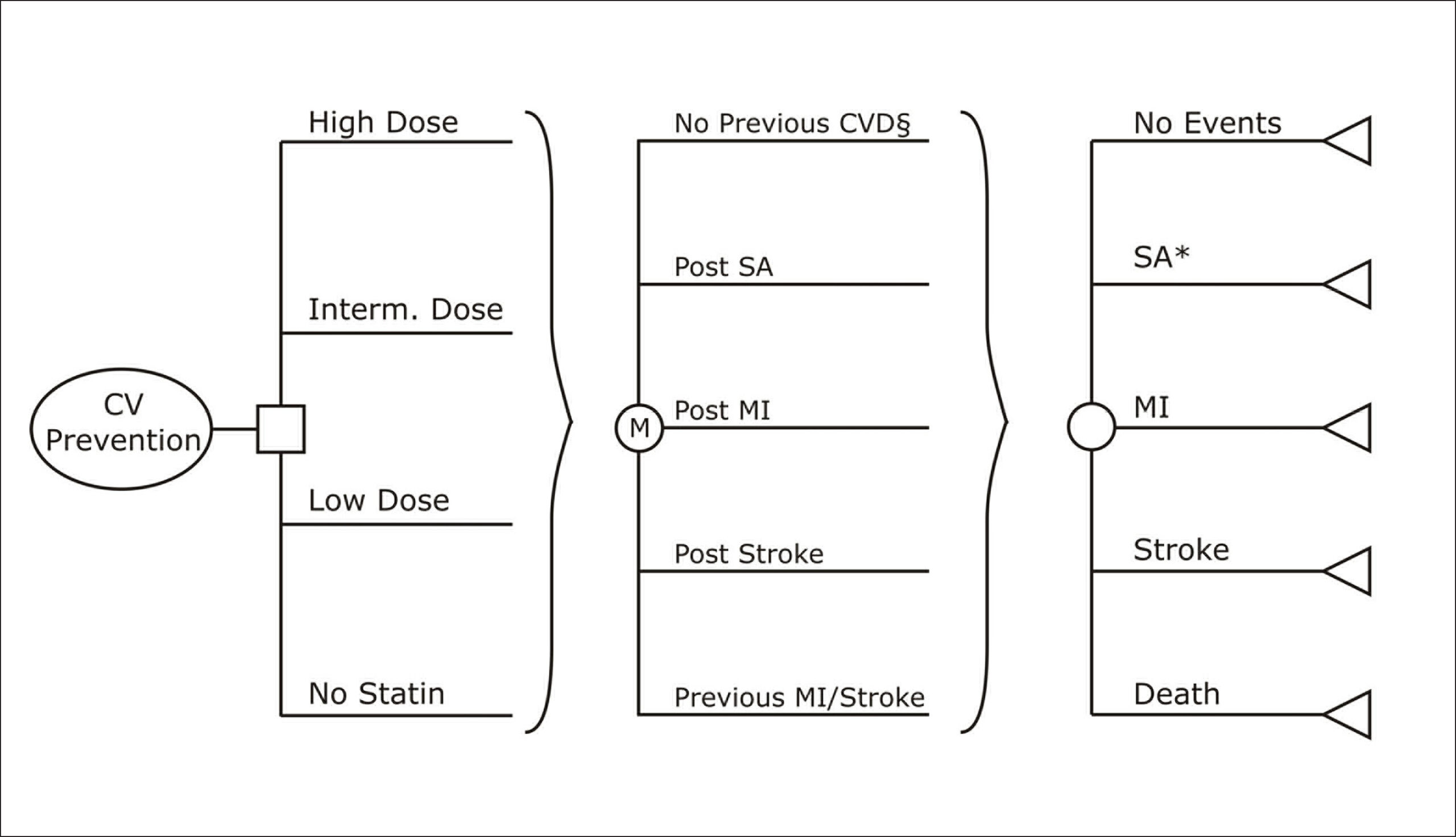
We developed a Markov model to evaluate the incremental cost-effectiveness ratios (ICERs) of low, intermediate and high intensity dose regimens in secondary and four primary scenarios (5%, 10%, 15% and 20% ten-year risk) of prevention of cardiovascular events. Regimens with expected low-density lipoprotein cholesterol reduction below 30% (e.g. simvastatin 10mg) were considered as low dose; between 30-40%, (atorvastatin 10mg, simvastatin 40mg), intermediate dose; and above 40% (atorvastatin 20-80mg, rosuvastatin 20mg), high-dose statins. Effectiveness data were obtained from a systematic review with 136,000 patients. National data were used to estimate utilities and costs (expressed as International Dollars – Int$). A willingness-to-pay (WTP) threshold equal to the Brazilian gross domestic product per capita (circa Int$11,770) was applied.

Results:

Low dose was dominated by extension in the primary prevention scenarios. In the five scenarios, the ICER of intermediate dose was below Int$10,000 per QALY. The ICER of the high versus intermediate dose comparison was above Int$27,000 per QALY in all scenarios. In the cost-effectiveness acceptability curves, intermediate dose had a probability above 50% of being cost-effective with ICERs between Int$ 9,000-20,000 per QALY in all scenarios.

Conclusions:

Considering a reasonable WTP threshold, intermediate dose statin therapy is economically attractive, and should be a priority intervention in prevention of cardiovascular events in Brazil.

  • Cardiovascular Diseases
  • Cost-Benefit Analysis
  • Hydroxymethylglutaryl-CoA Reductase Inhibitors
  • Prevention
  • Unified Health System
Read Full Article
Creative Commons Attribution (CC BY) Creative Commons license
18/11/2014 DOI: 10.5935/abc.20140173 Views 1
Figure 1
Original Article

Death and Disability in Patients with Sleep Apnea – A Meta-analysis

Maria Inês Pires Fonseca et al. Telmo Pereira Paulo Caseiro

Background:

Several studies have been attempting to ascertain the risks of Sleep Apnea Syndrome (SAS) and its morbidity and mortality.

Objective:

The main objective was to verify whether SAS increases the risk of death; the secondary objective was to evaluate its morbidity in relation to cardiovascular disease and the number of days hospitalized.

Methods:

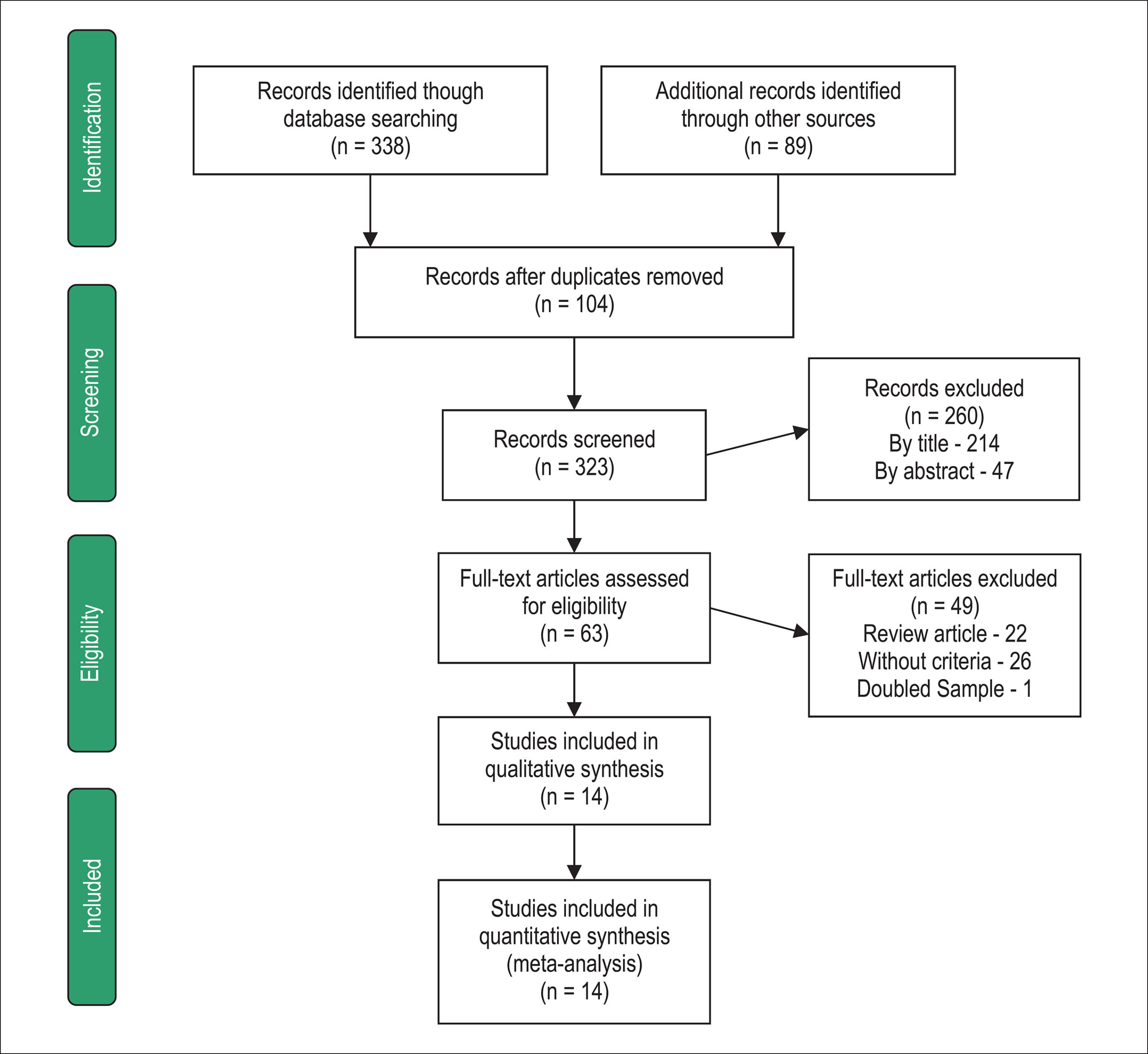
A systematic review and a meta-analysis were performed of the published literature. The research focused on studies comparing the number of deaths in patients with untreated SAS and in patients with non-SAS.

Results:

The meta-analysis was based on 13 articles, corresponding to a total of 13394 participants divided into two groups (non-SAS = 6631; SAS = 6763). The meta-analysis revealed a clear association of SAS with the occurrence of fatal events, where the presence of SAS corresponded to a 61% higher risk of total mortality (OR=1.61; CI: 1.43 – 1.81; p < 0.00001), while the risk of death from cardiac causes was 2.52 times higher in these patients (OR = 2.52; IC: 1.80 – 3.52; p < 0.00001). Similar results were obtained for mortality from other causes (OR = 1.68; CI: 1.08 – 2.61; p = 0.02). Resembling results were obtained in the remaining outcomes: non-fatal cardiovascular events were higher in the SAS group (OR = 2.46; IC: 1.80 – 3.36; p < 0.00001), the average number of days hospitalized was also higher in the SAS group (IV = 18.09; IC: 13.34 – 22.84; p < 0.00001).

Conclusion:

The results show that untreated SAS significantly increases the risk of death, cardiovascular events and the average number of days hospitalized.

  • Death, Sudden, Cardiac
  • Sleep Apnea Sindromes / mortality
  • Sleep Disorders / mortality
Read Full Article
Creative Commons Attribution (CC BY) Creative Commons license
18/11/2014 DOI: 10.5935/abc.20140172
Figure 1
Original Article

Functional Capacity of Patients with Pacemaker Due to Isolated Congenital Atrioventricular Block

Roberto Márcio de Oliveira Júnior et al. Kátia Regina da Silva Tatiana Satie Kawauchi Lucas Bassolli de Oliveira Alves … Elizabeth Sartori Crevelari Martino Martinelli Filho Roberto Costa

Background:

Isolated congenital atrioventricular block (CAVB) is a rare condition with multiple clinical outcomes. Ventricular remodeling can occur in approximately 10% of the patients after pacemaker (PM) implantation.

Objectives:

To assess the functional capacity of children and young adults with isolated CAVB and chronic pacing of the right ventricle (RV) and evaluate its correlation with predictors of ventricular remodeling.

Methods:

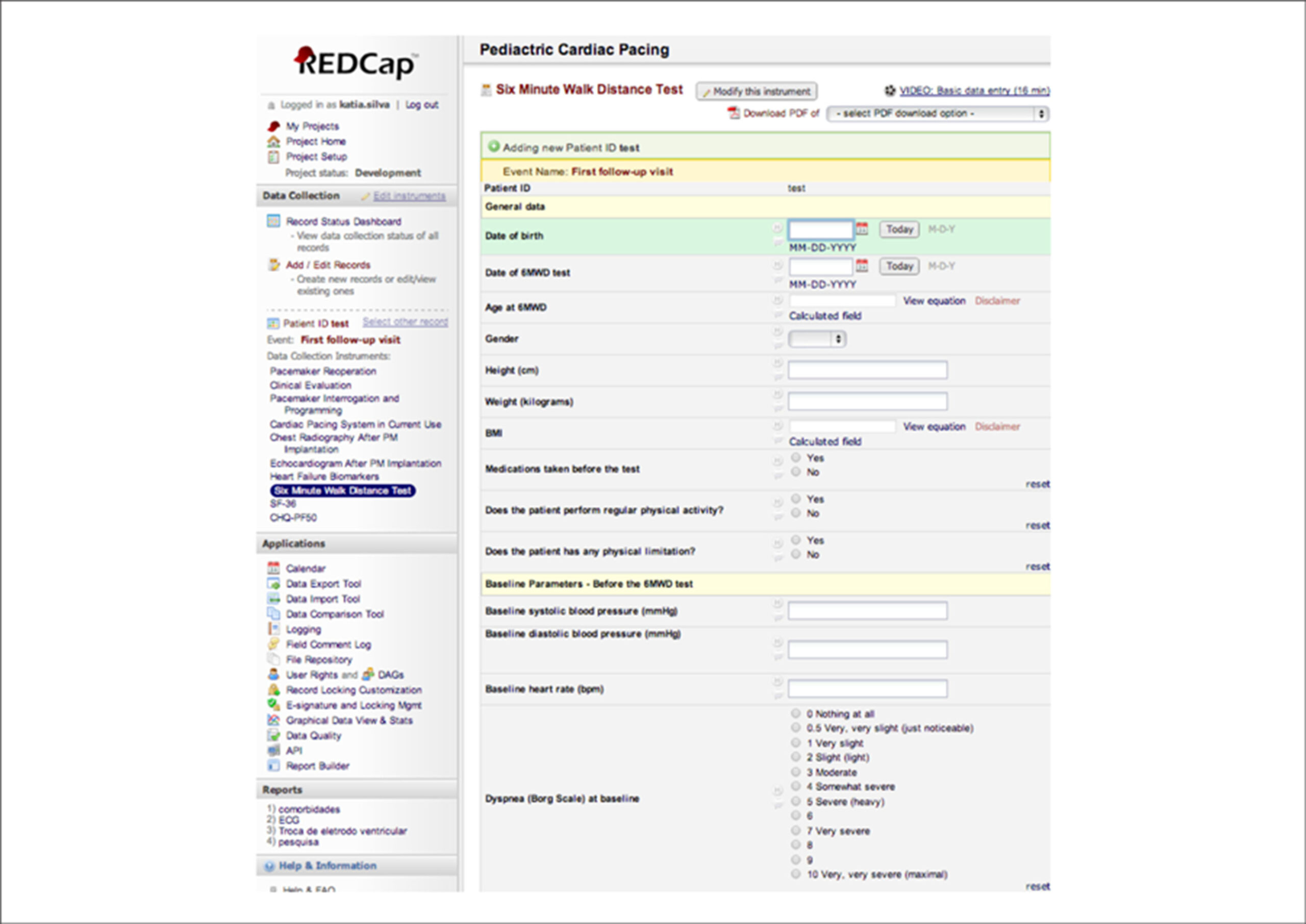
This cross-sectional study used a cohort of patients with isolated CAVB and RV pacing for over a year. The subjects underwent clinical and echocardiographic evaluation. Functional capacity was assessed using the six-minute walk test. Chi-square test, Fisher’s exact test, and Pearson correlation coefficient were used, considering a significance level of 5%.

Results:

A total of 61 individuals were evaluated between March 2010 and December 2013, of which 67.2% were women, aged between 7 and 41 years, who were using PMs for 13.5 ± 6.3 years. The percentage of ventricular pacing was 97.9 ± 4.1%, and the duration of the paced QRS complex was 153.7 ± 19.1 ms. Majority of the subjects (95.1%) were asymptomatic and did not use any medication. The mean distance walked was 546.9 ± 76.2 meters and was strongly correlated with the predicted distance (r = 0.907, p = 0.001) but not with risk factors for ventricular remodeling. (Arq Bras Cardiol. 2014; [online].ahead print, PP.0-0)

Conclusions:

The functional capacity of isolated CAVB patients with chronic RV pacing was satisfactory but did not correlate with risk factors for ventricular remodeling.

  • Artificial Pacemaker
  • Atrioventricular block
  • Child
  • congenital heart diseases
  • Walk
  • Young Adult
Read Full Article
Creative Commons Attribution (CC BY) Creative Commons license
11/11/2014 DOI: 10.5935/abc.20140168
Original Article

Investigation of Copy Number Variation in Children with Conotruncal Heart Defects

Carla Marques Rondon Campos et al. Evelin Aline Zanardo Roberta Lelis Dutra Leslie Domenici Kulikowski Chong Ae Kim

Background:

Congenital heart defects (CHD) are the most prevalent group of structural abnormalities at birth and one of the main causes of infant morbidity and mortality. Studies have shown a contribution of the copy number variation in the genesis of cardiac malformations.

Objectives:

Investigate gene copy number variation (CNV) in children with conotruncal heart defect.

Methods:

Multiplex ligation-dependent probe amplification (MLPA) was performed in 39 patients with conotruncal heart defect. Clinical and laboratory assessments were conducted in all patients. The parents of the probands who presented abnormal findings were also investigated.

Results:

Gene copy number variation was detected in 7/39 patients: 22q11.2 deletion, 22q11.2 duplication, 15q11.2 duplication, 20p12.2 duplication, 19p deletion, 15q and 8p23.2 duplication with 10p12.31 duplication. The clinical characteristics were consistent with those reported in the literature associated with the encountered microdeletion/microduplication. None of these changes was inherited from the parents.

Conclusions:

Our results demonstrate that the technique of MLPA is useful in the investigation of microdeletions and microduplications in conotruncal congenital heart defects. Early diagnosis of the copy number variation in patients with congenital heart defect assists in the prevention of morbidity and decreased mortality in these patients.

  • DNA, Truncus Arteriosus
  • Genetic Variation
  • Heart Defects, Congenital
  • Heart Septal Defects, Ventricular
Read Full Article
Creative Commons Attribution (CC BY) Creative Commons license
11/11/2014 DOI: 10.5935/abc.20140169 Views 1
Figure 1
Original Article

Atrial Fibrillation Ablation in Systolic Dysfunction: Clinical and Echocardiographic Outcomes

Tasso Julio Lobo et al. Carlos Thiene Pachon Jose Carlos Pachon Enrique Indalecio Pachon … Maria Zelia Pachon Juan Carlos Pachon Tomas Guillermo Santillana Juan Carlos Zerpa Remy Nelson Albornoz Adib Domingos Jatene

Background:

Heart failure and atrial fibrillation (AF) often coexist in a deleterious cycle.

Objective:

To evaluate the clinical and echocardiographic outcomes of patients with ventricular systolic dysfunction and AF treated with radiofrequency (RF) ablation.

Methods:

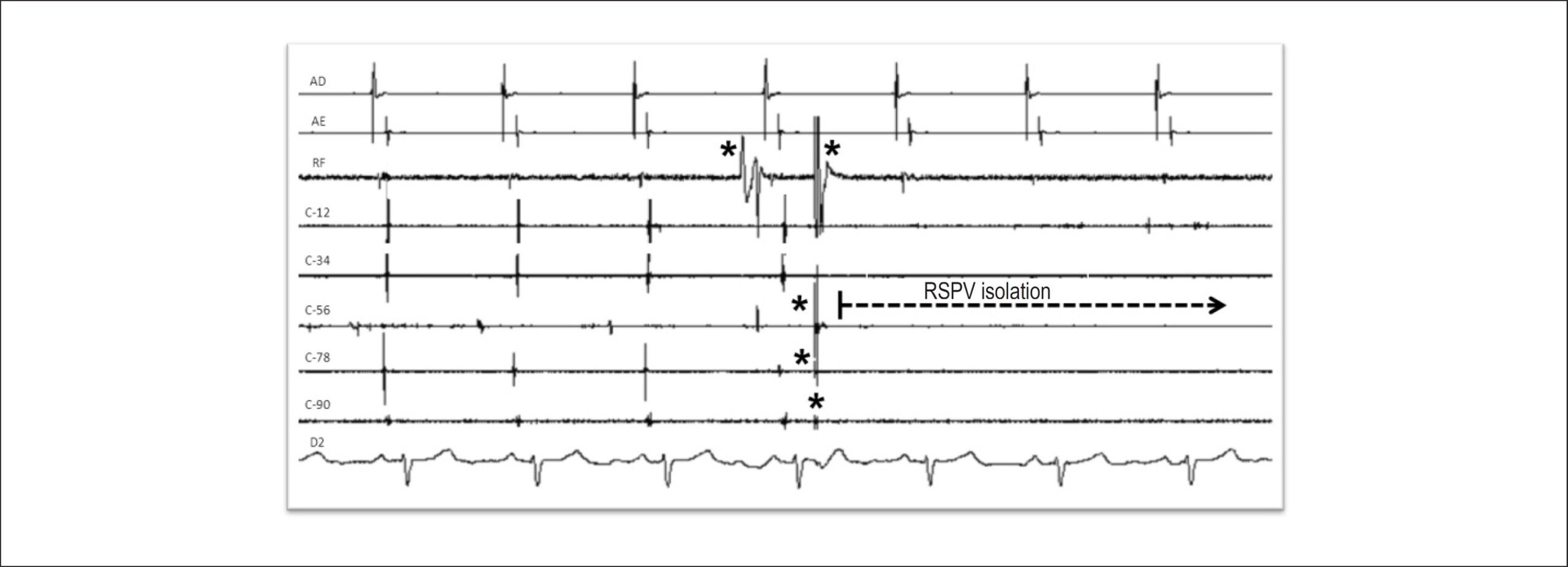
Patients with ventricular systolic dysfunction [ejection fraction (EF) <50%] and AF refractory to drug therapy underwent stepwise RF ablation in the same session with pulmonary vein isolation, ablation of AF nests and of residual atrial tachycardia, named "background tachycardia". Clinical (NYHA functional class) and echocardiographic (EF, left atrial diameter) data were compared (McNemar test and t test) before and after ablation.

Results:

31 patients (6 women, 25 men), aged 37 to 77 years (mean, 59.8±10.6), underwent RF ablation. The etiology was mainly idiopathic (19 p, 61%). During a mean follow-up of 20.3±17 months, 24 patients (77%) were in sinus rhythm, 11 (35%) being on amiodarone. Eight patients (26%) underwent more than one procedure (6 underwent 2 procedures, and 2 underwent 3 procedures). Significant NYHA functional class improvement was observed (pre-ablation: 2.23±0.56; postablation: 1.13±0.35; p<0.0001). The echocardiographic outcome also showed significant ventricular function improvement (EF pre: 44.68%±6.02%, post: 59%±13.2%, p=0.0005) and a significant left atrial diameter reduction (pre: 46.61±7.3 mm; post: 43.59±6.6 mm; p=0.026). No major complications occurred.

Conclusion:

Our findings suggest that AF ablation in patients with ventricular systolic dysfunction is a safe and highly effective procedure. Arrhythmia control has a great impact on ventricular function recovery and functional class improvement.

  • Arrhythmias Cardiac
  • Atrial Fibrillation
  • Catheter Ablation
  • Echocardiography
  • Ventricular Dsyfunction
Read Full Article
Creative Commons Attribution (CC BY) Creative Commons license
11/11/2014 DOI: 10.5935/abc.20140167 Views 1
Figure 1
Original Article

Use of Short-term Circulatory Support as a Bridge in Pediatric Heart Transplantation

Luiz Fernando Canêo et al. Leonardo Augusto Miana Carla Tanamati Juliano Gomes Penha … Monica Satsuki Shimoda Estela Azeka Nana Miura Filomena Regina Barbosa Gomes Galas Vanessa Alves Guimarães Marcelo Biscegli Jatene

Background:

Heart transplantation is considered the gold standard therapy for the advanced heart failure, but donor shortage, especially in pediatric patients, is the main limitation for this procedure, so most sick patients die while waiting for the procedure.

Objective:

To evaluate the use of short-term circulatory support as a bridge to transplantation in end-stage cardiomyopathy.

Methods:

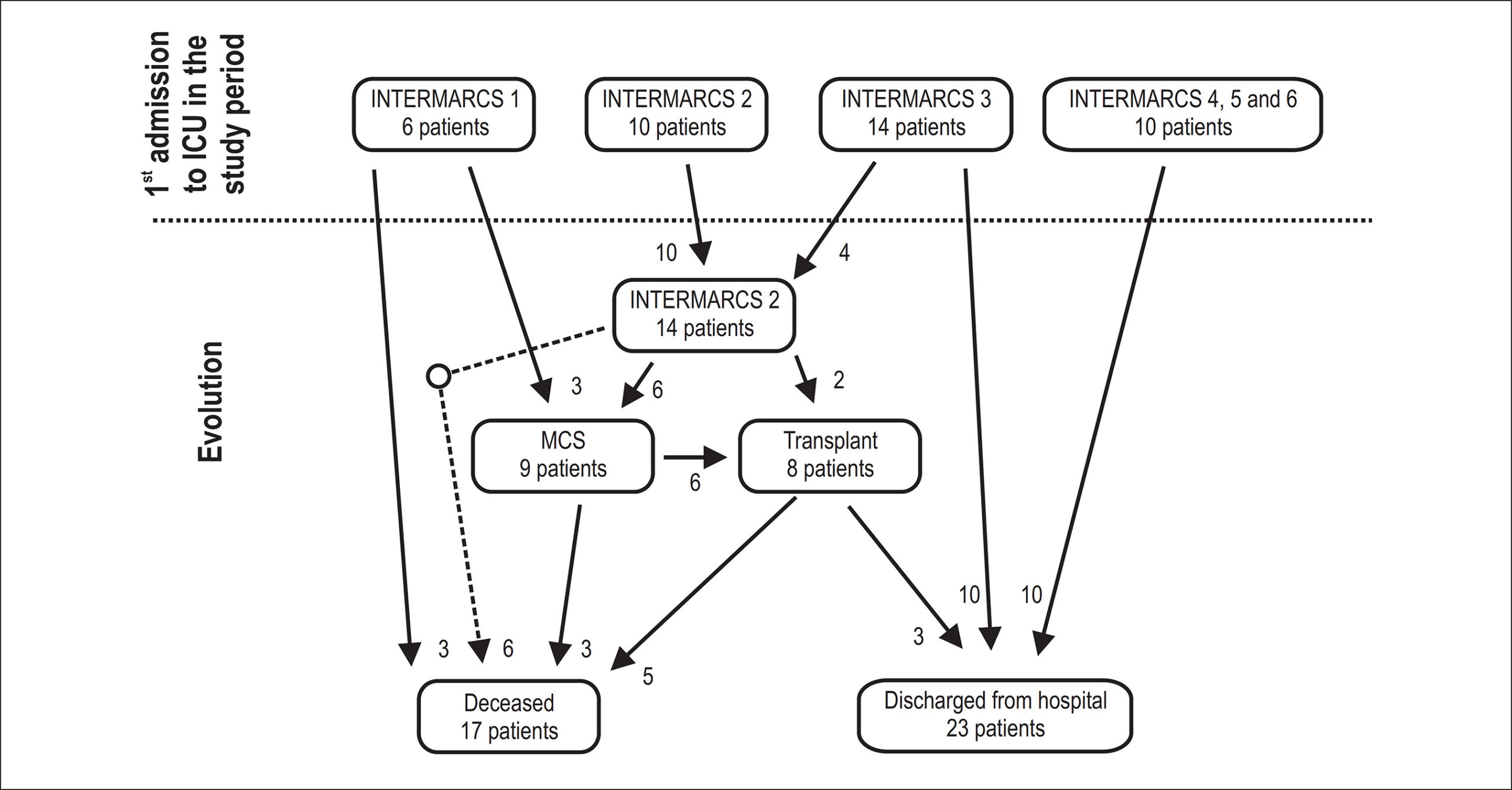
Retrospective clinical study. Between January 2011 and December 2013, 40 patients with cardiomyopathy were admitted in our Pediatric Intensive Care Unit, with a mean age of 4.5 years. Twenty patients evolved during hospitalization with clinical deterioration and were classified as Intermacs 1 and 2. One patient died within 24 hours and 19 could be stabilized and were listed. They were divided into 2 groups: A, clinical support alone and B, implantation of short-term circulatory support as bridge to transplantation additionally to clinical therapy.

Results:

We used short-term mechanical circulatory support as a bridge to transplantation in 9. In group A (n=10), eight died waiting and 2 patients (20%) were transplanted, but none was discharged. In group B (n=9), 6 patients (66.7%) were transplanted and three were discharged.The mean support time was 21,8 days (6 to 984h). The mean transplant waiting list time was 33,8 days. Renal failure and sepsis were the main complication and causeof death in group A while neurologic complications were more prevalent en group B.

Conclusion:

Mechanical circulatory support increases survival on the pediatric heart transplantation waiting list in patients classified as Intermacs 1 and 2.

  • assisted circulation
  • Cardiomyopathies
  • Child
  • Heart Transplantation
Read Full Article
Creative Commons Attribution (CC BY) Creative Commons license
04/11/2014 DOI: 10.5935/abc.20140165
Original Article

Electrophysiological Studies and Radiofrequency Ablations in Children and Adolescents with Arrhythmia

Mariana Fernandez Simão et al. Matheus Nardi Rios Tiago Luiz Luz Leiria Marcelo Lapa Kruse … Leonardo Martins Pires Roberto Tofani SantAnna Gustavo Glotz de Lima

Background:

Radiofrequency ablation is the standard non-pharmacological treatment for arrhythmias in pediatric patients. However, arrhythmias and their associated causes have particular features in this population.

Objective:

To analyze the epidemiological characteristics and findings of electrophysiological diagnostic studies and radiofrequency ablations in pediatric patients referred to the Electrophysiology Unit at Instituto de Cardiologia do Rio Grande do Sul, in order to characterize the particularities of this population.

Methods:

Cross-sectional study with 330 electrophysiological procedures performed in patients aged less than 20 years between June 1997 and August 2013.

Results:

In total, 330 procedures (9.6% of the overall procedures) were performed in patients aged less than 20 years (14.33 ± 3.25 years, age range 3 months to 19 years), 201 of which were males (60.9%). A total of 108 (32.7%) electrophysiological diagnostic studies were performed and of these, 48.1% showed abnormal findings. Overall, 219 radiofrequency ablations were performed (66.3%) with a success rate of 84.8%. The presence of an accessory pathway was the most prevalent finding, occurring in 158 cases (72.1%), followed by atrioventricular nodal reentrant tachycardia (16.8%), typical atrial flutter (3.1%) and extrasystoles originating from the right ventricular outflow tract (2.7%). Three patients developed complications during ablation (1.4%). Among congenital heart diseases, which occurred in 51 (15.4%) patients, atrial sept defect was the most frequent (27.4%), followed by ventricular sept defect (25.4%) and Ebstein’s anomaly (17.6%).

Conclusion:

Electrophysiological study and radiofrequency ablation are effective tools for diagnosis and treatment of arrhythmias in the pediatric population.

  • Adolescent
  • Arrhythmias
  • cardiac
  • Catheter Ablation
  • Child
  • Electrophysiologic Techniques, Cardiac
Read Full Article
Creative Commons Attribution (CC BY) Creative Commons license
04/11/2014 DOI: 10.5935/abc.20140163
Figure 1
Review Article

Effects of PDE type 5 inhibitors on Left Ventricular Diastolic Dysfunction in Resistant Hypertension

Ana Paula Cabral de Faria et al. Rodrigo Modolo Beatriz Vaz Domingues Moreno Heitor Moreno

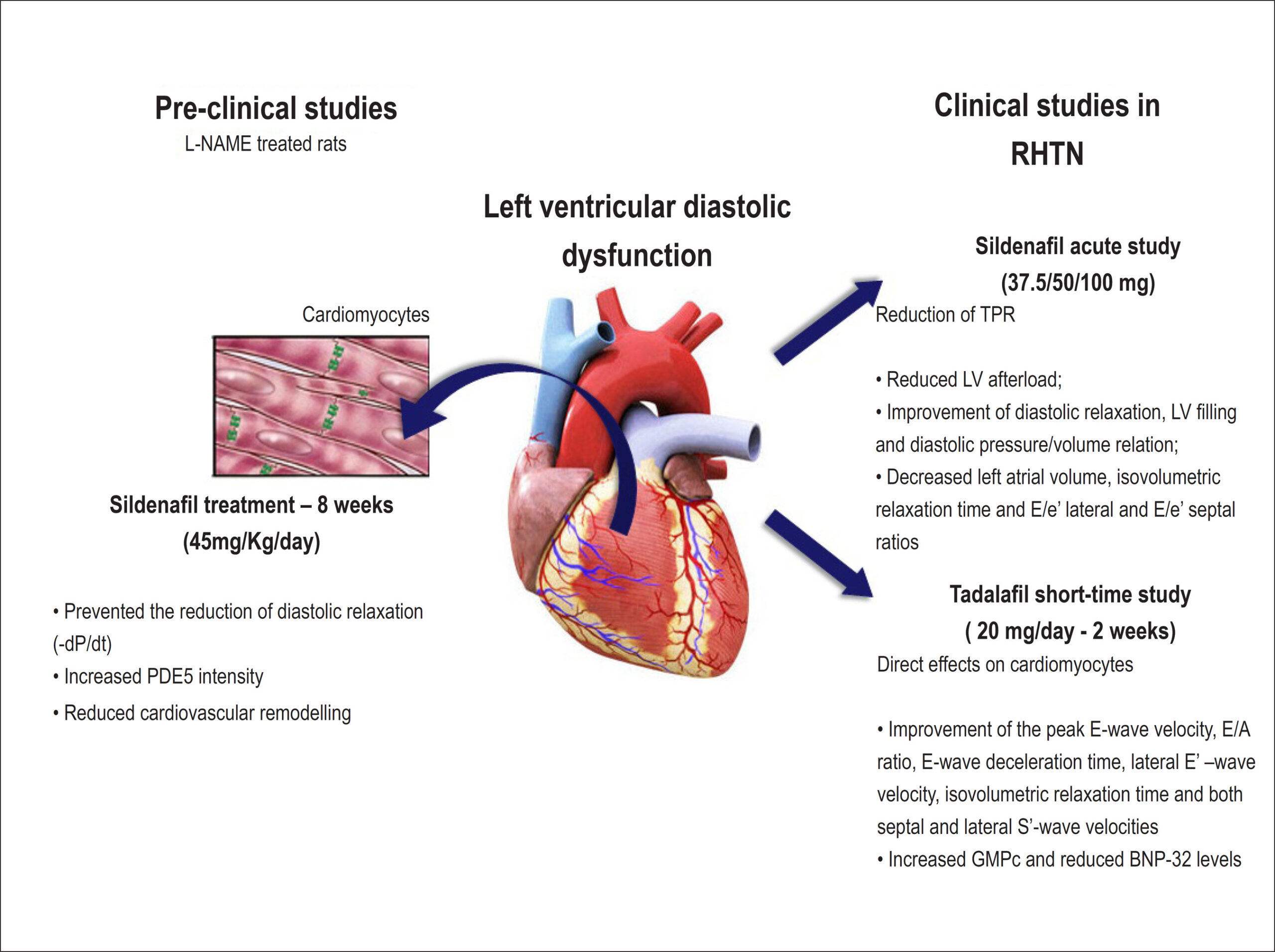
Resistant hypertension (RHTN) is a multifactorial disease characterized by blood pressure (BP) levels above goal (140/90 mmHg) in spite of the concurrent use of three or more antihypertensive drugs of different classes. Moreover, it is well known that RHTN subjects have high prevalence of left ventricular diastolic dysfunction (LVDD), which leads to increased risk of heart failure progression. This review gathers data from studies evaluating the effects of phosphodiesterase-5 (PDE-5) inhibitors (administration of acute sildenafil and short-term tadalafil) on diastolic function, biochemical and hemodynamic parameters in patients with RHTN. Acute study with sildenafil treatment found that inhibition of PDE-5 improved hemodynamic parameters and diastolic relaxation. In addition, short-term study with the use of tadalafil demonstrated improvement of LVDD, cGMP and BNP-32 levels, regardless of BP reduction. No endothelial function changes were observed in the studies. The findings of acute and short-term studies revealed potential therapeutic effects of IPDE-5 drugs on LVDD in RHTN patients.

  • Heart Failure
  • Hypertension
  • Left Ventricular Dysfunction
  • Phosphodiesterase 5 Inhibitors / therapeutic use
  • Vasodilator Agents / therapeutic use
Read Full Article
Creative Commons Attribution (CC BY) Creative Commons license
28/10/2014 DOI: 10.5935/abc.20140159

How to cite this article

EndNote RIS

Electronic Document Format (Vancouver)

Katz M, Wajngarten M. Behavioral Cardiology: Cardiology’s New Frontier of Action. Arquivos Brasileiros de Cardiologia 2015;104(1):03-4.

Electronic Document Format (ABNT)

Katz, Marcelo; Wajngarten, Mauricio. Behavioral Cardiology: Cardiology’s New Frontier of Action. Arquivos Brasileiros de Cardiologia, v. 104, n. 1, p. 03-04, Dec. 2014.

Electronic Document Format (APA)

Katz, M., & Wajngarten, M. (2015). Behavioral Cardiology: Cardiology’s New Frontier of Action. Arquivos Brasileiros de Cardiologia, 104(1), 03-04.

Electronic Document Format (ISO)

Katz, Marcelo and Wajngarten, Mauricio. Behavioral Cardiology: Cardiology’s New Frontier of Action. Arquivos Brasileiros de Cardiologia [online]. 2015, vol. 104, n. 1, [cited 2026-10-14], pp. 03-04. Available from: <https://journals.cardiol.br/en/article/behavioral-cardiology-cardiologys-new-frontier-of-action/>. ISSN 0066-782X

EndNote RIS

Electronic Document Format (Vancouver)

Colantonio LD, Baldridge AS, Huffman MD, Bloomfield GS, Prabhakaran D. Cardiovascular Research Publications from Latin America between 1999 and 2008. A Bibliometric Study. Arquivos Brasileiros de Cardiologia 2015;104(1):05-14.

Electronic Document Format (ABNT)

Colantonio, Lisandro D.; Baldridge, Abigail S.; Huffman, Mark D.; Bloomfield, Gerald S.; Prabhakaran, Dorairaj. Cardiovascular Research Publications from Latin America between 1999 and 2008. A Bibliometric Study. Arquivos Brasileiros de Cardiologia, v. 104, n. 1, p. 05-14, Dec. 2014.

Electronic Document Format (APA)

Colantonio, L. D., Baldridge, A. S., Huffman, M. D., Bloomfield, G. S., & Prabhakaran, D. (2015). Cardiovascular Research Publications from Latin America between 1999 and 2008. A Bibliometric Study. Arquivos Brasileiros de Cardiologia, 104(1), 05-14.

Electronic Document Format (ISO)

Colantonio, Lisandro D. and Baldridge, Abigail S. and Huffman, Mark D. and Bloomfield, Gerald S. and Prabhakaran, Dorairaj. Cardiovascular Research Publications from Latin America between 1999 and 2008. A Bibliometric Study. Arquivos Brasileiros de Cardiologia [online]. 2015, vol. 104, n. 1, [cited 2026-10-14], pp. 05-14. Available from: <https://journals.cardiol.br/en/article/cardiovascular-research-publications-from-latin-america-between-1999-and-2008-a-bibliometric-study/>. ISSN 0066-782X

EndNote RIS

Electronic Document Format (Vancouver)

Edmar A. Case 1/2015 A 76-year-old Male Patient with Ebstein Anomaly in Natural Course. Arquivos Brasileiros de Cardiologia 2015;104(1):e1-3.

Electronic Document Format (ABNT)

Edmar, Atik. Case 1/2015 A 76-year-old Male Patient with Ebstein Anomaly in Natural Course. Arquivos Brasileiros de Cardiologia, v. 104, n. 1, p. e1-e3, Dec. 2014.

Electronic Document Format (APA)

Edmar, A. (2015). Case 1/2015 A 76-year-old Male Patient with Ebstein Anomaly in Natural Course. Arquivos Brasileiros de Cardiologia, 104(1), e1-e3.

Electronic Document Format (ISO)

Edmar, Atik. Case 1/2015 A 76-year-old Male Patient with Ebstein Anomaly in Natural Course. Arquivos Brasileiros de Cardiologia [online]. 2015, vol. 104, n. 1, [cited 2026-10-14], pp. e1-e3. Available from: <https://journals.cardiol.br/en/article/case-1-2015-a-76-year-old-male-patient-with-ebstein-anomaly-in-natural-course/>. ISSN 0066-782X

EndNote RIS

Electronic Document Format (Vancouver)

Moreira LFP. Perspectives and Evolution of Research in Cardiology and Cardiovascular Sciences in Latin America. Arquivos Brasileiros de Cardiologia 2015;104(1):01-2.

Electronic Document Format (ABNT)

Moreira, Luiz Felipe P.. Perspectives and Evolution of Research in Cardiology and Cardiovascular Sciences in Latin America. Arquivos Brasileiros de Cardiologia, v. 104, n. 1, p. 01-02, Dec. 2014.

Electronic Document Format (APA)

Moreira, L. F. P. (2015). Perspectives and Evolution of Research in Cardiology and Cardiovascular Sciences in Latin America. Arquivos Brasileiros de Cardiologia, 104(1), 01-02.

Electronic Document Format (ISO)

Moreira, Luiz Felipe P.. Perspectives and Evolution of Research in Cardiology and Cardiovascular Sciences in Latin America. Arquivos Brasileiros de Cardiologia [online]. 2015, vol. 104, n. 1, [cited 2026-10-14], pp. 01-02. Available from: <https://journals.cardiol.br/en/article/perspectives-and-evolution-of-research-in-cardiology-and-cardiovascular-sciences-in-latin-america/>. ISSN 0066-782X

EndNote RIS

Electronic Document Format (Vancouver)

Faustino M, Soares AO, Rodrigues F, Anjos R, Freitas A, Gil VM. Pseudo-pulmonary Embolism – A Case of Hypoxemia Associated with Right-to-left Shunt. Arquivos Brasileiros de Cardiologia 2015;104(1):e4-9.

Electronic Document Format (ABNT)

Faustino, Mariana; Soares, Ana Oliveira; Rodrigues, Fernando; Anjos, Rui; Freitas, António; Gil, Victor M.. Pseudo-pulmonary Embolism – A Case of Hypoxemia Associated with Right-to-left Shunt. Arquivos Brasileiros de Cardiologia, v. 104, n. 1, p. e4-e9, Dec. 2014.

Electronic Document Format (APA)

Faustino, M., Soares, A. O., Rodrigues, F., Anjos, R., Freitas, A., & Gil, V. M. (2015). Pseudo-pulmonary Embolism – A Case of Hypoxemia Associated with Right-to-left Shunt. Arquivos Brasileiros de Cardiologia, 104(1), e4-e9.

Electronic Document Format (ISO)

Faustino, Mariana and Soares, Ana Oliveira and Rodrigues, Fernando and Anjos, Rui and Freitas, António and Gil, Victor M.. Pseudo-pulmonary Embolism – A Case of Hypoxemia Associated with Right-to-left Shunt. Arquivos Brasileiros de Cardiologia [online]. 2015, vol. 104, n. 1, [cited 2026-10-14], pp. e4-e9. Available from: <https://journals.cardiol.br/en/article/pseudo-pulmonary-embolism-a-case-of-hypoxemia-associated-with-right-to-left-shunt/>. ISSN 0066-782X

EndNote RIS

Electronic Document Format (Vancouver)

Barberato SH, Barberato MFA. Left Ventricular Diverticulum of the Interventricular Septum. Arquivos Brasileiros de Cardiologia 2015;104(1):e10-1.

Electronic Document Format (ABNT)

Barberato, Silvio Henrique; Barberato, Marcia Ferreira Alves. Left Ventricular Diverticulum of the Interventricular Septum. Arquivos Brasileiros de Cardiologia, v. 104, n. 1, p. e10-e11, Dec. 2014.

Electronic Document Format (APA)

Barberato, S. H., & Barberato, M. F. A. (2015). Left Ventricular Diverticulum of the Interventricular Septum. Arquivos Brasileiros de Cardiologia, 104(1), e10-e11.

Electronic Document Format (ISO)

Barberato, Silvio Henrique and Barberato, Marcia Ferreira Alves. Left Ventricular Diverticulum of the Interventricular Septum. Arquivos Brasileiros de Cardiologia [online]. 2015, vol. 104, n. 1, [cited 2026-10-14], pp. e10-e11. Available from: <https://journals.cardiol.br/en/article/left-ventricular-diverticulum-of-the-interventricular-septum/>. ISSN 0066-782X

EndNote RIS

Electronic Document Format (Vancouver)

Almeida-Santos MA, Sousa ACS. Heart Rate Variability and Chagas Heart Disease. Arquivos Brasileiros de Cardiologia 2015;104(1):90-1.

Electronic Document Format (ABNT)

Almeida-Santos, Marcos Antonio; Sousa, Antonio Carlos Sobral. Heart Rate Variability and Chagas Heart Disease. Arquivos Brasileiros de Cardiologia, v. 104, n. 1, p. 90-91, Dec. 2014.

Electronic Document Format (APA)

Almeida-Santos, M. A., & Sousa, A. C. S. (2015). Heart Rate Variability and Chagas Heart Disease. Arquivos Brasileiros de Cardiologia, 104(1), 90-91.

Electronic Document Format (ISO)

Almeida-Santos, Marcos Antonio and Sousa, Antonio Carlos Sobral. Heart Rate Variability and Chagas Heart Disease. Arquivos Brasileiros de Cardiologia [online]. 2015, vol. 104, n. 1, [cited 2026-10-14], pp. 90-91. Available from: <https://journals.cardiol.br/en/article/heart-rate-variability-and-chagas-heart-disease/>. ISSN 0066-782X

EndNote RIS

Electronic Document Format (Vancouver)

Azevedo JC, Reis BCC, Barreto NMP, F. Junior DS, Prezotti LS, Procaci VR, Octaviano VW, et al. BNP was Associated with Ischemic Myocardial Scintigraphy and Death in Patients at Chest Pain Unit. Arquivos Brasileiros de Cardiologia 2014;104(1):16-23.

Electronic Document Format (ABNT)

Azevedo, Jader Cunha de; Reis, Bruno Cezario Costa; Barreto, Nathalia Monerat P.B.; F. Junior, Diogenes S.; Prezotti, Lais S.; Procaci, Victor Rebelo; Octaviano, Vivian Werneck; Volschan, Andre; Mesquita, Evandro Tinoco; Mesquita, Claudio Tinoco. BNP was Associated with Ischemic Myocardial Scintigraphy and Death in Patients at Chest Pain Unit. Arquivos Brasileiros de Cardiologia, v. 104, n. 1, p. 16-23, Nov. 2014.

Electronic Document Format (APA)

Azevedo, J. C. , Reis, B. C. C., Barreto, N. M. P., F. Junior, D. S., Prezotti, L. S., Procaci, V. R., Octaviano, V. W., Volschan, A., Mesquita, E. T., & Mesquita, C. T. (2014). BNP was Associated with Ischemic Myocardial Scintigraphy and Death in Patients at Chest Pain Unit. Arquivos Brasileiros de Cardiologia, 104(1), 16-23.

Electronic Document Format (ISO)

Azevedo, Jader Cunha de and Reis, Bruno Cezario Costa and Barreto, Nathalia Monerat P.B. and F. Junior, Diogenes S. and Prezotti, Lais S. and Procaci, Victor Rebelo and Octaviano, Vivian Werneck and Volschan, Andre and Mesquita, Evandro Tinoco and Mesquita, Claudio Tinoco. BNP was Associated with Ischemic Myocardial Scintigraphy and Death in Patients at Chest Pain Unit. Arquivos Brasileiros de Cardiologia [online]. 2014, vol. 104, n. 1, [cited 2026-10-14], pp. 16-23. Available from: <https://journals.cardiol.br/en/article/bnp-was-associated-with-ischemic-myocardial-scintigraphy-and-death-in-patients-at-chest-pain-unit/>. ISSN 0066-782X

EndNote RIS

Electronic Document Format (Vancouver)

Ribeiro RA, Duncan BB, Ziegelmann PK, Stella SF, Vieira JLC, Restelatto LMF, Polanczyk CA, et al. Cost-Effectiveness of High, Moderate and Low-Dose Statins in the Prevention of Vascular Events in the Brazilian Public Health System. Arquivos Brasileiros de Cardiologia 2014;104(1):32-44.

Electronic Document Format (ABNT)

Ribeiro, Rodrigo Antonini; Duncan, Bruce Bartholow; Ziegelmann, Patricia Klarmann; Stella, Steffan Frosi; Vieira, Jose Luiz da Costa; Restelatto, Luciane Maria Fabian; Polanczyk, Carisi Anne. Cost-Effectiveness of High, Moderate and Low-Dose Statins in the Prevention of Vascular Events in the Brazilian Public Health System. Arquivos Brasileiros de Cardiologia, v. 104, n. 1, p. 32-44, Nov. 2014.

Electronic Document Format (APA)

Ribeiro, R. A., Duncan, B. B., Ziegelmann, P. K., Stella, S. F., Vieira, J. L. C., Restelatto, L. M. F., & Polanczyk, C. A. (2014). Cost-Effectiveness of High, Moderate and Low-Dose Statins in the Prevention of Vascular Events in the Brazilian Public Health System. Arquivos Brasileiros de Cardiologia, 104(1), 32-44.

Electronic Document Format (ISO)

Ribeiro, Rodrigo Antonini and Duncan, Bruce Bartholow and Ziegelmann, Patricia Klarmann and Stella, Steffan Frosi and Vieira, Jose Luiz da Costa and Restelatto, Luciane Maria Fabian and Polanczyk, Carisi Anne. Cost-Effectiveness of High, Moderate and Low-Dose Statins in the Prevention of Vascular Events in the Brazilian Public Health System. Arquivos Brasileiros de Cardiologia [online]. 2014, vol. 104, n. 1, [cited 2026-10-14], pp. 32-44. Available from: <https://journals.cardiol.br/en/article/cost-effectiveness-of-high-moderate-and-low-dose-statins-in-the-prevention-of-vascular-events-in-the-brazilian-public-health-system/>. ISSN 0066-782X

EndNote RIS

Electronic Document Format (Vancouver)

Fonseca MIP, Pereira T, Caseiro P. Death and Disability in Patients with Sleep Apnea – A Meta-analysis. Arquivos Brasileiros de Cardiologia 2014;104(1):58-66.

Electronic Document Format (ABNT)

Fonseca, Maria Inês Pires; Pereira, Telmo; Caseiro, Paulo. Death and Disability in Patients with Sleep Apnea – A Meta-analysis. Arquivos Brasileiros de Cardiologia, v. 104, n. 1, p. 58-66, Nov. 2014.

Electronic Document Format (APA)

Fonseca, M. I. P., Pereira, T., & Caseiro, P. (2014). Death and Disability in Patients with Sleep Apnea – A Meta-analysis. Arquivos Brasileiros de Cardiologia, 104(1), 58-66.

Electronic Document Format (ISO)

Fonseca, Maria Inês Pires and Pereira, Telmo and Caseiro, Paulo. Death and Disability in Patients with Sleep Apnea – A Meta-analysis. Arquivos Brasileiros de Cardiologia [online]. 2014, vol. 104, n. 1, [cited 2026-10-14], pp. 58-66. Available from: <https://journals.cardiol.br/en/article/death-and-disability-in-patients-with-sleep-apnea-a-meta-analysis/>. ISSN 0066-782X

EndNote RIS

Electronic Document Format (Vancouver)

Oliveira Júnior RM, Silva KR, Kawauchi TS, Alves LBO, Crevelari ES, Martinelli Filho M, Costa R, et al. Functional Capacity of Patients with Pacemaker Due to Isolated Congenital Atrioventricular Block. Arquivos Brasileiros de Cardiologia 2014;104(1):67-7.

Electronic Document Format (ABNT)

Oliveira Júnior, Roberto Márcio de; Silva, Kátia Regina da; Kawauchi, Tatiana Satie; Alves, Lucas Bassolli de Oliveira; Crevelari, Elizabeth Sartori; Martinelli Filho, Martino; Costa, Roberto. Functional Capacity of Patients with Pacemaker Due to Isolated Congenital Atrioventricular Block. Arquivos Brasileiros de Cardiologia, v. 104, n. 1, p. 67-77, Nov. 2014.

Electronic Document Format (APA)

Oliveira Júnior, R. M. , Silva, K. R. , Kawauchi, T. S., Alves, L. B. O., Crevelari, E. S., Martinelli Filho, M., & Costa, R. (2014). Functional Capacity of Patients with Pacemaker Due to Isolated Congenital Atrioventricular Block. Arquivos Brasileiros de Cardiologia, 104(1), 67-77.

Electronic Document Format (ISO)

Oliveira Júnior, Roberto Márcio de and Silva, Kátia Regina da and Kawauchi, Tatiana Satie and Alves, Lucas Bassolli de Oliveira and Crevelari, Elizabeth Sartori and Martinelli Filho, Martino and Costa, Roberto. Functional Capacity of Patients with Pacemaker Due to Isolated Congenital Atrioventricular Block. Arquivos Brasileiros de Cardiologia [online]. 2014, vol. 104, n. 1, [cited 2026-10-14], pp. 67-77. Available from: <https://journals.cardiol.br/en/article/functional-capacity-of-patients-with-pacemaker-due-to-isolated-congenital-atrioventricular-block/>. ISSN 0066-782X

EndNote RIS

Electronic Document Format (Vancouver)

Campos CMR, Zanardo EA, Dutra RL, Kulikowski LD, Kim CA. Investigation of Copy Number Variation in Children with Conotruncal Heart Defects. Arquivos Brasileiros de Cardiologia 2014;104(1):24-31.

Electronic Document Format (ABNT)

Campos, Carla Marques Rondon; Zanardo, Evelin Aline; Dutra, Roberta Lelis; Kulikowski, Leslie Domenici; Kim, Chong Ae. Investigation of Copy Number Variation in Children with Conotruncal Heart Defects. Arquivos Brasileiros de Cardiologia, v. 104, n. 1, p. 24-31, Nov. 2014.

Electronic Document Format (APA)

Campos, C. M. R., Zanardo, E. A., Dutra, R. L., Kulikowski, L. D., & Kim, C. A. (2014). Investigation of Copy Number Variation in Children with Conotruncal Heart Defects. Arquivos Brasileiros de Cardiologia, 104(1), 24-31.

Electronic Document Format (ISO)

Campos, Carla Marques Rondon and Zanardo, Evelin Aline and Dutra, Roberta Lelis and Kulikowski, Leslie Domenici and Kim, Chong Ae. Investigation of Copy Number Variation in Children with Conotruncal Heart Defects. Arquivos Brasileiros de Cardiologia [online]. 2014, vol. 104, n. 1, [cited 2026-10-14], pp. 24-31. Available from: <https://journals.cardiol.br/en/article/investigation-of-copy-number-variation-in-children-with-conotruncal-heart-defects/>. ISSN 0066-782X

EndNote RIS

Electronic Document Format (Vancouver)

Lobo TJ, Pachon CT, Pachon JC, Pachon EI, Pachon MZ, Pachon JC, Santillana TG, et al. Atrial Fibrillation Ablation in Systolic Dysfunction: Clinical and Echocardiographic Outcomes. Arquivos Brasileiros de Cardiologia 2014;104(1):45-52.

Electronic Document Format (ABNT)

Lobo, Tasso Julio; Pachon, Carlos Thiene; Pachon, Jose Carlos; Pachon, Enrique Indalecio; Pachon, Maria Zelia; Pachon, Juan Carlos; Santillana, Tomas Guillermo; Zerpa, Juan Carlos; Albornoz, Remy Nelson; Jatene, Adib Domingos. Atrial Fibrillation Ablation in Systolic Dysfunction: Clinical and Echocardiographic Outcomes. Arquivos Brasileiros de Cardiologia, v. 104, n. 1, p. 45-52, Nov. 2014.

Electronic Document Format (APA)

Lobo, T. J., Pachon, C. T., Pachon, J. C., Pachon, E. I., Pachon, M. Z., Pachon, J. C., Santillana, T. G., Zerpa, J. C., Albornoz, R. N., & Jatene, A. D. (2014). Atrial Fibrillation Ablation in Systolic Dysfunction: Clinical and Echocardiographic Outcomes. Arquivos Brasileiros de Cardiologia, 104(1), 45-52.

Electronic Document Format (ISO)

Lobo, Tasso Julio and Pachon, Carlos Thiene and Pachon, Jose Carlos and Pachon, Enrique Indalecio and Pachon, Maria Zelia and Pachon, Juan Carlos and Santillana, Tomas Guillermo and Zerpa, Juan Carlos and Albornoz, Remy Nelson and Jatene, Adib Domingos. Atrial Fibrillation Ablation in Systolic Dysfunction: Clinical and Echocardiographic Outcomes. Arquivos Brasileiros de Cardiologia [online]. 2014, vol. 104, n. 1, [cited 2026-10-14], pp. 45-52. Available from: <https://journals.cardiol.br/en/article/atrial-fibrillation-ablation-in-systolic-dysfunction-clinical-and-echocardiographic-outcomes/>. ISSN 0066-782X

EndNote RIS

Electronic Document Format (Vancouver)

Canêo LF, Miana LA, Tanamati C, Penha JG, Shimoda MS, Azeka E, Miura N, et al. Use of Short-term Circulatory Support as a Bridge in Pediatric Heart Transplantation. Arquivos Brasileiros de Cardiologia 2014;104(1):78-84.

Electronic Document Format (ABNT)

Canêo, Luiz Fernando; Miana, Leonardo Augusto; Tanamati, Carla; Penha, Juliano Gomes; Shimoda, Monica Satsuki; Azeka, Estela; Miura, Nana; Galas, Filomena Regina Barbosa Gomes; Guimarães, Vanessa Alves; Jatene, Marcelo Biscegli. Use of Short-term Circulatory Support as a Bridge in Pediatric Heart Transplantation. Arquivos Brasileiros de Cardiologia, v. 104, n. 1, p. 78-84, Nov. 2014.

Electronic Document Format (APA)

Canêo, L. F., Miana, L. A., Tanamati, C., Penha, J. G., Shimoda, M. S., Azeka, E., Miura, N., Galas, F. R. B. G., Guimarães, V. A., & Jatene, M. B. (2014). Use of Short-term Circulatory Support as a Bridge in Pediatric Heart Transplantation. Arquivos Brasileiros de Cardiologia, 104(1), 78-84.

Electronic Document Format (ISO)

Canêo, Luiz Fernando and Miana, Leonardo Augusto and Tanamati, Carla and Penha, Juliano Gomes and Shimoda, Monica Satsuki and Azeka, Estela and Miura, Nana and Galas, Filomena Regina Barbosa Gomes and Guimarães, Vanessa Alves and Jatene, Marcelo Biscegli. Use of Short-term Circulatory Support as a Bridge in Pediatric Heart Transplantation. Arquivos Brasileiros de Cardiologia [online]. 2014, vol. 104, n. 1, [cited 2026-10-14], pp. 78-84. Available from: <https://journals.cardiol.br/en/article/use-of-short-term-circulatory-support-as-a-bridge-in-pediatric-heart-transplantation/>. ISSN 0066-782X

EndNote RIS

Electronic Document Format (Vancouver)

Simão MF, Rios MN, Leiria TLL, Kruse ML, Pires LM, SantAnna RT, Lima GG, et al. Electrophysiological Studies and Radiofrequency Ablations in Children and Adolescents with Arrhythmia. Arquivos Brasileiros de Cardiologia 2014;104(1):53-7.

Electronic Document Format (ABNT)

Simão, Mariana Fernandez; Rios, Matheus Nardi; Leiria, Tiago Luiz Luz; Kruse, Marcelo Lapa; Pires, Leonardo Martins; SantAnna, Roberto Tofani; Lima, Gustavo Glotz de. Electrophysiological Studies and Radiofrequency Ablations in Children and Adolescents with Arrhythmia. Arquivos Brasileiros de Cardiologia, v. 104, n. 1, p. 53-57, Nov. 2014.

Electronic Document Format (APA)

Simão, M. F., Rios, M. N., Leiria, T. L. L., Kruse, M. L., Pires, L. M., SantAnna, R. T., & Lima, G. G. (2014). Electrophysiological Studies and Radiofrequency Ablations in Children and Adolescents with Arrhythmia. Arquivos Brasileiros de Cardiologia, 104(1), 53-57.

Electronic Document Format (ISO)

Simão, Mariana Fernandez and Rios, Matheus Nardi and Leiria, Tiago Luiz Luz and Kruse, Marcelo Lapa and Pires, Leonardo Martins and SantAnna, Roberto Tofani and Lima, Gustavo Glotz de. Electrophysiological Studies and Radiofrequency Ablations in Children and Adolescents with Arrhythmia. Arquivos Brasileiros de Cardiologia [online]. 2014, vol. 104, n. 1, [cited 2026-10-14], pp. 53-57. Available from: <https://journals.cardiol.br/en/article/electrophysiological-studies-and-radiofrequency-ablations-in-children-and-adolescents-with-arrhythmia/>. ISSN 0066-782X

EndNote RIS

Electronic Document Format (Vancouver)

Faria APC, Modolo R, Moreno BVD, Moreno H. Effects of PDE type 5 inhibitors on Left Ventricular Diastolic Dysfunction in Resistant Hypertension. Arquivos Brasileiros de Cardiologia 2014;104(1):85-9.

Electronic Document Format (ABNT)

Faria, Ana Paula Cabral de; Modolo, Rodrigo; Moreno, Beatriz Vaz Domingues; Moreno, Heitor. Effects of PDE type 5 inhibitors on Left Ventricular Diastolic Dysfunction in Resistant Hypertension. Arquivos Brasileiros de Cardiologia, v. 104, n. 1, p. 85-89, Oct. 2014.

Electronic Document Format (APA)

Faria, A. P. C. , Modolo, R., Moreno, B. V. D., & Moreno, H. (2014). Effects of PDE type 5 inhibitors on Left Ventricular Diastolic Dysfunction in Resistant Hypertension. Arquivos Brasileiros de Cardiologia, 104(1), 85-89.

Electronic Document Format (ISO)

Faria, Ana Paula Cabral de and Modolo, Rodrigo and Moreno, Beatriz Vaz Domingues and Moreno, Heitor. Effects of PDE type 5 inhibitors on Left Ventricular Diastolic Dysfunction in Resistant Hypertension. Arquivos Brasileiros de Cardiologia [online]. 2014, vol. 104, n. 1, [cited 2026-10-14], pp. 85-89. Available from: <https://journals.cardiol.br/en/article/effects-of-pde-type-5-inhibitors-on-left-ventricular-diastolic-dysfunction-in-resistant-hypertension/>. ISSN 0066-782X

Sede – Rio de Janeiro
Av. Marechal Câmara, 160
3º andar – Sala: 330 – Centro
Rio de Janeiro – CEP: 20020-907
Tel.: (55 +21) 3478-2700
ou (21) 99386-3961
E-mail: revista@cardiol.br

Sede – São Paulo
Alameda Santos, 705 – 11º andar
Cerqueira César | São Paulo
CEP: 01419-001
Tel.: (55 +11) 3411-5500
E-mail: revista@cardiol.br

  • About the Journal
  • Internal Regulation
  • Editors Section
  • Editorial Board
  • History
  • SBC Award

  • Guidelines for Publication
  • Editorial Policy
  • Ethics Policy
  • Policy on the Use of Artificial Intelligence
  • Mandatory Publication Form
  • Publication Fee

Issues

SBC Guidelines

  • How to Publish an Abstract Supplement?
  • Supplements from the Brazilian Congress of Cardiology