| ABC
ABC Family Arquivos Brasileiros de Cardiologia International Journal of Cardiovascular Sciences ABC Heart Failure & Cardiomyopathy ABC Imagem Cardiovascular
Português English
ABC Family | ABC
Português English
  • About
    • About the Journal
    • Internal Regulation
    • Editors Section
    • Editorial Board
    • History
    • SBC Award
  • Instructions to Authors
    • Guidelines for Publication
    • Editorial Policy
    • Ethics Policy
    • Policy on the Use of Artificial Intelligence
    • Mandatory Publication Form
    • Publication Fee
  • Issues
  • SBC Guidelines
  • Abstracts
    • How to Publish an Abstract Supplement?
    • Supplements from the Brazilian Congress of Cardiology
  • About
    • About the Journal
    • Internal Regulation
    • Editors Section
    • Editorial Board
    • History
    • SBC Award
  • Instructions to Authors
    • Guidelines for Publication
    • Editorial Policy
    • Ethics Policy
    • Policy on the Use of Artificial Intelligence
    • Mandatory Publication Form
    • Publication Fee
  • Issues
  • SBC Guidelines
  • Abstracts
    • How to Publish an Abstract Supplement?
    • Supplements from the Brazilian Congress of Cardiology

ABC Family

  • ABC Family
  • Arquivos Brasileiros de Cardiologia
  • International Journal of Cardiovascular Sciences
  • ABC Heart Failure & Cardiomyopathy
  • ABC Imagem Cardiovascular
Search in

No content found.

Journals
Ordering
Article types
Others

  1. Home
  2. ABC
  3. Issues
  4. 2009, Volume 92, Number 2
Impact of sublingual sildenafil on pulmonary hypertension in patients with heart failure
Artigo Original

Impact of sublingual sildenafil on pulmonary hypertension in patients with heart failure

Aguinaldo Figueiredo de Freitas Jr. et al. Fernando Bacal José de Lima Oliveira Jr. Ronaldo Honorato Barros Santos … Luiz Felipe Pinho Moreira Christiano Pereira Silva Sandrigo Mangini Rodrigo Moreno Dias Carneiro Alfredo Inácio Fiorelli Edimar Alcides Bocchi

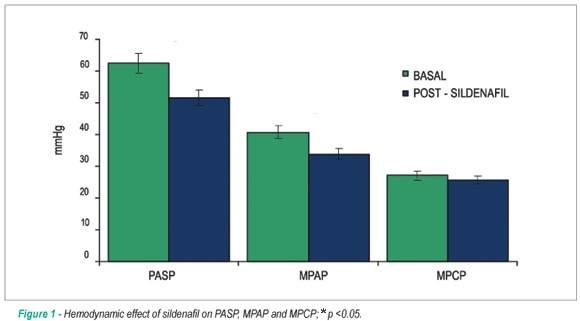
BACKGROUND: Pulmonary hypertension (PH) is a factor of poor prognosis in the postoperative period of heart transplant (HT) and thus, the study of the degree of reversibility to vasodilators is mandatory during the preoperative assessment. OBJECTIVE: To evaluate the pulmonary and systemic hemodynamic effects of sildenafil as a vasodilator during the PH reversibility test in patients that are candidates to HT. METHODS: Patients awaiting HT were submitted to the measurement of systemic and pulmonary hemodynamic variables before and after the administration of a single sublingual dose of 100 mg of sildenafil during right heart catheterization. RESULTS: Fourteen patients (age: 47±12 years, 71.4% men) with advanced heart failure Ejection Fraction (EF) 25 ± 7%, Functional Class (FC – NYHA) FC III – 6 and FC IV – 8, were evaluated in this study. The acute administration of sildenafil showed to be effective in decreasing the systolic (62.4 ± 12.1 vs 51.5 ± 9.6 mmHg, CI=95%, p<0.05) and mean (40.7 ± 7.3 vs 33.8 ± 7.6 mmHg, CI=95%, p <0.05) pressures of the pulmonary artery. There was also a significant decrease in the pulmonary (4.2 ± 3 vs 2.0 ± 0.9 uWood, CI=95%, p<0.05) and systemic vascular resistance (22.9 ± 6.8 vs 18.6 ± 4.1 Wood, CI=95%, p<0.05), associated to an increase in the cardiac output (3.28 ± 0.79 vs 4.12 ±1.12 uWood, CI=95%, p<0.05) without, however, significantly interfering in the systemic arterial pressure (87.8 ± 8.2 vs 83.6 ± 9.1 mmHg, CI=95%, p=0.3). CONCLUSION:The sublingual administration of sildenafil is an effective and safe alternative as a vasodilator during the PH reversibility test in patients with heart failure and awaiting a HT.
  • Heart Failure
  • Hypertension Pulmonary
  • Vasodilatator agents
Read Full Article
Creative Commons Attribution (CC BY) Creative Commons license
09/04/2009 DOI: 10.1590/S0066-782X2009000200008 Views 2
Lipid transfer to HDL in type-2 diabetic patients: associations with microalbuminuria, statin, and insulin
Artigo Original

Lipid transfer to HDL in type-2 diabetic patients: associations with microalbuminuria, statin, and insulin

Gilson Soares Feitosa-Filho et al. Talita de Mattos Seydell Alina Coutinho Rodrigues Feitosa Raul Cavalcante Maranhão José Antônio Franchini Ramires

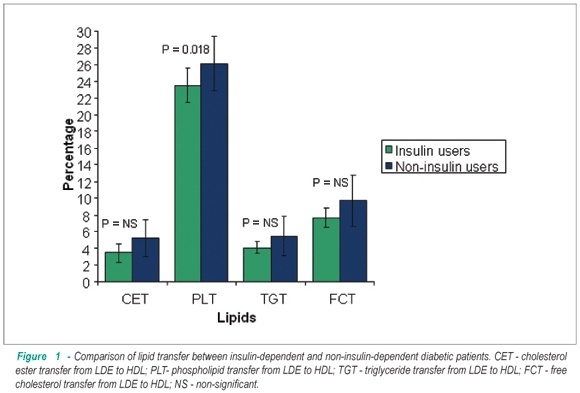
BACKGROUND: Type-2 diabetes mellitus (T2DM) is an isolated risk factor for coronary artery disease, especially when associated with microalbuminuria (MA). Structural and functional changes in lipoproteins have not yet been fully elucidated in this context. OBJECTIVE: To assess lipid transfer (T) to HDL in type-2 diabetic patients and its association with microalbuminuria and treatment with statins or insulin. METHODS: Thirty-three patients with type-2 diabetes mellitus and 34 age-matched control subjects were studied. A synthetic cholesterol-rich nanoemulsion radiolabeled with ³H- triglycerides (TG) and 14C-free cholesterol (FC) or ³H- cholesteryl ester (CE) and 14C-phospholipids (PL) was incubated with plasma. Both the nanoemulsion and lipoproteins were precipitated, except for HDL, which was counted for radioactivity. RESULTS: PLT (%) was higher in the T2DM group than in the control group (25.2 ± 3.2 and 19.7 ± 3.2 respectively; p < 0.001), as was free cholesterol (% FC): 9.1 ± 2.7 and 6.3 ± 1.5 respectively; p < 0.001. The diagnosis of microalbuminuria (MA) was not associated with changes in lipid transfers. Insulin therapy was associated with lower PLT rates: 23.5 ± 2.1 versus 26.1 ± 3.3; p = 0.018. Statin therapy, in turn, was associated with a drop in all lipid transfers – CET 3.5 ± 0.9; PLT: 23.8 ± 2.0; TGT: 3.9 ± 0.8; FCT: 7.4 ± 1.3 – as compared to the group that was not on statin therapy (CET: 5.9 ± 2.4; PLT: 26.9 ± 3.6; TGT: 6.4 ± 2.2; FCT: 11.1 ± 2.6). CONCLUSION:Type-2 diabetes mellitus increased lipid transfer to HDL particles, whereas statin therapy decreased all lipid transfers. The presence of MA was not associated with changes in lipid transfer.

  • albuminuria
  • Cholesterol, HDL
  • Diabetes Mellitus, Type 2
  • diabetic nephropathies
  • Hydroxymethylglutaryl-CoA Reductase Inhibitors
  • Insulin
  • Lipoproteins
Read Full Article
Creative Commons Attribution (CC BY) Creative Commons license
06/04/2009 DOI: 10.1590/S0066-782X2009000200005
Página do Presidente

Opening frontiers at home

Antonio Carlos Palandri Chagas

THE PRESIDENT’S PAGE

Opening frontiers at home

[…]

Read Full Article
Creative Commons Attribution (CC BY) Creative Commons license
06/04/2009 DOI: 10.1590/S0066-782X2009000200001
Branchio-oculo-facial syndrome (BOFS) and congenital heart defects
Case Report

Branchio-oculo-facial syndrome (BOFS) and congenital heart defects

Rafael Fabiano Machado Rosa et al. Paulo Ricardo Gazzola Zen Carla Graziadio Giorgio Adriano Paskulin

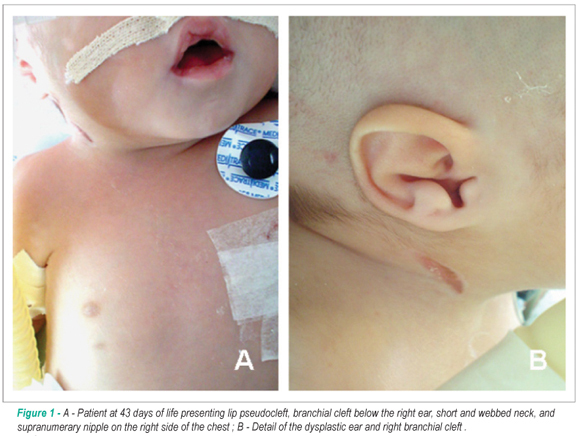
We report the case of a 43-day-old boy with branchio-oculo-facial syndrome (BOFS) and congenital heart defect. On clinical examination, he presented growth retardation, epicanthal folds, small palpebral fissures, telecanthus, broadened nasal bridge, lip pseudocleft, micrognathia, dysplastic and posteriorly-rotated ears, branchial clefts, short and webbed neck, supernumerary nipple, hypotonia and decreased deep tendon reflexes. Echocardiography showed the presence of a type-A complete atrioventricular septal defect and patent ductus arteriosus. This description strengthens the possibility of congenital heart defects being part of the spectrum of anomalies seen in BOFS.

  • Heart Defects, Congenital
  • Oto-renal-syndrome
Read Full Article
Creative Commons Attribution (CC BY) Creative Commons license
06/04/2009 DOI: 10.1590/S0066-782X2009000200015 Views 1
Complications related to carotid sinus massage in 502 ambulatory patients
Artigo Original

Complications related to carotid sinus massage in 502 ambulatory patients

Gustavo de Castro Lacerda et al. Roberto Coury Pedrosa Renato Côrtes de Lacerda Marcela Cedenilla dos Santos … Alfredo Teixeira Brasil Aristarco Gonçalves de Siqueira-Filho

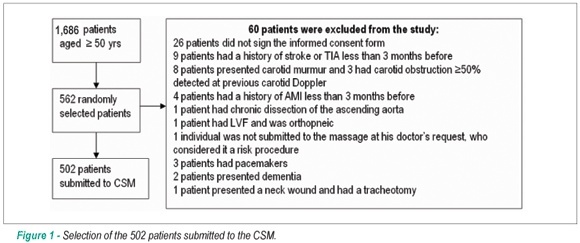
BACKGROUND: The carotid sinus massage (CSM) is a simple and low-cost technique with many indications. OBJECTIVE: To determine the safety of CSM in outpatients with high prevalence of atherosclerotic disease and cardiopathy. METHODS: A transversal study. Inclusion criteria: Outpatients aged >50 years, referred for ECG. Exclusion criteria: Individuals that refused to participate in a study on the prevalence of the cardioinhibitory response to CSM, patients with dementia, patients with pacemakers, individuals with carotid murmur or history of stroke or AMI in the last three months. The CSM was carried out in the supine position during 10 seconds. The occurrence of sustained arrhythmias or the occurence of neurological deficit during the CSM or in the first 24 hours after its end were considered complications of the CSM. RESULTS: 562 patients were randomly selected from a total of 1,686 individuals that met the inclusion criteria. Sixty individuals met the exclusion criteria. The remaining 502 patients (52% males, 69% with cardiopathies and 50% with atherosclerotic disease) were submitted to 1,053 CSM. Two patients presented complications (0.4%; 95%CI:0%-0.9%). A 71-yr-old man developed left arm monoparesis with complete regression within 30 minutes. Another 56-yr-old man presented left homonymous hemianopsia, with regression after 7 days. CONCLUSION: The incidence of CSM-related complications was small, particularly when considering that the population submitted to the maneuver was elderly, with high incidence of structural heart disease and atherosclerotic disease.

  • Arrhythmias Cardiac
  • Carotid sinus
  • Syncope
Read Full Article
Creative Commons Attribution (CC BY) Creative Commons license
06/04/2009 DOI: 10.1590/S0066-782X2009000200002
Aortic stenosis in the elderly: a Brazilian perspective
Point of view

Aortic stenosis in the elderly: a Brazilian perspective

Max Grinberg et al. Tarso Augusto Duenhas Accorsi

POINT OF VIEW

Aortic stenosis in the elderly: a Brazilian perspective

[…]

Read Full Article
Creative Commons Attribution (CC BY) Creative Commons license
06/04/2009 DOI: 10.1590/S0066-782X2009000200016
Artigo Original

Influence of leukocytes and glycemia on the prognosis of patients with acute myocardial infarction

Antonio Eduardo P. Pesaro et al. Jose Carlos Nicolau Carlos V. Serrano Jr. Rodrigo Truffa … Marcus Vinicius B. Gaz Ralf Karbstein Roberto R. Giraldez Roberto Kalil Filho José A. Ramires

BACKGROUND: Previous studies have demonstrated that leukocytosis and hyperglycemia verified at the admission of patients with acute myocardial infarction (AMI) are associated with intrahospital mortality. However, little is known on the long-term impact of these markers. OBJECTIVE: To evaluate the short-and long-term influence of the levels of glucose and leukocytes on the prognosis of patients with AMI. METHODS: A total of 809 patients with AMI were retrospectively assessed (mean age: 63.2 ± 12.87 yrs) and prospectively and consecutively included in a specific database. RESULTS: a) At the intrahospital phase, the mean values were compared between patients that died and those who survived: Leukocytosis: 12156±5977 vs 10337±3528 (p=0.004, 95%CI = 976-2663); Glucose 176±105 mg/dl vs 140±72 mg/dl (p<0.001, 95%CI = 19.4 – 52.6), respectively. b) With the adjusted mode, the same pattern was observed [p values: 0.002 (t-ratio 3.05), 0.04 (t-ratio 2.06), respectively]. c) Long-term follow-up: the univariate analysis showed P values of 0.001 (t-ratio 3.3), <0.001 (t-ratio 4.16), respectively. The multivariate analysis showed P=0.001 (t-ratio 3.35), 0.08 (t-ratio 1.75), respectively. (d) After the exclusion of the intrahospital deaths, the leukocyte (P=0.989) and glucose levels (P=0.144) did not remain significantly correlated with mortality. The same result was observed at the multivariate analysis. CONCLUSION: The levels of glucose and leukocytes at the hospital admission of patients with AMI are excellent predictors of intrahospital mortality and poor predictors of long-term death.

  • Glucose
  • Leukocytosis
  • Myocardial Infarction
Read Full Article
Creative Commons Attribution (CC BY) Creative Commons license
06/04/2009 DOI: 10.1590/S0066-782X2009000200003 Views 1
Neurohormonal profile of rheumatic patients with significant chronic aortic regurgitation
Artigo Original

Neurohormonal profile of rheumatic patients with significant chronic aortic regurgitation

Guilherme Sobreira Spina et al. Flávio Tarasoutchi Roney Orismar Sampaio Marcelo Luiz Campos Vieira … Célia Strunz Francisco Rafael Laurindo Max Grinberg

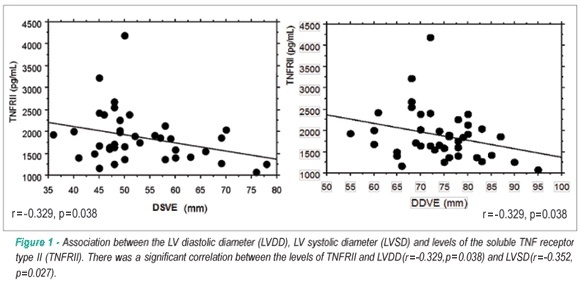
BACKGROUND: Neurohormones are involved in the physiopathology of heart failure, but little is known about its behavior in significant chronic aortic regurgitation (AR). We aimed at analyzing the behavior of these mediators in AF. OBJECTIVE: We aimed at analyzing the behavior of these mediators in AF. METHODS: We analyzed 89 patients with AF, whose mean age was 33.6±11.5 years and of whom 84.6% were males, 60% asymptomatic, all with rheumatic etiology. After the clinical and echocardiographic assessment, plasma measurements of tumor necrosis factor (TNF), soluble TNF receptor types I and II (sTNFRI e sTNFRII), interleukin-6 (IL-6), its soluble receptor (sIL6R), endothelin-1 and B-type natriuretic peptide (BNP) were carried out; 12 healthy individuals were used as controls. RESULTS: The mean values of the left ventricle diastolic diameter (LVDD) were 71.9±8.3mm, whereas the mean values of the LV systolic diameter (LVSD) were 50.4±9.3mm. The neurohormonal levels were elevated in patients with AF (TNF 92.65±110.24 pg/mL vs. 1.67±1.21 pg/ml in controls, p<0.001), (IL-6 7.17±7.78pg/ml vs. 0.81±0.38pg/mL in controls, p=0.0001) and TNFRI (894.75±348.87pg/mL vs. 521.42±395.13pg/ml, p=0.007). Except for the BNP levels, symptomatic and asymptomatic patients presented a similar neurohormonal profile. There was a correlation between TNFRII and LVDD (r=-0.329, p=0.038) and LVSD (r=-0.352, p=0.027). BNP levels were significantly higher in symptomatic patients and only in the latter it was possible to establish a correlation between BNP and ventricular diameters. CONCLUSION: Patients with significant chronic AF present high neurohormonal levels, with no correlation with the symptomatic status. The TNFRII and BNP levels could be correlated with ventricular diameters, but only the latter could be correlated with symptoms.

  • Aortic Valve Insufficiency
  • Cardiomegaly
  • pituitary hormones posterior
  • rheumatic diseases
Read Full Article
Creative Commons Attribution (CC BY) Creative Commons license
06/04/2009 DOI: 10.1590/S0066-782X2009000200012
Early glucometabolic profile in patients with acute coronary syndromes and metabolic syndrome
Artigo Original

Early glucometabolic profile in patients with acute coronary syndromes and metabolic syndrome

Carlos M. C. Monteiro et al. Luciene Oliveira Maria C. O. Izar Tatiana Helfenstein … Andreza O. Santos Simone M. Fischer Sahana W. Barros Luiz F. M. Pinheiro Antonio C. C. Carvalho Francisco A. H. Fonseca

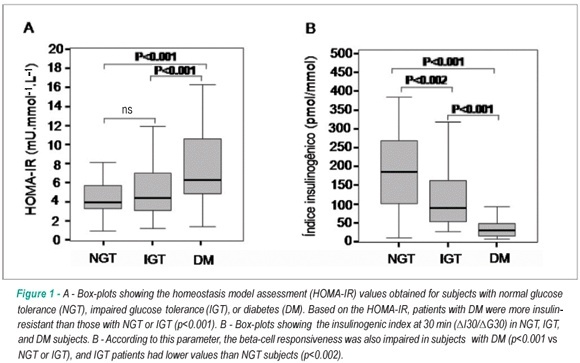
BACKGROUND: Patients with metabolic syndrome (MetS) are at high coronary risk and beta-cell dysfunction or insulin resistance might predict an additional risk for early cardiovascular events. OBJECTIVE: This study aimed to evaluate early glucometabolic alterations in patients with MetS, but without previously known type 2 diabetes, after acute coronary syndrome. METHODS: A total of 114 patients were submitted to an oral glucose tolerance test (OGTT) 1-3 days after hospital discharge due to myocardial infarction or unstable angina. Based on the OGTT, we defined three groups of patients: normal glucose tolerance (NGT; n=26), impaired glucose tolerance (IGT; n=39), or diabetes (DM; n=49). The homeostasis model assessment (HOMA-IR) was used to measure insulin resistance; beta-cell responsiveness was assessed by the insulinogenic index at 30 min (ΔI30/ΔG30). RESULTS: Based on the HOMA-IR, patients with DM were more insulin-resistant than those with NGT or IGT (p<0.001). According to the insulinogenic index, the beta-cell responsiveness was also impaired in subjects with DM (p<0.001 vs NGT or IGT). CONCLUSION: High rates of glucometabolic alterations were found after acute coronary syndrome in patients with MetS. As these abnormalities markedly increase the risk for adverse outcomes, early OGTT among MetS patients might be used to identify those at the highest coronary risk.

  • Acute coronary syndrome
  • Diabetes Mellitus, Type 2
  • Insulin Resistance
  • insulin-secreting cells
  • Metabolic Syndrome
Read Full Article
Creative Commons Attribution (CC BY) Creative Commons license
06/04/2009 DOI: 10.1590/S0066-782X2009000200004
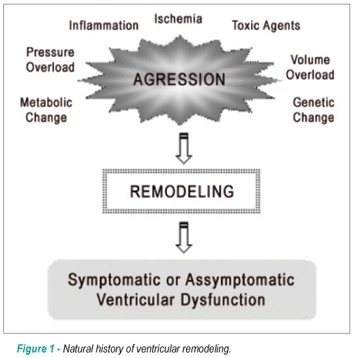
Ventricular remodeling after myocardial infarction: concepts and clinical implications
Review Article

Ventricular remodeling after myocardial infarction: concepts and clinical implications

Leonardo A. M. Zornoff et al. Sergio A. R. Paiva Daniella R. Duarte Joel Spadaro

REVIEW ARTICLE

Ventricular remodeling after myocardial infarction: concepts and clinical implications

[…]

Read Full Article
Creative Commons Attribution (CC BY) Creative Commons license
06/04/2009 DOI: 10.1590/S0066-782X2009000200013
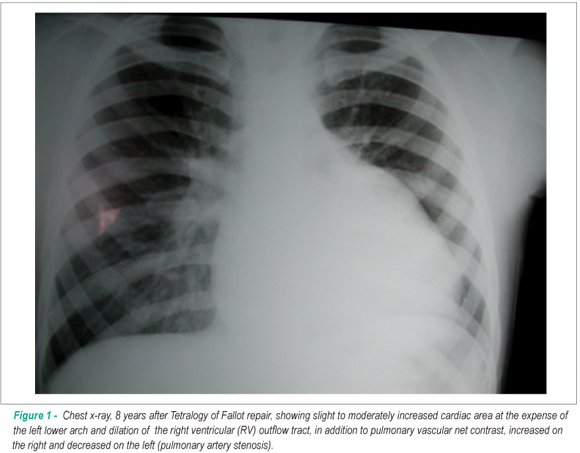
Case 2/2009: eight-year-old child with pulmonary valve insufficiency and left pulmonary artery stenosis, as residual defects after tetralogy of fallot repair
Clinicoradiological Session

Case 2/2009: eight-year-old child with pulmonary valve insufficiency and left pulmonary artery stenosis, as residual defects after tetralogy of fallot repair

Edmar Atik

CLINICORADIOLOGICAL SESSION

Case 2/2009- eight-year-old child with pulmonary valve insufficiency and left pulmonary artery stenosis, as residual defects after tetralogy of fallot repair

[…]

Read Full Article
Creative Commons Attribution (CC BY) Creative Commons license
06/04/2009 DOI: 10.1590/S0066-782X2009000200014
chocardiography and 6-minute walk test in left ventricular systolic dysfunction
Artigo Original

chocardiography and 6-minute walk test in left ventricular systolic dysfunction

Venera Berisha et al. Gani Bajraktari Dritero Dobra Edmond Haliti … Reshat Bajrami Shpend Elezi

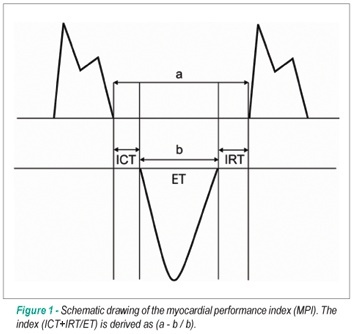
BACKGROUND: Chronic heart failure is a major cardiovascular disorder. OBJECTIVE: The aim of this study was to prospectively examine whether a 6-min walk test (6-MWT) result correlates with echocardiographic variables in patients with left ventricular systolic dysfunction and stable chronic heart failure. METHODS: We prospectively studied 52 patients (65% male; mean age 60±11 years) who had chronic heart failure secondary to ischemic heart disease or idiopathic cardiomyopathy. All patients had left ventricular systolic dysfunction (ejection fraction <0.45), and were in stable NYHA class II or III heart failure. An echo-Doppler study and a 6-MWT were performed on the same day. RESULTS: 6-MWT had moderate, but statistically significant correlation with end-systolic diameter (ESD) (r=-0.46; p=0.0006), with shortening fraction-SF (r=0.52; p=0.0001), and with ejection fraction-EF (r=0.5; p=0.0001), whereas it had poor, but statistically significant correlation with myocardial performance index-MPI (r=-0.39; p=0.0046), E/A(tricuspid) ratio (r=-0.333; p=0.016), pulmonary acceleration time (r=0.328; p=0.018), and lateral long axis amplitude (r=0.283; p=0.04). Linear regression model demonstrated that age (χ2=-0.59, p=<0.001), restrictive transmitral filling pattern (χ2=-0.44, p=0.004) and left ventricular end-systolic dimension (χ2=-0.34, p=0.012) were independent factors that influenced the 6-MWT. CONCLUSION: In patients with heart failure due to left ventricular systolic dysfunction, the 6-MWT as a clinical assessment tool of the functional capacity has a significant correlation with the most important global LV systolic function parameters, as well as with LV MPI. In patients with LV systolic dysfunction, age, restrictive transmitral filling pattern, and left ventricular systolic dimension, were independently associated with the 6-MWT.

  • Echocardiography
  • Heart Failure
  • Quality of life
  • walking
Read Full Article
Creative Commons Attribution (CC BY) Creative Commons license
06/04/2009 DOI: 10.1590/S0066-782X2009000200009 Views 2
Artigo Original

Translation and validation of the walking impairment questionnaire in Brazilian subjects with intermittent claudication

Raphael Mendes Ritti-Dias et al. Luis Alberto Gobbo Gabriel Grizzo Cucato Nelson Wolosker … Wilson Jacob Filho José Maria Santarém Celso Ricardo Fernandes Carvalho Cláudia Lúcia de Moraes Forjaz Maria de Fátima Nunes Marucci

BACKGROUND: The Walking Impairment Questionnaire (WIQ) has been used to evaluate walking impairment in subjects with intermittent claudication (IC). However, this questionnaire has yet to be translated to Brazilian Portuguese, which limits its use in Brazilian subjects. OBJECTIVE: To translate and analyze the validity and reliability of WIQ in Brazilian subjects with IC. METHODS: Forty-two patients with IC, determined by the ankle-brachial index < 0.90, participated in the study. After translation and re-translation, carried out by two independent translators, the construct validity of the WIQ was analyzed by correlating the WIQ scores with the Medical Outcome Study Questionnaire Short Form 36 (SF-36) scores and the physical fitness performance (treadmill and strength tests). The reliability was analyzed with a 7-day interval between two questionnaire applications. RESULTS: Significant correlations between the WIQ domains and the SF-36 (functional capacity, physical aspects, bodily pain and emotional aspects) and physical fitness performance (treadmill and strength tests) were observed. Moreover, the intraclass coefficient correlation ranged from 0.72 to 0.81, and there were no differences in WIQ scores between the two questionnaire applications. CONCLUSION: The Brazilian Portuguese version of the WIQ is valid and reliable to be used in Brazilian subjects with IC.

  • Exercise Tolerance
  • Intermittent Claudication
  • mobility limitation
  • Validation Studies
Read Full Article
Creative Commons Attribution (CC BY) Creative Commons license
06/04/2009 DOI: 10.1590/S0066-782X2009000200011 Views 2
Low birth weight as a marker of changes in ambulatory blood pressure monitoring
Artigo Original

Low birth weight as a marker of changes in ambulatory blood pressure monitoring

Cláudia Maria Salgado et al. Paulo César Brandão Veiga Jardim Flávio Bittencourt Gonçalves Teles Mariana Cabral Nunes

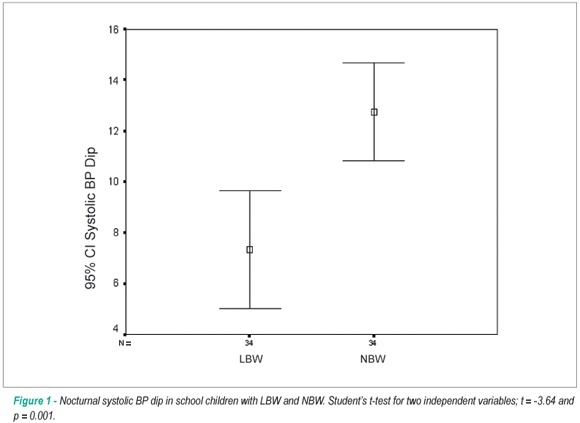
BACKGROUND: Low birth weight (LBW) is associated with increased incidence of high blood pressure (BP) and cardiovascular diseases in adulthood. OBJECTIVE: To evaluate possible changes in Ambulatory Blood Pressure Monitoring (ABPM) in LBW children. METHODS: The birth weight (BW) of 1049 school children (ages 8 to 11) living in Goiânia was assessed. Children with low birth weight (BW 3.0 Kg). Information on birth weight was obtained from each child’s health card. Casual BP and ABPM were measured. Height and weight measurements were obtained to calculate the body mass index (BMI), and sexual maturity was assessed according to Tanner’s criteria (those at Tanner stage > 2 were excluded). RESULTS: Thirty-four children had low birth weight (LBW) and 34 had normal birth weight (NBW). Both groups were similar regarding age, gender, race, body weight, height, BMI, and family history of hypertension. Low-birth-weight children had higher casual systolic blood pressure (SBP) (p = 0.007). ABPM recordings showed that these children had higher 24-hour diastolic blood pressure (DBP) (p = 0.009), daytime DBP (p = 0.002), night-time DBP and SBP (p = 0.005 and p = 0.001), and reduced nocturnal dip in SBP and DBP (p = 0.001) than those born with normal weight. Birth weight was positively correlated with nocturnal dip in SBP (p = 0.022) and negatively correlated with sleep SBP (p = 0.032). CONCLUSION: Low-birth-weight children have higher BP and changes in circadian rhythm of blood pressure, with reduced nocturnal dipping. These findings may reflect increased risk of adult hypertension and cardiovascular diseases.

  • Blood Pressure
  • Infant, low birth weight
  • monitoring ambulatory
Read Full Article
Creative Commons Attribution (CC BY) Creative Commons license
06/04/2009 DOI: 10.1590/S0066-782X2009000200007
Artigo Original

Circulatory response to a 50-m walk in the coronary care unit in acute coronary syndrome

Cristiane Maria Carvalho Costa Dias et al. Ana Célia Carneiro de Almeida Maiato Kátia Maria Moreno Baqueiro Alessandra Maia Furtado Fiqueredo … Fernanda Warken Rosa Janaina Oliveira Pitanga Ludmila Ivo Catão de Souza Armênio Costa Guimarães

BACKGROUND: Lack of a standardized and monitored technique to start rehabilitation of patients with acute coronary syndrome (ACS) in the coronary care unit. OBJECTIVE: To describe the technique of and circulatory response to a 50-m walk (W50m). METHODS: Experimental cross-sectional study of 65 patients with ACS; of these, 36 (54%) with acute myocardial infarction (AMI), Killip I, 29 (45.2%) with unstable angina (UA), 61.5% males with age of 62.8 ± 12.7 years. Walk was started 45±23h after hospitalization. Parameters measured: systolic blood pressure (SBP mmHg), diastolic blood pressure (DBP mmHg), heart rate (HR bpm), double product (SBP mmHg X HR bpm), peripheral oxygen saturation (SpO2%), walking time, and exercise tolerance by Borg scale (BS). Measurements were taken while supine, sitting, in orthostasis (phase 1 [gravitational stress]), end of the walk, and after a 5-minute rest (phase 2 [exercise stress]). RESULTS: Increased HR in response to the sitting gravitational stress (Δ=4.18) and with orthostasis (Δ=2.69) (p<0.001) was observed. At the end of walk, there was an elevation in SBP (Δ=4.84), (p<0.001), HR (Δ=4.68), (p<0.001) and DP (Δ=344.97), (p=0.004), and a reduction in SpO2 (Δ=-1.42), (p 142 mmHg when sitting was associated with a significant increase (p=0.031) of 11 mmHg at exercise in 13 patients with overweight/obesity and 85% with hypertension. Adverse effects occurred in 19 (29.2%) patients and dizziness in 23.1%, which impaired the walk in three of them. CONCLUSION: In this sample, patients did not present severe collateral effects to W50m. 24 hours after a coronary event.

  • Motor Activity
  • Myocardial Infarction
  • Rehabilitation
  • Unstable Angina
Read Full Article
Creative Commons Attribution (CC BY) Creative Commons license
06/04/2009 DOI: 10.1590/S0066-782X2009000200010 Views 1
Influence of prior nutritional status on the development of the metabolic syndrome in adults
Artigo Original

Influence of prior nutritional status on the development of the metabolic syndrome in adults

Renata Maria Souza Oliveira et al. Sylvia do Carmo Castro Franceschini Gilberto Paixão Rosado Silvia Eloiza Priore

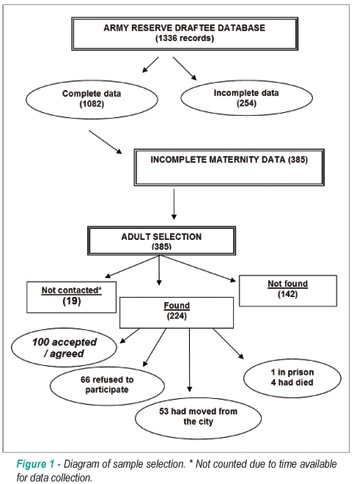
BACKGROUND: The increase in the prevalence of excess weight among people of increasingly younger age groups may lead to the early development of cardiovascular risks. OBJECTIVE: To investigate the prevalence of the metabolic syndrome among young adults and the impact of birth conditions and nutritional status during adolescence on this disorder. METHODS: One hundred individuals were evaluated at three different stages of life. By consulting the database of people enlisted in the army reserve military service, data were collected on weight, height, and waist circumference of all draftees of 1996, 1997, and 1999 in order to analyze their nutritional status during adolescence. Using the same database, information was sought at the maternity on their birth conditions and the adult individuals were identified. Anthropometric and biochemical data were obtained from these adults. The Metabolic Syndrome (MS) was classified according to ATP III NCEP. Body fat percentage was assessed with bioelectrical impedance and the statistical analysis was performed using the Sigma Stat 2.0 software. RESULTS: Prevalence of the MS was detected in 13% of the individuals. The birth conditions showed no relationship with the syndrome. In adolescence, those individuals diagnosed with MS had greater values for weight (11 kg; p =<0.001), WC (8 cm; p < 0.001), and BMI (2.5 kg/m²; p= 0.002). CONCLUSION: A significant part of the risk factors for cardiovascular conditions starts during childhood and adolescence, and is likely to persist throughout life; therefore, primary prevention measures are critical in the context of cardiovascular disease.

  • Adults
  • Metabolic Syndrome
  • nutritional status
Read Full Article
Creative Commons Attribution (CC BY) Creative Commons license
06/04/2009 DOI: 10.1590/S0066-782X2009000200006 Views 1

How to cite this article

EndNote RIS

Electronic Document Format (Vancouver)

Freitas Jr. AF, Bacal F, Oliveira Jr. JL, Santos RHB, Moreira LFP, Silva CP, Mangini S, et al. Impact of sublingual sildenafil on pulmonary hypertension in patients with heart failure. Arquivos Brasileiros de Cardiologia 2009;92(2):122-6.

Electronic Document Format (ABNT)

Freitas Jr., Aguinaldo Figueiredo de; Bacal, Fernando; Oliveira Jr., José de Lima; Santos, Ronaldo Honorato Barros; Moreira, Luiz Felipe Pinho; Silva, Christiano Pereira; Mangini, Sandrigo; Carneiro, Rodrigo Moreno Dias; Fiorelli, Alfredo Inácio; Bocchi, Edimar Alcides. Impact of sublingual sildenafil on pulmonary hypertension in patients with heart failure. Arquivos Brasileiros de Cardiologia, v. 92, n. 2, p. 122-126, Apr. 2009.

Electronic Document Format (APA)

Freitas Jr., A. F. , Bacal, F., Oliveira Jr., J. L., Santos, R. H. B., Moreira, L. F. P., Silva, C. P., Mangini, S., Carneiro, R. M. D., Fiorelli, A. I., & Bocchi, E. A. (2009). Impact of sublingual sildenafil on pulmonary hypertension in patients with heart failure. Arquivos Brasileiros de Cardiologia, 92(2), 122-126.

Electronic Document Format (ISO)

Freitas Jr., Aguinaldo Figueiredo de and Bacal, Fernando and Oliveira Jr., José de Lima and Santos, Ronaldo Honorato Barros and Moreira, Luiz Felipe Pinho and Silva, Christiano Pereira and Mangini, Sandrigo and Carneiro, Rodrigo Moreno Dias and Fiorelli, Alfredo Inácio and Bocchi, Edimar Alcides. Impact of sublingual sildenafil on pulmonary hypertension in patients with heart failure. Arquivos Brasileiros de Cardiologia [online]. 2009, vol. 92, n. 2, [cited 2026-10-14], pp. 122-126. Available from: <https://journals.cardiol.br/en/article/impact-of-sublingual-sildenafil-on-pulmonary-hypertension-in-patients-with-heart-failure/>. ISSN 0066-782X

EndNote RIS

Electronic Document Format (Vancouver)

Feitosa-Filho GS, Seydell TM, Feitosa ACR, Maranhão RC, Ramires JAF. Lipid transfer to HDL in type-2 diabetic patients: associations with microalbuminuria, statin, and insulin. Arquivos Brasileiros de Cardiologia 2009;92(2):100-6.

Electronic Document Format (ABNT)

Feitosa-Filho, Gilson Soares; Seydell, Talita de Mattos; Feitosa, Alina Coutinho Rodrigues; Maranhão, Raul Cavalcante; Ramires, José Antônio Franchini. Lipid transfer to HDL in type-2 diabetic patients: associations with microalbuminuria, statin, and insulin. Arquivos Brasileiros de Cardiologia, v. 92, n. 2, p. 100-106, Apr. 2009.

Electronic Document Format (APA)

Feitosa-Filho, G. S., Seydell, T. M., Feitosa, A. C. R., Maranhão, R. C., & Ramires, J. A. F. (2009). Lipid transfer to HDL in type-2 diabetic patients: associations with microalbuminuria, statin, and insulin. Arquivos Brasileiros de Cardiologia, 92(2), 100-106.

Electronic Document Format (ISO)

Feitosa-Filho, Gilson Soares and Seydell, Talita de Mattos and Feitosa, Alina Coutinho Rodrigues and Maranhão, Raul Cavalcante and Ramires, José Antônio Franchini. Lipid transfer to HDL in type-2 diabetic patients: associations with microalbuminuria, statin, and insulin. Arquivos Brasileiros de Cardiologia [online]. 2009, vol. 92, n. 2, [cited 2026-10-14], pp. 100-106. Available from: <https://journals.cardiol.br/en/article/lipid-transfer-to-hdl-in-type-2-diabetic-patients-associations-with-microalbuminuria-statin-and-insulin/>. ISSN 0066-782X

EndNote RIS

Electronic Document Format (Vancouver)

Chagas ACP. Opening frontiers at home. Arquivos Brasileiros de Cardiologia 2009;92(2):81.

Electronic Document Format (ABNT)

Chagas, Antonio Carlos Palandri. Opening frontiers at home. Arquivos Brasileiros de Cardiologia, v. 92, n. 2, p. 81-81, Apr. 2009.

Electronic Document Format (APA)

Chagas, A. C. P. (2009). Opening frontiers at home. Arquivos Brasileiros de Cardiologia, 92(2), 81-81.

Electronic Document Format (ISO)

Chagas, Antonio Carlos Palandri. Opening frontiers at home. Arquivos Brasileiros de Cardiologia [online]. 2009, vol. 92, n. 2, [cited 2026-10-14], pp. 81-81. Available from: <https://journals.cardiol.br/en/article/opening-frontiers-at-home/>. ISSN 0066-782X

EndNote RIS

Electronic Document Format (Vancouver)

Rosa RFM, Zen PRG, Graziadio C, Paskulin GA. Branchio-oculo-facial syndrome (BOFS) and congenital heart defects. Arquivos Brasileiros de Cardiologia 2009;92(2):e33-5.

Electronic Document Format (ABNT)

Rosa, Rafael Fabiano Machado; Zen, Paulo Ricardo Gazzola; Graziadio, Carla; Paskulin, Giorgio Adriano. Branchio-oculo-facial syndrome (BOFS) and congenital heart defects. Arquivos Brasileiros de Cardiologia, v. 92, n. 2, p. e33-e35, Apr. 2009.

Electronic Document Format (APA)

Rosa, R. F. M., Zen, P. R. G., Graziadio, C., & Paskulin, G. A. (2009). Branchio-oculo-facial syndrome (BOFS) and congenital heart defects. Arquivos Brasileiros de Cardiologia, 92(2), e33-e35.

Electronic Document Format (ISO)

Rosa, Rafael Fabiano Machado and Zen, Paulo Ricardo Gazzola and Graziadio, Carla and Paskulin, Giorgio Adriano. Branchio-oculo-facial syndrome (BOFS) and congenital heart defects. Arquivos Brasileiros de Cardiologia [online]. 2009, vol. 92, n. 2, [cited 2026-10-14], pp. e33-e35. Available from: <https://journals.cardiol.br/en/article/branchio-oculo-facial-syndrome-bofs-and-congenital-heart-defects/>. ISSN 0066-782X

EndNote RIS

Electronic Document Format (Vancouver)

Lacerda GC, Pedrosa RC, Lacerda RC, Santos MC, Brasil AT, Siqueira-Filho AG. Complications related to carotid sinus massage in 502 ambulatory patients. Arquivos Brasileiros de Cardiologia 2009;92(2):82-7.

Electronic Document Format (ABNT)

Lacerda, Gustavo de Castro; Pedrosa, Roberto Coury; Lacerda, Renato Côrtes de; Santos, Marcela Cedenilla dos; Brasil, Alfredo Teixeira; Siqueira-Filho, Aristarco Gonçalves de. Complications related to carotid sinus massage in 502 ambulatory patients. Arquivos Brasileiros de Cardiologia, v. 92, n. 2, p. 82-87, Apr. 2009.

Electronic Document Format (APA)

Lacerda, G. C., Pedrosa, R. C., Lacerda, R. C. , Santos, M. C. , Brasil, A. T., & Siqueira-Filho, A. G. (2009). Complications related to carotid sinus massage in 502 ambulatory patients. Arquivos Brasileiros de Cardiologia, 92(2), 82-87.

Electronic Document Format (ISO)

Lacerda, Gustavo de Castro and Pedrosa, Roberto Coury and Lacerda, Renato Côrtes de and Santos, Marcela Cedenilla dos and Brasil, Alfredo Teixeira and Siqueira-Filho, Aristarco Gonçalves de. Complications related to carotid sinus massage in 502 ambulatory patients. Arquivos Brasileiros de Cardiologia [online]. 2009, vol. 92, n. 2, [cited 2026-10-14], pp. 82-87. Available from: <https://journals.cardiol.br/en/article/complications-related-to-carotid-sinus-massage-in-502-ambulatory-patients/>. ISSN 0066-782X

EndNote RIS

Electronic Document Format (Vancouver)

Grinberg M, Accorsi TAD. Aortic stenosis in the elderly: a Brazilian perspective. Arquivos Brasileiros de Cardiologia 2009;92(2):e36-9.

Electronic Document Format (ABNT)

Grinberg, Max; Accorsi, Tarso Augusto Duenhas. Aortic stenosis in the elderly: a Brazilian perspective. Arquivos Brasileiros de Cardiologia, v. 92, n. 2, p. e36-e39, Apr. 2009.

Electronic Document Format (APA)

Grinberg, M., & Accorsi, T. A. D. (2009). Aortic stenosis in the elderly: a Brazilian perspective. Arquivos Brasileiros de Cardiologia, 92(2), e36-e39.

Electronic Document Format (ISO)

Grinberg, Max and Accorsi, Tarso Augusto Duenhas. Aortic stenosis in the elderly: a Brazilian perspective. Arquivos Brasileiros de Cardiologia [online]. 2009, vol. 92, n. 2, [cited 2026-10-14], pp. e36-e39. Available from: <https://journals.cardiol.br/en/article/aortic-stenosis-in-the-elderly-a-brazilian-perspective/>. ISSN 0066-782X

EndNote RIS

Electronic Document Format (Vancouver)

Pesaro AEP, Nicolau JC, Serrano Jr. CV, Truffa R, Gaz MVB, Karbstein R, Giraldez RR, et al. Influence of leukocytes and glycemia on the prognosis of patients with acute myocardial infarction. Arquivos Brasileiros de Cardiologia 2009;92(2):88-93.

Electronic Document Format (ABNT)

Pesaro, Antonio Eduardo P.; Nicolau, Jose Carlos; Serrano Jr., Carlos V.; Truffa, Rodrigo; Gaz, Marcus Vinicius B.; Karbstein, Ralf; Giraldez, Roberto R.; Kalil Filho, Roberto; Ramires, José A.. Influence of leukocytes and glycemia on the prognosis of patients with acute myocardial infarction. Arquivos Brasileiros de Cardiologia, v. 92, n. 2, p. 88-93, Apr. 2009.

Electronic Document Format (APA)

Pesaro, A. E. P., Nicolau, J. C., Serrano Jr., C. V., Truffa, R., Gaz, M. V. B., Karbstein, R., Giraldez, R. R., Kalil Filho, R., & Ramires, J. A. (2009). Influence of leukocytes and glycemia on the prognosis of patients with acute myocardial infarction. Arquivos Brasileiros de Cardiologia, 92(2), 88-93.

Electronic Document Format (ISO)

Pesaro, Antonio Eduardo P. and Nicolau, Jose Carlos and Serrano Jr., Carlos V. and Truffa, Rodrigo and Gaz, Marcus Vinicius B. and Karbstein, Ralf and Giraldez, Roberto R. and Kalil Filho, Roberto and Ramires, José A.. Influence of leukocytes and glycemia on the prognosis of patients with acute myocardial infarction. Arquivos Brasileiros de Cardiologia [online]. 2009, vol. 92, n. 2, [cited 2026-10-14], pp. 88-93. Available from: <https://journals.cardiol.br/en/article/influence-of-leukocytes-and-glycemia-on-the-prognosis-of-patients-with-acute-myocardial-infarction/>. ISSN 0066-782X

EndNote RIS

Electronic Document Format (Vancouver)

Spina GS, Tarasoutchi F, Sampaio RO, Vieira MLC, Strunz C, Laurindo FR, Grinberg M, et al. Neurohormonal profile of rheumatic patients with significant chronic aortic regurgitation. Arquivos Brasileiros de Cardiologia 2009;92(2):150-6.

Electronic Document Format (ABNT)

Spina, Guilherme Sobreira; Tarasoutchi, Flávio; Sampaio, Roney Orismar; Vieira, Marcelo Luiz Campos; Strunz, Célia; Laurindo, Francisco Rafael; Grinberg, Max. Neurohormonal profile of rheumatic patients with significant chronic aortic regurgitation. Arquivos Brasileiros de Cardiologia, v. 92, n. 2, p. 150-156, Apr. 2009.

Electronic Document Format (APA)

Spina, G. S., Tarasoutchi, F., Sampaio, R. O., Vieira, M. L. C., Strunz, C., Laurindo, F. R., & Grinberg, M. (2009). Neurohormonal profile of rheumatic patients with significant chronic aortic regurgitation. Arquivos Brasileiros de Cardiologia, 92(2), 150-156.

Electronic Document Format (ISO)

Spina, Guilherme Sobreira and Tarasoutchi, Flávio and Sampaio, Roney Orismar and Vieira, Marcelo Luiz Campos and Strunz, Célia and Laurindo, Francisco Rafael and Grinberg, Max. Neurohormonal profile of rheumatic patients with significant chronic aortic regurgitation. Arquivos Brasileiros de Cardiologia [online]. 2009, vol. 92, n. 2, [cited 2026-10-14], pp. 150-156. Available from: <https://journals.cardiol.br/en/article/neurohormonal-profile-of-rheumatic-patients-with-significant-chronic-aortic-regurgitation/>. ISSN 0066-782X

EndNote RIS

Electronic Document Format (Vancouver)

Monteiro CMC, Oliveira L, Izar MCO, Helfenstein T, Santos AO, Fischer SM, Barros SW, et al. Early glucometabolic profile in patients with acute coronary syndromes and metabolic syndrome. Arquivos Brasileiros de Cardiologia 2009;92(2):94-9.

Electronic Document Format (ABNT)

Monteiro, Carlos M. C.; Oliveira, Luciene; Izar, Maria C. O.; Helfenstein, Tatiana; Santos, Andreza O.; Fischer, Simone M.; Barros, Sahana W.; Pinheiro, Luiz F. M.; Carvalho, Antonio C. C.; Fonseca, Francisco A. H.. Early glucometabolic profile in patients with acute coronary syndromes and metabolic syndrome. Arquivos Brasileiros de Cardiologia, v. 92, n. 2, p. 94-99, Apr. 2009.

Electronic Document Format (APA)

Monteiro, C. M. C., Oliveira, L., Izar, M. C. O., Helfenstein, T., Santos, A. O., Fischer, S. M., Barros, S. W., Pinheiro, L. F. M., Carvalho, A. C. C., & Fonseca, F. A. H. (2009). Early glucometabolic profile in patients with acute coronary syndromes and metabolic syndrome. Arquivos Brasileiros de Cardiologia, 92(2), 94-99.

Electronic Document Format (ISO)

Monteiro, Carlos M. C. and Oliveira, Luciene and Izar, Maria C. O. and Helfenstein, Tatiana and Santos, Andreza O. and Fischer, Simone M. and Barros, Sahana W. and Pinheiro, Luiz F. M. and Carvalho, Antonio C. C. and Fonseca, Francisco A. H.. Early glucometabolic profile in patients with acute coronary syndromes and metabolic syndrome. Arquivos Brasileiros de Cardiologia [online]. 2009, vol. 92, n. 2, [cited 2026-10-14], pp. 94-99. Available from: <https://journals.cardiol.br/en/article/early-glucometabolic-profile-in-patients-with-acute-coronary-syndromes-and-metabolic-syndrome/>. ISSN 0066-782X

EndNote RIS

Electronic Document Format (Vancouver)

Zornoff LAM, Paiva SAR, Duarte DR, Spadaro J. Ventricular remodeling after myocardial infarction: concepts and clinical implications. Arquivos Brasileiros de Cardiologia 2009;92(2):157-64.

Electronic Document Format (ABNT)

Zornoff, Leonardo A. M.; Paiva, Sergio A. R.; Duarte, Daniella R.; Spadaro, Joel. Ventricular remodeling after myocardial infarction: concepts and clinical implications. Arquivos Brasileiros de Cardiologia, v. 92, n. 2, p. 157-164, Apr. 2009.

Electronic Document Format (APA)

Zornoff, L. A. M., Paiva, S. A. R., Duarte, D. R., & Spadaro, J. (2009). Ventricular remodeling after myocardial infarction: concepts and clinical implications. Arquivos Brasileiros de Cardiologia, 92(2), 157-164.

Electronic Document Format (ISO)

Zornoff, Leonardo A. M. and Paiva, Sergio A. R. and Duarte, Daniella R. and Spadaro, Joel. Ventricular remodeling after myocardial infarction: concepts and clinical implications. Arquivos Brasileiros de Cardiologia [online]. 2009, vol. 92, n. 2, [cited 2026-10-14], pp. 157-164. Available from: <https://journals.cardiol.br/en/article/ventricular-remodeling-after-myocardial-infarction-concepts-and-clinical-implications/>. ISSN 0066-782X

EndNote RIS

Electronic Document Format (Vancouver)

Atik E. Case 2/2009: eight-year-old child with pulmonary valve insufficiency and left pulmonary artery stenosis, as residual defects after tetralogy of fallot repair. Arquivos Brasileiros de Cardiologia 2009;92(2):165-6.

Electronic Document Format (ABNT)

Atik, Edmar. Case 2/2009: eight-year-old child with pulmonary valve insufficiency and left pulmonary artery stenosis, as residual defects after tetralogy of fallot repair. Arquivos Brasileiros de Cardiologia, v. 92, n. 2, p. 165-166, Apr. 2009.

Electronic Document Format (APA)

Atik, E. (2009). Case 2/2009: eight-year-old child with pulmonary valve insufficiency and left pulmonary artery stenosis, as residual defects after tetralogy of fallot repair. Arquivos Brasileiros de Cardiologia, 92(2), 165-166.

Electronic Document Format (ISO)

Atik, Edmar. Case 2/2009: eight-year-old child with pulmonary valve insufficiency and left pulmonary artery stenosis, as residual defects after tetralogy of fallot repair. Arquivos Brasileiros de Cardiologia [online]. 2009, vol. 92, n. 2, [cited 2026-10-14], pp. 165-166. Available from: <https://journals.cardiol.br/en/article/case-2-2009-eight-year-old-child-with-pulmonary-valve-insufficiency-and-left-pulmonary-artery-stenosis-as-residual-defects-after-tetralogy-of-fallot-repair/>. ISSN 0066-782X

EndNote RIS

Electronic Document Format (Vancouver)

Berisha V, Bajraktari G, Dobra D, Haliti E, Bajrami R, Elezi S. chocardiography and 6-minute walk test in left ventricular systolic dysfunction. Arquivos Brasileiros de Cardiologia 2009;92(2):127-34.

Electronic Document Format (ABNT)

Berisha, Venera; Bajraktari, Gani; Dobra, Dritero; Haliti, Edmond; Bajrami, Reshat; Elezi, Shpend. chocardiography and 6-minute walk test in left ventricular systolic dysfunction. Arquivos Brasileiros de Cardiologia, v. 92, n. 2, p. 127-134, Apr. 2009.

Electronic Document Format (APA)

Berisha, V., Bajraktari, G., Dobra, D., Haliti, E., Bajrami, R., & Elezi, S. (2009). chocardiography and 6-minute walk test in left ventricular systolic dysfunction. Arquivos Brasileiros de Cardiologia, 92(2), 127-134.

Electronic Document Format (ISO)

Berisha, Venera and Bajraktari, Gani and Dobra, Dritero and Haliti, Edmond and Bajrami, Reshat and Elezi, Shpend. chocardiography and 6-minute walk test in left ventricular systolic dysfunction. Arquivos Brasileiros de Cardiologia [online]. 2009, vol. 92, n. 2, [cited 2026-10-14], pp. 127-134. Available from: <https://journals.cardiol.br/en/article/chocardiography-and-6-minute-walk-test-in-left-ventricular-systolic-dysfunction/>. ISSN 0066-782X

EndNote RIS

Electronic Document Format (Vancouver)

Ritti-Dias RM, Gobbo LA, Cucato GG, Wolosker N, Jacob Filho W, Santarém JM, Carvalho CRF, et al. Translation and validation of the walking impairment questionnaire in Brazilian subjects with intermittent claudication. Arquivos Brasileiros de Cardiologia 2009;92(2):143-9.

Electronic Document Format (ABNT)

Ritti-Dias, Raphael Mendes; Gobbo, Luis Alberto; Cucato, Gabriel Grizzo; Wolosker, Nelson; Jacob Filho, Wilson; Santarém, José Maria; Carvalho, Celso Ricardo Fernandes; Forjaz, Cláudia Lúcia de Moraes; Marucci, Maria de Fátima Nunes. Translation and validation of the walking impairment questionnaire in Brazilian subjects with intermittent claudication. Arquivos Brasileiros de Cardiologia, v. 92, n. 2, p. 143-149, Apr. 2009.

Electronic Document Format (APA)

Ritti-Dias, R. M., Gobbo, L. A., Cucato, G. G., Wolosker, N., Jacob Filho, W., Santarém, J. M., Carvalho, C. R. F., Forjaz, C. L. M., & Marucci, M. F. N. (2009). Translation and validation of the walking impairment questionnaire in Brazilian subjects with intermittent claudication. Arquivos Brasileiros de Cardiologia, 92(2), 143-149.

Electronic Document Format (ISO)

Ritti-Dias, Raphael Mendes and Gobbo, Luis Alberto and Cucato, Gabriel Grizzo and Wolosker, Nelson and Jacob Filho, Wilson and Santarém, José Maria and Carvalho, Celso Ricardo Fernandes and Forjaz, Cláudia Lúcia de Moraes and Marucci, Maria de Fátima Nunes. Translation and validation of the walking impairment questionnaire in Brazilian subjects with intermittent claudication. Arquivos Brasileiros de Cardiologia [online]. 2009, vol. 92, n. 2, [cited 2026-10-14], pp. 143-149. Available from: <https://journals.cardiol.br/en/article/translation-and-validation-of-the-walking-impairment-questionnaire-in-brazilian-subjects-with-intermittent-claudication/>. ISSN 0066-782X

EndNote RIS

Electronic Document Format (Vancouver)

Salgado CM, Jardim PCBV, Teles FBG, Nunes MC. Low birth weight as a marker of changes in ambulatory blood pressure monitoring. Arquivos Brasileiros de Cardiologia 2009;92(2):113-21.

Electronic Document Format (ABNT)

Salgado, Cláudia Maria; Jardim, Paulo César Brandão Veiga; Teles, Flávio Bittencourt Gonçalves; Nunes, Mariana Cabral. Low birth weight as a marker of changes in ambulatory blood pressure monitoring. Arquivos Brasileiros de Cardiologia, v. 92, n. 2, p. 113-121, Apr. 2009.

Electronic Document Format (APA)

Salgado, C. M., Jardim, P. C. B. V., Teles, F. B. G., & Nunes, M. C. (2009). Low birth weight as a marker of changes in ambulatory blood pressure monitoring. Arquivos Brasileiros de Cardiologia, 92(2), 113-121.

Electronic Document Format (ISO)

Salgado, Cláudia Maria and Jardim, Paulo César Brandão Veiga and Teles, Flávio Bittencourt Gonçalves and Nunes, Mariana Cabral. Low birth weight as a marker of changes in ambulatory blood pressure monitoring. Arquivos Brasileiros de Cardiologia [online]. 2009, vol. 92, n. 2, [cited 2026-10-14], pp. 113-121. Available from: <https://journals.cardiol.br/en/article/low-birth-weight-as-a-marker-of-changes-in-ambulatory-blood-pressure-monitoring/>. ISSN 0066-782X

EndNote RIS

Electronic Document Format (Vancouver)

Dias CMCC, Maiato ACCA, Baqueiro KMM, Fiqueredo AMF, Rosa FW, Pitanga JO, Souza LIC, et al. Circulatory response to a 50-m walk in the coronary care unit in acute coronary syndrome. Arquivos Brasileiros de Cardiologia 2009;92(2):135-42.

Electronic Document Format (ABNT)

Dias, Cristiane Maria Carvalho Costa; Maiato, Ana Célia Carneiro de Almeida; Baqueiro, Kátia Maria Moreno; Fiqueredo, Alessandra Maia Furtado; Rosa, Fernanda Warken; Pitanga, Janaina Oliveira; Souza, Ludmila Ivo Catão de; Guimarães, Armênio Costa. Circulatory response to a 50-m walk in the coronary care unit in acute coronary syndrome. Arquivos Brasileiros de Cardiologia, v. 92, n. 2, p. 135-142, Apr. 2009.

Electronic Document Format (APA)

Dias, C. M. C. C., Maiato, A. C. C. A., Baqueiro, K. M. M., Fiqueredo, A. M. F., Rosa, F. W., Pitanga, J. O., Souza, L. I. C. , & Guimarães, A. C. (2009). Circulatory response to a 50-m walk in the coronary care unit in acute coronary syndrome. Arquivos Brasileiros de Cardiologia, 92(2), 135-142.

Electronic Document Format (ISO)

Dias, Cristiane Maria Carvalho Costa and Maiato, Ana Célia Carneiro de Almeida and Baqueiro, Kátia Maria Moreno and Fiqueredo, Alessandra Maia Furtado and Rosa, Fernanda Warken and Pitanga, Janaina Oliveira and Souza, Ludmila Ivo Catão de and Guimarães, Armênio Costa. Circulatory response to a 50-m walk in the coronary care unit in acute coronary syndrome. Arquivos Brasileiros de Cardiologia [online]. 2009, vol. 92, n. 2, [cited 2026-10-14], pp. 135-142. Available from: <https://journals.cardiol.br/en/article/circulatory-response-to-a-50-m-walk-in-the-coronary-care-unit-in-acute-coronary-syndrome/>. ISSN 0066-782X

EndNote RIS

Electronic Document Format (Vancouver)

Oliveira RMS, Franceschini SCC, Rosado GP, Priore SE. Influence of prior nutritional status on the development of the metabolic syndrome in adults. Arquivos Brasileiros de Cardiologia 2009;92(2):107-12.

Electronic Document Format (ABNT)

Oliveira, Renata Maria Souza; Franceschini, Sylvia do Carmo Castro; Rosado, Gilberto Paixão; Priore, Silvia Eloiza. Influence of prior nutritional status on the development of the metabolic syndrome in adults. Arquivos Brasileiros de Cardiologia, v. 92, n. 2, p. 107-112, Apr. 2009.

Electronic Document Format (APA)

Oliveira, R. M. S., Franceschini, S. C. C., Rosado, G. P., & Priore, S. E. (2009). Influence of prior nutritional status on the development of the metabolic syndrome in adults. Arquivos Brasileiros de Cardiologia, 92(2), 107-112.

Electronic Document Format (ISO)

Oliveira, Renata Maria Souza and Franceschini, Sylvia do Carmo Castro and Rosado, Gilberto Paixão and Priore, Silvia Eloiza. Influence of prior nutritional status on the development of the metabolic syndrome in adults. Arquivos Brasileiros de Cardiologia [online]. 2009, vol. 92, n. 2, [cited 2026-10-14], pp. 107-112. Available from: <https://journals.cardiol.br/en/article/influence-of-prior-nutritional-status-on-the-development-of-the-metabolic-syndrome-in-adults/>. ISSN 0066-782X

Sede – Rio de Janeiro
Av. Marechal Câmara, 160
3º andar – Sala: 330 – Centro
Rio de Janeiro – CEP: 20020-907
Tel.: (55 +21) 3478-2700
ou (21) 99386-3961
E-mail: revista@cardiol.br

Sede – São Paulo
Alameda Santos, 705 – 11º andar
Cerqueira César | São Paulo
CEP: 01419-001
Tel.: (55 +11) 3411-5500
E-mail: revista@cardiol.br

  • About the Journal
  • Internal Regulation
  • Editors Section
  • Editorial Board
  • History
  • SBC Award

  • Guidelines for Publication
  • Editorial Policy
  • Ethics Policy
  • Policy on the Use of Artificial Intelligence
  • Mandatory Publication Form
  • Publication Fee

Issues

SBC Guidelines

  • How to Publish an Abstract Supplement?
  • Supplements from the Brazilian Congress of Cardiology