In-Hospital Outcomes of ST-Segment Elevation Myocardial Infarction in COVID-19 Positive Patients Undergoing Primary Percutaneous Intervention
Abstract
Background
Concomitant coronavirus 2019 (COVID-19) infection and ST-segment elevation myocardial infarction (STEMI) are associated with increased adverse in-hospital outcomes.
Objectives
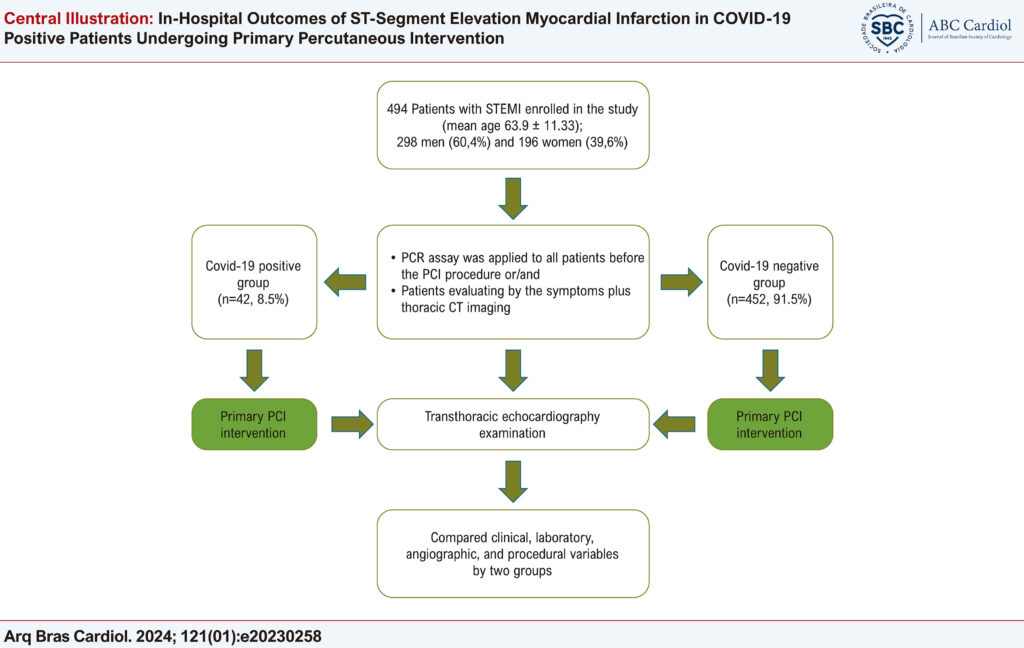
This study aimded to evaluate the angiographic, procedural, laboratory, and prognostic differences in COVID-19-positive and negative patients with STEMI undergoing primary percutaneous coronary intervention (PCI).
Methods
A single-center, retrospective, observational study was conducted between November 2020 and August 2022 in a tertiary-level hospital. According to their status, patients were divided into two groups (COVID-19 positive and negative). All patients were admitted due to confirmed STEMI and treated with primary PCI. In-hospital and angiographic outcomes were compared between the two groups. Two-sided p-values < 0.05 were accepted as statistically significant.
Results
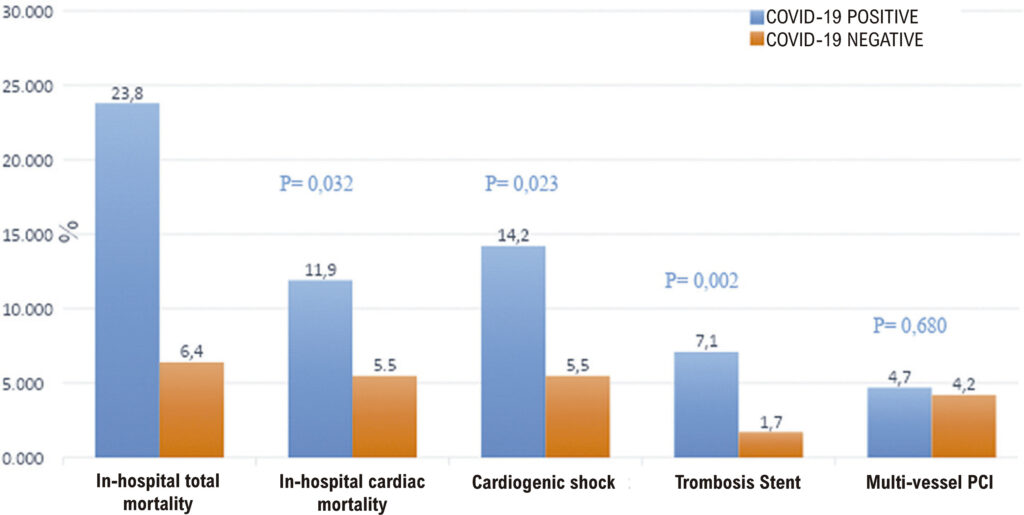
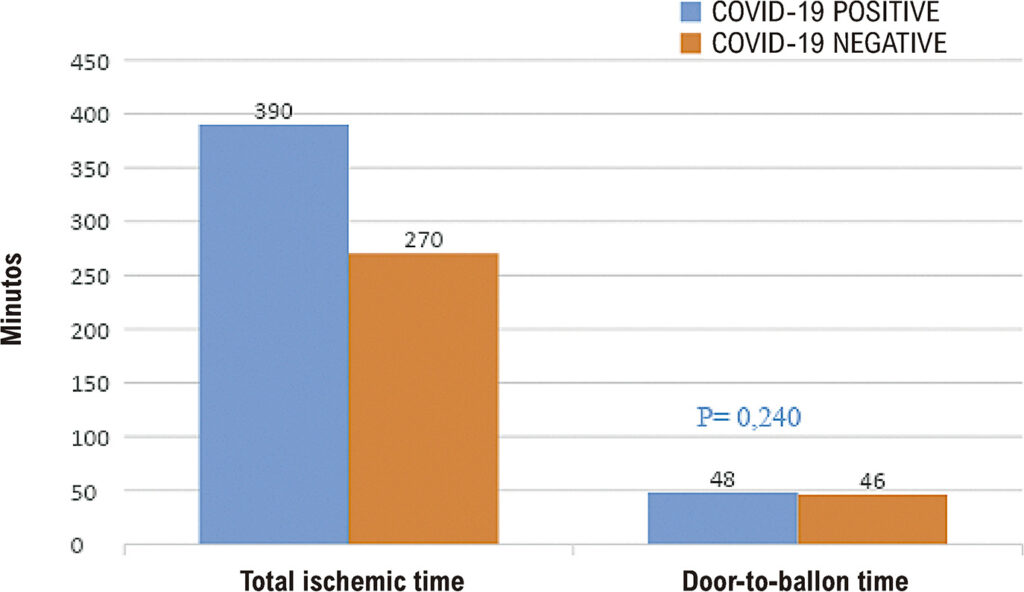
Of the 494 STEMI patients enrolled in this study, 42 were identified as having a positive dagnosis for COVID-19 (8.5%), while 452 were negative. The patients who tested positive for COVID-19 had a longer total ischemic time than did those who tested negative for COVID-19 (p=0.006). Moreover, these patients presented an increase in stent thrombosis (7.1% vs. 1.7%, p=0.002), length of hospitalization (4 days vs. 3 days, p= 0.018), cardiogenic shock (14.2% vs. 5.5 %, p= 0.023), and in-hospital total and cardiac mortality (p<0.001 and p=0.032, respectively).
Conclusions
Patients with STEMI with concomitant COVID-19 infections were associated with increased major adverse cardiac events. Further studies are needed to understand the exact mechanisms of adverse outcomes in these patients.
Images
Image gallery fullscreen viewer
Comments are moderated by the editorial team before publication. Discussions should be evidence-based and use scientific language. Conflicts of interest should be declared.