| ABC
ABC Family Arquivos Brasileiros de Cardiologia International Journal of Cardiovascular Sciences ABC Heart Failure & Cardiomyopathy ABC Imagem Cardiovascular
Português English
ABC Family | ABC
Português English
  • About
    • About the Journal
    • Internal Regulation
    • Editors Section
    • Editorial Board
    • History
    • SBC Award
  • Instructions to Authors
    • Guidelines for Publication
    • Editorial Policy
    • Ethics Policy
    • Policy on the Use of Artificial Intelligence
    • Mandatory Publication Form
    • Publication Fee
  • Issues
  • SBC Guidelines
  • Abstracts
    • How to Publish an Abstract Supplement?
    • Supplements from the Brazilian Congress of Cardiology
  • About
    • About the Journal
    • Internal Regulation
    • Editors Section
    • Editorial Board
    • History
    • SBC Award
  • Instructions to Authors
    • Guidelines for Publication
    • Editorial Policy
    • Ethics Policy
    • Policy on the Use of Artificial Intelligence
    • Mandatory Publication Form
    • Publication Fee
  • Issues
  • SBC Guidelines
  • Abstracts
    • How to Publish an Abstract Supplement?
    • Supplements from the Brazilian Congress of Cardiology

ABC Family

  • ABC Family
  • Arquivos Brasileiros de Cardiologia
  • International Journal of Cardiovascular Sciences
  • ABC Heart Failure & Cardiomyopathy
  • ABC Imagem Cardiovascular
Search in

No content found.

Journals
Ordering
Article types
Others

  1. Home
  2. ABC
  3. Issues
  4. 2016, Volume 106, Number 1
Viewpoint

Paradigm-HF: a Paradigm Shift in Heart Failure Treatment?

Luis Cláudio Lemos Correia et al. Anis Rassi Jr.

The tested concept

Although LCZ696 appears to be the name of a newly invented molecule, it is not exactly that. In fact, it is a mixture of 320 mg of traditional valsartan with sacubitril. Sacubitril is the new drug, which acts by inhibiting neprilysin action. Neprilysin degrades “good” molecules, such as the natriuretic peptide and bradykinin. Therefore, by inhibiting neprilysin, sacubitril increases the concentration of these molecules, which have vasodilating and natriuretic action. Therefore, the burden of proof is on the clinical benefit of sacubitril. Surprisingly, this was not the concept tested in PARADIGM-HF trial.

What has been done in the PARADIGM-HF trial? The standard treatment of the sacubitril group was curiously more appropriate than the standard treatment in the control group. While the sacubitril group patients enjoyed a blockade of the renin-angiotensin-aldosterone system determined by a maximum dose of valsartan (320 mg daily), in the control group patients were given half of the maximum dose of enalapril (20 mg daily, fixed dose).

[…]

  • Angiotensin-Converting Enzyme Inhibitors / therapeutic use
  • Heart Failure/treatment
  • Neprilysin/therapeutic use
Read Full Article
Creative Commons Attribution (CC BY) Creative Commons license
01/01/2016 DOI: 10.5935/abc.20160009 Views 1
Figure 1
Case Report

Middle Aortic Syndrome Treated by Implantation of an Advanta V12 Large Diameter Stent

Meng-Luen Lee et al. Ing-Sh Chiu Albert D Yang

Introduction

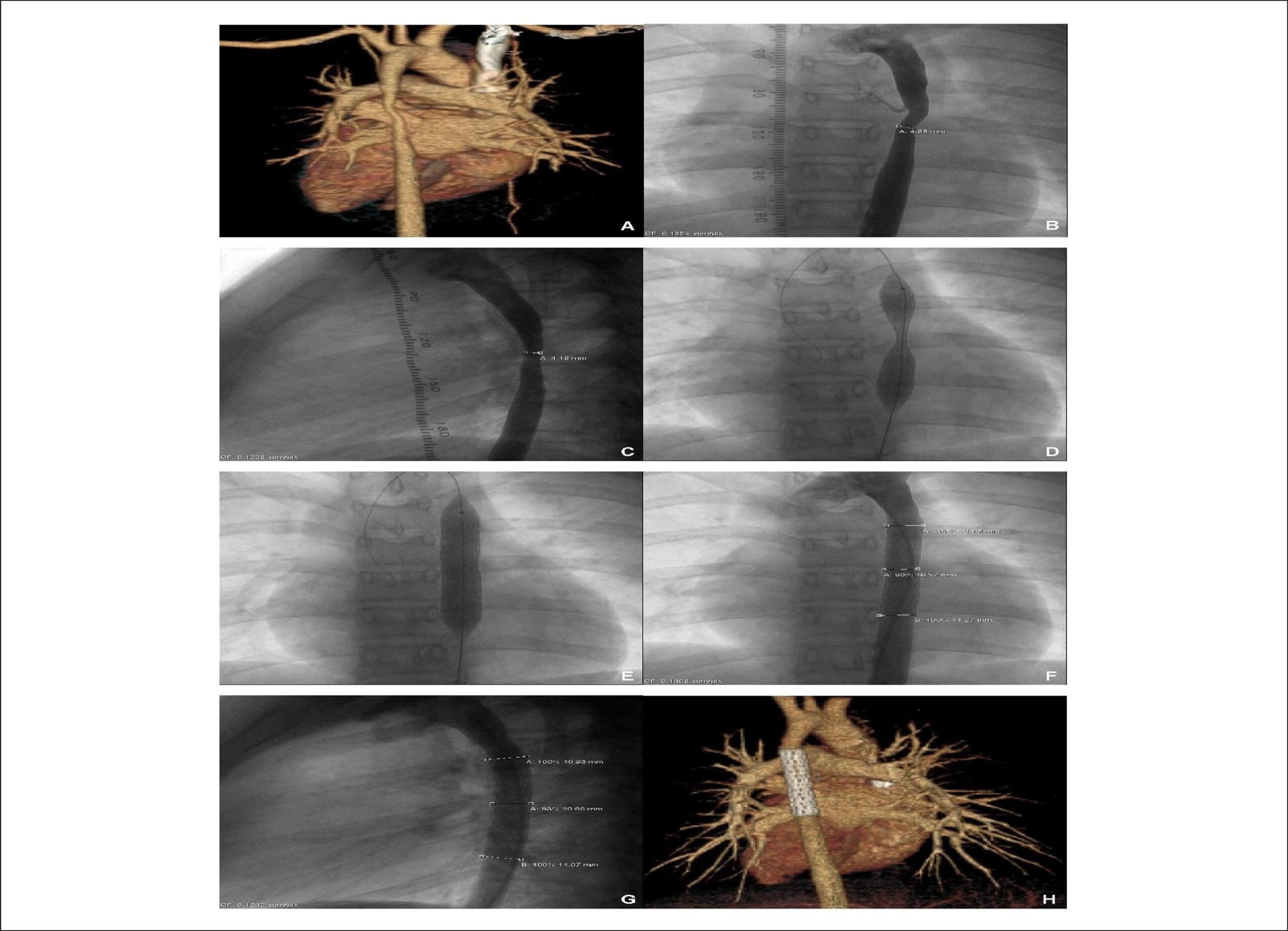
Middle aortic syndrome (MAS) was coined by Sen et al. depicting diffuse hypoplasia or stenosis of the distal thoracic aorta and abdominal aorta. Most often MAS is idiopathic; however, it may be associated with a variety of underlying diseases., Systemic hypertension, which is the most common feature of MAS, is usually found incidentally. Hypertensive encephalopathy was seen in 42% of patients with abdominal aortic coarctation, 45% of whom died before reaching 34 years of age. Thus, early recognition of hypertensive encephalopathy is crucial for patient survival. We report of a 12-year-old girl presenting with hypertensive encephalopathy as a harbinger of idiopathic MAS, which manifested as an isolated long-segment mid-thoracic aortic coarctation, and was successfully treated by endovascular implantation of an Advanta V12 Large Diameter Stent (AVLDS, Atrium, Hudson, NH, USA).

[…]

  • Angiography, Balloon
  • Aorta, Abdominal
  • Aorta, Thoracic
  • Aortic Diseases
  • Stents
Read Full Article
Creative Commons Attribution (CC BY) Creative Commons license
01/01/2016 DOI: 10.5935/abc.20150065
Transcatheter Valve-in-Valve Repositioning of CoreValve® Evolut™ Rin Aortic Prosthesis
Image

Transcatheter Valve-in-Valve Repositioning of CoreValve® Evolut™ Rin Aortic Prosthesis

Ana Isabel Azevedo et al. Ricardo Ladeiras-Lopes Alberto Rodrigues Pedro Braga Vasco Gama Ribeiro

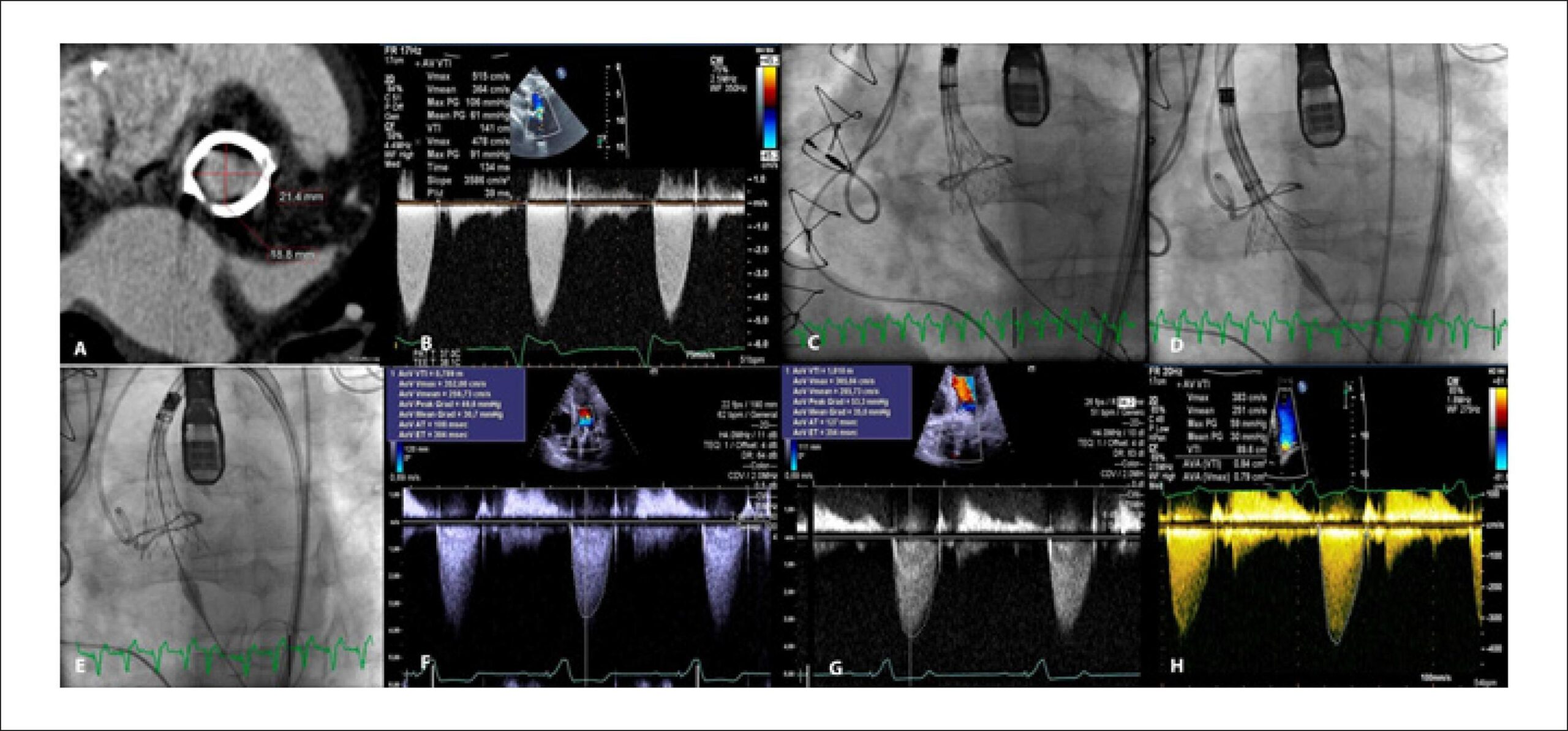
A 41-year-old man with history of surgical replacement of the aortic valve with a 21mm-Mitroflow bioprosthesis (1A), presented with functional class IV heart failure. Transesophageal echocardiography confirmed severe bioprosthesis obstruction (1B). We implanted a 23mm-CoreValve® Evolut™ R (Medtronic, Minneapolis, USA) in the aortic bioprosthesis, by transfemoral approach. The valve was recaptured and repositioned during deployment (1C-E). Immediate (1F), one (1G) and three-month (1H) transthoracic echocardiography confirmed significant reduction in transaortic gradients. The patient remained in functional class I.

Our experience in repositioning the valve during a valve-in-valve procedure demonstrates the usefulness of this resource in such challenging procedures.

[…]

  • Aortic Vave, Bioprosthesis
  • Heart Failure
  • Heart Valve Prosthesis Implantation
Read Full Article
Creative Commons Attribution (CC BY) Creative Commons license
01/01/2016 DOI: 10.5935/abc.20160007 Views 1
Editorial

Factors in Deciding between Novel and Traditional Oral Anticoagulants to Prevent Embolism in Atrial Fibrillation Patients

Maurício Scanavacca et al. Francisco Darrieux

Atrial fibrillation (AF) is the sustained arrhythmia most frequently found in clinical practice. Its prevalence is expected to increase in the coming decades. Its occurrence implies a reduction in the quality of life and an increase in mortality, mainly due to stroke and systemic thromboembolism (TE). The stroke originating from AF carries a higher risk of severe complications, such as permanent disability and prolonged hospitalization, as compared to that of other etiologies.–

Since the discovery of vitamin K (VitK) antagonists more than 50 years ago, they have become the most effective treatment to prevent stroke and TE in patients with AF. However, because of the risk of hemorrhagic complications they pose, only patients with persistent AF considered of very high risk, previous embolic accidents, mechanical valvular prostheses, and those undergoing electrical cardioversion used to receive that treatment in an initial phase. Between the 1980 and 1990 decades, major clinical controlled studies determining the importance of stroke prevention in non-valvular AF were carried out, providing scientific support to the current clinical use of VitK antagonists. The greater benefit of the VitK antagonists as compared to placebo (a mean 64% reduction in relative risk) has been undoubtedly demonstrated, as has been the modest or even absent role of acetylsalicylic acid in stroke prevention in that population.

[…]

  • Anticoagulants
  • Atrial Fibrillation
  • Embolism and Thrombosis
  • Prevention
  • Stroke
Read Full Article
Creative Commons Attribution (CC BY) Creative Commons license
01/01/2016 DOI: 10.5935/abc.20160010 Views 2
Figure 1
Clinicoradiological Session

Case 1/2016 – Aortic Coarctation and Atrial Septal Defect submitted to Percutaneous Repair in Adult Patient

Edmar Atik et al. Raul Arrieta Roberto Kalil Filho

Complementary Examinations

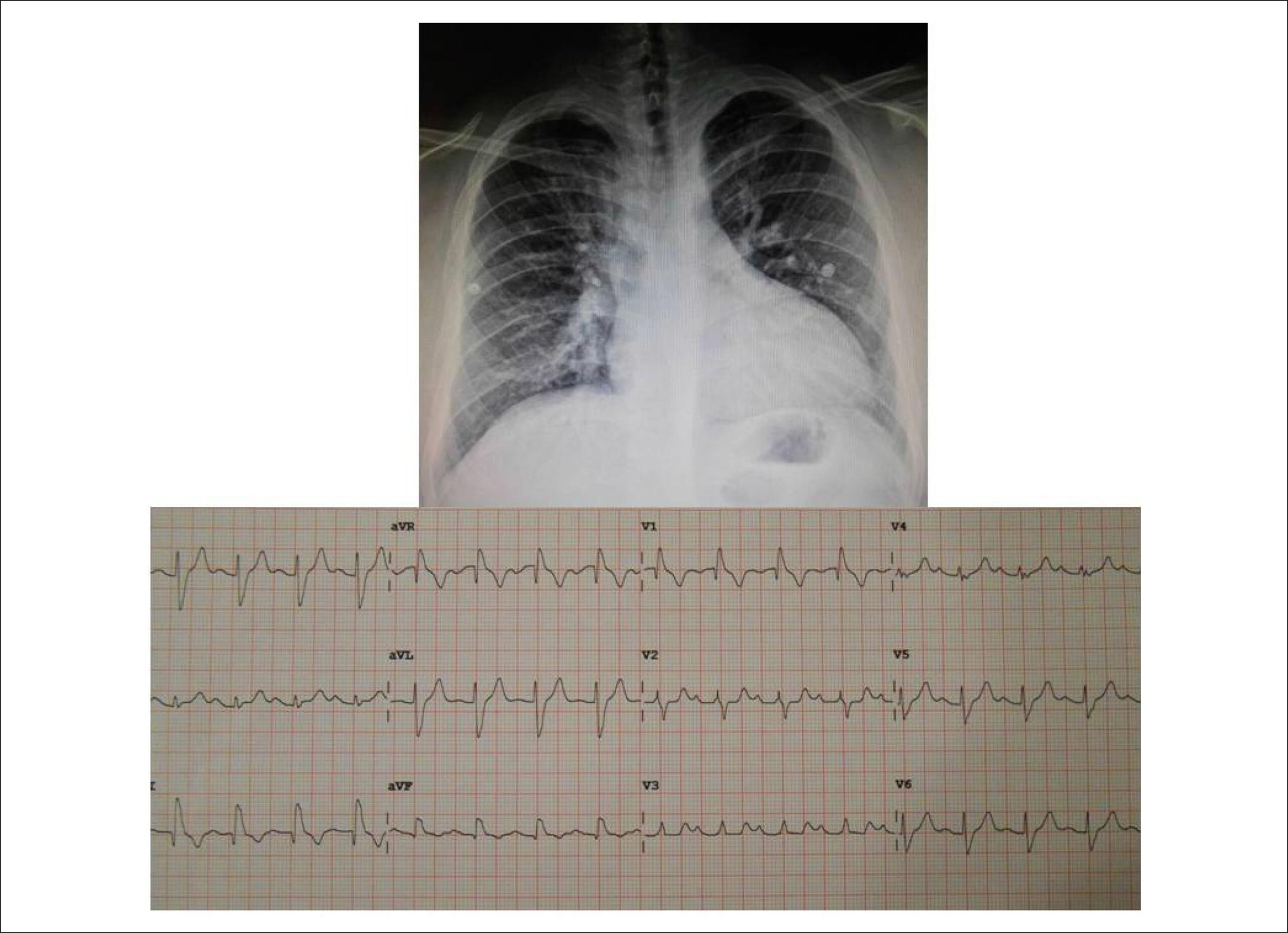
The Electrocardiogram showed sinus rhythm, first-degree atrioventricular block and complete right bundle-branch block. A P: +50º, AQRS: +115º, AT: 0º. QRS Duration: 0.14″, PR 0.21 ms ().

[…]

  • Aortic Coarctation
  • Cardiac Catheterization
  • eart Defects, Congenital
  • Heart Septal Defects, Atrial
Read Full Article
Creative Commons Attribution (CC BY) Creative Commons license
01/01/2016 DOI: 10.5935/abc.20160008 Views 1
Figure 1
Original Article

Aortic Counterpulsation Therapy in Patients with Advanced Heart Failure: Analysis of the TBRIDGE Registry

Cristiano Guedes Bezerra et al. Eduardo Leal Adam Mariana Lins Baptista Giuliano Serafino Ciambelli … Liliane Kopel Claudia Bernoche Leonardo Nicolau Geisler Daud Lopes Milena Frota Macatrão-Costa Breno de Alencar Araripe Falcão Silvia Gelas Lage

Abstract

Background:

The use of aortic counterpulsation therapy in advanced heart failure is controversial.

Objectives:

To evaluate the hemodynamic and metabolic effects of intra-aortic balloon pump (IABP) and its impact on 30-day mortality in patients with heart failure.

Methods:

Historical prospective, unicentric study to evaluate all patients treated with IABP betwen August/2008 and July/2013, included in an institutional registry named TBRIDGE (The Brazilian Registry of Intra-aortic balloon pump in Decompensated heart failure – Global Evaluation). We analyzed changes in oxygen central venous saturation (ScvO2), arterial lactate, and use of vasoactive drugs at 48 hours after IABP insertion. The 30-day mortality was estimated by the Kaplan-Meier method and diferences in subgroups were evaluated by the Log-rank test.

Results:

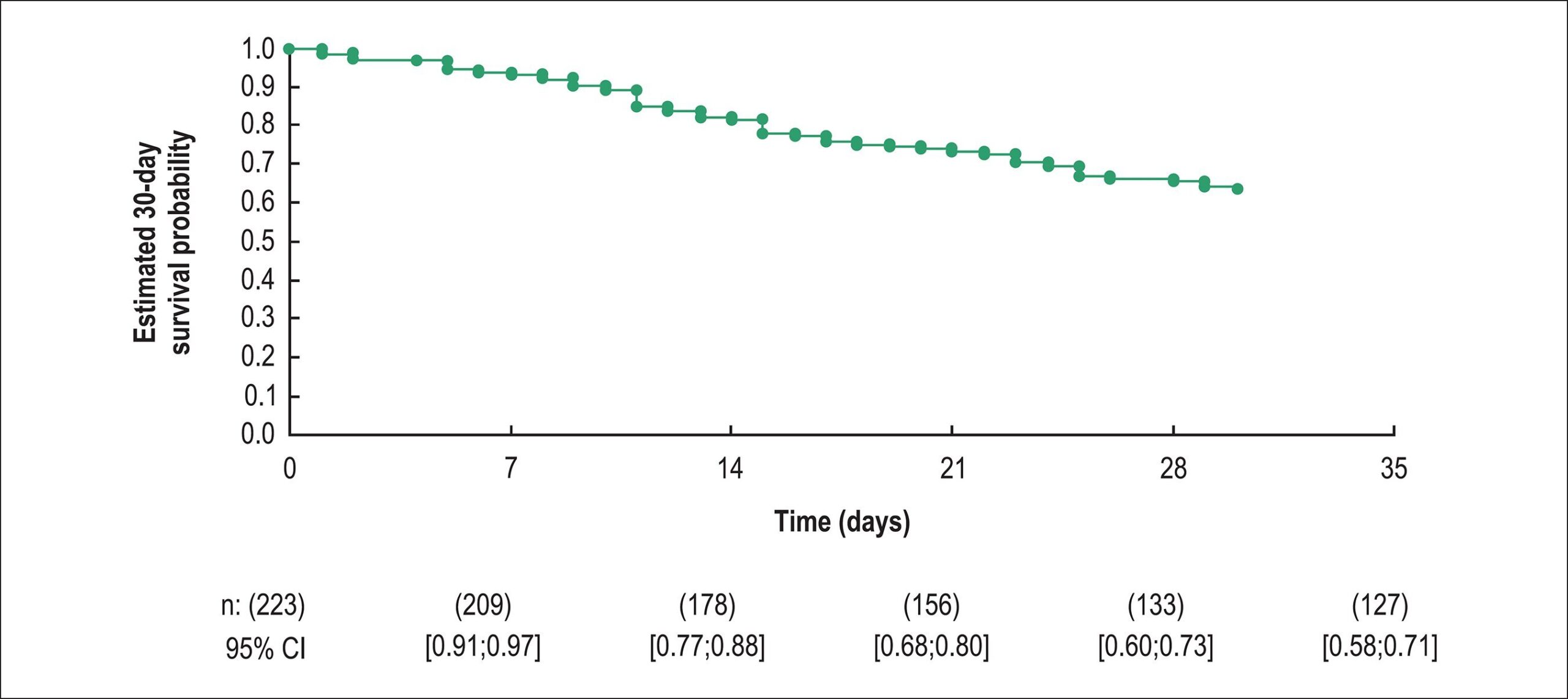
A total of 223 patients (mean age 49 ± 14 years) were included. Mean left ventricle ejection fraction was 24 ± 10%, and 30% of patients had Chagas disease. Compared with pre-IABP insertion, we observed an increase in ScvO2 (50.5% vs. 65.5%, p < 0.001) and use of nitroprusside (33.6% vs. 47.5%, p < 0.001), and a decrease in lactate levels (31.4 vs. 16.7 mg/dL, p < 0.001) and use of vasopressors (36.3% vs. 25.6%, p = 0.003) after IABP insertion. Thirty-day survival was 69%, with lower mortality in Chagas disease patients compared without the disease (p = 0.008).

Conclusion:

After 48 hours of use, IABP promoted changes in the use of vasoactive drugs, improved tissue perfusion. Chagas etiology was associated with lower 30-day mortality. Aortic counterpulsation therapy is an effective method of circulatory support for patients waiting for heart transplantation.

  • Chagas Cardiomyopathy
  • Counterpulsation
  • Heart Failure
  • Heart Transplanation
  • Intra-Aortic Balloon Pump
  • Shock, Cardiogenic / mortality
Read Full Article
Creative Commons Attribution (CC BY) Creative Commons license
22/12/2015 DOI: 10.5935/abc.20150147 Views 1
Original Article

Hemorheological and Glycemic Parameters and HDL Cholesterol for the Prediction of Cardiovascular Events

Sung Woo Cho et al. Byung Gyu Kim Byung Ok Kim Young Sup Byun … Choong Won Goh Kun Joo Rhee Hyuck Moon Kwon Byoung Kwon Lee

Abstract

Background:

Hemorheological and glycemic parameters and high density lipoprotein (HDL) cholesterol are used as biomarkers of atherosclerosis and thrombosis.

Objective:

To investigate the association and clinical relevance of erythrocyte sedimentation rate (ESR), fibrinogen, fasting glucose, glycated hemoglobin (HbA1c), and HDL cholesterol in the prediction of major adverse cardiovascular events (MACE) and coronary heart disease (CHD) in an outpatient population.

Methods:

708 stable patients who visited the outpatient department were enrolled and followed for a mean period of 28.5 months. Patients were divided into two groups, patients without MACE and patients with MACE, which included cardiac death, acute myocardial infarction, newly diagnosed CHD, and cerebral vascular accident. We compared hemorheological and glycemic parameters and lipid profiles between the groups.

Results:

Patients with MACE had significantly higher ESR, fibrinogen, fasting glucose, and HbA1c, while lower HDL cholesterol compared with patients without MACE. High ESR and fibrinogen and low HDL cholesterol significantly increased the risk of MACE in multivariate regression analysis. In patients with MACE, high fibrinogen and HbA1c levels increased the risk of multivessel CHD. Furthermore, ESR and fibrinogen were significantly positively correlated with HbA1c and negatively correlated with HDL cholesterol, however not correlated with fasting glucose.

Conclusion:

Hemorheological abnormalities, poor glycemic control, and low HDL cholesterol are correlated with each other and could serve as simple and useful surrogate markers and predictors for MACE and CHD in outpatients.

  • Atherosclerosis
  • Blood Sedimentation
  • Cardiovascular Diseases / adverse events
  • Coronary Artery Disease
  • Fibrinogen
Read Full Article
Creative Commons Attribution (CC BY) Creative Commons license
22/12/2015 DOI: 10.5935/abc.20150146
Figure 1
Original Article

Level of Physical Activity and In-Hospital Course of Patients with Acute Coronary Syndrome

Juliana de Goes Jorge et al. Marcos Antonio Almeida Santos José Augusto Soares Barreto Filho Joselina Luzia Menezes Oliveira … Enaldo Vieira de Melo Norma Alves de Oliveira Gustavo Baptista de Almeida Faro Antônio Carlos Sobral Sousa

Abstract

Background:

Acute coronary syndrome (ACS) is one of the main causes of morbidity and mortality in the modern world. A sedentary lifestyle, present in 85% of the Brazilian population, is considered a risk factor for the development of coronary artery disease. However, the correlation of a sedentary lifestyle with cardiovascular events (CVE) during hospitalization for ACS is not well established.

Objective:

To evaluate the association between physical activity level, assessed with the International Physical Activity Questionnaire (IPAQ), with in-hospital prognosis in patients with ACS.

Methods:

Observational, cross-sectional, and analytical study with 215 subjects with a diagnosis of ACS consecutively admitted to a referral hospital for cardiac patients between July 2009 and February 2011. All volunteers answered the short version of the IPAQ and were observed for the occurrence of CVE during hospitalization with a standardized assessment conducted by the researcher and corroborated by data from medical records.

Results:

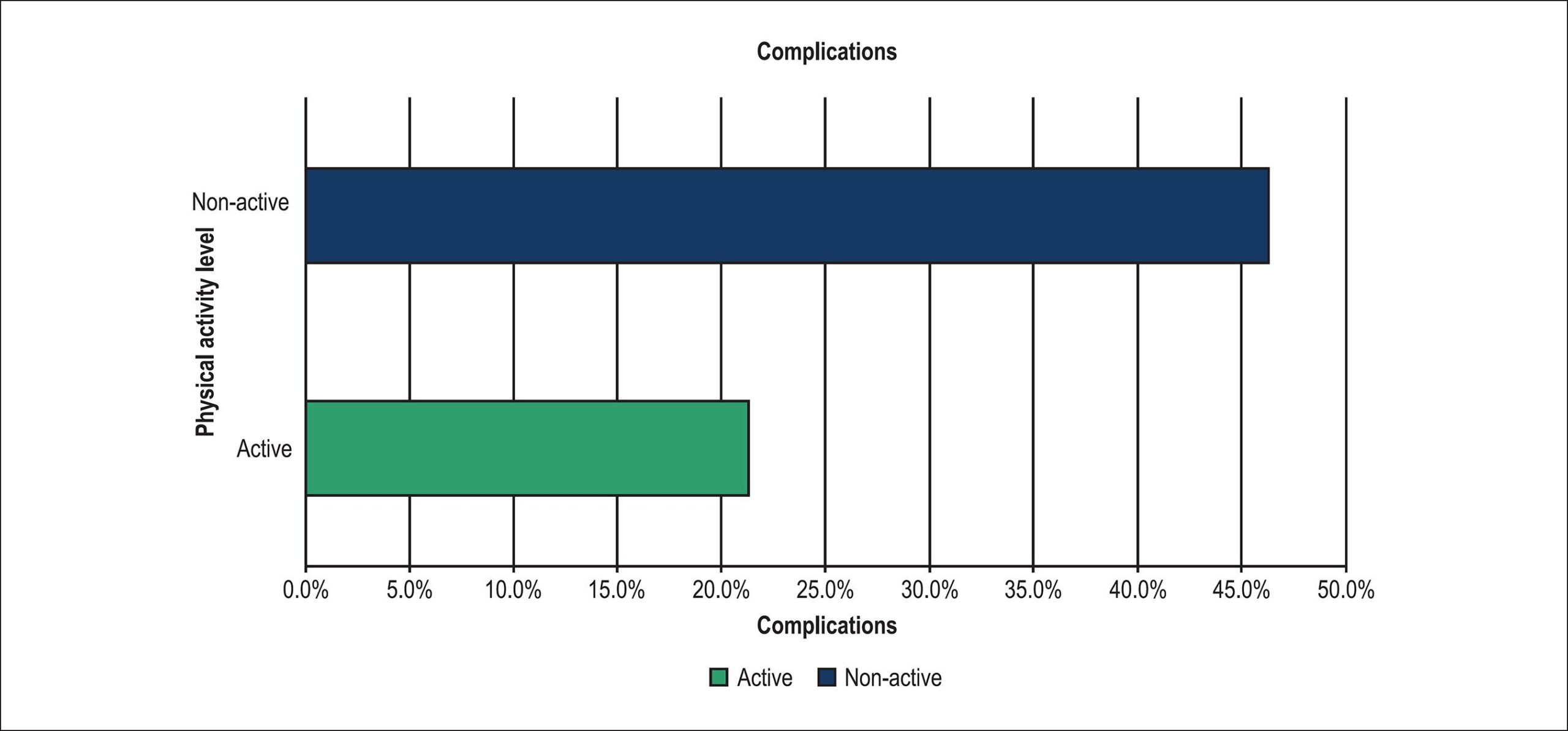
The patients were admitted with diagnoses of unstable angina (34.4%), acute myocardial infarction (AMI) without ST elevation (41.4%), and AMI with ST elevation (24.2%). According to the level of physical activity, the patients were classified as non-active (56.3%) and active (43.7%). A CVE occurred in 35.3% of the cohort. The occurrence of in-hospital complications was associated with the length of hospital stay (odds ratio [OR] = 1.15) and physical inactivity (OR = 2.54), and was independent of age, systolic blood pressure, and prior congestive heart failure.

Conclusion:

A physically active lifestyle reduces the risk of CVE during hospitalization in patients with ACS.

  • Acute Coronary Syndrome / mortality
  • Exercise
  • Motor Activity / physiology
  • questionnaires
  • Risk Factors
  • Sedentary Lifestyle
Read Full Article
Creative Commons Attribution (CC BY) Creative Commons license
22/12/2015 DOI: 10.5935/abc.20160006 Views 2
Figure 1
Original Article

Effects of Growth Hormone on Cardiac Remodeling During Resistance Training in Rats

Adriana Junqueira et al. Antônio Carlos Cicogna Letícia Estevam Engel Maiara Almeida Aldá … Loreta Casquel de Tomasi Rogério Giuffrida Inês Cristina Giometti Ana Paula Coelho Figueira Freire Andreo Fernando Aguiar Francis Lopes Pacagnelli

Abstract

Background:

Although the beneficial effects of resistance training (RT) on the cardiovascular system are well established, few studies have investigated the effects of the chronic growth hormone (GH) administration on cardiac remodeling during an RT program.

Objective:

To evaluate the effects of GH on the morphological features of cardiac remodeling and Ca2+ transport gene expression in rats submitted to RT.

Methods:

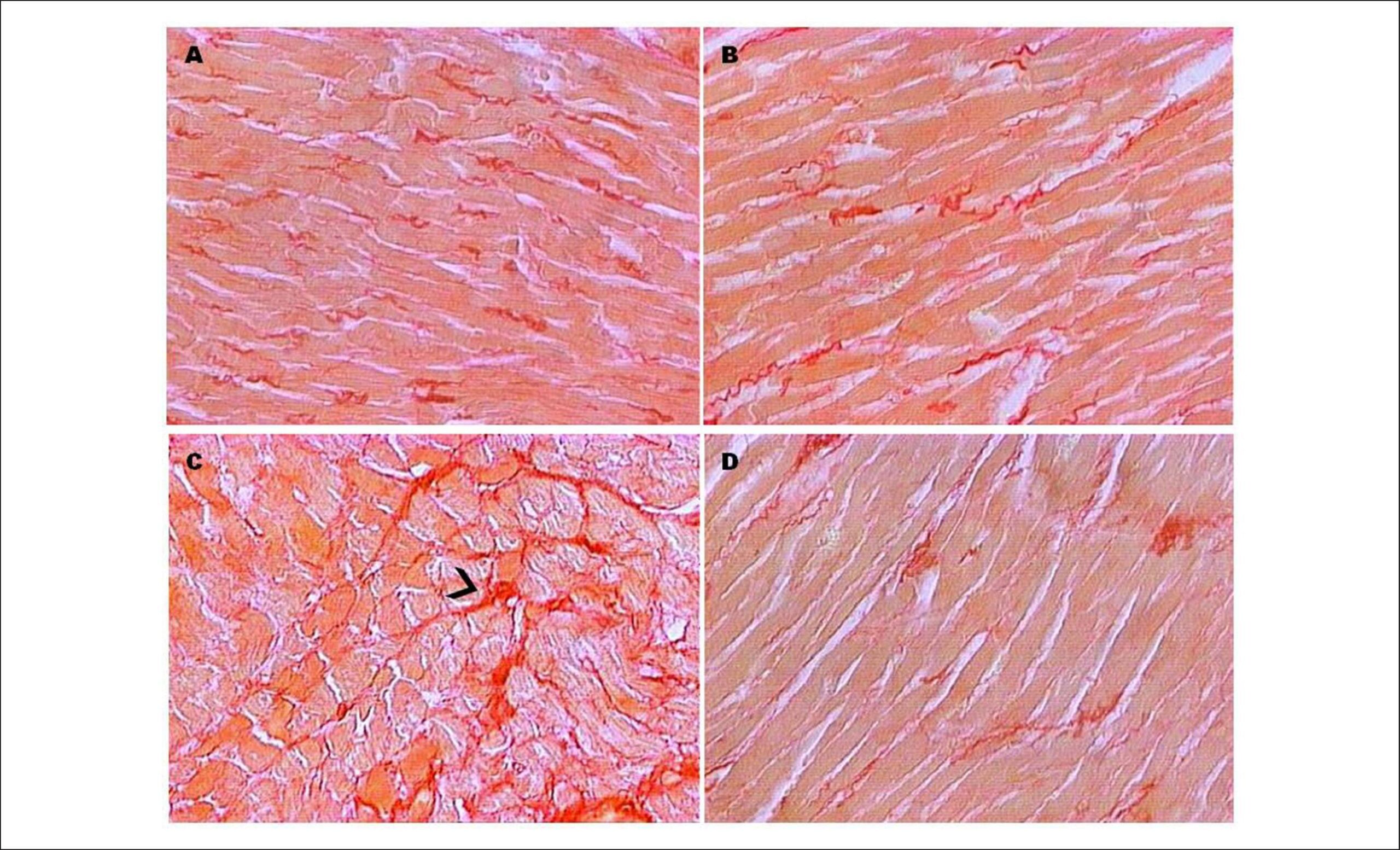
Male Wistar rats were divided into 4 groups (n = 7 per group): control (CT), GH, RT and RT with GH (RTGH). The dose of GH was 0.2 IU/kg every other day for 30 days. The RT model used was the vertical jump in water (4 sets of 10 jumps, 3 bouts/wk) for 30 consecutive days. After the experimental period, the following variables were analyzed: final body weight (FBW), left ventricular weight (LVW), LVW/FBW ratio, cardiomyocyte cross-sectional area (CSA), collagen fraction, creatine kinase muscle-brain fraction (CK-MB) and gene expressions of SERCA2a, phospholamban (PLB) and ryanodine (RyR).

Results:

There was no significant (p > 0.05) difference among groups for FBW, LVW, LVW/FBW ratio, cardiomyocyte CSA, and SERCA2a, PLB and RyR gene expressions. The RT group showed a significant (p < 0.05) increase in collagen fraction compared to the other groups. Additionally, the trained groups (RT and RTGH) had greater CK-MB levels compared to the untrained groups (CT and GH).

Conclusion:

GH may attenuate the negative effects of RT on cardiac remodeling by counteracting the increased collagen synthesis, without affecting the gene expression that regulates cardiac Ca2+ transport.

  • Exercise
  • Growth Hormone
  • Motor Activity
  • Rats
  • Ventricular Remodeling
Read Full Article
Creative Commons Attribution (CC BY) Creative Commons license
08/12/2015 DOI: 10.5935/abc.20160003 Views 1
Figure 1
Original Article

Validation of a Brazilian Portuguese Version of the Walking Estimated-Limitation Calculated by History (WELCH)

Gabriel Grizzo Cucato et al. Marilia de Almeida Correia Breno Quintella Farah Glauco Fernandes Saes … Aluísio Henrique de Andrade Lima Raphael Mendes Ritti-Dias Nelson Wolosker

Abstract

Background:

The Walking Estimated-Limitation Calculated by History (WELCH) questionnaire has been proposed to evaluate walking impairment in patients with intermittent claudication (IC), presenting satisfactory psychometric properties. However, a Brazilian Portuguese version of the questionnaire is unavailable, limiting its application in Brazilian patients.

Objective:

To analyze the psychometric properties of a translated Brazilian Portuguese version of the WELCH in Brazilian patients with IC.

Methods:

Eighty-four patients with IC participated in the study. After translation and back-translation, carried out by two independent translators, the concurrent validity of the WELCH was analyzed by correlating the questionnaire scores with the walking capacity assessed with the Gardner treadmill test. To determine the reliability of the WELCH, internal consistency and test–retest reliability with a seven-day interval between the two questionnaire applications were calculated.

Results:

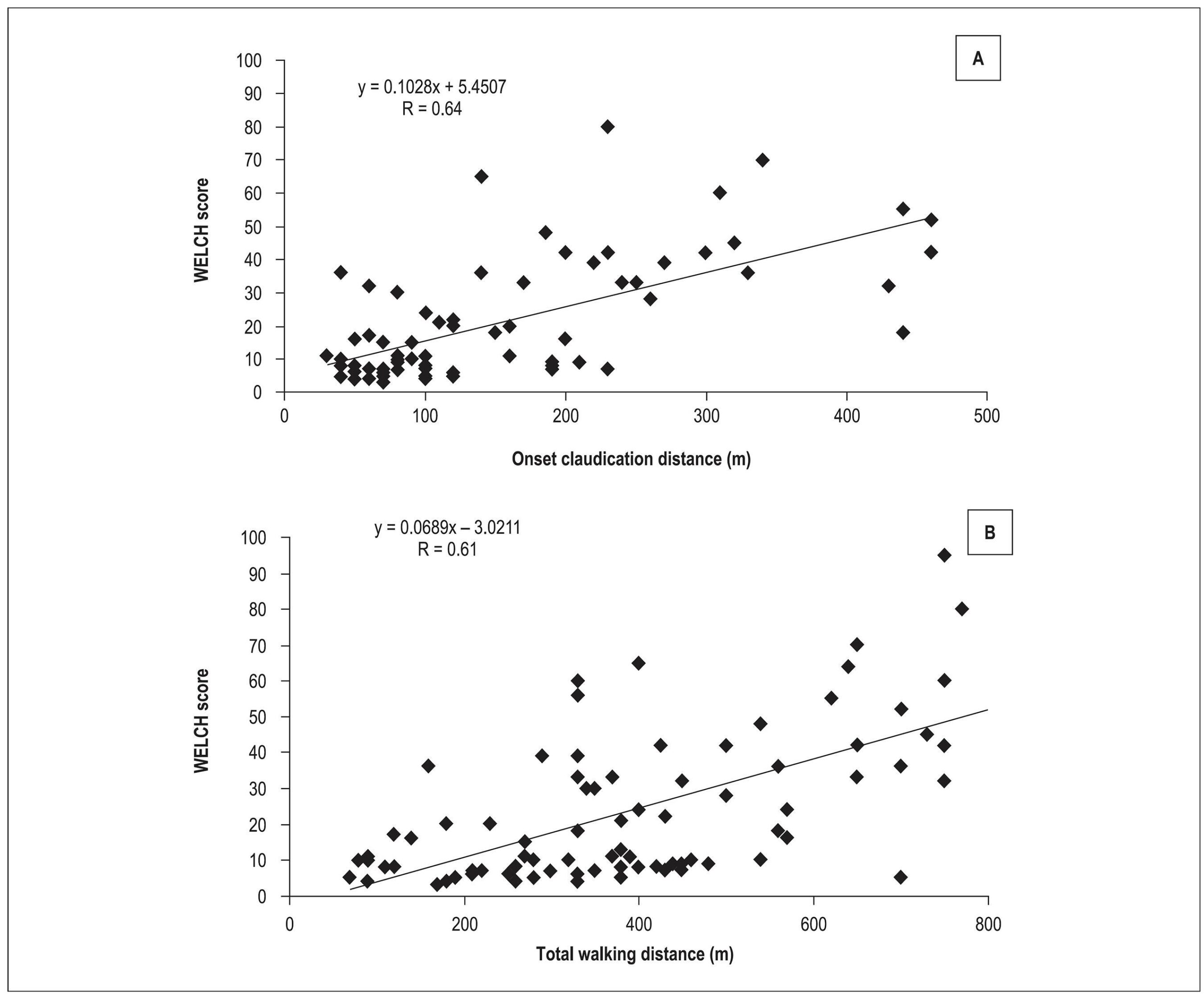
There were significant correlations between the WELCH score and the claudication onset distance (r = 0.64, p = 0.01) and total walking distance (r = 0.61, p = 0.01). The internal consistency was 0.84 and the intraclass correlation coefficient between questionnaire evaluations was 0.84. There were no differences in WELCH scores between the two questionnaire applications.

Conclusion:

The Brazilian Portuguese version of the WELCH presents adequate validity and reliability indicators, which support its application to Brazilian patients with IC.

  • Brazil
  • Disability Evaluation
  • Gait
  • Intermittent Claudication
  • Predictive Value of Tests
  • questionnaires
  • walking
Read Full Article
Creative Commons Attribution (CC BY) Creative Commons license
08/12/2015 DOI: 10.5935/abc.20160004 Views 2
Figure 1
Review Article

Cardiac Remodeling: Concepts, Clinical Impact, Pathophysiological Mechanisms and Pharmacologic Treatment

Paula S. Azevedo et al. Bertha F. Polegato Marcos F. Minicucci Sergio A. R. Paiva Leonardo A. M. Zornoff

Abstract

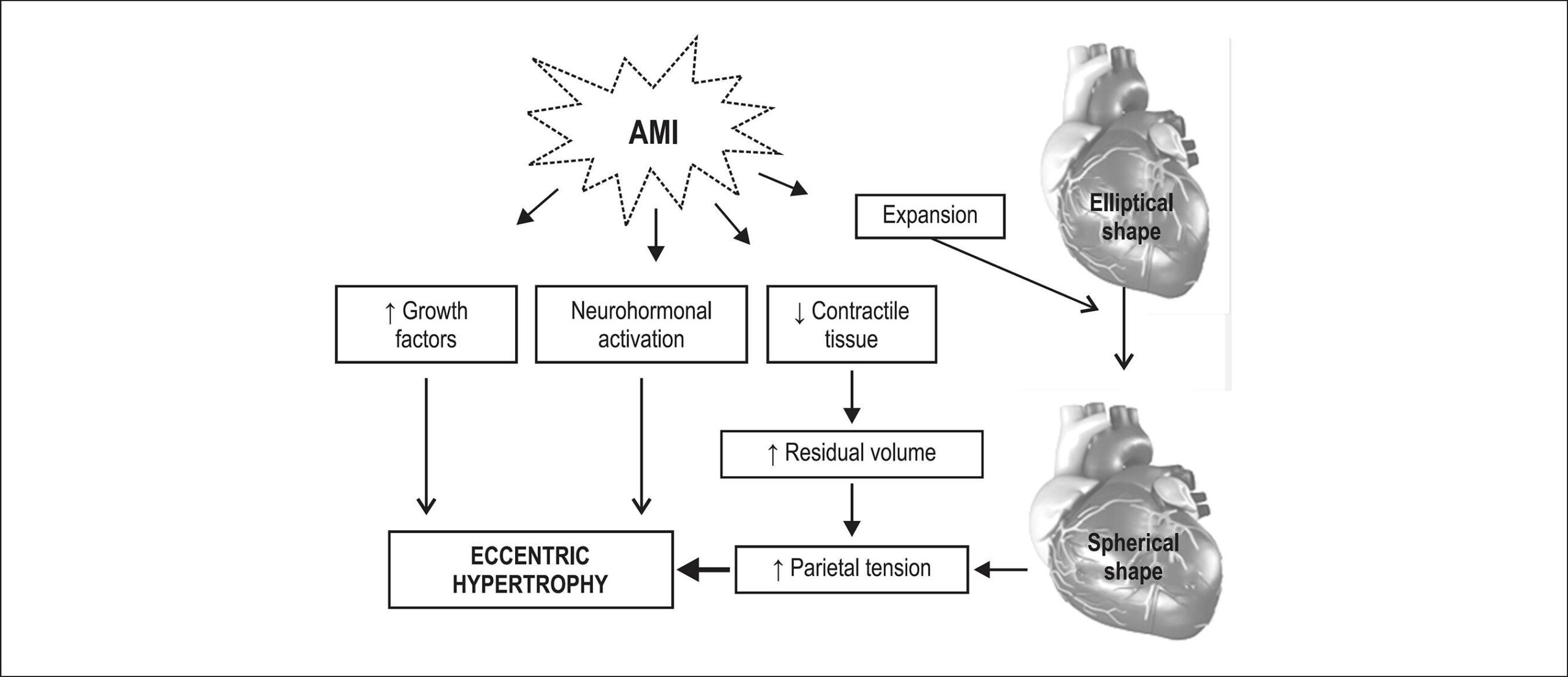
Cardiac remodeling is defined as a group of molecular, cellular and interstitial changes that manifest clinically as changes in size, mass, geometry and function of the heart after injury. The process results in poor prognosis because of its association with ventricular dysfunction and malignant arrhythmias. Here, we discuss the concepts and clinical implications of cardiac remodeling, and the pathophysiological role of different factors, including cell death, energy metabolism, oxidative stress, inflammation, collagen, contractile proteins, calcium transport, geometry and neurohormonal activation. Finally, the article describes the pharmacological treatment of cardiac remodeling, which can be divided into three different stages of strategies: consolidated, promising and potential strategies.

  • Heart Failure
  • Medication Therapy Management
  • Ventricular Dysfunction / physiopathology
  • Ventricular Remodeling
Read Full Article
Creative Commons Attribution (CC BY) Creative Commons license
08/12/2015 DOI: 10.5935/abc.20160005 Views 4
Figure 1
Original Article

Pulmonary Embolism Mortality in Brazil from 1989 to 2010: Gender and Regional Disparities

Eduardo Sahade Darze et al. Juliana Borges Casqueiro Luisa Allen Ciuffo Jessica Mendes Santos … Iuri Resedá Magalhães Adriana Lopes Latado

Abstract

Background:

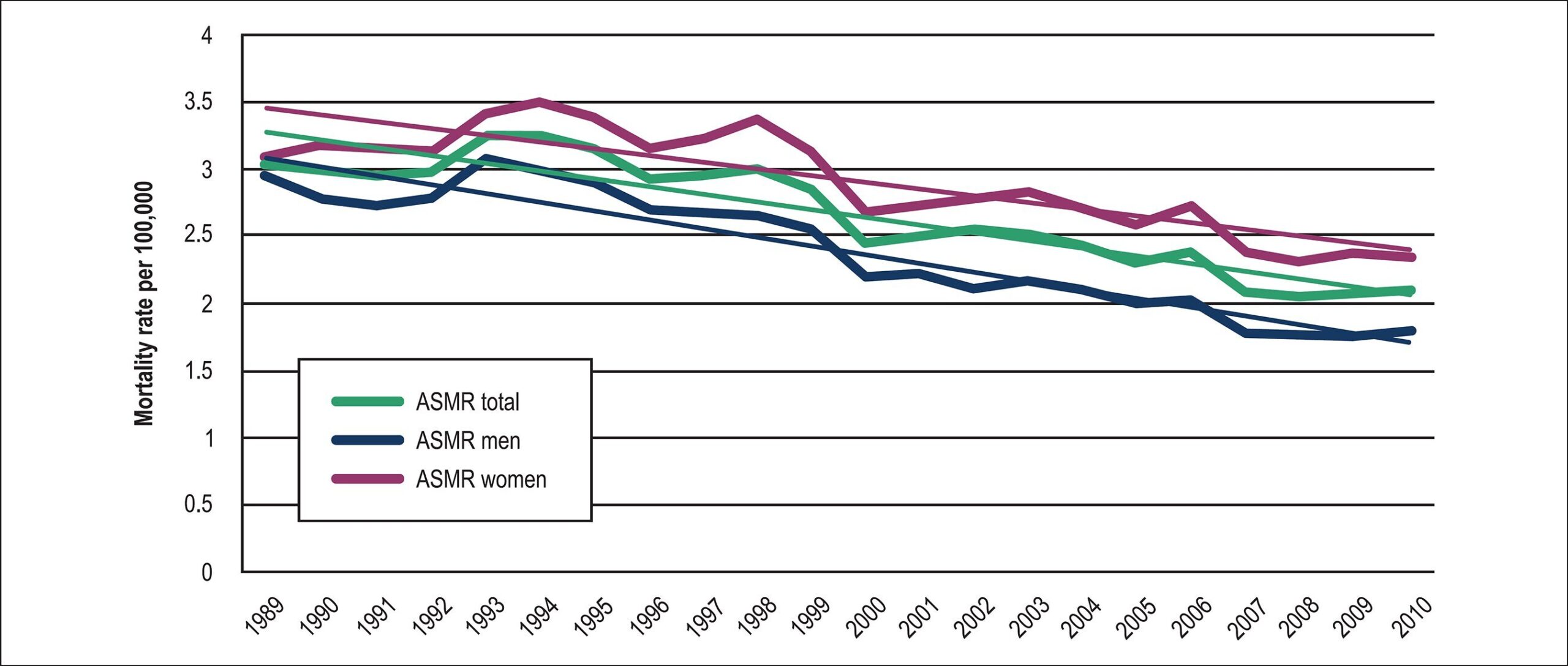
A significant variation in pulmonary embolism (PE) mortality trends have been documented around the world. We investigated the trends in mortality rate from PE in Brazil over a period of 21 years and its regional and gender differences.

Methods:

Using a nationwide database of death certificate information we searched for all cases with PE as the underlying cause of death between 1989 and 2010. Population data were obtained from the Brazilian Institute of Geography and Statistics (IBGE). We calculated age-, gender- and region-specific mortality rates for each year, using the 2000 Brazilian population for direct standardization.

Results:

Over 21 years the age-standardized mortality rate (ASMR) fell 31% from 3.04/100,000 to 2.09/100,000. In every year between 1989 and 2010, the ASMR was higher in women than in men, but both showed a significant declining trend, from 3.10/100,000 to 2.36/100,000 and from 2.94/100,000 to 1.80/100,000, respectively. Although all country regions showed a decline in their ASMR, the largest fall in death rates was concentrated in the highest income regions of the South and Southeast Brazil. The North and Northeast regions, the lowest income areas, showed a less marked fall in death rates and no distinct change in the PE mortality rate in women.

Conclusions:

Our study showed a reduction in the PE mortality rate over two decades in Brazil. However, significant variation in this trend was observed amongst the five country regions and between genders, pointing to possible disparities in health care access and quality in these groups.

  • Age Factors
  • Brazil / epidemiology
  • Pulmonary Embolism / epidemiology
  • Quality of Health Care
  • Regional Medical Programs
Read Full Article
Creative Commons Attribution (CC BY) Creative Commons license
10/11/2015 DOI: 10.5935/abc.20160001
Original Article

Genetic and Environmental Effects on the Abdominal Aortic Diameter Development

Adam Domonkos Tarnoki et al. David Laszlo Tarnoki Levente Littvay Zsolt Garami … Kinga Karlinger Viktor Berczi

Abstract

Background:

Configuration of the abdominal aorta is related to healthy aging and a variety of disorders.

Objectives:

We aimed to assess heritable and environmental effects on the abdominal aortic diameter.

Methods:

114 adult (69 monozygotic, 45 same-sex dizygotic) twin pairs (mean age 43.6 ± 16.3 years) underwent abdominal ultrasound with Esaote MyLab 70X ultrasound machine to visualize the abdominal aorta below the level of the origin of the renal arteries and 1-3 cm above the bifurcation.

Results:

Age- and sex-adjusted heritability of the abdominal aortic diameter below the level of the origin of the renal arteries was 40% [95% confidence interval (CI), 14 to 67%] and 55% above the aortic bifurcation (95% CI, 45 to 70%). None of the aortic diameters showed common environmental effects, but unshared environmental effects were responsible for 60% and 45% of the traits, respectively.

Conclusions:

Our analysis documents the moderate heritability and its segment-specific difference of the abdominal aortic diameter. The moderate part of variance was explained by unshared environmental components, emphasizing the importance of lifestyle factors in primary prevention. Further studies in this field may guide future gene-mapping efforts and investigate specific lifestyle factors to prevent abdominal aortic dilatation and its complications.

  • Aorta, Abdominal / genetics
  • Atherosclerosis
  • Heredity
  • Risk Factors
Read Full Article
Creative Commons Attribution (CC BY) Creative Commons license
10/11/2015 DOI: 10.5935/abc.20150140 Views 2
Figure 1
Original Article

The Effect of Sleep Deprivation on Cardiac Function and Tolerance to Ischemia-Reperfusion Injury in Male Rats

Sajad Jeddi et al. Amir Nezami Asl Alireza Asgari Asghar Ghasemi

Abstract

Background:

Sleep deprivation (SD) is strongly associated with elevated risk for cardiovascular disease.

Objective:

To determine the effect of SD on basal hemodynamic functions and tolerance to myocardial ischemia-reperfusion (IR) injury in male rats.

Method:

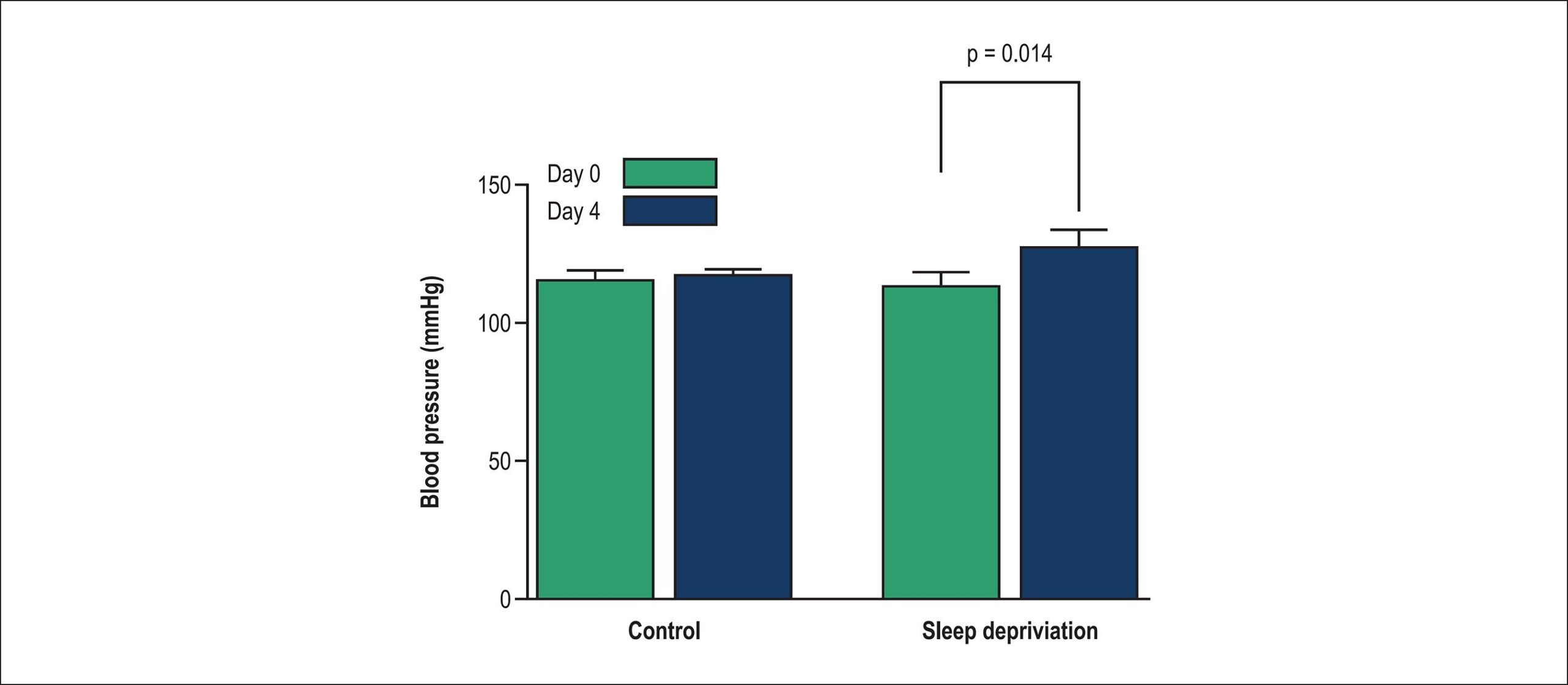
SD was induced by using the flowerpot method for 4 days. Isolated hearts were perfused with Langendorff setup, and the following parameters were measured at baseline and after IR: left ventricular developed pressure (LVDP); heart rate (HR); and the maximum rate of increase and decrease of left ventricular pressure (±dp/dt). Heart NOx level, infarct size and coronary flow CK-MB and LDH were measured after IR. Systolic blood pressure (SBP) was measured at start and end of study.

Results:

In the SD group, the baseline levels of LVDP (19%), +dp/dt (18%), and -dp/dt (21%) were significantly (p < 0.05) lower, and HR (32%) was significantly higher compared to the controls. After ischemia, hearts from SD group displayed a significant increase in HR together with a low hemodynamic function recovery compared to the controls. In the SD group, NOx level in heart, coronary flow CK-MB and LDH and infarct size significantly increased after IR; also SD rats had higher SBP after 4 days.

Conclusion:

Hearts from SD rats had lower basal cardiac function and less tolerance to IR injury, which may be linked to an increase in NO production following IR.

  • Myocardial Ischemia
  • myocardial reperfusion, injury
  • Nitric Oxide
  • Rats
  • Sleep Deprivation
  • Sleep Initiation and Maintenance Disorders
  • Ventricular Dysfunction
Read Full Article
Creative Commons Attribution (CC BY) Creative Commons license
10/11/2015 DOI: 10.5935/abc.20150137

How to cite this article

EndNote RIS

Electronic Document Format (Vancouver)

Correia LCL, Rassi Jr. A. Paradigm-HF: a Paradigm Shift in Heart Failure Treatment?. Arquivos Brasileiros de Cardiologia 2016;106(1):77-9.

Electronic Document Format (ABNT)

Correia, Luis Cláudio Lemos; Rassi Jr., Anis. Paradigm-HF: a Paradigm Shift in Heart Failure Treatment?. Arquivos Brasileiros de Cardiologia, v. 106, n. 1, p. 77-79, Dec. 2015.

Electronic Document Format (APA)

Correia, L. C. L., & Rassi Jr., A. (2016). Paradigm-HF: a Paradigm Shift in Heart Failure Treatment?. Arquivos Brasileiros de Cardiologia, 106(1), 77-79.

Electronic Document Format (ISO)

Correia, Luis Cláudio Lemos and Rassi Jr., Anis. Paradigm-HF: a Paradigm Shift in Heart Failure Treatment?. Arquivos Brasileiros de Cardiologia [online]. 2016, vol. 106, n. 1, [cited 2026-10-14], pp. 77-79. Available from: <https://journals.cardiol.br/en/article/paradigm-hf-a-paradigm-shift-in-heart-failure-treatment/>. ISSN 0066-782X

EndNote RIS

Electronic Document Format (Vancouver)

Lee M, Chiu I, Yang AD. Middle Aortic Syndrome Treated by Implantation of an Advanta V12 Large Diameter Stent. Arquivos Brasileiros de Cardiologia 2016;106(1):73-5.

Electronic Document Format (ABNT)

Lee, Meng-Luen; Chiu, Ing-Sh; Yang, Albert D. Middle Aortic Syndrome Treated by Implantation of an Advanta V12 Large Diameter Stent. Arquivos Brasileiros de Cardiologia, v. 106, n. 1, p. 73-75, Dec. 2015.

Electronic Document Format (APA)

Lee, M., Chiu, I., & Yang, A. D. (2016). Middle Aortic Syndrome Treated by Implantation of an Advanta V12 Large Diameter Stent. Arquivos Brasileiros de Cardiologia, 106(1), 73-75.

Electronic Document Format (ISO)

Lee, Meng-Luen and Chiu, Ing-Sh and Yang, Albert D. Middle Aortic Syndrome Treated by Implantation of an Advanta V12 Large Diameter Stent. Arquivos Brasileiros de Cardiologia [online]. 2016, vol. 106, n. 1, [cited 2026-10-14], pp. 73-75. Available from: <https://journals.cardiol.br/en/article/middle-aortic-syndrome-treated-by-implantation-of-an-advanta-v12-large-diameter-stent/>. ISSN 0066-782X

EndNote RIS

Electronic Document Format (Vancouver)

Azevedo AI, Ladeiras-Lopes R, Rodrigues A, Braga P, Ribeiro VG. Transcatheter Valve-in-Valve Repositioning of CoreValve® Evolut™ Rin Aortic Prosthesis. Arquivos Brasileiros de Cardiologia 2016;106(1):76.

Electronic Document Format (ABNT)

Azevedo, Ana Isabel; Ladeiras-Lopes, Ricardo; Rodrigues, Alberto; Braga, Pedro; Ribeiro, Vasco Gama. Transcatheter Valve-in-Valve Repositioning of CoreValve® Evolut™ Rin Aortic Prosthesis. Arquivos Brasileiros de Cardiologia, v. 106, n. 1, p. 76-76, Dec. 2015.

Electronic Document Format (APA)

Azevedo, A. I., Ladeiras-Lopes, R., Rodrigues, A., Braga, P., & Ribeiro, V. G. (2016). Transcatheter Valve-in-Valve Repositioning of CoreValve® Evolut™ Rin Aortic Prosthesis. Arquivos Brasileiros de Cardiologia, 106(1), 76-76.

Electronic Document Format (ISO)

Azevedo, Ana Isabel and Ladeiras-Lopes, Ricardo and Rodrigues, Alberto and Braga, Pedro and Ribeiro, Vasco Gama. Transcatheter Valve-in-Valve Repositioning of CoreValve® Evolut™ Rin Aortic Prosthesis. Arquivos Brasileiros de Cardiologia [online]. 2016, vol. 106, n. 1, [cited 2026-10-14], pp. 76-76. Available from: <https://journals.cardiol.br/en/article/transcatheter-valve-in-valve-repositioning-of-corevalve-evolut-rin-aortic-prosthesis/>. ISSN 0066-782X

EndNote RIS

Electronic Document Format (Vancouver)

Scanavacca M, Darrieux F. Factors in Deciding between Novel and Traditional Oral Anticoagulants to Prevent Embolism in Atrial Fibrillation Patients. Arquivos Brasileiros de Cardiologia 2016;106(1):1-3.

Electronic Document Format (ABNT)

Scanavacca, Maurício; Darrieux, Francisco. Factors in Deciding between Novel and Traditional Oral Anticoagulants to Prevent Embolism in Atrial Fibrillation Patients. Arquivos Brasileiros de Cardiologia, v. 106, n. 1, p. 1-3, Dec. 2015.

Electronic Document Format (APA)

Scanavacca, M., & Darrieux, F. (2016). Factors in Deciding between Novel and Traditional Oral Anticoagulants to Prevent Embolism in Atrial Fibrillation Patients. Arquivos Brasileiros de Cardiologia, 106(1), 1-3.

Electronic Document Format (ISO)

Scanavacca, Maurício and Darrieux, Francisco. Factors in Deciding between Novel and Traditional Oral Anticoagulants to Prevent Embolism in Atrial Fibrillation Patients. Arquivos Brasileiros de Cardiologia [online]. 2016, vol. 106, n. 1, [cited 2026-10-14], pp. 1-3. Available from: <https://journals.cardiol.br/en/article/factors-in-deciding-between-novel-and-traditional-oral-anticoagulants-to-prevent-embolism-in-atrial-fibrillation-patients/>. ISSN 0066-782X

EndNote RIS

Electronic Document Format (Vancouver)

Atik E, Arrieta R, Kalil Filho R. Case 1/2016 – Aortic Coarctation and Atrial Septal Defect submitted to Percutaneous Repair in Adult Patient. Arquivos Brasileiros de Cardiologia 2016;106(1):70-2.

Electronic Document Format (ABNT)

Atik, Edmar; Arrieta, Raul; Kalil Filho, Roberto. Case 1/2016 – Aortic Coarctation and Atrial Septal Defect submitted to Percutaneous Repair in Adult Patient. Arquivos Brasileiros de Cardiologia, v. 106, n. 1, p. 70-72, Dec. 2015.

Electronic Document Format (APA)

Atik, E., Arrieta, R., & Kalil Filho, R. (2016). Case 1/2016 – Aortic Coarctation and Atrial Septal Defect submitted to Percutaneous Repair in Adult Patient. Arquivos Brasileiros de Cardiologia, 106(1), 70-72.

Electronic Document Format (ISO)

Atik, Edmar and Arrieta, Raul and Kalil Filho, Roberto. Case 1/2016 – Aortic Coarctation and Atrial Septal Defect submitted to Percutaneous Repair in Adult Patient. Arquivos Brasileiros de Cardiologia [online]. 2016, vol. 106, n. 1, [cited 2026-10-14], pp. 70-72. Available from: <https://journals.cardiol.br/en/article/case-1-2016-aortic-coarctation-and-atrial-septal-defect-submitted-to-percutaneous-repair-in-adult-patient/>. ISSN 0066-782X

EndNote RIS

Electronic Document Format (Vancouver)

Bezerra CG, Adam EL, Baptista ML, Ciambelli GS, Kopel L, Bernoche C, Lopes LNGD, et al. Aortic Counterpulsation Therapy in Patients with Advanced Heart Failure: Analysis of the TBRIDGE Registry. Arquivos Brasileiros de Cardiologia 2015;106(1):26-32.

Electronic Document Format (ABNT)

Bezerra, Cristiano Guedes; Adam, Eduardo Leal; Baptista, Mariana Lins; Ciambelli, Giuliano Serafino; Kopel, Liliane; Bernoche, Claudia; Lopes, Leonardo Nicolau Geisler Daud; Macatrão-Costa, Milena Frota; Falcão, Breno de Alencar Araripe; Lage, Silvia Gelas. Aortic Counterpulsation Therapy in Patients with Advanced Heart Failure: Analysis of the TBRIDGE Registry. Arquivos Brasileiros de Cardiologia, v. 106, n. 1, p. 26-32, Dec. 2015.

Electronic Document Format (APA)

Bezerra, C. G., Adam, E. L., Baptista, M. L., Ciambelli, G. S., Kopel, L., Bernoche, C., Lopes, L. N. G. D., Macatrão-Costa, M. F., Falcão, B. A. A., & Lage, S. G. (2015). Aortic Counterpulsation Therapy in Patients with Advanced Heart Failure: Analysis of the TBRIDGE Registry. Arquivos Brasileiros de Cardiologia, 106(1), 26-32.

Electronic Document Format (ISO)

Bezerra, Cristiano Guedes and Adam, Eduardo Leal and Baptista, Mariana Lins and Ciambelli, Giuliano Serafino and Kopel, Liliane and Bernoche, Claudia and Lopes, Leonardo Nicolau Geisler Daud and Macatrão-Costa, Milena Frota and Falcão, Breno de Alencar Araripe and Lage, Silvia Gelas. Aortic Counterpulsation Therapy in Patients with Advanced Heart Failure: Analysis of the TBRIDGE Registry. Arquivos Brasileiros de Cardiologia [online]. 2015, vol. 106, n. 1, [cited 2026-10-14], pp. 26-32. Available from: <https://journals.cardiol.br/en/article/aortic-counterpulsation-therapy-in-patients-with-advanced-heart-failure-analysis-of-the-tbridge-registry/>. ISSN 0066-782X

EndNote RIS

Electronic Document Format (Vancouver)

Cho SW, Kim BG, Kim BO, Byun YS, Goh CW, Rhee KJ, Kwon HM, et al. Hemorheological and Glycemic Parameters and HDL Cholesterol for the Prediction of Cardiovascular Events. Arquivos Brasileiros de Cardiologia 2015;106(1):56-61.

Electronic Document Format (ABNT)

Cho, Sung Woo; Kim, Byung Gyu; Kim, Byung Ok; Byun, Young Sup; Goh, Choong Won; Rhee, Kun Joo; Kwon, Hyuck Moon; Lee, Byoung Kwon. Hemorheological and Glycemic Parameters and HDL Cholesterol for the Prediction of Cardiovascular Events. Arquivos Brasileiros de Cardiologia, v. 106, n. 1, p. 56-61, Dec. 2015.

Electronic Document Format (APA)

Cho, S. W., Kim, B. G., Kim, B. O., Byun, Y. S., Goh, C. W., Rhee, K. J., Kwon, H. M., & Lee, B. K. (2015). Hemorheological and Glycemic Parameters and HDL Cholesterol for the Prediction of Cardiovascular Events. Arquivos Brasileiros de Cardiologia, 106(1), 56-61.

Electronic Document Format (ISO)

Cho, Sung Woo and Kim, Byung Gyu and Kim, Byung Ok and Byun, Young Sup and Goh, Choong Won and Rhee, Kun Joo and Kwon, Hyuck Moon and Lee, Byoung Kwon. Hemorheological and Glycemic Parameters and HDL Cholesterol for the Prediction of Cardiovascular Events. Arquivos Brasileiros de Cardiologia [online]. 2015, vol. 106, n. 1, [cited 2026-10-14], pp. 56-61. Available from: <https://journals.cardiol.br/en/article/hemorheological-and-glycemic-parameters-and-hdl-cholesterol-for-the-prediction-of-cardiovascular-events/>. ISSN 0066-782X

EndNote RIS

Electronic Document Format (Vancouver)

Jorge JG, Santos MAA, Barreto Filho JAS, Oliveira JLM, Melo EV, Oliveira NA, Faro GBA, et al. Level of Physical Activity and In-Hospital Course of Patients with Acute Coronary Syndrome. Arquivos Brasileiros de Cardiologia 2015;106(1):33-40.

Electronic Document Format (ABNT)

Jorge, Juliana de Goes; Santos, Marcos Antonio Almeida; Barreto Filho, José Augusto Soares; Oliveira, Joselina Luzia Menezes; Melo, Enaldo Vieira de; Oliveira, Norma Alves de; Faro, Gustavo Baptista de Almeida; Sousa, Antônio Carlos Sobral. Level of Physical Activity and In-Hospital Course of Patients with Acute Coronary Syndrome. Arquivos Brasileiros de Cardiologia, v. 106, n. 1, p. 33-40, Dec. 2015.

Electronic Document Format (APA)

Jorge, J. G., Santos, M. A. A., Barreto Filho, J. A. S., Oliveira, J. L. M., Melo, E. V. , Oliveira, N. A. , Faro, G. B. A., & Sousa, A. C. S. (2015). Level of Physical Activity and In-Hospital Course of Patients with Acute Coronary Syndrome. Arquivos Brasileiros de Cardiologia, 106(1), 33-40.

Electronic Document Format (ISO)

Jorge, Juliana de Goes and Santos, Marcos Antonio Almeida and Barreto Filho, José Augusto Soares and Oliveira, Joselina Luzia Menezes and Melo, Enaldo Vieira de and Oliveira, Norma Alves de and Faro, Gustavo Baptista de Almeida and Sousa, Antônio Carlos Sobral. Level of Physical Activity and In-Hospital Course of Patients with Acute Coronary Syndrome. Arquivos Brasileiros de Cardiologia [online]. 2015, vol. 106, n. 1, [cited 2026-10-14], pp. 33-40. Available from: <https://journals.cardiol.br/en/article/level-of-physical-activity-and-in-hospital-course-of-patients-with-acute-coronary-syndrome/>. ISSN 0066-782X

EndNote RIS

Electronic Document Format (Vancouver)

Junqueira A, Cicogna AC, Engel LE, Aldá MA, Tomasi LC, Giuffrida R, Giometti IC, et al. Effects of Growth Hormone on Cardiac Remodeling During Resistance Training in Rats. Arquivos Brasileiros de Cardiologia 2015;106(1):18-25.

Electronic Document Format (ABNT)

Junqueira, Adriana; Cicogna, Antônio Carlos; Engel, Letícia Estevam; Aldá, Maiara Almeida; Tomasi, Loreta Casquel de; Giuffrida, Rogério; Giometti, Inês Cristina; Freire, Ana Paula Coelho Figueira; Aguiar, Andreo Fernando; Pacagnelli, Francis Lopes. Effects of Growth Hormone on Cardiac Remodeling During Resistance Training in Rats. Arquivos Brasileiros de Cardiologia, v. 106, n. 1, p. 18-25, Dec. 2015.

Electronic Document Format (APA)

Junqueira, A., Cicogna, A. C., Engel, L. E., Aldá, M. A., Tomasi, L. C. , Giuffrida, R., Giometti, I. C., Freire, A. P. C. F., Aguiar, A. F., & Pacagnelli, F. L. (2015). Effects of Growth Hormone on Cardiac Remodeling During Resistance Training in Rats. Arquivos Brasileiros de Cardiologia, 106(1), 18-25.

Electronic Document Format (ISO)

Junqueira, Adriana and Cicogna, Antônio Carlos and Engel, Letícia Estevam and Aldá, Maiara Almeida and Tomasi, Loreta Casquel de and Giuffrida, Rogério and Giometti, Inês Cristina and Freire, Ana Paula Coelho Figueira and Aguiar, Andreo Fernando and Pacagnelli, Francis Lopes. Effects of Growth Hormone on Cardiac Remodeling During Resistance Training in Rats. Arquivos Brasileiros de Cardiologia [online]. 2015, vol. 106, n. 1, [cited 2026-10-14], pp. 18-25. Available from: <https://journals.cardiol.br/en/article/effects-of-growth-hormone-on-cardiac-remodeling-during-resistance-training-in-rats/>. ISSN 0066-782X

EndNote RIS

Electronic Document Format (Vancouver)

Cucato GG, Correia MA, Farah BQ, Saes GF, Lima AHA, Ritti-Dias RM, Wolosker N, et al. Validation of a Brazilian Portuguese Version of the Walking Estimated-Limitation Calculated by History (WELCH). Arquivos Brasileiros de Cardiologia 2015;106(1):49-55.

Electronic Document Format (ABNT)

Cucato, Gabriel Grizzo; Correia, Marilia de Almeida; Farah, Breno Quintella; Saes, Glauco Fernandes; Lima, Aluísio Henrique de Andrade; Ritti-Dias, Raphael Mendes; Wolosker, Nelson. Validation of a Brazilian Portuguese Version of the Walking Estimated-Limitation Calculated by History (WELCH). Arquivos Brasileiros de Cardiologia, v. 106, n. 1, p. 49-55, Dec. 2015.

Electronic Document Format (APA)

Cucato, G. G., Correia, M. A., Farah, B. Q., Saes, G. F., Lima, A. H. A., Ritti-Dias, R. M., & Wolosker, N. (2015). Validation of a Brazilian Portuguese Version of the Walking Estimated-Limitation Calculated by History (WELCH). Arquivos Brasileiros de Cardiologia, 106(1), 49-55.

Electronic Document Format (ISO)

Cucato, Gabriel Grizzo and Correia, Marilia de Almeida and Farah, Breno Quintella and Saes, Glauco Fernandes and Lima, Aluísio Henrique de Andrade and Ritti-Dias, Raphael Mendes and Wolosker, Nelson. Validation of a Brazilian Portuguese Version of the Walking Estimated-Limitation Calculated by History (WELCH). Arquivos Brasileiros de Cardiologia [online]. 2015, vol. 106, n. 1, [cited 2026-10-14], pp. 49-55. Available from: <https://journals.cardiol.br/en/article/validation-of-a-brazilian-portuguese-version-of-the-walking-estimated-limitation-calculated-by-history-welch/>. ISSN 0066-782X

EndNote RIS

Electronic Document Format (Vancouver)

Azevedo PS, Polegato BF, Minicucci MF, Paiva SAR, Zornoff LAM. Cardiac Remodeling: Concepts, Clinical Impact, Pathophysiological Mechanisms and Pharmacologic Treatment. Arquivos Brasileiros de Cardiologia 2015;106(1):62-9.

Electronic Document Format (ABNT)

Azevedo, Paula S.; Polegato, Bertha F.; Minicucci, Marcos F.; Paiva, Sergio A. R.; Zornoff, Leonardo A. M.. Cardiac Remodeling: Concepts, Clinical Impact, Pathophysiological Mechanisms and Pharmacologic Treatment. Arquivos Brasileiros de Cardiologia, v. 106, n. 1, p. 62-69, Dec. 2015.

Electronic Document Format (APA)

Azevedo, P. S., Polegato, B. F., Minicucci, M. F., Paiva, S. A. R., & Zornoff, L. A. M. (2015). Cardiac Remodeling: Concepts, Clinical Impact, Pathophysiological Mechanisms and Pharmacologic Treatment. Arquivos Brasileiros de Cardiologia, 106(1), 62-69.

Electronic Document Format (ISO)

Azevedo, Paula S. and Polegato, Bertha F. and Minicucci, Marcos F. and Paiva, Sergio A. R. and Zornoff, Leonardo A. M.. Cardiac Remodeling: Concepts, Clinical Impact, Pathophysiological Mechanisms and Pharmacologic Treatment. Arquivos Brasileiros de Cardiologia [online]. 2015, vol. 106, n. 1, [cited 2026-10-14], pp. 62-69. Available from: <https://journals.cardiol.br/en/article/cardiac-remodeling-concepts-clinical-impact-pathophysiological-mechanisms-and-pharmacologic-treatment/>. ISSN 0066-782X

EndNote RIS

Electronic Document Format (Vancouver)

Darze ES, Casqueiro JB, Ciuffo LA, Santos JM, Magalhães IR, Latado AL. Pulmonary Embolism Mortality in Brazil from 1989 to 2010: Gender and Regional Disparities. Arquivos Brasileiros de Cardiologia 2015;106(1):4-12.

Electronic Document Format (ABNT)

Darze, Eduardo Sahade; Casqueiro, Juliana Borges; Ciuffo, Luisa Allen; Santos, Jessica Mendes; Magalhães, Iuri Resedá; Latado, Adriana Lopes. Pulmonary Embolism Mortality in Brazil from 1989 to 2010: Gender and Regional Disparities. Arquivos Brasileiros de Cardiologia, v. 106, n. 1, p. 4-12, Nov. 2015.

Electronic Document Format (APA)

Darze, E. S., Casqueiro, J. B., Ciuffo, L. A., Santos, J. M., Magalhães, I. R., & Latado, A. L. (2015). Pulmonary Embolism Mortality in Brazil from 1989 to 2010: Gender and Regional Disparities. Arquivos Brasileiros de Cardiologia, 106(1), 4-12.

Electronic Document Format (ISO)

Darze, Eduardo Sahade and Casqueiro, Juliana Borges and Ciuffo, Luisa Allen and Santos, Jessica Mendes and Magalhães, Iuri Resedá and Latado, Adriana Lopes. Pulmonary Embolism Mortality in Brazil from 1989 to 2010: Gender and Regional Disparities. Arquivos Brasileiros de Cardiologia [online]. 2015, vol. 106, n. 1, [cited 2026-10-14], pp. 4-12. Available from: <https://journals.cardiol.br/en/article/pulmonary-embolism-mortality-in-brazil-from-1989-to-2010-gender-and-regional-disparities/>. ISSN 0066-782X

EndNote RIS

Electronic Document Format (Vancouver)

Tarnoki AD, Tarnoki DL, Littvay L, Garami Z, Karlinger K, Berczi V. Genetic and Environmental Effects on the Abdominal Aortic Diameter Development. Arquivos Brasileiros de Cardiologia 2015;106(1):13-7.

Electronic Document Format (ABNT)

Tarnoki, Adam Domonkos; Tarnoki, David Laszlo; Littvay, Levente; Garami, Zsolt; Karlinger, Kinga; Berczi, Viktor. Genetic and Environmental Effects on the Abdominal Aortic Diameter Development. Arquivos Brasileiros de Cardiologia, v. 106, n. 1, p. 13-17, Nov. 2015.

Electronic Document Format (APA)

Tarnoki, A. D., Tarnoki, D. L., Littvay, L., Garami, Z., Karlinger, K., & Berczi, V. (2015). Genetic and Environmental Effects on the Abdominal Aortic Diameter Development. Arquivos Brasileiros de Cardiologia, 106(1), 13-17.

Electronic Document Format (ISO)

Tarnoki, Adam Domonkos and Tarnoki, David Laszlo and Littvay, Levente and Garami, Zsolt and Karlinger, Kinga and Berczi, Viktor. Genetic and Environmental Effects on the Abdominal Aortic Diameter Development. Arquivos Brasileiros de Cardiologia [online]. 2015, vol. 106, n. 1, [cited 2026-10-14], pp. 13-17. Available from: <https://journals.cardiol.br/en/article/genetic-and-environmental-effects-on-the-abdominal-aortic-diameter-development/>. ISSN 0066-782X

EndNote RIS

Electronic Document Format (Vancouver)

Jeddi S, Asl AN, Asgari A, Ghasemi A. The Effect of Sleep Deprivation on Cardiac Function and Tolerance to Ischemia-Reperfusion Injury in Male Rats. Arquivos Brasileiros de Cardiologia 2015;106(1):41-8.

Electronic Document Format (ABNT)

Jeddi, Sajad; Asl, Amir Nezami; Asgari, Alireza; Ghasemi, Asghar. The Effect of Sleep Deprivation on Cardiac Function and Tolerance to Ischemia-Reperfusion Injury in Male Rats. Arquivos Brasileiros de Cardiologia, v. 106, n. 1, p. 41-48, Nov. 2015.

Electronic Document Format (APA)

Jeddi, S., Asl, A. N., Asgari, A., & Ghasemi, A. (2015). The Effect of Sleep Deprivation on Cardiac Function and Tolerance to Ischemia-Reperfusion Injury in Male Rats. Arquivos Brasileiros de Cardiologia, 106(1), 41-48.

Electronic Document Format (ISO)

Jeddi, Sajad and Asl, Amir Nezami and Asgari, Alireza and Ghasemi, Asghar. The Effect of Sleep Deprivation on Cardiac Function and Tolerance to Ischemia-Reperfusion Injury in Male Rats. Arquivos Brasileiros de Cardiologia [online]. 2015, vol. 106, n. 1, [cited 2026-10-14], pp. 41-48. Available from: <https://journals.cardiol.br/en/article/the-effect-of-sleep-deprivation-on-cardiac-function-and-tolerance-to-ischemia-reperfusion-injury-in-male-rats/>. ISSN 0066-782X

Sede – Rio de Janeiro
Av. Marechal Câmara, 160
3º andar – Sala: 330 – Centro
Rio de Janeiro – CEP: 20020-907
Tel.: (55 +21) 3478-2700
ou (21) 99386-3961
E-mail: revista@cardiol.br

Sede – São Paulo
Alameda Santos, 705 – 11º andar
Cerqueira César | São Paulo
CEP: 01419-001
Tel.: (55 +11) 3411-5500
E-mail: revista@cardiol.br

  • About the Journal
  • Internal Regulation
  • Editors Section
  • Editorial Board
  • History
  • SBC Award

  • Guidelines for Publication
  • Editorial Policy
  • Ethics Policy
  • Policy on the Use of Artificial Intelligence
  • Mandatory Publication Form
  • Publication Fee

Issues

SBC Guidelines

  • How to Publish an Abstract Supplement?
  • Supplements from the Brazilian Congress of Cardiology