The Effect of Sleep Deprivation on Cardiac Function and Tolerance to Ischemia-Reperfusion Injury in Male Rats
Abstract
Background:
Sleep deprivation (SD) is strongly associated with elevated risk for cardiovascular disease.
Objective:
To determine the effect of SD on basal hemodynamic functions and tolerance to myocardial ischemia-reperfusion (IR) injury in male rats.
Method:
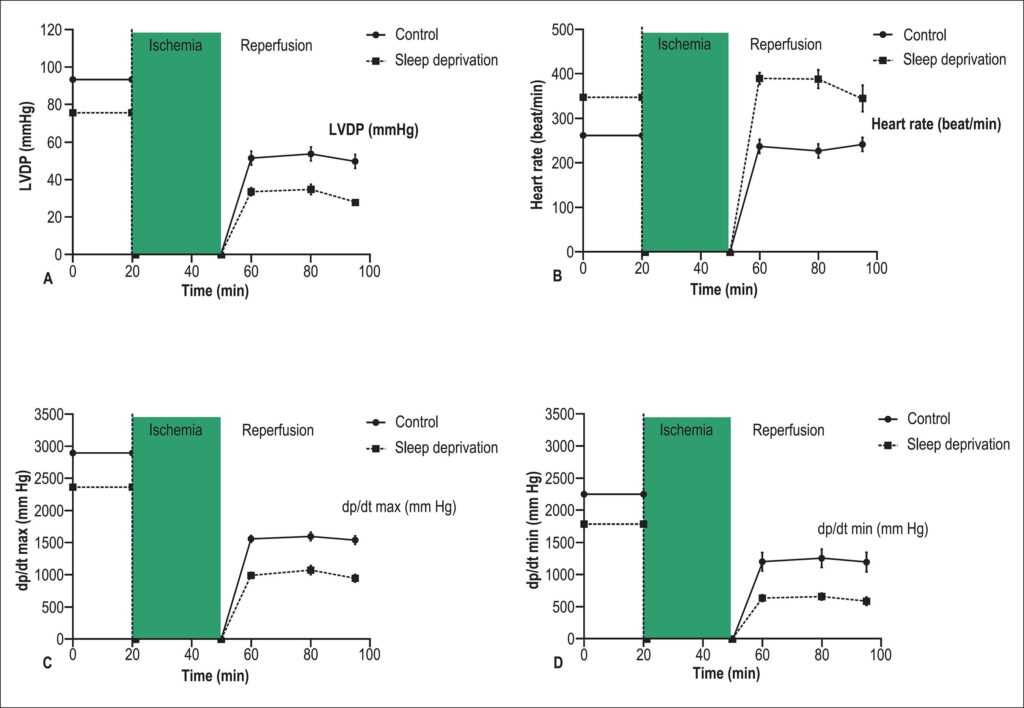
SD was induced by using the flowerpot method for 4 days. Isolated hearts were perfused with Langendorff setup, and the following parameters were measured at baseline and after IR: left ventricular developed pressure (LVDP); heart rate (HR); and the maximum rate of increase and decrease of left ventricular pressure (±dp/dt). Heart NOx level, infarct size and coronary flow CK-MB and LDH were measured after IR. Systolic blood pressure (SBP) was measured at start and end of study.
Results:
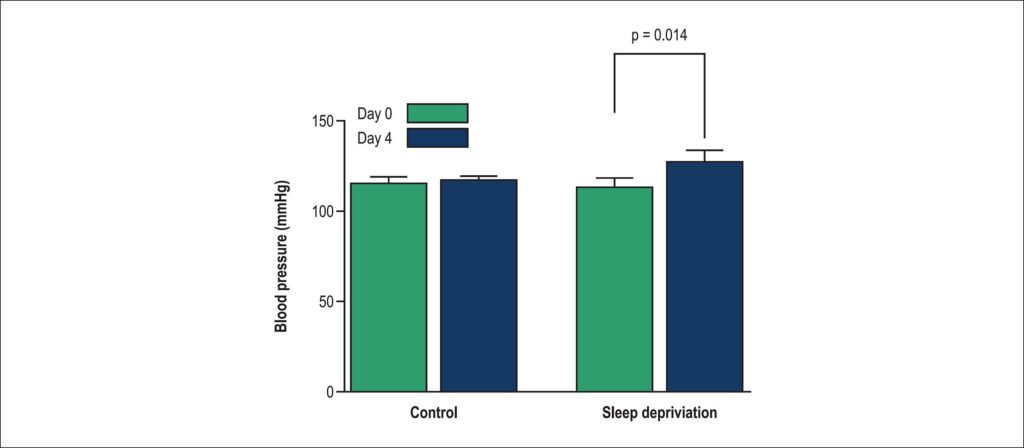
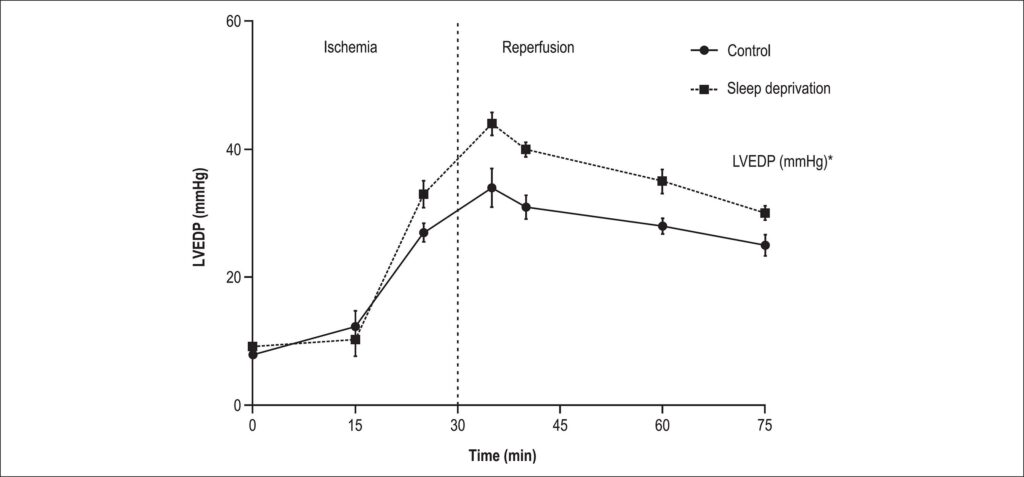
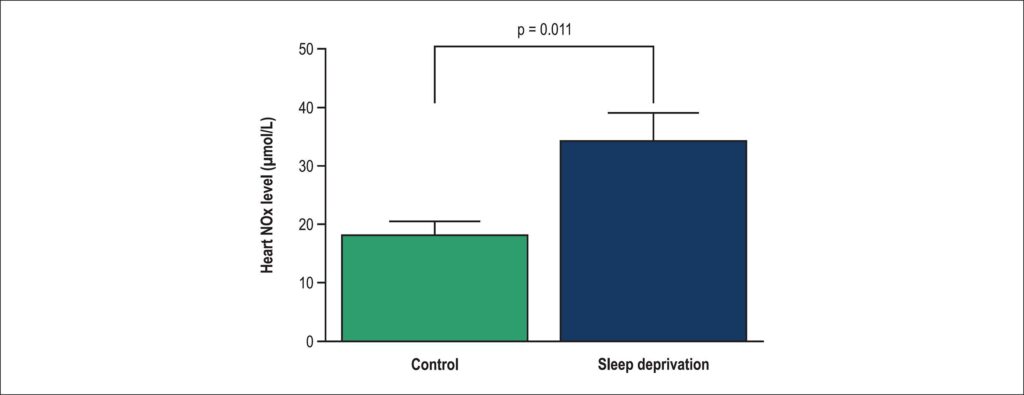
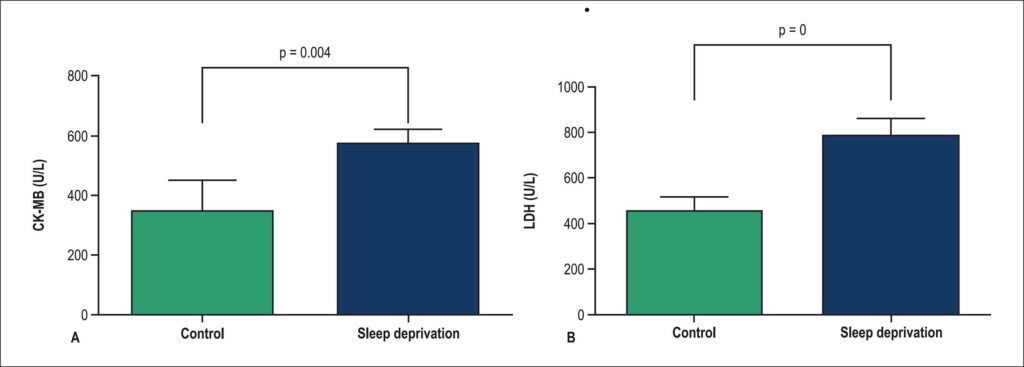
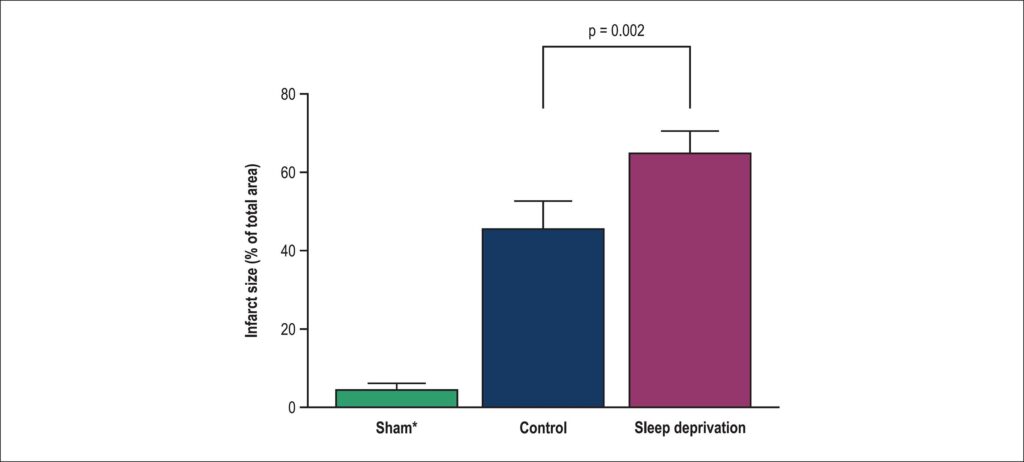
In the SD group, the baseline levels of LVDP (19%), +dp/dt (18%), and -dp/dt (21%) were significantly (p < 0.05) lower, and HR (32%) was significantly higher compared to the controls. After ischemia, hearts from SD group displayed a significant increase in HR together with a low hemodynamic function recovery compared to the controls. In the SD group, NOx level in heart, coronary flow CK-MB and LDH and infarct size significantly increased after IR; also SD rats had higher SBP after 4 days.
Conclusion:
Hearts from SD rats had lower basal cardiac function and less tolerance to IR injury, which may be linked to an increase in NO production following IR.
Images
Image gallery fullscreen viewer
Comments are moderated by the editorial team before publication. Discussions should be evidence-based and use scientific language. Conflicts of interest should be declared.