| ABC
ABC Family Arquivos Brasileiros de Cardiologia International Journal of Cardiovascular Sciences ABC Heart Failure & Cardiomyopathy ABC Imagem Cardiovascular
Português English
ABC Family | ABC
Português English
  • About
    • About the Journal
    • Internal Regulation
    • Editors Section
    • Editorial Board
    • History
    • SBC Award
  • Instructions to Authors
    • Guidelines for Publication
    • Editorial Policy
    • Ethics Policy
    • Policy on the Use of Artificial Intelligence
    • Mandatory Publication Form
    • Publication Fee
  • Issues
  • SBC Guidelines
  • Abstracts
    • How to Publish an Abstract Supplement?
    • Supplements from the Brazilian Congress of Cardiology
  • About
    • About the Journal
    • Internal Regulation
    • Editors Section
    • Editorial Board
    • History
    • SBC Award
  • Instructions to Authors
    • Guidelines for Publication
    • Editorial Policy
    • Ethics Policy
    • Policy on the Use of Artificial Intelligence
    • Mandatory Publication Form
    • Publication Fee
  • Issues
  • SBC Guidelines
  • Abstracts
    • How to Publish an Abstract Supplement?
    • Supplements from the Brazilian Congress of Cardiology

ABC Family

  • ABC Family
  • Arquivos Brasileiros de Cardiologia
  • International Journal of Cardiovascular Sciences
  • ABC Heart Failure & Cardiomyopathy
  • ABC Imagem Cardiovascular
Search in

No content found.

Journals
Ordering
Article types
Others

  1. Home
  2. ABC
  3. Issues
  4. 2015, Volume 105, Number 6
Figure 1
Anatomopathological Session

Case 6/2015 – 40-Year-Old Female with Acute Chest Pain, Dyspnea and Shock

Gonçalves Daiana Zupirolli et al. Gutierrez Paulo Sampaio

Clinical aspects

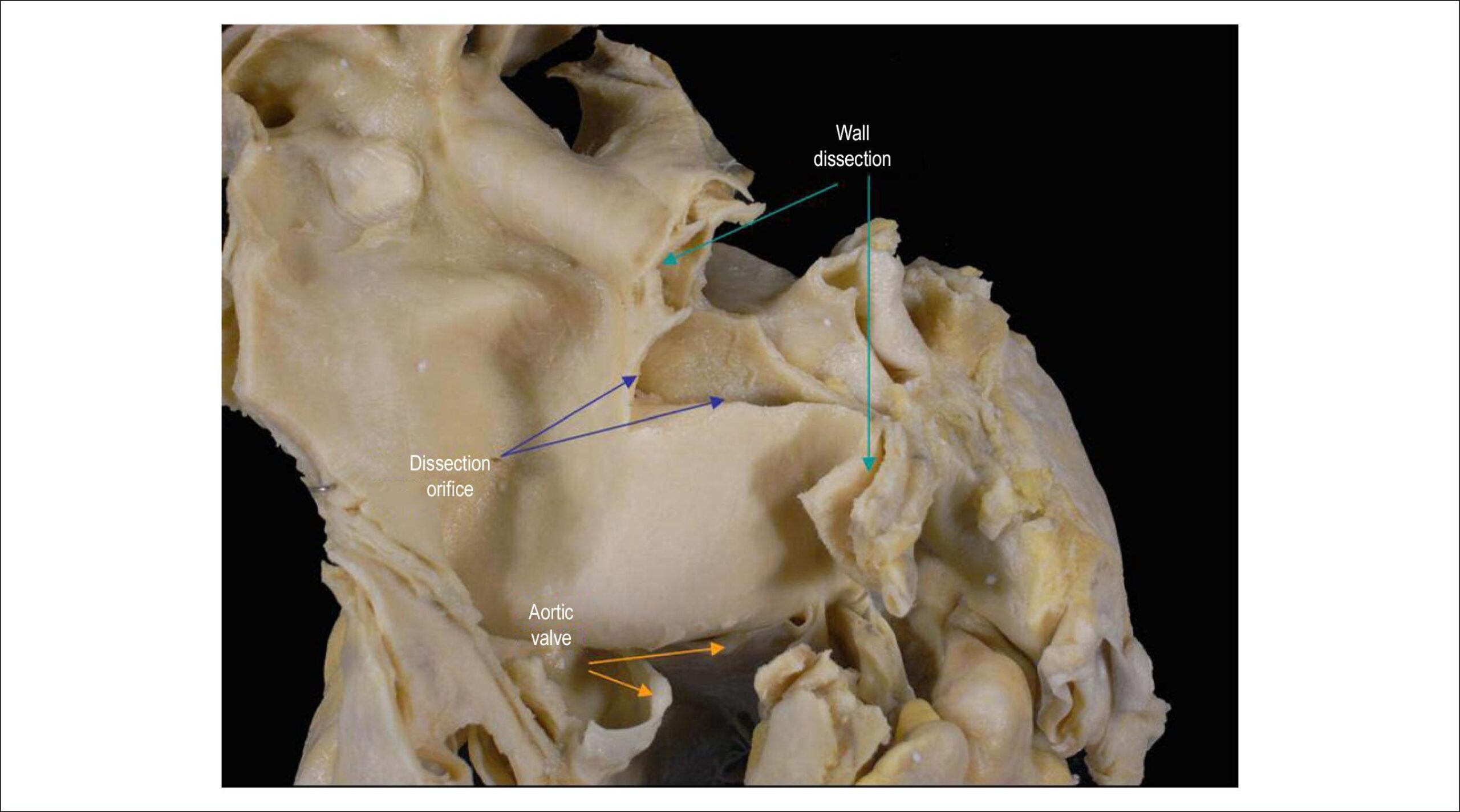
The patient is a 40-year-old female with aortic dissection, hypovolemic shock and death. She had arterial hypertension and HELLP syndrome in pregnancy, which is characterized by hemolysis, increased liver enzymes and low platelet count.

The following are considered risk factors for aortic dissection: a) arterial hypertension; b) Marfan’s syndrome; c) bicuspid aortic valve; d) Turner’s syndrome; e) pregnancy. In a study on the postmortem examinations performed at InCor between 1998 and 2007, 82 cases of aortic dissection were diagnosed. Most dissections were associated with other diseases, mainly arterial hypertension present in 73/82 cases (90%). Other diseases related were Marfan’s syndrome, other connective tissue diseases, bicuspid aortic valve and trauma related to thoracic surgeries. Another study assessing the postmortem examination of 161 patients with aortic dissection has reported arterial hypertension in 93/161 (57.7%) cases. Other causes found were Marfan’s syndrome (16 cases), atherosclerosis of the aorta (38) and degeneration of the aorta (30). Other less prevalent risk factors were bicuspid aortic valve, Turner’s syndrome, aortic coarctation and pregnancy. However, the likelihood of aortic dissection due to aortic coarctation is related to the coexistence of arterial hypertension or congenital bicuspid aortic valve. Although pregnancy is considered a spontaneous risk factor for aortic dissection, that mechanism is uncommon, being 25% to 50% of the cases concomitantly associated with hypertension.

[…]

  • Aortic Diseases / surgery
  • Aortic Dissection / surgery
  • Hypertension
  • Marfan syndrome
Read Full Article
Creative Commons Attribution (CC BY) Creative Commons license
01/12/2015 DOI: 10.5935/abc.20150145
Editorial

Cardiac Rehabilitation: Far Beyond Coronary Artery Disease

Claudio Gil Soares de Araújo

Cardiac rehabilitation (CR), as originally proposed in the mid of last century, was primarily aimed at returning life back to normal, with emphasis on aspects of physical, mental and professional plenitude. At that time, a few paradigms were modified. Instead of four to six weeks of bed rest and immobilization following acute myocardial infarction, patients were oriented to sit on chairs, which was described as “armchair treatment“; right after, studies began to show the favorable results of early ambulation. This has evolved and currently the Brazilian Society of Cardiology guidelines proposing and advising how to implement and to start supervised exercise programs for CR. Those guidelines comprise aerobic, muscle strengthening and flexibility exercises to be started as soon as clinical stability is reached after myocardial infarction. Currently CR is aimed at providing patients with better or much better conditions than those prior to the cardiac event or the diagnosis of cardiovascular disease.

Although CR is a frequent and recurring theme of several presentations in scientific meetings of the specialty, being thus known by clinical cardiologists, there is worldwide consensus that only a very small part of patients with coronary artery disease is usually referred by their physicians for CR programs. Several are the reasons for that insufficient referral and they will not be addressed in this editorial.

[…]

  • Cardiovascular Diseases
  • Exercise Programs
  • exercise training
  • Flexibility
  • Physical Exercise
Read Full Article
Creative Commons Attribution (CC BY) Creative Commons license
01/12/2015 DOI: 10.5935/abc.20160002
Massive Intraventricular Thrombosis in a Young Woman with Idiopathic Dilated Cardiomyopathy
Image

Massive Intraventricular Thrombosis in a Young Woman with Idiopathic Dilated Cardiomyopathy

Natalia Lorenzo et al. Jorge A. Restrepo Maria Cruz Aguilera Daniel Rodriguez Rio Aguilar

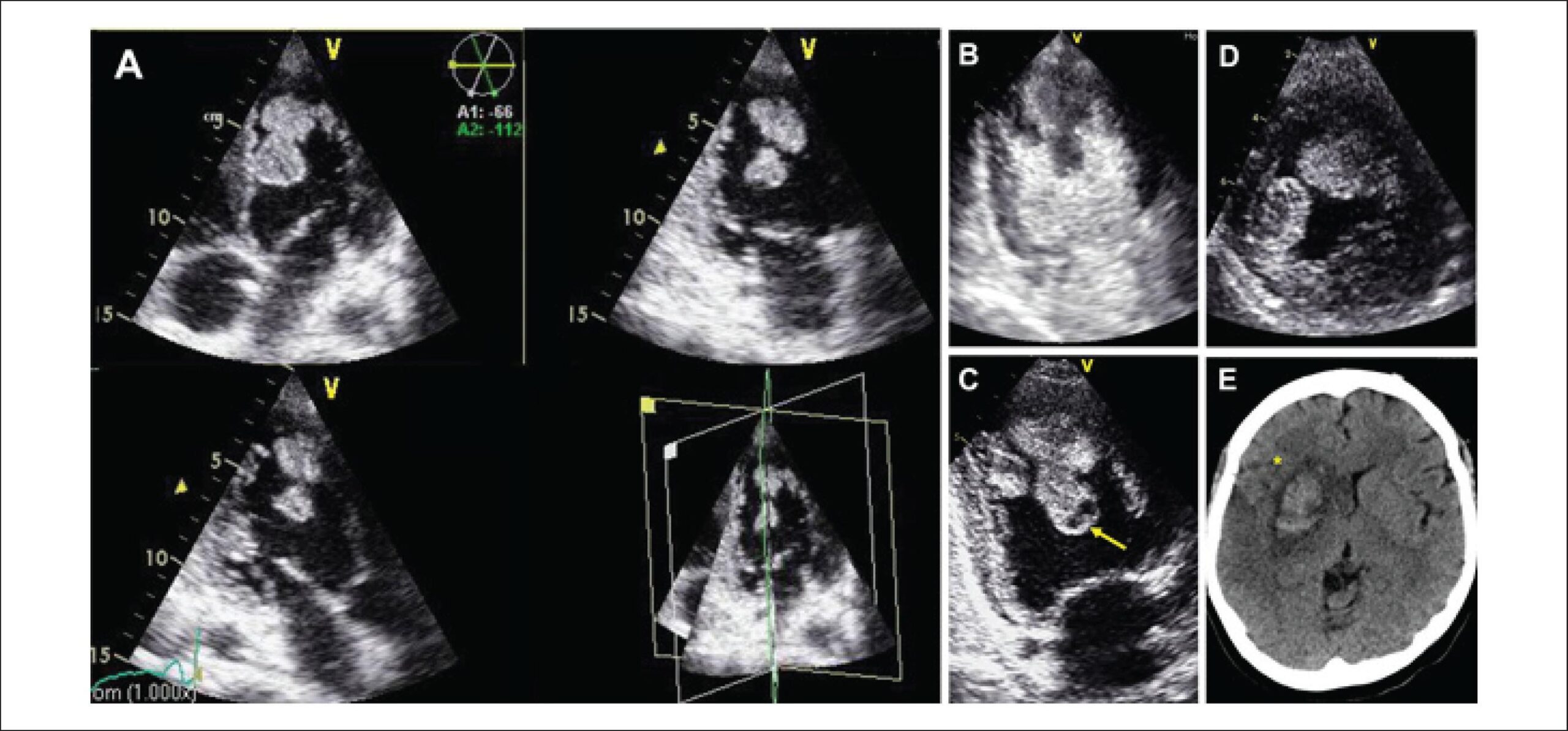
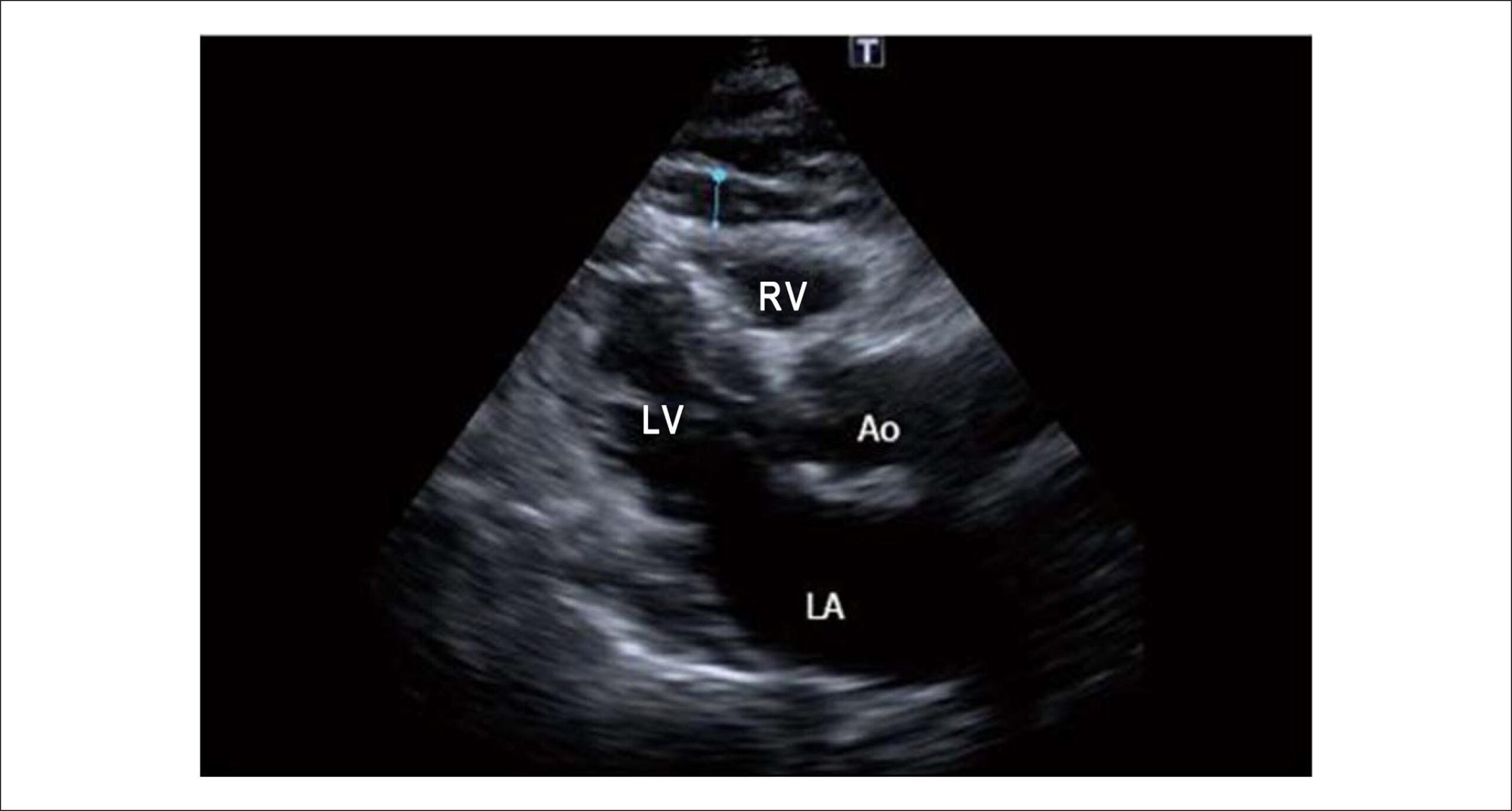
A 36-year-old woman, with no remarkable medical or family history, was admitted to the hospital in cardiogenic shock. Transthoracic echocardiography (TTE) revealed severe biventricular dilation and dysfunction. Several mobile masses consistent with thrombi were attached to the apex and protruding into the left ventricle (LV) beyond the mid-ventricular level (-. Multiplane-view (A). 2-Chamber-view with (B) and without (C) Sonovue®. Short-axis-view (D)). Internal hypoechogenic regions suggestive of colliquative tissue secondary to clot lysis were identified (arrow). Coronary angiogram was normal. Cardiac magnetic resonance imaging did not provide further information. Inotropic drugs and unfractionated heparin were started. Systemic fibrinolysis was discarded because of high risk of thrombus fragmentation. The patient was also rejected for surgery considering high peri-operative risk due to cardiogenic shock. Five days after admission, massive stroke in the left middle cerebral artery occurred ([*]). It was established in 30 minutes before any reperfusion strategy was possible. The patient was dismissed for further treatment and died one week later.

Any condition with severe LV systolic dysfunction increases the probability of intraventricular thrombus formation. Incidence of systemic embolization is low; nevertheless, it increases in cases of large, protuberant and highly mobile thrombi. Therapeutic approach in this scenario is controversial. It is generally agreed that anticoagulation should be the initial therapy in most of cases, but there are no specific recommendations regarding thrombolysis or thrombectomy.

[…]

  • Cardiogenic shock
  • Intraventricular Thrombosis
  • Ventricular Dysfunction
Read Full Article
Creative Commons Attribution (CC BY) Creative Commons license
01/12/2015 DOI: 10.5935/abc.20150131
Figure 1
Case Report

Resolution of Extensive Coronary Thrombosis under Rivaroxaban Treatment

Murat Yuksel et al. Abdulkadir Yildiz Umit Tapan Faruk Ertas Sait Alan

Introduction

Genetic mutations resulting in a hypercoagulable state are well-defined risk factors for venous thrombosis. However, there are few cases of arterial thrombosis, including coronary thrombosis, in patients with such genetic mutations described in the literature.

[…]

  • Anticoagulants
  • Blood Coagulation / genetics
  • Coronary Thrombosis / therapy
Read Full Article
Creative Commons Attribution (CC BY) Creative Commons license
01/12/2015 DOI: 10.5935/abc.20150052 Views 1
Figure 1
Review Article

Methodological Gaps in Left Atrial Function Assessment by 2D Speckle Tracking Echocardiography

Roxana Cristina Rimbaş et al. Raluca Elena Dulgheru Dragoş Vinereanu

Abstract

The assessment of left atrial (LA) function is used in various cardiovascular diseases. LA plays a complementary role in cardiac performance by modulating left ventricular (LV) function. Transthoracic two-dimensional (2D) phasic volumes and Doppler echocardiography can measure LA function non‑invasively. However, evaluation of LA deformation derived from 2D speckle tracking echocardiography (STE) is a new feasible and promising approach for assessment of LA mechanics. These parameters are able to detect subclinical LA dysfunction in different pathological condition. Normal ranges for LA deformation and cut-off values to diagnose LA dysfunction with different diseases have been reported, but data are still conflicting, probably because of some methodological and technical issues. This review highlights the importance of an unique standardized technique to assess the LA phasic functions by STE, and discusses recent studies on the most important clinical applications of this technique.

  • Atrial Function, Left
  • Diagnostic Imaging
  • Echocardiography
  • Heart Atria/abnormalities
Read Full Article
Creative Commons Attribution (CC BY) Creative Commons license
01/12/2015 DOI: 10.5935/abc.20150144
Figure 1
Original Article

Neutrophil-to-Lymphocyte Ratio and Platelet-to-Lymphocyte Ratio are Predictors of Heart Failure

Erdal Durmus et al. Tarik Kivrak Fethullah Gerin Murat Sunbul … Ibrahim Sari Okan Erdogan

Abstract

Background:

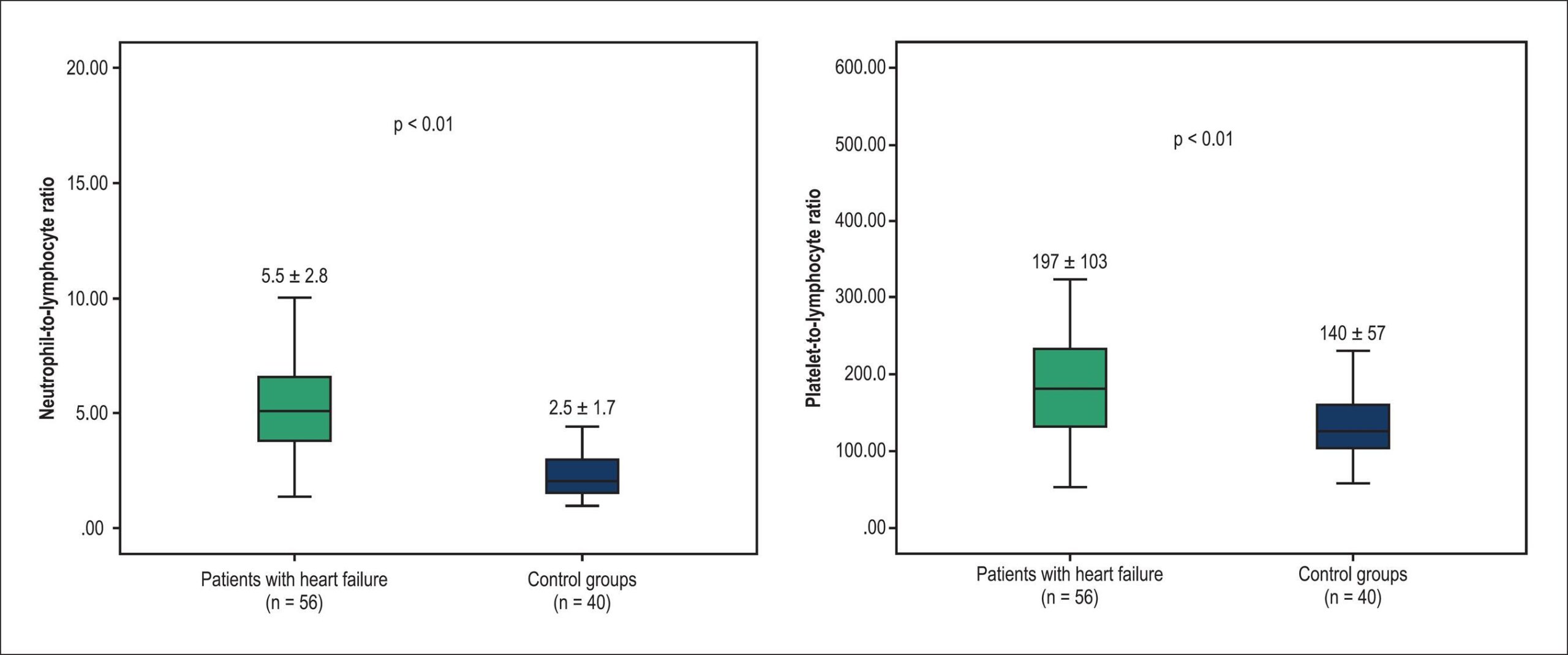
Neutrophil-to-lymphocyte ratio (NLR) and platelet-to-lymphocyte ratio (PLR) are inflammatory markers used as prognostic factors in various diseases. The aims of this study were to compare the PLR and the NLR of heart failure (HF) patients with those of age-sex matched controls, to evaluate the predictive value of those markers in detecting HF, and to demonstrate the effect of NLR and PLR on mortality in HF patients during follow-up.

Methods:

This study included 56 HF patients and 40 controls without HF. All subjects underwent transthoracic echocardiography to evaluate cardiac functions. The NLR and the PLR were calculated as the ratio of neutrophil count to lymphocyte count and as the ratio of platelet count to lymphocyte count, respectively. All HF patients were followed after their discharge from the hospital to evaluate mortality, cerebrovascular events, and re-hospitalization.

Results:

The NLR and the PLR of HF patients were significantly higher compared to those of the controls (p < 0.01). There was an inverse correlation between the NLR and the left ventricular ejection fraction of the study population (r: -0.409, p < 0.001). The best cut-off value of NLR to predict HF was 3.0, with 86.3% sensitivity and 77.5% specificity, and the best cut-off value of PLR to predict HF was 137.3, with 70% sensitivity and 60% specificity. Only NLR was an independent predictor of mortality in HF patients. A cut-off value of 5.1 for NLR can predict death in HF patients with 75% sensitivity and 62% specificity during a 12.8-month follow-up period on average.

Conclusion:

NLR and PLR were higher in HF patients than in age-sex matched controls. However, NLR and PLR were not sufficient to establish a diagnosis of HF. NLR can be used to predict mortality during the follow-up of HF patients.

  • Heart Failure / blood
  • Heart Failure / diagnosis
  • Leukocyte Count
  • Lymphocyte Count
  • multivariate analysis
  • Neutrophils / cytology
Read Full Article
Creative Commons Attribution (CC BY) Creative Commons license
03/11/2015 DOI: 10.5935/abc.20150126 Views 1
Figure 1
Original Article

Cardiovascular Autonomic Dysfunction in Patients with Morbid Obesity

Maurício de Sant Anna Junior et al. João Regis Ivar Carneiro Renata Ferreira Carvalhal Diego de Faria Magalhães Torres … Gustavo Gavina da Cruz José Carlos do Vale Quaresma Jocemir Ronaldo Lugon Fernando Silva Guimarães

Abstract

Background:

Morbid obesity is directly related to deterioration in cardiorespiratory capacity, including changes in cardiovascular autonomic modulation.

Objective:

This study aimed to assess the cardiovascular autonomic function in morbidly obese individuals.

Methods:

Cross-sectional study, including two groups of participants: Group I, composed by 50 morbidly obese subjects, and Group II, composed by 30 nonobese subjects. The autonomic function was assessed by heart rate variability in the time domain (standard deviation of all normal RR intervals [SDNN]; standard deviation of the normal R-R intervals [SDNN]; square root of the mean squared differences of successive R-R intervals [RMSSD]; and the percentage of interval differences of successive R-R intervals greater than 50 milliseconds [pNN50] than the adjacent interval), and in the frequency domain (high frequency [HF]; low frequency [LF]: integration of power spectral density function in high frequency and low frequency ranges respectively). Between-group comparisons were performed by the Student’s t-test, with a level of significance of 5%.

Results:

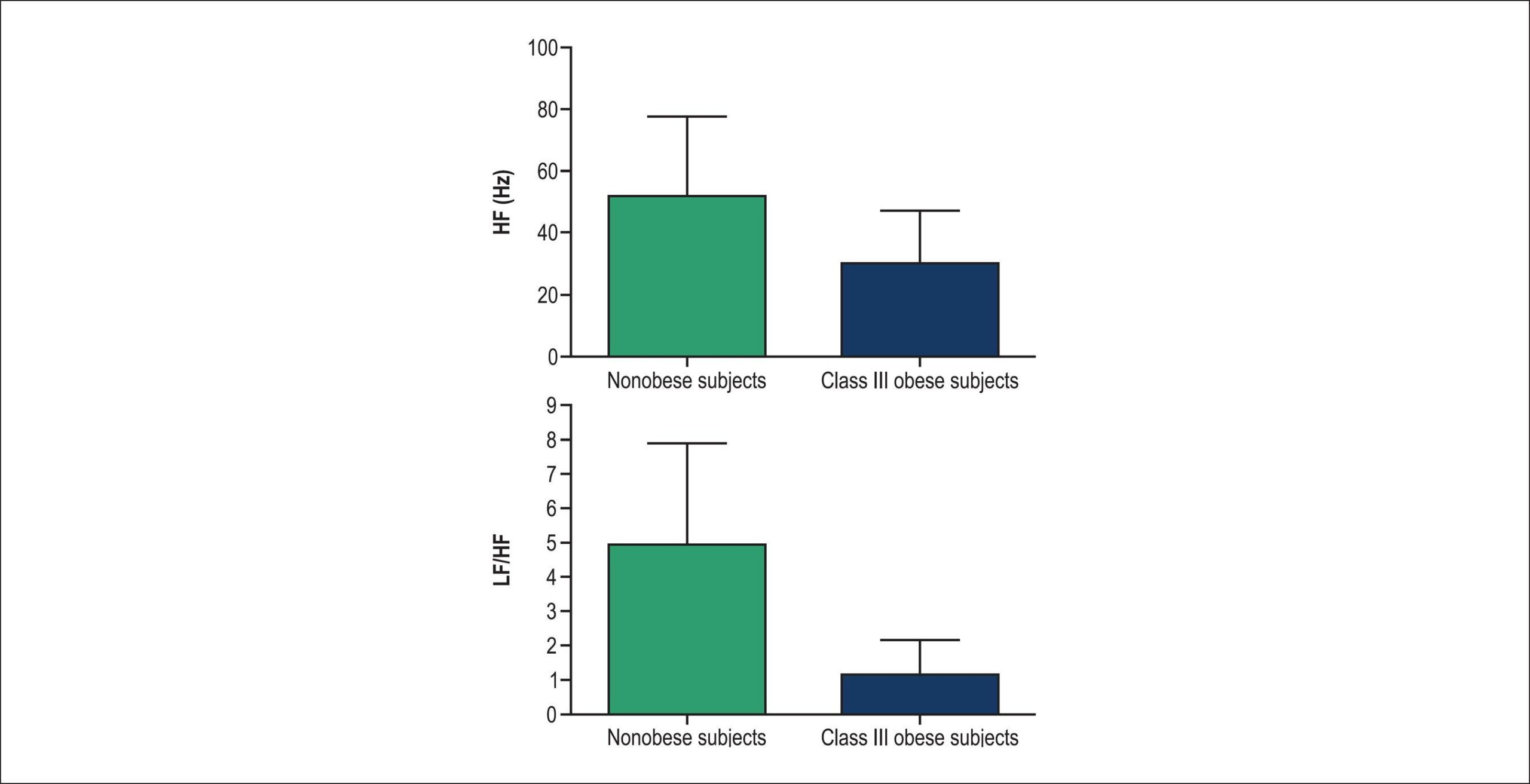
Obese subjects had lower values of SDNN (40.0 ± 18.0 ms vs. 70.0 ± 27.8 ms; p = 0.0004), RMSSD (23.7 ± 13.0 ms vs. 40.3 ± 22.4 ms; p = 0.0030), pNN50 (14.8 ± 10.4 % vs. 25.9 ± 7.2%; p = 0.0061) and HF (30.0 ± 17.5 Hz vs. 51.7 ± 25.5 Hz; p = 0.0023) than controls. Mean LF/HF ratio was higher in Group I (5.0 ± 2.8 vs. 1.0 ± 0.9; p = 0.0189), indicating changes in the sympathovagal balance. No statistical difference in LF was observed between Group I and Group II (50.1 ± 30.2 Hz vs. 40.9 ± 23.9 Hz; p = 0.9013).

Conclusion:

morbidly obese individuals have increased sympathetic activity and reduced parasympathetic activity, featuring cardiovascular autonomic dysfunction.

  • Cardiovascular Diseases
  • Heart Rate
  • Obesity morbid
  • Risk Factors, Pulmonary Heart Disease / complications
Read Full Article
Creative Commons Attribution (CC BY) Creative Commons license
03/11/2015 DOI: 10.5935/abc.20150125 Views 2
Figure 1
Original Article

Obesity Resistance Promotes Mild Contractile Dysfunction Associated with Intracellular Ca2+ Handling

Felipe Gonçalves dos Santos de Sá et al. Ana Paula Lima-Leopoldo Bruno Barcellos Jacobsen Artur Junio Togneri Ferron … Wagner Muller Estevam Dijon Henrique Salomé Campos Edson Castardeli Márcia Regina Holanda da Cunha Antonio Carlos Cicogna André Soares Leopoldo

Abstract

Background:

Diet-induced obesity is frequently used to demonstrate cardiac dysfunction. However, some rats, like humans, are susceptible to developing an obesity phenotype, whereas others are resistant to that.

Objective:

To evaluate the association between obesity resistance and cardiac function, and the impact of obesity resistance on calcium handling.

Methods:

Thirty-day-old male Wistar rats were distributed into two groups, each with 54 animals: control (C; standard diet) and obese (four palatable high-fat diets) for 15 weeks. After the experimental protocol, rats consuming the high-fat diets were classified according to the adiposity index and subdivided into obesity-prone (OP) and obesity-resistant (OR). Nutritional profile, comorbidities, and cardiac remodeling were evaluated. Cardiac function was assessed by papillary muscle evaluation at baseline and after inotropic maneuvers.

Results:

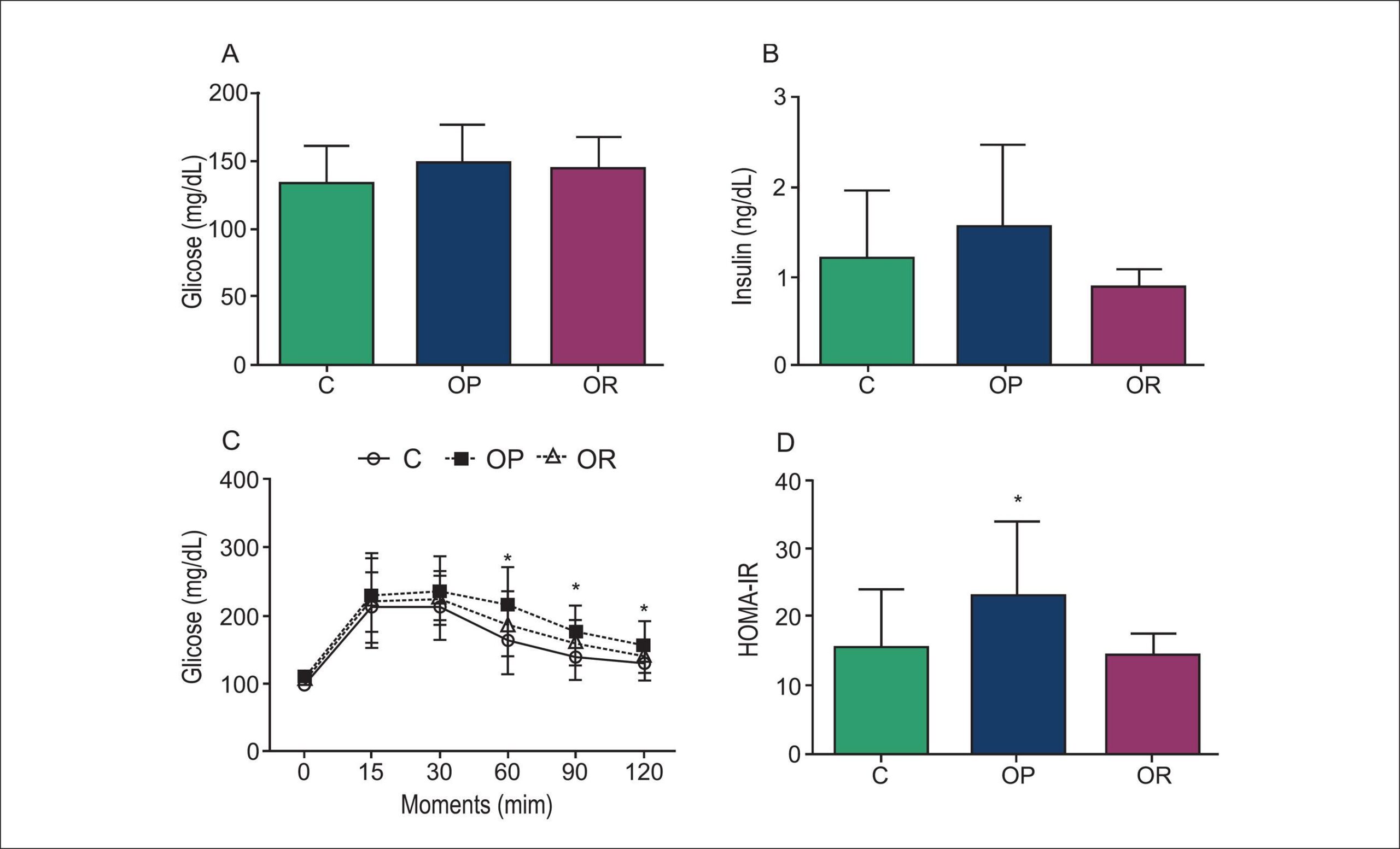
The high-fat diets promoted increase in body fat and adiposity index in OP rats compared with C and OR rats. Glucose, lipid, and blood pressure profiles remained unchanged in OR rats. In addition, the total heart weight and the weight of the left and right ventricles in OR rats were lower than those in OP rats, but similar to those in C rats. Baseline cardiac muscle data were similar in all rats, but myocardial responsiveness to a post-rest contraction stimulus was compromised in OP and OR rats compared with C rats.

Conclusion:

Obesity resistance promoted specific changes in the contraction phase without changes in the relaxation phase. This mild abnormality may be related to intracellular Ca2+ handling.

  • Ca2+ Handling
  • Cardiac function
  • High-Fat Diet
  • Obesity-Resistance
  • Rats
Read Full Article
Creative Commons Attribution (CC BY) Creative Commons license
27/10/2015 DOI: 10.5935/abc.20150134
Original Article

Variations in the Prevalence of Risk Factors for Coronary Artery Disease in Rio Grande do Sul-Brazil: A Comparative Analysis between 2002 and 2014

Iseu Gus et al. Rodrigo Antonini Ribeiro Sérgio Kato Juliano Bastos … Claudio Medina Claudio Zazlavsky Vera Lucia Portal Rita Timmers Melissa Medeiros Markoski Carlos Antônio Mascia Gottschall

Abstract

Background:

Due to the importance of coronary artery disease (CAD), continuous investigation of the risk factors (RFs) is needed.

Objective:

To evaluate the prevalence of RFs for CAD in cities in Rio Grande do Sul State, and compare it with that reported in a similar study conducted in the same cities in 2002.

Methods:

Cross-sectional study on 1,056 healthy adults, investigating the prevalence and absolute and relative frequencies of the following RFs for CAD: obesity, systemic arterial hypertension (SAH), dyslipidemias, smoking, sedentary lifestyle, diabetes mellitus, and family history, as well as age and sex. Data was collected in 19 cities, host of the Offices of the Regional Coordinators of Health, as in the 2002 study.

Results:

Twenty-six percent of the sample consisted of older adults and 57% were women. The prevalence of sedentary lifestyle was 44%, history family 50%, smoking 23%, overweight/obesity 68%, dyslipidemia (high cholesterol levels) 43%, SAH 40%, and diabetes 11%. When compared to the 2002 study, the prevalence of active smoking and sedentary behavior decreased, whereas the prevalence of hypertension, dyslipidemia and obesity increased. Obesity is the most prevalent RF in women, and SAH the most prevalent in men.

Conclusions:

The prevalence of RFs for CAD in Rio Grande do Sul State remains high. Hypertension, obesity and dyslipidemia are still prevalent and require major prevention programs. Smoking and physical inactivity have decreased in the state, suggesting the efficacy of related campaigns.

  • Comparative Study
  • Coronary Artery Disease / epidemiology
  • Prevalence
  • Risk Factors
Read Full Article
Creative Commons Attribution (CC BY) Creative Commons license
27/10/2015 DOI: 10.5935/abc.20150127 Views 2
Figure 1
Original Article

Risk Factors for Cardiovascular Disease, Metabolic Syndrome and Sleepiness in Truck Drivers

Antonio de Padua Mansur et al. Marcos ABS Rocha Vilma Leyton Julio Yashio Takada … Solange Desirée Avakian Alexandre J Santos Gisele C Novo Arledson Lima Nascimento Daniel Romero Muñoz Waldo J C Rohlfs

Abstract

Background:

Truck driver sleepiness is a primary cause of vehicle accidents. Several causes are associated with sleepiness in truck drivers. Obesity and metabolic syndrome (MetS) are associated with sleep disorders and with primary risk factors for cardiovascular diseases (CVD). We analyzed the relationship between these conditions and prevalence of sleepiness in truck drivers.

Methods:

We analyzed the major risk factors for CVD, anthropometric data and sleep disorders in 2228 male truck drivers from 148 road stops made by the Federal Highway Police from 2006 to 2011. Alcohol consumption, illicit drugs and overtime working hours were also analyzed. Sleepiness was assessed using the Epworth Sleepiness Scale.

Results:

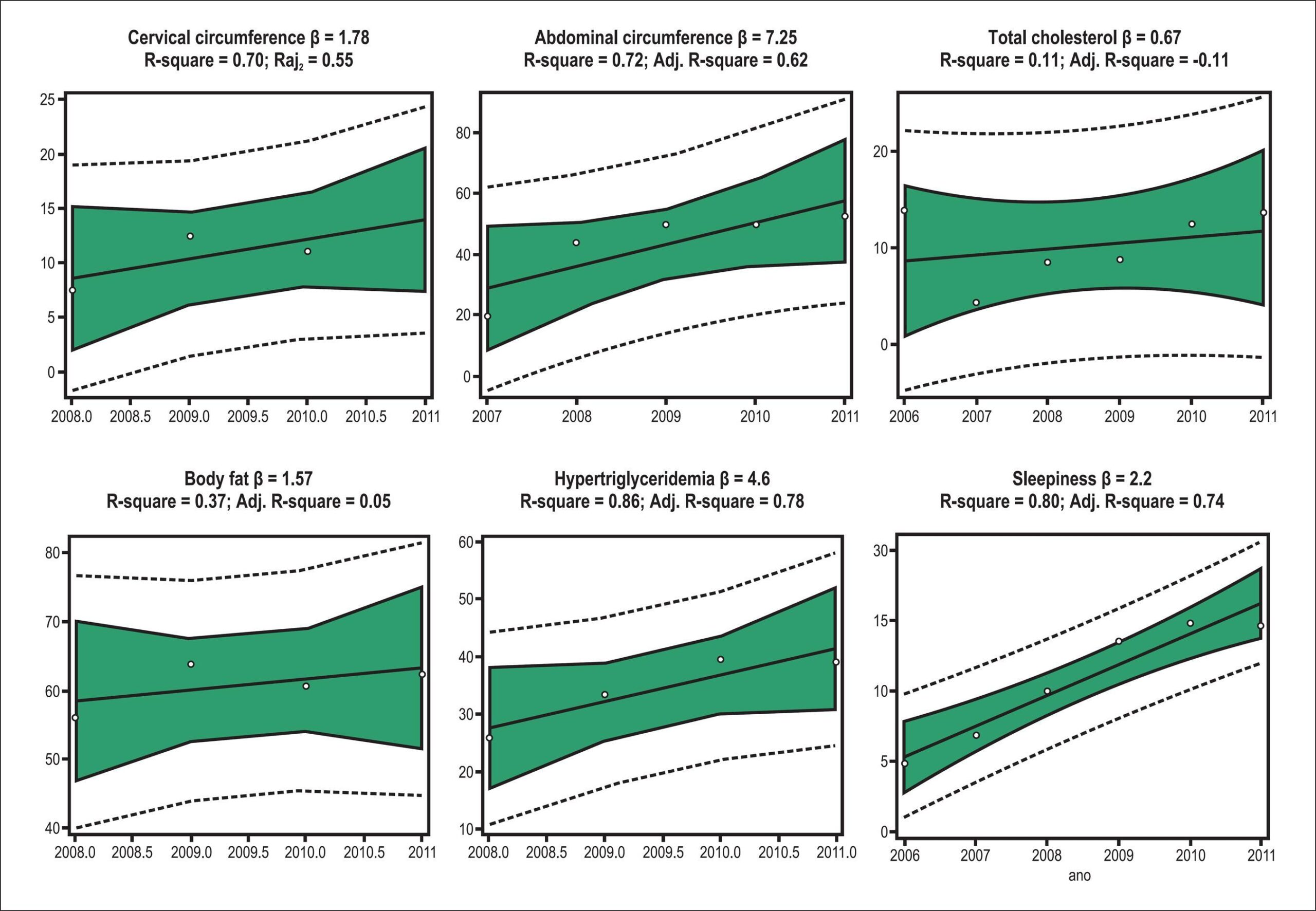
Mean age was 43.1 ± 10.8 years. From 2006 to 2011, an increase in neck (p = 0.011) and abdominal circumference (p < 0.001), total cholesterol (p < 0.001), triglyceride plasma levels (p = 0.014), and sleepiness was observed (p < 0.001). In addition, a reduction in hypertension (39.6% to 25.9%, p < 0.001), alcohol consumption (32% to 23%, p = 0.033) and overtime hours (52.2% to 42.8%, p < 0.001) was found. Linear regression analysis showed that sleepiness correlated closely with body mass index (β = 0.19, Raj2 = 0.659, p = 0.031), abdominal circumference (β = 0.24, Raj2 = 0.826, p = 0.021), hypertension (β = -0.62, Raj2 = 0.901, p = 0.002), and triglycerides (β = 0.34, Raj2 = 0.936, p = 0.022). Linear multiple regression indicated that hypertension (p = 0.008) and abdominal circumference (p = 0.025) are independent variables for sleepiness.

Conclusions:

Increased prevalence of sleepiness was associated with major components of the MetS.

  • Cardiovascular Diseases
  • Hypertension
  • Metabolic Syndrome
  • Obesity
  • Risk Factors
  • Sleep Stages
Read Full Article
Creative Commons Attribution (CC BY) Creative Commons license
27/10/2015 DOI: 10.5935/abc.20150132 Views 1
Figure 1
Original Article

Evaluation of Electrocardiographic T-peak to T-end Interval in Subjects with Increased Epicardial Fat Tissue Thickness

Ozgur Kaplan et al. Ertugrul Kurtoglu Gokay Nar Erdogan Yasar … Gokhan Gozubuyuk Cem Dogan Ahmet Ugur Boz Sıho Hidayet Hasan Pekdemir

Abstract

Background:

The association between periatrial adiposity and atrial arrhythmias has been shown in previous studies. However, there are not enough available data on the association between epicardial fat tissue (EFT) thickness and parameters of ventricular repolarization. Thus, we aimed to evaluate the association of EFT thickness with indices of ventricular repolarization by using T-peak to T-end (Tp-e) interval and Tp-e/QT ratio.

Methods:

The present study included 50 patients whose EFT thickness ≥ 9 mm (group 1) and 40 control subjects with EFT thickness < 9 mm (group 2). Transthoracic echocardiographic examination was performed in all participants. QT parameters, Tp-e intervals and Tp-e/QT ratio were measured from the 12-lead electrocardiogram.

Results:

QTd (41.1 ± 2.5 vs 38.6 ± 3.2, p < 0.001) and corrected QTd (46.7 ± 4.7 vs 43.7 ± 4, p = 0.002) were significantly higher in group 1 when compared to group 2. The Tp-e interval (76.5 ± 6.3, 70.3 ± 6.8, p < 0.001), cTp-e interval (83.1 ± 4.3 vs. 76±4.9, p < 0.001), Tp-e/QT (0.20 ± 0.02 vs. 0.2 ± 0.02, p < 0.001) and Tp-e/QTc ratios (0.2 ± 0.01 vs. 0.18 ± 0.01, p < 0.001) were increased in group 1 in comparison to group 2. Significant positive correlations were found between EFT thickness and Tp-e interval (r = 0.548, p < 0.001), cTp-e interval (r = 0.259, p = 0.01), and Tp-e/QT (r = 0.662, p < 0.001) and Tp-e/QTc ratios (r = 0.560, p < 0.001).

Conclusion:

The present study shows that Tp-e and cTp-e interval, Tp-e/QT and Tp-e/QTc ratios were increased in subjects with increased EFT, which may suggest an increased risk of ventricular arrhythmia.

  • Adipose Tissue
  • Arrhythmias
  • cardiac
  • Electracardiography
  • Pericardium
  • Reference Values
Read Full Article
Creative Commons Attribution (CC BY) Creative Commons license
02/10/2015 DOI: 10.5935/abc.20150124
Figure 1
Original Article

Renin-Angiotensin System Blockade Associated with Statin Improves Endothelial Function in Diabetics

Ronaldo Altenburg Gismondi et al. Ricardo Bedirian Cesar Romaro Pozzobon Márcia Cristina Ladeira … Wille Oigman Mário Fritsch Neves

Abstract

Background:

Studies suggest that statins have pleiotropic effects, such as reduction in blood pressure, and improvement in endothelial function and vascular stiffness.

Objective:

To analyze if prior statin use influences the effect of renin-angiotensin-aldosterone system inhibitors on blood pressure, endothelial function, and vascular stiffness.

Methods:

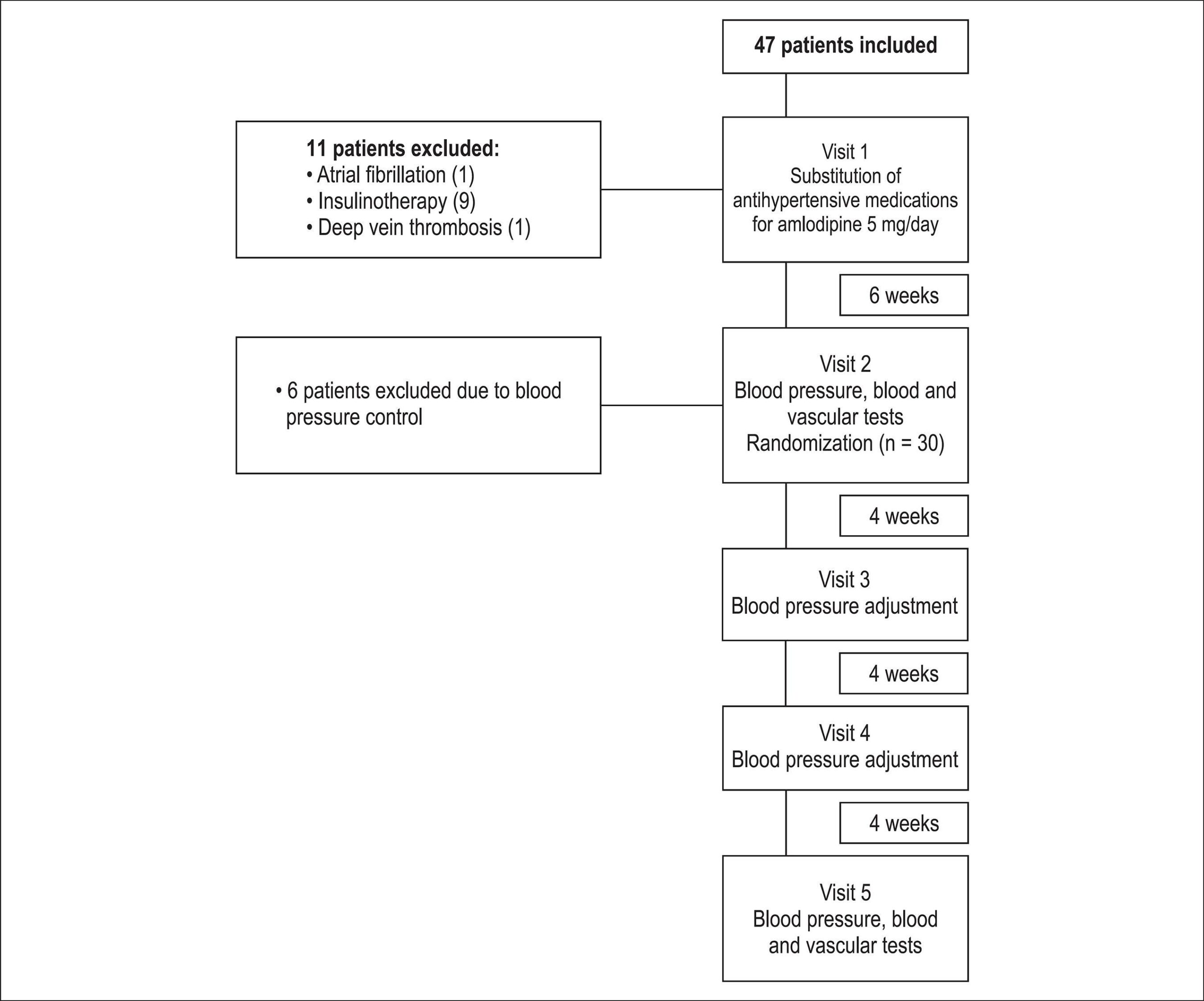
Patients with diabetes and hypertension with office systolic blood pressure ≥ 130 mmHg and/or diastolic blood pressure ≥ 80 mmHg had their antihypertensive medications replaced by amlodipine during 6 weeks. They were then randomized to either benazepril or losartan for 12 additional weeks while continuing on amlodipine. Blood pressure (assessed with ambulatory blood pressure monitoring), endothelial function (brachial artery flow-mediated dilation), and vascular stiffness (pulse wave velocity) were evaluated before and after the combined treatment. In this study, a post hoc analysis was performed to compare patients who were or were not on statins (SU and NSU groups, respectively).

Results:

The SU group presented a greater reduction in the 24-hour systolic blood pressure (from 134 to 122 mmHg, p = 0.007), and in the brachial artery flow-mediated dilation (from 6.5 to 10.9%, p = 0.003) when compared with the NSU group (from 137 to 128 mmHg, p = 0.362, and from 7.5 to 8.3%, p = 0.820). There was no statistically significant difference in pulse wave velocity (SU group: from 9.95 to 9.90 m/s, p = 0.650; NSU group: from 10.65 to 11.05 m/s, p = 0.586).

Conclusion:

Combined use of statins, amlodipine, and renin-angiotensin-aldosterone system inhibitors improves the antihypertensive response and endothelial function in patients with hypertension and diabetes.

  • Diabetes Mellitus
  • Endothelium / physiopathology
  • Hypertension
  • Renin-Angiotensin System/drug effects
Read Full Article
Creative Commons Attribution (CC BY) Creative Commons license
02/10/2015 DOI: 10.5935/abc.20150123
Figure 1
Original Article

Dipyridamole stress myocardial perfusion by computed tomography in patients with left bundle branch block

Estêvan Vieira Cabeda et al. Andréa Maria Gomes Falcão José Soares Jr. Carlos Eduardo Rochitte … César Higa Nomura Luiz Francisco Rodrigues Ávila José Rodrigues Parga

Abstract

Background:

Functional tests have limited accuracy for identifying myocardial ischemia in patients with left bundle branch block (LBBB).

Objective:

To assess the diagnostic accuracy of dipyridamole-stress myocardial computed tomography perfusion (CTP) by 320-detector CT in patients with LBBB using invasive quantitative coronary angiography (QCA) (stenosis ≥ 70%) as reference; to investigate the advantage of adding CTP to coronary computed tomography angiography (CTA) and compare the results with those of single photon emission computed tomography (SPECT) myocardial perfusion scintigraphy.

Methods:

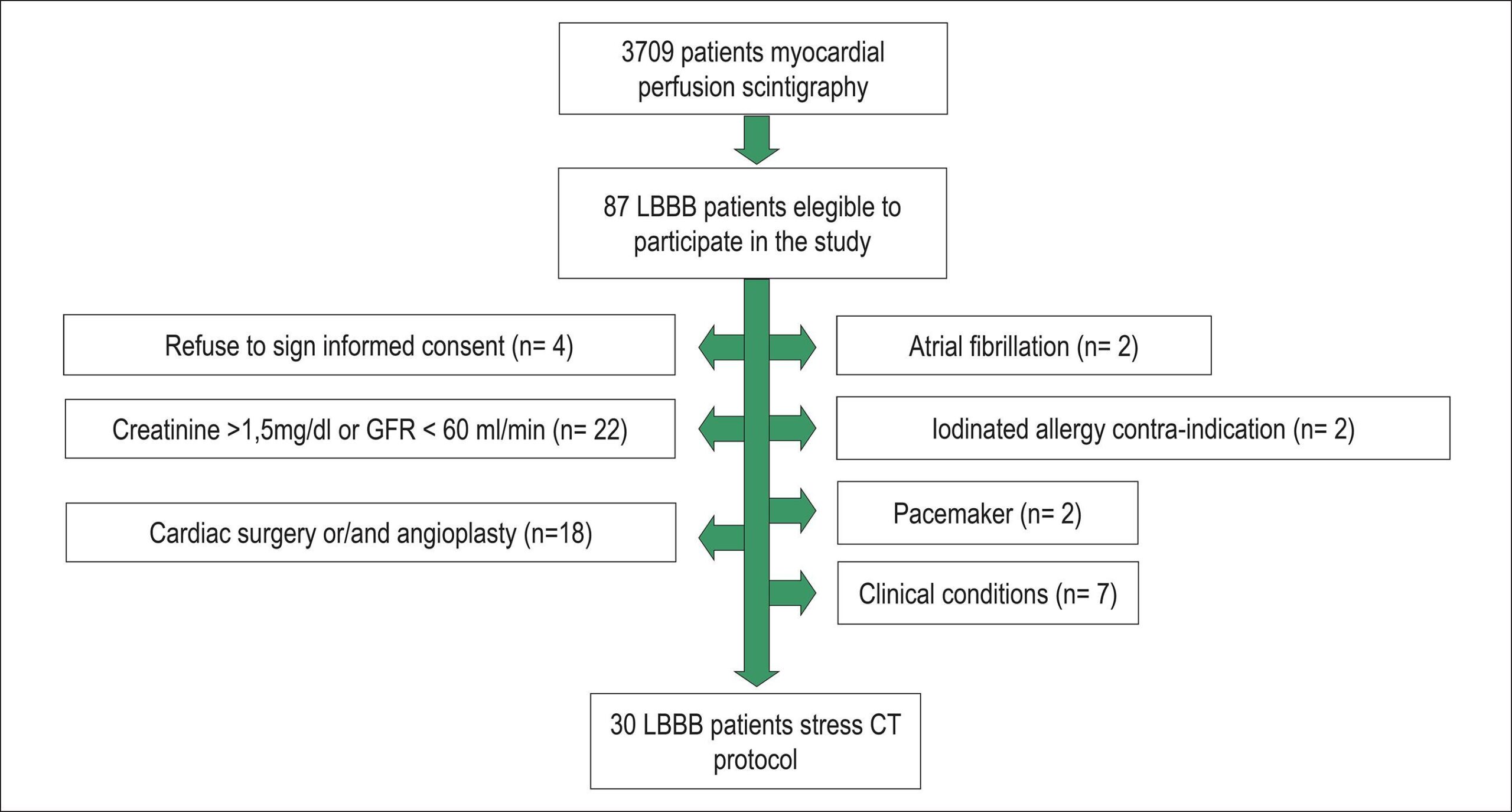
Thirty patients with LBBB who had undergone SPECT for the investigation of coronary artery disease were referred for stress tomography. Independent examiners performed per-patient and per-coronary territory assessments. All patients gave written informed consent to participate in the study that was approved by the institution’s ethics committee.

Results:

The patients’ mean age was 62 ± 10 years. The mean dose of radiation for the tomography protocol was 9.3 ± 4.6 mSv. With regard to CTP, the per-patient values for sensitivity, specificity, positive and negative predictive values, and accuracy were 86%, 81%, 80%, 87%, and 83%, respectively (p = 0.001). The per-territory values were 63%, 86%, 65%, 84%, and 79%, respectively (p < 0.001). In both analyses, the addition of CTP to CTA achieved higher diagnostic accuracy for detecting myocardial ischemia than SPECT (p < 0.001).

Conclusion:

The use of the stress tomography protocol is feasible and has good diagnostic accuracy for assessing myocardial ischemia in patients with LBBB.

  • Bundle Branch Block
  • Coronary Angiography
  • Coronary Artery Disease
  • Dipyridamole
  • Multidetector Computed Tomography
  • Myocardial Perfusion Imaging
Read Full Article
Creative Commons Attribution (CC BY) Creative Commons license
25/09/2015 DOI: 10.5935/abc.20150117 Views 1
Figure 1
Original Article

Echocardiographic Predictors of Worse Outcome After Cardiac Resynchronization Therapy

Eduardo Arrais Rocha et al. Francisca Tatiana Moreira Pereira José Sebastião Abreu José Wellington O. Lima … Marcelo de Paula M. Monteiro Almino Cavalcante Rocha Neto Ana Rosa Pinto Quidute Camilla Viana A. Goés Carlos Roberto Martins Rodrigues Sobrinho Maurício Ibrahim Scanavacca

Abstract

Background:

Cardiac resynchronization therapy (CRT) is the recommended treatment by leading global guidelines. However, 30%-40% of selected patients are non-responders.

Objective:

To develop an echocardiographic model to predict cardiac death or transplantation (Tx) 1 year after CRT.

Method:

Observational, prospective study, with the inclusion of 116 patients, aged 64.89 ± 11.18 years, 69.8% male, 68,1% in NYHA FC III and 31,9% in FC IV, 71.55% with left bundle-branch block, and median ejection fraction (EF) of 29%. Evaluations were made in the pre‑implantation period and 6-12 months after that, and correlated with cardiac mortality/Tx at the end of follow-up. Cox and logistic regression analyses were performed with ROC and Kaplan-Meier curves. The model was internally validated by bootstrapping.

Results:

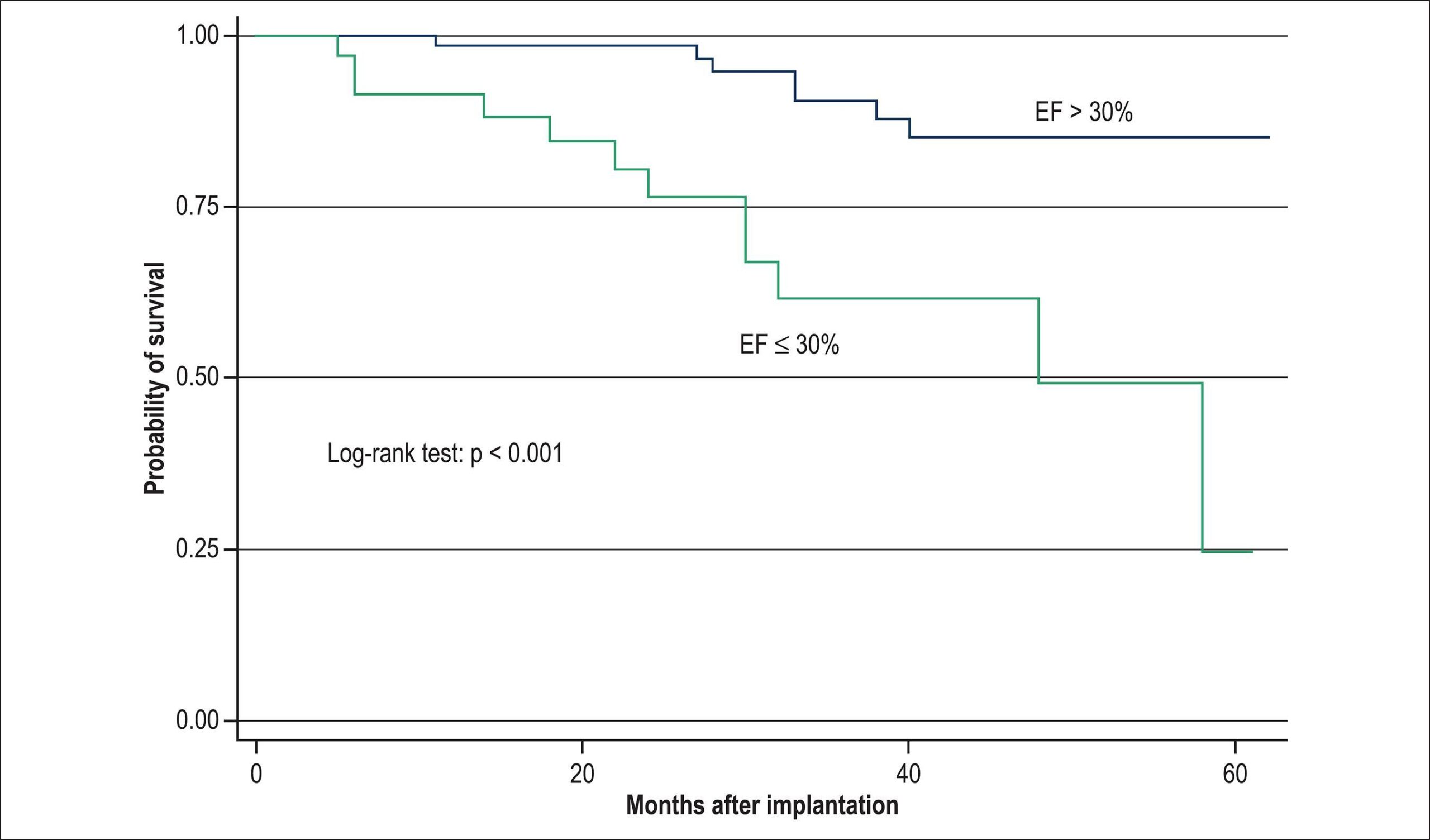
There were 29 (25%) deaths/Tx during follow-up of 34.09 ± 17.9 months. Cardiac mortality/Tx was 16.3%. In the multivariate Cox model, EF < 30%, grade III/IV diastolic dysfunction and grade III mitral regurgitation at 6‑12 months were independently related to increased cardiac mortality or Tx, with hazard ratios of 3.1, 4.63 and 7.11, respectively. The area under the ROC curve was 0.78.

Conclusion:

EF lower than 30%, severe diastolic dysfunction and severe mitral regurgitation indicate poor prognosis 1 year after CRT. The combination of two of those variables indicate the need for other treatment options.

  • Cardiac Resynchronization Therapy
  • Echocardiography
  • Heart Failure / mortality
  • Pacemaker, Artificial
  • Risk Factors
Read Full Article
Creative Commons Attribution (CC BY) Creative Commons license
04/09/2015 DOI: 10.5935/abc.20150108 Views 1

How to cite this article

EndNote RIS

Electronic Document Format (Vancouver)

Zupirolli GD, Sampaio GP. Case 6/2015 – 40-Year-Old Female with Acute Chest Pain, Dyspnea and Shock. Arquivos Brasileiros de Cardiologia 2015;105(6):637-41.

Electronic Document Format (ABNT)

Zupirolli, Gonçalves Daiana; Sampaio, Gutierrez Paulo. Case 6/2015 – 40-Year-Old Female with Acute Chest Pain, Dyspnea and Shock. Arquivos Brasileiros de Cardiologia, v. 105, n. 6, p. 637-641, Nov. 2015.

Electronic Document Format (APA)

Zupirolli, G. D., & Sampaio, G. P. (2015). Case 6/2015 – 40-Year-Old Female with Acute Chest Pain, Dyspnea and Shock. Arquivos Brasileiros de Cardiologia, 105(6), 637-641.

Electronic Document Format (ISO)

Zupirolli, Gonçalves Daiana and Sampaio, Gutierrez Paulo. Case 6/2015 – 40-Year-Old Female with Acute Chest Pain, Dyspnea and Shock. Arquivos Brasileiros de Cardiologia [online]. 2015, vol. 105, n. 6, [cited 2026-10-14], pp. 637-641. Available from: <https://journals.cardiol.br/en/article/case-6-2015-40-year-old-female-with-acute-chest-pain-dyspnea-and-shock/>. ISSN 0066-782X

EndNote RIS

Electronic Document Format (Vancouver)

Araújo CGS. Cardiac Rehabilitation: Far Beyond Coronary Artery Disease. Arquivos Brasileiros de Cardiologia 2015;105(6):549-51.

Electronic Document Format (ABNT)

Araújo, Claudio Gil Soares de. Cardiac Rehabilitation: Far Beyond Coronary Artery Disease. Arquivos Brasileiros de Cardiologia, v. 105, n. 6, p. 549-551, Nov. 2015.

Electronic Document Format (APA)

Araújo, C. G. S. (2015). Cardiac Rehabilitation: Far Beyond Coronary Artery Disease. Arquivos Brasileiros de Cardiologia, 105(6), 549-551.

Electronic Document Format (ISO)

Araújo, Claudio Gil Soares de. Cardiac Rehabilitation: Far Beyond Coronary Artery Disease. Arquivos Brasileiros de Cardiologia [online]. 2015, vol. 105, n. 6, [cited 2026-10-14], pp. 549-551. Available from: <https://journals.cardiol.br/en/article/cardiac-rehabilitation-far-beyond-coronary-artery-disease/>. ISSN 0066-782X

EndNote RIS

Electronic Document Format (Vancouver)

Lorenzo N, Restrepo JA, Aguilera MC, Rodriguez D, Aguilar R. Massive Intraventricular Thrombosis in a Young Woman with Idiopathic Dilated Cardiomyopathy. Arquivos Brasileiros de Cardiologia 2015;105(6):647-8.

Electronic Document Format (ABNT)

Lorenzo, Natalia; Restrepo, Jorge A.; Aguilera, Maria Cruz; Rodriguez, Daniel; Aguilar, Rio. Massive Intraventricular Thrombosis in a Young Woman with Idiopathic Dilated Cardiomyopathy. Arquivos Brasileiros de Cardiologia, v. 105, n. 6, p. 647-648, Nov. 2015.

Electronic Document Format (APA)

Lorenzo, N., Restrepo, J. A., Aguilera, M. C., Rodriguez, D., & Aguilar, R. (2015). Massive Intraventricular Thrombosis in a Young Woman with Idiopathic Dilated Cardiomyopathy. Arquivos Brasileiros de Cardiologia, 105(6), 647-648.

Electronic Document Format (ISO)

Lorenzo, Natalia and Restrepo, Jorge A. and Aguilera, Maria Cruz and Rodriguez, Daniel and Aguilar, Rio. Massive Intraventricular Thrombosis in a Young Woman with Idiopathic Dilated Cardiomyopathy. Arquivos Brasileiros de Cardiologia [online]. 2015, vol. 105, n. 6, [cited 2026-10-14], pp. 647-648. Available from: <https://journals.cardiol.br/en/article/massive-intraventricular-thrombosis-in-a-young-woman-with-idiopathic-dilated-cardiomyopathy/>. ISSN 0066-782X

EndNote RIS

Electronic Document Format (Vancouver)

Yuksel M, Yildiz A, Tapan U, Ertas F, Alan S. Resolution of Extensive Coronary Thrombosis under Rivaroxaban Treatment. Arquivos Brasileiros de Cardiologia 2015;105(6):642-6.

Electronic Document Format (ABNT)

Yuksel, Murat; Yildiz, Abdulkadir; Tapan, Umit; Ertas, Faruk; Alan, Sait. Resolution of Extensive Coronary Thrombosis under Rivaroxaban Treatment. Arquivos Brasileiros de Cardiologia, v. 105, n. 6, p. 642-646, Nov. 2015.

Electronic Document Format (APA)

Yuksel, M., Yildiz, A., Tapan, U., Ertas, F., & Alan, S. (2015). Resolution of Extensive Coronary Thrombosis under Rivaroxaban Treatment. Arquivos Brasileiros de Cardiologia, 105(6), 642-646.

Electronic Document Format (ISO)

Yuksel, Murat and Yildiz, Abdulkadir and Tapan, Umit and Ertas, Faruk and Alan, Sait. Resolution of Extensive Coronary Thrombosis under Rivaroxaban Treatment. Arquivos Brasileiros de Cardiologia [online]. 2015, vol. 105, n. 6, [cited 2026-10-14], pp. 642-646. Available from: <https://journals.cardiol.br/en/article/resolution-of-extensive-coronary-thrombosis-under-rivaroxaban-treatment/>. ISSN 0066-782X

EndNote RIS

Electronic Document Format (Vancouver)

Rimbaş RC, Dulgheru RE, Vinereanu D. Methodological Gaps in Left Atrial Function Assessment by 2D Speckle Tracking Echocardiography. Arquivos Brasileiros de Cardiologia 2015;105(6):625-36.

Electronic Document Format (ABNT)

Rimbaş, Roxana Cristina; Dulgheru, Raluca Elena; Vinereanu, Dragoş. Methodological Gaps in Left Atrial Function Assessment by 2D Speckle Tracking Echocardiography. Arquivos Brasileiros de Cardiologia, v. 105, n. 6, p. 625-636, Nov. 2015.

Electronic Document Format (APA)

Rimbaş, R. C., Dulgheru, R. E., & Vinereanu, D. (2015). Methodological Gaps in Left Atrial Function Assessment by 2D Speckle Tracking Echocardiography. Arquivos Brasileiros de Cardiologia, 105(6), 625-636.

Electronic Document Format (ISO)

Rimbaş, Roxana Cristina and Dulgheru, Raluca Elena and Vinereanu, Dragoş. Methodological Gaps in Left Atrial Function Assessment by 2D Speckle Tracking Echocardiography. Arquivos Brasileiros de Cardiologia [online]. 2015, vol. 105, n. 6, [cited 2026-10-14], pp. 625-636. Available from: <https://journals.cardiol.br/en/article/methodological-gaps-in-left-atrial-function-assessment-by-2d-speckle-tracking-echocardiography/>. ISSN 0066-782X

EndNote RIS

Electronic Document Format (Vancouver)

Durmus E, Kivrak T, Gerin F, Sunbul M, Sari I, Erdogan O. Neutrophil-to-Lymphocyte Ratio and Platelet-to-Lymphocyte Ratio are Predictors of Heart Failure. Arquivos Brasileiros de Cardiologia 2015;105(6):606-13.

Electronic Document Format (ABNT)

Durmus, Erdal; Kivrak, Tarik; Gerin, Fethullah; Sunbul, Murat; Sari, Ibrahim; Erdogan, Okan. Neutrophil-to-Lymphocyte Ratio and Platelet-to-Lymphocyte Ratio are Predictors of Heart Failure. Arquivos Brasileiros de Cardiologia, v. 105, n. 6, p. 606-613, Nov. 2015.

Electronic Document Format (APA)

Durmus, E., Kivrak, T., Gerin, F., Sunbul, M., Sari, I., & Erdogan, O. (2015). Neutrophil-to-Lymphocyte Ratio and Platelet-to-Lymphocyte Ratio are Predictors of Heart Failure. Arquivos Brasileiros de Cardiologia, 105(6), 606-613.

Electronic Document Format (ISO)

Durmus, Erdal and Kivrak, Tarik and Gerin, Fethullah and Sunbul, Murat and Sari, Ibrahim and Erdogan, Okan. Neutrophil-to-Lymphocyte Ratio and Platelet-to-Lymphocyte Ratio are Predictors of Heart Failure. Arquivos Brasileiros de Cardiologia [online]. 2015, vol. 105, n. 6, [cited 2026-10-14], pp. 606-613. Available from: <https://journals.cardiol.br/en/article/neutrophil-to-lymphocyte-ratio-and-platelet-to-lymphocyte-ratio-are-predictors-of-heart-failure/>. ISSN 0066-782X

EndNote RIS

Electronic Document Format (Vancouver)

Anna Junior MS, Carneiro JRI, Carvalhal RF, Torres DFM, Cruz GG, Quaresma JCV, Lugon JR, et al. Cardiovascular Autonomic Dysfunction in Patients with Morbid Obesity. Arquivos Brasileiros de Cardiologia 2015;105(6):580-7.

Electronic Document Format (ABNT)

Anna Junior, Maurício de Sant; Carneiro, João Regis Ivar; Carvalhal, Renata Ferreira; Torres, Diego de Faria Magalhães; Cruz, Gustavo Gavina da; Quaresma, José Carlos do Vale; Lugon, Jocemir Ronaldo; Guimarães, Fernando Silva. Cardiovascular Autonomic Dysfunction in Patients with Morbid Obesity. Arquivos Brasileiros de Cardiologia, v. 105, n. 6, p. 580-587, Nov. 2015.

Electronic Document Format (APA)

Anna Junior, M. S., Carneiro, J. R. I., Carvalhal, R. F., Torres, D. F. M., Cruz, G. G. , Quaresma, J. C. V., Lugon, J. R., & Guimarães, F. S. (2015). Cardiovascular Autonomic Dysfunction in Patients with Morbid Obesity. Arquivos Brasileiros de Cardiologia, 105(6), 580-587.

Electronic Document Format (ISO)

Anna Junior, Maurício de Sant and Carneiro, João Regis Ivar and Carvalhal, Renata Ferreira and Torres, Diego de Faria Magalhães and Cruz, Gustavo Gavina da and Quaresma, José Carlos do Vale and Lugon, Jocemir Ronaldo and Guimarães, Fernando Silva. Cardiovascular Autonomic Dysfunction in Patients with Morbid Obesity. Arquivos Brasileiros de Cardiologia [online]. 2015, vol. 105, n. 6, [cited 2026-10-14], pp. 580-587. Available from: <https://journals.cardiol.br/en/article/cardiovascular-autonomic-dysfunction-in-patients-with-morbid-obesity/>. ISSN 0066-782X

EndNote RIS

Electronic Document Format (Vancouver)

Sá FGS, Lima-Leopoldo AP, Jacobsen BB, Ferron AJT, Estevam WM, Campos DHS, Castardeli E, et al. Obesity Resistance Promotes Mild Contractile Dysfunction Associated with Intracellular Ca2+ Handling. Arquivos Brasileiros de Cardiologia 2015;105(6):588-96.

Electronic Document Format (ABNT)

Sá, Felipe Gonçalves dos Santos de; Lima-Leopoldo, Ana Paula; Jacobsen, Bruno Barcellos; Ferron, Artur Junio Togneri; Estevam, Wagner Muller; Campos, Dijon Henrique Salomé; Castardeli, Edson; Cunha, Márcia Regina Holanda da; Cicogna, Antonio Carlos; Leopoldo, André Soares. Obesity Resistance Promotes Mild Contractile Dysfunction Associated with Intracellular Ca2+ Handling. Arquivos Brasileiros de Cardiologia, v. 105, n. 6, p. 588-596, Oct. 2015.

Electronic Document Format (APA)

Sá, F. G. S. , Lima-Leopoldo, A. P., Jacobsen, B. B., Ferron, A. J. T., Estevam, W. M., Campos, D. H. S., Castardeli, E., Cunha, M. R. H. , Cicogna, A. C., & Leopoldo, A. S. (2015). Obesity Resistance Promotes Mild Contractile Dysfunction Associated with Intracellular Ca2+ Handling. Arquivos Brasileiros de Cardiologia, 105(6), 588-596.

Electronic Document Format (ISO)

Sá, Felipe Gonçalves dos Santos de and Lima-Leopoldo, Ana Paula and Jacobsen, Bruno Barcellos and Ferron, Artur Junio Togneri and Estevam, Wagner Muller and Campos, Dijon Henrique Salomé and Castardeli, Edson and Cunha, Márcia Regina Holanda da and Cicogna, Antonio Carlos and Leopoldo, André Soares. Obesity Resistance Promotes Mild Contractile Dysfunction Associated with Intracellular Ca2+ Handling. Arquivos Brasileiros de Cardiologia [online]. 2015, vol. 105, n. 6, [cited 2026-10-14], pp. 588-596. Available from: <https://journals.cardiol.br/en/article/obesity-resistance-promotes-mild-contractile-dysfunction-associated-with-intracellular-ca2-handling/>. ISSN 0066-782X

EndNote RIS

Electronic Document Format (Vancouver)

Gus I, Ribeiro RA, Kato S, Bastos J, Medina C, Zazlavsky C, Portal VL, et al. Variations in the Prevalence of Risk Factors for Coronary Artery Disease in Rio Grande do Sul-Brazil: A Comparative Analysis between 2002 and 2014. Arquivos Brasileiros de Cardiologia 2015;105(6):573-9.

Electronic Document Format (ABNT)

Gus, Iseu; Ribeiro, Rodrigo Antonini; Kato, Sérgio; Bastos, Juliano; Medina, Claudio; Zazlavsky, Claudio; Portal, Vera Lucia; Timmers, Rita; Markoski, Melissa Medeiros; Gottschall, Carlos Antônio Mascia. Variations in the Prevalence of Risk Factors for Coronary Artery Disease in Rio Grande do Sul-Brazil: A Comparative Analysis between 2002 and 2014. Arquivos Brasileiros de Cardiologia, v. 105, n. 6, p. 573-579, Oct. 2015.

Electronic Document Format (APA)

Gus, I., Ribeiro, R. A., Kato, S., Bastos, J., Medina, C., Zazlavsky, C., Portal, V. L., Timmers, R., Markoski, M. M., & Gottschall, C. A. M. (2015). Variations in the Prevalence of Risk Factors for Coronary Artery Disease in Rio Grande do Sul-Brazil: A Comparative Analysis between 2002 and 2014. Arquivos Brasileiros de Cardiologia, 105(6), 573-579.

Electronic Document Format (ISO)

Gus, Iseu and Ribeiro, Rodrigo Antonini and Kato, Sérgio and Bastos, Juliano and Medina, Claudio and Zazlavsky, Claudio and Portal, Vera Lucia and Timmers, Rita and Markoski, Melissa Medeiros and Gottschall, Carlos Antônio Mascia. Variations in the Prevalence of Risk Factors for Coronary Artery Disease in Rio Grande do Sul-Brazil: A Comparative Analysis between 2002 and 2014. Arquivos Brasileiros de Cardiologia [online]. 2015, vol. 105, n. 6, [cited 2026-10-14], pp. 573-579. Available from: <https://journals.cardiol.br/en/article/variations-in-the-prevalence-of-risk-factors-for-coronary-artery-disease-in-rio-grande-do-sul-brazil-a-comparative-analysis-between-2002-and-2014/>. ISSN 0066-782X

EndNote RIS

Electronic Document Format (Vancouver)

Mansur AP, Rocha MA, Leyton V, Takada JY, Avakian SD, Santos AJ, Novo GC, et al. Risk Factors for Cardiovascular Disease, Metabolic Syndrome and Sleepiness in Truck Drivers. Arquivos Brasileiros de Cardiologia 2015;105(6):560-5.

Electronic Document Format (ABNT)

Mansur, Antonio de Padua; Rocha, Marcos ABS; Leyton, Vilma; Takada, Julio Yashio; Avakian, Solange Desirée; Santos, Alexandre J; Novo, Gisele C; Nascimento, Arledson Lima; Muñoz, Daniel Romero; Rohlfs, Waldo J C. Risk Factors for Cardiovascular Disease, Metabolic Syndrome and Sleepiness in Truck Drivers. Arquivos Brasileiros de Cardiologia, v. 105, n. 6, p. 560-565, Oct. 2015.

Electronic Document Format (APA)

Mansur, A. P., Rocha, M. A., Leyton, V., Takada, J. Y., Avakian, S. D., Santos, A. J., Novo, G. C., Nascimento, A. L., Muñoz, D. R., & Rohlfs, W. J. C. (2015). Risk Factors for Cardiovascular Disease, Metabolic Syndrome and Sleepiness in Truck Drivers. Arquivos Brasileiros de Cardiologia, 105(6), 560-565.

Electronic Document Format (ISO)

Mansur, Antonio de Padua and Rocha, Marcos ABS and Leyton, Vilma and Takada, Julio Yashio and Avakian, Solange Desirée and Santos, Alexandre J and Novo, Gisele C and Nascimento, Arledson Lima and Muñoz, Daniel Romero and Rohlfs, Waldo J C. Risk Factors for Cardiovascular Disease, Metabolic Syndrome and Sleepiness in Truck Drivers. Arquivos Brasileiros de Cardiologia [online]. 2015, vol. 105, n. 6, [cited 2026-10-14], pp. 560-565. Available from: <https://journals.cardiol.br/en/article/risk-factors-for-cardiovascular-disease-metabolic-syndrome-and-sleepiness-in-truck-drivers/>. ISSN 0066-782X

EndNote RIS

Electronic Document Format (Vancouver)

Kaplan O, Kurtoglu E, Nar G, Yasar E, Gozubuyuk G, Dogan C, Boz AU, et al. Evaluation of Electrocardiographic T-peak to T-end Interval in Subjects with Increased Epicardial Fat Tissue Thickness. Arquivos Brasileiros de Cardiologia 2015;105(6):566-72.

Electronic Document Format (ABNT)

Kaplan, Ozgur; Kurtoglu, Ertugrul; Nar, Gokay; Yasar, Erdogan; Gozubuyuk, Gokhan; Dogan, Cem; Boz, Ahmet Ugur; Hidayet, Sıho; Pekdemir, Hasan. Evaluation of Electrocardiographic T-peak to T-end Interval in Subjects with Increased Epicardial Fat Tissue Thickness. Arquivos Brasileiros de Cardiologia, v. 105, n. 6, p. 566-572, Oct. 2015.

Electronic Document Format (APA)

Kaplan, O., Kurtoglu, E., Nar, G., Yasar, E., Gozubuyuk, G., Dogan, C., Boz, A. U., Hidayet, S., & Pekdemir, H. (2015). Evaluation of Electrocardiographic T-peak to T-end Interval in Subjects with Increased Epicardial Fat Tissue Thickness. Arquivos Brasileiros de Cardiologia, 105(6), 566-572.

Electronic Document Format (ISO)

Kaplan, Ozgur and Kurtoglu, Ertugrul and Nar, Gokay and Yasar, Erdogan and Gozubuyuk, Gokhan and Dogan, Cem and Boz, Ahmet Ugur and Hidayet, Sıho and Pekdemir, Hasan. Evaluation of Electrocardiographic T-peak to T-end Interval in Subjects with Increased Epicardial Fat Tissue Thickness. Arquivos Brasileiros de Cardiologia [online]. 2015, vol. 105, n. 6, [cited 2026-10-14], pp. 566-572. Available from: <https://journals.cardiol.br/en/article/evaluation-of-electrocardiographic-t-peak-to-t-end-interval-in-subjects-with-increased-epicardial-fat-tissue-thickness/>. ISSN 0066-782X

EndNote RIS

Electronic Document Format (Vancouver)

Gismondi RA, Bedirian R, Pozzobon CR, Ladeira MC, Oigman W, Neves MF. Renin-Angiotensin System Blockade Associated with Statin Improves Endothelial Function in Diabetics. Arquivos Brasileiros de Cardiologia 2015;105(6):597-605.

Electronic Document Format (ABNT)

Gismondi, Ronaldo Altenburg; Bedirian, Ricardo; Pozzobon, Cesar Romaro; Ladeira, Márcia Cristina; Oigman, Wille; Neves, Mário Fritsch. Renin-Angiotensin System Blockade Associated with Statin Improves Endothelial Function in Diabetics. Arquivos Brasileiros de Cardiologia, v. 105, n. 6, p. 597-605, Oct. 2015.

Electronic Document Format (APA)

Gismondi, R. A., Bedirian, R., Pozzobon, C. R., Ladeira, M. C., Oigman, W., & Neves, M. F. (2015). Renin-Angiotensin System Blockade Associated with Statin Improves Endothelial Function in Diabetics. Arquivos Brasileiros de Cardiologia, 105(6), 597-605.

Electronic Document Format (ISO)

Gismondi, Ronaldo Altenburg and Bedirian, Ricardo and Pozzobon, Cesar Romaro and Ladeira, Márcia Cristina and Oigman, Wille and Neves, Mário Fritsch. Renin-Angiotensin System Blockade Associated with Statin Improves Endothelial Function in Diabetics. Arquivos Brasileiros de Cardiologia [online]. 2015, vol. 105, n. 6, [cited 2026-10-14], pp. 597-605. Available from: <https://journals.cardiol.br/en/article/renin-angiotensin-system-blockade-associated-with-statin-improves-endothelial-function-in-diabetics/>. ISSN 0066-782X

EndNote RIS

Electronic Document Format (Vancouver)

Cabeda EV, Falcão AMG, Soares Jr. J, Rochitte CE, Nomura CH, Ávila LFR, Parga JR, et al. Dipyridamole stress myocardial perfusion by computed tomography in patients with left bundle branch block. Arquivos Brasileiros de Cardiologia 2015;105(6):614-2.

Electronic Document Format (ABNT)

Cabeda, Estêvan Vieira; Falcão, Andréa Maria Gomes; Soares Jr., José; Rochitte, Carlos Eduardo; Nomura, César Higa; Ávila, Luiz Francisco Rodrigues; Parga, José Rodrigues. Dipyridamole stress myocardial perfusion by computed tomography in patients with left bundle branch block. Arquivos Brasileiros de Cardiologia, v. 105, n. 6, p. 614-624, Sep. 2015.

Electronic Document Format (APA)

Cabeda, E. V., Falcão, A. M. G., Soares Jr., J., Rochitte, C. E., Nomura, C. H., Ávila, L. F. R., & Parga, J. R. (2015). Dipyridamole stress myocardial perfusion by computed tomography in patients with left bundle branch block. Arquivos Brasileiros de Cardiologia, 105(6), 614-624.

Electronic Document Format (ISO)

Cabeda, Estêvan Vieira and Falcão, Andréa Maria Gomes and Soares Jr., José and Rochitte, Carlos Eduardo and Nomura, César Higa and Ávila, Luiz Francisco Rodrigues and Parga, José Rodrigues. Dipyridamole stress myocardial perfusion by computed tomography in patients with left bundle branch block. Arquivos Brasileiros de Cardiologia [online]. 2015, vol. 105, n. 6, [cited 2026-10-14], pp. 614-624. Available from: <https://journals.cardiol.br/en/article/dipyridamole-stress-myocardial-perfusion-by-computed-tomography-in-patients-with-left-bundle-branch-block/>. ISSN 0066-782X

EndNote RIS

Electronic Document Format (Vancouver)

Rocha EA, Pereira FTM, Abreu JS, Lima JWO, Monteiro MPM, Rocha Neto AC, Quidute ARP, et al. Echocardiographic Predictors of Worse Outcome After Cardiac Resynchronization Therapy. Arquivos Brasileiros de Cardiologia 2015;105(6):552-9.

Electronic Document Format (ABNT)

Rocha, Eduardo Arrais; Pereira, Francisca Tatiana Moreira; Abreu, José Sebastião; Lima, José Wellington O.; Monteiro, Marcelo de Paula M.; Rocha Neto, Almino Cavalcante; Quidute, Ana Rosa Pinto; Goés, Camilla Viana A.; Sobrinho, Carlos Roberto Martins Rodrigues; Scanavacca, Maurício Ibrahim. Echocardiographic Predictors of Worse Outcome After Cardiac Resynchronization Therapy. Arquivos Brasileiros de Cardiologia, v. 105, n. 6, p. 552-559, Sep. 2015.

Electronic Document Format (APA)

Rocha, E. A., Pereira, F. T. M., Abreu, J. S., Lima, J. W. O., Monteiro, M. P. M., Rocha Neto, A. C., Quidute, A. R. P., Goés, C. V. A., Sobrinho, C. R. M. R., & Scanavacca, M. I. (2015). Echocardiographic Predictors of Worse Outcome After Cardiac Resynchronization Therapy. Arquivos Brasileiros de Cardiologia, 105(6), 552-559.

Electronic Document Format (ISO)

Rocha, Eduardo Arrais and Pereira, Francisca Tatiana Moreira and Abreu, José Sebastião and Lima, José Wellington O. and Monteiro, Marcelo de Paula M. and Rocha Neto, Almino Cavalcante and Quidute, Ana Rosa Pinto and Goés, Camilla Viana A. and Sobrinho, Carlos Roberto Martins Rodrigues and Scanavacca, Maurício Ibrahim. Echocardiographic Predictors of Worse Outcome After Cardiac Resynchronization Therapy. Arquivos Brasileiros de Cardiologia [online]. 2015, vol. 105, n. 6, [cited 2026-10-14], pp. 552-559. Available from: <https://journals.cardiol.br/en/article/echocardiographic-predictors-of-worse-outcome-after-cardiac-resynchronization-therapy/>. ISSN 0066-782X

Sede – Rio de Janeiro
Av. Marechal Câmara, 160
3º andar – Sala: 330 – Centro
Rio de Janeiro – CEP: 20020-907
Tel.: (55 +21) 3478-2700
ou (21) 99386-3961
E-mail: revista@cardiol.br

Sede – São Paulo
Alameda Santos, 705 – 11º andar
Cerqueira César | São Paulo
CEP: 01419-001
Tel.: (55 +11) 3411-5500
E-mail: revista@cardiol.br

  • About the Journal
  • Internal Regulation
  • Editors Section
  • Editorial Board
  • History
  • SBC Award

  • Guidelines for Publication
  • Editorial Policy
  • Ethics Policy
  • Policy on the Use of Artificial Intelligence
  • Mandatory Publication Form
  • Publication Fee

Issues

SBC Guidelines

  • How to Publish an Abstract Supplement?
  • Supplements from the Brazilian Congress of Cardiology