| ABC
ABC Family Arquivos Brasileiros de Cardiologia International Journal of Cardiovascular Sciences ABC Heart Failure & Cardiomyopathy ABC Imagem Cardiovascular
Português English
ABC Family | ABC
Português English
  • About
    • About the Journal
    • Internal Regulation
    • Editors Section
    • Editorial Board
    • History
    • SBC Award
  • Instructions to Authors
    • Guidelines for Publication
    • Editorial Policy
    • Ethics Policy
    • Policy on the Use of Artificial Intelligence
    • Mandatory Publication Form
    • Publication Fee
  • Issues
  • SBC Guidelines
  • Abstracts
    • How to Publish an Abstract Supplement?
    • Supplements from the Brazilian Congress of Cardiology
  • About
    • About the Journal
    • Internal Regulation
    • Editors Section
    • Editorial Board
    • History
    • SBC Award
  • Instructions to Authors
    • Guidelines for Publication
    • Editorial Policy
    • Ethics Policy
    • Policy on the Use of Artificial Intelligence
    • Mandatory Publication Form
    • Publication Fee
  • Issues
  • SBC Guidelines
  • Abstracts
    • How to Publish an Abstract Supplement?
    • Supplements from the Brazilian Congress of Cardiology

ABC Family

  • ABC Family
  • Arquivos Brasileiros de Cardiologia
  • International Journal of Cardiovascular Sciences
  • ABC Heart Failure & Cardiomyopathy
  • ABC Imagem Cardiovascular
Search in

No content found.

Journals
Ordering
Article types
Others

  1. Home
  2. ABC
  3. Issues
  4. 2011, Volume 96, Number 2
Coronary artery bypass graft (CABG) in the presence of coronary aneurysms
Case Report

Coronary artery bypass graft (CABG) in the presence of coronary aneurysms

Jarbas J. Dinkhuysen et al. Andrea de Souza Nogueira Jose Viera Zarate Domingos Spina Neto Teresa Lola Pena Soria

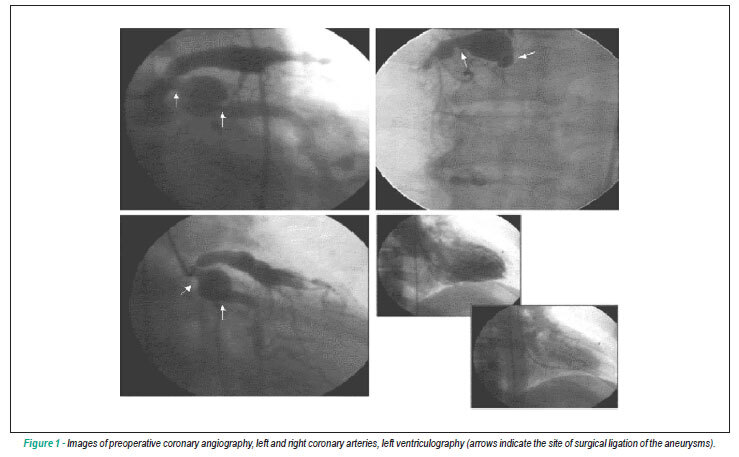
This is the case of a patient with coronary aneurysms, who underwent CABG for surgical exclusion of these aneurysms, followed by implant of the bypass grafts to the arteries affected, with satisfactory short-term and long-term results.

  • Coronary Aneurysm
  • Mucocutaneous Lymph Node Syndrome
  • Myocardial Revascularization
Read Full Article
Creative Commons Attribution (CC BY) Creative Commons license
25/03/2011 DOI: 10.1590/S0066-782X2011000200016 Views 1
Special Article

Using the impact factor and H index to assess researchers and publications

Petronio Generoso Thomaz et al. Renato Samy Assad Luiz Felipe P. Moreira

SPECIAL ARTICLE

[…]

Read Full Article
Creative Commons Attribution (CC BY) Creative Commons license
25/03/2011 DOI: 10.1590/S0066-782X2011000200001
Endovascular stent-graft treatment of penetrating aortic ulcer
Case Report

Endovascular stent-graft treatment of penetrating aortic ulcer

Rogério Tadeu Tumelero et al. Norberto Toazza Duda Alexandre Pereira Tognon Luciano Panata … Júlio Cesar Canfield Teixeira João Batista Machado Giongo

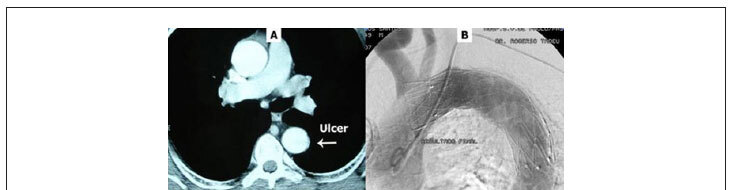
Penet rat ing aor t ic atherosclerot ic ulcer i s an underdiagnosed condition that presents high rates of morbidity and mortality. We report two cases of patients with severe chest pain, with no ischemic features, who underwent chest angiotomography and showed an ulceration of the aortic wall, with contrast penetration into the middle layer. Due to the failure of the medical treatment, the patients underwent percutaneous aortic stent implantation with complete resolution of symptoms.

  • Heart Valve Prosthesis
  • Prosthesis Implantation
  • thoracic
  • ulcer
Read Full Article
Creative Commons Attribution (CC BY) Creative Commons license
25/03/2011 DOI: 10.1590/S0066-782X2011000200015
Pharmacogenetic implications of the eNOS polymorphisms for cardiovascular action drugs
Atualização

Pharmacogenetic implications of the eNOS polymorphisms for cardiovascular action drugs

Pâmela Souza Silva et al. Riccardo Lacchini Valéria de Aguiar Gomes José Eduardo Tanus-Santos

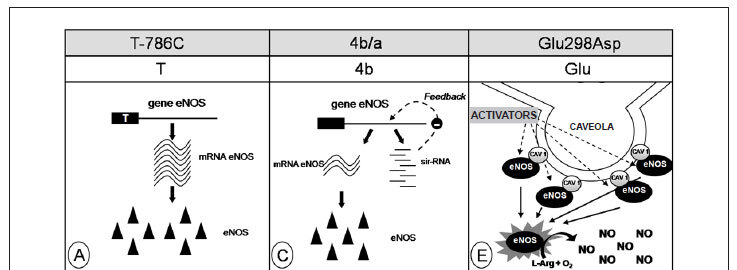
The pharmacogenetics is one of the most promising fields of medicine. The conclusion of the Genome Project allowed this field to start discovering complex factors modulating the response to drugs, and new technologies are close a great expansion of the area. The cardiovascular diseases are currently among the major causes of hospitalizations and death, and have been the target of a large part of genetic studies of complex diseases. Parallel to the susceptibility to disease markers identification, it is necessary to investigate how different genetic profiles can change the responses to the currently used drugs. The biological system that controls the endothelial production of the nitric oxide has been one of the greatest targets in the pharmacological responses to the drugs used in the cardiovascular diseases therapy. This review aims at approaching the current knowledge on interaction among the genetic variations of eNOS and the pharmacological responses to the drugs used in the cardiovascular system.

  • Cardiovascular Diseases
  • Nitric Oxide
  • Pharmacogenetics
  • Polymorphism, Genetic
Read Full Article
Creative Commons Attribution (CC BY) Creative Commons license
25/03/2011 DOI: 10.1590/S0066-782X2011000200017 Views 1
Review Article

ERRATUM

December 2010 issue, vol. 95 (6), pp. 705-712

[…]

Read Full Article
Creative Commons Attribution (CC BY) Creative Commons license
25/03/2011 DOI: 10.1590/S0066-782X2011000200013
Case 2/2011: forty-three months old child, male, with multiple ventricular septal defect, unfavorable clinical course, long term after anatomical correction
Clinicoradiological Session

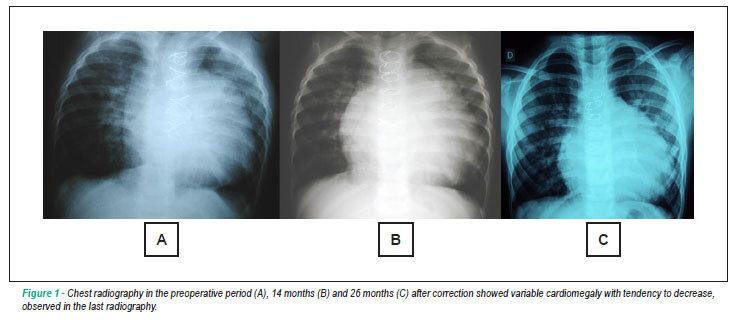
Case 2/2011: forty-three months old child, male, with multiple ventricular septal defect, unfavorable clinical course, long term after anatomical correction

Edmar Atik

CLINICORADIOLOGICAL SESSION

Case 2/2011 – forty-three months old child, male, with multiple ventricular septal defect, unfavorable clinical course, long term after anatomical correction

[…]

Read Full Article
Creative Commons Attribution (CC BY) Creative Commons license
25/03/2011 DOI: 10.1590/S0066-782X2011000200014
Acute effects of smoking on autonomic modulation: analysis by poincare plot
Artigo Original

Acute effects of smoking on autonomic modulation: analysis by poincare plot

Beatriz Martins Manzano et al. Luiz Carlos Marques Vanderlei Ercy Mara Ramos Dionei Ramos

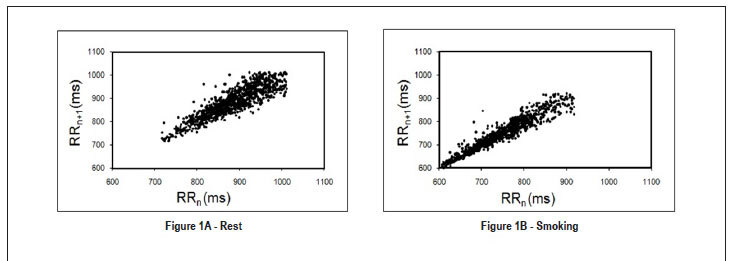
BACKGROUND: Smoking affects the autonomic function. OBJECTIVE:To investigate the acute effects of smoking on the autonomic modulation and the post-smoking recovery of the heart rate variability (HRV) index through Poincare plot and linear indices. METHODS: A total of 25 young smokers underwent beat-to-beat analysis of heart rate in the sitting position after 8 hours of tobacco abstinence, for 30 minutes at rest, 20 minutes while smoking and 30 minutes after smoking. The analysis of variance for repeated measures, followed by Tukey’s test or Friedman’s test followed by Dunn’s test, were applied depending on the normality of data, with p < 0.05. RESULTS: While smoking, there was a decrease in the indices: SD1 (23.4 ± 9.2 vs 13.8 ± 4.8), SD1/SD2 ratio (0.31 ± 0.08 vs 0.2 ± 0.04), RMSSD (32,7 ± 13 vs 19.1 ± 6.8), SDNN (47.6 ± 14.8 vs 35.5 ± 8.4), HFnu (32,5 ± 11.6 vs 19 ± 8.1) and the RR interval (816.8 ± 89 vs 696.5 ± 76.3) in relation to the rest period, whereas increases in the LFnu index (67.5 ± 11.6 vs 81 ± 8.1) and the LF/HF ratio (2.6 ± 1.7 vs 5.4 ± 3.1) were observed. The visual analysis of the plot showed a lower dispersion of RR intervals while smoking. Except for the SD1/SD2 ratio, the other indices presented recovery of values 30 minutes after smoking. CONCLUSION: Smoking resulted in acute modifications of the autonomic control, characterized by sympathetic activation and vagal withdrawal, presenting recovery 30 minutes after smoking.

  • Autonomic Nervous System
  • Heart Failure
  • Nonlinear Dynamics
  • smoking
Read Full Article
Creative Commons Attribution (CC BY) Creative Commons license
28/01/2011 DOI: 10.1590/S0066-782X2011005000013 Views 2
Artigo Original

Risk factors for mortality in octogenarians undergoing myocardial revascularization surgery

Isaac Newton Guimarães et al. Fernando Moraes João Paulo Segundo Igor Silva … Tamyris Guimarães Andrade Carlos R. Moraes

BACKGROUND: The complexity of reentrant circuits related to ventricular tachycardias decreases the success rate of radiofrequency ablation procedures. OBJECTIVE: To evaluate whether the epicardial mapping with multiple electrodes carried out simultaneously with the endocardial mapping helps in ablation procedures of sustained ventricular tachycardia (VT) in patients with nonischemic heart disease. METHODS: Twenty-six patients with recurrent sustained VT, of which 22 (84.6%) presenting chronic chagasic cardiomyopathy, 2 (7.7%) with idiopathic dilated cardiomyopathy and 2 with right ventricular arrhythmogenic dysplasia (RVAD), were submitted to epicardial mapping with two or three microcatheters, with 8 electrodes each, simultaneously to the conventional endocardial mapping. A catheter with a 4-mm tip was used for the ablation by radiofrequency (RF) carried out during the induced VT. RESULTS: Of the 33 induced VT, 25 were mapped and 20 had their origin defined. Eleven had epicardial and 9 had endocardial origin. The programmed ventricular stimulation did not induce sustained VT in 11 (42.0%) of the 26 patients after the ablation. Events such as VT recurrence and death occurred in 10.0% of the patients submitted to successful ablation and in 59.0% of the unsuccessful cases, during a mean ambulatory follow-up of 357 ± 208 days. CONCLUSION: Subepicardial circuits are frequent in patients with nonischemic heart disease. The epicardial mapping with multiple catheters carried out simultaneously with the endocardial mapping contributes to the identification of these circuits in a same procedure.

  • Arrhythmias Cardiac
  • Catheter Ablation
  • factores de riesgo
  • Heart Diseases
Read Full Article
Creative Commons Attribution (CC BY) Creative Commons license
21/01/2011 DOI: 10.1590/S0066-782X2011005000008 Views 1
Epicardial mapping of sustained ventricular tachycardia in nonischemic heart disease
Artigo Original

Epicardial mapping of sustained ventricular tachycardia in nonischemic heart disease

Geórgia Guedes da Silva et al. Henrique Horta Veloso Luiz Roberto Leite Roberto Lima Farias Angelo Amato Vincenzo de Paola

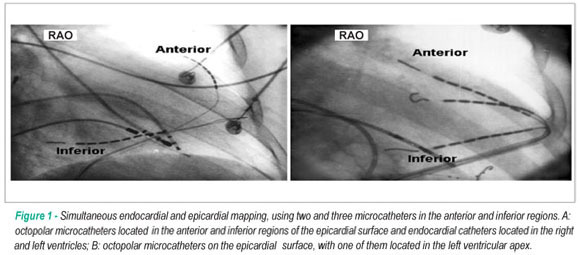
BACKGROUND: The complexity of reentrant circuits related to ventricular tachycardias decreases the success rate of radiofrequency ablation procedures. OBJECTIVE: To evaluate whether the epicardial mapping with multiple electrodes carried out simultaneously with the endocardial mapping helps in ablation procedures of sustained ventricular tachycardia (VT) in patients with nonischemic heart disease. METHODS: Twenty-six patients with recurrent sustained VT, of which 22 (84.6%) presenting chronic chagasic cardiomyopathy, 2 (7.7%) with idiopathic dilated cardiomyopathy and 2 with right ventricular arrhythmogenic dysplasia (RVAD), were submitted to epicardial mapping with two or three microcatheters, with 8 electrodes each, simultaneously to the conventional endocardial mapping. A catheter with a 4-mm tip was used for the ablation by radiofrequency (RF) carried out during the induced VT. RESULTS: Of the 33 induced VT, 25 were mapped and 20 had their origin defined. Eleven had epicardial and 9 had endocardial origin. The programmed ventricular stimulation did not induce sustained VT in 11 (42.0%) of the 26 patients after the ablation. Events such as VT recurrence and death occurred in 10.0% of the patients submitted to successful ablation and in 59.0% of the unsuccessful cases, during a mean ambulatory follow-up of 357 ± 208 days. CONCLUSION: Subepicardial circuits are frequent in patients with nonischemic heart disease. The epicardial mapping with multiple catheters carried out simultaneously with the endocardial mapping contributes to the identification of these circuits in a same procedure.

  • Arrhythmias Cardiac
  • Catheter Ablation
  • Heart Diseases
  • Tachycardia, Ventricular
Read Full Article
Creative Commons Attribution (CC BY) Creative Commons license
21/01/2011 DOI: 10.1590/S0066-782X2011005000009 Views 1
Correlation between diastolic function and maximal exercise capacity on exercise test
Artigo Original

Correlation between diastolic function and maximal exercise capacity on exercise test

Maria Estefânia Bosco Otto et al. Márcio Mendes Pereira Adenalva Lima de Souza Beck Maurício Milani

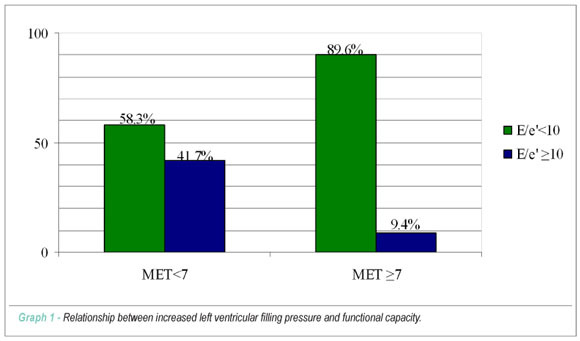
BACKGROUND: Increased pulmonary capillary pressure (PCP) is one of the mechanisms of exercise intolerance. Assessment of the diastolic function by echocardiography (ECHO) enables estimation of PCP. OBJECTIVE: To identify variables that determine the exercise capacity in patients undergoing routine exercise test (ET), conventional ECHO, and tissue Doppler imaging (TD). METHODS: A total of 640 patients undergoing ET, ECHO, and TD were retrospectively studied. Patients with ejection fraction 10 was considered an estimate of increased PCP. Maximal exercise capacity was analyzed by the number of metabolic equivalents (MET). The patients were divided into two groups for analysis: MET7 (n=572). Morise score showed a population at low risk (60%) for coronary artery disease (CAD). RESULTS: The number of patients with E/e’ > 10 was significantly higher in the MET 7 group (41.7% vs 9.4%, p=0.001), and so was the presence of any degree of diastolic dysfunction (76.6% vs 34.1% p=0.001). Using logistic regression analysis, age, female gender and A velocity (late diastole) were the independent variables related to a low exercise capacity (MET < 7). CONCLUSION: Diastolic dysfunction as determined by ECHO, female gender, and age are associated with a lower exercise capacity in a population at low risk for CAD.

  • Diastole
  • Exercise
  • Exercise Test
  • Ventricular Dysfunction
Read Full Article
Creative Commons Attribution (CC BY) Creative Commons license
14/01/2011 DOI: 10.1590/S0066-782X2011005000004
Prediction of metabolic syndrome in children through anthropometric indicators
Artigo Original

Prediction of metabolic syndrome in children through anthropometric indicators

Aparecido Pimentel Ferreira et al. Cristiane Batisti Ferreira Ciro José Brito Francisco José Gondim Pitanga … Clayton Franco Moraes Luciana Ansaneli Naves Otávio de Toledo Nóbrega Nancí Maria de França

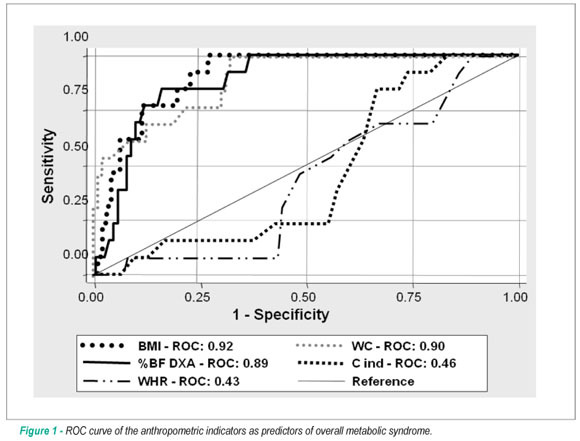
BACKGROUND: Because of the need to measure anthropometric, biochemical and hemodynamic variables for the diagnosis of metabolic syndrome, we realize how difficult it is to analyze large populations, especially children, due to the poor accessibility and the invasive character. There is an urgent need to develop easy-to-use, accurate and low-cost diagnostic tools in order to predict metabolic syndrome at early ages. OBJECTIVE: To verify the prevalence of metabolic syndrome in children and to test predictive anthropometric indicators. METHODS: Cross-sectional study conducted among 109 children aged 7 to 11 years. The age-adjusted National Cholesterol Education Program definition was used for the diagnosis of metabolic syndrome. The following parameters were tested as possible predictors: body mass index (BMI), waist circumference (WC), waist-to-hip ratio (WHR), conicity index (C index), and body fat percentage. RESULTS: The prevalence of metabolic syndrome was 13.3% and 36% for boys and girls, respectively. The main anthropometric indicators were: BMI = 0.81 (0.69 – 0.94), WC = 0.79 (0.64 – 0.94), body fat = 0.79 (0.66 – 0.92) and WHR = 0.37 (0.21 – 0.54). CONCLUSION: WC higher than 78 cm, body fat higher than 41%, and BMI higher than 24.5 kg/m² were considered predictors of metabolic syndrome. The C index and WHR were not considered predictors.

  • Child
  • Metabolic Syndrome
  • Obesity
  • Overweight
  • prediction
Read Full Article
Creative Commons Attribution (CC BY) Creative Commons license
14/01/2011 DOI: 10.1590/S0066-782X2011005000005 Views 1
Artigo Original

Evaluation of cardiopulmonary fitness in individuals with hemiparesis after cerebrovascular accident

Angélica Cristiane Ovando et al. Stella Maris Michaelsen Tales de Carvalho Vanessa Herber

BACKGROUND: Due to the hemiparesis, the assessment of cardiorespiratory fitness on individuals after cerebrovascular accident (CVA), using exercise tests with conventional protocols, has become a challenge. OBJECTIVE: Perform cardiopulmonary test (CPT) in hemiparetic patients to a pre-participation evaluation aimed at a careful prescription of aerobic exercise. METHODS: The study included eight individuals with chronic hemiparesis who underwent CPT performed with individualized ramp protocol, developed from information on the gait speed of individuals previously evaluated in the track test. We considered the proposal of inclination ranging from 0 to 10.0%, initial speed corresponding to 70.0% of comfortable walking speed rhythm and 40.0% higher than the maximum speed on the track test, expecting that the CPT with this gradual and steady increase in intensity, lasted from 6 to 8 minutes. RESULTS: In 100.0% of the sample, the reason for discontinuation was peripheral fatigue. The peak VO2 achieved was 20.6 ± 5.7 ml/kg.min. The threshold I was identified in all tests, standing at 82.64 ± 4.78% of peak HR and 73.31 ± 4.97% of peak VO2. The respiratory quotient (R) of the group was 0.96 ± 0.09, and three out of eight individuals (37.5%) reached R higher than 1.00, and the Threshold II was identified in these individuals. We found positive relationships between CPT variables and balance scores, performance in the 6-minute walking test and running speed on the ground. CONCLUSION: The test proved to be useful for prescribing physical activity in these individuals.

  • Exercise Test
  • paresis
  • physical fitness
  • Respiratory Function Tests
  • Stroke
Read Full Article
Creative Commons Attribution (CC BY) Creative Commons license
07/01/2011 DOI: 10.1590/S0066-782X2011005000001
Behavior of central and peripheral chemoreflexes in heart failure
Review Article

Behavior of central and peripheral chemoreflexes in heart failure

Guilherme Veiga Guimarães et al. Juliana Fernanda Canhadas Belli Fernando Bacal Edimar Alcides Bocchi

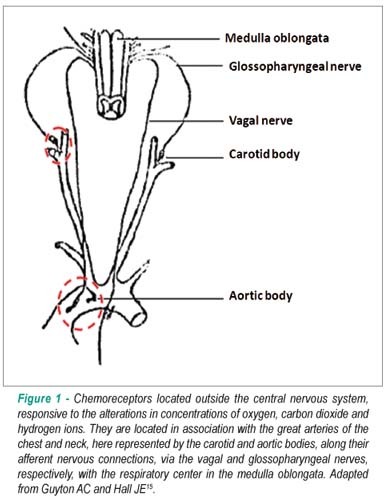
The heart failure (HF) syndrome can be defined as the final pathway of any type of heart disease. The sympatho-inhibitory cardiovascular reflexes, such as the arterial baroreceptor reflex, are significantly decreased in HF. Patients with HF present higher ventilation for a certain workload when compared with normal individuals. This fact generates low ventilatory efficiency and is related to higher ventilation associated with the carbon dioxide production, which is a predictor of bad prognosis, in addition to being a limiting factor for the practice of exercises. There is evidence that the autonomic imbalance contributes to the pathogenesis and the progression of heart failure. The chemoreflexes are the main mechanisms of control and regulation of the ventilatory responses to the changes in concentrations of arterial oxygen and carbon dioxide. The chemoreflex activation causes an increase in the sympathetic activity, heart rate, arterial pressure and minute volume. However, the increase in the minute volume and the arterial pressure, due to negative feedback, cause inhibition of the sympathetic response at the chemoreflex activation. In spite of the functional alterations of the reflexes, their behavior in normal and pathological conditions, especially their contribution to the sympathoexcitatory state observed in HF has not been broadly studied. Therefore, this review aims at integrating the knowledge on central and peripheral chemoreflexes in HF syndrome, as well as clarifying the influence of the heart failure drug therapy on the chemoreflexes.

  • Autonomic Nervous System
  • Baroreflex
  • Heart Failure
Read Full Article
Creative Commons Attribution (CC BY) Creative Commons license
07/01/2011 DOI: 10.1590/S0066-782X2011005000003
Sidestream cigarette smoke exposure effects on baroreflex in adult rats
Artigo Original

Sidestream cigarette smoke exposure effects on baroreflex in adult rats

Vitor E. Valenti et al. Luiz Carlos de Abreu Celso Ferreira

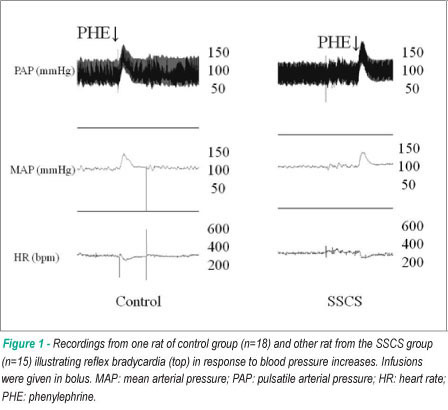
BACKGROUND: It has been evidenced in the literature that exposure to cigarette smoke causes hypertension in rats; however, it has not been demonstrated if the baroreflex function is impaired before the animal becomes hypertensive. OBJECTIVE: We evaluated short-term effects of sidestream cigarette smoke (SSCS) exposure on baroreflex function in Wistar normotensive rats. METHODS: Rats were exposed to SSCS during three weeks, 180 minutes, five days per week, at a concentration of monoxide carbon between 100-300 ppm. Mean arterial pressure (MAP) and heart rate (HR) were evaluated through cannulation of the femoral vein and artery. RESULTS: There was no significant difference between control and SSCS groups regarding basal mean arterial pressure and heart rate, sympathetic and parasympathetic components of the baroreflex function. CONCLUSION: Our data suggest that three weeks of exposure to SSCS is not enough to significantly impair cardiovascular parameters and baroreflex sensitivity in normotensive Wistar rats.

  • Baroreflex
  • Rats
  • Smoke
  • smoke inhalation injury
  • Tobacco
Read Full Article
Creative Commons Attribution (CC BY) Creative Commons license
22/12/2010 DOI: 10.1590/S0066-782X2010005000164 Views 1
Intramyocardial adrenergic activation in chagasic cardiomyopathy and coronary artery disease
Artigo Original

Intramyocardial adrenergic activation in chagasic cardiomyopathy and coronary artery disease

Luciano Nastari et al. Felix Jose Alvarez Ramires Vera Maria Cury Salemi Barbara Maria Ianni … Fábio Fernandes Célia Maria Strunz Edmundo Arteaga Charles Mady

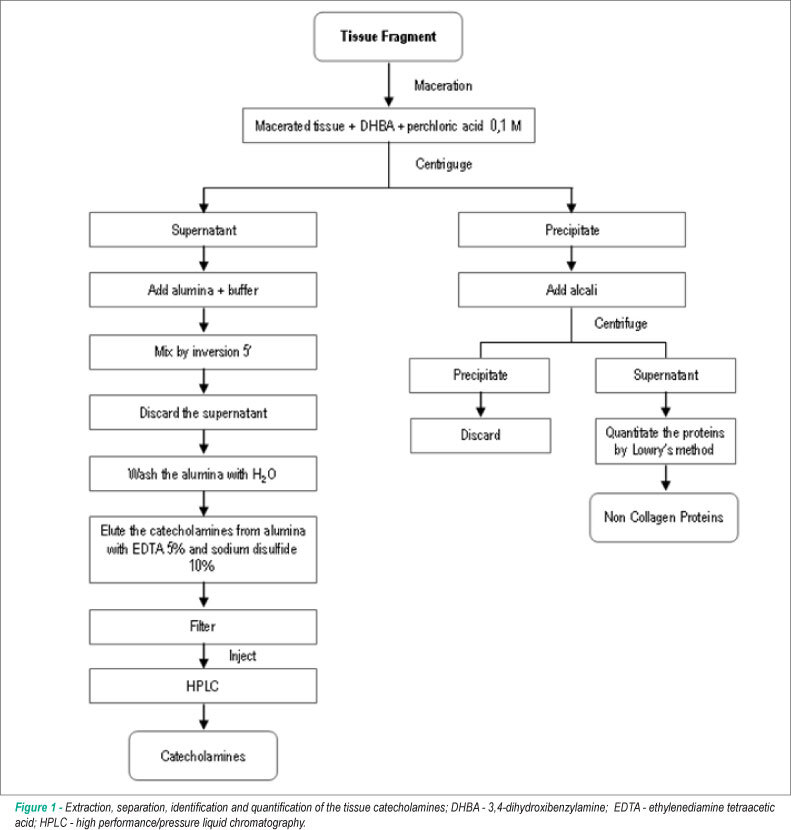
BACKGROUND: Myocardial norepinephrine is altered in left ventricular impairment. In patients with Chagas’ cardiomyopathy (CC), this issue has not been addressed. OBJECTIVE: To determine the level of myocardial norepinephrine in patients with CC and compare it in patients with coronary artery disease, and to relate myocardial norepinephrine to left ventricular ejection fraction (LVEF). METHODS: We studied 39 patients with CC, divided into group 1: 21 individuals with normal LVEF and group 2: 18 individuals with decreased LVEF. Seventeen patients with coronary artery disease were divided into group 3: 12 individuals with normal LVEF and group 4: 5 individuals with decreased LVEF. Two-dimensional echocardiography was used to measure LVEF. Myocardial norepinephrine was determined by high-performance liquid chromatography. RESULTS: Myocardial norepinephrine in CC with and without ventricular dysfunction was 1.3±1.3 and 6.1±4.2 pg/μg noncollagen protein, respectively (p<0.0001); in coronary artery disease with and without ventricular dysfunction, it was 3.3±3.0 and 9.8±4.2 pgμg noncollagen protein, respectively (p<0.0001). A positive correlation was found between LVEF and myocardial norepinephrine concentration in the patients with Chagas' cardiomyopathy (p<0.01, r = 0.57) and also in those with coronary artery disease (p<0.01, r=0.69). A significant difference was demonstrated between norepinephrine concentrations in patients with normal LVEF (groups 1 and 3; p = 0.0182), but no difference was found in patients with decreased LVEF (groups 2 and 4; p = 0.1467). CONCLUSION: In patients with Chagas' cardiomyopathy and normal global ejection fraction there is an early cardiac denervation, when compared to coronary artery disease patients.

  • cardiomyopathy
  • Coronary Artery Disease
  • Heart Failure
  • left
  • Norepinephrine
  • Ventricular Dysfunction
Read Full Article
Creative Commons Attribution (CC BY) Creative Commons license
22/12/2010 DOI: 10.1590/S0066-782X2010005000163
Anthropometric indicators as predictors of high blood pressure in adolescents
Artigo Original

Anthropometric indicators as predictors of high blood pressure in adolescents

Carmem Cristina Beck et al. Adair da Silva Lopes Francisco José Gondim Pitanga

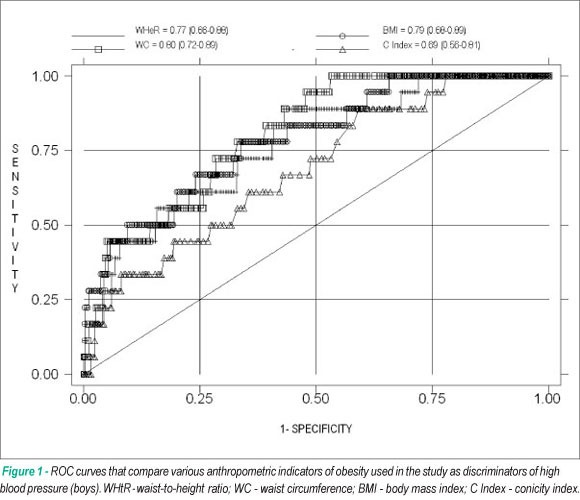
BACKGROUND: Hypertension is related to increased body fat, which can be evaluated by anthropometric indicators. OBJECTIVE: To determine the predictive power of anthropometric indicators and establish their cutoff points as discriminators of high blood pressure. METHODS: Cross-sectional study with a sample of 660 adolescents aged 14 to 19 including 51.9% girls. We considered the following anthropometric indicators: body mass index (BMI), waist circumference, waist-to-height ratio and conicity index. High blood pressure was characterized by values above the 90th percentile for systolic and/or diastolic blood pressure. To identify predictors of high blood pressure, we adopted the analysis of receiver operating characteristic curves (ROC) with a confidence interval of 95%. Subsequently, we identified the cutoff points with their relevant sensitivities and specificities. RESULTS: The areas under the ROC curves with confidence intervals were: boys – waist circumference = 0.80 (0.72 to 0.89); BMI = 0.79 (0.68 to 0.89), waist-to-height ratio = 0.77 (0.66 to 0.88); conicity index = 0.69 (0.56 to 0.81) and for girls – waist circumference = 0.96 (0.92 to 1.00); BMI 0.95 (0.87 to 1.00), waist-to-height ratio = 0.93 (0.85 to 1.00); conicity index = 0.74 (0.50 to 0.98). The different cutoff points of anthropometric indicators with better predictive power and their relevant sensitivities and specificities were identified. CONCLUSION: Although the waist-to-height ratio and BMI have shown good areas under the ROC curve, we suggest the use of waist circumference to predict high blood pressure.

  • Adolescent
  • Anthropometry
  • Hypertension
  • Obesity
  • prediction
Read Full Article
Creative Commons Attribution (CC BY) Creative Commons license
19/11/2010 DOI: 10.1590/S0066-782X2010005000153
Artigo Original

Inflammatory markers and antichlamydial antibodies in patients with metabolic syndrome

Rosecler Riethmuller Franco et al. Luiz Carlos Bodanese Giuseppe Repetto Jacqueline da Costa Escobar Piccoli … Mario Wiehe Cassiane Bonato Marta Maria Medeiros Frescura Duarte Thiago Duarte

BACKGROUND: The metabolic syndrome is associated with increased risk of cardiovascular events. Inflammatory markers and antichlamydial antibodies have been linked to the development and progression of atherosclerosis and cardiovascular events. OBJECTIVE: To evaluate the inflammatory markers interleukin-6 (IL-6) and tumor necrosis factor-alpha (TNF-α), as well as anti-chlamydia pneumoniae antibodies, in patients with metabolic syndrome (MS), with and without cardiovascular events. METHODS: Cross sectional study consisting of 147 individuals. Out of these, 100 (68%) with MS and without cardiovascular events; and 47 (32%) with MS and with cardiovascular events. Among the individuals who had had cardiovascular events, 13 (6.11%) had acute myocardial infarction (AMI) and ten (4.7%) had cerebrovascular accident (CVA). The diagnosis of MS was determined by the criteria of NCEP-ATPIII. RESULTS: The mean age of subjects with cardiovascular events was 61.26 ± 8.5 and 59.32 ± 9.9 in subjects without such events (p = 0.279), with a predominance of females. The weight, height, BMI and waist circumference of the group with MS and without event was greater. Among individuals with cardiovascular events (p = 0.001), the inflammatory markers IL-6 and TNF-α and the peripheral vascular disease were significantly greater. There were high levels of IgG antibodies to C. pneumoniae in the SM group, without events, and of IgA antibodies in the group with events, when the two groups were compared. With respect to AMI and stroke, the anti-chlamydia pneumoniae antibodies showed no statistical significance, compared to the group without cardiovascular events. An association was observed with the use of statins, nonsteroidal anti-inflammatory drugs and injectable, oral hypoglycemic agents, in the group with these events. CONCLUSION: The inflammatory markers were significantly elevated in patients with MS, with acute myocardial infarction and stroke. There was no significant difference in anti-chlamydial antibodies in patients with MS, with and without events.
  • Antibodies
  • Biological Markers
  • Chlamydia
  • Chlamydia infectious
  • Metabolic Syndrome
Read Full Article
Creative Commons Attribution (CC BY) Creative Commons license
12/11/2010 DOI: 10.1590/S0066-782X2010005000148 Views 1

How to cite this article

EndNote RIS

Electronic Document Format (Vancouver)

Dinkhuysen JJ, Nogueira AS, Zarate JV, Spina Neto D, Soria TLP. Coronary artery bypass graft (CABG) in the presence of coronary aneurysms. Arquivos Brasileiros de Cardiologia 2011;96(2):e24-6.

Electronic Document Format (ABNT)

Dinkhuysen, Jarbas J.; Nogueira, Andrea de Souza; Zarate, Jose Viera; Spina Neto, Domingos; Soria, Teresa Lola Pena. Coronary artery bypass graft (CABG) in the presence of coronary aneurysms. Arquivos Brasileiros de Cardiologia, v. 96, n. 2, p. e24-e26, Mar. 2011.

Electronic Document Format (APA)

Dinkhuysen, J. J., Nogueira, A. S., Zarate, J. V., Spina Neto, D., & Soria, T. L. P. (2011). Coronary artery bypass graft (CABG) in the presence of coronary aneurysms. Arquivos Brasileiros de Cardiologia, 96(2), e24-e26.

Electronic Document Format (ISO)

Dinkhuysen, Jarbas J. and Nogueira, Andrea de Souza and Zarate, Jose Viera and Spina Neto, Domingos and Soria, Teresa Lola Pena. Coronary artery bypass graft (CABG) in the presence of coronary aneurysms. Arquivos Brasileiros de Cardiologia [online]. 2011, vol. 96, n. 2, [cited 2026-10-14], pp. e24-e26. Available from: <https://journals.cardiol.br/en/article/coronary-artery-bypass-graft-cabg-in-the-presence-of-coronary-aneurysms/>. ISSN 0066-782X

EndNote RIS

Electronic Document Format (Vancouver)

Thomaz PG, Assad RS, Moreira LFP. Using the impact factor and H index to assess researchers and publications. Arquivos Brasileiros de Cardiologia 2011;96(2):90-3.

Electronic Document Format (ABNT)

Thomaz, Petronio Generoso; Assad, Renato Samy; Moreira, Luiz Felipe P.. Using the impact factor and H index to assess researchers and publications. Arquivos Brasileiros de Cardiologia, v. 96, n. 2, p. 90-93, Mar. 2011.

Electronic Document Format (APA)

Thomaz, P. G., Assad, R. S., & Moreira, L. F. P. (2011). Using the impact factor and H index to assess researchers and publications. Arquivos Brasileiros de Cardiologia, 96(2), 90-93.

Electronic Document Format (ISO)

Thomaz, Petronio Generoso and Assad, Renato Samy and Moreira, Luiz Felipe P.. Using the impact factor and H index to assess researchers and publications. Arquivos Brasileiros de Cardiologia [online]. 2011, vol. 96, n. 2, [cited 2026-10-14], pp. 90-93. Available from: <https://journals.cardiol.br/en/article/using-the-impact-factor-and-h-index-to-assess-researchers-and-publications/>. ISSN 0066-782X

EndNote RIS

Electronic Document Format (Vancouver)

Tumelero RT, Duda NT, Tognon AP, Panata L, Teixeira JCC, Giongo JBM. Endovascular stent-graft treatment of penetrating aortic ulcer. Arquivos Brasileiros de Cardiologia 2011;96(2):e20-3.

Electronic Document Format (ABNT)

Tumelero, Rogério Tadeu; Duda, Norberto Toazza; Tognon, Alexandre Pereira; Panata, Luciano; Teixeira, Júlio Cesar Canfield; Giongo, João Batista Machado. Endovascular stent-graft treatment of penetrating aortic ulcer. Arquivos Brasileiros de Cardiologia, v. 96, n. 2, p. e20-e23, Mar. 2011.

Electronic Document Format (APA)

Tumelero, R. T., Duda, N. T., Tognon, A. P., Panata, L., Teixeira, J. C. C., & Giongo, J. B. M. (2011). Endovascular stent-graft treatment of penetrating aortic ulcer. Arquivos Brasileiros de Cardiologia, 96(2), e20-e23.

Electronic Document Format (ISO)

Tumelero, Rogério Tadeu and Duda, Norberto Toazza and Tognon, Alexandre Pereira and Panata, Luciano and Teixeira, Júlio Cesar Canfield and Giongo, João Batista Machado. Endovascular stent-graft treatment of penetrating aortic ulcer. Arquivos Brasileiros de Cardiologia [online]. 2011, vol. 96, n. 2, [cited 2026-10-14], pp. e20-e23. Available from: <https://journals.cardiol.br/en/article/endovascular-stent-graft-treatment-of-penetrating-aortic-ulcer/>. ISSN 0066-782X

EndNote RIS

Electronic Document Format (Vancouver)

Silva PS, Lacchini R, Gomes VA, Tanus-Santos JE. Pharmacogenetic implications of the eNOS polymorphisms for cardiovascular action drugs. Arquivos Brasileiros de Cardiologia 2011;96(2):e27-34.

Electronic Document Format (ABNT)

Silva, Pâmela Souza; Lacchini, Riccardo; Gomes, Valéria de Aguiar; Tanus-Santos, José Eduardo. Pharmacogenetic implications of the eNOS polymorphisms for cardiovascular action drugs. Arquivos Brasileiros de Cardiologia, v. 96, n. 2, p. e27-e34, Mar. 2011.

Electronic Document Format (APA)

Silva, P. S., Lacchini, R., Gomes, V. A., & Tanus-Santos, J. E. (2011). Pharmacogenetic implications of the eNOS polymorphisms for cardiovascular action drugs. Arquivos Brasileiros de Cardiologia, 96(2), e27-e34.

Electronic Document Format (ISO)

Silva, Pâmela Souza and Lacchini, Riccardo and Gomes, Valéria de Aguiar and Tanus-Santos, José Eduardo. Pharmacogenetic implications of the eNOS polymorphisms for cardiovascular action drugs. Arquivos Brasileiros de Cardiologia [online]. 2011, vol. 96, n. 2, [cited 2026-10-14], pp. e27-e34. Available from: <https://journals.cardiol.br/en/article/pharmacogenetic-implications-of-the-enos-polymorphisms-for-cardiovascular-action-drugs/>. ISSN 0066-782X

EndNote RIS

Electronic Document Format (Vancouver)

. . Arquivos Brasileiros de Cardiologia 2011;96(2):168.

Electronic Document Format (ABNT)

. . Arquivos Brasileiros de Cardiologia, v. 96, n. 2, p. 168-168, Mar. 2011.

Electronic Document Format (APA)

(2011). . Arquivos Brasileiros de Cardiologia, 96(2), 168-168.

Electronic Document Format (ISO)

. . Arquivos Brasileiros de Cardiologia [online]. 2011, vol. 96, n. 2, [cited 2026-10-14], pp. 168-168. Available from: <https://journals.cardiol.br/en/article/38218/>. ISSN 0066-782X

EndNote RIS

Electronic Document Format (Vancouver)

Atik E. Case 2/2011: forty-three months old child, male, with multiple ventricular septal defect, unfavorable clinical course, long term after anatomical correction. Arquivos Brasileiros de Cardiologia 2011;96(2):e18-9.

Electronic Document Format (ABNT)

Atik, Edmar. Case 2/2011: forty-three months old child, male, with multiple ventricular septal defect, unfavorable clinical course, long term after anatomical correction. Arquivos Brasileiros de Cardiologia, v. 96, n. 2, p. e18-e19, Mar. 2011.

Electronic Document Format (APA)

Atik, E. (2011). Case 2/2011: forty-three months old child, male, with multiple ventricular septal defect, unfavorable clinical course, long term after anatomical correction. Arquivos Brasileiros de Cardiologia, 96(2), e18-e19.

Electronic Document Format (ISO)

Atik, Edmar. Case 2/2011: forty-three months old child, male, with multiple ventricular septal defect, unfavorable clinical course, long term after anatomical correction. Arquivos Brasileiros de Cardiologia [online]. 2011, vol. 96, n. 2, [cited 2026-10-14], pp. e18-e19. Available from: <https://journals.cardiol.br/en/article/case-2-2011-forty-three-months-old-child-male-with-multiple-ventricular-septal-defect-unfavorable-clinical-course-long-term-after-anatomical-correction/>. ISSN 0066-782X

EndNote RIS

Electronic Document Format (Vancouver)

Manzano BM, Vanderlei LCM, Ramos EM, Ramos D. Acute effects of smoking on autonomic modulation: analysis by poincare plot. Arquivos Brasileiros de Cardiologia 2011;96(2):154-60.

Electronic Document Format (ABNT)

Manzano, Beatriz Martins; Vanderlei, Luiz Carlos Marques; Ramos, Ercy Mara; Ramos, Dionei. Acute effects of smoking on autonomic modulation: analysis by poincare plot. Arquivos Brasileiros de Cardiologia, v. 96, n. 2, p. 154-160, Jan. 2011.

Electronic Document Format (APA)

Manzano, B. M., Vanderlei, L. C. M., Ramos, E. M., & Ramos, D. (2011). Acute effects of smoking on autonomic modulation: analysis by poincare plot. Arquivos Brasileiros de Cardiologia, 96(2), 154-160.

Electronic Document Format (ISO)

Manzano, Beatriz Martins and Vanderlei, Luiz Carlos Marques and Ramos, Ercy Mara and Ramos, Dionei. Acute effects of smoking on autonomic modulation: analysis by poincare plot. Arquivos Brasileiros de Cardiologia [online]. 2011, vol. 96, n. 2, [cited 2026-10-14], pp. 154-160. Available from: <https://journals.cardiol.br/en/article/acute-effects-of-smoking-on-autonomic-modulation-analysis-by-poincare-plot/>. ISSN 0066-782X

EndNote RIS

Electronic Document Format (Vancouver)

Guimarães IN, Moraes F, Segundo JP, Silva I, Andrade TG, Moraes CR. Risk factors for mortality in octogenarians undergoing myocardial revascularization surgery. Arquivos Brasileiros de Cardiologia 2011;96(2):94-8.

Electronic Document Format (ABNT)

Guimarães, Isaac Newton; Moraes, Fernando; Segundo, João Paulo; Silva, Igor; Andrade, Tamyris Guimarães; Moraes, Carlos R.. Risk factors for mortality in octogenarians undergoing myocardial revascularization surgery. Arquivos Brasileiros de Cardiologia, v. 96, n. 2, p. 94-98, Jan. 2011.

Electronic Document Format (APA)

Guimarães, I. N., Moraes, F., Segundo, J. P., Silva, I., Andrade, T. G., & Moraes, C. R. (2011). Risk factors for mortality in octogenarians undergoing myocardial revascularization surgery. Arquivos Brasileiros de Cardiologia, 96(2), 94-98.

Electronic Document Format (ISO)

Guimarães, Isaac Newton and Moraes, Fernando and Segundo, João Paulo and Silva, Igor and Andrade, Tamyris Guimarães and Moraes, Carlos R.. Risk factors for mortality in octogenarians undergoing myocardial revascularization surgery. Arquivos Brasileiros de Cardiologia [online]. 2011, vol. 96, n. 2, [cited 2026-10-14], pp. 94-98. Available from: <https://journals.cardiol.br/en/article/risk-factors-for-mortality-in-octogenarians-undergoing-myocardial-revascularization-surgery/>. ISSN 0066-782X

EndNote RIS

Electronic Document Format (Vancouver)

Silva GG, Veloso HH, Leite LR, Farias RL, Paola AAV. Epicardial mapping of sustained ventricular tachycardia in nonischemic heart disease. Arquivos Brasileiros de Cardiologia 2011;96(2):114-20.

Electronic Document Format (ABNT)

Silva, Geórgia Guedes da; Veloso, Henrique Horta; Leite, Luiz Roberto; Farias, Roberto Lima; Paola, Angelo Amato Vincenzo de. Epicardial mapping of sustained ventricular tachycardia in nonischemic heart disease. Arquivos Brasileiros de Cardiologia, v. 96, n. 2, p. 114-120, Jan. 2011.

Electronic Document Format (APA)

Silva, G. G. , Veloso, H. H., Leite, L. R., Farias, R. L., & Paola, A. A. V. (2011). Epicardial mapping of sustained ventricular tachycardia in nonischemic heart disease. Arquivos Brasileiros de Cardiologia, 96(2), 114-120.

Electronic Document Format (ISO)

Silva, Geórgia Guedes da and Veloso, Henrique Horta and Leite, Luiz Roberto and Farias, Roberto Lima and Paola, Angelo Amato Vincenzo de. Epicardial mapping of sustained ventricular tachycardia in nonischemic heart disease. Arquivos Brasileiros de Cardiologia [online]. 2011, vol. 96, n. 2, [cited 2026-10-14], pp. 114-120. Available from: <https://journals.cardiol.br/en/article/epicardial-mapping-of-sustained-ventricular-tachycardia-in-nonischemic-heart-disease/>. ISSN 0066-782X

EndNote RIS

Electronic Document Format (Vancouver)

Otto MEB, Pereira MM, Beck ALS, Milani M. Correlation between diastolic function and maximal exercise capacity on exercise test. Arquivos Brasileiros de Cardiologia 2011;96(2):107-13.

Electronic Document Format (ABNT)

Otto, Maria Estefânia Bosco; Pereira, Márcio Mendes; Beck, Adenalva Lima de Souza; Milani, Maurício. Correlation between diastolic function and maximal exercise capacity on exercise test. Arquivos Brasileiros de Cardiologia, v. 96, n. 2, p. 107-113, Jan. 2011.

Electronic Document Format (APA)

Otto, M. E. B., Pereira, M. M., Beck, A. L. S., & Milani, M. (2011). Correlation between diastolic function and maximal exercise capacity on exercise test. Arquivos Brasileiros de Cardiologia, 96(2), 107-113.

Electronic Document Format (ISO)

Otto, Maria Estefânia Bosco and Pereira, Márcio Mendes and Beck, Adenalva Lima de Souza and Milani, Maurício. Correlation between diastolic function and maximal exercise capacity on exercise test. Arquivos Brasileiros de Cardiologia [online]. 2011, vol. 96, n. 2, [cited 2026-10-14], pp. 107-113. Available from: <https://journals.cardiol.br/en/article/correlation-between-diastolic-function-and-maximal-exercise-capacity-on-exercise-test/>. ISSN 0066-782X

EndNote RIS

Electronic Document Format (Vancouver)

Ferreira AP, Ferreira CB, Brito CJ, Pitanga FJG, Moraes CF, Naves LA, Nóbrega OT, et al. Prediction of metabolic syndrome in children through anthropometric indicators. Arquivos Brasileiros de Cardiologia 2011;96(2):121-5.

Electronic Document Format (ABNT)

Ferreira, Aparecido Pimentel; Ferreira, Cristiane Batisti; Brito, Ciro José; Pitanga, Francisco José Gondim; Moraes, Clayton Franco; Naves, Luciana Ansaneli; Nóbrega, Otávio de Toledo; França, Nancí Maria de. Prediction of metabolic syndrome in children through anthropometric indicators. Arquivos Brasileiros de Cardiologia, v. 96, n. 2, p. 121-125, Jan. 2011.

Electronic Document Format (APA)

Ferreira, A. P., Ferreira, C. B., Brito, C. J., Pitanga, F. J. G., Moraes, C. F., Naves, L. A., Nóbrega, O. T., & França, N. M. (2011). Prediction of metabolic syndrome in children through anthropometric indicators. Arquivos Brasileiros de Cardiologia, 96(2), 121-125.

Electronic Document Format (ISO)

Ferreira, Aparecido Pimentel and Ferreira, Cristiane Batisti and Brito, Ciro José and Pitanga, Francisco José Gondim and Moraes, Clayton Franco and Naves, Luciana Ansaneli and Nóbrega, Otávio de Toledo and França, Nancí Maria de. Prediction of metabolic syndrome in children through anthropometric indicators. Arquivos Brasileiros de Cardiologia [online]. 2011, vol. 96, n. 2, [cited 2026-10-14], pp. 121-125. Available from: <https://journals.cardiol.br/en/article/prediction-of-metabolic-syndrome-in-children-through-anthropometric-indicators/>. ISSN 0066-782X

EndNote RIS

Electronic Document Format (Vancouver)

Ovando AC, Michaelsen SM, Carvalho T, Herber V. Evaluation of cardiopulmonary fitness in individuals with hemiparesis after cerebrovascular accident. Arquivos Brasileiros de Cardiologia 2011;96(2):140-7.

Electronic Document Format (ABNT)

Ovando, Angélica Cristiane; Michaelsen, Stella Maris; Carvalho, Tales de; Herber, Vanessa. Evaluation of cardiopulmonary fitness in individuals with hemiparesis after cerebrovascular accident. Arquivos Brasileiros de Cardiologia, v. 96, n. 2, p. 140-147, Jan. 2011.

Electronic Document Format (APA)

Ovando, A. C., Michaelsen, S. M., Carvalho, T. , & Herber, V. (2011). Evaluation of cardiopulmonary fitness in individuals with hemiparesis after cerebrovascular accident. Arquivos Brasileiros de Cardiologia, 96(2), 140-147.

Electronic Document Format (ISO)

Ovando, Angélica Cristiane and Michaelsen, Stella Maris and Carvalho, Tales de and Herber, Vanessa. Evaluation of cardiopulmonary fitness in individuals with hemiparesis after cerebrovascular accident. Arquivos Brasileiros de Cardiologia [online]. 2011, vol. 96, n. 2, [cited 2026-10-14], pp. 140-147. Available from: <https://journals.cardiol.br/en/article/evaluation-of-cardiopulmonary-fitness-in-individuals-with-hemiparesis-after-cerebrovascular-accident/>. ISSN 0066-782X

EndNote RIS

Electronic Document Format (Vancouver)

Guimarães GV, Belli JFC, Bacal F, Bocchi EA. Behavior of central and peripheral chemoreflexes in heart failure. Arquivos Brasileiros de Cardiologia 2011;96(2):161-7.

Electronic Document Format (ABNT)

Guimarães, Guilherme Veiga; Belli, Juliana Fernanda Canhadas; Bacal, Fernando; Bocchi, Edimar Alcides. Behavior of central and peripheral chemoreflexes in heart failure. Arquivos Brasileiros de Cardiologia, v. 96, n. 2, p. 161-167, Jan. 2011.

Electronic Document Format (APA)

Guimarães, G. V., Belli, J. F. C., Bacal, F., & Bocchi, E. A. (2011). Behavior of central and peripheral chemoreflexes in heart failure. Arquivos Brasileiros de Cardiologia, 96(2), 161-167.

Electronic Document Format (ISO)

Guimarães, Guilherme Veiga and Belli, Juliana Fernanda Canhadas and Bacal, Fernando and Bocchi, Edimar Alcides. Behavior of central and peripheral chemoreflexes in heart failure. Arquivos Brasileiros de Cardiologia [online]. 2011, vol. 96, n. 2, [cited 2026-10-14], pp. 161-167. Available from: <https://journals.cardiol.br/en/article/behavior-of-central-and-peripheral-chemoreflexes-in-heart-failure/>. ISSN 0066-782X

EndNote RIS

Electronic Document Format (Vancouver)

Valenti VE, Abreu LC, Ferreira C. Sidestream cigarette smoke exposure effects on baroreflex in adult rats. Arquivos Brasileiros de Cardiologia 2010;96(2):148-53.

Electronic Document Format (ABNT)

Valenti, Vitor E.; Abreu, Luiz Carlos de; Ferreira, Celso. Sidestream cigarette smoke exposure effects on baroreflex in adult rats. Arquivos Brasileiros de Cardiologia, v. 96, n. 2, p. 148-153, Dec. 2010.

Electronic Document Format (APA)

Valenti, V. E., Abreu, L. C. , & Ferreira, C. (2010). Sidestream cigarette smoke exposure effects on baroreflex in adult rats. Arquivos Brasileiros de Cardiologia, 96(2), 148-153.

Electronic Document Format (ISO)

Valenti, Vitor E. and Abreu, Luiz Carlos de and Ferreira, Celso. Sidestream cigarette smoke exposure effects on baroreflex in adult rats. Arquivos Brasileiros de Cardiologia [online]. 2010, vol. 96, n. 2, [cited 2026-10-14], pp. 148-153. Available from: <https://journals.cardiol.br/en/article/sidestream-cigarette-smoke-exposure-effects-on-baroreflex-in-adult-rats/>. ISSN 0066-782X

EndNote RIS

Electronic Document Format (Vancouver)

Nastari L, Ramires FJA, Salemi VMC, Ianni BM, Fernandes F, Strunz CM, Arteaga E, et al. Intramyocardial adrenergic activation in chagasic cardiomyopathy and coronary artery disease. Arquivos Brasileiros de Cardiologia 2010;96(2):99-106.

Electronic Document Format (ABNT)

Nastari, Luciano; Ramires, Felix Jose Alvarez; Salemi, Vera Maria Cury; Ianni, Barbara Maria; Fernandes, Fábio; Strunz, Célia Maria; Arteaga, Edmundo; Mady, Charles. Intramyocardial adrenergic activation in chagasic cardiomyopathy and coronary artery disease. Arquivos Brasileiros de Cardiologia, v. 96, n. 2, p. 99-106, Dec. 2010.

Electronic Document Format (APA)

Nastari, L., Ramires, F. J. A., Salemi, V. M. C., Ianni, B. M., Fernandes, F., Strunz, C. M., Arteaga, E., & Mady, C. (2010). Intramyocardial adrenergic activation in chagasic cardiomyopathy and coronary artery disease. Arquivos Brasileiros de Cardiologia, 96(2), 99-106.

Electronic Document Format (ISO)

Nastari, Luciano and Ramires, Felix Jose Alvarez and Salemi, Vera Maria Cury and Ianni, Barbara Maria and Fernandes, Fábio and Strunz, Célia Maria and Arteaga, Edmundo and Mady, Charles. Intramyocardial adrenergic activation in chagasic cardiomyopathy and coronary artery disease. Arquivos Brasileiros de Cardiologia [online]. 2010, vol. 96, n. 2, [cited 2026-10-14], pp. 99-106. Available from: <https://journals.cardiol.br/en/article/intramyocardial-adrenergic-activation-in-chagasic-cardiomyopathy-and-coronary-artery-disease/>. ISSN 0066-782X

EndNote RIS

Electronic Document Format (Vancouver)

Beck CC, Lopes AS, Pitanga FJG. Anthropometric indicators as predictors of high blood pressure in adolescents. Arquivos Brasileiros de Cardiologia 2010;96(2):126-33.

Electronic Document Format (ABNT)

Beck, Carmem Cristina; Lopes, Adair da Silva; Pitanga, Francisco José Gondim. Anthropometric indicators as predictors of high blood pressure in adolescents. Arquivos Brasileiros de Cardiologia, v. 96, n. 2, p. 126-133, Nov. 2010.

Electronic Document Format (APA)

Beck, C. C., Lopes, A. S., & Pitanga, F. J. G. (2010). Anthropometric indicators as predictors of high blood pressure in adolescents. Arquivos Brasileiros de Cardiologia, 96(2), 126-133.

Electronic Document Format (ISO)

Beck, Carmem Cristina and Lopes, Adair da Silva and Pitanga, Francisco José Gondim. Anthropometric indicators as predictors of high blood pressure in adolescents. Arquivos Brasileiros de Cardiologia [online]. 2010, vol. 96, n. 2, [cited 2026-10-14], pp. 126-133. Available from: <https://journals.cardiol.br/en/article/anthropometric-indicators-as-predictors-of-high-blood-pressure-in-adolescents/>. ISSN 0066-782X

EndNote RIS

Electronic Document Format (Vancouver)

Franco RR, Bodanese LC, Repetto G, Piccoli JCE, Wiehe M, Bonato C, Duarte MMMF, et al. Inflammatory markers and antichlamydial antibodies in patients with metabolic syndrome. Arquivos Brasileiros de Cardiologia 2010;96(2):134-9.

Electronic Document Format (ABNT)

Franco, Rosecler Riethmuller; Bodanese, Luiz Carlos; Repetto, Giuseppe; Piccoli, Jacqueline da Costa Escobar; Wiehe, Mario; Bonato, Cassiane; Duarte, Marta Maria Medeiros Frescura; Duarte, Thiago. Inflammatory markers and antichlamydial antibodies in patients with metabolic syndrome. Arquivos Brasileiros de Cardiologia, v. 96, n. 2, p. 134-139, Nov. 2010.

Electronic Document Format (APA)

Franco, R. R., Bodanese, L. C., Repetto, G., Piccoli, J. C. E., Wiehe, M., Bonato, C., Duarte, M. M. M. F., & Duarte, T. (2010). Inflammatory markers and antichlamydial antibodies in patients with metabolic syndrome. Arquivos Brasileiros de Cardiologia, 96(2), 134-139.

Electronic Document Format (ISO)

Franco, Rosecler Riethmuller and Bodanese, Luiz Carlos and Repetto, Giuseppe and Piccoli, Jacqueline da Costa Escobar and Wiehe, Mario and Bonato, Cassiane and Duarte, Marta Maria Medeiros Frescura and Duarte, Thiago. Inflammatory markers and antichlamydial antibodies in patients with metabolic syndrome. Arquivos Brasileiros de Cardiologia [online]. 2010, vol. 96, n. 2, [cited 2026-10-14], pp. 134-139. Available from: <https://journals.cardiol.br/en/article/inflammatory-markers-and-antichlamydial-antibodies-in-patients-with-metabolic-syndrome/>. ISSN 0066-782X

Sede – Rio de Janeiro
Av. Marechal Câmara, 160
3º andar – Sala: 330 – Centro
Rio de Janeiro – CEP: 20020-907
Tel.: (55 +21) 3478-2700
ou (21) 99386-3961
E-mail: revista@cardiol.br

Sede – São Paulo
Alameda Santos, 705 – 11º andar
Cerqueira César | São Paulo
CEP: 01419-001
Tel.: (55 +11) 3411-5500
E-mail: revista@cardiol.br

  • About the Journal
  • Internal Regulation
  • Editors Section
  • Editorial Board
  • History
  • SBC Award

  • Guidelines for Publication
  • Editorial Policy
  • Ethics Policy
  • Policy on the Use of Artificial Intelligence
  • Mandatory Publication Form
  • Publication Fee

Issues

SBC Guidelines

  • How to Publish an Abstract Supplement?
  • Supplements from the Brazilian Congress of Cardiology