| IJCS
ABC Family Arquivos Brasileiros de Cardiologia International Journal of Cardiovascular Sciences ABC Heart Failure & Cardiomyopathy ABC Imagem Cardiovascular
Português English
ABC Family | IJCS
Português English
  • About
    • About the Journal
    • Internal Regulation
    • Editors Section
    • Editorial Board
    • SBC Award
  • Instructions to Authors
    • Guidelines for Publication
    • Editorial Policy
    • Ethics Policy
    • Policy on the Use of Artificial Intelligence
    • Mandatory Publication Form
    • Publication Fee
  • Issues
  • SBC Guidelines
  • Abstracts
    • How to Publish an Abstract Supplement?
    • Published Supplements
  • About
    • About the Journal
    • Internal Regulation
    • Editors Section
    • Editorial Board
    • SBC Award
  • Instructions to Authors
    • Guidelines for Publication
    • Editorial Policy
    • Ethics Policy
    • Policy on the Use of Artificial Intelligence
    • Mandatory Publication Form
    • Publication Fee
  • Issues
  • SBC Guidelines
  • Abstracts
    • How to Publish an Abstract Supplement?
    • Published Supplements

ABC Family

  • ABC Family
  • Arquivos Brasileiros de Cardiologia
  • International Journal of Cardiovascular Sciences
  • ABC Heart Failure & Cardiomyopathy
  • ABC Imagem Cardiovascular
Search in

No content found.

Journals
Ordering
Article types
Others

  1. Home
  2. IJCS
  3. Issues
  4. 2018, Volume 31, Number 2
Graph 1
Original Article

Prevalence of Atherosclerotic Lesions in the Left Internal Thoracic Artery, Evidenced by Selective Angiographic Findings

Hadrien Felipe Meira Balzan et al. Rafael Vinicius Lube Battilani Otávio Celeste Mangili Marcos Franchetti … Leonardo Celeste Mangili Julio de Paiva Maia Dorane Dias de Moura Bruna Felipe de Melo Lage

Abstract

Background:

By observing the high prevalence of failures in the surgical treatment of myocardial revascularization (MR), with the use of the Left Internal Thoracic Artery (LITA) as a graft, evidenced by the international literature, it was sought to demonstrate the prevalence of lesions that would not allow the use of LITA as a graft in myocardial revascularization surgery, with possible alteration in the surgical management performed by the cardiac surgeon, and reduction of the morbimortality of these patients.

Objectives:

To evaluate the prevalence of atherosclerotic lesions of the LITA, through selective preoperative angiography, in patients submitted to coronary angiography and indicated for myocardial revascularization. We also analyzed other lesions that made the use of LITA unfeasible as a main graft in cases of myocardial revascularization surgery (MRS).

Methods:

This was a cross-sectional, prevalence study that evaluated, through selective angiography, the LITA of 39 patients with a median age of 63 years, submitted to coronary angiography, with indication of Coronary Artery Bypass Graft (CABG). Categorical variables were compared by chi-square test and Fisher’s exact test. The single continuous variable, age, was tested for normality by the Kolmogorov-Smirnov test, described in median (P25; P75) and the groups compared with the Mann-Whitney test. The level of statistical significance adopted was p < 0.05. The analyzes were performed in SPSS® software version 20.

Results:

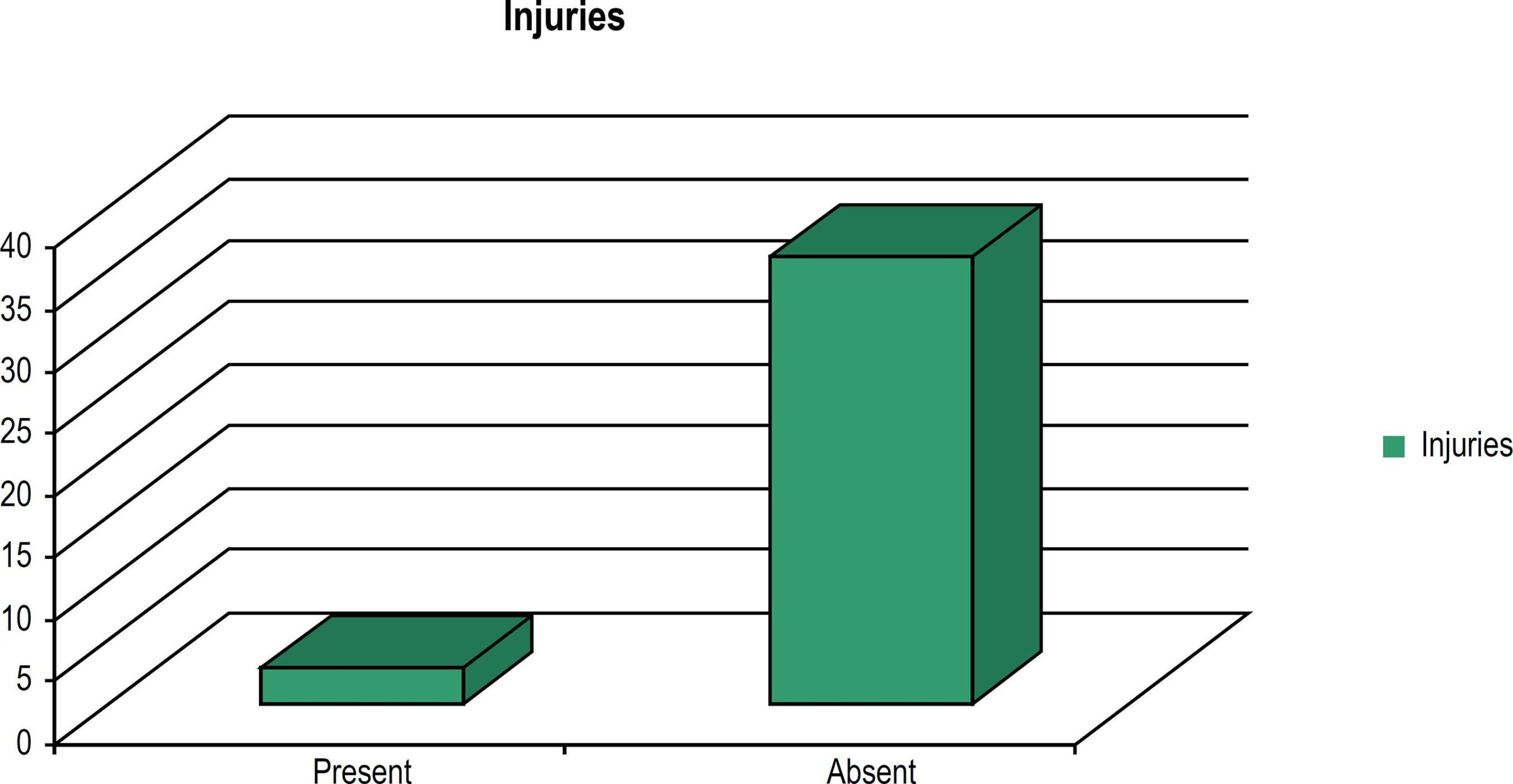
It was identified the presence of 7.7% of disorders in the LITA that made it unfeasible to be used. In all of the patients there was no specific symptomatology evidencing the lesion. No variable was shown as a predictor for the occurrence of the outcomes.

Conclusion:

The prevalence of the lesions found in the study was significant, indicating that a preoperative evaluation of LITA could bring future benefits to the patients submitted to CABG.
  • Atherosclerosis
  • Coronary Angiography
  • Mammary Arteries
  • Myocardial Revascularization
Read Full Article
Creative Commons Attribution (CC BY) Creative Commons license
01/01/2018 DOI: 10.5935/2359-4802.20170099
Figure 1
Editorial

Relationship between Social Factors and Cardiovascular Diseases

Claudio Tinoco Mesquita

For decades, western countries have witnessed cardiovascular diseases leading the statistics for cause of death. In Brazil, diseases of the circulatory system (DCS) represent a major cause of death, accounting, in 2011, for 28.6% of all mortality causes.

[…]

  • Cardiovascular Diseases / epidemiology
  • Cardiovascular Diseases, mortality
  • Cardiovascular Diseases/prevention and control
  • Myocardial Ischemia
  • Risk Factors
  • Socioeconomic Factors
Read Full Article
Creative Commons Attribution (CC BY) Creative Commons license
01/01/2018 DOI: 10.5935/2359-4802.20180007
Figure 1
Original Article

Evolution of Mortality from Diseases of the Circulatory System and of Gross Domestic Product per Capita in the Rio de Janeiro State Municipalities

Gabriel Porto Soares et al. Carlos Henrique Klein Nelson Albuquerque de Souza e Silva Glaucia Maria Moraes de Oliveira

Abstract

Background:

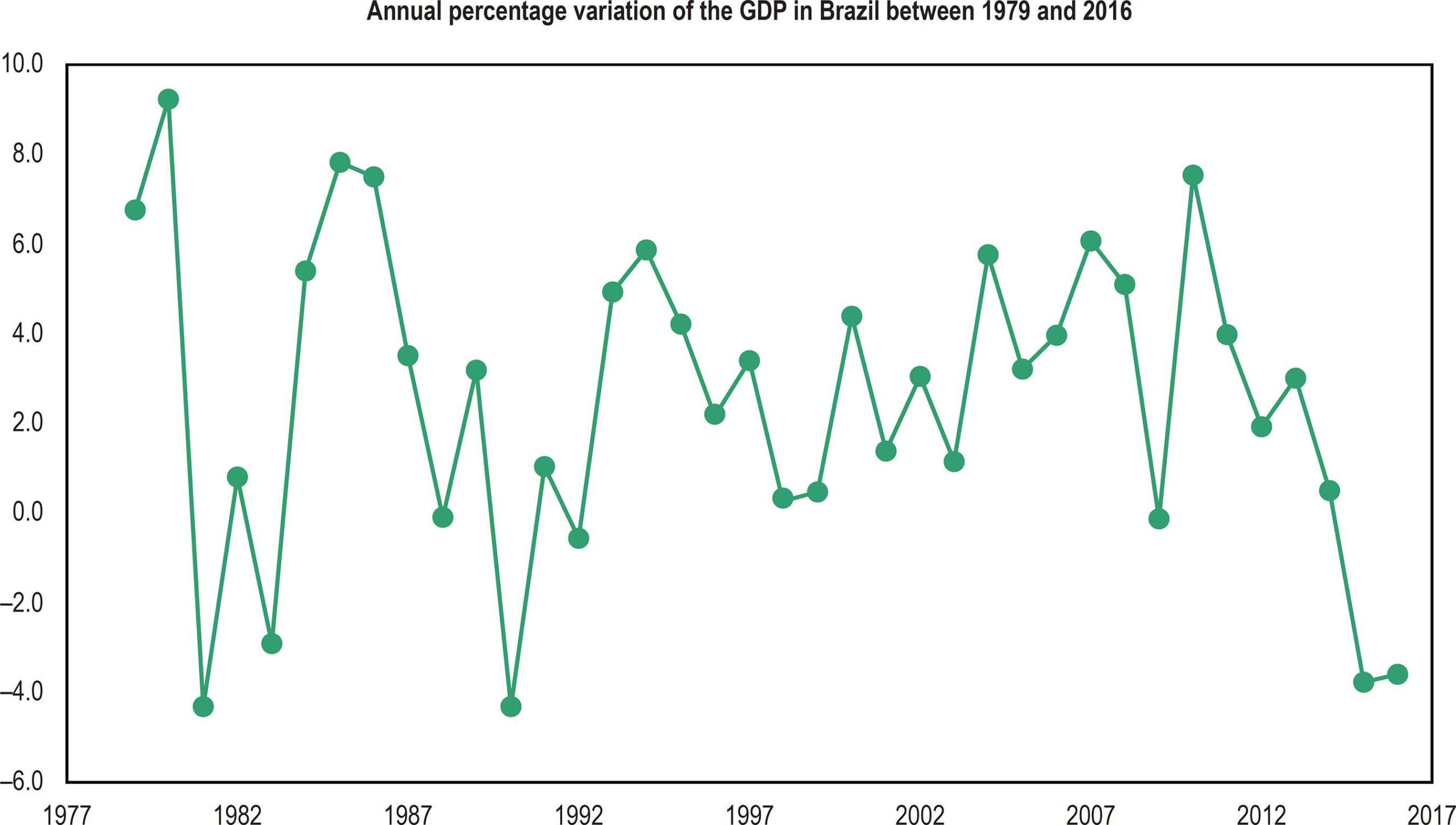
Diseases of the circulatory system are the leading cause of death in Brazil and the world, falling progressively during the twentieth century, preceded by an increase in Gross Domestic Product.

Objective:

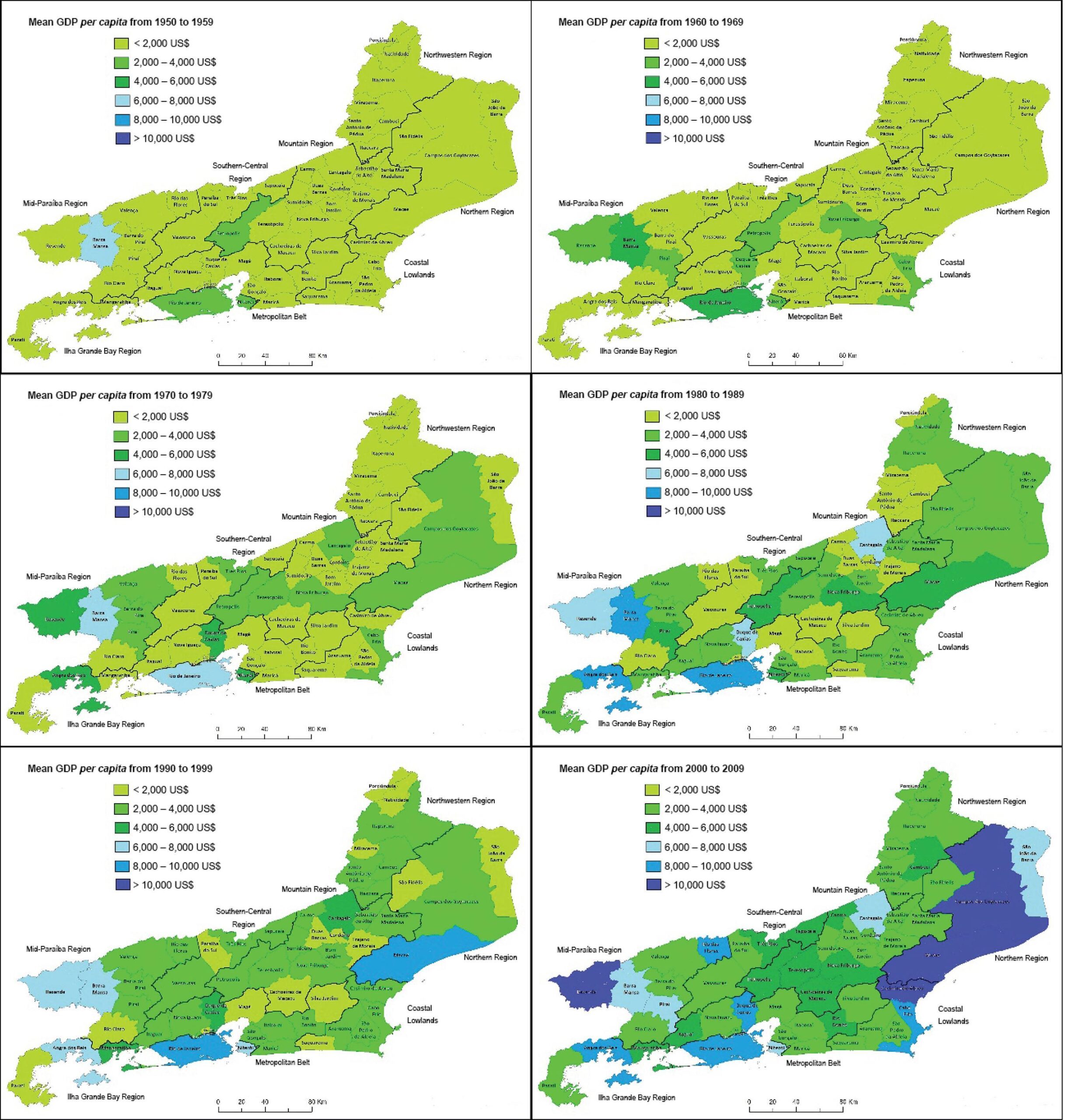
To correlate balanced and adjusted mortality rates from circulatory system diseases in the municipalities of Rio de Janeiro state between 1979 and 2010 with the gross domestic product per capita (GDPpc) beginning in 1950.

Methods:

Population and death data were obtained from the Department of Information and Computer Services at the National Health System/Brazilian Ministry of Health (Departamento de Informática do Sistema Único de Saúde – Ministério da Saúde – DATASUS-MS). Mortality rates were calculated for Ischemic Heart Disease (IHD), Cerebrovascular Disease (CBVD), and Circulatory System Disease (CSD); adjusted by the direct method; and balanced for ill-defined causes. The GDPpc data were obtained from the Institute of Applied Economic Research (Instituto de Pesquisas Econômicas Aplicadas – IPEA). Mortality rates were correlated with socioeconomic indicators using Pearson’s linear correlation coefficient to determine the annual optimized lag time. Regression slope coefficients between the dependent disease and independent socioeconomic indicator were estimated.

Results:

In recent decades, there has been a reduction in mortality from CSD in all Rio de Janeiro state municipalities, mainly due to a decline in mortality from CBVD. The decline in mortality from CSD was preceded by an increase in the GDPpc, and a strong correlation was observed between this index and mortality rates.

Conclusion:

The evolution of the variation in GDPpc demonstrated a strong correlation with the reduction in CSD mortality. This relationship demonstrates the importance of improving the living conditions of the population to reduce cardiovascular mortality.

  • Gross Domestic Product
  • Mortality
  • Risk Factors
  • Stroke / complications
Read Full Article
Creative Commons Attribution (CC BY) Creative Commons license
01/01/2018 DOI: 10.5935/2359-4802.20180003 Views 1
Figure 1
Original Article

Impact of Risk Factors for Coronary Artery Disease on Hospital Costs of Patients Undergoing Myocardial Revascularization Surgery in the Brazilian Unified Health System (SUS)

João Luis Barbosa et al. Clarissa Antunes Thiers Carlos Felipe dos Santos Cunha Juliana Moutella … Bernardo Rangel Tura Giulia Principe Orsi Karen Feldman Nathália Rodrigues da Silva Luiz Felipe Faria

Abstract

Background:

Cardiovascular diseases are a major cause of mortality and morbidity. Myocardial revascularization surgery may be indicated for the relief of symptoms and to reduce mortality. However, surgery is a costly procedure and the impact of the number of cardiovascular risk factors on the cost of the procedure has not been established.

Objectives:

To identify the impact of risk factors for coronary artery disease on myocardial revascularization surgery cost.

Methods:

We selected 239 patients undergoing myocardial revascularization surgery at the National Institute of Cardiology in the period from 01 January to 31 December 2013. We included patients aged over 30 years, with indication for the procedure. Patients undergoing combined procedures were excluded.

Results:

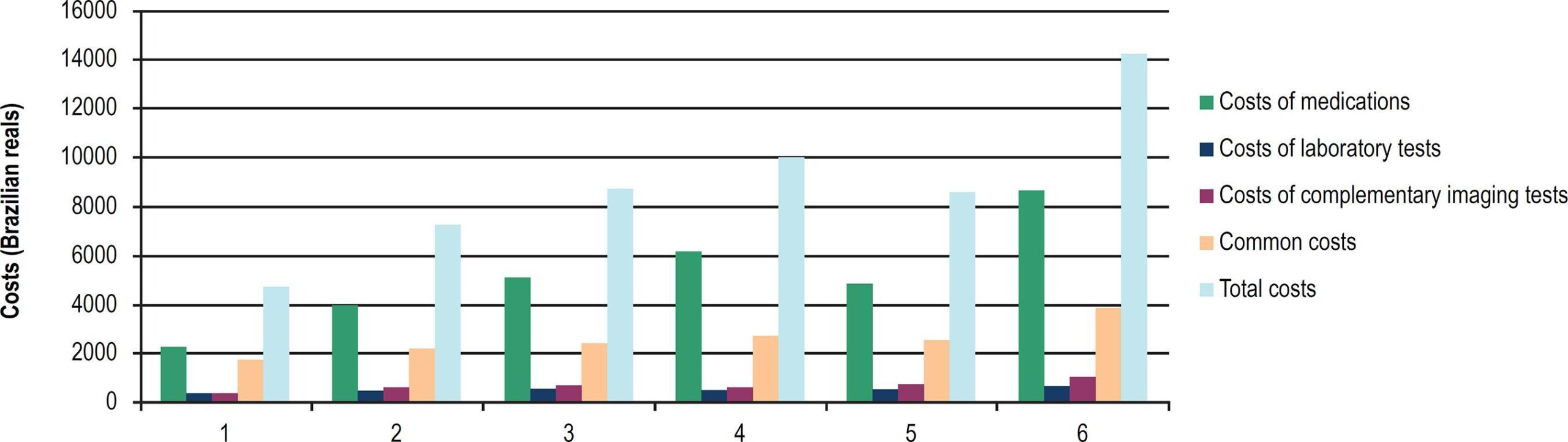
Seven patients had only one risk factor, 32 patients had two risk factors, 75 patients had 3 risk factors, 78 patients had four risk factors, 36 patients had 5 risk factors and 11 patients presented 6 risk factors. The total costs, on average, was R$ 14,143.22 in the group with 1 risk factor, R$ 18,380.40 in the group with 2 risk factors, R$ 21,229.51 in the group with 3 risk factors, R$ 24,620.86 in the group with 4 risk factors, R$ 21,337.92 in the group with 5 risk factors and R$ 36,098,35 in the group with 6 risk factors (p = 0.441).

Conclusion:

This study demonstrates that, in a public referral center for highly complex cardiology procedures, there was no significant correlation between the number of cardiovascular risk factors and hospitalization costs.

  • Coronary Artery Disease
  • Hospital Costs
  • Myocardial Revascularization / economics
  • Risk Factors
  • Unified Health System
Read Full Article
Creative Commons Attribution (CC BY) Creative Commons license
01/01/2018 DOI: 10.5935/2359-4802.20170098 Views 1
Original Article

Correlation between Clinical and Educational Factors and Delayed Hospital Arrival in Myocardial Infarction

Andressa Sardá Maiochi Takagui et al. Daniel Medeiros Moreira Ana Teresa Glaser Carvalho Thays Fraga Duarte … Roberto Léo da Silva Tammuz Fattah

Abstract

Background:

Acute myocardial infarction is one of the main causes of morbidity and mortality in the world, and one of the factors with the greatest prognostic impact is early specialist care, but there are still many factors that delay patient’s arrival at the hospital.

Objective:

To correlate social, educational, cognitive and clinical factors with time to hospital arrival after the onset of acute myocardial infarction’s first symptoms.

Methods:

Time interval to search for medical care was measured by patient’s report of the onset of infarction’s first symptoms and hospital admission verified through electronic medical data of the emergency service. The correlation between delta-T and other variables was performed through Kendall’s correlation. Values of p < 0.05 were considered statistically significant.

Results:

There was no correlation between delta-T and scholarity, or between delta – T and Mini Mental State Examination performance, as well as no association between the presence of hypertension, diabetes mellitus, dyslipidemia, family history, sedentary lifestyle or smoking with arrival time at the hospital. Comparisons between delta-T and marital status were also not statistically significant. Transfer from another health service and city of origin were the most determinant delay factors in our population’s arrival at the hospital.

Conclusion:

The present study suggests that, in our population, educational, social and cognitive factors are not directly related to the delay in arriving at the hospital.

  • Chest Pain
  • Emergency Medical Services
  • Indicators of Morbidity and Mortality
  • Myocardial Infarction
  • Myocardial Ischemia
  • Risk Factors
Read Full Article
Creative Commons Attribution (CC BY) Creative Commons license
01/01/2018 DOI: 10.5935/2359-4802.20170093
Original Article

Factors Associated with Post-Sternotomy Mediastinitis. Case-Control Study

Débora Cristine Gomes Pinto et al. Antônio Fernandino de Castro Bahia Neto Flávia Lage Gonçalves Isabel Cristina Gomes … Eduardo Back Sternick Alessandra Maciel Almeida Nulma Souto Jentzsch

Abstract

Background:

Mediastinitis is a severe post-median sternotomy infection with poor prognosis, even with early diagnosis and treatment.

Objectives:

To evaluate the profile of patients submitted to sternotomy, identify the risk factors for the development of mediastinitis and evaluate the bacteriological diagnosis of patients with this infection.

Methods:

Case-control study carried out in a large hospital in Belo Horizonte (MG, Brazil) in patients submitted to median sternotomy, from January 2015 to January 2018. The sample consisted of 65 patients, of which 13 were cases and 52, controls (1:4). For the statistical analysis, Student’s t test, Mann-Whitney test and Fisher exact test were used, in addition to logistic regression, with a level of significance of 5%.

Results:

There was a predominance of males (63.1%), and the mean age was 58.8 ± 10.3 years. Evolution to death occurred in 9.2% of the patients and in 23.1% of those with mediastinitis. Myocardial revascularization was performed in 75.4% of the cases. Predominance of male gender, longer hospitalization time, post-surgical fever and death, and a greater number of risk factors were more frequent characteristics in patients who developed mediastinitis. The most common microorganism found in patients with mediastinal infection was Staphylococcus aureus (30.7%), in addition to a high occurrence of Gram-negative bacteria (46,2%).

Conclusion:

The results are in accordance with the literature. Efforts should be focused on the control of risk factors prior to the procedure, in addition to improving measures that can decrease or eliminate the onset of mediastinitis, aiming at infection prevention and control.

  • Mediastinitis
  • Risk Factors
  • Surgical Wound Infection
  • Thoracic Surgery
Read Full Article
Creative Commons Attribution (CC BY) Creative Commons license
01/01/2018 DOI: 10.5935/2359-4802.20180004
Figure 1
Case Report

Improvement of Pacing-Induced Dyssynchrony by Right Ventricular Septal Stimulation in a Child with Tetralogy of Fallot

Alexander González Guillen et al. Michel Cabrera Ortega Francisco Díaz Ramírez Dunia Bárbara Benítez Ramos

Introduction

Complete atrioventricular block (CAVB) is not an uncommon complication after surgical correction of tetralogy of Fallot (TOF). The choice of the ventricular pacing site in patients requiring pacemaker therapy depends on factors such as age, weight, presence of a venous anomaly, and intracardiac short -circuit. The harmful effects of ventricular pacing are most pronounced during right ventricular (RV) stimulation. Even then, RV pacing sites have been determined to be optimal in some patients with and without congenital heart disease.

[…]

  • Atrioventricular block
  • Cardiac Resynchronization Therapy
  • Heart Defects, Congenital
  • Tetralogy of Fallot/surgery
  • Ventricular Dysfunction Right
Read Full Article
Creative Commons Attribution (CC BY) Creative Commons license
01/01/2018 DOI: 10.5935/2359-4802.20170100 Views 1
Figure 1
Original Article

Drug-eluting stents Versus Coronary Artery Bypass Grafting in Multivessel Disease and Left Main Obstruction: Meta-analysis of Randomized Clinical Trials

Pedro José Negreiros de Andrade et al. Hermano Alexandre Lima Rocha João Luiz de Alencar Araripe Falcão Antonio Thomaz de Andrade Breno de Alencar Araripe Falcão

Abstract

Background:

The choice between percutaneous coronary intervention (PCI) and coronary artery bypass grafting (CABG) remains controversial.

Objective:

To conduct a meta-analysis of randomized studies comparing drug-eluting stents (DES) and CABG in multivessel disease or obstruction of the left main coronary artery.

Method:

Electronic databases were searched systematically to evaluate results of randomized trials comparing PCI with DES versus CABG in multivessel disease and obstruction of the left main coronary artery. Ten studies were identified.

Results:

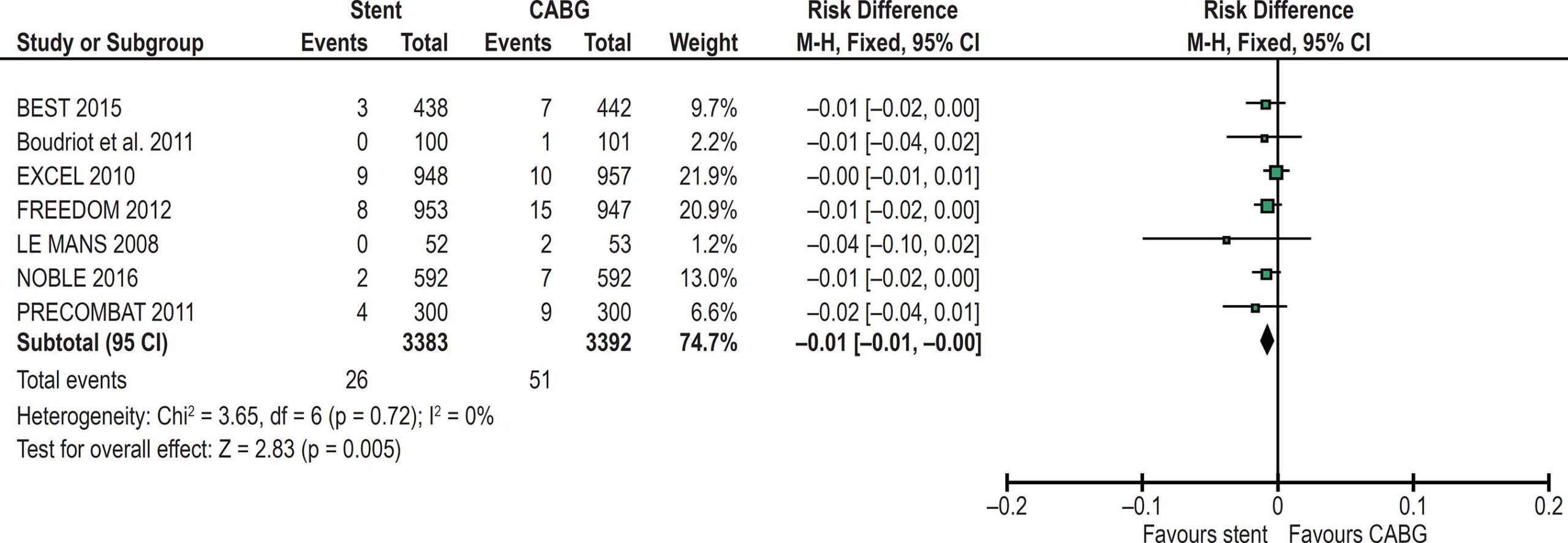
In the aggregated results (n = 9268), mortality at 30 days and incidence of stroke favored PCI (0.8% versus 1.5%, p = 0.005; 0.4% versus 1.5%, p < 0.0001, respectively). There was no difference in mortality at 1 year (3.4% versus 3.5%, p = 0.50). The late mortality favored CABG (10.1% versus 8.5%, p = 0.01). In patients with diabetes derived from four studies (n = 3830), late mortality favored CABG (12.5% versus 9.7%, p < 0.0001). In six studies of left main coronary artery obstruction (n = 4700), the incidence of stroke favored PCI (0.3% versus 1.5%, p < 0.001) and there was no difference in mortality at 30 days (0.8% versus 1.3%, p = 0.15), mortality at 1 year, or late mortality (8.1% versus 8.1%). The subgroups with high SYNTAX score and diabetes were those influencing most strongly and adversely the PCI results.

Conclusion:

When compared with PCI, CABG was superior in regards to late mortality and inferior in regards to 30-day mortality and incidence of stroke. Diabetes and SYNTAX score strongly impacted the results.

  • Drug-Eluting Stents
  • Meta-Analysis
  • Myocardial Revascularization
  • Randomized controlled trials as topic
Read Full Article
Creative Commons Attribution (CC BY) Creative Commons license
01/01/2018 DOI: 10.5935/2359-4802.20180005
Figure 1
Original Article

Study with a Portable Gas Analyzer of the 6-Minute Walk Test in Heart Failure with Normal Ejection Fraction

José Antônio Caldas Teixeira et al. Leandro Rocha Messias Kátia Pedreira Dias Washington Luiz Batista da Costa … Roberto Macedo Cascon Sandra Marina Ribeiro de Miranda Pedro Soares Teixeira Juliana Grael Jorge Antonio Claudio Lucas da Nobrega Denizar V Araujo

Abstract

Background:

Few studies have used portable gas analyzers during the 6-minute walk test (6MWT) in patients with heart failure and normal ejection fraction (HFNEF).

Objectives:

To analyze the kinetics of hemodynamic, ventilatory, and metabolic variables in patients with HFNEF during the T6m using a portable gas analyzer.

Methods:

Prospective, analytical study with an intentional, non-probabilistic, convenience sample. In total, 24 patients with HFNEF and past hospital admissions due to a clinical diagnosis of heart failure (HF) were included using the 2007 criteria established by the European Society of Cardiology. Three assessments were performed: 6MWT familiarization, 6MWT with the portable gas analyzer, and cardiopulmonary exercise test (CPET).

Results:

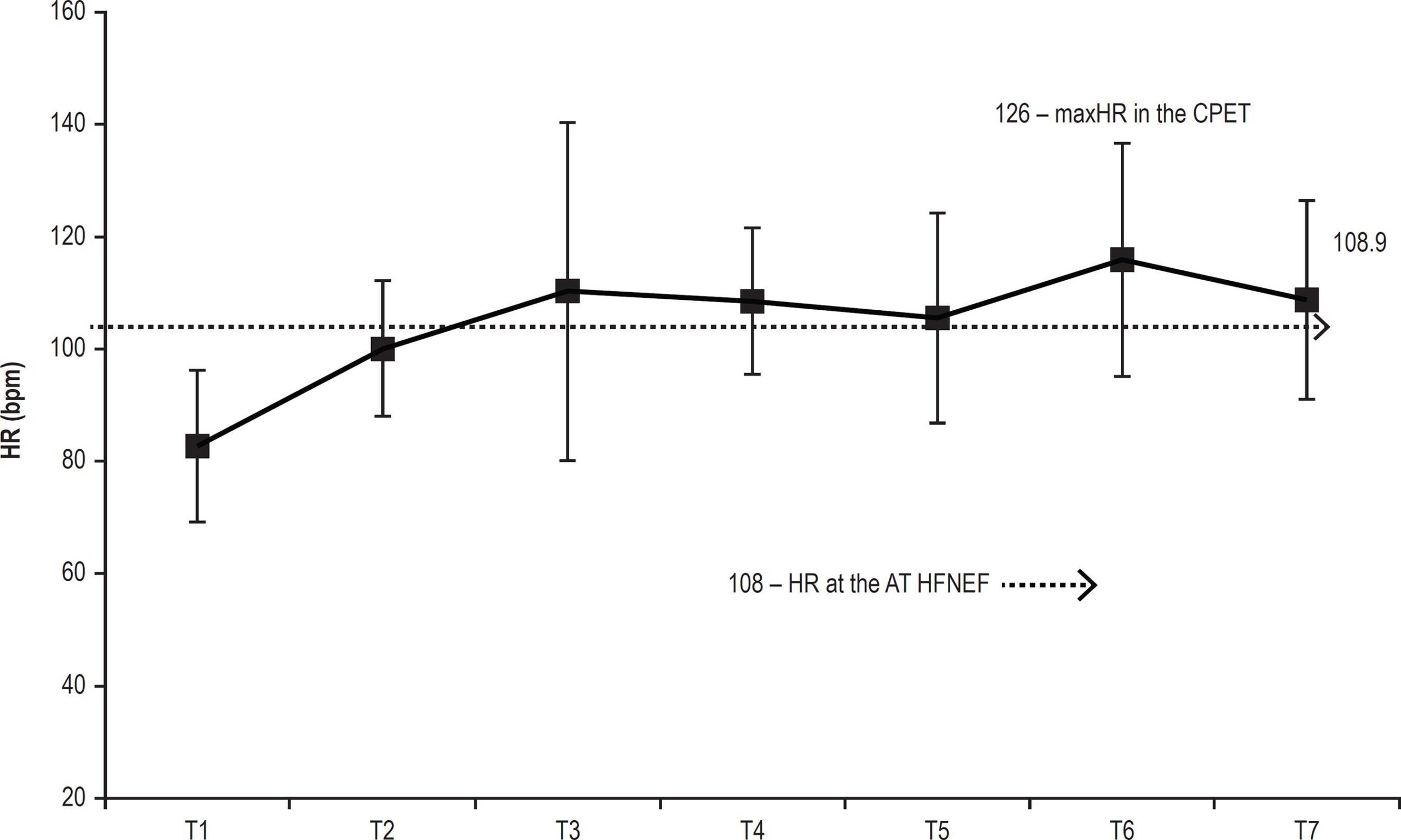
The heart rates (HRs) and the peak VO2 at the end of the 6MWT corresponded to 85.7% and 86.45% of the values obtained during the CPET. The final HRs after the T6m were equivalent to those obtained at the CPET anaerobic threshold (AT), with relative VO2 values at the end of the 6MWT above the VO2 of the CPET AT. There was no difference between the maximum respiratory quotient (RQ) values in these two tests, which were both above 1.0. The VE/VO2 slope descended initially and then ascended significantly after the fifth minute of the test, estimating the identification of the AT.

Conclusions: In patients with HFNEF, the 6MWT represents an almost maximum effort, and is performed above the CPET AT and 85% above the maximum HR and the CPET peak VO2, with a maximum RQ similar to that in the CPET.

  • Blood Gas Analysis
  • Exercise
  • Heart Failure
  • Stroke Volume
  • Walk Test
Read Full Article
Creative Commons Attribution (CC BY) Creative Commons license
01/01/2018 DOI: 10.5935/2359-4802.20180001 Views 1
Erratum

Erratum

In the January /February (2018) issue – vol. 31(1), p. 33-46

In the article “Overview with Meta-analysis of Systematic Reviews of the Diagnostic and Prognostic Value of Coronary Computed Tomography Angiography in the Emergency Department” by Irlaneide da Silva Tavares, Carlos José Oliveira de Matos, Marco Antonio Prado Nunes, Antonio Carlos Sobral Sousa, Divaldo Pereira de Lyra Júnior, and Joselina Luzia Menezes Oliveira, substitute the institution Centro de Ensino e Pesquisa e Laboratório de Ecocardiografia (ECOLAB) do Hospital e Fundação São Lucas2 with Rede e Hospital Primavera – Centro de Imagem2 – Aracaju, SE – Brazil.

[…]

Read Full Article
Creative Commons Attribution (CC BY) Creative Commons license
01/01/2018 DOI: 10.5935/2359-4802.20180015
Figure 1
Original Article

Decrease in the Inflammatory Marker TNF-α after Consumption of Flaxseed by Hypercholesterolemic Rabbits

Maynara Leonardi Schuh Martins et al. Aniely Bacelar Rocco de Lima Ana Flavia Champoski Pamela Cristiani Pereira … Fernando Martins Carlos Tanizawa Leonardo Précoma Patrícia Campelo Luiz César Guarita-Souza Dalton Bertolim Précoma

Abstract

Background:

Functional foods such as flaxseed have been commonly consumed to prevent atherosclerosis.

Objectives:

To assess the effects of flaxseed in atherogenesis in rabbits consuming a high-cholesterol diet.

Methods:

Thirty male albino rabbits were randomized to three groups based on a 12-week dietary treatment: control group (G1), standard diet; high-cholesterol diet (G2), standard diet plus 0.25% cholesterol from lyophilized eggs; and high-cholesterol plus flaxseed (G3), similar diet as G2 plus flaxseed. Biochemical (total cholesterol [TC], high-density lipoprotein [HDL-C], low-density lipoprotein cholesterol [LDL-C], and triglycerides) and immunohistochemical (intercellular adhesion molecule 1 [ICAM-1] and tumor necrosis factor alpha [TNF-α]) analyses were performed in all groups. P values < 0.05 indicated statistical significance.

Results:

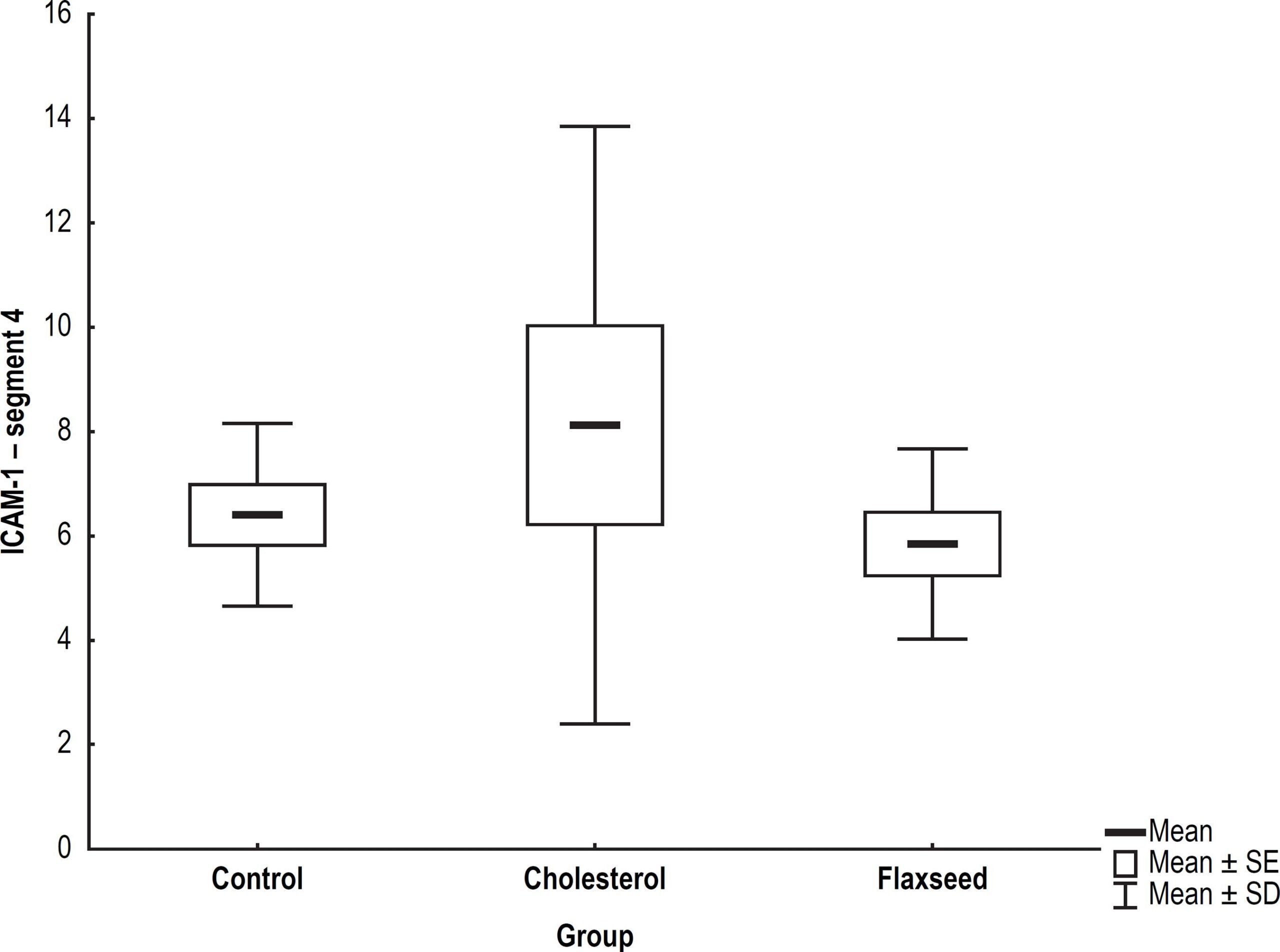
At 12 weeks, serum TC levels increased significantly in G2 and G3 compared with G1. Serum LDL-C levels were higher in group G2, and the increase in group G3 was approximately six times lower than that in G2. HDL-C levels increased in all groups, with the highest increase observed in G2. Triglycerides levels in G3 decreased by ~70% and differed significantly in G1 and G3 (p = 0.034) and G2 and G3 (p = 0.015). ICAM-1 levels increased only in aortic segment 4 in G3. TNF-α levels in G3 were similar to those in the control group, while the levels in G2 were greater than twice as those in the control group (p < 0.05).

Conclusions: The group fed with a functional diet (flaxseed) showed decreased development of atherosclerosis, reduced serum triglycerides levels, and lower TNF-α levels on immunohistochemistry.

  • Atherosclerosis / prevention & control
  • Cholesterol, Diet
  • Diet, Atherogenic
  • Flax / seeds
  • Obesity, Sedentary Lifestyle
  • Rabbits
Read Full Article
Creative Commons Attribution (CC BY) Creative Commons license
01/01/2018 DOI: 10.5935/2359-4802.20180002
Figure 1
Original Article

Predictors of Coronary Artery Obstructive Disease in Acute Pulmonary Edema of Unclear Origin

Maria das Neves Dantas da Silveira Barros et al. Vander Weyden Batista de Sousa Isabelle Adjanine Borges de Lima Cecília Raquel Bezerra Marinho Nóbrega … Isabelle Conceição Albuquerque Machado Moreira Suzana Marine Martins Dourado Bruna Maria Simões Andrade Virgínia da Silva Batista Maria Cleide Freire Clementino da Silva Luís Cláudio Correia

Abstract

Background:

Cardiogenic Acute Pulmonary Edema (APE) is considered one of the main medical emergencies, and it is the extreme manifestation of acute heart failure. The main etiology of heart failure is ischemic heart disease. To date, the definition of ischemic etiology in acute pulmonary edema was based on criteria such as: clinical history of ischemic heart disease, noninvasive examinations and, in other patients, coronary angiography. Classified as such, ischemic heart disease has been shown to be its main etiology. The high prevalence between these two diseases was evaluated, but not by the exclusive angiographic criterion, the gold standard of this pathology and the reason of this study.

Objective:

To evaluate the predictors of obstructive coronary artery disease in patients with acute pulmonary edema of unclear origin.

Method:

Patients admitted to a cardiovascular disease referral emergency unit were recruited to undergo coronary angiography if the acute pulmonary edema etiology was not adequately elucidated. Obstructive coronary disease was considered if at least one epicardial vessel had 70% of occlusion.

Results:

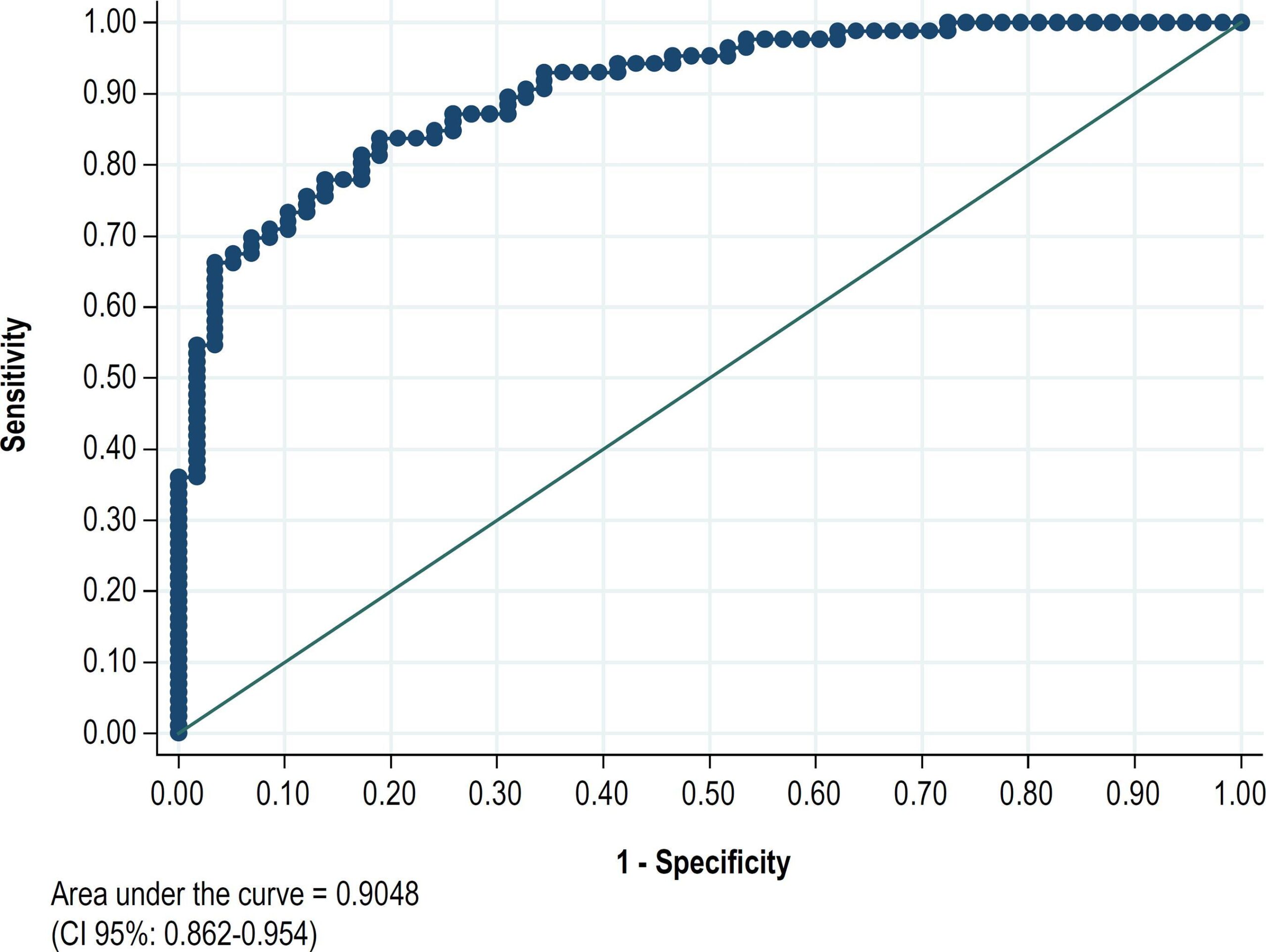
Obstructive coronary disease was classified by coronary angiography in 149 consecutively evaluated patients, and coronary artery obstruction was the outcome variable of the predictor model. Among the variables related to coronary disease, the predictor variables were the history of coronary artery disease (p < 0.001) and myocardium segmental deficit at the echocardiogram (p < 0.02).

Conclusion:

The antecedent of coronary disease and the myocardium segmental deficit at the echocardiogram were able to discriminate patients with acute pulmonary edema associated with obstructive coronary disease. Troponin values classified by two cardiologists as secondary to an acute non-ST-segment elevation myocardial infarction, and chest pain preceding the clinical picture were not able to discriminate patients with or without coronary obstruction and thus, the diagnosis of obstructive coronary disease should not be pursued based on the troponin value and/or chest pain preceding the clinical picture.

  • Coronary Artery Disease
  • Heart Failure
  • Myocardial Ischemia
  • Pulmonary Edema
  • Risk Factors
Read Full Article
Creative Commons Attribution (CC BY) Creative Commons license
01/01/2018 DOI: 10.5935/2359-4802.20180013 Views 2
Figure 1
Case Report

Severe Mitral Regurgitation by Hyperthyroidism in the Absence of Left Ventricular Dilatation

Antonio José Lagoeiro Jorge et al. Wolney de Andrade Martins Eliza de Almeida Gripp Breno Macêdo de Almeida … Camila Cezário Rocha Paz Figueroa Cíntia Lobo Sabino

Introduction

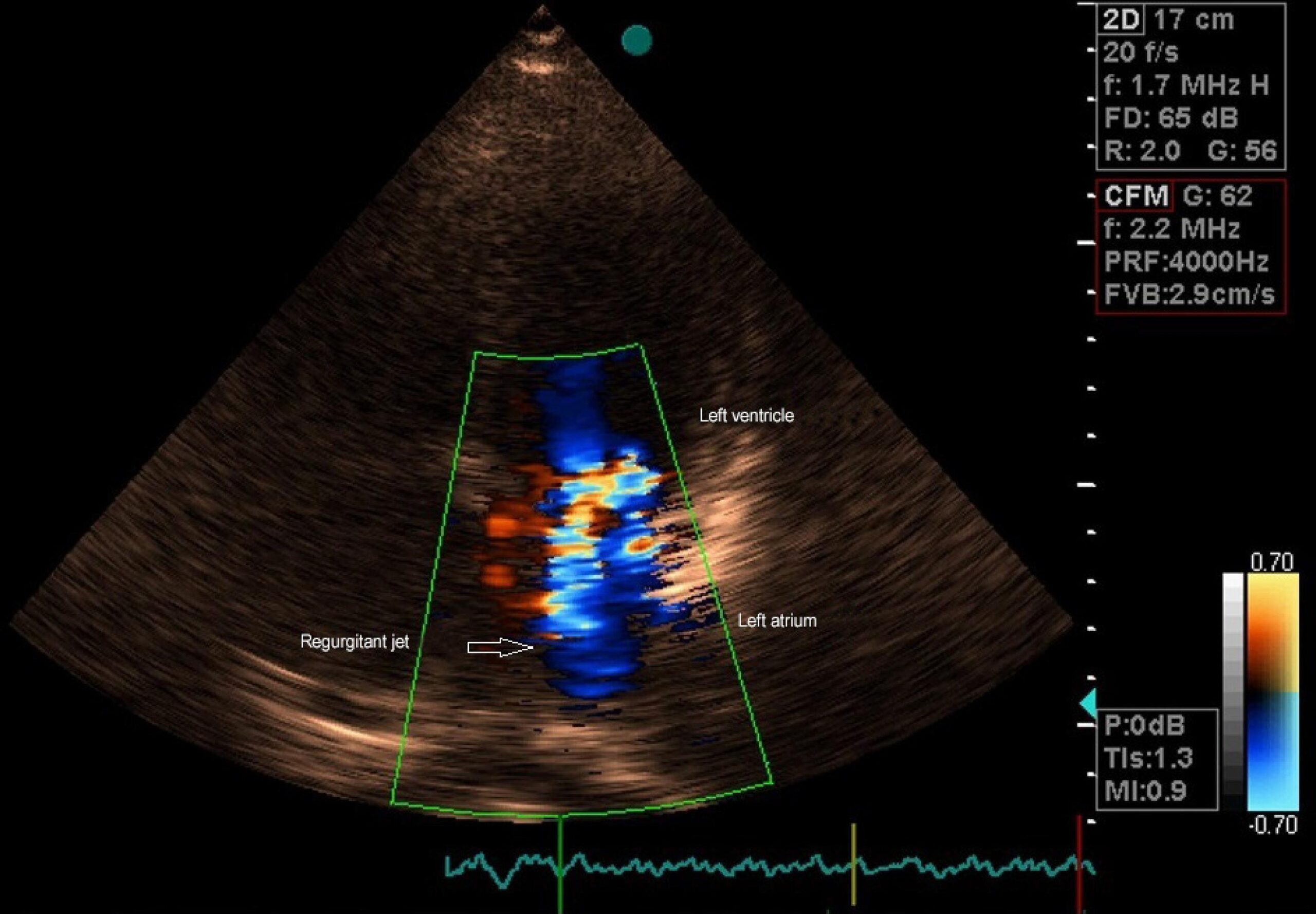
Graves’ disease (GD) is an autoimmune disease and the most common cause of thyrotoxicosis,, with multisystem involvement, that mainly affects women between 40 and 60 years of age. It is the most prevalent cause of autoimmune hyperthyroidism in pregnancy,, and it can be distinguished from gestational thyrotoxicosis due to the presence of diffuse goiter and previous history of hyperthyroidism. Clinical hyperthyroidism occurs in 0.2% of pregnant women.

Heart failure (HF) is a rare manifestation of decompensated GD and it represents a diagnostic challenge due to low clinical suspicion of this etiology.

[…]

  • Graves’ Disease
  • Hyperthyroidism
  • Mitral Valve Insufficiency
  • Pregnant Women
Read Full Article
Creative Commons Attribution (CC BY) Creative Commons license
01/01/2018 DOI: 10.5935/2359-4802.20170089
Figure 1
Review Article

Chagas Disease Cardiomyopathy

Marcus Vinicius Simões et al. Minna Moreira Dias Romano André Schmidt Káryta Suely Macedo Martins José Antonio Marin-Neto

Abstract

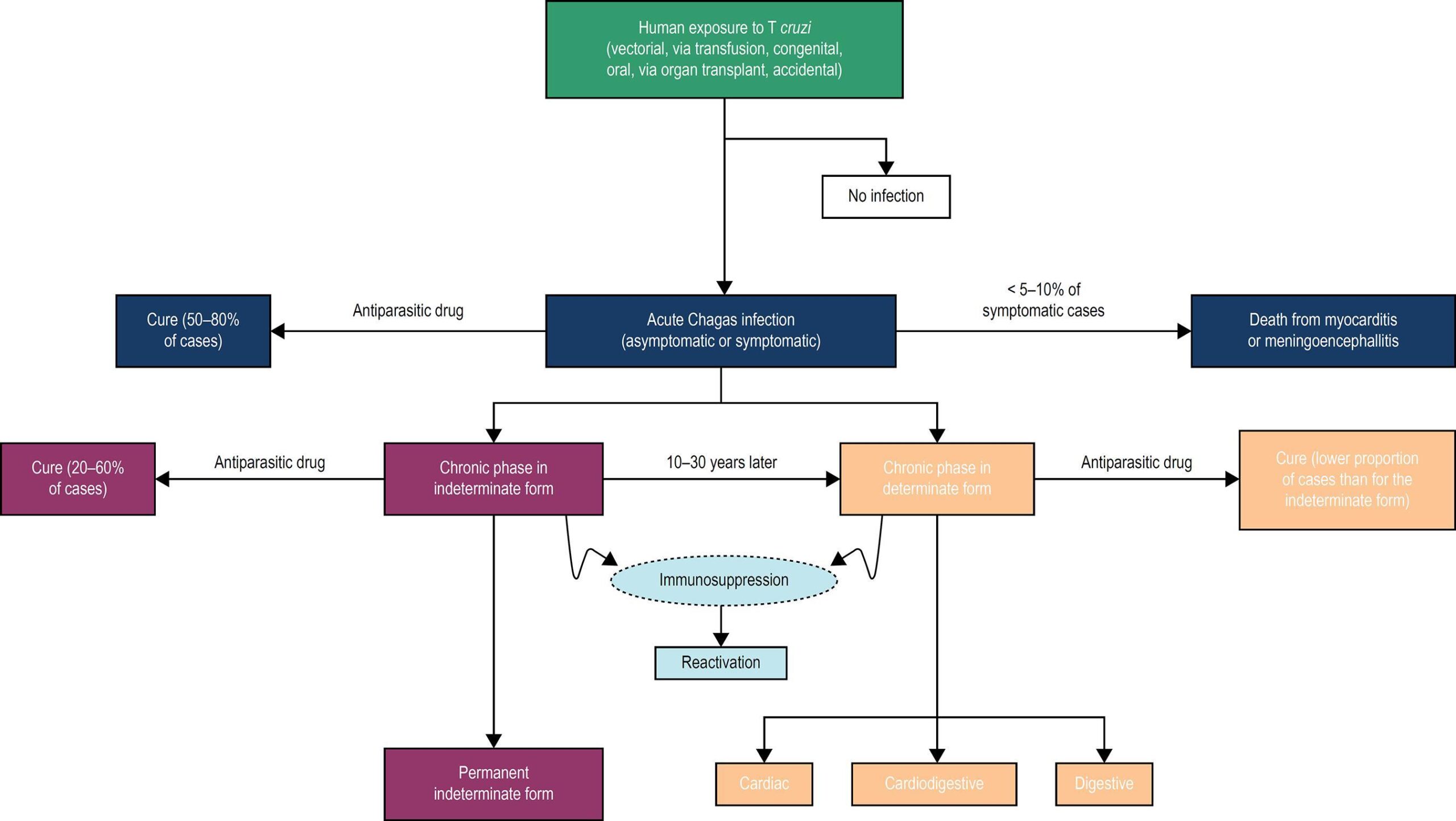
Chronic Chagas disease cardiomyopathy (CCC) is a result of low-intensity, but incessant, focal fibrosing myocarditis, caused by persistent T. cruzi infection associated with inflammation, mediated by adverse immune mechanisms. About 30 percent of infected individuals have developed throughout life the chronic cardiac form of Chagas’ disease with protean clinical manifestations, such as sudden death, signs and symptoms of heart failure, cardioembolic events, arrhythmia and angioid symptoms. Sudden death and the progression of heart failure (HF) are the most common mechanisms of death in this condition. The most relevant prognostic aspects are symptoms of advanced HF (NYHA Fc III-IV), cardiomegaly, LV systolic dysfunction and nonsustained ventricular tachycardia. Preventing cardioembolic events is an important aspect in the management of patients with CCC. Oral anticoagulant agents must be prescribed for high-risk patients according to the presence of a set of risk factors: LV systolic dysfunction, apical aneurysm, altered ventricular repolarization by ECG and advanced age. The treatment of HF in patients with CCC follows the same principles applied to HF secondary to dilated cardiomyopathy of other etiologies.

  • Cardiomyopathies
  • Chagas Cardiomyopathy
  • Chagas disease
  • Heart Failure
  • Trypanosoma cruzi
Read Full Article
Creative Commons Attribution (CC BY) Creative Commons license
01/01/2018 DOI: 10.5935/2359-4802.20180011 Views 2

How to cite this article

EndNote RIS

Electronic Document Format (Vancouver)

Balzan HFM, Battilani RVL, Mangili OC, Franchetti M, Mangili LC, Maia JP, Moura DD, et al. Prevalence of Atherosclerotic Lesions in the Left Internal Thoracic Artery, Evidenced by Selective Angiographic Findings. International Journal of Cardiovascular Sciences 2018;31(2):97-106.

Electronic Document Format (ABNT)

Balzan, Hadrien Felipe Meira; Battilani, Rafael Vinicius Lube; Mangili, Otávio Celeste; Franchetti, Marcos; Mangili, Leonardo Celeste; Maia, Julio de Paiva; Moura, Dorane Dias de; Lage, Bruna Felipe de Melo. Prevalence of Atherosclerotic Lesions in the Left Internal Thoracic Artery, Evidenced by Selective Angiographic Findings. International Journal of Cardiovascular Sciences, v. 31, n. 2, p. 97-106, Dec. 2017.

Electronic Document Format (APA)

Balzan, H. F. M., Battilani, R. V. L., Mangili, O. C., Franchetti, M., Mangili, L. C., Maia, J. P., Moura, D. D. , & Lage, B. F. M. (2018). Prevalence of Atherosclerotic Lesions in the Left Internal Thoracic Artery, Evidenced by Selective Angiographic Findings. International Journal of Cardiovascular Sciences, 31(2), 97-106.

Electronic Document Format (ISO)

Balzan, Hadrien Felipe Meira and Battilani, Rafael Vinicius Lube and Mangili, Otávio Celeste and Franchetti, Marcos and Mangili, Leonardo Celeste and Maia, Julio de Paiva and Moura, Dorane Dias de and Lage, Bruna Felipe de Melo. Prevalence of Atherosclerotic Lesions in the Left Internal Thoracic Artery, Evidenced by Selective Angiographic Findings. International Journal of Cardiovascular Sciences [online]. 2018, vol. 31, n. 2, [cited 2026-10-14], pp. 97-106. Available from: <https://journals.cardiol.br/en/article/prevalence-of-atherosclerotic-lesions-in-the-left-internal-thoracic-artery-evidenced-by-selective-angiographic-findings/>. ISSN 2359-4802

EndNote RIS

Electronic Document Format (Vancouver)

Mesquita CT. Relationship between Social Factors and Cardiovascular Diseases. International Journal of Cardiovascular Sciences 2018;31(2):87-9.

Electronic Document Format (ABNT)

Mesquita, Claudio Tinoco. Relationship between Social Factors and Cardiovascular Diseases. International Journal of Cardiovascular Sciences, v. 31, n. 2, p. 87-89, Dec. 2017.

Electronic Document Format (APA)

Mesquita, C. T. (2018). Relationship between Social Factors and Cardiovascular Diseases. International Journal of Cardiovascular Sciences, 31(2), 87-89.

Electronic Document Format (ISO)

Mesquita, Claudio Tinoco. Relationship between Social Factors and Cardiovascular Diseases. International Journal of Cardiovascular Sciences [online]. 2018, vol. 31, n. 2, [cited 2026-10-14], pp. 87-89. Available from: <https://journals.cardiol.br/en/article/relationship-between-social-factors-and-cardiovascular-diseases/>. ISSN 2359-4802

EndNote RIS

Electronic Document Format (Vancouver)

Soares GP, Klein CH, Silva NAS, Oliveira GMM. Evolution of Mortality from Diseases of the Circulatory System and of Gross Domestic Product per Capita in the Rio de Janeiro State Municipalities. International Journal of Cardiovascular Sciences 2018;31(2):123-32.

Electronic Document Format (ABNT)

Soares, Gabriel Porto; Klein, Carlos Henrique; Silva, Nelson Albuquerque de Souza e; Oliveira, Glaucia Maria Moraes de. Evolution of Mortality from Diseases of the Circulatory System and of Gross Domestic Product per Capita in the Rio de Janeiro State Municipalities. International Journal of Cardiovascular Sciences, v. 31, n. 2, p. 123-132, Dec. 2017.

Electronic Document Format (APA)

Soares, G. P., Klein, C. H., Silva, N. A. S. , & Oliveira, G. M. M. (2018). Evolution of Mortality from Diseases of the Circulatory System and of Gross Domestic Product per Capita in the Rio de Janeiro State Municipalities. International Journal of Cardiovascular Sciences, 31(2), 123-132.

Electronic Document Format (ISO)

Soares, Gabriel Porto and Klein, Carlos Henrique and Silva, Nelson Albuquerque de Souza e and Oliveira, Glaucia Maria Moraes de. Evolution of Mortality from Diseases of the Circulatory System and of Gross Domestic Product per Capita in the Rio de Janeiro State Municipalities. International Journal of Cardiovascular Sciences [online]. 2018, vol. 31, n. 2, [cited 2026-10-14], pp. 123-132. Available from: <https://journals.cardiol.br/en/article/evolution-of-mortality-from-diseases-of-the-circulatory-system-and-of-gross-domestic-product-per-capita-in-the-rio-de-janeiro-state-municipalities/>. ISSN 2359-4802

EndNote RIS

Electronic Document Format (Vancouver)

Barbosa JL, Thiers CA, Cunha CFS, Moutella J, Tura BR, Orsi GP, Feldman K, et al. Impact of Risk Factors for Coronary Artery Disease on Hospital Costs of Patients Undergoing Myocardial Revascularization Surgery in the Brazilian Unified Health System (SUS). International Journal of Cardiovascular Sciences 2018;31(2):90-6.

Electronic Document Format (ABNT)

Barbosa, João Luis; Thiers, Clarissa Antunes; Cunha, Carlos Felipe dos Santos; Moutella, Juliana; Tura, Bernardo Rangel; Orsi, Giulia Principe; Feldman, Karen; Silva, Nathália Rodrigues da; Faria, Luiz Felipe. Impact of Risk Factors for Coronary Artery Disease on Hospital Costs of Patients Undergoing Myocardial Revascularization Surgery in the Brazilian Unified Health System (SUS). International Journal of Cardiovascular Sciences, v. 31, n. 2, p. 90-96, Dec. 2017.

Electronic Document Format (APA)

Barbosa, J. L., Thiers, C. A., Cunha, C. F. S., Moutella, J., Tura, B. R., Orsi, G. P., Feldman, K., Silva, N. R. , & Faria, L. F. (2018). Impact of Risk Factors for Coronary Artery Disease on Hospital Costs of Patients Undergoing Myocardial Revascularization Surgery in the Brazilian Unified Health System (SUS). International Journal of Cardiovascular Sciences, 31(2), 90-96.

Electronic Document Format (ISO)

Barbosa, João Luis and Thiers, Clarissa Antunes and Cunha, Carlos Felipe dos Santos and Moutella, Juliana and Tura, Bernardo Rangel and Orsi, Giulia Principe and Feldman, Karen and Silva, Nathália Rodrigues da and Faria, Luiz Felipe. Impact of Risk Factors for Coronary Artery Disease on Hospital Costs of Patients Undergoing Myocardial Revascularization Surgery in the Brazilian Unified Health System (SUS). International Journal of Cardiovascular Sciences [online]. 2018, vol. 31, n. 2, [cited 2026-10-14], pp. 90-96. Available from: <https://journals.cardiol.br/en/article/impact-of-risk-factors-for-coronary-artery-disease-on-hospital-costs-of-patients-undergoing-myocardial-revascularization-surgery-in-the-brazilian-unified-health-system-sus/>. ISSN 2359-4802

EndNote RIS

Electronic Document Format (Vancouver)

Takagui ASM, Moreira DM, Carvalho ATG, Duarte TF, Silva RL, Fattah T. Correlation between Clinical and Educational Factors and Delayed Hospital Arrival in Myocardial Infarction. International Journal of Cardiovascular Sciences 2018;31(2):107-13.

Electronic Document Format (ABNT)

Takagui, Andressa Sardá Maiochi; Moreira, Daniel Medeiros; Carvalho, Ana Teresa Glaser; Duarte, Thays Fraga; Silva, Roberto Léo da; Fattah, Tammuz. Correlation between Clinical and Educational Factors and Delayed Hospital Arrival in Myocardial Infarction. International Journal of Cardiovascular Sciences, v. 31, n. 2, p. 107-113, Dec. 2017.

Electronic Document Format (APA)

Takagui, A. S. M., Moreira, D. M., Carvalho, A. T. G., Duarte, T. F., Silva, R. L. , & Fattah, T. (2018). Correlation between Clinical and Educational Factors and Delayed Hospital Arrival in Myocardial Infarction. International Journal of Cardiovascular Sciences, 31(2), 107-113.

Electronic Document Format (ISO)

Takagui, Andressa Sardá Maiochi and Moreira, Daniel Medeiros and Carvalho, Ana Teresa Glaser and Duarte, Thays Fraga and Silva, Roberto Léo da and Fattah, Tammuz. Correlation between Clinical and Educational Factors and Delayed Hospital Arrival in Myocardial Infarction. International Journal of Cardiovascular Sciences [online]. 2018, vol. 31, n. 2, [cited 2026-10-14], pp. 107-113. Available from: <https://journals.cardiol.br/en/article/correlation-between-clinical-and-educational-factors-and-delayed-hospital-arrival-in-myocardial-infarction/>. ISSN 2359-4802

EndNote RIS

Electronic Document Format (Vancouver)

Pinto DCG, Bahia Neto AFC, Gonçalves FL, Gomes IC, Sternick EB, Almeida AM, Jentzsch NS, et al. Factors Associated with Post-Sternotomy Mediastinitis. Case-Control Study. International Journal of Cardiovascular Sciences 2018;31(2):163-72.

Electronic Document Format (ABNT)

Pinto, Débora Cristine Gomes; Bahia Neto, Antônio Fernandino de Castro; Gonçalves, Flávia Lage; Gomes, Isabel Cristina; Sternick, Eduardo Back; Almeida, Alessandra Maciel; Jentzsch, Nulma Souto. Factors Associated with Post-Sternotomy Mediastinitis. Case-Control Study. International Journal of Cardiovascular Sciences, v. 31, n. 2, p. 163-172, Dec. 2017.

Electronic Document Format (APA)

Pinto, D. C. G., Bahia Neto, A. F. C., Gonçalves, F. L., Gomes, I. C., Sternick, E. B., Almeida, A. M., & Jentzsch, N. S. (2018). Factors Associated with Post-Sternotomy Mediastinitis. Case-Control Study. International Journal of Cardiovascular Sciences, 31(2), 163-172.

Electronic Document Format (ISO)

Pinto, Débora Cristine Gomes and Bahia Neto, Antônio Fernandino de Castro and Gonçalves, Flávia Lage and Gomes, Isabel Cristina and Sternick, Eduardo Back and Almeida, Alessandra Maciel and Jentzsch, Nulma Souto. Factors Associated with Post-Sternotomy Mediastinitis. Case-Control Study. International Journal of Cardiovascular Sciences [online]. 2018, vol. 31, n. 2, [cited 2026-10-14], pp. 163-172. Available from: <https://journals.cardiol.br/en/article/factors-associated-with-post-sternotomy-mediastinitis-case-control-study/>. ISSN 2359-4802

EndNote RIS

Electronic Document Format (Vancouver)

Guillen AG, Ortega MC, Ramírez FD, Ramos DBB. Improvement of Pacing-Induced Dyssynchrony by Right Ventricular Septal Stimulation in a Child with Tetralogy of Fallot. International Journal of Cardiovascular Sciences 2018;31(2):193-5.

Electronic Document Format (ABNT)

Guillen, Alexander González; Ortega, Michel Cabrera; Ramírez, Francisco Díaz; Ramos, Dunia Bárbara Benítez. Improvement of Pacing-Induced Dyssynchrony by Right Ventricular Septal Stimulation in a Child with Tetralogy of Fallot. International Journal of Cardiovascular Sciences, v. 31, n. 2, p. 193-195, Dec. 2017.

Electronic Document Format (APA)

Guillen, A. G., Ortega, M. C., Ramírez, F. D., & Ramos, D. B. B. (2018). Improvement of Pacing-Induced Dyssynchrony by Right Ventricular Septal Stimulation in a Child with Tetralogy of Fallot. International Journal of Cardiovascular Sciences, 31(2), 193-195.

Electronic Document Format (ISO)

Guillen, Alexander González and Ortega, Michel Cabrera and Ramírez, Francisco Díaz and Ramos, Dunia Bárbara Benítez. Improvement of Pacing-Induced Dyssynchrony by Right Ventricular Septal Stimulation in a Child with Tetralogy of Fallot. International Journal of Cardiovascular Sciences [online]. 2018, vol. 31, n. 2, [cited 2026-10-14], pp. 193-195. Available from: <https://journals.cardiol.br/en/article/improvement-of-pacing-induced-dyssynchrony-by-right-ventricular-septal-stimulation-in-a-child-with-tetralogy-of-fallot/>. ISSN 2359-4802

EndNote RIS

Electronic Document Format (Vancouver)

Andrade PJN, Rocha HAL, Falcão JLAA, Andrade AT, Falcão BAA. Drug-eluting stents Versus Coronary Artery Bypass Grafting in Multivessel Disease and Left Main Obstruction: Meta-analysis of Randomized Clinical Trials. International Journal of Cardiovascular Sciences 2018;31(2):152-6.

Electronic Document Format (ABNT)

Andrade, Pedro José Negreiros de; Rocha, Hermano Alexandre Lima; Falcão, João Luiz de Alencar Araripe; Andrade, Antonio Thomaz de; Falcão, Breno de Alencar Araripe. Drug-eluting stents Versus Coronary Artery Bypass Grafting in Multivessel Disease and Left Main Obstruction: Meta-analysis of Randomized Clinical Trials. International Journal of Cardiovascular Sciences, v. 31, n. 2, p. 152-162, Dec. 2017.

Electronic Document Format (APA)

Andrade, P. J. N. , Rocha, H. A. L., Falcão, J. L. A. A., Andrade, A. T. , & Falcão, B. A. A. (2018). Drug-eluting stents Versus Coronary Artery Bypass Grafting in Multivessel Disease and Left Main Obstruction: Meta-analysis of Randomized Clinical Trials. International Journal of Cardiovascular Sciences, 31(2), 152-162.

Electronic Document Format (ISO)

Andrade, Pedro José Negreiros de and Rocha, Hermano Alexandre Lima and Falcão, João Luiz de Alencar Araripe and Andrade, Antonio Thomaz de and Falcão, Breno de Alencar Araripe. Drug-eluting stents Versus Coronary Artery Bypass Grafting in Multivessel Disease and Left Main Obstruction: Meta-analysis of Randomized Clinical Trials. International Journal of Cardiovascular Sciences [online]. 2018, vol. 31, n. 2, [cited 2026-10-14], pp. 152-162. Available from: <https://journals.cardiol.br/en/article/drug-eluting-stents-versus-coronary-artery-bypass-grafting-in-multivessel-disease-and-left-main-obstruction-meta-analysis-of-randomized-clinical-trials/>. ISSN 2359-4802

EndNote RIS

Electronic Document Format (Vancouver)

Teixeira JAC, Messias LR, Dias KP, Costa WLB, Cascon RM, Miranda SMR, Teixeira PS, et al. Study with a Portable Gas Analyzer of the 6-Minute Walk Test in Heart Failure with Normal Ejection Fraction. International Journal of Cardiovascular Sciences 2018;31(2):143-51.

Electronic Document Format (ABNT)

Teixeira, José Antônio Caldas; Messias, Leandro Rocha; Dias, Kátia Pedreira; Costa, Washington Luiz Batista da; Cascon, Roberto Macedo; Miranda, Sandra Marina Ribeiro de; Teixeira, Pedro Soares; Jorge, Juliana Grael; Nobrega, Antonio Claudio Lucas da; Araujo, Denizar V. Study with a Portable Gas Analyzer of the 6-Minute Walk Test in Heart Failure with Normal Ejection Fraction. International Journal of Cardiovascular Sciences, v. 31, n. 2, p. 143-151, Dec. 2017.

Electronic Document Format (APA)

Teixeira, J. A. C., Messias, L. R., Dias, K. P., Costa, W. L. B. , Cascon, R. M., Miranda, S. M. R. , Teixeira, P. S., Jorge, J. G., Nobrega, A. C. L. , & Araujo, D. V. (2018). Study with a Portable Gas Analyzer of the 6-Minute Walk Test in Heart Failure with Normal Ejection Fraction. International Journal of Cardiovascular Sciences, 31(2), 143-151.

Electronic Document Format (ISO)

Teixeira, José Antônio Caldas and Messias, Leandro Rocha and Dias, Kátia Pedreira and Costa, Washington Luiz Batista da and Cascon, Roberto Macedo and Miranda, Sandra Marina Ribeiro de and Teixeira, Pedro Soares and Jorge, Juliana Grael and Nobrega, Antonio Claudio Lucas da and Araujo, Denizar V. Study with a Portable Gas Analyzer of the 6-Minute Walk Test in Heart Failure with Normal Ejection Fraction. International Journal of Cardiovascular Sciences [online]. 2018, vol. 31, n. 2, [cited 2026-10-14], pp. 143-151. Available from: <https://journals.cardiol.br/en/article/study-with-a-portable-gas-analyzer-of-the-6-minute-walk-test-in-heart-failure-with-normal-ejection-fraction/>. ISSN 2359-4802

EndNote RIS

Electronic Document Format (Vancouver)

. Erratum. International Journal of Cardiovascular Sciences 2018;31(2):196.

Electronic Document Format (ABNT)

. Erratum. International Journal of Cardiovascular Sciences, v. 31, n. 2, p. 196-196, Dec. 2017.

Electronic Document Format (APA)

(2018). Erratum. International Journal of Cardiovascular Sciences, 31(2), 196-196.

Electronic Document Format (ISO)

. Erratum. International Journal of Cardiovascular Sciences [online]. 2018, vol. 31, n. 2, [cited 2026-10-14], pp. 196-196. Available from: <https://journals.cardiol.br/en/article/erratum-49/>. ISSN 2359-4802

EndNote RIS

Electronic Document Format (Vancouver)

Martins MLS, Lima ABR, Champoski AF, Pereira PC, Martins F, Tanizawa C, Précoma L, et al. Decrease in the Inflammatory Marker TNF-α after Consumption of Flaxseed by Hypercholesterolemic Rabbits. International Journal of Cardiovascular Sciences 2018;31(2):114-22.

Electronic Document Format (ABNT)

Martins, Maynara Leonardi Schuh; Lima, Aniely Bacelar Rocco de; Champoski, Ana Flavia; Pereira, Pamela Cristiani; Martins, Fernando; Tanizawa, Carlos; Précoma, Leonardo; Campelo, Patrícia; Guarita-Souza, Luiz César; Précoma, Dalton Bertolim. Decrease in the Inflammatory Marker TNF-α after Consumption of Flaxseed by Hypercholesterolemic Rabbits. International Journal of Cardiovascular Sciences, v. 31, n. 2, p. 114-122, Dec. 2017.

Electronic Document Format (APA)

Martins, M. L. S., Lima, A. B. R. , Champoski, A. F., Pereira, P. C., Martins, F., Tanizawa, C., Précoma, L., Campelo, P., Guarita-Souza, L. C., & Précoma, D. B. (2018). Decrease in the Inflammatory Marker TNF-α after Consumption of Flaxseed by Hypercholesterolemic Rabbits. International Journal of Cardiovascular Sciences, 31(2), 114-122.

Electronic Document Format (ISO)

Martins, Maynara Leonardi Schuh and Lima, Aniely Bacelar Rocco de and Champoski, Ana Flavia and Pereira, Pamela Cristiani and Martins, Fernando and Tanizawa, Carlos and Précoma, Leonardo and Campelo, Patrícia and Guarita-Souza, Luiz César and Précoma, Dalton Bertolim. Decrease in the Inflammatory Marker TNF-α after Consumption of Flaxseed by Hypercholesterolemic Rabbits. International Journal of Cardiovascular Sciences [online]. 2018, vol. 31, n. 2, [cited 2026-10-14], pp. 114-122. Available from: <https://journals.cardiol.br/en/article/decrease-in-the-inflammatory-marker-tnf-%ce%b1-after-consumption-of-flaxseed-by-hypercholesterolemic-rabbits/>. ISSN 2359-4802

EndNote RIS

Electronic Document Format (Vancouver)

Barros MNDS, Sousa VWB, Lima IAB, Nóbrega CRBM, Moreira ICAM, Dourado SMM, Andrade BMS, et al. Predictors of Coronary Artery Obstructive Disease in Acute Pulmonary Edema of Unclear Origin. International Journal of Cardiovascular Sciences 2018;31(2):133-42.

Electronic Document Format (ABNT)

Barros, Maria das Neves Dantas da Silveira; Sousa, Vander Weyden Batista de; Lima, Isabelle Adjanine Borges de; Nóbrega, Cecília Raquel Bezerra Marinho; Moreira, Isabelle Conceição Albuquerque Machado; Dourado, Suzana Marine Martins; Andrade, Bruna Maria Simões; Batista, Virgínia da Silva; Silva, Maria Cleide Freire Clementino da; Correia, Luís Cláudio. Predictors of Coronary Artery Obstructive Disease in Acute Pulmonary Edema of Unclear Origin. International Journal of Cardiovascular Sciences, v. 31, n. 2, p. 133-142, Dec. 2017.

Electronic Document Format (APA)

Barros, M. N. D. S., Sousa, V. W. B. , Lima, I. A. B. , Nóbrega, C. R. B. M., Moreira, I. C. A. M., Dourado, S. M. M., Andrade, B. M. S., Batista, V. S., Silva, M. C. F. C. , & Correia, L. C. (2018). Predictors of Coronary Artery Obstructive Disease in Acute Pulmonary Edema of Unclear Origin. International Journal of Cardiovascular Sciences, 31(2), 133-142.

Electronic Document Format (ISO)

Barros, Maria das Neves Dantas da Silveira and Sousa, Vander Weyden Batista de and Lima, Isabelle Adjanine Borges de and Nóbrega, Cecília Raquel Bezerra Marinho and Moreira, Isabelle Conceição Albuquerque Machado and Dourado, Suzana Marine Martins and Andrade, Bruna Maria Simões and Batista, Virgínia da Silva and Silva, Maria Cleide Freire Clementino da and Correia, Luís Cláudio. Predictors of Coronary Artery Obstructive Disease in Acute Pulmonary Edema of Unclear Origin. International Journal of Cardiovascular Sciences [online]. 2018, vol. 31, n. 2, [cited 2026-10-14], pp. 133-142. Available from: <https://journals.cardiol.br/en/article/predictors-of-coronary-artery-obstructive-disease-in-acute-pulmonary-edema-of-unclear-origin/>. ISSN 2359-4802

EndNote RIS

Electronic Document Format (Vancouver)

Jorge AJL, Martins WA, Gripp EA, Almeida BM, Figueroa CCRP, Sabino CL. Severe Mitral Regurgitation by Hyperthyroidism in the Absence of Left Ventricular Dilatation. International Journal of Cardiovascular Sciences 2018;31(2):190-2.

Electronic Document Format (ABNT)

Jorge, Antonio José Lagoeiro; Martins, Wolney de Andrade; Gripp, Eliza de Almeida; Almeida, Breno Macêdo de; Figueroa, Camila Cezário Rocha Paz; Sabino, Cíntia Lobo. Severe Mitral Regurgitation by Hyperthyroidism in the Absence of Left Ventricular Dilatation. International Journal of Cardiovascular Sciences, v. 31, n. 2, p. 190-192, Dec. 2017.

Electronic Document Format (APA)

Jorge, A. J. L., Martins, W. A., Gripp, E. A., Almeida, B. M. , Figueroa, C. C. R. P., & Sabino, C. L. (2018). Severe Mitral Regurgitation by Hyperthyroidism in the Absence of Left Ventricular Dilatation. International Journal of Cardiovascular Sciences, 31(2), 190-192.

Electronic Document Format (ISO)

Jorge, Antonio José Lagoeiro and Martins, Wolney de Andrade and Gripp, Eliza de Almeida and Almeida, Breno Macêdo de and Figueroa, Camila Cezário Rocha Paz and Sabino, Cíntia Lobo. Severe Mitral Regurgitation by Hyperthyroidism in the Absence of Left Ventricular Dilatation. International Journal of Cardiovascular Sciences [online]. 2018, vol. 31, n. 2, [cited 2026-10-14], pp. 190-192. Available from: <https://journals.cardiol.br/en/article/severe-mitral-regurgitation-by-hyperthyroidism-in-the-absence-of-left-ventricular-dilatation/>. ISSN 2359-4802

EndNote RIS

Electronic Document Format (Vancouver)

Simões MV, Romano MMD, Schmidt A, Martins KSM, Marin-Neto JA. Chagas Disease Cardiomyopathy. International Journal of Cardiovascular Sciences 2018;31(2):173-89.

Electronic Document Format (ABNT)

Simões, Marcus Vinicius; Romano, Minna Moreira Dias; Schmidt, André; Martins, Káryta Suely Macedo; Marin-Neto, José Antonio. Chagas Disease Cardiomyopathy. International Journal of Cardiovascular Sciences, v. 31, n. 2, p. 173-189, Dec. 2017.

Electronic Document Format (APA)

Simões, M. V., Romano, M. M. D., Schmidt, A., Martins, K. S. M., & Marin-Neto, J. A. (2018). Chagas Disease Cardiomyopathy. International Journal of Cardiovascular Sciences, 31(2), 173-189.

Electronic Document Format (ISO)

Simões, Marcus Vinicius and Romano, Minna Moreira Dias and Schmidt, André and Martins, Káryta Suely Macedo and Marin-Neto, José Antonio. Chagas Disease Cardiomyopathy. International Journal of Cardiovascular Sciences [online]. 2018, vol. 31, n. 2, [cited 2026-10-14], pp. 173-189. Available from: <https://journals.cardiol.br/en/article/chagas-disease-cardiomyopathy/>. ISSN 2359-4802

Sede – Rio de Janeiro
Av. Marechal Câmara, 160
3º andar – Sala: 330 – Centro
Rio de Janeiro – CEP: 20020-907
Tel.: (55 +21) 3478-2700
ou (21) 99386-3961
E-mail: revista@cardiol.br

Sede – São Paulo
Alameda Santos, 705 – 11º andar
Cerqueira César | São Paulo
CEP: 01419-001
Tel.: (55 +11) 3411-5500
E-mail: revista@cardiol.br

  • About the Journal
  • Internal Regulation
  • Editors Section
  • Editorial Board
  • SBC Award

  • Guidelines for Publication
  • Editorial Policy
  • Ethics Policy
  • Policy on the Use of Artificial Intelligence
  • Mandatory Publication Form
  • Publication Fee

Issues

SBC Guidelines

  • How to Publish an Abstract Supplement?
  • Published Supplements