| ABCHF
ABC Family Arquivos Brasileiros de Cardiologia International Journal of Cardiovascular Sciences ABC Heart Failure & Cardiomyopathy ABC Imagem Cardiovascular
Português English
ABC Family | ABCHF
Português English
  • About
    • About the Journal
    • Internal Regulation
    • Editors Section
    • Editorial Board
    • SBC Award
  • Instructions to Authors
    • Guidelines for Publication
    • Editorial Policy
    • Ethics Policy
    • Policy on the Use of Artificial Intelligence
    • Mandatory Publication Form
  • Issues
  • SBC Guidelines
  • About
    • About the Journal
    • Internal Regulation
    • Editors Section
    • Editorial Board
    • SBC Award
  • Instructions to Authors
    • Guidelines for Publication
    • Editorial Policy
    • Ethics Policy
    • Policy on the Use of Artificial Intelligence
    • Mandatory Publication Form
  • Issues
  • SBC Guidelines

ABC Family

  • ABC Family
  • Arquivos Brasileiros de Cardiologia
  • International Journal of Cardiovascular Sciences
  • ABC Heart Failure & Cardiomyopathy
  • ABC Imagem Cardiovascular
Search in

No content found.

Journals
Ordering
Article types
Others

  1. Home
  2. ABCHF
  3. Issues
  4. 2026, Volume 6
Figure 1
Original Article

Shifting Patterns of Out-Of-Hospital Mortality and Premature Life Loss in Cardiomyopathies: A Nationwide Population-Based Study

Alvaro Perazzo et al. Gabriel Kaleb Martins Arina Peixoto Nobre Arthur Línniker Lopes de Oliveira … Jose Roberto de Araújo Junior Gabriela Lucena Montenegro Carlos Eduardo Lucena Montenegro Patricia Bezerra Rocha Montenegro João Henrique Torres Flavio Feijó Deuzenny Tenório Diana Patrícia Lamprea Sepúlveda Samuel Padovani Steffen Sérgio Tavares Montenegro Fábio Antonio Gaiotto Fernando Moraes

Abstract

Background:

Cardiomyopathies are a major cause of cardiovascular mortality, presenting age-dependent phenotypes ranging from sudden cardiac death (SCD) to progressive heart failure. Despite declining mortality rates, gaps in prevention and access to advanced therapies may manifest as shifts in the place of death and persistent premature mortality.

Objectives:

To evaluate temporal trends in cardiomyopathy-related mortality in Brazil, assess age-related patterns in the place of death, and quantify premature mortality through years of life lost (YLL).

Methods:

This nationwide, population-based ecological study analyzed 369,570 deaths in Brazil (1996–2024) in which cardiomyopathy (ICD-10 I42) was the underlying cause. Temporal trends were assessed using Poisson regression, and associations between age and place of death were evaluated using odds ratios (OR). The YLL were calculated using national life tables.

Results:

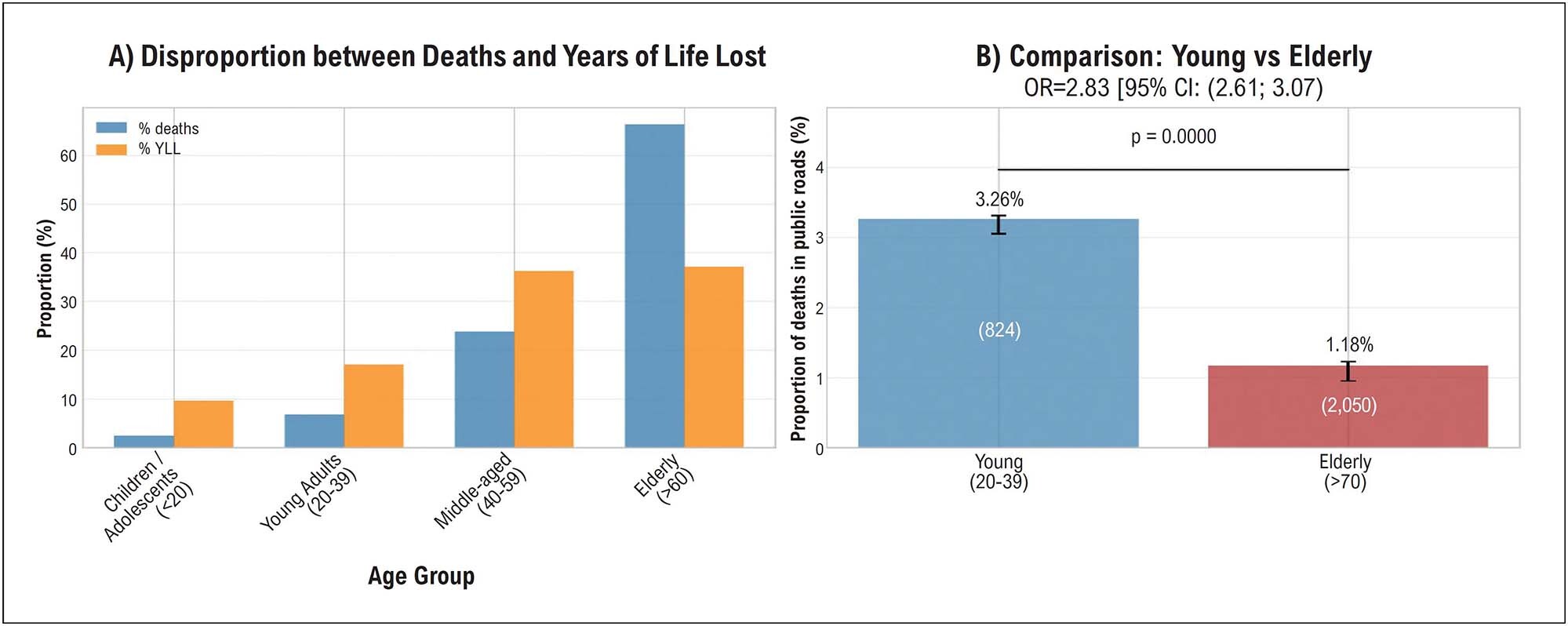
Age-adjusted mortality declined by 1.7% annually (p<0.001). Hospital deaths decreased from 75% to 43%, whereas home deaths increased from 20% to 38%, with a significant inflection point around 2011. Public roadway deaths, used as a proxy for SCD, were more frequent among adults aged 20–39 years (4.8%) than among those aged ≥60 years (0.8%; OR 2.88, 95% CI 2.68–3.10). Total YLL reached 6.83 million years. Individuals aged 20–39 years accounted for only 5.5% of deaths but contributed 12.8% of total YLL, averaging 42.9 years lost per death.

Conclusions:

Despite declining mortality, out-of-hospital deaths have become more frequent. Excess YLL among young adults highlights gaps in SCD prevention. Age-tailored strategies are needed to reduce premature mortality.
  • Cardiomyopathies
  • Epidemiology
  • Life Expectancy
  • Mortality
Read Full Article
Creative Commons Attribution (CC BY) Creative Commons license
29/09/2026 DOI: 10.36660/abchf.20260024i Views 14
Viewpoint

The Adipokine Hypothesis: Does it Play a Major or Minor Role in HFpEF?

Luís Beck-da-Silva et al. Flávio D. Fuchs

We read with great interest the paper “The Adipokine Hypothesis of Heart Failure With a Preserved Ejection Fraction”.

The adipokine hypothesis explores biological mechanisms beyond the well-known risk factors for heart failure with preserved ejection fraction (HFpEF). The article presents a well-supported hypothesis based on data from bench research, animal studies, preclinical findings, and epidemiological evidence. The biological plausibility of the hypothesis is sound. However, certain considerations merit further discussion regarding the interpretation of HFpEF risk factors.

[…]

  • Diastolic Heart Failure
  • Heart Failure
  • Hypertension
  • Obesity
Read Full Article
Creative Commons Attribution (CC BY) Creative Commons license
29/09/2026 DOI: 10.36660/abchf.2060037i Views 2
Figure 1
Case Report

Wolff–Parkinson–White Syndrome in a Heart Transplant Recipient

Adir Schreiber Junior et al. Lucas Simonetto Faganello Ana Paula Arbo Magalhães Kaleb Pinto Spannemberger … Eduardo Caberlon Leandro Ioschpe Zimerman Mauricio Pimentel

Abstract

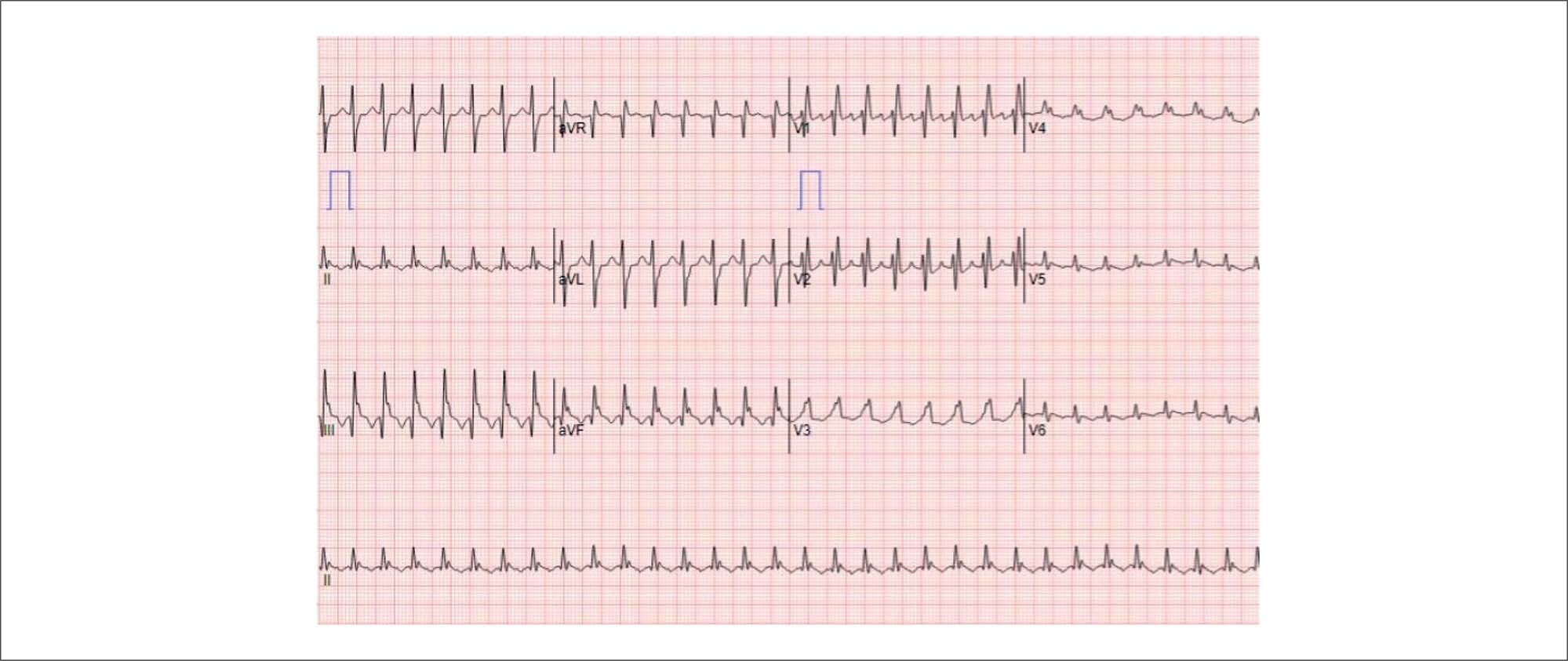
A 44-year-old woman underwent heart transplantation due to refractory angina and advanced heart failure. During the postoperative period, she developed episodes of supraventricular tachycardia and intermittent ventricular pre-excitation on the electrocardiogram. After an initial period of pharmacological management, she underwent successful radiofrequency ablation of a left posteroseptal accessory pathway. A review of the literature regarding Wolff–Parkinson–White syndrome in heart transplant recipients is also presented.

  • Catheter Ablation
  • Heart Transplantation
  • Wolff-Parkinson White Syndrome
Read Full Article
Creative Commons Attribution (CC BY) Creative Commons license
28/09/2026 DOI: 10.36660/abchf.20260017i Views 2
Figure 1
Viewpoint

What We Choose to Fund Defines Who We Choose to Save: Pediatric Heart Failure in Emerging Economies

Carolina Vieira de Campos et al. Luiz Fernando Caneo Tamara J. Pimenta Desiree S. Machado

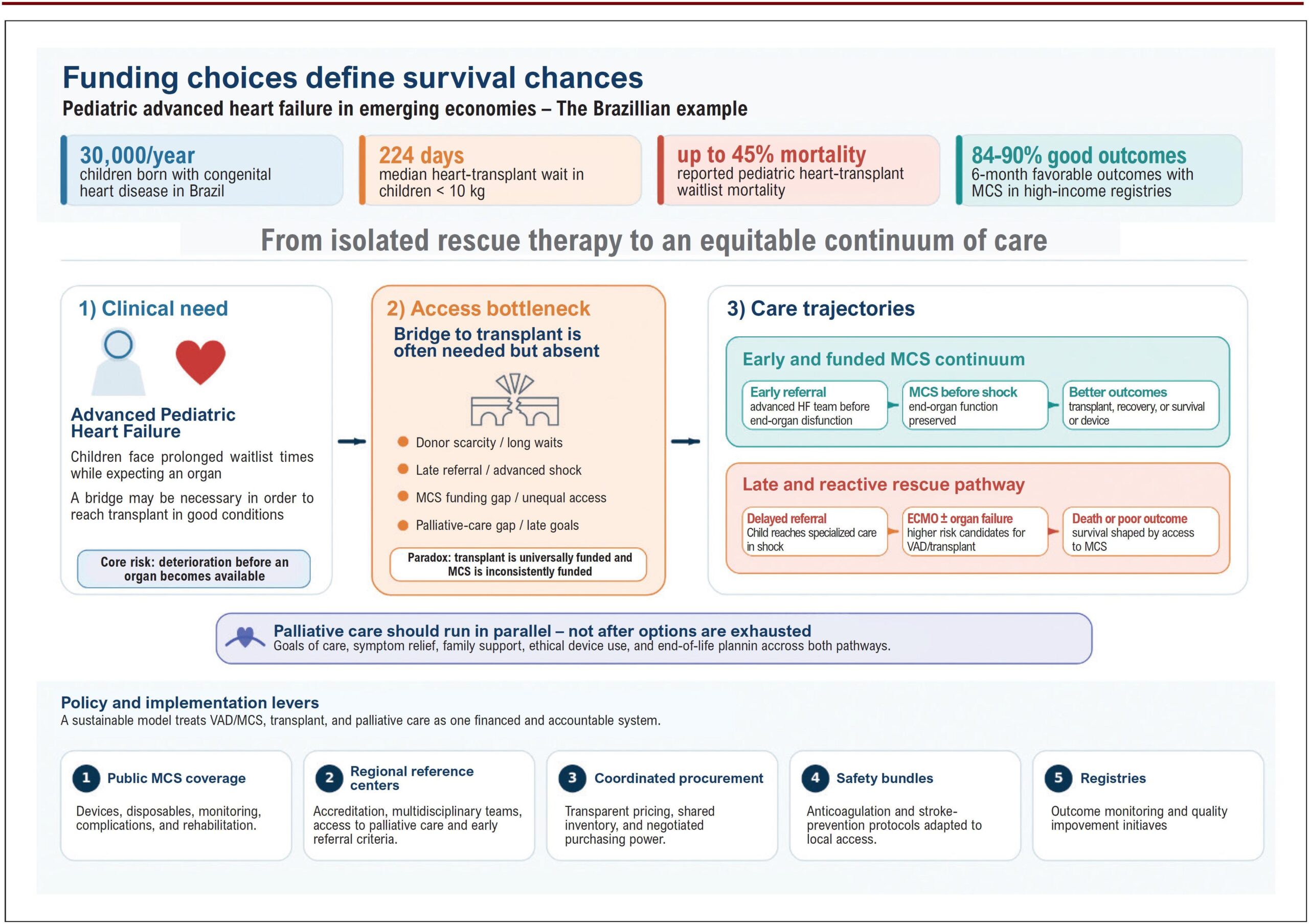
Management of pediatric advanced heart failure (HF) in low- to middle-income countries faces substantial and interconnected challenges, including severely limited access to specialized care, a shortage of adequately trained healthcare professionals, delayed referrals, and high mortality rates. These systemic constraints significantly restrict both the availability and the effectiveness of life-saving therapies for children with end-stage HF.

A deeper understanding of mechanical circulatory support (MCS) in emerging economies – illustrated here through the Brazilian experience – provides a valuable foundation for identifying structural, logistical, and ethical barriers to care. Such analysis also informs the development of strategies aimed at the sustainable and equitable expansion of advanced HF therapies for children.

[…]

  • Extracorporeal Membrane Oxygenation
  • Heart Failure
  • Heart Transplantation
  • Heart-Assist Devices
  • Pediatrics
Read Full Article
Creative Commons Attribution (CC BY) Creative Commons license
11/09/2026 DOI: 10.36660/abchf.20260014i Views 1
Mortality Still Matters in Clinical Trials for Heart Failure
Viewpoint

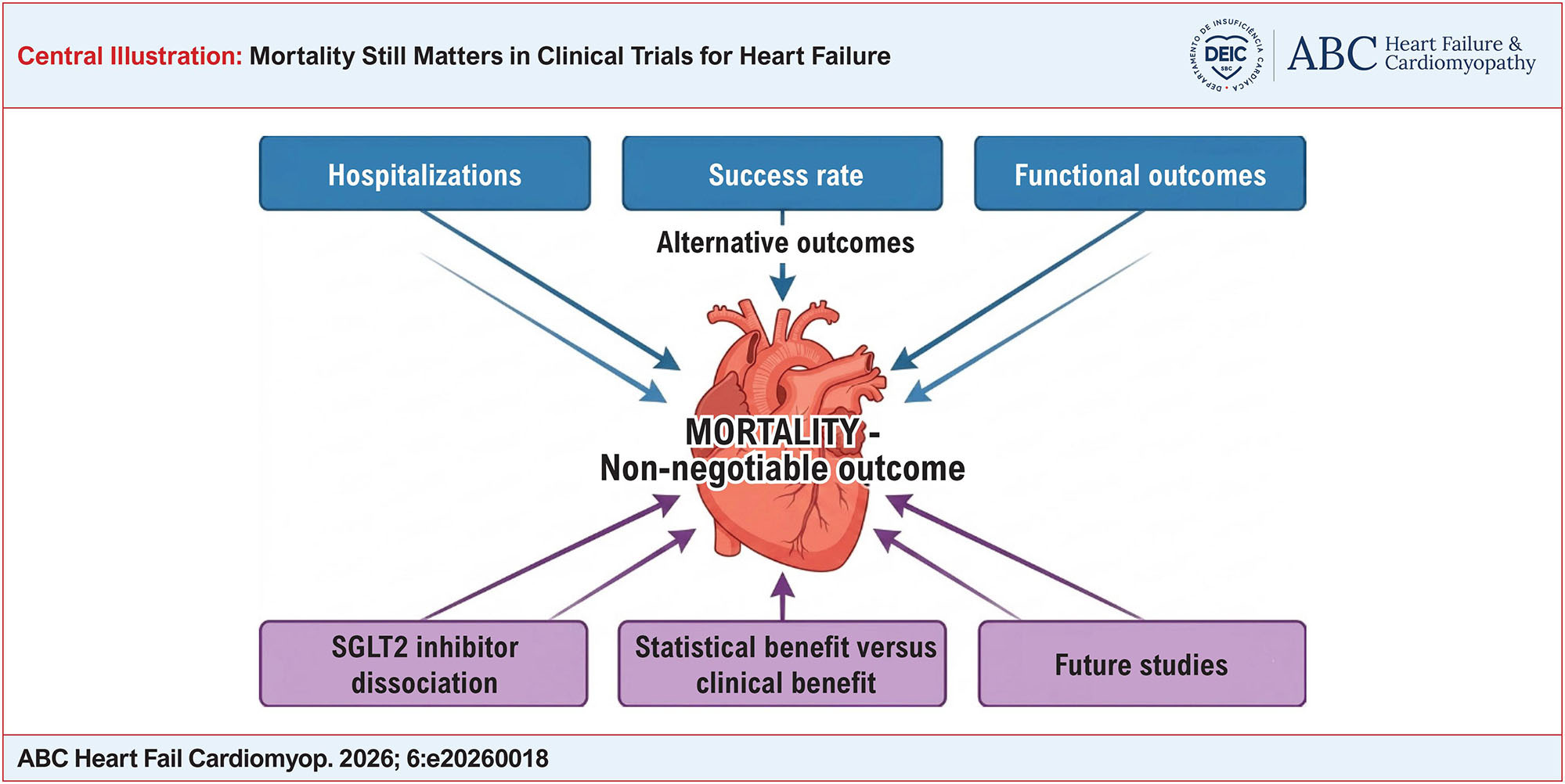
Mortality Still Matters in Clinical Trials for Heart Failure

João Manoel Rossi Neto

Heart failure (HF) remains one of the leading causes of mortality and healthcare costs worldwide. In the ESC HF III Registry, one-year mortality after hospitalization ranged from 16% to 22%, while in the United States it reaches 35.2% among patients ≥ 65 years. Even so, only 1 in 8 post-2015 trials in HF with reduced ejection fraction (HFrEF) demonstrated a reduction in cardiovascular death, in contrast with 13 of 16 pre-2015 trials. This misalignment has driven an increasing reliance on alternative endpoints.

Having participated in the Brazilian coordination of international acute myocardial infarction trials – including ISIS-4, ASSENT-2, and ASSENT-4 PCI– – all of which used mortality as the central endpoint, it was possible to witness an era in which the primary clinical question was whether a treatment did or did not reduce death. This viewpoint argues that mortality remains the principal endpoint for clinical inference in HF and should not be abandoned in the design of contemporary trials.

[…]

  • Mortality Still Matters in Clinical Trials for Heart Failure
Read Full Article
Creative Commons Attribution (CC BY) Creative Commons license
24/08/2026 DOI: 10.36660/abchf.20260018i Views 1
Figure 1
Editorial

ABC Heart Failure & Cardiomyopathy: Management Review and Indexing Perspectives

Germano Emílio Conceição-Souza

Introduction – context and mission

ABC Heart Failure & Cardiomyopathy (ABC HF) was established in 2021 as a specialized journal within Brazilian Society of Cardiology’s (SBC) family of scientific journals. The creation of ABC HF responded to a longstanding request from the Department of Heart Failure (DEIC-SBC) for a dedicated platform for disseminating high-quality research in the fields of heart failure and cardiomyopathies, including their various diagnostic and therapeutic approaches.

The mission of ABC HF goes beyond merely publishing scientific articles. The journal aims to create an environment that encourages the production and dissemination of knowledge, thereby strengthening scientific exchange and establishing itself as a reliable source of information for researchers and healthcare professionals in Portuguese-speaking countries and Latin America, regions that are particularly affected by the significant impact of heart failure.

[…]

  • Abstracting and Indexing
  • Cardiomyopathies
  • Heart Failure
  • Heart Transplantation
  • Publishing
Read Full Article
Creative Commons Attribution (CC BY) Creative Commons license
24/08/2026 DOI: 10.36660/abchf.20260033i Views 1
Central Illustration
Original Article

Global Mapping of Research on Artificial Intelligence Applied to Myocarditis

Guilherme Cesar Fernandes de Oliveira da Costa et al. Jose Gregorio Valero Rodriguez Giulia Fernandes de Oliveira da Costa Adriana Munford Lima Pimentel Evandro Tinoco Mesquita

Abstract

Background

Myocarditis remains a diagnostic challenge, and interest in using artificial intelligence to support noninvasive diagnostic evaluation has grown rapidly. Although the literature at the intersection of artificial intelligence and myocarditis has expanded substantially, it remains fragmented and lacks comprehensive synthesis.

Objectives

To map the global scientific output on the application of artificial intelligence to myocarditis by identifying leading contributors, collaboration patterns, and emerging thematic trends.

Methods

We conducted a bibliometric analysis of articles on artificial intelligence applied to myocarditis indexed in the Web of Science Core Collection. The R package bibliometrix and VOSviewer were used to perform bibliometric network and thematic analyses.

Results

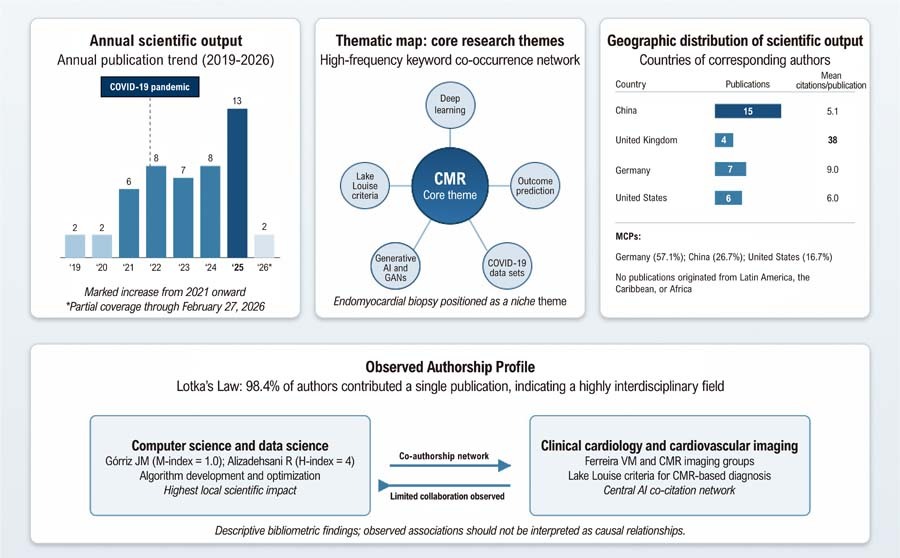
A total of 47 articles were included. Scientific output increased markedly after 2021, coinciding with the COVID-19 pandemic, and peaked in 2025. China led in publication volume, whereas the United Kingdom and Germany achieved the greatest citation impact. No publications originated from Latin America, the Caribbean, or Africa. International collaboration networks remain fragmented. Keyword and thematic analyses identified the integration of deep learning with cardiovascular magnetic resonance imaging as the principal motor theme, reflecting a shift away from traditional endomyocardial biopsy. The most highly cited authors were primarily computer and data scientists.

Conclusions

Research at the intersection of artificial intelligence and myocarditis is an emerging field undergoing methodological consolidation, with growth accelerated by the COVID-19 pandemic. Cardiovascular magnetic resonance imaging has become the primary data source for artificial intelligence-based applications. The principal challenge appears to be translational, underscoring the need for stronger collaboration between algorithm developers and clinicians. The successful integration of these models into routine clinical practice will likely depend on multidisciplinary collaboration and validation across diverse, multicenter populations.

  • Artificial Intelligence
  • Deep Learning
  • Machine Learning
  • Myocarditis
Read Full Article
Creative Commons Attribution (CC BY) Creative Commons license
21/08/2026 DOI: 10.36660/abchf.20260016i Views 1
Central Illustration
Original Article

Unrecognized Chronic Kidney Disease and the Therapeutic Gap in Outpatients with Heart Failure and Reduced Ejection Fraction

Felipe Lopes Grillo et al. Julia Rosembach Bruscato Felipe Storm Ross Eduardo Zanetti Bergamaschi … Gabriel Della Torres Marinho Juliana Berndt Nunes Rosane Carolina Paes De Lira Lidia Ana Zytynski Moura

Abstract

Background

Chronic kidney disease (CKD) is common in heart failure with reduced ejection fraction (HFrEF), but its true prevalence may substantially exceed formal diagnosis, contributing to undertreatment with guideline-directed medical therapy (GDMT).

Objectives

To determine the prevalence of unrecognized CKD in an HFrEF outpatient clinic, compare optimized medical therapy (OMT) according to renal status and KDIGO stages, and identify independent predictors of OMT.

Methods

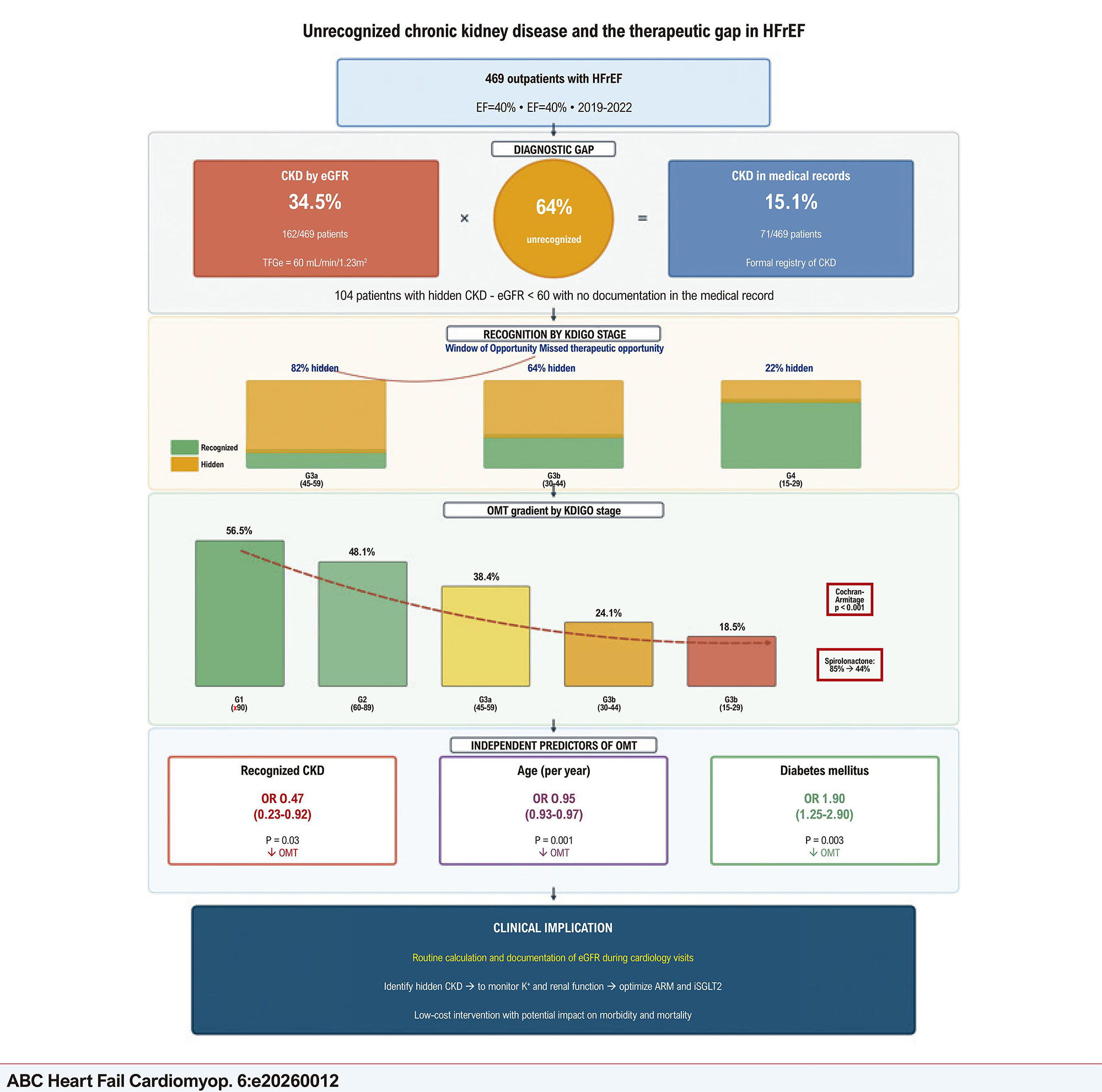
Analytical cross-sectional study including 469 patients with HFrEF (LVEF ≤ 40%) followed between 2019–2022 with calculable eGFR (CKD-EPI 2021). Classification: no CKD (eGFR ≥ 60; n = 307), hidden CKD (eGFR < 60 without documentation; n = 104), and recognized CKD (formal documentation; n = 58). OMT was defined as RAAS blockade + beta-blocker + MRA at ≥ 50% of target doses.

Results

CKD affected 34.5% by eGFR, but only 15.1% had documentation – 64% were hidden, predominantly G3a (82%) and G3b (64%). OMT followed a monotonic gradient across KDIGO stages: G1 56.5%, G2 48.1%, G3a 38.4%, G3b 24.1%, G4 18.5% (Cochran–Armitage p < 0.001). Spironolactone was the most affected therapy (84.7% vs. 60.3%; p < 0.001). In multivariable analysis, recognized CKD was associated with lower OMT (OR 0.47; 95% CI 0.23–0.92; p = 0.03), along with age (OR 0.95/year; p < 0.001), while diabetes was paradoxically associated with higher OMT (OR 1.90; p = 0.003).

Conclusion

Nearly two-thirds of CKD cases in HFrEF are unrecognized, concentrated in moderate stages where therapeutic benefit is greatest. Routine calculation of eGFR is a simple intervention to reduce this gap.

  • chronic renal insufficiency
  • Glomerular Filtration Rate
  • Heart Failure
  • Mineralocorticoid Receptor Antagonists
  • Therapeutics
Read Full Article
Creative Commons Attribution (CC BY) Creative Commons license
05/08/2026 DOI: 10.36660/abchf.20260012i Views 3
Central Illustration
Original Article

Prognostic Value of Growth Differentiation Factor-15 in Heart Failure: A Systematic Review with Meta-Analysis

Lorena dos Santos Marreto Rimolo et al. Humberto Villacorta

Abstract

Background

Growth differentiation factor-15 (GDF-15) has emerged as a promising biomarker in heart failure (HF), reflecting multiple pathophysiological mechanisms, including inflammation, oxidative stress, and cardiac remodeling. However, evidence regarding its prognostic value remains inconsistent.

Objective

To systematically evaluate the association between circulating levels of GDF-15 and adverse clinical outcomes, including all-cause mortality and HF hospitalization.

Methods

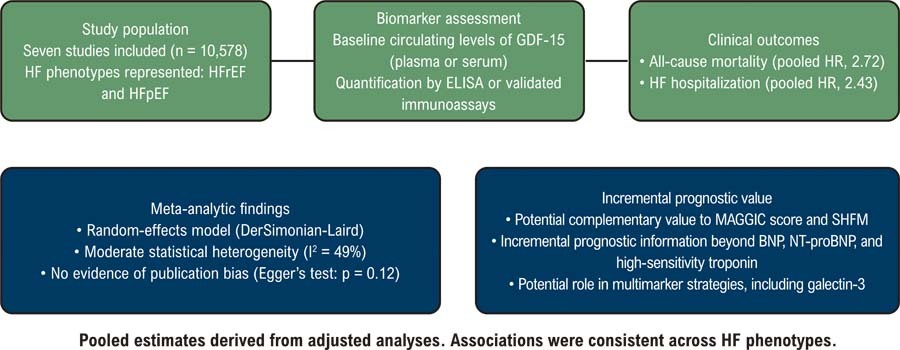
A systematic review was conducted in accordance with Preferred Reporting Items for Systematic Reviews and Meta-Analyses 2020 guidelines. PubMed, Embase, Cochrane Library, and Web of Science were searched through April 2025. Studies reporting baseline levels of GDF-15 and adjusted hazard ratios (HRs) for mortality and/or HF hospitalization were included. Pooled HRs were calculated using a random-effects model (DerSimonian and Laird method). Statistical heterogeneity was assessed using Higgins’ I2 statistic, and publication bias was evaluated using Egger’s test.

Results

Seven studies (n = 10,578 patients [mean age, 67 ± 11 years; 58% male]) met the inclusion criteria. Increased levels of GDF-15 were significantly associated with increased all-cause mortality (pooled HR, 2.72; 95% CI, 1.55-4.17; p < 0.001; I2 = 49%) and HF hospitalization (HR, 2.43; 95% CI, 1.79-3.30; p < 0.001). Subgroup analyses demonstrated consistent associations across different HF phenotypes. Funnel plot assessment and Egger’s test (p = 0.12) showed no evidence of publication bias.

Conclusions

Higher circulating levels of GDF-15 are independently associated with increased risks of mortality and HF hospitalization. Incorporating GDF-15 into multimarker prognostic models may improve risk stratification and support earlier, more individualized management strategies in HF.

  • Biomarkers
  • Growth differentiation factor 15
  • Heart Failure
  • Prognosis
Read Full Article
Creative Commons Attribution (CC BY) Creative Commons license
22/07/2026 DOI: 10.36660/abchf.20260006i Views 1
Central Illustration
Original Article

Guideline-Directed Medical Therapy, Clinical Outcomes, and Quality of Life in Heart Failure: Insights from a Multicenter International Consortium for Health Outcomes Measurement-Based Brazilian Cohort

Suzana Alves Silva et al. Keila Amaral Sabrina Bernardez-Pereira Marcelo Franken … Daisa Mesquita Escobosa Carolina Ivo Leandro Menezes Alves da Costa Fabio Gomes da Conceição Laine Lisboa Thays Naomy Rizzi Bárbara Reis Tamburim Luciana Alves Lopes Siomara Tavares Fernandes Yamaguti Luiz Antonio Nasi Juçara Maccari Arthur Pille Jonas Michel Wolf Andre Volschan Marcelo Westerlund Montera Silvia Moreira Ayub Ferreira Luiz Francisco Cardoso Roberta Saretta Teresa Cristina D. C. Nascimento Olívia Margarido Camila Oliveira Evelyn Tiburzio Ary Ribeiro

Abstract

Background

Real-world evidence integrating clinical outcomes and patient-reported measures in heart failure with reduced ejection fraction (HFrEF) remains scarce in middle-income countries. Standardized outcome measurement frameworks may enable more consistent evaluation of care quality and treatment effectiveness.

Objective

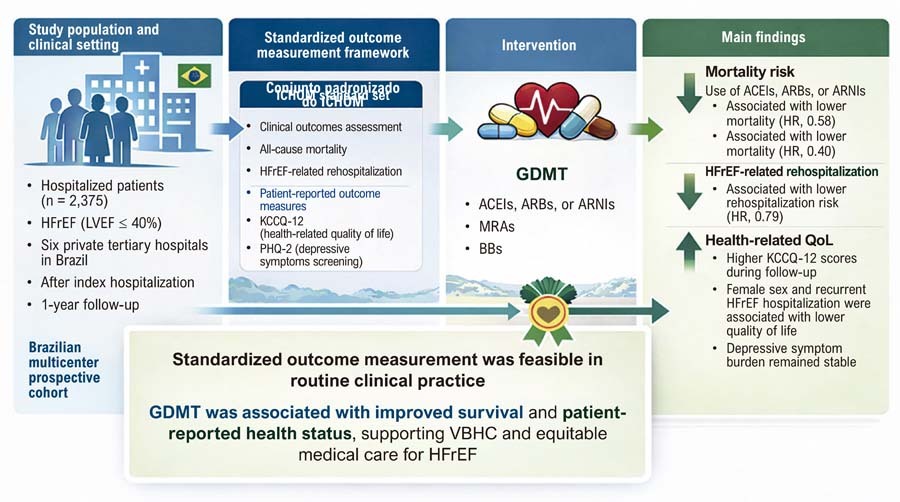
To assess the association of guideline-directed medical therapy (GDMT) with clinical outcomes and patient-reported quality of life (QoL) in patients with HFrEF within 1 year after index hospitalization, using the International Consortium for Health Outcomes Measurement standard set in a multicenter Brazilian cohort.

Methods

This prospective cohort study included adults hospitalized for decompensated HFrEF (ejection fraction ≤ 40%) across six private tertiary hospitals in Brazil. Clinical and patient-reported outcomes were collected using standardized instruments, including the Kansas City Cardiomyopathy Questionnaire-12 (KCCQ-12) and the Patient Health Questionnaire-2 (PHQ-2).

Results

A total of 2,375 patients were included (mean age, 75.9 ± 13.6 years; 69% male). During a median follow-up of 369 days, 26.1% died and 34.6% experienced heart failure-related rehospitalization. Older age was associated with higher risks of mortality and rehospitalization (p ≤ 0.003). Use of angiotensin-converting enzyme inhibitors, angiotensin receptor blockers, or angiotensin receptor-neprilysin inhibitors was associated with lower mortality (hazard ratio [HR], 0.58; p = 0.001), whereas beta-blockers showed a strong protective effect (HR, 0.40; p < 0.001). Mineralocorticoid receptor antagonists were associated with lower rehospitalization rates (HR, 0.79; p = 0.032). GDMT was associated with higher KCCQ-12 scores throughout follow-up (p < 0.05). Women and patients with recurrent rehospitalizations reported lower QoL (p < 0.02). PHQ-2 scores remained low and stable over time.

Conclusion

Standardized outcome measurement is feasible in real-world HFrEF care. GDMT was associated with improved survival and QoL, supporting more equitable and value-based management of HFrEF.

  • Patient Reported Outcome Measures
  • Quality of life
  • Systolic Heart Failure
Read Full Article
Creative Commons Attribution (CC BY) Creative Commons license
22/07/2026 DOI: 10.36660/abchf.20260001i Views 1
Central Illustration
Original Article

The Value of NT-ProBNP in Predicting Cardiovascular Events in Patients Hospitalized for Decompensated Heart Failure

Rafael Felipe Coelho Siqueira et al. Tainá Teixeira Viana Natália Duarte Barroso Nina Vieira Coutinho … Luiz Paulo Oliveira Martins João Pedro Fernandes Gonçalves Pedro Vogel Almeida Djaine Haila Silva Rocha Raisa Mainarte Franco Barros Rodrigo Morel Vieira Melo

Abstract

Background:

Serum levels of natriuretic peptides at hospital admission and discharge, as well as their percentage reduction (delta NT-proBNP), have been associated with cardiovascular outcomes in decompensated heart failure.

Objective:

To evaluate the prognostic accuracy of NT-proBNP parameters and determine the usefulness of in-hospital percentage reduction targets.

Methods:

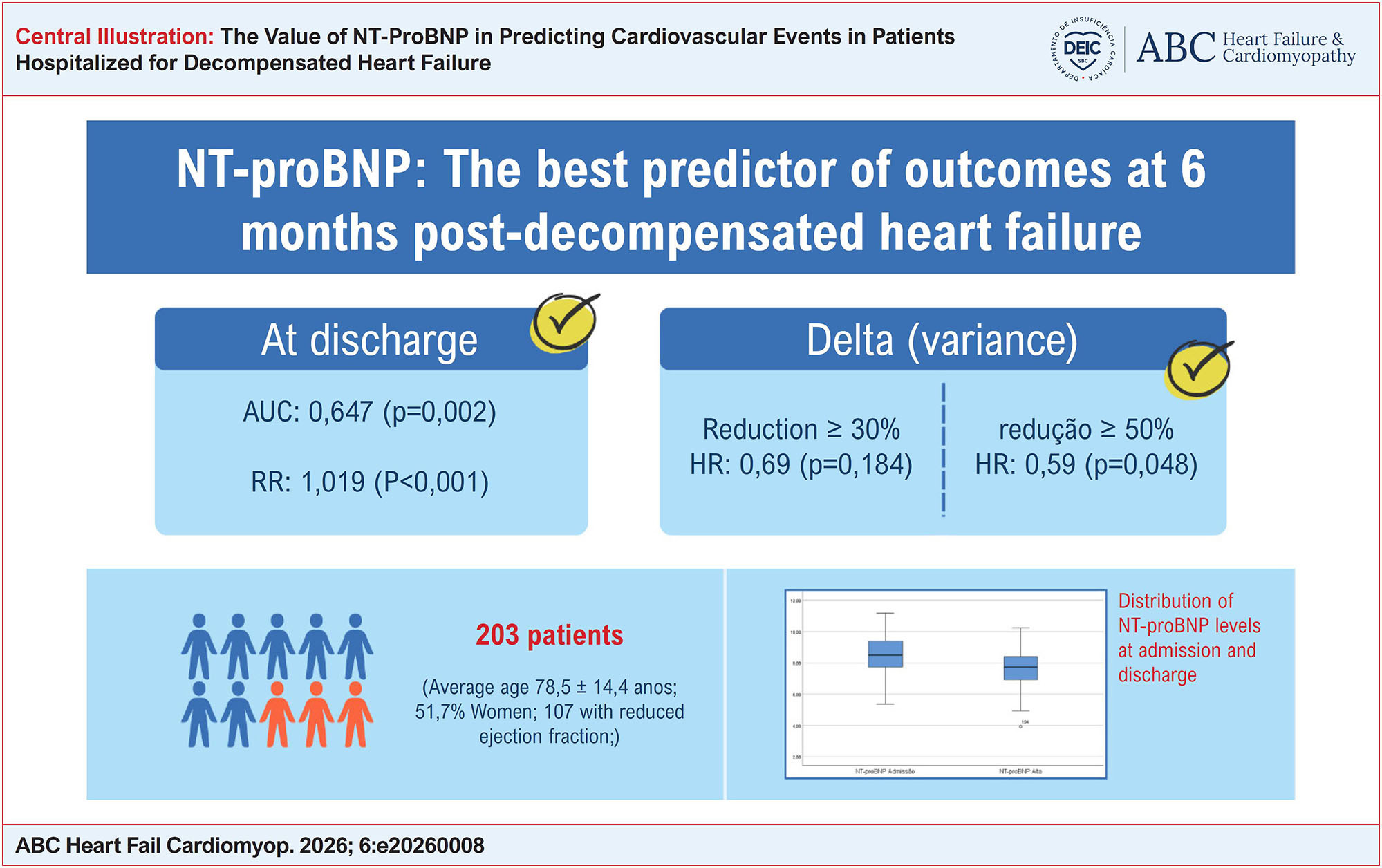
This was a retrospective cohort study including patients ≥18 years old admitted to a heart failure protocol between January 2022 and December 2023 at a tertiary hospital. The primary outcome was a composite of all-cause mortality and readmission for heart failure within 6 months.

Results:

Two hundred and three patients were included (mean age 78.5 ± 14.4 years; 51.7% women). The outcome occurred in 67 (33.0%) within 6 months. The NT-proBNP at discharge showed the best accuracy (AUC 0.647; 95% CI 0.559–0.735; p=0.002). In multivariate analysis, only the NT-proBNP at discharge remained an independent predictor (p<0.05), outperforming continuous variation (delta). Regarding therapeutic goals, a reduction of ≥ 50% was associated with a lower risk of events (HR 0.59; 95% CI 0.36–0.99; p=0.048), while a reduction of ≥ 30% showed no association (p=0.184).

Conclusion:

NT-proBNP at discharge was the best independent predictor of outcomes at 6 months. Additionally, achieving an in-hospital reduction of ≥ 50% was associated with better prognosis, suggesting its usefulness as a therapeutic target.

  • Brain Natriuretic Peptide
  • Cardiovascular Diseases
  • Heart Failure
  • Prognosis
Read Full Article
Creative Commons Attribution (CC BY) Creative Commons license
08/07/2026 DOI: 10.36660/abchf.20260008i Views 2
Figure 1
Viewpoint

Measuring What Matters: A Unified Framework for High-Value Heart Failure Care in Brazil

Sabrina Bernardez-Pereira et al. Giovana Alvarez Marcelo Franken Pedro Alves Lemos Neto … Germano Emílio Conceição Souza Fernando Bacal

Introduction

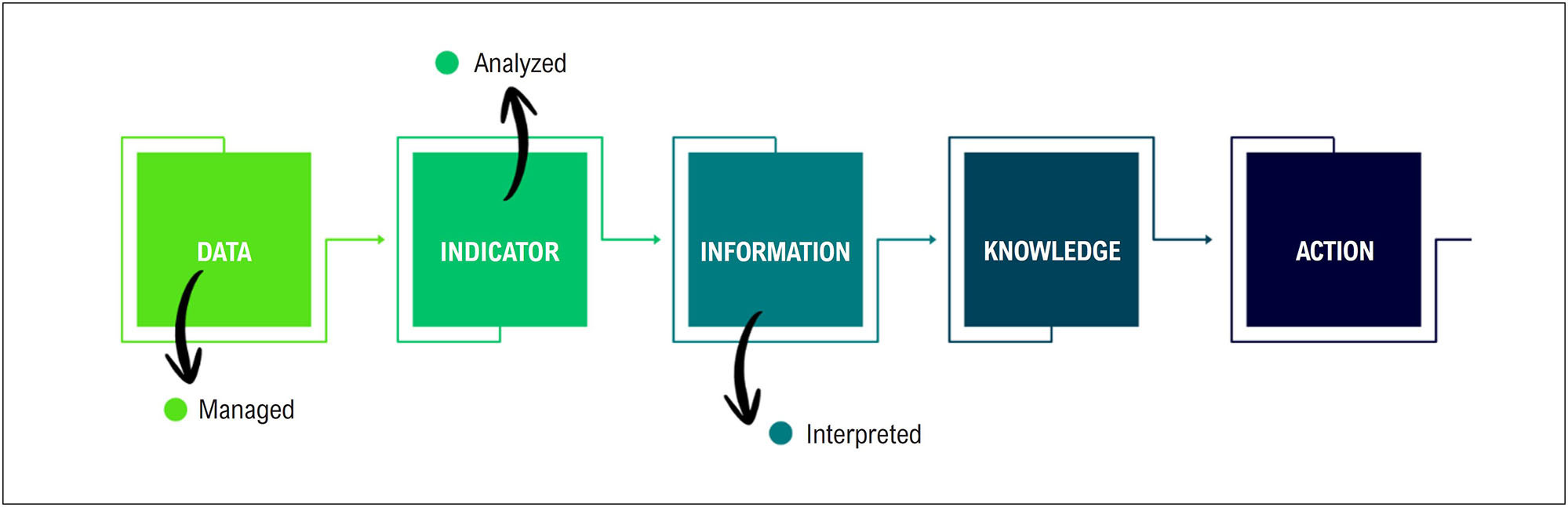
In Brazil, heart failure (HF) remains one of the leading causes of cardiovascular hospitalization and mortality, placing substantial pressure on the public health system. Despite therapeutic advances, significant gaps persist, as fragmented information systems, heterogeneous indicators, and limited integration of the patient perspective continue to predominate across both the public and private sectors.,

Critically, value-based healthcare, defined as health outcomes achieved relative to the resources expended, requires systematic measurement of waste and low-value care. Identifying avoidable hospitalizations, redundant testing, and delayed therapy optimization is essential for improving outcomes and ensuring health system sustainability., Economic analyses in Brazil demonstrate that inefficient HF management generates substantial costs: approximately 70% of HF-related expenditures arise from hospitalizations, many of which could be prevented through optimized outpatient care and stronger integration with primary care.

[…]

  • Heart Failure
  • Patient Centered Care
  • Quality of Health Care
Read Full Article
Creative Commons Attribution (CC BY) Creative Commons license
08/07/2026 DOI: 10.36660/abchf.2026009i Views 2

How to cite this article

EndNote RIS

Electronic Document Format (Vancouver)

Perazzo A, Martins GK, Nobre AP, Oliveira ALL, Araújo Junior JR, Montenegro GL, Montenegro CEL, et al. Shifting Patterns of Out-Of-Hospital Mortality and Premature Life Loss in Cardiomyopathies: A Nationwide Population-Based Study. ABC Heart Fail Cardiomyop 2026;6:e20260024.

Electronic Document Format (ABNT)

Perazzo, Alvaro; Martins, Gabriel Kaleb; Nobre, Arina Peixoto; Oliveira, Arthur Línniker Lopes de; Araújo Junior, Jose Roberto de; Montenegro, Gabriela Lucena; Montenegro, Carlos Eduardo Lucena; Montenegro, Patricia Bezerra Rocha; Torres, João Henrique; Feijó, Flavio; Tenório, Deuzenny; Sepúlveda, Diana Patrícia Lamprea; Steffen, Samuel Padovani; Montenegro, Sérgio Tavares; Gaiotto, Fábio Antonio; Moraes, Fernando. Shifting Patterns of Out-Of-Hospital Mortality and Premature Life Loss in Cardiomyopathies: A Nationwide Population-Based Study. ABC Heart Fail Cardiomyop, v. 6, e20260024, Sep. 2026.

Electronic Document Format (APA)

Perazzo, A., Martins, G. K., Nobre, A. P., Oliveira, A. L. L. , Araújo Junior, J. R. , Montenegro, G. L., Montenegro, C. E. L., Montenegro, P. B. R., Torres, J. H., Feijó, F., Tenório, D., Sepúlveda, D. P. L., Steffen, S. P., Montenegro, S. T., Gaiotto, F. A., & Moraes, F. (2026). Shifting Patterns of Out-Of-Hospital Mortality and Premature Life Loss in Cardiomyopathies: A Nationwide Population-Based Study. ABC Heart Fail Cardiomyop, 6, e20260024.

Electronic Document Format (ISO)

Perazzo, Alvaro and Martins, Gabriel Kaleb and Nobre, Arina Peixoto and Oliveira, Arthur Línniker Lopes de and Araújo Junior, Jose Roberto de and Montenegro, Gabriela Lucena and Montenegro, Carlos Eduardo Lucena and Montenegro, Patricia Bezerra Rocha and Torres, João Henrique and Feijó, Flavio and Tenório, Deuzenny and Sepúlveda, Diana Patrícia Lamprea and Steffen, Samuel Padovani and Montenegro, Sérgio Tavares and Gaiotto, Fábio Antonio and Moraes, Fernando. Shifting Patterns of Out-Of-Hospital Mortality and Premature Life Loss in Cardiomyopathies: A Nationwide Population-Based Study. ABC Heart Fail Cardiomyop [online]. 2026, vol. 6, [cited 2026-10-14], e20260024. Available from: <https://journals.cardiol.br/en/article/shifting-patterns-of-out-of-hospital-mortality-and-premature-life-loss-in-cardiomyopathies-a-nationwide-population-based-study/>

EndNote RIS

Electronic Document Format (Vancouver)

Beck-da-Silva L, Fuchs FD. The Adipokine Hypothesis: Does it Play a Major or Minor Role in HFpEF?. ABC Heart Fail Cardiomyop 2026;6:e20260037.

Electronic Document Format (ABNT)

Beck-da-Silva, Luís; Fuchs, Flávio D.. The Adipokine Hypothesis: Does it Play a Major or Minor Role in HFpEF?. ABC Heart Fail Cardiomyop, v. 6, e20260037, Sep. 2026.

Electronic Document Format (APA)

Beck-da-Silva, L., & Fuchs, F. D. (2026). The Adipokine Hypothesis: Does it Play a Major or Minor Role in HFpEF?. ABC Heart Fail Cardiomyop, 6, e20260037.

Electronic Document Format (ISO)

Beck-da-Silva, Luís and Fuchs, Flávio D.. The Adipokine Hypothesis: Does it Play a Major or Minor Role in HFpEF?. ABC Heart Fail Cardiomyop [online]. 2026, vol. 6, [cited 2026-10-14], e20260037. Available from: <https://journals.cardiol.br/en/article/the-adipokine-hypothesis-does-it-play-a-major-or-minor-role-in-hfpef/>

EndNote RIS

Electronic Document Format (Vancouver)

Schreiber Junior A, Faganello LS, Magalhães APA, Spannemberger KP, Caberlon E, Zimerman LI, Pimentel M, et al. Wolff–Parkinson–White Syndrome in a Heart Transplant Recipient. ABC Heart Fail Cardiomyop 2026;6:e20260017.

Electronic Document Format (ABNT)

Schreiber Junior, Adir; Faganello, Lucas Simonetto; Magalhães, Ana Paula Arbo; Spannemberger, Kaleb Pinto; Caberlon, Eduardo; Zimerman, Leandro Ioschpe; Pimentel, Mauricio. Wolff–Parkinson–White Syndrome in a Heart Transplant Recipient. ABC Heart Fail Cardiomyop, v. 6, e20260017, Sep. 2026.

Electronic Document Format (APA)

Schreiber Junior, A., Faganello, L. S., Magalhães, A. P. A., Spannemberger, K. P., Caberlon, E., Zimerman, L. I., & Pimentel, M. (2026). Wolff–Parkinson–White Syndrome in a Heart Transplant Recipient. ABC Heart Fail Cardiomyop, 6, e20260017.

Electronic Document Format (ISO)

Schreiber Junior, Adir and Faganello, Lucas Simonetto and Magalhães, Ana Paula Arbo and Spannemberger, Kaleb Pinto and Caberlon, Eduardo and Zimerman, Leandro Ioschpe and Pimentel, Mauricio. Wolff–Parkinson–White Syndrome in a Heart Transplant Recipient. ABC Heart Fail Cardiomyop [online]. 2026, vol. 6, [cited 2026-10-14], e20260017. Available from: <https://journals.cardiol.br/en/article/wolff-parkinson-white-syndrome-in-a-heart-transplant-recipient/>

EndNote RIS

Electronic Document Format (Vancouver)

Campos CV, Caneo LF, Pimenta TJ, Machado DS. What We Choose to Fund Defines Who We Choose to Save: Pediatric Heart Failure in Emerging Economies. ABC Heart Fail Cardiomyop 2026;6:e20260014.

Electronic Document Format (ABNT)

Campos, Carolina Vieira de; Caneo, Luiz Fernando; Pimenta, Tamara J.; Machado, Desiree S.. What We Choose to Fund Defines Who We Choose to Save: Pediatric Heart Failure in Emerging Economies. ABC Heart Fail Cardiomyop, v. 6, e20260014, Sep. 2026.

Electronic Document Format (APA)

Campos, C. V. , Caneo, L. F., Pimenta, T. J., & Machado, D. S. (2026). What We Choose to Fund Defines Who We Choose to Save: Pediatric Heart Failure in Emerging Economies. ABC Heart Fail Cardiomyop, 6, e20260014.

Electronic Document Format (ISO)

Campos, Carolina Vieira de and Caneo, Luiz Fernando and Pimenta, Tamara J. and Machado, Desiree S.. What We Choose to Fund Defines Who We Choose to Save: Pediatric Heart Failure in Emerging Economies. ABC Heart Fail Cardiomyop [online]. 2026, vol. 6, [cited 2026-10-14], e20260014. Available from: <https://journals.cardiol.br/en/article/what-we-choose-to-fund-defines-who-we-choose-to-save-pediatric-heart-failure-in-emerging-economies/>

EndNote RIS

Electronic Document Format (Vancouver)

Rossi Neto JM. Mortality Still Matters in Clinical Trials for Heart Failure. ABC Heart Fail Cardiomyop 2026;6:e20260018.

Electronic Document Format (ABNT)

Rossi Neto, João Manoel. Mortality Still Matters in Clinical Trials for Heart Failure. ABC Heart Fail Cardiomyop, v. 6, e20260018, Aug. 2026.

Electronic Document Format (APA)

Rossi Neto, J. M. (2026). Mortality Still Matters in Clinical Trials for Heart Failure. ABC Heart Fail Cardiomyop, 6, e20260018.

Electronic Document Format (ISO)

Rossi Neto, João Manoel. Mortality Still Matters in Clinical Trials for Heart Failure. ABC Heart Fail Cardiomyop [online]. 2026, vol. 6, [cited 2026-10-14], e20260018. Available from: <https://journals.cardiol.br/en/article/mortality-still-matters-in-clinical-trials-for-heart-failure/>

EndNote RIS

Electronic Document Format (Vancouver)

Conceição-Souza GE. ABC Heart Failure & Cardiomyopathy: Management Review and Indexing Perspectives. ABC Heart Fail Cardiomyop 2026;6:e20260033.

Electronic Document Format (ABNT)

Conceição-Souza, Germano Emílio. ABC Heart Failure & Cardiomyopathy: Management Review and Indexing Perspectives. ABC Heart Fail Cardiomyop, v. 6, e20260033, Aug. 2026.

Electronic Document Format (APA)

Conceição-Souza, G. E. (2026). ABC Heart Failure & Cardiomyopathy: Management Review and Indexing Perspectives. ABC Heart Fail Cardiomyop, 6, e20260033.

Electronic Document Format (ISO)

Conceição-Souza, Germano Emílio. ABC Heart Failure & Cardiomyopathy: Management Review and Indexing Perspectives. ABC Heart Fail Cardiomyop [online]. 2026, vol. 6, [cited 2026-10-14], e20260033. Available from: <https://journals.cardiol.br/en/article/abc-heart-failure-cardiomyopathy-management-review-and-indexing-perspectives/>

EndNote RIS

Electronic Document Format (Vancouver)

Costa GCFO, Rodriguez JGV, Costa GFO, Pimentel AML, Mesquita ET. Global Mapping of Research on Artificial Intelligence Applied to Myocarditis. ABC Heart Fail Cardiomyop 2026;6:e20260016.

Electronic Document Format (ABNT)

Costa, Guilherme Cesar Fernandes de Oliveira da; Rodriguez, Jose Gregorio Valero; Costa, Giulia Fernandes de Oliveira da; Pimentel, Adriana Munford Lima; Mesquita, Evandro Tinoco. Global Mapping of Research on Artificial Intelligence Applied to Myocarditis. ABC Heart Fail Cardiomyop, v. 6, e20260016, Aug. 2026.

Electronic Document Format (APA)

Costa, G. C. F. O. , Rodriguez, J. G. V., Costa, G. F. O. , Pimentel, A. M. L., & Mesquita, E. T. (2026). Global Mapping of Research on Artificial Intelligence Applied to Myocarditis. ABC Heart Fail Cardiomyop, 6, e20260016.

Electronic Document Format (ISO)

Costa, Guilherme Cesar Fernandes de Oliveira da and Rodriguez, Jose Gregorio Valero and Costa, Giulia Fernandes de Oliveira da and Pimentel, Adriana Munford Lima and Mesquita, Evandro Tinoco. Global Mapping of Research on Artificial Intelligence Applied to Myocarditis. ABC Heart Fail Cardiomyop [online]. 2026, vol. 6, [cited 2026-10-14], e20260016. Available from: <https://journals.cardiol.br/en/article/global-mapping-of-research-on-artificial-intelligence-applied-to-myocarditis/>

EndNote RIS

Electronic Document Format (Vancouver)

Grillo FL, Bruscato JR, Ross FS, Bergamaschi EZ, Marinho GDT, Nunes JB, Lira RCPD, et al. Unrecognized Chronic Kidney Disease and the Therapeutic Gap in Outpatients with Heart Failure and Reduced Ejection Fraction. ABC Heart Fail Cardiomyop 2026;6:e20260012.

Electronic Document Format (ABNT)

Grillo, Felipe Lopes; Bruscato, Julia Rosembach; Ross, Felipe Storm; Bergamaschi, Eduardo Zanetti; Marinho, Gabriel Della Torres; Nunes, Juliana Berndt; Lira, Rosane Carolina Paes De; Moura, Lidia Ana Zytynski. Unrecognized Chronic Kidney Disease and the Therapeutic Gap in Outpatients with Heart Failure and Reduced Ejection Fraction. ABC Heart Fail Cardiomyop, v. 6, e20260012, Aug. 2026.

Electronic Document Format (APA)

Grillo, F. L., Bruscato, J. R., Ross, F. S., Bergamaschi, E. Z., Marinho, G. D. T., Nunes, J. B., Lira, R. C. P. D., & Moura, L. A. Z. (2026). Unrecognized Chronic Kidney Disease and the Therapeutic Gap in Outpatients with Heart Failure and Reduced Ejection Fraction. ABC Heart Fail Cardiomyop, 6, e20260012.

Electronic Document Format (ISO)

Grillo, Felipe Lopes and Bruscato, Julia Rosembach and Ross, Felipe Storm and Bergamaschi, Eduardo Zanetti and Marinho, Gabriel Della Torres and Nunes, Juliana Berndt and Lira, Rosane Carolina Paes De and Moura, Lidia Ana Zytynski. Unrecognized Chronic Kidney Disease and the Therapeutic Gap in Outpatients with Heart Failure and Reduced Ejection Fraction. ABC Heart Fail Cardiomyop [online]. 2026, vol. 6, [cited 2026-10-14], e20260012. Available from: <https://journals.cardiol.br/en/article/unrecognized-chronic-kidney-disease-and-the-therapeutic-gap-in-outpatients-with-heart-failure-and-reduced-ejection-fraction/>

EndNote RIS

Electronic Document Format (Vancouver)

Rimolo LSM, Villacorta H. Prognostic Value of Growth Differentiation Factor-15 in Heart Failure: A Systematic Review with Meta-Analysis. ABC Heart Fail Cardiomyop 2026;6:e20260006.

Electronic Document Format (ABNT)

Rimolo, Lorena dos Santos Marreto; Villacorta, Humberto. Prognostic Value of Growth Differentiation Factor-15 in Heart Failure: A Systematic Review with Meta-Analysis. ABC Heart Fail Cardiomyop, v. 6, e20260006, Jul. 2026.

Electronic Document Format (APA)

Rimolo, L. S. M., & Villacorta, H. (2026). Prognostic Value of Growth Differentiation Factor-15 in Heart Failure: A Systematic Review with Meta-Analysis. ABC Heart Fail Cardiomyop, 6, e20260006.

Electronic Document Format (ISO)

Rimolo, Lorena dos Santos Marreto and Villacorta, Humberto. Prognostic Value of Growth Differentiation Factor-15 in Heart Failure: A Systematic Review with Meta-Analysis. ABC Heart Fail Cardiomyop [online]. 2026, vol. 6, [cited 2026-10-14], e20260006. Available from: <https://journals.cardiol.br/en/article/prognostic-value-of-growth-differentiation-factor-15-in-heart-failure-a-systematic-review-with-meta-analysis/>

EndNote RIS

Electronic Document Format (Vancouver)

Silva SA, Amaral K, Bernardez-Pereira S, Franken M, Escobosa DM, Ivo C, Costa LMA, et al. Guideline-Directed Medical Therapy, Clinical Outcomes, and Quality of Life in Heart Failure: Insights from a Multicenter International Consortium for Health Outcomes Measurement-Based Brazilian Cohort. ABC Heart Fail Cardiomyop 2026;6:e20260001.

Electronic Document Format (ABNT)

Silva, Suzana Alves; Amaral, Keila; Bernardez-Pereira, Sabrina; Franken, Marcelo; Escobosa, Daisa Mesquita; Ivo, Carolina; Costa, Leandro Menezes Alves da; Conceição, Fabio Gomes da; Lisboa, Laine; Rizzi, Thays Naomy; Tamburim, Bárbara Reis; Lopes, Luciana Alves; Yamaguti, Siomara Tavares Fernandes; Nasi, Luiz Antonio; Maccari, Juçara; Pille, Arthur; Wolf, Jonas Michel; Volschan, Andre; Montera, Marcelo Westerlund; Ferreira, Silvia Moreira Ayub; Cardoso, Luiz Francisco; Saretta, Roberta; Nascimento, Teresa Cristina D. C.; Margarido, Olívia; Oliveira, Camila; Tiburzio, Evelyn; Ribeiro, Ary. Guideline-Directed Medical Therapy, Clinical Outcomes, and Quality of Life in Heart Failure: Insights from a Multicenter International Consortium for Health Outcomes Measurement-Based Brazilian Cohort. ABC Heart Fail Cardiomyop, v. 6, e20260001, Jul. 2026.

Electronic Document Format (APA)

Silva, S. A., Amaral, K., Bernardez-Pereira, S., Franken, M., Escobosa, D. M., Ivo, C., Costa, L. M. A. , Conceição, F. G. , Lisboa, L., Rizzi, T. N., Tamburim, B. R., Lopes, L. A., Yamaguti, S. T. F., Nasi, L. A., Maccari, J., Pille, A., Wolf, J. M., Volschan, A., Montera, M. W., Ferreira, S. M. A., Cardoso, L. F., Saretta, R., Nascimento, T. C. D. C., Margarido, O., Oliveira, C., Tiburzio, E., & Ribeiro, A. (2026). Guideline-Directed Medical Therapy, Clinical Outcomes, and Quality of Life in Heart Failure: Insights from a Multicenter International Consortium for Health Outcomes Measurement-Based Brazilian Cohort. ABC Heart Fail Cardiomyop, 6, e20260001.

Electronic Document Format (ISO)

Silva, Suzana Alves and Amaral, Keila and Bernardez-Pereira, Sabrina and Franken, Marcelo and Escobosa, Daisa Mesquita and Ivo, Carolina and Costa, Leandro Menezes Alves da and Conceição, Fabio Gomes da and Lisboa, Laine and Rizzi, Thays Naomy and Tamburim, Bárbara Reis and Lopes, Luciana Alves and Yamaguti, Siomara Tavares Fernandes and Nasi, Luiz Antonio and Maccari, Juçara and Pille, Arthur and Wolf, Jonas Michel and Volschan, Andre and Montera, Marcelo Westerlund and Ferreira, Silvia Moreira Ayub and Cardoso, Luiz Francisco and Saretta, Roberta and Nascimento, Teresa Cristina D. C. and Margarido, Olívia and Oliveira, Camila and Tiburzio, Evelyn and Ribeiro, Ary. Guideline-Directed Medical Therapy, Clinical Outcomes, and Quality of Life in Heart Failure: Insights from a Multicenter International Consortium for Health Outcomes Measurement-Based Brazilian Cohort. ABC Heart Fail Cardiomyop [online]. 2026, vol. 6, [cited 2026-10-14], e20260001. Available from: <https://journals.cardiol.br/en/article/guideline-directed-medical-therapy-clinical-outcomes-and-quality-of-life-in-heart-failure-insights-from-a-multicenter-international-consortium-for-health-outcomes-measurement-based-brazilian-cohort/>

EndNote RIS

Electronic Document Format (Vancouver)

Siqueira RFC, Viana TT, Barroso ND, Coutinho NV, Martins LPO, Gonçalves JPF, Almeida PV, et al. The Value of NT-ProBNP in Predicting Cardiovascular Events in Patients Hospitalized for Decompensated Heart Failure. ABC Heart Fail Cardiomyop 2026;6:e20260008.

Electronic Document Format (ABNT)

Siqueira, Rafael Felipe Coelho; Viana, Tainá Teixeira; Barroso, Natália Duarte; Coutinho, Nina Vieira; Martins, Luiz Paulo Oliveira; Gonçalves, João Pedro Fernandes; Almeida, Pedro Vogel; Rocha, Djaine Haila Silva; Barros, Raisa Mainarte Franco; Melo, Rodrigo Morel Vieira. The Value of NT-ProBNP in Predicting Cardiovascular Events in Patients Hospitalized for Decompensated Heart Failure. ABC Heart Fail Cardiomyop, v. 6, e20260008, Jul. 2026.

Electronic Document Format (APA)

Siqueira, R. F. C., Viana, T. T., Barroso, N. D., Coutinho, N. V., Martins, L. P. O., Gonçalves, J. P. F., Almeida, P. V., Rocha, D. H. S., Barros, R. M. F., & Melo, R. M. V. (2026). The Value of NT-ProBNP in Predicting Cardiovascular Events in Patients Hospitalized for Decompensated Heart Failure. ABC Heart Fail Cardiomyop, 6, e20260008.

Electronic Document Format (ISO)

Siqueira, Rafael Felipe Coelho and Viana, Tainá Teixeira and Barroso, Natália Duarte and Coutinho, Nina Vieira and Martins, Luiz Paulo Oliveira and Gonçalves, João Pedro Fernandes and Almeida, Pedro Vogel and Rocha, Djaine Haila Silva and Barros, Raisa Mainarte Franco and Melo, Rodrigo Morel Vieira. The Value of NT-ProBNP in Predicting Cardiovascular Events in Patients Hospitalized for Decompensated Heart Failure. ABC Heart Fail Cardiomyop [online]. 2026, vol. 6, [cited 2026-10-14], e20260008. Available from: <https://journals.cardiol.br/en/article/the-value-of-nt-probnp-in-predicting-cardiovascular-events-in-patients-hospitalized-for-decompensated-heart-failure/>

EndNote RIS

Electronic Document Format (Vancouver)

Bernardez-Pereira S, Alvarez G, Franken M, Lemos Neto PA, Souza GEC, Bacal F. Measuring What Matters: A Unified Framework for High-Value Heart Failure Care in Brazil. ABC Heart Fail Cardiomyop 2026;6:e20260009.

Electronic Document Format (ABNT)

Bernardez-Pereira, Sabrina; Alvarez, Giovana; Franken, Marcelo; Lemos Neto, Pedro Alves; Souza, Germano Emílio Conceição; Bacal, Fernando. Measuring What Matters: A Unified Framework for High-Value Heart Failure Care in Brazil. ABC Heart Fail Cardiomyop, v. 6, e20260009, Jul. 2026.

Electronic Document Format (APA)

Bernardez-Pereira, S., Alvarez, G., Franken, M., Lemos Neto, P. A., Souza, G. E. C., & Bacal, F. (2026). Measuring What Matters: A Unified Framework for High-Value Heart Failure Care in Brazil. ABC Heart Fail Cardiomyop, 6, e20260009.

Electronic Document Format (ISO)

Bernardez-Pereira, Sabrina and Alvarez, Giovana and Franken, Marcelo and Lemos Neto, Pedro Alves and Souza, Germano Emílio Conceição and Bacal, Fernando. Measuring What Matters: A Unified Framework for High-Value Heart Failure Care in Brazil. ABC Heart Fail Cardiomyop [online]. 2026, vol. 6, [cited 2026-10-14], e20260009. Available from: <https://journals.cardiol.br/en/article/measuring-what-matters-a-unified-framework-for-high-value-heart-failure-care-in-brazil/>

Sede – Rio de Janeiro
Av. Marechal Câmara, 160
3º andar – Sala: 330 – Centro
Rio de Janeiro – CEP: 20020-907
Tel.: (+55 21) 3478-2700
ou (21) 99386-3961
E-mail: abcheartfailure@cardiol.br

Sede – São Paulo
Alameda Santos, 705 – 11º andar
Cerqueira César | São Paulo
CEP: 01419-001
Tel.: (55 +11) 3411-5500
E-mail: abcheartfailure@cardiol.br

  • About the Journal
  • Internal Regulation
  • Editors Section
  • Editorial Board
  • SBC Award

  • Guidelines for Publication
  • Editorial Policy
  • Ethics Policy
  • Policy on the Use of Artificial Intelligence
  • Mandatory Publication Form

Issues

SBC Guidelines