| ABC
ABC Family Arquivos Brasileiros de Cardiologia International Journal of Cardiovascular Sciences ABC Heart Failure & Cardiomyopathy ABC Imagem Cardiovascular
Português English
ABC Family | ABC
Português English
  • About
    • About the Journal
    • Internal Regulation
    • Editors Section
    • Editorial Board
    • History
    • SBC Award
  • Instructions to Authors
    • Guidelines for Publication
    • Editorial Policy
    • Ethics Policy
    • Policy on the Use of Artificial Intelligence
    • Mandatory Publication Form
    • Publication Fee
  • Issues
  • SBC Guidelines
  • Abstracts
    • How to Publish an Abstract Supplement?
    • Supplements from the Brazilian Congress of Cardiology
  • About
    • About the Journal
    • Internal Regulation
    • Editors Section
    • Editorial Board
    • History
    • SBC Award
  • Instructions to Authors
    • Guidelines for Publication
    • Editorial Policy
    • Ethics Policy
    • Policy on the Use of Artificial Intelligence
    • Mandatory Publication Form
    • Publication Fee
  • Issues
  • SBC Guidelines
  • Abstracts
    • How to Publish an Abstract Supplement?
    • Supplements from the Brazilian Congress of Cardiology

ABC Family

  • ABC Family
  • Arquivos Brasileiros de Cardiologia
  • International Journal of Cardiovascular Sciences
  • ABC Heart Failure & Cardiomyopathy
  • ABC Imagem Cardiovascular
Search in

No content found.

Journals
Ordering
Article types
Others

  1. Home
  2. ABC
  3. Issues
  4. 2016, Volume 107, Number 4
Figure 1
Image

Leadless Pacemaker: a New Concept in Cardiac Pacing

Nicodemus Lopes et al. Diogo Cavaco Pedro Carmo Maurício Ibrahim Scanavacca Pedro Adragão

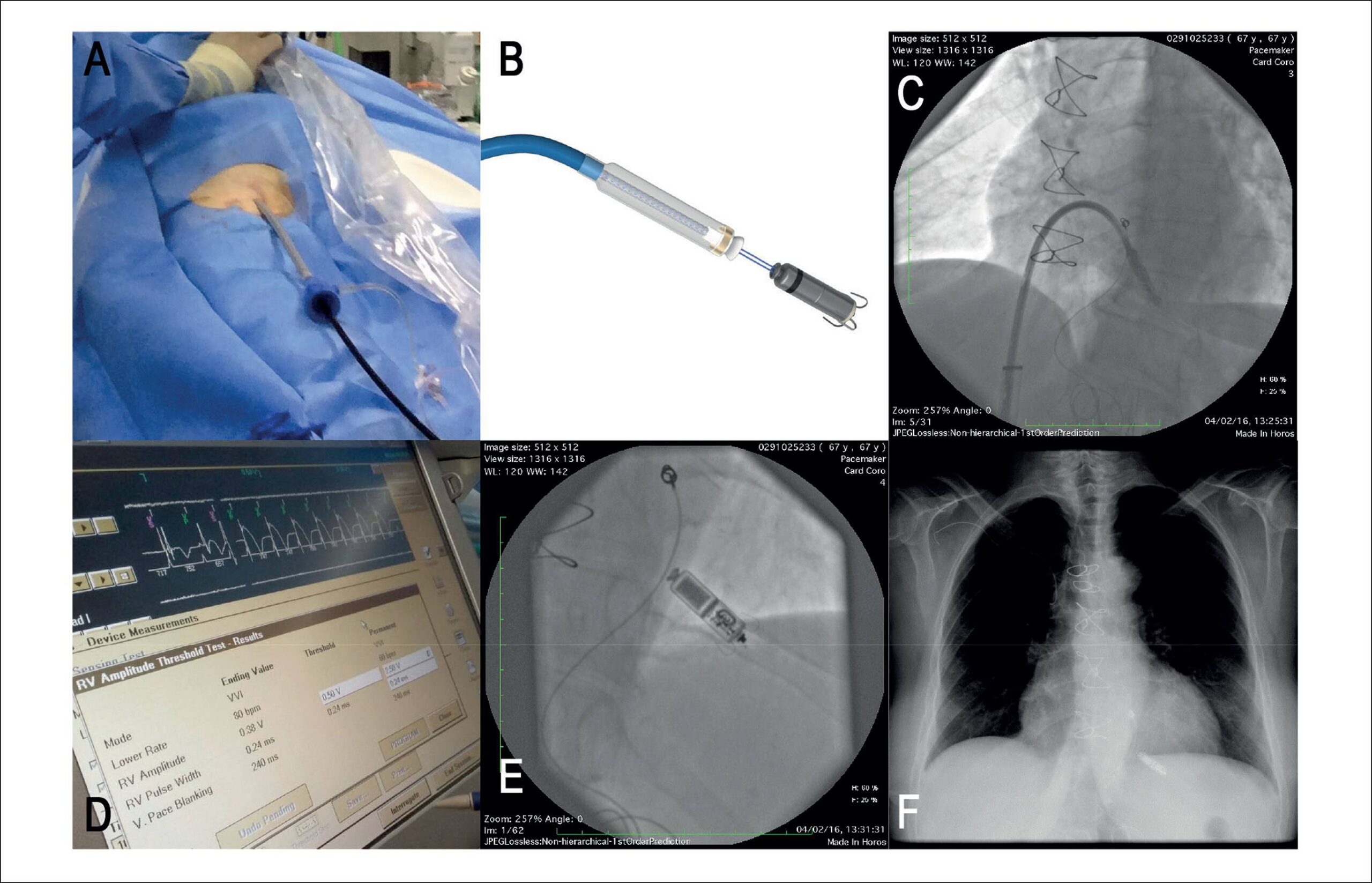
67 year-old female patient, pacemaker user since 1983 due to complete atrioventricular block. Between 1991 and 2004, the patient underwent six surgeries. The first was to replace the batteries, and the others for electrode displacement, generator extrusion, and finally for endocarditis, when surgical extraction of the system and epicardial electrode implantation in the right ventricle (RV) were performed. In the last assessment, in 2015, the patient presented with a very high ventricular stimulation threshold and battery depletion. Due to previous technical problems, implantation of transvenous leadless pacemaker was considered (Micra-Medtronic). This new cardiac stimulation system has, as its main characteristics, reduced generator size (volume of 0.8 cm3) and the absence of electrodes, making it possible to perform the implantation of the system directly in the RV. Implantation was performed at Hospital Santa Cruz, Carnaxide, Portugal. After local anesthesia, a sheath (23F) was introduced through the right femoral vein to take the system to the RV. Once inside the ventricle, the delivery catheter was directed to the septal and apical portion and the capsule was released. Fixation of the system in the right ventricle trabeculae, through its flexible tines, was confirmed by mechanical fixation tests. After that, electronic assessment was performed yielding good parameters. After ensuring that parameters were adequate and the capsule was well fixated, the capsule was released and the delivery system was removed. The patient did not present any immediate complications, and after 45 days of follow-up, electronic parameters were stable.

[…]
  • Atrioventricular block
  • Cardiac Pacing, Artificial
  • Catheterization, Central Venous
  • Pacemaker, Artificial
Read Full Article
Creative Commons Attribution (CC BY) Creative Commons license
01/10/2016 DOI: 10.5935/abc.20160144
Figure 1
Original Article

Fragmented QRS for Risk Stratification in Patients Undergoing First Diagnostic Coronary Angiography

Mehmet Eyuboglu et al. Mehmet Akif Ekinci Suleyman Karakoyun Ugur kucuk … Omer Senarslan Bahri Akdeniz

Abstract

Background:

Only a small proportion of patients referred for coronary angiography with suspected coronary artery disease (CAD) have the diagnosis of obstructive CAD confirmed by the exam. For this reason, further strategies for risk stratification are necessary.

Objective:

To investigate the relationship of the presence of fragmented QRS (fQRS) on admission electrocardiogram with angiographically detected CAD and CAD severity in patients without known vascular diseases and myocardial fibrosis, undergoing first diagnostic coronary angiography.

Methods:

We enrolled 336 consecutive patients undergoing coronary angiography for suspected CAD. The patients were divided into two groups according to the presence or absence of fQRS on admission. We compared the groups regarding the presence and severity of CAD.

Results:

Seventy-nine (23.5%) patients had fQRS on admission. There was not a statistically significant difference between patients with fQRS (41.8%) and non-fQRS (30.4%), regarding the presence of CAD (p = 0.059). However, there was a statistically significant difference between patients with fQRS and non-fQRS regarding the presence of stenotic CAD (40.5% vs. 10.5%, p<0.001) and multi vessel disease (25,3% vs. 5.1%, p22 compared to patients with SYNTAX score ≤22.

Conclusions:

Our findings suggest that fQRS may be an indicator of early-stage myocardial damage preceding the appearance of fibrosis and scar, and may be used for risk stratification in patients undergoing first diagnostic coronary angiography

  • Coronary Angiography
  • Coronary Artery Disease
  • Electrocardiography
  • Fragmented QRS
  • SYNTAX score
Read Full Article
Creative Commons Attribution (CC BY) Creative Commons license
01/10/2016 DOI: 10.5935/abc.20160139 Views 2
Figure 1
Original Article

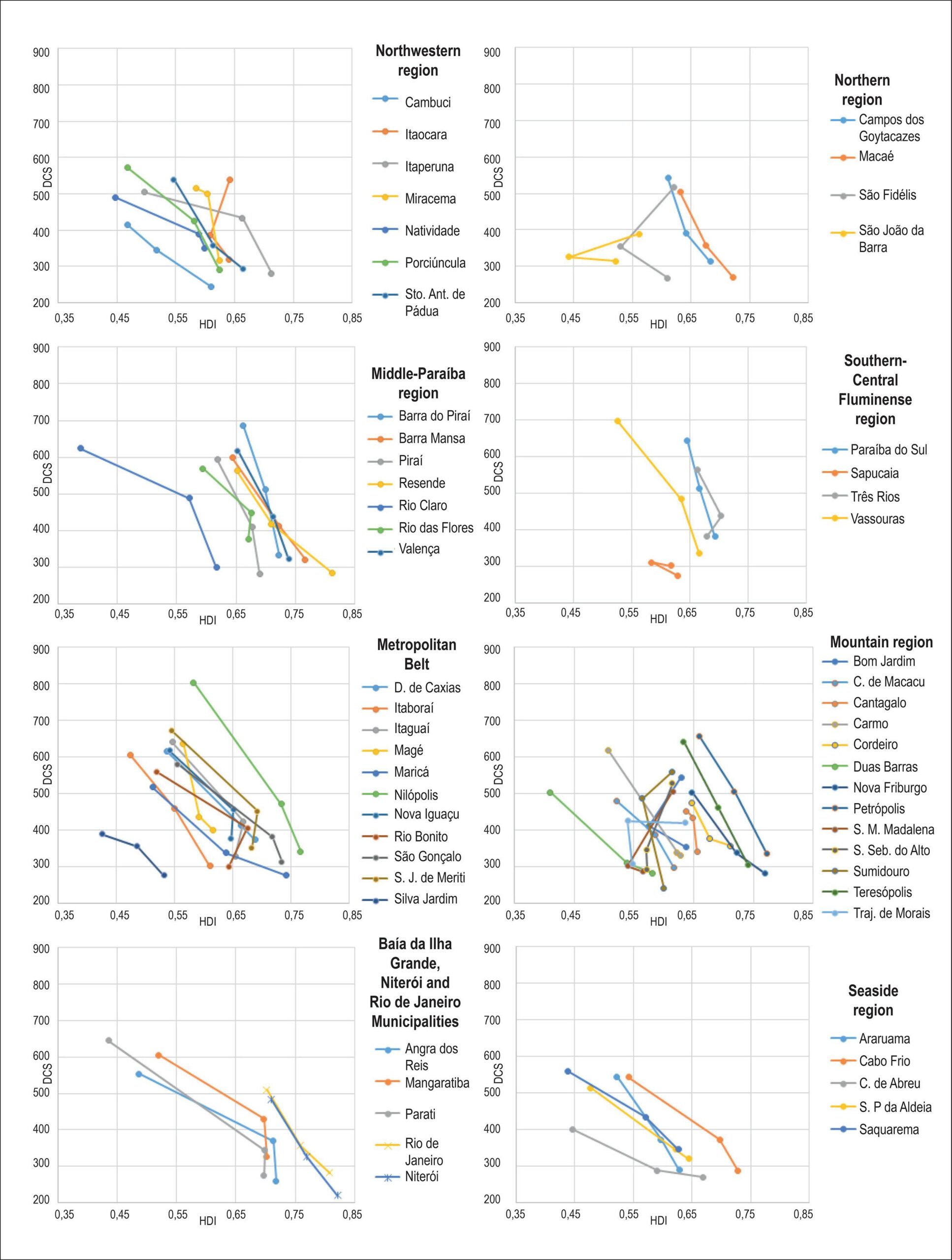
Progression of Mortality due to Diseases of the Circulatory System and Human Development Index in Rio de Janeiro Municipalities

Gabriel Porto Soares et al. Carlos Henrique Klein Nelson Albuquerque de Souza e Silva Glaucia Maria Moraes de Oliveira

Abstract

Background:

Diseases of the circulatory system (DCS) are the major cause of death in Brazil and worldwide.

Objective:

To correlate the compensated and adjusted mortality rates due to DCS in the Rio de Janeiro State municipalities between 1979 and 2010 with the Human Development Index (HDI) from 1970 onwards.

Methods:

Population and death data were obtained in DATASUS/MS database. Mortality rates due to ischemic heart diseases (IHD), cerebrovascular diseases (CBVD) and DCS adjusted by using the direct method and compensated for ill-defined causes. The HDI data were obtained at the Brazilian Institute of Applied Research in Economics. The mortality rates and HDI values were correlated by estimating Pearson linear coefficients. The correlation coefficients between the mortality rates of census years 1991, 2000 and 2010 and HDI data of census years 1970, 1980 and 1991 were calculated with discrepancy of two demographic censuses. The linear regression coefficients were estimated with disease as the dependent variable and HDI as the independent variable.

Results:

In recent decades, there was a reduction in mortality due to DCS in all Rio de Janeiro State municipalities, mainly because of the decline in mortality due to CBVD, which was preceded by an elevation in HDI. There was a strong correlation between the socioeconomic indicator and mortality rates.

Conclusion:

The HDI progression showed a strong correlation with the decline in mortality due to DCS, signaling to the relevance of improvements in life conditions.

  • Brain Diseases/mortality
  • Cardiovascular Diseases, mortality
  • Censuses
  • Economic Indexes
  • Epidemiology
  • Social Conditions
  • Social Indicators
Read Full Article
Creative Commons Attribution (CC BY) Creative Commons license
01/10/2016 DOI: 10.5935/abc.20160141
Figure 1
Case Report

Rare Complication of non-Treated Abdominal Aortic Aneurysm: Extensive Thrombus in Right Cardiac Chambers

Viviane Tiemi Hotta et al. David A. Bluemke Kamila Fernanda Staszko Ana Neri Rodrigues Epitacio Pereira Carlos Eduardo Rochitte

Abstract

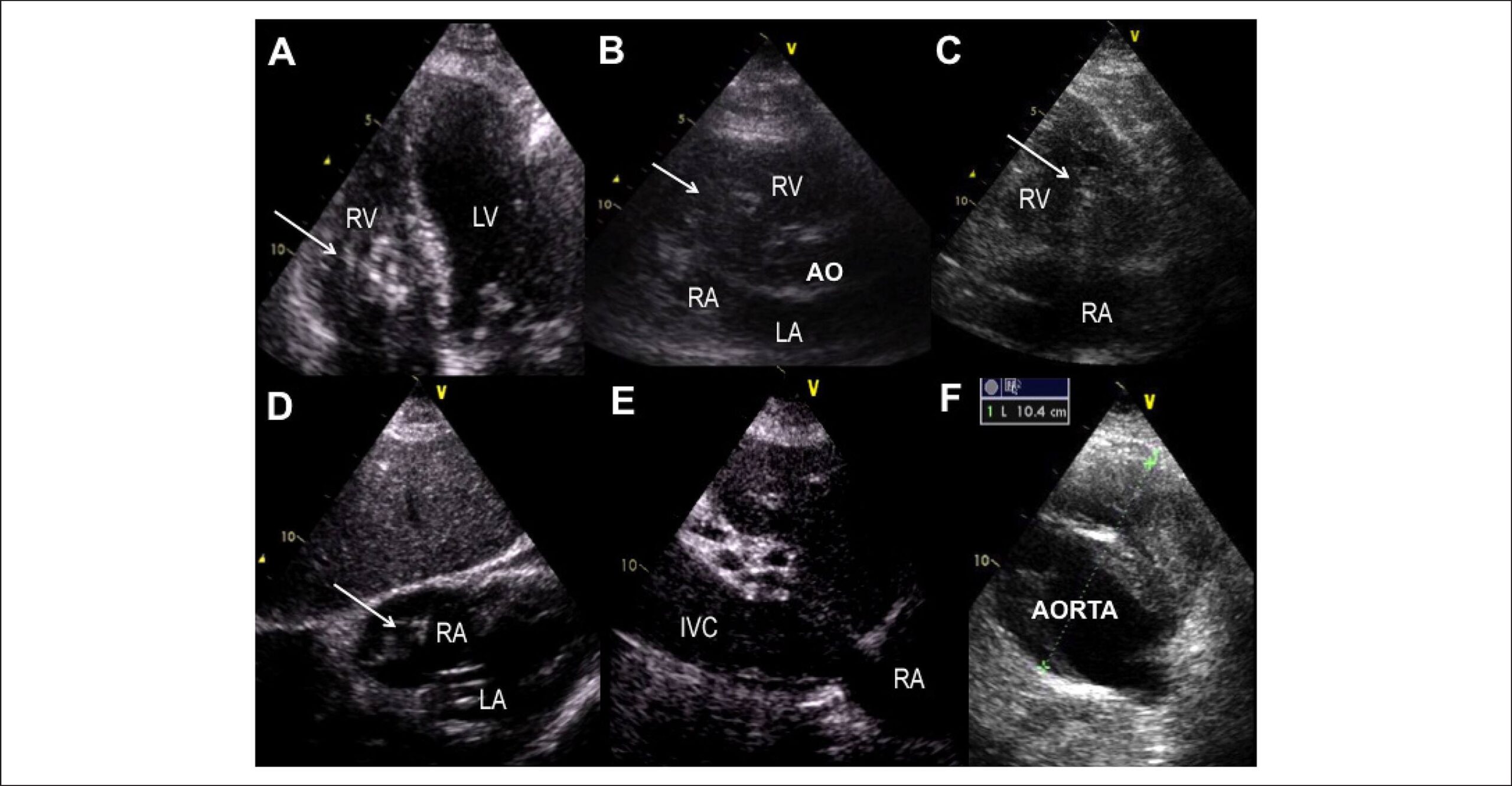
A 78-year-old patient presented with shortness of breath after falling down. Transthoracic echocardiogram showed an extensive thrombus in the right atrium (RA), extensive thrombosis of the inferior vena cava (IVC), and abdominal aortic aneurysm (AAA). A magnetic resonance confirmed the thrombosis of the RA extending to the IVC, which was apparently fused to the abdominal aortic aneurysm (compression? erosion?). This case illustrates a severe and rare complication of a non-treated AAA. There probably was IVC erosion by the aortic aneurysm, leading to blood stasis and extensive thrombosis of the IVC and right cardiac chambers.

  • Aortic Aneurysm, Abdominal / complications
  • Echocardiography
  • Heart Atria
  • Thrombosis
Read Full Article
Creative Commons Attribution (CC BY) Creative Commons license
01/10/2016 DOI: 10.5935/abc.20160143
Original Article

Time-To-Treatment of Acute Coronary Syndrome and Unit of First Contact in the ERICO Study

Rafael Caire de Oliveira dos Santos et al. Alessandra Carvalho Goulart Alan Loureiro Xavier Kisukuri Rodrigo Martins Brandão … Debora Sitnik Henrique Lane Staniak Marcio Sommer Bittencourt Paulo Andrade Lotufo Isabela Martins Bensenor Itamar de Souza Santos

Abstract

Background:

To the best of our knowledge, there are no studies evaluating the influence of the unit of the first contact on the frequency and time of pharmacological treatment during an acute coronary syndrome (ACS) event.

Objectives:

The main objective was to investigate if the unit of first contact influenced the frequency and time of aspirin treatment in the Strategy of Registry of Acute Coronary Syndrome (ERICO) study.

Methods:

We analyzed the pharmacological treatment time in 830 ERICO participants – 700 individuals for whom the hospital was the unit of first contact and 130 who initially sought primary care units. We built logistic regression models to study whether the unit of first contact was associated with a treatment time of less than three hours.

Results:

Individuals who went to primary care units received the first aspirin dose in those units in 75.6% of the cases. The remaining 24.4% received aspirin at the hospital. Despite this finding, individuals from primary care still had aspirin administered within three hours more frequently than those who went to the hospital (76.8% vs 52.6%; p<0.001 and 100% vs. 70.7%; p=0.001 for non ST-elevation ACS and ST-elevation myocardial infarction, respectively). In adjusted models, individuals coming from primary care were more likely to receive aspirin more quickly (odds ratio: 3.66; 95% confidence interval: 2.06-6.51).

Conclusions:

In our setting, individuals from primary care were more likely to receive aspirin earlier. Enhancing the ability of primary care units to provide early treatment and safe transportation may be beneficial in similar settings.

  • Acute Coronary Syndrome / mortality
  • Anticoagulants, Time-to-Treatment
  • Aspirin / administration & dosage
  • Cohort Studies
  • Primary Health Care
Read Full Article
Creative Commons Attribution (CC BY) Creative Commons license
01/10/2016 DOI: 10.5935/abc.20160138
Figure 1
Clinicoradiological Session

Case 6/2016 – The Patient is a 29-Year-Old Male with Spontaneous Closure of Ventricular Septal Defect in Adulthood

Edmar Atik

Complementary tests:

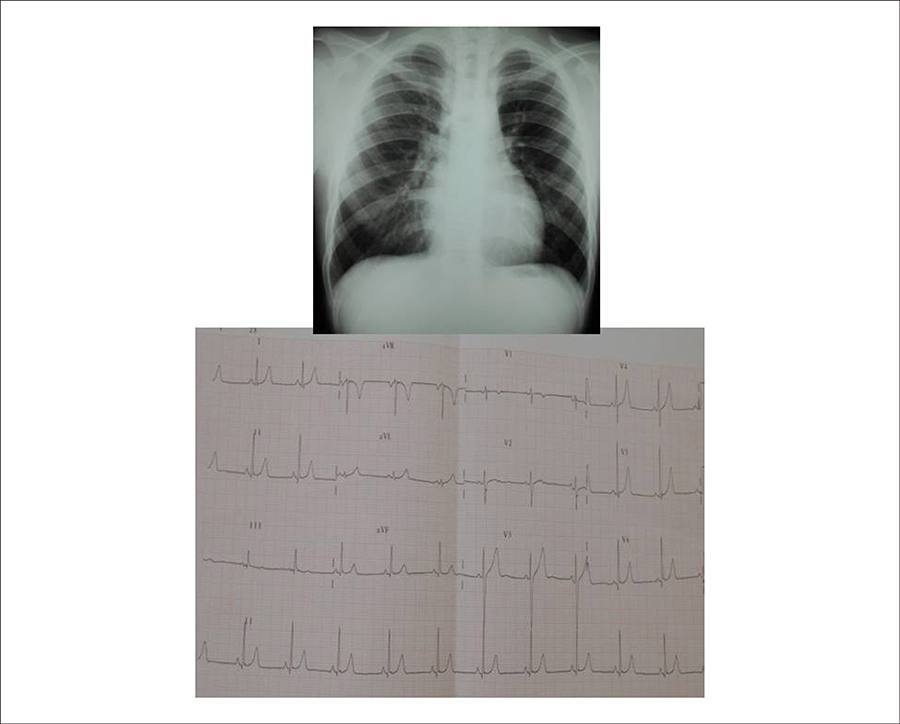
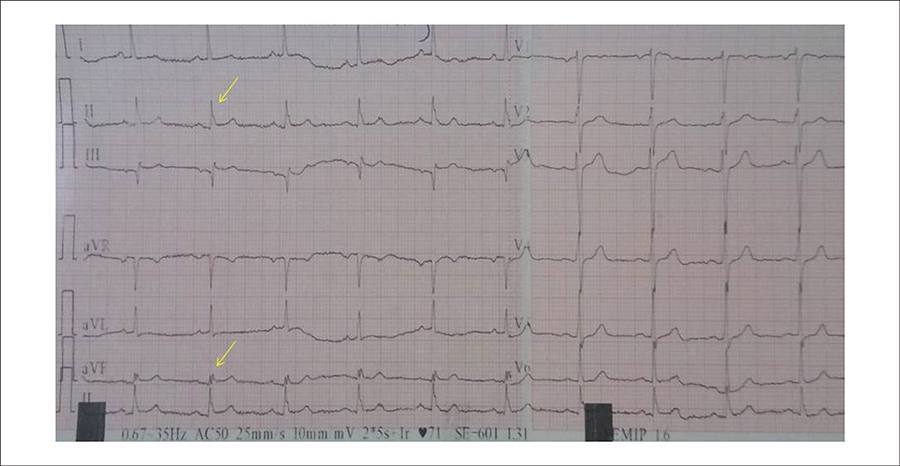
Electrocardiogram: Showed sinus rhythm, no chamber overload and no changes in ventricular repolarization. AP= +40º, AQRS= +60º, AT= +30º (). The ECGs performed before the closure of the defect were normal, in accordance with the corresponding ages.

Chest radiography: Showed heart area within the normal range (cardiothoracic index = 0.50) at the age of 13 years, prior to closure of the defect ().

[…]

  • Down Syndrome
  • Heart Defects, Congenital
  • Heart Septal Defects, Ventricular
Read Full Article
Creative Commons Attribution (CC BY) Creative Commons license
01/10/2016 DOI: 10.5935/abc.20160148
Figure 1
Original Article

Reduced Systolic Volume: Main Pathophysiological Mechanism in Patients with Orthostatic Intolerance?

Maria Zildany P. Távora-Mehta et al. Niraj Mehta Adriano Magajevski Larissa de Oliveira … Débora Lee Smith Maluf Letícia Concato Eduardo Doubrawa Márcio Rogério Ortiz Cláudio L. Pereira da Cunha

Abstract

Background:

Orthostatic intolerance patients’ pathophysiological mechanism is still obscure, contributing to the difficulty in their clinical management.

Objective:

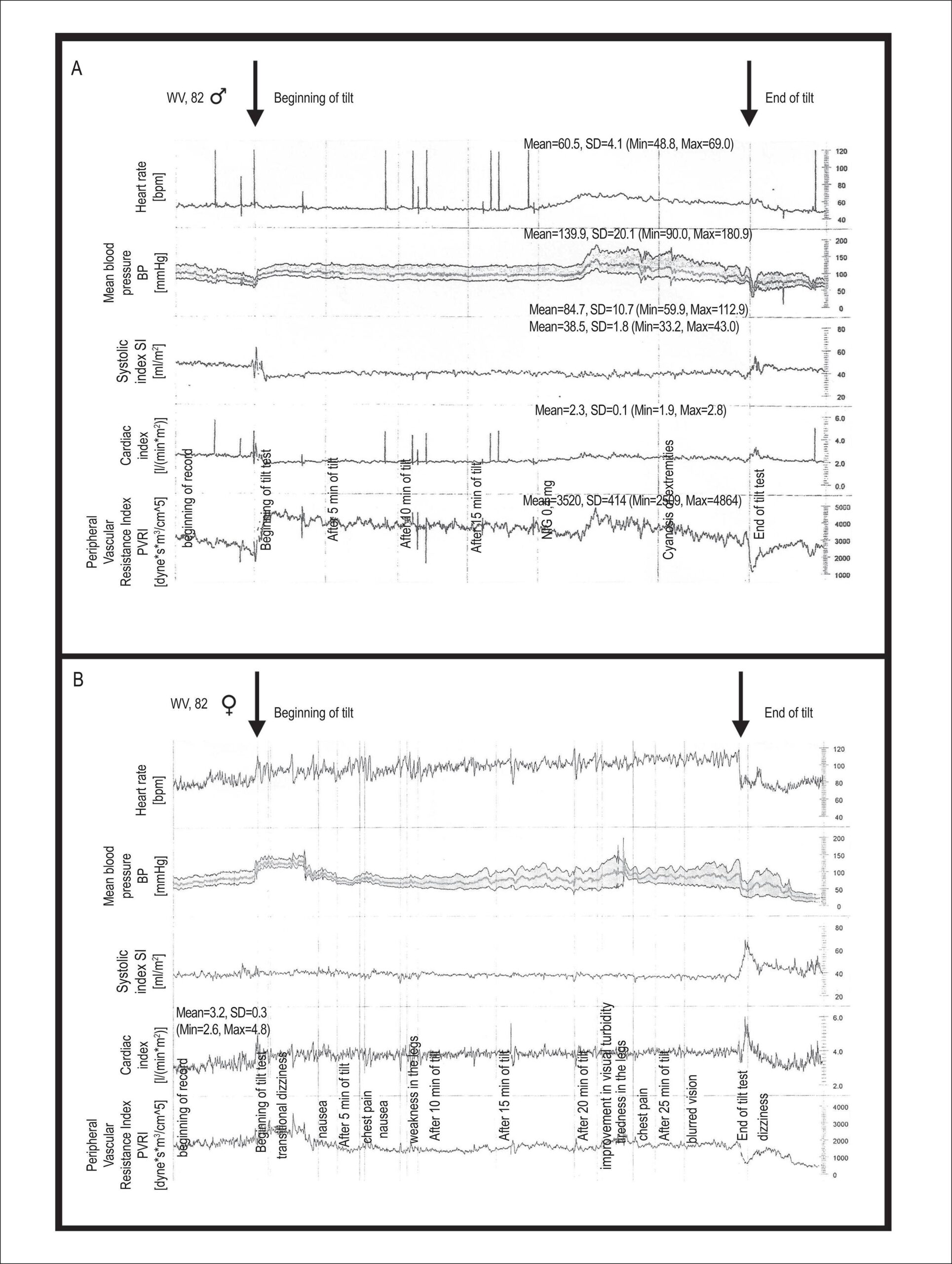
To investigate hemodynamic changes during tilt test in individuals with orthostatic intolerance symptoms, including syncope or near syncope.

Methods:

Sixty-one patients who underwent tilt test at – 70° in the phase without vasodilators were divided into two groups. For data analysis, only the first 20 minutes of tilting were considered. Group I was made up of 33 patients who had an increase of total peripheral vascular resistance (TPVR) during orthostatic position; and Group II was made up of 28 patients with a decrease in TPVR (characterizing insufficient peripheral vascular resistance). The control group consisted of 24 healthy asymptomatic individuals. Hemodynamic parameters were obtained by a non-invasive hemodynamic monitor in three different moments (supine position, tilt 10′ and tilt 20′) adjusted for age.

Results:

In the supine position, systolic volume (SV) was significantly reduced in both Group II and I in comparison to the control group, respectively (66.4 ±14.9 ml vs. 81.8±14.8 ml vs. 101.5±24.2 ml; p<0.05). TPVR, however, was higher in Group II in comparison to Group I and controls, respectively (1750.5± 442 dyne.s/cm5 vs.1424±404 dyne.s/cm5 vs. 974.4±230 dyne.s/cm5; p<0.05). In the orthostatic position, at 10', there was repetition of findings, with lower absolute values of SV compared to controls (64.1±14.0 ml vs 65.5±11.3 ml vs 82.8±15.6 ml; p<0.05). TPVR, on the other hand, showed a relative drop in Group II, in comparison to Group I.

Conclusion:

Reduced SV was consistently observed in the groups of patients with orthostatic intolerance in comparison to the control group. Two different responses to tilt test were observed: one group with elevated TPVR and another with a relative drop in TPVR, possibly suggesting a more severe failure of compensation mechanisms.

  • Orthostatic Intolerance/physiopathology
  • Postural Orthostatic Tachycardia Syndrome/physiopathology
  • Stroke Volume
  • Vascular Resistance
Read Full Article
Creative Commons Attribution (CC BY) Creative Commons license
01/10/2016 DOI: 10.5935/abc.20160135
Figure 1
Original Article

Effects of Nitrate Intake on Myocardial Ischemia-Reperfusion Injury in Diabetic Rats

Sajad Jeddi et al. Saeedeh Khalifi Mahboubeh Ghanbari Fatemeh Bageripour Asghar Ghasemi

Abstract

Background:

Coronary artery disease is 2-3 times more common in diabetic individuals. Dietary nitrate/nitrite has beneficial effects in both diabetes and cardiovascular disease. It also has protective effects against myocardial ischemia-reperfusion (IR) injury in healthy animals. However, the effects of nitrate on myocardial IR injury in diabetic rats have not yet been investigated.

Objective:

We examined the effects of dietary nitrate on myocardial IR injury in streptozotocin-nicotinamide-induced diabetic rats.

Method:

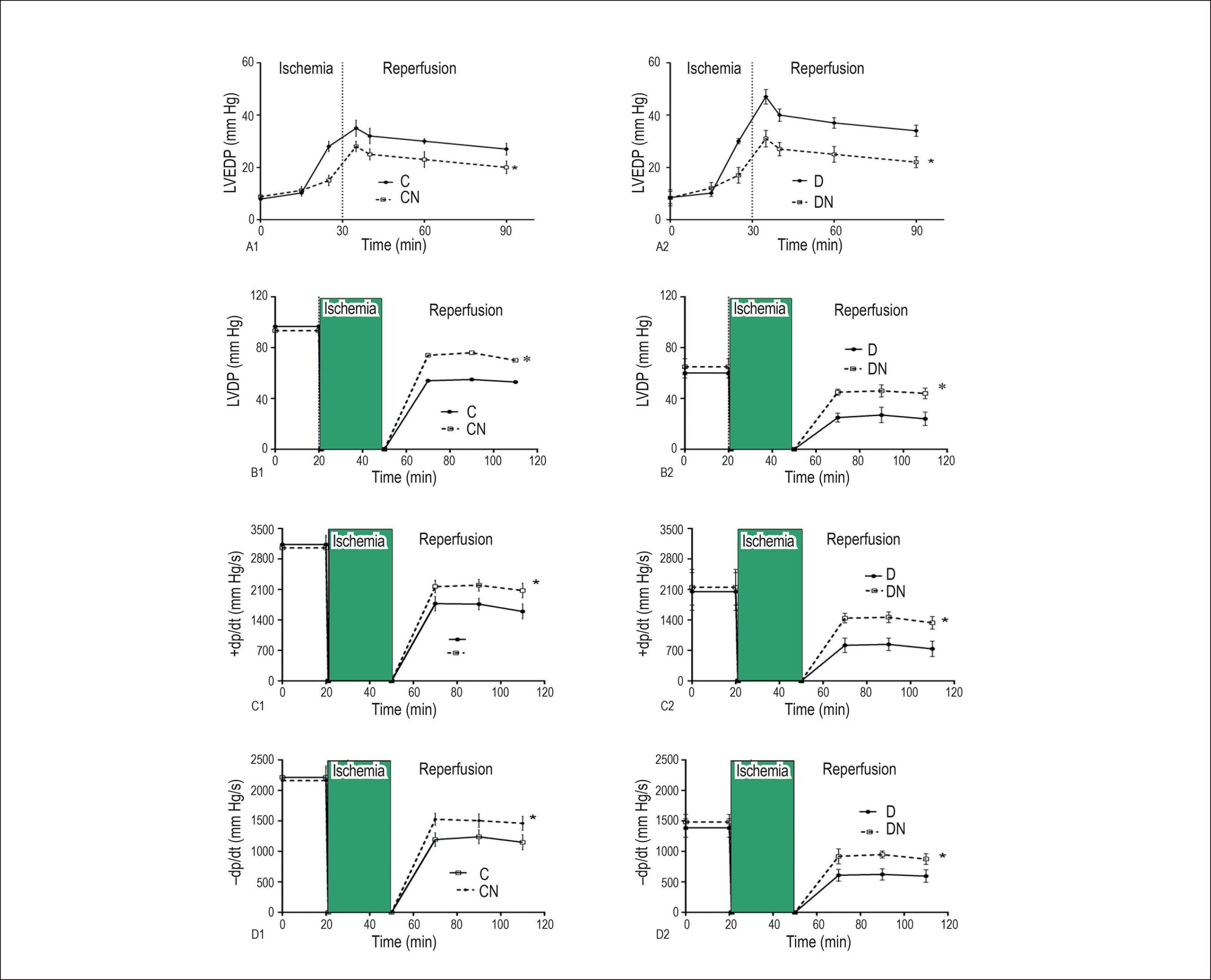
Rats were divided into four groups (n=7 in each group): control, control+nitrate, diabetes, and diabetes+nitrate. Type 2 diabetes was induced by injection of streptozotocin and nicotinamide. Nitrate (sodium nitrate) was added to drinking water (100 mg/L) for 2 months. The hearts were perfused in a Langendorff apparatus at 2 months and assessed before (baseline) and after myocardial IR for the following parameters: left ventricular developed pressure (LVDP), minimum and maximum rates of pressure change in the left ventricle (±dP/dt), endothelial nitric oxide (NO) synthase (eNOS) and inducible NO synthase (iNOS) mRNA expression, and levels of malondialdehyde (MDA) and NO metabolites (NOx).

Results:

Recovery of LVDP and ±dP/dt was lower in diabetic rats versus controls, but almost normalized after nitrate intake. Diabetic rats had lower eNOS and higher iNOS expression both at baseline and after IR, and dietary nitrate restored these parameters to normal values after IR. Compared with controls, heart NOx level was lower in diabetic rats at baseline but was higher after IR. Diabetic rats had higher MDA levels both at baseline and after IR, which along with heart NOx levels decreased following nitrate intake.

Conclusion:

Dietary nitrate in diabetic rats provides cardioprotection against IR injury by regulating eNOS and iNOS expression and inhibiting lipid peroxidation in the heart.

  • Coronary Artery Disease
  • diabetes
  • Ischemia
  • Myocardial Reperfusion
  • Nitrates
  • Nitrites
Read Full Article
Creative Commons Attribution (CC BY) Creative Commons license
01/10/2016 DOI: 10.5935/abc.20160137 Views 1
Figure 1
Original Article

Obesity, Serum Resistin and Leptin Levels Linked to Coronary Artery Disease

Farzaneh Montazerifar et al. Ahmad Bolouri Raheleh Sharifian Paghalea Mahbubeh Khodadadpour Mahani Mansour Karajibani

Abstract

Background:

Clinical studies have demonstrated that adipocytokines play an important role in developing atherosclerotic cardiovascular diseases.

Objective:

The aim of study was to evaluate the relationship between serum resistin and leptin levels with obesity and coronary artery disease (CAD).

Methods:

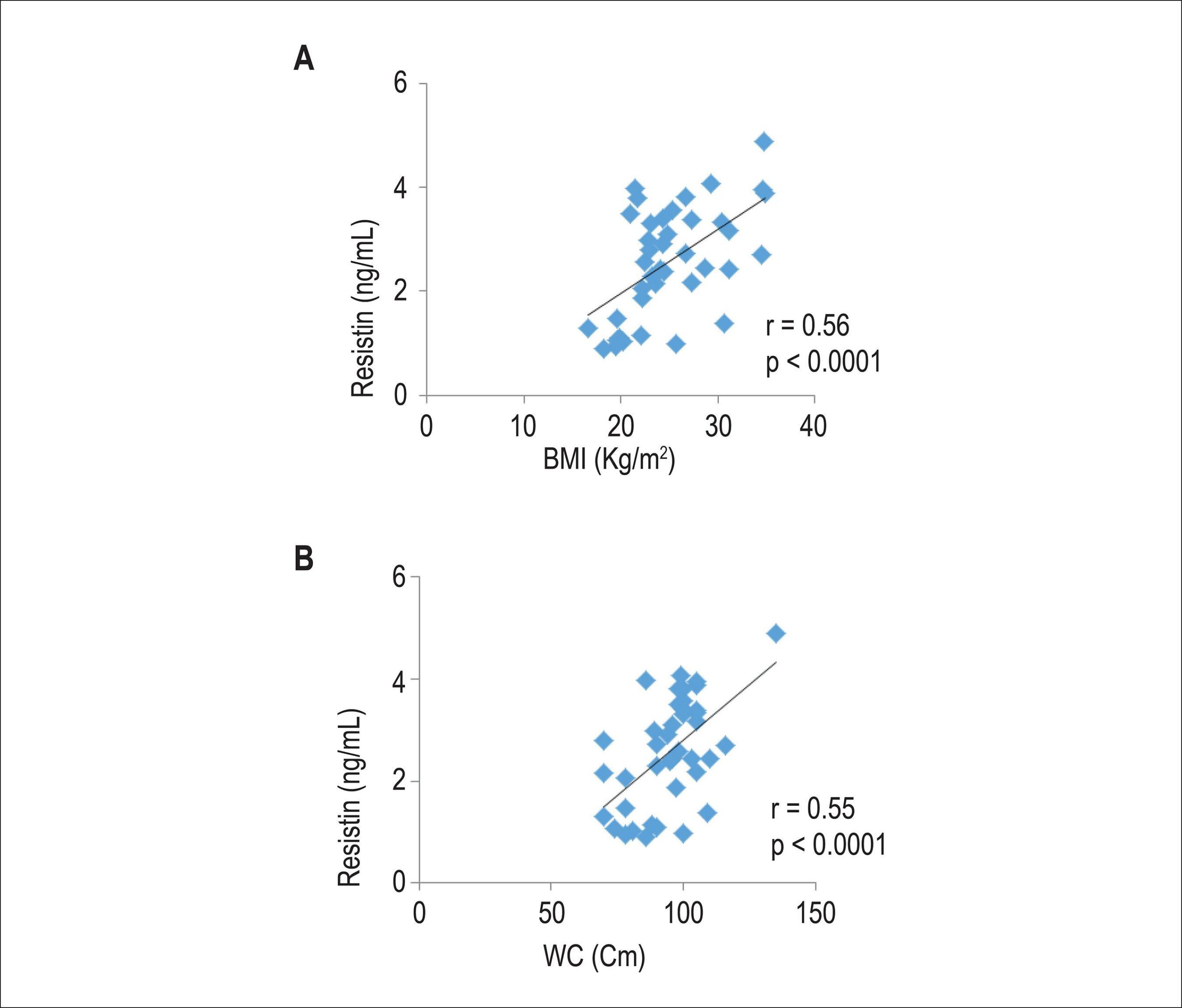
In a cross-sectional study, we assessed the levels of serum resistin and leptin, C-reactive protein (CRP), lipid profile and cardiac enzyme tests (AST, CPK, LDH, CK-MB) in 40 CAD patients compared to 40 healthy controls. Anthropometric measurements including weight and height for calculating of body mass index (BMI), and waist circumference (WC) were performed for evaluation of obesity.

Results:

CAD patients had increased levels of leptin and CRP, (p < 0.001), cholesterol (p < 0.05), triglyceride (p < 0.01), and WC (p < 0.05) compared to healthy controls. There was no statistical difference between CAD and control subjects for resistin (p = 0.058). In a multiple regression analysis, only an association between serum leptin with BMI (β = 0.480, p < 0.05) and WC (β = 1.386, p < 0.05) was found.

Conclusions:

The findings suggest that leptin is a better marker of fat mass value than resistin and may be considered an independent risk factor for cardiac disorders that is largely dependent on obesity. However, further prospective studies are needed to confirm these results.

  • Atherosclerosis
  • Coronary Artery Disease
  • Leptin
  • Obesity
  • Resistin
Read Full Article
Creative Commons Attribution (CC BY) Creative Commons license
12/09/2016 DOI: 10.5935/abc.20160134
Original Article

Atrial Strain and Strain Rate: A Novel Method for the Evaluation of Atrial Stunning

Hakan Ozkan et al. Suleyman Binici Erhan Tenekecioglu Hasan Ari Tahsin Bozat

Abstract

Background:

Atrial fibrillation (AF) is the most common arrhythmia seen in adults. Atrial stunning is defined as the temporary mechanical dysfunction of the atrial appendage developing after AF has returned to sinus rhythm (SR).

Objectives:

We aimed to evaluate atrial contractile functions by strain and strain rate in patients with AF, following pharmacological and electrical cardioversion and to compare it with conventional methods.

Methods:

This study included 41 patients with persistent AF and 35 age-matched control cases with SR. All the AF patients included in the study had transthoracic and transesophageal echocardiography performed before and after. Septum (SEPsSR), left atrium (LAsSR) and right atrium peak systolic strain rate (RAsSR) were defined as the maximum negative value during atrial contraction and septum (SEPε), left atrium (LAε) and right atrium peak systolic strain (RAε) was defined as the percentage of change. Parameters of two groups were compared.

Results:

In the AF group, 1st hour and 24th hour LAε, RAε, SEPε, LAsSR, RAsSR, SEPsSR found to be significantly lower than in the control group (LAε: 2.61%±0.13, 3.06%±0.19 vs 6.45%±0.27, p<0.0001; RAε: 4.03%±0.38, 4.50%±0.47 vs 10.12%±0.64, p<0.0001; SEPε: 3.0%±0.22, 3.19%±0.15 vs 6.23%±0.49, p<0.0001; LAsSR: 0.61±0.04s-1, 0.75±0.04s- 1 vs 1.35±0.04s-1, p<0.0001; RAsSR: 1.13±0.06s-1, 1.23±0.07s-1 vs 2.10±0.08s- 1, p<0.0001; SEPsSR: 0.76±0.04s- 1, 0.78±0.04s- 1 vs 1.42±0.06 s- 1, p<0.0001).

Conclusion:

Atrial strain and strain rate parameters are superior to conventional echocardiographic parameters for the evaluation of atrial stunning in AF cases where SR has been achieved.

  • Arrhythmia Cardiac
  • Atrial Fibrillation
  • Echocardiography, Transesophageal
  • Electric Cardioversion
  • Myocardial Stunning
Read Full Article
Creative Commons Attribution (CC BY) Creative Commons license
12/09/2016 DOI: 10.5935/abc.20160131 Views 2
Figure 1
Original Article

Accuracy of the Electrocardiogram in Localizing the Accessory Pathway in Patients with Wolff-Parkinson-White Pattern

Carlos Manuel Teixeira et al. Telmo António Pereira Ana Margarida Lebreiro Sérgio Alexandre Carvalho

Abstract

Background:

There are currently several electrocardiographic algorithms to locate the accessory pathway (AP) in patients with Wolff-Parkinson-White (WPW) syndrome.

Objective:

To compare the ability of electrocardiographic algorithms in identifying the location of the AP in patients with WPW pattern referred for ablation.

Methods:

Observational, cross-sectional, retrospective study with 111 patients with WPW syndrome referred for AP ablation. The electrocardiogram (ECG) obtained prior to the ablation was analyzed by an experienced observer who consecutively applied seven algorithms to identify non-invasively the AP. We then compared the location estimated with this assessment with that obtained in the electrophysiological study and calculated the agreement rates.

Results:

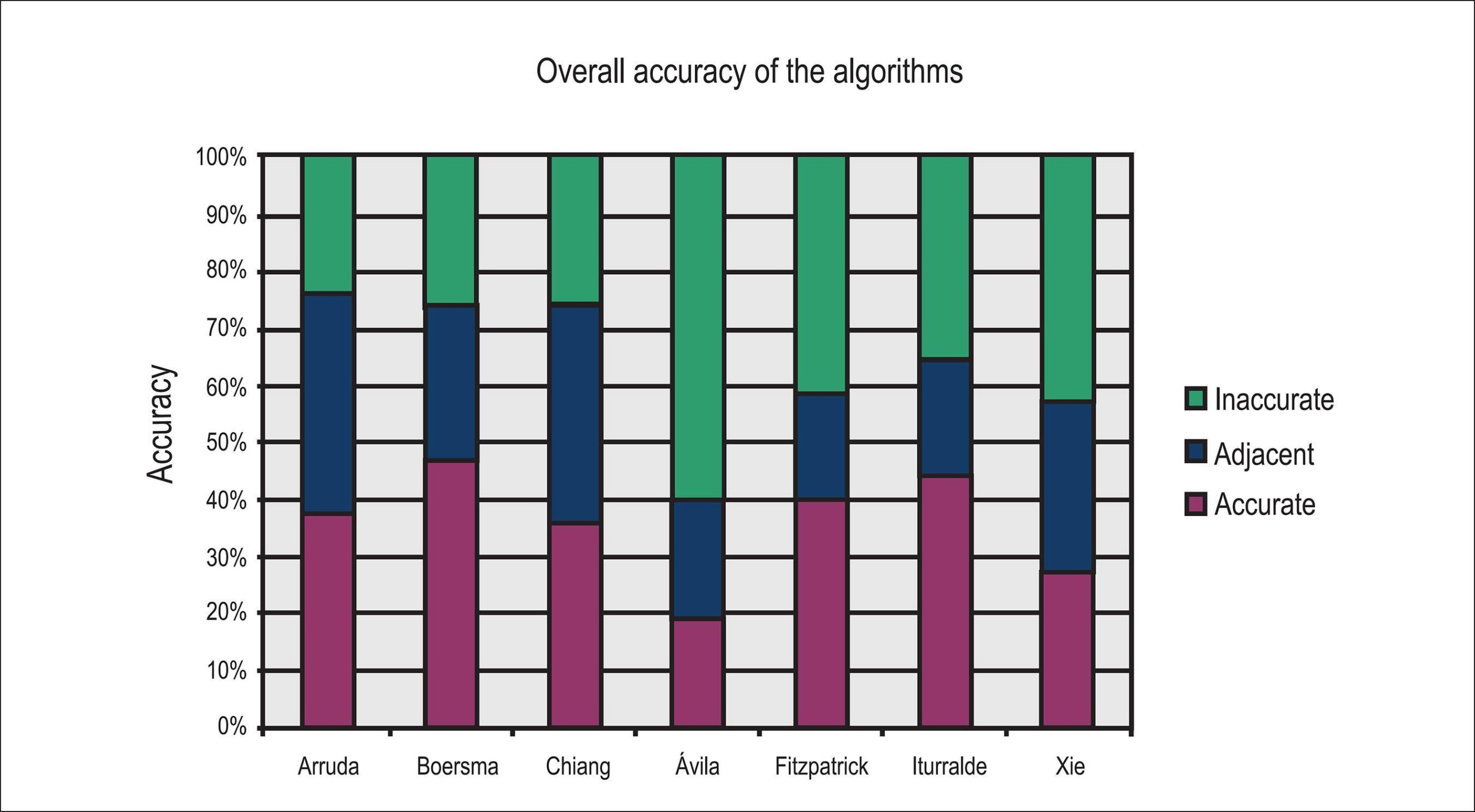
Among the APs, 59 (53.15%) were distributed around the mitral annulus and the remaining 52 (46.85%) were located around the tricuspid annulus. The overall absolute accuracy of the algorithms evaluated varied between 27% and 47%, increasing to between 40% and 76% when we included adjacent locations. The absolute agreement rate by AP location was 2.00-52.20% for septal APs (n = 51), increasing to 5.90-90.20% when considering adjacent locations; 7.70-69.20% for right APs (n = 13), increasing to 42.90-100% when considering adjacent locations; and 21.70-54.50% for left APs (n = 47), increasing to 50-87% when considering adjacent locations.

Conclusion:

The agreement rates observed for the analyzed scores indicated a low discriminative ability of the ECG in locating the AP in patients with WPW.

  • Accessory Atrioventricular Bundle
  • Catheter Ablation
  • Data Accuracy
  • Electrocardiography
  • Wolff-Parkinson White Syndrome
Read Full Article
Creative Commons Attribution (CC BY) Creative Commons license
12/09/2016 DOI: 10.5935/abc.20160132 Views 1
Figure 1
Review Article

Relationship between Calcium Score and Myocardial Scintigraphy in the Diagnosis of Coronary Disease

Fabio Paiva Rossini Siqueira et al. Claudio Tinoco Mesquita Alair Augusto Sarmet M. Damas dos Santos Marcelo Souto Nacif

Abstract

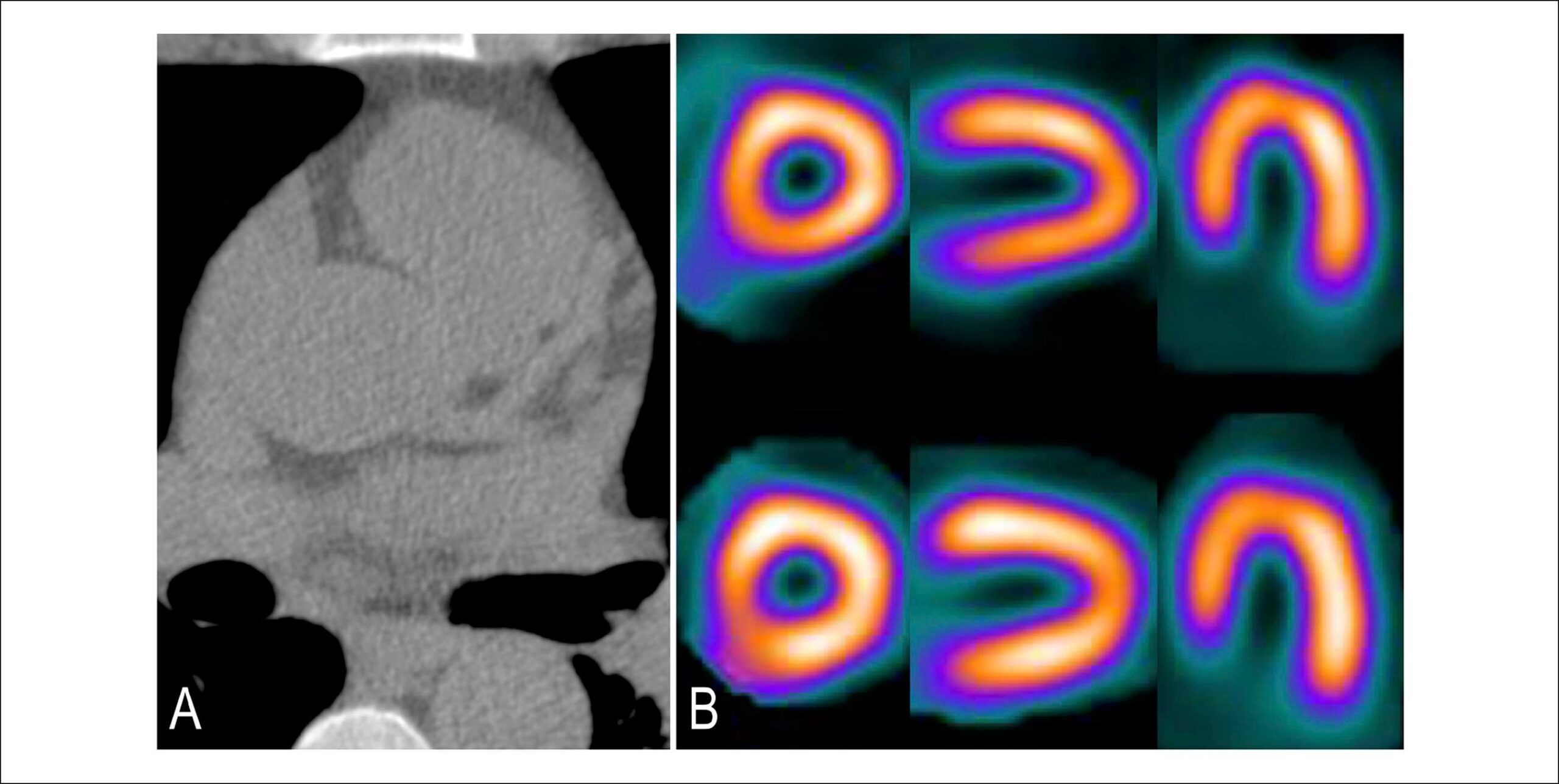
Half the patients with coronary artery disease present with sudden death – or acute infarction as first symptom, making early diagnosis pivotal. Myocardial perfusion scintigraphy is frequently used in the assessment of these patients, but it does not detect the disease without flow restriction, exposes the patient to high levels of radiation and is costly. On the other hand, with less radiological exposure, calcium score is directly correlated to the presence and extension of coronary atherosclerosis, and also to the risk of cardiovascular events. Even though calcium score is a tried-and-true method for stratification of asymptomatic patients, its use is still reduced in this context, since current guidelines are contradictory to its use on symptomatic diseases. The aim of this review is to identify, on patients under investigation for coronary artery disease, the main evidence of the use of calcium score associated with functional evaluation and scintigraphy.

  • Calcium Signaling
  • Coronary Artery Disease / diagnoses
  • Scintigraphy
  • Tomography, Emission Computed
Read Full Article
Creative Commons Attribution (CC BY) Creative Commons license
18/07/2016 DOI: 10.5935/abc.20160104

How to cite this article

EndNote RIS

Electronic Document Format (Vancouver)

Lopes N, Cavaco D, Carmo P, Scanavacca MI, Adragão P. Leadless Pacemaker: a New Concept in Cardiac Pacing. Arquivos Brasileiros de Cardiologia 2016;107(4):381-2.

Electronic Document Format (ABNT)

Lopes, Nicodemus; Cavaco, Diogo; Carmo, Pedro; Scanavacca, Maurício Ibrahim; Adragão, Pedro. Leadless Pacemaker: a New Concept in Cardiac Pacing. Arquivos Brasileiros de Cardiologia, v. 107, n. 4, p. 381-382, Sep. 2016.

Electronic Document Format (APA)

Lopes, N., Cavaco, D., Carmo, P., Scanavacca, M. I., & Adragão, P. (2016). Leadless Pacemaker: a New Concept in Cardiac Pacing. Arquivos Brasileiros de Cardiologia, 107(4), 381-382.

Electronic Document Format (ISO)

Lopes, Nicodemus and Cavaco, Diogo and Carmo, Pedro and Scanavacca, Maurício Ibrahim and Adragão, Pedro. Leadless Pacemaker: a New Concept in Cardiac Pacing. Arquivos Brasileiros de Cardiologia [online]. 2016, vol. 107, n. 4, [cited 2026-10-14], pp. 381-382. Available from: <https://journals.cardiol.br/en/article/leadless-pacemaker-a-new-concept-in-cardiac-pacing/>. ISSN 0066-782X

EndNote RIS

Electronic Document Format (Vancouver)

Eyuboglu M, Ekinci MA, Karakoyun S, kucuk U, Senarslan O, Akdeniz B. Fragmented QRS for Risk Stratification in Patients Undergoing First Diagnostic Coronary Angiography. Arquivos Brasileiros de Cardiologia 2016;107(4):299-304.

Electronic Document Format (ABNT)

Eyuboglu, Mehmet; Ekinci, Mehmet Akif; Karakoyun, Suleyman; kucuk, Ugur; Senarslan, Omer; Akdeniz, Bahri. Fragmented QRS for Risk Stratification in Patients Undergoing First Diagnostic Coronary Angiography. Arquivos Brasileiros de Cardiologia, v. 107, n. 4, p. 299-304, Sep. 2016.

Electronic Document Format (APA)

Eyuboglu, M., Ekinci, M. A., Karakoyun, S., kucuk, U., Senarslan, O., & Akdeniz, B. (2016). Fragmented QRS for Risk Stratification in Patients Undergoing First Diagnostic Coronary Angiography. Arquivos Brasileiros de Cardiologia, 107(4), 299-304.

Electronic Document Format (ISO)

Eyuboglu, Mehmet and Ekinci, Mehmet Akif and Karakoyun, Suleyman and kucuk, Ugur and Senarslan, Omer and Akdeniz, Bahri. Fragmented QRS for Risk Stratification in Patients Undergoing First Diagnostic Coronary Angiography. Arquivos Brasileiros de Cardiologia [online]. 2016, vol. 107, n. 4, [cited 2026-10-14], pp. 299-304. Available from: <https://journals.cardiol.br/en/article/fragmented-qrs-for-risk-stratification-in-patients-undergoing-first-diagnostic-coronary-angiography/>. ISSN 0066-782X

EndNote RIS

Electronic Document Format (Vancouver)

Soares GP, Klein CH, Silva NAS, Oliveira GMM. Progression of Mortality due to Diseases of the Circulatory System and Human Development Index in Rio de Janeiro Municipalities. Arquivos Brasileiros de Cardiologia 2016;107(4):314-22.

Electronic Document Format (ABNT)

Soares, Gabriel Porto; Klein, Carlos Henrique; Silva, Nelson Albuquerque de Souza e; Oliveira, Glaucia Maria Moraes de. Progression of Mortality due to Diseases of the Circulatory System and Human Development Index in Rio de Janeiro Municipalities. Arquivos Brasileiros de Cardiologia, v. 107, n. 4, p. 314-322, Sep. 2016.

Electronic Document Format (APA)

Soares, G. P., Klein, C. H., Silva, N. A. S. , & Oliveira, G. M. M. (2016). Progression of Mortality due to Diseases of the Circulatory System and Human Development Index in Rio de Janeiro Municipalities. Arquivos Brasileiros de Cardiologia, 107(4), 314-322.

Electronic Document Format (ISO)

Soares, Gabriel Porto and Klein, Carlos Henrique and Silva, Nelson Albuquerque de Souza e and Oliveira, Glaucia Maria Moraes de. Progression of Mortality due to Diseases of the Circulatory System and Human Development Index in Rio de Janeiro Municipalities. Arquivos Brasileiros de Cardiologia [online]. 2016, vol. 107, n. 4, [cited 2026-10-14], pp. 314-322. Available from: <https://journals.cardiol.br/en/article/progression-of-mortality-due-to-diseases-of-the-circulatory-system-and-human-development-index-in-rio-de-janeiro-municipalities/>. ISSN 0066-782X

EndNote RIS

Electronic Document Format (Vancouver)

Hotta VT, Bluemke DA, Staszko KF, Pereira ANRE, Rochitte CE. Rare Complication of non-Treated Abdominal Aortic Aneurysm: Extensive Thrombus in Right Cardiac Chambers. Arquivos Brasileiros de Cardiologia 2016;107(4):378-80.

Electronic Document Format (ABNT)

Hotta, Viviane Tiemi; Bluemke, David A.; Staszko, Kamila Fernanda; Pereira, Ana Neri Rodrigues Epitacio; Rochitte, Carlos Eduardo. Rare Complication of non-Treated Abdominal Aortic Aneurysm: Extensive Thrombus in Right Cardiac Chambers. Arquivos Brasileiros de Cardiologia, v. 107, n. 4, p. 378-380, Sep. 2016.

Electronic Document Format (APA)

Hotta, V. T., Bluemke, D. A., Staszko, K. F., Pereira, A. N. R. E., & Rochitte, C. E. (2016). Rare Complication of non-Treated Abdominal Aortic Aneurysm: Extensive Thrombus in Right Cardiac Chambers. Arquivos Brasileiros de Cardiologia, 107(4), 378-380.

Electronic Document Format (ISO)

Hotta, Viviane Tiemi and Bluemke, David A. and Staszko, Kamila Fernanda and Pereira, Ana Neri Rodrigues Epitacio and Rochitte, Carlos Eduardo. Rare Complication of non-Treated Abdominal Aortic Aneurysm: Extensive Thrombus in Right Cardiac Chambers. Arquivos Brasileiros de Cardiologia [online]. 2016, vol. 107, n. 4, [cited 2026-10-14], pp. 378-380. Available from: <https://journals.cardiol.br/en/article/rare-complication-of-non-treated-abdominal-aortic-aneurysm-extensive-thrombus-in-right-cardiac-chambers/>. ISSN 0066-782X

EndNote RIS

Electronic Document Format (Vancouver)

Santos RCO, Goulart AC, Kisukuri ALX, Brandão RM, Sitnik D, Staniak HL, Bittencourt MS, et al. Time-To-Treatment of Acute Coronary Syndrome and Unit of First Contact in the ERICO Study. Arquivos Brasileiros de Cardiologia 2016;107(4):323-30.

Electronic Document Format (ABNT)

Santos, Rafael Caire de Oliveira dos; Goulart, Alessandra Carvalho; Kisukuri, Alan Loureiro Xavier; Brandão, Rodrigo Martins; Sitnik, Debora; Staniak, Henrique Lane; Bittencourt, Marcio Sommer; Lotufo, Paulo Andrade; Bensenor, Isabela Martins; Santos, Itamar de Souza. Time-To-Treatment of Acute Coronary Syndrome and Unit of First Contact in the ERICO Study. Arquivos Brasileiros de Cardiologia, v. 107, n. 4, p. 323-330, Sep. 2016.

Electronic Document Format (APA)

Santos, R. C. O. , Goulart, A. C., Kisukuri, A. L. X., Brandão, R. M., Sitnik, D., Staniak, H. L., Bittencourt, M. S., Lotufo, P. A., Bensenor, I. M., & Santos, I. S. (2016). Time-To-Treatment of Acute Coronary Syndrome and Unit of First Contact in the ERICO Study. Arquivos Brasileiros de Cardiologia, 107(4), 323-330.

Electronic Document Format (ISO)

Santos, Rafael Caire de Oliveira dos and Goulart, Alessandra Carvalho and Kisukuri, Alan Loureiro Xavier and Brandão, Rodrigo Martins and Sitnik, Debora and Staniak, Henrique Lane and Bittencourt, Marcio Sommer and Lotufo, Paulo Andrade and Bensenor, Isabela Martins and Santos, Itamar de Souza. Time-To-Treatment of Acute Coronary Syndrome and Unit of First Contact in the ERICO Study. Arquivos Brasileiros de Cardiologia [online]. 2016, vol. 107, n. 4, [cited 2026-10-14], pp. 323-330. Available from: <https://journals.cardiol.br/en/article/time-to-treatment-of-acute-coronary-syndrome-and-unit-of-first-contact-in-the-erico-study/>. ISSN 0066-782X

EndNote RIS

Electronic Document Format (Vancouver)

Atik E. Case 6/2016 – The Patient is a 29-Year-Old Male with Spontaneous Closure of Ventricular Septal Defect in Adulthood. Arquivos Brasileiros de Cardiologia 2016;107(4):375-7.

Electronic Document Format (ABNT)

Atik, Edmar. Case 6/2016 – The Patient is a 29-Year-Old Male with Spontaneous Closure of Ventricular Septal Defect in Adulthood. Arquivos Brasileiros de Cardiologia, v. 107, n. 4, p. 375-377, Sep. 2016.

Electronic Document Format (APA)

Atik, E. (2016). Case 6/2016 – The Patient is a 29-Year-Old Male with Spontaneous Closure of Ventricular Septal Defect in Adulthood. Arquivos Brasileiros de Cardiologia, 107(4), 375-377.

Electronic Document Format (ISO)

Atik, Edmar. Case 6/2016 – The Patient is a 29-Year-Old Male with Spontaneous Closure of Ventricular Septal Defect in Adulthood. Arquivos Brasileiros de Cardiologia [online]. 2016, vol. 107, n. 4, [cited 2026-10-14], pp. 375-377. Available from: <https://journals.cardiol.br/en/article/case-6-2016-the-patient-is-a-29-year-old-male-with-spontaneous-closure-of-ventricular-septal-defect-in-adulthood/>. ISSN 0066-782X

EndNote RIS

Electronic Document Format (Vancouver)

Távora-Mehta MZP, Mehta N, Magajevski A, Oliveira L, Maluf DLS, Concato L, Doubrawa E, et al. Reduced Systolic Volume: Main Pathophysiological Mechanism in Patients with Orthostatic Intolerance?. Arquivos Brasileiros de Cardiologia 2016;107(4):354-6.

Electronic Document Format (ABNT)

Távora-Mehta, Maria Zildany P.; Mehta, Niraj; Magajevski, Adriano; Oliveira, Larissa de; Maluf, Débora Lee Smith; Concato, Letícia; Doubrawa, Eduardo; Ortiz, Márcio Rogério; Cunha, Cláudio L. Pereira da. Reduced Systolic Volume: Main Pathophysiological Mechanism in Patients with Orthostatic Intolerance?. Arquivos Brasileiros de Cardiologia, v. 107, n. 4, p. 354-364, Sep. 2016.

Electronic Document Format (APA)

Távora-Mehta, M. Z. P., Mehta, N., Magajevski, A., Oliveira, L. , Maluf, D. L. S., Concato, L., Doubrawa, E., Ortiz, M. R., & Cunha, C. L. P. (2016). Reduced Systolic Volume: Main Pathophysiological Mechanism in Patients with Orthostatic Intolerance?. Arquivos Brasileiros de Cardiologia, 107(4), 354-364.

Electronic Document Format (ISO)

Távora-Mehta, Maria Zildany P. and Mehta, Niraj and Magajevski, Adriano and Oliveira, Larissa de and Maluf, Débora Lee Smith and Concato, Letícia and Doubrawa, Eduardo and Ortiz, Márcio Rogério and Cunha, Cláudio L. Pereira da. Reduced Systolic Volume: Main Pathophysiological Mechanism in Patients with Orthostatic Intolerance?. Arquivos Brasileiros de Cardiologia [online]. 2016, vol. 107, n. 4, [cited 2026-10-14], pp. 354-364. Available from: <https://journals.cardiol.br/en/article/reduced-systolic-volume-main-pathophysiological-mechanism-in-patients-with-orthostatic-intolerance/>. ISSN 0066-782X

EndNote RIS

Electronic Document Format (Vancouver)

Jeddi S, Khalifi S, Ghanbari M, Bageripour F, Ghasemi A. Effects of Nitrate Intake on Myocardial Ischemia-Reperfusion Injury in Diabetic Rats. Arquivos Brasileiros de Cardiologia 2016;107(4):339-47.

Electronic Document Format (ABNT)

Jeddi, Sajad; Khalifi, Saeedeh; Ghanbari, Mahboubeh; Bageripour, Fatemeh; Ghasemi, Asghar. Effects of Nitrate Intake on Myocardial Ischemia-Reperfusion Injury in Diabetic Rats. Arquivos Brasileiros de Cardiologia, v. 107, n. 4, p. 339-347, Sep. 2016.

Electronic Document Format (APA)

Jeddi, S., Khalifi, S., Ghanbari, M., Bageripour, F., & Ghasemi, A. (2016). Effects of Nitrate Intake on Myocardial Ischemia-Reperfusion Injury in Diabetic Rats. Arquivos Brasileiros de Cardiologia, 107(4), 339-347.

Electronic Document Format (ISO)

Jeddi, Sajad and Khalifi, Saeedeh and Ghanbari, Mahboubeh and Bageripour, Fatemeh and Ghasemi, Asghar. Effects of Nitrate Intake on Myocardial Ischemia-Reperfusion Injury in Diabetic Rats. Arquivos Brasileiros de Cardiologia [online]. 2016, vol. 107, n. 4, [cited 2026-10-14], pp. 339-347. Available from: <https://journals.cardiol.br/en/article/effects-of-nitrate-intake-on-myocardial-ischemia-reperfusion-injury-in-diabetic-rats/>. ISSN 0066-782X

EndNote RIS

Electronic Document Format (Vancouver)

Montazerifar F, Bolouri A, Paghalea RS, Mahani MK, Karajibani M. Obesity, Serum Resistin and Leptin Levels Linked to Coronary Artery Disease. Arquivos Brasileiros de Cardiologia 2016;107(4):348-53.

Electronic Document Format (ABNT)

Montazerifar, Farzaneh; Bolouri, Ahmad; Paghalea, Raheleh Sharifian; Mahani, Mahbubeh Khodadadpour; Karajibani, Mansour. Obesity, Serum Resistin and Leptin Levels Linked to Coronary Artery Disease. Arquivos Brasileiros de Cardiologia, v. 107, n. 4, p. 348-353, Sep. 2016.

Electronic Document Format (APA)

Montazerifar, F., Bolouri, A., Paghalea, R. S., Mahani, M. K., & Karajibani, M. (2016). Obesity, Serum Resistin and Leptin Levels Linked to Coronary Artery Disease. Arquivos Brasileiros de Cardiologia, 107(4), 348-353.

Electronic Document Format (ISO)

Montazerifar, Farzaneh and Bolouri, Ahmad and Paghalea, Raheleh Sharifian and Mahani, Mahbubeh Khodadadpour and Karajibani, Mansour. Obesity, Serum Resistin and Leptin Levels Linked to Coronary Artery Disease. Arquivos Brasileiros de Cardiologia [online]. 2016, vol. 107, n. 4, [cited 2026-10-14], pp. 348-353. Available from: <https://journals.cardiol.br/en/article/obesity-serum-resistin-and-leptin-levels-linked-to-coronary-artery-disease/>. ISSN 0066-782X

EndNote RIS

Electronic Document Format (Vancouver)

Ozkan H, Binici S, Tenekecioglu E, Ari H, Bozat T. Atrial Strain and Strain Rate: A Novel Method for the Evaluation of Atrial Stunning. Arquivos Brasileiros de Cardiologia 2016;107(4):305-13.

Electronic Document Format (ABNT)

Ozkan, Hakan; Binici, Suleyman; Tenekecioglu, Erhan; Ari, Hasan; Bozat, Tahsin. Atrial Strain and Strain Rate: A Novel Method for the Evaluation of Atrial Stunning. Arquivos Brasileiros de Cardiologia, v. 107, n. 4, p. 305-313, Sep. 2016.

Electronic Document Format (APA)

Ozkan, H., Binici, S., Tenekecioglu, E., Ari, H., & Bozat, T. (2016). Atrial Strain and Strain Rate: A Novel Method for the Evaluation of Atrial Stunning. Arquivos Brasileiros de Cardiologia, 107(4), 305-313.

Electronic Document Format (ISO)

Ozkan, Hakan and Binici, Suleyman and Tenekecioglu, Erhan and Ari, Hasan and Bozat, Tahsin. Atrial Strain and Strain Rate: A Novel Method for the Evaluation of Atrial Stunning. Arquivos Brasileiros de Cardiologia [online]. 2016, vol. 107, n. 4, [cited 2026-10-14], pp. 305-313. Available from: <https://journals.cardiol.br/en/article/atrial-strain-and-strain-rate-a-novel-method-for-the-evaluation-of-atrial-stunning/>. ISSN 0066-782X

EndNote RIS

Electronic Document Format (Vancouver)

Teixeira CM, Pereira TA, Lebreiro AM, Carvalho SA. Accuracy of the Electrocardiogram in Localizing the Accessory Pathway in Patients with Wolff-Parkinson-White Pattern. Arquivos Brasileiros de Cardiologia 2016;107(4):331-8.

Electronic Document Format (ABNT)

Teixeira, Carlos Manuel; Pereira, Telmo António; Lebreiro, Ana Margarida; Carvalho, Sérgio Alexandre. Accuracy of the Electrocardiogram in Localizing the Accessory Pathway in Patients with Wolff-Parkinson-White Pattern. Arquivos Brasileiros de Cardiologia, v. 107, n. 4, p. 331-338, Sep. 2016.

Electronic Document Format (APA)

Teixeira, C. M., Pereira, T. A., Lebreiro, A. M., & Carvalho, S. A. (2016). Accuracy of the Electrocardiogram in Localizing the Accessory Pathway in Patients with Wolff-Parkinson-White Pattern. Arquivos Brasileiros de Cardiologia, 107(4), 331-338.

Electronic Document Format (ISO)

Teixeira, Carlos Manuel and Pereira, Telmo António and Lebreiro, Ana Margarida and Carvalho, Sérgio Alexandre. Accuracy of the Electrocardiogram in Localizing the Accessory Pathway in Patients with Wolff-Parkinson-White Pattern. Arquivos Brasileiros de Cardiologia [online]. 2016, vol. 107, n. 4, [cited 2026-10-14], pp. 331-338. Available from: <https://journals.cardiol.br/en/article/accuracy-of-the-electrocardiogram-in-localizing-the-accessory-pathway-in-patients-with-wolff-parkinson-white-pattern/>. ISSN 0066-782X

EndNote RIS

Electronic Document Format (Vancouver)

Siqueira FPR, Mesquita CT, Santos AASMD, Nacif MS. Relationship between Calcium Score and Myocardial Scintigraphy in the Diagnosis of Coronary Disease. Arquivos Brasileiros de Cardiologia 2016;107(4):365-74.

Electronic Document Format (ABNT)

Siqueira, Fabio Paiva Rossini; Mesquita, Claudio Tinoco; Santos, Alair Augusto Sarmet M. Damas dos; Nacif, Marcelo Souto. Relationship between Calcium Score and Myocardial Scintigraphy in the Diagnosis of Coronary Disease. Arquivos Brasileiros de Cardiologia, v. 107, n. 4, p. 365-374, Jul. 2016.

Electronic Document Format (APA)

Siqueira, F. P. R., Mesquita, C. T., Santos, A. A. S. M. D. , & Nacif, M. S. (2016). Relationship between Calcium Score and Myocardial Scintigraphy in the Diagnosis of Coronary Disease. Arquivos Brasileiros de Cardiologia, 107(4), 365-374.

Electronic Document Format (ISO)

Siqueira, Fabio Paiva Rossini and Mesquita, Claudio Tinoco and Santos, Alair Augusto Sarmet M. Damas dos and Nacif, Marcelo Souto. Relationship between Calcium Score and Myocardial Scintigraphy in the Diagnosis of Coronary Disease. Arquivos Brasileiros de Cardiologia [online]. 2016, vol. 107, n. 4, [cited 2026-10-14], pp. 365-374. Available from: <https://journals.cardiol.br/en/article/relationship-between-calcium-score-and-myocardial-scintigraphy-in-the-diagnosis-of-coronary-disease/>. ISSN 0066-782X

Sede – Rio de Janeiro
Av. Marechal Câmara, 160
3º andar – Sala: 330 – Centro
Rio de Janeiro – CEP: 20020-907
Tel.: (55 +21) 3478-2700
ou (21) 99386-3961
E-mail: revista@cardiol.br

Sede – São Paulo
Alameda Santos, 705 – 11º andar
Cerqueira César | São Paulo
CEP: 01419-001
Tel.: (55 +11) 3411-5500
E-mail: revista@cardiol.br

  • About the Journal
  • Internal Regulation
  • Editors Section
  • Editorial Board
  • History
  • SBC Award

  • Guidelines for Publication
  • Editorial Policy
  • Ethics Policy
  • Policy on the Use of Artificial Intelligence
  • Mandatory Publication Form
  • Publication Fee

Issues

SBC Guidelines

  • How to Publish an Abstract Supplement?
  • Supplements from the Brazilian Congress of Cardiology