| ABC
ABC Family Arquivos Brasileiros de Cardiologia International Journal of Cardiovascular Sciences ABC Heart Failure & Cardiomyopathy ABC Imagem Cardiovascular
Português English
ABC Family | ABC
Português English
  • About
    • About the Journal
    • Internal Regulation
    • Editors Section
    • Editorial Board
    • History
    • SBC Award
  • Instructions to Authors
    • Guidelines for Publication
    • Editorial Policy
    • Ethics Policy
    • Policy on the Use of Artificial Intelligence
    • Mandatory Publication Form
    • Publication Fee
  • Issues
  • SBC Guidelines
  • Abstracts
    • How to Publish an Abstract Supplement?
    • Supplements from the Brazilian Congress of Cardiology
  • About
    • About the Journal
    • Internal Regulation
    • Editors Section
    • Editorial Board
    • History
    • SBC Award
  • Instructions to Authors
    • Guidelines for Publication
    • Editorial Policy
    • Ethics Policy
    • Policy on the Use of Artificial Intelligence
    • Mandatory Publication Form
    • Publication Fee
  • Issues
  • SBC Guidelines
  • Abstracts
    • How to Publish an Abstract Supplement?
    • Supplements from the Brazilian Congress of Cardiology

ABC Family

  • ABC Family
  • Arquivos Brasileiros de Cardiologia
  • International Journal of Cardiovascular Sciences
  • ABC Heart Failure & Cardiomyopathy
  • ABC Imagem Cardiovascular
Search in

No content found.

Journals
Ordering
Article types
Others

  1. Home
  2. ABC
  3. Issues
  4. 2014, Volume 103, Number 2
Figure 1
Original Article

Prevalence of Rheumatic Heart Disease in a Public School of Belo Horizonte

Lavinia Pimentel Miranda et al. Paulo Augusto Moreira Camargos Rosália Morais Torres Zilda Maria Alves Meira

Background:

Previous studies indicate that compared with physical examination, Doppler echocardiography identifies a larger number of cases of rheumatic heart disease in apparently healthy individuals.

Objectives:

To determine the prevalence of rheumatic heart disease among students in a public school of Belo Horizonte by clinical evaluation and Doppler echocardiography.

Methods:

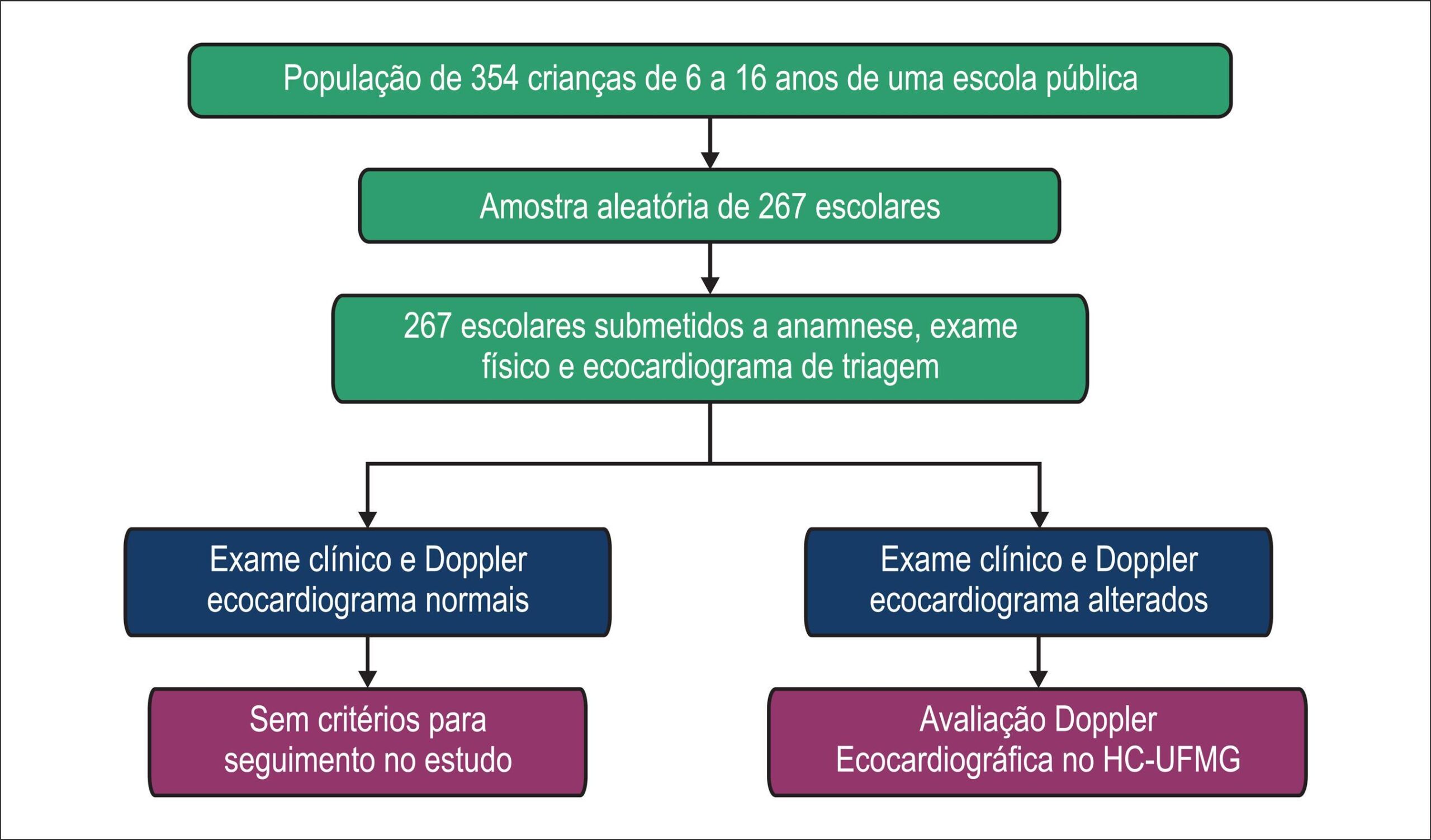
This was a cross-sectional study conducted with 267 randomly selected school students aged between 6 and 16 years. students underwent anamnesis and physical examination with the purpose of establishing criteria for the diagnosis of rheumatic fever. They were all subjected to Doppler echocardiography using a portable machine. Those who exhibited nonphysiological mitral regurgitation (MR) and/or aortic regurgitation (AR) were referred to the Doppler echocardiography laboratory of the Hospital das Clínicas of the Universidade Federal of Minas Gerais (HC-UFMG) to undergo a second Doppler echocardiography examination. According to the findings, the cases of rheumatic heart disease were classified as definitive, probable, or possible.

Results:

Of the 267 students, 1 (0.37%) had a clinical history compatible with the diagnosis of acute rheumatic fever (ARF) and portable Doppler echocardiography indicated nonphysiological MR and/or AR in 25 (9.4%). Of these, 16 (6%) underwent Doppler echocardiography at HC-UFMG. The results showed definitive rheumatic heart disease in 1 student, probable rheumatic heart disease in 3 students, and possible rheumatic heart disease in 1 student.

Conclusion:

In the population under study, the prevalence of cases compatible with rheumatic involvement was 5 times higher on Doppler echocardiography (18.7/1000; 95% CI 6.9/1000-41.0/1000) than on clinical evaluation (3.7/1000-95% CI).
  • Echocardiography, Doppler
  • Heart valves
  • Prevalence
  • Rheumatic Fever / epidemiology
  • rheumatic heart disease
Read Full Article
Creative Commons Attribution (CC BY) Creative Commons license
01/08/2014 DOI: 10.5935/abc.20140116 Views 1
Viewpoint

Bioethics Cardioteam Useful for Bedside Crisis Management

Max Grinberg

Preamble

Bedside crisis (BSC) is a high-stress incident in Medicine. Predicting the outcomes is difficult and short-term worsening probability is high – .

Whether connected or not to malpractice, it usually represents frustrated hopes. It involves the health professional, patient, family, institution and the health system, in varying combinations.

[…]

  • Bioethics
  • Health Management
  • Point of Care Systems / organization & administration
Read Full Article
Creative Commons Attribution (CC BY) Creative Commons license
01/08/2014 DOI: 10.5935/abc.20140115
Figure 1
Original Article

Gender-Based Differences in Cardiac Remodeling and ILK Expression after Myocardial Infarction

Renato Rodrigues Sofia et al. Andrey Jorge Serra Jose Antonio Silva Jr Ednei Luiz Antonio … Martha Trindade Manchini Fernanda Aparecida Alves de Oliveira Vicente Paulo Castro Teixeira Paulo José Ferreira Tucci

Background:

Gender can influence post-infarction cardiac remodeling.

Objective:

To evaluate whether gender influences left ventricular (LV) remodeling and integrin-linked kinase (ILK) after myocardial infarction (MI).

Methods:

Female and male Wistar rats were assigned to one of three groups: sham, moderate MI (size: 20-39% of LV area), and large MI (size: ≥40% of LV area). MI was induced by coronary occlusion, and echocardiographic analysis was performed after six weeks to evaluate MI size as well as LV morphology and function. Real-time RT-PCR and Western blot were used to quantify ILK in the myocardium.

Results:

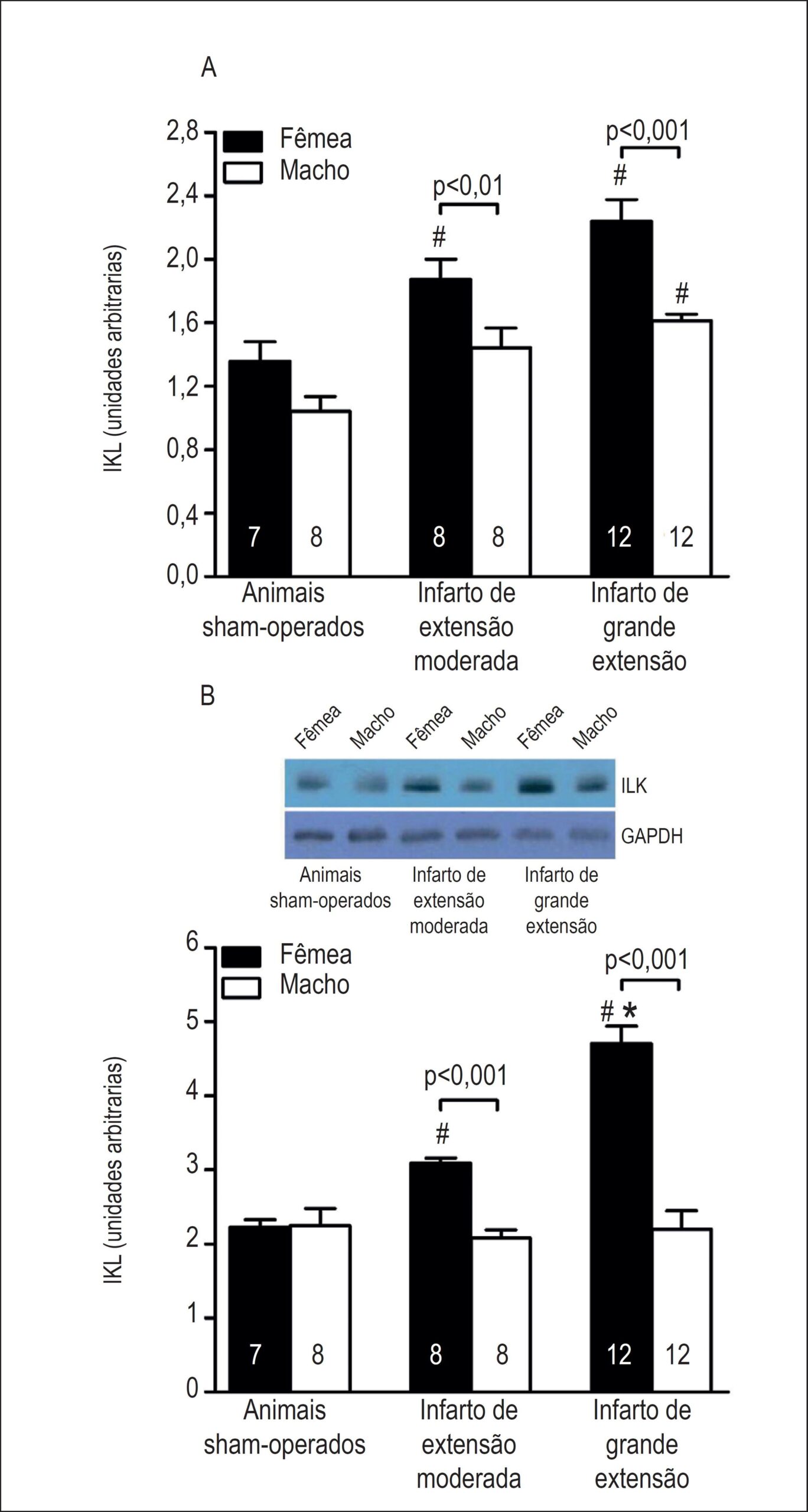
MI size was similar between genders. MI resulted in systolic dysfunction and enlargement of end-diastolic as well as end-systolic dimension of LV as a function of necrotic area size in both genders. Female rats with large MI showed a lower diastolic and systolic dilatation than the respective male rats; however, LV dysfunction was similar between genders. Gene and protein levels of ILK were increased in female rats with moderate and large infarctions, but only male rats with large infarctions showed an altered ILK mRNA level. A negative linear correlation was evident between LV dimensions and ILK expression in female rats with large MI.

Conclusions:

Post-MI ILK expression is altered in a gender-specific manner, and higher ILK levels found in females may be sufficient to improve LV geometry but not LV function.

  • Atrial Remodeling
  • Myocardial Infarction, Gender Identity
  • Protein-Serine Threonine Kinases/metabolism
  • Rats
Read Full Article
Creative Commons Attribution (CC BY) Creative Commons license
01/08/2014 DOI: 10.5935/abc.20140113
Figure 1
Original Article

A Comparison of Radiation Dose Between Standard and 3D Angiography in Congenital Heart Disease

João Luiz Langer Manica et al. Mônica Scott Borges Rogério Fachel de Medeiros Leandro dos Santos Fischer … Gabriel Broetto Raul Ivo Rossi Filho

Background:

The use of three-dimensional rotational angiography (3D-RA) to assess patients with congenital heart diseases appears to be a promising technique despite the scarce literature available.

Objectives:

The objective of this study was to describe our initial experience with 3D-RA and to compare its radiation dose to that of standard two-dimensional angiography (2D-SA).

Methods:

Between September 2011 and April 2012, 18 patients underwent simultaneous 3D-RA and 2D-SA during diagnostic cardiac catheterization. Radiation dose was assessed using the dose-area-product (DAP).

Results:

The median patient age and weight were 12.5 years and 47.5 Kg, respectively. The median DAP of each 3D-RA acquisition was 1093µGy.m2 and 190µGy.m2 for each 2D-SA acquisition (p<0.01). In patients weighing more than 45Kg (n=7), this difference was attenuated but still significant (1525 µGy.m2 vs.413µGy.m2, p=0.01). No difference was found between one 3D-RA and three 2D-SA (1525µGy.m2 vs.1238 µGy.m2, p = 0.575) in this population. This difference was significantly higher in patients weighing less than 45Kg (n=9) (713µGy.m2 vs.81µGy.m2, P = 0.008), even when comparing one 3D-RA with three 2D-SA (242µGy.m2, respectively, p<0.008). 3D-RA was extremely useful for the assessment of conduits of univentricular hearts, tortuous branches of the pulmonary artery, and aorta relative to 2D-SA acquisitions.

Conclusions:

The radiation dose of 3D-RA used in our institution was higher than those previously reported in the literature and this difference was more evident in children. This type of assessment is of paramount importance when starting to perform 3D-RA.

  • Angiography,Digital Subtraction/methods
  • Catheterization
  • Coronary Angiography/ radiation effects
  • Heart Defects, Congenital
Read Full Article
Creative Commons Attribution (CC BY) Creative Commons license
01/08/2014 DOI: 10.5935/abc.20140118
Figure 1
Brief Communication

Hemodynamic Effect of Laser Therapy in Spontaneously Hypertensive Rats

Suely Tomimura et al. Bianca Passos Assumpção Silva Iris Callado Sanches Marina Canal … Fernanda Consolim-Colombo Felipe Fernandes Conti Katia De Angelis Maria Cristina Chavantes

Systemic arterial hypertension (SAH) is considered to be the greatest risk factor for the development of neuro-cardiovascular pathologies, thus constituting a severe Public Health issue in the world.

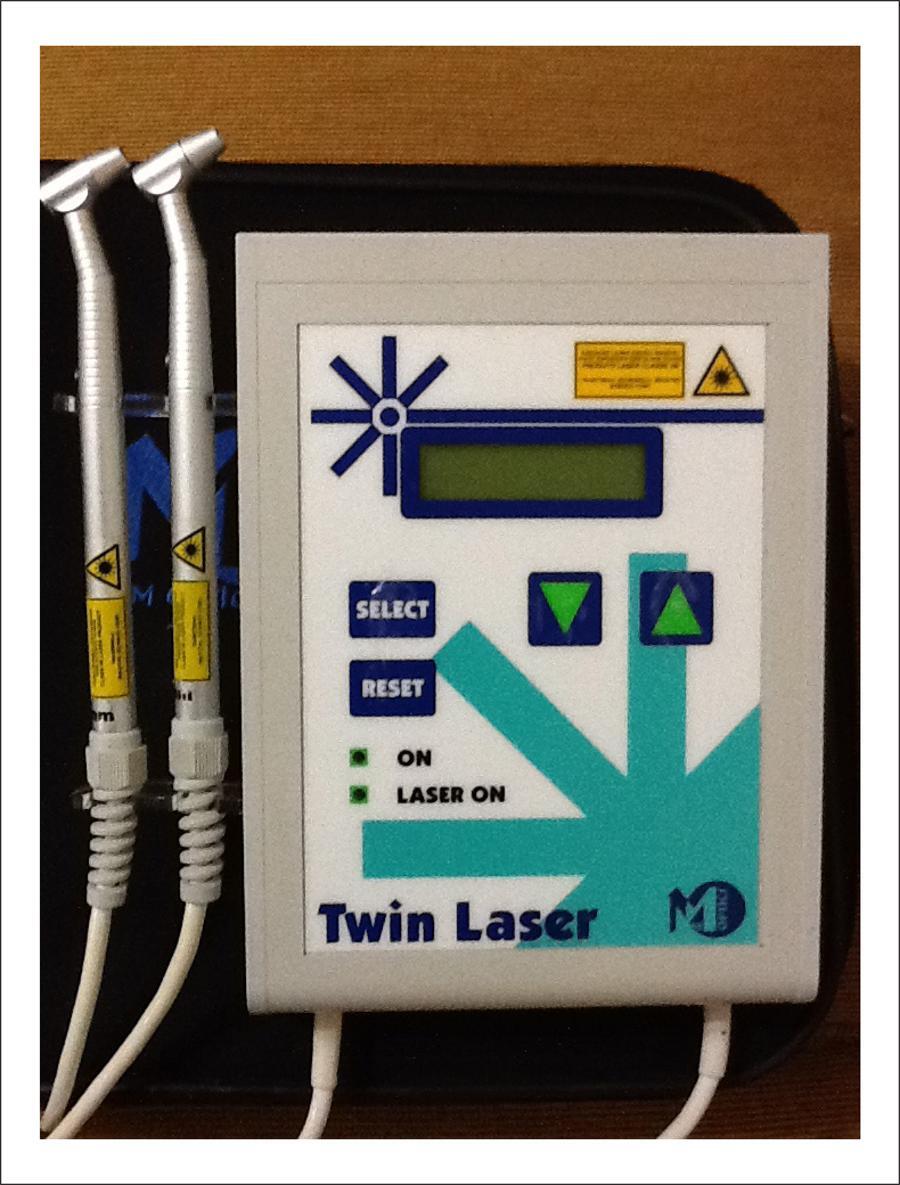
The Low-Level Laser Therapy (LLLT), or laser therapy, activates components of the cellular structure, therefore converting luminous energy into photochemical energy and leading to biophysical and biochemical reactions in the mitochondrial respiratory chain. The LLLT promotes cellular and tissue photobiomodulation by means of changes in metabolism, leading to molecular, cellular and systemic changes.

The objective of this study was to analyze the action of low-level laser in the hemodynamic modulation of spontaneously hypertensive rats, in the long term. Animals (n = 16) were randomly divided into the Laser Group (n = 8), which received three weekly LLLT irradiations for seven weeks, and into the Sham Group (n = 8), which received three weekly simulations of laser for seven weeks, accounting for 21 applications in each group. After seven weeks, animals were cannulated by the implantation of a catheter in the left carotid artery. On the following day, the systemic arterial pressure was recorded. The Laser Group showed reduced levels of mean blood pressure, with statistically significant reduction (169 ± 4 mmHg* vs. 182 ± 4 mmHg from the Sham Group) and reduced levels of diastolic pressure (143 ± 4 mmHg* vs. 157 ± 3 mmHg from the Sham Group), revealing a 13 and 14 mmHg decrease, respectively. Besides, there was a concomitant important decline in heart rate (312 ± 14 bpm vs. 361 ± 13 bpm from the Sham Group). Therefore, laser therapy was able to produce hemodynamic changes, thus reducing pressure levels in spontaneously hypertensive rats.

  • Experimental Laser Therapy
  • Hemodynamic Changes
  • Hypertension
  • Low-Level Laser Therapy (LLLT)
Read Full Article
Creative Commons Attribution (CC BY) Creative Commons license
01/08/2014 DOI: 10.5935/abc.20140117
Figure 1
Case Report

Contusio Cordis Associated with Atrioventricular Block and Tricuspid Regurgitation

Giulio Cesare Longo Neto et al. Wolney de Andrade Martins Humberto Villacorta Junior Eduardo Nani da Silva … Paula Maira Alves Haffner Davyson Gerardt de Souza

Introduction

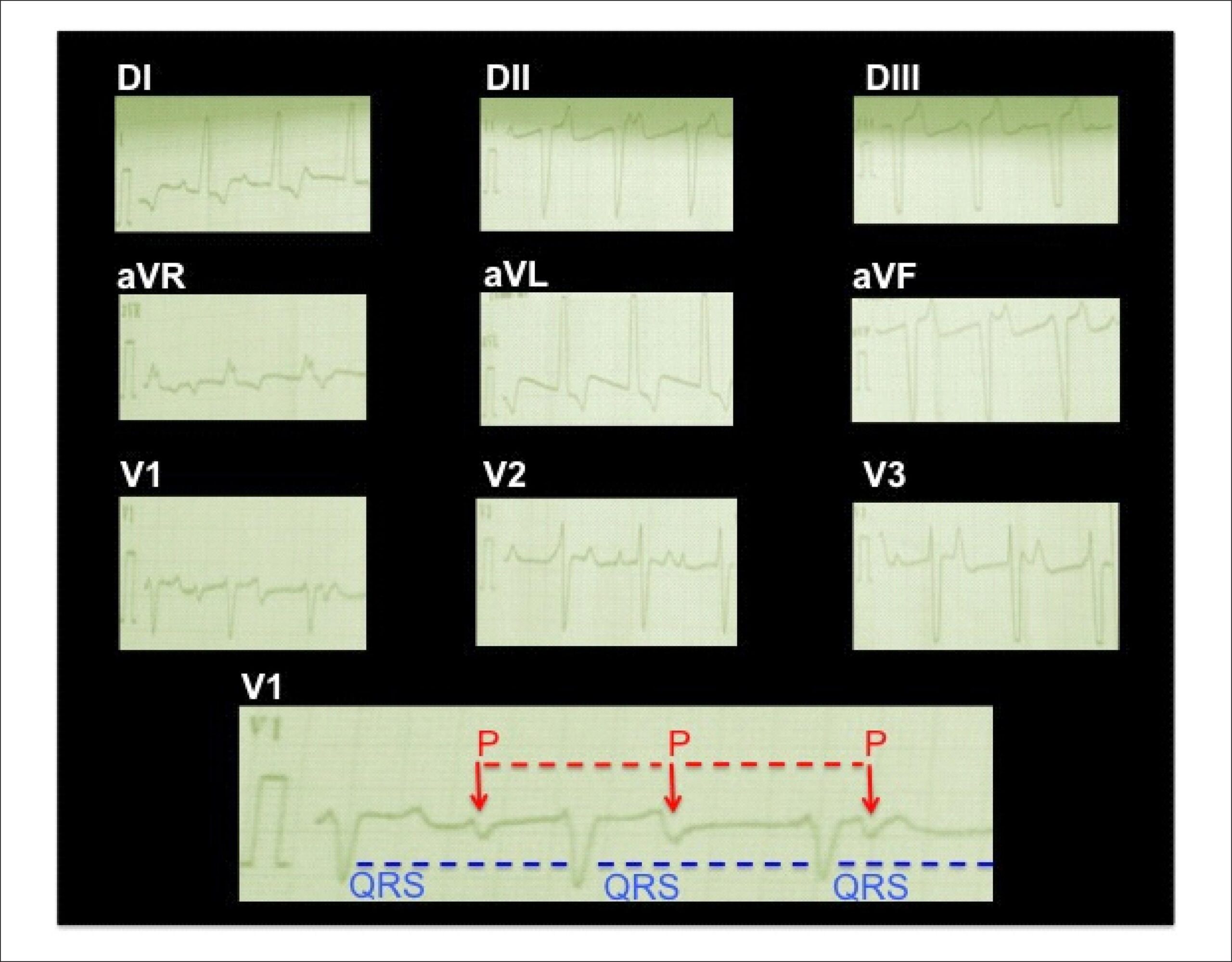
The expression “contusio cordis” defines a lesion of the cardiac myocyte, hemorrhagic or fibrotic, due to the application of violent kinetic force resulting from a blunt trauma to the precordial region. Syncope is almost always the first clinical manifestation observed, and commonly precedes death. Contusio cordis differs from commotio cordis, the latter representing a cardiac electromechanical disorder consequent to a blunt trauma to the precordial region, at a critical moment of the cardiac cycle, which occurs within 10 to 30 ms from the T-wave peak, a period susceptible to the development of ventricular fibrillation – . Both forms are fatal most of the time , , – . Commotio cordis is a form of ventricular fibrillation, rather than a lesion in cardiomyocytes or adjacent organs , . It is a rare condition, leading most cases to death , and being more prevalent among men, because of its relationship to high-impact sports , . The accurate incidence of both entities is unknown, because there is no systematic way to register all cases; however, although rare in the literature, they are believed to be more common than reported , . Contusio cordis associated with complete atrioventricular block (CAVB) is an even rarer condition, with few cases reported. The objective of the present study is to report a case of contusio cordis associated with CAVB and tricuspid regurgitation (TR).

[…]

  • Atrioventricular block
  • Commotio Cordis
  • Myocytes, Cardiac / pathophysiology
  • Tricuspid Valve Insufficiency
  • Ventricular Fibrillation
Read Full Article
Creative Commons Attribution (CC BY) Creative Commons license
01/08/2014 DOI: 10.5935/abc.20140114 Views 1
Editorial

Nutrition and Cardiology: An Interface not to be Ignored

Paula S. Azevedo et al. Sergio A. R. Paiva Leonardo A. M. Zornoff

Food and nutrition constitute a field of knowledge with inherent characteristics. In the first half of the twentieth century, the major objectives of the nutritional sciences consisted in discovering essential nutrients, characterizing their physiological and biochemical roles, and describing the consequences of their defficiencies. Very frequently, the fundamental model of the study was animal growth.

However, in the past 50 years, the spread of knowledge expanded the objectives related to food and nutrition, which were inserted in an organizational complexity focused on cells, organs, organisms and communities, ranging, therefore, from molecules to populations. The challenges to understand the physiopathological mechanisms involved and to prevent and occasionally solve consequent clinical problems constitute a decisive stimulus to the development of new fields of knowledge within that of food and nutrition. Of those, the relationship between food, obesity and diseases frequently associated with obesity, the so-called chronic diseases, such as arterial hypertension, coronary artery disease, diabetes mellitus, dyslipidemias, and cancer, is noteworthy.

[…]

  • Cardiovascular Diseases
  • Carotenoids
  • Food
  • Polyphenols
Read Full Article
Creative Commons Attribution (CC BY) Creative Commons license
01/08/2014 DOI: 10.5935/abc.20140121 Views 1
Figure 1
Image

Left Atrial Appendage Closure and the Figure-of-Eight Artifact

Silvio Henrique Barberato

A

f

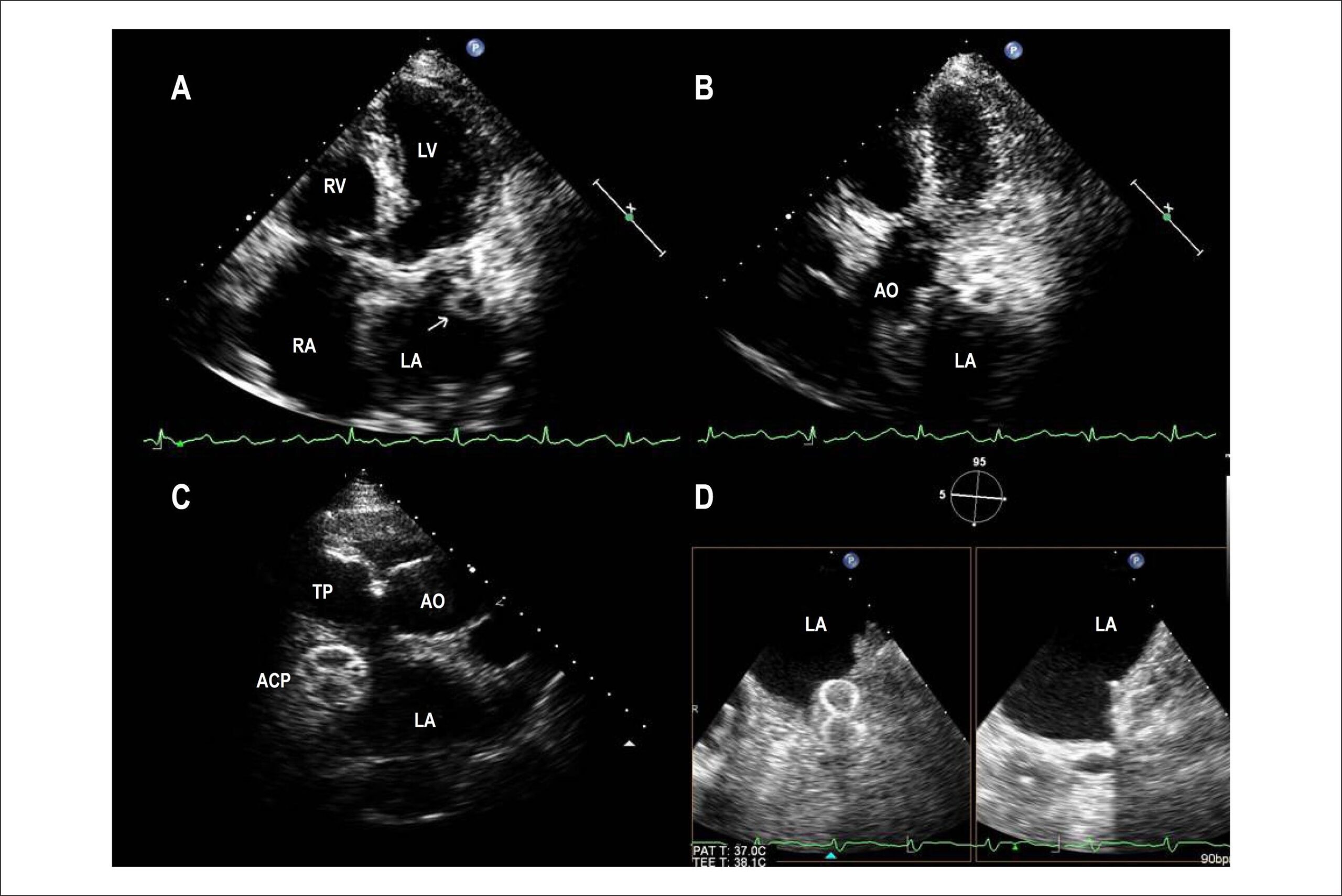
[…]

  • Atrial Appendage/pathology
  • Echocardiography
Read Full Article
Creative Commons Attribution (CC BY) Creative Commons license
01/08/2014 DOI: 10.5935/abc.20140119
Figure 1
Clinicoradiological Session

Case 5 / 2014 – 26-year-old Male with Moderate Stenosis of Bivalved Aortic Valve and Dilation of Ascending Aorta

Edmar Atik et al. Ricardo Ribeiro Dias José Lázaro Andrade

Complementary tests

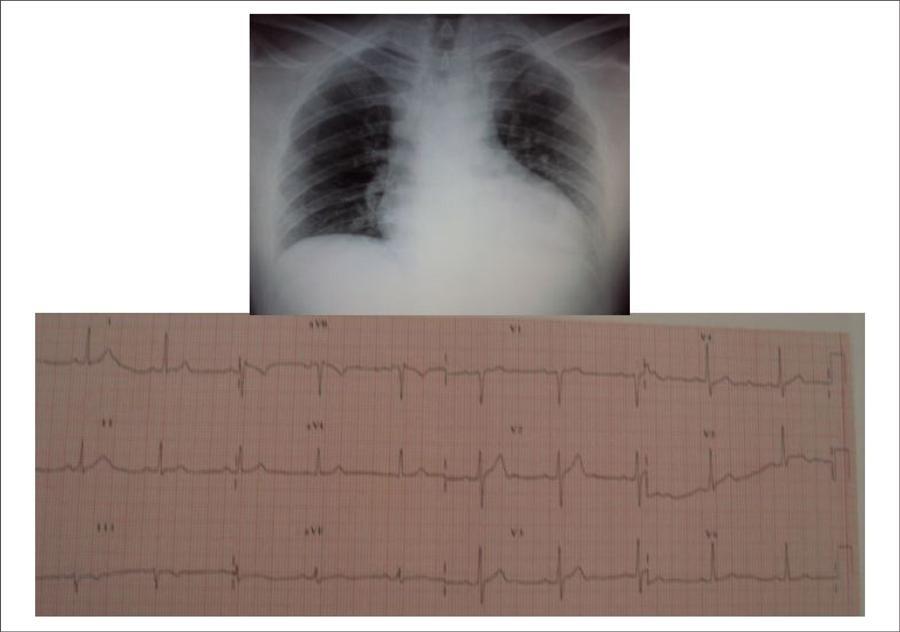
Electrocardiogram: () presented normal sinus rhythm and morphology of P, QRS and T waves, without signs of cavity overload. Ventricular repolarization was normal. AP: +40º, AQRS: 0º, AT: 20 º.

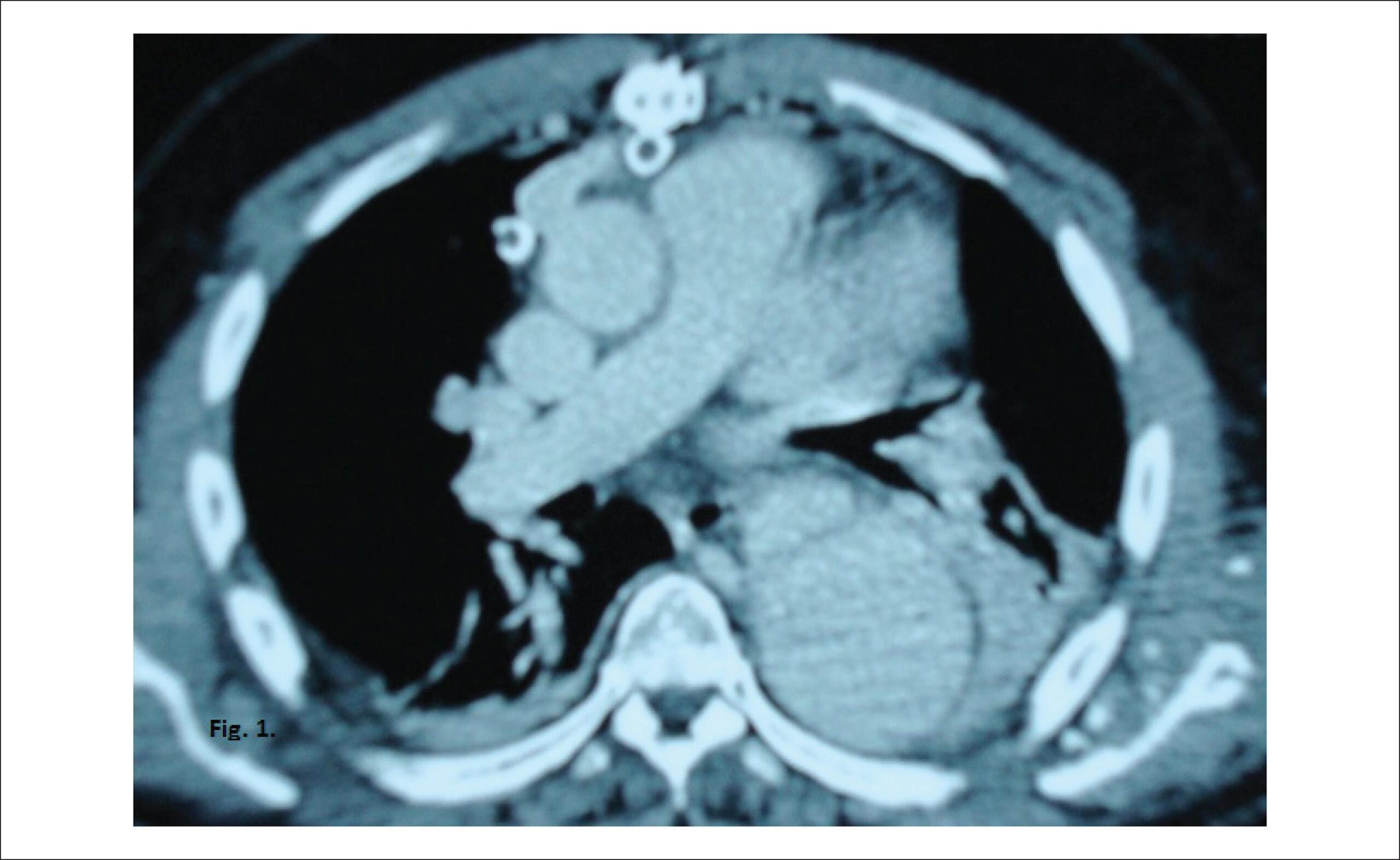
Chest radiography: Shows normal heart region and pulmonary vascular markings on expiration radiography. Mild dilation on upper right arch indicating dilation of ascending aorta ().

[…]

  • Aorta/abnormalities
  • Aortic Aneurysm
  • Aortic Valve Stenosis
Read Full Article
Creative Commons Attribution (CC BY) Creative Commons license
01/08/2014 DOI: 10.5935/abc.20140084
Figure 1
Original Article

Proposal Intensity Adequacy of Expiratory Effort and Heart Rate Behavior During the Valsalva Maneuver in Preadolescents

Mario Augusto Paschoal et al. Bruno de Sousa Donato Flávia Baroni Neves

Background:

When performing the Valsalva maneuver (VM), adults and preadolescents produce the same expiratory resistance values.

Objective:

To analyze heart rate (HR) in preadolescents performing VM, and propose a new method for selecting expiratory resistance.

Method:

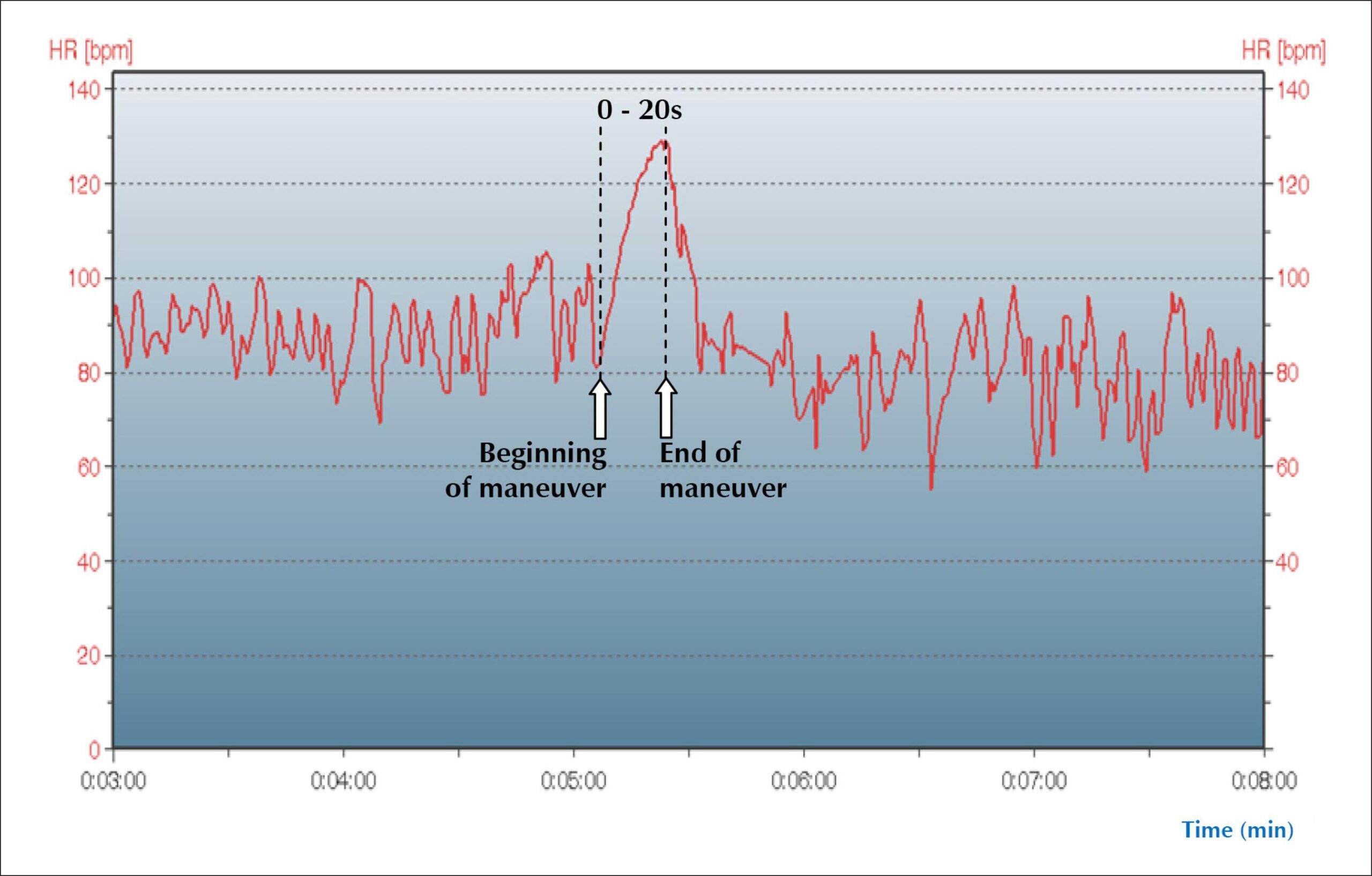
The maximal expiratory pressure (MEP) was measured in 45 sedentary children aged 9-12 years who subsequently performed VM for 20 s using an expiratory pressure of 60%, 70%, or 80% of MEP. HR was measured before, during, and after VM. These procedures were repeated 30 days later, and the data collected in the sessions (E1, E2) were analyzed and compared in periods before, during (0-10 and 10-20 s), and after VM using nonparametric tests.

Results:

All 45 participants adequately performed VM in E1 and E2 at 60% of MEP. However, only 38 (84.4%) and 25 (55.5%) of the participants performed the maneuver at 70% and 80% of MEP, respectively. The HR delta measured during 0-10 s and 10-20 s significantly increased as the expiratory effort increased, indicating an effective cardiac autonomic response during VM. However, our findings suggest the VM should not be performed at these intensities.

Conclusion:

HR increased with all effort intensities tested during VM. However, 60% of MEP was the only level of expiratory resistance that all participants could use to perform VM. Therefore, 60% of MEP may be the optimal expiratory resistance that should be used in clinical practice.

  • Age Factors
  • Child
  • Exhalation
  • Heart Rate
  • Valsalva Maneuvers
Read Full Article
Creative Commons Attribution (CC BY) Creative Commons license
15/07/2014 DOI: 10.5935/abc.20140092 Views 2
Figure 1
Original Article

Prognostic Value of TIMI Score versus GRACE Score in ST-segment Elevation Myocardial Infarction

Luis C. L. Correia et al. Guilherme Garcia Felipe Kalil Felipe Ferreira … Manuela Carvalhal Ruan Oliveira André Silva Isis Vasconcelos Caio Henri Márcia Noya-Rabelo

Background:

The TIMI Score for ST-segment elevation myocardial infarction (STEMI) was created and validated specifically for this clinical scenario, while the GRACE score is generic to any type of acute coronary syndrome.

Objective:

Between TIMI and GRACE scores, identify the one of better prognostic performance in patients with STEMI.

Methods:

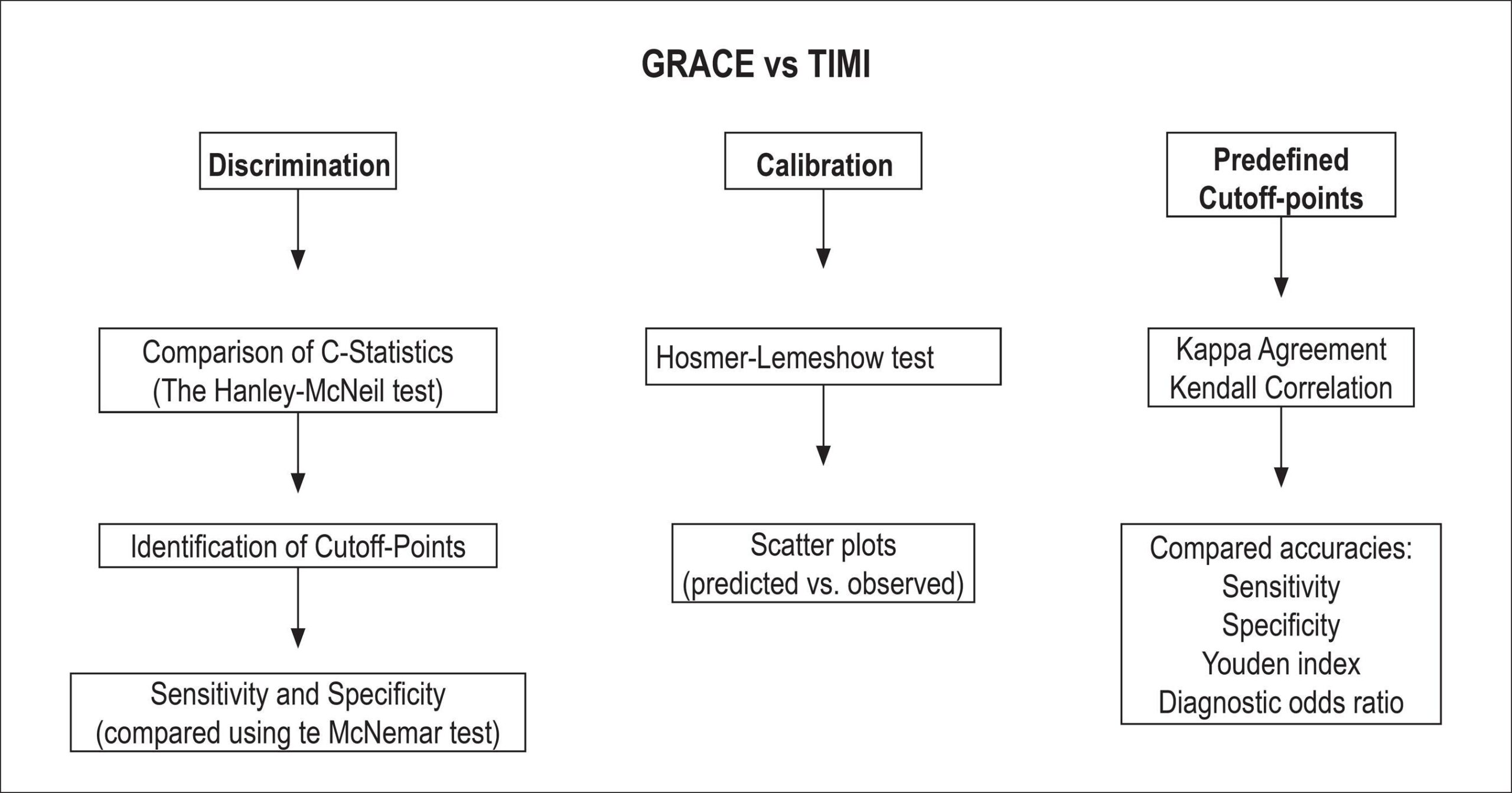
We included 152 individuals consecutively admitted for STEMI. The TIMI and GRACE scores were tested for their discriminatory ability (C-statistics) and calibration (Hosmer-Lemeshow) in relation to hospital death.

Results:

The TIMI score showed equal distribution of patients in the ranges of low, intermediate and high risk (39 %, 27 % and 34 %, respectively), as opposed to the GRACE Score that showed predominant distribution at low risk (80 %, 13 % and 7%, respectively). Case-fatality was 11%. The C-statistics of the TIMI score was 0.87 (95%CI = 0.76 to 0.98), similar to GRACE (0.87, 95%CI = 0.75 to 0.99) – p = 0.71. The TIMI score showed satisfactory calibration represented by χ2 = 1.4 (p = 0.92), well above the calibration of the GRACE score, which showed χ2 = 14 (p = 0.08). This calibration is reflected in the expected incidence ranges for low, intermediate and high risk, according to the TIMI score (0 %, 4.9 % and 25 %, respectively), differently to GRACE (2.4%, 25% and 73%), which featured middle range incidence inappropriately.

Conclusion:

Although the scores show similar discriminatory capacity for hospital death, the TIMI score had better calibration than GRACE. These findings need to be validated populations of different risk profiles.

  • Acute Coronary Syndrome / diagnosis
  • Comparative Study
  • Myocardial Infarction
  • Prognosis
  • Propensity Score
  • Risk Factors
Read Full Article
Creative Commons Attribution (CC BY) Creative Commons license
15/07/2014 DOI: 10.5935/abc.20140095 Views 1
Figure 1
Original Article

Association of Peripheral Arterial and Cardiovascular Diseases in Familial Hypercholesterolemia

Carolina Pereira et al. Marcio Miname Marcia Makdisse Roberto Kalil Filho Raul D. Santos

Background:

Familial hypercholesterolemia (FH) is an autosomal dominant genetic disease characterized by an elevation in the serum levels of total cholesterol and of low-density lipoproteins (LDL- c). Known to be closely related to the atherosclerotic process, FH can determine the development of early obstructive lesions in different arterial beds. In this context, FH has also been proposed to be a risk factor for peripheral arterial disease (PAD).

Objective:

This observational cross-sectional study assessed the association of PAD with other manifestations of cardiovascular disease (CVD), such as coronary artery and cerebrovascular disease, in patients with heterozygous FH.

Methods:

The diagnosis of PAD was established by ankle-brachial index (ABI) values ≤ 0.90. This study assessed 202 patients (35% of men) with heterozygous FH (90.6% with LDL receptor mutations), mean age of 51 ± 14 years and total cholesterol levels of 342 ± 86 mg /dL.

Results:

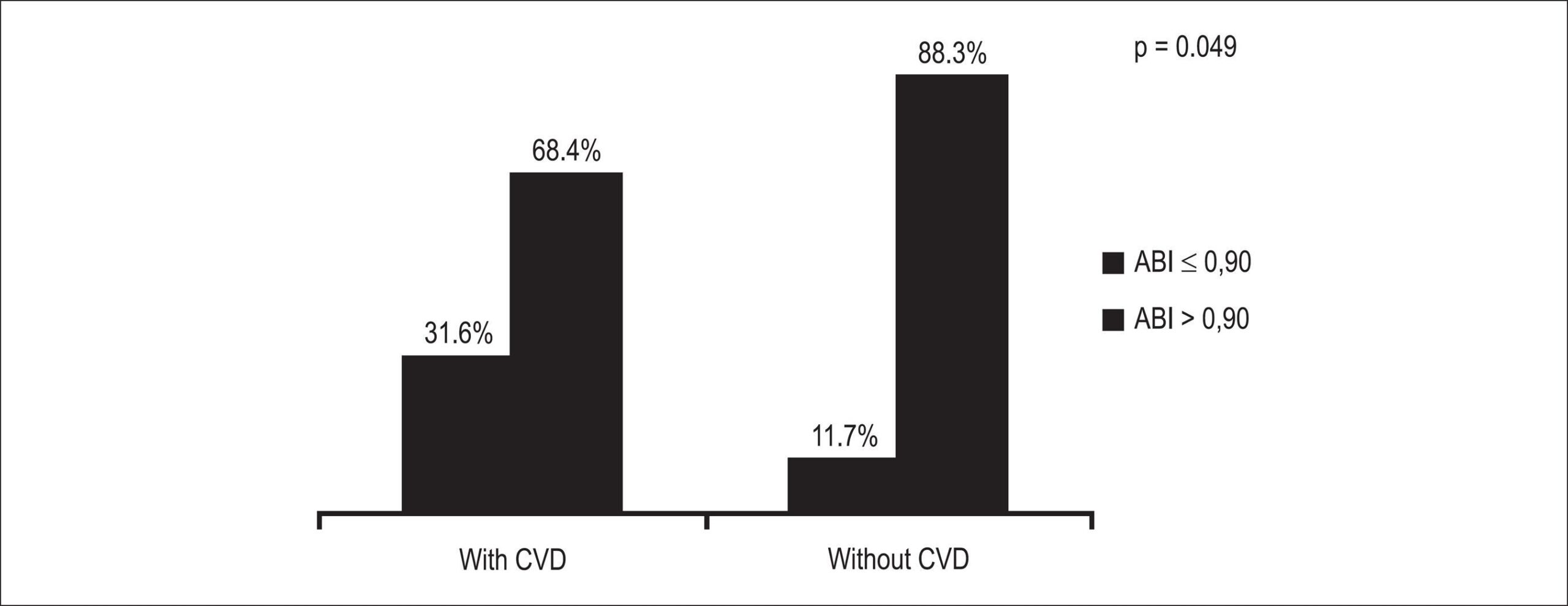
The prevalences of PAD and previous CVD were 17% and 28.2 %, respectively. On multivariate analysis, an independent association between CVD and the diagnosis of PAD was observed (OR = 2.50; 95% CI: 1.004 – 6.230; p = 0.049).

Conclusion:

Systematic screening for PAD by use of ABI is feasible to assess patients with FH, and it might indicate an increased risk for CVD. However, further studies are required to determine the role of ABI as a tool to assess the cardiovascular risk of those patients.

  • Ankle Brachial Index
  • Atherosclerosis
  • Peripheral Arterial Disease
  • Type II Hyperlipoproteinemia
Read Full Article
Creative Commons Attribution (CC BY) Creative Commons license
15/07/2014 DOI: 10.5935/abc.20140097
Original Article

Spectral Analysis Related to Bare-Metal and Drug-Eluting Coronary Stent Implantation

Rose Mary Ferreira Lisboa da Silva et al. Carlos Augusto Bueno Silva Otaviano José Greco Maria da Consolação Vieira Moreira

Background:

The autonomic nervous system plays a central role in cardiovascular regulation; sympathetic activation occurs during myocardial ischemia.

Objective:

To assess the spectral analysis of heart rate variability during stent implantation, comparing the types of stent.

Methods:

This study assessed 61 patients (mean age, 64.0 years; 35 men) with ischemic heart disease and indication for stenting. Stent implantation was performed under Holter monitoring to record the spectral analysis of heart rate variability (Fourier transform), measuring the low-frequency (LF) and high-frequency (HF) components, and the LF/HF ratio before and during the procedure.

Results:

Bare-metal stent was implanted in 34 patients, while the others received drug-eluting stents. The right coronary artery was approached in 21 patients, the left anterior descending, in 28, and the circumflex, in 9. As compared with the pre-stenting period, all patients showed an increase in LF and HF during stent implantation (658 versus 185 ms2, p = 0.00; 322 versus 121, p = 0.00, respectively), with no change in LF/HF. During stent implantation, LF was 864 ms2 in patients with bare-metal stents, and 398 ms2 in those with drug-eluting stents (p = 0.00). The spectral analysis of heart rate variability showed no association with diabetes mellitus, family history, clinical presentation, beta-blockers, age, and vessel or its segment.

Conclusions:

Stent implantation resulted in concomitant sympathetic and vagal activations. Diabetes mellitus, use of beta-blockers, and the vessel approached showed no influence on the spectral analysis of heart rate variability. Sympathetic activation was lower during the implantation of drug-eluting stents.

  • Drug-Eluting Stents
  • Heart Rate
  • Myocardial Ischemia
  • spectrum analysis
  • Stents
Read Full Article
Creative Commons Attribution (CC BY) Creative Commons license
15/07/2014 DOI: 10.5935/abc.20140094 Views 1
Review Article

Malaria and Vascular Endothelium

Aristóteles Comte de Alencar Filho et al. Marcus Vinícius Guimarães de Lacerda Katashi Okoshi Marina Politi Okoshi

Involvement of the cardiovascular system in patients with infectious and parasitic diseases can result from both intrinsic mechanisms of the disease and drug intervention. Malaria is an example, considering that the endothelial injury by Plasmodium-infected erythrocytes can cause circulatory disorders. This is a literature review aimed at discussing the relationship between malaria and endothelial impairment, especially its effects on the cardiovascular system. We discuss the implications of endothelial aggression and the interdisciplinarity that should guide the malaria patient care, whose acute infection can contribute to precipitate or aggravate a preexisting heart disease.

  • Cardiovascular Diseases
  • Communicable Disease Prognosis
  • Malaria
  • Vascular Endothelial
Read Full Article
Creative Commons Attribution (CC BY) Creative Commons license
09/07/2014 DOI: 10.5935/abc.20140088 Views 2
Figure 1
Original Article

Validation of the Killip-Kimball Classification and Late Mortality after Acute Myocardial Infarction

Bruno Henrique Gallindo de Mello et al. Gustavo Bernardes F. Oliveira Rui Fernando Ramos Bernardo Baptista C. Lopes … Cecília Bitarães S. Barros Erick de Oliveira Carvalho Fabio Bellini P. Teixeira Guilherme D'Andréa S. Arruda Maria Sol Calero Revelo Leopoldo Soares Piegas

Background:

The classification or index of heart failure severity in patients with acute myocardial infarction (AMI) was proposed by Killip and Kimball aiming at assessing the risk of in-hospital death and the potential benefit of specific management of care provided in Coronary Care Units (CCU) during the decade of 60.

Objective:

To validate the risk stratification of Killip classification in the long-term mortality and compare the prognostic value in patients with non-ST-segment elevation MI (NSTEMI) relative to patients with ST-segment elevation MI (STEMI), in the era of reperfusion and modern antithrombotic therapies.

Methods:

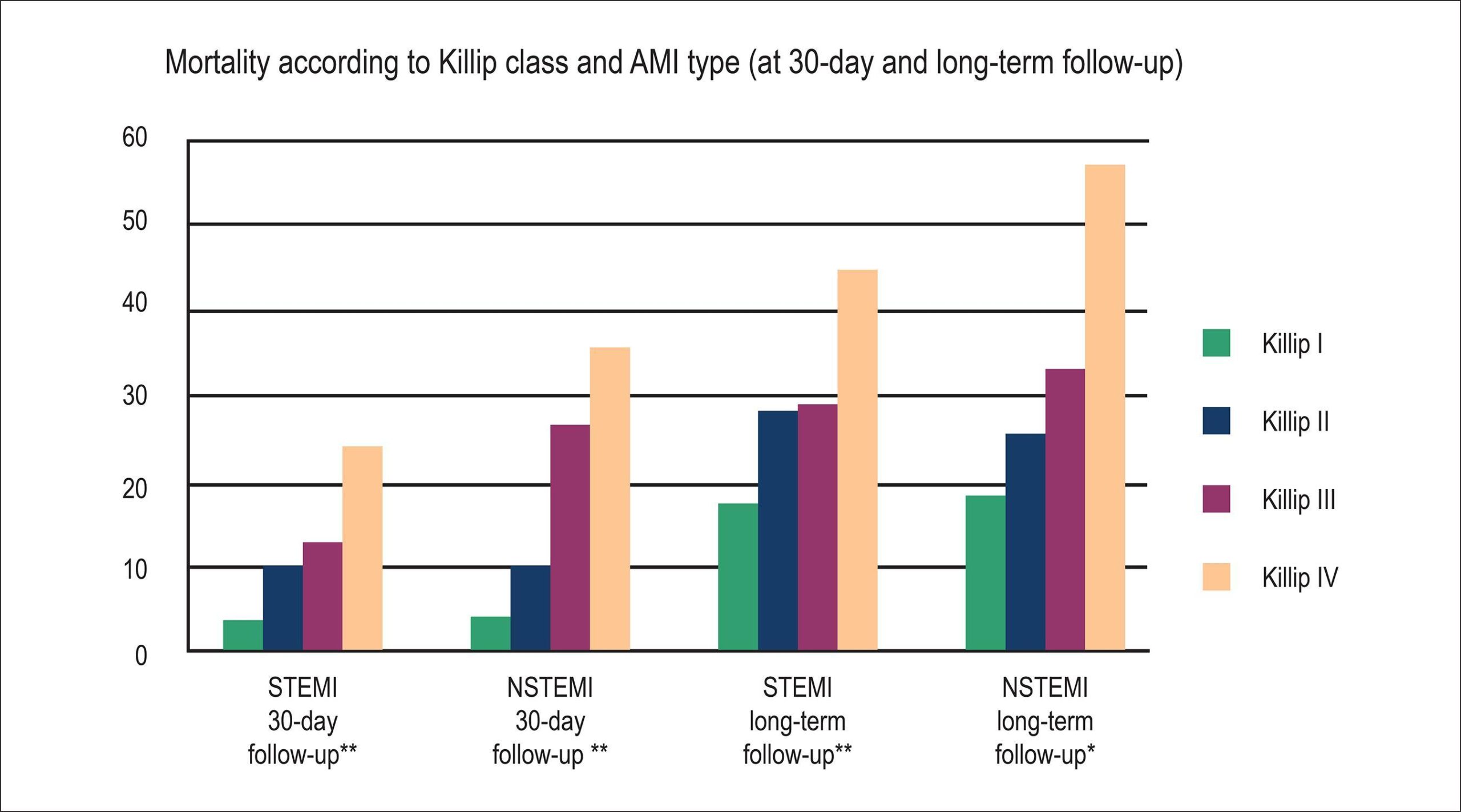
We evaluated 1906 patients with documented AMI and admitted to the CCU, from 1995 to 2011, with a mean follow-up of 05 years to assess total mortality. Kaplan-Meier (KM) curves were developed for comparison between survival distributions according to Killip class and NSTEMI versus STEMI. Cox proportional regression models were developed to determine the independent association between Killip class and mortality, with sensitivity analyses based on type of AMI. Results: The proportions of deaths and the KM survival distributions were significantly different across Killip class >1 (p <0.001) and with a similar pattern between patients with NSTEMI and STEMI. Cox models identified the Killip classification as a significant, sustained, consistent predictor and independent of relevant covariables (Wald χ2 16.5 [p = 0.001], NSTEMI) and (Wald χ2 11.9 [p = 0.008], STEMI).

Conclusion:

The Killip and Kimball classification performs relevant prognostic role in mortality at mean follow-up of 05 years post-AMI, with a similar pattern between NSTEMI and STEMI patients.

  • Heart Failure / mortality
  • Myocardial Infarction/mortality
  • Prognosis
  • Severity of Illness Index
Read Full Article
Creative Commons Attribution (CC BY) Creative Commons license
09/07/2014 DOI: 10.5935/abc.20140091
Figure 1
Original Article

Debranching Solutions in Endografting for Complex Thoracic Aortic Dissections

Onur Selcuk Goksel et al. Koray Guven Celalettin Karatepe Emre Gok … Bulent Acunas Bayer Cinar Ufuk Alpagut

Background:

Conventional surgical repair of thoracic aortic dissections is a challenge due to mortality and morbidity risks.

Objectives:

We analyzed our experience in hybrid aortic arch repair for complex dissections of the aortic arch.

Methods:

Between 2009 and 2013, 18 patients (the mean age of 67 ± 8 years-old) underwent hybrid aortic arch repair. The procedural strategy was determined on the individual patient.

Results:

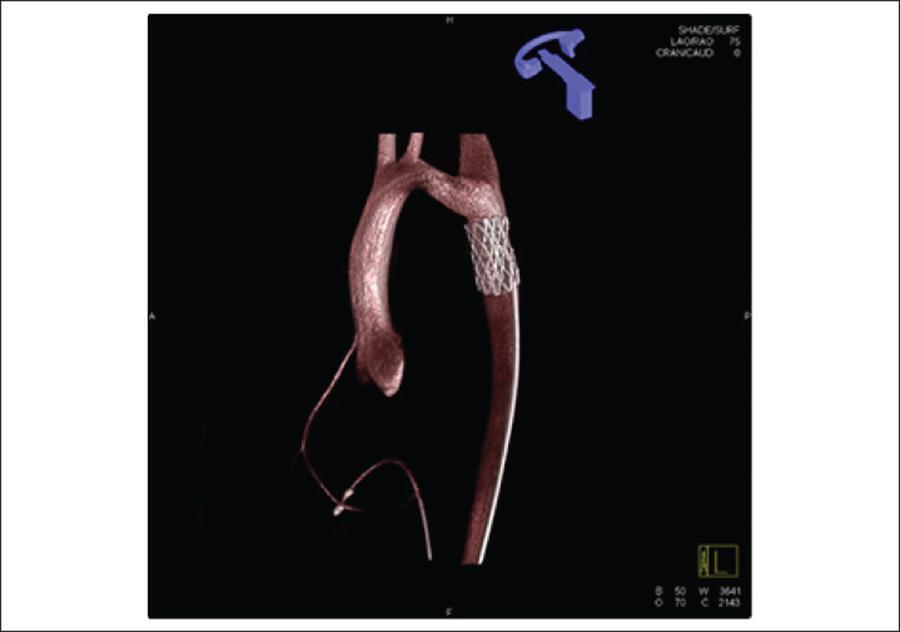
Thirteen patients had type I repair using trifurcation and another patient with bifurcation graft. Two patients had type II repair with replacement of the ascending aorta. Two patients received extra-anatomic bypass grafting to left carotid artery allowing covering of zone 1. Stent graft deployment rate was 100%. No patients experienced stroke. One patient with total debranching of the aortic arch following an acute dissection of the proximal arch expired 3 months after TEVAR due to heart failure. There were no early to midterm endoleaks. The median follow-up was 20 ± 8 months with patency rate of 100%.

Conclusion:

Various debranching solutions for different complex scenarios of the aortic arch serve as less invasive procedures than conventional open surgery enabling safe and effective treatment of this highly selected subgroup of patients with complex aortic pathologies.

  • Aorta, thoracic / surgery
  • Heart Valve Prosthesis
  • Mortality
Read Full Article
Creative Commons Attribution (CC BY) Creative Commons license
13/06/2014 DOI: 10.5935/abc.20140074

How to cite this article

EndNote RIS

Electronic Document Format (Vancouver)

Miranda LP, Camargos PAM, Torres RM, Meira ZMA. Prevalence of Rheumatic Heart Disease in a Public School of Belo Horizonte. Arquivos Brasileiros de Cardiologia 2014;103(2):89-97.

Electronic Document Format (ABNT)

Miranda, Lavinia Pimentel; Camargos, Paulo Augusto Moreira; Torres, Rosália Morais; Meira, Zilda Maria Alves. Prevalence of Rheumatic Heart Disease in a Public School of Belo Horizonte. Arquivos Brasileiros de Cardiologia, v. 103, n. 2, p. 89-97, Jul. 2014.

Electronic Document Format (APA)

Miranda, L. P., Camargos, P. A. M., Torres, R. M., & Meira, Z. M. A. (2014). Prevalence of Rheumatic Heart Disease in a Public School of Belo Horizonte. Arquivos Brasileiros de Cardiologia, 103(2), 89-97.

Electronic Document Format (ISO)

Miranda, Lavinia Pimentel and Camargos, Paulo Augusto Moreira and Torres, Rosália Morais and Meira, Zilda Maria Alves. Prevalence of Rheumatic Heart Disease in a Public School of Belo Horizonte. Arquivos Brasileiros de Cardiologia [online]. 2014, vol. 103, n. 2, [cited 2026-10-14], pp. 89-97. Available from: <https://journals.cardiol.br/en/article/prevalence-of-rheumatic-heart-disease-in-a-public-school-of-belo-horizonte/>. ISSN 0066-782X

EndNote RIS

Electronic Document Format (Vancouver)

Grinberg M. Bioethics Cardioteam Useful for Bedside Crisis Management. Arquivos Brasileiros de Cardiologia 2014;103(2):e26-8.

Electronic Document Format (ABNT)

Grinberg, Max. Bioethics Cardioteam Useful for Bedside Crisis Management. Arquivos Brasileiros de Cardiologia, v. 103, n. 2, p. e26-e28, Jul. 2014.

Electronic Document Format (APA)

Grinberg, M. (2014). Bioethics Cardioteam Useful for Bedside Crisis Management. Arquivos Brasileiros de Cardiologia, 103(2), e26-e28.

Electronic Document Format (ISO)

Grinberg, Max. Bioethics Cardioteam Useful for Bedside Crisis Management. Arquivos Brasileiros de Cardiologia [online]. 2014, vol. 103, n. 2, [cited 2026-10-14], pp. e26-e28. Available from: <https://journals.cardiol.br/en/article/bioethics-cardioteam-useful-for-bedside-crisis-management/>. ISSN 0066-782X

EndNote RIS

Electronic Document Format (Vancouver)

Sofia RR, Serra AJ, Silva Jr JA, Antonio EL, Manchini MT, Oliveira FAA, Teixeira VPC, et al. Gender-Based Differences in Cardiac Remodeling and ILK Expression after Myocardial Infarction. Arquivos Brasileiros de Cardiologia 2014;103(2):124-30.

Electronic Document Format (ABNT)

Sofia, Renato Rodrigues; Serra, Andrey Jorge; Silva Jr, Jose Antonio; Antonio, Ednei Luiz; Manchini, Martha Trindade; Oliveira, Fernanda Aparecida Alves de; Teixeira, Vicente Paulo Castro; Tucci, Paulo José Ferreira. Gender-Based Differences in Cardiac Remodeling and ILK Expression after Myocardial Infarction. Arquivos Brasileiros de Cardiologia, v. 103, n. 2, p. 124-130, Jul. 2014.

Electronic Document Format (APA)

Sofia, R. R., Serra, A. J., Silva Jr, J. A., Antonio, E. L., Manchini, M. T., Oliveira, F. A. A. , Teixeira, V. P. C., & Tucci, P. J. F. (2014). Gender-Based Differences in Cardiac Remodeling and ILK Expression after Myocardial Infarction. Arquivos Brasileiros de Cardiologia, 103(2), 124-130.

Electronic Document Format (ISO)

Sofia, Renato Rodrigues and Serra, Andrey Jorge and Silva Jr, Jose Antonio and Antonio, Ednei Luiz and Manchini, Martha Trindade and Oliveira, Fernanda Aparecida Alves de and Teixeira, Vicente Paulo Castro and Tucci, Paulo José Ferreira. Gender-Based Differences in Cardiac Remodeling and ILK Expression after Myocardial Infarction. Arquivos Brasileiros de Cardiologia [online]. 2014, vol. 103, n. 2, [cited 2026-10-14], pp. 124-130. Available from: <https://journals.cardiol.br/en/article/gender-based-differences-in-cardiac-remodeling-and-ilk-expression-after-myocardial-infarction/>. ISSN 0066-782X

EndNote RIS

Electronic Document Format (Vancouver)

Manica JLL, Borges MS, Medeiros RF, Fischer LS, Broetto G, Rossi Filho RI. A Comparison of Radiation Dose Between Standard and 3D Angiography in Congenital Heart Disease. Arquivos Brasileiros de Cardiologia 2014;103(2):131-7.

Electronic Document Format (ABNT)

Manica, João Luiz Langer; Borges, Mônica Scott; Medeiros, Rogério Fachel de; Fischer, Leandro dos Santos; Broetto, Gabriel; Rossi Filho, Raul Ivo. A Comparison of Radiation Dose Between Standard and 3D Angiography in Congenital Heart Disease. Arquivos Brasileiros de Cardiologia, v. 103, n. 2, p. 131-137, Jul. 2014.

Electronic Document Format (APA)

Manica, J. L. L., Borges, M. S., Medeiros, R. F. , Fischer, L. S., Broetto, G., & Rossi Filho, R. I. (2014). A Comparison of Radiation Dose Between Standard and 3D Angiography in Congenital Heart Disease. Arquivos Brasileiros de Cardiologia, 103(2), 131-137.

Electronic Document Format (ISO)

Manica, João Luiz Langer and Borges, Mônica Scott and Medeiros, Rogério Fachel de and Fischer, Leandro dos Santos and Broetto, Gabriel and Rossi Filho, Raul Ivo. A Comparison of Radiation Dose Between Standard and 3D Angiography in Congenital Heart Disease. Arquivos Brasileiros de Cardiologia [online]. 2014, vol. 103, n. 2, [cited 2026-10-14], pp. 131-137. Available from: <https://journals.cardiol.br/en/article/a-comparison-of-radiation-dose-between-standard-and-3d-angiography-in-congenital-heart-disease/>. ISSN 0066-782X

EndNote RIS

Electronic Document Format (Vancouver)

Tomimura S, Silva BPA, Sanches IC, Canal M, Consolim-Colombo F, Conti FF, Angelis KD, et al. Hemodynamic Effect of Laser Therapy in Spontaneously Hypertensive Rats. Arquivos Brasileiros de Cardiologia 2014;103(2):161-4.

Electronic Document Format (ABNT)

Tomimura, Suely; Silva, Bianca Passos Assumpção; Sanches, Iris Callado; Canal, Marina; Consolim-Colombo, Fernanda; Conti, Felipe Fernandes; Angelis, Katia De; Chavantes, Maria Cristina. Hemodynamic Effect of Laser Therapy in Spontaneously Hypertensive Rats. Arquivos Brasileiros de Cardiologia, v. 103, n. 2, p. 161-164, Jul. 2014.

Electronic Document Format (APA)

Tomimura, S., Silva, B. P. A., Sanches, I. C., Canal, M., Consolim-Colombo, F., Conti, F. F., Angelis, K. D., & Chavantes, M. C. (2014). Hemodynamic Effect of Laser Therapy in Spontaneously Hypertensive Rats. Arquivos Brasileiros de Cardiologia, 103(2), 161-164.

Electronic Document Format (ISO)

Tomimura, Suely and Silva, Bianca Passos Assumpção and Sanches, Iris Callado and Canal, Marina and Consolim-Colombo, Fernanda and Conti, Felipe Fernandes and Angelis, Katia De and Chavantes, Maria Cristina. Hemodynamic Effect of Laser Therapy in Spontaneously Hypertensive Rats. Arquivos Brasileiros de Cardiologia [online]. 2014, vol. 103, n. 2, [cited 2026-10-14], pp. 161-164. Available from: <https://journals.cardiol.br/en/article/hemodynamic-effect-of-laser-therapy-in-spontaneously-hypertensive-rats/>. ISSN 0066-782X

EndNote RIS

Electronic Document Format (Vancouver)

Longo Neto GC, Martins WA, Villacorta Junior H, Silva EN, Haffner PMA, Souza DG. Contusio Cordis Associated with Atrioventricular Block and Tricuspid Regurgitation. Arquivos Brasileiros de Cardiologia 2014;103(2):e22-5.

Electronic Document Format (ABNT)

Longo Neto, Giulio Cesare; Martins, Wolney de Andrade; Villacorta Junior, Humberto; Silva, Eduardo Nani da; Haffner, Paula Maira Alves; Souza, Davyson Gerardt de. Contusio Cordis Associated with Atrioventricular Block and Tricuspid Regurgitation. Arquivos Brasileiros de Cardiologia, v. 103, n. 2, p. e22-e25, Jul. 2014.

Electronic Document Format (APA)

Longo Neto, G. C., Martins, W. A., Villacorta Junior, H., Silva, E. N. , Haffner, P. M. A., & Souza, D. G. (2014). Contusio Cordis Associated with Atrioventricular Block and Tricuspid Regurgitation. Arquivos Brasileiros de Cardiologia, 103(2), e22-e25.

Electronic Document Format (ISO)

Longo Neto, Giulio Cesare and Martins, Wolney de Andrade and Villacorta Junior, Humberto and Silva, Eduardo Nani da and Haffner, Paula Maira Alves and Souza, Davyson Gerardt de. Contusio Cordis Associated with Atrioventricular Block and Tricuspid Regurgitation. Arquivos Brasileiros de Cardiologia [online]. 2014, vol. 103, n. 2, [cited 2026-10-14], pp. e22-e25. Available from: <https://journals.cardiol.br/en/article/contusio-cordis-associated-with-atrioventricular-block-and-tricuspid-regurgitation/>. ISSN 0066-782X

EndNote RIS

Electronic Document Format (Vancouver)

Azevedo PS, Paiva SAR, Zornoff LAM. Nutrition and Cardiology: An Interface not to be Ignored. Arquivos Brasileiros de Cardiologia 2014;103(2):87-8.

Electronic Document Format (ABNT)

Azevedo, Paula S.; Paiva, Sergio A. R.; Zornoff, Leonardo A. M.. Nutrition and Cardiology: An Interface not to be Ignored. Arquivos Brasileiros de Cardiologia, v. 103, n. 2, p. 87-88, Jul. 2014.

Electronic Document Format (APA)

Azevedo, P. S., Paiva, S. A. R., & Zornoff, L. A. M. (2014). Nutrition and Cardiology: An Interface not to be Ignored. Arquivos Brasileiros de Cardiologia, 103(2), 87-88.

Electronic Document Format (ISO)

Azevedo, Paula S. and Paiva, Sergio A. R. and Zornoff, Leonardo A. M.. Nutrition and Cardiology: An Interface not to be Ignored. Arquivos Brasileiros de Cardiologia [online]. 2014, vol. 103, n. 2, [cited 2026-10-14], pp. 87-88. Available from: <https://journals.cardiol.br/en/article/nutrition-and-cardiology-an-interface-not-to-be-ignored/>. ISSN 0066-782X

EndNote RIS

Electronic Document Format (Vancouver)

Barberato SH. Left Atrial Appendage Closure and the Figure-of-Eight Artifact. Arquivos Brasileiros de Cardiologia 2014;103(2):e29-30.

Electronic Document Format (ABNT)

Barberato, Silvio Henrique. Left Atrial Appendage Closure and the Figure-of-Eight Artifact. Arquivos Brasileiros de Cardiologia, v. 103, n. 2, p. e29-e30, Jul. 2014.

Electronic Document Format (APA)

Barberato, S. H. (2014). Left Atrial Appendage Closure and the Figure-of-Eight Artifact. Arquivos Brasileiros de Cardiologia, 103(2), e29-e30.

Electronic Document Format (ISO)

Barberato, Silvio Henrique. Left Atrial Appendage Closure and the Figure-of-Eight Artifact. Arquivos Brasileiros de Cardiologia [online]. 2014, vol. 103, n. 2, [cited 2026-10-14], pp. e29-e30. Available from: <https://journals.cardiol.br/en/article/left-atrial-appendage-closure-and-the-figure-of-eight-artifact/>. ISSN 0066-782X

EndNote RIS

Electronic Document Format (Vancouver)

Atik E, Dias RR, Andrade JL. Case 5 / 2014 – 26-year-old Male with Moderate Stenosis of Bivalved Aortic Valve and Dilation of Ascending Aorta. Arquivos Brasileiros de Cardiologia 2014;103(2):e20-1.

Electronic Document Format (ABNT)

Atik, Edmar; Dias, Ricardo Ribeiro; Andrade, José Lázaro. Case 5 / 2014 – 26-year-old Male with Moderate Stenosis of Bivalved Aortic Valve and Dilation of Ascending Aorta. Arquivos Brasileiros de Cardiologia, v. 103, n. 2, p. e20-e21, Jul. 2014.

Electronic Document Format (APA)

Atik, E., Dias, R. R., & Andrade, J. L. (2014). Case 5 / 2014 – 26-year-old Male with Moderate Stenosis of Bivalved Aortic Valve and Dilation of Ascending Aorta. Arquivos Brasileiros de Cardiologia, 103(2), e20-e21.

Electronic Document Format (ISO)

Atik, Edmar and Dias, Ricardo Ribeiro and Andrade, José Lázaro. Case 5 / 2014 – 26-year-old Male with Moderate Stenosis of Bivalved Aortic Valve and Dilation of Ascending Aorta. Arquivos Brasileiros de Cardiologia [online]. 2014, vol. 103, n. 2, [cited 2026-10-14], pp. e20-e21. Available from: <https://journals.cardiol.br/en/article/case-5-2014-26-year-old-male-with-moderate-stenosis-of-bivalved-aortic-valve-and-dilation-of-ascending-aorta/>. ISSN 0066-782X

EndNote RIS

Electronic Document Format (Vancouver)

Paschoal MA, Donato BS, Neves FB. Proposal Intensity Adequacy of Expiratory Effort and Heart Rate Behavior During the Valsalva Maneuver in Preadolescents. Arquivos Brasileiros de Cardiologia 2014;103(2):146-53.

Electronic Document Format (ABNT)

Paschoal, Mario Augusto; Donato, Bruno de Sousa; Neves, Flávia Baroni. Proposal Intensity Adequacy of Expiratory Effort and Heart Rate Behavior During the Valsalva Maneuver in Preadolescents. Arquivos Brasileiros de Cardiologia, v. 103, n. 2, p. 146-153, Jul. 2014.

Electronic Document Format (APA)

Paschoal, M. A., Donato, B. S., & Neves, F. B. (2014). Proposal Intensity Adequacy of Expiratory Effort and Heart Rate Behavior During the Valsalva Maneuver in Preadolescents. Arquivos Brasileiros de Cardiologia, 103(2), 146-153.

Electronic Document Format (ISO)

Paschoal, Mario Augusto and Donato, Bruno de Sousa and Neves, Flávia Baroni. Proposal Intensity Adequacy of Expiratory Effort and Heart Rate Behavior During the Valsalva Maneuver in Preadolescents. Arquivos Brasileiros de Cardiologia [online]. 2014, vol. 103, n. 2, [cited 2026-10-14], pp. 146-153. Available from: <https://journals.cardiol.br/en/article/proposal-intensity-adequacy-of-expiratory-effort-and-heart-rate-behavior-during-the-valsalva-maneuver-in-preadolescents/>. ISSN 0066-782X

EndNote RIS

Electronic Document Format (Vancouver)

Correia LCL, Garcia G, Kalil F, Ferreira F, Carvalhal M, Oliveira R, Silva A, et al. Prognostic Value of TIMI Score versus GRACE Score in ST-segment Elevation Myocardial Infarction. Arquivos Brasileiros de Cardiologia 2014;103(2):98-106.

Electronic Document Format (ABNT)

Correia, Luis C. L.; Garcia, Guilherme; Kalil, Felipe; Ferreira, Felipe; Carvalhal, Manuela; Oliveira, Ruan; Silva, André; Vasconcelos, Isis; Henri, Caio; Noya-Rabelo, Márcia. Prognostic Value of TIMI Score versus GRACE Score in ST-segment Elevation Myocardial Infarction. Arquivos Brasileiros de Cardiologia, v. 103, n. 2, p. 98-106, Jul. 2014.

Electronic Document Format (APA)

Correia, L. C. L., Garcia, G., Kalil, F., Ferreira, F., Carvalhal, M., Oliveira, R., Silva, A., Vasconcelos, I., Henri, C., & Noya-Rabelo, M. (2014). Prognostic Value of TIMI Score versus GRACE Score in ST-segment Elevation Myocardial Infarction. Arquivos Brasileiros de Cardiologia, 103(2), 98-106.

Electronic Document Format (ISO)

Correia, Luis C. L. and Garcia, Guilherme and Kalil, Felipe and Ferreira, Felipe and Carvalhal, Manuela and Oliveira, Ruan and Silva, André and Vasconcelos, Isis and Henri, Caio and Noya-Rabelo, Márcia. Prognostic Value of TIMI Score versus GRACE Score in ST-segment Elevation Myocardial Infarction. Arquivos Brasileiros de Cardiologia [online]. 2014, vol. 103, n. 2, [cited 2026-10-14], pp. 98-106. Available from: <https://journals.cardiol.br/en/article/prognostic-value-of-timi-score-versus-grace-score-in-st-segment-elevation-myocardial-infarction/>. ISSN 0066-782X

EndNote RIS

Electronic Document Format (Vancouver)

Pereira C, Miname M, Makdisse M, Kalil Filho R, Santos RD. Association of Peripheral Arterial and Cardiovascular Diseases in Familial Hypercholesterolemia. Arquivos Brasileiros de Cardiologia 2014;103(2):118-23.

Electronic Document Format (ABNT)

Pereira, Carolina; Miname, Marcio; Makdisse, Marcia; Kalil Filho, Roberto; Santos, Raul D.. Association of Peripheral Arterial and Cardiovascular Diseases in Familial Hypercholesterolemia. Arquivos Brasileiros de Cardiologia, v. 103, n. 2, p. 118-123, Jul. 2014.

Electronic Document Format (APA)

Pereira, C., Miname, M., Makdisse, M., Kalil Filho, R., & Santos, R. D. (2014). Association of Peripheral Arterial and Cardiovascular Diseases in Familial Hypercholesterolemia. Arquivos Brasileiros de Cardiologia, 103(2), 118-123.

Electronic Document Format (ISO)

Pereira, Carolina and Miname, Marcio and Makdisse, Marcia and Kalil Filho, Roberto and Santos, Raul D.. Association of Peripheral Arterial and Cardiovascular Diseases in Familial Hypercholesterolemia. Arquivos Brasileiros de Cardiologia [online]. 2014, vol. 103, n. 2, [cited 2026-10-14], pp. 118-123. Available from: <https://journals.cardiol.br/en/article/association-of-peripheral-arterial-and-cardiovascular-diseases-in-familial-hypercholesterolemia/>. ISSN 0066-782X

EndNote RIS

Electronic Document Format (Vancouver)

Silva RMFL, Silva CAB, Greco OJ, Moreira MCV. Spectral Analysis Related to Bare-Metal and Drug-Eluting Coronary Stent Implantation. Arquivos Brasileiros de Cardiologia 2014;103(2):138-45.

Electronic Document Format (ABNT)

Silva, Rose Mary Ferreira Lisboa da; Silva, Carlos Augusto Bueno; Greco, Otaviano José; Moreira, Maria da Consolação Vieira. Spectral Analysis Related to Bare-Metal and Drug-Eluting Coronary Stent Implantation. Arquivos Brasileiros de Cardiologia, v. 103, n. 2, p. 138-145, Jul. 2014.

Electronic Document Format (APA)

Silva, R. M. F. L. , Silva, C. A. B., Greco, O. J., & Moreira, M. C. V. (2014). Spectral Analysis Related to Bare-Metal and Drug-Eluting Coronary Stent Implantation. Arquivos Brasileiros de Cardiologia, 103(2), 138-145.

Electronic Document Format (ISO)

Silva, Rose Mary Ferreira Lisboa da and Silva, Carlos Augusto Bueno and Greco, Otaviano José and Moreira, Maria da Consolação Vieira. Spectral Analysis Related to Bare-Metal and Drug-Eluting Coronary Stent Implantation. Arquivos Brasileiros de Cardiologia [online]. 2014, vol. 103, n. 2, [cited 2026-10-14], pp. 138-145. Available from: <https://journals.cardiol.br/en/article/spectral-analysis-related-to-bare-metal-and-drug-eluting-coronary-stent-implantation/>. ISSN 0066-782X

EndNote RIS

Electronic Document Format (Vancouver)

Alencar Filho AC, Lacerda MVG, Okoshi K, Okoshi MP. Malaria and Vascular Endothelium. Arquivos Brasileiros de Cardiologia 2014;103(2):165-9.

Electronic Document Format (ABNT)

Alencar Filho, Aristóteles Comte de; Lacerda, Marcus Vinícius Guimarães de; Okoshi, Katashi; Okoshi, Marina Politi. Malaria and Vascular Endothelium. Arquivos Brasileiros de Cardiologia, v. 103, n. 2, p. 165-169, Jul. 2014.

Electronic Document Format (APA)

Alencar Filho, A. C. , Lacerda, M. V. G. , Okoshi, K., & Okoshi, M. P. (2014). Malaria and Vascular Endothelium. Arquivos Brasileiros de Cardiologia, 103(2), 165-169.

Electronic Document Format (ISO)

Alencar Filho, Aristóteles Comte de and Lacerda, Marcus Vinícius Guimarães de and Okoshi, Katashi and Okoshi, Marina Politi. Malaria and Vascular Endothelium. Arquivos Brasileiros de Cardiologia [online]. 2014, vol. 103, n. 2, [cited 2026-10-14], pp. 165-169. Available from: <https://journals.cardiol.br/en/article/malaria-and-vascular-endothelium/>. ISSN 0066-782X

EndNote RIS

Electronic Document Format (Vancouver)

Mello BHG, Oliveira GBF, Ramos RF, Lopes BBC, Barros CBS, Carvalho EO, Teixeira FBP, et al. Validation of the Killip-Kimball Classification and Late Mortality after Acute Myocardial Infarction. Arquivos Brasileiros de Cardiologia 2014;103(2):107-1.

Electronic Document Format (ABNT)

Mello, Bruno Henrique Gallindo de; Oliveira, Gustavo Bernardes F.; Ramos, Rui Fernando; Lopes, Bernardo Baptista C.; Barros, Cecília Bitarães S.; Carvalho, Erick de Oliveira; Teixeira, Fabio Bellini P.; Arruda, Guilherme D’Andréa S.; Revelo, Maria Sol Calero; Piegas, Leopoldo Soares. Validation of the Killip-Kimball Classification and Late Mortality after Acute Myocardial Infarction. Arquivos Brasileiros de Cardiologia, v. 103, n. 2, p. 107-117, Jul. 2014.

Electronic Document Format (APA)

Mello, B. H. G. , Oliveira, G. B. F., Ramos, R. F., Lopes, B. B. C., Barros, C. B. S., Carvalho, E. O., Teixeira, F. B. P., Arruda, G. D. S., Revelo, M. S. C., & Piegas, L. S. (2014). Validation of the Killip-Kimball Classification and Late Mortality after Acute Myocardial Infarction. Arquivos Brasileiros de Cardiologia, 103(2), 107-117.

Electronic Document Format (ISO)

Mello, Bruno Henrique Gallindo de and Oliveira, Gustavo Bernardes F. and Ramos, Rui Fernando and Lopes, Bernardo Baptista C. and Barros, Cecília Bitarães S. and Carvalho, Erick de Oliveira and Teixeira, Fabio Bellini P. and Arruda, Guilherme D’Andréa S. and Revelo, Maria Sol Calero and Piegas, Leopoldo Soares. Validation of the Killip-Kimball Classification and Late Mortality after Acute Myocardial Infarction. Arquivos Brasileiros de Cardiologia [online]. 2014, vol. 103, n. 2, [cited 2026-10-14], pp. 107-117. Available from: <https://journals.cardiol.br/en/article/validation-of-the-killip-kimball-classification-and-late-mortality-after-acute-myocardial-infarction/>. ISSN 0066-782X

EndNote RIS

Electronic Document Format (Vancouver)

Goksel OS, Guven K, Karatepe C, Gok E, Acunas B, Cinar B, Alpagut U, et al. Debranching Solutions in Endografting for Complex Thoracic Aortic Dissections. Arquivos Brasileiros de Cardiologia 2014;103(2):154-60.

Electronic Document Format (ABNT)

Goksel, Onur Selcuk; Guven, Koray; Karatepe, Celalettin; Gok, Emre; Acunas, Bulent; Cinar, Bayer; Alpagut, Ufuk. Debranching Solutions in Endografting for Complex Thoracic Aortic Dissections. Arquivos Brasileiros de Cardiologia, v. 103, n. 2, p. 154-160, Jun. 2014.

Electronic Document Format (APA)

Goksel, O. S., Guven, K., Karatepe, C., Gok, E., Acunas, B., Cinar, B., & Alpagut, U. (2014). Debranching Solutions in Endografting for Complex Thoracic Aortic Dissections. Arquivos Brasileiros de Cardiologia, 103(2), 154-160.

Electronic Document Format (ISO)

Goksel, Onur Selcuk and Guven, Koray and Karatepe, Celalettin and Gok, Emre and Acunas, Bulent and Cinar, Bayer and Alpagut, Ufuk. Debranching Solutions in Endografting for Complex Thoracic Aortic Dissections. Arquivos Brasileiros de Cardiologia [online]. 2014, vol. 103, n. 2, [cited 2026-10-14], pp. 154-160. Available from: <https://journals.cardiol.br/en/article/debranching-solutions-in-endografting-for-complex-thoracic-aortic-dissections/>. ISSN 0066-782X

Sede – Rio de Janeiro
Av. Marechal Câmara, 160
3º andar – Sala: 330 – Centro
Rio de Janeiro – CEP: 20020-907
Tel.: (55 +21) 3478-2700
ou (21) 99386-3961
E-mail: revista@cardiol.br

Sede – São Paulo
Alameda Santos, 705 – 11º andar
Cerqueira César | São Paulo
CEP: 01419-001
Tel.: (55 +11) 3411-5500
E-mail: revista@cardiol.br

  • About the Journal
  • Internal Regulation
  • Editors Section
  • Editorial Board
  • History
  • SBC Award

  • Guidelines for Publication
  • Editorial Policy
  • Ethics Policy
  • Policy on the Use of Artificial Intelligence
  • Mandatory Publication Form
  • Publication Fee

Issues

SBC Guidelines

  • How to Publish an Abstract Supplement?
  • Supplements from the Brazilian Congress of Cardiology