| ABCHF
ABC Family Arquivos Brasileiros de Cardiologia International Journal of Cardiovascular Sciences ABC Heart Failure & Cardiomyopathy ABC Imagem Cardiovascular
Português English
ABC Family | ABCHF
Português English
  • About
    • About the Journal
    • Internal Regulation
    • Editors Section
    • Editorial Board
    • SBC Award
  • Instructions to Authors
    • Guidelines for Publication
    • Editorial Policy
    • Ethics Policy
    • Policy on the Use of Artificial Intelligence
    • Mandatory Publication Form
  • Issues
  • SBC Guidelines
  • About
    • About the Journal
    • Internal Regulation
    • Editors Section
    • Editorial Board
    • SBC Award
  • Instructions to Authors
    • Guidelines for Publication
    • Editorial Policy
    • Ethics Policy
    • Policy on the Use of Artificial Intelligence
    • Mandatory Publication Form
  • Issues
  • SBC Guidelines

ABC Family

  • ABC Family
  • Arquivos Brasileiros de Cardiologia
  • International Journal of Cardiovascular Sciences
  • ABC Heart Failure & Cardiomyopathy
  • ABC Imagem Cardiovascular
Search in

No content found.

Journals
Ordering
Article types
Others

  1. Home
  2. ABCHF
  3. Issues
  4. 2022, Volume 2, Number 2
Figure 1
Review Article

Long-Term Ventricular Assist Devices – Main Complications in Contemporary Clinical Practice

Dayanna Machado Pires Lemos et al. Gustavo Paes Silvano Kely Regina da Luz Marco Aurélio Lumertz Saffi … Marcus Vinicius Przepiorka Vieira Fernando Luis Scolari Lívia Adams Goldraich

Abstract

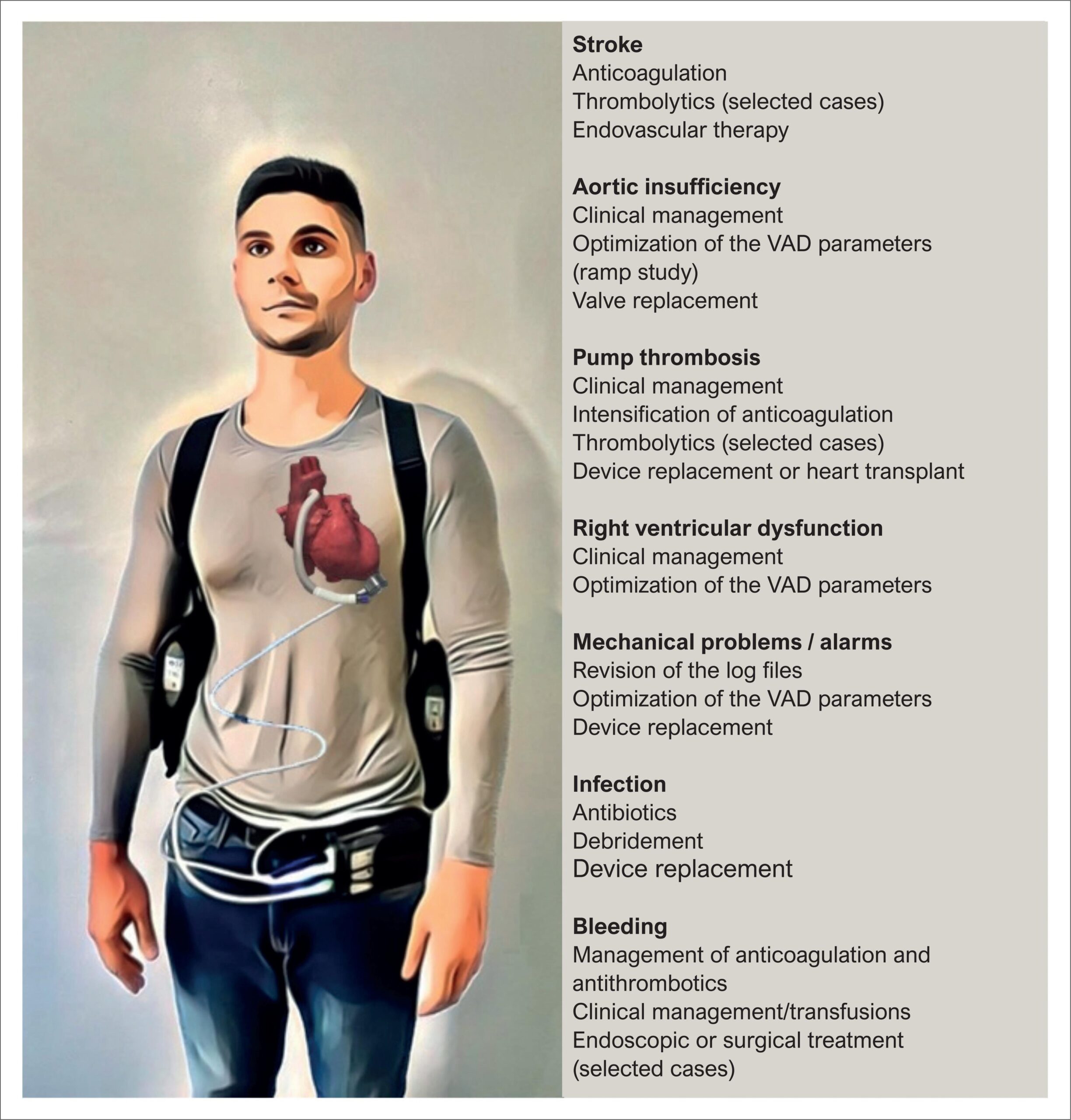
Advanced heart failure (HF) is associated with reduced quality of life and high hospitalization and mortality rates. Ventricular assist devices (VADs) promote an increase in cardiac output, and consequently improvements in body functions, functional capacity and patient survival. However, the use of VAD may be associated with complications and require systematic and specialized care. Ischemic and hemorrhagic stroke is among the most feared complications and its occurrence is related to thrombus formation in the pump. The connection between the driveline and the external power source is a potential source of infection that may extend to the mediastinum. Management of bleeding caused by anticoagulation therapy may be challenging, since discontinuation of the treatment may lead to thrombus formation. Aortic insufficiency and right ventricular dysfunction may occur, particularly in prolonged periods of support, requiring optimization of VAD parameters and clinical management. Although uncommon, mechanical failure of the VAD may occur and require replacement of the pump or even heart transplant. Thus, identification and management of the main complications of VAD in patients with advanced HF is needed, so that strategies for prevention and rigorous clinical follow-up can be implemented. This review aims to summarize the main adverse events in patients with long-term VAD.
  • Heart Failure
  • Heart-Assist Devices
  • Ventricular Dysfunction, Left
Read Full Article
Creative Commons Attribution (CC BY) Creative Commons license
29/06/2022 DOI: 10.36660/abchf.20220044 Views 1
Viewpoint

Use of Intra-Aortic Balloon Pump in Cardiogenic Shock Associated with Advanced Heart Failure: An Outdated Strategy?

Ciro Mancilha Murad et al. Sandrigo Mangini

The use of an intra-aortic balloon pump (IABP) was first described in the 1960s., It is a short-term circulatory assist device that uses helium gas for inflation of a balloon positioned in the descending aorta during diastole and active deflation during systole. The most evident hemodynamic effects are increased coronary perfusion, reduced left ventricular afterload, and an increase in cardiac output by 0.5 to 1 L/min., Due to its greater availability, lower cost, easy implantation, and low complication rates, IABP quickly became the most used percutaneous device in cardiogenic shock. Nevertheless, in spite of the advantages described and the extensive clinical experience, there are still some controversies in relation to its use.

The randomized IABP-SHOCK II Trial evaluated the use of IABP versus clinical treatment in patients with post-acute myocardial infarction (AMI) cardiogenic shock. In this study, the use of IABP did not reduce the primary endpoint of 30-day mortality or the relevant secondary outcomes, and, from then on, the use of IABP in post-AMI cardiogenic shock started to be discouraged by guidelines, with class III, level of evidence B for routine use (not recommended)., It is, however, noteworthy that other devices that provide greater hemodynamic support compared to IABP have also not shown a benefit in increasing survival in post-AMI cardiogenic shock.

[…]

  • Heart Failure
  • Heart Transplantation
  • Intra-Aortic Balloon Pumping
Read Full Article
Creative Commons Attribution (CC BY) Creative Commons license
29/06/2022 DOI: 10.36660/abchf.20220033
Figure 1
Review Article

Invasive Cardiopulmonary Hemodynamic Assessment in Patients with Advanced Heart Failure: How to Interpret?

Bruno Biselli et al. Luis Fernando Bernal da Costa Seguro

Abstract

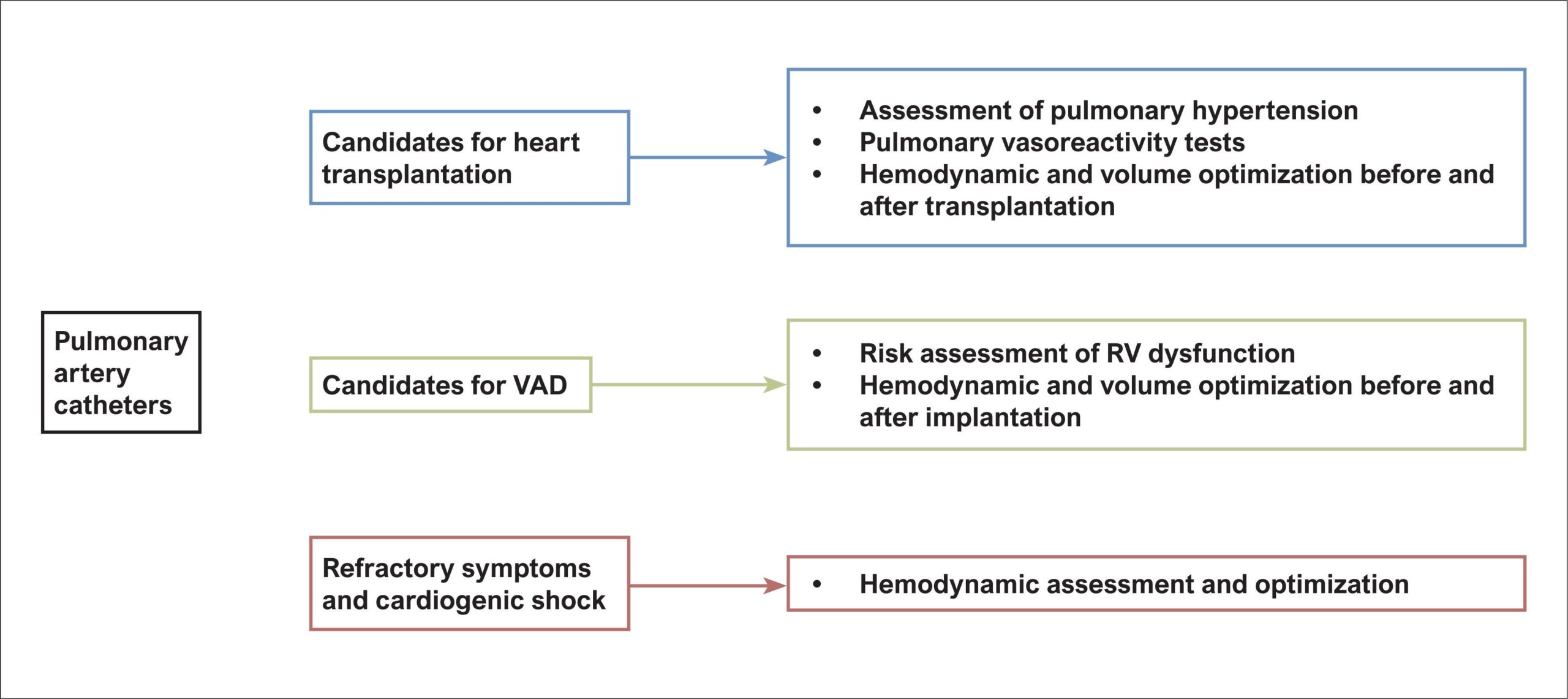
Invasive cardiopulmonary hemodynamic assessment by means of a pulmonary artery catheter is an important tool for evaluating patients with advanced heart failure. It makes it possible to definitively diagnose pulmonary hypertension and, when pulmonary hypertension is present, to classify it as isolated post-capillary or combined pre- and post-capillary. Its use is mandatory in evaluation for heart transplantation and mechanical circulatory assist device implantation. Furthermore, it can be very useful in the management of cardiogenic shock.

  • Heart Failure
  • Hemodynamic Monitoring
  • Pulmonary Hypertension
Read Full Article
Creative Commons Attribution (CC BY) Creative Commons license
29/06/2022 DOI: 10.36660/abchf.20220042 Views 1
Editorial

Heart Transplant from a Genetically-Modified Pig: A Paradigm Shift?

Fernando Bacal

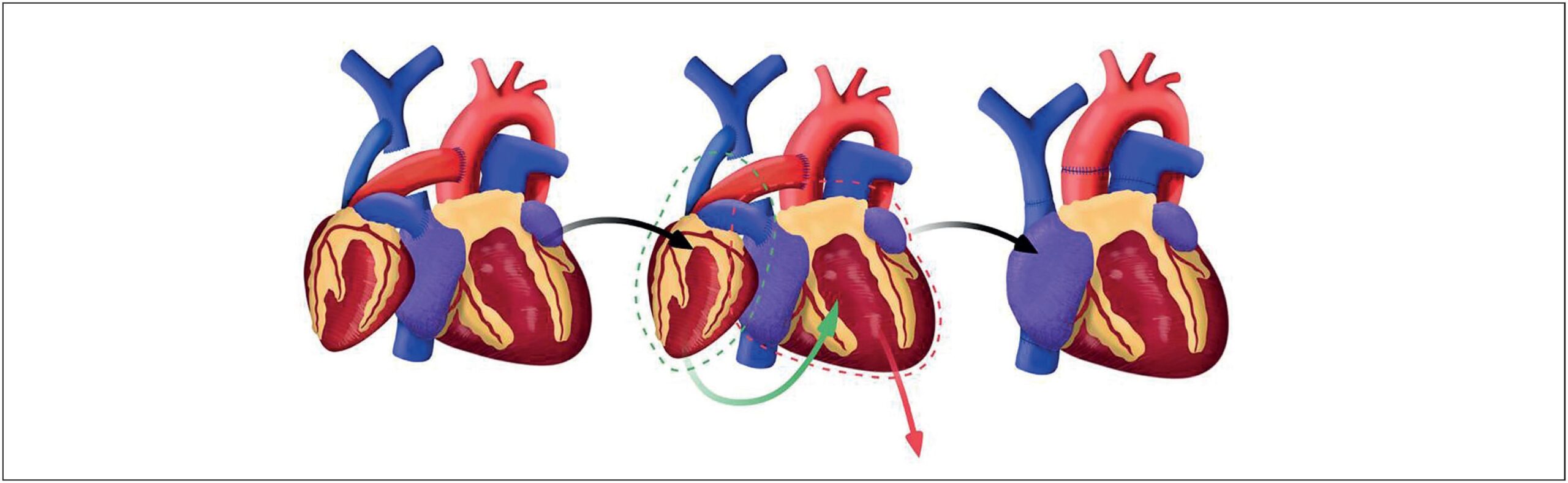
Heart transplant remains the therapy of choice for patients with end-stage heart failure but is limited by chronic shortage of donated organs. Mechanical circulatory support (MCS) devices, with modern designs, have been used as destiny therapy, yielding better results that have positively impacted patient survival. The indications for MCS have significantly increased and become part of the current context of potential candidates for transplant, be it as destiny therapy, bridge-to-transplant or bridge-to candidacy. However, there remains a considerable number of patients who would benefit from the transplant if the availability of donated organs was higher. According to the Brazilian Organ Transplant Association (ABTO), approximately 400 heart transplants are performed yearly in Brazil, but the demand for this procedure is 1,600 per year, i.e., many patients die waiting for an organ.

A possible solution for this issue is xenotransplantation, the process of transplanting organs from other animals, which has gained increasing interest in the last years, for a combination of reasons. First, the efficacy of preclinical models has improved, with an increase in survival time of xenografts. Second, the rapid advances in genome editing, particularly the advent of CRISPR (Clustered Regularly Interspaced Short Palindromic Repeats), which allowed the generation of donor pigs with multiple genetic protection modifications; what used to take years can now be done in months, with more accurate and comprehensive results. Third, the spectrum of the porcine endogenous retrovirus (PERV) significantly reduced. There is no evidence of PERV transmission in clinical trials of preclinical models, and novel treatment options and even elimination of these viral diseases are now available. Due to its potential, the importance of xenotransplantation as a solution for the shortage of human organs and tissues remains a great hope for the transplant community, especially for the patients who face advanced disease and high mortality while waiting for a donated heart.

[…]

  • Allergy and Immunology
  • Genetically Modified Animals
  • Heart Transplantation
  • Heterologous
  • Swine
  • Transplantation
Read Full Article
Creative Commons Attribution (CC BY) Creative Commons license
29/06/2022 DOI: 10.36660/abchf.20220027 Views 1
Original Article

Cognitive Frailty and Depressive Symptoms in Heart Transplant Candidates: Rational and Study Design

France Matos de Oliveira et al. Erika Tiemi Ikeda Luis Fernando Bernal da Costa Seguro Mônica Samuel Avila … Iascara Wozniak de Campos Marcus Vinicius B. Santos Maria Ignez Zanetti Feltrim Silvia Helena Gelas Lage Edimar Alcides Bocchi Victor Sarli Issa Miguel Morita Fernandes-Silva Fábio Antônio Gaiotto Fernando Bacal Fabiana Goulart Marcondes-Braga Sandrigo Mangini

Abstract

Background:

Patients with advanced heart disease have impaired cognitive abilities and higher probability of depressive symptoms. These factors contribute to negative outcomes of treatment, such as the development of comorbidities, higher hospitalization and mortality rates, poor treatment compliance and self-care, and decrease in quality of life and functionality.

Objective:

To describe the prevalence and to evaluate the impact of cognitive frailty in patients in the waiting list of heart transplantation, with death while waiting transplantation and priority transplantation as clinical outcomes.

Methods:

Longitudinal, prospective study evaluating cognitive frailty in 150 patients with advanced heart failure referred to transplantation in a hospital in Sao Paulo. Volunteers older than 18 years of age, hospitalized or in outpatient care, in the waiting list of transplantation will be considered eligible and will be assess within one month after being included in the waitlist. Cognitive performance will be assessed using the Montreal Cognitive Assessment and the battery of neuropsychological test Wechsler Abbreviated Scale of Intelligence (WASI). The symptoms of depression will be assessed by the Beck Depression Inventory.

Results:

The study will allow to describe the prevalence of cognitive frailty and its relationship with treatment outcomes in a Brazilian population.

Conclusion:

Data from this study will allow the analysis of associations between cognitive profile and severity of heart failure in patients referred to transplantation and their effects on clinical outcomes.

  • Cognitive Frailty
  • Heart Failure
  • Heart Transplant
Read Full Article
Creative Commons Attribution (CC BY) Creative Commons license
29/06/2022 DOI: 10.36660/abchf.20220052 Views 2
Figure 1
Special Article

How to Implement a Heart Transplant Program for Patients with Advanced Heart Failure

Carlos Aurélio Santos Aragão et al. Ciro Mancilha Murad Fabiana G. Marcondes-Braga Fernando Bacal

Introduction

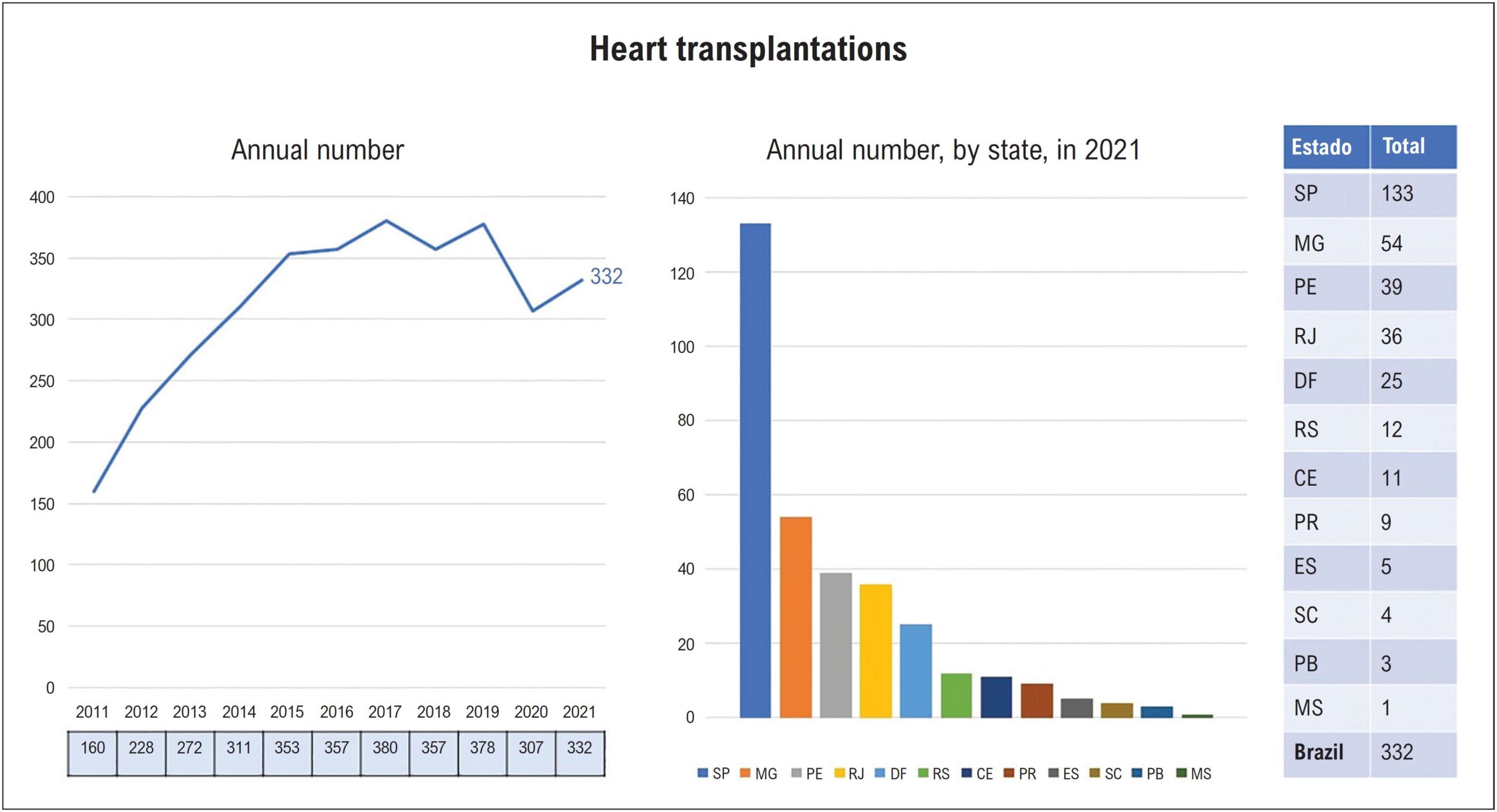
Patients with heart failure (HF) refractory to guideline-directed medical therapy should be considered for advanced therapies, such as heart transplantation (HT), ventricular assist devices, or even palliative care in cases where these procedures are contraindicated or unavailable. In this scenario, HT is the standard treatment. Brazil has shown a significant increase in the number of transplants in recent years, but this number is still not compatible with the number of patients who require this treatment. Furthermore, most transplants are concentrated in few regions and centers (). The following factors limit the growth in the number of HTs performed in Brazil: few qualified transplant centers, inadequate care for donors, critical condition of recipients, and limited access to medium- and long-term circulatory assist devices. Transplant centers aim to optimize recipients’ clinical condition, to create logistical conditions to increase the efficiency of organ procurement, and to train professionals, thus generating a positive impact on the number and the outcomes of transplants. The organization of a transplant center with a multidisciplinary team is essential to improve not only the care provided to the recipient, but also the entire process involved in HT, including organ procurement. Transplant centers are composed of a broad multidisciplinary team responsible for evaluating and optimizing recipients’ clinical conditions, evaluation of donors, operationalization of procurement, perioperative care, and long-term care of HT recipients (). Teams are usually composed of the following: clinical cardiologists, cardiovascular surgeons dedicated to HT, nurses, biomedical doctors, intensive care specialists, infectious disease specialists, pathologists, immunologists, and others.

In this article, we will describe the functioning of one of the transplant centers in Brazil, which performs approximately 50 adult HTs annually and which works on a dedicated basis 24 hours a day, 7 days a week, with emphasis on the importance of a multidisciplinary team and each member’s respective functions.

[…]

  • Heart Failure
  • Heart Transplantation
  • Interdisciplinary Research
Read Full Article
Creative Commons Attribution (CC BY) Creative Commons license
29/06/2022 DOI: 10.36660/abchf.20220025
Research Letter

The Impact of Clonal Hematopoiesis of Indeterminate Potential on Advanced Heart Failure

Santiago Alonso Tobar Leitão et al. Fernando Luis Scolari Jefferson Luís Vieira Peter Libby

Introduction

The many processes that contribute to age-related diseases include Harman’s free-radical telomere shortening, inflammaging, and Medewar’s mutation accumulation theory, especially in hematological malignancies., As we age, hematopoietic stem cells may acquire mutations that modulate their function, proliferation, or survival, thus expanding the pool of mutated cells in blood, a process termed clonal hematopoiesis (CH). With the addition of cooperating mutations, CH cells may progress to myelodysplastic syndrome and acute myeloid leukemia at rates ranging from 0.5 to 1% per year. There are dozens of known CH-driver genes, a subset of the known leukemia driver genes, the most frequent of which are DMNT3A, TET2, ASXL1, and JAK2, which account for approximately 80% of all CH mutations. CH increases with age: more than 2% of cells (Variant Allele Fraction [VAF]) will have these mutations in approximately 10% of individuals aged 70 years. Indeed, new and highly sensitive targeted sequencing techniques have shown nearly ubiquitous CH mutations in adults over 30 years of age.

Although the risk of developing a hematologic malignancy is more than 10-fold in individuals with CH, most will have no overt manifestation, hence the term: Clonal Hematopoiesis of Indeterminate Potential (CHIP). Surprisingly, people with CHIP who carry leukocyte clones with mutated leukemia driver genes have a higher risk of developing and/or progressing to non-hematologic conditions of other age-related diseases, such as dementia, osteoporosis, stroke, and cardiovascular diseases. Various mechanisms linked with these diseases are associated with CHIP, including an excessive inflammatory response due to inflammasome activation and enhanced expression of inflammatory cytokines such as IL-1β and IL-6, increased thrombotic potential, and impaired DNA repair.–

[…]

  • Cardiovascular risk
  • CHIP
  • Clonal Hematopoiesis
  • Heart Failure
  • Inflammation
  • Mutations
Read Full Article
Creative Commons Attribution (CC BY) Creative Commons license
29/06/2022 DOI: 10.36660/abchf.20220038 Views 1
Figure 1
Viewpoint

Is There Room for New Drugs in the Treatment of Advanced Heart Failure: SGLT2i?

Victor Sarli Issa

Over the last years, we have witnessed the inclusion of the use of sodium-glucose cotransporter 2 inhibitors (SGLT2i) for the treatment of patients with heart failure. Drugs in this group share the fact that they are able to inhibit glucose transport in the proximal tubule and thus promote glycosuria and blood glucose reduction in patients with diabetes. Other effects of these medications include increasing diuresis and natriuresis, lowering blood pressure, stimulating erythropoiesis, improving cardiac energy metabolism, reducing inflammation, inhibiting the sympathetic nervous system, preventing cardiac remodeling, preventing ischemia-reperfusion injury, inhibiting the Na+/H+ exchanger, reducing hyperuricemia, increasing autophagy and lysosomal degradation, decreasing epicardial fat, increasing erythropoietin levels, increasing circulating vascular progenitor cells, decreasing oxidative stress, and improving vascular function.

SGLT2i were initially tested for glycemic control in patients with diabetes mellitus,– and it was quickly noted that, in addition to their antidiabetic effect, these drugs were able to significantly reduce cardiovascular events, especially episodes of decompensated heart failure. Based on these results, the natural sequence was to evaluate SGLT2i in patients with heart failure. The initial results obtained were among patients with heart failure with reduced ejection fraction, with the DAPA-HF (evaluating dapagliflozin) and EMPEROR-Reduced (evaluating empagliflozin) studies, which showed that inhibition of sodium-glucose cotransporter 2 (SGLT2) reduced the combined risk of cardiovascular death or hospitalization due to heart failure in patients with heart failure with reduced ejection fraction, with or without diabetes. More recently, we have seen positive results in the context of heart failure with preserved ejection fraction, although the effects of medication have mainly focused on the group of patients with slightly reduced ejection fraction.

[…]

  • Blood Vessels
  • Heart Failure
  • Prognosis
Read Full Article
Creative Commons Attribution (CC BY) Creative Commons license
29/06/2022 DOI: 10.36660/abchf.20220030 Views 1
Central illustration
Viewpoint

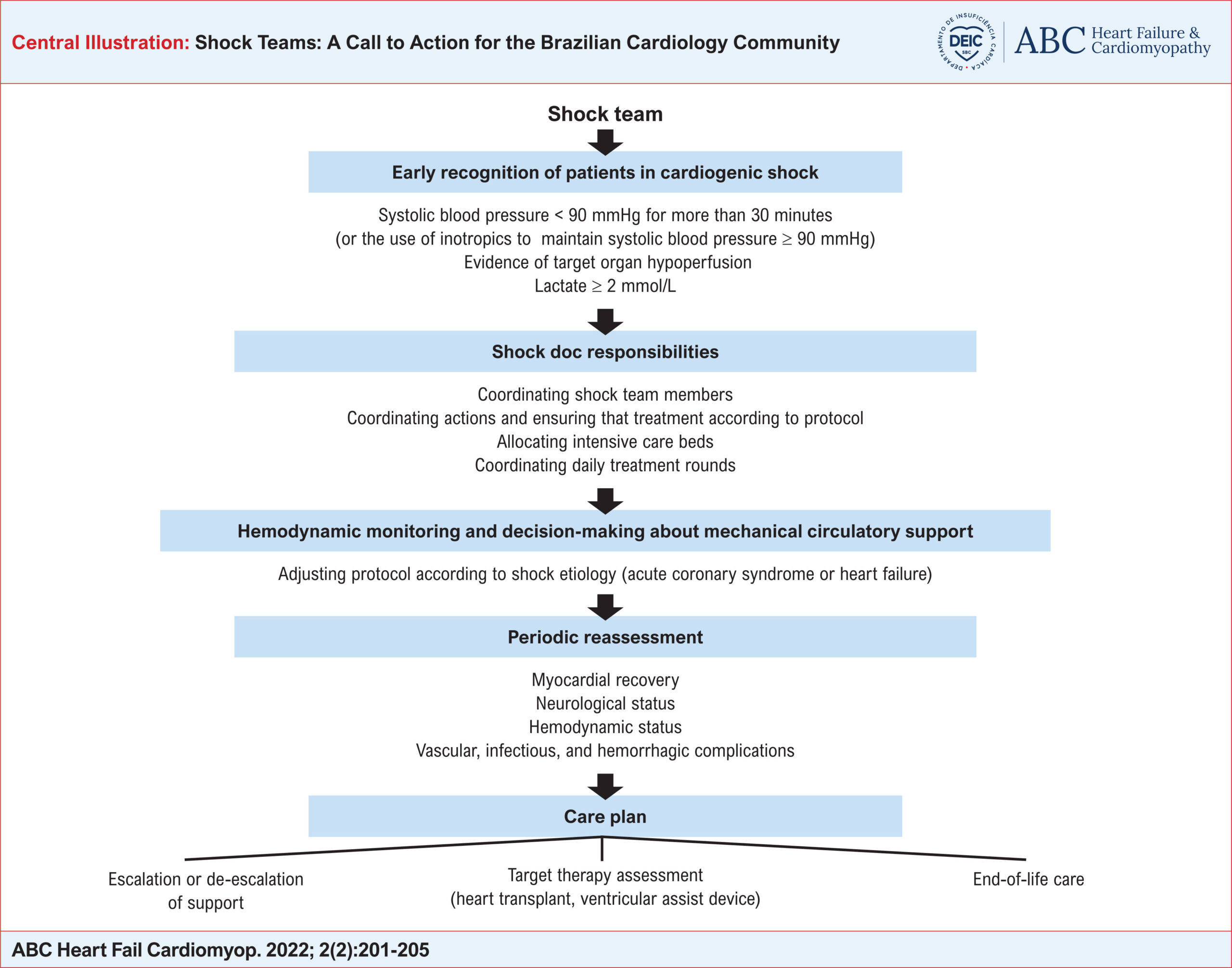
Shock Teams: A Call to Action for the Brazilian Cardiology Community

Livia Adams Goldraich et al. Laura Hastenteufel Felipe H. Valle Nadine Clausell

Introduction

Despite advances in diagnosis and treatment over the last 30 years, especially in myocardial reperfusion therapies, mortality from cardiogenic shock remains high worldwide, with 50% of cases resulting in adverse outcomes., In particular, there has been an increase in the incidence of non-ischemic cardiogenic shock (ie, associated with acute and/or advanced chronic heart failure), which has led to a shift with less patients hospitalized due to acute ischemic syndromes in critical cardiology units..,

In the last decade, due to persistently high mortality and the complexity of presentation and treatment involved in cardiogenic shock, especially of non-ischemic etiology, some institutions, particularly in the United States, developed process of care to improve outcomes for these patients, resulting in “shock teams”, which were based on other successful initiatives to manage critical situations through multidisciplinary teams acting according to systematized protocols, such as rapid response teams, trauma teams, and stroke teams.,

[…]

  • Cardiogenic shock
  • Heart Failure
  • Myocardial Reperfusion
Read Full Article
Creative Commons Attribution (CC BY) Creative Commons license
29/06/2022 DOI: 10.36660/abchf.20220032 Views 2
Figure 1
Research Letter

The Heart-Gut Microbiome Intersection in Heart Failure

Jefferson L. Vieira et al. Alessandra F.R.R. Sidrim Mandeep R. Mehra

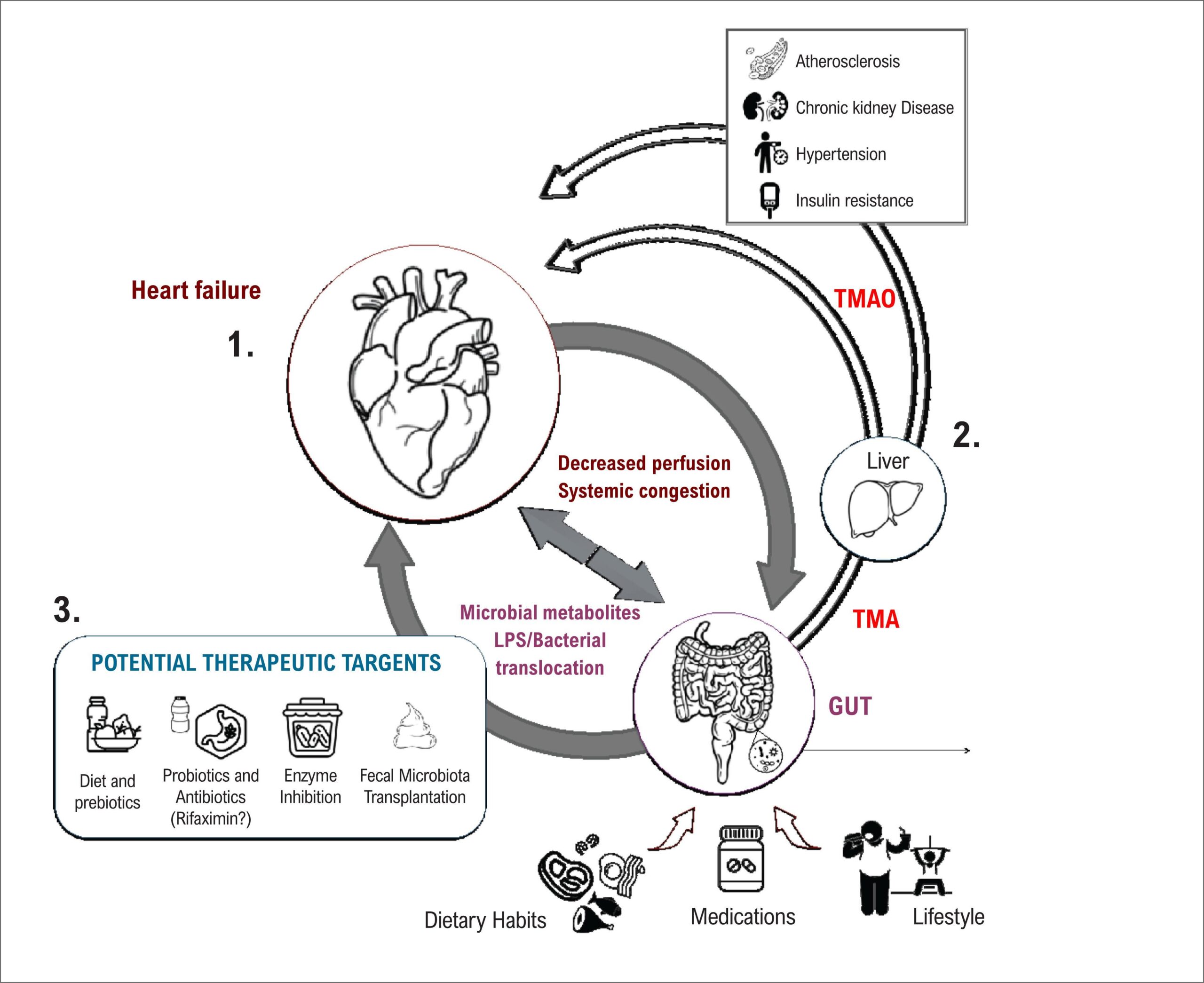
The human body is co-inhabited by over a trillion microorganisms, including > 2000 species of bacteria, archaea, viruses, and single-celled eukaryotes that live symbiotically with their hosts. The gut microbiota is a dynamic and complex ecological community in the gastrointestinal tract, an essentially anaerobic environment with abundant nutrients and ideal conditions for colonization; it acts as a virtual endocrine system that communicates with organs through metabolism-dependent pathways, releasing de novo products and transforming external nutrients and host metabolites into hormone-like signals.

In addition to metabolic benefits, the gut microbiota provides essential capacities for regulating the intestinal epithelial barrier, immune homeostasis, optimal immune responses, and protection against pathogen colonization.– One of the most important roles of gut microbiota is to act in digestion and nutrient absorption, producing short-chain fatty acids that serve as energy substrate for intestinal epithelial cells. After short-chain fatty acids bind to their receptor, the enteroendocrine hormone peptide YY is released, which regulates host appetite and contributes to dietary energy availability. Intestinal flora act to convert various dietary nutrients into trimethylamine, which is rapidly absorbed and oxidized in the liver to produce trimethylamine N-oxide (TMAO). Some foods, like red meat, eggs, and fish, are rich in nutritional precursors that can be converted into trimethylamine through specific microbial enzymes; therefore, a change in microbiota composition can alter circulating TMAO levels.

[…]

  • Dysbiosis
  • Gastrointestinal Microbiome
  • Heart Failure
Read Full Article
Creative Commons Attribution (CC BY) Creative Commons license
29/06/2022 DOI: 10.36660/abchf.20220039
Figure 1
Viewpoint

Intra-Aortic Balloon Pump Placement in the Axillary Artery: Where are We?

Gustavo André Boeing Boros et al. Claudia Yanet San Martin de Bernoche Pedro Felipe Gomes Nicz

The prevalence of patients with heart failure (HF) in Brazil is high, with an increasing number of hospitalizations for advanced HF in tertiary care services. This suggests that patients’ conditions are persistently more severe, with recurrent episodes of pulmonary congestion or low cardiac output requiring frequent hospitalization. Multidisciplinary clinical support and optimized medical therapy are fundamental in the treatment of these patients. However, in refractory cases, bridge or destination therapies such as circulatory or ventricular assist devices (VADs) and heart transplantation may be indicated.,

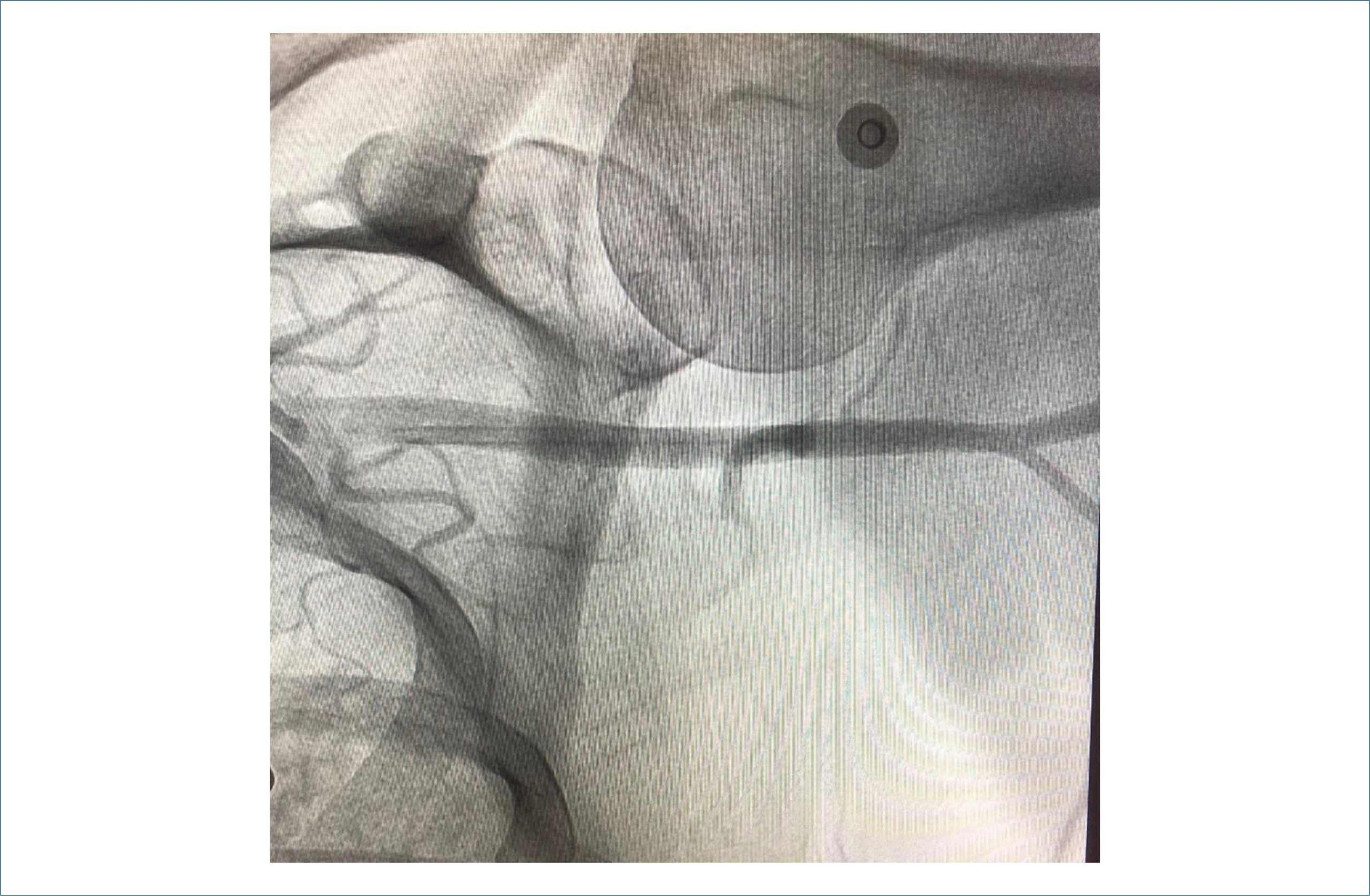
Patients with decompensated INTERMACS 2 or 1 HF may have an indication for mechanical circulatory support (MCS) during hospital stay. Devices currently available in Brazil include intra-aortic balloon pump (IABP), Impella CP, venoarterial extracorporeal membrane oxygenation, and Centrimag. The IABP is the most used device in Brazil and worldwide due to easy access, cost-effectiveness, and simple implant procedure and management. Despite having a modest effect on cardiac output, the IABP has a significant impact on circulatory hemodynamics, is simpler to use, and has an equal or superior safety profile compared with more modern devices.–

[…]

  • Axillary Artery
  • Heart Failure
  • Intra-Aortic Balloon Pumping
Read Full Article
Creative Commons Attribution (CC BY) Creative Commons license
29/06/2022 DOI: 10.36660/abchf.20220034
Research Letter

Ethical and Legal Aspects of Palliative Care in Heart Failure in Brazil

Daniel Battacini Dei Santi

Introduction

Terminal heart failure (HF) poses numerous difficulties to clinical practice, with ethical, moral, and legal dilemmas. Given that it is an advanced stage of incurable and progressive diseases, the few therapeutic possibilities that are available and tolerated aim to delay evolution, attempt to maintain the balance of organic functions, control symptoms, and offer comfort to patients. Generally, the clinical context is complex, involving interaction with other morbidities, low functionality, frailty, and high symptomatology.–

There is undoubtedly a high risk of death, in addition to a risk of suffering from the conditions caused by the disease or resulting from treatments. Decision making in terminal HF is a challenge, in the continuous search for adequate therapies that offer strategies that benefit the patient, without adding more risks or damages than are already inherent to their clinical condition.,

[…]

  • Ethics
  • Heart Failure
  • Jurisprudence
  • Palliative Care
  • Terminal Care
Read Full Article
Creative Commons Attribution (CC BY) Creative Commons license
29/06/2022 DOI: 10.36660/abchf.20220040 Views 1
Case Report

Intermittent Inotrope Infusion Associated with Peritoneal Dialysis for Management of Advanced Heart Failure Secondary to Cardiac Amyloidosis

Ana Paula Otaviano et al. Breno Tadao de Paiva Eto Pedro Vellosa Schwartzmann

Introduction

Advanced heart failure (HF) represents a therapeutic challenge, characterized by quality of life deterioration and multiple hospitalizations. When HF is secondary to cardiac amyloidosis, the recommended treatment for HF may have an unfavorable clinical course. In advanced HF cases, the clinical scenario is even more challenging.

[…]

  • Amyloidosis
  • Cardiotonic Agents
  • Heart Failure
Read Full Article
Creative Commons Attribution (CC BY) Creative Commons license
29/06/2022 DOI: 10.36660/abchf.20220049 Views 1
Figure 1
Original Article

Association of Age with Optimal Medical Therapy in Patients with Chronic Heart Failure

Vitoria A. A. Koga et al. Luiza Dall’Asta Thiago L. P. Jacyntho Leonardo C. De-Marchi … Rodrigo P. Mulinari Bruna A. Ladeira Maria E. R. F. Nemeth Odilson M. Silvestre Marcely Gimenes Bonatto Lidia Ana Zytynski Moura Miguel Morita Fernandes-Silva

Abstract

Background:

The adherence to guideline-directed medical therapy in patients with heart failure (HF) remains suboptimal.

Objectives:

We evaluated the association between age and adherence to guideline-directed medical therapy in patients with chronic HF and explored whether polypharmacy and comorbidities might explain this association.

Methods:

We performed a cross-sectional study of 374 patients with chronic HF and left ventricle ejection fraction < 50% (23 to 89 years old, 33% women) between 2018 and 2019. GDMT was defined as using HF-related disease-modifying medications at the target dose according to guidelines. Patients were classified in 3 age groups (23 to 57, 58 to 67, and 68 to 89 years old).

Results:

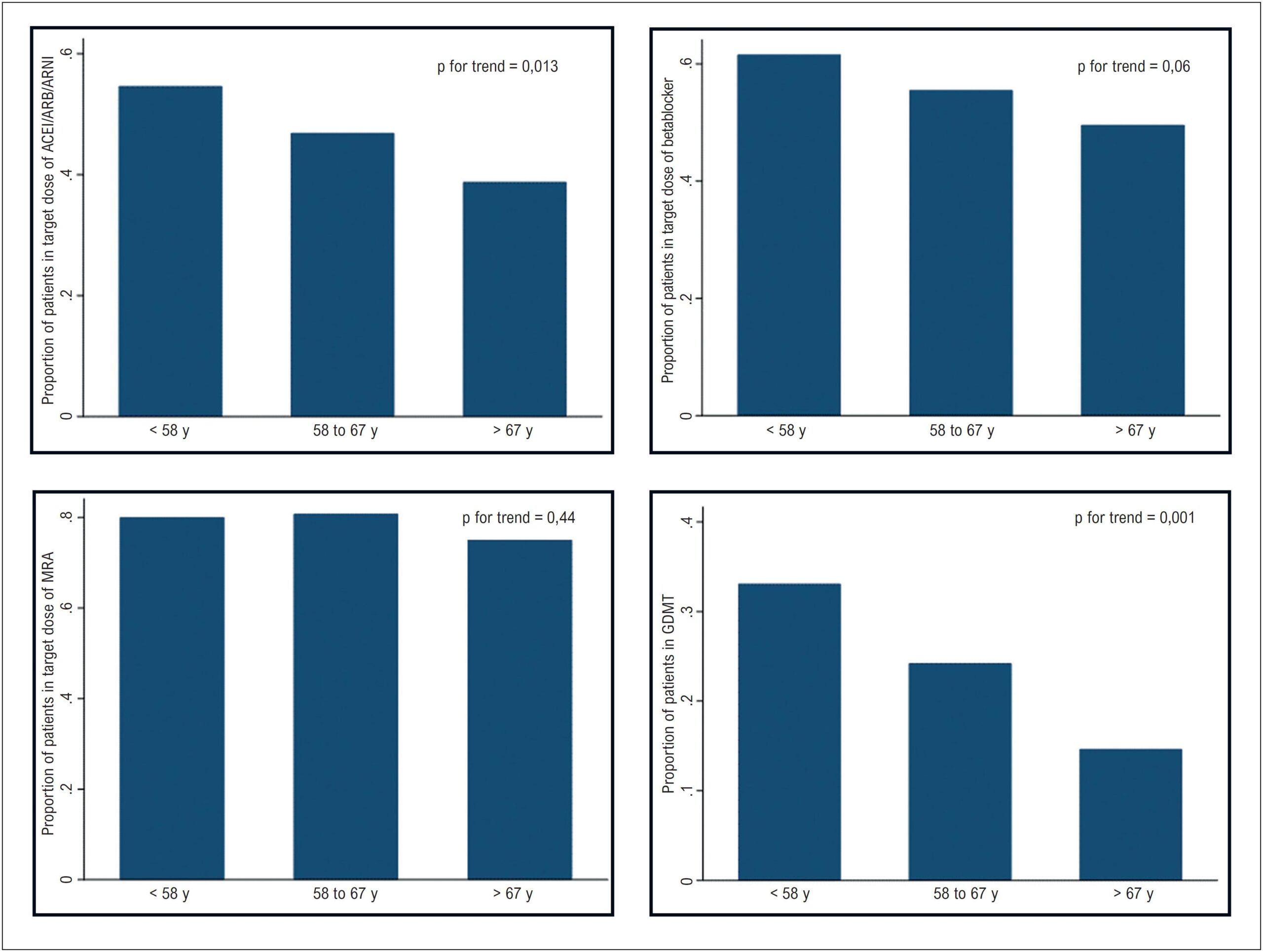
Older patients were less likely to receive optimal therapy (33% versus 24% versus 15%, p < 0.001 for each age category, respectively). After adjusting for potential confounders, the chances of receiving medical therapy at optimal dose significantly reduced for each age-decade increase (OR 0.66 [95% confidence interval 0.48 – 0.92], p = 0.013). The proportion of this association that was explained by polypharmacy (0% [0% – 3.5%]) or comorbidities (7% [0% – 41%]) was negligible.

Conclusion:

We found that age was inversely associated with optimal drug therapy for HF, and polypharmacy or comorbidities do not appear to explain this.

  • aging
  • Drug Therapy
  • Heart Failure
  • Polypharmacy
Read Full Article
Creative Commons Attribution (CC BY) Creative Commons license
29/06/2022 DOI: 10.36660/abchf.20220050 Views 1
Viewpoint

Swan-Ganz Catheter and Lack of Evidence: Does it Reflect Clinical Practice?

Joana Carolina Junqueira de Brum et al. Luiz Claudio Danzmann

The physician is faced with a septuagenarian patient with chronic heart failure (HF) of severe ischemic etiology. She progresses with a major hemorrhagic complication after attempted percutaneous revascularization. In spite of volume compensation, she shows signs of respiratory infection, and, notwithstanding adequate antibiotic therapy, she continues to deteriorate clinically with signs of hypoperfusion, albeit with borderline blood pressure levels.

Would indication of invasive hemodynamic monitoring be scientifically associated with reduced clinical outcomes in this case? Acute clinical syndromes imply a greater degree of difficulty for conducting clinical trials, and some approaches applied in practice have not yet been tested in the ideal Cartesian model. The case described above seems to be a good justification for this discussion.

[…]

  • Functional Residual Capacity
  • Heart Failure
  • Swan-Ganz Catheterization
Read Full Article
Creative Commons Attribution (CC BY) Creative Commons license
29/06/2022 DOI: 10.36660/abchf.20220036
Figure 1
Review Article

Treatment Strategies for Refractory Congestion

Germana Porto Linhares et al. João Davi Souza Neto

Abstract

Worsening congestion is the main reason for hospitalization of most acute heart failure (AHF) patients. However, most patients are discharged with residual congestion, resulting in early readmissions that portend poor outcomes. Diuretics remain the mainstay of therapy. Nevertheless, these drugs stimulate the renin-angiotensin–aldosterone (RAA) axis and the sympathetic system and elicit adaptive responses in the nephron that may be counterproductive and lead to diuretic resistance. Renal failure and AHF are common and coexist in up to 40% of cases. Diuretic strategies that rely on combinations of diuretics are emphasized as a method to prevent resistance. If diuretic resistance does develop, higher-dose combination regimens, hypertonic saline solution, and mechanical ultrafiltration can be used to overcome diuretic adaptations and restore diuretic efficacy.

  • Diuretics
  • Heart Failure
  • Ultrafiltration
Read Full Article
Creative Commons Attribution (CC BY) Creative Commons license
29/06/2022 DOI: 10.36660/abchf.20220043 Views 1
Research Letter

When to Suspect Advanced Heart Failure in Heart Failure with Preserved Ejection Fraction?

Miguel Morita Fernandes-Silva et al. Fabiana G. Marcondes-Braga

Author Contributions

Writing of the manuscript and Critical revision of the manuscript for intellectual content: Fernandes-Silva MM, Marcondes-Braga FG.

[…]

  • Advanced Heart Failure
  • Ejection Fraction
  • Heart Failure
Read Full Article
Creative Commons Attribution (CC BY) Creative Commons license
29/06/2022 DOI: 10.36660/abchf.20220037 Views 1
Case Report

Incessant Malignant Ventricular Arrhythmia in a Patient with Advanced Heart Failure: A Case Report

Ciro Mancilha Murad et al. Iáscara Wozniak de Campos

Introduction

The occurrence of refractory ventricular arrhythmia in patients with heart failure (HF) is a therapeutic dilemma. These patients, especially in the presence of advanced disease, may experience multiple triggering factors for ventricular arrhythmia, such as myocardial fibrosis, ischemia, hydroelectrolytic disorders, ventricular distention, the arrhythmogenic potential of drugs, and the underlying disease itself.– Conversely, sustained ventricular arrhythmias cause hemodynamic compromise, resulting in further ischemia and ventricular distension. This can lead to a vicious cycle of hemodynamic worsening with an increasingly arrhythmogenic myocardium. Usual treatment consists of direct current (DC) cardioversion, antiarrhythmic drugs, myocardial revascularization (when indicated), and catheter ablation. However, invasive procedures are always considered high risk in such cases. We report the case of a patient with incessant ventricular arrhythmia resistant to several types of treatment.

[…]

  • Heart Failure
  • Intra-Aortic Balloon Pumping
  • Tachycardia, Ventricular
Read Full Article
Creative Commons Attribution (CC BY) Creative Commons license
29/06/2022 DOI: 10.36660/abchf.20220047 Views 1
Editorial

Long-Term Ventricular Assist Devices: Where are We in Brazil?

Silvia Moreira Ayub-Ferreira et al. Bruno Biselli

The use of long-term ventricular assist devices (VADs) as a therapeutic option in patients with advanced heart failure (HF) refractory to drug therapy is well established worldwide. The latest update of the Interagency Registry for Mechanically Assisted Circulatory Support (INTERMACS) reported more than 27,000 VAD implants between 2010 and 2019, with approximately 3,000 implants annually in recent years. In addition, 12-month survival rates after implantation reached 82%, with significantly improved quality of life and functional capacity.

The technological development of VADs in the last decade has dramatically changed the type of device used. Between 2010 and 2014, axial-flow devices accounted for most VAD implants. Since 2017, centrifugal-flow VADs with magnetic levitation have had a significant increase in the number of implants, accounting for 75% of implanted devices in 2019.

[…]

  • Cardiogenic shock
  • Heart Failure
  • Heart-Assist Devices
Read Full Article
Creative Commons Attribution (CC BY) Creative Commons license
29/06/2022 DOI: 10.36660/abchf.20220026 Views 1
Viewpoint

Is There Room for Sacubitril-Valsartan in the Treatment of Advanced Heart Failure?

Luis E. Rohde

PARADIGM-HF, published in 2014, was a landmark in the modern pharmacological treatment of heart failure (HF). After several years and numerous clinical trials with disappointing results,– a new class of drugs was able to produce concrete results in clinically relevant outcomes. In this pivotal study, sacubitril-valsartan, a molecule consisting of a neprilysin inhibitor and an angiotensin-receptor blocker (ARB), drastically reduced hospitalizations for HF, cardiovascular mortality, and overall mortality. The study included more than 8,000 outpatients, mostly New York Heart Association (NYHA) class II or III. Because of its differential mechanism, aimed at amplifying the natriuretic response and the effect of other vasoactive molecules, sacubitril-valsartan could induce pronounced vasodilation, natriuresis and inhibition of cystic fibrosis. These clinical benefits could potentially be extended to the whole spectrum of HF, including more advanced stages of the disease.

Although national and international guidelines have recommended the use of sacubitril-valsartan for HF patients with reduced ejection fraction (HFrEF) and NYHA class ≥II, it is worth mentioning that 100 mmHg at screening were enrolled. Nearly 20% of patients screened for the trial did not complete the two run-in periods for presenting, among others, low blood pressure and low glomerular filtration rate, both characteristics of advanced HF. Similarly, the PIONEER-HF trial, that tested sacubitril-valsartan in patients with acute congestive HF, also included few patients with NYHA class IV.

[…]

  • Heart Failure
  • Sacubitril-Valsartan
  • Treatment
Read Full Article
Creative Commons Attribution (CC BY) Creative Commons license
29/06/2022 DOI: 10.36660/abchf.20220029
Figure 1
Case Report

VA-ECMO in Cardiogenic Shock as a Bridge to Heart Transplantation

Renato Bueno Chaves et al. Marcelo Botelho Ulhoa Milla Carolina Costa Lafetá Araújo

Introduction

The use of venoarterial extracorporeal membrane oxygenation (VA-ECMO) in cardiogenic shock as a direct bridge to heart transplantation is highly controversial. Most hospitals only use VA-ECMO as a bridge to decision, recovery, or other long-lasting devices.–

We report a successful case of VA-ECMO as a bridge to urgent heart transplantation in a patient in INTERMACS I cardiogenic shock. There was complete recovery of tissue oxygen and renal and liver functions, allowing for heart transplant in a patient with overall improved organ functions. In selected cases, VA-ECMO is a relatively low-cost alternative to mechanical circulatory support that could be more easily implemented in Brazilian hospitals.

[…]

  • Cardiogenic shock
  • ECMO
  • Transplant
Read Full Article
Creative Commons Attribution (CC BY) Creative Commons license
29/06/2022 DOI: 10.36660/abchf.20220046 Views 1
Case Report

Management of Patients with Advanced Heart Failure According to Hemodynamic Parameters

Carlos Aurélio dos Santos Aragão et al. Daniella Motta da Costa Dan Mônica Samuel Ávila

Introduction

Heart failure (HF) is characterized by progressive functional or structural worsening of the myocardium. Despite significant therapeutic advances that have improved survival and quality of life, HF still has high morbidity and mortality rates. Patients with HF may progress with refractory disease, whose gold standard treatment is heart transplantation (HT).,

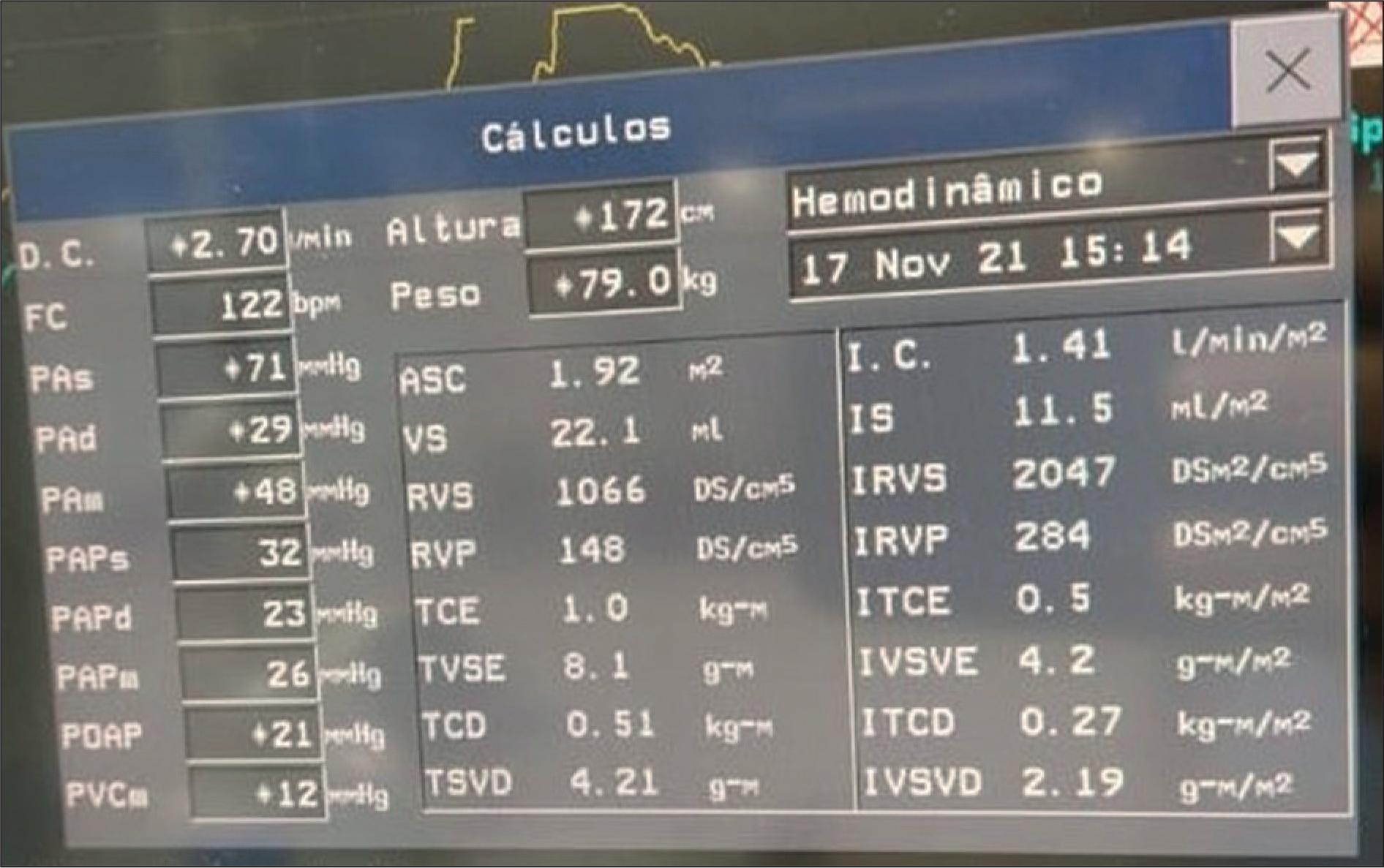
The assessment of pulmonary hemodynamics is indicated for HT candidates. The presence of fixed pulmonary hypertension (PH) is a contraindication for HT because it promotes right ventricular (RV) dysfunction in the graft, reducing post-HT survival. In addition, the assessment of hemodynamic parameters helps in bedside therapeutic management, including in the setting of PH, favoring HT indication., We report a successful case of optimal bedside therapy guided by invasive hemodynamic parameters.

[…]

  • Advanced Heart Failure
  • Hemodynamics
  • Management
Read Full Article
Creative Commons Attribution (CC BY) Creative Commons license
29/06/2022 DOI: 10.36660/abchf.20220048 Views 2
Figure 1
Review Article

I NEED HELP: How to Indentify Patients with Advanced Cardiac Dysfunction?

Jacqueline Sampaio S. Miranda et al. Antonio Fatorelli Luciana Ferreira Vitor Salles Ana Luiza Sales

Abstract

Heart failure (HF) is a clinical syndrome characterized by inadequate tissue oxygen supply. In spite of the best current approach to heart diseases, population aging in individuals with heart disease has resulted in increased incidence of HF.

In Brazil, HF represents the second leading cause of hospitalization due to cardiovascular diseases, and it has high mortality in its most advanced stage. The difficult recognition of therapeutic refractoriness can often lead to delays in referral to specialized centers that are able to promote reduced symptoms, improved quality of life, and increased survival.

Therapeutic options are limited in advanced HF, and heart transplantation is the therapy of choice. Organ availability is a major limitation, making circulatory support an increasingly present reality, with improved results.

  • Classification
  • Heart Failure
  • Heart Transplantation
Read Full Article
Creative Commons Attribution (CC BY) Creative Commons license
29/06/2022 DOI: 10.36660/abchf.20220041 Views 1
Figure 1
Editorial

Biologic Left Ventricular Assist: A New Strategy for Patients with Advanced Heart Failure with Pulmonary Hypertension

Fábio Antônio Gaiotto et al. Samuel Padovani Steffen

Pulmonary arterial hypertension due to increased vascular resistance is a clinical condition that directly impacts the prognosis of patients with heart failure (HF), and it is considered one of the main contraindications to orthotopic heart transplantation. Although hemodynamic values vary in the literature, there is a consensus that pulmonary artery systolic pressure above 50 mmHg, transpulmonary gradient above 15 mmHg, and pulmonary vascular resistance above 3 Wood units, when unresponsive to vasodilators, contraindicate orthotopic transplantation. Therapeutic strategies to decrease or reverse this condition are a challenge in clinical practice, which, if resolved, may allow definitive treatment of HF with orthotopic transplantation.

The use of long-term continuous-flow left circulatory assistance devices as a bridge to candidacy is a reality in large transplant centers in developed countries. Several studies have demonstrated that device implantation not only leads to the expected eligibility for orthotopic transplantation in some patients; it also improves the quality of life of patients for whom it ends up remaining as the target therapy. In a study recently carried out by Ruan et al, it was demonstrated that, approximately 6 months after device implantation, there was a reduction and stabilization of pulmonary pressure. The reversal of pulmonary hypertension through left assistance devices is possible, given that there is an important decrease in filling pressures by means of the continuous emptying of the left ventricle.

[…]

  • Heart Failure
  • Heart Transplantation
  • Hypertension Pulmonary
Read Full Article
Creative Commons Attribution (CC BY) Creative Commons license
29/06/2022 DOI: 10.36660/abchf.20220028 Views 1

Could not load more articles. Please try again.

How to cite this article

EndNote RIS

Electronic Document Format (Vancouver)

Lemos DMP, Silvano GP, Luz KR, Saffi MAL, Vieira MVP, Scolari FL, Goldraich LA, et al. Long-Term Ventricular Assist Devices – Main Complications in Contemporary Clinical Practice. ABC: Heart Failure & Cardiomyopathy 2022;2(2):182-91.

Electronic Document Format (ABNT)

Lemos, Dayanna Machado Pires; Silvano, Gustavo Paes; Luz, Kely Regina da; Saffi, Marco Aurélio Lumertz; Vieira, Marcus Vinicius Przepiorka; Scolari, Fernando Luis; Goldraich, Lívia Adams. Long-Term Ventricular Assist Devices – Main Complications in Contemporary Clinical Practice. ABC: Heart Failure & Cardiomyopathy, v. 2, n. 2, p. 182-191, Jun. 2022.

Electronic Document Format (APA)

Lemos, D. M. P., Silvano, G. P., Luz, K. R. , Saffi, M. A. L., Vieira, M. V. P., Scolari, F. L., & Goldraich, L. A. (2022). Long-Term Ventricular Assist Devices – Main Complications in Contemporary Clinical Practice. ABC: Heart Failure & Cardiomyopathy, 2(2), 182-191.

Electronic Document Format (ISO)

Lemos, Dayanna Machado Pires and Silvano, Gustavo Paes and Luz, Kely Regina da and Saffi, Marco Aurélio Lumertz and Vieira, Marcus Vinicius Przepiorka and Scolari, Fernando Luis and Goldraich, Lívia Adams. Long-Term Ventricular Assist Devices – Main Complications in Contemporary Clinical Practice. ABC: Heart Failure & Cardiomyopathy [online]. 2022, vol. 2, n. 2, [cited 2026-10-14], pp. 182-191. Available from: <https://journals.cardiol.br/en/article/long-term-ventricular-assist-devices-main-complications-in-contemporary-clinical-practice/>

EndNote RIS

Electronic Document Format (Vancouver)

Murad CM, Mangini S. Use of Intra-Aortic Balloon Pump in Cardiogenic Shock Associated with Advanced Heart Failure: An Outdated Strategy?. ABC: Heart Failure & Cardiomyopathy 2022;2(2):206-8.

Electronic Document Format (ABNT)

Murad, Ciro Mancilha; Mangini, Sandrigo. Use of Intra-Aortic Balloon Pump in Cardiogenic Shock Associated with Advanced Heart Failure: An Outdated Strategy?. ABC: Heart Failure & Cardiomyopathy, v. 2, n. 2, p. 206-208, Jun. 2022.

Electronic Document Format (APA)

Murad, C. M., & Mangini, S. (2022). Use of Intra-Aortic Balloon Pump in Cardiogenic Shock Associated with Advanced Heart Failure: An Outdated Strategy?. ABC: Heart Failure & Cardiomyopathy, 2(2), 206-208.

Electronic Document Format (ISO)

Murad, Ciro Mancilha and Mangini, Sandrigo. Use of Intra-Aortic Balloon Pump in Cardiogenic Shock Associated with Advanced Heart Failure: An Outdated Strategy?. ABC: Heart Failure & Cardiomyopathy [online]. 2022, vol. 2, n. 2, [cited 2026-10-14], pp. 206-208. Available from: <https://journals.cardiol.br/en/article/use-of-intra-aortic-balloon-pump-in-cardiogenic-shock-associated-with-advanced-heart-failure-an-outdated-strategy/>

EndNote RIS

Electronic Document Format (Vancouver)

Biselli B, Seguro LFBC. Invasive Cardiopulmonary Hemodynamic Assessment in Patients with Advanced Heart Failure: How to Interpret?. ABC: Heart Failure & Cardiomyopathy 2022;2(2):165-72.

Electronic Document Format (ABNT)

Biselli, Bruno; Seguro, Luis Fernando Bernal da Costa. Invasive Cardiopulmonary Hemodynamic Assessment in Patients with Advanced Heart Failure: How to Interpret?. ABC: Heart Failure & Cardiomyopathy, v. 2, n. 2, p. 165-172, Jun. 2022.

Electronic Document Format (APA)

Biselli, B., & Seguro, L. F. B. C. (2022). Invasive Cardiopulmonary Hemodynamic Assessment in Patients with Advanced Heart Failure: How to Interpret?. ABC: Heart Failure & Cardiomyopathy, 2(2), 165-172.

Electronic Document Format (ISO)

Biselli, Bruno and Seguro, Luis Fernando Bernal da Costa. Invasive Cardiopulmonary Hemodynamic Assessment in Patients with Advanced Heart Failure: How to Interpret?. ABC: Heart Failure & Cardiomyopathy [online]. 2022, vol. 2, n. 2, [cited 2026-10-14], pp. 165-172. Available from: <https://journals.cardiol.br/en/article/invasive-cardiopulmonary-hemodynamic-assessment-in-patients-with-advanced-heart-failure-how-to-interpret/>

EndNote RIS

Electronic Document Format (Vancouver)

Bacal F. Heart Transplant from a Genetically-Modified Pig: A Paradigm Shift?. ABC: Heart Failure & Cardiomyopathy 2022;2(2):133-5.

Electronic Document Format (ABNT)

Bacal, Fernando. Heart Transplant from a Genetically-Modified Pig: A Paradigm Shift?. ABC: Heart Failure & Cardiomyopathy, v. 2, n. 2, p. 133-135, Jun. 2022.

Electronic Document Format (APA)

Bacal, F. (2022). Heart Transplant from a Genetically-Modified Pig: A Paradigm Shift?. ABC: Heart Failure & Cardiomyopathy, 2(2), 133-135.

Electronic Document Format (ISO)

Bacal, Fernando. Heart Transplant from a Genetically-Modified Pig: A Paradigm Shift?. ABC: Heart Failure & Cardiomyopathy [online]. 2022, vol. 2, n. 2, [cited 2026-10-14], pp. 133-135. Available from: <https://journals.cardiol.br/en/article/heart-transplant-from-a-genetically-modified-pig-a-paradigm-shift/>

EndNote RIS

Electronic Document Format (Vancouver)

Oliveira FM, Ikeda ET, Seguro LFBC, Avila MS, Campos IW, Santos MVB, Feltrim MIZ, et al. Cognitive Frailty and Depressive Symptoms in Heart Transplant Candidates: Rational and Study Design. ABC: Heart Failure & Cardiomyopathy 2022;2(2):152-6.

Electronic Document Format (ABNT)

Oliveira, France Matos de; Ikeda, Erika Tiemi; Seguro, Luis Fernando Bernal da Costa; Avila, Mônica Samuel; Campos, Iascara Wozniak de; Santos, Marcus Vinicius B.; Feltrim, Maria Ignez Zanetti; Lage, Silvia Helena Gelas; Bocchi, Edimar Alcides; Issa, Victor Sarli; Fernandes-Silva, Miguel Morita; Gaiotto, Fábio Antônio; Bacal, Fernando; Marcondes-Braga, Fabiana Goulart; Mangini, Sandrigo. Cognitive Frailty and Depressive Symptoms in Heart Transplant Candidates: Rational and Study Design. ABC: Heart Failure & Cardiomyopathy, v. 2, n. 2, p. 152-156, Jun. 2022.

Electronic Document Format (APA)

Oliveira, F. M. , Ikeda, E. T., Seguro, L. F. B. C., Avila, M. S., Campos, I. W. , Santos, M. V. B., Feltrim, M. I. Z., Lage, S. H. G., Bocchi, E. A., Issa, V. S., Fernandes-Silva, M. M., Gaiotto, F. A., Bacal, F., Marcondes-Braga, F. G., & Mangini, S. (2022). Cognitive Frailty and Depressive Symptoms in Heart Transplant Candidates: Rational and Study Design. ABC: Heart Failure & Cardiomyopathy, 2(2), 152-156.

Electronic Document Format (ISO)

Oliveira, France Matos de and Ikeda, Erika Tiemi and Seguro, Luis Fernando Bernal da Costa and Avila, Mônica Samuel and Campos, Iascara Wozniak de and Santos, Marcus Vinicius B. and Feltrim, Maria Ignez Zanetti and Lage, Silvia Helena Gelas and Bocchi, Edimar Alcides and Issa, Victor Sarli and Fernandes-Silva, Miguel Morita and Gaiotto, Fábio Antônio and Bacal, Fernando and Marcondes-Braga, Fabiana Goulart and Mangini, Sandrigo. Cognitive Frailty and Depressive Symptoms in Heart Transplant Candidates: Rational and Study Design. ABC: Heart Failure & Cardiomyopathy [online]. 2022, vol. 2, n. 2, [cited 2026-10-14], pp. 152-156. Available from: <https://journals.cardiol.br/en/article/cognitive-frailty-and-depressive-symptoms-in-heart-transplant-candidates-rational-and-study-design/>

EndNote RIS

Electronic Document Format (Vancouver)

Aragão CAS, Murad CM, Marcondes-Braga FG, Bacal F. How to Implement a Heart Transplant Program for Patients with Advanced Heart Failure. ABC: Heart Failure & Cardiomyopathy 2022;2(2):126-30.

Electronic Document Format (ABNT)

Aragão, Carlos Aurélio Santos; Murad, Ciro Mancilha; Marcondes-Braga, Fabiana G.; Bacal, Fernando. How to Implement a Heart Transplant Program for Patients with Advanced Heart Failure. ABC: Heart Failure & Cardiomyopathy, v. 2, n. 2, p. 126-130, Jun. 2022.

Electronic Document Format (APA)

Aragão, C. A. S., Murad, C. M., Marcondes-Braga, F. G., & Bacal, F. (2022). How to Implement a Heart Transplant Program for Patients with Advanced Heart Failure. ABC: Heart Failure & Cardiomyopathy, 2(2), 126-130.

Electronic Document Format (ISO)

Aragão, Carlos Aurélio Santos and Murad, Ciro Mancilha and Marcondes-Braga, Fabiana G. and Bacal, Fernando. How to Implement a Heart Transplant Program for Patients with Advanced Heart Failure. ABC: Heart Failure & Cardiomyopathy [online]. 2022, vol. 2, n. 2, [cited 2026-10-14], pp. 126-130. Available from: <https://journals.cardiol.br/en/article/how-to-implement-a-heart-transplant-program-for-patients-with-advanced-heart-failure/>

EndNote RIS

Electronic Document Format (Vancouver)

Leitão SAT, Scolari FL, Vieira JL, Libby P. The Impact of Clonal Hematopoiesis of Indeterminate Potential on Advanced Heart Failure. ABC: Heart Failure & Cardiomyopathy 2022;2(2):218-21.

Electronic Document Format (ABNT)

Leitão, Santiago Alonso Tobar; Scolari, Fernando Luis; Vieira, Jefferson Luís; Libby, Peter. The Impact of Clonal Hematopoiesis of Indeterminate Potential on Advanced Heart Failure. ABC: Heart Failure & Cardiomyopathy, v. 2, n. 2, p. 218-221, Jun. 2022.

Electronic Document Format (APA)

Leitão, S. A. T., Scolari, F. L., Vieira, J. L., & Libby, P. (2022). The Impact of Clonal Hematopoiesis of Indeterminate Potential on Advanced Heart Failure. ABC: Heart Failure & Cardiomyopathy, 2(2), 218-221.

Electronic Document Format (ISO)

Leitão, Santiago Alonso Tobar and Scolari, Fernando Luis and Vieira, Jefferson Luís and Libby, Peter. The Impact of Clonal Hematopoiesis of Indeterminate Potential on Advanced Heart Failure. ABC: Heart Failure & Cardiomyopathy [online]. 2022, vol. 2, n. 2, [cited 2026-10-14], pp. 218-221. Available from: <https://journals.cardiol.br/en/article/the-impact-of-clonal-hematopoiesis-of-indeterminate-potential-on-advanced-heart-failure/>

EndNote RIS

Electronic Document Format (Vancouver)

Issa VS. Is There Room for New Drugs in the Treatment of Advanced Heart Failure: SGLT2i?. ABC: Heart Failure & Cardiomyopathy 2022;2(2):195-7.

Electronic Document Format (ABNT)

Issa, Victor Sarli. Is There Room for New Drugs in the Treatment of Advanced Heart Failure: SGLT2i?. ABC: Heart Failure & Cardiomyopathy, v. 2, n. 2, p. 195-197, Jun. 2022.

Electronic Document Format (APA)

Issa, V. S. (2022). Is There Room for New Drugs in the Treatment of Advanced Heart Failure: SGLT2i?. ABC: Heart Failure & Cardiomyopathy, 2(2), 195-197.

Electronic Document Format (ISO)

Issa, Victor Sarli. Is There Room for New Drugs in the Treatment of Advanced Heart Failure: SGLT2i?. ABC: Heart Failure & Cardiomyopathy [online]. 2022, vol. 2, n. 2, [cited 2026-10-14], pp. 195-197. Available from: <https://journals.cardiol.br/en/article/is-there-room-for-new-drugs-in-the-treatment-of-advanced-heart-failure-sglt2i/>

EndNote RIS

Electronic Document Format (Vancouver)

Goldraich LA, Hastenteufel L, Valle FH, Clausell N. Shock Teams: A Call to Action for the Brazilian Cardiology Community. ABC: Heart Failure & Cardiomyopathy 2022;2(2):201-5.

Electronic Document Format (ABNT)

Goldraich, Livia Adams; Hastenteufel, Laura; Valle, Felipe H.; Clausell, Nadine. Shock Teams: A Call to Action for the Brazilian Cardiology Community. ABC: Heart Failure & Cardiomyopathy, v. 2, n. 2, p. 201-205, Jun. 2022.

Electronic Document Format (APA)

Goldraich, L. A., Hastenteufel, L., Valle, F. H., & Clausell, N. (2022). Shock Teams: A Call to Action for the Brazilian Cardiology Community. ABC: Heart Failure & Cardiomyopathy, 2(2), 201-205.

Electronic Document Format (ISO)

Goldraich, Livia Adams and Hastenteufel, Laura and Valle, Felipe H. and Clausell, Nadine. Shock Teams: A Call to Action for the Brazilian Cardiology Community. ABC: Heart Failure & Cardiomyopathy [online]. 2022, vol. 2, n. 2, [cited 2026-10-14], pp. 201-205. Available from: <https://journals.cardiol.br/en/article/shock-teams-a-call-to-action-for-the-brazilian-cardiology-community/>

EndNote RIS

Electronic Document Format (Vancouver)

Vieira JL, Sidrim AF, Mehra MR. The Heart-Gut Microbiome Intersection in Heart Failure. ABC: Heart Failure & Cardiomyopathy 2022;2(2):222-5.

Electronic Document Format (ABNT)

Vieira, Jefferson L.; Sidrim, Alessandra F.R.R.; Mehra, Mandeep R.. The Heart-Gut Microbiome Intersection in Heart Failure. ABC: Heart Failure & Cardiomyopathy, v. 2, n. 2, p. 222-225, Jun. 2022.

Electronic Document Format (APA)

Vieira, J. L., Sidrim, A. F., & Mehra, M. R. (2022). The Heart-Gut Microbiome Intersection in Heart Failure. ABC: Heart Failure & Cardiomyopathy, 2(2), 222-225.

Electronic Document Format (ISO)

Vieira, Jefferson L. and Sidrim, Alessandra F.R.R. and Mehra, Mandeep R.. The Heart-Gut Microbiome Intersection in Heart Failure. ABC: Heart Failure & Cardiomyopathy [online]. 2022, vol. 2, n. 2, [cited 2026-10-14], pp. 222-225. Available from: <https://journals.cardiol.br/en/article/the-heart-gut-microbiome-intersection-in-heart-failure/>

EndNote RIS

Electronic Document Format (Vancouver)

Boros GAB, Bernoche CYSM, Nicz PFG. Intra-Aortic Balloon Pump Placement in the Axillary Artery: Where are We?. ABC: Heart Failure & Cardiomyopathy 2022;2(2):209-11.

Electronic Document Format (ABNT)

Boros, Gustavo André Boeing; Bernoche, Claudia Yanet San Martin de; Nicz, Pedro Felipe Gomes. Intra-Aortic Balloon Pump Placement in the Axillary Artery: Where are We?. ABC: Heart Failure & Cardiomyopathy, v. 2, n. 2, p. 209-211, Jun. 2022.

Electronic Document Format (APA)

Boros, G. A. B., Bernoche, C. Y. S. M. , & Nicz, P. F. G. (2022). Intra-Aortic Balloon Pump Placement in the Axillary Artery: Where are We?. ABC: Heart Failure & Cardiomyopathy, 2(2), 209-211.

Electronic Document Format (ISO)

Boros, Gustavo André Boeing and Bernoche, Claudia Yanet San Martin de and Nicz, Pedro Felipe Gomes. Intra-Aortic Balloon Pump Placement in the Axillary Artery: Where are We?. ABC: Heart Failure & Cardiomyopathy [online]. 2022, vol. 2, n. 2, [cited 2026-10-14], pp. 209-211. Available from: <https://journals.cardiol.br/en/article/intra-aortic-balloon-pump-placement-in-the-axillary-artery-where-are-we/>

EndNote RIS

Electronic Document Format (Vancouver)

Santi DBD. Ethical and Legal Aspects of Palliative Care in Heart Failure in Brazil. ABC: Heart Failure & Cardiomyopathy 2022;2(2):226-8.

Electronic Document Format (ABNT)

Santi, Daniel Battacini Dei. Ethical and Legal Aspects of Palliative Care in Heart Failure in Brazil. ABC: Heart Failure & Cardiomyopathy, v. 2, n. 2, p. 226-228, Jun. 2022.

Electronic Document Format (APA)

Santi, D. B. D. (2022). Ethical and Legal Aspects of Palliative Care in Heart Failure in Brazil. ABC: Heart Failure & Cardiomyopathy, 2(2), 226-228.

Electronic Document Format (ISO)

Santi, Daniel Battacini Dei. Ethical and Legal Aspects of Palliative Care in Heart Failure in Brazil. ABC: Heart Failure & Cardiomyopathy [online]. 2022, vol. 2, n. 2, [cited 2026-10-14], pp. 226-228. Available from: <https://journals.cardiol.br/en/article/ethical-and-legal-aspects-of-palliative-care-in-heart-failure-in-brazil/>

EndNote RIS

Electronic Document Format (Vancouver)

Otaviano AP, Eto BTP, Schwartzmann PV. Intermittent Inotrope Infusion Associated with Peritoneal Dialysis for Management of Advanced Heart Failure Secondary to Cardiac Amyloidosis. ABC: Heart Failure & Cardiomyopathy 2022;2(2):237-8.

Electronic Document Format (ABNT)

Otaviano, Ana Paula; Eto, Breno Tadao de Paiva; Schwartzmann, Pedro Vellosa. Intermittent Inotrope Infusion Associated with Peritoneal Dialysis for Management of Advanced Heart Failure Secondary to Cardiac Amyloidosis. ABC: Heart Failure & Cardiomyopathy, v. 2, n. 2, p. 237-238, Jun. 2022.

Electronic Document Format (APA)

Otaviano, A. P., Eto, B. T. P., & Schwartzmann, P. V. (2022). Intermittent Inotrope Infusion Associated with Peritoneal Dialysis for Management of Advanced Heart Failure Secondary to Cardiac Amyloidosis. ABC: Heart Failure & Cardiomyopathy, 2(2), 237-238.

Electronic Document Format (ISO)

Otaviano, Ana Paula and Eto, Breno Tadao de Paiva and Schwartzmann, Pedro Vellosa. Intermittent Inotrope Infusion Associated with Peritoneal Dialysis for Management of Advanced Heart Failure Secondary to Cardiac Amyloidosis. ABC: Heart Failure & Cardiomyopathy [online]. 2022, vol. 2, n. 2, [cited 2026-10-14], pp. 237-238. Available from: <https://journals.cardiol.br/en/article/intermittent-inotrope-infusion-associated-with-peritoneal-dialysis-for-management-of-advanced-heart-failure-secondary-to-cardiac-amyloidosis/>

EndNote RIS

Electronic Document Format (Vancouver)

Koga VAA, Dall’Asta L, Jacyntho TLP, De-Marchi LC, Mulinari RP, Ladeira BA, Nemeth MERF, et al. Association of Age with Optimal Medical Therapy in Patients with Chronic Heart Failure. ABC: Heart Failure & Cardiomyopathy 2022;2(2):138-45.

Electronic Document Format (ABNT)

Koga, Vitoria A. A.; Dall’Asta, Luiza; Jacyntho, Thiago L. P.; De-Marchi, Leonardo C.; Mulinari, Rodrigo P.; Ladeira, Bruna A.; Nemeth, Maria E. R. F.; Silvestre, Odilson M.; Bonatto, Marcely Gimenes; Moura, Lidia Ana Zytynski; Fernandes-Silva, Miguel Morita. Association of Age with Optimal Medical Therapy in Patients with Chronic Heart Failure. ABC: Heart Failure & Cardiomyopathy, v. 2, n. 2, p. 138-145, Jun. 2022.

Electronic Document Format (APA)

Koga, V. A. A., Dall’Asta, L., Jacyntho, T. L. P., De-Marchi, L. C., Mulinari, R. P., Ladeira, B. A., Nemeth, M. E. R. F., Silvestre, O. M., Bonatto, M. G., Moura, L. A. Z., & Fernandes-Silva, M. M. (2022). Association of Age with Optimal Medical Therapy in Patients with Chronic Heart Failure. ABC: Heart Failure & Cardiomyopathy, 2(2), 138-145.

Electronic Document Format (ISO)

Koga, Vitoria A. A. and Dall’Asta, Luiza and Jacyntho, Thiago L. P. and De-Marchi, Leonardo C. and Mulinari, Rodrigo P. and Ladeira, Bruna A. and Nemeth, Maria E. R. F. and Silvestre, Odilson M. and Bonatto, Marcely Gimenes and Moura, Lidia Ana Zytynski and Fernandes-Silva, Miguel Morita. Association of Age with Optimal Medical Therapy in Patients with Chronic Heart Failure. ABC: Heart Failure & Cardiomyopathy [online]. 2022, vol. 2, n. 2, [cited 2026-10-14], pp. 138-145. Available from: <https://journals.cardiol.br/en/article/association-of-age-with-optimal-medical-therapy-in-patients-with-chronic-heart-failure/>

EndNote RIS

Electronic Document Format (Vancouver)

Brum JCJ, Danzmann LC. Swan-Ganz Catheter and Lack of Evidence: Does it Reflect Clinical Practice?. ABC: Heart Failure & Cardiomyopathy 2022;2(2):212-3.

Electronic Document Format (ABNT)

Brum, Joana Carolina Junqueira de; Danzmann, Luiz Claudio. Swan-Ganz Catheter and Lack of Evidence: Does it Reflect Clinical Practice?. ABC: Heart Failure & Cardiomyopathy, v. 2, n. 2, p. 212-213, Jun. 2022.

Electronic Document Format (APA)

Brum, J. C. J. , & Danzmann, L. C. (2022). Swan-Ganz Catheter and Lack of Evidence: Does it Reflect Clinical Practice?. ABC: Heart Failure & Cardiomyopathy, 2(2), 212-213.

Electronic Document Format (ISO)

Brum, Joana Carolina Junqueira de and Danzmann, Luiz Claudio. Swan-Ganz Catheter and Lack of Evidence: Does it Reflect Clinical Practice?. ABC: Heart Failure & Cardiomyopathy [online]. 2022, vol. 2, n. 2, [cited 2026-10-14], pp. 212-213. Available from: <https://journals.cardiol.br/en/article/swan-ganz-catheter-and-lack-of-evidence-does-it-reflect-clinical-practice/>

EndNote RIS

Electronic Document Format (Vancouver)

Linhares GP, Souza Neto JD. Treatment Strategies for Refractory Congestion. ABC: Heart Failure & Cardiomyopathy 2022;2(2):173-81.

Electronic Document Format (ABNT)

Linhares, Germana Porto; Souza Neto, João Davi. Treatment Strategies for Refractory Congestion. ABC: Heart Failure & Cardiomyopathy, v. 2, n. 2, p. 173-181, Jun. 2022.

Electronic Document Format (APA)

Linhares, G. P., & Souza Neto, J. D. (2022). Treatment Strategies for Refractory Congestion. ABC: Heart Failure & Cardiomyopathy, 2(2), 173-181.

Electronic Document Format (ISO)

Linhares, Germana Porto and Souza Neto, João Davi. Treatment Strategies for Refractory Congestion. ABC: Heart Failure & Cardiomyopathy [online]. 2022, vol. 2, n. 2, [cited 2026-10-14], pp. 173-181. Available from: <https://journals.cardiol.br/en/article/treatment-strategies-for-refractory-congestion/>

EndNote RIS

Electronic Document Format (Vancouver)

Fernandes-Silva MM, Marcondes-Braga FG. When to Suspect Advanced Heart Failure in Heart Failure with Preserved Ejection Fraction?. ABC: Heart Failure & Cardiomyopathy 2022;2(2):214-7.

Electronic Document Format (ABNT)

Fernandes-Silva, Miguel Morita; Marcondes-Braga, Fabiana G.. When to Suspect Advanced Heart Failure in Heart Failure with Preserved Ejection Fraction?. ABC: Heart Failure & Cardiomyopathy, v. 2, n. 2, p. 214-217, Jun. 2022.

Electronic Document Format (APA)

Fernandes-Silva, M. M., & Marcondes-Braga, F. G. (2022). When to Suspect Advanced Heart Failure in Heart Failure with Preserved Ejection Fraction?. ABC: Heart Failure & Cardiomyopathy, 2(2), 214-217.

Electronic Document Format (ISO)

Fernandes-Silva, Miguel Morita and Marcondes-Braga, Fabiana G.. When to Suspect Advanced Heart Failure in Heart Failure with Preserved Ejection Fraction?. ABC: Heart Failure & Cardiomyopathy [online]. 2022, vol. 2, n. 2, [cited 2026-10-14], pp. 214-217. Available from: <https://journals.cardiol.br/en/article/when-to-suspect-advanced-heart-failure-in-heart-failure-with-preserved-ejection-fraction/>

EndNote RIS

Electronic Document Format (Vancouver)

Murad CM, Campos IW. Incessant Malignant Ventricular Arrhythmia in a Patient with Advanced Heart Failure: A Case Report. ABC: Heart Failure & Cardiomyopathy 2022;2(2):232-3.

Electronic Document Format (ABNT)

Murad, Ciro Mancilha; Campos, Iáscara Wozniak de. Incessant Malignant Ventricular Arrhythmia in a Patient with Advanced Heart Failure: A Case Report. ABC: Heart Failure & Cardiomyopathy, v. 2, n. 2, p. 232-233, Jun. 2022.

Electronic Document Format (APA)

Murad, C. M., & Campos, I. W. (2022). Incessant Malignant Ventricular Arrhythmia in a Patient with Advanced Heart Failure: A Case Report. ABC: Heart Failure & Cardiomyopathy, 2(2), 232-233.

Electronic Document Format (ISO)

Murad, Ciro Mancilha and Campos, Iáscara Wozniak de. Incessant Malignant Ventricular Arrhythmia in a Patient with Advanced Heart Failure: A Case Report. ABC: Heart Failure & Cardiomyopathy [online]. 2022, vol. 2, n. 2, [cited 2026-10-14], pp. 232-233. Available from: <https://journals.cardiol.br/en/article/incessant-malignant-ventricular-arrhythmia-in-a-patient-with-advanced-heart-failure-a-case-report/>

EndNote RIS

Electronic Document Format (Vancouver)

Ayub-Ferreira SM, Biselli B. Long-Term Ventricular Assist Devices: Where are We in Brazil?. ABC: Heart Failure & Cardiomyopathy 2022;2(2):131-2.

Electronic Document Format (ABNT)

Ayub-Ferreira, Silvia Moreira; Biselli, Bruno. Long-Term Ventricular Assist Devices: Where are We in Brazil?. ABC: Heart Failure & Cardiomyopathy, v. 2, n. 2, p. 131-132, Jun. 2022.

Electronic Document Format (APA)

Ayub-Ferreira, S. M., & Biselli, B. (2022). Long-Term Ventricular Assist Devices: Where are We in Brazil?. ABC: Heart Failure & Cardiomyopathy, 2(2), 131-132.

Electronic Document Format (ISO)

Ayub-Ferreira, Silvia Moreira and Biselli, Bruno. Long-Term Ventricular Assist Devices: Where are We in Brazil?. ABC: Heart Failure & Cardiomyopathy [online]. 2022, vol. 2, n. 2, [cited 2026-10-14], pp. 131-132. Available from: <https://journals.cardiol.br/en/article/long-term-ventricular-assist-devices-where-are-we-in-brazil/>

EndNote RIS

Electronic Document Format (Vancouver)

Rohde LE. Is There Room for Sacubitril-Valsartan in the Treatment of Advanced Heart Failure?. ABC: Heart Failure & Cardiomyopathy 2022;2(2):192-4.

Electronic Document Format (ABNT)

Rohde, Luis E.. Is There Room for Sacubitril-Valsartan in the Treatment of Advanced Heart Failure?. ABC: Heart Failure & Cardiomyopathy, v. 2, n. 2, p. 192-194, Jun. 2022.

Electronic Document Format (APA)

Rohde, L. E. (2022). Is There Room for Sacubitril-Valsartan in the Treatment of Advanced Heart Failure?. ABC: Heart Failure & Cardiomyopathy, 2(2), 192-194.

Electronic Document Format (ISO)

Rohde, Luis E.. Is There Room for Sacubitril-Valsartan in the Treatment of Advanced Heart Failure?. ABC: Heart Failure & Cardiomyopathy [online]. 2022, vol. 2, n. 2, [cited 2026-10-14], pp. 192-194. Available from: <https://journals.cardiol.br/en/article/is-there-room-for-sacubitril-valsartan-in-the-treatment-of-advanced-heart-failure/>

EndNote RIS

Electronic Document Format (Vancouver)

Chaves RB, Ulhoa MB, Araújo MCCL. VA-ECMO in Cardiogenic Shock as a Bridge to Heart Transplantation. ABC: Heart Failure & Cardiomyopathy 2022;2(2):229-31.

Electronic Document Format (ABNT)

Chaves, Renato Bueno; Ulhoa, Marcelo Botelho; Araújo, Milla Carolina Costa Lafetá. VA-ECMO in Cardiogenic Shock as a Bridge to Heart Transplantation. ABC: Heart Failure & Cardiomyopathy, v. 2, n. 2, p. 229-231, Jun. 2022.

Electronic Document Format (APA)

Chaves, R. B., Ulhoa, M. B., & Araújo, M. C. C. L. (2022). VA-ECMO in Cardiogenic Shock as a Bridge to Heart Transplantation. ABC: Heart Failure & Cardiomyopathy, 2(2), 229-231.

Electronic Document Format (ISO)

Chaves, Renato Bueno and Ulhoa, Marcelo Botelho and Araújo, Milla Carolina Costa Lafetá. VA-ECMO in Cardiogenic Shock as a Bridge to Heart Transplantation. ABC: Heart Failure & Cardiomyopathy [online]. 2022, vol. 2, n. 2, [cited 2026-10-14], pp. 229-231. Available from: <https://journals.cardiol.br/en/article/va-ecmo-in-cardiogenic-shock-as-a-bridge-to-heart-transplantation/>

EndNote RIS

Electronic Document Format (Vancouver)

Aragão CAS, Dan MC, Ávila MS. Management of Patients with Advanced Heart Failure According to Hemodynamic Parameters. ABC: Heart Failure & Cardiomyopathy 2022;2(2):234-6.

Electronic Document Format (ABNT)

Aragão, Carlos Aurélio dos Santos; Dan, iella Motta da Costa; Ávila, Mônica Samuel. Management of Patients with Advanced Heart Failure According to Hemodynamic Parameters. ABC: Heart Failure & Cardiomyopathy, v. 2, n. 2, p. 234-236, Jun. 2022.

Electronic Document Format (APA)

Aragão, C. A. S., Dan, M. C., & Ávila, M. S. (2022). Management of Patients with Advanced Heart Failure According to Hemodynamic Parameters. ABC: Heart Failure & Cardiomyopathy, 2(2), 234-236.

Electronic Document Format (ISO)

Aragão, Carlos Aurélio dos Santos and Dan, iella Motta da Costa and Ávila, Mônica Samuel. Management of Patients with Advanced Heart Failure According to Hemodynamic Parameters. ABC: Heart Failure & Cardiomyopathy [online]. 2022, vol. 2, n. 2, [cited 2026-10-14], pp. 234-236. Available from: <https://journals.cardiol.br/en/article/management-of-patients-with-advanced-heart-failure-according-to-hemodynamic-parameters/>

EndNote RIS

Electronic Document Format (Vancouver)

Miranda JSS, Fatorelli A, Ferreira L, Salles V, Sales AL. I NEED HELP: How to Indentify Patients with Advanced Cardiac Dysfunction?. ABC: Heart Failure & Cardiomyopathy 2022;2(2):157-64.

Electronic Document Format (ABNT)

Miranda, Jacqueline Sampaio S.; Fatorelli, Antonio; Ferreira, Luciana; Salles, Vitor; Sales, Ana Luiza. I NEED HELP: How to Indentify Patients with Advanced Cardiac Dysfunction?. ABC: Heart Failure & Cardiomyopathy, v. 2, n. 2, p. 157-164, Jun. 2022.

Electronic Document Format (APA)

Miranda, J. S. S., Fatorelli, A., Ferreira, L., Salles, V., & Sales, A. L. (2022). I NEED HELP: How to Indentify Patients with Advanced Cardiac Dysfunction?. ABC: Heart Failure & Cardiomyopathy, 2(2), 157-164.

Electronic Document Format (ISO)

Miranda, Jacqueline Sampaio S. and Fatorelli, Antonio and Ferreira, Luciana and Salles, Vitor and Sales, Ana Luiza. I NEED HELP: How to Indentify Patients with Advanced Cardiac Dysfunction?. ABC: Heart Failure & Cardiomyopathy [online]. 2022, vol. 2, n. 2, [cited 2026-10-14], pp. 157-164. Available from: <https://journals.cardiol.br/en/article/i-need-help-how-to-indentify-patients-with-advanced-cardiac-dysfunction/>

EndNote RIS

Electronic Document Format (Vancouver)

Gaiotto FA, Steffen SP. Biologic Left Ventricular Assist: A New Strategy for Patients with Advanced Heart Failure with Pulmonary Hypertension. ABC: Heart Failure & Cardiomyopathy 2022;2(2):136-7.

Electronic Document Format (ABNT)

Gaiotto, Fábio Antônio; Steffen, Samuel Padovani. Biologic Left Ventricular Assist: A New Strategy for Patients with Advanced Heart Failure with Pulmonary Hypertension. ABC: Heart Failure & Cardiomyopathy, v. 2, n. 2, p. 136-137, Jun. 2022.

Electronic Document Format (APA)

Gaiotto, F. A., & Steffen, S. P. (2022). Biologic Left Ventricular Assist: A New Strategy for Patients with Advanced Heart Failure with Pulmonary Hypertension. ABC: Heart Failure & Cardiomyopathy, 2(2), 136-137.

Electronic Document Format (ISO)

Gaiotto, Fábio Antônio and Steffen, Samuel Padovani. Biologic Left Ventricular Assist: A New Strategy for Patients with Advanced Heart Failure with Pulmonary Hypertension. ABC: Heart Failure & Cardiomyopathy [online]. 2022, vol. 2, n. 2, [cited 2026-10-14], pp. 136-137. Available from: <https://journals.cardiol.br/en/article/biologic-left-ventricular-assist-a-new-strategy-for-patients-with-advanced-heart-failure-with-pulmonary-hypertension/>

Sede – Rio de Janeiro
Av. Marechal Câmara, 160
3º andar – Sala: 330 – Centro
Rio de Janeiro – CEP: 20020-907
Tel.: (+55 21) 3478-2700
ou (21) 99386-3961
E-mail: abcheartfailure@cardiol.br

Sede – São Paulo
Alameda Santos, 705 – 11º andar
Cerqueira César | São Paulo
CEP: 01419-001
Tel.: (55 +11) 3411-5500
E-mail: abcheartfailure@cardiol.br

  • About the Journal
  • Internal Regulation
  • Editors Section
  • Editorial Board
  • SBC Award

  • Guidelines for Publication
  • Editorial Policy
  • Ethics Policy
  • Policy on the Use of Artificial Intelligence
  • Mandatory Publication Form

Issues

SBC Guidelines