| ABC
ABC Family Arquivos Brasileiros de Cardiologia International Journal of Cardiovascular Sciences ABC Heart Failure & Cardiomyopathy ABC Imagem Cardiovascular
Português English
ABC Family | ABC
Português English
  • About
    • About the Journal
    • Internal Regulation
    • Editors Section
    • Editorial Board
    • History
    • SBC Award
  • Instructions to Authors
    • Guidelines for Publication
    • Editorial Policy
    • Ethics Policy
    • Policy on the Use of Artificial Intelligence
    • Mandatory Publication Form
    • Publication Fee
  • Issues
  • SBC Guidelines
  • Abstracts
    • How to Publish an Abstract Supplement?
    • Supplements from the Brazilian Congress of Cardiology
  • About
    • About the Journal
    • Internal Regulation
    • Editors Section
    • Editorial Board
    • History
    • SBC Award
  • Instructions to Authors
    • Guidelines for Publication
    • Editorial Policy
    • Ethics Policy
    • Policy on the Use of Artificial Intelligence
    • Mandatory Publication Form
    • Publication Fee
  • Issues
  • SBC Guidelines
  • Abstracts
    • How to Publish an Abstract Supplement?
    • Supplements from the Brazilian Congress of Cardiology

ABC Family

  • ABC Family
  • Arquivos Brasileiros de Cardiologia
  • International Journal of Cardiovascular Sciences
  • ABC Heart Failure & Cardiomyopathy
  • ABC Imagem Cardiovascular
Search in

No content found.

Journals
Ordering
Article types
Others

  1. Home
  2. ABC
  3. Issues
  4. 2011, Volume 96, Number 4
Image

Crossing coronary arteries

Marcelo Abramoff Continentino et al. Antonio Manoel R F. Freitas

IMAGE

Crossing coronary arteries

[…]

Read Full Article
Creative Commons Attribution (CC BY) Creative Commons license
02/05/2011 DOI: 10.1590/S0066-782X2011000400019
Letter to the Editor

Cardiorespiratory test in healthy and cardiopathic children

Guilherme Veiga Guimarães et al. Vitor Oliveira Carvalho

LETTER TO THE EDITOR

[…]

Read Full Article
Creative Commons Attribution (CC BY) Creative Commons license
02/05/2011 DOI: 10.1590/S0066-782X2011000400013 Views 1
Letter to the Editor

Anomalous origin of the left main coronary artery: course determination by computed tomography

Andreas Yiangou Andreou

LETTER TO THE EDITOR

[…]

Read Full Article
Creative Commons Attribution (CC BY) Creative Commons license
02/05/2011 DOI: 10.1590/S0066-782X2011000400014
Case 2/2011 - Young patient, male, with pleuritic chest pain, hypotension, profuse sweating, with ECG with no acute ischemic abnormalities and negative myocardial injury markers
Anatomopathological Session

Case 2/2011 – Young patient, male, with pleuritic chest pain, hypotension, profuse sweating, with ECG with no acute ischemic abnormalities and negative myocardial injury markers

Paulo Cury Rezende et al. Vitor Borges Viana Luiz Alberto Benvenuti

ANATOMOPATHOLOGICAL SESSION

[…]

Read Full Article
Creative Commons Attribution (CC BY) Creative Commons license
02/05/2011 DOI: 10.1590/S0066-782X2011000400016
Optimized approach in cardiocerebral resuscitation
Point of view

Optimized approach in cardiocerebral resuscitation

Karl B. Kern et al. Sergio Timerman Maria Margarita Gonzalez José Antônio Ramires

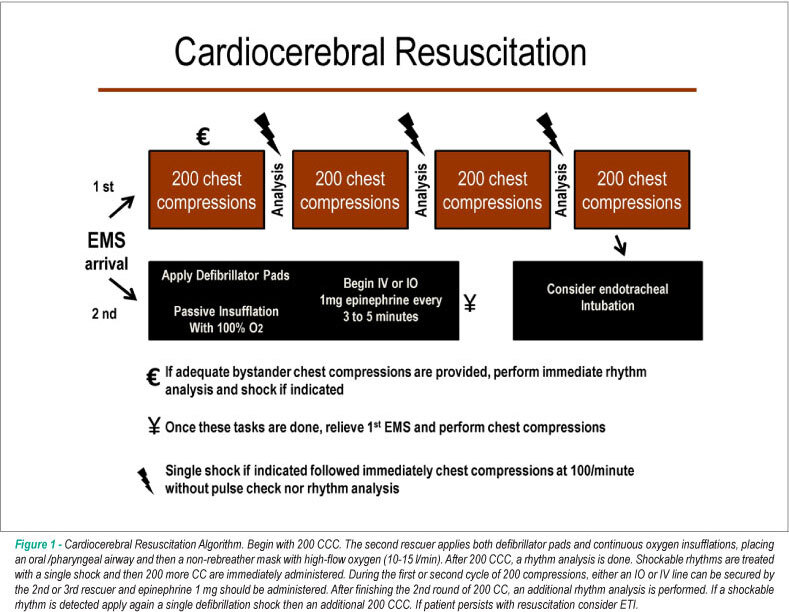
Cardiocerebral Resuscitation (CCR) is a new approach to the resuscitation of patients with out-of-hospital cardiac arrest (OHCA). The first major component of CCR is continuous chest compressions (also referred to as chest compression-only CPR or “hands-only CPR”) advocated as part of CCR for all bystanders who witness a sudden collapse of presumed cardiac origin. The second component of CCR is a new ACLS treatment algorithm for Emergency Medical Services. This algorithm emphasizes uninterrupted chest compressions regardless of other ongoing assignments as part of the rescue effort. A third component has recently been added to CCR, namely aggressive post-resuscitation care. Cardiocerebral resuscitation has increased bystander participation and has improved survival rates in a number of communities. Now is the time for other communities to re-examine their own outcomes with cardiac arrest and consider joining those cities and communities that have doubled and even tripled their survival from OHCA.

  • desfibrillators
  • oxygen inhalation therapy
  • Resuscitation
  • Survival
Read Full Article
Creative Commons Attribution (CC BY) Creative Commons license
02/05/2011 DOI: 10.1590/S0066-782X2011000400020 Views 1
Letter to the Editor

Regarding the modification of an old procedure (Vineberg) in the stem cell era – a new strategy?

Robert L. Quigley

LETTER TO THE EDITOR

[…]

Read Full Article
Creative Commons Attribution (CC BY) Creative Commons license
02/05/2011 DOI: 10.1590/S0066-782X2011000400015
Technical difficulty in stenting Supralimus in radial artery graft
Case Report

Technical difficulty in stenting Supralimus in radial artery graft

George César Ximenes Meireles et al. Sergio Kreimer Micheli Zanotti Galon Gilberto Guilherme Ajjar Marchiori

CASE REPORT

[…]

Read Full Article
Creative Commons Attribution (CC BY) Creative Commons license
02/05/2011 DOI: 10.1590/S0066-782X2011000400017
Marantic endocarditis and adenocarcinoma of unknown primary site
Case Report

Marantic endocarditis and adenocarcinoma of unknown primary site

Luis Alberto Schlittler et al. Viviane Weiller Dallagasperina Claudia Schavinski Ana Paula Baggio … Nícolas Silva Lazaretti Rodrigo Ughini Villaroel

CASE REPORT

[…]

Read Full Article
Creative Commons Attribution (CC BY) Creative Commons license
02/05/2011 DOI: 10.1590/S0066-782X2011000400018
Percutaneous coronary intervention in Brazil: results from the Brazilian Public Health System
Artigo Original

Percutaneous coronary intervention in Brazil: results from the Brazilian Public Health System

Leopoldo Soares Piegas et al. Nagib Haddad

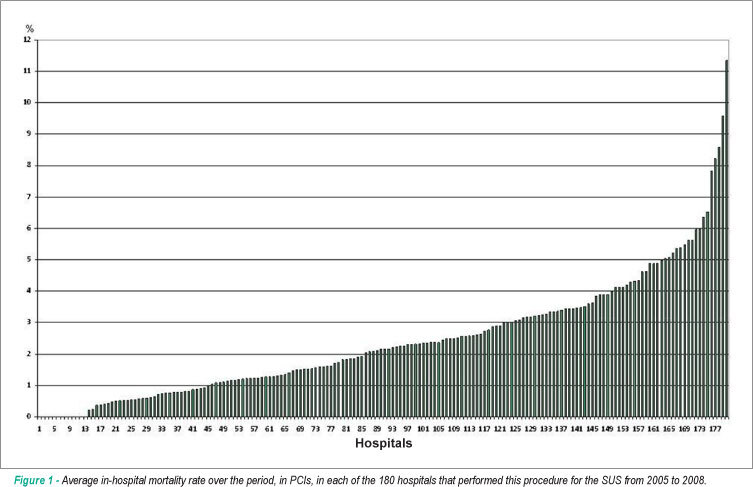
BACKGROUND: The Brazilian Public Health System (SUS) holds approximately 80% of percutaneous coronary interventions (PCI) in Brazil. Being aware of these data will enable to design a proper plan for the treatment of coronary artery disease (CAD). OBJECTIVE: To review and discuss the results of PCIs performed by the SUS. METHODS: We reviewed data from SIH/DATASUS available for public consultation. RESULTS: From 2005 to 2008, 166,514 procedures were performed in 180 hospitals. Average hospital mortality was 2.33%, ranging from 0% to 11.35%, being lower in the Southeast, 2.03% and higher in the northern region, 3.64% (p 0.05). Mortality was higher in females (p 65 to = (p < 0.001). In the diagnosis of angina (79,324, 47.64%) mortality was 1.03%, and AMI (33,286, 32.30%) 6.35% (p < 0.0000001). In the single stent implantation, the most common (102,165, 61.36%), mortality was 1.20%, and primary PCI (27,125, 16.29%), 6.96%. CONCLUSION: Although it is growing, the number of PCIs in Brazil is still low. High-volume hospitals, in smaller numbers, accounted for most procedures. Single stent implantation through hospital admission was reported to be most commonly used procedure. Mortality rates were highly variable among the hospitals. Primary PCI was responsible for the highest mortality rate.

  • Angina Pectoris
  • Angioplasty transluminal percutaneous coronary
  • Single Health System
Read Full Article
Creative Commons Attribution (CC BY) Creative Commons license
01/04/2011 DOI: 10.1590/S0066-782X2011005000035 Views 1
Artigo Original

Prevalence and prognostic value of ventricular dyssynchrony in chagas cardiomyopathy

Jussara de Oliveira Pinheiro Duarte et al. Luiz Pereira de Magalhães Oto Oliveira Santana Leandro Barros da Silva … Monique Simões Darluce Oliveira de Azevedo Octávio Alencar Barbosa Júnior Alexsandro Alves Fagundes Francisco José Farias Borges dos Reis Luis Cláudio Lemos Correia

BACKGROUND: Chagas cardiomyopathy is one important cause of heart failure in Latin America. Ventricular dyssynchrony may be a factor of decompensation in the course of this disease, but there are no data on its prevalence and its main prognostic implications yet. OBJECTIVE: Describe prevalence and prognostic value of ventricular dyssynchrony in Chagas cardiomyopathy. METHODS: 56 patients with Chagas cardiomyopathy were consecutively selected by two positive serologies and an ejection fraction < 45% in the echocardiogram. The echocardiogram evaluated the presence of intraventricular dyssynchrony using 3 criteria and interventricular dyssynchrony using 1 criterion. Patients were followed for 21 ± 14 months and cardiac events were defined as the combination of death and hospitalization. RESULTS: The average age of the population was 56 ± 10 years, 50% males. Mean ejection fraction was 30 ± 8% and 87% presented functional class I/II (NYHA). The prevalence of interventricular dyssynchrony was 34% (95% CI: 22%-48%) and intraventricular dyssynchrony had a prevalence of 85% (95% CI: 75%-93%). The prevalence of intraventricular dyssynchrony was similar among patients with QRS duration 0.12 s (85% and 89%, respectively, p = 0.66). Twenty events were recorded. The incidence of combined events was similar in patients with or without intraventricular dyssynchrony (35% versus 38%, p = 0.9) and those with or without interventricular dyssynchrony (39% versus 34%, p = 0.73). CONCLUSION: Patients with Chagas cardiomyopathy have high intraventricular and moderate interventricular prevalence of dyssynchrony. The high prevalence is independent from the QRS width. The ventricular dyssynchrony does not have any prognostic value in patients with Chagas cardiomyopathy.

  • Chagas Cardiomyopathy
  • Prevalence
  • Prognosis
  • Ventricular Dysfunction
Read Full Article
Creative Commons Attribution (CC BY) Creative Commons license
01/04/2011 DOI: 10.1590/S0066-782X2011005000037 Views 1
Cardiac electrophysiological assessment in patients with sarcoidosis
Artigo Original

Cardiac electrophysiological assessment in patients with sarcoidosis

Jefferson Curimbaba et al. Silvia Carla Souza Rodrigues José Marcos Moreira Lenine Ângelo Alves Silva … Carlos Alberto de Castro Pereira João Pimenta

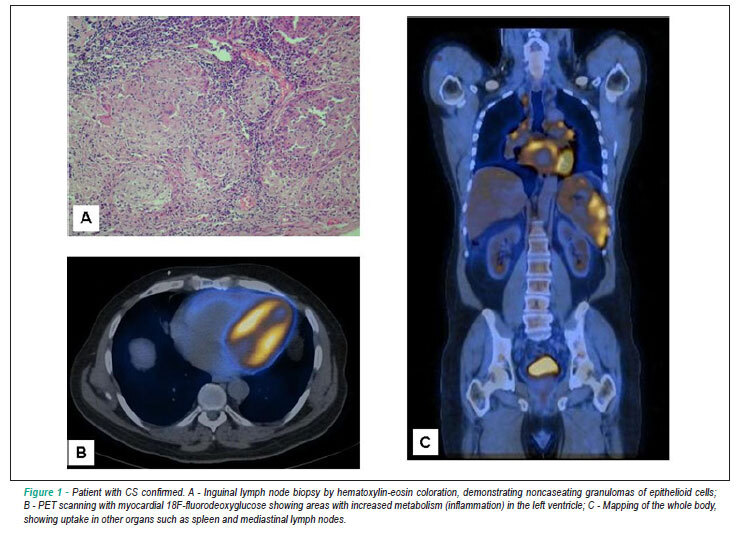
BACKGROUND: Sarcoidosis is a multisystem granulomatous disease of unknown origin that can cause sudden death. OBJECTIVE: Electrophysiological evaluation of patients with suspected sarcoidosis with cardiac involvement. METHODS: We studied 22 patients with mean age of 55.32 ± 13.13 years, diagnosed with sarcoidosis and suspected cardiac involvement. These patients underwent clinical evaluation, laboratory tests, electrocardiogram, echocardiogram, 24-hour Holter, technetium or gallium scintigraphy and electrophysiological study. In selected cases, we performed positron emission tomography or magnetic resonance imaging. Patients were followed up in the outpatient care service with quarterly visits. RESULTS: Cardiac involvement was confirmed in four (18.2%) patients. Ventricular extrasystoles with density > 100/24h were documented in 24-Holter monitoring in 12 (54.5%) patients. Electrophysiological studies revealed an increased HV interval in seven patients (31.8%) and increased Wenckebach point in four (18.2%) patients. There was induction of atrial fibrillation in seven patients (31.8%) and sustained ventricular tachycardia in one patient (4.5%). Four patients with confirmed cardiac sarcoidosis had documented ventricular extrasystoles with density > 100/24h. Out of these, two had prolonged HV interval and atrial fibrillation was induced in two of them. Sustained ventricular tachycardia was not induced in any of these patients. After mean follow-up period of 20.9 ± 15.7 months, one patient with cardiac sarcoidosis had sudden death. CONCLUSION: Patients with sarcoidosis and suspected cardiac involvement have a high prevalence of ventricular extrasystoles (VEs) and conduction system disorders.

  • Arrhythmias Cardiac
  • Heart Conduction, System
  • Heart Failure
  • Sarcoidosis
Read Full Article
Creative Commons Attribution (CC BY) Creative Commons license
01/04/2011 DOI: 10.1590/S0066-782X2011005000041 Views 1
Artigo Original

Periodontal disease in pregnant patients with rheumatic valvular disease: clinical and microbiological study

Walkiria Samuel Ávila et al. Lilia Timerman Giuseppe Alexandre Romito Sílvia Linard Marcelino … Itamara Lúcia Itagiba Neves Marcelo Zugaib Max Grinberg

BACKGROUND: The periodontal disease during pregnancy of women with rheumatic valve disease imply infective endocarditis risks and higher rate of preterm birth and low birth weight. OBJECTIVE: To study the periodontal disease rate of women with rheumatic valve disease during pregnancy. METHODS: We studied 140 pregnant women who included 70 patients with rheumatic valve disease and 70 healthy women. The periodontal examination included: 1) periodontal clinical exam regard the follow variables: a) probing depth; b) gingival margin; c) clinical attachment level; d) bleeding on probing; e) plaque index and f) gingival index; and 2) microbiological test was performed in samples serum and gingival crevicular fluid and considered positive controls to Porphyromonas gingivalis, Tannerella forsithia e Aggregobacter actinomycetemcomitans. RESULTS: Age and parity were similar between groups; as single or combined the mitral valve disease was prevalent among the rheumatic valve lesion in 45 (32.1%) e 20 (28.5%) cases, respectively. Among the periodontal variables gingival margin (p=0.01) and plaque index (p=0.04) were different between groups. The periodontal disease was identified in 20 (14,3%) pregnant women, seven (10%) of them were patients with valve rheumatic disease and the remain 13 (18,6%) were healthy women, its percentual was not different between groups (p=0,147). Microbiological analyses of oral samples showed higher percentual of P. gingivalis in healthy pregnant women (p=0.004). CONCLUSION: The clinical and microbiological study during pregnancy showed comparable incidence of periodontal disease between women with rheumatic valve disease and healthy women.

  • gengivitis
  • Heart Valve Diseases
  • Periodontitis
  • Pregnancy
  • Rheumatic Disease
Read Full Article
Creative Commons Attribution (CC BY) Creative Commons license
01/04/2011 DOI: 10.1590/S0066-782X2011005000034 Views 1
Cardiovascular profile in patients with obstructive sleep apnea
Artigo Original

Cardiovascular profile in patients with obstructive sleep apnea

Fátima Dumas Cintra et al. Sergio Tufik Angelo de Paola Márcia C. Feres … Luciane Melo-Fujita Wercules Oliveira Camila Rizzi Dalva Poyares

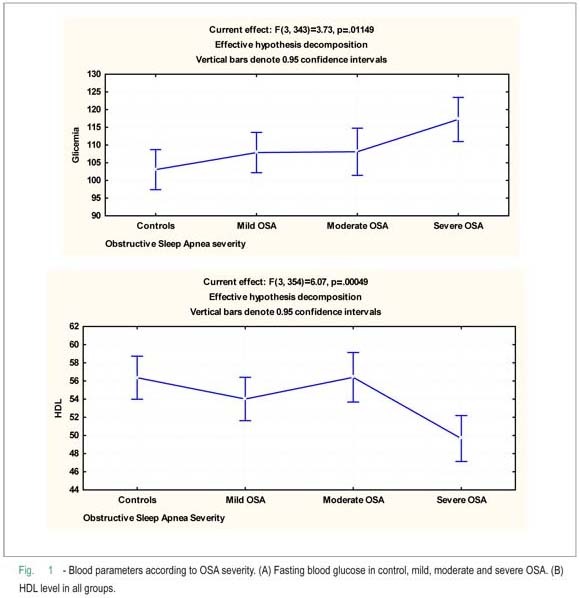
BACKGROUND: Obstructive Sleep Apnea (OSA) is a risk factor for several cardiovascular conditions including increased cardiovascular mortality. It is therefore essential to know the major cardiovascular effects of sleep-disordered breathing during a clinical evaluation. OBJECTIVE: To analyze the cardiovascular characteristics of patients with OSA. METHODS: Patients underwent baseline polysomnography and were consecutively selected from the database of the Sleep Institute between March 2007 and March 2009. All patients were instructed to attend the clinic for blood collection, physical examination, 12-lead electrocardiogram, spirometry, cardiopulmonary exercise testing on a treadmill and transthoracic echocardiography. The study was approved by the Research Ethics Committee and recorded at http://clinicaltrials.gov/ under number: NCT00768625. RESULTS: We analyzed 261 patients and 108 controls. The main characteristics of patients with OSA were: obesity, hypertension, low plasma levels of high density lipoprotein (HDL) and increased left atrial diameter compared with controls (3.75 ± 0.42; 3.61 ± 0.41, p = 0.001), respectively. These associated characteristics correspond to a 16.6 increase in the likelihood of OSA regardless of reporting any symptoms of this disorder, such as sleepiness or snoring. CONCLUSION: In the sample studied, the mostly found cardiovascular profile of patients with OSA was: obesity, hypertension, low plasma levels of HDL and left atrial diameter increased.

  • dyslipidemia
  • Hypertension
  • Obesity
  • Sleep Apnea, Obstructive
Read Full Article
Creative Commons Attribution (CC BY) Creative Commons license
18/03/2011 DOI: 10.1590/S0066-782X2011005000030 Views 2
Hemodynamic effects of experimental acute right ventricular overload
Artigo Original

Hemodynamic effects of experimental acute right ventricular overload

Flávio Brito Filho et al. Kleber Nogueira de Campos Humberto Alves de Oliveira Josué Fernandes … César Augusto Melo e Silva Eduardo Gaio Edwin Roger Parra Paulo Henrique Cândido de Carvalho Paulo Manoel Pêgo Fernandes

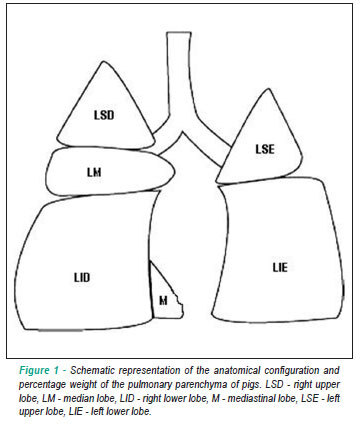
BACKGROUND: Acute right ventricular overload is associated with high morbidity and mortality clinical situations such as: extensive lung resection, pulmonary thromboembolism, lung transplantation and high altitude pulmonary edema. Some points of its pathophysiology remain unclear. OBJECTIVE: To assess the hemodynamic effects of experimental acute right ventricular overload in pigs. METHODS: Right ventricular overload was induced through the occlusion of the pulmonary arteries using ligationss. Twenty pigs were used in the study, divided into 04 groups: one control group not subject to pulmonary vascular occlusion, and three right ventricular overload groups subject to occlusion of the following pulmonary arteries: SVD1 (left pulmonary artery); SVD2 (left pulmonary artery and right lower lobe) and SVD3 (left pulmonary artery, right lower lobe and mediastinal lobe), obstructing the pulmonary vasculature in 42, 76 and 82.0% respectively. Hemodynamic variables were measured every 15 minutes during one hour of study. The statistical analysis employed mixed linear models with variance and covariance structures. RESULTS: Group comparisons revealed significant increases in heart rate (p = 0.004), mean pulmonary artery pressure (p = 0.001) and pulmonary capillary wedge pressure (p < 0.0001). There was no significant difference in cardiac index (p = 0.94). CONCLUSION: Despite the severe right ventricular overload promoted by 82.0% obstruction of the pulmonary vasculature and the significant increase in pulmonary arterial pressure, there was no severe cardiovascular dysfunction and/or circulatory shock during the study period.

  • catheterization, Swan-Ganz
  • Pulmonary embolism
  • Swine
  • Ventricular Dysfunction Right
Read Full Article
Creative Commons Attribution (CC BY) Creative Commons license
04/03/2011 DOI: 10.1590/S0066-782X2011005000029 Views 1
Bone marrow cell transplantation in chagas' disease heart failure: report of the first human experience
Artigo Original

Bone marrow cell transplantation in chagas' disease heart failure: report of the first human experience

Fábio Vilas-Boas et al. Gilson Soares Feitosa Milena B. P. Soares Jole Alves Pinho-Filho … Augusto C. A. Mota Augusto José Gonçalves Almeida Marcus Vinícius Andrade Heitor Ghissoni Carvalho Adriano Dourado Oliveira Ricardo Ribeiro-dos-Santos

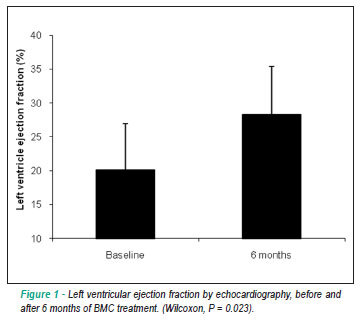
BACKGROUND: Heart failure due to Chagas’ disease (HFCD) is a progressive inflammatory cardiomyopathy that affects millions of individuals in Latin America. Studies using mice models of HFCD indicate that bone marrow mononuclear cell transplantation (BMCT) may reduce inflammation, fibrosis, and improve myocardial function. OBJECTIVE: The purpose of this study was to evaluate, for the first time in humans, the safety and efficacy of BMCT to the myocardium of patients with HFCD. METHODS: A total of 28 HFCD patients (mean age 52.2 ± 9.9 years) with NYHA class III and IV were submitted to BMCT through intracoronary injection. Effects on the left ventricle ejection fraction (LVEF), functional capacity, quality-of-life, arrhythmias, biochemical, immunological, and neuro-humoral parameters, were evaluated. RESULTS: There were no complications directly related to the procedure. LVEF was 20.1 ± 6.8% and 28.3 ± 7.9%, p < 0.03 at baseline and 180 days after the procedure, respectively. In the same period, significant improvements were observed in the NYHA class (3.1 ± 0.3 to 1.8 ± 0.5; p < 0.001), quality-of-life (50.9 ± 11.7 to 25.1 ± 15.9; p < 0.001), and in the six-minute walking test (355 ± 136 m to 437 ± 94 m; p < 0,01). There were no changes in markers of immune or neurohormonal activation. No complications were registered. CONCLUSION: Our data suggest that the intracoronary injection of BMCT is safe and potentially effective in patients with HFCD. The extent of the benefit, however, appears to be small and needs to be confirmed in a larger randomized, double blind, placebo controlled clinical trial.

  • Cardiomyopathy, Dilated
  • Chagas disease
  • Heart Failure
  • Stem Cells
  • tissue therapy
Read Full Article
Creative Commons Attribution (CC BY) Creative Commons license
04/03/2011 DOI: 10.1590/S0066-782X2011005000028 Views 1
Radial approach in percutaneous coronary interventions: current status in Brazil
Artigo Original

Radial approach in percutaneous coronary interventions: current status in Brazil

Pedro Beraldo de Andrade et al. Marden André Tebet Mônoca Vieira Athanazio de Andrade André Labrunie Luiz Alberto Piva e Mattos

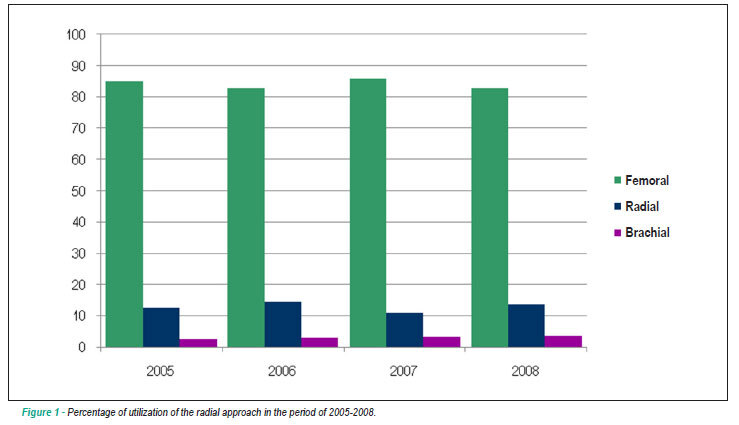
BACKGROUND: Although the radial approach offers an unquestionable result in terms of reduction of vascular complications and occurrence of severe bleeding in comparison to the femoral approach, so far it has only been used in few centers which elected it as the preferential access. OBJECTIVE: To evaluate the current status of percutaneous coronary interventions in Brazil, as regards the use of the radial approach. METHODS: Analysis of data spontaneously recorded in Central Nacional de Intervenções Cardiovasculares – CENIC (National Center for Cardiovascular Interventions) from 2005 to 2008, in a total of 83,376 procedures. RESULTS: The radial approach was used in 12.6% of the procedures performed, and the femoral approach, in 84.3%. The remaining 3.1% corresponded to brachial artery dissection or puncture. With a success rate of 97.5%, the choice of the radial approach was associated with a significant reduction of vascular complications in comparison to the femoral approach (2.5% versus 3.6 %, p < 0.0001). CONCLUSION: The radial approach remains uncommonly used in Brazil, and this is possibly explained by the lack of training programs, uncertainties regarding the learning curve, and the lack of large-scale studies corroborating the benefits demonstrated to date.

  • Angioplasty transluminal percutaneous coronary
  • Brazil
  • femoral artery
  • Medical Records
  • Radial Artery
Read Full Article
Creative Commons Attribution (CC BY) Creative Commons license
04/03/2011 DOI: 10.1590/S0066-782X2011005000026 Views 1
Prevalence and correlates of vascular disease at ultrasound examination in patients on hemodialysis
Artigo Original

Prevalence and correlates of vascular disease at ultrasound examination in patients on hemodialysis

Sebastião Baptista Miguel et al. Jair Baptista Miguel Luis Guilhermo Velarde Elisa de Albuquerque Sampaio … Jorge Paulo Strogoff de Matos Jocemir Ronaldo Lugon

BACKGROUND: Patients on hemodialysis present an increased risk of cardiovascular death. Intimal media thickness (IMT) and presence of arterial calcifications are well-known risk factors for cardiovascular death in hemodialysis patients. OBJECTIVE: To assess the prevalence of IMT and arterial calcifications in HD patients and to correlate image findings with clinical and laboratory data. METHODS: Cross-sectional study involving 75 patients on dialysis for >12 months. Patients underwent B-mode ultrasound scan (US) for determination of IMT of the distal third of the common carotid arteries. Arterial calcifications were assessed by US of carotids, femoral and tibial arteries, and labeled positive if calcification was found in any arterial site. RESULTS: Patients were 52±13 years old, 57% were males and 16% were diabetics. IMT > 0.9 mm was found in 57% of cases and arterial calcifications at US in 48%. Aging (decades) and smoking were associated with both increased IMT (adjusted odds ratio [aOR] = 3.4, p < 0.001; aOR = 4.4, p = 0.045, respectively) and presence of vascular calcifications (aOR = 3.0, p < 0.001; aOR = 6.8, p = 0.011, respectively). High intact parathyroid hormone levels (per each 100 pg/ml) were significantly associated with increased IMT (aOR = 1.7, p = 0.021), but not with vascular calcification. In contrast, Diabetes and time on dialysis (years) were significant determinants for calcifications at US (aOR = 15.0, p = 0.009; aOR = 1.39, p = 0.020), but not for increased IMT. CONCLUSION: Increased IMT and calcifications at US are common findings in hemodialysis patients. Aging and smoking are consistent determinants for both image alterations. Parathyroid hormone elevation is associated with increased IMT. Diabetes and time on dialysis substantially increase the risk for arterial calcification.

  • Calcinosis
  • Doppler ultrasonography
  • Hemodialysis
  • Vascular Diseases
Read Full Article
Creative Commons Attribution (CC BY) Creative Commons license
04/03/2011 DOI: 10.1590/S0066-782X2011005000027 Views 1
The role of titin in the modulation of cardiac function and its pathophysiological implications
Artigo Original

The role of titin in the modulation of cardiac function and its pathophysiological implications

Ricardo Castro-Ferreira et al. Ricardo Fontes-Carvalho Inês Falcão-Pires Adelino F. Leite-Moreira

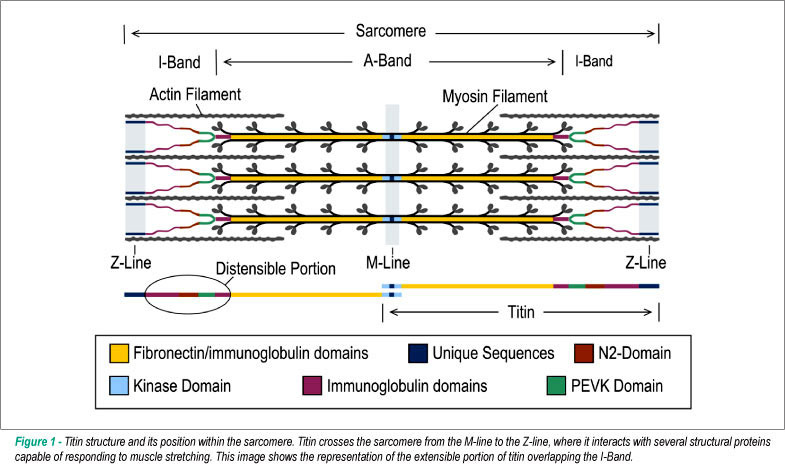
Titin is a giant sarcomeric protein that extends from the Z-line to the M-line. Due to its location, it represents an important biomechanical sensor, which has a crucial role in the maintenance of the sarcomere structural integrity. Titin works as a “bidireactional spring” that regulates the sarcomeric length and performs adequate adjustments of passive tension whenever the length varies. Therefore, it determines not only ventricular rigidity and diastolic function, but also systolic cardiac function, modulating the Frank-Starling mechanism. The myocardium expresses two isoforms of this macromolecule: the N2B, more rigid and the isoform N2BA, more compliant. The alterations in the relative expression of the two titin isoforms or alterations in their state of phosphorylation have been implicated in the pathophysiology of several diseases, such as diastolic heart failure, dilated cardiomyopathy, ischemic cardiomyopathy and aortic stenosis. The aim of this study is to describe, in brief, the structure and location of titin, its association with different cardiomyopathies and understand how alterations in this macromolecule influence the pathophysiology of diastolic heart failure, emphasizing the therapeutic potential of the manipulation of this macromolecule.

  • atrial myosins
  • Cardiomyopathy, Dilated
  • Heart Failure
  • Protein isoforms
Read Full Article
Creative Commons Attribution (CC BY) Creative Commons license
25/02/2011 DOI: 10.1590/S0066-782X2011005000023
Atualização

Hormonal contraception and cardiovascular system

Milena Bastos Brito et al. Fernando Nobre Carolina Sales Vieira

Hormonal contraception is the most widely used method to prevent unplanned pregnancies. The literature has shown an association between cardiovascular risk and use of hormone therapy. With the purpose of providing better guidelines on contraception methods for women with risk factors for cardiovascular disease, we have reviewed the literature on the subject. This review describes the latest data from the scientific literature concerning the influence of hormonal contraceptives on arterial thrombosis, venous thrombosis and systemic high blood pressure, which are diseases that have become increasingly prevalent among young females.

  • Cardiovascular Diseases
  • Contraception
  • Contraceptive Agents
  • Venous Thrombosis
Read Full Article
Creative Commons Attribution (CC BY) Creative Commons license
25/02/2011 DOI: 10.1590/S0066-782X2011005000022
Artigo Original

Anti-beta2-glycoprotein I autoantibodies and metabolic syndrome

Rodrigo B. Krás Borges et al. Luis Carlos Bodanese Carlos Alberto von Mühlen Giuseppe Repetto … Mario Viehe Gary L. Norman Henrique L. Staub

BACKGROUND: The metabolic syndrome (MetS) is a proatherogenic entity. Autoantibodies to phospholipid cofactors such as beta2-glycoprotein I (beta2-gpI) can influence atheroma appearance. Previous studies confirmed an association of IgA anti-beta2-gpI antibodies with cerebral ischemia, myocardial infarction, peripheral artery disease and carotid disease. OBJECTIVE: This case-control study evaluates a possible association of anti-beta2-gpI and anticardiolipin (aCL) antibodies with non-complicated MetS. METHODS: Cases comprised patients with MetS without history of vascular events; controls included individuals from the Orthopedic Infirmary admitted due to musculoskeletal disorders. Age, sex, race, history of hypertension, smoking, hypercholesterolemia and diabetes mellitus were evaluated as risk factors in both groups. IgG, IgM, and IgA anti-beta2-gpI and aCL antibodies were detected by enzymatic immunoassay. RESULTS: Sixty-eight patients with MetS and 82 controls were studied. Patients with MetS showed mean age higher than controls (P = 0.001), while males (P = 0.003; OR 0.31; 95%CI 0.15-0.16) and Caucasian ethnicity (P = 0.004; OR 0.25; 95%CI 0.10-0.60) predominated in controls. History of hypertension, hypercholesterolemia and diabetes mellitus were more prevalent in cases than in controls (P < 0.05). The frequency of aCL antibodies (all isotypes) and of IgG and IgM anti-beta2 gpI did not significantly differ in cases and controls. IgA anti-beta2-gpI antibodies were significantly more frequent in MetS patients (42.2%) than controls (10.9%) (P < 0.001). The adjusted OR for IgA anti-beta2-gpI antibodies was 3.60 (95%CI 1.55-8.37; P = 0.003). CONCLUSION: The current study shows that elevated levels of IgA autoantibodies to β2-gpI might be independently associated to MetS.

  • antibodies, anticardiolipin
  • Atherosclerosis
  • Autoantibodies
  • Metabolic Syndrome
Read Full Article
Creative Commons Attribution (CC BY) Creative Commons license
25/02/2011 DOI: 10.1590/S0066-782X2011005000021 Views 1
Effect of red wine associated with physical exercise in the cardiovascular system of spontaneously hipertensive rats
Artigo Original

Effect of red wine associated with physical exercise in the cardiovascular system of spontaneously hipertensive rats

Paulo Roberto Soares Filho et al. Iran Castro Adriene Stahlschmidt

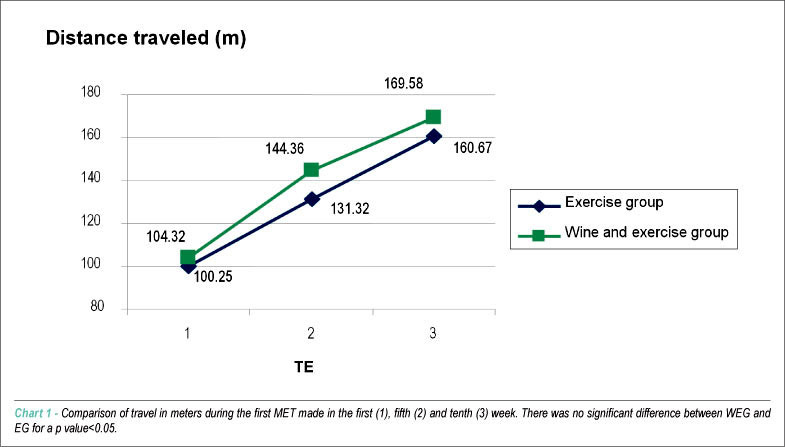
BACKGROUND: Physical exercise (PE) is effective in the treatment and prevention of hypertension associated with improved lipid profile and cardiac contractile function. Regular and moderate consumption of alcoholic beverages such as red wine brings a cardiovascular protective effect. Beverage-derived polyphenols have antioxidant properties benefiting blood vessels. There is little evidence on the consumption of red wine associated with PE and the influences on the cardiovascular system. OBJECTIVE: To investigate the effect of physical exercise (PE) and moderate red wine intake interaction on systolic blood pressure (SBP), high density lipoprotein (HDL) levels, physical performance (PP) and left ventricular ejection fraction (LVEF) in spontaneously hypertensive rats (SHR). METHODS: Sample of 32 SHRs divided into four groups: wine and exercise group (WEG), wine group (WG), exercise group (EG) and control group (CG). Red wine doses were given by intra-gastric gavage, during ten weeks, coincident with PE period, performed on treadmills. The SHRs received red wine doses of 3.715 ml/kg/day. Physical performance was analyzed by maximal exercise test (MET) and LVEF by echocardiographic measures. SBP measurement was made before and after the PE protocol. RESULTS: Demonstrated that the three groups which suffered intervention presented significant SBP reduction compared to CG. At the end of the protocol, WEG showed the largest reduction. Like in SBP results, WEG showed the best outcome on HDL levels at the experiment end. There was no significant difference of physical performance and LVEF between groups. CONCLUSION: PE associated with moderate red wine intake has cardioprotective effects on SBP and HDL levels in SHR. Their physical performance and LVEF are not modified.

  • Cardiovascular System
  • Exercise
  • HDL, Cholesterol
  • Hypertension
  • Wine
Read Full Article
Creative Commons Attribution (CC BY) Creative Commons license
25/02/2011 DOI: 10.1590/S0066-782X2011005000020

How to cite this article

EndNote RIS

Electronic Document Format (Vancouver)

Continentino MA, R AM, Freitas F. Crossing coronary arteries. Arquivos Brasileiros de Cardiologia 2011;96(4):e76.

Electronic Document Format (ABNT)

Continentino, Marcelo Abramoff; R, Antonio Manoel; Freitas, F.. Crossing coronary arteries. Arquivos Brasileiros de Cardiologia, v. 96, n. 4, p. e76-e76, May. 2011.

Electronic Document Format (APA)

Continentino, M. A., R, A. M., & Freitas, F. (2011). Crossing coronary arteries. Arquivos Brasileiros de Cardiologia, 96(4), e76-e76.

Electronic Document Format (ISO)

Continentino, Marcelo Abramoff and R, Antonio Manoel and Freitas, F.. Crossing coronary arteries. Arquivos Brasileiros de Cardiologia [online]. 2011, vol. 96, n. 4, [cited 2026-10-14], pp. e76-e76. Available from: <https://journals.cardiol.br/en/article/crossing-coronary-arteries/>. ISSN 0066-782X

EndNote RIS

Electronic Document Format (Vancouver)

Guimarães GV, Carvalho VO. Cardiorespiratory test in healthy and cardiopathic children. Arquivos Brasileiros de Cardiologia 2011;96(4):340-1.

Electronic Document Format (ABNT)

Guimarães, Guilherme Veiga; Carvalho, Vitor Oliveira. Cardiorespiratory test in healthy and cardiopathic children. Arquivos Brasileiros de Cardiologia, v. 96, n. 4, p. 340-341, May. 2011.

Electronic Document Format (APA)

Guimarães, G. V., & Carvalho, V. O. (2011). Cardiorespiratory test in healthy and cardiopathic children. Arquivos Brasileiros de Cardiologia, 96(4), 340-341.

Electronic Document Format (ISO)

Guimarães, Guilherme Veiga and Carvalho, Vitor Oliveira. Cardiorespiratory test in healthy and cardiopathic children. Arquivos Brasileiros de Cardiologia [online]. 2011, vol. 96, n. 4, [cited 2026-10-14], pp. 340-341. Available from: <https://journals.cardiol.br/en/article/cardiorespiratory-test-in-healthy-and-cardiopathic-children/>. ISSN 0066-782X

EndNote RIS

Electronic Document Format (Vancouver)

Andreou AY. Anomalous origin of the left main coronary artery: course determination by computed tomography. Arquivos Brasileiros de Cardiologia 2011;96(4):342.

Electronic Document Format (ABNT)

Andreou, Andreas Yiangou. Anomalous origin of the left main coronary artery: course determination by computed tomography. Arquivos Brasileiros de Cardiologia, v. 96, n. 4, p. 342-342, May. 2011.

Electronic Document Format (APA)

Andreou, A. Y. (2011). Anomalous origin of the left main coronary artery: course determination by computed tomography. Arquivos Brasileiros de Cardiologia, 96(4), 342-342.

Electronic Document Format (ISO)

Andreou, Andreas Yiangou. Anomalous origin of the left main coronary artery: course determination by computed tomography. Arquivos Brasileiros de Cardiologia [online]. 2011, vol. 96, n. 4, [cited 2026-10-14], pp. 342-342. Available from: <https://journals.cardiol.br/en/article/anomalous-origin-of-the-left-main-coronary-artery-course-determination-by-computed-tomography/>. ISSN 0066-782X

EndNote RIS

Electronic Document Format (Vancouver)

Rezende PC, Viana VB, Benvenuti LA. Case 2/2011 – Young patient, male, with pleuritic chest pain, hypotension, profuse sweating, with ECG with no acute ischemic abnormalities and negative myocardial injury markers. Arquivos Brasileiros de Cardiologia 2011;96(4):e62-8.

Electronic Document Format (ABNT)

Rezende, Paulo Cury; Viana, Vitor Borges; Benvenuti, Luiz Alberto. Case 2/2011 – Young patient, male, with pleuritic chest pain, hypotension, profuse sweating, with ECG with no acute ischemic abnormalities and negative myocardial injury markers. Arquivos Brasileiros de Cardiologia, v. 96, n. 4, p. e62-e68, May. 2011.

Electronic Document Format (APA)

Rezende, P. C., Viana, V. B., & Benvenuti, L. A. (2011). Case 2/2011 – Young patient, male, with pleuritic chest pain, hypotension, profuse sweating, with ECG with no acute ischemic abnormalities and negative myocardial injury markers. Arquivos Brasileiros de Cardiologia, 96(4), e62-e68.

Electronic Document Format (ISO)

Rezende, Paulo Cury and Viana, Vitor Borges and Benvenuti, Luiz Alberto. Case 2/2011 – Young patient, male, with pleuritic chest pain, hypotension, profuse sweating, with ECG with no acute ischemic abnormalities and negative myocardial injury markers. Arquivos Brasileiros de Cardiologia [online]. 2011, vol. 96, n. 4, [cited 2026-10-14], pp. e62-e68. Available from: <https://journals.cardiol.br/en/article/case-2-2011-young-patient-male-with-pleuritic-chest-pain-hypotension-profuse-sweating-with-ecg-with-no-acute-ischemic-abnormalities-and-negative-myocardial-injury-markers/>. ISSN 0066-782X

EndNote RIS

Electronic Document Format (Vancouver)

Kern KB, Timerman S, Gonzalez MM, Ramires JA. Optimized approach in cardiocerebral resuscitation. Arquivos Brasileiros de Cardiologia 2011;96(4):e77-80.

Electronic Document Format (ABNT)

Kern, Karl B.; Timerman, Sergio; Gonzalez, Maria Margarita; Ramires, José Antônio. Optimized approach in cardiocerebral resuscitation. Arquivos Brasileiros de Cardiologia, v. 96, n. 4, p. e77-e80, May. 2011.

Electronic Document Format (APA)

Kern, K. B., Timerman, S., Gonzalez, M. M., & Ramires, J. A. (2011). Optimized approach in cardiocerebral resuscitation. Arquivos Brasileiros de Cardiologia, 96(4), e77-e80.

Electronic Document Format (ISO)

Kern, Karl B. and Timerman, Sergio and Gonzalez, Maria Margarita and Ramires, José Antônio. Optimized approach in cardiocerebral resuscitation. Arquivos Brasileiros de Cardiologia [online]. 2011, vol. 96, n. 4, [cited 2026-10-14], pp. e77-e80. Available from: <https://journals.cardiol.br/en/article/optimized-approach-in-cardiocerebral-resuscitation/>. ISSN 0066-782X

EndNote RIS

Electronic Document Format (Vancouver)

Quigley RL. Regarding the modification of an old procedure (Vineberg) in the stem cell era – a new strategy?. Arquivos Brasileiros de Cardiologia 2011;96(4):343-4.

Electronic Document Format (ABNT)

Quigley, Robert L.. Regarding the modification of an old procedure (Vineberg) in the stem cell era – a new strategy?. Arquivos Brasileiros de Cardiologia, v. 96, n. 4, p. 343-344, May. 2011.

Electronic Document Format (APA)

Quigley, R. L. (2011). Regarding the modification of an old procedure (Vineberg) in the stem cell era – a new strategy?. Arquivos Brasileiros de Cardiologia, 96(4), 343-344.

Electronic Document Format (ISO)

Quigley, Robert L.. Regarding the modification of an old procedure (Vineberg) in the stem cell era – a new strategy?. Arquivos Brasileiros de Cardiologia [online]. 2011, vol. 96, n. 4, [cited 2026-10-14], pp. 343-344. Available from: <https://journals.cardiol.br/en/article/regarding-the-modification-of-an-old-procedure-vineberg-in-the-stem-cell-era-a-new-strategy/>. ISSN 0066-782X

EndNote RIS

Electronic Document Format (Vancouver)

Meireles GCX, Kreimer S, Galon MZ, Marchiori GGA. Technical difficulty in stenting Supralimus in radial artery graft. Arquivos Brasileiros de Cardiologia 2011;96(4):e69-72.

Electronic Document Format (ABNT)

Meireles, George César Ximenes; Kreimer, Sergio; Galon, Micheli Zanotti; Marchiori, Gilberto Guilherme Ajjar. Technical difficulty in stenting Supralimus in radial artery graft. Arquivos Brasileiros de Cardiologia, v. 96, n. 4, p. e69-e72, May. 2011.

Electronic Document Format (APA)

Meireles, G. C. X., Kreimer, S., Galon, M. Z., & Marchiori, G. G. A. (2011). Technical difficulty in stenting Supralimus in radial artery graft. Arquivos Brasileiros de Cardiologia, 96(4), e69-e72.

Electronic Document Format (ISO)

Meireles, George César Ximenes and Kreimer, Sergio and Galon, Micheli Zanotti and Marchiori, Gilberto Guilherme Ajjar. Technical difficulty in stenting Supralimus in radial artery graft. Arquivos Brasileiros de Cardiologia [online]. 2011, vol. 96, n. 4, [cited 2026-10-14], pp. e69-e72. Available from: <https://journals.cardiol.br/en/article/technical-difficulty-in-stenting-supralimus-in-radial-artery-graft/>. ISSN 0066-782X

EndNote RIS

Electronic Document Format (Vancouver)

Schlittler LA, Dallagasperina VW, Schavinski C, Baggio AP, Lazaretti NS, Villaroel RU. Marantic endocarditis and adenocarcinoma of unknown primary site. Arquivos Brasileiros de Cardiologia 2011;96(4):e73-5.

Electronic Document Format (ABNT)

Schlittler, Luis Alberto; Dallagasperina, Viviane Weiller; Schavinski, Claudia; Baggio, Ana Paula; Lazaretti, Nícolas Silva; Villaroel, Rodrigo Ughini. Marantic endocarditis and adenocarcinoma of unknown primary site. Arquivos Brasileiros de Cardiologia, v. 96, n. 4, p. e73-e75, May. 2011.

Electronic Document Format (APA)

Schlittler, L. A., Dallagasperina, V. W., Schavinski, C., Baggio, A. P., Lazaretti, N. S., & Villaroel, R. U. (2011). Marantic endocarditis and adenocarcinoma of unknown primary site. Arquivos Brasileiros de Cardiologia, 96(4), e73-e75.

Electronic Document Format (ISO)

Schlittler, Luis Alberto and Dallagasperina, Viviane Weiller and Schavinski, Claudia and Baggio, Ana Paula and Lazaretti, Nícolas Silva and Villaroel, Rodrigo Ughini. Marantic endocarditis and adenocarcinoma of unknown primary site. Arquivos Brasileiros de Cardiologia [online]. 2011, vol. 96, n. 4, [cited 2026-10-14], pp. e73-e75. Available from: <https://journals.cardiol.br/en/article/marantic-endocarditis-and-adenocarcinoma-of-unknown-primary-site/>. ISSN 0066-782X

EndNote RIS

Electronic Document Format (Vancouver)

Piegas LS, Haddad N. Percutaneous coronary intervention in Brazil: results from the Brazilian Public Health System. Arquivos Brasileiros de Cardiologia 2011;96(4):317-24.

Electronic Document Format (ABNT)

Piegas, Leopoldo Soares; Haddad, Nagib. Percutaneous coronary intervention in Brazil: results from the Brazilian Public Health System. Arquivos Brasileiros de Cardiologia, v. 96, n. 4, p. 317-324, Mar. 2011.

Electronic Document Format (APA)

Piegas, L. S., & Haddad, N. (2011). Percutaneous coronary intervention in Brazil: results from the Brazilian Public Health System. Arquivos Brasileiros de Cardiologia, 96(4), 317-324.

Electronic Document Format (ISO)

Piegas, Leopoldo Soares and Haddad, Nagib. Percutaneous coronary intervention in Brazil: results from the Brazilian Public Health System. Arquivos Brasileiros de Cardiologia [online]. 2011, vol. 96, n. 4, [cited 2026-10-14], pp. 317-324. Available from: <https://journals.cardiol.br/en/article/percutaneous-coronary-intervention-in-brazil-results-from-the-brazilian-public-health-system/>. ISSN 0066-782X

EndNote RIS

Electronic Document Format (Vancouver)

Duarte JOP, Magalhães LP, Santana OO, Silva LB, Simões M, Azevedo DO, Barbosa Júnior OA, et al. Prevalence and prognostic value of ventricular dyssynchrony in chagas cardiomyopathy. Arquivos Brasileiros de Cardiologia 2011;96(4):300-6.

Electronic Document Format (ABNT)

Duarte, Jussara de Oliveira Pinheiro; Magalhães, Luiz Pereira de; Santana, Oto Oliveira; Silva, Leandro Barros da; Simões, Monique; Azevedo, Darluce Oliveira de; Barbosa Júnior, Octávio Alencar; Fagundes, Alexsandro Alves; Reis, Francisco José Farias Borges dos; Correia, Luis Cláudio Lemos. Prevalence and prognostic value of ventricular dyssynchrony in chagas cardiomyopathy. Arquivos Brasileiros de Cardiologia, v. 96, n. 4, p. 300-306, Mar. 2011.

Electronic Document Format (APA)

Duarte, J. O. P., Magalhães, L. P. , Santana, O. O., Silva, L. B. , Simões, M., Azevedo, D. O. , Barbosa Júnior, O. A., Fagundes, A. A., Reis, F. J. F. B. , & Correia, L. C. L. (2011). Prevalence and prognostic value of ventricular dyssynchrony in chagas cardiomyopathy. Arquivos Brasileiros de Cardiologia, 96(4), 300-306.

Electronic Document Format (ISO)

Duarte, Jussara de Oliveira Pinheiro and Magalhães, Luiz Pereira de and Santana, Oto Oliveira and Silva, Leandro Barros da and Simões, Monique and Azevedo, Darluce Oliveira de and Barbosa Júnior, Octávio Alencar and Fagundes, Alexsandro Alves and Reis, Francisco José Farias Borges dos and Correia, Luis Cláudio Lemos. Prevalence and prognostic value of ventricular dyssynchrony in chagas cardiomyopathy. Arquivos Brasileiros de Cardiologia [online]. 2011, vol. 96, n. 4, [cited 2026-10-14], pp. 300-306. Available from: <https://journals.cardiol.br/en/article/prevalence-and-prognostic-value-of-ventricular-dyssynchrony-in-chagas-cardiomyopathy/>. ISSN 0066-782X

EndNote RIS

Electronic Document Format (Vancouver)

Curimbaba J, Rodrigues SCS, Moreira JM, Silva LA, Pereira CAC, Pimenta J. Cardiac electrophysiological assessment in patients with sarcoidosis. Arquivos Brasileiros de Cardiologia 2011;96(4):266-71.

Electronic Document Format (ABNT)

Curimbaba, Jefferson; Rodrigues, Silvia Carla Souza; Moreira, José Marcos; Silva, Lenine Ângelo Alves; Pereira, Carlos Alberto de Castro; Pimenta, João. Cardiac electrophysiological assessment in patients with sarcoidosis. Arquivos Brasileiros de Cardiologia, v. 96, n. 4, p. 266-271, Mar. 2011.

Electronic Document Format (APA)

Curimbaba, J., Rodrigues, S. C. S., Moreira, J. M., Silva, L. A., Pereira, C. A. C., & Pimenta, J. (2011). Cardiac electrophysiological assessment in patients with sarcoidosis. Arquivos Brasileiros de Cardiologia, 96(4), 266-271.

Electronic Document Format (ISO)

Curimbaba, Jefferson and Rodrigues, Silvia Carla Souza and Moreira, José Marcos and Silva, Lenine Ângelo Alves and Pereira, Carlos Alberto de Castro and Pimenta, João. Cardiac electrophysiological assessment in patients with sarcoidosis. Arquivos Brasileiros de Cardiologia [online]. 2011, vol. 96, n. 4, [cited 2026-10-14], pp. 266-271. Available from: <https://journals.cardiol.br/en/article/cardiac-electrophysiological-assessment-in-patients-with-sarcoidosis/>. ISSN 0066-782X

EndNote RIS

Electronic Document Format (Vancouver)

Ávila WS, Timerman L, Romito GA, Marcelino SL, Neves ILI, Zugaib M, Grinberg M, et al. Periodontal disease in pregnant patients with rheumatic valvular disease: clinical and microbiological study. Arquivos Brasileiros de Cardiologia 2011;96(4):307-11.

Electronic Document Format (ABNT)

Ávila, Walkiria Samuel; Timerman, Lilia; Romito, Giuseppe Alexandre; Marcelino, Sílvia Linard; Neves, Itamara Lúcia Itagiba; Zugaib, Marcelo; Grinberg, Max. Periodontal disease in pregnant patients with rheumatic valvular disease: clinical and microbiological study. Arquivos Brasileiros de Cardiologia, v. 96, n. 4, p. 307-311, Mar. 2011.

Electronic Document Format (APA)

Ávila, W. S., Timerman, L., Romito, G. A., Marcelino, S. L., Neves, I. L. I., Zugaib, M., & Grinberg, M. (2011). Periodontal disease in pregnant patients with rheumatic valvular disease: clinical and microbiological study. Arquivos Brasileiros de Cardiologia, 96(4), 307-311.

Electronic Document Format (ISO)

Ávila, Walkiria Samuel and Timerman, Lilia and Romito, Giuseppe Alexandre and Marcelino, Sílvia Linard and Neves, Itamara Lúcia Itagiba and Zugaib, Marcelo and Grinberg, Max. Periodontal disease in pregnant patients with rheumatic valvular disease: clinical and microbiological study. Arquivos Brasileiros de Cardiologia [online]. 2011, vol. 96, n. 4, [cited 2026-10-14], pp. 307-311. Available from: <https://journals.cardiol.br/en/article/periodontal-disease-in-pregnant-patients-with-rheumatic-valvular-disease-clinical-and-microbiological-study/>. ISSN 0066-782X

EndNote RIS

Electronic Document Format (Vancouver)

Cintra FD, Tufik S, Paola A, Feres MC, Melo-Fujita L, Oliveira W, Rizzi C, et al. Cardiovascular profile in patients with obstructive sleep apnea. Arquivos Brasileiros de Cardiologia 2011;96(4):293-9.

Electronic Document Format (ABNT)

Cintra, Fátima Dumas; Tufik, Sergio; Paola, Angelo de; Feres, Márcia C.; Melo-Fujita, Luciane; Oliveira, Wercules; Rizzi, Camila; Poyares, Dalva. Cardiovascular profile in patients with obstructive sleep apnea. Arquivos Brasileiros de Cardiologia, v. 96, n. 4, p. 293-299, Mar. 2011.

Electronic Document Format (APA)

Cintra, F. D., Tufik, S., Paola, A. , Feres, M. C., Melo-Fujita, L., Oliveira, W., Rizzi, C., & Poyares, D. (2011). Cardiovascular profile in patients with obstructive sleep apnea. Arquivos Brasileiros de Cardiologia, 96(4), 293-299.

Electronic Document Format (ISO)

Cintra, Fátima Dumas and Tufik, Sergio and Paola, Angelo de and Feres, Márcia C. and Melo-Fujita, Luciane and Oliveira, Wercules and Rizzi, Camila and Poyares, Dalva. Cardiovascular profile in patients with obstructive sleep apnea. Arquivos Brasileiros de Cardiologia [online]. 2011, vol. 96, n. 4, [cited 2026-10-14], pp. 293-299. Available from: <https://journals.cardiol.br/en/article/cardiovascular-profile-in-patients-with-obstructive-sleep-apnea/>. ISSN 0066-782X

EndNote RIS

Electronic Document Format (Vancouver)

Brito Filho F, Campos KN, Oliveira HA, Fernandes J, Silva CAM, Gaio E, Parra ER, et al. Hemodynamic effects of experimental acute right ventricular overload. Arquivos Brasileiros de Cardiologia 2011;96(4):284-92.

Electronic Document Format (ABNT)

Brito Filho, Flávio; Campos, Kleber Nogueira de; Oliveira, Humberto Alves de; Fernandes, Josué; Silva, César Augusto Melo e; Gaio, Eduardo; Parra, Edwin Roger; Carvalho, Paulo Henrique Cândido de; Fernandes, Paulo Manoel Pêgo. Hemodynamic effects of experimental acute right ventricular overload. Arquivos Brasileiros de Cardiologia, v. 96, n. 4, p. 284-292, Mar. 2011.

Electronic Document Format (APA)

Brito Filho, F., Campos, K. N. , Oliveira, H. A. , Fernandes, J., Silva, C. A. M. , Gaio, E., Parra, E. R., Carvalho, P. H. C. , & Fernandes, P. M. P. (2011). Hemodynamic effects of experimental acute right ventricular overload. Arquivos Brasileiros de Cardiologia, 96(4), 284-292.

Electronic Document Format (ISO)

Brito Filho, Flávio and Campos, Kleber Nogueira de and Oliveira, Humberto Alves de and Fernandes, Josué and Silva, César Augusto Melo e and Gaio, Eduardo and Parra, Edwin Roger and Carvalho, Paulo Henrique Cândido de and Fernandes, Paulo Manoel Pêgo. Hemodynamic effects of experimental acute right ventricular overload. Arquivos Brasileiros de Cardiologia [online]. 2011, vol. 96, n. 4, [cited 2026-10-14], pp. 284-292. Available from: <https://journals.cardiol.br/en/article/hemodynamic-effects-of-experimental-acute-right-ventricular-overload/>. ISSN 0066-782X

EndNote RIS

Electronic Document Format (Vancouver)

Vilas-Boas F, Feitosa GS, Soares MBP, Pinho-Filho JA, Mota ACA, Almeida AJG, Andrade MV, et al. Bone marrow cell transplantation in chagas’ disease heart failure: report of the first human experience. Arquivos Brasileiros de Cardiologia 2011;96(4):325-31.

Electronic Document Format (ABNT)

Vilas-Boas, Fábio; Feitosa, Gilson Soares; Soares, Milena B. P.; Pinho-Filho, Jole Alves; Mota, Augusto C. A.; Almeida, Augusto José Gonçalves; Andrade, Marcus Vinícius; Carvalho, Heitor Ghissoni; Oliveira, Adriano Dourado; Ribeiro-dos-Santos, Ricardo. Bone marrow cell transplantation in chagas’ disease heart failure: report of the first human experience. Arquivos Brasileiros de Cardiologia, v. 96, n. 4, p. 325-331, Mar. 2011.

Electronic Document Format (APA)

Vilas-Boas, F., Feitosa, G. S., Soares, M. B. P., Pinho-Filho, J. A., Mota, A. C. A., Almeida, A. J. G., Andrade, M. V., Carvalho, H. G., Oliveira, A. D., & Ribeiro-dos-Santos, R. (2011). Bone marrow cell transplantation in chagas’ disease heart failure: report of the first human experience. Arquivos Brasileiros de Cardiologia, 96(4), 325-331.

Electronic Document Format (ISO)

Vilas-Boas, Fábio and Feitosa, Gilson Soares and Soares, Milena B. P. and Pinho-Filho, Jole Alves and Mota, Augusto C. A. and Almeida, Augusto José Gonçalves and Andrade, Marcus Vinícius and Carvalho, Heitor Ghissoni and Oliveira, Adriano Dourado and Ribeiro-dos-Santos, Ricardo. Bone marrow cell transplantation in chagas’ disease heart failure: report of the first human experience. Arquivos Brasileiros de Cardiologia [online]. 2011, vol. 96, n. 4, [cited 2026-10-14], pp. 325-331. Available from: <https://journals.cardiol.br/en/article/bone-marrow-cell-transplantation-in-chagas-disease-heart-failure-report-of-the-first-human-experience/>. ISSN 0066-782X

EndNote RIS

Electronic Document Format (Vancouver)

Andrade PB, Tebet MA, Andrade MVA, Labrunie A, Mattos LAP. Radial approach in percutaneous coronary interventions: current status in Brazil. Arquivos Brasileiros de Cardiologia 2011;96(4):312-6.

Electronic Document Format (ABNT)

Andrade, Pedro Beraldo de; Tebet, Marden André; Andrade, Mônoca Vieira Athanazio de; Labrunie, André; Mattos, Luiz Alberto Piva e. Radial approach in percutaneous coronary interventions: current status in Brazil. Arquivos Brasileiros de Cardiologia, v. 96, n. 4, p. 312-316, Mar. 2011.

Electronic Document Format (APA)

Andrade, P. B. , Tebet, M. A., Andrade, M. V. A. , Labrunie, A., & Mattos, L. A. P. (2011). Radial approach in percutaneous coronary interventions: current status in Brazil. Arquivos Brasileiros de Cardiologia, 96(4), 312-316.

Electronic Document Format (ISO)

Andrade, Pedro Beraldo de and Tebet, Marden André and Andrade, Mônoca Vieira Athanazio de and Labrunie, André and Mattos, Luiz Alberto Piva e. Radial approach in percutaneous coronary interventions: current status in Brazil. Arquivos Brasileiros de Cardiologia [online]. 2011, vol. 96, n. 4, [cited 2026-10-14], pp. 312-316. Available from: <https://journals.cardiol.br/en/article/radial-approach-in-percutaneous-coronary-interventions-current-status-in-brazil/>. ISSN 0066-782X

EndNote RIS

Electronic Document Format (Vancouver)

Miguel SB, Miguel JB, Velarde LG, Sampaio EA, Matos JPS, Lugon JR. Prevalence and correlates of vascular disease at ultrasound examination in patients on hemodialysis. Arquivos Brasileiros de Cardiologia 2011;96(4):260-5.

Electronic Document Format (ABNT)

Miguel, Sebastião Baptista; Miguel, Jair Baptista; Velarde, Luis Guilhermo; Sampaio, Elisa de Albuquerque; Matos, Jorge Paulo Strogoff de; Lugon, Jocemir Ronaldo. Prevalence and correlates of vascular disease at ultrasound examination in patients on hemodialysis. Arquivos Brasileiros de Cardiologia, v. 96, n. 4, p. 260-265, Mar. 2011.

Electronic Document Format (APA)

Miguel, S. B., Miguel, J. B., Velarde, L. G., Sampaio, E. A., Matos, J. P. S. , & Lugon, J. R. (2011). Prevalence and correlates of vascular disease at ultrasound examination in patients on hemodialysis. Arquivos Brasileiros de Cardiologia, 96(4), 260-265.

Electronic Document Format (ISO)

Miguel, Sebastião Baptista and Miguel, Jair Baptista and Velarde, Luis Guilhermo and Sampaio, Elisa de Albuquerque and Matos, Jorge Paulo Strogoff de and Lugon, Jocemir Ronaldo. Prevalence and correlates of vascular disease at ultrasound examination in patients on hemodialysis. Arquivos Brasileiros de Cardiologia [online]. 2011, vol. 96, n. 4, [cited 2026-10-14], pp. 260-265. Available from: <https://journals.cardiol.br/en/article/prevalence-and-correlates-of-vascular-disease-at-ultrasound-examination-in-patients-on-hemodialysis/>. ISSN 0066-782X

EndNote RIS

Electronic Document Format (Vancouver)

Castro-Ferreira R, Fontes-Carvalho R, Falcão-Pires I, Leite-Moreira AF. The role of titin in the modulation of cardiac function and its pathophysiological implications. Arquivos Brasileiros de Cardiologia 2011;96(4):332-9.

Electronic Document Format (ABNT)

Castro-Ferreira, Ricardo; Fontes-Carvalho, Ricardo; Falcão-Pires, Inês; Leite-Moreira, Adelino F.. The role of titin in the modulation of cardiac function and its pathophysiological implications. Arquivos Brasileiros de Cardiologia, v. 96, n. 4, p. 332-339, Feb. 2011.

Electronic Document Format (APA)

Castro-Ferreira, R., Fontes-Carvalho, R., Falcão-Pires, I., & Leite-Moreira, A. F. (2011). The role of titin in the modulation of cardiac function and its pathophysiological implications. Arquivos Brasileiros de Cardiologia, 96(4), 332-339.

Electronic Document Format (ISO)

Castro-Ferreira, Ricardo and Fontes-Carvalho, Ricardo and Falcão-Pires, Inês and Leite-Moreira, Adelino F.. The role of titin in the modulation of cardiac function and its pathophysiological implications. Arquivos Brasileiros de Cardiologia [online]. 2011, vol. 96, n. 4, [cited 2026-10-14], pp. 332-339. Available from: <https://journals.cardiol.br/en/article/the-role-of-titin-in-the-modulation-of-cardiac-function-and-its-pathophysiological-implications/>. ISSN 0066-782X

EndNote RIS

Electronic Document Format (Vancouver)

Brito MB, Nobre F, Vieira CS. Hormonal contraception and cardiovascular system. Arquivos Brasileiros de Cardiologia 2011;96(4):e81-9.

Electronic Document Format (ABNT)

Brito, Milena Bastos; Nobre, Fernando; Vieira, Carolina Sales. Hormonal contraception and cardiovascular system. Arquivos Brasileiros de Cardiologia, v. 96, n. 4, p. e81-e89, Feb. 2011.

Electronic Document Format (APA)

Brito, M. B., Nobre, F., & Vieira, C. S. (2011). Hormonal contraception and cardiovascular system. Arquivos Brasileiros de Cardiologia, 96(4), e81-e89.

Electronic Document Format (ISO)

Brito, Milena Bastos and Nobre, Fernando and Vieira, Carolina Sales. Hormonal contraception and cardiovascular system. Arquivos Brasileiros de Cardiologia [online]. 2011, vol. 96, n. 4, [cited 2026-10-14], pp. e81-e89. Available from: <https://journals.cardiol.br/en/article/hormonal-contraception-and-cardiovascular-system/>. ISSN 0066-782X

EndNote RIS

Electronic Document Format (Vancouver)

Borges RBK, Bodanese LC, Mühlen CA, Repetto G, Viehe M, Norman GL, Staub HL, et al. Anti-beta2-glycoprotein I autoantibodies and metabolic syndrome. Arquivos Brasileiros de Cardiologia 2011;96(4):272-6.

Electronic Document Format (ABNT)

Borges, Rodrigo B. Krás; Bodanese, Luis Carlos; Mühlen, Carlos Alberto von; Repetto, Giuseppe; Viehe, Mario; Norman, Gary L.; Staub, Henrique L.. Anti-beta2-glycoprotein I autoantibodies and metabolic syndrome. Arquivos Brasileiros de Cardiologia, v. 96, n. 4, p. 272-276, Feb. 2011.

Electronic Document Format (APA)

Borges, R. B. K., Bodanese, L. C., Mühlen, C. A. , Repetto, G., Viehe, M., Norman, G. L., & Staub, H. L. (2011). Anti-beta2-glycoprotein I autoantibodies and metabolic syndrome. Arquivos Brasileiros de Cardiologia, 96(4), 272-276.

Electronic Document Format (ISO)

Borges, Rodrigo B. Krás and Bodanese, Luis Carlos and Mühlen, Carlos Alberto von and Repetto, Giuseppe and Viehe, Mario and Norman, Gary L. and Staub, Henrique L.. Anti-beta2-glycoprotein I autoantibodies and metabolic syndrome. Arquivos Brasileiros de Cardiologia [online]. 2011, vol. 96, n. 4, [cited 2026-10-14], pp. 272-276. Available from: <https://journals.cardiol.br/en/article/anti-beta2-glycoprotein-i-autoantibodies-and-metabolic-syndrome/>. ISSN 0066-782X

EndNote RIS

Electronic Document Format (Vancouver)

Soares Filho PR, Castro I, Stahlschmidt A. Effect of red wine associated with physical exercise in the cardiovascular system of spontaneously hipertensive rats. Arquivos Brasileiros de Cardiologia 2011;96(4):277-83.

Electronic Document Format (ABNT)

Soares Filho, Paulo Roberto; Castro, Iran; Stahlschmidt, Adriene. Effect of red wine associated with physical exercise in the cardiovascular system of spontaneously hipertensive rats. Arquivos Brasileiros de Cardiologia, v. 96, n. 4, p. 277-283, Feb. 2011.

Electronic Document Format (APA)

Soares Filho, P. R., Castro, I., & Stahlschmidt, A. (2011). Effect of red wine associated with physical exercise in the cardiovascular system of spontaneously hipertensive rats. Arquivos Brasileiros de Cardiologia, 96(4), 277-283.

Electronic Document Format (ISO)

Soares Filho, Paulo Roberto and Castro, Iran and Stahlschmidt, Adriene. Effect of red wine associated with physical exercise in the cardiovascular system of spontaneously hipertensive rats. Arquivos Brasileiros de Cardiologia [online]. 2011, vol. 96, n. 4, [cited 2026-10-14], pp. 277-283. Available from: <https://journals.cardiol.br/en/article/effect-of-red-wine-associated-with-physical-exercise-in-the-cardiovascular-system-of-spontaneously-hipertensive-rats/>. ISSN 0066-782X

Sede – Rio de Janeiro
Av. Marechal Câmara, 160
3º andar – Sala: 330 – Centro
Rio de Janeiro – CEP: 20020-907
Tel.: (55 +21) 3478-2700
ou (21) 99386-3961
E-mail: revista@cardiol.br

Sede – São Paulo
Alameda Santos, 705 – 11º andar
Cerqueira César | São Paulo
CEP: 01419-001
Tel.: (55 +11) 3411-5500
E-mail: revista@cardiol.br

  • About the Journal
  • Internal Regulation
  • Editors Section
  • Editorial Board
  • History
  • SBC Award

  • Guidelines for Publication
  • Editorial Policy
  • Ethics Policy
  • Policy on the Use of Artificial Intelligence
  • Mandatory Publication Form
  • Publication Fee

Issues

SBC Guidelines

  • How to Publish an Abstract Supplement?
  • Supplements from the Brazilian Congress of Cardiology