| ABC
ABC Family Arquivos Brasileiros de Cardiologia International Journal of Cardiovascular Sciences ABC Heart Failure & Cardiomyopathy ABC Imagem Cardiovascular
Português English
ABC Family | ABC
Português English
  • About
    • About the Journal
    • Internal Regulation
    • Editors Section
    • Editorial Board
    • History
    • SBC Award
  • Instructions to Authors
    • Guidelines for Publication
    • Editorial Policy
    • Ethics Policy
    • Policy on the Use of Artificial Intelligence
    • Mandatory Publication Form
    • Publication Fee
  • Issues
  • SBC Guidelines
  • Abstracts
    • How to Publish an Abstract Supplement?
    • Supplements from the Brazilian Congress of Cardiology
  • About
    • About the Journal
    • Internal Regulation
    • Editors Section
    • Editorial Board
    • History
    • SBC Award
  • Instructions to Authors
    • Guidelines for Publication
    • Editorial Policy
    • Ethics Policy
    • Policy on the Use of Artificial Intelligence
    • Mandatory Publication Form
    • Publication Fee
  • Issues
  • SBC Guidelines
  • Abstracts
    • How to Publish an Abstract Supplement?
    • Supplements from the Brazilian Congress of Cardiology

ABC Family

  • ABC Family
  • Arquivos Brasileiros de Cardiologia
  • International Journal of Cardiovascular Sciences
  • ABC Heart Failure & Cardiomyopathy
  • ABC Imagem Cardiovascular
Search in

No content found.

Journals
Ordering
Article types
Others

  1. Home
  2. ABC
  3. Issues
  4. 2008, Volume 91, Number 4
Effects of aerobic and anaerobic exercise on cardiac risk variables in overweight adults
Artigo Original

Effects of aerobic and anaerobic exercise on cardiac risk variables in overweight adults

Mônica Medeiros Moreira et al. Helder Porto Carozo de Souza Paulo Adriano Schwingel Cloud Kennedy Couto de Sá Cláudio Cesar Zoppi

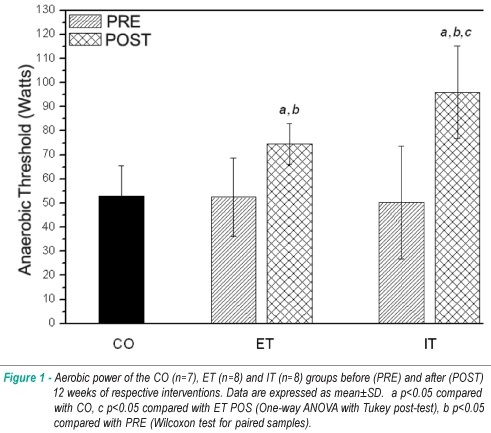
BACKGROUND: Aerobic exercise is an important ally in the fight against cardiovascular risk factors. However, the effects of high-intensity exercise on these factors are still poorly known. OBJECTIVE: To compare the effects of aerobic and anaerobic exercise protocols on cardiac risk factors. METHODS: 22 individuals with mean age of 40±8 years were distributed into the following groups: control (CO), endurance training (ET) and interval training (IT). The protocols lasted 12 weeks, three times a week, with intensities of 10% below and 20% above the anaerobic threshold (AnT). The following measurements were taken: total body mass (TBM), body mass index (BMI), waist circumference (WC), hip circumference (HC), and body composition, in addition to plasma concentrations of glucose (GLU), total cholesterol (CHO), and triglycerides (TG). Waist-hip ratio (WHR) and conicity index (C index) were also calculated. RESULTS: The TBM, BMI, WC, GLU, and body composition variables showed significant changes in the ET and IT groups. CHO and HC values were significantly reduced in the ET group, whereas WHR showed a significant reduction in the IT group. AnT and C index in the IT group were significantly different in relation to ET. CONCLUSION: In view of the differences found in the results of the variables studied in relation to the training performed, we conclude that an exercise program that includes both high and low-intensity activities is more efficient to ensure the reduction of a greater number of cardiac risk variables.
  • abdominal circunference
  • Adult
  • Body Composition
  • body mass index
  • Cholesterol
  • Exercise
  • Overweight
Read Full Article
Creative Commons Attribution (CC BY) Creative Commons license
14/11/2008 DOI: 10.1590/S0066-782X2008001600003
Artigo Original

Prevalence of arterial hypertension and associated factors in adults in São Luís, state of Maranhão

José Bonifácio Barbosa et al. Antonio Augusto Moura da Silva Alcione Miranda dos Santos Francisco das Chagas Monteiro Júnior … Márcio Mesquita Barbosa Marcelo Mesquita Barbosa José Albuquerque de Figueiredo Neto Nivaldo de Jesus S. Soares Vinicius José da Silva Nina José Nicodemo Barbosa

BACKGROUND: Little is known about the prevalence of arterial hypertension (AH) and its risk factors in the less developed regions of Brazil. OBJECTIVE: To estimate the prevalence of arterial hypertension and its associated factors in the population > 18 years in São Luís, state of Maranhão according to the Seventh Report of the Joint National Committee (JNC 7) criteria. METHODS: A cross-sectional study was conducted in São Luís, MA, from February to March 2003, with 835 individuals >18 years who completed a structured household questionnaire. Measurements of arterial pressure (AP), weight, height and waist circumference were taken, and other risk factors for cardiovascular disease were assessed. The Poisson regression method was used for the identification of factors associated with AH, with an estimate of the prevalence ratio (PR) and its corresponding 95% confidence interval. RESULTS: Age varied from 18 and 94 years (mean age was 39.4 years), 293 (35.1%) individuals were normotensive and 313 (37.5%) were pre-hypertensive. The AH prevalence was 27.4% (95% CI – 24.4% to 30.6%), and it was higher among men (32.1%) than among women (24.2%). In the adjusted analysis, the following remained independently associated with AH: male gender (PR 1.52, 95% CI, 1.25-1.84), age > 30 years, with PR=6.65, 95% CI, 4.40-10.05 for >60 years of age, overweight (PR 2.09 95% CI 1.64-2.68), obesity (PR 2.68, 95% CI, 2.03-3.53) and diabete (PR 1.56, 95% CI, 1.24-1.97). CONCLUSION: These findings suggest the need to control overweight, obesity and diabete, especially among women and individuals > 30 years of age in order to reduce the prevalence of arterial hypertension.

  • Brazil
  • Hypertension
  • Risk Factors
Read Full Article
Creative Commons Attribution (CC BY) Creative Commons license
11/11/2008 DOI: 10.1590/S0066-782X2008001600009 Views 2
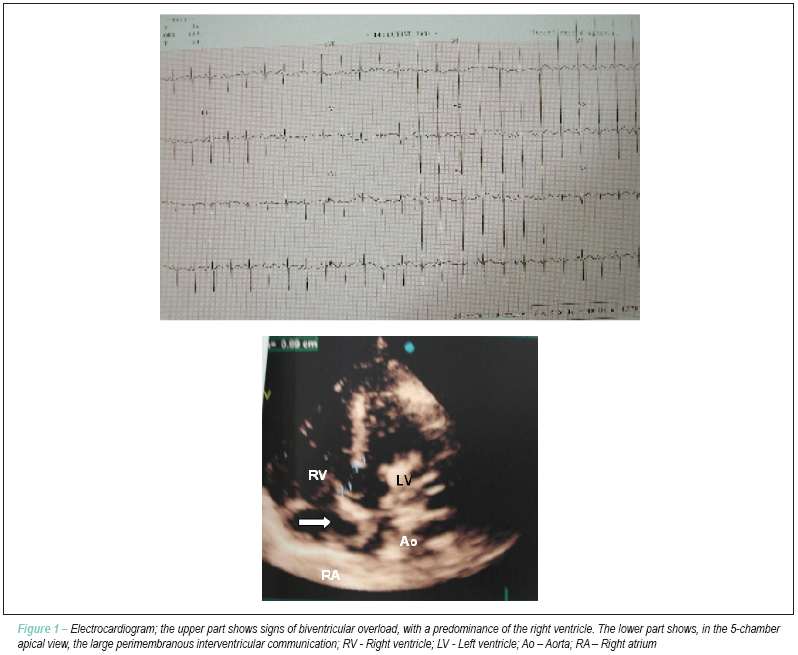
Case 5/2008: eight-month-old male infant, with down's syndrome, interventricular communication and pulmonary artery hypertension
Correlação Clínico-Radiográfica

Case 5/2008: eight-month-old male infant, with down's syndrome, interventricular communication and pulmonary artery hypertension

Edmar Atik

CLINICORADIOLOGICAL SESSION

Case 5/2008 – Eight-month-old male infant, with down’s syndrome, interventricular communication and pulmonary artery hypertension

[…]

Read Full Article
Creative Commons Attribution (CC BY) Creative Commons license
11/11/2008 DOI: 10.1590/S0066-782X2008001600014
Página do Presidente

Scientific maturity towards leadership in South America

Antonio Carlos Palandri Chagas

THE PRESIDENT´S PAGE

Scientific maturity towards leadership in South America

[…]

Read Full Article
Creative Commons Attribution (CC BY) Creative Commons license
11/11/2008 DOI: 10.1590/S0066-782X2008001600001
Review Article

Role of autoantibodies in the physiopathology of chagas' disease

Emiliano Horacio Medei et al. José Hamilton Matheus Nascimento Roberto Coury Pedrosa Antônio Carlos Campos de Carvalho

Chagas’ disease is a serious health problem in Latin America. Between 25 to 30% of the infected patients develop the chronic form of the disease, with progressive myocardial damage and often, sudden death. Adrenergic or cholinergic antibodies with G-protein coupled membrane receptor activity may be present in the sera of these patients. The present study discusses the etiology and the contribution of antibodies to the physiopathology of Chagas’ disease.

  • Antibodies
  • Chagas disease
Read Full Article
Creative Commons Attribution (CC BY) Creative Commons license
11/11/2008 DOI: 10.1590/S0066-782X2008001600012 Views 1
Slow breathing test increases the suspicion of white-coat hypertension in the office
Artigo Original

Slow breathing test increases the suspicion of white-coat hypertension in the office

José Marcos Thalenberg et al. Rui Manoel dos Santos Póvoa Maria Teresa Nogueira Bombig Gustavo André Costa de Sá … Álvaro Nagib Atallah Bráulio Luna Filho

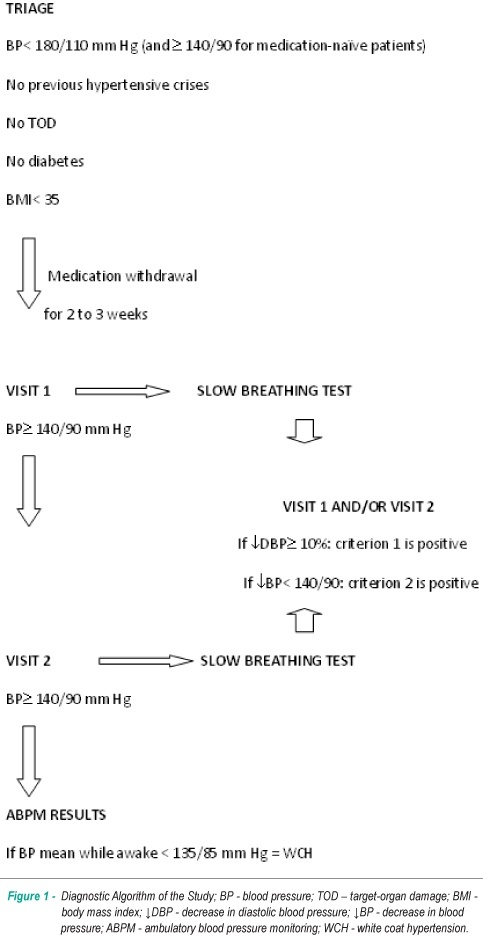
BACKGROUND: It would be useful to have a clinical test that increases the suspicion of white coat hypertension (WCH) during the medical consultation. OBJECTIVE: To evaluate the Slow Breathing Test (SBT) when differentiating hypertension from WCH. METHODS: 101 hypertensive patients selected at triage had their medication withdrawn for 2-3 weeks. The blood pressure (BP) was measured before and after the SBT at two consultations at the office. The test consisted in breathing for 1 minute at the frequency of one respiratory cycle every 10 seconds. Two diagnostic criteria were compared: 1 – decrease in diastolic BP >10% in at least one visit or 2- decrease in BP to normal levels (<140/90 mm Hg) in at least one visit. The ambulatory blood pressure monitoring (ABPM) was performed while blinded to the clinical measurements. RESULTS: 71 women and 30 men, with a mean age of 51+10 years, with mean pre and post-test BP of 152+17/ 99+11 and 140+18/ 91+11 mm Hg were assessed. Nine patients had normal clinical and ambulatory measurements. Of the 92 patients, 28 (30%) were classified as having WCH; 15 had a positive test for Criterion 1 and 21 for the Criterion 2. Among 64 (70%) hypertensive individuals, 14 tested positive for Criterion 1 and 12 for Criterion 2. Sensitivity and specificity (95% CI): 0.54 (0.36-0.71) and 0.78 (0.67-0.87) for Criterion 1; 0.75 (0.57-0.87) and 0.81 (0.70-0.89) for Criterion 2. CONCLUSION: The SBT showed an increase in the clinical suspicion of WCH in two visits when using the BP normalization criterion. This finding suggests that the test can help in the optimization of ABPM requests for suspected cases.

  • Ambulatory
  • blood pressure monitoring
  • Hypertension
  • Respiratory Function Tests
Read Full Article
Creative Commons Attribution (CC BY) Creative Commons license
11/11/2008 DOI: 10.1590/S0066-782X2008001600010 Views 1
Artigo Original

Risk factors for stroke after coronary artery bypass grafting

Dinaldo Cavalcanti de Oliveira et al. Carlos Romerio Ferro João Bosco de Oliveira Marcelo Menezes Malta … Plínio Barros Neto Silvia J. F. Cano Stevan Krieker Martins Luis Carlos B. Souza Adib Domingos Jatene Leopoldo Soares Piegas

BACKGROUND: Stroke is a feared complication after coronary artery bypass grafting surgery (CABG), with an incidence between 1.3 and 4.3%. OBJECTIVE: To identify predictive factors for stroke after CABG in the modern era of cardiac surgery. METHODS: This is a case-control study of 65 pairs of patients, paired by sex, age (+ 3 years) and date of CABG (+ 3 months). The cases were patients submitted to elective CABG with extracorporeal circulation (ECC) that presented stroke (defined as clinical neurological deficit up to 24 hours post-operatively and confirmed by imaging assessment) and the controls were those individuals submitted to elective CABG with ECC, but without stroke. RESULTS: The univariate analysis demonstrated that the number of revascularized vessels was associated with the occurrence of stroke after the CABG (3 ± 0.8 vs. 2.76 ± 0.8, p = 0.01). The multivariate analysis by conditional logistic regression showed that systemic arterial hypertension (SAH) [OR: 6.1 (1.5 – 24), p = 0.009] and diabete mellitus (DM) [OR: 3.1 (1.09 – 11), p= 0.03] were the determinants of the highest chance of stroke after CABG, whereas acute myocardial infarction (AMI) > 1 month, was the determinant of the lowest chance of stroke [OR: 0.1 (0.03 – 0.36), p = 0.003]. CONCLUSION: Hypertension and diabete mellitus were identified as independent predictors of stroke within the first 24 postoperative hours after CABG. In patients with such risk factors, it is possible that the knowledge of the causal mechanisms of brain injury represents a strategy capable of decreasing the incidence of stroke after CABG.

  • cerebrovascular accident
  • Myocardial Revascularization
  • Risk Factors
Read Full Article
Creative Commons Attribution (CC BY) Creative Commons license
11/11/2008 DOI: 10.1590/S0066-782X2008001600005
Primary percutaneous coronary intervention through transulnar approach: safety and effectiveness
Case Report

Primary percutaneous coronary intervention through transulnar approach: safety and effectiveness

Pedro Beraldo de Andrade et al. Marden André Tebet Mônica Vieira Athanazio de Andrade André Labrunie Luiz Alberto Piva e Mattos

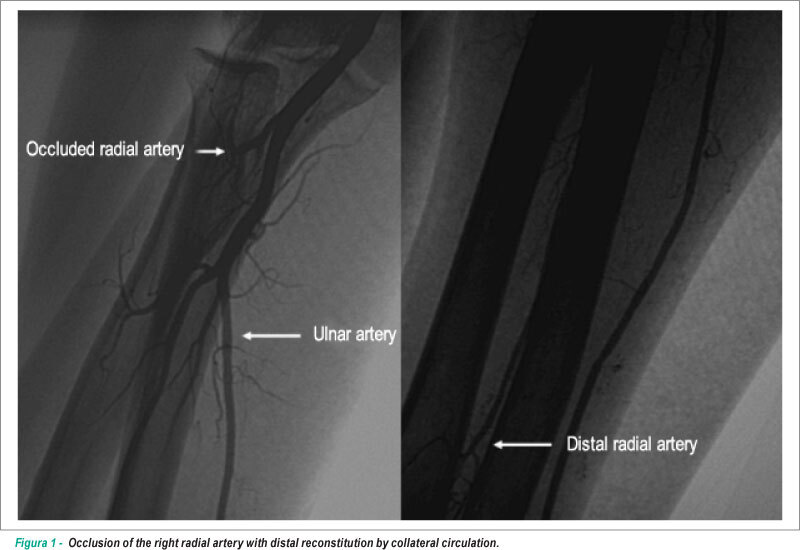
The transradial approach is safe and effective for coronary procedures. However, its use may be compromised in cases of variations in radial artery anatomy, spasms, and negative Allen’s test. The transulnar approach emerges as a viable alternative to transradial approach. We report on a patient who underwent primary angioplasty via ulnar artery without ischemic hand complications despite prior occlusion of the ipsilateral radial artery.

  • Primary percutaneous coronary intervention
  • transradial approach
  • transulnar approach
Read Full Article
Creative Commons Attribution (CC BY) Creative Commons license
11/11/2008 DOI: 10.1590/S0066-782X2008001600017 Views 1
Letter to the Editor

Cardiovascular risk in vegetarians and omnivores: a comparative study

Eduardo Maffini da Rosa et al. Ronei Pacheco Scatola Ricardo Possa

LETTER TO THE EDITOR

Cardiovascular risk in vegetarians and omnivores: a comparative study

[…]

Read Full Article
Creative Commons Attribution (CC BY) Creative Commons license
11/11/2008 DOI: 10.1590/S0066-782X2008001600013
Arrythmogenic right ventricular dysplasia
Case Report

Arrythmogenic right ventricular dysplasia

Rogério Ferreira da Silva et al. Karina Morgarbel Christian Moreno Luize Carla Gonçalves Rosa … Marcelo Romano Ieda Maria Liguori

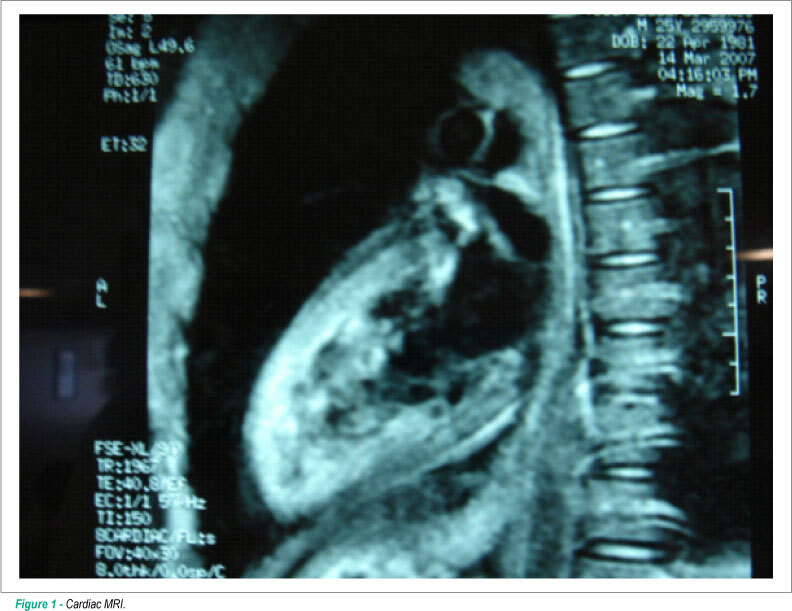
Arritmogenic right ventricular dysplasia (ARVD) is characterized by the gradual replacement of myocytes by adipose and fibrous tissue. Described in 1977, is considered a potentially lethal cause of cardiac disease poorly understood. This disorder usually involves the right ventricle and has been associated with arrthymia, heart failure, and sudden death. In this paper, we report a case of a 25-years-old patient with syncope associated with ventricular extrasystoles. A magnetic resonance imaging was performed and showed findings that support ARVD diagnose.

  • Arrhythmia
  • Arrhythmogenic right ventricular dysplasia;
  • Heredity
Read Full Article
Creative Commons Attribution (CC BY) Creative Commons license
11/11/2008 DOI: 10.1590/S0066-782X2008001600016 Views 1
Artigo Original

Cardiovascular risk factors in adolescents with different levels of energy expenditure

Italo Quenni Araujo de Vasconcelos et al. Antonio Stabelini Neto Luís Paulo Gomes Mascarenhas Rodrigo Bozza … Anderson Zampier Ulbrich Wagner de Campos Renata Labronici Bertin

BACKGROUND: Physical inactivity in adolescence is related to body fat accumulation, which apparently can increase the probability of onset and development of metabolic changes. OBJECTIVE: To verify the predisposition to cardiovascular risk factors in adolescents with different levels of energy expenditure. METHODS: A total of 108 young men and 132 young women aged between 12 and 16 years were selected. Daily energy expenditure was obtained using the questionnaire proposed by Bouchard et al. The sample was previously divided according to the quartiles of energy expenditure (Kcal/kg/day) into three groups: sedentary (SG), moderately active (MG), and active (AG). The enzyme-colorimetric method was used to determine the total cholesterol (TC), HDL-C, and triglycerides (TG) levels. LDL-C was calculated using the Friedewald et al’s formula. The one-factor analysis of variance was used for statistical analysis, considering p<0.05. RESULTS: For the male gender, significant differences were found between the groups for the TC variable (mg/dl); AG (121.56±19.15) was different from MG (142.70±27.65) and from SG (145.63±36.54). Likewise, MG was different from SG (F=3.70 and p=0.03). For the TG variable (mg/dl), AG (65.69±18.95) was different from MG (82.25±33.73) and from SG (97.44±45.95). Also, MG was different from SG (F=3.40 and p=0.04). For the female gender, no significant differences were found in relation to daily energy expenditure. CONCLUSION: More active young men show lower TC and TG levels in comparison with their moderately active and sedentary peers.

  • Adolescent
  • Energy metabolism
  • Risk Factors
Read Full Article
Creative Commons Attribution (CC BY) Creative Commons license
11/11/2008 DOI: 10.1590/S0066-782X2008001600004 Views 1
Predictors of quality of life change after an acute coronary event
Artigo Original

Predictors of quality of life change after an acute coronary event

Emiliane N. Souza et al. Alexandre S. Quadros Rúbia Maestri Camila Albarrán Rogério Sarmento-Leite

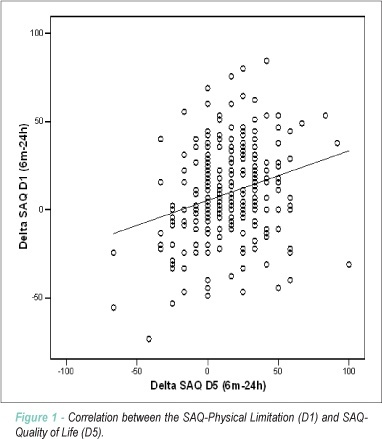
BACKGROUND: The assessment of quality of life (QOL), identifying functional capacity and frequency of angina and other cardiac symptoms, are key issues in the treatment of chronic patients or in those with disease instability. OBJECTIVE: To identify predictors of quality of life (QOL) improvement in patients with non-ST segment elevation acute coronary syndrome (NSTEACS). METHODS: Patients hospitalized in a cardiology reference hospital were assessed with the Seattle Angina Questionnaire (SAQ) at the time of admission and after 6 months. The analyzed outcome was the variation of the QOL score, resulting from the difference between the score after six months and the score at the time of admission. Differences between patients with or without 6-month QOL improvements regarding the demographic, clinical and therapeutic characteristics were assessed by univariate and multivariate analysis. RESULTS: Hypertensive patients presented lower improvement in QOL scores when compared to non-hypertensive ones [8,3(0-25) vs. 16,6(0-33,3); P=0,05], as well as patients with dyslipidemia, when compared to non-dyslipidemic ones [8,3(0-25) vs. 16,6(0-33,3); P=0,02]. Patients with unstable angina presented greater improvements in QOL in relation to those with NSTE myocardial infarction [16.6(0-33.3) vs. 8.3(-8,3-25); P=0,03]. By multivariate analysis, myocardial revascularization in the first 30-days was associated with the greater improvement in the QOL score (8.47 points; P=0,005). On the other side, the presence of dyslipidemia at the baseline evaluation was an independent predictor of worse QOL scores (-7.2 points; P=0.01). CONCLUSION: Myocardial revascularization was associated with improvement in the 6-month QOL scores, while dyslipidemia was associated with worse scores.

  • coronary arteriosclerosis
  • Myocardial Revascularization
  • Quality of life
Read Full Article
Creative Commons Attribution (CC BY) Creative Commons license
11/11/2008 DOI: 10.1590/S0066-782X2008001600008
Corrected transposition of the great arteries: late clinical presentation, in the fifth decade of life
Case Report

Corrected transposition of the great arteries: late clinical presentation, in the fifth decade of life

Roger Pereira de Oliveira et al. Panayotis Agorianitis Ronaldo Vegni Gustavo Nobre … Marcelo Kalichsztein José Kezen

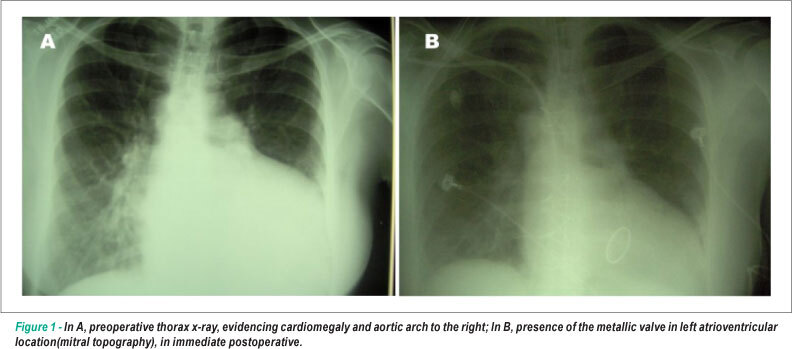
The corrected transposition of the great arteries, rare congenital cardiopathy, is related to the largest incidence of cardiological complications. We report a case in which the clinical presentation of the disease occurred in the fifth decade of life, with tricuspid insufficiency, occasion that the patient was submitted to valvar replacement.

  • Heart Defects, Congenital
  • Transposition of Great Vessels
  • Tricuspid Valve Insufficiency
Read Full Article
Creative Commons Attribution (CC BY) Creative Commons license
11/11/2008 DOI: 10.1590/S0066-782X2008001600015 Views 2
Cardiac pacing in hypertrophic cardiomyopathy: a cohort with 24 years of follow-up
Artigo Original

Cardiac pacing in hypertrophic cardiomyopathy: a cohort with 24 years of follow-up

Lenine Angelo Alves Silva et al. Edmundo Arteaga Fernández Martino Martinelli Filho Roberto Costa … Sérgio Siqueira Barbara Maria Ianni Charles Mady

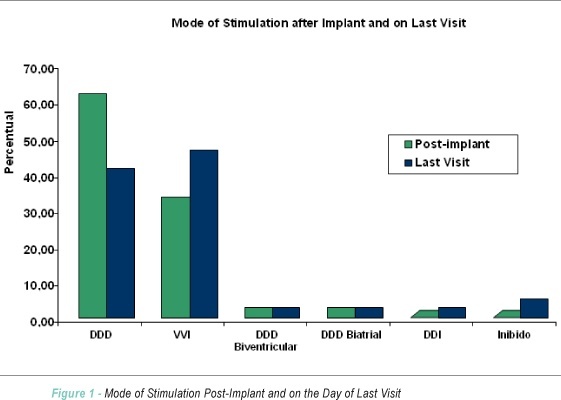
BACKGROUND: The benefits of heart stimulation in hypertrophic cardiomyopathy (HCM) patients have been questioned. Research work available in Brazil on those benefits is scarce. OBJECTIVE: To describe the indication, clinical response, complications and survival time related to pacemaker implant in HCM patients. METHODS: Thirty-nine hypertrophic cardiomyopathy patients were studied (41% males) and submitted to pacemaker implant from May, 1980 through November, 2003. RESULTS: Twenty-seven patients presented obstructive hypertrophic cardiomyopathy, and 12, non-obstructive. Mean age was 46.4 years of age (range 14 – 77), with follow-up of 6.4 ± 4.1 years. Major indications for implant were: spontaneous or induced atrioventricular block (54%), refractoriness to therapeutic conduct associated to high gradient (33%), support for drug therapy to treat bradychardia (8%), and atrial fibrillation prevention (5%). Functional class was shown to improve from 2.41±0.87 to 1.97±0.92 (p = 0.008), and symptoms referred were reduced. No change was made in drug therapy administration. No procedure-related deaths were reported. Although shown to be safe, the procedure was not free from complications (6 patients – 15.4%). Three deaths occurred in the follow-up period – the three of them were atrial fibrillation female patients, with evidence of functional deterioration. A close association was observed between clinical condition worsening and the onset of atrial fibrillation or flutter. CONCLUSION: Cardiac pacing in HCM patients was successful, with evidence of symptoms relief in obstructive HCM patients. No functional improvement was observed in non-obstructive patients.

  • Artificial
  • Cardiac pacing
  • cardiomyopathy
  • Cohort Studies
  • hypertrophic
  • outcome assessment
Read Full Article
Creative Commons Attribution (CC BY) Creative Commons license
11/11/2008 DOI: 10.1590/S0066-782X2008001600011
Artigo Original

Evaluation of prescription of exercise, for rehabilitation of coronary artery disease patients by myocardial scintigraphy

Romeu S. Meneghelo et al. Hélio M. Magalhães Paola E. P. Smanio Angela R. C. N. Fuchs … Almir S. Ferraz Rica D. D. Buchler Susimeire Buglia Luiz E. Mastrocolla Anneliese F. Thom

BACKGROUND: It is advisable that the intensity of the exercises for rehabilitation of patients with coronary artery disease does not cause myocardial ischemia. OBJECTIVE: Compare the capacity of myocardial tomographic scintigraphy with the electrocardiogram capacity in ischemia detection during rehabilitation session. METHODS: Twenty six patients with coronary artery disease, undergoing the rehabilitation program and with previous scintigraphy, with transient hypo-uptake have been administered a new injection of MIBI-Tc-99m during a training session when they were also monitored with dynamic electrocardiography. The rest scintigraphies, after ergometric treadmill test and rehabilitation session, were assessed in a semi-quantitative way using scores from 0 to 4 to classify each one of the chosen segments (0 = normal; 1 = discrete hypo-uptake; 2 = moderate; 3 = intense; 4 = lack of uptake). RESULTS: The means of the total scores found were: at rest = 12.9; after treadmill test = 19.3; after rehabilitation session = 15.1. There were statistically significant differences among them. An individual assessment showed that in 14 cases (53.8 %) hypo-uptake to some degree was identified during rehabilitation and in 12 cases (46.6%) it was not. Monitoring with the Holter system didn’t show in any of the cases a ST segment depression equal or greater than 1mm. CONCLUSION: The exercises prescribed for patients with coronary artery disease, according to recommendations found in the literature, may trigger myocardial ischemia, assessed by scintigraphy during a rehabilitation session.

  • Coronary Disease
  • Exercise Therapy
  • Myocardial Ischemia
  • Radionuclide Imaging
  • Technetium
Read Full Article
Creative Commons Attribution (CC BY) Creative Commons license
11/11/2008 DOI: 10.1590/S0066-782X2008001600007 Views 1
Editorial

The costs of cardiovascular disease in Brazil: a brief economic comment

Giácomo Balbinotto Neto et al. Everton Nunes da Silva

EDITORIAL

[…]

Read Full Article
Creative Commons Attribution (CC BY) Creative Commons license
11/11/2008 DOI: 10.1590/S0066-782X2008001600002
Artigo Original

Quality of life after on-pump and off-pump coronary artery bypass grafting surgery

Celia R. S. R. Nogueira et al. Whady Hueb Myrthes E. Takiuti Priscyla B. M. A. Girardi … Teryo Nakano Fábio Fernandes Felipe da S. Paulitsch Aécio F. T. Góis Neuza H. M. Lopes Noedir A. Stolf

BACKGROUND: Coronary artery bypass grafting techniques without using cardiopulmonary bypass (off-pump CABG) result in less systemic damage, less clinical complications, less time spent in the intensive care unit, and shorter hospital stays, thereby raising the perspective of improved quality of life (QOL) for patients. OBJECTIVE: To assess quality of life in patients who underwent on-pump and off-pump CABG. METHODS: The Short-Form Health Survey (SF-36) Questionnaire was administered to patients with stable multivessel coronary artery disease (CAD) and preserved ventricular function before and at six and 12 months after surgery. RESULTS: Between January 2002 and December 2006, a total of 202 patients were randomized to either on-pump or off-pump CABG. Demographic, clinical, laboratory, and angiographic characteristics were similar in both groups. One hundred and five patients underwent off-pump CABG and 97 underwent on-pump CABG. In the postoperative course, 22 patients had myocardial infarction, 29 reported angina, one was reoperated, and three experienced stroke. No patient died. Quality of life, as measured by the SF-36 questionnaire, was shown to be similar in both groups regarding physical and mental components. However, male patients showed a significant improvement in physical functioning and role limitations due to physical problems. Also, a large number of patients in both groups returned to work. CONCLUSION: Progressive enhancement in quality of life and early return to work were observed for all patients, regardless of the surgical technique used. Save for a greater improvement in physical functioning and role limitations due to physical problems experienced by male patients, no statistically significant differences were found in the other domains between groups.

  • coronary arteriosclerosis
  • Extracorporeal Circulation
  • Myocardial Revascularization
  • Quality of life
Read Full Article
Creative Commons Attribution (CC BY) Creative Commons license
11/11/2008 DOI: 10.1590/S0066-782X2008001600006 Views 1

How to cite this article

EndNote RIS

Electronic Document Format (Vancouver)

Moreira MM, Souza HPC, Schwingel PA, Sá CKC, Zoppi CC. Effects of aerobic and anaerobic exercise on cardiac risk variables in overweight adults. Arquivos Brasileiros de Cardiologia 2008;91(4):219-26.

Electronic Document Format (ABNT)

Moreira, Mônica Medeiros; Souza, Helder Porto Carozo de; Schwingel, Paulo Adriano; Sá, Cloud Kennedy Couto de; Zoppi, Cláudio Cesar. Effects of aerobic and anaerobic exercise on cardiac risk variables in overweight adults. Arquivos Brasileiros de Cardiologia, v. 91, n. 4, p. 219-226, Nov. 2008.

Electronic Document Format (APA)

Moreira, M. M., Souza, H. P. C. , Schwingel, P. A., Sá, C. K. C. , & Zoppi, C. C. (2008). Effects of aerobic and anaerobic exercise on cardiac risk variables in overweight adults. Arquivos Brasileiros de Cardiologia, 91(4), 219-226.

Electronic Document Format (ISO)

Moreira, Mônica Medeiros and Souza, Helder Porto Carozo de and Schwingel, Paulo Adriano and Sá, Cloud Kennedy Couto de and Zoppi, Cláudio Cesar. Effects of aerobic and anaerobic exercise on cardiac risk variables in overweight adults. Arquivos Brasileiros de Cardiologia [online]. 2008, vol. 91, n. 4, [cited 2026-10-14], pp. 219-226. Available from: <https://journals.cardiol.br/en/article/effects-of-aerobic-and-anaerobic-exercise-on-cardiac-risk-variables-in-overweight-adults/>. ISSN 0066-782X

EndNote RIS

Electronic Document Format (Vancouver)

Barbosa JB, Silva AAM, Santos AM, Monteiro Júnior FC, Barbosa MM, Barbosa MM, Figueiredo Neto JA, et al. Prevalence of arterial hypertension and associated factors in adults in São Luís, state of Maranhão. Arquivos Brasileiros de Cardiologia 2008;91(4):260-6.

Electronic Document Format (ABNT)

Barbosa, José Bonifácio; Silva, Antonio Augusto Moura da; Santos, Alcione Miranda dos; Monteiro Júnior, Francisco das Chagas; Barbosa, Márcio Mesquita; Barbosa, Marcelo Mesquita; Figueiredo Neto, José Albuquerque de; Soares, Nivaldo de Jesus S.; Nina, Vinicius José da Silva; Barbosa, José Nicodemo. Prevalence of arterial hypertension and associated factors in adults in São Luís, state of Maranhão. Arquivos Brasileiros de Cardiologia, v. 91, n. 4, p. 260-266, Nov. 2008.

Electronic Document Format (APA)

Barbosa, J. B., Silva, A. A. M. , Santos, A. M. , Monteiro Júnior, F. C., Barbosa, M. M., Barbosa, M. M., Figueiredo Neto, J. A. , Soares, N. J. S., Nina, V. J. S., & Barbosa, J. N. (2008). Prevalence of arterial hypertension and associated factors in adults in São Luís, state of Maranhão. Arquivos Brasileiros de Cardiologia, 91(4), 260-266.

Electronic Document Format (ISO)

Barbosa, José Bonifácio and Silva, Antonio Augusto Moura da and Santos, Alcione Miranda dos and Monteiro Júnior, Francisco das Chagas and Barbosa, Márcio Mesquita and Barbosa, Marcelo Mesquita and Figueiredo Neto, José Albuquerque de and Soares, Nivaldo de Jesus S. and Nina, Vinicius José da Silva and Barbosa, José Nicodemo. Prevalence of arterial hypertension and associated factors in adults in São Luís, state of Maranhão. Arquivos Brasileiros de Cardiologia [online]. 2008, vol. 91, n. 4, [cited 2026-10-14], pp. 260-266. Available from: <https://journals.cardiol.br/en/article/prevalence-of-arterial-hypertension-and-associated-factors-in-adults-in-sao-luis-state-of-maranhao/>. ISSN 0066-782X

EndNote RIS

Electronic Document Format (Vancouver)

Atik E. Case 5/2008: eight-month-old male infant, with down’s syndrome, interventricular communication and pulmonary artery hypertension. Arquivos Brasileiros de Cardiologia 2008;91(4):289-90.

Electronic Document Format (ABNT)

Atik, Edmar. Case 5/2008: eight-month-old male infant, with down’s syndrome, interventricular communication and pulmonary artery hypertension. Arquivos Brasileiros de Cardiologia, v. 91, n. 4, p. 289-290, Nov. 2008.

Electronic Document Format (APA)

Atik, E. (2008). Case 5/2008: eight-month-old male infant, with down’s syndrome, interventricular communication and pulmonary artery hypertension. Arquivos Brasileiros de Cardiologia, 91(4), 289-290.

Electronic Document Format (ISO)

Atik, Edmar. Case 5/2008: eight-month-old male infant, with down’s syndrome, interventricular communication and pulmonary artery hypertension. Arquivos Brasileiros de Cardiologia [online]. 2008, vol. 91, n. 4, [cited 2026-10-14], pp. 289-290. Available from: <https://journals.cardiol.br/en/article/case-5-2008-eight-month-old-male-infant-with-downs-syndrome-interventricular-communication-and-pulmonary-artery-hypertension/>. ISSN 0066-782X

EndNote RIS

Electronic Document Format (Vancouver)

Chagas ACP. Scientific maturity towards leadership in South America. Arquivos Brasileiros de Cardiologia 2008;91(4):216.

Electronic Document Format (ABNT)

Chagas, Antonio Carlos Palandri. Scientific maturity towards leadership in South America. Arquivos Brasileiros de Cardiologia, v. 91, n. 4, p. 216-216, Nov. 2008.

Electronic Document Format (APA)

Chagas, A. C. P. (2008). Scientific maturity towards leadership in South America. Arquivos Brasileiros de Cardiologia, 91(4), 216-216.

Electronic Document Format (ISO)

Chagas, Antonio Carlos Palandri. Scientific maturity towards leadership in South America. Arquivos Brasileiros de Cardiologia [online]. 2008, vol. 91, n. 4, [cited 2026-10-14], pp. 216-216. Available from: <https://journals.cardiol.br/en/article/scientific-maturity-towards-leadership-in-south-america/>. ISSN 0066-782X

EndNote RIS

Electronic Document Format (Vancouver)

Medei EH, Nascimento JHM, Pedrosa RC, Carvalho ACC. Role of autoantibodies in the physiopathology of chagas’ disease. Arquivos Brasileiros de Cardiologia 2008;91(4):281-6.

Electronic Document Format (ABNT)

Medei, Emiliano Horacio; Nascimento, José Hamilton Matheus; Pedrosa, Roberto Coury; Carvalho, Antônio Carlos Campos de. Role of autoantibodies in the physiopathology of chagas’ disease. Arquivos Brasileiros de Cardiologia, v. 91, n. 4, p. 281-286, Nov. 2008.

Electronic Document Format (APA)

Medei, E. H., Nascimento, J. H. M., Pedrosa, R. C., & Carvalho, A. C. C. (2008). Role of autoantibodies in the physiopathology of chagas’ disease. Arquivos Brasileiros de Cardiologia, 91(4), 281-286.

Electronic Document Format (ISO)

Medei, Emiliano Horacio and Nascimento, José Hamilton Matheus and Pedrosa, Roberto Coury and Carvalho, Antônio Carlos Campos de. Role of autoantibodies in the physiopathology of chagas’ disease. Arquivos Brasileiros de Cardiologia [online]. 2008, vol. 91, n. 4, [cited 2026-10-14], pp. 281-286. Available from: <https://journals.cardiol.br/en/article/role-of-autoantibodies-in-the-physiopathology-of-chagas-disease/>. ISSN 0066-782X

EndNote RIS

Electronic Document Format (Vancouver)

Thalenberg JM, Póvoa RMS, Bombig MTN, Sá GAC, Atallah N, Luna Filho B. Slow breathing test increases the suspicion of white-coat hypertension in the office. Arquivos Brasileiros de Cardiologia 2008;91(4):267-73.

Electronic Document Format (ABNT)

Thalenberg, José Marcos; Póvoa, Rui Manoel dos Santos; Bombig, Maria Teresa Nogueira; Sá, Gustavo André Costa de; Atallah, Álvaro Nagib; Luna Filho, Bráulio. Slow breathing test increases the suspicion of white-coat hypertension in the office. Arquivos Brasileiros de Cardiologia, v. 91, n. 4, p. 267-273, Nov. 2008.

Electronic Document Format (APA)

Thalenberg, J. M., Póvoa, R. M. S., Bombig, M. T. N., Sá, G. A. C. , Atallah, N., & Luna Filho, B. (2008). Slow breathing test increases the suspicion of white-coat hypertension in the office. Arquivos Brasileiros de Cardiologia, 91(4), 267-273.

Electronic Document Format (ISO)

Thalenberg, José Marcos and Póvoa, Rui Manoel dos Santos and Bombig, Maria Teresa Nogueira and Sá, Gustavo André Costa de and Atallah, Álvaro Nagib and Luna Filho, Bráulio. Slow breathing test increases the suspicion of white-coat hypertension in the office. Arquivos Brasileiros de Cardiologia [online]. 2008, vol. 91, n. 4, [cited 2026-10-14], pp. 267-273. Available from: <https://journals.cardiol.br/en/article/slow-breathing-test-increases-the-suspicion-of-white-coat-hypertension-in-the-office/>. ISSN 0066-782X

EndNote RIS

Electronic Document Format (Vancouver)

Oliveira DC, Ferro CR, Oliveira JB, Malta MM, Barros Neto P, Cano SJF, Martins SK, et al. Risk factors for stroke after coronary artery bypass grafting. Arquivos Brasileiros de Cardiologia 2008;91(4):234-7.

Electronic Document Format (ABNT)

Oliveira, Dinaldo Cavalcanti de; Ferro, Carlos Romerio; Oliveira, João Bosco de; Malta, Marcelo Menezes; Barros Neto, Plínio; Cano, Silvia J. F.; Martins, Stevan Krieker; Souza, Luis Carlos B.; Jatene, Adib Domingos; Piegas, Leopoldo Soares. Risk factors for stroke after coronary artery bypass grafting. Arquivos Brasileiros de Cardiologia, v. 91, n. 4, p. 234-237, Nov. 2008.

Electronic Document Format (APA)

Oliveira, D. C. , Ferro, C. R., Oliveira, J. B. , Malta, M. M., Barros Neto, P., Cano, S. J. F., Martins, S. K., Souza, L. C. B., Jatene, A. D., & Piegas, L. S. (2008). Risk factors for stroke after coronary artery bypass grafting. Arquivos Brasileiros de Cardiologia, 91(4), 234-237.

Electronic Document Format (ISO)

Oliveira, Dinaldo Cavalcanti de and Ferro, Carlos Romerio and Oliveira, João Bosco de and Malta, Marcelo Menezes and Barros Neto, Plínio and Cano, Silvia J. F. and Martins, Stevan Krieker and Souza, Luis Carlos B. and Jatene, Adib Domingos and Piegas, Leopoldo Soares. Risk factors for stroke after coronary artery bypass grafting. Arquivos Brasileiros de Cardiologia [online]. 2008, vol. 91, n. 4, [cited 2026-10-14], pp. 234-237. Available from: <https://journals.cardiol.br/en/article/risk-factors-for-stroke-after-coronary-artery-bypass-grafting/>. ISSN 0066-782X

EndNote RIS

Electronic Document Format (Vancouver)

Andrade PB, Tebet MA, Andrade MVA, Labrunie A, Mattos LAP. Primary percutaneous coronary intervention through transulnar approach: safety and effectiveness. Arquivos Brasileiros de Cardiologia 2008;91(4):e41-4.

Electronic Document Format (ABNT)

Andrade, Pedro Beraldo de; Tebet, Marden André; Andrade, Mônica Vieira Athanazio de; Labrunie, André; Mattos, Luiz Alberto Piva e. Primary percutaneous coronary intervention through transulnar approach: safety and effectiveness. Arquivos Brasileiros de Cardiologia, v. 91, n. 4, p. e41-e44, Nov. 2008.

Electronic Document Format (APA)

Andrade, P. B. , Tebet, M. A., Andrade, M. V. A. , Labrunie, A., & Mattos, L. A. P. (2008). Primary percutaneous coronary intervention through transulnar approach: safety and effectiveness. Arquivos Brasileiros de Cardiologia, 91(4), e41-e44.

Electronic Document Format (ISO)

Andrade, Pedro Beraldo de and Tebet, Marden André and Andrade, Mônica Vieira Athanazio de and Labrunie, André and Mattos, Luiz Alberto Piva e. Primary percutaneous coronary intervention through transulnar approach: safety and effectiveness. Arquivos Brasileiros de Cardiologia [online]. 2008, vol. 91, n. 4, [cited 2026-10-14], pp. e41-e44. Available from: <https://journals.cardiol.br/en/article/primary-percutaneous-coronary-intervention-through-transulnar-approach-safety-and-effectiveness/>. ISSN 0066-782X

EndNote RIS

Electronic Document Format (Vancouver)

Rosa EM, Scatola RP, Possa R. Cardiovascular risk in vegetarians and omnivores: a comparative study. Arquivos Brasileiros de Cardiologia 2008;91(4):287-8.

Electronic Document Format (ABNT)

Rosa, Eduardo Maffini da; Scatola, Ronei Pacheco; Possa, Ricardo. Cardiovascular risk in vegetarians and omnivores: a comparative study. Arquivos Brasileiros de Cardiologia, v. 91, n. 4, p. 287-288, Nov. 2008.

Electronic Document Format (APA)

Rosa, E. M. , Scatola, R. P., & Possa, R. (2008). Cardiovascular risk in vegetarians and omnivores: a comparative study. Arquivos Brasileiros de Cardiologia, 91(4), 287-288.

Electronic Document Format (ISO)

Rosa, Eduardo Maffini da and Scatola, Ronei Pacheco and Possa, Ricardo. Cardiovascular risk in vegetarians and omnivores: a comparative study. Arquivos Brasileiros de Cardiologia [online]. 2008, vol. 91, n. 4, [cited 2026-10-14], pp. 287-288. Available from: <https://journals.cardiol.br/en/article/cardiovascular-risk-in-vegetarians-and-omnivores-a-comparative-study-2/>. ISSN 0066-782X

EndNote RIS

Electronic Document Format (Vancouver)

Silva RF, Morgarbel K, Luize CM, Rosa CG, Romano M, Liguori IM. Arrythmogenic right ventricular dysplasia. Arquivos Brasileiros de Cardiologia 2008;91(4):e38-40.

Electronic Document Format (ABNT)

Silva, Rogério Ferreira da; Morgarbel, Karina; Luize, Christian Moreno; Rosa, Carla Gonçalves; Romano, Marcelo; Liguori, Ieda Maria. Arrythmogenic right ventricular dysplasia. Arquivos Brasileiros de Cardiologia, v. 91, n. 4, p. e38-e40, Nov. 2008.

Electronic Document Format (APA)

Silva, R. F. , Morgarbel, K., Luize, C. M., Rosa, C. G., Romano, M., & Liguori, I. M. (2008). Arrythmogenic right ventricular dysplasia. Arquivos Brasileiros de Cardiologia, 91(4), e38-e40.

Electronic Document Format (ISO)

Silva, Rogério Ferreira da and Morgarbel, Karina and Luize, Christian Moreno and Rosa, Carla Gonçalves and Romano, Marcelo and Liguori, Ieda Maria. Arrythmogenic right ventricular dysplasia. Arquivos Brasileiros de Cardiologia [online]. 2008, vol. 91, n. 4, [cited 2026-10-14], pp. e38-e40. Available from: <https://journals.cardiol.br/en/article/arrythmogenic-right-ventricular-dysplasia/>. ISSN 0066-782X

EndNote RIS

Electronic Document Format (Vancouver)

Vasconcelos IQA, Stabelini Neto A, Mascarenhas LPG, Bozza R, Ulbrich AZ, Campos W, Bertin RL, et al. Cardiovascular risk factors in adolescents with different levels of energy expenditure. Arquivos Brasileiros de Cardiologia 2008;91(4):227-33.

Electronic Document Format (ABNT)

Vasconcelos, Italo Quenni Araujo de; Stabelini Neto, Antonio; Mascarenhas, Luís Paulo Gomes; Bozza, Rodrigo; Ulbrich, Anderson Zampier; Campos, Wagner de; Bertin, Renata Labronici. Cardiovascular risk factors in adolescents with different levels of energy expenditure. Arquivos Brasileiros de Cardiologia, v. 91, n. 4, p. 227-233, Nov. 2008.

Electronic Document Format (APA)

Vasconcelos, I. Q. A. , Stabelini Neto, A., Mascarenhas, L. P. G., Bozza, R., Ulbrich, A. Z., Campos, W. , & Bertin, R. L. (2008). Cardiovascular risk factors in adolescents with different levels of energy expenditure. Arquivos Brasileiros de Cardiologia, 91(4), 227-233.

Electronic Document Format (ISO)

Vasconcelos, Italo Quenni Araujo de and Stabelini Neto, Antonio and Mascarenhas, Luís Paulo Gomes and Bozza, Rodrigo and Ulbrich, Anderson Zampier and Campos, Wagner de and Bertin, Renata Labronici. Cardiovascular risk factors in adolescents with different levels of energy expenditure. Arquivos Brasileiros de Cardiologia [online]. 2008, vol. 91, n. 4, [cited 2026-10-14], pp. 227-233. Available from: <https://journals.cardiol.br/en/article/cardiovascular-risk-factors-in-adolescents-with-different-levels-of-energy-expenditure/>. ISSN 0066-782X

EndNote RIS

Electronic Document Format (Vancouver)

Souza EN, Quadros AS, Maestri R, Albarrán C, Sarmento-Leite R. Predictors of quality of life change after an acute coronary event. Arquivos Brasileiros de Cardiologia 2008;91(4):252-9.

Electronic Document Format (ABNT)

Souza, Emiliane N.; Quadros, Alexandre S.; Maestri, Rúbia; Albarrán, Camila; Sarmento-Leite, Rogério. Predictors of quality of life change after an acute coronary event. Arquivos Brasileiros de Cardiologia, v. 91, n. 4, p. 252-259, Nov. 2008.

Electronic Document Format (APA)

Souza, E. N., Quadros, A. S., Maestri, R., Albarrán, C., & Sarmento-Leite, R. (2008). Predictors of quality of life change after an acute coronary event. Arquivos Brasileiros de Cardiologia, 91(4), 252-259.

Electronic Document Format (ISO)

Souza, Emiliane N. and Quadros, Alexandre S. and Maestri, Rúbia and Albarrán, Camila and Sarmento-Leite, Rogério. Predictors of quality of life change after an acute coronary event. Arquivos Brasileiros de Cardiologia [online]. 2008, vol. 91, n. 4, [cited 2026-10-14], pp. 252-259. Available from: <https://journals.cardiol.br/en/article/predictors-of-quality-of-life-change-after-an-acute-coronary-event/>. ISSN 0066-782X

EndNote RIS

Electronic Document Format (Vancouver)

Oliveira RP, Agorianitis P, Vegni R, Nobre G, Kalichsztein M, Kezen J. Corrected transposition of the great arteries: late clinical presentation, in the fifth decade of life. Arquivos Brasileiros de Cardiologia 2008;91(4):e35-7.

Electronic Document Format (ABNT)

Oliveira, Roger Pereira de; Agorianitis, Panayotis; Vegni, Ronaldo; Nobre, Gustavo; Kalichsztein, Marcelo; Kezen, José. Corrected transposition of the great arteries: late clinical presentation, in the fifth decade of life. Arquivos Brasileiros de Cardiologia, v. 91, n. 4, p. e35-e37, Nov. 2008.

Electronic Document Format (APA)

Oliveira, R. P. , Agorianitis, P., Vegni, R., Nobre, G., Kalichsztein, M., & Kezen, J. (2008). Corrected transposition of the great arteries: late clinical presentation, in the fifth decade of life. Arquivos Brasileiros de Cardiologia, 91(4), e35-e37.

Electronic Document Format (ISO)

Oliveira, Roger Pereira de and Agorianitis, Panayotis and Vegni, Ronaldo and Nobre, Gustavo and Kalichsztein, Marcelo and Kezen, José. Corrected transposition of the great arteries: late clinical presentation, in the fifth decade of life. Arquivos Brasileiros de Cardiologia [online]. 2008, vol. 91, n. 4, [cited 2026-10-14], pp. e35-e37. Available from: <https://journals.cardiol.br/en/article/corrected-transposition-of-the-great-arteries-late-clinical-presentation-in-the-fifth-decade-of-life/>. ISSN 0066-782X

EndNote RIS

Electronic Document Format (Vancouver)

Silva LAA, Fernández EA, Martinelli Filho M, Costa R, Siqueira S, Ianni BM, Mady C, et al. Cardiac pacing in hypertrophic cardiomyopathy: a cohort with 24 years of follow-up. Arquivos Brasileiros de Cardiologia 2008;91(4):274-80.

Electronic Document Format (ABNT)

Silva, Lenine Angelo Alves; Fernández, Edmundo Arteaga; Martinelli Filho, Martino; Costa, Roberto; Siqueira, Sérgio; Ianni, Barbara Maria; Mady, Charles. Cardiac pacing in hypertrophic cardiomyopathy: a cohort with 24 years of follow-up. Arquivos Brasileiros de Cardiologia, v. 91, n. 4, p. 274-280, Nov. 2008.

Electronic Document Format (APA)

Silva, L. A. A., Fernández, E. A., Martinelli Filho, M., Costa, R., Siqueira, S., Ianni, B. M., & Mady, C. (2008). Cardiac pacing in hypertrophic cardiomyopathy: a cohort with 24 years of follow-up. Arquivos Brasileiros de Cardiologia, 91(4), 274-280.

Electronic Document Format (ISO)

Silva, Lenine Angelo Alves and Fernández, Edmundo Arteaga and Martinelli Filho, Martino and Costa, Roberto and Siqueira, Sérgio and Ianni, Barbara Maria and Mady, Charles. Cardiac pacing in hypertrophic cardiomyopathy: a cohort with 24 years of follow-up. Arquivos Brasileiros de Cardiologia [online]. 2008, vol. 91, n. 4, [cited 2026-10-14], pp. 274-280. Available from: <https://journals.cardiol.br/en/article/cardiac-pacing-in-hypertrophic-cardiomyopathy-a-cohort-with-24-years-of-follow-up/>. ISSN 0066-782X

EndNote RIS

Electronic Document Format (Vancouver)

Meneghelo RS, Magalhães HM, Smanio PEP, Fuchs ARCN, Ferraz AS, Buchler RDD, Buglia S, et al. Evaluation of prescription of exercise, for rehabilitation of coronary artery disease patients by myocardial scintigraphy. Arquivos Brasileiros de Cardiologia 2008;91(4):245-51.

Electronic Document Format (ABNT)

Meneghelo, Romeu S.; Magalhães, Hélio M.; Smanio, Paola E. P.; Fuchs, Angela R. C. N.; Ferraz, Almir S.; Buchler, Rica D. D.; Buglia, Susimeire; Mastrocolla, Luiz E.; Thom, Anneliese F.. Evaluation of prescription of exercise, for rehabilitation of coronary artery disease patients by myocardial scintigraphy. Arquivos Brasileiros de Cardiologia, v. 91, n. 4, p. 245-251, Nov. 2008.

Electronic Document Format (APA)

Meneghelo, R. S., Magalhães, H. M., Smanio, P. E. P., Fuchs, A. R. C. N., Ferraz, A. S., Buchler, R. D. D., Buglia, S., Mastrocolla, L. E., & Thom, A. F. (2008). Evaluation of prescription of exercise, for rehabilitation of coronary artery disease patients by myocardial scintigraphy. Arquivos Brasileiros de Cardiologia, 91(4), 245-251.

Electronic Document Format (ISO)

Meneghelo, Romeu S. and Magalhães, Hélio M. and Smanio, Paola E. P. and Fuchs, Angela R. C. N. and Ferraz, Almir S. and Buchler, Rica D. D. and Buglia, Susimeire and Mastrocolla, Luiz E. and Thom, Anneliese F.. Evaluation of prescription of exercise, for rehabilitation of coronary artery disease patients by myocardial scintigraphy. Arquivos Brasileiros de Cardiologia [online]. 2008, vol. 91, n. 4, [cited 2026-10-14], pp. 245-251. Available from: <https://journals.cardiol.br/en/article/evaluation-of-prescription-of-exercise-for-rehabilitation-of-coronary-artery-disease-patients-by-myocardial-scintigraphy/>. ISSN 0066-782X

EndNote RIS

Electronic Document Format (Vancouver)

Balbinotto Neto G, Silva EN. The costs of cardiovascular disease in Brazil: a brief economic comment. Arquivos Brasileiros de Cardiologia 2008;91(4):217-8.

Electronic Document Format (ABNT)

Balbinotto Neto, Giácomo; Silva, Everton Nunes da. The costs of cardiovascular disease in Brazil: a brief economic comment. Arquivos Brasileiros de Cardiologia, v. 91, n. 4, p. 217-218, Nov. 2008.

Electronic Document Format (APA)

Balbinotto Neto, G., & Silva, E. N. (2008). The costs of cardiovascular disease in Brazil: a brief economic comment. Arquivos Brasileiros de Cardiologia, 91(4), 217-218.

Electronic Document Format (ISO)

Balbinotto Neto, Giácomo and Silva, Everton Nunes da. The costs of cardiovascular disease in Brazil: a brief economic comment. Arquivos Brasileiros de Cardiologia [online]. 2008, vol. 91, n. 4, [cited 2026-10-14], pp. 217-218. Available from: <https://journals.cardiol.br/en/article/the-costs-of-cardiovascular-disease-in-brazil-a-brief-economic-comment/>. ISSN 0066-782X

EndNote RIS

Electronic Document Format (Vancouver)

Nogueira CRSR, Hueb W, Takiuti ME, Girardi PBMA, Nakano T, Fernandes F, Paulitsch FS, et al. Quality of life after on-pump and off-pump coronary artery bypass grafting surgery. Arquivos Brasileiros de Cardiologia 2008;91(4):238-44.

Electronic Document Format (ABNT)

Nogueira, Celia R. S. R.; Hueb, Whady; Takiuti, Myrthes E.; Girardi, Priscyla B. M. A.; Nakano, Teryo; Fernandes, Fábio; Paulitsch, Felipe da S.; Góis, Aécio F. T.; Lopes, Neuza H. M.; Stolf, Noedir A.. Quality of life after on-pump and off-pump coronary artery bypass grafting surgery. Arquivos Brasileiros de Cardiologia, v. 91, n. 4, p. 238-244, Nov. 2008.

Electronic Document Format (APA)

Nogueira, C. R. S. R., Hueb, W., Takiuti, M. E., Girardi, P. B. M. A., Nakano, T., Fernandes, F., Paulitsch, F. S., Góis, A. F. T., Lopes, N. H. M., & Stolf, N. A. (2008). Quality of life after on-pump and off-pump coronary artery bypass grafting surgery. Arquivos Brasileiros de Cardiologia, 91(4), 238-244.

Electronic Document Format (ISO)

Nogueira, Celia R. S. R. and Hueb, Whady and Takiuti, Myrthes E. and Girardi, Priscyla B. M. A. and Nakano, Teryo and Fernandes, Fábio and Paulitsch, Felipe da S. and Góis, Aécio F. T. and Lopes, Neuza H. M. and Stolf, Noedir A.. Quality of life after on-pump and off-pump coronary artery bypass grafting surgery. Arquivos Brasileiros de Cardiologia [online]. 2008, vol. 91, n. 4, [cited 2026-10-14], pp. 238-244. Available from: <https://journals.cardiol.br/en/article/quality-of-life-after-on-pump-and-off-pump-coronary-artery-bypass-grafting-surgery/>. ISSN 0066-782X

Sede – Rio de Janeiro
Av. Marechal Câmara, 160
3º andar – Sala: 330 – Centro
Rio de Janeiro – CEP: 20020-907
Tel.: (55 +21) 3478-2700
ou (21) 99386-3961
E-mail: revista@cardiol.br

Sede – São Paulo
Alameda Santos, 705 – 11º andar
Cerqueira César | São Paulo
CEP: 01419-001
Tel.: (55 +11) 3411-5500
E-mail: revista@cardiol.br

  • About the Journal
  • Internal Regulation
  • Editors Section
  • Editorial Board
  • History
  • SBC Award

  • Guidelines for Publication
  • Editorial Policy
  • Ethics Policy
  • Policy on the Use of Artificial Intelligence
  • Mandatory Publication Form
  • Publication Fee

Issues

SBC Guidelines

  • How to Publish an Abstract Supplement?
  • Supplements from the Brazilian Congress of Cardiology