| ABC
ABC Family Arquivos Brasileiros de Cardiologia International Journal of Cardiovascular Sciences ABC Heart Failure & Cardiomyopathy ABC Imagem Cardiovascular
Português English
ABC Family | ABC
Português English
  • About
    • About the Journal
    • Internal Regulation
    • Editors Section
    • Editorial Board
    • History
    • SBC Award
  • Instructions to Authors
    • Guidelines for Publication
    • Editorial Policy
    • Ethics Policy
    • Policy on the Use of Artificial Intelligence
    • Mandatory Publication Form
    • Publication Fee
  • Issues
  • SBC Guidelines
  • Abstracts
    • How to Publish an Abstract Supplement?
    • Supplements from the Brazilian Congress of Cardiology
  • About
    • About the Journal
    • Internal Regulation
    • Editors Section
    • Editorial Board
    • History
    • SBC Award
  • Instructions to Authors
    • Guidelines for Publication
    • Editorial Policy
    • Ethics Policy
    • Policy on the Use of Artificial Intelligence
    • Mandatory Publication Form
    • Publication Fee
  • Issues
  • SBC Guidelines
  • Abstracts
    • How to Publish an Abstract Supplement?
    • Supplements from the Brazilian Congress of Cardiology

ABC Family

  • ABC Family
  • Arquivos Brasileiros de Cardiologia
  • International Journal of Cardiovascular Sciences
  • ABC Heart Failure & Cardiomyopathy
  • ABC Imagem Cardiovascular
Search in

No content found.

Journals
Ordering
Article types
Others

  1. Home
  2. ABC
  3. Issues
  4. 2008, Volume 90, Number 5
Case Report

Eisenmenger syndrome in pregnancy

Vera Therezinha Medeiros Borges et al. Claudia Garcia Magalhães Anice Maria V. C. Martins Beatriz B. Matsubara

Eisenmenger’s syndrome consists of pulmonary hypertension with a reversed or bidirectional shunt at the atrioventricular, or aortopulmonary level. Eisenmerger’s syndrome in pregnancy is usually associated with high mortality rates (nearly 30-50%). Unfortunately, pulmonary hypertension is aggravated during pregnancy and often leads to an unfavorable outcome. Here, we report a successful pregnancy in a woman with Eisenmenger syndrome.

  • Hypertension Pulmonary
  • Pregnancy
Read Full Article
Creative Commons Attribution (CC BY) Creative Commons license
27/05/2008 DOI: 10.1590/S0066-782X2008000500015
The apelinergic system: the role played in human physiology and pathology and potential therapeutic applications
Review Article

The apelinergic system: the role played in human physiology and pathology and potential therapeutic applications

Ricardo Ladeiras-Lopes et al. João Ferreira-Martins Adelino F. Leite-Moreira

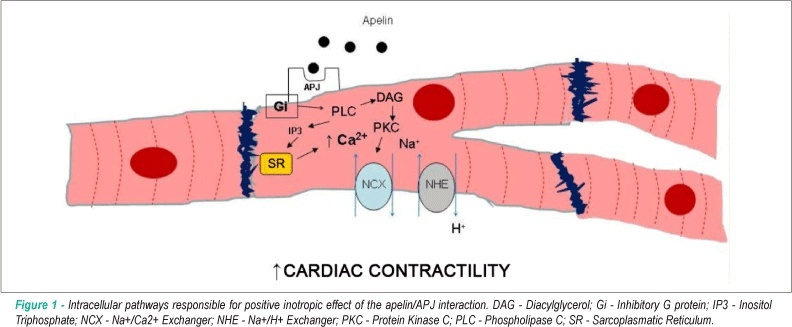
Apelin is a recently discovered peptide, identified as an endogenous ligand of receptor APJ. Apelin and receptor APJ are expressed in a wide variety of tissues including heart, brain, kidneys and lungs. Their interaction may have relevant pathophysiologic effects in those tissues. In fact, the last decade has been rich in illustrating the possible roles played by apelin in human physiology, namely as a regulating peptide of cardiovascular, hypothalamus-hypophysis, gastrointestinal, and immune systems. The possible involvement of apelin in the pathogenesis of high prevalence conditions and comorbidities – such as hypertension, heart failure, and Diabetes Mellitus Type 2 (T2DM) – rank it as a likely therapeutic target to be investigated in the future. The present paper is an overview of apelin physiologic effects and presents the possible role played by this peptide in the pathogenesis of a number of conditions as well as the therapeutic implications that might, therefore, be investigated.

  • apeline
  • cardiac output, low
  • Diabetes Mellitus
  • Hypertension
  • Peptides
Read Full Article
Creative Commons Attribution (CC BY) Creative Commons license
27/05/2008 DOI: 10.1590/S0066-782X2008000500012 Views 1
Obesity and coronary intervention: should we continue to use Body Mass Index as a risk factor?
Artigo Original

Obesity and coronary intervention: should we continue to use Body Mass Index as a risk factor?

José Carlos Estival Tarastchuk et al. Ênio Eduardo Guérios Ronaldo da Rocha Loures Bueno Paulo Maurício Piá de Andrade … Deborah Christina Nercolini João Gustavo Gongora Ferraz Eduardo Doubrawa

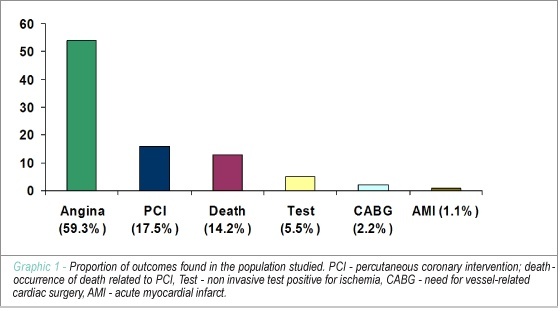
BACKGROUND: Central anthropometric indexes are better than the body mass index to discriminate elevated coronary risk. However, the Body Mass Index (BMI) is still the most frequently studied anthropometric index on outcomes of patients undergoing percutaneous coronary angioplasty (PCI). OBJECTIVE: To recognize, among several anthropometric indexes of obesity, which one best discriminates MACE (Major Adverse Cardiac Events) after PCI. METHODS: Subjects were 308 patients (mean age 61.92±11.06 years, 60.7% of them men) who had undergone successful coronary angioplasties. Six months after the procedure, patients were contacted for clinical follow-up. Major Adverse Cardiac Events included death, acute myocardial infarction, cardiac surgery, reintervention, angina, or evidence of myocardial ischemia on a non-invasive test. Patients were divided into 2 groups: Group 1 (with MACE, n=91, 29.5%), Group 2 (with no MACE, n= 217; 70.45%). For men and women, the anthropometric indexes studied and their respective cut-off points were waist circumference >90/80 cm, Waist-Hip Ratio > 0.90/0.80cm, Conicity Index > 1.25/1.18, and Body Mass Index > 30. RESULTS: There were more cases of familial history and previous infarct in Group 2. For men, waist circumference >90cm (p=0.0498) in multivariate analyses was an independent predictor of MACE. BMI was not related to MACE. In Group 1, the prevalence of an elevated BMI was significantly different compared to the other anthropometric indexes studied (p<0.0001). CONCLUSION: Waist circumference was an independent predictor of MACE in men. Body Mass Index was not related to MACE and was the least frequent anthropometric index in the MACE group.

  • Angioplasty transluminal percutaneous coronary
  • antropometry
  • body mass index
  • Obesity
Read Full Article
Creative Commons Attribution (CC BY) Creative Commons license
27/05/2008 DOI: 10.1590/S0066-782X2008000500001
Patent ductus arteriosus treatment in the premature newborn: clinical and surgical analisys
Artigo Original

Patent ductus arteriosus treatment in the premature newborn: clinical and surgical analisys

Rafael Fagionato Locali et al. Priscila Katsumi Matsuoka Edmo Atique Gabriel Ayrton Bertini Júnior … Carlos Arnulfo La Rotta Roberto Catani Antônio Carlos de Camargo Carvalho Enio Buffolo

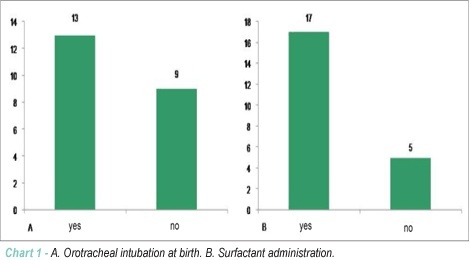
BACKGROUND: The surgical treatment of patency ductus arteriosus is indicated when the clinical intervention fails. However, this treatment may have some complications. OBJECTIVE: To analyze clinical and surgical aspects involved on the treatment of patency ductus arteriosus in premature newborn. METHODS: Twenty two premature newborns, submitted to surgical treatment for patency ductus arteriosus from January, 2000 to June, 2006, were evaluated. There were 77,3% female patients, the mean birth weight was 952,5g and the mean gestational age was 27 weeks. The use of vasoactive drugs, indometacin, echocardiograph parameters and complications, in the pre and postoperative periods were evaluated. RESULTS: In this casuistic 59,1% patients needed intratracheal intubation at birth, 77,3% needed surfactants, 59,1% used vasoactive drugs preoperative. The mean doses of indometacin were 3,43, with dose range 0,1 to 0,25 mg/Kg/day. The mean caliber of arterial duct patent was 1,96 mm. The surgical procedure was carried out through extrapleural approach in 59.1% of the patients, the mean time of postoperative intubation was 30,9 days, and 50% of the patients used vasoactive drugs postoperative. There were 18,1% postoperative complications (postoperative non-fatal complications). CONCLUSION: More than the half of the patients needed intratracheal intubation at birth, surfactant use and vasoactive drugs in the preoperative period. There was greater prevalence of the extrapleural approach during the surgery. In the postoperative period, there was less demand of vasoactive use and there was not deaths related to the surgical procedure.

  • Ductus arteriosus, patent
  • Heart Defects, Congenital
  • Infant, premature
Read Full Article
Creative Commons Attribution (CC BY) Creative Commons license
27/05/2008 DOI: 10.1590/S0066-782X2008000500007 Views 1
Biological factors and overestimation of left ventricular ejection fraction by gated SPECT
Artigo Original

Biological factors and overestimation of left ventricular ejection fraction by gated SPECT

Marco Antônio Condé de Oliveira et al. Paulo Schiavom Duarte Maria Margarita C. Gonzalez Valdir Ambrósio Moises … Gilberto Alonso Eduardo Vilaça Lima Paola Emanuela Smanio Luiz Roberto Fernandes Martins Carlos A. R. Oliveira Luiz Eduardo Mastrocolla

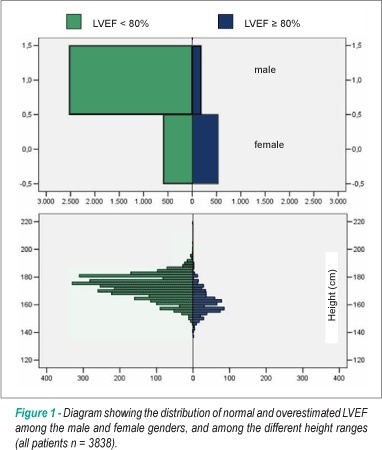
BACKGROUND: Some patients present an overestimated left ventricular ejection fraction (LVEF) on electrocardiogram-gated myocardial scintigraphy (gated SPECT). OBJECTIVE: To establish the relationship between biological factors and overestimated LVEF. METHODS: We selected 3838 patients who underwent gated SPECT between May 20, 2000 and September 16, 2005 with normal perfusion images and LVEF >50%. The following variables were analyzed: gender (29.4% females and 70.6% males), age (from 20 to 94 years – mean: 56 years), weight (from 33.5 to 150 kg – mean: 79.6 kg), height (from 138 to 220 cm – mean: 171 cm) and BMI (from 13.9 to 54 – mean: 27.2). In a subgroup of 1002 patients who underwent echocardiogram, the diastolic diameter (from 36 to 68 mm – mean 47.5 mm) and systolic diameter (from 22 to 41 mm – mean 29.8 mm) variables were included. The patients were divided into two groups: normal LVEF (80%). The odds ratio (OR) for presenting an overestimated LVEF was calculated for each variable using logistic regression. RESULTS: The following odds ratios were found (p 0.2). In the subgroup of 1002 patients, a statistically significant influence was found in overestimated LVEF values for the systolic diameter, gender and height variables. CONCLUSION: Although systolic diameter influences the overestimation of LVEF, the gender and height variables have an independent influence on LVEF overestimation by gated SPECT.

  • emission-computed
  • single-photon
  • Stroke Volume
  • Tomography
Read Full Article
Creative Commons Attribution (CC BY) Creative Commons license
27/05/2008 DOI: 10.1590/S0066-782X2008000500005 Views 1
Influence of spironolactone therapy on thiamine blood levels in patients with heart failure
Artigo Original

Influence of spironolactone therapy on thiamine blood levels in patients with heart failure

Ricardo Mourilhe Rocha et al. Guilherme Vianna e Silva Denilson Campos de Albuquerque Bernardo Rangel Tura Francisco Manes Albanesi Filho

BACKGROUND: The nonpharmacological management of heart failure (HF) has been understudied. The importance of micronutrients such as thiamine has long been known since its deficiency is associated with the development of high-output HF. OBJECTIVE: We studied the relationship between adding to ACE inhibition further aldosterone suppression with spironolactone and thiamine blood levels (pmol/ml). METHODS: A total of 22 patients (pts) with HF (NYHA III/IV) were divided in two groups [group I-spironolactone 25mg/qd (n=11) and group II – no spironolactone (n=11)]. Thiamine levels were determined using the erythrocyte transketolase activity. The groups were compared regarding food intake, demographics, furosemide doses and thiamine blood levels using Mann-Whitney and student’s T-test. The proportions were analyzed with Chi-square and Kruskal-Wallis tests to associate thiamine with demographics and furosemide doses as dependent variables. RESULTS: Group I and II were similar regarding food intake, daily furosemide doses (110.9±30.2 and 105.5±26.9 mg, respectively; p>0.05), demographics (etiology, age, hypertension, diabetes, smoking, alcohol abuse, dyslipidemia and adjuvant drug HF treatment). Pts in group I showed significantly higher thiamine levels when compared to pts in group II (277.2±89.8 and 154.7±35.7, respectively) (p<0.001). None of the dependent variables cited above were associated with thiamine. CONCLUSION: In a cohort of ambulatory HF patients on high dose of loop diuretics, the use of spironolactone is associated with higher thiamine blood levels. The significance of this finding remains to be established by future studies with prospective design and larger sample sizes.

  • cardiac output, low
  • Spironolactone
  • thiamine
Read Full Article
Creative Commons Attribution (CC BY) Creative Commons license
27/05/2008 DOI: 10.1590/S0066-782X2008000500009 Views 1
Left atrial appendage aneurysm: echocardiografic diagnostic
Case Report

Left atrial appendage aneurysm: echocardiografic diagnostic

Viviane Cordeiro Veiga et al. Salomón Soriano Ordinola Rojas Amilton Silva Junior Marcelo Luiz Patrício … Elias César Hauy Marum Henry Abensur

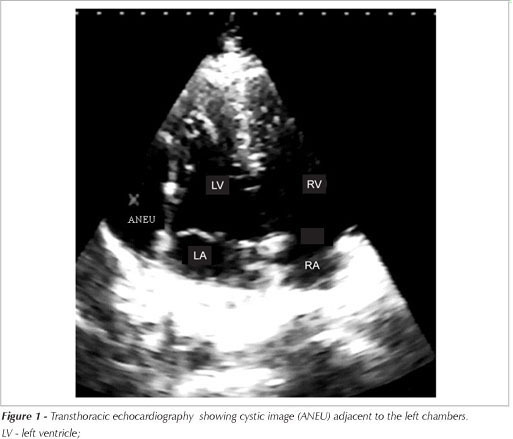
The left atrial appendage aneurysm is a rare condition that frequently manifests itself by heart arrhythmias or thromboembolism. We report the case of a patient with left atrial appendage aneurysm, diagnosed by echocardiography and submitted to surgical resection.

  • Aneurysm
  • atria
  • Echocardiography
Read Full Article
Creative Commons Attribution (CC BY) Creative Commons license
27/05/2008 DOI: 10.1590/S0066-782X2008000500014
Analysis of the lipid profile of elderly woman in Curitiba - Parana
Artigo Original

Analysis of the lipid profile of elderly woman in Curitiba – Parana

Maressa P. Krause et al. Tatiane Hallage Cristiane Petra Miculis Mirnaluci Paulino Ribeiro Gama Sergio G. da Silva

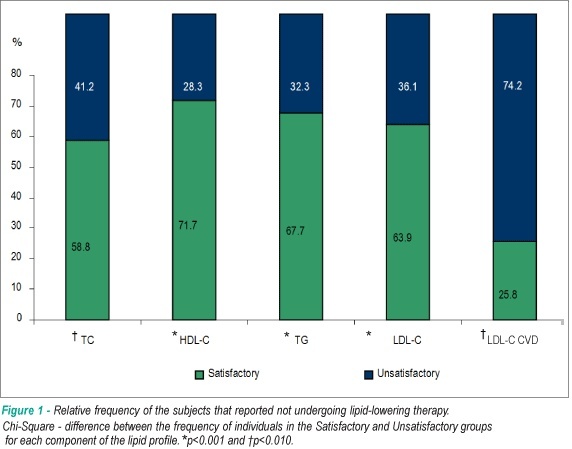
BACKGROUND: Dyslipidemia is considered one of the main risk factors for cardiovascular disease (CVD), which is more frequent in older individuals. However, evidence suggests that a large number of elderly individuals is not aware of their lipid profile status; additionally, many of them do not have access to adequate treatment. OBJECTIVE: To analyze the lipid profile and the frequency of lipid-lowering therapy use in elderly women from the city of Curitiba, state of Parana, Brazil. METHODS: The sample consisted of 312 women (mean age = 68.8; SD = 6.0 years). The lipid profile was determined by plasma levels of total cholesterol (TC), high-density cholesterol (HDL-C), low-density cholesterol (LDL-C) and triglycerides (TG). The number of subjects that reported being on lipid-lowering therapy was self-reported; therefore, the groups were divided into two subgroups, satisfactory and unsatisfactory. RESULTS: A high prevalence of individuals with unsatisfactory levels of lipid profile components was observed in the group that self-reported not being on lipid-lowering therapy; of these, 74.2% of women with CVD presented levels above the LDL-C goal. On the other hand, 45.8 to 49.3% of the individuals from the group that self-reported being on lipid-lowering therapy had unsatisfactory values of TC, TG and LDL-C, and 25.4% had HDL-C levels lower than 40.0 mg/dl. CONCLUSION: The results of this investigation indicate a high prevalence of elderly women, regardless of self-reports of being on lipid-lowering therapy, with an unsatisfactory lipid profile, mainly related to LDL-C goal for those individuals with CVD.

  • aging
  • Dyslipidemias
  • Risk Factors
Read Full Article
Creative Commons Attribution (CC BY) Creative Commons license
27/05/2008 DOI: 10.1590/S0066-782X2008000500004
Long-term follow-up of patients with indication for a implantable defibrillator for primary prevention of death
Artigo Original

Long-term follow-up of patients with indication for a implantable defibrillator for primary prevention of death

Claudio Hadid et al. Patricia Avellana Darío Di Toro Claudia Fernández Gomez … Miguel Visser Noemí Prieto

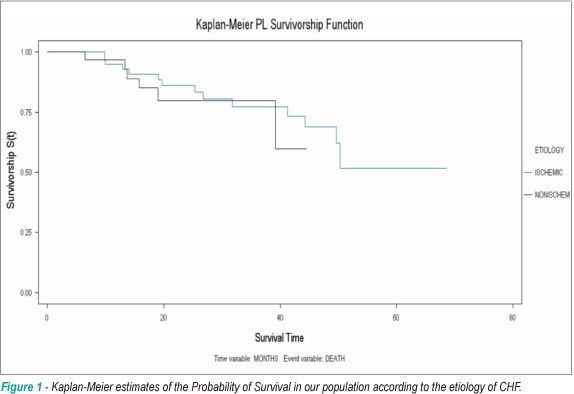
BACKGROUND: Recent MADIT II and SCD-HeFT trials have led to an expansion of indications for use of prophylactic Implantable Cardioverter Defibrillator (ICD) in patients with severe left-ventricular impairment. This therapy has not been fully adopted in our health care system, mainly due to its high cost. OBJECTIVE: To assess total mortality of SCD-HeFT-like patients from our daily practice who are under stable, optimal medical treatment and who have not received an ICD; and to compare it to that of the placebo arm of the SCD-HeFT Trial. METHODS: SCD-HeFT-like patients identified from office medical records were included in our study. Total mortality was assessed by telephone contact. Statistical analysis was performed by Student’s t-Test, Mann-Whitney Test or chi2 test, depending on the type of variable. Cumulative mortality rates were calculated according to the Kaplan-Meier method. RESULTS: Our study comprised 102 patients (seventy-four of which were men) with a median age of 64 years, and an overall median ejection fraction of 25%. We found no differences between our patients and SCD-HeFT patients across these 3 variables. Over a 19.6-month follow-up period, 21 patients died (20.6%) vs. 28.8% of the SCD-HeFT patients. This difference was not statistically significant (p = 0.08). CONCLUSION: SCD-HeFT-like patients from our practice had no difference in mortality rate than patients enrolled in the placebo arm of the SCD-HeFT trial. These results suggest that the SCD-HeFT population is representative of our patients.

  • Death, Sudden
  • Defibrillators, Implantable
  • heart failure, congestive
Read Full Article
Creative Commons Attribution (CC BY) Creative Commons license
27/05/2008 DOI: 10.1590/S0066-782X2008000500006 Views 1
Artigo Original

Pediatric heart transplantation in refractory cardiogenic shock: a critical analysis of feasibility, applicability and results

Marcelo Biscegli Jatene et al. Leonardo Augusto Miana Alexander John Pessoa Arlindo Riso … Estela Azeka Carla Tanamati Solange Gimenez Antonio Augusto Lopes Miguel Barbero Marcial Noedir Antonio Groppo Stolf

BACKGROUND: In children with dilated cardiomyopathy who are on the waiting list for heart transplantation, we evaluate the seriousness of their hemodynamic conditions. Some develop cardiogenic shock, and the mortality rate is high. Even with inotropic and respiratory support, heart transplantation is considered an extremely grave circumstance. OBJECTIVE: The objective of this study is to report on our experience with children in this condition, in an attempt to analyze the viability, applicability and results of heart transplantation in these children. METHODS: From March 2001 to February 2004, 22 children with dilated cardiomyopathy who were on the waiting list for heart transplantation developed cardiogenic shock, requiring transfer to pediatric intensive care unit (ICU), intubation and inotropic support. Their ages ranged from 11 months to 11 years (mean age: 4.3 years), 55% were males, 14 could be listed as clinical priority, and the remaining 8 were removed from the waiting list due to their unfavorable clinical conditions. RESULTS: Eight heart transplantations were performed, and 6 children died while on the waiting list (42.9%). Two children died (25%) after transplantation and the remaining 6 were discharged from hospital in good clinical condition. The two main complications were organ rejection in 4 cases and infection in 5 cases. Two patients developed neurological complications, and one of them fully recovered. CONCLUSION: Children with cardiomyopathy and cardiogenic shock require immediate heart transplantation; only 57.1% could be transplanted, with an early 25% mortality rate. Those who survived transplantation showed good clinical progress, similar to that of children transplanted on an elective basis.

  • Child
  • Heart Transplantation
  • Shock, Cardiogenic
Read Full Article
Creative Commons Attribution (CC BY) Creative Commons license
27/05/2008 DOI: 10.1590/S0066-782X2008000500010
Case 3/2008: severe and rapidly progressive dyspnea in a woman with mechanical mitral valve prosthesis
Anatomopathological Session

Case 3/2008: severe and rapidly progressive dyspnea in a woman with mechanical mitral valve prosthesis

Adriano Freitas Ribeiro et al. Michele Tavares Abrantes Marcelo Vieira Vera Demarchi Aiello

ANATOMOPATHOLOGICAL SESSION

[…]

  • Heart Valve Prosthesis
  • Mitral Valve Stenosis
  • Rheumatic Fever
Read Full Article
Creative Commons Attribution (CC BY) Creative Commons license
27/05/2008 DOI: 10.1590/S0066-782X2008000500011 Views 1
Artigo Original

Ethical review and informed consent in cardiovascular research reports in Argentina

Raúl A. Borracci et al. Gustavo Calderón Martín R. Seoane Analía C. Perez Hernán C. Doval

BACKGROUND: Requirements for Institutional Review Board approval and informed consent for research involving human subjects have existed for more than 2 decades. However, evidence of fulfillment of these requirements is sometimes lacking in cardiovascular research reports in Argentina. Since ethical standards vary between committees, there may be some confusion among researchers regarding the need for an ethical review when conducting low risk research. OBJECTIVE: To examine the frequency of obtaining an ethical review and informed consent in cardiovascular research in Argentina. METHODS: Through a questionnaire, we contacted authors of 100 reports submitted to our annual scientific meeting during 2006. RESULTS: Thirty six per cent of questionnaires were resubmitted with confirmation of ethical review, 34% responded that ethical review was not obtained, 23% reported as being exempt and 7% were never resubmitted. Most articles obtaining ethical review were pharmacological trials or research involving assessment of new devices. On the other hand, most articles reporting lack of or exemption from ethical review come from epidemiological research or studies evaluating non-invasive methods. Sixty percent of phase IV pharmacological trials, research on cellular implantation or assessment of new devices met federal regulations requirements. CONCLUSION: The rate of ethical review and use of informed consent in cardiovascular reports in Argentina vary among articles. Most research involving prospective observational studies and nearly 50% of protocols including intervention or invasive procedures do not report ethical review. This high proportion of articles lacking ethical review suggests the presence of legal and ethical flaws which should be discussed and overcome.

  • Argentina
  • Ethical review
  • informed consent
  • publications for science diffusion
Read Full Article
Creative Commons Attribution (CC BY) Creative Commons license
27/05/2008 DOI: 10.1590/S0066-782X2008000500002 Views 1
Case Report

Pregnancy follow-up and outcome in a patient with Takayasu's arteritis

Alexandre Jorge Gomes de Lucena et al. Antonio Carlos Carvalho Jose Augusto M. Souza Antonio Fernandes Moron … Sue Y. Sun Daniel Born

We describe here the pregnancy follow-up and outcome in a patient with Takayasu’s arteritis, with a detailed account of the complications during gestation and delivery and the impact of the disease on the newborn’s health.

  • Aorta, Thoracic
  • arteritis
  • Inflammation
  • Pregnancy
  • Takayasu Arteritis
Read Full Article
Creative Commons Attribution (CC BY) Creative Commons license
27/05/2008 DOI: 10.1590/S0066-782X2008000500013 Views 1
Artigo Original

Assessing Ankle-Brachial Index (ABI) by using automated oscillometric devices

Takao Kawamura

BACKGROUND: Assessing Ankle-Brachial Index is an essential procedure in clinical settings, but since its measurement by the gold standard Doppler Ultrasonic (DU) technique is impaired by technical difficulties, it is underperformed. OBJECTIVE: The aim of this study was to assess the efficacy of an automated oscillometric device (AOD) by performing Ankle-Brachial Index (ABI) assessments and to suggest delta brachial-brachial (delta-BB) and delta-ABI as markers of cardiovascular risk. METHODS: In this observational and descriptive study, 247 patients (56.2% females, mean age 62.0 years) had their arterial blood pressure (ABP) measured for ABI calculation. Two AOD (OMRON-HEM705CP) devices were used for simultaneous measurements of the ABP, first of the two arms and then of the arm with higher systolic ABP and a leg, first the left and then the right one. When leg ABP measurements were not possible, ABI determination was performed by using the standard Doppler Ultrasonic (DU) technique. Patients were designated to Group N (normal ABI: 0.91 to 1.30) or Group A (abnormal ABI: 1.30). Other indexes were also calculated: delta-BB (absolute difference in mmHg of systolic ABP between arms) and delta-ABI (absolute difference of ABI between legs) and the results were compared. RESULTS: In most patients (90.7%), it was possible to determine the ABI. Group N data allowed calculation of the 95th percentile reference values (RV) of delta-BB (0 to 8 mmHg) and delta-ABI (0 to 0.13). When compared to Group N, Group A had a significantly higher prevalence of high values greater than the RVs of delta-ABI (30 of 52 and 10 of 195, respectively; Odds Ratio = 25.23; p<0.0001) and delta-BB (13 of 52 and 7 of 195, respectively; Odds Ratio = 8.95; p<0.0001). CONCLUSION: In most patients, the ABI could be measured by AOD. Both indexes, delta-BB and delta-ABI greater than the RVs, were significantly more prevalent in patients with abnormal ABI values, and their usefulness as new markers of cardiovascular disease should be further appraised in epidemiological studies.

  • Blood Pressure
  • Brachial Artery
  • peripheral vascular diseases
  • Predictive Value of Tests
Read Full Article
Creative Commons Attribution (CC BY) Creative Commons license
27/05/2008 DOI: 10.1590/S0066-782X2008000500003 Views 1
Indicators of healthcare quality in isolated coronary artery bypass graft surgery performed at a tertiary cardiology center
Artigo Original

Indicators of healthcare quality in isolated coronary artery bypass graft surgery performed at a tertiary cardiology center

Evandro Tinoco Mesquita et al. Ary Ribeiro Mônica Peres de Araújo Luiz Antonio de Almeida Campos … Marco Aurélio Fernandes Alexandre Siciliano Colafranceschi Celso Garcia da Silveira Edson Nunes Antônio Sérgio Cordeiro da Rocha

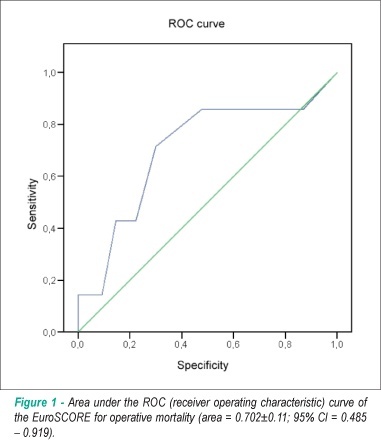
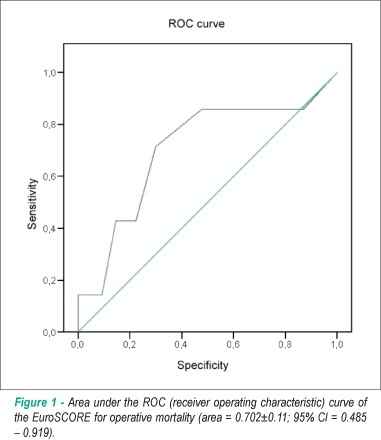
BACKGROUND: Quality indicators (QI) for cardiac surgery are important instruments for measuring healthcare quality in hospital centers and allow comparison with high-quality healthcare centers. OBJECTIVE: To evaluate QIs in isolated myocardial revascularization procedures (CABG) performed at a tertiary cardiology center. METHODS: One hundred and forty-four consecutive patients who had undergone isolated CABG were evaluated between October 2005 and March 2007. One hundred and eight patients were men (75%), the mean age was 65±11, and the EuroSCORE was 4±3. The following QIs were measured: time elapsed between the surgery date-setting appointment and the actual day of the CABG (TDC); surgery cancellation rate (SCR) due to problems in hospital infrastructure; length of hospital stay (LOS); operative mortality (OM) and rate of readmission (RHR) for infection in the surgical wound. RESULTS: The TDC (n=98) was 4±3 days (median: 4 days) and the SCR was zero. The OM recorded of 4.9% (95% confidence interval [CI] = 2.2 – 9.87%) was lower than the expected OM of 5.1% (95% CI = 1.4% to 14.37%), but with no statistical significance (p=0.65). The area under the ROC curve of the EuroSCORE for the OM was 0.702 (95% CI = 0.485 – 0.919). LOS was 11±9 days. The area under the ROC curve of the EuroSCORE for the LOS was 0.764 (95% CI = 0.675 – 0.852). The RHR recorded was 2.1%. CONCLUSION: The measurement of the QIs showed that, in a medical center with a low annual volume of CABG, the results were compatible with the risk profile of the population involved.

  • Myocardial Revascularization
  • Perioperative Care
  • Quality Indicators, Health Care
  • Quality of Health Care
Read Full Article
Creative Commons Attribution (CC BY) Creative Commons license
27/05/2008 DOI: 10.1590/S0066-782X2008000500008

How to cite this article

EndNote RIS

Electronic Document Format (Vancouver)

Borges VTM, Magalhães CG, Martins AMVC, Matsubara BB. Eisenmenger syndrome in pregnancy. Arquivos Brasileiros de Cardiologia 2008;90(5):e40-1.

Electronic Document Format (ABNT)

Borges, Vera Therezinha Medeiros; Magalhães, Claudia Garcia; Martins, Anice Maria V. C.; Matsubara, Beatriz B.. Eisenmenger syndrome in pregnancy. Arquivos Brasileiros de Cardiologia, v. 90, n. 5, p. e40-e41, May. 2008.

Electronic Document Format (APA)

Borges, V. T. M., Magalhães, C. G., Martins, A. M. V. C., & Matsubara, B. B. (2008). Eisenmenger syndrome in pregnancy. Arquivos Brasileiros de Cardiologia, 90(5), e40-e41.

Electronic Document Format (ISO)

Borges, Vera Therezinha Medeiros and Magalhães, Claudia Garcia and Martins, Anice Maria V. C. and Matsubara, Beatriz B.. Eisenmenger syndrome in pregnancy. Arquivos Brasileiros de Cardiologia [online]. 2008, vol. 90, n. 5, [cited 2026-10-14], pp. e40-e41. Available from: <https://journals.cardiol.br/en/article/eisenmenger-syndrome-in-pregnancy/>. ISSN 0066-782X

EndNote RIS

Electronic Document Format (Vancouver)

Ladeiras-Lopes R, Ferreira-Martins J, Leite-Moreira AF. The apelinergic system: the role played in human physiology and pathology and potential therapeutic applications. Arquivos Brasileiros de Cardiologia 2008;90(5):374-80.

Electronic Document Format (ABNT)

Ladeiras-Lopes, Ricardo; Ferreira-Martins, João; Leite-Moreira, Adelino F.. The apelinergic system: the role played in human physiology and pathology and potential therapeutic applications. Arquivos Brasileiros de Cardiologia, v. 90, n. 5, p. 374-380, May. 2008.

Electronic Document Format (APA)

Ladeiras-Lopes, R., Ferreira-Martins, J., & Leite-Moreira, A. F. (2008). The apelinergic system: the role played in human physiology and pathology and potential therapeutic applications. Arquivos Brasileiros de Cardiologia, 90(5), 374-380.

Electronic Document Format (ISO)

Ladeiras-Lopes, Ricardo and Ferreira-Martins, João and Leite-Moreira, Adelino F.. The apelinergic system: the role played in human physiology and pathology and potential therapeutic applications. Arquivos Brasileiros de Cardiologia [online]. 2008, vol. 90, n. 5, [cited 2026-10-14], pp. 374-380. Available from: <https://journals.cardiol.br/en/article/the-apelinergic-system-the-role-played-in-human-physiology-and-pathology-and-potential-therapeutic-applications/>. ISSN 0066-782X

EndNote RIS

Electronic Document Format (Vancouver)

Tarastchuk JCE, Guérios E, Bueno RRL, Andrade PMP, Nercolini DC, Ferraz JGG, Doubrawa E, et al. Obesity and coronary intervention: should we continue to use Body Mass Index as a risk factor?. Arquivos Brasileiros de Cardiologia 2008;90(5):311-6.

Electronic Document Format (ABNT)

Tarastchuk, José Carlos Estival; Guérios, Ênio Eduardo; Bueno, Ronaldo da Rocha Loures; Andrade, Paulo Maurício Piá de; Nercolini, Deborah Christina; Ferraz, João Gustavo Gongora; Doubrawa, Eduardo. Obesity and coronary intervention: should we continue to use Body Mass Index as a risk factor?. Arquivos Brasileiros de Cardiologia, v. 90, n. 5, p. 311-316, May. 2008.

Electronic Document Format (APA)

Tarastchuk, J. C. E., Guérios, E., Bueno, R. R. L., Andrade, P. M. P. , Nercolini, D. C., Ferraz, J. G. G., & Doubrawa, E. (2008). Obesity and coronary intervention: should we continue to use Body Mass Index as a risk factor?. Arquivos Brasileiros de Cardiologia, 90(5), 311-316.

Electronic Document Format (ISO)

Tarastchuk, José Carlos Estival and Guérios, Ênio Eduardo and Bueno, Ronaldo da Rocha Loures and Andrade, Paulo Maurício Piá de and Nercolini, Deborah Christina and Ferraz, João Gustavo Gongora and Doubrawa, Eduardo. Obesity and coronary intervention: should we continue to use Body Mass Index as a risk factor?. Arquivos Brasileiros de Cardiologia [online]. 2008, vol. 90, n. 5, [cited 2026-10-14], pp. 311-316. Available from: <https://journals.cardiol.br/en/article/obesity-and-coronary-intervention-should-we-continue-to-use-body-mass-index-as-a-risk-factor/>. ISSN 0066-782X

EndNote RIS

Electronic Document Format (Vancouver)

Locali RF, Matsuoka PK, Gabriel EA, Bertini Júnior A, Rotta CAL, Catani R, Carvalho ACC, et al. Patent ductus arteriosus treatment in the premature newborn: clinical and surgical analisys. Arquivos Brasileiros de Cardiologia 2008;90(5):345-9.

Electronic Document Format (ABNT)

Locali, Rafael Fagionato; Matsuoka, Priscila Katsumi; Gabriel, Edmo Atique; Bertini Júnior, Ayrton; Rotta, Carlos Arnulfo La; Catani, Roberto; Carvalho, Antônio Carlos de Camargo; Buffolo, Enio. Patent ductus arteriosus treatment in the premature newborn: clinical and surgical analisys. Arquivos Brasileiros de Cardiologia, v. 90, n. 5, p. 345-349, May. 2008.

Electronic Document Format (APA)

Locali, R. F., Matsuoka, P. K., Gabriel, E. A., Bertini Júnior, A., Rotta, C. A. L., Catani, R., Carvalho, A. C. C., & Buffolo, E. (2008). Patent ductus arteriosus treatment in the premature newborn: clinical and surgical analisys. Arquivos Brasileiros de Cardiologia, 90(5), 345-349.

Electronic Document Format (ISO)

Locali, Rafael Fagionato and Matsuoka, Priscila Katsumi and Gabriel, Edmo Atique and Bertini Júnior, Ayrton and Rotta, Carlos Arnulfo La and Catani, Roberto and Carvalho, Antônio Carlos de Camargo and Buffolo, Enio. Patent ductus arteriosus treatment in the premature newborn: clinical and surgical analisys. Arquivos Brasileiros de Cardiologia [online]. 2008, vol. 90, n. 5, [cited 2026-10-14], pp. 345-349. Available from: <https://journals.cardiol.br/en/article/patent-ductus-arteriosus-treatment-in-the-premature-newborn-clinical-and-surgical-analisys/>. ISSN 0066-782X

EndNote RIS

Electronic Document Format (Vancouver)

Oliveira MAC, Duarte PS, Gonzalez MMC, Moises VA, Alonso G, Lima EV, Smanio PE, et al. Biological factors and overestimation of left ventricular ejection fraction by gated SPECT. Arquivos Brasileiros de Cardiologia 2008;90(5):333-8.

Electronic Document Format (ABNT)

Oliveira, Marco Antônio Condé de; Duarte, Paulo Schiavom; Gonzalez, Maria Margarita C.; Moises, Valdir Ambrósio; Alonso, Gilberto; Lima, Eduardo Vilaça; Smanio, Paola Emanuela; Martins, Luiz Roberto Fernandes; Oliveira, Carlos A. R.; Mastrocolla, Luiz Eduardo. Biological factors and overestimation of left ventricular ejection fraction by gated SPECT. Arquivos Brasileiros de Cardiologia, v. 90, n. 5, p. 333-338, May. 2008.

Electronic Document Format (APA)

Oliveira, M. A. C. , Duarte, P. S., Gonzalez, M. M. C., Moises, V. A., Alonso, G., Lima, E. V., Smanio, P. E., Martins, L. R. F., Oliveira, C. A. R., & Mastrocolla, L. E. (2008). Biological factors and overestimation of left ventricular ejection fraction by gated SPECT. Arquivos Brasileiros de Cardiologia, 90(5), 333-338.

Electronic Document Format (ISO)

Oliveira, Marco Antônio Condé de and Duarte, Paulo Schiavom and Gonzalez, Maria Margarita C. and Moises, Valdir Ambrósio and Alonso, Gilberto and Lima, Eduardo Vilaça and Smanio, Paola Emanuela and Martins, Luiz Roberto Fernandes and Oliveira, Carlos A. R. and Mastrocolla, Luiz Eduardo. Biological factors and overestimation of left ventricular ejection fraction by gated SPECT. Arquivos Brasileiros de Cardiologia [online]. 2008, vol. 90, n. 5, [cited 2026-10-14], pp. 333-338. Available from: <https://journals.cardiol.br/en/article/biological-factors-and-overestimation-of-left-ventricular-ejection-fraction-by-gated-spect/>. ISSN 0066-782X

EndNote RIS

Electronic Document Format (Vancouver)

Rocha RM, Silva GV, Albuquerque DC, Tura BR, Albanesi Filho FM. Influence of spironolactone therapy on thiamine blood levels in patients with heart failure. Arquivos Brasileiros de Cardiologia 2008;90(5):355-9.

Electronic Document Format (ABNT)

Rocha, Ricardo Mourilhe; Silva, Guilherme Vianna e; Albuquerque, Denilson Campos de; Tura, Bernardo Rangel; Albanesi Filho, Francisco Manes. Influence of spironolactone therapy on thiamine blood levels in patients with heart failure. Arquivos Brasileiros de Cardiologia, v. 90, n. 5, p. 355-359, May. 2008.

Electronic Document Format (APA)

Rocha, R. M., Silva, G. V. , Albuquerque, D. C. , Tura, B. R., & Albanesi Filho, F. M. (2008). Influence of spironolactone therapy on thiamine blood levels in patients with heart failure. Arquivos Brasileiros de Cardiologia, 90(5), 355-359.

Electronic Document Format (ISO)

Rocha, Ricardo Mourilhe and Silva, Guilherme Vianna e and Albuquerque, Denilson Campos de and Tura, Bernardo Rangel and Albanesi Filho, Francisco Manes. Influence of spironolactone therapy on thiamine blood levels in patients with heart failure. Arquivos Brasileiros de Cardiologia [online]. 2008, vol. 90, n. 5, [cited 2026-10-14], pp. 355-359. Available from: <https://journals.cardiol.br/en/article/influence-of-spironolactone-therapy-on-thiamine-blood-levels-in-patients-with-heart-failure/>. ISSN 0066-782X

EndNote RIS

Electronic Document Format (Vancouver)

Veiga VC, Rojas SSO, Silva Junior A, Patrício ML, Marum ECH, Abensur H. Left atrial appendage aneurysm: echocardiografic diagnostic. Arquivos Brasileiros de Cardiologia 2008;90(5):e37-9.

Electronic Document Format (ABNT)

Veiga, Viviane Cordeiro; Rojas, Salomón Soriano Ordinola; Silva Junior, Amilton; Patrício, Marcelo Luiz; Marum, Elias César Hauy; Abensur, Henry. Left atrial appendage aneurysm: echocardiografic diagnostic. Arquivos Brasileiros de Cardiologia, v. 90, n. 5, p. e37-e39, May. 2008.

Electronic Document Format (APA)

Veiga, V. C., Rojas, S. S. O., Silva Junior, A., Patrício, M. L., Marum, E. C. H., & Abensur, H. (2008). Left atrial appendage aneurysm: echocardiografic diagnostic. Arquivos Brasileiros de Cardiologia, 90(5), e37-e39.

Electronic Document Format (ISO)

Veiga, Viviane Cordeiro and Rojas, Salomón Soriano Ordinola and Silva Junior, Amilton and Patrício, Marcelo Luiz and Marum, Elias César Hauy and Abensur, Henry. Left atrial appendage aneurysm: echocardiografic diagnostic. Arquivos Brasileiros de Cardiologia [online]. 2008, vol. 90, n. 5, [cited 2026-10-14], pp. e37-e39. Available from: <https://journals.cardiol.br/en/article/left-atrial-appendage-aneurysm-echocardiografic-diagnostic/>. ISSN 0066-782X

EndNote RIS

Electronic Document Format (Vancouver)

Krause MP, Hallage T, Miculis CP, Gama MPR, Silva SG. Analysis of the lipid profile of elderly woman in Curitiba – Parana. Arquivos Brasileiros de Cardiologia 2008;90(5):327-32.

Electronic Document Format (ABNT)

Krause, Maressa P.; Hallage, Tatiane; Miculis, Cristiane Petra; Gama, Mirnaluci Paulino Ribeiro; Silva, Sergio G. da. Analysis of the lipid profile of elderly woman in Curitiba – Parana. Arquivos Brasileiros de Cardiologia, v. 90, n. 5, p. 327-332, May. 2008.

Electronic Document Format (APA)

Krause, M. P., Hallage, T., Miculis, C. P., Gama, M. P. R., & Silva, S. G. (2008). Analysis of the lipid profile of elderly woman in Curitiba – Parana. Arquivos Brasileiros de Cardiologia, 90(5), 327-332.

Electronic Document Format (ISO)

Krause, Maressa P. and Hallage, Tatiane and Miculis, Cristiane Petra and Gama, Mirnaluci Paulino Ribeiro and Silva, Sergio G. da. Analysis of the lipid profile of elderly woman in Curitiba – Parana. Arquivos Brasileiros de Cardiologia [online]. 2008, vol. 90, n. 5, [cited 2026-10-14], pp. 327-332. Available from: <https://journals.cardiol.br/en/article/analysis-of-the-lipid-profile-of-elderly-woman-in-curitiba-parana/>. ISSN 0066-782X

EndNote RIS

Electronic Document Format (Vancouver)

Hadid C, Avellana P, Toro DD, Gomez CF, Visser M, Prieto N. Long-term follow-up of patients with indication for a implantable defibrillator for primary prevention of death. Arquivos Brasileiros de Cardiologia 2008;90(5):339-44.

Electronic Document Format (ABNT)

Hadid, Claudio; Avellana, Patricia; Toro, Darío Di; Gomez, Claudia Fernández; Visser, Miguel; Prieto, Noemí. Long-term follow-up of patients with indication for a implantable defibrillator for primary prevention of death. Arquivos Brasileiros de Cardiologia, v. 90, n. 5, p. 339-344, May. 2008.

Electronic Document Format (APA)

Hadid, C., Avellana, P., Toro, D. D., Gomez, C. F., Visser, M., & Prieto, N. (2008). Long-term follow-up of patients with indication for a implantable defibrillator for primary prevention of death. Arquivos Brasileiros de Cardiologia, 90(5), 339-344.

Electronic Document Format (ISO)

Hadid, Claudio and Avellana, Patricia and Toro, Darío Di and Gomez, Claudia Fernández and Visser, Miguel and Prieto, Noemí. Long-term follow-up of patients with indication for a implantable defibrillator for primary prevention of death. Arquivos Brasileiros de Cardiologia [online]. 2008, vol. 90, n. 5, [cited 2026-10-14], pp. 339-344. Available from: <https://journals.cardiol.br/en/article/long-term-follow-up-of-patients-with-indication-for-a-implantable-defibrillator-for-primary-prevention-of-death/>. ISSN 0066-782X

EndNote RIS

Electronic Document Format (Vancouver)

Jatene MB, Miana LA, Pessoa AJ, Riso A, Azeka E, Tanamati C, Gimenez S, et al. Pediatric heart transplantation in refractory cardiogenic shock: a critical analysis of feasibility, applicability and results. Arquivos Brasileiros de Cardiologia 2008;90(5):360-4.

Electronic Document Format (ABNT)

Jatene, Marcelo Biscegli; Miana, Leonardo Augusto; Pessoa, Alexander John; Riso, Arlindo; Azeka, Estela; Tanamati, Carla; Gimenez, Solange; Lopes, Antonio Augusto; Marcial, Miguel Barbero; Stolf, Noedir Antonio Groppo. Pediatric heart transplantation in refractory cardiogenic shock: a critical analysis of feasibility, applicability and results. Arquivos Brasileiros de Cardiologia, v. 90, n. 5, p. 360-364, May. 2008.

Electronic Document Format (APA)

Jatene, M. B., Miana, L. A., Pessoa, A. J., Riso, A., Azeka, E., Tanamati, C., Gimenez, S., Lopes, A. A., Marcial, M. B., & Stolf, N. A. G. (2008). Pediatric heart transplantation in refractory cardiogenic shock: a critical analysis of feasibility, applicability and results. Arquivos Brasileiros de Cardiologia, 90(5), 360-364.

Electronic Document Format (ISO)

Jatene, Marcelo Biscegli and Miana, Leonardo Augusto and Pessoa, Alexander John and Riso, Arlindo and Azeka, Estela and Tanamati, Carla and Gimenez, Solange and Lopes, Antonio Augusto and Marcial, Miguel Barbero and Stolf, Noedir Antonio Groppo. Pediatric heart transplantation in refractory cardiogenic shock: a critical analysis of feasibility, applicability and results. Arquivos Brasileiros de Cardiologia [online]. 2008, vol. 90, n. 5, [cited 2026-10-14], pp. 360-364. Available from: <https://journals.cardiol.br/en/article/pediatric-heart-transplantation-in-refractory-cardiogenic-shock-a-critical-analysis-of-feasibility-applicability-and-results/>. ISSN 0066-782X

EndNote RIS

Electronic Document Format (Vancouver)

Ribeiro AF, Abrantes MT, Vieira M, Aiello VD. Case 3/2008: severe and rapidly progressive dyspnea in a woman with mechanical mitral valve prosthesis. Arquivos Brasileiros de Cardiologia 2008;90(5):365-73.

Electronic Document Format (ABNT)

Ribeiro, Adriano Freitas; Abrantes, Michele Tavares; Vieira, Marcelo; Aiello, Vera Demarchi. Case 3/2008: severe and rapidly progressive dyspnea in a woman with mechanical mitral valve prosthesis. Arquivos Brasileiros de Cardiologia, v. 90, n. 5, p. 365-373, May. 2008.

Electronic Document Format (APA)

Ribeiro, A. F., Abrantes, M. T., Vieira, M., & Aiello, V. D. (2008). Case 3/2008: severe and rapidly progressive dyspnea in a woman with mechanical mitral valve prosthesis. Arquivos Brasileiros de Cardiologia, 90(5), 365-373.

Electronic Document Format (ISO)

Ribeiro, Adriano Freitas and Abrantes, Michele Tavares and Vieira, Marcelo and Aiello, Vera Demarchi. Case 3/2008: severe and rapidly progressive dyspnea in a woman with mechanical mitral valve prosthesis. Arquivos Brasileiros de Cardiologia [online]. 2008, vol. 90, n. 5, [cited 2026-10-14], pp. 365-373. Available from: <https://journals.cardiol.br/en/article/case-3-2008-severe-and-rapidly-progressive-dyspnea-in-a-woman-with-mechanical-mitral-valve-prosthesis/>. ISSN 0066-782X

EndNote RIS

Electronic Document Format (Vancouver)

Borracci RA, Calderón G, Seoane MR, Perez AC, Doval HC. Ethical review and informed consent in cardiovascular research reports in Argentina. Arquivos Brasileiros de Cardiologia 2008;90(5):317-21.

Electronic Document Format (ABNT)

Borracci, Raúl A.; Calderón, Gustavo; Seoane, Martín R.; Perez, Analía C.; Doval, Hernán C.. Ethical review and informed consent in cardiovascular research reports in Argentina. Arquivos Brasileiros de Cardiologia, v. 90, n. 5, p. 317-321, May. 2008.

Electronic Document Format (APA)

Borracci, R. A., Calderón, G., Seoane, M. R., Perez, A. C., & Doval, H. C. (2008). Ethical review and informed consent in cardiovascular research reports in Argentina. Arquivos Brasileiros de Cardiologia, 90(5), 317-321.

Electronic Document Format (ISO)

Borracci, Raúl A. and Calderón, Gustavo and Seoane, Martín R. and Perez, Analía C. and Doval, Hernán C.. Ethical review and informed consent in cardiovascular research reports in Argentina. Arquivos Brasileiros de Cardiologia [online]. 2008, vol. 90, n. 5, [cited 2026-10-14], pp. 317-321. Available from: <https://journals.cardiol.br/en/article/ethical-review-and-informed-consent-in-cardiovascular-research-reports-in-argentina/>. ISSN 0066-782X

EndNote RIS

Electronic Document Format (Vancouver)

Lucena AJG, Carvalho AC, Souza JAM, Moron AF, Sun SY, Born D. Pregnancy follow-up and outcome in a patient with Takayasu’s arteritis. Arquivos Brasileiros de Cardiologia 2008;90(5):e34-6.

Electronic Document Format (ABNT)

Lucena, Alexandre Jorge Gomes de; Carvalho, Antonio Carlos; Souza, Jose Augusto M.; Moron, Antonio Fernandes; Sun, Sue Y.; Born, Daniel. Pregnancy follow-up and outcome in a patient with Takayasu’s arteritis. Arquivos Brasileiros de Cardiologia, v. 90, n. 5, p. e34-e36, May. 2008.

Electronic Document Format (APA)

Lucena, A. J. G. , Carvalho, A. C., Souza, J. A. M., Moron, A. F., Sun, S. Y., & Born, D. (2008). Pregnancy follow-up and outcome in a patient with Takayasu’s arteritis. Arquivos Brasileiros de Cardiologia, 90(5), e34-e36.

Electronic Document Format (ISO)

Lucena, Alexandre Jorge Gomes de and Carvalho, Antonio Carlos and Souza, Jose Augusto M. and Moron, Antonio Fernandes and Sun, Sue Y. and Born, Daniel. Pregnancy follow-up and outcome in a patient with Takayasu’s arteritis. Arquivos Brasileiros de Cardiologia [online]. 2008, vol. 90, n. 5, [cited 2026-10-14], pp. e34-e36. Available from: <https://journals.cardiol.br/en/article/pregnancy-follow-up-and-outcome-in-a-patient-with-takayasus-arteritis/>. ISSN 0066-782X

EndNote RIS

Electronic Document Format (Vancouver)

Kawamura T. Assessing Ankle-Brachial Index (ABI) by using automated oscillometric devices. Arquivos Brasileiros de Cardiologia 2008;90(5):322-6.

Electronic Document Format (ABNT)

Kawamura, Takao. Assessing Ankle-Brachial Index (ABI) by using automated oscillometric devices. Arquivos Brasileiros de Cardiologia, v. 90, n. 5, p. 322-326, May. 2008.

Electronic Document Format (APA)

Kawamura, T. (2008). Assessing Ankle-Brachial Index (ABI) by using automated oscillometric devices. Arquivos Brasileiros de Cardiologia, 90(5), 322-326.

Electronic Document Format (ISO)

Kawamura, Takao. Assessing Ankle-Brachial Index (ABI) by using automated oscillometric devices. Arquivos Brasileiros de Cardiologia [online]. 2008, vol. 90, n. 5, [cited 2026-10-14], pp. 322-326. Available from: <https://journals.cardiol.br/en/article/assessing-ankle-brachial-index-abi-by-using-automated-oscillometric-devices/>. ISSN 0066-782X

EndNote RIS

Electronic Document Format (Vancouver)

Mesquita ET, Ribeiro A, Araújo MP, Campos LAA, Fernandes MA, Colafranceschi AS, Silveira CG, et al. Indicators of healthcare quality in isolated coronary artery bypass graft surgery performed at a tertiary cardiology center. Arquivos Brasileiros de Cardiologia 2008;90(5):350-4.

Electronic Document Format (ABNT)

Mesquita, Evandro Tinoco; Ribeiro, Ary; Araújo, Mônica Peres de; Campos, Luiz Antonio de Almeida; Fernandes, Marco Aurélio; Colafranceschi, Alexandre Siciliano; Silveira, Celso Garcia da; Nunes, Edson; Rocha, Antônio Sérgio Cordeiro da. Indicators of healthcare quality in isolated coronary artery bypass graft surgery performed at a tertiary cardiology center. Arquivos Brasileiros de Cardiologia, v. 90, n. 5, p. 350-354, May. 2008.

Electronic Document Format (APA)

Mesquita, E. T., Ribeiro, A., Araújo, M. P. , Campos, L. A. A., Fernandes, M. A., Colafranceschi, A. S., Silveira, C. G. , Nunes, E., & Rocha, A. S. C. (2008). Indicators of healthcare quality in isolated coronary artery bypass graft surgery performed at a tertiary cardiology center. Arquivos Brasileiros de Cardiologia, 90(5), 350-354.

Electronic Document Format (ISO)

Mesquita, Evandro Tinoco and Ribeiro, Ary and Araújo, Mônica Peres de and Campos, Luiz Antonio de Almeida and Fernandes, Marco Aurélio and Colafranceschi, Alexandre Siciliano and Silveira, Celso Garcia da and Nunes, Edson and Rocha, Antônio Sérgio Cordeiro da. Indicators of healthcare quality in isolated coronary artery bypass graft surgery performed at a tertiary cardiology center. Arquivos Brasileiros de Cardiologia [online]. 2008, vol. 90, n. 5, [cited 2026-10-14], pp. 350-354. Available from: <https://journals.cardiol.br/en/article/indicators-of-healthcare-quality-in-isolated-coronary-artery-bypass-graft-surgery-performed-at-a-tertiary-cardiology-center/>. ISSN 0066-782X

Sede – Rio de Janeiro
Av. Marechal Câmara, 160
3º andar – Sala: 330 – Centro
Rio de Janeiro – CEP: 20020-907
Tel.: (55 +21) 3478-2700
ou (21) 99386-3961
E-mail: revista@cardiol.br

Sede – São Paulo
Alameda Santos, 705 – 11º andar
Cerqueira César | São Paulo
CEP: 01419-001
Tel.: (55 +11) 3411-5500
E-mail: revista@cardiol.br

  • About the Journal
  • Internal Regulation
  • Editors Section
  • Editorial Board
  • History
  • SBC Award

  • Guidelines for Publication
  • Editorial Policy
  • Ethics Policy
  • Policy on the Use of Artificial Intelligence
  • Mandatory Publication Form
  • Publication Fee

Issues

SBC Guidelines

  • How to Publish an Abstract Supplement?
  • Supplements from the Brazilian Congress of Cardiology