| ABCHF
ABC Family Arquivos Brasileiros de Cardiologia International Journal of Cardiovascular Sciences ABC Heart Failure & Cardiomyopathy ABC Imagem Cardiovascular
Português English
ABC Family | ABCHF
Português English
  • About
    • About the Journal
    • Internal Regulation
    • Editors Section
    • Editorial Board
    • SBC Award
  • Instructions to Authors
    • Guidelines for Publication
    • Editorial Policy
    • Ethics Policy
    • Policy on the Use of Artificial Intelligence
    • Mandatory Publication Form
  • Issues
  • SBC Guidelines
  • About
    • About the Journal
    • Internal Regulation
    • Editors Section
    • Editorial Board
    • SBC Award
  • Instructions to Authors
    • Guidelines for Publication
    • Editorial Policy
    • Ethics Policy
    • Policy on the Use of Artificial Intelligence
    • Mandatory Publication Form
  • Issues
  • SBC Guidelines

ABC Family

  • ABC Family
  • Arquivos Brasileiros de Cardiologia
  • International Journal of Cardiovascular Sciences
  • ABC Heart Failure & Cardiomyopathy
  • ABC Imagem Cardiovascular
Search in

No content found.

Journals
Ordering
Article types
Others

  1. Home
  2. ABCHF
  3. Issues
  4. 2022, Volume 2, Number 4
Figure 1
Review Article

Asymptomatic Ventricular Dysfunction and HFrEF Secondary to Classic Chemotherapy

Monica S. Avila et al. Deborah de Sá Pereira Belfort Silvia Marinho Martins Ludhmila Abrahão Hajjar

Introduction

Advances in oncology, such as better access to the health care system, earlier cancer diagnosis, and new chemotherapies, have led to longer survival of patients with cancer over the last decades. However, this population is vulnerable to drug-related adverse cardiovascular events, like cardiomyopathy, which leads to heart failure and impairs survival and quality of life., Among different classes of chemotherapeutic agents, classically anthracyclines and trastuzumab stand out as the most related to cardiomyopathy. Anthracyclines may cause cardiac dysfunction in cancer survivals in 9% of cases depending on risk factors and cumulative dose, and trastuzumab may cause it in 18.6% of cases with adjuvant chemotherapy.,

[…]

  • Anthracyclines
  • Cardiotoxicity
  • Heart Failure
  • Trastuzumab
Read Full Article
Creative Commons Attribution (CC BY) Creative Commons license
18/12/2022 DOI: 10.36660/abchf.20220078 Views 2
Figure 1
Viewpoint

Ventricular Dysfunction and Heart Failure in Patients Undergoing Hematopoietic Stem Cell Transplant

Katia Regina Medeiros Luz et al. Beatriz da Silva Costa Cortizo Maria Claudia Rodrigues Moreira

It has been known for a long time that Cyclophosphamide (Cy) for conditioning regimens in hematopoietic stem cell transplant (HSCT) can induce cardiotoxicity. We have been learning in cardio-oncology that the best practice is to identify the risks of cardiotoxicity and, when possible, minimize them before the exposure. Several factors contribute to define cardiovascular toxicity risks including the type of transplant, age at transplant, hypertension, diabetes mellitus, dyslipidemia, and current smoking. Multiple uncontrolled preexisting cardiovascular conditions such as atrial fibrillation or atrial flutter, node sinus disease, ventricular arrhythmias, coronary artery disease, valve diseases and heart failure with reduced ejection fraction may also contribute to cardiotoxicity. So, it is important to know about the disease severity at the time of transplantation and probability of relapse, which may be correlated with increased exposure to other cardiotoxic chemotherapy drugs and radiotherapy before HSCT.

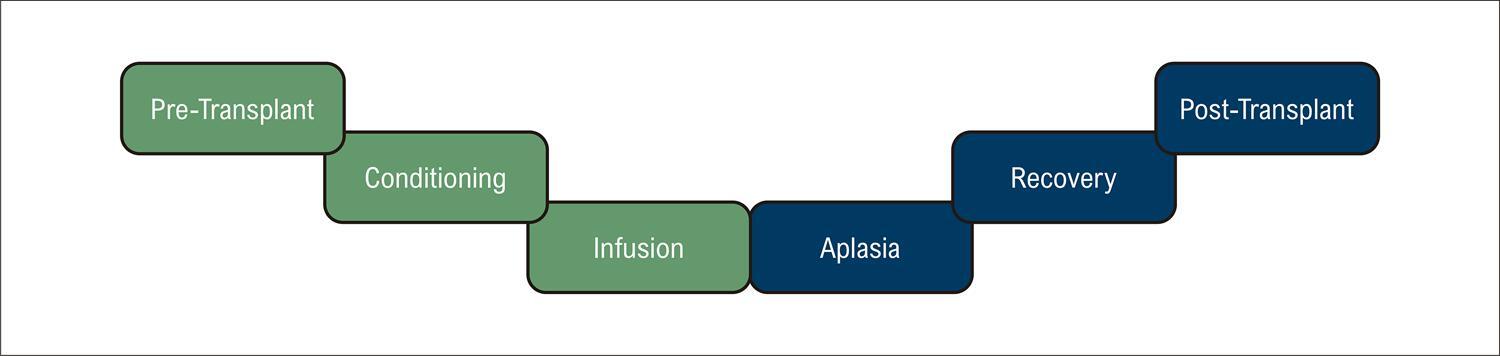
There are mainly two types of HSCT: (1) autologous transplantation, in which the patient receives his/her own progenitor cells, and the cardiotoxicity is mainly attributed to the direct toxic effects of the conditioning regimen; and (2) allogeneic transplantation in which the patient receives cells from another individual who may be fully or partially compatible. The allogeneic transplantation is known to have a higher risk of cardiotoxicity because in addition to the conditioning toxic effects, there are indirect effects of cytokines released in graft-versus-host disease and a possible direct cardiotoxicity through donor T-cell infiltration into the myocardium with subsequent inflammation leading to cardiac dysfunction. The HSCT has six stages as presented in : pre-transplant, conditioning phase (when the patient receives chemotherapy and often radiotherapy to eliminate the recipient’s bone marrow, infusion, aplasia, recovery and post-transplant stage. In pre-transplant, the cardio-oncologist must perform a comprehensive assessment of the risk factors for cardiotoxicity. Clinical history and physical examination, electrocardiogram, laboratory tests including T troponin and brain natriuretic peptide (BNP) (or N-terminal-proBNP NTproBNP), X-ray or, preferably, chest computed tomography, strain echocardiogram and spirometry test are essentials for a good evaluation. Rhythm and hemodynamic changes are described in the infusion stage, usually quick and benign as sinus tachycardia or bradycardia, hypotension or hypertension, but also serious ones as a total AV block. These changes seem to be caused by dimethyl sulfoxide, a cryoprotectant, but there is still not enough data to support this hypothesis. Many infectious complications may occur in the aplasia phase, such as myocarditis due to viral reactivation and sepsis-induced cardiomyopathy. The differential diagnosis between these conditions and cardiotoxicity can be challenging.

[…]
  • Cardiotoxicidade
  • Insuficiência Cardíaca
  • Medula Óssea
  • Transplante
Read Full Article
Creative Commons Attribution (CC BY) Creative Commons license
18/12/2022 DOI: 10.36660/abchf.20220090
Viewpoint

Functional Capacity in Cardiotoxicity: Effects of Physical Exercise

Amanda Gonzales Rodrigues et al. Adriano Cavalcante Trindade

Abstract

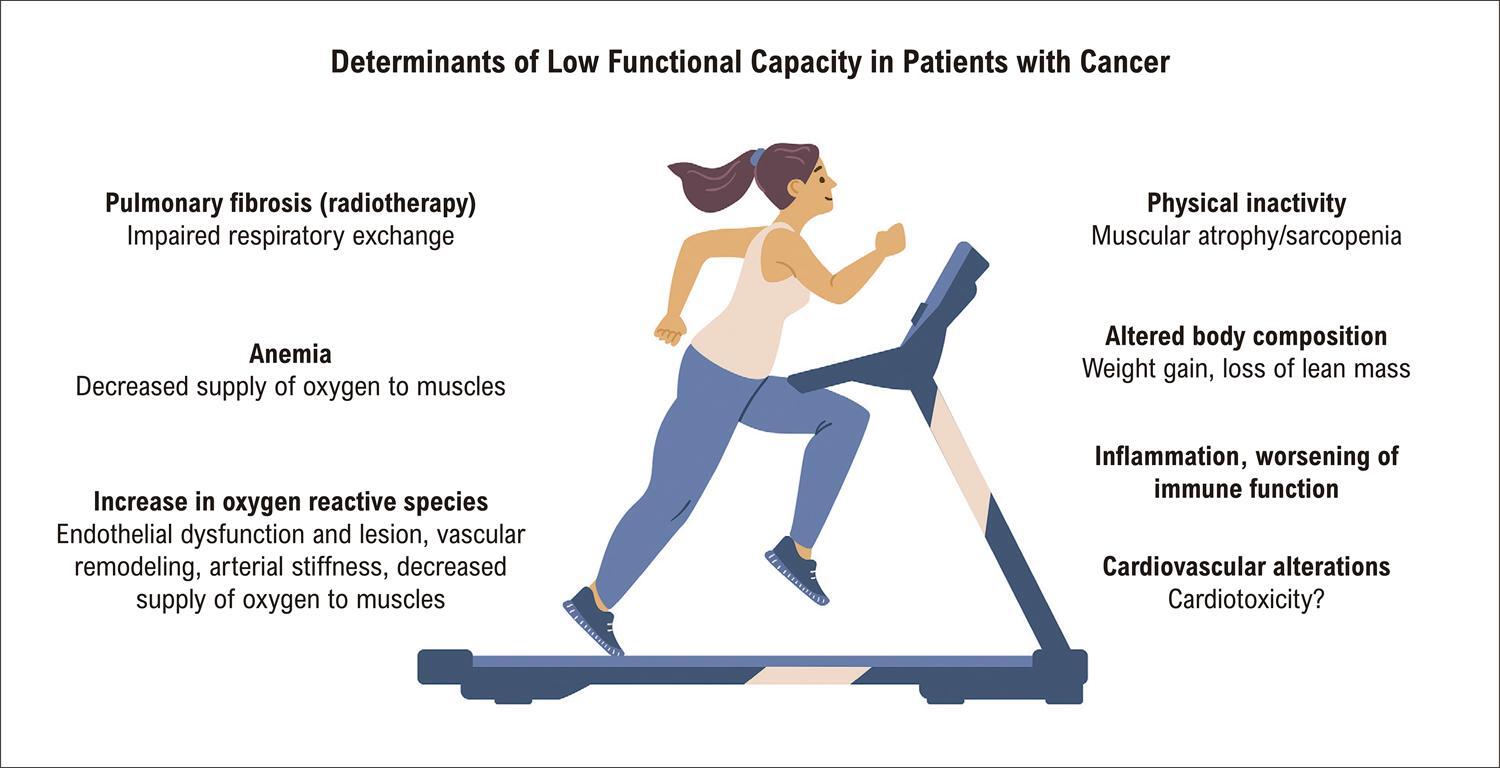
Heart failure induced by chemotherapy is an adverse event of cancer treatment that results in high morbidity and mortality. Previous studies have shown that physical exercise improves functional capacity in patients with heart failure due to other etiologies. However, studies with a multimodal approach, including exercise interventions in patients with cardiotoxicity, are still scarce in the literature. The objective of this article was to discuss the effects of physical training in patients with heart failure induced by chemotherapy and the role of cardio-oncological rehabilitation as a tool to improve functional capacity and quality of life in this group of patients.

  • Cardiac Rehabilitation
  • Cardiotoxicity
  • Exercise
Read Full Article
Creative Commons Attribution (CC BY) Creative Commons license
18/12/2022 DOI: 10.36660/abchf.20220089 Views 1
Review Article

Pericardial Disease in Patients with Cancer

Fabio Fernandes et al. Georgina del Cisne Jadán Luzuriaga André Dabarian Isabela Danziato Fernandes … Pietro Marburg Celano Isabella Peterlini Valsi Claudio Martins de Queiroz Fábio Danziato Fernandes Vagner Madrini Junior Dirceu Mello José Augusto Duncan Santiago Aguinaldo Figueiredo Freitas Jr

Abstract

Pericardial effusion can develop in patients with acute pericarditis or in association with a wide variety of systemic diseases and is characterized as transudative, exudative, pyopericardium, or hemopericardium. Large effusions are usually related to tuberculous or neoplastic effusions. Primary pericardial tumors are rare, with the vast majority of cases resulting from secondary tumors. Pericardial effusion may be present in 7% to 53% of patients with cancer and is correlated with an advanced stage of the disease. The main types of cancer related to pericardial involvement are lung, breast, blood, and gastrointestinal cancers. The clinical presentation is variable; some patients are asymptomatic, whereas up to one-third may develop cardiac tamponade. In general, the severity of pericardial effusion ranges from moderate to significant, and the diagnostic process should focus mainly on the search for the primary disease and on the hemodynamic condition. The presence of pericardial effusion portends a grave prognosis, and treatment depends on the malignancy. Interventional treatments in patients with cancer include pericardiocentesis, pericardial window, and surgical pericardiectomy.

  • Effusion
  • Etiology
  • Pericardial
Read Full Article
Creative Commons Attribution (CC BY) Creative Commons license
18/12/2022 DOI: 10.36660/abchf.20220081 Views 1
Review Article

Advanced Heart Failure in the Cancer Patient

Silvia Moreira Ayub Ferreira et al. Deborah de Sá Pereira Belfort Luis Fernando Bernal da Costa Seguro Fernando Bacal … Ana Karyn Ehrenfried de Freitas Lídia Zytynski Moura

Introduction

Innovations in anti-neoplastic treatments have amplified the number of long-term survivors. Even with novel malignancy therapies, anthracyclines are the foundation of cancer treatment, especially in hematologic malignancies, sarcomas, and breast cancer.

Heart failure (HF) has been described in up to 10% of tumor survivors, and the progression to end-stage HF in 2% to 3%. According to estimations grounded on retrospective registry data, such as United Network for Organ Sharing (UNOS) or Interagency Registry for Mechanically Assisted Circulatory Support (INTERMACS) registries, 0.5-2.5% of patients undergoing advanced HF therapies such as left ventricular assist devices (LVAD) and orthotopic heart transplantation have had previous cancer treatment.

[…]

  • Advanced Heart Failure: Ventricular Assist Devices
  • Chemotherapy-induced Cardiomyopathy
  • Heart Transplantation
Read Full Article
Creative Commons Attribution (CC BY) Creative Commons license
18/12/2022 DOI: 10.36660/abchf.20230010 Views 1
Viewpoint

Preoperative Evaluation and Perioperative Complications in Patients with Cancer and Ventricular Dysfunction

Aurora Felice Castro Issa et al. Gabriela Zagni Vithoria Vidotti Tereza Cristina Felippe Guimarães … Milena Rego dos Santos Carolina Maria Pinto Domingues Carvalho Silva

During cancer treatment, surgery may be indicated for patients with diverse purposes, such as diagnosis, staging, oncologic cure, palliative treatment, support, or restorative treatment. Oncologic surgery may be conducted as an initial cancer treatment or after conducting treatments such as chemotherapy or radiotherapy, thus underscoring the cardiotoxic potential of different cancer therapies.

In patients undergoing non-cardiac surgeries, the prevalence of comorbidities, the clinical condition before surgery, and factors inherent to the surgical procedure, such as urgency, magnitude, type, and duration, in addition to local experience, infrastructure, and the surgical team contribute to the risk of perioperative complications. In oncologic surgery, risk factors include the type and stage of the tumor and concomitant cancer therapies.

[…]

  • Neoplasms
  • Preoperative Period
  • Ventricular Dysfunction
Read Full Article
Creative Commons Attribution (CC BY) Creative Commons license
18/12/2022 DOI: 10.36660/abchf.20220094 Views 1
Viewpoint

How to Anticoagulate Patients with Heart Failure and Cancer?

Marcos José Pereira Renni et al. Tatiana Abelin Saldanha Marinho

Conclusion

Anticoagulation in oncologic patients is a huge challenge, and we must always consider the risks and benefits of this management. However, with the prescription of DOACs, it becomes easier, safer, and more effective. When we individualize a patient’s therapy, according to the oncologic treatment, we can purpose the most appropriated strategy. We reinforce that, because of a high complex profile with several treatments, patients must be reevaluated periodically. In this way, we will further good medical practice.

[…]

  • Anticoagulation
  • Cancer
  • Heart Failure
Read Full Article
Creative Commons Attribution (CC BY) Creative Commons license
18/12/2022 DOI: 10.36660/abchf.20220093
Editorial

Cardio-Protection Against Cancer Treatment-Related Cardiac Dysfunction: Who is at Risk?

Ariane Vieira Scarlatelli Macedo et al. Wolney de Andrade Martins

Long-term survival of cancer patients has improved, and the sequelae of treatment have become more evident. Mortality rates of cancer patients, adjusted for age, have decreased globally, with a reduction by 17% from 1990 to 2019.

The prevention of left ventricular dysfunction secondary to cancer treatment is still a medical challenge. Drug-induced cardiotoxicity is the main limiting factor for the administration of higher doses of anthracyclines. Addressing the anthracycline-induced cardiotoxicity is particularly important for pediatric cancer survivors, as it remains one of the main causes of morbidity and mortality in this population.

[…]

  • Cardiology
  • Cardiovascular Diseases
  • Medical Oncology
  • Neoplasms
Read Full Article
Creative Commons Attribution (CC BY) Creative Commons license
18/12/2022 DOI: 10.36660/abchf.20230006 Views 1
Figure 1
Review Article

Cardiovascular Rehabilitation in Patients with Cancer

Pedro Vellosa Schwartzmann et al. Amanda Gonzales Renata R. T. Castro

Abstract

Advances in cancer treatment have increased patient survival, as well as susceptibility to cardiovascular disease, not only due to the increase in risk factors but also as a result of the treatment itself.Cardiotoxicity related to antineoplastic drugs is one of the most feared cardiovascular effects during or after chemotherapy treatment, and it is associated with unfavorable prognosis in cancer survivors. Moreover, it reduces physical capacity and quality of life. In this scenario, the multimodal model of cardio-oncological rehabilitation has become a fundamental strategy in patients with high cardiovascular risk or risk for the development of cardiotoxicity, as well as for those with already established heart disease.In this article, we will address the role of cardiac rehabilitation in patients with cancer and its particularities.

  • Cancer
  • Physical activity
  • Rehabilitation
Read Full Article
Creative Commons Attribution (CC BY) Creative Commons license
18/12/2022 DOI: 10.36660/abchf.20230005
Case Report

Heart Transplantation in Patients with Chemotherapy-Induced Cardiotoxicity

Aurora Felice Castro Issa et al. Tereza Cristina Felippe Guimarães Vithoria Vidotti Gabriela Zagni … Milena Santos Jacqueline Miranda

Abstract

We report 3 cases of heart transplantation in adults due to chemotherapy-induced cardiotoxicity in a transplant center in Rio de Janeiro, Brazil. All patients received anthracyclines during cancer treatment. We reviewed and discussed the cases with data from the literature, addressing the importance of early diagnosis and treatment of heart failure in cancer survivors.

  • Cardiotoxicity
  • Heart Failure
  • Heart Transplantation
Read Full Article
Creative Commons Attribution (CC BY) Creative Commons license
18/12/2022 DOI: 10.36660/abchf.20220096
Figure 1
Viewpoint

Hypertension in Patients with Cancer as a Predictor of Ventricular Dysfunction

Patrícia Tavares Felipe Marcartti et al. Tânia Félix Lorenzato da Fonseca Peixoto Bruno Ramos Nascimento

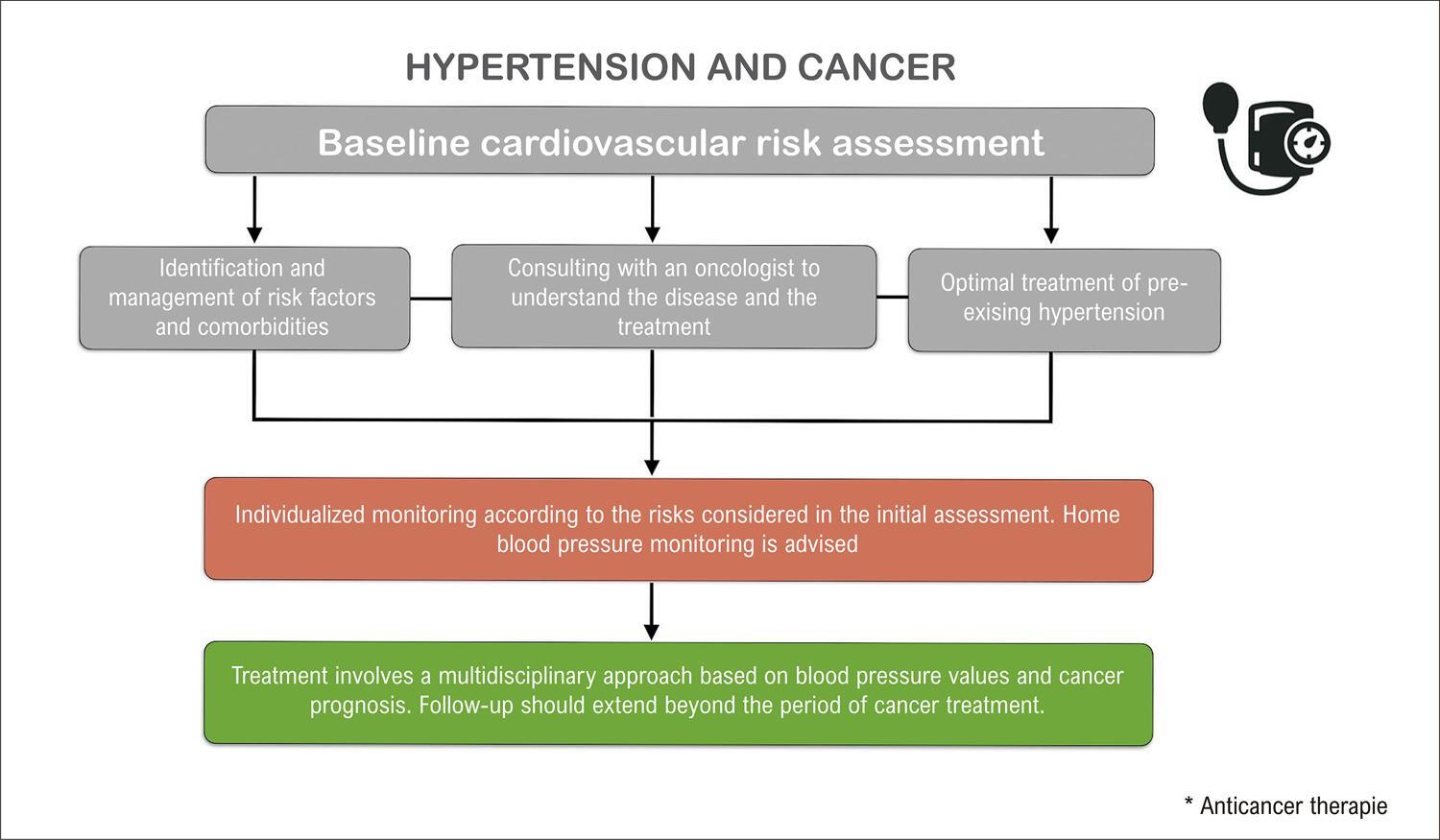
Hypertension is the most prevalent comorbidity (38%) in patients with cancer and is considered an important modifiable risk factor for the development of cardiovascular events, including heart failure (HF). Importantly, hypertension may worsen the prognosis of patients with cancer and the severity of some types of cancer., In addition, cancer treatments may aggravate pre-existing or even cause new hypertension,, making the role of this risk factor even more complex and multifaceted.

It is important to note that the use of cardiotoxic drugs in association with an important and prevalent cardiovascular risk factor such as hypertension makes HF a common final pathway of damage to the heart. The association between hypertension, especially if poorly controlled, and increased risk of chemotherapy-induced cardiomyopathy and HF, has been demonstrated since studies with doxorubicin in the 1970s. In a retrospective study involving patients with lymphoma undergoing doxorubicin chemotherapy, the drug was an independent predictor of HF development, even after adjusting for risk factors. In addition, among patients undergoing treatment, hypertension was strongly associated with the development of HF. Thus, managing this complex interaction should be a priority for patients with cancer.

[…]

  • Anti- Antihypertensives
  • Anticancer therapy
  • Cancer
  • Heart Failure
  • Hypertension
  • Prognostic Assessment
Read Full Article
Creative Commons Attribution (CC BY) Creative Commons license
18/12/2022 DOI: 10.36660/abchf.20220091 Views 1
Figure 1
Review Article

Obstructive Cardiac Tumors

Sanderson Antonio Cauduro et al. João Pedro Passos Dutra Fabio Fernandes Marcely Bonatto … Maria Verônica Câmara Santos Letícia dos Santos de Oliveira Rocha Talita Ribeiro Mialski Ana Paula Konig da Nobrega Simone Cristina Soares Brandão Silvio Henrique Barberato

Abstract

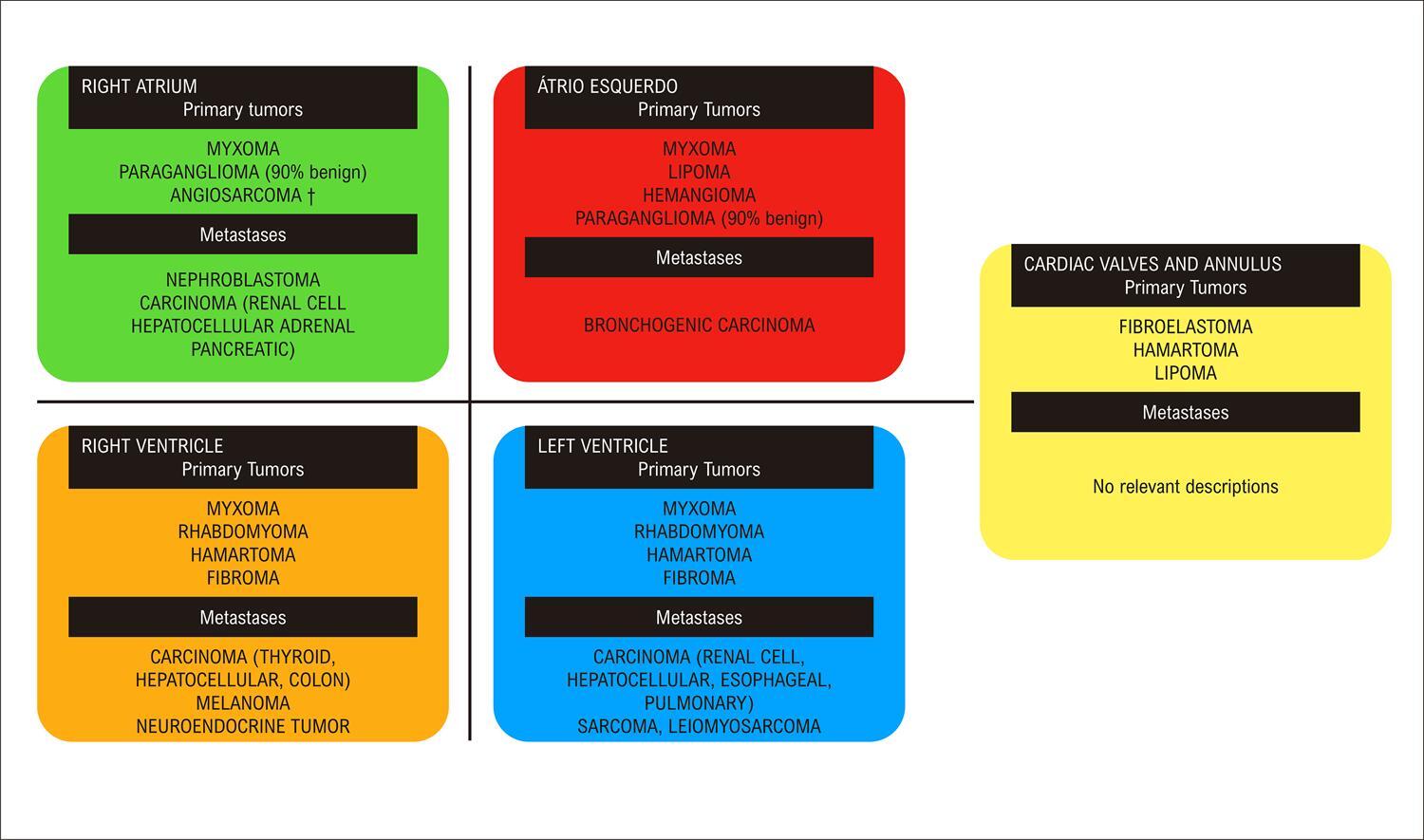
Cardiac tumors are considered rare clinical entities and can affect any cardiac tissue. Metastatic (secondary) cardiac tumors are more frequently diagnosed than primary tumors (malignant or benign). Both types can cause valve and/or inflow and outflow tract obstructions in any cardiac chamber, leading to symptoms of heart failure, as well as embolization and arrhythmia. Treatment of benign tumors is usually surgical, and that of metastatic and primary malignant tumors will depend on their origin and type, with poor prognosis. Recurrence of benign tumors is frequent. The aim of this article is to provide the clinician with tools to optimize diagnosis, differential diagnosis, and treatment of tumors with obstructive features causing heart failure.

  • Diagnostic Imaging
  • Echocardiography
  • Heart Failure
  • Heart Neoplasms
  • Magnetic Resonance Spectroscopy
Read Full Article
Creative Commons Attribution (CC BY) Creative Commons license
18/12/2022 DOI: 10.36660/abchf.20230001 Views 1
Figure 1
Review Article

Takotsubo Cardiomyopathy in Patients with Cancer

Ariane Vieira Scarlatelli Macedo et al. Gustavo Luiz Gouvêa de Almeida Junior Marília Harumi Higuchi dos Santos Rehder

Abstract

Takotsubo cardiomyopathy (TC) in cancer patients has been predominantly noted as a cardiotoxic complication of oncologic therapy or secondary to catecholamine overload in specific tumors such as pheochromocytomas. The underlying pathophysiological mechanisms that lead to TC are not entirely understood. The diagnosis of TC can be challenging and may be neglected during cancer treatment, given the wide range of cardiotoxic effects of antineoplastic therapies. However, TC in oncology exists more often than formerly assumed, and it should be included in the differential diagnosis by physicians dealing with cancer patients. An increased suspicion is crucial for earlier diagnosis and treatment to improve outcomes. In addition to a risk model strategy identifying those cancer patients with the highest risk of having TC, translational studies are awaited. They would clarify the underlying mechanism of TC, disclose targets for prevention and treatment and determine whether re-exposing the patient to the same or equivalent anticancer agents would be secure and feasible.

  • Cardiotoxicity
  • Neoplasms
  • Takotsubo Cardiomyopathy
Read Full Article
Creative Commons Attribution (CC BY) Creative Commons license
18/12/2022 DOI: 10.36660/abchf.20220083 Views 3
Figure 1
Review Article

Myocarditis in Cancer Patients: A Review of an Emerging Problem in Cardio-Oncology

Wolney de Andrade Martins et al. Eduardo Schlabendorff

Abstract

Patients with cancer have a multitude of etiological factors for developing myocarditis. Classical or conventional chemotherapy, radiation therapy, and, more recently, immunotherapy have all been described as possible etiologies of myocarditis. Furthermore, patients with cancer are immunosuppressed and more susceptible to bacterial and viral infections that can cause myocarditis. This narrative review addresses the many possible causes of myocarditis in patients with cancer. Particular emphasis will be given to immune checkpoint inhibitor (ICI)-induced myocarditis. ICI myocarditis generally affects male patients, over the age of 50, who are being treated for lung cancer, melanoma, or renal cell carcinoma and have multiple comorbidities. Clinical manifestations present early, with elevated troponin and electrocardiogram changes. The case fatality rate is high. Treatment consists of discontinuation of the offending ICI and corticosteroid therapy. Myocarditis due to cyclophosphamide, anthracyclines, 5-fluorouracil, cisplatin, carboplatin, proteasome inhibitors, immunomodulators, tyrosine kinase inhibitors, and radiation therapy will also be addressed.

  • Cardiotoxicity
  • Drug Therapy
  • Immune Checkpoint Inhibitors
  • Immunotherapy
  • Myocarditis
  • Neoplasms
Read Full Article
Creative Commons Attribution (CC BY) Creative Commons license
18/12/2022 DOI: 10.36660/abchf.20230009 Views 3
Review Article

Right Ventricular Dysfunction in the Cancer Patient

Marina Macedo Kuenzer Bond et al. Fernando Pivatto Júnior Andreia Biolo

Abstract

Right ventricular dysfunction (RVD) is present in several clinical conditions, and its clinical impact and prognosis in cardiology has been more studied in recent years. In oncology, some studies have tried to determine the role of RVD in cardiotoxicity caused by some therapies including anthracyclines, trastuzumab, cyclophosphamide and dasatinib. In the present study, we made a literature review on the subject, trying to highlight the challenges for the coming years.

  • Cardiac Dysfunction
  • Cardio-Oncology
  • Cardiotoxicity
  • Right Heart Failure
Read Full Article
Creative Commons Attribution (CC BY) Creative Commons license
18/12/2022 DOI: 10.36660/abchf.20230007 Views 2
Editorial

Cardio-Oncology: Far Beyond Doxorubicin and the Tip of the Iceberg!

Wolney de Andrade Martins et al. Ariane Vieira Scarlatelli Macedo Lidia Ana Zytynski Moura

Cardio-oncology is a new field of work and research on the adverse cardiovascular effects of cancer treatment, comorbidities and clinical conditions in cancer patients, and cardiovascular tumors. It has a wide spectrum ranging from arterial hypertension, arrhythmias, coronary and thromboembolic diseases to ventricular dysfunction, among others. In this special issue of ABC Heart Failure, we will focus on myocardial lesions, and consequently cardiomyopathies, ventricular dysfunction and heart failure (HF).

The Department of HF of the Brazilian Society of Cardiology has embraced Cardio-oncology since its beginning, by opening space for scientific discussion in its events and thematic area for abstract submissions, and now by offering this special issue addressing the main manifestations of endomyocardial/pericardial diseases and HF in cancer patients.

[…]

  • Cardio-Oncology
  • Cardiology
  • Chemotherapy/adverse effects
  • Oncology
Read Full Article
Creative Commons Attribution (CC BY) Creative Commons license
18/12/2022 DOI: 10.36660/abchf.20230003 Views 1
Figure 1
Review Article

CAR-T Cells Therapy: What Cardiovascular Adverse Effects Should We Expect?

Wolney de Andrade Martins et al. Roberto José Pessoa de Magalhães Filho Tatiana de Fátima Gonçalves Galvão

Abstract

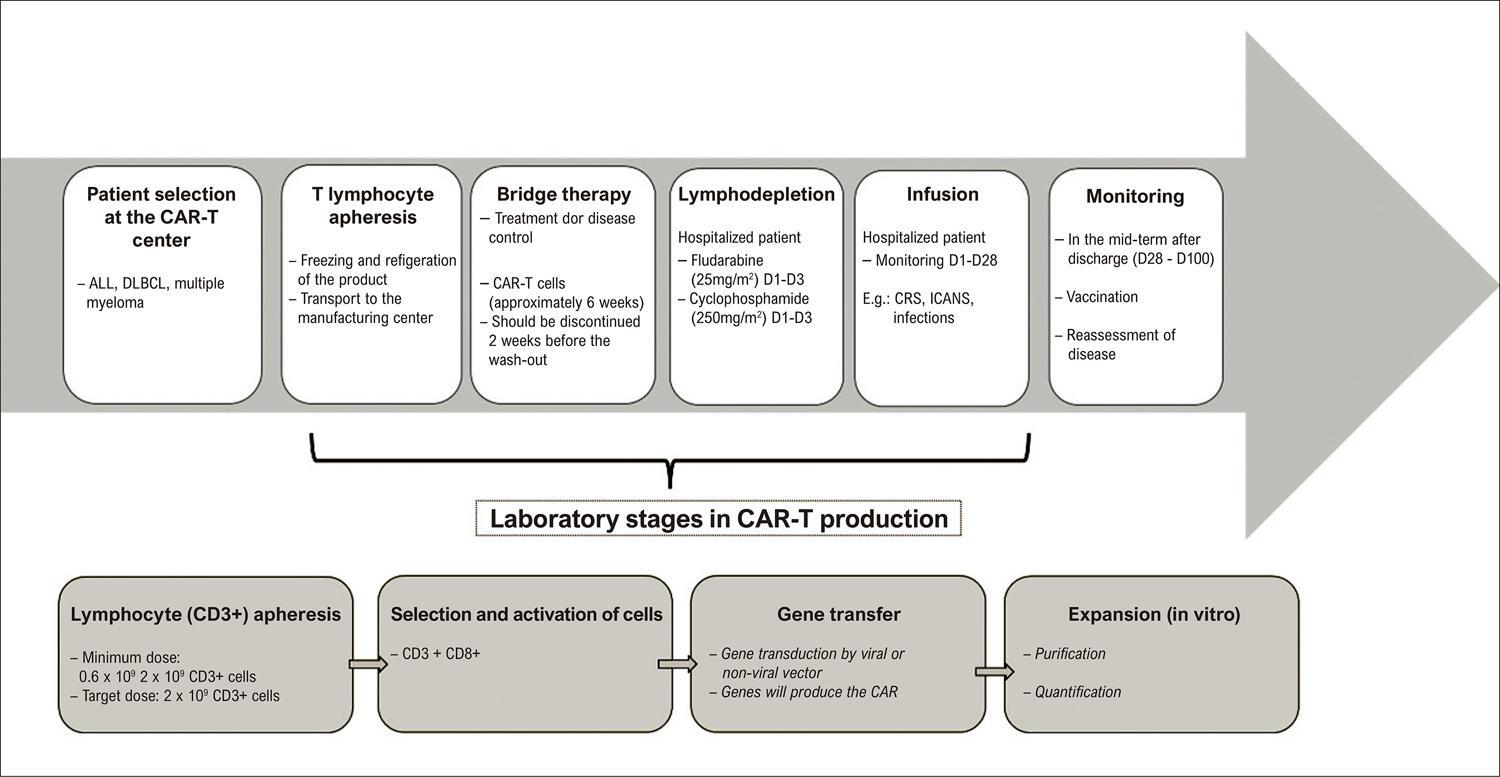
Immunotherapy has emerged as a specific treatment, guided by oncologic targets, that has given the false impression (to oncologists and hematologists) that it had no adverse effects, including cardiovascular complications. Chimeric antigen receptor (CAR) T-cell therapy has certainly benefited specific patients; in contrast, reports of adverse cardiovascular effects have emerged. In this paper, we conducted a narrative review of conceptual aspects, clinical applicability, the cytokine release syndrome, extracardiac AE and, above all, the cardiovascular AE of CAR-T cell therapy. CAR-T cell therapy has been approved by regulatory agencies in the United States, Europe and Brazil, initially for the treatment of hematological malignancies at advanced stages, after failure or refractoriness. Among extracardiac AE, cytokine release syndrome and, consequently, encephalopathy, macrophage activation syndrome or hemophagocytic lymphohistiocytosis stand out. The most frequently described cardiovascular AE are cardiomyopathies, myocarditis and ventricular dysfunction; tachyarrhythmias, changes in QT and other electrocardiographic changes; pleural and pericardial disease, and changes in biomarkers. Thus, prior to the therapy, it is recommended to perform clinical evaluation, electrocardiogram, echocardiogram, and troponin and B-type natriuretic peptide measurements. The patient should be monitored during treatment with continuous electrocardiogram, serial echocardiogram, and biomarkers. Patients with severe cardiovascular AE should be admitted to a cardiac intensive care unit.

  • Immunotherapy, Adoptive
  • Neoplasms
  • Receptors, Chimeric Antigen
Read Full Article
Creative Commons Attribution (CC BY) Creative Commons license
18/12/2022 DOI: 10.36660/abchf.20230002 Views 3
Figure 1
Review Article

Heart Failure with Preserved Ejection Fraction and Cancer

Antonio José Lagoeiro Jorge et al. Humberto Villacorta Luiz Claudio Danzmann Evandro Tinoco Mesquita

Abstract

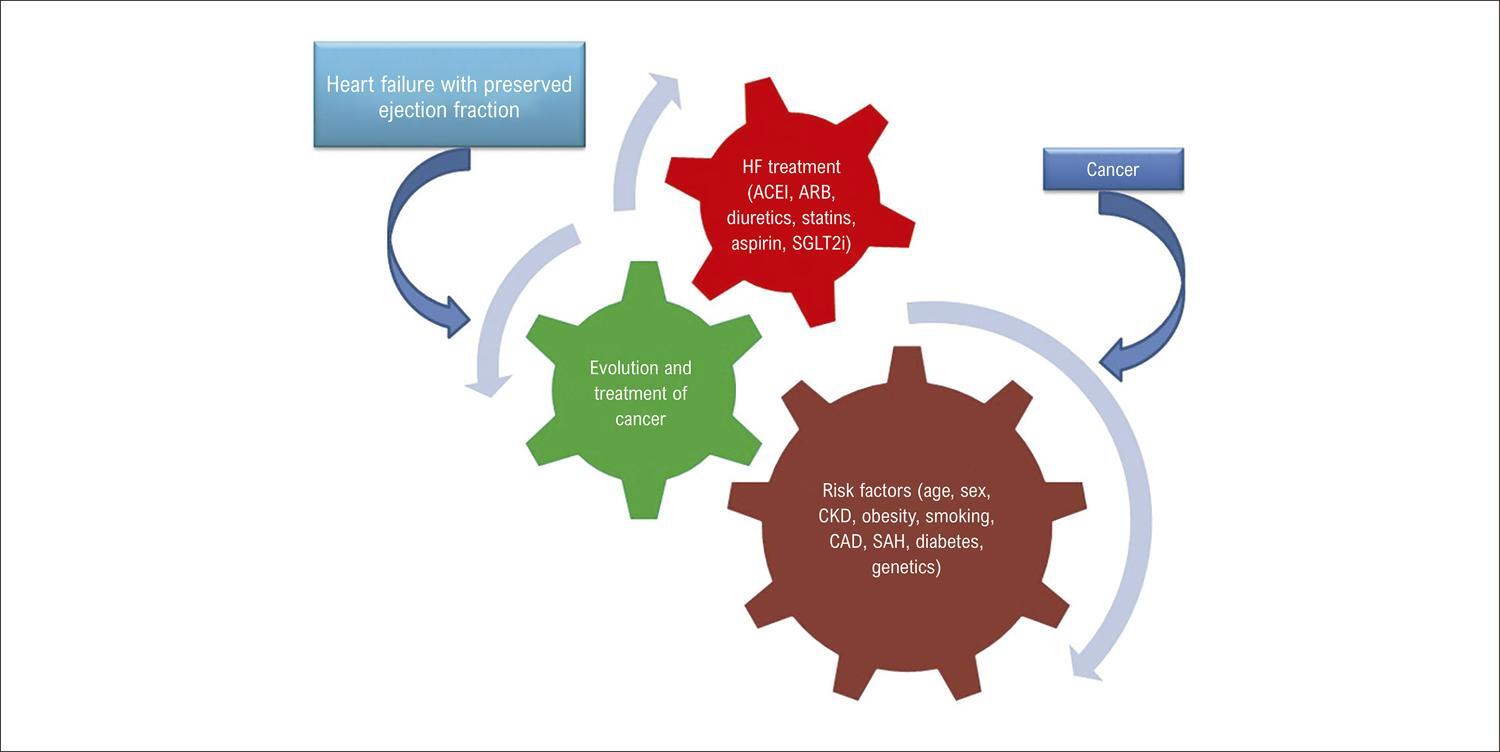
Heart failure with preserved ejection fraction (HFpEF) is associated with high morbidity and mortality. After hospitalization for heart failure, the 5-year survival of HFpEF is 35%, which is worse than many forms of cancer. HFpEF and cancer share common risk factors. The use of chemotherapy medications such as anthracyclines is associated with increased aortic stiffness and diastolic dysfunction, suggesting that anthracycline therapy may increase the risk of HFpEF, given that worsening of diastolic function, which can be associated with the occurrence of HFpEF, is an early sign of cardiotoxicity. Radiotherapy, widely used in the treatment of breast cancer, leads to an increased risk of developing heart disease since radiation induces coronary microvascular endothelial damage and inflammation, leading to microvascular rarefaction, myocardial inflammation, oxidative stress, and fibrosis, which favor the development of HFpEF. Early diagnosis of cardiotoxicity is an important issue in the care of patients with cancer, and biomarkers have been extensively studied in predicting systolic dysfunction and heart failure with reduced ejection fraction, as well as in the development of HFpEF. HFpEF and cancer have an elevated prevalence, and they share age group, risk factors, and the pathophysiological phenomenon, in which inflammation plays a preponderant role. Biomarkers, especially natriuretic peptides, and ultrasound imaging are fundamental tools in the diagnostic detection and follow-up of these patients.

  • Cancer
  • Cardiotoxicity
  • Chemotherapy
  • Heart Failure with Preserved Ejection Fraction
  • Radiotherapy
Read Full Article
Creative Commons Attribution (CC BY) Creative Commons license
18/12/2022 DOI: 10.36660/abchf.20220079 Views 1
Figure 1
Review Article

Critical Analysis and Applicability of Imaging Methods in Monitoring and Diagnosing Ventricular Dysfunction in Patients with Cancer

Claudio Tinoco Mesquita et al. Marcelo Dantas Tavares de Melo Ariane Binoti Pacheco Leal André Luiz Cerqueira de Almeida

Abstract

Cardio-oncology is a subspecialty of cardiology that has become necessary as a consequence of the favorable impact of cancer treatment, which increases patients’ survival rates, but makes them more prone to the cardiovascular side effects of cancer therapies in the short and long term. The presence of predisposing factors such as pre-existing cardiovascular disease, cardiovascular risk factors, genetic predisposition, previous antineoplastic therapies, and increased patient age is associated with a higher risk of cardiotoxicity in cancer treatment and may aggravate its complications. The use of imaging methods is fundamental in the management and detection of complications in cancer treatment. Echocardiography is considered the standard method for assessing left ventricular function and should be used in all patients. Magnetic resonance imaging is the best alternative for evaluation in patients with other associated conditions, especially advanced coronary disease, and in cases where it is difficult to obtain adequate echocardiographic images. Nuclear medicine offers options for patients for whom the use of echocardiography and magnetic resonance imaging is limited and for patients whose clinical and laboratory assessments conflict. Judicious use of imaging techniques leads to better patient outcomes during cancer treatment.

  • Cardiotoxicity
  • Computed Tomography
  • Echocardiography
  • Heart Failure
  • Magnetic Resonance
  • Scintigraphy
Read Full Article
Creative Commons Attribution (CC BY) Creative Commons license
18/12/2022 DOI: 10.36660/abchf.20220087 Views 2

How to cite this article

EndNote RIS

Electronic Document Format (Vancouver)

Avila MS, Belfort DSP, Martins SM, Hajjar LA. Asymptomatic Ventricular Dysfunction and HFrEF Secondary to Classic Chemotherapy. ABC: Heart Failure & Cardiomyopathy 2022;2(4):335-42.

Electronic Document Format (ABNT)

Avila, Monica S.; Belfort, Deborah de Sá Pereira; Martins, Silvia Marinho; Hajjar, Ludhmila Abrahão. Asymptomatic Ventricular Dysfunction and HFrEF Secondary to Classic Chemotherapy. ABC: Heart Failure & Cardiomyopathy, v. 2, n. 4, p. 335-342, Dec. 2022.

Electronic Document Format (APA)

Avila, M. S., Belfort, D. S. P., Martins, S. M., & Hajjar, L. A. (2022). Asymptomatic Ventricular Dysfunction and HFrEF Secondary to Classic Chemotherapy. ABC: Heart Failure & Cardiomyopathy, 2(4), 335-342.

Electronic Document Format (ISO)

Avila, Monica S. and Belfort, Deborah de Sá Pereira and Martins, Silvia Marinho and Hajjar, Ludhmila Abrahão. Asymptomatic Ventricular Dysfunction and HFrEF Secondary to Classic Chemotherapy. ABC: Heart Failure & Cardiomyopathy [online]. 2022, vol. 2, n. 4, [cited 2026-10-14], pp. 335-342. Available from: <https://journals.cardiol.br/en/article/asymptomatic-ventricular-dysfunction-and-hfref-secondary-to-classic-chemotherapy/>

EndNote RIS

Electronic Document Format (Vancouver)

Luz KRM, Cortizo BSC, Moreira MCR. Ventricular Dysfunction and Heart Failure in Patients Undergoing Hematopoietic Stem Cell Transplant. ABC: Heart Failure & Cardiomyopathy 2022;2(4):415-6.

Electronic Document Format (ABNT)

Luz, Katia Regina Medeiros; Cortizo, Beatriz da Silva Costa; Moreira, Maria Claudia Rodrigues. Ventricular Dysfunction and Heart Failure in Patients Undergoing Hematopoietic Stem Cell Transplant. ABC: Heart Failure & Cardiomyopathy, v. 2, n. 4, p. 415-416, Dec. 2022.

Electronic Document Format (APA)

Luz, K. R. M., Cortizo, B. S. C., & Moreira, M. C. R. (2022). Ventricular Dysfunction and Heart Failure in Patients Undergoing Hematopoietic Stem Cell Transplant. ABC: Heart Failure & Cardiomyopathy, 2(4), 415-416.

Electronic Document Format (ISO)

Luz, Katia Regina Medeiros and Cortizo, Beatriz da Silva Costa and Moreira, Maria Claudia Rodrigues. Ventricular Dysfunction and Heart Failure in Patients Undergoing Hematopoietic Stem Cell Transplant. ABC: Heart Failure & Cardiomyopathy [online]. 2022, vol. 2, n. 4, [cited 2026-10-14], pp. 415-416. Available from: <https://journals.cardiol.br/en/article/ventricular-dysfunction-and-heart-failure-in-patients-undergoing-hematopoietic-stem-cell-transplant/>

EndNote RIS

Electronic Document Format (Vancouver)

Rodrigues AG, Trindade AC. Functional Capacity in Cardiotoxicity: Effects of Physical Exercise. ABC: Heart Failure & Cardiomyopathy 2022;2(4):410-4.

Electronic Document Format (ABNT)

Rodrigues, Amanda Gonzales; Trindade, Adriano Cavalcante. Functional Capacity in Cardiotoxicity: Effects of Physical Exercise. ABC: Heart Failure & Cardiomyopathy, v. 2, n. 4, p. 410-414, Dec. 2022.

Electronic Document Format (APA)

Rodrigues, A. G., & Trindade, A. C. (2022). Functional Capacity in Cardiotoxicity: Effects of Physical Exercise. ABC: Heart Failure & Cardiomyopathy, 2(4), 410-414.

Electronic Document Format (ISO)

Rodrigues, Amanda Gonzales and Trindade, Adriano Cavalcante. Functional Capacity in Cardiotoxicity: Effects of Physical Exercise. ABC: Heart Failure & Cardiomyopathy [online]. 2022, vol. 2, n. 4, [cited 2026-10-14], pp. 410-414. Available from: <https://journals.cardiol.br/en/article/functional-capacity-in-cardiotoxicity-effects-of-physical-exercise/>

EndNote RIS

Electronic Document Format (Vancouver)

Fernandes F, Luzuriaga GCJ, Dabarian A, Fernandes ID, Celano PM, Valsi IP, Queiroz CM, et al. Pericardial Disease in Patients with Cancer. ABC: Heart Failure & Cardiomyopathy 2022;2(4):362-6.

Electronic Document Format (ABNT)

Fernandes, Fabio; Luzuriaga, Georgina del Cisne Jadán; Dabarian, André; Fernandes, Isabela Danziato; Celano, Pietro Marburg; Valsi, Isabella Peterlini; Queiroz, Claudio Martins de; Fernandes, Fábio Danziato; Madrini Junior, Vagner; Mello, Dirceu; Santiago, José Augusto Duncan; Freitas Jr, Aguinaldo Figueiredo. Pericardial Disease in Patients with Cancer. ABC: Heart Failure & Cardiomyopathy, v. 2, n. 4, p. 362-366, Dec. 2022.

Electronic Document Format (APA)

Fernandes, F., Luzuriaga, G. C. J., Dabarian, A., Fernandes, I. D., Celano, P. M., Valsi, I. P., Queiroz, C. M. , Fernandes, F. D., Madrini Junior, V., Mello, D., Santiago, J. A. D., & Freitas Jr, A. F. (2022). Pericardial Disease in Patients with Cancer. ABC: Heart Failure & Cardiomyopathy, 2(4), 362-366.

Electronic Document Format (ISO)

Fernandes, Fabio and Luzuriaga, Georgina del Cisne Jadán and Dabarian, André and Fernandes, Isabela Danziato and Celano, Pietro Marburg and Valsi, Isabella Peterlini and Queiroz, Claudio Martins de and Fernandes, Fábio Danziato and Madrini Junior, Vagner and Mello, Dirceu and Santiago, José Augusto Duncan and Freitas Jr, Aguinaldo Figueiredo. Pericardial Disease in Patients with Cancer. ABC: Heart Failure & Cardiomyopathy [online]. 2022, vol. 2, n. 4, [cited 2026-10-14], pp. 362-366. Available from: <https://journals.cardiol.br/en/article/pericardial-disease-in-patients-with-cancer/>

EndNote RIS

Electronic Document Format (Vancouver)

Ferreira SMA, Belfort DSP, Seguro LFBC, Bacal F, Freitas AKE, Moura LZ. Advanced Heart Failure in the Cancer Patient. ABC: Heart Failure & Cardiomyopathy 2022;2(4):395-7.

Electronic Document Format (ABNT)

Ferreira, Silvia Moreira Ayub; Belfort, Deborah de Sá Pereira; Seguro, Luis Fernando Bernal da Costa; Bacal, Fernando; Freitas, Ana Karyn Ehrenfried de; Moura, Lídia Zytynski. Advanced Heart Failure in the Cancer Patient. ABC: Heart Failure & Cardiomyopathy, v. 2, n. 4, p. 395-397, Dec. 2022.

Electronic Document Format (APA)

Ferreira, S. M. A., Belfort, D. S. P., Seguro, L. F. B. C., Bacal, F., Freitas, A. K. E. , & Moura, L. Z. (2022). Advanced Heart Failure in the Cancer Patient. ABC: Heart Failure & Cardiomyopathy, 2(4), 395-397.

Electronic Document Format (ISO)

Ferreira, Silvia Moreira Ayub and Belfort, Deborah de Sá Pereira and Seguro, Luis Fernando Bernal da Costa and Bacal, Fernando and Freitas, Ana Karyn Ehrenfried de and Moura, Lídia Zytynski. Advanced Heart Failure in the Cancer Patient. ABC: Heart Failure & Cardiomyopathy [online]. 2022, vol. 2, n. 4, [cited 2026-10-14], pp. 395-397. Available from: <https://journals.cardiol.br/en/article/advanced-heart-failure-in-the-cancer-patient/>

EndNote RIS

Electronic Document Format (Vancouver)

Issa AFC, Zagni G, Vidotti V, Guimarães TCF, Santos MR, Silva CMPDC. Preoperative Evaluation and Perioperative Complications in Patients with Cancer and Ventricular Dysfunction. ABC: Heart Failure & Cardiomyopathy 2022;2(4):422-4.

Electronic Document Format (ABNT)

Issa, Aurora Felice Castro; Zagni, Gabriela; Vidotti, Vithoria; Guimarães, Tereza Cristina Felippe; Santos, Milena Rego dos; Silva, Carolina Maria Pinto Domingues Carvalho. Preoperative Evaluation and Perioperative Complications in Patients with Cancer and Ventricular Dysfunction. ABC: Heart Failure & Cardiomyopathy, v. 2, n. 4, p. 422-424, Dec. 2022.

Electronic Document Format (APA)

Issa, A. F. C., Zagni, G., Vidotti, V., Guimarães, T. C. F., Santos, M. R. , & Silva, C. M. P. D. C. (2022). Preoperative Evaluation and Perioperative Complications in Patients with Cancer and Ventricular Dysfunction. ABC: Heart Failure & Cardiomyopathy, 2(4), 422-424.

Electronic Document Format (ISO)

Issa, Aurora Felice Castro and Zagni, Gabriela and Vidotti, Vithoria and Guimarães, Tereza Cristina Felippe and Santos, Milena Rego dos and Silva, Carolina Maria Pinto Domingues Carvalho. Preoperative Evaluation and Perioperative Complications in Patients with Cancer and Ventricular Dysfunction. ABC: Heart Failure & Cardiomyopathy [online]. 2022, vol. 2, n. 4, [cited 2026-10-14], pp. 422-424. Available from: <https://journals.cardiol.br/en/article/preoperative-evaluation-and-perioperative-complications-in-patients-with-cancer-and-ventricular-dysfunction/>

EndNote RIS

Electronic Document Format (Vancouver)

Renni MJP, Marinho TAS. How to Anticoagulate Patients with Heart Failure and Cancer?. ABC: Heart Failure & Cardiomyopathy 2022;2(4):420-1.

Electronic Document Format (ABNT)

Renni, Marcos José Pereira; Marinho, Tatiana Abelin Saldanha. How to Anticoagulate Patients with Heart Failure and Cancer?. ABC: Heart Failure & Cardiomyopathy, v. 2, n. 4, p. 420-421, Dec. 2022.

Electronic Document Format (APA)

Renni, M. J. P., & Marinho, T. A. S. (2022). How to Anticoagulate Patients with Heart Failure and Cancer?. ABC: Heart Failure & Cardiomyopathy, 2(4), 420-421.

Electronic Document Format (ISO)

Renni, Marcos José Pereira and Marinho, Tatiana Abelin Saldanha. How to Anticoagulate Patients with Heart Failure and Cancer?. ABC: Heart Failure & Cardiomyopathy [online]. 2022, vol. 2, n. 4, [cited 2026-10-14], pp. 420-421. Available from: <https://journals.cardiol.br/en/article/how-to-anticoagulate-patients-with-heart-failure-and-cancer/>

EndNote RIS

Electronic Document Format (Vancouver)

Macedo AVS, Martins WA. Cardio-Protection Against Cancer Treatment-Related Cardiac Dysfunction: Who is at Risk?. ABC: Heart Failure & Cardiomyopathy 2022;2(4):333-4.

Electronic Document Format (ABNT)

Macedo, Ariane Vieira Scarlatelli; Martins, Wolney de Andrade. Cardio-Protection Against Cancer Treatment-Related Cardiac Dysfunction: Who is at Risk?. ABC: Heart Failure & Cardiomyopathy, v. 2, n. 4, p. 333-334, Dec. 2022.

Electronic Document Format (APA)

Macedo, A. V. S., & Martins, W. A. (2022). Cardio-Protection Against Cancer Treatment-Related Cardiac Dysfunction: Who is at Risk?. ABC: Heart Failure & Cardiomyopathy, 2(4), 333-334.

Electronic Document Format (ISO)

Macedo, Ariane Vieira Scarlatelli and Martins, Wolney de Andrade. Cardio-Protection Against Cancer Treatment-Related Cardiac Dysfunction: Who is at Risk?. ABC: Heart Failure & Cardiomyopathy [online]. 2022, vol. 2, n. 4, [cited 2026-10-14], pp. 333-334. Available from: <https://journals.cardiol.br/en/article/cardio-protection-against-cancer-treatment-related-cardiac-dysfunction-who-is-at-risk/>

EndNote RIS

Electronic Document Format (Vancouver)

Schwartzmann PV, Gonzales A, Castro RRT. Cardiovascular Rehabilitation in Patients with Cancer. ABC: Heart Failure & Cardiomyopathy 2022;2(4):398-403.

Electronic Document Format (ABNT)

Schwartzmann, Pedro Vellosa; Gonzales, Amanda; Castro, Renata R. T.. Cardiovascular Rehabilitation in Patients with Cancer. ABC: Heart Failure & Cardiomyopathy, v. 2, n. 4, p. 398-403, Dec. 2022.

Electronic Document Format (APA)

Schwartzmann, P. V., Gonzales, A., & Castro, R. R. T. (2022). Cardiovascular Rehabilitation in Patients with Cancer. ABC: Heart Failure & Cardiomyopathy, 2(4), 398-403.

Electronic Document Format (ISO)

Schwartzmann, Pedro Vellosa and Gonzales, Amanda and Castro, Renata R. T.. Cardiovascular Rehabilitation in Patients with Cancer. ABC: Heart Failure & Cardiomyopathy [online]. 2022, vol. 2, n. 4, [cited 2026-10-14], pp. 398-403. Available from: <https://journals.cardiol.br/en/article/cardiovascular-rehabilitation-in-patients-with-cancer/>

EndNote RIS

Electronic Document Format (Vancouver)

Issa AFC, Guimarães TCF, Vidotti V, Zagni G, Santos M, Miranda J. Heart Transplantation in Patients with Chemotherapy-Induced Cardiotoxicity. ABC: Heart Failure & Cardiomyopathy 2022;2(4):425-7.

Electronic Document Format (ABNT)

Issa, Aurora Felice Castro; Guimarães, Tereza Cristina Felippe; Vidotti, Vithoria; Zagni, Gabriela; Santos, Milena; Miranda, Jacqueline. Heart Transplantation in Patients with Chemotherapy-Induced Cardiotoxicity. ABC: Heart Failure & Cardiomyopathy, v. 2, n. 4, p. 425-427, Dec. 2022.

Electronic Document Format (APA)

Issa, A. F. C., Guimarães, T. C. F., Vidotti, V., Zagni, G., Santos, M., & Miranda, J. (2022). Heart Transplantation in Patients with Chemotherapy-Induced Cardiotoxicity. ABC: Heart Failure & Cardiomyopathy, 2(4), 425-427.

Electronic Document Format (ISO)

Issa, Aurora Felice Castro and Guimarães, Tereza Cristina Felippe and Vidotti, Vithoria and Zagni, Gabriela and Santos, Milena and Miranda, Jacqueline. Heart Transplantation in Patients with Chemotherapy-Induced Cardiotoxicity. ABC: Heart Failure & Cardiomyopathy [online]. 2022, vol. 2, n. 4, [cited 2026-10-14], pp. 425-427. Available from: <https://journals.cardiol.br/en/article/heart-transplantation-in-patients-with-chemotherapy-induced-cardiotoxicity/>

EndNote RIS

Electronic Document Format (Vancouver)

Marcartti PTF, Peixoto TFLF, Nascimento BR. Hypertension in Patients with Cancer as a Predictor of Ventricular Dysfunction. ABC: Heart Failure & Cardiomyopathy 2022;2(4):417-9.

Electronic Document Format (ABNT)

Marcartti, Patrícia Tavares Felipe; Peixoto, Tânia Félix Lorenzato da Fonseca; Nascimento, Bruno Ramos. Hypertension in Patients with Cancer as a Predictor of Ventricular Dysfunction. ABC: Heart Failure & Cardiomyopathy, v. 2, n. 4, p. 417-419, Dec. 2022.

Electronic Document Format (APA)

Marcartti, P. T. F., Peixoto, T. F. L. F., & Nascimento, B. R. (2022). Hypertension in Patients with Cancer as a Predictor of Ventricular Dysfunction. ABC: Heart Failure & Cardiomyopathy, 2(4), 417-419.

Electronic Document Format (ISO)

Marcartti, Patrícia Tavares Felipe and Peixoto, Tânia Félix Lorenzato da Fonseca and Nascimento, Bruno Ramos. Hypertension in Patients with Cancer as a Predictor of Ventricular Dysfunction. ABC: Heart Failure & Cardiomyopathy [online]. 2022, vol. 2, n. 4, [cited 2026-10-14], pp. 417-419. Available from: <https://journals.cardiol.br/en/article/hypertension-in-patients-with-cancer-as-a-predictor-of-ventricular-dysfunction/>

EndNote RIS

Electronic Document Format (Vancouver)

Cauduro SA, Dutra JPP, Fernandes F, Bonatto M, Santos MVC, Rocha LSO, Mialski TR, et al. Obstructive Cardiac Tumors. ABC: Heart Failure & Cardiomyopathy 2022;2(4):367-73.

Electronic Document Format (ABNT)

Cauduro, Sanderson Antonio; Dutra, João Pedro Passos; Fernandes, Fabio; Bonatto, Marcely; Santos, Maria Verônica Câmara; Rocha, Letícia dos Santos de Oliveira; Mialski, Talita Ribeiro; Nobrega, Ana Paula Konig da; Brandão, Simone Cristina Soares; Barberato, Silvio Henrique. Obstructive Cardiac Tumors. ABC: Heart Failure & Cardiomyopathy, v. 2, n. 4, p. 367-373, Dec. 2022.

Electronic Document Format (APA)

Cauduro, S. A., Dutra, J. P. P., Fernandes, F., Bonatto, M., Santos, M. V. C., Rocha, L. S. O., Mialski, T. R., Nobrega, A. P. K. , Brandão, S. C. S., & Barberato, S. H. (2022). Obstructive Cardiac Tumors. ABC: Heart Failure & Cardiomyopathy, 2(4), 367-373.

Electronic Document Format (ISO)

Cauduro, Sanderson Antonio and Dutra, João Pedro Passos and Fernandes, Fabio and Bonatto, Marcely and Santos, Maria Verônica Câmara and Rocha, Letícia dos Santos de Oliveira and Mialski, Talita Ribeiro and Nobrega, Ana Paula Konig da and Brandão, Simone Cristina Soares and Barberato, Silvio Henrique. Obstructive Cardiac Tumors. ABC: Heart Failure & Cardiomyopathy [online]. 2022, vol. 2, n. 4, [cited 2026-10-14], pp. 367-373. Available from: <https://journals.cardiol.br/en/article/obstructive-cardiac-tumors/>

EndNote RIS

Electronic Document Format (Vancouver)

Macedo AVS, Almeida Junior GLG, Rehder MHHS. Takotsubo Cardiomyopathy in Patients with Cancer. ABC: Heart Failure & Cardiomyopathy 2022;2(4):374-80.

Electronic Document Format (ABNT)

Macedo, Ariane Vieira Scarlatelli; Almeida Junior, Gustavo Luiz Gouvêa de; Rehder, Marília Harumi Higuchi dos Santos. Takotsubo Cardiomyopathy in Patients with Cancer. ABC: Heart Failure & Cardiomyopathy, v. 2, n. 4, p. 374-380, Dec. 2022.

Electronic Document Format (APA)

Macedo, A. V. S., Almeida Junior, G. L. G. , & Rehder, M. H. H. S. (2022). Takotsubo Cardiomyopathy in Patients with Cancer. ABC: Heart Failure & Cardiomyopathy, 2(4), 374-380.

Electronic Document Format (ISO)

Macedo, Ariane Vieira Scarlatelli and Almeida Junior, Gustavo Luiz Gouvêa de and Rehder, Marília Harumi Higuchi dos Santos. Takotsubo Cardiomyopathy in Patients with Cancer. ABC: Heart Failure & Cardiomyopathy [online]. 2022, vol. 2, n. 4, [cited 2026-10-14], pp. 374-380. Available from: <https://journals.cardiol.br/en/article/takotsubo-cardiomyopathy-in-patients-with-cancer/>

EndNote RIS

Electronic Document Format (Vancouver)

Martins WA, Schlabendorff E. Myocarditis in Cancer Patients: A Review of an Emerging Problem in Cardio-Oncology. ABC: Heart Failure & Cardiomyopathy 2022;2(4):354-61.

Electronic Document Format (ABNT)

Martins, Wolney de Andrade; Schlabendorff, Eduardo. Myocarditis in Cancer Patients: A Review of an Emerging Problem in Cardio-Oncology. ABC: Heart Failure & Cardiomyopathy, v. 2, n. 4, p. 354-361, Dec. 2022.

Electronic Document Format (APA)

Martins, W. A., & Schlabendorff, E. (2022). Myocarditis in Cancer Patients: A Review of an Emerging Problem in Cardio-Oncology. ABC: Heart Failure & Cardiomyopathy, 2(4), 354-361.

Electronic Document Format (ISO)

Martins, Wolney de Andrade and Schlabendorff, Eduardo. Myocarditis in Cancer Patients: A Review of an Emerging Problem in Cardio-Oncology. ABC: Heart Failure & Cardiomyopathy [online]. 2022, vol. 2, n. 4, [cited 2026-10-14], pp. 354-361. Available from: <https://journals.cardiol.br/en/article/myocarditis-in-cancer-patients-a-review-of-an-emerging-problem-in-cardio-oncology/>

EndNote RIS

Electronic Document Format (Vancouver)

Bond MMK, Pivatto Júnior F, Biolo A. Right Ventricular Dysfunction in the Cancer Patient. ABC: Heart Failure & Cardiomyopathy 2022;2(4):381-5.

Electronic Document Format (ABNT)

Bond, Marina Macedo Kuenzer; Pivatto Júnior, Fernando; Biolo, Andreia. Right Ventricular Dysfunction in the Cancer Patient. ABC: Heart Failure & Cardiomyopathy, v. 2, n. 4, p. 381-385, Dec. 2022.

Electronic Document Format (APA)

Bond, M. M. K., Pivatto Júnior, F., & Biolo, A. (2022). Right Ventricular Dysfunction in the Cancer Patient. ABC: Heart Failure & Cardiomyopathy, 2(4), 381-385.

Electronic Document Format (ISO)

Bond, Marina Macedo Kuenzer and Pivatto Júnior, Fernando and Biolo, Andreia. Right Ventricular Dysfunction in the Cancer Patient. ABC: Heart Failure & Cardiomyopathy [online]. 2022, vol. 2, n. 4, [cited 2026-10-14], pp. 381-385. Available from: <https://journals.cardiol.br/en/article/right-ventricular-dysfunction-in-the-cancer-patient/>

EndNote RIS

Electronic Document Format (Vancouver)

Martins WA, Macedo AVS, Moura LAZ. Cardio-Oncology: Far Beyond Doxorubicin and the Tip of the Iceberg!. ABC: Heart Failure & Cardiomyopathy 2022;2(4):331-2.

Electronic Document Format (ABNT)

Martins, Wolney de Andrade; Macedo, Ariane Vieira Scarlatelli; Moura, Lidia Ana Zytynski. Cardio-Oncology: Far Beyond Doxorubicin and the Tip of the Iceberg!. ABC: Heart Failure & Cardiomyopathy, v. 2, n. 4, p. 331-332, Dec. 2022.

Electronic Document Format (APA)

Martins, W. A., Macedo, A. V. S., & Moura, L. A. Z. (2022). Cardio-Oncology: Far Beyond Doxorubicin and the Tip of the Iceberg!. ABC: Heart Failure & Cardiomyopathy, 2(4), 331-332.

Electronic Document Format (ISO)

Martins, Wolney de Andrade and Macedo, Ariane Vieira Scarlatelli and Moura, Lidia Ana Zytynski. Cardio-Oncology: Far Beyond Doxorubicin and the Tip of the Iceberg!. ABC: Heart Failure & Cardiomyopathy [online]. 2022, vol. 2, n. 4, [cited 2026-10-14], pp. 331-332. Available from: <https://journals.cardiol.br/en/article/cardio-oncology-far-beyond-doxorubicin-and-the-tip-of-the-iceberg/>

EndNote RIS

Electronic Document Format (Vancouver)

Martins WA, Magalhães Filho RJP, Galvão TFG. CAR-T Cells Therapy: What Cardiovascular Adverse Effects Should We Expect?. ABC: Heart Failure & Cardiomyopathy 2022;2(4):404-9.

Electronic Document Format (ABNT)

Martins, Wolney de Andrade; Magalhães Filho, Roberto José Pessoa de; Galvão, Tatiana de Fátima Gonçalves. CAR-T Cells Therapy: What Cardiovascular Adverse Effects Should We Expect?. ABC: Heart Failure & Cardiomyopathy, v. 2, n. 4, p. 404-409, Dec. 2022.

Electronic Document Format (APA)

Martins, W. A., Magalhães Filho, R. J. P. , & Galvão, T. F. G. (2022). CAR-T Cells Therapy: What Cardiovascular Adverse Effects Should We Expect?. ABC: Heart Failure & Cardiomyopathy, 2(4), 404-409.

Electronic Document Format (ISO)

Martins, Wolney de Andrade and Magalhães Filho, Roberto José Pessoa de and Galvão, Tatiana de Fátima Gonçalves. CAR-T Cells Therapy: What Cardiovascular Adverse Effects Should We Expect?. ABC: Heart Failure & Cardiomyopathy [online]. 2022, vol. 2, n. 4, [cited 2026-10-14], pp. 404-409. Available from: <https://journals.cardiol.br/en/article/car-t-cells-therapy-what-cardiovascular-adverse-effects-should-we-expect/>

EndNote RIS

Electronic Document Format (Vancouver)

Jorge AJL, Villacorta H, Danzmann LC, Mesquita ET. Heart Failure with Preserved Ejection Fraction and Cancer. ABC: Heart Failure & Cardiomyopathy 2022;2(4):343-5.

Electronic Document Format (ABNT)

Jorge, Antonio José Lagoeiro; Villacorta, Humberto; Danzmann, Luiz Claudio; Mesquita, Evandro Tinoco. Heart Failure with Preserved Ejection Fraction and Cancer. ABC: Heart Failure & Cardiomyopathy, v. 2, n. 4, p. 343-353, Dec. 2022.

Electronic Document Format (APA)

Jorge, A. J. L., Villacorta, H., Danzmann, L. C., & Mesquita, E. T. (2022). Heart Failure with Preserved Ejection Fraction and Cancer. ABC: Heart Failure & Cardiomyopathy, 2(4), 343-353.

Electronic Document Format (ISO)

Jorge, Antonio José Lagoeiro and Villacorta, Humberto and Danzmann, Luiz Claudio and Mesquita, Evandro Tinoco. Heart Failure with Preserved Ejection Fraction and Cancer. ABC: Heart Failure & Cardiomyopathy [online]. 2022, vol. 2, n. 4, [cited 2026-10-14], pp. 343-353. Available from: <https://journals.cardiol.br/en/article/heart-failure-with-preserved-ejection-fraction-and-cancer/>

EndNote RIS

Electronic Document Format (Vancouver)

Mesquita CT, Melo MDT, Leal ABP, Almeida ALC. Critical Analysis and Applicability of Imaging Methods in Monitoring and Diagnosing Ventricular Dysfunction in Patients with Cancer. ABC: Heart Failure & Cardiomyopathy 2022;2(4):386-94.

Electronic Document Format (ABNT)

Mesquita, Claudio Tinoco; Melo, Marcelo Dantas Tavares de; Leal, Ariane Binoti Pacheco; Almeida, André Luiz Cerqueira de. Critical Analysis and Applicability of Imaging Methods in Monitoring and Diagnosing Ventricular Dysfunction in Patients with Cancer. ABC: Heart Failure & Cardiomyopathy, v. 2, n. 4, p. 386-394, Dec. 2022.

Electronic Document Format (APA)

Mesquita, C. T., Melo, M. D. T. , Leal, A. B. P., & Almeida, A. L. C. (2022). Critical Analysis and Applicability of Imaging Methods in Monitoring and Diagnosing Ventricular Dysfunction in Patients with Cancer. ABC: Heart Failure & Cardiomyopathy, 2(4), 386-394.

Electronic Document Format (ISO)

Mesquita, Claudio Tinoco and Melo, Marcelo Dantas Tavares de and Leal, Ariane Binoti Pacheco and Almeida, André Luiz Cerqueira de. Critical Analysis and Applicability of Imaging Methods in Monitoring and Diagnosing Ventricular Dysfunction in Patients with Cancer. ABC: Heart Failure & Cardiomyopathy [online]. 2022, vol. 2, n. 4, [cited 2026-10-14], pp. 386-394. Available from: <https://journals.cardiol.br/en/article/critical-analysis-and-applicability-of-imaging-methods-in-monitoring-and-diagnosing-ventricular-dysfunction-in-patients-with-cancer/>

Sede – Rio de Janeiro
Av. Marechal Câmara, 160
3º andar – Sala: 330 – Centro
Rio de Janeiro – CEP: 20020-907
Tel.: (+55 21) 3478-2700
ou (21) 99386-3961
E-mail: abcheartfailure@cardiol.br

Sede – São Paulo
Alameda Santos, 705 – 11º andar
Cerqueira César | São Paulo
CEP: 01419-001
Tel.: (55 +11) 3411-5500
E-mail: abcheartfailure@cardiol.br

  • About the Journal
  • Internal Regulation
  • Editors Section
  • Editorial Board
  • SBC Award

  • Guidelines for Publication
  • Editorial Policy
  • Ethics Policy
  • Policy on the Use of Artificial Intelligence
  • Mandatory Publication Form

Issues

SBC Guidelines