| ABCHF
ABC Family Arquivos Brasileiros de Cardiologia International Journal of Cardiovascular Sciences ABC Heart Failure & Cardiomyopathy ABC Imagem Cardiovascular
Português English
ABC Family | ABCHF
Português English
  • About
    • About the Journal
    • Internal Regulation
    • Editors Section
    • Editorial Board
    • SBC Award
  • Instructions to Authors
    • Guidelines for Publication
    • Editorial Policy
    • Ethics Policy
    • Policy on the Use of Artificial Intelligence
    • Mandatory Publication Form
  • Issues
  • SBC Guidelines
  • About
    • About the Journal
    • Internal Regulation
    • Editors Section
    • Editorial Board
    • SBC Award
  • Instructions to Authors
    • Guidelines for Publication
    • Editorial Policy
    • Ethics Policy
    • Policy on the Use of Artificial Intelligence
    • Mandatory Publication Form
  • Issues
  • SBC Guidelines

ABC Family

  • ABC Family
  • Arquivos Brasileiros de Cardiologia
  • International Journal of Cardiovascular Sciences
  • ABC Heart Failure & Cardiomyopathy
  • ABC Imagem Cardiovascular
Search in

No content found.

Journals
Ordering
Article types
Others

  1. Home
  2. ABCHF
  3. Issues
  4. 2022, Volume 2, Number 1
Review Article

Pharmacokinetics, Mechanism of Action, and Adverse Effects of the Main Drugs Used to Treat Heart Failure: A Practical Overview for the Clinical Cardiologist

Viviane Melo e Silva de Figueiredo et al. João Vitor Soares Santos Bruna Costa de Albuquerque Bogéa Amanda Gomes de Oliveira José Albuquerque de Figueiredo Neto

Angiotensin-converting enzyme inhibitors (ACEI)

[…]

  • Heart Failure
  • Pharmacology
  • Practical View
  • Review
Read Full Article
Creative Commons Attribution (CC BY) Creative Commons license
12/04/2022 DOI: 10.36660/abchf.20220002 Views 2
Figure 1
Review Article

Treatment of Heart Failure with reduced Ejection Fraction in 2022: The Essential Pillars

Marcely Gimenes Bonatto et al. Andressa de Oliveira Coiradas Lídia Ana Zytynski Moura

Abstract

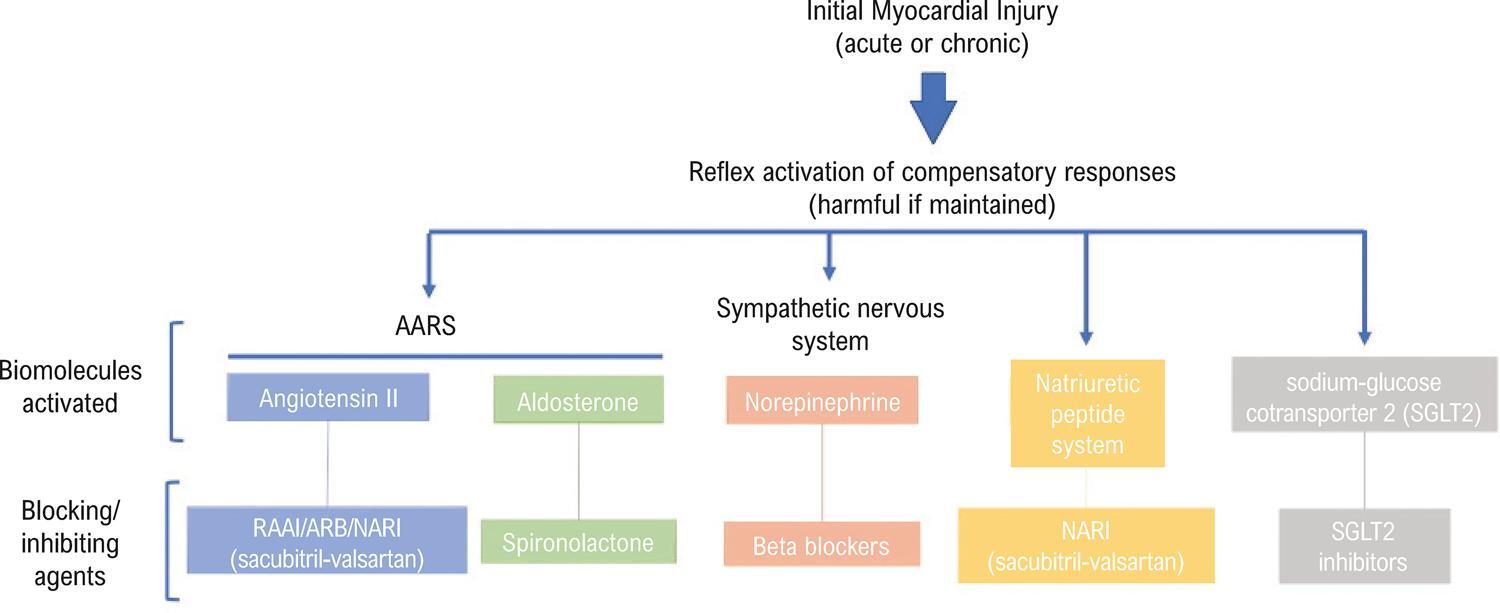
Pharmacological treatment of heart failure with reduced ejection fraction (HFREF) has undergone changes over the years as discoveries have been made related to new systems involved in its pathophysiology and, consequently, of new therapeutic targets. For this treatment, certain drug classes have become essential and should be used in combinations with the objective of reducing the disease’s high rates of morbidity and mortality. They are therefore considered the pillars of treatment for patients with HFREF. These drug classes act on the renin-angiotensin-aldosterone system (angiotensin-converting enzyme inhibitors, angiotensin receptor blockers, and mineralocorticoid receptor antagonists), on the autonomic nervous system (beta blockers), on the natriuretic peptides system (neprilysin and angiotensin receptor inhibitors), and on the sodium-glucose cotransporter 2 (sodium-glucose cotransporter 2 inhibitors). 1 This article will present an analytical summary of the pathophysiologic foundations and the scientific evidence that demonstrates the benefit of these medications, specifically in terms of their impact on the results of clinical trials.

  • Angiotensin II Type 1 Receptor Blockers
  • Heart Failure
  • Mineralocorticoid Receptor Antagonists
  • Sodium-Glucose Transporter 2 Inhibitors
Read Full Article
Creative Commons Attribution (CC BY) Creative Commons license
12/04/2022 DOI: 10.36660/abchf.20220003 Views 2
Figure 1
Review Article

Treatment of Heart Failure Based on Natriuretic Peptide Levels: A Question That Has Yet to be Solved?

Carlos Eduardo Lucena Montenegro et al. Taciana Queiroz Medeiros Gomes Ana Carla Alves de Souza Lyra Joyce Santana do Nascimento Luana do Amaral Dias

Trials in chronic HF

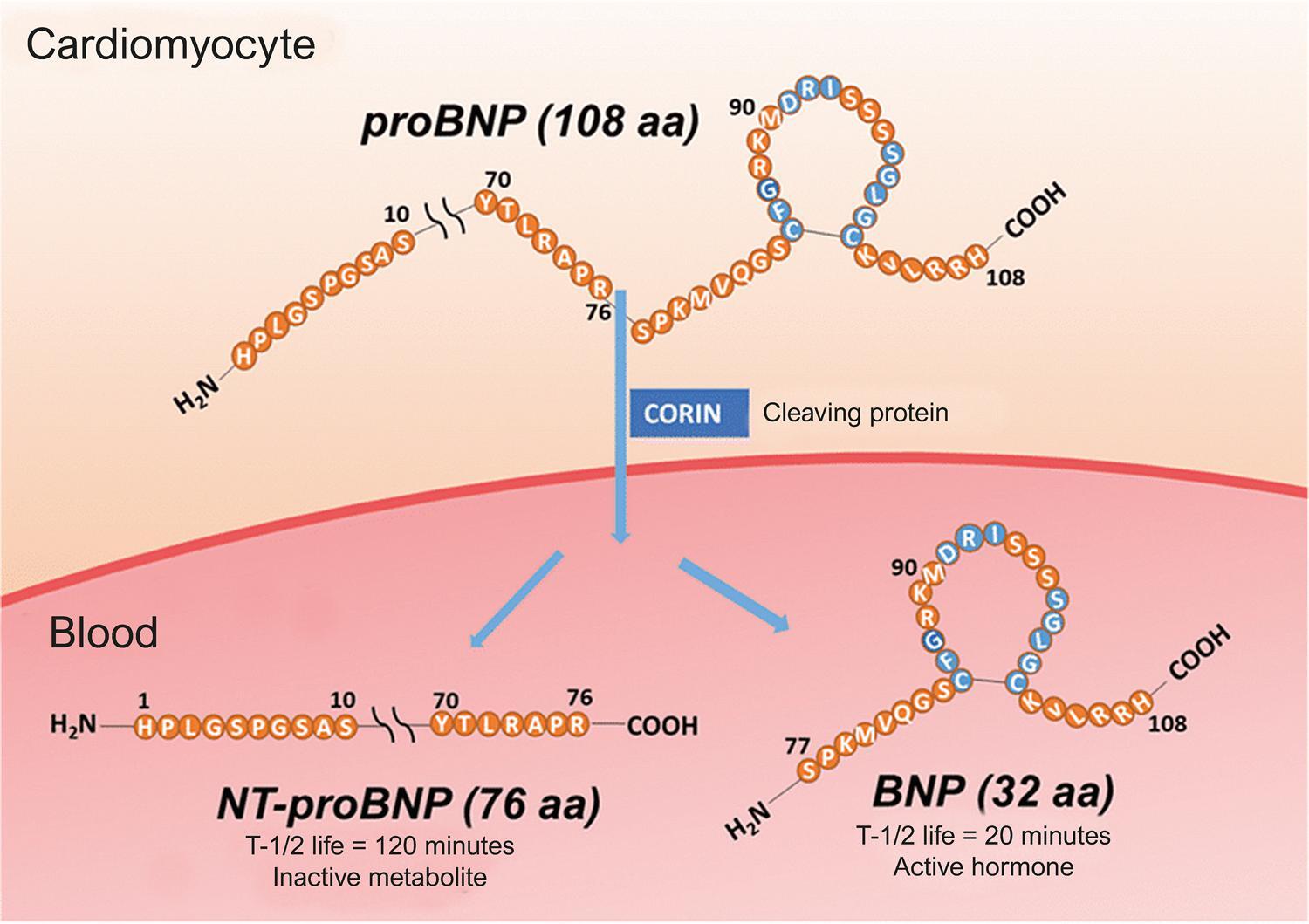
Several studies have addressed the hypothesis that therapy guided by BNP or NT-proBNP would improve clinical outcomes in chronic HF. – Even though some of these studies demonstrated a reduction in clinical events, none of them, taken alone, was adequately powered to test the effect of this strategy on all-cause mortality.

One of the first published studies addressing this issue, published in 2000, was promising, suggesting a benefit in terms of mortality and hospitalization due to HF. Troughton et al. demonstrated a reduction in total cardiovascular events (death, hospital admission, or decompensation of HF) (19 versus 54, p = 0.02), but their study had a small number of patients (69 patients) and a short-term follow-up.

[…]

  • Heart Failure
  • Natriuretic Peptide, Brain
  • Natriuretic Peptides
Read Full Article
Creative Commons Attribution (CC BY) Creative Commons license
12/04/2022 DOI: 10.36660/abchf.20220017 Views 1
Figure 1
Viewpoint

Diuretics In Stable Outpatients with Mild Heart Failure – May I Discontinue Them?

Marciane Maria Rover et al. Aline Coletto Jaccottet Diether Villegas Calle Roberto Tofani Sant´Anna

Heart failure: congestion and diuretic therapy

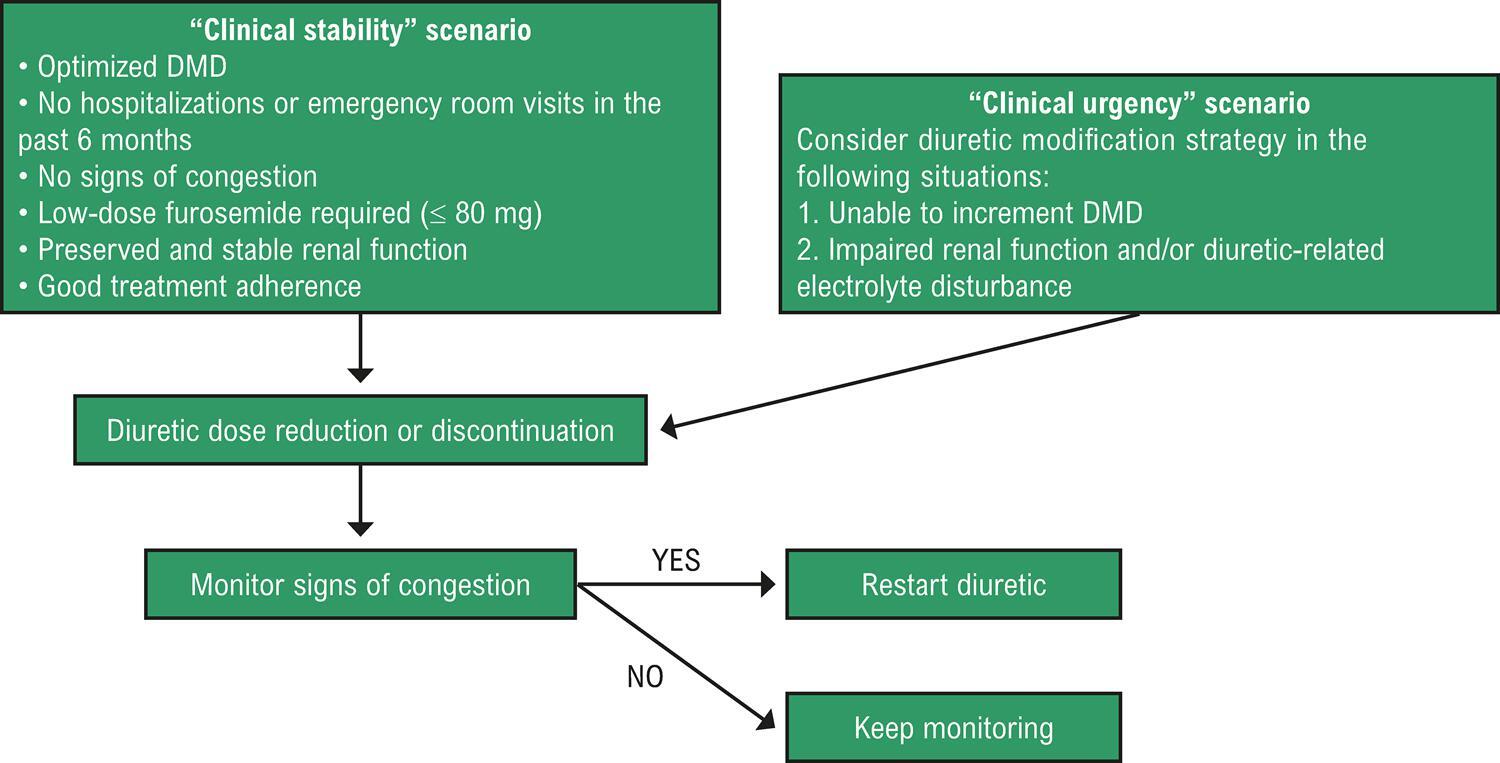
Congestion is a key component of the pathophysiology of heart failure (HF) and causes some of the cardinal symptoms of the disease, such as edema, orthopnea, and dyspnea on exertion. Congestion management is, therefore, of utmost importance for a successful HF treatment. Management is based on the prescription of loop diuretics for symptomatic patients according to different guidelines, although there are no placebo-controlled studies that support their use for reducing mortality. , When they are administered alone or in combination with other drugs, diuretics improve functional capacity and quality-of-life scores by reducing preload, ventricular filling pressures, and mitral regurgitation, resulting in increased cardiac output.

Congestion assessment is essential in diuretic optimization. Within this context, we should consider the low accuracy of clinical signs of congestion, especially when these signs are used alone. Conversely, concomitant assessment of several factors – including New York Heart Association (NYHA) functional class, orthopnea or paroxysmal nocturnal dyspnea, edema, pulmonary rales, third heart sound, hepatojugular reflux, and jugular venous distension – can identify patients at higher risk when they are grouped together by congestion scores. Additional tests increase predictive value and contribute to decision-making. The most common methods are serum natriuretic peptide measurement and imaging tests such as chest radiography, lung ultrasound, and echocardiography. They may be considered before diuretic discontinuation and for monitoring blood volume, especially in doubtful cases.

[…]

  • Diuretics
  • Furosemide
  • Heart Failure
Read Full Article
Creative Commons Attribution (CC BY) Creative Commons license
12/04/2022 DOI: 10.36660/abchf.20220019 Views 1
Figure 1
Research Letter

New Drugs for Treatment of Heart Failure with Reduced Ejection Fraction: Vericiguat and Omecamtiv Mecarbil

Mucio Tavares de Oliveira Jr et al. Antonio Carlos Pereira Barretto Carlos Henrique Del Carlo Sergio Jallad Mariana Silveira de Alcantara Chaud

Omecamtiv mecarbil – myosin activator

During the 1980s and 1990s, several attempts at long-term treatment with inotropes in patients with systolic dysfunction almost always resulted in increased mortality or a neutral effect (oral milrinone, intravenous dobutamine infusion), with the exception of levosimendan, when used in intermittent infusions in patients with advanced heart failure, which did not interfere with prognosis and avoided worsening quality of life and readmissions.

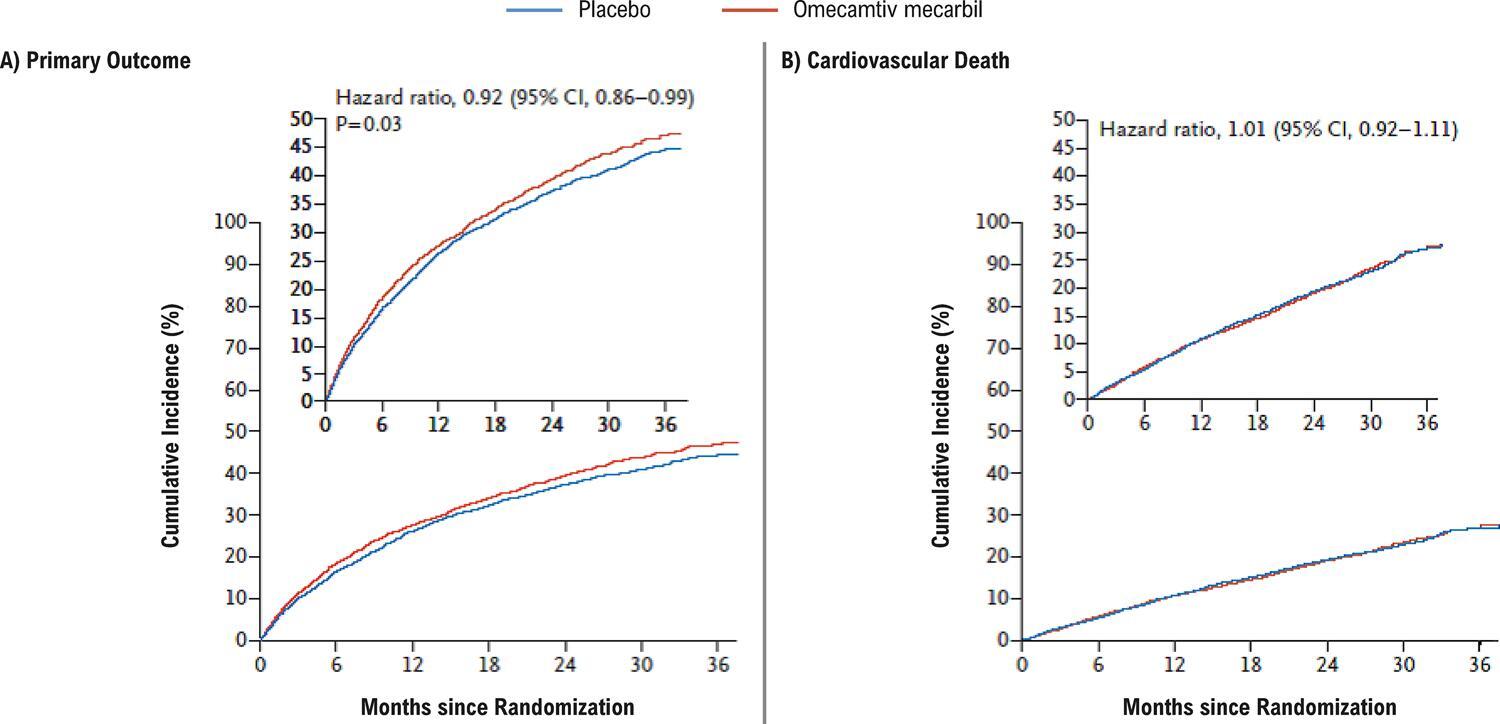
Omecamtiv mecarbil is an inotropic agent whose mechanism of action differs from the others, having no relation to increased calcium influx or increased sensitivity to calcium by myocardial fibers. The drug increases cardiac contractility by selectively interacting with cardiac myosin, increasing the number of molecules available to bind to actin and produce greater kinetic energy at the beginning of systole, without increasing calcium and/or oxygen consumption. Omecamtiv mecarbil binds to a site that stabilizes the molecule, promoting a greater number of actin-myosin interactions, increasing the amount of energy generated with each ventricular systole.

[…]

  • Hospitalização
  • Insuficiência Cardíaca
  • Omecamtiv Mecarbil
  • Sobrevida
  • Vericiguat
Read Full Article
Creative Commons Attribution (CC BY) Creative Commons license
12/04/2022 DOI: 10.36660/abchf.20220009 Views 1
Figure 1
Editorial

New Universal Definition of Heart Failure: A New Vision for Treatment

Evandro Tinoco Mesquita et al. Ana Paula Chedid Lidia Ana Zytynski Moura

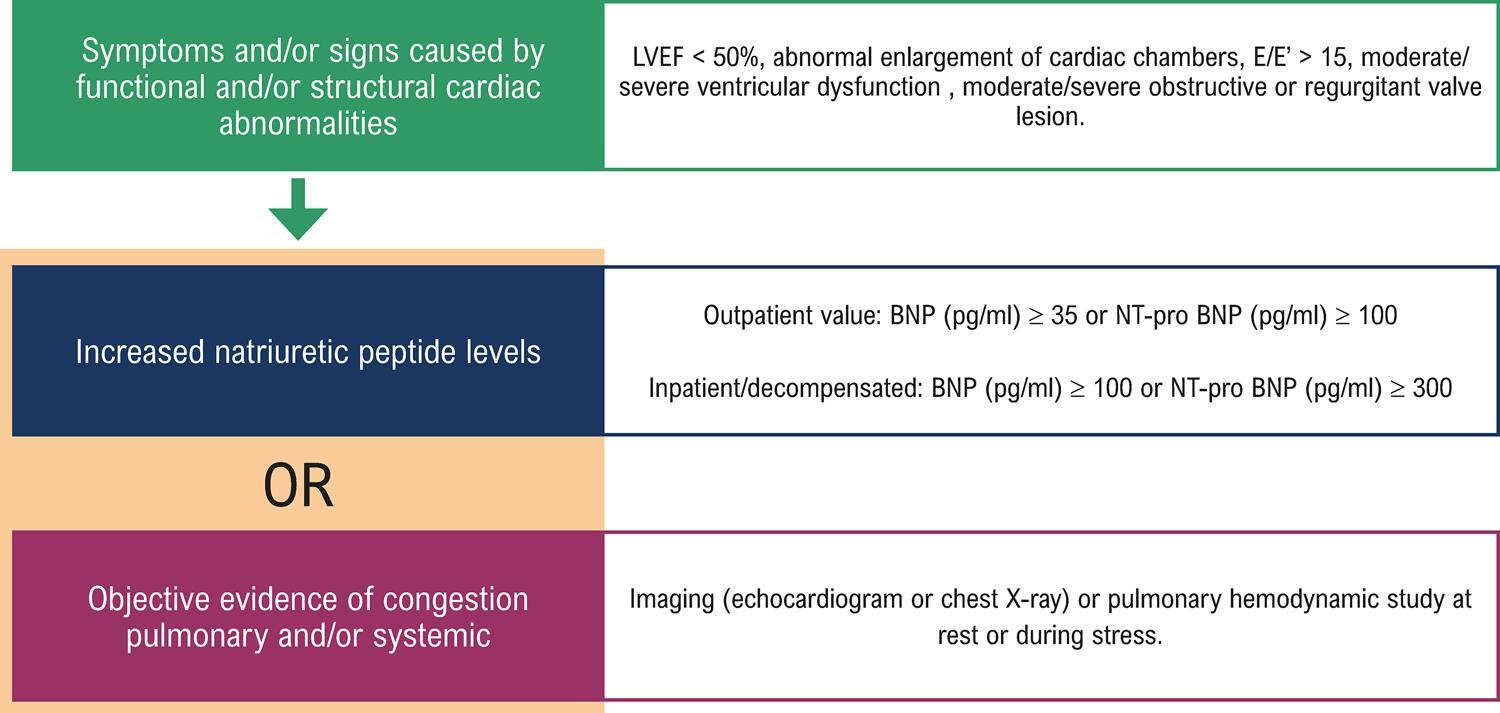
In March 2021, a new universal definition and classification for heart failure (HF) was published simultaneously in the Journal of Cardiac Failure and the European Journal of Heart Failure. This document was produced by the European, North American, and Japanese Heart Failure Societies and was endorsed by the Canadian, Indian, Chinese, Australian, and New Zealand HF Societies. The objectives of the publication were to provide a universal, simple, and comprehensive definition that can guarantee standardization in clinical research, guidelines, and treatment, as well as guidance for patients and public policy makers. It also proposed a revised classification based on left ventricular ejection fraction (LVEF) to guide therapy according to HF category, and, finally, to revise the HF stages, aiming at both prognosis and prevention.

HF has been defined in Cardiology textbooks as a clinical syndrome characterized by the heart’s inability to pump enough blood to meet the body’s metabolic demands. However, this pathophysiological profile is only found in advanced stages of HF. Definitions vary in the guidelines of different Societies and also diverge from textbooks, including the concept of signs and symptoms associated with hemodynamic and neurohormonal abnormalities, which are neither simple nor easily measurable.

[…]

  • Cardiomyopathies
  • Family Medicine
  • Heart Failure
  • Public Health
Read Full Article
Creative Commons Attribution (CC BY) Creative Commons license
12/04/2022 DOI: 10.36660/abchf.20220001 Views 2
Figure 1
Review Article

Pharmacological Primary Prevention of Chemotherapy-Induced Cardiomyopathy: What is the Best Approach?

Mônica Samuel Avila et al. Deborah de Sá Pereira Belfort Mauro Rogério de Barros Wanderley Júnior

Introduction

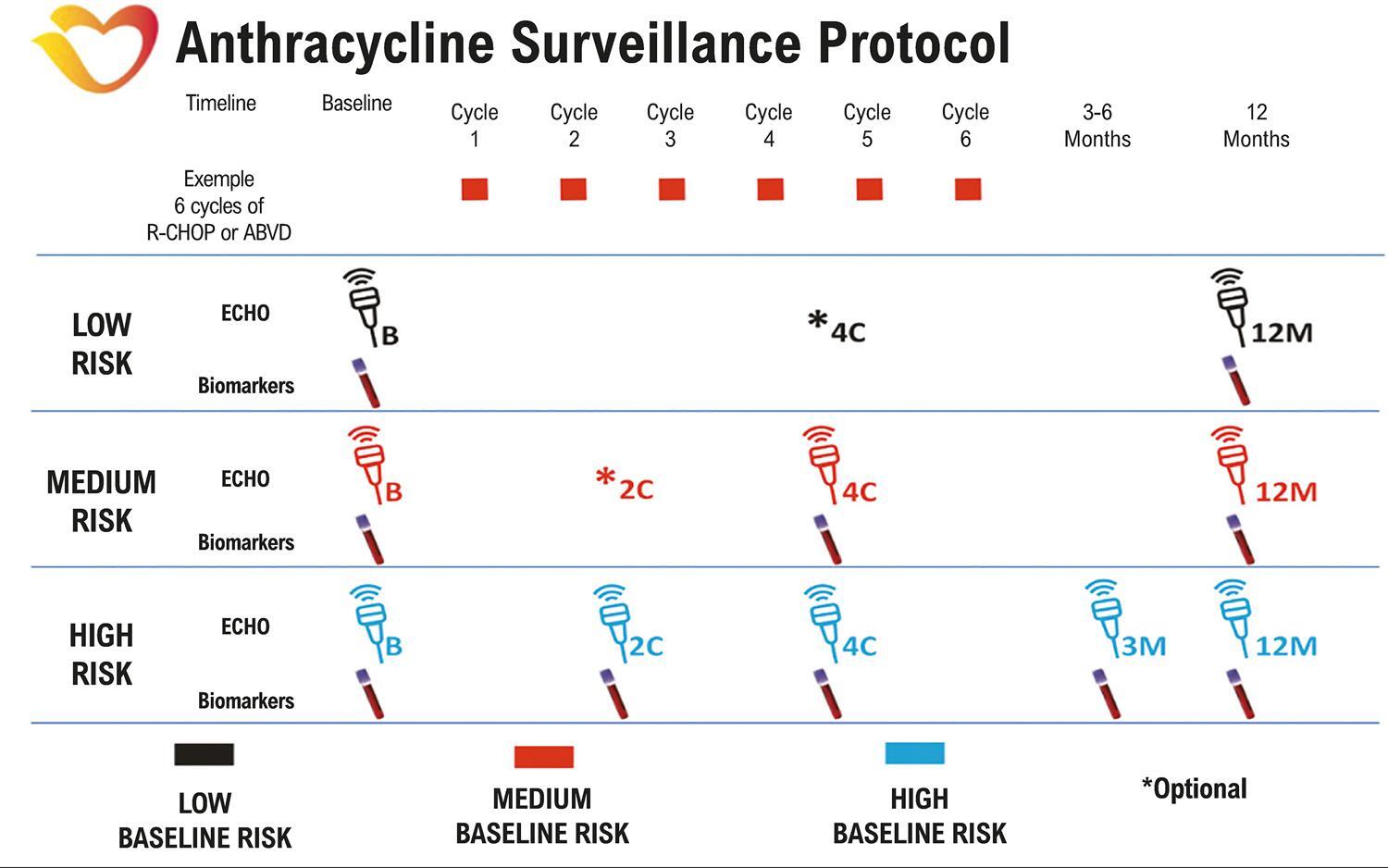
Advances in oncology, such as better access to health care system, earlier cancer diagnosis, and new chemotherapies, have led to longer survival of oncologic patients over the last decades. However, this population is vulnerable to cardiovascular drug-related adverse events like cardiomyopathy, which leads to heart failure and impairs survival and quality of life. , Among different classes of chemotherapeutic agents, anthracyclines (ANT) stand out as the most related to cardiomyopathy, which may affect cancer survivors in 9% of all cases.

The most widely recognized definition of cardiotoxicity is based on changes in left ventricular ejection fraction (LVEF). A decline of 10% to a value below 50% or a decline associated with heart failure symptoms during or after the use of a cardiotoxic agent suggests cardiotoxicity.

[…]

  • Cardiotoxicity
  • Heart Failure
  • Pharmaceutical Preparations
  • Primary Prevention
Read Full Article
Creative Commons Attribution (CC BY) Creative Commons license
12/04/2022 DOI: 10.36660/abchf.20220020 Views 1
Review Article

Pharmacological Treatment in Patients with Advanced Heart Failure: Recommendations and Challenges

Fernanda Scussel

Abstract

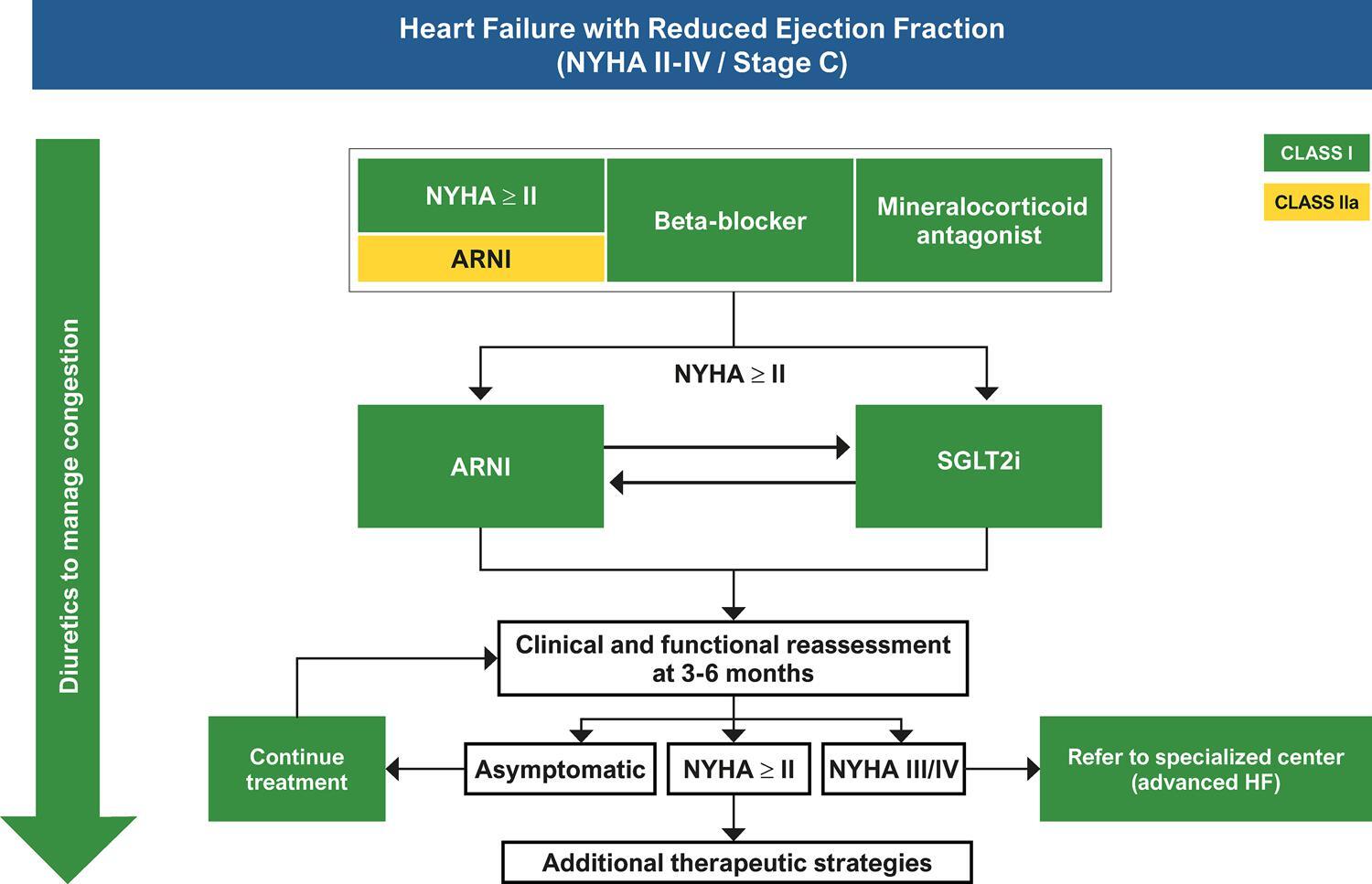
Heart failure is a highly prevalent condition, and a series of new therapies have emerged over the past years, improving patients’ survival and quality of life, simultaneously making its management more complex. When treating patients with advanced heart failure, that is, with persistent limiting symptoms and recurrent hospitalizations, it is usually even more challenging to manage cases, given that, in addition to frequently having characteristics that would exclude them from most clinical studies, they pose a series of difficulties to optimizing therapies, mainly due to symptomatic hypotension and renal dysfunction, but also due to difficulty in adhering to the growing list of medications, high costs, and poor understanding of their own disease. The concept that is currently in vogue is that therapeutic optimization, including the 4 fundamental drugs for the treatment of heart failure with reduced ejection fraction (angiotensin-converting enzyme inhibitors/angiotensin receptor blockers/angiotensin receptor-neprilysin inhibitors, beta-blockers, aldosterone receptor antagonists, and sodium-glucose cotransporter-2 inhibitors), should be carried out quickly, within 4 weeks after diagnosis or hospitalization for decompensation, in the event that the patient is not already using the 4 classes. This may be a somewhat “daring” goal when treating patients in more advanced stages. In these cases, some strategies can help to achieve the best tolerated treatment possible, with good control of symptoms and improved survival. Furthermore, intolerance to clinical treatment is also a marker of advanced disease in itself and should be considered a reason for referral to centers specializing in advanced heart failure whenever possible.

  • Drug Therapy
  • Heart Failure
Read Full Article
Creative Commons Attribution (CC BY) Creative Commons license
12/04/2022 DOI: 10.36660/abchf.20220021
Figure 1
Research Letter

Personalized Treatment of Heart Failure with Reduced Ejection Fraction: Ivabradine, Nitrate/Hydralazine, and Digoxin – A Systematic Review and Meta-Analysis

Ivna Girard Cunha Vieira Lima et al. Edimar Alcides Bocchi

Introduction

In the last 30 years, treatment of chronic heart failure with reduced ejection fraction (HFrEF) has evolved considerably, and a significant reduction was achieved in mortality over time and hospitalization rates for chronic heart failure (CHF).

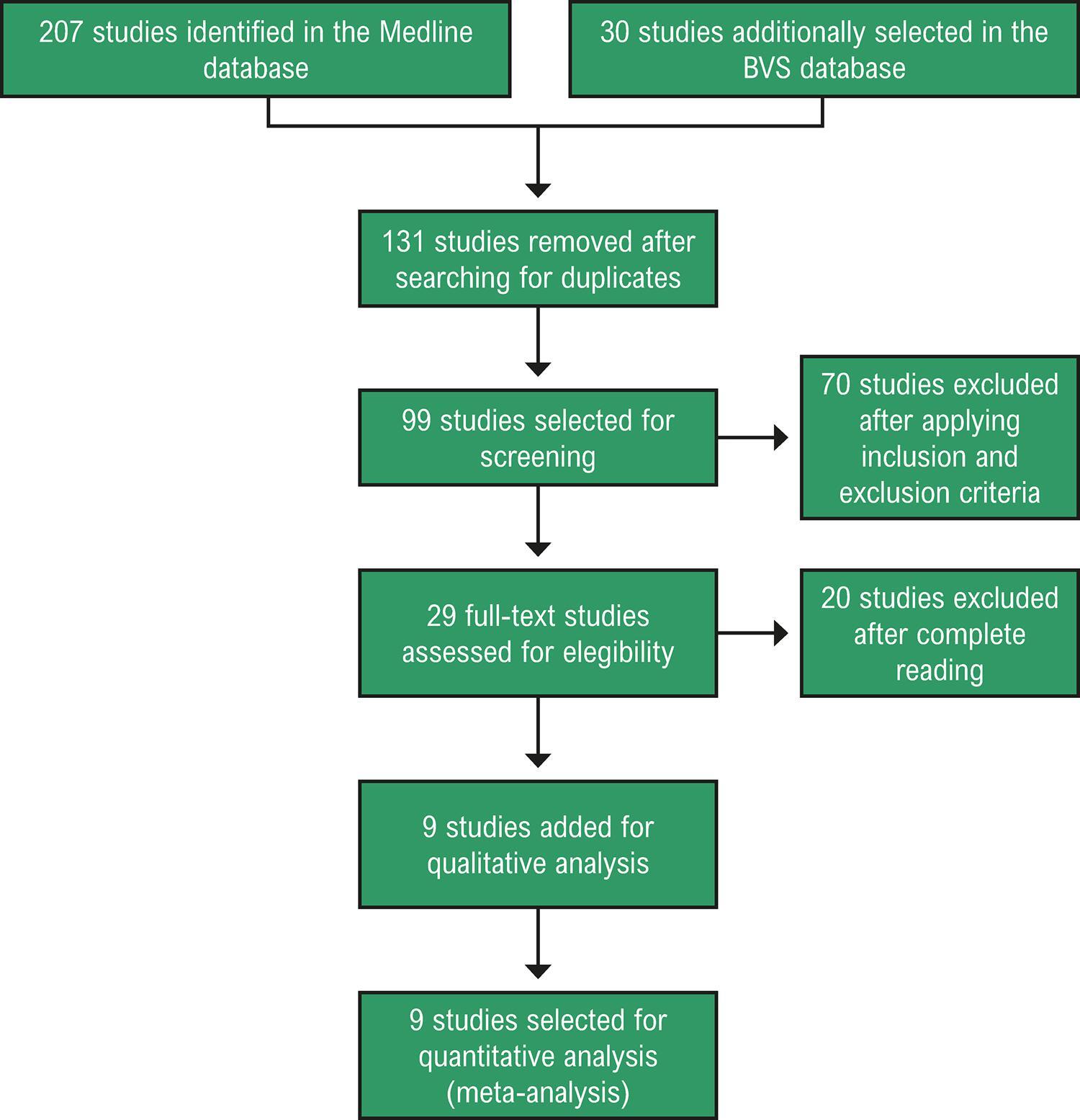
Neurohormonal blockade has become key in the treatment of CHF, but with the discovery of new therapies such as sodium-glucose cotransporter-2 inhibitors (SGLT2i), neprilysin inhibitors, resynchronization therapies, and new procedures, the number of treatment options in addition to standard therapy has increased considerably. However, it is known that the start of medications that reduce outcomes in CHF has historically been recommended following the order of publication of efficacy trials. Considering the many treatment options available today, a clinical question arises: is it possible to personalize additional treatments according to the patient’s clinical characteristics? This meta-analysis aims to look for populations of interest where ivabradine, hydralazine and nitrate, and digoxin could have incremental beneficial effects.

[…]

  • Digoxin
  • Heart Failure
  • Hydralazine
  • Nitrates
Read Full Article
Creative Commons Attribution (CC BY) Creative Commons license
12/04/2022 DOI: 10.36660/abchf.20220008
Figure 1
Viewpoint

Clinical Profile-Based Pharmacological Sequencing for Heart Failure with Preserved Ejection Fraction

Evandro Tinoco Mesquita et al. Eduardo Thadeu de Oliveira Correia Letícia Mara dos Santos Barbetta

Introduction

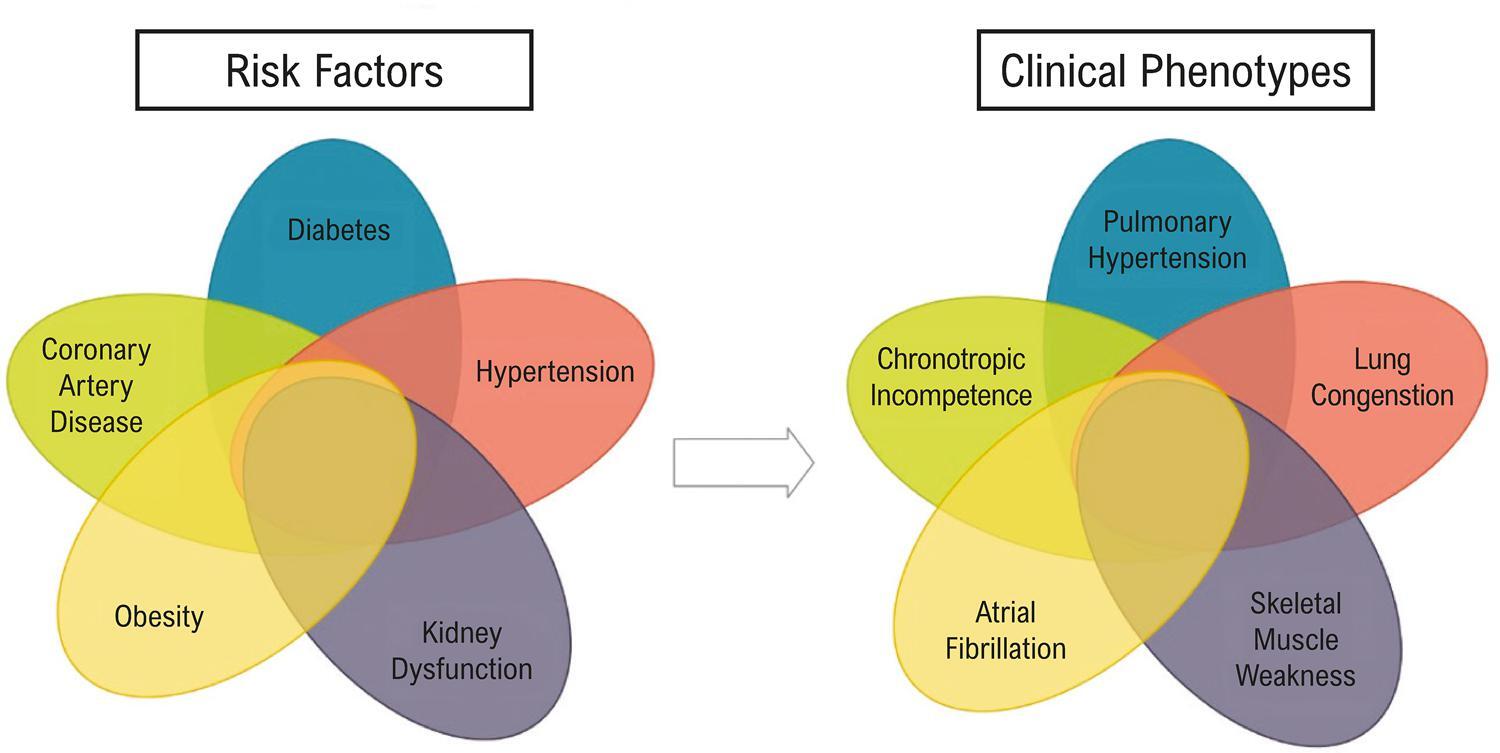
Heart failure (HF) is classically categorized into phenotypes according to left ventricular ejection fraction (EF), one of them being HF with preserved EF (HFpEF; EF ≥ 50%). In the past decades, a myriad of drug therapies that reduce mortality and hospitalization rates for HF with reduced EF have emerged. However, although HFpEF accounts for about 50% of HF cases, to this date, only empagliflozin was shown to reduce HF hospitalization, and no drug reduced the risk for cardiovascular death in randomized clinical trials (RCTs). One hypothesis that may explain the lack of therapies that reduce hard outcomes in HFpEF is the variety of phenotypes that constitute HFpEF as a syndrome. Thus, in this paper, we discuss evidence from RCTs and post-hoc analyses of RCTs that may help improve HFpEF outcomes, aid clinicians, and pave the way for future RCTs.

[…]

  • Adrenergic beta-Antagonists
  • Angiotensin-Converting Enzyme Inhibitors
  • Digoxin
  • Heart Failure
  • Mineralocorticoid Receptor Antagonists
Read Full Article
Creative Commons Attribution (CC BY) Creative Commons license
12/04/2022 DOI: 10.36660/abchf.20220014 Views 1
Figure 1
Viewpoint

Rapid Sequencing of Foundational Treatment for HFrEF: The Innovative Proposal of John McMurray and Milton Packer

Bianca Lopes Cunha et al. Laura Leite da Escóssia Marinho Jefferson Luís Vieira

The treatment of heart failure with reduced ejection fraction (HFrEF) involves implementing preventive measures, delaying disease progression, relieving symptoms and, above all, prolonging survival. The effectiveness of the drug arsenal for the management of HFrEF has been well established by several randomized clinical trials and is based on 4 foundational pillars of treatment: (1) β-blockers; (2) renin-angiotensin system inhibitors, including angiotensin-converting enzyme inhibitors (ACEis), angiotensin receptor blockers (ARBs), and angiotensin receptor-neprilysin inhibitors (ARNIs); (3) sodium-glucose cotransporter 2 inhibitors (SGLT2is); and (4) mineralocorticoid receptor antagonists (MRAs).

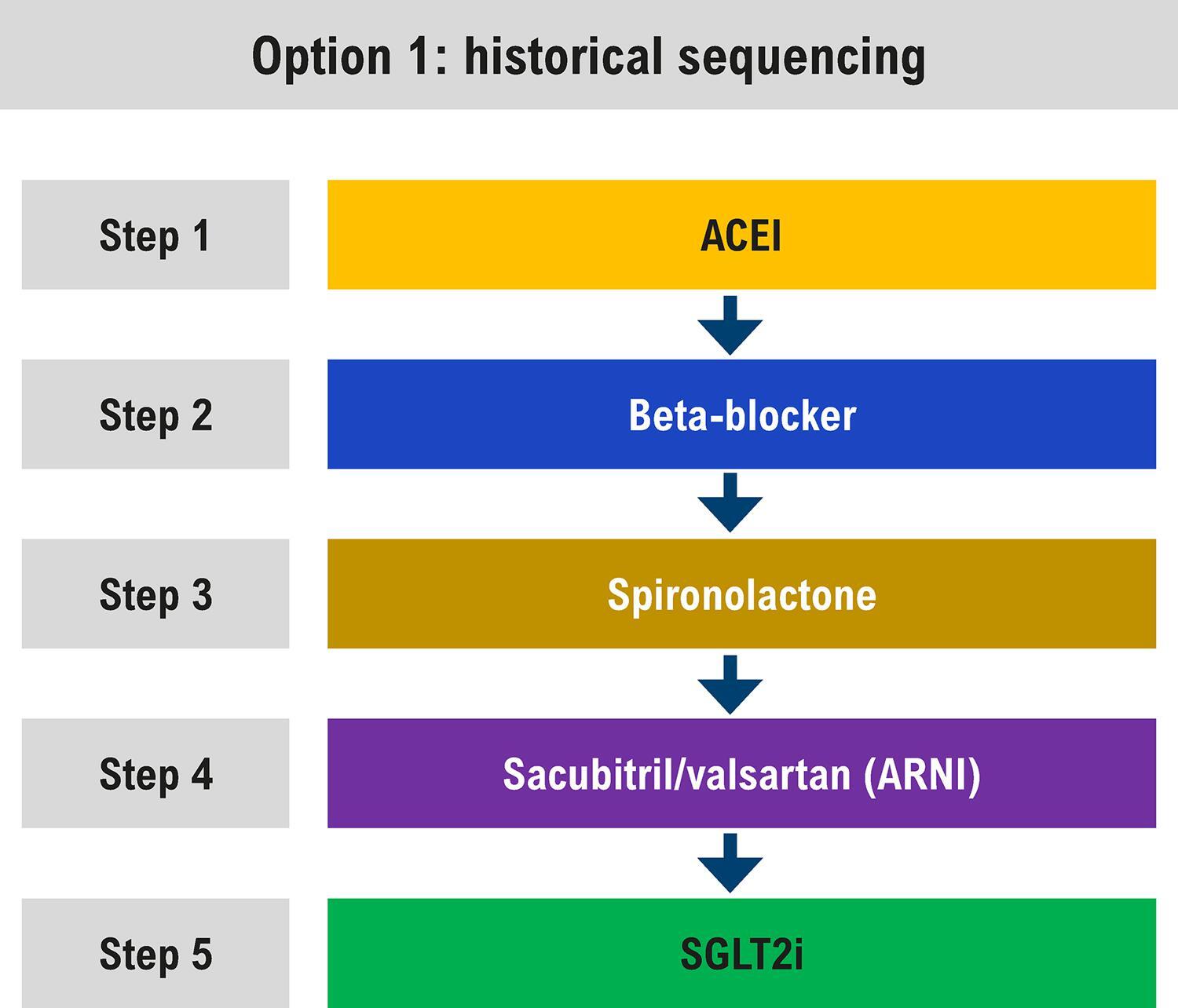
The conventional pharmacological approach presented by HFrEF treatment guidelines recommends sequential prescribing of the 4 foundational drug classes in the order in which they were tested in classic clinical trials. – Based on a 5-step protocol, physicians are instructed to initiate treatment with an ACEi/ARB, followed by a β-blocker and then an MRA. In step 4, replacement of the ACEi/ARB with an ARNI is considered and, finally, an SGLT2i can be added ( ). This approach advises prescribers to titrate the dose of each drug to the target dose used in large-scale trials before initiating the next recommended drug class ( ). In 2021, however, a perspective article written by John McMurray and Milton Packer, authors of most of the main trials in the field in the last decade, pointed out a series of limitations in the conventional approach and proposed a new sequence of pharmacological treatment for ambulatory HFrEF based on 3 steps ( ). According to the new proposal, the conventional approach presents an algorithm based on the historical order of publication of the clinical trials, wrongly assuming that the most effective and well-tolerated drugs were developed first. Another point observed by the authors is that the conventional approach prioritizes the achievement of the target dose of a given drug before initiating treatment with the next one, which can delay the achievement of optimal medical therapy by more than 6 months. Indeed, if we look at participants in large-scale clinical trials and surveys, we will see that a substantial percentage of them were not receiving recommended medications. , Even in recently completed trials, a meaningful proportion was not being treated with an MRA or an ARNI. In addition, proper sequencing of foundational drugs can improve safety and tolerability, as medications such as ARNIs can reduce the risk of renal insufficiency associated with ACEis/ARBs and both ARNIs and SGLT2is can mitigate the risk of hyperkalemia associated with the use of MRAs.

[…]

  • Adrenergic beta-Antagonists
  • Angiotensin-Converting Enzyme Inhibitors
  • Heart Failure
  • Mineralocorticoid Receptor Antagonists
  • Neprilysin
  • Sodium-Glucose Transporter 2 Inhibitors
Read Full Article
Creative Commons Attribution (CC BY) Creative Commons license
12/04/2022 DOI: 10.36660/abchf.20220005 Views 1
Figure 1
Viewpoint

Sequencing of Pharmacotherapy for Heart Failure with Reduced Ejection Fraction: A Clinical Profile-Based Approach

Luís Beck-da-Silva

A Brief History of Heart Failure (HF) Treatment

Until 1987, HF treatment consisted in:

None of these recommendations was based on clinical or epidemiological evidence, instead relying on the pathophysiological knowledge of the disease at the time, the pharmacological effect of medications, and good sense.

[…]

  • Adrenergic beta-Antagonists
  • Mineralocorticoid Receptor Antagonists
  • Sodium-Glucose Transporter 2 Inhibitors
Read Full Article
Creative Commons Attribution (CC BY) Creative Commons license
12/04/2022 DOI: 10.36660/abchf.20220007 Views 1
Figure 1
Review Article

Diuretics in Treatment of Heart Failure

Luis Fernando Bernal da Costa Seguro et al. José Leudo Xavier Júnior

Abstract

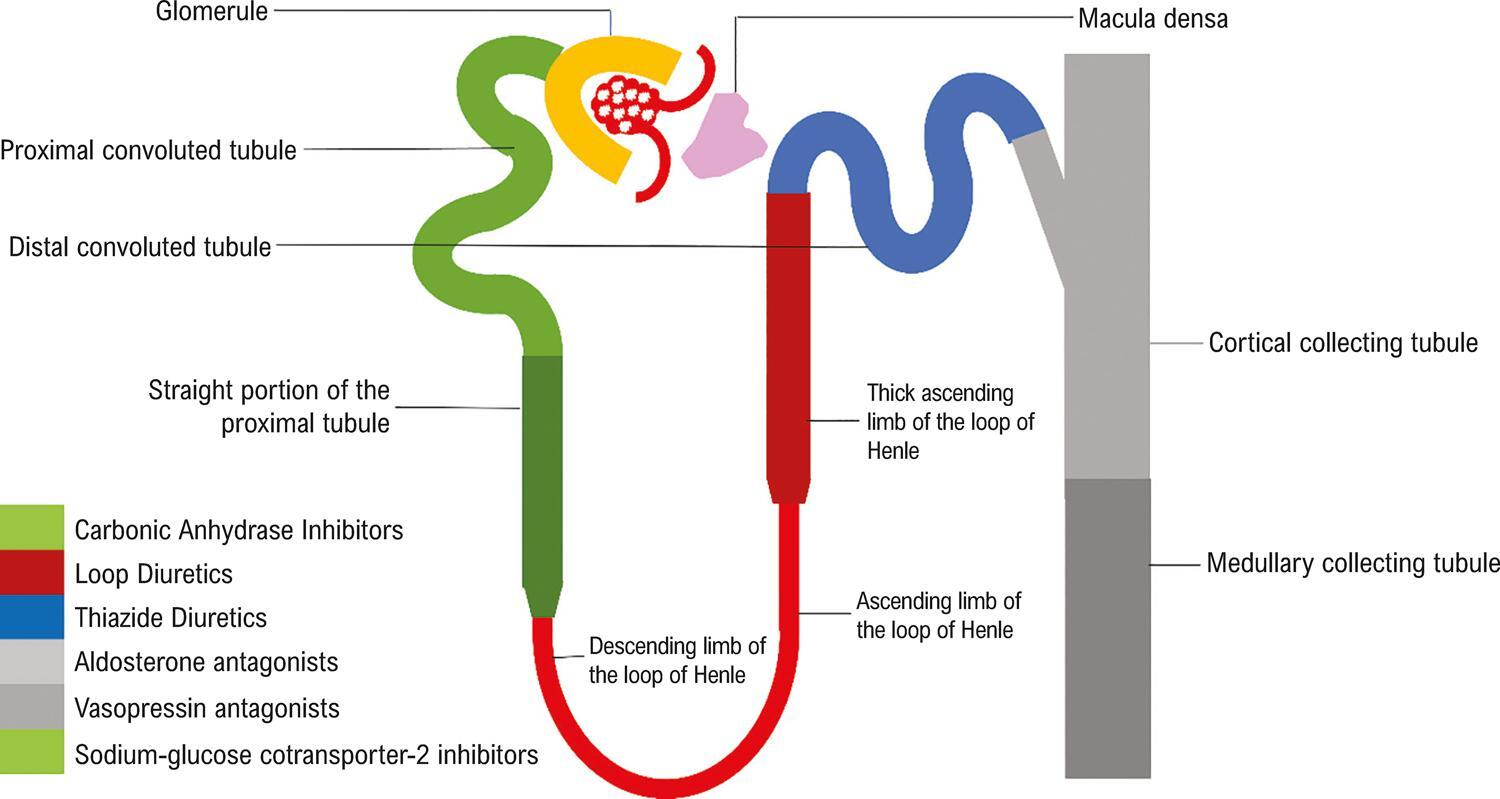
Heart failure is the leading cause of hospitalization in patients over 65 years of age, and, in most cases, patients present with signs and symptoms of congestion. Thus, diuretics play a prominent role and are among the most used drugs in heart failure. Although they have been used for decades, the lack of large controlled studies in the literature to support their use more adequately and the eventual development of resistance/tolerance are among the factors that make management of diuretics challenging.

  • Diuretics
  • Heart Diseases
  • Heart Failure
Read Full Article
Creative Commons Attribution (CC BY) Creative Commons license
12/04/2022 DOI: 10.36660/abchf.20220018 Views 2
Figure 1
Case Report

Symptomatic Acute Myopericarditis after Pfizer Vaccine against COVID-19

Ivana Tabalipa Giublin et al. Camila Hartmann Otavio Celeste Mangili Afonso Akio Shiozaki Lídia Ana Zytynski Moura

Introduction

Cases of myocarditis and pericarditis have been reported in diverse parts of the world since vaccination against the new coronavirus began with messenger RNA (mRNA) vaccines, mainly those produced by Pfizer-BioNTech. The pathophysiology of this vaccine-induced pathology is not yet fully understood, but it may be related to the active component of the vaccine (the mRNA sequence that encodes the SARS-CoV-2 spike protein) or to the immune system response that is triggered after vaccination . What is known so far is that it is a rare adverse event in view of the number of people who have already been immunized with these components, and the vast majority of cases reported in the literature have a benign course, with good evolution. – We report a case of myopericarditis in a young adult who presented symptoms 2 days after receiving the second dose of the Pfizer vaccine against COVID-19.

[…]

  • COVID-19 Vaccines
  • Myocarditis
  • Pericarditis
Read Full Article
Creative Commons Attribution (CC BY) Creative Commons license
12/04/2022 DOI: 10.36660/abchf.20220023 Views 1
Figure 1
Case Report

Implementation of Home Use of Continuous Intravenous Inotrope as Palliative Therapy for a Patient with Advanced Heart Failure within the Brazilian Unified Health System: a Case Report

Ana Paula Chedid Mendes et al. Rita Zambonato Laura C. T. Hastenteufel Letícia Orlandin … Nadine Clausell Livia Adams Goldraich

Introduction

Contemporary evidence-based treatment has modified the natural history of heart failure (HF). Nevertheless, with the current aging of the population with HF and the elevated number of comorbidities, there is a large proportion of individuals who are ineligible for advanced therapies and who could potentially benefit from palliative care. Accordingly, strategies for relieving symptoms and improving quality of life are being prioritized over interventions that aim for medium- and long-term outcomes. For a subgroup of patients with advanced HF receiving palliative care, home therapy with continuous inotropes may be considered and integrated into general palliative care.

[…]

  • Dobutamine
  • Heart Failure
  • Home Care Services
  • Milrinone
  • Palliative Care
Read Full Article
Creative Commons Attribution (CC BY) Creative Commons license
12/04/2022 DOI: 10.36660/abchf.20220024 Views 1
Viewpoint

The EMPEROR-Preserved Trial: Results that Innovate the Treatment of Heart Failure with Preserved Ejection Fraction

Ricardo Mourilhe-Rocha et al. Marcelo Imbroinise Bittencourt Felipe Neves de Albuquerque Ana Luiza Ferreira Salles … Pedro Pimenta de Mello Spineti Denilson Campos de Albuquerque

The treatment of heart failure with reduced ejection fraction (HFrEF) has been improving by numerous pharmacological and non-pharmacological options, as described in national and international guidelines. However, in the scenario of patients with HF with preserved EF (HFpEF), no therapeutic update has occurred since the last published guideline. –

Sodium-glucose cotransporter 2 (SGLT2) inhibitors are effective hypoglycemic agents in type 2 diabetes mellitus (T2DM) and are associated with improved glycemic control as well as with reduced body mass and blood pressure. In large-scale randomized trials of patients with diabetes, the use of SGLT2 inhibitors has improved cardiovascular and renal outcomes – including hospitalization for HF (HHF). This benefit was also observed in patients without diabetes who have HFrEF. That is, the presence of T2DM is not necessary to endorse the clinical benefit of SGLT2 inhibitors in HFrEF.

[…]

  • Heart Failure
  • Preserved Ejection Fraction
  • Treatment
Read Full Article
Creative Commons Attribution (CC BY) Creative Commons license
12/04/2022 DOI: 10.36660/abchf.20220012 Views 2
Figure 1
Viewpoint

SGLT2 Inhibitors and Sacubitril-Valsartan: How Trial Results will Revolutionize the Treatment of Heart Failure with Mildly Reduced Ejection Fraction

Miguel Morita Fernandes-Silva

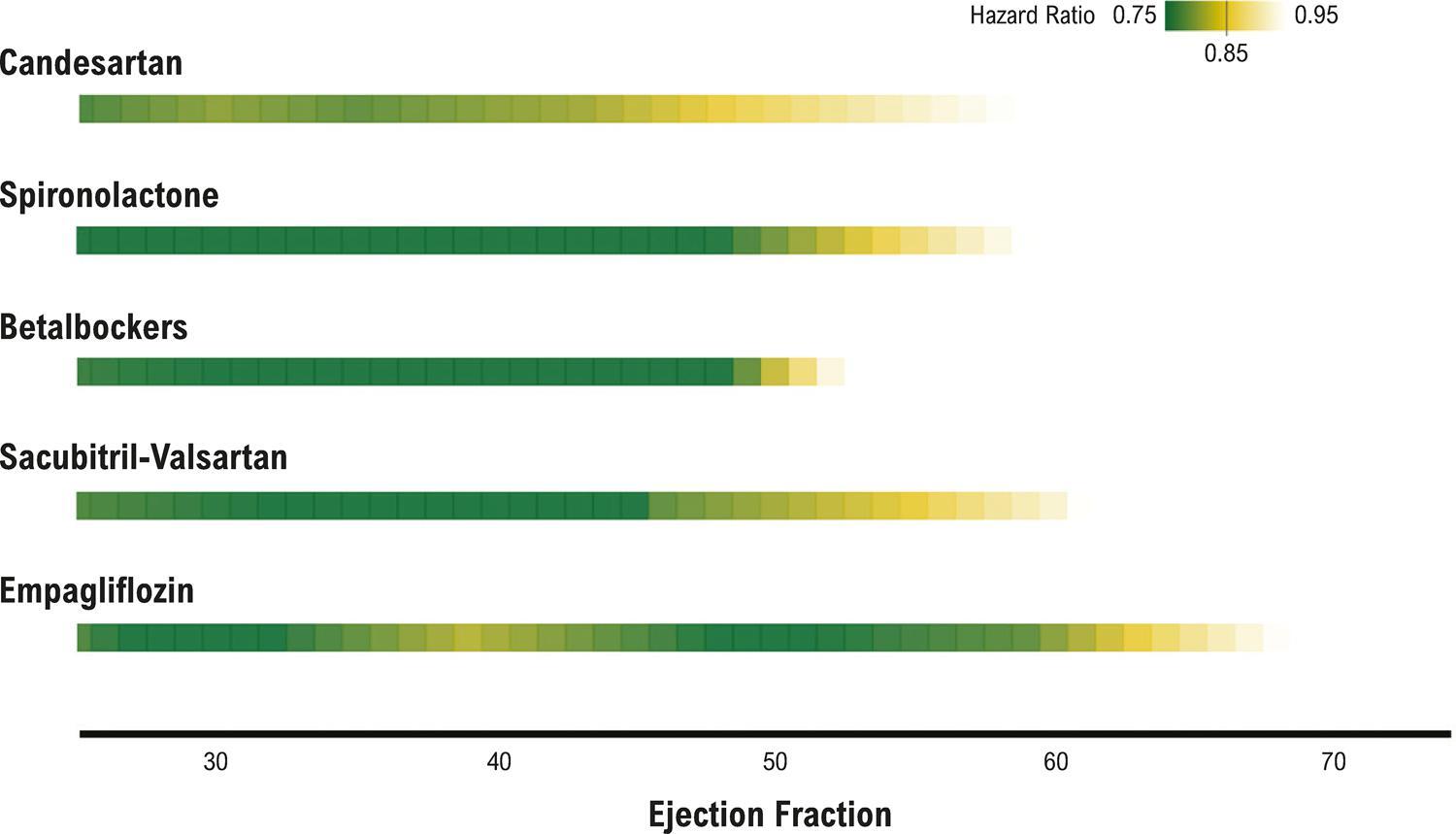
Left ventricular ejection fraction (EF) is a key parameter in the management of heart failure (HF) and a crucial biomarker for prognostic evaluation and therapeutic decision. Patients with HF are classified into different categories according to EF. Although the concept of “normal” EF was introduced four decades ago, the cutoff values for normal and abnormal EF have considerably varied over time. In 2016, the European Society of Cardiology HF guidelines defined HF with reduced EF (HFrEF) as patients with EF below 40%, while HF with preserved EF (HFpEF) was the category for patients with EF equal to 50% or above. To fill in the gap between the two categories, the term HF with mid-range EF was introduced. More recently, the guidelines considered more appropriate to rename this category to HF with mildly reduced EF (HFmrEF). , Why has the EF-based classification changed in recent years and how may this affect HF treatment?

In the 1980s, the first HF trials used in their design EF cutoffs to select patients with worse prognosis as an enrichment strategy, ie, they included patients based on a biomarker that improves design efficiency. Because patients with lower EF have worse prognosis and, therefore, higher rates of events, a relatively smaller sample size would be required to detect an effect. These trials used cutoff values for EF that ranged from < 45% to < 25% ( ) and were highly successful in finding effective therapies. In general, trials using a cutoff EF of < 40% consistently found drugs and devices for the treatment of HF that improved outcomes.

[…]

  • Angiotensin receptor-neprylisin Inhibitor
  • Angiotensin-converting Enzyme Inhibitor
  • Beta-blocker
  • Ejection Fraction
  • Heart Failure
  • Mineralocorticoid Receptor Antagonist
  • Sodium-glucose Cotransporter 2 Inhibitor
Read Full Article
Creative Commons Attribution (CC BY) Creative Commons license
12/04/2022 DOI: 10.36660/abchf.20220013 Views 1
Figure 1
Viewpoint

HFREF Pharmacological Treatment Sequencing: The Traditional Approach

João Manoel Rossi Neto et al. Raphael Machado Rossi Marco Aurelio Finger Carolina Casadei dos Santos

The traditional approach to sequencing

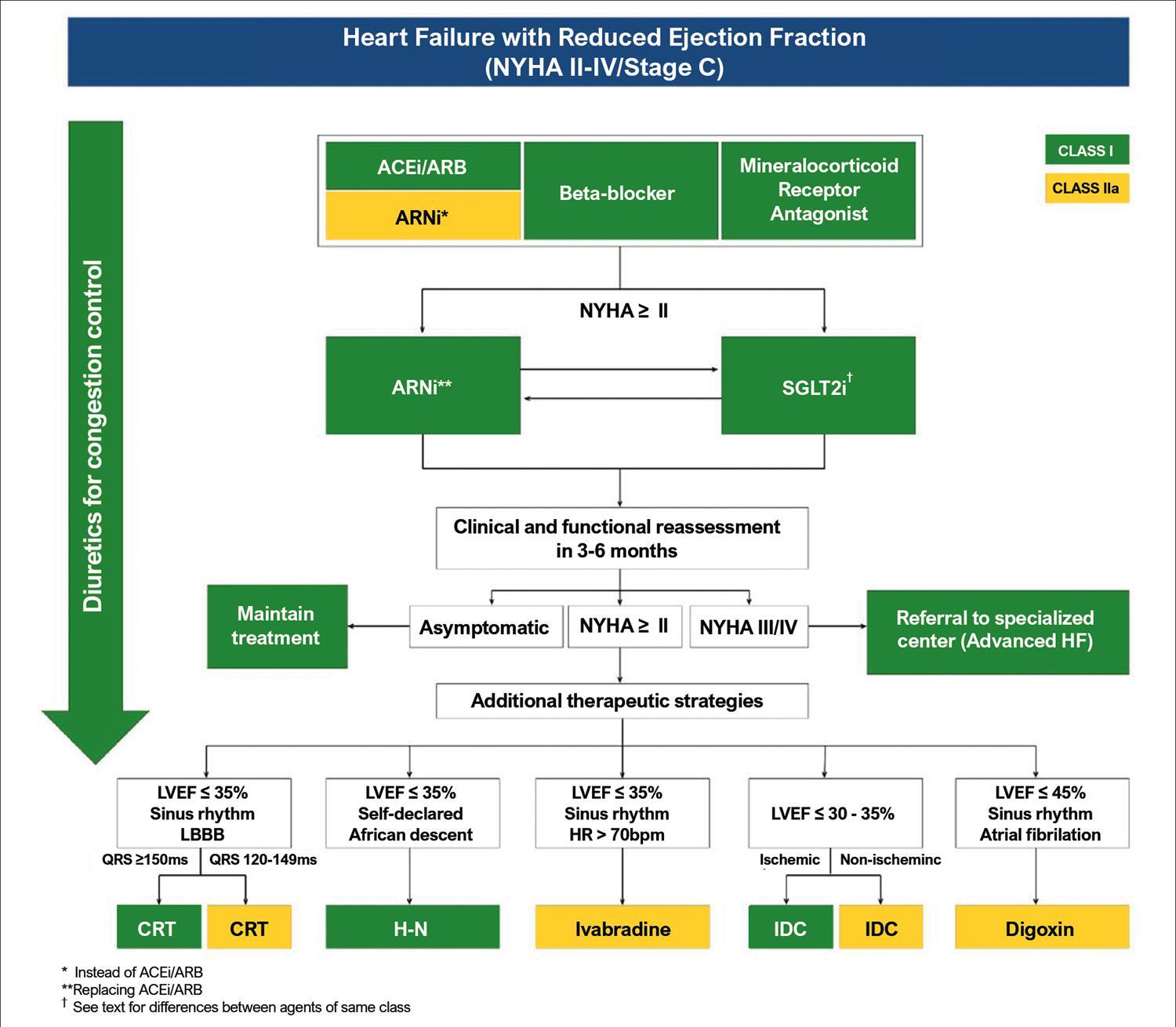
This approach respects the historical introduction of drugs studied and proven by randomized clinical trials (RCTs) and has its use approved by all guidelines. It is important to note that all RCTs on heart failure with reduced ejection fraction (HFrEF) have used this sequencing approach, and when a new drug is tested, it is added to optimized standard therapy. This reinforces the need to maintain triple therapy with a beta-blocker (BB), an angiotensin-converting enzyme inhibitor (ACEi)/angiotensin receptor blocker (ARB), and a mineralocorticoid receptor antagonist (MRA). Therefore, this triad is recommended as a key therapy for HFrEF unless drugs are contraindicated or not tolerated.

Angiotensin receptor-neprilysin inhibitors (ARNis; sacubitril/valsartan) should replace ACEis in patients who remain symptomatic despite the triad and may also be considered first-line therapy instead of ACEis ( ). The maximum recommended doses (MRDs) of these drugs are described in the Brazilian Society of Cardiology guidelines.

[…]

  • Heart Failure
  • Medication Therapy Management
  • Ventricular Ejection Fraction
Read Full Article
Creative Commons Attribution (CC BY) Creative Commons license
12/04/2022 DOI: 10.36660/abchf.20220004
Figure 1
Review Article

Essential Therapy for Heart Failure with Preserved Ejection Fraction in 2022

Luiz Cláudio Danzmann et al. Joana Carolina Junqueira de Brum Leticia Kunst Priscila Braun Eduardo Lima Garcia

Abstract

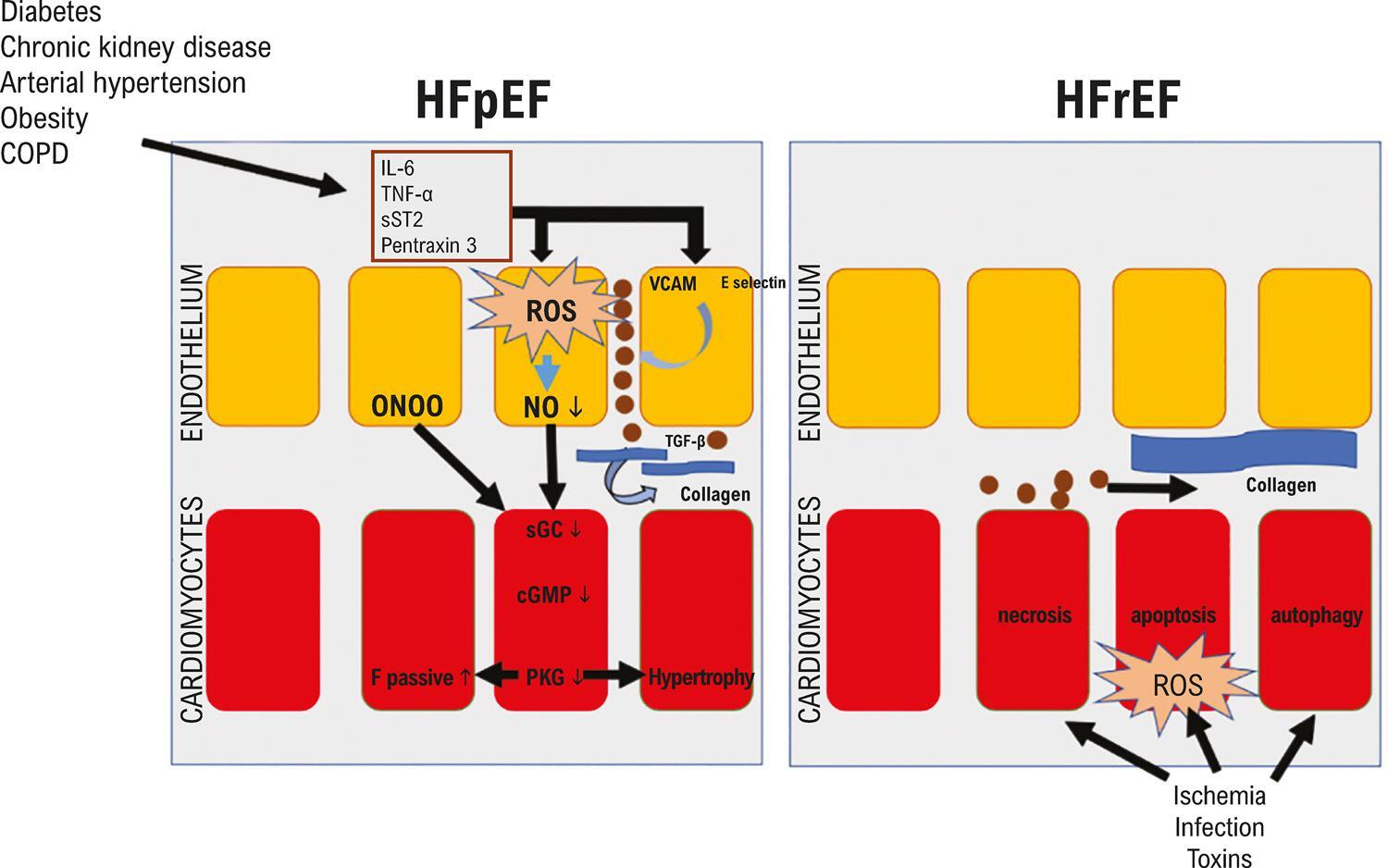
Heart failure with preserved ejection fraction (HFpEF) is a syndrome in which there is clinical evidence of heart failure (HF), left ventricle ejection fraction (LVEF) ≥50%, and evidence of diastolic dysfunction and/or structural cardiac changes. The pathophysiology of HF with preserved LVEF is related to the primary morbidities responsible for cardiac and vascular aggression via a chronic proinflammatory state involving the endothelium. Currently, the foundation of management of HFpEF rests on 5 pillars: control of circulatory congestion, management of primary morbidities or etiologies, use of medications with proven clinical benefit, identification and management of secondary etiologies, and cardiopulmonary rehabilitation. Essential therapy for HFpEF is founded on precise diagnosis, definition of etiology, estimation of severity, and use of medications with cardiovascular action of proven efficacy.

  • Functional Residual Capacity
  • Heart Failure
  • Stroke Volume
Read Full Article
Creative Commons Attribution (CC BY) Creative Commons license
12/04/2022 DOI: 10.36660/abchf.20220011 Views 2
Figure 1
Case Report

Overlapping Etiologies in a Young Patient with Severe Myocarditis: A Case Report

Thaís Martins de Oliveira et al. Fernando Luis Scolari Fabiano de Oliveira Poswar Francine Hehn de Oliveira … Ricardo Stein Lívia Adams Goldraich

Introduction

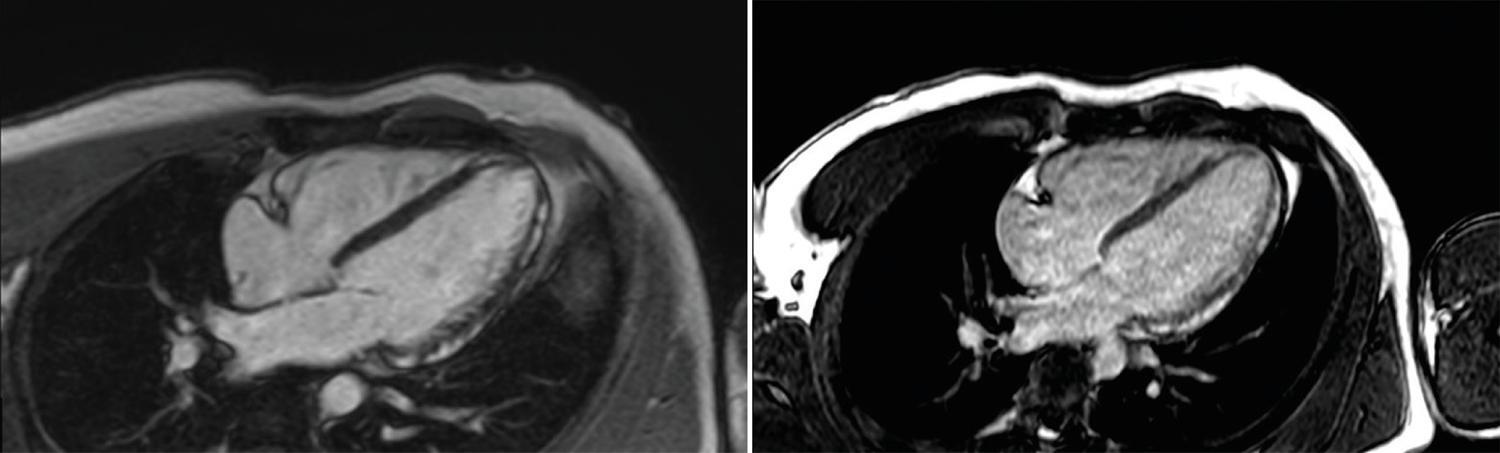
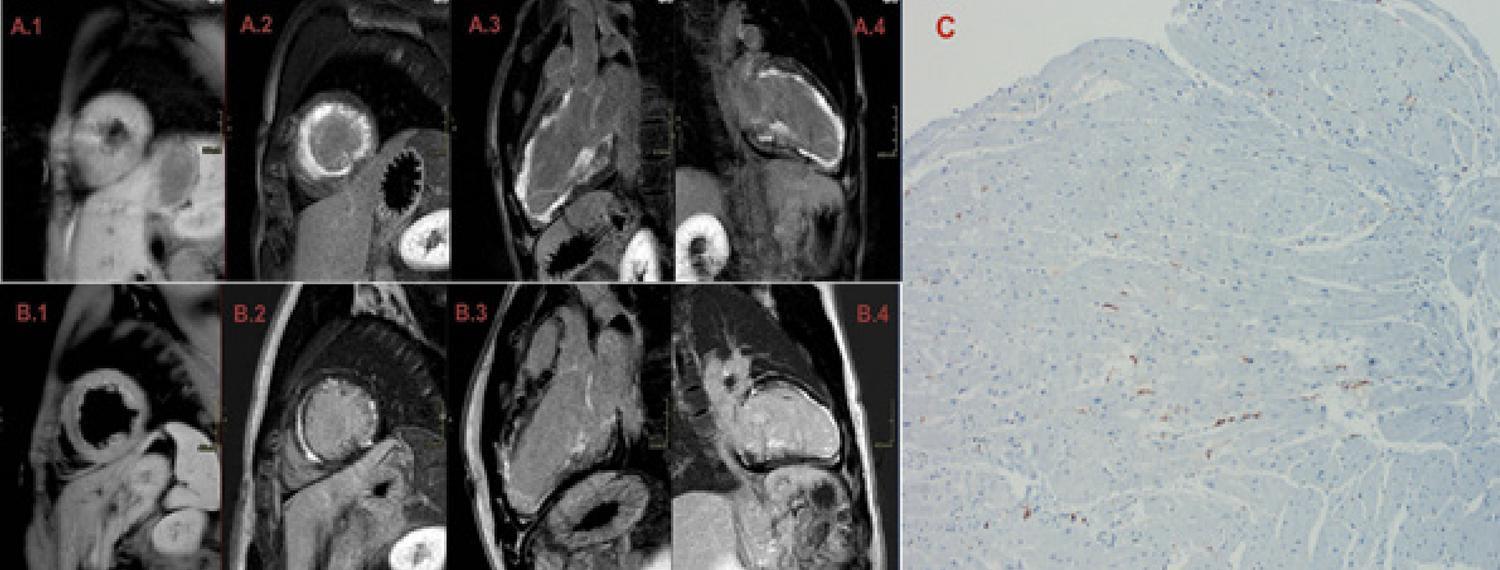
Etiological identification of young patients with heart failure should always be a medical goal. In this scenario, infectious myocarditis is a possible diagnosis and, when it occurs, it has a benign course in the majority of cases. However, congenital heart diseases or familial forms of cardiomyopathy should be considered in differential diagnosis and/or concomitantly, particularly in more severe presentations of myocarditis. In these cases, in addition to specific investigation for myocarditis, which may include clinical evaluation, imaging exams, laboratory tests, and endomyocardial biopsy with viral agent testing in myocardial tissue, genetic study is also worth considering. Associated etiologies can have an impact on clinical presentation and evolution, but data are still scarce, which means that there is still a gap to be explored in the literature. In this report, we describe the case of a young man with cardiogenic shock secondary to myocarditis caused by Epstein Barr virus (EBV), which led to identification of a pathogenic mutation in the PKP2 gene.

[…]

  • Arrhythmogenic Cardiomyopathy
  • Genetics
  • Inflammation
  • Myocardial Injury
Read Full Article
Creative Commons Attribution (CC BY) Creative Commons license
12/04/2022 DOI: 10.36660/abchf.20220022 Views 1
Figure 1
Viewpoint

Rethinking the Definition of Heart Failure Based on Ejection Fraction: Reflections with Impact on Therapy

Marcelo Iorio Garcia

The universal definition of heart failure (HF) has been in a state of constant change in the last decades. It is necessary for the definition to be simple, comprehensible, and easily applied in clinically, as well as capable of differentiating patients’ stages and severity, allowing stratification of levels of care, especially regarding candidates for specific therapies.

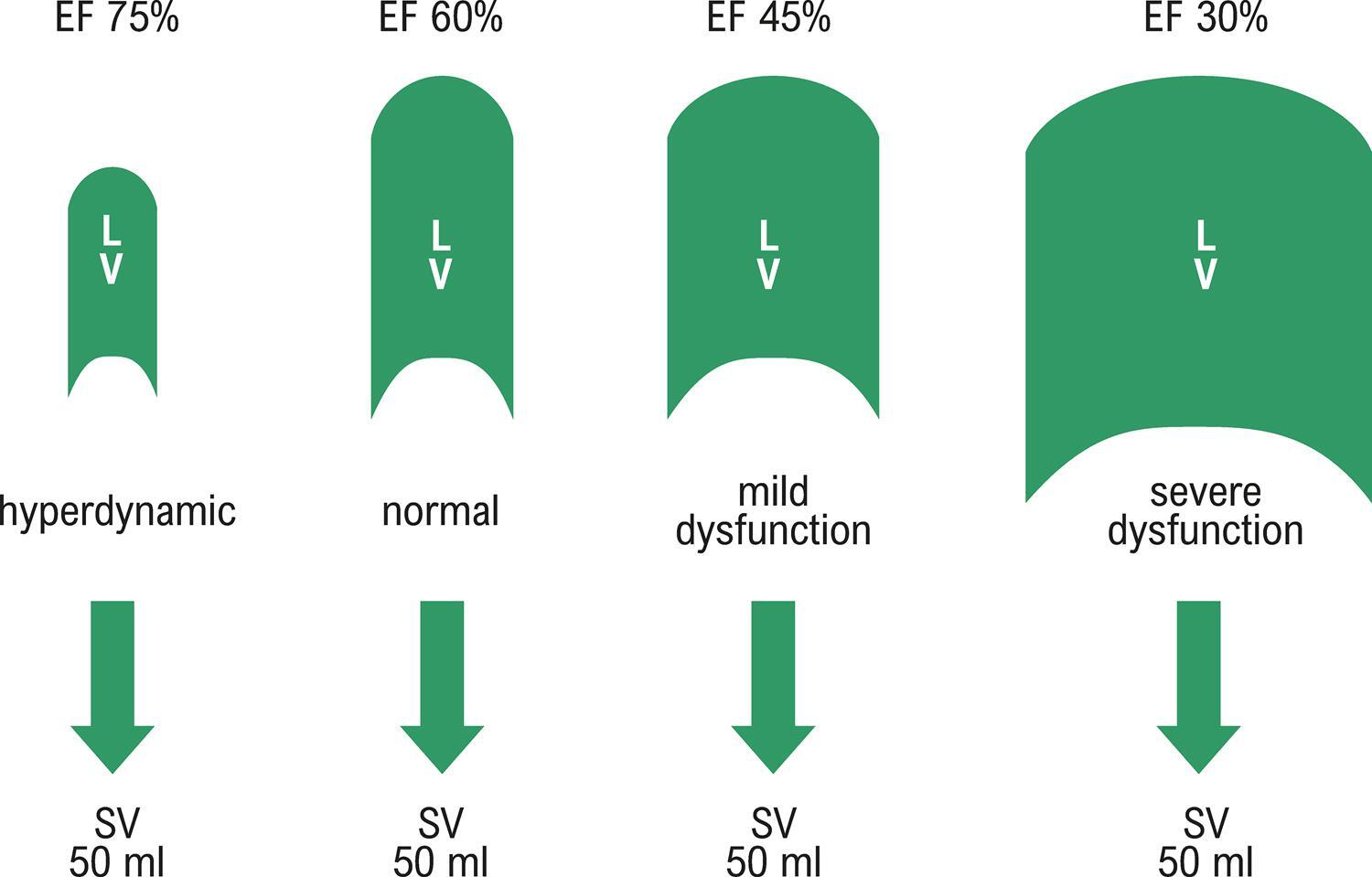
In relation to ejection fraction (EF), which is the subject of our reflection, the most recent document proposed the following subdivisions according to left ventricular ejection fraction (LVEF): HF with reduced ejection fraction (HFrEF), EF ≤ 40%; HF with midrange ejection fraction (HFmrEF), EF 41% to 49%; HF with preserved ejection fraction (HFpEF), EF ≥ 50%; and HF with improved EF (HFiEF), HF with EF ≤ 40% that has increased by at least 10 points, with the second measurement reaching > 40%.

[…]

  • Heart Failure
  • Stroke Volume
  • Therapeutics
Read Full Article
Creative Commons Attribution (CC BY) Creative Commons license
12/04/2022 DOI: 10.36660/abchf.20220016 Views 2
Figure 1
Viewpoint

Pharmacological Treatment Sequencing for Heart Failure with Reduced Ejection Fraction

Fabiana G. Marcondes-Braga

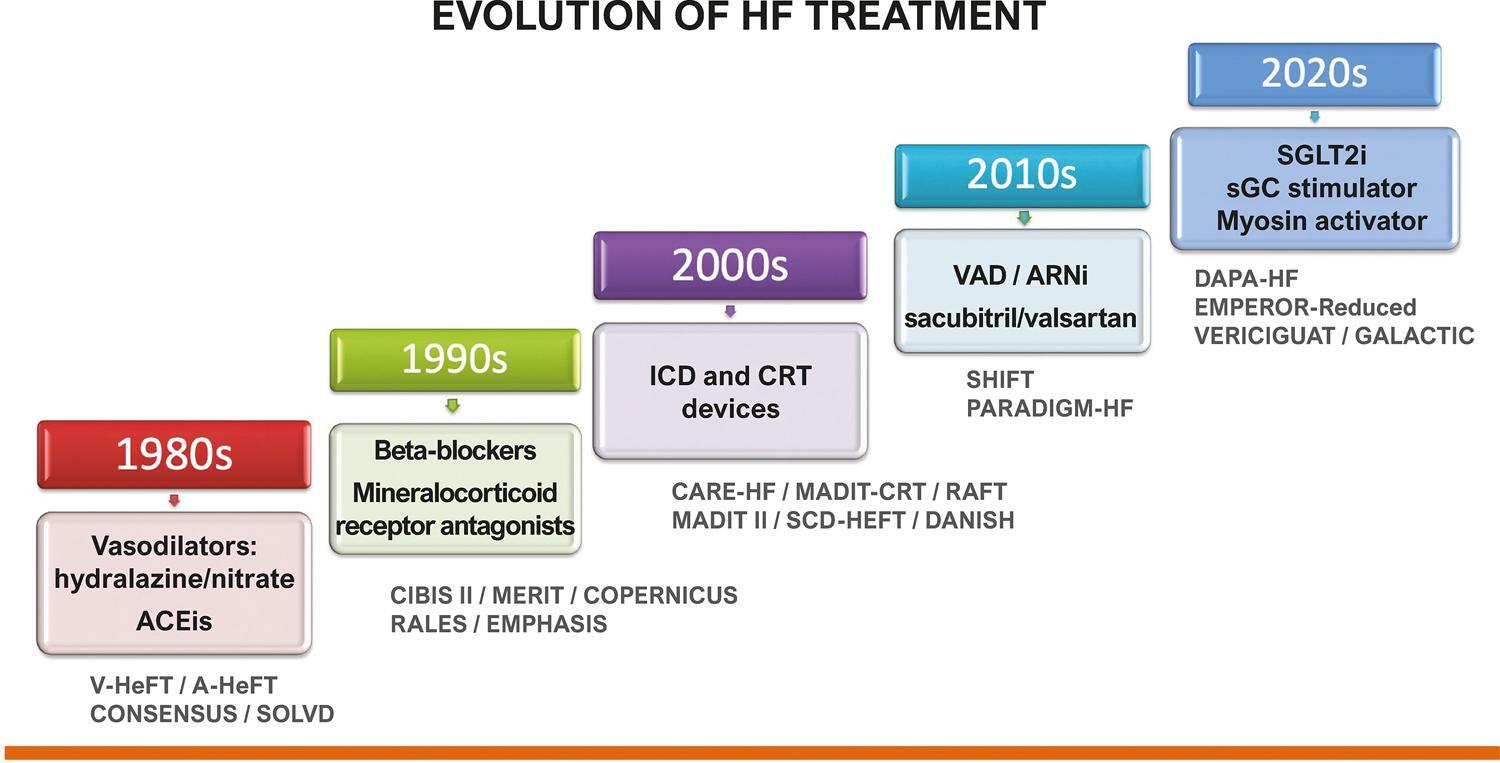
Important advances in knowledge about the treatment of heart failure (HF) have been made over the past three decades. In the 1980s, direct vasodilators, such as hydralazine and nitrate, and angiotensin-converting enzyme inhibitors (ACEis) were available. These drugs proved to be effective in the treatment of patients with different functional classes of HF. In CONSENSUS study, enalapril significantly reduced mortality, in patients with New York Heart Association (NYHA) class IV; number needed to treat – NNT, 6. as well as in patients with NYHA class II in SOLVD study, NNT 22. ,

In the late 1990s, mineralocorticoid receptor antagonists and beta-blockers were revealed as two drug classes with an impact on mortality in patients with HF with reduced ejection fraction (HFrEF). In RALES study, spironolactone significantly reduced mortality in patients with NYHA class III-IV NNT 10, leading to early study discontinuation. Beta-blockers, in turn, changed the natural history of HFrEF, as three different drugs (carvedilol, metoprolol succinate, and bisoprolol) reduced the relative risk of overall death by approximately 35% compared to placebo. –

[…]

  • Drug Therapy
  • Heart failure with reduced ejection fraction
Read Full Article
Creative Commons Attribution (CC BY) Creative Commons license
12/04/2022 DOI: 10.36660/abchf.20220006 Views 1

How to cite this article

EndNote RIS

Electronic Document Format (Vancouver)

Figueiredo VMS, Santos JVS, Bogéa BCA, Oliveira AG, Figueiredo Neto JA. Pharmacokinetics, Mechanism of Action, and Adverse Effects of the Main Drugs Used to Treat Heart Failure: A Practical Overview for the Clinical Cardiologist. ABC Heart Fail Cardiomyop 2022;2(1):4-11.

Electronic Document Format (ABNT)

Figueiredo, Viviane Melo e Silva de; Santos, João Vitor Soares; Bogéa, Bruna Costa de Albuquerque; Oliveira, Amanda Gomes de; Figueiredo Neto, José Albuquerque de. Pharmacokinetics, Mechanism of Action, and Adverse Effects of the Main Drugs Used to Treat Heart Failure: A Practical Overview for the Clinical Cardiologist. ABC Heart Fail Cardiomyop, v. 2, n. 1, p. 4-11, Apr. 2022.

Electronic Document Format (APA)

Figueiredo, V. M. S. , Santos, J. V. S., Bogéa, B. C. A., Oliveira, A. G. , & Figueiredo Neto, J. A. (2022). Pharmacokinetics, Mechanism of Action, and Adverse Effects of the Main Drugs Used to Treat Heart Failure: A Practical Overview for the Clinical Cardiologist. ABC Heart Fail Cardiomyop, 2(1), 4-11.

Electronic Document Format (ISO)

Figueiredo, Viviane Melo e Silva de and Santos, João Vitor Soares and Bogéa, Bruna Costa de Albuquerque and Oliveira, Amanda Gomes de and Figueiredo Neto, José Albuquerque de. Pharmacokinetics, Mechanism of Action, and Adverse Effects of the Main Drugs Used to Treat Heart Failure: A Practical Overview for the Clinical Cardiologist. ABC Heart Fail Cardiomyop [online]. 2022, vol. 2, n. 1, [cited 2026-10-14], pp. 4-11. Available from: <https://journals.cardiol.br/en/article/pharmacokinetics-mechanism-of-action-and-adverse-effects-of-the-main-drugs-used-to-treat-heart-failure-a-practical-overview-for-the-clinical-cardiologist/>

EndNote RIS

Electronic Document Format (Vancouver)

Bonatto MG, Coiradas AO, Moura LAZ. Treatment of Heart Failure with reduced Ejection Fraction in 2022: The Essential Pillars. ABC Heart Fail Cardiomyop 2022;2(1):15-23.

Electronic Document Format (ABNT)

Bonatto, Marcely Gimenes; Coiradas, Andressa de Oliveira; Moura, Lídia Ana Zytynski. Treatment of Heart Failure with reduced Ejection Fraction in 2022: The Essential Pillars. ABC Heart Fail Cardiomyop, v. 2, n. 1, p. 15-23, Apr. 2022.

Electronic Document Format (APA)

Bonatto, M. G., Coiradas, A. O., & Moura, L. A. Z. (2022). Treatment of Heart Failure with reduced Ejection Fraction in 2022: The Essential Pillars. ABC Heart Fail Cardiomyop, 2(1), 15-23.

Electronic Document Format (ISO)

Bonatto, Marcely Gimenes and Coiradas, Andressa de Oliveira and Moura, Lídia Ana Zytynski. Treatment of Heart Failure with reduced Ejection Fraction in 2022: The Essential Pillars. ABC Heart Fail Cardiomyop [online]. 2022, vol. 2, n. 1, [cited 2026-10-14], pp. 15-23. Available from: <https://journals.cardiol.br/en/article/treatment-of-heart-failure-with-reduced-ejection-fraction-in-2022-the-essential-pillars/>

EndNote RIS

Electronic Document Format (Vancouver)

Montenegro CEL, Gomes TQM, Lyra ACAS, Nascimento JS, Dias LA. Treatment of Heart Failure Based on Natriuretic Peptide Levels: A Question That Has Yet to be Solved?. ABC Heart Fail Cardiomyop 2022;2(1):80-5.

Electronic Document Format (ABNT)

Montenegro, Carlos Eduardo Lucena; Gomes, Taciana Queiroz Medeiros; Lyra, Ana Carla Alves de Souza; Nascimento, Joyce Santana do; Dias, Luana do Amaral. Treatment of Heart Failure Based on Natriuretic Peptide Levels: A Question That Has Yet to be Solved?. ABC Heart Fail Cardiomyop, v. 2, n. 1, p. 80-85, Apr. 2022.

Electronic Document Format (APA)

Montenegro, C. E. L., Gomes, T. Q. M., Lyra, A. C. A. S., Nascimento, J. S. , & Dias, L. A. (2022). Treatment of Heart Failure Based on Natriuretic Peptide Levels: A Question That Has Yet to be Solved?. ABC Heart Fail Cardiomyop, 2(1), 80-85.

Electronic Document Format (ISO)

Montenegro, Carlos Eduardo Lucena and Gomes, Taciana Queiroz Medeiros and Lyra, Ana Carla Alves de Souza and Nascimento, Joyce Santana do and Dias, Luana do Amaral. Treatment of Heart Failure Based on Natriuretic Peptide Levels: A Question That Has Yet to be Solved?. ABC Heart Fail Cardiomyop [online]. 2022, vol. 2, n. 1, [cited 2026-10-14], pp. 80-85. Available from: <https://journals.cardiol.br/en/article/treatment-of-heart-failure-based-on-natriuretic-peptide-levels-a-question-that-has-yet-to-be-solved/>

EndNote RIS

Electronic Document Format (Vancouver)

Rover MM, Jaccottet AC, Calle DV, Sant´Anna RT. Diuretics In Stable Outpatients with Mild Heart Failure – May I Discontinue Them?. ABC Heart Fail Cardiomyop 2022;2(1):94-8.

Electronic Document Format (ABNT)

Rover, Marciane Maria; Jaccottet, Aline Coletto; Calle, Diether Villegas; Sant´Anna, Roberto Tofani. Diuretics In Stable Outpatients with Mild Heart Failure – May I Discontinue Them?. ABC Heart Fail Cardiomyop, v. 2, n. 1, p. 94-98, Apr. 2022.

Electronic Document Format (APA)

Rover, M. M., Jaccottet, A. C., Calle, D. V., & Sant´Anna, R. T. (2022). Diuretics In Stable Outpatients with Mild Heart Failure – May I Discontinue Them?. ABC Heart Fail Cardiomyop, 2(1), 94-98.

Electronic Document Format (ISO)

Rover, Marciane Maria and Jaccottet, Aline Coletto and Calle, Diether Villegas and Sant´Anna, Roberto Tofani. Diuretics In Stable Outpatients with Mild Heart Failure – May I Discontinue Them?. ABC Heart Fail Cardiomyop [online]. 2022, vol. 2, n. 1, [cited 2026-10-14], pp. 94-98. Available from: <https://journals.cardiol.br/en/article/diuretics-in-stable-outpatients-with-mild-heart-failure-may-i-discontinue-them/>

EndNote RIS

Electronic Document Format (Vancouver)

Oliveira Jr MT, Barretto ACP, Carlo HD, Jallad S, Chaud MSA. New Drugs for Treatment of Heart Failure with Reduced Ejection Fraction: Vericiguat and Omecamtiv Mecarbil. ABC Heart Fail Cardiomyop 2022;2(1):50-4.

Electronic Document Format (ABNT)

Oliveira Jr, Mucio Tavares de; Barretto, Antonio Carlos Pereira; Carlo, s Henrique Del; Jallad, Sergio; Chaud, Mariana Silveira de Alcantara. New Drugs for Treatment of Heart Failure with Reduced Ejection Fraction: Vericiguat and Omecamtiv Mecarbil. ABC Heart Fail Cardiomyop, v. 2, n. 1, p. 50-54, Apr. 2022.

Electronic Document Format (APA)

Oliveira Jr, M. T. , Barretto, A. C. P., Carlo, H. D., Jallad, S., & Chaud, M. S. A. (2022). New Drugs for Treatment of Heart Failure with Reduced Ejection Fraction: Vericiguat and Omecamtiv Mecarbil. ABC Heart Fail Cardiomyop, 2(1), 50-54.

Electronic Document Format (ISO)

Oliveira Jr, Mucio Tavares de and Barretto, Antonio Carlos Pereira and Carlo, s Henrique Del and Jallad, Sergio and Chaud, Mariana Silveira de Alcantara. New Drugs for Treatment of Heart Failure with Reduced Ejection Fraction: Vericiguat and Omecamtiv Mecarbil. ABC Heart Fail Cardiomyop [online]. 2022, vol. 2, n. 1, [cited 2026-10-14], pp. 50-54. Available from: <https://journals.cardiol.br/en/article/new-drugs-for-treatment-of-heart-failure-with-reduced-ejection-fraction-vericiguat-and-omecamtiv-mecarbil/>

EndNote RIS

Electronic Document Format (Vancouver)

Mesquita ET, Chedid AP, Moura LAZ. New Universal Definition of Heart Failure: A New Vision for Treatment. ABC Heart Fail Cardiomyop 2022;2(1):1-3.

Electronic Document Format (ABNT)

Mesquita, Evandro Tinoco; Chedid, Ana Paula; Moura, Lidia Ana Zytynski. New Universal Definition of Heart Failure: A New Vision for Treatment. ABC Heart Fail Cardiomyop, v. 2, n. 1, p. 1-3, Apr. 2022.

Electronic Document Format (APA)

Mesquita, E. T., Chedid, A. P., & Moura, L. A. Z. (2022). New Universal Definition of Heart Failure: A New Vision for Treatment. ABC Heart Fail Cardiomyop, 2(1), 1-3.

Electronic Document Format (ISO)

Mesquita, Evandro Tinoco and Chedid, Ana Paula and Moura, Lidia Ana Zytynski. New Universal Definition of Heart Failure: A New Vision for Treatment. ABC Heart Fail Cardiomyop [online]. 2022, vol. 2, n. 1, [cited 2026-10-14], pp. 1-3. Available from: <https://journals.cardiol.br/en/article/new-universal-definition-of-heart-failure-a-new-vision-for-treatment/>

EndNote RIS

Electronic Document Format (Vancouver)

Avila MS, Belfort DSP, Wanderley Júnior MRB. Pharmacological Primary Prevention of Chemotherapy-Induced Cardiomyopathy: What is the Best Approach?. ABC Heart Fail Cardiomyop 2022;2(1):99-107.

Electronic Document Format (ABNT)

Avila, Mônica Samuel; Belfort, Deborah de Sá Pereira; Wanderley Júnior, Mauro Rogério de Barros. Pharmacological Primary Prevention of Chemotherapy-Induced Cardiomyopathy: What is the Best Approach?. ABC Heart Fail Cardiomyop, v. 2, n. 1, p. 99-107, Apr. 2022.

Electronic Document Format (APA)

Avila, M. S., Belfort, D. S. P., & Wanderley Júnior, M. R. B. (2022). Pharmacological Primary Prevention of Chemotherapy-Induced Cardiomyopathy: What is the Best Approach?. ABC Heart Fail Cardiomyop, 2(1), 99-107.

Electronic Document Format (ISO)

Avila, Mônica Samuel and Belfort, Deborah de Sá Pereira and Wanderley Júnior, Mauro Rogério de Barros. Pharmacological Primary Prevention of Chemotherapy-Induced Cardiomyopathy: What is the Best Approach?. ABC Heart Fail Cardiomyop [online]. 2022, vol. 2, n. 1, [cited 2026-10-14], pp. 99-107. Available from: <https://journals.cardiol.br/en/article/pharmacological-primary-prevention-of-chemotherapy-induced-cardiomyopathy-what-is-the-best-approach/>

EndNote RIS

Electronic Document Format (Vancouver)

Scussel F. Pharmacological Treatment in Patients with Advanced Heart Failure: Recommendations and Challenges. ABC Heart Fail Cardiomyop 2022;2(1):109-15.

Electronic Document Format (ABNT)

Scussel, Fernanda. Pharmacological Treatment in Patients with Advanced Heart Failure: Recommendations and Challenges. ABC Heart Fail Cardiomyop, v. 2, n. 1, p. 109-115, Apr. 2022.

Electronic Document Format (APA)

Scussel, F. (2022). Pharmacological Treatment in Patients with Advanced Heart Failure: Recommendations and Challenges. ABC Heart Fail Cardiomyop, 2(1), 109-115.

Electronic Document Format (ISO)

Scussel, Fernanda. Pharmacological Treatment in Patients with Advanced Heart Failure: Recommendations and Challenges. ABC Heart Fail Cardiomyop [online]. 2022, vol. 2, n. 1, [cited 2026-10-14], pp. 109-115. Available from: <https://journals.cardiol.br/en/article/pharmacological-treatment-in-patients-with-advanced-heart-failure-recommendations-and-challenges/>

EndNote RIS

Electronic Document Format (Vancouver)

Lima IGCV, Bocchi EA. Personalized Treatment of Heart Failure with Reduced Ejection Fraction: Ivabradine, Nitrate/Hydralazine, and Digoxin – A Systematic Review and Meta-Analysis. ABC Heart Fail Cardiomyop 2022;2(1):41-9.

Electronic Document Format (ABNT)

Lima, Ivna Girard Cunha Vieira; Bocchi, Edimar Alcides. Personalized Treatment of Heart Failure with Reduced Ejection Fraction: Ivabradine, Nitrate/Hydralazine, and Digoxin – A Systematic Review and Meta-Analysis. ABC Heart Fail Cardiomyop, v. 2, n. 1, p. 41-49, Apr. 2022.

Electronic Document Format (APA)

Lima, I. G. C. V., & Bocchi, E. A. (2022). Personalized Treatment of Heart Failure with Reduced Ejection Fraction: Ivabradine, Nitrate/Hydralazine, and Digoxin – A Systematic Review and Meta-Analysis. ABC Heart Fail Cardiomyop, 2(1), 41-49.

Electronic Document Format (ISO)

Lima, Ivna Girard Cunha Vieira and Bocchi, Edimar Alcides. Personalized Treatment of Heart Failure with Reduced Ejection Fraction: Ivabradine, Nitrate/Hydralazine, and Digoxin – A Systematic Review and Meta-Analysis. ABC Heart Fail Cardiomyop [online]. 2022, vol. 2, n. 1, [cited 2026-10-14], pp. 41-49. Available from: <https://journals.cardiol.br/en/article/personalized-treatment-of-heart-failure-with-reduced-ejection-fraction-ivabradine-nitrate-hydralazine-and-digoxin-a-systematic-review-and-meta-analysis/>

EndNote RIS

Electronic Document Format (Vancouver)

Mesquita ET, Correia ETO, Barbetta LMS. Clinical Profile-Based Pharmacological Sequencing for Heart Failure with Preserved Ejection Fraction. ABC Heart Fail Cardiomyop 2022;2(1):72-5.

Electronic Document Format (ABNT)

Mesquita, Evandro Tinoco; Correia, Eduardo Thadeu de Oliveira; Barbetta, Letícia Mara dos Santos. Clinical Profile-Based Pharmacological Sequencing for Heart Failure with Preserved Ejection Fraction. ABC Heart Fail Cardiomyop, v. 2, n. 1, p. 72-75, Apr. 2022.

Electronic Document Format (APA)

Mesquita, E. T., Correia, E. T. O., & Barbetta, L. M. S. (2022). Clinical Profile-Based Pharmacological Sequencing for Heart Failure with Preserved Ejection Fraction. ABC Heart Fail Cardiomyop, 2(1), 72-75.

Electronic Document Format (ISO)

Mesquita, Evandro Tinoco and Correia, Eduardo Thadeu de Oliveira and Barbetta, Letícia Mara dos Santos. Clinical Profile-Based Pharmacological Sequencing for Heart Failure with Preserved Ejection Fraction. ABC Heart Fail Cardiomyop [online]. 2022, vol. 2, n. 1, [cited 2026-10-14], pp. 72-75. Available from: <https://journals.cardiol.br/en/article/clinical-profile-based-pharmacological-sequencing-for-heart-failure-with-preserved-ejection-fraction/>

EndNote RIS

Electronic Document Format (Vancouver)

Cunha BL, Marinho LLE, Vieira JL. Rapid Sequencing of Foundational Treatment for HFrEF: The Innovative Proposal of John McMurray and Milton Packer. ABC Heart Fail Cardiomyop 2022;2(1):27-30.

Electronic Document Format (ABNT)

Cunha, Bianca Lopes; Marinho, Laura Leite da Escóssia; Vieira, Jefferson Luís. Rapid Sequencing of Foundational Treatment for HFrEF: The Innovative Proposal of John McMurray and Milton Packer. ABC Heart Fail Cardiomyop, v. 2, n. 1, p. 27-30, Apr. 2022.

Electronic Document Format (APA)

Cunha, B. L., Marinho, L. L. E., & Vieira, J. L. (2022). Rapid Sequencing of Foundational Treatment for HFrEF: The Innovative Proposal of John McMurray and Milton Packer. ABC Heart Fail Cardiomyop, 2(1), 27-30.

Electronic Document Format (ISO)

Cunha, Bianca Lopes and Marinho, Laura Leite da Escóssia and Vieira, Jefferson Luís. Rapid Sequencing of Foundational Treatment for HFrEF: The Innovative Proposal of John McMurray and Milton Packer. ABC Heart Fail Cardiomyop [online]. 2022, vol. 2, n. 1, [cited 2026-10-14], pp. 27-30. Available from: <https://journals.cardiol.br/en/article/rapid-sequencing-of-foundational-treatment-for-hfref-the-innovative-proposal-of-john-mcmurray-and-milton-packer/>

EndNote RIS

Electronic Document Format (Vancouver)

Beck-da-Silva L. Sequencing of Pharmacotherapy for Heart Failure with Reduced Ejection Fraction: A Clinical Profile-Based Approach. ABC Heart Fail Cardiomyop 2022;2(1):36-40.

Electronic Document Format (ABNT)

Beck-da-Silva, Luís. Sequencing of Pharmacotherapy for Heart Failure with Reduced Ejection Fraction: A Clinical Profile-Based Approach. ABC Heart Fail Cardiomyop, v. 2, n. 1, p. 36-40, Apr. 2022.

Electronic Document Format (APA)

Beck-da-Silva, L. (2022). Sequencing of Pharmacotherapy for Heart Failure with Reduced Ejection Fraction: A Clinical Profile-Based Approach. ABC Heart Fail Cardiomyop, 2(1), 36-40.

Electronic Document Format (ISO)

Beck-da-Silva, Luís. Sequencing of Pharmacotherapy for Heart Failure with Reduced Ejection Fraction: A Clinical Profile-Based Approach. ABC Heart Fail Cardiomyop [online]. 2022, vol. 2, n. 1, [cited 2026-10-14], pp. 36-40. Available from: <https://journals.cardiol.br/en/article/sequencing-of-pharmacotherapy-for-heart-failure-with-reduced-ejection-fraction-a-clinical-profile-based-approach/>

EndNote RIS

Electronic Document Format (Vancouver)

Seguro LFBC, Xavier Júnior JL. Diuretics in Treatment of Heart Failure. ABC Heart Fail Cardiomyop 2022;2(1):86-93.

Electronic Document Format (ABNT)

Seguro, Luis Fernando Bernal da Costa; Xavier Júnior, José Leudo. Diuretics in Treatment of Heart Failure. ABC Heart Fail Cardiomyop, v. 2, n. 1, p. 86-93, Apr. 2022.

Electronic Document Format (APA)

Seguro, L. F. B. C., & Xavier Júnior, J. L. (2022). Diuretics in Treatment of Heart Failure. ABC Heart Fail Cardiomyop, 2(1), 86-93.

Electronic Document Format (ISO)

Seguro, Luis Fernando Bernal da Costa and Xavier Júnior, José Leudo. Diuretics in Treatment of Heart Failure. ABC Heart Fail Cardiomyop [online]. 2022, vol. 2, n. 1, [cited 2026-10-14], pp. 86-93. Available from: <https://journals.cardiol.br/en/article/diuretics-in-treatment-of-heart-failure/>

EndNote RIS

Electronic Document Format (Vancouver)

Giublin IT, Hartmann C, Mangili OC, Shiozaki AA, Moura LAZ. Symptomatic Acute Myopericarditis after Pfizer Vaccine against COVID-19. ABC Heart Fail Cardiomyop 2022;2(1):120-2.

Electronic Document Format (ABNT)

Giublin, Ivana Tabalipa; Hartmann, Camila; Mangili, Otavio Celeste; Shiozaki, Afonso Akio; Moura, Lídia Ana Zytynski. Symptomatic Acute Myopericarditis after Pfizer Vaccine against COVID-19. ABC Heart Fail Cardiomyop, v. 2, n. 1, p. 120-122, Apr. 2022.

Electronic Document Format (APA)

Giublin, I. T., Hartmann, C., Mangili, O. C., Shiozaki, A. A., & Moura, L. A. Z. (2022). Symptomatic Acute Myopericarditis after Pfizer Vaccine against COVID-19. ABC Heart Fail Cardiomyop, 2(1), 120-122.

Electronic Document Format (ISO)

Giublin, Ivana Tabalipa and Hartmann, Camila and Mangili, Otavio Celeste and Shiozaki, Afonso Akio and Moura, Lídia Ana Zytynski. Symptomatic Acute Myopericarditis after Pfizer Vaccine against COVID-19. ABC Heart Fail Cardiomyop [online]. 2022, vol. 2, n. 1, [cited 2026-10-14], pp. 120-122. Available from: <https://journals.cardiol.br/en/article/symptomatic-acute-myopericarditis-after-pfizer-vaccine-against-covid-19/>

EndNote RIS

Electronic Document Format (Vancouver)

Mendes APC, Zambonato R, Hastenteufel LCT, Orlandin L, Clausell N, Goldraich LA. Implementation of Home Use of Continuous Intravenous Inotrope as Palliative Therapy for a Patient with Advanced Heart Failure within the Brazilian Unified Health System: a Case Report. ABC Heart Fail Cardiomyop 2022;2(1):123-5.

Electronic Document Format (ABNT)

Mendes, Ana Paula Chedid; Zambonato, Rita; Hastenteufel, Laura C. T.; Orlandin, Letícia; Clausell, Nadine; Goldraich, Livia Adams. Implementation of Home Use of Continuous Intravenous Inotrope as Palliative Therapy for a Patient with Advanced Heart Failure within the Brazilian Unified Health System: a Case Report. ABC Heart Fail Cardiomyop, v. 2, n. 1, p. 123-125, Apr. 2022.

Electronic Document Format (APA)

Mendes, A. P. C., Zambonato, R., Hastenteufel, L. C. T., Orlandin, L., Clausell, N., & Goldraich, L. A. (2022). Implementation of Home Use of Continuous Intravenous Inotrope as Palliative Therapy for a Patient with Advanced Heart Failure within the Brazilian Unified Health System: a Case Report. ABC Heart Fail Cardiomyop, 2(1), 123-125.

Electronic Document Format (ISO)

Mendes, Ana Paula Chedid and Zambonato, Rita and Hastenteufel, Laura C. T. and Orlandin, Letícia and Clausell, Nadine and Goldraich, Livia Adams. Implementation of Home Use of Continuous Intravenous Inotrope as Palliative Therapy for a Patient with Advanced Heart Failure within the Brazilian Unified Health System: a Case Report. ABC Heart Fail Cardiomyop [online]. 2022, vol. 2, n. 1, [cited 2026-10-14], pp. 123-125. Available from: <https://journals.cardiol.br/en/article/implementation-of-home-use-of-continuous-intravenous-inotrope-as-palliative-therapy-for-a-patient-with-advanced-heart-failure-within-the-brazilian-unified-health-system-a-case-report/>

EndNote RIS

Electronic Document Format (Vancouver)

Mourilhe-Rocha R, Bittencourt MI, Albuquerque FN, Salles ALF, Spineti PPM, Albuquerque DC. The EMPEROR-Preserved Trial: Results that Innovate the Treatment of Heart Failure with Preserved Ejection Fraction. ABC Heart Fail Cardiomyop 2022;2(1):64-6.

Electronic Document Format (ABNT)

Mourilhe-Rocha, Ricardo; Bittencourt, Marcelo Imbroinise; Albuquerque, Felipe Neves de; Salles, Ana Luiza Ferreira; Spineti, Pedro Pimenta de Mello; Albuquerque, Denilson Campos de. The EMPEROR-Preserved Trial: Results that Innovate the Treatment of Heart Failure with Preserved Ejection Fraction. ABC Heart Fail Cardiomyop, v. 2, n. 1, p. 64-66, Apr. 2022.

Electronic Document Format (APA)

Mourilhe-Rocha, R., Bittencourt, M. I., Albuquerque, F. N. , Salles, A. L. F., Spineti, P. P. M., & Albuquerque, D. C. (2022). The EMPEROR-Preserved Trial: Results that Innovate the Treatment of Heart Failure with Preserved Ejection Fraction. ABC Heart Fail Cardiomyop, 2(1), 64-66.

Electronic Document Format (ISO)

Mourilhe-Rocha, Ricardo and Bittencourt, Marcelo Imbroinise and Albuquerque, Felipe Neves de and Salles, Ana Luiza Ferreira and Spineti, Pedro Pimenta de Mello and Albuquerque, Denilson Campos de. The EMPEROR-Preserved Trial: Results that Innovate the Treatment of Heart Failure with Preserved Ejection Fraction. ABC Heart Fail Cardiomyop [online]. 2022, vol. 2, n. 1, [cited 2026-10-14], pp. 64-66. Available from: <https://journals.cardiol.br/en/article/the-emperor-preserved-trial-results-that-innovate-the-treatment-of-heart-failure-with-preserved-ejection-fraction/>

EndNote RIS

Electronic Document Format (Vancouver)

Fernandes-Silva MM. SGLT2 Inhibitors and Sacubitril-Valsartan: How Trial Results will Revolutionize the Treatment of Heart Failure with Mildly Reduced Ejection Fraction. ABC Heart Fail Cardiomyop 2022;2(1):67-71.

Electronic Document Format (ABNT)

Fernandes-Silva, Miguel Morita. SGLT2 Inhibitors and Sacubitril-Valsartan: How Trial Results will Revolutionize the Treatment of Heart Failure with Mildly Reduced Ejection Fraction. ABC Heart Fail Cardiomyop, v. 2, n. 1, p. 67-71, Apr. 2022.

Electronic Document Format (APA)

Fernandes-Silva, M. M. (2022). SGLT2 Inhibitors and Sacubitril-Valsartan: How Trial Results will Revolutionize the Treatment of Heart Failure with Mildly Reduced Ejection Fraction. ABC Heart Fail Cardiomyop, 2(1), 67-71.

Electronic Document Format (ISO)

Fernandes-Silva, Miguel Morita. SGLT2 Inhibitors and Sacubitril-Valsartan: How Trial Results will Revolutionize the Treatment of Heart Failure with Mildly Reduced Ejection Fraction. ABC Heart Fail Cardiomyop [online]. 2022, vol. 2, n. 1, [cited 2026-10-14], pp. 67-71. Available from: <https://journals.cardiol.br/en/article/sglt2-inhibitors-and-sacubitril-valsartan-how-trial-results-will-revolutionize-the-treatment-of-heart-failure-with-mildly-reduced-ejection-fraction/>

EndNote RIS

Electronic Document Format (Vancouver)

Rossi Neto JM, Rossi RM, Finger MA, Santos CC. HFREF Pharmacological Treatment Sequencing: The Traditional Approach. ABC Heart Fail Cardiomyop 2022;2(1):24-6.

Electronic Document Format (ABNT)

Rossi Neto, João Manoel; Rossi, Raphael Machado; Finger, Marco Aurelio; Santos, Carolina Casadei dos. HFREF Pharmacological Treatment Sequencing: The Traditional Approach. ABC Heart Fail Cardiomyop, v. 2, n. 1, p. 24-26, Apr. 2022.

Electronic Document Format (APA)

Rossi Neto, J. M., Rossi, R. M., Finger, M. A., & Santos, C. C. (2022). HFREF Pharmacological Treatment Sequencing: The Traditional Approach. ABC Heart Fail Cardiomyop, 2(1), 24-26.

Electronic Document Format (ISO)

Rossi Neto, João Manoel and Rossi, Raphael Machado and Finger, Marco Aurelio and Santos, Carolina Casadei dos. HFREF Pharmacological Treatment Sequencing: The Traditional Approach. ABC Heart Fail Cardiomyop [online]. 2022, vol. 2, n. 1, [cited 2026-10-14], pp. 24-26. Available from: <https://journals.cardiol.br/en/article/hfref-pharmacological-treatment-sequencing-the-traditional-approach/>

EndNote RIS

Electronic Document Format (Vancouver)

Danzmann LC, Brum JCJ, Kunst L, Braun P, Garcia EL. Essential Therapy for Heart Failure with Preserved Ejection Fraction in 2022. ABC Heart Fail Cardiomyop 2022;2(1):55-63.

Electronic Document Format (ABNT)

Danzmann, Luiz Cláudio; Brum, Joana Carolina Junqueira de; Kunst, Leticia; Braun, Priscila; Garcia, Eduardo Lima. Essential Therapy for Heart Failure with Preserved Ejection Fraction in 2022. ABC Heart Fail Cardiomyop, v. 2, n. 1, p. 55-63, Apr. 2022.

Electronic Document Format (APA)

Danzmann, L. C., Brum, J. C. J. , Kunst, L., Braun, P., & Garcia, E. L. (2022). Essential Therapy for Heart Failure with Preserved Ejection Fraction in 2022. ABC Heart Fail Cardiomyop, 2(1), 55-63.

Electronic Document Format (ISO)

Danzmann, Luiz Cláudio and Brum, Joana Carolina Junqueira de and Kunst, Leticia and Braun, Priscila and Garcia, Eduardo Lima. Essential Therapy for Heart Failure with Preserved Ejection Fraction in 2022. ABC Heart Fail Cardiomyop [online]. 2022, vol. 2, n. 1, [cited 2026-10-14], pp. 55-63. Available from: <https://journals.cardiol.br/en/article/essential-therapy-for-heart-failure-with-preserved-ejection-fraction-in-2022/>

EndNote RIS

Electronic Document Format (Vancouver)

Oliveira TM, Scolari FL, Poswar FO, Oliveira FH, Stein R, Goldraich LA. Overlapping Etiologies in a Young Patient with Severe Myocarditis: A Case Report. ABC Heart Fail Cardiomyop 2022;2(1):116-9.

Electronic Document Format (ABNT)

Oliveira, Thaís Martins de; Scolari, Fernando Luis; Poswar, Fabiano de Oliveira; Oliveira, Francine Hehn de; Stein, Ricardo; Goldraich, Lívia Adams. Overlapping Etiologies in a Young Patient with Severe Myocarditis: A Case Report. ABC Heart Fail Cardiomyop, v. 2, n. 1, p. 116-119, Apr. 2022.

Electronic Document Format (APA)

Oliveira, T. M. , Scolari, F. L., Poswar, F. O., Oliveira, F. H. , Stein, R., & Goldraich, L. A. (2022). Overlapping Etiologies in a Young Patient with Severe Myocarditis: A Case Report. ABC Heart Fail Cardiomyop, 2(1), 116-119.

Electronic Document Format (ISO)

Oliveira, Thaís Martins de and Scolari, Fernando Luis and Poswar, Fabiano de Oliveira and Oliveira, Francine Hehn de and Stein, Ricardo and Goldraich, Lívia Adams. Overlapping Etiologies in a Young Patient with Severe Myocarditis: A Case Report. ABC Heart Fail Cardiomyop [online]. 2022, vol. 2, n. 1, [cited 2026-10-14], pp. 116-119. Available from: <https://journals.cardiol.br/en/article/overlapping-etiologies-in-a-young-patient-with-severe-myocarditis-a-case-report/>

EndNote RIS

Electronic Document Format (Vancouver)

Garcia MI. Rethinking the Definition of Heart Failure Based on Ejection Fraction: Reflections with Impact on Therapy. ABC Heart Fail Cardiomyop 2022;2(1):76-9.

Electronic Document Format (ABNT)

Garcia, Marcelo Iorio. Rethinking the Definition of Heart Failure Based on Ejection Fraction: Reflections with Impact on Therapy. ABC Heart Fail Cardiomyop, v. 2, n. 1, p. 76-79, Apr. 2022.

Electronic Document Format (APA)

Garcia, M. I. (2022). Rethinking the Definition of Heart Failure Based on Ejection Fraction: Reflections with Impact on Therapy. ABC Heart Fail Cardiomyop, 2(1), 76-79.

Electronic Document Format (ISO)

Garcia, Marcelo Iorio. Rethinking the Definition of Heart Failure Based on Ejection Fraction: Reflections with Impact on Therapy. ABC Heart Fail Cardiomyop [online]. 2022, vol. 2, n. 1, [cited 2026-10-14], pp. 76-79. Available from: <https://journals.cardiol.br/en/article/rethinking-the-definition-of-heart-failure-based-on-ejection-fraction-reflections-with-impact-on-therapy/>

EndNote RIS

Electronic Document Format (Vancouver)

Marcondes-Braga FG. Pharmacological Treatment Sequencing for Heart Failure with Reduced Ejection Fraction. ABC Heart Fail Cardiomyop 2022;2(1):31-5.

Electronic Document Format (ABNT)

Marcondes-Braga, Fabiana G.. Pharmacological Treatment Sequencing for Heart Failure with Reduced Ejection Fraction. ABC Heart Fail Cardiomyop, v. 2, n. 1, p. 31-35, Apr. 2022.

Electronic Document Format (APA)

Marcondes-Braga, F. G. (2022). Pharmacological Treatment Sequencing for Heart Failure with Reduced Ejection Fraction. ABC Heart Fail Cardiomyop, 2(1), 31-35.

Electronic Document Format (ISO)

Marcondes-Braga, Fabiana G.. Pharmacological Treatment Sequencing for Heart Failure with Reduced Ejection Fraction. ABC Heart Fail Cardiomyop [online]. 2022, vol. 2, n. 1, [cited 2026-10-14], pp. 31-35. Available from: <https://journals.cardiol.br/en/article/pharmacological-treatment-sequencing-for-heart-failure-with-reduced-ejection-fraction/>
Sede – Rio de Janeiro
Av. Marechal Câmara, 160
3º andar – Sala: 330 – Centro
Rio de Janeiro – CEP: 20020-907
Tel.: (+55 21) 3478-2700
ou (21) 99386-3961
E-mail: abcheartfailure@cardiol.br

Sede – São Paulo
Alameda Santos, 705 – 11º andar
Cerqueira César | São Paulo
CEP: 01419-001
Tel.: (55 +11) 3411-5500
E-mail: abcheartfailure@cardiol.br

  • About the Journal
  • Internal Regulation
  • Editors Section
  • Editorial Board
  • SBC Award

  • Guidelines for Publication
  • Editorial Policy
  • Ethics Policy
  • Policy on the Use of Artificial Intelligence
  • Mandatory Publication Form

Issues

SBC Guidelines