| ABCHF
ABC Family Arquivos Brasileiros de Cardiologia International Journal of Cardiovascular Sciences ABC Heart Failure & Cardiomyopathy ABC Imagem Cardiovascular
Português English
ABC Family | ABCHF
Português English
  • About
    • About the Journal
    • Internal Regulation
    • Editors Section
    • Editorial Board
    • SBC Award
  • Instructions to Authors
    • Guidelines for Publication
    • Editorial Policy
    • Ethics Policy
    • Policy on the Use of Artificial Intelligence
    • Mandatory Publication Form
  • Issues
  • SBC Guidelines
  • About
    • About the Journal
    • Internal Regulation
    • Editors Section
    • Editorial Board
    • SBC Award
  • Instructions to Authors
    • Guidelines for Publication
    • Editorial Policy
    • Ethics Policy
    • Policy on the Use of Artificial Intelligence
    • Mandatory Publication Form
  • Issues
  • SBC Guidelines

ABC Family

  • ABC Family
  • Arquivos Brasileiros de Cardiologia
  • International Journal of Cardiovascular Sciences
  • ABC Heart Failure & Cardiomyopathy
  • ABC Imagem Cardiovascular
Search in

No content found.

Journals
Ordering
Article types
Others

  1. Home
  2. ABCHF
  3. Issues
  4. 2021, Volume 1, Number 1
Figure 1
Review Article

Acute Myocarditis in Childhood and Adolescence in the Covid-19 Era

Ana Flávia Malheiros Torbey et al. Aurea Lúcia Alves de Azevedo Grippa de Souza Ana Catarina Durán Bustamante Carmen Z. Brandão … Luan Rodrigues Abdallah Yves P. D. March e Souza Evandro Tinoco Mesquita

Abstract

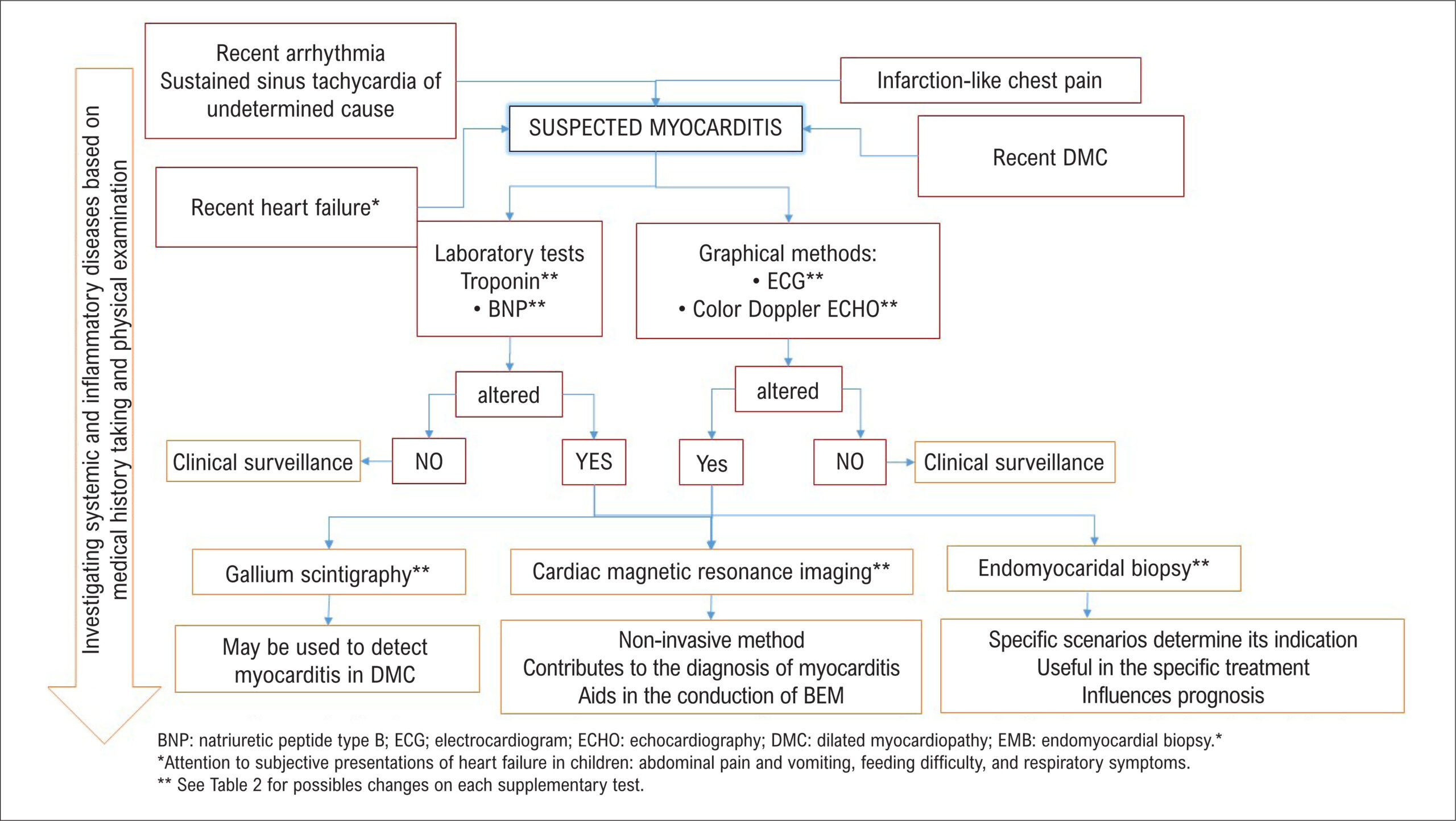
Myocarditis in children and adolescents is an inflammatory myocardial disease with a heterogeneous presentation ranging from oligosymptomatic, with no impaired ejection fraction to catastrophic clinical presentation with cardiogenic shock (fulminant myocarditis) or sudden death. Thus, this condition remains a major challenge from the diagnostic and therapeutic points of view. Despite the different etiologies listed, the most frequent form may be related to viral diseases, and new forms of myocarditis, such allergic ones (eosinophilic and use of medications, particularly cancer immunotherapy), have been currently described. Increasing the rate of suspicion is crucial. Measurement of serum levels of troponin and N-terminal B-type natriuretic peptide, as well as the use of advanced methods of cardiac imaging, such as strain echocardiogram, positron emission tomography, and cardiac magnetic resonance, are integral part of multimodal assessment in suspected patients. Although endomyocardial biopsy remains is still the gold standard for disease diagnosis, currently it tends to be performed in specific situations, such as fulminant clinical presentation and chronic or recurrent myocarditis. The management of this condition includes general supportive care, treatment of heart failure, control of arrhythmias when present, assessment of mechanical support and cardiac transplantation. Treatments based on immunosuppression and immunotherapy are still controversial. In this article, we propose a broad review of diagnostic and treatment methods, as well as the different etiologies in the pediatric population.
  • Adolescents
  • cardiomyopathy
  • Children
  • Heart Failure
  • Myocarditis
Read Full Article
Creative Commons Attribution (CC BY) Creative Commons license
06/07/2021 DOI: 10.36660/abchf.20210008 Views 1
Figure 1
Editorial

The Role of the Heart Failure Specialist: Benefits for Both the Patient and the Cardiology Community

Livia A. Goldraich et al. Jefferson L. Vieira Nadine Clausell

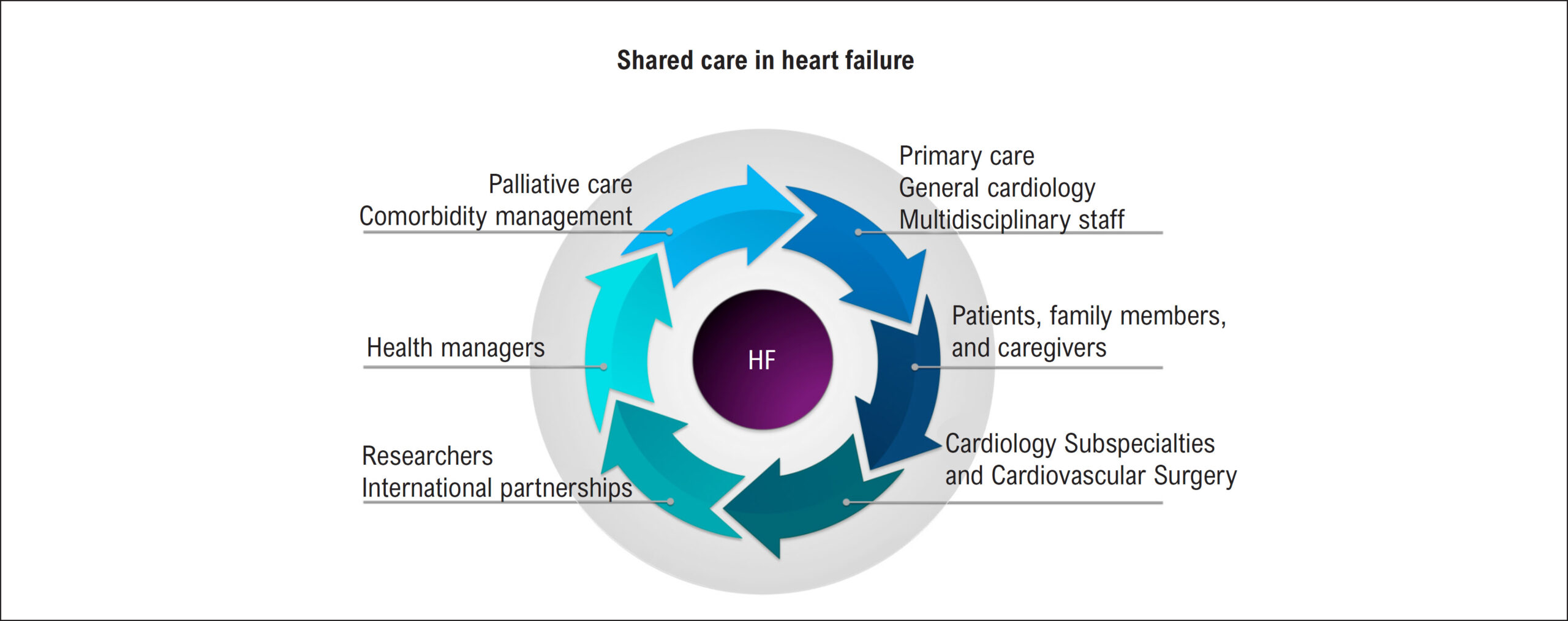
In recent decades, the advancement of knowledge of cardiovascular diseases has been remarkable. Heart failure (HF) has a prominent role among the conditions of greatest epidemiological relevance for the population, given its high prevalence and incidence worldwide, including Brazil.– Thus, mastery of this condition is key to cardiologist training. However, the understanding of the complexity of the different diseases and pathophysiological mechanisms potentially involved in the development, progression, and prognosis of HF has advanced, and a broad and intricate spectrum of therapeutic options has emerged, especially in the past two decades. These advances allowed a significant improvement in the clinical outcomes of HF patients; however, as knowledge and consequent therapeutic challenges became more complex, it was clear that a new type of training and expertise in the field of Cardiology was needed.

The American Heart Association (AHA) and the European Society of Cardiology (ESC) were the first to encourage the growth and strengthening of the HF specialty, with the creation of study groups, departments, and journals focused on this condition.– Several specific HF congresses have been organized and brought together a growing number of participants for about 20 years. Concomitantly, several cardiology centers of worldwide relevance have developed fellowship programs in HF and heart transplantation, many of which more recently also cover mechanical circulatory support. Finally, certification examinations for HF specialist by the American Board of Internal Medicine (ABIM) and the ESC Heart Failure Association were created in 2013 and 2014, respectively., In 2020, an expert consensus of the American College of Cardiology (ACC) together with the Heart Failure Society of America (HFSA) and the International Society for Heart and Lung Transplantation (ISHLT) introduced a list of requirements for HF specialist training, based on the core competencies of the Accreditation Council for Graduate Medical Education (ACGME). This document outlines, in particular, the expectations for physicians who treat advanced HF patients or heart transplant recipients, and recommends specific skills in mechanical circulatory support, cardiac resynchronization therapy, heart transplantation, and pulmonary hypertension. The authors also recommend that there be a maintenance of certification process based on participation in continuing medical education programs and collaboration with national databases and registries. exemplifies and adapts the HF training model used at Brigham and Women’s Hospital, Harvard University, Boston, United States.

[…]

  • Continuity of Patient Care
  • Cross-Sectional Studies
  • Epidemiology
  • Heart failure/prevalence
  • Learning
  • Specialization
Read Full Article
Creative Commons Attribution (CC BY) Creative Commons license
06/07/2021 DOI: 10.36660/abchf.20210002 Views 1
Brief Communication

Lessons Learned by a Multidisciplinary Heart Failure Clinic In The Midst Of A Pandemic

Jefferson Luís Vieira et al. Maria Gyslane Vasconcelos Sobral Raquel Sampaio Florêncio Viviane Moreira Alves … Glauber Gean Vasconcelos Germana Porto Linhares Almeida Laura Leite da Escóssia Marinho Juliana Rolim Fernandes Juan Alberto Cosquillo Mejia João David de Souza Neto

Abstract

In addition to the deaths caused by coronavirus disease (COVID-19), several countries also observed an increase in the overall number of cardiovascular deaths during the pandemics compared with the same period in previous years. The presence of heart failure (HF) in the context of COVID-19 identifies a subgroup with complex management and may represent both a risk factor for worse infection outcomes and a severe cardiovascular complication caused by the severe acute respiratory syndrome coronavirus 2 (SARS-CoV-2). Patients with advanced HF require regular rigorous multidisciplinary medical follow-up, performed ideally through face-to-face consultation. However, due to the reallocation of health care professionals and the implementation of measures of isolation and social distancing, telemedicine strategies have strengthened as important allies in the management of HF patients. In the present document, we report the brief experience of the unit of advanced HF and heart transplant of Hospital de Messejana, a reference center in the confrontation of COVID-19 in the state of Ceará, Brazil, with the primarily remote monitoring rather than face-to-face consultation from March to July 2020.

  • Coronavirus
  • Heart Failure
  • Telemedicine
Read Full Article
Creative Commons Attribution (CC BY) Creative Commons license
06/07/2021 DOI: 10.36660/abchf.20210012 Views 2
Figure 1
Case Report

Heart Failure Due to Anomalous Pulmonary Vein Connection Associated with Atrial Septal Defect

Marcely Gimenes Bonatto et al. Ana Karyn Ehrenfried de Freitas Letícia dos Santos de Oliveira Rocha Claudinei Collatusso … Rafael de Almeida Torres Gustavo Gavazzoni Blume Lídia Zytynski Moura

Introduction

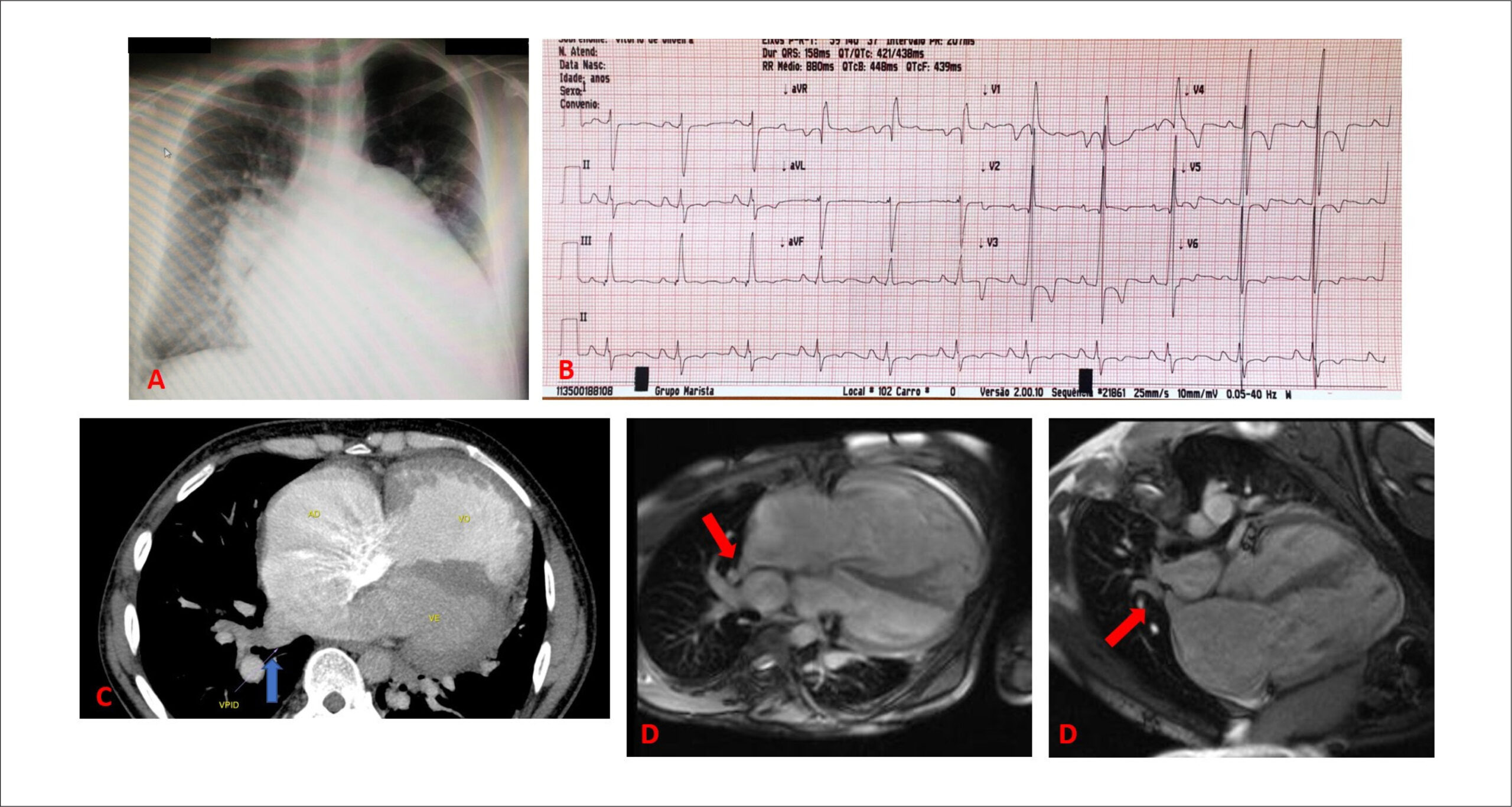
Anomalous pulmonary vein dreinage (APVD) is a rare disease, accounting for nearly 1 to 3% of congenital heart diseases. It may be total, when all PVs are involved, or partial, when only some PVs drain anomalously into one or more systemic veins or directly into the right atrium (RA)., This condition occurs alone or in association with an interatrial septal defect, more often sinus venosus interatrial communication (IAC) (which accounts for nearly 5% of all IAC cases).

Patients with this condition may remain asymptomatic until adulthood. However, overload of right chambers may trigger symptoms, especially reduced functional capacity and progressive dyspnea, in addition to the development of pulmonary hypertension (PH) and ventricular dysfunction, which is the most severe disease scenario. Recognizing these symptoms and establishing early diagnosis and treatment is crucial to avoid disease progression and its prognostic implications.

[…]

  • Cardiomegaly
  • Darinage
  • Echocardiography/methods
  • Heart Defects,Congenital
  • Heart Failure/physiopathologyu
  • Heart Septal Defects, Atrial
  • Pulmonary Veins
Read Full Article
Creative Commons Attribution (CC BY) Creative Commons license
06/07/2021 DOI: 10.36660/abchf.20210004 Views 1
Figure 1
Brief Communication

The Challenge of HFpEF Diagnosis in Brazil

Luiz Cláudio Danzmann et al. Evgeny Belyavskiy Antônio José Lagoeiro Jorge Evandro Tinoco Mesquita Marco Antonio Rodrigues Torres

Abstract

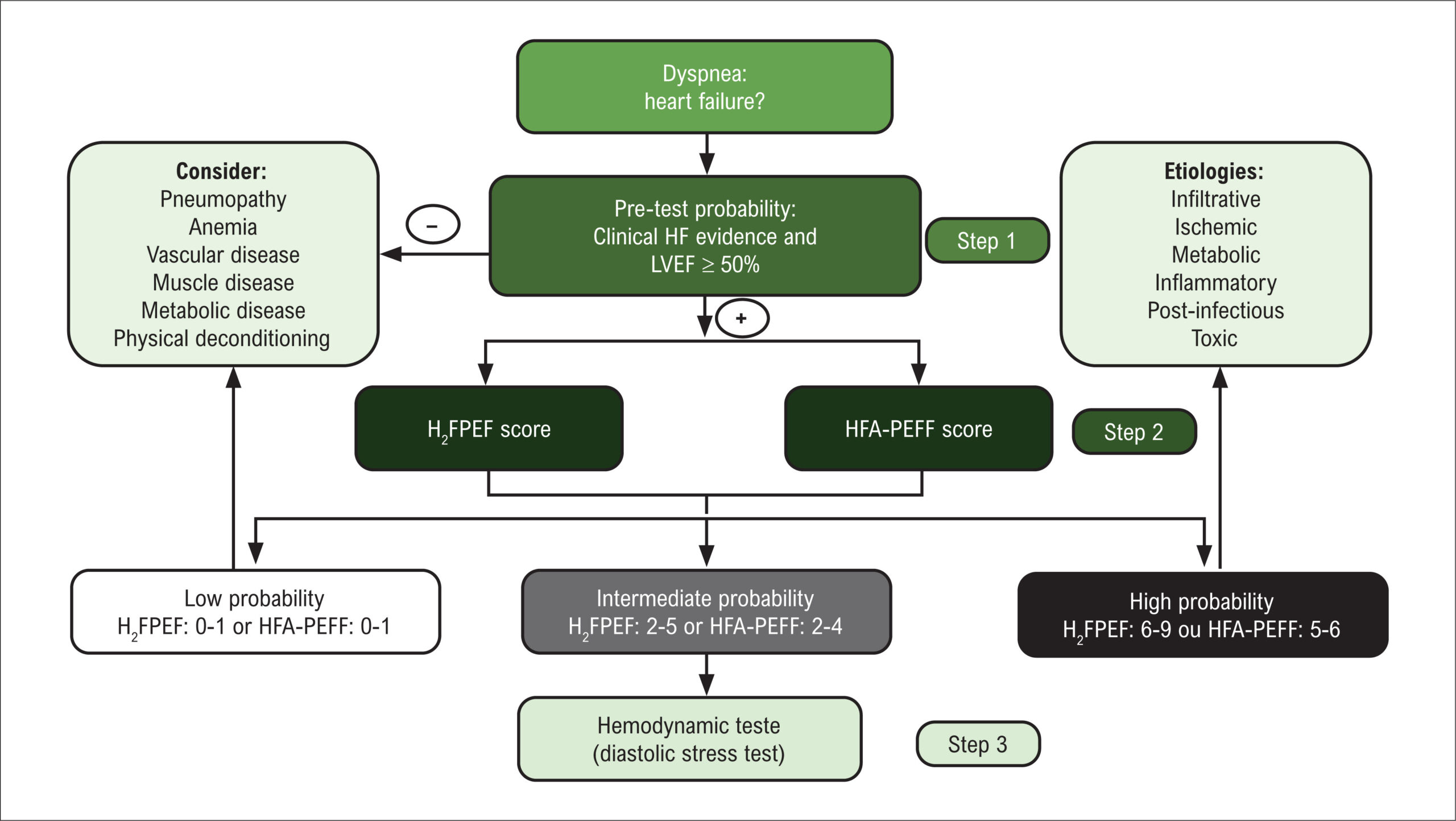
Heart failure with preserved ejection fraction (HFpEF) is highly prevalent in Brazil and worldwide. However, the recent diagnostic criteria for this condition are complex and difficult to apply in the Brazilian health system. This review proposes adapting the modern diagnostic criteria to the needs of each patient, from the primary care to the most complex one, using a system of three steps of complexity and highlighting the importance of searching specific disease etiology.

  • Comorbidity
  • Diagnostic Imaging
  • Dyspmea
  • Echocardiography/methods
  • Fatigue
  • Heart Failure/ophysiopathology
  • Stroke Volume
  • Vascular Stiffness
Read Full Article
Creative Commons Attribution (CC BY) Creative Commons license
06/07/2021 DOI: 10.36660/abchf.20210011 Views 1
Figure 1
Review Article

Possible Mechanisms of Action of SGLT2 Inhibitors in Heart Failure

Camila Nicolela Geraldo Martins et al. Adriana Aparecida Bau Luis Miguel da Silva Otavio Rizzi Coelho Filho

Abstract

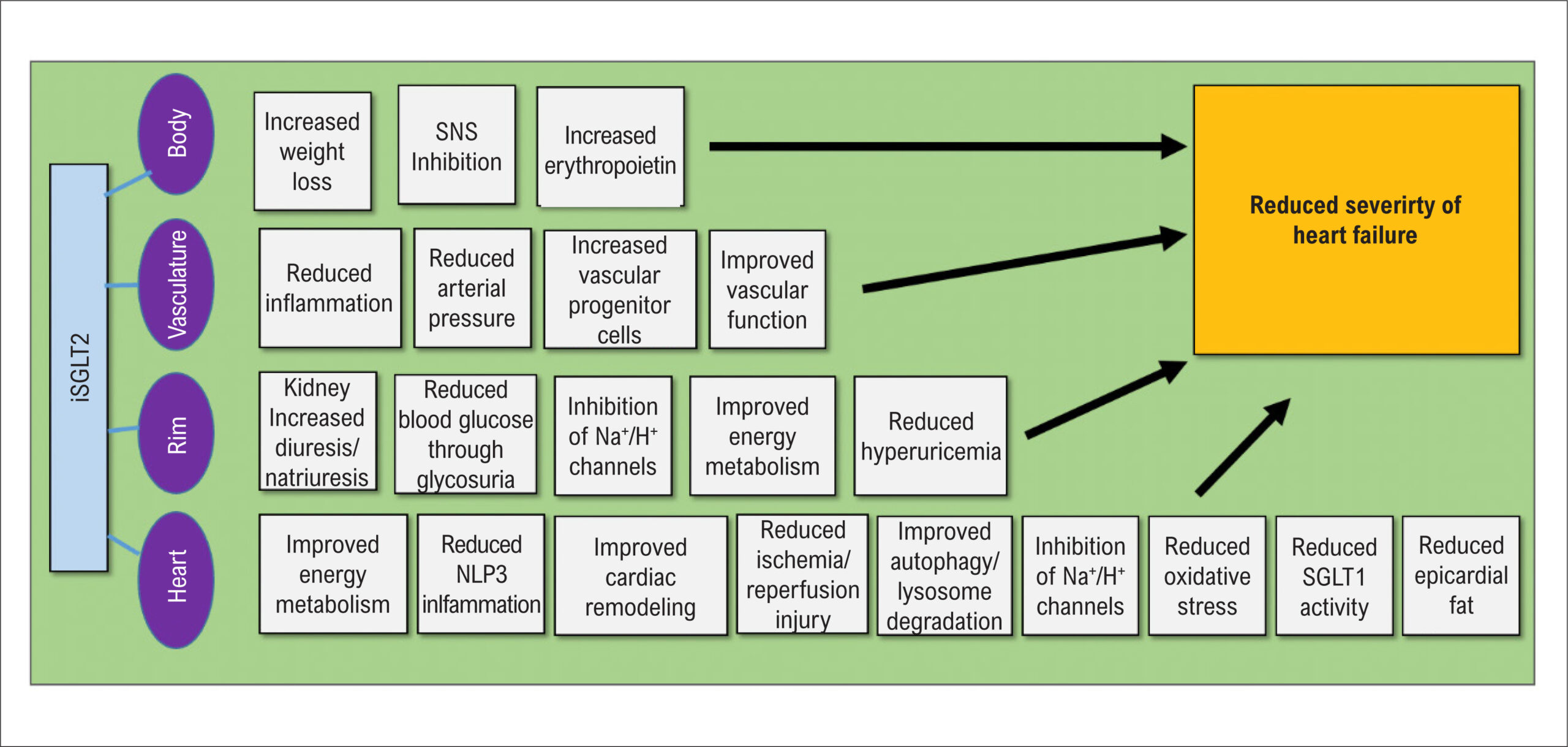
In mid-2013, sodium-glucose co-transporter 2 (SGLT2) inhibitors such as canagliflozin, dapagliflozin, and empagliflozin were introduced as possible treatments for type 2 diabetes mellitus (DM2). Cardiovascular safety studies demonstrated that not only were SGLT2 inhibitors safe, but they were also associated with a significant reduction in cardiovascular mortality and heart failure (HF) outcomes including hospitalizations. These findings encouraged the development of clinical trials aimed specifically at investigating the effects of this new drug class on HF with reduced ejection fraction (EF), including the DAPA-HF and EMPEROR-reduced studies. The demonstration of beneficial effects of SGLT2 inhibitors on the reduction of cardiovascular events in treated patients with symptomatic HF and reduced left ventricular EF (LVEF < 40 %) resulted in the extension of SGLT2 inhibitor indication to patients with symptomatic HF with reduced EF. The mechanisms behind these beneficial effects of SGLT2 inhibitors are not entirely known. In this review, we analyze several current hypotheses for the cardioprotective effects of SGLT2 inhibitors, including reduced blood pressure, increased natriuresis, improved energy metabolism, prevention of inflammation, weight loss, improved glycemic control, inhibition of the sympathetic nervous system, prevention of myocardial remodeling, prevention of ischemia/reperfusion injury, inhibition of Na+/H+ channels, increased autophagy and lysosomal degradation, SGLT1 inhibition, reduced hyperuricemia, reduced epicardial fat, increased erythropoietin levels, increased progenitor/precursor cells, reduced oxidative stress, and improved vascular function.

  • Diabetes Mellitus
  • Heart Failure
  • Sodium-Glucose Transporter 2 Inhibitors
Read Full Article
Creative Commons Attribution (CC BY) Creative Commons license
06/07/2021 DOI: 10.36660/abchf.20210007 Views 2
Figure 1
Original Article

Acute Inspiratory Muscle Training Modifies Hemodynamic Indices in Patients with Heart Failure with Preserved Ejection Fraction

Márcio Garcia Menezes et al. Eduardo Lima Garcia Leandro Tolfo Franzoni Vanessa Grings Luiz Claudio Danzmann

Abstract

Background:

Heart failure with preserved ejection fraction (HFpEF), a syndrome associated to decrease functional capacity, is quite difficult to manage. Inspiratory muscle training (IMT) has been used to treat symptoms and to improve functional capacity of patients with HFpEF. Thus, we aimed to evaluate the immediate effects and after 1 h of IMT on arterial pulsatile hemodynamics and on hemodynamic indices of left ventricular filling derived from Doppler echocardiography in patients with HFpEF.

Methods:

Eighteen patients with HFpEF who underwent IMT at an intensity of 80% of maximum inspiratory pressure were evaluated by Doppler echocardiogram in the pre, post-immediate and post-late periods; furthermore, pulsatile hemodynamic variables were collected. Functional capacity was assessed using the 6-minute walk test.

Results:

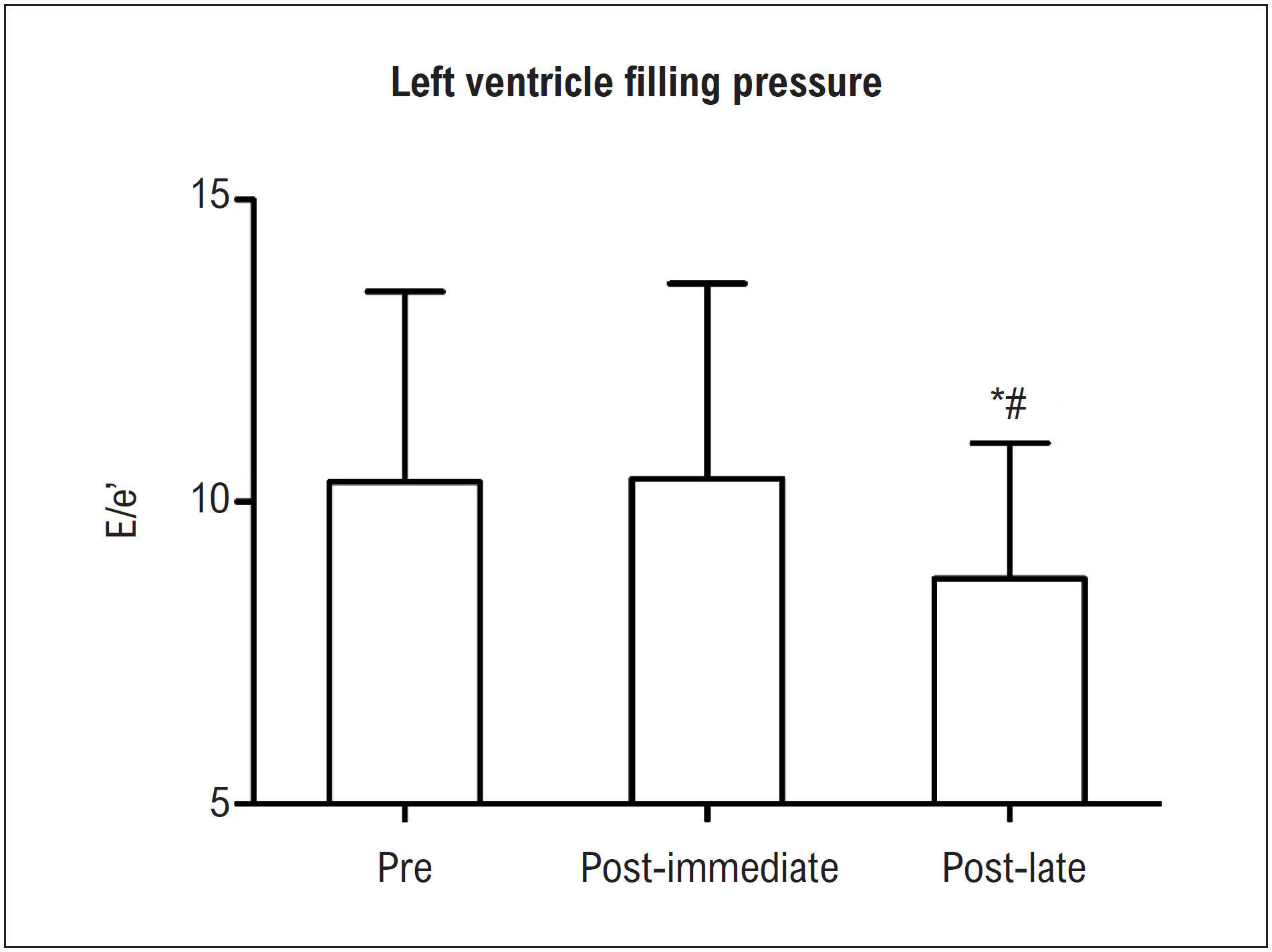
The population was composed predominantly of women (66.7%), mean age of 61.3 (7.2) years. Modifications were observed in the non-invasive LV filling pressure index (E/e’) (pre: 10.33 (SD, 3.15) vs post: 8.73 (SD, 2.24); p < 0.001) and in the pulse wave velocity (pre: 8.33 (SD, 1.67) vs post: 7.63 (SD, 1.66) m/s; p < 0.001), as well as pulse pressure (pre: 54.81 (SD, 18.73) vs post: 48.52 (SD, 15.74) mm Hg; p = 0.023).

Conclusion:

Our results demonstrated that a unique session of high-intensity IMT improved hemodynamic indices of LV filling and arterial stiffness in patients with HFpEF.

  • Dyspnea
  • Echocardiography/methods
  • Heart Failure/physiopathology
  • Hemodynamic
  • Inspiratory Reserve Volume
  • Pulmonary Medicine
  • Rehabilitation
  • Respiratory System
  • Stroke Volume
Read Full Article
Creative Commons Attribution (CC BY) Creative Commons license
06/07/2021 DOI: 10.36660/abchf.20210006
Figure 1
Special Article

Beyond the Disease – History of the House for Patients with Chagas Disease and Heart Failure of Pernambuco (Casa do Portador de Doença de Chagas e Insuficiência Cardíaca de Pernambuco)/PROCAPE-UPE/Brazil

Silvia Marinho Martins et al. Cassandra Barros Correia de Moura Maria da Glória Aureliano de Melo Cavalcanti Cristina de Fátima Velloso Carrazzone … Carolina de Araújo Medeiros Wilson Oliveira Junior

Where it all began

The history of the Chagas Disease and Heart Failure Outpatient Clinic of the Prof. Luiz Tavares Cardiology Emergency Unit of Pernambuco, at Universidade de Pernambuco (UPE), began in August 1987 at Hospital Universitário Oswaldo Cruz (HUOC). When it was created, in 1884, this hospital worked mainly providing care for patients with infectious and parasitic diseases. Since that time, the hospital worked with diseases that later became known as unassisted (nowadays named and classified as neglected diseases by the World Health Organization, WHO) and became a breeding ground for the inauguration of the Chagas Disease Outpatient Clinic.

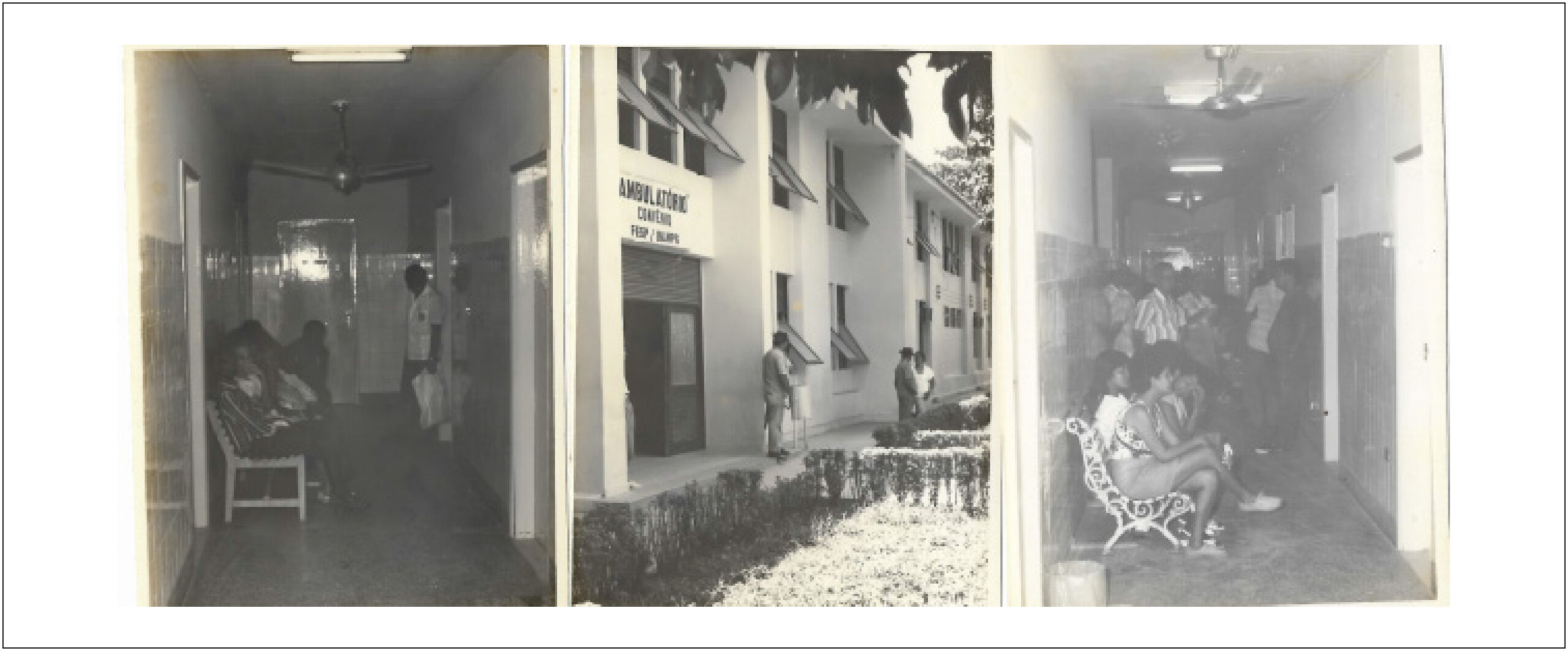
In 1964, HUOC became a teaching hospital and started receiving medical students from Faculdade de Ciências Médicas de Pernambuco. At this moment, the hospital became the first referral center for clinical and surgical cardiology in the state, being the main and only public emergency unit exclusively dedicated to this specialty. The emergency demand was massive and various sectored wards were established for treating and caring for patients with heart disease. Among them, the myocardiopathies and heart failure ward, in the late 1970s, was coordinated by Professor Wilson de Oliveira Jr. In general, patients arrived at the cardiology emergency unit with decompensated heart failure, being cared for and referred to the myocardiopathy ward (). Once compensated, these patients were discharged without systematic outpatient care, which resulted in various new hospitalizations. Many of these patients had chagasic heart failure.

[…]

  • Chagas disease
  • Heart Failure
  • Outpatient
Read Full Article
Creative Commons Attribution (CC BY) Creative Commons license
06/07/2021 DOI: 10.36660/abchf.20210003 Views 1
Review Article

Diuretics and Clinical Management of Congestion in Heart Failure: A Review

Diogo Silva Piardi et al. Maurício Butzke Luís Beck-da-Silva

Abstract

Heart failure is a syndrome with variable presentations; congestion is the most common form in acutely decompensated patients. In this scenario, the main drug to resolve congestion is a loop diuretic. However, a portion of the population has diuretic resistance. In this context, adjuvant diuretic therapies are needed to resolve congestion in patients with heart failure. The main strategies studied so far are thiazide diuretics, mineralocorticoid receptors antagonists, vasopressin antagonists, nesiritide, sacubitril/valsartan, sodium-glucose cotransporter 2 inhibitors, hypertonic saline, and fluid and salt restriction. The purpose of this article is to review pharmacological modalities for management of congestion, associated or not with diuretic resistance, their positive and negative points, and the current state of knowledge about each drug.

  • Diuretics
  • Heart Failure
Read Full Article
Creative Commons Attribution (CC BY) Creative Commons license
06/07/2021 DOI: 10.36660/abchf.20210009 Views 1
Figure 1
Editorial

Cardiovascular Burden of COVID-19 and the Post-Covid Era

Samuel D. Moscavitch et al. Jefferson L. Vieira Peter Libby

Why COVID-19 became an issue for cardiovascular specialists? SARS-CoV-2- related myocardial injury and myocarditis

Approximately 20-30% of hospitalized patients with COVID-19 have evidence of cardiac injury, as indicated by elevated levels of high-sensitivity troponins. The presence and magnitude of troponin elevation is associated with more severe disease and worse outcomes, even after adjusting for relevant risk factors. Myocardial injury portends a fatal outcome of COVID-19, while the prognosis of patients without myocardial injury, even with underlying cardiovascular disease, is more favorable.

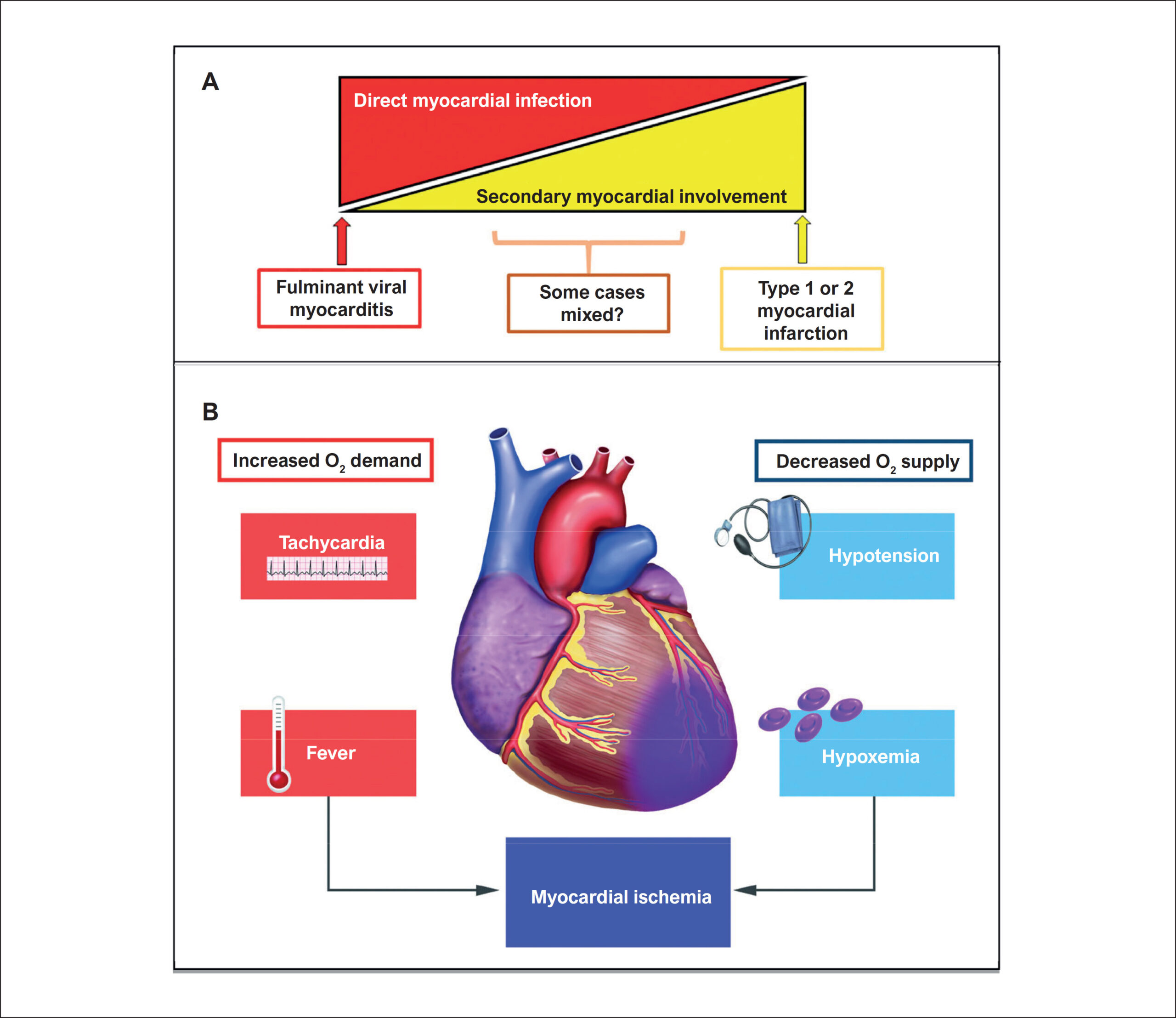
The pathophysiology of SARS-CoV-2-induced myocardial injury remains a topic of active research. COVID-19 can unfavorably affect the balance between myocardial oxygen supply and demand, as with other overwhelming viral or bacterial infections (). Fever, metabolic stress, sympathetic activation, and tachycardia increase the energy expenditure and oxygen consumption of the myocardium., This imbalance can provoke type 2 (or “demand” type) myocardial infarction. Hypoxia from respiratory impairment can favor the production of reactive oxygen species and oxidative stress, acidosis, mitochondrial damage, and cell death.,, Other mechanisms of myocardial injury during COVID-19 include ischemia from microvascular thrombi and toxic levels of cytokines. Cardiac damage due to direct SARS-CoV-2 infection of cardiac myocytes appears uncommon.– Indeed, the pericytes, smooth-muscle like cells that surround microvessels, express high levels of the receptor for SARS-CoV-2, angiotensin converting enzyme 2 (ACE2), while cardiac myocytes themselves have few, if any, of these portals of entry used by the virus.

[…]

  • Betacoronavirus/complications
  • Cardiovascular Diseases/complications
  • Coronavirus-19
  • COVID-19
  • Pandemics
  • SARS-19
  • Syndrome Respiratory Acute Gravis
Read Full Article
Creative Commons Attribution (CC BY) Creative Commons license
06/07/2021 DOI: 10.36660/abchf.20210001 Views 2

How to cite this article

EndNote RIS

Electronic Document Format (Vancouver)

Torbey AFM, Souza ALAAG, Bustamante ACD, Brandão CZ, Abdallah LR, Souza YPDM, Mesquita ET, et al. Acute Myocarditis in Childhood and Adolescence in the Covid-19 Era. ABC: Heart Failure & Cardiomyopathy 2021;1(1):44-5.

Electronic Document Format (ABNT)

Torbey, Ana Flávia Malheiros; Souza, Aurea Lúcia Alves de Azevedo Grippa de; Bustamante, Ana Catarina Durán; Brandão, Carmen Z.; Abdallah, Luan Rodrigues; Souza, Yves P. D. March e; Mesquita, Evandro Tinoco. Acute Myocarditis in Childhood and Adolescence in the Covid-19 Era. ABC: Heart Failure & Cardiomyopathy, v. 1, n. 1, p. 44-54, Jul. 2021.

Electronic Document Format (APA)

Torbey, A. F. M., Souza, A. L. A. A. G. , Bustamante, A. C. D., Brandão, C. Z., Abdallah, L. R., Souza, Y. P. D. M. , & Mesquita, E. T. (2021). Acute Myocarditis in Childhood and Adolescence in the Covid-19 Era. ABC: Heart Failure & Cardiomyopathy, 1(1), 44-54.

Electronic Document Format (ISO)

Torbey, Ana Flávia Malheiros and Souza, Aurea Lúcia Alves de Azevedo Grippa de and Bustamante, Ana Catarina Durán and Brandão, Carmen Z. and Abdallah, Luan Rodrigues and Souza, Yves P. D. March e and Mesquita, Evandro Tinoco. Acute Myocarditis in Childhood and Adolescence in the Covid-19 Era. ABC: Heart Failure & Cardiomyopathy [online]. 2021, vol. 1, n. 1, [cited 2026-10-14], pp. 44-54. Available from: <https://journals.cardiol.br/en/article/acute-myocarditis-in-childhood-and-adolescence-in-the-covid-19-era/>

EndNote RIS

Electronic Document Format (Vancouver)

Goldraich LA, Vieira JL, Clausell N. The Role of the Heart Failure Specialist: Benefits for Both the Patient and the Cardiology Community. ABC: Heart Failure & Cardiomyopathy 2021;1(1):11-4.

Electronic Document Format (ABNT)

Goldraich, Livia A.; Vieira, Jefferson L.; Clausell, Nadine. The Role of the Heart Failure Specialist: Benefits for Both the Patient and the Cardiology Community. ABC: Heart Failure & Cardiomyopathy, v. 1, n. 1, p. 11-14, Jul. 2021.

Electronic Document Format (APA)

Goldraich, L. A., Vieira, J. L., & Clausell, N. (2021). The Role of the Heart Failure Specialist: Benefits for Both the Patient and the Cardiology Community. ABC: Heart Failure & Cardiomyopathy, 1(1), 11-14.

Electronic Document Format (ISO)

Goldraich, Livia A. and Vieira, Jefferson L. and Clausell, Nadine. The Role of the Heart Failure Specialist: Benefits for Both the Patient and the Cardiology Community. ABC: Heart Failure & Cardiomyopathy [online]. 2021, vol. 1, n. 1, [cited 2026-10-14], pp. 11-14. Available from: <https://journals.cardiol.br/en/article/the-role-of-the-heart-failure-specialist-benefits-for-both-the-patient-and-the-cardiology-community/>

EndNote RIS

Electronic Document Format (Vancouver)

Vieira JL, Sobral MGV, Florêncio RS, Alves VM, Vasconcelos GG, Almeida GPL, Marinho LLE, et al. Lessons Learned by a Multidisciplinary Heart Failure Clinic In The Midst Of A Pandemic. ABC: Heart Failure & Cardiomyopathy 2021;1(1):67-9.

Electronic Document Format (ABNT)

Vieira, Jefferson Luís; Sobral, Maria Gyslane Vasconcelos; Florêncio, Raquel Sampaio; Alves, Viviane Moreira; Vasconcelos, Glauber Gean; Almeida, Germana Porto Linhares; Marinho, Laura Leite da Escóssia; Fernandes, Juliana Rolim; Mejia, Juan Alberto Cosquillo; Souza Neto, João David de. Lessons Learned by a Multidisciplinary Heart Failure Clinic In The Midst Of A Pandemic. ABC: Heart Failure & Cardiomyopathy, v. 1, n. 1, p. 67-69, Jul. 2021.

Electronic Document Format (APA)

Vieira, J. L., Sobral, M. G. V., Florêncio, R. S., Alves, V. M., Vasconcelos, G. G., Almeida, G. P. L., Marinho, L. L. E., Fernandes, J. R., Mejia, J. A. C., & Souza Neto, J. D. (2021). Lessons Learned by a Multidisciplinary Heart Failure Clinic In The Midst Of A Pandemic. ABC: Heart Failure & Cardiomyopathy, 1(1), 67-69.

Electronic Document Format (ISO)

Vieira, Jefferson Luís and Sobral, Maria Gyslane Vasconcelos and Florêncio, Raquel Sampaio and Alves, Viviane Moreira and Vasconcelos, Glauber Gean and Almeida, Germana Porto Linhares and Marinho, Laura Leite da Escóssia and Fernandes, Juliana Rolim and Mejia, Juan Alberto Cosquillo and Souza Neto, João David de. Lessons Learned by a Multidisciplinary Heart Failure Clinic In The Midst Of A Pandemic. ABC: Heart Failure & Cardiomyopathy [online]. 2021, vol. 1, n. 1, [cited 2026-10-14], pp. 67-69. Available from: <https://journals.cardiol.br/en/article/lessons-learned-by-a-multidisciplinary-heart-failure-clinic-in-the-midst-of-a-pandemic/>

EndNote RIS

Electronic Document Format (Vancouver)

Bonatto MG, Freitas AKE, Rocha LSO, Collatusso C, Torres RA, Blume GG, Moura LZ, et al. Heart Failure Due to Anomalous Pulmonary Vein Connection Associated with Atrial Septal Defect. ABC: Heart Failure & Cardiomyopathy 2021;1(1):70-3.

Electronic Document Format (ABNT)

Bonatto, Marcely Gimenes; Freitas, Ana Karyn Ehrenfried de; Rocha, Letícia dos Santos de Oliveira; Collatusso, Claudinei; Torres, Rafael de Almeida; Blume, Gustavo Gavazzoni; Moura, Lídia Zytynski. Heart Failure Due to Anomalous Pulmonary Vein Connection Associated with Atrial Septal Defect. ABC: Heart Failure & Cardiomyopathy, v. 1, n. 1, p. 70-73, Jul. 2021.

Electronic Document Format (APA)

Bonatto, M. G., Freitas, A. K. E. , Rocha, L. S. O., Collatusso, C., Torres, R. A., Blume, G. G., & Moura, L. Z. (2021). Heart Failure Due to Anomalous Pulmonary Vein Connection Associated with Atrial Septal Defect. ABC: Heart Failure & Cardiomyopathy, 1(1), 70-73.

Electronic Document Format (ISO)

Bonatto, Marcely Gimenes and Freitas, Ana Karyn Ehrenfried de and Rocha, Letícia dos Santos de Oliveira and Collatusso, Claudinei and Torres, Rafael de Almeida and Blume, Gustavo Gavazzoni and Moura, Lídia Zytynski. Heart Failure Due to Anomalous Pulmonary Vein Connection Associated with Atrial Septal Defect. ABC: Heart Failure & Cardiomyopathy [online]. 2021, vol. 1, n. 1, [cited 2026-10-14], pp. 70-73. Available from: <https://journals.cardiol.br/en/article/heart-failure-due-to-anomalous-pulmonary-vein-connection-associated-with-atrial-septal-defect/>

EndNote RIS

Electronic Document Format (Vancouver)

Danzmann LC, Belyavskiy E, Jorge AJL, Mesquita ET, Torres MAR. The Challenge of HFpEF Diagnosis in Brazil. ABC: Heart Failure & Cardiomyopathy 2021;1(1):63-6.

Electronic Document Format (ABNT)

Danzmann, Luiz Cláudio; Belyavskiy, Evgeny; Jorge, Antônio José Lagoeiro; Mesquita, Evandro Tinoco; Torres, Marco Antonio Rodrigues. The Challenge of HFpEF Diagnosis in Brazil. ABC: Heart Failure & Cardiomyopathy, v. 1, n. 1, p. 63-66, Jul. 2021.

Electronic Document Format (APA)

Danzmann, L. C., Belyavskiy, E., Jorge, A. J. L., Mesquita, E. T., & Torres, M. A. R. (2021). The Challenge of HFpEF Diagnosis in Brazil. ABC: Heart Failure & Cardiomyopathy, 1(1), 63-66.

Electronic Document Format (ISO)

Danzmann, Luiz Cláudio and Belyavskiy, Evgeny and Jorge, Antônio José Lagoeiro and Mesquita, Evandro Tinoco and Torres, Marco Antonio Rodrigues. The Challenge of HFpEF Diagnosis in Brazil. ABC: Heart Failure & Cardiomyopathy [online]. 2021, vol. 1, n. 1, [cited 2026-10-14], pp. 63-66. Available from: <https://journals.cardiol.br/en/article/the-challenge-of-hfpef-diagnosis-in-brazil/>

EndNote RIS

Electronic Document Format (Vancouver)

Martins CNG, Bau AA, Silva LM, Coelho Filho OR. Possible Mechanisms of Action of SGLT2 Inhibitors in Heart Failure. ABC: Heart Failure & Cardiomyopathy 2021;1(1):33-4.

Electronic Document Format (ABNT)

Martins, Camila Nicolela Geraldo; Bau, Adriana Aparecida; Silva, Luis Miguel da; Coelho Filho, Otavio Rizzi. Possible Mechanisms of Action of SGLT2 Inhibitors in Heart Failure. ABC: Heart Failure & Cardiomyopathy, v. 1, n. 1, p. 33-43, Jul. 2021.

Electronic Document Format (APA)

Martins, C. N. G., Bau, A. A., Silva, L. M. , & Coelho Filho, O. R. (2021). Possible Mechanisms of Action of SGLT2 Inhibitors in Heart Failure. ABC: Heart Failure & Cardiomyopathy, 1(1), 33-43.

Electronic Document Format (ISO)

Martins, Camila Nicolela Geraldo and Bau, Adriana Aparecida and Silva, Luis Miguel da and Coelho Filho, Otavio Rizzi. Possible Mechanisms of Action of SGLT2 Inhibitors in Heart Failure. ABC: Heart Failure & Cardiomyopathy [online]. 2021, vol. 1, n. 1, [cited 2026-10-14], pp. 33-43. Available from: <https://journals.cardiol.br/en/article/possible-mechanisms-of-action-of-sglt2-inhibitors-in-heart-failure/>

EndNote RIS

Electronic Document Format (Vancouver)

Menezes MG, Garcia EL, Franzoni LT, Grings V, Danzmann LC. Acute Inspiratory Muscle Training Modifies Hemodynamic Indices in Patients with Heart Failure with Preserved Ejection Fraction. ABC: Heart Failure & Cardiomyopathy 2021;1(1):27-32.

Electronic Document Format (ABNT)

Menezes, Márcio Garcia; Garcia, Eduardo Lima; Franzoni, Leandro Tolfo; Grings, Vanessa; Danzmann, Luiz Claudio. Acute Inspiratory Muscle Training Modifies Hemodynamic Indices in Patients with Heart Failure with Preserved Ejection Fraction. ABC: Heart Failure & Cardiomyopathy, v. 1, n. 1, p. 27-32, Jul. 2021.

Electronic Document Format (APA)

Menezes, M. G., Garcia, E. L., Franzoni, L. T., Grings, V., & Danzmann, L. C. (2021). Acute Inspiratory Muscle Training Modifies Hemodynamic Indices in Patients with Heart Failure with Preserved Ejection Fraction. ABC: Heart Failure & Cardiomyopathy, 1(1), 27-32.

Electronic Document Format (ISO)

Menezes, Márcio Garcia and Garcia, Eduardo Lima and Franzoni, Leandro Tolfo and Grings, Vanessa and Danzmann, Luiz Claudio. Acute Inspiratory Muscle Training Modifies Hemodynamic Indices in Patients with Heart Failure with Preserved Ejection Fraction. ABC: Heart Failure & Cardiomyopathy [online]. 2021, vol. 1, n. 1, [cited 2026-10-14], pp. 27-32. Available from: <https://journals.cardiol.br/en/article/acute-inspiratory-muscle-training-modifies-hemodynamic-indices-in-patients-with-heart-failure-with-preserved-ejection-fraction/>

EndNote RIS

Electronic Document Format (Vancouver)

Martins SM, Moura CBC, Cavalcanti MGAM, Carrazzone CFV, Medeiros CA, Oliveira Junior W. Beyond the Disease – History of the House for Patients with Chagas Disease and Heart Failure of Pernambuco (Casa do Portador de Doença de Chagas e Insuficiência Cardíaca de Pernambuco)/PROCAPE-UPE/Brazil. ABC: Heart Failure & Cardiomyopathy 2021;1(1):15-26.

Electronic Document Format (ABNT)

Martins, Silvia Marinho; Moura, Cassandra Barros Correia de; Cavalcanti, Maria da Glória Aureliano de Melo; Carrazzone, Cristina de Fátima Velloso; Medeiros, Carolina de Araújo; Oliveira Junior, Wilson. Beyond the Disease – History of the House for Patients with Chagas Disease and Heart Failure of Pernambuco (Casa do Portador de Doença de Chagas e Insuficiência Cardíaca de Pernambuco)/PROCAPE-UPE/Brazil. ABC: Heart Failure & Cardiomyopathy, v. 1, n. 1, p. 15-26, Jul. 2021.

Electronic Document Format (APA)

Martins, S. M., Moura, C. B. C. , Cavalcanti, M. G. A. M., Carrazzone, C. F. V., Medeiros, C. A., & Oliveira Junior, W. (2021). Beyond the Disease – History of the House for Patients with Chagas Disease and Heart Failure of Pernambuco (Casa do Portador de Doença de Chagas e Insuficiência Cardíaca de Pernambuco)/PROCAPE-UPE/Brazil. ABC: Heart Failure & Cardiomyopathy, 1(1), 15-26.

Electronic Document Format (ISO)

Martins, Silvia Marinho and Moura, Cassandra Barros Correia de and Cavalcanti, Maria da Glória Aureliano de Melo and Carrazzone, Cristina de Fátima Velloso and Medeiros, Carolina de Araújo and Oliveira Junior, Wilson. Beyond the Disease – History of the House for Patients with Chagas Disease and Heart Failure of Pernambuco (Casa do Portador de Doença de Chagas e Insuficiência Cardíaca de Pernambuco)/PROCAPE-UPE/Brazil. ABC: Heart Failure & Cardiomyopathy [online]. 2021, vol. 1, n. 1, [cited 2026-10-14], pp. 15-26. Available from: <https://journals.cardiol.br/en/article/beyond-the-disease-history-of-the-house-for-patients-with-chagas-disease-and-heart-failure-of-pernambuco-casa-do-portador-de-doenca-de-chagas-e-insuficiencia-cardiaca-de-pernambuco-procape/>

EndNote RIS

Electronic Document Format (Vancouver)

Piardi DS, Butzke M, Beck-da-Silva L. Diuretics and Clinical Management of Congestion in Heart Failure: A Review. ABC: Heart Failure & Cardiomyopathy 2021;1(1):55-62.

Electronic Document Format (ABNT)

Piardi, Diogo Silva; Butzke, Maurício; Beck-da-Silva, Luís. Diuretics and Clinical Management of Congestion in Heart Failure: A Review. ABC: Heart Failure & Cardiomyopathy, v. 1, n. 1, p. 55-62, Jul. 2021.

Electronic Document Format (APA)

Piardi, D. S., Butzke, M., & Beck-da-Silva, L. (2021). Diuretics and Clinical Management of Congestion in Heart Failure: A Review. ABC: Heart Failure & Cardiomyopathy, 1(1), 55-62.

Electronic Document Format (ISO)

Piardi, Diogo Silva and Butzke, Maurício and Beck-da-Silva, Luís. Diuretics and Clinical Management of Congestion in Heart Failure: A Review. ABC: Heart Failure & Cardiomyopathy [online]. 2021, vol. 1, n. 1, [cited 2026-10-14], pp. 55-62. Available from: <https://journals.cardiol.br/en/article/diuretics-and-clinical-management-of-congestion-in-heart-failure-a-review/>

EndNote RIS

Electronic Document Format (Vancouver)

Moscavitch SD, Vieira JL, Libby P. Cardiovascular Burden of COVID-19 and the Post-Covid Era. ABC: Heart Failure & Cardiomyopathy 2021;1(1):1-10.

Electronic Document Format (ABNT)

Moscavitch, Samuel D.; Vieira, Jefferson L.; Libby, Peter. Cardiovascular Burden of COVID-19 and the Post-Covid Era. ABC: Heart Failure & Cardiomyopathy, v. 1, n. 1, p. 1-10, Jul. 2021.

Electronic Document Format (APA)

Moscavitch, S. D., Vieira, J. L., & Libby, P. (2021). Cardiovascular Burden of COVID-19 and the Post-Covid Era. ABC: Heart Failure & Cardiomyopathy, 1(1), 1-10.

Electronic Document Format (ISO)

Moscavitch, Samuel D. and Vieira, Jefferson L. and Libby, Peter. Cardiovascular Burden of COVID-19 and the Post-Covid Era. ABC: Heart Failure & Cardiomyopathy [online]. 2021, vol. 1, n. 1, [cited 2026-10-14], pp. 1-10. Available from: <https://journals.cardiol.br/en/article/cardiovascular-burden-of-covid-19-and-the-post-covid-era/>

Sede – Rio de Janeiro
Av. Marechal Câmara, 160
3º andar – Sala: 330 – Centro
Rio de Janeiro – CEP: 20020-907
Tel.: (+55 21) 3478-2700
ou (21) 99386-3961
E-mail: abcheartfailure@cardiol.br

Sede – São Paulo
Alameda Santos, 705 – 11º andar
Cerqueira César | São Paulo
CEP: 01419-001
Tel.: (55 +11) 3411-5500
E-mail: abcheartfailure@cardiol.br

  • About the Journal
  • Internal Regulation
  • Editors Section
  • Editorial Board
  • SBC Award

  • Guidelines for Publication
  • Editorial Policy
  • Ethics Policy
  • Policy on the Use of Artificial Intelligence
  • Mandatory Publication Form

Issues

SBC Guidelines