| ABC
ABC Family Arquivos Brasileiros de Cardiologia International Journal of Cardiovascular Sciences ABC Heart Failure & Cardiomyopathy ABC Imagem Cardiovascular
Português English
ABC Family | ABC
Português English
  • About
    • About the Journal
    • Internal Regulation
    • Editors Section
    • Editorial Board
    • History
    • SBC Award
  • Instructions to Authors
    • Guidelines for Publication
    • Editorial Policy
    • Ethics Policy
    • Policy on the Use of Artificial Intelligence
    • Mandatory Publication Form
    • Publication Fee
  • Issues
  • SBC Guidelines
  • Abstracts
    • How to Publish an Abstract Supplement?
    • Supplements from the Brazilian Congress of Cardiology
  • About
    • About the Journal
    • Internal Regulation
    • Editors Section
    • Editorial Board
    • History
    • SBC Award
  • Instructions to Authors
    • Guidelines for Publication
    • Editorial Policy
    • Ethics Policy
    • Policy on the Use of Artificial Intelligence
    • Mandatory Publication Form
    • Publication Fee
  • Issues
  • SBC Guidelines
  • Abstracts
    • How to Publish an Abstract Supplement?
    • Supplements from the Brazilian Congress of Cardiology

ABC Family

  • ABC Family
  • Arquivos Brasileiros de Cardiologia
  • International Journal of Cardiovascular Sciences
  • ABC Heart Failure & Cardiomyopathy
  • ABC Imagem Cardiovascular
Search in

No content found.

Journals
Ordering
Article types
Others

  1. Home
  2. ABC
  3. Issues
  4. 2013, Volume 101, Number 6
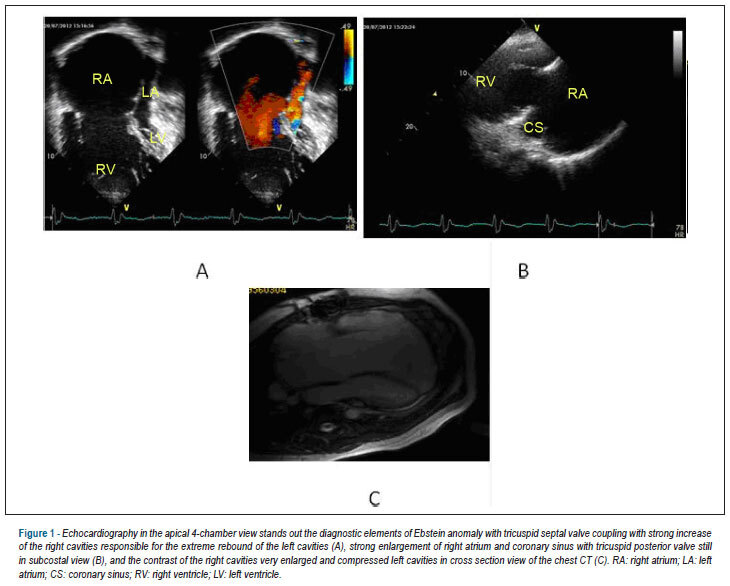
Case 6/2013: 56 years old woman with Ebstein anomaly in heart failure
Clinicoradiological Session

Case 6/2013: 56 years old woman with Ebstein anomaly in heart failure

Edmar Atik

CLINICORADIOLOGICAL SESSION

[…]

Read Full Article
Creative Commons Attribution (CC BY) Creative Commons license
11/02/2014 DOI: 10.5935/abc.20130234
Editorial

Implementation of multicenter records in the therapeutic cardiovascular assessment in Brazil

Luiz Felipe P. Moreira

EDITORIAL

[…]

Read Full Article
Creative Commons Attribution (CC BY) Creative Commons license
11/02/2014 DOI: 10.5935/abc.20130245
Letter to the Editor

Coronary trunk dissection with stent displacement: points to remember!

Marco Tulio Zanettini et al. Jacira Pisani Zanettini João Otavio Zanettini

LETTER TO THE EDITOR

[…]

Read Full Article
Creative Commons Attribution (CC BY) Creative Commons license
11/02/2014 DOI: 10.5935/abc.20130237
Point of view

Cardiovascular rehabilitation, ballroom dancing and sexual dysfunction

Tales de Carvalho et al. Ana Inês Gonzáles Sabrina Weiss Sties Gabriela Maria Dutra de Carvalho

VIEWPOINT

[…]

Read Full Article
Creative Commons Attribution (CC BY) Creative Commons license
11/02/2014 DOI: 10.5935/abc.20130236
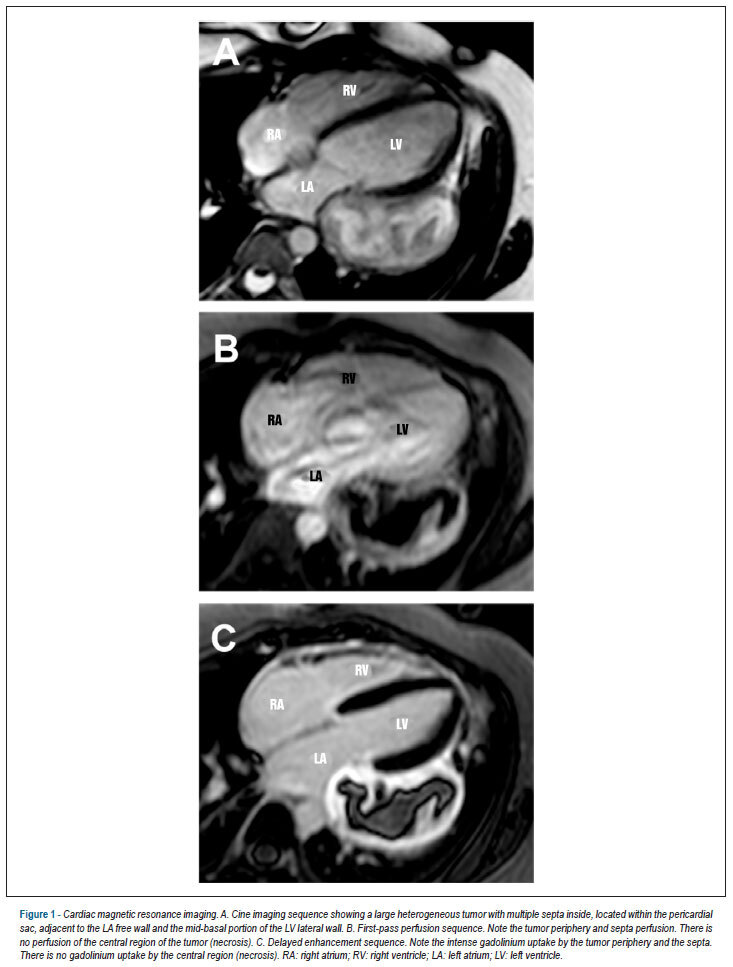
Pericardial synovial sarcoma: case report and literature review
Case Report

Pericardial synovial sarcoma: case report and literature review

Sabrina Godoy Bezerra et al. Andrea Araújo Brandão Denilson Campos Albuquerque Rochelle Coppo Militão … Marcelo Souza Hadlich Clerio Francisco Azevedo

CASE REPORT

[…]

Read Full Article
Creative Commons Attribution (CC BY) Creative Commons license
11/02/2014 DOI: 10.5935/abc.20130235 Views 1
Letter to the Editor

The year 2011 in interventional cardiology

Pablo Avanzas et al. Magda Heras Juan Sanchis

LETTER TO THE EDITOR

The year 2011 in interventional cardiology

[…]

Read Full Article
Creative Commons Attribution (CC BY) Creative Commons license
11/02/2014 DOI: 10.5935/abc.20130238
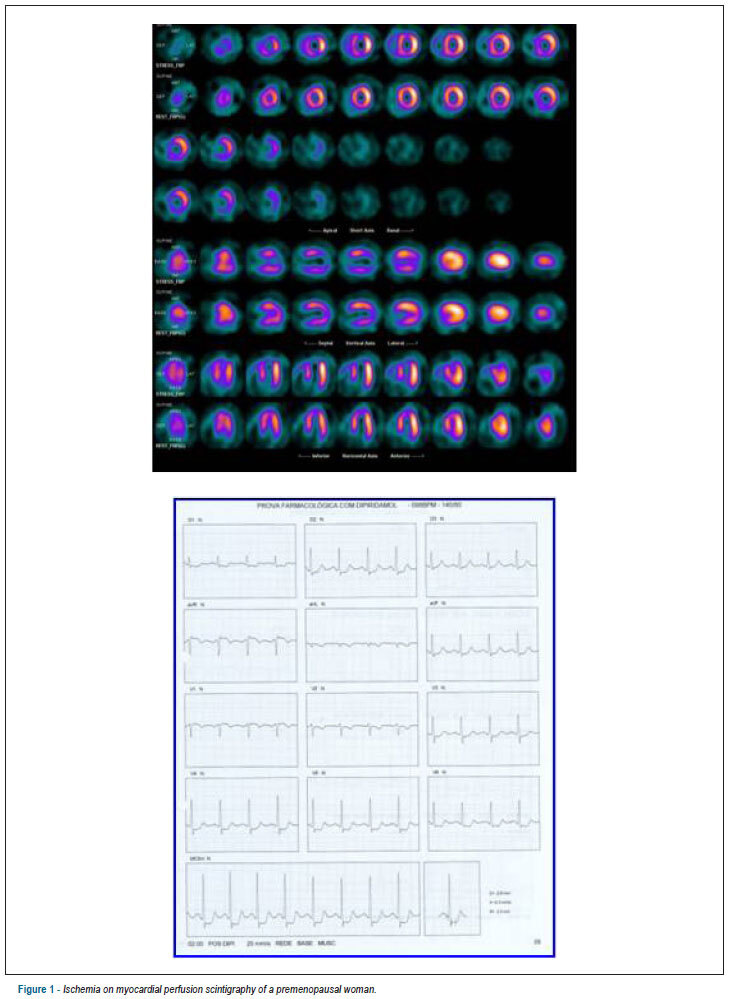
Prevalence of ischemia on myocardial perfusion scintigraphy of pre-and postmenopausal women
Artigo Original

Prevalence of ischemia on myocardial perfusion scintigraphy of pre-and postmenopausal women

Daniel Augusto Message dos Santos et al. Wendy Yasdin Sierraalta Navarro Leonardo Machado Alexandre Priscila Feitosa Cestari Paola Emanuela Poggio Smanio

BACKGROUND: In postmenopausal women, the presence of risk factors for coronary artery disease (CAD) increases. However, the difference in prevalence of ischemia between pre- and postmenopausal women with multiple risk factors for CAD has not been well established. OBJECTIVES: To compare the prevalence of ischemia on Tc99m-sestamibi myocardial perfusion scintigraphy (MPS) in pre- and postmenopausal women, and to evaluate whether menopause can be considered an independent risk predictor of ischemia in women with multiple risk factors for CAD. METHODS: This study retrospectively assessed 500 MPS of pre- and postmenopausal women with multiple risk factors for CAD. Statistical analysis was performed by using Fisher exact test and univariate and multivariate analysis, a p value < 0.05 being considered significant. RESULTS: Postmenopausal women represented 55.9% of the sample; 83.3% were hypertensive; 28.9%, diabetic; 32.1%, smokers; 25%, obese; 61.2% had high cholesterol levels; and 34.3% had known CAD. Postmenopausal women were more often hypertensive, diabetic and dyslipidemic, and had lower functional capacity on exercise testing (p = < 0.005). The presence of ischemia on MPS did not significantly differ between the pre- and postmenopausal groups (p = 0.395). The only variable associated with ischemia on MPS was known CAD (p = 0.004). CONCLUSION: The results suggest that, in women with multiple risk factors for CAD, menopause was not an independent predictor of ischemia on MPS. Those data support the idea that the investigation of ischemia via MPS in women with multiple risk factors for CAD should begin prior to menopause.

  • Myocardial Ischemia
  • Posmenopause
  • Premenopause
  • Risk Factors
  • Women
Read Full Article
Creative Commons Attribution (CC BY) Creative Commons license
12/11/2013 DOI: 10.5935/abc.20130221
The bleeding risk score as a mortality predictor in patients with acute coronary syndrome
Artigo Original

The bleeding risk score as a mortality predictor in patients with acute coronary syndrome

José Carlos Nicolau et al. Humberto Graner Moreira Luciano Moreira Baracioli Carlos Vicente Serrano Jr … Felipe Galego Lima Marcelo Franken Roberto Rocha Giraldez Fernando Ganem Roberto Kalil Filho José Antônio Franchini Ramires Roxana Mehran

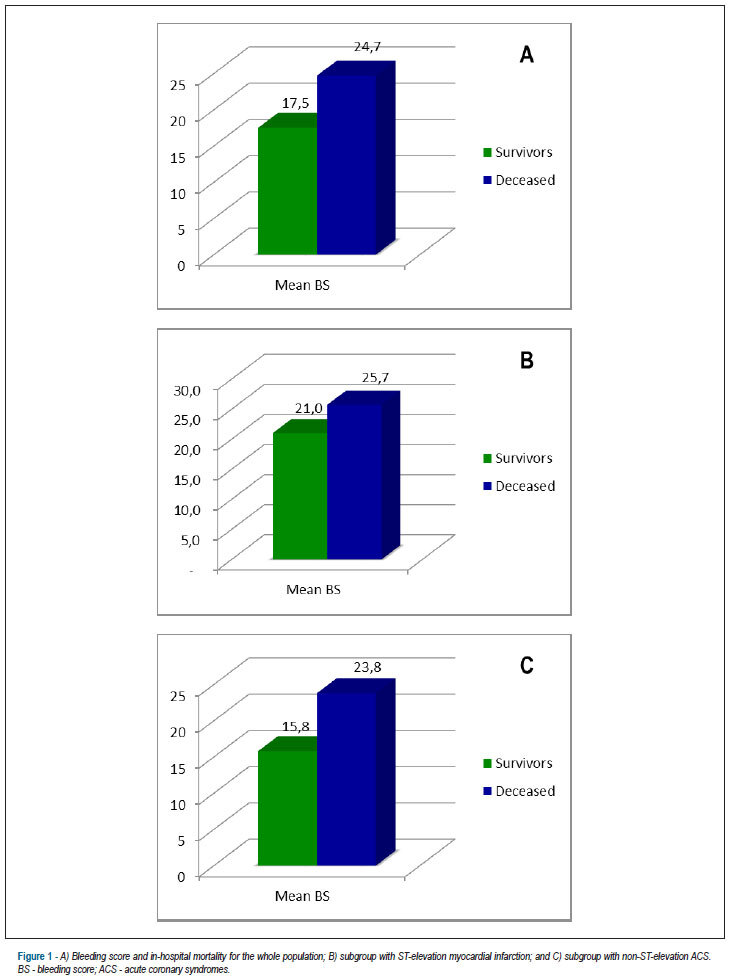
BACKGROUND: It is well known that the occurrence of bleeding increases in-hospital mortality in patients with acute coronary syndromes (ACS), and there is a good correlation between bleeding risk scores and bleeding incidence. However, the role of bleeding risk score as mortality predictor is poorly studied. OBJECTIVE: The main purpose of this paper was to analyze the role of bleeding risk score as in-hospital mortality predictor in a cohort of patients with ACS treated in a single cardiology tertiary center. METHODS: Out of 1655 patients with ACS (547 with ST-elevation ACS and 1118 with non-ST-elevation ACS), we calculated the ACUITY/HORIZONS bleeding score prospectively in 249 patients and retrospectively in the remaining 1416. Mortality information and hemorrhagic complications were also obtained. RESULTS: Among the mean age of 64.3 ± 12.6 years, the mean bleeding score was 18 ± 7.7. The correlation between bleeding and mortality was highly significant (p < 0.001, OR = 5.296), as well as the correlation between bleeding score and in-hospital bleeding (p < 0.001, OR = 1.058), and between bleeding score and in-hospital mortality (adjusted OR = 1.121, p < 0.001, area under the ROC curve 0.753, p < 0.001). The adjusted OR and area under the ROC curve for the population with ST-elevation ACS were, respectively, 1.046 (p = 0.046) and 0.686 ± 0.040 (p < 0.001); for non-ST-elevation ACS the figures were, respectively, 1.150 (p < 0.001) and 0.769 ± 0.036 (p < 0.001). CONCLUSIONS: Bleeding risk score is a very useful and highly reliable predictor of in-hospital mortality in a wide range of patients with acute coronary syndromes, especially in those with unstable angina or non-ST-elevation acute myocardial infarction.

  • Acute coronary syndrome
  • Hemorrhage
  • Probability
Read Full Article
Creative Commons Attribution (CC BY) Creative Commons license
12/11/2013 DOI: 10.5935/abc.20130223 Views 1
P wave indices to predict atrial fibrillation recurrences post pulmonary vein isolation
Artigo Original

P wave indices to predict atrial fibrillation recurrences post pulmonary vein isolation

Ahmed Salah et al. Shenghua Zhou Qiming Liu Hui Yan

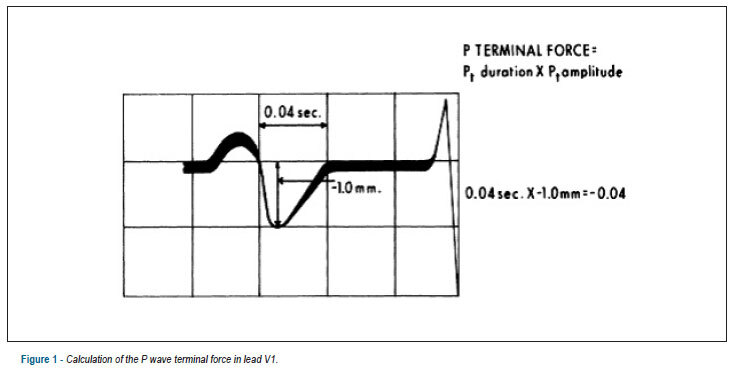
BACKGROUND: P-wave indices are appealing markers for predicting atrial fibrillation (AF) recurrences post ablation. OBJECTIVE: This study evaluates the value of P wave indices to predict recurrences post pulmonary vein isolation (PVI) in patients with paroxysmal AF. METHODS: We selected 198 patients (57 ± 8 years, 150 males) with symptomatic drug-refractory paroxysmal AF undergoing PVI in our hospital. A 12-lead electrocardiogram was used to measure P wave duration in lead II, P wave terminal force (PWTF) in lead V1, P wave axis and dispersion. RESULTS: During a follow-up of 9 ± 3 months, recurrences occurred in 60 (30.3%) patients. The patients that had AF recurrence had longer mean P wave duration (122.9 ± 10.3 vs 104.3 ± 14.2 ms, p < 0.001), larger P wave dispersion (40.7 ± 1.7 ms vs 36.6 ± 3.2 ms, p 125 ms has 60% sensitivity, 90% specificity, positive predictive value (PPV) of 72% and negative predictive value (NPV) of 83.7%, whereas P wave dispersion > 40 ms has 78% sensitivity, 67% specificity, PPV of 51% and NPV of 87.6% 48/66 (72.7%) patients with PWTF -0.04 mm/second showed recurrence of AF (p 125 ms, P wave dispersion > 40 ms and PWTF in V1 < -0.04 mm/sec are good clinical predictors of AF recurrences post PVI in patients with paroxysmal atrial fibrillation; however they were not independent from left atrial size and age.

  • Atrial Fibrillation
  • P Wave
  • Pulmonary Veins
  • Ventricular Fibrillation
Read Full Article
Creative Commons Attribution (CC BY) Creative Commons license
01/11/2013 DOI: 10.5935/abc.20130214
Experimental cardiac arrest treatment with adrenaline, vasopressin, or placebo
Artigo Original

Experimental cardiac arrest treatment with adrenaline, vasopressin, or placebo

Manoel Ângelo Gomes Palácio et al. Edison Ferreira de Paiva Luciano Cesar Pontes de Azevedo Ari Timerman

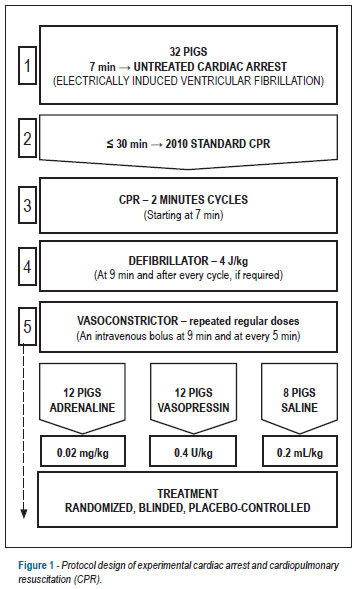
BACKGROUND: The effect of vasoconstrictors in prolonged cardiopulmonary resuscitation (CPR) has not been fully clarified. OBJECTIVES: To evaluate adrenaline and vasopressin pressure effect, and observe the return of spontaneous circulation (ROSC). METHODS: A prospective, randomized, blinded, and placebo-controlled study. After seven minutes of untreated ventricular fibrillation, pigs received two minutes cycles of CPR. Defibrillation was attempted (4 J/kg) once at 9 minutes, and after every cycle if a shockable rhythm was present, after what CPR was immediately resumed. At 9 minutes and every five minutes intervals, 0.02 mg/kg (n = 12 pigs) adrenaline, or 0.4 U/kg (n = 12) vasopressin, or 0.2 mL/kg (n = 8) 0.9% saline solution was administered. CPR continued for 30 minutes or until the ROSC. RESULTS: Coronary perfusion pressure increased to about 20 mmHg in the three groups. Following vasoconstrictors doses, pressure level reached 35 mmHg versus 15 mmHg with placebo (p < 0.001). Vasopressin effect remained at 15-20 mmHg after three doses versus zero with adrenaline or placebo. ROSC rate differed (p = 0.031) among adrenaline (10/12), vasopressin (6/12), and placebo (2/8). Time-to-ROSC did not differ (16 minutes), nor the number of doses previously received (one or two). There was no difference between vasoconstrictors, but against placebo, only adrenaline significantly increased the ROSC rate (p = 0.019). CONCLUSION: The vasoconstrictors initial pressure effect was equivalent and vasopressin maintained a late effect at prolonged resuscitation. Nevertheless, when compared with placebo, only adrenaline significantly increased the ROSC rate.

  • Arginine vasopressin
  • Cardiopulmonary Resuscitation
  • Epinephrine
  • Models, Animal
  • Ventricular Fibrillation
Read Full Article
Creative Commons Attribution (CC BY) Creative Commons license
01/11/2013 DOI: 10.5935/abc.20130213 Views 1
Clinical significance of histological features of thrombi in patients with myocardial infarction
Artigo Original

Clinical significance of histological features of thrombi in patients with myocardial infarction

Juliana Canedo Sebben et al. Eduardo Cambruzzi Luisa Martins Avena Cristina do Amaral Gazeta … Carlos Antonio Mascia Gottschall Alexandre Schaan de Quadros

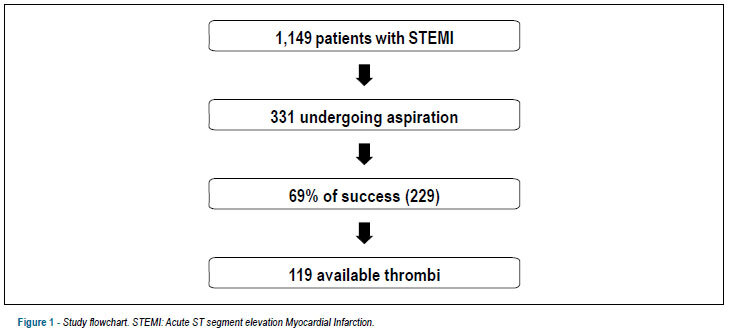
BACKGROUND: Percutaneous Coronary Intervention (PCI) is the most common strategy for the treatment of Acute ST segment elevation Myocardia Infarction (STEMI), and thromboaspiration has been increasingly utilized for removal of occlusive thrombi. OBJECTIVES: To analyze the influence of histopathological features of coronary thrombi in clinical outcomes of patients with STEMI, and the association of these variables with clinical, angiographic, and laboratory features and medications used in hospitalization. METHODS: Prospective cohort study. All patients were monitored during hospitalization and thirty days after the event. Aspirated thrombi were preserved in formalin and subsequently stained with hematoxylin-eosin and embedded in paraffin. Thrombi were classified as recent and old. The primary outcome was the occurrence of major cardiovascular events within thirty days. RESULTS: During the study period, 1,149 patients were evaluated with STEMI, and 331 patients underwent thrombi aspiration, leaving 199 patients available for analysis. It was identified recent thrombi in 116 patients (58%) and old thrombi in 83 patients (42%). Recent thrombi have greater infiltration of red blood cells than old thrombi (p = 0.02), but there were no statistically significant differences between other clinical, angiographic, laboratory, and histopathological features and medications in both group of patients. The rates of clinical outcomes were similar in both groups. CONCLUSIONS: Recent thrombi were identified in 58% of patients with STEMI and it was observed an association with infiltration of red blood cells. There was no association between histopathological features of thrombi and clinical variables and cardiovascular outcomes.

  • Coronary Thrombosis
  • Myocardial Infarction
  • Percutaneous Coronary Intervention
  • Thrombectomy
Read Full Article
Creative Commons Attribution (CC BY) Creative Commons license
25/10/2013 DOI: 10.5935/abc.20130212
Artigo Original

Brazilian portuguese validated version of the cardiac anxiety questionnaire

Aline Sardinha et al. Antonio Egidio Nardi Claudio Gil Soares de Araújo Maria Cristina Ferreira Georg H. Eifert

BACKGROUND: Cardiac Anxiety (CA) is the fear of cardiac sensations, characterized by recurrent anxiety symptoms, in patients with or without cardiovascular disease. The Cardiac Anxiety Questionnaire (CAQ) is a tool to assess CA, already adapted but not validated to Portuguese. OBJECTIVE: This paper presents the three phases of the validation studies of the Brazilian CAQ. METHODS: To extract the factor structure and assess the reliability of the CAQ (phase 1), 98 patients with coronary artery disease were recruited. The aim of phase 2 was to explore the convergent and divergent validity. Fifty-six patients completed the CAQ, along with the Body Sensations Questionnaire (BSQ) and the Social Phobia Inventory (SPIN). To determine the discriminative validity (phase 3), we compared the CAQ scores of two subgroups formed with patients from phase 1 (n = 98), according to the diagnoses of panic disorder and agoraphobia, obtained with the MINI – Mini International Neuropsychiatric Interview. RESULTS: A 2-factor solution was the most interpretable (46.4% of the variance). Subscales were named “Fear and Hypervigilance” (n=9; alpha = 0.88), and “Avoidance”, (n = 5; alpha = 0.82). Significant correlation was found between factor 1 and the BSQ total score (p<0.01), but not with factor 2. SPIN factors showed significant correlations with CAQ subscales (p < 0.01). In phase 3, "Cardiac with panic" patients scored significantly higher in CAQ factor 1 (t = -3.42; p < 0.01, CI = -1.02 to -0.27), and higher, but not significantly different, in factor 2 (t = -1.98; p = 0.51, CI = -0.87 to 0.00). CONCLUSIONS: These results provide a definite Brazilian validated version of the CAQ, adequate to clinical and research settings.

  • Anxiety
  • Cardiovascular Diseases
  • Psychological Tests
  • Psychometrics
  • questionnaires
Read Full Article
Creative Commons Attribution (CC BY) Creative Commons license
22/10/2013 DOI: 10.5935/abc.20130207 Views 1
Chromosomal abnormalities in patients with congenital heart disease
Artigo Original

Chromosomal abnormalities in patients with congenital heart disease

Patrícia Trevisan et al. Tatiana Diehl Zen Rafael Fabiano Machado Rosa Juliane Nascimento da Silva … Dayane Bohn Koshiyama Giorgio Adriano Paskulin Paulo Ricardo Gazzola Zen

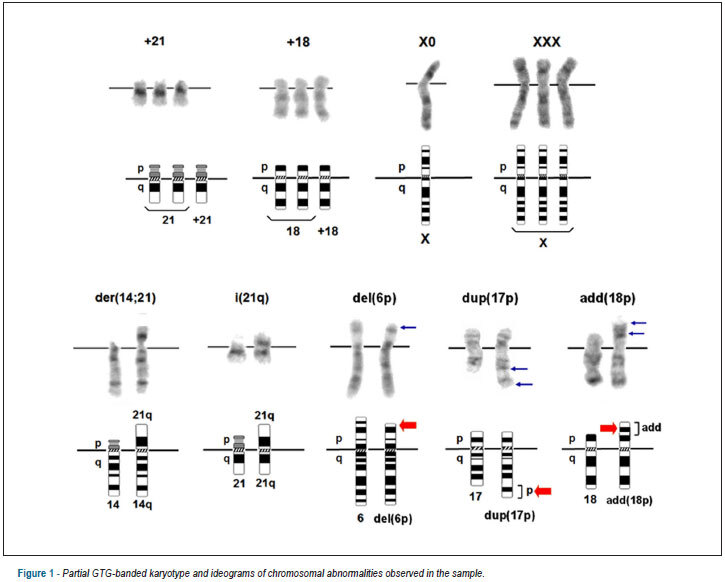
BACKGROUND: Chromosomal abnormalities (CAs) are an important cause of congenital heart disease (CHD). OBJECTIVE: Determine the frequency, types and clinical characteristics of CAs identified in a sample of prospective and consecutive patients with CHD. METHOD: Our sample consisted of patients with CHD evaluated during their first hospitalization in a cardiac intensive care unit of a pediatric referral hospital in Southern Brazil. All patients underwent clinical and cytogenetic assessment through high-resolution karyotype. CHDs were classified according to Botto et al. Chi-square, Fisher exact test and odds ratio were used in the statistical analysis (p < 0.05). RESULTS: Our sample consisted of 298 patients, 53.4% males, with age ranging from 1 day to 14 years. CAs were observed in 50 patients (16.8%), and 49 of them were syndromic. As for the CAs, 44 (88%) were numeric (40 patients with +21, 2 with +18, 1 with triple X and one with 45,X) and 6 (12%) structural [2 patients with der(14,21), +21, 1 with i(21q), 1 with dup(17p), 1 with del(6p) and 1 with add(18p)]. The group of CHDs more often associated with CAs was atrioventricular septal defect. CONCLUSIONS: CAs detected through karyotyping are frequent in patients with CHD. Thus, professionals, especially those working in Pediatric Cardiology Services, must be aware of the implications that performing the karyotype can bring to the diagnosis, treatment and prognosis and for genetic counseling of patients and families.

  • Chromosome Aberrations
  • Congenital
  • Down Syndrome
  • Heart Defects
  • Karyotype
  • Metaphase
Read Full Article
Creative Commons Attribution (CC BY) Creative Commons license
22/10/2013 DOI: 10.5935/abc.20130204 Views 2
Predictors of hospitalization in patients with syncope assisted in specialized cardiology hospital
Artigo Original

Predictors of hospitalization in patients with syncope assisted in specialized cardiology hospital

Leonardo Marques Fischer et al. João Pedro Passos Dutra Augusto Mantovani Gustavo Glotz de Lima Tiago Luiz Luz Leiria

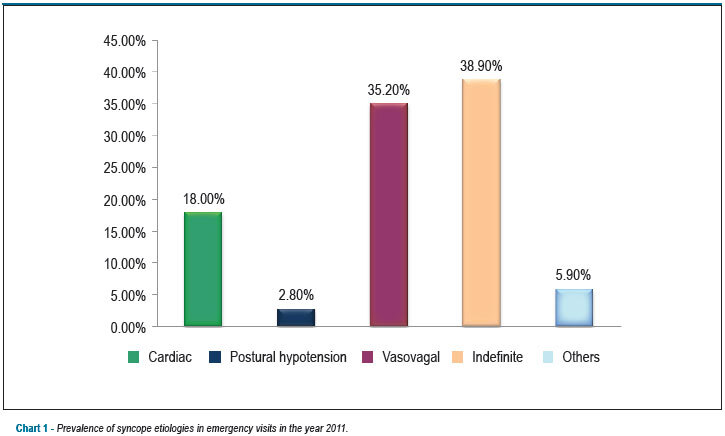
BACKGROUND: Risk stratification of a syncopal episode is necessary to better differentiate patients needing hospitalization of those who can be safely set home from the emergency department. Currently there are no strict guidelines from our Brazilian medical societies to guide the cardiologist that evaluate patients in an emergency setting. OBJECTIVES: To analyze the criteria adopted for defining the need for hospitalization and compare them with the predictors of high risk for adverse outcome defined by the OESIL score that is already validated in the medical literature for assessing syncope. METHODS: A cross-sectional study of patients diagnosed with syncope during emergency department evaluation at our institution in the year 2011. RESULTS: Of the 46,476 emergency visits made in that year, 216 were due to syncope. Of the 216 patients analyzed, 39% were hospitalized. The variables associated with the need of hospital admission were – having health care insurance, previous known cardiovascular disease, no history of prior stroke, previous syncope and abnormal electrocardiograms during the presentation. In comparison with those not admitted OESIL scores of 0-1 were associated with a greater chance of emergency discharge; 2-3 scores showed greater association with the need of hospitalization. A score > 2 OESIL provided an odds ratio 7.8 times higher for hospitalization compared to score 0 (p <0.001, 95% CI:4,03-15,11). In approximately 39% no etiological cause for syncope was found and in 18% cardiac cause was identified. CONCLUSIONS: Factors such as cardiovascular disease, prior history of syncope, health insurance, no previous stroke and abnormal electrocardiograms, were the criteria used by doctors to indicate hospital admission. There was a good correlation between the clinical judgment and the OESIL criteria for high risk described in literature.

  • Emergency Medical Services
  • Hospitalization
  • Risk Factors
  • Syncope
Read Full Article
Creative Commons Attribution (CC BY) Creative Commons license
22/10/2013 DOI: 10.5935/abc.20130206
Coronary computed tomography angiography in the assessment of acute chest pain in the emergency room
Review Article

Coronary computed tomography angiography in the assessment of acute chest pain in the emergency room

Carlos Eduardo Elias dos Prazeres et al. Roberto Caldeira Cury Adriano Camargo de Castro Carneiro Carlos Eduardo Rochitte

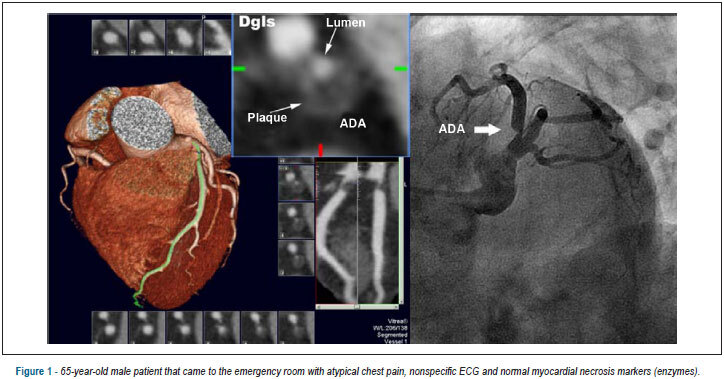
The coronary computed tomography angiography has recently emerged as an accurate diagnostic tool in the evaluation of coronary artery disease, providing diagnostic and prognostic data that correlate directly with the data provided by invasive coronary angiography. The association of recent technological developments has allowed improved temporal resolution and better spatial coverage of the cardiac volume with significant reduction in radiation dose, and with the crucial need for more effective protocols of risk stratification of patients with chest pain in the emergency room, recent evaluation of the computed tomography coronary angiography has been performed in the setting of acute chest pain, as about two thirds of invasive coronary angiographies show no significantly obstructive coronary artery disease. In daily practice, without the use of more efficient technologies, such as coronary angiography by computed tomography, safe and efficient stratification of patients with acute chest pain remains a challenge to the medical team in the emergency room. Recently, several studies, including three randomized trials, showed favorable results with the use of this technology in the emergency department for patients with low to intermediate likelihood of coronary artery disease. In this review, we show data resulting from coronary angiography by computed tomography in risk stratification of patients with chest pain in the emergency room, its diagnostic value, prognosis and cost-effectiveness and a critical analysis of recently published multicenter studies.

  • Chest Pain
  • Coronary Artery Disease
  • Emergency Service
  • hospital
  • Tomography
Read Full Article
Creative Commons Attribution (CC BY) Creative Commons license
22/10/2013 DOI: 10.5935/abc.20130208 Views 3
Is conventional cardiac pacing harmful in patients with normal ventricular function?
Artigo Original

Is conventional cardiac pacing harmful in patients with normal ventricular function?

Luiz Antonio Batista de Sá et al. Salvador Rassi Márcia Andery Ludovico Batista

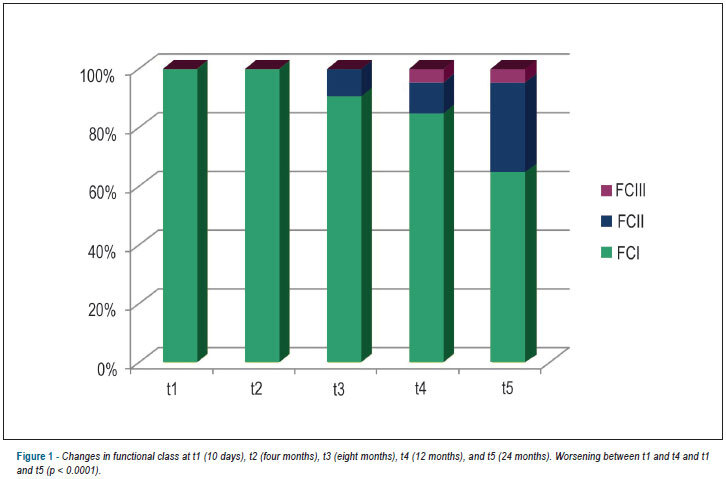
BACKGROUND: Right ventricular pacing may be deleterious in patients with left ventricular dysfunction, but in patients with normal function the impact of this stimulation triggering clinically relevant ventricular dysfunction is not fully established. OBJECTIVES: To evaluate the clinical, echocardiographic findings of patients with previously normal left ventricular function underwent implantation of a pacemaker. METHODS: Observational, cross-sectional study with 20 patients, who underwent implantation of pacemaker, prospectively followed-up, with the following inclusion criteria: normal left ventricular function defined by echocardiography and ventricular pacing higher than 90%. Were evaluated functional class (FC) (New York Heart Association), 6-minute walk test (6MWT), B-type natriuretic peptide (BNP), echocardiographic assessment (conventional and dyssynchrony parameters), and quality of life questionnaire (QLQ) (SF-36). The assessment was performed at ten days (t1), four months (t2), eight months (t3), 12 months (t4) and 24 months (t5). RESULTS: Conventional echocardiographic parameters and dyssynchrony parameters showed statistically significant variation over time. The 6MWT, FC, and BNP showed worsening at the end of two years. QLQ showed initial improvement and worsening at the end of two years. CONCLUSION: The implantation of conventional pacemaker was associated with worsening in functional class, worsening in walk test, increased BNP levels, increased duration of QRS, and worsening in some domains of the QLQ at the end of two years. There were no changes in echocardiography measurements (conventional and asynchrony measures).

  • Asynchrony
  • Chagas disease
  • Heart Failure
  • Pacemaker
  • Septal pacing
Read Full Article
Creative Commons Attribution (CC BY) Creative Commons license
22/10/2013 DOI: 10.5935/abc.20130205
Mortality impact of thoracic aortic disease in São Paulo state from 1998 to 2007
Artigo Original

Mortality impact of thoracic aortic disease in São Paulo state from 1998 to 2007

Ricardo Ribeiro Dias et al. Omar Asdrubal Vilca Mejia Fábio Fernandes Félix José Alvarez Ramires … Charles Mady Noedir Antonio Groppo Stolf Fabio Biscegli Jatene

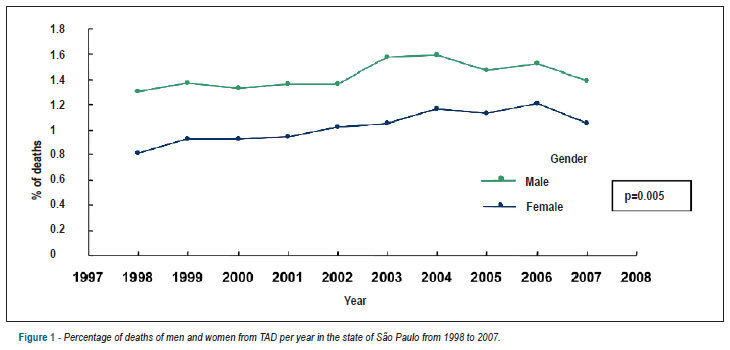
BACKGROUND: The epidemiological characteristics of thoracic aortic diseases (TAD) in the State of São Paulo and in Brazil, as well as their impact on the survival of these patients have yet to be analyzed. OBJECTIVES: To evaluate the mortality impact of TAD and characterize it epidemiologically. METHODS: Retrospective analysis of data from the public health system for the TAD registry codes of hospitalizations, procedures and deaths, from the International Code of Diseases (ICD-10), registered at the Ministry of Health of São Paulo State from January 1998 to December 2007. RESULTS: They were 9.465 TAD deaths, 5.500 men (58.1%) and 3.965 women (41.9%); 6.721 dissections (71%) and 2.744. aneurysms. In 86.3% of cases the diagnosis was attained during autopsy. There were 6.109 hospitalizations, of which 67.9% were males; 21.2% of them died (69% men), with similar proportions of dissection and aneurysm between sexes, respectively 54% and 46%, but with different mortality. Men with TAD die more often than women (OR = 1.5). The age distribution for deaths and hospitalizations was similar with predominance in the 6th decade. They were 3.572 surgeries (58% of hospitalizations) with 20.3% mortality (patients kept in clinical treatment showed 22.6% mortality; p = 0.047). The number of hospitalizations, surgeries, deaths of in-patients and general deaths by TAD were progressively greater than the increase in population over time. CONCLUSIONS: Specific actions for the early identification of these patients, as well as the viability of their care should be implemented to reduce the apparent progressive mortality from TAD seen among our population.

  • Aorta, Thoracic
  • Aortic Diseases
  • Health Profile
Read Full Article
Creative Commons Attribution (CC BY) Creative Commons license
08/10/2013 DOI: 10.5935/abc.20130203

How to cite this article

EndNote RIS

Electronic Document Format (Vancouver)

Atik E. Case 6/2013: 56 years old woman with Ebstein anomaly in heart failure. Arquivos Brasileiros de Cardiologia 2014;101(6):e101-2.

Electronic Document Format (ABNT)

Atik, Edmar. Case 6/2013: 56 years old woman with Ebstein anomaly in heart failure. Arquivos Brasileiros de Cardiologia, v. 101, n. 6, p. e101-e102, Feb. 2014.

Electronic Document Format (APA)

Atik, E. (2014). Case 6/2013: 56 years old woman with Ebstein anomaly in heart failure. Arquivos Brasileiros de Cardiologia, 101(6), e101-e102.

Electronic Document Format (ISO)

Atik, Edmar. Case 6/2013: 56 years old woman with Ebstein anomaly in heart failure. Arquivos Brasileiros de Cardiologia [online]. 2014, vol. 101, n. 6, [cited 2026-10-14], pp. e101-e102. Available from: <https://journals.cardiol.br/en/article/case-6-2013-56-years-old-woman-with-ebstein-anomaly-in-heart-failure/>. ISSN 0066-782X

EndNote RIS

Electronic Document Format (Vancouver)

Moreira LFP. Implementation of multicenter records in the therapeutic cardiovascular assessment in Brazil. Arquivos Brasileiros de Cardiologia 2014;101(6):478-9.

Electronic Document Format (ABNT)

Moreira, Luiz Felipe P.. Implementation of multicenter records in the therapeutic cardiovascular assessment in Brazil. Arquivos Brasileiros de Cardiologia, v. 101, n. 6, p. 478-479, Feb. 2014.

Electronic Document Format (APA)

Moreira, L. F. P. (2014). Implementation of multicenter records in the therapeutic cardiovascular assessment in Brazil. Arquivos Brasileiros de Cardiologia, 101(6), 478-479.

Electronic Document Format (ISO)

Moreira, Luiz Felipe P.. Implementation of multicenter records in the therapeutic cardiovascular assessment in Brazil. Arquivos Brasileiros de Cardiologia [online]. 2014, vol. 101, n. 6, [cited 2026-10-14], pp. 478-479. Available from: <https://journals.cardiol.br/en/article/implementation-of-multicenter-records-in-the-therapeutic-cardiovascular-assessment-in-brazil/>. ISSN 0066-782X

EndNote RIS

Electronic Document Format (Vancouver)

Zanettini MT, Zanettini JP, Zanettini JO. Coronary trunk dissection with stent displacement: points to remember!. Arquivos Brasileiros de Cardiologia 2014;101(6):570.

Electronic Document Format (ABNT)

Zanettini, Marco Tulio; Zanettini, Jacira Pisani; Zanettini, João Otavio. Coronary trunk dissection with stent displacement: points to remember!. Arquivos Brasileiros de Cardiologia, v. 101, n. 6, p. 570-570, Feb. 2014.

Electronic Document Format (APA)

Zanettini, M. T., Zanettini, J. P., & Zanettini, J. O. (2014). Coronary trunk dissection with stent displacement: points to remember!. Arquivos Brasileiros de Cardiologia, 101(6), 570-570.

Electronic Document Format (ISO)

Zanettini, Marco Tulio and Zanettini, Jacira Pisani and Zanettini, João Otavio. Coronary trunk dissection with stent displacement: points to remember!. Arquivos Brasileiros de Cardiologia [online]. 2014, vol. 101, n. 6, [cited 2026-10-14], pp. 570-570. Available from: <https://journals.cardiol.br/en/article/coronary-trunk-dissection-with-stent-displacement-points-to-remember/>. ISSN 0066-782X

EndNote RIS

Electronic Document Format (Vancouver)

Carvalho T, Gonzáles AI, Sties SW, Carvalho GMD. Cardiovascular rehabilitation, ballroom dancing and sexual dysfunction. Arquivos Brasileiros de Cardiologia 2014;101(6):e107-8.

Electronic Document Format (ABNT)

Carvalho, Tales de; Gonzáles, Ana Inês; Sties, Sabrina Weiss; Carvalho, Gabriela Maria Dutra de. Cardiovascular rehabilitation, ballroom dancing and sexual dysfunction. Arquivos Brasileiros de Cardiologia, v. 101, n. 6, p. e107-e108, Feb. 2014.

Electronic Document Format (APA)

Carvalho, T. , Gonzáles, A. I., Sties, S. W., & Carvalho, G. M. D. (2014). Cardiovascular rehabilitation, ballroom dancing and sexual dysfunction. Arquivos Brasileiros de Cardiologia, 101(6), e107-e108.

Electronic Document Format (ISO)

Carvalho, Tales de and Gonzáles, Ana Inês and Sties, Sabrina Weiss and Carvalho, Gabriela Maria Dutra de. Cardiovascular rehabilitation, ballroom dancing and sexual dysfunction. Arquivos Brasileiros de Cardiologia [online]. 2014, vol. 101, n. 6, [cited 2026-10-14], pp. e107-e108. Available from: <https://journals.cardiol.br/en/article/cardiovascular-rehabilitation-ballroom-dancing-and-sexual-dysfunction/>. ISSN 0066-782X

EndNote RIS

Electronic Document Format (Vancouver)

Bezerra SG, Brandão AA, Albuquerque DC, Militão RC, Hadlich MS, Azevedo CF. Pericardial synovial sarcoma: case report and literature review. Arquivos Brasileiros de Cardiologia 2014;101(6):e103-6.

Electronic Document Format (ABNT)

Bezerra, Sabrina Godoy; Brandão, Andrea Araújo; Albuquerque, Denilson Campos; Militão, Rochelle Coppo; Hadlich, Marcelo Souza; Azevedo, Clerio Francisco. Pericardial synovial sarcoma: case report and literature review. Arquivos Brasileiros de Cardiologia, v. 101, n. 6, p. e103-e106, Feb. 2014.

Electronic Document Format (APA)

Bezerra, S. G., Brandão, A. A., Albuquerque, D. C., Militão, R. C., Hadlich, M. S., & Azevedo, C. F. (2014). Pericardial synovial sarcoma: case report and literature review. Arquivos Brasileiros de Cardiologia, 101(6), e103-e106.

Electronic Document Format (ISO)

Bezerra, Sabrina Godoy and Brandão, Andrea Araújo and Albuquerque, Denilson Campos and Militão, Rochelle Coppo and Hadlich, Marcelo Souza and Azevedo, Clerio Francisco. Pericardial synovial sarcoma: case report and literature review. Arquivos Brasileiros de Cardiologia [online]. 2014, vol. 101, n. 6, [cited 2026-10-14], pp. e103-e106. Available from: <https://journals.cardiol.br/en/article/pericardial-synovial-sarcoma-case-report-and-literature-review/>. ISSN 0066-782X

EndNote RIS

Electronic Document Format (Vancouver)

Avanzas P, Heras M, Sanchis J. The year 2011 in interventional cardiology. Arquivos Brasileiros de Cardiologia 2014;101(6):571.

Electronic Document Format (ABNT)

Avanzas, Pablo; Heras, Magda; Sanchis, Juan. The year 2011 in interventional cardiology. Arquivos Brasileiros de Cardiologia, v. 101, n. 6, p. 571-571, Feb. 2014.

Electronic Document Format (APA)

Avanzas, P., Heras, M., & Sanchis, J. (2014). The year 2011 in interventional cardiology. Arquivos Brasileiros de Cardiologia, 101(6), 571-571.

Electronic Document Format (ISO)

Avanzas, Pablo and Heras, Magda and Sanchis, Juan. The year 2011 in interventional cardiology. Arquivos Brasileiros de Cardiologia [online]. 2014, vol. 101, n. 6, [cited 2026-10-14], pp. 571-571. Available from: <https://journals.cardiol.br/en/article/the-year-2011-in-interventional-cardiology/>. ISSN 0066-782X

EndNote RIS

Electronic Document Format (Vancouver)

Santos DAM, Navarro WYS, Alexandre LM, Cestari PF, Smanio PEP. Prevalence of ischemia on myocardial perfusion scintigraphy of pre-and postmenopausal women. Arquivos Brasileiros de Cardiologia 2013;101(6):487-94.

Electronic Document Format (ABNT)

Santos, Daniel Augusto Message dos; Navarro, Wendy Yasdin Sierraalta; Alexandre, Leonardo Machado; Cestari, Priscila Feitosa; Smanio, Paola Emanuela Poggio. Prevalence of ischemia on myocardial perfusion scintigraphy of pre-and postmenopausal women. Arquivos Brasileiros de Cardiologia, v. 101, n. 6, p. 487-494, Nov. 2013.

Electronic Document Format (APA)

Santos, D. A. M. , Navarro, W. Y. S., Alexandre, L. M., Cestari, P. F., & Smanio, P. E. P. (2013). Prevalence of ischemia on myocardial perfusion scintigraphy of pre-and postmenopausal women. Arquivos Brasileiros de Cardiologia, 101(6), 487-494.

Electronic Document Format (ISO)

Santos, Daniel Augusto Message dos and Navarro, Wendy Yasdin Sierraalta and Alexandre, Leonardo Machado and Cestari, Priscila Feitosa and Smanio, Paola Emanuela Poggio. Prevalence of ischemia on myocardial perfusion scintigraphy of pre-and postmenopausal women. Arquivos Brasileiros de Cardiologia [online]. 2013, vol. 101, n. 6, [cited 2026-10-14], pp. 487-494. Available from: <https://journals.cardiol.br/en/article/prevalence-of-ischemia-on-myocardial-perfusion-scintigraphy-of-pre-and-postmenopausal-women/>. ISSN 0066-782X

EndNote RIS

Electronic Document Format (Vancouver)

Nicolau JC, Moreira HG, Baracioli LM, Serrano Jr CV, Lima FG, Franken M, Giraldez RR, et al. The bleeding risk score as a mortality predictor in patients with acute coronary syndrome. Arquivos Brasileiros de Cardiologia 2013;101(6):511-8.

Electronic Document Format (ABNT)

Nicolau, José Carlos; Moreira, Humberto Graner; Baracioli, Luciano Moreira; Serrano Jr, Carlos Vicente; Lima, Felipe Galego; Franken, Marcelo; Giraldez, Roberto Rocha; Ganem, Fernando; Kalil Filho, Roberto; Ramires, José Antônio Franchini; Mehran, Roxana. The bleeding risk score as a mortality predictor in patients with acute coronary syndrome. Arquivos Brasileiros de Cardiologia, v. 101, n. 6, p. 511-518, Nov. 2013.

Electronic Document Format (APA)

Nicolau, J. C., Moreira, H. G., Baracioli, L. M., Serrano Jr, C. V., Lima, F. G., Franken, M., Giraldez, R. R., Ganem, F., Kalil Filho, R., Ramires, J. A. F., & Mehran, R. (2013). The bleeding risk score as a mortality predictor in patients with acute coronary syndrome. Arquivos Brasileiros de Cardiologia, 101(6), 511-518.

Electronic Document Format (ISO)

Nicolau, José Carlos and Moreira, Humberto Graner and Baracioli, Luciano Moreira and Serrano Jr, Carlos Vicente and Lima, Felipe Galego and Franken, Marcelo and Giraldez, Roberto Rocha and Ganem, Fernando and Kalil Filho, Roberto and Ramires, José Antônio Franchini and Mehran, Roxana. The bleeding risk score as a mortality predictor in patients with acute coronary syndrome. Arquivos Brasileiros de Cardiologia [online]. 2013, vol. 101, n. 6, [cited 2026-10-14], pp. 511-518. Available from: <https://journals.cardiol.br/en/article/the-bleeding-risk-score-as-a-mortality-predictor-in-patients-with-acute-coronary-syndrome/>. ISSN 0066-782X

EndNote RIS

Electronic Document Format (Vancouver)

Salah A, Zhou S, Liu Q, Yan H. P wave indices to predict atrial fibrillation recurrences post pulmonary vein isolation. Arquivos Brasileiros de Cardiologia 2013;101(6):519-27.

Electronic Document Format (ABNT)

Salah, Ahmed; Zhou, Shenghua; Liu, Qiming; Yan, Hui. P wave indices to predict atrial fibrillation recurrences post pulmonary vein isolation. Arquivos Brasileiros de Cardiologia, v. 101, n. 6, p. 519-527, Oct. 2013.

Electronic Document Format (APA)

Salah, A., Zhou, S., Liu, Q., & Yan, H. (2013). P wave indices to predict atrial fibrillation recurrences post pulmonary vein isolation. Arquivos Brasileiros de Cardiologia, 101(6), 519-527.

Electronic Document Format (ISO)

Salah, Ahmed and Zhou, Shenghua and Liu, Qiming and Yan, Hui. P wave indices to predict atrial fibrillation recurrences post pulmonary vein isolation. Arquivos Brasileiros de Cardiologia [online]. 2013, vol. 101, n. 6, [cited 2026-10-14], pp. 519-527. Available from: <https://journals.cardiol.br/en/article/p-wave-indices-to-predict-atrial-fibrillation-recurrences-post-pulmonary-vein-isolation/>. ISSN 0066-782X

EndNote RIS

Electronic Document Format (Vancouver)

Palácio MG, Paiva EF, Azevedo LCP, Timerman A. Experimental cardiac arrest treatment with adrenaline, vasopressin, or placebo. Arquivos Brasileiros de Cardiologia 2013;101(6):536-44.

Electronic Document Format (ABNT)

Palácio, Manoel Ângelo Gomes; Paiva, Edison Ferreira de; Azevedo, Luciano Cesar Pontes de; Timerman, Ari. Experimental cardiac arrest treatment with adrenaline, vasopressin, or placebo. Arquivos Brasileiros de Cardiologia, v. 101, n. 6, p. 536-544, Oct. 2013.

Electronic Document Format (APA)

Palácio, M. G., Paiva, E. F. , Azevedo, L. C. P. , & Timerman, A. (2013). Experimental cardiac arrest treatment with adrenaline, vasopressin, or placebo. Arquivos Brasileiros de Cardiologia, 101(6), 536-544.

Electronic Document Format (ISO)

Palácio, Manoel Ângelo Gomes and Paiva, Edison Ferreira de and Azevedo, Luciano Cesar Pontes de and Timerman, Ari. Experimental cardiac arrest treatment with adrenaline, vasopressin, or placebo. Arquivos Brasileiros de Cardiologia [online]. 2013, vol. 101, n. 6, [cited 2026-10-14], pp. 536-544. Available from: <https://journals.cardiol.br/en/article/experimental-cardiac-arrest-treatment-with-adrenaline-vasopressin-or-placebo/>. ISSN 0066-782X

EndNote RIS

Electronic Document Format (Vancouver)

Sebben JC, Cambruzzi E, Avena LM, Gazeta CA, Gottschall CAM, Quadros AS. Clinical significance of histological features of thrombi in patients with myocardial infarction. Arquivos Brasileiros de Cardiologia 2013;101(6):502-10.

Electronic Document Format (ABNT)

Sebben, Juliana Canedo; Cambruzzi, Eduardo; Avena, Luisa Martins; Gazeta, Cristina do Amaral; Gottschall, Carlos Antonio Mascia; Quadros, Alexandre Schaan de. Clinical significance of histological features of thrombi in patients with myocardial infarction. Arquivos Brasileiros de Cardiologia, v. 101, n. 6, p. 502-510, Oct. 2013.

Electronic Document Format (APA)

Sebben, J. C., Cambruzzi, E., Avena, L. M., Gazeta, C. A., Gottschall, C. A. M., & Quadros, A. S. (2013). Clinical significance of histological features of thrombi in patients with myocardial infarction. Arquivos Brasileiros de Cardiologia, 101(6), 502-510.

Electronic Document Format (ISO)

Sebben, Juliana Canedo and Cambruzzi, Eduardo and Avena, Luisa Martins and Gazeta, Cristina do Amaral and Gottschall, Carlos Antonio Mascia and Quadros, Alexandre Schaan de. Clinical significance of histological features of thrombi in patients with myocardial infarction. Arquivos Brasileiros de Cardiologia [online]. 2013, vol. 101, n. 6, [cited 2026-10-14], pp. 502-510. Available from: <https://journals.cardiol.br/en/article/clinical-significance-of-histological-features-of-thrombi-in-patients-with-myocardial-infarction/>. ISSN 0066-782X

EndNote RIS

Electronic Document Format (Vancouver)

Sardinha A, Nardi AE, Araújo CGS, Ferreira MC, Eifert GH. Brazilian portuguese validated version of the cardiac anxiety questionnaire. Arquivos Brasileiros de Cardiologia 2013;101(6):554-61.

Electronic Document Format (ABNT)

Sardinha, Aline; Nardi, Antonio Egidio; Araújo, Claudio Gil Soares de; Ferreira, Maria Cristina; Eifert, Georg H.. Brazilian portuguese validated version of the cardiac anxiety questionnaire. Arquivos Brasileiros de Cardiologia, v. 101, n. 6, p. 554-561, Oct. 2013.

Electronic Document Format (APA)

Sardinha, A., Nardi, A. E., Araújo, C. G. S. , Ferreira, M. C., & Eifert, G. H. (2013). Brazilian portuguese validated version of the cardiac anxiety questionnaire. Arquivos Brasileiros de Cardiologia, 101(6), 554-561.

Electronic Document Format (ISO)

Sardinha, Aline and Nardi, Antonio Egidio and Araújo, Claudio Gil Soares de and Ferreira, Maria Cristina and Eifert, Georg H.. Brazilian portuguese validated version of the cardiac anxiety questionnaire. Arquivos Brasileiros de Cardiologia [online]. 2013, vol. 101, n. 6, [cited 2026-10-14], pp. 554-561. Available from: <https://journals.cardiol.br/en/article/brazilian-portuguese-validated-version-of-the-cardiac-anxiety-questionnaire/>. ISSN 0066-782X

EndNote RIS

Electronic Document Format (Vancouver)

Trevisan P, Zen TD, Rosa RFM, Silva JN, Koshiyama DB, Paskulin GA, Zen PRG, et al. Chromosomal abnormalities in patients with congenital heart disease. Arquivos Brasileiros de Cardiologia 2013;101(6):

Electronic Document Format (ABNT)

Trevisan, Patrícia; Zen, Tatiana Diehl; Rosa, Rafael Fabiano Machado; Silva, Juliane Nascimento da; Koshiyama, Dayane Bohn; Paskulin, Giorgio Adriano; Zen, Paulo Ricardo Gazzola. Chromosomal abnormalities in patients with congenital heart disease. Arquivos Brasileiros de Cardiologia, v. 101, n. 6, Oct. 2013.

Electronic Document Format (APA)

Trevisan, P., Zen, T. D., Rosa, R. F. M., Silva, J. N. , Koshiyama, D. B., Paskulin, G. A., & Zen, P. R. G. (2013). Chromosomal abnormalities in patients with congenital heart disease. Arquivos Brasileiros de Cardiologia, 101(6), .

Electronic Document Format (ISO)

Trevisan, Patrícia and Zen, Tatiana Diehl and Rosa, Rafael Fabiano Machado and Silva, Juliane Nascimento da and Koshiyama, Dayane Bohn and Paskulin, Giorgio Adriano and Zen, Paulo Ricardo Gazzola. Chromosomal abnormalities in patients with congenital heart disease. Arquivos Brasileiros de Cardiologia [online]. 2013, vol. 101, n. 6, [cited 2026-10-14], Available from: <https://journals.cardiol.br/en/article/chromosomal-abnormalities-in-patients-with-congenital-heart-disease/>. ISSN 0066-782X

EndNote RIS

Electronic Document Format (Vancouver)

Fischer LM, Dutra JPP, Mantovani A, Lima GG, Leiria TLL. Predictors of hospitalization in patients with syncope assisted in specialized cardiology hospital. Arquivos Brasileiros de Cardiologia 2013;101(6):480-6.

Electronic Document Format (ABNT)

Fischer, Leonardo Marques; Dutra, João Pedro Passos; Mantovani, Augusto; Lima, Gustavo Glotz de; Leiria, Tiago Luiz Luz. Predictors of hospitalization in patients with syncope assisted in specialized cardiology hospital. Arquivos Brasileiros de Cardiologia, v. 101, n. 6, p. 480-486, Oct. 2013.

Electronic Document Format (APA)

Fischer, L. M., Dutra, J. P. P., Mantovani, A., Lima, G. G. , & Leiria, T. L. L. (2013). Predictors of hospitalization in patients with syncope assisted in specialized cardiology hospital. Arquivos Brasileiros de Cardiologia, 101(6), 480-486.

Electronic Document Format (ISO)

Fischer, Leonardo Marques and Dutra, João Pedro Passos and Mantovani, Augusto and Lima, Gustavo Glotz de and Leiria, Tiago Luiz Luz. Predictors of hospitalization in patients with syncope assisted in specialized cardiology hospital. Arquivos Brasileiros de Cardiologia [online]. 2013, vol. 101, n. 6, [cited 2026-10-14], pp. 480-486. Available from: <https://journals.cardiol.br/en/article/predictors-of-hospitalization-in-patients-with-syncope-assisted-in-specialized-cardiology-hospital/>. ISSN 0066-782X

EndNote RIS

Electronic Document Format (Vancouver)

Prazeres CEE, Cury RC, Carneiro ACC, Rochitte CE. Coronary computed tomography angiography in the assessment of acute chest pain in the emergency room. Arquivos Brasileiros de Cardiologia 2013;101(6):562-9.

Electronic Document Format (ABNT)

Prazeres, Carlos Eduardo Elias dos; Cury, Roberto Caldeira; Carneiro, Adriano Camargo de Castro; Rochitte, Carlos Eduardo. Coronary computed tomography angiography in the assessment of acute chest pain in the emergency room. Arquivos Brasileiros de Cardiologia, v. 101, n. 6, p. 562-569, Oct. 2013.

Electronic Document Format (APA)

Prazeres, C. E. E. , Cury, R. C., Carneiro, A. C. C., & Rochitte, C. E. (2013). Coronary computed tomography angiography in the assessment of acute chest pain in the emergency room. Arquivos Brasileiros de Cardiologia, 101(6), 562-569.

Electronic Document Format (ISO)

Prazeres, Carlos Eduardo Elias dos and Cury, Roberto Caldeira and Carneiro, Adriano Camargo de Castro and Rochitte, Carlos Eduardo. Coronary computed tomography angiography in the assessment of acute chest pain in the emergency room. Arquivos Brasileiros de Cardiologia [online]. 2013, vol. 101, n. 6, [cited 2026-10-14], pp. 562-569. Available from: <https://journals.cardiol.br/en/article/coronary-computed-tomography-angiography-in-the-assessment-of-acute-chest-pain-in-the-emergency-room/>. ISSN 0066-782X

EndNote RIS

Electronic Document Format (Vancouver)

Sá LAB, Rassi S, Batista MAL. Is conventional cardiac pacing harmful in patients with normal ventricular function?. Arquivos Brasileiros de Cardiologia 2013;101(6):545-53.

Electronic Document Format (ABNT)

Sá, Luiz Antonio Batista de; Rassi, Salvador; Batista, Márcia Andery Ludovico. Is conventional cardiac pacing harmful in patients with normal ventricular function?. Arquivos Brasileiros de Cardiologia, v. 101, n. 6, p. 545-553, Oct. 2013.

Electronic Document Format (APA)

Sá, L. A. B. , Rassi, S., & Batista, M. A. L. (2013). Is conventional cardiac pacing harmful in patients with normal ventricular function?. Arquivos Brasileiros de Cardiologia, 101(6), 545-553.

Electronic Document Format (ISO)

Sá, Luiz Antonio Batista de and Rassi, Salvador and Batista, Márcia Andery Ludovico. Is conventional cardiac pacing harmful in patients with normal ventricular function?. Arquivos Brasileiros de Cardiologia [online]. 2013, vol. 101, n. 6, [cited 2026-10-14], pp. 545-553. Available from: <https://journals.cardiol.br/en/article/is-conventional-cardiac-pacing-harmful-in-patients-with-normal-ventricular-function/>. ISSN 0066-782X

EndNote RIS

Electronic Document Format (Vancouver)

Dias RR, Mejia OAV, Fernandes F, Ramires FJA, Mady C, Stolf NAG, Jatene FB, et al. Mortality impact of thoracic aortic disease in São Paulo state from 1998 to 2007. Arquivos Brasileiros de Cardiologia 2013;101(6):528-35.

Electronic Document Format (ABNT)

Dias, Ricardo Ribeiro; Mejia, Omar Asdrubal Vilca; Fernandes, Fábio; Ramires, Félix José Alvarez; Mady, Charles; Stolf, Noedir Antonio Groppo; Jatene, Fabio Biscegli. Mortality impact of thoracic aortic disease in São Paulo state from 1998 to 2007. Arquivos Brasileiros de Cardiologia, v. 101, n. 6, p. 528-535, Oct. 2013.

Electronic Document Format (APA)

Dias, R. R., Mejia, O. A. V., Fernandes, F., Ramires, F. J. A., Mady, C., Stolf, N. A. G., & Jatene, F. B. (2013). Mortality impact of thoracic aortic disease in São Paulo state from 1998 to 2007. Arquivos Brasileiros de Cardiologia, 101(6), 528-535.

Electronic Document Format (ISO)

Dias, Ricardo Ribeiro and Mejia, Omar Asdrubal Vilca and Fernandes, Fábio and Ramires, Félix José Alvarez and Mady, Charles and Stolf, Noedir Antonio Groppo and Jatene, Fabio Biscegli. Mortality impact of thoracic aortic disease in São Paulo state from 1998 to 2007. Arquivos Brasileiros de Cardiologia [online]. 2013, vol. 101, n. 6, [cited 2026-10-14], pp. 528-535. Available from: <https://journals.cardiol.br/en/article/mortality-impact-of-thoracic-aortic-disease-in-sao-paulo-state-from-1998-to-2007/>. ISSN 0066-782X

Sede – Rio de Janeiro
Av. Marechal Câmara, 160
3º andar – Sala: 330 – Centro
Rio de Janeiro – CEP: 20020-907
Tel.: (55 +21) 3478-2700
ou (21) 99386-3961
E-mail: revista@cardiol.br

Sede – São Paulo
Alameda Santos, 705 – 11º andar
Cerqueira César | São Paulo
CEP: 01419-001
Tel.: (55 +11) 3411-5500
E-mail: revista@cardiol.br

  • About the Journal
  • Internal Regulation
  • Editors Section
  • Editorial Board
  • History
  • SBC Award

  • Guidelines for Publication
  • Editorial Policy
  • Ethics Policy
  • Policy on the Use of Artificial Intelligence
  • Mandatory Publication Form
  • Publication Fee

Issues

SBC Guidelines

  • How to Publish an Abstract Supplement?
  • Supplements from the Brazilian Congress of Cardiology