| ABC
ABC Family Arquivos Brasileiros de Cardiologia International Journal of Cardiovascular Sciences ABC Heart Failure & Cardiomyopathy ABC Imagem Cardiovascular
Português English
ABC Family | ABC
Português English
  • About
    • About the Journal
    • Internal Regulation
    • Editors Section
    • Editorial Board
    • History
    • SBC Award
  • Instructions to Authors
    • Guidelines for Publication
    • Editorial Policy
    • Ethics Policy
    • Policy on the Use of Artificial Intelligence
    • Mandatory Publication Form
    • Publication Fee
  • Issues
  • SBC Guidelines
  • Abstracts
    • How to Publish an Abstract Supplement?
    • Supplements from the Brazilian Congress of Cardiology
  • About
    • About the Journal
    • Internal Regulation
    • Editors Section
    • Editorial Board
    • History
    • SBC Award
  • Instructions to Authors
    • Guidelines for Publication
    • Editorial Policy
    • Ethics Policy
    • Policy on the Use of Artificial Intelligence
    • Mandatory Publication Form
    • Publication Fee
  • Issues
  • SBC Guidelines
  • Abstracts
    • How to Publish an Abstract Supplement?
    • Supplements from the Brazilian Congress of Cardiology

ABC Family

  • ABC Family
  • Arquivos Brasileiros de Cardiologia
  • International Journal of Cardiovascular Sciences
  • ABC Heart Failure & Cardiomyopathy
  • ABC Imagem Cardiovascular
Search in

No content found.

Journals
Ordering
Article types
Others

  1. Home
  2. ABC
  3. Issues
  4. 2014, Volume 102, Number 6
Figure 1
Review Article

Clinical and echocardiographic predictors of mortality in chagasic cardiomyopathy – systematic review

Clodoval de Barros Pereira Júnior et al. Brivaldo Markman Filho

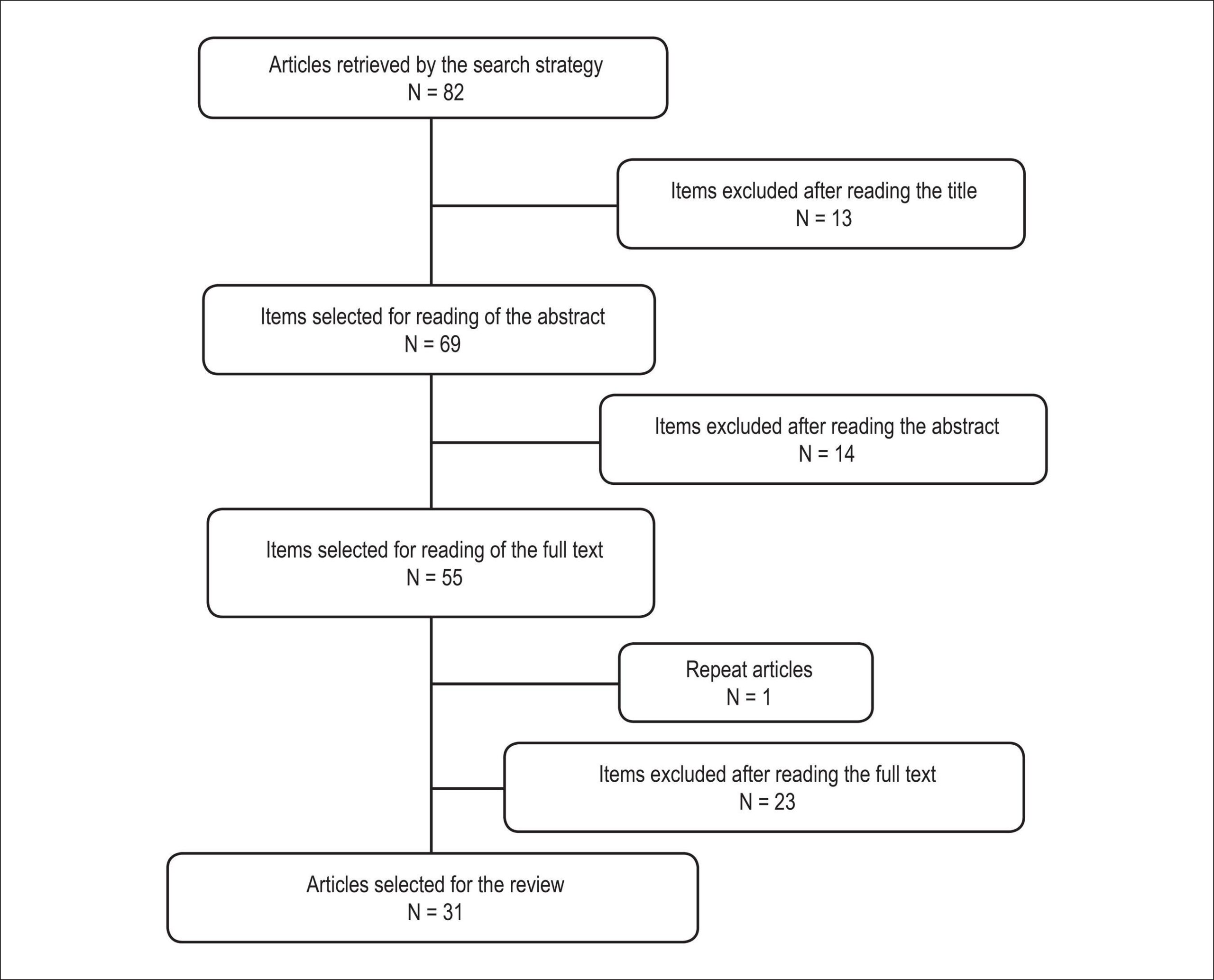
Diagnosis, prognosis and evaluation of death risk in Chagas cardiomyopathy still constitute a challenge due to the diversity of manifestations, which determine the importance of using echocardiography, tissue Doppler and biomarkers. To evaluate, within a systematic review, clinical and echocardiographic profiles of patients with chronic chagasic cardiomyopathy, which may be related to worse prognosis and major mortality risk. To perform the systematic review, we used Medline (via PubMed), LILACS and SciELO databases to identify 82 articles published from 1991 to 2012, with the following descriptors: echocardiography, mortality and Chagas disease. We selected 31 original articles, involving diagnostic and prognostic methods. The importance of Chagas disease has increased due to its emergence in Europe and United States, but most evidence came from Brazil. Among the predictors of worse prognosis and higher mortality risk are morphological and functional alterations in the left and right ventricles, evaluated by conventional echocardiography and tissue Doppler, as well as the increase in brain natriuretic peptide and troponin I concentrations. Recently, the evaluations of dyssynchrony, dysautonomia, as well as strain, strain rate and myocardial twisting were added to the diagnostic arsenal for the early differentiation of Chagas cardiomyopathy. Developments in imaging and biochemical diagnostic procedures have enabled more detailed cardiac evaluations, which demonstrate the early involvement of both ventricles, allowing a more accurate assessment of the mortality risk in Chagas disease.

  • Chagas Cardiomyopathy / mortality
  • Chagas disease
  • Echocardiography
  • Prognosis
Read Full Article
Creative Commons Attribution (CC BY) Creative Commons license
06/06/2014 DOI: 10.5935/abc.20140068
Figure 1
Original Article

Long-term Outcomes of Drug-eluting versus Bare-metal stent for ST-elevation Myocardial Infarction

Liping Wang et al. Hongyun Wang Pingshuan Dong Zhuanzhen Li … Yanyu Wang Nana Duan Yuwei Zhao Shaoxin Wang

Background:

Long-term outcomes of drug-eluting stents (DES) versus bare-metal stents (BMS) in patients with ST-segment elevation myocardial infarction (STEMI) remain uncertain.

Objective:

To investigate long-term outcomes of drug-eluting stents (DES) versus bare-metal stents (BMS) in patients with ST-segment elevation myocardial infarction (STEMI).

Methods:

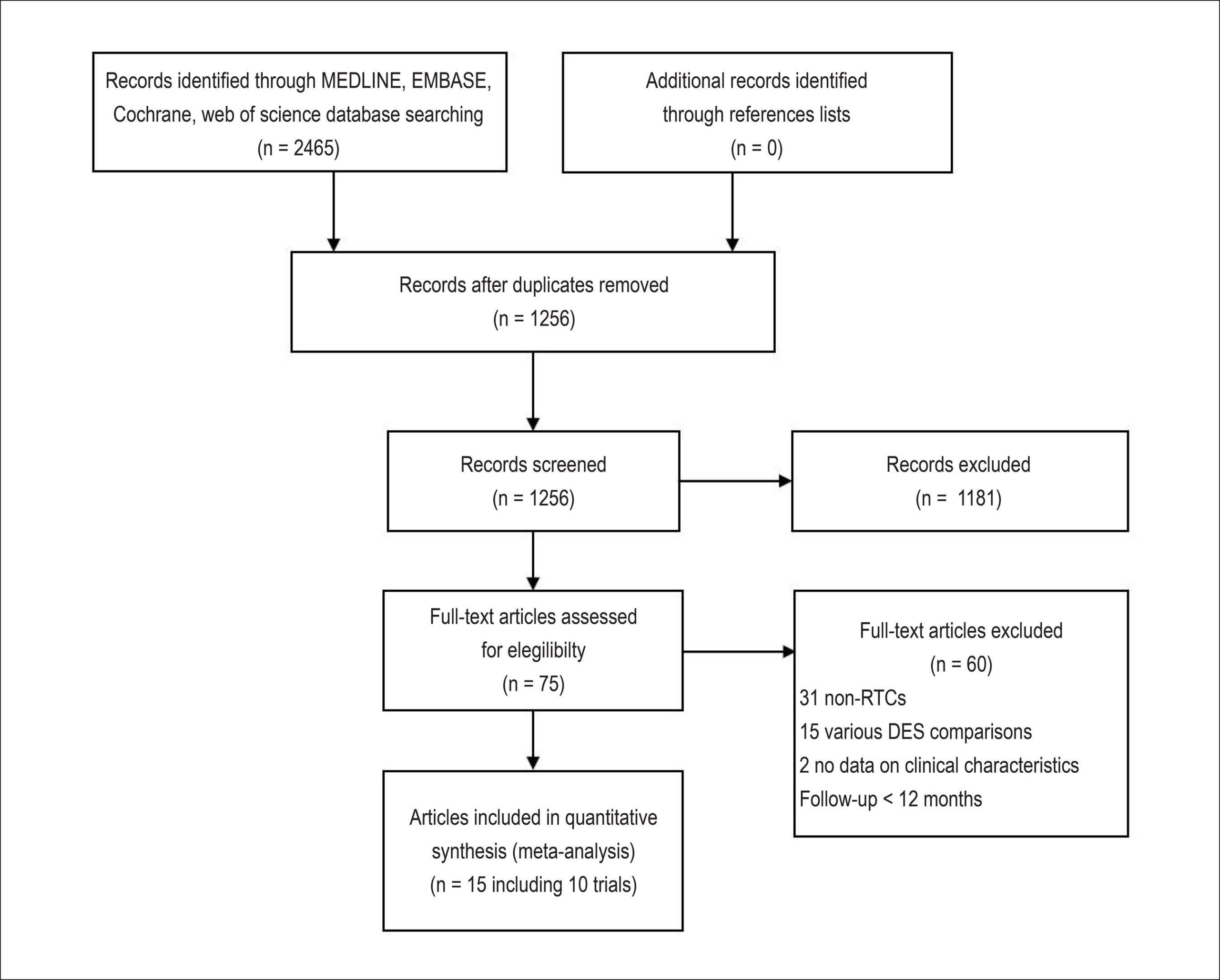
We performed search of MEDLINE, EMBASE, the Cochrane library, and ISI Web of Science (until February 2013) for randomized trials comparing more than 12-month efficacy or safety of DES with BMS in patients with STEMI. Pooled estimate was presented with risk ratio (RR) and its 95% confidence interval (CI) using random-effects model.

Results:

Ten trials with 7,592 participants with STEMI were included. The overall results showed that there was no significant difference in the incidence of all-cause death and definite/probable stent thrombosis between DES and BMS at long-term follow-up. Patients receiving DES implantation appeared to have a lower 1-year incidence of recurrent myocardial infarction than those receiving BMS (RR = 0.75, 95% CI 0.56 to 1.00, p= 0.05). Moreover, the risk of target vessel revascularization (TVR) after receiving DES was consistently lowered during long-term observation (all p< 0.01). In subgroup analysis, the use of everolimus-eluting stents (EES) was associated with reduced risk of stent thrombosis in STEMI patients (RR = 0.37, p=0.02).

Conclusions:

DES did not increase the risk of stent thrombosis in patients with STEMI compared with BMS. Moreover, the use of DES did lower long-term risk of repeat revascularization and might decrease the occurrence of reinfarction.

  • Acute Myocardial Infarction
  • Bare-metal stents
  • Drug-Eluting Stents
  • Long-term outcomes
  • Meta-Analysis
Read Full Article
Creative Commons Attribution (CC BY) Creative Commons license
06/06/2014 DOI: 10.5935/abc.20140070 Views 1
Figure 1
Original Article

Teaching Basic Life Support to Students of Public and Private High Schools

José Maria Gonçalves Fernandes et al. Amanda Lira dos Santos Leite Bruna de Sá Duarte Auto José Elson Gama de Lima … Ivan Romero Rivera Maria Alayde Mendonça

Background:

Despite being recommended as a compulsory part of the school curriculum, the teaching of basic life support (BLS) has yet to be implemented in high schools in most countries.

Objectives:

To compare prior knowledge and degree of immediate and delayed learning between students of one public and one private high school after these students received BLS training.

Methods:

Thirty students from each school initially answered a questionnaire on cardiopulmonary resuscitation (CPR) and use of the automated external defibrillator (AED). They then received theoretical-practical BLS training, after which they were given two theory assessments: one immediately after the course and the other six months later.

Results:

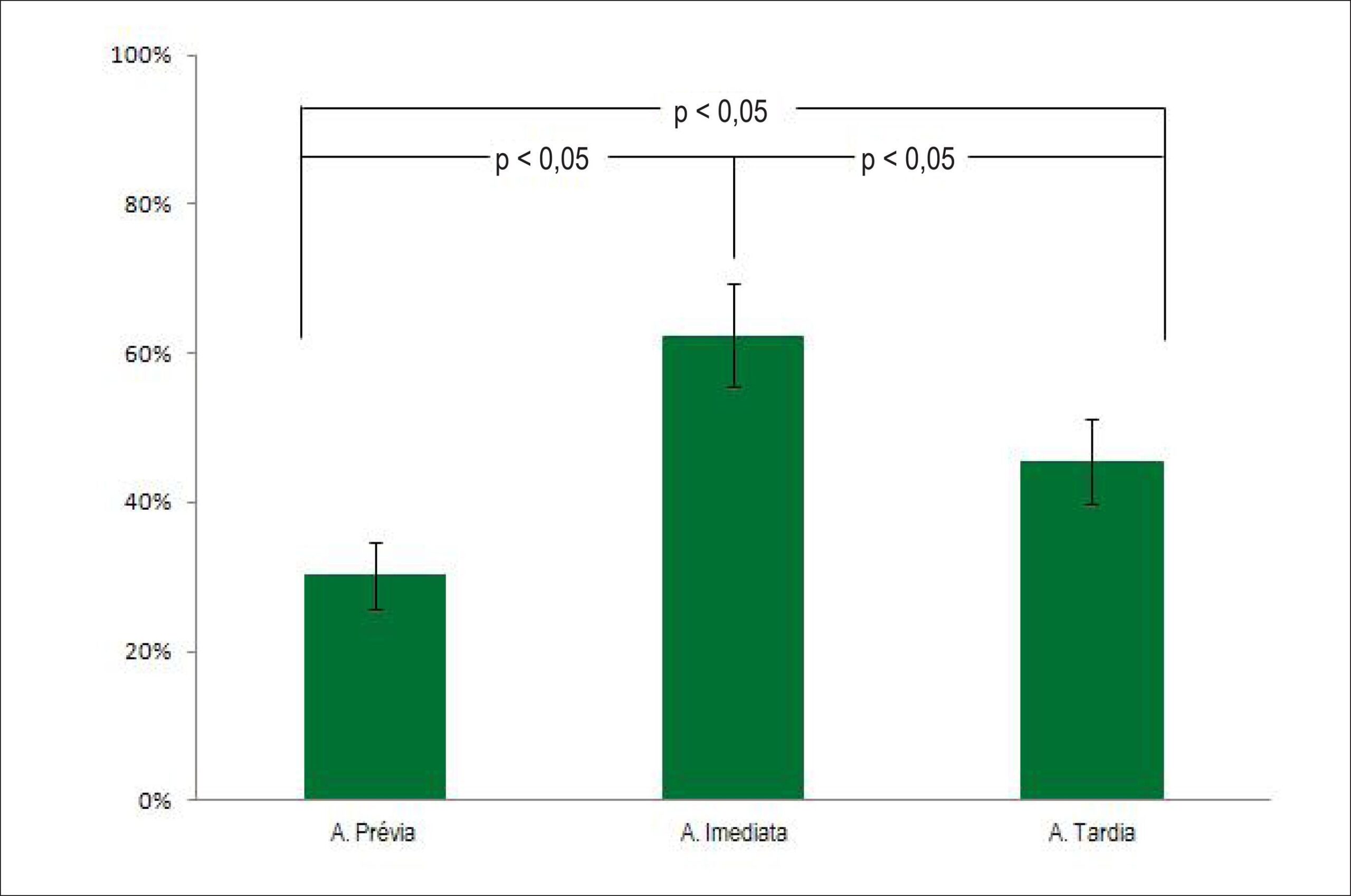
The overall success rates in the prior, immediate, and delayed assessments were significantly different between groups, with better performance shown overall by private school students than by public school students: 42% ± 14% vs. 30.2% ± 12.2%, p = 0.001; 86% ± 7.8% vs. 62.4% ± 19.6%, p < 0.001; and 65% ± 12.4% vs. 45.6% ± 16%, p < 0.001, respectively. The total odds ratio of the questions showed that the private school students performed the best on all three assessments, respectively: 1.66 (CI95% 1.26-2.18), p < 0.001; 3.56 (CI95% 2.57-4.93), p < 0.001; and 2.21 (CI95% 1.69-2.89), p < 0.001.

Conclusions:

Before training, most students had insufficient knowledge about CPR and AED; after BLS training a significant immediate and delayed improvement in learning was observed in students, especially in private school students.

  • Basic Life Support
  • Cardiopulmonary Resuscitation
  • Education
  • High School Students
Read Full Article
Creative Commons Attribution (CC BY) Creative Commons license
06/06/2014 DOI: 10.5935/abc.20140071 Views 1
Letter to the Editor

Assessment of Diastolic Dysfunction: Drugs Could Alter the Results

Emre Yalcinkaya et al. Murat Celik Baris Bugan

To the Editor,

We read with great interest the article by El Aouar et al., entitled “Relationship between left atrial volume and diastolic dysfunction in 500 Brazilian patients”, which was published in the previous issue of Arquivos Brasileiros de Cardiologia. The authors aimed to evaluate the relationship between left atrial volume index and different grades of diastolic dysfunction in Brazilian patients submitted to echocardiogram. Although we commend the authors for the detailed and valuable information that they have provided, some comments may be beneficial.

[…]

  • Atrial Function, Left
  • Brazil
  • Stroke Volume/drug effects
  • Ventricular Dysfunction
Read Full Article
Creative Commons Attribution (CC BY) Creative Commons license
01/06/2014 DOI: 10.5935/abc.20140078
Viewpoint

Cardiohepatic Interactions – from Humoral Theory to Organ Transplantation

Odilson Marcos Silvestre et al. Fernando Bacal Rafael Oliveira Ximenes Flair José Carrilho … Luiz Augusto Carneiro D'Albuquerque Alberto Queiroz Farias

Introduction

Heart and liver were already put into reciprocal interaction when attempting to explain the health-disease process from the humoral theory. This suggestion attributed to Empedocles (490 BC), and later applied to medicine by Hippocrates (460 BC) and Galen (AD 129), despite being devoid of any pathophysiological basis, suggested that such organs were protagonists of illness by participating in the production of blood and yellow bile, two of the four humors whose imbalance would be closely related to the emergence of diseases. With the progress of knowledge of physiology and pathophysiology, the close relationship between heart and liver has been defined more precisely.

In this article, we will discuss the cardiohepatic interactions subdividing them didactically in the following: (1) impact of heart diseases on the liver; (2) effects of liver failure and portal hypertension on the heart; and (3) concomitant diseases affecting both the liver and the heart.

[…]

  • Heart Failure
  • Hepatic insufficiency
  • Hypertension
  • Liver Cirrhosis
  • Liver Diseases
  • portal
Read Full Article
Creative Commons Attribution (CC BY) Creative Commons license
01/06/2014 DOI: 10.5935/abc.20140079
Figure 1
Clinicoradiological Session

Case 4 / 2014 – 15-year-old Patient with Atrial Septal Aneurysm, Right Bundle Branch Block and Paroxysmal Atrial Fibrillation

Edmar Atik

Complementary tests

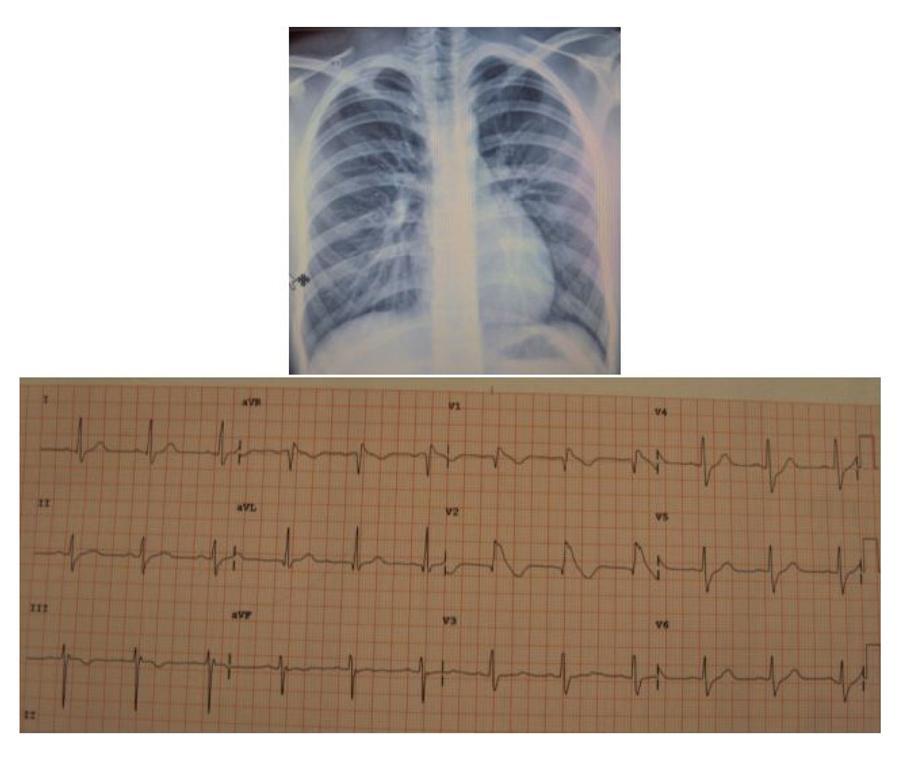
Electrocardiogram: () showed sinus rhythm and Full Right Bundle Branch Block (CRBBB) and Left Bundle Branch Anterior Superior Hemiblock (LAHB). QRS complex duration was of 0.13′ with rsr’ morphology in V1 and RS in V6, with negative T wave in V1 and V2. AP: +30º, AQRS: -30º, AT: 0º.

Chest radiography: Shows normal heart region and vascular markings ().

[…]

  • atrial
  • Atrial Fibrillation
  • Atrial Septal Aneurysm
  • Bundle Branch Block
Read Full Article
Creative Commons Attribution (CC BY) Creative Commons license
01/06/2014 DOI: 10.5935/abc.20140076 Views 2
Figure 1
Editorial

Epicardial Ablation for Ventricular Tachycardia in Chronic Chagas Heart Disease

Mauricio Scanavacca

Catheter Ablation of Sustained VT in Chagas Heart Disease

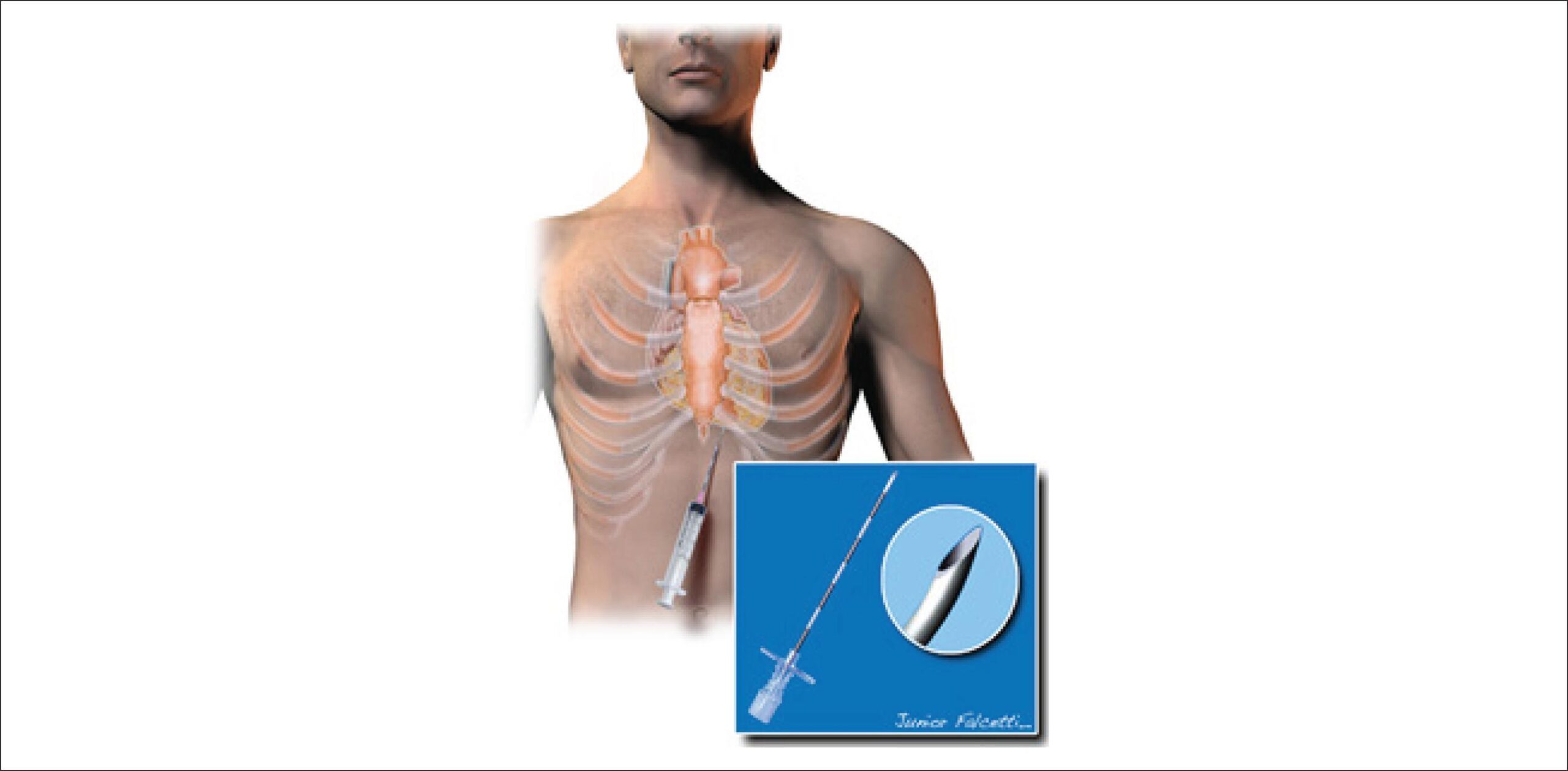
The main mechanism of SVT of chronic Chagas Heart Disease is the reentry located in a left ventricle inferolateral and baseline scar in more than 70% of the cases,. The reentrant circuit of SVT may involve subendocardial, intramyocardial and subepicardial fibers. In some patients, the reentrant circuits have their genesis in places with very thin walls and, on account of that, conventional pulses of RF, emitted from the endocardium, may cause transmural injury and reach all the structures potentially involved in the circuit. Nevertheless, in others, the segmental injury is intramural and the circuit is predominantly kept by subepicardial fibers. Insofar as the contralateral subendocardial tissue is very thick, it may prevent RF applications from reaching the causative intramyocardial and subepicardial fibers and be the reason for an unsuccessful procedure. This was the initial hypothesis for resorting to the transthoracic subxiphoid percutaneous approach to explore the pericardial space and identify patients with possible subepicardial circuits.

[…]

  • Catheter Ablation
  • Chagas Cardiomyopathy
  • Tachycardia, Ventricular
Read Full Article
Creative Commons Attribution (CC BY) Creative Commons license
01/06/2014 DOI: 10.5935/abc.20140082 Views 1
Letter to the Editor

Angiotensin-converting Enzyme Genetic Polymorphism

Somsri Wiwanitkit et al. Viroj Wiwanitkit

Sir Editor,

The recent report on “angiotensin-converting enzyme (ACE) genetic polymorphism.” is very interesting. Albuquerque et al. concluded that “the DD genotype was independently associated with worse echocardiographic outcome, while the DI genotype, with best echocardiographic profile.” In fact, the polymorphism of ACE is different in different countries and the relationship to clinical disorder is widely mentioned. The study of ACE polymorphism has proved to be useful in management of cardiac patients, especially for selection of proper cardiac drug. However, the relationship to cardiac pathology is still controversial. Similar to the present study, the ventricular function abnormality determined by EKG was proposed for interrelationship with ACE polymorphism by Yu Jin et al. Nevertheless, the small sample size in the published studies, is the main obstacle for conclusions. The effect of race in clinical relationship of ACE polymorphism requires a very large study in order to lead to conclusions.

[…]

  • Peptidyl-Dipeptidase A
  • Polymorphism, Genetic
Read Full Article
Creative Commons Attribution (CC BY) Creative Commons license
01/06/2014 DOI: 10.5935/abc.20140077 Views 1
Figure 1
Original Article

Blood Pressure Control in Hypertensive Patients in the "Hiperdia Program": A Territory-Based Study

Clarita Silva de Souza et al. Airton Tetelbom Stein Gisele Alsina Nader Bastos Lucia Campos Pellanda

Background:

Systemic hypertension is highly prevalent and an important risk factor for cardiovascular events. Blood pressure control in hypertensive patients enrolled in the Hiperdia Program, a program of the Single Health System for the follow-up and monitoring of hypertensive patients, is still far below the desired level.

Objective:

To describe the epidemiological profile and to assess blood pressure control of patients enrolled in Hiperdia, in the city of Novo Hamburgo (State of Rio Grande do Sul, Brazil).

Methods:

Cross-sectional study with a stratified cluster random sample, including 383 adults enrolled in the Hiperdia Program of the 15 Basic Health Units of the city of Porto Alegre, conducted between 2010 and 2011. Controlled blood pressure was defined as ≤140 mmHg × 90 mmHg. The hypertensive patients were interviewed and their blood pressure was measured using a calibrated aneroid device. Prevalence ratios (PR) with 95% confidence interval, Wald’s χ2 test, and simple and multiple Poisson regression were used in the statistical analysis.

Results:

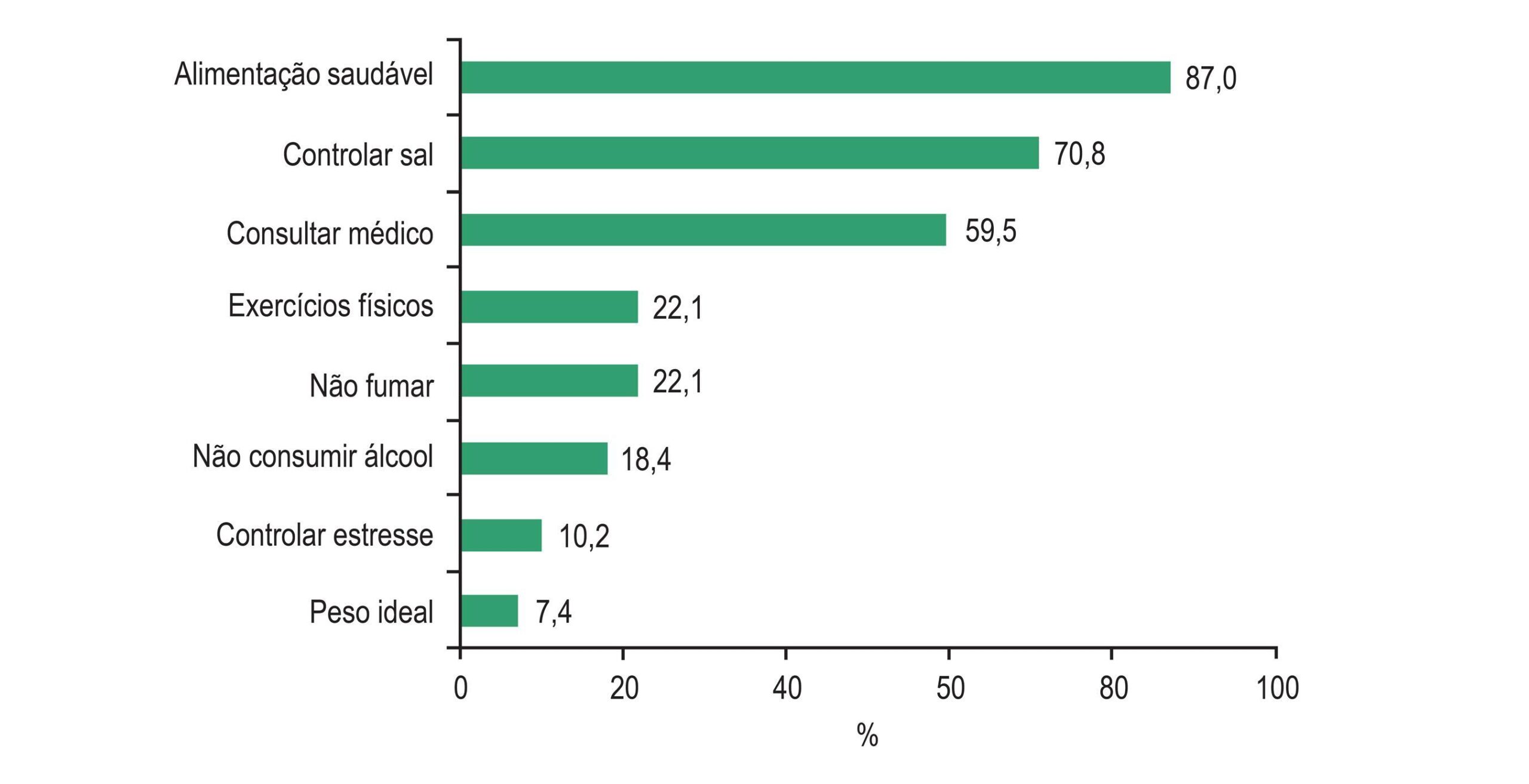
The mean age was 63 ± 10 years, and most of the patients were females belonging to social class C, with a low level of education, a sedentary lifestyle, and family history positive for systemic hypertension. Diabetes mellitus (DM) was observed in 31%; adherence to the antihypertensive treatment in 54.3%; and 33.7% had their blood pressure controlled. DM was strongly associated with inadequate BP control, with only 15.7% of the diabetics showing BP considered as controlled.

Conclusion:

Even for hypertensive patients enrolled in the Hiperdia Program, BP control is not satisfactorily reached or sustained. Diabetic hypertensive patients show the most inappropriate BP control.

  • Epidemiological Monitoring
  • Government Programs
  • Hypertension/complications
  • Hypertension/epidemiology
  • medication adherence
  • Risk Factors
Read Full Article
Creative Commons Attribution (CC BY) Creative Commons license
01/06/2014 DOI: 10.5935/abc.20140081 Views 1
Figure 1
Original Article

Mortality by Heart Failure and Ischemic Heart Disease in Brazil from 1996 to 2011

Eduardo Nagib Gaui et al. Gláucia Maria Moraes de Oliveira Carlos Henrique Klein

Background:

Circulatory system diseases are the first cause of death in Brazil.

Objective:

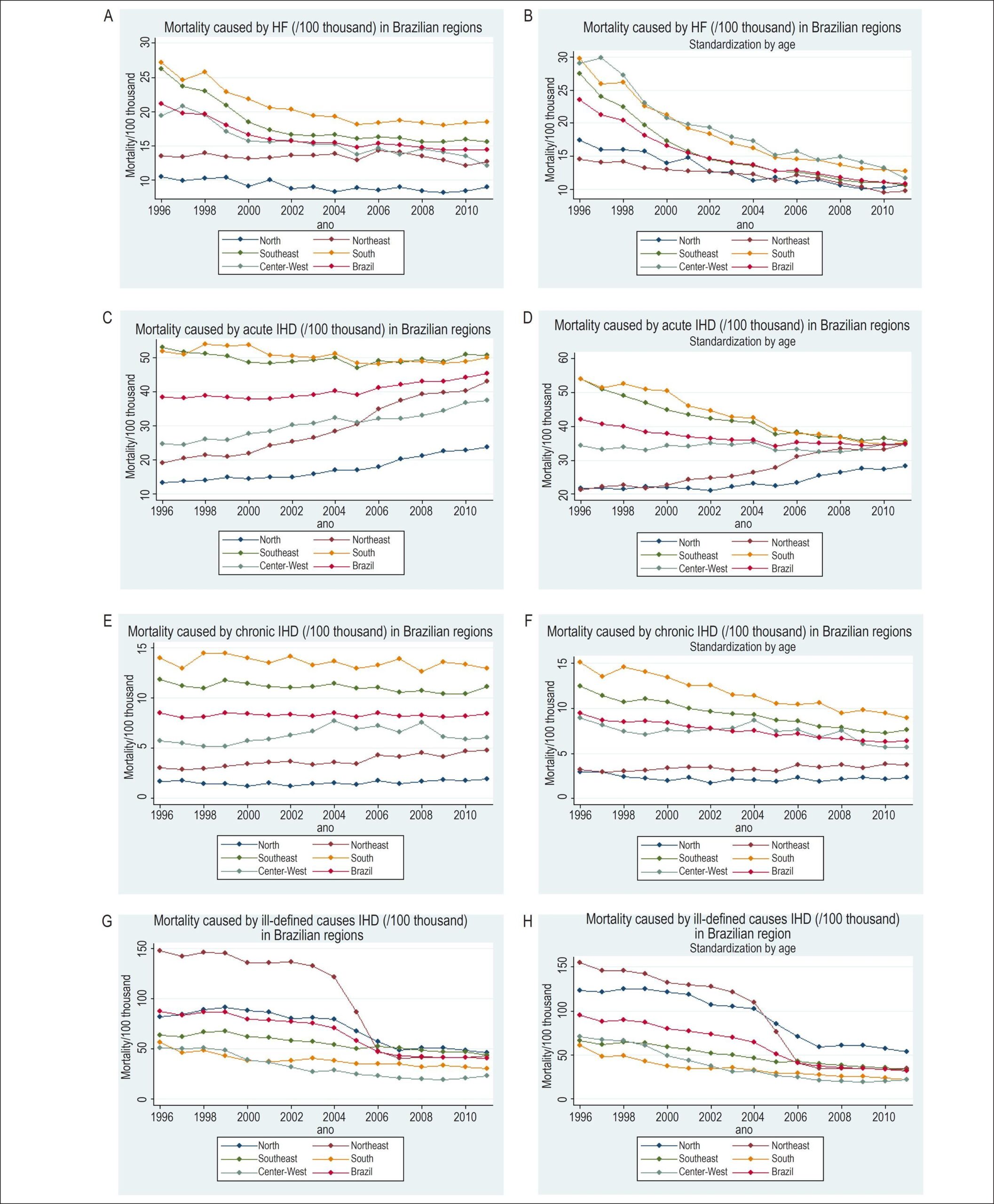
To analyze the evolution of mortality caused by heart failure, by ischemic heart diseases and by ill-defined causes, as well as their possible relations, in Brazil and in the geoeconomic regions of the country (North, Northeast, Center-West, South and Southeast), from 1996 to 2011.

Methods:

Data were obtained from DATASUS and death declaration records with codes I20 and I24 for acute ischemic diseases, I25 for chronic ischemic diseases, and I50 for heart failure, and codes in chapter XIII for ill-defined causes, according to geoeconomic regions of Brazil, from 1996 to 2011.

Results:

Mortality rates due to heart failure declined in Brazil and its regions, except for the North and the Northeast. Mortality rates due to acute ischemic heart diseases increased in the North and Northeast regions, especially from 2005 on; they remained stable in the Center-West region; and decreased in the South and in the Southeast. Mortality due to chronic ischemic heart diseases decreased in Brazil and in the Center-West, South and Southeast regions, and had little variation in the North and in the Northeast. The highest mortality rates due to ill-defined causes occurred in the Northeast until 2005.

Conclusions:

Mortality due to heart failure is decreasing in Brazil and in all of its geoeconomic regions. The temporal evolution of mortality caused by ischemic heart diseases was similar to that of heart failure. The decreasing number of deaths due to ill-defined causes may represent the improvement in the quality of information about mortality in Brazil. The evolution of acute ischemic heart diseases ranged according to regions, being possibly confused with the differential evolution of ill-defined causes.

  • Brazil
  • Epidemiology
  • Heart Failure / mortality
  • Myocardial Ischemia / mortality
Read Full Article
Creative Commons Attribution (CC BY) Creative Commons license
01/06/2014 DOI: 10.5935/abc.20140072 Views 2
Figure 1
Case Report

Short-Coupled Variant of "Torsades de Pointes" and Polymorphic Ventricular Tachycardia

Muhieddine Omar Chokr et al. Francisco Carlos da Costa Darrieux Carina Abigail Hardy Denise Tessariol Hachul … Allisson Valadão de Oliveira Britto Sissy Lara de Melo Cristiano Pisani Eduardo Argentino Sosa Martino Martinelli Filho Mauricio Ibrahim Scanavacca

Introduction

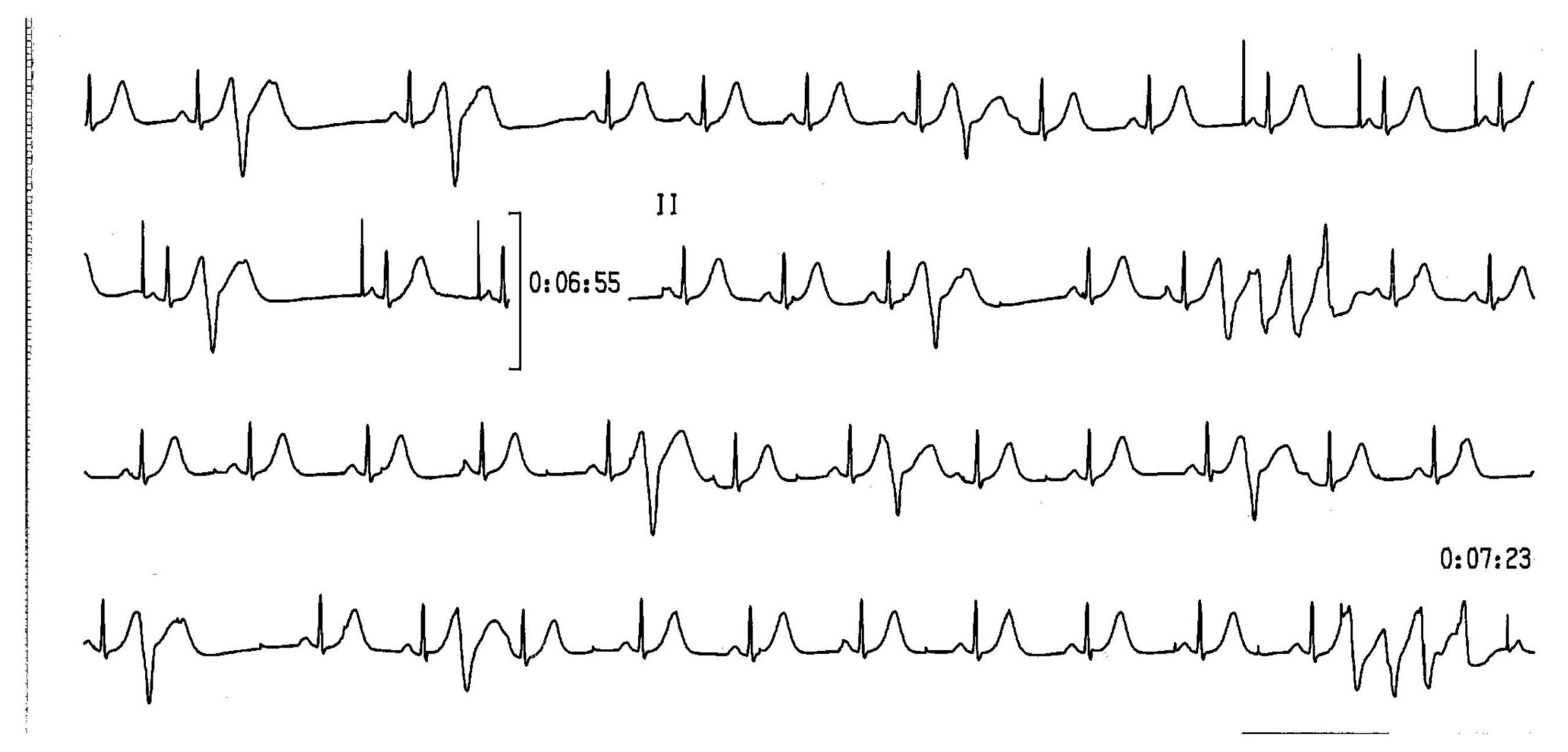
“Torsades de pointes” (TdP) ventricular tachycardias carry a high risk of sudden death, even when they occur in individuals with a structurally normal heart, in the absence of myocardial ischemia or prolonged QT interval. Leenhardt et al described a new syndrome with these characteristics in 1994 that showed a difference in which the TdP were triggered by ventricular extrasystoles (VE) with ultra-short coupling interval (< 300 ms).

Although this condition is easily diagnosed by the described characteristics, there is a lack of data on the clinical management of patients during the phase of electrical storm and during long-term clinical outcome. Over the past 20 years, three patients were identified in our institution with this clinical condition, as well as a family member with VE and short coupling interval, asymptomatic and without documented polymorphic ventricular tachycardia (VT).

[…]

  • Arrhythmias Cardiac
  • Excitation Contraction Coupling
  • Tachycardia, Ventricular / therapy
  • Ventricular Premature Complexes
Read Full Article
Creative Commons Attribution (CC BY) Creative Commons license
01/06/2014 DOI: 10.5935/abc.20140075 Views 1
Graph 1
Original Article

Femoral versus Radial Access in Primary Angioplasty. Analysis of the ACCEPT Registry

Pedro Beraldo de Andrade et al. Mônica Vieira Athanazio de Andrade Robson Alves Barbosa André Labrunie … Mauro Esteves Hernandes Roberto Luiz Marino Dalton Bertolim Precoma Francisco Carleial Feijó de Sá Otávio Berwanger Luiz Alberto Piva e Mattos

Background:

The radial access provides a lower risk of bleeding and vascular complications related to the puncture site in comparison to the femoral access. Recent studies have suggested a reduction in mortality associated with the radial access in patients with acute myocardial infarction undergoing percutaneous coronary intervention.

Objective:

To compare the occurrence of adverse cardiovascular ischemic and hemorrhagic events in patients undergoing primary angioplasty according to the type of arterial access route.

Methods:

From August 2010 to December 2011, 588 patients undergoing primary percutaneous coronary intervention during acute ST-segment elevation myocardial infarction were assessed; they were recruited from 47 centers participating in the ACCEPT registry. Patients were grouped and compared according to the arterial access used for the procedure.

Results:

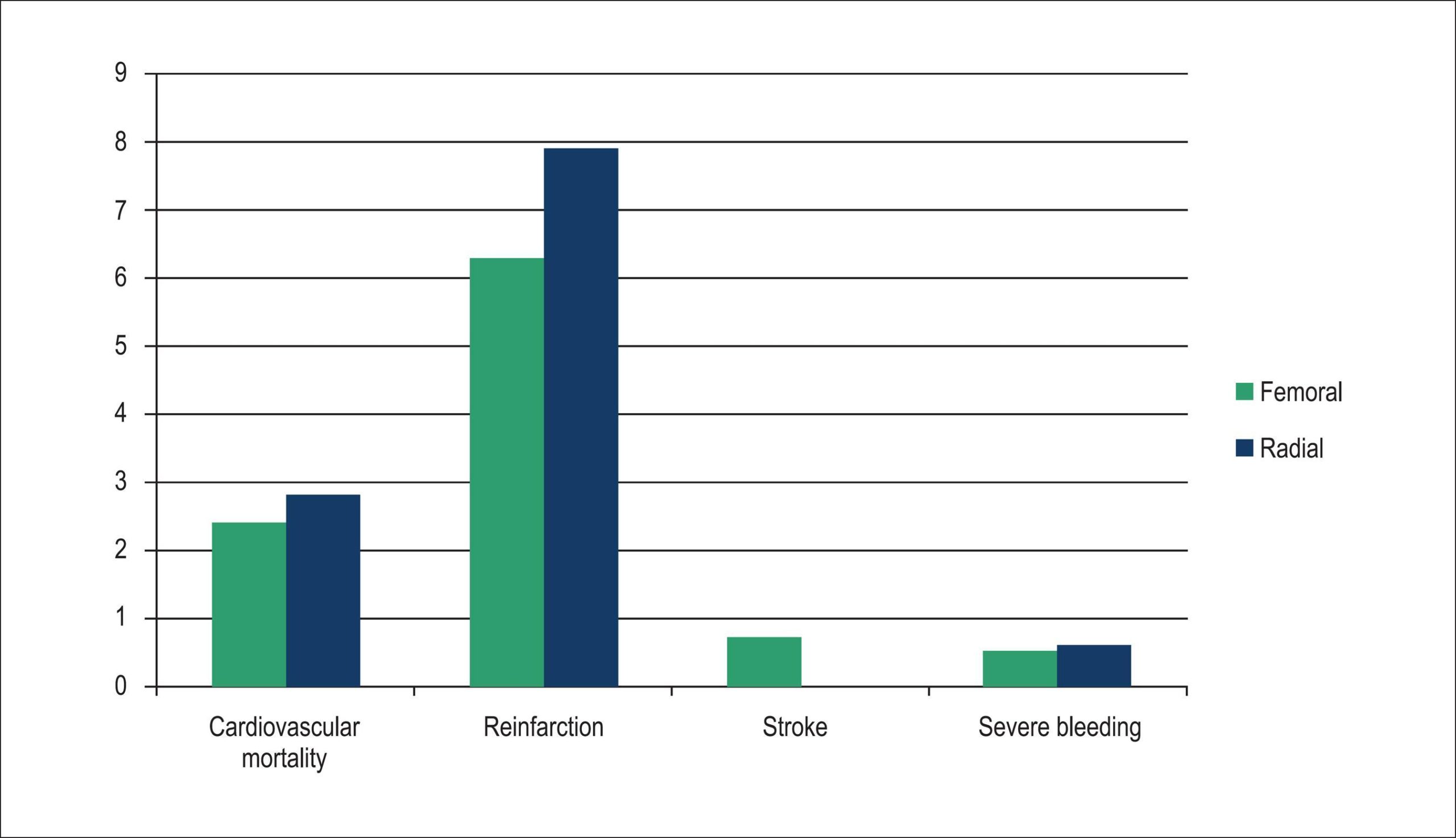
The mean age was 61.8 years; 75% were males and 24% had diabetes mellitus. There was no difference between groups as regards the procedure success rate, as well as regards the occurrence of death, reinfarction, or stroke at six months of follow-up. Severe bleeding was reported in 1.1% of the sample analyzed, with no statistical difference related to the access used.

Conclusions:

The femoral and radial accesses are equally safe and effective for the performance of primary percutaneous coronary intervention. The low rate of cardiovascular events and of hemorrhagic complications reflects the quality of the participating centers and the operators expertise with the use of both techniques.

  • Femoral artery / surgery
  • Myocardial Infarction
  • percutaneous coronary interventions
  • Radial Artery / surgery
Read Full Article
Creative Commons Attribution (CC BY) Creative Commons license
27/05/2014 DOI: 10.5935/abc.20140063 Views 1
Figure 1
Original Article

Applicability of Two International Risk Scores in Cardiac Surgery in a Reference Center in Brazil

Silvia Bueno Garofallo et al. Daniel Pinheiro Machado Clarissa Garcia Rodrigues Odemir Bordim Jr. … Renato A. K. Kalil Vera Lúcia Portal

Background:

The applicability of international risk scores in heart surgery (HS) is not well defined in centers outside of North America and Europe.

Objective:

To evaluate the capacity of the Parsonnet Bernstein 2000 (BP) and EuroSCORE (ES) in predicting in-hospital mortality (IHM) in patients undergoing HS at a reference hospital in Brazil and to identify risk predictors (RP).

Methods:

Retrospective cohort study of 1,065 patients, with 60.3% patients underwent coronary artery bypass grafting (CABG), 32.7%, valve surgery and 7.0%, CABG combined with valve surgery. Additive and logistic scores models, the area under the ROC (Receiver Operating Characteristic) curve (AUC) and the standardized mortality ratio (SMR) were calculated. Multivariate logistic regression was performed to identify the RP.

Results:

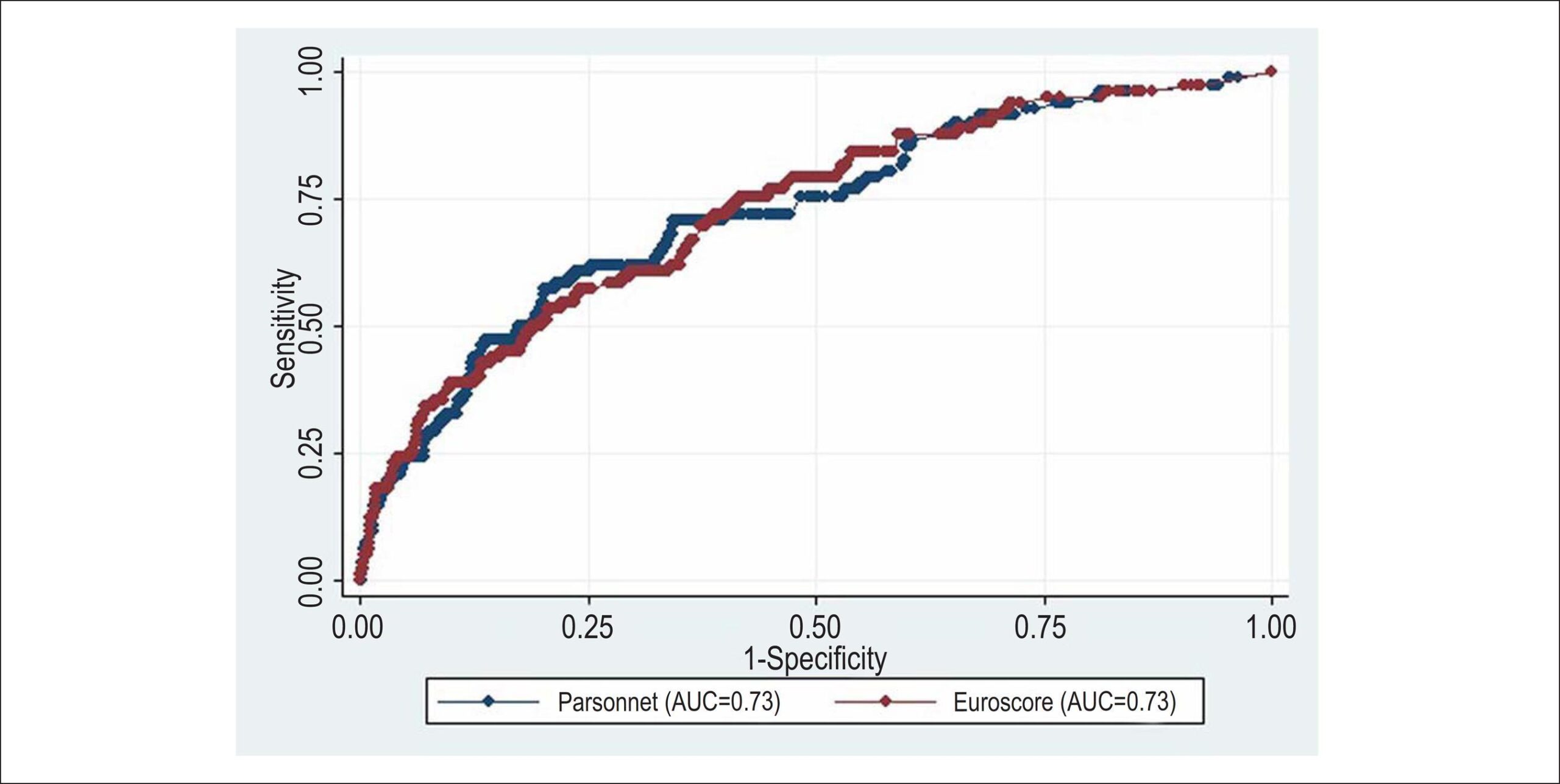
Overall mortality was 7.8%. The baseline characteristics of the patients were significantly different in relation to BP and ES. AUCs of the logistic and additive BP were 0.72 (95% CI, from 0.66 to 0.78 p = 0.74), and of ES they were 0.73 (95% CI; 0.67 to 0.79 p = 0.80). The calculation of the SMR in BP was 1.59 (95% CI; 1.27 to 1.99) and in ES, 1.43 (95% CI; 1.14 to 1.79). Seven RP of IHM were identified: age, serum creatinine > 2.26 mg/dL, active endocarditis, systolic pulmonary arterial pressure > 60 mmHg, one or more previous HS, CABG combined with valve surgery and diabetes mellitus.

Conclusion:

Local scores, based on the real situation of local populations, must be developed for better assessment of risk in cardiac surgery.

  • Brazil
  • Information Services
  • Risk Factors
  • Thoracic surgery / mortality
Read Full Article
Creative Commons Attribution (CC BY) Creative Commons license
27/05/2014 DOI: 10.5935/abc.20140064 Views 1
Graph 1
Original Article

Baroreflex Sensitivity and its Association with Arrhythmic Events in Chagas Disease

Astrid Meireles Santos et al. Mauricio Ibrahim Scanavacca Francisco Darrieux Bárbara Ianni … Sissy Lara de Melo Cristiano Pisani Francisco Santos Neto Eduardo Sosa Denise Tessariol Hachul

Background:

Sudden death is the leading cause of death in Chagas disease (CD), even in patients with preserved ejection fraction (EF), suggesting that destabilizing factors of the arrhythmogenic substrate (autonomic modulation) contribute to its occurrence.

Objective:

To determine baroreflex sensitivity (BRS) in patients with undetermined CD (GI), arrhythmogenic CD with nonsustained ventricular tachycardia (NSVT) (GII) and CD with spontaneous sustained ventricular tachycardia (STV) (GIII), to evaluate its association with the occurrence and complexity of arrhythmias.

Method:

Forty-two patients with CD underwent ECG and continuous and noninvasive BP monitoring (TASK force monitor). The following were determined: BRS (phenylephrine method); heart rate variability (HRV) on 24-h Holter; and EF (echocardiogram).

Results:

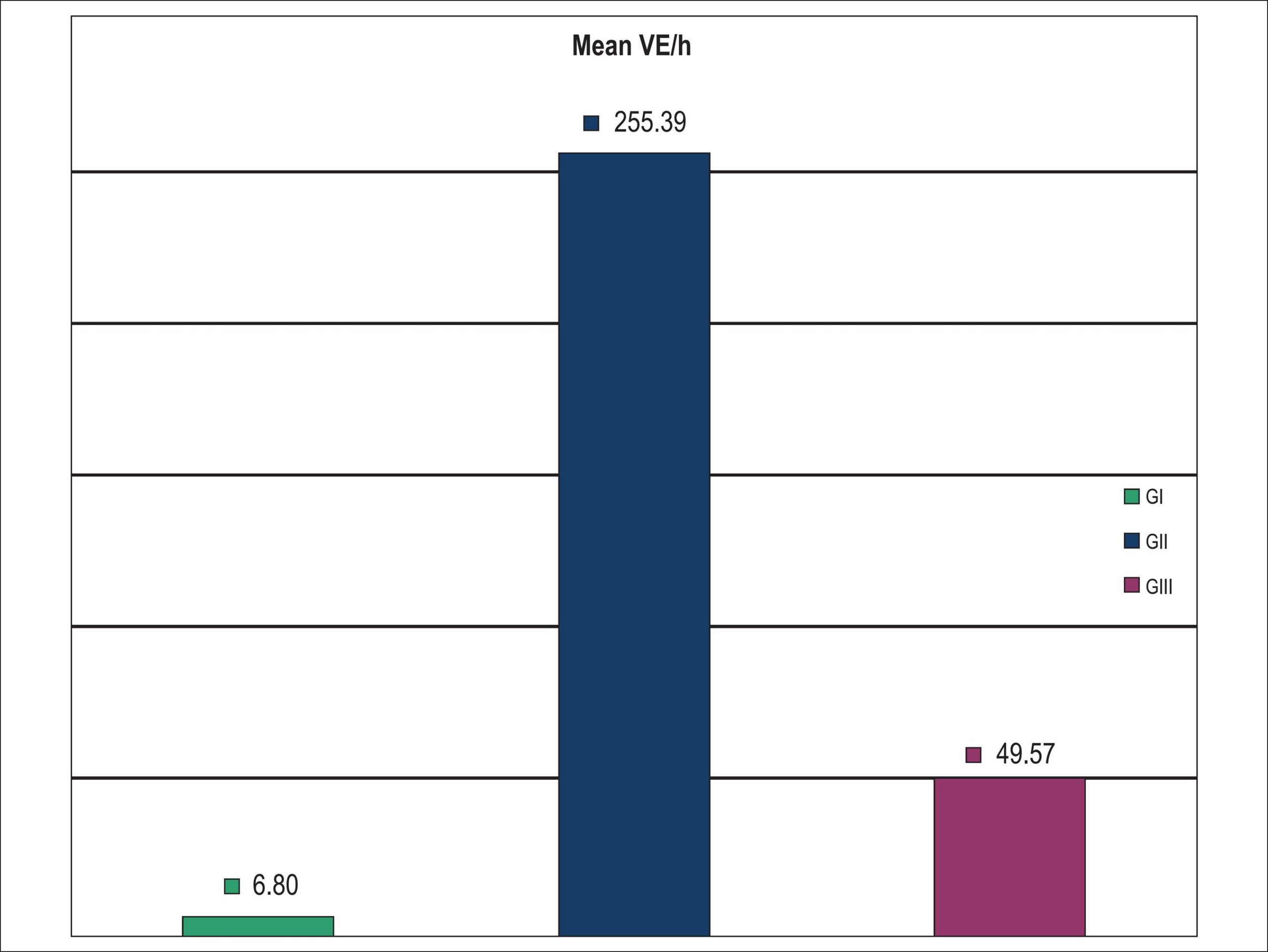
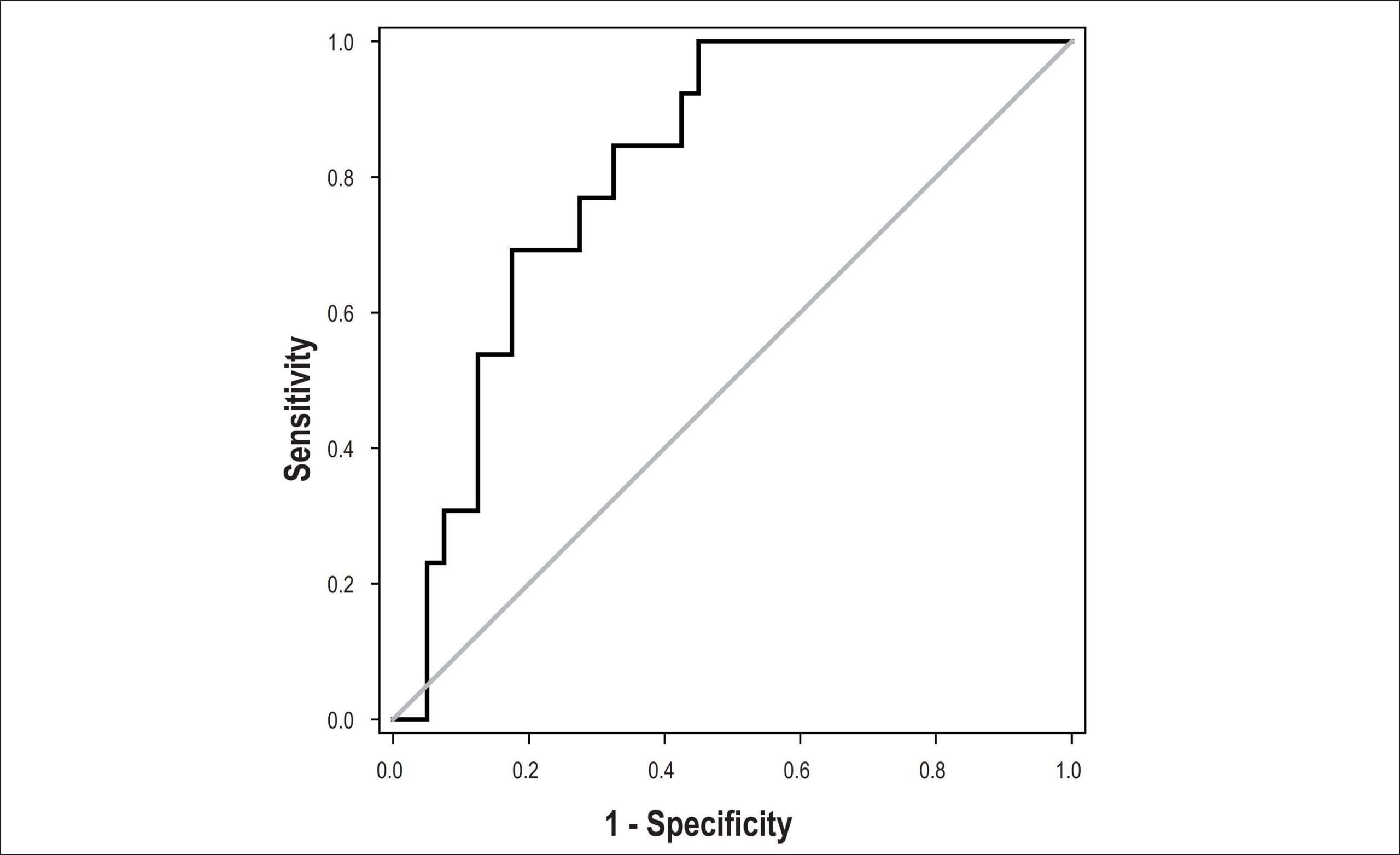
GIII had lower BRS (6.09 ms/mm Hg) as compared to GII (11.84) and GI (15.23). The difference was significant between GI and GIII (p = 0.01). Correlating BRS with the density of ventricular extrasystoles (VE), low VE density ( 10/h) had preserved BRS (p = 0.003). Patients with depressed BRS had higher VE density (p = 0.01), regardless of the EF. The BRS was the only variable related to the occurrence of SVT (p = 0.028).

Conclusion:

The BRS is preserved in undetermined CD. The BRS impairment increases as disease progresses, being more severe in patients with more complex ventricular arrhythmias. The degree of autonomic dysfunction did not correlate with EF, but with the density and complexity of ventricular arrhythmias.

  • analysis of variance
  • Arrhythmias Cardiac
  • Baroreflex / physiology
  • Chagas disease
  • Death, Sudden
Read Full Article
Creative Commons Attribution (CC BY) Creative Commons license
27/05/2014 DOI: 10.5935/abc.20140066 Views 2
Figure 1
Original Article

Infarct Size as Predictor of Systolic Functional Recovery after Myocardial Infarction

Marcos F. Minicucci et al. Elaine Farah Daniéliso R. Fusco Ana Lúcia Cogni … Paula S. Azevedo Katashi Okoshi Silméia G. Zanati Beatriz B. Matsubara Sergio A. R. Paiva Leonardo A. M. Zornoff

Background:

The effects of modern therapy on functional recovery after acute myocardial infarction (AMI) are unknown.

Objectives:

To evaluate the predictors of systolic functional recovery after anterior wall AMI in patients undergoing modern therapy (reperfusion, aggressive platelet antiaggregant therapy, angiotensin-converting enzyme inhibitors and beta-blockers).

Methods:

A total of 94 consecutive patients with AMI with ST-segment elevation were enrolled. Echocardiograms were performed during the in-hospital phase and after 6 months. Systolic dysfunction was defined as ejection fraction value < 50%.

Results:

In the initial echocardiogram, 64% of patients had systolic dysfunction. Patients with ventricular dysfunction had greater infarct size, assessed by the measurement of total and isoenzyme MB creatine kinase enzymes, than patients without dysfunction. Additionally, 24.5% of patients that initially had systolic dysfunction showed recovery within 6 months after AMI. Patients who recovered ventricular function had smaller infarct sizes, but larger values of ejection fraction and E-wave deceleration time than patients without recovery. At the multivariate analysis, it can be observed that infarct size was the only independent predictor of functional recovery after 6 months of AMI when adjusted for age, gender, ejection fraction and E-wave deceleration time.

Conclusion:

In spite of aggressive treatment, systolic ventricular dysfunction remains a frequent event after the anterior wall myocardial infarction. Additionally, 25% of patients show functional recovery. Finally, infarct size was the only significant predictor of functional recovery after six months of acute myocardial infarction.

  • Heart Failure
  • Myocardial Infarction
  • Recovery of function
  • Ventricular Dysfunction
Read Full Article
Creative Commons Attribution (CC BY) Creative Commons license
09/05/2014 DOI: 10.5935/abc.20140051 Views 1
Figure 1
Original Article

Tai Chi Chuan for Cardiac Rehabilitation in Patients with Coronary Arterial Disease

Rosane Maria Nery et al. Maurice Zanini Juliana Nery Ferrari César Augusto Silva … Leonardo Fontanive Farias João Carlos Comel Karlyse Claudino Belli Anderson Donelli da Silveira Antonio Cardoso Santos Ricardo Stein

Background:

Several studies have shown that Tai Chi Chuan can improve cardiac function in patients with heart disease.

Objective:

To conduct a systematic review of the literature to assess the effects of Tai Chi Chuan on cardiac rehabilitation for patients with coronary artery disease.

Methods:

We performed a search for studies published in English, Portuguese and Spanish in the following databases: MEDLINE, EMBASE, LILACS and Cochrane Register of Controlled Trials. Data were extracted in a standardized manner by three independent investigators, who were responsible for assessing the methodological quality of the manuscripts.

Results:

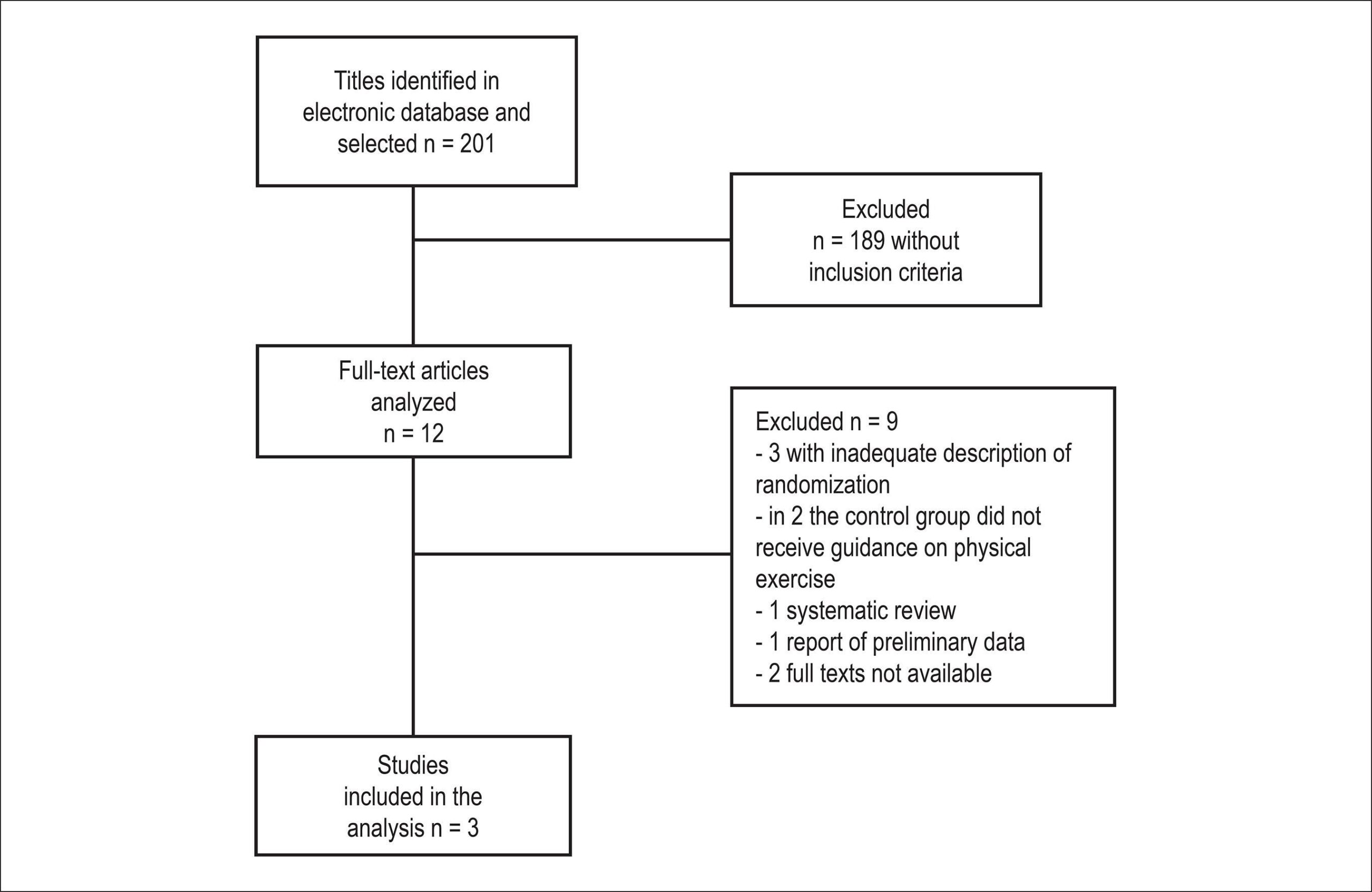
The initial search found 201 studies that, after review of titles and abstracts, resulted in a selection of 12 manuscripts. They were fully analyzed and of these, nine were excluded. As a final result, three randomized controlled trials remained. The studies analyzed in this systematic review included patients with a confirmed diagnosis of coronary artery disease, all were clinically stable and able to exercise. The three experiments had a control group that practiced structured exercise training or received counseling for exercise. Follow-up ranged from 2 to 12 months.

Conclusion:

Preliminary evidence suggests that Tai Chi Chuan can be an unconventional form of cardiac rehabilitation, being an adjunctive therapy in the treatment of patients with stable coronary artery disease. However, the methodological quality of the included articles and the small sample sizes clearly indicate that new randomized controlled trials are needed in this regard.

  • Coronary Artery Disease/rehabilitation
  • Exercise
  • Tai Ji
Read Full Article
Creative Commons Attribution (CC BY) Creative Commons license
17/04/2014 DOI: 10.5935/abc.20140049 Views 2

How to cite this article

EndNote RIS

Electronic Document Format (Vancouver)

Pereira Júnior CB, Markman Filho B. Clinical and echocardiographic predictors of mortality in chagasic cardiomyopathy – systematic review. Arquivos Brasileiros de Cardiologia 2014;102(6):602-10.

Electronic Document Format (ABNT)

Pereira Júnior, Clodoval de Barros; Markman Filho, Brivaldo. Clinical and echocardiographic predictors of mortality in chagasic cardiomyopathy – systematic review. Arquivos Brasileiros de Cardiologia, v. 102, n. 6, p. 602-610, Jun. 2014.

Electronic Document Format (APA)

Pereira Júnior, C. B., & Markman Filho, B. (2014). Clinical and echocardiographic predictors of mortality in chagasic cardiomyopathy – systematic review. Arquivos Brasileiros de Cardiologia, 102(6), 602-610.

Electronic Document Format (ISO)

Pereira Júnior, Clodoval de Barros and Markman Filho, Brivaldo. Clinical and echocardiographic predictors of mortality in chagasic cardiomyopathy – systematic review. Arquivos Brasileiros de Cardiologia [online]. 2014, vol. 102, n. 6, [cited 2026-10-14], pp. 602-610. Available from: <https://journals.cardiol.br/en/article/clinical-and-echocardiographic-predictors-of-mortality-in-chagasic-cardiomyopathy-systematic-review/>. ISSN 0066-782X

EndNote RIS

Electronic Document Format (Vancouver)

Wang L, Wang H, Dong P, Li Z, Wang Y, Duan N, Zhao Y, et al. Long-term Outcomes of Drug-eluting versus Bare-metal stent for ST-elevation Myocardial Infarction. Arquivos Brasileiros de Cardiologia 2014;102(6):529-38.

Electronic Document Format (ABNT)

Wang, Liping; Wang, Hongyun; Dong, Pingshuan; Li, Zhuanzhen; Wang, Yanyu; Duan, Nana; Zhao, Yuwei; Wang, Shaoxin. Long-term Outcomes of Drug-eluting versus Bare-metal stent for ST-elevation Myocardial Infarction. Arquivos Brasileiros de Cardiologia, v. 102, n. 6, p. 529-538, Jun. 2014.

Electronic Document Format (APA)

Wang, L., Wang, H., Dong, P., Li, Z., Wang, Y., Duan, N., Zhao, Y., & Wang, S. (2014). Long-term Outcomes of Drug-eluting versus Bare-metal stent for ST-elevation Myocardial Infarction. Arquivos Brasileiros de Cardiologia, 102(6), 529-538.

Electronic Document Format (ISO)

Wang, Liping and Wang, Hongyun and Dong, Pingshuan and Li, Zhuanzhen and Wang, Yanyu and Duan, Nana and Zhao, Yuwei and Wang, Shaoxin. Long-term Outcomes of Drug-eluting versus Bare-metal stent for ST-elevation Myocardial Infarction. Arquivos Brasileiros de Cardiologia [online]. 2014, vol. 102, n. 6, [cited 2026-10-14], pp. 529-538. Available from: <https://journals.cardiol.br/en/article/long-term-outcomes-of-drug-eluting-versus-bare-metal-stent-for-st-elevation-myocardial-infarction/>. ISSN 0066-782X

EndNote RIS

Electronic Document Format (Vancouver)

Fernandes JMG, Leite ALS, Auto BSD, Lima JEG, Rivera IR, Mendonça MA. Teaching Basic Life Support to Students of Public and Private High Schools. Arquivos Brasileiros de Cardiologia 2014;102(6):593-601.

Electronic Document Format (ABNT)

Fernandes, José Maria Gonçalves; Leite, Amanda Lira dos Santos; Auto, Bruna de Sá Duarte; Lima, José Elson Gama de; Rivera, Ivan Romero; Mendonça, Maria Alayde. Teaching Basic Life Support to Students of Public and Private High Schools. Arquivos Brasileiros de Cardiologia, v. 102, n. 6, p. 593-601, Jun. 2014.

Electronic Document Format (APA)

Fernandes, J. M. G., Leite, A. L. S., Auto, B. S. D., Lima, J. E. G. , Rivera, I. R., & Mendonça, M. A. (2014). Teaching Basic Life Support to Students of Public and Private High Schools. Arquivos Brasileiros de Cardiologia, 102(6), 593-601.

Electronic Document Format (ISO)

Fernandes, José Maria Gonçalves and Leite, Amanda Lira dos Santos and Auto, Bruna de Sá Duarte and Lima, José Elson Gama de and Rivera, Ivan Romero and Mendonça, Maria Alayde. Teaching Basic Life Support to Students of Public and Private High Schools. Arquivos Brasileiros de Cardiologia [online]. 2014, vol. 102, n. 6, [cited 2026-10-14], pp. 593-601. Available from: <https://journals.cardiol.br/en/article/teaching-basic-life-support-to-students-of-public-and-private-high-schools/>. ISSN 0066-782X

EndNote RIS

Electronic Document Format (Vancouver)

Yalcinkaya E, Celik M, Bugan B. Assessment of Diastolic Dysfunction: Drugs Could Alter the Results. Arquivos Brasileiros de Cardiologia 2014;102(6):613-4.

Electronic Document Format (ABNT)

Yalcinkaya, Emre; Celik, Murat; Bugan, Baris. Assessment of Diastolic Dysfunction: Drugs Could Alter the Results. Arquivos Brasileiros de Cardiologia, v. 102, n. 6, p. 613-614, May. 2014.

Electronic Document Format (APA)

Yalcinkaya, E., Celik, M., & Bugan, B. (2014). Assessment of Diastolic Dysfunction: Drugs Could Alter the Results. Arquivos Brasileiros de Cardiologia, 102(6), 613-614.

Electronic Document Format (ISO)

Yalcinkaya, Emre and Celik, Murat and Bugan, Baris. Assessment of Diastolic Dysfunction: Drugs Could Alter the Results. Arquivos Brasileiros de Cardiologia [online]. 2014, vol. 102, n. 6, [cited 2026-10-14], pp. 613-614. Available from: <https://journals.cardiol.br/en/article/assessment-of-diastolic-dysfunction-drugs-could-alter-the-results/>. ISSN 0066-782X

EndNote RIS

Electronic Document Format (Vancouver)

Silvestre OM, Bacal F, Ximenes RO, Carrilho FJ, D’Albuquerque LAC, Farias AQ. Cardiohepatic Interactions – from Humoral Theory to Organ Transplantation. Arquivos Brasileiros de Cardiologia 2014;102(6):e65-7.

Electronic Document Format (ABNT)

Silvestre, Odilson Marcos; Bacal, Fernando; Ximenes, Rafael Oliveira; Carrilho, Flair José; D’Albuquerque, Luiz Augusto Carneiro; Farias, Alberto Queiroz. Cardiohepatic Interactions – from Humoral Theory to Organ Transplantation. Arquivos Brasileiros de Cardiologia, v. 102, n. 6, p. e65-e67, May. 2014.

Electronic Document Format (APA)

Silvestre, O. M., Bacal, F., Ximenes, R. O., Carrilho, F. J., D’Albuquerque, L. A. C., & Farias, A. Q. (2014). Cardiohepatic Interactions – from Humoral Theory to Organ Transplantation. Arquivos Brasileiros de Cardiologia, 102(6), e65-e67.

Electronic Document Format (ISO)

Silvestre, Odilson Marcos and Bacal, Fernando and Ximenes, Rafael Oliveira and Carrilho, Flair José and D’Albuquerque, Luiz Augusto Carneiro and Farias, Alberto Queiroz. Cardiohepatic Interactions – from Humoral Theory to Organ Transplantation. Arquivos Brasileiros de Cardiologia [online]. 2014, vol. 102, n. 6, [cited 2026-10-14], pp. e65-e67. Available from: <https://journals.cardiol.br/en/article/cardiohepatic-interactions-from-humoral-theory-to-organ-transplantation/>. ISSN 0066-782X

EndNote RIS

Electronic Document Format (Vancouver)

Atik E. Case 4 / 2014 – 15-year-old Patient with Atrial Septal Aneurysm, Right Bundle Branch Block and Paroxysmal Atrial Fibrillation. Arquivos Brasileiros de Cardiologia 2014;102(6):e57.

Electronic Document Format (ABNT)

Atik, Edmar. Case 4 / 2014 – 15-year-old Patient with Atrial Septal Aneurysm, Right Bundle Branch Block and Paroxysmal Atrial Fibrillation. Arquivos Brasileiros de Cardiologia, v. 102, n. 6, e57, May. 2014.

Electronic Document Format (APA)

Atik, E. (2014). Case 4 / 2014 – 15-year-old Patient with Atrial Septal Aneurysm, Right Bundle Branch Block and Paroxysmal Atrial Fibrillation. Arquivos Brasileiros de Cardiologia, 102(6), e57.

Electronic Document Format (ISO)

Atik, Edmar. Case 4 / 2014 – 15-year-old Patient with Atrial Septal Aneurysm, Right Bundle Branch Block and Paroxysmal Atrial Fibrillation. Arquivos Brasileiros de Cardiologia [online]. 2014, vol. 102, n. 6, [cited 2026-10-14], e57. Available from: <https://journals.cardiol.br/en/article/case-4-2014-15-year-old-patient-with-atrial-septal-aneurysm-right-bundle-branch-block-and-paroxysmal-atrial-fibrillation/>. ISSN 0066-782X

EndNote RIS

Electronic Document Format (Vancouver)

Scanavacca M. Epicardial Ablation for Ventricular Tachycardia in Chronic Chagas Heart Disease. Arquivos Brasileiros de Cardiologia 2014;102(6):524-8.

Electronic Document Format (ABNT)

Scanavacca, Mauricio. Epicardial Ablation for Ventricular Tachycardia in Chronic Chagas Heart Disease. Arquivos Brasileiros de Cardiologia, v. 102, n. 6, p. 524-528, May. 2014.

Electronic Document Format (APA)

Scanavacca, M. (2014). Epicardial Ablation for Ventricular Tachycardia in Chronic Chagas Heart Disease. Arquivos Brasileiros de Cardiologia, 102(6), 524-528.

Electronic Document Format (ISO)

Scanavacca, Mauricio. Epicardial Ablation for Ventricular Tachycardia in Chronic Chagas Heart Disease. Arquivos Brasileiros de Cardiologia [online]. 2014, vol. 102, n. 6, [cited 2026-10-14], pp. 524-528. Available from: <https://journals.cardiol.br/en/article/epicardial-ablation-for-ventricular-tachycardia-in-chronic-chagas-heart-disease/>. ISSN 0066-782X

EndNote RIS

Electronic Document Format (Vancouver)

Wiwanitkit S, Wiwanitkit V. Angiotensin-converting Enzyme Genetic Polymorphism. Arquivos Brasileiros de Cardiologia 2014;102(6):611-2.

Electronic Document Format (ABNT)

Wiwanitkit, Somsri; Wiwanitkit, Viroj. Angiotensin-converting Enzyme Genetic Polymorphism. Arquivos Brasileiros de Cardiologia, v. 102, n. 6, p. 611-612, May. 2014.

Electronic Document Format (APA)

Wiwanitkit, S., & Wiwanitkit, V. (2014). Angiotensin-converting Enzyme Genetic Polymorphism. Arquivos Brasileiros de Cardiologia, 102(6), 611-612.

Electronic Document Format (ISO)

Wiwanitkit, Somsri and Wiwanitkit, Viroj. Angiotensin-converting Enzyme Genetic Polymorphism. Arquivos Brasileiros de Cardiologia [online]. 2014, vol. 102, n. 6, [cited 2026-10-14], pp. 611-612. Available from: <https://journals.cardiol.br/en/article/angiotensin-converting-enzyme-genetic-polymorphism/>. ISSN 0066-782X

EndNote RIS

Electronic Document Format (Vancouver)

Souza CS, Stein AT, Bastos GAN, Pellanda LC. Blood Pressure Control in Hypertensive Patients in the “Hiperdia Program”: A Territory-Based Study. Arquivos Brasileiros de Cardiologia 2014;102(6):571-8.

Electronic Document Format (ABNT)

Souza, Clarita Silva de; Stein, Airton Tetelbom; Bastos, Gisele Alsina Nader; Pellanda, Lucia Campos. Blood Pressure Control in Hypertensive Patients in the “Hiperdia Program”: A Territory-Based Study. Arquivos Brasileiros de Cardiologia, v. 102, n. 6, p. 571-578, May. 2014.

Electronic Document Format (APA)

Souza, C. S. , Stein, A. T., Bastos, G. A. N., & Pellanda, L. C. (2014). Blood Pressure Control in Hypertensive Patients in the “Hiperdia Program”: A Territory-Based Study. Arquivos Brasileiros de Cardiologia, 102(6), 571-578.

Electronic Document Format (ISO)

Souza, Clarita Silva de and Stein, Airton Tetelbom and Bastos, Gisele Alsina Nader and Pellanda, Lucia Campos. Blood Pressure Control in Hypertensive Patients in the “Hiperdia Program”: A Territory-Based Study. Arquivos Brasileiros de Cardiologia [online]. 2014, vol. 102, n. 6, [cited 2026-10-14], pp. 571-578. Available from: <https://journals.cardiol.br/en/article/blood-pressure-control-in-hypertensive-patients-in-the-hiperdia-program-a-territory-based-study/>. ISSN 0066-782X

EndNote RIS

Electronic Document Format (Vancouver)

Gaui EN, Oliveira GMM, Klein CH. Mortality by Heart Failure and Ischemic Heart Disease in Brazil from 1996 to 2011. Arquivos Brasileiros de Cardiologia 2014;102(6):557-65.

Electronic Document Format (ABNT)

Gaui, Eduardo Nagib; Oliveira, Gláucia Maria Moraes de; Klein, Carlos Henrique. Mortality by Heart Failure and Ischemic Heart Disease in Brazil from 1996 to 2011. Arquivos Brasileiros de Cardiologia, v. 102, n. 6, p. 557-565, May. 2014.

Electronic Document Format (APA)

Gaui, E. N., Oliveira, G. M. M. , & Klein, C. H. (2014). Mortality by Heart Failure and Ischemic Heart Disease in Brazil from 1996 to 2011. Arquivos Brasileiros de Cardiologia, 102(6), 557-565.

Electronic Document Format (ISO)

Gaui, Eduardo Nagib and Oliveira, Gláucia Maria Moraes de and Klein, Carlos Henrique. Mortality by Heart Failure and Ischemic Heart Disease in Brazil from 1996 to 2011. Arquivos Brasileiros de Cardiologia [online]. 2014, vol. 102, n. 6, [cited 2026-10-14], pp. 557-565. Available from: <https://journals.cardiol.br/en/article/mortality-by-heart-failure-and-ischemic-heart-disease-in-brazil-from-1996-to-2011/>. ISSN 0066-782X

EndNote RIS

Electronic Document Format (Vancouver)

Chokr MO, Darrieux FCC, Hardy CA, Hachul DT, Britto AVO, Melo SL, Pisani C, et al. Short-Coupled Variant of “Torsades de Pointes” and Polymorphic Ventricular Tachycardia. Arquivos Brasileiros de Cardiologia 2014;102(6):e60.

Electronic Document Format (ABNT)

Chokr, Muhieddine Omar; Darrieux, Francisco Carlos da Costa; Hardy, Carina Abigail; Hachul, Denise Tessariol; Britto, Allisson Valadão de Oliveira; Melo, Sissy Lara de; Pisani, Cristiano; Sosa, Eduardo Argentino; Martinelli Filho, Martino; Scanavacca, Mauricio Ibrahim. Short-Coupled Variant of “Torsades de Pointes” and Polymorphic Ventricular Tachycardia. Arquivos Brasileiros de Cardiologia, v. 102, n. 6, e60, May. 2014.

Electronic Document Format (APA)

Chokr, M. O., Darrieux, F. C. C., Hardy, C. A., Hachul, D. T., Britto, A. V. O., Melo, S. L. , Pisani, C., Sosa, E. A., Martinelli Filho, M., & Scanavacca, M. I. (2014). Short-Coupled Variant of “Torsades de Pointes” and Polymorphic Ventricular Tachycardia. Arquivos Brasileiros de Cardiologia, 102(6), e60.

Electronic Document Format (ISO)

Chokr, Muhieddine Omar and Darrieux, Francisco Carlos da Costa and Hardy, Carina Abigail and Hachul, Denise Tessariol and Britto, Allisson Valadão de Oliveira and Melo, Sissy Lara de and Pisani, Cristiano and Sosa, Eduardo Argentino and Martinelli Filho, Martino and Scanavacca, Mauricio Ibrahim. Short-Coupled Variant of “Torsades de Pointes” and Polymorphic Ventricular Tachycardia. Arquivos Brasileiros de Cardiologia [online]. 2014, vol. 102, n. 6, [cited 2026-10-14], e60. Available from: <https://journals.cardiol.br/en/article/short-coupled-variant-of-torsades-de-pointes-and-polymorphic-ventricular-tachycardia/>. ISSN 0066-782X

EndNote RIS

Electronic Document Format (Vancouver)

Andrade PB, Andrade MVA, Barbosa RA, Labrunie A, Hernandes ME, Marino RL, Precoma DB, et al. Femoral versus Radial Access in Primary Angioplasty. Analysis of the ACCEPT Registry. Arquivos Brasileiros de Cardiologia 2014;102(6):566-70.

Electronic Document Format (ABNT)

Andrade, Pedro Beraldo de; Andrade, Mônica Vieira Athanazio de; Barbosa, Robson Alves; Labrunie, André; Hernandes, Mauro Esteves; Marino, Roberto Luiz; Precoma, Dalton Bertolim; Sá, Francisco Carleial Feijó de; Berwanger, Otávio; Mattos, Luiz Alberto Piva e. Femoral versus Radial Access in Primary Angioplasty. Analysis of the ACCEPT Registry. Arquivos Brasileiros de Cardiologia, v. 102, n. 6, p. 566-570, May. 2014.

Electronic Document Format (APA)

Andrade, P. B. , Andrade, M. V. A. , Barbosa, R. A., Labrunie, A., Hernandes, M. E., Marino, R. L., Precoma, D. B., Sá, F. C. F. , Berwanger, O., & Mattos, L. A. P. (2014). Femoral versus Radial Access in Primary Angioplasty. Analysis of the ACCEPT Registry. Arquivos Brasileiros de Cardiologia, 102(6), 566-570.

Electronic Document Format (ISO)

Andrade, Pedro Beraldo de and Andrade, Mônica Vieira Athanazio de and Barbosa, Robson Alves and Labrunie, André and Hernandes, Mauro Esteves and Marino, Roberto Luiz and Precoma, Dalton Bertolim and Sá, Francisco Carleial Feijó de and Berwanger, Otávio and Mattos, Luiz Alberto Piva e. Femoral versus Radial Access in Primary Angioplasty. Analysis of the ACCEPT Registry. Arquivos Brasileiros de Cardiologia [online]. 2014, vol. 102, n. 6, [cited 2026-10-14], pp. 566-570. Available from: <https://journals.cardiol.br/en/article/femoral-versus-radial-access-in-primary-angioplasty-analysis-of-the-accept-registry/>. ISSN 0066-782X

EndNote RIS

Electronic Document Format (Vancouver)

Garofallo SB, Machado DP, Rodrigues CG, Bordim Jr. O, Kalil RAK, Portal VL. Applicability of Two International Risk Scores in Cardiac Surgery in a Reference Center in Brazil. Arquivos Brasileiros de Cardiologia 2014;102(6):539-48.

Electronic Document Format (ABNT)

Garofallo, Silvia Bueno; Machado, Daniel Pinheiro; Rodrigues, Clarissa Garcia; Bordim Jr., Odemir; Kalil, Renato A. K.; Portal, Vera Lúcia. Applicability of Two International Risk Scores in Cardiac Surgery in a Reference Center in Brazil. Arquivos Brasileiros de Cardiologia, v. 102, n. 6, p. 539-548, May. 2014.

Electronic Document Format (APA)

Garofallo, S. B., Machado, D. P., Rodrigues, C. G., Bordim Jr., O., Kalil, R. A. K., & Portal, V. L. (2014). Applicability of Two International Risk Scores in Cardiac Surgery in a Reference Center in Brazil. Arquivos Brasileiros de Cardiologia, 102(6), 539-548.

Electronic Document Format (ISO)

Garofallo, Silvia Bueno and Machado, Daniel Pinheiro and Rodrigues, Clarissa Garcia and Bordim Jr., Odemir and Kalil, Renato A. K. and Portal, Vera Lúcia. Applicability of Two International Risk Scores in Cardiac Surgery in a Reference Center in Brazil. Arquivos Brasileiros de Cardiologia [online]. 2014, vol. 102, n. 6, [cited 2026-10-14], pp. 539-548. Available from: <https://journals.cardiol.br/en/article/applicability-of-two-international-risk-scores-in-cardiac-surgery-in-a-reference-center-in-brazil/>. ISSN 0066-782X

EndNote RIS

Electronic Document Format (Vancouver)

Santos AM, Scanavacca MI, Darrieux F, Ianni B, Melo SL, Pisani C, Santos Neto F, et al. Baroreflex Sensitivity and its Association with Arrhythmic Events in Chagas Disease. Arquivos Brasileiros de Cardiologia 2014;102(6):579-87.

Electronic Document Format (ABNT)

Santos, Astrid Meireles; Scanavacca, Mauricio Ibrahim; Darrieux, Francisco; Ianni, Bárbara; Melo, Sissy Lara de; Pisani, Cristiano; Santos Neto, Francisco; Sosa, Eduardo; Hachul, Denise Tessariol. Baroreflex Sensitivity and its Association with Arrhythmic Events in Chagas Disease. Arquivos Brasileiros de Cardiologia, v. 102, n. 6, p. 579-587, May. 2014.

Electronic Document Format (APA)

Santos, A. M., Scanavacca, M. I., Darrieux, F., Ianni, B., Melo, S. L. , Pisani, C., Santos Neto, F., Sosa, E., & Hachul, D. T. (2014). Baroreflex Sensitivity and its Association with Arrhythmic Events in Chagas Disease. Arquivos Brasileiros de Cardiologia, 102(6), 579-587.

Electronic Document Format (ISO)

Santos, Astrid Meireles and Scanavacca, Mauricio Ibrahim and Darrieux, Francisco and Ianni, Bárbara and Melo, Sissy Lara de and Pisani, Cristiano and Santos Neto, Francisco and Sosa, Eduardo and Hachul, Denise Tessariol. Baroreflex Sensitivity and its Association with Arrhythmic Events in Chagas Disease. Arquivos Brasileiros de Cardiologia [online]. 2014, vol. 102, n. 6, [cited 2026-10-14], pp. 579-587. Available from: <https://journals.cardiol.br/en/article/baroreflex-sensitivity-and-its-association-with-arrhythmic-events-in-chagas-disease/>. ISSN 0066-782X

EndNote RIS

Electronic Document Format (Vancouver)

Minicucci MF, Farah E, Fusco DR, Cogni AL, Azevedo PS, Okoshi K, Zanati SG, et al. Infarct Size as Predictor of Systolic Functional Recovery after Myocardial Infarction. Arquivos Brasileiros de Cardiologia 2014;102(6):549-56.

Electronic Document Format (ABNT)

Minicucci, Marcos F.; Farah, Elaine; Fusco, Daniéliso R.; Cogni, Ana Lúcia; Azevedo, Paula S.; Okoshi, Katashi; Zanati, Silméia G.; Matsubara, Beatriz B.; Paiva, Sergio A. R.; Zornoff, Leonardo A. M.. Infarct Size as Predictor of Systolic Functional Recovery after Myocardial Infarction. Arquivos Brasileiros de Cardiologia, v. 102, n. 6, p. 549-556, May. 2014.

Electronic Document Format (APA)

Minicucci, M. F., Farah, E., Fusco, D. R., Cogni, A. L., Azevedo, P. S., Okoshi, K., Zanati, S. G., Matsubara, B. B., Paiva, S. A. R., & Zornoff, L. A. M. (2014). Infarct Size as Predictor of Systolic Functional Recovery after Myocardial Infarction. Arquivos Brasileiros de Cardiologia, 102(6), 549-556.

Electronic Document Format (ISO)

Minicucci, Marcos F. and Farah, Elaine and Fusco, Daniéliso R. and Cogni, Ana Lúcia and Azevedo, Paula S. and Okoshi, Katashi and Zanati, Silméia G. and Matsubara, Beatriz B. and Paiva, Sergio A. R. and Zornoff, Leonardo A. M.. Infarct Size as Predictor of Systolic Functional Recovery after Myocardial Infarction. Arquivos Brasileiros de Cardiologia [online]. 2014, vol. 102, n. 6, [cited 2026-10-14], pp. 549-556. Available from: <https://journals.cardiol.br/en/article/infarct-size-as-predictor-of-systolic-functional-recovery-after-myocardial-infarction/>. ISSN 0066-782X

EndNote RIS

Electronic Document Format (Vancouver)

Nery RM, Zanini M, Ferrari JN, Silva CA, Farias LF, Comel JC, Belli KC, et al. Tai Chi Chuan for Cardiac Rehabilitation in Patients with Coronary Arterial Disease. Arquivos Brasileiros de Cardiologia 2014;102(6):588-92.

Electronic Document Format (ABNT)

Nery, Rosane Maria; Zanini, Maurice; Ferrari, Juliana Nery; Silva, César Augusto; Farias, Leonardo Fontanive; Comel, João Carlos; Belli, Karlyse Claudino; Silveira, Anderson Donelli da; Santos, Antonio Cardoso; Stein, Ricardo. Tai Chi Chuan for Cardiac Rehabilitation in Patients with Coronary Arterial Disease. Arquivos Brasileiros de Cardiologia, v. 102, n. 6, p. 588-592, Apr. 2014.

Electronic Document Format (APA)

Nery, R. M., Zanini, M., Ferrari, J. N., Silva, C. A., Farias, L. F., Comel, J. C., Belli, K. C., Silveira, A. D. , Santos, A. C., & Stein, R. (2014). Tai Chi Chuan for Cardiac Rehabilitation in Patients with Coronary Arterial Disease. Arquivos Brasileiros de Cardiologia, 102(6), 588-592.

Electronic Document Format (ISO)

Nery, Rosane Maria and Zanini, Maurice and Ferrari, Juliana Nery and Silva, César Augusto and Farias, Leonardo Fontanive and Comel, João Carlos and Belli, Karlyse Claudino and Silveira, Anderson Donelli da and Santos, Antonio Cardoso and Stein, Ricardo. Tai Chi Chuan for Cardiac Rehabilitation in Patients with Coronary Arterial Disease. Arquivos Brasileiros de Cardiologia [online]. 2014, vol. 102, n. 6, [cited 2026-10-14], pp. 588-592. Available from: <https://journals.cardiol.br/en/article/tai-chi-chuan-for-cardiac-rehabilitation-in-patients-with-coronary-arterial-disease/>. ISSN 0066-782X

Sede – Rio de Janeiro
Av. Marechal Câmara, 160
3º andar – Sala: 330 – Centro
Rio de Janeiro – CEP: 20020-907
Tel.: (55 +21) 3478-2700
ou (21) 99386-3961
E-mail: revista@cardiol.br

Sede – São Paulo
Alameda Santos, 705 – 11º andar
Cerqueira César | São Paulo
CEP: 01419-001
Tel.: (55 +11) 3411-5500
E-mail: revista@cardiol.br

  • About the Journal
  • Internal Regulation
  • Editors Section
  • Editorial Board
  • History
  • SBC Award

  • Guidelines for Publication
  • Editorial Policy
  • Ethics Policy
  • Policy on the Use of Artificial Intelligence
  • Mandatory Publication Form
  • Publication Fee

Issues

SBC Guidelines

  • How to Publish an Abstract Supplement?
  • Supplements from the Brazilian Congress of Cardiology