| ABCHF
ABC Family Arquivos Brasileiros de Cardiologia International Journal of Cardiovascular Sciences ABC Heart Failure & Cardiomyopathy ABC Imagem Cardiovascular
Português English
ABC Family | ABCHF
Português English
  • About
    • About the Journal
    • Internal Regulation
    • Editors Section
    • Editorial Board
    • SBC Award
  • Instructions to Authors
    • Guidelines for Publication
    • Editorial Policy
    • Ethics Policy
    • Policy on the Use of Artificial Intelligence
    • Mandatory Publication Form
  • Issues
  • SBC Guidelines
  • About
    • About the Journal
    • Internal Regulation
    • Editors Section
    • Editorial Board
    • SBC Award
  • Instructions to Authors
    • Guidelines for Publication
    • Editorial Policy
    • Ethics Policy
    • Policy on the Use of Artificial Intelligence
    • Mandatory Publication Form
  • Issues
  • SBC Guidelines

ABC Family

  • ABC Family
  • Arquivos Brasileiros de Cardiologia
  • International Journal of Cardiovascular Sciences
  • ABC Heart Failure & Cardiomyopathy
  • ABC Imagem Cardiovascular
Search in

No content found.

Journals
Ordering
Article types
Others

  1. Home
  2. ABCHF
  3. Issues
  4. 2023, Volume 3, Number 2
Figure 1
Review Article

Circulatory Support Devices in Acute Heart Failure: Which and When?

Deborah de Sá Pereira Belfort et al. Rafael Cavalcanti Tourinho Dantas Silvia Moreira Ayub-Ferreira

Introduction

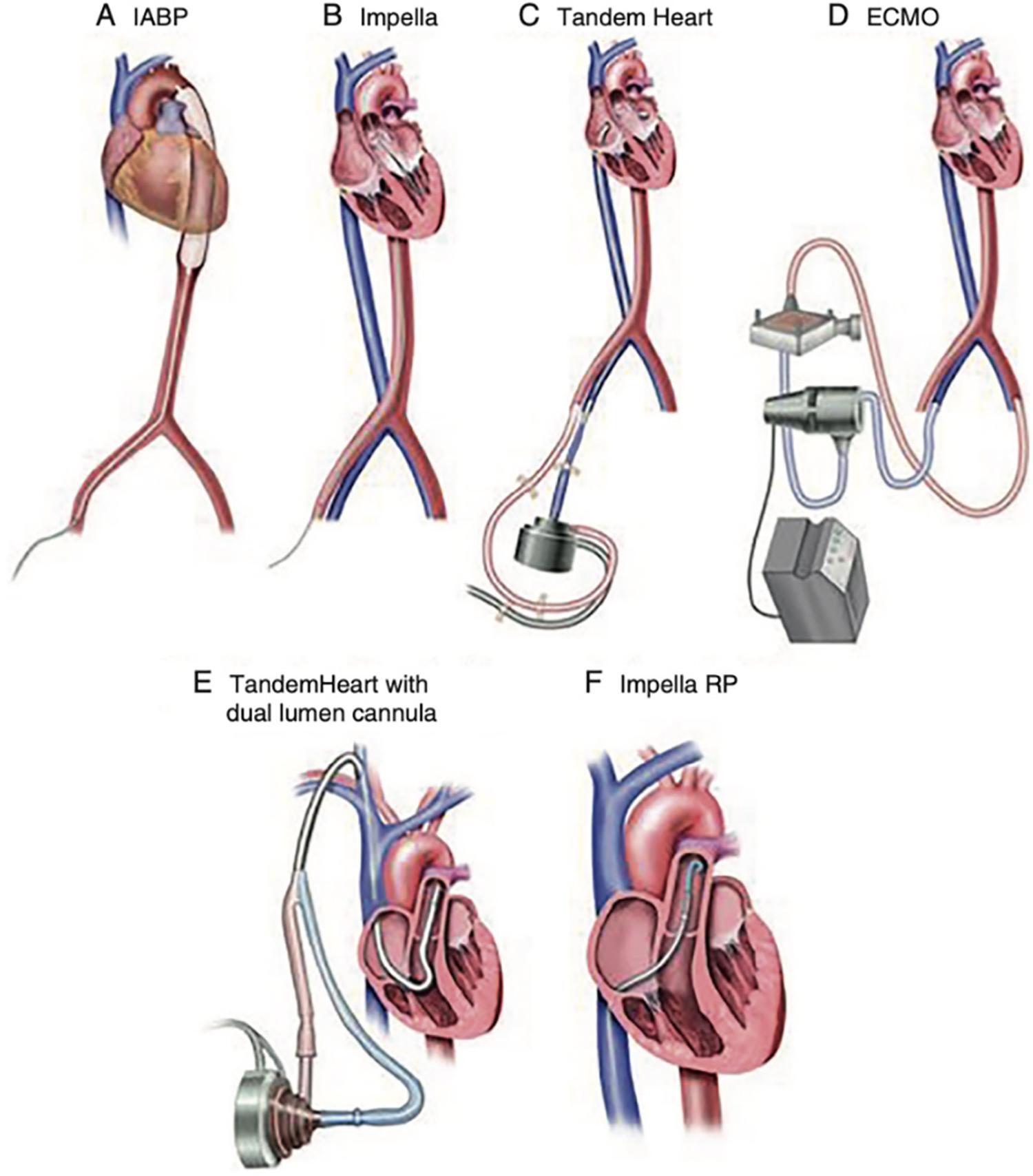
Acute heart failure (AHF), which is the syndrome where there is a rapid or gradual worsening of chronic or new heart failure (HF), is one of the main causes of emergency department visits, and it is the leading cause responsible for non-elective hospitalizations in patients over 65 years of age, with an elevated readmission rate at 1 year. In-hospital mortality due to AHF is 3% to 4% in international registries, reaching 12.6% in the Brazilian BREATHE registry. When we analyze the most severe spectrum of AHF, which is cardiogenic shock (CS), in-hospital mortality varies from 32% to 58%, even in international registries.,

The path to reducing the elevated morbidity and mortality of AHF and CS involves quick and accurate identification and diagnosis, recognition and treatment of decompensating factors, assessment of severity and associated comorbidities, and quick and appropriate implementation of specific therapies to restore multiple organ perfusion.

[…]
  • Acute Heart Failure
  • Cardiogenic shock
  • Mechanical Circulatory Support
  • Ventricular Assist Devices
Read Full Article
Creative Commons Attribution (CC BY) Creative Commons license
31/12/2023 DOI: 10.36660/abchf.20230089 Views 1
Figure 1
Review Article

Is Salt Restriction Really Necessary in Patients with Acute Decompensated Heart Failure?

Luís Beck-da-Silva et al. Maurício Butzke

Introduction

Heart failure (HF) syndrome was first described as an emerging epidemic almost 30 years ago. Due to population growth and aging, the total number of patients with HF has increased over the past years. Acute decompensated HF (ADHF) is estimated to be the leading cause of hospitalization, based on data available from 50% of the South American population.

The standard treatment for patients with ADHF includes diuretics, vasodilators, and sodium restriction.

[…]

  • Heart Failure
  • Randomized Clinical Trials
  • Salt
  • Salt Restriction
  • Treatment
Read Full Article
Creative Commons Attribution (CC BY) Creative Commons license
31/12/2023 DOI: 10.36660/abchf.20230091
Editorial

Where are the Benefits of Treating Acute HF in Light of Evidence-Based Medicine?

Carlos Eduardo Lucena Montenegro et al. Marcely Bonatto Jefferson Luis Vieira Fabiana G. Marcondes-Braga Lídia Ana Zytynski Moura

Over the last 35 years, cardiology, especially the field of heart failure (HF), has witnessed a true therapeutic revolution based on scientific evidence. First, with vasodilators, moving on to the neurohumoral pathophysiological hypothesis with ACE inhibitors (ACEI), beta-blockers, mineralocorticoid antagonists, and, more recently, neprilysin inhibitors and SGLT2 inhibitors, caused a reduction in morbimortality rarely seen in the history of medicine. However, virtually all evidence associated with this impressive reduction in events comes at the expense of benefits in patients with chronic HF. The treatment of acute HF, despite its unequivocal biological plausibility, did not demonstrate the same success when tested in light of the best scientific evidence. Nevertheless, where has evidence-based medicine failed?

The first point to be discussed is the heterogeneity of patients with acute HF. In this spectrum, we can range from individuals with sudden changes in blood pressure or patients with acute myocardial infarction, leading to ventricular dysfunction, to patients with chronic ventricular dysfunction, with recent decompensation of the compensatory mechanisms of their disease. Still on this topic, we need to understand that the same syndrome can involve everything from extremely congested cases to people with hypovolemia, hypertensive emergencies, or extreme states of poor perfusion, leading each phenotype to different treatments and prognoses.

[…]

  • Evidence-Based Medicine
  • Heart Failure
Read Full Article
Creative Commons Attribution (CC BY) Creative Commons license
31/12/2023 DOI: 10.36660/abchf.20230085 Views 4
Figure 1
Viewpoint

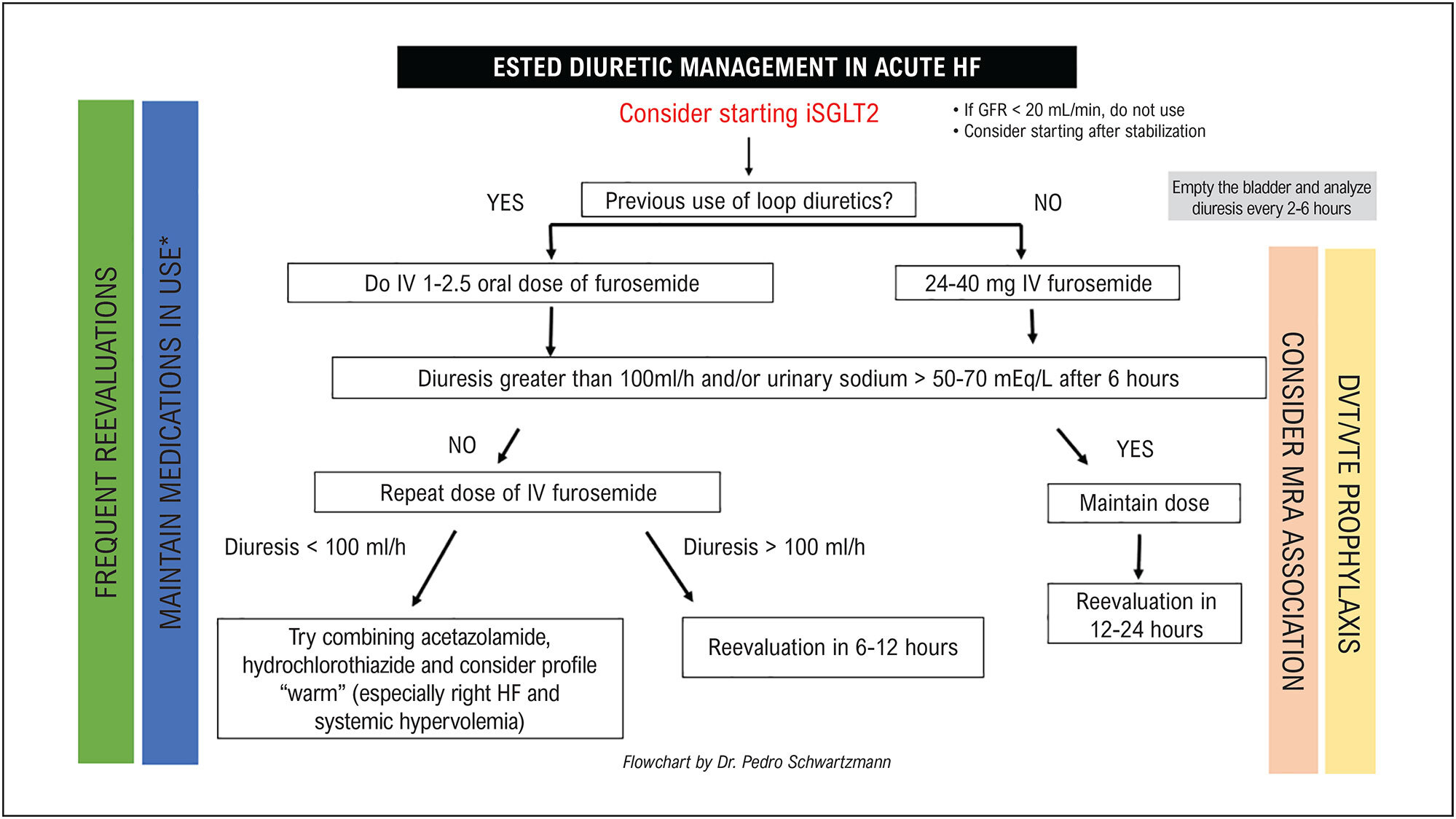
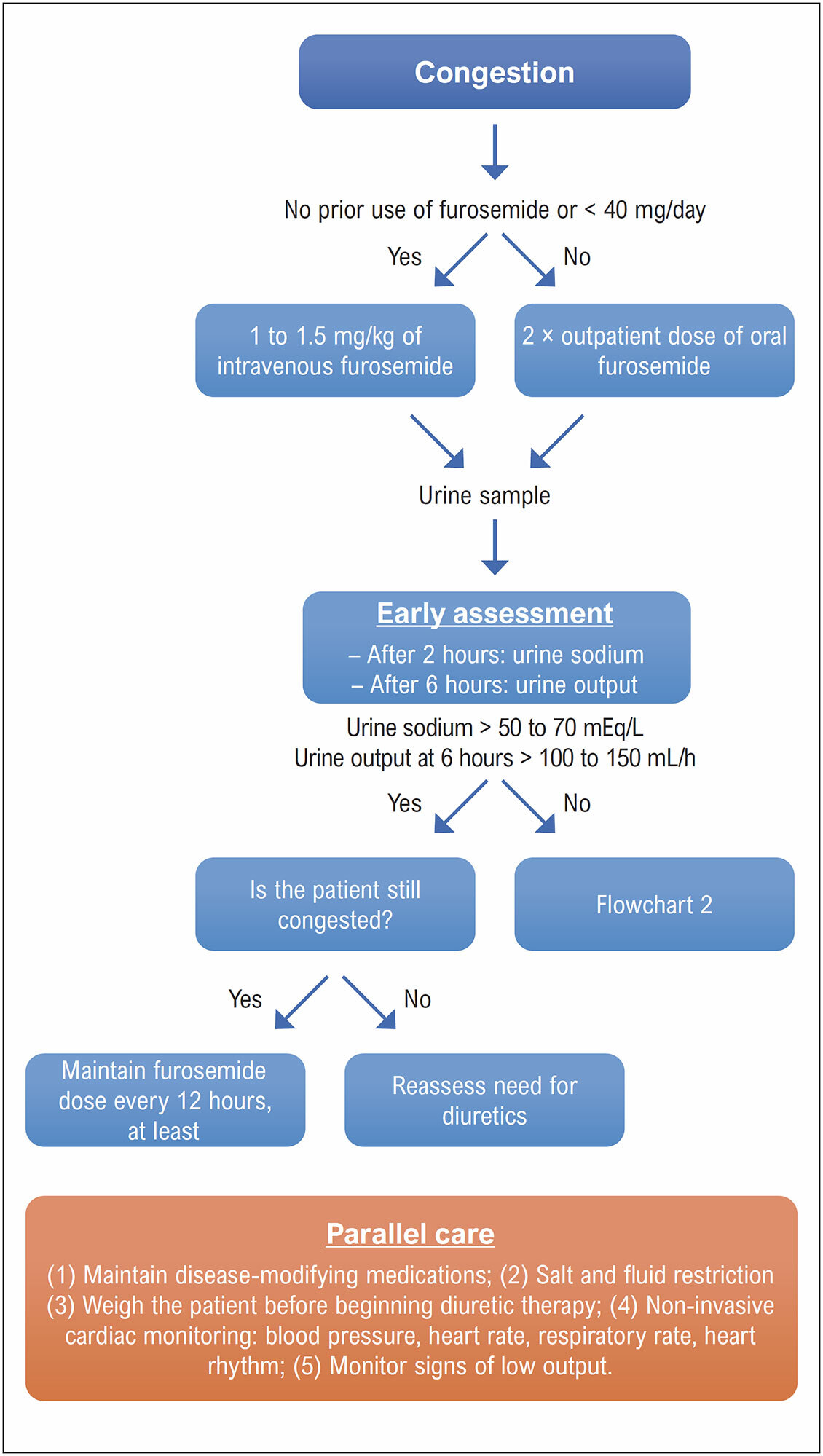
Resistance to Loop Diuretics: How to Address it in the Current Scenario?

Simone L. Savaris et al. Fernanda Almeida Andrade Pedro V. Schwartzmann

Conclusion

Resistance to diuretics is a frequent reality in many patients with HF and is associated with a worse prognosis. Several recent studies have addressed this problem by seeking alternative treatments for LD, either with more frequent monitoring or using natriuresis to help when combining diuretics. It is always important to seek the treatment of congestion with adequate doses of LD, association with SGLT2 inhibitors and, in refractory cases, consider the association of other classes of diuretics such as acetazolamide or thiazides.

[…]

  • Diuretics
  • Refractoriness
  • Resistance
Read Full Article
Creative Commons Attribution (CC BY) Creative Commons license
31/12/2023 DOI: 10.36660/abchf.20230090
Figure 1
Review Article

Point-of-Care Ultrasound in Acute Heart Failure: Basic Concepts for Clinical Practice

Leticia Kunst et al. Luiz Claudio Danzmann Keslly Krauspenhar Cuchinski João Ricardo Cambruzzi Zimmer

Introduction

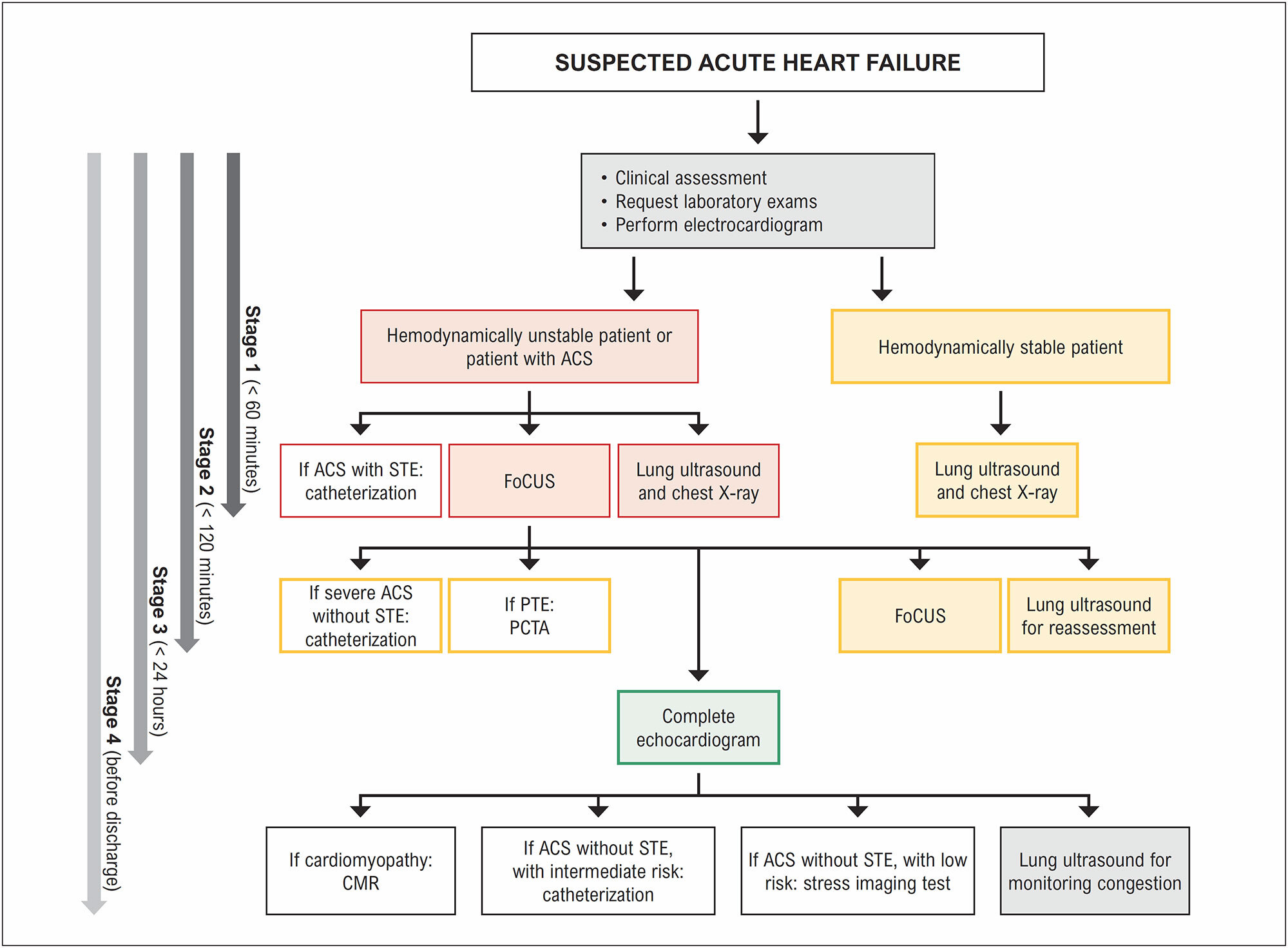
Heart failure (HF) is a complex clinical syndrome that promotes a system of poor tissue perfusion in conditions of low cardiac output and elevated filling pressures, resulting in circulatory congestion and hypoperfusion. The exacerbation of this condition is responsible for 40% of consultations due to dyspnea in emergency rooms, and the main cause is worsening congestion due to poor medication adherence. In in-hospital clinical assessment, the most prevalent HF profiles are B (warm and wet) and C (cold and wet), both of which are characterized by circulatory congestion.

Although it causes great demand in the emergency room, it is sometimes difficult to identify signs of hypervolemia in acute decompensated HF in the context of differential diagnosis with other determining syndromes of dyspnea and hypoperfusion. Clinical findings are fundamental for the initial investigation, but objective and rapid confirmation of diagnosis reduces door-to-furosemide time, which is directly related to in-hospital mortality. Natriuretic peptides are tools with high negative predictive value for congestion; however, moderately elevated serum levels represent a diagnostic gray area, as the increase in this marker is related to several diseases that are independent of HF. The use of bedside point-of-care ultrasound (POCUS) has emerged as an excellent tool for comprehensive assessment of this condition, with analysis of cardiac structure and function, the pulmonary interstitium, and some venous vessels. It also offers a rapid, non-invasive, and low-cost opportunity, with greater accuracy than conventional assessment methods for detecting circulatory congestion.

[…]

  • Heart Failure
  • Practice Guideline
  • Ultrasonography
Read Full Article
Creative Commons Attribution (CC BY) Creative Commons license
31/12/2023 DOI: 10.36660/abchf.20230073 Views 1
Figure 2
Review Article

How to Change the Medical History of Patients with Heart Failure and Recurrent Hospitalizations?

Fernanda Almeida Andrade et al. Luana Monferdini Jefferson Luís Vieira

Abstract

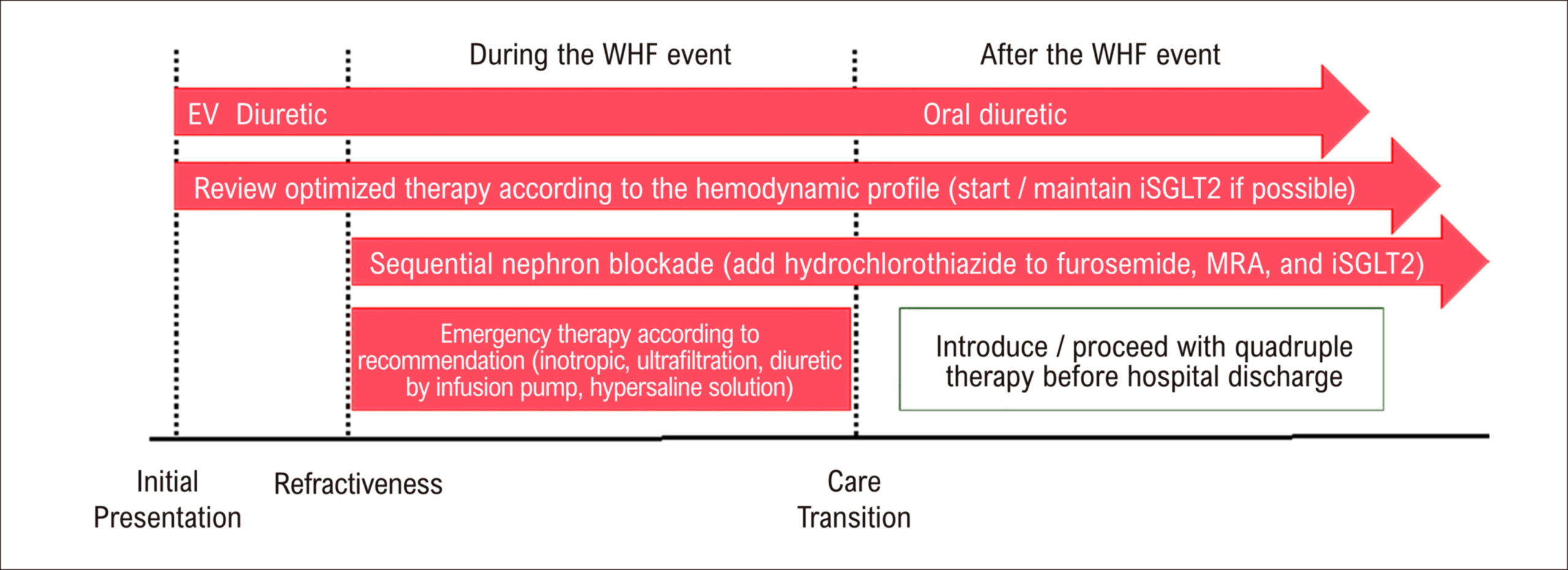
Heart failure (HF) is a progressive condition, characterized by variable periods of symptomatic stability frequently interrupted by episodes of A worsening condition. These moments of clinical deterioration have been recognized as a distinct phase in the course of HF and indicate a considerably worse prognosis. Preventing readmissions of patients with HF is a growing priority for medical providers, researchers, and healthcare managers. Although evidence-based therapies for treating patients with HF have increased, consistent implementation of these therapies and the development of new strategies to prevent readmissions continue to be areas for continued improvement. In this review, we will discuss some proposals and challenges associated with reducing readmissions due to HF.

  • Diuretics
  • Heart Failure
  • Hospitalization
  • Mortality
Read Full Article
Creative Commons Attribution (CC BY) Creative Commons license
31/12/2023 DOI: 10.36660/abchf.20230092 Views 1
Is Right Ventricular Cardiogenic Shock Important To You?
Review Article

Is Right Ventricular Cardiogenic Shock Important To You?

Marcus Vinícius Santos Andrade et al. Carlos Aurélio Santos Aragão Renato Moraes Pereira Figueiredo Breno Macedo de Almeida Lucas Guimarães da Rocha

Introduction

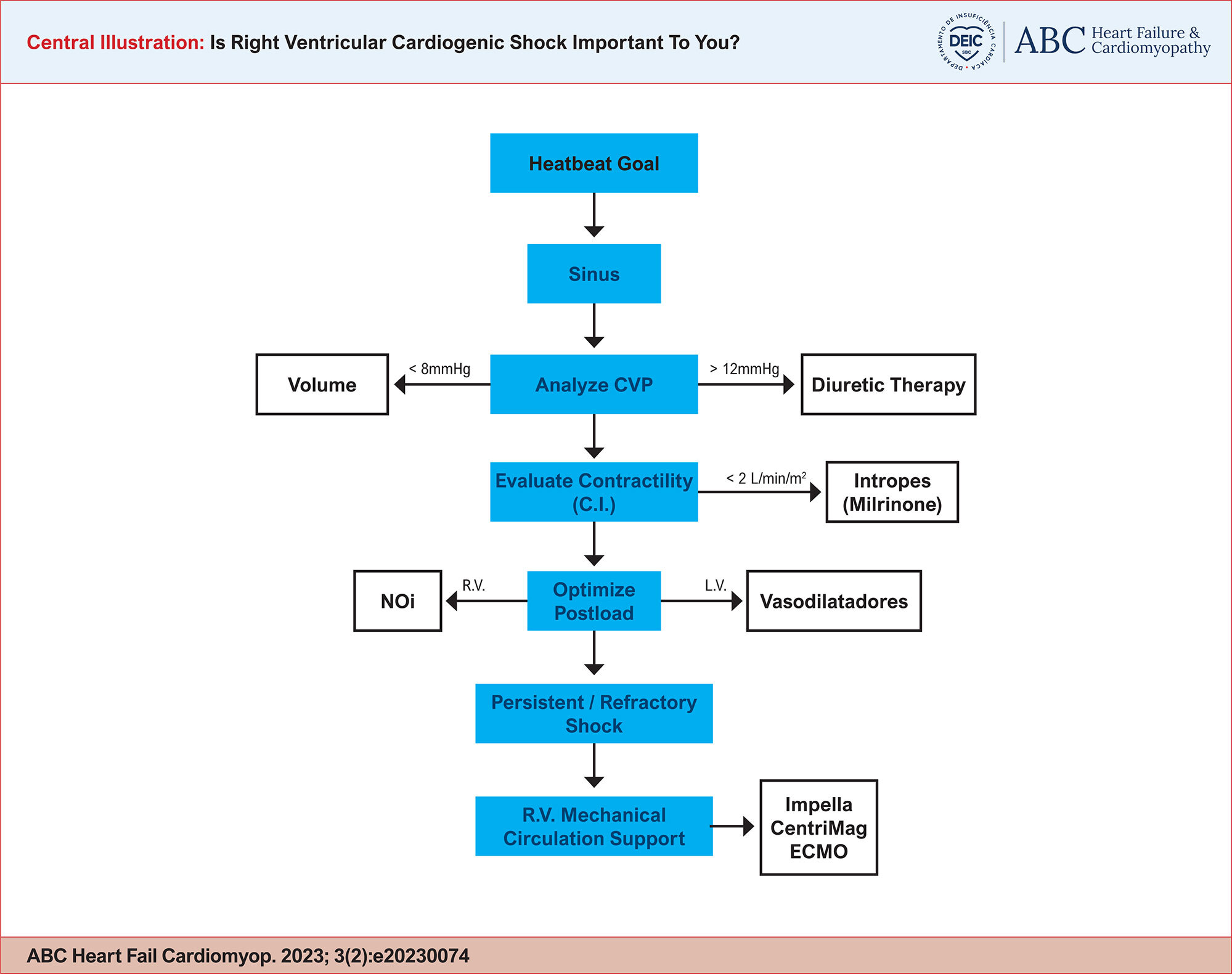
In the scenario of cardiogenic shock, attention was almost exclusively focused on the left ventricle (LV). Currently the concept that the circulatory system involves the interdependence between the LV and the right ventricle (RV) has been reinforced, and researchers seek to achieve a clearer understanding of the role of the right ventricle in cardiogenic shock.

In the 1940s, in search of a more in-depth understanding of the role of the RV, the American doctor and researcher Isaac Starr and his team carried out a series of experiments on animals, in which they caused severe damage to the right ventricle. Observing only a small increase in peripheral venous congestion, they concluded that “the weakness on the right side of the heart… appears to be less important” in the establishment of heart failure (HF).

[…]

  • Cardiogenic shock
  • Diagnosis
  • Heart Ventricles
  • Therapeutics
Read Full Article
Creative Commons Attribution (CC BY) Creative Commons license
31/12/2023 DOI: 10.36660/abchf.20230074 Views 1
Figure 1
Review Article

Heart Failure After Acute Myocardial Infarction: A New Phenotype of Acute Heart Failure?

Claudia Carolina Mendonça Campos et al. Caio Cezar Gomes Rezende Bárbara Mariana dos Santos Silva Felipe José de Oliveira Fraga … Diogo Coutinho Suassuna Carlos Eduardo Lucena Montenegro

Pathophysiology

Over the last few decades, much has been discovered about the pathophysiological processes of chronic HF, especially myocardial remodeling, signaling important pharmacological targets that have proven to impact clinical outcomes. In the scenario of post-infarction HF, some peculiarities in these processes have been better understood, helping to understand specific characteristics of this clinical phenotype of HF and enabling a more targeted approach in this scenario.

Initially, ischemia leads to loss of contractile function and consequently enlarges the ventricular cavity, which culminates in increased filling pressures and oxygen demand. Over time, cardiac work increases in an attempt to compensate for the increased pre- and post-load (due to all the hyperactivity of the sympathetic nervous system and the renin-angiotensin-aldosterone system), in addition, pressure overloads and volume induce molecular pathways that determine ventricular hypertrophy, without an adequate proportion of myocardial thickness and volume, without concomitant adequate vascularization and with the emergence of fibrosis (resulting from the deposition of excess collagen in the extracellular matrix).,

[…]

  • Coronary Artery Disease
  • Heart Failure
  • Myocardial Infarction
Read Full Article
Creative Commons Attribution (CC BY) Creative Commons license
31/12/2023 DOI: 10.36660/abchf.20230086 Views 2
Figure 1
Viewpoint

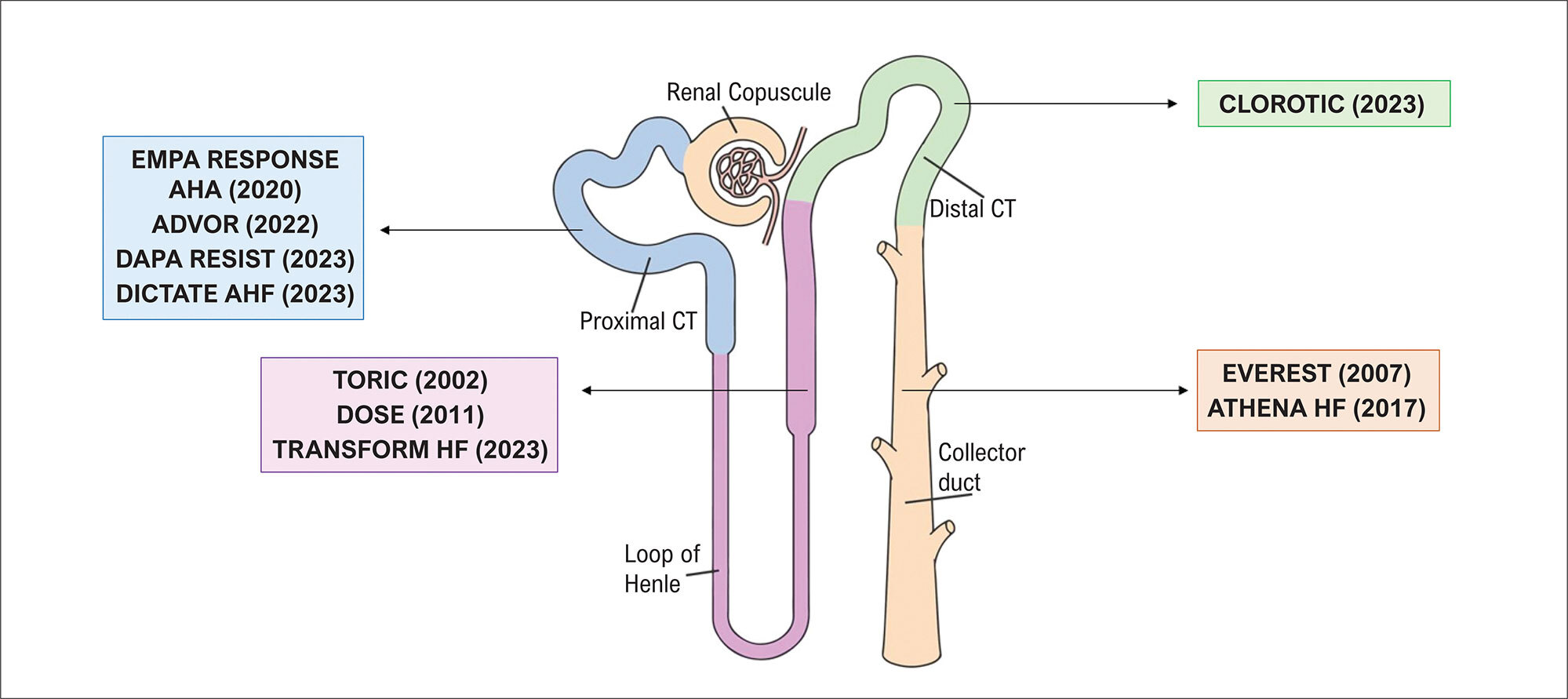
Should Combination of Diuretics Always Be Early after the ADVOR and CLOROTIC Trials?

Nara Kobbaz et al. Luana Monferdini Fernanda Almeida Andrade Aguinaldo F. Freitas Jr.

There has been remarkable progress in the treatment of heart failure (HF) over the past years. Medications such as angiotensin receptor-neprilysin inhibitors, beta blockers, mineralocorticoid receptor antagonists, and sodium-glucose cotransporter 2 inhibitors (SGLT2i), often referred to as the “fantastic four,” have been shown to reduce mortality and hospitalization, in addition to improving patients’ quality of life.

The natural history of the disease is characterized by recurrent episodes of decompensation and hospital admission linked to pulmonary and/or systemic congestion. Although diuretics doesn’t reduce mortality, they are universally recommended for congestive symptoms relief in all phenotypes of the disease.,

[…]

  • Diuretics
  • Drug Utilization
  • Heart Failure
Read Full Article
Creative Commons Attribution (CC BY) Creative Commons license
31/12/2023 DOI: 10.36660/abchf.20230070 Views 1
Figure 1
Review Article

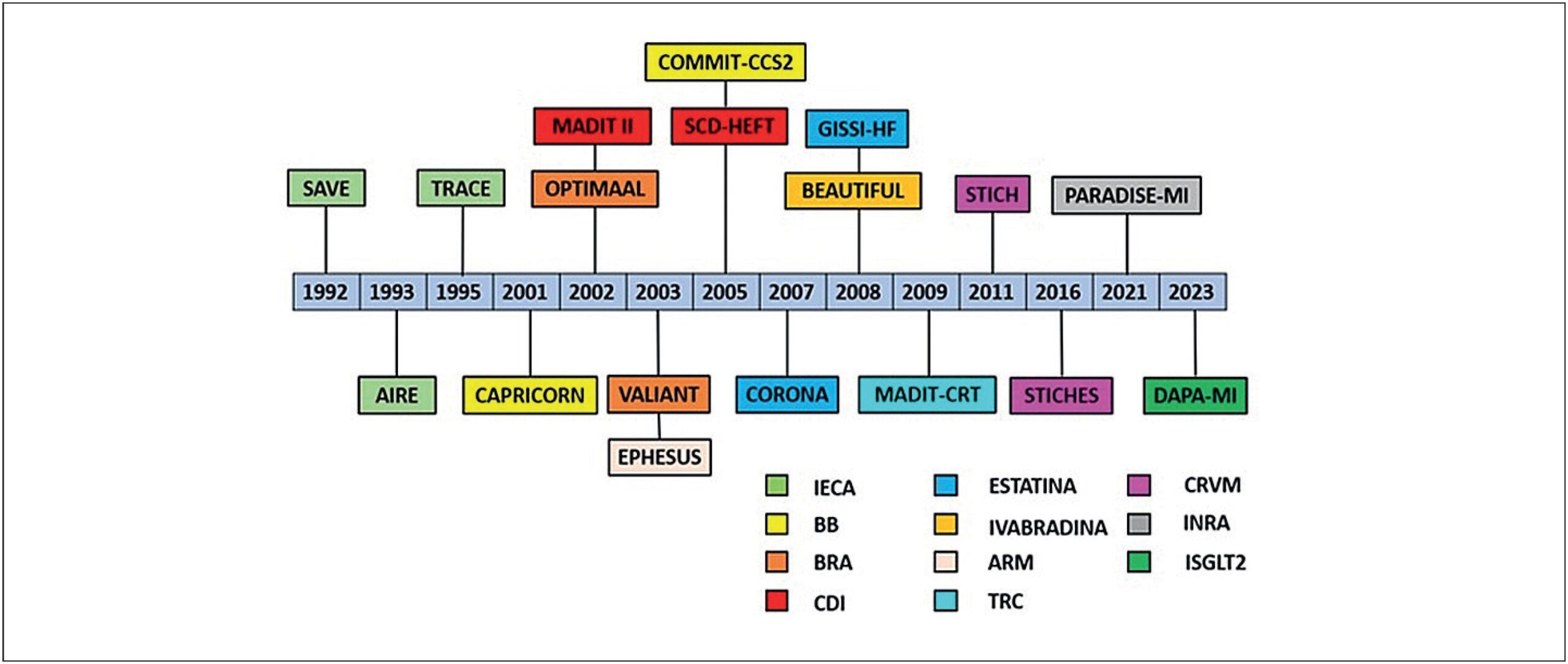
Treating Diuretic Resistance in Light of New Evidence

Marcely Gimenes Bonatto et al. Andressa de Oliveira Coiradas Luana Monferdini Ana Karyn Ehrenfried de Freitas

Abstract

Nearly 80% of all patients hospitalized for decompensated heart failure (HF) present hypervolemia with signs and symptoms of congestion,, for which decongestion is an essential pillar of treatment. Most guidelines recommend the use of loop diuretics as soon as the patient is admitted.– Despite this, a post-hoc analysis of the DOSE-AHF and CARRESS-HF studies showed that only half of these patients were free of congestion at the moment of high discharge, this being the group with the highest mortality and readmission rates within 60 days.

For the management of congestion, for a long time only the use of loop diuretics was recommended, with little focus placed on the benefits of using additional strategies. Part of the difficulty in achieving euvolemia is due to diuretic resistance. In recent years, however, new drugs have been tested and have proven to be interesting options for treating hypervolemia, especially in patients with refractory congestion and diuretic resistance. This review aims to summarize the strategies studied, the mechanisms involved in diuretic resistance, and the clinical characteristics of these patients, with the aim of assisting in the most appropriate choice of approach to congestion.

  • Congestion
  • Decongestion
  • Diuretic Resistance
  • Diuretic Therapy
  • Heart Failure
  • Hypervolemia
Read Full Article
Creative Commons Attribution (CC BY) Creative Commons license
31/12/2023 DOI: 10.36660/abchf.20230083 Views 2
Hypertonic Saline Solution: How, Why, and for Whom?
Review Article

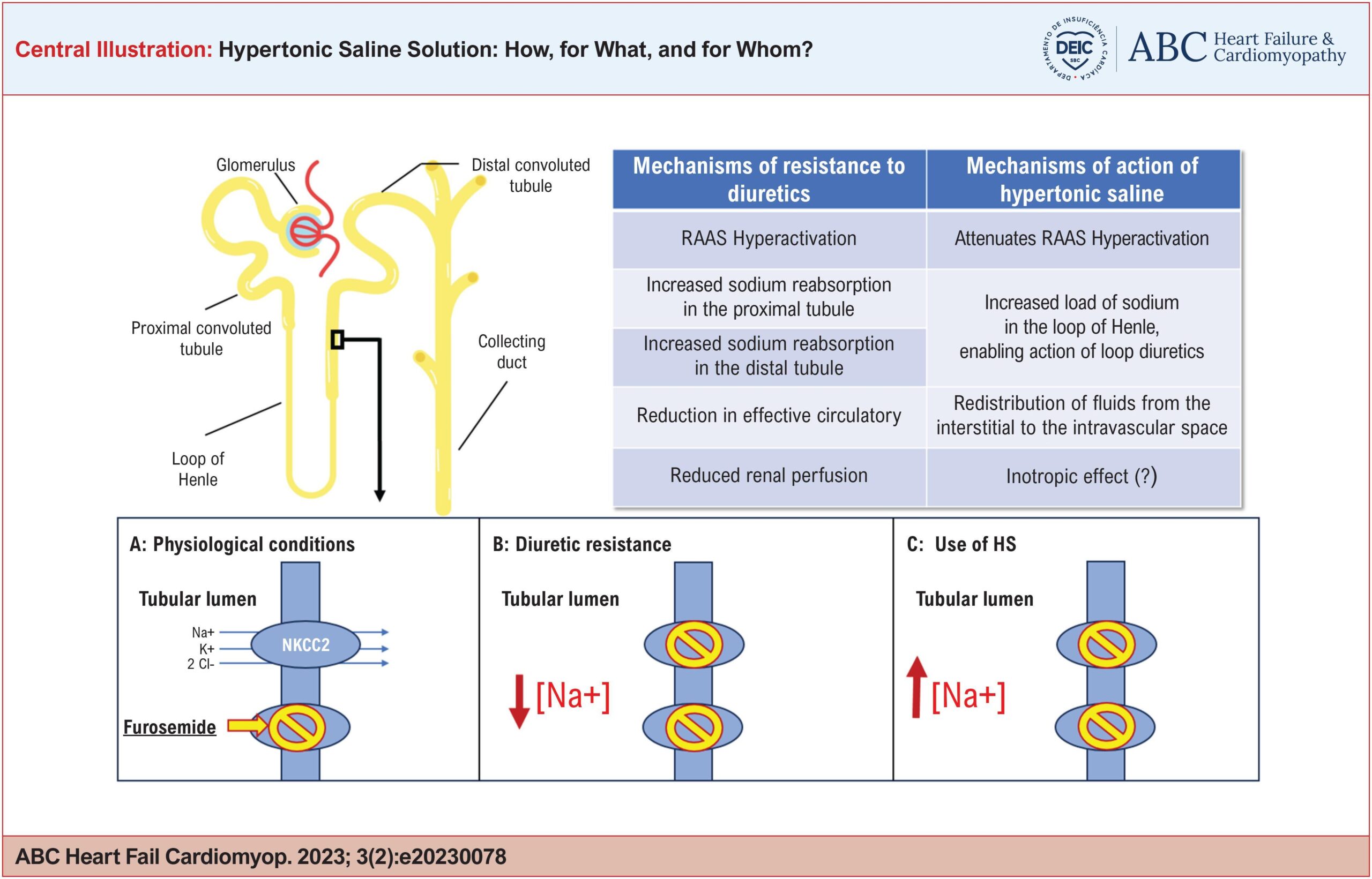
Hypertonic Saline Solution: How, Why, and for Whom?

Ciro Mancilha Murad et al. Fabiana Goulart Marcondes-Braga

Abstract

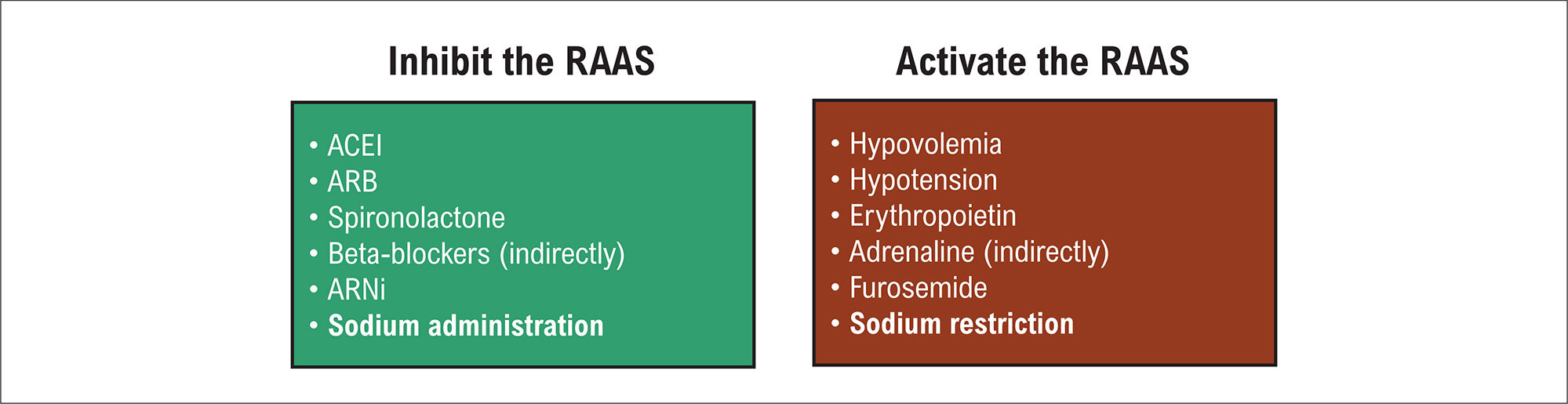
The administration of hypertonic saline (HS) in decompensated heart failure (HF) seems counterintuitive, given the concept that sodium is universally harmful for these patients. However, increasingly, strict sodium restrictions have been questioned due to the lack of proven benefits. On the other hand, we know that in acute HF complicated with diuretic resistance, there is hyperactivation of the renin-angiotensin-aldosterone system (RAAS), resulting in a state of excessive increase in renal avidity for sodium, hindering the action of loop diuretics. In this sense, HS would have the potential to attenuate the hyperactivation of RAAS and provide a supply of sodium to the renal tubules, enabling the action of loop diuretics. Several studies have consistently demonstrated that the association of HS with loop diuretics results in greater diuresis, weight loss, and possibly improved renal function. Therefore, despite being underused, we believe that HS is an effective, low-cost, and widely available strategy whose mechanism of action addresses one of the central points in the pathophysiology of diuretic resistance.

  • Acute Kidney Injury
  • Diuretics
  • Heart Failure
  • Hyponatremia
Read Full Article
Creative Commons Attribution (CC BY) Creative Commons license
31/12/2023 DOI: 10.36660/abchf.20230078
Case Report

Cardiogenic Shock with High Pressure: A Case Report

Fiamma Ferreira Nogueira et al. Patricia Bezerra Rocha Montenegro Ana Carla Alves de Souza Lyra Taciana Queiroz Medeiros Gomes Carlos Eduardo Lucena Montenegro

Introduction

Shock is defined as a state of tissue hypoperfusion due to reduced supply, increased consumption, inadequate use of oxygen, or a combination of these processes. When it is of cardiogenic etiology, it occurs as a result of left or right ventricular or biventricular dysfunction with reduced cardiac output (CO) or increased filling pressures and normal intravascular volume. Although the most classic manifestation of shock is arterial hypotension, it is essential to recognize that a patient in shock may present with normal, elevated, or decreased blood pressure (BP). Therefore, early identification of clinical, laboratory, and hemodynamic signs of tissue hypoperfusion is crucial. Timely and appropriate treatment can prevent deterioration and signs of multiple organ dysfunction.

[…]

  • Cardiogenic
  • Hemodynamic Monitoring
  • Hypertension
  • Shock
Read Full Article
Creative Commons Attribution (CC BY) Creative Commons license
31/12/2023 DOI: 10.36660/abchf.20230084 Views 1
Figure 1
Review Article

Peculiarities in the Treatment of Cardiomyopathy Associated with High-Output Conditions

Carolina Casadei dos Santos et al. João Manoel Rossi Neto Marco Aurelio Finger

Abstract

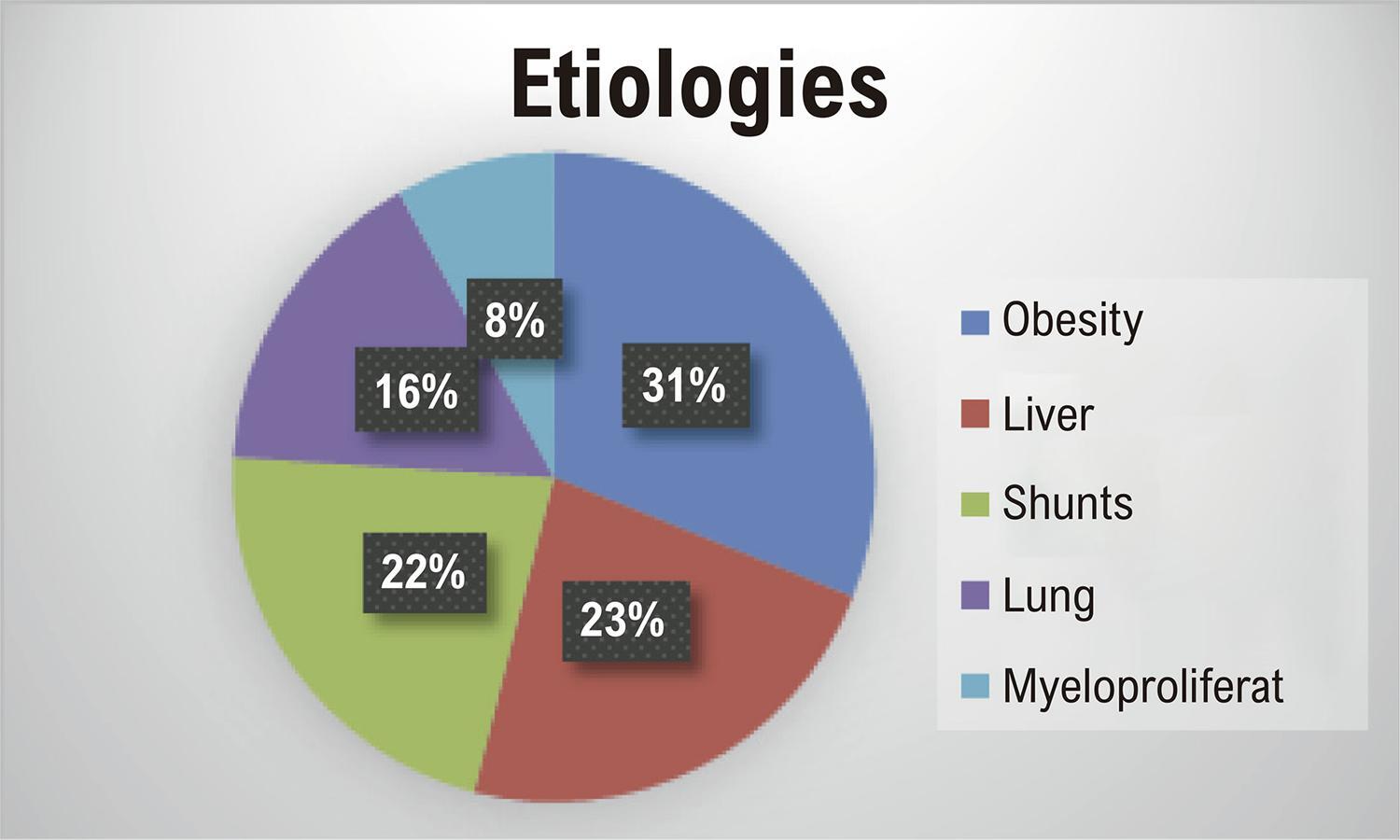
High-output heart failure (HOHF) is a less common form of heart failure and presents as the inability of the heart to supply enough blood for the body’s needs. HOHF can be divided into two categories: 1. increased demand for increased metabolism or 2. arteriovenous shunts increasing venous circulation flow and decreasing resistance, leading to increased oxygen consumption and low systemic vascular resistance. The most common causes are obesity, liver disease, shunts, lung disease, myeloproliferative diseases, hyperthyroidism, and thiamine deficiency.

  • Heart Failure
  • High-Output
Read Full Article
Creative Commons Attribution (CC BY) Creative Commons license
31/12/2023 DOI: 10.36660/abchf.20230093 Views 1
Figure 1
Viewpoint

How Can Biomarkers Be Useful in the Management of Acute Heart Failure?

Diane Xavier de Ávila et al. Maria Tereza Sampaio de Sousa Lira Daniella Motta Humberto Villacorta

Introduction

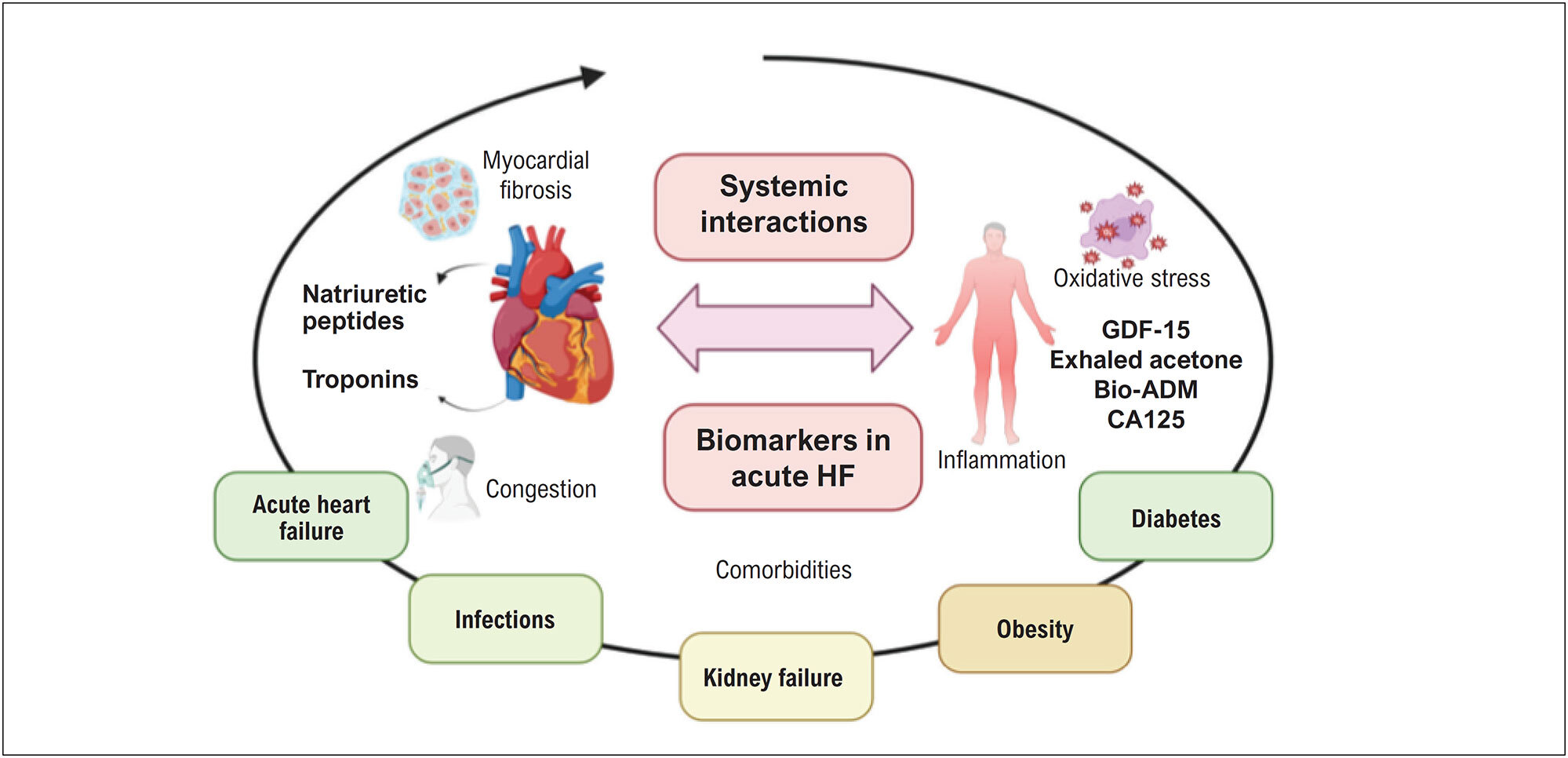
Heart failure (HF) can be a serious disease if not treated properly. One of the markers of severity is precisely hospitalization due to HF, often called acute HF or acutely decompensated (ADHF). ADHF involves patients with new HF or an exacerbation of chronic HF. The most common symptoms and signs in ADHF are dyspnea and edema of the lower limbs. Dyspnea, when it occurs in isolation, with no specific signs of HF, can hinder the diagnosis. In this context, HF guidelines recommend the measurement of biomarkers when there is doubt in the diagnosis of HF. Moreover, the measurement of biomarkers is recommended to improve prognostic accuracy.

In this article, we highlight how to use already established cardiac biomarkers, such as natriuretic peptides (NP) and high sensitivity cardiac troponins (HS-cTn) T and I, in the management of ADHF, and point out possible future systemic biomarkers, which may be useful in this scenario.

[…]

  • Biomarkers
  • Diagnosis
  • Heart Failure
  • Prognosis
Read Full Article
Creative Commons Attribution (CC BY) Creative Commons license
20/12/2023 DOI: 10.36660/abchf.20230072 Views 2
Figure 1
Viewpoint

Can Palliative Care for Heart Failure be Indicated in the Emergency Department?

Louise Freire et al. Diane Xavier de Ávila Estêvão Lanna Figueiredo

Introduction

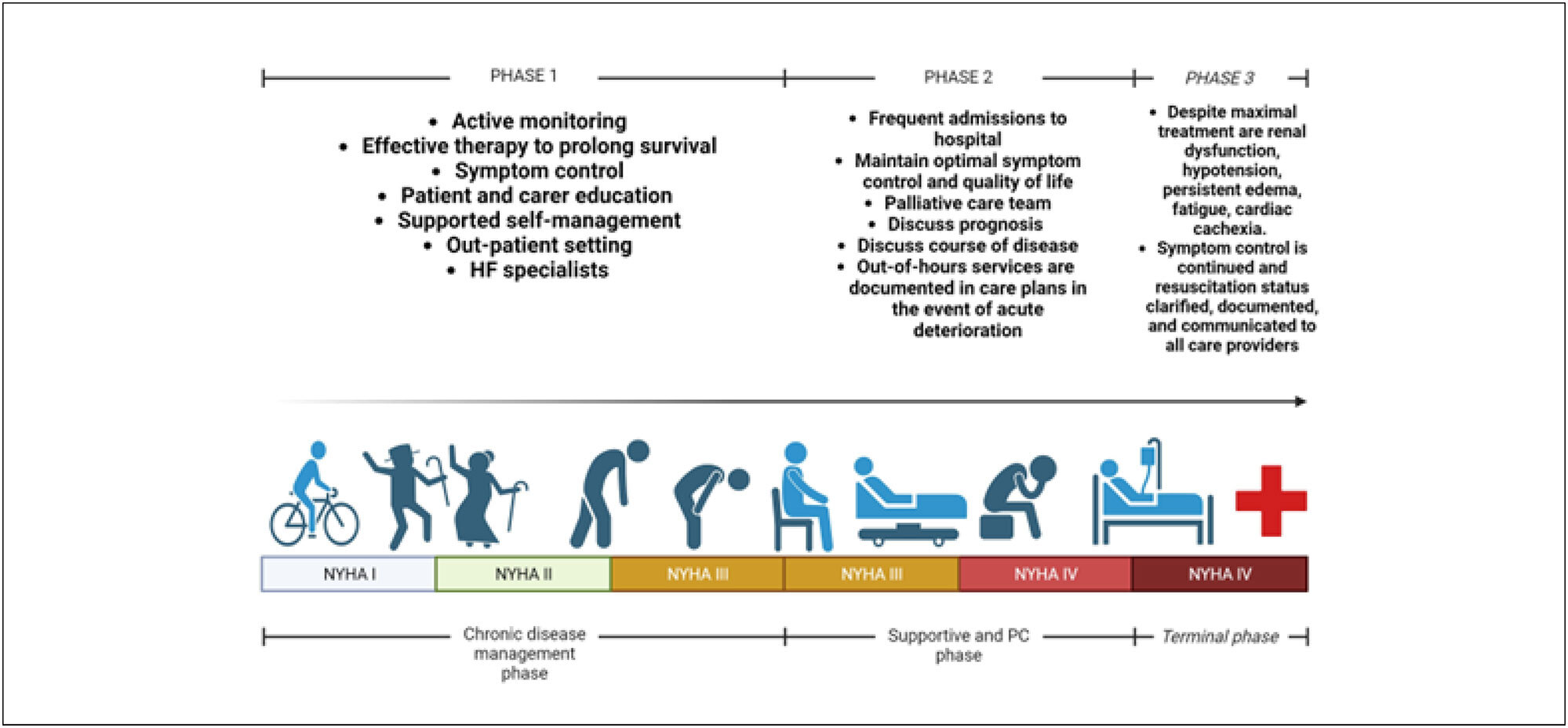
Heart failure (HF) is a progressive disease marked by a pattern of gradual decline interspersed with episodes of acute deterioration. This often culminates in either sudden death or hospitalization.– Discussing its trajectory, especially in emergency decompensations, can be challenging when physicians predict these situations using palliative care (PC) principles and practices.,

The World Health Organization defines PC as a patient and family-centered approach aimed to enhance the overall quality of life (QoL) by proactively addressing, preventing, and alleviating suffering. This prioritizes relief of pain and management of distressing symptoms, upholds life’s value, and recognizes the natural process of dying. PC also provides a support system, empowering patients to live as fully and actively as possible until the end of life (EoL).,

[…]

  • Emergency Medical Services
  • Heart Failure
  • Palliative Care
Read Full Article
Creative Commons Attribution (CC BY) Creative Commons license
20/12/2023 DOI: 10.36660/abchf.20230068 Views 1
Figure 1
Viewpoint

Urgent Right Heart Catheterization in Cardiogenic Shock: Let us Spread this Idea

Simone L. Savaris et al. Suellen R. R. Siqueira Ivna G. C. V. Lima

Pulmonary artery catheter and cardiogenic shock

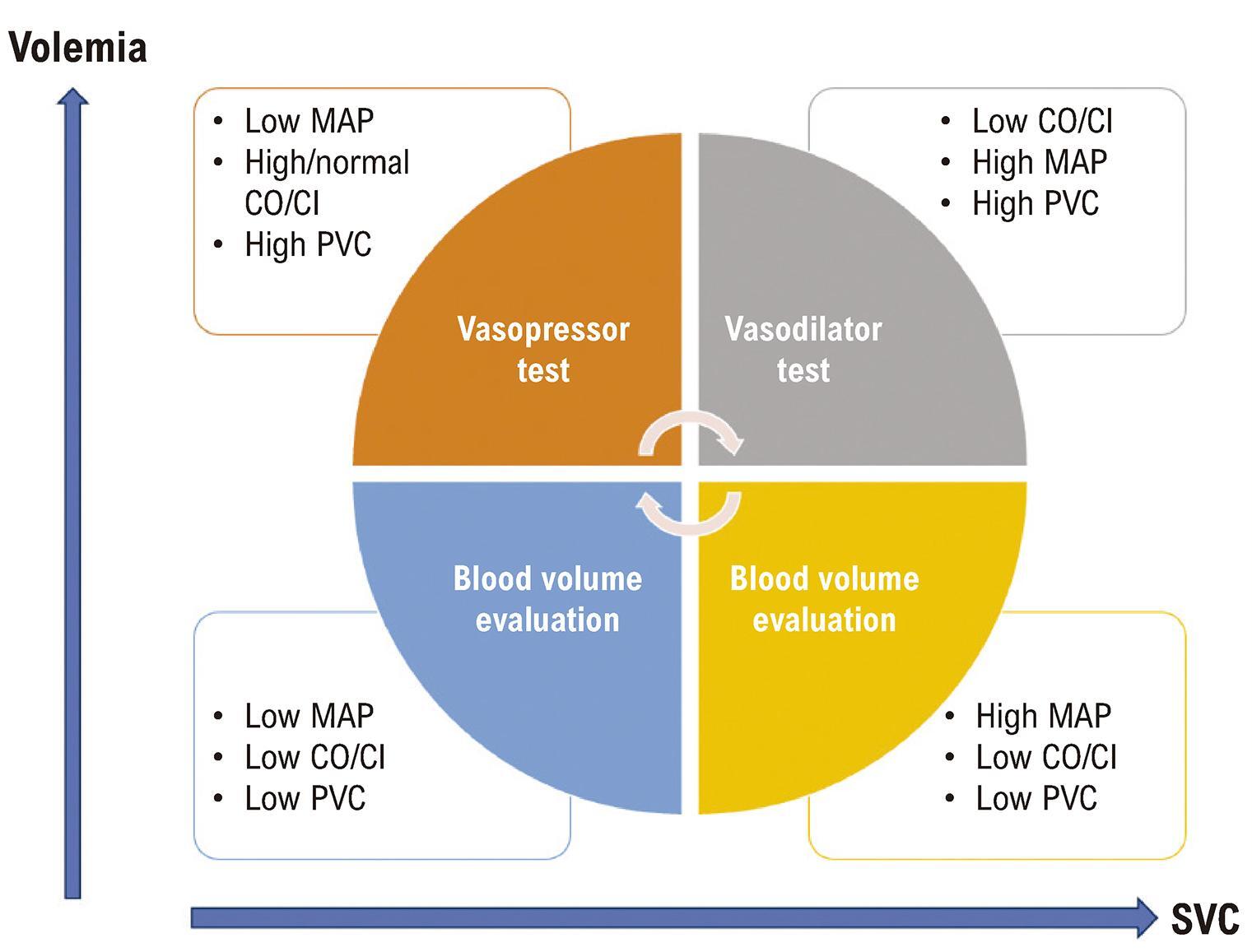
CS can be divided into four phenotypes according to blood volume and peripheral perfusion, and PAC data are essential for adequately characterizing the phenotype and institution of treatment. The wet profile is when the pulmonary artery occlusion pressure (PAOP) is > 18 mmHg, and the dry profile is when the PAOP is 2.5 L/min/m is identified or cold when the CI is < 2.5 L/min/m. ()

[…]

  • Cardiogenic shock
  • Catheterization
  • Swan-Ganz Catheterization
Read Full Article
Creative Commons Attribution (CC BY) Creative Commons license
27/11/2023 DOI: 10.36660/abchf.20230076
Erratum

Erratum

ABC Heart Fail Cardiomyop. 2023; 3(1):e20230040

ABC Heart Fail Cardiomyop. 2023; 3(1):e20230040 In the Review Article “Diagnosis and Treatment of Hypertrophic Cardiomyopathy”, with https://doi.org/10.36660/abchf.20230040, published in the journal ABC Heart Failure & Cardiomyopathy, ABC Heart Fail Cardiomyop. 2023; 3(1):e20230040, on page 1, correct the author’s name: Mariani Mendes Madison for: Mariani Mendes Madisson Bernardo.

[…]

Read Full Article
Creative Commons Attribution (CC BY) Creative Commons license
11/10/2023 DOI: 10.36660/abchf.20230065
Figure 1
Original Article

Correlation between Pulse Pressure and Sub-maximal Functional Capacity in Patients with Heart Failure with Preserved Ejection Fraction

Gustavo Matas Kern et al. Luiz Claudio Danzmann Leticia Kunst Ludmila Limpias Terrazas Binkowski Carla Alessandra Smiderle

ABSTRACT

Background:

Heart failure with preserved ejection fraction (HFpEF) is characterized by diastolic dysfunction, as well as alterations in ventricular filling and remodelling. This change in diastolic function without reduced ejection fraction is manifested as exercise intolerance, and arterial stiffness, measured by pulse pressure, is considered an independent predictor of functional capacity.

Objective:

To evaluate the correlation between sub-maximal functional capacity and pulse pressure (PP) in patients with HFpEF.

Methods:

Patients with HFpEF performed the 6-minute walk test (6MWT) in a 45-meter hallway at the University Hospital. Patients were instructed to walk at a speed consistent with their daily activities. Their vital signs were monitored, and the Borg scale was applied for symptoms such as dyspnea and fatigue. Blood pressure was measured at rest. PP was estimated using the formula PP = systolic blood pressure − diastolic blood pressure, with 65 mmHg as the cutoff point.

Results:

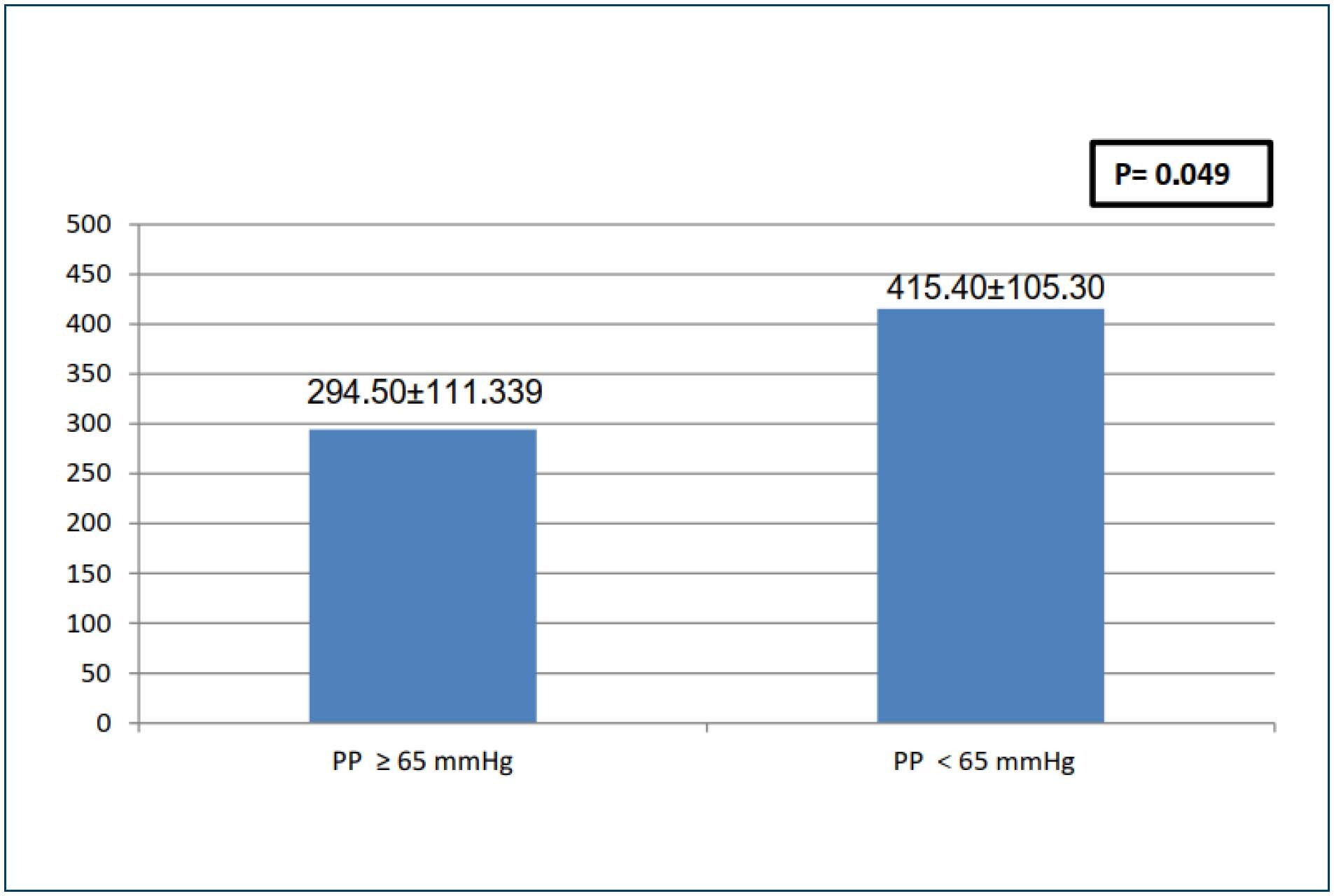
We observed a difference of 120.5 ± 43.97 meters between the mean distances walked during the 6MWT between the groups with increased and normal PP (294.5 ± 111.3 m versus 415.4 ± 105.3 m, p = 0.01). Pearson’s test demonstrated a slight inverse correlation between PP values and the distance walked by patients during the 6MWT (r = −0.4, p = 0.049).

Conclusion:

There was a reduction in sub-maximal capacity in patients with increased PP, as shown by the slight inverse correlation between PP and distance walked during the 6MWT.

  • Blood Pressure
  • Heart Failure
  • Vascular Stiffness
Read Full Article
Creative Commons Attribution (CC BY) Creative Commons license
17/08/2023 DOI: 10.36660/abchf.20220097 Views 2

How to cite this article

EndNote RIS

Electronic Document Format (Vancouver)

Belfort DSP, Dantas RCT, Ayub-Ferreira SM. Circulatory Support Devices in Acute Heart Failure: Which and When?. ABC Heart Fail Cardiomyop 2023;3(2):e20230089.

Electronic Document Format (ABNT)

Belfort, Deborah de Sá Pereira; Dantas, Rafael Cavalcanti Tourinho; Ayub-Ferreira, Silvia Moreira. Circulatory Support Devices in Acute Heart Failure: Which and When?. ABC Heart Fail Cardiomyop, v. 3, n. 2, e20230089, Dec. 2023.

Electronic Document Format (APA)

Belfort, D. S. P., Dantas, R. C. T., & Ayub-Ferreira, S. M. (2023). Circulatory Support Devices in Acute Heart Failure: Which and When?. ABC Heart Fail Cardiomyop, 3(2), e20230089.

Electronic Document Format (ISO)

Belfort, Deborah de Sá Pereira and Dantas, Rafael Cavalcanti Tourinho and Ayub-Ferreira, Silvia Moreira. Circulatory Support Devices in Acute Heart Failure: Which and When?. ABC Heart Fail Cardiomyop [online]. 2023, vol. 3, n. 2, [cited 2026-10-14], e20230089. Available from: <https://journals.cardiol.br/en/article/circulatory-support-devices-in-acute-heart-failure-which-and-when/>

EndNote RIS

Electronic Document Format (Vancouver)

Beck-da-Silva L, Butzke M. Is Salt Restriction Really Necessary in Patients with Acute Decompensated Heart Failure?. ABC Heart Fail Cardiomyop 2023;3(2):e20230091.

Electronic Document Format (ABNT)

Beck-da-Silva, Luís; Butzke, Maurício. Is Salt Restriction Really Necessary in Patients with Acute Decompensated Heart Failure?. ABC Heart Fail Cardiomyop, v. 3, n. 2, e20230091, Dec. 2023.

Electronic Document Format (APA)

Beck-da-Silva, L., & Butzke, M. (2023). Is Salt Restriction Really Necessary in Patients with Acute Decompensated Heart Failure?. ABC Heart Fail Cardiomyop, 3(2), e20230091.

Electronic Document Format (ISO)

Beck-da-Silva, Luís and Butzke, Maurício. Is Salt Restriction Really Necessary in Patients with Acute Decompensated Heart Failure?. ABC Heart Fail Cardiomyop [online]. 2023, vol. 3, n. 2, [cited 2026-10-14], e20230091. Available from: <https://journals.cardiol.br/en/article/is-salt-restriction-really-necessary-in-patients-with-acute-decompensated-heart-failure/>

EndNote RIS

Electronic Document Format (Vancouver)

Montenegro CEL, Bonatto M, Vieira JL, Marcondes-Braga FG, Moura LAZ. Where are the Benefits of Treating Acute HF in Light of Evidence-Based Medicine?. ABC Heart Fail Cardiomyop 2023;3(2):e20230085.

Electronic Document Format (ABNT)

Montenegro, Carlos Eduardo Lucena; Bonatto, Marcely; Vieira, Jefferson Luis; Marcondes-Braga, Fabiana G.; Moura, Lídia Ana Zytynski. Where are the Benefits of Treating Acute HF in Light of Evidence-Based Medicine?. ABC Heart Fail Cardiomyop, v. 3, n. 2, e20230085, Dec. 2023.

Electronic Document Format (APA)

Montenegro, C. E. L., Bonatto, M., Vieira, J. L., Marcondes-Braga, F. G., & Moura, L. A. Z. (2023). Where are the Benefits of Treating Acute HF in Light of Evidence-Based Medicine?. ABC Heart Fail Cardiomyop, 3(2), e20230085.

Electronic Document Format (ISO)

Montenegro, Carlos Eduardo Lucena and Bonatto, Marcely and Vieira, Jefferson Luis and Marcondes-Braga, Fabiana G. and Moura, Lídia Ana Zytynski. Where are the Benefits of Treating Acute HF in Light of Evidence-Based Medicine?. ABC Heart Fail Cardiomyop [online]. 2023, vol. 3, n. 2, [cited 2026-10-14], e20230085. Available from: <https://journals.cardiol.br/en/article/where-are-the-benefits-of-treating-acute-hf-in-light-of-evidence-based-medicine/>

EndNote RIS

Electronic Document Format (Vancouver)

Savaris SL, Andrade FA, Schwartzmann PV. Resistance to Loop Diuretics: How to Address it in the Current Scenario?. ABC Heart Fail Cardiomyop 2023;3(2):e20230090.

Electronic Document Format (ABNT)

Savaris, Simone L.; Andrade, Fernanda Almeida; Schwartzmann, Pedro V.. Resistance to Loop Diuretics: How to Address it in the Current Scenario?. ABC Heart Fail Cardiomyop, v. 3, n. 2, e20230090, Dec. 2023.

Electronic Document Format (APA)

Savaris, S. L., Andrade, F. A., & Schwartzmann, P. V. (2023). Resistance to Loop Diuretics: How to Address it in the Current Scenario?. ABC Heart Fail Cardiomyop, 3(2), e20230090.

Electronic Document Format (ISO)

Savaris, Simone L. and Andrade, Fernanda Almeida and Schwartzmann, Pedro V.. Resistance to Loop Diuretics: How to Address it in the Current Scenario?. ABC Heart Fail Cardiomyop [online]. 2023, vol. 3, n. 2, [cited 2026-10-14], e20230090. Available from: <https://journals.cardiol.br/en/article/resistance-to-loop-diuretics-how-to-address-it-in-the-current-scenario/>

EndNote RIS

Electronic Document Format (Vancouver)

Kunst L, Danzmann LC, Cuchinski KK, Zimmer JRC. Point-of-Care Ultrasound in Acute Heart Failure: Basic Concepts for Clinical Practice. ABC: Heart Failure & Cardiomyopathy 2023;3(2):e20230073.

Electronic Document Format (ABNT)

Kunst, Leticia; Danzmann, Luiz Claudio; Cuchinski, Keslly Krauspenhar; Zimmer, João Ricardo Cambruzzi. Point-of-Care Ultrasound in Acute Heart Failure: Basic Concepts for Clinical Practice. ABC: Heart Failure & Cardiomyopathy, v. 3, n. 2, e20230073, Dec. 2023.

Electronic Document Format (APA)

Kunst, L., Danzmann, L. C., Cuchinski, K. K., & Zimmer, J. R. C. (2023). Point-of-Care Ultrasound in Acute Heart Failure: Basic Concepts for Clinical Practice. ABC: Heart Failure & Cardiomyopathy, 3(2), e20230073.

Electronic Document Format (ISO)

Kunst, Leticia and Danzmann, Luiz Claudio and Cuchinski, Keslly Krauspenhar and Zimmer, João Ricardo Cambruzzi. Point-of-Care Ultrasound in Acute Heart Failure: Basic Concepts for Clinical Practice. ABC: Heart Failure & Cardiomyopathy [online]. 2023, vol. 3, n. 2, [cited 2026-10-14], e20230073. Available from: <https://journals.cardiol.br/en/article/point-of-care-ultrasound-in-acute-heart-failure-basic-concepts-for-clinical-practice/>

EndNote RIS

Electronic Document Format (Vancouver)

Andrade FA, Monferdini L, Vieira JL. How to Change the Medical History of Patients with Heart Failure and Recurrent Hospitalizations?. ABC Heart Fail Cardiomyop 2023;3(2):e20230092.

Electronic Document Format (ABNT)

Andrade, Fernanda Almeida; Monferdini, Luana; Vieira, Jefferson Luís. How to Change the Medical History of Patients with Heart Failure and Recurrent Hospitalizations?. ABC Heart Fail Cardiomyop, v. 3, n. 2, e20230092, Dec. 2023.

Electronic Document Format (APA)

Andrade, F. A., Monferdini, L., & Vieira, J. L. (2023). How to Change the Medical History of Patients with Heart Failure and Recurrent Hospitalizations?. ABC Heart Fail Cardiomyop, 3(2), e20230092.

Electronic Document Format (ISO)

Andrade, Fernanda Almeida and Monferdini, Luana and Vieira, Jefferson Luís. How to Change the Medical History of Patients with Heart Failure and Recurrent Hospitalizations?. ABC Heart Fail Cardiomyop [online]. 2023, vol. 3, n. 2, [cited 2026-10-14], e20230092. Available from: <https://journals.cardiol.br/en/article/how-to-change-the-medical-history-of-patients-with-heart-failure-and-recurrent-hospitalizations/>

EndNote RIS

Electronic Document Format (Vancouver)

Andrade MVS, Aragão CAS, Figueiredo RMP, Almeida BM, Rocha LG. Is Right Ventricular Cardiogenic Shock Important To You?. ABC Heart Fail Cardiomyop 2023;3(2):e20230074.

Electronic Document Format (ABNT)

Andrade, Marcus Vinícius Santos; Aragão, Carlos Aurélio Santos; Figueiredo, Renato Moraes Pereira; Almeida, Breno Macedo de; Rocha, Lucas Guimarães da. Is Right Ventricular Cardiogenic Shock Important To You?. ABC Heart Fail Cardiomyop, v. 3, n. 2, e20230074, Dec. 2023.

Electronic Document Format (APA)

Andrade, M. V. S., Aragão, C. A. S., Figueiredo, R. M. P., Almeida, B. M. , & Rocha, L. G. (2023). Is Right Ventricular Cardiogenic Shock Important To You?. ABC Heart Fail Cardiomyop, 3(2), e20230074.

Electronic Document Format (ISO)

Andrade, Marcus Vinícius Santos and Aragão, Carlos Aurélio Santos and Figueiredo, Renato Moraes Pereira and Almeida, Breno Macedo de and Rocha, Lucas Guimarães da. Is Right Ventricular Cardiogenic Shock Important To You?. ABC Heart Fail Cardiomyop [online]. 2023, vol. 3, n. 2, [cited 2026-10-14], e20230074. Available from: <https://journals.cardiol.br/en/article/is-right-ventricular-cardiogenic-shock-important-to-you/>

EndNote RIS

Electronic Document Format (Vancouver)

Campos CCM, Rezende CCG, Silva BMS, Fraga FJO, Suassuna DC, Montenegro CEL. Heart Failure After Acute Myocardial Infarction: A New Phenotype of Acute Heart Failure?. ABC Heart Fail Cardiomyop 2023;3(2):e20230086.

Electronic Document Format (ABNT)

Campos, Claudia Carolina Mendonça; Rezende, Caio Cezar Gomes; Silva, Bárbara Mariana dos Santos; Fraga, Felipe José de Oliveira; Suassuna, Diogo Coutinho; Montenegro, Carlos Eduardo Lucena. Heart Failure After Acute Myocardial Infarction: A New Phenotype of Acute Heart Failure?. ABC Heart Fail Cardiomyop, v. 3, n. 2, e20230086, Dec. 2023.

Electronic Document Format (APA)

Campos, C. C. M., Rezende, C. C. G., Silva, B. M. S., Fraga, F. J. O., Suassuna, D. C., & Montenegro, C. E. L. (2023). Heart Failure After Acute Myocardial Infarction: A New Phenotype of Acute Heart Failure?. ABC Heart Fail Cardiomyop, 3(2), e20230086.

Electronic Document Format (ISO)

Campos, Claudia Carolina Mendonça and Rezende, Caio Cezar Gomes and Silva, Bárbara Mariana dos Santos and Fraga, Felipe José de Oliveira and Suassuna, Diogo Coutinho and Montenegro, Carlos Eduardo Lucena. Heart Failure After Acute Myocardial Infarction: A New Phenotype of Acute Heart Failure?. ABC Heart Fail Cardiomyop [online]. 2023, vol. 3, n. 2, [cited 2026-10-14], e20230086. Available from: <https://journals.cardiol.br/en/article/heart-failure-after-acute-myocardial-infarction-a-new-phenotype-of-acute-heart-failure/>

EndNote RIS

Electronic Document Format (Vancouver)

Kobbaz N, Monferdini L, Andrade FA, Freitas Jr. AF. Should Combination of Diuretics Always Be Early after the ADVOR and CLOROTIC Trials?. ABC: Heart Failure & Cardiomyopathy 2023;3(2):e20230070.

Electronic Document Format (ABNT)

Kobbaz, Nara; Monferdini, Luana; Andrade, Fernanda Almeida; Freitas Jr., Aguinaldo F.. Should Combination of Diuretics Always Be Early after the ADVOR and CLOROTIC Trials?. ABC: Heart Failure & Cardiomyopathy, v. 3, n. 2, e20230070, Dec. 2023.

Electronic Document Format (APA)

Kobbaz, N., Monferdini, L., Andrade, F. A., & Freitas Jr., A. F. (2023). Should Combination of Diuretics Always Be Early after the ADVOR and CLOROTIC Trials?. ABC: Heart Failure & Cardiomyopathy, 3(2), e20230070.

Electronic Document Format (ISO)

Kobbaz, Nara and Monferdini, Luana and Andrade, Fernanda Almeida and Freitas Jr., Aguinaldo F.. Should Combination of Diuretics Always Be Early after the ADVOR and CLOROTIC Trials?. ABC: Heart Failure & Cardiomyopathy [online]. 2023, vol. 3, n. 2, [cited 2026-10-14], e20230070. Available from: <https://journals.cardiol.br/en/article/should-combination-of-diuretics-always-be-early-after-the-advor-and-clorotic-trials/>

EndNote RIS

Electronic Document Format (Vancouver)

Bonatto MG, Coiradas AO, Monferdini L, Freitas AKE. Treating Diuretic Resistance in Light of New Evidence. ABC Heart Fail Cardiomyop 2023;3(2):e20230083.

Electronic Document Format (ABNT)

Bonatto, Marcely Gimenes; Coiradas, Andressa de Oliveira; Monferdini, Luana; Freitas, Ana Karyn Ehrenfried de. Treating Diuretic Resistance in Light of New Evidence. ABC Heart Fail Cardiomyop, v. 3, n. 2, e20230083, Dec. 2023.

Electronic Document Format (APA)

Bonatto, M. G., Coiradas, A. O., Monferdini, L., & Freitas, A. K. E. (2023). Treating Diuretic Resistance in Light of New Evidence. ABC Heart Fail Cardiomyop, 3(2), e20230083.

Electronic Document Format (ISO)

Bonatto, Marcely Gimenes and Coiradas, Andressa de Oliveira and Monferdini, Luana and Freitas, Ana Karyn Ehrenfried de. Treating Diuretic Resistance in Light of New Evidence. ABC Heart Fail Cardiomyop [online]. 2023, vol. 3, n. 2, [cited 2026-10-14], e20230083. Available from: <https://journals.cardiol.br/en/article/treating-diuretic-resistance-in-light-of-new-evidence/>

EndNote RIS

Electronic Document Format (Vancouver)

Murad CM, Marcondes-Braga FG. Hypertonic Saline Solution: How, Why, and for Whom?. ABC Heart Fail Cardiomyop 2023;3(2):e20230078.

Electronic Document Format (ABNT)

Murad, Ciro Mancilha; Marcondes-Braga, Fabiana Goulart. Hypertonic Saline Solution: How, Why, and for Whom?. ABC Heart Fail Cardiomyop, v. 3, n. 2, e20230078, Dec. 2023.

Electronic Document Format (APA)

Murad, C. M., & Marcondes-Braga, F. G. (2023). Hypertonic Saline Solution: How, Why, and for Whom?. ABC Heart Fail Cardiomyop, 3(2), e20230078.

Electronic Document Format (ISO)

Murad, Ciro Mancilha and Marcondes-Braga, Fabiana Goulart. Hypertonic Saline Solution: How, Why, and for Whom?. ABC Heart Fail Cardiomyop [online]. 2023, vol. 3, n. 2, [cited 2026-10-14], e20230078. Available from: <https://journals.cardiol.br/en/article/hypertonic-saline-solution-how-why-and-for-whom/>

EndNote RIS

Electronic Document Format (Vancouver)

Nogueira FF, Montenegro PBR, Lyra ACAS, Gomes TQM, Montenegro CEL. Cardiogenic Shock with High Pressure: A Case Report. ABC Heart Fail Cardiomyop 2023;3(2):e20230084.

Electronic Document Format (ABNT)

Nogueira, Fiamma Ferreira; Montenegro, Patricia Bezerra Rocha; Lyra, Ana Carla Alves de Souza; Gomes, Taciana Queiroz Medeiros; Montenegro, Carlos Eduardo Lucena. Cardiogenic Shock with High Pressure: A Case Report. ABC Heart Fail Cardiomyop, v. 3, n. 2, e20230084, Dec. 2023.

Electronic Document Format (APA)

Nogueira, F. F., Montenegro, P. B. R., Lyra, A. C. A. S., Gomes, T. Q. M., & Montenegro, C. E. L. (2023). Cardiogenic Shock with High Pressure: A Case Report. ABC Heart Fail Cardiomyop, 3(2), e20230084.

Electronic Document Format (ISO)

Nogueira, Fiamma Ferreira and Montenegro, Patricia Bezerra Rocha and Lyra, Ana Carla Alves de Souza and Gomes, Taciana Queiroz Medeiros and Montenegro, Carlos Eduardo Lucena. Cardiogenic Shock with High Pressure: A Case Report. ABC Heart Fail Cardiomyop [online]. 2023, vol. 3, n. 2, [cited 2026-10-14], e20230084. Available from: <https://journals.cardiol.br/en/article/cardiogenic-shock-with-high-pressure-a-case-report/>

EndNote RIS

Electronic Document Format (Vancouver)

Santos CC, Rossi Neto JM, Finger MA. Peculiarities in the Treatment of Cardiomyopathy Associated with High-Output Conditions. ABC Heart Fail Cardiomyop 2023;3(2):e20230093.

Electronic Document Format (ABNT)

Santos, Carolina Casadei dos; Rossi Neto, João Manoel; Finger, Marco Aurelio. Peculiarities in the Treatment of Cardiomyopathy Associated with High-Output Conditions. ABC Heart Fail Cardiomyop, v. 3, n. 2, e20230093, Dec. 2023.

Electronic Document Format (APA)

Santos, C. C. , Rossi Neto, J. M., & Finger, M. A. (2023). Peculiarities in the Treatment of Cardiomyopathy Associated with High-Output Conditions. ABC Heart Fail Cardiomyop, 3(2), e20230093.

Electronic Document Format (ISO)

Santos, Carolina Casadei dos and Rossi Neto, João Manoel and Finger, Marco Aurelio. Peculiarities in the Treatment of Cardiomyopathy Associated with High-Output Conditions. ABC Heart Fail Cardiomyop [online]. 2023, vol. 3, n. 2, [cited 2026-10-14], e20230093. Available from: <https://journals.cardiol.br/en/article/peculiarities-in-the-treatment-of-cardiomyopathy-associated-with-high-output-conditions/>

EndNote RIS

Electronic Document Format (Vancouver)

Ávila DX, Lira MTSS, Motta D, Villacorta H. How Can Biomarkers Be Useful in the Management of Acute Heart Failure?. ABC: Heart Failure & Cardiomyopathy 2023;3(2):e20230072.

Electronic Document Format (ABNT)

Ávila, Diane Xavier de; Lira, Maria Tereza Sampaio de Sousa; Motta, Daniella; Villacorta, Humberto. How Can Biomarkers Be Useful in the Management of Acute Heart Failure?. ABC: Heart Failure & Cardiomyopathy, v. 3, n. 2, e20230072, Dec. 2023.

Electronic Document Format (APA)

Ávila, D. X. , Lira, M. T. S. S., Motta, D., & Villacorta, H. (2023). How Can Biomarkers Be Useful in the Management of Acute Heart Failure?. ABC: Heart Failure & Cardiomyopathy, 3(2), e20230072.

Electronic Document Format (ISO)

Ávila, Diane Xavier de and Lira, Maria Tereza Sampaio de Sousa and Motta, Daniella and Villacorta, Humberto. How Can Biomarkers Be Useful in the Management of Acute Heart Failure?. ABC: Heart Failure & Cardiomyopathy [online]. 2023, vol. 3, n. 2, [cited 2026-10-14], e20230072. Available from: <https://journals.cardiol.br/en/article/how-can-biomarkers-be-useful-in-the-management-of-acute-heart-failure/>

EndNote RIS

Electronic Document Format (Vancouver)

Freire L, Ávila DX, Figueiredo EL. Can Palliative Care for Heart Failure be Indicated in the Emergency Department?. ABC: Heart Failure & Cardiomyopathy 2023;3(2):e20230068.

Electronic Document Format (ABNT)

Freire, Louise; Ávila, Diane Xavier de; Figueiredo, Estêvão Lanna. Can Palliative Care for Heart Failure be Indicated in the Emergency Department?. ABC: Heart Failure & Cardiomyopathy, v. 3, n. 2, e20230068, Dec. 2023.

Electronic Document Format (APA)

Freire, L., Ávila, D. X. , & Figueiredo, E. L. (2023). Can Palliative Care for Heart Failure be Indicated in the Emergency Department?. ABC: Heart Failure & Cardiomyopathy, 3(2), e20230068.

Electronic Document Format (ISO)

Freire, Louise and Ávila, Diane Xavier de and Figueiredo, Estêvão Lanna. Can Palliative Care for Heart Failure be Indicated in the Emergency Department?. ABC: Heart Failure & Cardiomyopathy [online]. 2023, vol. 3, n. 2, [cited 2026-10-14], e20230068. Available from: <https://journals.cardiol.br/en/article/can-palliative-care-for-heart-failure-be-indicated-in-the-emergency-department/>

EndNote RIS

Electronic Document Format (Vancouver)

Savaris SL, Siqueira SRR, Lima IGCV. Urgent Right Heart Catheterization in Cardiogenic Shock: Let us Spread this Idea. ABC Heart Fail Cardiomyop 2023;3(2):e20230076.

Electronic Document Format (ABNT)

Savaris, Simone L.; Siqueira, Suellen R. R.; Lima, Ivna G. C. V.. Urgent Right Heart Catheterization in Cardiogenic Shock: Let us Spread this Idea. ABC Heart Fail Cardiomyop, v. 3, n. 2, e20230076, Nov. 2023.

Electronic Document Format (APA)

Savaris, S. L., Siqueira, S. R. R., & Lima, I. G. C. V. (2023). Urgent Right Heart Catheterization in Cardiogenic Shock: Let us Spread this Idea. ABC Heart Fail Cardiomyop, 3(2), e20230076.

Electronic Document Format (ISO)

Savaris, Simone L. and Siqueira, Suellen R. R. and Lima, Ivna G. C. V.. Urgent Right Heart Catheterization in Cardiogenic Shock: Let us Spread this Idea. ABC Heart Fail Cardiomyop [online]. 2023, vol. 3, n. 2, [cited 2026-10-14], e20230076. Available from: <https://journals.cardiol.br/en/article/urgent-right-heart-catheterization-in-cardiogenic-shock-let-us-spread-this-idea/>

EndNote RIS

Electronic Document Format (Vancouver)

. Erratum. ABC Heart Fail Cardiomyop 2023;3(2):e20230065.

Electronic Document Format (ABNT)

. Erratum. ABC Heart Fail Cardiomyop, v. 3, n. 2, e20230065, Oct. 2023.

Electronic Document Format (APA)

(2023). Erratum. ABC Heart Fail Cardiomyop, 3(2), e20230065.

Electronic Document Format (ISO)

. Erratum. ABC Heart Fail Cardiomyop [online]. 2023, vol. 3, n. 2, [cited 2026-10-14], e20230065. Available from: <https://journals.cardiol.br/en/article/erratum/>

EndNote RIS

Electronic Document Format (Vancouver)

Kern GM, Danzmann LC, Kunst L, Binkowski LLT, Smiderle CA. Correlation between Pulse Pressure and Sub-maximal Functional Capacity in Patients with Heart Failure with Preserved Ejection Fraction. ABC: Heart Failure & Cardiomyopathy 2023;3(2):e20220097.

Electronic Document Format (ABNT)

Kern, Gustavo Matas; Danzmann, Luiz Claudio; Kunst, Leticia; Binkowski, Ludmila Limpias Terrazas; Smiderle, Carla Alessandra. Correlation between Pulse Pressure and Sub-maximal Functional Capacity in Patients with Heart Failure with Preserved Ejection Fraction. ABC: Heart Failure & Cardiomyopathy, v. 3, n. 2, e20220097, Aug. 2023.

Electronic Document Format (APA)

Kern, G. M., Danzmann, L. C., Kunst, L., Binkowski, L. L. T., & Smiderle, C. A. (2023). Correlation between Pulse Pressure and Sub-maximal Functional Capacity in Patients with Heart Failure with Preserved Ejection Fraction. ABC: Heart Failure & Cardiomyopathy, 3(2), e20220097.

Electronic Document Format (ISO)

Kern, Gustavo Matas and Danzmann, Luiz Claudio and Kunst, Leticia and Binkowski, Ludmila Limpias Terrazas and Smiderle, Carla Alessandra. Correlation between Pulse Pressure and Sub-maximal Functional Capacity in Patients with Heart Failure with Preserved Ejection Fraction. ABC: Heart Failure & Cardiomyopathy [online]. 2023, vol. 3, n. 2, [cited 2026-10-14], e20220097. Available from: <https://journals.cardiol.br/en/article/correlation-between-pulse-pressure-and-sub-maximal-functional-capacity-in-patients-with-heart-failure-with-preserved-ejection-fraction/>

Sede – Rio de Janeiro
Av. Marechal Câmara, 160
3º andar – Sala: 330 – Centro
Rio de Janeiro – CEP: 20020-907
Tel.: (+55 21) 3478-2700
ou (21) 99386-3961
E-mail: abcheartfailure@cardiol.br

Sede – São Paulo
Alameda Santos, 705 – 11º andar
Cerqueira César | São Paulo
CEP: 01419-001
Tel.: (55 +11) 3411-5500
E-mail: abcheartfailure@cardiol.br

  • About the Journal
  • Internal Regulation
  • Editors Section
  • Editorial Board
  • SBC Award

  • Guidelines for Publication
  • Editorial Policy
  • Ethics Policy
  • Policy on the Use of Artificial Intelligence
  • Mandatory Publication Form

Issues

SBC Guidelines