Peculiarities in the Treatment of Cardiomyopathy Associated with High-Output Conditions
Abstract
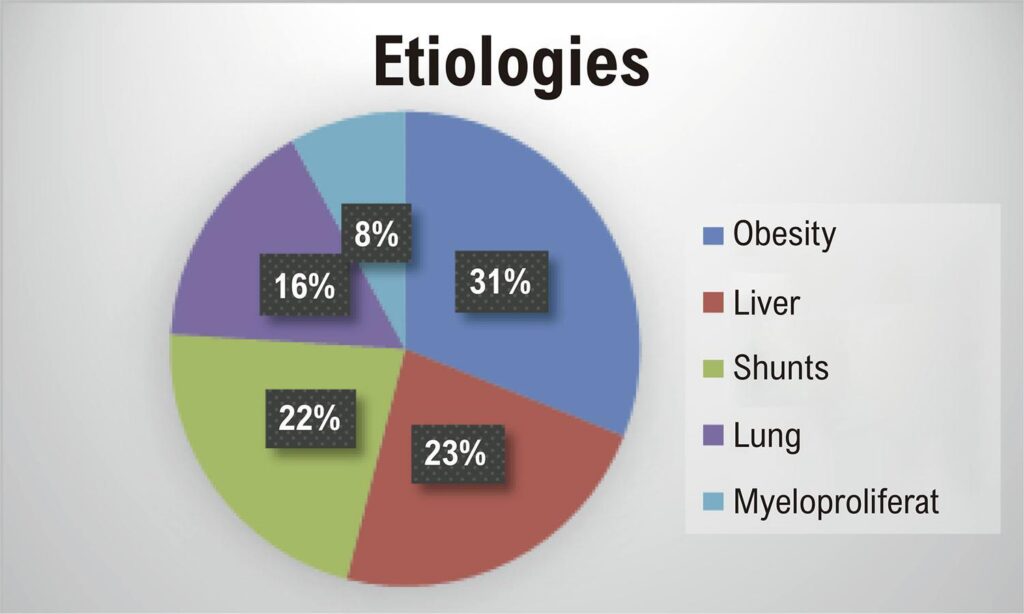
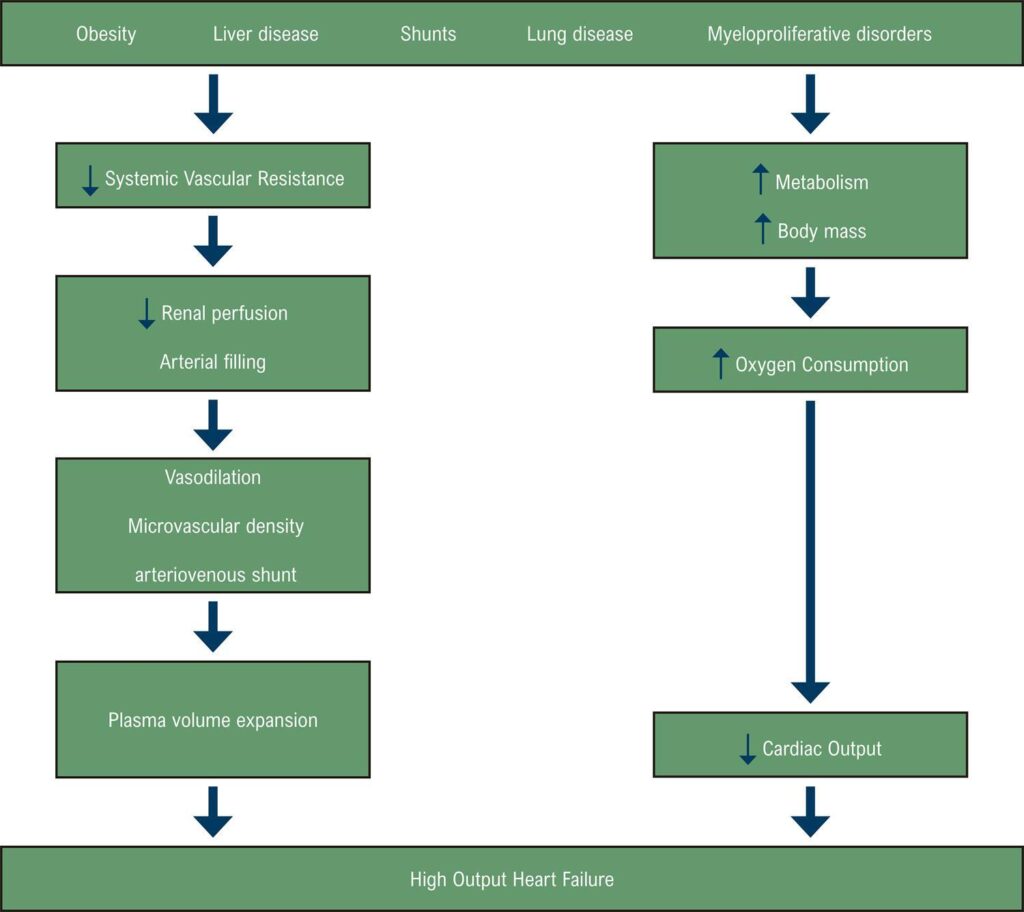
High-output heart failure (HOHF) is a less common form of heart failure and presents as the inability of the heart to supply enough blood for the body’s needs. HOHF can be divided into two categories: 1. increased demand for increased metabolism or 2. arteriovenous shunts increasing venous circulation flow and decreasing resistance, leading to increased oxygen consumption and low systemic vascular resistance. The most common causes are obesity, liver disease, shunts, lung disease, myeloproliferative diseases, hyperthyroidism, and thiamine deficiency.
Images
Image gallery fullscreen viewer
Comments are moderated by the editorial team before publication. Discussions should be evidence-based and use scientific language. Conflicts of interest should be declared.