| ABCHF
ABC Family Arquivos Brasileiros de Cardiologia International Journal of Cardiovascular Sciences ABC Heart Failure & Cardiomyopathy ABC Imagem Cardiovascular
Português English
ABC Family | ABCHF
Português English
  • About
    • About the Journal
    • Internal Regulation
    • Editors Section
    • Editorial Board
    • SBC Award
  • Instructions to Authors
    • Guidelines for Publication
    • Editorial Policy
    • Ethics Policy
    • Policy on the Use of Artificial Intelligence
    • Mandatory Publication Form
  • Issues
  • SBC Guidelines
  • About
    • About the Journal
    • Internal Regulation
    • Editors Section
    • Editorial Board
    • SBC Award
  • Instructions to Authors
    • Guidelines for Publication
    • Editorial Policy
    • Ethics Policy
    • Policy on the Use of Artificial Intelligence
    • Mandatory Publication Form
  • Issues
  • SBC Guidelines

ABC Family

  • ABC Family
  • Arquivos Brasileiros de Cardiologia
  • International Journal of Cardiovascular Sciences
  • ABC Heart Failure & Cardiomyopathy
  • ABC Imagem Cardiovascular
Search in

No content found.

Journals
Ordering
Article types
Others

  1. Home
  2. ABCHF
  3. Issues
  4. 2022, Volume 2, Number 3
Figure 1
Review Article

Invasive Hemodynamic Monitoring in the Diagnosis of Heart Failure with Preserved Ejection Fraction

Dirceu Rodrigues Almeida et al. Fernanda Almeida Andrade

Introduction

Heart failure with preserved ejection fraction (HFpEF) is a complex clinical syndrome that has a negative impact on quality of life and life expectancy of patients, with high hospitalization and mortality rates. HFpEF is a highly prevalent disease, probably due to the increase in the prevalence of common risk factors, such as advanced age, female sex, arterial hypertension, diabetes, renal failure and obesity., It is estimated that nearly half of heart failure patients have preserved ejection fraction, defined as a left ventricular (LV) ejection fraction (LVEF) ≥50%. Despite the publication of numerous original articles, reviews, books and guidelines, there are still doubts and controversies regarding the real incidence, etiopathogenesis, pathophysiology, prognosis, and mainly the difficulties in the correct diagnosis of HFpEF by non-invasive methods. In this paper, we will describe the importance of the invasive hemodynamic monitoring (IHM) for the correct diagnosis of HFpEF.–

[…]

  • Diagnosis
  • Heart Failure
  • Heart Failure, Diastolic
Read Full Article
Creative Commons Attribution (CC BY) Creative Commons license
01/12/2022 DOI: 10.36660/abc.20220059 Views 1
Review Article

Pathophysiological Bases of Pulmonary Hypertension in Heart Failure with Preserved Ejection Fraction and Implications for Management

Aguinaldo F. Freitas Jr. et al. Daniela do Carmo Rassi Frota Salvador Rassi

Prevalence, definition, and diagnosis

The prevalence of PH in patients with HFpEF is widely heterogeneous, with frequencies ranging from 36% to 81%, and this is due to the diagnostic means used, to the time of progression of the underlying disease, and to the different ejection fraction cut-off points used to define HFpEF. For example, in a subanalysis of the PARAGON study, the prevalence of PH in patients with HFpEF was 31%. Moreover, the different phenotypes of HFpEF may present with a lower or higher degree of PH, depending on the increase in pulmonary vascular resistance, the increase in right atrial pressure, and associated concomitant chronic kidney disease.

Group 2 PH is defined as mean pulmonary artery pressure > 20 mmHg and pulmonary capillary pressure > 15 mmHg. Right heart catheterization is considered the gold standard for accurate measurement of pulmonary pressures, and it is valuable in evaluation of the hemodynamic response to physical exertion, providing important information for differentiating between group 2 PH and other etiologies.

[…]

  • Heart Failure
  • HFpEF
  • Pulmonary Hypertension
Read Full Article
Creative Commons Attribution (CC BY) Creative Commons license
01/12/2022 DOI: 10.36660/abchf.20220061
Viewpoint

Lessons from the EMPEROR Preserved

Ivna Girard Cunha Vieira Lima et al. Edimar Alcides Bocchi

In randomized clinical trials, sodium-glucose cotransporter-2 inhibitors (SGLT2i) have been shown effective in reducing the risk of cardiovascular (CV) death and hospitalization for chronic heart failure (CHF), as well as renal outcomes, regardless of the presence of diabetes. Despite these findings in patients with heart failure (HF) with reduced ejection fraction (EF) (HFrEF), retrospective subanalyses of patients with type 2 diabetes have suggested that many of preventable events have occurred in patients with a left ventricular (LV) EF (LVEF) greater than 40%. In this regard, the Empagliflozin Outcome Trial in Patients with Chronic Heart Failure with Preserved Ejection Fraction (EMPEROR-Preserved) was carried out to evaluate the safety and efficacy of empagliflozin in patients with HFpEF. A total of 5988 patients with LVEF > 40% were randomized (Empagliflozin or placebo) and followed up for a median of 26.2 months; 45% of participants were women, symptomatic, with class II–IV heart failure, one hospitalization in the last year and N-terminal pro–B-type natriuretic peptide (NT-proBNP) levels of more than 300 pg/mL if in sinus rhythm or > 900 pg/mL if in atrial fibrillation NT-PRO-BNP. The primary outcome – composite outcome of CV death or hospitalization for heart failure (HF) – occurred in 13.8% in the empagliflozin group and in 17.1% in the placebo group, with a hazard ratio of 0.79; 95% confidence interval (CI) of 0.69 to 0.90; p60% (HR 0.87, 95%CI 0.69-1.1) in a subgroup analysis and its limitations.

When the outcomes were stratified by EF, 33% of patients had EF between 41 and 49% and the others an EF>50%. No difference in the effect of the medication was seen between patients with EF > 50% and patients with EF<60% or 41-49% (). Empagliflozin was superior to placebo in improving the combined outcome regardless of the presence of diabetes in patients with HFpEF. The effect was strengthened especially by the reduction in hospitalization for CHF rather than in CV mortality, which seems to be independent of baseline EF, even among patients with EF between 50% and 60%. With these results, empagliflozin was approved for the treatment of patients with this profile, and generated enthusiasm in the scientific community. Previous medications such as candesartan, spironolactone and sacubitril-valsartan have shown no or modest beneficial effect, and predominantly in populations with lower EF.

[…]

  • Cardiovascular Diseases
  • Diastolic Heart Failure
  • Heart Failure
Read Full Article
Creative Commons Attribution (CC BY) Creative Commons license
01/12/2022 DOI: 10.36660/abchf.20220072 Views 1
Figure 1
Viewpoint

When to Suspect Infiltrative or Storage Cardiomyopathy in Patients with HFpEF?

Marcelo Imbroinise Bittencourt et al. Ricardo Mourilhe-Rocha

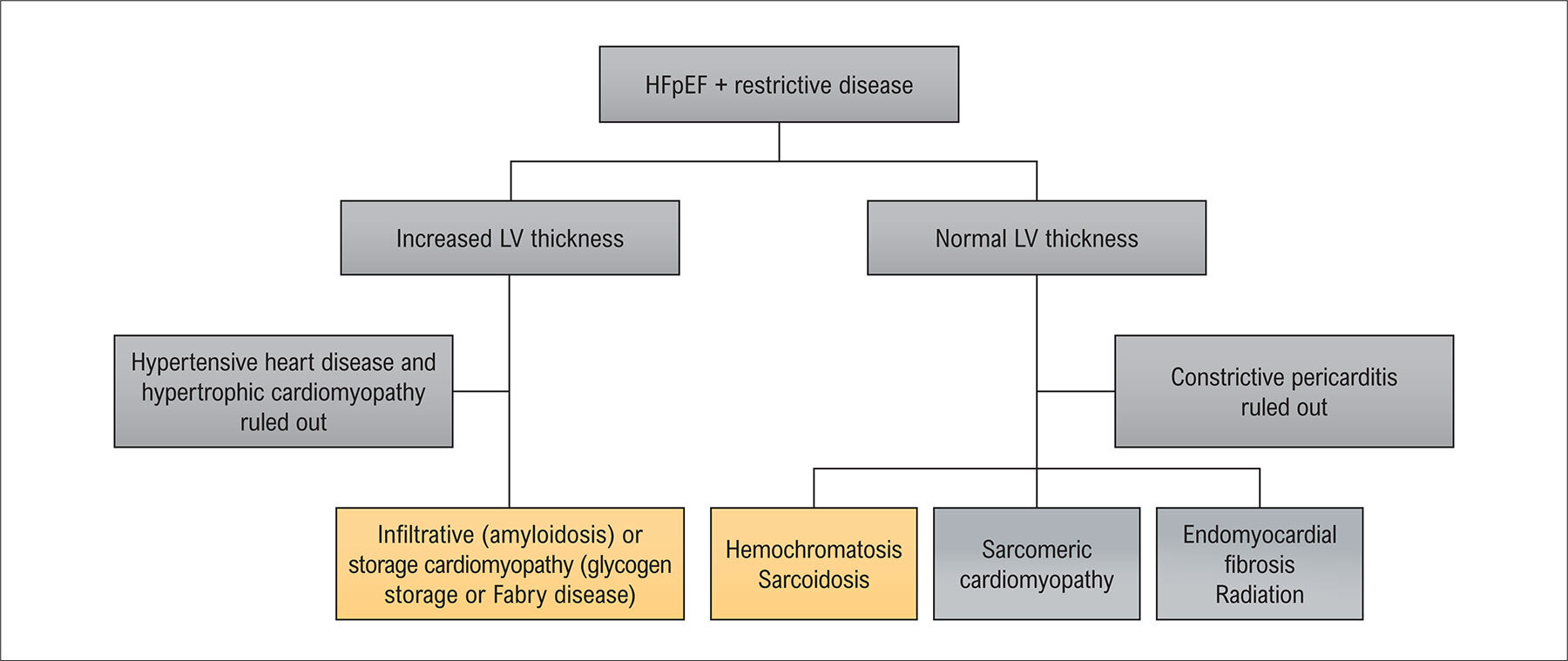
Heart failure with preserved ejection fraction (HFpEF) is a frequent clinical syndrome, and it has accounted for 40% to 50% of heart failure hospitalizations in several reports published in the literature., It is a distinctly heterogeneous syndrome, and, with this diversity of scenarios, patients with a restrictive cardiomyopathy phenotype have been increasingly identified, especially elderly patients with cardiac amyloidosis.

Restrictive cardiomyopathies are diseases of the heart muscle that can arise due to various etiologies, including genetic abnormalities, infiltrative diseases, and storage diseases. From a pathophysiological point of view, they have in common the fact that they cause an increase in ventricular rigidity. Their real prevalence is unknown, but they are considered the least common form of cardiomyopathies. The infiltrative and storage diseases that can cause HFpEF include diseases with very different characteristics and evolution, such as amyloidosis, sarcoidosis, hemochromatosis, lysosomal disorders, and glycogen storage disorders.

[…]

  • Cardiomyopathies
  • Diagnosis
  • Heart Failure, Diastolic
Read Full Article
Creative Commons Attribution (CC BY) Creative Commons license
01/12/2022 DOI: 10.36660/abchf.20220069 Views 1
Figure 1
Original Article

Efficacy of Different Cumulative Doses of Doxorubicin in the Induction of a Dilated Cardiomyopathy Model in Rats

Denise Mayumi Tanaka et al. João Lucas O’Connell Camila Godoy Fabricio Minna Moreira Dias Romano … Erica Carolina Campos Luciano Fonseca Lemos de Oliveira André Schmidt Eduardo Elias Vieira de Carvalho Marcus Vinícius Simões

Abstract

Background:

Doxorubicin (DOXO) has been used to induce dilated cardiomyopathy (DCM) in experimental models.

Objective:

To analyze cardiac changes after DOXO infusion and define the most effective protocol to reproduce an experimental model of DCM.

Methods:

Male Wistar rats were divided into 4 groups and received increasing cumulative doses of DOXO (at a rate of 2 mg/kg/week) or saline solution: the control group (CTR) received saline solution, Group D-8 received a total infusion of 8 mg/kg, Group D-12 received 12 mg/kg, and Group D-16 received 6 mg/kg. All animals underwent echocardiography at baseline and after the end of infusion. The animals were then euthanized and cardiac tissue was collected for histological analysis.

Results:

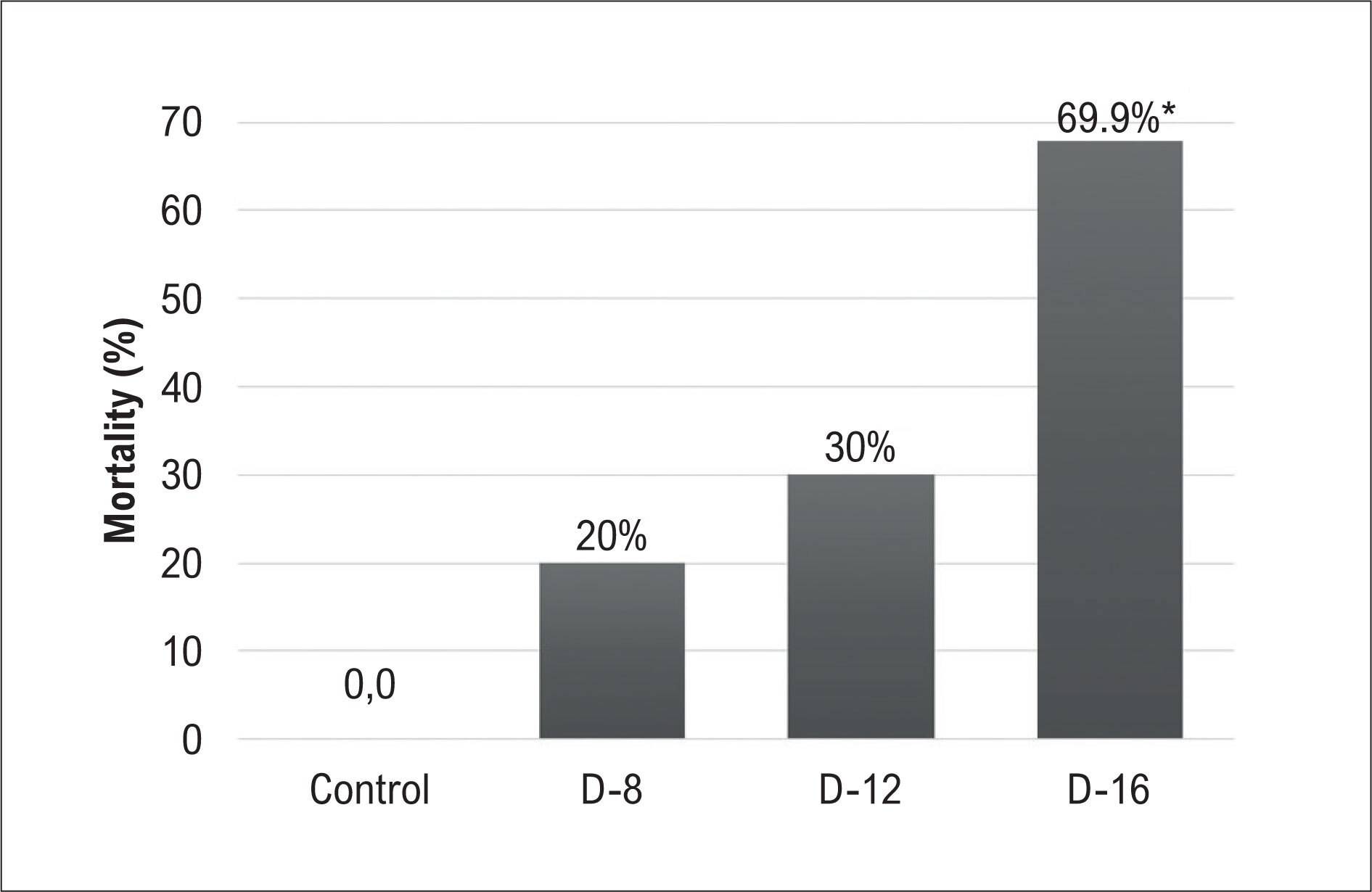
Mortality rates were 20% (D-8), 30% (D-12), and 67.6% (D-16). The 8 mg/kg dose was not associated with a significant reduction in left ventricular ejection fraction (LVEF) or an increase in left ventricular end-diastolic diameter (LVEDD). There was significant LVEF impairment with 12 mg/kg and 16 mg/kg doses compared to the control (68.3±5% vs 58.4±9%, p < 0.01, for CTR-12 vs D-12; and 66.0±6% vs 47.6±15%, p < 0.01, for CTR-16 vs D-16). Histological analyses revealed a greater percentage of fibrosis in D-12 (10.6±3.3%) and D-16 (9.8±2.3%) compared to CTR (2.3±1.0%), p < 0.001.

Conclusions:

The DOXO dose of 16 mg/kg was associated with severe cardiac changes and high mortality. Thus, we propose a DOXO dose of 12 mg/kg as the most appropriate and effective for inducing DCM with an acceptable mortality rate.

  • Cardiotoxicity
  • Dilated Cardiomyopathy
  • Doxorubicin
  • Heart Failure
  • Left Ventricular Dysfunction
Read Full Article
Creative Commons Attribution (CC BY) Creative Commons license
01/12/2022 DOI: 10.36660/abchf.20220074
Figure 1
Viewpoint

The Importance of Controlling Comorbidities in HFpEF and How They Influence Disease Evolution

Conrado Roberto Hoffmann Filho et al. André R. Duraes Gilmar Sidnei Erzinger

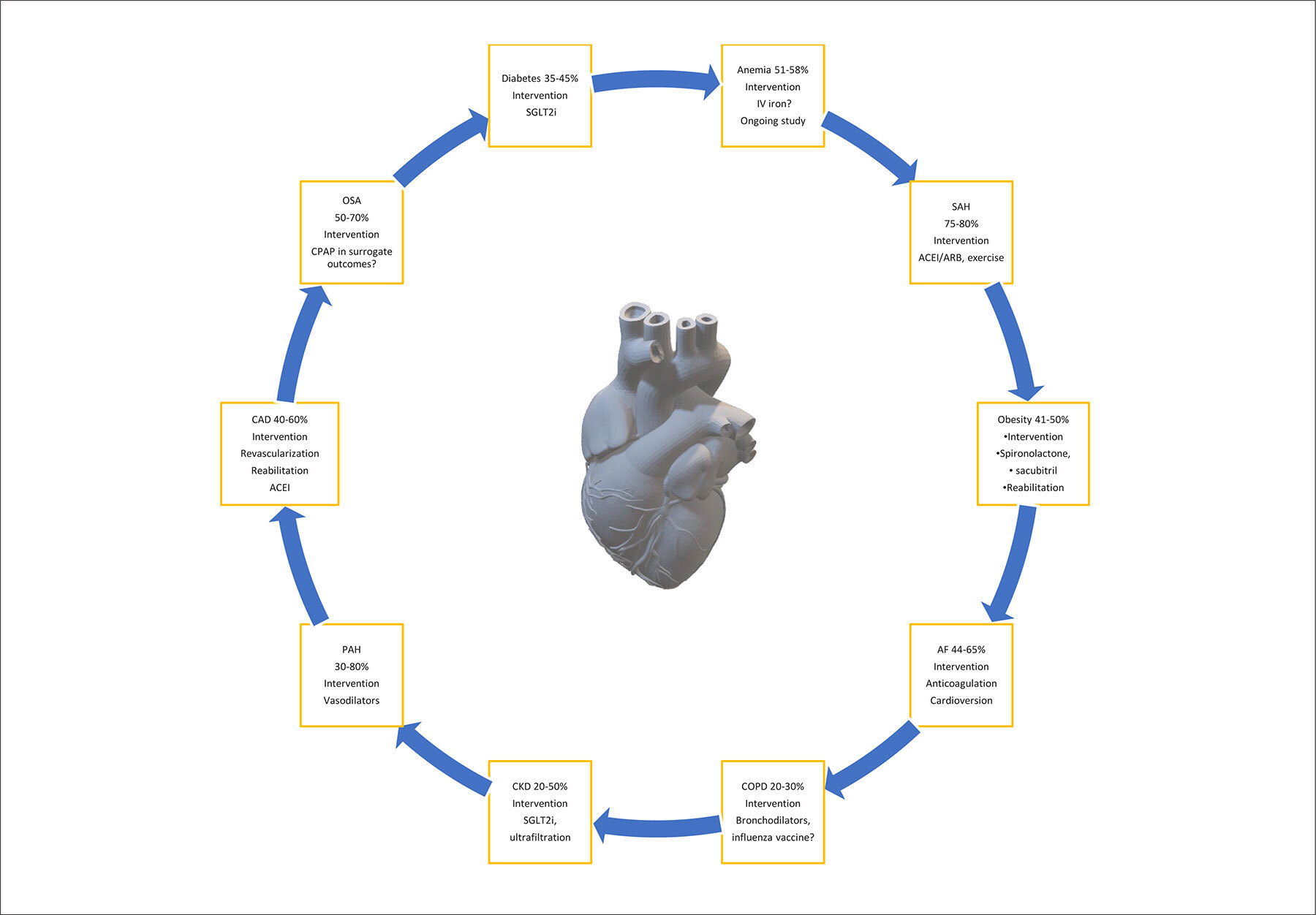
Heart failure (HF) is a disease with high morbidity and mortality in Brazil and in the world, and HF with preserved ejection fraction (HFpEF) accounts for more than half of cases. Effective pharmacological treatment options for HFpEF are scarce, with poor outcomes and an annual mortality of 10 to 30%. Mortality from noncardiovascular causes is high, which is to be expected given the high number of comorbidities (). The syndromic diagnosis is composed of several etiologies and diseases, each one with a specific treatment but with common aspects regarding clinical presentation.

An approach based on the different phenotypes of the disease was proposed, which comprises multiple situations experienced by the group of patients with HFpEF. Each phenotype is dependent on the different presentations of comorbidity severity, which constitutes a challenge for the definitive clinical diagnosis of HFpEF by a clinical cardiologist. Diagnostic scores with probabilistic models were developed to facilitate HFpEF diagnosis, using clinical, echocardiographic, and biomarker variables, such as B-type natriuretic peptide (BNP) and N-terminal portion of BNP. A more detailed description of the diagnosis is beyond the scope of this article.

[…]

  • Comorbidity
  • Heart Failure
  • Hypertension
Read Full Article
Creative Commons Attribution (CC BY) Creative Commons license
01/12/2022 DOI: 10.36660/abchf.20220070
Figure 1
Viewpoint

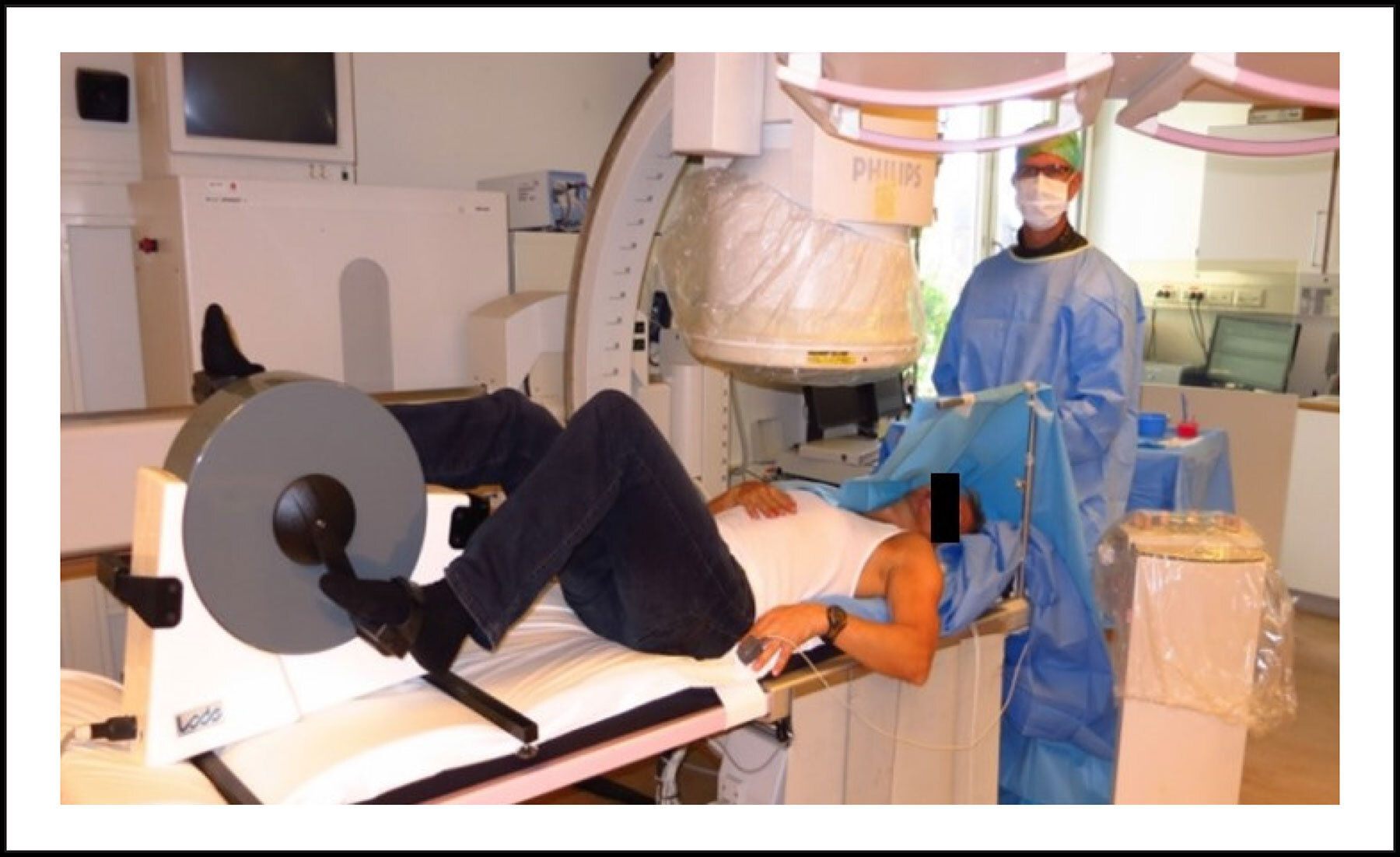
Physical Training in Heart Failure with Preserved Ejection Fraction

Carlos Eduardo Lucena Montenegro et al. Dilane Cristina Ferreira Tavares Fiamma Ferreira Nogueira Ana Carla Alves de Souza Lyra … Taciana Queiroz Medeiros Gomes Maria Inês Remígio de Aguiar

[…]

  • Cardiac Rehabilitation
  • Heart Failure
  • Physical training
  • Preserved Ejection Fraction
Read Full Article
Creative Commons Attribution (CC BY) Creative Commons license
01/12/2022 DOI: 10.36660/abchf.20220064 Views 2
Figure 1
Review Article

Left Atrial Cardiomyopathy as a Generator of Heart Failure with Preserved Ejection Fraction

Antonio José Lagoeiro Jorge et al. Wolney de Andrade Martins Evandro Tinoco Mesquita Marcio Roberto Moraes de Carvalho

Abstract

The left atrium is an anatomical structure relevant to the maintenance of the physiological hemodynamics of the cardiovascular system. Atrial cardiomyopathy (aCMP), defined as any change in the structure, architecture, contractility or electrophysiology of the atria, is associated with adverse clinical implications, and responsible for atrial fibrillation and stroke. Heart failure with preserved ejection fraction (HFpEF) with a predominance of atrial fibrillation (AF) is a unique clinical phenotype, characterized by mechanical dysfunction of the left atrium, congestive symptoms and poor prognosis. aCMP is a common condition among patients with HFpEF and AF. Due to the strong association between aCMP and HFpEF, the diagnosis of aCMP has clinical relevance in patients with HFpEF. The objective of this review is to help identify aCMP as a risk factor for the development of HFpEF.

  • Atrial Fibrillation
  • Atrial Function, Left
  • Heart Failure, Diastolic
Read Full Article
Creative Commons Attribution (CC BY) Creative Commons license
01/12/2022 DOI: 10.36660/abchf.20220055 Views 1
Figure 1
Viewpoint

Diagnosis of Heart Failure with Preserved Heart Failure in the Office Setting: How to Assemble this Puzzle?

Andreia Biolo et al. Marciane Maria Rover

Conclusion

During the last years, HFpEF has been increasingly recognized as a highly complex syndrome, with different phenotypes, in which the heart is definitely not the only organ affected. Identifying the limitations in assessing these patients was a big step. Current diagnostic approach, putting the pieces together, has certainly enhanced our capacity to diagnose this increasingly prevalent disease. However, not all pieces of this amazing puzzle – the HFpEF – have been identified, and we do not always get to a definite diagnosis in the office; yet, there is still a way to go. In situations where uncertainty remains high after the careful use of available tools, we must go on, with complementary tests (exercise stress and/or diastolic stress test) and referral to specialized centers, and do not stop until all the pieces are put together.

[…]

  • Diagnosis
  • Diastolic Heart Failure
  • Heart Failure
Read Full Article
Creative Commons Attribution (CC BY) Creative Commons license
01/12/2022 DOI: 10.36660/abchf.20220068
Figure 1
Review Article

Echocardiography in Heart Failure with Preserved Ejection Fraction: From Primary Care to Tertiary Hospitals

Marcelo Iorio Garcia

Introduction

Heart failure (HF) is a highly prevalent and incident clinical syndrome that mostly affects older adults. It is one of the main causes of hospital admission, which is a strong prognostic marker, considering that approximately 50% of hospitalized patients will be readmitted within 6 months.

HF with preserved ejection fraction (HFpEF) is hemodynamically defined as an inability of the heart to meet adequate metabolic demands under normal filling pressures. This concept is fundamental, given that patients with normal left ventricular (LV) ejection fraction (EF) (> 50%) usually have normal cardiac output, but are only able to maintain this output at the expense of increased filling pressures. Some patients are known to show signs of congestion at rest, but the vast majority only presents clinical symptoms during effort.

[…]

  • Diagnosis
  • Heart Failure
  • Prognosis
Read Full Article
Creative Commons Attribution (CC BY) Creative Commons license
01/12/2022 DOI: 10.36660/abchf.20220056 Views 1
Figure 1
Editorial

Lessons Learned from Community Studies of HFpEF – The Digitalis Study

Eduarda Corrêa Maia et al. Evandro Tinoco Mesquita Antonio José Lagoeiro Jorge Luiz Claudio Danzmann

Medical education and, in particular, research in cardiovascular graduate programs have been developed within a segmented view, which reduces and disregards other aspects that constitute the individual, as well as the person beyond the disease. To correct and improve this view, we must understand the transformations that have occurred in medical education and in the health system rather than the privileges that constitute the current health scenario in Brazil. To this end, it is essential to understand the historical context of the changes in health education and medical education that led a group of researchers from the Fluminense Federal University (Universidade Federal Fluminense, UFF) to gain knowledge of heart failure (HF) in the city of Niterói, Brazil, which is the basis of the Digitalis study.,

Inspired by the importance of primary health care (PHC) in the Alma-Ata Declaration, which was adopted in 1978, projects aimed at improving health quality and access to health were planned and established with methods that included the entire community. From this point onward, we were able to observe the development and implementation of the PHC model in Brazil and, especially, in the city of Niterói, which pioneered the implementation of the Family Health Program (FHP). The FHP, which is based on the family medicine model from Cuba, consists of a team of general practitioners, led by a family doctor, that is responsible for the health of family groups in a given territory.,

[…]

  • Cardiology
  • Family Health Program
  • HFpEF
  • Primary Care
Read Full Article
Creative Commons Attribution (CC BY) Creative Commons license
01/12/2022 DOI: 10.36660/abchf.20220053 Views 1
Figure 1
Review Article

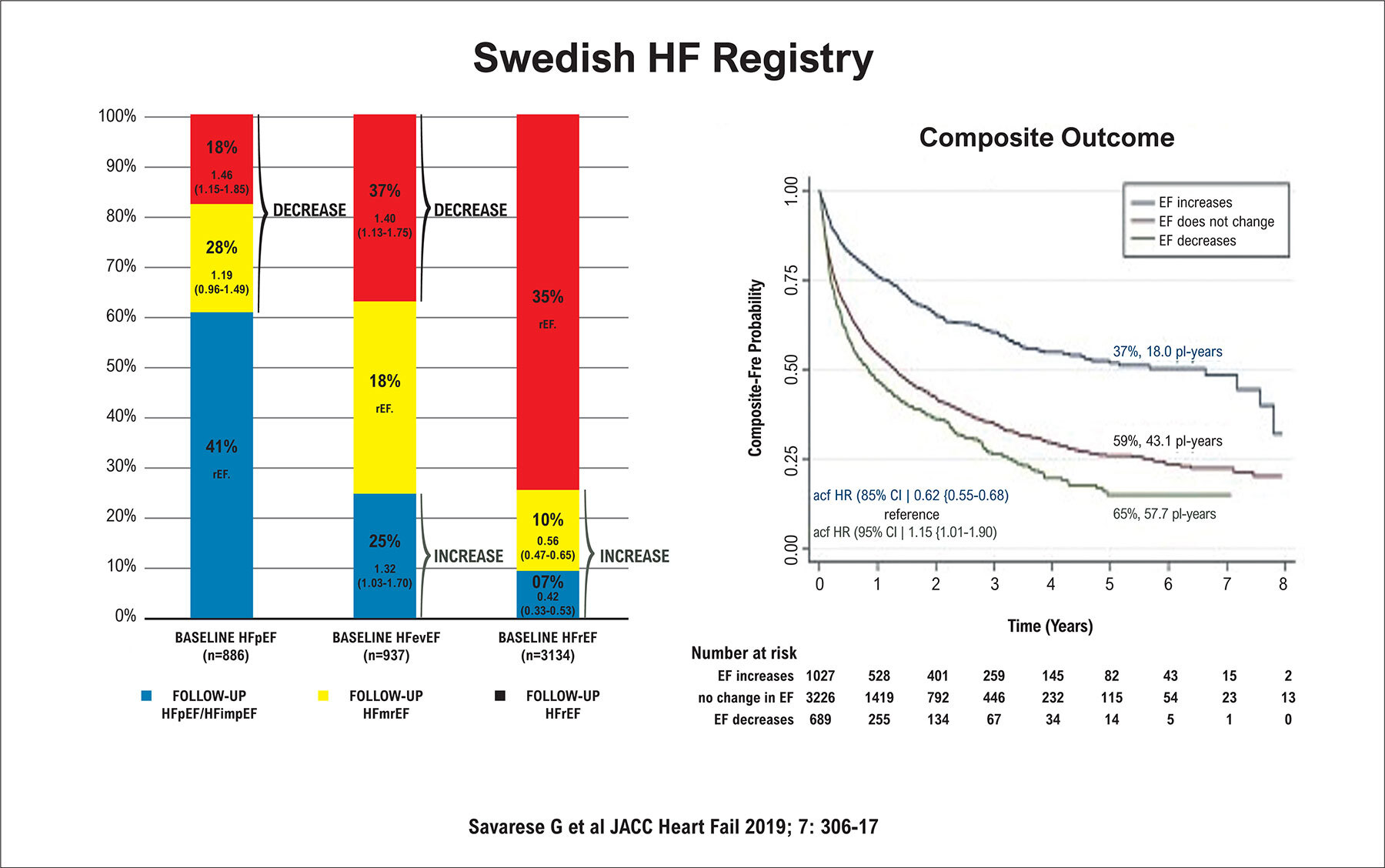
Heart Failure with Improved Ejection Fraction

Antonio Carlos Pereira Barretto

Abstract

Cardiac remodeling is generally an adverse sign linked to the progression of heart failure (HF). However, in remodeled hearts, reverse remodeling is an important sign of cardiac recovery associated with a better prognosis. Ejection fraction may improve spontaneously following resolution of the processes that promote cardiac dilatation. In HF with reduced ejection fraction, treatment with neurohormonal blockade is an important strategy to promote improvements in ejection fraction. Improved ejection fraction can identify recovered patients with a better prognosis. In patients with HF with reduced or mildly reduced ejection fraction undergoing treatment, we should always investigate the ejection fraction development and optimize treatment by targeting an improved ejection fraction.

HF with improved ejection fraction is a current topic with several new publications, and given its importance, it has been highlighted in the main HF guidelines.

  • Heart Failure
  • Patients
  • Prognosis
Read Full Article
Creative Commons Attribution (CC BY) Creative Commons license
01/12/2022 DOI: 10.36660/abchf.20220067 Views 3
Review Article

Diagnostic Scores in Heart Failure with Preserved Ejection Fraction

Miguel Morita Fernandes-Silva

Abstract

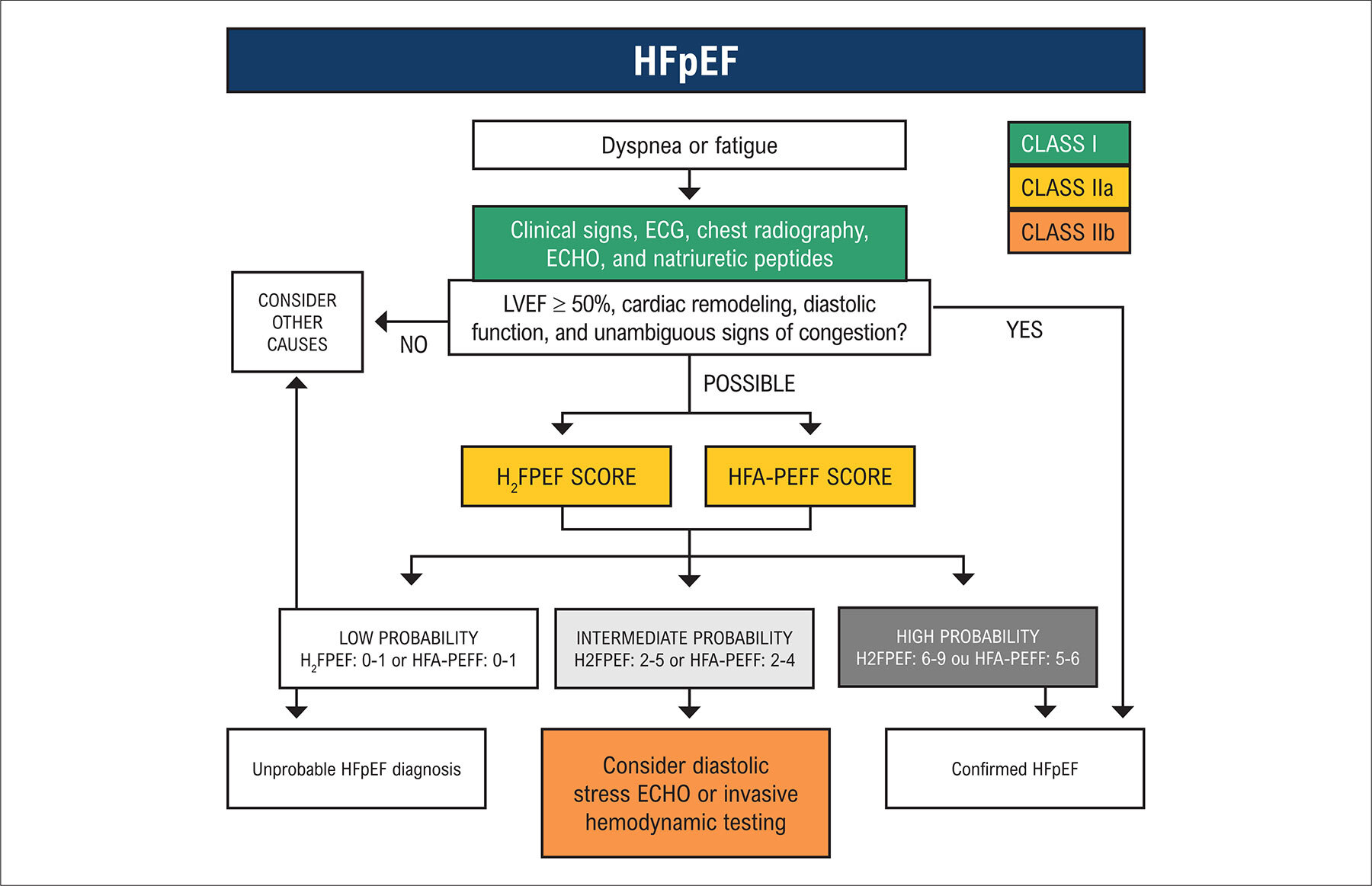
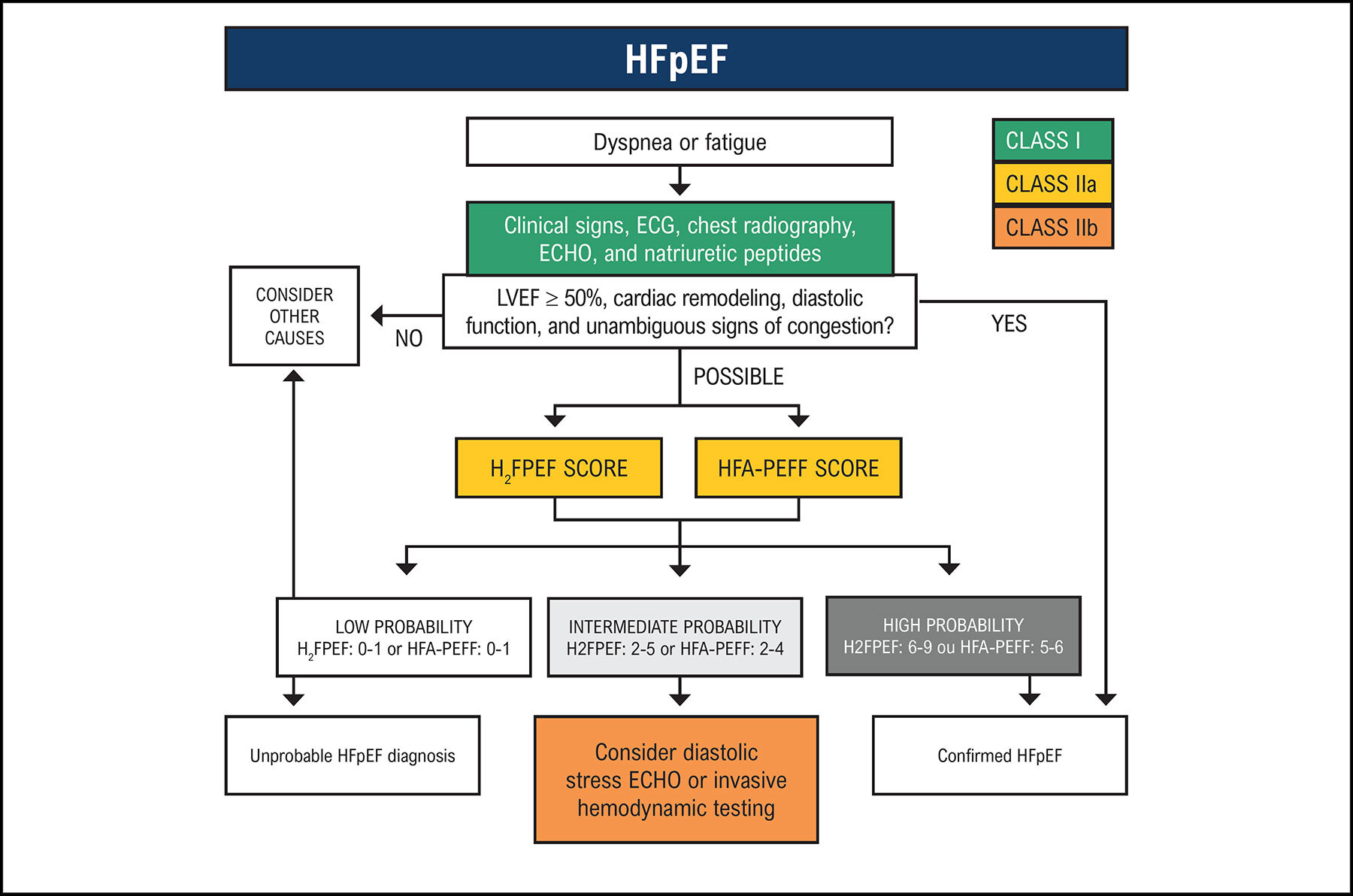
The diagnosis of heart failure with preserved ejection fraction (HFpEF) can be challenging and diagnostic scores have been proposed to help in the diagnostic process. This article reviews these scores to provide insights on their role and interpretation in clinical practice. To date, two scores have been validated for the diagnosis of HFpEF. The H2FPEF includes clinical – obesity, hypertension, atrial fibrillation, age – and echocardiographic data – pulmonary hypertension and E/e’ ratio. The HFA-PEFF uses multiple echocardiographic parameters on structural and functional cardiac abnormalities and includes natriuretic peptide blood levels. The accuracy of the H2FPEF score appear to be superior to the HFA-PEFF score in identifying patients with elevated pulmonary capillary wedge pressure at rest or during exercise, but the gold-standard definition of HFpEF is still a matter of debate. A high rating in either of the two scores has a high positive predictive value, and the scores are most useful when HFpEF is clinically suspected, but the diagnosis is uncertain.

  • Diagnosis
  • Diastolic Heart Failure
  • Patients
Read Full Article
Creative Commons Attribution (CC BY) Creative Commons license
01/12/2022 DOI: 10.36660/abchf.20220057 Views 1
Viewpoint

HFpEF: Evidence from Recent Clinical Trials and New Perspectives

José Francisco Kerr Saraiva et al. Nathalia dos Reis de Moraes

Heart failure (HF) is a highly prevalent clinical syndrome affecting more than 10% of the population older than 70 years of age, with a great impact on morbidity and mortality., HF is traditionally divided into three categories based on the left ventricular ejection fraction (EF): HF with reduced EF (EF50%; HFpEF).

HFpEF represents nearly half of HF cases in developed countries; its pathophysiology is complex and still little understood. The great variety of HFpEF phenotypes, makes its diagnosis and treatment challenging. Unlike HFrEF, before the emergence of SGLT-2 inhibitors, no treatment had been shown effective in reducing the hard outcomes in HFpEF. Also, the wide variability in diagnostic criteria of HFpEF adopted in different clinical trials may have contributed to the difficulty in showing therapeutic effectiveness in reducing mortality.

[…]

  • Heart Failure
  • Mortality
  • Stroke Volume
Read Full Article
Creative Commons Attribution (CC BY) Creative Commons license
01/12/2022 DOI: 10.36660/abchf.20220071 Views 2
Figure 1
Review Article

Flowchart for Treatment of Heart Failure with Preserved Ejection Fraction

Viviane Melo e Silva de Figueiredo et al. João Vitor Soares Santos Natália Garcia Galvão José Albuquerque de Figueiredo Neto

Abstract

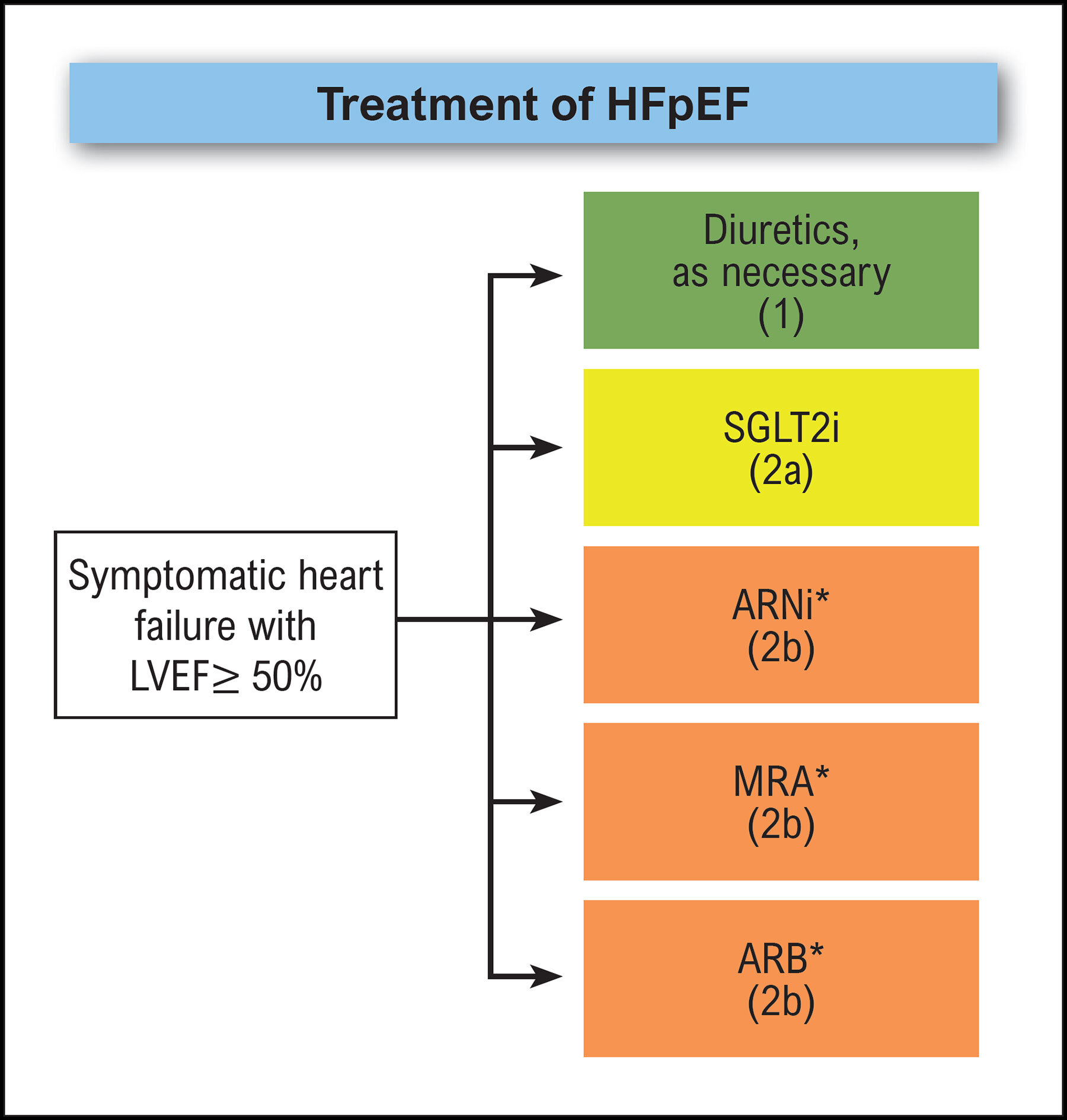
Heart failure with preserved ejection fraction (HFpEF) manifests as a heterogeneous syndrome, with pathophysiological variety, often associated with other comorbidities. Furthermore, the therapy performed in these patients is related to the treatment of correlated comorbidities. In this context, the specific pharmacological treatment of HFpEF is a challenge, given the lack of evidence from studies that would prove a significant reduction in mortality outcomes. In this article, we will analyze the management for the control of arterial hypertension and atrial fibrillation as well as evidence from studies on the use of the main classes of medications recommended for the treatment of patients with HFpEF, such as sodium-glucose cotransporter 2 inhibitors, renin-angiotensin system inhibitors, neprilysin inhibitors, and nitrates.

  • Diastolic Heart Failure
  • Heart Failure
  • Medication Therapy Management
Read Full Article
Creative Commons Attribution (CC BY) Creative Commons license
01/12/2022 DOI: 10.36660/abchf.20220062 Views 1
Figure 1
Review Article

The Role of Biomarkers in Heart Failure with Preserved Ejection Fraction

Humberto Villacorta et al. Alan S. Maisel

Introduction

A large proportion of patients with heart failure (HF) have preserved left ventricle (LV) ejection fraction (HFpEF) or slightly reduced systolic function. Although specific cutoff recommendations are constantly evolving, the European Society of Cardiology (ESC) has recently proposed the term HF with mildly reduced ejection fraction (HFmrEF) for values between 40–49% and HFpEF for ejection fraction ≥ 50%. In the past, different cutoffs were used in studies of HFpEF, ranging from 40% to 55%. Additionally, there is significant overlap between HFpEF and HFmrEF. For these reasons, in this chapter we consider them as a whole.

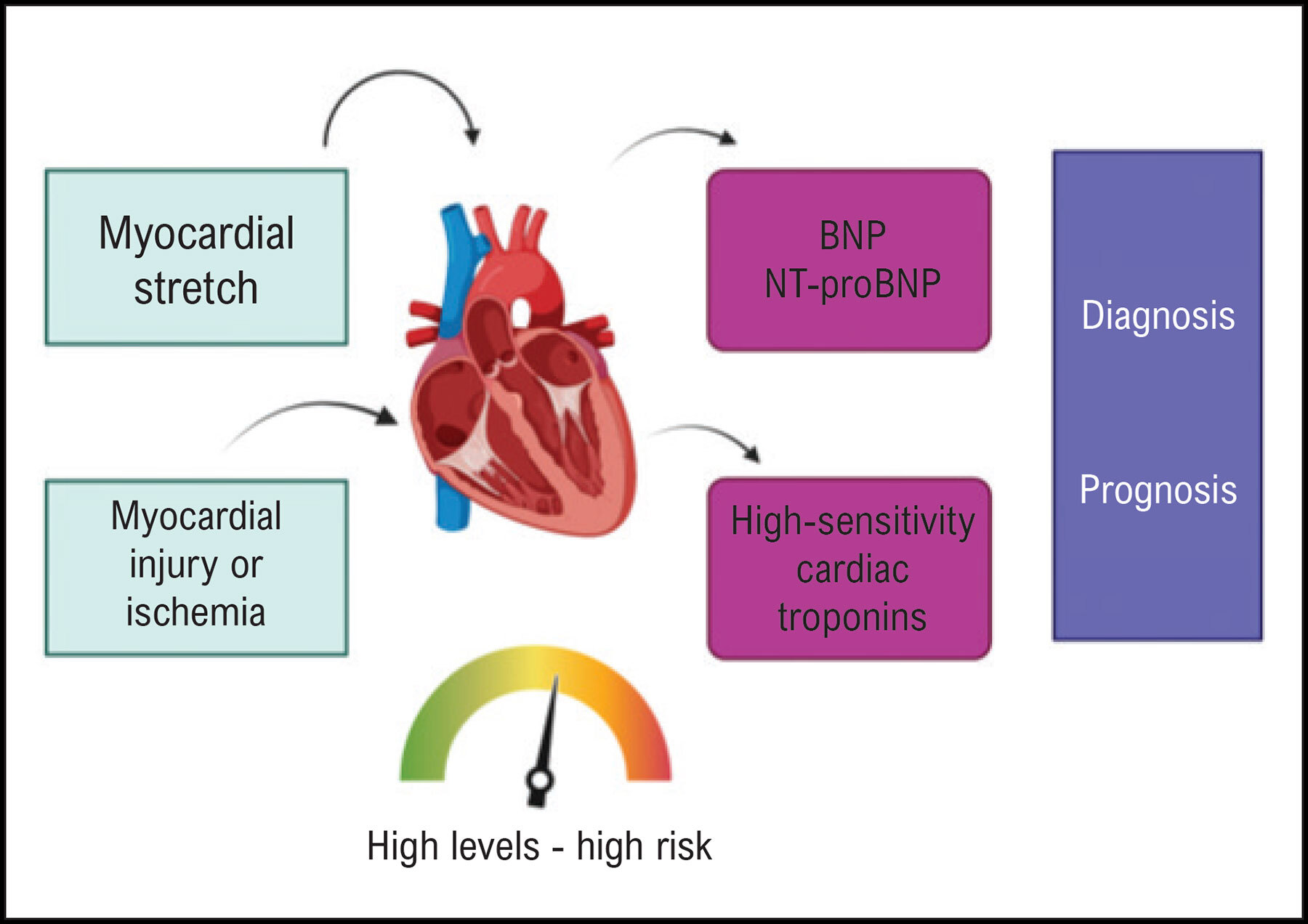
HFpEF is associated with many comorbidities and has a high rate of morbidity and mortality, both in ambulatory and in-hospital cohorts.– HFpEF is a heterogeneous syndrome with diverse etiologies and phenotypes and different pathophysiological pathways, which are not fully understood., Circulating biomarkers may represent important tools to aid in the diagnosis and prognosis of this condition.,

[…]

  • Biomarkers
  • Heart Failure
  • Preserved Ejection Fraction
Read Full Article
Creative Commons Attribution (CC BY) Creative Commons license
01/12/2022 DOI: 10.36660/abchf.20220058
Figure 1
Original Article

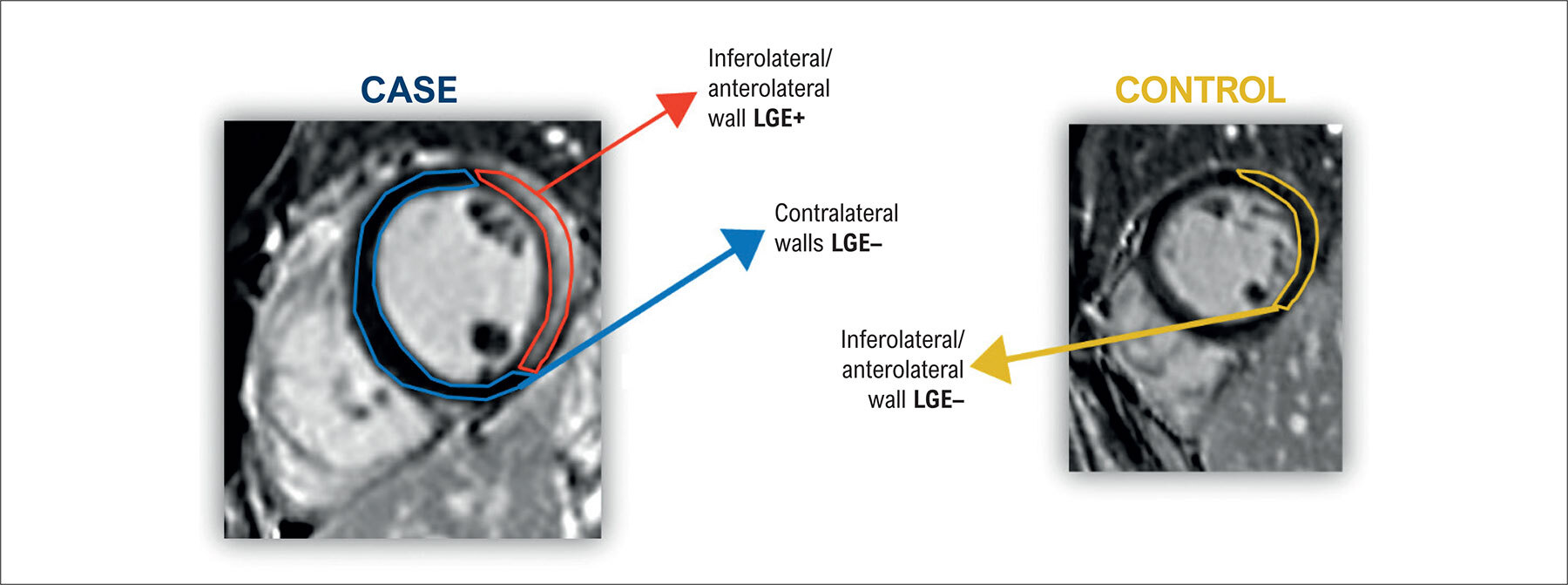
Myocarditis: Whole Heart Involvement Revealed by Cardiac Magnetic Resonance Mapping. A Case-control Study

Tiago Bartzen Pereira et al. Maurício Balk Gabriela Bartzen Pereira Victória Schmidt Ramos … Luciano Giordani Paulo R. Schvartzman Luís Beck-da-Silva

Abstract

Background:

Late gadolinium enhancement (LGE) on cardiac magnetic resonance (CMR) only demonstrates regional abnormalities in myocarditis and does not adequately assess diffuse myocardial involvement.

Objective:

To evaluate possible differences in T1 and T2 mapping between ventricular wall segments with and without LGE in patients with myocarditis, compared to control subjects.

Methods:

In a case-control design, 22 patients with CMR evidence of myocarditis and 18 controls with normal CMR were assessed. The study included: (1) T1 mapping (shortened modified Look-Locker Inversion recovery); (2) LGE; (3) T2 mapping (steady-state free precession); and (4) the T2 signal intensity of the myocardium divided by that of skeletal muscle (T2 ratio). T1 and T2 mapping of affected (LGE+) and unaffected (LGE−) ventricular segments of cases were compared, as were those of controls versus cases. The level of significance was set at a two-sided alpha level of 0.05.

Results:

Comparing only patients with myocarditis, ventricular segments with evidence of late enhancement (LGE+) showed a mean T1 value significantly different from that of unaffected (LGE−) ventricular walls (1057 ± 30 versus 1028 ± 48; p = 0.0001). Comparing myocarditis versus controls, the mean T1 value of negative LGE segments in cases (myocarditis +) was significantly different from the mean of the corresponding walls in controls (1028 ± 48 versus 996 ± 10; p < 0.0001). The mean T2 maps of negative LGE walls in cases were not statistically different from those of controls (49 ± 4 versus 49 ± 1; p = 0.9229).

Conclusion:

This case-control study suggests that T1 mapping demonstrates significant involvement of the myocardium of patients with myocarditis, even in the absence of LGE. Specifically, T1 mapping could reveal diffuse myocardial involvement not evidenced by LGE imaging. T2 mapping was noncontributory.

  • Contrast Media
  • Magnetic Resonance Imaging
  • Myocarditis
Read Full Article
Creative Commons Attribution (CC BY) Creative Commons license
01/12/2022 DOI: 10.36660/abchf.20220075 Views 2

How to cite this article

EndNote RIS

Electronic Document Format (Vancouver)

Almeida DR, Andrade FA. Invasive Hemodynamic Monitoring in the Diagnosis of Heart Failure with Preserved Ejection Fraction. ABC: Heart Failure & Cardiomyopathy 2022;2(3):290-5.

Electronic Document Format (ABNT)

Almeida, Dirceu Rodrigues; Andrade, Fernanda Almeida. Invasive Hemodynamic Monitoring in the Diagnosis of Heart Failure with Preserved Ejection Fraction. ABC: Heart Failure & Cardiomyopathy, v. 2, n. 3, p. 290-295, Nov. 2022.

Electronic Document Format (APA)

Almeida, D. R., & Andrade, F. A. (2022). Invasive Hemodynamic Monitoring in the Diagnosis of Heart Failure with Preserved Ejection Fraction. ABC: Heart Failure & Cardiomyopathy, 2(3), 290-295.

Electronic Document Format (ISO)

Almeida, Dirceu Rodrigues and Andrade, Fernanda Almeida. Invasive Hemodynamic Monitoring in the Diagnosis of Heart Failure with Preserved Ejection Fraction. ABC: Heart Failure & Cardiomyopathy [online]. 2022, vol. 2, n. 3, [cited 2026-10-14], pp. 290-295. Available from: <https://journals.cardiol.br/en/article/invasive-hemodynamic-monitoring-in-the-diagnosis-of-heart-failure-with-preserved-ejection-fraction/>

EndNote RIS

Electronic Document Format (Vancouver)

Freitas Jr. AF, Frota DCR, Rassi S. Pathophysiological Bases of Pulmonary Hypertension in Heart Failure with Preserved Ejection Fraction and Implications for Management. ABC: Heart Failure & Cardiomyopathy 2022;2(3):296-8.

Electronic Document Format (ABNT)

Freitas Jr., Aguinaldo F.; Frota, Daniela do Carmo Rassi; Rassi, Salvador. Pathophysiological Bases of Pulmonary Hypertension in Heart Failure with Preserved Ejection Fraction and Implications for Management. ABC: Heart Failure & Cardiomyopathy, v. 2, n. 3, p. 296-298, Nov. 2022.

Electronic Document Format (APA)

Freitas Jr., A. F., Frota, D. C. R., & Rassi, S. (2022). Pathophysiological Bases of Pulmonary Hypertension in Heart Failure with Preserved Ejection Fraction and Implications for Management. ABC: Heart Failure & Cardiomyopathy, 2(3), 296-298.

Electronic Document Format (ISO)

Freitas Jr., Aguinaldo F. and Frota, Daniela do Carmo Rassi and Rassi, Salvador. Pathophysiological Bases of Pulmonary Hypertension in Heart Failure with Preserved Ejection Fraction and Implications for Management. ABC: Heart Failure & Cardiomyopathy [online]. 2022, vol. 2, n. 3, [cited 2026-10-14], pp. 296-298. Available from: <https://journals.cardiol.br/en/article/pathophysiological-bases-of-pulmonary-hypertension-in-heart-failure-with-preserved-ejection-fraction-and-implications-for-management/>

EndNote RIS

Electronic Document Format (Vancouver)

Lima IGCV, Bocchi EA. Lessons from the EMPEROR Preserved. ABC: Heart Failure & Cardiomyopathy 2022;2(3):329-30.

Electronic Document Format (ABNT)

Lima, Ivna Girard Cunha Vieira; Bocchi, Edimar Alcides. Lessons from the EMPEROR Preserved. ABC: Heart Failure & Cardiomyopathy, v. 2, n. 3, p. 329-330, Nov. 2022.

Electronic Document Format (APA)

Lima, I. G. C. V., & Bocchi, E. A. (2022). Lessons from the EMPEROR Preserved. ABC: Heart Failure & Cardiomyopathy, 2(3), 329-330.

Electronic Document Format (ISO)

Lima, Ivna Girard Cunha Vieira and Bocchi, Edimar Alcides. Lessons from the EMPEROR Preserved. ABC: Heart Failure & Cardiomyopathy [online]. 2022, vol. 2, n. 3, [cited 2026-10-14], pp. 329-330. Available from: <https://journals.cardiol.br/en/article/lessons-from-the-emperor-preserved/>

EndNote RIS

Electronic Document Format (Vancouver)

Bittencourt MI, Mourilhe-Rocha R. When to Suspect Infiltrative or Storage Cardiomyopathy in Patients with HFpEF?. ABC: Heart Failure & Cardiomyopathy 2022;2(3):319-21.

Electronic Document Format (ABNT)

Bittencourt, Marcelo Imbroinise; Mourilhe-Rocha, Ricardo. When to Suspect Infiltrative or Storage Cardiomyopathy in Patients with HFpEF?. ABC: Heart Failure & Cardiomyopathy, v. 2, n. 3, p. 319-321, Nov. 2022.

Electronic Document Format (APA)

Bittencourt, M. I., & Mourilhe-Rocha, R. (2022). When to Suspect Infiltrative or Storage Cardiomyopathy in Patients with HFpEF?. ABC: Heart Failure & Cardiomyopathy, 2(3), 319-321.

Electronic Document Format (ISO)

Bittencourt, Marcelo Imbroinise and Mourilhe-Rocha, Ricardo. When to Suspect Infiltrative or Storage Cardiomyopathy in Patients with HFpEF?. ABC: Heart Failure & Cardiomyopathy [online]. 2022, vol. 2, n. 3, [cited 2026-10-14], pp. 319-321. Available from: <https://journals.cardiol.br/en/article/when-to-suspect-infiltrative-or-storage-cardiomyopathy-in-patients-with-hfpef/>

EndNote RIS

Electronic Document Format (Vancouver)

Tanaka DM, O’Connell JL, Fabricio CG, Romano MMD, Campos EC, Oliveira LFL, Schmidt A, et al. Efficacy of Different Cumulative Doses of Doxorubicin in the Induction of a Dilated Cardiomyopathy Model in Rats. ABC: Heart Failure & Cardiomyopathy 2022;2(3):242-9.

Electronic Document Format (ABNT)

Tanaka, Denise Mayumi; O’Connell, João Lucas; Fabricio, Camila Godoy; Romano, Minna Moreira Dias; Campos, Erica Carolina; Oliveira, Luciano Fonseca Lemos de; Schmidt, André; Carvalho, Eduardo Elias Vieira de; Simões, Marcus Vinícius. Efficacy of Different Cumulative Doses of Doxorubicin in the Induction of a Dilated Cardiomyopathy Model in Rats. ABC: Heart Failure & Cardiomyopathy, v. 2, n. 3, p. 242-249, Nov. 2022.

Electronic Document Format (APA)

Tanaka, D. M., O’Connell, J. L., Fabricio, C. G., Romano, M. M. D., Campos, E. C., Oliveira, L. F. L. , Schmidt, A., Carvalho, E. E. V. , & Simões, M. V. (2022). Efficacy of Different Cumulative Doses of Doxorubicin in the Induction of a Dilated Cardiomyopathy Model in Rats. ABC: Heart Failure & Cardiomyopathy, 2(3), 242-249.

Electronic Document Format (ISO)

Tanaka, Denise Mayumi and O’Connell, João Lucas and Fabricio, Camila Godoy and Romano, Minna Moreira Dias and Campos, Erica Carolina and Oliveira, Luciano Fonseca Lemos de and Schmidt, André and Carvalho, Eduardo Elias Vieira de and Simões, Marcus Vinícius. Efficacy of Different Cumulative Doses of Doxorubicin in the Induction of a Dilated Cardiomyopathy Model in Rats. ABC: Heart Failure & Cardiomyopathy [online]. 2022, vol. 2, n. 3, [cited 2026-10-14], pp. 242-249. Available from: <https://journals.cardiol.br/en/article/efficacy-of-different-cumulative-doses-of-doxorubicin-in-the-induction-of-a-dilated-cardiomyopathy-model-in-rats/>

EndNote RIS

Electronic Document Format (Vancouver)

Hoffmann Filho CR, Duraes AR, Erzinger GS. The Importance of Controlling Comorbidities in HFpEF and How They Influence Disease Evolution. ABC: Heart Failure & Cardiomyopathy 2022;2(3):322-5.

Electronic Document Format (ABNT)

Hoffmann Filho, Conrado Roberto; Duraes, André R.; Erzinger, Gilmar Sidnei. The Importance of Controlling Comorbidities in HFpEF and How They Influence Disease Evolution. ABC: Heart Failure & Cardiomyopathy, v. 2, n. 3, p. 322-325, Nov. 2022.

Electronic Document Format (APA)

Hoffmann Filho, C. R., Duraes, A. R., & Erzinger, G. S. (2022). The Importance of Controlling Comorbidities in HFpEF and How They Influence Disease Evolution. ABC: Heart Failure & Cardiomyopathy, 2(3), 322-325.

Electronic Document Format (ISO)

Hoffmann Filho, Conrado Roberto and Duraes, André R. and Erzinger, Gilmar Sidnei. The Importance of Controlling Comorbidities in HFpEF and How They Influence Disease Evolution. ABC: Heart Failure & Cardiomyopathy [online]. 2022, vol. 2, n. 3, [cited 2026-10-14], pp. 322-325. Available from: <https://journals.cardiol.br/en/article/the-importance-of-controlling-comorbidities-in-hfpef-and-how-they-influence-disease-evolution/>

EndNote RIS

Electronic Document Format (Vancouver)

Montenegro CEL, Tavares DCF, Nogueira FF, Lyra ACAS, Gomes TQM, Aguiar MIR. Physical Training in Heart Failure with Preserved Ejection Fraction. ABC: Heart Failure & Cardiomyopathy 2022;2(3):310-5.

Electronic Document Format (ABNT)

Montenegro, Carlos Eduardo Lucena; Tavares, Dilane Cristina Ferreira; Nogueira, Fiamma Ferreira; Lyra, Ana Carla Alves de Souza; Gomes, Taciana Queiroz Medeiros; Aguiar, Maria Inês Remígio de. Physical Training in Heart Failure with Preserved Ejection Fraction. ABC: Heart Failure & Cardiomyopathy, v. 2, n. 3, p. 310-315, Nov. 2022.

Electronic Document Format (APA)

Montenegro, C. E. L., Tavares, D. C. F., Nogueira, F. F., Lyra, A. C. A. S., Gomes, T. Q. M., & Aguiar, M. I. R. (2022). Physical Training in Heart Failure with Preserved Ejection Fraction. ABC: Heart Failure & Cardiomyopathy, 2(3), 310-315.

Electronic Document Format (ISO)

Montenegro, Carlos Eduardo Lucena and Tavares, Dilane Cristina Ferreira and Nogueira, Fiamma Ferreira and Lyra, Ana Carla Alves de Souza and Gomes, Taciana Queiroz Medeiros and Aguiar, Maria Inês Remígio de. Physical Training in Heart Failure with Preserved Ejection Fraction. ABC: Heart Failure & Cardiomyopathy [online]. 2022, vol. 2, n. 3, [cited 2026-10-14], pp. 310-315. Available from: <https://journals.cardiol.br/en/article/physical-training-in-heart-failure-with-preserved-ejection-fraction/>

EndNote RIS

Electronic Document Format (Vancouver)

Jorge AJL, Martins WA, Mesquita ET, Carvalho MRM. Left Atrial Cardiomyopathy as a Generator of Heart Failure with Preserved Ejection Fraction. ABC: Heart Failure & Cardiomyopathy 2022;2(3):259-67.

Electronic Document Format (ABNT)

Jorge, Antonio José Lagoeiro; Martins, Wolney de Andrade; Mesquita, Evandro Tinoco; Carvalho, Marcio Roberto Moraes de. Left Atrial Cardiomyopathy as a Generator of Heart Failure with Preserved Ejection Fraction. ABC: Heart Failure & Cardiomyopathy, v. 2, n. 3, p. 259-267, Nov. 2022.

Electronic Document Format (APA)

Jorge, A. J. L., Martins, W. A., Mesquita, E. T., & Carvalho, M. R. M. (2022). Left Atrial Cardiomyopathy as a Generator of Heart Failure with Preserved Ejection Fraction. ABC: Heart Failure & Cardiomyopathy, 2(3), 259-267.

Electronic Document Format (ISO)

Jorge, Antonio José Lagoeiro and Martins, Wolney de Andrade and Mesquita, Evandro Tinoco and Carvalho, Marcio Roberto Moraes de. Left Atrial Cardiomyopathy as a Generator of Heart Failure with Preserved Ejection Fraction. ABC: Heart Failure & Cardiomyopathy [online]. 2022, vol. 2, n. 3, [cited 2026-10-14], pp. 259-267. Available from: <https://journals.cardiol.br/en/article/left-atrial-cardiomyopathy-as-a-generator-of-heart-failure-with-preserved-ejection-fraction/>

EndNote RIS

Electronic Document Format (Vancouver)

Biolo A, Rover MM. Diagnosis of Heart Failure with Preserved Heart Failure in the Office Setting: How to Assemble this Puzzle?. ABC: Heart Failure & Cardiomyopathy 2022;2(3):316-8.

Electronic Document Format (ABNT)

Biolo, Andreia; Rover, Marciane Maria. Diagnosis of Heart Failure with Preserved Heart Failure in the Office Setting: How to Assemble this Puzzle?. ABC: Heart Failure & Cardiomyopathy, v. 2, n. 3, p. 316-318, Nov. 2022.

Electronic Document Format (APA)

Biolo, A., & Rover, M. M. (2022). Diagnosis of Heart Failure with Preserved Heart Failure in the Office Setting: How to Assemble this Puzzle?. ABC: Heart Failure & Cardiomyopathy, 2(3), 316-318.

Electronic Document Format (ISO)

Biolo, Andreia and Rover, Marciane Maria. Diagnosis of Heart Failure with Preserved Heart Failure in the Office Setting: How to Assemble this Puzzle?. ABC: Heart Failure & Cardiomyopathy [online]. 2022, vol. 2, n. 3, [cited 2026-10-14], pp. 316-318. Available from: <https://journals.cardiol.br/en/article/diagnosis-of-heart-failure-with-preserved-heart-failure-in-the-office-setting-how-to-assemble-this-puzzle/>

EndNote RIS

Electronic Document Format (Vancouver)

Garcia MI. Echocardiography in Heart Failure with Preserved Ejection Fraction: From Primary Care to Tertiary Hospitals. ABC: Heart Failure & Cardiomyopathy 2022;2(3):268-74.

Electronic Document Format (ABNT)

Garcia, Marcelo Iorio. Echocardiography in Heart Failure with Preserved Ejection Fraction: From Primary Care to Tertiary Hospitals. ABC: Heart Failure & Cardiomyopathy, v. 2, n. 3, p. 268-274, Nov. 2022.

Electronic Document Format (APA)

Garcia, M. I. (2022). Echocardiography in Heart Failure with Preserved Ejection Fraction: From Primary Care to Tertiary Hospitals. ABC: Heart Failure & Cardiomyopathy, 2(3), 268-274.

Electronic Document Format (ISO)

Garcia, Marcelo Iorio. Echocardiography in Heart Failure with Preserved Ejection Fraction: From Primary Care to Tertiary Hospitals. ABC: Heart Failure & Cardiomyopathy [online]. 2022, vol. 2, n. 3, [cited 2026-10-14], pp. 268-274. Available from: <https://journals.cardiol.br/en/article/echocardiography-in-heart-failure-with-preserved-ejection-fraction-from-primary-care-to-tertiary-hospitals/>

EndNote RIS

Electronic Document Format (Vancouver)

Maia EC, Mesquita ET, Jorge AJL, Danzmann LC. Lessons Learned from Community Studies of HFpEF – The Digitalis Study. ABC: Heart Failure & Cardiomyopathy 2022;2(3):239-41.

Electronic Document Format (ABNT)

Maia, Eduarda Corrêa; Mesquita, Evandro Tinoco; Jorge, Antonio José Lagoeiro; Danzmann, Luiz Claudio. Lessons Learned from Community Studies of HFpEF – The Digitalis Study. ABC: Heart Failure & Cardiomyopathy, v. 2, n. 3, p. 239-241, Nov. 2022.

Electronic Document Format (APA)

Maia, E. C., Mesquita, E. T., Jorge, A. J. L., & Danzmann, L. C. (2022). Lessons Learned from Community Studies of HFpEF – The Digitalis Study. ABC: Heart Failure & Cardiomyopathy, 2(3), 239-241.

Electronic Document Format (ISO)

Maia, Eduarda Corrêa and Mesquita, Evandro Tinoco and Jorge, Antonio José Lagoeiro and Danzmann, Luiz Claudio. Lessons Learned from Community Studies of HFpEF – The Digitalis Study. ABC: Heart Failure & Cardiomyopathy [online]. 2022, vol. 2, n. 3, [cited 2026-10-14], pp. 239-241. Available from: <https://journals.cardiol.br/en/article/lessons-learned-from-community-studies-of-hfpef-the-digitalis-study/>

EndNote RIS

Electronic Document Format (Vancouver)

Barretto ACP. Heart Failure with Improved Ejection Fraction. ABC: Heart Failure & Cardiomyopathy 2022;2(3):304-9.

Electronic Document Format (ABNT)

Barretto, Antonio Carlos Pereira. Heart Failure with Improved Ejection Fraction. ABC: Heart Failure & Cardiomyopathy, v. 2, n. 3, p. 304-309, Nov. 2022.

Electronic Document Format (APA)

Barretto, A. C. P. (2022). Heart Failure with Improved Ejection Fraction. ABC: Heart Failure & Cardiomyopathy, 2(3), 304-309.

Electronic Document Format (ISO)

Barretto, Antonio Carlos Pereira. Heart Failure with Improved Ejection Fraction. ABC: Heart Failure & Cardiomyopathy [online]. 2022, vol. 2, n. 3, [cited 2026-10-14], pp. 304-309. Available from: <https://journals.cardiol.br/en/article/heart-failure-with-improved-ejection-fraction/>

EndNote RIS

Electronic Document Format (Vancouver)

Fernandes-Silva MM. Diagnostic Scores in Heart Failure with Preserved Ejection Fraction. ABC: Heart Failure & Cardiomyopathy 2022;2(3):275-80.

Electronic Document Format (ABNT)

Fernandes-Silva, Miguel Morita. Diagnostic Scores in Heart Failure with Preserved Ejection Fraction. ABC: Heart Failure & Cardiomyopathy, v. 2, n. 3, p. 275-280, Nov. 2022.

Electronic Document Format (APA)

Fernandes-Silva, M. M. (2022). Diagnostic Scores in Heart Failure with Preserved Ejection Fraction. ABC: Heart Failure & Cardiomyopathy, 2(3), 275-280.

Electronic Document Format (ISO)

Fernandes-Silva, Miguel Morita. Diagnostic Scores in Heart Failure with Preserved Ejection Fraction. ABC: Heart Failure & Cardiomyopathy [online]. 2022, vol. 2, n. 3, [cited 2026-10-14], pp. 275-280. Available from: <https://journals.cardiol.br/en/article/diagnostic-scores-in-heart-failure-with-preserved-ejection-fraction/>

EndNote RIS

Electronic Document Format (Vancouver)

Saraiva JFK, Moraes NR. HFpEF: Evidence from Recent Clinical Trials and New Perspectives. ABC: Heart Failure & Cardiomyopathy 2022;2(3):326-8.

Electronic Document Format (ABNT)

Saraiva, José Francisco Kerr; Moraes, Nathalia dos Reis de. HFpEF: Evidence from Recent Clinical Trials and New Perspectives. ABC: Heart Failure & Cardiomyopathy, v. 2, n. 3, p. 326-328, Nov. 2022.

Electronic Document Format (APA)

Saraiva, J. F. K., & Moraes, N. R. (2022). HFpEF: Evidence from Recent Clinical Trials and New Perspectives. ABC: Heart Failure & Cardiomyopathy, 2(3), 326-328.

Electronic Document Format (ISO)

Saraiva, José Francisco Kerr and Moraes, Nathalia dos Reis de. HFpEF: Evidence from Recent Clinical Trials and New Perspectives. ABC: Heart Failure & Cardiomyopathy [online]. 2022, vol. 2, n. 3, [cited 2026-10-14], pp. 326-328. Available from: <https://journals.cardiol.br/en/article/hfpef-evidence-from-recent-clinical-trials-and-new-perspectives/>

EndNote RIS

Electronic Document Format (Vancouver)

Figueiredo VMS, Santos JVS, Galvão NG, Figueiredo Neto JA. Flowchart for Treatment of Heart Failure with Preserved Ejection Fraction. ABC: Heart Failure & Cardiomyopathy 2022;2(3):299-303.

Electronic Document Format (ABNT)

Figueiredo, Viviane Melo e Silva de; Santos, João Vitor Soares; Galvão, Natália Garcia; Figueiredo Neto, José Albuquerque de. Flowchart for Treatment of Heart Failure with Preserved Ejection Fraction. ABC: Heart Failure & Cardiomyopathy, v. 2, n. 3, p. 299-303, Nov. 2022.

Electronic Document Format (APA)

Figueiredo, V. M. S. , Santos, J. V. S., Galvão, N. G., & Figueiredo Neto, J. A. (2022). Flowchart for Treatment of Heart Failure with Preserved Ejection Fraction. ABC: Heart Failure & Cardiomyopathy, 2(3), 299-303.

Electronic Document Format (ISO)

Figueiredo, Viviane Melo e Silva de and Santos, João Vitor Soares and Galvão, Natália Garcia and Figueiredo Neto, José Albuquerque de. Flowchart for Treatment of Heart Failure with Preserved Ejection Fraction. ABC: Heart Failure & Cardiomyopathy [online]. 2022, vol. 2, n. 3, [cited 2026-10-14], pp. 299-303. Available from: <https://journals.cardiol.br/en/article/flowchart-for-treatment-of-heart-failure-with-preserved-ejection-fraction/>

EndNote RIS

Electronic Document Format (Vancouver)

Villacorta H, Maisel AS. The Role of Biomarkers in Heart Failure with Preserved Ejection Fraction. ABC: Heart Failure & Cardiomyopathy 2022;2(3):281-9.

Electronic Document Format (ABNT)

Villacorta, Humberto; Maisel, Alan S.. The Role of Biomarkers in Heart Failure with Preserved Ejection Fraction. ABC: Heart Failure & Cardiomyopathy, v. 2, n. 3, p. 281-289, Nov. 2022.

Electronic Document Format (APA)

Villacorta, H., & Maisel, A. S. (2022). The Role of Biomarkers in Heart Failure with Preserved Ejection Fraction. ABC: Heart Failure & Cardiomyopathy, 2(3), 281-289.

Electronic Document Format (ISO)

Villacorta, Humberto and Maisel, Alan S.. The Role of Biomarkers in Heart Failure with Preserved Ejection Fraction. ABC: Heart Failure & Cardiomyopathy [online]. 2022, vol. 2, n. 3, [cited 2026-10-14], pp. 281-289. Available from: <https://journals.cardiol.br/en/article/the-role-of-biomarkers-in-heart-failure-with-preserved-ejection-fraction/>

EndNote RIS

Electronic Document Format (Vancouver)

Pereira TB, Balk M, Pereira GB, Ramos VS, Giordani L, Schvartzman PR, Beck-da-Silva L, et al. Myocarditis: Whole Heart Involvement Revealed by Cardiac Magnetic Resonance Mapping. A Case-control Study. ABC: Heart Failure & Cardiomyopathy 2022;2(3):250-8.

Electronic Document Format (ABNT)

Pereira, Tiago Bartzen; Balk, Maurício; Pereira, Gabriela Bartzen; Ramos, Victória Schmidt; Giordani, Luciano; Schvartzman, Paulo R.; Beck-da-Silva, Luís. Myocarditis: Whole Heart Involvement Revealed by Cardiac Magnetic Resonance Mapping. A Case-control Study. ABC: Heart Failure & Cardiomyopathy, v. 2, n. 3, p. 250-258, Nov. 2022.

Electronic Document Format (APA)

Pereira, T. B., Balk, M., Pereira, G. B., Ramos, V. S., Giordani, L., Schvartzman, P. R., & Beck-da-Silva, L. (2022). Myocarditis: Whole Heart Involvement Revealed by Cardiac Magnetic Resonance Mapping. A Case-control Study. ABC: Heart Failure & Cardiomyopathy, 2(3), 250-258.

Electronic Document Format (ISO)

Pereira, Tiago Bartzen and Balk, Maurício and Pereira, Gabriela Bartzen and Ramos, Victória Schmidt and Giordani, Luciano and Schvartzman, Paulo R. and Beck-da-Silva, Luís. Myocarditis: Whole Heart Involvement Revealed by Cardiac Magnetic Resonance Mapping. A Case-control Study. ABC: Heart Failure & Cardiomyopathy [online]. 2022, vol. 2, n. 3, [cited 2026-10-14], pp. 250-258. Available from: <https://journals.cardiol.br/en/article/myocarditis-whole-heart-involvement-revealed-by-cardiac-magnetic-resonance-mapping-a-case-control-study/>

Sede – Rio de Janeiro
Av. Marechal Câmara, 160
3º andar – Sala: 330 – Centro
Rio de Janeiro – CEP: 20020-907
Tel.: (+55 21) 3478-2700
ou (21) 99386-3961
E-mail: abcheartfailure@cardiol.br

Sede – São Paulo
Alameda Santos, 705 – 11º andar
Cerqueira César | São Paulo
CEP: 01419-001
Tel.: (55 +11) 3411-5500
E-mail: abcheartfailure@cardiol.br

  • About the Journal
  • Internal Regulation
  • Editors Section
  • Editorial Board
  • SBC Award

  • Guidelines for Publication
  • Editorial Policy
  • Ethics Policy
  • Policy on the Use of Artificial Intelligence
  • Mandatory Publication Form

Issues

SBC Guidelines