| ABC
ABC Family Arquivos Brasileiros de Cardiologia International Journal of Cardiovascular Sciences ABC Heart Failure & Cardiomyopathy ABC Imagem Cardiovascular
Português English
ABC Family | ABC
Português English
  • About
    • About the Journal
    • Internal Regulation
    • Editors Section
    • Editorial Board
    • History
    • SBC Award
  • Instructions to Authors
    • Guidelines for Publication
    • Editorial Policy
    • Ethics Policy
    • Policy on the Use of Artificial Intelligence
    • Mandatory Publication Form
    • Publication Fee
  • Issues
  • SBC Guidelines
  • Abstracts
    • How to Publish an Abstract Supplement?
    • Supplements from the Brazilian Congress of Cardiology
  • About
    • About the Journal
    • Internal Regulation
    • Editors Section
    • Editorial Board
    • History
    • SBC Award
  • Instructions to Authors
    • Guidelines for Publication
    • Editorial Policy
    • Ethics Policy
    • Policy on the Use of Artificial Intelligence
    • Mandatory Publication Form
    • Publication Fee
  • Issues
  • SBC Guidelines
  • Abstracts
    • How to Publish an Abstract Supplement?
    • Supplements from the Brazilian Congress of Cardiology

ABC Family

  • ABC Family
  • Arquivos Brasileiros de Cardiologia
  • International Journal of Cardiovascular Sciences
  • ABC Heart Failure & Cardiomyopathy
  • ABC Imagem Cardiovascular
Search in

No content found.

Journals
Ordering
Article types
Others

  1. Home
  2. ABC
  3. Issues
  4. 2007, Volume 89, Number 6
Artigo Original

Systemic hypertension and microalbuminuria

Ana Maria Nunes de Faria Stamm et al. Gisele Meinerz Jacqueline Consuelo da Silva

OBJECTIVE: To identify the prevalence of microalbuminuria and target organ lesions and their association in a hypertensive population undergoing treatment. METHODS: This observational, descriptive and cross-sectional study was conducted between April and August 2006, and included 153 hypertensive patients undergoing treatment at the Internal Medicine and Cardiology Outpatient Clinics at a University Hospital in the Southern Region of Brazil. RESULTS: The prevalence of microalbuminuria was 13.7% (21/153). The clinical and demographic characteristics of groups with and without microalbuminuria were similar. The prevalence of target organ lesions was 48.4%, of which most were cardiac lesions. Target organ lesions were found more often in the microalbuminuria group [76.2% (16/21) versus 43.9% (58/132)] with a significant statistical difference (p=0.006). This was also observed in the cardiac lesions, for both the total population (p=0.003) and the geriatric group (p=0.006). CONCLUSION: The prevalence of microalbuminuria in the study population was 13.7% and that of target organ lesions was 48.4%; a statistically significant association was found. Microalbuminuria is also associated with cardiac lesions, including in the geriatric population.
  • albuminuria
  • Hypertension
  • Risk Factors
  • target organs
Read Full Article
Creative Commons Attribution (CC BY) Creative Commons license
18/04/2008 DOI: 10.1590/S0066-782X2007001800011
Sedative and cardiovascular effects of midazolam and diazepam alone or combined with clonidine in patients undergoing hemodynamic studies for suspected coronary artery disease
Artigo Original

Sedative and cardiovascular effects of midazolam and diazepam alone or combined with clonidine in patients undergoing hemodynamic studies for suspected coronary artery disease

Jedson dos Santos Nascimento et al. Norma Sueli Pinheiro Modolo Roberto Cruz Rocha Silva Kleber Pimentel Santos Heitor Ghissoni de Carvalho

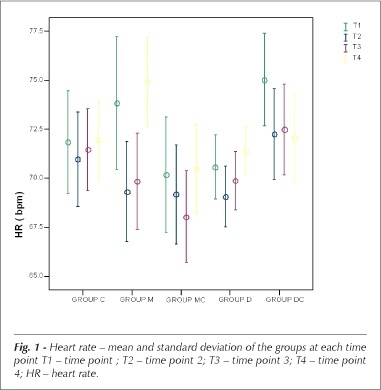
BACKGROUND: Sedation during coronary angiography has been rarely studied, and it is important to know which drug is the best to sedate these patients. OBJECTIVE: To evaluate the quality of sedation and the effects of midazolam and diazepam alone or combined with clonidine on the heart rate (HR) and blood pressure (BP) of patients with suspected coronary artery disease. METHODS: This is a controlled, randomized, double-blind, prospective clinical study of 160 patients divided into five groups of 32 patients each, according to the drug used: group C (clonidine 0.5 µg/kg); group M (midazolam 40 µg/kg); group MC (combination of midazolam 40 µg/kg and clonidine 0.5 µg/kg); group D (diazepam 40 µg/kg); and group DC (combination of diazepam 40 µg/kg and clonidine 0.5 µg/kg). Sedation was evaluated based on the Ramsay scale and on the use of meperidine 0.04 mg.kg-1. Invasive BP monitoring, HR and the sedation score were analyzed every five minutes at four different time points. RESULTS: Patients who received midazolam presented higher sedation scores as well as HR and BP variation (p 0.05). CONCLUSION: Midazolam was associated with a greater sedative and cardiovascular effect, whereas for diazepam these effects were less intense. Clonidine and diazepam had similar effects on BP, HR and sedation.

  • Clonidine
  • counscious sedation
  • diazepam
  • midazolam
Read Full Article
Creative Commons Attribution (CC BY) Creative Commons license
18/04/2008 DOI: 10.1590/S0066-782X2007001800009
Diretrizes

I Guidelines For Perioperative Evaluation

GUIDELINES

[…]

Read Full Article
Creative Commons Attribution (CC BY) Creative Commons license
18/04/2008 DOI: 10.1590/S0066-782X2007001800017 Views 1
Sudden death of athletes: a new fact?
Point of view

Sudden death of athletes: a new fact?

Nabil Ghorayeb et al. Fernando Eugênio dos Santos Cruz Giuseppe Dioguardi

POINT OF VIEW

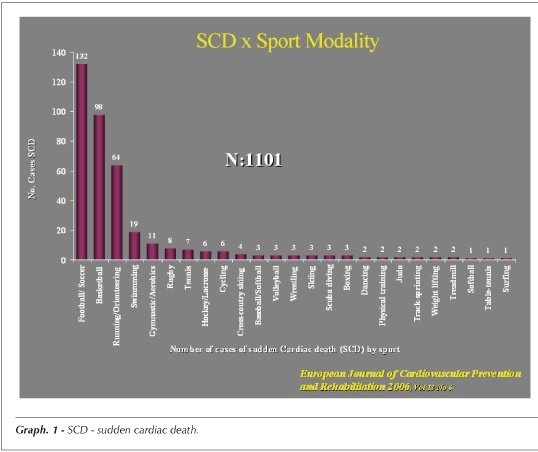
Sudden death of athletes – a new fact?

[…]

Read Full Article
Creative Commons Attribution (CC BY) Creative Commons license
18/04/2008 DOI: 10.1590/S0066-782X2007001800015
Revisão

Renin-angiotensin system: is it possible to identify hypertension susceptibility genes?

Sandro Gonçalves de Lima et al. Ana Hatagima Norma Lucena Cavalcanti L. da Silva

REVIEW ARTICLE

Renin-angiotensin system: is it possible to identify hypertension susceptibility genes?

[…]

Read Full Article
Creative Commons Attribution (CC BY) Creative Commons license
18/04/2008 DOI: 10.1590/S0066-782X2007001800013
Myocardial dysfunction in chagasic patients with no apparent heart disease
Artigo Original

Myocardial dysfunction in chagasic patients with no apparent heart disease

Airandes de Sousa Pinto et al. Braulio Muzzi Ribeiro de Oliveira Fernando Antonio Botoni Antonio Luiz Pinho Ribeiro Manoel Otavio da Costa Rocha

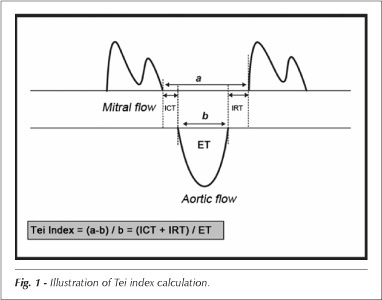
BACKGROUND: The Tei index simultaneously evaluates the ventricular systolic and diastolic functions. It has a good correlation with hemodynamic data and has enabled the detection of initial ventricular function alterations of different etiologies. OBJECTIVE: To study initial biventricular function alterations in chagasic patients with no apparent heart disease, using the Tei index. METHODS: Forty eight individuals were evaluated. Group 1 was comprised of 25 patients diagnosed with Chagas´ disease with no apparent heart disease and normal echocardiogram; group 2 was comprised of 23 healthy individuals with negative serological tests for Chagas´ disease. RESULTS: The Tei index was significantly higher in the group of chagasic patients with no apparent heart disease when compared to that of the control group: left ventricular Tei index (0.48 ± 0.11 vs. 0.36 ± 0.06, p < 0.001) , right ventricular Tei index (0.34 ± 0.10 vs. 0.26 ± 0.07, p = 0.001). The left and right ventricular Tei indexes were considered abnormal in 48% and 28% of the chagasic patients, respectively. CONCLUSION: Chagasic patients with no apparent heart disease present early alterations of the right and left ventricles.

  • cardiomyopathy
  • Chagas´
  • disease
  • Ventricular Dysfunction
Read Full Article
Creative Commons Attribution (CC BY) Creative Commons license
18/04/2008 DOI: 10.1590/S0066-782X2007001800006
Artigo Original

Treadmill stress test in children and adolescents: higher tolerance on exertion with ramp protocol

Odwaldo Barbosa e Silva et al. Lurildo C. Ribeiro Saraiva Dário C. Sobral Filho

OBJECTIVE: Compare exercise tolerance by children and adolescents submitted to treadmill stress test (TST) following Bruce Protocol (BP) or Ramp Protocol (RP), as well as describe velocity and inclination reached with ramp protocol to help set protocol exercise standards. METHODS: Observational, case-based study, with history control of 1,006 children and adolescents in the 4 to 17-year-old range who were submitted to TST between October, 1986 and February, 2003, and who concluded one of the two protocols. Those who interrupted their ET for other reasons rather than physical exhaustion, those on medication that interfered in HR and those with physical constraints to exercise were excluded. Statistical analysis of data considered p<0.05 as significance level; with confidence interval at 95%. RESULTS: Exercise time close to 10 minutes in RP was significantly higher than in BP. HR max reached was higher than 180 bpm in both protocols. Inclination showed to be slightly higher in younger girls in Bruce Protocol. Velocity and VO2 max showed to be higher for all age ranges for those in the Ramp Protocol. CONCLUSION: Velocity and inclination reached with ramp protocol may be used as reference to help set ramp protocol exercise, which showed superior on exertion tolerance as compared to Bruce protocol.

  • Adolescent
  • Child
  • Exercise Test
Read Full Article
Creative Commons Attribution (CC BY) Creative Commons license
18/04/2008 DOI: 10.1590/S0066-782X2007001800007 Views 1
Artigo Original

Spironolactone effects on myocardium changes induced by thyroid hormone in rats

Maria Luiza Mendonça Pereira Fernandes et al. Eloísa Amália Vieira Ferro Marcelo Emilio Beletti Elmiro Santos Resende

BACKGROUND: To study the possible role of aldosterone on thyroid hormone-induced myocardium hypertrophy, using spironolactone. OBJECTIVE: To evaluate morphological changes in the myocardium induced by thyroid hormone and the possible effects of spironolactone use on these alterations. METHODS: Forty Wistar rats were studied. The animals were allocated to four groups and were given: the vehicle used for dilution of the thyroid hormone (C); sodium levothyroxin at 50 µg/rat/day (H); spironolactone, 0.3 mg/kg/day (S); or thyroid hormone plus spironolactone (HS), at the same doses mentioned above, for 28 consecutive days. All the animals were weighed, had blood drawn for hormonal measurements and underwent ECG at the start and the end of the experiment. At the end of experiment all animals were euthanized, the weight of the left ventricle (LV) was determined and LV slices were obtained for morphological analysis. RESULTS: There was an increase in T3 levels, decrease of body weight and higher heart rate in the animals from group H. The LV weight was significantly higher in the H e HS groups. The histometric analyses that measured the diameter of the myocytes showed higher values in group H and a progressive decrease in groups HS, S and C, with a significant difference among all the groups. The addition of spironolactone decreased the transversal myocyte hypertrophy by 14.6%. CONCLUSION: Rats treated with thyroid hormone present cardiac hypertrophy with increased LV weight and greater myocyte diameter. Spironolactone, when associated with thyroid hormone, can partially prevent this hypertrophy through mechanisms that are yet to be determined.

  • Cardiomegaly
  • Myocardium
  • Spironolactone
  • thyroxine
  • Ventricular Remodeling
Read Full Article
Creative Commons Attribution (CC BY) Creative Commons license
18/04/2008 DOI: 10.1590/S0066-782X2007001800008
Caso 6/2007: early post-operative cardiogenic shock after stenting of thoracic aorta aneurysm
Correlação Anatomoclínica

Caso 6/2007: early post-operative cardiogenic shock after stenting of thoracic aorta aneurysm

André Luís Veiga de Oliveira et al. Rodrigo Geraldo do Nascimento Paulo Sampaio Gutierrez

ANATOMOPATHOLOGICAL SESSION

Case 6/2007 – Early post-operative cardiogenic shock after stenting of thoracic aorta aneurysm

[…]

Read Full Article
Creative Commons Attribution (CC BY) Creative Commons license
18/04/2008 DOI: 10.1590/S0066-782X2007001800012
Predictive value of myeloperoxidase to identify high risk patients admitted to the hospital with acute chest pain
Artigo Original

Predictive value of myeloperoxidase to identify high risk patients admitted to the hospital with acute chest pain

Roberto Esporcatte et al. Helena Cramer Veiga Rey Fernando Oswaldo Dias Rangel Ricardo Mourilhe Rocha … Hugo Tannus Furtado de Mendonça Filho Hans Fernando Rocha Dohmann Francisco Manes Albanesi Filho

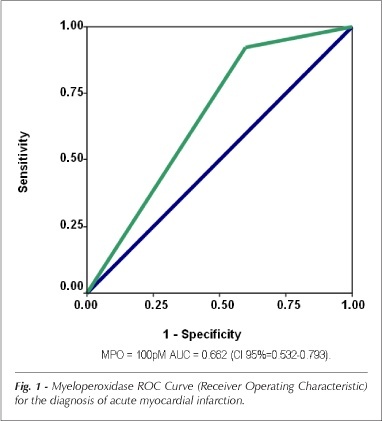
BACKGROUND: Myeloperoxidase (MPO) is a highly expressed enzyme due to leukocyte activation, with multiple atherogenic actions, including LDL cholesterol oxidation, and is related to the instability of atherosclerotic plaque. It is a predictor of adverse events in healthy individuals, patients with heart disease or those undergoing chest pain investigations. OBJECTIVE: To analyze the contribution of MPO to identify patients with acute chest pain, non-ST elevation ECG and at high risk for in-hospital adverse events. METHODS: Patients presenting acute chest pain and a non-ST elevation ECG, were admitted to the hospital and submitted to serum MPO level measurements and a structured examination protocol. RESULTS: From a cohort of 140 patients, 49 (35%) were diagnosed with acute coronary syndrome, of which 13 patients (9.3%) were diagnosed with non-ST elevation acute myocardial infarction (AMI) (troponin I >1.0 ng/mL). The best MPO cut-off point for AMI was identified as >100 pM using the ROC curve (AUC=0.662; CI 95%=0.532-0.793) revealing elevated sensitivity (92.3%) and negative predictive value (98.1%), however with low specificity (40.2%). In the multivariate analysis, MPO proved to be the only independent variable to diagnose AMI in evolution, with an odds ratio of 8.04 (p=0.048). CONCLUSION: In patients with acute chest pain and no ST elevation, high MPO levels upon admission to the hospital are an important tool to predict in-hospital adverse events, with an odds ratio of eight for the diagnosis of AMI.

  • Chest Pain
  • Coronary Disease
  • inflammation mediators
  • Peroxidases
Read Full Article
Creative Commons Attribution (CC BY) Creative Commons license
18/04/2008 DOI: 10.1590/S0066-782X2007001800005
The relevance of real-time intraoperatory echocardiogram as a guide to percutaneous treatment of septal defects through Amplatzer device
Image

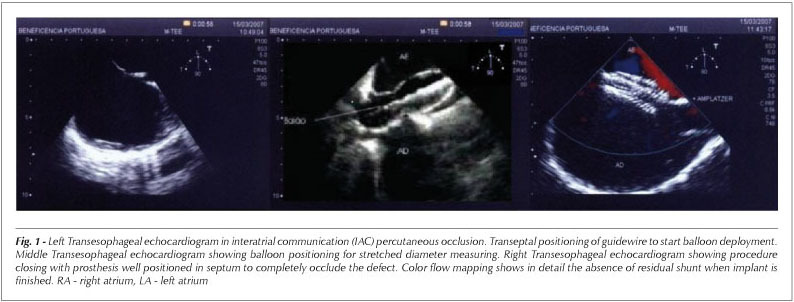
The relevance of real-time intraoperatory echocardiogram as a guide to percutaneous treatment of septal defects through Amplatzer device

Gabriel Antonio Stanisci Miguel et al. Lilian M. Lopes

IMAGE

The relevance of real-time intraoperatory echocardiogram as a guide to percutaneous treatment of septal defects through amplatzer device

[…]

Read Full Article
Creative Commons Attribution (CC BY) Creative Commons license
18/04/2008 DOI: 10.1590/S0066-782X2007001800016
Carta ao Editor

Mission accomplished

Fábio Vilas-Boas

EDITOR’S LETTER

Fábio Vilas-Boas

[…]

Read Full Article
Creative Commons Attribution (CC BY) Creative Commons license
18/04/2008 DOI: 10.1590/S0066-782X2007001800001 Views 1
Evaluating the adequacy of cardiovascular risk factor control after myocardial revascularization surgery
Artigo Original

Evaluating the adequacy of cardiovascular risk factor control after myocardial revascularization surgery

Andrea Cristina Costa Barbosa et al. Luiz Carlos Santana Passos Antônio Alberto Lopes Wanewman Lins Guedes de Andrade … Luciano Rapold Souza Maurício Batista Nunes

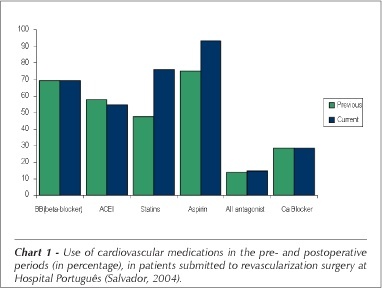
BACKGROUND: Cardiovascular risk factors (RF) for coronary artery disease (CAD) are responsible for the occurrence of cardiovascular events. OBJECTIVE: To estimate the percentage of patients submitted to myocardial revascularization surgery (MRS) that attains adequate control of modifiable RF at least six months after the surgery. METHODS: Data collection was based on the review of medical records and a clinical interview of 88 patients submitted to MRS between January and December of 2004 at a reference hospital for cardiovascular diseases. The patients were interviewed in the follow-up period, between six and twelve months after the surgical revascularization. RESULTS: Mean age was 63.1 ± 9.9 years; 51 patients (58%) were males, 86 (97.7%) were hypertensive, 38 (43.2%) were diabetic, 85 (96.6%) had hypercholesterolemia and 10 (11.4%) were smokers. Hypertension control (PA < 140 x 90 mmHg) was attained by 24.4% of the patients; cholesterol (LDL cholesterol < 100 mg/dl) and diabetes control (blood glucose levels < 110 mg/dl) levels were 30.6% and 31.6%, respectively. The use of antihypertensive drugs, hypoglycemic agents and statins, when indicated, were 96.5%, 92.1% and 78.8%, respectively. However, only 14.8% patients had their blood pressure, glucose and cholesterol levels within the limits accepted as adequate control. CONCLUSION: Despite the frequent use of drugs to control hypertension, diabetes and hypercholesterolemia, a high proportion of patients still do not achieve the target levels of risk factor control recommended by current guidelines at least six months after revascularization surgery, which suggests there is a great potential for improvement in clinical practice.

  • Control
  • Disease Prevention
  • Myocardial Revascularization
  • Risk Assessment
Read Full Article
Creative Commons Attribution (CC BY) Creative Commons license
18/04/2008 DOI: 10.1590/S0066-782X2007001800003 Views 1
Use of drug-eluting stents in Brazil: the CENIC (National Registry of Cardiovascular Interventions) registry
Artigo Original

Use of drug-eluting stents in Brazil: the CENIC (National Registry of Cardiovascular Interventions) registry

Cristiano O. Cardoso et al. Alexandre S. de Quadros Luiz A. Mattos Carlos A. Gottschall … Rogério E. Sarmento-Leite José A. Marin-Neto

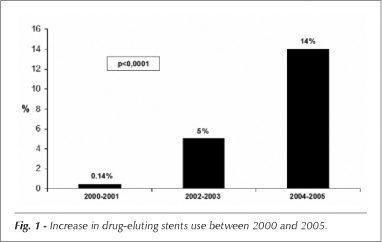
BACKGROUND: Drug-eluting stents (DES) represent a major advance in the management of ischemic heart disease, but the extrapolation of favorable results from clinical trials to the real-world practice has been criticized. OBJECTIVE: To assess the use of DES in Brazil between 2000 and 2005. METHODS: Using the database of the National Registry of Cardiovascular Interventions (CENIC – Central Nacional de Intervenções Cardiovasculares) of the Brazilian Society of Hemodynamics and Interventional Cardiology (SBHCI – Sociedade Brasileira de Hemodinâmica e Cardiologia Intervencionista), all PCI procedures with DES implantation performed between 2000 and 2005 were analyzed. The groups were divided into the following biennia: 2000-2001(A), 2002-2003 (B), and 2004-2005 (C), and patient’s clinical and angiographic characteristics were compared, as well as their short-term clinical outcome. Statistical analyses were performed using the chi-square test or ANOVA, and p values of less than 0.05 were considered to be statistically significant. RESULTS: A total of 154,406 PCI procedures were studied, and DES was used in 10,426 (7%) interventions. A progressive and statistically significant increase was found in the use of DES during the period studied: 0.14% from 2000 to 2001, 5% from 2002 to 2003, and 14% from 2004 to 2005 (p < 0.0001). After 2001, there was an increase in success rates (96.58% in 2000-2001 (A), 99.69% in 2002-2003 (B), and 99.56% in 2004-2005 (C), A x B with p < 0.001; B x C with p = 0.015) and a decrease in hospital mortality rates (1.59% in group A, 0.38% in group B, and 0.66% in group C, with p = 0.59 for A x B and p < 0.0001 for B x C). CONCLUSION: In Brazil, the use of drug-eluting stents increased significantly during recent years, resulting in higher success rates and lower hospital mortality.

  • coronary arteriosclerosis
  • Coronary Restenosis
  • Drug-Eluting Stents
  • Stents
Read Full Article
Creative Commons Attribution (CC BY) Creative Commons license
18/04/2008 DOI: 10.1590/S0066-782X2007001800002
Impact of weight loss on adipocytokines, C-reactive protein and insulin sensitivity in hypertensive women with central obesity
Artigo Original

Impact of weight loss on adipocytokines, C-reactive protein and insulin sensitivity in hypertensive women with central obesity

Rodolfo Leão Borges et al. Fernando Flexa Ribeiro-Filho Kenia Mara Baiocchi Carvalho Maria Teresa Zanella

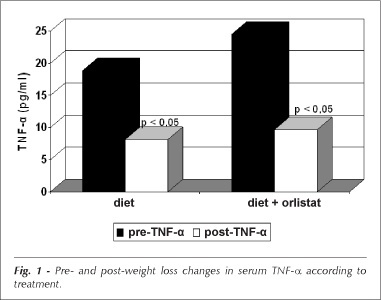
OBJECTIVE: To assess the impact of weight reduction on serum adipocytokines, C-reactive protein (CRP), and insulin sensitivity in hypertensive female patients with central obesity. METHODS: This study was performed using the database and stored serum samples of female patients who had participated in an intervention study focused on weight loss. Thirty hypertensive women aged 18 to 65, body mass index (BMI) > 27 kg/m², and central obesity were selected. They were randomly assigned to receive either a low-calorie diet plus orlistat 120 mg three times daily or a low-calorie diet alone for 16 weeks. Patients who experienced weight loss greater than 5% (n = 24) were assessed for blood pressure, anthropometric parameters, visceral fat, insulin resistance (HOMA-R – homeostasis model assessment of insulin resistance) and sensitivity (ISI – Insulin Sensitivity Index) indices, plus serum lipids, adipocytokines (adiponectin, leptin, IL-6, and TNF-a) and CRP levels. RESULTS: After BMI had been reduced by approximately 5% in both groups, visceral fat, fasting glucose, triglycerides, and TNF-a decreased. Only the orlistat group, which was more insulin resistant at baseline, showed a significant reduction in blood glucose after oral glucose load, in addition to increased insulin sensitivity. CONCLUSION: This study’s findings indicate that a weight loss greater than 5% is associated with improved inflammatory status and decreased insulin resistance, regardless of changes in adiponectin and TNF-a levels. The greatest improvements in insulin sensitivity experienced by the orlistat-treated patients could not be attributed to the use of this drug because of the higher number of insulin-resistant subjects in this group.

  • C-Reactive Protein
  • Hypertension
  • Inflammation
  • Insulin Resistance
  • Obesity
  • Weight Loss
Read Full Article
Creative Commons Attribution (CC BY) Creative Commons license
18/04/2008 DOI: 10.1590/S0066-782X2007001800010
Preinfarction angina and in-hospital outcome of elderly patients with acute myocardial infarction
Artigo Original

Preinfarction angina and in-hospital outcome of elderly patients with acute myocardial infarction

Chiu Wen Shian et al. Sandro Gonçalves de Lima Brivaldo Markman Filho

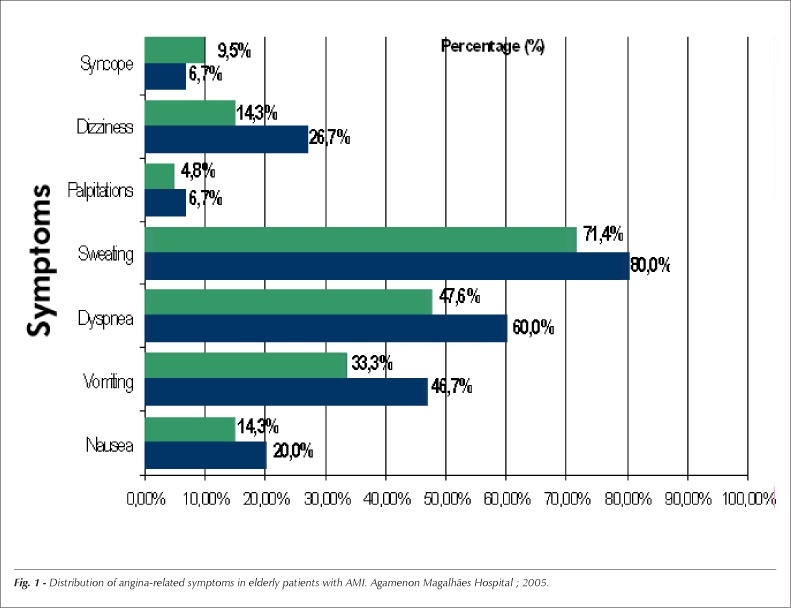
BACKGROUND: Preinfarction angina (PIA) may be a marker of ischemic preconditioning. A decrease in infarct size, ventricular remodeling, congestive heart failure, cardiogenic shock or death was demonstrated in the presence of preinfarction angina. These findings were more evident in adults, but not in the elderly. OBJECTIVE: To assess the relationship between PIA and the clinical course of elderly patients with acute myocardial infarction (AMI). METHODS: This was a case-series study with a comparison group. A total of 36 patients with ST-segment elevation AMI were included in the study and divided into two groups: group A (21 patients with PIA) and group B (15 patients without PIA). RESULTS: Mean age of the study population was 70.5 years, and there was a predominance of males (73%). Mean body mass index was 25.3 Kg/m2. Hypertension was present in 77.8%, diabetes in 27.8% and dyslipidemia in 32.4%. Type-A chest pain was reported by 71.4% of patients, and the majority of them (72.2%) were in Killip class I. Clinical endpoints for groups A and B were as follows: postinfarction angina 9.5% versus 20%, p = 0.630; heart failure 23.8% versus 13.3%, p = 0.674; urgent revascularization 4.8% versus 6.7%, p = 1; and cardiac arrhythmia 0% versus 6.7%, p = 0.417. There was no case of reinfarction, cardiogenic shock or death within 30 days of follow up in either group. CONCLUSION: In this case series, preinfarction angina was not associated with better clinical course in elderly patients with AMI.

  • Aged
  • Angina, Unstable
  • Myocardial Infarction
Read Full Article
Creative Commons Attribution (CC BY) Creative Commons license
18/04/2008 DOI: 10.1590/S0066-782X2007001800004
Desmin-related restrictive cardiomyopathy
Case Report

Desmin-related restrictive cardiomyopathy

Christiano Pereira Silva et al. Fernando Bacal Luiz Alberto Benvenuti Edimar Alcides Bocchi

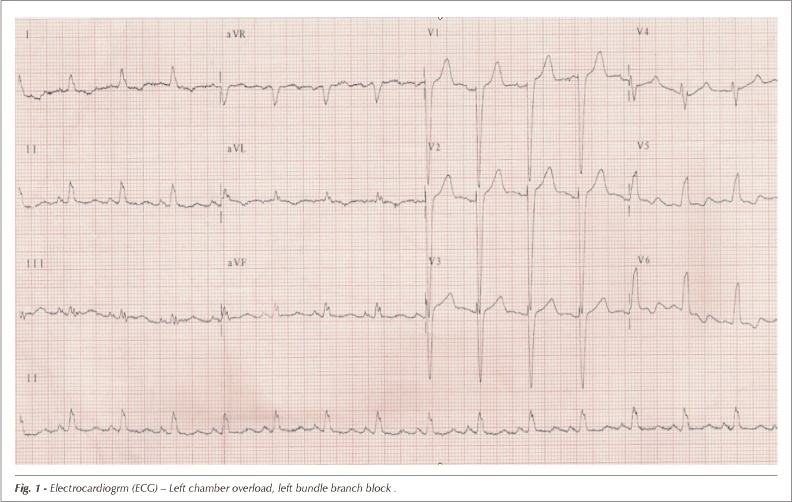
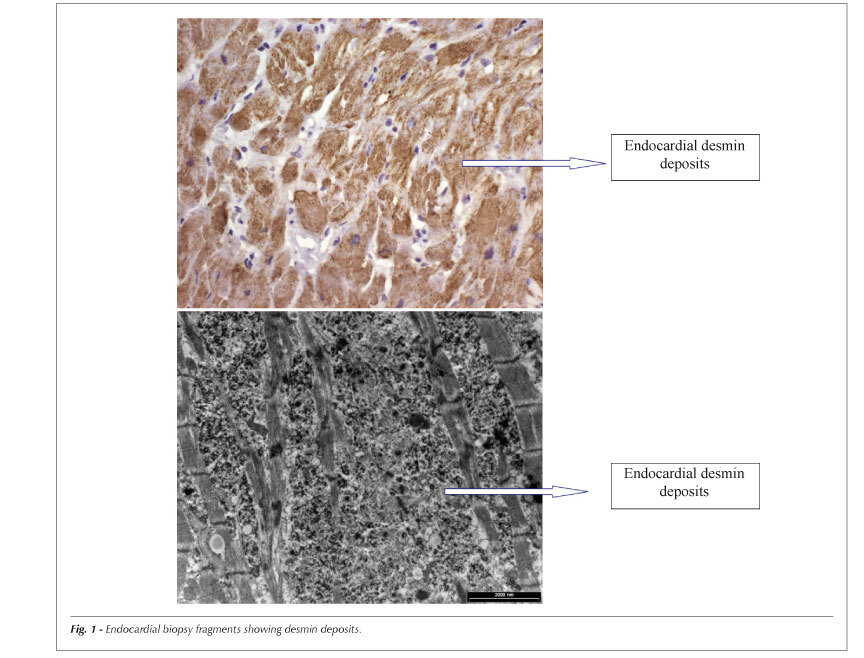
Restrictive cardiomyopathies may have different etiologies, among which we can point out storage diseases by accumulation of different materials such as desmin. Desminopathies are uncommon diseases that progress with conduction abnormalities, peripheral myopathies, and ventricular dysfunction. The present report describes a patient with complete atrioventricular block as the initial event; he later developed skeletal muscle alterations and heart failure. The investigation led to the diagnosis of restrictive cardiomyopathy due to desmin accumulation.

  • cardiomyopathy
  • desmin
  • restrictive
  • storage disease
Read Full Article
Creative Commons Attribution (CC BY) Creative Commons license
18/04/2008 DOI: 10.1590/S0066-782X2007001800014

How to cite this article

EndNote RIS

Electronic Document Format (Vancouver)

Stamm AMNF, Meinerz G, Silva JC. Systemic hypertension and microalbuminuria. Arquivos Brasileiros de Cardiologia 2008;89(6):415-20.

Electronic Document Format (ABNT)

Stamm, Ana Maria Nunes de Faria; Meinerz, Gisele; Silva, Jacqueline Consuelo da. Systemic hypertension and microalbuminuria. Arquivos Brasileiros de Cardiologia, v. 89, n. 6, p. 415-420, Apr. 2008.

Electronic Document Format (APA)

Stamm, A. M. N. F., Meinerz, G., & Silva, J. C. (2008). Systemic hypertension and microalbuminuria. Arquivos Brasileiros de Cardiologia, 89(6), 415-420.

Electronic Document Format (ISO)

Stamm, Ana Maria Nunes de Faria and Meinerz, Gisele and Silva, Jacqueline Consuelo da. Systemic hypertension and microalbuminuria. Arquivos Brasileiros de Cardiologia [online]. 2008, vol. 89, n. 6, [cited 2026-10-14], pp. 415-420. Available from: <https://journals.cardiol.br/en/article/systemic-hypertension-and-microalbuminuria/>. ISSN 0066-782X

EndNote RIS

Electronic Document Format (Vancouver)

Nascimento JS, Modolo NSP, Silva RCR, Santos KP, Carvalho HG. Sedative and cardiovascular effects of midazolam and diazepam alone or combined with clonidine in patients undergoing hemodynamic studies for suspected coronary artery disease. Arquivos Brasileiros de Cardiologia 2008;89(6):403-8.

Electronic Document Format (ABNT)

Nascimento, Jedson dos Santos; Modolo, Norma Sueli Pinheiro; Silva, Roberto Cruz Rocha; Santos, Kleber Pimentel; Carvalho, Heitor Ghissoni de. Sedative and cardiovascular effects of midazolam and diazepam alone or combined with clonidine in patients undergoing hemodynamic studies for suspected coronary artery disease. Arquivos Brasileiros de Cardiologia, v. 89, n. 6, p. 403-408, Apr. 2008.

Electronic Document Format (APA)

Nascimento, J. S., Modolo, N. S. P., Silva, R. C. R., Santos, K. P., & Carvalho, H. G. (2008). Sedative and cardiovascular effects of midazolam and diazepam alone or combined with clonidine in patients undergoing hemodynamic studies for suspected coronary artery disease. Arquivos Brasileiros de Cardiologia, 89(6), 403-408.

Electronic Document Format (ISO)

Nascimento, Jedson dos Santos and Modolo, Norma Sueli Pinheiro and Silva, Roberto Cruz Rocha and Santos, Kleber Pimentel and Carvalho, Heitor Ghissoni de. Sedative and cardiovascular effects of midazolam and diazepam alone or combined with clonidine in patients undergoing hemodynamic studies for suspected coronary artery disease. Arquivos Brasileiros de Cardiologia [online]. 2008, vol. 89, n. 6, [cited 2026-10-14], pp. 403-408. Available from: <https://journals.cardiol.br/en/article/sedative-and-cardiovascular-effects-of-midazolam-and-diazepam-alone-or-combined-with-clonidine-in-patients-undergoing-hemodynamic-studies-for-suspected-coronary-artery-disease/>. ISSN 0066-782X

EndNote RIS

Electronic Document Format (Vancouver)

. I Guidelines For Perioperative Evaluation. Arquivos Brasileiros de Cardiologia 2008;89(6):e210-37.

Electronic Document Format (ABNT)

. I Guidelines For Perioperative Evaluation. Arquivos Brasileiros de Cardiologia, v. 89, n. 6, p. e210-e237, Apr. 2008.

Electronic Document Format (APA)

(2008). I Guidelines For Perioperative Evaluation. Arquivos Brasileiros de Cardiologia, 89(6), e210-e237.

Electronic Document Format (ISO)

. I Guidelines For Perioperative Evaluation. Arquivos Brasileiros de Cardiologia [online]. 2008, vol. 89, n. 6, [cited 2026-10-14], pp. e210-e237. Available from: <https://journals.cardiol.br/en/article/i-guidelines-for-perioperative-evaluation/>. ISSN 0066-782X

EndNote RIS

Electronic Document Format (Vancouver)

Ghorayeb N, Cruz FES, Dioguardi G. Sudden death of athletes: a new fact?. Arquivos Brasileiros de Cardiologia 2008;89(6):e169-70.

Electronic Document Format (ABNT)

Ghorayeb, Nabil; Cruz, Fernando Eugênio dos Santos; Dioguardi, Giuseppe. Sudden death of athletes: a new fact?. Arquivos Brasileiros de Cardiologia, v. 89, n. 6, p. e169-e170, Apr. 2008.

Electronic Document Format (APA)

Ghorayeb, N., Cruz, F. E. S., & Dioguardi, G. (2008). Sudden death of athletes: a new fact?. Arquivos Brasileiros de Cardiologia, 89(6), e169-e170.

Electronic Document Format (ISO)

Ghorayeb, Nabil and Cruz, Fernando Eugênio dos Santos and Dioguardi, Giuseppe. Sudden death of athletes: a new fact?. Arquivos Brasileiros de Cardiologia [online]. 2008, vol. 89, n. 6, [cited 2026-10-14], pp. e169-e170. Available from: <https://journals.cardiol.br/en/article/sudden-death-of-athletes-a-new-fact/>. ISSN 0066-782X

EndNote RIS

Electronic Document Format (Vancouver)

Lima SG, Hatagima A, Silva NLCL. Renin-angiotensin system: is it possible to identify hypertension susceptibility genes?. Arquivos Brasileiros de Cardiologia 2008;89(6):427-33.

Electronic Document Format (ABNT)

Lima, Sandro Gonçalves de; Hatagima, Ana; Silva, Norma Lucena Cavalcanti L. da. Renin-angiotensin system: is it possible to identify hypertension susceptibility genes?. Arquivos Brasileiros de Cardiologia, v. 89, n. 6, p. 427-433, Apr. 2008.

Electronic Document Format (APA)

Lima, S. G. , Hatagima, A., & Silva, N. L. C. L. (2008). Renin-angiotensin system: is it possible to identify hypertension susceptibility genes?. Arquivos Brasileiros de Cardiologia, 89(6), 427-433.

Electronic Document Format (ISO)

Lima, Sandro Gonçalves de and Hatagima, Ana and Silva, Norma Lucena Cavalcanti L. da. Renin-angiotensin system: is it possible to identify hypertension susceptibility genes?. Arquivos Brasileiros de Cardiologia [online]. 2008, vol. 89, n. 6, [cited 2026-10-14], pp. 427-433. Available from: <https://journals.cardiol.br/en/article/renin-angiotensin-system-is-it-possible-to-identify-hypertension-susceptibility-genes/>. ISSN 0066-782X

EndNote RIS

Electronic Document Format (Vancouver)

Pinto AS, Oliveira BMR, Botoni FA, Ribeiro ALP, Rocha MOC. Myocardial dysfunction in chagasic patients with no apparent heart disease. Arquivos Brasileiros de Cardiologia 2008;89(6):385-90.

Electronic Document Format (ABNT)

Pinto, Airandes de Sousa; Oliveira, Braulio Muzzi Ribeiro de; Botoni, Fernando Antonio; Ribeiro, Antonio Luiz Pinho; Rocha, Manoel Otavio da Costa. Myocardial dysfunction in chagasic patients with no apparent heart disease. Arquivos Brasileiros de Cardiologia, v. 89, n. 6, p. 385-390, Apr. 2008.

Electronic Document Format (APA)

Pinto, A. S., Oliveira, B. M. R. , Botoni, F. A., Ribeiro, A. L. P., & Rocha, M. O. C. (2008). Myocardial dysfunction in chagasic patients with no apparent heart disease. Arquivos Brasileiros de Cardiologia, 89(6), 385-390.

Electronic Document Format (ISO)

Pinto, Airandes de Sousa and Oliveira, Braulio Muzzi Ribeiro de and Botoni, Fernando Antonio and Ribeiro, Antonio Luiz Pinho and Rocha, Manoel Otavio da Costa. Myocardial dysfunction in chagasic patients with no apparent heart disease. Arquivos Brasileiros de Cardiologia [online]. 2008, vol. 89, n. 6, [cited 2026-10-14], pp. 385-390. Available from: <https://journals.cardiol.br/en/article/myocardial-dysfunction-in-chagasic-patients-with-no-apparent-heart-disease/>. ISSN 0066-782X

EndNote RIS

Electronic Document Format (Vancouver)

Silva OB, Saraiva LCR, Sobral Filho DC. Treadmill stress test in children and adolescents: higher tolerance on exertion with ramp protocol. Arquivos Brasileiros de Cardiologia 2008;89(6):391-7.

Electronic Document Format (ABNT)

Silva, Odwaldo Barbosa e; Saraiva, Lurildo C. Ribeiro; Sobral Filho, Dário C.. Treadmill stress test in children and adolescents: higher tolerance on exertion with ramp protocol. Arquivos Brasileiros de Cardiologia, v. 89, n. 6, p. 391-397, Apr. 2008.

Electronic Document Format (APA)

Silva, O. B. , Saraiva, L. C. R., & Sobral Filho, D. C. (2008). Treadmill stress test in children and adolescents: higher tolerance on exertion with ramp protocol. Arquivos Brasileiros de Cardiologia, 89(6), 391-397.

Electronic Document Format (ISO)

Silva, Odwaldo Barbosa e and Saraiva, Lurildo C. Ribeiro and Sobral Filho, Dário C.. Treadmill stress test in children and adolescents: higher tolerance on exertion with ramp protocol. Arquivos Brasileiros de Cardiologia [online]. 2008, vol. 89, n. 6, [cited 2026-10-14], pp. 391-397. Available from: <https://journals.cardiol.br/en/article/treadmill-stress-test-in-children-and-adolescents-higher-tolerance-on-exertion-with-ramp-protocol/>. ISSN 0066-782X

EndNote RIS

Electronic Document Format (Vancouver)

Fernandes MLMP, Ferro EAV, Beletti ME, Resende ES. Spironolactone effects on myocardium changes induced by thyroid hormone in rats. Arquivos Brasileiros de Cardiologia 2008;89(6):398-402.

Electronic Document Format (ABNT)

Fernandes, Maria Luiza Mendonça Pereira; Ferro, Eloísa Amália Vieira; Beletti, Marcelo Emilio; Resende, Elmiro Santos. Spironolactone effects on myocardium changes induced by thyroid hormone in rats. Arquivos Brasileiros de Cardiologia, v. 89, n. 6, p. 398-402, Apr. 2008.

Electronic Document Format (APA)

Fernandes, M. L. M. P., Ferro, E. A. V., Beletti, M. E., & Resende, E. S. (2008). Spironolactone effects on myocardium changes induced by thyroid hormone in rats. Arquivos Brasileiros de Cardiologia, 89(6), 398-402.

Electronic Document Format (ISO)

Fernandes, Maria Luiza Mendonça Pereira and Ferro, Eloísa Amália Vieira and Beletti, Marcelo Emilio and Resende, Elmiro Santos. Spironolactone effects on myocardium changes induced by thyroid hormone in rats. Arquivos Brasileiros de Cardiologia [online]. 2008, vol. 89, n. 6, [cited 2026-10-14], pp. 398-402. Available from: <https://journals.cardiol.br/en/article/spironolactone-effects-on-myocardium-changes-induced-by-thyroid-hormone-in-rats/>. ISSN 0066-782X

EndNote RIS

Electronic Document Format (Vancouver)

Oliveira ALV, Nascimento RG, Gutierrez PS. Caso 6/2007: early post-operative cardiogenic shock after stenting of thoracic aorta aneurysm. Arquivos Brasileiros de Cardiologia 2008;89(6):421-6.

Electronic Document Format (ABNT)

Oliveira, André Luís Veiga de; Nascimento, Rodrigo Geraldo do; Gutierrez, Paulo Sampaio. Caso 6/2007: early post-operative cardiogenic shock after stenting of thoracic aorta aneurysm. Arquivos Brasileiros de Cardiologia, v. 89, n. 6, p. 421-426, Apr. 2008.

Electronic Document Format (APA)

Oliveira, A. L. V. , Nascimento, R. G. , & Gutierrez, P. S. (2008). Caso 6/2007: early post-operative cardiogenic shock after stenting of thoracic aorta aneurysm. Arquivos Brasileiros de Cardiologia, 89(6), 421-426.

Electronic Document Format (ISO)

Oliveira, André Luís Veiga de and Nascimento, Rodrigo Geraldo do and Gutierrez, Paulo Sampaio. Caso 6/2007: early post-operative cardiogenic shock after stenting of thoracic aorta aneurysm. Arquivos Brasileiros de Cardiologia [online]. 2008, vol. 89, n. 6, [cited 2026-10-14], pp. 421-426. Available from: <https://journals.cardiol.br/en/article/caso-6-2007-early-post-operative-cardiogenic-shock-after-stenting-of-thoracic-aorta-aneurysm/>. ISSN 0066-782X

EndNote RIS

Electronic Document Format (Vancouver)

Esporcatte R, Rey HCV, Rangel FOD, Rocha RM, Mendonça Filho HTF, Dohmann HFR, Albanesi Filho FM, et al. Predictive value of myeloperoxidase to identify high risk patients admitted to the hospital with acute chest pain. Arquivos Brasileiros de Cardiologia 2008;89(6):377-84.

Electronic Document Format (ABNT)

Esporcatte, Roberto; Rey, Helena Cramer Veiga; Rangel, Fernando Oswaldo Dias; Rocha, Ricardo Mourilhe; Mendonça Filho, Hugo Tannus Furtado de; Dohmann, Hans Fernando Rocha; Albanesi Filho, Francisco Manes. Predictive value of myeloperoxidase to identify high risk patients admitted to the hospital with acute chest pain. Arquivos Brasileiros de Cardiologia, v. 89, n. 6, p. 377-384, Apr. 2008.

Electronic Document Format (APA)

Esporcatte, R., Rey, H. C. V., Rangel, F. O. D., Rocha, R. M., Mendonça Filho, H. T. F. , Dohmann, H. F. R., & Albanesi Filho, F. M. (2008). Predictive value of myeloperoxidase to identify high risk patients admitted to the hospital with acute chest pain. Arquivos Brasileiros de Cardiologia, 89(6), 377-384.

Electronic Document Format (ISO)

Esporcatte, Roberto and Rey, Helena Cramer Veiga and Rangel, Fernando Oswaldo Dias and Rocha, Ricardo Mourilhe and Mendonça Filho, Hugo Tannus Furtado de and Dohmann, Hans Fernando Rocha and Albanesi Filho, Francisco Manes. Predictive value of myeloperoxidase to identify high risk patients admitted to the hospital with acute chest pain. Arquivos Brasileiros de Cardiologia [online]. 2008, vol. 89, n. 6, [cited 2026-10-14], pp. 377-384. Available from: <https://journals.cardiol.br/en/article/predictive-value-of-myeloperoxidase-to-identify-high-risk-patients-admitted-to-the-hospital-with-acute-chest-pain/>. ISSN 0066-782X

EndNote RIS

Electronic Document Format (Vancouver)

Miguel GAS, Lopes LM. The relevance of real-time intraoperatory echocardiogram as a guide to percutaneous treatment of septal defects through Amplatzer device. Arquivos Brasileiros de Cardiologia 2008;89(6):e171.

Electronic Document Format (ABNT)

Miguel, Gabriel Antonio Stanisci; Lopes, Lilian M.. The relevance of real-time intraoperatory echocardiogram as a guide to percutaneous treatment of septal defects through Amplatzer device. Arquivos Brasileiros de Cardiologia, v. 89, n. 6, p. e171-e171, Apr. 2008.

Electronic Document Format (APA)

Miguel, G. A. S., & Lopes, L. M. (2008). The relevance of real-time intraoperatory echocardiogram as a guide to percutaneous treatment of septal defects through Amplatzer device. Arquivos Brasileiros de Cardiologia, 89(6), e171-e171.

Electronic Document Format (ISO)

Miguel, Gabriel Antonio Stanisci and Lopes, Lilian M.. The relevance of real-time intraoperatory echocardiogram as a guide to percutaneous treatment of septal defects through Amplatzer device. Arquivos Brasileiros de Cardiologia [online]. 2008, vol. 89, n. 6, [cited 2026-10-14], pp. e171-e171. Available from: <https://journals.cardiol.br/en/article/the-relevance-of-real-time-intraoperatory-echocardiogram-as-a-guide-to-percutaneous-treatment-of-septal-defects-through-amplatzer-device/>. ISSN 0066-782X

EndNote RIS

Electronic Document Format (Vancouver)

Vilas-Boas F. Mission accomplished. Arquivos Brasileiros de Cardiologia 2008;89(6):355.

Electronic Document Format (ABNT)

Vilas-Boas, Fábio. Mission accomplished. Arquivos Brasileiros de Cardiologia, v. 89, n. 6, p. 355-355, Apr. 2008.

Electronic Document Format (APA)

Vilas-Boas, F. (2008). Mission accomplished. Arquivos Brasileiros de Cardiologia, 89(6), 355-355.

Electronic Document Format (ISO)

Vilas-Boas, Fábio. Mission accomplished. Arquivos Brasileiros de Cardiologia [online]. 2008, vol. 89, n. 6, [cited 2026-10-14], pp. 355-355. Available from: <https://journals.cardiol.br/en/article/mission-accomplished/>. ISSN 0066-782X

EndNote RIS

Electronic Document Format (Vancouver)

Barbosa ACC, Passos LCS, Lopes AA, Andrade WLG, Souza LR, Nunes MB. Evaluating the adequacy of cardiovascular risk factor control after myocardial revascularization surgery. Arquivos Brasileiros de Cardiologia 2008;89(6):362-9.

Electronic Document Format (ABNT)

Barbosa, Andrea Cristina Costa; Passos, Luiz Carlos Santana; Lopes, Antônio Alberto; Andrade, Wanewman Lins Guedes de; Souza, Luciano Rapold; Nunes, Maurício Batista. Evaluating the adequacy of cardiovascular risk factor control after myocardial revascularization surgery. Arquivos Brasileiros de Cardiologia, v. 89, n. 6, p. 362-369, Apr. 2008.

Electronic Document Format (APA)

Barbosa, A. C. C., Passos, L. C. S., Lopes, A. A., Andrade, W. L. G. , Souza, L. R., & Nunes, M. B. (2008). Evaluating the adequacy of cardiovascular risk factor control after myocardial revascularization surgery. Arquivos Brasileiros de Cardiologia, 89(6), 362-369.

Electronic Document Format (ISO)

Barbosa, Andrea Cristina Costa and Passos, Luiz Carlos Santana and Lopes, Antônio Alberto and Andrade, Wanewman Lins Guedes de and Souza, Luciano Rapold and Nunes, Maurício Batista. Evaluating the adequacy of cardiovascular risk factor control after myocardial revascularization surgery. Arquivos Brasileiros de Cardiologia [online]. 2008, vol. 89, n. 6, [cited 2026-10-14], pp. 362-369. Available from: <https://journals.cardiol.br/en/article/evaluating-the-adequacy-of-cardiovascular-risk-factor-control-after-myocardial-revascularization-surgery/>. ISSN 0066-782X

EndNote RIS

Electronic Document Format (Vancouver)

Cardoso CO, Quadros AS, Mattos LA, Gottschall CA, Sarmento-Leite RE, Marin-Neto JA. Use of drug-eluting stents in Brazil: the CENIC (National Registry of Cardiovascular Interventions) registry. Arquivos Brasileiros de Cardiologia 2008;89(6):356-61.

Electronic Document Format (ABNT)

Cardoso, Cristiano O.; Quadros, Alexandre S. de; Mattos, Luiz A.; Gottschall, Carlos A.; Sarmento-Leite, Rogério E.; Marin-Neto, José A.. Use of drug-eluting stents in Brazil: the CENIC (National Registry of Cardiovascular Interventions) registry. Arquivos Brasileiros de Cardiologia, v. 89, n. 6, p. 356-361, Apr. 2008.

Electronic Document Format (APA)

Cardoso, C. O., Quadros, A. S. , Mattos, L. A., Gottschall, C. A., Sarmento-Leite, R. E., & Marin-Neto, J. A. (2008). Use of drug-eluting stents in Brazil: the CENIC (National Registry of Cardiovascular Interventions) registry. Arquivos Brasileiros de Cardiologia, 89(6), 356-361.

Electronic Document Format (ISO)

Cardoso, Cristiano O. and Quadros, Alexandre S. de and Mattos, Luiz A. and Gottschall, Carlos A. and Sarmento-Leite, Rogério E. and Marin-Neto, José A.. Use of drug-eluting stents in Brazil: the CENIC (National Registry of Cardiovascular Interventions) registry. Arquivos Brasileiros de Cardiologia [online]. 2008, vol. 89, n. 6, [cited 2026-10-14], pp. 356-361. Available from: <https://journals.cardiol.br/en/article/use-of-drug-eluting-stents-in-brazil-the-cenic-national-registry-of-cardiovascular-interventions-registry/>. ISSN 0066-782X

EndNote RIS

Electronic Document Format (Vancouver)

Borges RL, Ribeiro-Filho FF, Carvalho KMB, Zanella MT. Impact of weight loss on adipocytokines, C-reactive protein and insulin sensitivity in hypertensive women with central obesity. Arquivos Brasileiros de Cardiologia 2008;89(6):409-14.

Electronic Document Format (ABNT)

Borges, Rodolfo Leão; Ribeiro-Filho, Fernando Flexa; Carvalho, Kenia Mara Baiocchi; Zanella, Maria Teresa. Impact of weight loss on adipocytokines, C-reactive protein and insulin sensitivity in hypertensive women with central obesity. Arquivos Brasileiros de Cardiologia, v. 89, n. 6, p. 409-414, Apr. 2008.

Electronic Document Format (APA)

Borges, R. L., Ribeiro-Filho, F. F., Carvalho, K. M. B., & Zanella, M. T. (2008). Impact of weight loss on adipocytokines, C-reactive protein and insulin sensitivity in hypertensive women with central obesity. Arquivos Brasileiros de Cardiologia, 89(6), 409-414.

Electronic Document Format (ISO)

Borges, Rodolfo Leão and Ribeiro-Filho, Fernando Flexa and Carvalho, Kenia Mara Baiocchi and Zanella, Maria Teresa. Impact of weight loss on adipocytokines, C-reactive protein and insulin sensitivity in hypertensive women with central obesity. Arquivos Brasileiros de Cardiologia [online]. 2008, vol. 89, n. 6, [cited 2026-10-14], pp. 409-414. Available from: <https://journals.cardiol.br/en/article/impact-of-weight-loss-on-adipocytokines-c-reactive-protein-and-insulin-sensitivity-in-hypertensive-women-with-central-obesity/>. ISSN 0066-782X

EndNote RIS

Electronic Document Format (Vancouver)

Shian CW, Lima SG, Markman Filho B. Preinfarction angina and in-hospital outcome of elderly patients with acute myocardial infarction. Arquivos Brasileiros de Cardiologia 2008;89(6):370-6.

Electronic Document Format (ABNT)

Shian, Chiu Wen; Lima, Sandro Gonçalves de; Markman Filho, Brivaldo. Preinfarction angina and in-hospital outcome of elderly patients with acute myocardial infarction. Arquivos Brasileiros de Cardiologia, v. 89, n. 6, p. 370-376, Apr. 2008.

Electronic Document Format (APA)

Shian, C. W., Lima, S. G. , & Markman Filho, B. (2008). Preinfarction angina and in-hospital outcome of elderly patients with acute myocardial infarction. Arquivos Brasileiros de Cardiologia, 89(6), 370-376.

Electronic Document Format (ISO)

Shian, Chiu Wen and Lima, Sandro Gonçalves de and Markman Filho, Brivaldo. Preinfarction angina and in-hospital outcome of elderly patients with acute myocardial infarction. Arquivos Brasileiros de Cardiologia [online]. 2008, vol. 89, n. 6, [cited 2026-10-14], pp. 370-376. Available from: <https://journals.cardiol.br/en/article/preinfarction-angina-and-in-hospital-outcome-of-elderly-patients-with-acute-myocardial-infarction/>. ISSN 0066-782X

EndNote RIS

Electronic Document Format (Vancouver)

Silva CP, Bacal F, Benvenuti LA, Bocchi EA. Desmin-related restrictive cardiomyopathy. Arquivos Brasileiros de Cardiologia 2008;89(6):e165-8.

Electronic Document Format (ABNT)

Silva, Christiano Pereira; Bacal, Fernando; Benvenuti, Luiz Alberto; Bocchi, Edimar Alcides. Desmin-related restrictive cardiomyopathy. Arquivos Brasileiros de Cardiologia, v. 89, n. 6, p. e165-e168, Apr. 2008.

Electronic Document Format (APA)

Silva, C. P., Bacal, F., Benvenuti, L. A., & Bocchi, E. A. (2008). Desmin-related restrictive cardiomyopathy. Arquivos Brasileiros de Cardiologia, 89(6), e165-e168.

Electronic Document Format (ISO)

Silva, Christiano Pereira and Bacal, Fernando and Benvenuti, Luiz Alberto and Bocchi, Edimar Alcides. Desmin-related restrictive cardiomyopathy. Arquivos Brasileiros de Cardiologia [online]. 2008, vol. 89, n. 6, [cited 2026-10-14], pp. e165-e168. Available from: <https://journals.cardiol.br/en/article/desmin-related-restrictive-cardiomyopathy/>. ISSN 0066-782X

Sede – Rio de Janeiro
Av. Marechal Câmara, 160
3º andar – Sala: 330 – Centro
Rio de Janeiro – CEP: 20020-907
Tel.: (55 +21) 3478-2700
ou (21) 99386-3961
E-mail: revista@cardiol.br

Sede – São Paulo
Alameda Santos, 705 – 11º andar
Cerqueira César | São Paulo
CEP: 01419-001
Tel.: (55 +11) 3411-5500
E-mail: revista@cardiol.br

  • About the Journal
  • Internal Regulation
  • Editors Section
  • Editorial Board
  • History
  • SBC Award

  • Guidelines for Publication
  • Editorial Policy
  • Ethics Policy
  • Policy on the Use of Artificial Intelligence
  • Mandatory Publication Form
  • Publication Fee

Issues

SBC Guidelines

  • How to Publish an Abstract Supplement?
  • Supplements from the Brazilian Congress of Cardiology