Assessment of Cardiac Sympathetic Activity by Nuclear Medicine: Many Clinical Benefits but Weak Recommendation
The autonomous nervous system (ANS) regulates important cardiac functions, including heart rate, ventricular contractility, QT interval and systemic vascular resistance. ANS dysfunction, known as dysautonomia, can lead to many clinical manifestations, some of them severe and debilitating. Dysautonomia is often underdiagnosed and detected at late stages, due to its wide phenotypic variability and the poor familiarity of the physicians with the disease, leading to higher cardiovascular mortality and morbidity.
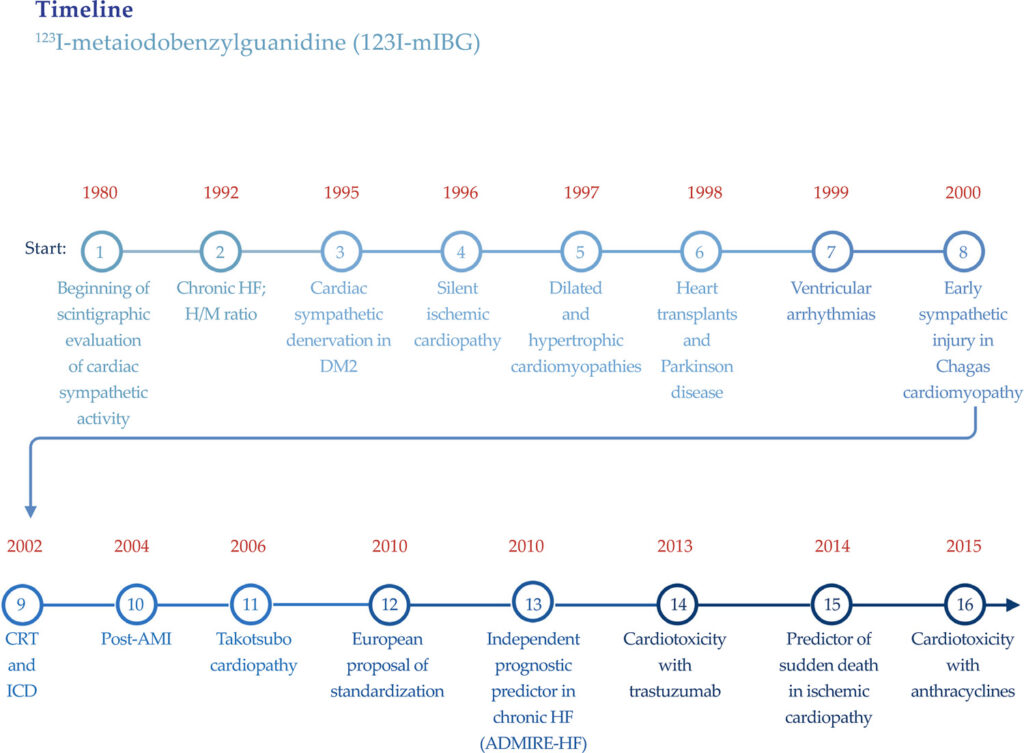
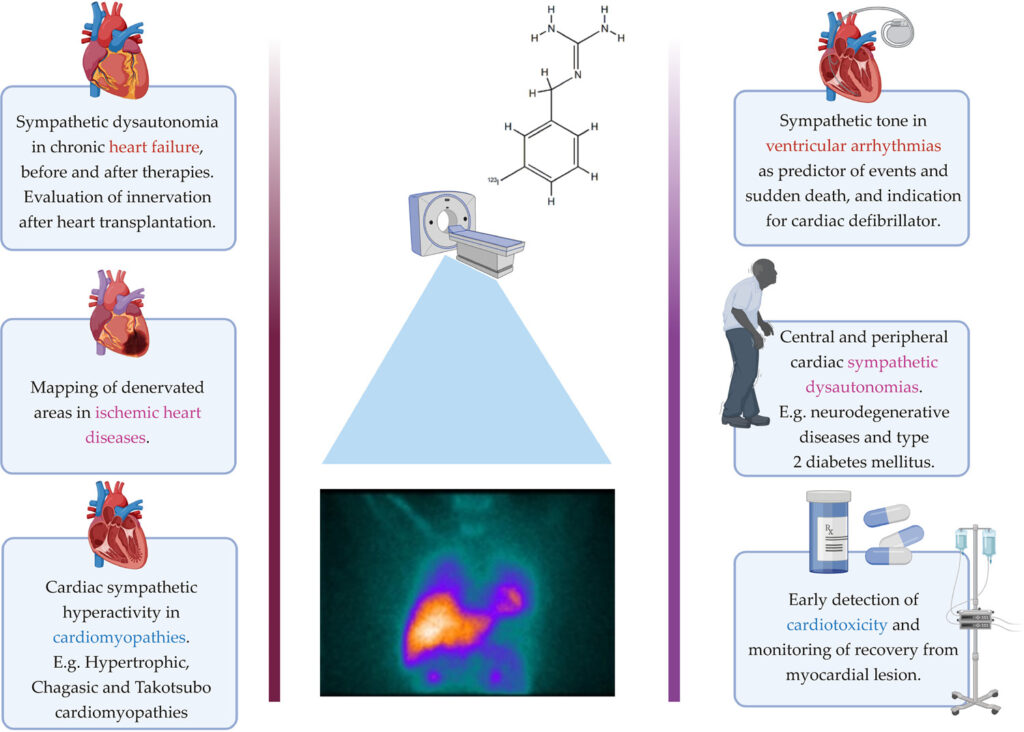
The diagnostic and prognostic potential of nuclear cardiology in the assessment of the ANS has increased. In addition, there is growing evidence that the use of scintigraphy in the evaluation of cardiac innervation can help in cardiovascular risk stratification, therapy selection, and evaluation of potential benefits of new therapeutic approaches. , However, there is increasing need for physicians with experience with this method, and hence, scientific studies that synthesize and discuss its applications, advantages, and disadvantages would contribute to the effective implementation in clinical practice.
[…]
Images
Image gallery fullscreen viewer
Comments are moderated by the editorial team before publication. Discussions should be evidence-based and use scientific language. Conflicts of interest should be declared.