| ABCIC
ABC Family Arquivos Brasileiros de Cardiologia International Journal of Cardiovascular Sciences ABC Heart Failure & Cardiomyopathy ABC Imagem Cardiovascular
Português English
ABC Family | ABCIC
Português English
  • About
    • About the Journal
    • Internal Regulation
    • Editors Section
    • Editorial Board
    • SBC Award
  • Instructions to Authors
    • Guidelines for Publication
    • Editorial Policy
    • Ethics Policy
    • Policy on the Use of Artificial Intelligence
    • Mandatory Publication Form
  • Issues
  • SBC Guidelines
  • About
    • About the Journal
    • Internal Regulation
    • Editors Section
    • Editorial Board
    • SBC Award
  • Instructions to Authors
    • Guidelines for Publication
    • Editorial Policy
    • Ethics Policy
    • Policy on the Use of Artificial Intelligence
    • Mandatory Publication Form
  • Issues
  • SBC Guidelines

ABC Family

  • ABC Family
  • Arquivos Brasileiros de Cardiologia
  • International Journal of Cardiovascular Sciences
  • ABC Heart Failure & Cardiomyopathy
  • ABC Imagem Cardiovascular
Search in

No content found.

Journals
Ordering
Article types
Others

  1. Home
  2. ABCIC
  3. Issues
  4. 2025, Volume 38, Number 4
Central Illustration
Review Article

Infective Endocarditis in Brazil: A Narrative Review and Critical Analysis of Population and Hospital Case Data

Diego Augusto Medeiros Santos et al. Flávio Tarasoutchi João Ricardo Cordeiro Fernandes Milena Ribeiro Paixão … Tânia Mara Varejão Strabelli Karen Francine Köohler Alfredo José Mansur Rinaldo Focaccia Siciliano

Abstract

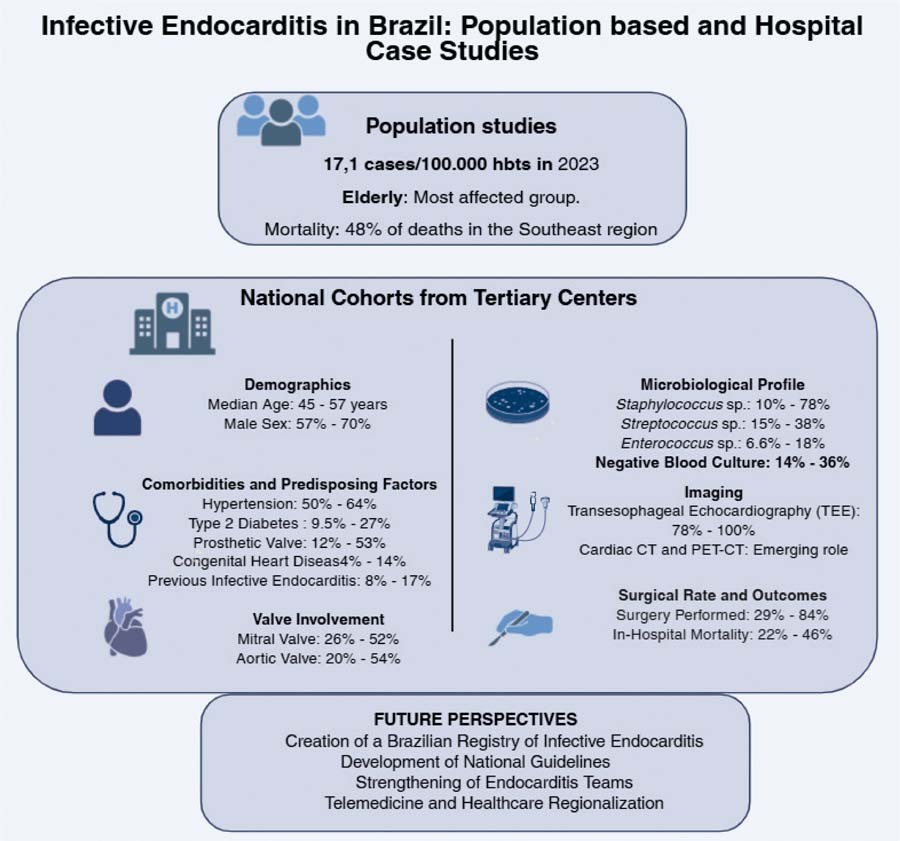
Infective endocarditis remains a serious condition with high morbidity and mortality rates despite advances in diagnostic and therapy. While the Global North has seen a shift toward older patients with prosthetic valve infections, Brazil’s understanding of the disease is hindered by reliance on fragmented, hospital-based data, primarily from the Southeast region. This narrative review synthesizes recent evidence to outline the national panorama. Population studies indicate an increase in incidence and mortality, primarily affecting men and the elderly, but with marked regional heterogeneity. Analyses of hospital case series reveal an epidemiological profile characterized by patients younger than international averages, with a high prevalence of comorbidities, underlying structural heart disease, and prosthetic valves. The microbiological landscape is diverse, with no consistent predominance between staphylococci and streptococci. Nevertheless, a particularly concerning finding is the high incidence of negative blood cultures. Severe complications are frequent, and variability exists in surgical intervention rates and in-hospital mortallity across studies. In light of this scenario, the authors propose a set of strategic actions to guide future advances: the creation of a Brazilian Registry of Infective Endocarditis, the development of Contextualized National Guidelines, the strengthening of multidisciplinary teams (Endocarditis Teams), and the implementation of measures with the potential to reduce regional disparities, such as telemedicine and the regionalization of care. The consolidation of these initiatives has the potential to transform the current landscape by enhancing epidemiological knowledge, standardizing care practices, and ultimately improving clinical outcomes nationwide.
  • Diagnostic Imaging
  • Endocarditis
  • Heart Valve Diseases
  • Unified Health System
Read Full Article
Creative Commons Attribution (CC BY) Creative Commons license
12/02/2026 DOI: 10.36660/abcimg.20250098i Views 2
Central Illustration
Review Article

My Approach to Wilkins-Block score in rheumatic mitral stenosis

Nayana Flamini Arantes Gomes et al. Fernanda de Azevedo Figueiredo Estela Fófano Rodrigues Carolina Kuchenbecker Soares Maria Carmo Pereira Nunes

Abstract

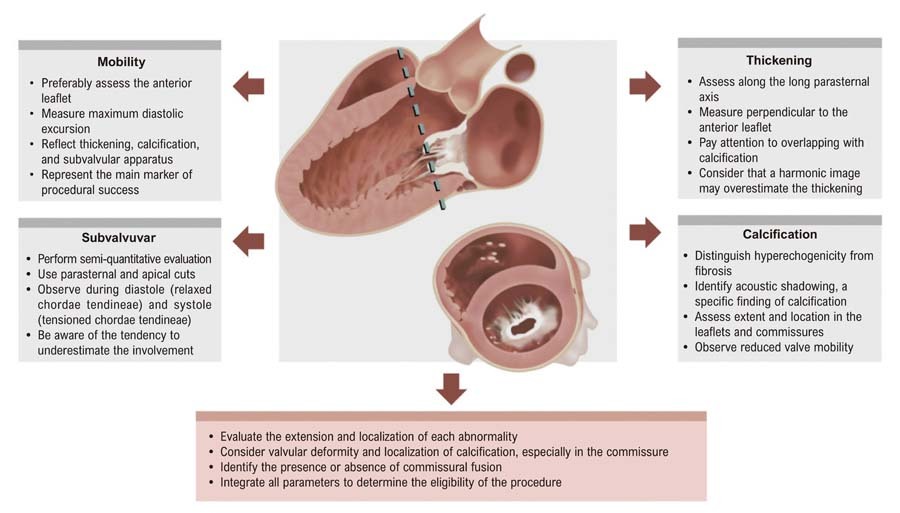
Mitral stenosis (MS) is the main clinical expression of chronic rheumatic heart disease. In symptomatic patients with severe MS and favorable anatomy, percutaneous mitral balloon valvuloplasty (PMBV) is the first-line therapeutic strategy. For the proper selection of candidates, the Wilkins-Block echocardiographic score was developed to characterize mitral valve morphology and predict eligibility for the procedure. This score includes four structural domains: leaflet mobility, valve thickening, degree of calcification, and subvalvular apparatus involvement, grading each parameter from 1 to 4 points, resulting in an overall range of 4 to 16 points, in increasing order of anatomical severity. The Wilkins score has become a widely validated tool, showing a consistent correlation with the immediate and long-term outcomes of PMBV. Among the limitations of the score, the absence of commissural anatomy assessment stands out, a variable recognized as a relevant prognostic determinant due to its strong association with the occurrence of post-procedure mitral regurgitation, considered the most frequent and clinically significant complication of PMBV. With the accumulation of clinical and technical experience, the indications for PMBV have been progressively extended to include patients with less favorable anatomical profiles. In these contexts, selection must be particularly rigorous, incorporating not only morphological criteria derived from echocardiographic evaluation, but also clinical aspects, in order to ensure satisfactory results and minimize the risk of complications.

  • Echocardiography
  • Mitral Valve Stenosis
  • rheumatic heart disease
Read Full Article
Creative Commons Attribution (CC BY) Creative Commons license
12/02/2026 DOI: 10.36660/abcimg.20250083i Views 1
Figure 1
Image

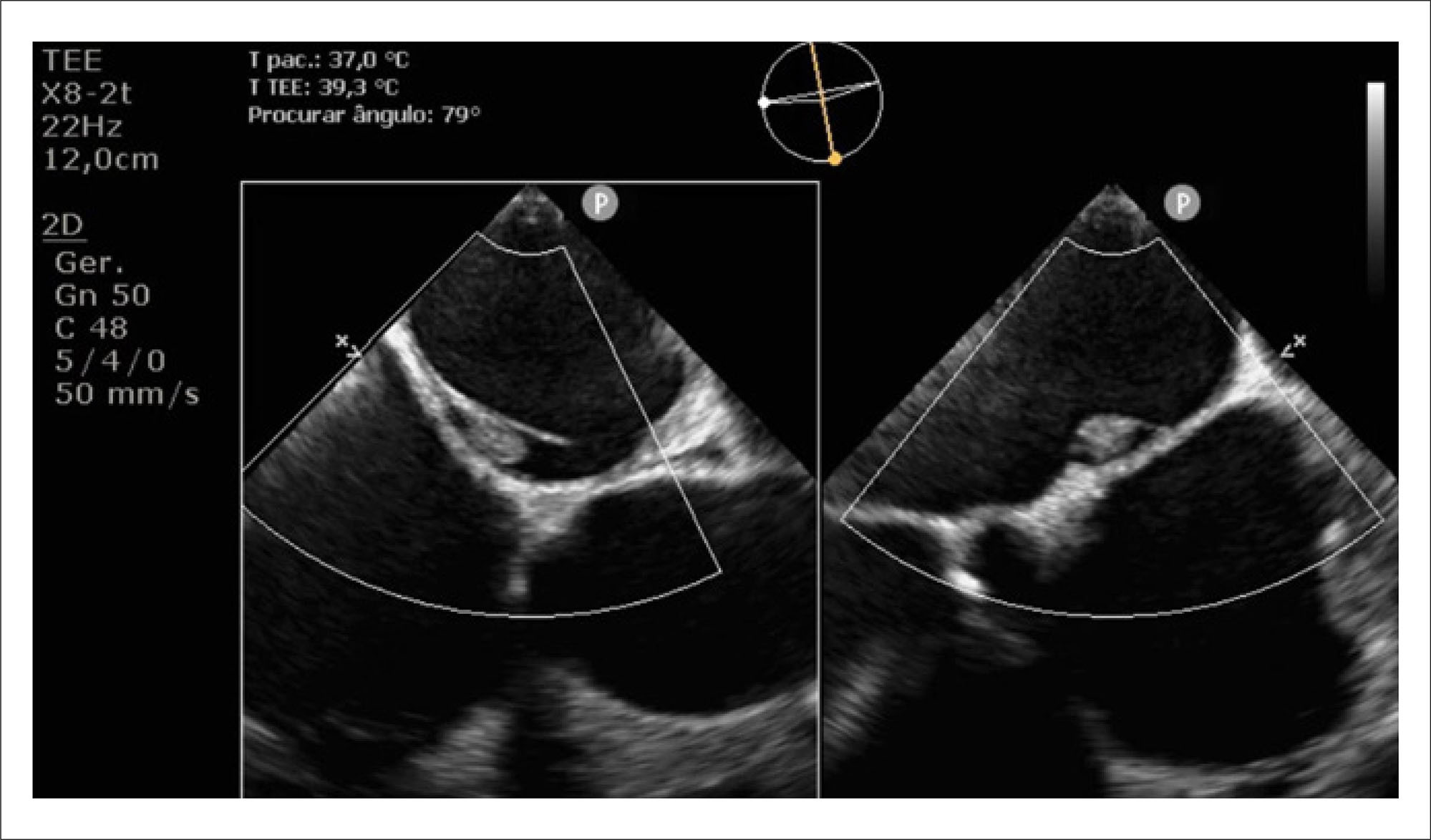
Left Atrial Septal Pouch Thrombosis Detected Before Electrical Cardioversion: a Rare Source of Embolism

Andre Barcellos Amon et al. Mariana De Castro Lopes Marina Petersen Saadi Willian R. Menegazzo Angela Barreto Santiago Santos

A 59-year-old male patient with a history of systemic arterial hypertension was admitted to the emergency department with a seven-day history of chest pain and palpitations. On examination, he was hypotensive (93/70 mmHg) and tachycardic (150 bpm). A prominent systolic–diastolic murmur was heard along the right upper sternal border.

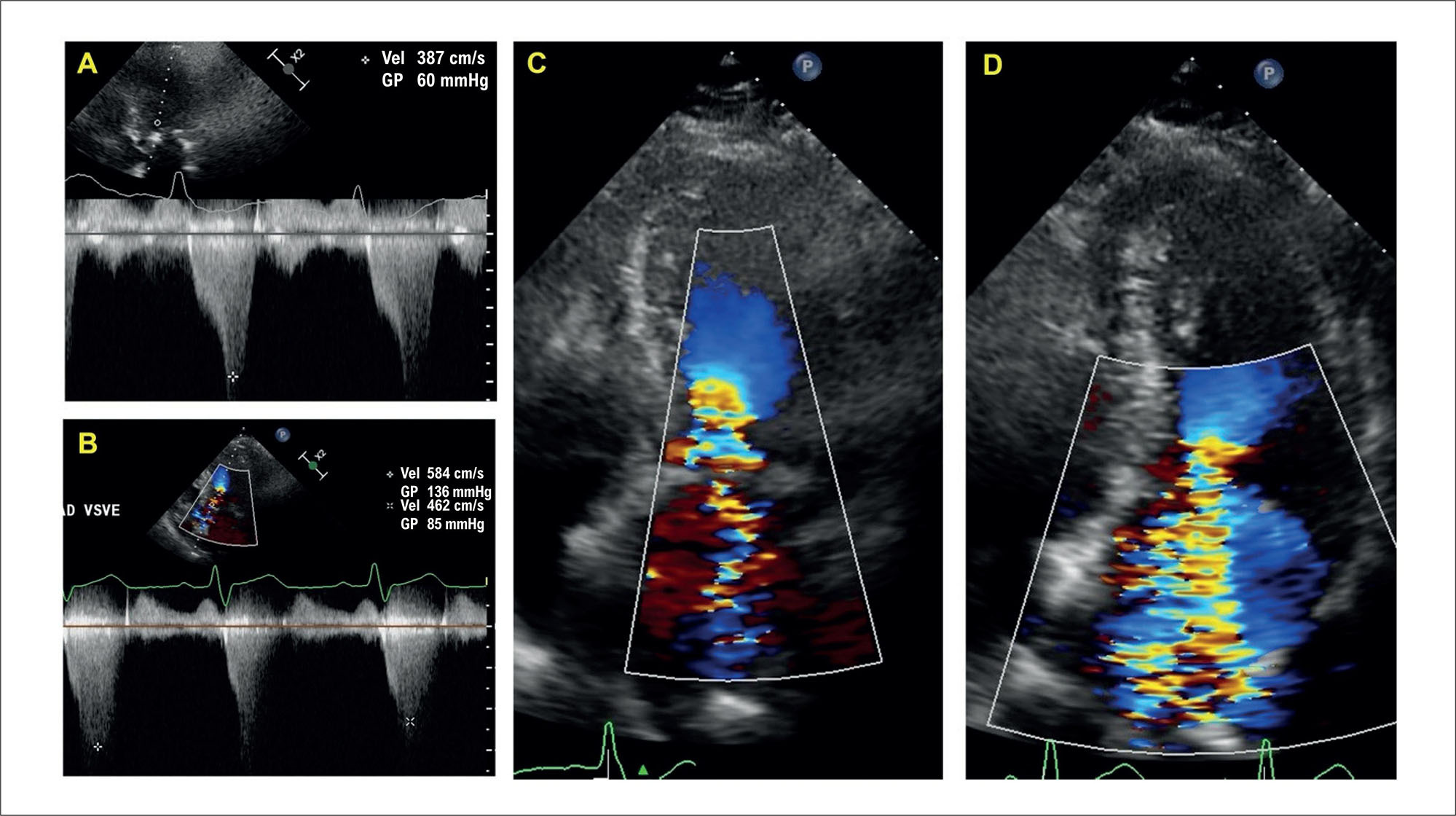
The initial investigation included electrocardiography (ECG) and Transthoracic Echocardiography (TTE). The ECG revealed atrial flutter, and the TTE showed biventricular dilation [Left Ventricular (LV) end-diastolic/end-systolic diameters: 60/51 mm; right ventricular (RV) basal diameter: 54 mm] and severe systolic dysfunction (LV ejection fraction: 19%; RV fractional area change: 16%). Additionally, a bicuspid aortic valve with mixed disease was identified: low-flow, low-gradient aortic stenosis (peak velocity: 3.1 m/s; peak/mean gradients: 39/23 mmHg; velocity ratio: 0.15; valve area: 0.7 cm, stroke volume index: 17 ml/m) and severe aortic regurgitation (pressure half-time: 170 ms; holodiastolic reversal in the descending aorta, end-diastolic velocity: 24 cm/s).

[…]

  • Atrial Septum
  • Thrombosis
  • Transesophageal echocardiography
Read Full Article
Creative Commons Attribution (CC BY) Creative Commons license
03/02/2026 DOI: 10.36660/abcimg.20250075i
Figure 1
Case Report

Intramyocardial Cardiac Tumor: A Case Report

Luisa Latado et al. Fabio Figueiredo Costa Carlos Frederico Lopes Benevides Jorge Andion Torreão … Adna Keyne Lima Adelina Sanches de Melo Adriana Lopes Latado

Introduction

Primary cardiac tumors are rare entities, approximately 75% of which are benign, with myxoma as the most common type., Only about 15% of primary cardiac tumors are malignant, predominantly sarcomas. In contrast, metastatic cardiac involvement is relatively frequent and has been identified in up to 9% of patients who died from cancer.

Clinical manifestations are more closely related to tumor location than to histopathological classification. They may result from embolic phenomena, intracardiac obstruction with signs of heart failure (HF), valvular involvement, myocardial invasion with alterations in contractile function and electrical conduction, and pericardial involvement with the risk of effusion and cardiac tamponade, among other presentations.

[…]

  • Cardiovascular Diseases
  • Case Reports
  • Heart Neoplasms
Read Full Article
Creative Commons Attribution (CC BY) Creative Commons license
03/02/2026 DOI: 10.36660/abcimg.20250051i
Figure 1
Case Report

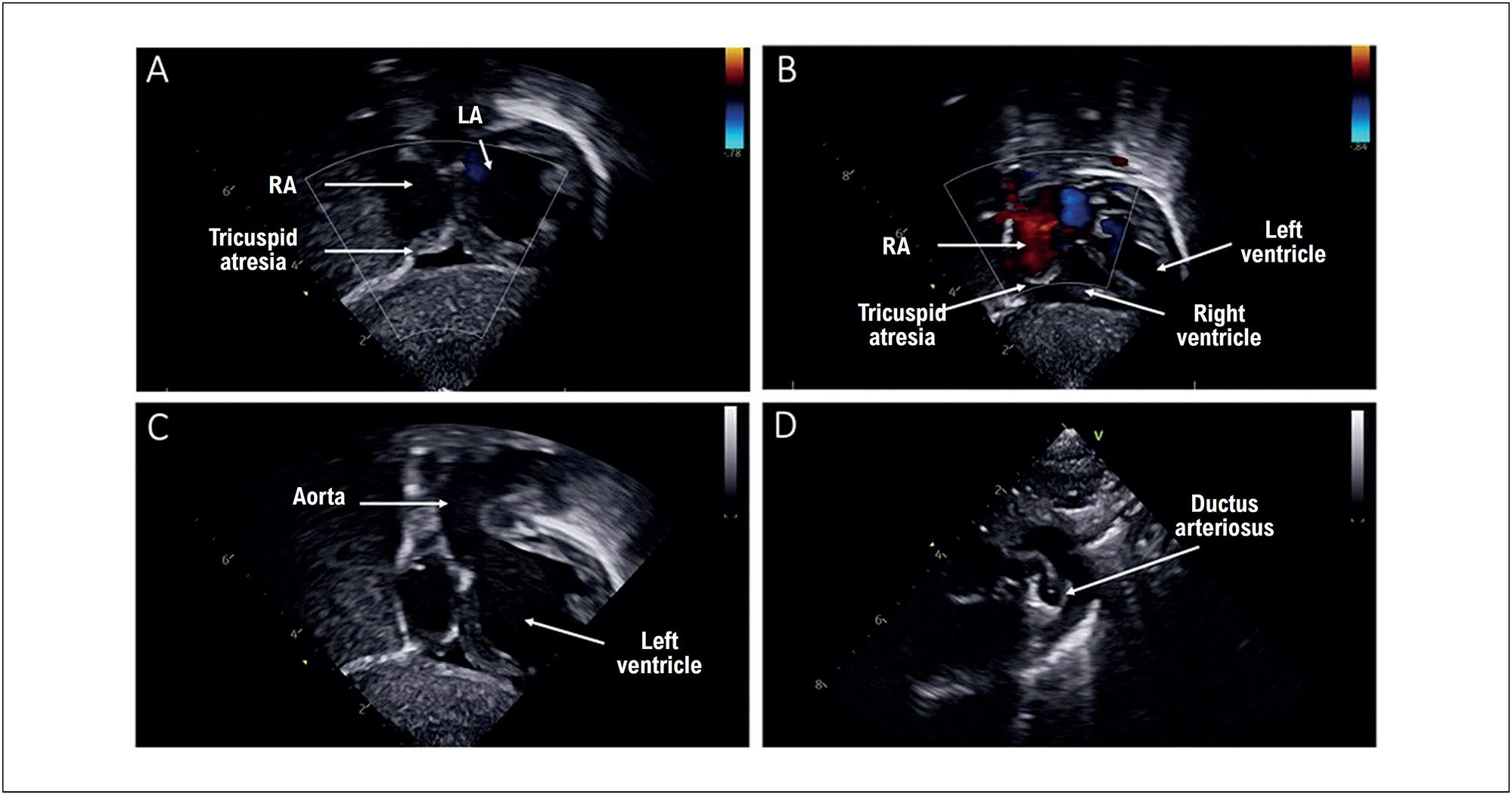
Acute Thrombosis During Ductus Arteriosus Stenting Successfully Treated with Balloon Angioplasty and In Situ Alteplase Infusion: Case Report

Jonathan Guimarães Lombardi et al. Paulo Correia Calamita Mayra Rosana Palmeira Barreto Luiza Silveira Neves Ficht Giulliano Gardenghi

Introduction

Tricuspid atresia with pulmonary atresia is a rare congenital heart defect, representing about 1% to 3% of all congenital heart diseases. Tricuspid atresia is subdivided into type I (normal position of the great arteries) and type II (transposition of the great arteries), with type 1A characterized by the presence of associated pulmonary atresia or stenosis. Pulmonary blood flow in these patients is dependent on the patency of the ductus arteriosus, making its maintenance essential in the neonatal period.

The treatment of tricuspid atresia follows a staged surgical approach, aiming for a Fontan circulation as the final goal. In the neonatal period, the focus is to ensure adequate pulmonary blood flow through hemodynamic or surgical interventions, including systemic-pulmonary shunts or ductal interventions.

[…]

  • Congenital Heart Defects
  • Ductus Arteriosus
  • Percutaneous Coronary Intervention
  • Thrombosis
  • Tricuspid Atresia
Read Full Article
Creative Commons Attribution (CC BY) Creative Commons license
03/02/2026 DOI: 10.36660/abcimg.20250084i Views 2
Figure 1
Editorial

What Does Myocardial Work Offer Beyond Strain?

Luiz Otávio de Arruda Santos et al. Edgar Daminello Lucas Arraes de França

Introduction

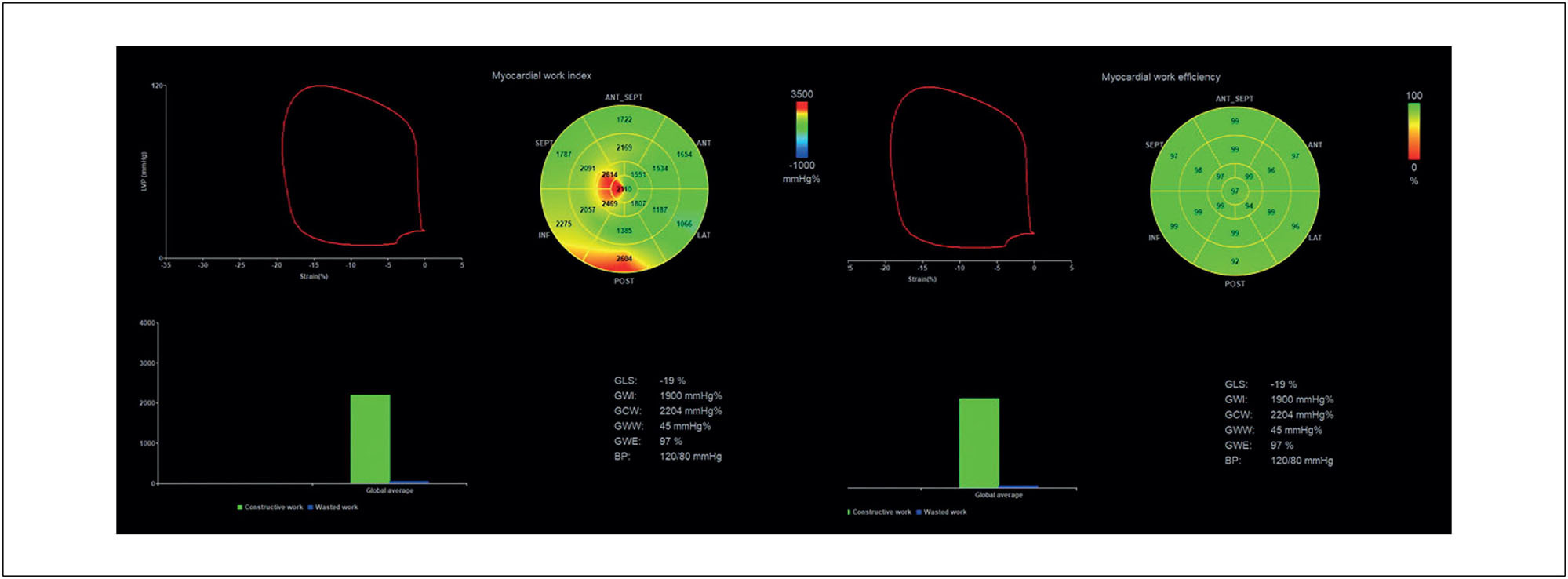
In contemporary cardiovascular imaging, one of the methods that has gained significant relevance by adding diagnostic and prognostic information is speckle-tracking–derived Longitudinal Strain, particularly the assessment of left ventricular Global Longitudinal Strain (GLS). However, although GLS evaluates global myocardial deformation of the left ventricle, it is highly dependent on loading conditions, which may interfere with the accurate interpretation of its results. In this context, an emerging technique has been introduced, also derived from speckle tracking: Myocardial Work (MW). Compared with strain, MW offers the advantage of mitigating afterload bias by incorporating systemic arterial pressure into longitudinal strain analysis, generating Pressure–Strain Loops (PSL) throughout the cardiac cycle. Thus, MW quantifies not only the extent of longitudinal myocardial deformation but also the load under which this deformation occurs, providing refined diagnostic insight into ventricular function. The methodology is based on the work of Russell et al., who validated the PSL area as a noninvasive index of myocardial work and also introduced the concept of wasted work resulting from contractile discoordination. In clinical practice, four global indices are derived: Global Work Index (GWI), Global Constructive Work (GCW), Global Wasted Work (GWW), and Global Work Efficiency (GWE = GCW / [GCW + GWW]) (). shows normal reference values for myocardial work and its indices derived from the Normal Reference Ranges for Echocardiography (NORRE) study of the European Association of Cardiovascular Imaging (EACVI).

[…]

  • Aortic Valve Stenosis
  • Cardiac Resynchronization Therapy
  • Coronary Artery Disease
  • Echocardiography
Read Full Article
Creative Commons Attribution (CC BY) Creative Commons license
03/02/2026 DOI: 10.36660/abcimg.20250103i Views 1
Figure 1
Case Report

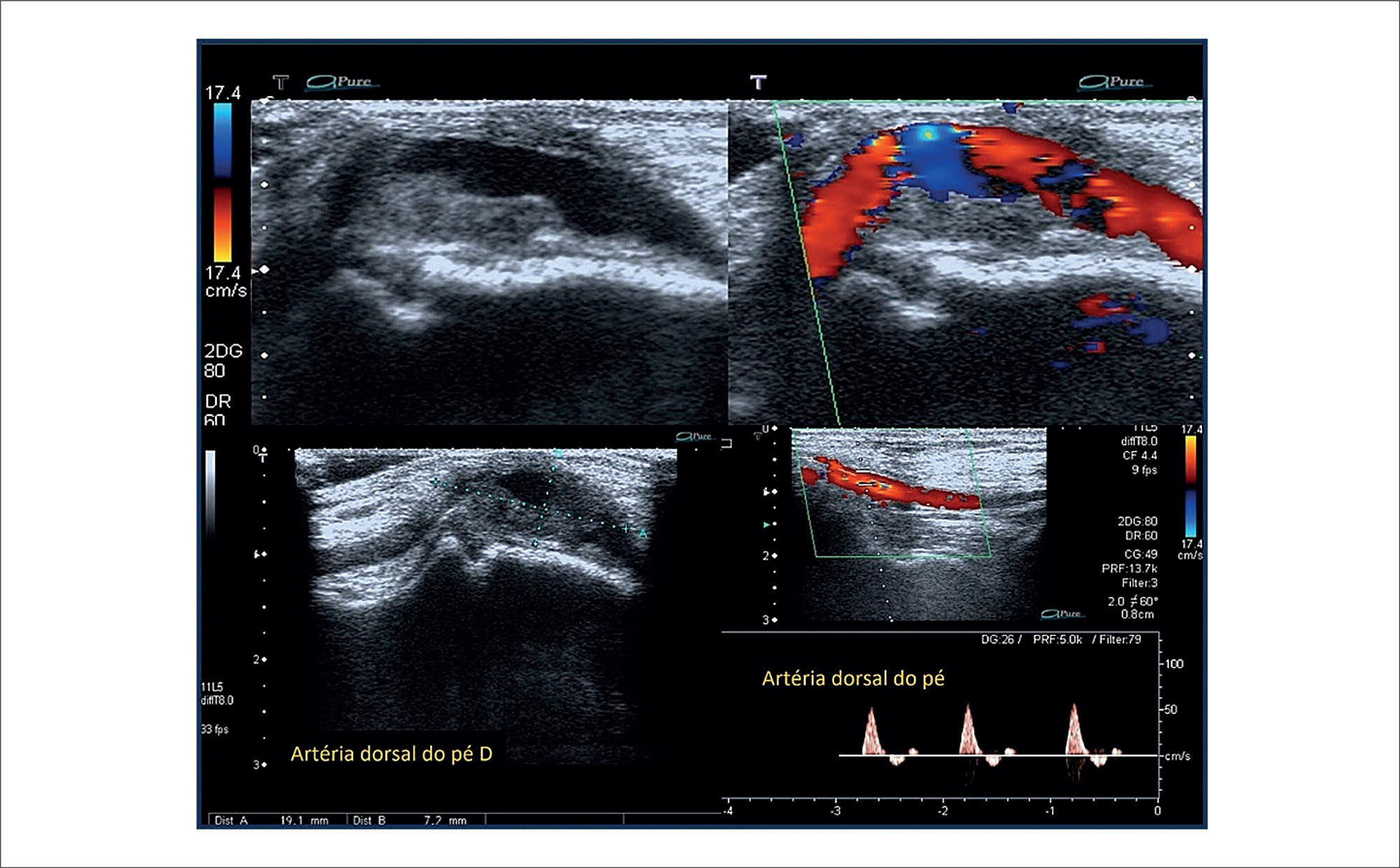
Dorsalis Pedis Artery Aneurysm: an Ultrasound Diagnosis

Ana Claudia Gomes Pereira Petisco et al. Larissa Chaves Nunes Carvalho Mohamed Hassan Saleh Fabio Henrique Rossi … Marcela da Silva Dourado Juliana Chen Heraldo Antonio Barbato Andrea de Andrade Vilela

Discussion

The DPAA (pedal artery) was first described in 1907. Since then, other authors have reported this rare type of aneurysm, but its clinical manifestations are still relatively unknown. With only 24 cases reported in the literature until 2017, according to Aragão et al., the DPAA aneurysm is more common among men (63%) with a mean age of 55.4%. In general, it appears as a pulsatile mass, which may lead to microembolization, hemorrhage, rupture, and nerve compression. Physical examination usually reveals a pulsatile mass that can cause pain, paresthesia, and discomfort when walking or wearing shoes, complaints similar to the case reported in our study.

The pathophysiology of these aneurysms is still uncertain, but it appears to be related to two types of mechanisms: an intrinsic mechanism, related to weakness in the vessel wall structure, such as collagen diseases, Marfan and Ehlers-Danlos syndromes, syphilis, diabetes, infections, trauma, atherosclerosis, and fibrodysplasia; and an extrinsic mechanism, caused by mechanical stress on the arterial wall, such as trauma.– However, according to the literature, many DPAAs are pseudoaneurysms and occur after trauma or iatrogenic injuries secondary to orthopedic or vascular procedures. Although trauma is a cause of DPAAs, patients are often unable to remember the acute event, and symptoms arise when they experience a compression of local structures or specific events, including embolism or rupture. There have also been cases of repeated, low-impact trauma that have led to aneurysmal degeneration, such as tight shoes in patients with congenitally markedly high arches.

[…]

  • Doppler ultrasonography
  • Dorsalis pedis artery
  • Dorsalis pedis artery aneurysm
  • Surgery
  • Vascular ultrasonography
Read Full Article
Creative Commons Attribution (CC BY) Creative Commons license
31/12/2025 DOI: 10.36660/abcimg.20250066i Views 1
Figure 1
Editorial

Tips and Pitfalls on the Role of Echocardiography in Percutaneous Intervention for Hypertrophic Cardiomyopathy

Claudio Henrique Fischer et al. Alessandra Joslin Oliveira

Hypertrophic cardiomyopathy (HCM) is the most prevalent genetic heart disease, affecting approximately 1 in 500 individuals in the general population,– with asymmetric septal hypertrophy as the most common phenotype. In obstructive HCM (oHCM), clinical relevance is greater due to its association with atrial fibrillation, heart failure, thromboembolic events, arrhythmias, and sudden cardiac death., For patients who remain symptomatic despite optimized medical therapy, septal reduction has become an established strategy, with surgical septal myectomy as the gold standard. Alcohol septal ablation is an alternative when surgical risk is prohibitive, there are contraindications to surgery, advanced age, or favorable coronary anatomy; it should be performed in experienced centers.– Other percutaneous approaches — such as radiofrequency septal ablation, the use of coils, or liquid embolic agents — have also been described.

Echocardiography plays a central role throughout the management of oHCM undergoing percutaneous intervention. Beyond diagnosis, it is essential for periprocedural guidance and for postoperative assessment. Understanding its capabilities and recognizing potential pitfalls are critical to success. This editorial offers practical tips for echocardiographers and highlights key points that, if overlooked, may compromise outcomes.

[…]

  • Echocardiography
  • Hypertrophic Cardiomyopathy
  • Left Ventricular Outflow Obstruction
Read Full Article
Creative Commons Attribution (CC BY) Creative Commons license
31/12/2025 DOI: 10.36660/abcimg.20250073i
Figure 1
Original Article

Monitoring Myocardial Metabolic Changes in Lymphoma Patients Undergoing Chemotherapy Using FDG PET/CT

Diego Rafael Freitas Berenguer et al. Gustavo Freitas Alves de Arruda Monica de Moraes Chaves Becker Mayara Lais Coelho Dourado … Roberto de Oliveira Buril Felipe Alves Mourato Paulo José de Almeida Filho Brivaldo Markman-Filho Simone Cristina Soares Brandão

Abstract

Background:

Cardiotoxicity is a serious adverse effect of chemotherapy, often identified only after irreversible myocardial damage has occurred. Positron emission tomography/computed tomography (PET/CT) using fluorine-18 fluorodeoxyglucose (18F-FDG) allows for the evaluation of myocardial glucose metabolism and may help detect early metabolic changes related to chemotherapy.

Objective:

To assess changes in 18F-FDG standardized uptake values (SUVs) across different cardiac regions before and after chemotherapy in patients with lymphoma, and to identify which region exhibits the greatest increase.

Methods:

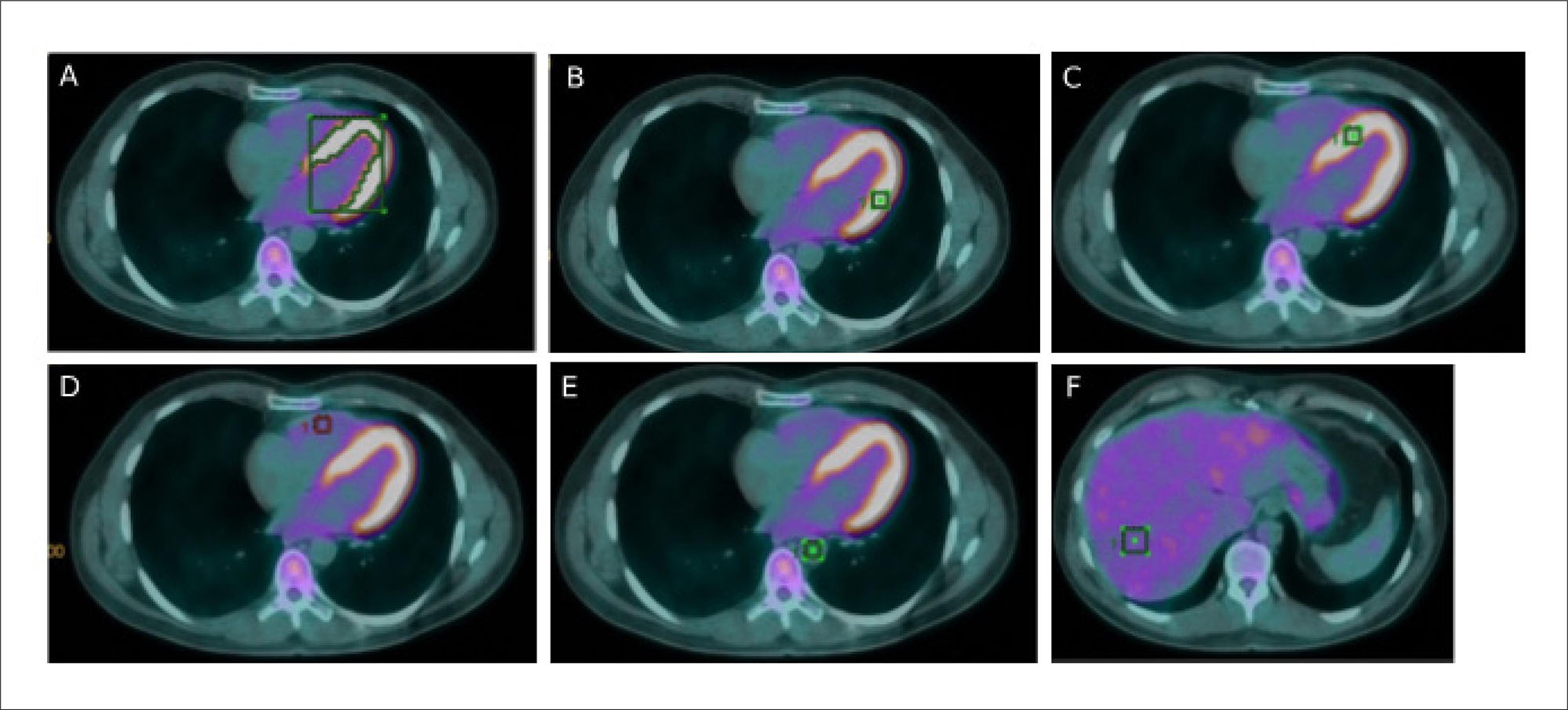
This retrospective cohort study included 62 lymphoma patients who underwent 18F-FDG PET/CT before and after chemotherapy. SUV measurements were obtained in the left ventricular (LV) free wall, interventricular septum (IVS), right ventricular (RV) free wall, and global myocardium. Control regions included the liver and aorta. Pre- and post-treatment SUV values were compared to evaluate metabolic changes related to chemotherapy.

Results:

Myocardial 18F-FDG uptake increased significantly after chemotherapy across all cardiac regions, with the most pronounced rise observed in the LV free wall (maximum SUV increase of 73%, p<0.001). The RV free wall showed a non-significant increase in SUV, and no significant changes were observed in the liver or aorta.

Conclusions:

Chemotherapy was associated with a global increase in myocardial 18F-FDG uptake, with the most pronounced elevation observed in the LV free wall. This regional predominance highlights the LV free wall as the most sensitive site for detecting early metabolic changes potentially related to cardiotoxicity.

  • 18F-FDG PET/CT
  • Cardiotoxicity
  • Chemotherapy
  • Lymphoma
  • Myocardial metabolism
Read Full Article
Creative Commons Attribution (CC BY) Creative Commons license
31/12/2025 DOI: 10.36660/abcimg.20250067i Views 12
Figure 1
Case Report

Ischemic Stroke in a Young Adult: a diagnostic challenge. Exploring the association between Patent Foramen Ovale and Chiari Network

Raissa Silva Frota et al. Mauro de Deus Passos Simone Nascimento dos Santos Luciano Moreira Alves … Dilson Palhares Ferreira Lilian Silva França

Introduction

Globally, strokes are the second leading cause of mortality,, and are broadly categorized into hemorrhagic and ischemic types., In 2019, ischemic stroke accounted for 62.4% of all cases, totaling 7.63 million episodes. Projections indicate a substantial increase in stroke prevalence, from 3.9% in 2020 to an estimated 6.4% by 2050. Despite comprehensive etiological investigations, the underlying cause of cerebrovascular ischemic events remains undefined in 10% to 40% of the cases, known as cryptogenic stroke.

Stroke is often a disabling condition and poses a major threat to the socioeconomic stability of a country, particularly in developing nations. The incidence of ischemic stroke has been increasing, particularly among individuals under 55 years of age. Approximately 10% to 15% of all strokes manifest in young adults aged 18 to 49., This trend underscores the critical importance of stroke prevention strategies, even within this younger demographic.

[…]

  • Ischemic Stroke
  • Patent Foramen Ovale
  • Stroke
Read Full Article
Creative Commons Attribution (CC BY) Creative Commons license
31/12/2025 DOI: 10.36660/abcimg.20250080i
Figure 1
Case Report

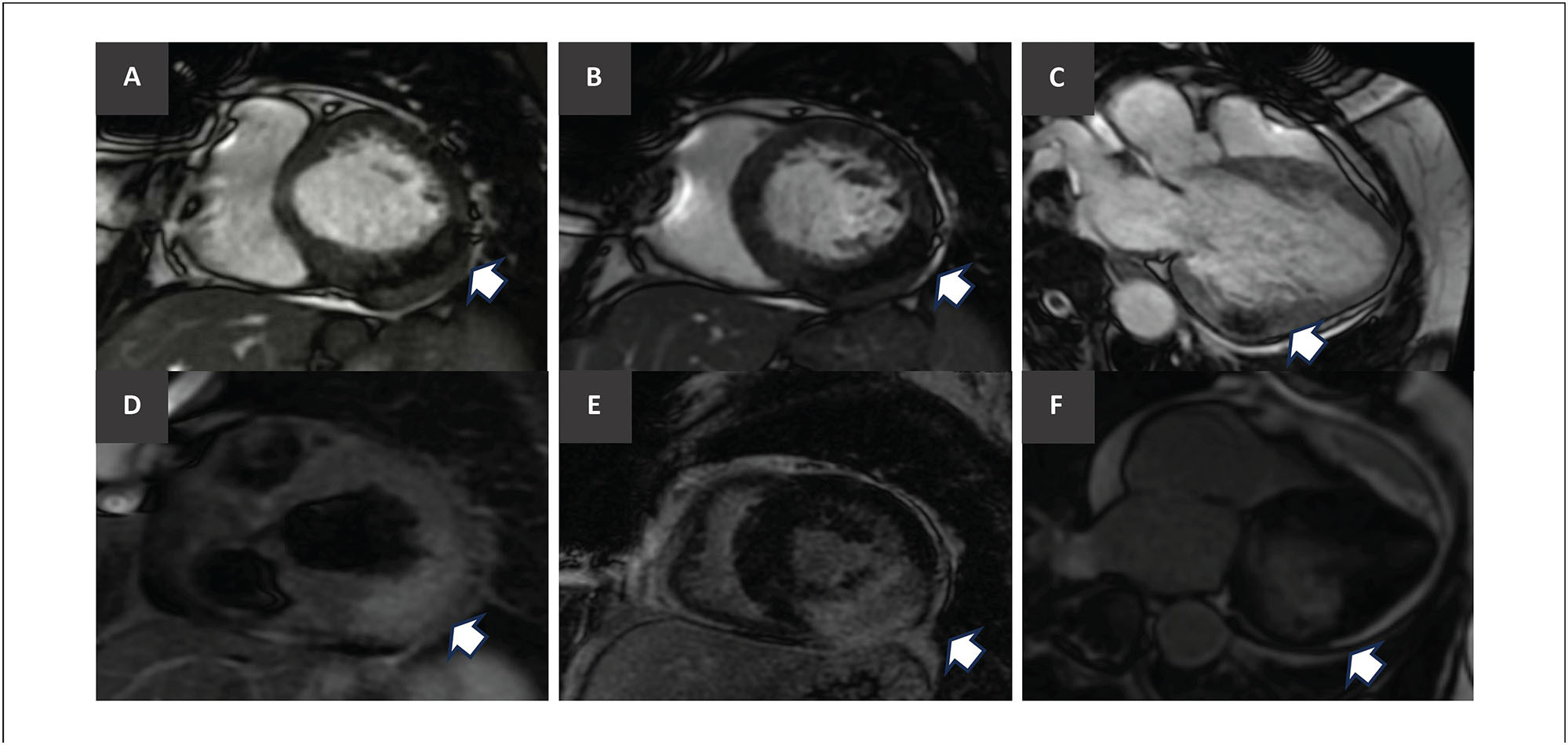
Hypocalcemia and Reversible Cardiomyopathy Assessed by Magnetic Resonance Imaging

Bruno Lenzi et al. Gustavo Tortajada Victoria Rabaza Ernesto Cairoli Gabriel Parma

Introduction

Calcium is a fundamental component of biological systems and plays a key role in excitation-contraction coupling in cardiac myocytes. Calcium entry triggers a mechanism known as calcium-induced calcium release, in which calcium released from the sarcoplasmic reticulum is modulated by the influx of calcium from the extracellular space. Muscle contraction subsequently occurs through the interaction between calcium and the troponin-tropomyosin complex. In the heart, intracellular calcium is the primary regulator of contractile force (inotropism).

Hypocalcemia-induced cardiomyopathy is a rare condition with few reports in the scientific literature. We present a clinical case associated with hypoparathyroidism, one of the main causes of chronic hypocalcemia. This case report includes a novel element: the use of cardiac Magnetic Resonance Imaging (cMRI), which, to our knowledge, has not been previously described in the literature.

[…]

  • Cardiomyopathies
  • Case Reports
  • Hypocalcemia
Read Full Article
Creative Commons Attribution (CC BY) Creative Commons license
31/12/2025 DOI: 10.36660/abcimg.20250048i Views 1
Figure 1
Review Article

How I Assess Left Ventricular Systolic Function

Ana Clara Tude Rodrigues

Abstract

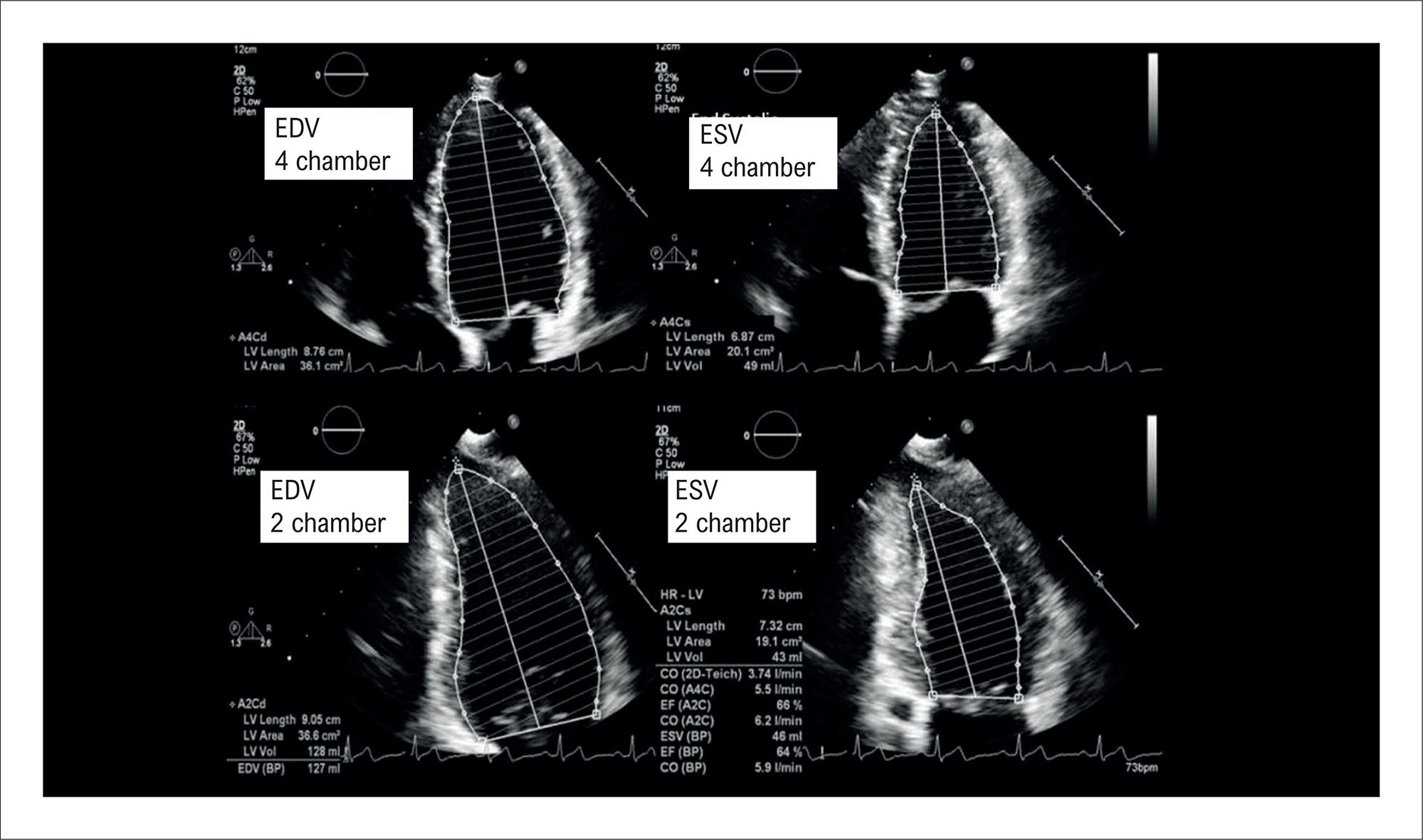
Assessment of left ventricular systolic function is central to transthoracic echocardiography and remains essential in clinical practice and research. Although left ventricular ejection fraction is still the most widely used parameter, advances in echocardiographic techniques have broadened diagnostic assessment. This review summarizes key methods for evaluating systolic function, from traditional linear measurements to modern two- and three-dimensional volumetric approaches. The roles and limitations of the Simpson method, contrast echocardiography, three-dimensional imaging, myocardial deformation analysis, and artificial intelligence are discussed, emphasizing the importance of an integrated and individualized approach.

  • Echocardiography
  • Heart Rate
  • Left Ventricular Function
Read Full Article
Creative Commons Attribution (CC BY) Creative Commons license
30/12/2025 DOI: 10.36660/abcimg.20250078i Views 3
Editorial

Emerging Topics in Pediatric Echocardiography: A Review by the Associate Editors of the Pediatric Section

Karen Saori Shiraishi Sawamura et al. Márcio Miranda Brito

Ventricular septal morphology and cardiac development

Anderson et al. convened international experts to propose a unified morphofunctional classification of ventricular septal defects, with emphasis on embryological features and ventriculoarterial connections. The authors critically examine the nomenclature currently in use and suggest that defect descriptions should encompass both their anatomical location and the borders involved. This approach integrates principles of cardiac development and allows, for example, differentiation between perimembranous defects in hearts with double outlet right ventricle and those with concordant ventriculoarterial connections. The article provides a clear and didactic review of cardiac embryological development, supported by illustrations that facilitate a more precise diagnostic and surgical approach.

[…]

  • Child
  • Echocardiography
  • Pediatrics
Read Full Article
Creative Commons Attribution (CC BY) Creative Commons license
30/12/2025 DOI: 10.36660/abcimg.20250093i Views 1

How to cite this article

EndNote RIS

Electronic Document Format (Vancouver)

Santos DAM, Tarasoutchi F, Fernandes JRC, Paixão MR, Strabelli TMV, Köohler KF, Mansur AJ, et al. Infective Endocarditis in Brazil: A Narrative Review and Critical Analysis of Population and Hospital Case Data. ABC Imagem Cardiovascular 2026;38(4):e20250098.

Electronic Document Format (ABNT)

Santos, Diego Augusto Medeiros; Tarasoutchi, Flávio; Fernandes, João Ricardo Cordeiro; Paixão, Milena Ribeiro; Strabelli, Tânia Mara Varejão; Köohler, Karen Francine; Mansur, Alfredo José; Siciliano, Rinaldo Focaccia. Infective Endocarditis in Brazil: A Narrative Review and Critical Analysis of Population and Hospital Case Data. ABC Imagem Cardiovascular, v. 38, n. 4, e20250098, Feb. 2026.

Electronic Document Format (APA)

Santos, D. A. M., Tarasoutchi, F., Fernandes, J. R. C., Paixão, M. R., Strabelli, T. M. V., Köohler, K. F., Mansur, A. J., & Siciliano, R. F. (2026). Infective Endocarditis in Brazil: A Narrative Review and Critical Analysis of Population and Hospital Case Data. ABC Imagem Cardiovascular, 38(4), e20250098.

Electronic Document Format (ISO)

Santos, Diego Augusto Medeiros and Tarasoutchi, Flávio and Fernandes, João Ricardo Cordeiro and Paixão, Milena Ribeiro and Strabelli, Tânia Mara Varejão and Köohler, Karen Francine and Mansur, Alfredo José and Siciliano, Rinaldo Focaccia. Infective Endocarditis in Brazil: A Narrative Review and Critical Analysis of Population and Hospital Case Data. ABC Imagem Cardiovascular [online]. 2026, vol. 38, n. 4, [cited 2026-10-14], e20250098. Available from: <https://journals.cardiol.br/en/article/infective-endocarditis-in-brazil-a-narrative-review-and-critical-analysis-of-population-and-hospital-case-data/>. ISSN 2318-8219

EndNote RIS

Electronic Document Format (Vancouver)

Gomes NFA, Figueiredo FA, Rodrigues EF, Soares CK, Nunes MCP. My Approach to Wilkins-Block score in rheumatic mitral stenosis. ABC Imagem Cardiovascular 2026;38(4):e20250083.

Electronic Document Format (ABNT)

Gomes, Nayana Flamini Arantes; Figueiredo, Fernanda de Azevedo; Rodrigues, Estela Fófano; Soares, Carolina Kuchenbecker; Nunes, Maria Carmo Pereira. My Approach to Wilkins-Block score in rheumatic mitral stenosis. ABC Imagem Cardiovascular, v. 38, n. 4, e20250083, Feb. 2026.

Electronic Document Format (APA)

Gomes, N. F. A., Figueiredo, F. A., Rodrigues, E. F., Soares, C. K., & Nunes, M. C. P. (2026). My Approach to Wilkins-Block score in rheumatic mitral stenosis. ABC Imagem Cardiovascular, 38(4), e20250083.

Electronic Document Format (ISO)

Gomes, Nayana Flamini Arantes and Figueiredo, Fernanda de Azevedo and Rodrigues, Estela Fófano and Soares, Carolina Kuchenbecker and Nunes, Maria Carmo Pereira. My Approach to Wilkins-Block score in rheumatic mitral stenosis. ABC Imagem Cardiovascular [online]. 2026, vol. 38, n. 4, [cited 2026-10-14], e20250083. Available from: <https://journals.cardiol.br/en/article/my-approach-to-wilkins-block-score-in-rheumatic-mitral-stenosis/>. ISSN 2318-8219

EndNote RIS

Electronic Document Format (Vancouver)

Amon AB, Lopes MDC, Saadi MP, Menegazzo WR, Santos ABS. Left Atrial Septal Pouch Thrombosis Detected Before Electrical Cardioversion: a Rare Source of Embolism. ABC Imagem Cardiovascular 2026;38(4):e20250075.

Electronic Document Format (ABNT)

Amon, Andre Barcellos; Lopes, Mariana De Castro; Saadi, Marina Petersen; Menegazzo, Willian R.; Santos, Angela Barreto Santiago. Left Atrial Septal Pouch Thrombosis Detected Before Electrical Cardioversion: a Rare Source of Embolism. ABC Imagem Cardiovascular, v. 38, n. 4, e20250075, Feb. 2026.

Electronic Document Format (APA)

Amon, A. B., Lopes, M. D. C., Saadi, M. P., Menegazzo, W. R., & Santos, A. B. S. (2026). Left Atrial Septal Pouch Thrombosis Detected Before Electrical Cardioversion: a Rare Source of Embolism. ABC Imagem Cardiovascular, 38(4), e20250075.

Electronic Document Format (ISO)

Amon, Andre Barcellos and Lopes, Mariana De Castro and Saadi, Marina Petersen and Menegazzo, Willian R. and Santos, Angela Barreto Santiago. Left Atrial Septal Pouch Thrombosis Detected Before Electrical Cardioversion: a Rare Source of Embolism. ABC Imagem Cardiovascular [online]. 2026, vol. 38, n. 4, [cited 2026-10-14], e20250075. Available from: <https://journals.cardiol.br/en/article/left-atrial-septal-pouch-thrombosis-detected-before-electrical-cardioversion-a-rare-source-of-embolism/>. ISSN 2318-8219

EndNote RIS

Electronic Document Format (Vancouver)

Latado L, Costa FF, Benevides CFL, Torreão JA, Lima AK, Melo AS, Latado AL, et al. Intramyocardial Cardiac Tumor: A Case Report. ABC Imagem Cardiovascular 2026;38(4):e20250051.

Electronic Document Format (ABNT)

Latado, Luisa; Costa, Fabio Figueiredo; Benevides, Carlos Frederico Lopes; Torreão, Jorge Andion; Lima, Adna Keyne; Melo, Adelina Sanches de; Latado, Adriana Lopes. Intramyocardial Cardiac Tumor: A Case Report. ABC Imagem Cardiovascular, v. 38, n. 4, e20250051, Feb. 2026.

Electronic Document Format (APA)

Latado, L., Costa, F. F., Benevides, C. F. L., Torreão, J. A., Lima, A. K., Melo, A. S. , & Latado, A. L. (2026). Intramyocardial Cardiac Tumor: A Case Report. ABC Imagem Cardiovascular, 38(4), e20250051.

Electronic Document Format (ISO)

Latado, Luisa and Costa, Fabio Figueiredo and Benevides, Carlos Frederico Lopes and Torreão, Jorge Andion and Lima, Adna Keyne and Melo, Adelina Sanches de and Latado, Adriana Lopes. Intramyocardial Cardiac Tumor: A Case Report. ABC Imagem Cardiovascular [online]. 2026, vol. 38, n. 4, [cited 2026-10-14], e20250051. Available from: <https://journals.cardiol.br/en/article/intramyocardial-cardiac-tumor-a-case-report/>. ISSN 2318-8219

EndNote RIS

Electronic Document Format (Vancouver)

Lombardi JG, Calamita PC, Barreto MRP, Ficht LSN, Gardenghi G. Acute Thrombosis During Ductus Arteriosus Stenting Successfully Treated with Balloon Angioplasty and In Situ Alteplase Infusion: Case Report. ABC Imagem Cardiovascular 2026;38(4):e20250084.

Electronic Document Format (ABNT)

Lombardi, Jonathan Guimarães; Calamita, Paulo Correia; Barreto, Mayra Rosana Palmeira; Ficht, Luiza Silveira Neves; Gardenghi, Giulliano. Acute Thrombosis During Ductus Arteriosus Stenting Successfully Treated with Balloon Angioplasty and In Situ Alteplase Infusion: Case Report. ABC Imagem Cardiovascular, v. 38, n. 4, e20250084, Feb. 2026.

Electronic Document Format (APA)

Lombardi, J. G., Calamita, P. C., Barreto, M. R. P., Ficht, L. S. N., & Gardenghi, G. (2026). Acute Thrombosis During Ductus Arteriosus Stenting Successfully Treated with Balloon Angioplasty and In Situ Alteplase Infusion: Case Report. ABC Imagem Cardiovascular, 38(4), e20250084.

Electronic Document Format (ISO)

Lombardi, Jonathan Guimarães and Calamita, Paulo Correia and Barreto, Mayra Rosana Palmeira and Ficht, Luiza Silveira Neves and Gardenghi, Giulliano. Acute Thrombosis During Ductus Arteriosus Stenting Successfully Treated with Balloon Angioplasty and In Situ Alteplase Infusion: Case Report. ABC Imagem Cardiovascular [online]. 2026, vol. 38, n. 4, [cited 2026-10-14], e20250084. Available from: <https://journals.cardiol.br/en/article/acute-thrombosis-during-ductus-arteriosus-stenting-successfully-treated-with-balloon-angioplasty-and-in-situ-alteplase-infusion-case-report/>. ISSN 2318-8219

EndNote RIS

Electronic Document Format (Vancouver)

Santos LOA, Daminello E, França LA. What Does Myocardial Work Offer Beyond Strain?. ABC Imagem Cardiovascular 2026;38(4):e20250103.

Electronic Document Format (ABNT)

Santos, Luiz Otávio de Arruda; Daminello, Edgar; França, Lucas Arraes de. What Does Myocardial Work Offer Beyond Strain?. ABC Imagem Cardiovascular, v. 38, n. 4, e20250103, Feb. 2026.

Electronic Document Format (APA)

Santos, L. O. A., Daminello, E., & França, L. A. (2026). What Does Myocardial Work Offer Beyond Strain?. ABC Imagem Cardiovascular, 38(4), e20250103.

Electronic Document Format (ISO)

Santos, Luiz Otávio de Arruda and Daminello, Edgar and França, Lucas Arraes de. What Does Myocardial Work Offer Beyond Strain?. ABC Imagem Cardiovascular [online]. 2026, vol. 38, n. 4, [cited 2026-10-14], e20250103. Available from: <https://journals.cardiol.br/en/article/what-does-myocardial-work-offer-beyond-strain/>. ISSN 2318-8219

EndNote RIS

Electronic Document Format (Vancouver)

Petisco ACGP, Carvalho LCN, Saleh MH, Rossi FH, Dourado MS, Chen J, Barbato HA, et al. Dorsalis Pedis Artery Aneurysm: an Ultrasound Diagnosis. ABC Imagem Cardiovascular 2025;38(4):e20250066.

Electronic Document Format (ABNT)

Petisco, Ana Claudia Gomes Pereira; Carvalho, Larissa Chaves Nunes; Saleh, Mohamed Hassan; Rossi, Fabio Henrique; Dourado, Marcela da Silva; Chen, Juliana; Barbato, Heraldo Antonio; Vilela, Andrea de Andrade. Dorsalis Pedis Artery Aneurysm: an Ultrasound Diagnosis. ABC Imagem Cardiovascular, v. 38, n. 4, e20250066, Dec. 2025.

Electronic Document Format (APA)

Petisco, A. C. G. P., Carvalho, L. C. N., Saleh, M. H., Rossi, F. H., Dourado, M. S., Chen, J., Barbato, H. A., & Vilela, A. A. (2025). Dorsalis Pedis Artery Aneurysm: an Ultrasound Diagnosis. ABC Imagem Cardiovascular, 38(4), e20250066.

Electronic Document Format (ISO)

Petisco, Ana Claudia Gomes Pereira and Carvalho, Larissa Chaves Nunes and Saleh, Mohamed Hassan and Rossi, Fabio Henrique and Dourado, Marcela da Silva and Chen, Juliana and Barbato, Heraldo Antonio and Vilela, Andrea de Andrade. Dorsalis Pedis Artery Aneurysm: an Ultrasound Diagnosis. ABC Imagem Cardiovascular [online]. 2025, vol. 38, n. 4, [cited 2026-10-14], e20250066. Available from: <https://journals.cardiol.br/en/article/dorsalis-pedis-artery-aneurysm-an-ultrasound-diagnosis/>. ISSN 2318-8219

EndNote RIS

Electronic Document Format (Vancouver)

Fischer CH, Oliveira AJ. Tips and Pitfalls on the Role of Echocardiography in Percutaneous Intervention for Hypertrophic Cardiomyopathy. ABC Imagem Cardiovascular 2025;38(4):e20250073.

Electronic Document Format (ABNT)

Fischer, Claudio Henrique; Oliveira, Alessandra Joslin. Tips and Pitfalls on the Role of Echocardiography in Percutaneous Intervention for Hypertrophic Cardiomyopathy. ABC Imagem Cardiovascular, v. 38, n. 4, e20250073, Dec. 2025.

Electronic Document Format (APA)

Fischer, C. H., & Oliveira, A. J. (2025). Tips and Pitfalls on the Role of Echocardiography in Percutaneous Intervention for Hypertrophic Cardiomyopathy. ABC Imagem Cardiovascular, 38(4), e20250073.

Electronic Document Format (ISO)

Fischer, Claudio Henrique and Oliveira, Alessandra Joslin. Tips and Pitfalls on the Role of Echocardiography in Percutaneous Intervention for Hypertrophic Cardiomyopathy. ABC Imagem Cardiovascular [online]. 2025, vol. 38, n. 4, [cited 2026-10-14], e20250073. Available from: <https://journals.cardiol.br/en/article/tips-and-pitfalls-on-the-role-of-echocardiography-in-percutaneous-intervention-for-hypertrophic-cardiomyopathy/>. ISSN 2318-8219

EndNote RIS

Electronic Document Format (Vancouver)

Berenguer DRF, Arruda GFA, Becker MMC, Dourado MLC, Buril RO, Mourato FA, Almeida Filho PJ, et al. Monitoring Myocardial Metabolic Changes in Lymphoma Patients Undergoing Chemotherapy Using FDG PET/CT. ABC Imagem Cardiovascular 2025;38(4):e20250067.

Electronic Document Format (ABNT)

Berenguer, Diego Rafael Freitas; Arruda, Gustavo Freitas Alves de; Becker, Monica de Moraes Chaves; Dourado, Mayara Lais Coelho; Buril, Roberto de Oliveira; Mourato, Felipe Alves; Almeida Filho, Paulo José de; Markman-Filho, Brivaldo; Brandão, Simone Cristina Soares. Monitoring Myocardial Metabolic Changes in Lymphoma Patients Undergoing Chemotherapy Using FDG PET/CT. ABC Imagem Cardiovascular, v. 38, n. 4, e20250067, Dec. 2025.

Electronic Document Format (APA)

Berenguer, D. R. F., Arruda, G. F. A. , Becker, M. M. C., Dourado, M. L. C., Buril, R. O., Mourato, F. A., Almeida Filho, P. J. , Markman-Filho, B., & Brandão, S. C. S. (2025). Monitoring Myocardial Metabolic Changes in Lymphoma Patients Undergoing Chemotherapy Using FDG PET/CT. ABC Imagem Cardiovascular, 38(4), e20250067.

Electronic Document Format (ISO)

Berenguer, Diego Rafael Freitas and Arruda, Gustavo Freitas Alves de and Becker, Monica de Moraes Chaves and Dourado, Mayara Lais Coelho and Buril, Roberto de Oliveira and Mourato, Felipe Alves and Almeida Filho, Paulo José de and Markman-Filho, Brivaldo and Brandão, Simone Cristina Soares. Monitoring Myocardial Metabolic Changes in Lymphoma Patients Undergoing Chemotherapy Using FDG PET/CT. ABC Imagem Cardiovascular [online]. 2025, vol. 38, n. 4, [cited 2026-10-14], e20250067. Available from: <https://journals.cardiol.br/en/article/monitoring-myocardial-metabolic-changes-in-lymphoma-patients-undergoing-chemotherapy-using-fdg-pet-ct/>. ISSN 2318-8219

EndNote RIS

Electronic Document Format (Vancouver)

Frota RS, Passos MD, Santos SN, Alves LM, Ferreira DP, França LS. Ischemic Stroke in a Young Adult: a diagnostic challenge. Exploring the association between Patent Foramen Ovale and Chiari Network. ABC Imagem Cardiovascular 2025;38(4):e20250080.

Electronic Document Format (ABNT)

Frota, Raissa Silva; Passos, Mauro de Deus; Santos, Simone Nascimento dos; Alves, Luciano Moreira; Ferreira, Dilson Palhares; França, Lilian Silva. Ischemic Stroke in a Young Adult: a diagnostic challenge. Exploring the association between Patent Foramen Ovale and Chiari Network. ABC Imagem Cardiovascular, v. 38, n. 4, e20250080, Dec. 2025.

Electronic Document Format (APA)

Frota, R. S., Passos, M. D., Santos, S. N. , Alves, L. M., Ferreira, D. P., & França, L. S. (2025). Ischemic Stroke in a Young Adult: a diagnostic challenge. Exploring the association between Patent Foramen Ovale and Chiari Network. ABC Imagem Cardiovascular, 38(4), e20250080.

Electronic Document Format (ISO)

Frota, Raissa Silva and Passos, Mauro de Deus and Santos, Simone Nascimento dos and Alves, Luciano Moreira and Ferreira, Dilson Palhares and França, Lilian Silva. Ischemic Stroke in a Young Adult: a diagnostic challenge. Exploring the association between Patent Foramen Ovale and Chiari Network. ABC Imagem Cardiovascular [online]. 2025, vol. 38, n. 4, [cited 2026-10-14], e20250080. Available from: <https://journals.cardiol.br/en/article/ischemic-stroke-in-a-young-adult-a-diagnostic-challenge-exploring-the-association-between-patent-foramen-ovale-and-chiari-network/>. ISSN 2318-8219

EndNote RIS

Electronic Document Format (Vancouver)

Lenzi B, Tortajada G, Rabaza V, Cairoli E, Parma G. Hypocalcemia and Reversible Cardiomyopathy Assessed by Magnetic Resonance Imaging. ABC Imagem Cardiovascular 2025;38(4):e20250048.

Electronic Document Format (ABNT)

Lenzi, Bruno; Tortajada, Gustavo; Rabaza, Victoria; Cairoli, Ernesto; Parma, Gabriel. Hypocalcemia and Reversible Cardiomyopathy Assessed by Magnetic Resonance Imaging. ABC Imagem Cardiovascular, v. 38, n. 4, e20250048, Dec. 2025.

Electronic Document Format (APA)

Lenzi, B., Tortajada, G., Rabaza, V., Cairoli, E., & Parma, G. (2025). Hypocalcemia and Reversible Cardiomyopathy Assessed by Magnetic Resonance Imaging. ABC Imagem Cardiovascular, 38(4), e20250048.

Electronic Document Format (ISO)

Lenzi, Bruno and Tortajada, Gustavo and Rabaza, Victoria and Cairoli, Ernesto and Parma, Gabriel. Hypocalcemia and Reversible Cardiomyopathy Assessed by Magnetic Resonance Imaging. ABC Imagem Cardiovascular [online]. 2025, vol. 38, n. 4, [cited 2026-10-14], e20250048. Available from: <https://journals.cardiol.br/en/article/hypocalcemia-and-reversible-cardiomyopathy-assessed-by-magnetic-resonance-imaging/>. ISSN 2318-8219

EndNote RIS

Electronic Document Format (Vancouver)

Rodrigues ACT. How I Assess Left Ventricular Systolic Function. ABC Imagem Cardiovascular 2025;38(4):e20250078.

Electronic Document Format (ABNT)

Rodrigues, Ana Clara Tude. How I Assess Left Ventricular Systolic Function. ABC Imagem Cardiovascular, v. 38, n. 4, e20250078, Dec. 2025.

Electronic Document Format (APA)

Rodrigues, A. C. T. (2025). How I Assess Left Ventricular Systolic Function. ABC Imagem Cardiovascular, 38(4), e20250078.

Electronic Document Format (ISO)

Rodrigues, Ana Clara Tude. How I Assess Left Ventricular Systolic Function. ABC Imagem Cardiovascular [online]. 2025, vol. 38, n. 4, [cited 2026-10-14], e20250078. Available from: <https://journals.cardiol.br/en/article/how-i-assess-left-ventricular-systolic-function/>. ISSN 2318-8219

EndNote RIS

Electronic Document Format (Vancouver)

Sawamura KSS, Brito MM. Emerging Topics in Pediatric Echocardiography: A Review by the Associate Editors of the Pediatric Section. ABC Imagem Cardiovascular 2025;38(4):e20250093.

Electronic Document Format (ABNT)

Sawamura, Karen Saori Shiraishi; Brito, Márcio Miranda. Emerging Topics in Pediatric Echocardiography: A Review by the Associate Editors of the Pediatric Section. ABC Imagem Cardiovascular, v. 38, n. 4, e20250093, Dec. 2025.

Electronic Document Format (APA)

Sawamura, K. S. S., & Brito, M. M. (2025). Emerging Topics in Pediatric Echocardiography: A Review by the Associate Editors of the Pediatric Section. ABC Imagem Cardiovascular, 38(4), e20250093.

Electronic Document Format (ISO)

Sawamura, Karen Saori Shiraishi and Brito, Márcio Miranda. Emerging Topics in Pediatric Echocardiography: A Review by the Associate Editors of the Pediatric Section. ABC Imagem Cardiovascular [online]. 2025, vol. 38, n. 4, [cited 2026-10-14], e20250093. Available from: <https://journals.cardiol.br/en/article/emerging-topics-in-pediatric-echocardiography-a-review-by-the-associate-editors-of-the-pediatric-section/>. ISSN 2318-8219

Sede – São Paulo
Rua Barata Ribeiro, 380 cj 54 Bela Vista
São Paulo, Brasil – CEP: 01308-000
Tel.: +55 (11) 3120-3363
Telefax: +55 (11) 3259-2988
E-mail: depeco@cardiol.br

Sede – Rio de Janeiro
Av. Marechal Câmara, 160
3º andar – Sala: 330 – Centro
Rio de Janeiro – CEP: 20020-907
Tel.: +55 (21) 3478-2700
ou: +55 (21) 99386-3961
E-mail: abcimaging@cardiol.br

  • About the Journal
  • Internal Regulation
  • Editors Section
  • Editorial Board
  • SBC Award

  • Guidelines for Publication
  • Editorial Policy
  • Ethics Policy
  • Policy on the Use of Artificial Intelligence
  • Mandatory Publication Form

Issues

SBC Guidelines