| ABC
ABC Family Arquivos Brasileiros de Cardiologia International Journal of Cardiovascular Sciences ABC Heart Failure & Cardiomyopathy ABC Imagem Cardiovascular
Português English
ABC Family | ABC
Português English
  • About
    • About the Journal
    • Internal Regulation
    • Editors Section
    • Editorial Board
    • History
    • SBC Award
  • Instructions to Authors
    • Guidelines for Publication
    • Editorial Policy
    • Ethics Policy
    • Policy on the Use of Artificial Intelligence
    • Mandatory Publication Form
    • Publication Fee
  • Issues
  • SBC Guidelines
  • Abstracts
    • How to Publish an Abstract Supplement?
    • Supplements from the Brazilian Congress of Cardiology
  • About
    • About the Journal
    • Internal Regulation
    • Editors Section
    • Editorial Board
    • History
    • SBC Award
  • Instructions to Authors
    • Guidelines for Publication
    • Editorial Policy
    • Ethics Policy
    • Policy on the Use of Artificial Intelligence
    • Mandatory Publication Form
    • Publication Fee
  • Issues
  • SBC Guidelines
  • Abstracts
    • How to Publish an Abstract Supplement?
    • Supplements from the Brazilian Congress of Cardiology

ABC Family

  • ABC Family
  • Arquivos Brasileiros de Cardiologia
  • International Journal of Cardiovascular Sciences
  • ABC Heart Failure & Cardiomyopathy
  • ABC Imagem Cardiovascular
Search in

No content found.

Journals
Ordering
Article types
Others

  1. Home
  2. ABC
  3. Issues
  4. 2008, Volume 90, Number 6
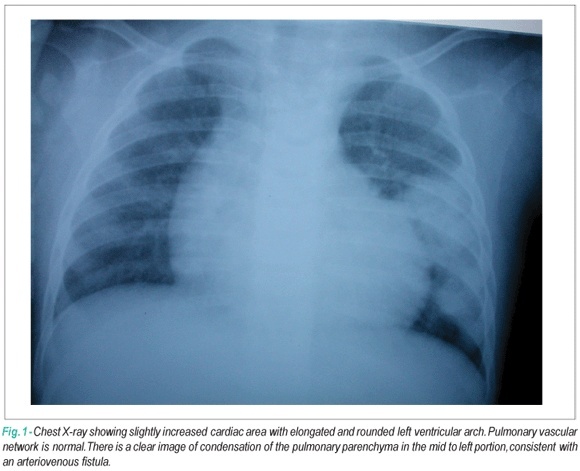
Case 3/2008: fourteen month old female infant with pulmonary arteriovenous fistula
Correlação Clínico-Radiográfica

Case 3/2008: fourteen month old female infant with pulmonary arteriovenous fistula

Edmar Atik

CLÍNICORADIOLOGICAL SESSION

Case 3/2008 – Fourteen month old female infant with pulmonary arteriovenous fistula

[…]

Read Full Article
Creative Commons Attribution (CC BY) Creative Commons license
01/07/2008 DOI: 10.1590/S0066-782X2008000600009
Adult patient with anomalous origin of anterior interventricular artery at main pulmonary artery
Case Report

Adult patient with anomalous origin of anterior interventricular artery at main pulmonary artery

Haroldo Adans Ferraz et al. Leonardo Alves Batista Fernando Mendes Sant'Anna Leonardo da Costa Buczynski … Marcelo Bastos Brito Carlos Alberto Mussel Barrozo

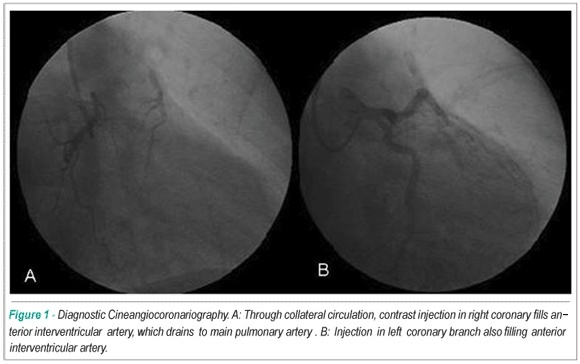
From all congenital cardiopathies, anomalous origin of anterior interventricular artery occurs once per 300,0000 live births, reporting high mortality in the first year after birth. However, if good collateral circulation is available for the artery related to the abnormality, the patient may be kept asymptomatic until mature age. This is the report on a rare case of a 43-year-old patient who was oligosymptomatic, with normal ventricular function in this pathology presentation. The patient was submitted to surgical treatment with no extracorporeal circulation.

  • Adult
  • Congenital
  • Heart Defects
  • Pulmonary Artery
Read Full Article
Creative Commons Attribution (CC BY) Creative Commons license
01/07/2008 DOI: 10.1590/S0066-782X2008000600011 Views 1
Novel no-touch technique of harvesting the saphenous vein for coronary artery bypass grafting
Artigo Original

Novel no-touch technique of harvesting the saphenous vein for coronary artery bypass grafting

Fabio de Rueda et al. Domingos Souza Ricardo de Carvalho Lima Alexandre Menezes … Benny Johansson Michael Dashwood Emmanuel Thé Mário Gesteira Mozart Escobar Frederico Vasconcelos

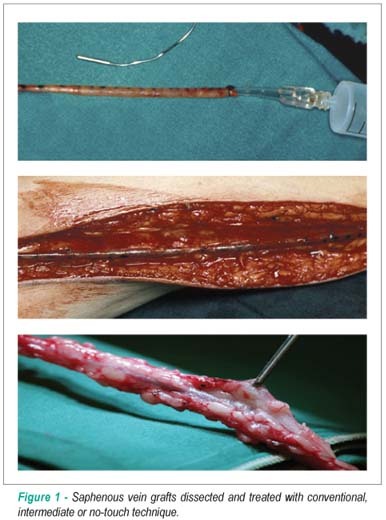
BACKGROUND: Optimization of the saphenous vein for myocardial revascularization. OBJECTIVE: To present the no-touch technique of the saphenous vein preparation. This technique consists of harvesting the vein with a pedicle of surrounding tissue, which protects the vein from spasms, obviating the need for distension. METHODS: A prospective, randomized study with 156 patients who underwent artery bypass grafting was performed comparing three saphenous vein harvesting techniques: conventional, intermediate, and no-touch. A morphological study of the endothelium was carried out using scanning microscopy. An angiographic assessment of the vein graft patency was performed at a mean follow-up time of 18 months. Also, an immunohistochemical assessment was carried out to identify the endothelial enzyme nitric oxide synthase (eNOS) in the vein wall RESULTS: The preservation of the endothelial cell integrity was greater in the no-touch technique than in the other procedures. At angiographic follow-up, the patency for the no-touch group was 95.4%, 88.9% for the grafts of the conventional technique group, and 86.2% for the grafts performed in the intermediate technique group. The immunohistochemical assessment revealed eNOS in all three layers of the vein wall in the no-touch group and reduction of this enzyme in the conventional group. CONCLUSION: The endothelial integrity and eNOS activity were better preserved when using the no-touch technique for vein graft harvesting. The mechanical protection provided by the cushion of surrounding tissue in the no-touch group, the vasorelaxation and thromboresistant activities of nitric oxide may be responsible for the reduction of vasospasms and improved patency rate.

  • Endothelium, Vascular
  • Myocardial Revascularization
  • Saphenous Vein
Read Full Article
Creative Commons Attribution (CC BY) Creative Commons license
26/06/2008 DOI: 10.1590/S0066-782X2008000600002 Views 2
Unsupported valvuloplasty for degenerative mitral regurgitation: long-term results
Artigo Original

Unsupported valvuloplasty for degenerative mitral regurgitation: long-term results

Alexsandra L. Balbinot et al. Renato A. K. Kalil Paulo R. Prates João Ricardo M. Sant'Anna … Orlando C. Wender Guaracy Fernandes Teixeira Filho Rogério S. Abrahão Ivo A. Nesralla

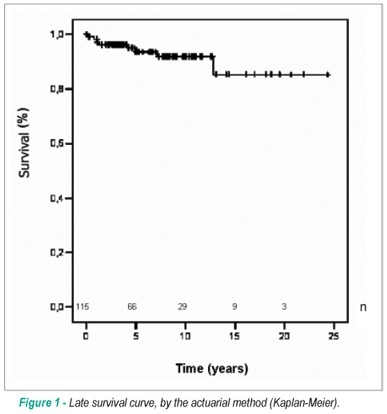
BACKGROUND: The advantages of valve repair for treatment of degenerative mitral regurgitation are well established. The procedure is associated with low mortality and morbidity rates, and low indices of reoperation, thromboembolic events and endocarditis have been reported. In most series, annuloplasty rings are implanted, but some institutions give preference to unsupported valvuloplasty. OBJECTIVE: To assess the clinical outcome of patients submitted to unsupported valvuloplasty for degenerative mitral regurgitation. METHODS: Between January 1980 and January 2003, 116 patients were submitted to the procedure. A total of 62 (53.4%) were men, and mean age was 47.2 ± 16.5 years. The procedures included: Wooler annuloplasty (65.5%), unilateral annuloplasty (15.5%), quadrangular resection of the posterior leaflet (35.3%), anterior chordal shortening (20.7%), posterior chordal shortening (6.9%), and calcium debridement (0.9%). Mean follow-up was 6.5 ± 5.1 years, and the longest follow-up was 24 years. RESULTS: Mortality was 0.86% (1 pt) early and 6.03% (7 pt) late. Actuarial survival was 85.3% in 20 years. Most patients (55.2%) presented preoperative NYHA functional class III, whereas class I was more frequent in the postoperative period (66.4%). Thromboembolic complications were observed in 4 patients (3.4%), and no correlation was seen with atrial fibrillation. Freedom from thromboembolic events was 94.8%, and similar results were observed for bacterial endocarditis. Survival free from reoperation was 79%, and 53% at 5 and 10 years, respectively. CONCLUSION: Unsupported valvuloplasty is effective and safe for treatment of degenerative mitral regurgitation, representing an adequate therapeutic alternative for selected cases.

  • Evaluation Studies
  • Mitral Valve
Read Full Article
Creative Commons Attribution (CC BY) Creative Commons license
25/06/2008 DOI: 10.1590/S0066-782X2008000600003 Views 1
Heart rate recovery after treadmill electrocardiographic exercise stress test and 24-hour heart rate variability in healthy individuals
Artigo Original

Heart rate recovery after treadmill electrocardiographic exercise stress test and 24-hour heart rate variability in healthy individuals

Ivana Antelmi et al. Eliseu Yung Chuang Cesar José Grupi Maria do Rosário Dias de Oliveira Latorre Alfredo José Mansur

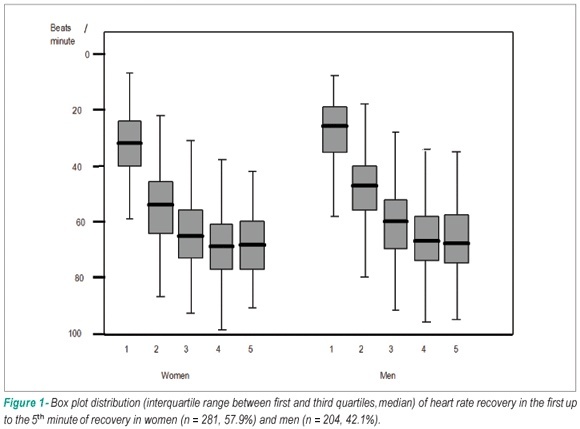
BACKGROUND: Heart rate recovery after treadmill electrocardiographic exercise stress test is modulated by the autonomic nervous system. Analysis of heart rate variability can provide useful information about autonomic control of the cardiovascular system. OBJECTIVE: The aim of the study was to test the hypothesis of association between heart recovery after treadmill electrocardiographic exercise test and heart rate variability. METHODS: We studied 485 healthy individuals aged 42± 12.1 (range 15-82) years, 281(57.9%) women, submitted to treadmill electrocardiographic exercise stress tests and heart rate variability evaluations over time (SDNN, SDANN, SDNNi, rMSSD, pNN50) and frequency (LF, HF, VLF, LF/HF ratio) domains in 24-hour ambulatory electrocardiographic monitoring. RESULTS: Heart rate recovery was 30± 12 beats in the 1st minute and 52± 13 beats in the 2nd minute after exercise. Younger individuals recovered faster from the 2nd to the 5th minute after exercise (r= 0.19-0.35, P< 0.05). Recovery was faster in women than in men (4± 1.1 beats lower in the 1st minute, p<0.001; 5.7± 1.2 beats lower in the 2nd minute, p<0.01; 4.1± 1.1 beats lower in the 3rd minute, p<0.001). There was no significant correlation between heart rate recovery and heart rate variability in 1st and 2nd minutes after exercise. SDNN, SDANN, SDNNi, rMSSD, and pNN50 indices demonstrated a significant correlation with heart rate recovery only at the 3rd and 4th minutes. CONCLUSION: The hypothesis of association between heart rate recovery and 24-hour heart rate variability in the first two minutes after exercise was not substantiated in this study. Heart rate recovery after exercise was associated with age and gender.

  • Exercise
  • Exercise Test
  • Heart Rate Variability
Read Full Article
Creative Commons Attribution (CC BY) Creative Commons license
25/06/2008 DOI: 10.1590/S0066-782X2008000600005
Blood pressure: effect of body mass index and of waist circumference on adolescents
Artigo Original

Blood pressure: effect of body mass index and of waist circumference on adolescents

Isabel Cristina Britto Guimarães et al. Alessandro Moura de Almeida Adiméia Souza Santos Daniel Batista Valente Barbosa Armênio Costa Guimarães

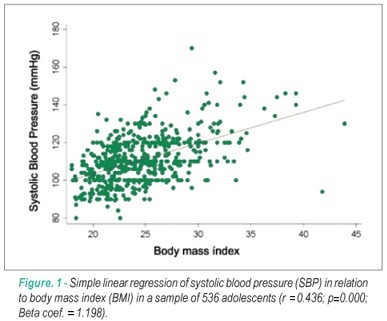
BACKGROUND: Increased body mass index (BMI) and waist circumference (WC) have been associated with blood pressure elevation. OBJECTIVE: To evaluate the effect of BMI and WC on blood pressure (BP) of adolescents. METHODS: Cross-sectional analytical study including 536 adolescents from public and private schools. BMI was calculated and classified as high-normal (> 50th p and 85th p and 95th p). WC was measured and considered increased if > 75th p. BP was considered elevated if > 90th p. RESULTS: 319 (59.5%) adolescents were girls, the mean age was 14.0± 1.99 years, high-normal weight was found in 39.6%, overweight in 37.1% and obesity in 23.3%. The percentage of high SBP and DBP followed the increase in BMI (p=0.000), reaching 46.4% among boys and 39.3% among obese girls for SBP and 42.0% and 44.6% for DBP, respectively. High SBP and DBP were 3.9 and 3.4 times more frequent among boys and 2.2 to 2.0 times more frequent among girls with WC > 75th p, respectively. Using simple linear regression analysis, each increment in BMI would increase SBP by 1.198 mmHg, and in WC by 0.622 mmHg. The PR for elevated SBP and DBP in relation to BMI > 85th p was 3.9 (95% CI 2.0-7.4[p=0.000]) and 4.3(95% CI 2.2-8.5[p=0.000]), respectively; in relation to WC > 75th p was 1.8(95% CI 1.0 to 3.0 [p=0.036]) and 1.4 (95% CI 0.8 to 2.4). BP > 90th p with WC < 75th p was found in 16/181 (8.8%) of the adolescents with high-normal weight. CONCLUSION: BMI and WC values have a strong influence on BP values in adolescents.

  • Adolescent
  • Hypertension
  • Obesity
  • Waist Circumference
Read Full Article
Creative Commons Attribution (CC BY) Creative Commons license
25/06/2008 DOI: 10.1590/S0066-782X2008000600007 Views 1
Right heart emboli-in-transit: case report and literature review
Case Report

Right heart emboli-in-transit: case report and literature review

Ivan Romero Rivera et al. Maria Alayde Mendonça da Silva Ricardo César Cavalcanti Edmilton Wanderley Cavalcante Roberto Lúcio de Gusmão Verçosa

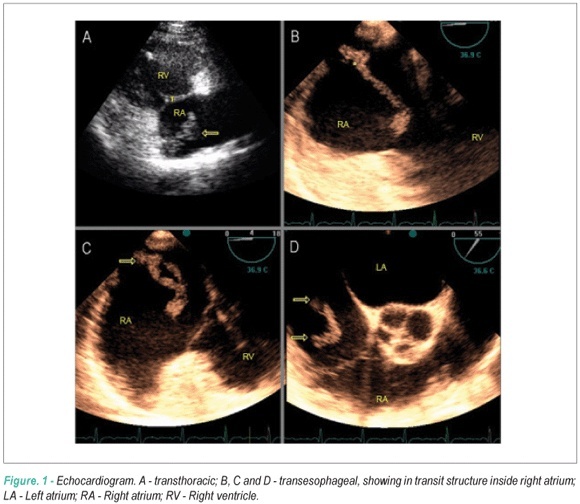
Emboli in transit in right atrium are rare. When they occur, they are associated to high rate of pulmonary embolism and mortality. This is a case report on an embolus in transit in right chambers, with clinical suspicion of pulmonary thromboembolism. Diagnosis was obtained through transesophageal echocardiography. The patient had a positive response post-anticoagulation. The team discussed presentation forms, treatment and condition development.

Read Full Article
Creative Commons Attribution (CC BY) Creative Commons license
25/06/2008 DOI: 10.1590/S0066-782X2008000600012
Discontinuous sets of knee extensions induce higher cardiovascular responses in comparison to continuous ones
Artigo Original

Discontinuous sets of knee extensions induce higher cardiovascular responses in comparison to continuous ones

Marcos Doederlein Polito et al. Roberto Simão Vitor Agnew Lira Antônio Cláudio Lucas da Nóbrega Paulo de Tarso Veras Farinatti

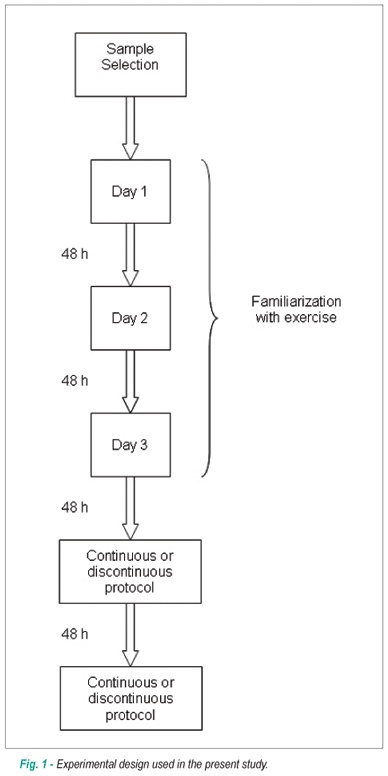
BACKGROUND: The strength training can promote significant cardiovascular responses during its performance and it is interesting to devise strategies to reduce them, without compromising the strength production. OBJECTIVE: To compare the acute cardiovascular responses of systolic arterial pressure (SAP), diastolic arterial pressure (DAP), heart rate (HR) and double product (DP) during the unilateral knee extension (four series of 8 maximum repetitions) performed continuously or discontinuously. Both protocols involved a 2-minute interval between the series and the discontinuous protocol had an extra interval of 2 seconds between the 4th and the 5th repetitions. METHODS: Eight healthy men trained in muscular strength (aged 26± 6 years) participated in the data collection and were randomly divided in two non-consecutive days. The cardiovascular responses were measured by photoplethysmography (Finapres, Ohmeda, Louisville, CO, USA) at rest, at the end of each series and 2 minutes after the performance of each protocol. RESULTS: The discontinuous series showed significantly higher values when compared to the protocol of the continuous series for: SAP (mmHg) at the 2nd (173.1± 5.4 vs 152.0± 4.0; p=0.001), 3rd (188.9± 8.6 vs 162.4± 6.0; p=0.000) and 4th series (193.1± 8.1 vs 161.6± 5.9; p=0.000); DAP (mmHg) at the 3rd (103.8± 4.1 vs 86.1± 3.3; p=0.000) and 4th series (104.1± 2.7 vs 83.4± 3.3; p=0.000); DP (mmHg.bpm) at the 2nd (17,907.5± 1,350.7 vs 14,541.9± 1,848.0; p=0.03), 3rd (19,687.3± 1,444.3 vs 15,612.1± 1,180.3; p=0.008) and 4th series (21,271.0± 1,794.2 vs 15,992.0± 1,093.4; p=0.001). CONCLUSION: The discontinuous protocol promoted higher increase in pressure responses when compared to the continuous one. However, due to the characteristics of the study design, further studies are necessary to support these findings.

  • Blood Pressure
  • Heart Rate
  • Muscle Strength
  • photoplethysmography
Read Full Article
Creative Commons Attribution (CC BY) Creative Commons license
25/06/2008 DOI: 10.1590/S0066-782X2008000600001 Views 1
Decompensated heart failure in the emergency department of a cardiology hospital
Artigo Original

Decompensated heart failure in the emergency department of a cardiology hospital

Sandrigo Mangini et al. Fábio Serra Silveira Christiano Pereira Silva Petherson Suzano Grativvol … Luís Fernando Bernal da Costa Seguro Sílvia Moreira Ayub Ferreira Amílcar Oshiro Mocelin Luiz Francisco Cardoso Fernando Bacal Edimar Alcides Bocchi

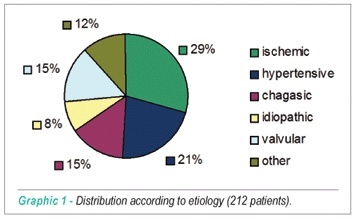
BACKGROUND: National studies on decompensated heart failure (DHF) are key to the understanding of this condition in our midst. OBJECTIVE: To determine the characteristics of DHF patients in an emergency department. METHODS: A total of 212 patients diagnosed with decompensated heart failure who had been admitted to an emergency department (EU) of a cardiology hospital were prospectively evaluated. Clinical variables, form of presentation and causes of decompensation were studied. In 100 patients, ancillary tests, prescription of vasoactive drugs, length of hospital stay and mortality were also analyzed. RESULTS: There was a predominance of the male gender (56%) and the most frequent etiology was ischemia (29,7%) despite high frequency of valvular (15%) and chagasic (14,7%) etiologies. The most common form of presentation and cause of decompensation were congestion (80.7%) and poor compliance/inadequate medication (43.4%), respectively. In the subanalysis of the 100 patients, systolic dysfunction was the most common cause of decompensation (55%); use of vasoactive drugs occurred in 20%, and mortality was 10%. The comparative analysis between the patients who were discharged and those who died during hospitalization confirmed some criteria of poor prognosis: reduced systolic blood pressure, low cardiac output associated with congestion, need for vasoactive drugs, reduced left ventricular ejection fraction, increased left ventricular diastolic diameter (LVDD) and hyponatremia. CONCLUSION: This study presents information about the profile of decompensated heart failure patients attended on the emergency unit of a brazilian southeast cardiology hospital. Clinical, hemodynamical and ancillary data may provide information for risk assessment in the initial evaluation helping the decision on hospitalization and advanced strategic therapies.

  • decompensated heart failure
  • emergency unit
Read Full Article
Creative Commons Attribution (CC BY) Creative Commons license
25/06/2008 DOI: 10.1590/S0066-782X2008000600008 Views 1
Zinc in children undergoing cardiac surgery with cardiopulmonary bypass
Brief Communication

Zinc in children undergoing cardiac surgery with cardiopulmonary bypass

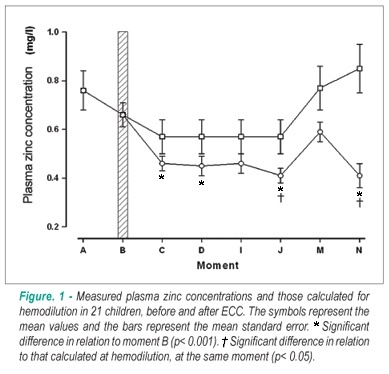
Lourdes Zélia Zanoni et al. Petr Melnikov Luiz Carlos Consolo Nilva Ré Poppi … Aparecida Afif Ossais Marcus Vinicius Caldas Ivoney Assad Maior

BRIEF COMMENTS

Zinc in children undergoing cardiac surgery with cardiopulmonary bypass

[…]

Read Full Article
Creative Commons Attribution (CC BY) Creative Commons license
25/06/2008 DOI: 10.1590/S0066-782X2008000600013
Factors and mechanisms involved in left ventricular hypertrophy and the anti-hypertrophic role of nitric oxide
Review Article

Factors and mechanisms involved in left ventricular hypertrophy and the anti-hypertrophic role of nitric oxide

José Antonio Dias Garcia et al. Erika Kristina Incerpi

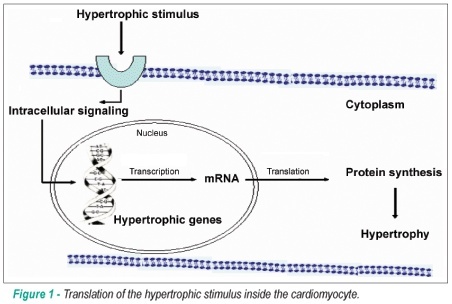
The left ventricular hypertrophy (LVH) occurs in response to the hemodynamic overload in some physiological and pathological conditions. However, it has not been completely elucidated whether the primary stimulation for the hypertrophy is the mechanical stretching of the heart, neurohumoral factors, or even the interaction of both. These factors are translated inside the cell as biochemical alterations that lead to the activation of second (cytosolic) and third (nuclear) messengers that will act in the cell nucleus, regulating transcription, and will finally determine the genic expression that induces LVH. The LVH is characterized by structural alterations due to the increase in the cardiomyocyte dimensions, the proliferation of the interstitial connective tissue and the rarefaction of the coronary microcirculation. Recently, nitric oxide (•NO) has appeared as an important regulator of cardiac remodeling, specifically recognized as an anti-hypertrophic mediator. Some studies have demonstrated the cellular targets, the anti-hypertrophic signaling pathways and the functional role of •NO. Thus, the LVH seems to develop as a result of the loss of the balance between the pro and the anti-hypertrophic signaling pathways. This new knowledge about the pro and anti-hypertrophic signaling pathways will allow the development of new strategies in the treatment of pathological LVH.

  • Hypertrophy Left Ventricular
  • Myocytes, Cardiac
  • Nitric Oxide
Read Full Article
Creative Commons Attribution (CC BY) Creative Commons license
25/06/2008 DOI: 10.1590/S0066-782X2008000600010
Premature mortality due to cardiovascular disease and social inequalities in Porto Alegre: from evidence to action
Artigo Original

Premature mortality due to cardiovascular disease and social inequalities in Porto Alegre: from evidence to action

Sérgio Luiz Bassanesi et al. Maria Inês Azambuja Aloyzio Achutti

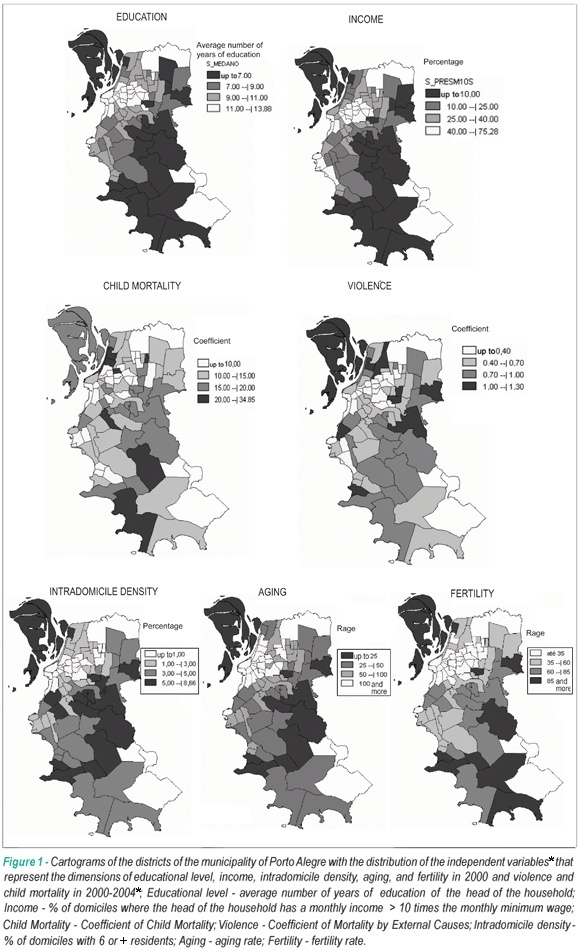
BACKGROUND: Two perspectives, the economic (disease causing impoverishment) and social (poverty causing illness), have internationally disputed the justification for public health policies. OBJECTIVE: To investigate the relationship between early mortality by cardiovascular disease (CVD) and socioeconomic (SE) conditions in the city of Porto Alegre (PA), and discuss bases and strategies for the prevention of CVD. METHODS: An ecological analysis of the association between mortality by CVD at 45-64 years of age and SE conditions of 73 districts/neighborhoods in PA. The relative risk (RR) and the fraction of risk (FRA) attributable to inequality among the districts grouped into 4 SE strata were estimated. RESULTS: Early mortality by CVD was 2.6 times higher in the districts classified in the worst compared to the best of the 4 SE strata. Among the extreme districts, the RR reached 3.3 for CVD and 3.9 for cerebrovascular disease. Compared to the mortality in the best stratum, 62% of the early deaths in the worst stratum and 45% of those in the city as a whole could be attributed to socioeconomic inequality. CONCLUSION: Almost half of the mortality by CVD before 65 years of age can be attributed to poverty. Disease, on the other hand, contributes towards poverty and reduces competitiveness of the country. It is necessary to reduce illness and recover the health of the poorest inhabitants with investments that result in national economic development and improvement of the social conditions of the population.

  • Cardiovascular Diseases
  • Disease Prevention
  • Mortality
  • Social Inequity
Read Full Article
Creative Commons Attribution (CC BY) Creative Commons license
25/06/2008 DOI: 10.1590/S0066-782X2008000600004 Views 1
Artigo Original

Association between central obesity, triglycerides and hypertension in a rural area in Brazil

Adriano Marçal Pimenta et al. Gilberto Kac Andrea Gazzinelli Rodrigo Corrêa-Oliveira Gustavo Velásquez-Meléndez

BACKGROUND: Hypertension represents a serious public health problem and is one of the most frequent causes of morbidity around the world. OBJECTIVE: To estimate the prevalence of hypertension and its risk factors in a rural community located in the north-eastern state of Minas Gerais, Brazil. METHODS: A cross-sectional study was carried out in 2004 in the Virgem das Graças Village, a rural community located the Jequitinhonha Valley. The sample consisted of 287 males and females aged between 18 to 88 years. Hypertension was defined according to Joint National Committee criteria (systolic blood pressure > 140 mmHg and/or diastolic blood pressure > 90 mmHg): subjects already receiving anti-hypertensive treatment were considered to be hypertensive. Bivariate analysis was performed to test the relationship between the independent variables and hypertension. Logistic regression was used to adjust for confounding and to identify interactions. The strength of association was measured using Odds Ratio (OR) and its 95% confidence intervals [CI (95%)]. RESULTS: The crude prevalence of hypertension was 47.0% [CI (95%): 41.1 – 53.0], the age-standardized prevalence was 43.2% [CI (95%): 35.7 – 50.7], while the schooling-standardized prevalence was 44.1% [CI (95%): 43.9 – 44.3]. Age, triglycerides, waist circumference and sex were found to be independent risk factors for hypertension according to multivariate analysis. CONCLUSION: The findings provide important evidence concerning the hypertension as a public health problem and its association with dyslipidemia and abdominal obesity in the rural area of Minas Gerais.

  • Dyslipidemias
  • Epidemiology
  • Hypertension
  • Obesity
  • Rural Population
Read Full Article
Creative Commons Attribution (CC BY) Creative Commons license
25/06/2008 DOI: 10.1590/S0066-782X2008000600006

How to cite this article

EndNote RIS

Electronic Document Format (Vancouver)

Atik E. Case 3/2008: fourteen month old female infant with pulmonary arteriovenous fistula. Arquivos Brasileiros de Cardiologia 2008;90(6):441-2.

Electronic Document Format (ABNT)

Atik, Edmar. Case 3/2008: fourteen month old female infant with pulmonary arteriovenous fistula. Arquivos Brasileiros de Cardiologia, v. 90, n. 6, p. 441-442, Jun. 2008.

Electronic Document Format (APA)

Atik, E. (2008). Case 3/2008: fourteen month old female infant with pulmonary arteriovenous fistula. Arquivos Brasileiros de Cardiologia, 90(6), 441-442.

Electronic Document Format (ISO)

Atik, Edmar. Case 3/2008: fourteen month old female infant with pulmonary arteriovenous fistula. Arquivos Brasileiros de Cardiologia [online]. 2008, vol. 90, n. 6, [cited 2026-10-14], pp. 441-442. Available from: <https://journals.cardiol.br/en/article/case-3-2008-fourteen-month-old-female-infant-with-pulmonary-arteriovenous-fistula/>. ISSN 0066-782X

EndNote RIS

Electronic Document Format (Vancouver)

Ferraz HA, Batista LA, Sant’Anna FM, Buczynski LC, Brito MB, Barrozo CAM. Adult patient with anomalous origin of anterior interventricular artery at main pulmonary artery. Arquivos Brasileiros de Cardiologia 2008;90(6):e42-4.

Electronic Document Format (ABNT)

Ferraz, Haroldo Adans; Batista, Leonardo Alves; Sant’Anna, Fernando Mendes; Buczynski, Leonardo da Costa; Brito, Marcelo Bastos; Barrozo, Carlos Alberto Mussel. Adult patient with anomalous origin of anterior interventricular artery at main pulmonary artery. Arquivos Brasileiros de Cardiologia, v. 90, n. 6, p. e42-e44, Jun. 2008.

Electronic Document Format (APA)

Ferraz, H. A., Batista, L. A., Sant’Anna, F. M., Buczynski, L. C., Brito, M. B., & Barrozo, C. A. M. (2008). Adult patient with anomalous origin of anterior interventricular artery at main pulmonary artery. Arquivos Brasileiros de Cardiologia, 90(6), e42-e44.

Electronic Document Format (ISO)

Ferraz, Haroldo Adans and Batista, Leonardo Alves and Sant’Anna, Fernando Mendes and Buczynski, Leonardo da Costa and Brito, Marcelo Bastos and Barrozo, Carlos Alberto Mussel. Adult patient with anomalous origin of anterior interventricular artery at main pulmonary artery. Arquivos Brasileiros de Cardiologia [online]. 2008, vol. 90, n. 6, [cited 2026-10-14], pp. e42-e44. Available from: <https://journals.cardiol.br/en/article/adult-patient-with-anomalous-origin-of-anterior-interventricular-artery-at-main-pulmonary-artery/>. ISSN 0066-782X

EndNote RIS

Electronic Document Format (Vancouver)

Rueda F, Souza D, Lima RC, Menezes A, Johansson B, Dashwood M, Thé E, et al. Novel no-touch technique of harvesting the saphenous vein for coronary artery bypass grafting. Arquivos Brasileiros de Cardiologia 2008;90(6):388-95.

Electronic Document Format (ABNT)

Rueda, Fabio de; Souza, Domingos; Lima, Ricardo de Carvalho; Menezes, Alexandre; Johansson, Benny; Dashwood, Michael; Thé, Emmanuel; Gesteira, Mário; Escobar, Mozart; Vasconcelos, Frederico. Novel no-touch technique of harvesting the saphenous vein for coronary artery bypass grafting. Arquivos Brasileiros de Cardiologia, v. 90, n. 6, p. 388-395, Jun. 2008.

Electronic Document Format (APA)

Rueda, F. , Souza, D., Lima, R. C., Menezes, A., Johansson, B., Dashwood, M., Thé, E., Gesteira, M., Escobar, M., & Vasconcelos, F. (2008). Novel no-touch technique of harvesting the saphenous vein for coronary artery bypass grafting. Arquivos Brasileiros de Cardiologia, 90(6), 388-395.

Electronic Document Format (ISO)

Rueda, Fabio de and Souza, Domingos and Lima, Ricardo de Carvalho and Menezes, Alexandre and Johansson, Benny and Dashwood, Michael and Thé, Emmanuel and Gesteira, Mário and Escobar, Mozart and Vasconcelos, Frederico. Novel no-touch technique of harvesting the saphenous vein for coronary artery bypass grafting. Arquivos Brasileiros de Cardiologia [online]. 2008, vol. 90, n. 6, [cited 2026-10-14], pp. 388-395. Available from: <https://journals.cardiol.br/en/article/novel-no-touch-technique-of-harvesting-the-saphenous-vein-for-coronary-artery-bypass-grafting/>. ISSN 0066-782X

EndNote RIS

Electronic Document Format (Vancouver)

Balbinot AL, Kalil RAK, Prates PR, Sant’Anna JRM, Wender OC, Teixeira Filho GF, Abrahão RS, et al. Unsupported valvuloplasty for degenerative mitral regurgitation: long-term results. Arquivos Brasileiros de Cardiologia 2008;90(6):396-402.

Electronic Document Format (ABNT)

Balbinot, Alexsandra L.; Kalil, Renato A. K.; Prates, Paulo R.; Sant’Anna, João Ricardo M.; Wender, Orlando C.; Teixeira Filho, Guaracy Fernandes; Abrahão, Rogério S.; Nesralla, Ivo A.. Unsupported valvuloplasty for degenerative mitral regurgitation: long-term results. Arquivos Brasileiros de Cardiologia, v. 90, n. 6, p. 396-402, Jun. 2008.

Electronic Document Format (APA)

Balbinot, A. L., Kalil, R. A. K., Prates, P. R., Sant’Anna, J. R. M., Wender, O. C., Teixeira Filho, G. F., Abrahão, R. S., & Nesralla, I. A. (2008). Unsupported valvuloplasty for degenerative mitral regurgitation: long-term results. Arquivos Brasileiros de Cardiologia, 90(6), 396-402.

Electronic Document Format (ISO)

Balbinot, Alexsandra L. and Kalil, Renato A. K. and Prates, Paulo R. and Sant’Anna, João Ricardo M. and Wender, Orlando C. and Teixeira Filho, Guaracy Fernandes and Abrahão, Rogério S. and Nesralla, Ivo A.. Unsupported valvuloplasty for degenerative mitral regurgitation: long-term results. Arquivos Brasileiros de Cardiologia [online]. 2008, vol. 90, n. 6, [cited 2026-10-14], pp. 396-402. Available from: <https://journals.cardiol.br/en/article/unsupported-valvuloplasty-for-degenerative-mitral-regurgitation-long-term-results/>. ISSN 0066-782X

EndNote RIS

Electronic Document Format (Vancouver)

Antelmi I, Chuang EY, Grupi CJ, Latorre MRDO, Mansur AJ. Heart rate recovery after treadmill electrocardiographic exercise stress test and 24-hour heart rate variability in healthy individuals. Arquivos Brasileiros de Cardiologia 2008;90(6):413-8.

Electronic Document Format (ABNT)

Antelmi, Ivana; Chuang, Eliseu Yung; Grupi, Cesar José; Latorre, Maria do Rosário Dias de Oliveira; Mansur, Alfredo José. Heart rate recovery after treadmill electrocardiographic exercise stress test and 24-hour heart rate variability in healthy individuals. Arquivos Brasileiros de Cardiologia, v. 90, n. 6, p. 413-418, Jun. 2008.

Electronic Document Format (APA)

Antelmi, I., Chuang, E. Y., Grupi, C. J., Latorre, M. R. D. O., & Mansur, A. J. (2008). Heart rate recovery after treadmill electrocardiographic exercise stress test and 24-hour heart rate variability in healthy individuals. Arquivos Brasileiros de Cardiologia, 90(6), 413-418.

Electronic Document Format (ISO)

Antelmi, Ivana and Chuang, Eliseu Yung and Grupi, Cesar José and Latorre, Maria do Rosário Dias de Oliveira and Mansur, Alfredo José. Heart rate recovery after treadmill electrocardiographic exercise stress test and 24-hour heart rate variability in healthy individuals. Arquivos Brasileiros de Cardiologia [online]. 2008, vol. 90, n. 6, [cited 2026-10-14], pp. 413-418. Available from: <https://journals.cardiol.br/en/article/heart-rate-recovery-after-treadmill-electrocardiographic-exercise-stress-test-and-24-hour-heart-rate-variability-in-healthy-individuals/>. ISSN 0066-782X

EndNote RIS

Electronic Document Format (Vancouver)

Guimarães ICB, Almeida AM, Santos AS, Barbosa DBV, Guimarães AC. Blood pressure: effect of body mass index and of waist circumference on adolescents. Arquivos Brasileiros de Cardiologia 2008;90(6):426-32.

Electronic Document Format (ABNT)

Guimarães, Isabel Cristina Britto; Almeida, Alessandro Moura de; Santos, Adiméia Souza; Barbosa, Daniel Batista Valente; Guimarães, Armênio Costa. Blood pressure: effect of body mass index and of waist circumference on adolescents. Arquivos Brasileiros de Cardiologia, v. 90, n. 6, p. 426-432, Jun. 2008.

Electronic Document Format (APA)

Guimarães, I. C. B., Almeida, A. M. , Santos, A. S., Barbosa, D. B. V., & Guimarães, A. C. (2008). Blood pressure: effect of body mass index and of waist circumference on adolescents. Arquivos Brasileiros de Cardiologia, 90(6), 426-432.

Electronic Document Format (ISO)

Guimarães, Isabel Cristina Britto and Almeida, Alessandro Moura de and Santos, Adiméia Souza and Barbosa, Daniel Batista Valente and Guimarães, Armênio Costa. Blood pressure: effect of body mass index and of waist circumference on adolescents. Arquivos Brasileiros de Cardiologia [online]. 2008, vol. 90, n. 6, [cited 2026-10-14], pp. 426-432. Available from: <https://journals.cardiol.br/en/article/blood-pressure-effect-of-body-mass-index-and-of-waist-circumference-on-adolescents/>. ISSN 0066-782X

EndNote RIS

Electronic Document Format (Vancouver)

Rivera IR, Silva MAM, Cavalcanti RC, Cavalcante EW, Verçosa RLG. Right heart emboli-in-transit: case report and literature review. Arquivos Brasileiros de Cardiologia 2008;90(6):e45-8.

Electronic Document Format (ABNT)

Rivera, Ivan Romero; Silva, Maria Alayde Mendonça da; Cavalcanti, Ricardo César; Cavalcante, Edmilton Wanderley; Verçosa, Roberto Lúcio de Gusmão. Right heart emboli-in-transit: case report and literature review. Arquivos Brasileiros de Cardiologia, v. 90, n. 6, p. e45-e48, Jun. 2008.

Electronic Document Format (APA)

Rivera, I. R., Silva, M. A. M. , Cavalcanti, R. C., Cavalcante, E. W., & Verçosa, R. L. G. (2008). Right heart emboli-in-transit: case report and literature review. Arquivos Brasileiros de Cardiologia, 90(6), e45-e48.

Electronic Document Format (ISO)

Rivera, Ivan Romero and Silva, Maria Alayde Mendonça da and Cavalcanti, Ricardo César and Cavalcante, Edmilton Wanderley and Verçosa, Roberto Lúcio de Gusmão. Right heart emboli-in-transit: case report and literature review. Arquivos Brasileiros de Cardiologia [online]. 2008, vol. 90, n. 6, [cited 2026-10-14], pp. e45-e48. Available from: <https://journals.cardiol.br/en/article/right-heart-emboli-in-transit-case-report-and-literature-review/>. ISSN 0066-782X

EndNote RIS

Electronic Document Format (Vancouver)

Polito MD, Simão R, Lira VA, Nóbrega ACL, Farinatti PTV. Discontinuous sets of knee extensions induce higher cardiovascular responses in comparison to continuous ones. Arquivos Brasileiros de Cardiologia 2008;90(6):382-7.

Electronic Document Format (ABNT)

Polito, Marcos Doederlein; Simão, Roberto; Lira, Vitor Agnew; Nóbrega, Antônio Cláudio Lucas da; Farinatti, Paulo de Tarso Veras. Discontinuous sets of knee extensions induce higher cardiovascular responses in comparison to continuous ones. Arquivos Brasileiros de Cardiologia, v. 90, n. 6, p. 382-387, Jun. 2008.

Electronic Document Format (APA)

Polito, M. D., Simão, R., Lira, V. A., Nóbrega, A. C. L. , & Farinatti, P. T. V. (2008). Discontinuous sets of knee extensions induce higher cardiovascular responses in comparison to continuous ones. Arquivos Brasileiros de Cardiologia, 90(6), 382-387.

Electronic Document Format (ISO)

Polito, Marcos Doederlein and Simão, Roberto and Lira, Vitor Agnew and Nóbrega, Antônio Cláudio Lucas da and Farinatti, Paulo de Tarso Veras. Discontinuous sets of knee extensions induce higher cardiovascular responses in comparison to continuous ones. Arquivos Brasileiros de Cardiologia [online]. 2008, vol. 90, n. 6, [cited 2026-10-14], pp. 382-387. Available from: <https://journals.cardiol.br/en/article/discontinuous-sets-of-knee-extensions-induce-higher-cardiovascular-responses-in-comparison-to-continuous-ones/>. ISSN 0066-782X

EndNote RIS

Electronic Document Format (Vancouver)

Mangini S, Silveira FS, Silva CP, Grativvol PS, Seguro LFBC, Ferreira SMA, Mocelin AO, et al. Decompensated heart failure in the emergency department of a cardiology hospital. Arquivos Brasileiros de Cardiologia 2008;90(6):433-40.

Electronic Document Format (ABNT)

Mangini, Sandrigo; Silveira, Fábio Serra; Silva, Christiano Pereira; Grativvol, Petherson Suzano; Seguro, Luís Fernando Bernal da Costa; Ferreira, Sílvia Moreira Ayub; Mocelin, Amílcar Oshiro; Cardoso, Luiz Francisco; Bacal, Fernando; Bocchi, Edimar Alcides. Decompensated heart failure in the emergency department of a cardiology hospital. Arquivos Brasileiros de Cardiologia, v. 90, n. 6, p. 433-440, Jun. 2008.

Electronic Document Format (APA)

Mangini, S., Silveira, F. S., Silva, C. P., Grativvol, P. S., Seguro, L. F. B. C., Ferreira, S. M. A., Mocelin, A. O., Cardoso, L. F., Bacal, F., & Bocchi, E. A. (2008). Decompensated heart failure in the emergency department of a cardiology hospital. Arquivos Brasileiros de Cardiologia, 90(6), 433-440.

Electronic Document Format (ISO)

Mangini, Sandrigo and Silveira, Fábio Serra and Silva, Christiano Pereira and Grativvol, Petherson Suzano and Seguro, Luís Fernando Bernal da Costa and Ferreira, Sílvia Moreira Ayub and Mocelin, Amílcar Oshiro and Cardoso, Luiz Francisco and Bacal, Fernando and Bocchi, Edimar Alcides. Decompensated heart failure in the emergency department of a cardiology hospital. Arquivos Brasileiros de Cardiologia [online]. 2008, vol. 90, n. 6, [cited 2026-10-14], pp. 433-440. Available from: <https://journals.cardiol.br/en/article/decompensated-heart-failure-in-the-emergency-department-of-a-cardiology-hospital/>. ISSN 0066-782X

EndNote RIS

Electronic Document Format (Vancouver)

Zanoni LZ, Melnikov P, Consolo LC, Poppi NR, Ossais AA, Caldas MV, Maior IA, et al. Zinc in children undergoing cardiac surgery with cardiopulmonary bypass. Arquivos Brasileiros de Cardiologia 2008;90(6):e49-51.

Electronic Document Format (ABNT)

Zanoni, Lourdes Zélia; Melnikov, Petr; Consolo, Luiz Carlos; Poppi, Nilva Ré; Ossais, Aparecida Afif; Caldas, Marcus Vinicius; Maior, Ivoney Assad. Zinc in children undergoing cardiac surgery with cardiopulmonary bypass. Arquivos Brasileiros de Cardiologia, v. 90, n. 6, p. e49-e51, Jun. 2008.

Electronic Document Format (APA)

Zanoni, L. Z., Melnikov, P., Consolo, L. C., Poppi, N. R., Ossais, A. A., Caldas, M. V., & Maior, I. A. (2008). Zinc in children undergoing cardiac surgery with cardiopulmonary bypass. Arquivos Brasileiros de Cardiologia, 90(6), e49-e51.

Electronic Document Format (ISO)

Zanoni, Lourdes Zélia and Melnikov, Petr and Consolo, Luiz Carlos and Poppi, Nilva Ré and Ossais, Aparecida Afif and Caldas, Marcus Vinicius and Maior, Ivoney Assad. Zinc in children undergoing cardiac surgery with cardiopulmonary bypass. Arquivos Brasileiros de Cardiologia [online]. 2008, vol. 90, n. 6, [cited 2026-10-14], pp. e49-e51. Available from: <https://journals.cardiol.br/en/article/zinc-in-children-undergoing-cardiac-surgery-with-cardiopulmonary-bypass/>. ISSN 0066-782X

EndNote RIS

Electronic Document Format (Vancouver)

Garcia JAD, Incerpi EK. Factors and mechanisms involved in left ventricular hypertrophy and the anti-hypertrophic role of nitric oxide. Arquivos Brasileiros de Cardiologia 2008;90(6):443-50.

Electronic Document Format (ABNT)

Garcia, José Antonio Dias; Incerpi, Erika Kristina. Factors and mechanisms involved in left ventricular hypertrophy and the anti-hypertrophic role of nitric oxide. Arquivos Brasileiros de Cardiologia, v. 90, n. 6, p. 443-450, Jun. 2008.

Electronic Document Format (APA)

Garcia, J. A. D., & Incerpi, E. K. (2008). Factors and mechanisms involved in left ventricular hypertrophy and the anti-hypertrophic role of nitric oxide. Arquivos Brasileiros de Cardiologia, 90(6), 443-450.

Electronic Document Format (ISO)

Garcia, José Antonio Dias and Incerpi, Erika Kristina. Factors and mechanisms involved in left ventricular hypertrophy and the anti-hypertrophic role of nitric oxide. Arquivos Brasileiros de Cardiologia [online]. 2008, vol. 90, n. 6, [cited 2026-10-14], pp. 443-450. Available from: <https://journals.cardiol.br/en/article/factors-and-mechanisms-involved-in-left-ventricular-hypertrophy-and-the-anti-hypertrophic-role-of-nitric-oxide/>. ISSN 0066-782X

EndNote RIS

Electronic Document Format (Vancouver)

Bassanesi SL, Azambuja MI, Achutti A. Premature mortality due to cardiovascular disease and social inequalities in Porto Alegre: from evidence to action. Arquivos Brasileiros de Cardiologia 2008;90(6):403-12.

Electronic Document Format (ABNT)

Bassanesi, Sérgio Luiz; Azambuja, Maria Inês; Achutti, Aloyzio. Premature mortality due to cardiovascular disease and social inequalities in Porto Alegre: from evidence to action. Arquivos Brasileiros de Cardiologia, v. 90, n. 6, p. 403-412, Jun. 2008.

Electronic Document Format (APA)

Bassanesi, S. L., Azambuja, M. I., & Achutti, A. (2008). Premature mortality due to cardiovascular disease and social inequalities in Porto Alegre: from evidence to action. Arquivos Brasileiros de Cardiologia, 90(6), 403-412.

Electronic Document Format (ISO)

Bassanesi, Sérgio Luiz and Azambuja, Maria Inês and Achutti, Aloyzio. Premature mortality due to cardiovascular disease and social inequalities in Porto Alegre: from evidence to action. Arquivos Brasileiros de Cardiologia [online]. 2008, vol. 90, n. 6, [cited 2026-10-14], pp. 403-412. Available from: <https://journals.cardiol.br/en/article/premature-mortality-due-to-cardiovascular-disease-and-social-inequalities-in-porto-alegre-from-evidence-to-action/>. ISSN 0066-782X

EndNote RIS

Electronic Document Format (Vancouver)

Pimenta AM, Kac G, Gazzinelli A, Corrêa-Oliveira R, Velásquez-Meléndez G. Association between central obesity, triglycerides and hypertension in a rural area in Brazil. Arquivos Brasileiros de Cardiologia 2008;90(6):419-25.

Electronic Document Format (ABNT)

Pimenta, Adriano Marçal; Kac, Gilberto; Gazzinelli, Andrea; Corrêa-Oliveira, Rodrigo; Velásquez-Meléndez, Gustavo. Association between central obesity, triglycerides and hypertension in a rural area in Brazil. Arquivos Brasileiros de Cardiologia, v. 90, n. 6, p. 419-425, Jun. 2008.

Electronic Document Format (APA)

Pimenta, A. M., Kac, G., Gazzinelli, A., Corrêa-Oliveira, R., & Velásquez-Meléndez, G. (2008). Association between central obesity, triglycerides and hypertension in a rural area in Brazil. Arquivos Brasileiros de Cardiologia, 90(6), 419-425.

Electronic Document Format (ISO)

Pimenta, Adriano Marçal and Kac, Gilberto and Gazzinelli, Andrea and Corrêa-Oliveira, Rodrigo and Velásquez-Meléndez, Gustavo. Association between central obesity, triglycerides and hypertension in a rural area in Brazil. Arquivos Brasileiros de Cardiologia [online]. 2008, vol. 90, n. 6, [cited 2026-10-14], pp. 419-425. Available from: <https://journals.cardiol.br/en/article/association-between-central-obesity-triglycerides-and-hypertension-in-a-rural-area-in-brazil/>. ISSN 0066-782X

Sede – Rio de Janeiro
Av. Marechal Câmara, 160
3º andar – Sala: 330 – Centro
Rio de Janeiro – CEP: 20020-907
Tel.: (55 +21) 3478-2700
ou (21) 99386-3961
E-mail: revista@cardiol.br

Sede – São Paulo
Alameda Santos, 705 – 11º andar
Cerqueira César | São Paulo
CEP: 01419-001
Tel.: (55 +11) 3411-5500
E-mail: revista@cardiol.br

  • About the Journal
  • Internal Regulation
  • Editors Section
  • Editorial Board
  • History
  • SBC Award

  • Guidelines for Publication
  • Editorial Policy
  • Ethics Policy
  • Policy on the Use of Artificial Intelligence
  • Mandatory Publication Form
  • Publication Fee

Issues

SBC Guidelines

  • How to Publish an Abstract Supplement?
  • Supplements from the Brazilian Congress of Cardiology