Genetics of the Cardiomyopathies: A Review for the Cardiologist
Abstract
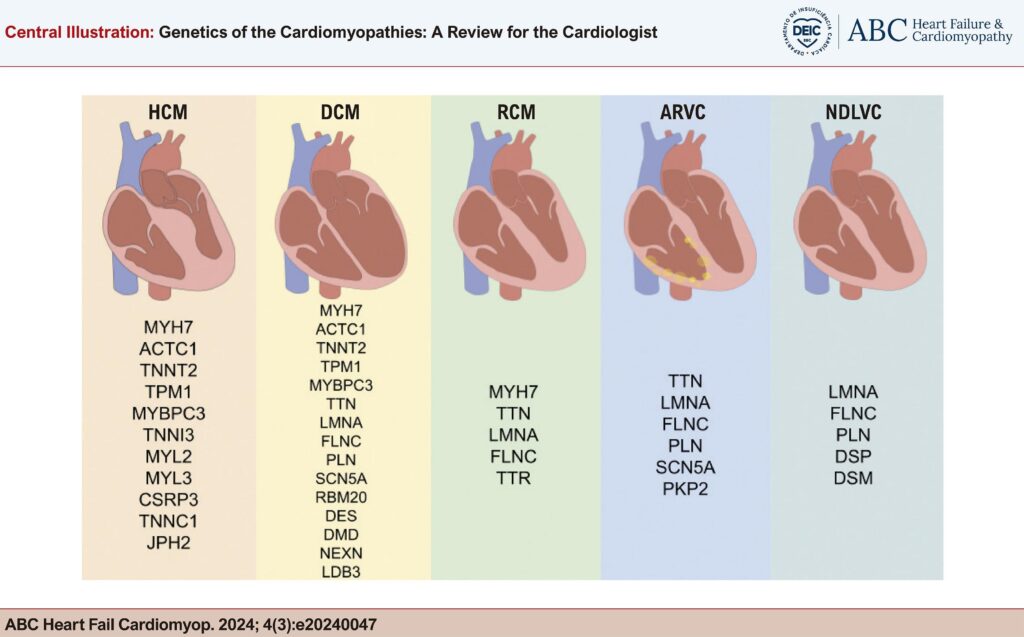
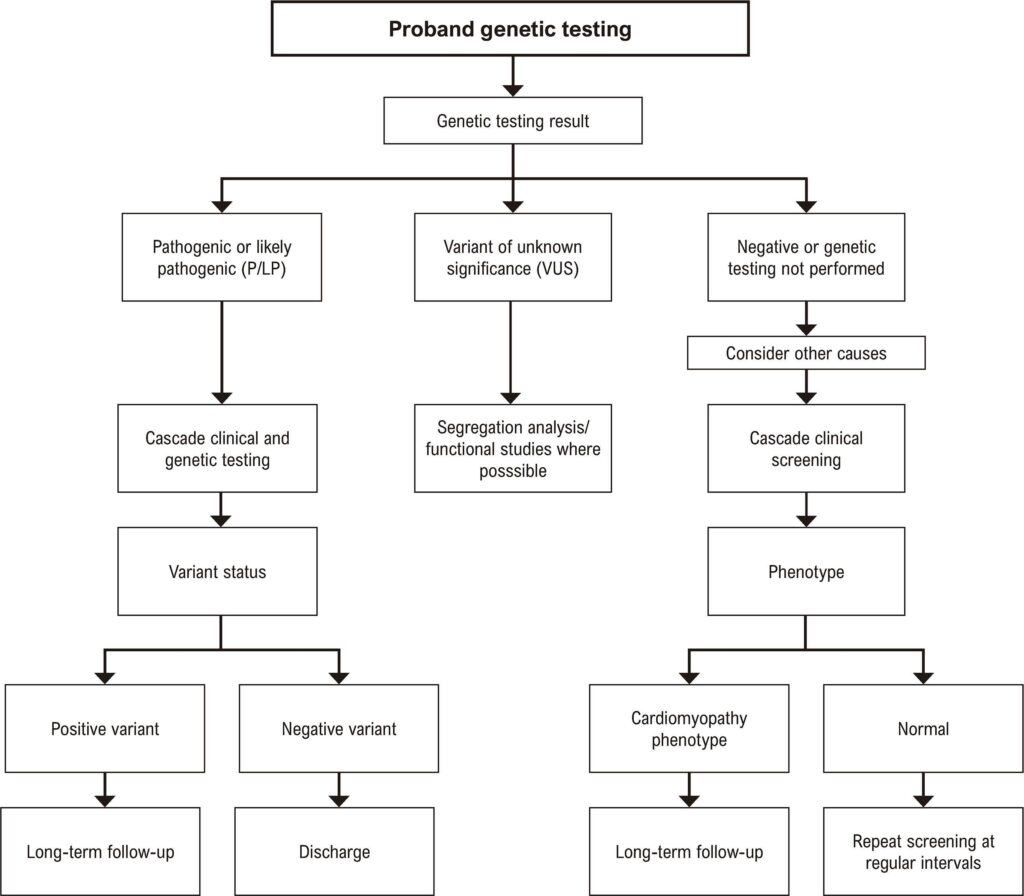
Cardiomyopathies, myocardial diseases without other causative factors like hypertension or coronary artery disease, were once considered rare but have seen increased diagnoses due to improved imaging and clinical awareness. Recent categorizations based on predominant phenotypes, such as hypertrophic cardiomyopathy, dilated cardiomyopathy, non-dilated left ventricular cardiomyopathy, restrictive cardiomyopathy and arrhythmogenic right ventricular cardiomyopathy highlight their complexity. Phenotype characterization is challenging due to overlapping features among different cardiomyopathies, making genetic testing indispensable, offering insights into etiology, risks, and guiding treatments. Advancements in testing accessibility and standardized classification guidelines have facilitated early detection, enabling interventions like lifestyle modifications and targeted medication regimens to mitigate risks. Current guidelines recommend genetic testing for all cardiomyopathy patients. This review elucidates genetic variants underlying the distinct cardiomyopathies phenotypes, enabling accurate diagnoses and treatment.
Images
Image gallery fullscreen viewer
Comments are moderated by the editorial team before publication. Discussions should be evidence-based and use scientific language. Conflicts of interest should be declared.