| ABCHF
ABC Family Arquivos Brasileiros de Cardiologia International Journal of Cardiovascular Sciences ABC Heart Failure & Cardiomyopathy ABC Imagem Cardiovascular
Português English
ABC Family | ABCHF
Português English
  • About
    • About the Journal
    • Internal Regulation
    • Editors Section
    • Editorial Board
    • SBC Award
  • Instructions to Authors
    • Guidelines for Publication
    • Editorial Policy
    • Ethics Policy
    • Policy on the Use of Artificial Intelligence
    • Mandatory Publication Form
  • Issues
  • SBC Guidelines
  • About
    • About the Journal
    • Internal Regulation
    • Editors Section
    • Editorial Board
    • SBC Award
  • Instructions to Authors
    • Guidelines for Publication
    • Editorial Policy
    • Ethics Policy
    • Policy on the Use of Artificial Intelligence
    • Mandatory Publication Form
  • Issues
  • SBC Guidelines

ABC Family

  • ABC Family
  • Arquivos Brasileiros de Cardiologia
  • International Journal of Cardiovascular Sciences
  • ABC Heart Failure & Cardiomyopathy
  • ABC Imagem Cardiovascular
Search in

No content found.

Journals
Ordering
Article types
Others

  1. Home
  2. ABCHF
  3. Issues
  4. 2025, Volume 5, Number 4
Central Illustration
Review Article

Palliative Care in Patients with Advanced Heart Failure: An Integrative Review

Irving Gabriel Araújo Bispo et al. Clara Verrone da Silva Gabriela Tobias Gonçalves Pereira Victoria Paulino de Mello Lopez

Abstract

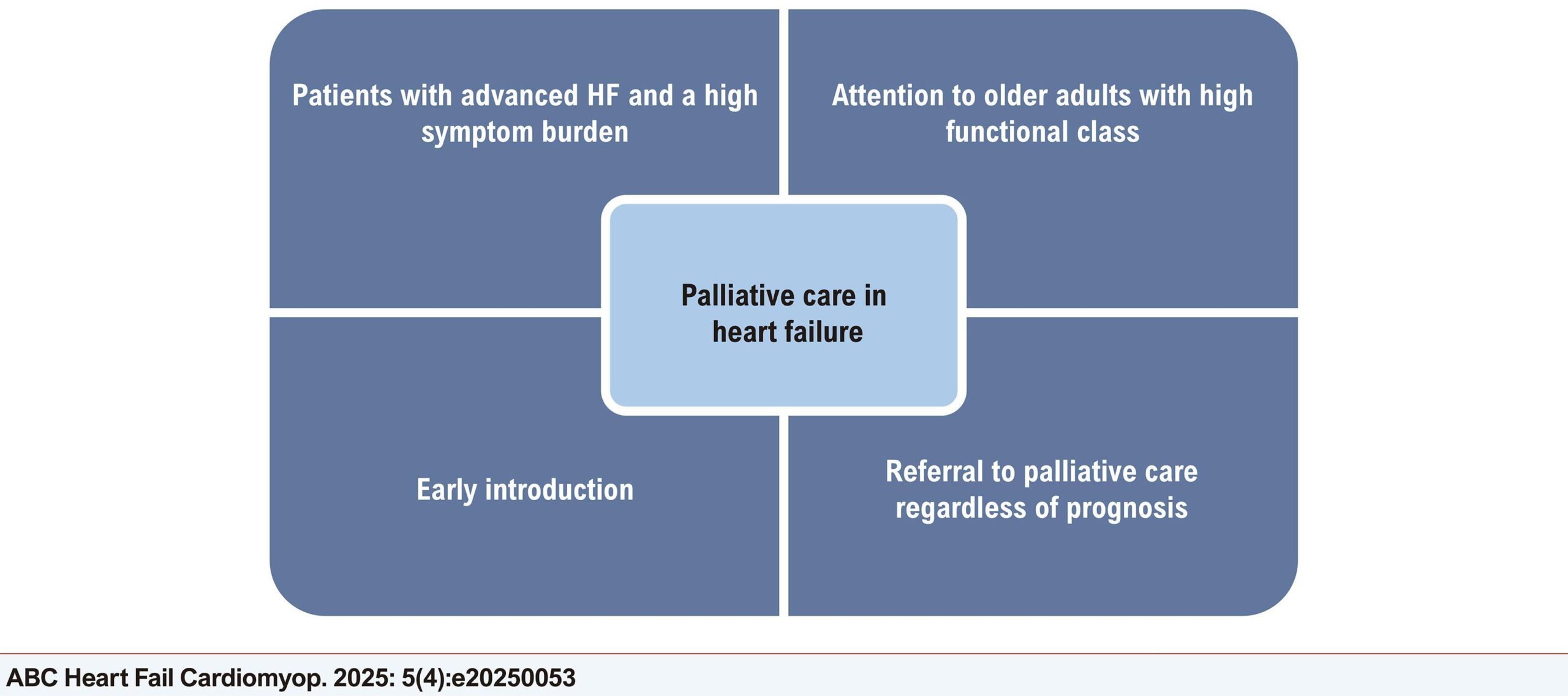
The term advanced heart failure (HF) defines a profile of patients with severe symptoms, recurrent decompensations, and cardiac dysfunction despite optimized therapy. The clinical course of advanced HF is difficult to predict, and identifying the appropriate moment for integrating palliative care (PC) remains a challenge. To conduct an integrative review on the incorporation of palliative care in patients with advanced HF, highlighting the main differences in quality-of-life outcomes based on the most recent clinical studies. The topic was defined and the guiding question formulated according to the PICO model. A systematic search was performed for studies in Portuguese, Spanish, and English in the PubMed, LILACS, and SciELO databases, published in the last five years. The descriptors used were “heart failure,” “palliative care,” and “elderly patient.” A total of 54 articles were identified; after applying the inclusion and exclusion criteria, 9 studies were selected. Patients with advanced HF present a high symptom burden (pain, dyspnea, fatigue, anxiety, and depression). Early introduction of PC, ideally at critical points in the disease trajectory, enables symptom relief, reduced hospitalizations, and improved communication between families and healthcare teams. Early integration of palliative care should be understood as an essential strategy in the management of advanced heart failure. We emphasize the substantial gap that persists in the early introduction of palliative care in advanced HF, which requires coordinated, multidisciplinary action. It is essential that healthcare teams and public policies recognize PC as a fundamental and humanized component of advanced HF treatment, ensuring maximum comfort, dignity, and well-being for patients.
  • Heart Failure
  • Palliative Care
  • Quality of life
Read Full Article
Creative Commons Attribution (CC BY) Creative Commons license
30/07/2026 DOI: 10.36660/abchf.20250053i Views 3
Figure 1
Review Article

Laboratory Analysis and the Pericardiogram in Pericardial Diseases in the Era of Precision Medicine

Isabela Lira Vieira et al. Leonardo Castro Nunes Bernardo Dinoá Nunes Adriana Munford Lima Pimentel Evandro Tinoco Mesquita

Abstract

Pericardial syndromes constitute a heterogeneous group of diseases affecting the pericardium, with varied clinical presentations and multiple etiologies (infectious, autoimmune, traumatic, post-surgical, metabolic, among others). This diversity demands increasingly refined diagnostic approaches, aligned with the principles of precision medicine. A significant transformation has taken place in the understanding of these conditions and their complexity, driven by the development of advanced diagnostic and therapeutic methods.

In the context of precision medicine, the aim is to improve the identification of the causal mechanism, allowing for individualized treatment. Significant advances in pericardiology have been driven by methods including cytopathology, immunohistochemistry, analysis of serum and pericardial biomarkers (including novel tumor markers), and the metagenomic detection of microorganisms.

In parallel, advances in molecular biology and emerging methodologies enable the detailed identification of pathogens and the characterization of multiple phenotypes of pericardial diseases, promoting increasingly accurate and individualized diagnoses. Furthermore, genetic markers have played an important role in elucidating the causes of recurrent pericarditis by identifying genes associated with autoinflammatory diseases and hereditary predispositions.

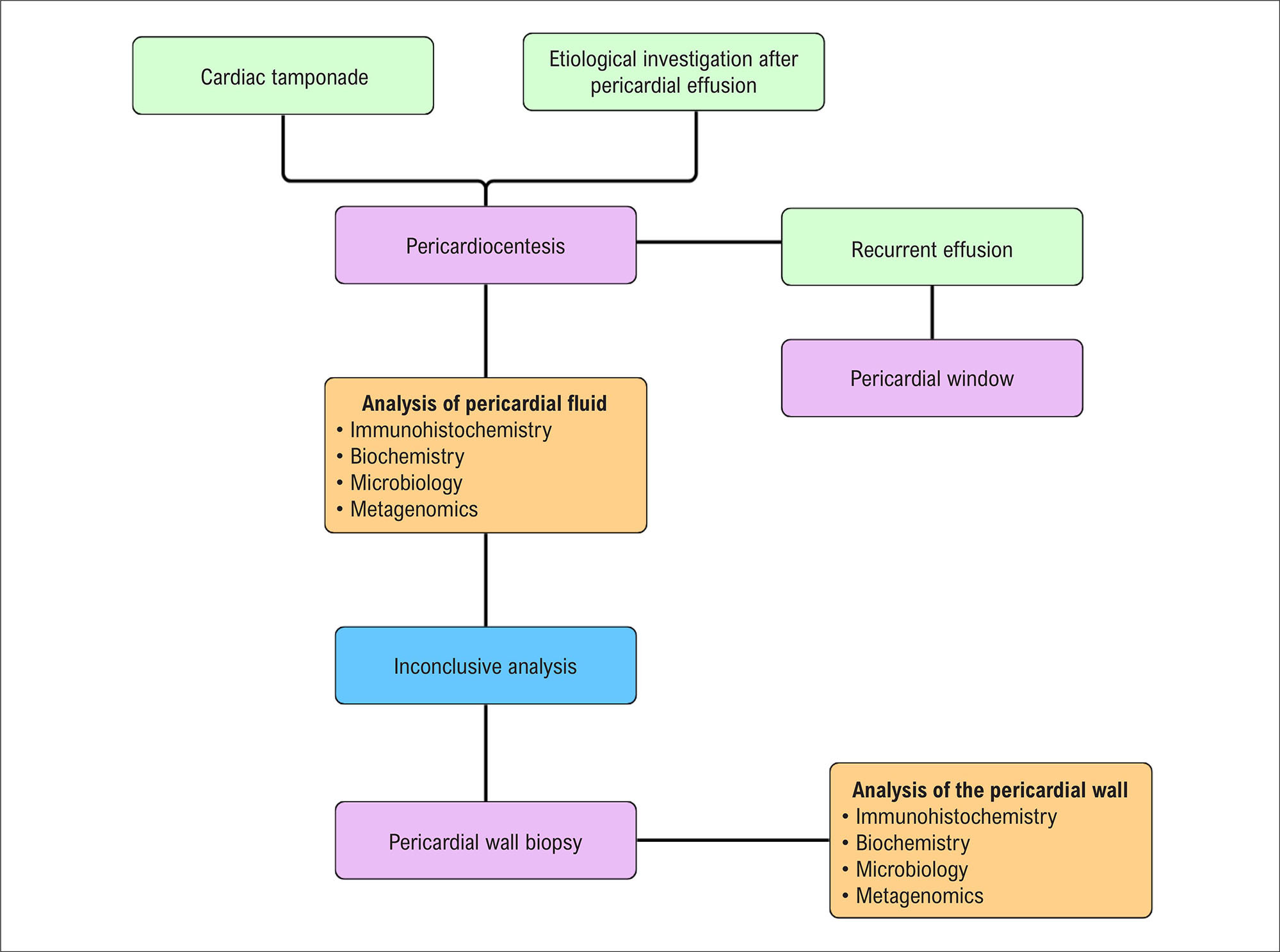
The objective of this review is to present the state of the art in the diagnosis of pericardial diseases, focusing on techniques that directly assess pericardial fluid and, therefore, effectively assist in the etiological investigation of various pericardial syndromes. A new tool, the “pericardiogram,” is also proposed to organize clinical reasoning and ensure the best use of complementary tests in assisting the investigation of pericardial syndromes.

  • Cardiac Tamponade
  • Pericardial Effusion
  • Pericarditis
  • Precision Medicine
Read Full Article
Creative Commons Attribution (CC BY) Creative Commons license
07/07/2026 DOI: 10.36660/abchf.20250042i Views 2
Figure 1
Viewpoint

Right Ventricular Pseudoaneurysm after Heart Transplantation: a rare complication associated with Endomyocardial Biopsy

Lucas Mollinari Veloso da Silveira et al. Joana Carolina Junqueira de Brum Luiz Claudio Danzmann Diego Costa Cardoso … Estevan Letti Marcela Cunha Sales Fernando Antônio Lucchese

Introduction

Cardiac pseudoaneurysms occur when a rupture in a blood vessel or myocardial wall is contained by surrounding structures such as the pericardium, thrombus, or adhesions. Unlike true aneurysms, pseudoaneurysms are more susceptible to late, potentially fatal ruptures., These lesions most commonly develop as complications of myocardial infarction, typically involving the left ventricle.

Less frequently, pseudoaneurysms can form in the right ventricle due to lipoma, postcardiac surgery, following device lead extraction, in the infectious setting, after remote myocardial infarction, as a complication of endomyocardial biopsy, and after penetrating chest wall trauma. The optimal management of right ventricular pseudoaneurysms is not well established, with current strategies focused on preventing rupture.

[…]

  • Biopsy
  • False Aneurysm
  • Heart Transplantation
Read Full Article
Creative Commons Attribution (CC BY) Creative Commons license
31/12/2025 DOI: 10.36660/abchf.20250025i Views 1
Central Illustration
Original Article

Prevalence and Clinical Determinants of Optimized Pharmacological Therapy in Heart Failure with Reduced Ejection Fraction

Anderson Oliveira Estevan et al. Ana Luísa Guedes de Franca e Silva Salvador Rassi Filho Aguinaldo Figueiredo de Freitas Júnior Salvador Rassi

Abstract

Background

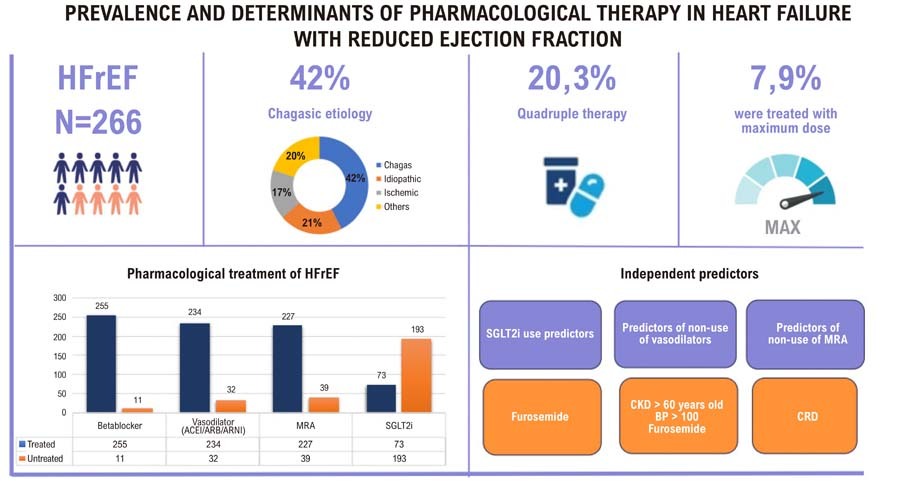
In heart failure with reduced ejection fraction (HFrEF), optimized medical therapy (OMT) with beta-blockers, angiotensin-converting enzyme inhibitors (ACEIs), angiotensin II receptor blockers (ARBs) (or sacubitril/valsartan), spironolactone, and sodium-glucose cotransporter-2 inhibitors (SGLT2i), at target or maximally tolerated doses, reduces morbidity and mortality. However, real-world data show its underuse.

Objective

To estimate the prevalence and clinical associations that influence the use of OMT in clinical practice.

Methods

Cross-sectional observational study including outpatients with HFrEF treated at a tertiary hospital. Clinical factors associated with therapy were assessed using binary logistic regression (95% confidence interval).

Results

A total of 266 patients were analyzed (mean age 61 years; 62.4% male), 113 (42.5%) with Chagas disease etiology. Mean ejection fraction was 34.2%. Vasodilators, beta-blockers, spironolactone, and SGLT2i were prescribed in 88%, 95.9%, 85.3%, and 27.4% of patients, respectively. The prevalence of OMT was 7.9% (21 patients). Diabetes was associated with a higher likelihood of OMT use (p = 0.034). Chagas disease was associated with lower probability of receiving vasodilators (p = 0.015) and greater use of furosemide, amiodarone, and digoxin (p 60 years, systolic blood pressure < 100 mmHg, and use of furosemide were associated with lower use of vasodilators (p = 0.003; 0.025; 0.010; and 0.046). CKD was associated with lower use of spironolactone (p = 0.002). Diabetes (p = 0.002) and use of furosemide (p = 0.005) were associated with SGLT2i use.

Conclusion

Despite the high prevalence of prescription of disease-modifying drugs, the use of OMT was significantly lower than expected. CKD, advanced age, arterial hypotension, and concomitant use of furosemide were associated with a reduced likelihood of receiving these agents, whereas diabetes was associated with a higher probability of OMT use.

  • Drug Therapy
  • Heart Failure
  • Systolic Heart Failure
Read Full Article
Creative Commons Attribution (CC BY) Creative Commons license
31/12/2025 DOI: 10.36660/abchf.20250018i Views 1
Figure 1
Case Report

Recurrent Supraventricular Tachycardia in a Patient with Heart Transplant

Lucas Grumann Bernardon et al. Adir Schreiber Junior Lucas Faganello Mauricio Pimentel … Ana Paula Magalhães Leandro Zimerman

Identification

Female patient, 58 years old.

[…]

  • Heart Transplantation
  • Radiofrequency Ablation
  • Supraventricular Tachycardia
Read Full Article
Creative Commons Attribution (CC BY) Creative Commons license
31/12/2025 DOI: 10.36660/abchf.20250048i Views 2
Figure 1
Viewpoint

The Impact of Revascularization on the Prognosis of Patients with Ischemic Heart Failure in the Contemporary Era: Viewpoint

Luhanda Leonora Cardoso Monti Sousa et al. Luís Henrique Wolff Gowdak

Introduction

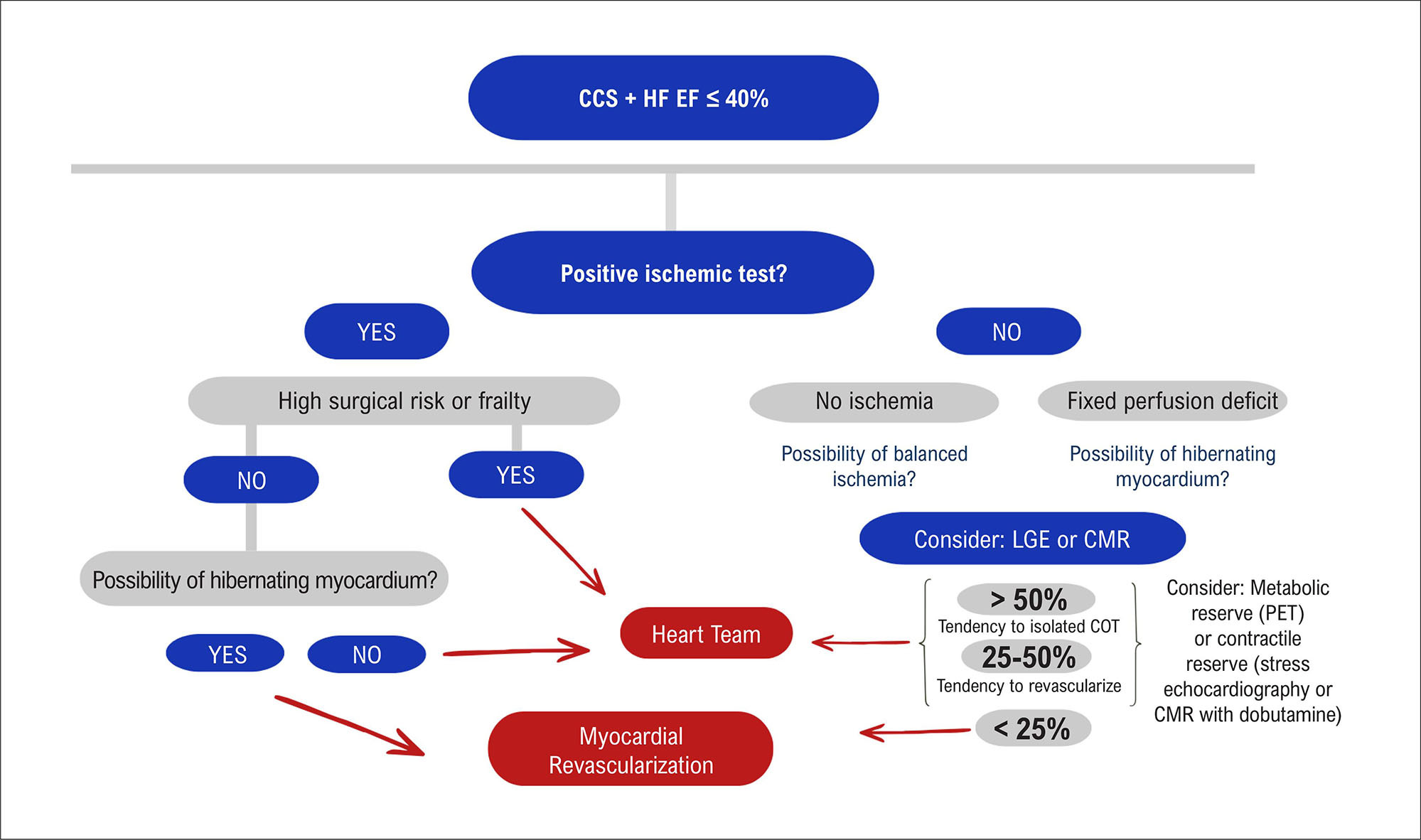
The impact of myocardial revascularization on the prognosis of patients with heart failure (HF) and reduced left ventricular(LV) ejection fraction (EF) of ischemic etiology, especially those with EF ≤ 40%, remains one of the most debated topics in contemporary cardiology. Historically, this subgroup of patients with chronic coronary syndrome (CCS) was indicated for revascularization to reduce hard cardiovascular outcomes, according to guidelines, primarily through coronary artery bypass grafting (CABG). However, recent results and the evolution of optimized clinical treatment (OCT), which now includes medications and devices, have questioned the prognostic benefit of revascularization in this context.–

The core of the controversy lies in the applicability and impact of the concept of myocardial viability. For a long time, the demonstration of viable hibernating myocardium was considered a prerequisite for indicating revascularization, based on the reasoning that functional recovery of the LV would lead to better long-term outcomes. More recent evidence, however, refutes this concept as a dichotomous criterion.,

[…]

  • Coronary Artery Disease
  • Heart Failure
  • Myocardial Revascularization
Read Full Article
Creative Commons Attribution (CC BY) Creative Commons license
31/12/2025 DOI: 10.36660/abchf.20250051i Views 2
Central Illustration
Review Article

Reverse Remodeling and Genetics: A Review Based on a Clinical Case Description that Challenges Current Evidence and Logic

Helena Garcia Betinardi Bernardi et al. Silas Furquim Renata Lopes Hames Jorge Henrique Yoschimoto Koroishi … Jairo Alves Pinheiro Junior Stevan Krieger Martins

Abstract

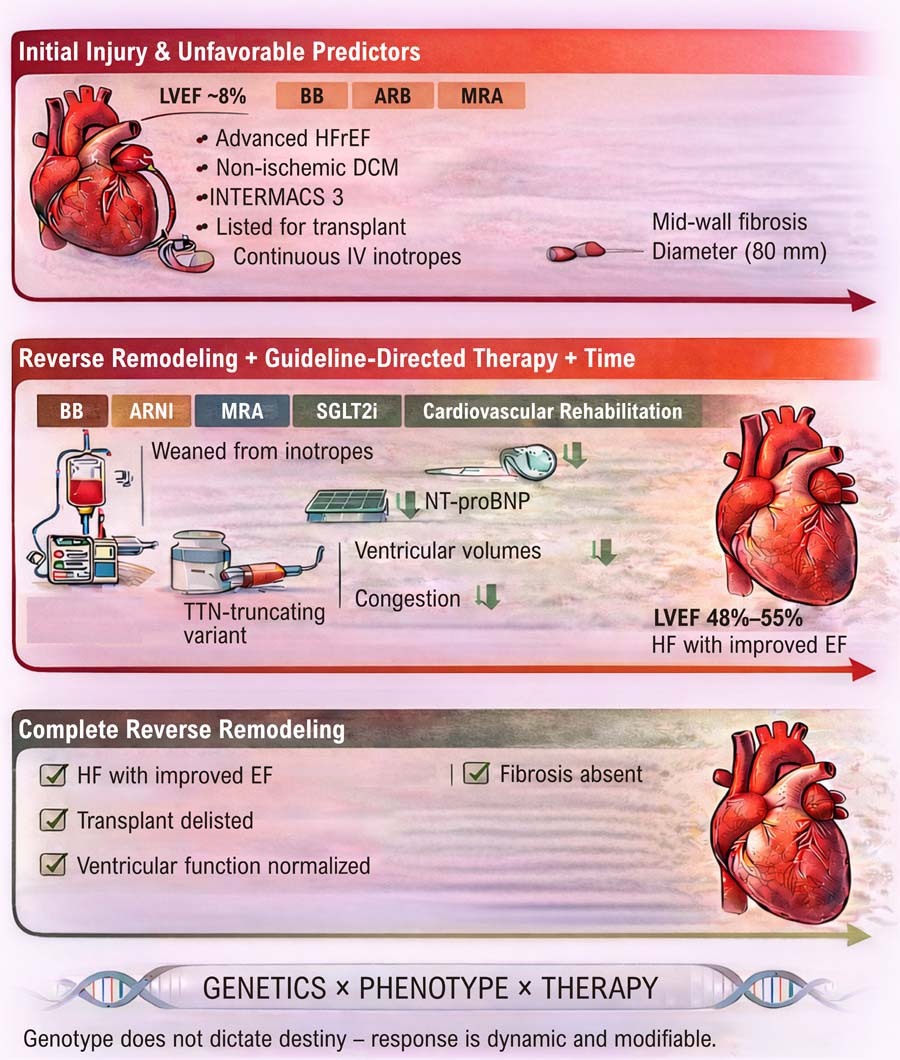
Cardiac remodeling, present in heart failure (HF), is a compensatory biological process following an initial myocardial injury that gradually becomes maladaptive, leading to clinical deterioration and chronic HF. Reverse remodeling (RR), which has been increasingly addressed, occurs when the geometry and/or function of the left ventricle recover in response to treatment, approaching normal cardiac structure. RR is associated with a better prognosis. Factors associated with RR include female sex, non-ischemic etiology, mild to moderate HF, lower fibrotic burden, elevated blood pressure permitting medical optimization, shorter disease duration, and preserved renal function. However, growing knowledge of genetic factors in HF etiology has provided important insights into their role in treatment response and prognosis. To illustrate and discuss these emerging topics, we report a case of advanced HF involving RR and a genetic variant, reviewing current recommendations for management.

  • Dilated Cardiomyopathy
  • Genetics
  • Heart Failure
  • Heart Transplantation
  • Reverse Remodeling
Read Full Article
Creative Commons Attribution (CC BY) Creative Commons license
31/12/2025 DOI: 10.36660/abchf.20250026i
Figure 1
Original Article

Furosemide Dose Progression after Sodium-Glucose Transporter 2 Inhibitors in Advanced Heart Failure

Isabelle Bolfe et al. Rafaela Kaucz Mendez Ribeiro Caroline Prager João Vitor Bolfe Ana Karyn Ehrenfried de Freitas

Abstract

Background:

Studies on Sodium–Glucose cotransporter-2 inhibitors (SGLT2i) in the treatment of heart failure (HF) investigate their potential as a therapeutic alternative for managing congestion and their influence on diuretic efficacy in acute decompensated HF.

Objectives:

To analyze the impact of introducing SGLT2i in patients with HF, with emphasis on the hypothesis of a potential reduction in outpatient furosemide use over time, as well as concomitant changes in renal function and clinical signs of congestion.

Methods:

Retrospective study of 85 patients with advanced HF under outpatient follow-up between January 2022 and July 2025, including those on furosemide at the time of SGLT2i prescription and excluding those without follow-up visits. Comparative analysis was performed on furosemide doses, signs of congestion, and changes in renal function across four subsequent visits.

Results:

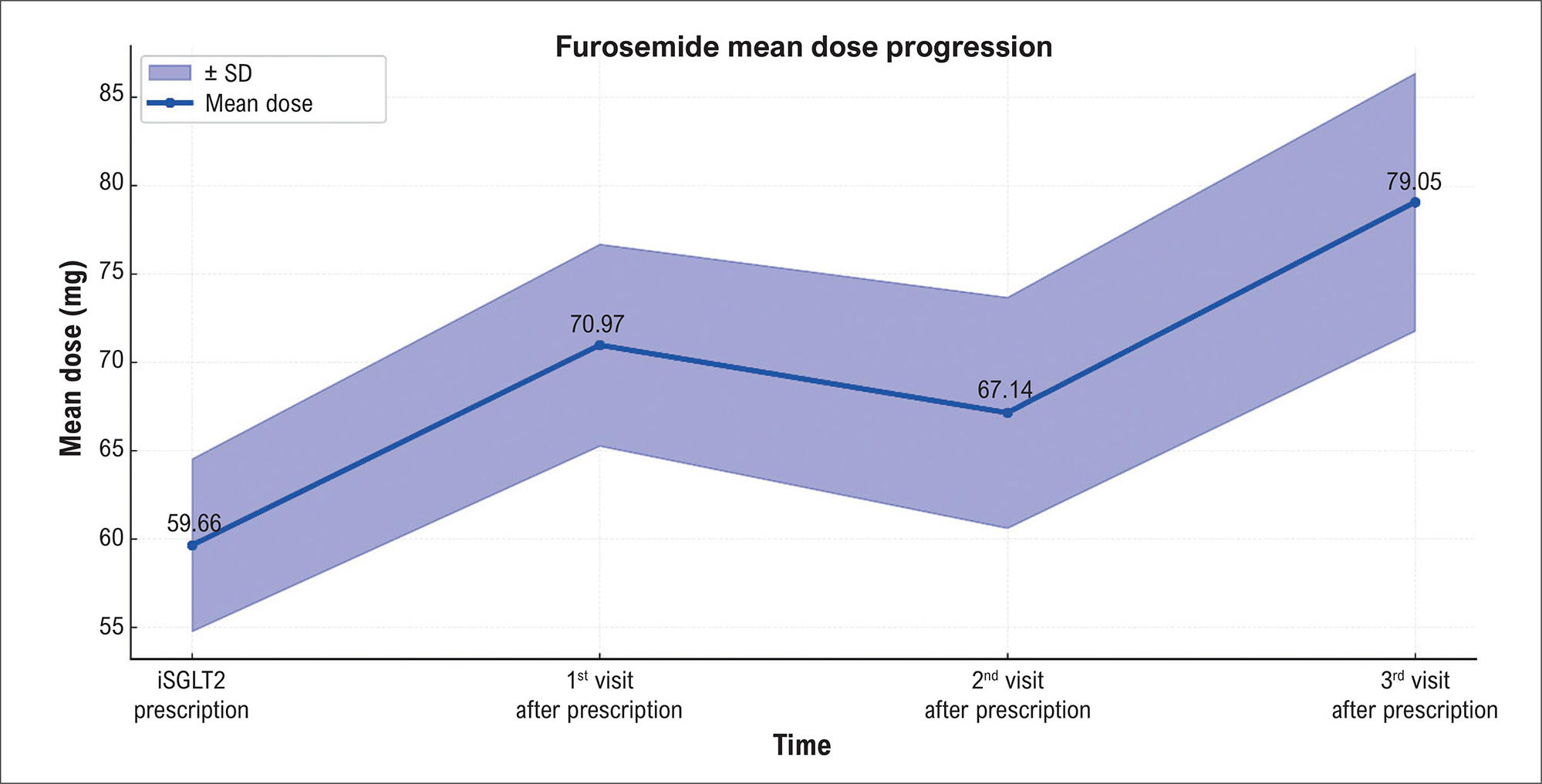
The sample was predominantly male (56.5%), with a high prevalence of HF with reduced ejection fraction (82.4%). After the introduction of SGLT2i, results showed a reduction in jugular venous distension and lower-limb edema, accompanied by increased creatinine levels and a rise in mean furosemide dose from 59.66 ± 4.87 mg to 79.05 ± 7.28 mg (p = 0.003).

Conclusion:

Following the introduction of SGLT2i, an increase in the mean furosemide dose was observed. This finding was associated with elevated creatinine levels, despite modest improvement in clinical signs of congestion, highlighting the dynamic scenario analyzed and the need for prospective studies with follow-up across different stages of HF.

  • Diuretics
  • Furosemide
  • Heart Failure
  • Sodium-Glucose Transporter 2 Inhibitors
Read Full Article
Creative Commons Attribution (CC BY) Creative Commons license
31/12/2025 DOI: 10.36660/abchf.20250032i Views 1
Central Illustration
Review Article

Heart Failure with Preserved Ejection Fraction Beyond the Myocardium: Systemic Inflammation as the Central Axis of Pathophysiology

Mylena Miki Lopes Ideta et al. Camile Miyuki Ishikawa Nihei Paulo Henrique Brites Moreira Ana Karyn Ehrenfried de Freitas

Abstract

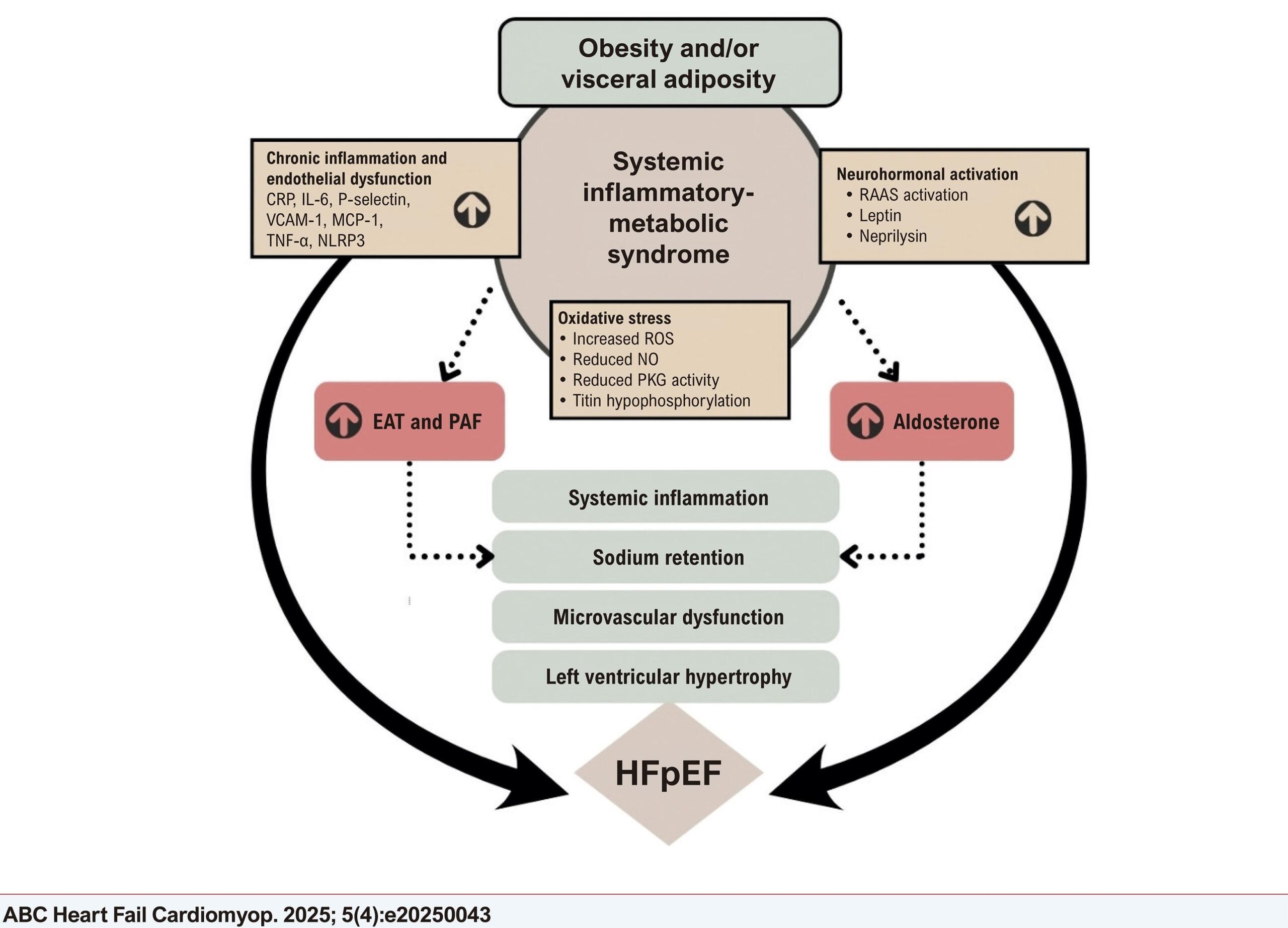
Heart failure (HF) with preserved ejection fraction (HFpEF) is currently the most prevalent subtype of HF, particularly among older women with multiple metabolic comorbidities. Despite recent therapeutic advances, its pathophysiology remains incompletely understood and markedly heterogeneous. In 2025, Milton Packer proposed a new conceptual framework: the adipokine hypothesis. According to this hypothesis, HFpEF is a condition primarily driven by the expansion and dysfunction of visceral adipose tissue. This remodeling of adipose tissue results in altered secretion of adipokines, which are biologically active molecules with endocrine and paracrine effects on the heart, kidneys, and vascular system. The imbalance between cardioprotective and proinflammatory adipokines promotes systemic inflammation, sodium retention, volume overload, myocardial hypertrophy, and fibrosis, ultimately leading to diastolic dysfunction and exercise intolerance, which are hallmarks of HFpEF. This article reviews the main pathophysiological foundations of this hypothesis as well as the experimental and clinical evidence and therapeutic implications, which propose a unifying paradigm for understanding and managing HFpEF.

  • Adipokines
  • Adiponectin
  • Heart Failure
  • Inflammation
  • Obesity
Read Full Article
Creative Commons Attribution (CC BY) Creative Commons license
31/12/2025 DOI: 10.36660/abchf.20250043i Views 1

How to cite this article

EndNote RIS

Electronic Document Format (Vancouver)

Bispo IGA, Silva CV, Pereira GTG, Lopez VPM. Palliative Care in Patients with Advanced Heart Failure: An Integrative Review. ABC Heart Fail Cardiomyop 2026;5(4):e20250053.

Electronic Document Format (ABNT)

Bispo, Irving Gabriel Araújo; Silva, Clara Verrone da; Pereira, Gabriela Tobias Gonçalves; Lopez, Victoria Paulino de Mello. Palliative Care in Patients with Advanced Heart Failure: An Integrative Review. ABC Heart Fail Cardiomyop, v. 5, n. 4, e20250053, Jul. 2026.

Electronic Document Format (APA)

Bispo, I. G. A., Silva, C. V. , Pereira, G. T. G., & Lopez, V. P. M. (2026). Palliative Care in Patients with Advanced Heart Failure: An Integrative Review. ABC Heart Fail Cardiomyop, 5(4), e20250053.

Electronic Document Format (ISO)

Bispo, Irving Gabriel Araújo and Silva, Clara Verrone da and Pereira, Gabriela Tobias Gonçalves and Lopez, Victoria Paulino de Mello. Palliative Care in Patients with Advanced Heart Failure: An Integrative Review. ABC Heart Fail Cardiomyop [online]. 2026, vol. 5, n. 4, [cited 2026-10-14], e20250053. Available from: <https://journals.cardiol.br/en/article/palliative-care-in-patients-with-advanced-heart-failure-an-integrative-review/>

EndNote RIS

Electronic Document Format (Vancouver)

Vieira IL, Nunes LC, Nunes BD, Pimentel AML, Mesquita ET. Laboratory Analysis and the Pericardiogram in Pericardial Diseases in the Era of Precision Medicine. ABC Heart Fail Cardiomyop 2026;5(4):e20250042.

Electronic Document Format (ABNT)

Vieira, Isabela Lira; Nunes, Leonardo Castro; Nunes, Bernardo Dinoá; Pimentel, Adriana Munford Lima; Mesquita, Evandro Tinoco. Laboratory Analysis and the Pericardiogram in Pericardial Diseases in the Era of Precision Medicine. ABC Heart Fail Cardiomyop, v. 5, n. 4, e20250042, Jul. 2026.

Electronic Document Format (APA)

Vieira, I. L., Nunes, L. C., Nunes, B. D., Pimentel, A. M. L., & Mesquita, E. T. (2026). Laboratory Analysis and the Pericardiogram in Pericardial Diseases in the Era of Precision Medicine. ABC Heart Fail Cardiomyop, 5(4), e20250042.

Electronic Document Format (ISO)

Vieira, Isabela Lira and Nunes, Leonardo Castro and Nunes, Bernardo Dinoá and Pimentel, Adriana Munford Lima and Mesquita, Evandro Tinoco. Laboratory Analysis and the Pericardiogram in Pericardial Diseases in the Era of Precision Medicine. ABC Heart Fail Cardiomyop [online]. 2026, vol. 5, n. 4, [cited 2026-10-14], e20250042. Available from: <https://journals.cardiol.br/en/article/laboratory-analysis-and-the-pericardiogram-in-pericardial-diseases-in-the-era-of-precision-medicine/>

EndNote RIS

Electronic Document Format (Vancouver)

Silveira LMV, Brum JCJ, Danzmann LC, Cardoso DC, Letti E, Sales MC, Lucchese FA, et al. Right Ventricular Pseudoaneurysm after Heart Transplantation: a rare complication associated with Endomyocardial Biopsy. ABC Heart Fail Cardiomyop 2025;5(4):20250025.

Electronic Document Format (ABNT)

Silveira, Lucas Mollinari Veloso da; Brum, Joana Carolina Junqueira de; Danzmann, Luiz Claudio; Cardoso, Diego Costa; Letti, Estevan; Sales, Marcela Cunha; Lucchese, Fernando Antônio. Right Ventricular Pseudoaneurysm after Heart Transplantation: a rare complication associated with Endomyocardial Biopsy. ABC Heart Fail Cardiomyop, v. 5, n. 4, 20250025, Dec. 2025.

Electronic Document Format (APA)

Silveira, L. M. V. , Brum, J. C. J. , Danzmann, L. C., Cardoso, D. C., Letti, E., Sales, M. C., & Lucchese, F. A. (2025). Right Ventricular Pseudoaneurysm after Heart Transplantation: a rare complication associated with Endomyocardial Biopsy. ABC Heart Fail Cardiomyop, 5(4), 20250025.

Electronic Document Format (ISO)

Silveira, Lucas Mollinari Veloso da and Brum, Joana Carolina Junqueira de and Danzmann, Luiz Claudio and Cardoso, Diego Costa and Letti, Estevan and Sales, Marcela Cunha and Lucchese, Fernando Antônio. Right Ventricular Pseudoaneurysm after Heart Transplantation: a rare complication associated with Endomyocardial Biopsy. ABC Heart Fail Cardiomyop [online]. 2025, vol. 5, n. 4, [cited 2026-10-14], 20250025. Available from: <https://journals.cardiol.br/en/article/right-ventricular-pseudoaneurysm-after-heart-transplantation-a-rare-complication-associated-with-endomyocardial-biopsy/>

EndNote RIS

Electronic Document Format (Vancouver)

Estevan AO, Silva ALGF, Rassi Filho S, Freitas Júnior AF, Rassi S. Prevalence and Clinical Determinants of Optimized Pharmacological Therapy in Heart Failure with Reduced Ejection Fraction. ABC Heart Fail Cardiomyop 2025;5(4):e20250018.

Electronic Document Format (ABNT)

Estevan, Anderson Oliveira; Silva, Ana Luísa Guedes de Franca e; Rassi Filho, Salvador; Freitas Júnior, Aguinaldo Figueiredo de; Rassi, Salvador. Prevalence and Clinical Determinants of Optimized Pharmacological Therapy in Heart Failure with Reduced Ejection Fraction. ABC Heart Fail Cardiomyop, v. 5, n. 4, e20250018, Dec. 2025.

Electronic Document Format (APA)

Estevan, A. O., Silva, A. L. G. F. , Rassi Filho, S., Freitas Júnior, A. F. , & Rassi, S. (2025). Prevalence and Clinical Determinants of Optimized Pharmacological Therapy in Heart Failure with Reduced Ejection Fraction. ABC Heart Fail Cardiomyop, 5(4), e20250018.

Electronic Document Format (ISO)

Estevan, Anderson Oliveira and Silva, Ana Luísa Guedes de Franca e and Rassi Filho, Salvador and Freitas Júnior, Aguinaldo Figueiredo de and Rassi, Salvador. Prevalence and Clinical Determinants of Optimized Pharmacological Therapy in Heart Failure with Reduced Ejection Fraction. ABC Heart Fail Cardiomyop [online]. 2025, vol. 5, n. 4, [cited 2026-10-14], e20250018. Available from: <https://journals.cardiol.br/en/article/prevalence-and-clinical-determinants-of-optimized-pharmacological-therapy-in-heart-failure-with-reduced-ejection-fraction/>

EndNote RIS

Electronic Document Format (Vancouver)

Bernardon LG, Schreiber Junior A, Faganello L, Pimentel M, Magalhães AP, Zimerman L. Recurrent Supraventricular Tachycardia in a Patient with Heart Transplant. ABC Heart Fail Cardiomyop 2025;5(4):e20250048.

Electronic Document Format (ABNT)

Bernardon, Lucas Grumann; Schreiber Junior, Adir; Faganello, Lucas; Pimentel, Mauricio; Magalhães, Ana Paula; Zimerman, Leandro. Recurrent Supraventricular Tachycardia in a Patient with Heart Transplant. ABC Heart Fail Cardiomyop, v. 5, n. 4, e20250048, Dec. 2025.

Electronic Document Format (APA)

Bernardon, L. G., Schreiber Junior, A., Faganello, L., Pimentel, M., Magalhães, A. P., & Zimerman, L. (2025). Recurrent Supraventricular Tachycardia in a Patient with Heart Transplant. ABC Heart Fail Cardiomyop, 5(4), e20250048.

Electronic Document Format (ISO)

Bernardon, Lucas Grumann and Schreiber Junior, Adir and Faganello, Lucas and Pimentel, Mauricio and Magalhães, Ana Paula and Zimerman, Leandro. Recurrent Supraventricular Tachycardia in a Patient with Heart Transplant. ABC Heart Fail Cardiomyop [online]. 2025, vol. 5, n. 4, [cited 2026-10-14], e20250048. Available from: <https://journals.cardiol.br/en/article/recurrent-supraventricular-tachycardia-in-a-patient-with-heart-transplant/>

EndNote RIS

Electronic Document Format (Vancouver)

Sousa LLCM, Gowdak LHW. The Impact of Revascularization on the Prognosis of Patients with Ischemic Heart Failure in the Contemporary Era: Viewpoint. ABC Heart Fail Cardiomyop 2025;5(4):e20250051.

Electronic Document Format (ABNT)

Sousa, Luhanda Leonora Cardoso Monti; Gowdak, Luís Henrique Wolff. The Impact of Revascularization on the Prognosis of Patients with Ischemic Heart Failure in the Contemporary Era: Viewpoint. ABC Heart Fail Cardiomyop, v. 5, n. 4, e20250051, Dec. 2025.

Electronic Document Format (APA)

Sousa, L. L. C. M., & Gowdak, L. H. W. (2025). The Impact of Revascularization on the Prognosis of Patients with Ischemic Heart Failure in the Contemporary Era: Viewpoint. ABC Heart Fail Cardiomyop, 5(4), e20250051.

Electronic Document Format (ISO)

Sousa, Luhanda Leonora Cardoso Monti and Gowdak, Luís Henrique Wolff. The Impact of Revascularization on the Prognosis of Patients with Ischemic Heart Failure in the Contemporary Era: Viewpoint. ABC Heart Fail Cardiomyop [online]. 2025, vol. 5, n. 4, [cited 2026-10-14], e20250051. Available from: <https://journals.cardiol.br/en/article/the-impact-of-revascularization-on-the-prognosis-of-patients-with-ischemic-heart-failure-in-the-contemporary-era-viewpoint/>

EndNote RIS

Electronic Document Format (Vancouver)

Bernardi HGB, Furquim S, Hames RL, Koroishi JHY, Pinheiro Junior JA, Martins SK. Reverse Remodeling and Genetics: A Review Based on a Clinical Case Description that Challenges Current Evidence and Logic. ABC Heart Fail Cardiomyop 2025;5(4):e20250026.

Electronic Document Format (ABNT)

Bernardi, Helena Garcia Betinardi; Furquim, Silas; Hames, Renata Lopes; Koroishi, Jorge Henrique Yoschimoto; Pinheiro Junior, Jairo Alves; Martins, Stevan Krieger. Reverse Remodeling and Genetics: A Review Based on a Clinical Case Description that Challenges Current Evidence and Logic. ABC Heart Fail Cardiomyop, v. 5, n. 4, e20250026, Dec. 2025.

Electronic Document Format (APA)

Bernardi, H. G. B., Furquim, S., Hames, R. L., Koroishi, J. H. Y., Pinheiro Junior, J. A., & Martins, S. K. (2025). Reverse Remodeling and Genetics: A Review Based on a Clinical Case Description that Challenges Current Evidence and Logic. ABC Heart Fail Cardiomyop, 5(4), e20250026.

Electronic Document Format (ISO)

Bernardi, Helena Garcia Betinardi and Furquim, Silas and Hames, Renata Lopes and Koroishi, Jorge Henrique Yoschimoto and Pinheiro Junior, Jairo Alves and Martins, Stevan Krieger. Reverse Remodeling and Genetics: A Review Based on a Clinical Case Description that Challenges Current Evidence and Logic. ABC Heart Fail Cardiomyop [online]. 2025, vol. 5, n. 4, [cited 2026-10-14], e20250026. Available from: <https://journals.cardiol.br/en/article/reverse-remodeling-and-genetics-a-review-based-on-a-clinical-case-description-that-challenges-current-evidence-and-logic/>

EndNote RIS

Electronic Document Format (Vancouver)

Bolfe I, Ribeiro RKM, Prager C, Bolfe JV, Freitas AKE. Furosemide Dose Progression after Sodium-Glucose Transporter 2 Inhibitors in Advanced Heart Failure. ABC Heart Fail Cardiomyop 2025;5(4):e20250032.

Electronic Document Format (ABNT)

Bolfe, Isabelle; Ribeiro, Rafaela Kaucz Mendez; Prager, Caroline; Bolfe, João Vitor; Freitas, Ana Karyn Ehrenfried de. Furosemide Dose Progression after Sodium-Glucose Transporter 2 Inhibitors in Advanced Heart Failure. ABC Heart Fail Cardiomyop, v. 5, n. 4, e20250032, Dec. 2025.

Electronic Document Format (APA)

Bolfe, I., Ribeiro, R. K. M., Prager, C., Bolfe, J. V., & Freitas, A. K. E. (2025). Furosemide Dose Progression after Sodium-Glucose Transporter 2 Inhibitors in Advanced Heart Failure. ABC Heart Fail Cardiomyop, 5(4), e20250032.

Electronic Document Format (ISO)

Bolfe, Isabelle and Ribeiro, Rafaela Kaucz Mendez and Prager, Caroline and Bolfe, João Vitor and Freitas, Ana Karyn Ehrenfried de. Furosemide Dose Progression after Sodium-Glucose Transporter 2 Inhibitors in Advanced Heart Failure. ABC Heart Fail Cardiomyop [online]. 2025, vol. 5, n. 4, [cited 2026-10-14], e20250032. Available from: <https://journals.cardiol.br/en/article/furosemide-dose-progression-after-sodium-glucose-transporter-2-inhibitors-in-advanced-heart-failure/>

EndNote RIS

Electronic Document Format (Vancouver)

Ideta MML, Nihei CMI, Moreira PHB, Freitas AKE. Heart Failure with Preserved Ejection Fraction Beyond the Myocardium: Systemic Inflammation as the Central Axis of Pathophysiology. ABC Heart Fail Cardiomyop 2025;5(4):e20250043.

Electronic Document Format (ABNT)

Ideta, Mylena Miki Lopes; Nihei, Camile Miyuki Ishikawa; Moreira, Paulo Henrique Brites; Freitas, Ana Karyn Ehrenfried de. Heart Failure with Preserved Ejection Fraction Beyond the Myocardium: Systemic Inflammation as the Central Axis of Pathophysiology. ABC Heart Fail Cardiomyop, v. 5, n. 4, e20250043, Dec. 2025.

Electronic Document Format (APA)

Ideta, M. M. L., Nihei, C. M. I., Moreira, P. H. B., & Freitas, A. K. E. (2025). Heart Failure with Preserved Ejection Fraction Beyond the Myocardium: Systemic Inflammation as the Central Axis of Pathophysiology. ABC Heart Fail Cardiomyop, 5(4), e20250043.

Electronic Document Format (ISO)

Ideta, Mylena Miki Lopes and Nihei, Camile Miyuki Ishikawa and Moreira, Paulo Henrique Brites and Freitas, Ana Karyn Ehrenfried de. Heart Failure with Preserved Ejection Fraction Beyond the Myocardium: Systemic Inflammation as the Central Axis of Pathophysiology. ABC Heart Fail Cardiomyop [online]. 2025, vol. 5, n. 4, [cited 2026-10-14], e20250043. Available from: <https://journals.cardiol.br/en/article/heart-failure-with-preserved-ejection-fraction-beyond-the-myocardium-systemic-inflammation-as-the-central-axis-of-pathophysiology/>

Sede – Rio de Janeiro
Av. Marechal Câmara, 160
3º andar – Sala: 330 – Centro
Rio de Janeiro – CEP: 20020-907
Tel.: (+55 21) 3478-2700
ou (21) 99386-3961
E-mail: abcheartfailure@cardiol.br

Sede – São Paulo
Alameda Santos, 705 – 11º andar
Cerqueira César | São Paulo
CEP: 01419-001
Tel.: (55 +11) 3411-5500
E-mail: abcheartfailure@cardiol.br

  • About the Journal
  • Internal Regulation
  • Editors Section
  • Editorial Board
  • SBC Award

  • Guidelines for Publication
  • Editorial Policy
  • Ethics Policy
  • Policy on the Use of Artificial Intelligence
  • Mandatory Publication Form

Issues

SBC Guidelines