| ABCHF
ABC Family Arquivos Brasileiros de Cardiologia International Journal of Cardiovascular Sciences ABC Heart Failure & Cardiomyopathy ABC Imagem Cardiovascular
Português English
ABC Family | ABCHF
Português English
  • About
    • About the Journal
    • Internal Regulation
    • Editors Section
    • Editorial Board
    • SBC Award
  • Instructions to Authors
    • Guidelines for Publication
    • Editorial Policy
    • Ethics Policy
    • Policy on the Use of Artificial Intelligence
    • Mandatory Publication Form
  • Issues
  • SBC Guidelines
  • About
    • About the Journal
    • Internal Regulation
    • Editors Section
    • Editorial Board
    • SBC Award
  • Instructions to Authors
    • Guidelines for Publication
    • Editorial Policy
    • Ethics Policy
    • Policy on the Use of Artificial Intelligence
    • Mandatory Publication Form
  • Issues
  • SBC Guidelines

ABC Family

  • ABC Family
  • Arquivos Brasileiros de Cardiologia
  • International Journal of Cardiovascular Sciences
  • ABC Heart Failure & Cardiomyopathy
  • ABC Imagem Cardiovascular
Search in

No content found.

Journals
Ordering
Article types
Others

  1. Home
  2. ABCHF
  3. Issues
  4. 2025, Volume 5, Number 2
Central Illustration
Viewpoint

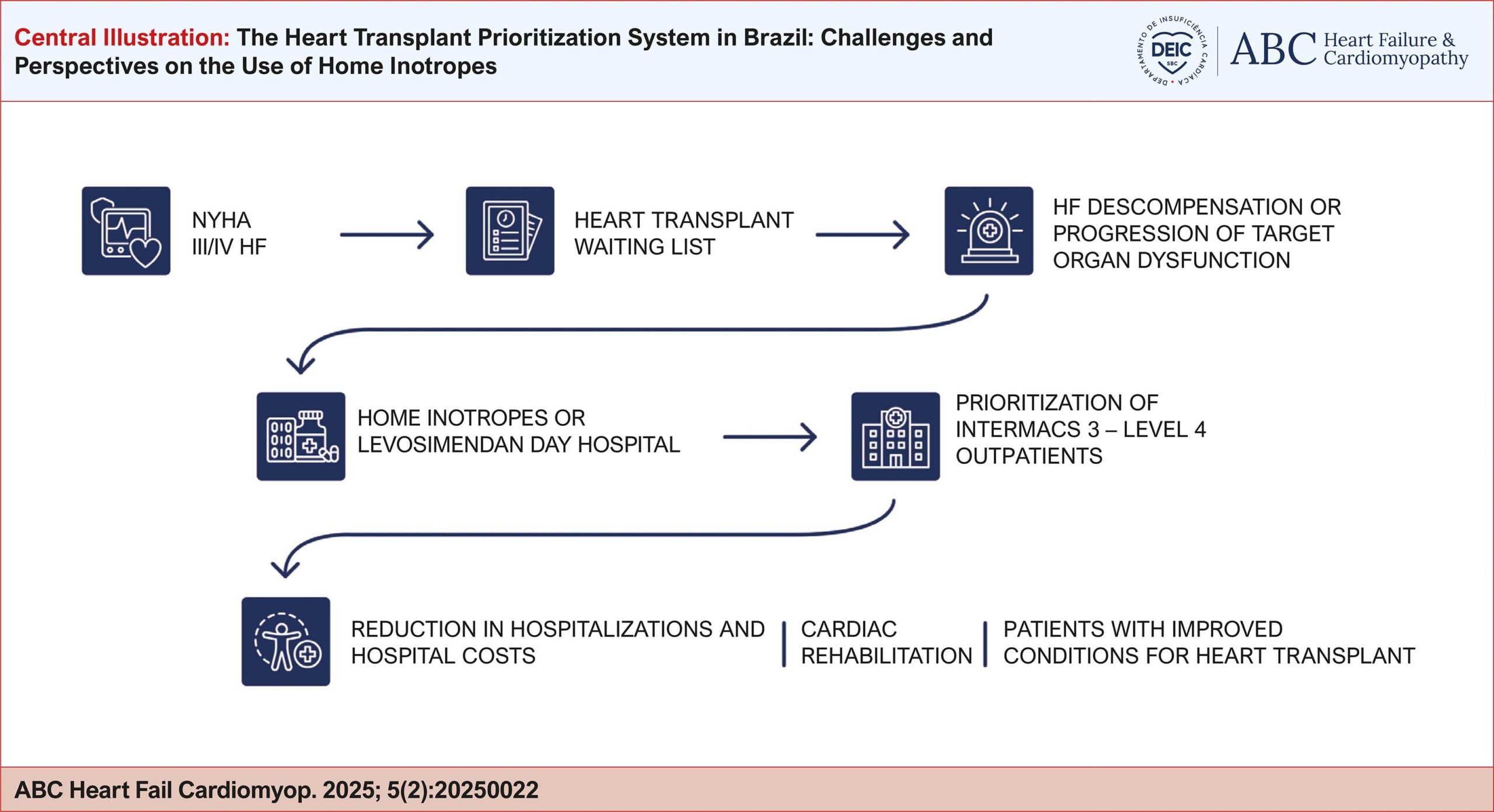
The Heart Transplant Prioritization System in Brazil: Challenges and Perspectives on the Use of Home Inotropes

Helena Garcia Betinardi Bernardi et al. Edimar Alcides Bocchi

Introduction

Despite advances in the treatment of heart failure with reduced ejection fraction (HFrEF), the disease still represents a significant clinical challenge, especially in advanced stages. It is estimated that up to 13% of patients do not respond to conventional therapies, progressing to severe forms of the syndrome, which are associated with high morbidity and mortality.,

Globally, about 64 million people live with HF, and in Brazil, 941,576 hospitalizations due to HF were recorded between 2019 and 2023, with a progressive increase during this period. In 2023, the incidence was 101.83 cases per 100,000 inhabitants. These numbers reflect not only the magnitude of the problem but also the burden it imposes on the healthcare system.

[…]

  • Dobutamine
  • Heart Failure
  • Heart Transplantation
  • Simendan
Read Full Article
Creative Commons Attribution (CC BY) Creative Commons license
11/02/2026 DOI: 10.36660/abchf.20250022i Views 6
Optimizing Post-Discharge Heart Failure Care: The Role of Natriuretic Peptides
Review Article

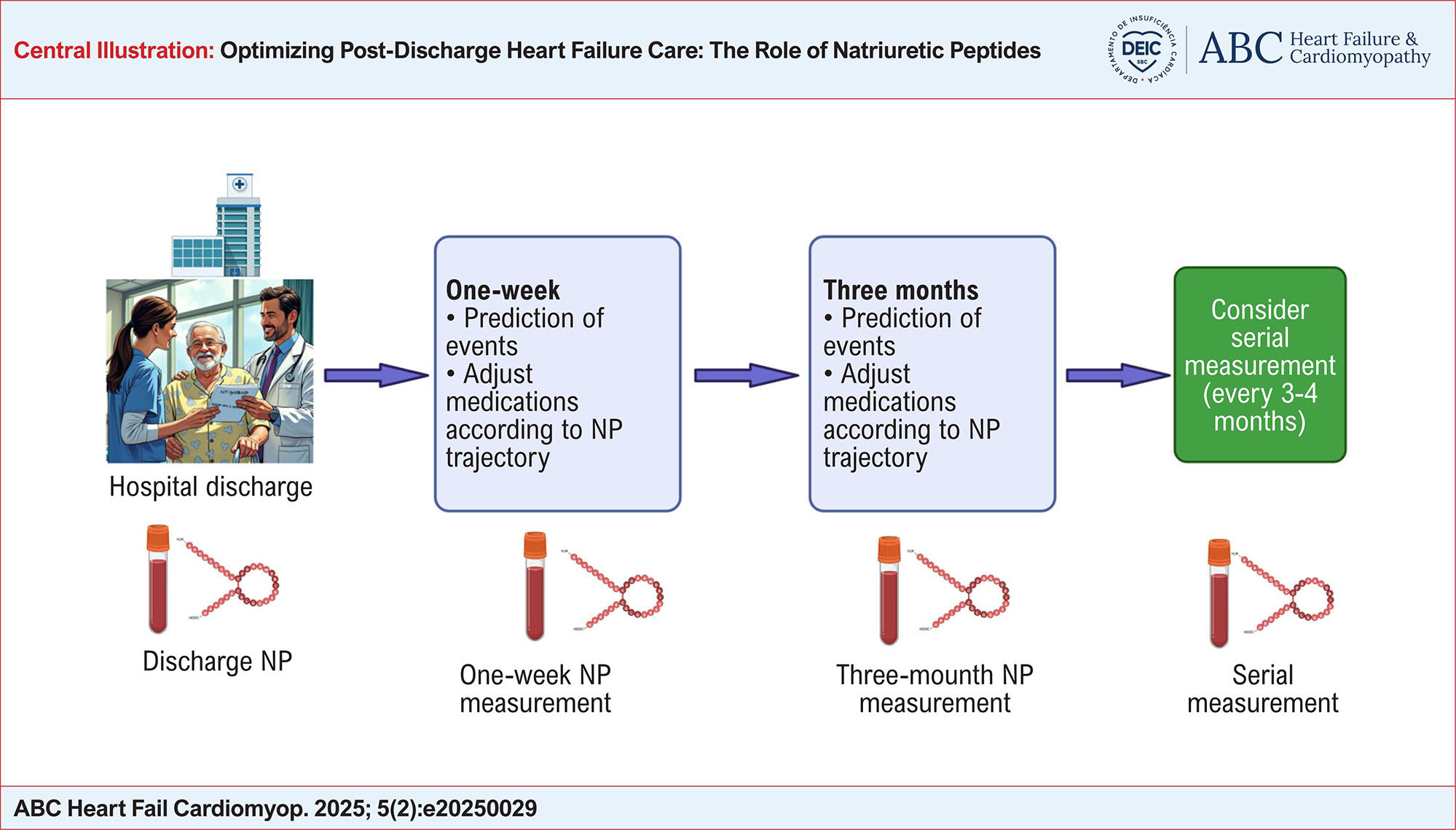
Optimizing Post-Discharge Heart Failure Care: The Role of Natriuretic Peptides

Humberto Villacorta et al. Aline Sterque Villacorta

Abstract

Heart failure (HF) remains a leading cause of hospitalization, mortality, and health-care burden worldwide. The post-discharge period following acute decompensated heart failure (ADHF) is characterized by a heightened risk of rehospitalization and death, particularly during the first 90 days, known as the “vulnerable phase.” Effective strategies for risk stratification and therapy optimization during this phase are crucial to improve outcomes.

Natriuretic peptides (NPs), including B-type natriuretic peptide (BNP) and its N-terminal fragment (NT-proBNP), are well-established biomarkers of myocardial stress. Beyond their diagnostic role, NPs have emerged as powerful prognostic tools for post-discharge risk assessment and as potential guides for therapy titration. Elevated NP levels at discharge and persistently high concentrations one week post-discharge strongly predict adverse outcomes. Evidence from the STRONG-HF trial demonstrated that early, intensive follow-up incorporating NP monitoring and rapid guideline-directed medical therapy (GDMT) up-titration significantly reduced mortality and rehospitalization. Serial NP measurements further enhance risk stratification by capturing dynamic changes over time. Although trials such as GUIDE-IT showed mixed results for NP-guided therapy using fixed targets, patients achieving lower NP levels consistently demonstrated better outcomes.

In conclusion, NPs provide incremental prognostic value beyond clinical assessment in the vulnerable post-discharge phase and throughout long-term management. Early and serial NP monitoring can identify high-risk patients and support GDMT optimization. Future research should refine timing, thresholds, and integration of NP-guided strategies into multimodal risk models to enhance personalized HF care and improve global patient outcomes.

  • Diagnosis
  • Dyspnea
  • Emergency Medical Services
  • Heart Failure
  • Natriuretic Peptides
Read Full Article
Creative Commons Attribution (CC BY) Creative Commons license
19/12/2025 DOI: 10.36660/abchf.20250029i Views 1
Central Illustration
Original Article

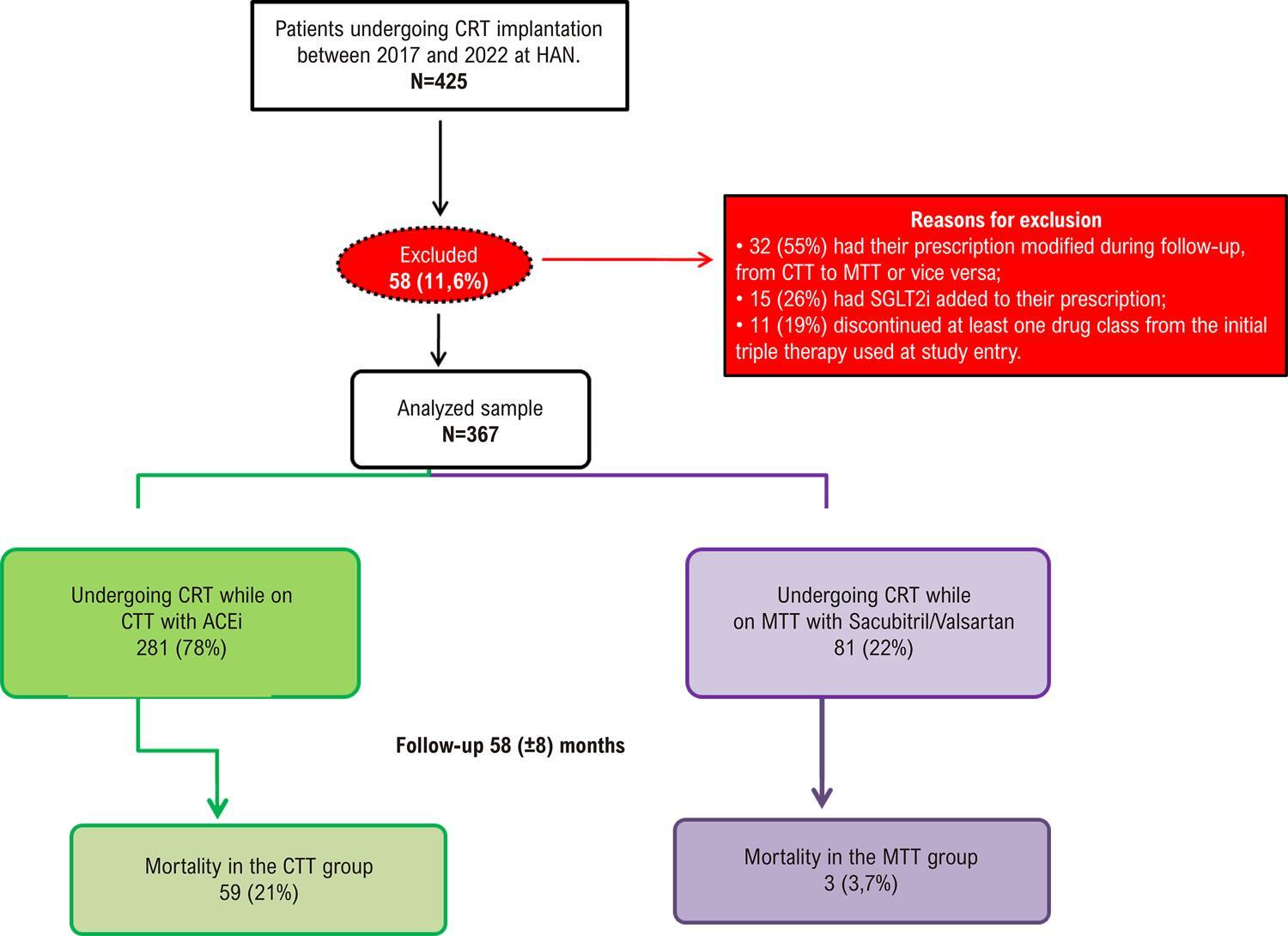
Effect of Sacubitril/Valsartan on All-Cause Mortality Reduction in Patients Undergoing Cardiac Resynchronization Therapy: SALVA-CRT

Luiz Carlos Santana Passos et al. William Carvalho Jackson Pedro Barros-Pereira Clara Salles Figueiredo … Gabriela Pio Dourado Fernanda Pinheiro Martin Tapioca Caio Rebouças Fonseca Cafezeiro

Abstract

Background

Cardiac resynchronization therapy (CRT) is indicated for patients with heart failure with reduced ejection fraction (HFrEF) receiving conventional triple therapy (CTT). Although sacubitril/valsartan (S/V) is a cornerstone of modern triple therapy (MTT) for HFrEF, its effectiveness in patients undergoing CRT implantation has not been adequately evaluated.

Objective

To compare all-cause mortality between CRT recipients on CTT and those on MTT, with a minimum follow-up of 1 year.

Methods

Prospective, observational cohort including patients undergoing a first CRT implantation. Inclusion criteria were left ventricular ejection fraction (LVEF) ≤35% and bundle branch block with QRS ≥150 ms, with prior use of either CTT or MTT. Patients who discontinued any medication, initiated a sodium-glucose cotransporter-2 inhibitor (SGLT2i), or crossed over between CTT and MTT during follow-up were excluded. Statistical analyses used the unpaired Student’s t test (p < 0.05 for significance). Cox regression was applied to variables potentially associated with the outcome (p < 0.1).

Results

From 2017 to 2022, 425 CRT implantations were performed; 58 (13.6%) patients were excluded. Of the 367 analyzed, 286 (78%) were on CTT and 81 (22%) on MTT. Mean age was 61 (±12) years; mean LVEF was 26% (±6); Chagas disease was the most prevalent etiology (34.3%). Mean follow-up was 58 (±8) months, with 62 deaths (16.9%): 59 (21%) in the CTT group and 3 (3.7%) in the MTT group. The HR was 1.27 (95% CI 1.17–1.39) for CTT and 0.18 (95% CI 0.06–0.58) for MTT. In multivariable analysis, CTT use was the only independent predictor of mortality (HR 5.83; 95% CI 1.81–18.70; p = 0.003).

Conclusion

MTT including S/V significantly reduced all-cause mortality in patients undergoing CRT implantation.

  • Cardiac Resynchronization Therapy
  • Mortality
  • Systolic Heart Failure
Read Full Article
Creative Commons Attribution (CC BY) Creative Commons license
15/12/2025 DOI: 10.36660/abchf.20250003i Views 3
Central Illustration
Review Article

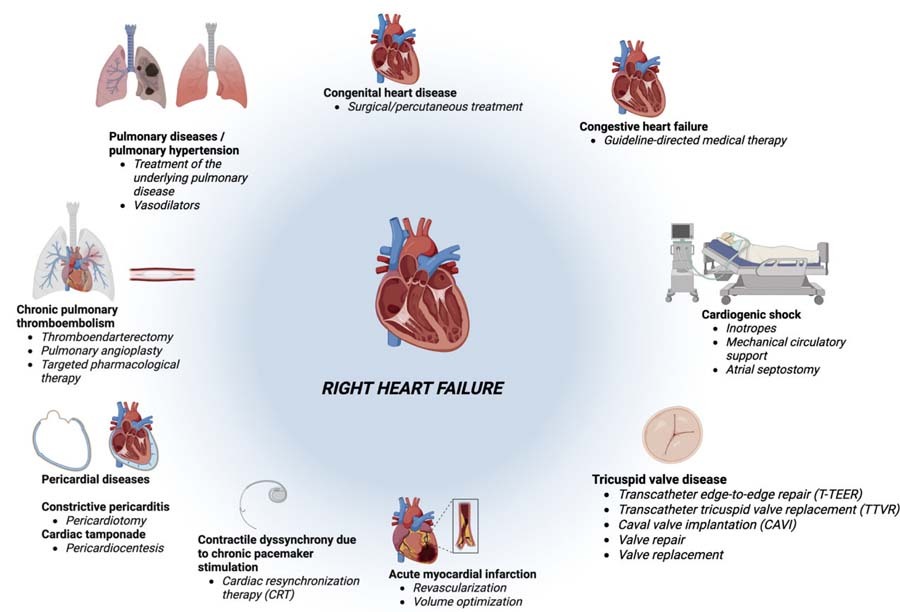
Advanced Management of Right Heart Failure: An Illustrative Case

Pedro Castilhos de Freitas Crivelaro et al. Guilherme Pinheiro Machado Marcelo Basso Gazzana William Lorenzi … Igor Gorski Benedetto Felipe Homem Valle Rodrigo Vugman Wainstein

Abstract

Right heart failure (RHF) is a serious condition characterized by the inability of the right ventricle (RV) to generate sufficient output for pulmonary circulation, leading to systemic congestion and hypoperfusion. Proper management of RHF is essential to improve prognosis and quality of life, requiring individualized treatment based on hemodynamic assessment.

This article reviews pathophysiology, diagnosis, and therapeutic options for RHF, including strategies for preload optimization, afterload reduction, and advanced circulatory support. Additionally, it presents a clinical case of a patient with severe RHF secondary to chronic pulmonary thromboembolism and primary tricuspid regurgitation, treated with a hybrid approach involving balloon pulmonary angioplasty and pulmonary thromboendarterectomy combined with surgical valve repair, resulting in significant functional improvement. This review highlights the importance of personalized strategies and combined therapies in the management of advanced RHF.

  • Heart Failure
  • Heart Ventricles
  • Pulmonary Hypertension
Read Full Article
Creative Commons Attribution (CC BY) Creative Commons license
03/11/2025 DOI: 10.36660/abchf.20250017i
Central Illustration
Review Article

The Multiple Faces of Cardiomyopathy Due to Filamin C Gene Variants (FLNC)

Frank Nunes et al. Raquel Germer Toja Couto Diane Xavier de Avila Ana Flavia Malheiros Torbey … Kárila Scarduelli Luciano Estevão Lanna Figueiredo Evandro Tinoco Mesquita

Abstract

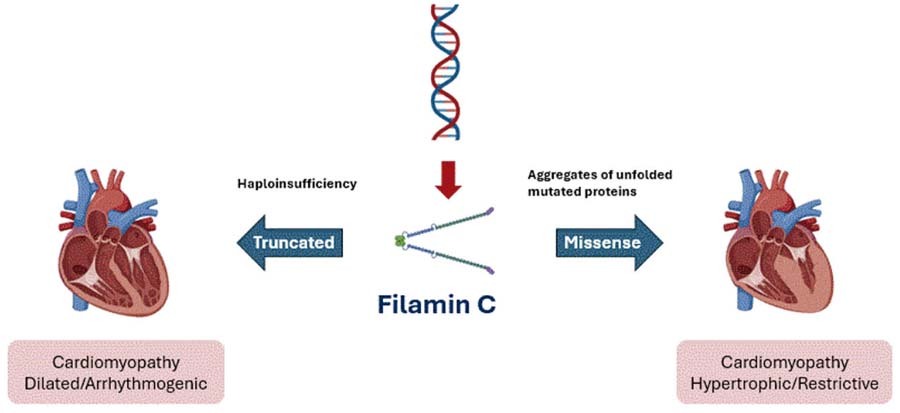
Filamin C is an essential protein for the integrity of the sarcomere and cytoskeleton of cardiomyocytes. Pathogenic variants in the FLNC gene are associated with a wide range of cardiomyopathies and may present distinct phenotypes depending on the type of genetic alteration. Truncated variants are frequently associated with dilated and arrhythmogenic cardiomyopathy, while missense variants are more related to hypertrophic and restrictive forms. These phenotypic differences reflect the molecular and structural impact of the FLNC variant on filamin C protein, with direct implications for clinical management. Diagnosis and risk stratification are challenging, requiring a multimodal approach that integrates clinical, genetic, and imaging data, especially cardiac magnetic resonance imaging, which is essential for the detection of myocardial fibrosis and for prognostic assessment. Recent evidence indicates that pathogenic FLNC variants have also been rarely associated with severe acute myocarditis, often presenting with malignant ventricular arrhythmias and systolic dysfunction. Accurate diagnosis, continuous monitoring, and family counseling are essential to define the best therapeutic and prognostic approach for patients, especially those at high risk of sudden cardiac death (SCD), thus allowing personalized and preventive interventions.

  • Cardiomyopathies
  • Filamins
  • Sudden Cardiac Death
Read Full Article
Creative Commons Attribution (CC BY) Creative Commons license
20/10/2025 DOI: 10.36660/abchf.20250008i Views 2
Central Illustration
Review Article

History and Application of Mechanical Assist Devices as a Bridge to Heart Transplant: A Review and Perspectives in Brazil

Alvaro Perazzo et al. Fabio Antônio Gaiotto Samuel Padovani Steffen Shirlyne Fabianni Dias Gaspar … Vanessa Simioni Faria Rebeca Cavalcante Silva Ferreira Aline Carbonera Danielle Louvet Guazzelli Jael Andrea Rioja Gamboa Leonardo Flud Ideal Helen Lima Gomes Alexandre Targino Gomes Falcão Filho Andre Loureiro Fernandes Luiza Hermanny Campos Camila Lambert Steffen Carolina Limongi Renato Leal Varjão Monica Samuel Avila Luis Fernando Bernal da Costa Seguro Sandrigo Mangini Fabiana Goulart Marcondes-Braga Gabriel Barros Aulicino Iascara Wozniak de Campos Ronaldo Honorato Barros Santos Domingos Dias Lourenço Filho Mariusz Kowalewski Daniele Ronco Matteo Matteucci Paolo Meani Claudio Francesco Russo Michele di Mauro Silvia Mariani Antonio Loforte Dominik Wiedmann Fernando Bacal Glenn Whitman Prakash Punjabi Roberto Lorusso Fabio Biscegli Jatene

Abstract

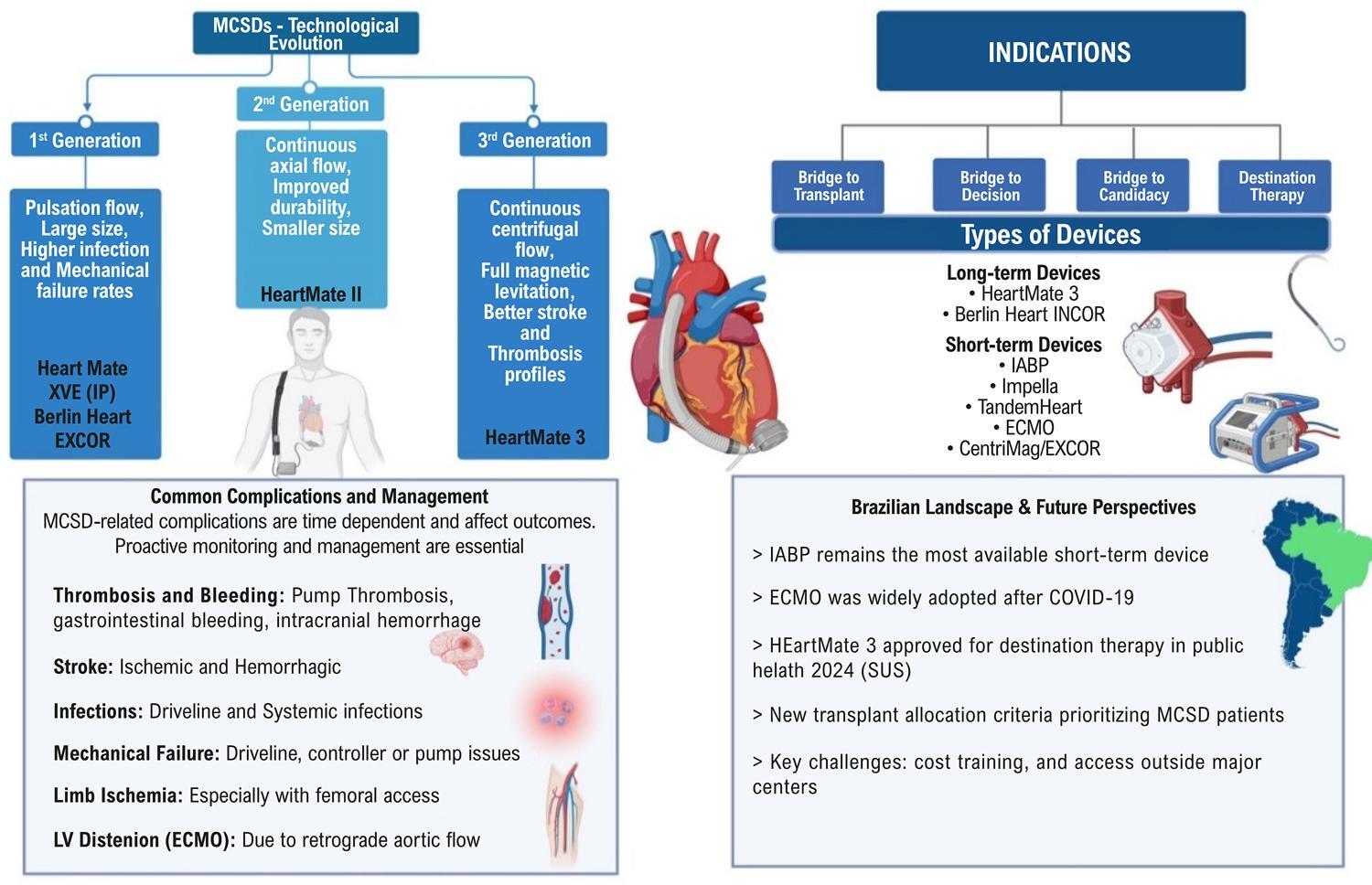
Mechanical circulatory support (MCS) devices have evolved significantly over the past decades and play a vital role in managing end-stage heart failure, especially as a bridge to heart transplantation. From the pioneering heart-lung machines to third-generation ventricular assist devices (VADs), MCS technology has advanced to provide more durable, efficient, and safer options for both short- and long-term support. This review outlines the historical development of mechanical assist devices, the types of available supports – ranging from intra-aortic balloon pumps and extracorporeal membrane oxygenation to implantable devices like HeartMate 3 – and their clinical indications and complications. Special attention is given to right ventricular dysfunction, thromboembolic and hemorrhagic complications, and infections, which remain major challenges in the management of patients with MCS devices. In Brazil, despite the growing evidence supporting MCS in critically ill patients, access remains limited due to financial and systemic constraints. The review explores the current landscape of device availability in the country, national guidelines, cost-effectiveness data, and the impact of recent changes in transplant allocation criteria that prioritize patients receiving mechanical support. Notably, the approval of long-term VADs for destination therapy in the public health system in 2024 marks a significant milestone. This review offers a comprehensive perspective on MCS utilization, highlighting both global advances and Brazil-specific challenges. By identifying gaps in access and proposing future directions, it advocates for expanded use of these life-saving technologies to improve survival and quality of life in advanced heart failure patients.

  • Cardiology
  • Heart Transplantation
  • Heart-Assist Devices
  • Thoracic Surgery
Read Full Article
Creative Commons Attribution (CC BY) Creative Commons license
14/08/2025 DOI: 10.36660/abchf.20250016i Views 2
Central Illustration
Review Article

Filamin C and Cardiomyopathies: Linking Genetic Variants to Their Phenotypic Impact

Natália Olivetti et al. Márya Pagotti Bruno Moreira Santos Marjorie Mizuta … Bianca Linnenkamp Paula de Mendonça Senra Fernanda Andrade Mariana Lombardi Peres de Carvalho Luciana Sacilotto José Eduardo Krieger

Abstract

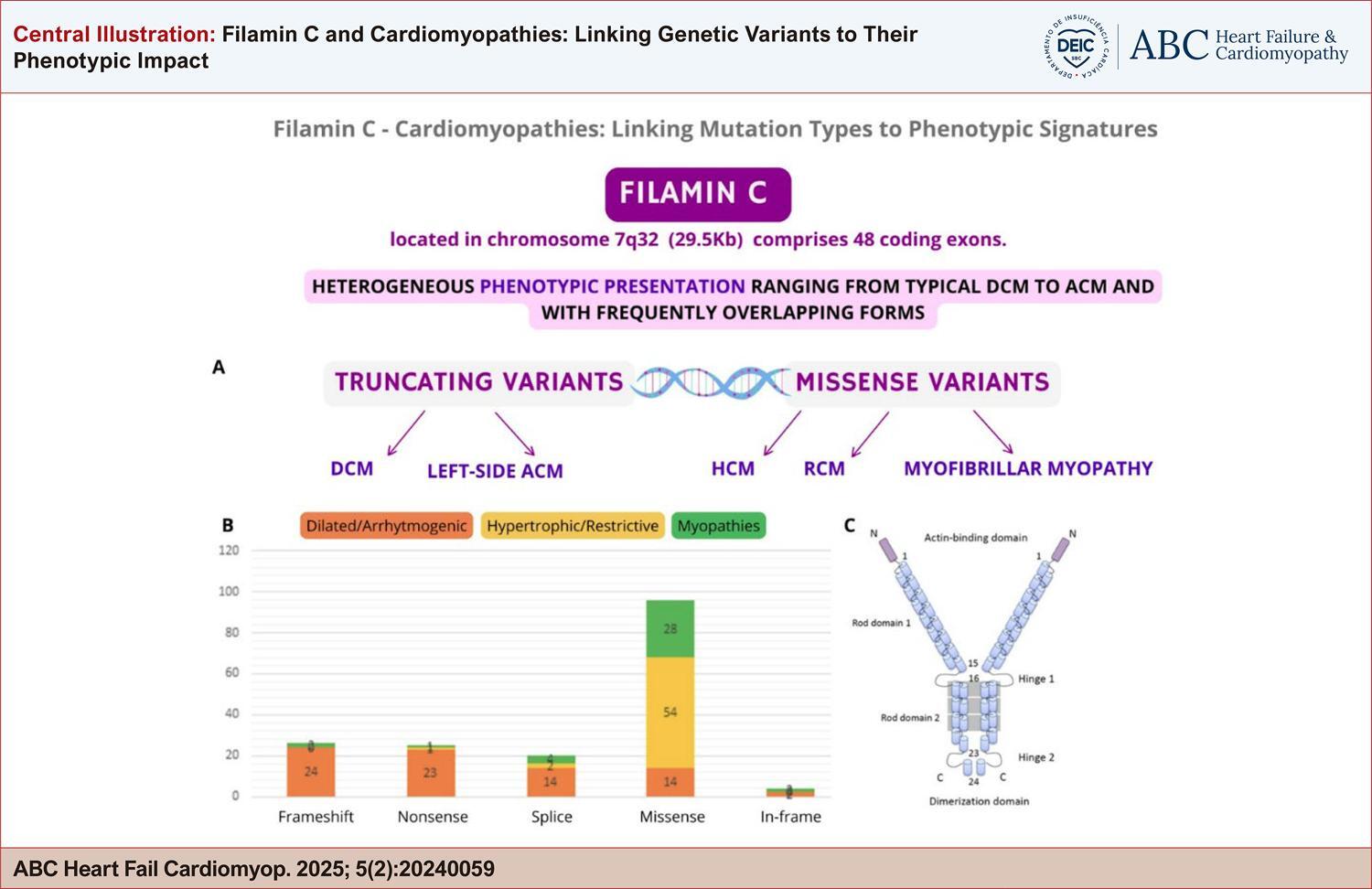
Filamin C (FLNC) plays a critical role in maintaining the structural integrity of muscle cells, particularly within the cardiac sarcomere. Pathogenic variants in the FLNC gene are increasingly recognized as significant contributors to a diverse range of cardiomyopathies, including dilated (DCM), hypertrophic (HCM), arrhythmogenic (ACM), and restrictive cardiomyopathy (RCM). This review explores the genotype-phenotype correlations in FLNC-related cardiomyopathies, emphasizing how the type and location of genetic variants influence the clinical presentation. Truncating variants are primarily associated with DCM and ACM, characterized by a high risk of arrhythmic events and severe outcomes, while missense variants often lead to HCM and RCM, with unique phenotypic features. The review also discusses the inheritance patterns, molecular mechanisms, and clinical phenotypes of FLNC-associated myopathies, highlighting the need for genetic testing in risk stratification and management. Future perspectives emphasize the importance of expanding research into the underlying mechanisms of FLNC variants and their interactions with other genetic and environmental factors. This integrated understanding is critical for improving the clinical management of patients with FLNC-related cardiomyopathies.

  • Arrhythmogenic right ventricular dysplasia;
  • Dilated Cardiomyopathy
  • Filamins
  • Hypertrophic Cardiomyopathy
  • Restrictive cardiomyopathy
Read Full Article
Creative Commons Attribution (CC BY) Creative Commons license
05/06/2025 DOI: 10.36660/abchf.20240059i
Central Illustration
Original Article

Determinants of the Six-Minute Walk Distance in Subjects with Heart Failure-Chronic Obstructive Pulmonary Disease Overlap

Maria Luísa Dadalt et al. Isadora Farraco Correa Fernanda Lais Loro Marlus Karsten … Mariane Borba Monteiro Pedro Dal Lago

Abstract

Background

Heart failure (HF) and chronic obstructive pulmonary disease (COPD) frequently coexist in clinical practice, with both conditions negatively affecting individuals’ functional capacity, often measured using the 6-minute walk test (6MWT). Cardiovascular, pulmonary, and metabolic impairments may influence the 6-minute walk distance (6MWD).

Objective

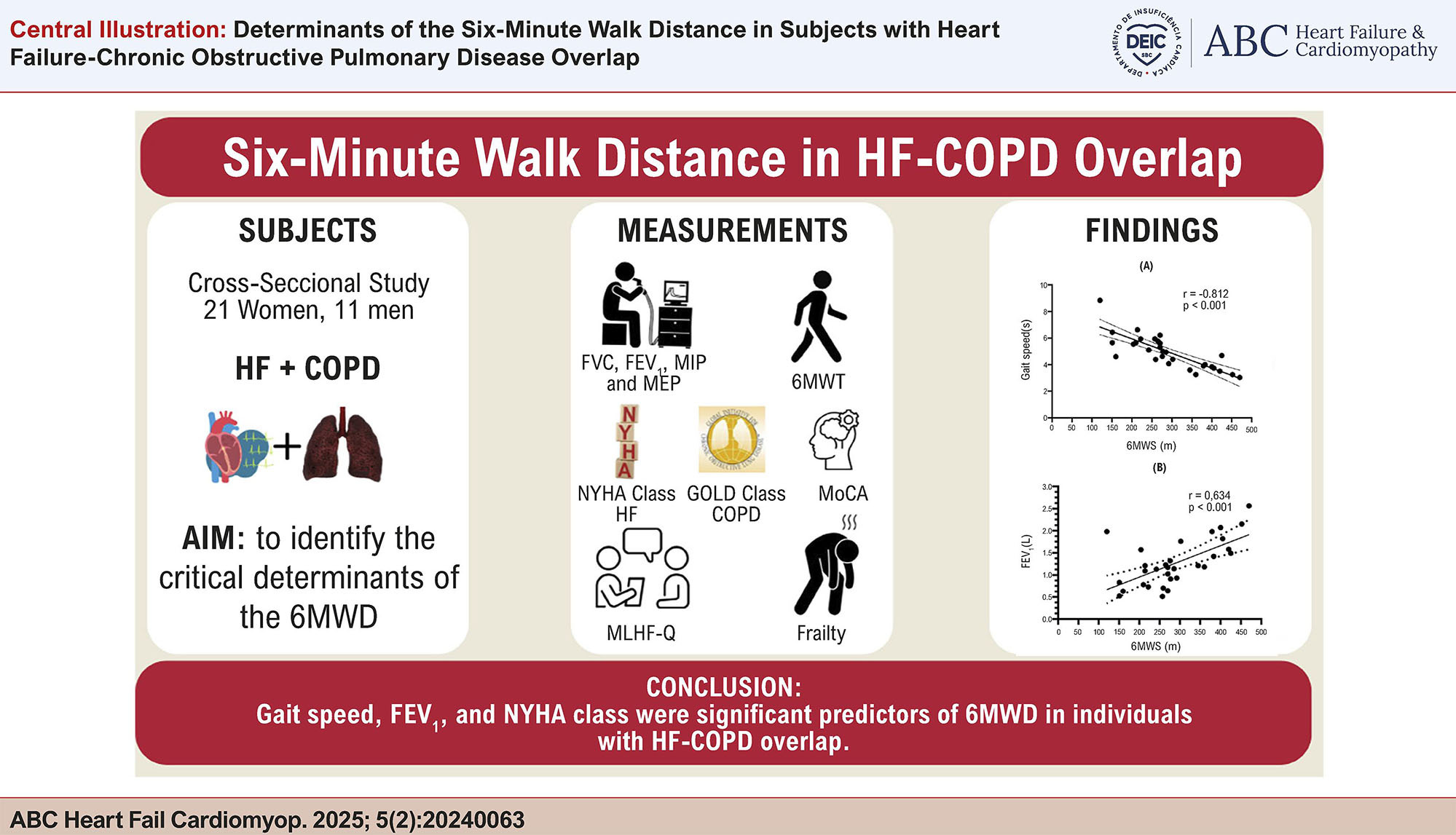
This study aims to identify and analyze the critical determinants of the 6MWD among subjects with HF-COPD overlap.

Methods

A cross-sectional study was conducted. Individuals underwent the 6MWT. Respiratory muscle strength was assessed by measuring maximum inspiratory pressure and maximum expiratory pressure. Pulmonary function was evaluated using forced expiratory volume in the first second (FEV1) and forced vital capacity (FVC). Physical frailty was assessed using the Cardiovascular Health Study frailty index. Quality of life was assessed with the Minnesota Living with Heart Failure Questionnaire, and cognitive function was assessed using the Montreal Cognitive Assessment.

Results

Thirty-two individuals were evaluated, with a mean age of 67.6 ± 8.5 years; 65.6% were women. The mean left ventricular ejection fraction was 54.7 ± 15.9%, and the mean 6MWD was 281 ± 102 meters. The 6MWD was significantly correlated with FVC (r = 0.61, p < 0.01); percentage of predicted FEV1 (r = 0.58, p < 0.01); percentage of predicted FVC (r = 0.56, p < 0.01); Cardiovascular Health Study frailty index (r = 0.53, p < 0.01); and Minnesota Living with Heart Failure Questionnaire score (r = −0.47, p < 0.01). Gait speed (β = −0.54, p < 0.001); FEV1 (β = −0.44, p < 0.001); and New York Heart Association functional class (β = −0.24, p < 0.001) were identified as significant predictors of 6MWD.

Conclusions

These findings suggest that an integral approach, incorporating both physical and psychosocial assessments, may be essential for effectively managing functional limitations in patients with HF-COPD. Identifying these predictors can aid clinicians in tailoring treatment strategies, optimizing rehabilitation programs, and improving this population’s overall quality of care.

  • Chronic Obstructive Pulmonary Disease
  • Functional Status
  • Heart Failure
  • Walk Test
Read Full Article
Creative Commons Attribution (CC BY) Creative Commons license
03/06/2025 DOI: 10.36660/abchf.20240063i Views 1
Central Illustration
Review Article

Genetic Cardiomyopathies: An Overview of the Main Associated Pathogenic Mutations

Flavia Misawa Hama et al. Edson Gabriel Rocha Estela Azeka

Abstract

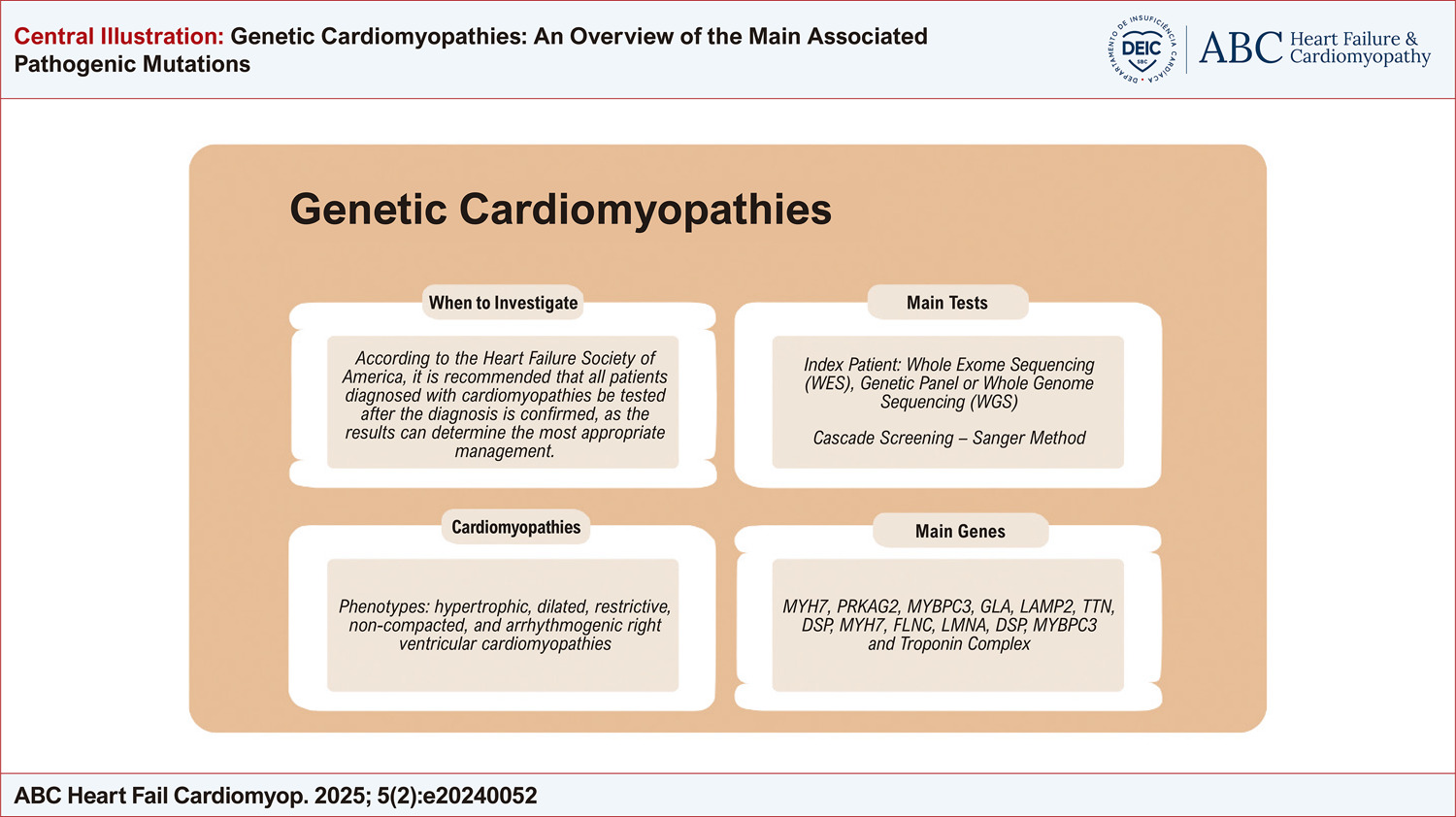
Cardiomyopathies are pathological conditions associated with progressive dysfunction of cardiomyocytes, excluding situations in which other concomitant diseases may justify such progression. Their presentations can evolve with several phenotypes, the main ones being hypertrophic, dilated, restrictive, non-compacted, and arrhythmogenic phenotypes of the right ventricle (). Regarding this topic’s relevance, dilated and hypertrophic cardiomyopathies have a genetic origin in 30 to 50% of cases, evaluating these etiologies is a crucial tool in patient management. Assessing the risk of genetic transmission and the likelihood of phenotypic manifestation across generations requires identifying and classifying each gene’s inheritance pattern and mutation type associated with structural cardiomyopathy. Additionally, determining the structural protein affected facilitates understanding the pathophysiological phenomenon and the phenotype manifested by the variant carrier. Considering the growing advent of the genetic approach to cardiomyopathies, the Heart Failure Society of America, in collaboration with the American College of Medical Genetics and Genomics, developed a guide for the investigation and follow-up of these cases. However, in this study, the time to request the genetic tests was not evaluated. It is recommended that the tests be requested at any time after diagnosis confirmation since their results can contribute to guiding the most appropriate follow-up approach. Despite the multitude of existing variants related to genetic cardiomyopathies, some are of greater clinical interest due to their impact on risk stratification and interest in family screening, namely: MYH7, PRKAG2, MYBPC3, GLA, LAMP2, TTN, DSP, MYH7, FLNC, LMNA, DSP, MYBPC3 and Troponin Complex (). Recognizing the main mutations associated with cardiomyopathies and the phenotypes related to them enables a more individualized medicine approach with early interventions and risk stratification. Genetic evaluation is essential for screening family members and optimizing patient management, which may vary depending on the identified mutation.

  • Cardiomyopathies
  • Dilated Cardiomyopathy
  • Hypertrophic Cardiomyopathy
Read Full Article
Creative Commons Attribution (CC BY) Creative Commons license
26/05/2025 DOI: 10.36660/abchf.20240052i Views 1
Figure 1
Viewpoint

What is Happening with Heart Failure in Brazil? An Insight from DATASUS Data Analysis

Tainá Clayton Pellini Simões et al. Rosane Aparecida Monteiro Afonso Diniz C. Passos Marcus V. Simões

Introduction

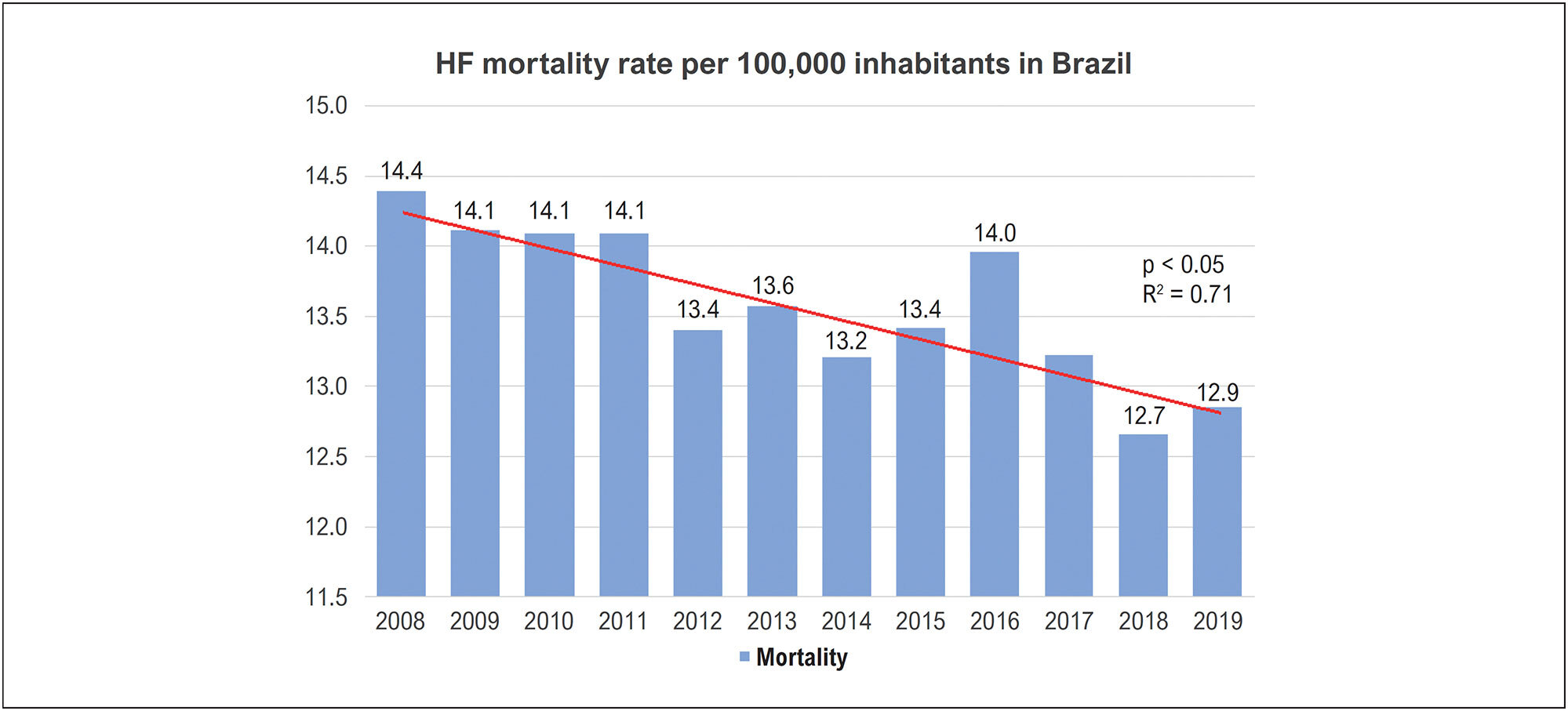
Heart failure (HF) is a chronic and progressive clinical syndrome caused by a structural or functional cardiac abnormality, whose symptoms include dyspnea and fatigue and are accompanied by physical signs such as peripheral edema, pulmonary rales, and jugular venous distension. The natural history of HF often involves rapid worsening of symptoms and signs, leading to severe manifestations at rest, characterizing acute decompensated HF (AHF), usually requiring hospitalization for its control.

AHF is responsible for a large part of the costs of HF for the health system and represents a serious clinical problem with an in-hospital mortality rate of around 4%.

[…]

  • Epidemiology
  • Heart Failure
  • Hospitalization
Read Full Article
Creative Commons Attribution (CC BY) Creative Commons license
15/05/2025 DOI: 10.36660/abchf.20250001i Views 1

How to cite this article

EndNote RIS

Electronic Document Format (Vancouver)

Bernardi HGB, Bocchi EA. The Heart Transplant Prioritization System in Brazil: Challenges and Perspectives on the Use of Home Inotropes. ABC Heart Fail Cardiomyop 2026;5(2):e20250022.

Electronic Document Format (ABNT)

Bernardi, Helena Garcia Betinardi; Bocchi, Edimar Alcides. The Heart Transplant Prioritization System in Brazil: Challenges and Perspectives on the Use of Home Inotropes. ABC Heart Fail Cardiomyop, v. 5, n. 2, e20250022, Feb. 2026.

Electronic Document Format (APA)

Bernardi, H. G. B., & Bocchi, E. A. (2026). The Heart Transplant Prioritization System in Brazil: Challenges and Perspectives on the Use of Home Inotropes. ABC Heart Fail Cardiomyop, 5(2), e20250022.

Electronic Document Format (ISO)

Bernardi, Helena Garcia Betinardi and Bocchi, Edimar Alcides. The Heart Transplant Prioritization System in Brazil: Challenges and Perspectives on the Use of Home Inotropes. ABC Heart Fail Cardiomyop [online]. 2026, vol. 5, n. 2, [cited 2026-10-14], e20250022. Available from: <https://journals.cardiol.br/en/article/the-heart-transplant-prioritization-system-in-brazil-challenges-and-perspectives-on-the-use-of-home-inotropes/>

EndNote RIS

Electronic Document Format (Vancouver)

Villacorta H, Villacorta AS. Optimizing Post-Discharge Heart Failure Care: The Role of Natriuretic Peptides. ABC Heart Fail Cardiomyop 2025;5(2):e20250029.

Electronic Document Format (ABNT)

Villacorta, Humberto; Villacorta, Aline Sterque. Optimizing Post-Discharge Heart Failure Care: The Role of Natriuretic Peptides. ABC Heart Fail Cardiomyop, v. 5, n. 2, e20250029, Dec. 2025.

Electronic Document Format (APA)

Villacorta, H., & Villacorta, A. S. (2025). Optimizing Post-Discharge Heart Failure Care: The Role of Natriuretic Peptides. ABC Heart Fail Cardiomyop, 5(2), e20250029.

Electronic Document Format (ISO)

Villacorta, Humberto and Villacorta, Aline Sterque. Optimizing Post-Discharge Heart Failure Care: The Role of Natriuretic Peptides. ABC Heart Fail Cardiomyop [online]. 2025, vol. 5, n. 2, [cited 2026-10-14], e20250029. Available from: <https://journals.cardiol.br/en/article/optimizing-post-discharge-heart-failure-care-the-role-of-natriuretic-peptides/>

EndNote RIS

Electronic Document Format (Vancouver)

Passos LCS, Carvalho W, Barros-Pereira JP, Figueiredo CS, Dourado GP, Tapioca FPM, Cafezeiro CRF, et al. Effect of Sacubitril/Valsartan on All-Cause Mortality Reduction in Patients Undergoing Cardiac Resynchronization Therapy: SALVA-CRT. ABC Heart Fail Cardiomyop 2025;5(2):e20250003.

Electronic Document Format (ABNT)

Passos, Luiz Carlos Santana; Carvalho, William; Barros-Pereira, Jackson Pedro; Figueiredo, Clara Salles; Dourado, Gabriela Pio; Tapioca, Fernanda Pinheiro Martin; Cafezeiro, Caio Rebouças Fonseca. Effect of Sacubitril/Valsartan on All-Cause Mortality Reduction in Patients Undergoing Cardiac Resynchronization Therapy: SALVA-CRT. ABC Heart Fail Cardiomyop, v. 5, n. 2, e20250003, Dec. 2025.

Electronic Document Format (APA)

Passos, L. C. S., Carvalho, W., Barros-Pereira, J. P., Figueiredo, C. S., Dourado, G. P., Tapioca, F. P. M., & Cafezeiro, C. R. F. (2025). Effect of Sacubitril/Valsartan on All-Cause Mortality Reduction in Patients Undergoing Cardiac Resynchronization Therapy: SALVA-CRT. ABC Heart Fail Cardiomyop, 5(2), e20250003.

Electronic Document Format (ISO)

Passos, Luiz Carlos Santana and Carvalho, William and Barros-Pereira, Jackson Pedro and Figueiredo, Clara Salles and Dourado, Gabriela Pio and Tapioca, Fernanda Pinheiro Martin and Cafezeiro, Caio Rebouças Fonseca. Effect of Sacubitril/Valsartan on All-Cause Mortality Reduction in Patients Undergoing Cardiac Resynchronization Therapy: SALVA-CRT. ABC Heart Fail Cardiomyop [online]. 2025, vol. 5, n. 2, [cited 2026-10-14], e20250003. Available from: <https://journals.cardiol.br/en/article/effect-of-sacubitril-valsartan-on-all-cause-mortality-reduction-in-patients-undergoing-cardiac-resynchronization-therapy-salva-crt/>

EndNote RIS

Electronic Document Format (Vancouver)

Crivelaro PCF, Machado GP, Gazzana MB, Lorenzi W, Benedetto IG, Valle FH, Wainstein RV, et al. Advanced Management of Right Heart Failure: An Illustrative Case. ABC Heart Fail Cardiomyop 2025;5(2):e20250017.

Electronic Document Format (ABNT)

Crivelaro, Pedro Castilhos de Freitas; Machado, Guilherme Pinheiro; Gazzana, Marcelo Basso; Lorenzi, William; Benedetto, Igor Gorski; Valle, Felipe Homem; Wainstein, Rodrigo Vugman. Advanced Management of Right Heart Failure: An Illustrative Case. ABC Heart Fail Cardiomyop, v. 5, n. 2, e20250017, Nov. 2025.

Electronic Document Format (APA)

Crivelaro, P. C. F., Machado, G. P., Gazzana, M. B., Lorenzi, W., Benedetto, I. G., Valle, F. H., & Wainstein, R. V. (2025). Advanced Management of Right Heart Failure: An Illustrative Case. ABC Heart Fail Cardiomyop, 5(2), e20250017.

Electronic Document Format (ISO)

Crivelaro, Pedro Castilhos de Freitas and Machado, Guilherme Pinheiro and Gazzana, Marcelo Basso and Lorenzi, William and Benedetto, Igor Gorski and Valle, Felipe Homem and Wainstein, Rodrigo Vugman. Advanced Management of Right Heart Failure: An Illustrative Case. ABC Heart Fail Cardiomyop [online]. 2025, vol. 5, n. 2, [cited 2026-10-14], e20250017. Available from: <https://journals.cardiol.br/en/article/advanced-management-of-right-heart-failure-an-illustrative-case/>

EndNote RIS

Electronic Document Format (Vancouver)

Nunes F, Couto RGT, Avila DX, Torbey AFM, Luciano KS, Figueiredo EL, Mesquita ET, et al. The Multiple Faces of Cardiomyopathy Due to Filamin C Gene Variants (FLNC). ABC Heart Fail Cardiomyop 2025;5(2):20250008.

Electronic Document Format (ABNT)

Nunes, Frank; Couto, Raquel Germer Toja; Avila, Diane Xavier de; Torbey, Ana Flavia Malheiros; Luciano, Kárila Scarduelli; Figueiredo, Estevão Lanna; Mesquita, Evandro Tinoco. The Multiple Faces of Cardiomyopathy Due to Filamin C Gene Variants (FLNC). ABC Heart Fail Cardiomyop, v. 5, n. 2, 20250008, Oct. 2025.

Electronic Document Format (APA)

Nunes, F., Couto, R. G. T., Avila, D. X. , Torbey, A. F. M., Luciano, K. S., Figueiredo, E. L., & Mesquita, E. T. (2025). The Multiple Faces of Cardiomyopathy Due to Filamin C Gene Variants (FLNC). ABC Heart Fail Cardiomyop, 5(2), 20250008.

Electronic Document Format (ISO)

Nunes, Frank and Couto, Raquel Germer Toja and Avila, Diane Xavier de and Torbey, Ana Flavia Malheiros and Luciano, Kárila Scarduelli and Figueiredo, Estevão Lanna and Mesquita, Evandro Tinoco. The Multiple Faces of Cardiomyopathy Due to Filamin C Gene Variants (FLNC). ABC Heart Fail Cardiomyop [online]. 2025, vol. 5, n. 2, [cited 2026-10-14], 20250008. Available from: <https://journals.cardiol.br/en/article/the-multiple-faces-of-cardiomyopathy-due-to-filamin-c-gene-variants-flnc/>

EndNote RIS

Electronic Document Format (Vancouver)

Perazzo A, Gaiotto FA, Steffen SP, Gaspar SFD, Faria VS, Ferreira RCS, Carbonera A, et al. History and Application of Mechanical Assist Devices as a Bridge to Heart Transplant: A Review and Perspectives in Brazil. ABC Heart Fail Cardiomyop 2025;5(2):e20250016.

Electronic Document Format (ABNT)

Perazzo, Alvaro; Gaiotto, Fabio Antônio; Steffen, Samuel Padovani; Gaspar, Shirlyne Fabianni Dias; Faria, Vanessa Simioni; Ferreira, Rebeca Cavalcante Silva; Carbonera, Aline; Guazzelli, Danielle Louvet; Gamboa, Jael Andrea Rioja; Ideal, Leonardo Flud; Gomes, Helen Lima; Falcão Filho, Alexandre Targino Gomes; Fernandes, Andre Loureiro; Campos, Luiza Hermanny; Steffen, Camila Lambert; Limongi, Carolina; Varjão, Renato Leal; Avila, Monica Samuel; Seguro, Luis Fernando Bernal da Costa; Mangini, Sandrigo; Marcondes-Braga, Fabiana Goulart; Aulicino, Gabriel Barros; Campos, Iascara Wozniak de; Santos, Ronaldo Honorato Barros; Lourenço Filho, Domingos Dias; Kowalewski, Mariusz; Ronco, Daniele; Matteucci, Matteo; Meani, Paolo; Russo, Claudio Francesco; Mauro, Michele di; Mariani, Silvia; Loforte, Antonio; Wiedmann, Dominik; Bacal, Fernando; Whitman, Glenn; Punjabi, Prakash; Lorusso, Roberto; Jatene, Fabio Biscegli. History and Application of Mechanical Assist Devices as a Bridge to Heart Transplant: A Review and Perspectives in Brazil. ABC Heart Fail Cardiomyop, v. 5, n. 2, e20250016, Aug. 2025.

Electronic Document Format (APA)

Perazzo, A., Gaiotto, F. A., Steffen, S. P., Gaspar, S. F. D., Faria, V. S., Ferreira, R. C. S., Carbonera, A., Guazzelli, D. L., Gamboa, J. A. R., Ideal, L. F., Gomes, H. L., Falcão Filho, A. T. G., Fernandes, A. L., Campos, L. H., Steffen, C. L., Limongi, C., Varjão, R. L., Avila, M. S., Seguro, L. F. B. C., Mangini, S., Marcondes-Braga, F. G., Aulicino, G. B., Campos, I. W. , Santos, R. H. B., Lourenço Filho, D. D., Kowalewski, M., Ronco, D., Matteucci, M., Meani, P., Russo, C. F., Mauro, M. , Mariani, S., Loforte, A., Wiedmann, D., Bacal, F., Whitman, G., Punjabi, P., Lorusso, R., & Jatene, F. B. (2025). History and Application of Mechanical Assist Devices as a Bridge to Heart Transplant: A Review and Perspectives in Brazil. ABC Heart Fail Cardiomyop, 5(2), e20250016.

Electronic Document Format (ISO)

Perazzo, Alvaro and Gaiotto, Fabio Antônio and Steffen, Samuel Padovani and Gaspar, Shirlyne Fabianni Dias and Faria, Vanessa Simioni and Ferreira, Rebeca Cavalcante Silva and Carbonera, Aline and Guazzelli, Danielle Louvet and Gamboa, Jael Andrea Rioja and Ideal, Leonardo Flud and Gomes, Helen Lima and Falcão Filho, Alexandre Targino Gomes and Fernandes, Andre Loureiro and Campos, Luiza Hermanny and Steffen, Camila Lambert and Limongi, Carolina and Varjão, Renato Leal and Avila, Monica Samuel and Seguro, Luis Fernando Bernal da Costa and Mangini, Sandrigo and Marcondes-Braga, Fabiana Goulart and Aulicino, Gabriel Barros and Campos, Iascara Wozniak de and Santos, Ronaldo Honorato Barros and Lourenço Filho, Domingos Dias and Kowalewski, Mariusz and Ronco, Daniele and Matteucci, Matteo and Meani, Paolo and Russo, Claudio Francesco and Mauro, Michele di and Mariani, Silvia and Loforte, Antonio and Wiedmann, Dominik and Bacal, Fernando and Whitman, Glenn and Punjabi, Prakash and Lorusso, Roberto and Jatene, Fabio Biscegli. History and Application of Mechanical Assist Devices as a Bridge to Heart Transplant: A Review and Perspectives in Brazil. ABC Heart Fail Cardiomyop [online]. 2025, vol. 5, n. 2, [cited 2026-10-14], e20250016. Available from: <https://journals.cardiol.br/en/article/history-and-application-of-mechanical-assist-devices-as-a-bridge-to-heart-transplant-a-review-and-perspectives-in-brazil/>

EndNote RIS

Electronic Document Format (Vancouver)

Olivetti N, Pagotti M, Santos BM, Mizuta M, Linnenkamp B, Senra PM, Andrade F, et al. Filamin C and Cardiomyopathies: Linking Genetic Variants to Their Phenotypic Impact. ABC Heart Fail Cardiomyop 2025;5(2):20240059.

Electronic Document Format (ABNT)

Olivetti, Natália; Pagotti, Márya; Santos, Bruno Moreira; Mizuta, Marjorie; Linnenkamp, Bianca; Senra, Paula de Mendonça; Andrade, Fernanda; Carvalho, Mariana Lombardi Peres de; Sacilotto, Luciana; Krieger, José Eduardo. Filamin C and Cardiomyopathies: Linking Genetic Variants to Their Phenotypic Impact. ABC Heart Fail Cardiomyop, v. 5, n. 2, 20240059, Jun. 2025.

Electronic Document Format (APA)

Olivetti, N., Pagotti, M., Santos, B. M., Mizuta, M., Linnenkamp, B., Senra, P. M., Andrade, F., Carvalho, M. L. P. , Sacilotto, L., & Krieger, J. E. (2025). Filamin C and Cardiomyopathies: Linking Genetic Variants to Their Phenotypic Impact. ABC Heart Fail Cardiomyop, 5(2), 20240059.

Electronic Document Format (ISO)

Olivetti, Natália and Pagotti, Márya and Santos, Bruno Moreira and Mizuta, Marjorie and Linnenkamp, Bianca and Senra, Paula de Mendonça and Andrade, Fernanda and Carvalho, Mariana Lombardi Peres de and Sacilotto, Luciana and Krieger, José Eduardo. Filamin C and Cardiomyopathies: Linking Genetic Variants to Their Phenotypic Impact. ABC Heart Fail Cardiomyop [online]. 2025, vol. 5, n. 2, [cited 2026-10-14], 20240059. Available from: <https://journals.cardiol.br/en/article/filamin-c-and-cardiomyopathies-linking-genetic-variants-to-their-phenotypic-impact/>

EndNote RIS

Electronic Document Format (Vancouver)

Dadalt ML, Correa IF, Loro FL, Karsten M, Monteiro MB, Lago PD. Determinants of the Six-Minute Walk Distance in Subjects with Heart Failure-Chronic Obstructive Pulmonary Disease Overlap. ABC Heart Fail Cardiomyop 2025;5(2):20240063.

Electronic Document Format (ABNT)

Dadalt, Maria Luísa; Correa, Isadora Farraco; Loro, Fernanda Lais; Karsten, Marlus; Monteiro, Mariane Borba; Lago, Pedro Dal. Determinants of the Six-Minute Walk Distance in Subjects with Heart Failure-Chronic Obstructive Pulmonary Disease Overlap. ABC Heart Fail Cardiomyop, v. 5, n. 2, 20240063, Jun. 2025.

Electronic Document Format (APA)

Dadalt, M. L., Correa, I. F., Loro, F. L., Karsten, M., Monteiro, M. B., & Lago, P. D. (2025). Determinants of the Six-Minute Walk Distance in Subjects with Heart Failure-Chronic Obstructive Pulmonary Disease Overlap. ABC Heart Fail Cardiomyop, 5(2), 20240063.

Electronic Document Format (ISO)

Dadalt, Maria Luísa and Correa, Isadora Farraco and Loro, Fernanda Lais and Karsten, Marlus and Monteiro, Mariane Borba and Lago, Pedro Dal. Determinants of the Six-Minute Walk Distance in Subjects with Heart Failure-Chronic Obstructive Pulmonary Disease Overlap. ABC Heart Fail Cardiomyop [online]. 2025, vol. 5, n. 2, [cited 2026-10-14], 20240063. Available from: <https://journals.cardiol.br/en/article/determinants-of-the-six-minute-walk-distance-in-subjects-with-heart-failure-chronic-obstructive-pulmonary-disease-overlap/>

EndNote RIS

Electronic Document Format (Vancouver)

Hama FM, Rocha EG, Azeka E. Genetic Cardiomyopathies: An Overview of the Main Associated Pathogenic Mutations. ABC Heart Fail Cardiomyop 2025;5(2):e20240052.

Electronic Document Format (ABNT)

Hama, Flavia Misawa; Rocha, Edson Gabriel; Azeka, Estela. Genetic Cardiomyopathies: An Overview of the Main Associated Pathogenic Mutations. ABC Heart Fail Cardiomyop, v. 5, n. 2, e20240052, May. 2025.

Electronic Document Format (APA)

Hama, F. M., Rocha, E. G., & Azeka, E. (2025). Genetic Cardiomyopathies: An Overview of the Main Associated Pathogenic Mutations. ABC Heart Fail Cardiomyop, 5(2), e20240052.

Electronic Document Format (ISO)

Hama, Flavia Misawa and Rocha, Edson Gabriel and Azeka, Estela. Genetic Cardiomyopathies: An Overview of the Main Associated Pathogenic Mutations. ABC Heart Fail Cardiomyop [online]. 2025, vol. 5, n. 2, [cited 2026-10-14], e20240052. Available from: <https://journals.cardiol.br/en/article/genetic-cardiomyopathies-an-overview-of-the-main-associated-pathogenic-mutations/>

EndNote RIS

Electronic Document Format (Vancouver)

Simões TCP, Monteiro RA, Passos ADC, Simões MV. What is Happening with Heart Failure in Brazil? An Insight from DATASUS Data Analysis. ABC Heart Fail Cardiomyop 2025;5(2):e20250001.

Electronic Document Format (ABNT)

Simões, Tainá Clayton Pellini; Monteiro, Rosane Aparecida; Passos, Afonso Diniz C.; Simões, Marcus V.. What is Happening with Heart Failure in Brazil? An Insight from DATASUS Data Analysis. ABC Heart Fail Cardiomyop, v. 5, n. 2, e20250001, May. 2025.

Electronic Document Format (APA)

Simões, T. C. P., Monteiro, R. A., Passos, A. D. C., & Simões, M. V. (2025). What is Happening with Heart Failure in Brazil? An Insight from DATASUS Data Analysis. ABC Heart Fail Cardiomyop, 5(2), e20250001.

Electronic Document Format (ISO)

Simões, Tainá Clayton Pellini and Monteiro, Rosane Aparecida and Passos, Afonso Diniz C. and Simões, Marcus V.. What is Happening with Heart Failure in Brazil? An Insight from DATASUS Data Analysis. ABC Heart Fail Cardiomyop [online]. 2025, vol. 5, n. 2, [cited 2026-10-14], e20250001. Available from: <https://journals.cardiol.br/en/article/what-is-happening-with-heart-failure-in-brazil-an-insight-from-datasus-data-analysis/>

Sede – Rio de Janeiro
Av. Marechal Câmara, 160
3º andar – Sala: 330 – Centro
Rio de Janeiro – CEP: 20020-907
Tel.: (+55 21) 3478-2700
ou (21) 99386-3961
E-mail: abcheartfailure@cardiol.br

Sede – São Paulo
Alameda Santos, 705 – 11º andar
Cerqueira César | São Paulo
CEP: 01419-001
Tel.: (55 +11) 3411-5500
E-mail: abcheartfailure@cardiol.br

  • About the Journal
  • Internal Regulation
  • Editors Section
  • Editorial Board
  • SBC Award

  • Guidelines for Publication
  • Editorial Policy
  • Ethics Policy
  • Policy on the Use of Artificial Intelligence
  • Mandatory Publication Form

Issues

SBC Guidelines