| ABC
ABC Family Arquivos Brasileiros de Cardiologia International Journal of Cardiovascular Sciences ABC Heart Failure & Cardiomyopathy ABC Imagem Cardiovascular
Português English
ABC Family | ABC
Português English
  • About
    • About the Journal
    • Internal Regulation
    • Editors Section
    • Editorial Board
    • History
    • SBC Award
  • Instructions to Authors
    • Guidelines for Publication
    • Editorial Policy
    • Ethics Policy
    • Policy on the Use of Artificial Intelligence
    • Mandatory Publication Form
    • Publication Fee
  • Issues
  • SBC Guidelines
  • Abstracts
    • How to Publish an Abstract Supplement?
    • Supplements from the Brazilian Congress of Cardiology
  • About
    • About the Journal
    • Internal Regulation
    • Editors Section
    • Editorial Board
    • History
    • SBC Award
  • Instructions to Authors
    • Guidelines for Publication
    • Editorial Policy
    • Ethics Policy
    • Policy on the Use of Artificial Intelligence
    • Mandatory Publication Form
    • Publication Fee
  • Issues
  • SBC Guidelines
  • Abstracts
    • How to Publish an Abstract Supplement?
    • Supplements from the Brazilian Congress of Cardiology

ABC Family

  • ABC Family
  • Arquivos Brasileiros de Cardiologia
  • International Journal of Cardiovascular Sciences
  • ABC Heart Failure & Cardiomyopathy
  • ABC Imagem Cardiovascular
Search in

No content found.

Journals
Ordering
Article types
Others

  1. Home
  2. ABC
  3. Issues
  4. 2021, Volume 117 (1 suppl 1)
Figure 1
Case Report

Anomalous Origin of the Circumflex Coronary Artery from the Right Pulmonary Artery: Diagnosis Through Cardiac CT

Bebiana Faria et al. Lucy Calvo Sílvia Ribeiro Catarina Ruivo António Lourenço

Introduction

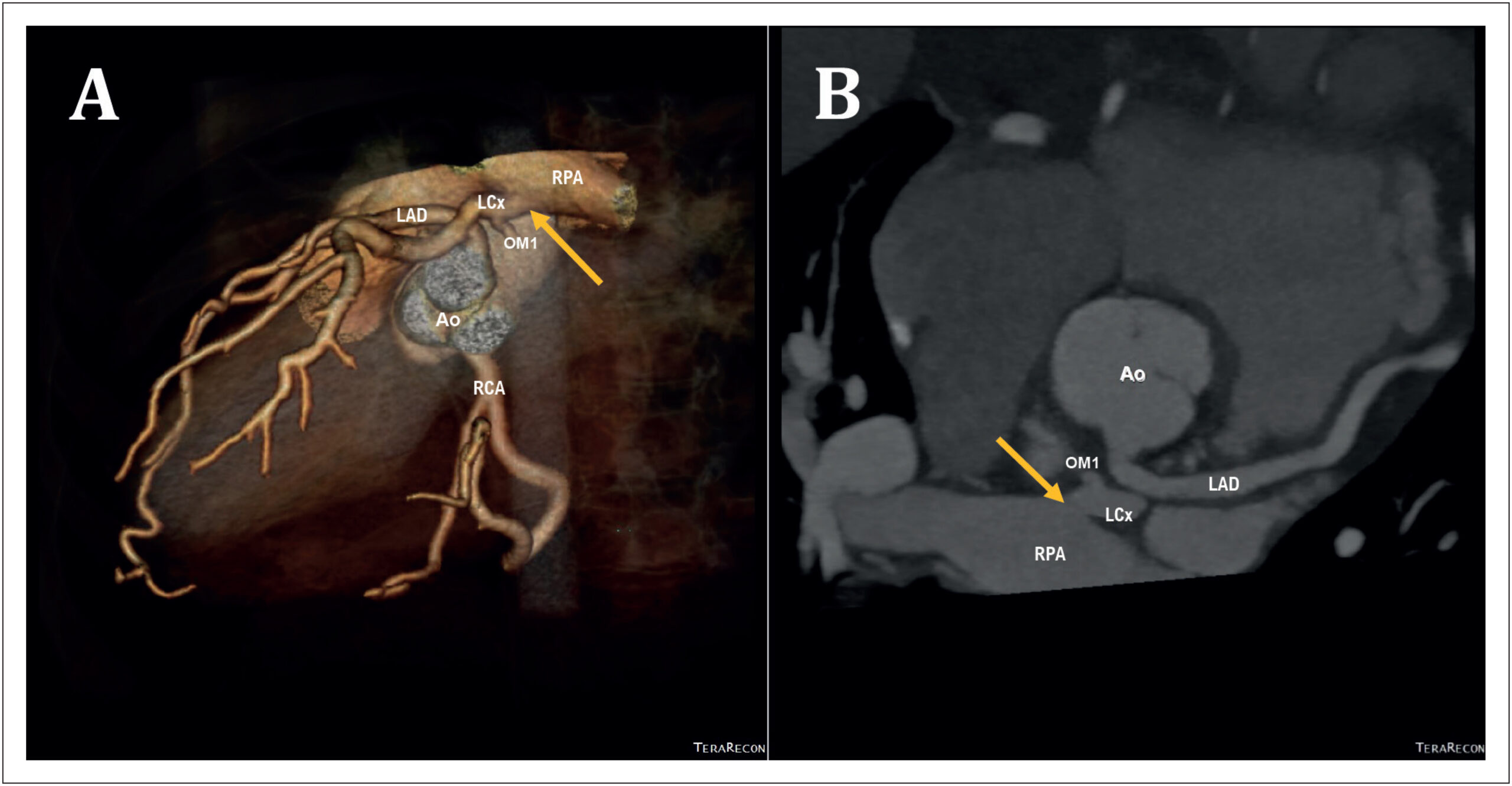
Anomalous origin of the left circumflex coronary artery (LCx) from the right pulmonary artery (PA) is an extremely rare coronary anomaly. Although the clinical course may be silent, the risk of sudden cardiac death is increased. The symptoms are related to collateralization and amount of myocardium that it supplies, and some patients need surgical treatment.,

[…]

  • Computed/methods
  • Congenital
  • Congenital Abnormalities
  • Coronary Artery Disease
  • Coronary Vessels
  • Heart Defects
  • Pulmonary Artery
  • Tomography
Read Full Article
Creative Commons Attribution (CC BY) Creative Commons license
19/07/2021 DOI: 10.36660/abc.20200060 Views 1
Figure 1
Case Report

Transcatheter Aortic Valve Implantation Assisted by Extracorporeal Membrane Oxygenation for the Treatment of Aortic Stenosis with Cardiogenic Shock

Gangping Huang et al. Huaidong Chen Weimin Zhang Fan He

Introduction

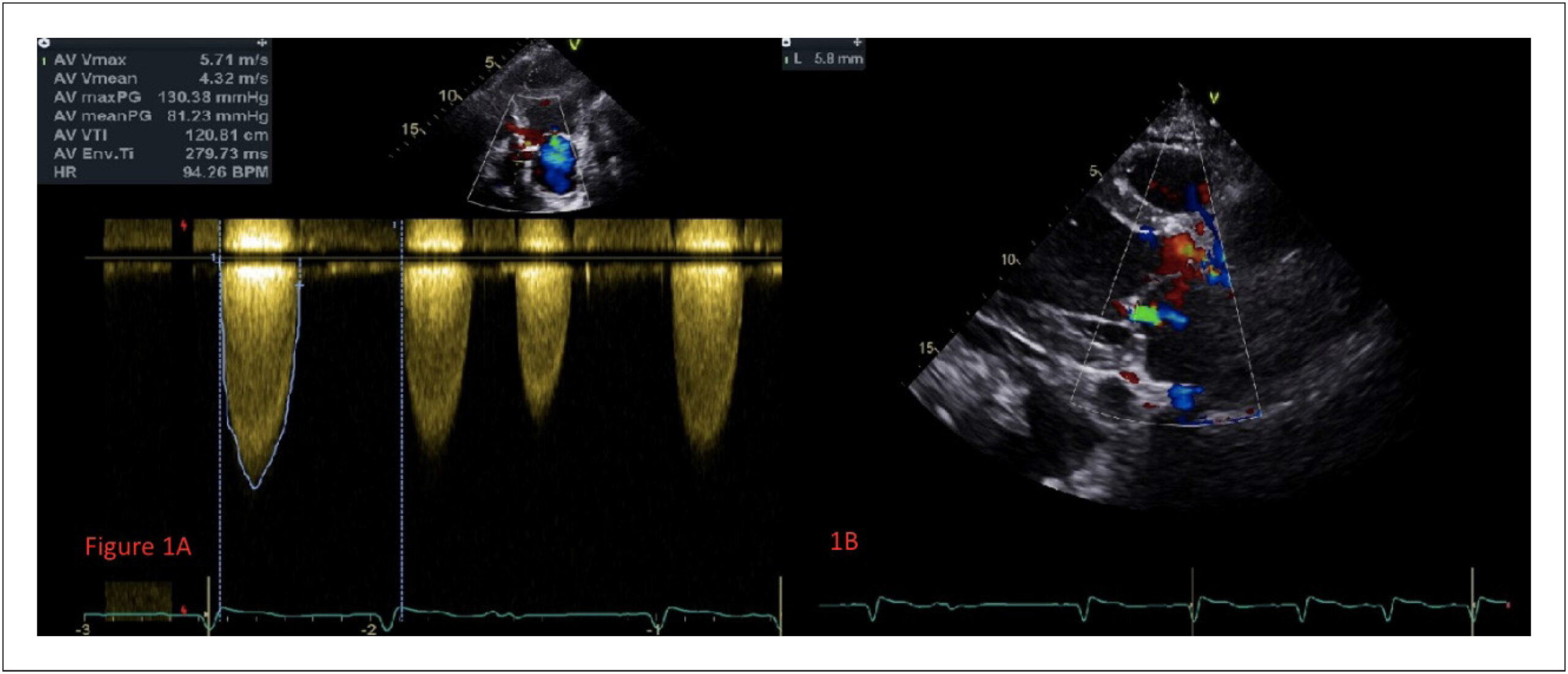
Aortic stenosis is a common heart valve disease, mostly caused by degenerative aortic valve disease in the elderly. Aortic stenosis obstructs the forward flow of the left ventricle to the aorta, leading to a pressure differential between the left ventricle and the aorta and increased left ventricular pressure secondary to left ventricular hypertrophy. As the disease progresses, it leads to left ventricular systolic and diastolic dysfunction and myocardial ischemia due to decreased coronary blood flow. However, cardiogenic shock secondary to aortic stenosis is one of the most serious complications and has a high mortality rate due to its limited therapeutic effect. Since its inception in 2002, transcatheter aortic valve implantation (TAVI) has become the first choice of treatment for elderly patients with severe aortic stenosis and high surgical risk due to its advantages of minimally invasive, non-extracorporeal circulation, and good medium-long term efficacy.– With the development of device technology and low-resistance transmission systems, TAVI has recently been shown to be no less effective than traditional surgery, even in medium-risk patients. However, for patients with a long medical history, significantly reduced cardiac ejection fraction (EF), cardiogenic shock, decompensated aortic valve disease, and severe complications such as intraoperative hemodynamic breakdown and malignant arrhythmia, still exist during TAVI surgery, greatly increasing the risk of TAVI. The present study reports a case of severe aortic stenosis complicated by cardiogenic shock that was successfully treated with TAVI assisted by extracorporeal membrane oxygenation.

[…]

  • Aortic Valve Stenosis
  • Cardiogenic shock
  • Extracorporeal Membrane Oxygenation
Read Full Article
Creative Commons Attribution (CC BY) Creative Commons license
19/07/2021 DOI: 10.36660/abc.20201358 Views 1
Figure 1
Case Report

The Effect of Respiratory Protective Surgical Mask on Physiological Markers of Endurance Performance in a Recreational Runner

Danilo Marcelo Leite do Prado et al. Valmir Oliveira Silvino Ewerton Gomes Vieira Bruno Viana Rosa … Acácio Salvador Veras e Silva Marcos Antonio Pereira dos Santos

Introduction

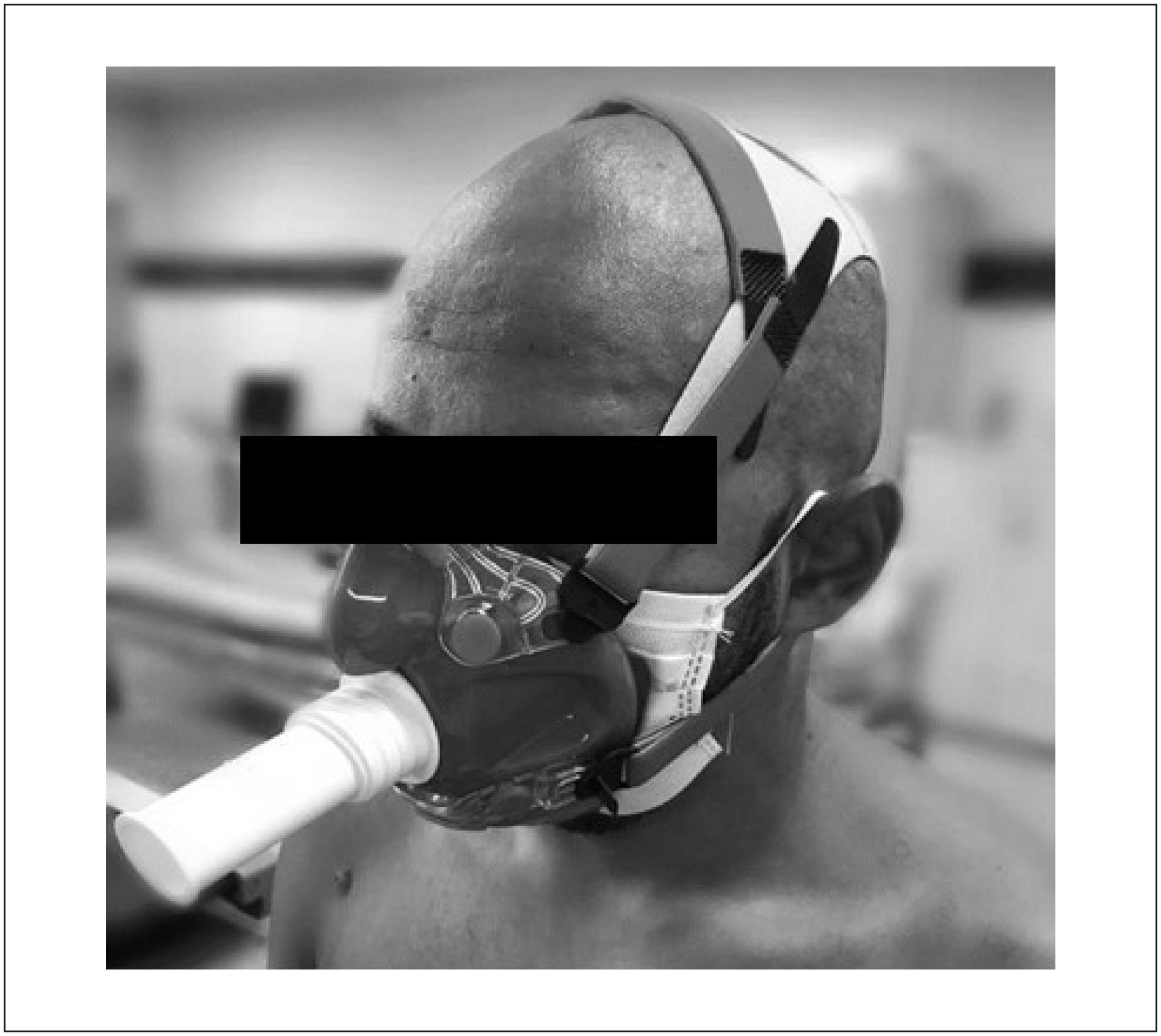
The advent of the Coronavirus 19 (COVID-19) pandemic, which has quickly spread worldwide, has raised the attention regarding the use of respiratory protective face masks (PFM) not only by healthcare personnel, but also the general population. In this context, wearing a PFM during physical exercise in an external environment can reduce COVID-19 infection risks. On the other hand, the use of PFM can increase the subjective perception of breathing difficulty through the formation of microclimates inside the face mask (i.e., temperature and humidity) and airflow restriction.

In recent years, the number of amateur runners has significantly increased among many populations around the world, as running can be performed with minimal equipment, and by a broad variety of people. Interestingly, during endurance exercise, the adaptability of the cardiorespiratory system is of paramount importance, as it increases both convective and diffusive oxygen transport, thus enabling the body to meet the demands for oxygen, substrate delivery, and carbon dioxide removal. Moreover, the so-called physiological markers of endurance performance, such as ventilatory anaerobic threshold, respiratory compensation point, running economy, and maximal oxygen uptake, also seem to be important in determining absolute exercise intensity (i.e., pace, power output).

[…]

  • Coronavirus-19
  • Coronavirus-19 Infection
  • Exercise
  • Facial Mask
  • Oxygen Consumption
  • Pandemics
  • Physical activity
  • Population Education
  • Resistance Performance
  • Respiratory Protective Devices
Read Full Article
Creative Commons Attribution (CC BY) Creative Commons license
19/07/2021 DOI: 10.36660/abc.20200792 Views 1
Figure 1
Case Report

Family Screening in the Diagnosis of Short QT Syndrome after Sudden Cardiac Death as First Manifestation in Young Siblings

Guilherme Augusto Teodoro Athayde et al. Natália Quintella Sangiorgi Olivetti Francisco Carlos da Costa Darrieux Luciana Sacilotto … Gabrielle D’Arezzo Pessente Maurício Ibrahim Scanavacca

Introduction

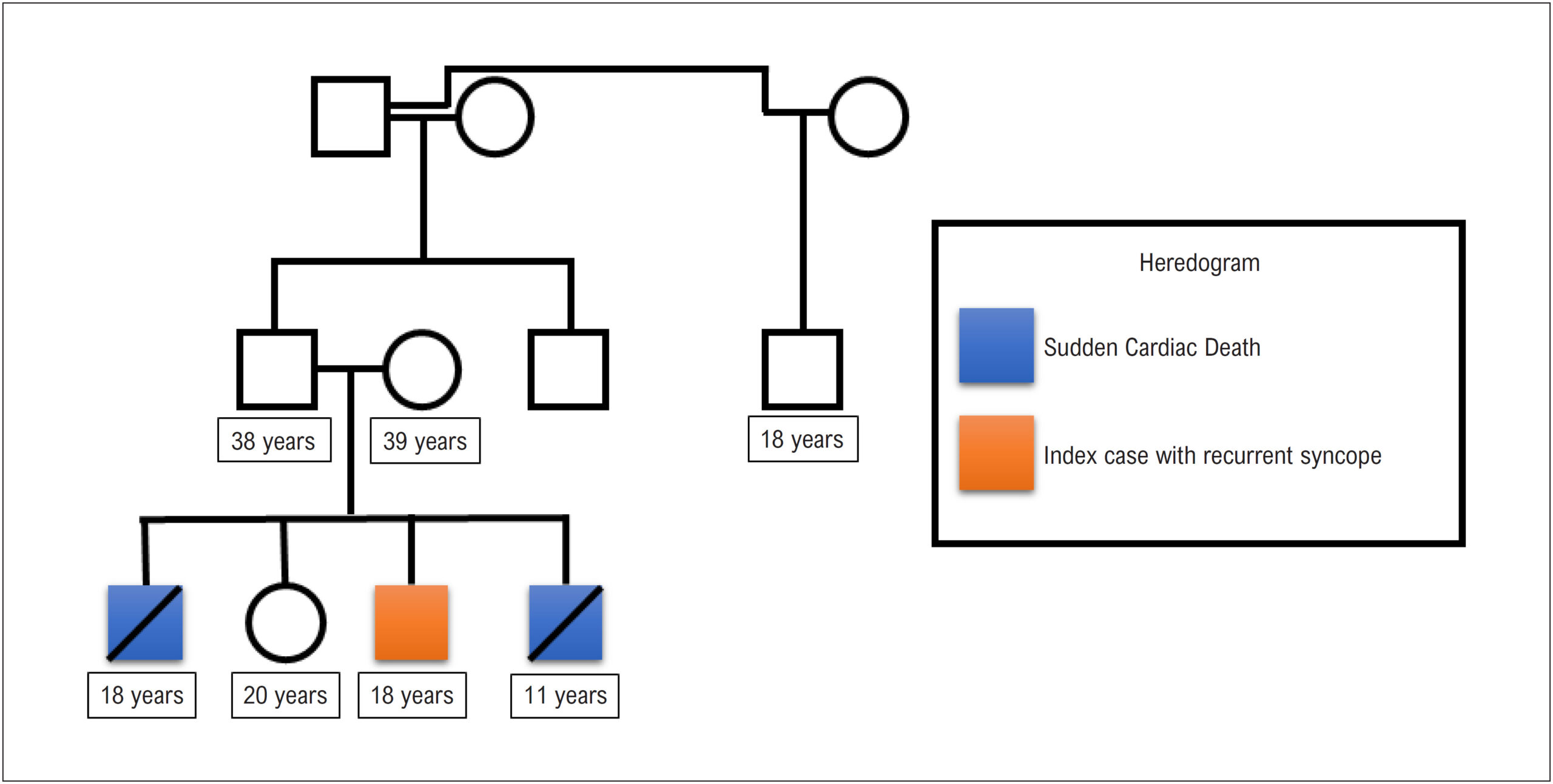
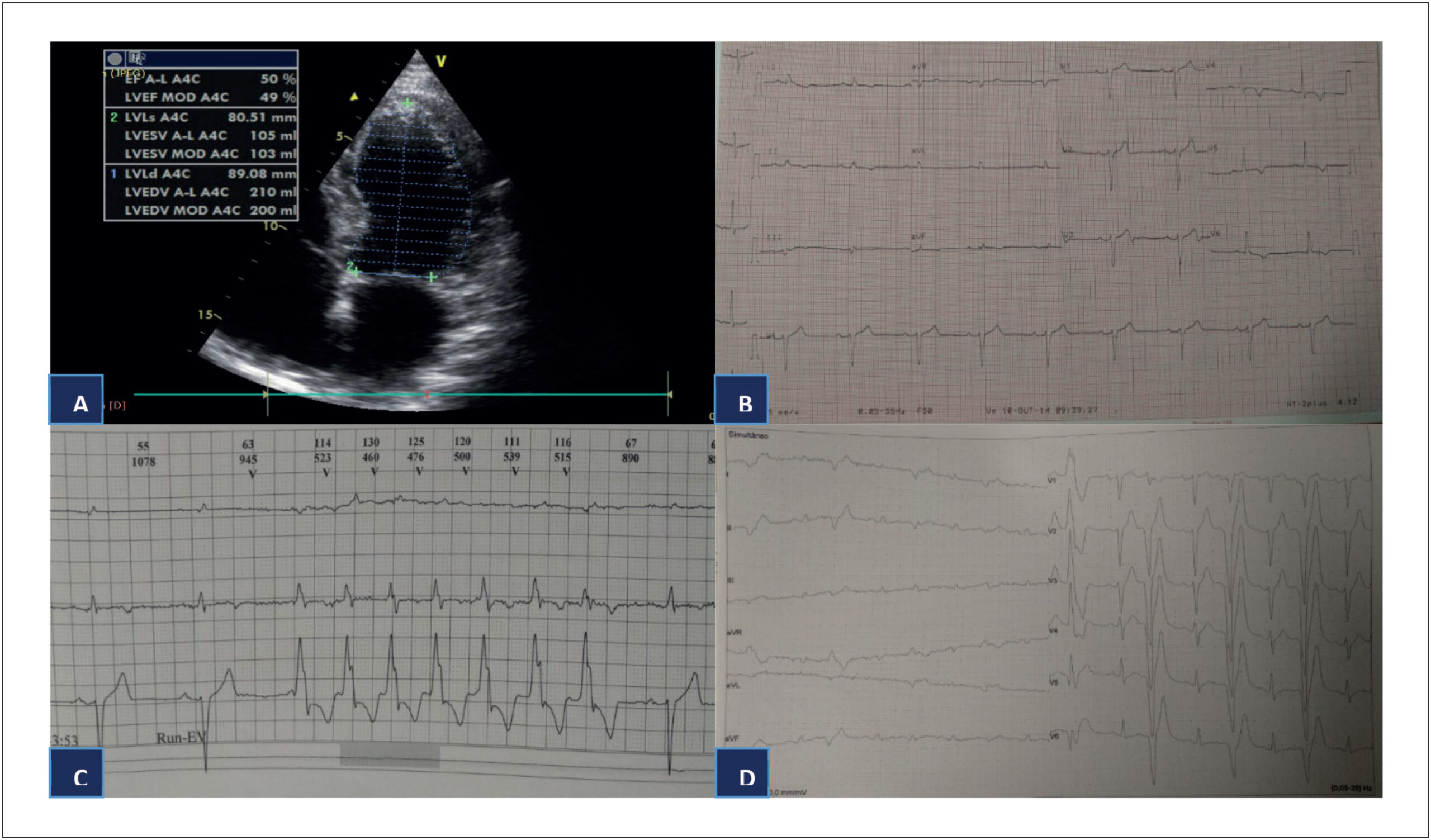
In 2000, Gussak et al., published a case series in which atrial tachyarrhythmias, syncope, and sudden cardiac death (SCD) were associated with a short QT interval, being the first to correlate all of these finding in one single study. Since then, efforts have been made to better understand the behavior of and find alternatives to treat short QT syndrome (SQTS); however, researchers face the barrier of the rarity of the disease, the difficulty in establishing diagnostic parameters, and its complex clinical manifestation. This article reports on the case of young siblings with SCD and SQTS and discusses the syndrome’s diagnostic and therapeutic difficulties.

[…]

  • Cardiac Channelopathies
  • Genetic Testing
  • implantable cardioverter-defibrillator
  • short QT syndrome
  • Sudden Cardiac Death
Read Full Article
Creative Commons Attribution (CC BY) Creative Commons license
19/07/2021 DOI: 10.36660/abc.20200274
Figure 1
Case Report

Life-Threatening Ventricular Arrhythmia Induced by Atrial Tachycardia in a Child with an SCN5A Mutation

Márcio Augusto Silva et al. Jorge Elias Neto Guilherme Muller de Campos Futuro Erick Sessa Merçon … Deborah Vasconcelos Ricardo Kuniyoshi

Introduction

Mutations in the SCN5A gene, encoding the cardiac Na+channel, can result in several life-threatening arrhythmias. These mutations have proven to be causative for inherited and primarily electrical diseases, including Brugada Syndrome (BrS), Long QT Syndrome, and other cardiac conduction disturbances., BrS, the most reported condition in this group of disorders, has typically been described in adult populations and related to approximately 20% of all sudden deaths (SD) in patients with apparently normal hearts.– Therefore, few reports have shown significant arrhythmic events (AE) caused by this mutation in childhood.

Atrial arrhythmias, as well as sick sinus syndrome (SSS), may be related to Na+channel abnormalities. In BrS, atrial arrhythmias are being diagnosed in up to 38% of patients and are related to worse prognosis.

[…]

  • Brugada Syndrome
  • Cardiac, Arrhythmia
  • Child
  • Syncope
Read Full Article
Creative Commons Attribution (CC BY) Creative Commons license
19/07/2021 DOI: 10.36660/abc.20200509 Views 2
Figure 1
Special Article

Chagas Disease: Are Kissing Bugs the Only Culprit?

Abilio Augusto Fragata Filho

Preface

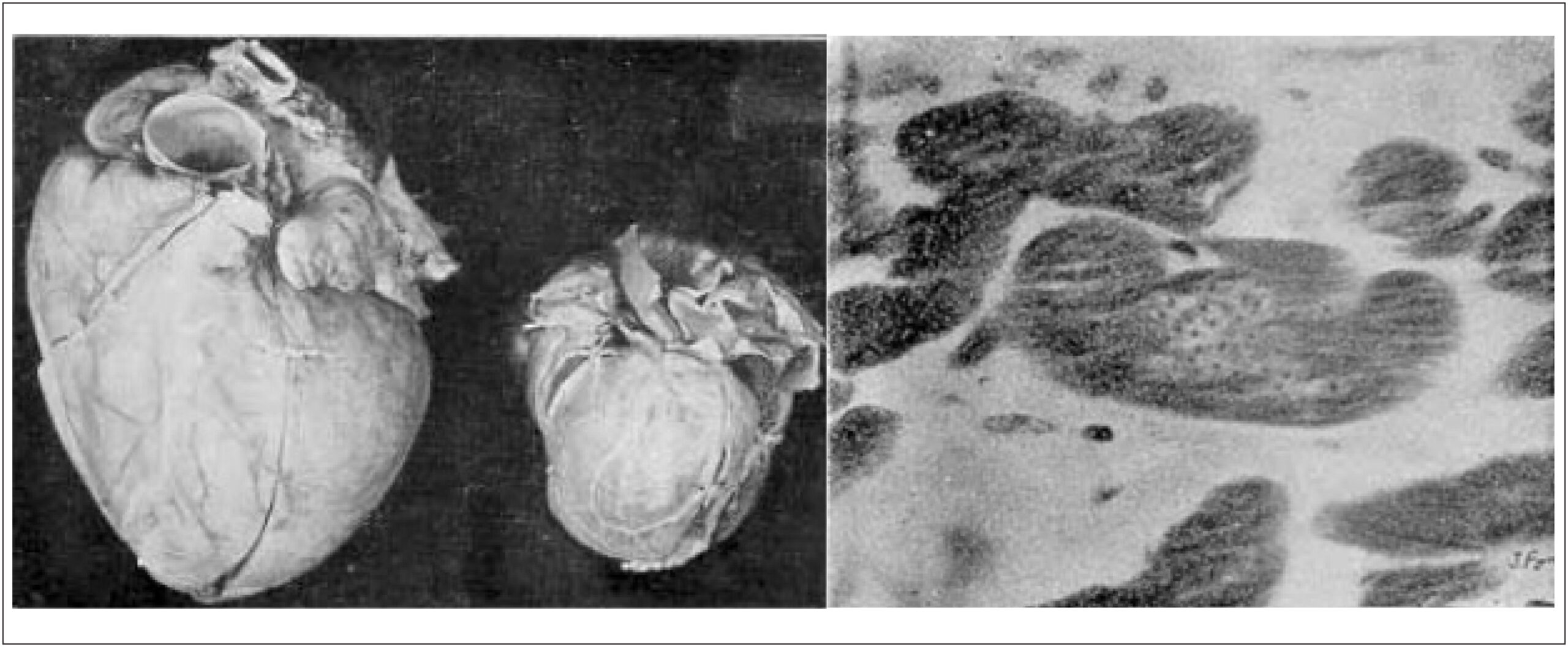
Chagas disease, first described by Carlos Chagas in 1909, is caused by a single-celled parasite (Trypanosoma cruzi). Throughout history, the main mechanism of transmission has been via contact with the feces of an insect infected with the parasite. This insect, known as the “kissing bug” in English, is popularly known as “barbeiro,” “chupão,” or “chupança” in Brazil. The “kissing bugs” are not born with the parasite in their intestine; rather, they acquire it by feeding on the blood of infected mammals. (This disease only affects mammals). When taking a blood meal, the insects eliminate feces, where the parasites are present, and the parasites can contaminate the bite, allowing the parasite to enter the organism. In this manner, the disease begins. The kissing bugs mainly make their nests in cracks in clay walls of houses made in a style known as “pau-a-pique” in Brazil. These houses are very common in diverse regions of Brazil, especially throughout the sertão of the Northeast Region. Other mechanisms of transmission can occur, for example, via blood transfusion, organ donation, mother-to-child transmission, ingestion of contaminated foods, etc.

During the acute phase of the disease, complaints may be mild or even non-existent. They may include general manifestations, such as low fever, malaise or more severe ones, such as shortness of breath and swelling. As bites from kissing bugs usually occur on the face, swelling of the eyebrows, known as the Romaña sign, may occur. As the years pass, generally after 10 years or more, cardiac complaints appear in one third of patients, such as fatigue, shortness of breath, and swelling in the body (heart failure). In some cases, the electrical system of the heart may be compromised, with alterations in cardiac rhythm, fainting, and even sudden death. Dilatation of the esophagus and the colon can also occur, with progressive difficulty in swallowing food and defecating.

[…]
  • Chagas Cardiomyopathy
  • Chagas Disease / history
  • Mortality
  • Myocardites
  • Trypanosoma cruzi
Read Full Article
Creative Commons Attribution (CC BY) Creative Commons license
19/07/2021 DOI: 10.36660/abc.20210290 Views 1
Figure 1
Case Report

Novel Mutation in DSP Gene – A Case of Arrhythmogenic Cardiomyopathy with Isolated Left Ventricular Phenotype and High Risk of Sudden Cardiac Death

Pedro von Hafe Leite et al. Olga Azevedo Geraldo Dias Filipa Cardoso … Tamara Pereira António Lourenço

Introduction

Sudden cardiac death (SCD) in young adults (18–35 years) most commonly results from previously undiagnosed inherited cardiomyopathies. The most common causes of sudden cardiac death are hypertrophic cardiomyopathy and arrhythmogenic cardiomyopathy (ACM), followed by congenital anomalies of coronary arteries, myocarditis, aortic rupture in Marfan’s syndrome, conduction defects, and valve diseases.

ACM accounts for up to 20% of sudden cardiac death in individuals under 35 years of age. In a series of 86 victims of SCD at a young age, ACM accounted for 10.3% of the cases, being the second major cause of SCD. Dilated cardiomyopathy (DCM) is a less frequent cause of SCD in young individuals, accounting for nearly 2% of cases in athletes.

[…]

  • Cardiac Sudden Death
  • Cardiovascular Diseases
Read Full Article
Creative Commons Attribution (CC BY) Creative Commons license
19/07/2021 DOI: 10.36660/abc.20201087 Views 1
Figure 1
Case Report

Dilated Cardiomyopathy: New Variant in the Filamin-C Gene

Murilo Zomer Frasson et al. Cristiano Pederneiras Jaeger

Case Report

This is a case report of a 50-year-old male patient who came to the emergency department of our institution with a complaint of progressive dyspnea for a week. The patient reported a previous history of fibromyalgia and denied other comorbidities, such as myocardial infarction or stroke. He denied current smoking, but occasionally used alcohol. His routine medications included duloxetine, pregabalin and zolpidem. His mother and cousins had a history of heart failure due to idiopathic dilated cardiomyopathy, with no other cardiovascular comorbidities in his family history.

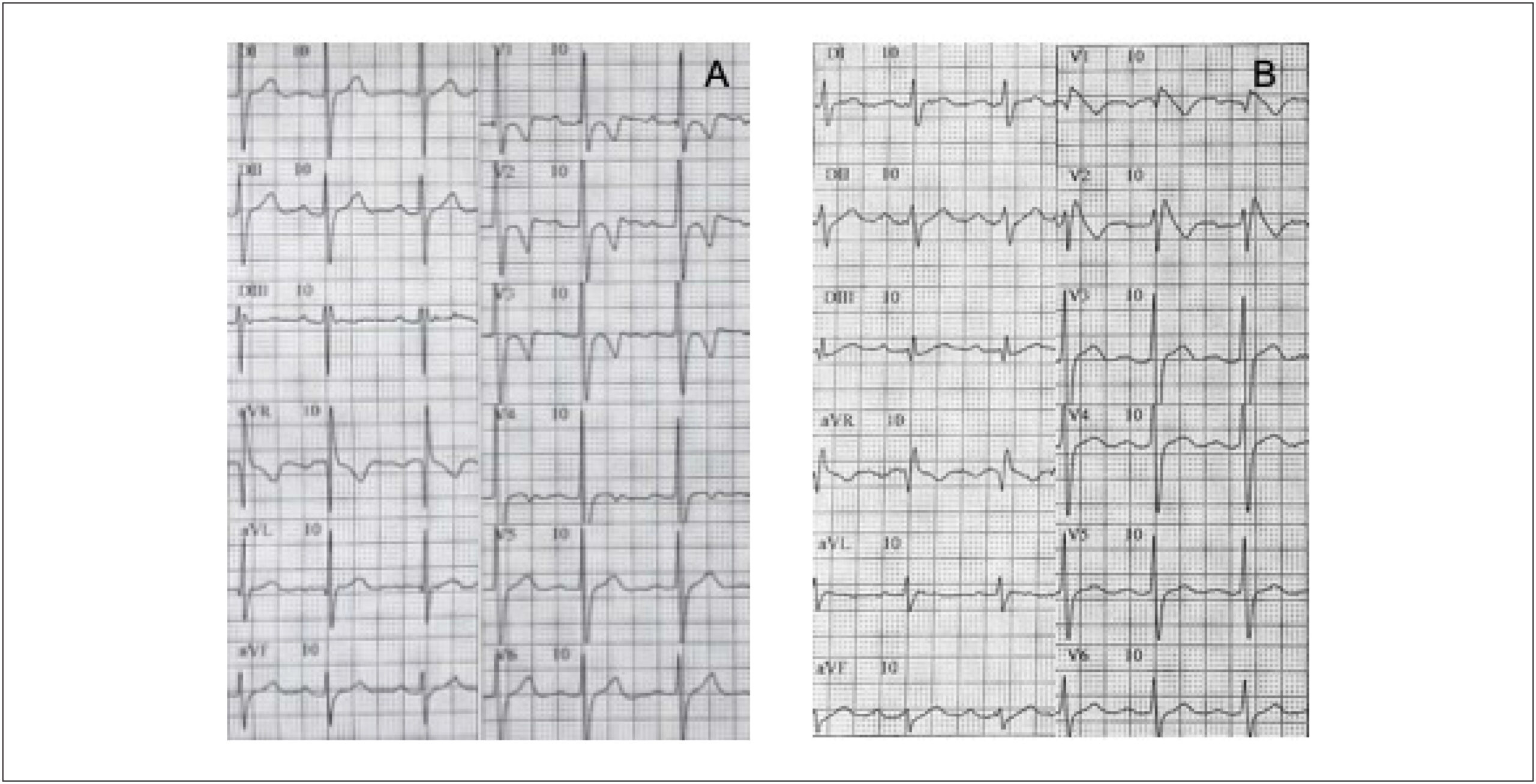
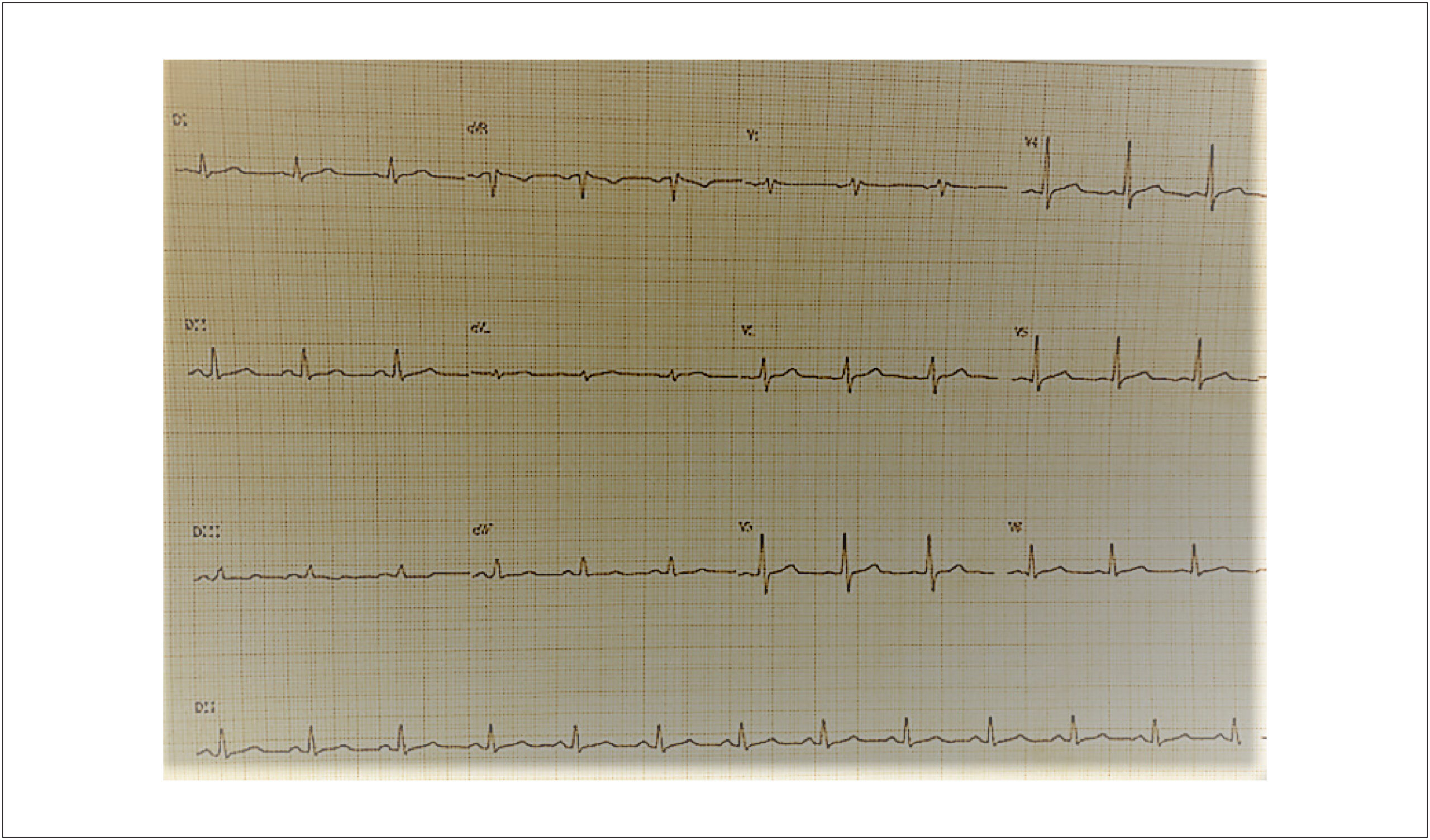
On physical examination, he showed stable vital signs, crackles in the lung bases and edema in the lower limbs. Cardiac auscultation showed normal heart sounds. The electrocardiogram showed sinus rhythm, with no signs of atrial or ventricular overload (). The chest radiography revealed cardiomegaly. The laboratory tests showed an NT-pro-BNP of 2335 pg/mL, and the series of ultrasensitive T-troponins revealed consecutive values of 0.074 ng/mL and 0.072 ng/mL (reference value < 0.014 ng/mL).

[…]

  • Cardiomyopathy, Dilated/genetics
  • Cardiovascular Diseases/physiopathology
  • Filamins
  • Heart Failure
Read Full Article
Creative Commons Attribution (CC BY) Creative Commons license
19/07/2021 DOI: 10.36660/abc.20200199 Views 1

How to cite this article

EndNote RIS

Electronic Document Format (Vancouver)

Faria B, Calvo L, Ribeiro S, Ruivo C, Lourenço A. Anomalous Origin of the Circumflex Coronary Artery from the Right Pulmonary Artery: Diagnosis Through Cardiac CT. Arquivos Brasileiros de Cardiologia 2021;117(1 suppl 1):8-11.

Electronic Document Format (ABNT)

Faria, Bebiana; Calvo, Lucy; Ribeiro, Sílvia; Ruivo, Catarina; Lourenço, António. Anomalous Origin of the Circumflex Coronary Artery from the Right Pulmonary Artery: Diagnosis Through Cardiac CT. Arquivos Brasileiros de Cardiologia, v. 117, n. 1 suppl 1, p. 8-11, Jul. 2021.

Electronic Document Format (APA)

Faria, B., Calvo, L., Ribeiro, S., Ruivo, C., & Lourenço, A. (2021). Anomalous Origin of the Circumflex Coronary Artery from the Right Pulmonary Artery: Diagnosis Through Cardiac CT. Arquivos Brasileiros de Cardiologia, 117(1 suppl 1), 8-11.

Electronic Document Format (ISO)

Faria, Bebiana and Calvo, Lucy and Ribeiro, Sílvia and Ruivo, Catarina and Lourenço, António. Anomalous Origin of the Circumflex Coronary Artery from the Right Pulmonary Artery: Diagnosis Through Cardiac CT. Arquivos Brasileiros de Cardiologia [online]. 2021, vol. 117, n. 1 suppl 1, [cited 2026-10-14], pp. 8-11. Available from: <https://journals.cardiol.br/en/article/anomalous-origin-of-the-circumflex-coronary-artery-from-the-right-pulmonary-artery-diagnosis-through-cardiac-ct/>. ISSN 0066-782X

EndNote RIS

Electronic Document Format (Vancouver)

Huang G, Chen H, Zhang W, He F. Transcatheter Aortic Valve Implantation Assisted by Extracorporeal Membrane Oxygenation for the Treatment of Aortic Stenosis with Cardiogenic Shock. Arquivos Brasileiros de Cardiologia 2021;117(1 suppl 1):33-7.

Electronic Document Format (ABNT)

Huang, Gangping; Chen, Huaidong; Zhang, Weimin; He, Fan. Transcatheter Aortic Valve Implantation Assisted by Extracorporeal Membrane Oxygenation for the Treatment of Aortic Stenosis with Cardiogenic Shock. Arquivos Brasileiros de Cardiologia, v. 117, n. 1 suppl 1, p. 33-37, Jul. 2021.

Electronic Document Format (APA)

Huang, G., Chen, H., Zhang, W., & He, F. (2021). Transcatheter Aortic Valve Implantation Assisted by Extracorporeal Membrane Oxygenation for the Treatment of Aortic Stenosis with Cardiogenic Shock. Arquivos Brasileiros de Cardiologia, 117(1 suppl 1), 33-37.

Electronic Document Format (ISO)

Huang, Gangping and Chen, Huaidong and Zhang, Weimin and He, Fan. Transcatheter Aortic Valve Implantation Assisted by Extracorporeal Membrane Oxygenation for the Treatment of Aortic Stenosis with Cardiogenic Shock. Arquivos Brasileiros de Cardiologia [online]. 2021, vol. 117, n. 1 suppl 1, [cited 2026-10-14], pp. 33-37. Available from: <https://journals.cardiol.br/en/article/transcatheter-aortic-valve-implantation-assisted-by-extracorporeal-membrane-oxygenation-for-the-treatment-of-aortic-stenosis-with-cardiogenic-shock/>. ISSN 0066-782X

EndNote RIS

Electronic Document Format (Vancouver)

Prado DML, Silvino VO, Vieira EG, Rosa BV, Silva ASV, Santos MAP. The Effect of Respiratory Protective Surgical Mask on Physiological Markers of Endurance Performance in a Recreational Runner. Arquivos Brasileiros de Cardiologia 2021;117(1 suppl 1):23-8.

Electronic Document Format (ABNT)

Prado, Danilo Marcelo Leite do; Silvino, Valmir Oliveira; Vieira, Ewerton Gomes; Rosa, Bruno Viana; Silva, Acácio Salvador Veras e; Santos, Marcos Antonio Pereira dos. The Effect of Respiratory Protective Surgical Mask on Physiological Markers of Endurance Performance in a Recreational Runner. Arquivos Brasileiros de Cardiologia, v. 117, n. 1 suppl 1, p. 23-28, Jul. 2021.

Electronic Document Format (APA)

Prado, D. M. L. , Silvino, V. O., Vieira, E. G., Rosa, B. V., Silva, A. S. V. , & Santos, M. A. P. (2021). The Effect of Respiratory Protective Surgical Mask on Physiological Markers of Endurance Performance in a Recreational Runner. Arquivos Brasileiros de Cardiologia, 117(1 suppl 1), 23-28.

Electronic Document Format (ISO)

Prado, Danilo Marcelo Leite do and Silvino, Valmir Oliveira and Vieira, Ewerton Gomes and Rosa, Bruno Viana and Silva, Acácio Salvador Veras e and Santos, Marcos Antonio Pereira dos. The Effect of Respiratory Protective Surgical Mask on Physiological Markers of Endurance Performance in a Recreational Runner. Arquivos Brasileiros de Cardiologia [online]. 2021, vol. 117, n. 1 suppl 1, [cited 2026-10-14], pp. 23-28. Available from: <https://journals.cardiol.br/en/article/the-effect-of-respiratory-protective-surgical-mask-on-physiological-markers-of-endurance-performance-in-a-recreational-runner/>. ISSN 0066-782X

EndNote RIS

Electronic Document Format (Vancouver)

Athayde GAT, Olivetti NQS, Darrieux FCC, Sacilotto L, Pessente GD, Scanavacca MI. Family Screening in the Diagnosis of Short QT Syndrome after Sudden Cardiac Death as First Manifestation in Young Siblings. Arquivos Brasileiros de Cardiologia 2021;117(1 suppl 1):12-5.

Electronic Document Format (ABNT)

Athayde, Guilherme Augusto Teodoro; Olivetti, Natália Quintella Sangiorgi; Darrieux, Francisco Carlos da Costa; Sacilotto, Luciana; Pessente, Gabrielle D’Arezzo; Scanavacca, Maurício Ibrahim. Family Screening in the Diagnosis of Short QT Syndrome after Sudden Cardiac Death as First Manifestation in Young Siblings. Arquivos Brasileiros de Cardiologia, v. 117, n. 1 suppl 1, p. 12-15, Jul. 2021.

Electronic Document Format (APA)

Athayde, G. A. T., Olivetti, N. Q. S., Darrieux, F. C. C., Sacilotto, L., Pessente, G. D., & Scanavacca, M. I. (2021). Family Screening in the Diagnosis of Short QT Syndrome after Sudden Cardiac Death as First Manifestation in Young Siblings. Arquivos Brasileiros de Cardiologia, 117(1 suppl 1), 12-15.

Electronic Document Format (ISO)

Athayde, Guilherme Augusto Teodoro and Olivetti, Natália Quintella Sangiorgi and Darrieux, Francisco Carlos da Costa and Sacilotto, Luciana and Pessente, Gabrielle D’Arezzo and Scanavacca, Maurício Ibrahim. Family Screening in the Diagnosis of Short QT Syndrome after Sudden Cardiac Death as First Manifestation in Young Siblings. Arquivos Brasileiros de Cardiologia [online]. 2021, vol. 117, n. 1 suppl 1, [cited 2026-10-14], pp. 12-15. Available from: <https://journals.cardiol.br/en/article/family-screening-in-the-diagnosis-of-short-qt-syndrome-after-sudden-cardiac-death-as-first-manifestation-in-young-siblings/>. ISSN 0066-782X

EndNote RIS

Electronic Document Format (Vancouver)

Silva MA, Elias Neto J, Futuro GMC, Merçon ES, Vasconcelos D, Kuniyoshi R. Life-Threatening Ventricular Arrhythmia Induced by Atrial Tachycardia in a Child with an SCN5A Mutation. Arquivos Brasileiros de Cardiologia 2021;117(1 suppl 1):19-22.

Electronic Document Format (ABNT)

Silva, Márcio Augusto; Elias Neto, Jorge; Futuro, Guilherme Muller de Campos; Merçon, Erick Sessa; Vasconcelos, Deborah; Kuniyoshi, Ricardo. Life-Threatening Ventricular Arrhythmia Induced by Atrial Tachycardia in a Child with an SCN5A Mutation. Arquivos Brasileiros de Cardiologia, v. 117, n. 1 suppl 1, p. 19-22, Jul. 2021.

Electronic Document Format (APA)

Silva, M. A., Elias Neto, J., Futuro, G. M. C., Merçon, E. S., Vasconcelos, D., & Kuniyoshi, R. (2021). Life-Threatening Ventricular Arrhythmia Induced by Atrial Tachycardia in a Child with an SCN5A Mutation. Arquivos Brasileiros de Cardiologia, 117(1 suppl 1), 19-22.

Electronic Document Format (ISO)

Silva, Márcio Augusto and Elias Neto, Jorge and Futuro, Guilherme Muller de Campos and Merçon, Erick Sessa and Vasconcelos, Deborah and Kuniyoshi, Ricardo. Life-Threatening Ventricular Arrhythmia Induced by Atrial Tachycardia in a Child with an SCN5A Mutation. Arquivos Brasileiros de Cardiologia [online]. 2021, vol. 117, n. 1 suppl 1, [cited 2026-10-14], pp. 19-22. Available from: <https://journals.cardiol.br/en/article/life-threatening-ventricular-arrhythmia-induced-by-atrial-tachycardia-in-a-child-with-an-scn5a-mutation/>. ISSN 0066-782X

EndNote RIS

Electronic Document Format (Vancouver)

Fragata Filho AA. Chagas Disease: Are Kissing Bugs the Only Culprit?. Arquivos Brasileiros de Cardiologia 2021;117(1 suppl 1):1-7.

Electronic Document Format (ABNT)

Fragata Filho, Abilio Augusto. Chagas Disease: Are Kissing Bugs the Only Culprit?. Arquivos Brasileiros de Cardiologia, v. 117, n. 1 suppl 1, p. 1-7, Jul. 2021.

Electronic Document Format (APA)

Fragata Filho, A. A. (2021). Chagas Disease: Are Kissing Bugs the Only Culprit?. Arquivos Brasileiros de Cardiologia, 117(1 suppl 1), 1-7.

Electronic Document Format (ISO)

Fragata Filho, Abilio Augusto. Chagas Disease: Are Kissing Bugs the Only Culprit?. Arquivos Brasileiros de Cardiologia [online]. 2021, vol. 117, n. 1 suppl 1, [cited 2026-10-14], pp. 1-7. Available from: <https://journals.cardiol.br/en/article/chagas-disease-are-kissing-bugs-the-only-culprit/>. ISSN 0066-782X

EndNote RIS

Electronic Document Format (Vancouver)

Leite PH, Azevedo O, Dias G, Cardoso F, Pereira T, Lourenço A. Novel Mutation in DSP Gene – A Case of Arrhythmogenic Cardiomyopathy with Isolated Left Ventricular Phenotype and High Risk of Sudden Cardiac Death. Arquivos Brasileiros de Cardiologia 2021;117(1 suppl 1):29-32.

Electronic Document Format (ABNT)

Leite, Pedro von Hafe; Azevedo, Olga; Dias, Geraldo; Cardoso, Filipa; Pereira, Tamara; Lourenço, António. Novel Mutation in DSP Gene – A Case of Arrhythmogenic Cardiomyopathy with Isolated Left Ventricular Phenotype and High Risk of Sudden Cardiac Death. Arquivos Brasileiros de Cardiologia, v. 117, n. 1 suppl 1, p. 29-32, Jul. 2021.

Electronic Document Format (APA)

Leite, P. H., Azevedo, O., Dias, G., Cardoso, F., Pereira, T., & Lourenço, A. (2021). Novel Mutation in DSP Gene – A Case of Arrhythmogenic Cardiomyopathy with Isolated Left Ventricular Phenotype and High Risk of Sudden Cardiac Death. Arquivos Brasileiros de Cardiologia, 117(1 suppl 1), 29-32.

Electronic Document Format (ISO)

Leite, Pedro von Hafe and Azevedo, Olga and Dias, Geraldo and Cardoso, Filipa and Pereira, Tamara and Lourenço, António. Novel Mutation in DSP Gene – A Case of Arrhythmogenic Cardiomyopathy with Isolated Left Ventricular Phenotype and High Risk of Sudden Cardiac Death. Arquivos Brasileiros de Cardiologia [online]. 2021, vol. 117, n. 1 suppl 1, [cited 2026-10-14], pp. 29-32. Available from: <https://journals.cardiol.br/en/article/novel-mutation-in-dsp-gene-a-case-of-arrhythmogenic-cardiomyopathy-with-isolated-left-ventricular-phenotype-and-high-risk-of-sudden-cardiac-death/>. ISSN 0066-782X

EndNote RIS

Electronic Document Format (Vancouver)

Frasson MZ, Jaeger CP. Dilated Cardiomyopathy: New Variant in the Filamin-C Gene. Arquivos Brasileiros de Cardiologia 2021;117(1 suppl 1):16-8.

Electronic Document Format (ABNT)

Frasson, Murilo Zomer; Jaeger, Cristiano Pederneiras. Dilated Cardiomyopathy: New Variant in the Filamin-C Gene. Arquivos Brasileiros de Cardiologia, v. 117, n. 1 suppl 1, p. 16-18, Jul. 2021.

Electronic Document Format (APA)

Frasson, M. Z., & Jaeger, C. P. (2021). Dilated Cardiomyopathy: New Variant in the Filamin-C Gene. Arquivos Brasileiros de Cardiologia, 117(1 suppl 1), 16-18.

Electronic Document Format (ISO)

Frasson, Murilo Zomer and Jaeger, Cristiano Pederneiras. Dilated Cardiomyopathy: New Variant in the Filamin-C Gene. Arquivos Brasileiros de Cardiologia [online]. 2021, vol. 117, n. 1 suppl 1, [cited 2026-10-14], pp. 16-18. Available from: <https://journals.cardiol.br/en/article/dilated-cardiomyopathy-new-variant-in-the-filamin-c-gene/>. ISSN 0066-782X

Sede – Rio de Janeiro
Av. Marechal Câmara, 160
3º andar – Sala: 330 – Centro
Rio de Janeiro – CEP: 20020-907
Tel.: (55 +21) 3478-2700
ou (21) 99386-3961
E-mail: revista@cardiol.br

Sede – São Paulo
Alameda Santos, 705 – 11º andar
Cerqueira César | São Paulo
CEP: 01419-001
Tel.: (55 +11) 3411-5500
E-mail: revista@cardiol.br

  • About the Journal
  • Internal Regulation
  • Editors Section
  • Editorial Board
  • History
  • SBC Award

  • Guidelines for Publication
  • Editorial Policy
  • Ethics Policy
  • Policy on the Use of Artificial Intelligence
  • Mandatory Publication Form
  • Publication Fee

Issues

SBC Guidelines

  • How to Publish an Abstract Supplement?
  • Supplements from the Brazilian Congress of Cardiology