| ABC
ABC Family Arquivos Brasileiros de Cardiologia International Journal of Cardiovascular Sciences ABC Heart Failure & Cardiomyopathy ABC Imagem Cardiovascular
Português English
ABC Family | ABC
Português English
  • About
    • About the Journal
    • Internal Regulation
    • Editors Section
    • Editorial Board
    • History
    • SBC Award
  • Instructions to Authors
    • Guidelines for Publication
    • Editorial Policy
    • Ethics Policy
    • Policy on the Use of Artificial Intelligence
    • Mandatory Publication Form
    • Publication Fee
  • Issues
  • SBC Guidelines
  • Abstracts
    • How to Publish an Abstract Supplement?
    • Supplements from the Brazilian Congress of Cardiology
  • About
    • About the Journal
    • Internal Regulation
    • Editors Section
    • Editorial Board
    • History
    • SBC Award
  • Instructions to Authors
    • Guidelines for Publication
    • Editorial Policy
    • Ethics Policy
    • Policy on the Use of Artificial Intelligence
    • Mandatory Publication Form
    • Publication Fee
  • Issues
  • SBC Guidelines
  • Abstracts
    • How to Publish an Abstract Supplement?
    • Supplements from the Brazilian Congress of Cardiology

ABC Family

  • ABC Family
  • Arquivos Brasileiros de Cardiologia
  • International Journal of Cardiovascular Sciences
  • ABC Heart Failure & Cardiomyopathy
  • ABC Imagem Cardiovascular
Search in

No content found.

Journals
Ordering
Article types
Others

  1. Home
  2. ABC
  3. Issues
  4. 2020, Volume 115 (1 suppl 1)
Figure 1
Case Report

An Unusual Pacemaker-Induced Tachycardia

Madalena Coutinho-Cruz et al. Guilherme Portugal Pedro Silva-Cunha Mário Martins-Oliveira

Case Report

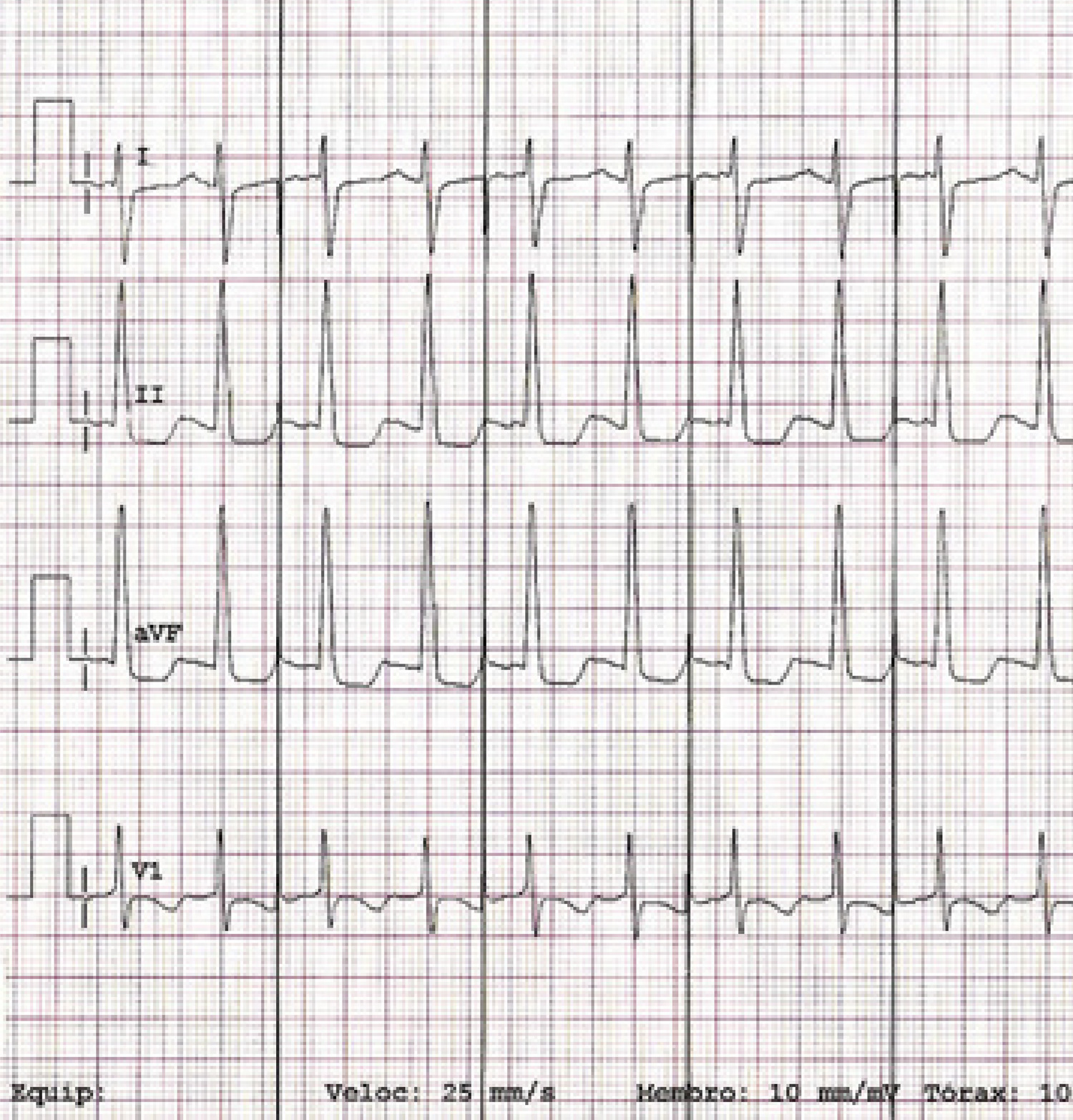
A 29 year-old female patient with double inlet left ventricle, ventricle septal defect, malposition of the great arteries and subpulmonary obstacle, submitted to a modified Fontan procedure, at 9 years of age, presented with severely symptomatic brady-tachy syndrome (palpitations and syncope). Since venous access to the right ventricle was absent (due to the surgical redirection of venous blood flow from the right atrium to the pulmonary artery bypassing the ventricles) and the AV conduction was normal, it was decided to implant a permanent atrial pacemaker. A single active fixation lead was placed in the right atrial lateral wall, due to suboptimal pacing threshold in the atrial appendage. Due to concerns that either the progression of the conduction system disease or the effect of heart rate-slowing medication could lead to AV conduction disease, which would require an epicardial lead later on, a Sorin Reply 200 DR pulse generator with a plug in the ventricular port was used. The day after the procedure, the patient complained of palpitations. shows the ECG tracing performed.

[…]
  • Pacemaker, Artificial/adverse effects
  • Sick Sinus Syndrome/complications
  • Tachycardia/surgery
Read Full Article
Creative Commons Attribution (CC BY) Creative Commons license
14/09/2020 DOI: 10.36660/abc.20190133
Figure 1
Case Report

A Complicated “One Segment” Myocardial Infarction: The Role of Cardiovascular Imaging

Ana Rita Pereira et al. Ana Rita Almeida Inês Cruz Luis Rocha Lopes … Maria José Loureiro Hélder Pereira

Introduction

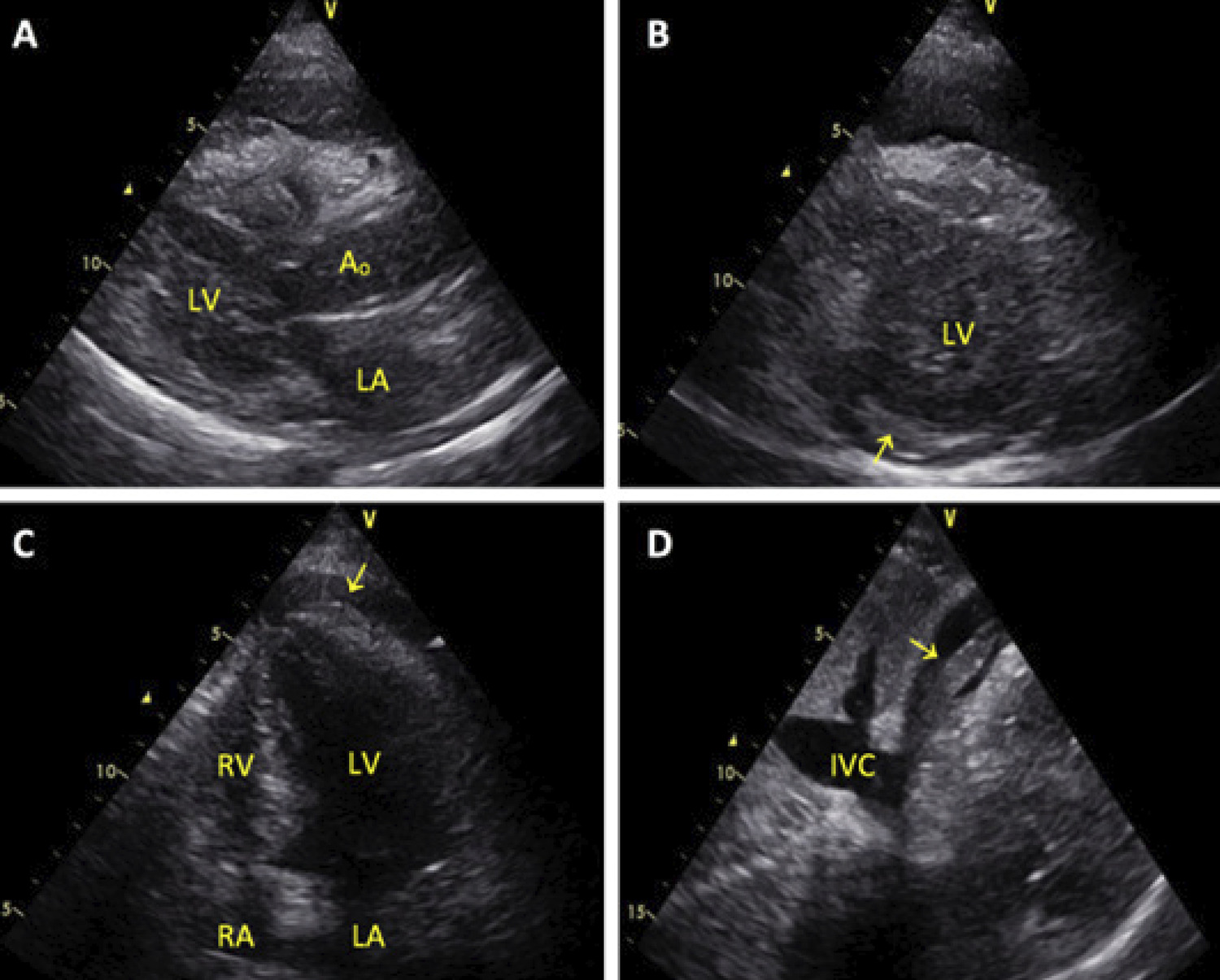
The incidence of mechanical complications (MC) after myocardial infarction (MI) was reduced to less than 1% with the routine use of primary reperfusion therapies.MC are classified as early, including acute and subacute forms, and late or chronic.The former mostly present as cardiogenic shockand the latter may vary from asymptomatic to sudden death.As all of these conditions may have potentially lethal consequences, timely diagnosis and treatment is necessary. –

[…]

  • Aneurysm,False
  • Diagnostic Imaging
  • Echocardiography/methods
  • Heart Rupture
  • Myocardial Infarction
Read Full Article
Creative Commons Attribution (CC BY) Creative Commons license
14/09/2020 DOI: 10.36660/abc.20190323 Views 1
Figure 1
Clinicoradiological Correlation

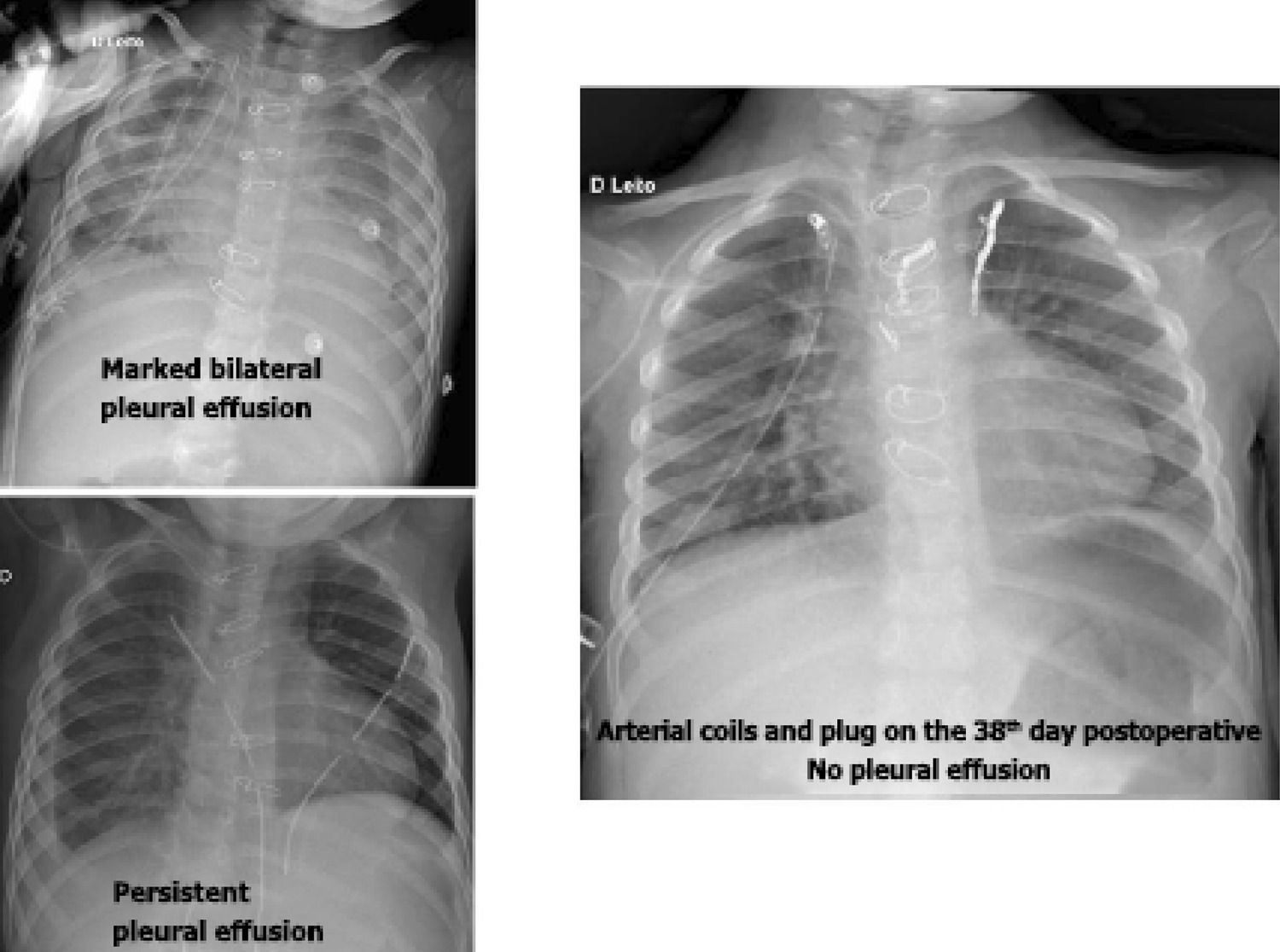
Case 4/2020 – Prolonged Time (38 Days) of Bilateral Pleural Effusion after Cavopulmonary Surgery, Relieved by Embolization of Systemic-Pulmonary Collateral Vessels, in a 40-Month-Old Child with Complex Heart Disease

Edmar Atik et al. Raul Arrieta Fernando Antibas Atik

Clinical Data

The fetal diagnosis of complex cardiac anomaly (Double-outlet right ventricle, severe pulmonary stenosis due to anterior deviation of the infundibular septum, trabecular interventricular septal defect and hypoplasia of the left ventricle and mitral valve) was confirmed shortly after birth with severe hypoxia, relieved by prostaglandin E1 administration and dilation of the ductus arteriosus by percutaneous stent. With the recurrence of more severe hypoxia, the bidirectional Glenn operation was performed at 9 months of age. Good patient evolution was observed up to 39 months, when total cavopulmonary (Fontan) operation was performed due to the recurrence of hypoxia with 70% oxygen saturation. The patient received propranolol and ASA up to the last intervention.

Physical examination: good general status, eupneic, marked cyanosis, normal pulses in the 4 limbs. Weight: 16.35 Kgs, Height: 91 cm, BP: 90 x 60 mm Hg, HR: 116 bpm, O2Sat: 70%, Hg = 15.5 g, Hct = 55%.

[…]

  • Double outlet Right Ventricle
  • Fontan Procedure
  • Heart Defects,Congenital/cirurgia
  • Heart Septal Defects,Ventricular
  • Pulmonary Valve Stenosis
Read Full Article
Creative Commons Attribution (CC BY) Creative Commons license
14/09/2020 DOI: 10.36660/abc.20190488
Figure 1
Clinicoradiological Correlation

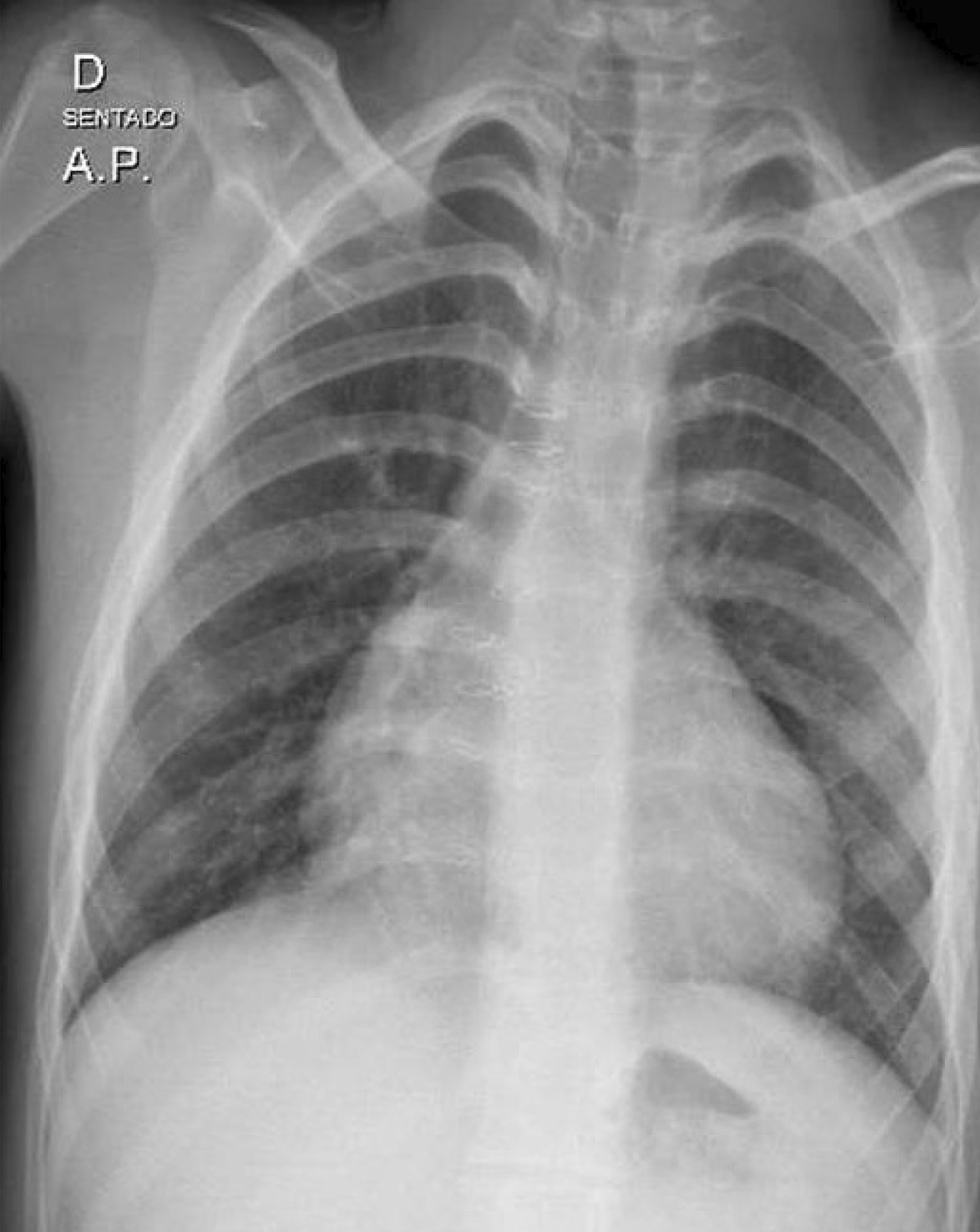
Case 6/2020 – 16-Year-Old Adolescent with Severe Pulmonary Stenosis At Valvar Level, After Correction of Truncus Arteriosus using the Barbero-Marcial Technique in the First Month of Life

Edmar Atik et al. Miguel Barbero-Marcial

Clinical Data

The newborn, in heart failure with truncus arteriosus type I, underwent repair at 15 days of age, weighing 2800 g. of body weight, by the Barbero-Marcial technique. At that time, the right ventricular outflow tract was approached directly with the pulmonary trunk and a monocusp valve was placed in the pulmonary position.

The evolution was adequate, with heart failure control, and he remained asymptomatic and showed normal physical development. The clinical examination ruled out residual lesions, such as pulmonary valve insufficiency. Over time, while asymptomatic, a systolic murmur was identified in the pulmonary area, of progressive intensity, together with an increasing pressure gradient in the region of the pulmonary monocusp. At 2 years of age, it was 25 mmHg; at 5 years, 34 mm Hg; at 7 years, it was 40; at 13 years it was 90 and at 16 years it was 149 mmHg. The patient did not use any specific medications.

[…]

  • Barbero-Marcial Procedure
  • Diagnostic Imaging
  • Heart Defects,Congenital
  • Heart Failure
  • Truncus Arteriosus/surgery
Read Full Article
Creative Commons Attribution (CC BY) Creative Commons license
14/09/2020 DOI: 10.36660/abc.20190490
Figure 1
Case Report

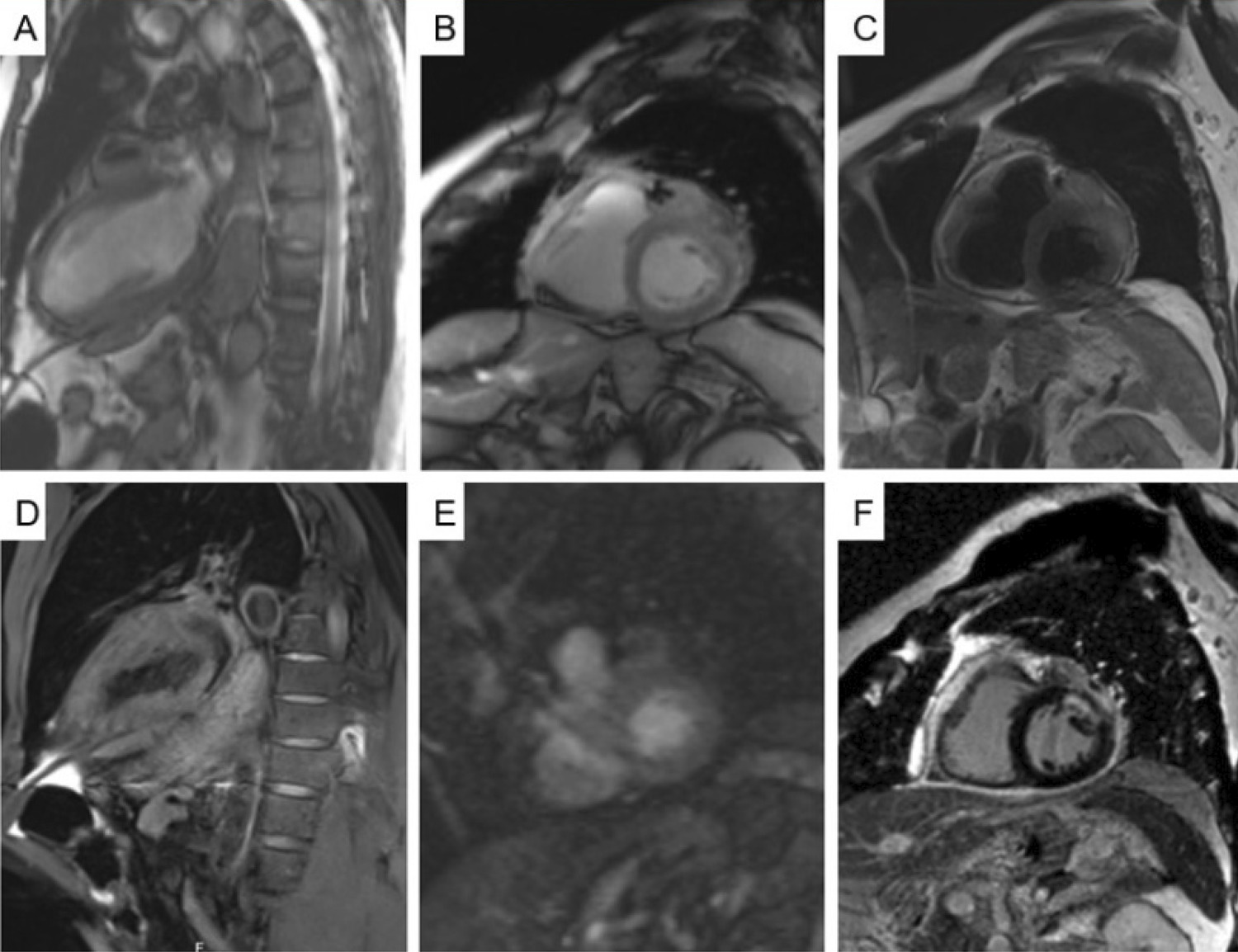
A Case of Acute Myocardial Infarction and Pericarditis Unmasking Metastatic Involvement of the Heart

Sofia Torres et al. Mariana Vasconcelos Carla Sousa Antonio J. Madureira … Alzira Nunes Maria Júlia Maciel

Introduction

Metastases to the heart and pericardium are much more common than primary cardiac tumors and are generally associated with a poor prognosis. , While they are most commonly asymptomatic, cardiac metastases can mimic primary cardiac diseases such as acute coronary syndromes, congestive heart failure and pericarditis. , Lung cancer is the most frequent source of metastatic cardiac disease, either from direct extension or by a combination of lymphatic, hematogenous, and transvenous dissemination. ,

[…]

  • Cardiac Magnetic Ressonance
  • Cardiac metastases
  • Computed Tomography
  • Lung Neoplasms
  • Multimodality imaging
  • Myocardial Infarction
  • Pericarditis
Read Full Article
Creative Commons Attribution (CC BY) Creative Commons license
14/09/2020 DOI: 10.36660/abc.20190534
Figure 1
Clinicoradiological Correlation

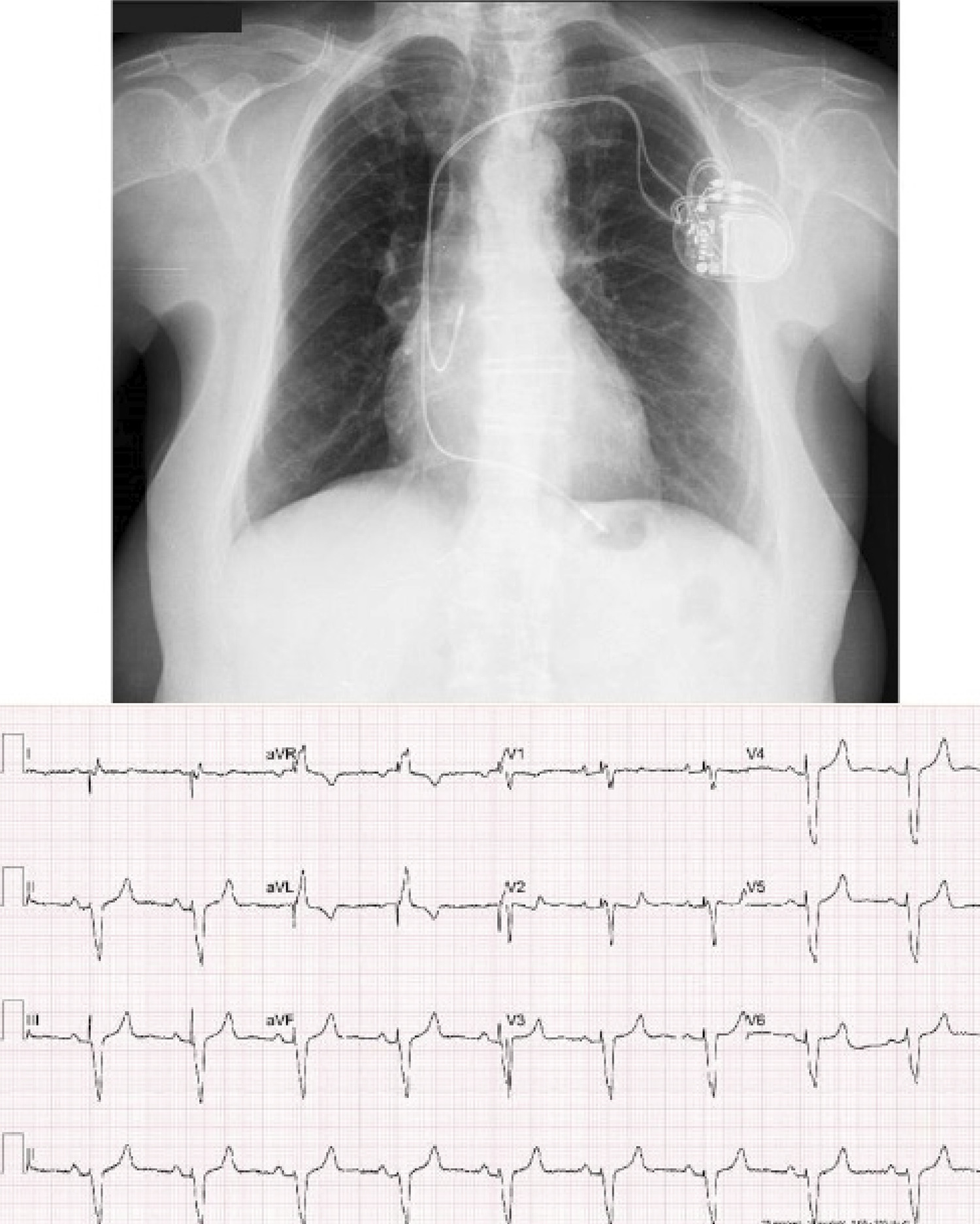
Case 5/2020 – Corrected Transposition of the Great Arteries, with Good Natural Evolution in a 65-Year-Old Woman

Edmar Atik et al. Renato Maluf Auge Alessandra Costa Barreto Maria Angélica Binotto

Clinical data

The patient evolved without symptoms, doing her usual activities of daily living, such as housekeeping and dressmaking, when total atrioventricular block was identified during a routine evaluation with a heart rate of 66 bpm. At this time, a diagnosis of corrected transposition of the great arteries was made through the echocardiogram, with mild left atrioventricular valve regurgitation. Due to insufficient chronotropism and binodal disease, an atrioventricular pacemaker was placed on the right when she was 59 years old. She remained asymptomatic using antihypertensive medication, amlodipine, enalapril and hydrochlorothiazide. She denied any symptoms such as palpitations, chest pain or fatigue.

Physical examination: good overall status, eupneic, acyanotic, normal pulses in the four limbs. Weight: 61 Kgs, Height: 147 cm, BP=118×70 mmHg: 118 x 70 mm Hg, HR: 72 bpm.

[…]

  • Adult
  • Atrioventricular block
  • Congenitally Corrected Transposition of the Great Arteries/surgery
  • Diagnostic Imaging
  • Pacemaker, Artificial
  • Ventricular Dysfunction
Read Full Article
Creative Commons Attribution (CC BY) Creative Commons license
14/09/2020 DOI: 10.36660/abc.20190489
Figure 1
Case Report

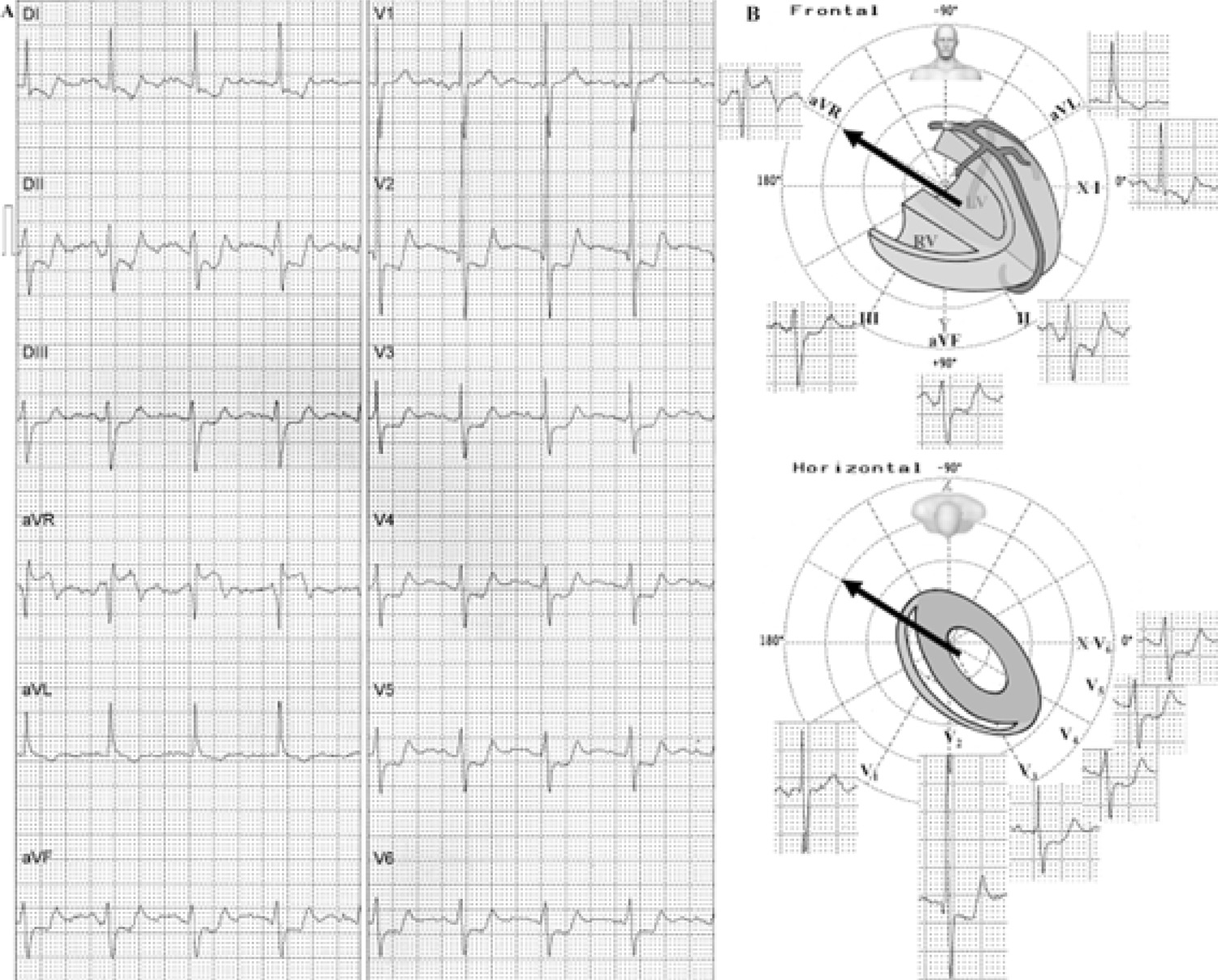
Transient Prominent Anterior QRS Forces in Acute Left Main Coronary Artery Subocclusion: Transient Left Septal Fascicular Block

Andrés Ricardo Pérez-Riera et al. Raimundo Barbosa-Barros Rodrigo Daminello Raimundo Luiz Carlos de Abreu … Marcos Célio de Almeida Kjell Nikus

Introduction

The left main coronary artery (LMCA) originates from the left sinus of Valsalva, passes between the main pulmonary artery and the left atrial appendage before entering the coronary sulcus and bifurcates into the left anterior descending (LAD) and the left circumflex (LCX) coronary arteries. In most individuals, the LMCA supplies ≈75% of the left ventricle (LV). Significant stenosis, which may lead to stable angina and/or acute coronary syndrome, places the patient at risk of life-threatening acute left ventricular failure and malignant arrhythmias. Patient prognosis of LMCA disease can be improved with coronary artery bypass grafting (CABG). With technical improvement and effective anti-thrombotic medication, percutaneous coronary intervention (PCI) has evolved as an alternative therapeutic modality. In patients with severe LMCA disease having low to intermediate anatomic complexity, both CABG and PCI are effective methods of revascularization with comparable long-term rates of death, myocardial infarction, and stroke. Patients most suitable for LMCA stenting are those with isolated ostial/mid LMCA disease, protected LMCA disease and those who undergo an elective stenting procedure. In a recent study, 8% mortality and 8% target lesion revascularization rate during one-year follow-up was reported.

[…]

  • Acute coronary syndrome
  • Angina, Stable
  • Coronary Occlusion
  • Electrocardiography/methods
  • Fibrinolytic Agents
  • Percutaneous Coronary Intervention
  • Truncus Arterious
Read Full Article
Creative Commons Attribution (CC BY) Creative Commons license
14/09/2020 DOI: 10.36660/abc.20180363 Views 2
Figure 1
Case Report

Spontaneous Coronary Artery Dissection in a Patient with Cerebrotendinous Xanthomatosis

Maria Júlia Silveira Souto et al. Marcos Antônio Almeida-Santos Eduardo José Pereira Ferreira Luiz Flávio Galvão Gonçalves … Joselina Luzia Menezes Oliveira Antônio Carlos Sobral Sousa

Introduction

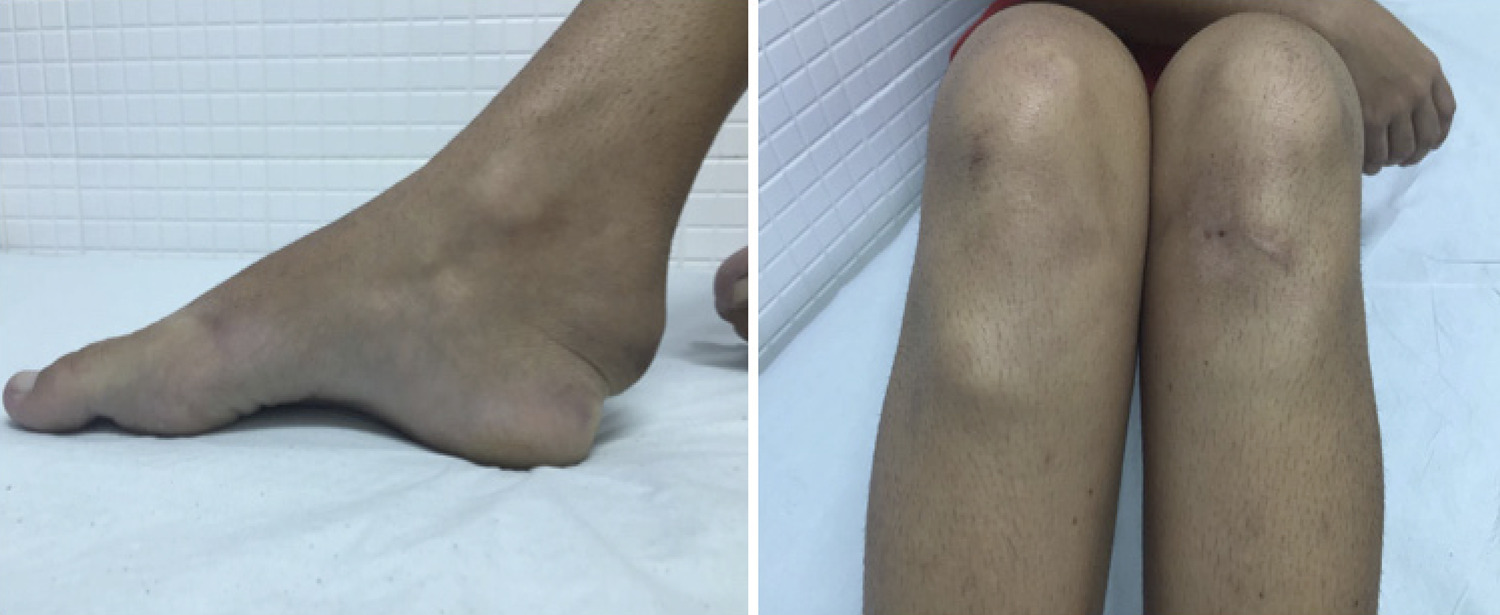
Cerebrotendinous xanthomatosis (CTX) is an autosomal recessive disease characterized by the formation of xanthomatous lesions in many tissues, particularly the brain and tendons. The disorder is a consequence of the reduced production of bile acids, predominantly chenodeoxycholic acid (CDCA), and an increased formation of cholestanol. Common clinical manifestations include infant-onset diarrhea and juvenile-onset bilateral cataract, usually followed by tendon xanthomas and progressive neurological dysfunction. The final diagnosis is based on biochemical abnormalities, including elevated plasma cholestanol level and increased levels of bile alcohol in urine associated with a diminished biliary concentration of CDCA. The treatment is based on oral supplementation of CDCA, which, if initiated early, can prevent major clinical problems, as it produces a reduction in cholestanol synthesis and plasma levels.

Cardiovascular impairment in patients with CTX is mostly associated with premature atherosclerosis. Blood lipid analysis in patients with CTX revealed dramatically high levels of 27-hydroxycholesterol and low levels of high-density lipoprotein cholesterol (HDL), which place these patients at a high risk of cardiovascular disease.

[…]

  • Chenodeoxycholic Acid/adverse effects
  • Child, Adolescent
  • Cholestanol
  • Cholesterol
  • Diagnosis Imaging
  • Xanthomatosis Cerebrotendinous
Read Full Article
Creative Commons Attribution (CC BY) Creative Commons license
14/09/2020 DOI: 10.36660/abc.20190456 Views 1
Figure 1
Case Report

Myocardial Involvement in Sweet Syndrome: A Rare Finding in a Rare Condition

Luís Graça-Santos et al. Katarina Kieselova Fernando Montenegro-Sá Joana Guardado João Morais

Introduction

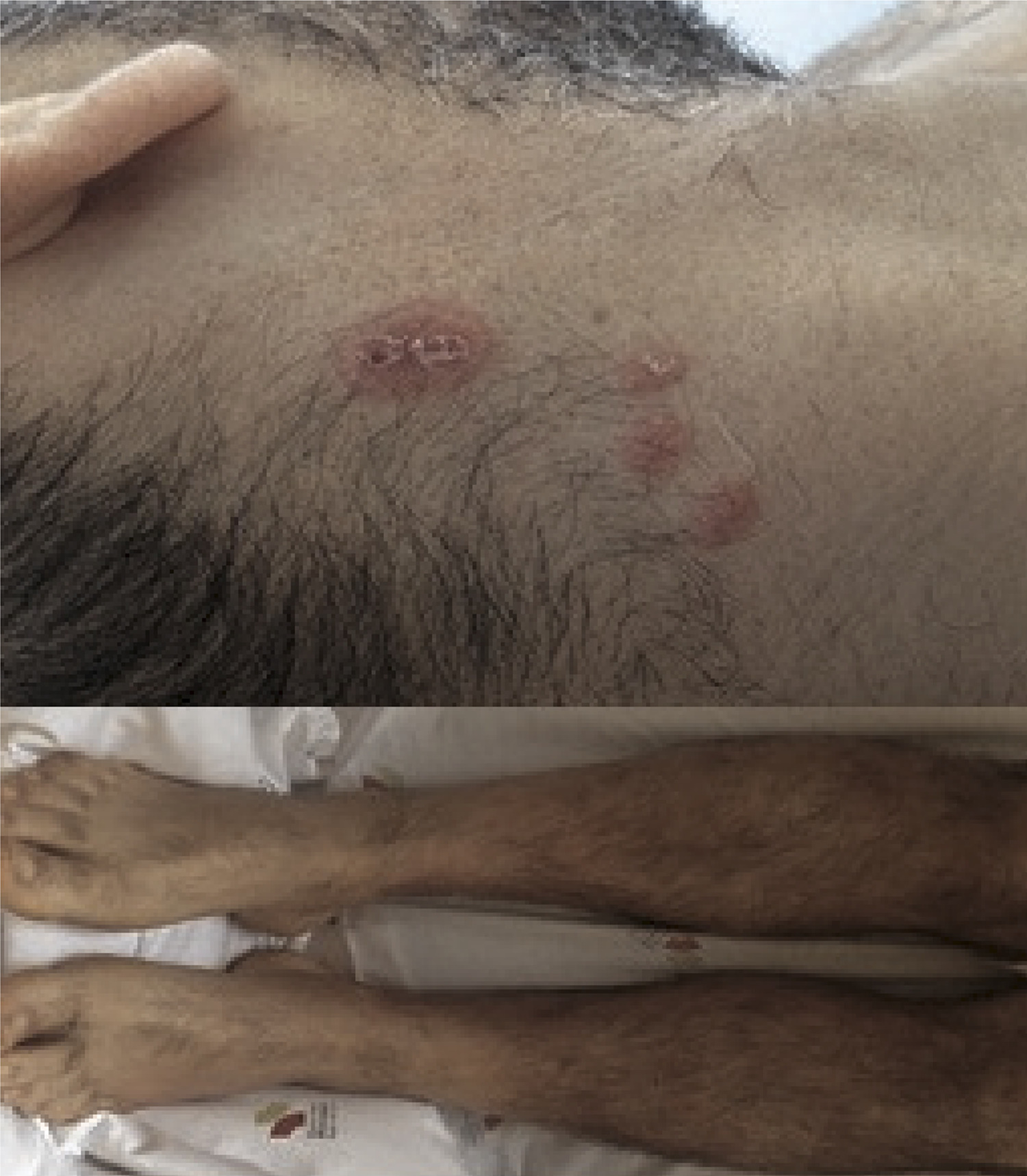
Sweet Syndrome is an acute febrile neutrophilic dermatosis characterized by an association of fever, neutrophilia, tender erythematous skin lesions (papules, nodules, and plaques), as well as pathologic findings consisting predominantly of mature neutrophils typically located in the upper dermis. It is a rare condition with a worldwide distribution which can present as one of three main clinical types: idiopathic, malignancy-associated, or drug-induced. – Extracutaneous manifestations may occur but cardiovascular involvement is extremely rare. ,

[…]

  • Adrenal Cortex Hormones/therapeutic use
  • Erythema Multiforme
  • Myocarditis
  • Neutrophils
  • Sweet Syndrome/physiopathology
Read Full Article
Creative Commons Attribution (CC BY) Creative Commons license
14/09/2020 DOI: 10.36660/abc.20190249
Figure 1
Case Report

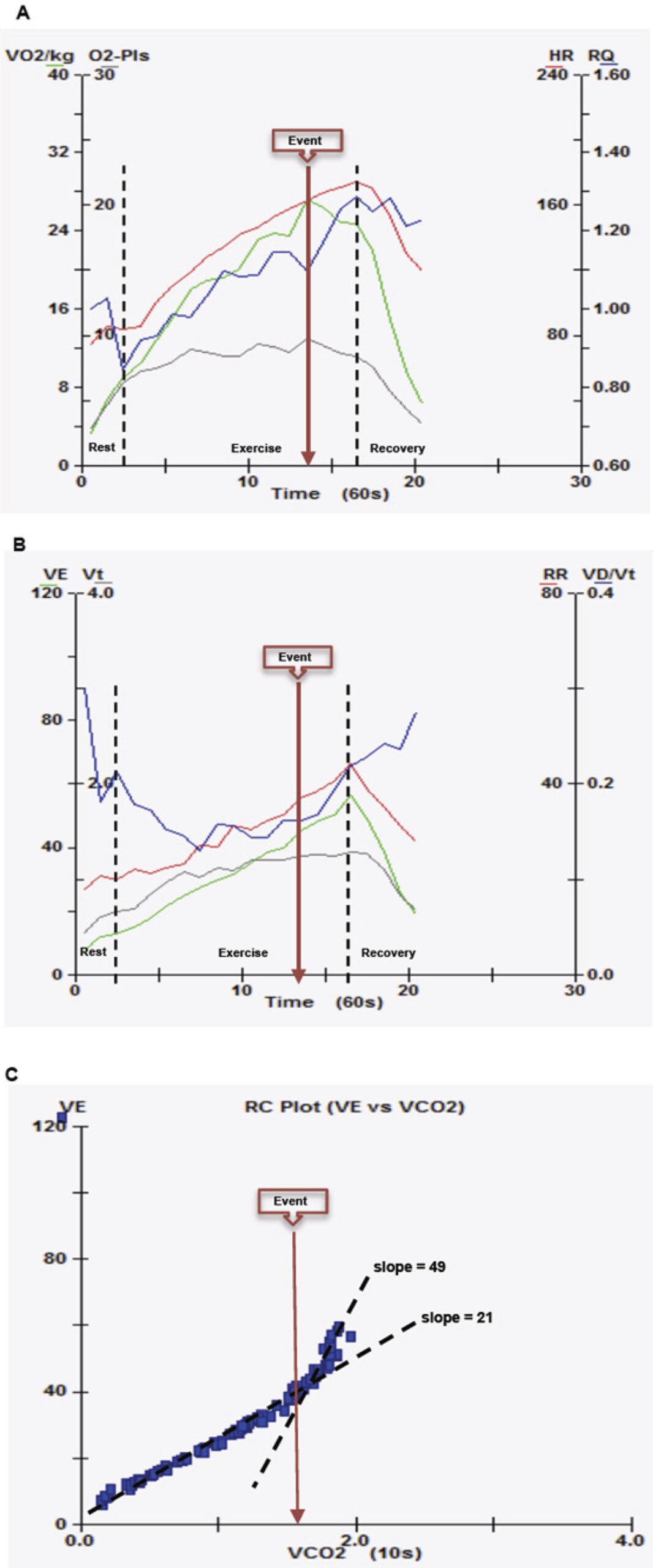
Idiopathic Left-Bundle Branch Block and Unexplained Symptom At Exercise: A Case Report

Guilherme Veiga Guimarães et al. Edimar Alcides Bocchi

Introduction

The presence of a left bundle branch block (LBBB) in the apparent absence of any other heart disease raises questions and concerns about the stratification of the risk of subsequent cardiovascular events or symptoms. – The detection of LBBB in asymptomatic adults, including athletes, is estimated to range between 0.1% and 0.8%, which is more likely to represent a structural heart disease rather than a physiological response to exercise. – On the other hand, some studies have shown that the mortality risk of patients with LBBB and heart disease varies between 2.4% and 11% per year.

Although several studies have suggested that exercise-induced LBBB is usually associated with cardiovascular disease and, particularly, coronary artery disease, there are contrasting studies showing an association between exercise-induced LBBB and normal coronary arteries. , , However, exercise-related cardiovascular adverse effects in LBBB with normal resting cardiac function remains poorly defined.

[…]

  • Bundle Branch Block
  • Cardiovascular Diseases/prevention and control
  • Exercise
  • Oxygen Consumption/physiology
  • Physical activity
Read Full Article
Creative Commons Attribution (CC BY) Creative Commons license
14/09/2020 DOI: 10.36660/abc.20190363 Views 1

How to cite this article

EndNote RIS

Electronic Document Format (Vancouver)

Coutinho-Cruz M, Portugal G, Silva-Cunha P, Martins-Oliveira M. An Unusual Pacemaker-Induced Tachycardia. Arquivos Brasileiros de Cardiologia 2020;115(1 suppl 1):14-7.

Electronic Document Format (ABNT)

Coutinho-Cruz, Madalena; Portugal, Guilherme; Silva-Cunha, Pedro; Martins-Oliveira, Mário. An Unusual Pacemaker-Induced Tachycardia. Arquivos Brasileiros de Cardiologia, v. 115, n. 1 suppl 1, p. 14-17, Sep. 2020.

Electronic Document Format (APA)

Coutinho-Cruz, M., Portugal, G., Silva-Cunha, P., & Martins-Oliveira, M. (2020). An Unusual Pacemaker-Induced Tachycardia. Arquivos Brasileiros de Cardiologia, 115(1 suppl 1), 14-17.

Electronic Document Format (ISO)

Coutinho-Cruz, Madalena and Portugal, Guilherme and Silva-Cunha, Pedro and Martins-Oliveira, Mário. An Unusual Pacemaker-Induced Tachycardia. Arquivos Brasileiros de Cardiologia [online]. 2020, vol. 115, n. 1 suppl 1, [cited 2026-10-14], pp. 14-17. Available from: <https://journals.cardiol.br/en/article/an-unusual-pacemaker-induced-tachycardia/>. ISSN 0066-782X

EndNote RIS

Electronic Document Format (Vancouver)

Pereira AR, Almeida AR, Cruz I, Lopes LR, Loureiro MJ, Pereira H. A Complicated “One Segment” Myocardial Infarction: The Role of Cardiovascular Imaging. Arquivos Brasileiros de Cardiologia 2020;115(1 suppl 1):25-30.

Electronic Document Format (ABNT)

Pereira, Ana Rita; Almeida, Ana Rita; Cruz, Inês; Lopes, Luis Rocha; Loureiro, Maria José; Pereira, Hélder. A Complicated “One Segment” Myocardial Infarction: The Role of Cardiovascular Imaging. Arquivos Brasileiros de Cardiologia, v. 115, n. 1 suppl 1, p. 25-30, Sep. 2020.

Electronic Document Format (APA)

Pereira, A. R., Almeida, A. R., Cruz, I., Lopes, L. R., Loureiro, M. J., & Pereira, H. (2020). A Complicated “One Segment” Myocardial Infarction: The Role of Cardiovascular Imaging. Arquivos Brasileiros de Cardiologia, 115(1 suppl 1), 25-30.

Electronic Document Format (ISO)

Pereira, Ana Rita and Almeida, Ana Rita and Cruz, Inês and Lopes, Luis Rocha and Loureiro, Maria José and Pereira, Hélder. A Complicated “One Segment” Myocardial Infarction: The Role of Cardiovascular Imaging. Arquivos Brasileiros de Cardiologia [online]. 2020, vol. 115, n. 1 suppl 1, [cited 2026-10-14], pp. 25-30. Available from: <https://journals.cardiol.br/en/article/a-complicated-one-segment-myocardial-infarction-the-role-of-cardiovascular-imaging/>. ISSN 0066-782X

EndNote RIS

Electronic Document Format (Vancouver)

Atik E, Arrieta R, Atik FA. Case 4/2020 – Prolonged Time (38 Days) of Bilateral Pleural Effusion after Cavopulmonary Surgery, Relieved by Embolization of Systemic-Pulmonary Collateral Vessels, in a 40-Month-Old Child with Complex Heart Disease. Arquivos Brasileiros de Cardiologia 2020;115(1 suppl 1):31-3.

Electronic Document Format (ABNT)

Atik, Edmar; Arrieta, Raul; Atik, Fernando Antibas. Case 4/2020 – Prolonged Time (38 Days) of Bilateral Pleural Effusion after Cavopulmonary Surgery, Relieved by Embolization of Systemic-Pulmonary Collateral Vessels, in a 40-Month-Old Child with Complex Heart Disease. Arquivos Brasileiros de Cardiologia, v. 115, n. 1 suppl 1, p. 31-33, Sep. 2020.

Electronic Document Format (APA)

Atik, E., Arrieta, R., & Atik, F. A. (2020). Case 4/2020 – Prolonged Time (38 Days) of Bilateral Pleural Effusion after Cavopulmonary Surgery, Relieved by Embolization of Systemic-Pulmonary Collateral Vessels, in a 40-Month-Old Child with Complex Heart Disease. Arquivos Brasileiros de Cardiologia, 115(1 suppl 1), 31-33.

Electronic Document Format (ISO)

Atik, Edmar and Arrieta, Raul and Atik, Fernando Antibas. Case 4/2020 – Prolonged Time (38 Days) of Bilateral Pleural Effusion after Cavopulmonary Surgery, Relieved by Embolization of Systemic-Pulmonary Collateral Vessels, in a 40-Month-Old Child with Complex Heart Disease. Arquivos Brasileiros de Cardiologia [online]. 2020, vol. 115, n. 1 suppl 1, [cited 2026-10-14], pp. 31-33. Available from: <https://journals.cardiol.br/en/article/case-4-2020-prolonged-time-38-days-of-bilateral-pleural-effusion-after-cavopulmonary-surgery-relieved-by-embolization-of-systemic-pulmonary-collateral-vessels-in-a-40-month-old-child-wit/>. ISSN 0066-782X

EndNote RIS

Electronic Document Format (Vancouver)

Atik E, Barbero-Marcial M. Case 6/2020 – 16-Year-Old Adolescent with Severe Pulmonary Stenosis At Valvar Level, After Correction of Truncus Arteriosus using the Barbero-Marcial Technique in the First Month of Life. Arquivos Brasileiros de Cardiologia 2020;115(1 suppl 1):37-9.

Electronic Document Format (ABNT)

Atik, Edmar; Barbero-Marcial, Miguel. Case 6/2020 – 16-Year-Old Adolescent with Severe Pulmonary Stenosis At Valvar Level, After Correction of Truncus Arteriosus using the Barbero-Marcial Technique in the First Month of Life. Arquivos Brasileiros de Cardiologia, v. 115, n. 1 suppl 1, p. 37-39, Sep. 2020.

Electronic Document Format (APA)

Atik, E., & Barbero-Marcial, M. (2020). Case 6/2020 – 16-Year-Old Adolescent with Severe Pulmonary Stenosis At Valvar Level, After Correction of Truncus Arteriosus using the Barbero-Marcial Technique in the First Month of Life. Arquivos Brasileiros de Cardiologia, 115(1 suppl 1), 37-39.

Electronic Document Format (ISO)

Atik, Edmar and Barbero-Marcial, Miguel. Case 6/2020 – 16-Year-Old Adolescent with Severe Pulmonary Stenosis At Valvar Level, After Correction of Truncus Arteriosus using the Barbero-Marcial Technique in the First Month of Life. Arquivos Brasileiros de Cardiologia [online]. 2020, vol. 115, n. 1 suppl 1, [cited 2026-10-14], pp. 37-39. Available from: <https://journals.cardiol.br/en/article/case-6-2020-16-year-old-adolescent-with-severe-pulmonary-stenosis-at-valvar-level-after-correction-of-truncus-arteriosus-using-the-barbero-marcial-technique-in-the-first-month-of-life/>. ISSN 0066-782X

EndNote RIS

Electronic Document Format (Vancouver)

Torres S, Vasconcelos M, Sousa C, Madureira AJ, Nunes A, Maciel MJ. A Case of Acute Myocardial Infarction and Pericarditis Unmasking Metastatic Involvement of the Heart. Arquivos Brasileiros de Cardiologia 2020;115(1 suppl 1):22-4.

Electronic Document Format (ABNT)

Torres, Sofia; Vasconcelos, Mariana; Sousa, Carla; Madureira, Antonio J.; Nunes, Alzira; Maciel, Maria Júlia. A Case of Acute Myocardial Infarction and Pericarditis Unmasking Metastatic Involvement of the Heart. Arquivos Brasileiros de Cardiologia, v. 115, n. 1 suppl 1, p. 22-24, Sep. 2020.

Electronic Document Format (APA)

Torres, S., Vasconcelos, M., Sousa, C., Madureira, A. J., Nunes, A., & Maciel, M. J. (2020). A Case of Acute Myocardial Infarction and Pericarditis Unmasking Metastatic Involvement of the Heart. Arquivos Brasileiros de Cardiologia, 115(1 suppl 1), 22-24.

Electronic Document Format (ISO)

Torres, Sofia and Vasconcelos, Mariana and Sousa, Carla and Madureira, Antonio J. and Nunes, Alzira and Maciel, Maria Júlia. A Case of Acute Myocardial Infarction and Pericarditis Unmasking Metastatic Involvement of the Heart. Arquivos Brasileiros de Cardiologia [online]. 2020, vol. 115, n. 1 suppl 1, [cited 2026-10-14], pp. 22-24. Available from: <https://journals.cardiol.br/en/article/a-case-of-acute-myocardial-infarction-and-pericarditis-unmasking-metastatic-involvement-of-the-heart/>. ISSN 0066-782X

EndNote RIS

Electronic Document Format (Vancouver)

Atik E, Auge RM, Barreto AC, Binotto MA. Case 5/2020 – Corrected Transposition of the Great Arteries, with Good Natural Evolution in a 65-Year-Old Woman. Arquivos Brasileiros de Cardiologia 2020;115(1 suppl 1):34-6.

Electronic Document Format (ABNT)

Atik, Edmar; Auge, Renato Maluf; Barreto, Alessandra Costa; Binotto, Maria Angélica. Case 5/2020 – Corrected Transposition of the Great Arteries, with Good Natural Evolution in a 65-Year-Old Woman. Arquivos Brasileiros de Cardiologia, v. 115, n. 1 suppl 1, p. 34-36, Sep. 2020.

Electronic Document Format (APA)

Atik, E., Auge, R. M., Barreto, A. C., & Binotto, M. A. (2020). Case 5/2020 – Corrected Transposition of the Great Arteries, with Good Natural Evolution in a 65-Year-Old Woman. Arquivos Brasileiros de Cardiologia, 115(1 suppl 1), 34-36.

Electronic Document Format (ISO)

Atik, Edmar and Auge, Renato Maluf and Barreto, Alessandra Costa and Binotto, Maria Angélica. Case 5/2020 – Corrected Transposition of the Great Arteries, with Good Natural Evolution in a 65-Year-Old Woman. Arquivos Brasileiros de Cardiologia [online]. 2020, vol. 115, n. 1 suppl 1, [cited 2026-10-14], pp. 34-36. Available from: <https://journals.cardiol.br/en/article/case-5-2020-corrected-transposition-of-the-great-arteries-with-good-natural-evolution-in-a-65-year-old-woman/>. ISSN 0066-782X

EndNote RIS

Electronic Document Format (Vancouver)

Pérez-Riera AR, Barbosa-Barros R, Raimundo RD, Abreu LC, Almeida MC, Nikus K. Transient Prominent Anterior QRS Forces in Acute Left Main Coronary Artery Subocclusion: Transient Left Septal Fascicular Block. Arquivos Brasileiros de Cardiologia 2020;115(1 suppl 1):1-5.

Electronic Document Format (ABNT)

Pérez-Riera, Andrés Ricardo; Barbosa-Barros, Raimundo; Raimundo, Rodrigo Daminello; Abreu, Luiz Carlos de; Almeida, Marcos Célio de; Nikus, Kjell. Transient Prominent Anterior QRS Forces in Acute Left Main Coronary Artery Subocclusion: Transient Left Septal Fascicular Block. Arquivos Brasileiros de Cardiologia, v. 115, n. 1 suppl 1, p. 1-5, Sep. 2020.

Electronic Document Format (APA)

Pérez-Riera, A. R., Barbosa-Barros, R., Raimundo, R. D., Abreu, L. C. , Almeida, M. C. , & Nikus, K. (2020). Transient Prominent Anterior QRS Forces in Acute Left Main Coronary Artery Subocclusion: Transient Left Septal Fascicular Block. Arquivos Brasileiros de Cardiologia, 115(1 suppl 1), 1-5.

Electronic Document Format (ISO)

Pérez-Riera, Andrés Ricardo and Barbosa-Barros, Raimundo and Raimundo, Rodrigo Daminello and Abreu, Luiz Carlos de and Almeida, Marcos Célio de and Nikus, Kjell. Transient Prominent Anterior QRS Forces in Acute Left Main Coronary Artery Subocclusion: Transient Left Septal Fascicular Block. Arquivos Brasileiros de Cardiologia [online]. 2020, vol. 115, n. 1 suppl 1, [cited 2026-10-14], pp. 1-5. Available from: <https://journals.cardiol.br/en/article/transient-prominent-anterior-qrs-forces-in-acute-left-main-coronary-artery-subocclusion-transient-left-septal-fascicular-block/>. ISSN 0066-782X

EndNote RIS

Electronic Document Format (Vancouver)

Souto MJS, Almeida-Santos MA, Ferreira EJP, Gonçalves LFG, Oliveira JLM, Sousa ACS. Spontaneous Coronary Artery Dissection in a Patient with Cerebrotendinous Xanthomatosis. Arquivos Brasileiros de Cardiologia 2020;115(1 suppl 1):18-21.

Electronic Document Format (ABNT)

Souto, Maria Júlia Silveira; Almeida-Santos, Marcos Antônio; Ferreira, Eduardo José Pereira; Gonçalves, Luiz Flávio Galvão; Oliveira, Joselina Luzia Menezes; Sousa, Antônio Carlos Sobral. Spontaneous Coronary Artery Dissection in a Patient with Cerebrotendinous Xanthomatosis. Arquivos Brasileiros de Cardiologia, v. 115, n. 1 suppl 1, p. 18-21, Sep. 2020.

Electronic Document Format (APA)

Souto, M. J. S., Almeida-Santos, M. A., Ferreira, E. J. P., Gonçalves, L. F. G., Oliveira, J. L. M., & Sousa, A. C. S. (2020). Spontaneous Coronary Artery Dissection in a Patient with Cerebrotendinous Xanthomatosis. Arquivos Brasileiros de Cardiologia, 115(1 suppl 1), 18-21.

Electronic Document Format (ISO)

Souto, Maria Júlia Silveira and Almeida-Santos, Marcos Antônio and Ferreira, Eduardo José Pereira and Gonçalves, Luiz Flávio Galvão and Oliveira, Joselina Luzia Menezes and Sousa, Antônio Carlos Sobral. Spontaneous Coronary Artery Dissection in a Patient with Cerebrotendinous Xanthomatosis. Arquivos Brasileiros de Cardiologia [online]. 2020, vol. 115, n. 1 suppl 1, [cited 2026-10-14], pp. 18-21. Available from: <https://journals.cardiol.br/en/article/spontaneous-coronary-artery-dissection-in-a-patient-with-cerebrotendinous-xanthomatosis/>. ISSN 0066-782X

EndNote RIS

Electronic Document Format (Vancouver)

Graça-Santos L, Kieselova K, Montenegro-Sá F, Guardado J, Morais J. Myocardial Involvement in Sweet Syndrome: A Rare Finding in a Rare Condition. Arquivos Brasileiros de Cardiologia 2020;115(1 suppl 1):6-9.

Electronic Document Format (ABNT)

Graça-Santos, Luís; Kieselova, Katarina; Montenegro-Sá, Fernando; Guardado, Joana; Morais, João. Myocardial Involvement in Sweet Syndrome: A Rare Finding in a Rare Condition. Arquivos Brasileiros de Cardiologia, v. 115, n. 1 suppl 1, p. 6-9, Sep. 2020.

Electronic Document Format (APA)

Graça-Santos, L., Kieselova, K., Montenegro-Sá, F., Guardado, J., & Morais, J. (2020). Myocardial Involvement in Sweet Syndrome: A Rare Finding in a Rare Condition. Arquivos Brasileiros de Cardiologia, 115(1 suppl 1), 6-9.

Electronic Document Format (ISO)

Graça-Santos, Luís and Kieselova, Katarina and Montenegro-Sá, Fernando and Guardado, Joana and Morais, João. Myocardial Involvement in Sweet Syndrome: A Rare Finding in a Rare Condition. Arquivos Brasileiros de Cardiologia [online]. 2020, vol. 115, n. 1 suppl 1, [cited 2026-10-14], pp. 6-9. Available from: <https://journals.cardiol.br/en/article/myocardial-involvement-in-sweet-syndrome-a-rare-finding-in-a-rare-condition/>. ISSN 0066-782X

EndNote RIS

Electronic Document Format (Vancouver)

Guimarães GV, Bocchi EA. Idiopathic Left-Bundle Branch Block and Unexplained Symptom At Exercise: A Case Report. Arquivos Brasileiros de Cardiologia 2020;115(1 suppl 1):10-3.

Electronic Document Format (ABNT)

Guimarães, Guilherme Veiga; Bocchi, Edimar Alcides. Idiopathic Left-Bundle Branch Block and Unexplained Symptom At Exercise: A Case Report. Arquivos Brasileiros de Cardiologia, v. 115, n. 1 suppl 1, p. 10-13, Sep. 2020.

Electronic Document Format (APA)

Guimarães, G. V., & Bocchi, E. A. (2020). Idiopathic Left-Bundle Branch Block and Unexplained Symptom At Exercise: A Case Report. Arquivos Brasileiros de Cardiologia, 115(1 suppl 1), 10-13.

Electronic Document Format (ISO)

Guimarães, Guilherme Veiga and Bocchi, Edimar Alcides. Idiopathic Left-Bundle Branch Block and Unexplained Symptom At Exercise: A Case Report. Arquivos Brasileiros de Cardiologia [online]. 2020, vol. 115, n. 1 suppl 1, [cited 2026-10-14], pp. 10-13. Available from: <https://journals.cardiol.br/en/article/idiopathic-left-bundle-branch-block-and-unexplained-symptom-at-exercise-a-case-report/>. ISSN 0066-782X

Sede – Rio de Janeiro
Av. Marechal Câmara, 160
3º andar – Sala: 330 – Centro
Rio de Janeiro – CEP: 20020-907
Tel.: (55 +21) 3478-2700
ou (21) 99386-3961
E-mail: revista@cardiol.br

Sede – São Paulo
Alameda Santos, 705 – 11º andar
Cerqueira César | São Paulo
CEP: 01419-001
Tel.: (55 +11) 3411-5500
E-mail: revista@cardiol.br

  • About the Journal
  • Internal Regulation
  • Editors Section
  • Editorial Board
  • History
  • SBC Award

  • Guidelines for Publication
  • Editorial Policy
  • Ethics Policy
  • Policy on the Use of Artificial Intelligence
  • Mandatory Publication Form
  • Publication Fee

Issues

SBC Guidelines

  • How to Publish an Abstract Supplement?
  • Supplements from the Brazilian Congress of Cardiology