| ABCIC
ABC Family Arquivos Brasileiros de Cardiologia International Journal of Cardiovascular Sciences ABC Heart Failure & Cardiomyopathy ABC Imagem Cardiovascular
Português English
ABC Family | ABCIC
Português English
  • About
    • About the Journal
    • Internal Regulation
    • Editors Section
    • Editorial Board
    • SBC Award
  • Instructions to Authors
    • Guidelines for Publication
    • Editorial Policy
    • Ethics Policy
    • Policy on the Use of Artificial Intelligence
    • Mandatory Publication Form
  • Issues
  • SBC Guidelines
  • About
    • About the Journal
    • Internal Regulation
    • Editors Section
    • Editorial Board
    • SBC Award
  • Instructions to Authors
    • Guidelines for Publication
    • Editorial Policy
    • Ethics Policy
    • Policy on the Use of Artificial Intelligence
    • Mandatory Publication Form
  • Issues
  • SBC Guidelines

ABC Family

  • ABC Family
  • Arquivos Brasileiros de Cardiologia
  • International Journal of Cardiovascular Sciences
  • ABC Heart Failure & Cardiomyopathy
  • ABC Imagem Cardiovascular
Search in

No content found.

Journals
Ordering
Article types
Others

  1. Home
  2. ABCIC
  3. Issues
  4. 2026, Volume 39, Number 3
Serial Echocardiographic Assessment of Right Ventricular Function and Its Association With Functional Capacity, Dyspnea, and Pulmonary Diffusion in Post-COVID-19 Survivors
Original Article

Serial Echocardiographic Assessment of Right Ventricular Function and Its Association With Functional Capacity, Dyspnea, and Pulmonary Diffusion in Post-COVID-19 Survivors

Marcelo Rogelin et al. Adriana Ferraz Martins Graça Aranha Fernanda Rodrigues Fonseca Rosemeri Maurici da Silva Guilherme Loureiro Fialho

Abstract

Background

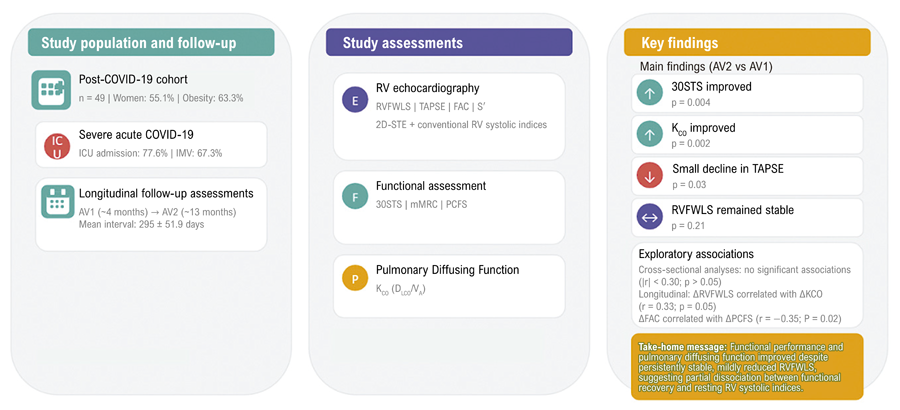
Survivors of post-COVID-19 may experience persistent functional impairment and late cardiopulmonary sequelae. The right ventricle (RV) is particularly susceptible to injury, and RV free wall longitudinal strain (RVFWLS), measured by 2D speckle-tracking echocardiography (2D-STE), can detect subclinical RV systolic dysfunction.

Objective

To evaluate longitudinal changes in RV systolic function, assessed by RVFWLS, tricuspid annular plane systolic excursion (TAPSE), fractional area change (FAC), and tricuspid annular systolic velocity (S′), and to investigate their associations with functional capacity (30-second sit-to-stand test [30STS]), functional status (Post-COVID-19 Functional Status Scale [PCFS]), dyspnea (modified Medical Research Council [mMRC] scale), and carbon monoxide transfer coefficient (KCO) in post-COVID-19 survivors.

Methods

This observational analysis included participants from a prospective post-COVID-19 cohort evaluated at two follow-up visits (AV1 and AV2), approximately 4 and 13 months after the acute infection. Adults with confirmed SARS-CoV-2 infection and analyzable transthoracic echocardiography using 2D-STE were included. Statistical significance was defined as a two-sided p < 0.05.

Results

A total of 49 patients were included; 55.1% were women, the mean age was 50.7 ± 10.3 years, 63.3% had obesity, 77.6% required intensive care unit admission, and 67.3% underwent invasive mechanical ventilation. Performance on the 30STS improved (10.1 ± 3.3 vs 11.6 ± 3.1 repetitions; p = 0.004), and KCO increased (4.1 ± 0.7 vs 4.3 ± 0.8 mL/min/mmHg/L; p = 0.002), whereas mMRC scores (p = 0.43) and median PCFS scores (p = 0.11) remained unchanged. TAPSE decreased modestly but remained within the normal reference range (2.2 ± 0.3 vs 2.1 ± 0.2 cm; p = 0.03), while RVFWLS, FAC, and S′ showed no significant changes over time. Cross-sectional correlations between RV systolic indices and clinical outcomes were weak and nonsignificant at both AV1 and AV2 (|r| 0.05). Longitudinally, changes in RVFWLS were positively correlated with changes in KCO (r = 0.33; p = 0.05), whereas changes in FAC were inversely correlated with changes in PCFS scores (r = −0.35; p = 0.02).

Conclusios

In this cohort of post-COVID-19 survivors, functional capacity and pulmonary diffusing capacity improved over time, whereas RVFWLS remained persistently reduced without significant longitudinal change. These exploratory findings suggest that RV systolic indices should not be interpreted in isolation as markers of functional limitation during the late post-COVID-19 period and support the use of an integrated, multiparametric approach to patient assessment.
  • Echocardiography
  • Global Longitudinal Strain
  • Post-Acute COVID-19 Syndrome
  • Right Ventricular Dysfunction
Read Full Article
Creative Commons Attribution (CC BY) Creative Commons license
21/09/2026 DOI: 10.36660/abcimg.20260051i Views 2
Artificial Intelligence in Carotid Ultrasonography: Current Status and Future Directions
Review Article

Artificial Intelligence in Carotid Ultrasonography: Current Status and Future Directions

Gustavo Paglioli Dannenhauer et al. Simone Nascimento dos Santos Ana Claudia Gomes Pereira Petisco Claudia Maria Vilas Freire … Ana Cristina Lopes Albricker Fanilda Souto Barros

Abstract

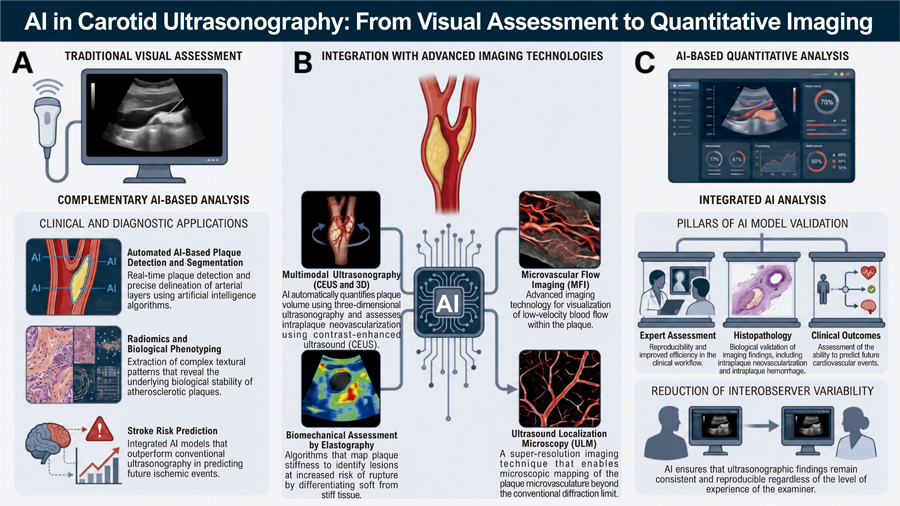
To review the current applications of artificial intelligence (AI) in carotid ultrasonography and its future perspectives. This narrative review was based on recent studies addressing machine learning, deep learning, radiomics, and integration with advanced ultrasound modalities, including contrast-enhanced ultrasound (CEUS), elastography, three-dimensional ultrasound, microvascular flow imaging (MFI), and ultrafast ultrasound. Carotid assessment has evolved from an approach focused primarily on the degree of luminal stenosis to a more comprehensive evaluation encompassing plaque burden, morphology, composition, and vulnerability. AI algorithms have been applied to automated plaque detection, image segmentation, plaque stability classification, radiomic feature extraction, and prediction of ischemic events. When combined with advanced imaging techniques, these models may improve reproducibility, reduce operator dependence, and reveal quantitative patterns that conventional visual assessment may not detect. Despite promising results, important challenges remain regarding image standardization, external validation, model explainability, and prospective clinical impacts. AI has the potential to transform carotid ultrasonography into a multiparametric tool for personalized medicine. Its clinical implementation will depend on robust validation, integration into clinical workflows, and demonstration of incremental value over conventional ultrasonography.

  • Artificial Intelligence
  • Atherosclerotic Plaque
  • Carotid Arteries Ultrasonography
Read Full Article
Creative Commons Attribution (CC BY) Creative Commons license
21/09/2026 DOI: 10.36660/abcimg.20260089i Views 1
Figure 1
Case Report

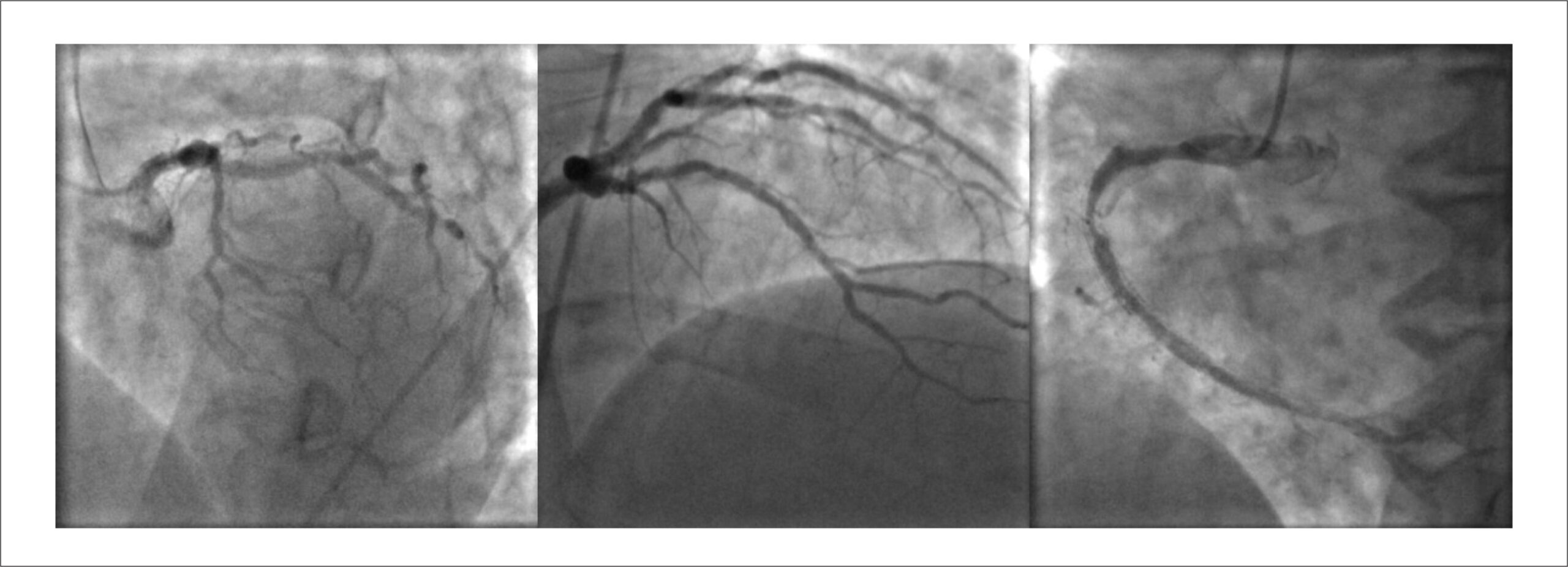
Apical Hypertrophic Cardiomyopathy with Microfistulas: Correlation Between Coronary Flow Steal, Positive Inotropic Effect, and Normalization of T-Wave Polarity

José Sebastiao de Abreu et al. Tereza Cristina Pinheiro Diógenes Marília Esther Benevides Abreu Isadora Sucupira Machado Chagas Mateus Paiva Marques Feitosa

Introduction

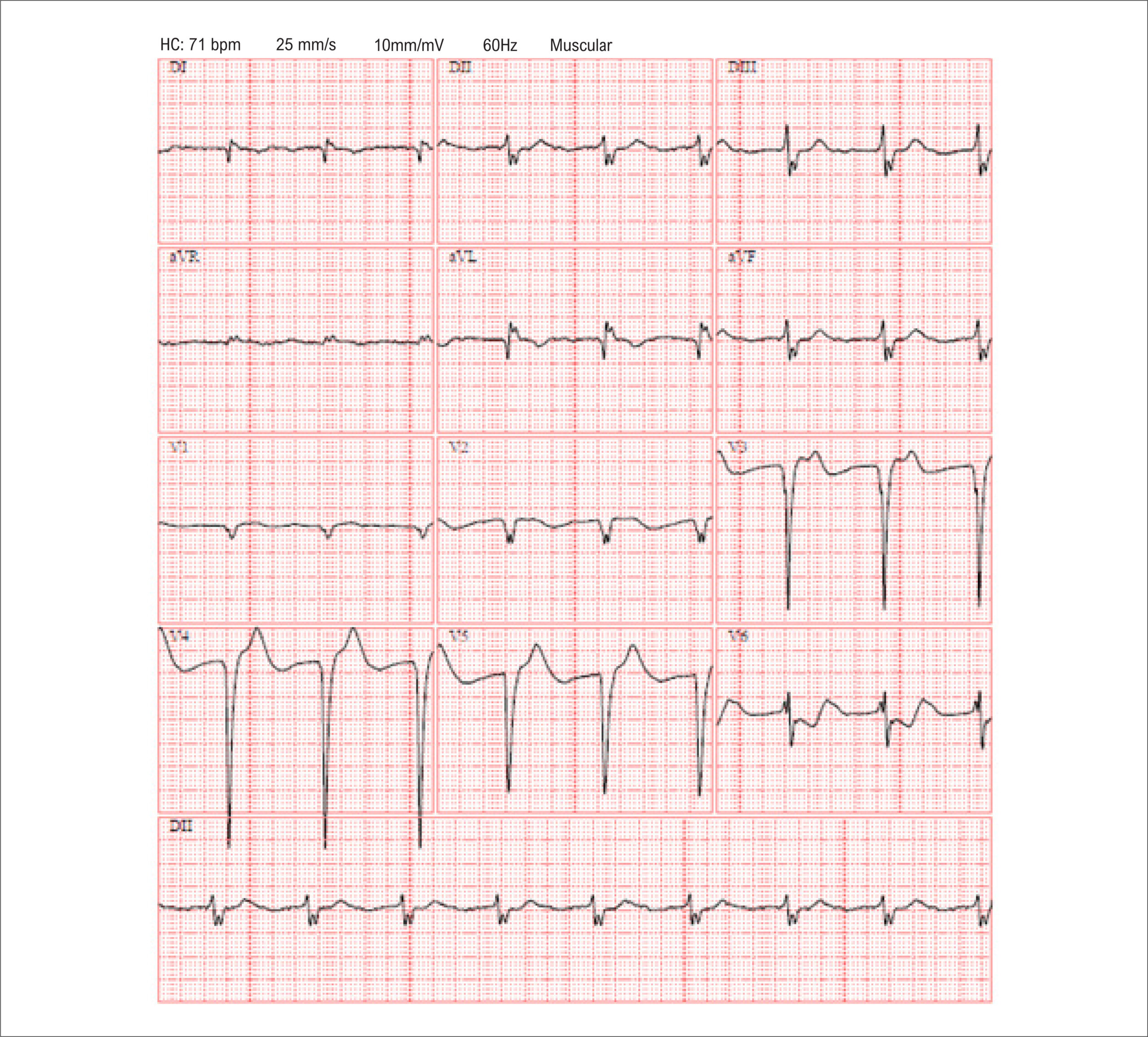
Apical hypertrophic cardiomyopathy (HCM) with microfistulas is a rare condition, and the incidence of multiple microfistulas draining into the left ventricle (LV) ranges from 0.07% to 0.09%., Diagnosis can be established via contrast ventriculography, coronary angiography, and echocardiography.–

Two-dimensional echocardiography with color and pulsed-wave Doppler allows visualization of microfistula flow and measurement of diastolic flow velocity (DFV) using the same approach as for the left anterior descending artery (LAD).

[…]

  • Electrocardiography
  • Hypertrophic Cardiomyopathy
  • Stress echocardiography
Read Full Article
Creative Commons Attribution (CC BY) Creative Commons license
21/09/2026 DOI: 10.36660/abcimg.20260090i Views 1
Figure 1
Case Report

Coronary Artery Disease In A Rare Anatomical Scenario: Type IV Duplicated Left Anterior Descending Artery

Matheus Sacco Gomes et al. Amanda Raquel Costa Cruz Bruno Leal Martins Mario Henrique Caliano … Patricia de Souza Magalhães Daniel Bandeira Ricardo Costa Marinella Patrizia Centemero

Introduction

Congenital coronary anomalies comprise a heterogeneous group of anatomical variations, most often identified incidentally during non-invasive imaging studies or invasive diagnostic and therapeutic procedures. Studies show that approximately 1.3% of individuals undergoing coronary angiography present some form of coronary anomaly. Although most are considered benign, certain anomalies may be associated with myocardial ischemia, ventricular arrhythmias, and, in rare cases, sudden cardiac death. It is important to emphasize that coexistence with obstructive coronary artery disease (CAD) may amplify their clinical impact.

Among these variations, duplication of the left anterior descending (LAD) artery stands out due to its rarity and diagnostic relevance. According to the classification proposed by Spindola-Franco et al. (), this anomaly is divided into four types based on the origin and course of the branches. In Type I, the most frequent form, the short and long LAD originate from the bifurcation of the main LAD artery; the short LAD artery follows the anterior interventricular groove and terminates early, whereas the long LAD artery runs parallel along the left ventricular surface before rejoining the distal groove. In Type II, the short and long LAD also arise from the bifurcation of the main LAD artery; however, the long LAD artery courses to the right of the anterior interventricular groove before reaching the apex. In Type III, the long LAD artery has an initial intramyocardial trajectory before emerging distally on the epicardial surface. Finally, in Type IV, the rarest type, a short LAD artery originates from the left coronary artery, while a long LAD artery arises anomalously from the right coronary artery (RCA) or its sinus of Valsalva.² This long branch follows an intraseptal course before emerging in the anterior interventricular groove and reaching the apex, occurring in approximately 0.2% of patients undergoing coronary angiography.

[…]

  • Coronary Artery Disease
  • Drug-Eluting Stents
  • Interventional Ultrasonography
  • Percutaneous Coronary Intervention
Read Full Article
Creative Commons Attribution (CC BY) Creative Commons license
03/09/2026 DOI: 10.36660/abcimg.20260032i Views 1
Correlating Invasive and Echocardiographic Hemodynamic Measures in Patients with Heart Failure with Reduced Ejection Fraction
Original Article

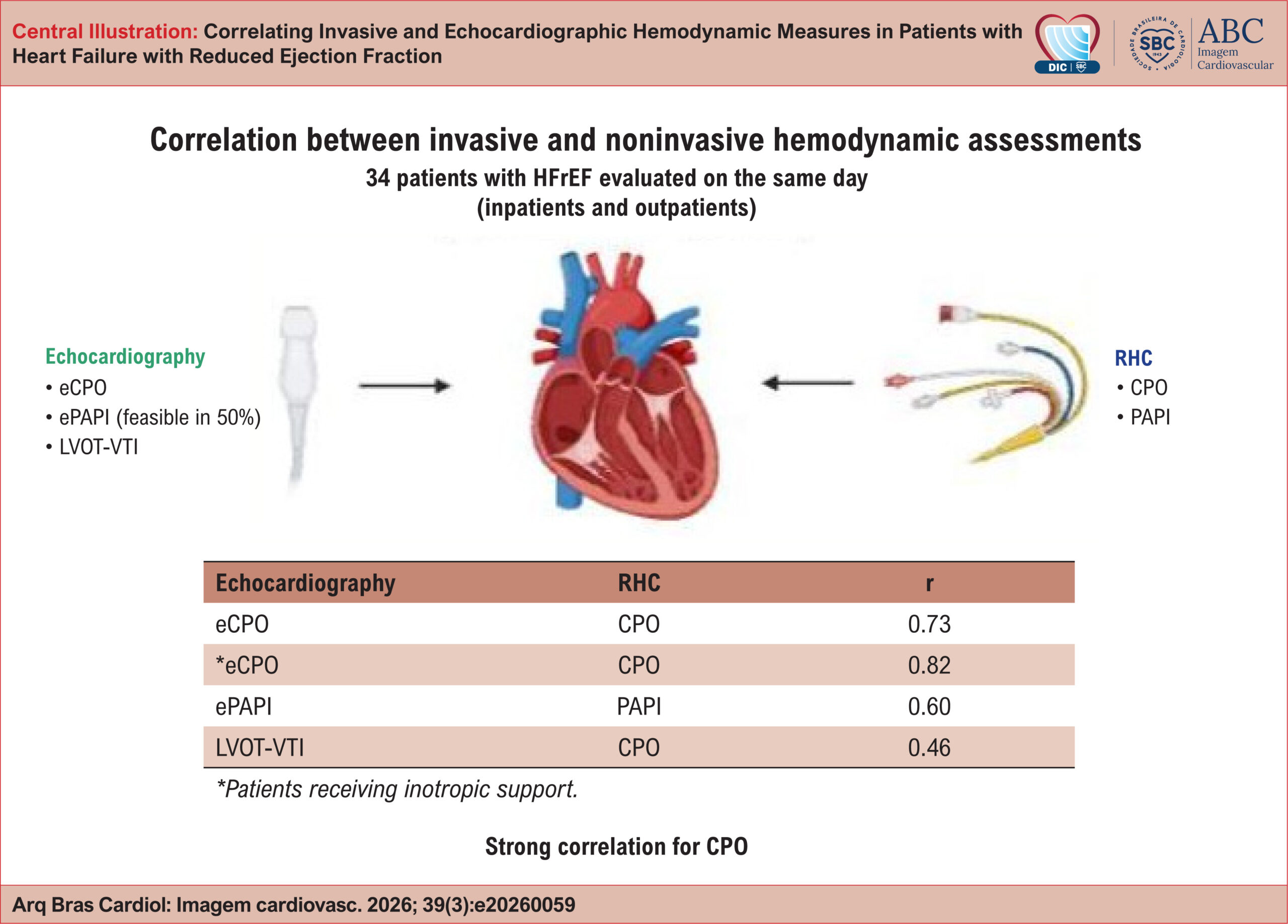
Correlating Invasive and Echocardiographic Hemodynamic Measures in Patients with Heart Failure with Reduced Ejection Fraction

João Pedro da Rosa Barbato et al. Fernando Luis Scolari Guilherme Pinheiro Machado André Barcellos Amon … Pedro Castilhos de Freitas Crivelaro Willian R. Menegazzo Solano Vinicius Berger Gustavo Neves de Araujo Felipe Homem Valle Rodrigo Vugman Wainstein

Abstract

Background:

The management of heart failure with reduced ejection fraction (HFrEF) has advanced with the use of invasive hemodynamic markers such as cardiac power output (CPO) and pulmonary artery pulsatility index (PAPI). Simultaneously, interest has grown in noninvasive prognostic indicators, especially the left ventricular outflow tract velocity–time integral (LVOT-VTI).

Objective:

This study aimed to assess the correlation between invasive and echocardiographic parameters, particularly CPO, PAPI, and LVOT-VTI, in patients with HFrEF.

Methods:

This cross-sectional, single-center study included inpatients and outpatients with chronic stable or acutely decompensated HFrEF. Individuals with cardiogenic shock (CS) were excluded. Right heart catheterization (RHC) and echocardiography were performed on the same day. Statistical significance was defined as a two-sided p value < 0.05.

Results:

Significant correlations were observed between invasive and echocardiographic CPO (r = 0.737, p < 0.001) and PAPI (r = 0.604, p < 0.05). LVOT-VTI showed significant correlation with CPO measured via pulmonary artery catheter (PAC) (r = 0.469, p < 0.01). Echocardiographic PAPI was measurable in only 16 patients. A sensitivity analysis of those receiving inotropes showed an even stronger correlation between invasive and echocardiographic CPO (r = 0.812, p = 0.005).

Conclusion:

Echocardiographic and invasive hemodynamic parameters showed significant correlations in HFrEF, particularly CPO, supporting echocardiography as a potential alternative for hemodynamic assessment. However, the low feasibility of noninvasive PAPI measurement highlights important limitations in this population.

  • Echocardiography
  • Heart Rate
  • Hemodynamic Monitoring
  • Systolic Heart Failure
Read Full Article
Creative Commons Attribution (CC BY) Creative Commons license
03/09/2026 DOI: 10.36660/abcimg.20260059i Views 3
My Approach To: Bow Hunter's Syndrome
Review Article

My Approach To: Bow Hunter's Syndrome

Rodrigo Bahiense Visconti

Abstract

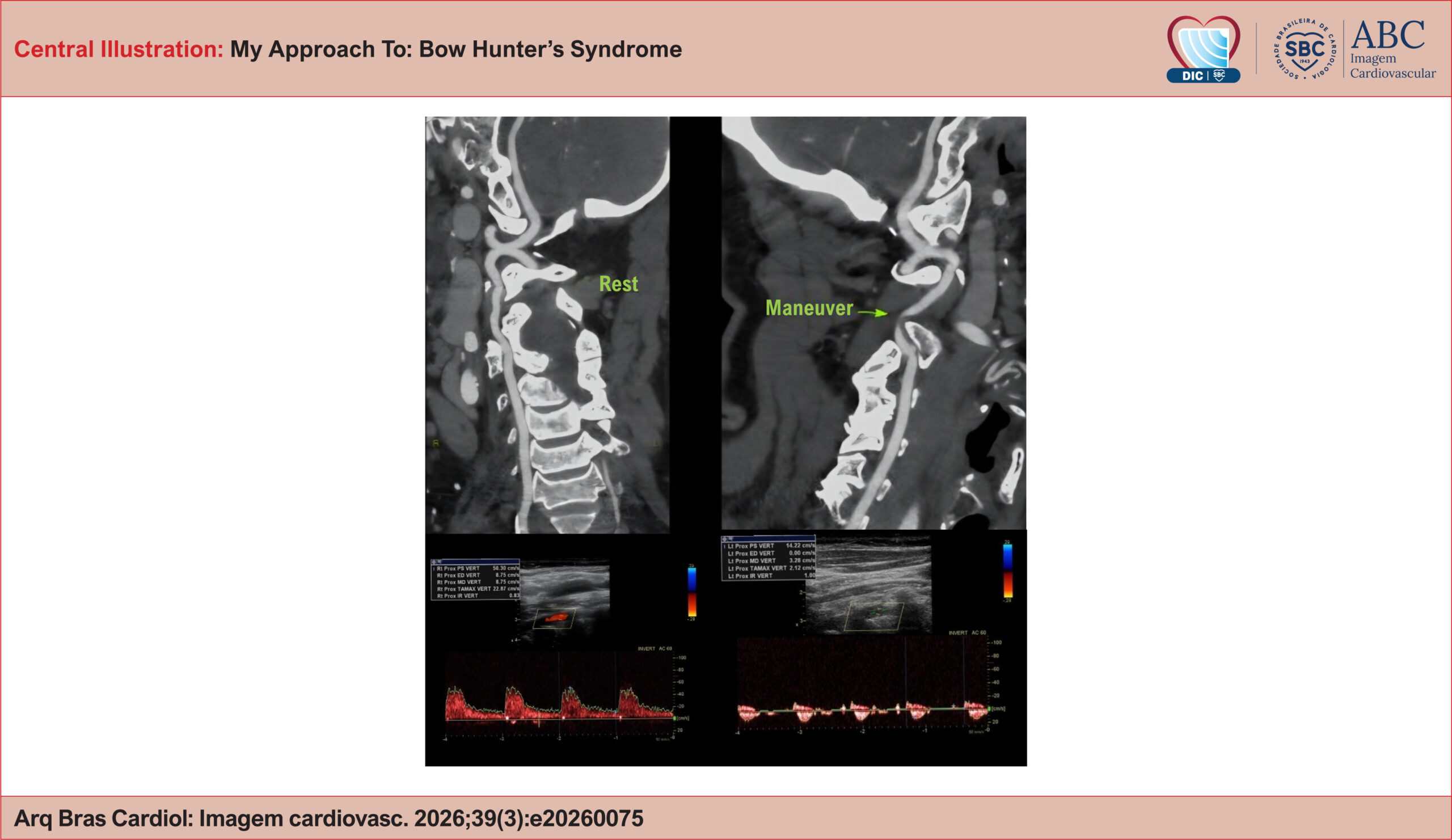
Bow hunter’s syndrome (BHS) is a rare and underdiagnosed condition characterized by mechanical compression or temporary occlusion of the vertebral artery due to lateral rotation or hyperextension of the neck. This mechanical stress occurs predominantly in the V3 segment (C1–C2 level) because of its high degree of mobility.

The pathophysiology involves two main mechanisms – hemodynamic, in which extreme rotation immediately reduces local blood flow and causes paroxysmal symptoms (the triad of vertigo, dizziness, and imbalance) that resolve once the head returns to the neutral position; and thromboembolic, triggered by repeated microtrauma and chronic endothelial injury, which may lead to thrombus formation or dissections and result in cerebellar or brainstem infarctions.

Definitive diagnosis is based on dynamic digital subtraction angiography (DSA) and computed tomography angiography (CTA). However, dynamic vascular Doppler serves as an excellent non-invasive screening method, capable of recording critical real-time hemodynamic changes through positional maneuvers, such as a greater than 50% drop in peak systolic velocity (PSV) or disappearance of diastolic flow.

Therapeutic management varies according to severity. Mild cases are treated conservatively with a cervical collar, behavioral modifications, and antiplatelet therapy. Surgical interventions – such as decompression via osteophytectomy or cervical arthrodesis – and specific endovascular treatments are strictly reserved for patients with refractory symptoms or high risk of stroke.

  • Diagnosis
  • Rare Diseases
  • Vertebral Artery
Read Full Article
Creative Commons Attribution (CC BY) Creative Commons license
03/09/2026 DOI: 10.36660/abcimg.20260075i Views 4
Multimodal Evaluation of Cardiac Myosin Inhibitor Response in Obstructive Hypertrophic Cardiomyopathy Using Echocardiography and Cardiopulmonary Exercise Testing: A Meta-Analysis A Meta-Analysis
Original Article

Multimodal Evaluation of Cardiac Myosin Inhibitor Response in Obstructive Hypertrophic Cardiomyopathy Using Echocardiography and Cardiopulmonary Exercise Testing: A Meta-Analysis A Meta-Analysis

João Victor de Oliveira Ramos et al. João Vitor Andrade Fernandes Luiz Henrique Cartaxo Fernandes Vera Louise Freire de Albuquerque Figueiredo … João Victor Oliveira Estrela Marcelo Tavares

Abstract

Background:

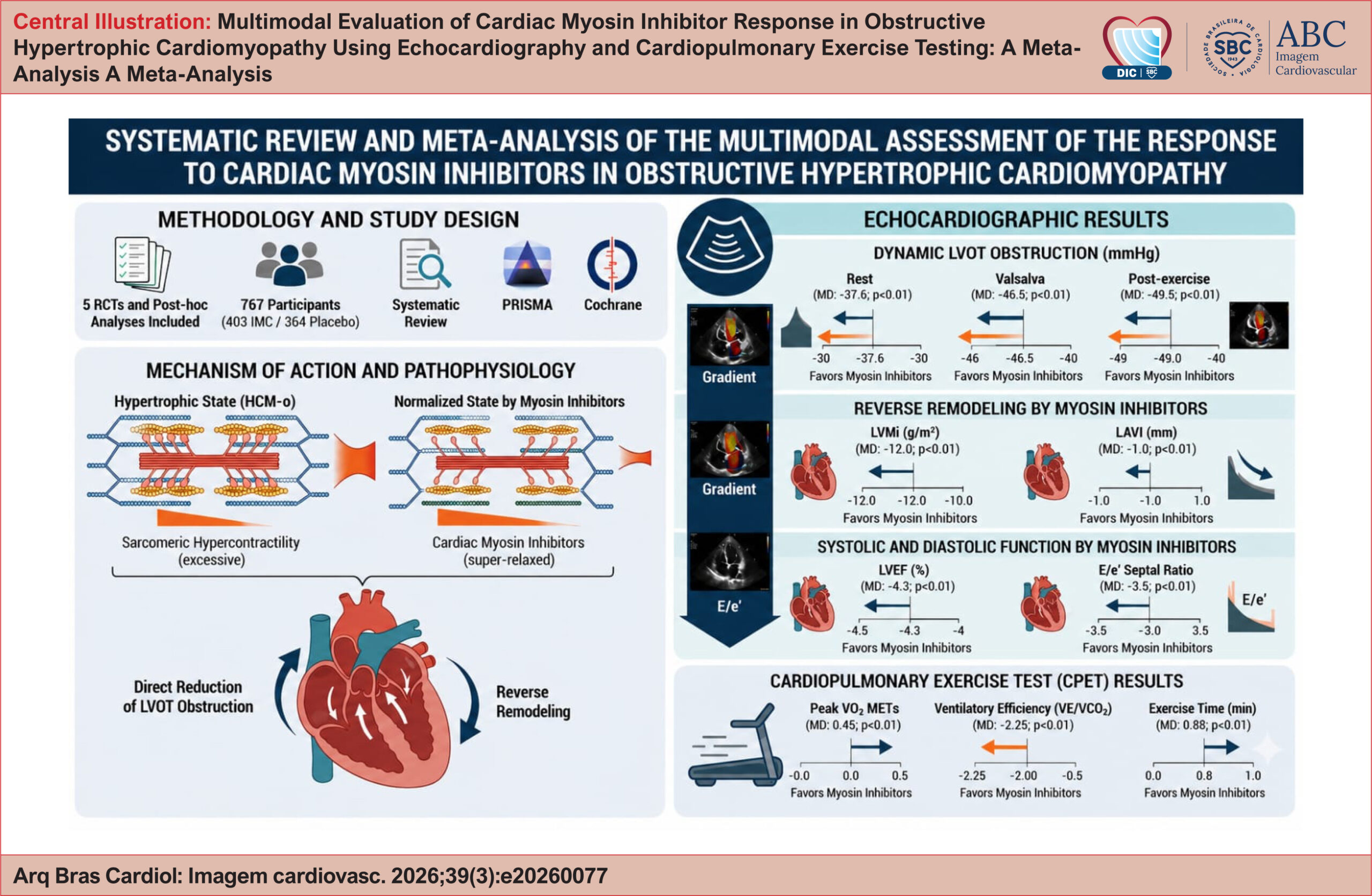
Cardiac Myosin Inhibitors (CMIs), including mavacamten and aficamten, represent a novel class of targeted therapies for obstructive Hypertrophic Cardiomyopathy (oHCM). Their effects on echocardiographic parameters and cardiopulmonary performance across Randomized Controlled Trials (RCTs) have not yet been systematically synthesized.

Objectives:

To conduct a systematic review and meta-analysis of RCTs in accordance with the PRISMA guidelines.

Methods:

Primary echocardiographic outcomes included Left Ventricular Ejection Fraction (LVEF), Left Ventricular Mass Index (LVMI), Interventricular Septal Thickness (IVST), E/e’ septal ratio, and resting, Valsalva, and post-exercise Left Ventricular Outflow Tract gradients (LVOT-G). Cardiopulmonary Exercise Testing (CPET) outcomes were also assessed. Data were pooled using random-effects models and reported as Mean Differences (MDs) or Standardized Mean Differences (SMDs), with 95% Confidence Intervals (CIs).

Results:

Five RCTs comprising 767 participants were included. CMIs significantly reduced resting LVOT-G (MD: −37.59 mmHg), Valsalva gradients (MD: −46.45 mmHg), and post-exercise gradients (MD: −49.45 mmHg; all p < 0.01). Reverse cardiac remodeling was reflected by reductions in LVMI (MD: −11.96 g/m²), IVST (SMD: −0.98), and E/e' septal ratio (MD: −3.53), along with an expected modest reduction in LVEF (MD: −4.33%). CPET outcomes also improved significantly, including ventilatory efficiency (MD: −2.25), peak metabolic equivalents (METs) (MD: +0.45), peak circulatory power (MD: +482.78 mL/kg/min × mmHg), and exercise duration (MD: +0.88 min; all p < 0.01). Subgroup analyses revealed no significant differences between the agents.

Conclusion:

CMIs promote reverse cardiac remodeling, improve hemodynamics, and enhance exercise tolerance in patients with oHCM, supporting their role as disease-modifying targeted therapies.

  • Echocardiography
  • Hypertrophic Cardiomyopathy
  • Meta-Analysis
Read Full Article
Creative Commons Attribution (CC BY) Creative Commons license
03/09/2026 DOI: 10.36660/abcimg.2026007i Views 2
Figure 1
Case Report

Biventricular Noncompaction Cardiomyopathy Associated With Neuropathy in a Young Patient: A Case Report

Mônica de Oliveira Gonçalo et al. André Alexandre dos Santos Gomes Matheus Martins Monteiro Nicolas Babilônia Cavalcanti … Fernando Almeida Bezerra Moisés Abtibol Machado Dênison Clark Corrêa de Miranda Kátia do Nascimento Couceiro João Marcos Bemfica Barbosa Ferreira

Introduction

Ventricular hypertrabeculation, also known as ventricular noncompaction, is a myocardial phenotype characterized by excessive trabeculation and deep intertrabecular recesses caused by incomplete myocardial compaction during embryonic development. The earliest reported cases were associated with congenital heart defects, including ventricular outflow tract obstruction, complex cyanotic congenital heart disease, and coronary artery anomalies.,

The clinical presentation is highly heterogeneous and may include heart failure (HF), arrhythmias, thromboembolic events, and sudden cardiac death. In addition to ventricular structural abnormalities, ventricular hypertrabeculation may be associated with cardiac conduction disorders, atrial arrhythmias, and functional valvular regurgitation (FVR) secondary to cardiac chamber dilatation, all of which contribute to greater clinical complexity and a poorer prognosis.

[…]

  • Case Reports
  • Left Ventricular Hypertrophy
  • Mitral Valve Insufficiency
Read Full Article
Creative Commons Attribution (CC BY) Creative Commons license
03/09/2026 DOI: 10.36660/abcimg.20260078i Views 1
Figure 1
Image

Beyond the Appendage: Left Atrial Wall Thrombosis in Rheumatic Mitral Stenosis

Bernardo Resende et al. Tomás Carlos Rogério Teixeira Lino Gonçalves

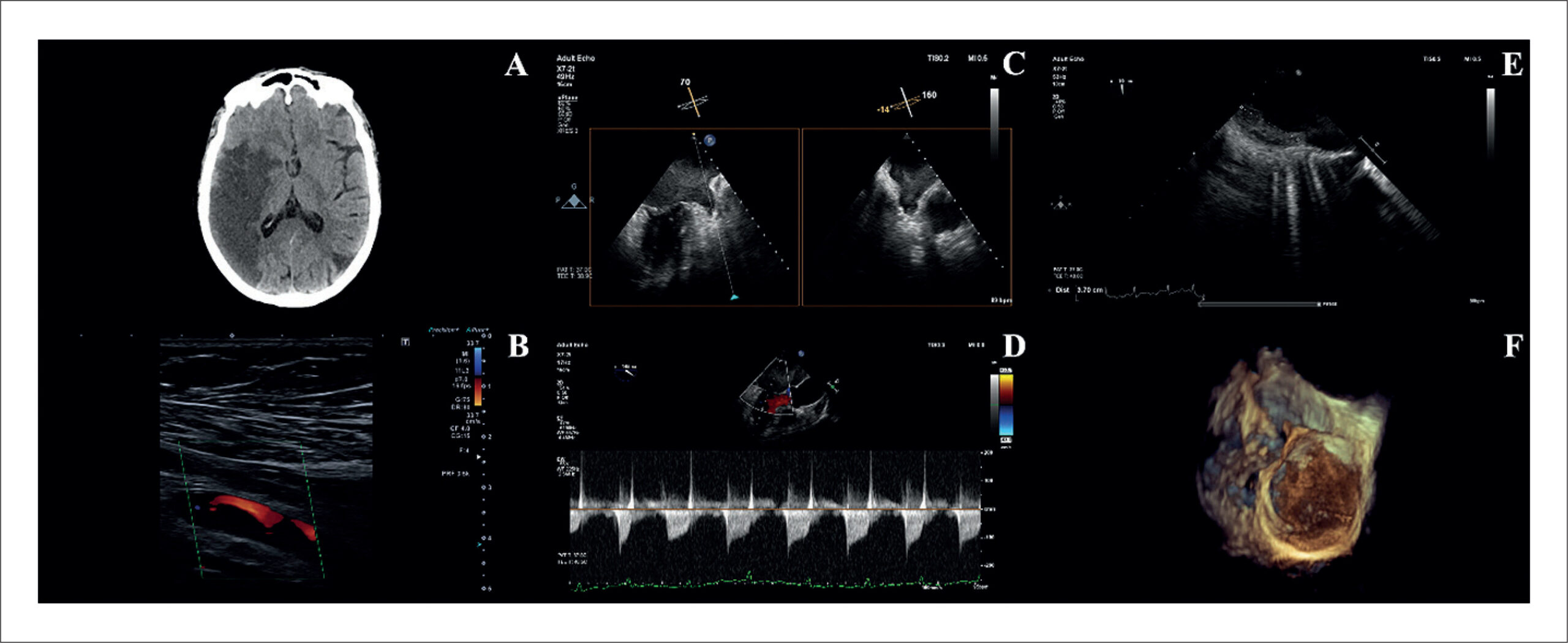
A 61-year-old woman with a history of rheumatic valvular heart disease and permanent atrial fibrillation (AF), chronically anticoagulated with rivaroxaban, presented with acute ischemic stroke and bilateral upper-limb ischemia. Neuroimaging revealed an acute infarction in the right middle cerebral artery territory and a subacute infarction in the left posterior cerebral artery territory (). Doppler ultrasound confirmed arterial occlusion in both upper limbs ().

Transesophageal echocardiography demonstrated marked left atrial (LA) enlargement, dense spontaneous echocardiographic contrast within the left atrial appendage (LAA), and reduced appendage flow velocities, without evidence of an organized thrombus (). The mitral valve exhibited features consistent with chronic rheumatic disease, with an estimated valve area of 1.0 cm² (). Notably, two- and three-dimensional imaging identified a large mural thrombus adherent to the LA wall, extending along the lateral and posterior walls and measuring approximately 4 × 0.8 cm (; Supplementary Videos 1-3).

[…]

  • Atrial Fibrillation
  • Echocardiography
  • Mitral Valve Stenosis
Read Full Article
Creative Commons Attribution (CC BY) Creative Commons license
14/08/2026 DOI: 10.36660/abcimg.20260069i Views 3

How to cite this article

EndNote RIS

Electronic Document Format (Vancouver)

Rogelin M, Aranha AFMG, Fonseca FR, Silva RM, Fialho GL. Serial Echocardiographic Assessment of Right Ventricular Function and Its Association With Functional Capacity, Dyspnea, and Pulmonary Diffusion in Post-COVID-19 Survivors. ABC Imagem Cardiovascular 2026;39(3):e20260051.

Electronic Document Format (ABNT)

Rogelin, Marcelo; Aranha, Adriana Ferraz Martins Graça; Fonseca, Fernanda Rodrigues; Silva, Rosemeri Maurici da; Fialho, Guilherme Loureiro. Serial Echocardiographic Assessment of Right Ventricular Function and Its Association With Functional Capacity, Dyspnea, and Pulmonary Diffusion in Post-COVID-19 Survivors. ABC Imagem Cardiovascular, v. 39, n. 3, e20260051, Sep. 2026.

Electronic Document Format (APA)

Rogelin, M., Aranha, A. F. M. G., Fonseca, F. R., Silva, R. M. , & Fialho, G. L. (2026). Serial Echocardiographic Assessment of Right Ventricular Function and Its Association With Functional Capacity, Dyspnea, and Pulmonary Diffusion in Post-COVID-19 Survivors. ABC Imagem Cardiovascular, 39(3), e20260051.

Electronic Document Format (ISO)

Rogelin, Marcelo and Aranha, Adriana Ferraz Martins Graça and Fonseca, Fernanda Rodrigues and Silva, Rosemeri Maurici da and Fialho, Guilherme Loureiro. Serial Echocardiographic Assessment of Right Ventricular Function and Its Association With Functional Capacity, Dyspnea, and Pulmonary Diffusion in Post-COVID-19 Survivors. ABC Imagem Cardiovascular [online]. 2026, vol. 39, n. 3, [cited 2026-10-14], e20260051. Available from: <https://journals.cardiol.br/en/article/serial-echocardiographic-assessment-of-right-ventricular-function-and-its-association-with-functional-capacity-dyspnea-and-pulmonary-diffusion-in-post-covid-19-survivors/>. ISSN 2318-8219

EndNote RIS

Electronic Document Format (Vancouver)

Dannenhauer GP, Santos SN, Petisco ACGP, Freire CMV, Albricker ACL, Barros FS. Artificial Intelligence in Carotid Ultrasonography: Current Status and Future Directions. ABC Imagem Cardiovascular 2026;39(3):e20260089.

Electronic Document Format (ABNT)

Dannenhauer, Gustavo Paglioli; Santos, Simone Nascimento dos; Petisco, Ana Claudia Gomes Pereira; Freire, Claudia Maria Vilas; Albricker, Ana Cristina Lopes; Barros, Fanilda Souto. Artificial Intelligence in Carotid Ultrasonography: Current Status and Future Directions. ABC Imagem Cardiovascular, v. 39, n. 3, e20260089, Sep. 2026.

Electronic Document Format (APA)

Dannenhauer, G. P., Santos, S. N. , Petisco, A. C. G. P., Freire, C. M. V., Albricker, A. C. L., & Barros, F. S. (2026). Artificial Intelligence in Carotid Ultrasonography: Current Status and Future Directions. ABC Imagem Cardiovascular, 39(3), e20260089.

Electronic Document Format (ISO)

Dannenhauer, Gustavo Paglioli and Santos, Simone Nascimento dos and Petisco, Ana Claudia Gomes Pereira and Freire, Claudia Maria Vilas and Albricker, Ana Cristina Lopes and Barros, Fanilda Souto. Artificial Intelligence in Carotid Ultrasonography: Current Status and Future Directions. ABC Imagem Cardiovascular [online]. 2026, vol. 39, n. 3, [cited 2026-10-14], e20260089. Available from: <https://journals.cardiol.br/en/article/artificial-intelligence-in-carotid-ultrasonography-current-status-and-future-directions/>. ISSN 2318-8219

EndNote RIS

Electronic Document Format (Vancouver)

Abreu JS, Diógenes TCP, Abreu MEB, Chagas ISM, Feitosa MPM. Apical Hypertrophic Cardiomyopathy with Microfistulas: Correlation Between Coronary Flow Steal, Positive Inotropic Effect, and Normalization of T-Wave Polarity. ABC Imagem Cardiovascular 2026;39(3):e20260090.

Electronic Document Format (ABNT)

Abreu, José Sebastiao de; Diógenes, Tereza Cristina Pinheiro; Abreu, Marília Esther Benevides; Chagas, Isadora Sucupira Machado; Feitosa, Mateus Paiva Marques. Apical Hypertrophic Cardiomyopathy with Microfistulas: Correlation Between Coronary Flow Steal, Positive Inotropic Effect, and Normalization of T-Wave Polarity. ABC Imagem Cardiovascular, v. 39, n. 3, e20260090, Sep. 2026.

Electronic Document Format (APA)

Abreu, J. S. , Diógenes, T. C. P., Abreu, M. E. B., Chagas, I. S. M., & Feitosa, M. P. M. (2026). Apical Hypertrophic Cardiomyopathy with Microfistulas: Correlation Between Coronary Flow Steal, Positive Inotropic Effect, and Normalization of T-Wave Polarity. ABC Imagem Cardiovascular, 39(3), e20260090.

Electronic Document Format (ISO)

Abreu, José Sebastiao de and Diógenes, Tereza Cristina Pinheiro and Abreu, Marília Esther Benevides and Chagas, Isadora Sucupira Machado and Feitosa, Mateus Paiva Marques. Apical Hypertrophic Cardiomyopathy with Microfistulas: Correlation Between Coronary Flow Steal, Positive Inotropic Effect, and Normalization of T-Wave Polarity. ABC Imagem Cardiovascular [online]. 2026, vol. 39, n. 3, [cited 2026-10-14], e20260090. Available from: <https://journals.cardiol.br/en/article/apical-hypertrophic-cardiomyopathy-with-microfistulas-correlation-between-coronary-flow-steal-positive-inotropic-effect-and-normalization-of-t-wave-polarity/>. ISSN 2318-8219

EndNote RIS

Electronic Document Format (Vancouver)

Gomes MS, Cruz ARC, Martins BL, Caliano MH, Magalhães PS, Bandeira D, Costa R, et al. Coronary Artery Disease In A Rare Anatomical Scenario: Type IV Duplicated Left Anterior Descending Artery. ABC Imagem Cardiovascular 2026;39(3):e20260032.

Electronic Document Format (ABNT)

Gomes, Matheus Sacco; Cruz, Amanda Raquel Costa; Martins, Bruno Leal; Caliano, Mario Henrique; Magalhães, Patricia de Souza; Bandeira, Daniel; Costa, Ricardo; Centemero, Marinella Patrizia. Coronary Artery Disease In A Rare Anatomical Scenario: Type IV Duplicated Left Anterior Descending Artery. ABC Imagem Cardiovascular, v. 39, n. 3, e20260032, Sep. 2026.

Electronic Document Format (APA)

Gomes, M. S., Cruz, A. R. C., Martins, B. L., Caliano, M. H., Magalhães, P. S., Bandeira, D., Costa, R., & Centemero, M. P. (2026). Coronary Artery Disease In A Rare Anatomical Scenario: Type IV Duplicated Left Anterior Descending Artery. ABC Imagem Cardiovascular, 39(3), e20260032.

Electronic Document Format (ISO)

Gomes, Matheus Sacco and Cruz, Amanda Raquel Costa and Martins, Bruno Leal and Caliano, Mario Henrique and Magalhães, Patricia de Souza and Bandeira, Daniel and Costa, Ricardo and Centemero, Marinella Patrizia. Coronary Artery Disease In A Rare Anatomical Scenario: Type IV Duplicated Left Anterior Descending Artery. ABC Imagem Cardiovascular [online]. 2026, vol. 39, n. 3, [cited 2026-10-14], e20260032. Available from: <https://journals.cardiol.br/en/article/coronary-artery-disease-in-a-rare-anatomical-scenario-type-iv-duplicated-left-anterior-descending-artery/>. ISSN 2318-8219

EndNote RIS

Electronic Document Format (Vancouver)

Barbato JPR, Scolari FL, Machado GP, Amon AB, Crivelaro PCF, Menegazzo WR, Berger SV, et al. Correlating Invasive and Echocardiographic Hemodynamic Measures in Patients with Heart Failure with Reduced Ejection Fraction. ABC Imagem Cardiovascular 2026;39(3):e20260059.

Electronic Document Format (ABNT)

Barbato, João Pedro da Rosa; Scolari, Fernando Luis; Machado, Guilherme Pinheiro; Amon, André Barcellos; Crivelaro, Pedro Castilhos de Freitas; Menegazzo, Willian R.; Berger, Solano Vinicius; Araujo, Gustavo Neves de; Valle, Felipe Homem; Wainstein, Rodrigo Vugman. Correlating Invasive and Echocardiographic Hemodynamic Measures in Patients with Heart Failure with Reduced Ejection Fraction. ABC Imagem Cardiovascular, v. 39, n. 3, e20260059, Sep. 2026.

Electronic Document Format (APA)

Barbato, J. P. R., Scolari, F. L., Machado, G. P., Amon, A. B., Crivelaro, P. C. F., Menegazzo, W. R., Berger, S. V., Araujo, G. N. , Valle, F. H., & Wainstein, R. V. (2026). Correlating Invasive and Echocardiographic Hemodynamic Measures in Patients with Heart Failure with Reduced Ejection Fraction. ABC Imagem Cardiovascular, 39(3), e20260059.

Electronic Document Format (ISO)

Barbato, João Pedro da Rosa and Scolari, Fernando Luis and Machado, Guilherme Pinheiro and Amon, André Barcellos and Crivelaro, Pedro Castilhos de Freitas and Menegazzo, Willian R. and Berger, Solano Vinicius and Araujo, Gustavo Neves de and Valle, Felipe Homem and Wainstein, Rodrigo Vugman. Correlating Invasive and Echocardiographic Hemodynamic Measures in Patients with Heart Failure with Reduced Ejection Fraction. ABC Imagem Cardiovascular [online]. 2026, vol. 39, n. 3, [cited 2026-10-14], e20260059. Available from: <https://journals.cardiol.br/en/article/correlating-invasive-and-echocardiographic-hemodynamic-measures-in-patients-with-heart-failure-with-reduced-ejection-fraction/>. ISSN 2318-8219

EndNote RIS

Electronic Document Format (Vancouver)

Visconti RB. My Approach To: Bow Hunter’s Syndrome. ABC Imagem Cardiovascular 2026;39(3):e20260075.

Electronic Document Format (ABNT)

Visconti, Rodrigo Bahiense. My Approach To: Bow Hunter’s Syndrome. ABC Imagem Cardiovascular, v. 39, n. 3, e20260075, Sep. 2026.

Electronic Document Format (APA)

Visconti, R. B. (2026). My Approach To: Bow Hunter’s Syndrome. ABC Imagem Cardiovascular, 39(3), e20260075.

Electronic Document Format (ISO)

Visconti, Rodrigo Bahiense. My Approach To: Bow Hunter’s Syndrome. ABC Imagem Cardiovascular [online]. 2026, vol. 39, n. 3, [cited 2026-10-14], e20260075. Available from: <https://journals.cardiol.br/en/article/my-approach-to-bow-hunters-syndrome/>. ISSN 2318-8219

EndNote RIS

Electronic Document Format (Vancouver)

Ramos JVO, Fernandes JVA, Fernandes LHC, Figueiredo VLFA, Estrela JVO, Tavares M. Multimodal Evaluation of Cardiac Myosin Inhibitor Response in Obstructive Hypertrophic Cardiomyopathy Using Echocardiography and Cardiopulmonary Exercise Testing: A Meta-Analysis A Meta-Analysis. ABC Imagem Cardiovascular 2026;39(3):e20260077.

Electronic Document Format (ABNT)

Ramos, João Victor de Oliveira; Fernandes, João Vitor Andrade; Fernandes, Luiz Henrique Cartaxo; Figueiredo, Vera Louise Freire de Albuquerque; Estrela, João Victor Oliveira; Tavares, Marcelo. Multimodal Evaluation of Cardiac Myosin Inhibitor Response in Obstructive Hypertrophic Cardiomyopathy Using Echocardiography and Cardiopulmonary Exercise Testing: A Meta-Analysis A Meta-Analysis. ABC Imagem Cardiovascular, v. 39, n. 3, e20260077, Sep. 2026.

Electronic Document Format (APA)

Ramos, J. V. O., Fernandes, J. V. A., Fernandes, L. H. C., Figueiredo, V. L. F. A., Estrela, J. V. O., & Tavares, M. (2026). Multimodal Evaluation of Cardiac Myosin Inhibitor Response in Obstructive Hypertrophic Cardiomyopathy Using Echocardiography and Cardiopulmonary Exercise Testing: A Meta-Analysis A Meta-Analysis. ABC Imagem Cardiovascular, 39(3), e20260077.

Electronic Document Format (ISO)

Ramos, João Victor de Oliveira and Fernandes, João Vitor Andrade and Fernandes, Luiz Henrique Cartaxo and Figueiredo, Vera Louise Freire de Albuquerque and Estrela, João Victor Oliveira and Tavares, Marcelo. Multimodal Evaluation of Cardiac Myosin Inhibitor Response in Obstructive Hypertrophic Cardiomyopathy Using Echocardiography and Cardiopulmonary Exercise Testing: A Meta-Analysis A Meta-Analysis. ABC Imagem Cardiovascular [online]. 2026, vol. 39, n. 3, [cited 2026-10-14], e20260077. Available from: <https://journals.cardiol.br/en/article/multimodal-evaluation-of-cardiac-myosin-inhibitor-response-in-obstructive-hypertrophic-cardiomyopathy-using-echocardiography-and-cardiopulmonary-exercise-testing-a-meta-analysis-a-meta-analysis/>. ISSN 2318-8219

EndNote RIS

Electronic Document Format (Vancouver)

Gonçalo MO, Gomes AAS, Monteiro MM, Cavalcanti NB, Bezerra FA, Machado MA, Miranda DCC, et al. Biventricular Noncompaction Cardiomyopathy Associated With Neuropathy in a Young Patient: A Case Report. ABC Imagem Cardiovascular 2026;39(3):e20260078.

Electronic Document Format (ABNT)

Gonçalo, Mônica de Oliveira; Gomes, André Alexandre dos Santos; Monteiro, Matheus Martins; Cavalcanti, Nicolas Babilônia; Bezerra, Fernando Almeida; Machado, Moisés Abtibol; Miranda, Dênison Clark Corrêa de; Couceiro, Kátia do Nascimento; Ferreira, João Marcos Bemfica Barbosa. Biventricular Noncompaction Cardiomyopathy Associated With Neuropathy in a Young Patient: A Case Report. ABC Imagem Cardiovascular, v. 39, n. 3, e20260078, Sep. 2026.

Electronic Document Format (APA)

Gonçalo, M. O., Gomes, A. A. S., Monteiro, M. M., Cavalcanti, N. B., Bezerra, F. A., Machado, M. A., Miranda, D. C. C. , Couceiro, K. N., & Ferreira, J. M. B. B. (2026). Biventricular Noncompaction Cardiomyopathy Associated With Neuropathy in a Young Patient: A Case Report. ABC Imagem Cardiovascular, 39(3), e20260078.

Electronic Document Format (ISO)

Gonçalo, Mônica de Oliveira and Gomes, André Alexandre dos Santos and Monteiro, Matheus Martins and Cavalcanti, Nicolas Babilônia and Bezerra, Fernando Almeida and Machado, Moisés Abtibol and Miranda, Dênison Clark Corrêa de and Couceiro, Kátia do Nascimento and Ferreira, João Marcos Bemfica Barbosa. Biventricular Noncompaction Cardiomyopathy Associated With Neuropathy in a Young Patient: A Case Report. ABC Imagem Cardiovascular [online]. 2026, vol. 39, n. 3, [cited 2026-10-14], e20260078. Available from: <https://journals.cardiol.br/en/article/biventricular-noncompaction-cardiomyopathy-associated-with-neuropathy-in-a-young-patient-a-case-report/>. ISSN 2318-8219

EndNote RIS

Electronic Document Format (Vancouver)

Resende B, Carlos T, Teixeira R, Gonçalves L. Beyond the Appendage: Left Atrial Wall Thrombosis in Rheumatic Mitral Stenosis. ABC Imagem Cardiovascular 2026;39(3):e20260069.

Electronic Document Format (ABNT)

Resende, Bernardo; Carlos, Tomás; Teixeira, Rogério; Gonçalves, Lino. Beyond the Appendage: Left Atrial Wall Thrombosis in Rheumatic Mitral Stenosis. ABC Imagem Cardiovascular, v. 39, n. 3, e20260069, Aug. 2026.

Electronic Document Format (APA)

Resende, B., Carlos, T., Teixeira, R., & Gonçalves, L. (2026). Beyond the Appendage: Left Atrial Wall Thrombosis in Rheumatic Mitral Stenosis. ABC Imagem Cardiovascular, 39(3), e20260069.

Electronic Document Format (ISO)

Resende, Bernardo and Carlos, Tomás and Teixeira, Rogério and Gonçalves, Lino. Beyond the Appendage: Left Atrial Wall Thrombosis in Rheumatic Mitral Stenosis. ABC Imagem Cardiovascular [online]. 2026, vol. 39, n. 3, [cited 2026-10-14], e20260069. Available from: <https://journals.cardiol.br/en/article/beyond-the-appendage-left-atrial-wall-thrombosis-in-rheumatic-mitral-stenosis/>. ISSN 2318-8219

Sede – São Paulo
Rua Barata Ribeiro, 380 cj 54 Bela Vista
São Paulo, Brasil – CEP: 01308-000
Tel.: +55 (11) 3120-3363
Telefax: +55 (11) 3259-2988
E-mail: depeco@cardiol.br

Sede – Rio de Janeiro
Av. Marechal Câmara, 160
3º andar – Sala: 330 – Centro
Rio de Janeiro – CEP: 20020-907
Tel.: +55 (21) 3478-2700
ou: +55 (21) 99386-3961
E-mail: abcimaging@cardiol.br

  • About the Journal
  • Internal Regulation
  • Editors Section
  • Editorial Board
  • SBC Award

  • Guidelines for Publication
  • Editorial Policy
  • Ethics Policy
  • Policy on the Use of Artificial Intelligence
  • Mandatory Publication Form

Issues

SBC Guidelines